
The third-generation Suzuki Swift series arrived in Australia earlier this year with significant improvements to space, refinement, safety, and driveability. Featuring new engines and enhanced technology, the 2017 Swift range comes in three specification grades based on equipment levels and powertrains.
Variants
The Suzuki Swift range starts with the Swift GL that’s powered by a tiny 66kW/120Nm 1.2-litre four-cylinder petrol engine coupled to a five-speed manual gearbox.
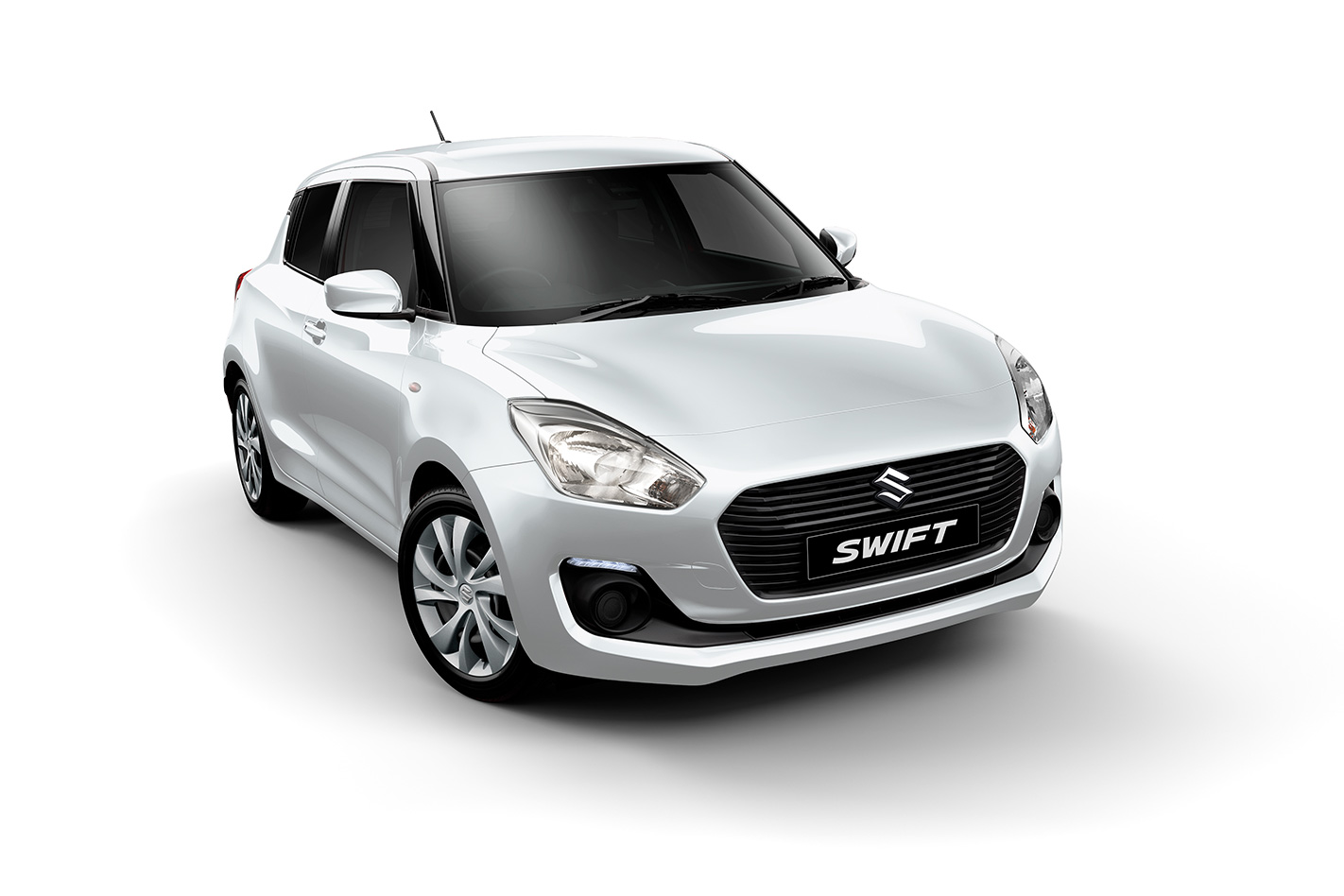
Priced at $15,990, the barebones Swift lacks a touchscreen infotainment system but makes do with a sound system with radio, AUX and USB inputs, and Bluetooth connectivity for audio streaming and phone calls. It also features cruise control, cloth seats, a leather-wrapped steering wheel with control buttons, air-conditioning, power adjusted door mirrors, daytime running lights, tinted windows, and 15-inch steel wheels with hubcaps.
For an extra $2000, the Swift GL Navigator has the same engine with a CVT auto and adds a 7.0-inch touchscreen with reversing camera, built-in satellite navigation, digital radio, and support for Apple CarPlay and Android Auto. It also has LED daytime running lights, hill-start assist, and 16-inch alloy wheels.
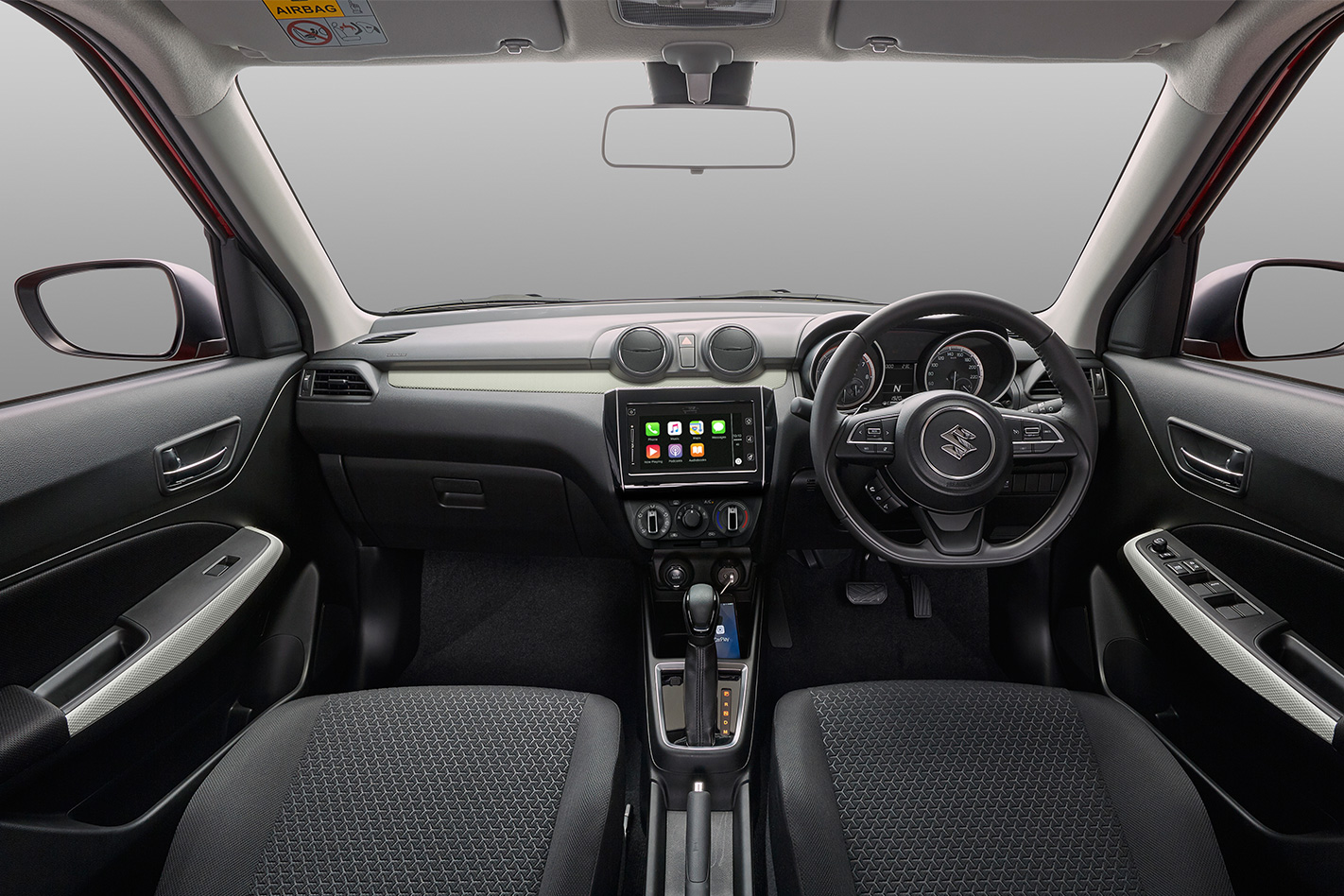
The GL Navigator has the option of a $1000 Safety Pack which brings driver assistance features such as adaptive cruise control, autonomous emergency braking, lane departure warning, and a weaving alert.
The GL-X Turbo on the hand is considerably different and is powered by a gutsy 82kW/160Nm 1.0-litre three-cylinder turbocharged petrol engine that is mated to a six-speed automatic transmission. The range-topping Swift also comes with a swag of extra kit including climate control air-conditioning, keyless entry/start, reach-adjustable steering wheel (the others only go up and down), LED dusk-sensing headlights with auto-high beam, wider tyres, and the safety pack as standard.
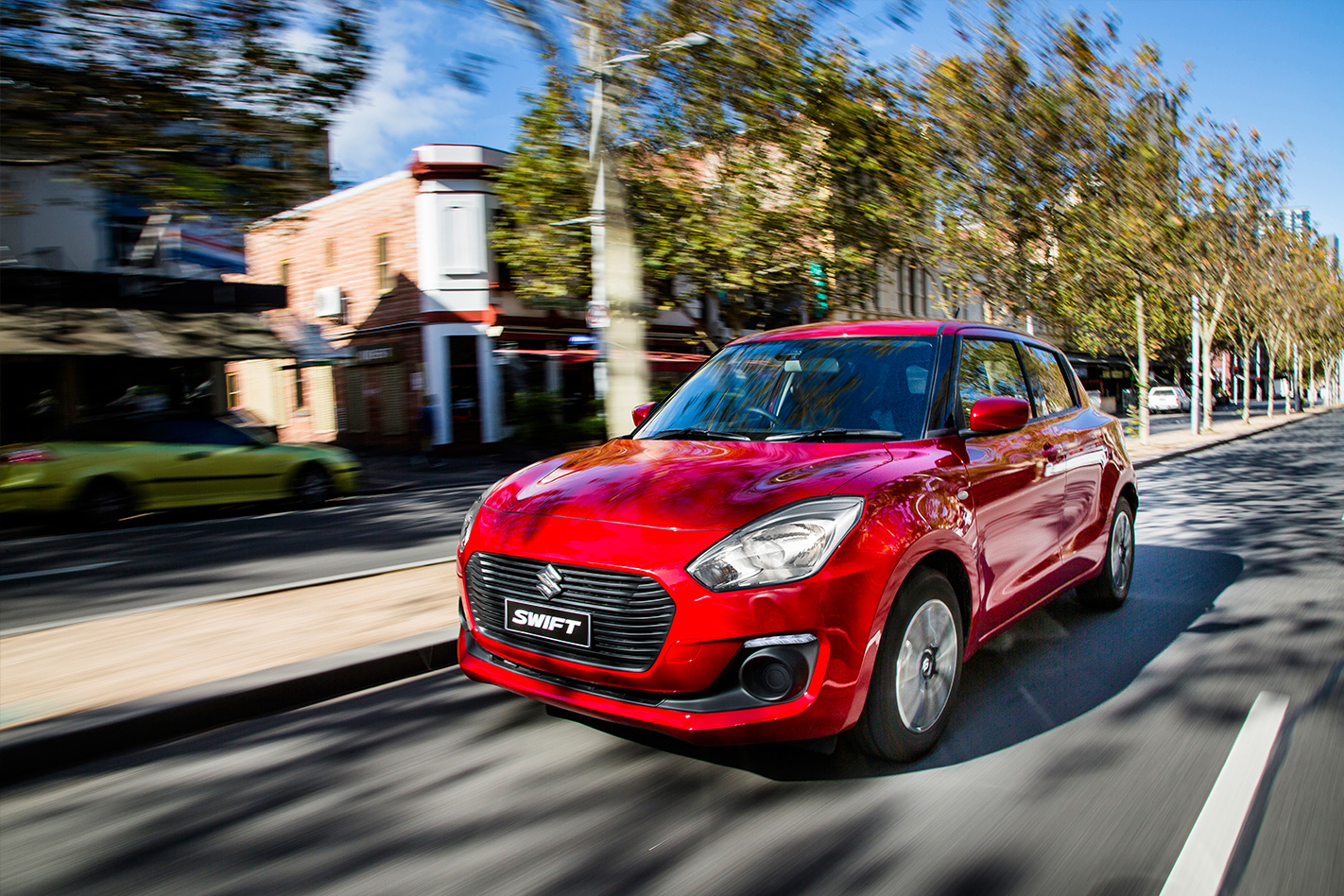
- Swift GL manual – $15,990
- Swift GL Navigator CVT – $17,990
- Swift GLX Turbo auto – $22,990
Our Pick
For a feature-rich, all-round good drive with auto transmission for easy progress in heavy traffic, the GL Navigator is the value bet. The optional safety pack is worth considering for the additional peace of mind, and its active cruise control.
Available options
- Safety pack (GL Navigator) – $1000
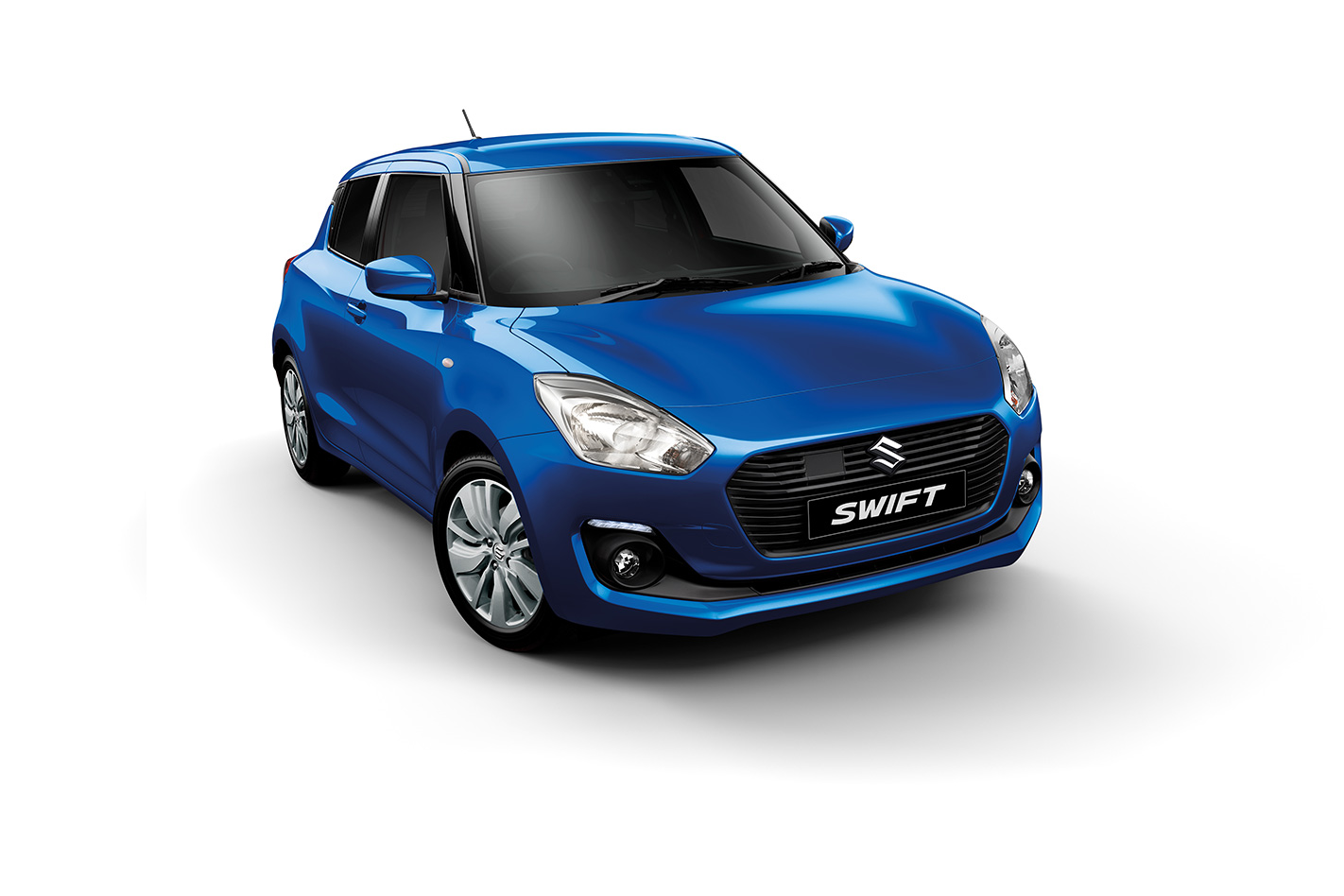
- Premium paint – $500
- Mineral Grey premium paint with contrasting black roof – $1000
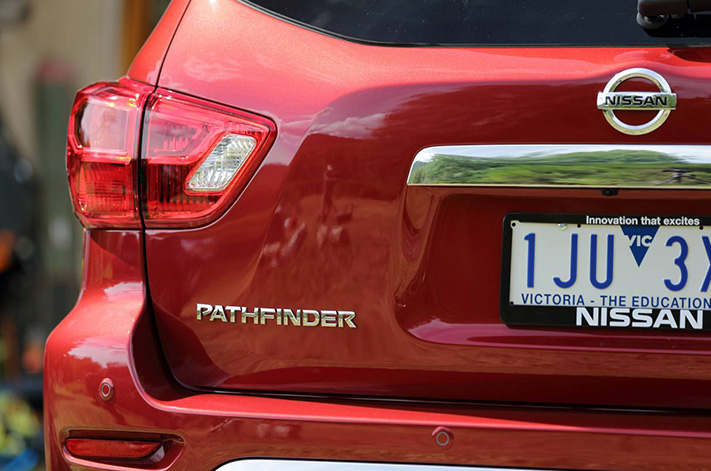
NISSAN’S large seven-seat SUV option is the Pathfinder, and the top-shelf Ti grade, reviewed here, is the most well-equipped, most luxurious and most expensive Pathfinder on sale.
However the Pathfinder hasn’t had the greatest standing with Australia’s motoring media since the current-generation arrived Down Under, with ride and handling being at the top of the list of complaints.

On top of that, there’s also a fresh new face and more safety and infotainment equipment than before. So, how does it stack up now?
ON PAPER
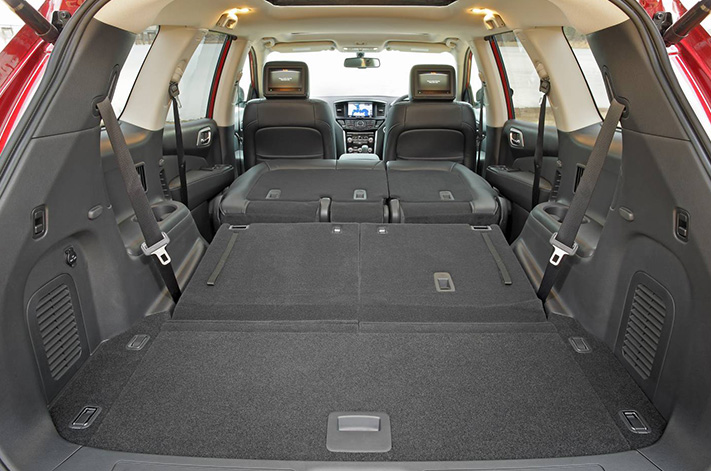
Measuring just over five metres in length, the Pathfinder is massive. Bigger than a Toyota Kluger in every dimension and only a smidge smaller than the Mazda CX-9, the Pathfinder’s greatest strength is the sheer amount of space it offers.
And retailing at $66,190 for the top-range Pathfinder Ti all-wheel-drive tested here, the top-grade Pathfinder has a strong price advantage over comparably-equipped rivals like the Toyota Kluger Grande and the Mazda CX-9 Azami.
WHY IS IT IMPORTANT?
For Aussie families with two or more children, large three-row SUVs have long been the vehicle of choice thanks to their comfort, size and seating flexibility.
The Pathfinder has been around in its present form since 2013, when it switched from being a utilitarian 4×4 based on the Navara ute to a more car-like wagon. However, slightly soggy on-road dynamics and less-than-competitive equipment levels hurt its sales prospects in Australia.
FIRST THINGS YOU NOTICE
From the commodious and power-adjustable front seats the Pathfinder gives you a commanding view of the road ahead, while the big Nissan’s high hip-point elevates your eyeline well above traffic.
Concerned about managing all that bulk? Thankfully, a top-down 360-degree camera view helps take most of the guesswork out of parking Nissan’s big bus.
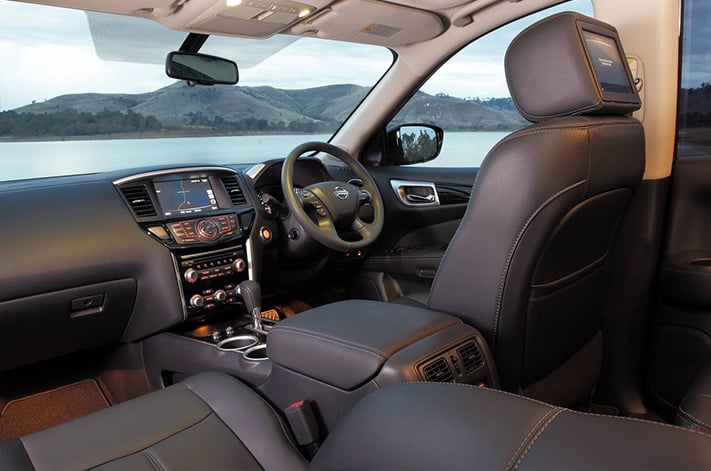
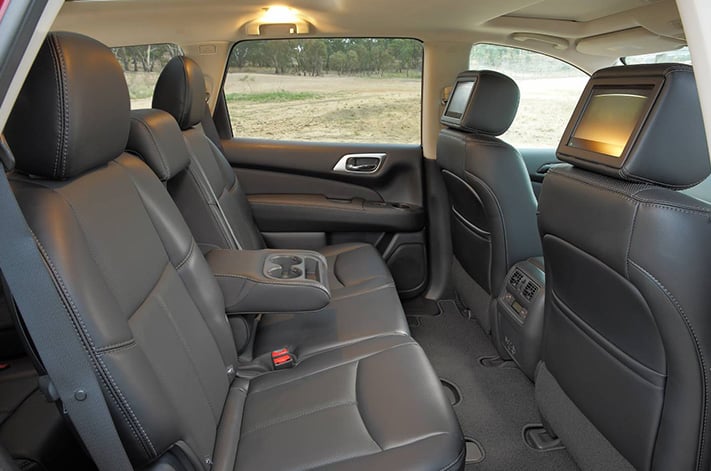
Those rear screens, by the way, can each play a different video simultaneously – just the thing for keeping siblings from squabbling.
A space-saver spare wheel is a definite downer though – bear that in mind if you’re planning on any long-distance touring.
PLUS AND MINUS
First things first – Nissan has rectified most of the pre-update Pathfinder’s problems with the 2017 model’s rejigged suspension.
No longer does it feel marshmallow-soft and loosely connected to the road, and the ride shouldn’t induce sea-sickness in your passengers anymore. It’s not the dynamic leader of its segment – the CX-9 scores more points there – but it’s definitely a nicer car to drive now.

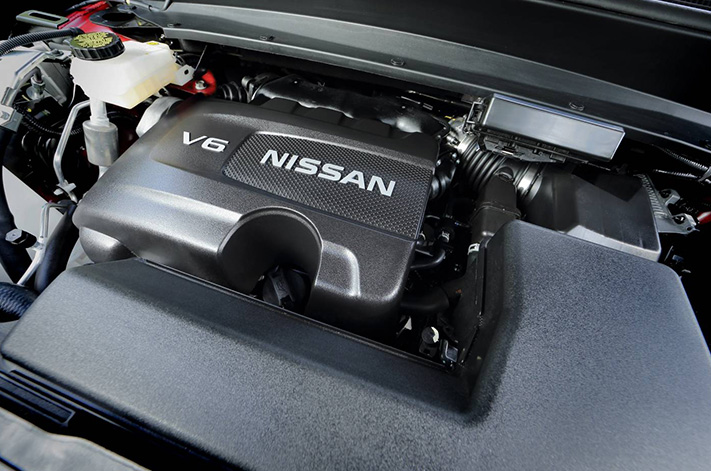
We welcome the extra muscle, but as before the petrol-only Pathfinder remains a thirsty machine.
VERDICT
The Pathfinder is a little more toned now that Nissan has had a second crack at its suspension, the result being a car that’s easier to live with, safer and better equipped.
However, it doesn’t go quite far enough. It can’t touch the COTY-winning Mazda CX-9 for overall polish and the Hyundai Santa Fe and Kia Sorento ride better and have more fuel-efficient diesel options, so for now the big Nissan remains a middle-of-the-pack option.
If you’ve been paying attention, my opinion on the Metallic Moss hatchback that is my Holden Astra RS long-termer has oscillated wildly from ‘love’ through to ‘moderate discontent’.
So now, after nearly half a year behind the wheel, where do I stand? Am I any less conflicted than I was in the beginning?
It’s hard to develop an emotional attachment to something as prosaic as a mainstream small hatchback, and truth be told my eyes won’t be welling up as I hand back the keys to Holden. That being said, I will miss more than a few things.
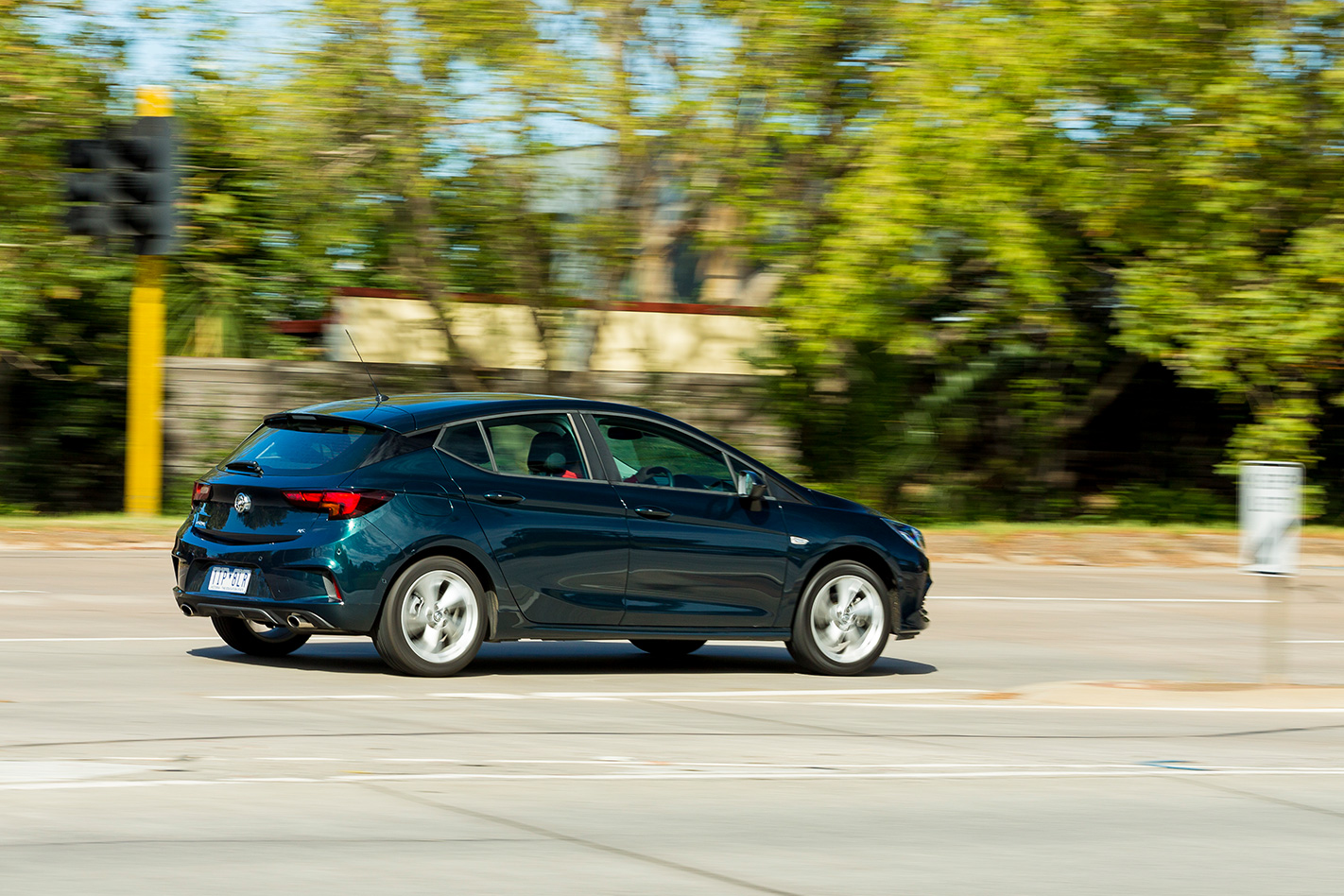
For starters, the engine is undoubtedly the cherry atop the sundae that is the Astra RS. Its 1.6 turbo makes mega torque for a hatchback that isn’t pitched as a performance car, yet it’s refined, makes nice noises, and has the flexibility necessary to lug around town with ease.
It also loves to be worked hard, and thrusts forward with vigour when you prod the ‘Sport’ button that is hiding behind the gear lever, unlocking the overboost.
And the balance between ride and handling, for me, lands right in the sweet spot.
Dynamically capable, the Holden Astra also enjoys a ride comfort that is perfectly suited to ironing out even the shonkiest of suburban streets. Though it’s a little too soft and compliant to properly harness its sizeable 147kW/300Nm outputs – not even brake torque vectoring can contain that inside wheelspin if you’re a bit heavy throttling out of a slow corner.
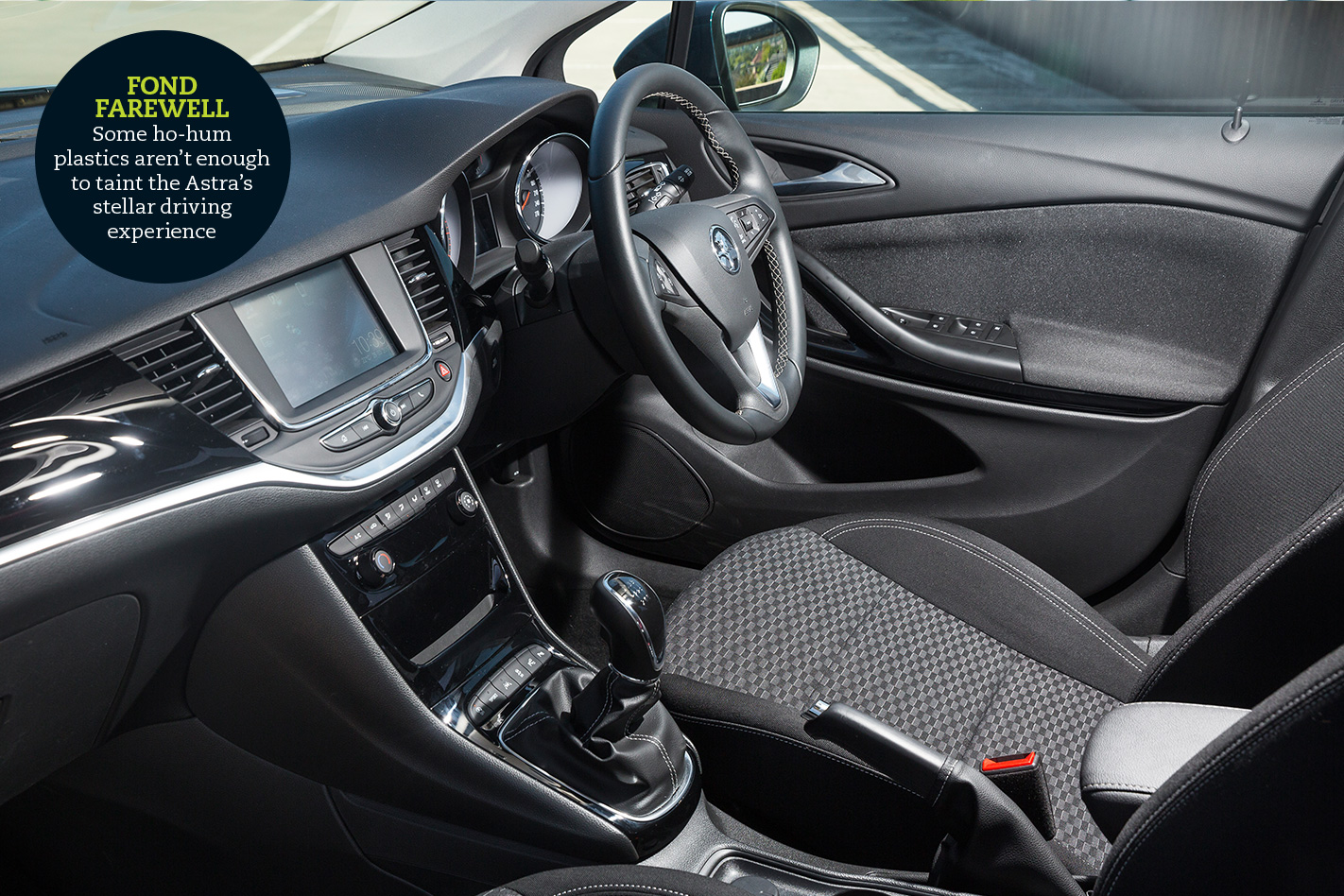
The Astra’s interior has also won me over.
Its clean surfaces and uncluttered centre console places it somewhere between the charmingly minimalist Peugeot 308 and the ultra-efficient (if a little soulless) Golf 7.5 for aesthetic appeal. Material quality and selection, however, still doesn’t tickle my fancy – especially its dust and fingerprint prone piano black plastics.
That’s a minor concern though, and one that’s balanced out by virtues such as excellent seat comfort, standard smartphone mirroring, and a lovely six-speed manual.
And here’s the thing: over the past 16 weeks, there was never a day where I truly didn’t want to drive the Astra home.
Sure, there was the occasional overnight tryst in some of the more high-end cars that have rolled through chez Wheels, but I’d always happily return to the comfort of the RS.
That’s a ringing endorsement for a do-it-all small hatch that is designed for the average Aussie motorist.
Stepping from the likes of a Lexus LC or a Mercedes E43, and straight into the Astra never felt like punishment – it was like slipping back into a pair of high-end sneakers after a day in dress shoes.
PETER ‘Pap’ Papanicolaou is one of those characters who seems to have been around automotive publishing since, well, forever.
The 53-year-old graphic designer and photographer has had a long career romping through a bunch of independent motoring and motorcycle titles.
Pap has in fact spent the past 10 years with Outback, published by bootmaker R.M. Williams. But he’s more than kept his hand in the automotive scene by designing and building, with identical-twin brother Nick, a world-class track-day race car, the Spartan.
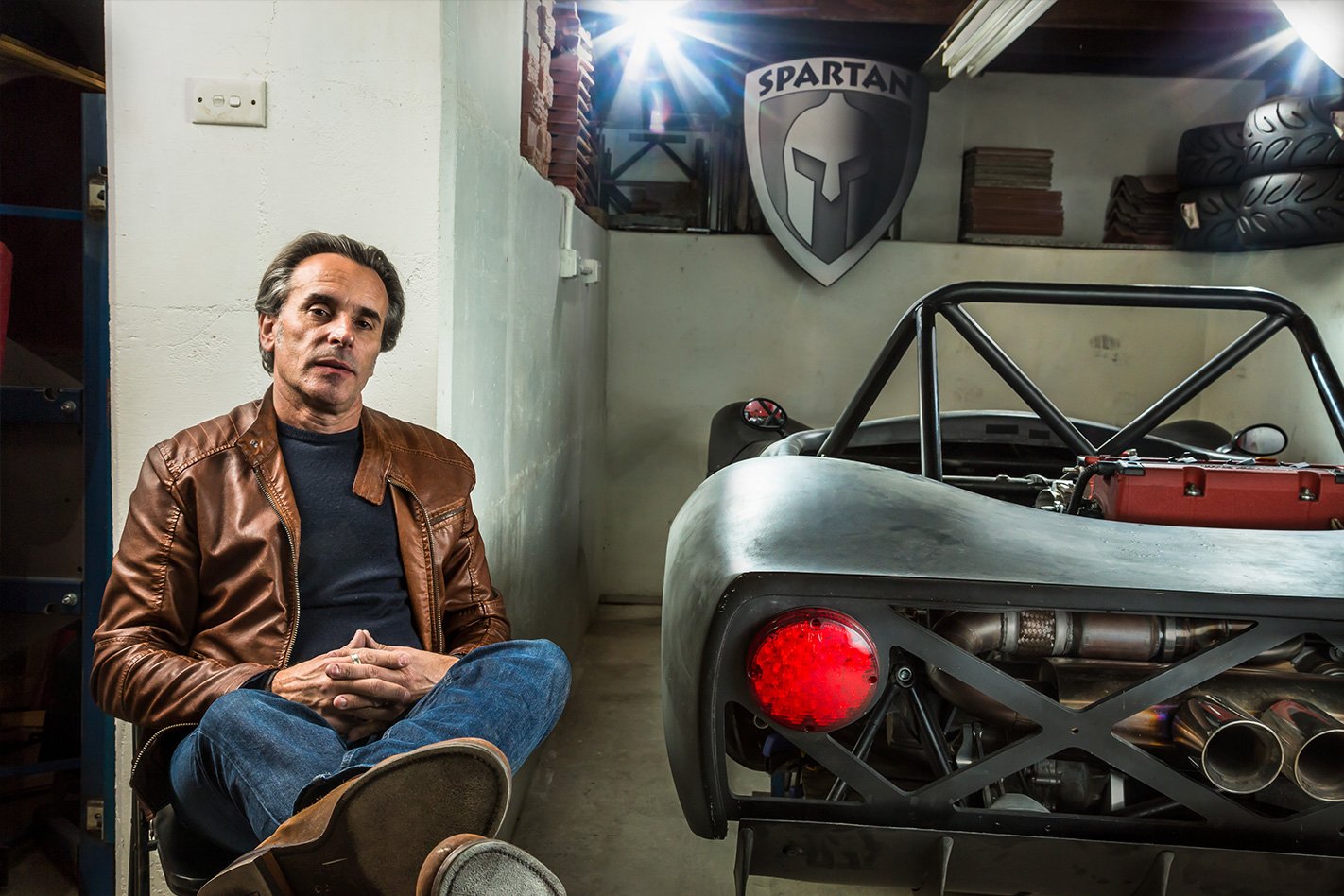
The brothers grew up in Sydney; their father owning an engineering workshop. “We used to drive around my dad’s factory units, learning to slide and drift an old XR Falcon ute! When we got our licences we had an E49 Charger, and a [Leyland] P76 that was faster than that.”
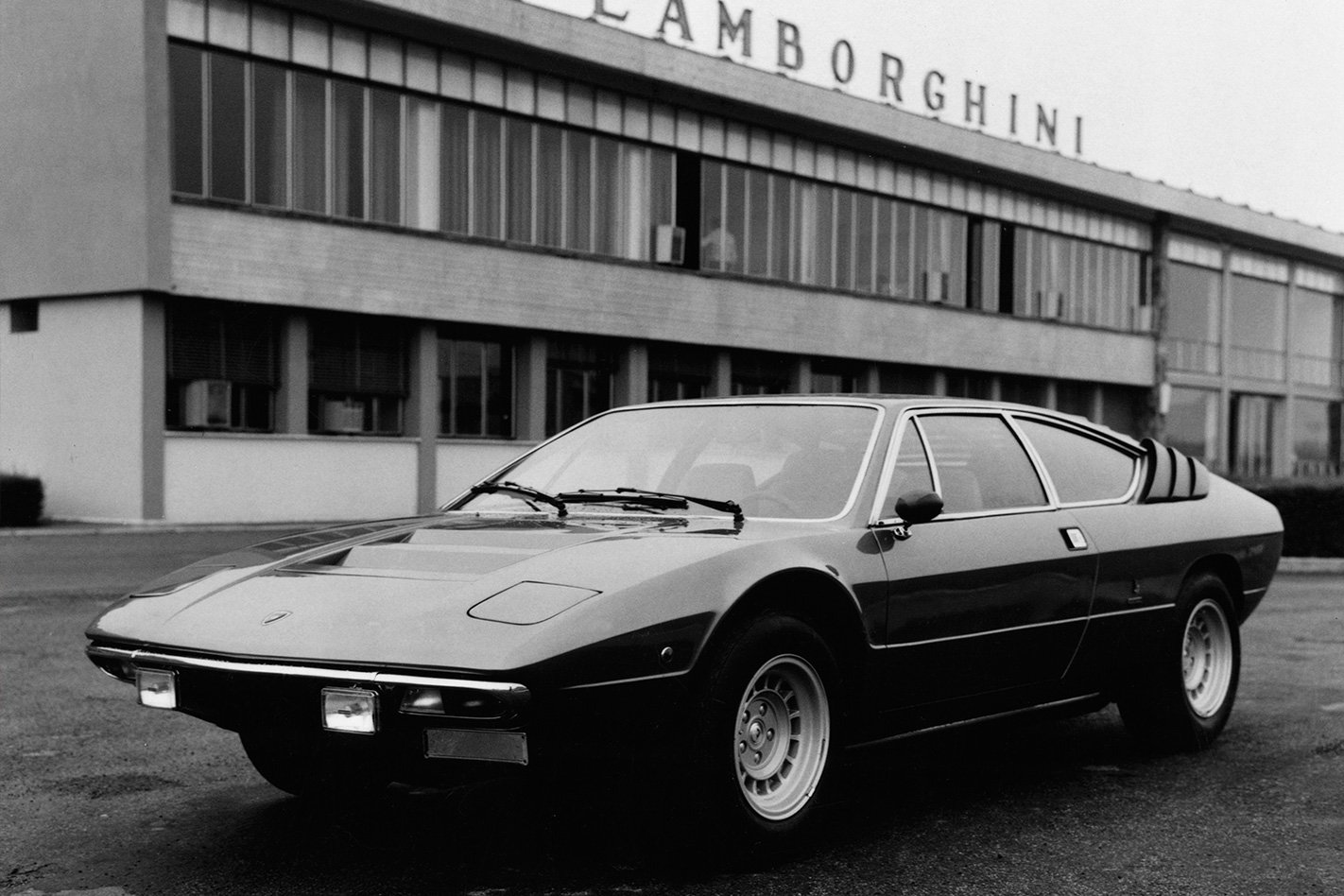
A Fiat X1/9 “with a race motor” and brother Nick’s Lamborghini Urraco were also in the mix, but career and family then brought Peter “a couple of decades of having nothing special.”
“But I always had this idea of building a super-fast, lightweight car with a bike engine,” Peter says. “I mentioned it to Nick one day and he said, ‘Yeah, let’s do it.’ And that was it.”
The brothers already knew their way around cars, no less around a lathe and a milling machine.
Peter put his graphic skills to designing the neat, carbonfibre barchetta body. In keeping with the minimalist Latin appeal, they bought a near-new Ducati 1198S for its 127kW, V-twin engine.
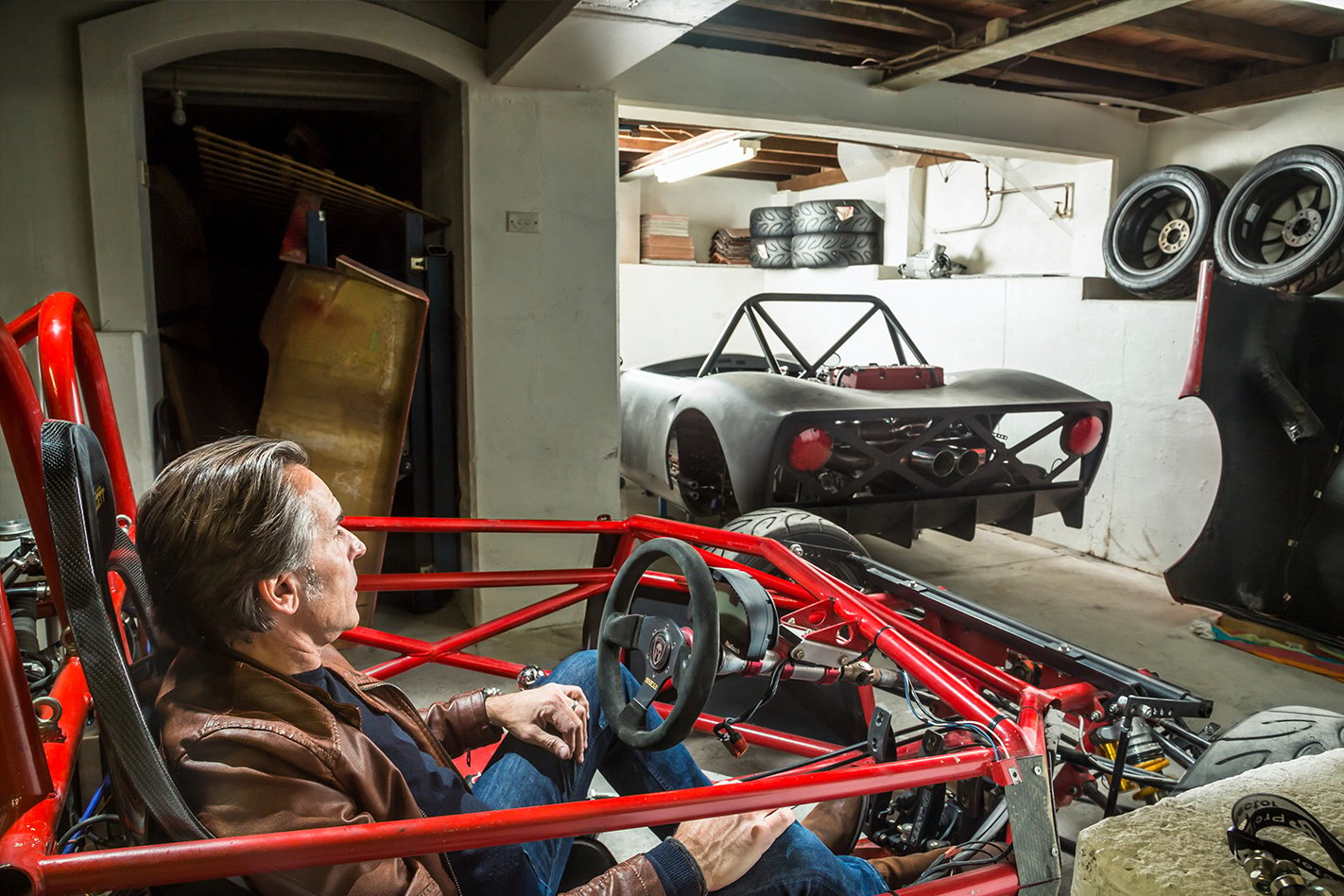
That first iteration took the brothers four years to build, working in their spare time.
“It just takes a lot longer than you expect. You double it, then you triple it.”
The first Spartan was unveiled at the 2011 Sydney Motorcycle Show. Weighing just 450kg and bristling with brand-name components, it was quick as stink, the brothers claiming 0-100km/h in under three seconds. But the bike-derived transmission was proving to be marginal, and there were other things the boys wanted to improve.
Spartan 2.0 would have a 1.5-litre Honda Jazz engine and a Sprintex supercharger.
“We had to chop the back off and re-engineer the whole thing. That took another year of faffing around … then the suspension geometry wasn’t ideal. It would oversteer a bit – which I like – but eventually we ironed out the bugs.”
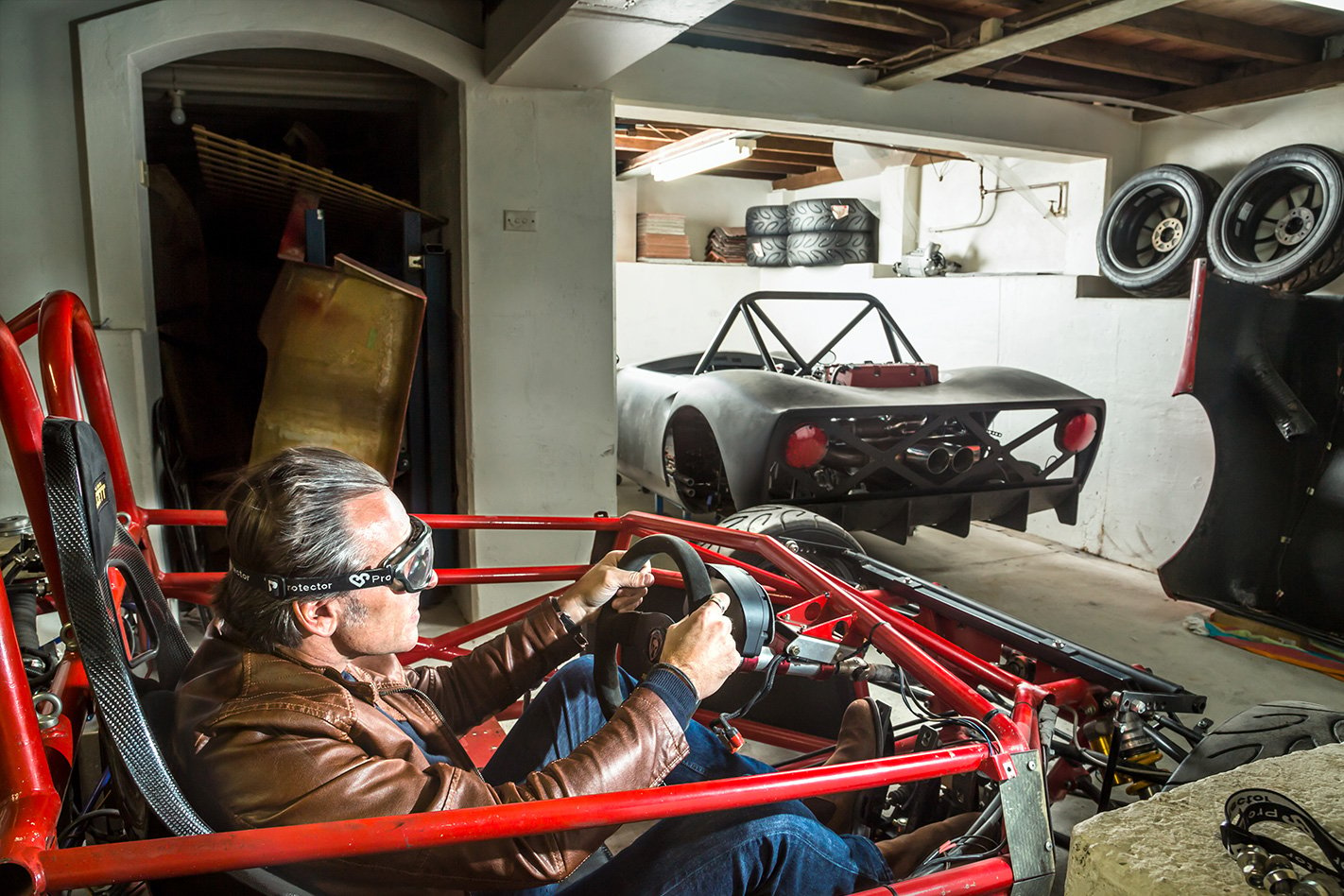
Throughout the car’s development, the weekend- and after-work-warriors have benefitted from the use of a Sydney enthusiast’s private-road facility for testing.
Now 10 years after it began, the Spartan’s evolution has arrived at effectively a new car, powered by a 2.4-litre Type R-derived Honda engine. “It’s making 200kW and it’s bulletproof,” says Peter.
Limited production was always in the plan, but for Pap, it’s already been a hugely satisfying journey.
“It was one of those dream things. You’ve always wanted to build your own car, create something. We just said, ‘Yeah, we could do this … let’s see what we can create.’”
It’s Winter, or the cooler part of forever-summer if you live in the north. And that means convertibles are cheap right now.
If you want to hide one away for the warmer months, now’s a good time to be on the hunt. An MX-5 is the most obvious choice, of course, but a lot of people have MX-5s. What if you don’t want to be like a lot of people? Maybe you’ll want something European.
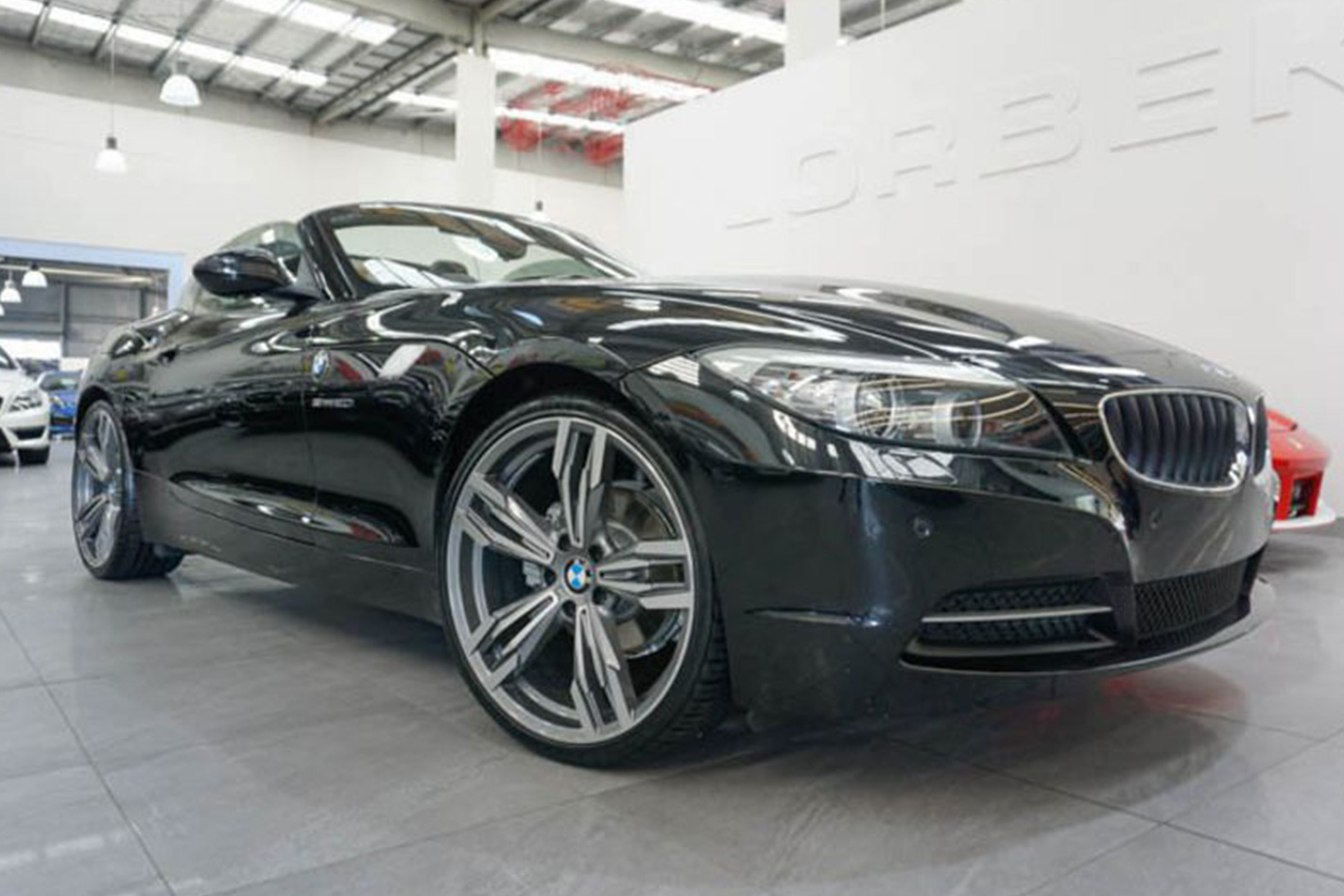
If you’ve got a hankering to feel the wind in your hair (or to lose a few hats) and $45K to shed, you could purchase a new Abarth 124 Spider. Or, you could hunt around for something with a more luxo badge, but with a few years under its belt, like a BMW Z4 20i.
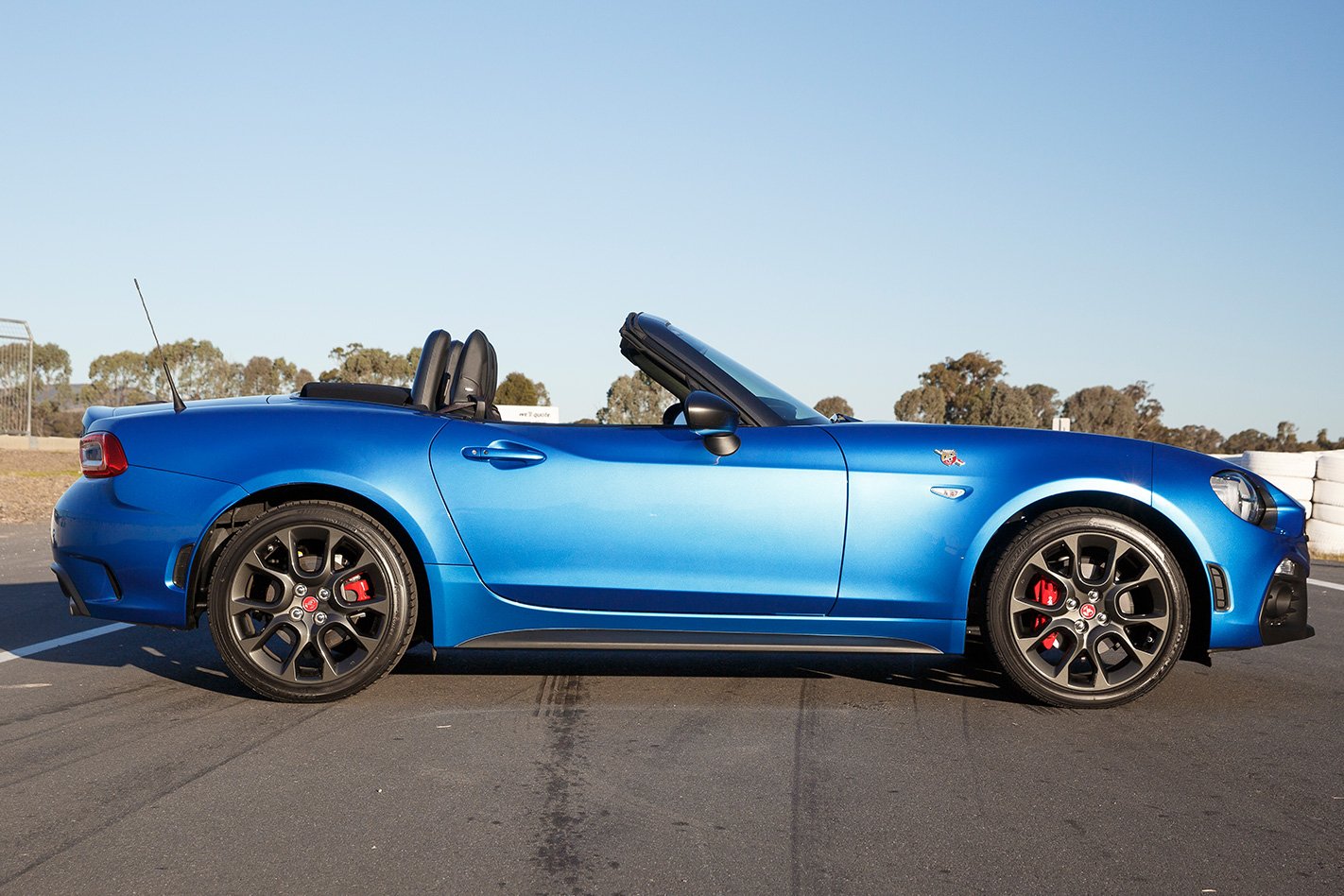
Inside, their relatively simple interiors make clear your attention should be on the road in front of you. It’s one advantage of BMW’s aging interior styling. The Abarth, too, has the same simple charm as the car it’s based on, the ND MX-5. A sound choice if neither of these tickle your fancy.
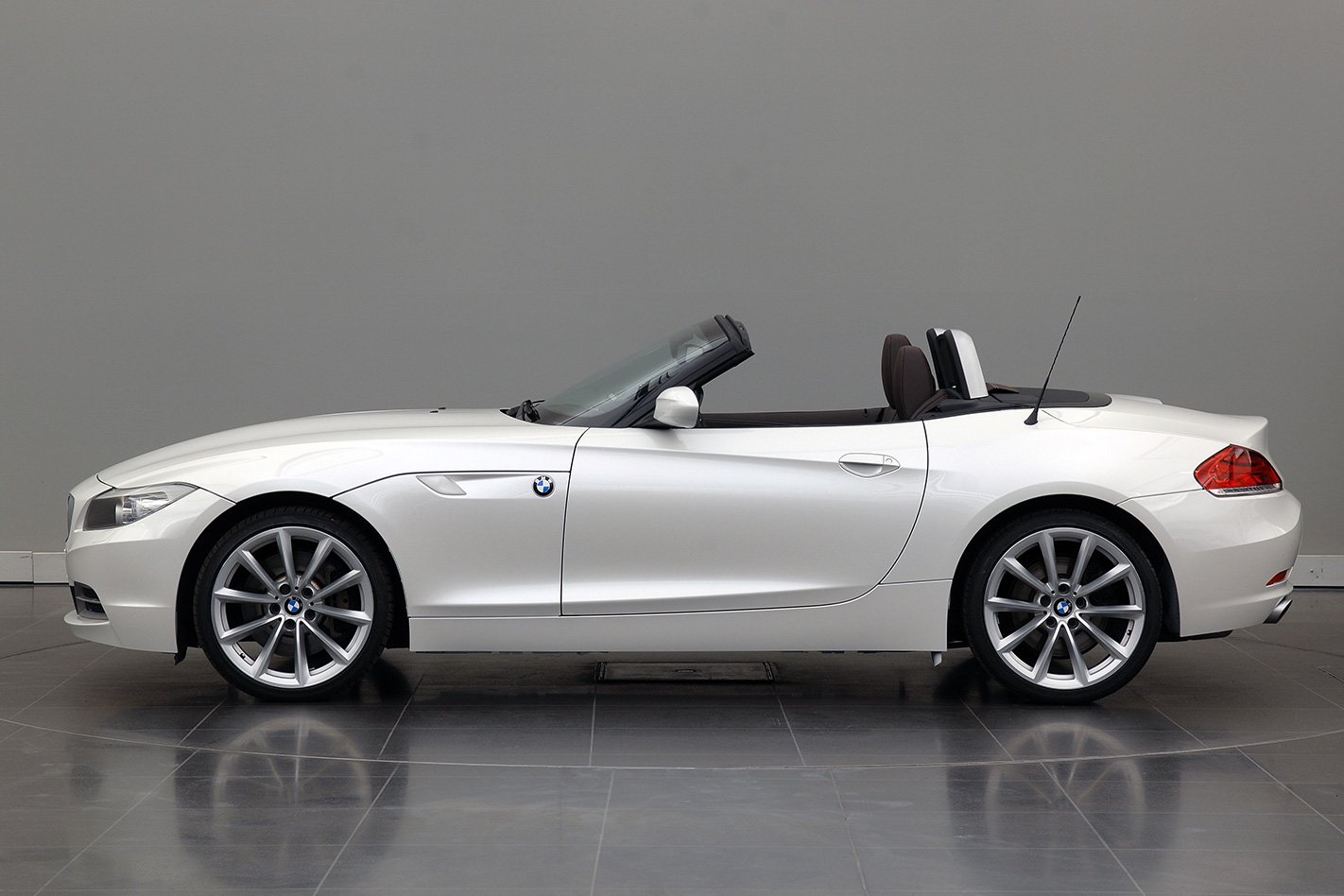
You also get the exhilaration of rushing to close the roof when it starts bucketing. Ah, drop-top motoring bliss.
| u00a0 | 2017 Abarth 124 Spider | 2012 BMW Z4 20i |
| Engine | 1368cc inline-four, SOHC, 16v, turbo | 1997cc inline-four, DOHC, 16v, turbo |
| Power | 125kW @ 5500rpm | 135kW @ 5000rpmu00a0 |
| Torque | 250Nm @ 2500rpm | 270Nm @ 1250-4500rpm |
| Weight | 1060kg | 1420kg |
| 0-100km/h | 7.31sec (as tested) | 7.2sec (claimed) |
| Price | $41,990 | (Used) $37,990 |
Here’s one we found on Trade Unique Cars
2012 BMW Z4 20i – 96,499km, auto, $37,990
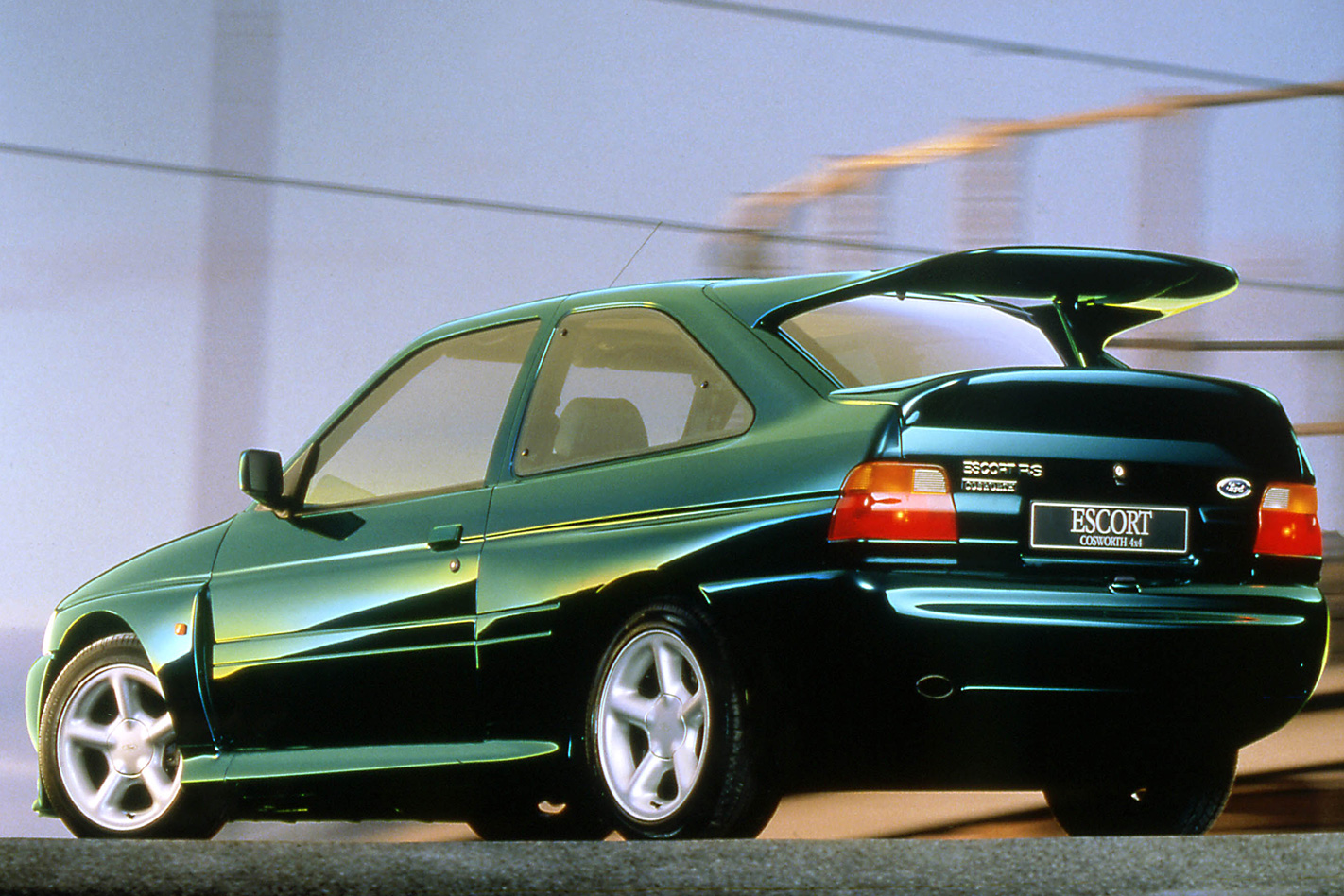
Known to most simply as ‘Cossie’, the Escort RS Cosworth is, in many ways, the forebear on which the current Focus RS is based – if not via direct componentry, but in ethos.
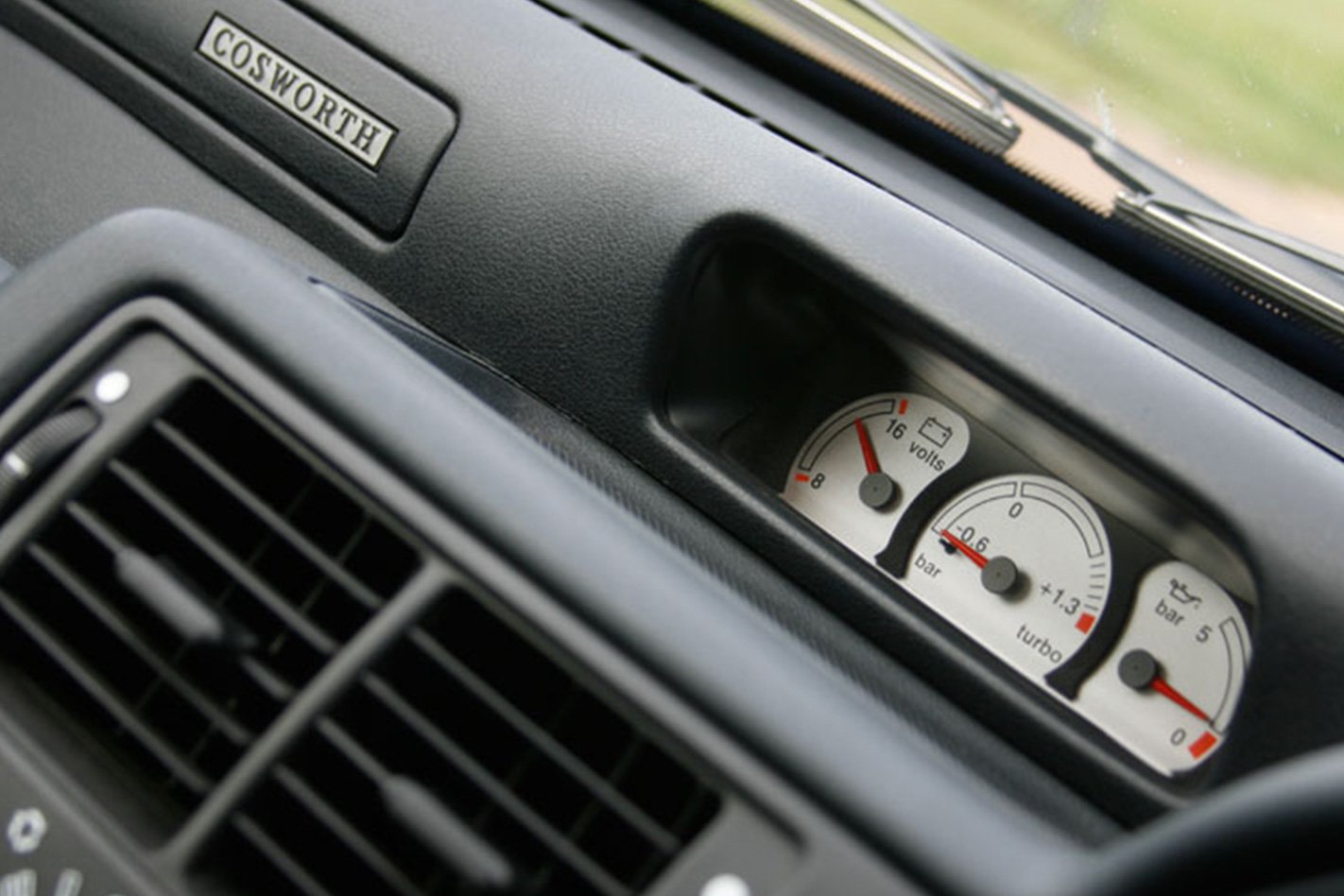
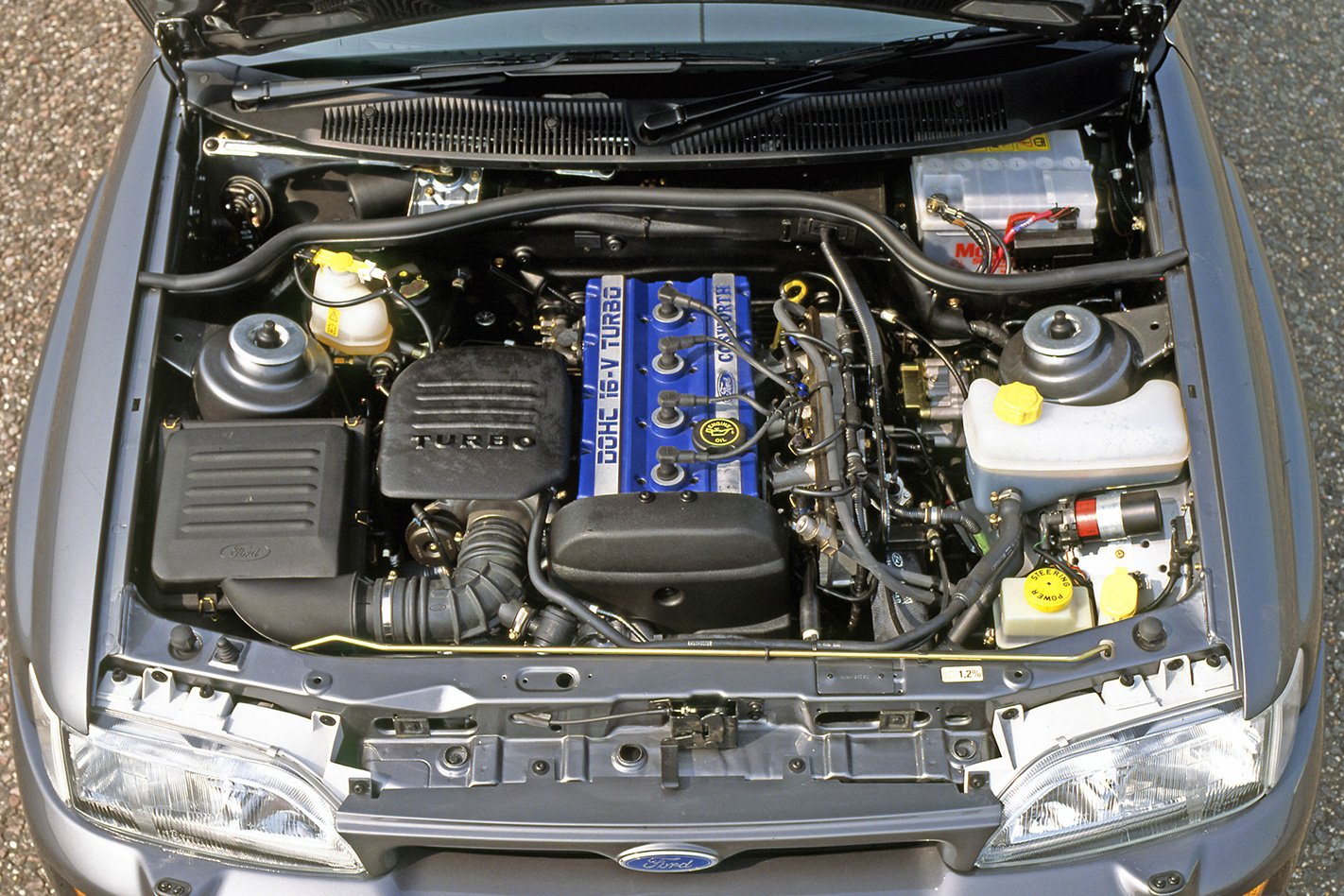
With all-paw traction, a boosted, 167kW/298Nm 2.0-litre four-pot and a 0-100km/h time of 6.1 seconds, it wasn’t hanging about in terms of pre-millennium performance, either. Yet, in 1992 the Escort RS Cosworth had massive shoes to fill, those being the Bathurst-conquering, touring car-championship-wining Sierra Cosworth RS.
However, the brief for the Escort was much different. While the Sierra was a commuter hatch that later transformed into a race winner, the permanent AWD Escort was an unadulterated homologation special. Its success as a road car was more of a surprise than a business plan.
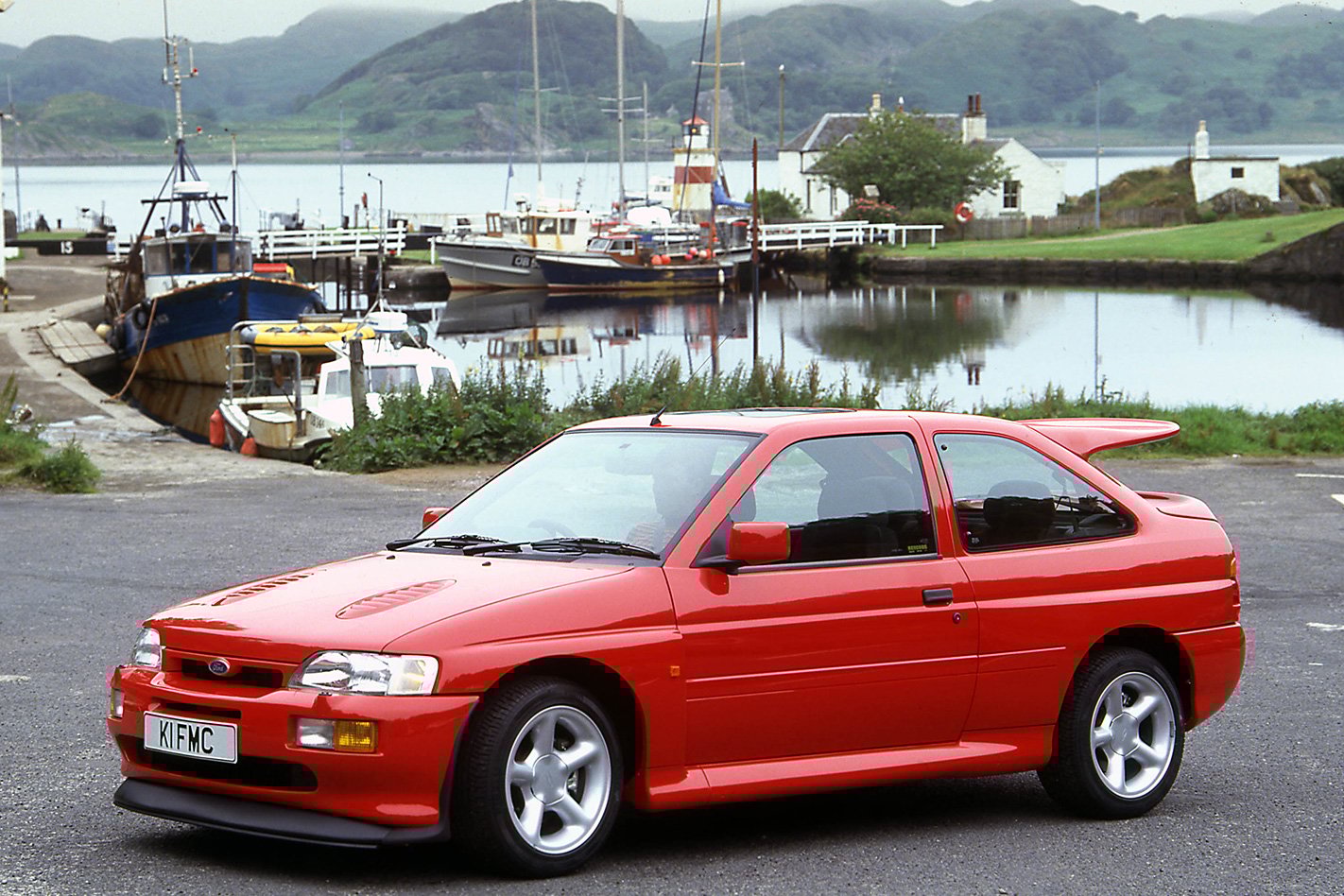
Essentially the Escort RS Cosworth’s bulging body was crafted around a cut-and-shut Sierra RS500 platform, with its longitudinally mounted turbo engine being tied to a Borg Warner T5 five-speed manual and sending power to all wheels in a 33/67 split front to rear.
The first batch of 2500 cars are known as the ‘big turbo’ version, given it used a laggy, but tunable Garrett T3/T04B turbo. Once race requirements were met, the ‘small turbo’ version was introduced with the T25 Garrett unit fitted, which added refinement.
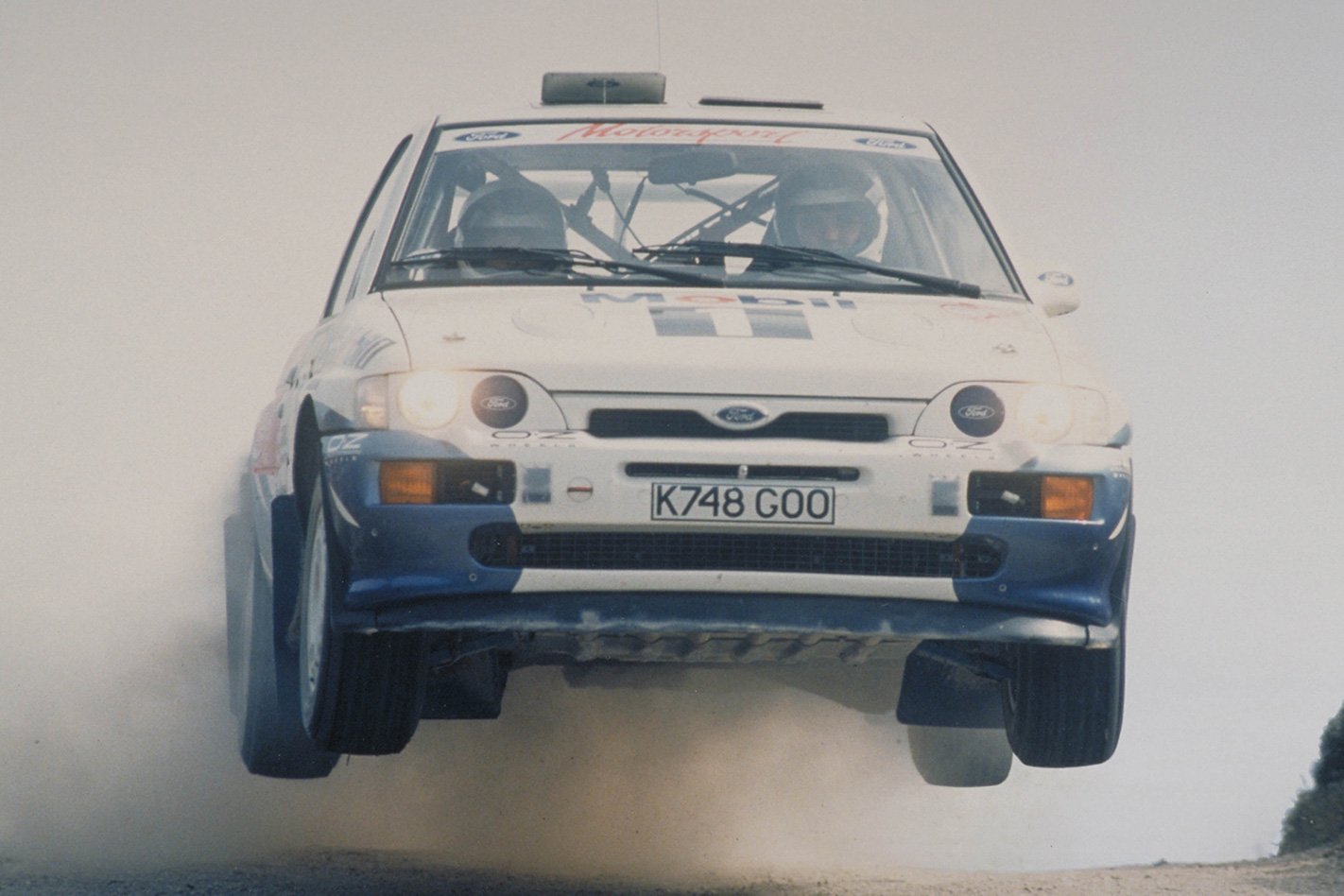
The sad reality of the original hot-hatch defining Cossie is that Ford’s sole, ahem, focus was to win the World Rally Championship – a feat the Escort RS never achieved.
1992 Ford Escort RS Cosworth specs: Engine: 1993cc inline-4, DOHC, 16v, turbo Power: 167kW @ 6250rpm Torque: 298Nm @ 3500rpm Weight: 1275kg 0-100km/h: 6.1sec (claimed) Price new: $45,000 (new; est)
3 Fast Facts
1. Sting in the Cossie’s tail
2. Force-fed four rules the roost
3. Forest fighter fails to flourish
BACK in the mists of 1996 the Porsche line up was not the veritable banquet of high-class vehicles that it now is, including SUVs, sportscars, a big sedan, wagon and a hypercar. Pre-1996 Porsche showrooms were a boutique affair with just three models on display – a 911 (993) and two front-engined coupes that were feeling their age – the 968 and 928.
So you might imagine the arrival of the Porsche Boxster – a fresh-faced mid-engined rear-drive convertible would have been received with unanimous warmth and applause. It wasn’t though, and there can be few automotive injustices as undeserved as the labelling of Porsche’s bouncing baby by some harsh critics as the ‘poor man’s 911’.
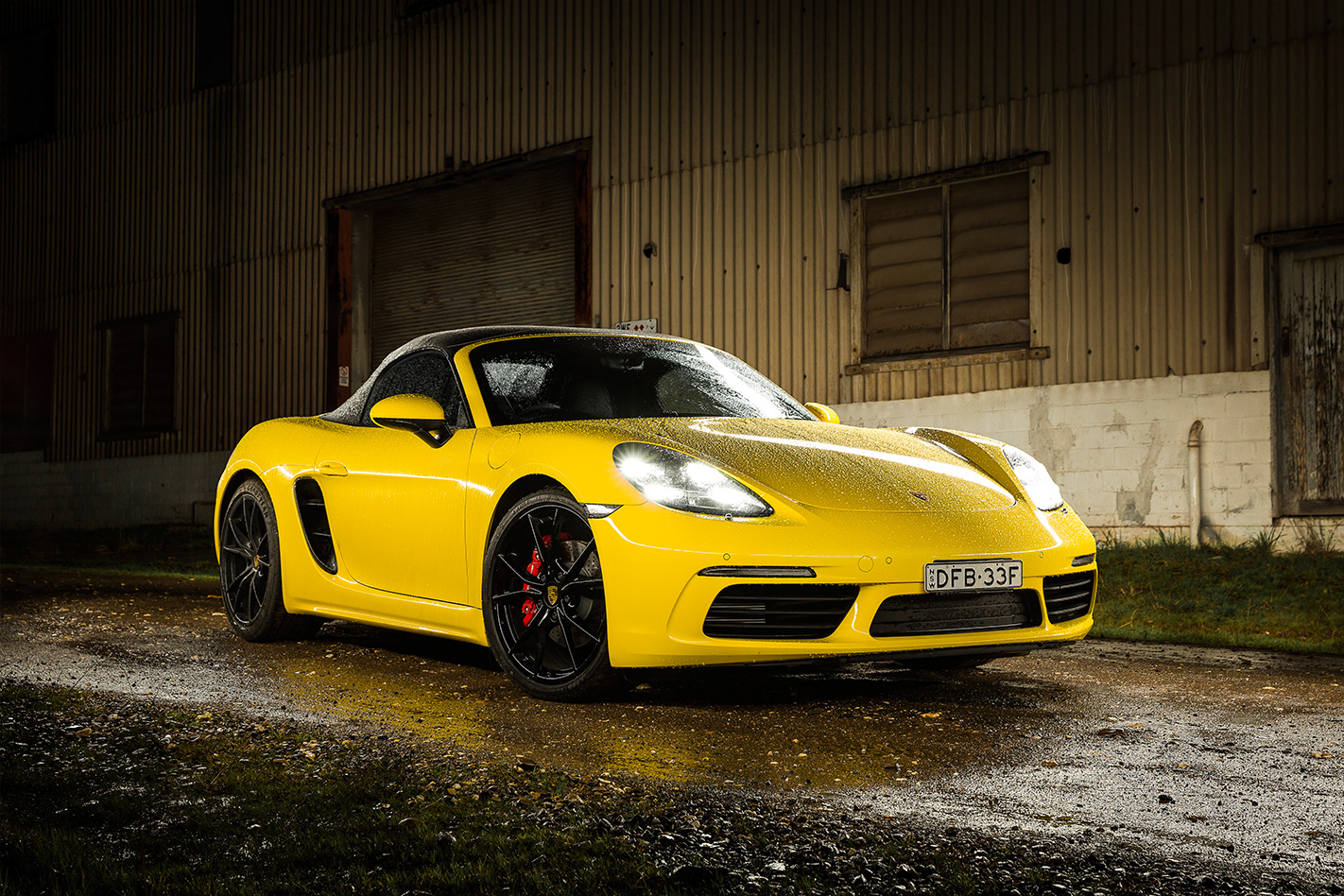
When the Boxster S arrived in 1999 its larger engine was just 200cc smaller than the new 996 911 which had dropped air cooling in favour of liquid, just like the Boxster’s six. This arguably strengthened the connection between the pair and fuelled more comparisons.
In the mid-1990s the decision to slot a six into the Boxster was less about emissions and more about cost, with significant savings made possible by parts commonality with the incoming water-cooled 911.
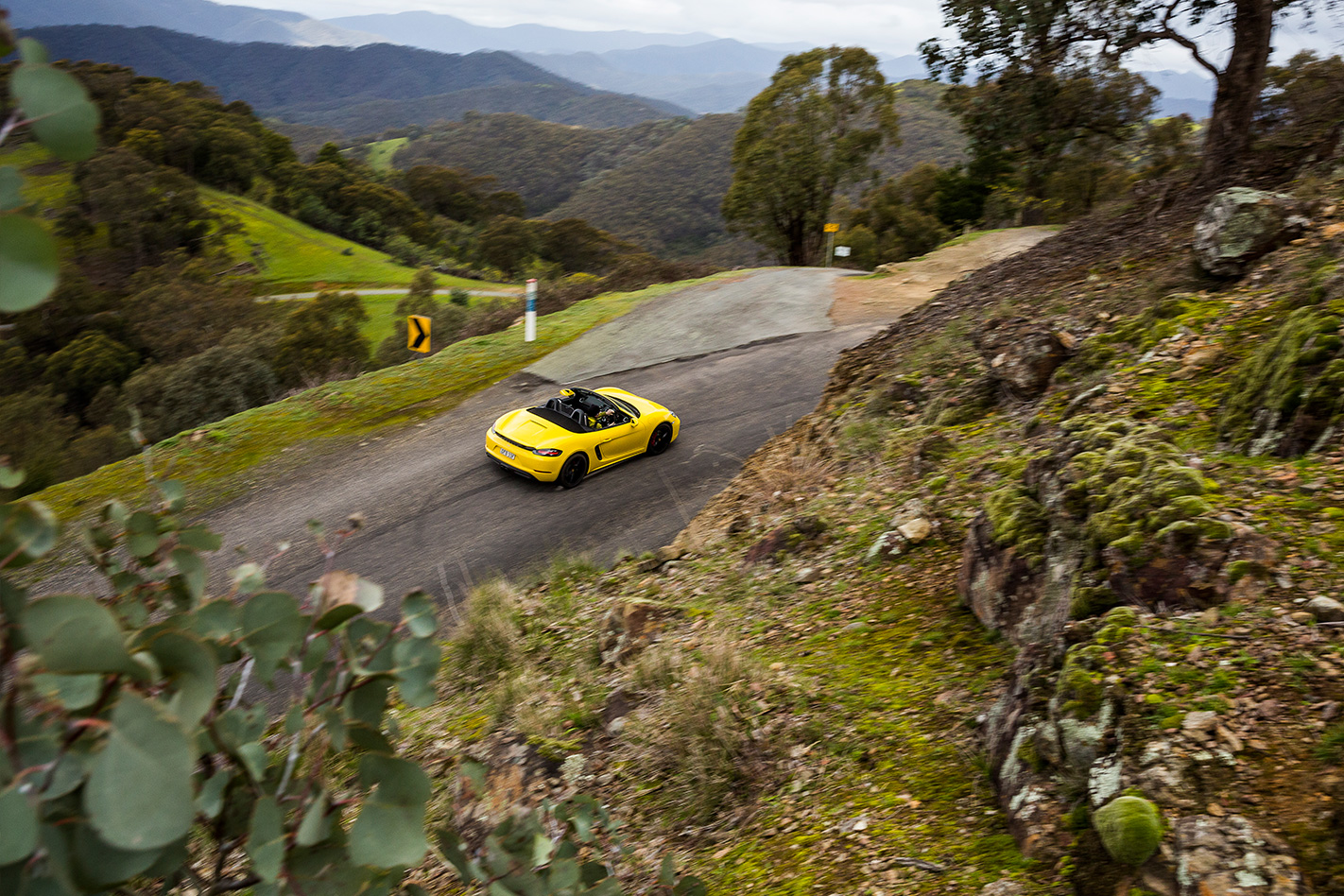
Jump ahead 20 years from the original Boxster’s debut and the launch of the fourth-generation brought a significant change. Gone was the naturally aspirated flat-six and in its place a turbocharged flat-four in 2.0-litre or 2.5-litre varieties.
The amputation of two cylinders and addition of a hairdryer caused yet more Porsche purist arguments, but the axe of ever tightening emissions regulations loomed and there are few car makers that haven’t resorted to downsized turbo engines to meet tough CO2 standards.
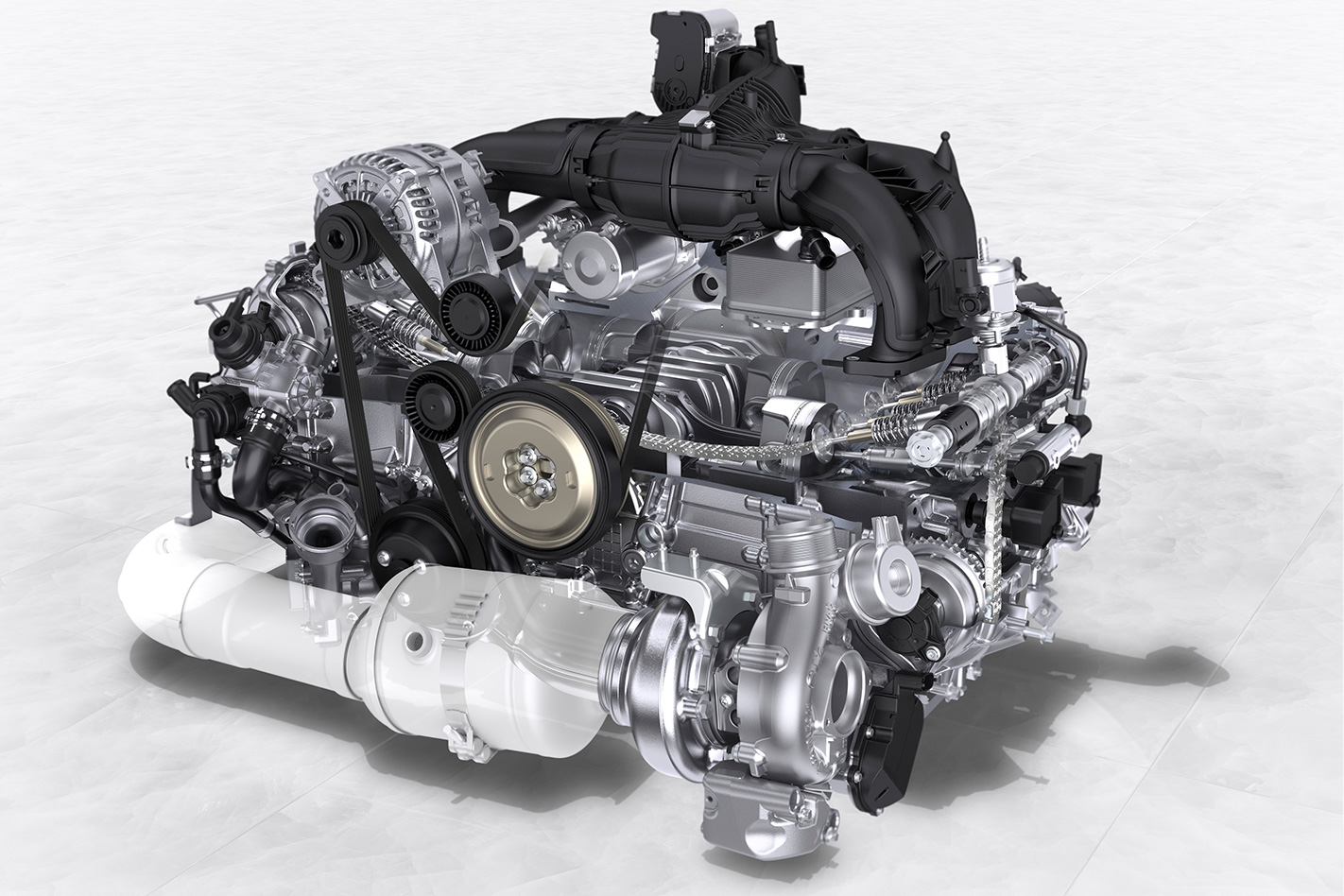
For a start, just its vital statistics on paper are a step up over the outgoing six. Compared with the previous 3.4-litre 232kW Boxster S, the new 2.5-litre knocks out 257kW. Even more than the exclusive Boxster GTS, which was squeezed to 243kW.
It’s also faster, with the zero to 100km/h dash done in 4.2s compared with 4.7s for the GTS, or 4.8s in the case of the last atmo-engined Boxster S with PDK auto and Sport Chrono pack.
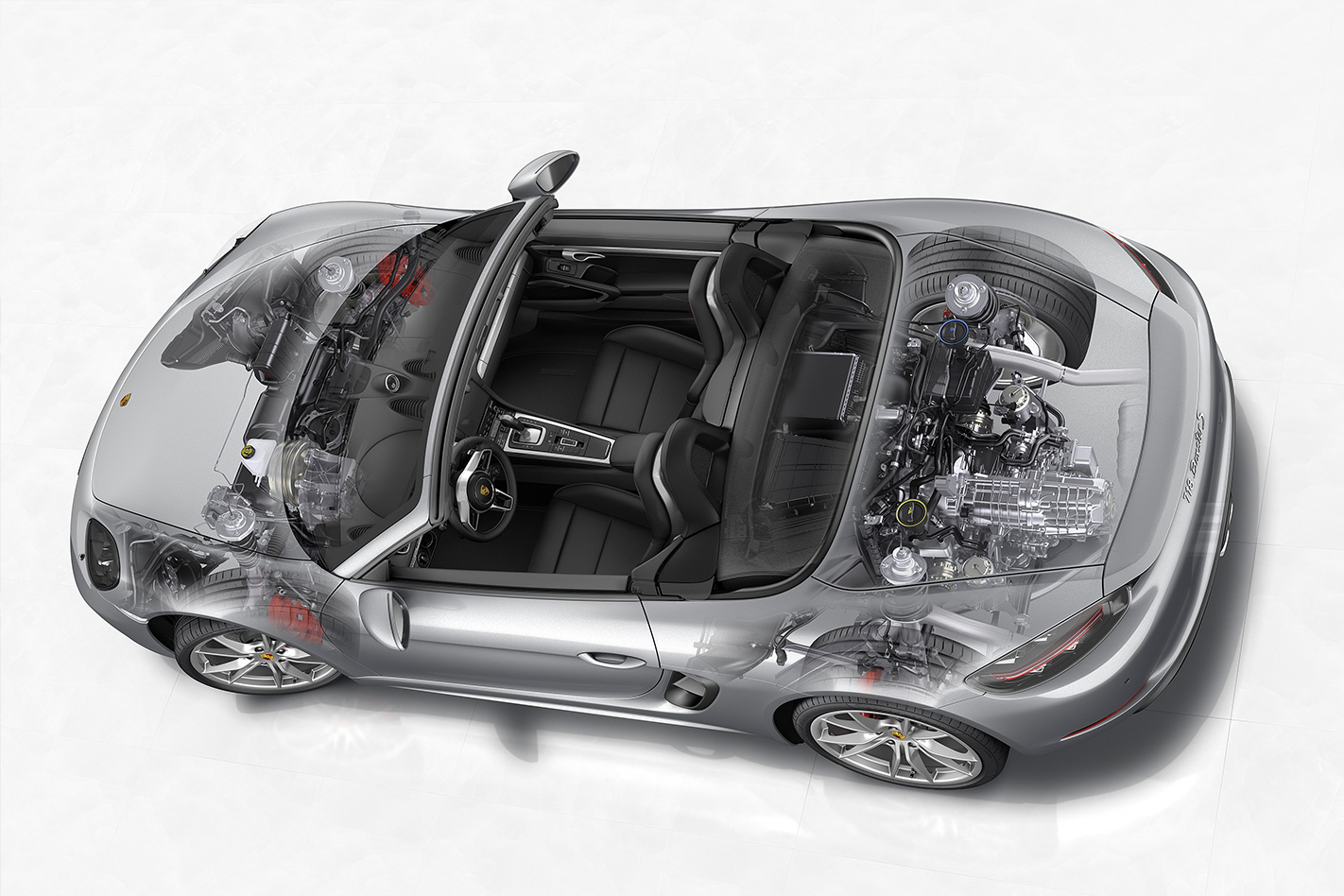
Those figures are backed up with real world performance and fun, and the Boxster S is a properly fast machine. A massive torque swathe of 420Nm comes in at just 1900 rpm and lasts through to 4500 rpm.
Turbo lag is minimal and actually enjoyable, like waiting for the drop in your favourite house track. But when the torque punches in, the Boxster launches with an eagerness like no other version before it. Keep your toe in until the power takes over and you’ll have a smile plastered on your face until the tank is dry.
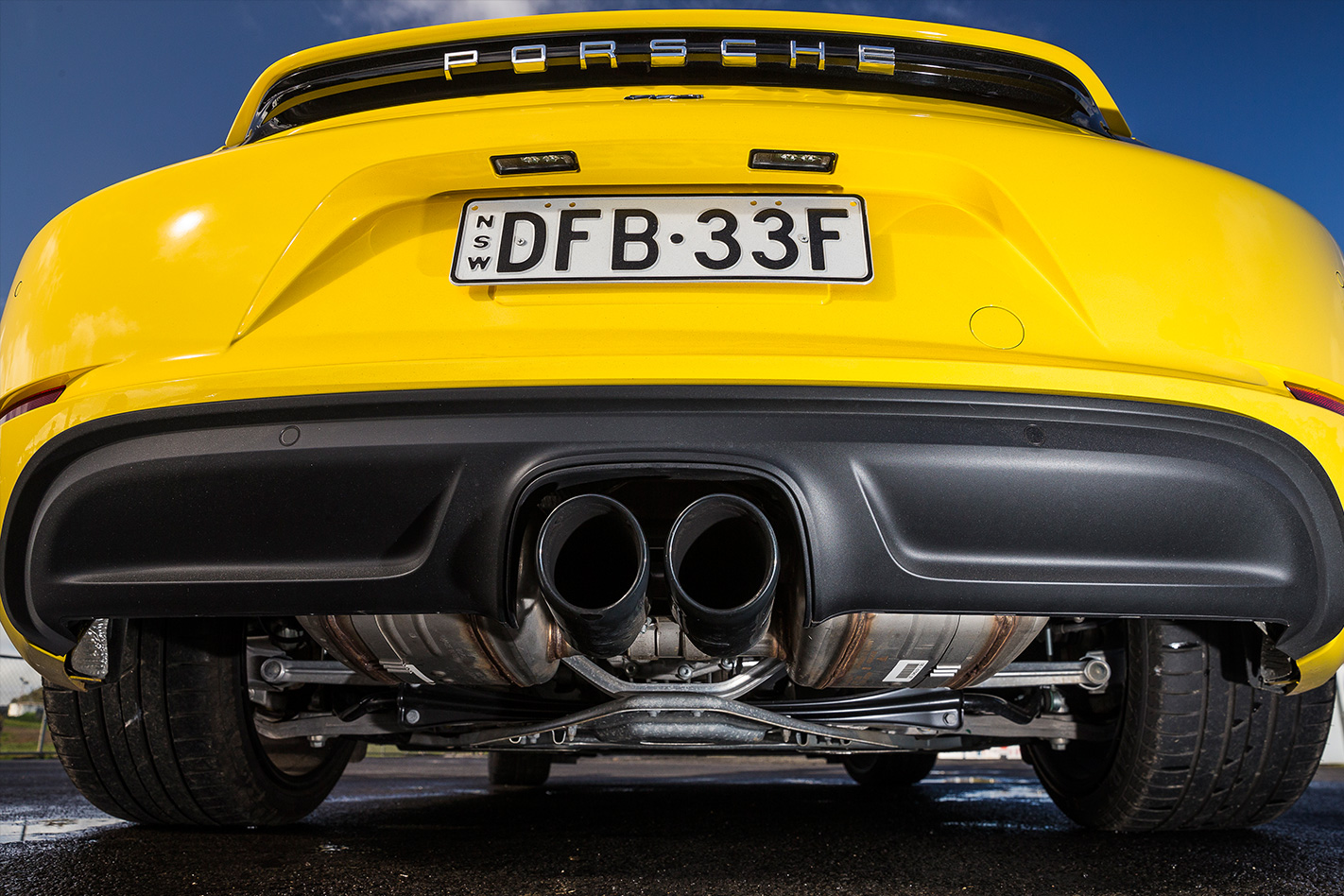
At idle the off-beat sound is not unlike an original Volkswagen Beetle which doesn’t necessarily impart an aggressive quality to the Boxster but is certainly charming. Mid-range revs when paired with the optional sports exhaust take on a far more purposeful note and any scoffing that the sound is similar to a WRX is immediately quashed as the revs rise further.
Beyond 5000 rpm the Boxster sings with its own unique voice not like anything else on the road and certainly nothing like an AWD Japanese sedan, because even the WRX STI is begging for another gear at 6600 rpm.
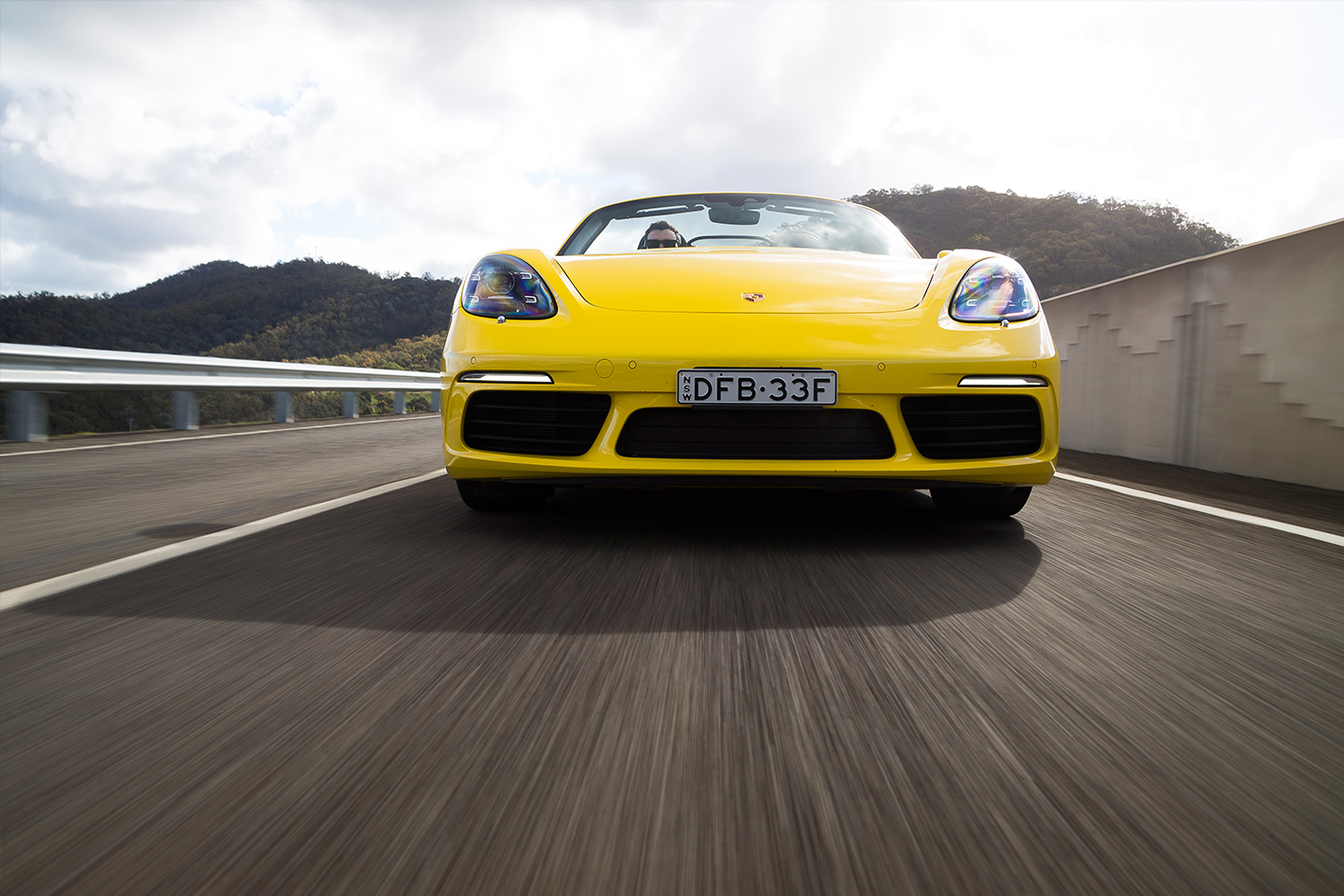
Even during more sedate driving, the flat four anthem is infectious and charismatic. Flick the sport exhaust to its loudest setting when cruising and the rhythmic drumming behind you is as comforting as a heartbeat.
In the face of compelling figures and two very different power-delivery experiences, the subject of which engine is the perfect match for the Boxster still sparks heated discussion.
But a four-cylinder Porsche is certainly not a new idea and, while a degree of animosity surrounded the introduction of the first in-line four-cylinder 924 (which effectively borrowed a Volkswagen commercial vehicle engine), as the family evolved through 944 and 968, they were all eventually accepted as important parts of Porsche’s tapestry.
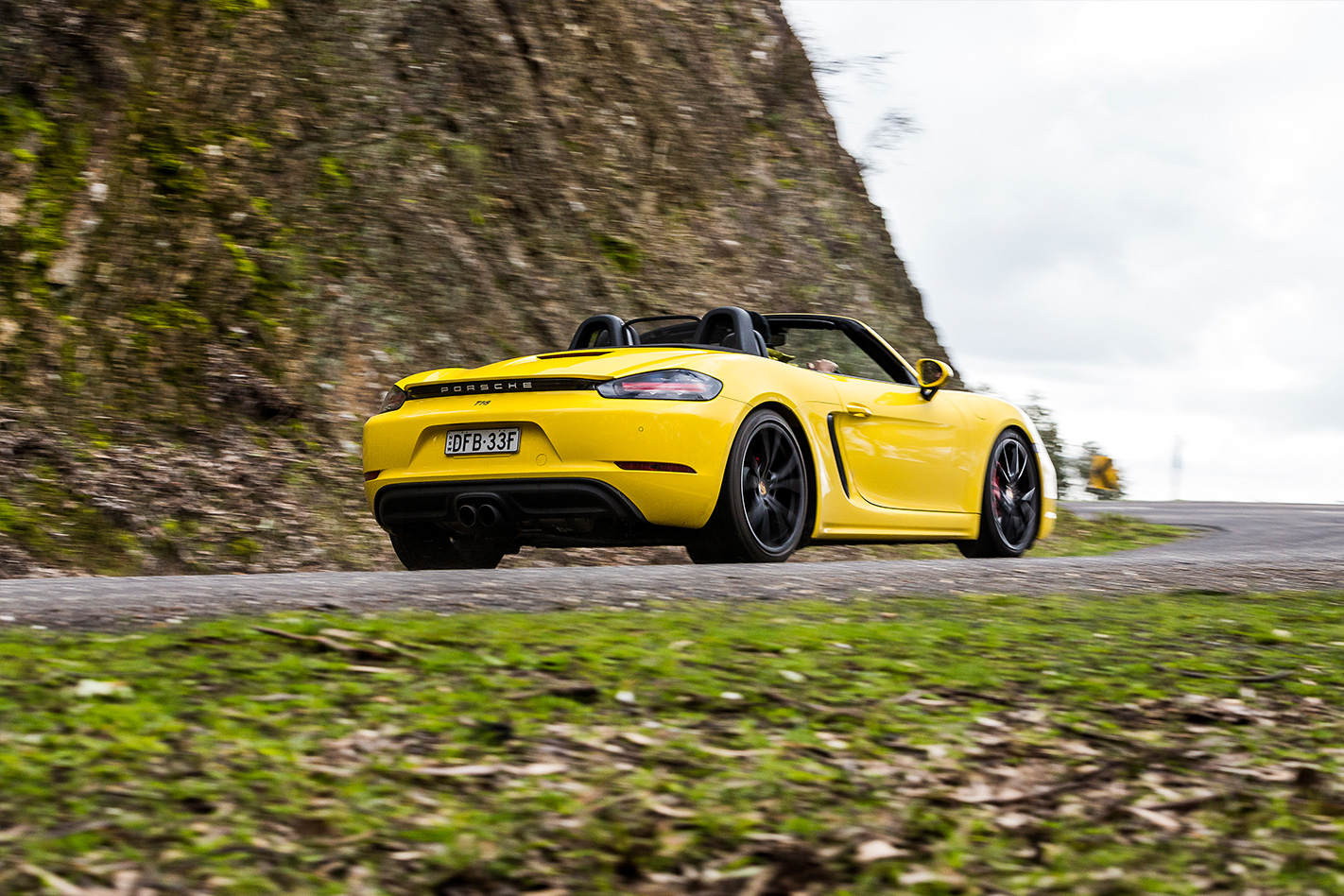
Engine note and refinement aside, this author believes the Boxster is best with a turbo four, and its individual strengths prove that it didn’t necessarily need a flat-six to be recognised as a true Porsche in 1996 any more than it needs one today.
But a new chapter is about to play out in the Boxster and Cayman story, and an addition to the 718 range might finally satisfy everyone.
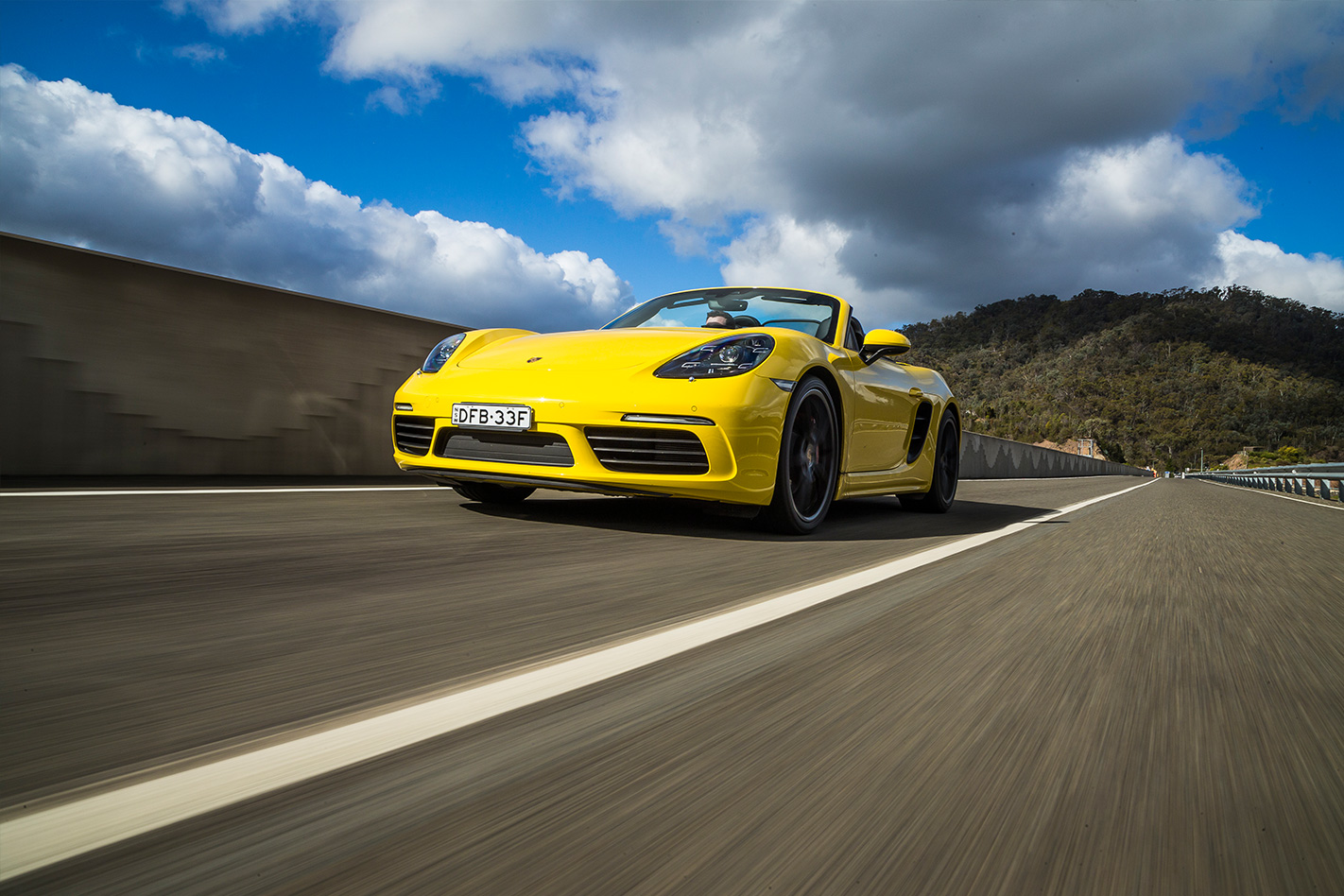
Had the original Boxster launched with a turbocharged four-cylinder engine before maturing into a six-cylinder as it seems poised to do, critics both frosty and friendly would likely have ignored its high-achieving six-cylinder sister looming in the background, and given it the untainted discretion it deserved.
Your dad’s love of cars opens up all sorts of possibilities for a great Father’s Day gift so here are 10 ideas if you’re struggling for inspiration.
If you’re reading this now, it might be a little late to order stuff online – but don’t worry, just print him a picture, plonk it in a card and tell him it’s on its way.
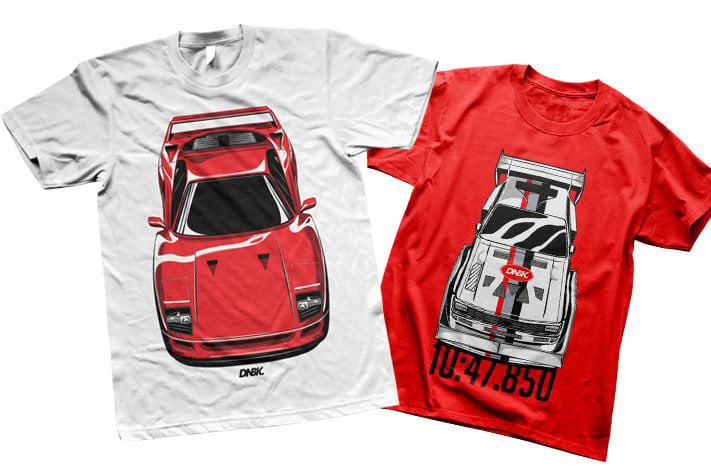
Dirty Nails Bloody Knuckles t-shirts
We’d normally steer clear of clothes for Dad’s Day, but this great range of wearable car-porn from DNKB will have him waiting keenly for the warmer weather to arrive, especially if he’s into performance European cars and Japanese chariots.
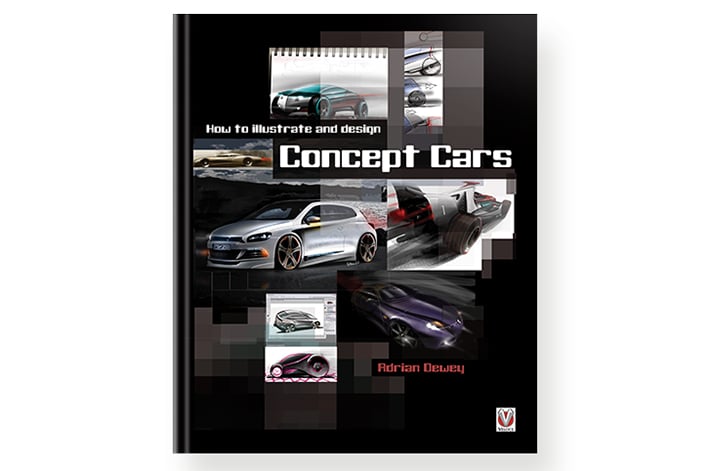
How to Illustrate and Design Concept Cars
Whether your dad likes doodling cars at meetings or designs Ssanyong SUVs, this excellent book will help him improve his car-sketching and design skills. Written by magazine illustrator Adrian Dewey it includes 200 pictures and step-by-step guides for drawing everything from components to full-blown show cars.
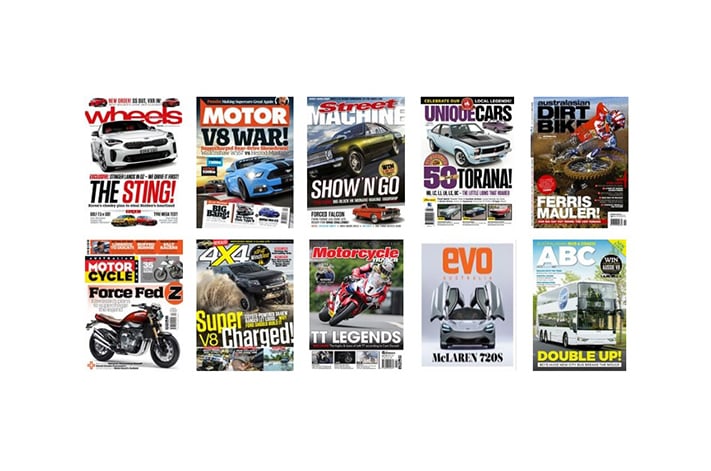
The weather is warming up which means more hammock time for Dad and a chance to read more motoring magazines like Wheels, Motor, 4X4, Street Machine and Unique Cars. Get him a print or digital subscription for these and other great Aussie motoring tiles at Mag Shop.
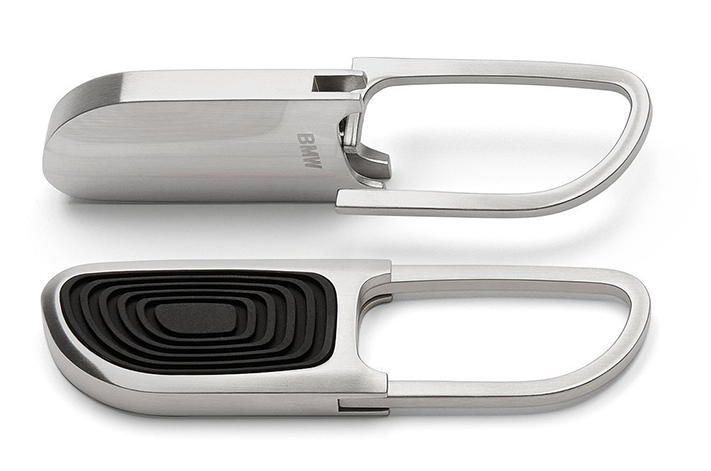
Carmaker merchandise
Whether your dad loves his car or covets something out of reach he’d appreciate some official manufacturer merch. Avoid stuff like golf balls or cufflinks he’ll never wear and instead go for shirts, watches, models, bags or a keyring like this nifty BMW kidney grille number. Most car manufacturers sell kit at dealerships or through the accessories section on their website.
| Five of the world’s most influential women in automotive
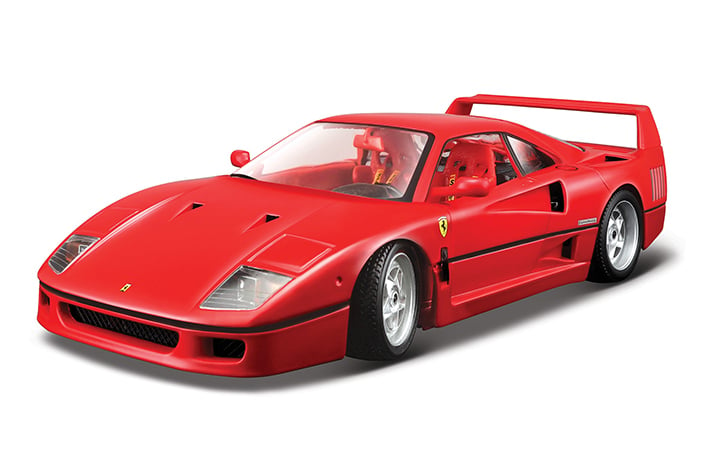
Model cars
Models cars are sure to put a smile on a guy’s face, whether they’re incredibly detailed 1:18 scale diecast models such as this Ferrari F40 by the likes of Bburago, Biante and Autoart priced from around $150 to $270 or smaller 1:43 models by Biante, Autoart, Corgi and Trax costing around $70. Both scales feature heaps of Aussie options from classic Holdens and Fords through to the latest V8 Supercars. As any collector will tell you, model cars are an investment, not a toy, though be prepared to catch the old man rolling it along his desk while making “vroom vroom” noises.
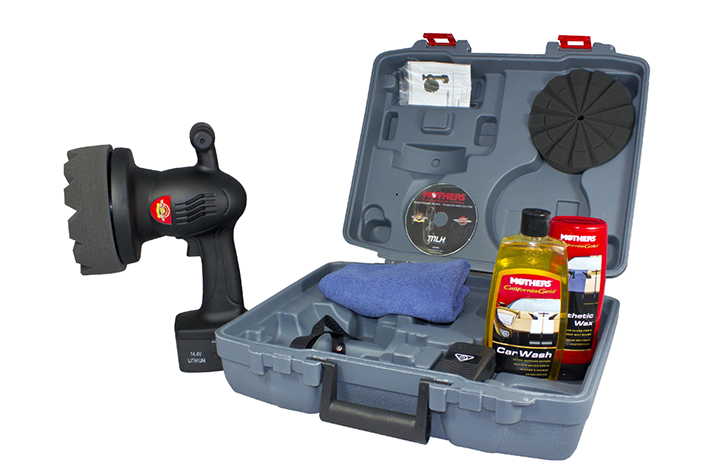
Mothers Wax ‘Attack’ Lithium polish kit
If your dad is one of those guys who obsesses with keeping cars clean and waxed you can prevent the onset of repetitive strain injury with one of these polishing kits. Great for cars, trucks, boats and caravans, the cordless polisher’s random orbital action requires less wax and provides a swirl free finish.
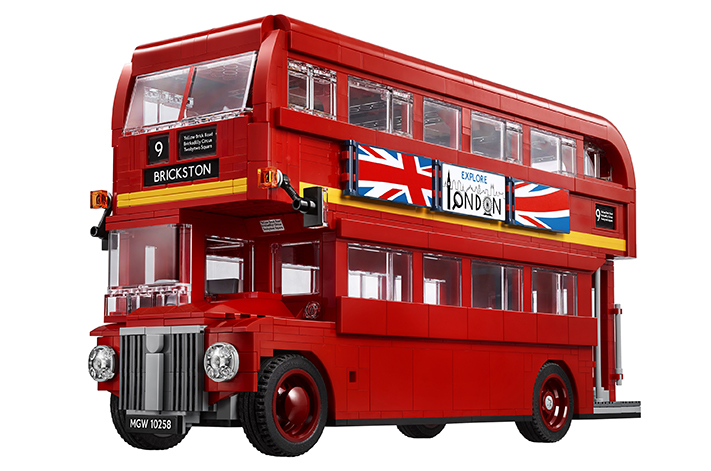
We all loved the Lego Creator VW Kombi and Ferrari F40 sets, but this literally takes things to a new level with 1680-pieces worth of skilful entertainment. Measuring 34cm long by 18cm high, it comes with a heap of functions including an opening hood with engine inside, detailed driver’s cab and a removable roof and upper deck for access to the detailed interior. Inside, there are authentic details, including a forgotten umbrella, newspaper, empty drink can and discarded chewing gum. Just as well it’s not a night bus.
| Everything you need to know about airbags
Driving experience
There’s a myriad of these now from hot laps in V8 Supercars to weekend stunt driver schools. Other fun stuff includes learning how to drift, rally driving, classic car hire and defensive driving courses. There are plenty of companies that run these, such as Adrenalineand Red Balloonand even prestige car makers such as Audi and Porsche. Whatever you choose, be prepared for Dad to go on about it every time the family get together.
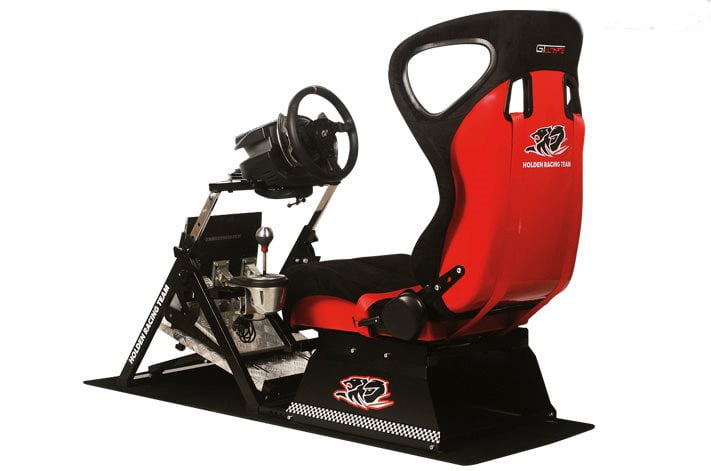
Next Level Racing Official Holden Racing Team Simulator
Pagnian Advanced Simulation has a diverse range of driving simulator hardware, including this complete Holden Racing Team cockpit by Next Level Racing to take driving games to, err, the next level. OK, at $1099 we’re getting toward the pricier end here, but think of everything the old man has done for you as well as the fact this will also provide endless of hours of fun for you.
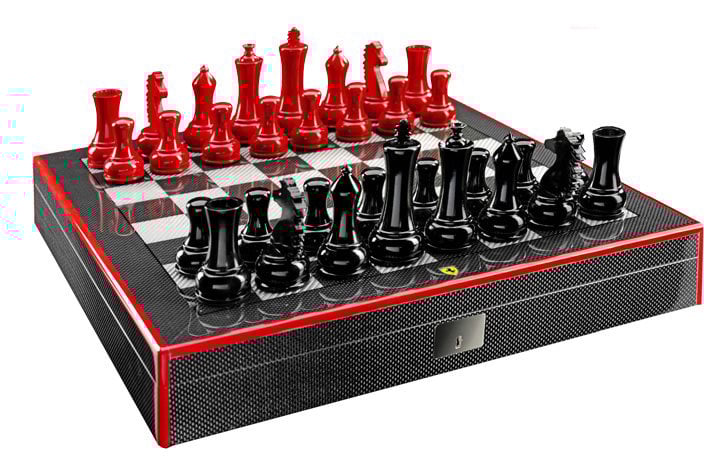
Carbonfibre is renowned for its high strength combined with light weight so it’s the obvious choice of material for a chess set, right? For the Ferrari owner with every conceivable extra and lots of disposable income this hyperbolic set from the Ferrari Store includes a lockable carbon-clad wooden case, varnished wooden pieces and prancing knights to justify the $2370 price tag.
IT’S EASY to be rude about Formula E. So let’s bully the geeky kid and do just that.
Engine-free motorsport was always going to be a tough sell, and despite being in its third season, the FIA’s electron-fuelled championship is still conspicuously lacking much of what you’d expect from a successful race series.
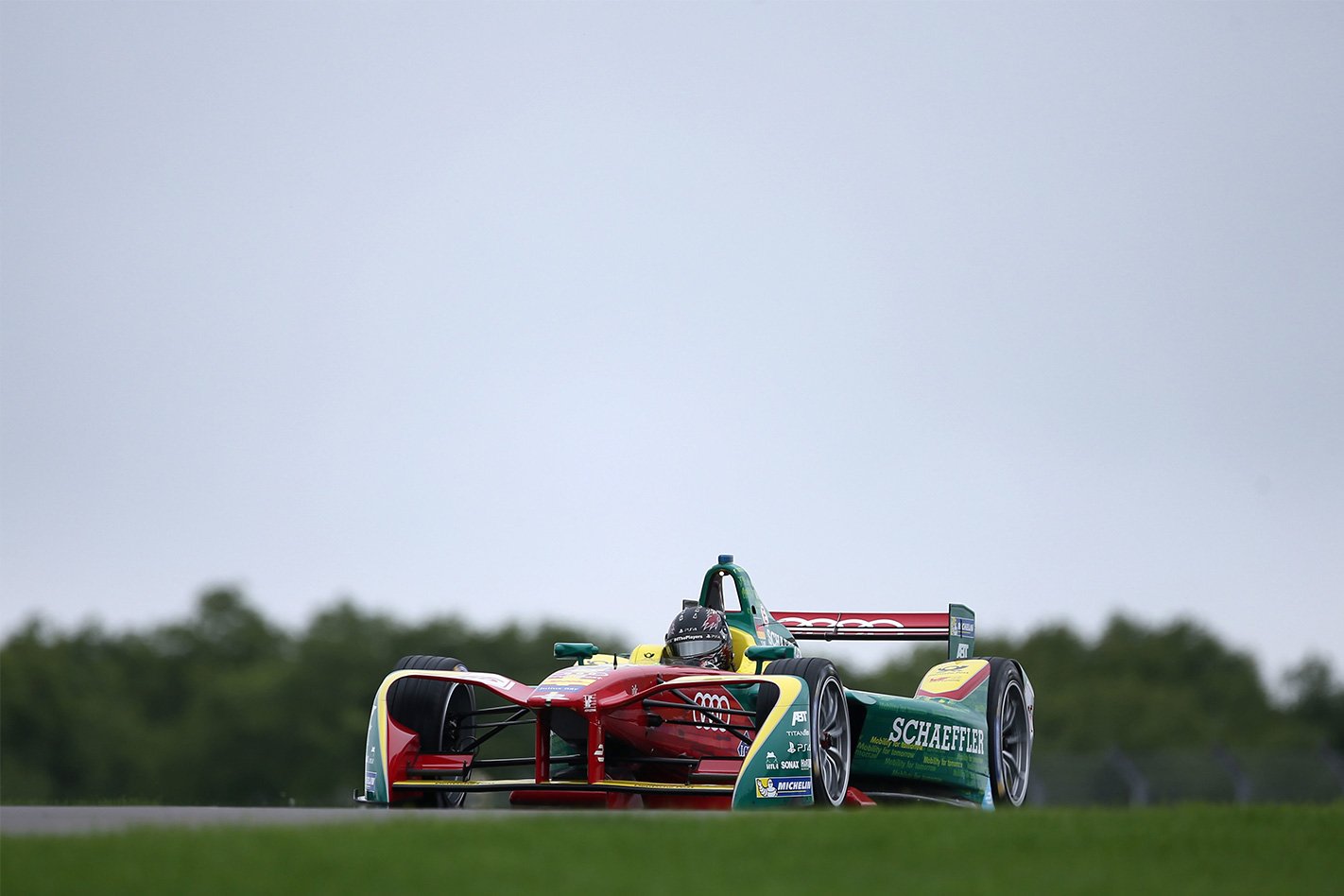
No, the broader omission is one that could be simply labelled as ‘excitement’ – you know, the visceral thrill that proximity to fast machinery always produces, that sense of risk and daring, the adrenaline-spike-by-proxy of knowing you might see a heroic overtake or an enormous crash.
Despite deliberately tight city tracks and some tasty drivers, including several F1 veterans, Formula E has almost none of that.
The cars look slow because of Newtonian physics – even in full-fang qualifying form they are limited to 200kW, and most of the race is run in a turned-down 170kW configuration; this while hulking a minimum driver-up weight of 880kg. That’s a power-to-weight ratio inferior to a Formula 3 car; short of ride-on mower racing for fat blokes, it’s about the worst in motorsport.
Then there are eco-grade tyres and those gawky wings – designed for aero efficiency rather than downforce.
It takes undoubted skill to drive one to the limit, especially with the lack of run-off on the street course venues, but you could watch the fastest Formula E lap ever driven with a resting heartbeat. At the Monaco ePrix the BMW i8 course cars often looked faster, and the fact most occupants of the press room chose to watch F1 qualifying from Spain rather than the race they were nominally covering speaks volumes about the shortage of thrills.
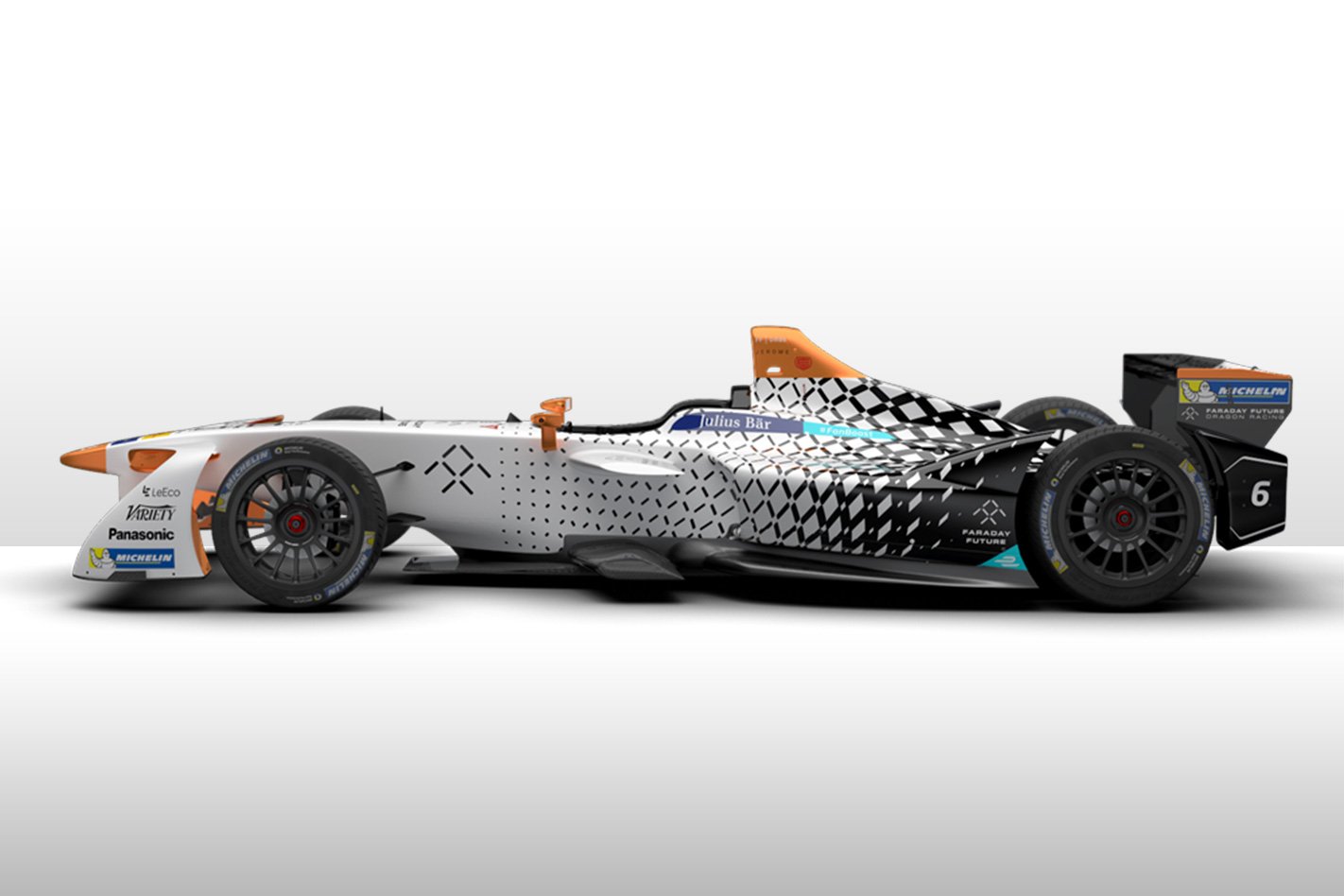
Promoter Alejandro Agag says the series is already making a profit on its €100m turnover. Manufacturers are piling in to show off their green credentials – Audi, BMW, DS, Jaguar and Renault are already involved, even Ferrari has considered an entry. More liberal technical rules are coming, and a switch to a bigger McLaren-developed battery pack in 2018 will remove the need for drivers to switch cars mid-race (a quirk that provides one of the few sources of tactical interest).
The critical issue with Formula E is that it’s just not designed for people like us.
Agag is quite open in his desire to attract a new audience with no previous interest in racing, hence rounds in cities and the emphasis on gimmicks like ‘fanboost’ – a temporary lift to 200kW during the race, delivered to the two drivers with the most social media interactions.
With interest dipping in entry-level motorsport around the world, it might even be the future.
Just a desperately unexciting one.
EVs can deliver shocks
Formula E’s lack of excitement is in stark contrast to the recent Nurburgring Norsdschleife record claimed by the Nio EP9, a 1MW EV hypercar.
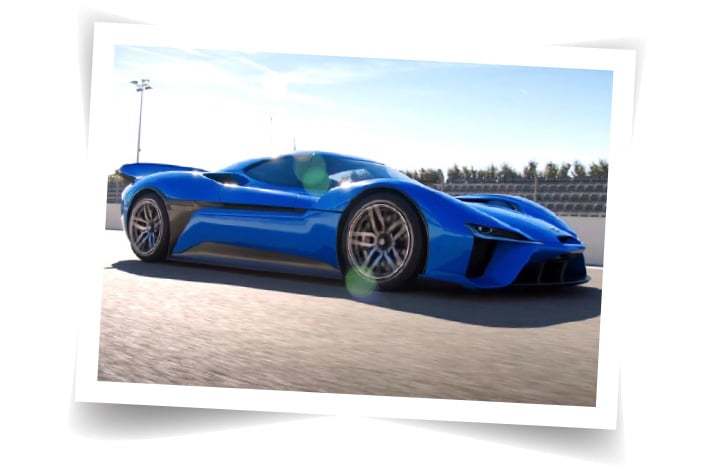
McLaren has subsequently gone faster with the non-series P1 LM, but Nio is planning to go back for another try.
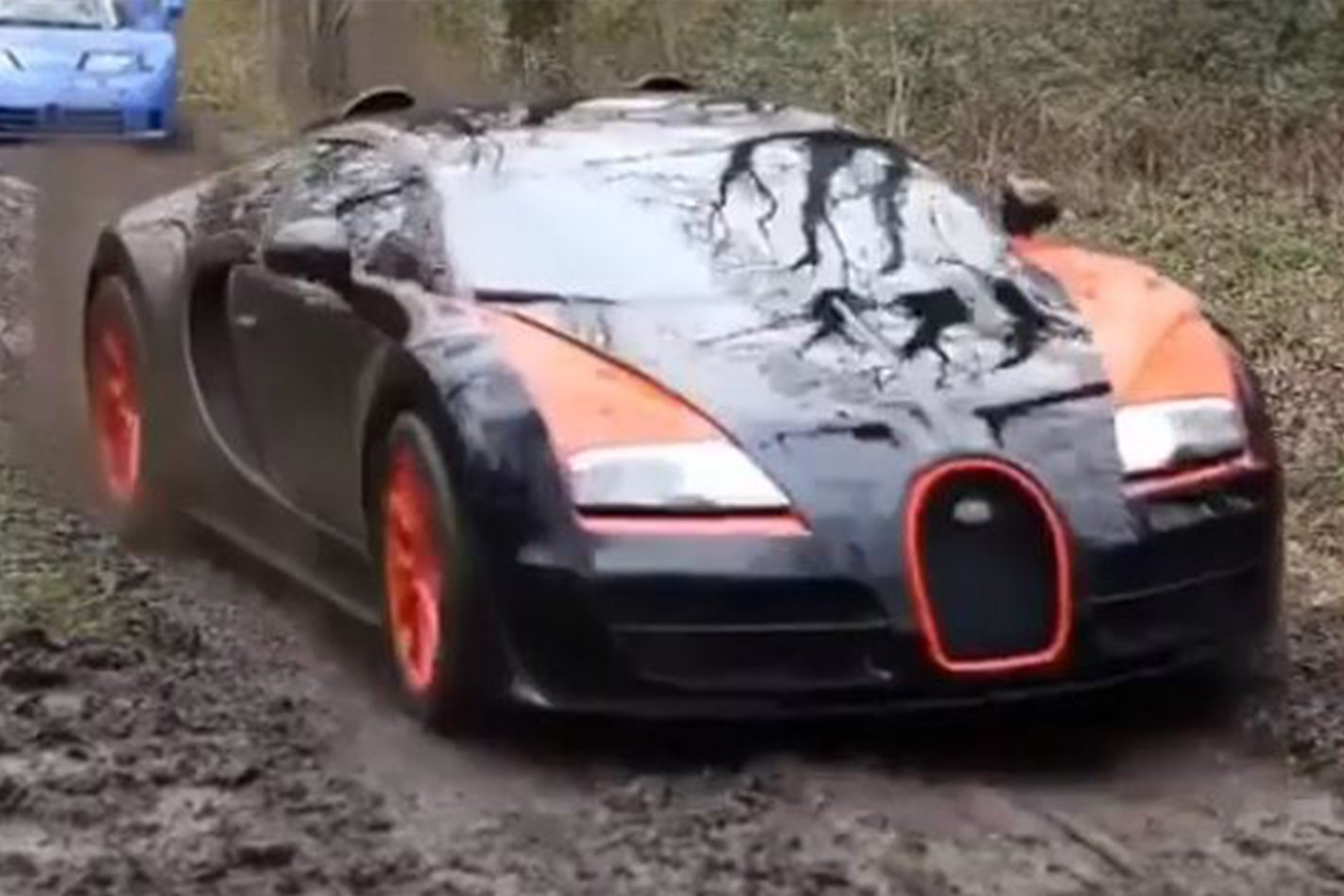
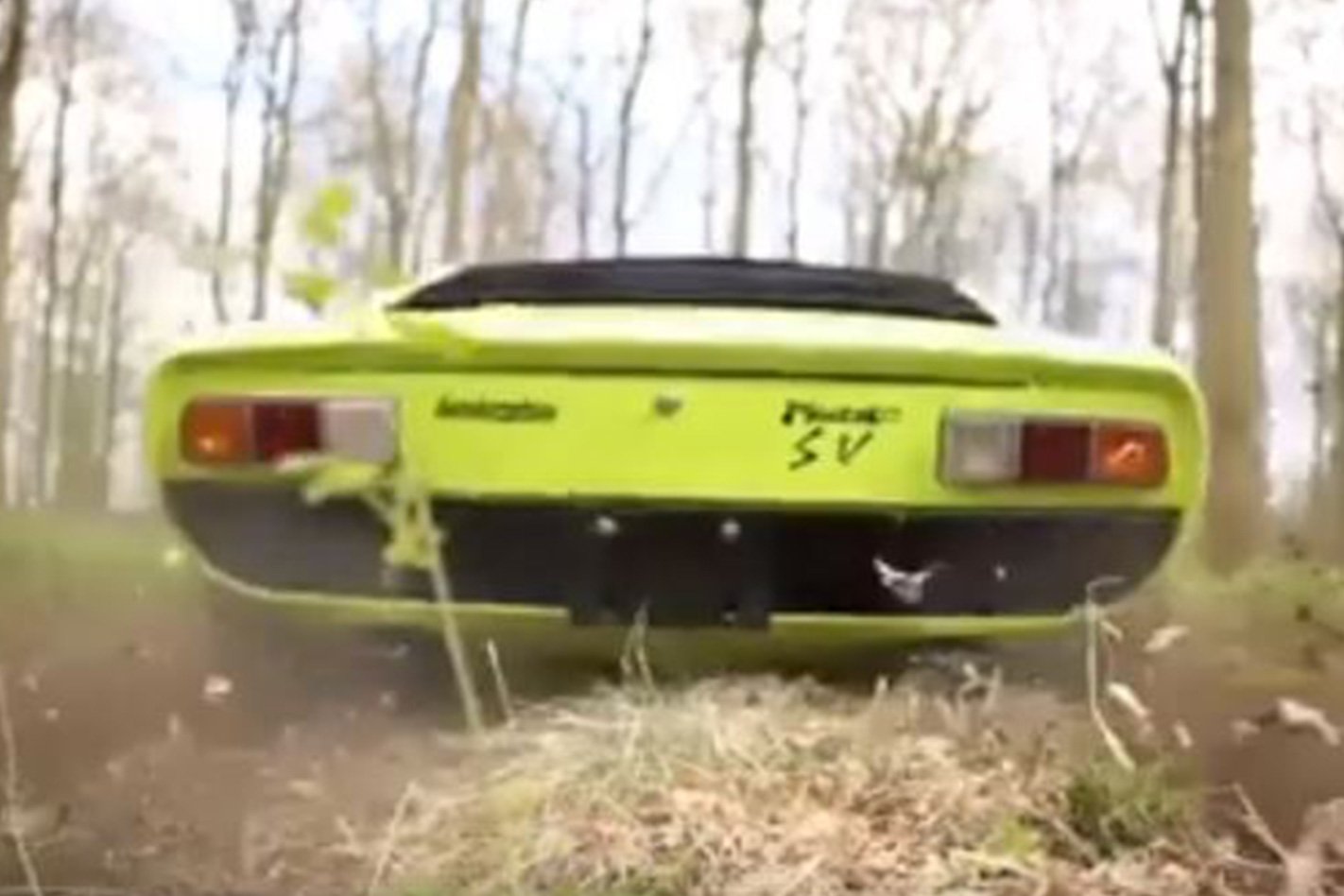
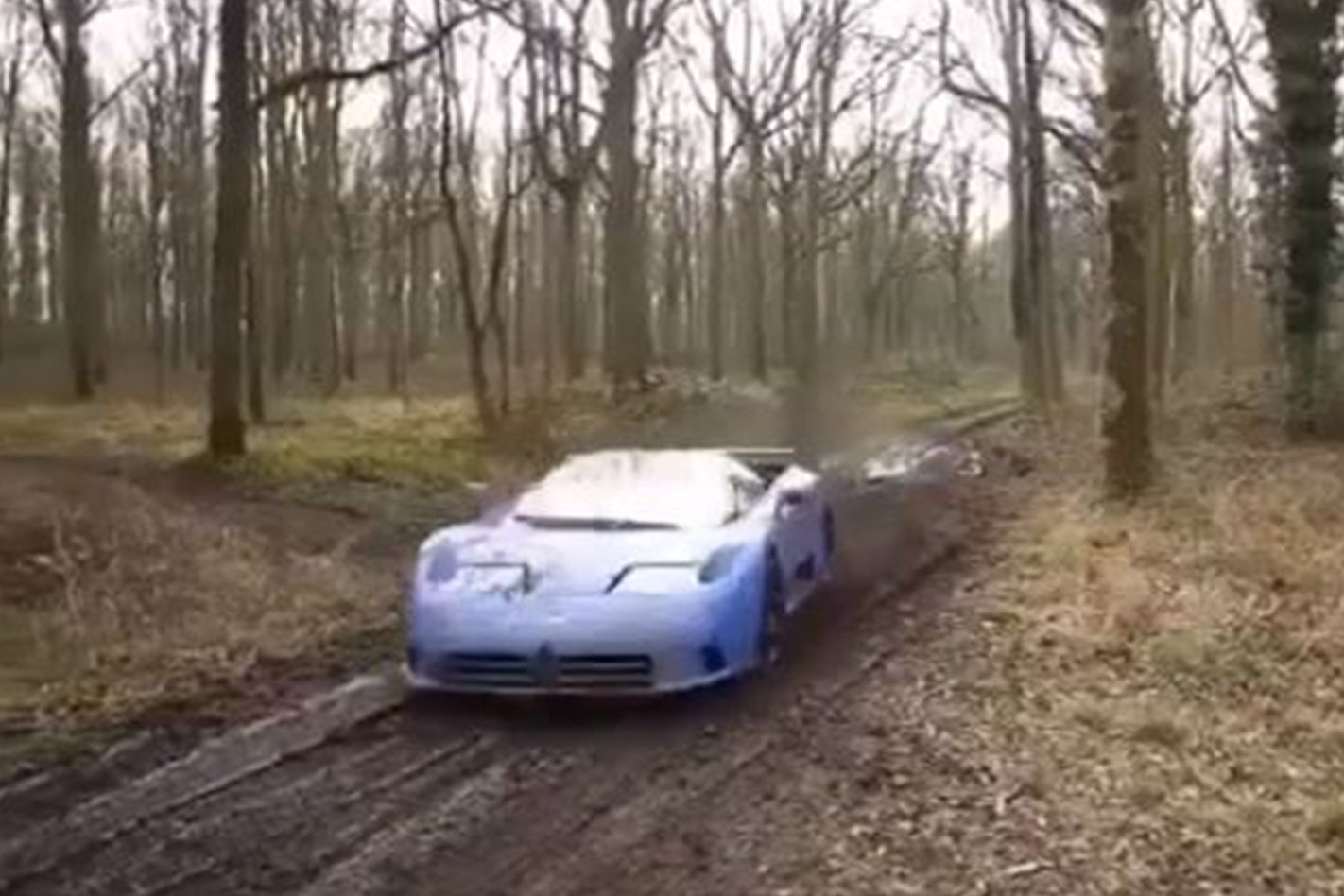
You might have seen that video of some mud-hungry troublemakers flinging some very expensive metal – a Lambo Miura, a Veyron, a LaFerrari for god’s sake – up some dirt tracks in an autumnal wood.
(There’s also a Lambo Countach, but that’s not so worrying, since it’s mostly a tractor anyway.) It’s sort of excellent and sort of horrifying, like deep-fried butter or a Helen Mirren sex tape.
Part of my brain says: “What’s the point of having fire-blooded cars if you don’t turn them loose occasionally?” Another part of my brain says: “Because you’ll wreck them, you crazy redneck galoot”. (And another part of my brain is still back on deep-fried butter…) The thought of impacting mud and rocks and branches all up in their undercarriage would make an engineer turn a little green. (And a spare parts retailer smell a lot of green.)
So they’ve turned to a strategy called ‘unpaving’, which is what it sounds like: There are so many potholes that it’s cheaper to grind out the remaining bitumen and turn the whole thing into a dirt road. And not out in the country – right in the city and suburbs there are bare ruin’d gravel traps, where late the sweet tarmac sang.
But a freshly graded dirt road is better than a series of muddy potholes glued together with coarse chip, argues the mayor of Omaha (in between searching down the back of couches for spare change), and she’s probably right, even though it sounds a bit like a huckster selling diet swiss cheese that’s lower in calories because it’s all hole.
Would the world be better if all the roads were dirt? I say that as a confirmed bitumen acolyte – I’ve driven rockhoppers down landslides recklessly labelled as trails, and came away soaked in fear-sweat like a pro-democracy marcher in Moscow.
I like getting faintly lairy on a dirt road as much as the next guy, unless the next guy is smuggling moonshine. But at the end of the day, I like the surety of knowing if I press the stoppers, I’ll stop, and not keep sliding in a personal dust-storm into a long-suffering gum tree.
Nothing concentrates the mind like the prospect of hanging the tail out. Maybe instead of toll roads and transit lanes, we can have a mix of bitumen roads and dirt roads in every town and city – it’s cheaper for the government to maintain, and might raise the national average driving IQ in the process. Or we can all move to Omaha, Nebraska. And drive Countaches, sideways, all day long.
