
BMW’s best-selling M-car – the M2 Coupe – has been treated to a light mid-life update, which brings a mild facelift, the latest iDrive6 information and entertainment system, and a pricing increase for both variants.
With the refresh, pricing for the most accessible Pure version has risen by $3400 and now kicks off at $93,300 before on-road costs, while the more generously equipped variant costs $1000 extra but manages to sneak in under the six-figure mark at $99,900.
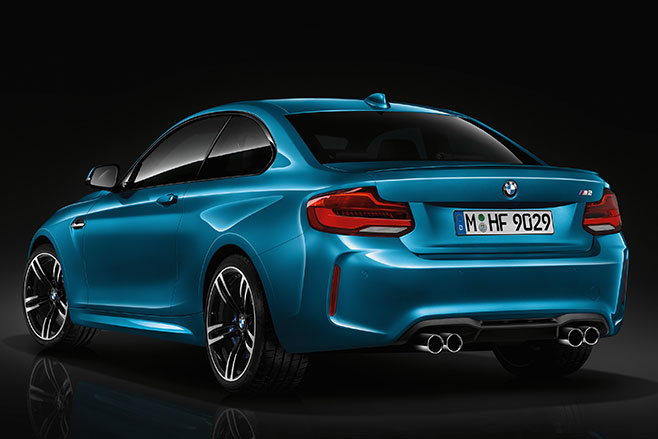
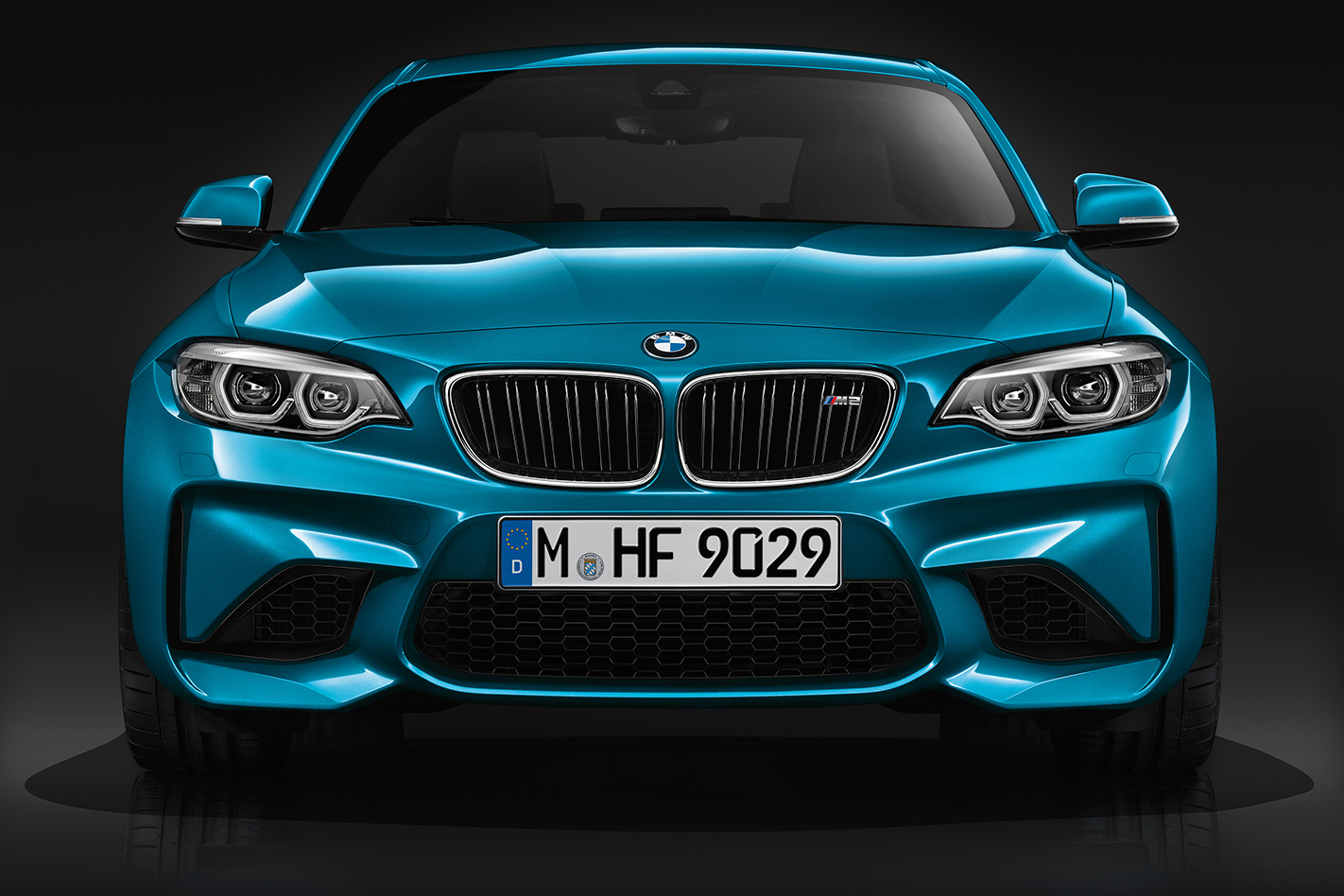
On the outside, the M2’s front now houses Bi-LED headlights in place of the previous bi-xenon version for increased visibility in low light conditions and inclement weather as well as a more contemporary look, says BMW.
The main lights are complemented by a new hexagonal shaped daytime running light, while the more expensive M2 version gets adaptive lights with cornering lights, selective beam, and anti-glare high beam assistant.
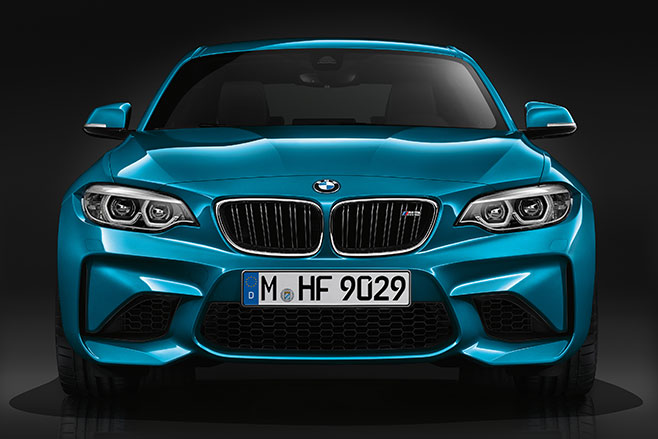
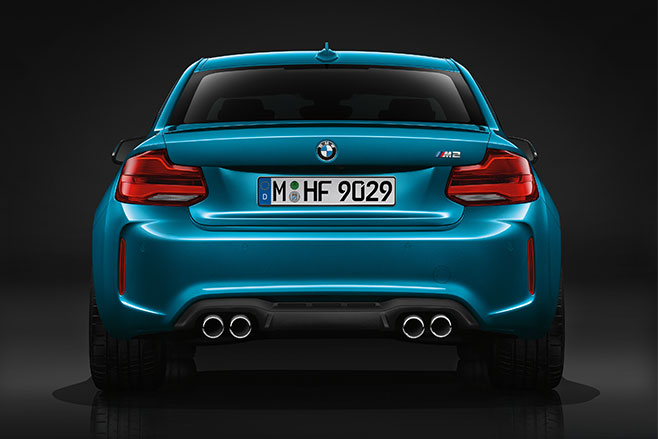
The tail also gets a new-design light with L-shaped LED units that its maker claims to have the effect of lowering and widening the appearance of the M2’s rear.
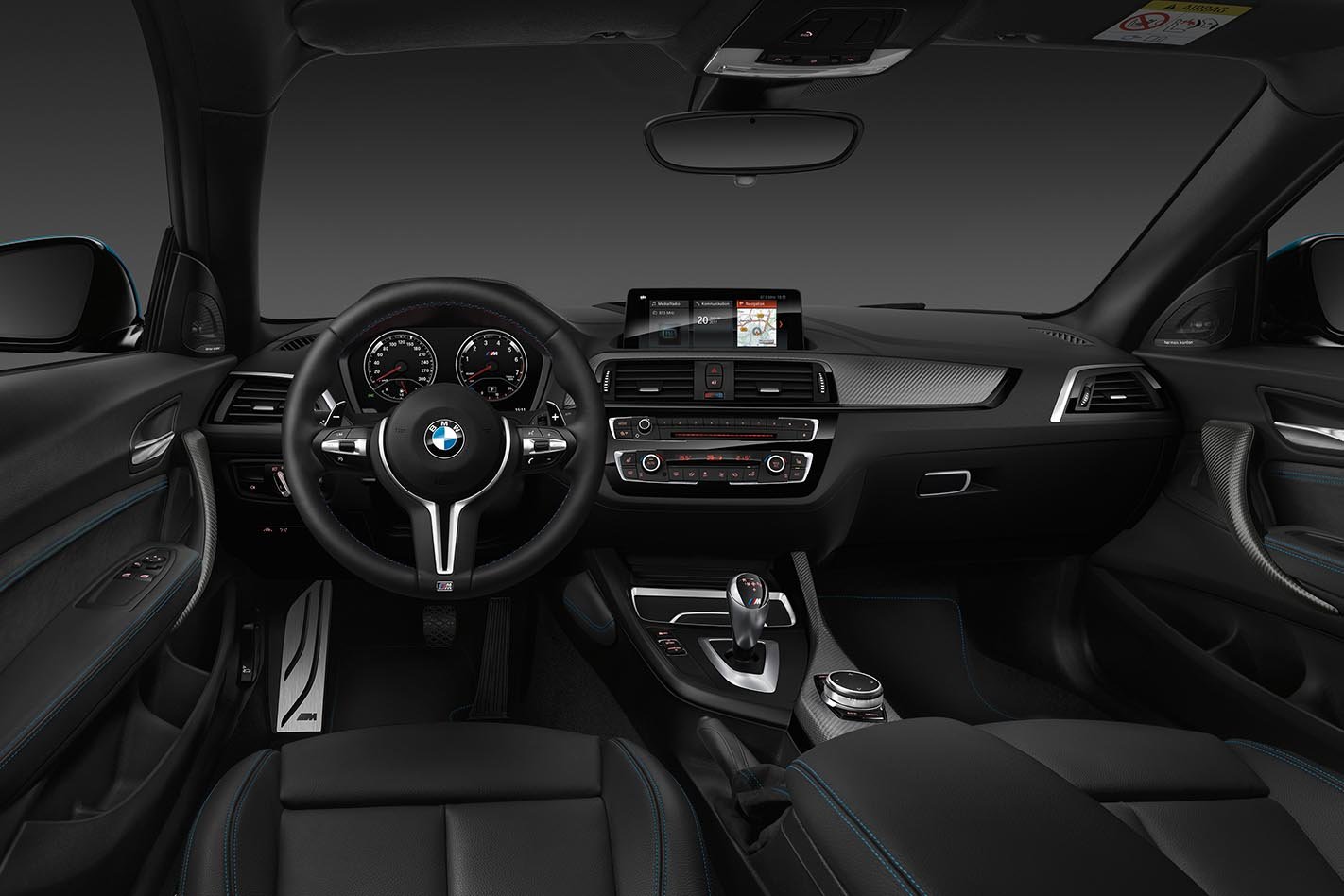
On the inside, the tech update continues with a new 8.8-inch central screen, which allows access to the various entertainment and information features, and introduces touchscreen technology for the M2.
The changes also upgrade BMW’s proprietary operating system to iDrive6, which swaps the appearance of the central screen to a more smartphone-like tiled layout for easier operation.
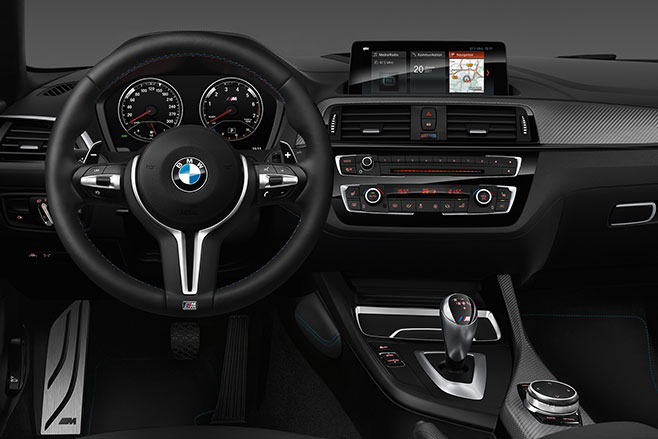
Accessing its features is also made easier through more natural voice commands, and the rotary controller which has a solid-state touch pad in its centre for more control options.
The changes are capped off with an updated instrument display which has M-specific content, a light rethink of the interior design, and its wiper and indicator stalks snap into position – rather than returning to its fixed position, following customer feedback of the previous version.
Beyond the tech updates, it is business as usual for the smallest M-car, with an unchanged 272kW/500Nm from the turbocharged six-cylinder engine, coupled to a choice of standard seven-speed dual-clutch transmission or a no-cost option six-speed manual, while the Pure is offered with a manual only.
Acceleration to 100km/h from standstill comes up in 4.3 seconds for the auto and takes two tenths of a second longer in the self-serve version.
In addition to the Pure’s standard spec, the M2 Coupe gets keyless access, electric front seat adjustment, and a more premium Harman Kardon stereo with 12 speakers.
AUSTRALIA’S favourite M-car – the diminutive but mighty BMW M2 – has been given a mid-life refresh with sharp new-look lights front and rear and an iDrive6 upgrade, for an increased price of up to $99,900 before on-road costs.
As before, the M2 is available as the ‘standard’ Coupe which has crept up in price by $1000, while driving purists are still offered the more stripped-back M2 Pure Coupe which now costs $93,300, representing a $3400 increase over the pre-updated version.
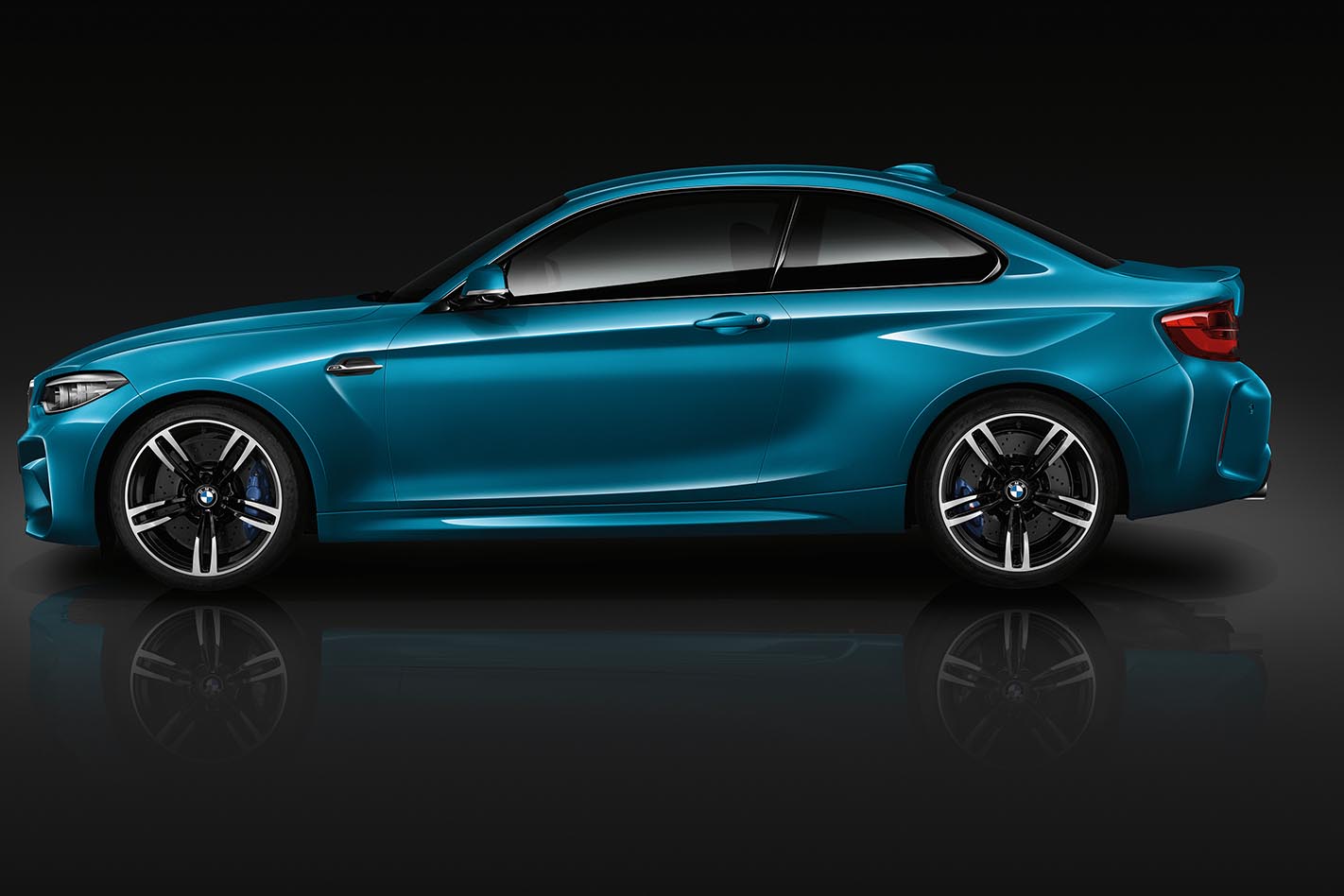
At the front end, the facelifted M2 now has Bi-LED headlights in place of the previous xenon units, bringing a new design and hexagonal fibre optic sidelights. When fitted to the more generously-equipped M2, its adaptive lights incorporate Selective Beam and High-Beam Assistant for improved light projection.
BMW M2: 2017 Car of the Year contender
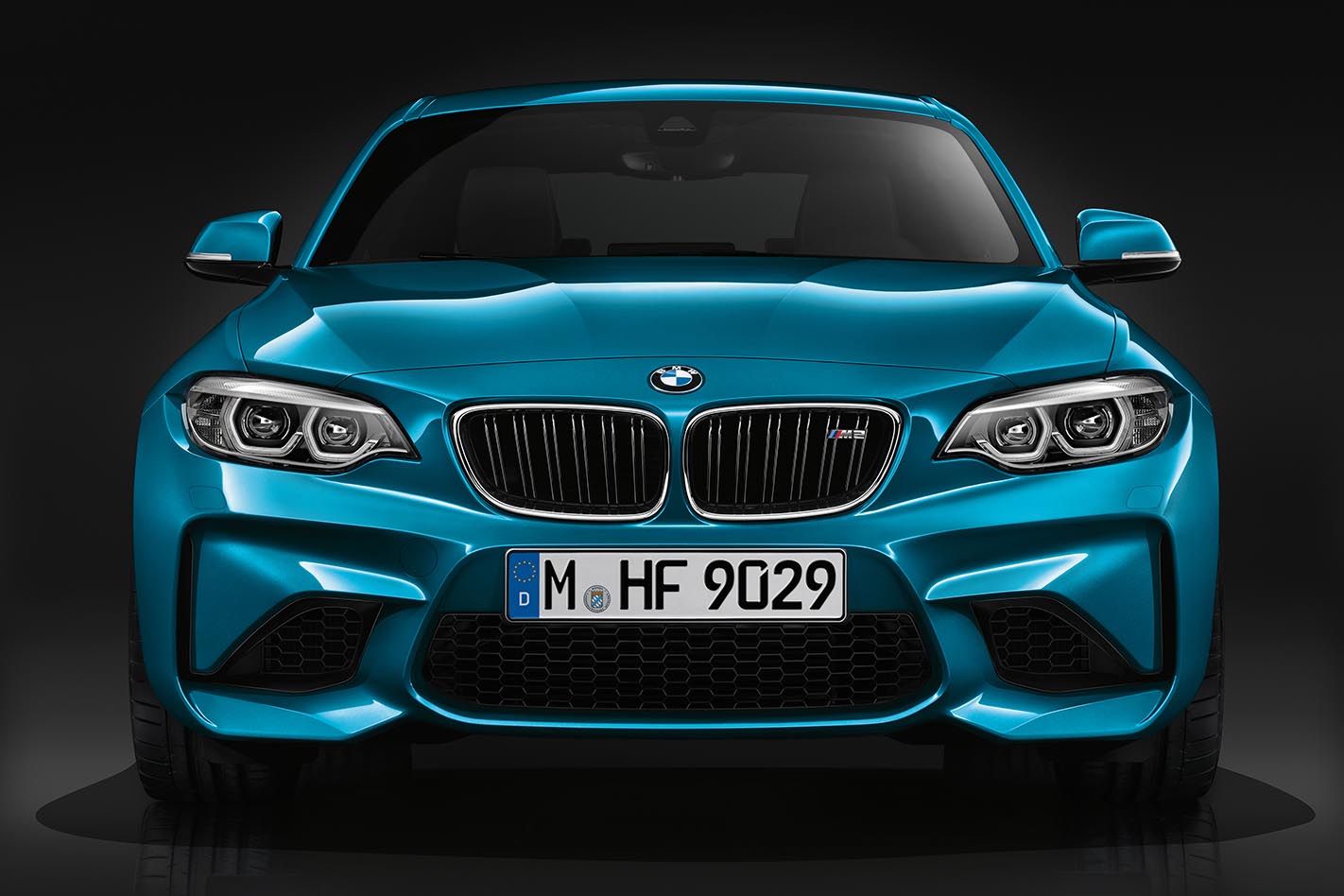
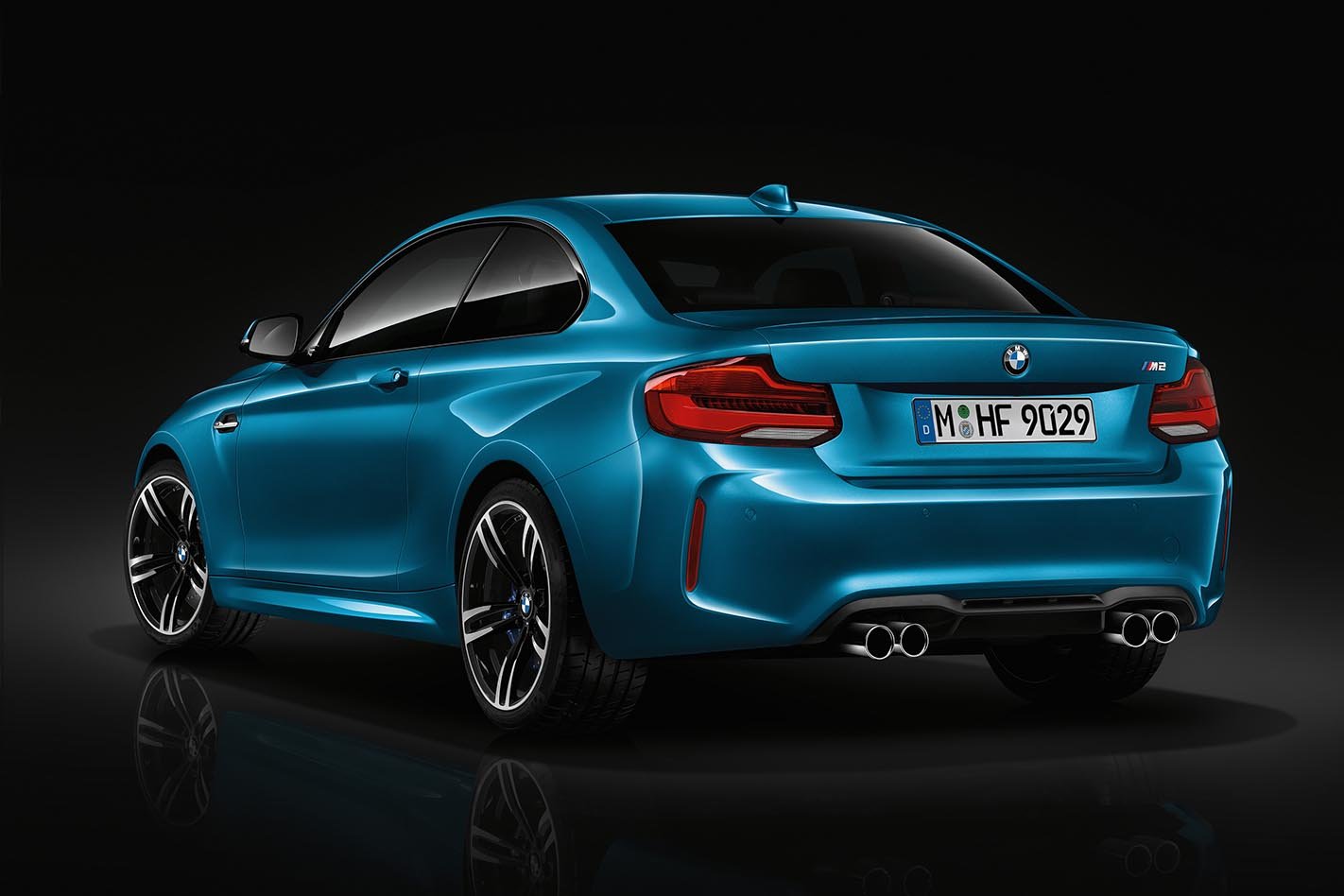
A new light design also features at the tail end with all-LED clusters arranged in an L-shaped design, which is said to have the effect of lowering and widening the appearance of the M2’s rear.
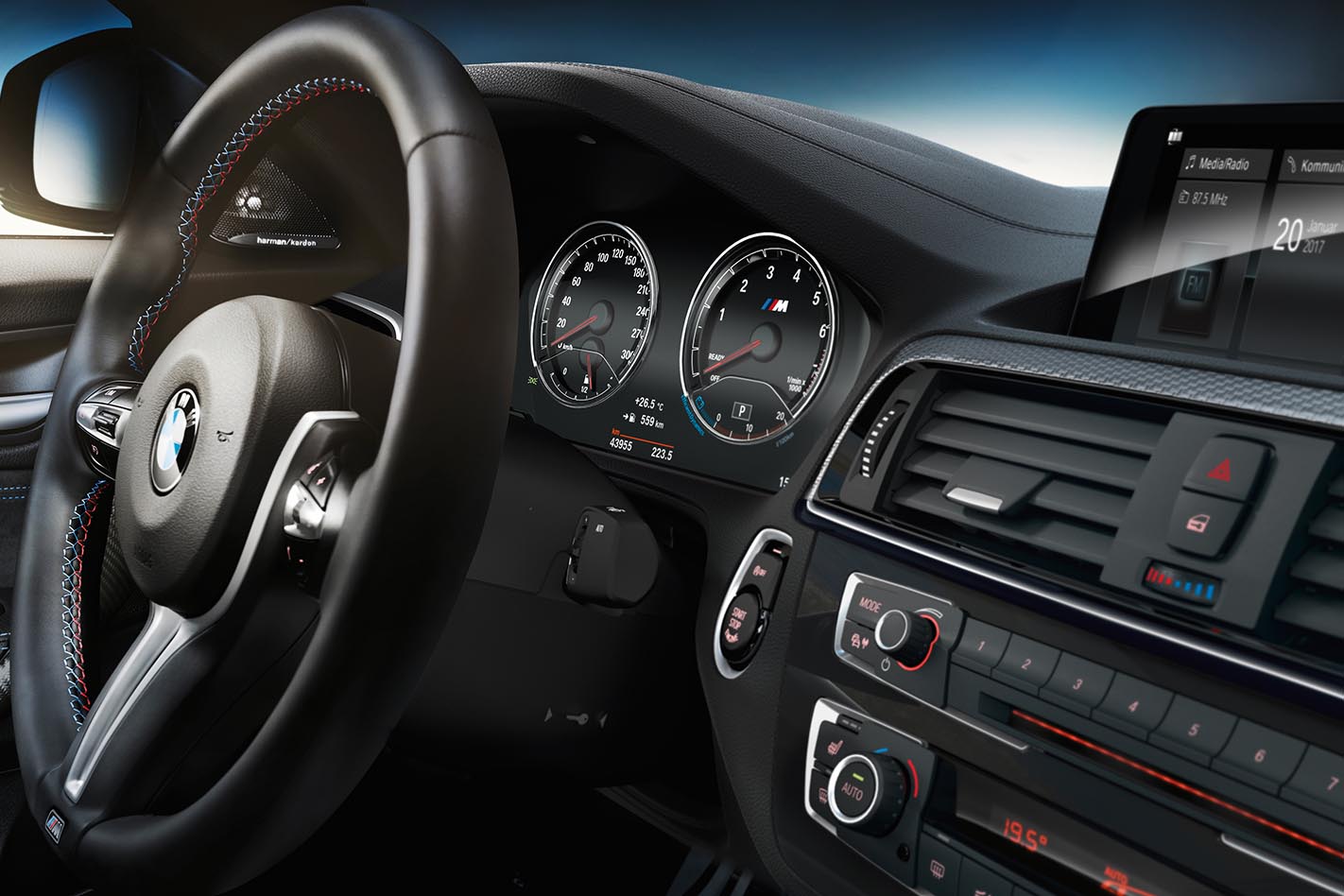
On the inside, both versions of the updated M2 now have the latest iDrive6 version of BMW’s information and entertainment system. With the update, the central screen has grown to 8.8-inches and offers easier operation with touchscreen function in addition to the main rotary controller and touchpad.
The system graphics now feature a tiled design for a clearer layout that’s more akin to a smartphone’s operation.
BMW’s star M-performer needs little enhancing from a sales perspective, with 730 of the pocket rockets sold since the model launched and 340 registrations year-to-date to the end of July. With the more potent M3 clocking up 258 year-to-date sales and its M4 coupe sibling managing 139 in the same period, the M2 is the clear favourite in the M-family.
Fans keen to put an updated M2 on their driveway will be excited to hear the initial waiting list that followed the introduction demand has now been dissolved, thanks in part to a supply increase last month.
Beyond the M2 updates, its drivetrain is unchanged with a turbo in-line six engine that produces 272kW and 500Nm of torque, sending power to the rear wheels as standard. Performance is also unchanged with the zero to 100km/h dash dispatched in 4.3 seconds or 4.5sec for manual versions.
Customers opting for the more expensive M2 get a seven-speed dual-clutch automatic transmission that’s included in the price, or they can opt for a six-speed manual at no extra cost. The Pure is available with the manual box only.
Above the standard specification of the M2 Pure, the M2 Coupe has keyless access, electric front seat adjustment, and a more premium Harman/Kardon stereo with 12 speakers, in addition to the more advanced headlights that arrive with the update.
The BMW M2 has been one of the most in-demand cars in Australia of late, and it’s about to get just a little better according to BMW’s latest announcement.
With an update in tech and styling, the small coupe should find itself holding onto its title as best-selling BMW M car in Australia. Even if it means buyers will be paying an extra couple of thousand.
At a new price of $99,900, up from $98,615, the M2 now has new headlights in the form of adaptive LEDs, while the tail-lights are now L-shaped full-LEDs which BMW says intend to ‘lower and widen’ the look of the rear.
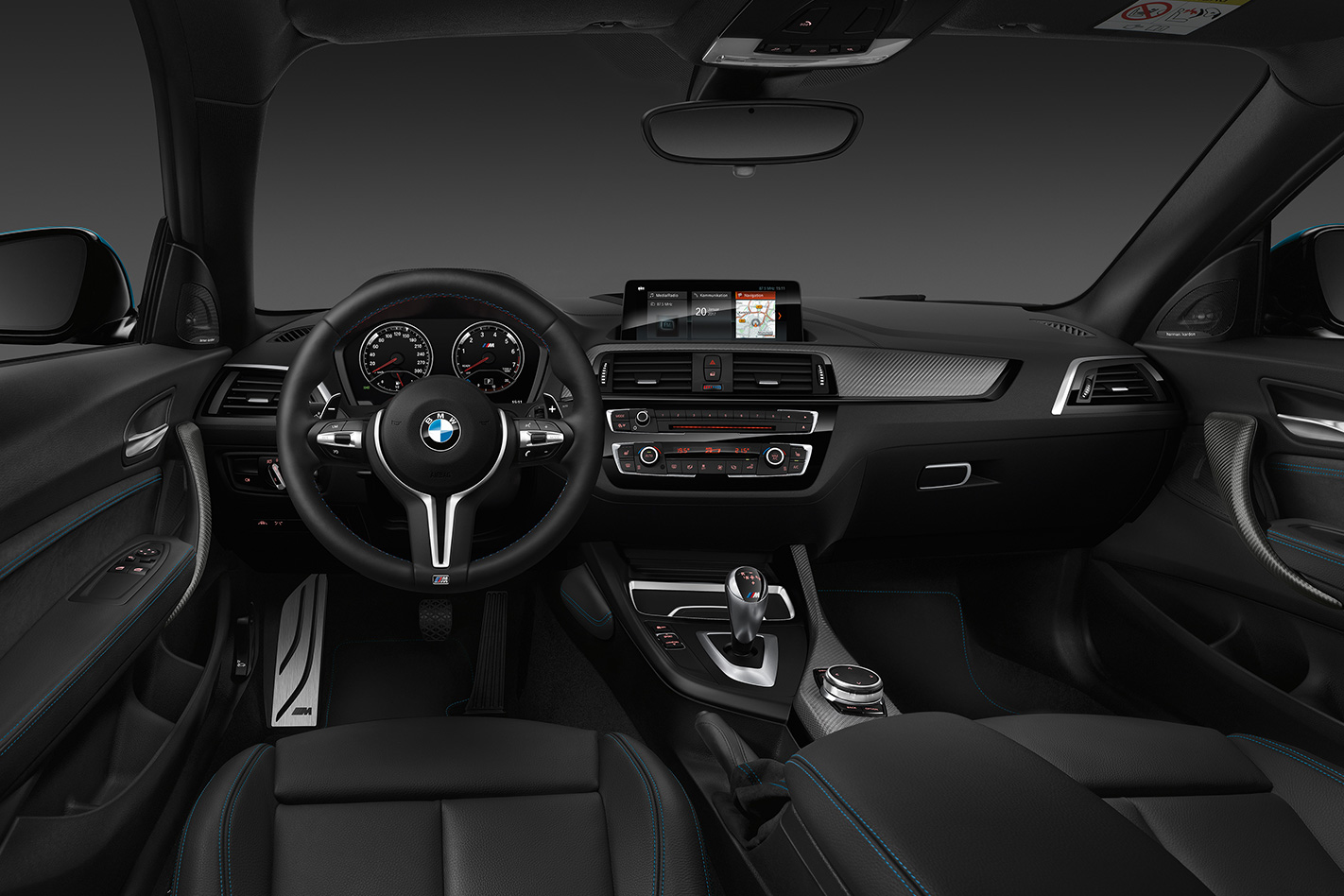
Inside, under the new 8.8-inch iDrive6 infotainment system screen, a new M-specific instrument dash layout features.
Leather sports seats and the BMW M steering wheel, plus a high-gloss black console, appear in an otherwise familiar BMW interior.
BMW Australia CEO Marc Werner says he hopes this update keeps the M2 at the top of M-buyers’ minds in the future.
“Since its 2016 introduction on the awesome Targa Tasmania roads, the BMW M2 has quickly established itself as an award winner – and now it is the best-selling BMW M vehicle in Australia for 2017.
“The M2 LCI further defines the vehicle’s premium attributes while ensuring the motorsport-derived driving experience remains at its core.”
The updated M2 hits showrooms in September 2017.
Mercedes-Maybach has unveiled an electric car concept at the Monterey Car Week, called the Mercedes-Maybach 6 Cabriolet.
With its final reveal appearance at the Pebble Beach Concours d’Elegance, the almost 6-metre-long drop-top intends to combine futuristic technology with ‘haute couture’ style.
The all-wheel-drive, four-motor setup allows the Maybach 6 to travel “over 500 kilometres”, with 550kW of electric power allowing a 0-100km/h sprint in less than 4.0 seconds.
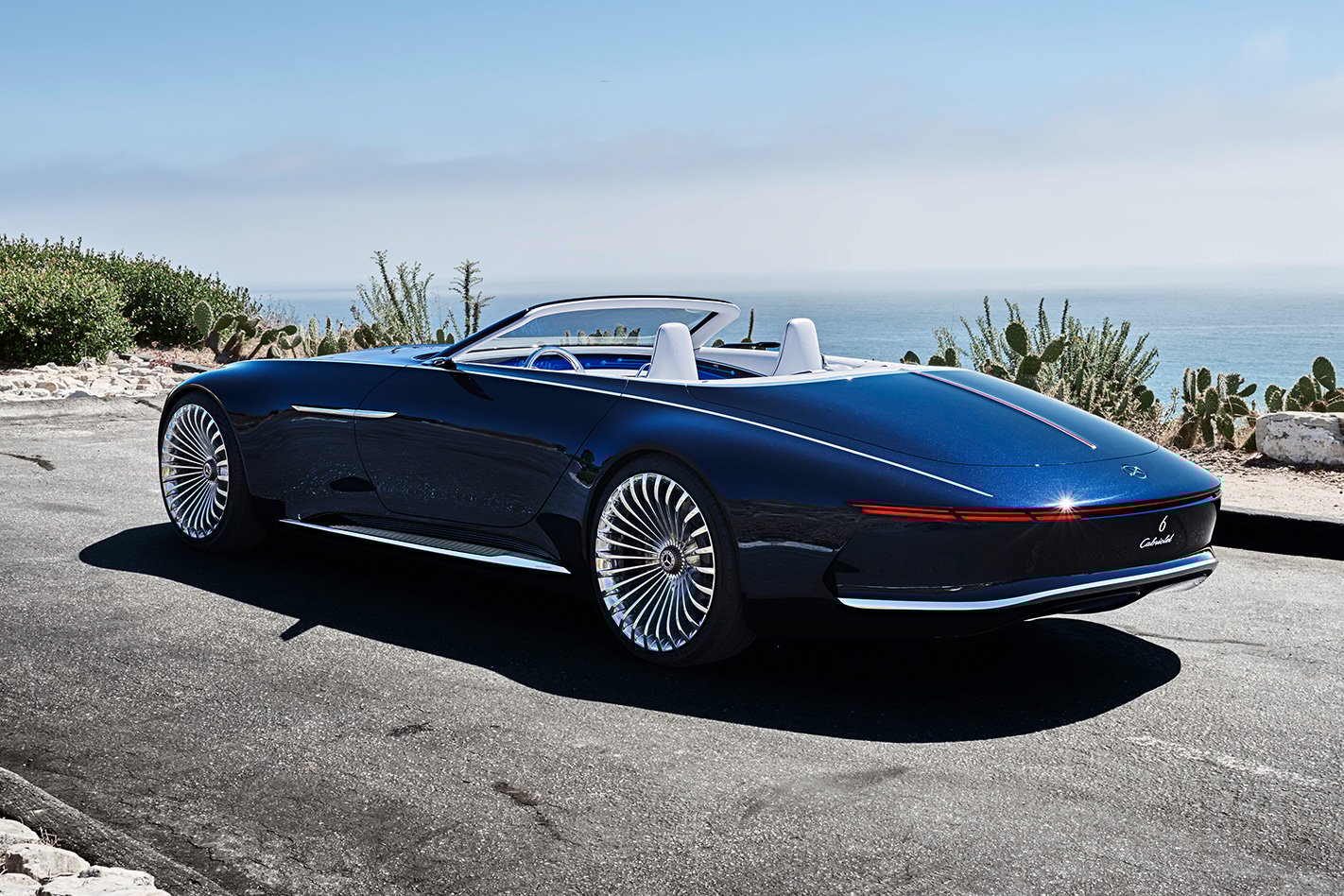
This is doubly impressive when you consider how large the Maybach 6 is. The Maybach 6’s weight hasn’t been revealed, but at six metres long and two metres wide we imagine it’d top to two-tonne mark.
And though Mercedes-Maybach designed the car with yachts in mind – from the boat-tail rear to the chrome accents which ooze opulence – Maybach probably didn’t want the 6 to weight quite as much as one.
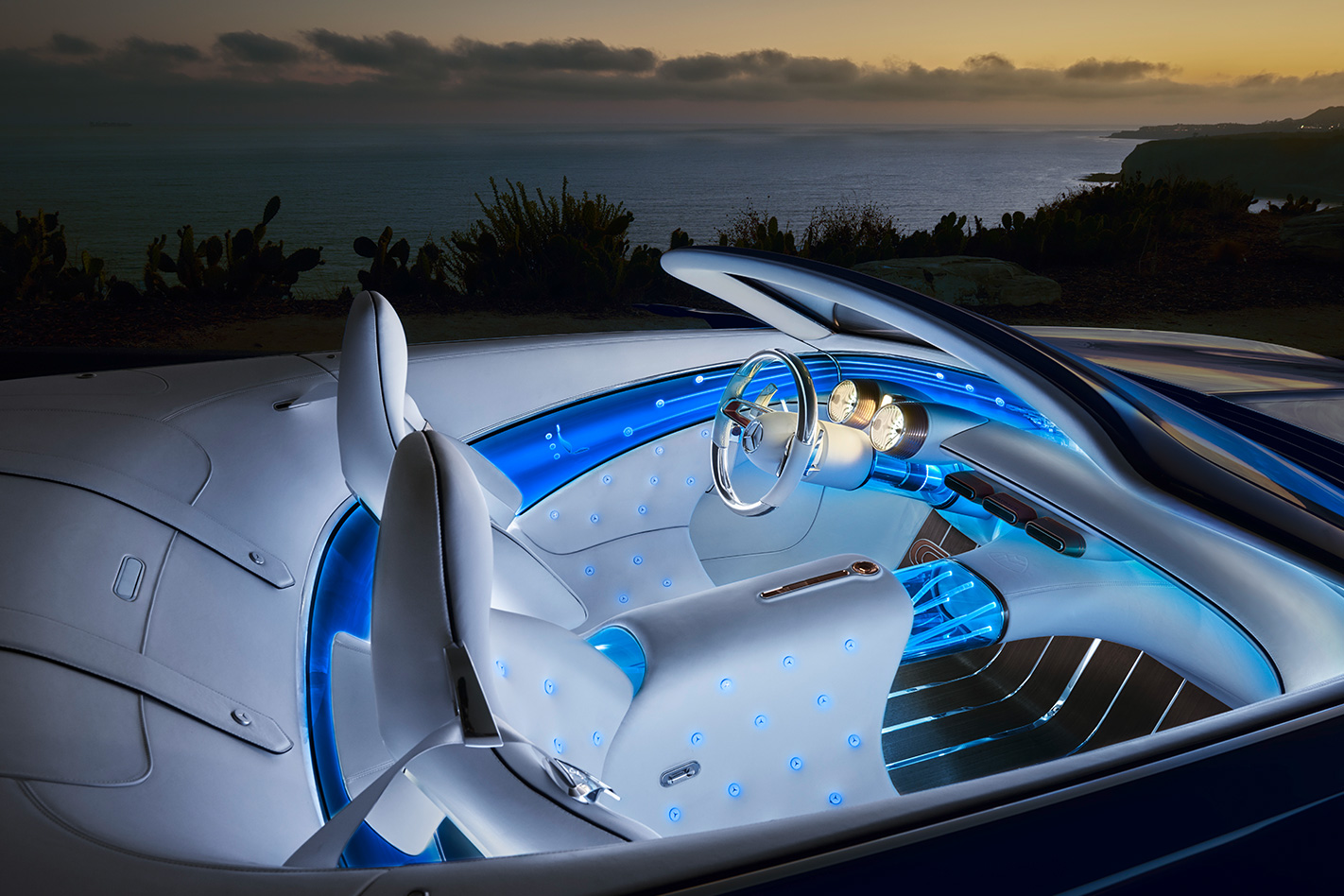
Chief design officer for Daimler Gorden Wagener says the visual appeal of the Maybach 6 Cabriolet comes from its reinterpretation of classic design.
“The Vision Mercedes-Maybach 6 Cabriolet takes modern luxury into the realms of the ultimate in luxury, and is the perfect embodiment of our design strategy.
“Breathtaking proportions combined with a luxurious “haute couture” interior help to create the ultimate experience.”
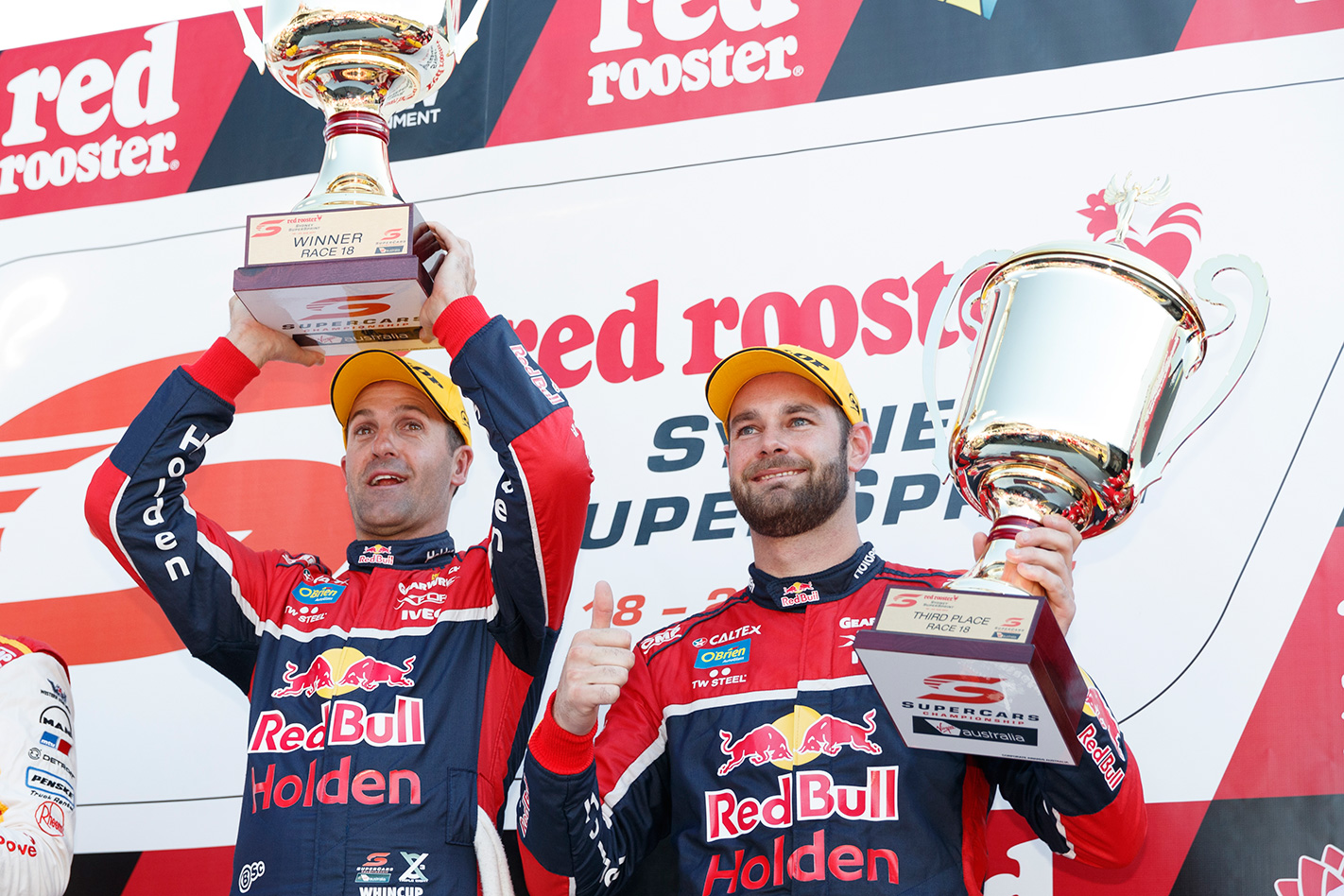
RED Bull HRT’s Jamie Whincup rediscovered near-perfection at Sydney Motor Sport Park on Sunday to score a record-breaking 106th Supercars Championship victory, moving to within just 12 points of series leader and Shell Ford rival Scott McLaughlin in a wild weekend of racing.
As well, McLaughlin’s teammate, Fabian Coulthard, powered back into title contention with an opportunistic win on Saturday after the younger Kiwi threw away a podium opportunity with a rash bumper-thumper with fellow Kiwi Shane van Gisbergen.
McLaughlin left Sydney rueing a brain freeze in the 120km race when he turned around Red Bull Holden’s van Gisbergen, leading to a 33sec time penalty after officials looked at the telemetry. This relegated McLaughlin from second to 21st.
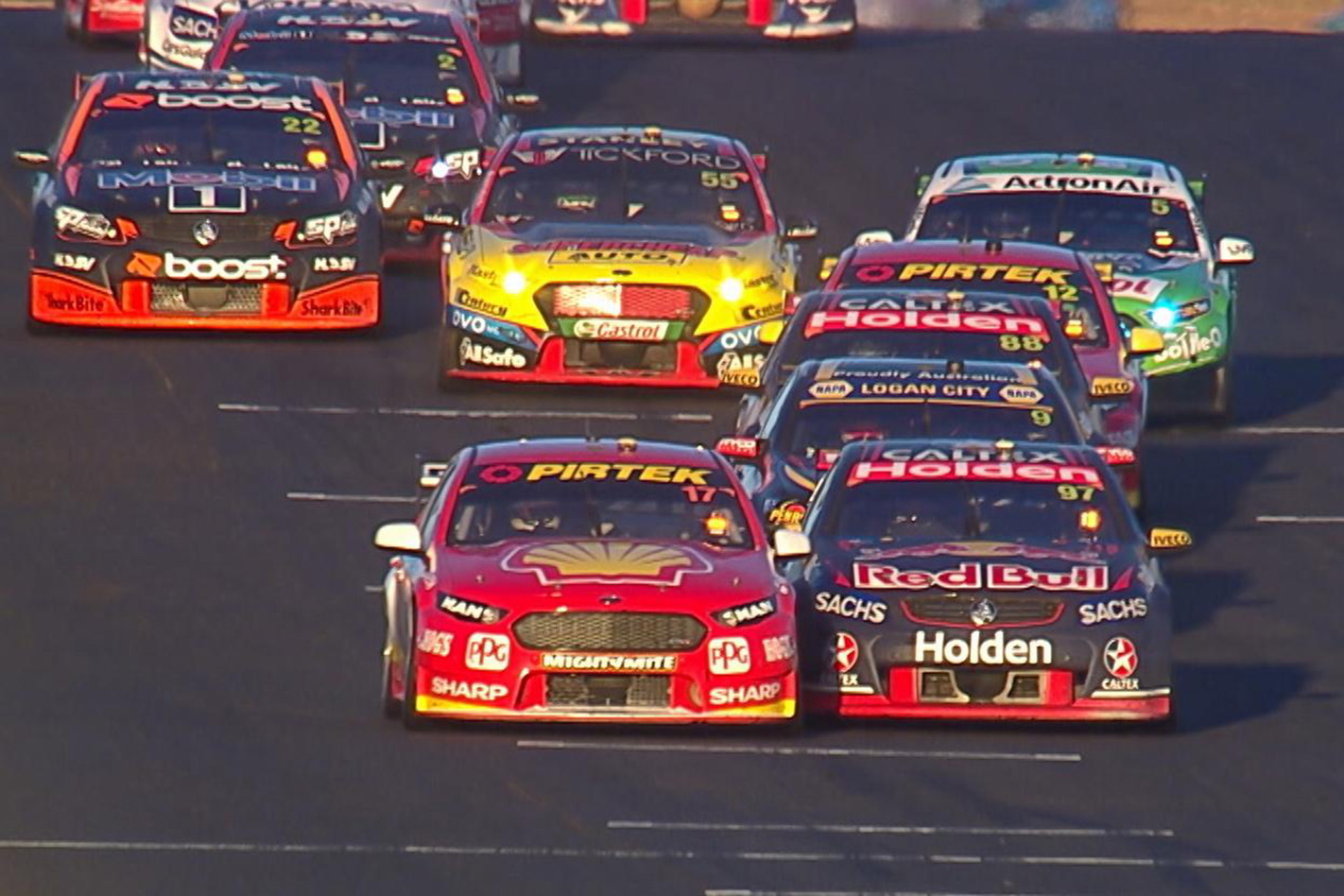
He copped a similar penalty for an illegal overlap and was classified 23rd.
It was all messy and confusing. But try telling winner-grinner Coulthard that good things don’t come out of crazy situations. Chaz Mostert, second in a Prodrive Falcon, and Whincup, who hung on to third in his battered Commodore, were other beneficiaries of the McLaughlin/van Gisbergen contretemps.
McLaughlin’s comfortable 129-point margin heading to SMSP has all but evaporated. He is now a mere 12 points ahead of Whincup entering the endurance races at Sandown, Bathurst and the Gold Coast, with Coulthard 107 points from the lead.
The circuit formerly known as Eastern Creek Raceway often gets an uppercut from race fans but its pair of 2017 championship races were worth bottling, with white-line fever, aggro, and some hard-fought duels across the two days.
McLaughlin won pole for both races, taking his tally to eight on the trot and 13 all told for this season. Stunning.
But on each occasion he went on to fluff the start and failed to convert P1 on the grid to P1 at the chequers.
In the Saturday race, he was jumped by second-fastest qualifier Mark Winterbottom and row two’s van Gisbergen.
Then on Sunday, he completely botched the jump for the 200km contest and ended up in fifth place as Mostert made a stunning surge off the line followed by Whincup and van Gisbergen from the second row, and even Coulthard from row three.
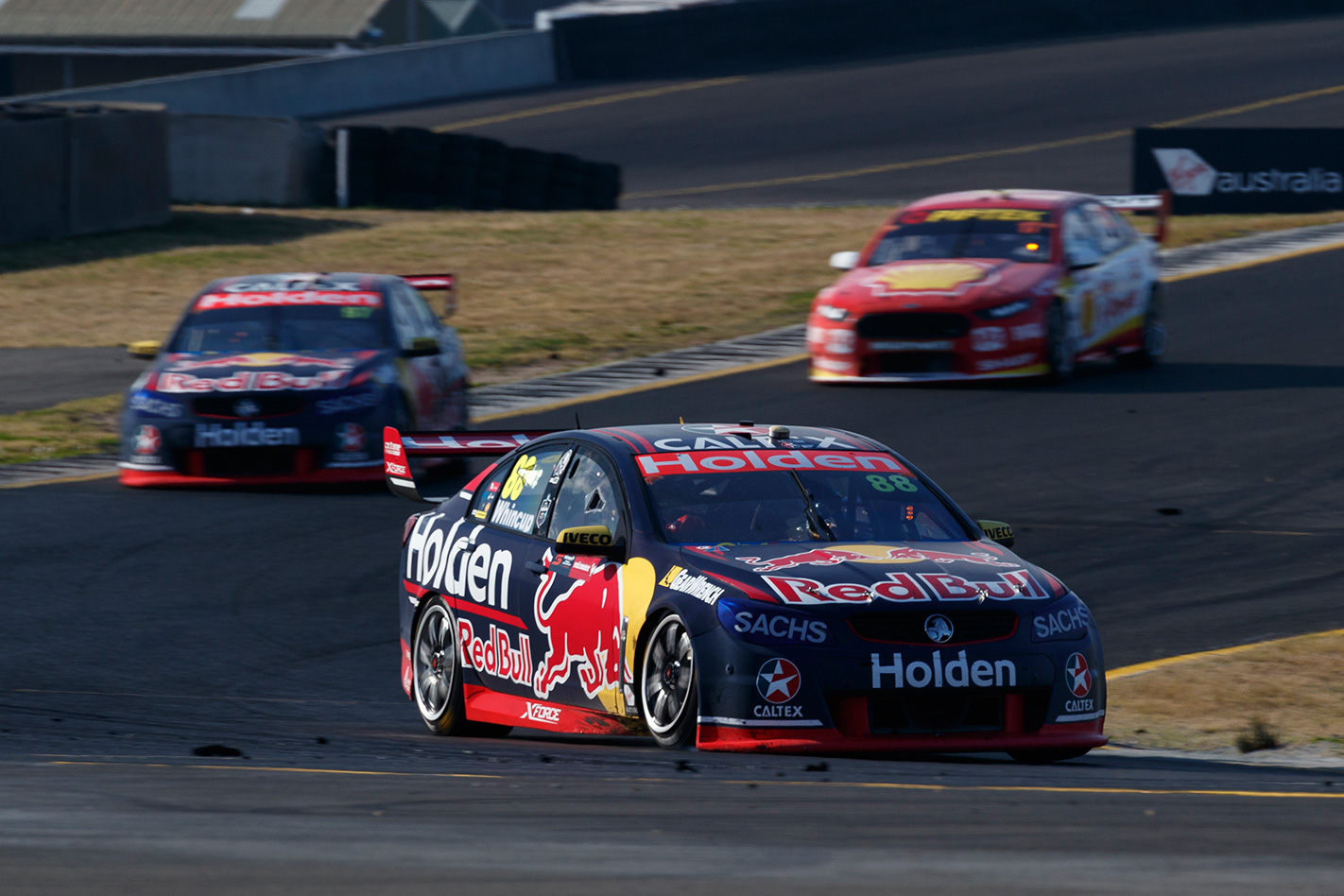
After a clearly slower van Gisbergen let him through with 10 laps remaining, Whincup took off to open a gap. The rejuvenated six-times champ bolted, leaving a bad-arse battle pack of three Kiwis looking to fill the minor placings.
On fresher tyres, Coulthard finally cleared the tenacious van Gisbergen, as Mostert loomed up on the tail of McLaughlin.
In the end, Whincup held a 9.8sec margin to score his second win of 2017, with his 106th overall victory pushing him one ahead of Craig Lowndes on the podium counts list.
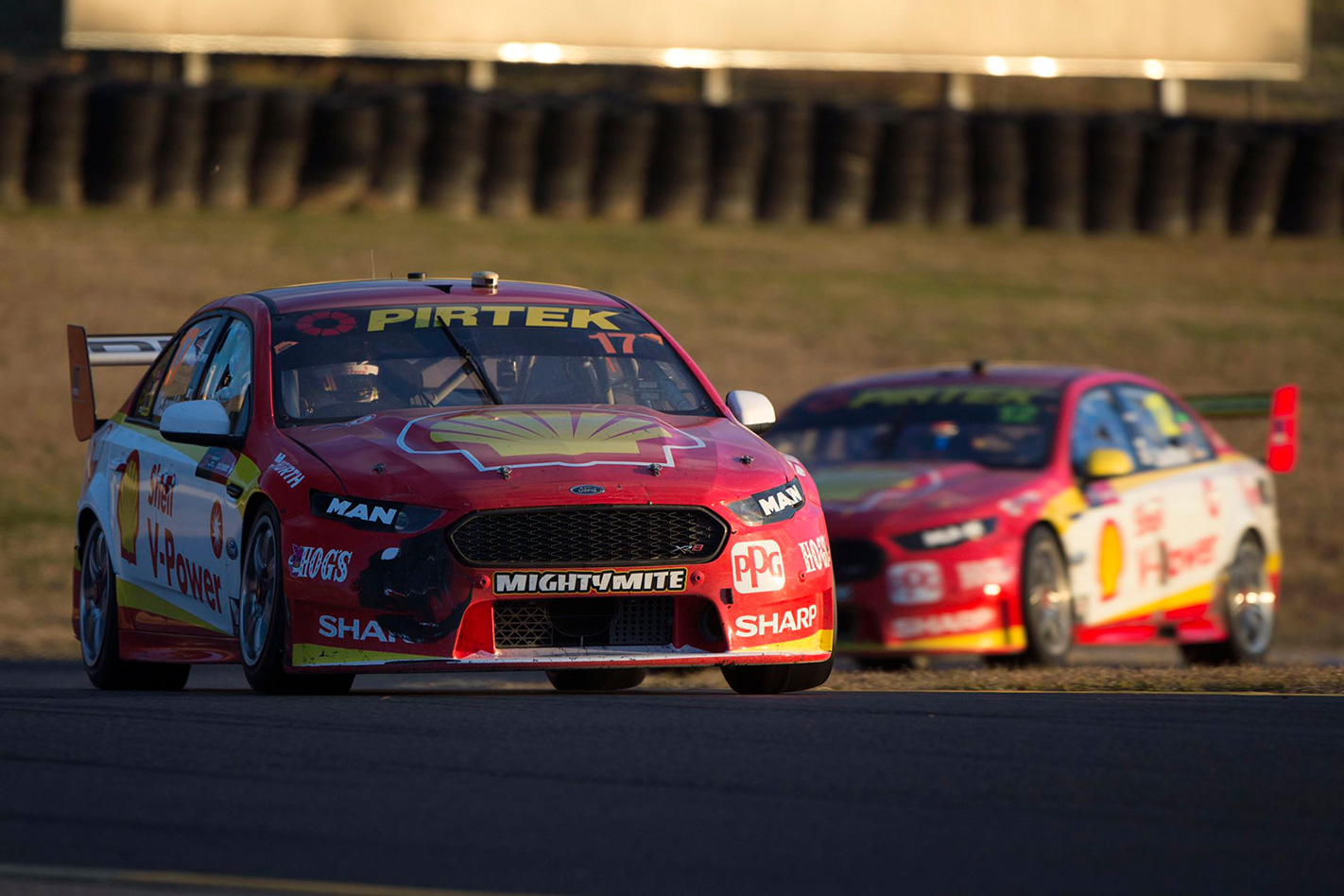
“The guys and girls did an awesome job with the strategy, I think that was a big contributor. We are a big team at Red Bull Holden Racing, thanks to my teammate for being a team player today. No doubt what comes around goes around in situations like that. We got the win, which is the main thing, and now we move on to the long races of the year, the season of endurance.”
The coming three enduros, each with double points (300) for wins, can change the complexion of the championships, with a great responsibility falling on co-drivers.
Twelve points must feel like a very fragile advantage for McLaughin, who will probably try to improve his starts between now and Sandown.
WRC: Tanak masters greasy 2017 Rally Germany
Ford M-Sport driver Ott Tanak has taken his second win in the World Rally Championship – and his first on tarmac – with a hugely impressive victory in a treacherous Rally Germany, beating Citroen’s Andreas Mikkelsen and his own star teammate, defending champ Sebastien Ogier.
The rally though was disastrous for Hyundai’s Thierry Neuville, who went into the event equal leader with Ogier but departed 17 points in arrears after he was forced to retire with damaged suspension on Saturday.
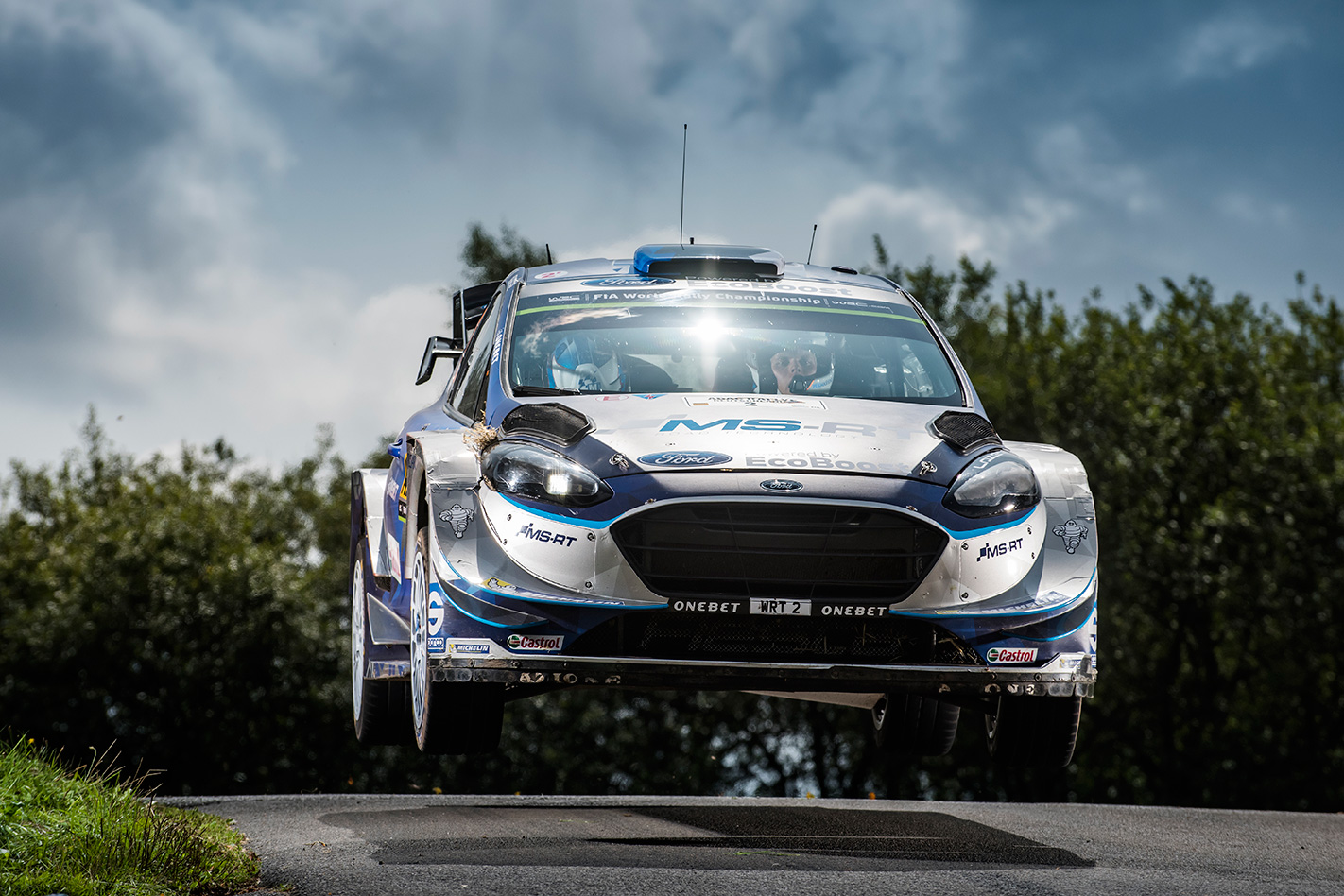
Tanak, whose fast yet sometimes erratic driving early in his World Rally Championship career raised doubts about his ability to win at the top level, wasn’t expected to be a contender in Germany.
The lead changed hands four times on Friday before the baby-faced Estonian emerged from the final muddy asphalt speed test with a 5.7sec advantage over Mikkelsen.
Storms turned the narrow and bumpy Mosel vineyard tracks and Saarland country lanes into a mud bath. All the leading drivers spent time off the road as they fought for grip in treacherous conditions.
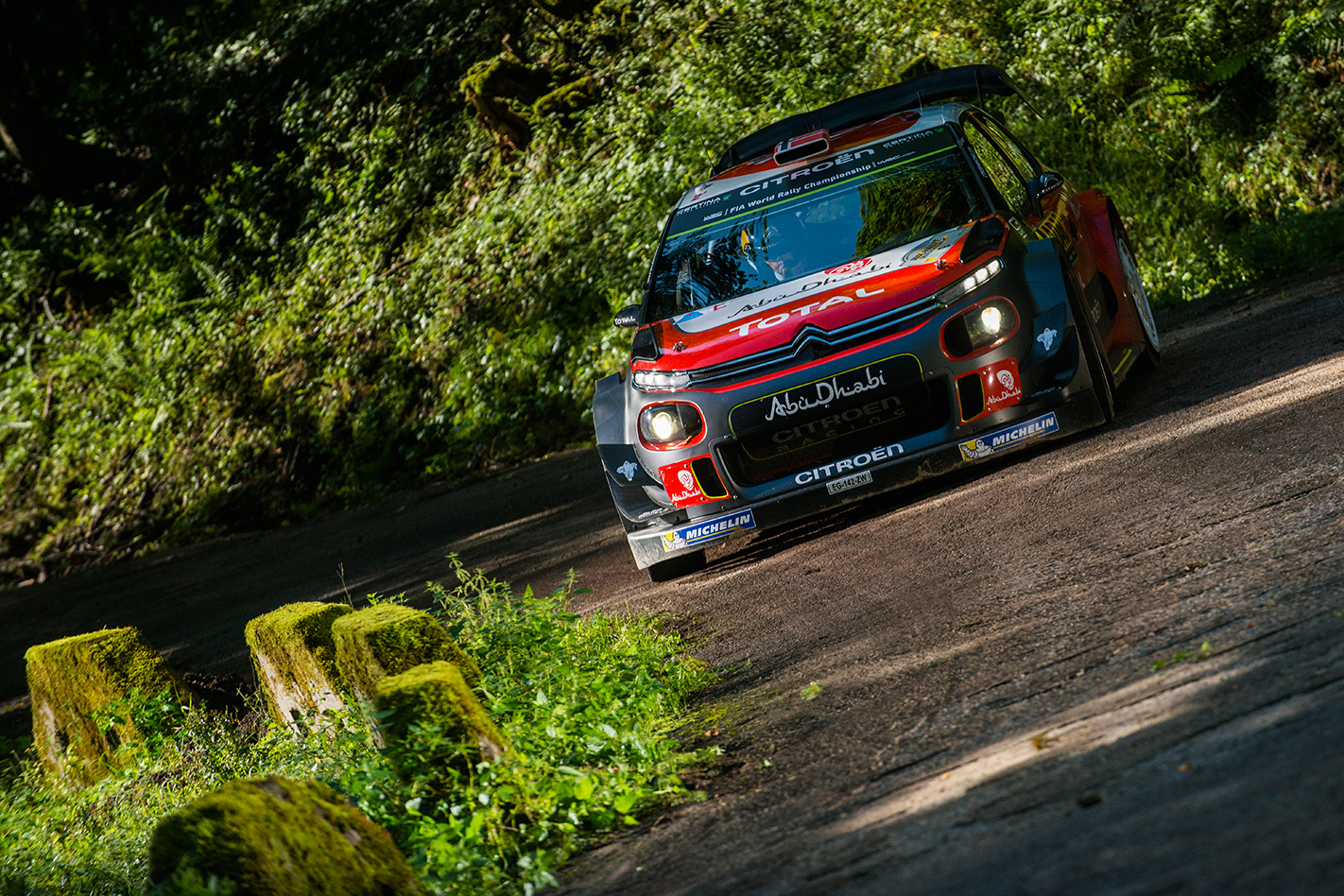
The enthralling fight for the championship between Neuville and Ogier took myriad twists and turns. Both made errors in the unpredictable conditions but the Belgian’s mistake proved terminal, his left rear suspension almost torn off when he cut a corner early on Saturday.
Most of the leading drivers were caught out, some more than others.
Dani Sordo led briefly before missing a corner under braking, his i20 plunging 40 metres into bushes and trees. The other major retirement was Esapekka Lappi, who crashed his Yaris into a ditch when sixth.
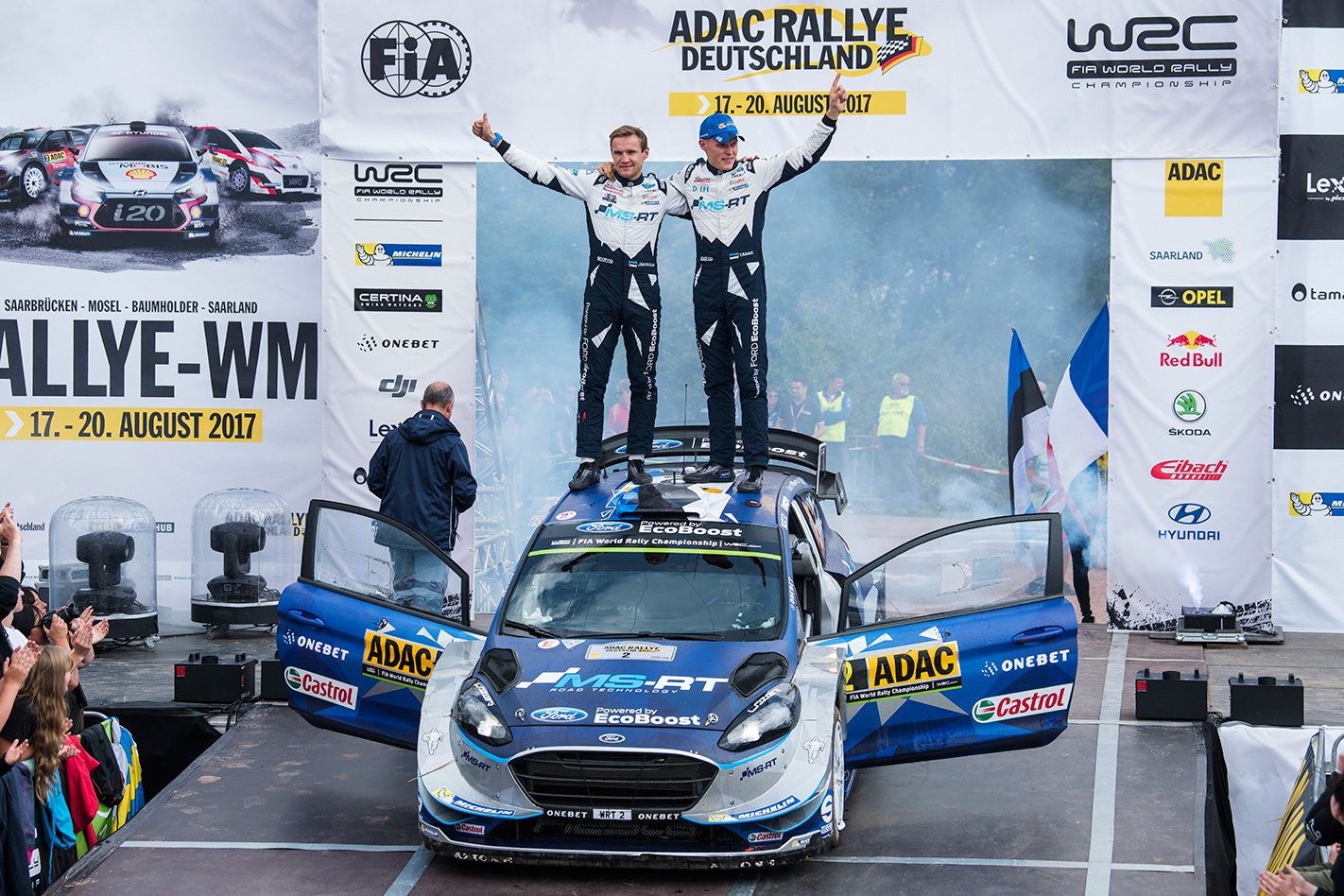
Mikkelsen was happy to concentrate on keeping Ogier back in third.
In the end Tanak claimed victory by 16.4sec from the Norwegian, with Ogier 14sec further back in third.
With three WRC events left, including Rally Australia, Ogier is looking tough to crack.
IndyCar: Will Power wins Pocono Indycar 500
Never give up. That was Will Power’s indisputable message after the Australian came back from a lap down to hold off a hard-charging trio of Josef Newgarden, Alexander Rossi and Simon Pagenaud to win a stunning 500 miler on the Pocono superspeedway overnight.
Power dropped a lap on lap 65 when his crew repaired damage to the front and rear of his Penske Chevrolet, but then went on a rescue mission to repeat his win at Pocono last year.
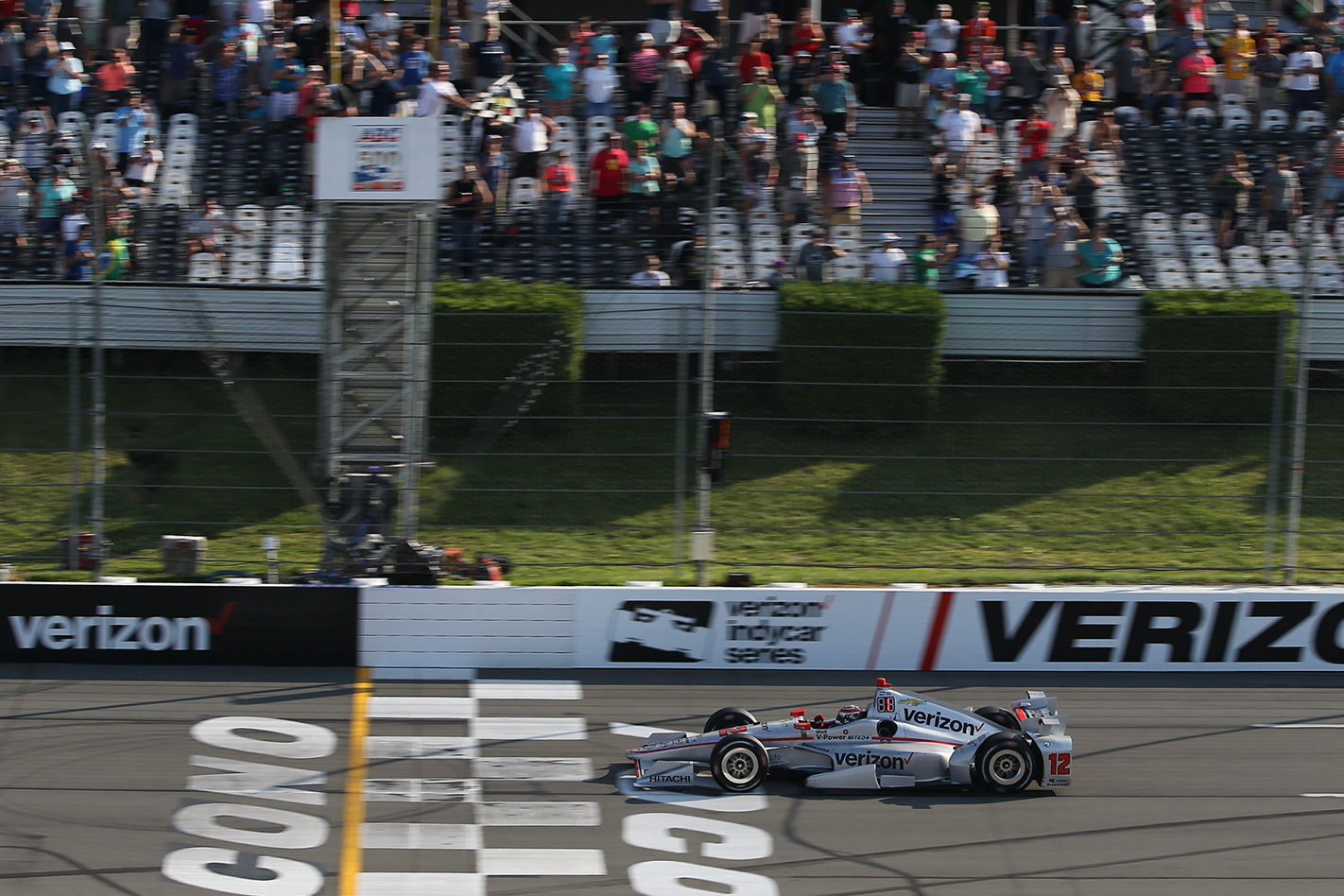
After the final pit stop, Power still led, but with a reduced – and shrinking margin. Two seconds… then one second. Then half a second.
Championship leader Newgarden looked the big threat but Power had done his homework.
“I knew if he got up inside that would be it,” Power reported later, commenting on his bold defensive moves in turn three – the favoured passing zone on the triangular oval.
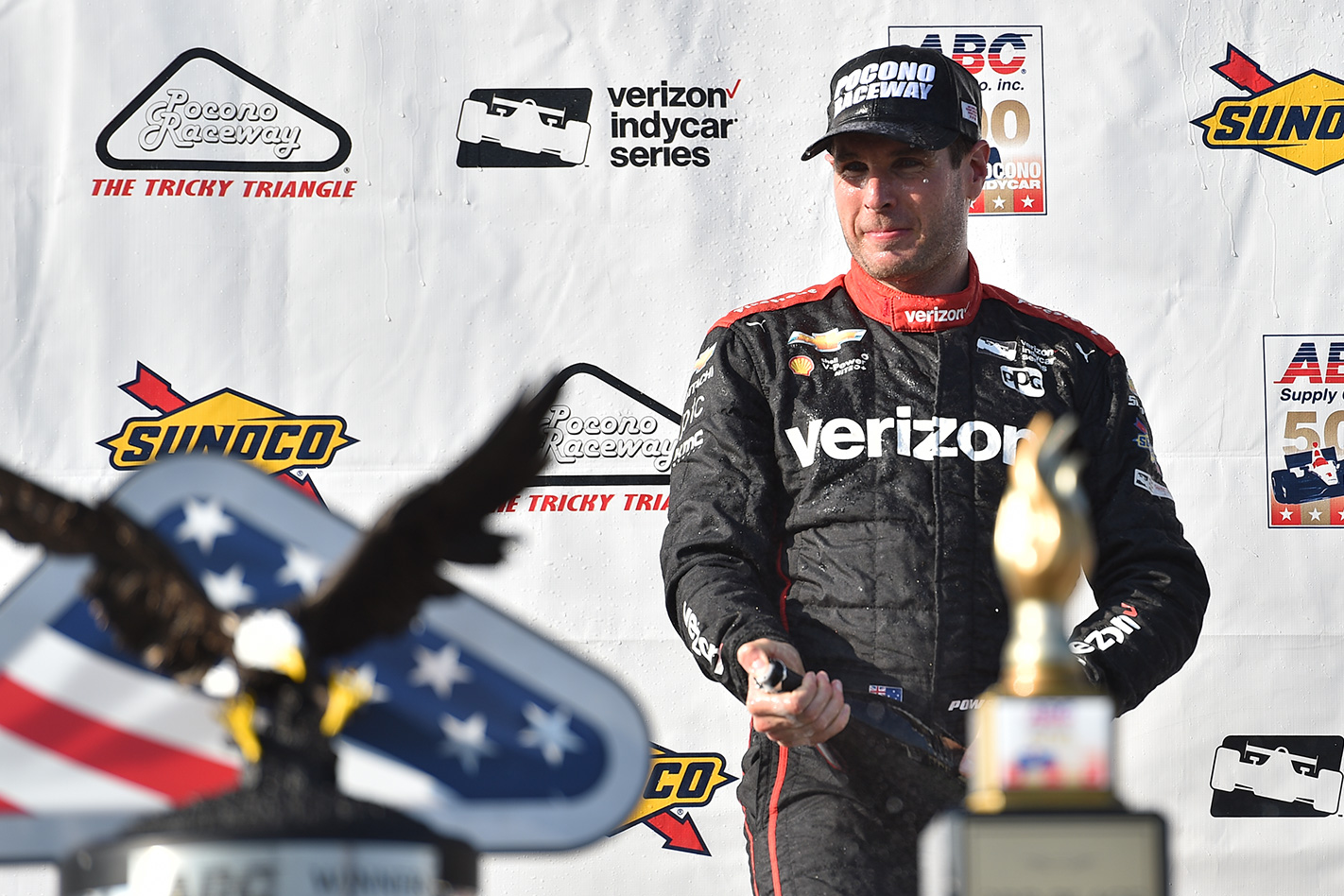
If Newgarden wanted to win, he had to pass around the outside, where it was bumpy and at times treacherous.
The last lap was a thriller, with the first four cars covered by fractions.
Newgarden, America’s bright young talent and a fellow Penske driver, had mixed feelings about the outcome.
“I’m disappointed I didn’t win but I can’t be disappointed about the points situation,” Newgarden said.
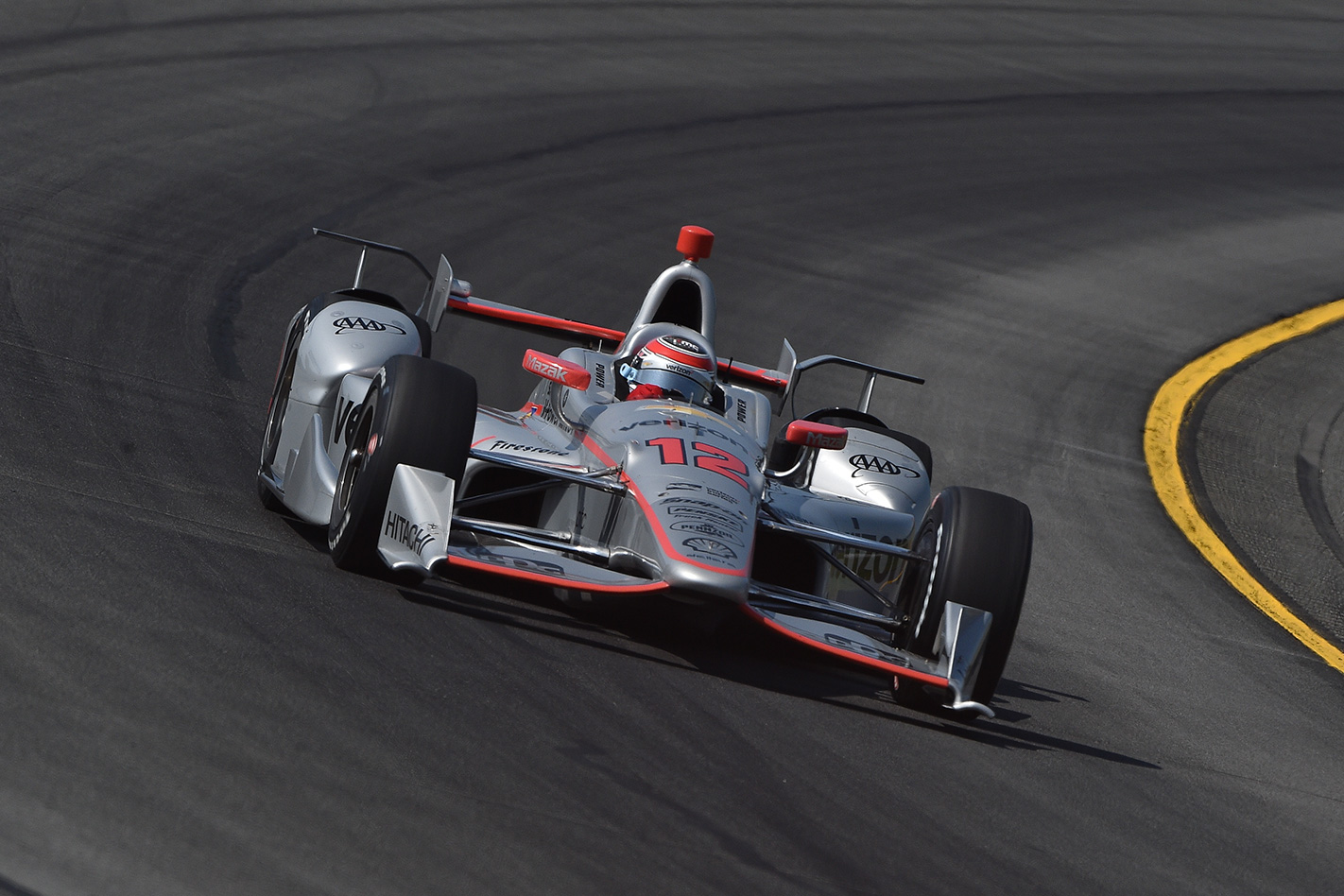
The race certainly did not lack for excitement. There were 10 leaders and 43 lead changes.
It was Power’s third win this season and the one-time road racer’s sixth win on an oval track (and fifth on a superspeedway).
“What a day… I’m spent,” Power postscripted.
WHAT you see before you is the most expensive British car to ever be sold at auction.
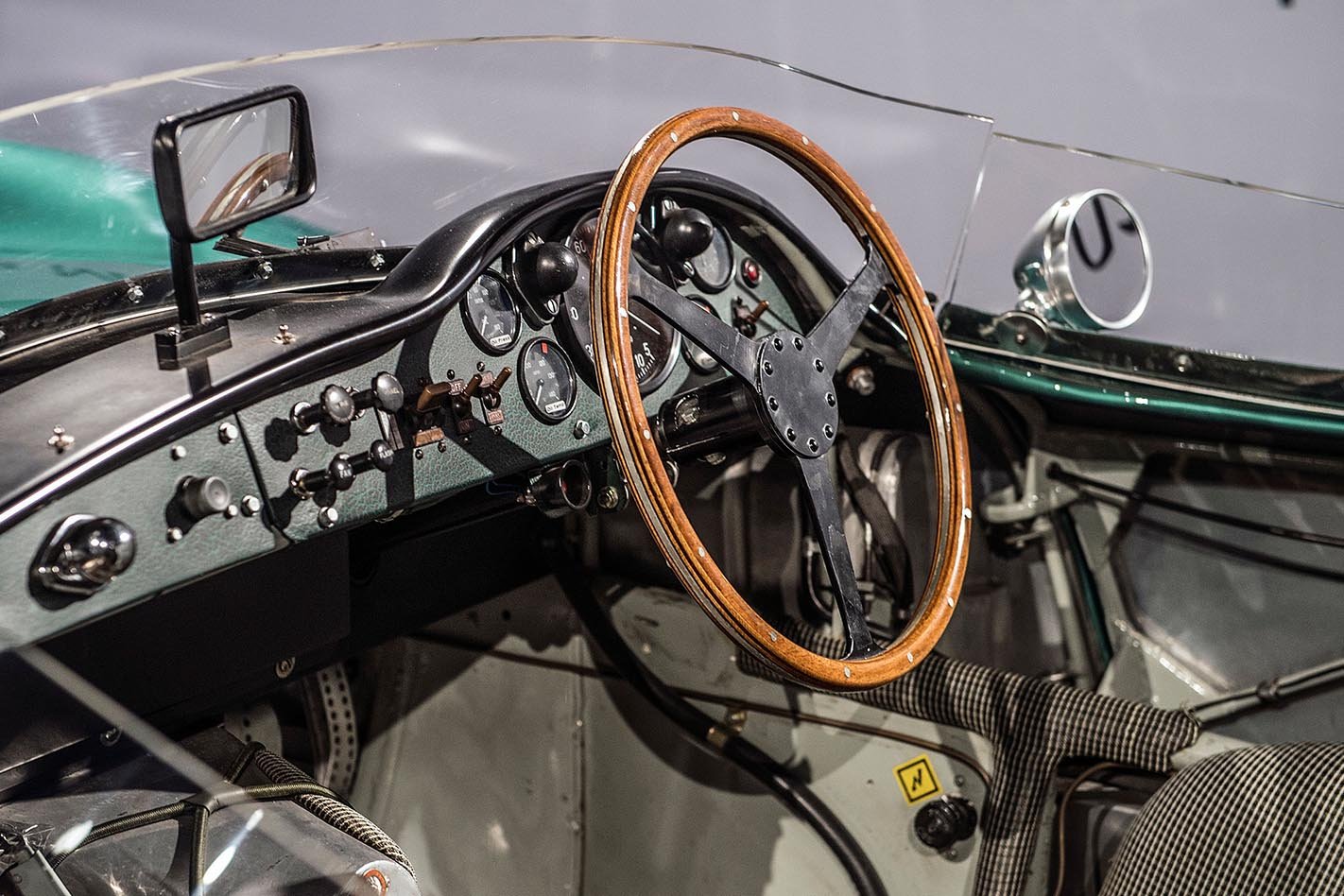
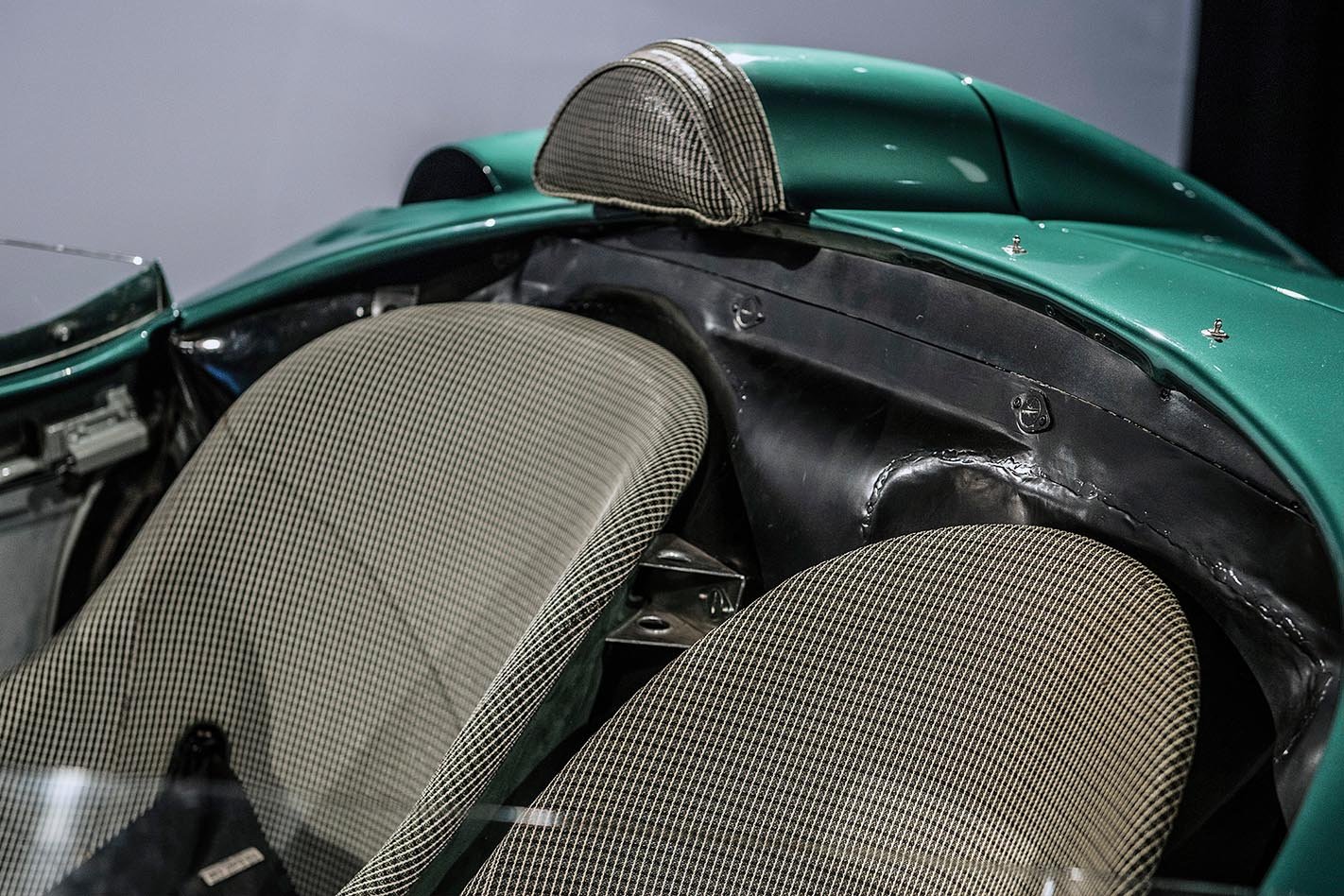
It’s a 1965 Aston Martin DBR1 race car. Bearing the identifier of Chassis No. 1, it is the only DBR1 (of five in the world) to be offered for public sale.
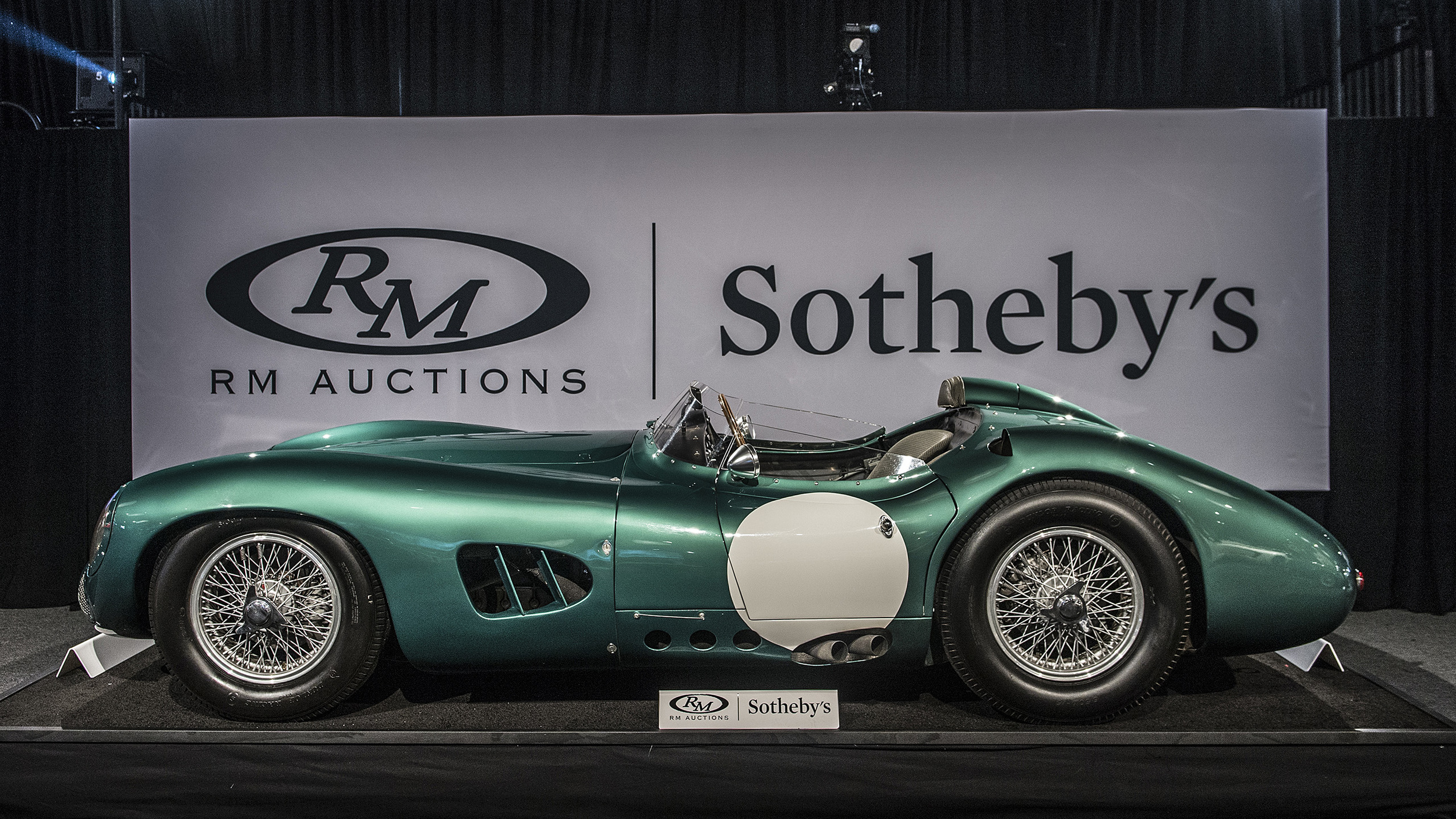
When it went under the hammer at RM Sotheby’s auction at Pebble Beach over the weekend, it was sold for a staggering US $22,5550,000 (A$28.4 million).
That incredible figure (more than the cost of some private jets) smashed the previous record holder for the most expensive British car sold at auction, a 1955 Jaguar D-Type which sold for US $21.8 million (A$27.5 million) last year.
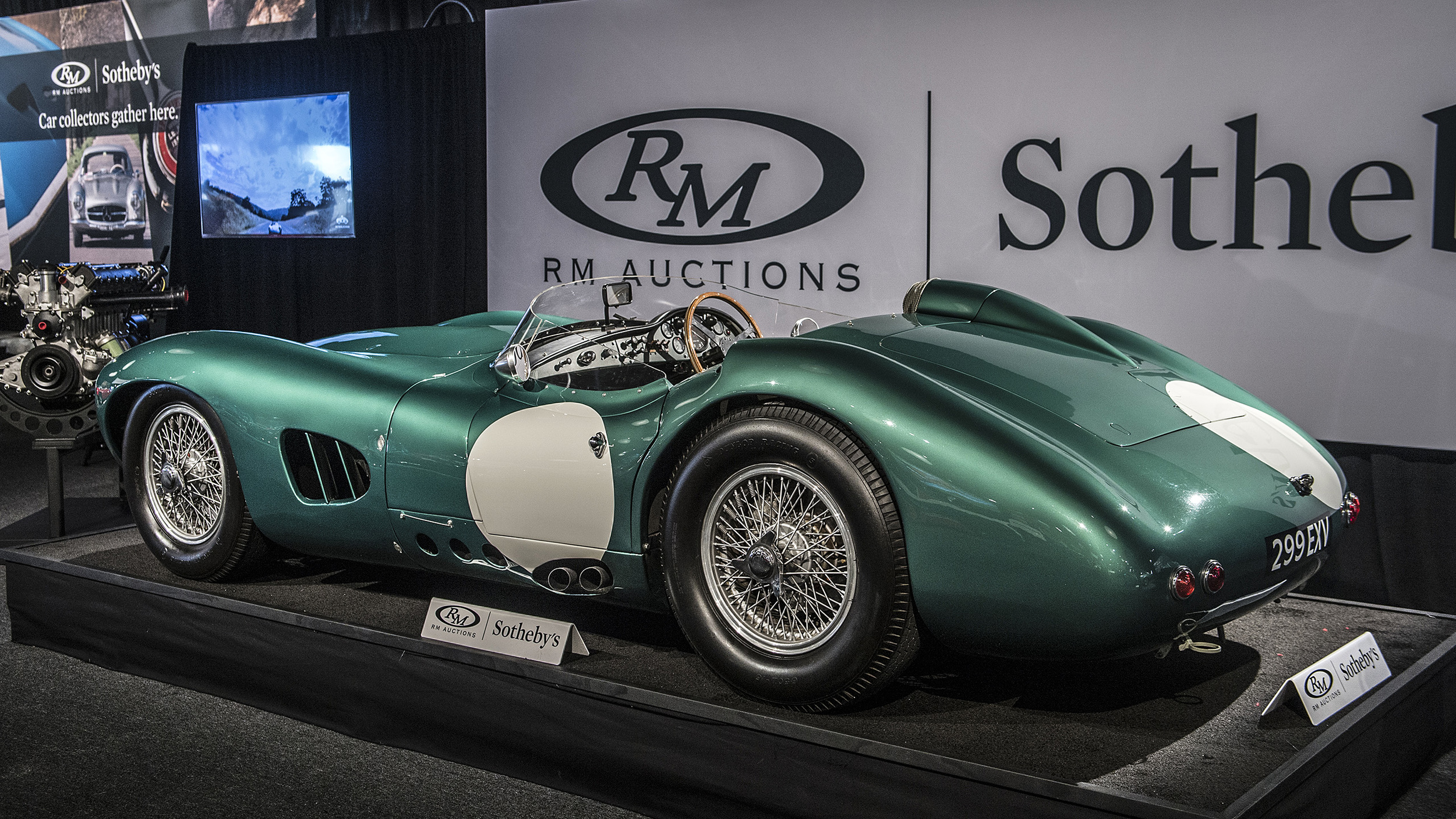
This car is specifically known as DBR1/1, and the auction house claims it is “the most correct example of what is arguably the most important Aston Martin ever produced.”
The DBR1/1 was one of five cars which competed in the World Sportscar Championship from 1956 to ’59.
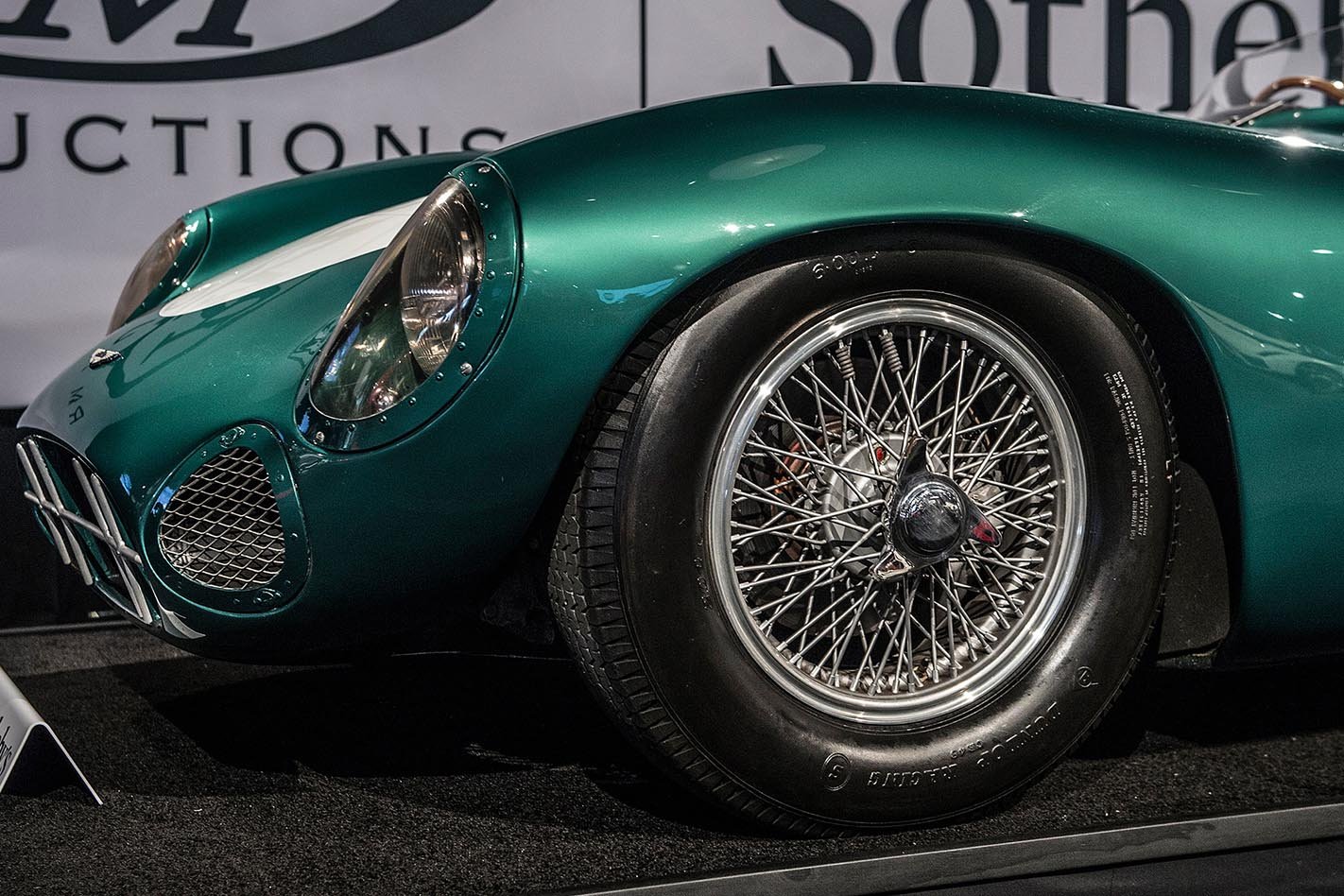
This particular model wasn’t the first DBR1 to claim victory in a race, however it did win the 1959 Nurburgring 1000km event with Stirling Moss and Jack Fairman driving. A one Carroll Shelby was also a driver for the team.
The DBR1/1 wasn’t the only Aston that sold for big numbers at the Sotheby’s auction, with a 1959 DB4GT Prototype selling for US$ 6.7 million (A$8.5 million).
The most expensive car ever sold at auction remains the Ferrari 250 GTO (serial No. 3851GT), which changed hands in 2014 for US $38.1 million (A$48.1 million). Adjusted for inflation that number grows to US $38.5 million (A$ 48.6 million).
The DBR1 now sits at seventh on the all-time list for most expensive cars sold at auction.
Holden has released the first official images and information about its new Commodore VXR – the replacement, more or less, for the current VF II SS.
You’ll see the car for yourself and read the details in News in the current issue- and online, but it scores a 235kW/381Nm naturally aspirated 3.6-litre V6, all-wheel drive, big Brembos, a nine-speed auto and is on-sale early 2018.
There will actually be some genuine DNA between this and the VF II – and all the Commodores before it. Holden says more than 100,000 development kilometres have been logged by its engineers in Australia, including Lead Dynamics Engineer Rob Trubiani, one of the core creators of the mega, current 304kW VF II SS range.
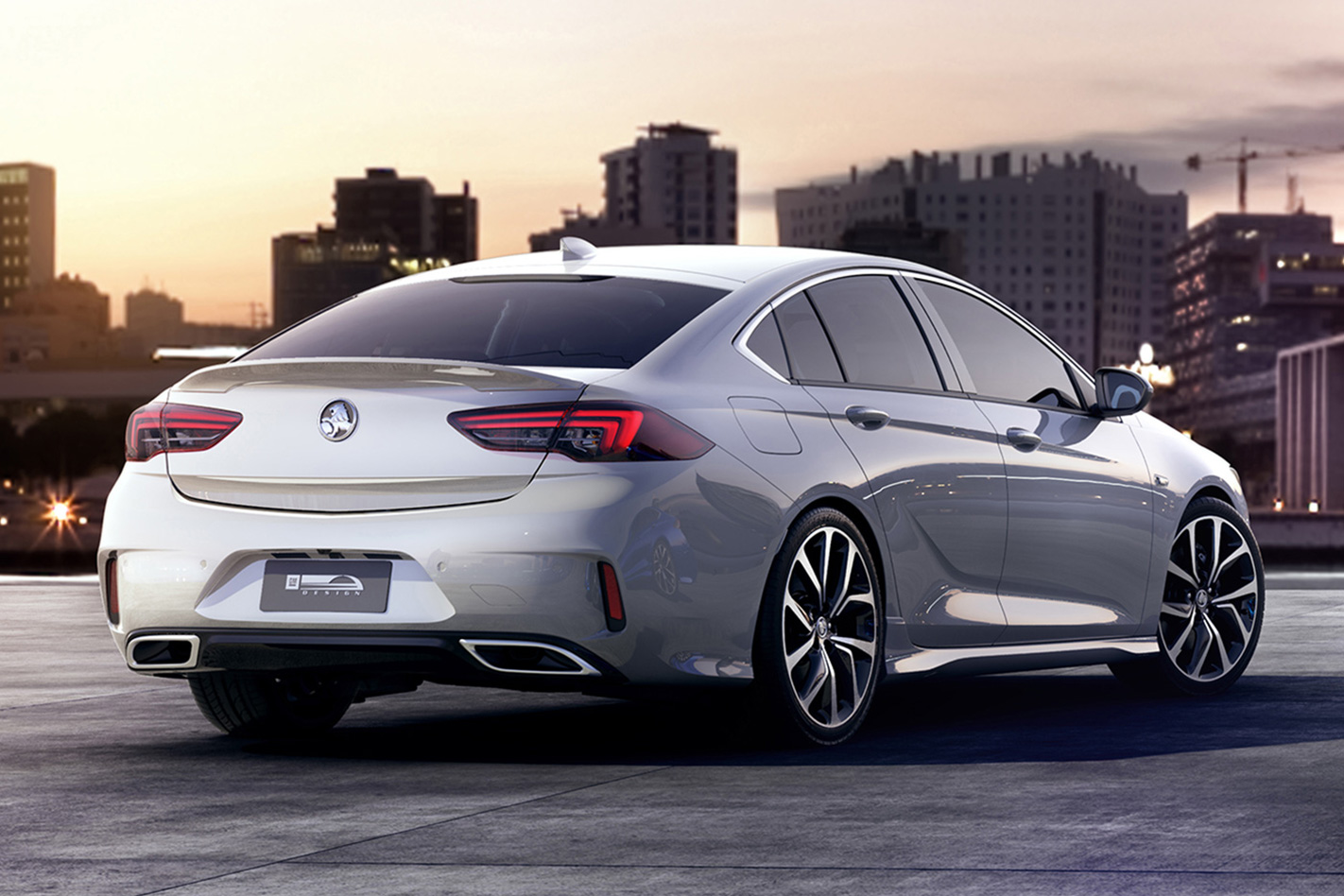
It’s reassuring to hear a Commodore engineering veteran like Trubiani talk so positively, and have been so involved in its development, but still, I am torn about this car.
On the one hand, I think it looks cool, I’m excited by the technology it’s packing including what sounds like multiple handling personalities available at the touch of a button. And I’m being realistic about its pace, given it’s not exactly setting the spec sheet on fire.
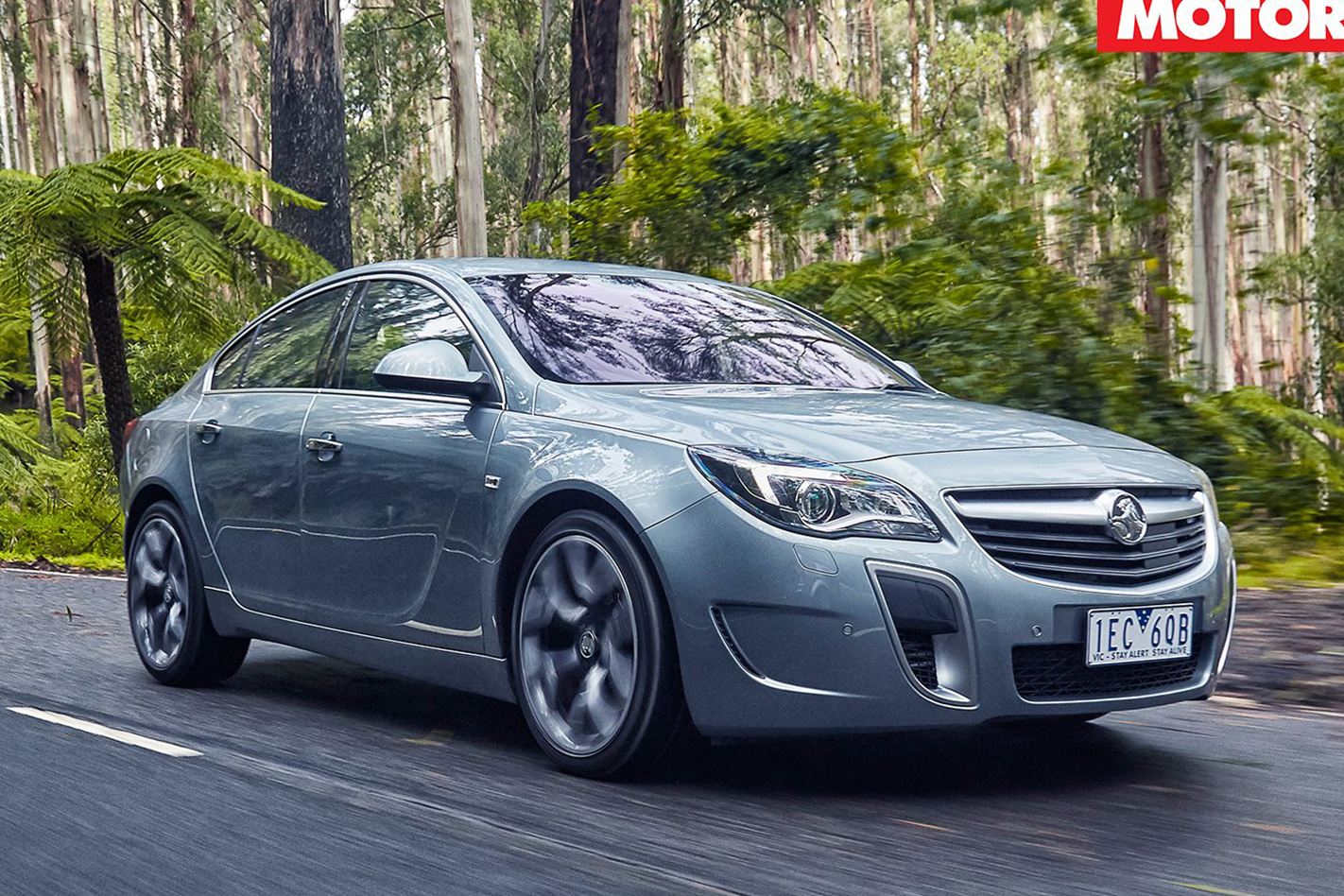
It’s tricky as I understand the Opel DNA in the original Commodore and that throughout its many homegrown generations, the Commodore has maintained some sort of under-the-skin connection to other cars in the GM world, which does lend the new car legitimacy.
And after the scepticism towards it has worn off, I might be glad that a Commodore is still around. But even if the new Commodore is brilliant and spawns faster models, I still have a feeling it’s going to be a long, difficult adjustment period.
IS THIS the new BMW M5? The sixth generation of BMW’s large performance sedan was due for an official reveal today, but a Chinese website has leaked video of what is believed to be BMW’s 447kW halo car a day early.
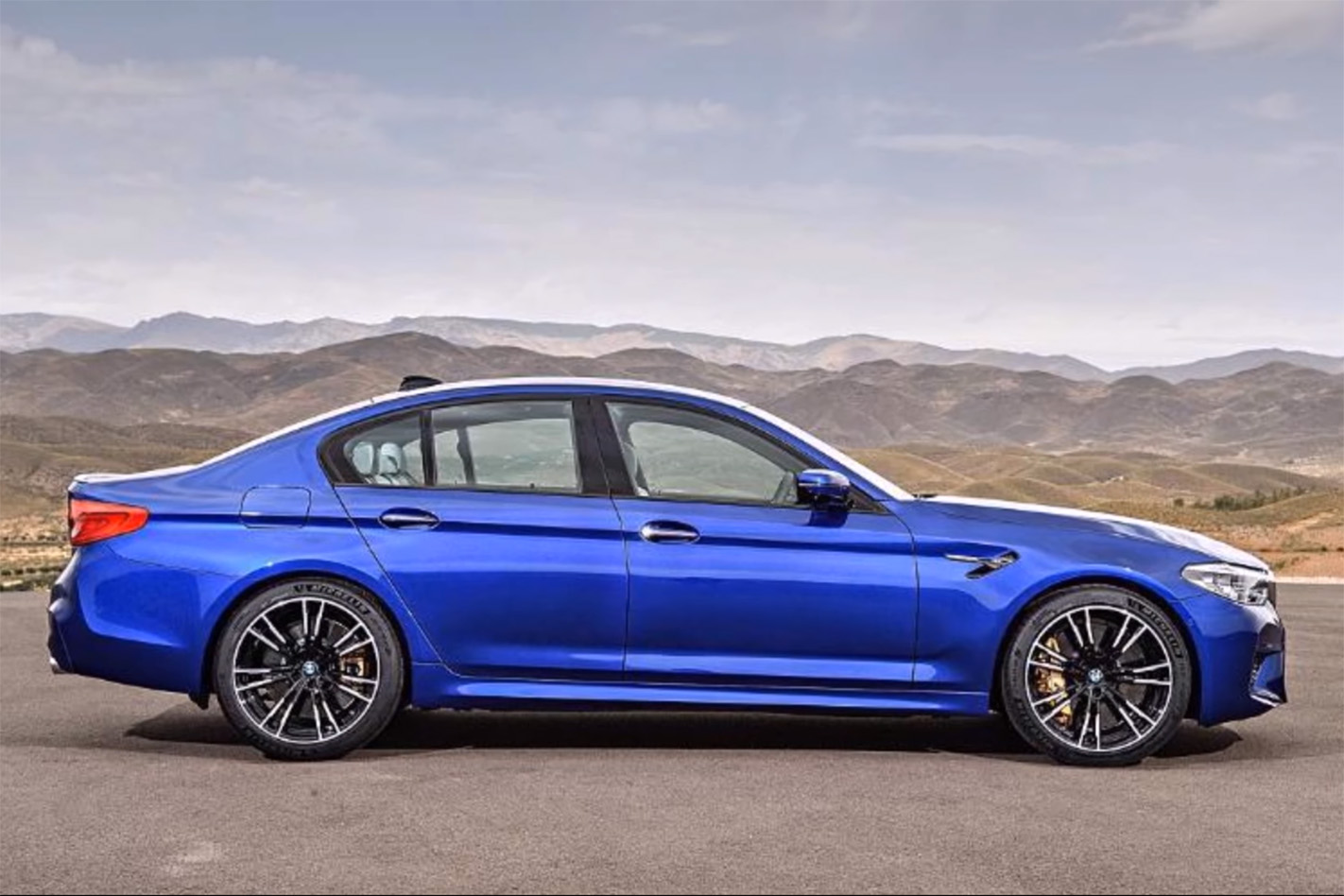
The images shown in the video hide nothing of the F90-based G30 M5’s form, from its seriously plumped guards to highly aerodynamic wing mirrors that tuck into the A-pillar via a single lower mount.
Down the front, angular aerodynamics that take over most of the lower air dam force cooling air to the engine bay and brakes, while plumped guards wrap around high-performance Michelin rubber.
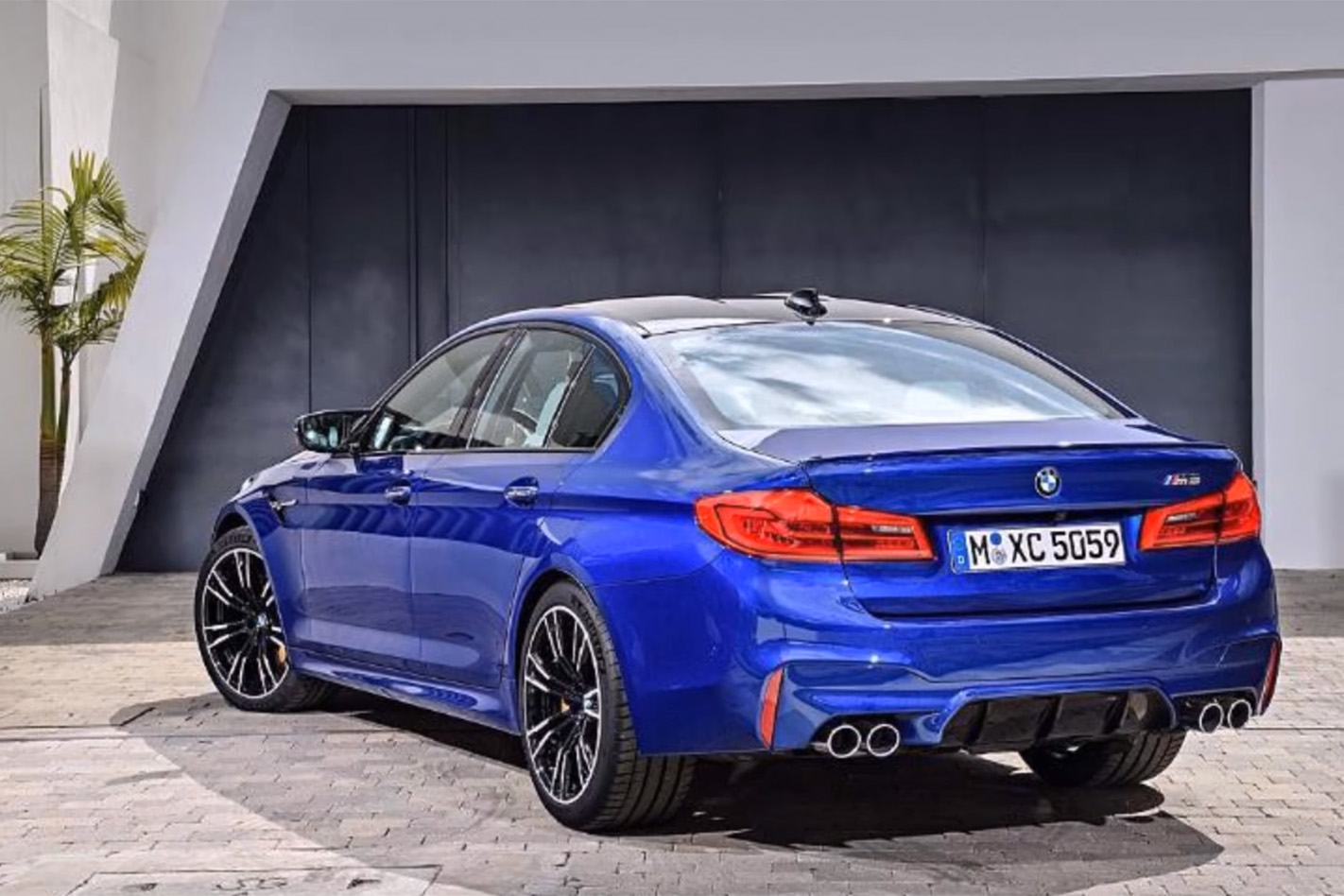
New alloys support a semi-blacked out look that highlights other dark plastic and carbonfibre accents scattered around the M5’s body.
Under its bonnet, the M5 houses a twin-turbo 4.4-litre V8 that should produce a minimum of 447kW and 700Nm, and for this generation sent to all four wheels via a ZF-sourced eight-speed dual-clutch gearbox. It should be enough for the new M5 to hustle along to a 0-100km/h time that will better the old model’s 4.3sec, and the current M4 Competition’s 4.0sec.
We’ve driven a prototype of the M5 back in May, where we sampled the new M5’s xDrive all-wheel-drive system well ahead of its expected arrival in Australia 2018.
“The new M xDrive system gives the new M5 the choice of all-wheel or rear-wheel drive,” Wheels reviewer John Cary said.
“It’s simple to access, too. All it takes is a long press on the DSC button in the centre console to deactivate the electronic stability control, then a tap on the centre screen menu or a twirl and press of the car’s iDrive wheel to select ‘2WD’. This completely disengages the clutch in the transfer case that otherwise directs torque, as required, to the front axle. Compared with the deliberately complex procedure to do the same thing in the car that will be the new M5’s deadly rival, Mercedes-AMG’s E63 S, it’s a quick and straightforward process.”
The Renault Megane GT hatch is now complemented by a wagon version that offers more in terms of space and practicality without compromising performance and handling. Here are 10 things you would want to know about it.
1. The GT is one of three wagon variants that, along with two sedan models, joined the Megane hatch in July, making it the first time all three Megane body shapes have been on sale together in Australia at the same time.
2. The Wagon is 267mm longer than the Hatch with a 42mm longer wheelbase and 37mm more rear legroom.
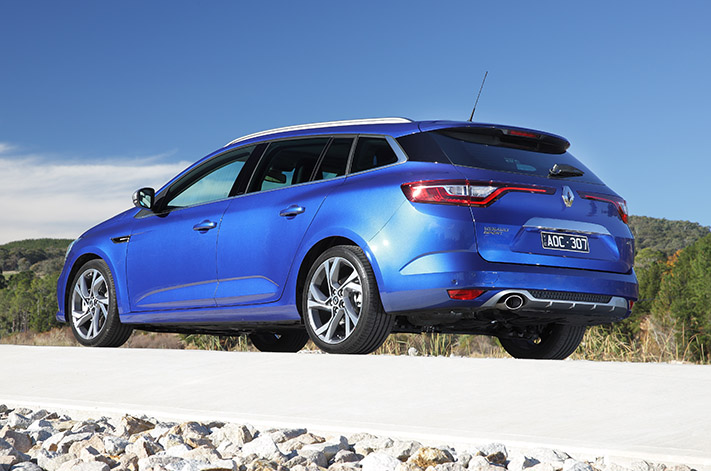
3. Renault Megane GT Wagon’s 4CONTROL all-wheel steering works in two ways depending on speed. At speeds below 60km/h (80km/h in Sport mode) the rear wheels turn up to 2.7-degrees in the opposite direction of the front wheels for hatch-like manoeuvrability. At higher speeds the front and rear wheels steer in the same direction for greater stability, with the rear turning by up to one degree.
4. 4CONTROL calculates the angle of the rear wheels 100 times per second and adjusts them as necessary.
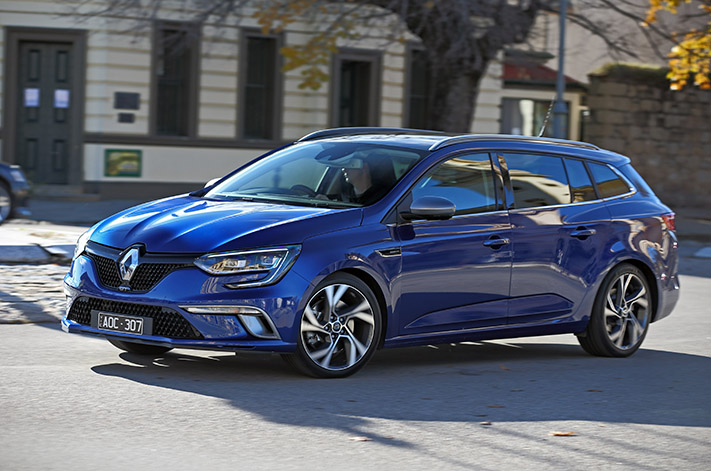
5. The Megane GT wagon’s Sport driving mode reduces the steering inputs needed by 40 percent.
6. Like the hatch, the Megane GT wagon is powered by the 1.6 litre turbocharged TCe 205 petrol engine that produces 151kW of power and 280Nm of torque at just 2400rpm.
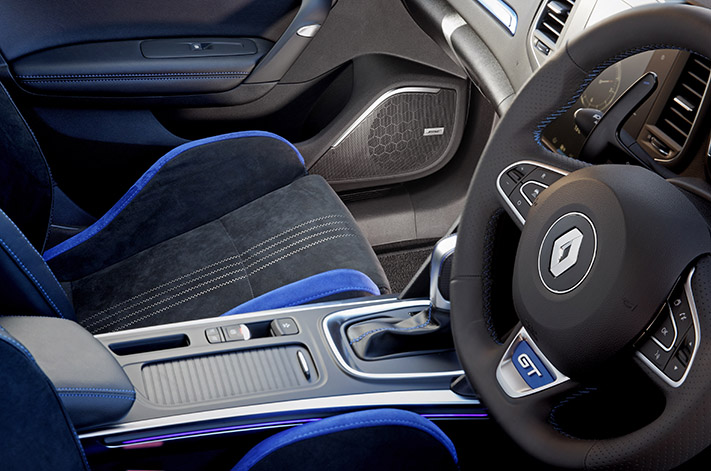
7. It can sprint to 100 km/h in 7.4 seconds, just 0.3sec slower than the hatch.
8. The GT also features Multi-Downshift Control, an advanced downshifting gear change system and Launch Control, which provide racecar-like starts.
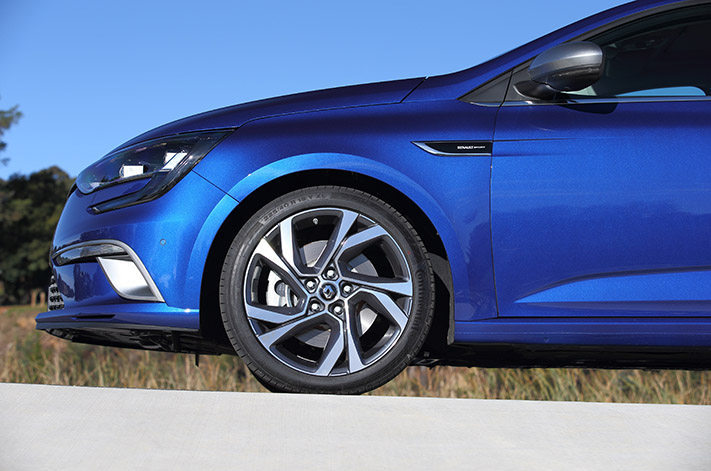
9. It is built at Renault’s Palencia factory in northern Spain.
10. The wagon bodies are made in an almost fully automated assembly shop crewed by more than 350 robots and just 14 people.
THERE’S praise everywhere for the Giulia QV, the sports sedan that suggests that Alfa Romeo has finally found its mojo.
And the Milanese brand has mucho mojo: it’s been around for 117 years, Enzo Ferrari managed his first racing team there, Alfa drivers won the first two F1 world championships … on it went.
Up to a point. In 1986, Alfa Romeo was taken over by Fiat; in 1987, it ceased production of the exotic, affordable and rear-drive Alfetta GT/GTV6; and in 1988 it quit Formula 1. Aside from brief blips like the recent 4C Spider and the (even briefer) 8C and SZ, Alfa Romeo did bugger-all to arouse enthusiast interest for 30 years.
So how does one explain Nathan Khoury, a 29-year-old Sydney lawyer who has owned 20 Alfa Romeos in just 12 years?
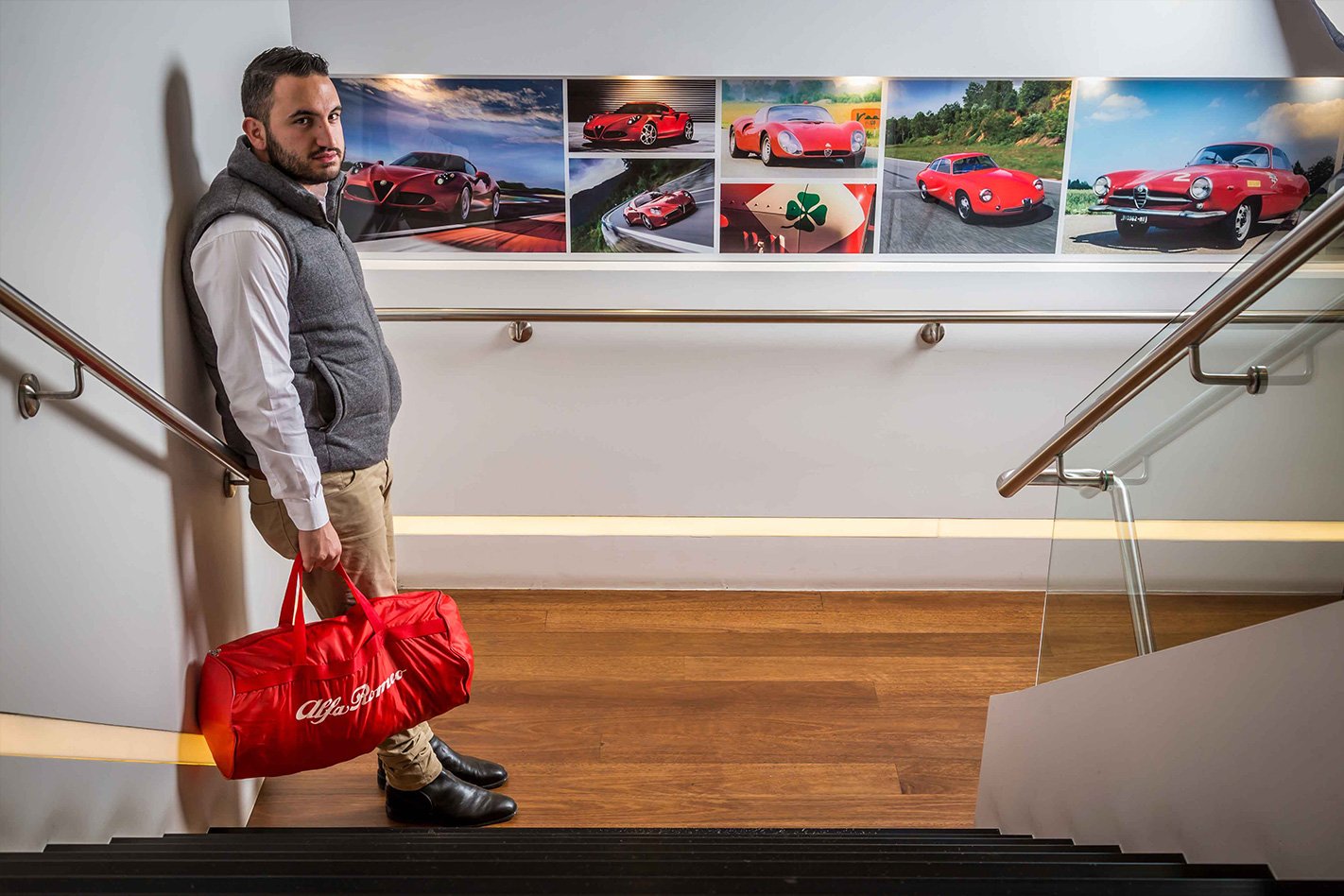
“I read everything about the Giulia QV and didn’t think it was that impressive on paper,” he explains. “But as soon as I saw it in the metal, I had to have it. They were sold out for 2017, and this was the only one I could get my hands on.
“Everyone thinks I’m batshit crazy getting out of an Aston for an Alfa, but I don’t care.”
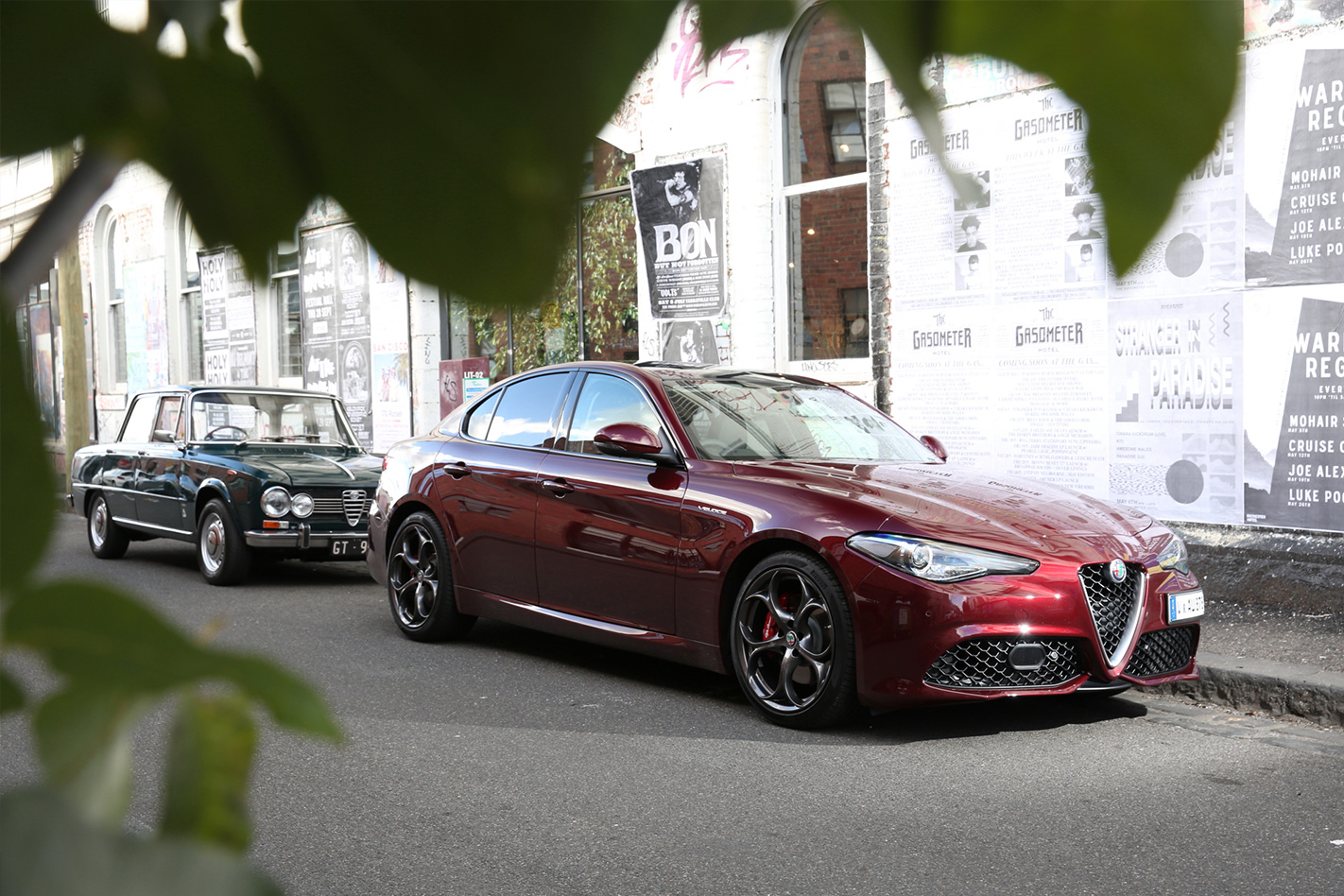
The Selespeed gearbox naturally shat itself. It led Khoury to veteran Alfa specialist Frank Failla at Frank’s Pitstop Motors, in Sydney’s spaghetti belt.
“My dad and my brothers all lectured me to get rid of it,” Khoury reflects. “But Frank started telling me a lot of the history of the brand – the Ferrari connection, the early grand prix history – and I thought, ‘I’ve got to look into all of this.’
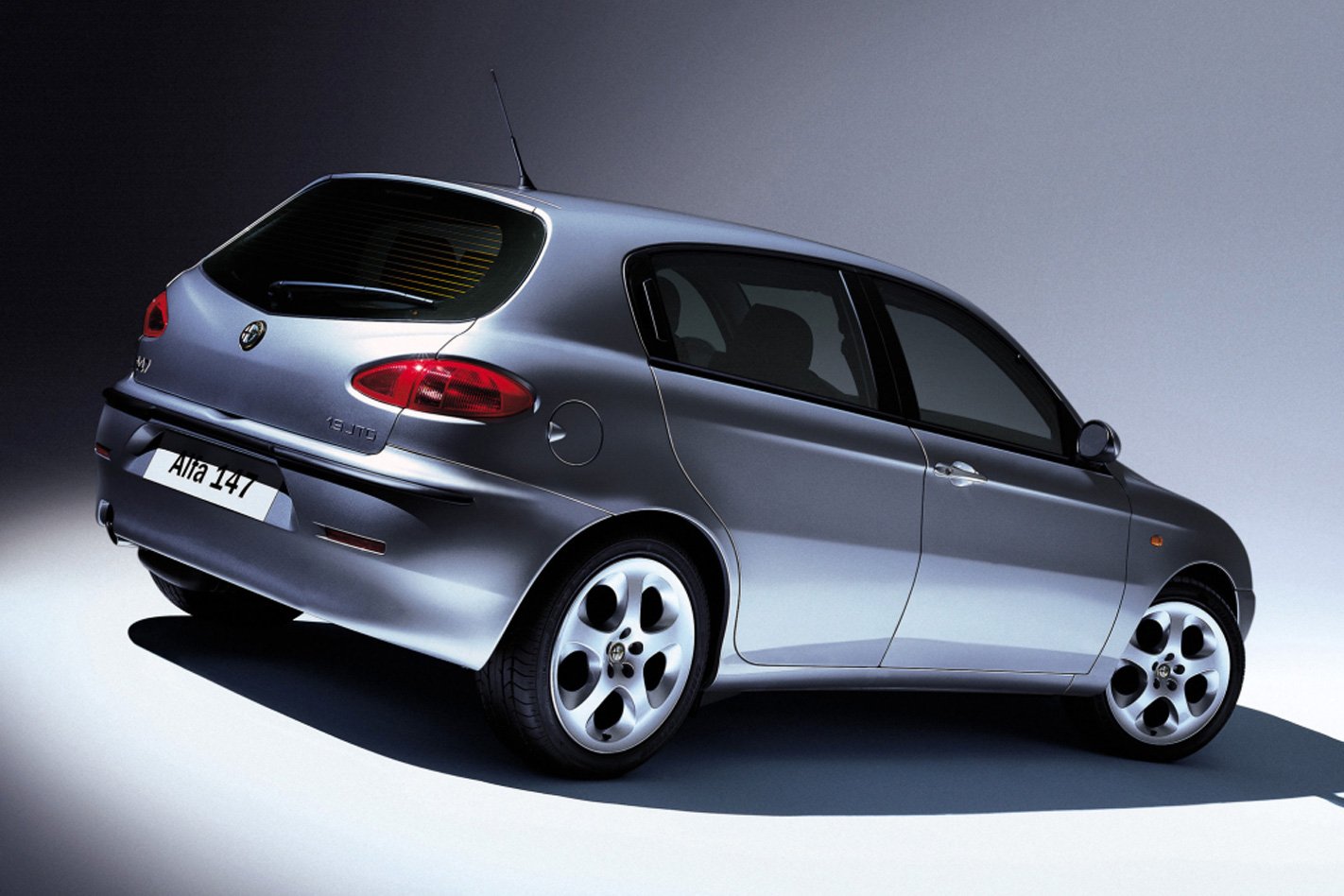
It made way for a Brera 2.2, then a Brera V6, then … “The list just kept going on. I’ve owned two or three at a time. I had a GT Classic Anniversary, a few 147 GTAs. Probably my favourite was a black 147 GTA. I regretted selling it and I still make offers to buy it back. Those GTAs, that [Giuseppe] Busso V6 – they’re the best.”
He’s yet to own any classic Alfas, but has recently made enquiries about finding a GTAm (1969-’71).
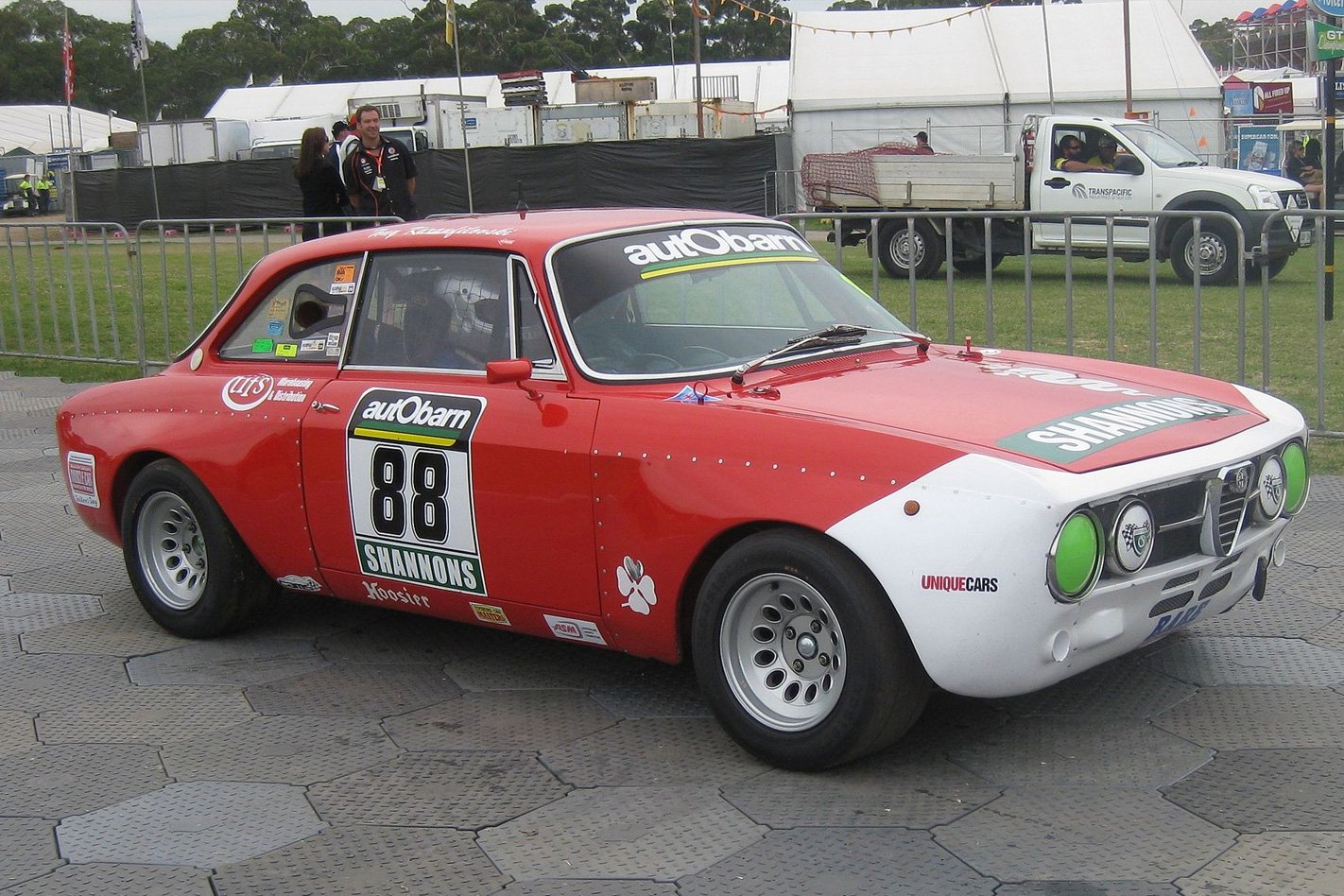
He lost his licence in that 4C. “While I was off the road, a white launch-edition 4C became available – so I bought that as well. Two 4Cs in the garage and no licence.”
What is it, then, with a brand that had done basically nothing noteworthy in Khoury’s entire lifetime?
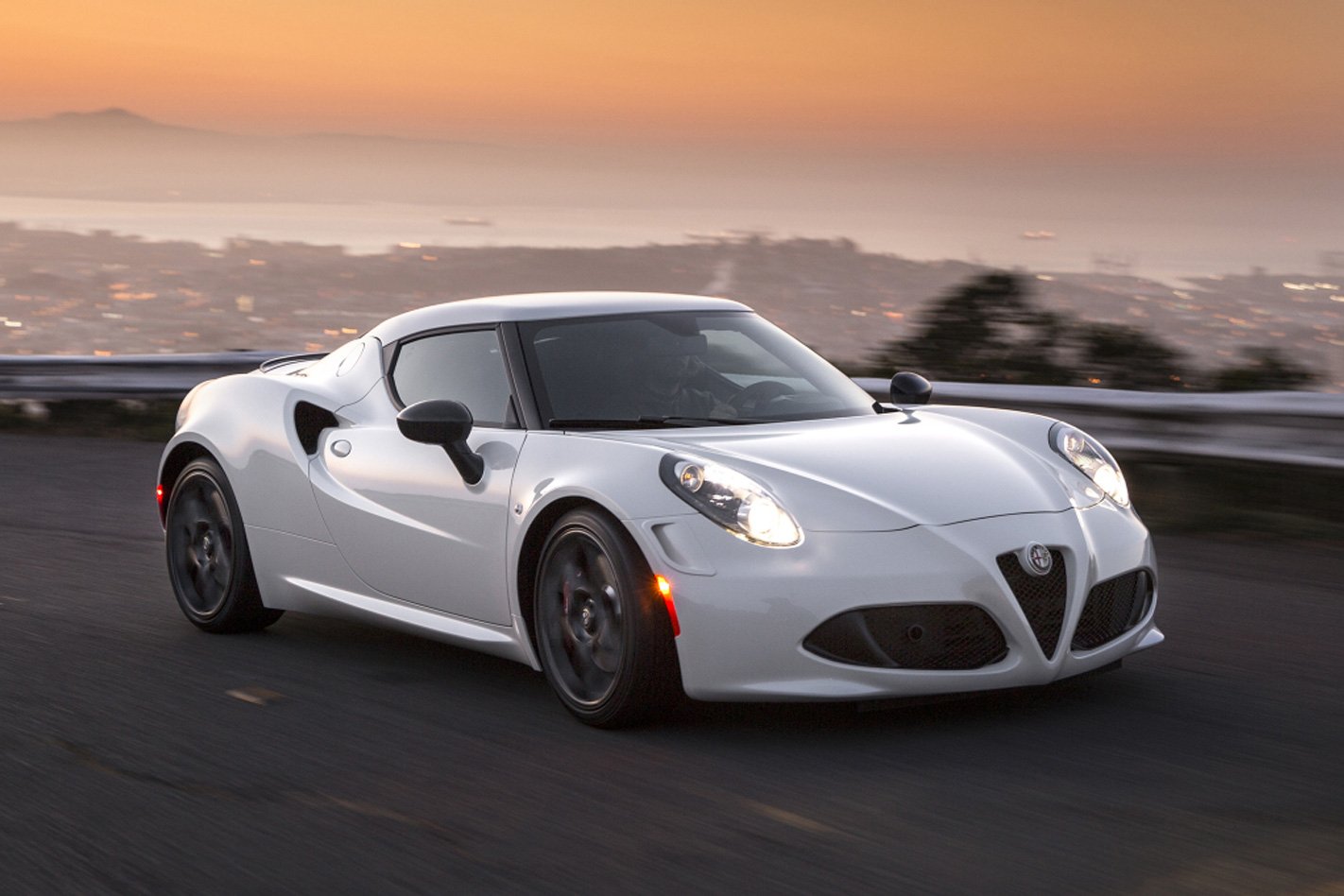
“The funny thing is, I’ve had five or six of my friends now who’ve driven one or another of my Alfas at different times. They’ve all ended up catching the bug.”
Tiger in the tank?
Sydney lawyer Nathan Khoury was born at the end of Alfa Romeo’s last golden era; for all his life they’ve been frumpy front-drive Fiats.
Yet this young Alfaholic has owned 20 of them.
“I think the brand is like Tiger Woods – he’s had these moments where he lost his mind and disappeared. Then he comes back and he’s still the rock star, the class leader.”
