
Volkswagen and Audi have a licence to push higher up the performance hatch food chain, however, Czech brand Skoda stoically champions its principle of putting value first.
That means its RS performance sub-brand has been neglected of late, with Fabia versions axed despite a strong presence in top-level rallying and rumoured plans of a Superb RS shelved in the wake of Dieselgate.
The only car in Skoda’s current range that’s allowed a high-performance variant is the Octavia. Recently facelifted, the standard RS is a creditable car but lacks the dynamic finesse its rivals offer. Now a new range-topper has joined the line-up looking to address that.
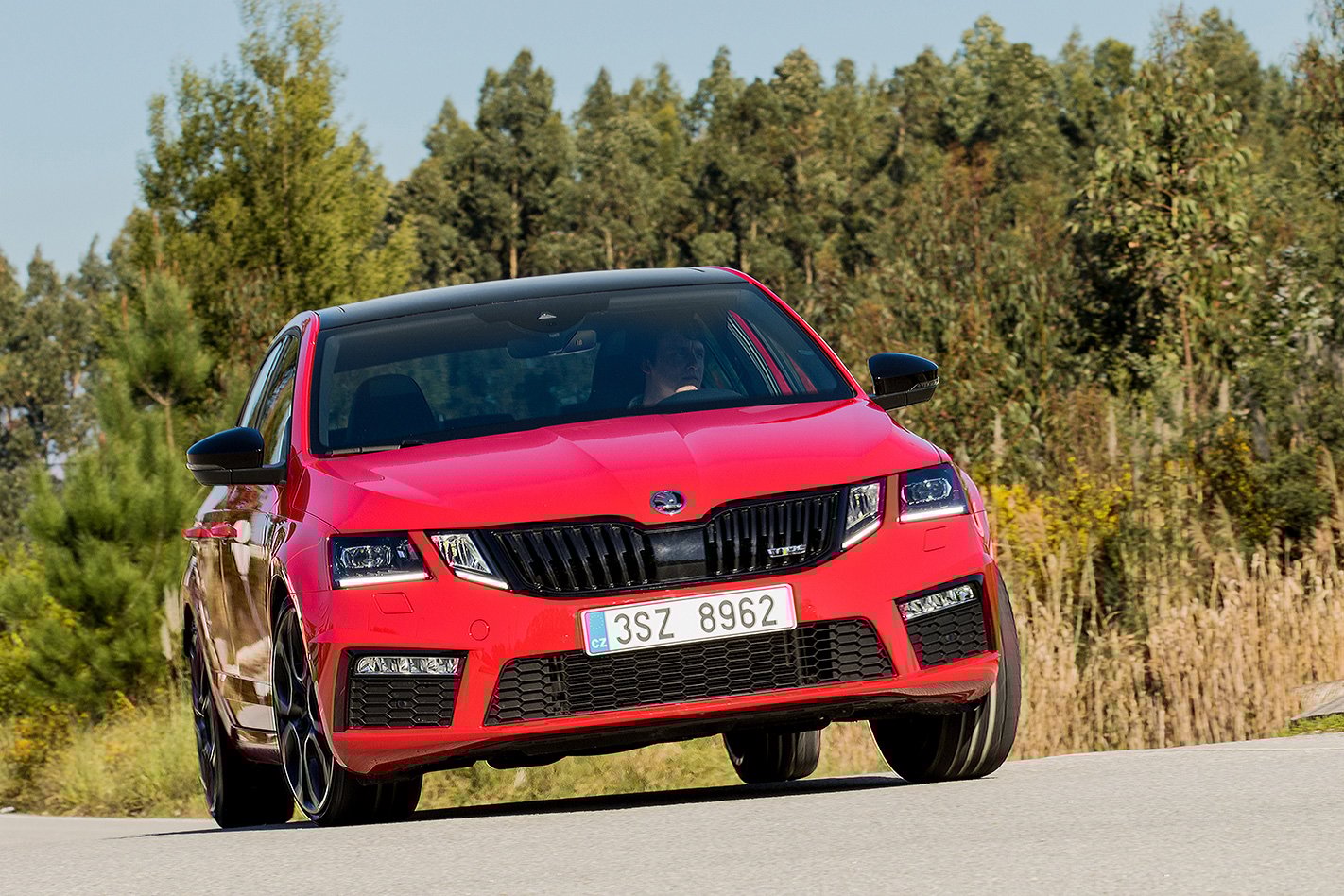
Updates over the regular petrol RS model (which has the same output as the outgoing RS230) include work on the turbocharged 2.0-litre petrol engine, which gets a new turbo, oil pump, injectors, manifold, timing chain, fuel pump and pistons. As a result, 169kW becomes 180kW and 350Nm of torque becomes 370Nm.
On the outside, there’s some black detailing and massive, blinged-up 19-inch alloy wheels, as well as, importantly (and just like the earlier 230), a proper limited-slip differential on the front axle. However, this time around there will be a new seven-speed dual-clutch transmission on offer, which will command a premium, instead of the manual-only RS230.
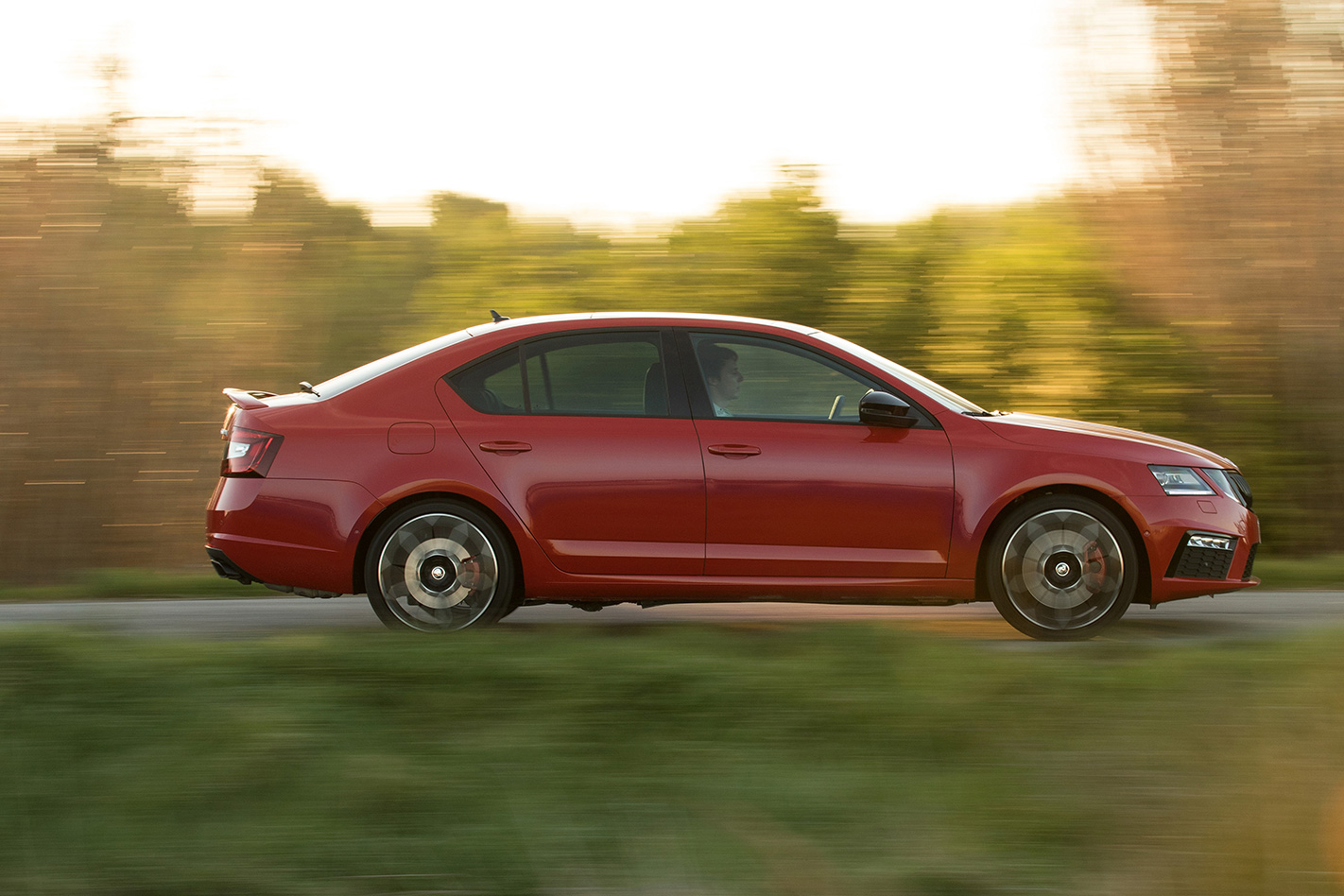
It’s also a little less impressive in the grand scheme of this segment now that other hot hatches are pushing the 200kW-plus mark with all-wheel drive set-ups at a similar price bracket.
But the biggest dynamic difference over the rest of the RS range comes as a result of the LSD. The RS245 is noticeably better at putting down its power out of corners than the standard RS; it will still understeer, but not to the extent the standard model does.
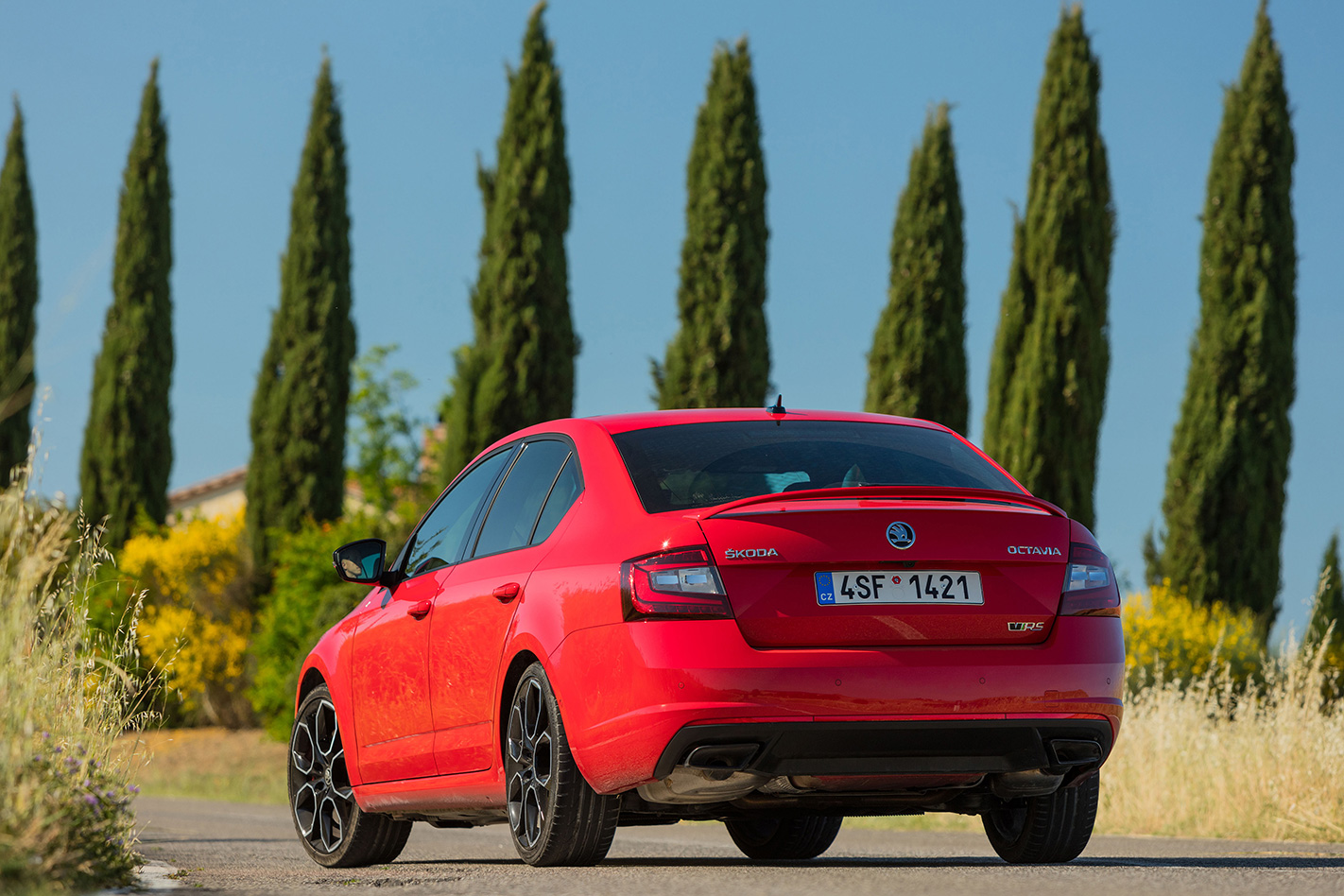
In Sport, the car really livens up and the upgraded exhaust that the 245 gets sounds great, if a little artificially enhanced, while an Individual mode lets you mix and match settings. Adaptive dampers are standard and help to soften the ride at a cruise or firm it up when pressing on, but even in Comfort the suspension is still firm, although not quite as jarring as that of some of its key rivals.
Also newly available with the RS245 is a seven-speed DSG, as opposed to the six-speed unit for the rest of the range. Like the six-speeder, it shifts quickly and calmly during regular driving while becoming more aggressive in Sport, but it can be slightly hesitant on kickdown.
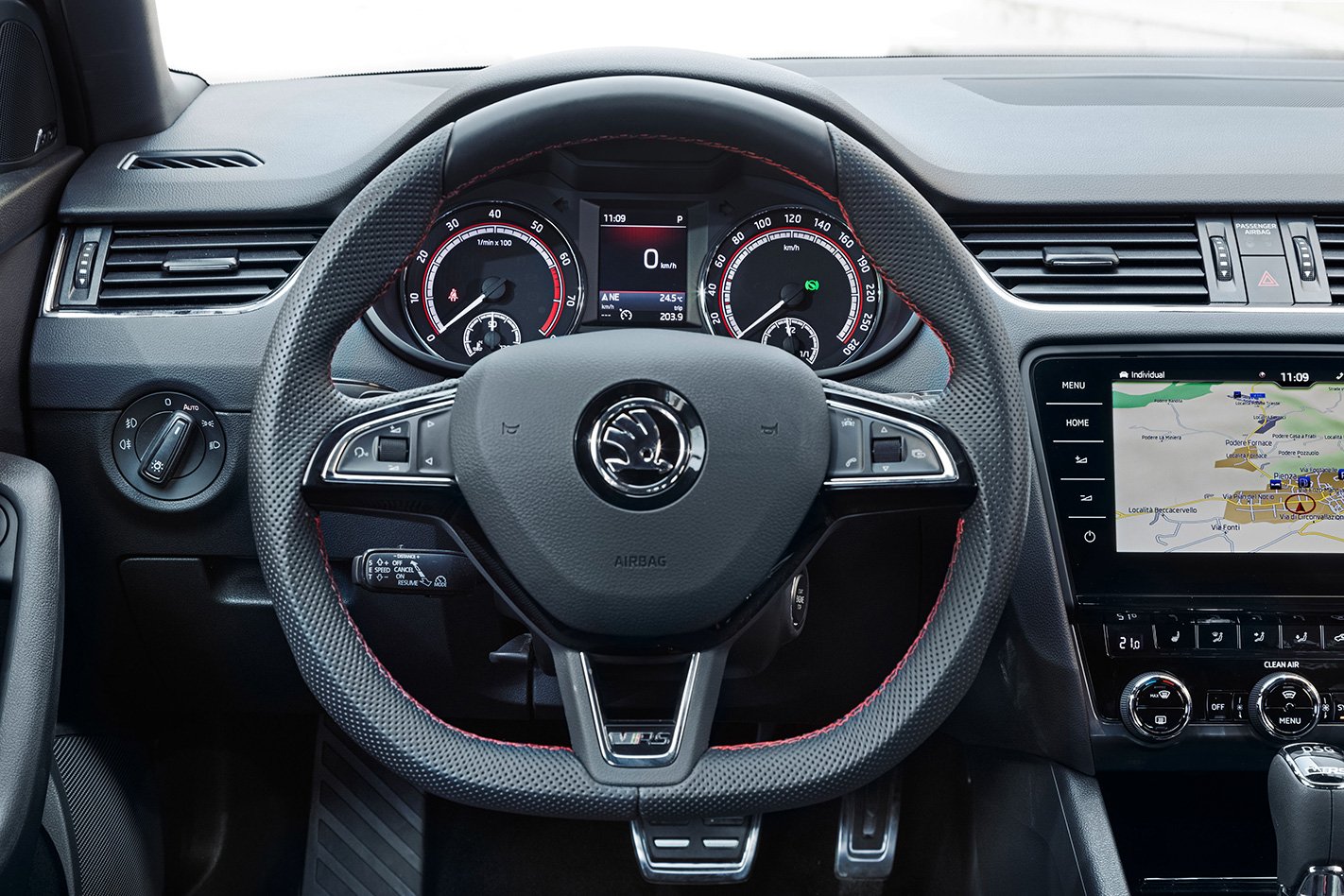
And underneath it all, it’s an Octavia. It gets a solid driving position with loads of adjustability and great visibility out of the cabin, a top-notch touchscreen infotainment system (which now gets Apple CarPlay and Android Auto smartphone mirroring), and it’s generally massive and practical inside.
It’s a thoroughly commendable product that is now closer than ever to being as entertaining as it is practical. It’s the best of both worlds.
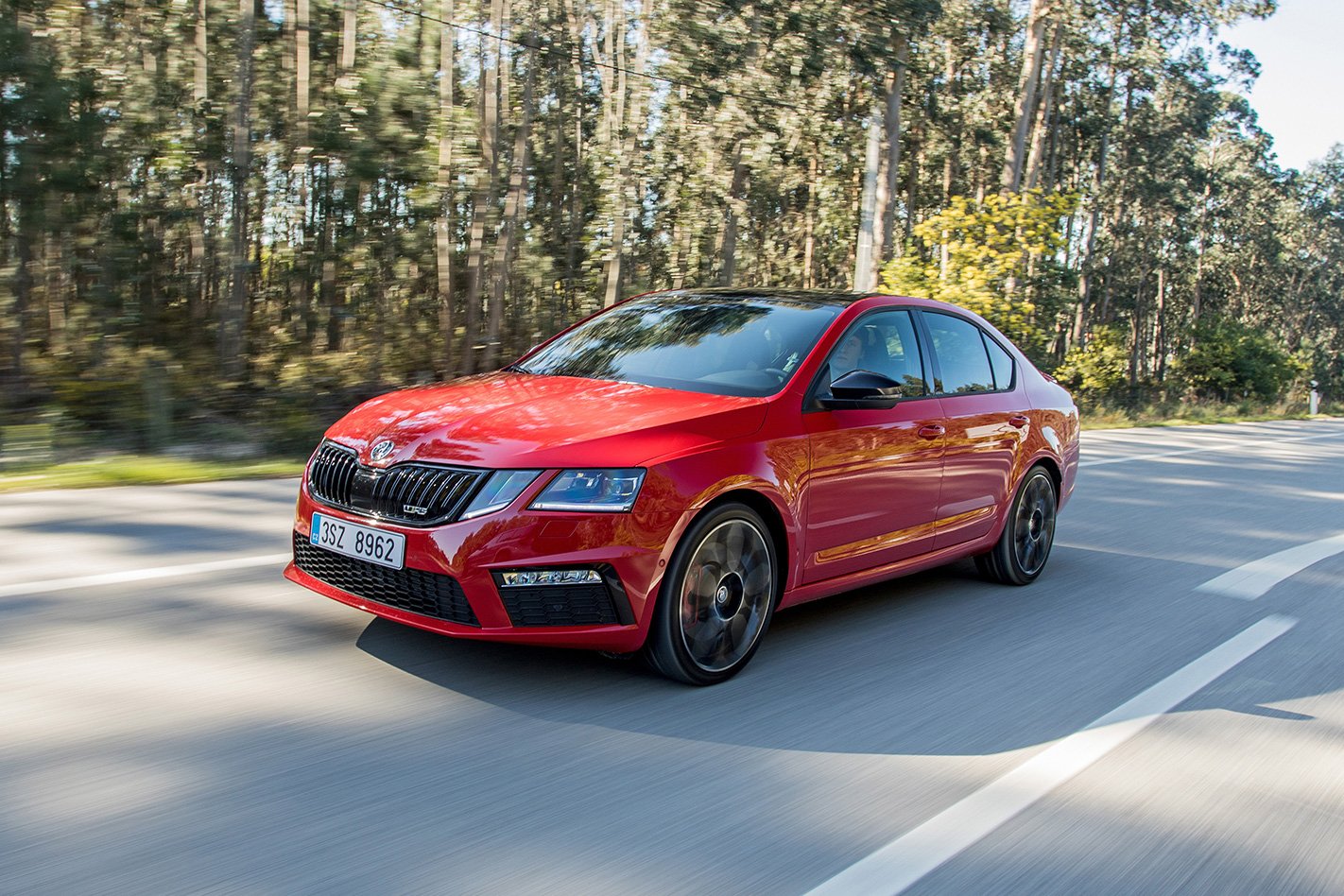
It’s expensive, but still lineball with the Volkswagen Golf GTI and only a bit more than the Focus ST. And although it’s slightly slower than both, it could prove to be the easiest of the three to live with.
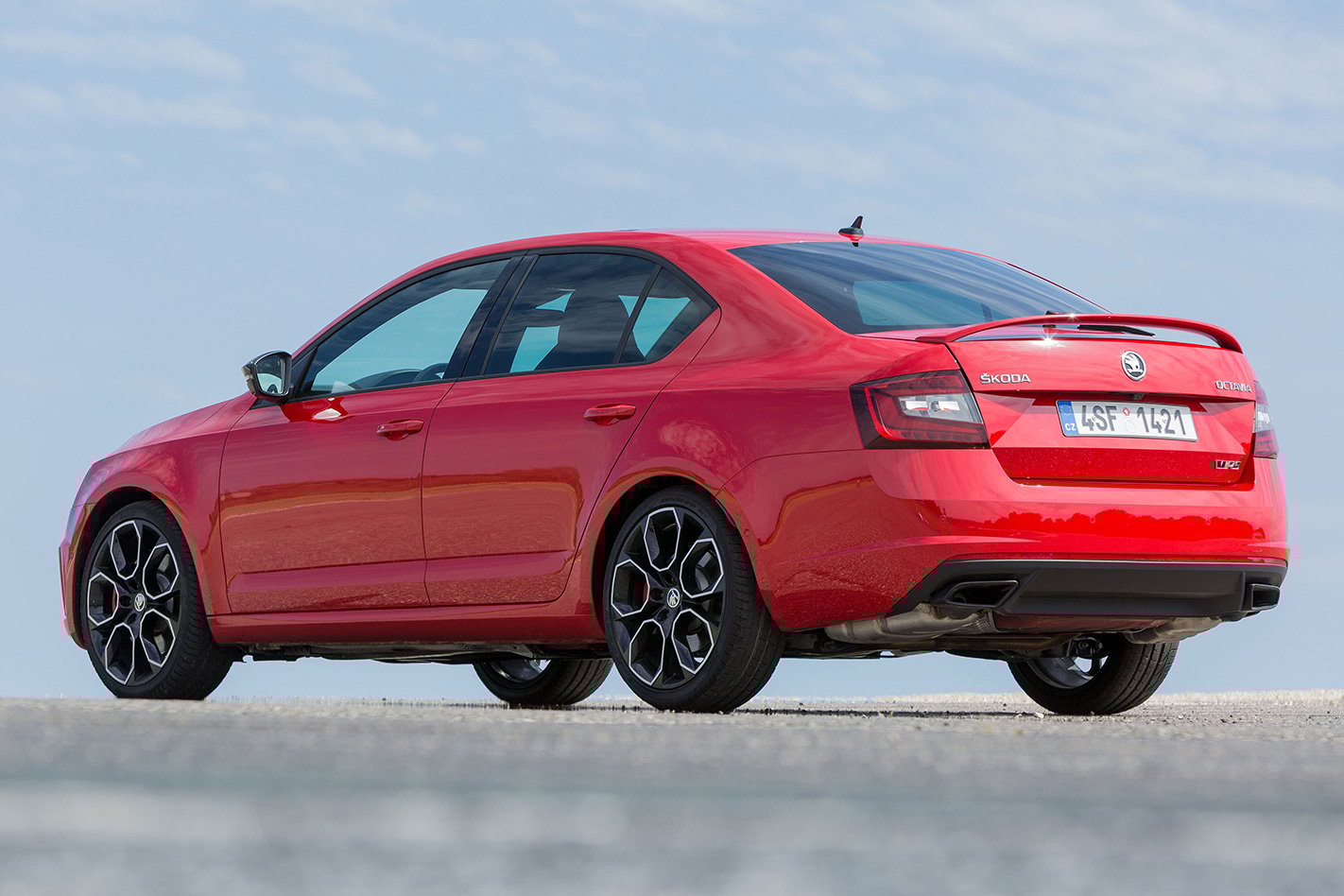
Whichever guise you choose, this is the fastest, most powerful and most complete Octavia RS yet.
4 out of 5 stars Likes: Now with DSG; pragmatic performance Dislike: Still some front-end push; lacks steering feel
2018 Skoda Octavia RS245 Specs: Engine: 1984cc inline-4cyl, DOHC, 16v, turbo Power: 180kW @ 5000rpm Torque: 370Nm @ 1600rpm Weight: 1390kg 0-100km/h: 6.6sec (claimed) Price: $42,000 (estimated)
BMW has previewed the next chapter in its sports roadster story, unveiling the Z4 Concept at the Pebble Beach Concours d’Elegance.
In true concept car fashion the form and details are exaggerated to almost cartoonish proportions but according to BMW Senior Vice President Group Design, Adrian Van Hooydonk, the Concept Z4 follows the recent 8 Series Concept and “expresses the new BMW design language…from the dynamic-looking front to the striking flanks and clean-cut tail end.”
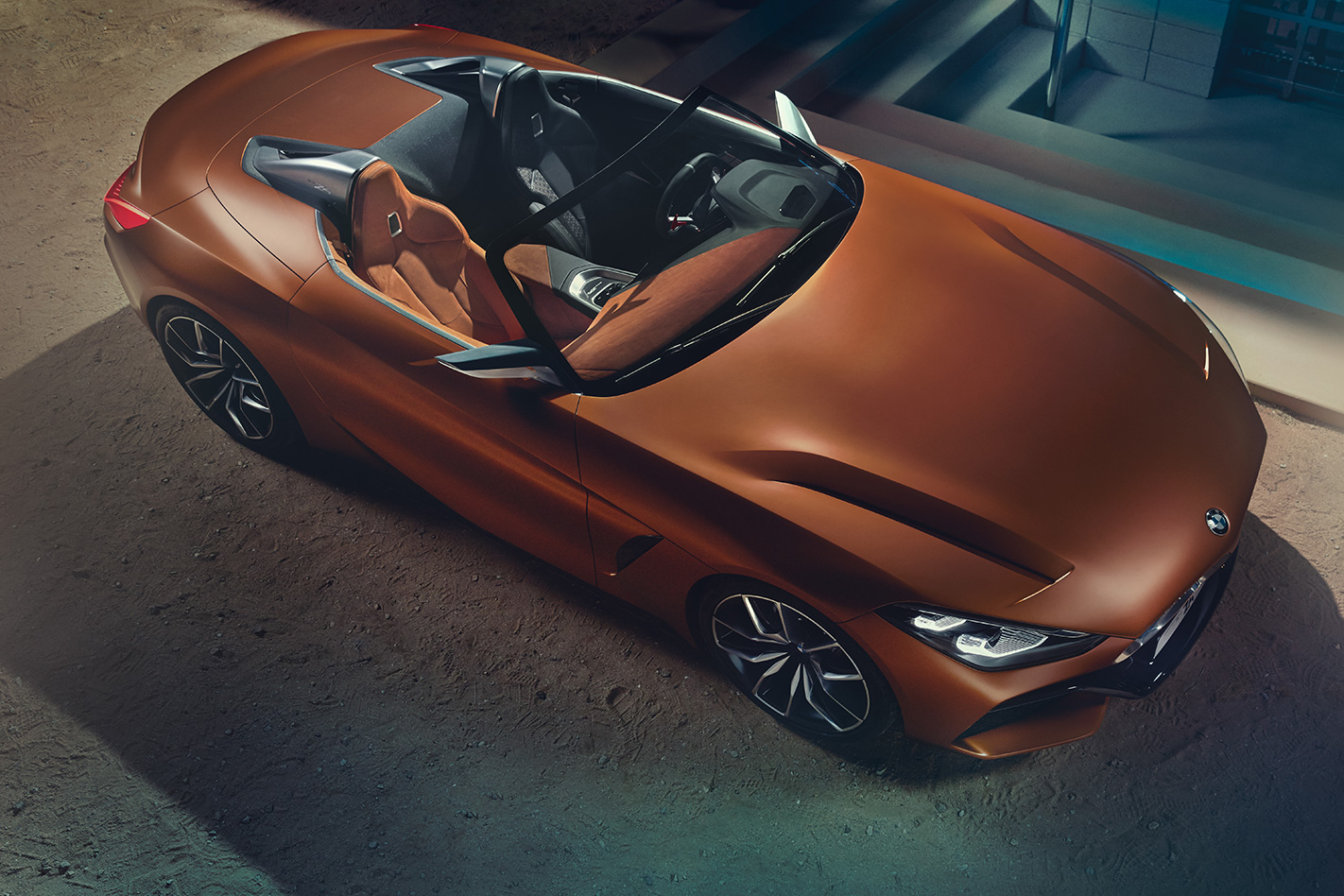
The new Z4 returns to its roots by ditching the heavy, complicated folding hardtop and reverting to an electronically-operated soft top with the aim of keeping weight to between 1350-1430kg, a saving of 45-95kg depending on engine and specification.
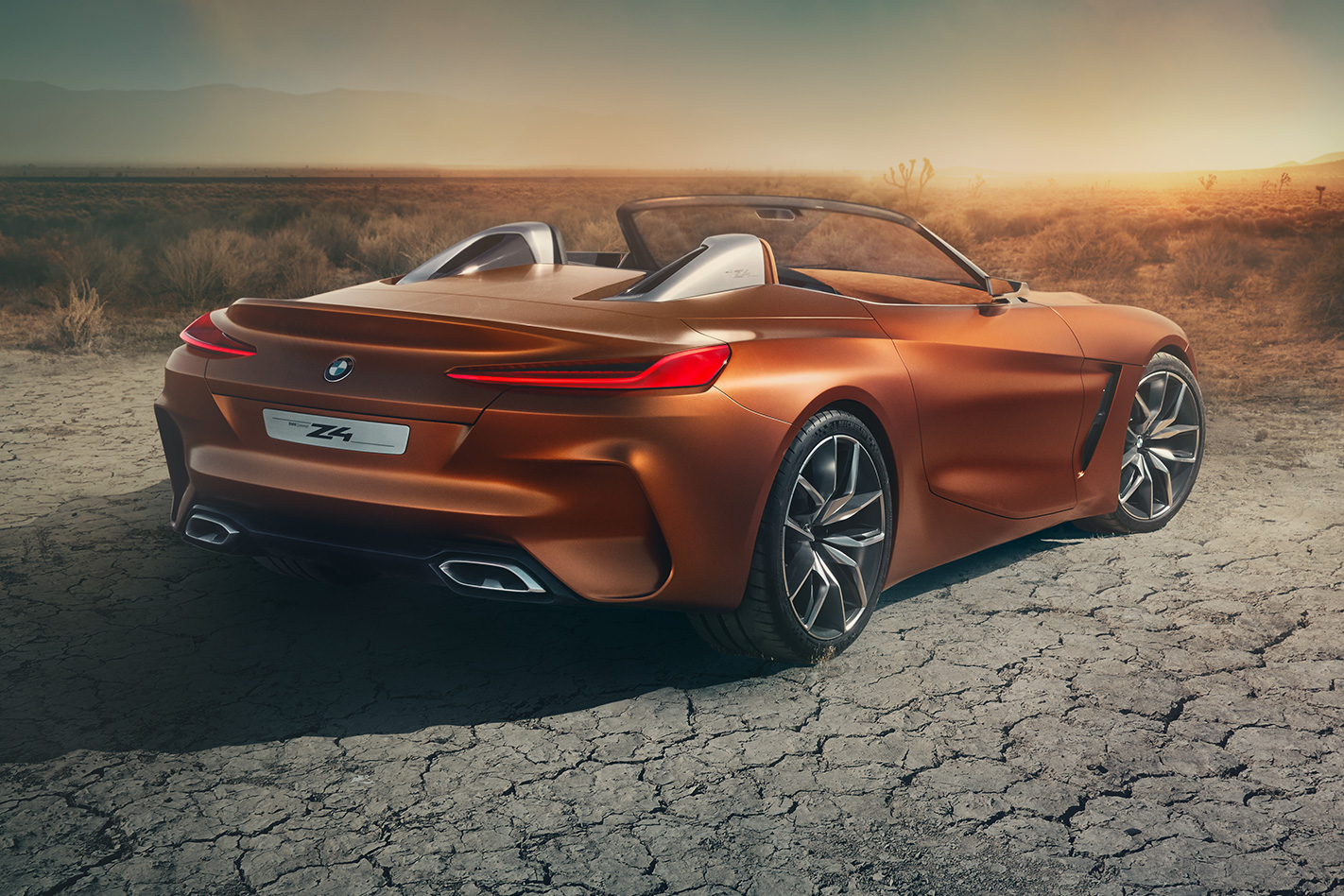
Sadly, Munich’s press folk have quashed any talk of a Z4M using the 331kW/550Nm engine from the M3/M4, as the amount of mechanical surgery required would push the price too high into Porsche Boxster S/Audi TT RS Roadster territory.
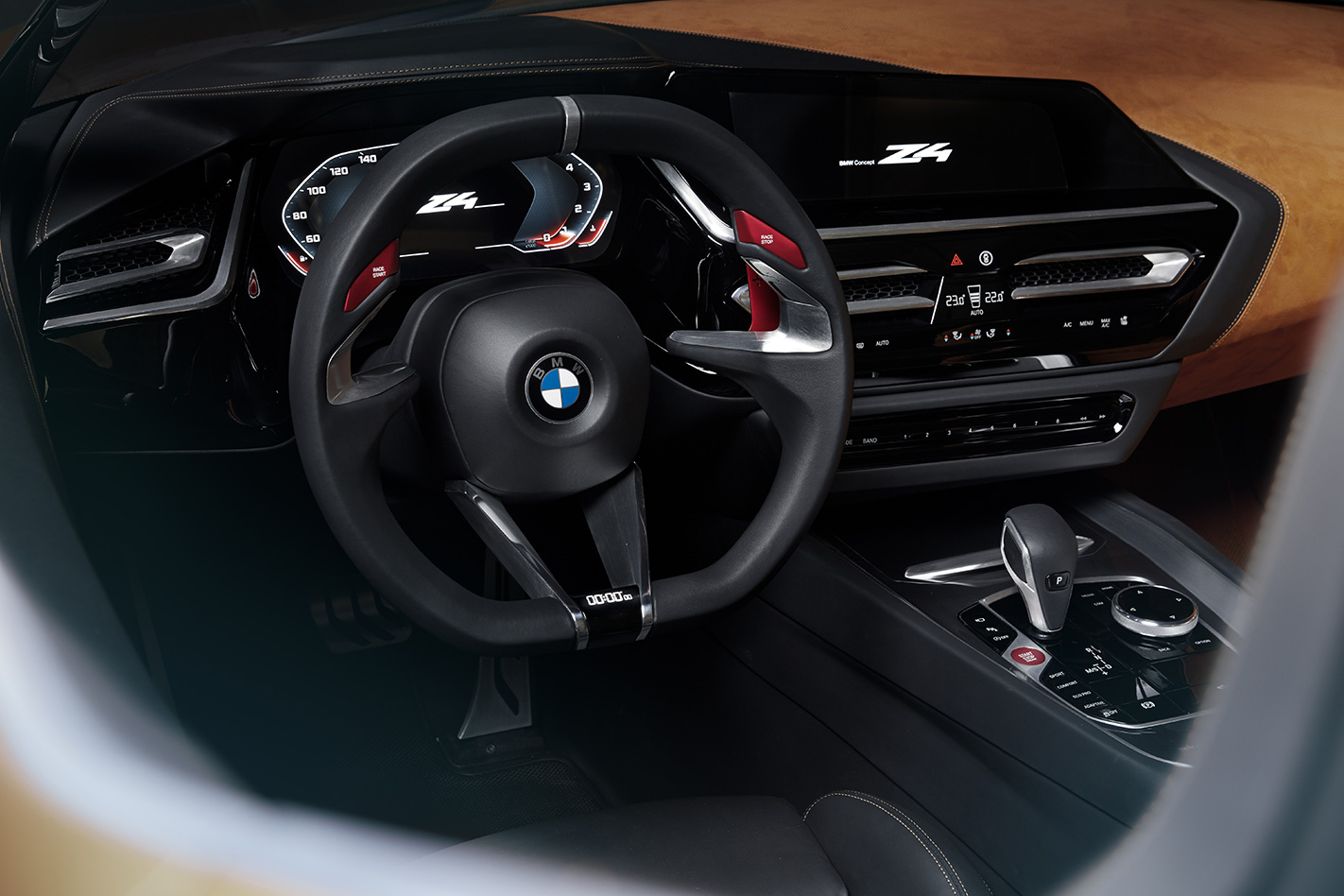
The new Z4 is expected to go into production in 2018. Any talk of cost is purely guesswork at this early stage, however it’s believed Munich is keen to keep prices roughly comparable to the previous model which was discontinued in August 2016. We’ll bring you more information as it comes to hand.
RARELY does a concept car run the gauntlet from show car to production vehicle unscathed, and it’s typical for many of the features that draw both crowds and praise to fall foul to compliance regulations and costing equations.
But BMW’s Z4 Concept is one car we hope makes it from show floor to showroom unmolested.
Revealed at the Concours d’Elegance, Pebble Beach, the newest BMW design study grabs a whole handful of previous concept and production car styling cues, and folds them together with a new contemporary look and the results are stunning.
Yes, the cool asymmetric interior design, blade-like door mirrors, and aerodynamic pods behind each headrest are highly unlikely to survive the transition from fantasy to reality, but if the Z4 Concept’s overall proportions and design can be retained, BMW is on to a winner.
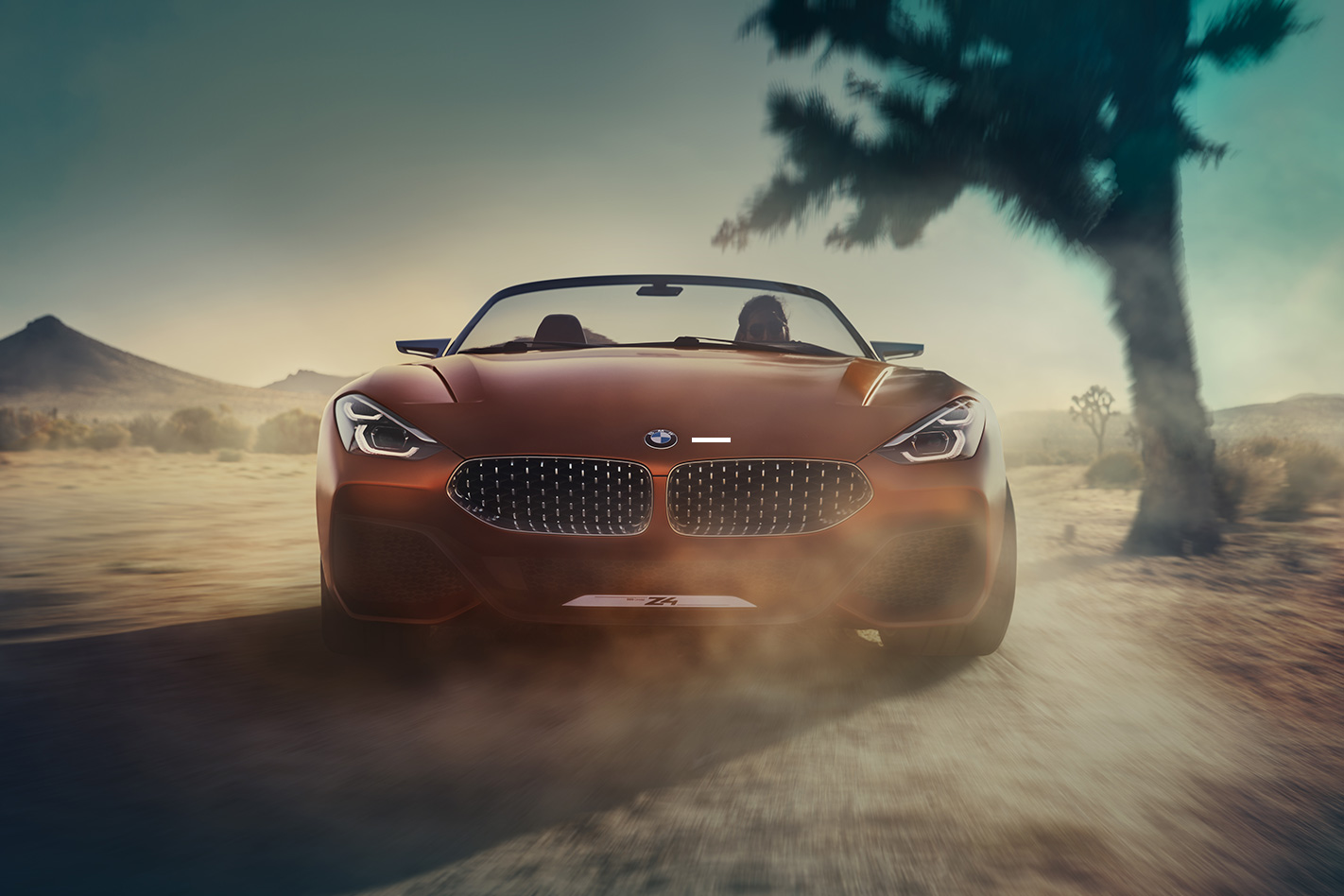
While the concept hopefully previews what the third-generation Z4 will look like, there are heritage styling cues. High-set headlights and deep-dished steering wheel bring a little Z8 back from the late 1990s, while the grille mesh delves deeper into BMW’s history and the original 328 Mille Miglia.
Disappointingly, nothing is spoken of the drivetrain and whether the next Z4 will share any oily bits with the forthcoming Toyota Supra, which is said to be powered by a hybrid powertrain and auto-only transmission.
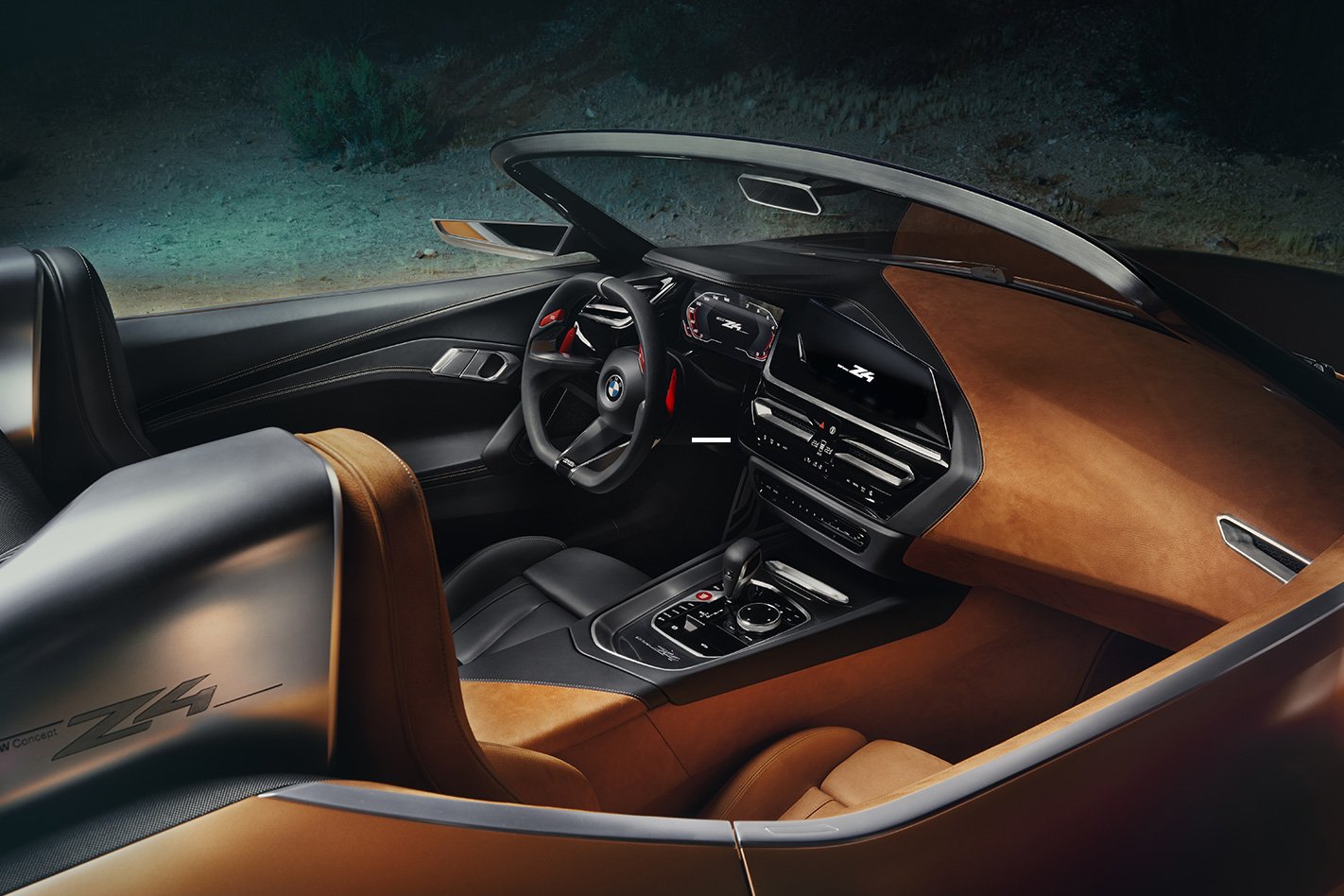
On the outside, its sharp appearance and styling is complemented by unapologetic Energetic Orange satin paint and 20-inch wheels that wear Michelin Pilot Sport Cup 2 rubber. The front wheels conceal large Z4-branded four-piston brake calipers and iron rotors.
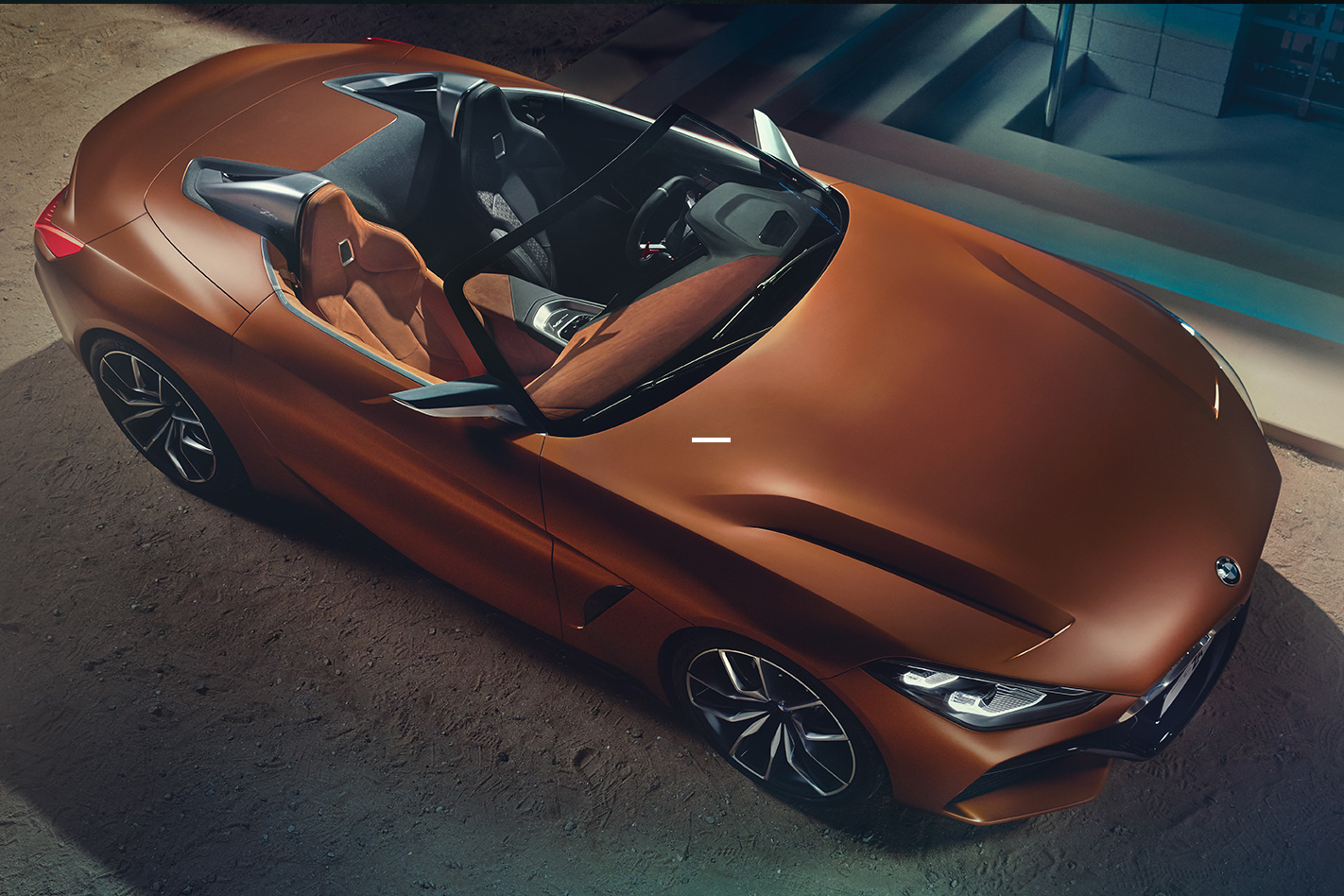
Besides the spectacular two-tone interior, which is reminiscent of a David Bowie off one shoulder outfit, the Z4 cabin has some neat details in the form of organic hide-covered seats with a laser etched hexagon pattern for the driver’s perch and a stopwatch display that is incorporated into the steering wheel rim.
With its aerodynamic pods over its rear deck, the concept is either a strictly fair weather proposition with a permanent open-top or there is a folding roof mechanism cleverly hidden away somewhere we can’t identify.
MINI gives the John Cooper Works treatment to the Countryman, creating the largest and most expensive vehicle in the range, while trying to invoke retro imagery.
WHAT IS IT? A John Cooper Works iteration of the Mini Countryman small-SUV. Visual upgrades, along with performance additions make it the most expensive JCW Mini currently on sale.
WHY WE’RE DRIVING IT The Countryman is the largest in the Mini family, and one of our favourites from the range. We drove the Countryman JCW on Aussie roads to find out if the performance upgrades live up to marketing hype.
MAIN RIVALS Mercedes-Benz GLA250, BMW X1 xDrive 25i, Audi Q2 2.0 TDi Sport quattro, Volkswagen Tiguan 162TSi Highline
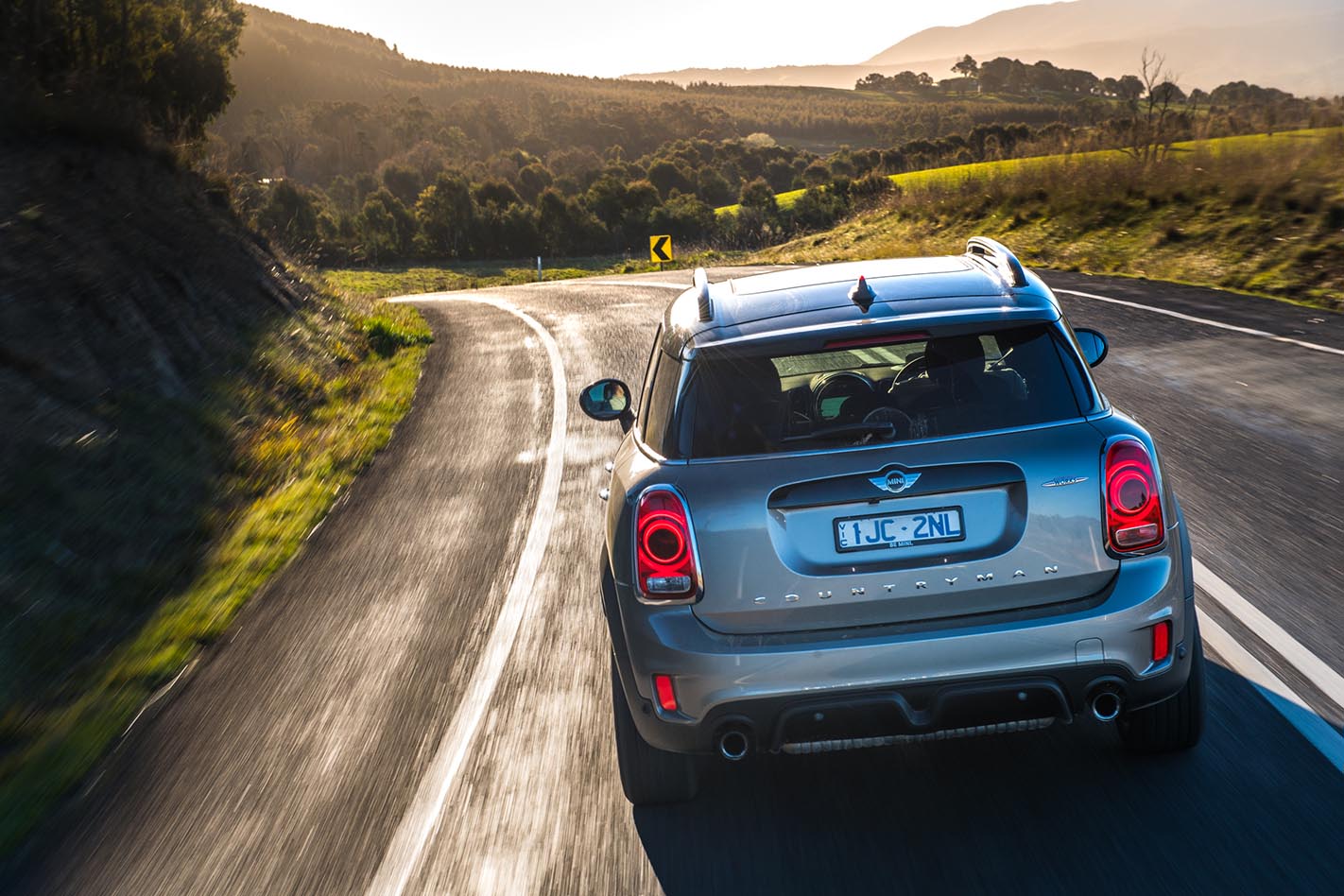
THE WHEELS VERDICT The JCW dressings brings restyled bodywork and a more powerful engine to the Countryman’s repertoire, without detracting too significantly from its impressive ability as an alternative to other premium small SUV offerings. It’s turbo petrol engine adds some needed performance to the range, but its well sorted suspension and damping is let down by a lack of feel in the steering.
Plus: Everyday performance with practical body style, adaptive dampers do sport and comfort well, lovely exhaust crackle Minus: Lack of steering feel, hard seats, hefty weight
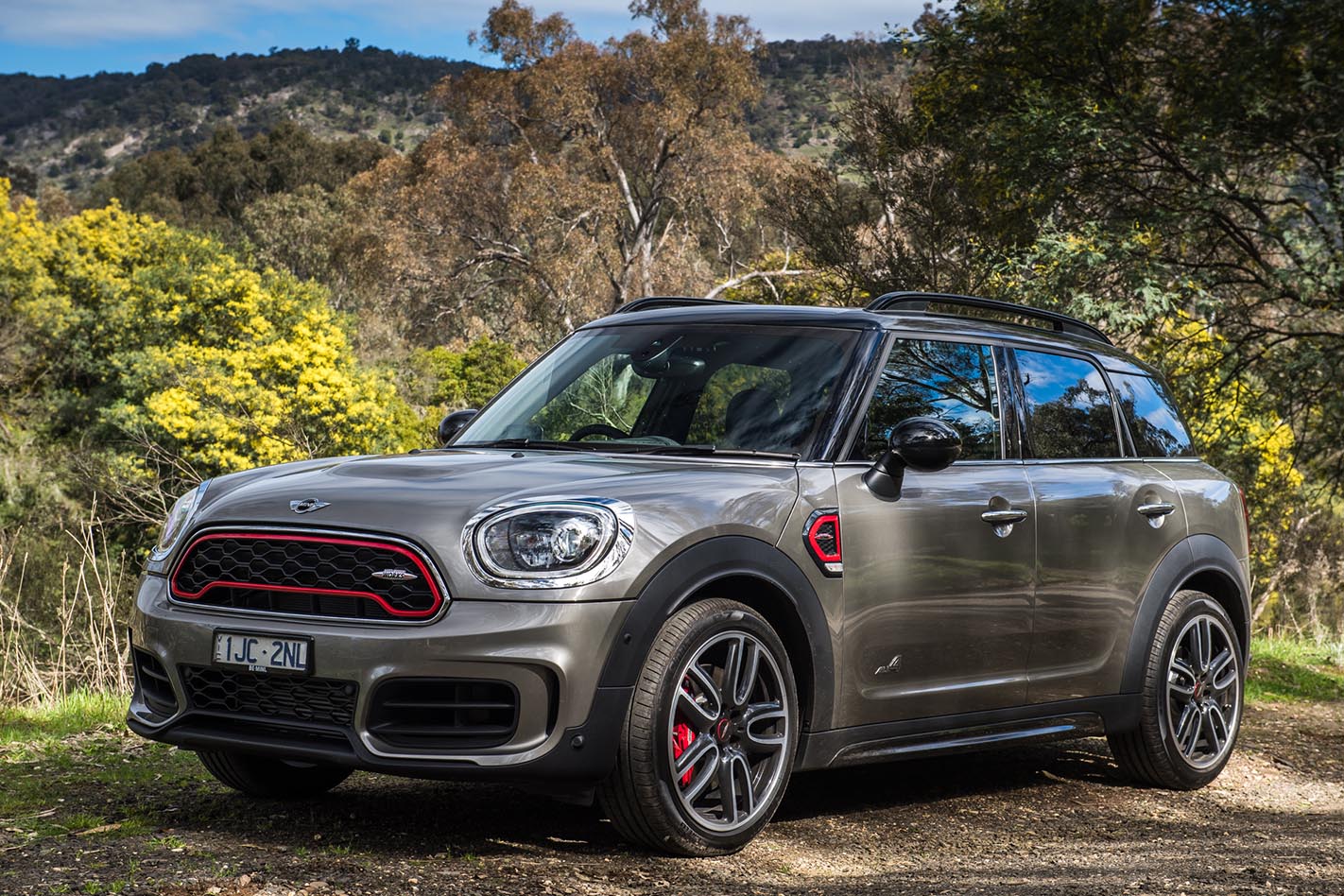
THE WHEELS REVIEW THE Mini Countryman JCW is an odd thing. It’s a small-SUV offering from a brand that continues to cash in on the iconic imagery and racing history of pint-sized ‘60s hatchbacks.
But a clamouring for historical relevance doesn’t tell the true story of the Countryman. In the real world, and modern buyers market, this new range-topping Countryman is a neat package which rides the line between tuned-up performance and everyday usability with finesse, despite the ham-fisted historical and visual cliches. It doesn’t require a five decade backstory to please in our current SUV-crazy market.
The JCW branding brings with it a more powerful engine for the countryman, with an improved cooling package, and upgraded four-pot Brembo brakes, along with reworked bumpers, diffuser, and rear spoiler. The cabin also gets the JCW treatment with bespoke head-up display and sport seats and steering wheel.
Powered by a 2.0-litre four-cylinder turbo engine, the Countryman JCW produces 170kW and 350Nm (29kW/70Nm up on the Countryman Cooper S). This is sent through an on-demand all-wheel-drive transmission (an eight-speed automatic is standard, while a six-speed manual is a no-cost option). The 0-100km/h is completed in 6.5sec with both transmissions.
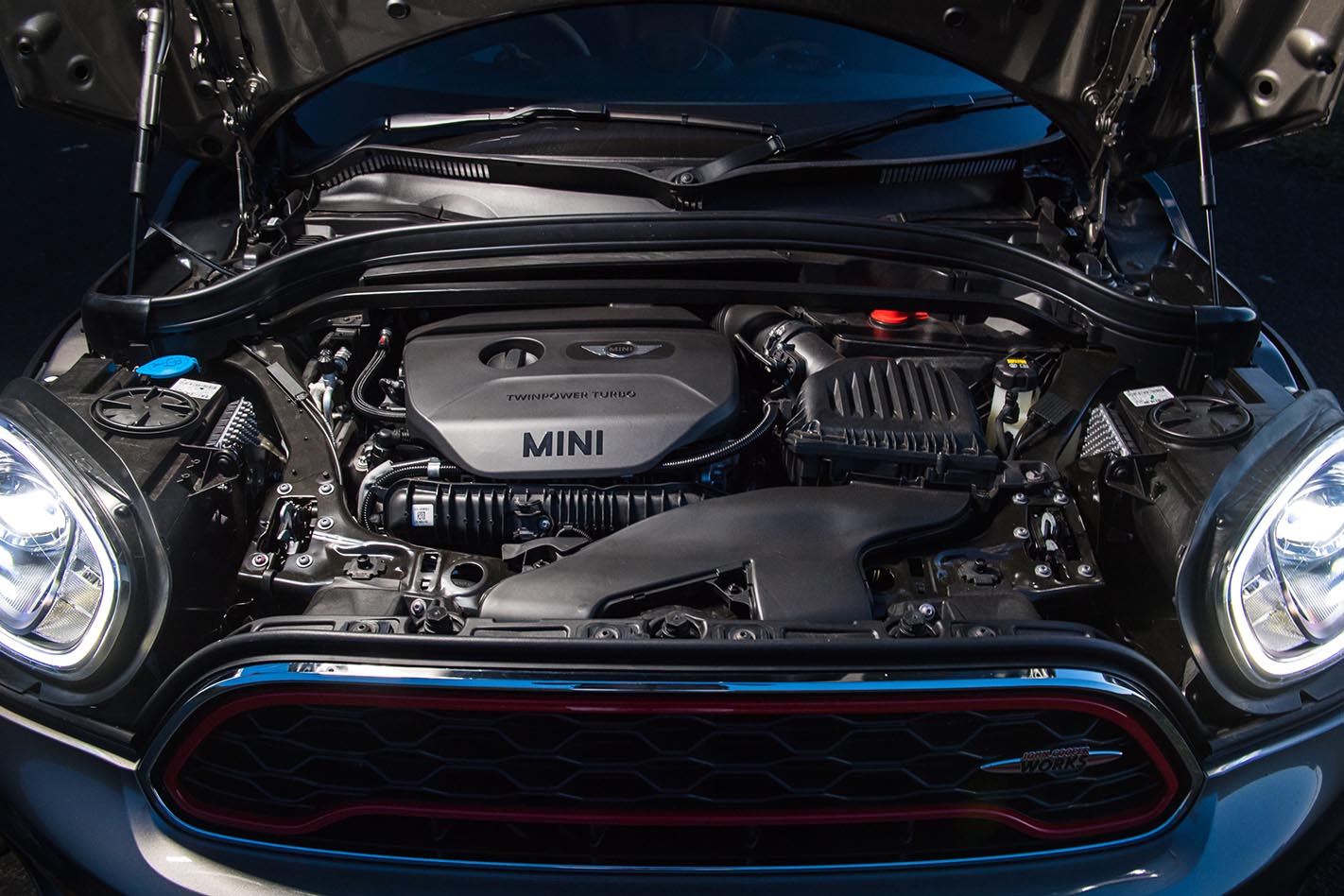
With a sticker price of $57,900, Mini hopes generous standard equipment will entice buyers. Highlights include 19-inch alloys, a Harmon Kardon 12-speaker audio system, an 8.8-inch touchscreen infotainment system, and front and rear parking assist.
Two highlights of the Countryman JCW are the powertrain, and adaptive dampers. The turbo petrol engine is a gutsy unit delivering its power in a smooth linear fashion, although it does run out of puff slightly past 4000rpm.
While the Countryman isn’t going to come out tops in a pub spec-sheet bragging contest, in the real world, it offers most of the fun you could desire. Its acceleration is energetic without being anti-social and the whooshes of turbo noise and exhaust crackle bring a lighthearted character to the driving experience (even if it is a bit muffled inside the cabin).
While hardcore driving enthusiasts will opt for the manual, nine out of every 10 Countryman JCW buyers will stick with the eight-speed automatic. It’s an intuitive unit, that doesn’t fall out of step with your desires as a driver, whether that is sedated cruising or a more throttle-heavy application. Gears are shifted smoothly, and the two extra ratios over the manual means the automatic is more rewarding with power delivery in spirited driving.
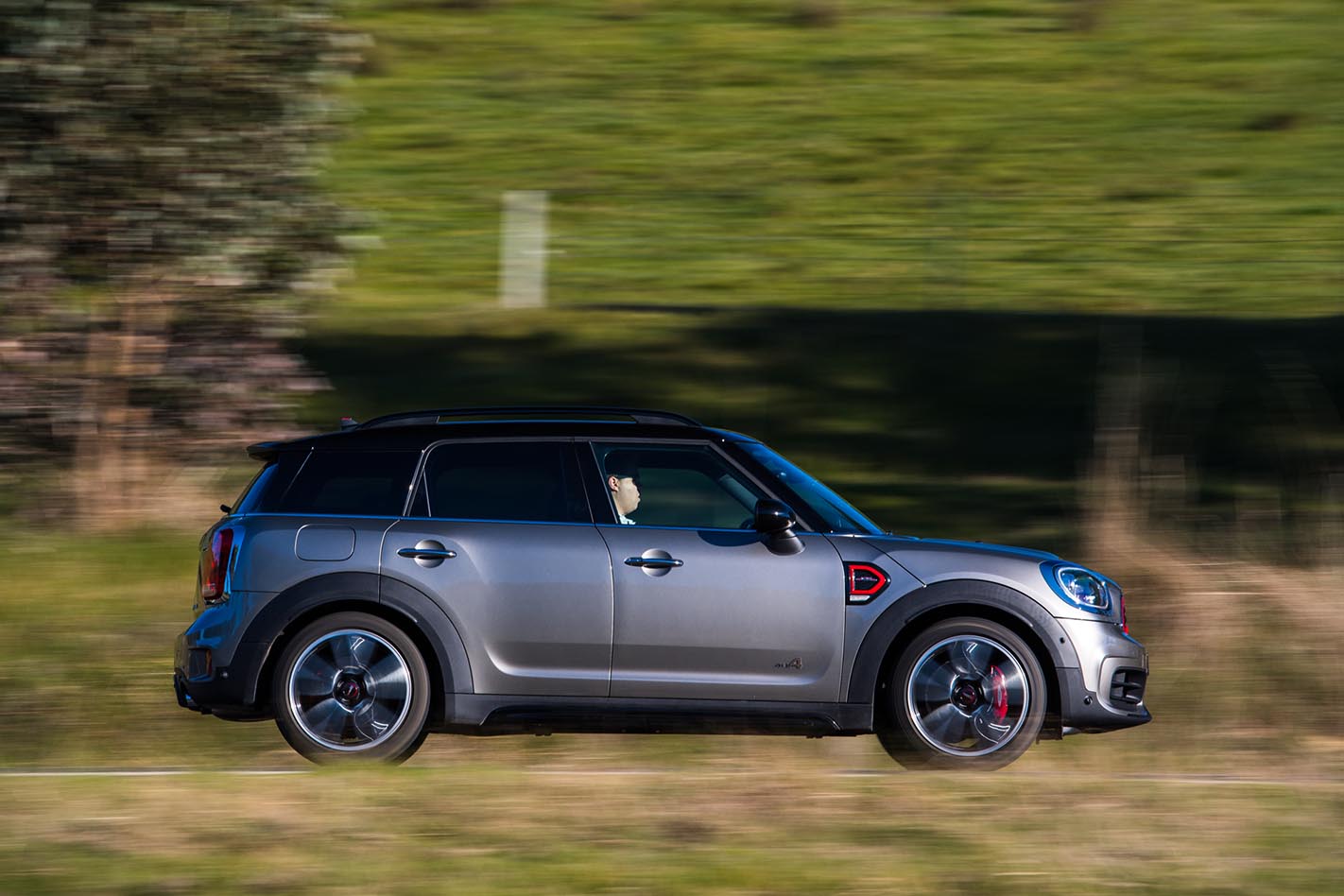
The adaptive dampers which are a standard feature on the Countryman JCW give it a diversity in ride which allows it to be a livable prospect for everyday duties, while also holding its own in performance-orientated settings. In the normal setting the suspension softens off to allow more compliance, with bumps, and potholes smoothed out. It isn’t plush, but the damping is impressive in Aussie conditions. In sport, the ride sacrifices comfort for cornering ability, with bumps and imperfections in the road communicated through the cabin. However, there is little in the way of body roll, with impressive road-holding for the Countryman’s stature.
While the ride and handling is impressive for a car of this type (it’s a small-SUV, but still tips the scales at 1555kg), the steering lacks the necessary feel to truly round out the package. There is a good weight to the wheel in sport and normal mode, but there is a disconnect at times between what the car is doing and feedback transmitted to the driver. The limit is detected more easily by the seat of the pants and chassis than what is transmitted through the wheel. Aggressive turn-in is akin to fumbling in the dark to find the limit of traction if relying solely on steering wheel feedback.
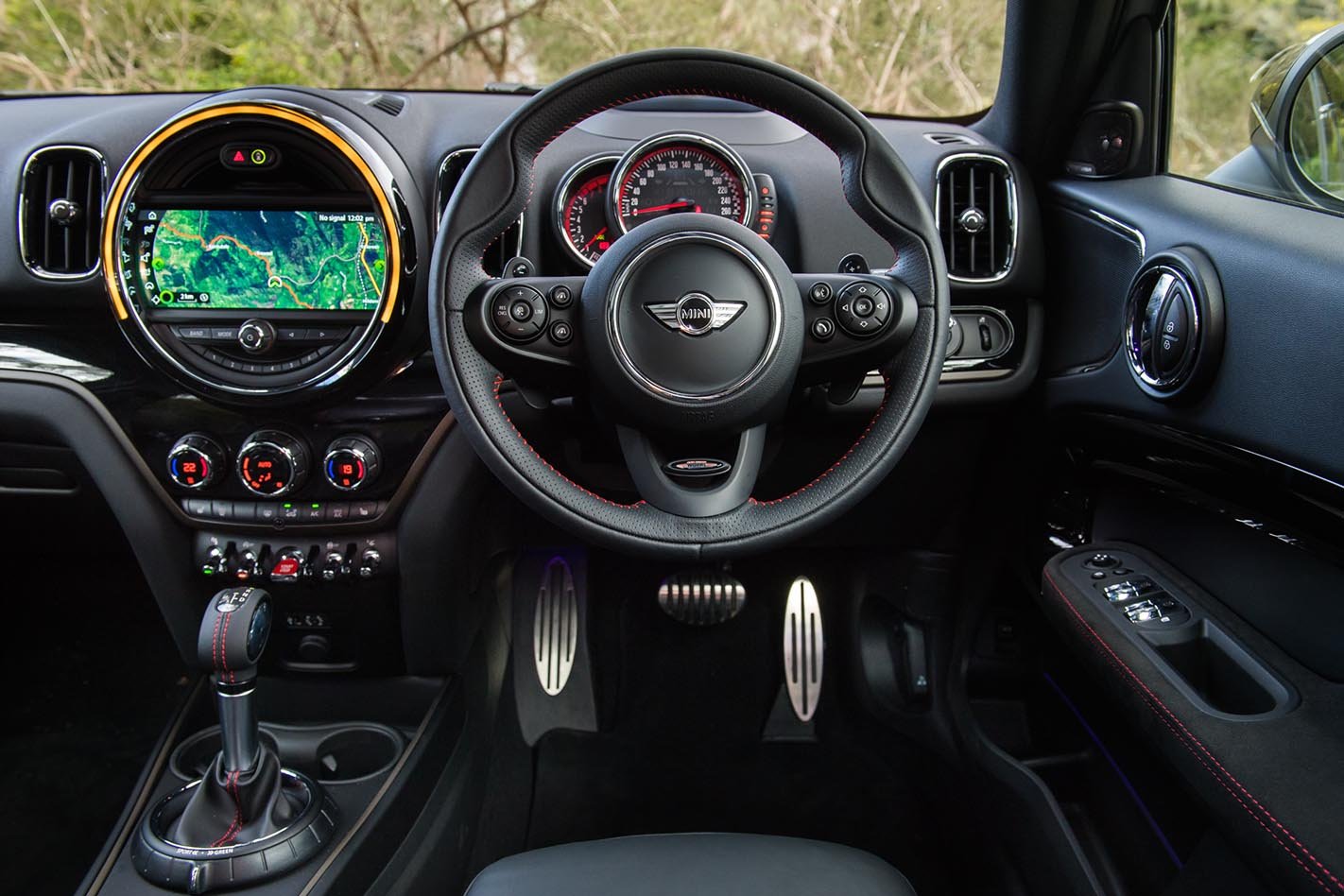
While the JCW sports seats provide good lateral support, they are on the firmer side. But there is plenty of space inside the Countryman’s cabin for four adults and associated luggage.
Overall, the JCW brings some real-world oomph to the Countryman package, which is likely to please performance-hungry Aussies. But the performance upgrades don’t have serious depth, with the well-sorted damping, and dynamic credentials let down by uncommunicative steering.
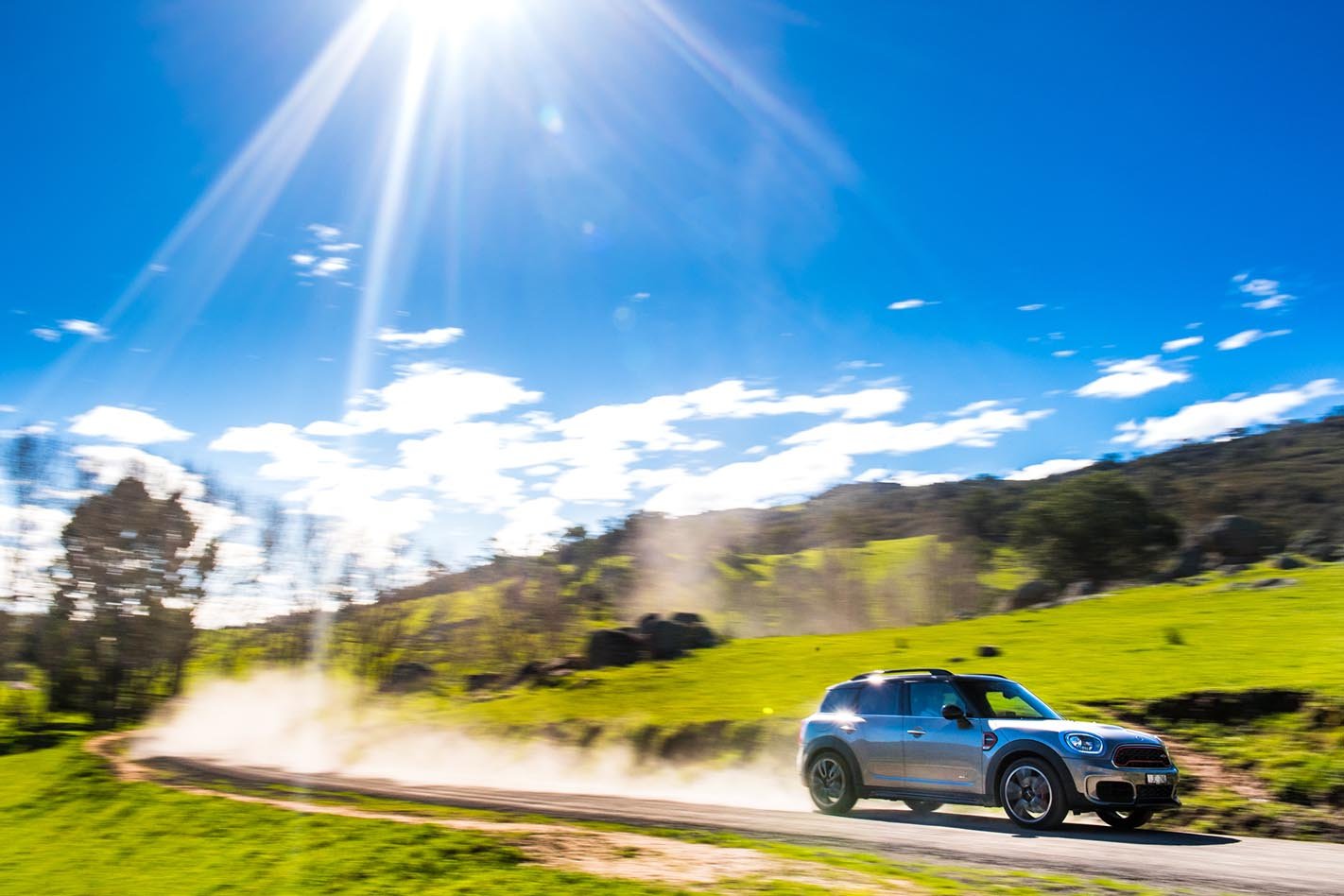
SPECS Model: 2017 Mini Countryman John Cooper Works All4 Engine: 1998cc 4-cyl, dohc, 16v, turbo Max power: 170kW @ 6000rpm Max torque: 350Nm @ 1450-4500rpm Transmission: Eight-speed automatic Weight: 155kg 0-100km/h: 6.5sec (claimed) Fuel economy: 6.9L/100km Price: $57,900 On sale: Now
Meet the new Mini Countryman JCW, its entrance to the Australian market accompanied by the gnashing of teeth from traditional enthusiasts of the brand.
The name Mini might once have described the cars it produced, but now it’s just a brand like any other. After all, your smartphone doesn’t look like a piece of fruit, does it?
And so the Countryman press kit proudly boasts of an extra 17cm in length, 3cm in width and 7.5cm in wheelbase, resulting in a car similar in size to the original Renault Espace MPV.
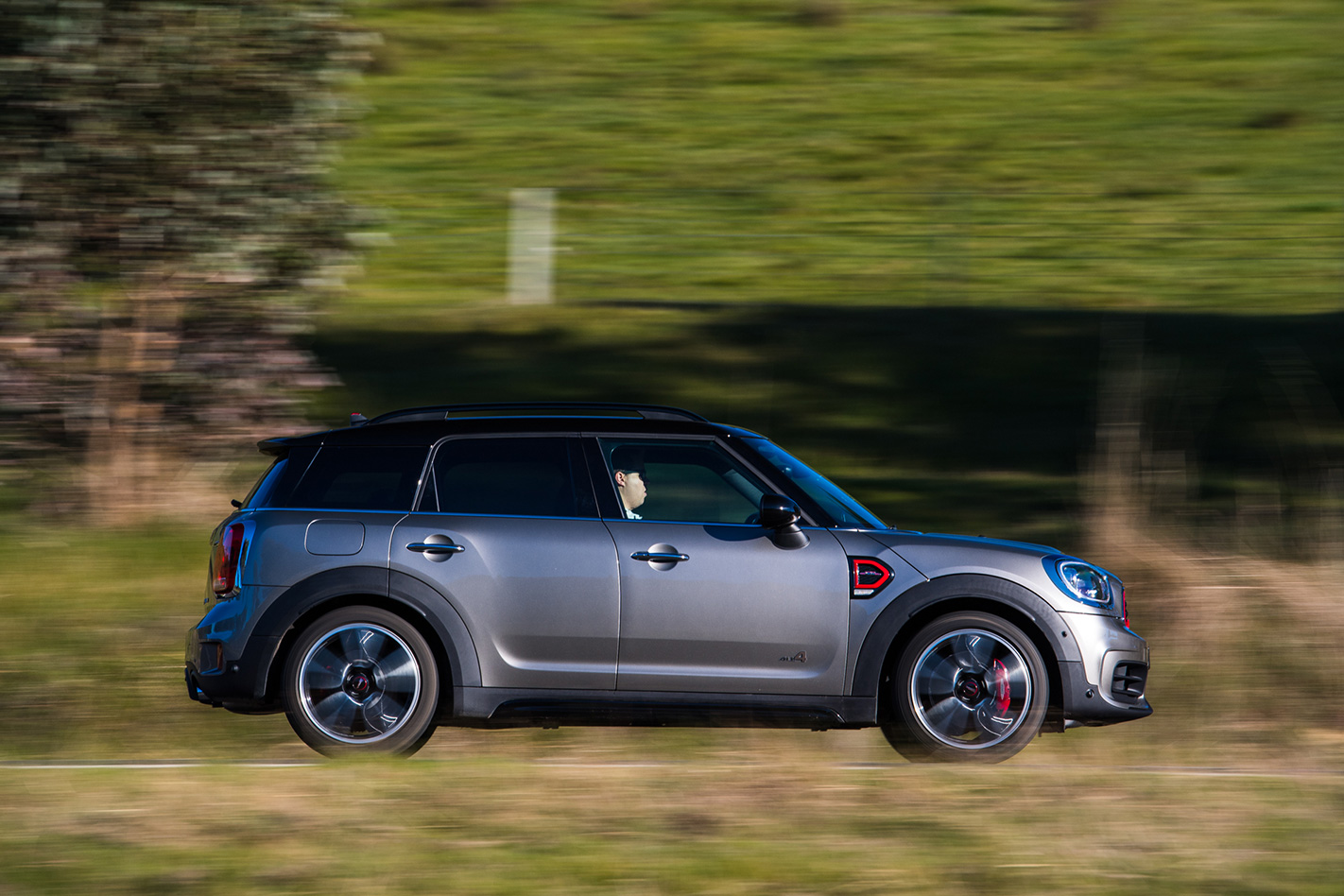
There’s plenty of kit including a 12-speaker stereo, LED headlights, 8.8-inch touchscreen infotainment system, head-up display and sports seats as well as all the usual active safety gear such as adaptive cruise control, auto emergency braking and the like.
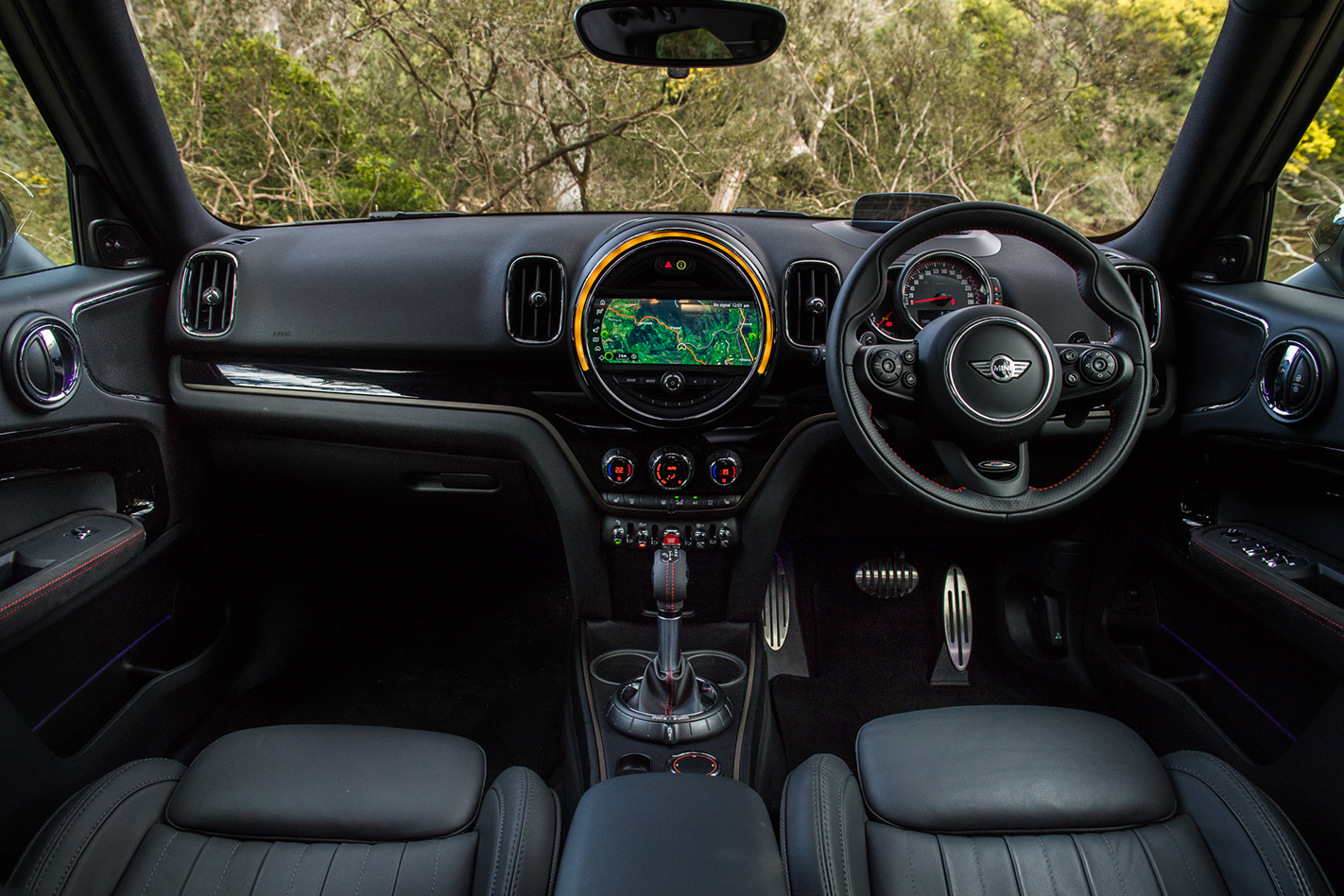
Under the bonnet is a 2.0-litre turbo four producing 170kW/350Nm attached to an eight-speed auto and all-wheel drive. The latter balloons the kerb weight out to 1555kg, a full 350kg more than the JCW hatch, yet Mini claims a similar 0-100km/h time of 6.5sec. The seat of the pants says this is highly optimistic, but the Countryman is quick enough to entertain.
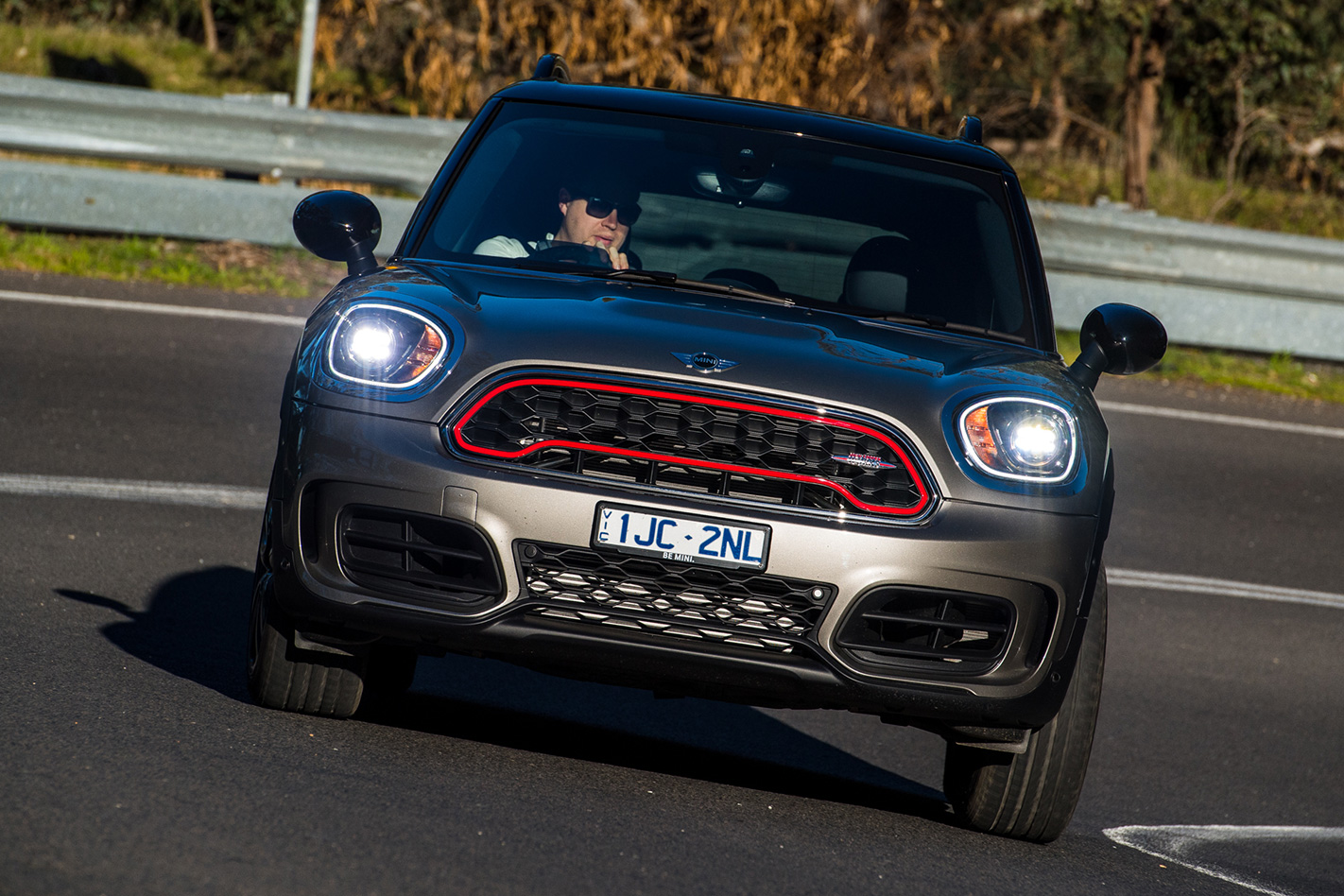
In fact, the Countryman is arguably the pick of the JCW range to drive. That might not be saying much given the hatch and cabrio are rough-riding, ill-handling little tykes, but while the Countryman favours stability over fun, it can be flowed along a winding road with reasonable pace and accuracy without the jarring jitteriness of its smaller siblings. Strong brakes, too.
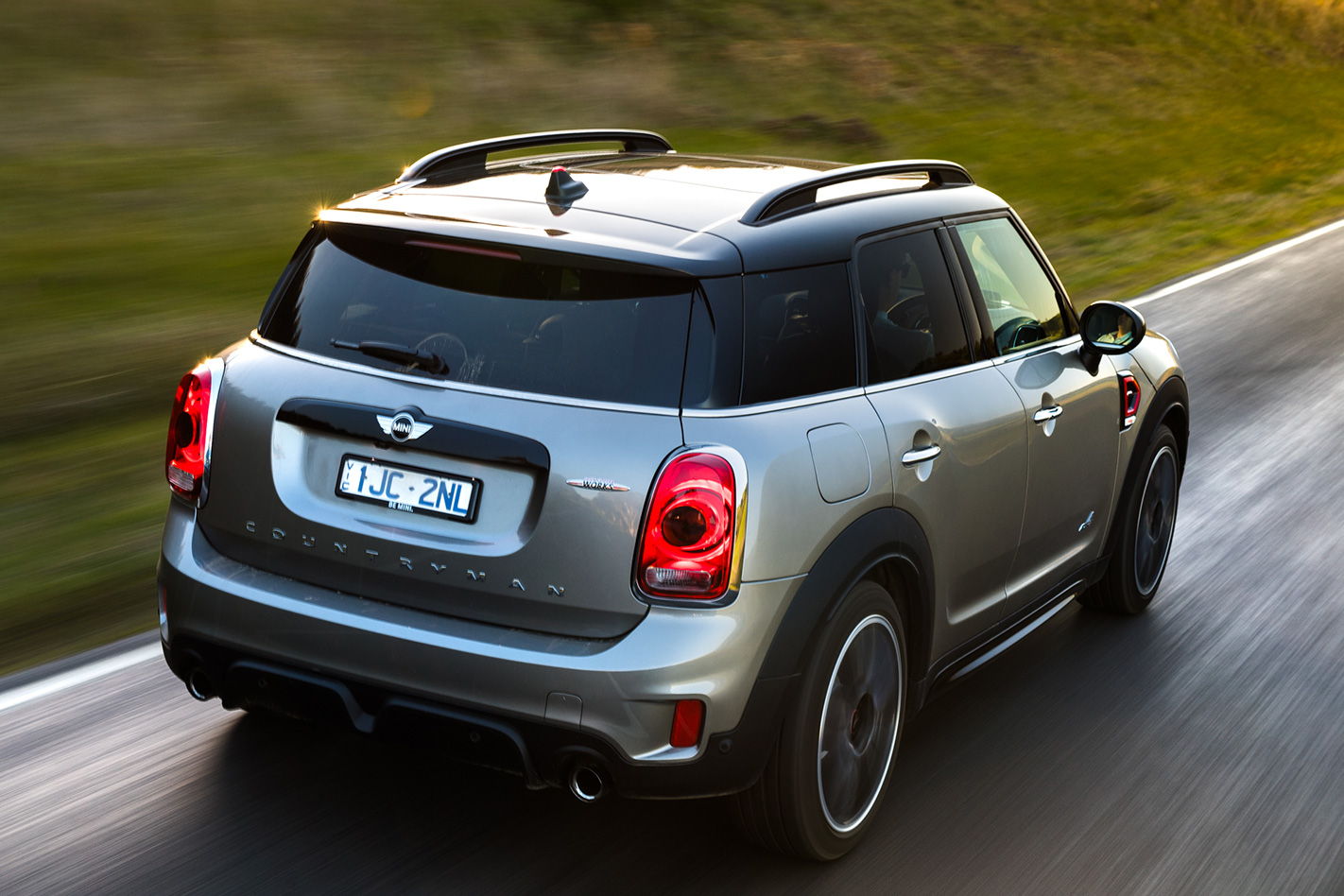
Not that it’s hurting sales, mind, with Mini order books currently swollen with customers keen on its unique combination of performance, practicality and individuality. For the MOTOR faithful, we suspect a VW Golf R Wagon would be a better bet.
3 stars out of 5 Likes: Looks funky; cohesive ride/handling Dislike: Engine lacks spark; price; small boot
2017 Mini Countryman JCW Specs: Engine: 1998cc inline-4, DOHC, 16v, turbo Power: 170kW @ 5000-6000rpm Torque: 350Nm 1450-4500rpm Weight: 1555kg 0-100km/h: 6.5sec (claimed) Price: $57,900
Mazda isn’t resting on its laurels with its award-winning CX-9. Instead the Japanese car maker is introducing tweaks to the CX-9 to further improve handling with the addition of G-Vectoring Control (GVC) as standard across the range, alongside a raft of safety upgrades and measures to reduce NVH (noise, vibration, harshness) levels.
Tweaks to the reigning Wheels Car of the Year see its pricing rise by $1400 across the whole range of front- and all-wheel-drive models.
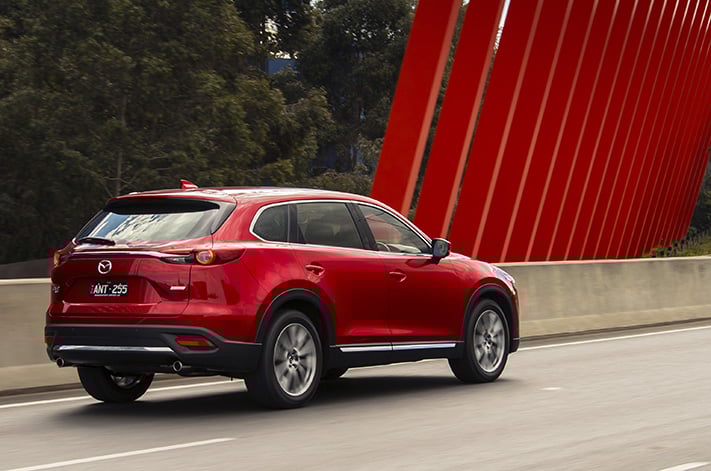
GVC adjusts engine torque in response to steering input to better control the vertical load on each wheel, which in turn improves its vehicle dynamics. While handling wasn’t an issue with the CX-9, the addition of GVC is part of the technology’s roll-out throughout the Mazda range.
Cabin noise wasn’t really a problem with the CX-9, but Mazda has improved its relatively quiet ride by bolstering sound insulation throughout the cabin and rear cargo area to reduce tyre noise and sound reverberation.
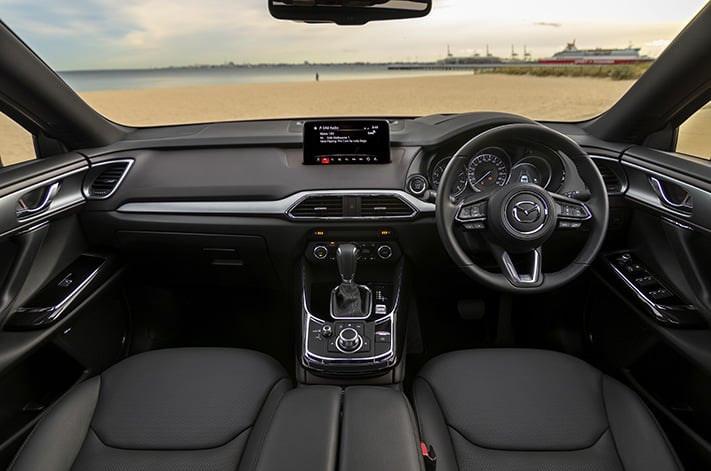
According to Mazda, this improves the clarity of voices in the second and third row by approximately five percent, making it easier for everyone in the vehicle to communicate.
The CX-9’s ACTIVESENSE driver assistance package, that’s included across the range, has also been enhanced with Smart City Brake Support (Forward) which is now able to operate from 4 to 80km/h instead of up to 30km/h.
Traffic Sign Recognition has also been added to the GT and Azami models.
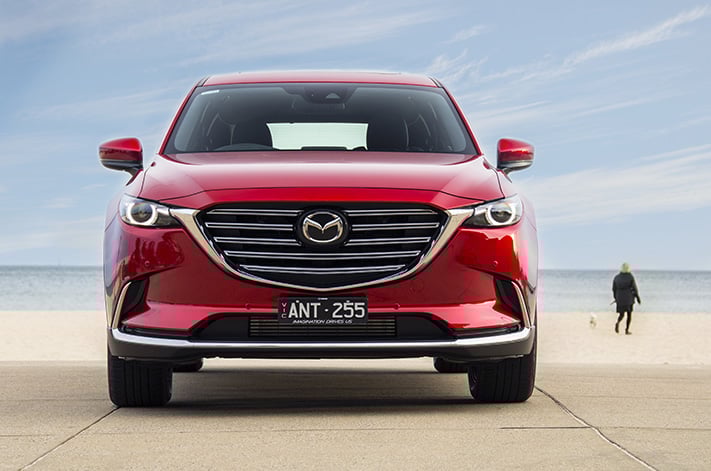
The powered driver’s seat adds a new tilt function that adjusts the height of the cushion’s front edge, and the second row seats are now able to be tilted forward more, making it easier for occupants in the second and third rows to get in and out.
Auto-power folding mirrors have also been added across the range.
Mazda has also added the Soul Red Crystal Metallic colour to the CX-9 range, which first appeared on the all-new CX-5 earlier this year.
The updated CX-9 range is in showrooms now.
Mazda CX-9 MY18 pricing
- CX-9 Sport FWD – $43,890
- CX-9 Sport AWD – $47,890
- CX-9 Touring FWD – $50,290
- CX-9 Touring AWD – $54,290
- CX-9 GT FWD – $58,790
- CX-9 GT AWD – $62,790
- CX-9 Azami FWD – $60,790
- CX-9 Azami AWD – $64,790
The Australian Government has abandoned plans to introduce a bill allowing parallel imports after “extensive industry consultation”.
The changes would have meant consumers could ‘bypass’ dealers (or go to a private import provider) to buy an allegedly cheaper new car.
It will instead introduce a Road Vehicle Standards Bill it says will strengthen consumer protection and modernise the laws governing road vehicles, effective from 2019.
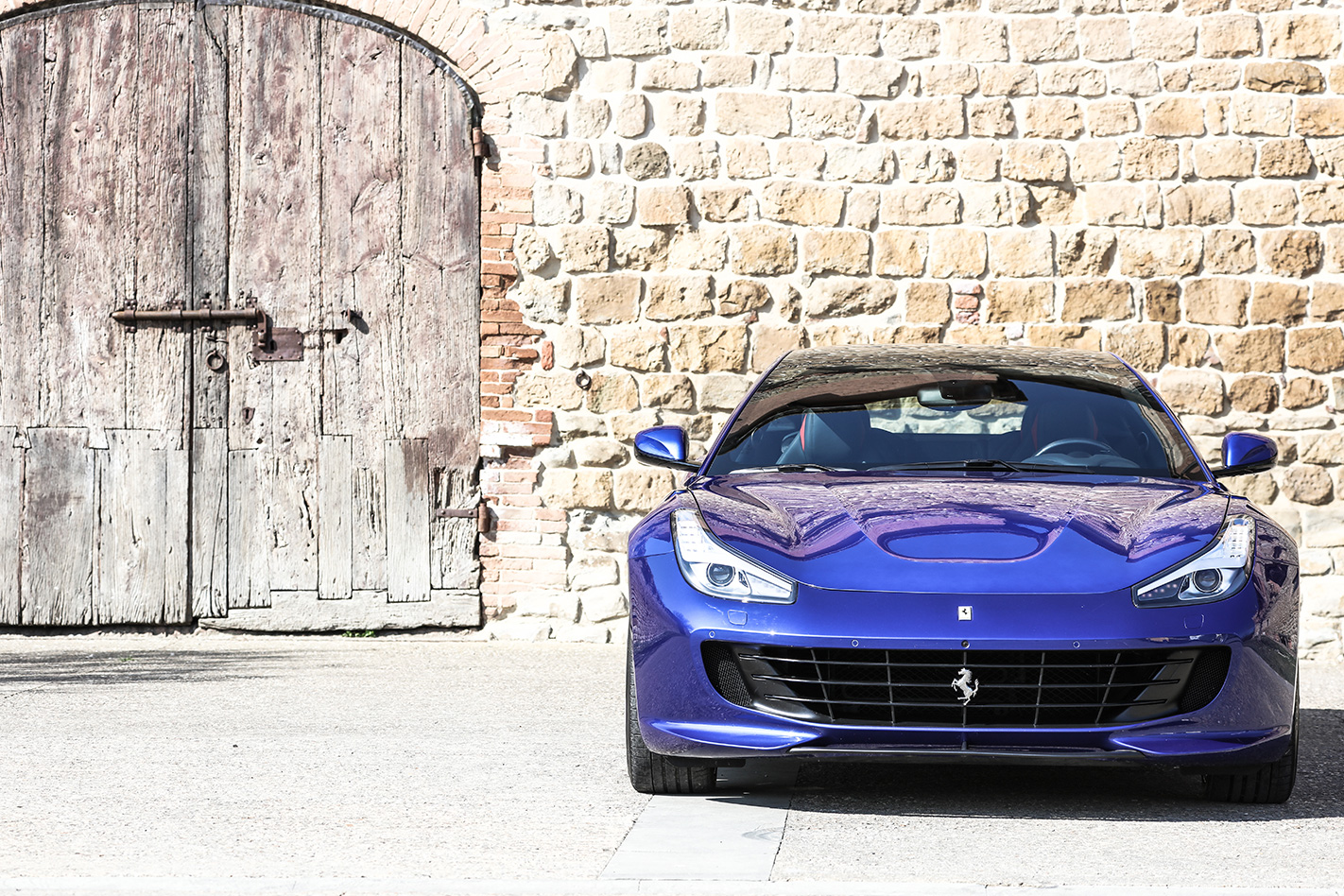
The six criteria allow a car to be imported under SEVS if:
- The car has more than 110kW/tonne if built in 1992 (or over an extra 1kW/tonne for each year following)
- The vehicle’s drivetrain is based on an alternate power source to internal combustion or it is in a micro-car subcategory for low power (low emissions) vehicles (such as a Kei car)
- It was originally manufactured or fitted from the factory with substantive specialist mobility features to assist people with disabilities
- Total production of the vehicle make is less than 3000 units per year, model is less than 1000 units per year, or production of its variant is less than 100 per year. In addition, “Left-hand drive vehicles imported under the rarity criterion will not require conversion to right-hand drive but will need state or territory agreement for use on their roads.”
- The vehicle was originally manufactured as a left-hand drive vehicle and not available as an OEM RHD vehicle in another world market. These vehicles will require conversion to right-hand drive
- The vehicle was originally built as a caravan or motorhome.
The AIMVIA says the move will cost the automotive import industry hundreds of jobs.
“Without this competition in the marketplace, Australians will continue to pay some of the highest retail prices for vehicles in the western world,’ the AIMVIA says.
“It will mean the decimation of our industry, there’s no other way to describe it,” says AIMVIA president Jack Sandher and co-owner of a Sydney-based import company.
However, a statement from minister for urban infrastructure Paul Fletcher says the government found that price differences between buying new in Australia and undertaking the personal import are “estimated to be less than two per cent across the market.”
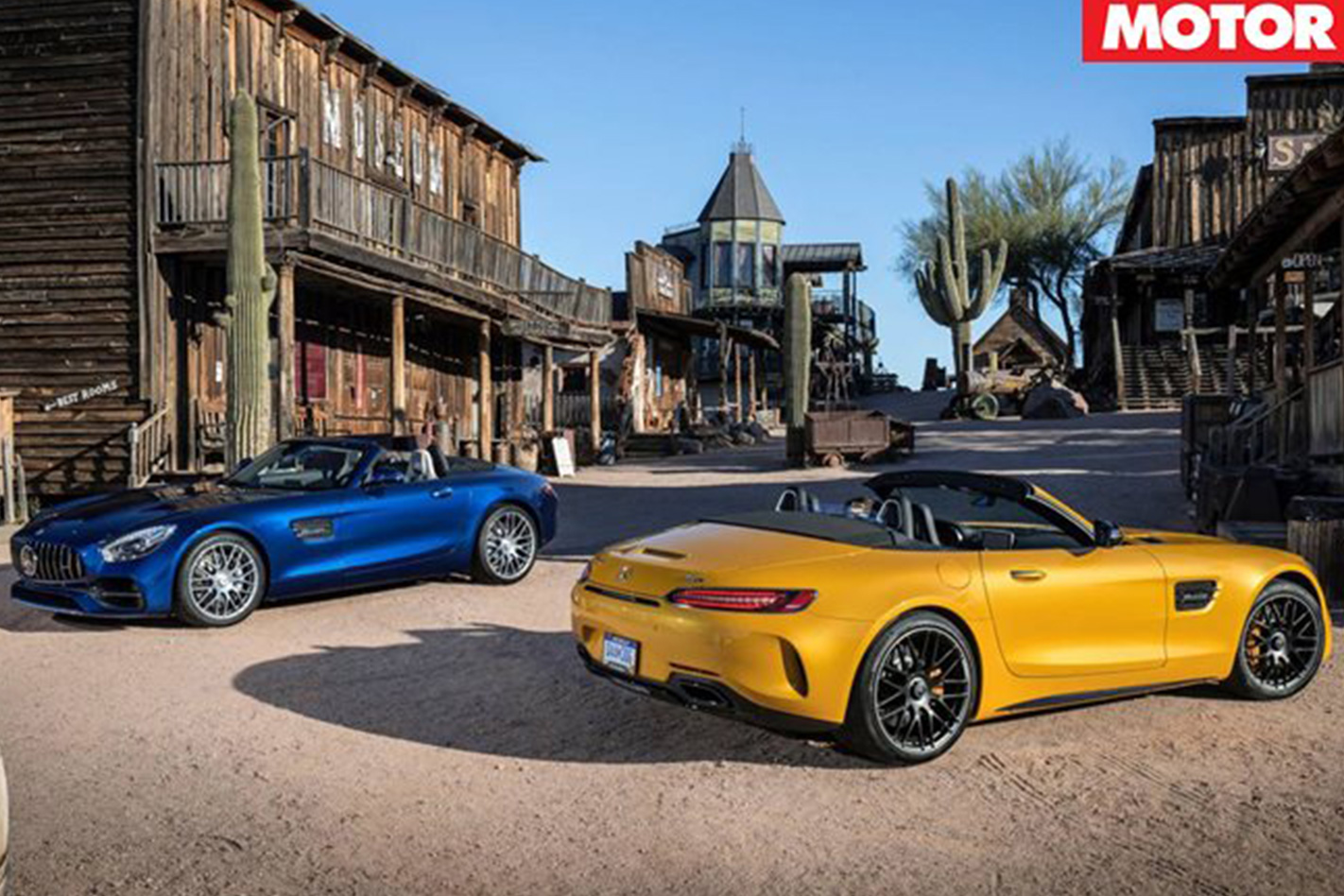
“We’ve been on this for nearly three years, and it’s taken an awful lot of effort to make the case, but at the end of the day I’ve had to come up with compelling reasons and evidence-based facts,” McCarthy told MOTOR.
“The proposal that was around didn’t actually provide any level of protection for the consumer, it potentially could have had unsafe vehicles on the road, and that doesn’t appeal to us.”
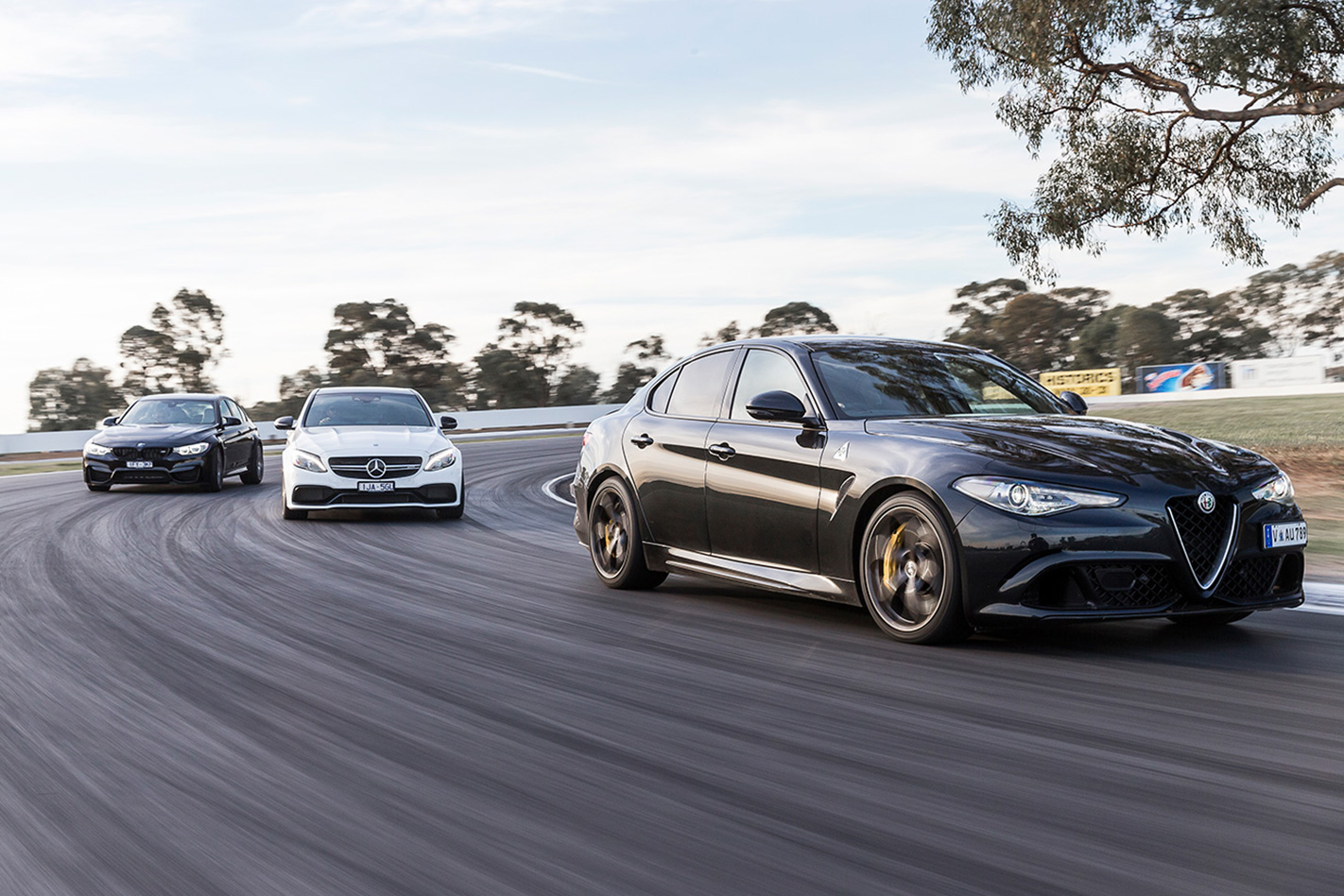
“If someone thinks they can save, say $100K on this, the reality is everyone buying a car has always negotiated the price.”
He did, however, praise changes to the SEVS criteria which mean an import only has to meet one of six criteria.
“I think an enthusiast has a better ability to properly import a car, as opposed to Joe Public who is potentially falling into the hands of unscrupulous people. [Enthusiasts] can protect themselves.”
While it’s not an all-new model, the Volkswagen Golf 7.5 represents a significant upgrade from the Golf 7, while maintaining its reputation for quality and excellent handling.
The Golf’s turbocharged petrol and diesel engines perform strongly and are fuel efficient. Its 1.4-litre four-cylinder petrol 110TSI, which produces 110kW/250Nm, is the most common engine option that is available across the non-performance hatch and wagon models – a 2-litre 110kW/340Nm four-cylinder diesel mill is also available, but only in the range-topping Highline trim.
While it doesn’t quite have the oomph of the 2.0-litre engines in the performance GTI and R models, the 1.4-litre mill does fit well with the car’s responsive steering and great handling to deliver a zippy and enjoyable ride.
Golf hatchbacks boast a sizeable 380 litres of cargo space behind the rear seats, which extends to 1270 litres with the 60/40 split rear seats folded down, whereas the wagon holds 605-litres which expands to 1620 litres.
Variants
The Golf 7.5 is available as a hatch or wagon in six main variants starting with the 110TSI hatch which retails at $23,990 for the six-speed manual. The 110TSI with seven-speed dual clutch automatic transmission attracts another $2500.
The hatch-only 110TSI model comes standard with 8-inch infotainment screen with reversing camera and Apple CarPlay and Android Auto smartphone mirroring, cruise control, speed limiter, cloth seats, leather steering wheel, 16-inch alloy wheels, automatic emergency braking, driver fatigue alert, tyre pressure sensors, LED daytime running lights, LED tail-lights, and heated power-adjustable external mirrors.
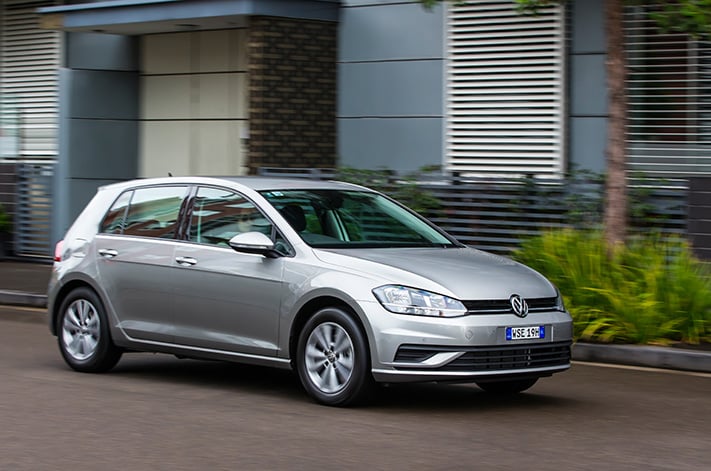
The 110TSI Trendline is available as a hatch and wagon with the latter only available with the dual-clutch auto. The extra $1000 brings auto headlights, auto windscreen wipers, front-seat lumbar support, front and rear parking sensors, and fold down armrest for the rear seat with cupholders.
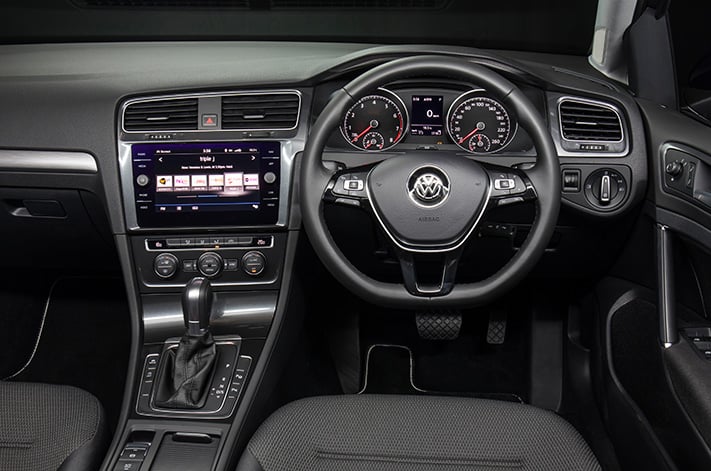
The 110TSI Comfortline has no manual hatch version and comes premium cloth trim and bit more interior bling as well as voice controlled satellite navigation, dual-zone climate control, 17-inch alloys with sportier lower profile tyres.
The 110TSI Highline tops the 1.4-litre petrol models and is also an auto-only affair with additional luxuries such as leather cabin and seat trim, heated and power-adjustable front seats, memory settings for the driver’s seat and external mirrors, keyless entry, LED headlights, and sunroof.

There is also a turbo diesel 110TDI Highline hatch and wagon, which has the same features but is powered by a gutsy 2-litre 110kW/340Nm oil burner.
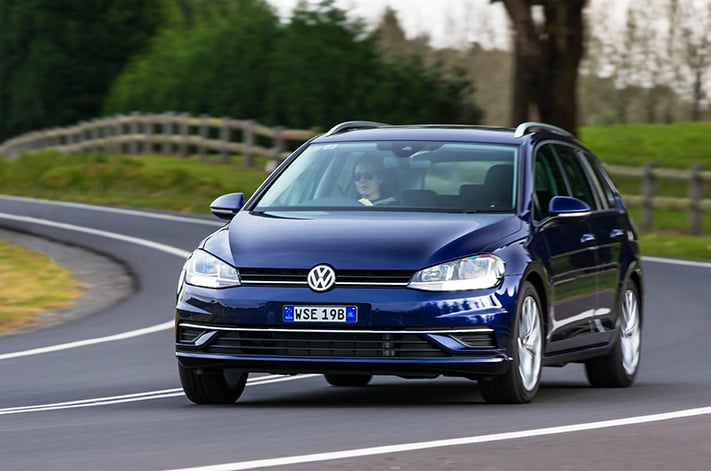
- 110TSI manual hatch- $23,990
- 110TSI auto hatch – $26,490
- 110TSI Trendline manual hatch $25,490
- 110TSI Trendline auto hatch – $27,990
- 110TSI Trendline auto wagon – $29,990
- 110TSI Comfortline auto hatch – $29,990
- 110TSI Comfortline auto wagon – $31,990
- 110TSI Highline auto hatch – $35,990
- 110TSI Highline auto wagon- $37,990
- 110TDI Highline auto hatch – $38,490
- 110TDI Highline auto wagon – $40,490
They’re all good, and you can’t go wrong with the 110TSI powertrain, which provides the same performance and handling across all its variants, meaning you’ll only have to choose between pricing, equipment levels, and practicality.
That said the entry-level Golf 110TSI is great little package, though you’ll need to go up to the other models if you want to add options such as the Driver Assistance or Infotainment packages.
If you’re looking for the sweet spot it would have to be the 110TSI Comfortline with the Driver Assistance and Infotainment packages.
Available options
- Driver Assistance Package: Includes adaptive cruise control, lane-keeping assistance, blind-spot monitor, and a rear cross-traffic alert (Trendline, Comfortline, and Highline) – $1500
- Infotainment Package: Includes active info display dashboard and premium sound system (Comfortline and Highline) – $2300
- R-Line Package: Includes premium sports interior and exterior trim, Vienna leather upholstery, 18-inch Sebring alloy wheels (Highline) – $2500
- Premium paint – $500
Aston Martin has finalised the line-up of its atmo V12 Zagato range: Shooting Brake, Speedster, Coupe, and Volante.
With the addition of the Vanquish Zagato Shooting Brake and Vanquish Zagato Speedster, the quartet will reach a total production run of just 325 units.
The rarest of those will be the Speedster with only 28 to be built, though all have been sold. Similarly, all 99 of the Volantes have been sold, though no word on how many of the 99 Coupes and 99 Shooting Brakes have sold so far.
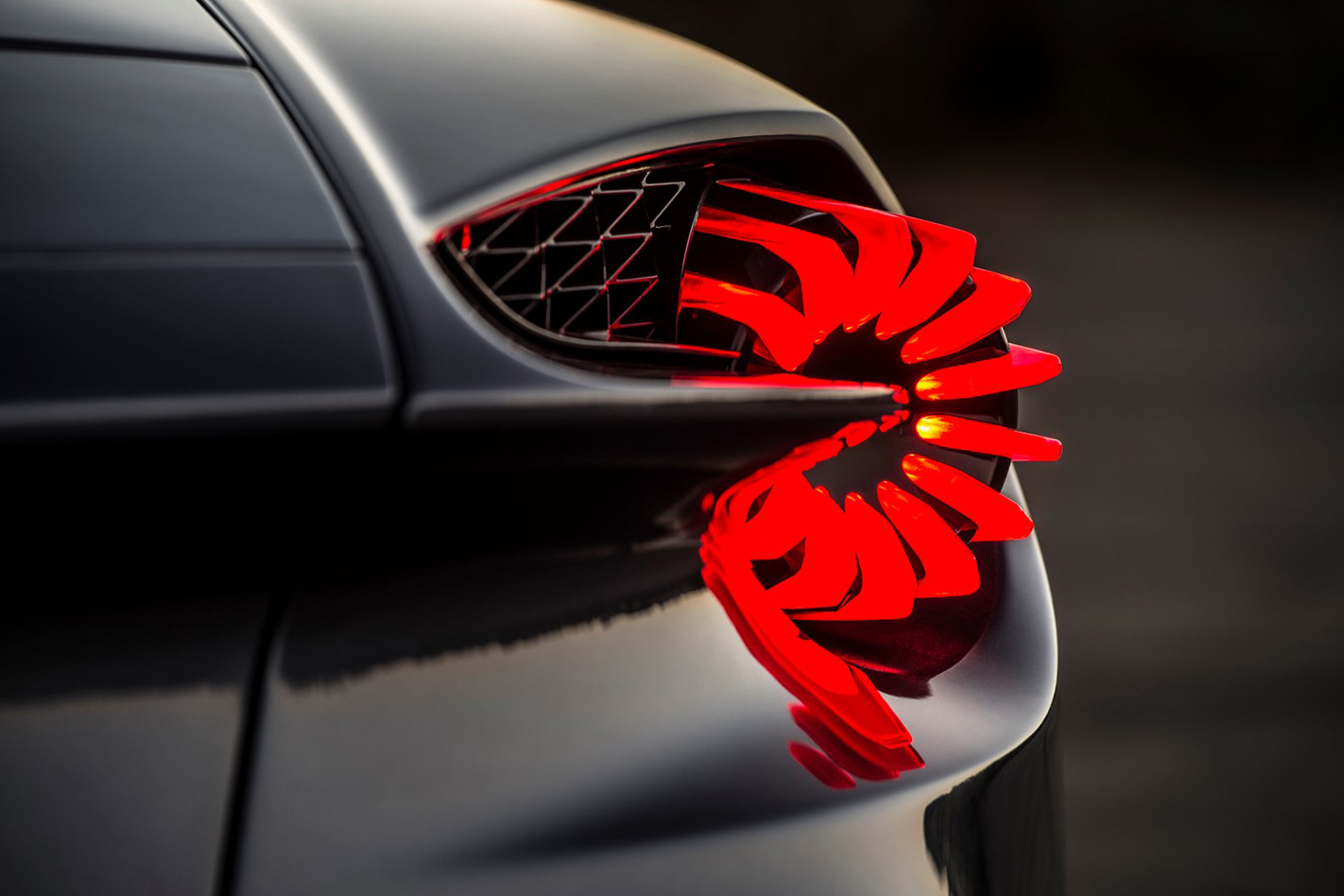
What isn’t based on the Vanquish, however, is the 441kW that the V12 has been tuned to produce, as well as the details of design which depart from Aston Martin’s usual language.

“The Speedster and Shooting Brake represent the two extremes of the Vanquish Zagato family.
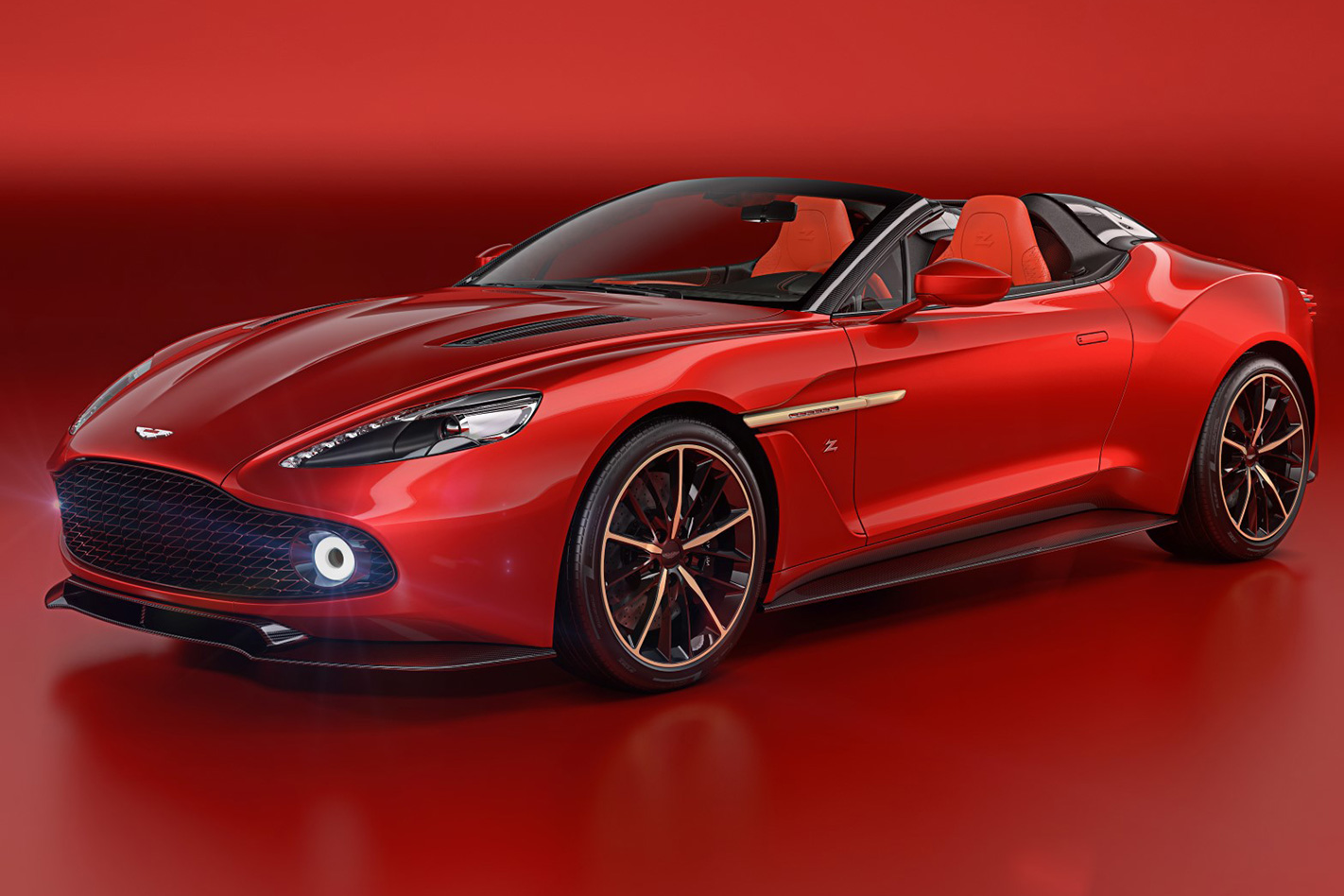
“The boldest aspect of the Speedster’s design is the Speed Humps that rise up to form streamlined cowls that flow back from the seats, representing Zagato’s signature ‘double-bubble’ roof.”
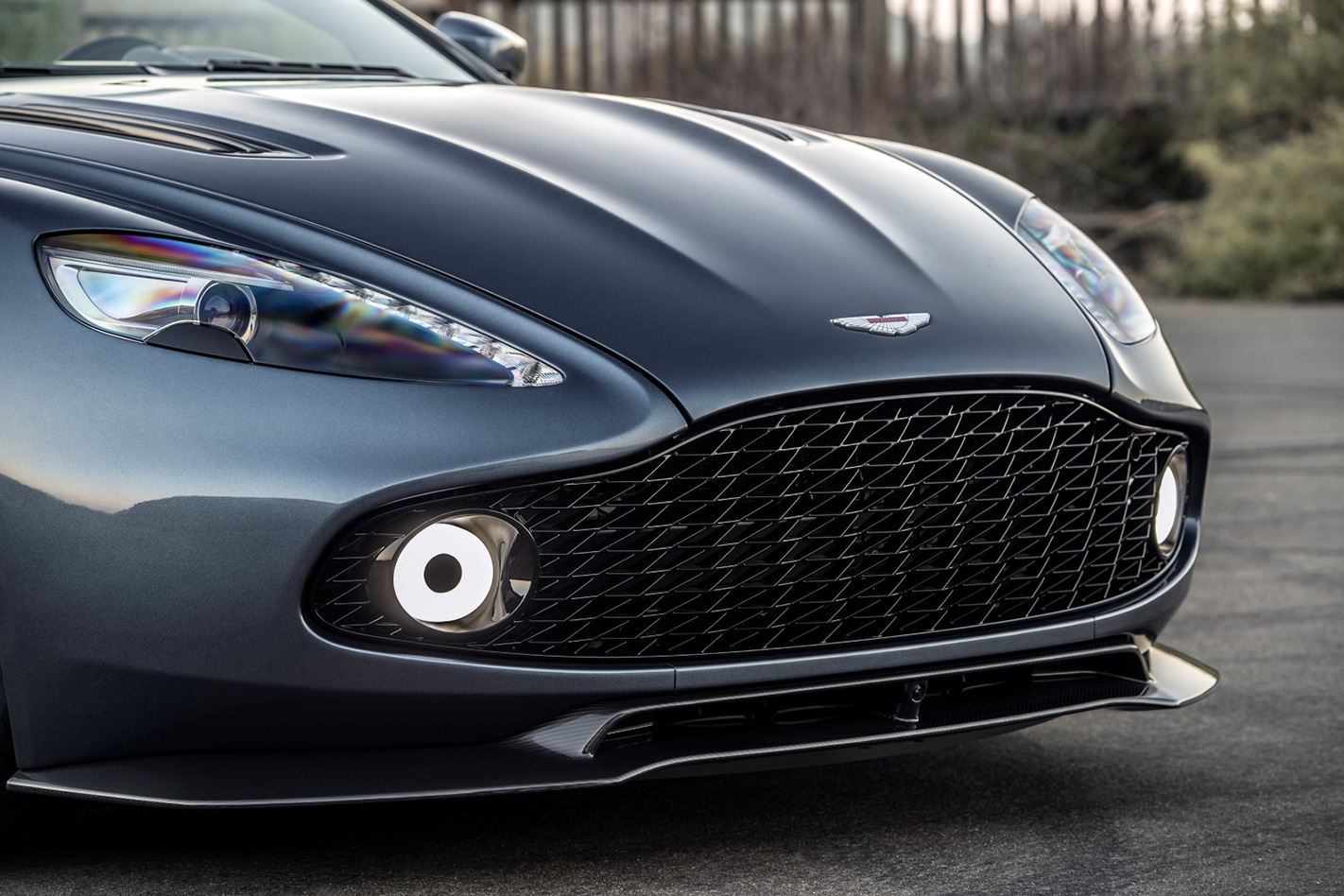
“To have a creative ‘marriage‘ thrive for three generations is something as unique as the cars themselves.
“My family name is associated with all kinds of wonderful designs, but for many enthusiasts and collectors around the world those that combine the Z of Zagato with the wings of Aston Martin are the most special.”
If you’re going in hard and heavy with the performance guns like VW is with the new Golf line-up, then you need a flagship model that is not in the habit of taking prisoners.
Then again, you don’t want to screw the pooch with wholesale changes that somehow dilute the spirit of the car that helped put the Golf thing up on that pedestal in the first place.
Kind of a nice problem to have, and with the launch of the performance versions of the Golf 7.5, we’re inclined to think VW has struck the right balance.
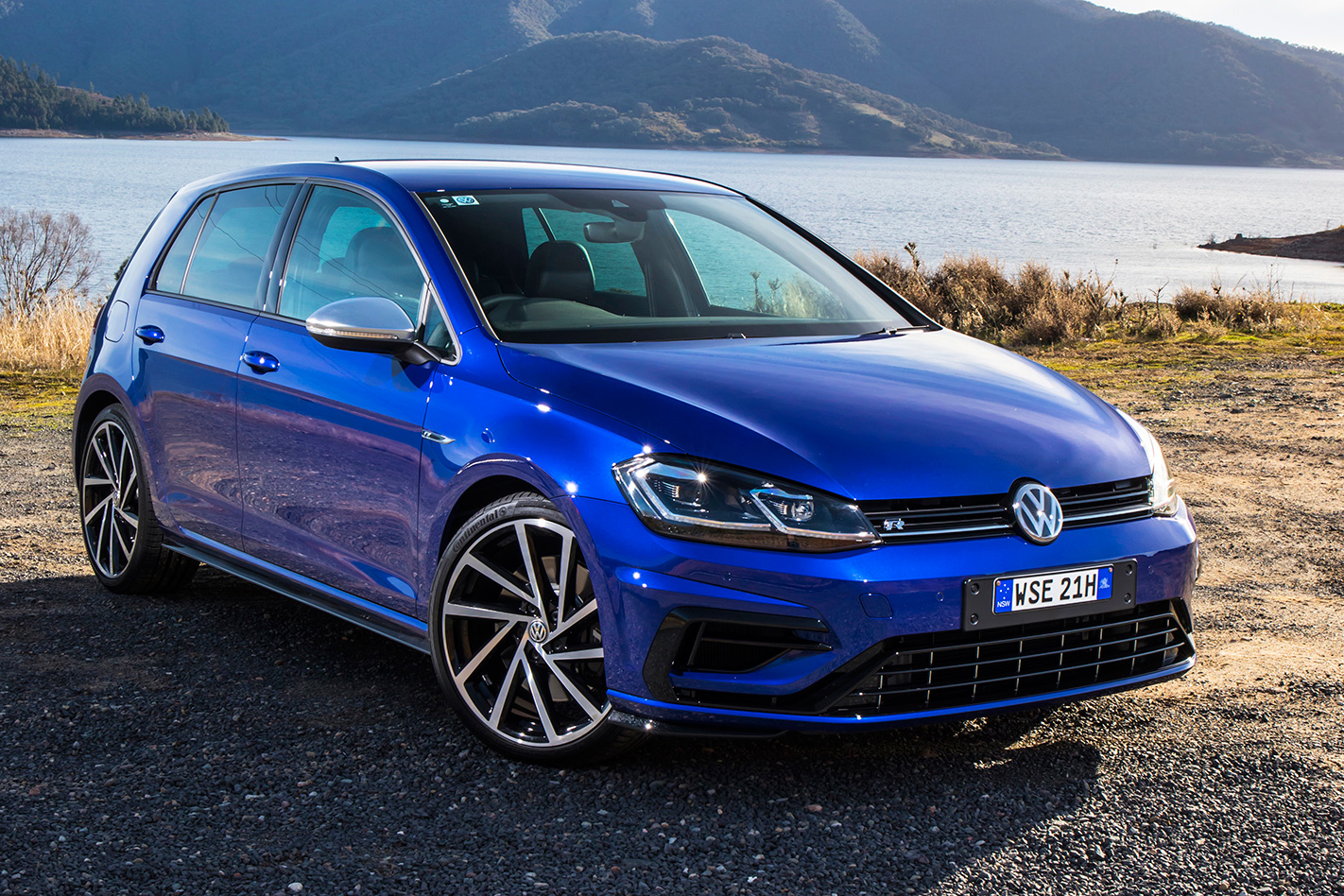
Significantly, though, the basic look and feel hasn’t been altered. If ever there was a case of aint broke, don’t fix, this is probably it.
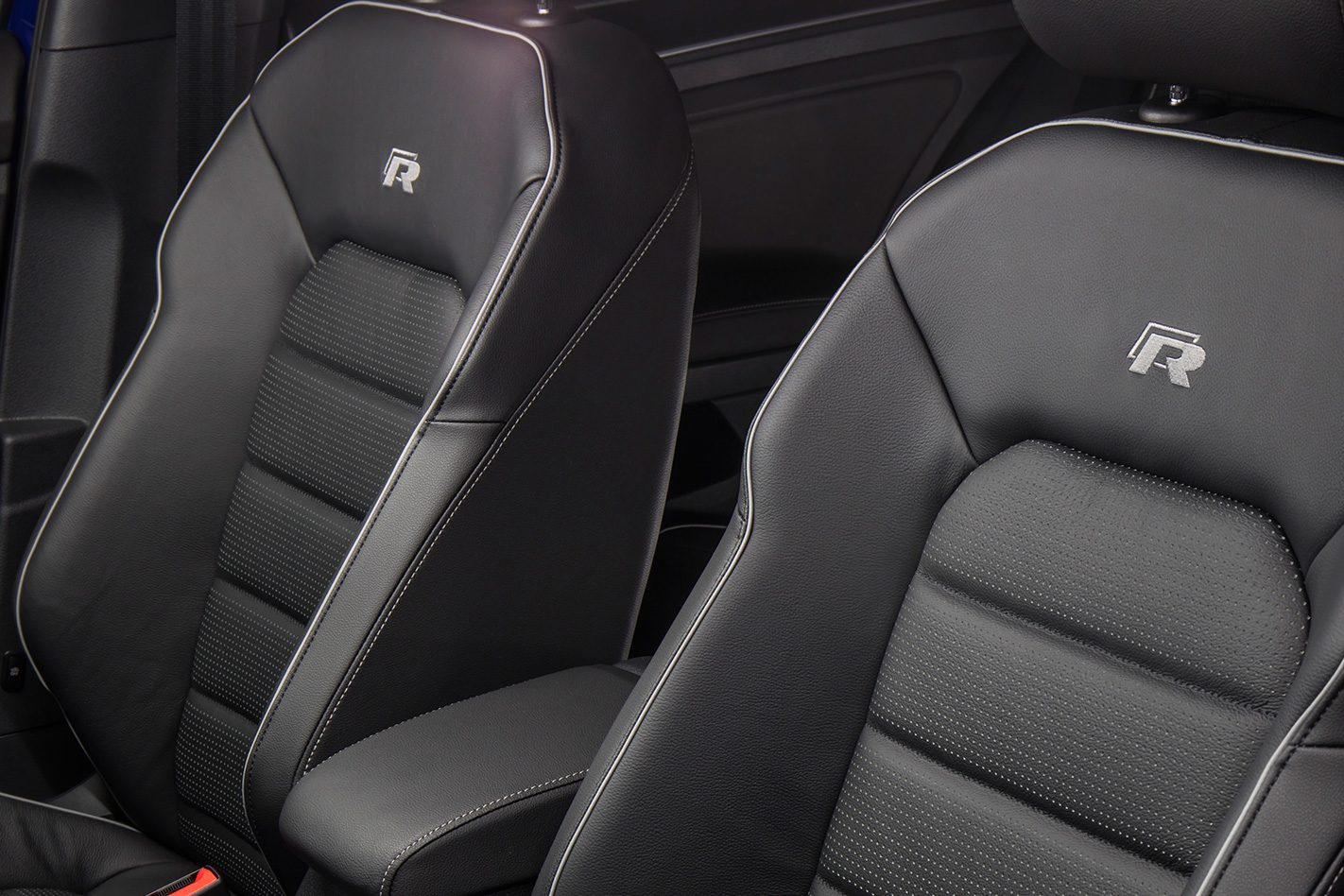
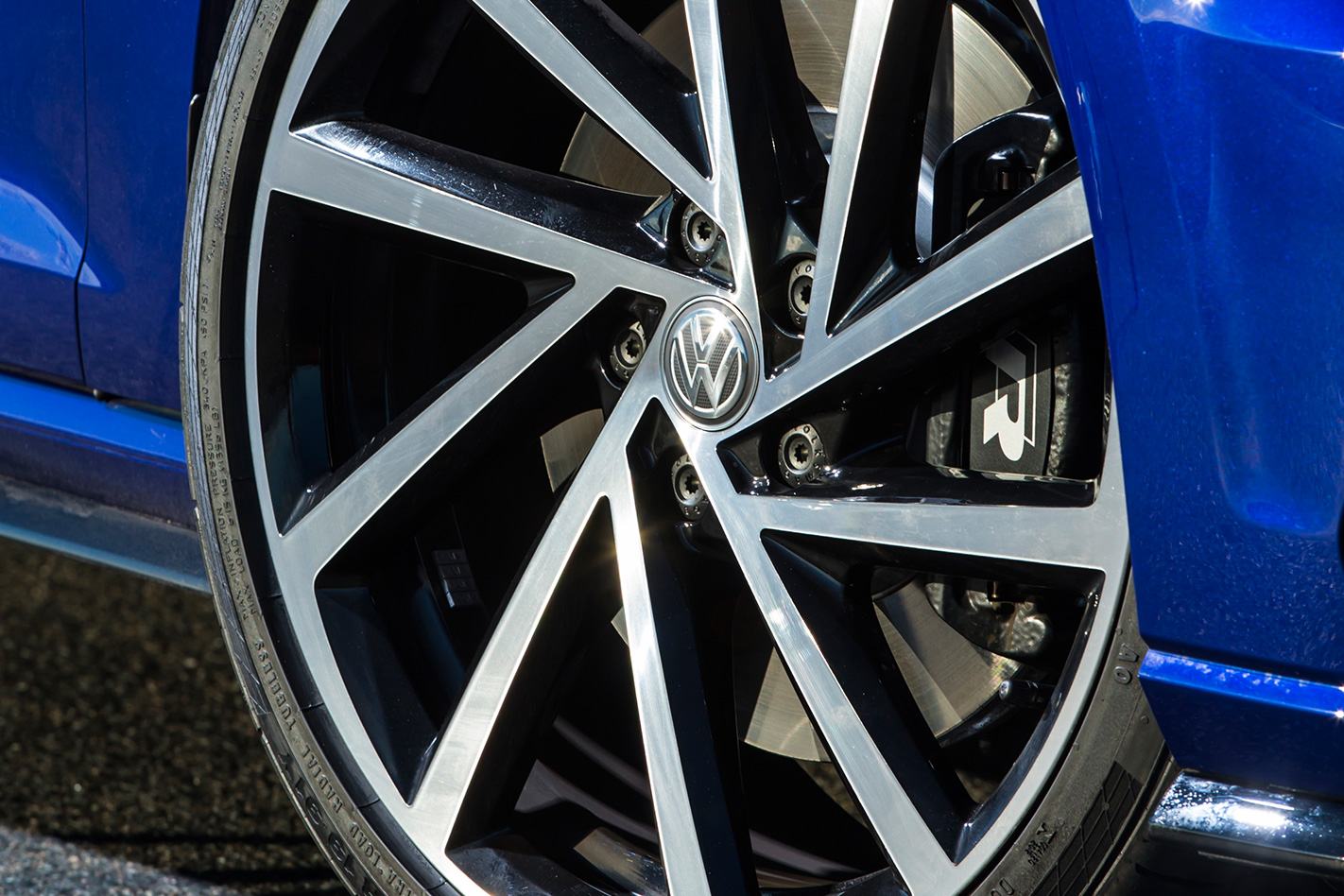
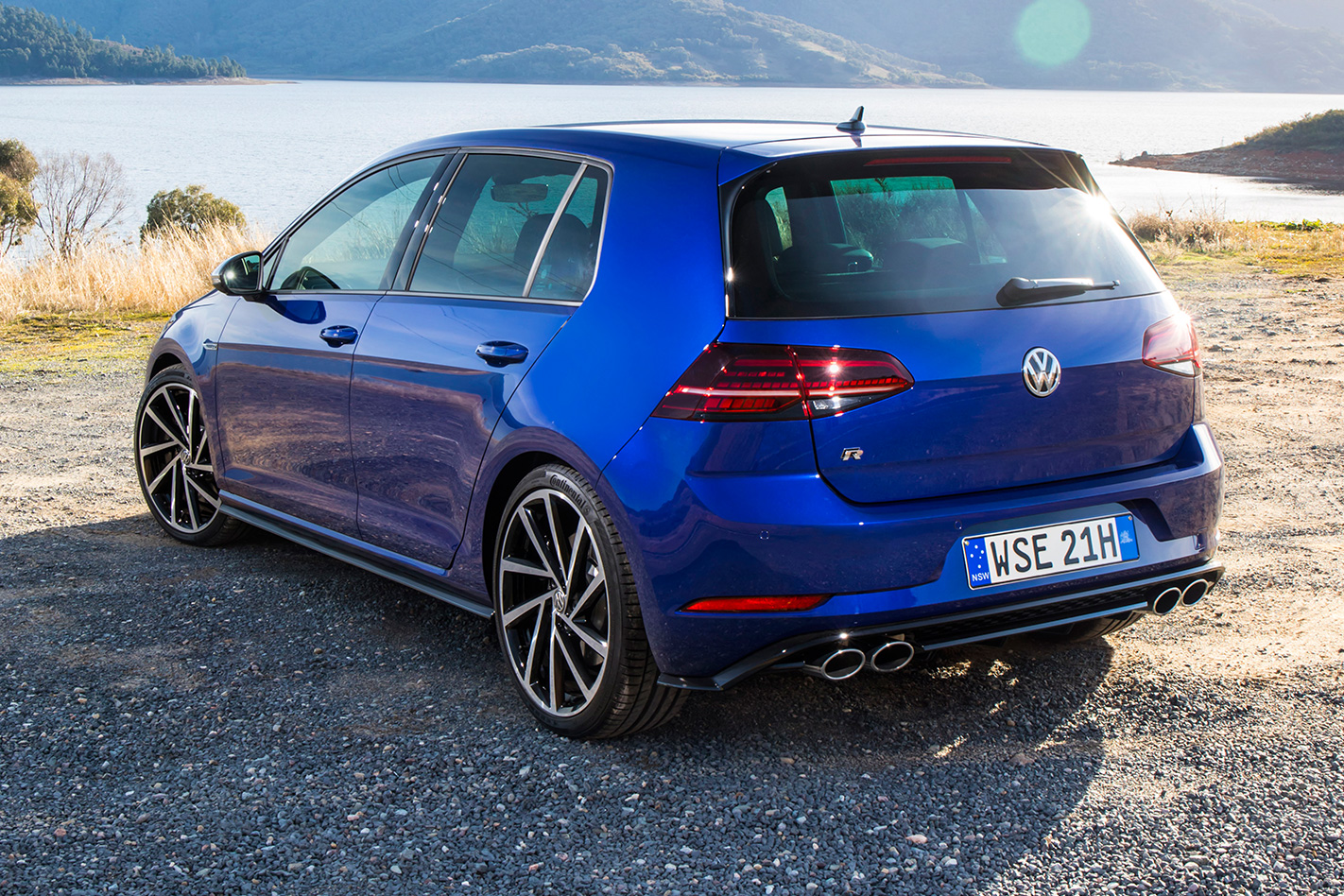
So what is different? Well, the new Golf R is pretty loaded with new kit, starting with the driver assistance package, dynamic LED indicators, the active dashboard, 19-inch alloys, leather trim, a power driver’s seat with memory and automatic high-beam which use a masking process and moveable LED light-source to avoid dazzling oncoming traffic. The only option amounts to the panoramic sunroof.
The 4-Motion all-wheel-drive system remains but the engine changes have led to a power-up to 213kW and there’s now 380Nm of torque. There’s now also a form of launch control fitted and the ESP can, in the R, be turned completely off, unlike the system fitted to the lesser GTis.
The new motor is completely bonkers, to be honest with you. It rushes up the face of the tach and absolutely monsters the redline in any of the first four gears.
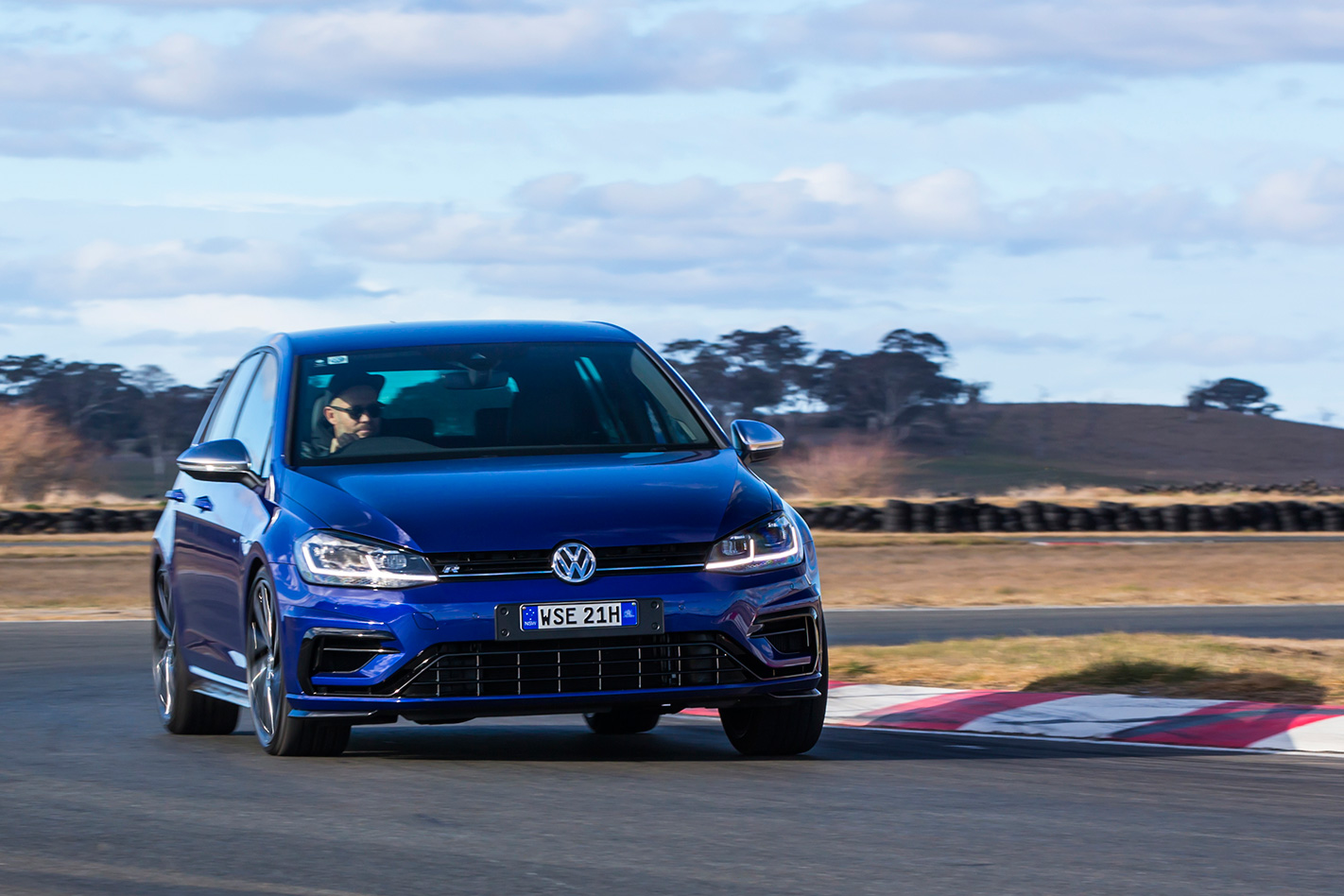
It sounds and feels totally convincing, too, with enough mechanical-ness to avoid feeling like a sewing machine, but enough sophistication to keep your attention. The two-litre in R spec plays rhythm, not lead, but the song won’t work without it.
The R still feels totally glued to the track, too, and where you can feel the front diff in the GTi Performance model doing its thig in real time, the R has so much Velcro-action, that it never seems to get out of shape in the first place.
There’s no real sense that it’s electrons and not hydraulic pressure that’s helping you spin the variable rate steering, and that’s got to be the nicest thing you can say about modern power-steering. But one thing we did notice this time around that hasn’t surfaced before was a slight lack of suspension travel.
Clout a big enough crater fast enough and the front struts will find their bump-stops in a pretty dramatic way. It could easily have something to do with the 225/35 19s fitted as standard and it’d be very interesting to drive an R on an 18-inch combo.
Which is to say; fast Golfs are likely to be still in fashion long after mega-low-profile tyres have left the catwalk.
4.5 stars out of 5 Likes: Utterly stable, vice-free and dill-proof. Yet still good fun. Dislikes: Have we perhaps breached the sensible limit in tyre sizes?
2017 VW Golf R 7.5 Specs: Body: 5-door, 5-seat hatch Drive: all-wheel Engine: 1984cc 4-cyl, DOHC, 16v, turbocharged Bore/stroke: 82.5 x 92.8mm Compression: 9.3:1 Power: 213kW @ 5400-6000rpm Torque: 380Nm @ 1850-5300rpm Power/weight: 141kW/tonne Transmission: 6-speed manual/7-speed DSG Weight: 1429-1450kg Suspension (f): MacPherson struts, lower A-arms, adaptive dampers, anti-roll bar Suspension(r): Four-link, coil springs, adaptive dampers, anti-roll bar L/W/H: 4263/1799/1436mm Wheelbase: 2626mm Tracks: 1537/1511mm (f/r) Steering: electrically-assisted rack-and-pinion Brakes (F): 340mm ventilated discs, single-piston calipers Brakes (R): 310mm ventilated discs, single-piston calipers Wheels: 19 x 7.5-inch (f); 19 x 7.5-inch (r) Tyre Sizes: 225/35 R19 (f); 225/35 R19 (r) Tyre: Pirelli P-Zero or ContiSport Contacts Price as tested: $52,990 to $55,490
