
McLaren praising Aston Martin?
It’s not likely today, especially given the latter’s supercar ambitions with the Valkyrie. But go back to Bruce McLaren’s 1964 autobiography, From the Cockpit, and there it is from the man himself: “I took out the Aston on a drying circuit and found it one of the best-handling cars I have ever driven.”
McLaren was referring to his 1963 Le Mans test in the Aston Martin DB4 GT, the production-class racing variant of Aston’s already five-year-old DB4 road car. If the GT had been a revelation to this three-time grand prix winner, the DB4 itself had been the same among grand touring coupes.
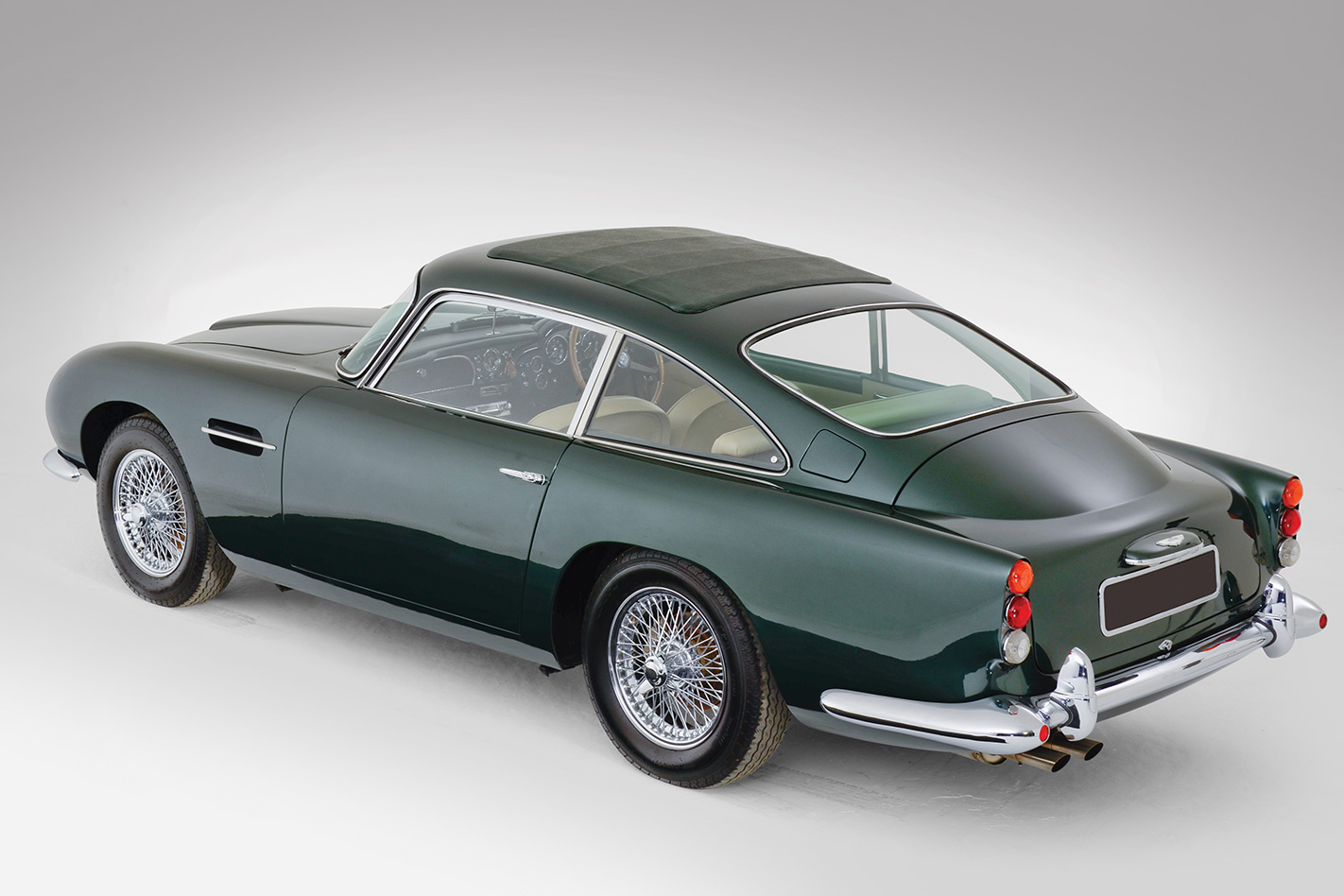
That car paved the way for the more revolutionary DB4. It was faster, more graceful and more advanced in (almost) every way. Its beautiful bodywork was designed and constructed by Touring of Milan, in that firm’s superleggera method of a fine framework of steel tube, supporting hand-formed aluminium panels.
The gorgeous body sat on a steel platform chassis designed by Harold Beach, all new but carrying over the Mk.III’s antiquated rear suspension. Under the bonnet was a new 3.7-litre, inline six-cylinder engine. Along with four-wheel disc brakes, it enabled this 1308kg 2+2-seat grand tourer to become the first production car to go from rest to 100mph and then back to standstill again in under 30 seconds.
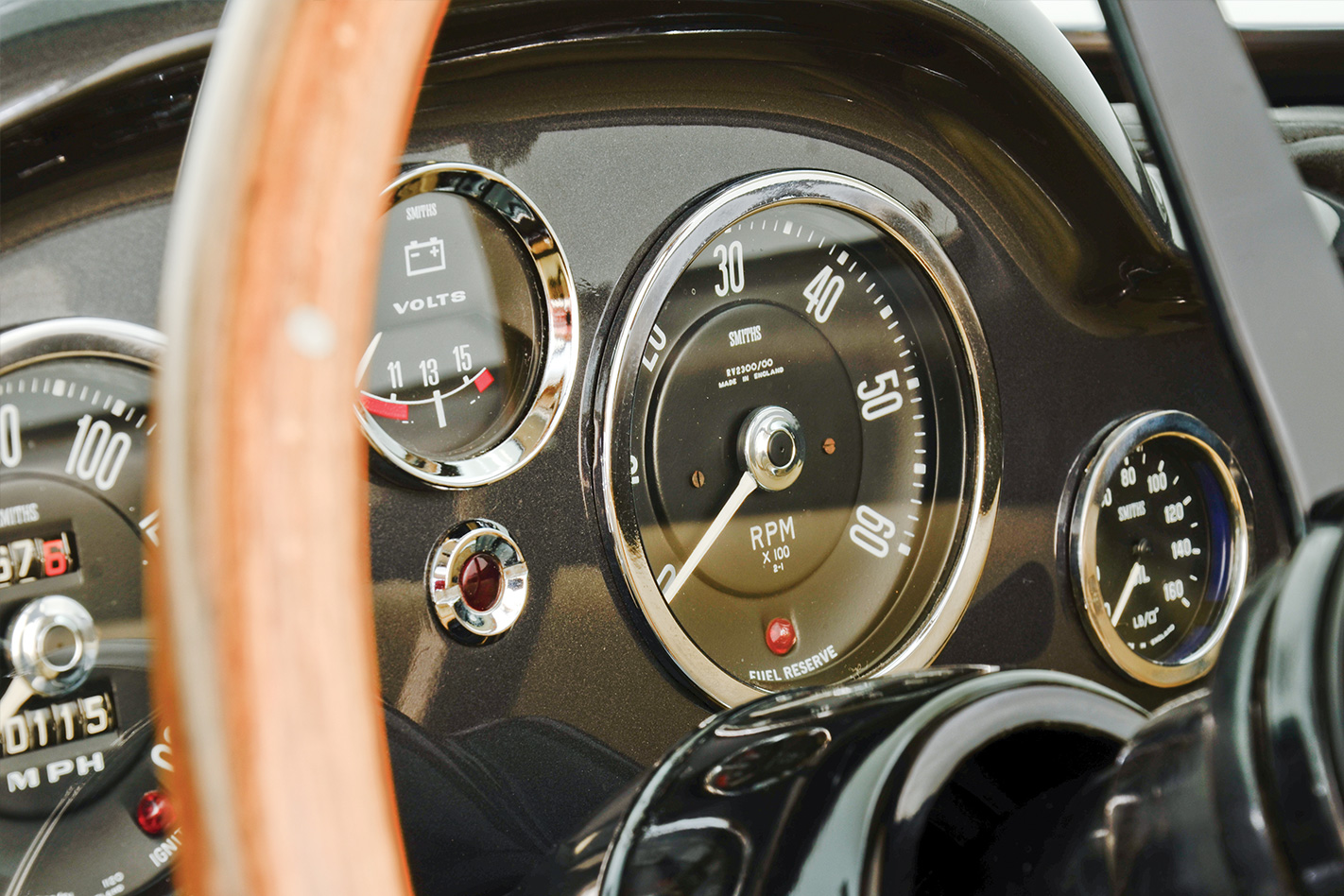
In total, 1040 DB4s had been built when construction ended in 1963 to make way for the DB5.
Hammered by hand
The labour-intensive DB4 chassis was a platform of sheet steel inner panels, topped with a thin framework of steel tubing, supporting aluminium outer panels. Front suspension was double wishbones, coil springs and telescopic dampers, while the coil-sprung, live rear-axle had antiquated lever-arm dampers. Rack and pinion steering and four-wheel Dunlop discs were top-notch stuff.
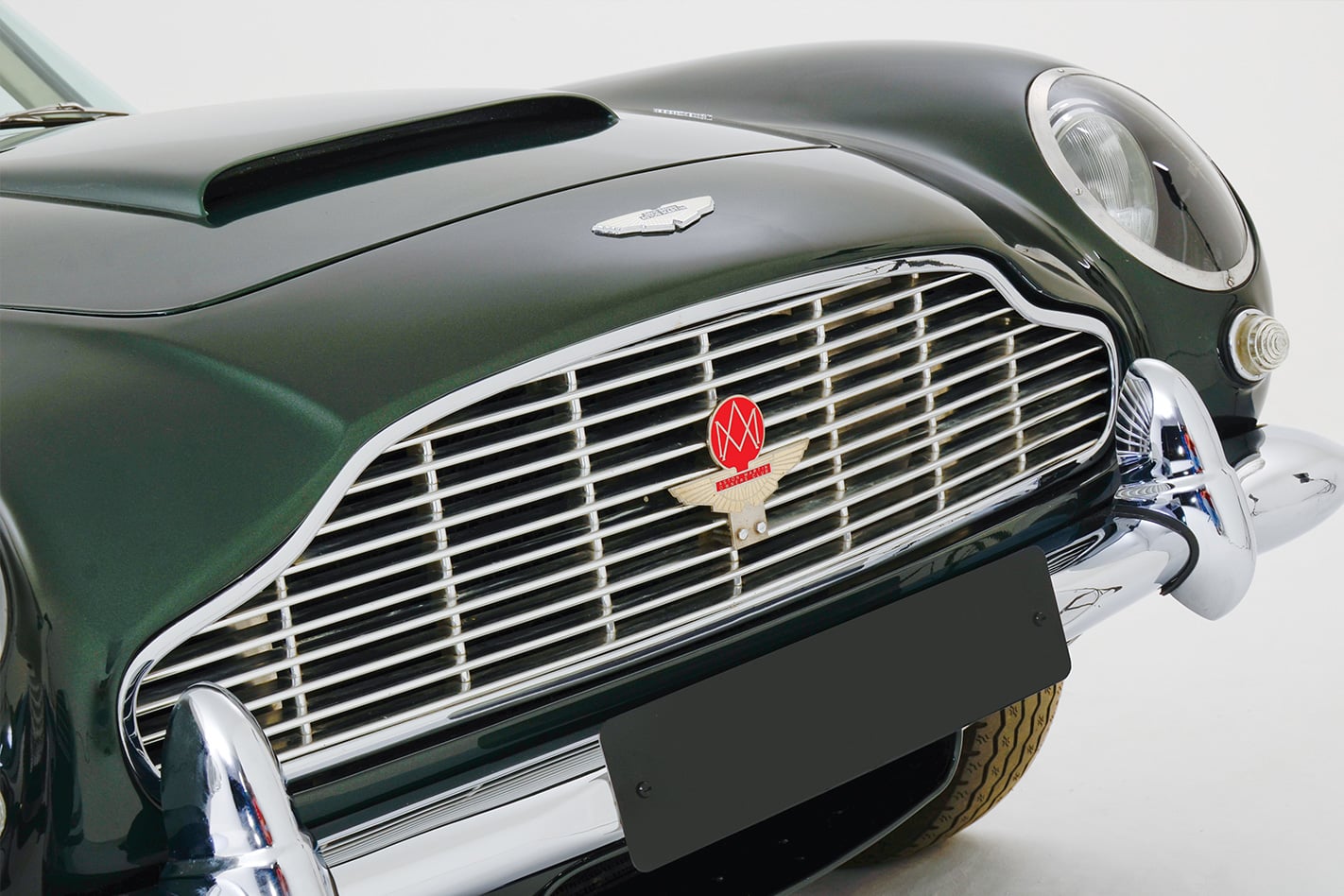
The all-alloy, 3670cc inline six was designed by Aston legend Tadek Marek. The new 3.7-litre, dohc, 12-valve unit premiered in the DBR2 racer (1957), and in standard guise had twin SU carbs and 179kW at 5500rpm. Vantage gained triple SUs and 198kW, while GT made 225kW at 6000rpm. Drive was via an in-house four-speed manual, with optional overdrive.
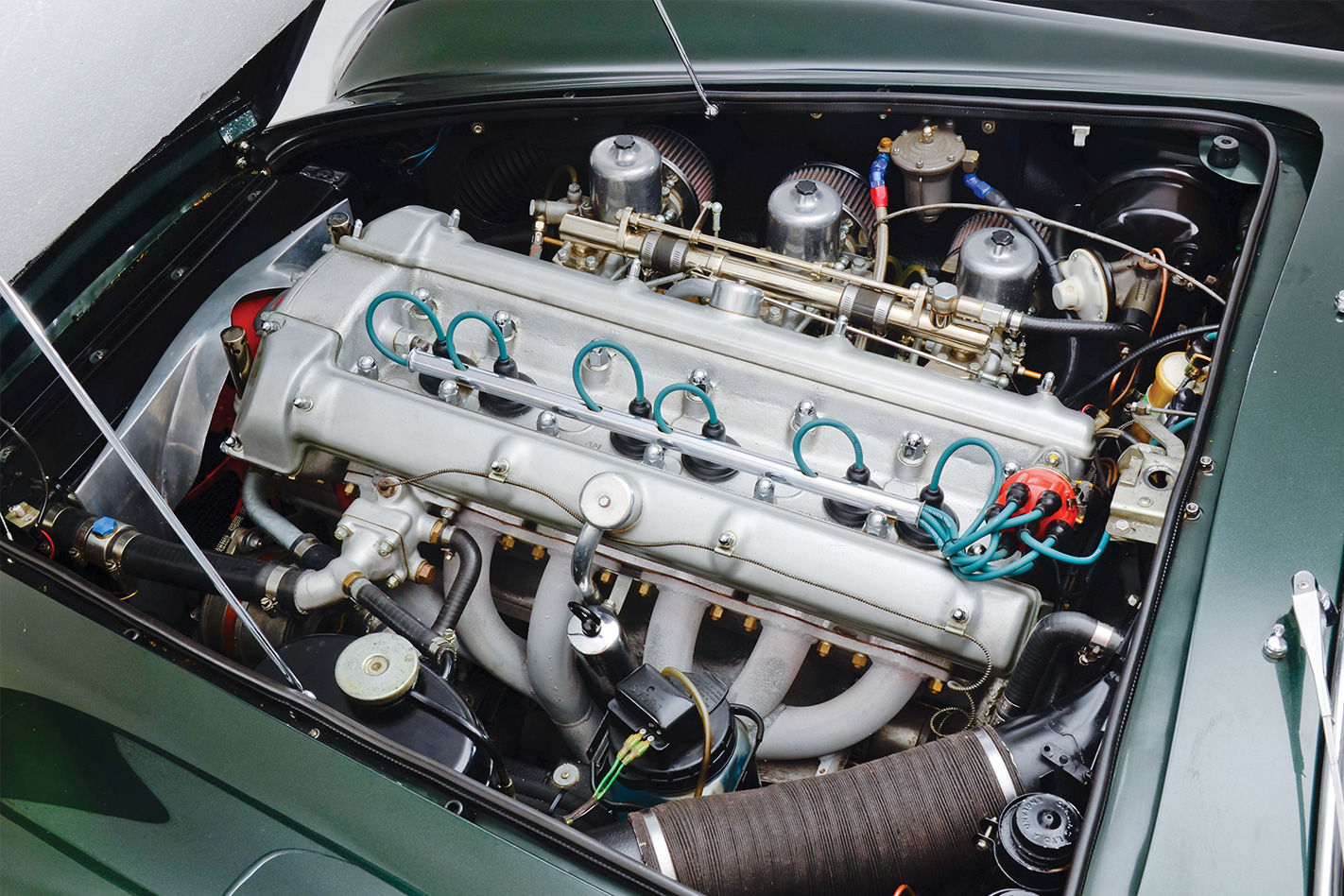
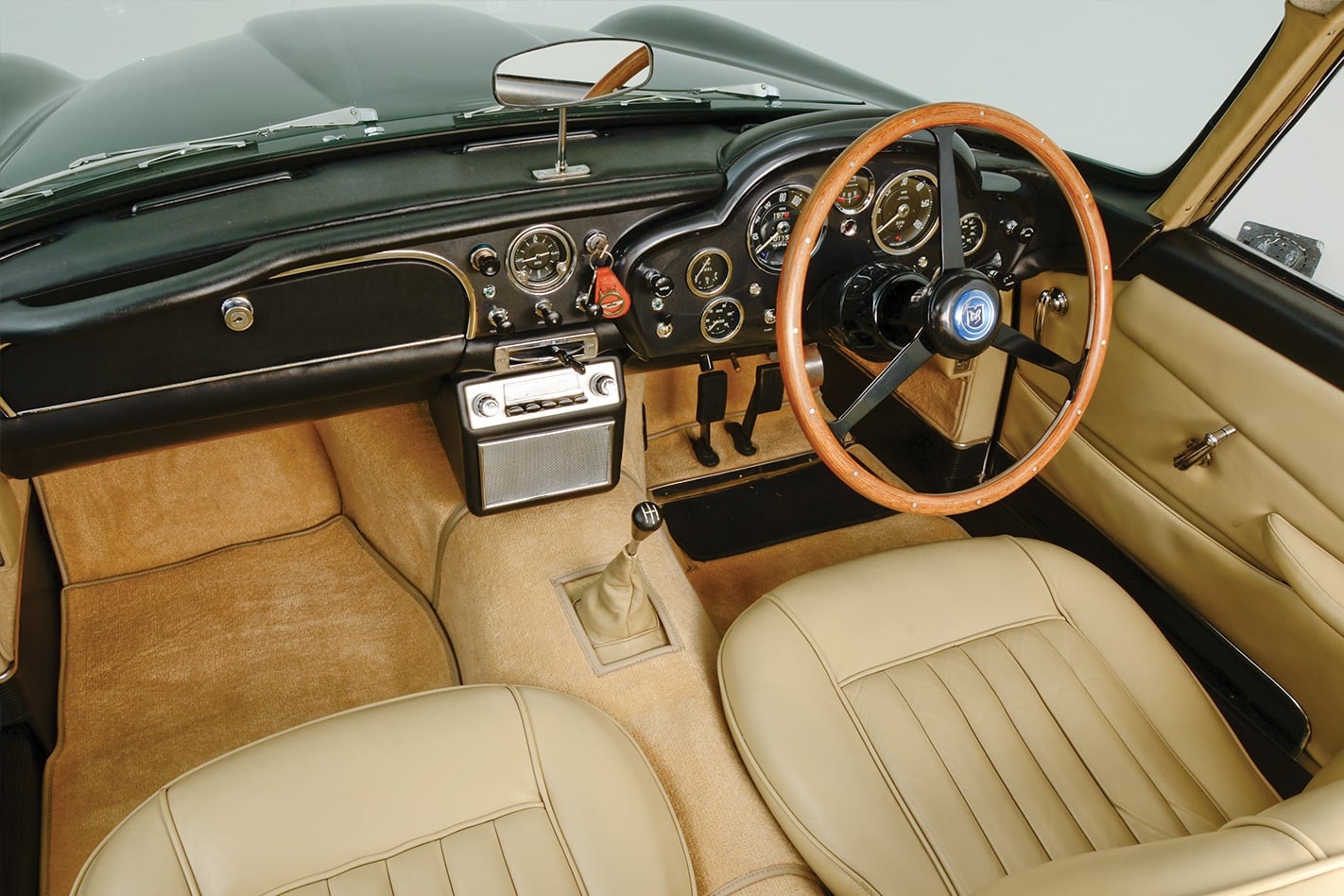
The DB4 was a new breed of gentleman’s GT, bringing higher performance and greater comfort. All-new dash design mimicked the grille’s shape in its instrument cluster, at full expense of ergonomics. Upholstery was in rich Connolly leather, surrounded by deep pile carpet. Wipers had two speeds, horn had two tones. Rear accommodation improved with Series IV’s 90mm wheelbase stretch, carried into DB5.
IT WAS in a restaurant perched on the top floor of a South African skyscraper that a German recently explained to me why we’re not driving cars with two-stroke engines developed in Australia.
Hard as it may be to believe today, that last bit once seemed a real possibility…
Back in the early 1990s Orbital Engine Corporation, based in Perth, was an outfit you could point to as solid proof of Australia’s ability to innovate.
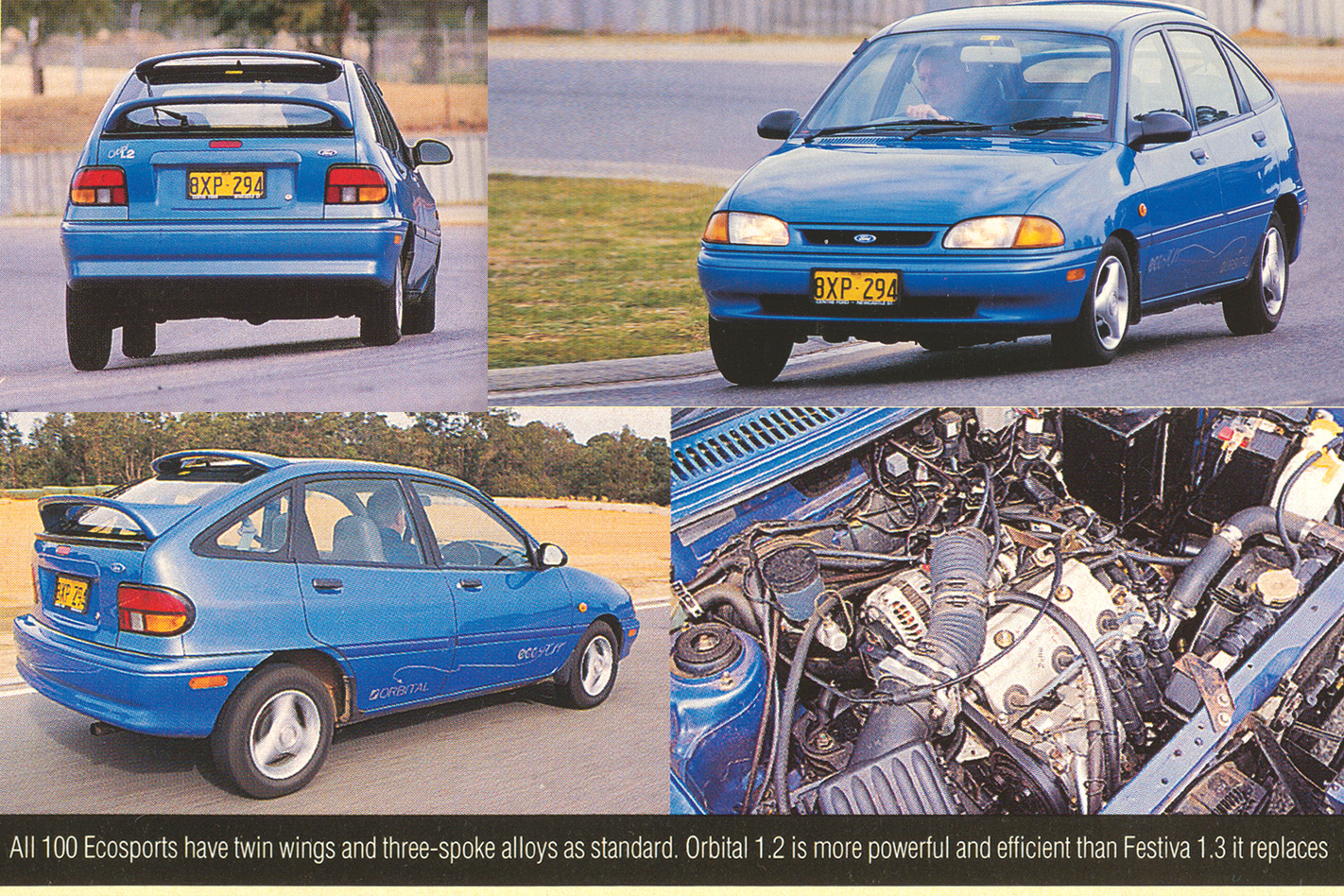
It was selling its engine technology to some of the world’s biggest car makers. One of them, Ford, built a test fleet of 25 Orbital-engined cars. I drove one of them around Centennial Park in Sydney. That was around 25 years ago.
The Orbital 60kW two-stroke triple worked very nicely in a Ford Festiva. It had strong torque compared to similar-size four-stroke engines of the time. It was surprisingly smooth, and there wasn’t a wisp of traditional two-stroke smoke from the exhaust. I’ve wondered ever since why it never made it to production.
These days Thomas Krickelberg is Porsche’s 911 model line director. So he was in Cape Town for the launch of the new 911 GTS. Over dinner in an excellent restaurant atop one of the tallest buildings in the city centre, with the obvious questions out of the way, I asked him how his career had unfolded. It was nothing more than idle curiosity. After all, Krickelberg does have what must be one of the most desirable jobs in the business…
Because he was young and unmarried at the time, Krickelberg says he was chosen for a long overseas assignment. That’s how he came to spend 10 months in a company-rented apartment overlooking Scarborough Beach in Perth, working as Ford’s engineer in residence at Orbital.
Krickelberg was tasked with providing technical reports that were sent to Germany, the US, and the UK.
Orbital, he recalls, was a company with a rare-for-the-time combination of engineering and business smarts. What he found was that Orbital was providing Ford with prototype engines specifically tailored to impress specific departments. There were versions with low emissions, low consumption, excellent NVH (noise, vibration, harshness).
But they seemed unable to deliver an engine that combined cleanliness, efficiency and refinement. Adopting the Australian-developed two-stroke would have been a risk, Krickelberg recalls. Yet it would not be cheaper or lighter than Ford’s own small-capacity engines. Thumbs down, then, for the two-stroke of tomorrow.
Now known as Orbital Corporation, the Perth-based business soldiers on. These days its fields of operation include safe power-isolation systems for the mining industry and the development of engines for small drone-type aircraft. These drone engines apparently use a version of the air-assisted fuel-injection tech that was a feature of the two-stroke triple I drove a quarter of a century ago.
But the real moral of the tale is this…
Stay curious enough for long enough in this business and you’ll eventually find the answer to every question you ever had.
Sometimes in the most unlikely places.
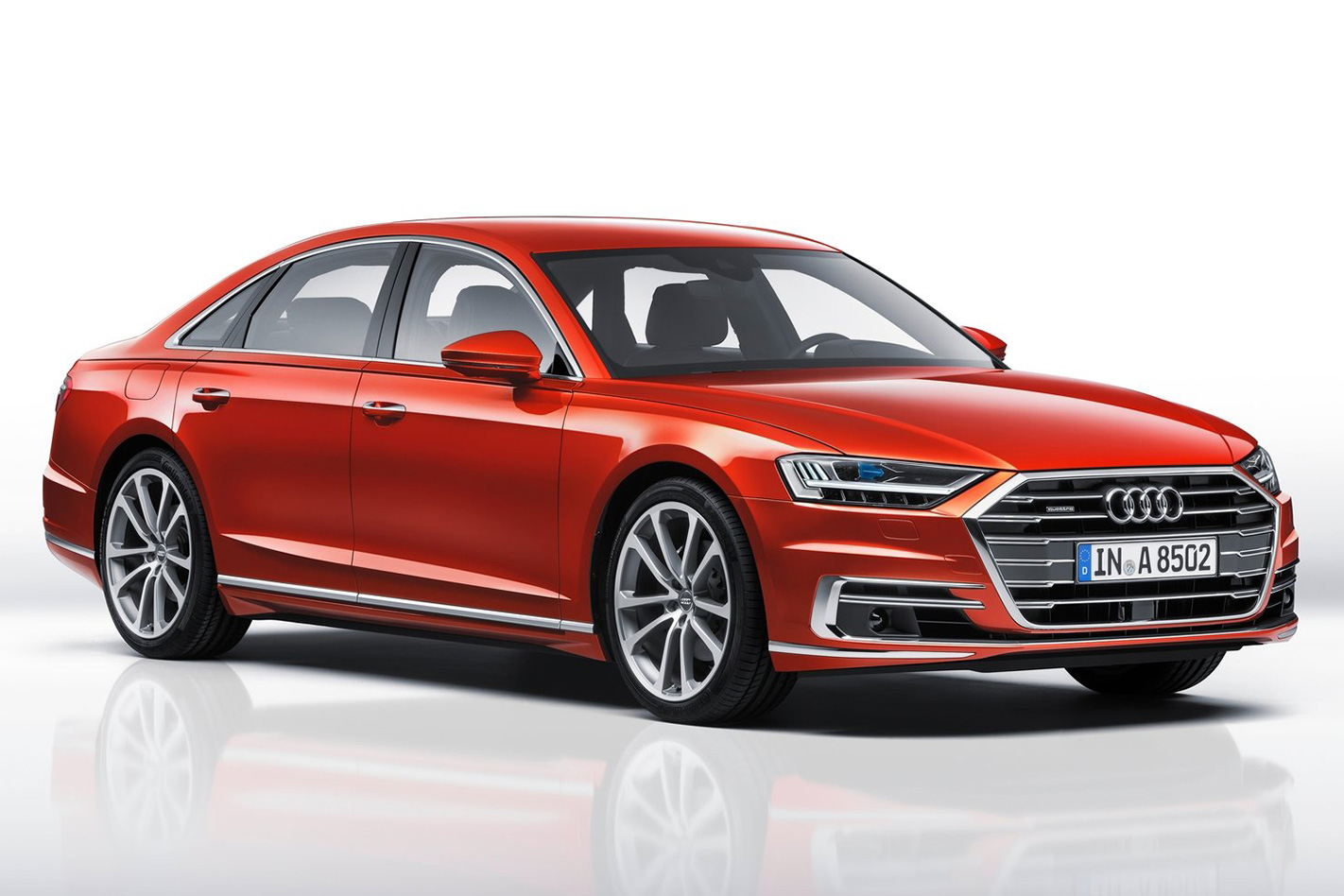
ACCORDING to any industry talking head the SUV is killing the sedan and particularly in premium circles.
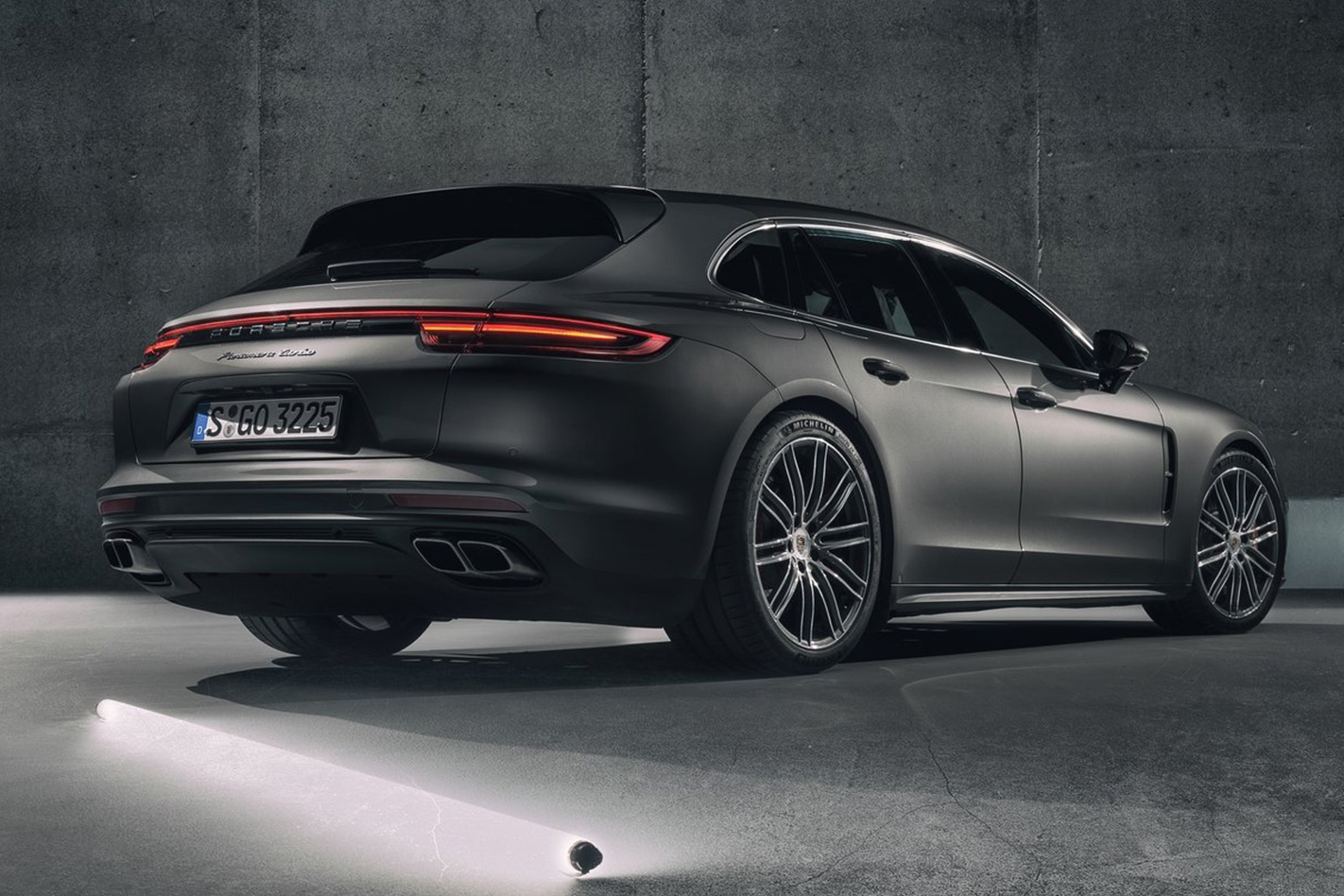
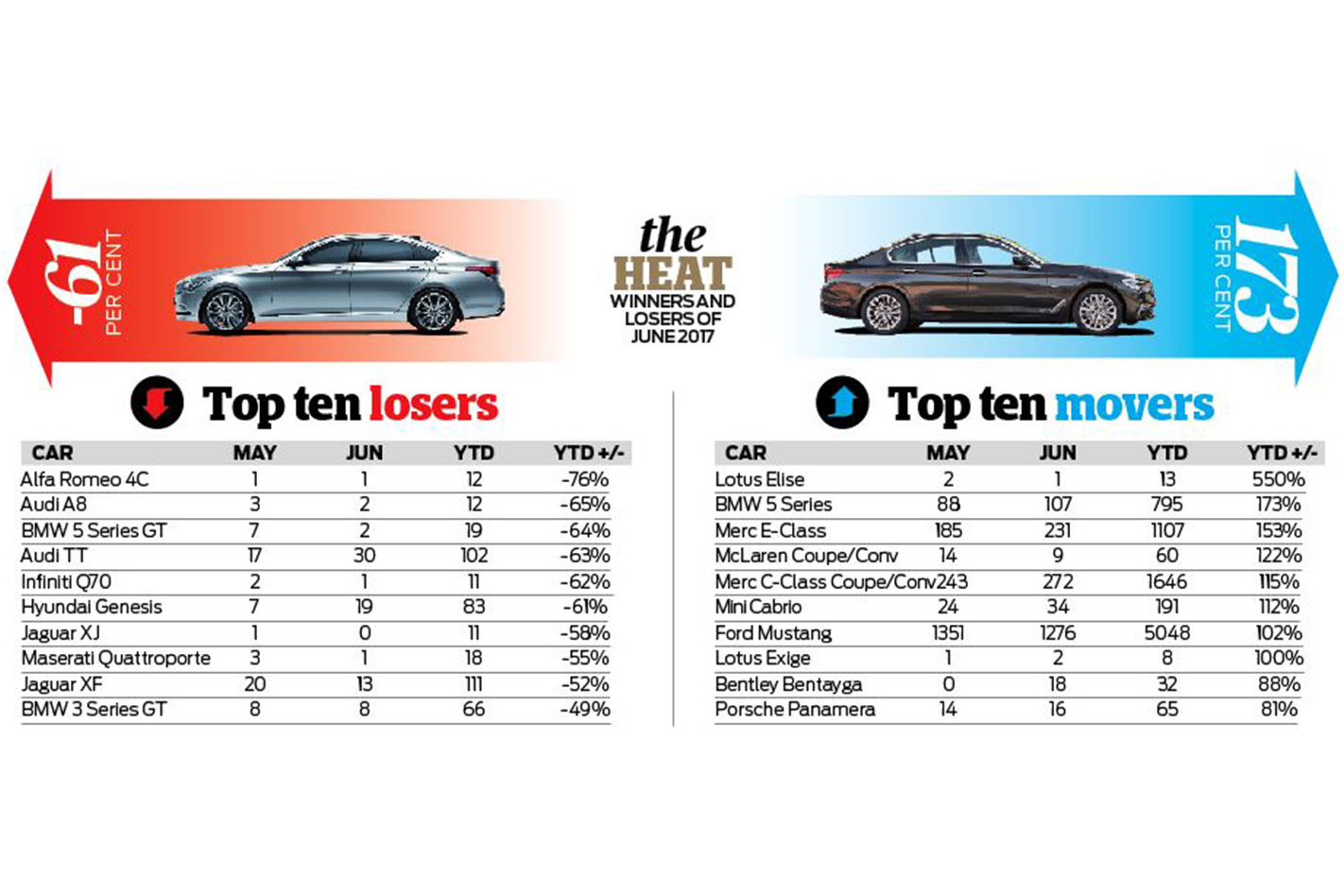
But just like how Miley Cyrus thundered down from the ceiling, the new BMW 5 Series and Mercedes-Benz E-Class have come in like wrecking balls, while this month the new Porsche Panamera has clasped on for some carnage, too.
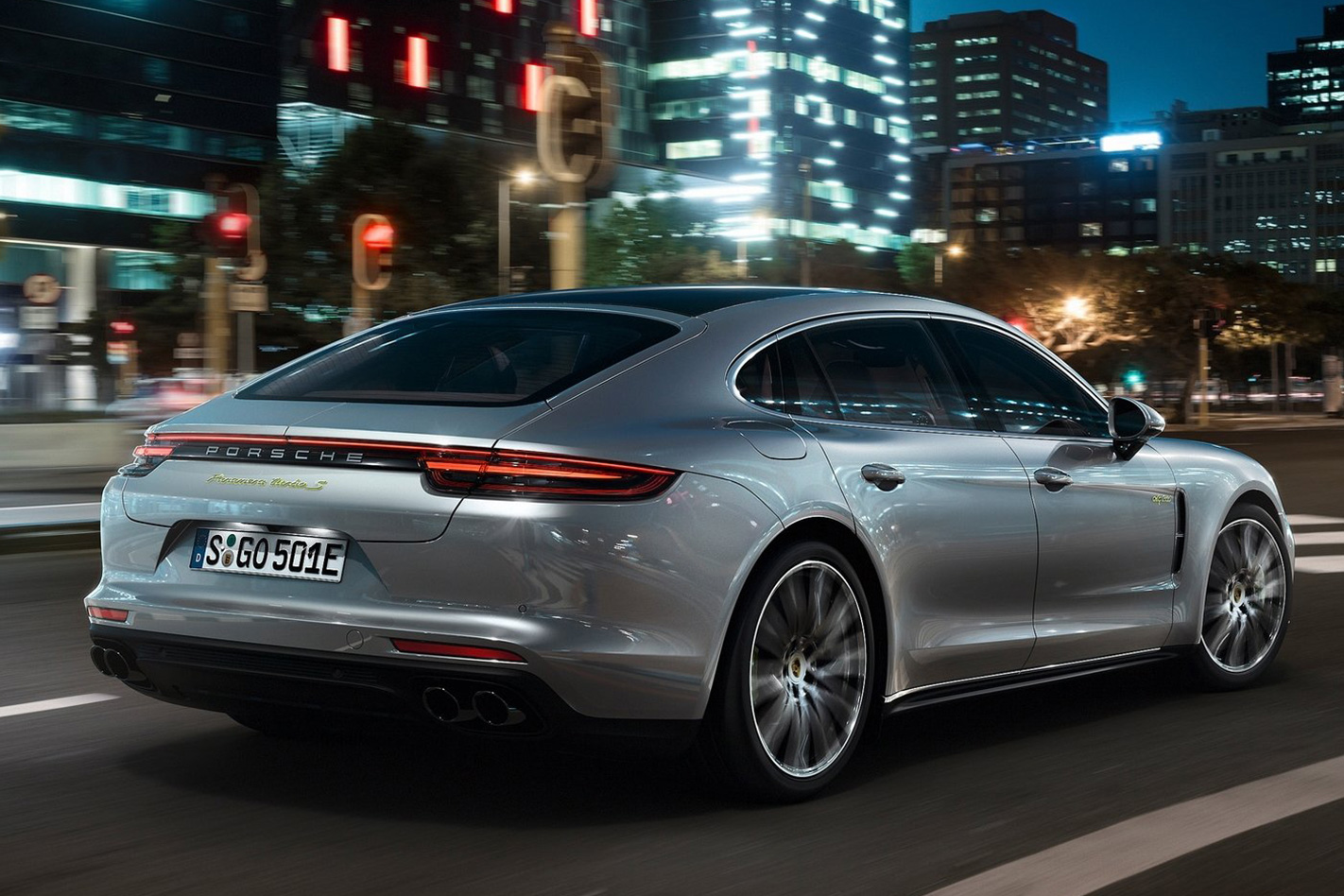
In the $100,000-plus upper large car class, Panamera sales have near-doubled – from 36 in mid-2016 to 65 by mid-this year – while now hounding the quickly declining BMW 7 Series (97 sales) and S-Class (80 units).
Jaguar is focusing on its F-Pace, which nabbed 783 sales in the first half of this year; while XE, XF, XJ and F-Type managed 684 units between them.
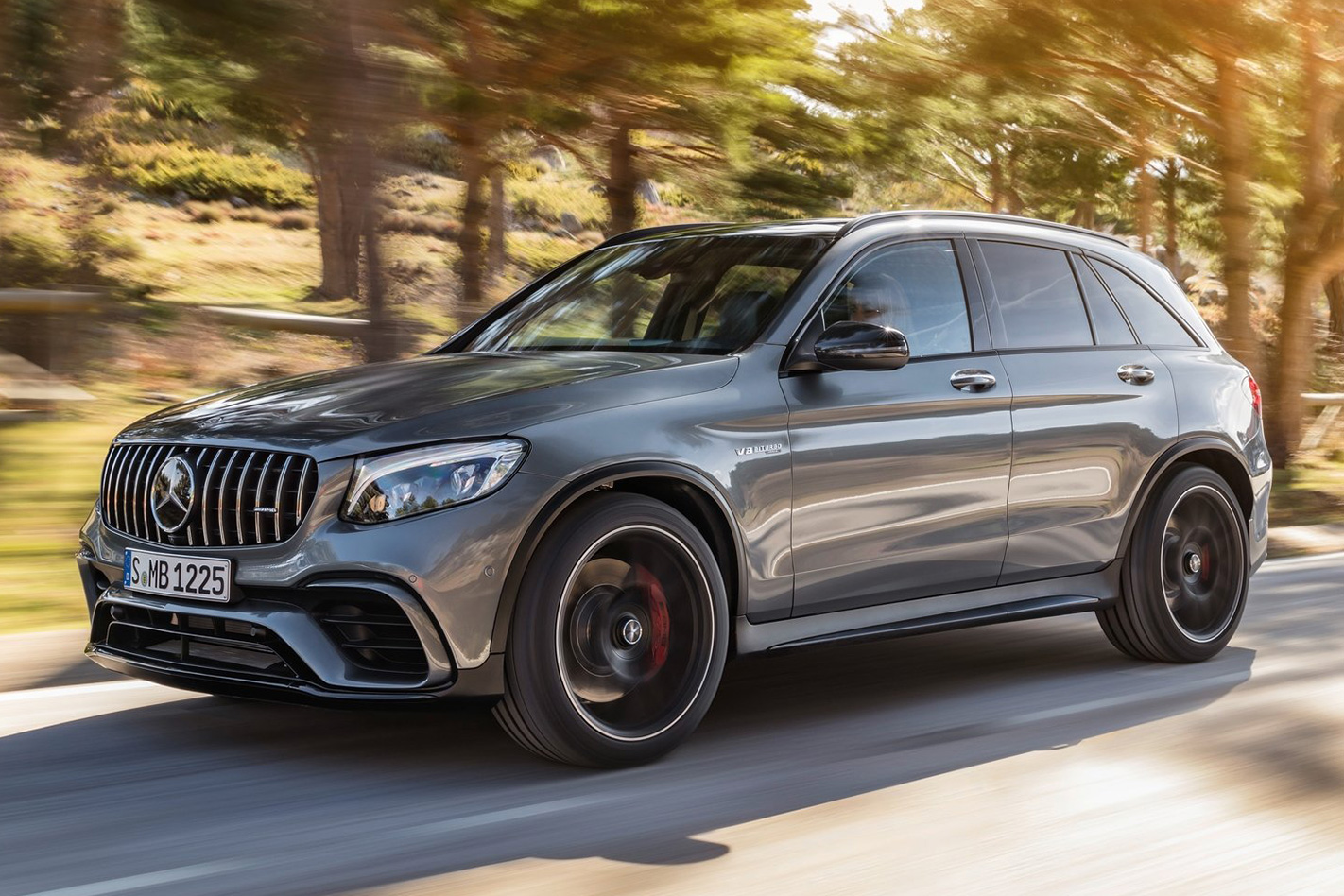
So, do brands with fancy new SUV models care if the sedan is dead? At least for some German marques it’s a case of long live the sedan.
THIS SEEMS a bit mean, doesn’t it? Thrusting a car which Toyota claims isn’t about numbers into a competition almost solely decided by them.
However, numbers are exactly what the 86’s engineers have obsessed over for the car’s first update since its debut. They’ve liberated extra power, shortened its final drive, and fiddled with its suspension bits. We know what you’re thinking.
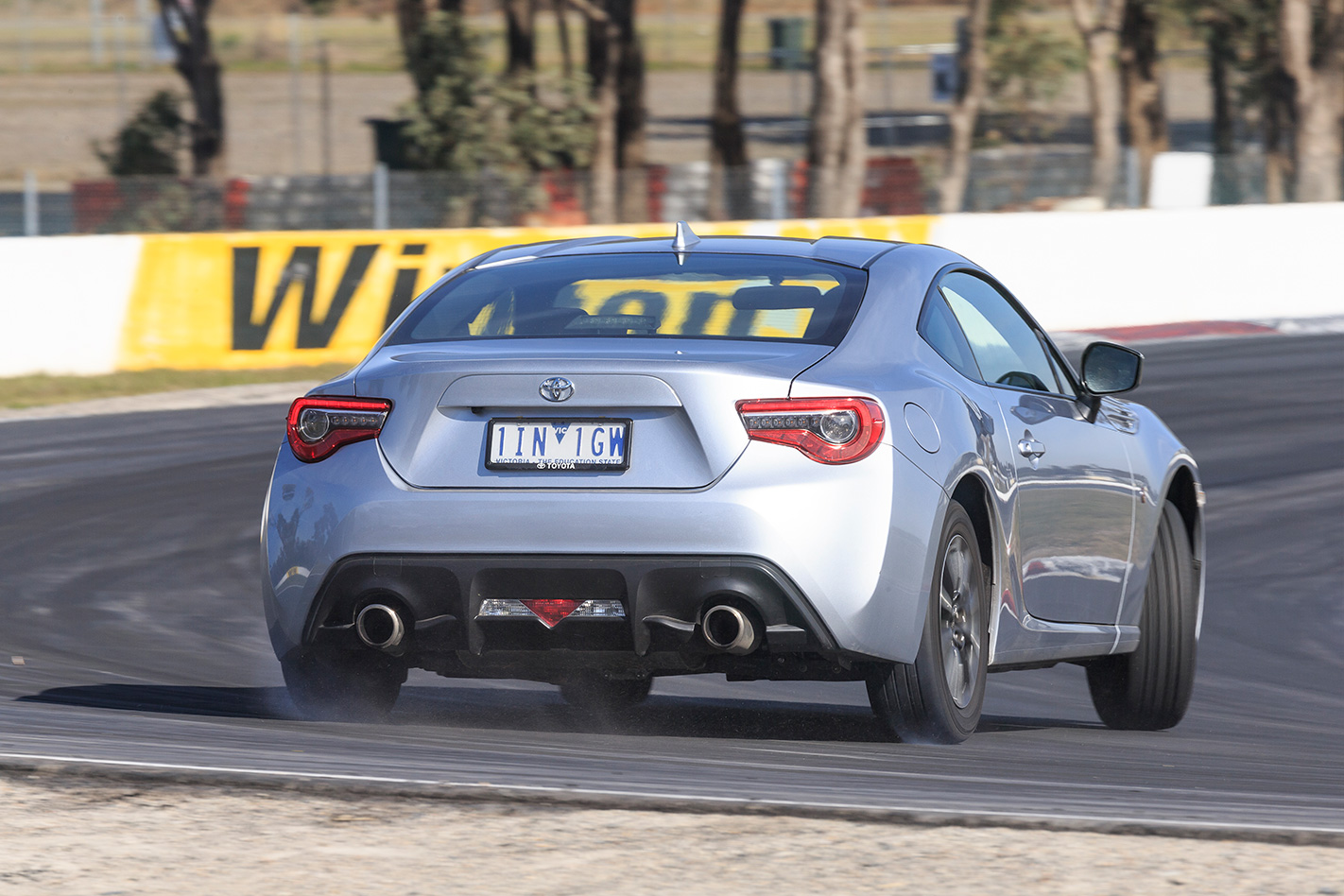
Its 2.0-litre four may breathe through bigger pipes, but it can’t catch the turbo front-drivers on the dragstrip. On track it has a nice lofty power peak, but your right foot spends forever on the firewall to get there. You could call its boxer a little flat. The good news is it’s an absolute riot everywhere else.
You’ll say “fun” more times than a Disneyland commercial when describing what it’s like to drive. That steering remains pin-point accurate, perfectly weighted, and so rich with feedback it’s like dragging your palms across the tarmac. We’re smitten with the way it points into corners.
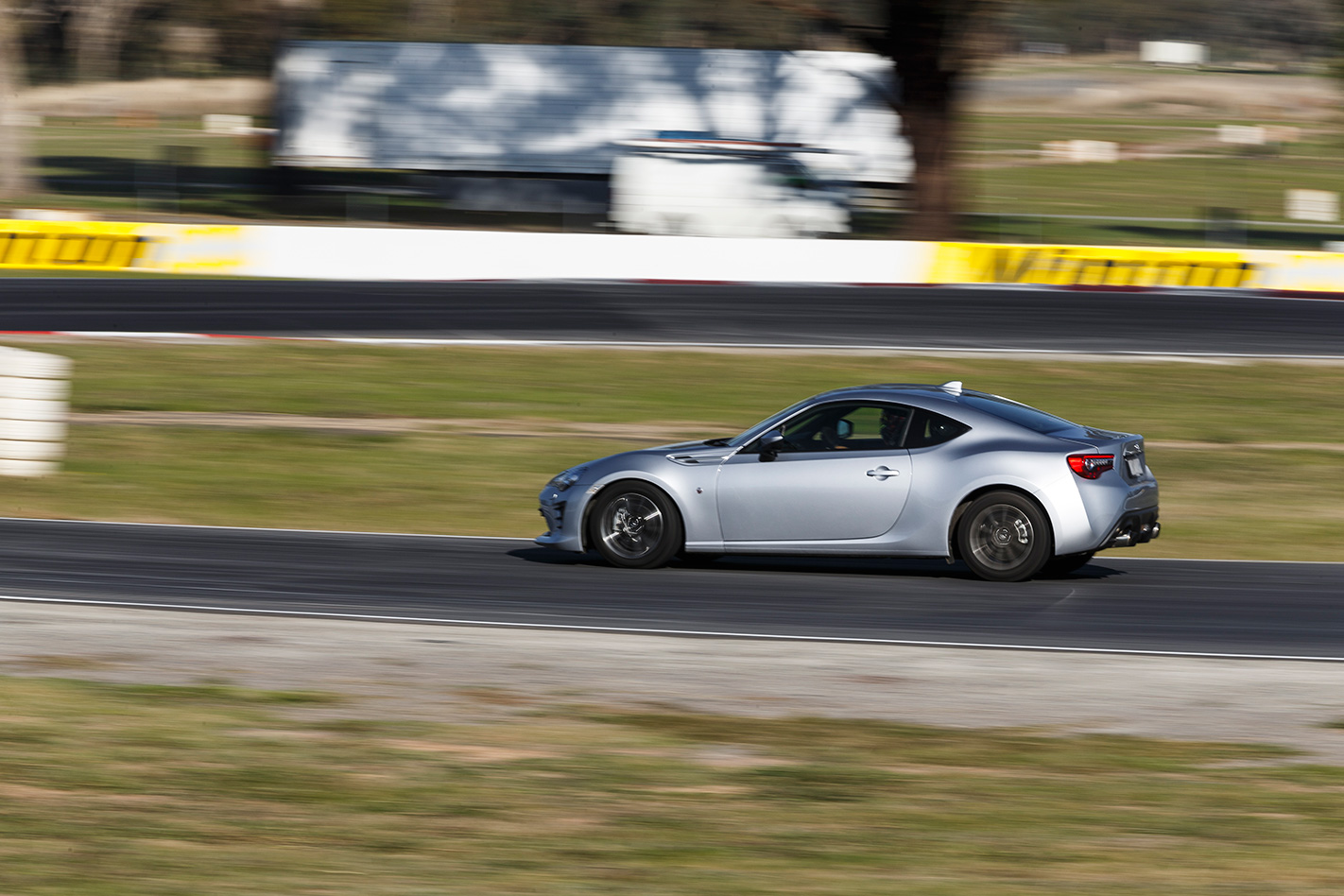
Sure, you’ll need to eke out every engine revolution and manage ABS into braking zones, but the 86 shows us how a well setup rear-drive chassis is worth more than the sum of its parts. Not everybody was gushing with praise, however.
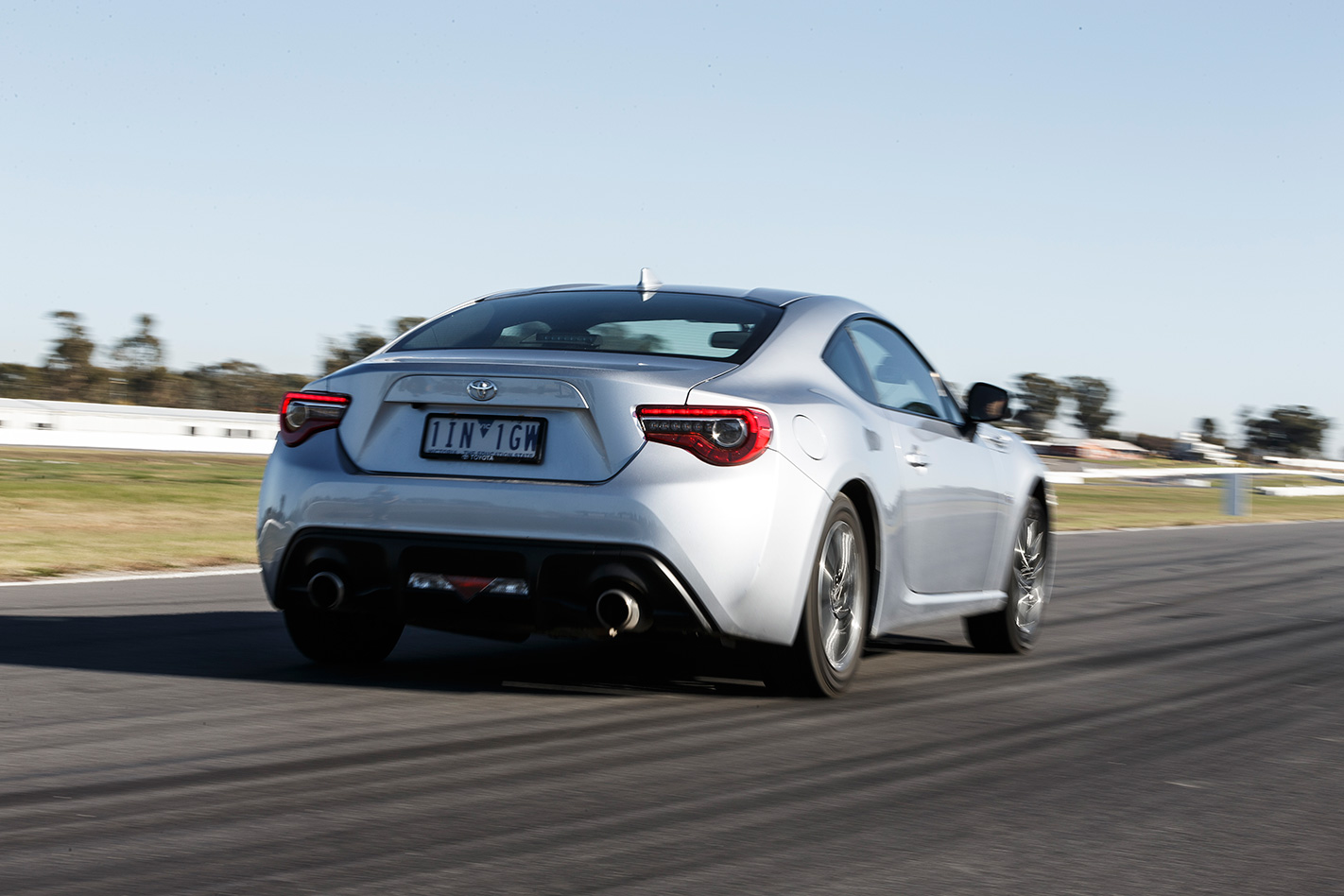
At the end of the day the 86 GT should be proud.
On top of thumping its sibling, those minor tweaks have helped it clinch a mid-field place and remain a thrilling drive. But if it wants to dominate the BFYB formula, it’s obvious Toyota will need to change which game it’s playing and heed to the numbers war.
SPECS Engine: 1998cc boxer-4cyl, DOHC, 16v Power: 152kW @ 7000rpm Torque: 212Nm @ 6400-6800rpm Weight: 1257kg
TIMES 0-100km/h: 7.63sec (8th) 0-400m: 15.36sec @ 151.95km/h (8th) Lap Time: 1:43.3sec (3rd)
SCORES Price: $30,790 Bang Index: 92.0 Bucks Index: 110.1 BFYB Index: 99.2
WARREN LUFF SAYS “Yeah, look, the same as the BRZ in that they’re so much fun out there. While both cars are technically the same, there are some very minor differences.” “The BRZ is on Michelins, the Toyota is on Yokohamas, which make some subtle differences you notice out on track. This car feels like it turns in a little bit better into the tighter stuff, but again there’s nothing night-or-day about them. “You can slide them around. It’s just such a fun car to drive on the limit. ”
JUDGES NOTES David Morley – 5th: “Still seems good value to me. Flat motor might annoy me” Dylan Campbell – 4th: “Still so happy Toyota and Subaru made these cars. Love them” Louis Cordony – 1st: “Like a supermodel with a gap tooth. The good outweighs bad” Tim Robinson – 4th: “It should be a bit better. Fun and focused but it hasn’t moved on”
MODERN cars are getting safer, more efficient, and smarter at a rapid rate. They’re making our lives easier, integrating our smartphones, helping to reduce fatigue, and in some cases, are even driving for us.
But, the downside to this increased use of technology is that sometimes it can become ruddy annoying. Here are our 10 most annoying features of modern cars, with a few hard-engineering complaints – like tiny cup holders! – thrown in for good measure. If we’ve missed any, be sure to tell us in the comments.
Stop-start
By now, we all understand the fuel-saving advantages of stop-start, but there are times when a shut-down engine might not be the best idea when stationary, such as crossing oncoming traffic where the fastest engine response is the safest.
Then there are those drivers still getting used to the technology and panic like the fuel pump has died every time idle-stop tries to save a few drops of petrol.
In these circumstances, opt-in idle-stop might satisfy a few more owners but, the truth is that manufacturers can only quote the best fuel economy figure if idle-stop is an opt-out.
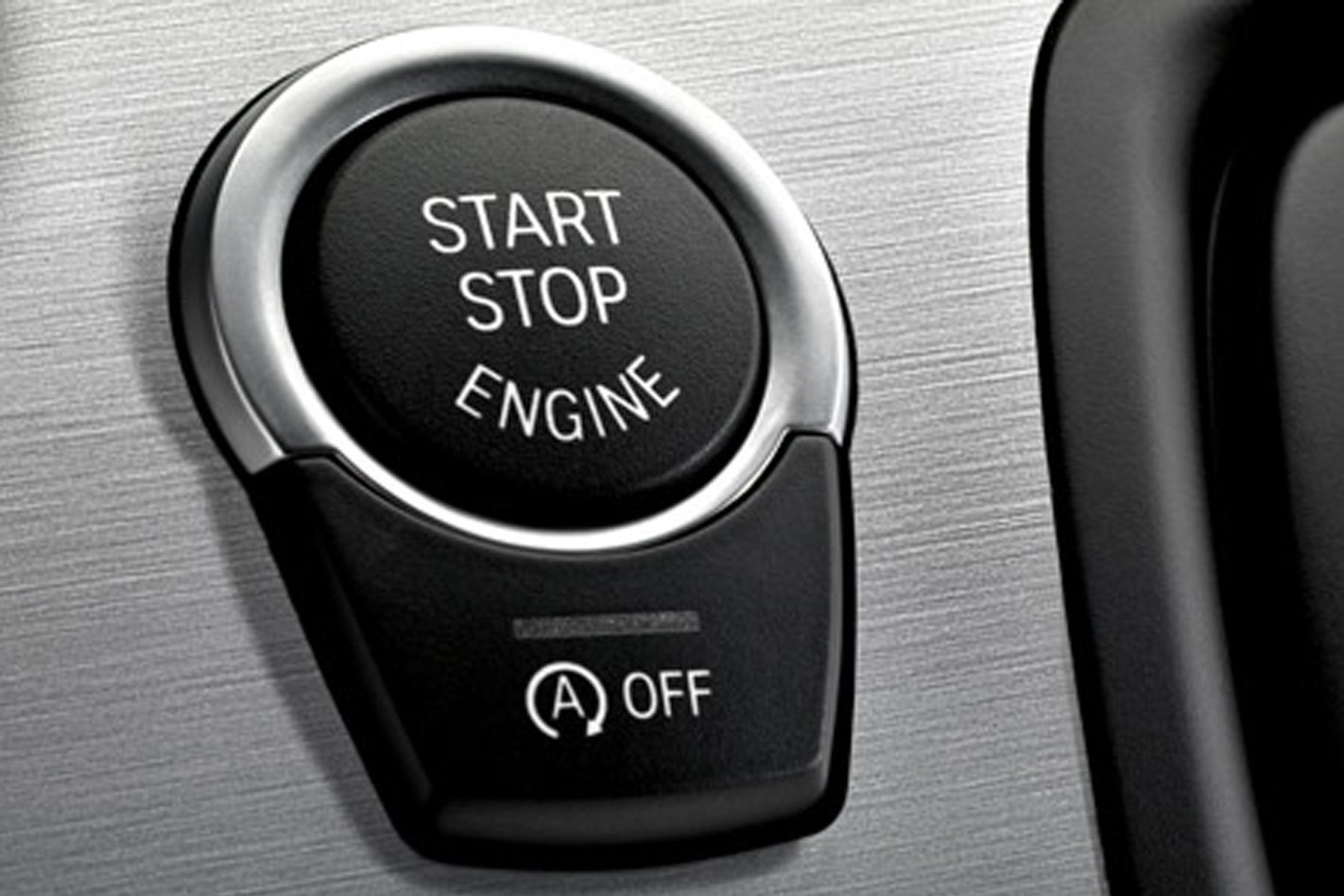
Worse still, it could be hidden in a sub-menu, which brings us nicely to our next gripe.
Basic functions buried in touchscreen systems
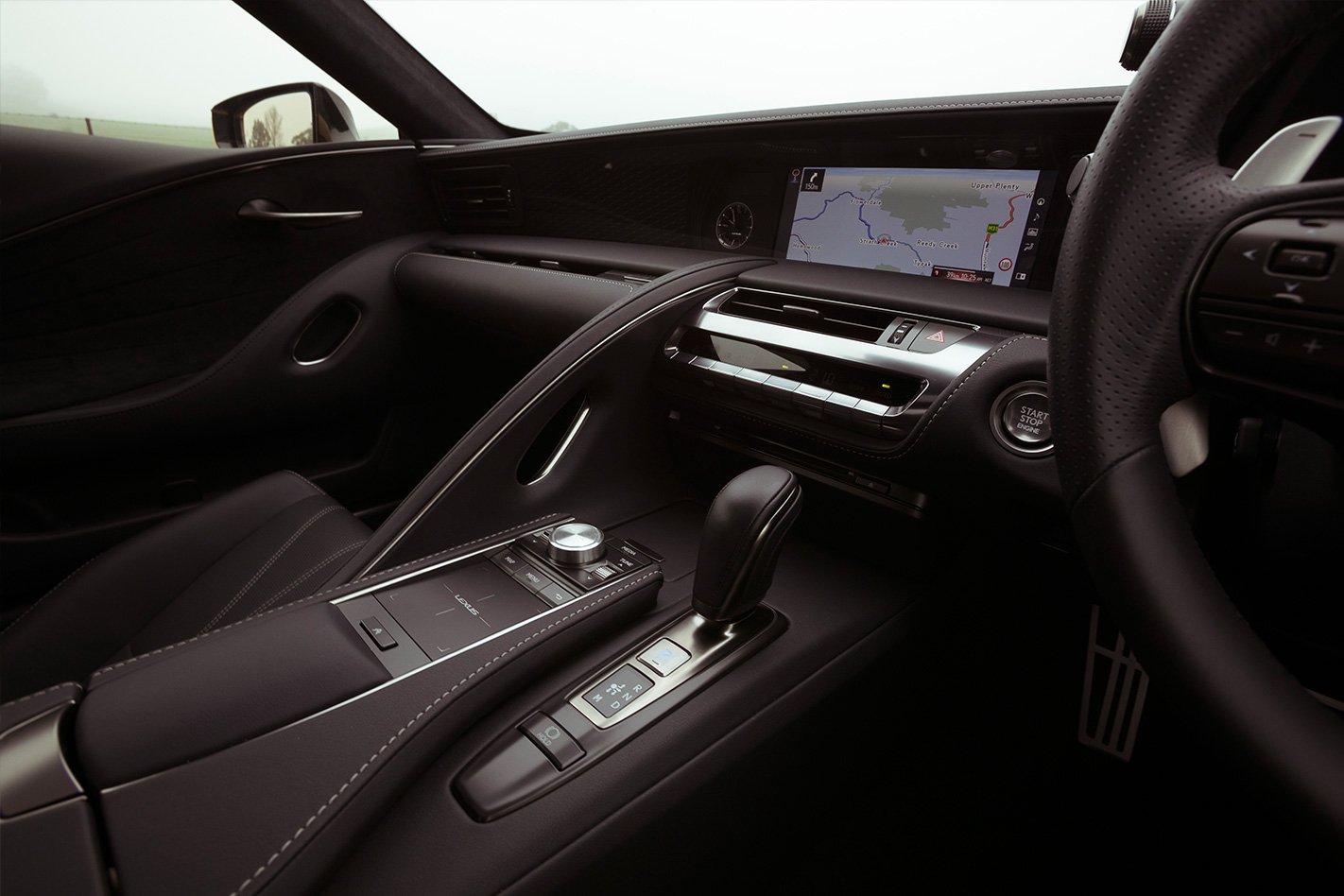
There are a number of comfort and driving functions that are best placed for easy and fast access – usually through a conventional push button, but some car makers have hidden them away in the name of de-cluttered dash boards and sleek interior design. The Toyota C-HR’s Sport mode and the Lexus LC’s air-conditioning switches are two such offenders.
In the case of the latter, it can take so long to navigate the various screens and sub-menus that a different season has arrived and you don’t need the air-conditioning after all. A simple switch for heated seats, AC, and driving modes is best.
Locked-out features when driving
Ever been stuck in traffic and wanted to dial in an alternative destination into the nav but the controls lock out every time you creep forward? It’s an occurrence that has annoyed us on more than one occasion, and one safety feature that a number of manufacturers (We’re looking at you, Kia, Lexus, and Subaru!) build in to prevent driver distraction.
We certainly don’t condone doing anything that prevents the driver from paying full attention to the road, but this frustrating design trait fails to acknowledge that there is often a perfectly capable passenger that can control the nav and many other sytems such as Bluetooth pairing for example.
We certainly don’t want to see a situation similar to the cup holder fiasco in the United States where cars don’t sell unless all six passengers can accommodate a bucket of soft drink each, but some European brands have gone to the opposite extreme.
A drink holder that resembles an on-board Jacuzzi would be a little overkill, but something that at least accommodates a can larger than a fun-size is not too much to ask is it?
Superfluous messages
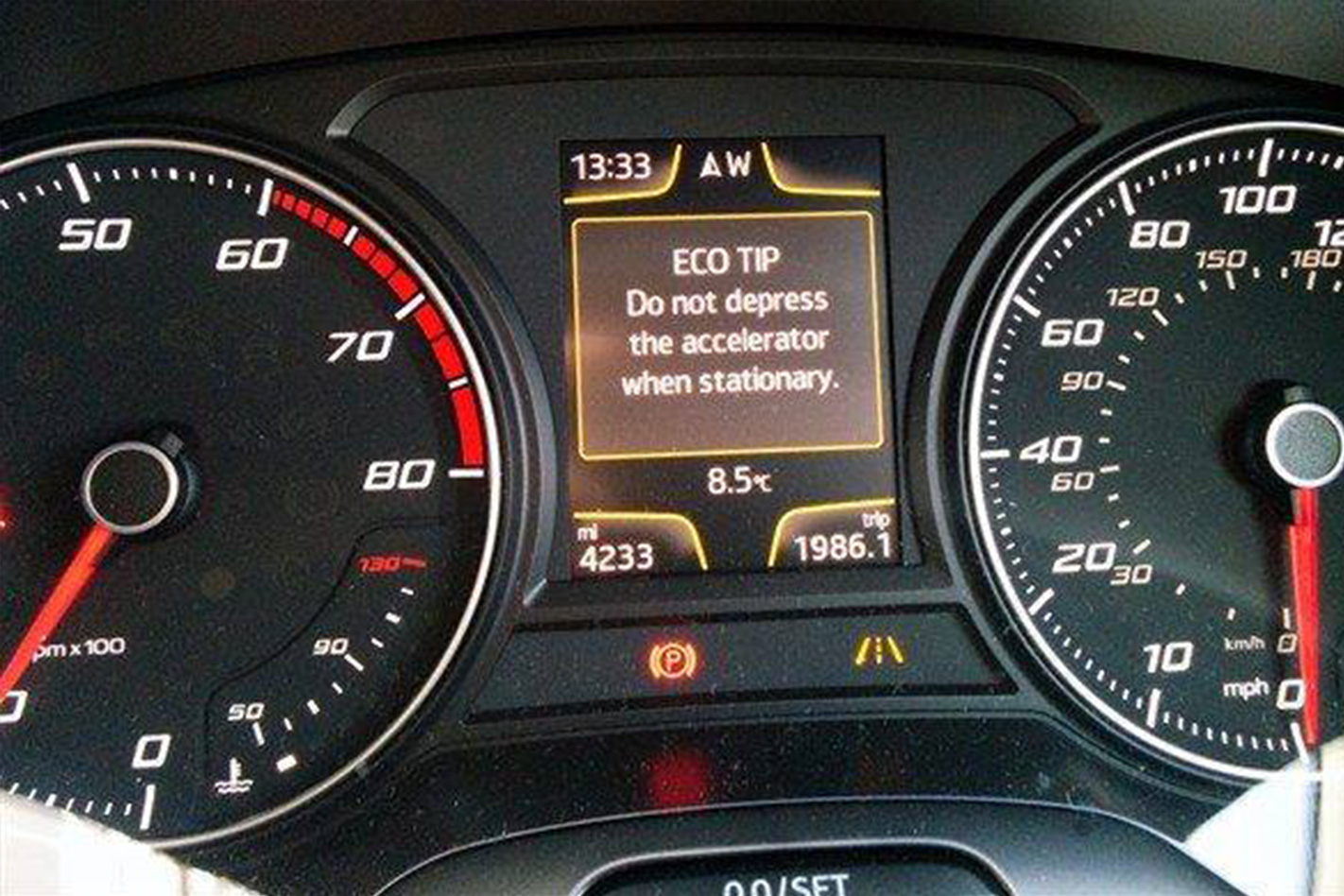
There is no doubt that a majority of warning messages provided by sophisticated vehicle condition monitoring systems are helpful, such as some excellent driver fatigue technology and ice warnings for example, but we are not so convinced when it comes to this ‘Eco Tip’ offered by a Golf 7.0 – ‘Do not depress the accelerator when stationary’.
We can’t deny that this advice would certainly save fuel, but it seems to ignore the fact that a less constructive by-product of which is not actually going anywhere.
Just like the boy that cried wolf, any warning light or sound that activates too frequently or unnecessarily starts to lose its efficacy. Blind spot monitoring systems that flash, beep, and vibrate when the vehicle is stationary or turning in the same formation as other vehicles (such as when entering a multi-lane roundabout) can desensitise drivers to legitimate warnings.
A simple solution? Deactivate the warning when stationary.
Anything that turns the AC on other than a human digit
Car makers spend millions of dollars developing technology that can save precious drops of fuel, including the aforementioned idle-stop, so we are mystified at cars that flick on the air-conditioning (a heavy fuel consumer) at almost any opportunity.
All too often we have been cruising along wondering why our skin has dried out to a withered old hide and our dehydrated contact lenses are permanently attached to our eyeballs, only to realise the AC has turned itself on again.
The main offenders switch on AC when the screen-clear climate option is selected, but we would prefer to be the master of our own fate and choose whether the screen is cleared by the AC or simply by warm air that does not impact fuel consumption.
Door locking beep
What was wrong with a subtle indicator flash when remote locking? Some Holdens leave no doubt that the doors have locked with an intrusive honk from the horn that makes everyone in the car park look around to see who is trying to get their attention.
If you insist on an audible notification, a different sound might cause less confusion.
Open door chime
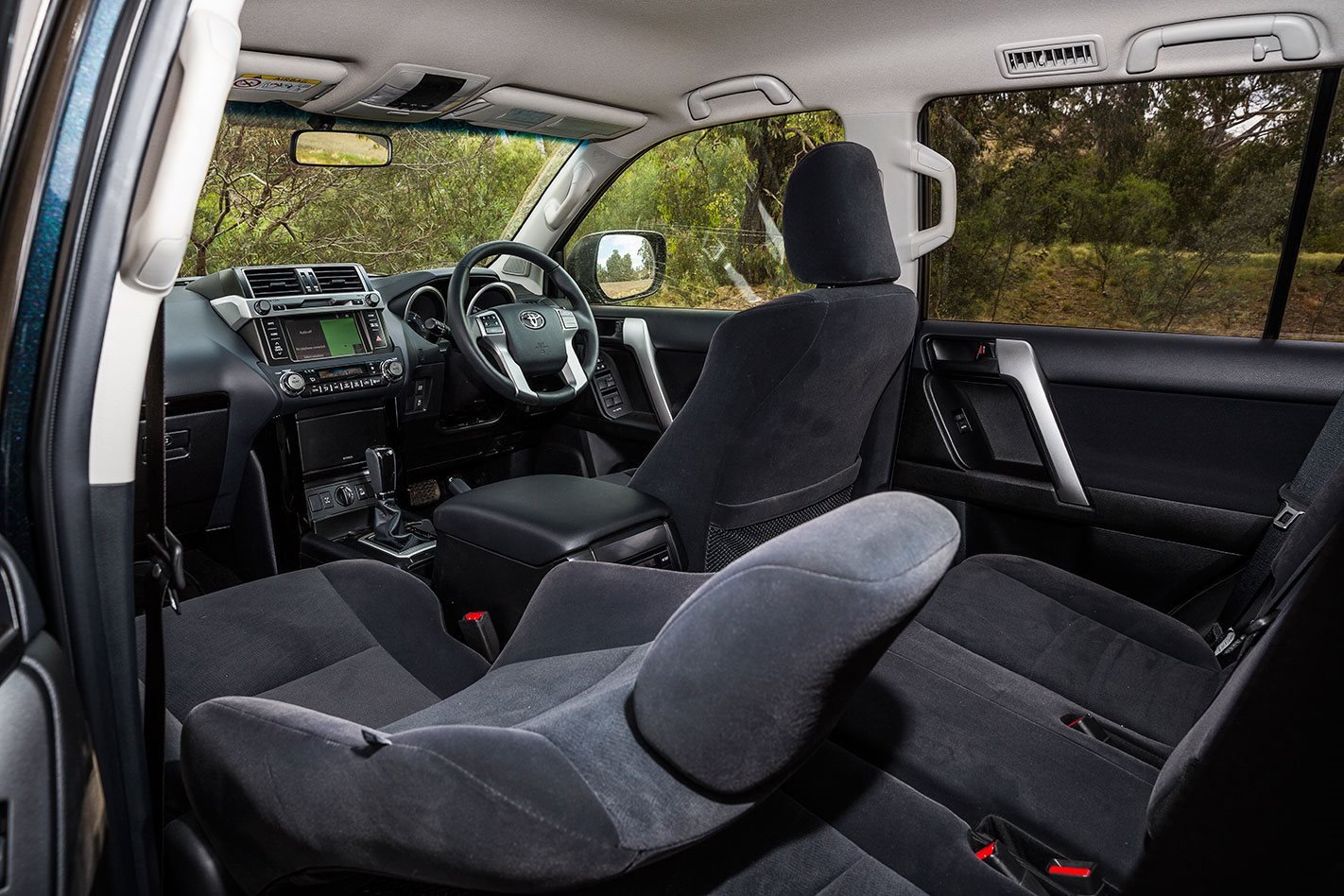
The last thing you want in the pre-dawn calm as the sun rises romantically over Big Red on the edge of the Simpson Desert is that piercing “ding, ding, ding” as you open the door to grab the camera, as is the case with the Toyota Prado and many others.
We can understand the purpose of a warning for when a door is incorrectly latched when moving, but what is the value when it’s stationary or even parked? A system that is deactivated as soon as the park brake is applied might preserve those serene mornings a little longer.
It’s a little known fact that the only time you are legally allowed to move a vehicle without a seatbelt fastened is in reverse. The idea is that it is easier to look behind and ensure the way is clear if you are unrestrained, but it would be great if a majority of car brands understood this as well.
Seatbelt warnings that sound when the car is in reverse and, in the case of some offenders, in park, add no safety advantage and are, like all of our favourite love-to-hate features, downright annoying.
As the Holden Commodore faces curtain call, Chevy’s NASCAR bosses haven’t had to look far to find its replacement for the Chevrolet SS.
With the next season of NASCAR comes the arrival of its NASCAR Camaro ZL1.
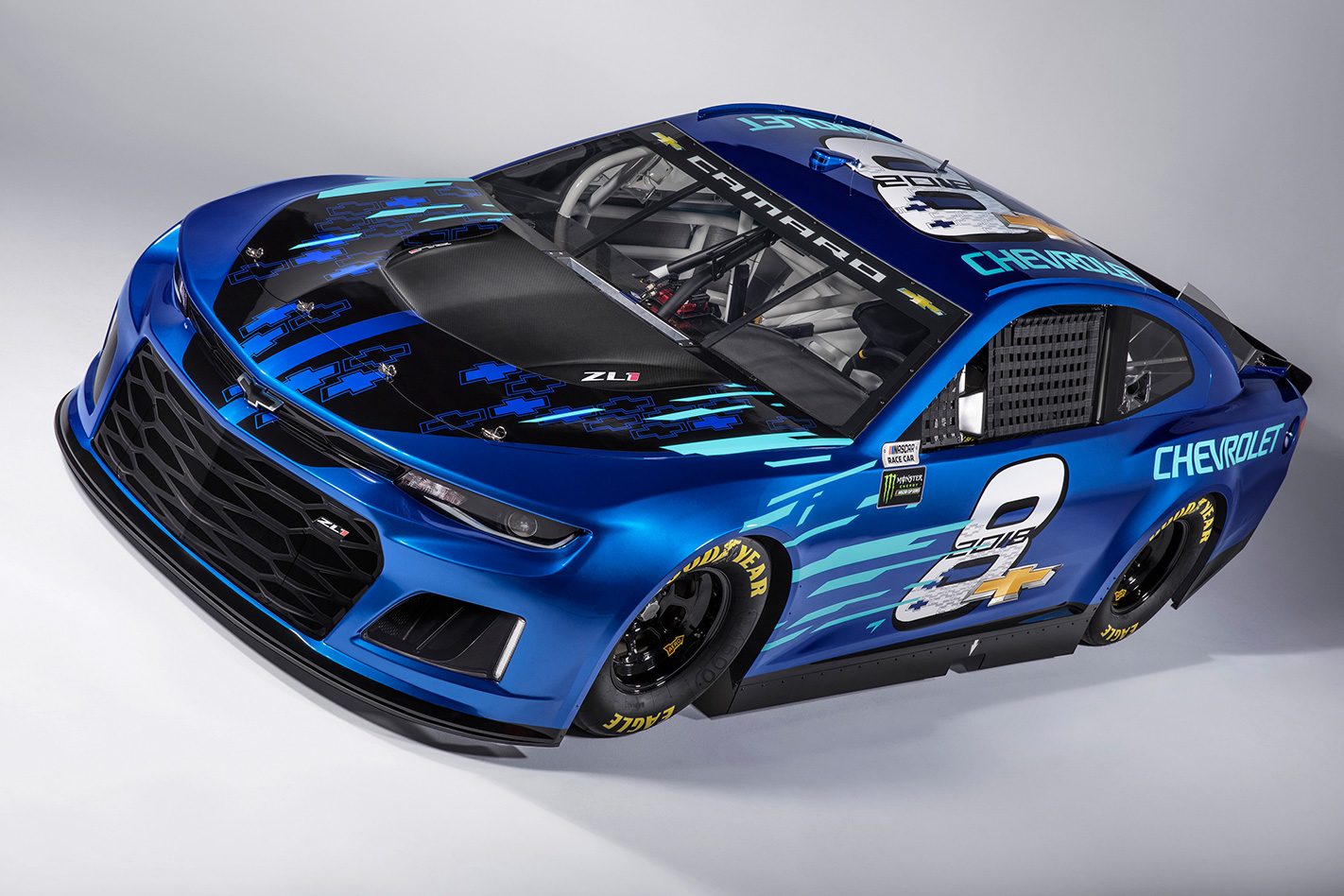
Driver of the #48 Lowe’s Chevrolet Jimmie Johnson says that he’s interested to see how the Camaro fares as a NASCAR cup car, as opposed to the very different street version he’s experienced before.
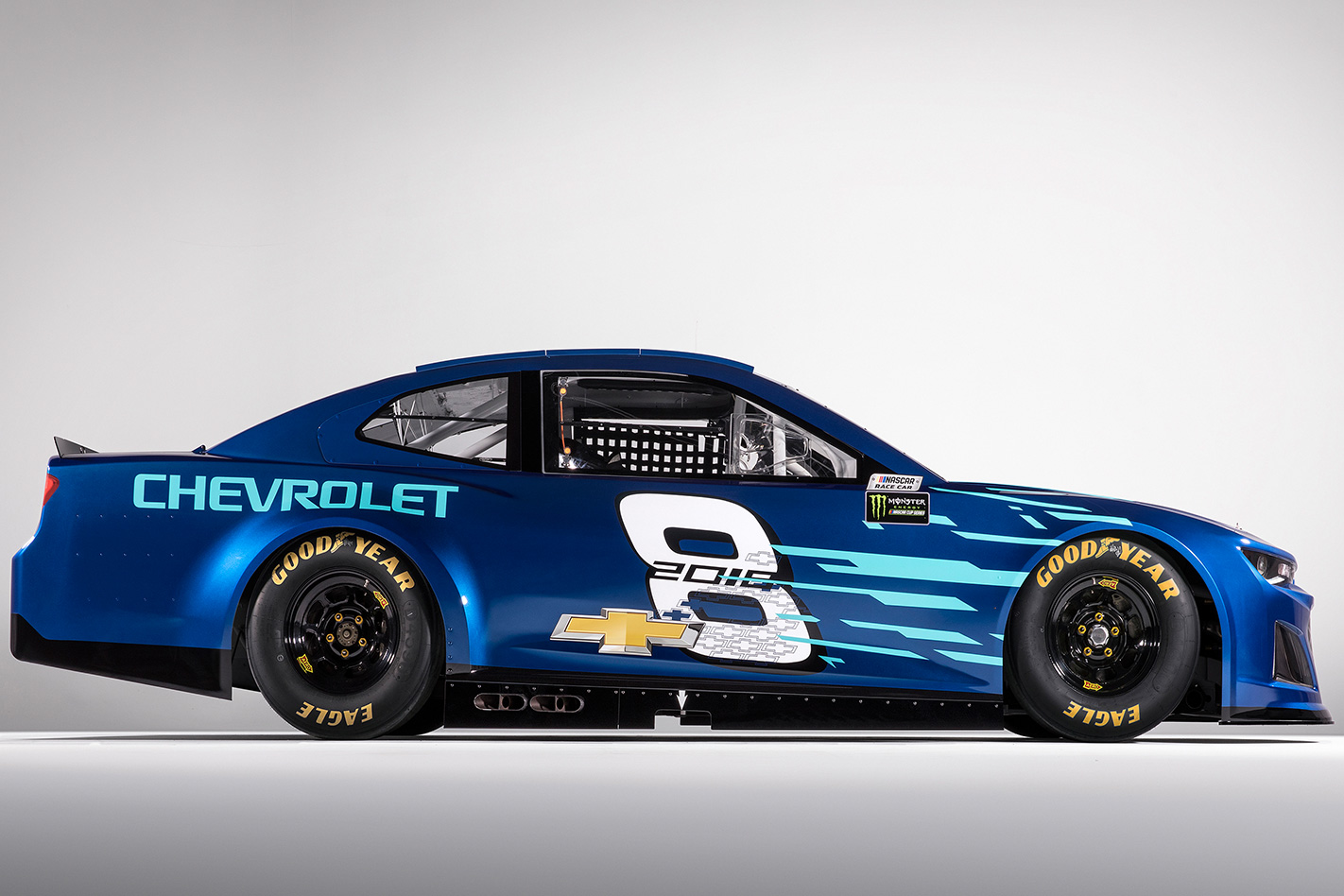
“And as someone who’s enjoyed the ZL1 on the street, I’m really looking forward to getting this new race car on the track.”
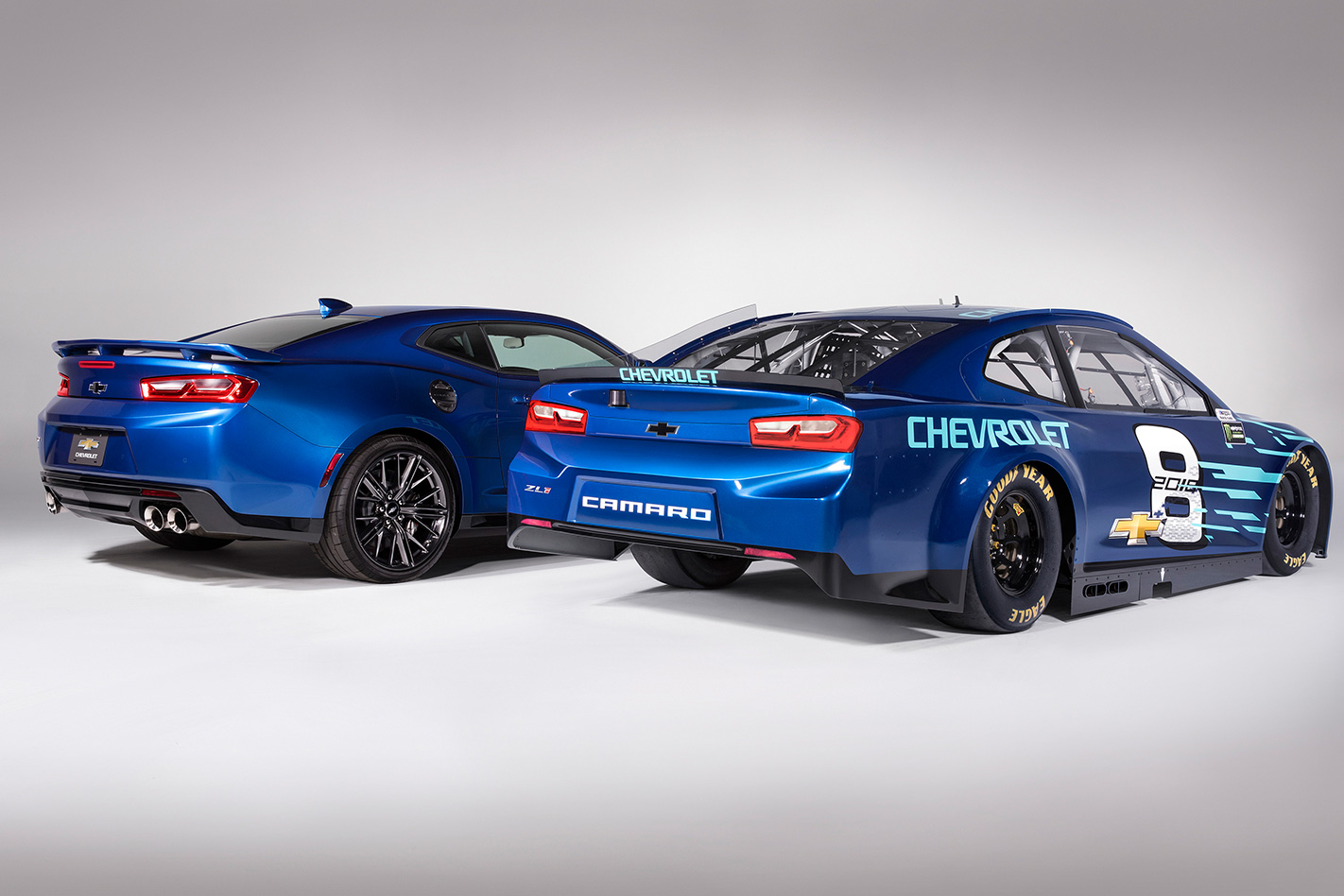
GM global products VP Mark Reuss says the brands heritage has helped it become a successful racing team today.
“Chevrolet, Camaro and ZL1 are all synonymous with winning, both on and off the track,” Reuss says.
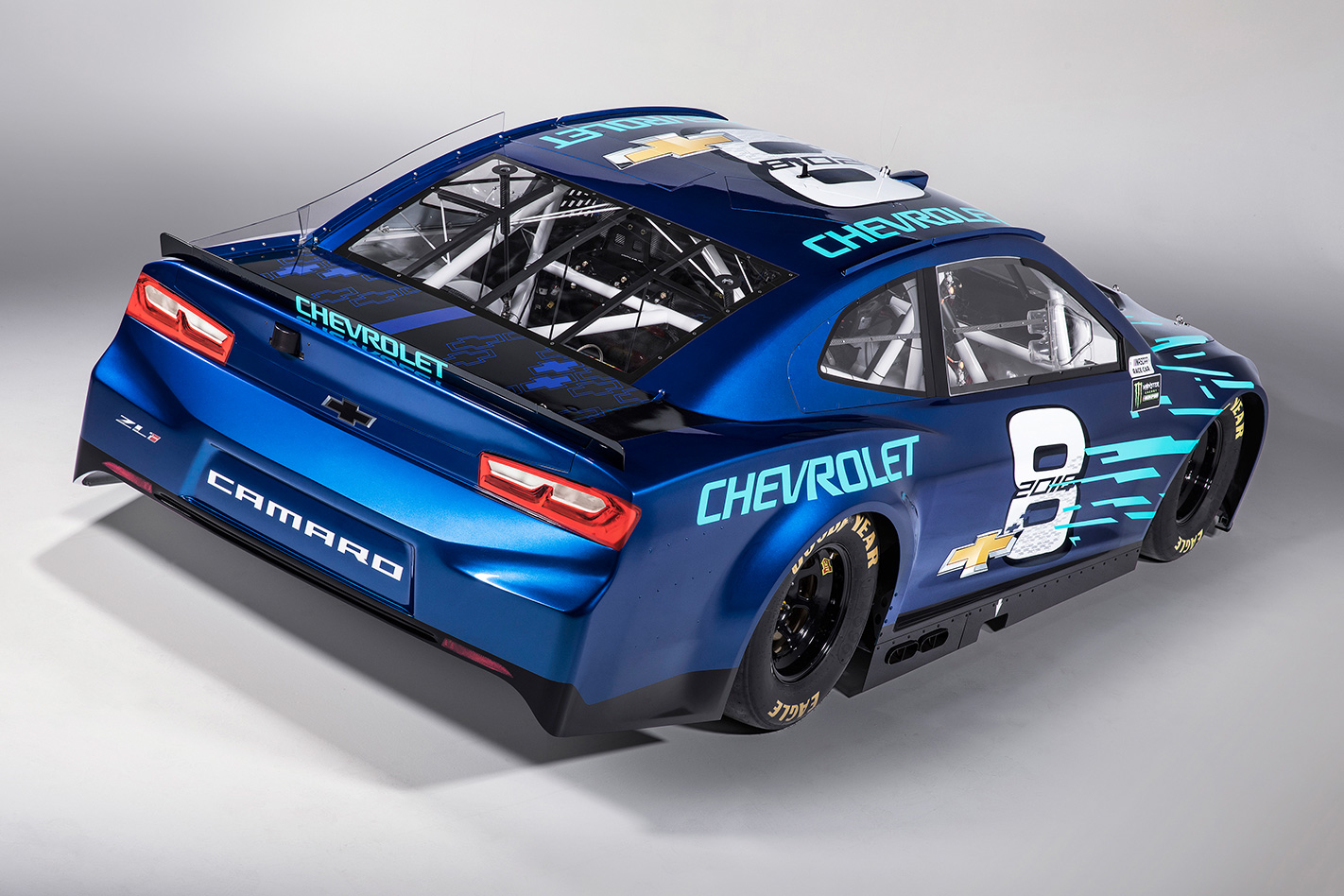
The ZL1 badge was first used in the ‘60s on a Chevrolet-developed engine which found success in road racing. The badge has made a comeback over four decades later, much to the same effect.
Lotus Cars has announced it is on track to make a full year’s worth of before-tax profit before the end of the 2017/18 financial year.
With a profit improvement of 10 million pounds, before tax in the first half of 2017, Lotus says it is now a self-sufficient and sustainable business, thanks to increased sales in Europe and the US.
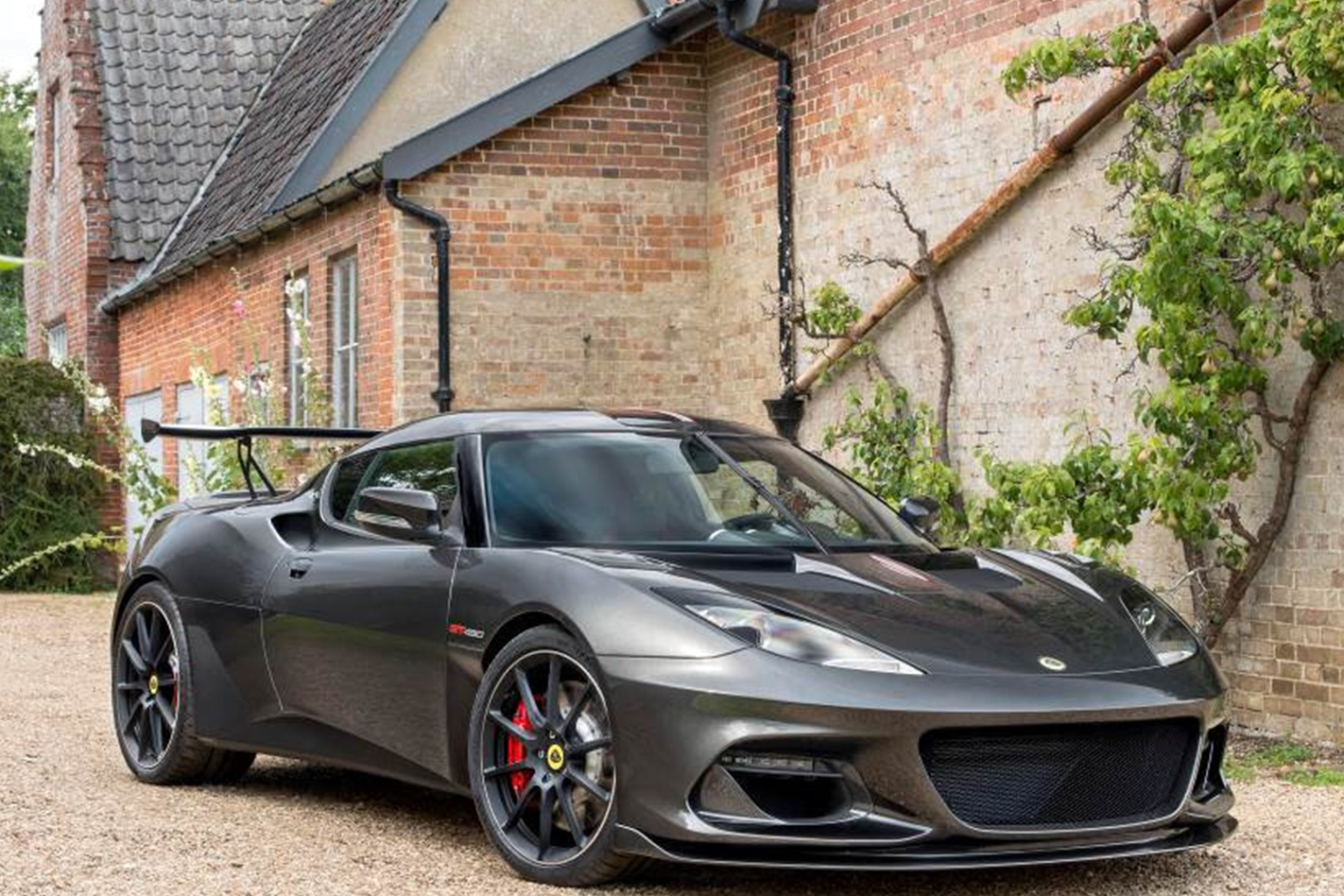
Though its earnings for the last financial year was still in the red (£11.2m loss overall in FY16/17), it’s a major improvement over the £41.2m loss it recorded in the previous financial year.
Lotus credits this turnaround to the introduction of its new product range, with the Evora, Exige and Elise joined by the Lotus 3-Eleven.
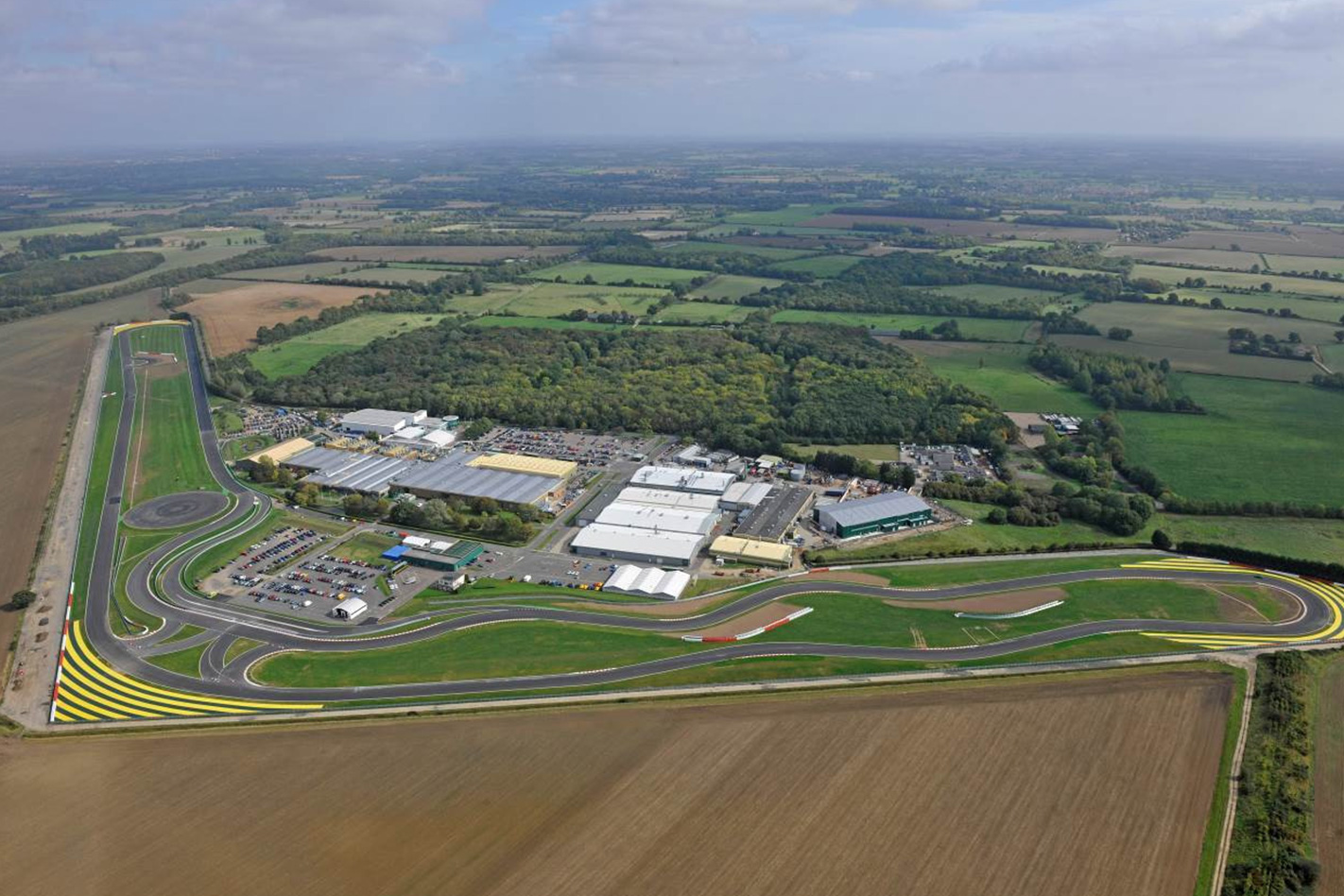
Lotus CEO Jean-Marc Gales says the announcement is an important milestone for the brand.
“This is a proud moment for Lotus and to have achieved so much is testament to the hard work of all our staff,” Gales says.
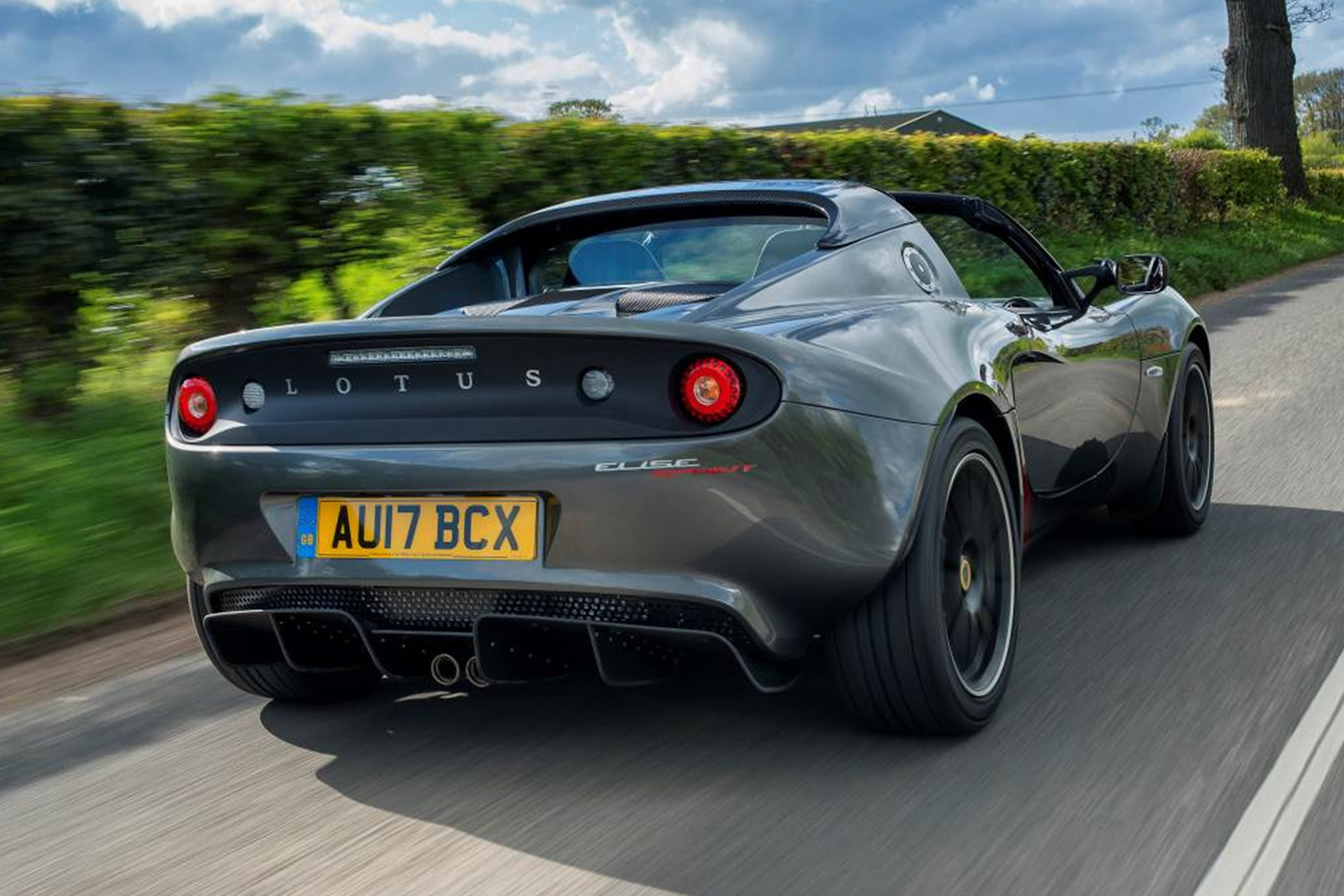
Underpinning this is the recent announcement that Geely Holdings has bought a majority stake in Lotus’ business, meaning the classic Brit brand now has the financial backing of a growing company.
Gales says this transaction” provides an environment in which the company can flourish.
“This includes continuing the development of new vehicles and technologies, as well as growing sales internationally.”
Welcome to the second part of the Ford Falcon XR8 Sprint Performance Car Podcast series.
Last episode we were joined by Sprint program manager Justin Capicchiano to tell us about the final fast Falcon from an insider’s perspective, while this time we’re joined by MOTOR reader Norm Ackland, who generously donated his car for these two episodes.
Norm is a diehard Blue Oval man with a garage full of Falcons, so Dylan and Scott quizzed him on what the Falcon means to him, why he decided to buy one of the final Sprint models and how he and his fellow Falcon enthusiasts feel now the model is gone forever.
If you prefer to listen in the car, remember you can listen to any of our episodes on iTunes or Podbean, feel free to subscribe and give us a rating. If there are any topics or cars you’d like us to cover in the future please let us know in the comments below.
Two years ago, Audra Tatum from Walker County, Georgia, USA was involved in a seemingly innocuous crash.
Taking a short local trip in the passenger seat of her husband’s car didn’t appear particularly hazardous. In fact, Audra was extremely relaxed, riding with her legs crossed and with a foot resting on the dashboard.
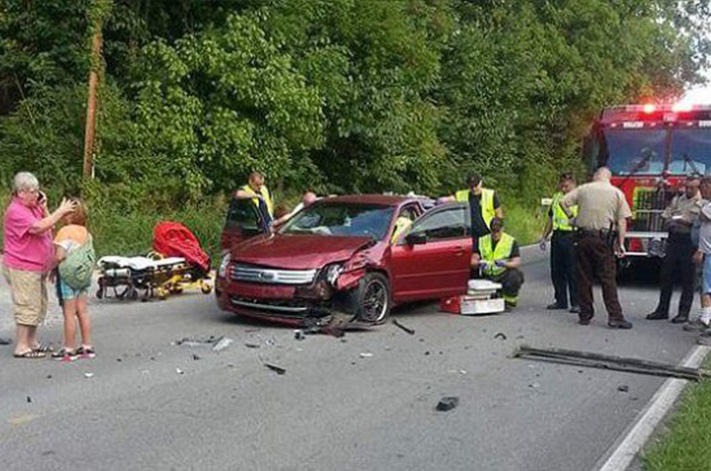
Out of the blue a car pulled out in front of them, and despite throwing on the brakes, the Walkers t-boned the other vehicle. It was a relatively low-speed collision but the results were horrific. As the passenger airbag deployed, Audra’s right leg was blown backwards into her face and neck, breaking her nose in the process.
“Basically my whole right side was broken, and it’s simply because of my ignorance,” she said in a recent CBS News interview, hoping to highlight the dangers of putting your feet on the dashboard. Her injuries also included a broken ankle, femur, and arm, which entailed several surgeries and months of physical therapy.
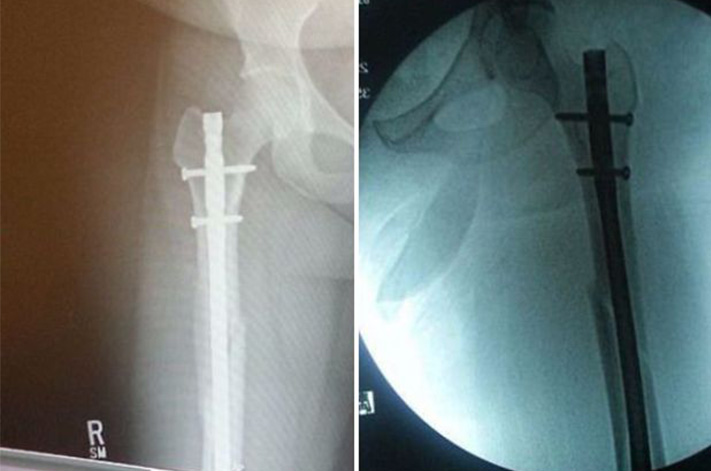
In fact, she still walks with a pronounced limp now. The femur was broken in four places, but doctors told her she wouldn’t have sustained any injuries if her feet were on the floor.
| New versus old: Why you don’t want to crash in a very second-hand car
“I regret it every single day,” she said. “Every hour of every day because every time I put pressure on my leg I feel it… Do not sit like that. If you sit like that you’re asking for it.”

Given that an airbag deploys at anything up to 320km/h, kicking yourself in the face with that sort of force doesn’t come highly recommended. The fastest kick on record is by taekwondo master Ronny Heberson, and that only clocked 221km/h.
So next time you’re tempted to think of putting your feet on the dash, think again.
Okay, so there’s a wafer-thin strip of tape across the tailgate, but that’s about it.
This is pretty much as clear a view as we’ve had of Audi’s forthcoming Q8 SUV.
Spied by a forum user on the AutoPareri site, the Q8’s base dimensions looks similar not only to the Q8 concept car, but also its Italian cousin, the Lamborghini Urus.
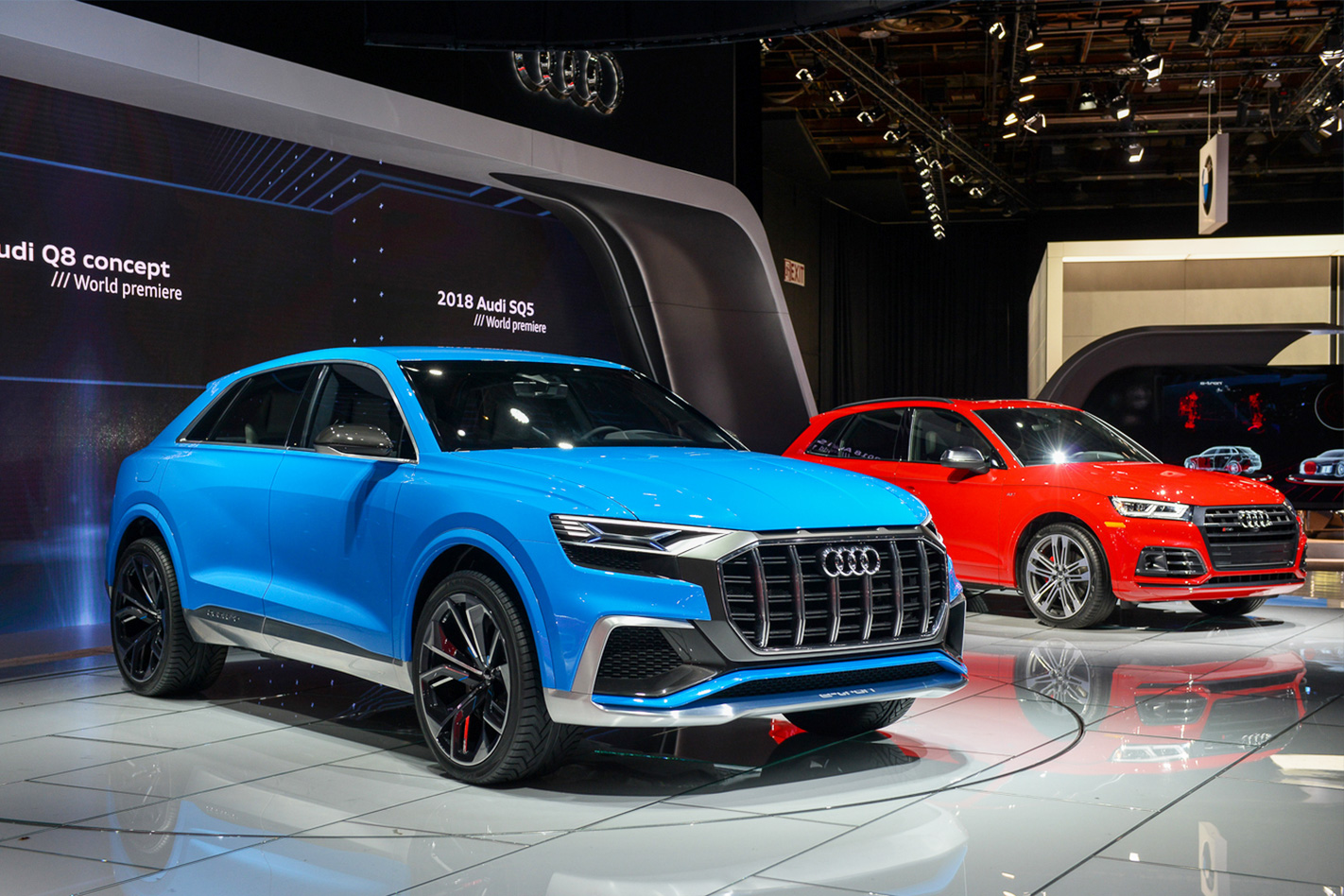
The five-door body has been styled under the auspices of Audi design boss Marc Lichte. Unlike the more upright Audi Q7, the rakish Q8 gets a sleeker front end with a more aggressive grille, more obvious tumblehome, shallower side glass, a gently sloping roofline, and a steeply angled rear window.
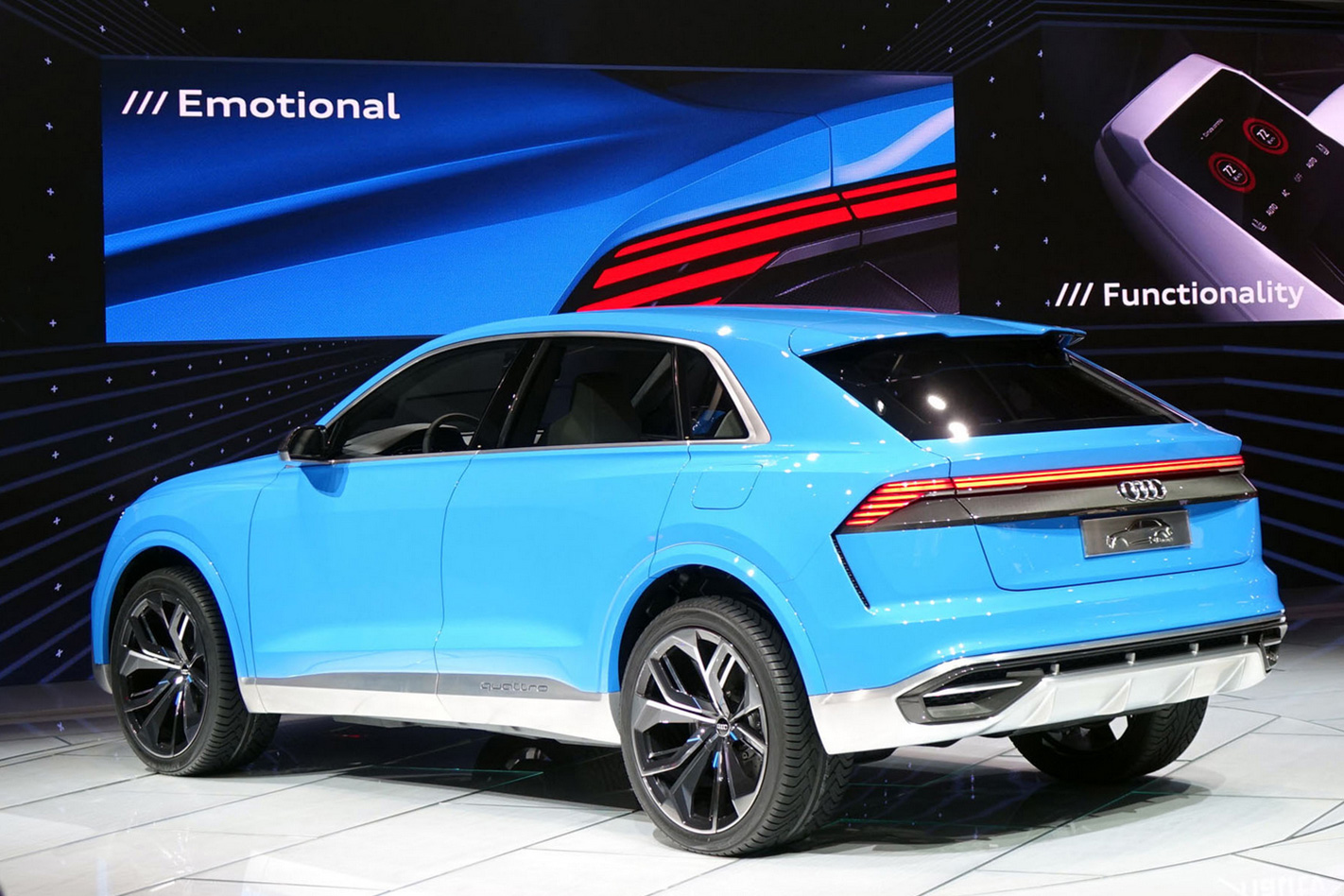
Expected to pitch into the price gap just below the Bentley Bentayga, the Q8 will deliver much of the cabin look and feel of the current A8 for a genuine luxury appeal. The Q8 concept was first shown at this year’s Detroit show with series production slated to begin next year.
