HONDA has a lot hinging on the success of its fifth-gen CR-V, and it’s pulled out the stops to give its revitalised mid-size SUV a fighting chance in what is one of Australia’s most hotly-contested segments.
There’s a seven-seat configuration for the first time, strong levels of standard equipment and a completely new platform that promises more dynamic sparkle and refinement.
On the flipside, modern safety equipment like autonomous emergency braking – which is fast becoming standard fare across multiple segments – is missing on all but the range-topper, and the seven-seat option isn’t as versatile as it could be. Is that enough to hold the Honda CR-V back from a spot at the pointy end of the field?
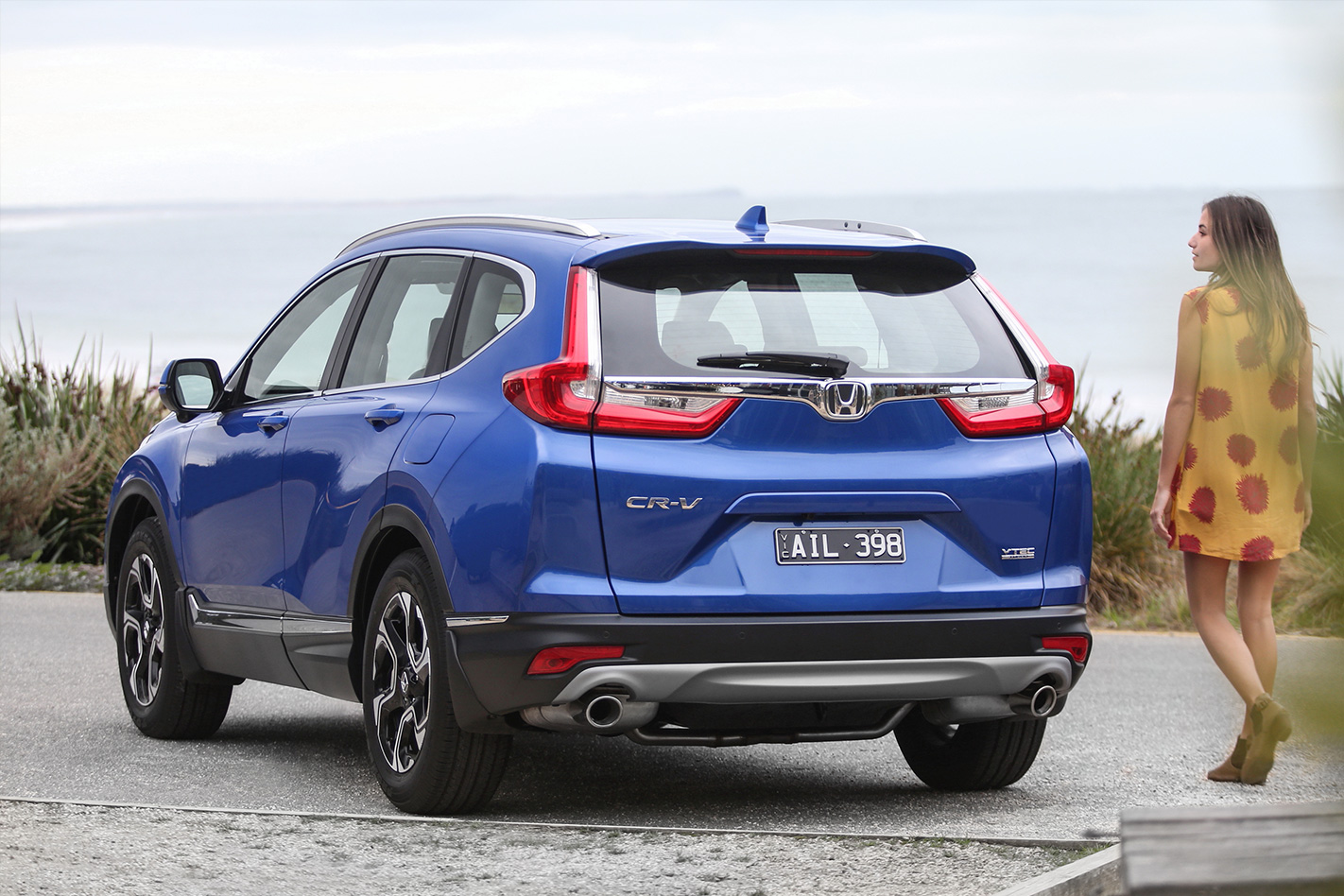
Honda’s new SUV is a beacon of hope for the brand, taking over from its outclassed predecessor, it is making a strong play through, transitioning to an all-turbocharged powertrain range with feature-rich standard equipment levels and, for the first time in Australia, a seven-seat option.
Why are we testing it: Honda has struggled to capture the hearts and wallets of Australians, but the arrival of this box-fresh medium SUV gives the Big H their best shot at turning its fortunes around. The outgoing CR-V was a fairly lacklustre thing, but its replacement shows genuine promise.
Main Rivals:
Mazda CX-5, Toyota RAV4, Volkswagen Tiguan, Mitsubishi Outlander, Hyundai Tucson, and Kia Sportage all line-up against the CR-V in the mid-size SUV segment.
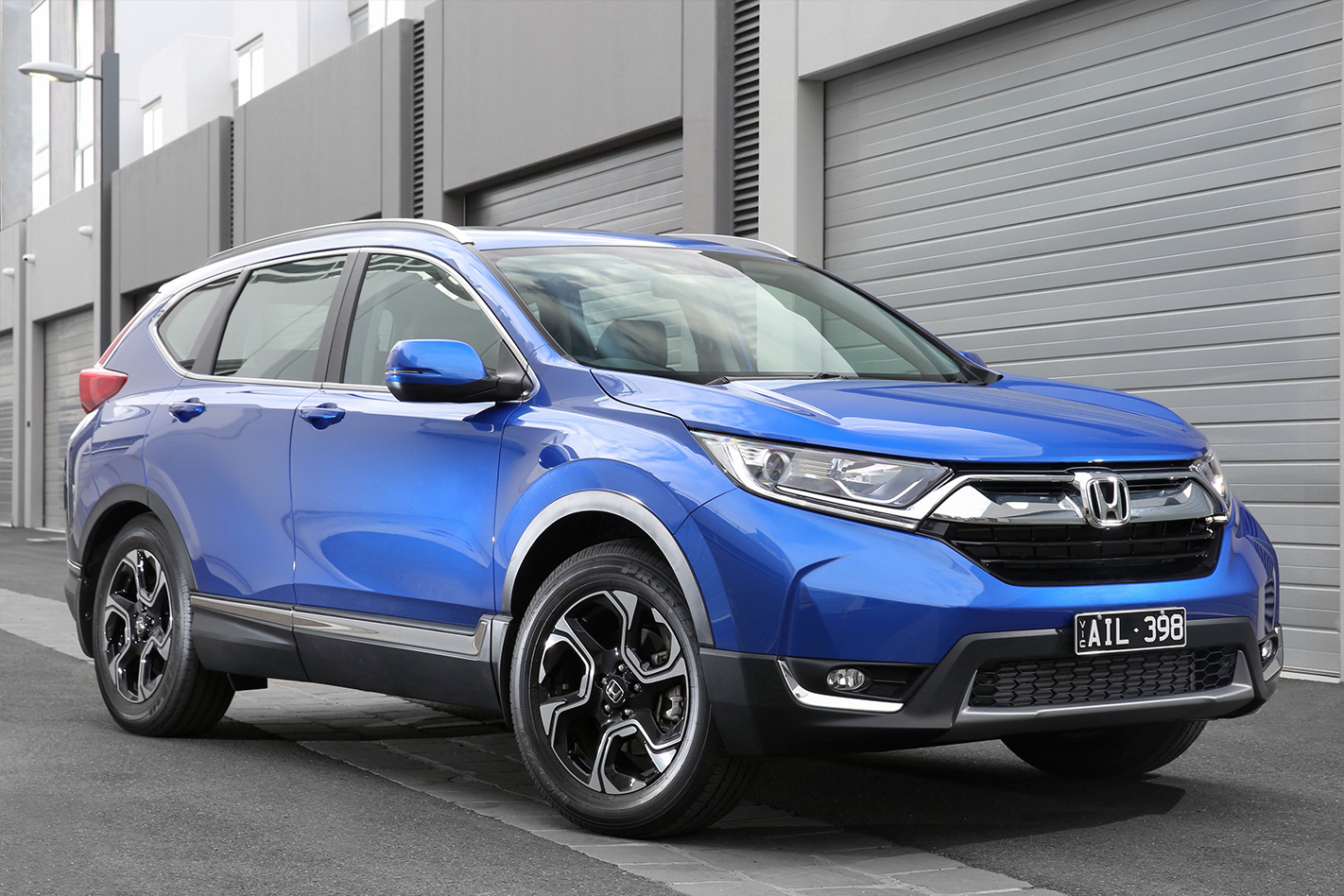
Following on from the well-packaged but dynamically lacklustre fourth-gen model, the fifth- generation CR-V fixes the bigger issues of its predecessor while adding refinement, features, and a third-row option.
There are some oversights – the absence of autonomous emergency braking tech being a big one – but as a whole the CR-V is the modern offering that Honda needs in order to boost its relevance to SUV-mad Australian motorists.
Plus: Roomy cabin; strong value; turbo engine; polished suspension
Minus: Top tether intrusion on third row; big spend required to get seven seats; AEB not range-wide
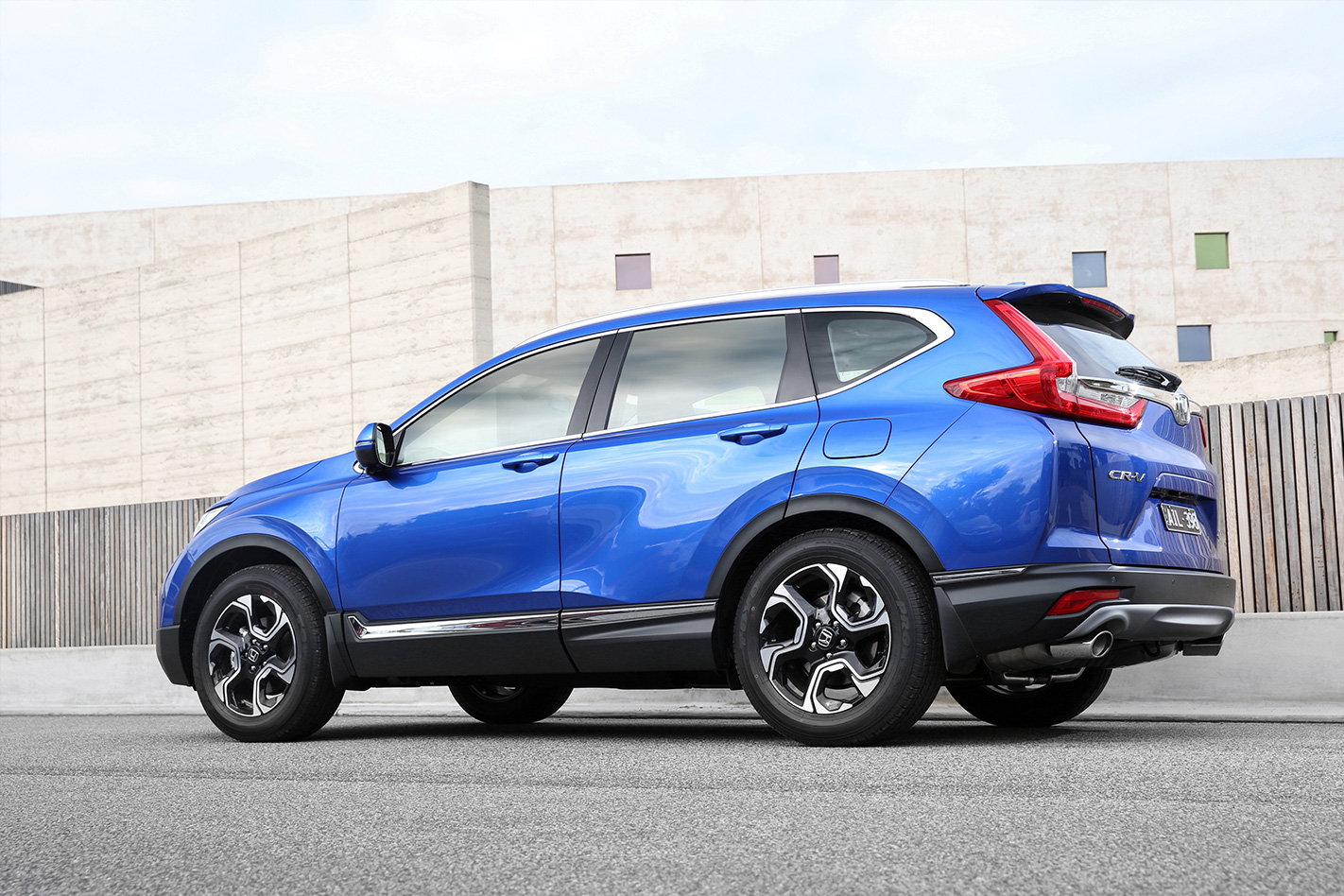
COMPACT Recreational Vehicle – that’s what CR-V stands for. And even though the scourge of ‘bracket creep’ has seen cars grow longer, wider, and taller in successive generations, the all-new fifth-generation CR-V stays true to its name. At 4596mm long it’s just 66mm longer than the first-generation model that debuted in 1997, and in the context of its segment, it’s shorter than the RAV4, Forester, Koleos, Outlander, and X-Trail.
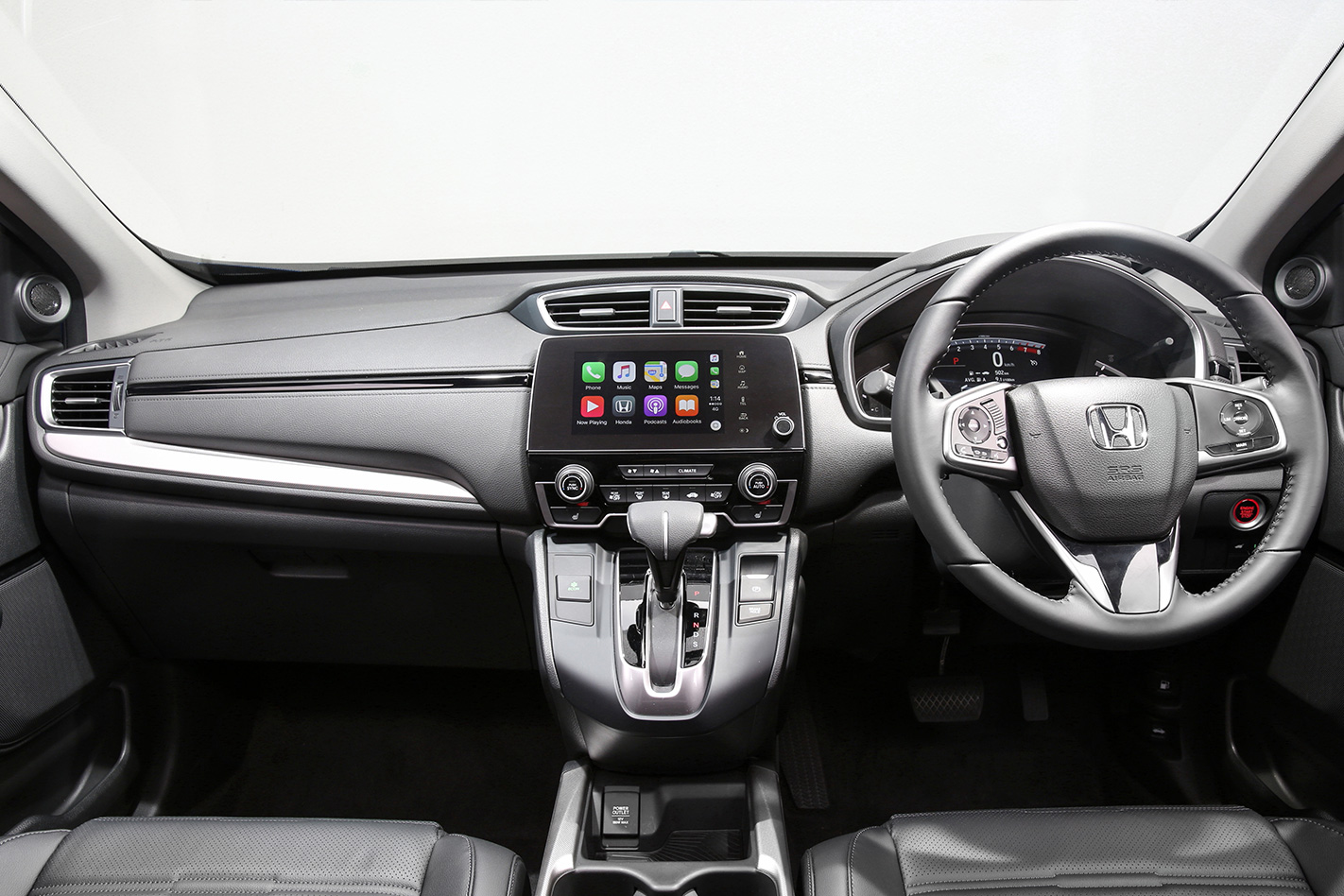
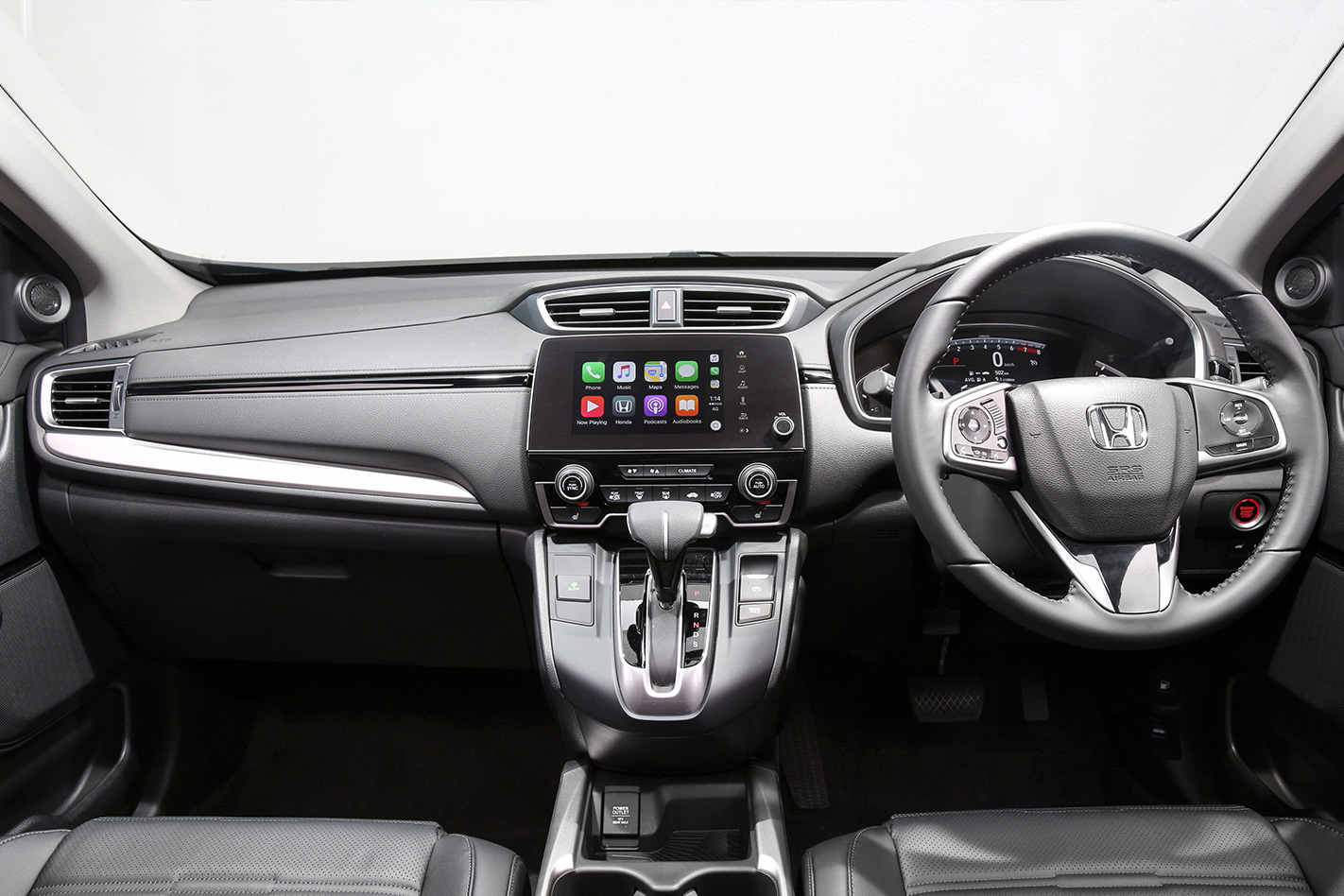
A high-mounted gear selector should feel familiar to those currently piloting a fourth-gen CR-V, but the new car’s interior textures, materials, and design express a more premium aura. The base VTi’s bare urethane steering wheel is a letdown though.
The seven-seater’s second-row bench is also noticeably firmer, flatter, and higher than that of the five-person CR-V, compromising under-thigh support, headroom, and comfort. It takes some of the sheen off the CR-V’s otherwise spacious and well-arranged cabin.
At least there’s plenty of face-level ventilation and a pair of backseat USB charging points to keep passengers content.
Based on the turbocharged petrol in-line four that powers Civics from VTi-L grade and up, the CR-V’s powerplant boasts slightly larger muscles. A bigger turbocharger and other mechanical tweaks see power rise to 140kW and torque swell to 240Nm, making it the highest-output version of Honda’s 1.5-litre ‘Earth Dreams’ engine, and putting it on even pegging with its predecessor’s 2.4-litre for power and 18Nm ahead of it for torque.
However as agreeable as the drivetrain combo is, it’s in the areas of suspension composure and ride comfort where the CR-V has improved most.
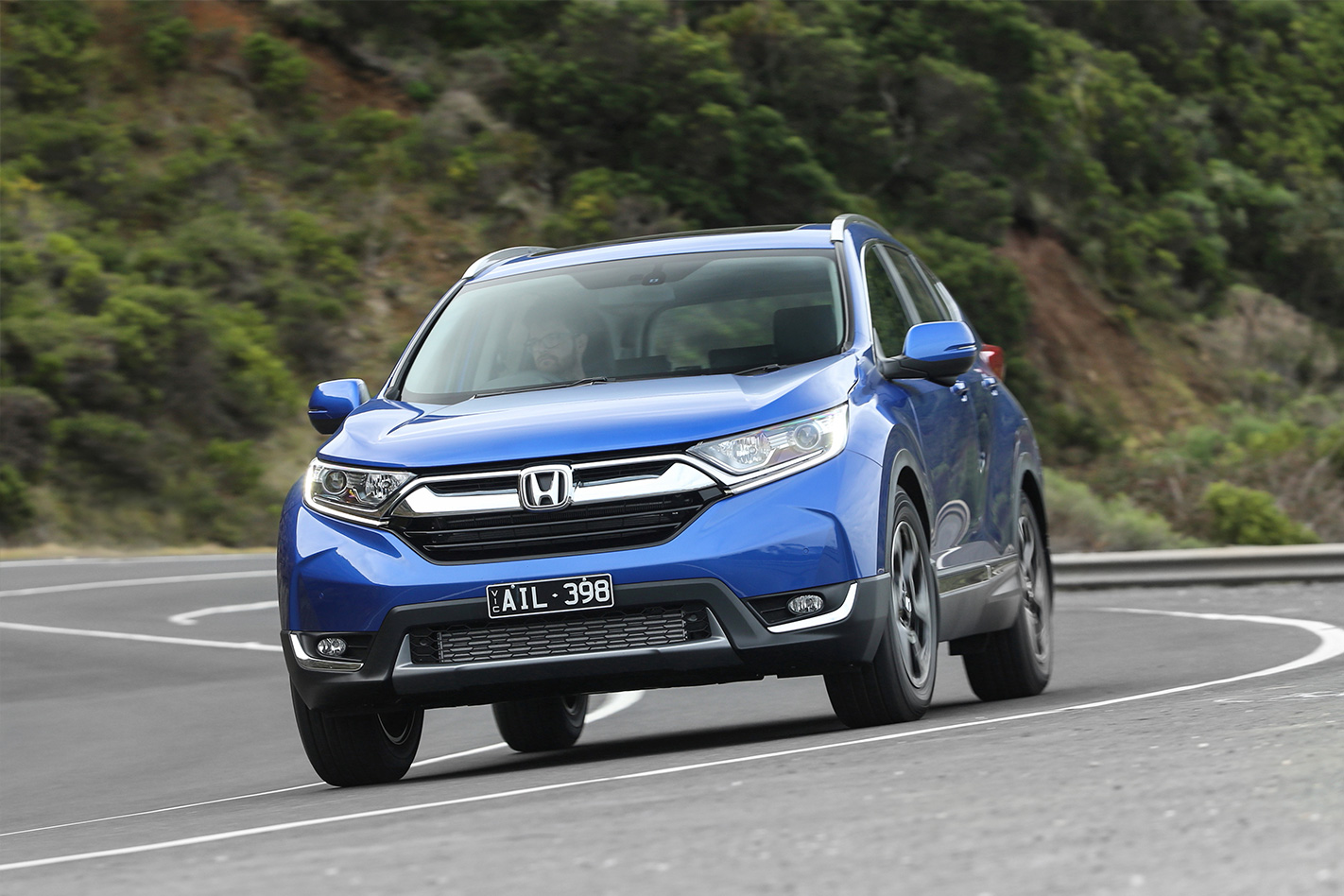
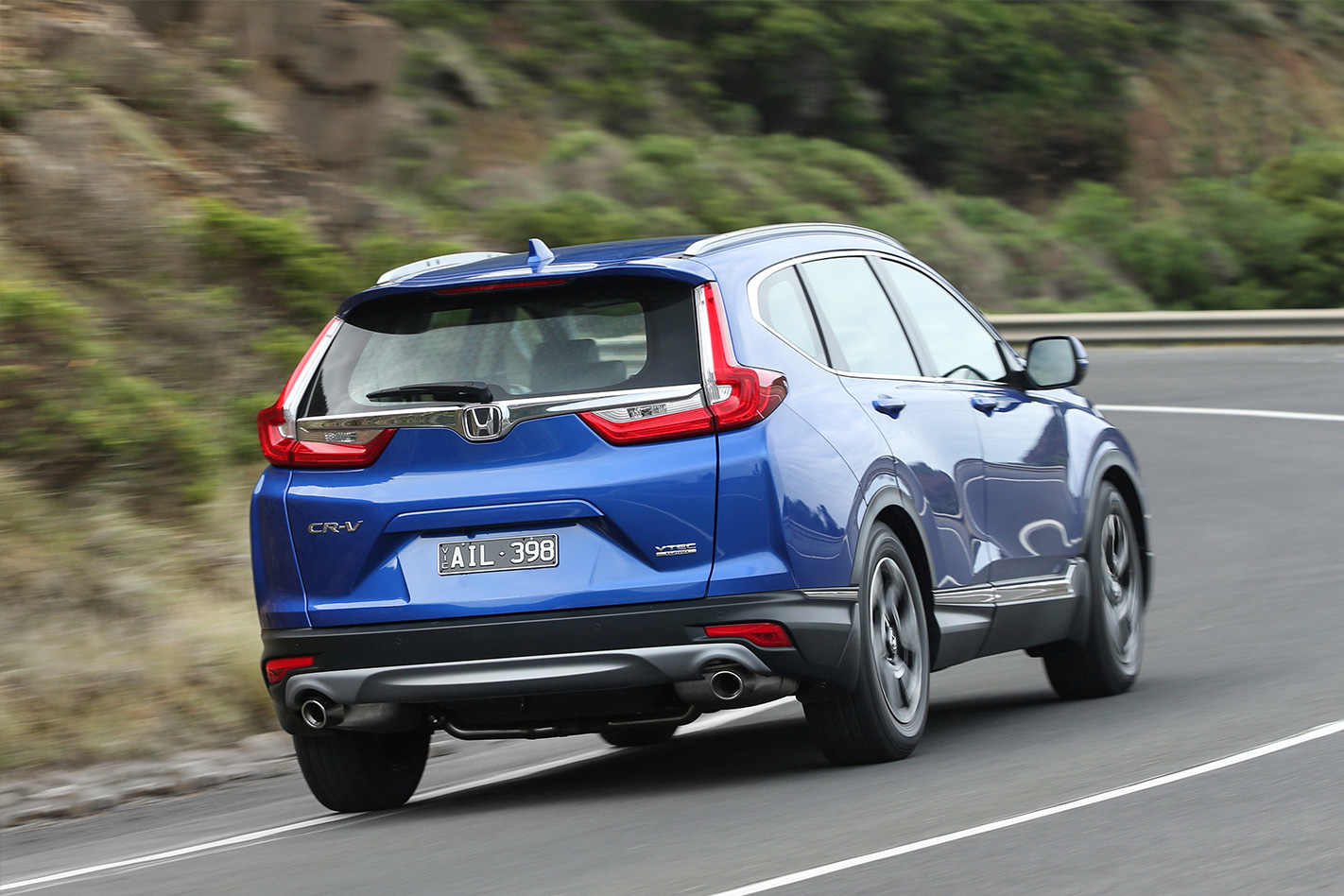
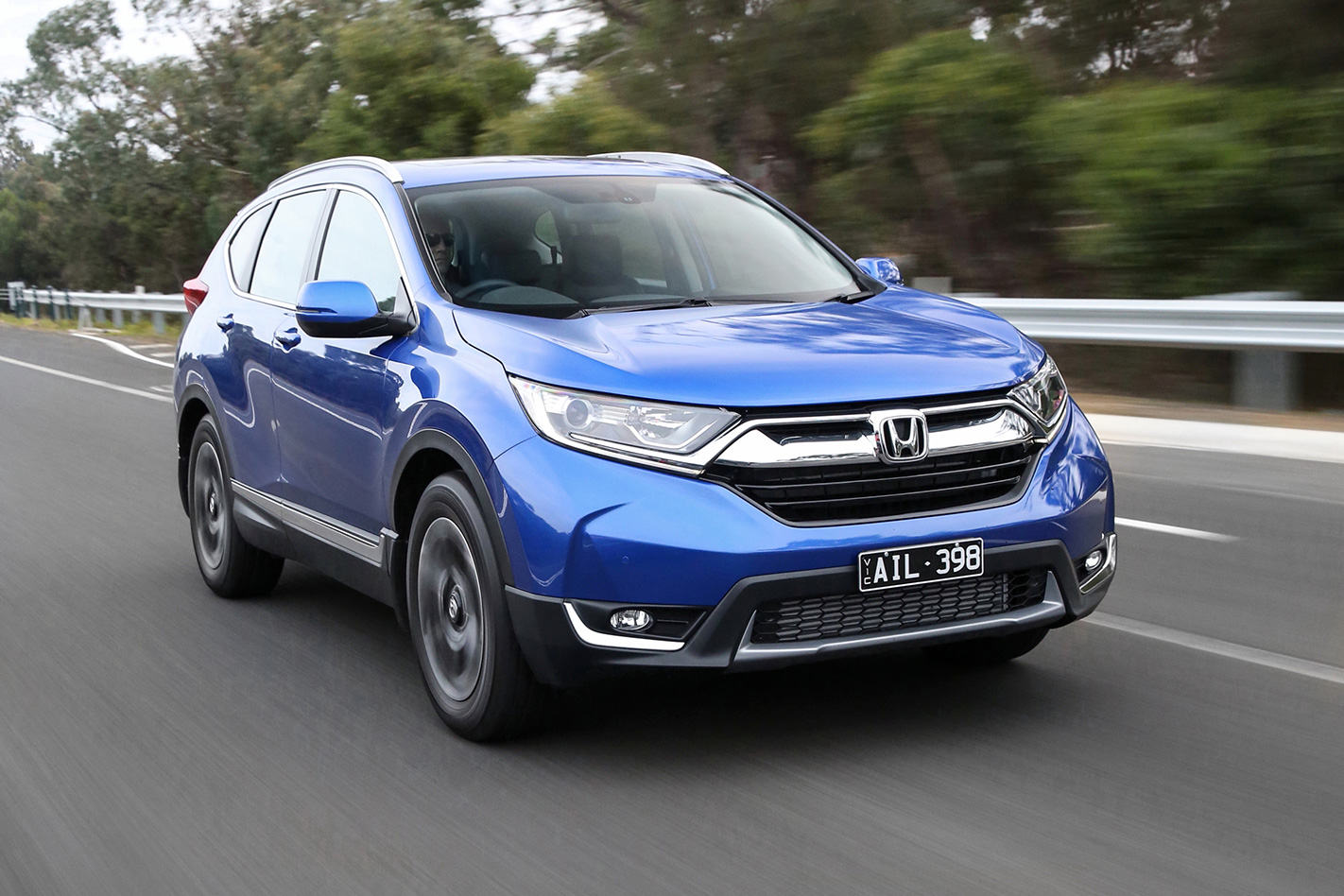
Whether on 17-inch or 18-inch alloys, the fifth-gen CR-V delivers a pliant ride. Body control is better than before thanks to cranked-up rebound damping that eliminates the wallowy ride of the outgoing model, and it feels more agile too.A faster steering rack (with only 2.2-turns lock-to-lock), an extra centimetre of tread width (for a total of 235mm on each tyre), and a lower centre of gravity all contribute to the CR-V’s dynamic advancement.
Vote for the Honda CR-V to win the 2018 Wheels Car of the Year Readers’ Choice competition
Honda’s mainstay SUV may look familiar, but it’s undergone a few key changes to make it a better family hauler
TELL ME ABOUT THIS CAR
Now entering its fifth generation, the Honda CR-V debuts a number of significant shifts for the Japanese carmaker’s core medium SUV offering.
The most significant is the adoption of a downsized turbocharged petrol powertrain across the entire range, with no diesel or naturally-aspirated engines in sight. The other major change is the availability of a three-row, seven-seat configuration for the first time in Australia, making it the company’s first seven-seater to land on our shores since the larger MDX departed in 2006.
The range starts at $30,690 for the base Honda CR-V VTi, and stretches to $44,290 for the top-of-the-line CR-V VTi-LX. Here are our first impressions of what it’s like to drive.
STRENGTHS
The switch to an all-turbo powertrain line-up is a solid move by Honda, with the Civic-sourced 1.5-litre turbo proving to be a tractable and willing engine that feels less stressed than the outgoing model’s 2.4-litre naturally-aspirated petrol. With 140kW and 240Nm, it’s a stronger engine than the old 2.4 despite its smaller size.
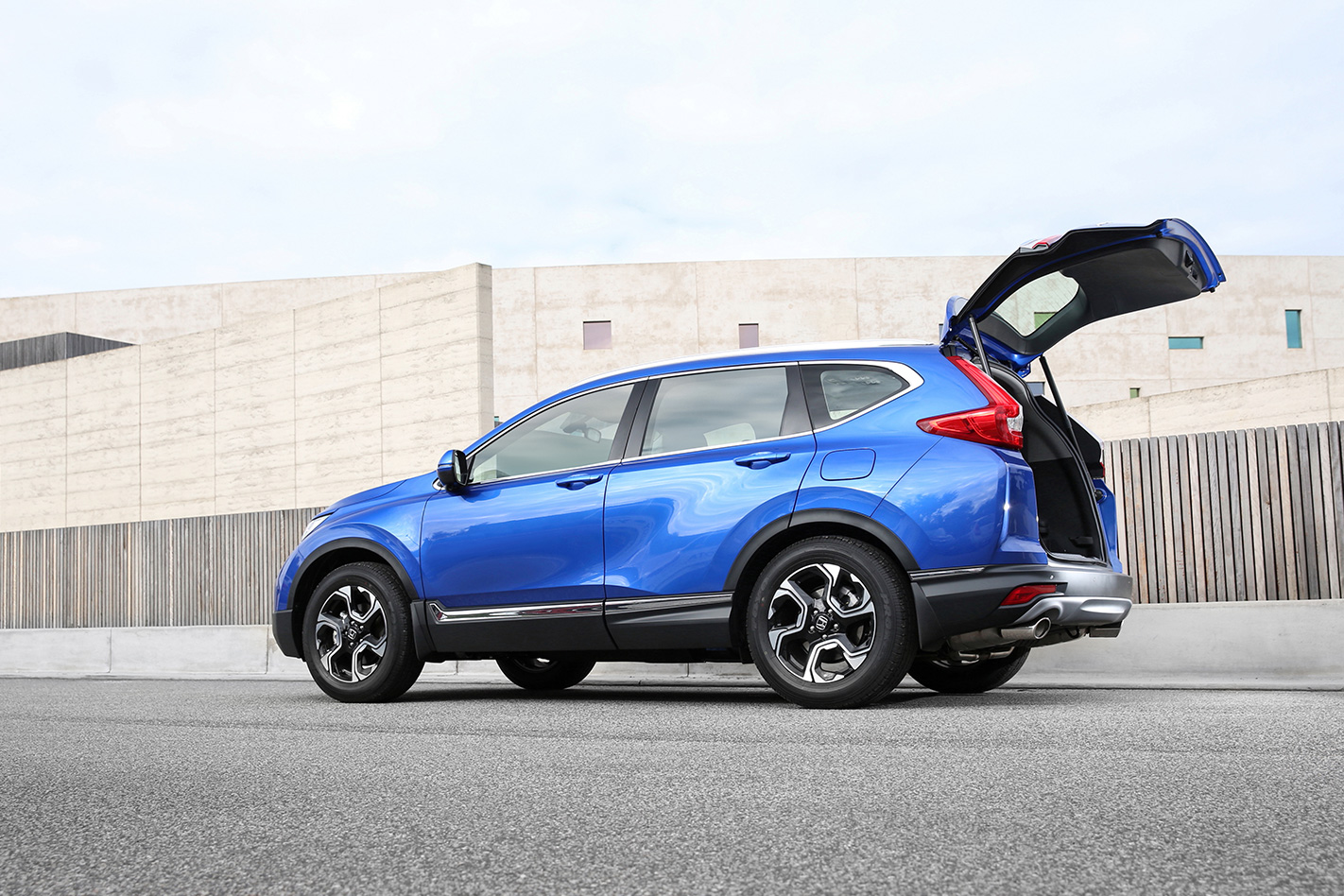
Good forward vision courtesy of slim A-pillars and an elevated seating position. Dimensional tweaks such as a 40mm longer wheelbase and 35mm greater width enhance passenger space too, making it a better people carrier than before. Testament to this is the addition of a seven-seater to the CR-V range – the first to be offered in the Australian market.
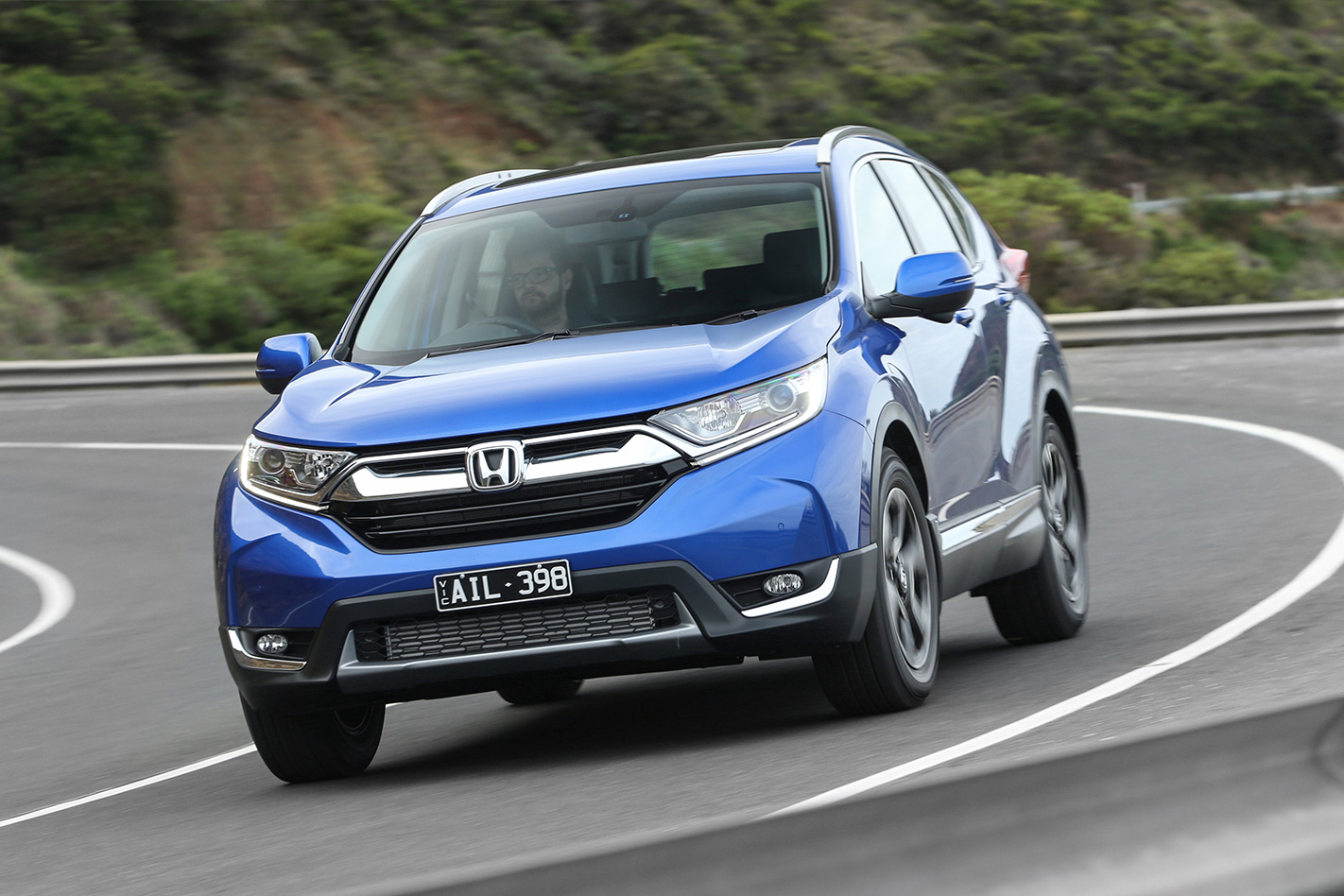
Great ride across the range, regardless of 17-inch or 18-inch wheels. The new CR-V has a pliant suspension that absorbs bumps of all sizes quite well, and recovers from the bigger lumps quickly. There’s very little variation in ride comfort across the range too.
Upmarket interior design with plenty of soft-touch surfaces elevates the CR-V’s interior ambience. The layout should be familiar to anyone trading up from the previous-gen model, with a high-set gear selector, similar steering wheel controls and ventilation buttons, but the execution is more visually interesting and premium-looking.
CR-V boasts a high level of standard equipment, with keyless entry/ignition, dual-zone climate control, front and rear parking sensors, a reversing camera, 7.0-inch colour touchscreen infotainment display and electronic instrument panel being factory-fit across the range. Step into the mid-spec VTi-S – the expected volume-seller of the CR-V family – and you gain a power-operated tailgate, integrated satellite navigation, a rear-facing side view camera and dusk-sensing headlamps, which should leave most shoppers wanting for little more.
In the seven-seat CR-V, cabin ventilation is taken care of by not only a set of face-level vents for the second row, but also a roof-mounted quartet of swivelling vents with their own individual fan control.
Adjustable backrests feature in both five- and seven-seater CR-Vs, providing a little more long-distance comfort for those in the second row. There’s also a pair of USB charging ports on the rear of the centre console, allowing those in the back to keep their electronic devices charged up on lengthy journeys. Another two USB ports live inside the centre console box between the front seats.
Nifty cabin storage features include flip-out cupholders for the third row and a capacious centre console box that can take items as big as a laptop. Two shopping bag hooks in the boot area keep small loads of groceries from spilling everywhere.
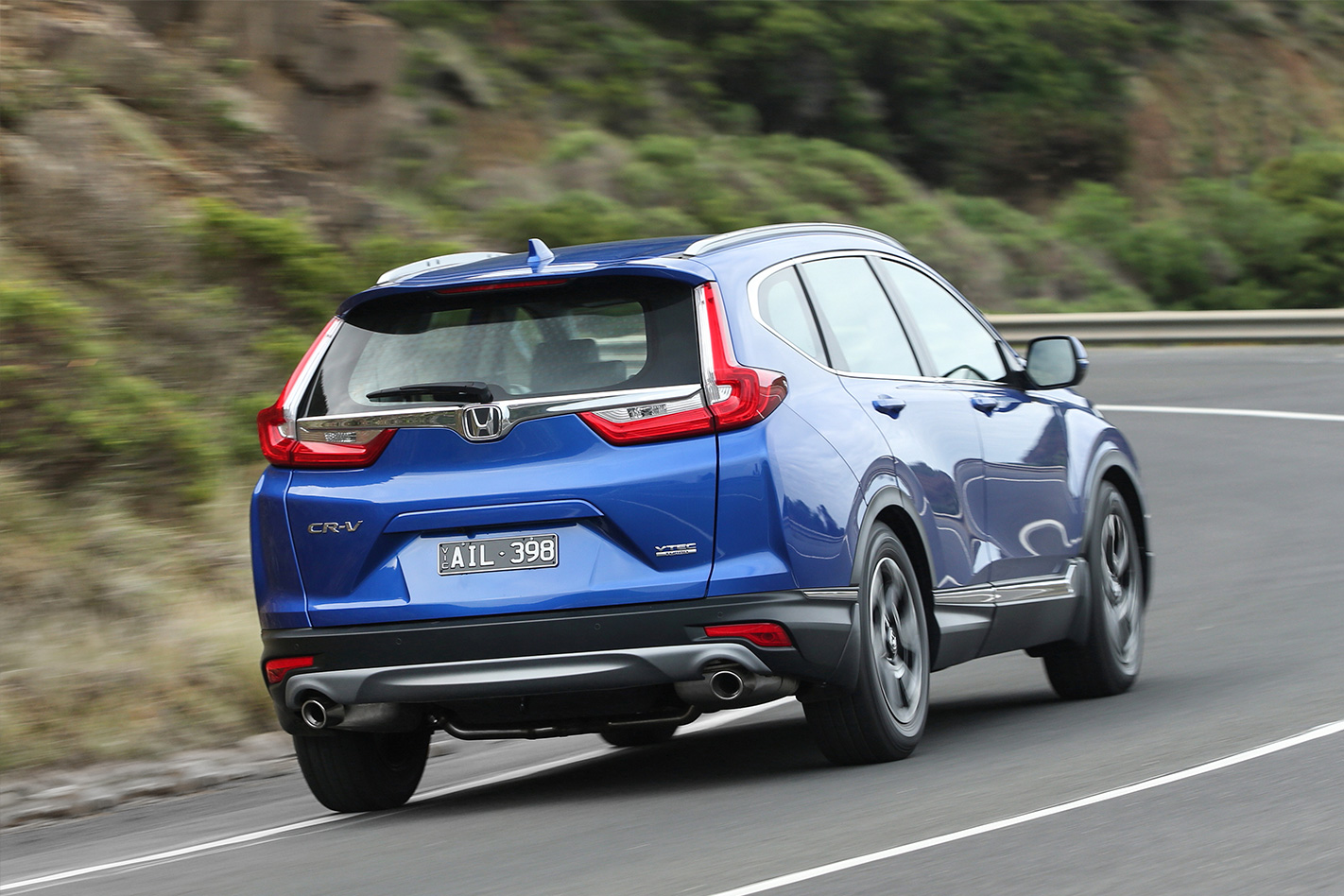
The new CR-V boasts a proactive AWD system that directs a portion of drive to the rear wheels when moving away from standstill at all times, which will help on slippery surfaces where other systems wait for the front wheels to slip before activating AWD mode.
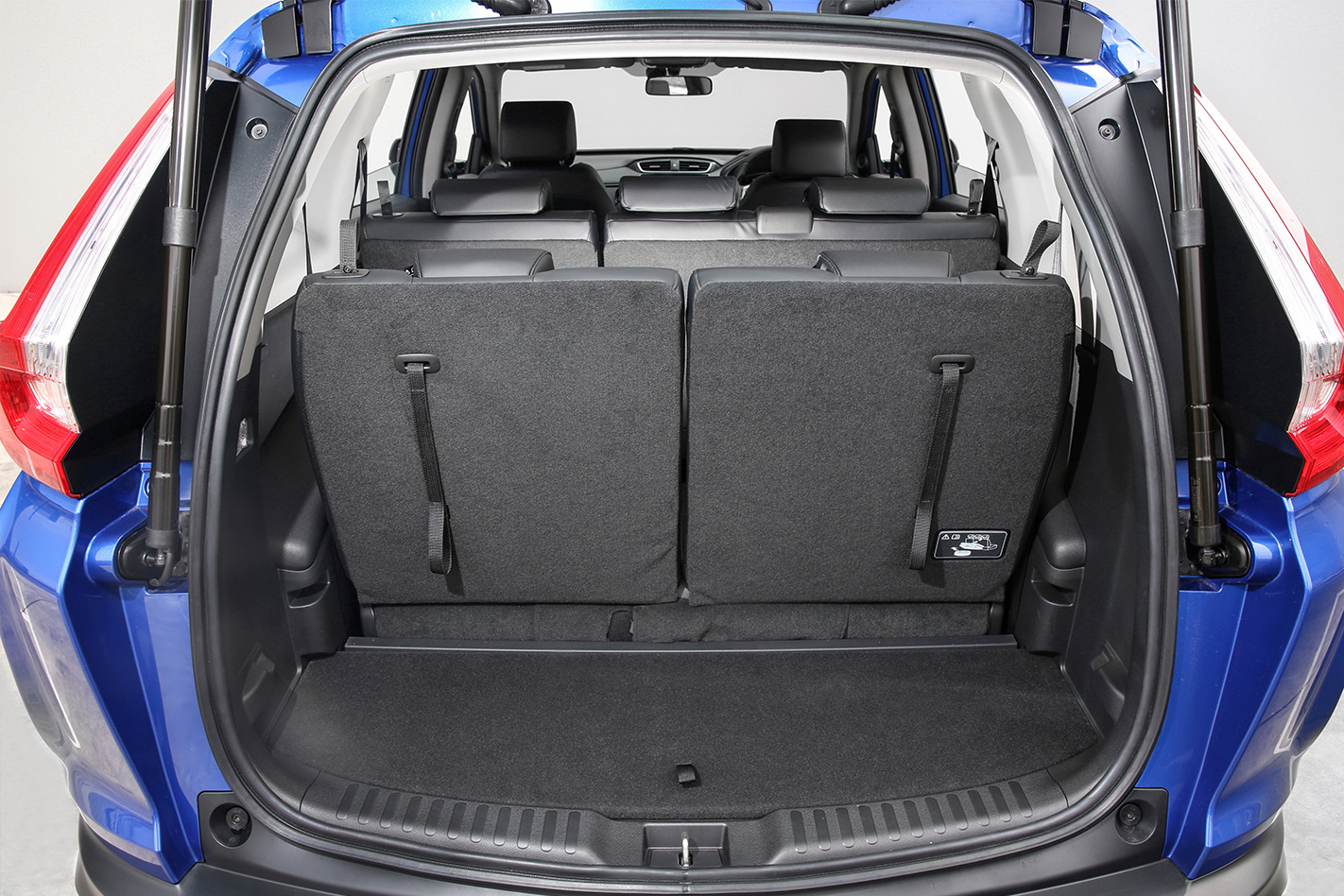
The fifth-generation CR-V has a very low boot floor, which is now longer when the seats are folded down (which is accomplished by convenient seatback release handles in the boot area). With the rear seats up, the 5-seater will carry up to 522 litres of your stuff, up to a maximum of 1084L with the seats folded.
WEAKNESSES
You’ll need to pay big for the high-featured VTi-L in the seven-seat configuration that’s now available for the first time in the CR-V’s history – it’s a $38,990 proposition. The three-row CR-V isn’t available in a lower level of specification, at least for now.
7-seater has a much higher second row bench seat, which puts even average-sized adults quite close to the headlining. As it’s only available in a high-specification VTi-L grade, a glass sunroof is standard-issue and compromises headroom even further.
Another seven-seat-related issue concerns seat comfort and versatility. The seven-seater’s second row seat differs greatly to that of the five-seat CR-V, due to its ability to slide fore and aft as well as tumble forward. As a result, the seat base is flatter and firmer than the five-seater’s and the backrest is less contoured. Overall, it’s less supportive and not as comfortable for rear passengers.
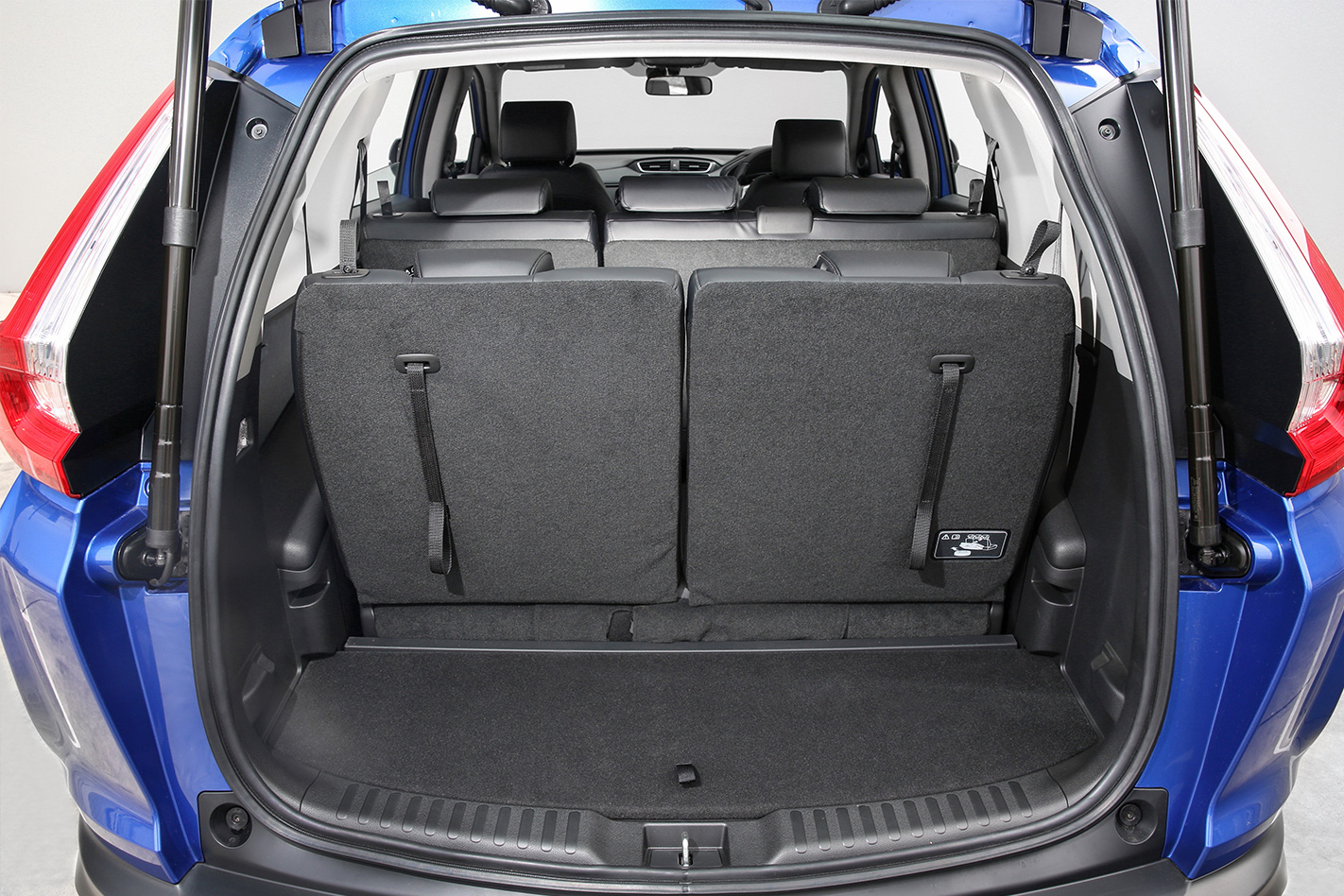
If you were planning on putting a pair of child seats in the CR-V seven-seater, you can pretty much forget about using the third row entirely – the top tether anchorages for the second row are fixed into the roof, right where the heads of third row passengers would be. There’s no provision to mount child seats in the third row either, which limits the versatility of the seven-seater for those with younger children.
There’s no autonomous emergency braking available on any model except the VTi-LX, where it’s bundled with other driver-assist tech like active cruise control, lane departure warning, lane keep assist and collision detection. Honda says it’s working on making the full suite of active safety aids – including autonomous emergency braking – standard across the range, but can’t say when it will be available.
The 7-seater won’t carry as much stuff as the 5-seater, with 472 litres of capacity with the third row folded flat and 967 litres with both rows down. With all three rows of seats raised up, there’s just 150 litres of stowage available.
ANY RIVALS I SHOULD CONSIDER?
Key competitors for the five-seat CR-V include the recently facelifted Nissan X-Trail, the Volkswagen Tiguan, Mazda CX-5, Subaru Forester, Mitsubishi Outlander, Kia Sportage, Toyota RAV4 and Hyundai Tucson.
Right now, only the X-Trail and Outlander come with a seven-seat option.
MY MAMMA Maria says the best way to judge a pizza place is by its Margherita.
Get that humble classic’s tomato, mozzarella, basil, olive oil and salt recipe right and the rest of the menu invariably follows.
Experience suggests that the same rule applies to car makers.
If the base model delivers then the ones with extra toppings should too.
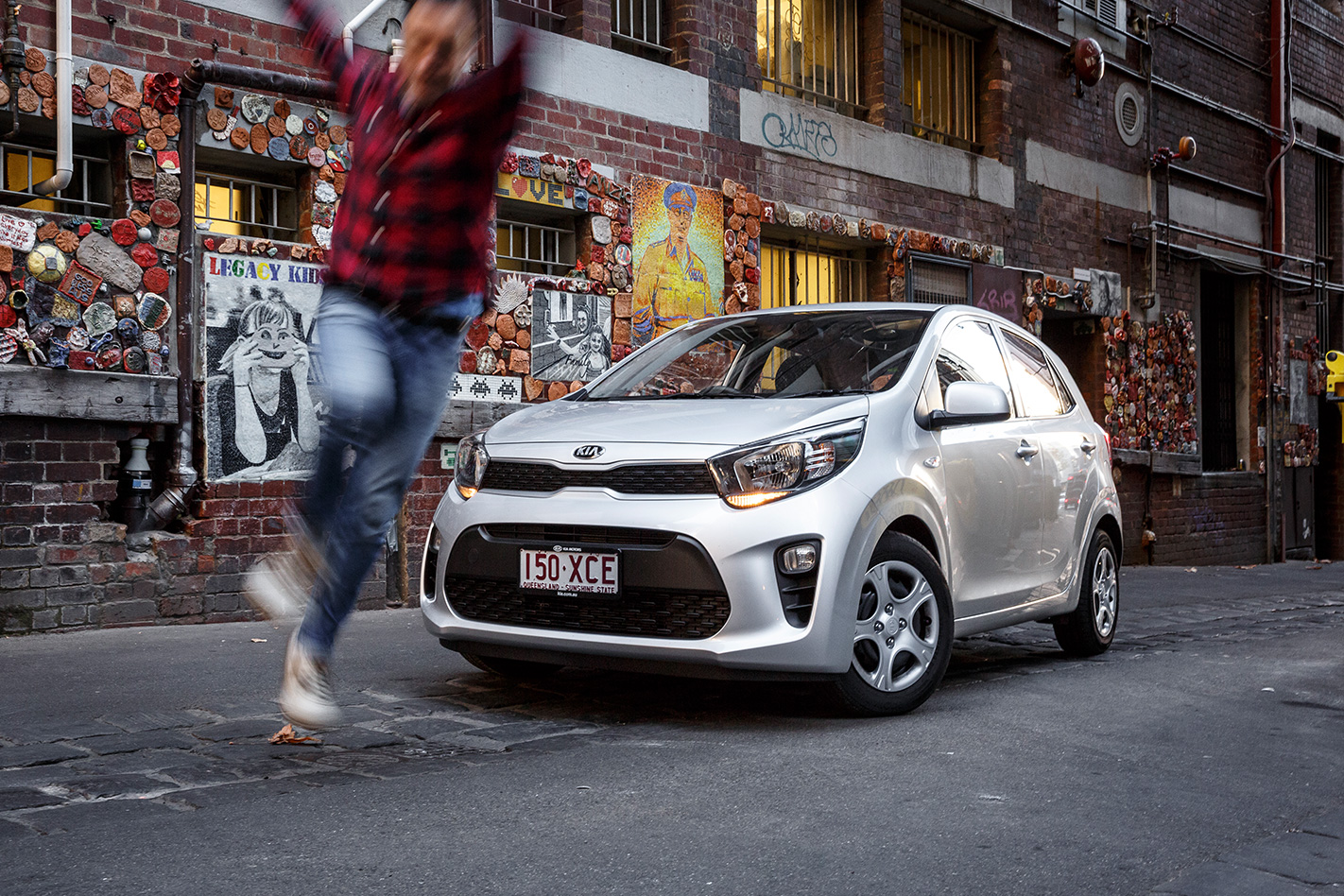
The Korean baby took 12 years to get here, but when the (second-gen TA-series) Kia Picanto did finally did appear, it made waves with keen pricing ($15K drive-away with auto), smart styling and a generous equipment level.
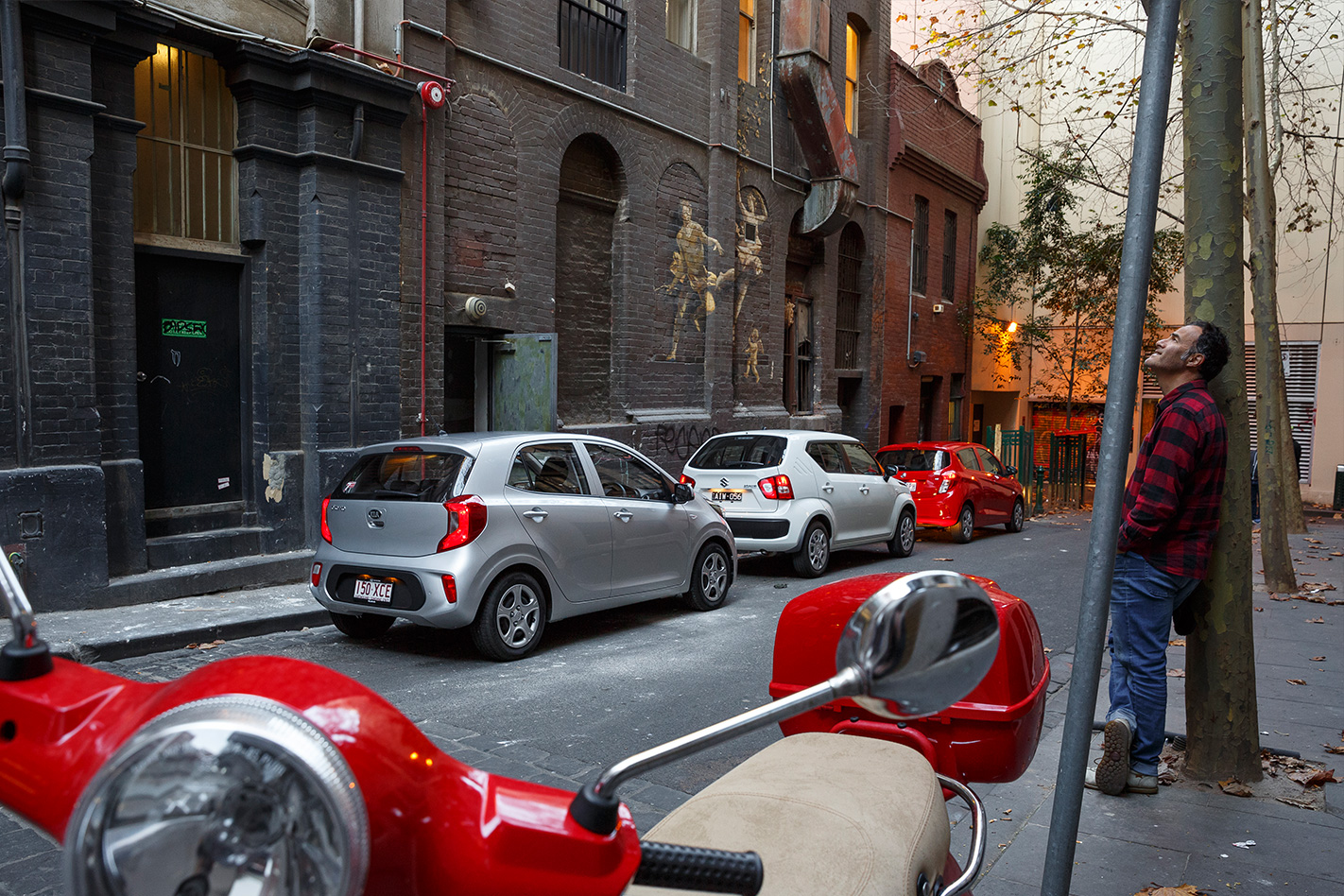
Probably the Picanto’s most interesting addition is a manual offering at last, and not only because it ought to be more fun than the four-speed auto alternative. Starting from $14,190, adding on-road costs nudges that towards the auto’s $15,690 drive-away, though Kia insists its dealers will talk turkey at “under $14K drive-away” for the Pic with a stick. Confused?
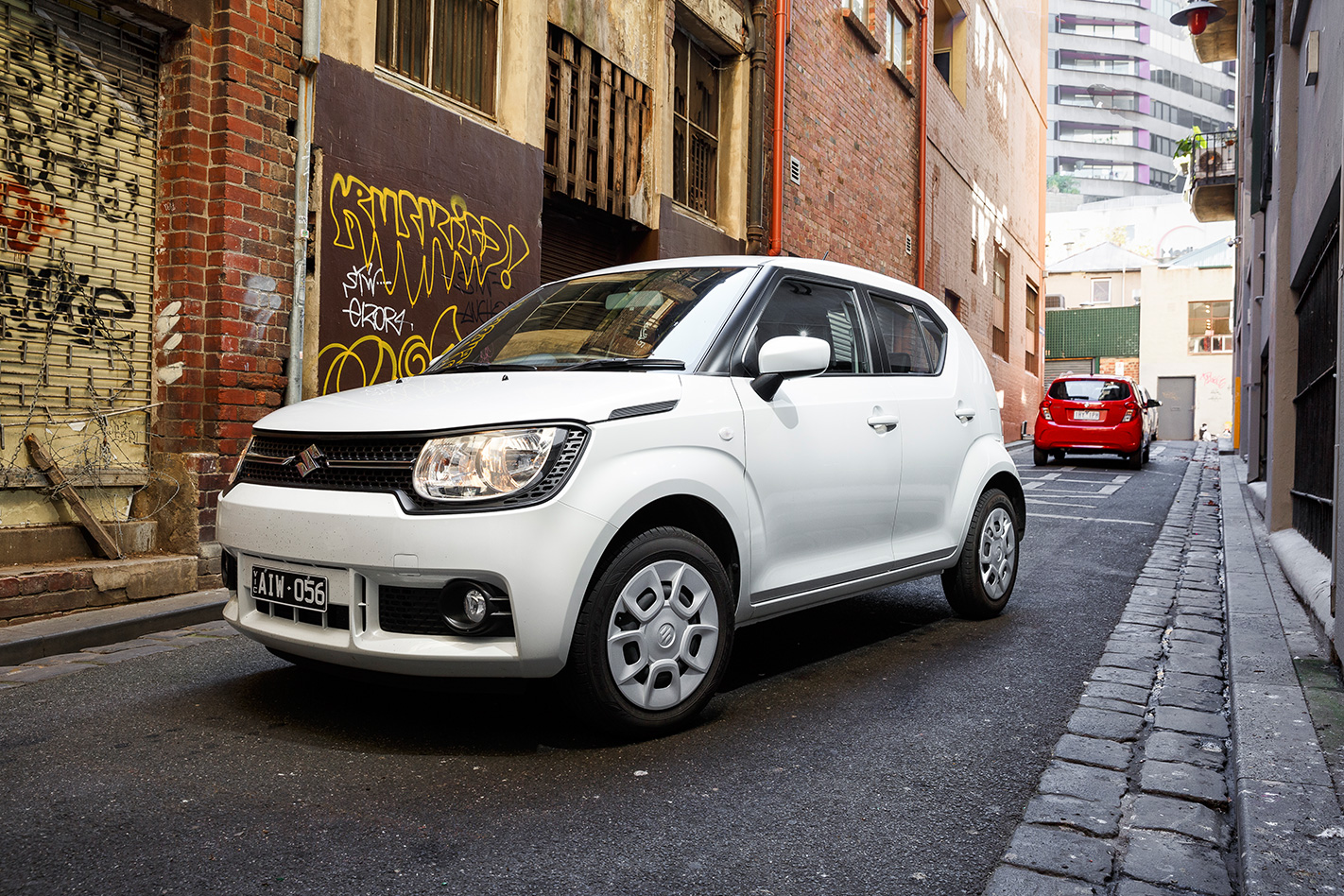
The manual Ignis GL (the 70s themes don’t end with the design) kicks off from $15,990, but does usher in this trio’s only integrated sat-nav (instead of relying on smartphone apps via Apple CarPlay/Android Auto tech), a leather-wrapped steering wheel, and the largest luggage capacity here at 271 litres.
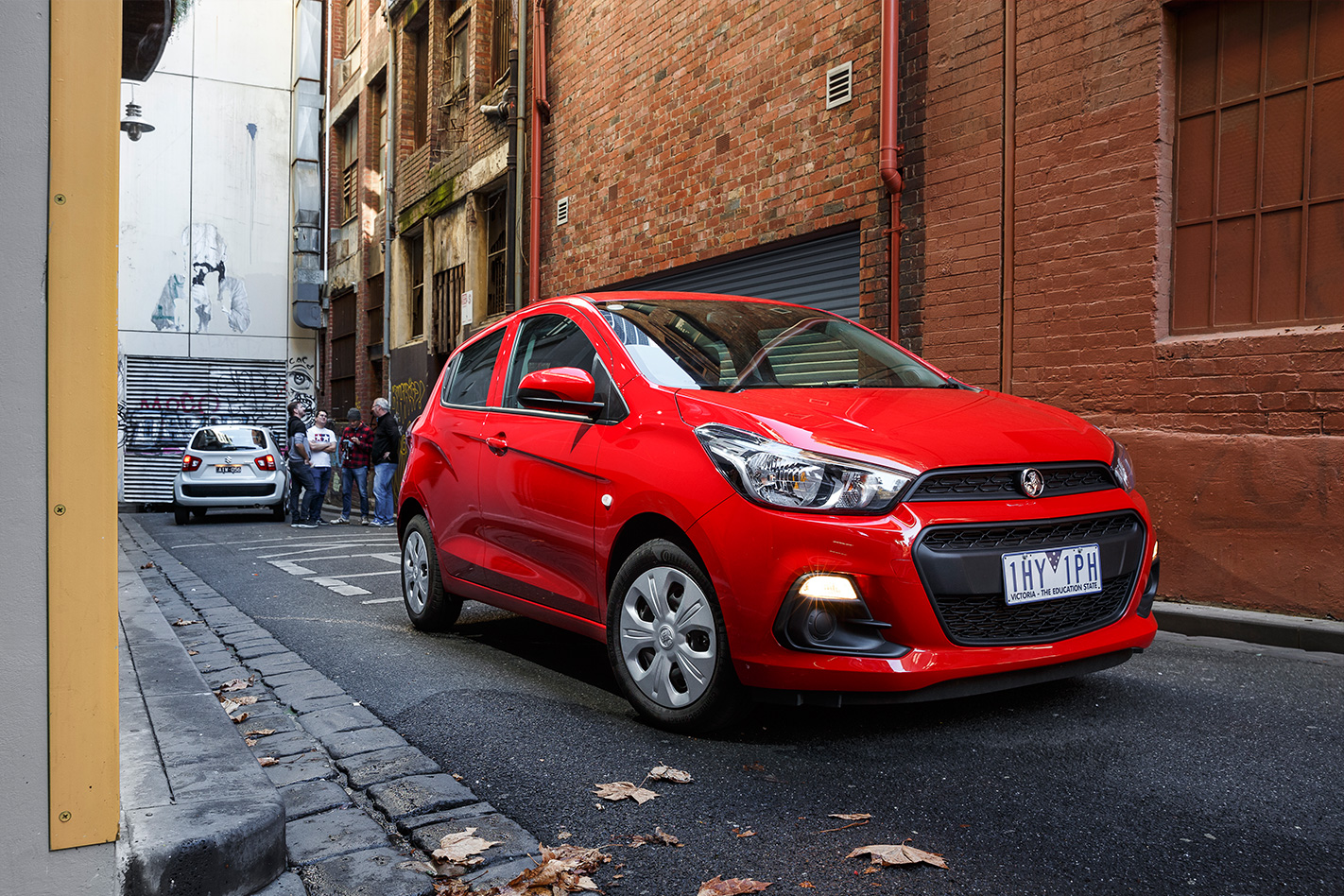
So is The General’s moppet fit enough to fend off fresh challengers from the same brands this time around? We’ll see.
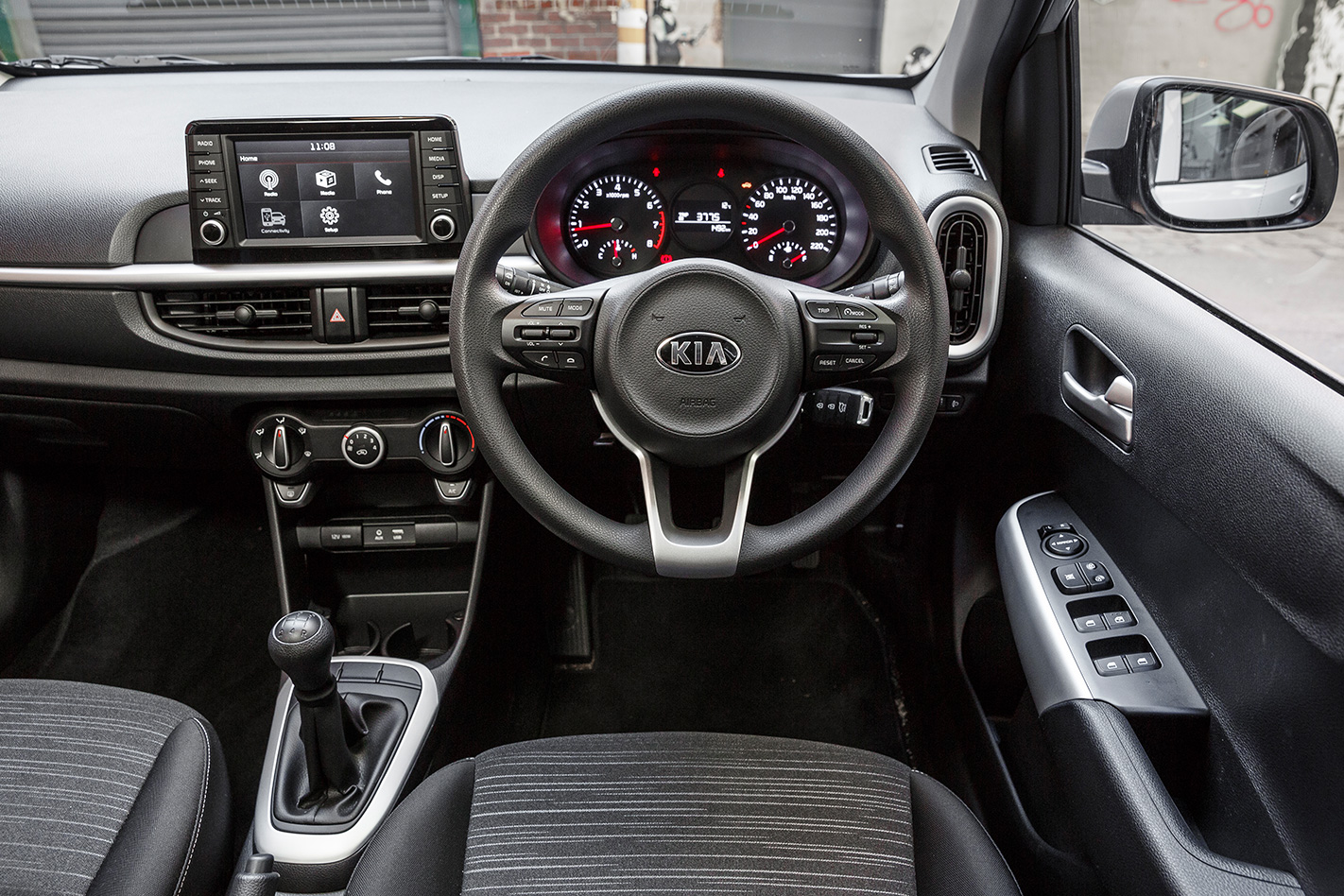
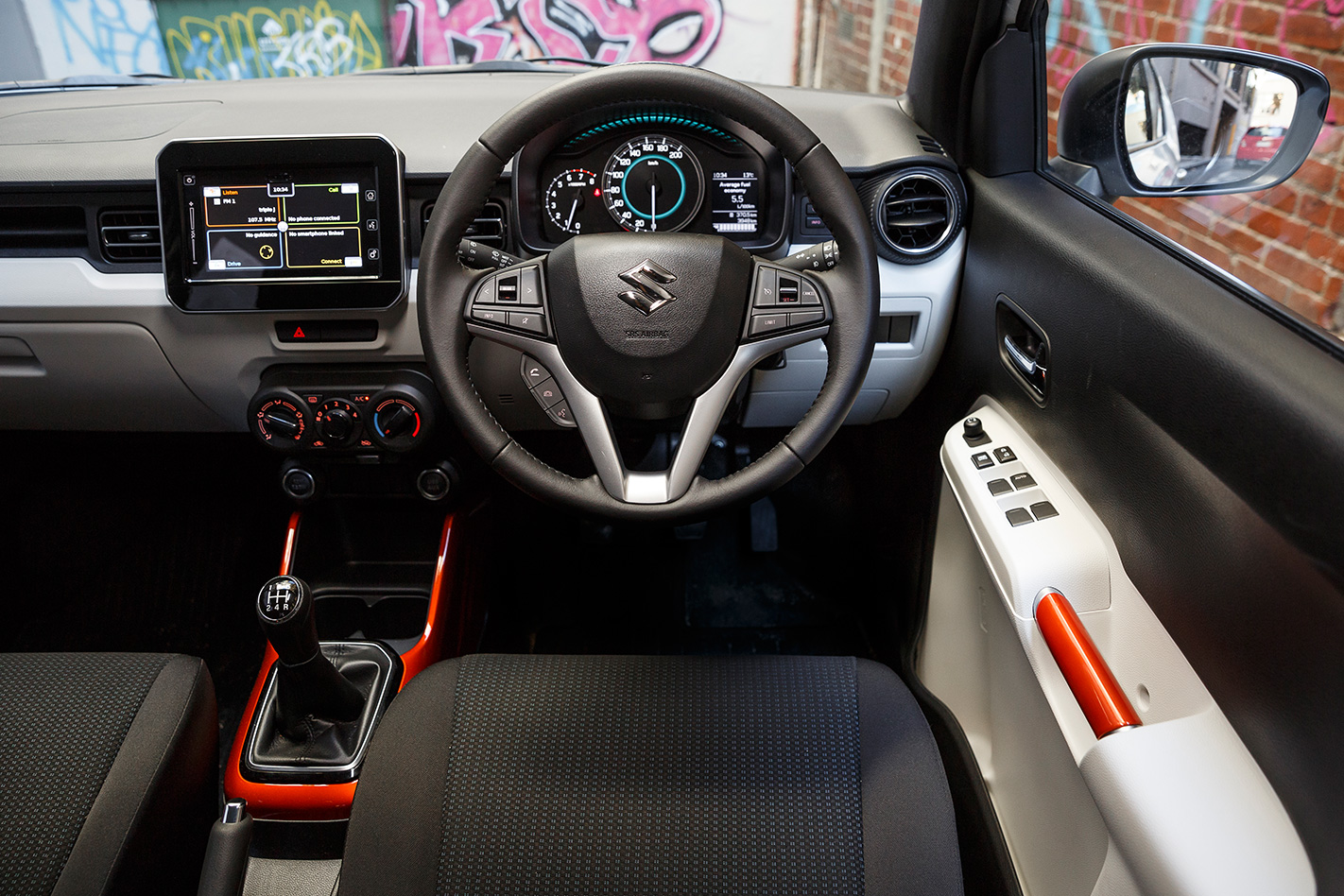
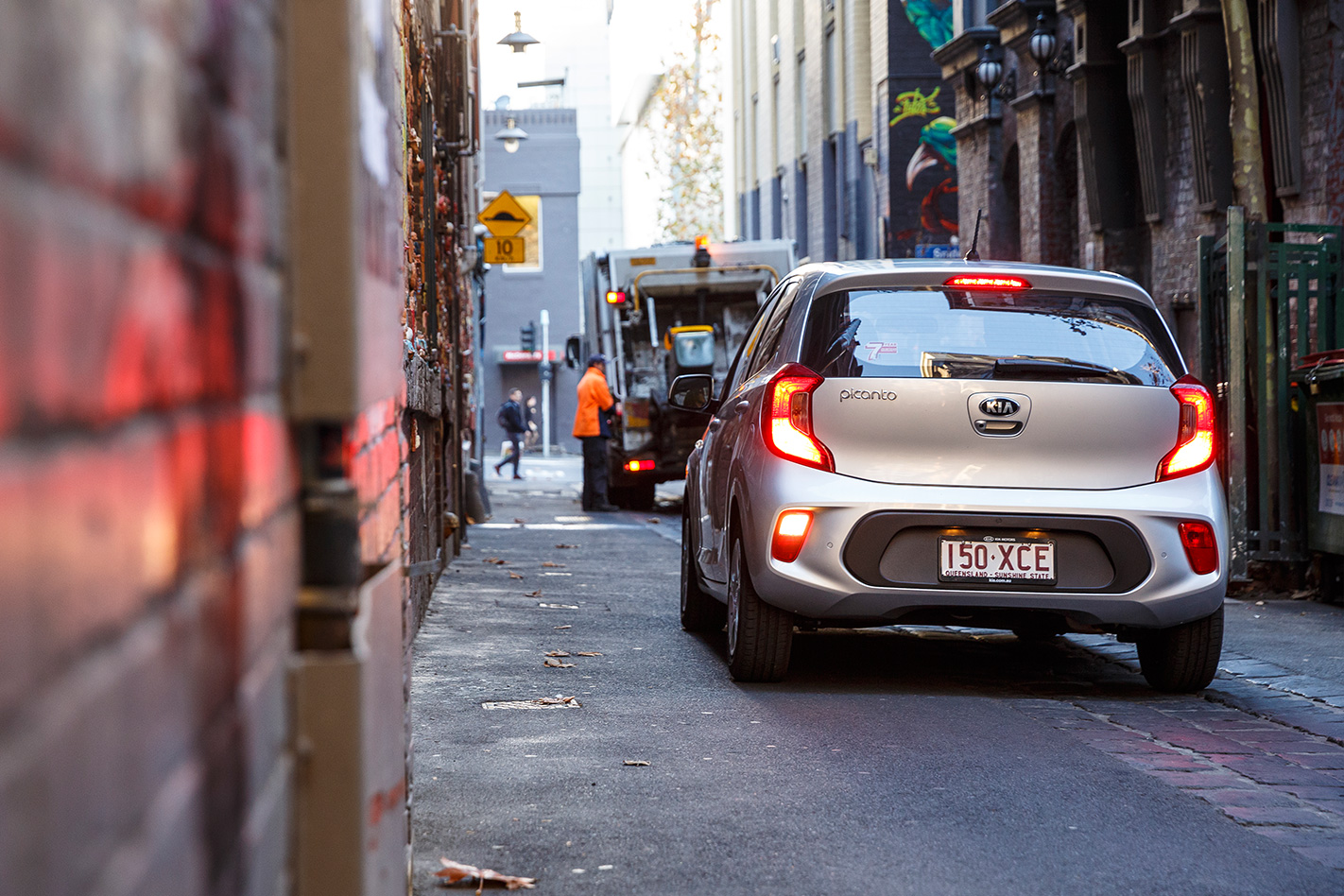
The Picanto’s nuggety exterior styling is reflected inside, majoring in all the functionality fundamentals such as space, seat comfort, driving position, instrumentation clarity, switchgear ease, ventilation effectiveness and storage capability, while excelling with many of the minor details as well. That chunky wheel’s feel. The clarity and consistency of all the markings. The simplicity of the central touchscreen. The trim’s appearance. They’re all deftly executed. The same applies out back, due in no small part to wide doors that allow unencumbered entry, a substantial cushion, sufficiently angled backrest and mood-lifting brightwork.
But not even English tabloid readers are gullible enough to believe they’re in an SUV, particularly as the driver won’t be able to raise the GL’s seat to take advantage of all that headroom. And while the rear is generous in its padding and knee space, there just isn’t enough cushioning to keep posteriors from being pounded by the stiff suspension. It’s a real lost opportunity for the Suzuki to hammer home its dimensional advantage.
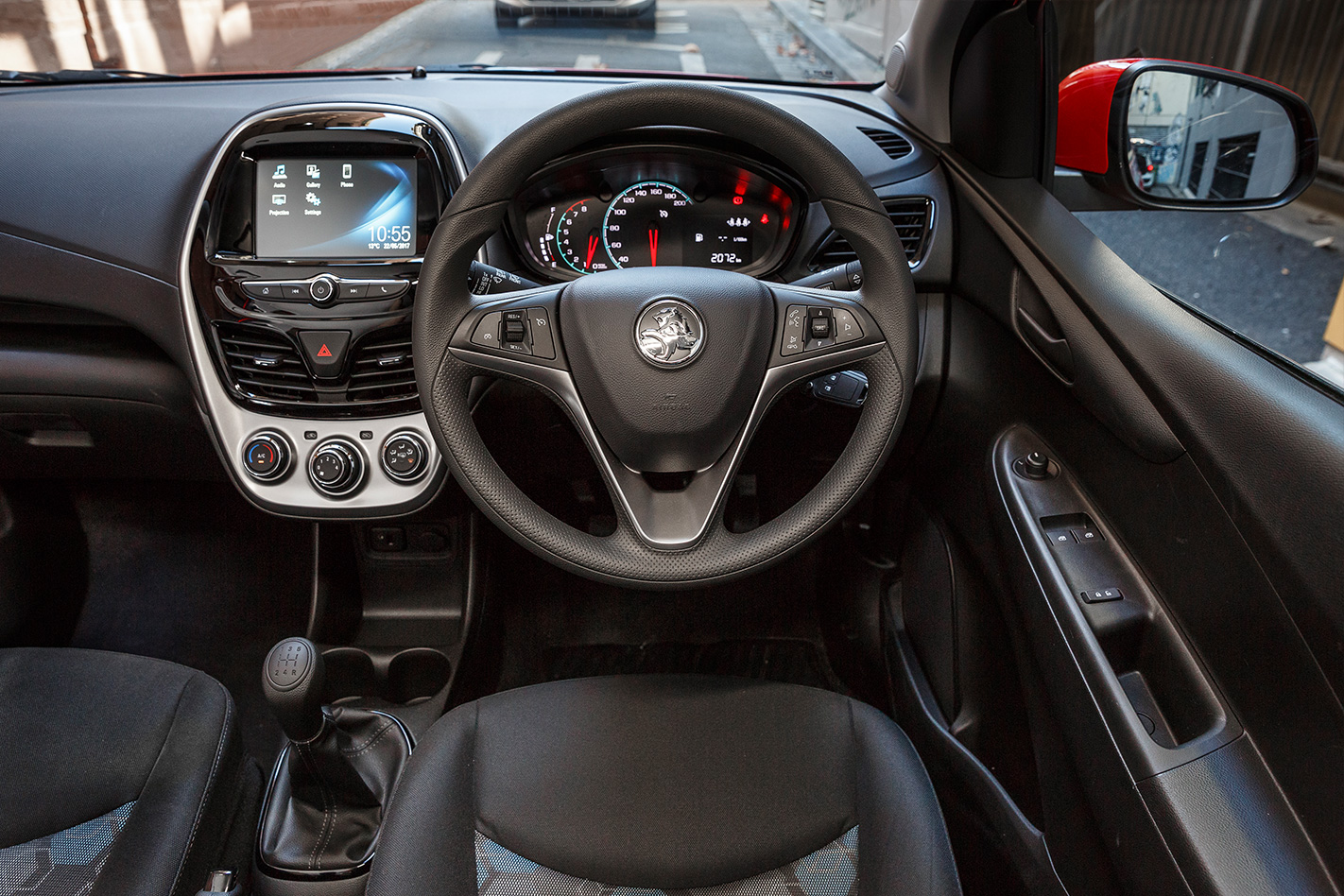
But why did the designers give up past the first row? Dinky back doors make access tricky for larger folk (despite ample space once seated). The surroundings are drab; the backrests too upright; the cushion somewhat flat (if quite lofty); and noise intrusion more noticeable than in the others. Conversation can even get shouty at highway speeds. A curious contrast inside then, since the Spark is both the most refined and cushiest-riding up front.
Still, considering the freshness of the Spark’s heart, we hoped for a stronger showing. It’s only 0.1sec faster than the Picanto, and absolutely throttled by the speedy Ignis, which at 10.6sec is a full second quicker to 100km/h.
We suspect a dead spot in the Spark at about 4000rpm is to blame, where torque levels taper off, though it does pick up again by 5600rpm, and will pull energetically to the 6600rpm cut-out. Did GM design this engine mainly around a turbo, before spinning off an atmo version later on? Luckily the gear shift is super sure and positive, perhaps the loveliest ever in a front-drive Holden.
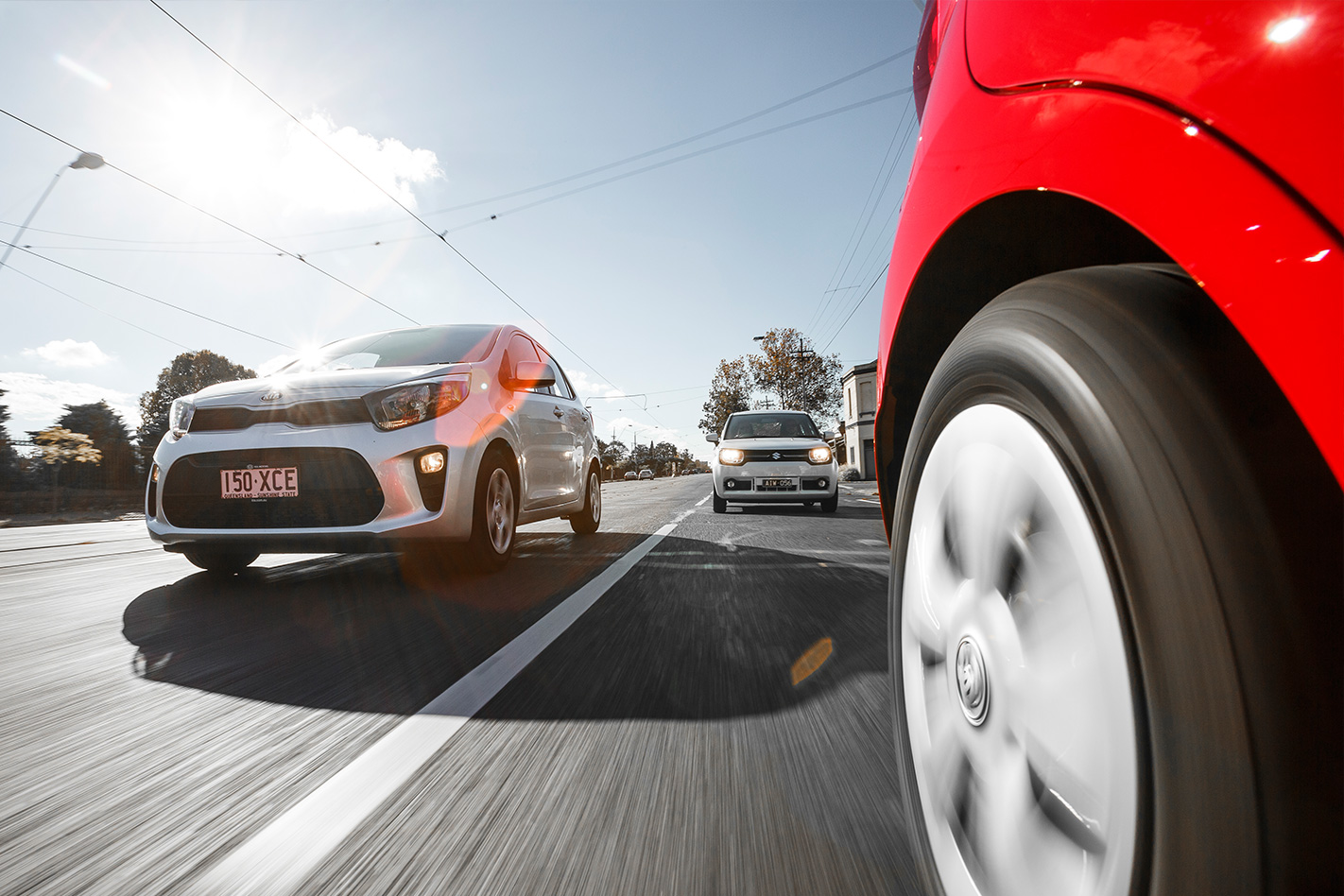
There’s a consistency to the Picanto’s power delivery that reflects the rest of the car, exceeding expectations just enough to impress. Mid-range acceleration isn’t only spirited, it’s also easy on the ear as well. That the fuel consumption is 0.3 litres per 100km more miserly than the Spark means the years haven’t wearied the hatch with the oldest powertrain here.
Yet the honours for both performance and economy go to the experts in small car engineering, Suzuki.
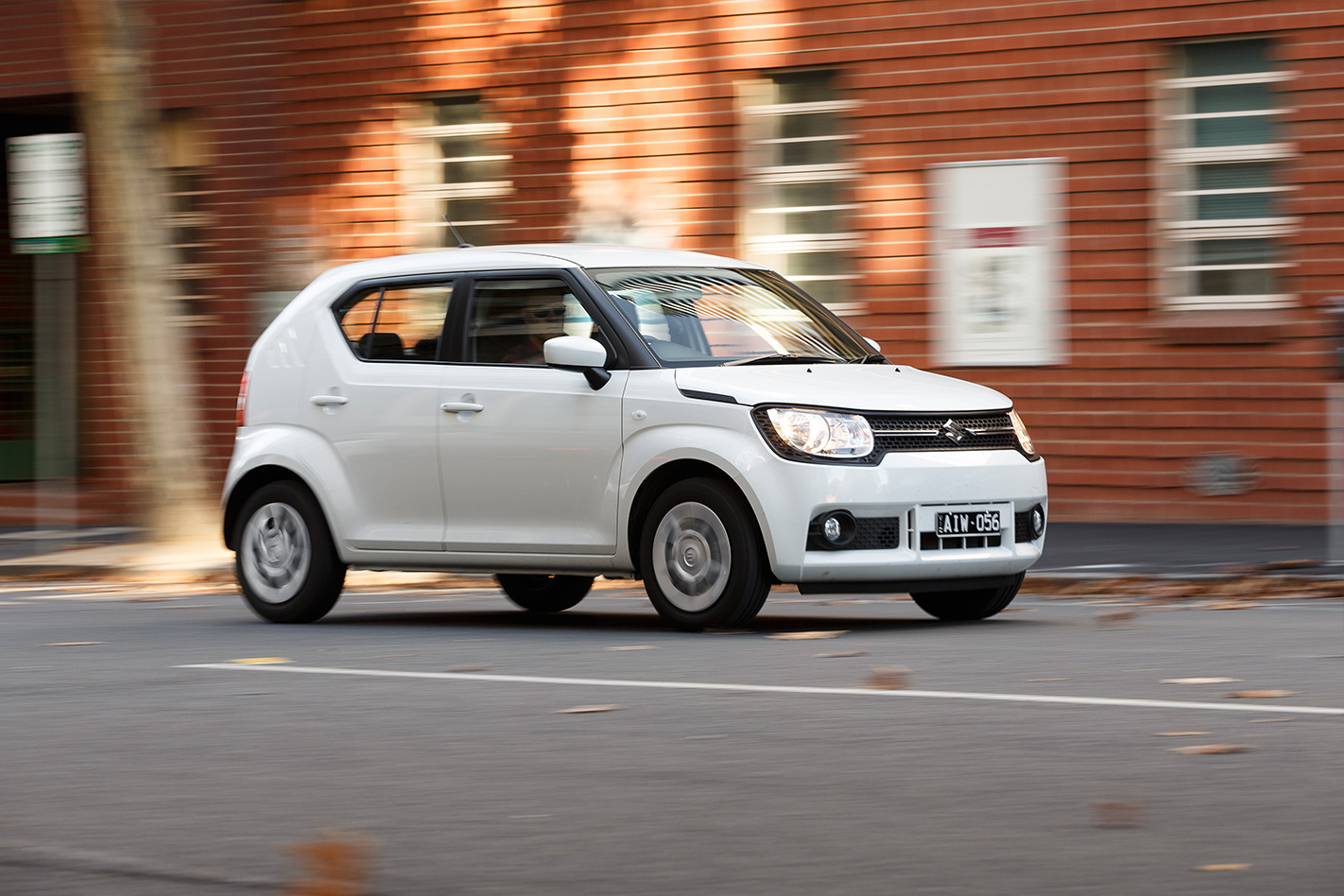
Initially at least, the Ignis’ synthesis of sass, space, spec, speed and parsimony squared it up as the front runner by a country mile – an ironic metaphor, sadly, since deteriorating rural roads subsequently exposed worrying cracks. Only settled on the glassiest surfaces, the ride went from stiff to smarting, with the suspension transmitting bumps and jolts ceaselessly, provoking vociferous complaints from the back seat.
Then there’s the steering. At 3.6 turns lock-to-lock, the payoff is a tiny turning circle for effortlessly light inner-urban manoeuvrability. But beyond the tight confines, at speed, the rack’s ratio switches from relaxed to nervous, prompting constant corrections.
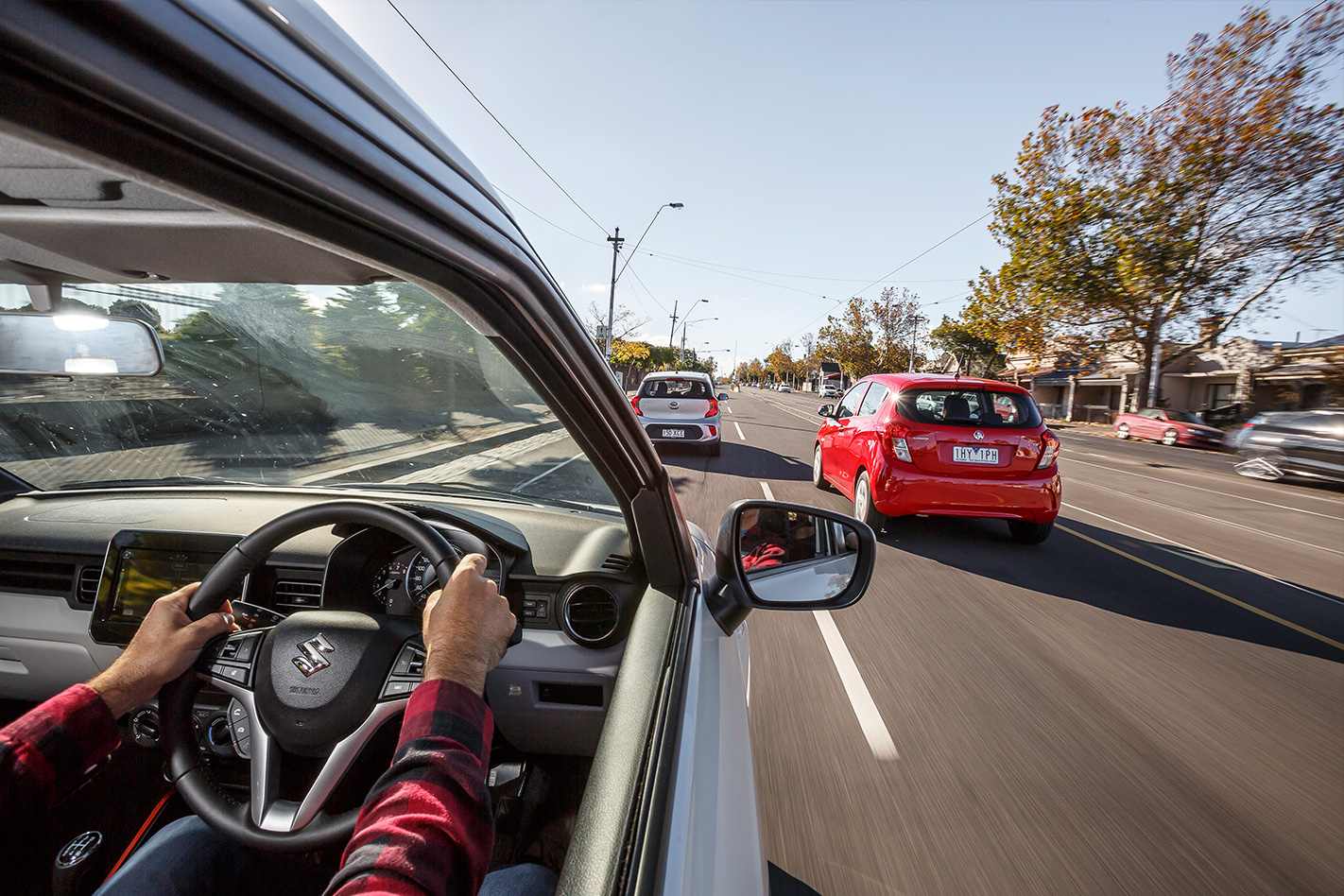
The steering, for starters, provides a sense of reassured control, for handling that’s both agile through tight city streets and four-square-secure at speed on the open road, underpinned by a decent amount of feedback and isolation in the process. Plus, upping the ante across fast rural roads also reveals a decent level of suspension discipline, most evident in the Holden’s ability to ably soak up a wide range of craggy surfaces. Sure there’s some firmness down there, but there is none of the Japanese car’s harshness. For overall finesse, this clearly feels a class up.
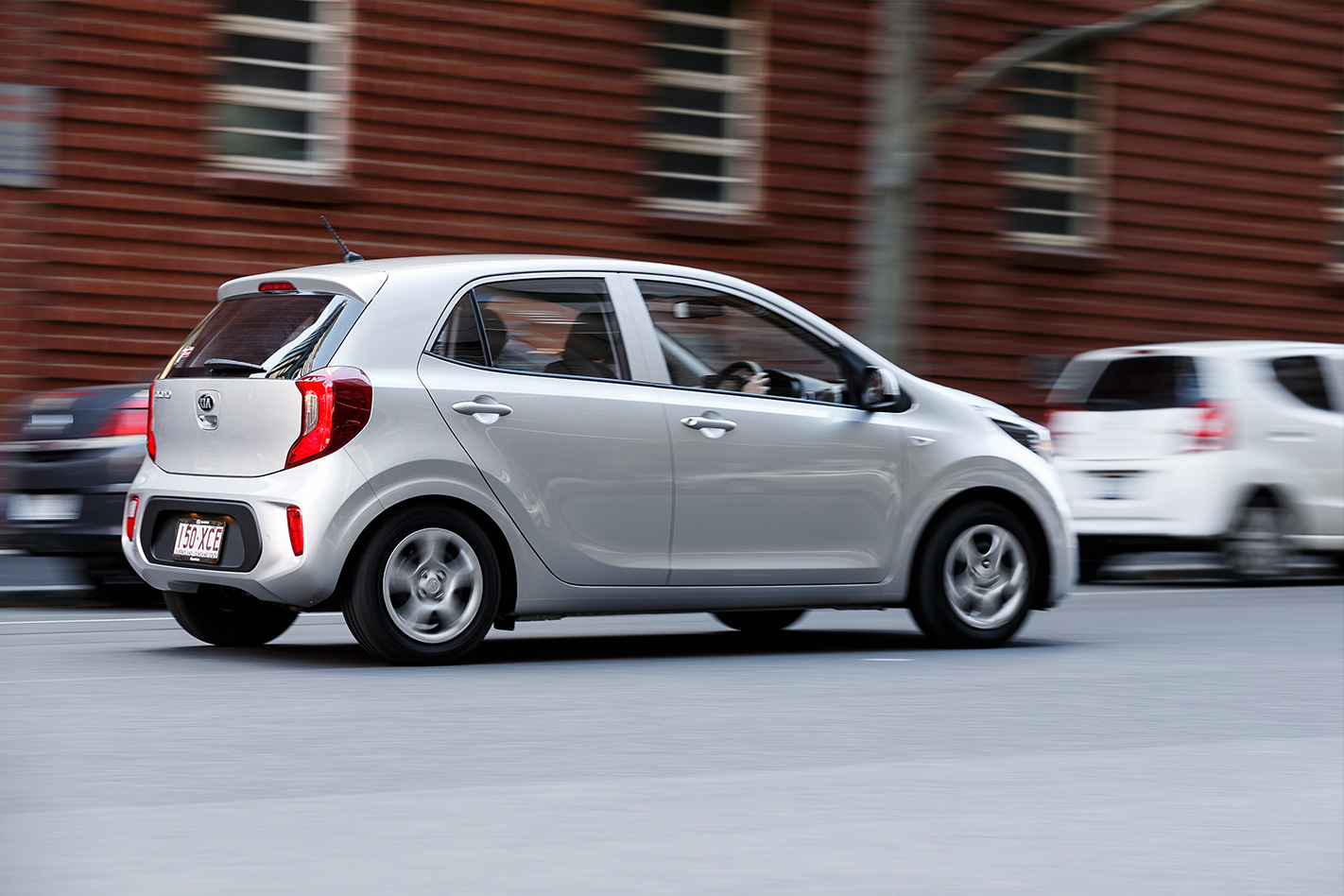
Still, the Kia has a spry yet equallysure-footed nature that makes it the most fun and alert of the trio, highlighting a decent degree of Australian-road tuning going on. And because the ride is sufficiently absorbent as well as the quietest here, comfort is the best for all occupants overall.
Kia Picanto v Suzuki Ignis v Holden Spark VIDEO comparison review
Ultimately, the combination of the Picanto’s accommodation, performance, efficiency and dynamics haul in the still-impressive Spark, and the Kia’s exceptional design, presentation, value and aftersales support propel it ahead. What last year’s model threatened to do, the new version achieves, with verve.
Driven benignly on smooth bitumen, virtues like design, packaging and efficiency prove that the Ignis has the right ingredients. But insufficient steering and suspension development for our roads sour the Suzuki experience.
As the company’s Margherita model then, the Picanto bodes well for future Kias with lots more toppings. Let’s hope it has an, ahem … domino effect.
ALFA Romeo’s hoping the eight new models it’ll reveal by 2020 will have shareholders sipping bubbly in Monaco by the time it’s done.
While we understand a handful of SUVs will be key to this, so far the Giulia has been doing a lot of the heavy lifting in terms of getting Alfa’s mojo back. And our fingers are crossed Alfa Romeo will build a special edition of the compact sedan to celebrate its hard work. It won’t struggle for a business case.
BMW has its M4 GTS, while Mercedes-AMG no doubt has a C63 Black in its wings. So there’s already a sandpit to play in. Blowing the dust off the GTA badge is the next step. It lived on the Giulia Sprint, which terrorised racetracks across Europe and America from 1965 into the 1970s. Our Giulia GTA will be a nod to its road-going versions.
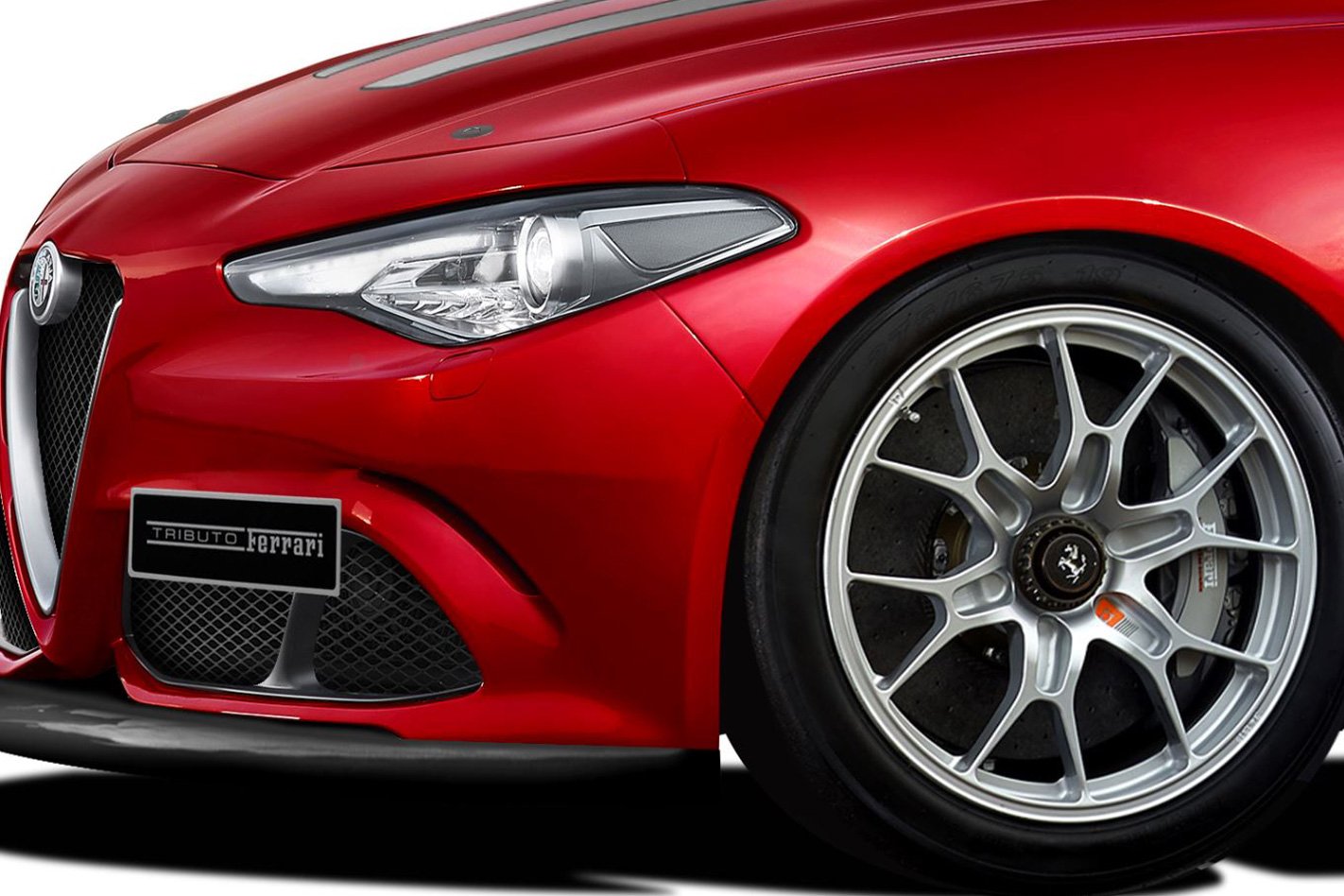
Remember the Abarth 695 Tributo Ferrari? Exactly.
DEAR DOLLAR
Considering the extent of modification to the Giulia GTA it will command a hefty premium over the QV’s $143,900. Only 500 will be built at around $250K. But considering BMW successfully sold its M4 GTS for more than that, we expect each GTA to find a home.
TOWER OF POWER
Not being able to resist a go at the M4 GTS’s 7min 28sec Nurburgring time, the Giulia GTA will be available in eight-speed auto guise only. The upside to that is Alfa Romeo will fettle the 2.9-litre twin-turbo V6, feeding it more boost to lift outputs to 400kW/640Nm.
LIGHTEN UP
That ‘A’ in the original’s three-letter badge stood for Alleggerita, which means lightweight in Italian. So, like its forefather, the new Giulia GTA strips off. Carbon-fibre doors and lexan windows feature from the B-pillar back, while ditching the rear seats balances out the new half rollcage’s weight. All up, the GTA drops 100kg.
LOCKED ON
Huge gains have also been made in the rolling stock department. Centre-lock wheels are borrowed from the Ferrari 488 GT3 car, mainly for bling factor. However, the 19-inch items are made from magnesium, like the original GTA’s, to drive down weight and they’re wrapped in Pirelli’s flagship P Zero Trofeo R for barnacle-like grip.
WING COMMANDER
Gone is the standard car’s active-aero splitter as it’s replaced by a larger fixed item. Meanwhile, out back, a new, larger rear wing sits on the boot. Both items hurt the car’s 307km/h top speed, but add enough downforce to rival a GT4 racecar. The rear diffuser is untouched, but now shelters a raspier titanium exhaust system.
Want to see more Sweet Dream creations?
What stands out?
The Hyundai Accent is a light city car that is bigger than most – it is slightly smaller than the Hyundai i30 hatchback and Elantra sedan. You can have an Accent in either body style, and it is well built and comes with a five-year warranty. This review covers Accents on sale from September 2015 until July 2017.
You can also read our review of the current Accent.
What might bug me?
Getting comfortable in the driver’s seat: you can adjust the steering wheel for height but not for reach.That you can’t listen to music stored on CD – there’s no player.In the less costly Accent, the Active, keeping an eye on the speedo in highway driving: there is no cruise control.
What body styles are there?
Five-door hatchback and four-door sedan.The sedan is about 15 centimetres longer than the hatch but has no more space for passengers: all the extra length goes into the boot.All Accents are front-wheel drive, and the Accent is classed as a light car, lower priced.
What features do all Accents have?
A sound system with a radio, Aux and USB inputs, Bluetooth phone functionality and audio streaming, and six speakers, controllable from a 5.0-inch touchscreen.Support for Apple CarPlay, which lets you display some apps (including maps) from your iPhone on the car’s touchscreen and control them from there.Controls on the steering wheel for the audio system.Height adjustment for the driver’s seat, and seatbelt reminders for all five seats.A full-size spare wheel.Six airbags. Anti-lock brakes, and electronic stability control – which can help you control a skidding or sliding car. (For the placement of airbags, please open the Safety section below.)The Accent is covered by a five-year, unlimited kilometre warranty.
Which engine uses least fuel, and why wouldn’t I choose it?
Two four-cylinder petrol engines are available in an Accent, a 1.4-litre for the less costly version, the Active, and a more powerful 1.6-litre for the Accent SR.The 1.4-litre uses least fuel, consuming 5.7 litres/100km in the official test with a manual gearbox and 6.2 litres/100km with an auto.The 1.6-litre is labelled GDi, for gasoline direct injection, and has about 35 per cent more power. Despite the extra go it uses only slightly more fuel. (Its more sophisticated fuel injection system makes it more efficient.)The manual gearbox in each case is a six-speeder.The auto gearbox fitted Accent Actives is a CVT, or continuously variable transmission. Rather than a set number of gear ratios, the CVT can adjust its ratio seamlessly. The idea is to give the driver better access to the engine’s best power.The auto in the Accent SR is a conventional six-speed unit.(Power outputs and all other specifications for the Hyundai Accent Active and SR are available from the Cars Covered menu, under the main image on this page.)
What key features do I get if I spend more?
The less costly Accents, the Active hatch and sedan, have the 1.4 engine, 14-inch steel wheels with plastic trim, cloth-covered seats, the features common to all Accents.Spend more and you can have an Accent SR, which comes only as a hatchback and has more equipment.That begins with the bigger, more powerful, 1.6-litre engine. Then there are nicer looking 16-inch wheels made from aluminium alloy, fitted with wider tyres that have a lower profile (for better grip, and more responsive steering).The SR has cruise control, front foglights, and daytime running lights illuminated by very long-lived LEDs. Its headlamps switch on automatically in low light.You also get more appealing finishes, among them a striped pattern on the seats, chrome door handles inside, and a leather-wrapped steering wheel. A storage net for the boot prevents smaller items from rolling around. And there is a rear wing (or spoiler) – which does not affect the way the car drives but is meant to make it look sportier.
Does any upgrade have a down side?
The larger tyres on the SR could cost more to replace, and the ride feels slightly firmer because the tyres have a lower profile (there is less air between the wheel and the road).White and yellow are the only standard colours, with all others costing extra.
How comfortable is the Accent?
The Accent presents well inside, with an unusual, golf-ball like dimpled texture on top of the dash and well laid out switches and buttons.The seats feel soft and spongy, and once moving the suspension feels that way too, so that you are well looked after when driving around town.Music produced by the audio system might not sound rich but it does go quite loud. Six buttons below the central touchscreen can be programmed to tune in your favourite radio stations.It is at highway speeds, or on long trips, when you wish that the seats supported the middle of your back more effectively, that the car felt steadier on bumpy stretches of road, and that less tyre noise intruded into the cabin – the Accent’s tyre roar is quite loud on coarse surfaces.The 1.4-litre engine feels undernourished but is helped by its CVT auto, which seamlessly adjusts to what the driver is trying to achieve. While some small engines with auto transmissions can be felt shifting busily between gears – adversely affecting comfort – the most perceptible change for the CVT driver is the sound the engine is making.The CVT ensures the Active 1.4 is responsive below 60km/h, but it still runs out of puff at country-road speeds.The 1.6-litre engine in the SR is noticeably more powerful and provides snappier acceleration.
What about safety in a Hyundai Accent?
Every Accent has stability control, six airbags, and seatbelt reminders on all seats.The airbags are in the usual places: one in front of each front-seat occupant; one outside each front occupant to protect the pelvic and chest area from a side impact; and side-curtain airbags running down the length of the cabin to protect the heads of front and rear occupants from a side impact.The Accent SR is more visible, with LED daytime running lights and auto-on headlamps.Crash avoidance aids such as autonomous emergency braking are not available on an Accent. (Auto-braking systems use sensors to scan the road ahead, and can apply the brakes automatically to prevent you from crashing into someone in front.)The Australasian New Car Assessment Program (ANCAP) has rated the Accent’s safety at five stars, most recently in August 2011.
I like driving – will I enjoy this car?
The Accent is more about cost-efficient transport than fun. The Actives and even the SR feel lethargic when driven gently.The GDi engine in the SR has more pull, and feels happier when worked hard. The six-speed auto does a decent job of keeping it in its sweet spot, although occasionally it performs a jerky change into a low gear if you press the accelerator harder.Steering in all models feels dull, especially through slight bends and when using the wheel near its centre position.Cornering grip from the small tyres on the Actives is not very strong, either, and the soft suspension allows the body to lean quite noticeably (reducing grip further, because the tyres don’t sit as flat on the road).The 16-inch tyres on the SR have slightly more grip, although the cornering limits are still modest. The biggest improvement is to the steering, which is more direct and engaging because of the tyres’ lower profile.
How is life in the rear seats?
By light-car standards there is good leg room and head room, although adults will find it a bit tight in the back and those taller than 180cm may find their head grazing the roof. The longer roof of the hatchbacks translates to an extra 13mm of rear head room.The rear seatbacks are unusually high, which gives good support to the upper back.While there are three seatbelts, the middle seat is a lot less comfortable than those outside it, with a higher position and no side-support.There are no rear air-conditioning vents.Cabin storage in the rear is light-on, too: there are no door pockets, and a seatback pocket only on the left-hand side.
How is it for carrying stuff?
The boot on the Accent is quite accommodating, with a fairly wide floor, although there is a large lip to load luggage over. The 60/40 split-fold setup allows long items to extend into the main cabin if necessary.The longer body on the sedan translates to about 30 per cent more luggage space in the boot, but when the rear seats are folded it remains easier to load bulky items such as bicycles into the hatchback.
Where does Hyundai make the Accent?
All Accents are made in South Korea.
What might I miss that similar cars have?
A reversing camera, which is standard on the Toyota Yaris and Honda Jazz, for example, and available on other light cars such as the Mazda2 and Volkswagen Polo.Active safety features, such as automatic emergency braking. This is standard on the Mazda2 and available on the Yaris and Suzuki Swift, for example.Among other light cars you might consider are the Renault Clio and Kia Rio.If you could be happy with less space, consider a Holden Spark, Suzuki Celerio, Kia Picanto, or Suzuki Ignis.
I like this car, but I can’t choose which version. Can you help?
The Accent Active with a CVT transmission is the pick of the range covered here, but predominantly because of its pricing: it is one of the least costly four-cylinder hatchbacks on sale. The CVT auto helps give it respectable around-town performance.
When did Hyundai update this Accent?
The current shape Accent went on sale in 2011 and received minor updates and tweaks (including dropping the diesel engine formerly available) in 2012 and 2013.About September 2015 Hyundai removed the smaller i20 from its model range. The mid-price Accent Elite was dropped also. Accent Active models were given a smaller, 1.4-litre engine with a CVT auto gearbox option and became the least costly Hyundais available.Late in June 2017 Hyundai reduced the Accent range to a single hatch and sedan, replacing the 1.4-litre Accent Active and 1.6-litre Accent SR with the Accent Sport. The Accent Sport uses the direct-injected engine from the SR, and adopts its wheel and tyre package, its suspension, and most of its feature set (including cruise control). Unlike the hatch-only SR, you can have the Accent Sport as a sedan also.
What stands out?
The Honda CR-V has a bigger body than many other mid-sized SUVs, which allows a large boot and great rear-seat space. There is also a full-sized spare tyre, which is unusual among similar cars. The interior is presented well, there is plenty of standard equipment, and all-wheel drive is available. This review covers the fourth-generation CR-V, superseded in August 2017.
What might bug me?
Using the foot-operated parking brake – it’s more difficult than a traditional hand brake.Stabbing repeatedly at the volume button to turn up the sound system. You can’t make an easy big change, in the way that you can with a rotating knob.
What body styles are there?
Five-door wagon only.The CR-V is available in front-wheel drive and all-wheel drive. It is classified as a medium SUV, lower priced.
What features do all versions have?
A reversing camera that allows a choice of view angles. Bluetooth phone and audio streaming, and a 7.0-inch colour touchscreen.An MP3 compatible sound system with an AM/FM radio, a CD player, HDMI and USB inputs, six speakers, and speed-sensitive volume control.Height and reach adjustment for the steering wheel, which carries buttons for operating the cruise control, the sound system and your phone.Seatbelt reminders for all five seats. A footrest for the driver.Aluminium alloy wheels (which are lighter and more stylish than steel wheels) and a full-sized spare tyre.Roof rails. These act as mounting points for the optional roof racks. (If you want to carry something on the roof, you also need the racks.)Six airbags: two directly in front of the driver and front passenger; a side airbag to protect the upper body of each front occupant; and a curtain airbag on each side to protect the heads of front and rear occupants.Electronic stability control, which can help control a skid. All new cars must have this feature.The CR-V is covered by a three-year warranty, with no limit on distance. Cars sold new after 1 July 2017 are warrantied for five years.
Which engine uses least fuel, and why wouldn’t I choose it?
The limited edition 1.6-litre turbo-diesel is the most frugal, with official consumption of 5.9 litres/100km in auto form. This is an excellent engine.The other diesel available, a 2.2-litre turbo, is just as economical with a manual gearbox but uses 6.7 litres/100km with the more popular auto.One reason you might not choose either is their prices: the diesel engines are confined to the more expensive, and four-wheel drive, models. And the 1.6 diesel comes in only the most expensive, DTi-L, trim level.A second reason you might not choose a diesel is that you can’t get hold of one. By March 2016 new stocks of both Honda CR-V diesels were very low, with no relief on the horizon.The 2.0-litre petrol engine in two-wheel drive CR-Vs uses 7.7 litres/100km as an auto and is easier to drive around town.There is also a 2.4-litre petrol engine for four-wheel drive models. While it uses a litre more petrol than the 2.0-litre every 100km, it also brings better performance.In the real world, a CR-V VTi-L with this petrol engine averaged 12.0 litres/100km in comparison testing of mid-sized SUVs for the August 2014 issue of Wheels magazine, putting it near the middle of 10 cars reviewed for fuel use.The least costly CR-V, the 2WD petrol VTi, comes with a six-speed manual or five-speed auto gearbox. All other petrol-powered models offer the five-speed auto only.The 1.6-litre diesel engine drives through a nine-speed auto gearbox; whereas the 2.2 comes with a five-speed manual or a five-speed auto.
What key features do I get if I spend more?
Pay more for the VTi-S and you get a leather-wrapped steering wheel, and front and rear parking sensors. Windscreen wipers operate automatically when it rains. Headlights switch on automatically at night. There is dual-zone air-conditioning, which allows temperatures to be set independently for each half of the cabin, and smart key entry, which allows you to unlock the car without retrieving the key from your pocket or handbag.Take a further step to the VTi-L and you get part-leather trim (there’s also some fake leather), with powered adjustment and heating for the front seats, and a memory for the driver’s seat (which makes it easier to restore your settings after a companion has driven the car). There is satellite navigation, and a sunroof. The 17-inch wheels on the two cheaper versions are replaced with 18-inch wheels, mainly for the racier look.An extra-cost option available only on the VTi-L AWD is an active safety suite that Honda calls ADAS, for Advanced Driver Assist System. It comprises Adaptive cruise control, Lane-keeping assistance, and Autonomous emergency braking. (For more on these systems, please open the Safety section below.)All three versions – VTi, VTi-S and VTi-L – can also be ordered with all-wheel drive, in which case they will have the bigger petrol engine.(Diesel CR-Vs – DTi-S and DTi-L – were available only with all-wheel drive. Equipment levels matched the VTi-S and VTi-L, respectively.)
Does any upgrade have a down side?
All-wheel drive petrol models have the bigger engine and are heavier, and so use more fuel than their two-wheel drive counterparts.The VTi-L’s sunroof reduces front headroom by 49mm.The 18-inch tyres on VTi-L models won’t ride quite as smoothly as the 17s on less costly models, and could cost more to replace.White is the only standard colour, and all others cost extra.
How comfortable is it?
The CR-V has an elegant interior with a classy and functional instrument cluster. The front seats are comfortable and offer good support. Everything is put together nicely. The large touchscreen makes it easy to navigate basic functions such as the sound system and phone connectivity.Vision is good and so is the driving position. Most control buttons are easy to reach.You might want more thrust from the basic 2.0-litre engine in 2WD models in everyday driving, something not helped by its five-speed auto. Most rival autos have at least six gears, respond better to inputs from the driver and make the engine appear more powerful.The 2.4-litre engine on 4WD models is more pleasant to drive, accelerating more easily.Overall the CR-V is an easy car to live with, with steering that is light and faithful in its responses. The suspension is also fairly compliant, making it comfortable over bumps.At high speeds, tyre noise can intrude on what is a quiet cabin otherwise.
What about safety?
With a reversing camera, airbags all around and seatbelt reminders for all positions, the CR-V has a good level of standard safety. It also has daytime running lights – additional lights near the headlamps that make the car more visible.Features such as rain-sensing wipers and dusk-sensing headlamps on all but the least costly model improve safety levels, activating without driver intervention.An extra-cost option on the all-wheel drive VTi-L (only) is the ADAS suite of active safety aids, which includes a form of autonomous emergency braking that Honda calls CMBS (Collision Mitigation Braking System).ADAS uses radar and camera sensors to monitor the road ahead. They inform the Adaptive cruise control, which will hold you automatically at a safe distance from other drivers on the highway. They also inform the CMBS, which will warn you of an impending collision, and will apply the brakes automatically if you do not respond. The included Lane keep assistance monitors road markings to check that you are not drifting out of your lane on the highway – a likely sign of distraction or fatigue. If it concludes that you are, it will attempt gently to correct the steering.The Australasian New Car Assessment Program (ANCAP) rated this CR-V’s safety at five stars, in October 2012.
I like driving – will I enjoy this car?
Like alternative mid-size SUVs, the CR-V drives more like a car than an off-roader. However, the taller body and softer suspension means it is prone to leaning in corners, which can be disconcerting through a succession of bends. And while the light steering is nice in the city, at highway speeds you may well find it too light – and a bit dull around its centre position.However the CR-V holds the road well, instilling confidence in the driver.The 2.0-litre engine, like many Honda engines, works best when you drive it hard and let it spin, but the auto transmission does not always harness its sweet spot, tending to select a higher gear early. The 2.4-litre engine in AWD versions is more enjoyable and better for overtaking.That five-speed auto is a better match for the 2.2-litre turbo-diesel, which has a broader spread of power in most conditions. The 2.2 diesel is also fairly quiet and smooth. The 1.6 diesel is smoother again and feels more powerful, aided by the closer ratio steps in its nine-speed auto.All-wheel drive versions of the CR-V are light-duty off-roaders, designed for predominantly on-road use. The full-sized spare tyre adds confidence to try some tracks and trails, but the suspension design and low ride height (for an off-road vehicle) limit its ability on rough surfaces.
How is life in the rear seats?
The CR-V has more leg room at the rear than most medium SUVs, and so is very comfortable and spacious there for adults. The wide rear seat fits three people easily. And vents dedicated to the rear compartment bring heating or cooling.However, the middle seatbelt comes out of the roof and requires two buckles to fasten it.The outer child seat anchor points are also in the roof, obstructing rear vision.
How is it for carrying stuff?
The CR-V’s big boot is great for families, with a long, broad floor and tall load space. The rear seats can be easily split-folded in a 60/40 configuration, using handles on either side of the luggage area. Flip up the bases before folding the backs down and you get a near-flat floor.There’s a net on the left of the boot for smaller items.Elsewhere in the cabin there are plenty of storage binnacles, including a sizeable centre console and a smaller pocket above the main front door pockets that’s perfect for phones.The CR-V is rated to tow 1600kg.
Where is it made?
Most CR-Vs are produced in Thailand. However the limited edition CR-V DTi-L (with the 1.6-litre diesel) was produced in England.
What might I miss that similar cars have?
Perhaps wider access to active safety features such as automatic emergency braking. You can have these only on the most expensive CR-V – and even then you have to pay extra.A six-speed automatic gearbox, which would improve performance and cut fuel use. Most other medium SUVs have at least six forward gears (or a CVT, with an infinite number of ratios). Among those are the Hyundai Tucson, Kia Sportage, Toyota RAV4, Mazda CX-5 and Subaru Forester.Seven seats: the Mitsubishi Outlander and Nissan X-Trail offer a third row of seats in a car of about the same size.The ability to display smartphone apps on the car’s central touchscreen, via Apple CarPlay or Android Auto. The Volkswagen Tiguan and Ford Escape offer this feature, for example.
I like this car, but I can’t choose which version. Can you help?
The CR-V VTi 4WD. It has plenty of equipment and represents great value. We prefer the more powerful engine in this all-wheel drive version.
When did Honda update this CR-V?
The CR-V reviewed here arrived late in 2012 and received a mild update late in 2014. A limited-edition, 1.6-litre turbo-diesel introduced about October 2015 briefly augmented dwindling stocks of the 2.2-litre diesel. From about the second quarter 2016, this CRV has been available only with petrol engines.From 1 July 2017, Honda extended its warranty on new cars to five years.About the end of July 2017, Honda replaced this car with a new-generation CR-V. The new CR-V has a nominally more fuel-efficient turbocharged engine, support for Apple CarPlay and Android Auto smartphone integration, a seven-seat version, and the option of all-wheel drive.
AUSTRALIA’S electric vehicle charging infrastructure is about to get a shot in the arm from an unexpected source, with the Queensland government announcing today an almost 1800km ‘EV Superhighway’ between the Gold Coast and Cairns in Far North Queensland.
The state’s Energy Minister, Mark Bailey announced the venture in Cairns, where the first of 18 initially free-to-use electric vehicle charging stations was revealed.
“This fast-charging station is the first of many proposed throughout the state which will be announced by the Palaszczuk Government in coming months making it possible to drive an electric vehicle from the state’s southern border to the Far North.”
There are just 700 electric vehicles registered in Queensland so far, but it’s hoped the project will go a long way in increasing ownership incentives for consumers.
Tesla and Hyundai join calls for electric vehicle tax incentives
“We know the future is electric. This project is ambitious, but our vision is to facilitate increased uptake of electric vehicles in Queensland, getting as many people as possible on board the electric vehicle revolution as part of our transition to a low emissions future,” Bailey said.
“That’s why fast-charging stations will also be available for use at no cost for the initial phase of the superhighway.”
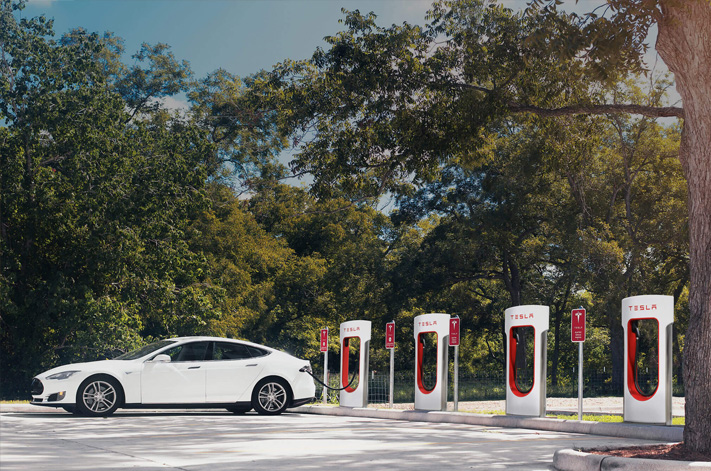
While it’s not the biggest EV highway in the world, the government is claiming it as the longest within in a single state.
The project is particularly good news for Tesla owners who will be able to potentially drive from Adelaide to Cairns via Melbourne, Sydney and Brisbane using Tesla charging stations and the Queensland superhighway facilities.
That’s an impressive 4214km – about 50km more than driving between Madrid and Moscow, and almost as far as the trip between Los Angeles and Miami.
Government support for electric vehicles has been slow to start Down Under, leaving us lagging behind Northern America and Europe.
Fast chargers are proposed for the following Queensland locations:
- Cairns
- Tully
- Townsville
- Bowen
- Mackay
- Carmila
- Marlborough
- Rockhampton
- Miriam Vale
- Childers
- Maryborough
- Cooroy
- Brisbane
- Helensvale
- Coolangatta
- Springfield
- Gatton
- Toowoomba
PORSCHE will follow the freshly unveiled Panamera Turbo S E-Hybrid flagship with a Sport Turismo wagon version that shares its potent 500kW/850Nm petrol-electric powertrain and vicious range-topping performance.
While the hybridised sedan version gets a 100kW electric boost for its 4.0-litre V8, the most powerful Sport Turismo variant currently offered in Australia is the petrol powered Turbo, but that’s set to change. Fans of the shooting brake Panamera will soon be offered the electrified V8 version as well.
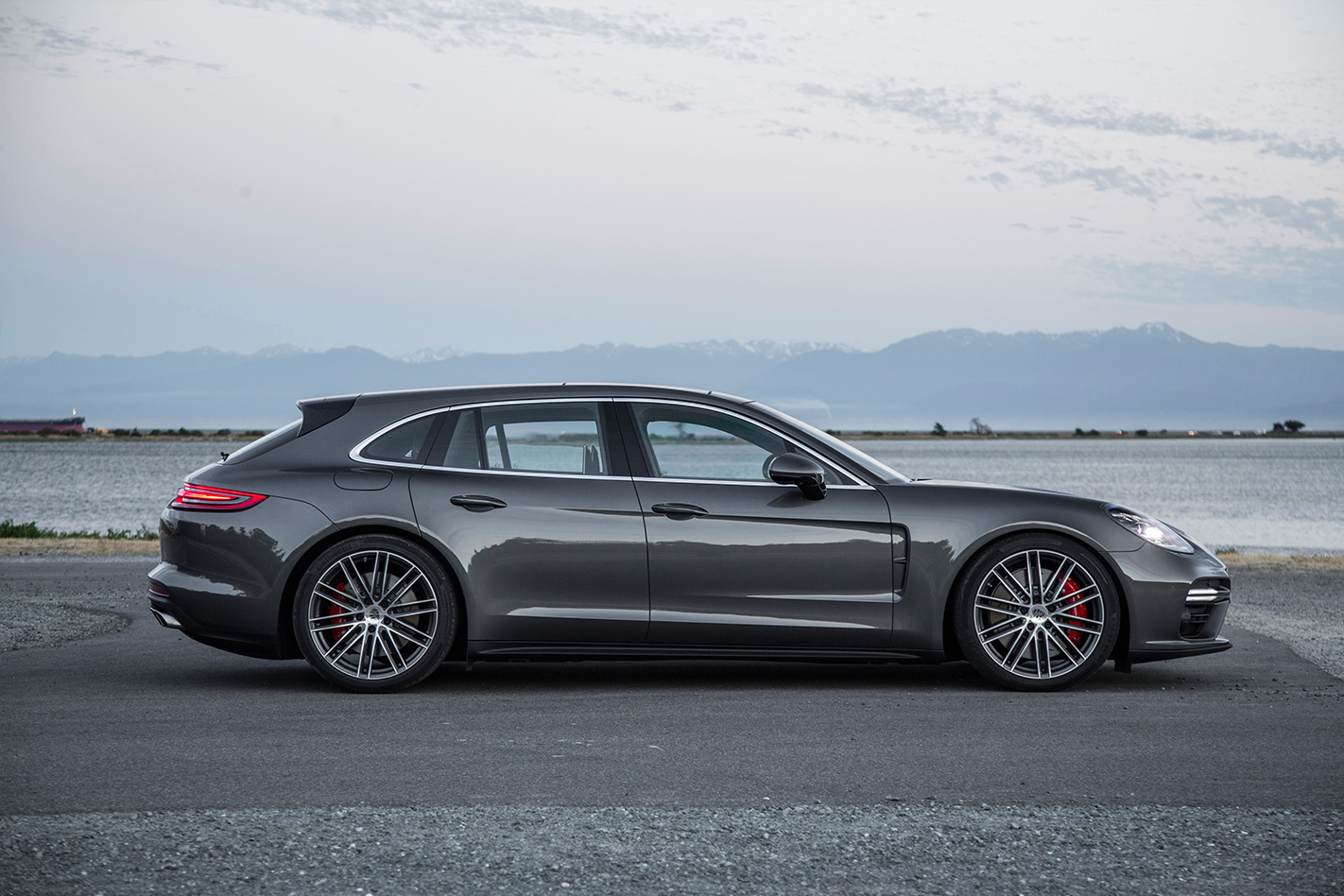
“The powertrains are the same, so that later on there will be a Sport Turismo version,” he said.
In Australia, the Sport Turismo order books are already open, with local buyers offered a choice of five variants from the $232,500 Panamera 4 Sport Turismo to the $390,700 Turbo Sport Turismo, with a mid-range V6 turbo hybrid, but an electrified V8 version is still absent.
Porsche Australia public relations specialist Stephanie Weiser said the potential of a sixth version was hard to predict, but a warm early reception of the Panamera hybrid was building a good case for an even higher-performance wagon version.
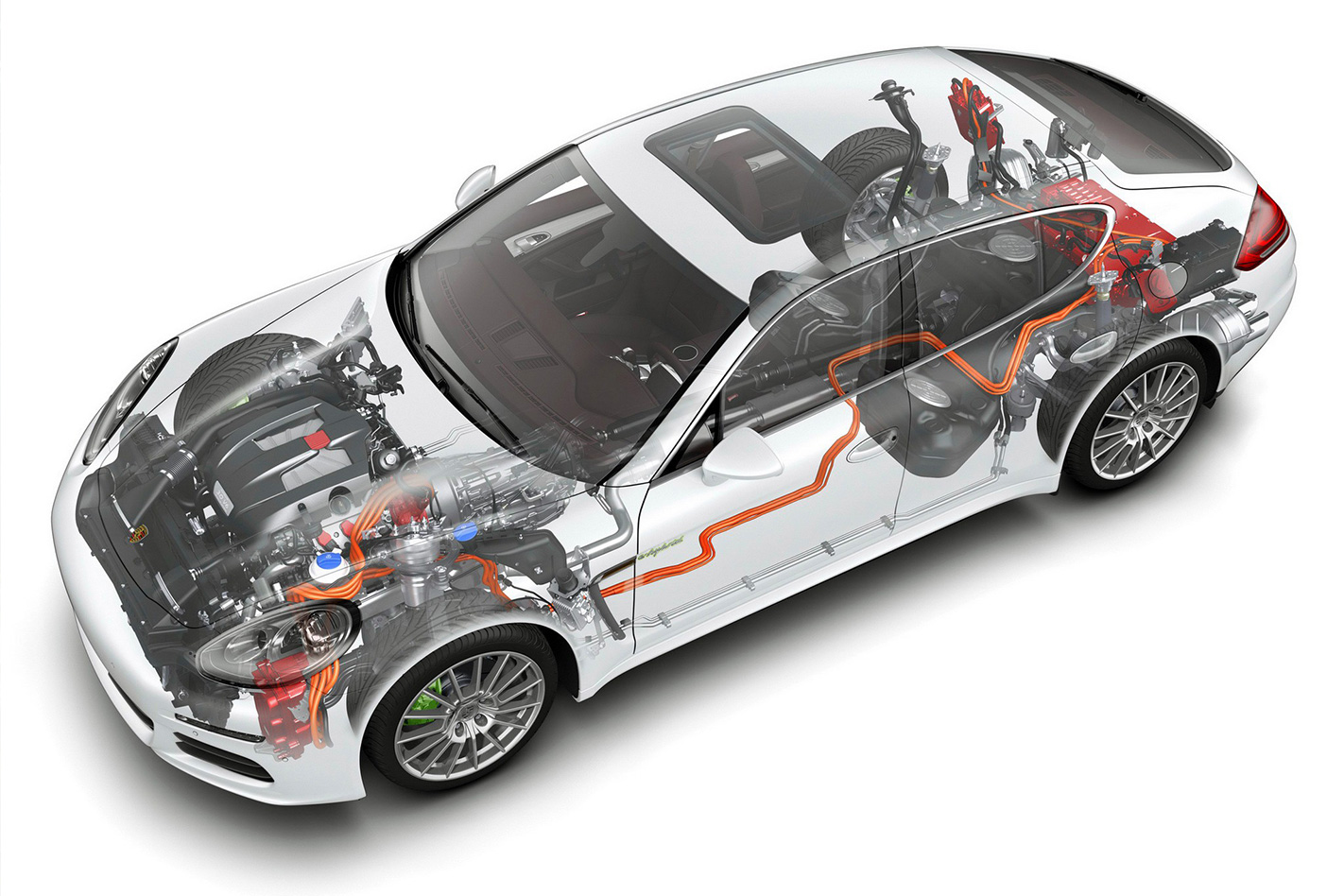
Performance figures for the Sport Turismo Turbo S E-Hybrid are yet to go public but the current Sport Turismo range topper Turbo shares a performance pegging with the sedan equivalent. Turbo S E-Hybrid versions, therefore, are unlikely to differ from the Panamera sedan’s zero to 100km/h dash in 3.8 seconds or 3.6 with launch control.
With a different aerodynamic profile, Sport Turismo versions of the Panamera might even crack a faster top speed compared with its sedan sibling, but Porsche is also yet to come clean on figures and whether the wagon can better the current 310km/h V-max.
Beyond the more practical Sport Turismo body, the two large passenger Porsches share a majority of mechanical and technical specifications. If the Turbo S E-Hybrid wagon rolls into Australian showrooms, customers will likely benefit from the same rear axle steering, three-chamber air suspension system, all-paw traction, eight-speed dual-clutch transmission and a long line of luxury standard fit features.
We tend to have two perceptions of car factories.
Either they’re filthy, clanking places where greasy blokes hit things with hammers, or they’re brilliant white cathedrals of autonomy, with robots silently flipping, welding and shuffling cars in various states of undress along a line.
Porsche’s factory in Zuffenhausen is neither. One thing you can count on there is pride. Pride in the quality of what’s being built and pride in working for an employer that clearly cares about detail. We make no apologies for this video being 39 minutes long. Or that it has precisely zero dialogue. In fact, you could say it’s just B-roll, but if you’re an enthusiast, watching Porsche’s 911 Turbo S Exclusive Series being built is pure, gratuitous car porn. So, set a bit of time aside, get yourself a drink, put on the headphones and zone out to the creation of this very special $590,700 Porsche.
If you want a bit more in the way of backstory before watching, the Exclusive Series takes the 3.8-litre twin turbo flat six of the Porsche 911 Turbo S and squeezes 446kW out of it – 19kW more than the standard Turbo S – with peak torque remaining at 750Nm between 2250-4000rpm. The 0-100km/h benchmark is demolished in 2.9 seconds and top speed is 330km/h. But enough of statistics. Some things you just can’t quantify. Like love, pride and the satisfaction of a job well done.
There seems to be a global shift towards killing off the fossil-fuel powered cars we’ve been accustomed to all our lives.
Just yesterday the British government announced a ban on new petrol- and diesel-only powertrains from 2040, following in the footsteps of France, which issued an even stronger decree earlier this month.
And it’s not just governments making such decisions, with Volvo declaring it will stop producing petrol- and diesel-only cars by as early as 2019.
Other administrations and manufacturers will follow their lead, which will have an impact here whether or not the Australian government follows. But the changes won’t be as revolutionary as those enforcing them would have us think.
For a start, 2040 is still 23 years away. If we go back that same period to 1994, hybrid, self-driving cars with smartphone integration would have been the stuff of science fiction, while turbocharged engines were the domain of performance vehicles. Meanwhile, Australians were still laughing at Korean cars and shaking their heads in dismay when Toyota introduced its RAV4, a car that looked like a 4WD but was built for the city.
Since then there has been myriad changes to the performance, safety, economy and the shape of cars, but for the most part they are still essentially driven the same way.
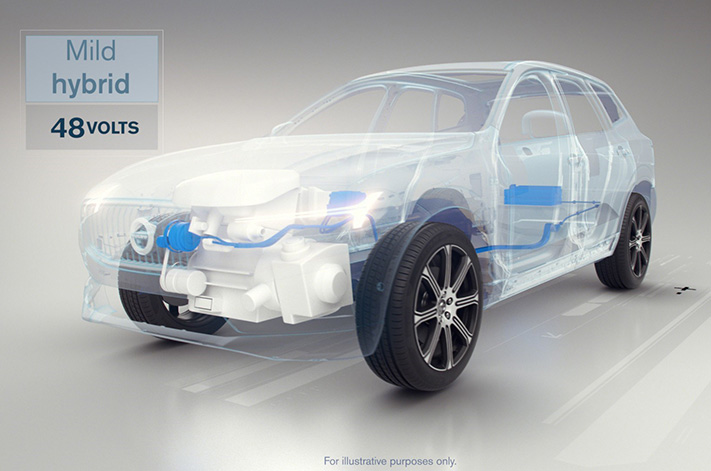
And this will largely be the case in 30 years’ time, with the decisions made on either side of the English Channel requiring some perspective before going all Chicken Little about the future of pistons and cam shafts.
While France aims to ban all internal combustion engines, Britain and Volvo have decided to ban all cars powers by internal combustion alone. The difference is that the UK and the Swedish carmaker are still allowing for petrol and diesel engines as part of mild and full hybrid systems.
If you’ve driven a hybrid car you’ll know the driving experience isn’t all that different to a conventionally engined car. It’s even less so with mild hybrid systems, which are predominantly piston-driven with an electric motor/generator and lithium-ion battery employed to help reduce fuel use under heavy acceleration and from a standing start.
Such systems will become more popular as car makers race to comply with tougher global emissions standards, but their impact, as far as changing how the car performs or feels, is no more significant than adding a turbo.
That said, fully electric vehicles will slowly become more affordable and mainstream, as will self-driving technology, meaning that, by 2040 our notion of the car as we know it will have gradually transformed like they have since the days of the VR Commodore being crowned Wheels Car of the Year.
So yes, the car as we know it is on borrowed time, but it always has been.