
YOU’VE either got a collector’s mentality or you haven’t.
Take eBay vendor ‘samsuam’ as an example. He was probably one of those kids who received Star Wars figures for Christmas and then refused to take them off their card backing, preferring instead to build a dehumidified vault for them in order to onsell at a huge markup twenty years later.
Maybe he planned to put his kids through college on the back of a vinyl-cape Jawa sale. That’s just supposition. What we do know is that he’s selling the vehicular equivalent; a 2006 Mitsubishi Evo IX MR with just nine miles on the clock.

Back then, Mitsubishi would have charged $37,094 plus Californian taxes for the Evo IX MR. So at its current bid, those couple of decades have seen this Evo steadily earn around $485 per month, every month for the last 11 years.
That’s around 4000 southern Californian mornings – where the sun rises over empty roads twisting into the desert – that its owner has been steadfastly resisting the urge to take it for a spin. Boggles the mind, doesn’t it?

Last year somebody in the UK sold a carded vinyl-cape Jawa for A$35,000, though it wasn’t reported what they had in their garage.

Check out the eBay listing here.
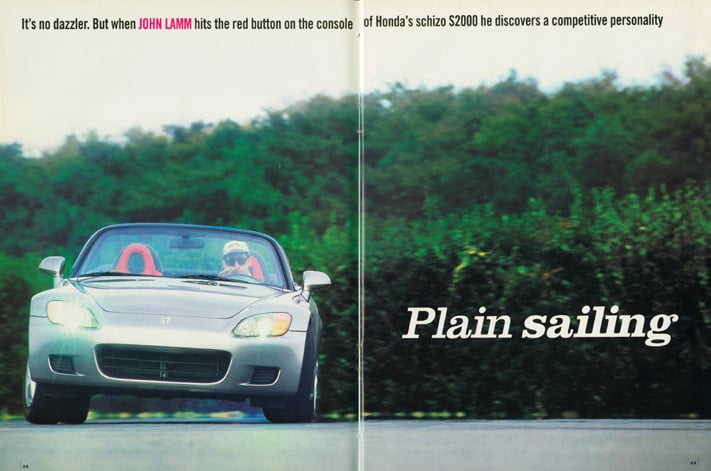
There’s a little race car in every Honda.
First published in the January 1999 issue of Wheels Magazine, Australia’s most experienced and most trusted car magazine since 1953.
But while its 1.5-litre RA272 may have been the most innovative grand prix car of the post-war era, and Honda engines may have powered an impressive number of grand prix and CART championship-winning cars, its sports car history book is mighty slim.
At the 1963 Tokyo show, Honda introduced the cute tiny S360/S500 with its (for export) 500cm3 twin-cam four and chain drive at the rear wheels.
Unless you care to slip to the supercar ranks for the mid-engine NSX, or warp the definition of sports car to include the Del Sol and Beat, that’s been about it for Honda sports cars. Until now.
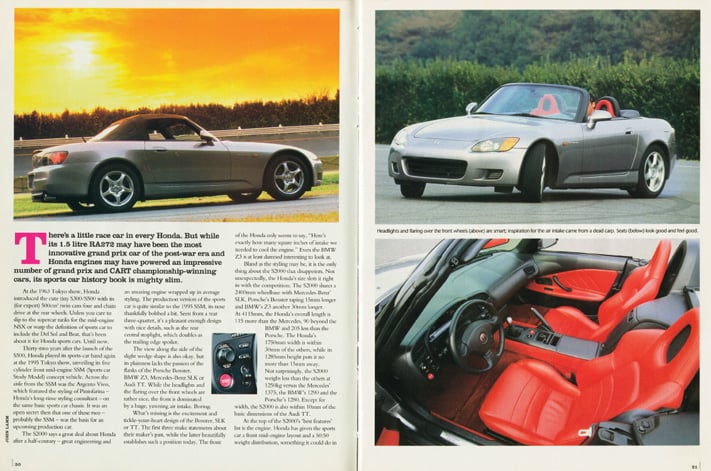
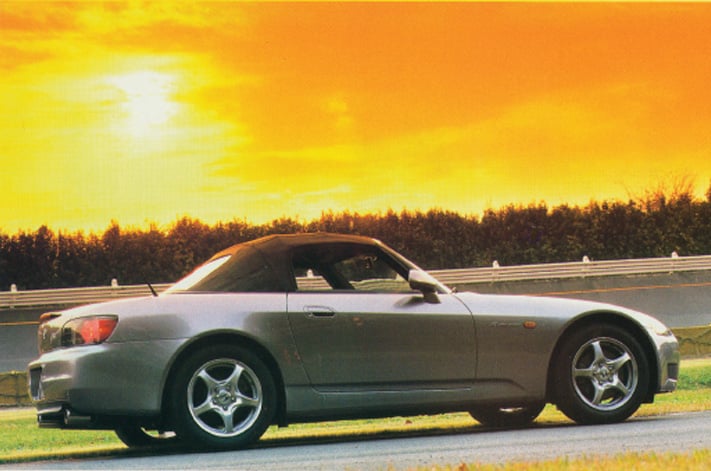
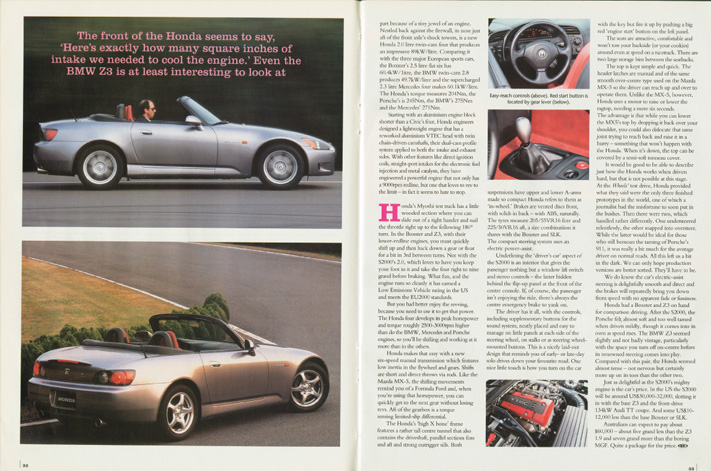
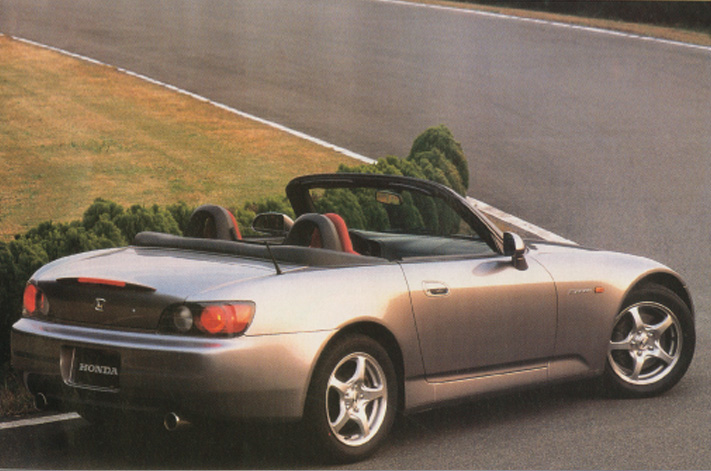
The S2000 says a great deal about Honda after a half-century – great engineering and an amazing engine wrapped up in average styling. The production version of the sports car is quite similar to the 1995 SSM, its nose thankfully bobbed a bit. Seen from a rear three-quarter, it’s a pleasant enough design with nice details, such as the rear central stoplight, which doubles as the trailing edge spoiler.
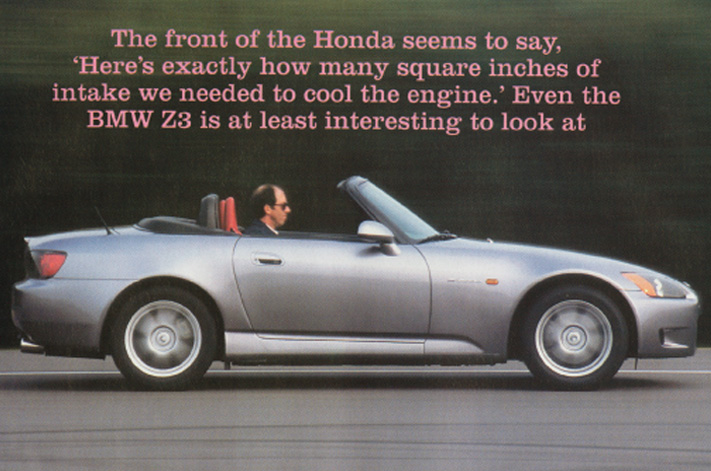
The view along the side of the slight wedge shape is also okay, but its plainness lacks the passion of the flanks of the Porsche Boxster, BMW Z3, Mercedes-Benz SLK, or Audi TT. While the headlights and the flaring over the front wheels are rather nice, the front is dominated by a huge, yawning air intake. Boring. What’s missing is the excitement and tickle-your-heart design of the Boxster, SLK, or TT.
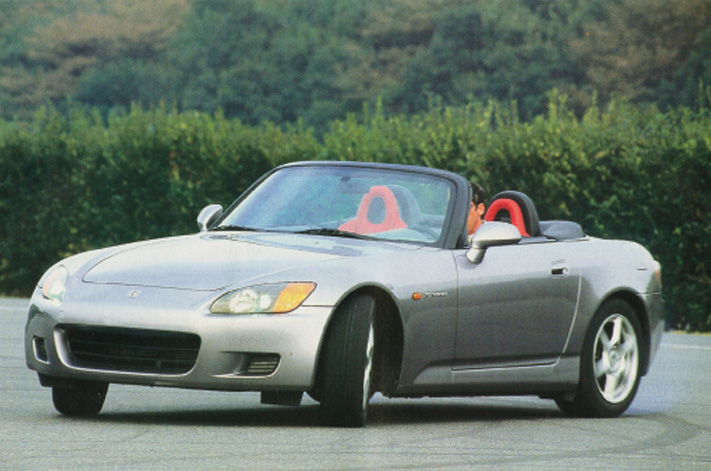
Bland as the styling may be, it is the only thing about the S2000 that disappoints. Not unexpectedly, the Honda’s size slots it right in with the competition. The S2000 shares a 2400mm wheelbase with Mercedes-Benz’ SLK, Porsche’s Boxster taping 15mm longer, and BMW’s Z3 another 30mm longer. At 4115mm, the Honda’s overall length is 115 more than the Mercedes, 90 beyond the BMW, and 205 less than the Porsche. The Honda’s 1750mm width is within 30mm of the others, while its 1285mm height puts it no more than 15mm away.
Nestled back against the firewall, its nose just aft of the front axle’s shock towers, is a new Honda 2.0-litre twin-cam four that produces an impressive 89kW/litre. Comparing it with the three major European sports cars, the Boxster’s 2.5-litre flat-six has 60.4kW/litre, the BMW twin-cam 2.8 produces 49.7kW/litre, and the supercharged 2.3-litre Mercedes four makes 60.1kW/litre.
Honda’s Myoshi test track has a little wooded section where you can slide out of a right bander and nail the throttle right up to the following 180° turn. In the Boxster and Z3, with their lower-redline engines, you must quickly shift up and then back down a gear or float for a bit in 3rd between turns. Not with the S2000’s 2.0, which loves to have you keep your foot in it and take the four right up to nine grand before braking. What fun, and the engine runs so cleanly it has earned a Low Emissions Vehicle rating in the US and meets the EU2000 standards. But you had better enjoy the revving, because you need to use it to get that power.
Aft of the gearbox is a torque sensing limited-slip differential. The Honda’s ‘high X-bone’ frame features a rather tall centre tunnel that also contains the driveshaft, parallel sections fore and aft and strong outrigger sills. Both suspensions have upper and lower A-arms made so compact Honda refers to them as ‘in-wheel’. Brakes are vented discs front, with solids in back – with ABS, naturally. The tyres measure 205/55VR16 fore and 225/50VR16 aft, a size combination it shares with the Boxster and SLK.
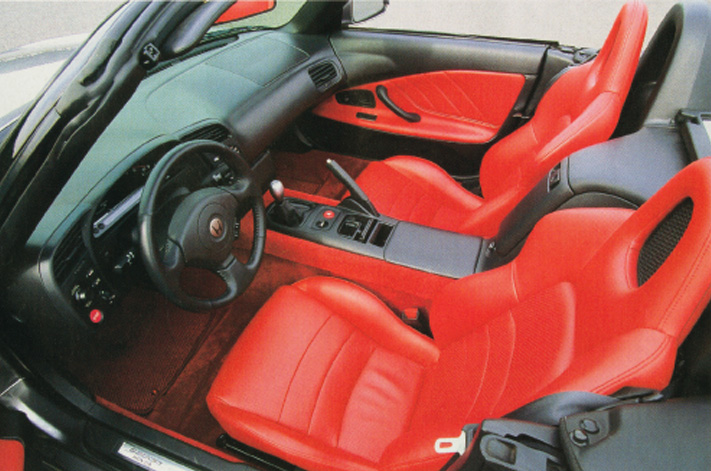
One nice little touch is how you turn on the car with the key but fire it up by pushing a big red ‘engine start’ button on the left panel. The seats are attractive, comfortable, and won’t toss your backside (or your cookies) around even at speed on a racetrack. There are two large storage bins between the seatbacks. The top is kept simple and quick. The header latches are manual and of the same smooth over-centre type used on the Mazda MX-5, so the driver can reach up and over to operate them.
It would be good to be able to describe just how the Honda works when driven hard, but that is not possible at this stage. At the Wheels’ test drive, Honda provided what they said were the only three finished prototypes in the world, one of which a journalist had the misfortune to soon put in the bushes.
All this left us a bit in the dark. We can only hope production versions are better sorted. They’ll have to be. We do know the car’s electric-assist steering is delightfully smooth and direct, and the brakes will repeatedly bring you down from speed with no apparent fade or fussiness.
Compared with this pair, the Honda seemed almost tense – not nervous but certainly more up on its toes than the other two. Just as delightful as the S2000’s mighty engine is the car’s price. In the US the S2000 will be around US$30,000-32,000, slotting it in with the base Z3 and the front-drive 134kW Audi TT coupe, and some US$10- 12,000 less than the base Boxster or SLK. Australians can expect to pay about $60,000 – about five grand less than the Z3 1.9 and seven grand more than the boring MGF. Quite a package for the price.
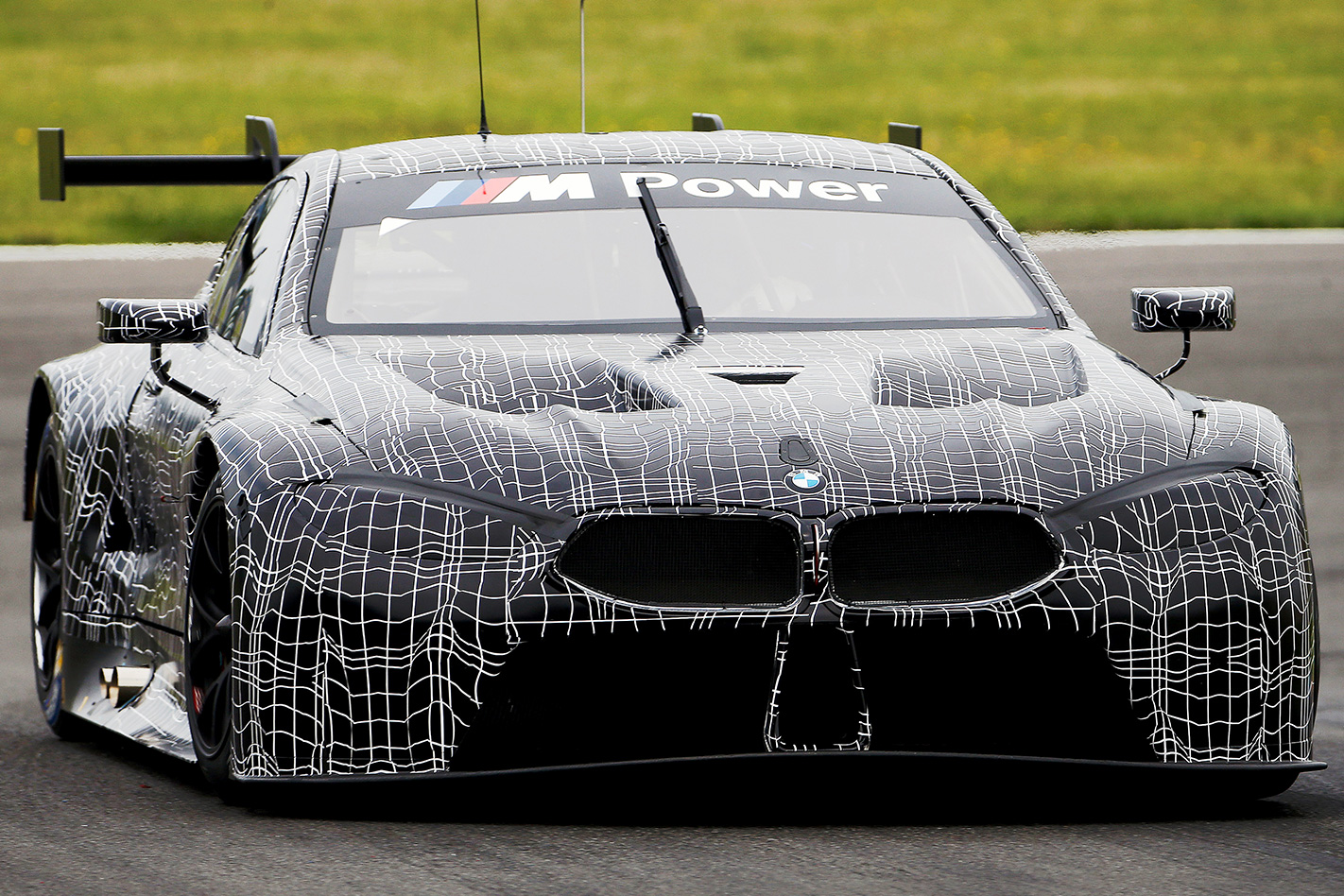
BMW has revealed its entry for the 2018 FIA World Endurance Championship, the M8 GTE.
This extra teasing of the M8 comes before the public has even properly seen the road-going M8.
With testing at Germany’s Lausitzring track having proven successful, the M8 GTE is set to attach the 24 Hours of Le Mans next year.
Tomczyk says it was an honour to be one of the first to test the M8 GTE on track.
“I had great fun with the car. The BMW M8 GTE is good to drive from the outset, and it is easy for us drivers to work out the way it handles, which is important.
“We got a lot of kilometres under our belt, and gathered a lot of data. We also took our first steps with regard to performance, which is by no means a given at a first test.
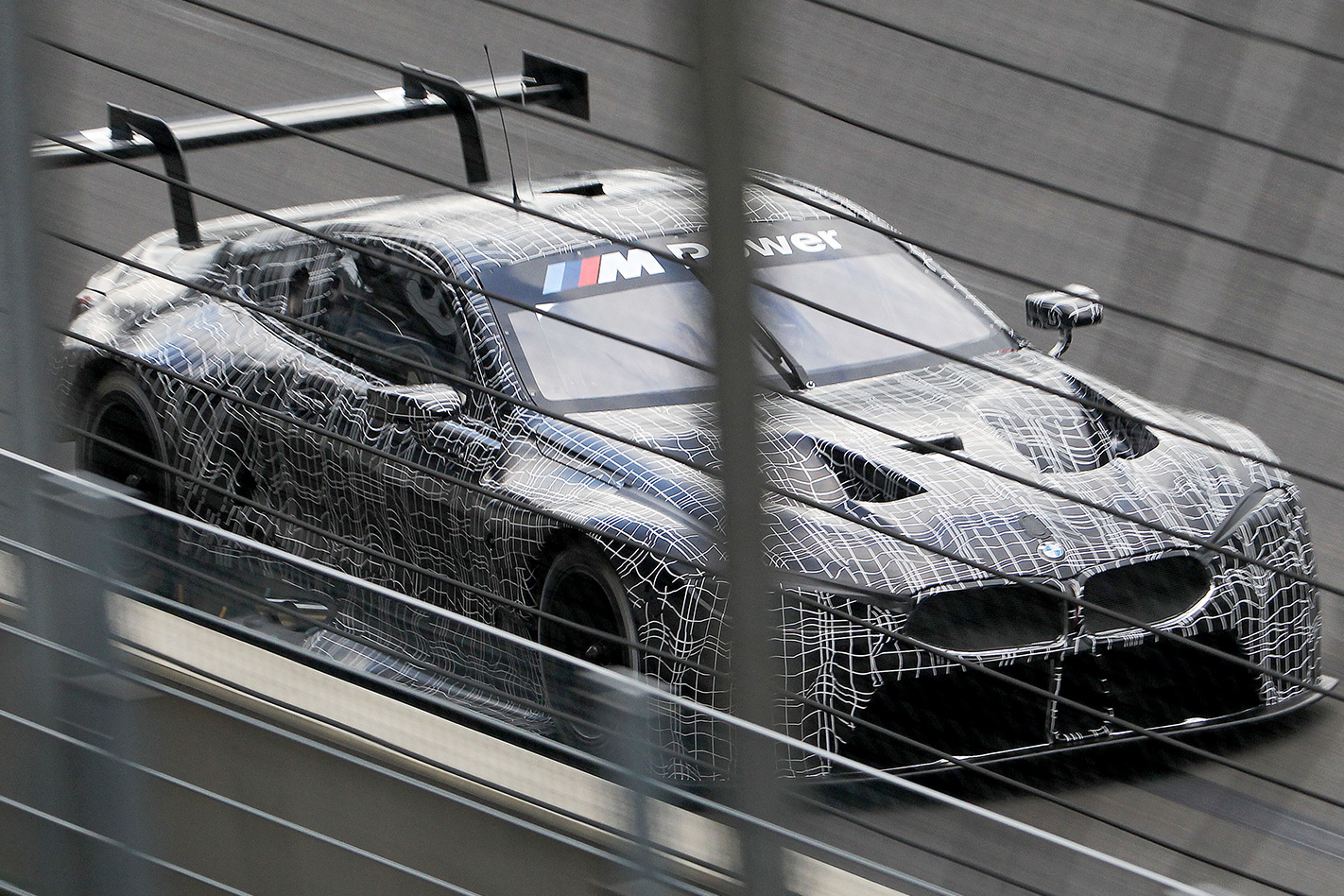
Though the car has a lot more testing to go before a competition debut, BMW Motorsport boss Jens Marquardt says things are looking promising for the car.
“To see the BMW M8 GTE on the racetrack makes me very proud. Everyone involved has done a magnificent job in recent months to allow us to reach this milestone in the development of our new flagship for the GT racing scene.
“In the first instance, the purpose of a test like this is obviously to get to know the car. In this regard, greater emphasis is placed on the safety aspect than performance. However, the first impression of the BMW M8 GTE out on the track is a very positive one.”
HOLDEN’S confirmation of a VXR badge for future hot Commodores is the final nail in the coffin of the iconic Commodore SS nameplate which, just like the V8-powered Aussie built Commodore, will be retired with the soon-to-be-replaced VF.
It’s a significant move: the SS badge has earned a fearsome reputation over 45 years of race victories and road tests, but how much do you know about the badge? Do you know its origins? Do you know what SS means?
It’s hard to imagine a Commodore line-up without an SS variant, but it hasn’t always been there. The VB and VC ranges came and went without one, and it was with the VH of 1982 that Holden first stuck an SS badge to a Commodore – though its local origins date back another decade to the 1972 HQ SS.
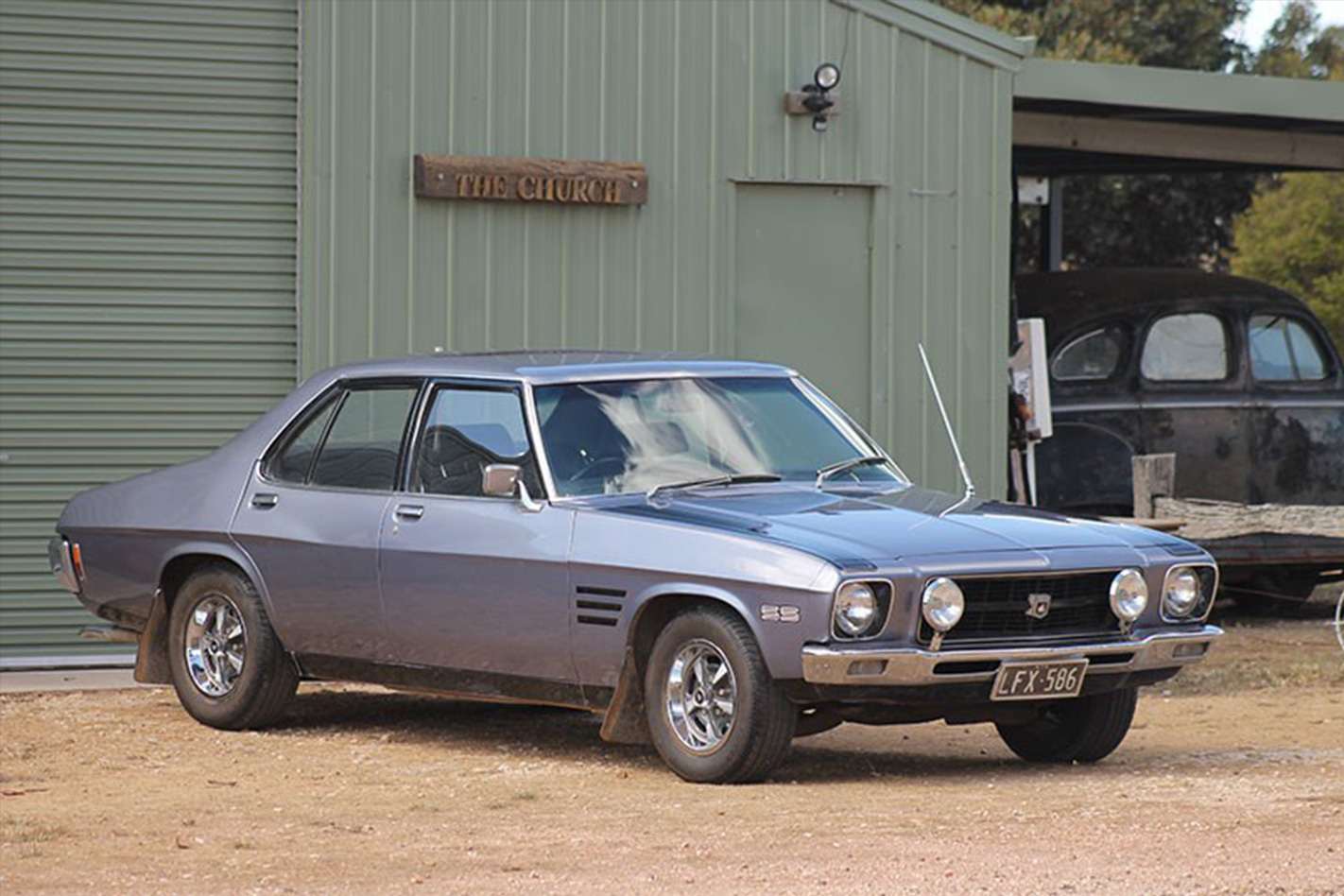
The SS badge next appeared with the 1976 Holden LX Torana SS and SS A9X, the latter of which was essentially a road-going version of the Group C car driven to a famous Bathurst victory by Peter Brock in 1979. The Torana SS was available with either a 253ci or 308ci V8, or with a 202ci inline six-cylinder, making it one of only three SS-branded Holdens sold with an engine other than a V8 in the badge’s 45 year history. The others are the supercharged VT Commodore SS V6 and the particularly rare VP SS V6 made for Group 3E racing homologation.
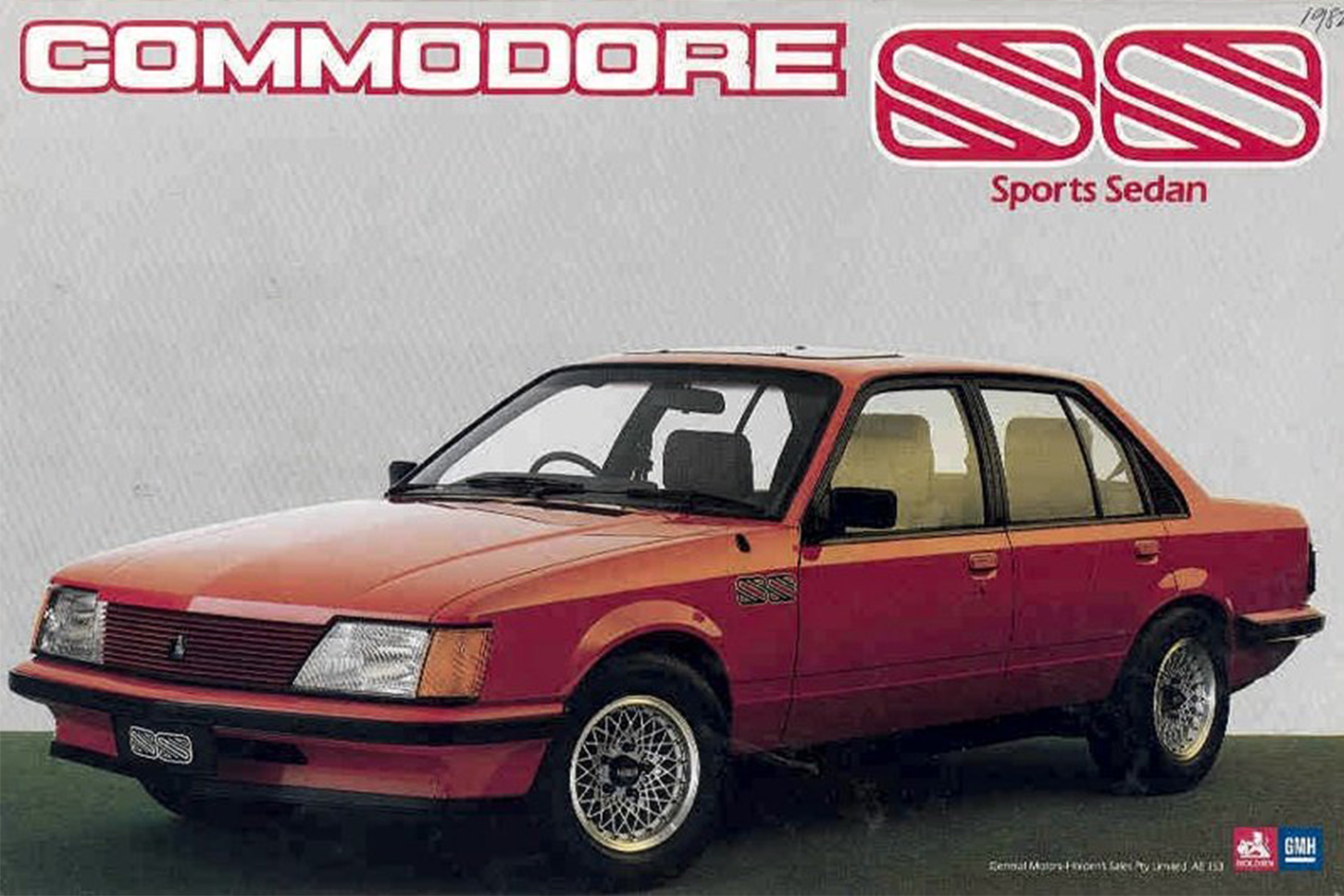
From that starting point owners could exploit Holden’s tie-up with HDT and upgrade their road car with one of four different packages to make it either a HDT Holden Commodore SS Group One 4.2, Group Two 4.2, Group Two 5.0, or Group Three 5.0
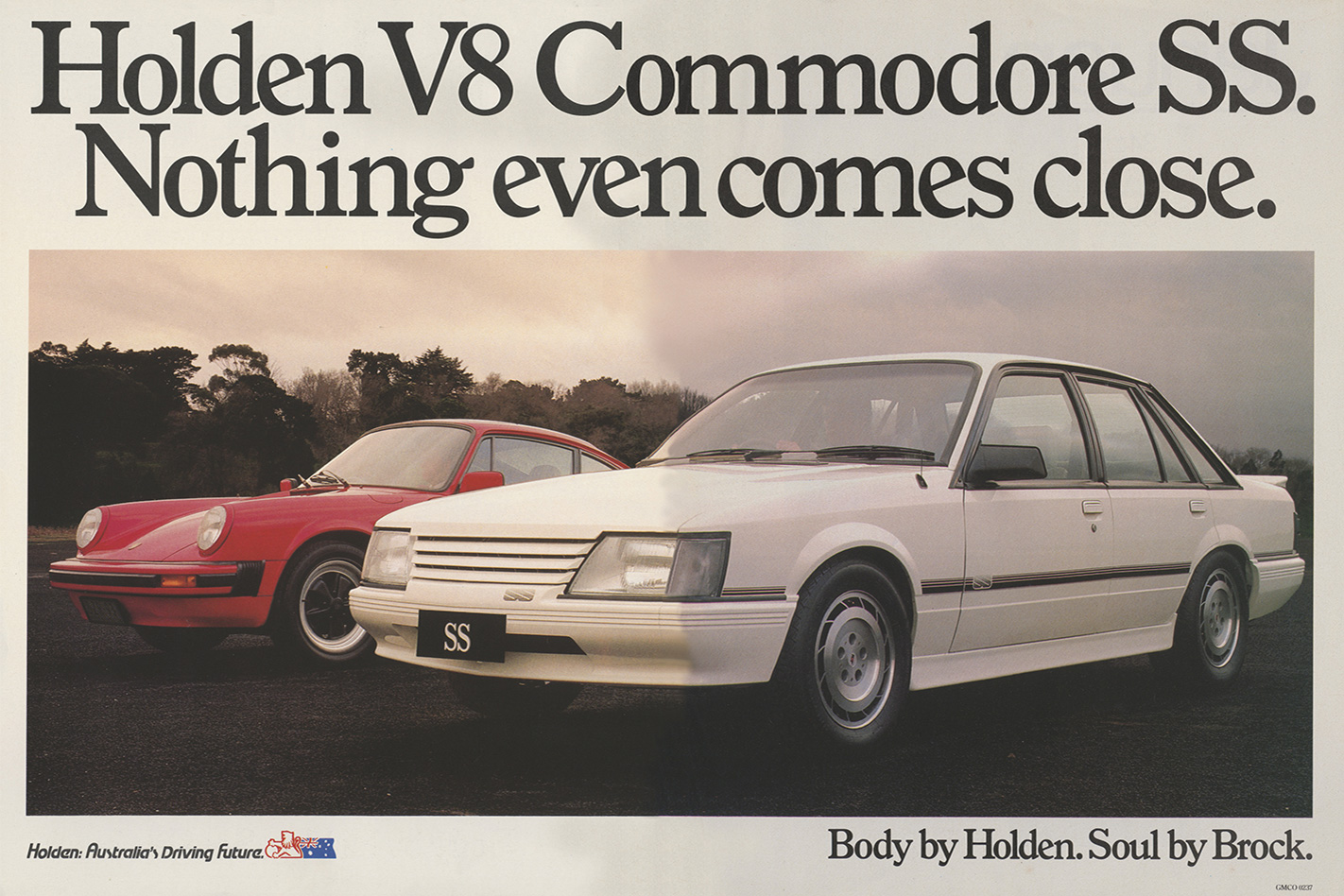
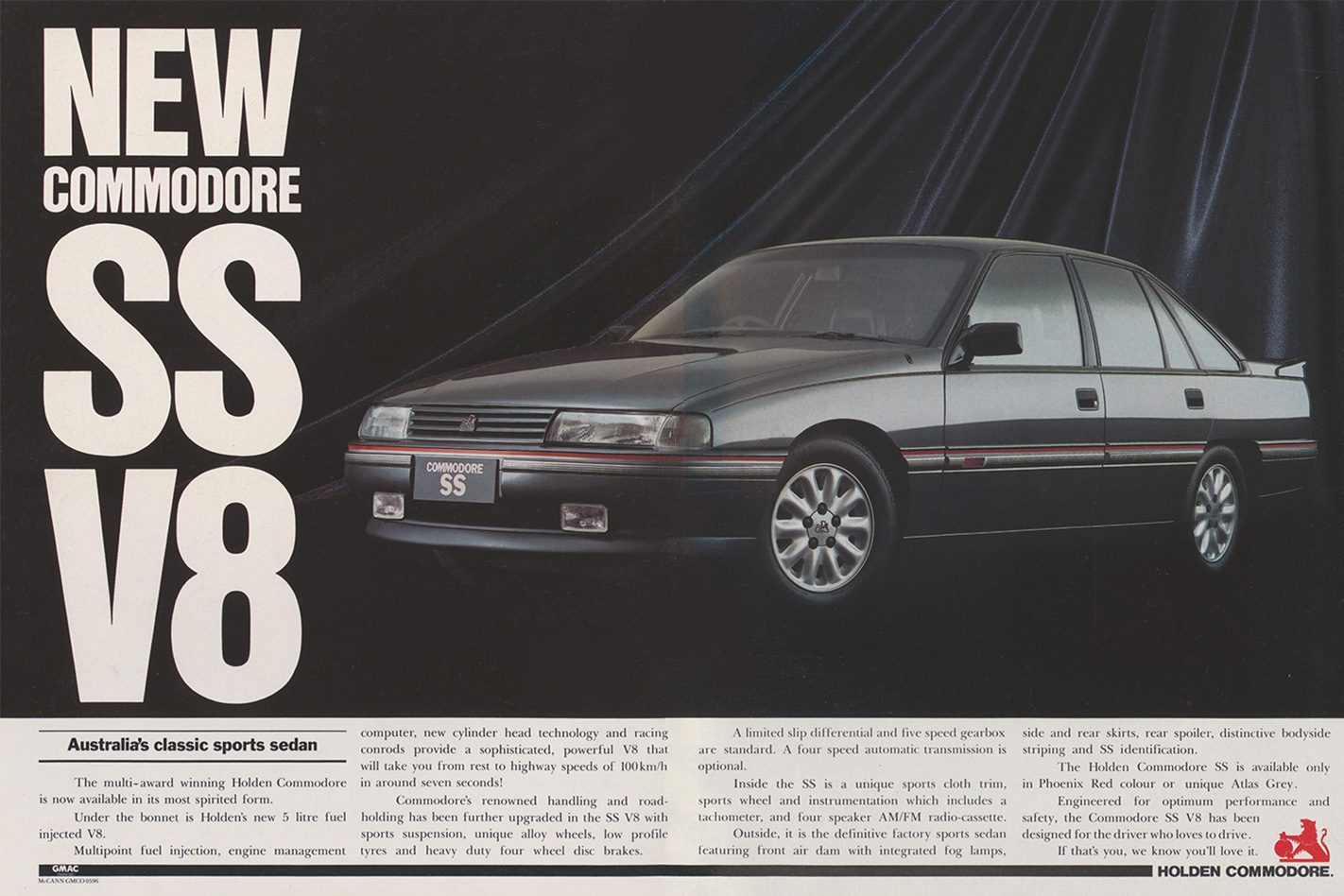
Limited run SS Group A variants of the VK and VL followed, spearheaded once again by Brock, but a nasty divorce between Holden and HDT shortly afterwards changed the trajectory of the SS brand. Holden took the program in-house, and it became a full-production mainstay of the Commodore line-up from the 1989 VN Commodore SS onwards.
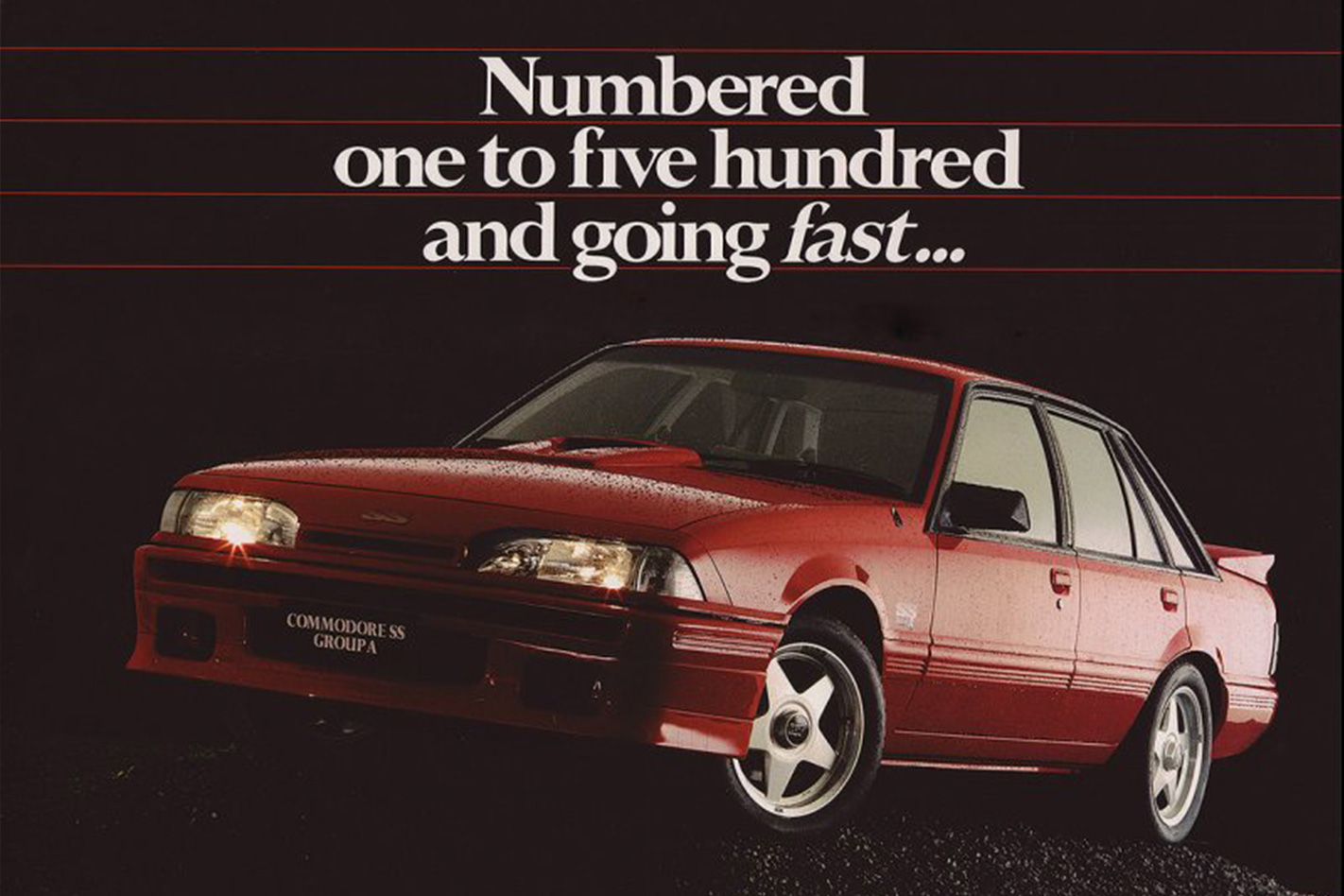
Holden’s last V8 homologation special was the VN Commodore SS Group A, powered by a 210kW/400Nm version of the venerable fuel injected 5.0-litre V8 and featuring a six-speed manual gearbox. Only 302 were made. The VP facelift in 1991 introduced independent rear suspension adapted from Opel, which added even more dynamic ability.
A Series II update in 1999 gave us the much-loved 5.7-litre LS1 ‘Gen III’ V8 sourced from Chevrolet. It was detuned to 220kW/446Nm in the SS, yet was still a worthy replacement for the ageing 5.0 – lighter and far more refined.
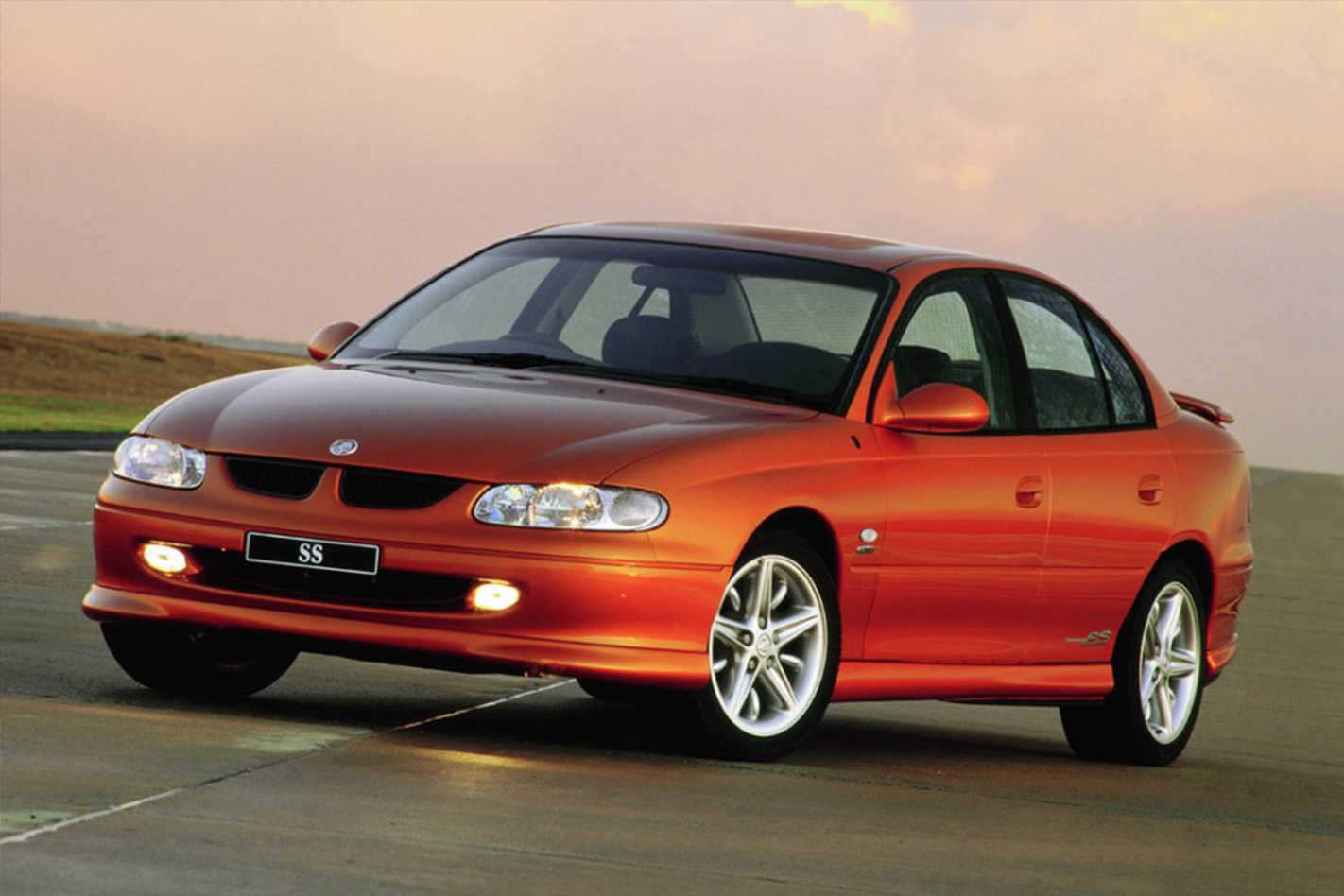
With the VY SS power climbed to 235kW/465Nm, then to 245kW with a Series II facelift and on to 250kW/470Nm with the VZ SS, still from the Gen III V8. By now the SS was about 250kg heavier than the VN at around 1650kg sitting at the kerb.
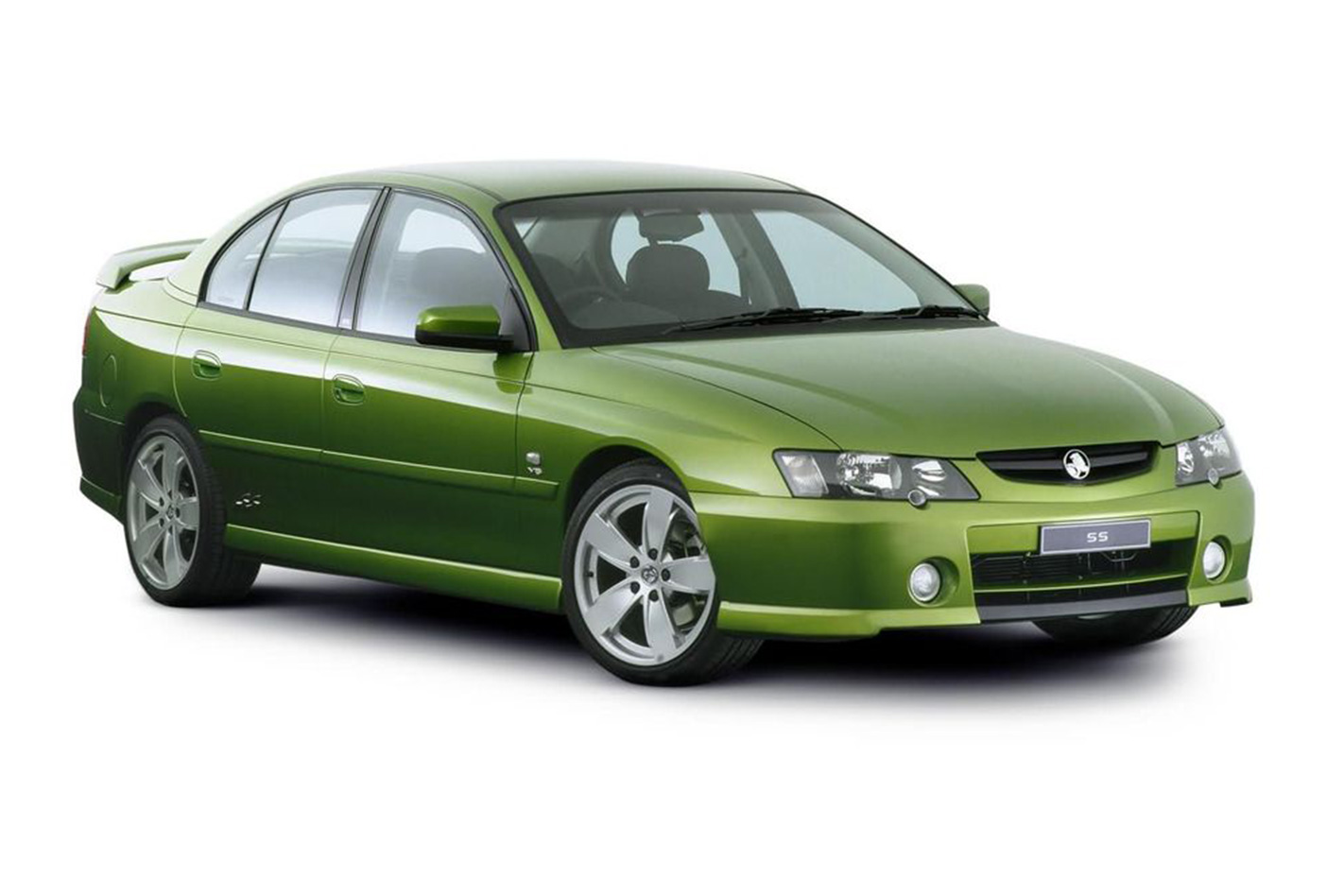
Brembo brakes and 19-inch wheels were added in 2010 with the $2500 Redline option for the SS-V, which had the SS nipping at the heels of its HSV contemporaries.
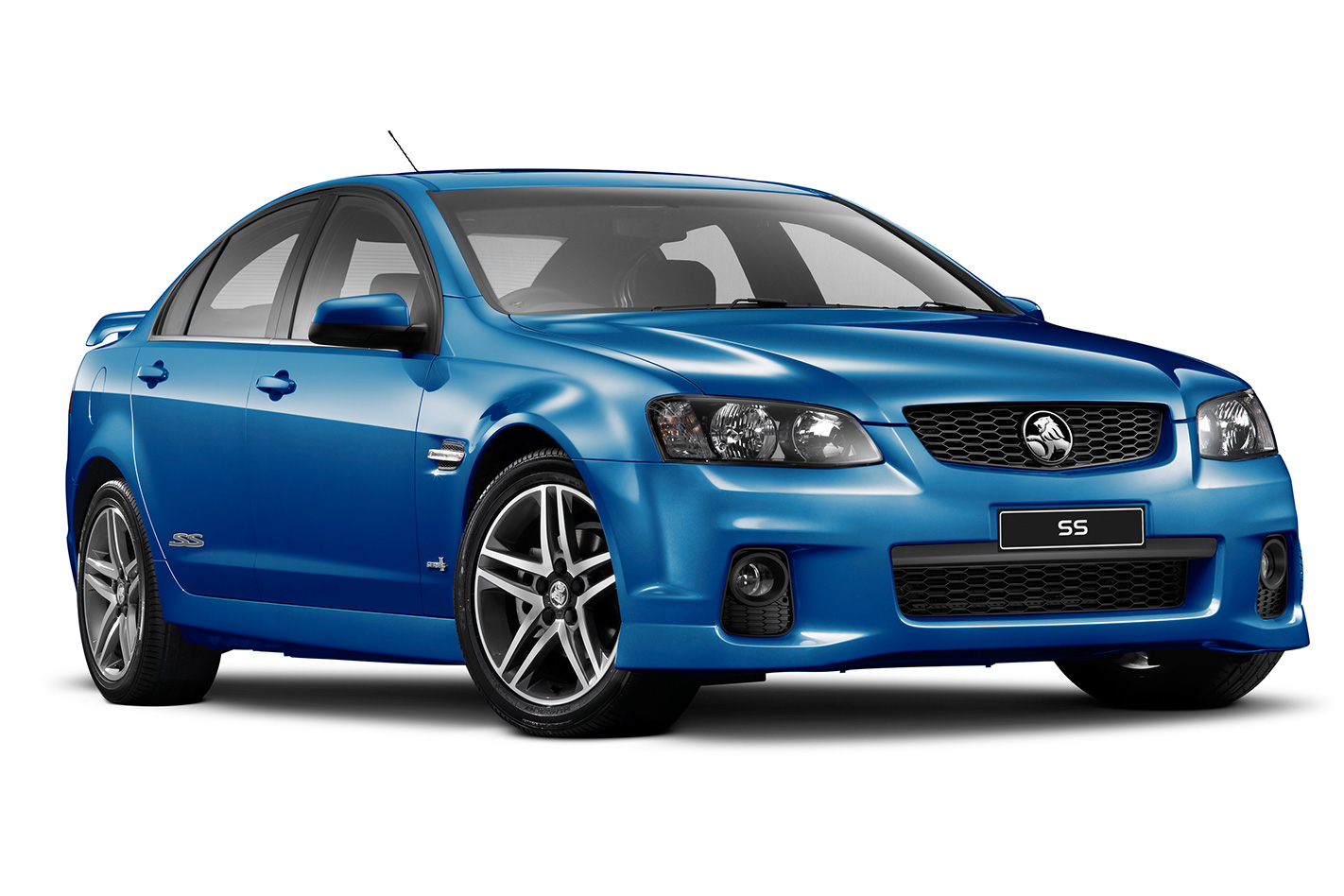
General Motors has been importing Aussie-made V8 Commodores to the United States and selling them as the Chevrolet SS since 2013. At its introduction, GM billed it as a “a modern interpretation of Chevrolet’s Super Sport heritage.”
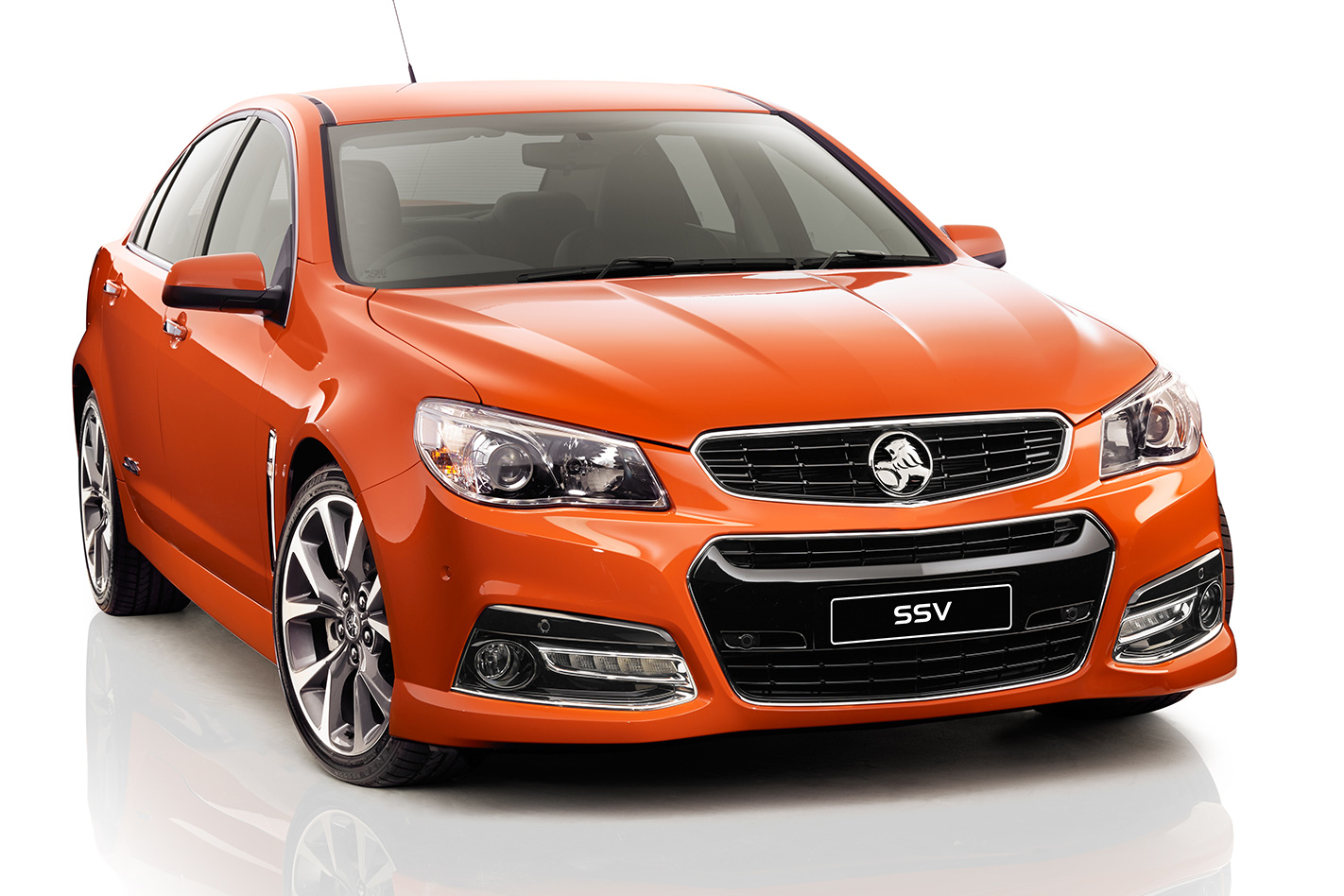
And here’s a bonus factoid for curious types: General Motors of South Africa briefly sold a Chevrolet SS during the early 1970s that was based on the Holden HG Monaro and powered by a 308ci V8 with a four-speed manual, LSD and power steering. At least one of these unusual cars has made its way back to Australia, and it could be argued that it is in fact the first SS-badged Holden.
Common sense is, in my experience, not especially common.
Nor is there usually too much that is wise in that which we refer to as conventional wisdom.
Fact is, we stagger around under some enormously flawed presumptions; dragging the baggage of stupid along with us. I’m not sure who to blame; parents, teachers, corporations, the media. Probably all the above.
Anyway let’s start with an oldie but a goodie: Always wear clean underdungers in case you’re run over by a bus. Spare me.
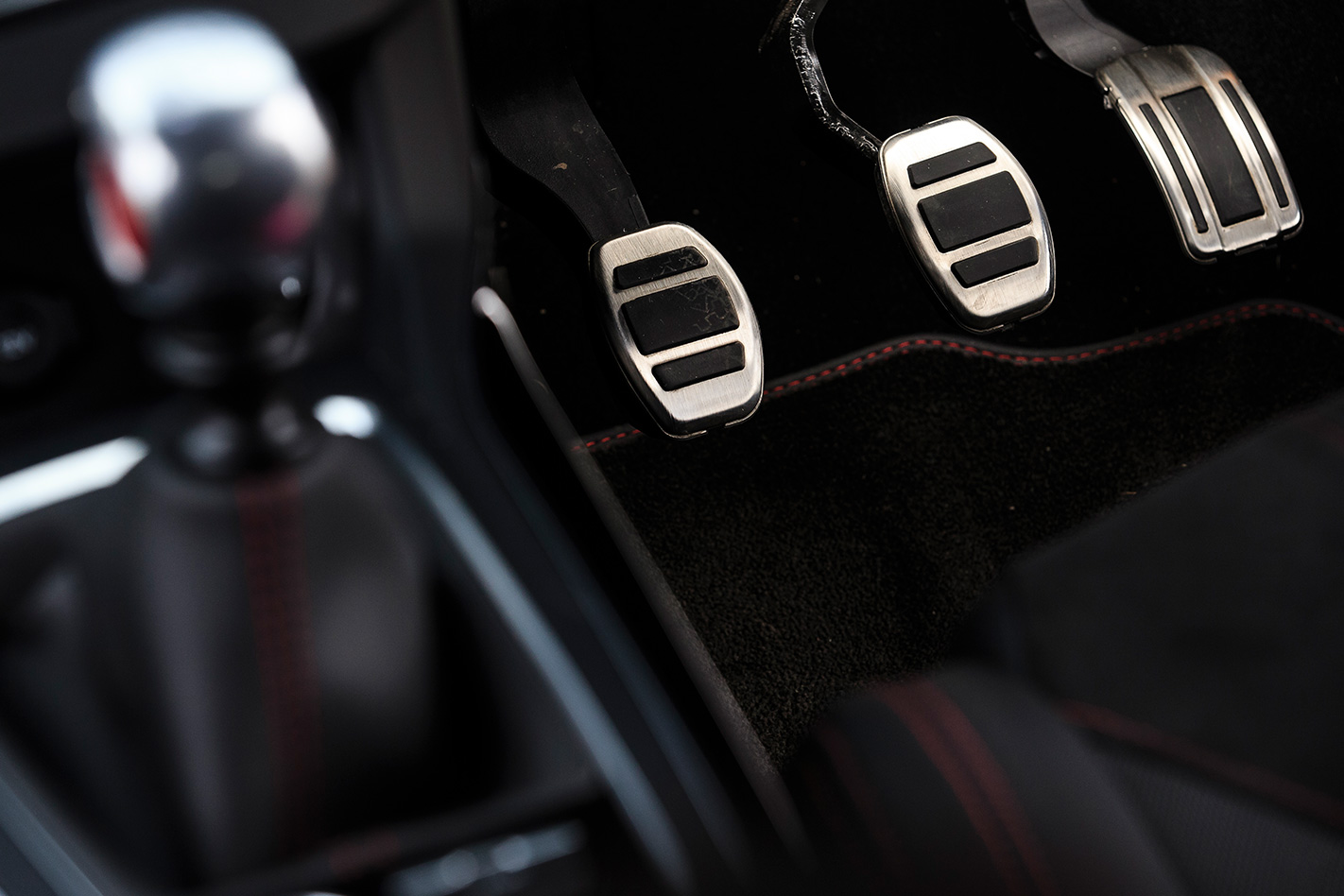
Let’s try an automotive slant. Double-clutch gearboxes are the future. I mean, there’s not really a supercar that isn’t using one, right? So they’ll filter down to everything else, correct? Not according to the BMW’s M division sales and marketing boss, Peter Quintus, who told me recently that the DCT (as BMW’s version is called) may not have much of a future at all, supercar or otherwise.
“The DCT once had two advantages – it was light and its shift speeds were higher,” he said as we sipped a weird South Korean version of coffee.
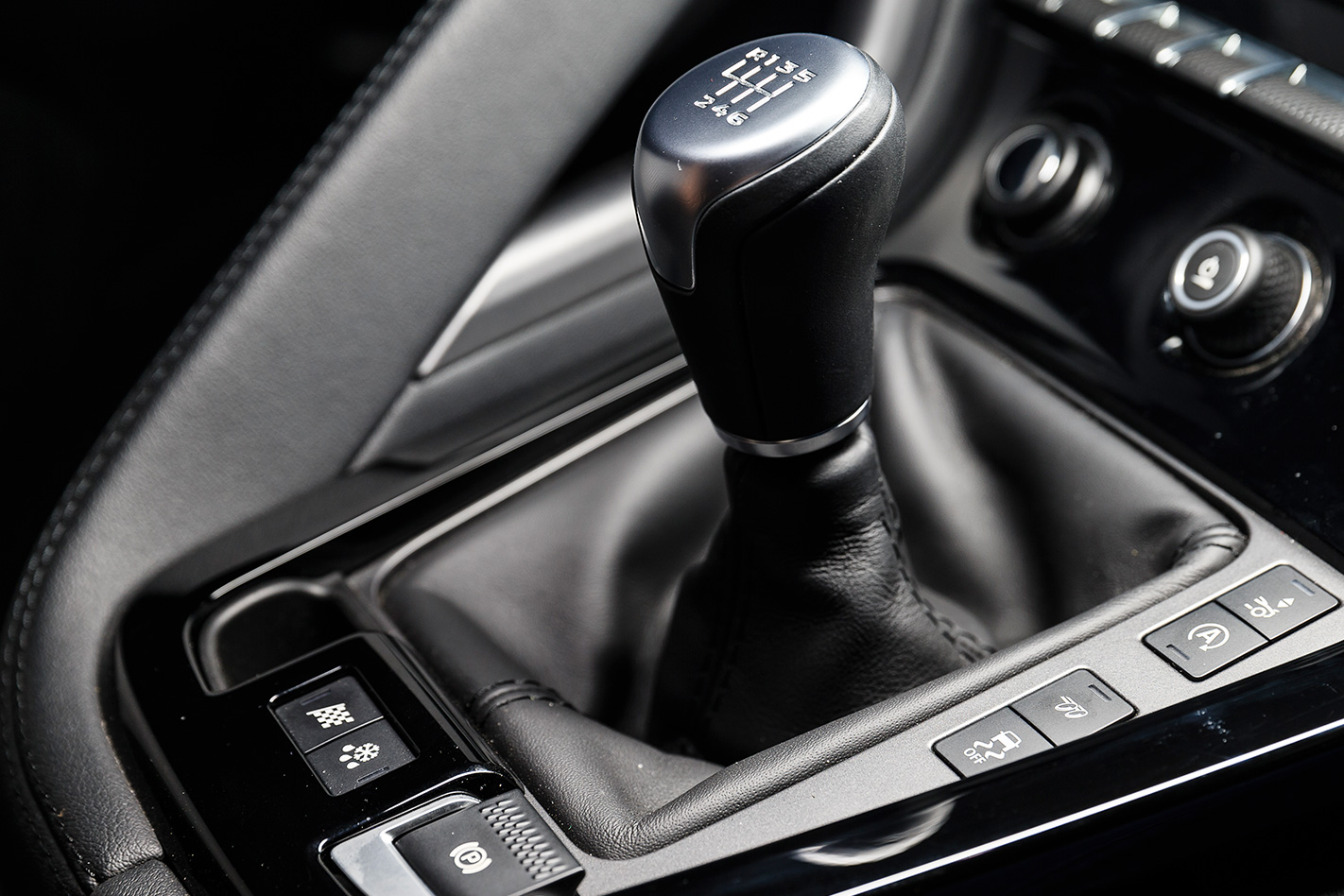
As a bloke who always suspected the double-clutch thing was a technological blind-alley (and a doofus who was dumb enough to buy one that hasn’t turned out to be flawless) this was music to my ears, but still flies in the face of that conventional wisdom thing.
But who ya gonna trust? The bloke who sits at the big table with the rest of the M-boys, or Macca down the pub who can’t remember to do his fly up each time?
Let’s go again: The manual is dead. Well, it was looking that way when none other than Ferrari jumped on the two-pedal bandwagon. Then its US customers got all uppity and demanded their clutch pedals back and Fazza complied with the likes of the California. More recently, it was Porsche that was piling dirt on the manual’s coffin by making the 991 GT3 a PDK-only job.
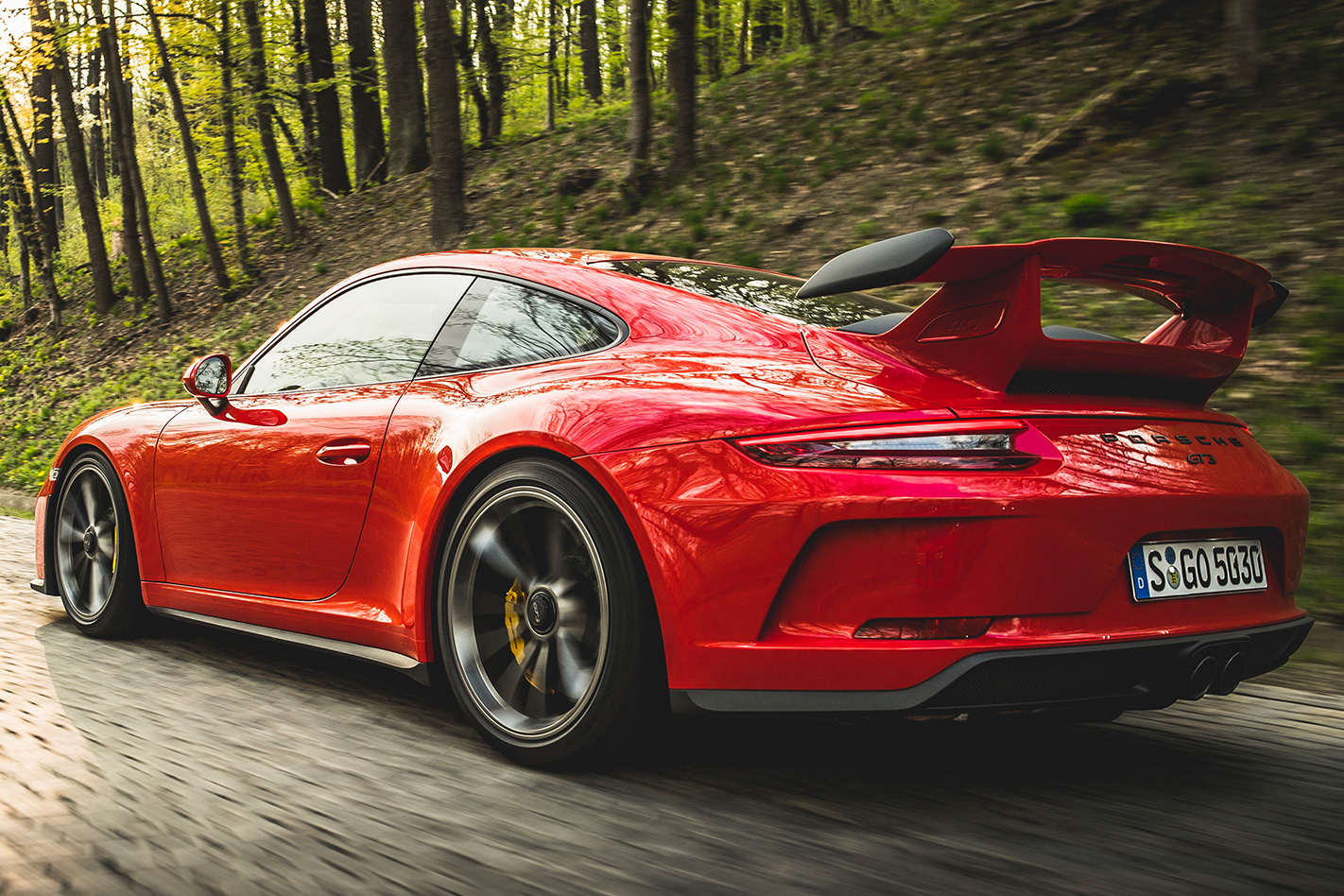
I guess all this double-clutch-this and no-manual-that is the preserve of the early adopters who, by definition, are more likely to be wrong, ambling as they do from one misconception to the next in the absence of historical guidance.
But trail-blazers or not, you’d reckon some of them might have, by now at least, figured that appearing to be a drongo is one thing, but opening your biscuit trap and putting the matter beyond question is another altogether.
Me? I’m going to keep driving manuals as long as my left leg allows and, when the need arises for a two-pedal car, it’ll be a good old torque-converter auto, not some over-hyped, brittle, double-clutch.
Mind you, I can still see some sense in clean Reg Grundies.
Excited about BMW’s upcoming M8? Of course you are.
With athleticism and elegance in equal measure, BMW’s upcoming two-door flagship – and replacement for the M6 – is not short on enthusiast appeal.
But if you’re the hardcore, stopwatch round the neck, lap time obsessed type; it’s the track-spec M8 GTE endurance racer that will likely tickle your fancy more. BMW has released the first pics of the GTE-spec M8 undergoing its first shakedown tests at the Lausitzring in Germany, and the bewinged monster is not wanting for presence.
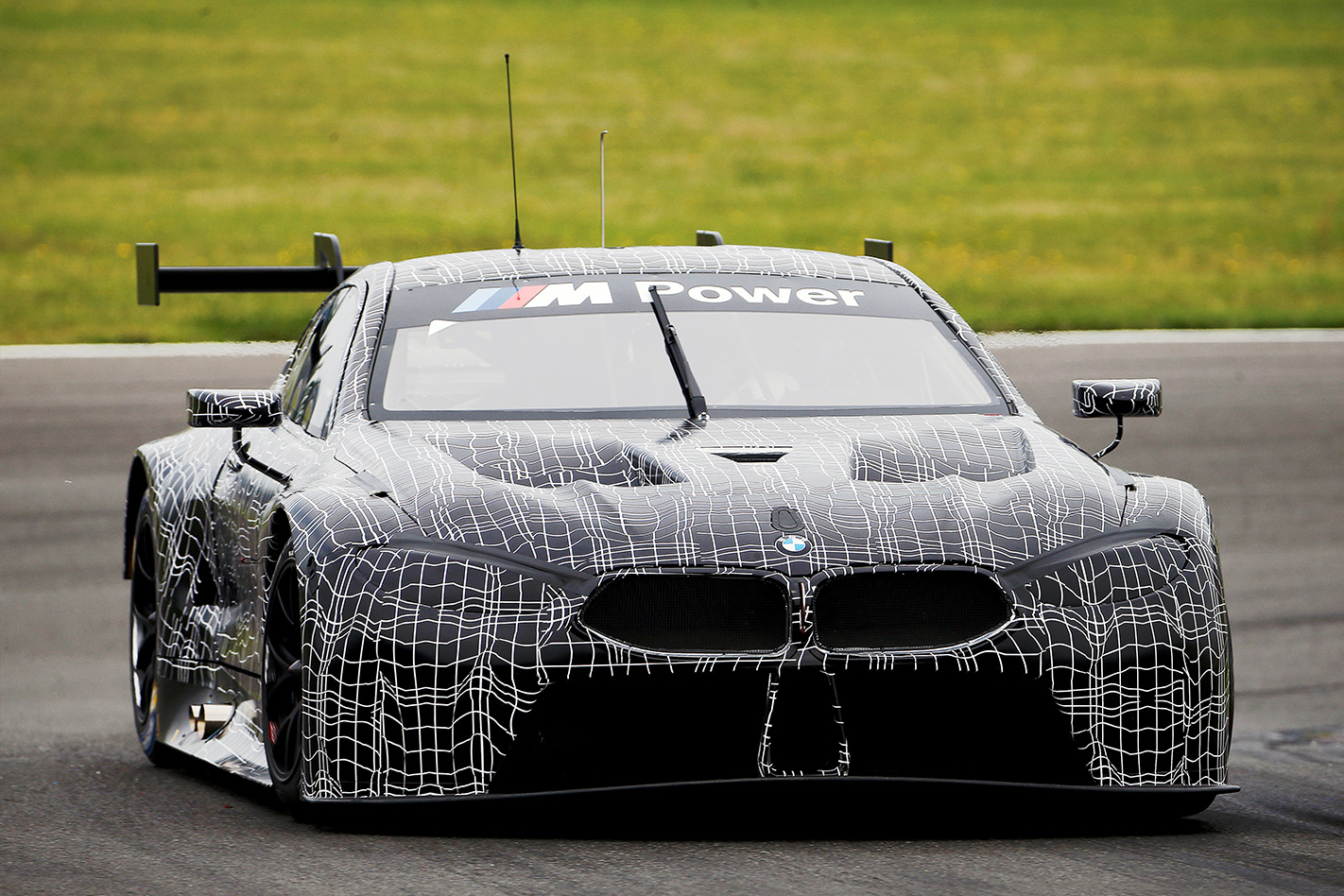
BMW is keeping quiet on the M8’s mechanical package for now – both for the road and race versions – though a camouflaged prototype of the road-going version has been captured on film emitting some very V8-like noises. With the GTE category mandating the use of a production-based powerplant, it’s a safe bet that there will also be a bent-eight under the bonnet of the track-going M8 – and it’ll likely be a development of the 4.4 litre twin-turbo V8 used in BMW’s M6 GT3 racecar.
Unlike the M8 road car, which is expected to receive a version of the new-gen BMW M5’s all-wheel drive undercarriage, the M8 GTE racer will send all of its power to the rear wheels only. Rules are rules.
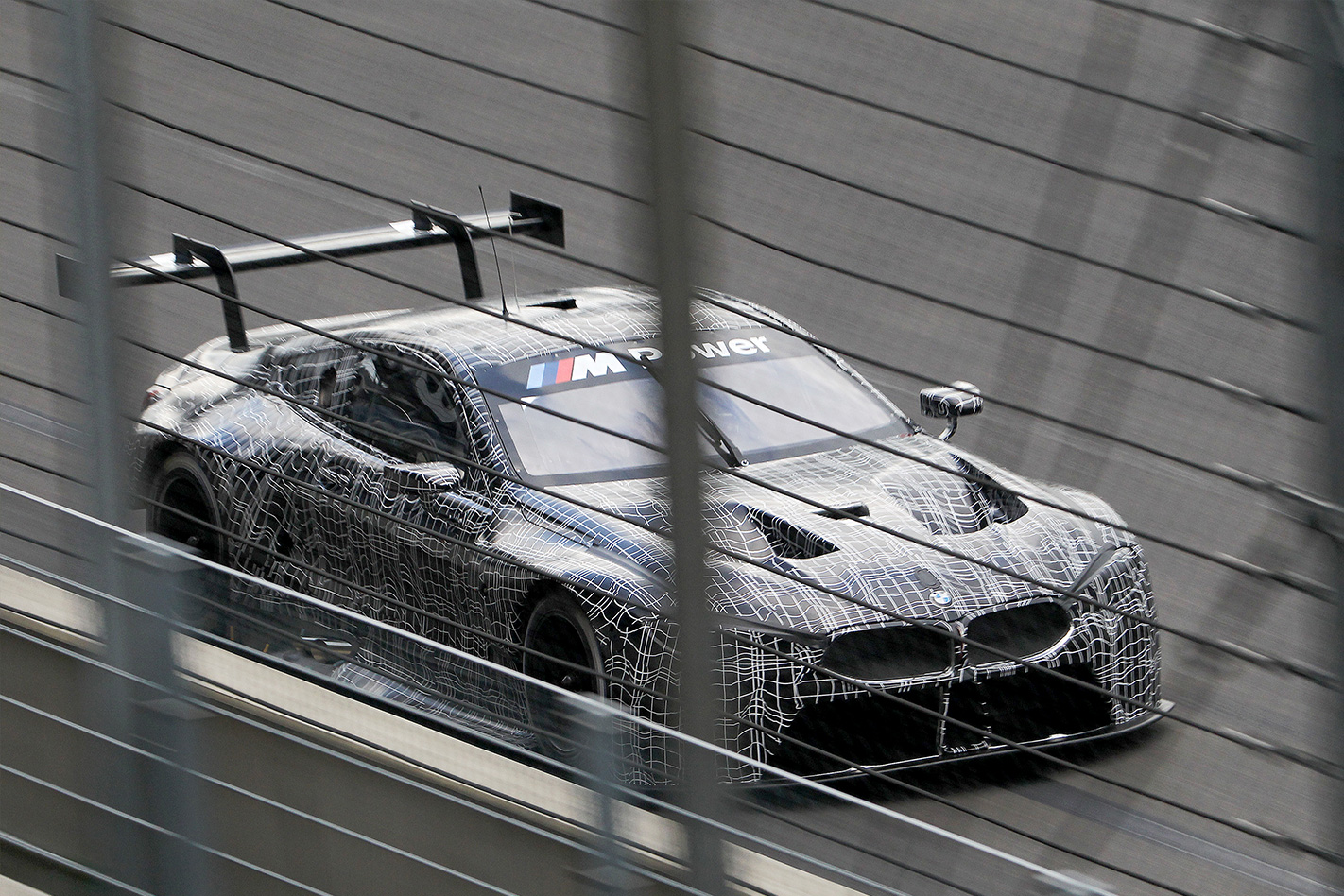
With GTE regulations running close to the GT3 category, the M8 GTE – by virtue of its size and turbo V8 powertrain – will likely align quite closely with the Bentley Continental GT3. However, it won’t be going toe-to-toe with its British counterpart on the circuit. Instead, the M8 GTE will face off against GTE-spec rivals like the Ferrari 488, Aston Martin Vantage, Porsche 911 RSR and Ford GT when it turns its wheels in anger for the first time at Daytona next year.
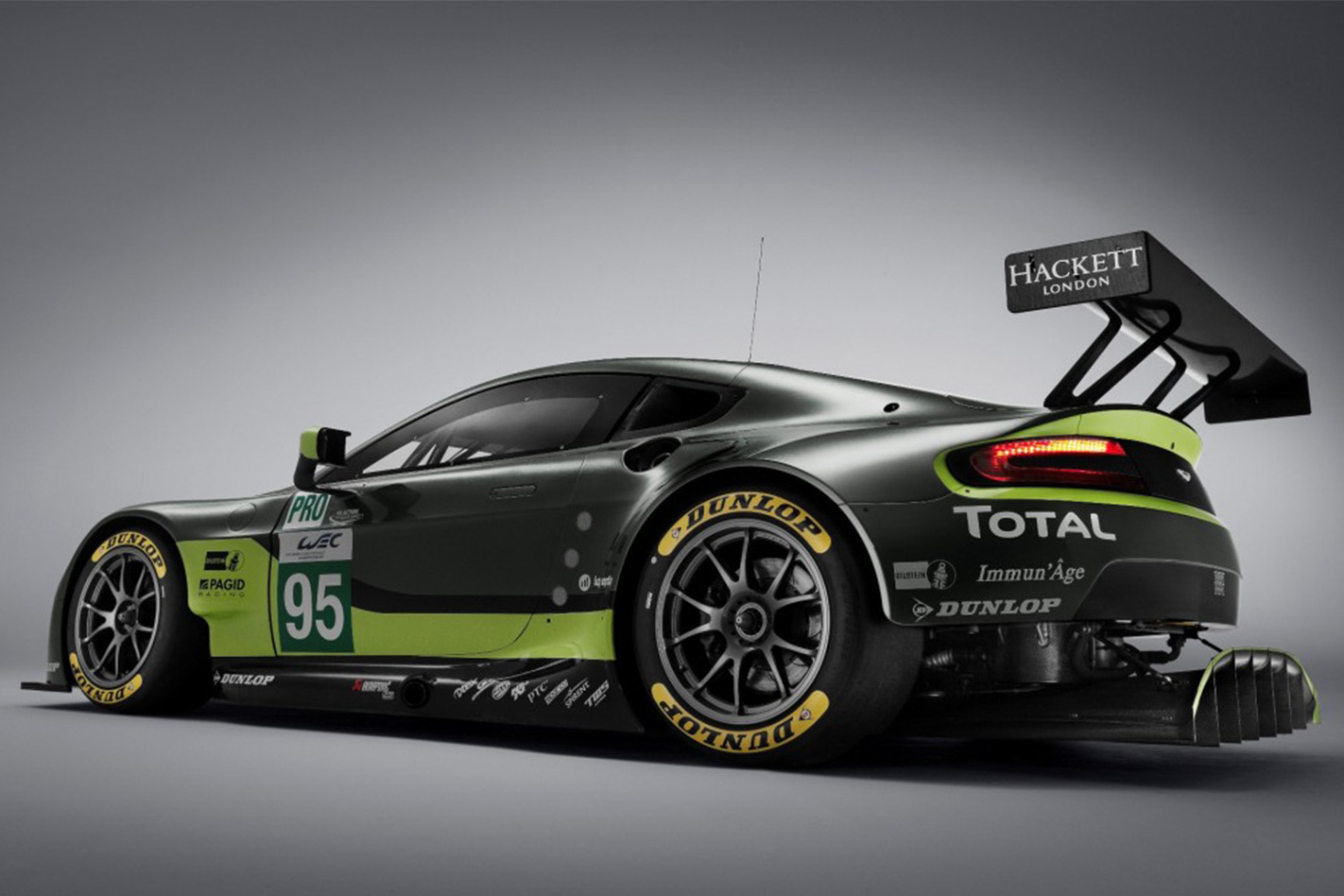
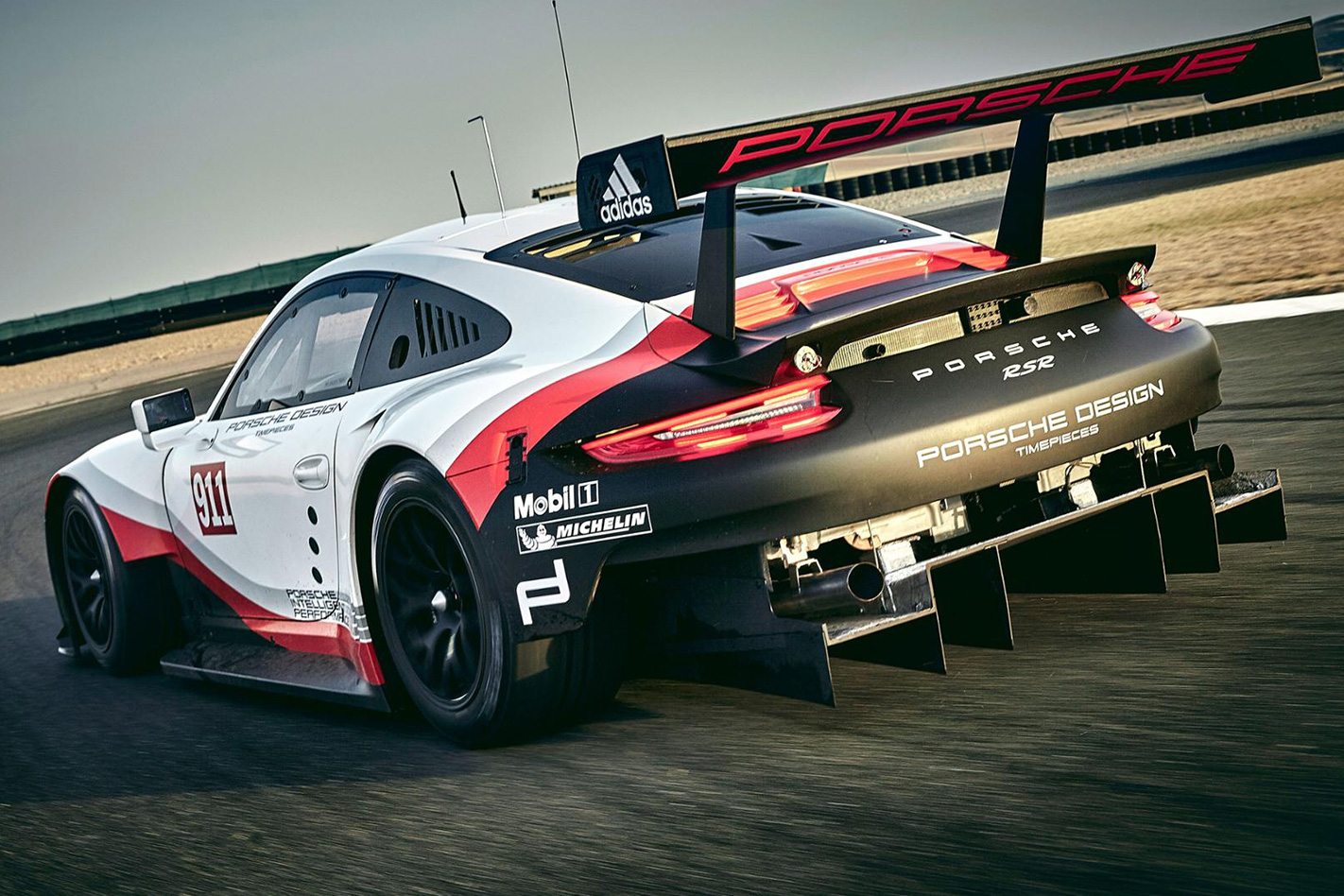
Just how important is the diffuser? Well, don’t forget that Porsche recently upset the applecart by flipping around the engine of its 911 RSR earlier this year, throwing tradition out of the window and placing the 911’s flat-six ahead of the rear axle for the first time – all to make space for that crucial diffuser.
Expect to hear more, and see more, of BMW’s M8 GTE as its race debut approaches.
A WAVE of tempting new metal is primed to hit the hot-hatch segment, promising Aussies new levels of track-honed keenness mixed with everyday usability.
Spearheading the assault is the Hyundai i30 N, but its pursuit of segment cut-through means facing off against a trio of fresh contenders, which together looks set to make this summer one of the most exciting times to have $50K of hard-earned dosh burning a car-sized hole in your wallet.
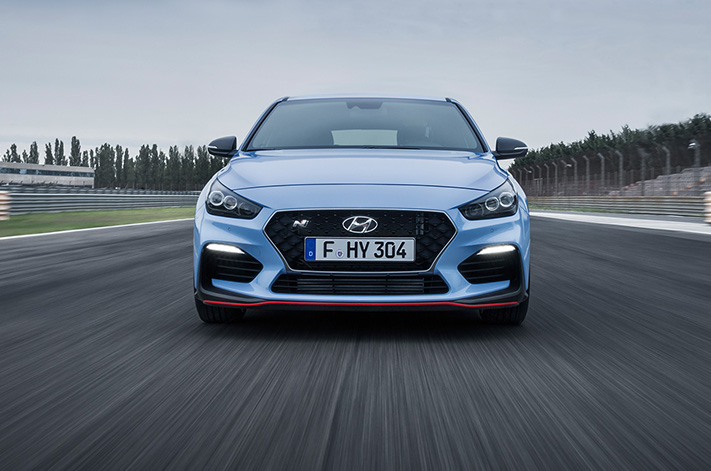
A more expensive i30 N Performance Pack version will turn the wick up to 202kW and 353Nm across a wider band, with up to around 380Nm available via an overboost function. An electronically controlled LSD will be standard, but buyers will pay for it with an expected price tag in the upper $40K bracket.
Only a six-speed manual will be offered at launch for both N cars, with an eight-speed dual-clutch two years away. Aussie engineers have contributed to the adaptive suspension calibration of both variants, which will range from a supple bumpy-road tune to a firm, track-only setting.
Fighting for dynamic supremacy will mean taking on the next Renault Megane RS, which will be fast-tracked to Oz following its European release.
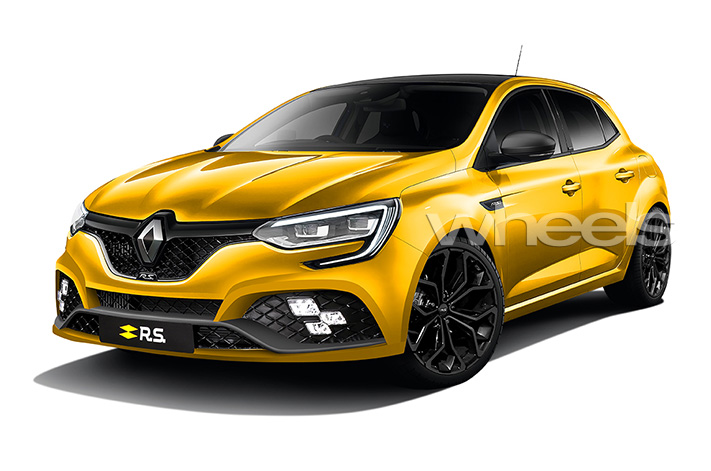
Wheels artist’s impression of the upcoming Megane RS
The RS will boast four-wheel steering, and offer a choice between a dual-clutch auto and a six-speed manual with rev-matching function. The superseded Megane RS Trophy R set the segment benchmark for steering and handling, so the new car carries a weight of expectation.
The Megane’s outputs and performance figures will become clearer closer to launch, though sources inside the company have hinted at a power output around the 220kW mark from an all-new 2.0-litre four-cylinder turbo, and even the potential of mild hybrid assistance.
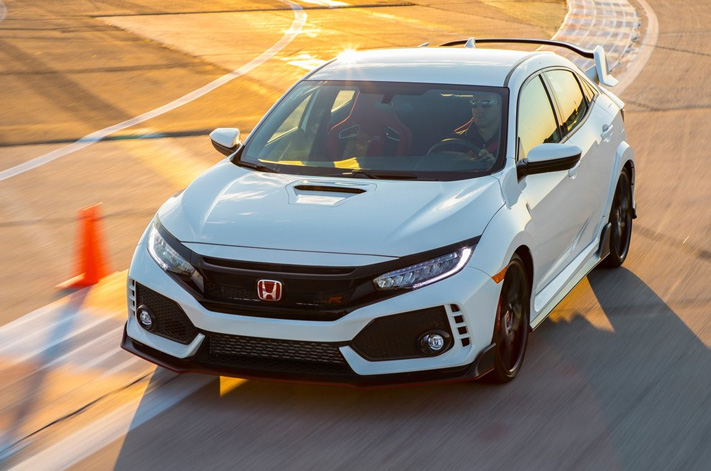
Renault is expected to target the Civic Type R for power-to-weight bragging rights and the FWD Nurburgring lap record, which the Megane RS once held and that Honda’s fifth-gen Civic Type R currently claims.
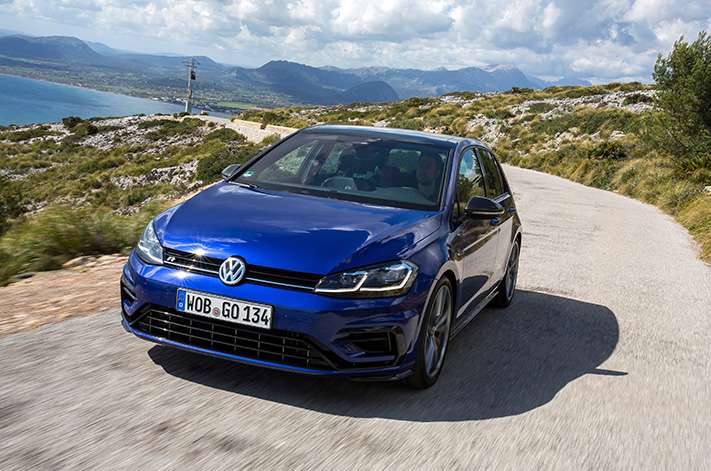
Volkswagen’s ‘7.5’ Golf model update has landed in Oz, but the faster GTI and R models will arrive in August. A slight power hike of 7kW sees the front-drive GTI hit 169kW/350Nm, while the all-paw R cracks 213kW/380Nm.
The R is the priciest car here whether fitted with a six-speed manual or seven-speed dual-clutch auto, but the latest version should continue to justify its asking price by maintaining the benchmark for cabin quality and refinement without sacrificing performance.
All four of these cars have eyes on class leadership, and our first taste of Hyundai’s new offering revealed a sophisticated, engaging car. The i30 N’s arrival could turn the hot hatch segment on its head, 40 years since it started.
Hyundai i30 N Performance Pack
Engine: 2.0-litre 4cyl, turbo Power: 202kW @ 6000rpm Torque: 353Nm @ 1450-4700rpm Transmission: 6-speed manual Weight: 1429kg 0-100km/h: 6.2sec Price: $47,990*
New kid in the hot-hatch ’hood comes without credentials but with a lot of promise. First taste says it packs flavour.
Honda Civic Type R
Engine: 2.0-litre 4cyl, turbo Power: 228kW @ 6500rpm Torque: 400Nm @ 2500-4500rpm Transmission: 6-speed manual Weight: 1393kg 0-100km/h: 5.7sec Price: $50,990
Highest engine outputs of this quartet, and knows the quick way around the ’Ring. But does it form a cohesive whole?
Renault Megane RS
Engine: 2.0-litre 4cyl, turbo Power: 220kW @ 6000rpm* Torque: 375Nm @ 3500rpm* Transmission: 6-speed manual Weight: 1400kg* 0-100km/h: 5.8sec* Price: $46,990*
For pure, hard-driving satisfaction, its predecessor was king. Surely the new one can’t miss. Can it?
Volkswagen Golf R
Engine: 2.0-litre 4cyl, turbo Power: 213kW Torque: 380Nm Transmission: 7-speed dual-clutch Weight: 1495kg 0-100km/h: 4.8sec Price: $55,490
The only AWD car here is at its quickest and most expensive in DSG guise. A manual R is cheaper at $52,990, but slower to 100km/h.
* Estimated
NISSAN wants you to forget about the brake pedal. For its next-generation Leaf electric car, the Japanese automaker reckons owners will rarely ever need to slide their right foot across to the brake thanks to something it calls the e-Pedal.
Using a lower-case ‘e’ as a prefix is a well-worn cliché, but don’t be fooled – there won’t be anything unusual lurking in the footwell of the new Leaf. The e-Pedal is, after all, a re-branded accelerator pedal, nothing more. The difference lies in the electronic gubbins that it controls.
In “simple terms”, or rather the kind of language that hasn’t been embellished by suit-wearing marketing types, the e-Pedal is actually a high-regen mode for the new Leaf’s electrified drivetrain. Flip a switch to engage the e-Pedal function, and the car will maximise the amount of energy it recoups from the car’s forward motion. The more you reduce your pressure on the accelerator, the faster the car slows down.
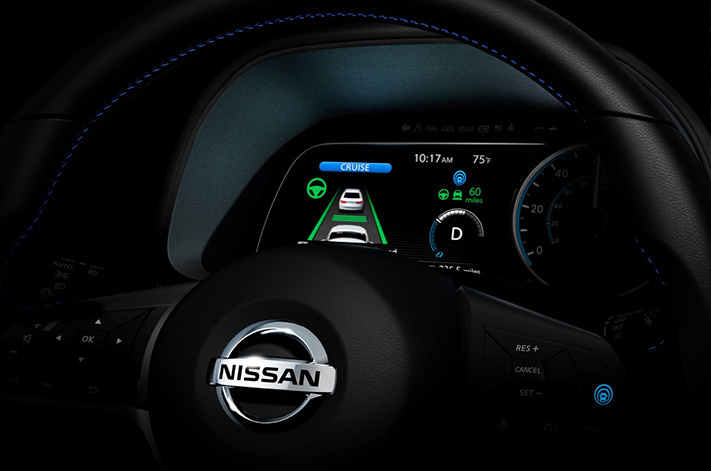
A conventional brake pedal will still sit next to the e-Pedal, but Nissan asserts the Leaf’s regenerative braking force is strong enough that you won’t need to touch the brakes 90 percent of the time. If you release the e-Pedal entirely, the Leaf will slow to a halt and even hold itself in place on steep hills.
If you’re the kind of person who rages against the gradual extinction of the clutch pedal, Nissan’s assertion that the brake pedal is about to become pretty much redundant should have you frothing at the mouth.
The 2018 Nissan Leaf will make its global debut on September 6.
Waxing and polishing is important for maintaining a car’s paint, and can also help restore a faded paint job back to its original glossy glory.
While it’s a relatively simple job that most people can do at home there are a few important things to know before you start smearing your car in wax, so we sought expert advice from James Kennedy, co-owner of Mothers Polish.
Wash first
Kennedy says it’s important to wash the car properly before waxing, using a good quality car wash. A wash and wax type detergent is fine even if applying wax afterwards.
Kennedy advises using the ‘two bucket method’, with one vessel containing the car wash soap and the other just water. This prevents dirt coming off the car from contaminating the soapy solution that’s about to go on it, which could result in scratched or marked paint.

The right gear
As well as the appropriate wax products for the job, Kennedy recommends using microfiber wax applicators and towels and good quality sponges for polishing.
“All the materials that will touch the paint do make a difference,” he says. “If you’re using old-school cheesecloth or terry towel the polishes and waxes can get knotted up in them and can cause their own scratches in the painted surface.”
A rotary or orbital polisher with a buffing pad will quicken the process but isn’t necessary – most retail polishing products work fine when applying by hand.
Wax products
Newer cars generally need a single-step process with products such as cleaner wax that clean the paint rather then cut through the top layer.
“Cutters are old-school technology,” Kennedy says.
“People keep asking for a cut and polish whereas that’s possibly not the most ideal method of detailing a car in the modern age,” advises Kennedy. “Smoothing out imperfections rather than just taking off a layer of clear coat off the surface is more preferable.
“A clear coat on the paint is only a couple of strands of hair thick so you don’t want to take too much away from that surface.
If you want a deep shine Kennedy recommends glazes rather than a traditional wax or cutting compound.
“[Glazes] are more of a filler than a smoothing of the paint and gives that deep, looking into a swimming pool, kind of reflection.”
For older cars Kennedy recommends a final step using Carnauba or synthetic wax for extra shine and protection.
Clay bar
Cars that need more work to restore colour and shine might require a clay bar rub before polishing to remove debris off the paint surface such as embedded grains of metal, tree sap and paint overspray, which could cause more damage during polishing and interfere with the effectiveness of the process.
“If you run your hand over the surface and its rough to touch then you need to get that off with the clay bar before it starts to break down the clear coat. “
- Use the clay bar after washing the car and keep the paintwork damp and lubricated by spraying dome detailing spray (or soapy water) on a small area that you’re about to rub.
- Slide the clay bar over the lubricated surface to remove debris from the paint. Work on small sections at a time.
- Regularly knead the bar, folding the dirty areas into the centre and knead out again to expose fresh clay.
- The clay bar removes old wax from the paint too so always wax afterwards.
Waxing method
When waxing your car avoid doing it in hot sunlight. Ideally you want the paint surface to be cool to stop the polish from drying too quickly which prevents it from bonding to the surface properly.
Use circular motions if applying by hand to one small area at a time. Working on one panel at a time is a good approach.
Start with a little bit of product and build it up rather than just piling it on – excess polish dried on the surface is wasted product.
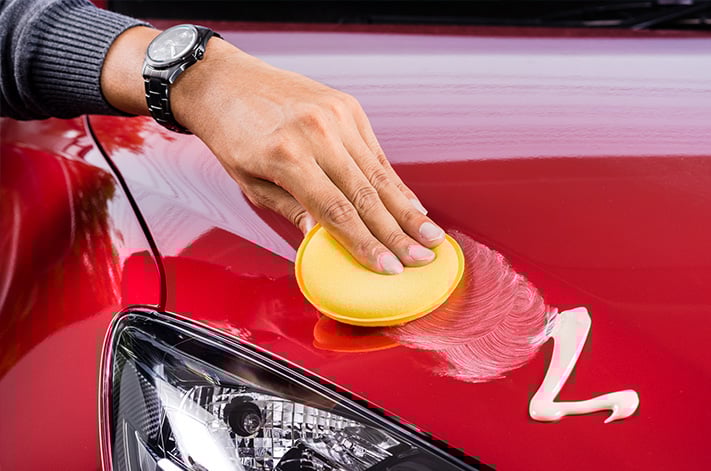
Kennedy says it’s also important not to rush and let the polish sink in and dry.
“You actually need to let the polish dry to let it activate properly, especially the wax because if you put it on and buff it straight off you haven’t allowed enough to let it settle and cure to the surface.
Also use circular motions when polishing and removing excess product.
Remove excess wax from non-painted surfaces with a cloth before it hardens and use a brush for nooks and crannies such as badges.
When to wax next
Kennedy says timing between waxes depends on where you live and how you drive and store your car, with the interval able to be prolonged with regular washing.
“If you live by the beach or do 1000 kilometres a week or of it stays outside you’re going to have to do it more regularly. It’s a matter of keeping an eye on it and keeping it washed and keeping stuff off the surface is always better.”
It takes a certain kind of personality to sit in a car beside someone feeling their way along the road for the first time. The risk is that your reaction to the way they drive will send the wrong message.
The other risk, too, is that the person you teach will pick up your bad habits – when’s the last time you’ve done a proper head-check before changing lanes, or come to a complete stop at a stop sign, the very things that will fail you in a real-world test.
Your flaws are something that a professional driving instructor will iron out from your student right from the start.
A professional instructor will also be much better than you at simulating what is likely to happen during the on-road driver’s test.
Getting the best start on the road for a driver is vitally important. Statistics compiled by the Victorian Transport Accident Commission show that while the number of serious crashes for learner drivers is well below the state’s average for even the most experienced behind the wheel, the most dangerous time to drive is in the first four years of obtaining a licence.
Keys2Drive is a federal government-backed national initiative, started by motoring interest groups such as the NRMA, RACQ and RACV, that provides a free driving lesson to eligible learner drivers.

It has supplied more than 400,000 free lessons over its almost decade-long lifespan.
Keys2Drive national project manager Ben Haythorpe told WhichCar the program was not about teaching people how to pass a driving test.
“The program is designed to improve the road safety of beginning drivers by forming a positive relationship between the learner, their supervisor and the driving instructor,” Haythorpe said.
“The program aims to upskill parents/supervisors about being a better teacher – for the majority of learners in Australia the bulk of the supervised practice that is required is done by the parents or the supervisor.”
Haythorpe said research into the effectiveness of training programs for learners showed the system could have “mixed results”.
“However, Keys2Drive advocates that learner drivers need to be aware that even after “passing the test” they are still a beginning driver and should be aware of the high crash rates of newly licensed P-plate drivers and should continue to be open to learning and gaining more real-world, on-road experience,” he said.
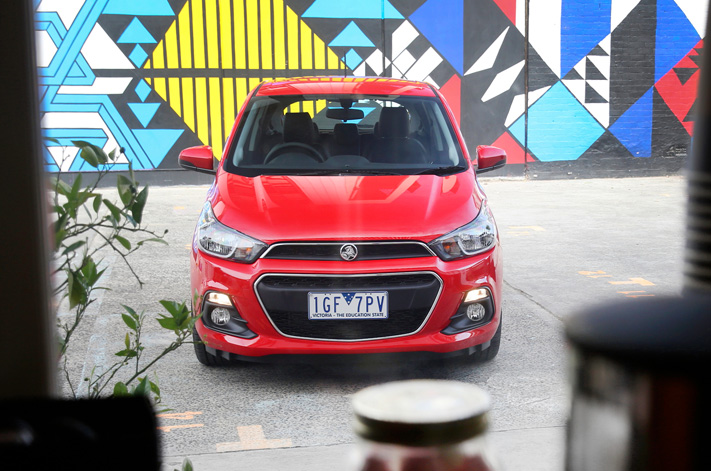
Advocates for paid driving lessons argue that a professional driver is able to pinpoint the weaknesses in a learner driver, and correct them. Another strong argument is that unlike a family member sitting in the passenger seat, a driving instructor will give all of his or her attention to the learner driver for the duration of the lesson.
Not only that, but in some of the states and territories that require learner drivers to keep log books detailing how much driving they’re doing, a one-hour professional lesson is the equivalent of three hours with anyone else supervising from the passenger seat.
Others may argue it’s better to pay for advanced driver training. Ian Luff, the managing director of the Sydney-based Safer Driving Academy, warns that some driving instructors may only teach a learner how to pass a test, not how to be safe on the road.
“When young people think they can drive, they don’t know how to drive,” Luff said. “They know how to pass a test because they’ve done a reverse park, a three-point turn and a hill start.”
According to Luff, family members were not necessarily the best teachers when it came to inexperienced drivers.
“When you look at statistics, particularly with learner drivers … most kids are taught to drive by mums and dads, older brothers and older sisters and so forth.
“That’s usually our opening line at a driving program; and the large percentage of the people are ‘yeah, yeah, I started out with mum and she jumped out of the car screaming hysterically’.
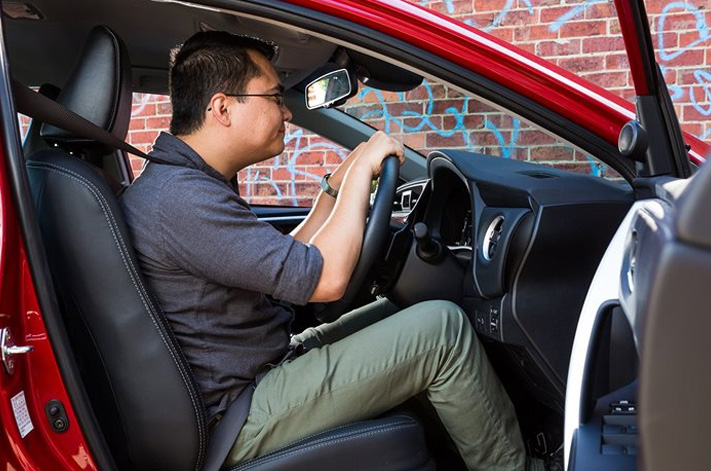
“Invariably what is happening is poor messaging is being passed down through generations,” he said.
“So the system is broken. Invariably, we’re putting people out there – and it’s not their fault – who are incompetent, but they passed a test on the given day, and now for the next 60-odd years they go on unabated as long as they keep their points intact and pay their licence fee every one, three or five years.”
Luff said he recommended that a new licence holder should do a defensive driving course after obtaining their ticket to ride.
However, to cater for an untapped need, his driving school helped the NSW Government develop a course for people with learners’ permits that they can take after logging 50 hours of experience. It involves a three-hour theory program, followed up by a two-hour on-road practical session.
“We’re not out there talking about reverse parking and three-point turns,” he said. “You’re out there talking about buffering, spatial awareness, commentary driving – all the things that aren’t taught at learner driver school.”
