
I’VE insulted Ari Vatanen. Less than 15 minutes into our day together and his familiar face is wearing a peevish expression.
First published in the April 2017 issue of Wheels Magazine, Australia’s most experienced and most trusted car magazine since 1953.
“What’s wrong, Mike?” he demands, a slighted tone overlaying his careful Finnish diction.
We’re sitting at the kitchen table of his house in Provence, France, and I glance around to try and work out how I’ve caused offence.
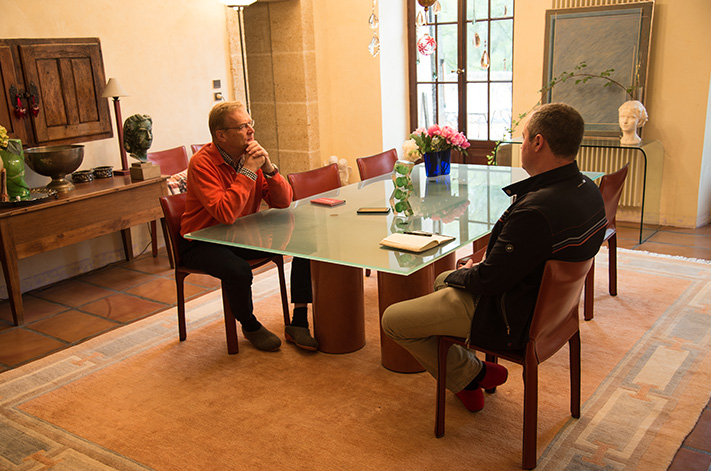
“Rita made it. I insist.”
The problem being I’ve already pigged out on a plump croissant and a weighty pastry, washed down by an excellent macchiato that Vatanen produced from a hissing coffee machine. I’m stuffed, but excuses aren’t going to cut it. To keep Ari happy I’m going to have to find space for a slice of bread spread with his wife’s homemade conserve.
Never meet your heroes. They’ll only make you breakfast.
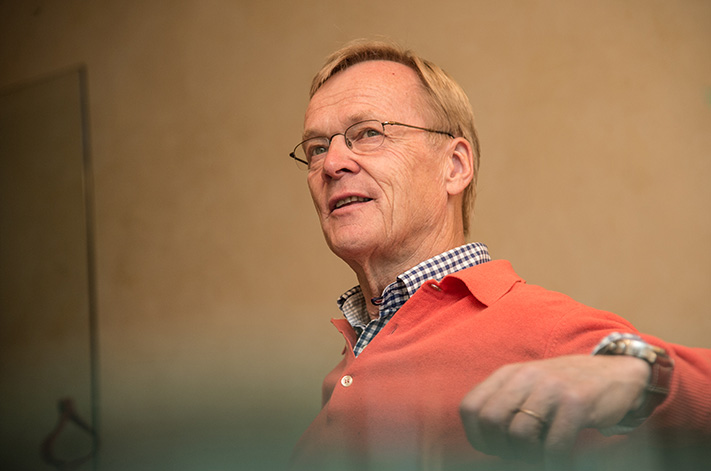
As a young kid my favourite toy car was the Matchbox Mk2 Escort which, presumably to discourage underage smoking, wore a not-quite version of the Rothmans livery of his championship-winning car.
I was too young to travel to rallies during Vatanen’s Group B heyday, but I clearly remember how lithe and agile his Peugeot 205 T16 looked in the grainy television reports, especially next to the hulking, nose-heavy Audi Quattros that always seemed to be chasing it, and also the shock of hearing about the near-fatal crash that almost ended his career in 1995.
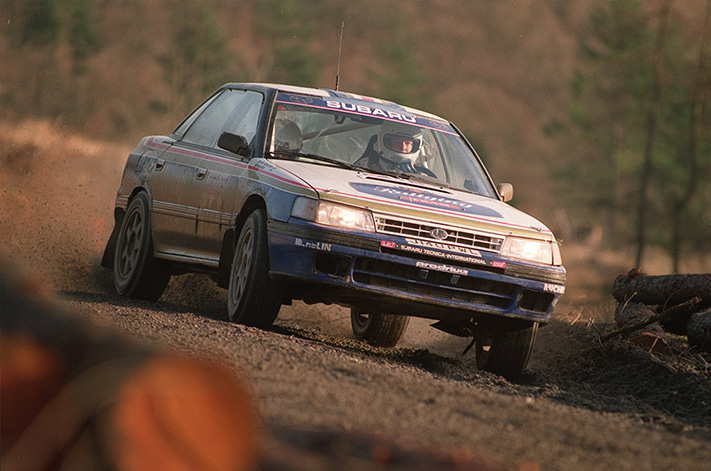
It was 1992 before I finally saw Vatanen live, at the RAC Rally where my reward for spending two hours shivering in a Welsh forest was the sight of his Subaru Legacy taking the corner I was standing next to at a visibly more extreme angle than anyone else, even hotshoe young team-mate Colin McRae.
Vatanen and McRae were both driving for Nissan, and interest in the Scotsman’s first run at the endurance event was huge.
I waited for most of a day to talk to him and was rewarded by a brief, stilted interview in the presence of an anxious PR minder.
Later I found Vatanen – who had won the event four times – standing in the hotel lobby and, completely starstruck, re-introduced myself and chatted freely about the event, his competition history and his love of Africa.
Yet while Vatanen’s CV is packed with highlights, it’s a non-obvious connection that’s brought me to Provence to meet him again. He’s been a works driver for Ford, Opel, Peugeot, Mitsubishi and Subaru in the WRC, but these days has become a BMW brand ambassador in France, his association underwritten by a couple of career footnotes.
“Few people will remember, but I did the Thousand Lakes in a BMW M3 back in 1988,” he says, “and also the Andros Trophy and some other ice racing with BMW. I shared a car with Nigel Mansell in the 24 Hours of Chamonix one year.”
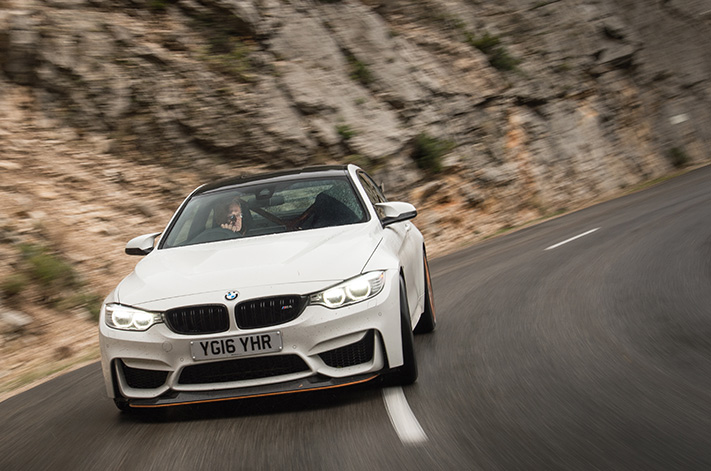
More than enough excuse to make the 1000km drive from the UK in a right-hook M4 GTS to see what Vatanen thinks of the most extreme road-going BMW.
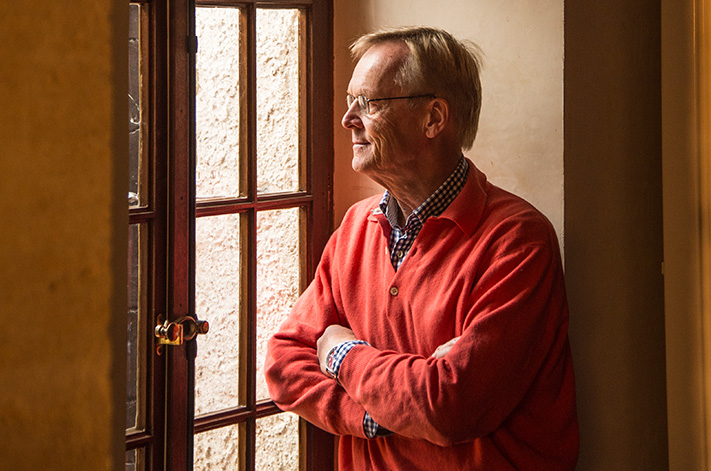
Like many top athletes he segued sporting success into a political career, although in Ari’s case a divided one.
He served two terms as a Member of the European Parliament, the first representing Finland and the second his adopted homeland of France.
When Max Mosley stepped down as head of the FIA in 2009 – after a well-publicised spanking-and-hookers scandal – Vatanen ran to replace him on a platform of radical reform.
He lost to Jean Todt, very much the FIA establishment candidate, who was supported by Mosley’s still considerable influence.
It was an acrimonious battle, and one that put considerable strain on the two men’s relationship, which dated back to Todt’s time as a co-driver and as head of Peugeot Sport when Ari drove for the team.
“Luckily it’s all patched up now,” Vatanen says.
“Jean started a new commission, the Closed Roads Commission, which is responsible for safety in rallying, off-road racing and hillclimbs, and I’m chairman of that, which I enjoy very much.”
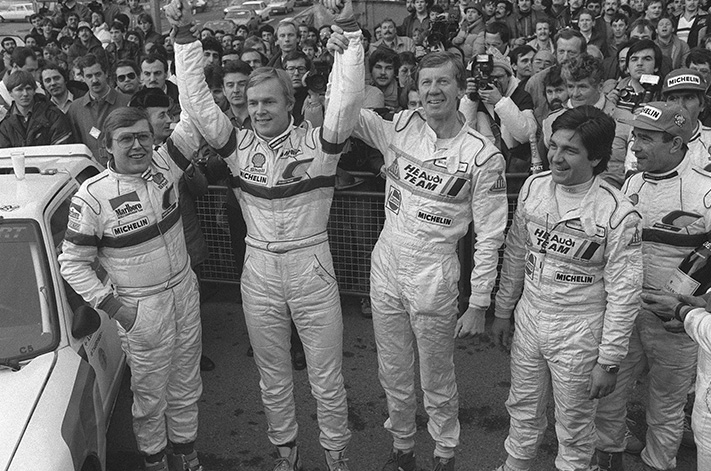
Vatanen’s father piloted Bristol Blenheims during the Second World War, and his first love was planes rather than cars.
“I wanted to be a fighter pilot, but I was too tall,” he says. “In the 1970s you had to be less than 170cm in Finland. Then I wanted to fly for Finnair, but I wasn’t intelligent enough, my English wasn’t good enough back then. So I got into cars instead, although I compensated a bit later on with helicopters.
“I’m a beginner in helicopters, even after more than 30 years. I do the opposite to what I do driving; I try not to push.”
While acknowledging the risks, and the toll helicopter accidents have taken on his friends and colleagues – Prodrive boss David Richards survived a chopper crash the day after Colin McRae and three passengers died in one – Vatanen remains an unashamed advocate.
“Helicopters can be dangerous, but they have saved far more lives than they have taken,” he says. That includes his own – he nearly died after an enormous crash on the 1985 Rally Argentina, suffering horrendous injuries when his seat broke.
“I know I wouldn’t be here if Jean Todt hadn’t had a Squirrel in the service area,” he says. “He sent it out to look for me when I didn’t make the control. They found me literally lying in the grass and flew me straight to hospital. There was no way I would have made it by road; there wasn’t time.”
The crash triggered a period of extreme depression after he became convinced that he had contracted AIDS from a blood transfusion.
“I thought that everything was finished; I’m so lucky I awoke from that dark nightmare,” he says, with emotion in his voice.
Vatanen says his long recovery altered his view of the world, giving him both a strong religious faith and a closer connection with his family.
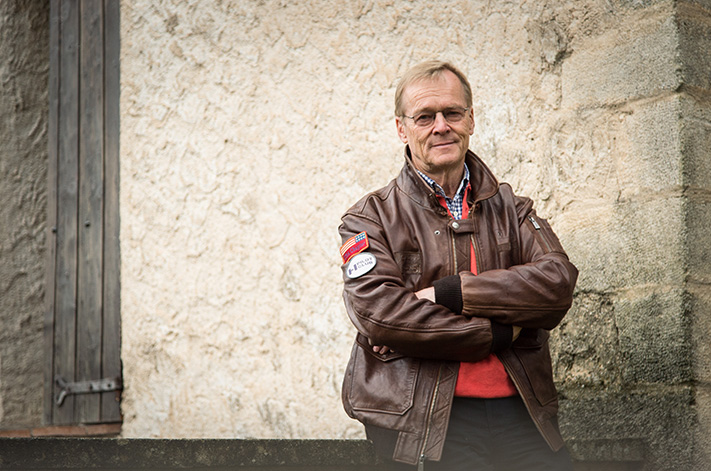
He went on to have four children, with Max, his youngest son, following in his father’s footsteps by competing in the British Rally Championship.
The Argentina crash also altered the trajectory of his career; by the time he had recovered, Group B had been abolished and Peugeot had opted not to continue under the tamer Group A regulations.
Vatanen was entered in the 1987 Paris-Dakar instead, winning the first of four overall victories in the classic endurance event (and being denied a fifth only when his car was stolen).
Peugeot also took him to Pikes Peak hillclimb in Colorado, with his full-commitment drive in a 405 T16 around gravel hairpins next to vertigo-inducing drops immortalised in the film Climb Dance.
“Do I regret the accident? Of course,” he says, “but I don’t regret where I ended up. Man needs some crazy things in life otherwise everything is too monotonous. This political term, the precautionary principle, is completely wrong – it stops risk-taking, it’s based on the idea that man is nearly immortal and we should stop anything that renders us mortal. That’s totally wrong, man remains very mortal and the whole history of mankind is that you don’t have any progress without risk-taking. As the old saying goes, if you’re afraid of your boat capsizing then buy an island.”
One question I have to ask before heading out in the M4: which of the cars he drove in that period does he look back on most fondly? And which was the most exciting, also the most rewarding?
“In terms of sensation it has to be the Peugeot, the 205, because it was so confidence inspiring. It made you believe you could do almost anything. Of course, the Escort was similar, but when you get in the Peugeot you realised how much time you lost with just rear-drive… Apart from the famous crash the Peugeot was a very forgiving car, if you had enough space it could be more than 90 degrees sideways and if you didn’t lift off, you just kept your foot down, the transmission would just pull the front straight.
I would have been happy to talk all day, but it’s clear that Vatanen is keen to have a go in the M4 GTS on some of his favourite local roads.
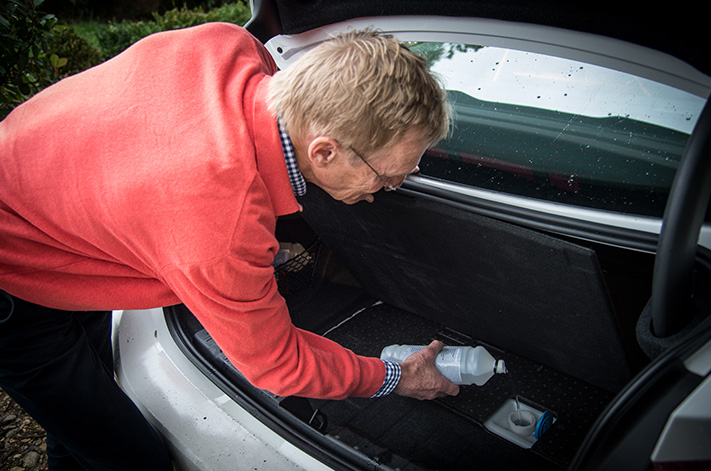
While he admits to having spent plenty of time in the regular M4, this is his first time in the GTS, and he’s clearly fascinated by just how different it is, from the substantial motorsport-grade roll cage at the back of the cabin to the trick water injection system that lies in the boot.
Right-hand drive doesn’t throw Vatanen; he’s a regular visitor to the UK so is used to sitting on the proper side.
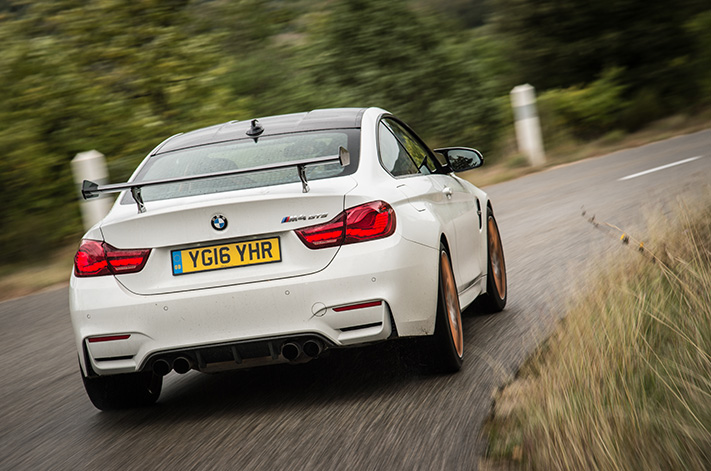
But the combination of sodden conditions and the limited grip offered by the track-spec Michelin Pilot Cup 2s on the cold, greasy tarmac are going to be more of a limiting factor, the traction control fluttering and stuttering as the rear tyres struggle to digest full boost.
We’re travelling very quickly, but with little apparent effort from the driver’s seat; Vatanen’s spatial awareness is outstanding, we’re using what feels like every millimetre of the winding roads that lead through the spectacular Gorges de la Nesque and continue to carry serious speed as Vatanen delivers his unhurried commentary.
“So fast, good steering, solid brakes – it really does feel like a competition car… When I think of how hard you had to work in cars with 300hp or even 200hp it’s amazing how far things have come.”
Unlike many of his contemporaries, Vatanen doesn’t have a collection of cars or spend much time driving the ones he competed in. He clearly enjoys the chance to fang something as extreme as the M4 GTS – his daily is a diesel X6 – but he says that he misses politics more.
“The two things can’t really be compared. I can still drive in one way or another with my commitments for BMW, that sensation of driving is still available to me, but I don’t need competition because that’s a thing of the past … I can’t win Monte Carlo anymore, I can’t win a championship, I won’t have a better contract next year. Politics was a completely different challenge. It sounds idealistic but it’s where you try to be part of building a better world.”
After driving and photography we stop for lunch in a small village. It’s clear that Vatanen is enormously fond of his adoptive homeland: “twisty roads, beautiful countryside, even when it’s raining… you can have fun in the most basic rental car or in a beast like this. And of course, you can stop and have a proper coffee, a proper meal.”
As we return to the car, a woman approaches and she and Ari converse for several minutes in rapid-fire French before parting with an embrace. He translates a summary: “Her mother is 88 years old and still drives, but she is much too fast, so they call her ‘Granny Ari.’”
There’s a huge amount of interest in Ari Vatanen’s past, but he is still keener on the future, passionate about his work with the FIA improving safety and the demands of looking after his farm in Provence.
While he started out as a driver he has become much more than that.
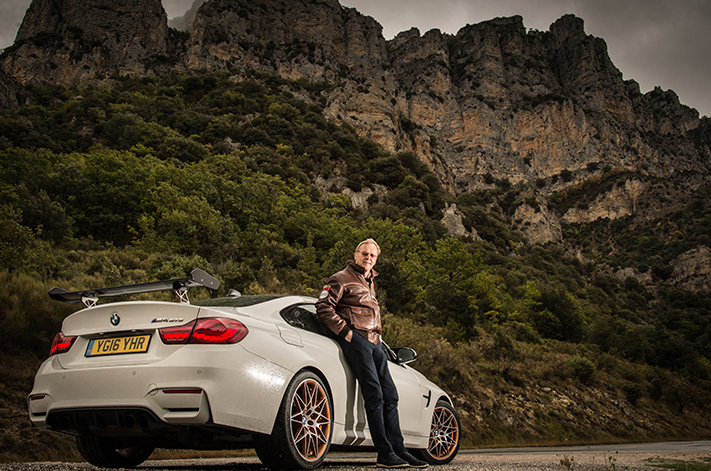
“Nothing is planned, and that’s good. Sometimes life takes a ricochet; you must go with the flow.”
Ari Vatanen Career Highlights 1970 Starts rallying while working as a mechanic 1975 International debut: RAC Rally in Mk2 Escort 1976 Ford works contract, wins British Rally Championship 1980 Wins second British Rally Championship 1981 Wins World Rally Championship in Escort RS1800 for Team Rothmans 1984 After a brief time with Opel switches to Peugeot to drive 205 T16. Wins three events, finishes fourth in Championship 1985 Wins two rounds of the WRC then suffers huge crash in Rally Argentina, misses remainder of season 1987 Returns to competition in the Paris-Dakar. Wins in 205 T16. Takes further victories in 1989, 1990 and 1991 1989-90 Mitsubishi WRC driver for selected rounds. Takes second place at the Thousand Lakes in 1990 1992-93 Subaru works driver, alongside Colin McRae. Three podium finishes 1999 Elected MEP for the Finnish National Coalition party 2003 Elected MEP for the French Union for a Popular Movement 2003 Paris-Dakar with Nissan, finishes 7th overall 2009 Runs against Jean Todt for president of the FIA after Max Mosley steps down. Loses 2013 Becomes chairman of the FIA’s Closed Roads Commission advising on improving safety 2013 Becomes Estonian Autosport Union president
OK, so there was the limited-edition (50 units), blacked-out SV, but we feel like HSV’s long-wheelbase, sports-luxury Grange never quite got the send-off it deserved before it ceased production on November 4, 2016.
Sure, it was a very niche model, but it was a little bit forgotten once HSV started concentrating on LSA variants, and with cashed-up Holden fans clamouring to buy the last-of-the-line HSVs, we reckon it would’ve been worthwhile creating something special for those who like their performance mixed with a bit of luxury.
Behold, the Grange W1 and Grange R. The idea isn’t rocket science, simply take a very limited number of long-wheelbase Caprices and pack them full of every conceivable luxury and go-fast goodie to create a fitting farewell for a car that once carried Australia’s heads of state, before they switched to BMWs, the unpatriotic scoundrels.
Chances of it happening? What’s a number less than zero? Still, it doesn’t hurt to dream, because as of October, 2017, dreams are all we’ll have left when it comes to locally-made muscle cars.
Here’s how we’d do it:
Power Part I
If it’s going to wear the ‘W1’ badge, then there needs to be an LS9 under the bonnet. Producing 474kW/815Nm, the sole catch is that the engine is only compatible with the strengthened TR6060 six-speed manual gearbox, an odd choice for a luxury car…
Power Part II
…which is why there will also be a Grange R, packing the 435kW/740Nm LSA V8 tied to the venerable 6L90E six-speed automatic gearbox. The result is 0-100km/h in 4.5sec versus 4.3sec for the Grange W1. HSV’s latest bi-modal exhaust is also a must-have, for plenty of V8 growl.
Dialled Back
Unlike the race-inspired, Supercar-for-the-road GTSR W1, the Grange will spend the majority of its life on the highway, which is why HSV’s Magnetic Ride Control dampers are retained, though the wider plastic front guards and larger two-piece floating rotors make an appearance. The Pirelli Trofeo R tyres are not appropriate here, so we’re sticking with the standard ContiSportContacts.
Lap of Luxury
Inside, the Grange is basically everything HSV knows about interiors. The heated and ventilated seats from the Chevrolet SS are installed, trimmed in diamond-quilted Alcantara, while lashings of carbon fibre trim add a racy vibe. And don’t forget the DVD player in the back to keep the kids happy.
Exclusive!
If you thought the W1 was rare, think again. We’d be making just 25 LS9-powered Grange W1s at $185,000 a pop, with a further 75 Grange Rs at $125,000. And of course, like all Granges, each car would come with a bottle of Penfold’s finest.
JUST when I thought Iu2019d identified all the danger signs of advancing age u2013 less hair on top, more out the ears, a default cynicism setting u2013 I learn thereu2019s a new concern to navigate: inveterate SUV ownership.Okay, I use the term ‘ownership’ lightly, but the fact remains: for someone not fundamentally a devotee of SUVs, I seem to be incapable of escaping them. For me it started in 2014 with Holden’s unlovable Trax; progressed through two variations of quite agreeable Nissan Qashqais, and paused recently after an eight-month stint in Hyundai’s top-spec diesel Tucson.
Now, for this closet rear-drive-wagon lover, it’s back to SUV business as usual. In comes the top-spec Renault Koleos, called Intens, featuring an atmo 2.5-litre petrol four hooked to a CVT transmission and switchable all-wheel drive. It’s priced at $43,490, with our Meissen Blue paint ($600) the only option fitted. (Solid white is the only colour that doesn’t attract an extra charge.)
So the total of $44,090 (or $48,590 driveaway in NSW) makes it a few grand cheaper than my previous Tucson Highlander diesel, but about line-ball with a turbo-petrol Highlander, which is a closer mechanical match. So you’d presume some buyers would cross-shop the two, given the similarity in price, size, and general application.
The next few months will be instructive, then, in terms of evaluating how well Renault has nailed the medium-SUV brief by using the current Nissan X-Trail as platform and powertrain donor.
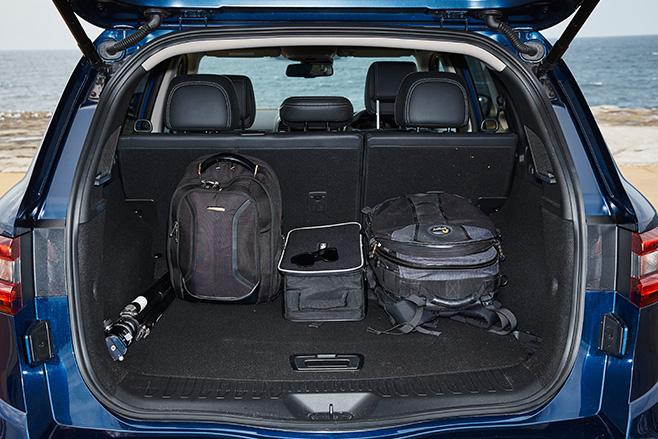
My first impressions are that the exterior design by Anthony Low (overseen by Laurens van den Acker) has plenty of nice touches, but isn’t quite as chiselled and masculine as the Tucson. I like the semi-clamshell bonnet design, and the lighting treatment, both front and rear, is properly distinctive at night. No visible tailpipe is a curious touch, but the non-functional side vents on the front doors seem a bit of an indulgent affectation. On a more practical level, the rear doors open nice and wide to present a generous aperture to passengers climbing in there, and the black cladding around the exterior edges offers a bit of protection from life’s scrapes.
Ah, but the interior… Sliding inside the Koleos’s cabin is like entering a rich world of luxury compared to the Tucson. My Hyundai may have been the top-spec Highlander, and a mostly admirable SUV, but I’m sure there are cells in Guantanamo Bay with a less austere ambience.
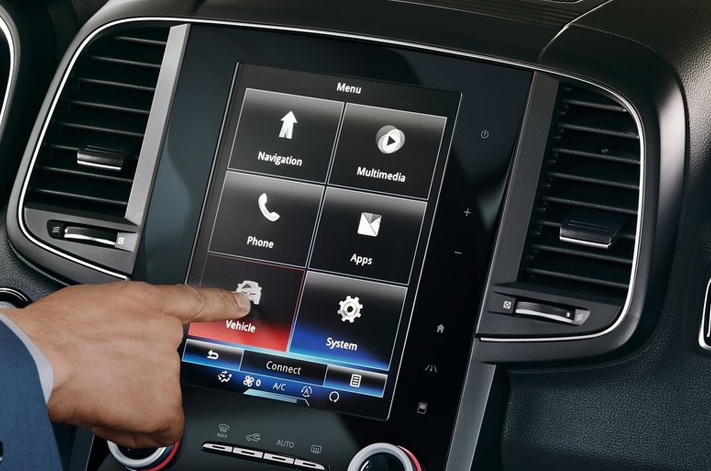
Not so the Koleos, which immediately seduces with proper leather seats (heated and ventilated, but no memory position) an iPad-sized multimedia touch screen (the functionality of which I’ll get to later) and a central TFT instrument display that can be configured into a choice of four displays. The wheel is attractive and nicely tactile, even if the left-side buttons do present an initial challenge in terms of functionality and logic.
A big plus for me (especially compared to the Hyundai Tucson) is the solid-sounding Bose audio system, (see sidebar above) and DAB tuner. I’m also appreciating the glass roof on overcast days, the powered tailgate, and the provision of remote releases for the rear backrests in the cargo compartment (another annoying oversight in the Tucson).
The only ergonomic gripe I can manage at this point is the driver’s seat doesn’t go sufficiently low, and its base is not long enough to provide full under-thigh support.
So, at this point you may be thinking, “Hmm, this bloke is less of a first-world whinger than I recall…” But … not so fast. Did you read about Koleos’s struggles at Car of the Year last month? If so, no spoiler alert is needed: the moment the driving moves from undemanding urban trundling, the Renault’s challenges begin.
Let’s talk next month.
Update #2
According to Australia’s Central Agency for Protecting Us from Ourselves, powerful cars are dangerous cars.
They need to be kept out of the hands of young or inexperienced drivers. A P-plater in NSW, for example, can only drive a car with less than 130kW/tonne.
Sounds fair, right? Give a P-plater a V8 or turbo and he’ll wrap himself around a power pole quicker than you and your wife can be tasered for sharing a bottle of bubbly at a zero-alcohol vantage point on New Years Eve. It’s logic, people. Don’t argue.
| 2017 Renault Koleos Intens long-term car review, part one
So sure, I checked my brain at the door and I’m on board. But what about not-so-fast cars? After a few overtaking attempts in the Koleos this month, I’m thinking I would be way safer with an extra 200Nm and a CVT that didn’t make it sound like there’s a Nutribullet behind the firewall.
My first experience was admittedly uphill, with a couple of teenagers on board, the excellent air-con cranking and the ventilated front seats wafting a cooling raft into my back.
But the truck was labouring at 60km/h in an 80 zone, so naturally I pulled into the right lane to pass, and pinned it to the boards.
| 2016 Renault Koleos range pricing and specs announced
Then I sat there. And sat some more. As the Nutribullet made frantic, strained whirring sounds, the truckie glanced down with a mix of wonderment and pity, as we had ample time for eye contact. In the rear-view mirror, I swear I saw an octogenarian on a Honda step-thru jammed up my clacker, shaking her gnarled little fist at me to get out of the passing lane.
Okay, I’m kidding, but not by much. The Nissan X-Trail-sourced 2.5-litre atmo four needs 4400rpm to arrive at its 226Nm point of peak twist, meaning there are not a whole lot of Newton metres in the zone you really need them.
The only way to drive around this issue is to flick the shifter to the left to grab manual mode, and thankfully this forces the CVT into some semblance of gear-holding co-operation, and even gives the preferred push-to-downshift configuration. I push a lot.
On the upside, it’s made my driving style ultra predictive: I’m flicking over into manual mode like a cornered ninja; I’m plucking ratios fore and aft like I’m in some speed-croupier competition in the Las Vegas Hilton.
My partner just rolls her eyes and tries to pretend she’s in a relationship with some normal, relaxed, non-journo dude, and turns up the excellent Bose audio.
At least she tries to, but the fiddly plus-and-minus volume touch points on the multimedia screen occasionally attempt to thwart this. That’s my cue to use my left hand to grab gears while my right fingers dance on the volume pod behind the steering wheel; simultaneously tweaking the rotating track-finder wheel.
And get this: I steer, too, while all this is happening. Yep, the Koleos is instilling in me mad multi-tasking skills I had no idea I could master. See? There’s always a bright side.
Farewell
OCCASIONALLY things go tits-up on a Wheels road test. The severity can differ, of course. I recall one really terrible one; the time at a cafe in some Hicksville town in central
NSW where Jimmy Whitbourn learned from the ‘chef’ that the allegedly freshly caught ocean trout was, in fact, from a river. A table was upended in fury that day. Then there was the Bathurst Disaster of 2011, when Thomas Wielecki, aka World’s Pickiest Eater, and stickler for circular crockery, had to have his meal served on a hexagonal plate.
But sometimes even minor things get in the way, like recently, when a certain 375kW Italian sports sedan that shall remain nameless lunched its own key while parked outside a remote cafe several hundred kays from home. The central locking mysteriously went click with the key clearly visible inside, and that was that; the only fix was to have the spare key sent from Melbourne overnight.
On the upside, it gave me a chance to give the Koleos a decent shakedown on some excellent rural roads when I returned the next day on the recovery mission.
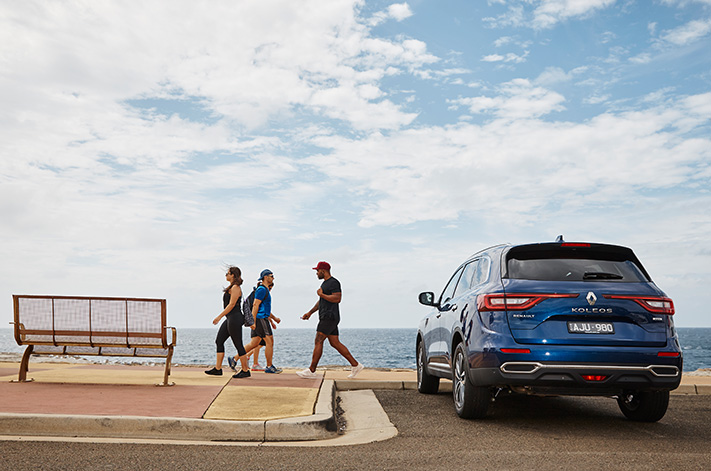
The bare facts are these: around town, where you’d expect most Kolei to do their service, is not where it is at its most agreeable. The steering is woefully low-geared; you constantly need a second bite at the wheel for mundane T-junction turns. The low- to medium-speed ride, too, is in a constant state of mild agitation with any surface short of a billiard table.
And the lack of torque in concert with the CVT transmission can make the throttle feel like more of an attenuation device, rather than a velocity controller.
Thankfully, some of these demerits are assuaged in faster, flowing roads away from suburbia. The powertrain still demands you shift manually if you’re to avoid the snoozy throttle response – and lack of paddles becomes a real shortcoming – but at least higher speeds allow you to keep the engine percolating (noisily) where the torque lives.
The slow steering is much less of an issue when smaller inputs are needed, and progressively loading the front corner, rather than heaving on it, negates some of the body control issues.
Yet the dry-road grip from the Nexen tyres is low, and they’re super skatey in the wet. The brakes held up reasonably well to hard use, but the mushy pedal also irked.
In the wash-up, though, it’s clear Renault has work to do if the Koleos is to fully capitalise on its style and equipment appeal.
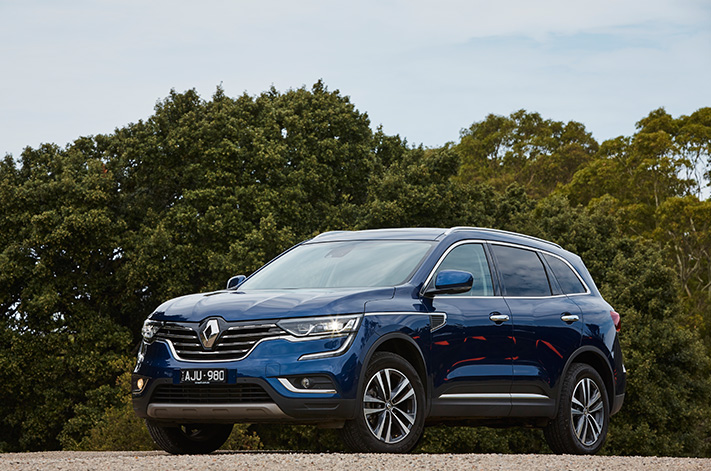
This is a company with some supremely talented chassis and powertrain people; you only have to look at the brilliant Clio – the brand’s best car – and even the Megane GT, with its excellent four-wheel steering system.
Then there are the RenaultSport models that have stoked the fires of enthusiasts for almost two decades. The Koleos could benefit from some of that expertise.
QUESTION – DINA (QUESTION FROM 27/4/2017):
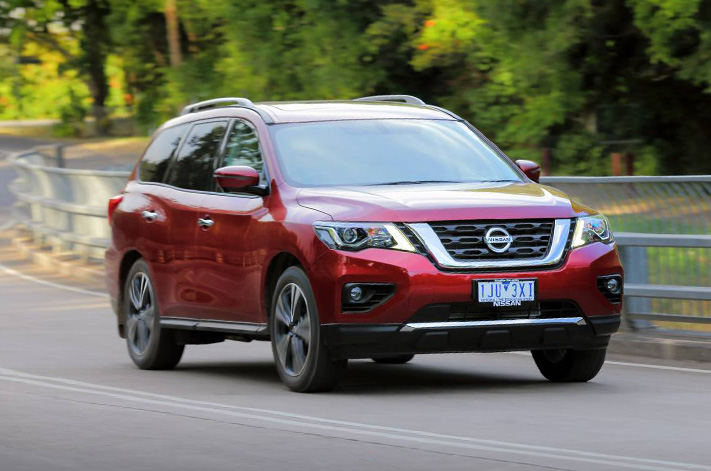
We are a family of five – two adults and three kids aged seven, five and three (all still in car seats). We are looking for a seven-seater that will still offer space in the luggage compartment, even when the seven seats are in use. This car would be the everyday run-around for mum and the kids. On average we travel 10,000 kilometres a year so we are looking for an economical car as well as something comfortable. We have looked at the Nissan Pathfinder but we are not sure if this is the best out there for us?
BUDGET:
$60,000
ANSWER – SAMANTHA STEVENS:
It’s a hard question you ask, because all but the biggest 4x4s and large SUVs have little more than token boot room with the third row occupied.You could consider the new Toyota Kluger (from $43,550 for the 4×2 GX, AWD from $47,550), which has even more room than before thanks to a more compact rear suspension, boasting 529 litres of space if only the second row is filled and a full-size spare under the boot floor. With the third row in place, the boot still packs a respectable 195L. Add a pram, though, and you may struggle.
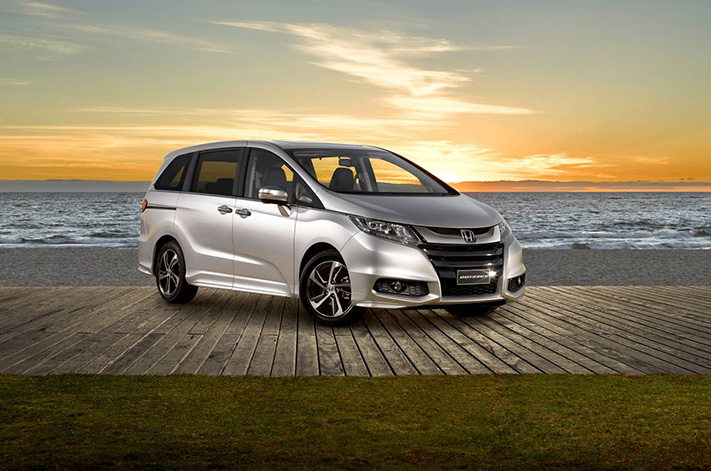
Sadly, the next best thing is a people mover. Now, I know you may think “Oh no, here comes the Tarago…” but some vans drive well, are very practical and have such clever compartments and boot spaces that you may wonder why you never considered them. The base-model Volkswagen Multivan Comfortline diesel comes in at $52,990, is super frugal, practical, fun, and so easy to live with, and you can add extras including tables and stackable luggage spaces.The Honda Odyssey is another option, with its boxy dimensions providing an ability to fit almost everything in.
So if you want something practical, then it may be time to consider a people mover.
Wooden dashboard veneer or carbonfibre? Leather seats or Alcantara? Silk undies or Lycra?
When it comes to deciding between natural materials or synthetic alternatives, it isn’t always an obvious decision, but is it the same when it comes to choosing the motor oil for your car?
We have already explored what the various multigrade engine oil codes mean, but what is the difference between mineral oil and the more expensive synthetic options?
Put simply, a mineral oil is one that is derived mostly or exclusively from naturally occurring oil, while synthetic oil is a blend of manmade chemicals.
Manufacturers of synthetic oils claim that their products are more stable and last longer for increased service intervals and, if true, some simple maths will reveal if the additional cost is outweighed by the longer intervals.
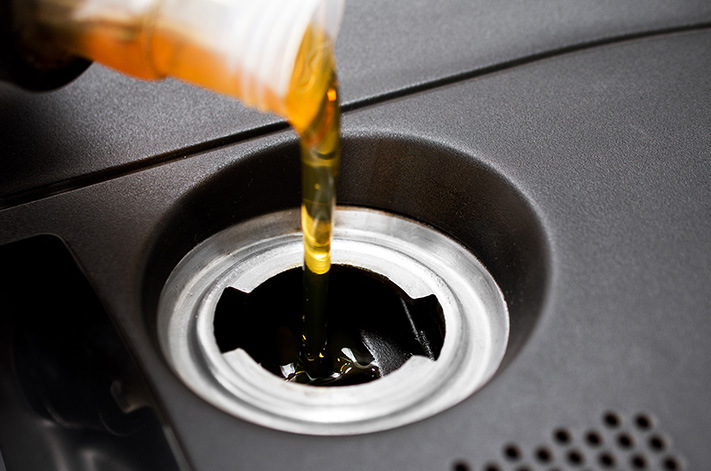
But synthetics are also supposed to provide improved protection for your engine, particularly in the case of high-performance cars and modern cars.
The advantages of synthetic oil are due to a specific formulation for use as a motor lubricant, whereas mineral oil has been refined to the best fit from something that was drilled out of the ground. Subsequently, the tailor-made option is generally a better option, for the same reasons the best tennis racquets are made from manmade composites instead of wood.
| Top paint repair tips to avoid trips to the paint shop
Highly-stressed engines including modern high-performance and race engines simply must be fed synthetic oil as stipulated in the owner’s manual or expect seriously undesirable results, but for vehicles that don’t have specific dietary requirements, there is a little more room to move.
We recommend synthetic oil for all turbocharged engines, particularly early models which do not have the efficient turbo cooling and lubrication systems of the latest vehicles. Synthetic oil’s high-temperature resistance and stability is a particular benefit for turbos where heat concentration and dissipation are more of a concern.
But what about everything else?
There is evidence to suggest all engines can benefit from the reduced wear and increased fuel efficiency enabled by lower oil viscosity, without compromising on lubricating quality, but the advantages decrease exponentially the older the engine technology gets.
| How often should you service your car?
In fact, you may not be able to find a synthetic oil available with the higher viscosity that older, relatively low-tech engines require.
There is one further option. Semi-synthetic oil provides a majority of the stability of synthetic oil but at a lower cost thanks to a blend of mineral oil.
Have you ever felt cheated when you discovered that a tin of tuna in ‘olive oil’ was actually mostly soy bean? Well semi-synthetic is not like that and is blended using a maximum of 30 per cent mineral oil. It might just be the Goldilocks middle ground that suits your car and wallet.
SUPERCARS are some of the most finely-crafted vehicles on our roads, put together by master mechanics and something to be adored.
Unfortunately, those that end up owning supercars (or, let’s be serious, having high-interest leases), don’t always have the utmost respect for these vehicles.
So, because we are suckers for some cringe, we have compiled a list of the worst supercar shunts caught on film. Prepare for bent egos, shattered carbon-fibre, and some big-dollar repair bills.
Lamborghini Aventador sideswipe
Here is your friendly reminder to not drive like a tool, and also make sure you don’t turn across oncoming traffic travelling at high speeds. The truncated view means it’s hard to see which driver is more at fault here, but either way it ended with a Lamborghini getting airborne and suffering some serious damage.
Porsche 918 – shirtless and clueless
This brief clip shows why it’s smart not to show off when you have a bunch of cameras pointed at you, and one of the world’s quickest Porsche powertrains under your right foot. Here we see the typical shirtless buffoon attempting to big-note himself, and instead binning a multi-million dollar Porsche in a hedge. What an A-grade dolt.
Ferrari Enzo comedy of errors
Thankfully for most people on this list, their names will forever remain anonymous, so the embarrassment of crashing one of the world’s finest driving machines won’t follow them around. Comedian and actor Eddie Griffin doesn’t have that luxury after footage emerged of him head-butting a concrete barrier in a Ferrari Enzo. The car was eventually repaired, but it’ll take some serious eye-bleach to get the image of the torn-up Fezza out of our minds.
Bugatti Veyron makes a splash
Crashing a Bugatti Veyron is bad enough. Doing it on purpose as part of an insurance scam? Well, you deserve everything you get. Which is exactly what happened to exotic-car salvage yard owner, Andy House, after he steered his Veyron into a lake. House was sentenced to a year and day in prison for his crime against automotive decency (it was actually insurance fraud). House tried to claim he saw a “low-flying pelican” before he entered the lake, but unfortunately for him some car-savvy onlookers were videoing the exotic hypercar from the highway at the time of the incident, unravelling his BS story.
BMW M4 takes a bow
This really wouldn’t be a list of expensive cars getting binned without a Cars and Coffee exit being featured. We will admit that the M4 is definitely not supercar material, but we just had to add it for the truly terrible driving. Cars and Coffee meets have earned a reputation for a level of driving that causes your palm to involuntarily meet your face at a rapid rate.
Ferrari California test fail
Look, crashing your own car is one thing. If you own it and it’s your money, then go for gold. But here we have a frat-bro at the helm of a Ferrari California, on a test drive. Yes, he doesn’t even own the thing. With a mate perched in the back, and someone from the dealership riding shotgun, he still manages to careen into a concrete fence. We don’t think he’ll be adding a Fezza to his garage anytime soon after this.
It may be a reflection on my IQ, but I like to keep things simple. As such, I’m a big fan of the Skoda’s interior.
Not that simple is a synonym for barren, for the Octavia RS230 is loaded with equipment. There are more airbags than you can throw a crash test dummy at, electric front seats (driver’s with memory function), heated seats front and rear, dual-zone climate control, air-conditioned glove box, Bi-Xenon adaptive headlights, adaptive cruise control, collision-brake assist and an 8.0-inch colour touchscreen infotainment system with sat-nav and smartphone mirroring (Apple CarPlay and Android Auto).
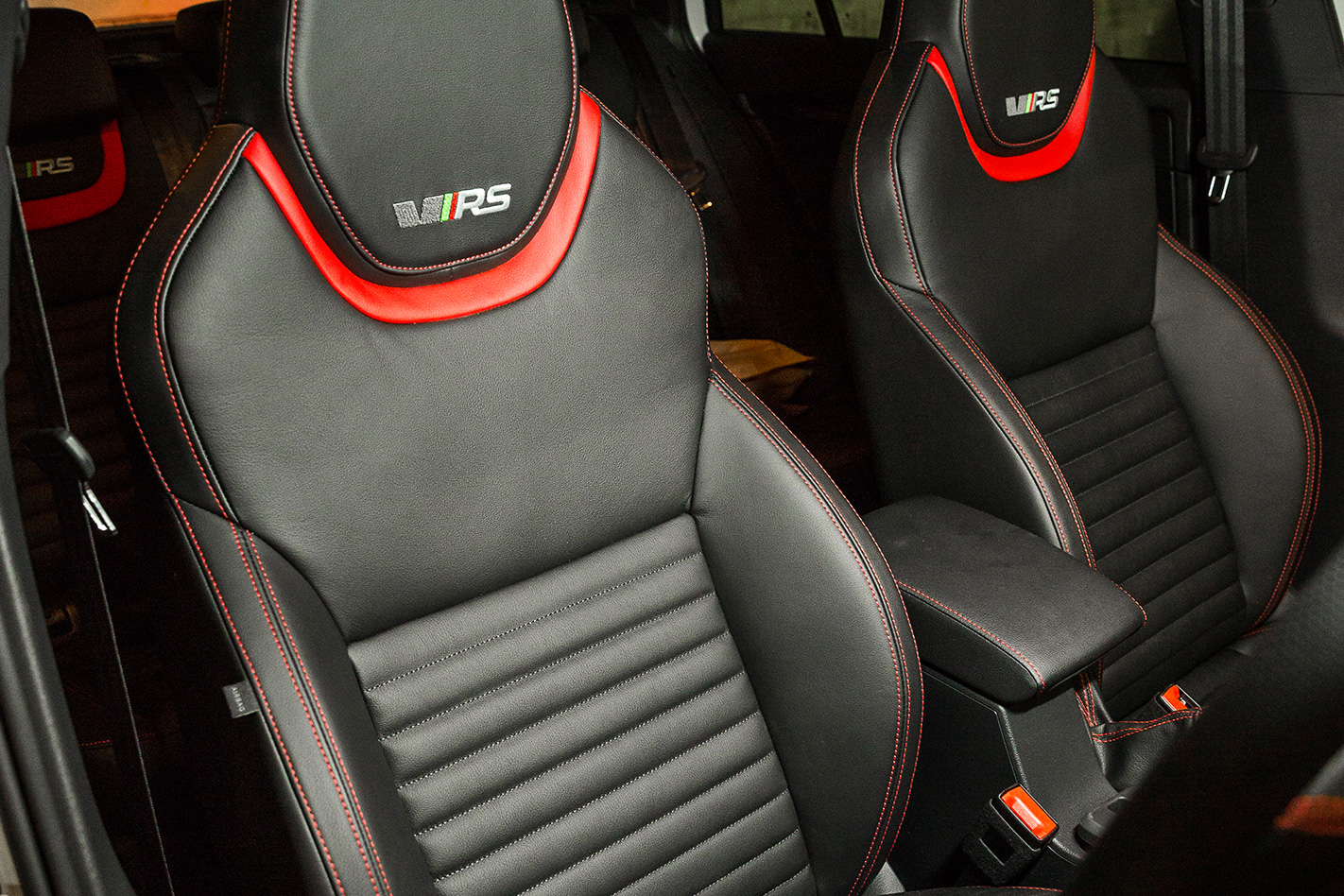
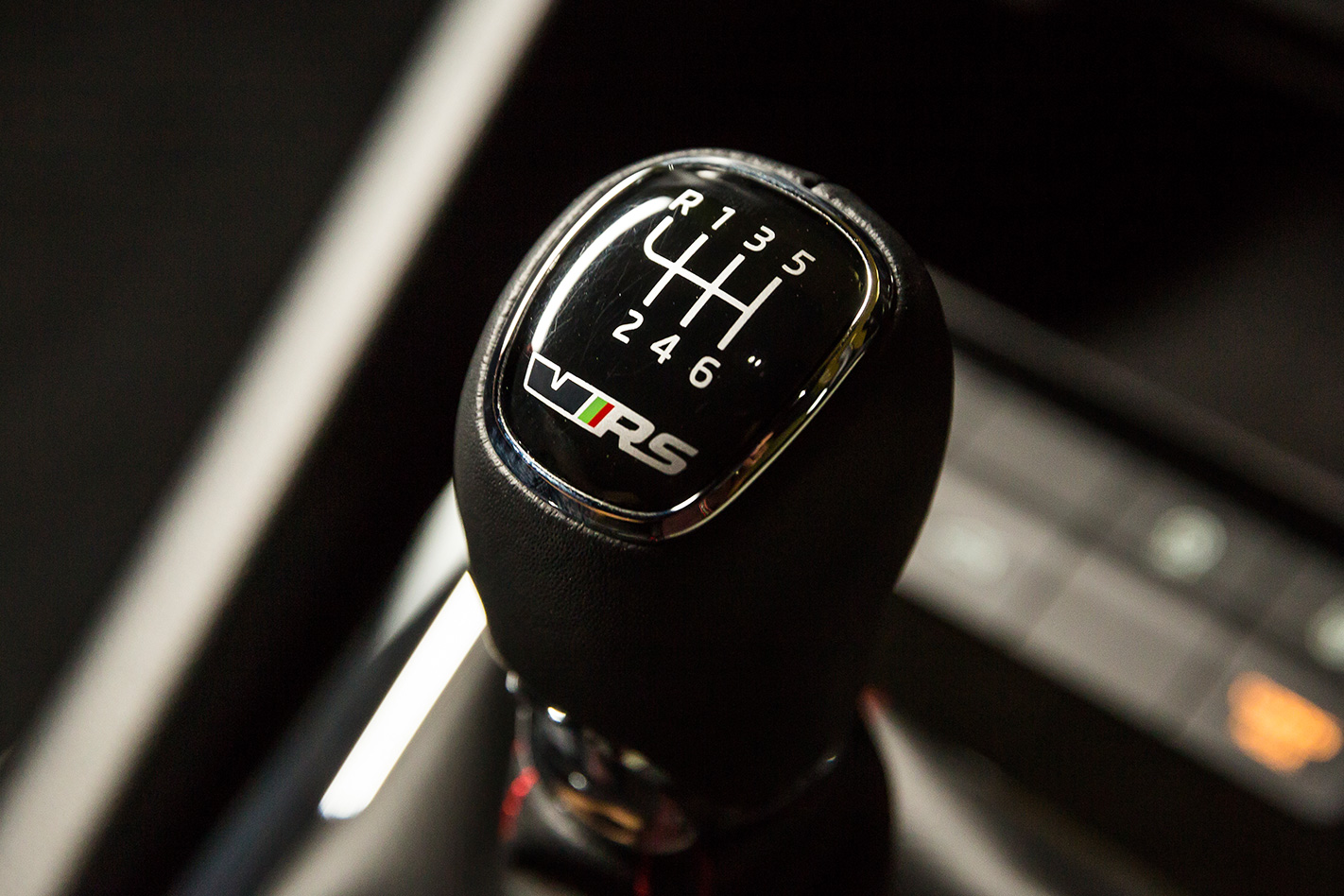
Crucially, though, the workstation is back-to-basics and all the better for it. For instance, having a proper lever handbrake might sound like a small thing, but I’m willing to bet the vast majority of you out there with a newfangled electronic one have at one time or another cursed it and its unintuitive operation.
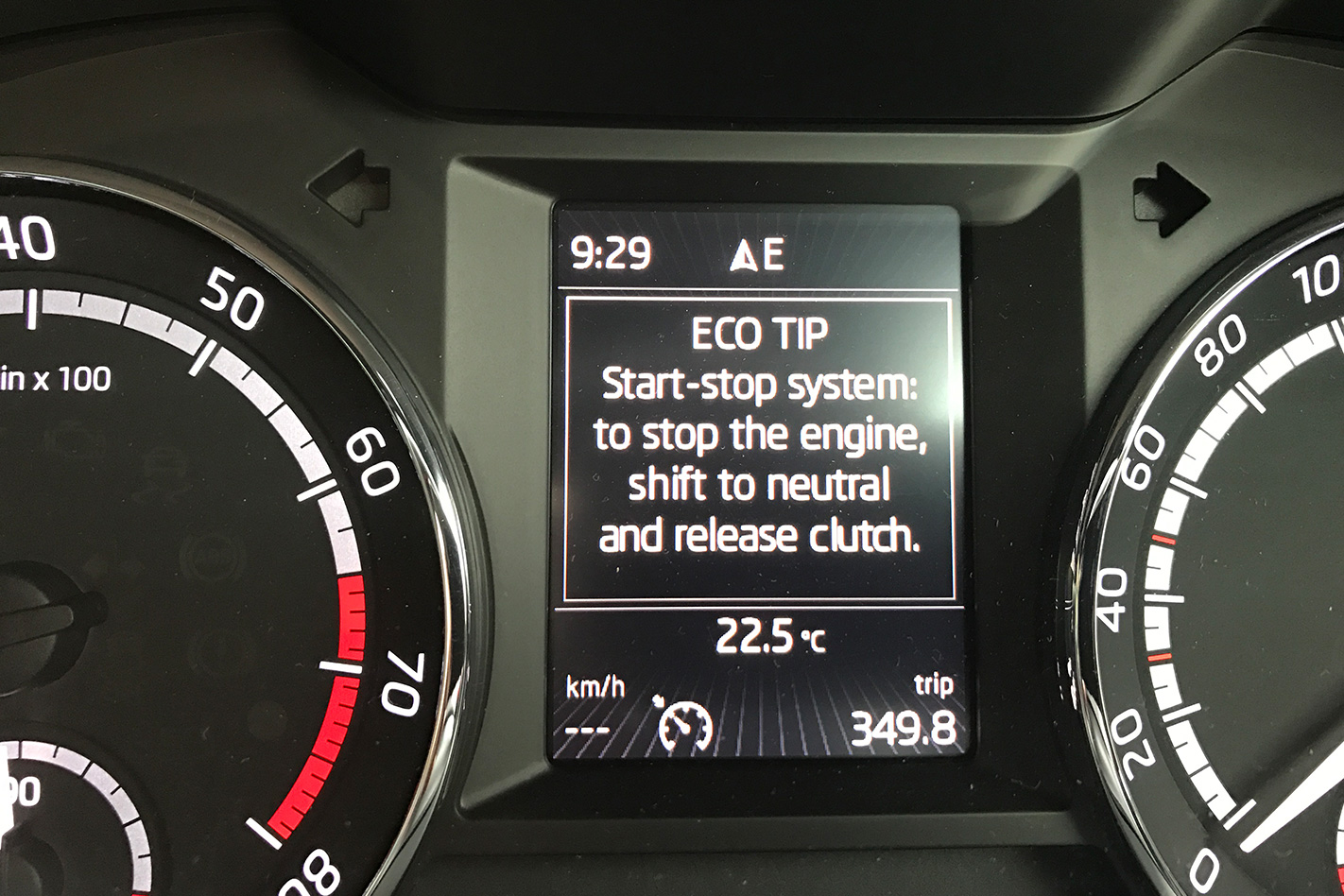
Without wanting to come over all consumer advice, a quick word on the Skoda’s rear accommodation is appropriate at this point. The Octavia is not a big car, but room in all directions is plentiful for this 180cm scribe, though under-thigh support is good rather than great. The boot is also huge. Figures of 588L (seats up) and 1718L (seats down) mightn’t mean much, until you realise a Mazda CX-5 offers 403L/1560L and a Subaru Forester 422L/1474L. The rear seats don’t fold flat, but that’s only because the Octavia has an unusually deep boot floor.
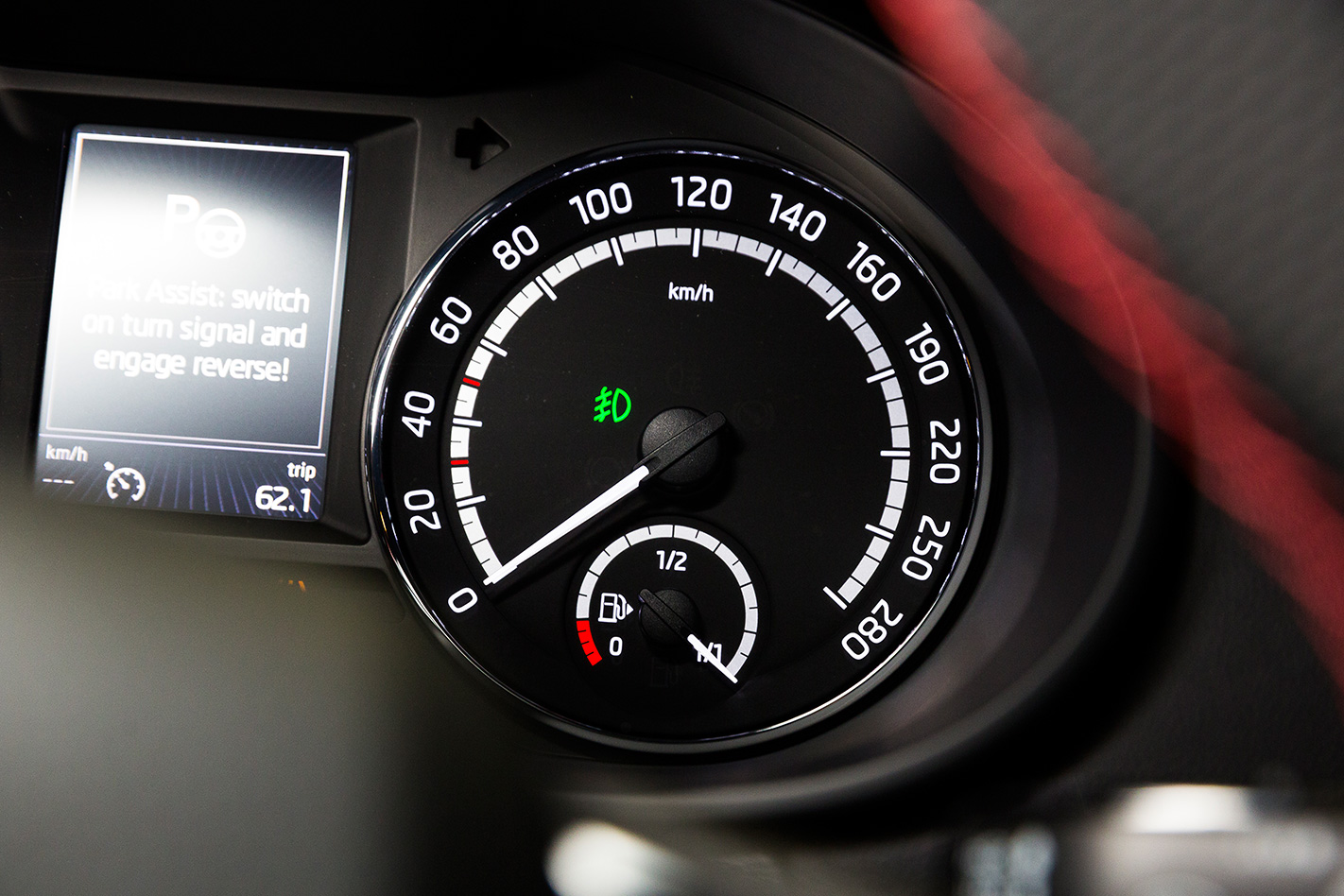
I also love the ribbed seats – they remind me of a Maserati Merak – and I’m a complete convert to Apple CarPlay; it’s brilliantly easy to use and renders the Skoda’s standard media system largely redundant.
Last month I mentioned the full-length glass roof can turn the cabin into a bit of an oven during hot weather, but it seems I underestimated its effects. The front passenger seat has developed a couple of small scars, which I can only deduce are a result of leaving a jumper on it with metal ends on the toggles during a recent run of scorching Melbourne days.
Next month, we’ll dive into the Octavia’s handling credentials.
MONTH TWO
Liked It keeps things simple
Disliked Strange scars on the seat
Favourite moment Discovering the joys of Apple CarPlay
Fuel this month: 10.2L/100km Average: 10.2L/100km Distance this month: 904km Total distance: 3613km
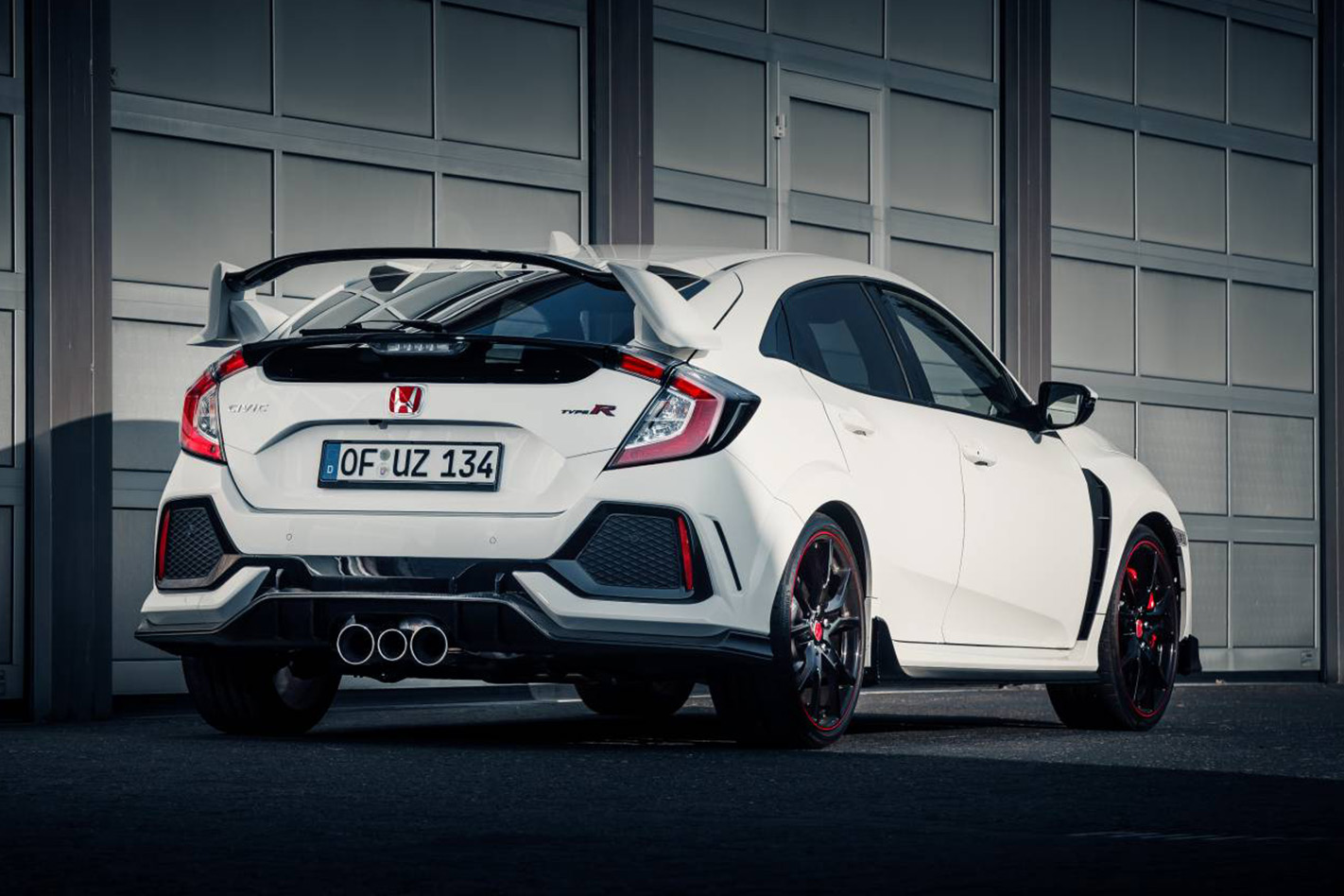
INTEREST in Honda’s hard-core Civic Type R is gathering steam, with the Japanese automaker’s local arm confirming that dealerships have already begun taking a significant volume of deposits for the 235kW/400Nm hot hatch.
And that’s before Honda has even opened the order books. Punters eager to get their hands on the latest Civic Type R have lodged deposits directly with dealerships, even though Honda Australia has yet to put a system in place to allocate these would-be owners a place in the queue.
“It’s well and truly between one and two hundred [orders],” Collins said.
“Our intention is that by the end of this month we’ll open up an official pre-order programme, and I think a big percentage of the cars will be sold before they arrive.”
“We want to position it right in the sweet spot of the hot hatch segment,” Collins continued.
“When you look at that segment you’ve got to be around $50,000, and I think from day one that’s been our goal. We won’t be in a position to set the price for about another month or two, but it’ll probably be about that mark.”
“We still need to work that one out. It depends on the strength of the Aussie dollar.”
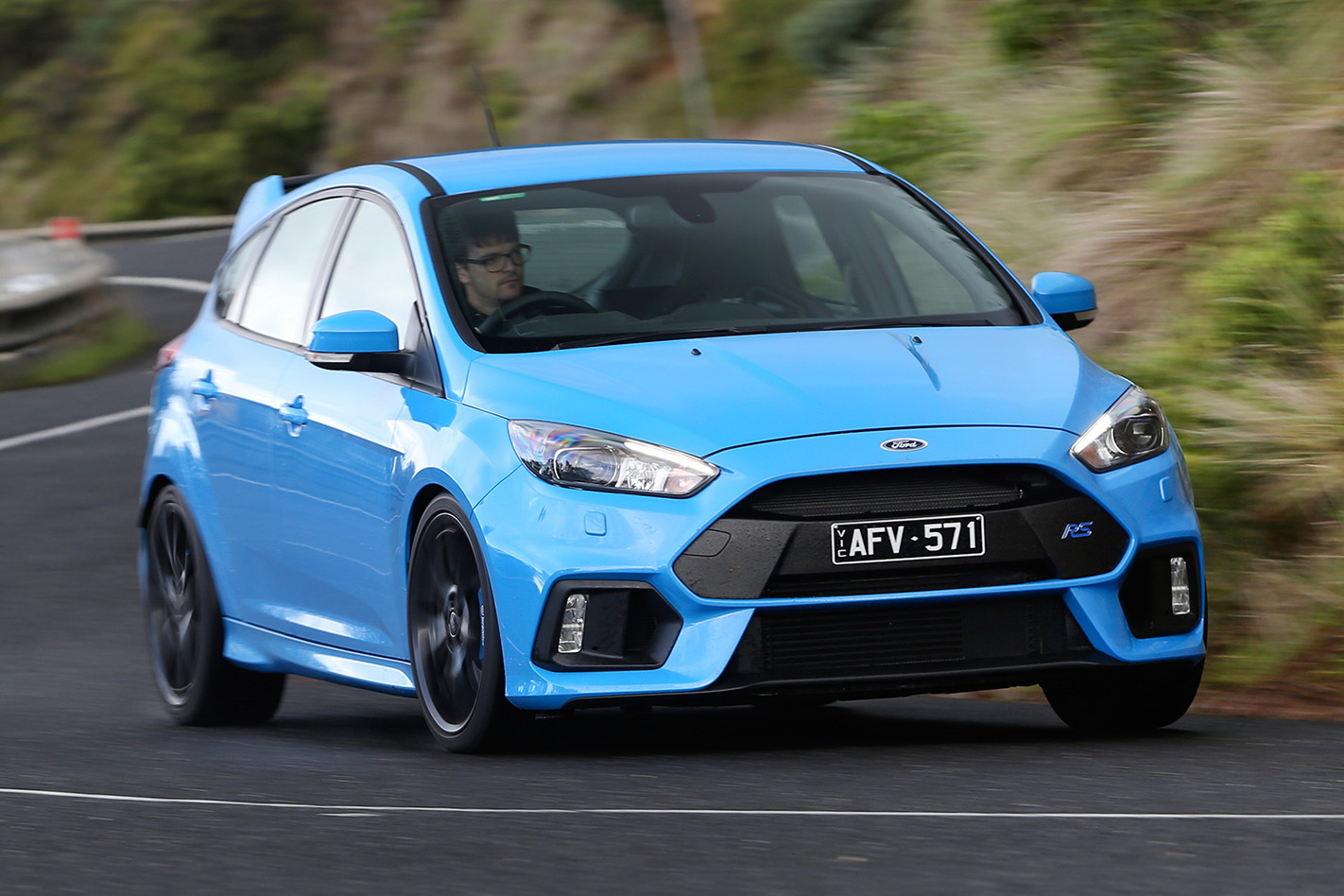
Of that collection, only the Peugeot sends drive to the front wheels like the Civic Type R, the rest have an AWD grip advantage. The $47,990 Volkswagen Golf GTI Performance Edition 1 is another front-drive hot hatch that competes well on price, but with 180kW it has significantly less muscle than the Civic and the 308.
Honda expects to move about 100 Type Rs per month and while the price of entry will sit above that of its front-drive peers, don’t expect it to stray too far from the $50k mark. A retail sticker of around $51,000 would be realistic.
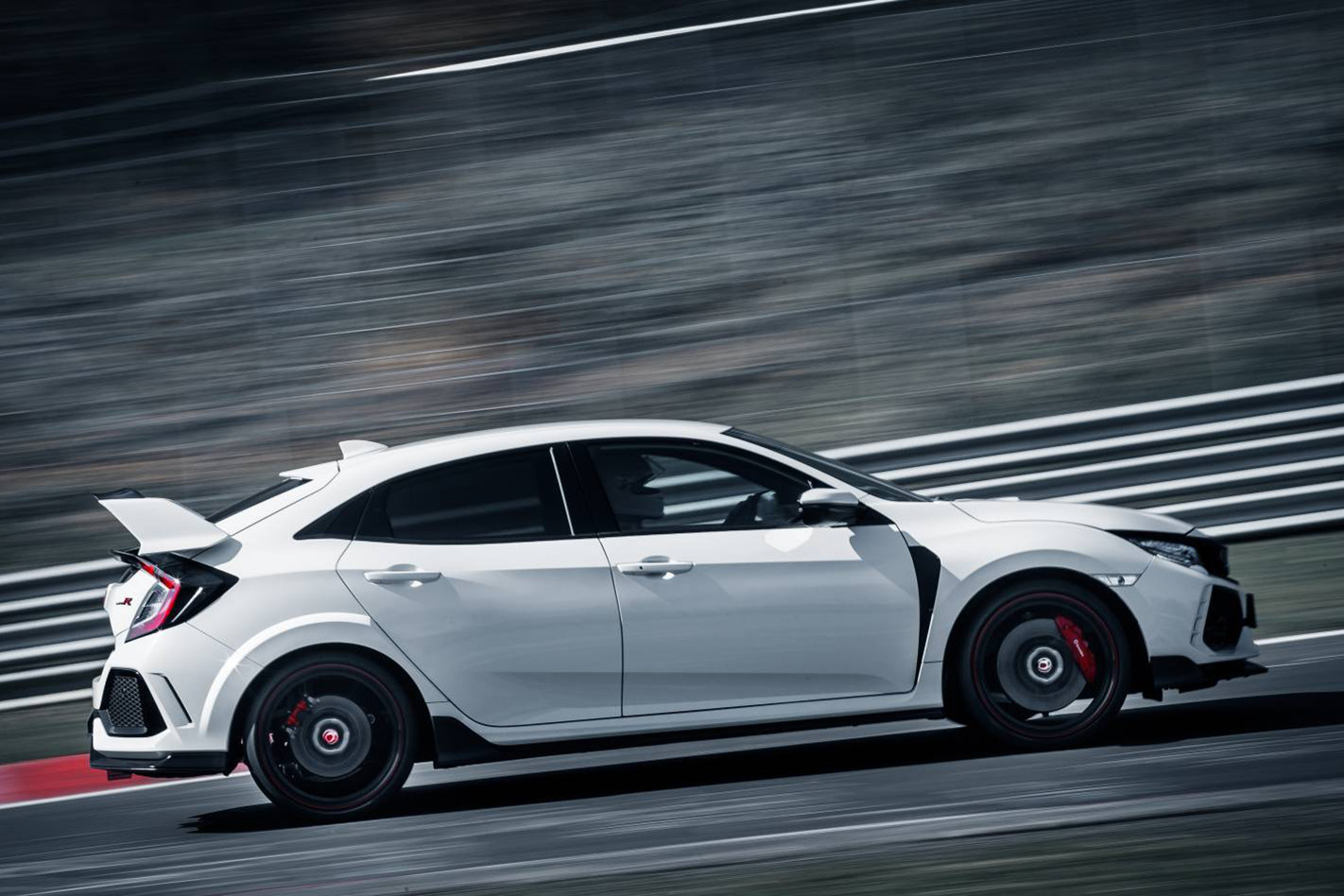
Our cars, however, will reflect the feature-rich $57,500 UK-market flagship, meaning luxuries like a wireless charging pad, dual-zone climate control, LED foglamps, blind spot monitoring and satellite navigation should be standard.
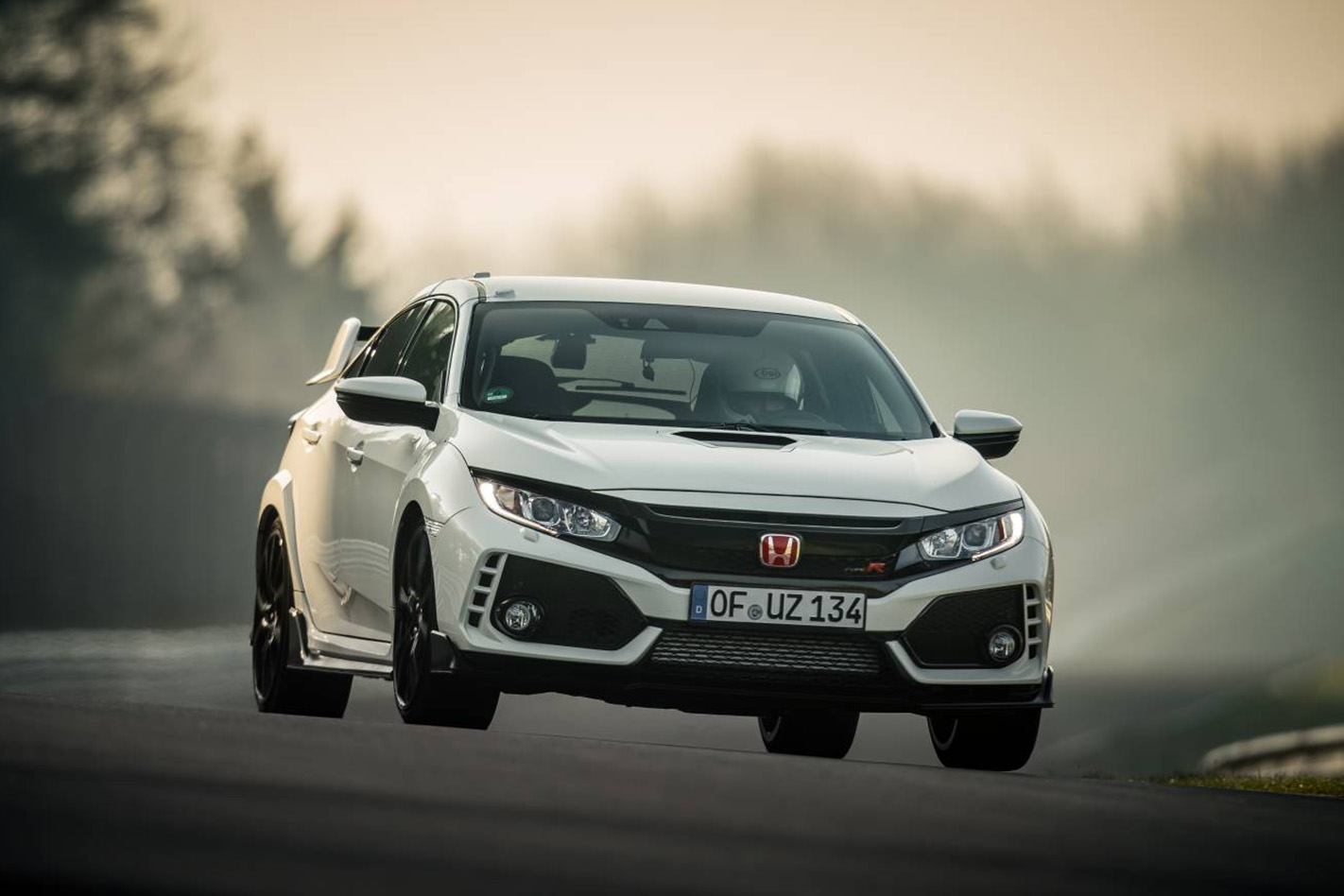
Reckon $50k-odd is too much to pay for a bum-dragging Honda? Keep in mind that the new Type R flexes genuine performance credentials, and recently earned itself the title of fastest FWD around the fearsome Nurburgring Nordschleife.
First deliveries of the 2018 Honda Civic Type R are expected to begin in October.
QUESTION – EVELINE (question from 25/4/2017):
I drive 500 kilometres a week, mostly on the highway but with some city driving. I need a car with supportive seats and I’m trying to choose between the Toyota Yaris and Suzuki Baleno.
BUDGET:
$40,000
ANSWER – BYRON MATHIOUDAKIS:
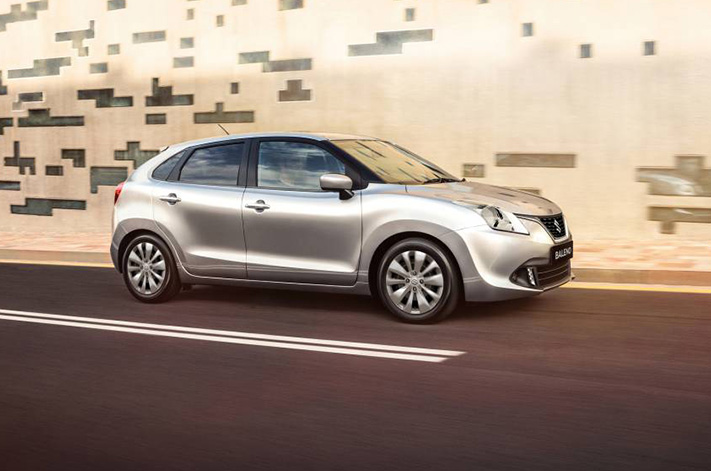
Out of the Suzuki Baleno and Toyota Yaris, we would recommend the Baleno hands down. It’s the newer, roomier, more comfortable, more refined, and more dynamic car to drive, with a big boot and plenty of back-seat space for adults. Note that while the standard 1.4-litre four-cylinder petrol engine offers sufficient but unexciting performance, the optional GLX Turbo’s 1.0-litre three-cylinder turbo petrol alternative is both more economical and powerful. It would be our choice. A quick search on line has produced a number of new or demonstrator examples at less than $20,000 drive-away, so the 1.0 Turbo fits even your budget.
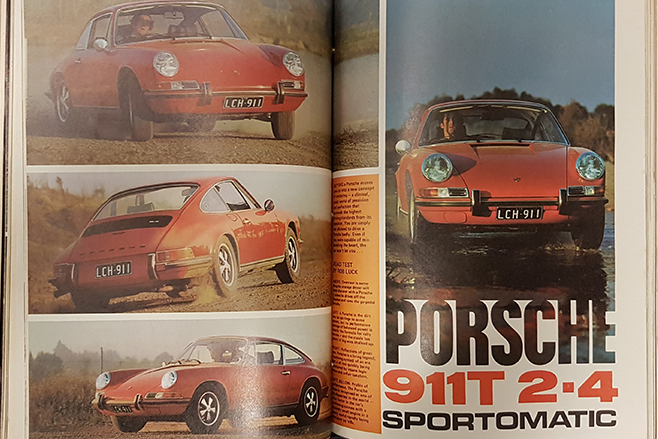
The millionth Porsche 911 has been completed, featuring several design nods to the original 911 from 1963.
The 911 has been a mainstay of the motoring enthusiasts’ world since its first production, and has enjoyed praise for staying true to its original objective.
The millionth example encapsulates this with leather seats with centres in the original ‘pepita’ pattern from 1964, and a mahogany steering wheel with a Porsche crest from 1964 on the hub.

“The company founder had one of the first series cars with the chassis number 300.003 painted green, his favourite colour.”
Porsche AG supervising chairman Dr Wolfgang Porsche says he has been a part of the development of the 911 since the beginning.
“54 years ago, I was able to take my first trips over the Grossglockner High Alpine Road with my father. The feeling of being in a 911 is just as enjoyable now as it was then.
“That’s because the 911 has ensured that the core values of our brand are as visionary today as they were in the first Porsche 356/1 from 1948”.
And with that, it seems fitting to congratulate Porsche on its milestone as we look forward to the next – as we’re sure Porsche will be staying true to the 911 for some time to come.
