
Sacrilege! Yes, the 2018 Holden Commodore uses an all-wheel drive system for the flagship version. But it appears the nameplate will still be able to power oversteer.
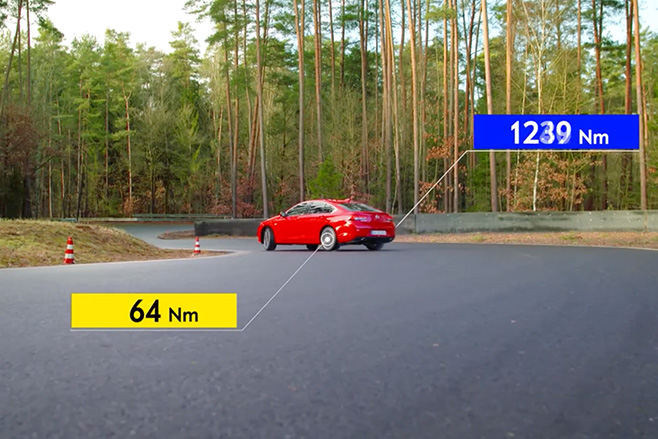
Holden’s European cousin Opel has released a video of its new Insignia Grand Sport 4×4 –essentially a Commodore SV6 replacement Down Under – being able to power oversteer, with handling and an all-wheel drive design that largely mirrors that of the Ford Focus RS.
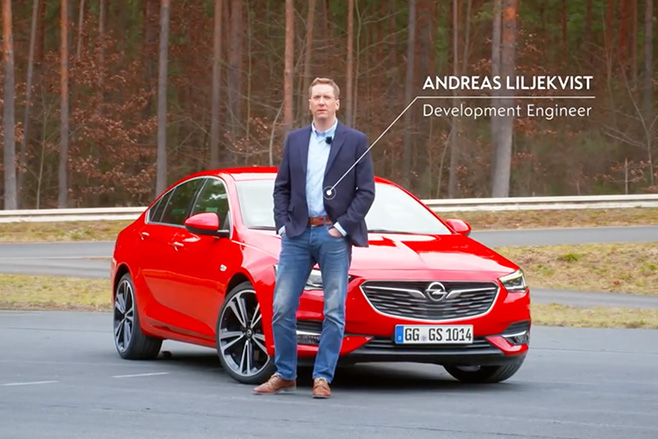
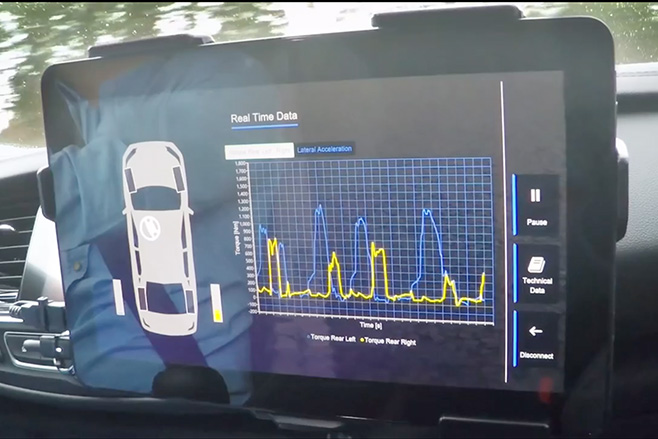
“[With] the new all-wheel drive system … two clutches replace the rear differential, and this enables torque vectoring,” he starts.
“The pre-emptive function allowing the all-wheel drive system to react even before the engine delivered torque to the rear. The yaw-damping function stabilises the vehicle in oversteer and understeer situations. This increases safety and delivers great driving fun.”
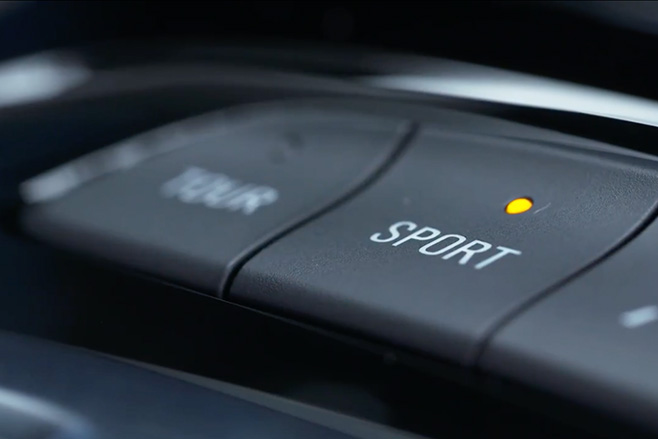
“That’s really fun.”
Holden hinted that it has some tricks in store for its VF Series II sedan replacement, the ‘New Generation’ or NG Commodore version of the Opel Insignia, both of which from next year will be produced in Germany.
It has also been revealed that the Insignia Grand Sport 4×4 weighs 1649kg.
The Commodore V6 AWD also will be the only model tuned at Holden’s Lang Lang proving ground in Victoria – home to four decades of the nameplate’s development since 1978. It gives us some hope that the local arm might be able to include an even more rear-wheel driven mode than the Insignia’s Sport, but either way this is no boring all-paw system.
The Dodge Challenger Demon won’t be the only 6.2-litre supercharged FCA muscle car to debut at the 2017 New York Auto Show, with the wraps also expected to come off the beastly Jeep Grand Cherokee Trackhawk.
Announced at the New York show last year, the Trackhawk is believed to have the same supercharged 527kW 6.2-litre V8 Hellcat engine under the hood as the Dodge, which is expected to propel the most powerful-ever production Jeep from stop to 100km/h in under 4.0sec.
The big V8 will be coupled to an eight-speed auto and is unlikely to come with the Dodge’s manual option.
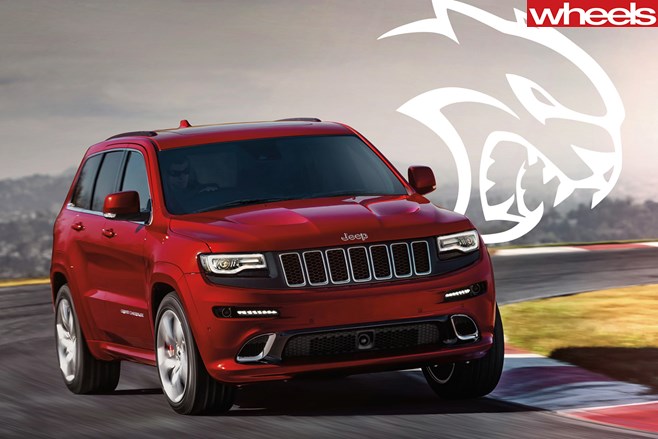
Jeep CEO Mike Manley confirmed that the Grand Cherokee Trackhawk’s Big Apple launch this week, telling journalists it’s going to be “quite a special vehicle” and it’s “very difficult for one not to smile”.
The Trackhawk is expected to go on sale in the US toward the end of the year with Wheels’s sources last year confirming it will be sold in Australia to sit above the Grand Cherokee SRT that is also one of the quickest SUVs on the market with a 0-100km/h time of 4.8sec.
We probably won’t see it until 2018 and, going by the SRT’s $90,000 price tag, expect the Trackhawk to attract a six-figure sum.
The Trackhawk will be the most powerful production vehicle produced by Jeep to date, which is undergoing a renaissance of sorts while in the process of extending its range to include a Wrangler pick-up and the resurrected Wagoneer and Grand Wagoneer.
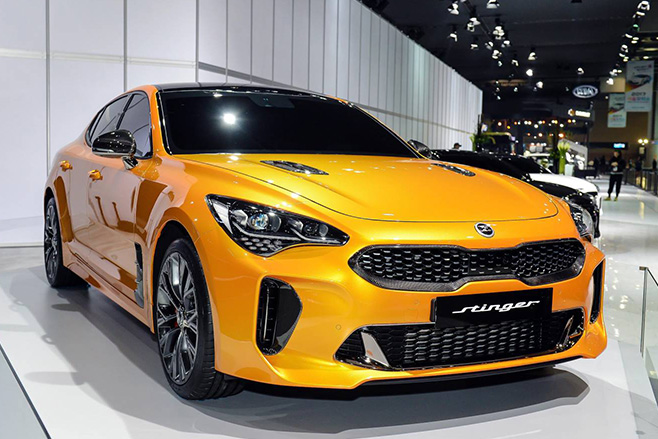
Hold on to your Bathurst mug – the Kia Stinger GT will use its 3.3-litre twin-turbocharged V6 engine to accelerate as quickly as the Holden Commodore SS with a 6.2-litre atmo V8.
If anticipation for Kia’s first-ever rear-wheel-drive sports sedan (no, it won’t use the SS tag) wasn’t already lofty enough, then the South Korean brand has just dropped its initially communicated 0-100km/h acceleration claim by two-tenths to a bloody brisk 4.9 seconds.
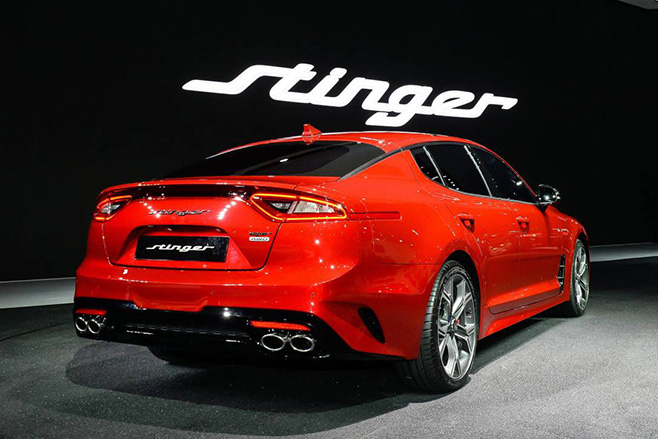
Although less interesting 188kW/353Nm 2.0-litre turbo petrol and 147kW/440Nm 2.2-litre turbo-diesel versions will likely make it to market, all will send drive only to the rear wheels.
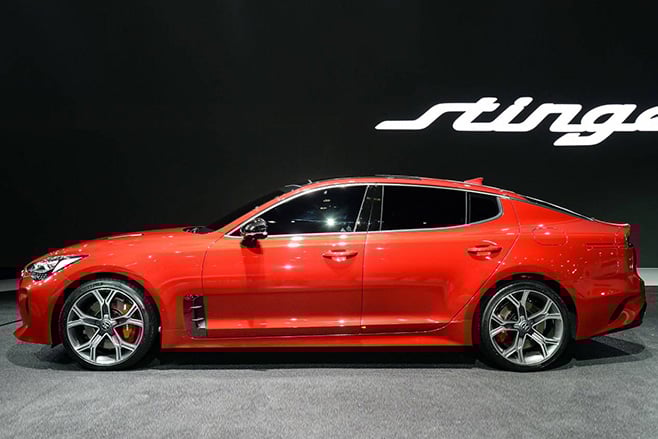
By contrast, Australian car enthusiasts have seemingly embraced Kia’s decision to produce a relatively affordable twin-turbocharged, rear-drive large sedan-like vehicle. Indeed, the Stinger GT was revealed at the Detroit motor show in January to rapturous applause from website and Facebook commentary the world over.
HEADLINED by a tough new ‘Panamericana’ front and a sexy roadster variant, the 2017 Mercedes-AMG GT range broadens its bad-arse sporting appeal
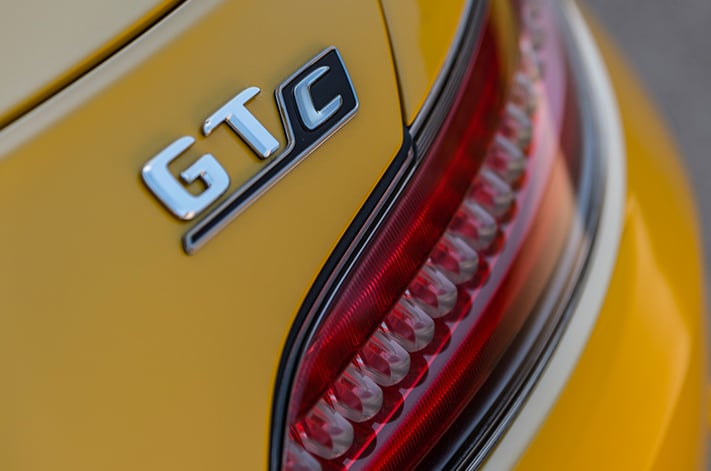
WHAT IS IT? Essentially a 2017 model-year update of the regular AMG GT Coupes – the 350kW GT and more powerful GT S, now with 384kW – while introducing a new roadster-convertible body style, and a feisty new 410kW GT C variant (coupe and roadster) that packs plenty of mechanical and bodywork muscle from the range-topping 430kW GT R.
WHY WE’RE TESTING IT? The cloudless skies and desert plains of Arizona paint a perfect Hollywood-western backdrop for the new AMG roadster, best demonstrated in four-wheel-steered GT C form, but such a strong all-rounder in base GT guise.
MAIN RIVALS Aston Martin V8 Vantage roadster, BMW 6 Series convertible, Porsche 911 cabriolet, and if we’re talking anything topless that costs a motzer, Bentley’s Continental GT convertible
Plus: Amazingly seamless styling transition; excellent ride and refinement; bullish V8; agility advantage of GT C’s four-wheel steering; boot space; body strength; seduction on wheels
Minus: Base GT can’t match the GT C’s willingness to change direction; weirdly small gear shifter; not cheap
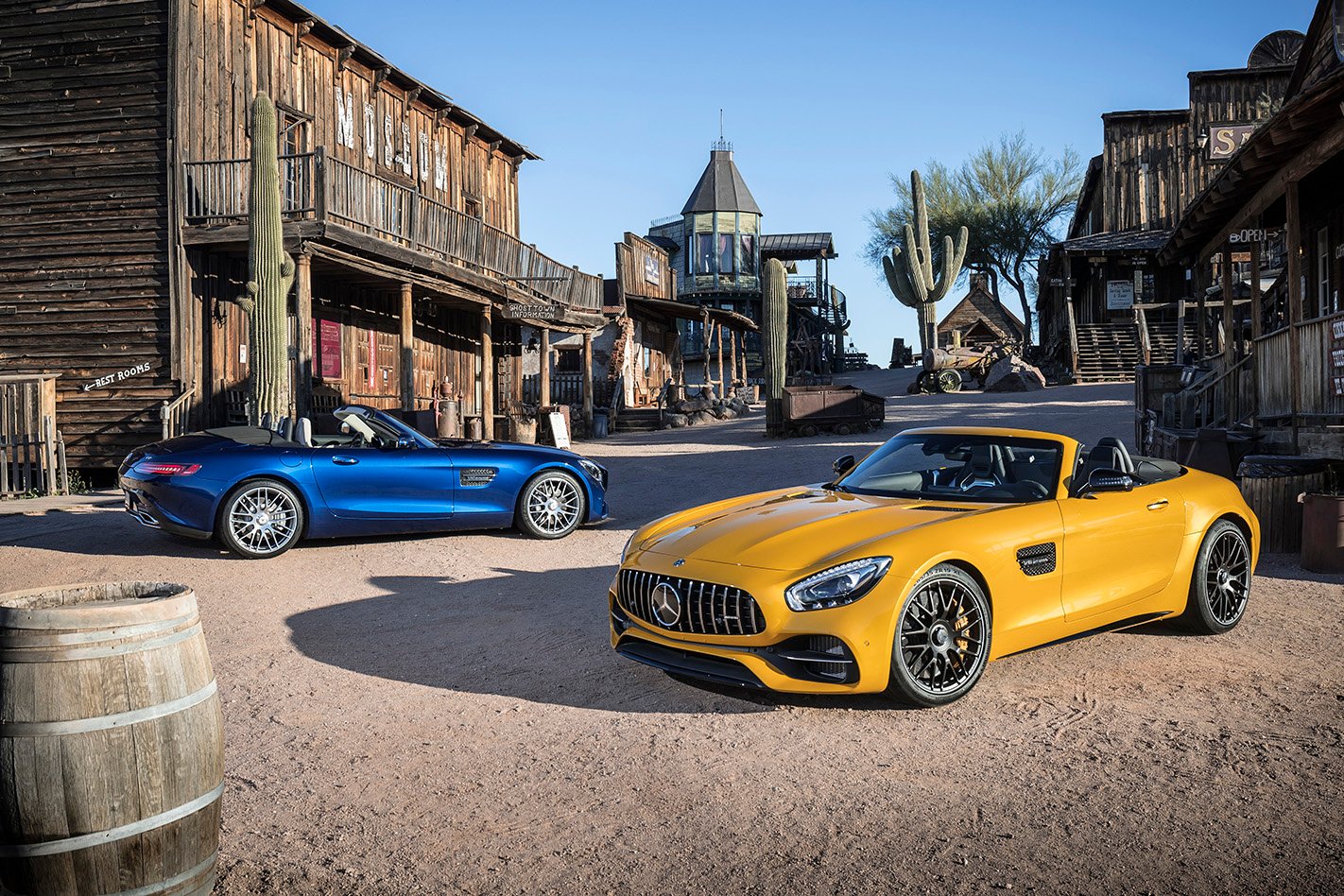
A stunning addition to the AMG GT family, managing to combine seductive looks – roof up or down (which is hugely important) – with just as much driver appeal as the coupe. Or even more, in the case of the beefed-up GT C with its superb four-wheel steering system and brilliant cornering poise.
Yet even the base GT is a terrific thing, offering more than enough V8 punch and overall polish to please all but the most hardcore driving purists.
SUCCESSFULLY ripping the top off an already-cracking sports coupe is something Mercedes-AMG is pretty familiar with. Remember the gull-winged SLS, the GT’s more expensive but not-as-great predecessor? Shaving the roof off that bad boy turned an edgy, hairy coupe into a much more polished roadster – one that worked just as well lid up as it did roof down.
Much the same applies here, except that the terrific AMG GT coupe needed very little polishing in its transformation into a roadster body style. Thing is, though, just like the SLS, it’s an arguably better sports car with an electrically folding rag top.
You lose none of the GT coupe’s dynamic nous, or any noticeable level of body strength, yet you gain a whole lot more in its ability to connect with nature.
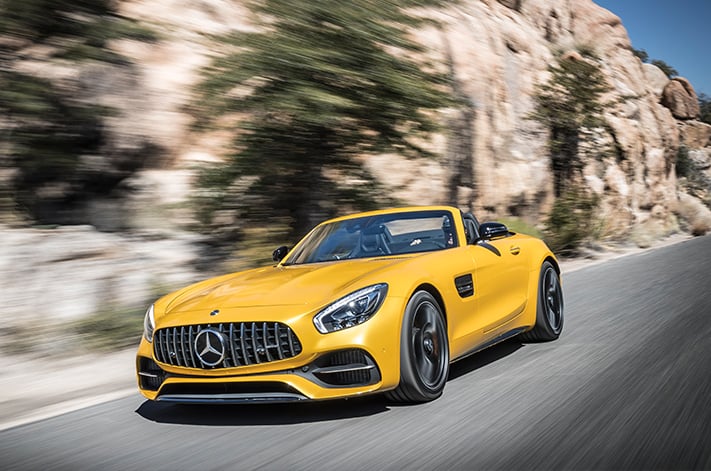
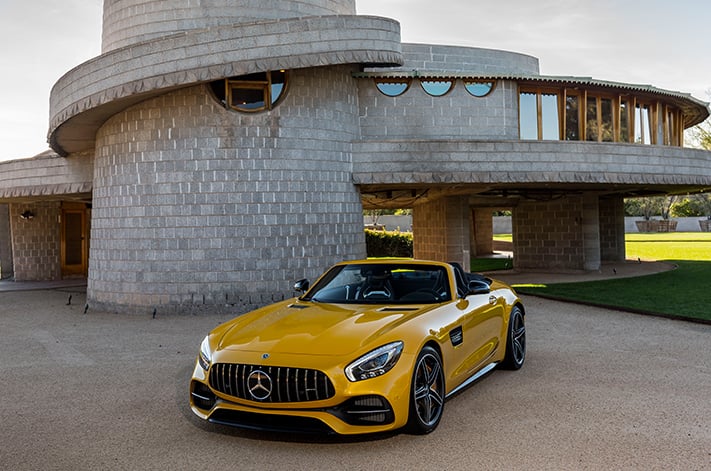
From its freshly A-shaped ‘Panamericana’ front – much more aggressive than the previous V-shape style, according to chief designer Vitalis Enns, with a 14-lourve ‘air panel’ adopted from the GT R to improve cooling and aerodynamics – to its composite bootlid (made from a mix of plastic and carbonfibre), the GT roadster is one of those rare beasts that looks just as smokin’ with its fabric roof erected as it does when the sky is flooding in.

Providing you’re a Collingwood six-footer (ie. five-foot 10), seated below the windscreen’s header rail, your coiffured bonce remains remarkably intact.
In-cabin changes are restricted to a restyled row of recessed switches beneath the central air vents and a new Light Macchiato Beige nappa-leather trim option, but the new GT C variant takes the roadster’s tough exterior style to another level.

The main upside to the GT C experience, however, is what lies beneath. It scores the same 9.5:1-compression 4.0-litre twin-turbo V8 as the GT R, though software and exhaust changes downgrade its outputs slightly to 410kW and 680Nm (compared to 430kW/700Nm for the R).
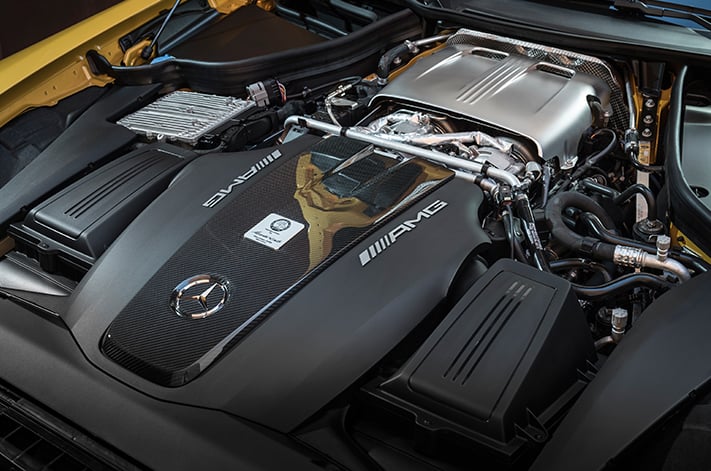
On road, you need to drive the GT and GT C roadsters back-to-back to really tell the difference in a straight line – the C displaying a bassier urgency to its nose-lifting thrust, thanks to an AMG Performance exhaust system (optional on GT) – but there’s a much greater difference in corners.
Where the standard GT will eventually start to understeer in tightening-radius bends, the C’s rear-wheel steer rises to the fore by pivoting its chassis towards the apex and giving it the balance to access its deeply impressive power-down ability.
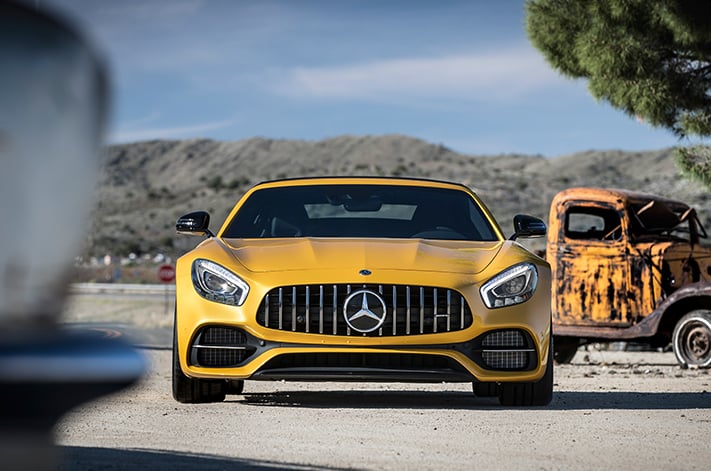
Compared to the 375kW GT S Coupe we’re familiar with (now tweaked to 384kW for 2017), both the 350kW GT and 410kW GT C roadsters feel dynamically sweeter.
A more comfortable ride in the standard car, and agility-enhancing four-wheel steer in the GT C broaden the AMG roadster’s repertoire, giving each version seamlessly creamy, yet highly focused steering response, plus greater all-round polish. And if you feel the standard GT’s 360mm brakes at both ends aren’t enough, the GT C scores 390mm front disc rotors, with carbon-ceramic items available over and above that.
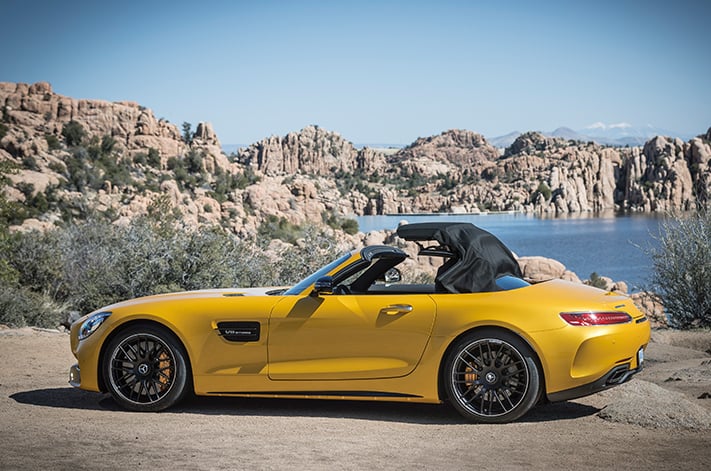
As a $284K GT, AMG’s roadster is a brilliantly effective two-seat sports car, at once refined and brutish, with enough style and snot to please 98 percent of those who can afford it.
But the new GT C takes that to another level. Not only does it have visual and audible drama, but it carves through corners like no AMG GT before it, besides the R that it so closely mirrors. In my opinion, there’s almost no need to wait until 2018 for the GT C coupe version because the $339K GT C roadster is a frigging corker, a hot-rod without compromise. And how many rag tops can you say that about?
AUSTRALIA could still be many years away from seeing the first autonomous car hit our roads, one of the world’s largest carmakers says.
Speaking at this week’s Future with Ford seminar, held to talk up the company’s plans to reinvent itself as an “automotive and mobility services provider”, Ford Australia President Graeme Whickman said he could not say when self-driving cars would arrive here.
“Obviously [Ford’s goal of having a mass production self-driving car launched by] 2021 isn’t that far away at a global level, and… a level for fully autonomous, no brake, no gas, no steering wheel,” Whickman said. “That’s our reality, that’s what our organisation is building towards investing both financial and human resources.”
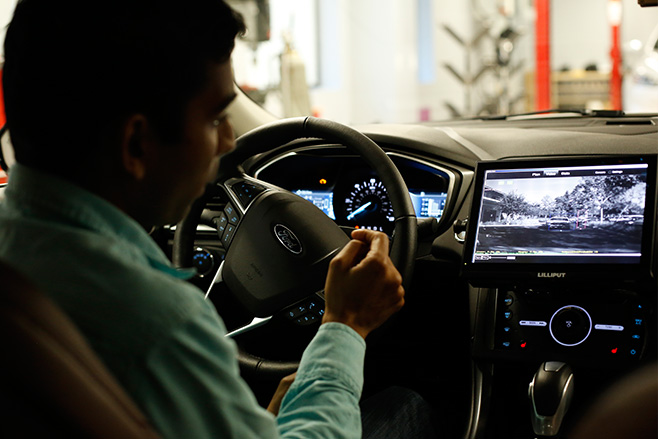
Ford has announced it will have its first mass-production driverless car – one that won’t need any driver inputs – on sale by 2021 as part of a massive five-year plan to kick-start the technology. Its showcase for the technology so far has been the Ford Fusion, a vehicle sold here as the Ford Mondeo.
But Whickman said there was still “a lot of water to go under the bridge” before Ford could decide which markets – including Australia – would get fully autonomous cars, and in what timeframe.
“There are many hurdles to overcome, and they are market by market, by the way,” he said.
| Opinion: Driverless cars – will anyone actually trust them?
These include regulatory, legal and ethical hurdles – issues that will be relevant to “big Australia” rather than just Ford – and the time to start talking about how we would tackle them was now.
“So some of the main [government] stakeholders need to actually start to engage in a fruitful conversation around what would Australia look like in four, five, six, seven years as it pertains to fully autonomous vehicles, and what that does to some of the challenges and pain points that we face in Australia already,” he said.
By pain points, Whickman means factors such as the growing costs to society of congestion – both in terms of its impact on the economy and time – and the increasing number of disabled people who want to control their own movements. Ford globally believes having self-driving cars on our roads will go some way to helping with both problems.

He said the framework to allow autonomous cars to drive on our roads had to be put in place before one could even turn a wheel here.
“And that’s much bigger than Ford,” Whickman said. “It has to come at an industry level, and when I say industry I mean FCAI [car industry lobby group the Federal Chamber of Automotive Industries] type of level and the government.
“And the government, in due course, no doubt will unveil and talk about their policy position on items from electrification, obviously linked to renewable energy sources, all the way through to autonomous vehicles and the economic cost not to put that in place versus to put it in place.”
| Driverless cars need legal framework, says National Transport Commission
Globally, Ford has invested heavily in acquiring self-driving car tech start-ups as it lays down plans to ramp up city-friendly car-sharing services – a perceived shift in the market as the rate of personal car ownership falls. It has even launched a trial car-share service here in Australia, allowing Ford owners to rent out their vehicles while they’re parked up at airports.
It has estimated that in five years’ time, personal car ownership will be worth about $US2.3 trillion ($A3.1 trillion) to Ford’s bottom line, while mobility services such as self-driving cars and “last-mile” solutions including self-driving buses and electric scooters could be worth as much as $5.4 trillion.
Victorians may be seeing more crossing chaperones and warning lights for the next 12 months in a bid to improve pedestrian safety.
Lights installed in footpaths at Little Collins Street and Swanston Street will warn pedestrians where footpaths start and finish, even when their attention is focused downwards.
With an increase in the number of pedestrians using their phones and not paying attention to traffic, the Transport and Accident Commission (TAC) believes the red-turning-green footpath lights will make pedestrians more away of their surroundings.
“There is growing evidence that using your phone as a pedestrian can lead to serious injuries, so we need everyone to focus on their surroundings and not their mobile phones,” said Minister for Roads and Road Safety Luke Donnellan.
“These lights will remind people to stop at the red light, look up and pay attention to the traffic around them.”
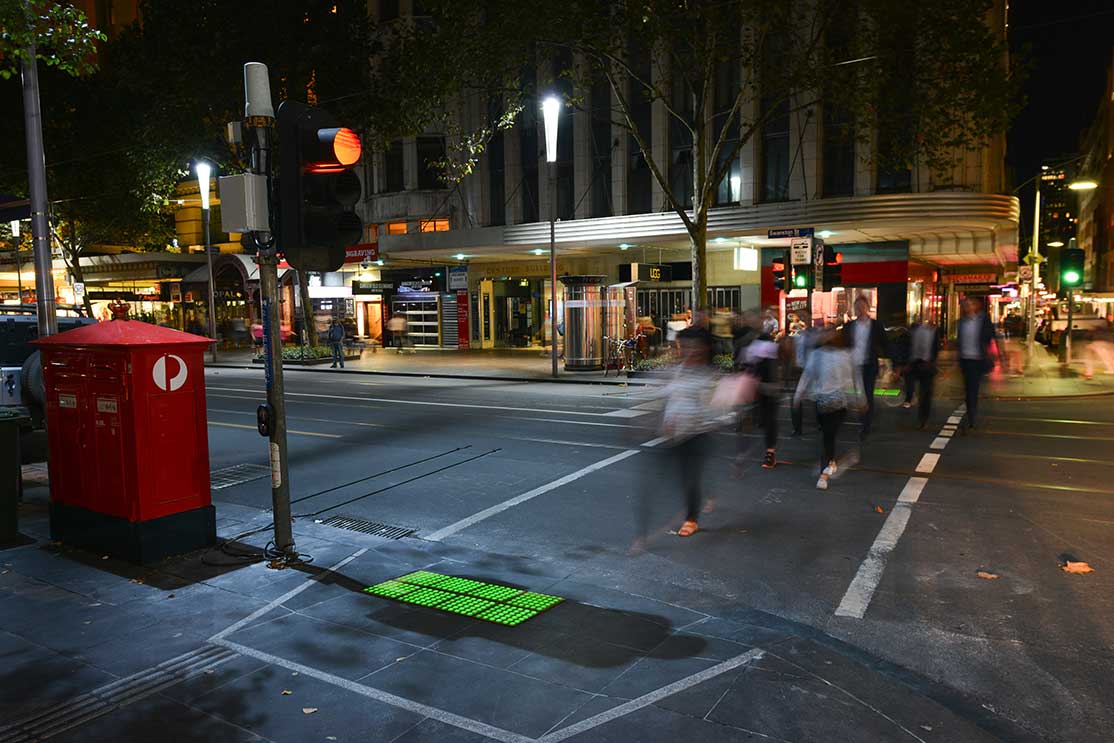
The initiative was launched earlier this week in partnership with the Melbourne International Comedy Festival to ensure people heading to the festival remain safe on the roads.
The lights will remain on at all hours and will also be supplemented by an increase in the number of TAC lollipop people and green crossing chaperones, during a 12 month trial.
After this time, the TAC and other road safety agencies will assess the effectiveness of the initiative.
A similar strategy has been implemented in the German cities of Augsburg and Cologne, while Sydney last year announced a six month trial of “embedded” lights in five unspecified locations.
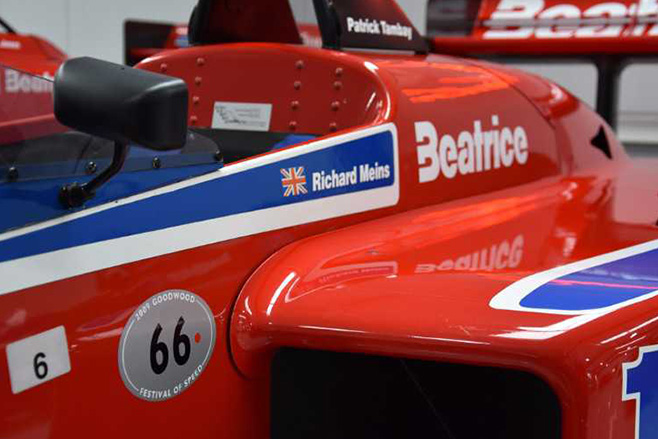
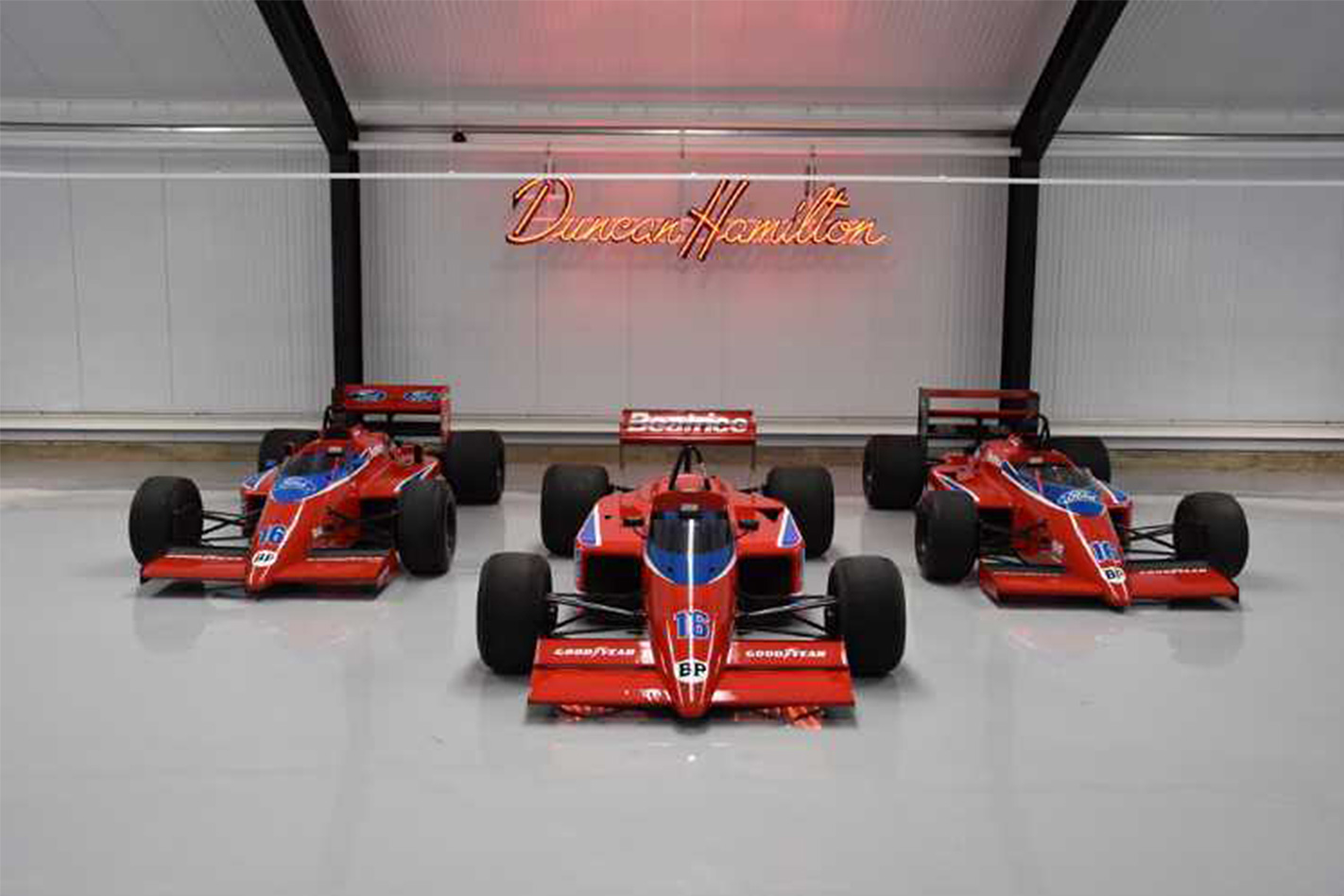
The opportunity for a particularly wealthy Formula One fan to own a piece of motorsport history has presented itself in the form of three Beatrice Haas F1 cars advertised for sale in the UK.
The British-based website Motorsport Auctions currently has the Haas F1 cars listed at £500,000 (~$810,000 AUD) for the lot, which works out at about $270,000 AUD each. Not bad if you want to build your own F1 team from the ‘80s.
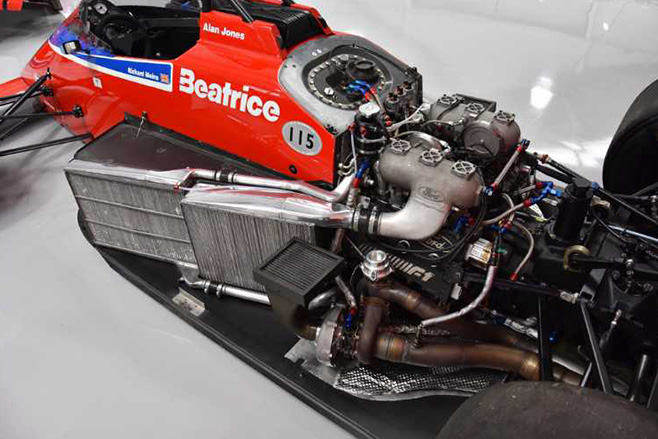
A year later in 1986, the Ford-Cosworth V6 was used in the other two cars in the trio, the THL2s. Jones drove one car, while Haas had another driver by the name of Patrick Tambay take the wheel of the second.
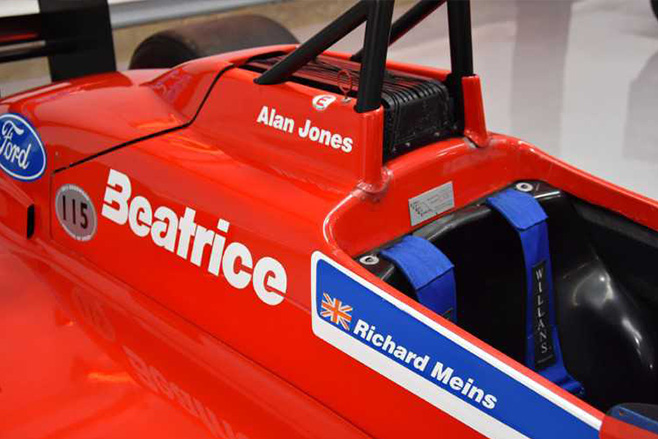
The seller says that the cars have not been raced since being retired at the end of 1987, but have been tested and run at events.
“After their active Formula 1 careers all five of the cars produced by FORCE for the 1985 and ’86 seasons ended up in private collections,” Duncan Hamilton & Co says.
While sourcing the trio, a mind boggling spares package was also been amassed, and truly needs to be seen to be believed.”
Main Photo Credit (Alan Jones): Jerry Lewis-Evans
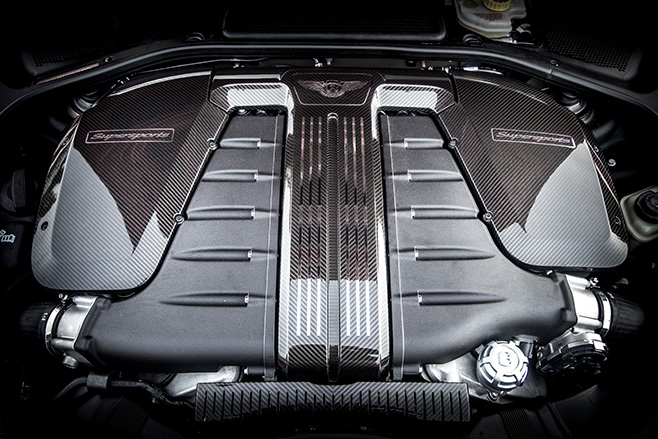
Make no mistake, Bentley’s most potent road-going engine makes your head spin – 1017Nm of torque kind of does that to you.
However, at 2280kg, the second-generation Continental Supersports needs every bit of that pulling power and all of its 522kW. Better head for the open highway, and not a twisty back road, then.
Launched in 2004, the Continental still utilises a conventional, leather-clad key. Twist it, hit the starter button and the 12 cylinders, arranged in a W configuration, fire into life.
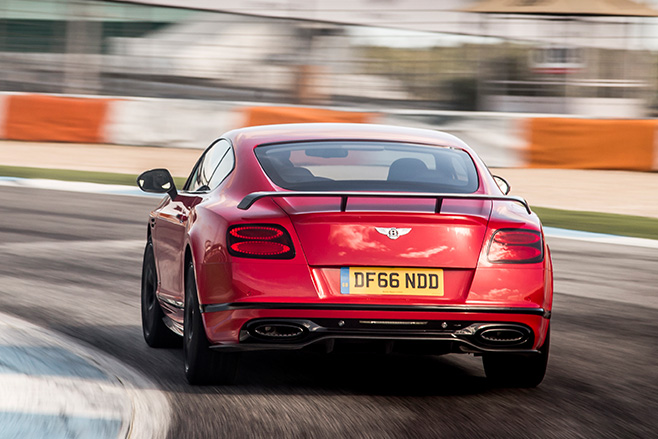
Despite its sizeable girth and weight, the all-wheel drive luxury coupe hits 100km/h from rest in a mere 3.5 seconds. And while the maximum speed is an equally imposing 336km/h, the claimed average fuel consumption of 15.7L/100km is the result of the headline figures.
Interestingly, because 58 per cent of the kerb weight rests on the front axle, putting a lot of stress on the front tyres under heavy braking, pressures have to be raised to hit the impressive V-max.
With amazing low-end grunt, ample mid-range punch and incredibly long legs, the Bentley devours the two 240km/h straights. And even with the dinner-plate sized carbon ceramic brakes underfoot, they struggle to arrest the substantial momentum.
While the Pirelli P Zeros (275/35 R21 all-round) didn’t heat up as quickly as feared, they tended to run the Conti wide whenever the mighty mauler attempted to throw in extra cornering forces. Despite all-wheel drive, a raft of stability tech and torque vectoring, the super coupe requires plenty of patience and sensitive throttle inputs to hit an apex. But let’s face it, this car was designed for the cafe-racer and the fashionista, not start-line honours.
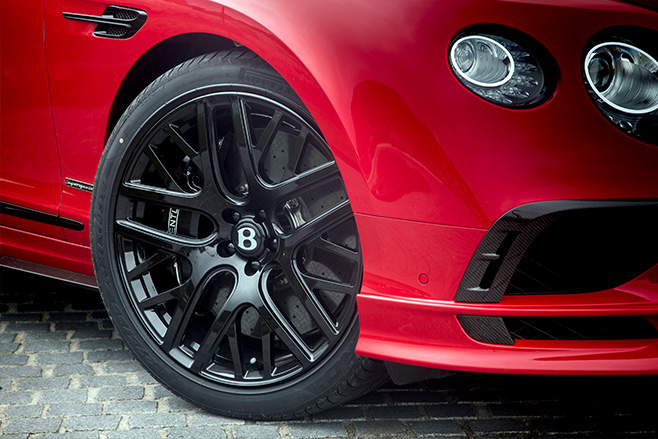
Again, due to its age and genetic heritage, the Conti must do without modern tech such as a driving mode selector, active anti-roll bars and rear-wheel steering. The only buttons left to fiddle with surround its stability control and the option to vary the compliance of the shock absorbers between Comfort and Sport.
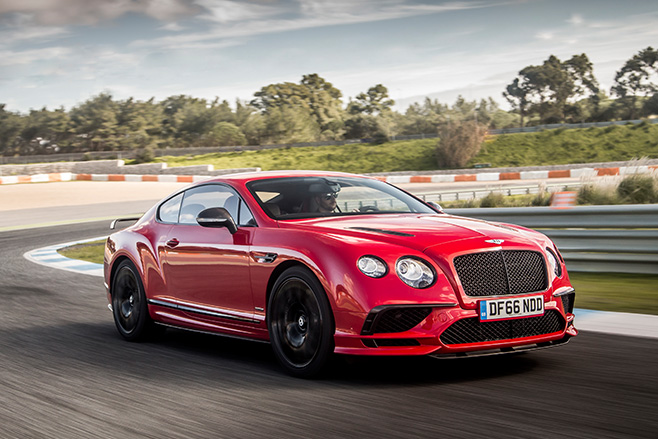
Bentley has left little off the table visually with the Supersports. On the inside it has carbon fibre by the kilo, not gram, and enough cowhide to make a dairy farmer nervous. And of course, it’s also cross stitched in three different colours and comes with piping to match, if you insist. The four lazy-boy seats make up the two-plus-two seater coupe platform and, at long last, the infotainment system doesn’t deserve its last rites.
The exterior of the extroverted Continental is kitted out with spoilers, splitters, air ducts and aprons galore. Not to mention the fatter oval tailpipes, bi-colour rims and shiny black accents to replace the chrome bling. The fixed, boy-racer-style rear wing can be deleted when selecting the coupe, but it’s not available on the summer-loving convertible.
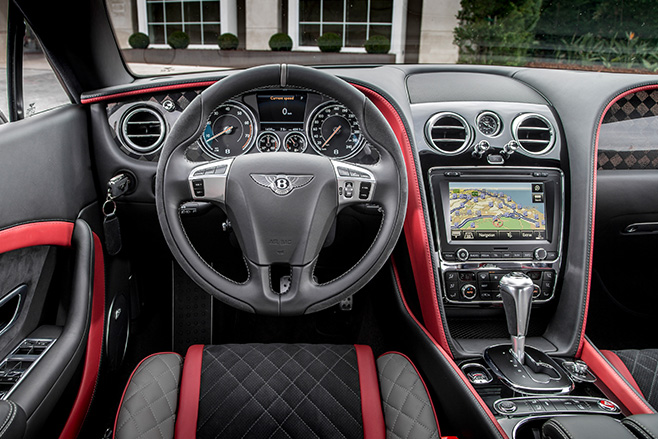
However, in terms of combustive energy, this remarkable 522kW/1017Nm monster will likely wear the cream-of-the-crop crown for years to come.
4.0 out of 5 stars
Like Thunderous performance; endless comfort; overt luxury
Dislike Massive weight blunts dynamic potential
Specs Engine: 5998cc W12, DOHC, 48v, twin-turbo Power: 522kW @ 5900rpm Torque: 1017Nm @ 2050rpm Weight: 2280kg 0-100km/h: 3.5sec (claimed) Price: $569,522
A HIGH-PERFORMANCE version of the latest Mazda CX-5 is believed to be under consideration, especially if the local arm has its way, to take on the established Volkswagen Golf GTi-engined Tiguan in the booming medium SUV segment.
Though nobody at Mazda is confirming anything right now, it is understood that engineers at the Hiroshima HQ have been toying with a variation of the 2.5-litre four-pot turbo fitted to the current Mazda CX-9 seven-seater.
That’s the good news; the bad news is that should a circa-170kW/420Nm CX-5 Turbo – likely with AWD – materialise, it probably won’t happen before 2019, according to one Mazda insider, since such a move would be timed to coincide with a mid-cycle refresh to help maintain interest in the series.

When asked whether such an experimental CX-5 in MPS (for Mazda Performance Series) or Mazdaspeed (as the company’s in-house sports division is known abroad) guise is in the pipeline, Mazda USA chassis maestro, Dave Coleman, suggested that such a beast has not escaped his team’s attention.
“We are not blind to that combination,” he told Wheels at the North American launch of the KF-series CX-5 in San Diego a few weeks ago.
Mazda Australia’s marketing director, Alastair Doak, added that the local outfit has been pushing for just such a high-po CX-5 for years now.
“It’s no secret we’d like to get our hands on something like a CX-5 MPS,” he admitted. “And we’re pushing hard to get it… but there is nothing in the short term.”

We understand that adaptive dampers are also under development for the SUV hotshot, to counter the firmer suspension, lower ride height and 20-inch-plus alloy wheels that would invariably be part and parcel of an MPS package.
Finally, also hinting strongly at the possibility of an MPS/Mazdaspeed in the medium SUV’s future, CX-5 program manager, Masaya Kodama, said that any such sports model that Mazda plans from here-on in would also have to be applied to all of the company’s offerings, from the 2 up to the CX-9 potentially, to help amortise the investment in relaunching the sports sub-brand.
“There might be a sports model like Mazdaspeed,” he revealed. “However if we do a Mazdaspeed, it must be for the full line-up, including the Demio (2) and Axela (3). And it must be in line with the brand DNA. Currently we have no clear plans.
“But personally I want to!”

Mazdaspeed first saw the light of day way back in 1967 as the Mazda Sports Corner, an external tuner of Mazda cars based in Japan, with the name change occurring in 1983.
The original (GG series) 6 sedan launched the MPS sub-brand in Oz back in 2005, brandishing a hot 190kW/380Nm 2.3-litre direct-injection four-pot turbo, driving all four wheels via a six-speed manual gearbox. The wayward front-drive 3 MPS followed in July 2006, and continued into the next-gen version until the current small car surfaced without a hot-hatch iteration, sadly, in early 2014.
Please, Mazda Australia, fight the good fight!
WHAT IS IT?
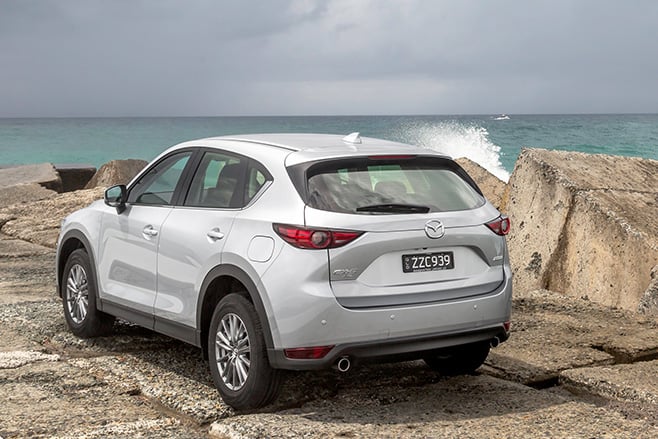
It’s the second generation of Mazda’s hugely popular mid-size SUV, which arrives here with sharper styling, an improved cabin and an even longer list of standard equipment. Underneath it uses the same basic platform, engines and transmissions as the model it replaces, but is now fractionally longer, lower and we’re told, much quieter to drive.
WHY ARE WE DRIVING IT?
Because while Wheels was the first Aussie outlet to sample the new Mazda CX-5 in San Diego last month, that car’s US-spec suspension, steering and all-weather tyres weren’t representative of what will be in Aussie showrooms. This is our first chance to sample the local model mix and deliver a dynamic verdict on local roads.
MAIN RIVALS
Hyundai Tucson, Toyota RAV 4, Nissan X-Trail, Volkswagen Tiguan, Kia Sportage, Subaru Forester, Ford Escape, Honda CR-V, Mitsubishi Outlander
THE WHEELS VERDICT
Evolution not revolution sees the new CX-5 build on the original’s striking styling and sound dynamics while addressing a fundamental flaw: its noisy cabin. Now quieter, classier and more comfortable inside, the second-gen CX-5 arrives spoiling for a fight with the VW Tiguan at the pointy end of the lucrative mid-size SUV market.
PLUS: Vast improvement in NVH; Classier, comfier cabin; strong equipment levels MINUS: No rear air vents in base Maxx; hardworking 2.0-litre petrol; small price rises
THE WHEELS REVIEW
IT TAKES less than five minutes to discover Mazda’s second-gen CX-5 is a quantum leap forward where it needed it most. The realisation arrives on the freeway where, after feeding in the throttle and settling on a steady 100km/h, I pause and listen with all my might for… nothing. Gone is the tyre roar that plagued the original CX-5. Gone is the old car’s rustle of wind noise; its constant chatter of background vibration. Now there’s just an eerie stillness as we waft along; a sense of refinement and polish that pairs perfectly with the elegantly redesigned interior. It all feels rather premium, and I’m in the boggo Maxx version.
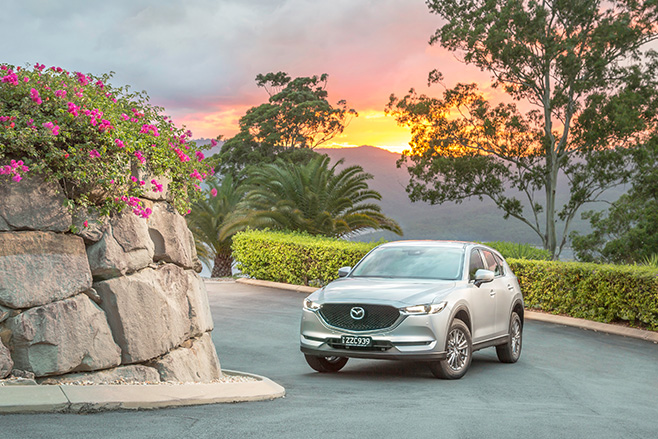
It’s worth explaining that in the land of generational step changes, the CX-5’s is quite minor, at least in the mechanical sense. It still rides on the same basic platform as the version it places, the 2700mm wheelbase is unchanged (though overall length is up 10mm and height has dropped 35mm), and even the engines, gearboxes, suspension and front- and all-wheel-drive systems are carried over with only minor revisions.
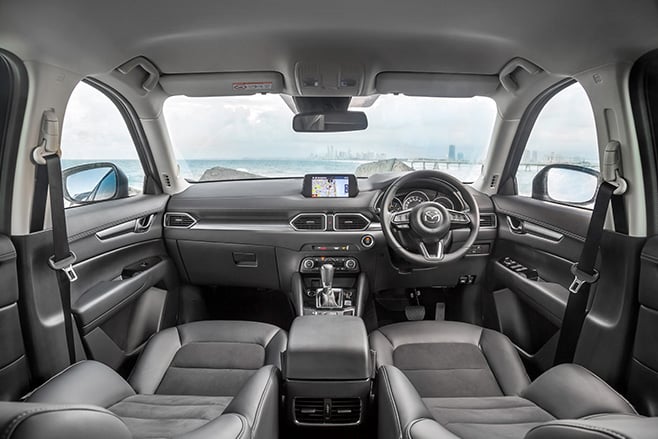
Mazda freely admits it has pursued a strategy of evolution not revolution, but this doesn’t mean its engineers were lazy. That marked improvement in cabin refinement was achieved through an almost fanatical pursuit of noise/vibration/harshness pathways. And while the redesigned exterior isn’t shockingly different, the opposite applies to the sleeker cabin. All variants in the five-tier line-up (which now includes a new mid-spec Touring grade in a hierarchy that reads Maxx, Maxx Sport, Touring, GT and Akera) score a leather steering wheel, a higher centre console for improved ergonomics and a classier dash design with strong horizontal lines and touches of chrome around the air vents.
Importantly, the rear seats are also much improved with a lower and more comfortable cushions, a reclining backrest that splits 40:20:40 and lower windowsills for better visibility. Rear air vents also appear for all variants, except for the entry-level Maxx, which is a disappointing exclusion. The base car also lacks the rear central armrest that carries two USB charging ports, and sat-nav, though the latter is available as an option.
Drivetrain-wise, the most popular engine will be the 2.5-litre petrol we sampled in the US, paired with AWD. It’s a muscular performer with a torquey mid-range backed up by smooth and intuitive shifts from the six-speed auto.
Less convincing is the front-drive-only 2.0-litre four pot available in the Maxx and Maxx Sport. It’s noticeably louder than the larger petrol and with 114kW/200N on tap, is in desperate need of more mid-range grunt. Even with a light load and only two people on board, the atmo unit had to work hard to haul the CX-5 up steep hills.
The big surprise, though, is the 2.2-litre diesel. Now smoother and marginally quieter, the rorty 129kW/420Nm oiler is eager and delivers a lusty turbo-heavy surge that lasts most of the way to the 5000rpm redline.
Combine all this and the result is a medium SUV that builds on the original’s striking styling and sound dynamics while addressing key weaknesses. Is it as good as our current class benchmark, the VW Tiguan? In isolation it feels close, though that verdict will have to wait for next month’s mid-size SUV megatest. Stay tuned.
Vote for the Mazda CX-5 to win the 2018 Wheels Car of the Year Readers’ Choice competition
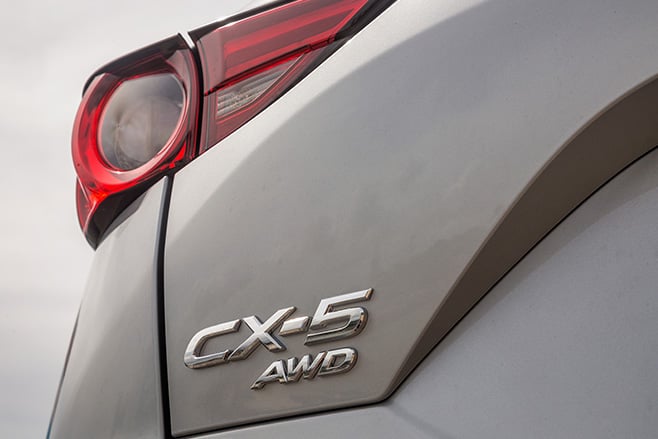
SPECS Model: Mazda CX-5 Touring AWD Engine: 2488cc 4cyl, dohc, 16v Max power: 140kW @ 6000rpm Max torque: 251Nm @ 4000rpm Transmission: 6-speed automatic Weight: 1633kg 0-100km/h: 8.5sec (est) Fuel economy: 7.5L/100km Price: $38,990 On sale: Now
