
THE MAZDA CX-3 is the segment leader when it comes to Small SUVs, with almost 3000 being sold in the first two months of 2017 alone. But there’s a new challenger in town, with the funky looking Toyota C-HR.
The C-HR is poised to give the Mazda a serious run for its money in the sales race, so we decided to pitch the pair against each other in a back-to-back showdown.
PRICE AND EQUIPMENT – Winner: Toyota C-HR
Both these C-HR and CX-3 variants are yours for the same $33,290 pricetag. However, the C-HR is the clear winner in the equipment game, with LED headlamps and taillights, 18-inch wheels, active cruise control and heated leather seats all standard on the Koba model. Meanwhile, the CX-3 Akari comes with a sunroof, black leather trim, rear cross traffic alert, city brake, 18-inch wheels, LED headlamps and tail-lamps, and a heads-up display.
The addition to the active cruise control in the C-HR as standard, the more up-spec feel of the interior wins it this category.
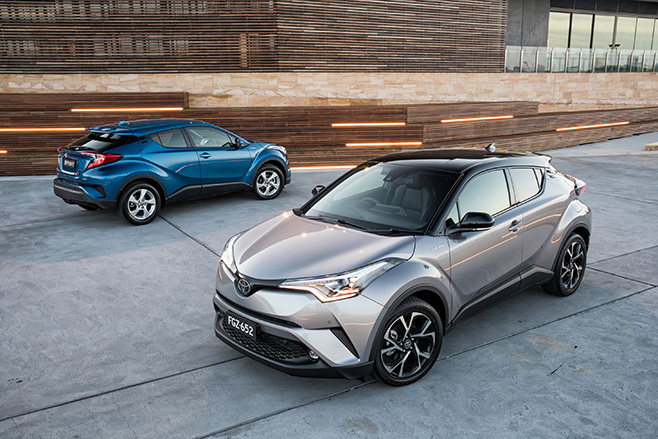
INTERIOR AND VERSATILITY – Winner: Toyota C-HR
When it comes to hauling ability, The Mazda has 264 litres of cargo space compared to the 377 litres in the Toyota. However, riding in the back seats of the C-HR is an unpleasant experience. The large front seats, while brilliant for the front passengers, cut into rear legroom. The funky exterior design results in rear visibility being at a minimum compared to the Mazda.
Having said that, the CX-3’s interior remains rather bland, and comes off feeling cheap compared to the C-HR. Rear legroom isn’t exactly at a premium in the Mazda, either. Both cars prioritise the front passengers in terms of comfort.
The CX-3’s party trick is a retractable sunroof, where the Toyota comes fitted with front seats that hug the drivers, and give the illusion of a larger cabin.
The Toyota wins this category by a narrow margin thanks to its larger boot, comfier front seats, and more luxury-feel interior.
PERFORMANCE AND ECONOMY – Winner: Mazda CX-3
The 2.0-litre atmo engine of the CX-3 is a perky little engine, with plenty of torque for spirited driving. That extra power and torque makes it more nimble around town as well. Despite the larger engine and more power, it is also the more frugal of the pair, sipping just 6.1 litres per 100km (compared to 6.4 from the Toyota).
The smaller engine in the Toyota means it is working harder more of the time to keep you moving. It can also be lazy to respond in urgent situations. While the C-HR’s CVT is one of the best of its kind, it can still be noisy and frustrating compared to the Mazda’s six-speed auto.
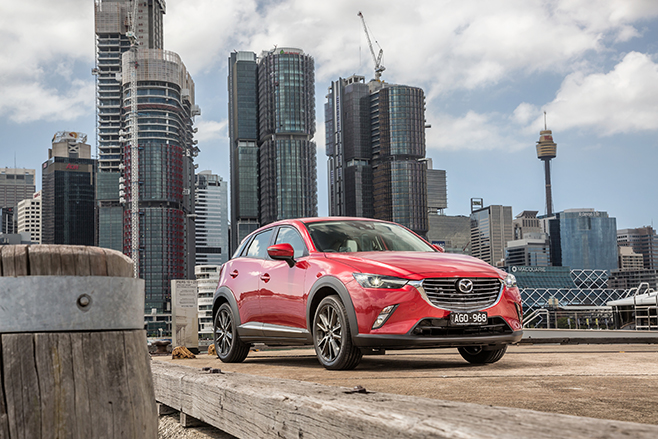
RIDE AND REFINEMENT – Winner: Toyota C-HR
The Toyota is the clear winner here, with the CX-3’s engine and road noise being its biggest downfall. Mazda says this will be improved in the facelifted version (due soon), but it is very noticeable inside the cabin whether on coarse or smooth roads. Meanwhile, the C-HR feels rather insulated in the cabin in terms of road and engine noise unless engaged in very spirited driving.
The ride is the Mazda is marginally better than the Toyota. However both offer good around town and highway comfort.
STEERING AND HANDLING – Winner: Toyota C-HR
The Toyota has an unfair advantage in this category in that it has three different handling modes. Okay, so that’s not really an advantage, but it does allow the C-HR to tailor its steering to the situation, where the Mazda has a single mode for all conditions.
Both cars hold the road well, however the Toyota is more eager to turn into corners in sporty driving, and the ECO mode is fantastically light around town.
The Mazda meanwhile has a good weight to the steering, but has a tendency to understeer or ‘push’ in corners. Around town the Mazda is perfectly capable and adept in most situations.
VERDICT – Winner: Toyota C-HR
The newcomer is the surprise winner in this head to head. The adventurous styling, capable road handling, and bigger load-hauling capabilities make the C-HR a must-test if you are in the market for a Small SUV.
But don’t completely disregard the Mazda. It is the segment-leader in terms of sales for a reason, and WhichCar understands there will be a mid-life update for the CX-3 in the coming months.
SPECIFICATIONS
Mazda CX-3 Akiri FWD Engine: 2.0-litre naturally-aspirated four-cylinder Gearbox: Six-speed automatic Power: 109kW Torque: 192Nm Economy: 6.1L/100km Kerb weight: 1252kg Price: $33,290
Toyota C-HR Koba 2WD Engine: 1.2-litre turbo four-cylinder Gearbox: CVT Power: 85kW Torque: 185Nm Economy: 6.4L/100km Kerb Weight: 1385kg Price: $33,290
The problem with the Z4 GT3, BMW will tell you, was grunt – not enough of it.
While it could keep the competition honest in corners, the little Bimmer struggled to keep up on straights. And when you’re trying to flog brand new racecars to rich gentleman racers, they’re not going to buy a car that doesn’t flatter. Neither is the pro going to want a car that can’t keep up when they’ve got a trophy room to fill.
It was in 2013 these problems started to reach a head as BMW pondered the Z4 GT3’s replacement. It wanted a car with the potency on straights to match mid-corner menace.
From the outset the obvious replacement from a marketing perspective was the M4 – its relatively compact dimensions and lighter weight making it ideal, on paper, for the GT3 treatment. But still spooked by the ghosts of grunt from the Z4 days, BMW was not confident it could get its 3.0-litre turbocharged straight six up to GT3 speed. And so the M4 idea was shelved.
If only it had a twin-turbo V8 coupe in its road car arsenal, BMW thought. And before it knew it, its motorsport boffins were walking laps around a BMW M6 exchanging dangerous looks. They’d found their car.
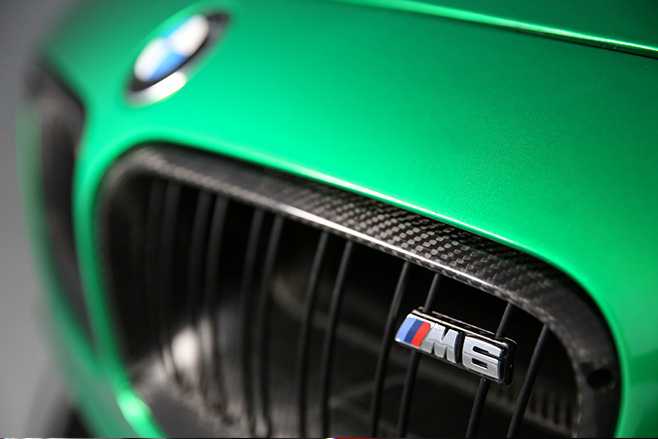
There was a problem, though. The M6 weighed in at 1850kg. If BMW wanted to GT3-ise its storming luxury coupe, it needed a personal trainer, and stat.
Sooner than that, though, another problem presented itself. While the M6’s V8 had no issue keeping its cool on the road, it would get a little flustered in racing trim – not acceptable for a racecar that needed to be belted at full noise for sometimes 24 hours at a time.
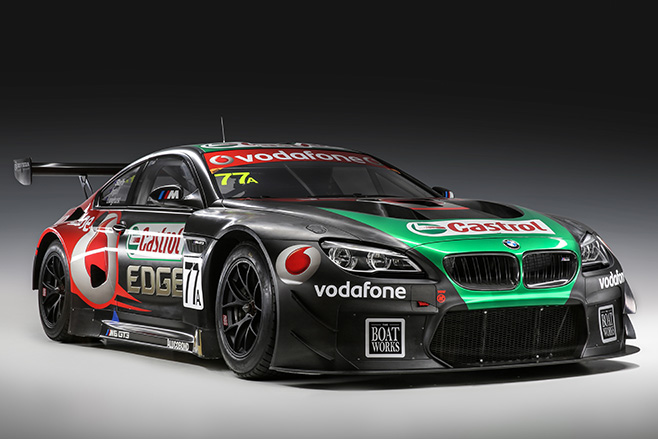
You’ve probably never heard of Gotland but, 40 minutes from Stockholm in the Baltic Sea, and never getting warmer than 20 degrees even in summer, with a racetrack it’s the perfect place to develop a race engine that’s still learning how to keep its cool.
Initially this meant some fairly routine racecar treatment: a dry sump system and some air-to-air intercoolers, while those kidney grilles were put to work feeding air to the turbos and a gaping front bar letting as much air as possible into the radiator.
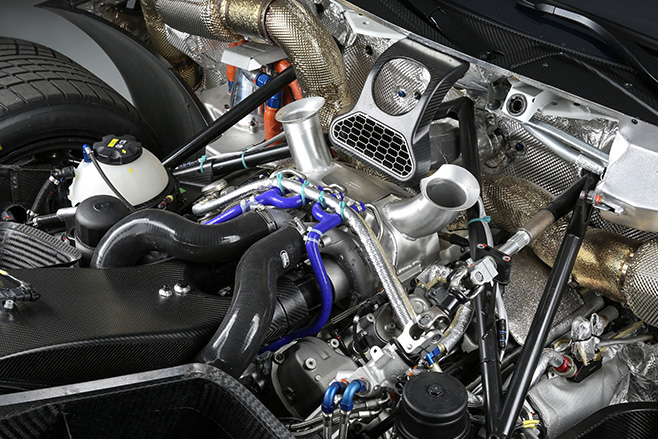
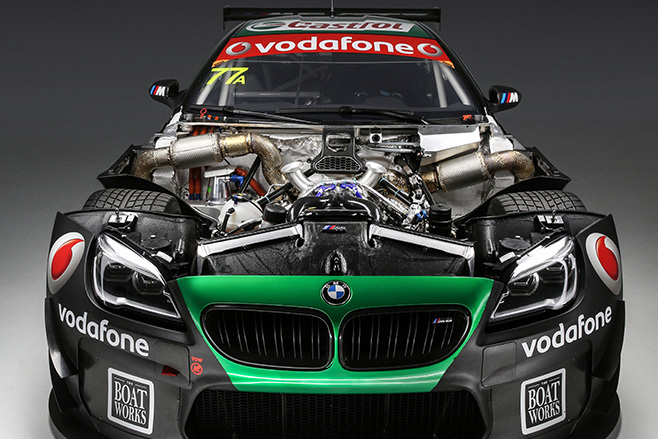
You’d think with all this plumbing, looking into the M6 GT3’s engine bay would be about as exciting as putting your head in the cupboard under the kitchen sink, but you’d be wrong. Unclip the pins and, with two people, gently lift off the surprisingly light and utterly gorgeous one-piece carbonfibre bonnet and you’re treated to a purposeful and menacing engine tucked back in the firewall and not sullied by a single dodgy plastic cover. It’s all business.
But though the cooling requirements of the M6 GT3’s engine have shaped a lot of its exterior, with even more heat to extract the vents don’t stop at the bonnet. Ducts on the rear haunches and front bumper channel cool air to the brakes while the bonnet also sends fresh air to the ECU and driver.
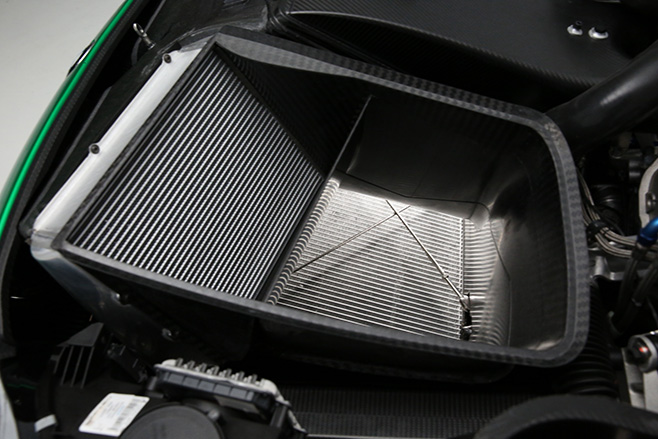
Things are just as interesting under all that gorgeous carbonfibre bodywork, too. Beginning with the air-conditioning – yeah, mate, she’s got AC – but not any AC. With cabin temperatures reaching as high as 60 degrees Celsius, BMW Motorsport recognised the need to keep not only the car cool, but also the fleshy sack hanging on to the steering wheel, and so the AC is bolted to the Ricardo six-speed transaxle mounted in the rear, the condenser sitting fore of the oil cooler just above the rear diffuser.
Having figured out how to keep everyone and everything cool, BMW returned to the initial challenge: getting the weight down. Unfortunately turfing out the rear seats and stereo wasn’t going to cut it.
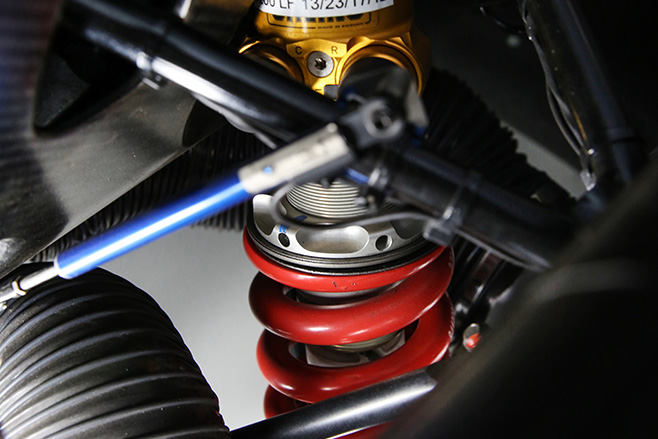
Meanwhile BMW had to get clever, including bolting the entire front structure – engine, radiators, front brakes, front suspension and front bumper – to the chassis as one piece. With no original chassis from the firewall forward, it’s all been replaced with spaceframe, permitting BMW Motorsport to also extend the wheelbase by 50mm to a lengthy 2901mm – all the while tucking the engine as far behind the front axle as possible for optimised weight distribution.
Without suspension towers this means the V-mounted turbos are free to vent their spent gases in as short a journey as possible, maximising response. Hence the exhausts exiting behind the front wheels.
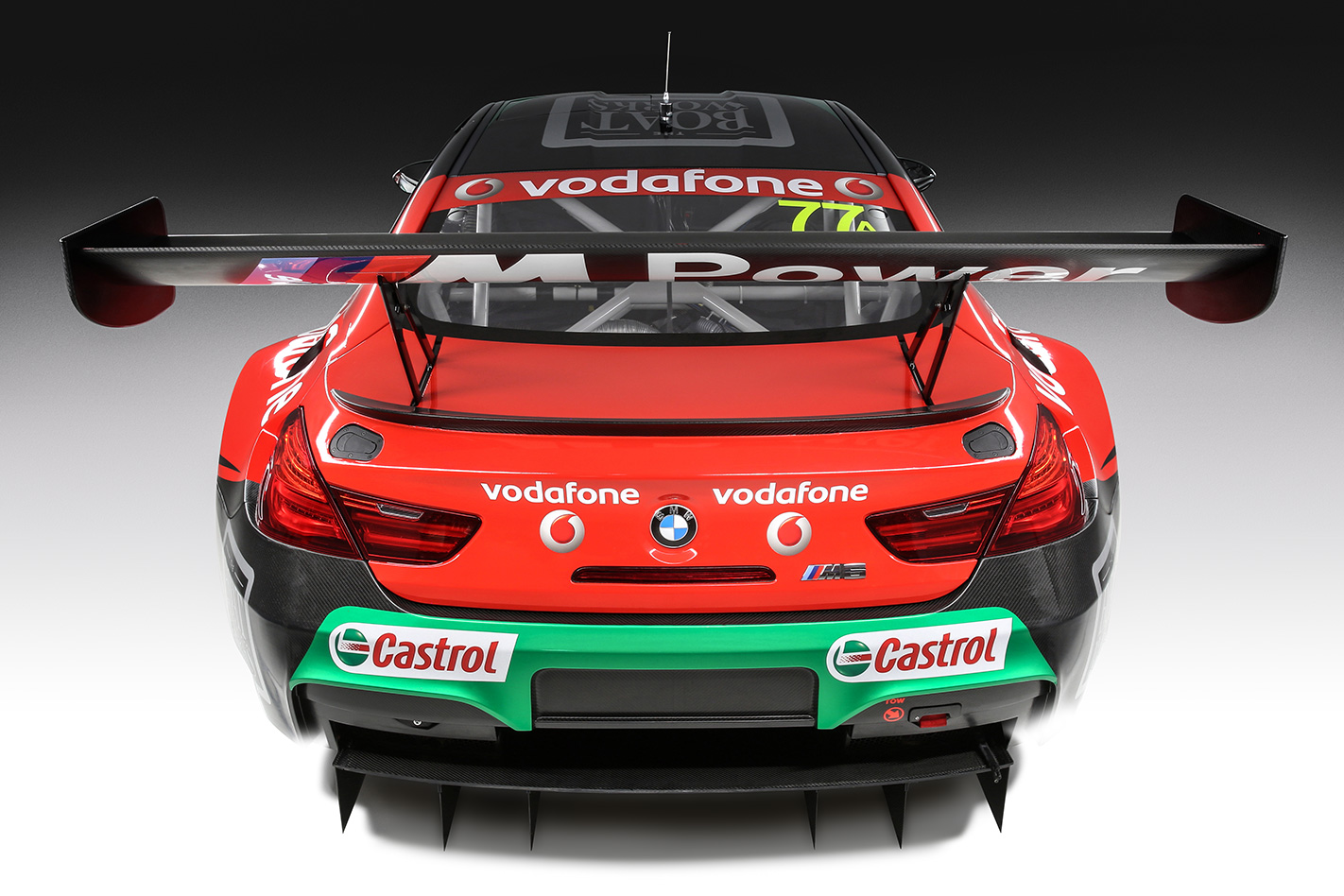
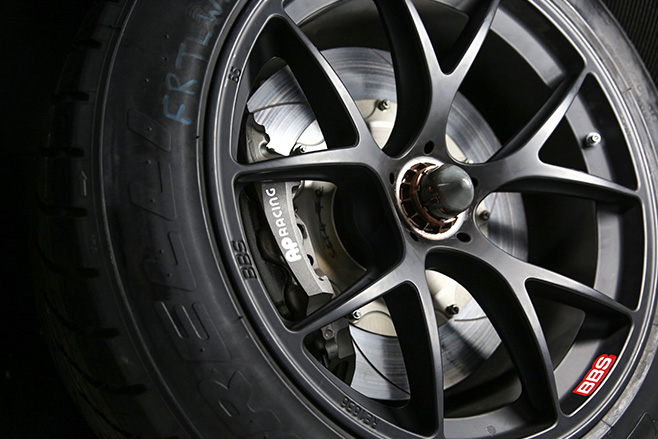
Of course, it’s still Big with a capital B, a brooding 2046mm wide – 34mm more than the Z4 GT3 and 147mm wider than an M6 road car, permitting BMW to fit huge 13-inch-wide BBS wheels (18 inches diameter).
Yet for all that, the M6 GT3 was still not yet ready to race. It was now time for BMW to add the wings. At 1.8 metres wide, the rear wing is plainly enormous and teams up with an aggressive rear diffusor – longer and wider than a pallet – to produce an undisclosed amount of downforce. But across the car – including the fearsomely sculpted front splitter with canards – you can count on it being a lot.
But across the top of the Mountain, the M6 road car and Supercar could only dream of the amount of speed (200km/h) and throttle commitment (flat, often) the M6 GT3 can permit. All thanks to downforce.
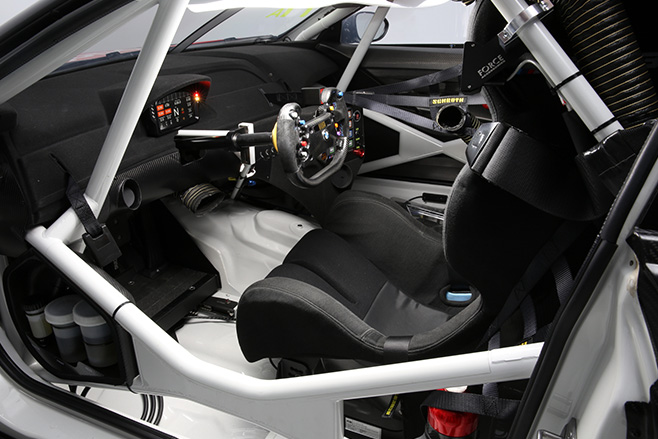
As you’d expect the cockpit is very business focused with no frills, including the piece-of-art carbonfibre F1-style steering wheel with paddles easily within a finger’s reach. You sit almost more in the middle of the M6 GT3 than you do the conventional driver’s position, your arse on the deck and visibility very restricted in every direction, looking through roll cage and other things to get to the mirrors, which would be your best friend in a car with such limited rearward visibility.
But another must-have GT3 trophy is the Bathurst 12 Hour and unfortunately it wasn’t to be for BMW in 2017. The Bavarian outfit threw unprecedented resources at its 2017 campaign, booking the track for a private test session last November prior to the race and flying to Australia some of its best motorsport engineers – something no other manufacturer has done.
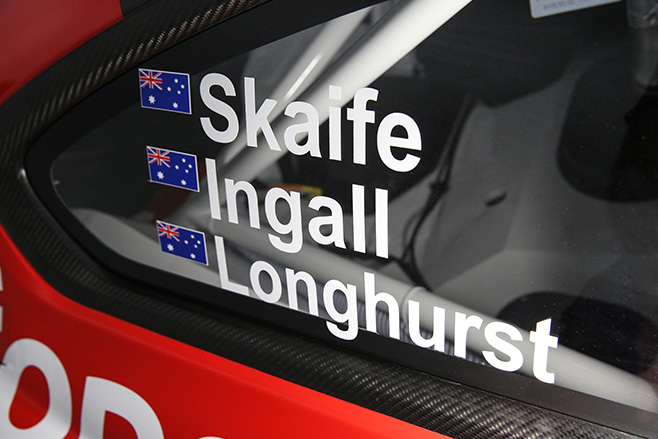
BMW’s driver line-up was formidable, too. Double DTM champion Marco Wittman joined four-time Bathurst 1000 winner Steven Richards and Supercars champion Mark Winterbottom in one car; while former F1 driver Timo Glock bolted into the car on these pages with Australian touring car royalty Mark Skaife, Tony Longhurst and Russell Ingall the other. Unfortunately for BMW, the Richards car suffered a power steering failure while Ingall had a close encounter of the wall kind. Both cars failed to finish.
But the disappointment came with valuable lessons – and engineering data – that will no doubt be useful in the future. And with the Bathurst 12 Hour seemingly in rude health, there’s always 2018.
The Big Test
Straight from the factory BMW sees Bathurst as one of the biggest customer racing events in the world. So when we tagged along to its private test day at the circuit we learned from Aussie Adam Baker, BMW Motorsport’s head of race operations, that booking the track and flying in a crack team of engineers was a given.
“We did a similar thing at Daytona [in 2016], it was the first time the car had run anywhere in the world,” he said. “So that’s how it works, structurally, to identify key events where it makes sense to have a bit of factory support. I can perhaps imagine the following year we’ll have less involvement because the teams will have experience.”
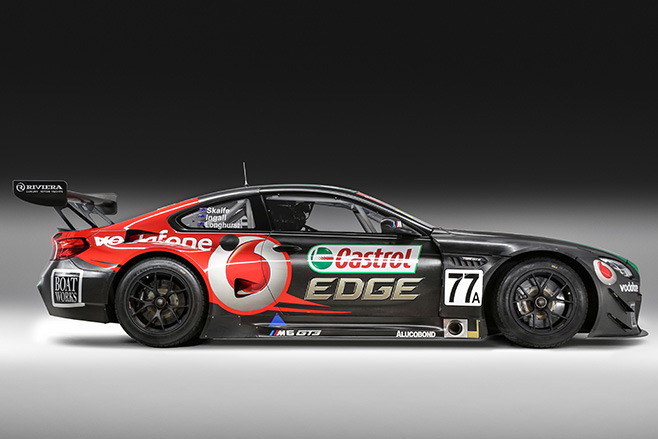
Both BMW’s factory cars found misfortune, though, with the #7 Castrol Vodafone M6 crashing out at the six-hour mark and power steering woes pushing BMW Team SRM’s M6 to 14th at the final hour. Unfortunately Mostert’s pace in the M6 didn’t see the race’s end.
TOYOTA has one of the widest SUV ranges, however it has long lacked a compact crossover model to take on the likes of the popular Mazda CX-3 and Nissan Juke.
Enter the C-HR, Toyota’s audacious entrant into the steadily growing field of high-riding hatchbacks on Australian roads.
The eye-catching C-HR is an all-new model built on Toyota’s New Global Architecture (TNGA) platform which also underpins the Prius hybrid vehicle. But this is no jumped up Prius – it’s powered by a punchy 1.2-litre four-cylinder turbo petrol engine that produces 85kW/185Nm and provides a refined ride with adequate grunt for most situations. This is coupled with a choice of a six-speed manual or CVT automatic.
And unlike the Prius, it has a striking appearance which is a welcome departure from Toyota’s usually conservative design language. The rear-end in particular has origami-inspired folds and creases that are quite easy on the eye, though for some it is an acquired taste. The exterior aesthetics also come at the expense of rear seat occupants who have adequate space but very limited outward vision.
Price and features
The C-HR has two main equipment specs including the standard and Koba models, spread over five variants that differ depending on transmission and drivetrain. Prices start at $26,990 for the entry level front-wheel-drive CH-R with six-speed manual with the Koba AWD with CVT topping the range at $35,290.
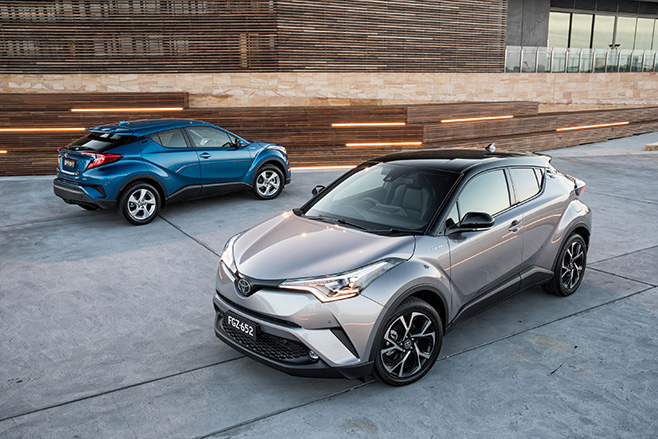
If the entry-level pricing seems high it’s because the C-HR is brimming with standard features including advanced driver assist technology such as pre-collision safety system, lane departure alert with steering assist, sway warning system, blind spot monitor, rear-cross traffic alert and trailer sway control. Other inclusions include 17-inch allow wheels, halogen projector-type headlamps, LED daytime running lights and fog lamps, rain sensing wipers, satellite navigation, power folding heated exterior medals and a C-HR puddle lamp.
The Koba variants (named after the car’s chief engineer Hiroyuki Koba) also get keyless entry and ignition, an air purifying climate control system, leather-accented upholstery, 18-inch alloys, LED tail lamps, heated front seats, privacy glass and blue interior ambient lighting.
Pros and cons
The Toyota C-HR is a sharp looking car in more ways than one and is a good blend of style, ride comfort and Toyota reliability. It’s cheap to run too, with running costs even lower than its ubiquitous Corolla stablemate.
The TNGA underpinnings provide excellent stability with ride further enhanced by multi-link rear suspension. It feels settled on roads even through sharp bends that would have other small SUVs feeling restless.
It’s also a quiet ride, with the aerodynamic design helping to reduce wind noise while engine and road noise through the tyres is also tamed. The entry-grade’s 17-inch wheels deliver the best cabin ambience of all.
The interior is well appointed and designed to match the funky exterior with an asymmetrical dash, tombstone-style infotainment screen, comfortable seats and higher-than-average material quality. On the down side the standard 6.1-inch touch screen is small and the buttons and dials surrounding it look too busy. The USB socket is also on the screen which means a messy cable running from where your phone is stored. And the plastic cap over the USB socket will only last so long.
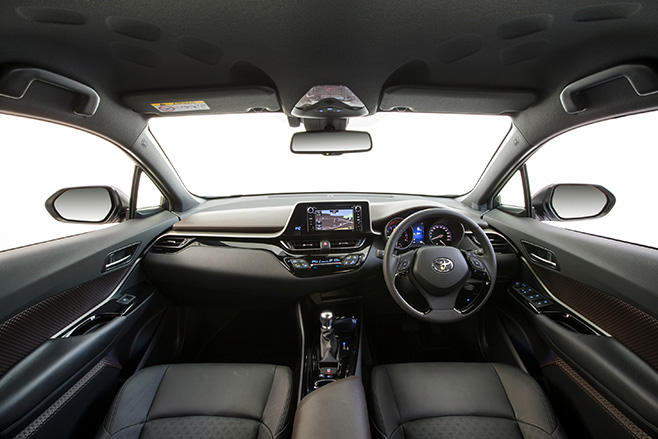
At the back, function has made way for form. The rear seats are reasonably comfortable with good leg room and place to put drinks, however vision is very limited with a tiny triangular window that resembles that of an armoured vehicle. And looking out becomes a mere fantasy for smaller children who won’t be able to look out front because of the CH-Rs ride-height and high-backed front seats.
Kids will also have trouble opening the back door because of the ‘invisible’ door handle mounted which is mounted high and gives the car a coupe like appearance.
The C-HR’s rear design also comes at the expense of boot space, which is a small hatch-like 377 litres.
That said, while the C-HR probably won’t be up there as a family car, it’s sure to be popular with individuals and couples seeking a stylish high-rider that stands out from the pack… for now.
The one to get
The entry-spec model comes with a host of features that would make it a mid-range variant in most other vehicle ranges. The manual is an obvious choice for those who prefer more driver input, though the CVT (a $2000 option) is reasonably refined and provides a manual shift option. The front-wheel-drive is more than adequate if most of your driving is around town.
BMW and Mercedes-Benz have admitted that their model ranges are too big and intend to cull a number of variants in coming years.
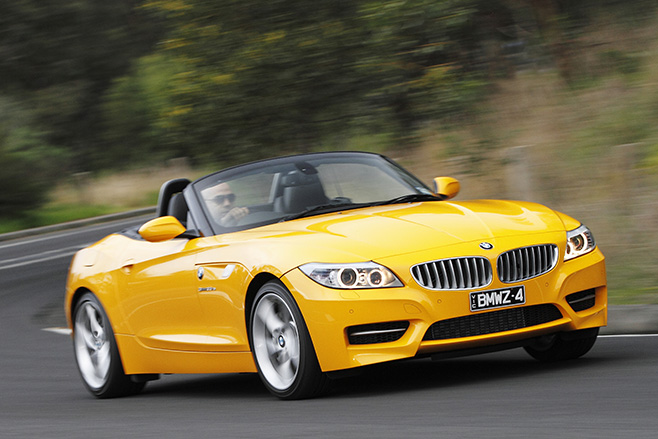
According to US motoring site Car and Driver the mostly likely casualties of any consolidation by the German brands are most likely to be ‘niche’ models such as coupes and convertibles.
Speaking at the recent Geneva Motor Show BMW’s head of sales Ian Robertson told Car and Driver “The checkerboard of body styles and segments is rather full.
“We’ve got an X2 and an X7 coming, and there are a few others, but I also know—because we’ve taken decisions—that some body styles will be removed in the future.”
“The specialty cars, these coupes and convertibles, were always niche cars.”
The Australian arms of both companies declined to comment on future product plans, though a spokesman for Mercedes-Benz Australia told Wheels regularly assessed which models and variants would make up its Australian line-up.
“There’s no active plan to start reducing model lines… there’s no emergency culling going on,” he said.
Both companies have an extensive line-up in Australia with more models and variants than Holden.
These include roadsters such as the Mercedes SL-Class and BMW Z4 of which 57 and 194 were sold last year respectively.
BMW’s Robertson admitted the segment isn’t progressing very well, which is why the company will be with Toyota on its next-generation Z5 “to try to gain some economies of scale.”
Zetsche said Mercedes would continue to offer two-door and cabriolet models but conceded they will not come “in the variety we are having them right now.”
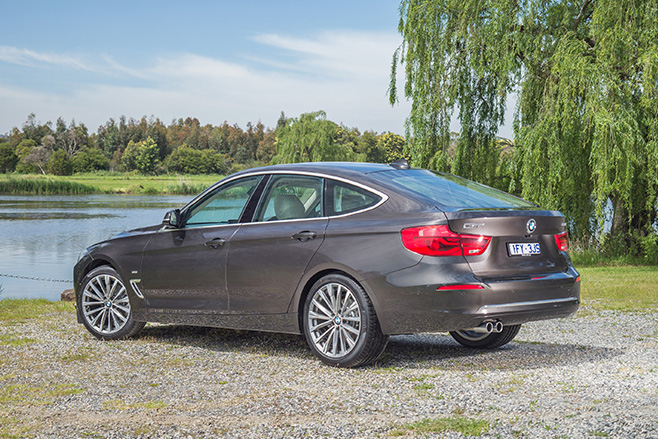
Other models selling in small volumes here include the BMW 3- and 5-Series Gran Turismo models, the latter of which accounted for just 83 sales last year, nine fewer than the very niche BMW i3 electric car.
FEW things are quite as pleasing as sneaking out of the office before knock off time. When you have a Tesla Model S P100D waiting for you with the Old Pacific Highway programmed into its Google-powered Sat-Nav, well then you have a mighty fine afternoon in the ‘office’.
Working from Wheels HQ in Sydney for the first half of my two-week Tesla ownership experience meant I could grant myself an early mark without our Fearless Leader (Sir Inwood) chastising me.
I was planning a trek to the Old Road for an afternoon burn in the bright red Tesla. The twisting turns of the Old Pacific Highway were an old stomping ground for me back when I lived the adrenalin-fuelled two-wheel life, and an entire day could be blasted away drinking milkshakes and burning tanks (plural) of fuel with ease. What better place to test if the P100D had the performance credentials to back up the headline-hogging 0-100km/h figures?
This wasn’t about straightline speed, it was about how the almost 2.5-tonne beast handled the dictionary definition of a driving road, and to answer an office debate on whether the flagship Tesla could be counted amongst the performance car fraternity.
It was a discussion that had yielded varying results. What are the criteria of a performance car, and what qualities can disqualify a potential nominee? Is there a power output that must be exceeded, a maximum weight, 0-100km/h benchmark, or does it all come down to lap time abilities? There was no solid definition, instead a swirl of grey.
For the most part performance cars are rather black and white; a Mercedes-AMG C63 S is black, where a Volkswagen Golf 92TSI is white. Tesla P100D? As grey as a Melbourne sky. While some marvelled at its speed, others complained there was an absence of real blood-pumping driver engagement.
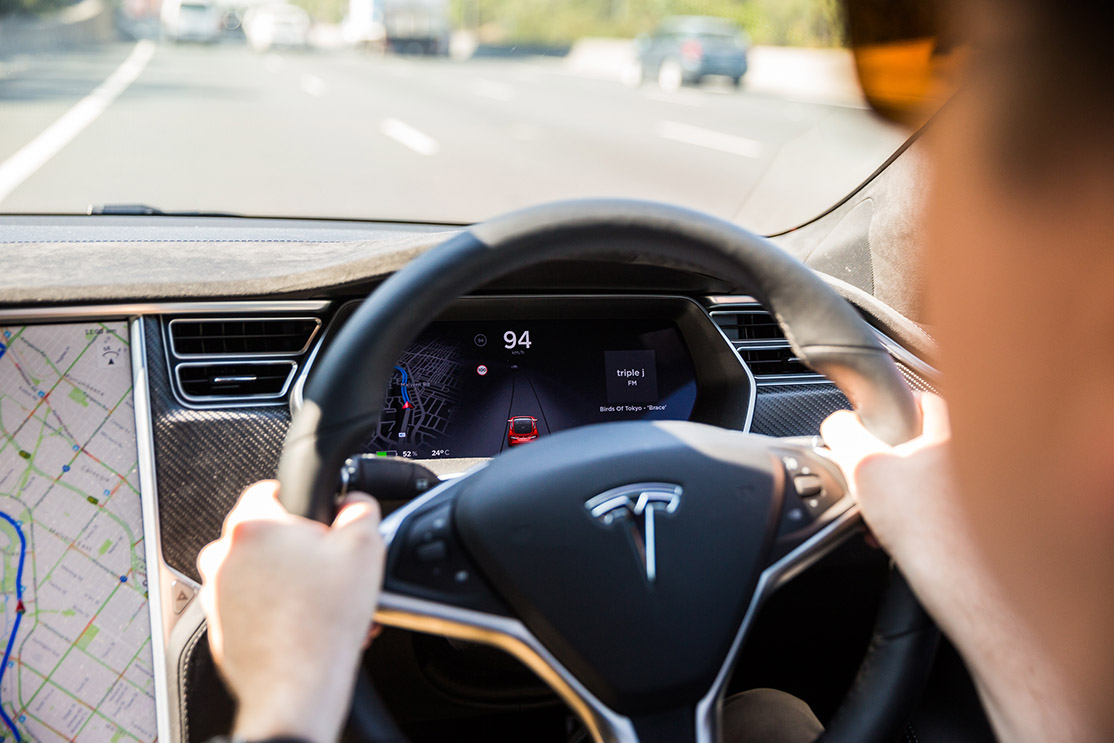
Consider this car costs a gobsmacking $314,161 to get on the road (as tested), and you’d wanna hope the thing could harass some of the quickest cars and motorbikes around. So, how does Tesla’s car of the future handle the Old Road? In one word: quickly.
From the moment you decide to stick your boot into the Tesla’s right pedal, to when you finally back off from fearing your heart will break your ribcage, the P100D is a thrilling, exhilarating blast. With electric motors on all four wheels the torque vectoring allows the large sedan to pitch into corners with ease, and sits comfortably regardless of mid-corner bumps or big stabs of accelerator.
Steering in sport mode has good weight without being excessively heavy. But there is a serious disconnect in feeling. You’ll be warned you’re approaching the limit by the franticly blinking traction control light well before you get any tactile feedback.
The P100D’s braking is surprisingly forceful and efficient for the car’s size. At full attack stamping on the brake pedal will scrub speed off with haste, while a more ‘casual’ approach (if triple speed digits can be casual) is still attainable thanks to the regenerative braking effect of the batteries. In fact, on a slower downhill pass I was able to charge the batteries simply by allowing regen to control speed and slow the car when heading into bends.
You can be very heavy handed with the Tesla and it’ll take the punishment willingly. The 1400Nm of torque means corner exits will etch a deep grin onto your face.
So, is it a performance car? It depends on your tastes.
For me, yes. It’s just not a great one. If performance vehicles were aquatic animals the Tesla is an Orca to, say, a 911’s Great White Shark. Where the 911 is built for the kill, the Tesla can keep up without too much stress, it just won’t give you that same emotive and visceral joy. But if it’s just speed you are looking for, whether on a straight road or twisty, the P100D is without a doubt amongst the best.
The Tesla Model S 60 and its dual-motor equivalent the 60D will be discontinued locally from April, as the automaker culls its cheapest offering from the market despite the 60 only having arrived in Australia in October 2016.
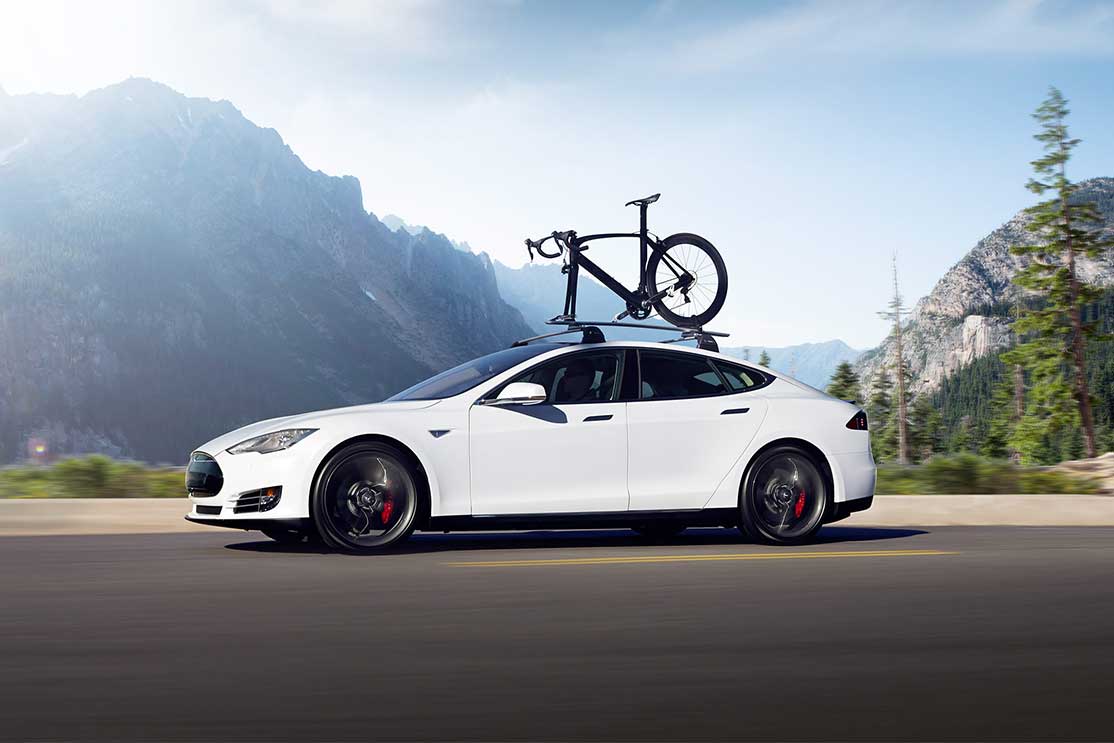
The California-based electric-car company will stop selling the $100,800 Model S 60, making the $128,578 Model S 75 the new ‘entry-level’ version of the Model S.
Both Model S versions are near-identical, with a badge the only thing separating the two. The S 60, however, only get to use up to 80 per cent of the battery power, with an option to pay for an update later. But the 75 package is a much better deal and as a result, most buyers choose to opt for the Model S with a bigger range.
According to Tesla, the reason for the Model S 60’s departure is largely because customers often upgraded to the 75kW version of the Model S instead. By cutting the 60 and 60D, Tesla hopes the streamlined line-up will help “simplify the ordering process” for customers.
“Customers who still want the opportunity to own a 60 kWh Model S will have until April 16, 2017 to place their order,” said a statement released by Tesla.
“Any 60 kWh Model S will have the ability to upgrade their battery to 75 kWh via an over the air update.”
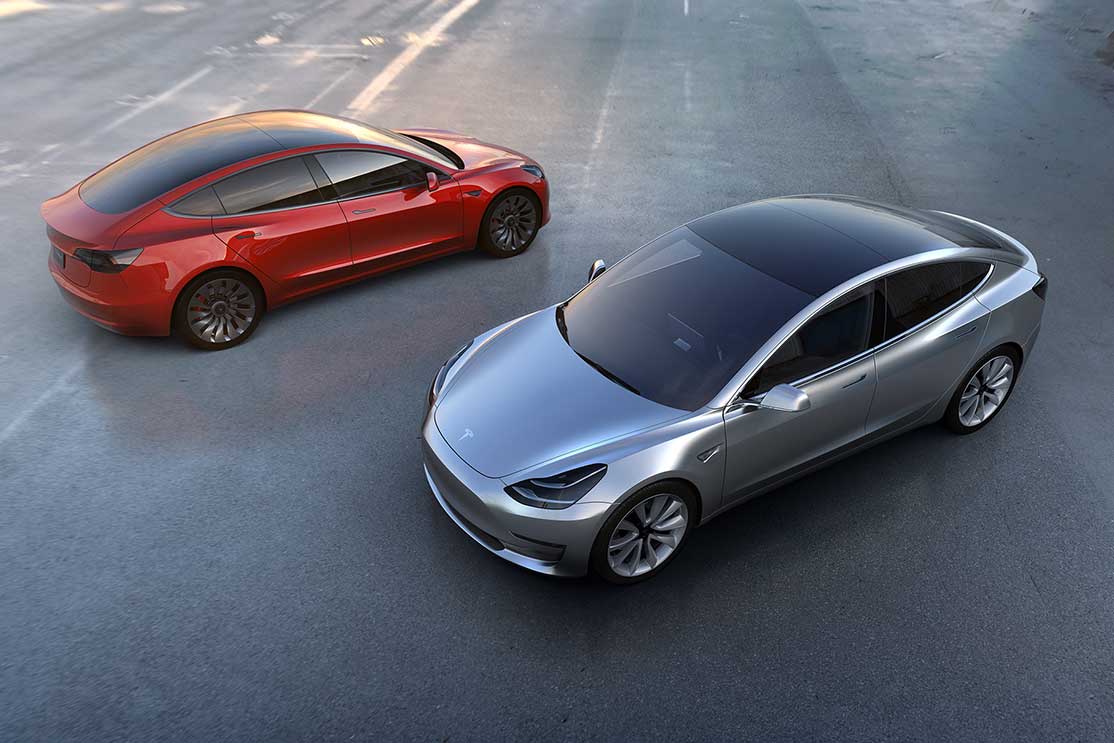
But Tesla lovers need not worry, the Model 3, with an expected price-tag of $55,000, is anticipated to arrive in Australia next year as an alternative for more price-sensitive Tesla fans.
Tesla Australia spokesperson, Heath Walker, told Wheels Australia in June last year that the reason for bringing the 60 and 60D to Australia was to get more buyers through the door.
“The main motivation [in introducing the 60 and 60D] is price-point,” he said.
“We have heard from a lot of people that want to get into a Model S, but haven’t been able to necessarily get their money together for an upper-level battery.
| Tesla Model S P100D is the quickest production car on sale
“So what we thought we would do is release a 60 and 60D, but essentially with [a de-tuned] 75kWh battery – so people have the opportunity to get in at a lower price point, with still the option to upgrade still to a 75kWh range and battery size at a later date if they need to.”
It makes sense then, that with the entry-level Model 3 not too far away, removing the Model S 60 and 60D will have minimal impact on Tesla sales and are unlikely to faze Tesla customers.
Revealed in October last year, the Mini Cooper S E Countryman All4 (try saying that ten times fast) is the first mass-market plug-in hybrid for the BMW-owned brand, and the first vehicle from the Mini line-up to allow its owners to liberate themselves from the tyranny of the fuel bowser.
And it could be heading to Australia, if the numbers stack up.
Speaking to the media at the local launch of the Countryman range, Mini Australia boss Tony Sesto said the Countryman PHEV was high on his wishlist – though he conceded it was still far from locked in for an Australian debut.
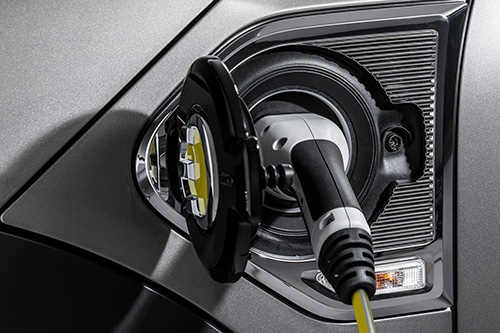
“There’s a lot of interest in the PHEV, which we’re exploring at the moment,” Sesto said.
“We’re very keen to introduce it to our market, and one of the things that we’re doing right now is looking at the business case for the PHEV. But we’re very keen to introduce it.”
If confirmed for the Australian market, the Countryman PHEV would have Mini following in the footsteps of its corporate cousin BMW, which presently offers four plug-in models in Australia – the 330e, X5 xDrive40e, 740e, i3 REX and the i8 coupe. The BMW 225xe Active Tourer, which provides the platform and petrol-electric powertrain for the Countryman PHEV, isn’t offered over here.
“We can’t confirm that it will 100 percent be introduced to the Australian market,” Sesto continued.
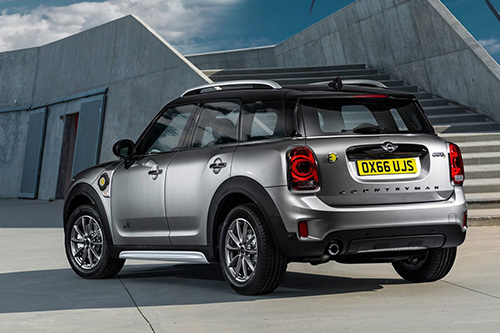
“We need to make sure that it’s viable for our dealer network, and we want to make sure that there is demand for that vehicle from our customers.”
And though it’s not a complete deal-breaker, Sesto said the Federal Government’s lack of support for green cars in the form of rebates or tax breaks meant the business case for those types of vehicles – which are typically more expensive than non-hybrid counterparts – is harder to justify.
“We still don’t have a government that really acknowledges things like climate change and provides support for vehicles like this, while other markets do,” he said.
The Mini Cooper S E Countryman All4 plug-in is capable of driving in emissions-free battery-electric mode for around 40km, allowing drivers to utilise cheap electricity for daily urban driving duty and save firing up the 1.5-litre petrol engine for longer trips.
On the European official combined cycle test, the Countryman PHEV consumes just 2.1L/100km, though that varies greatly depending on how diligent owners are with keeping the battery topped up between drives.
ON the market for a sports coupe and super sport motorcycle but can’t decide which to add to your garage? Well, now you don’t have to decide with BMW’s latest offer.
To honour the newly formed partnership with BMW France and the country’s racing circuit Circuit de Nevers Magny-Cours, BMW are releasing a special edition M4, which also comes with a watch, and a S1000RR motorcycle from the German manufacturer.
The BMW M4 Magny-Cours Special Edition features the same 3.0-litre twin-turbocharged inline-six engine, seven-speed dual-clutch transmission and 20-inch wheels as the M4 Competition Package, but has a special lick of paint, and one of the best 3-for-1 deals going.
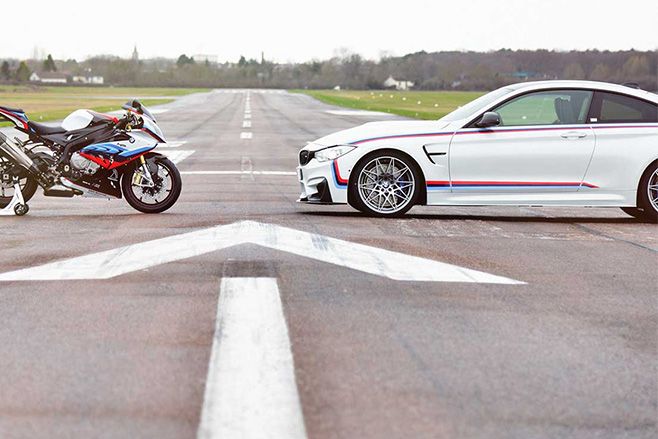
Differentiating it, however, are the livery M stripes down the front, side and rear of the car, and carbon-fibre front lip spoiler. But that’s not what makes the M4 Magny-Cours Edition stand out. What’s really impressive about this $250,000 (€180,000) car is that it also comes with a free BMW S1000RR motorcycle and BRM watch.
The bike and the watch come with the same sporty white, red and blue livery treatment as the car.
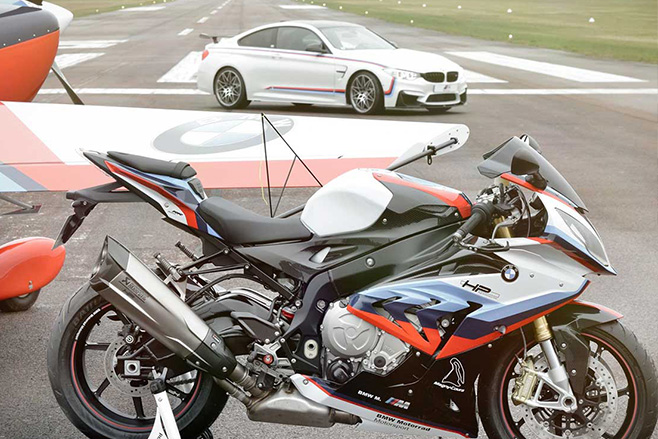
As far as bonus extras from buying a car go, a whole motorcycle has to be one of the most impressive.
BMW is also the official safety and medical car supplier for MotoGP.
Ferrari turns the ripe old age of 70 this year.
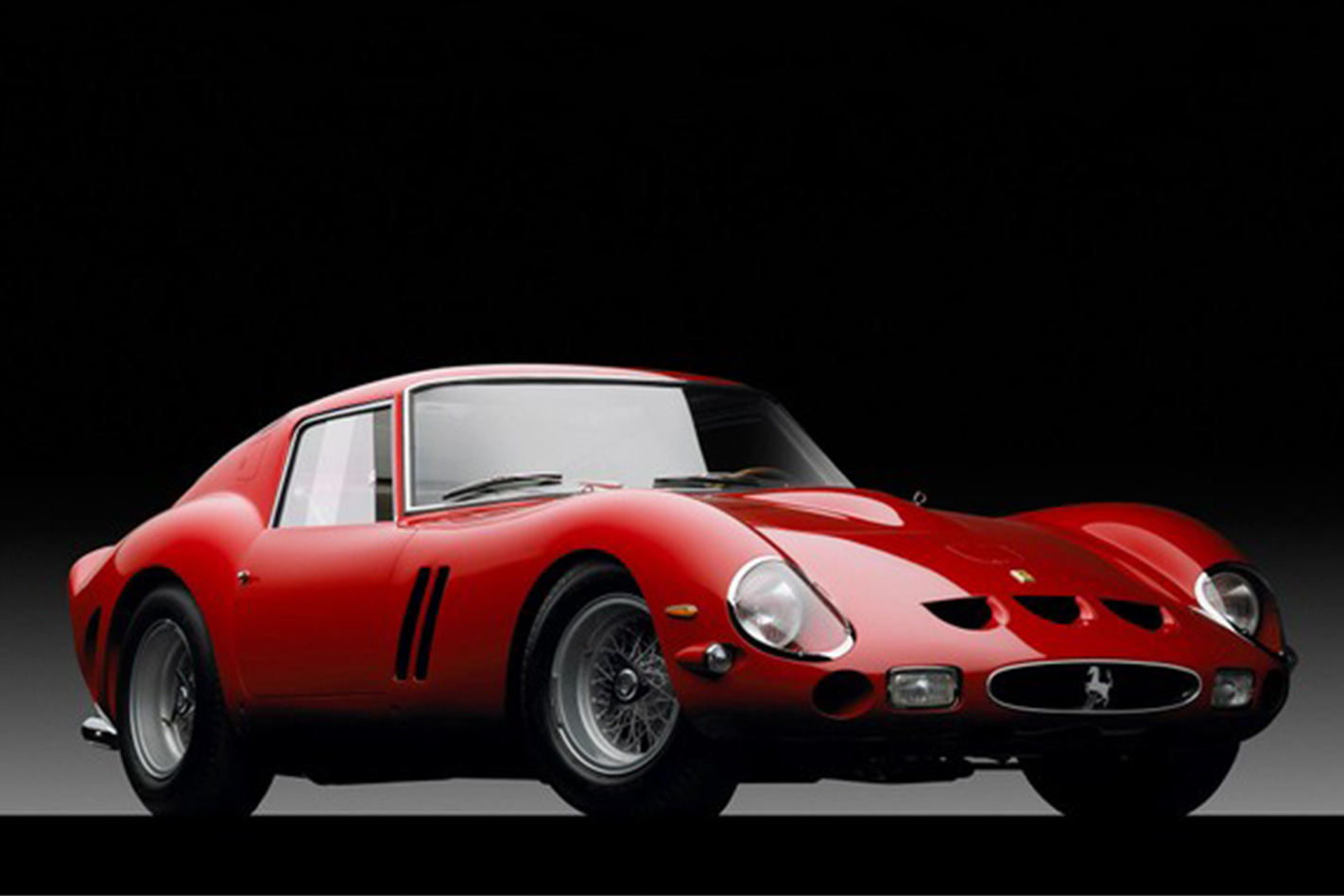
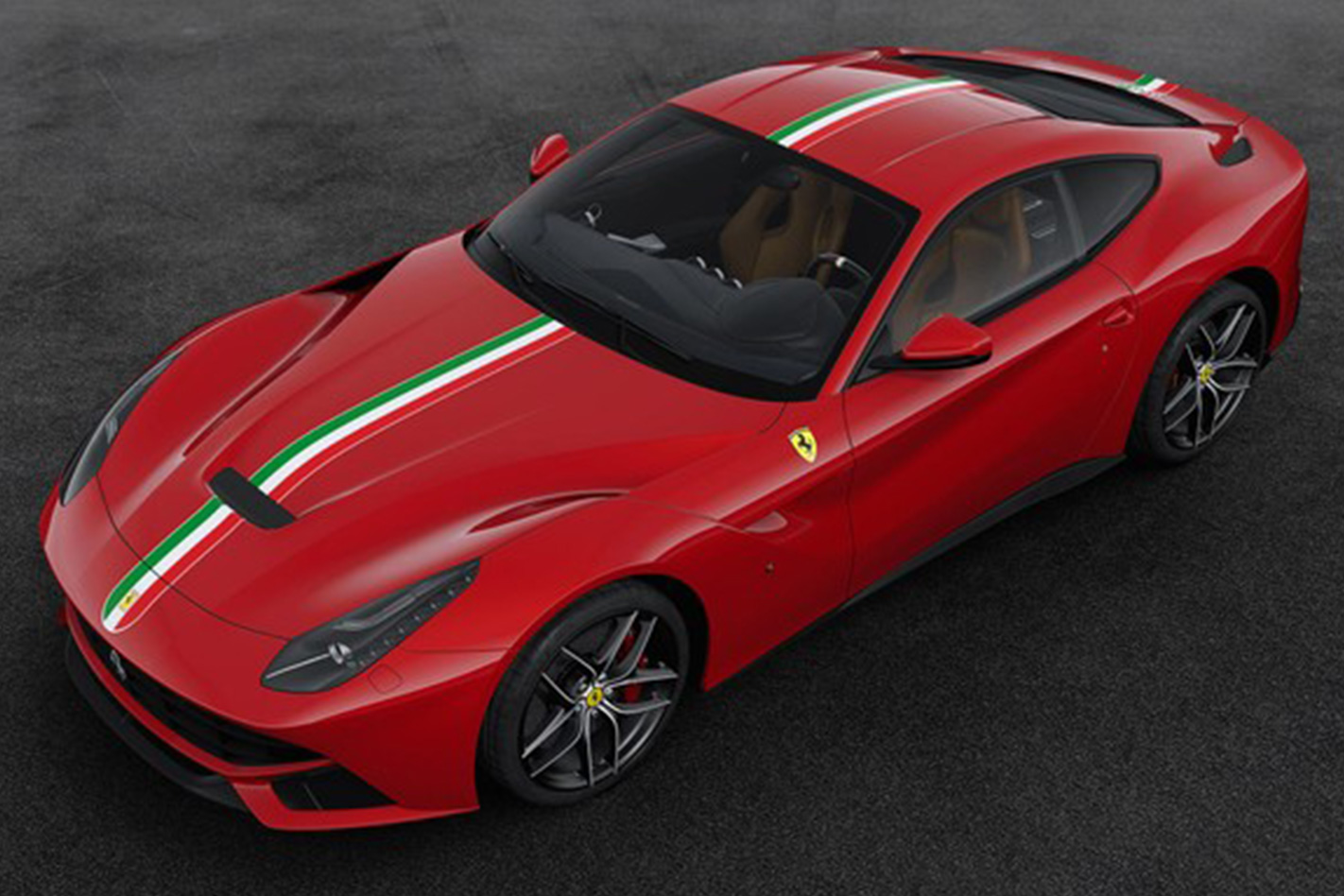
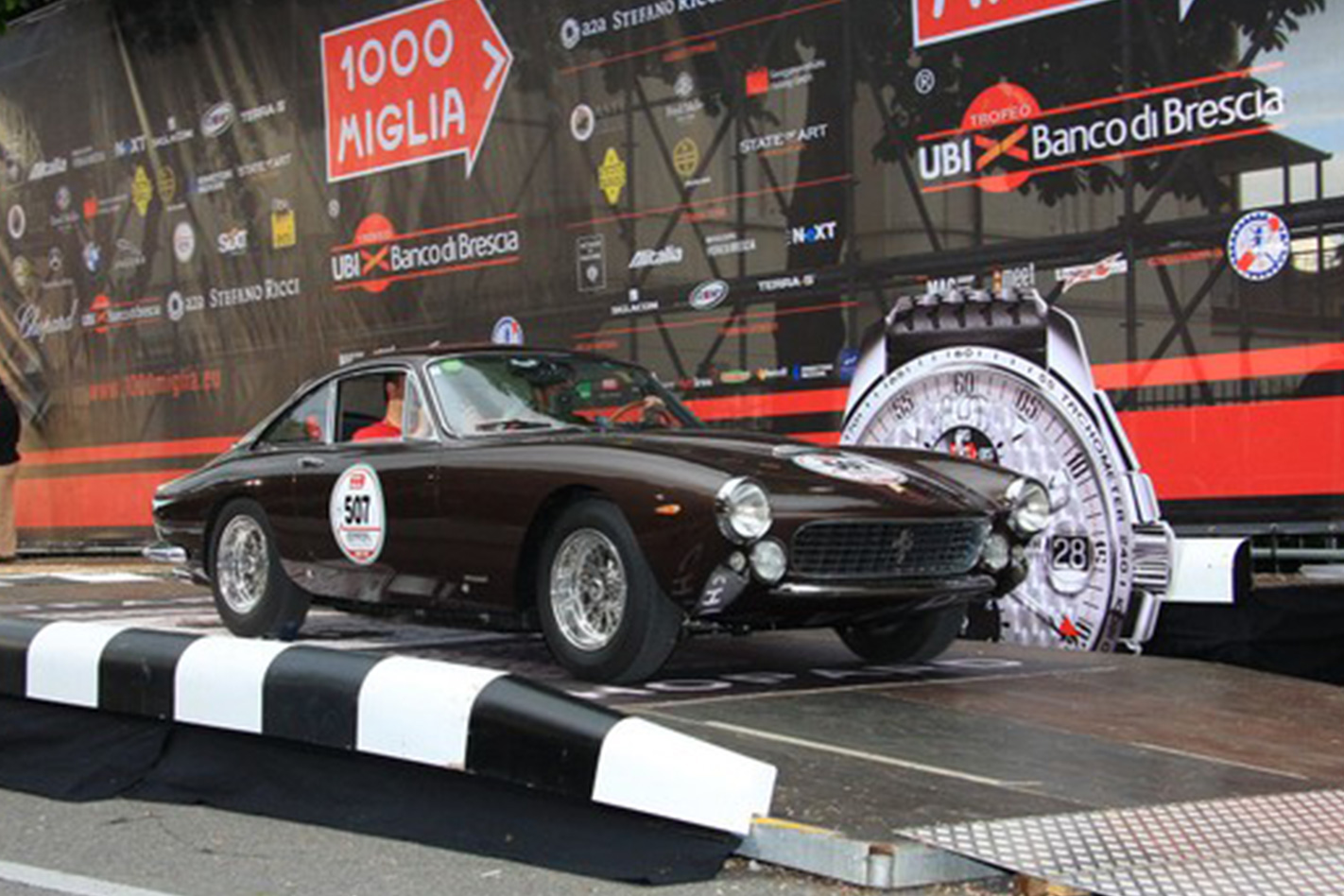
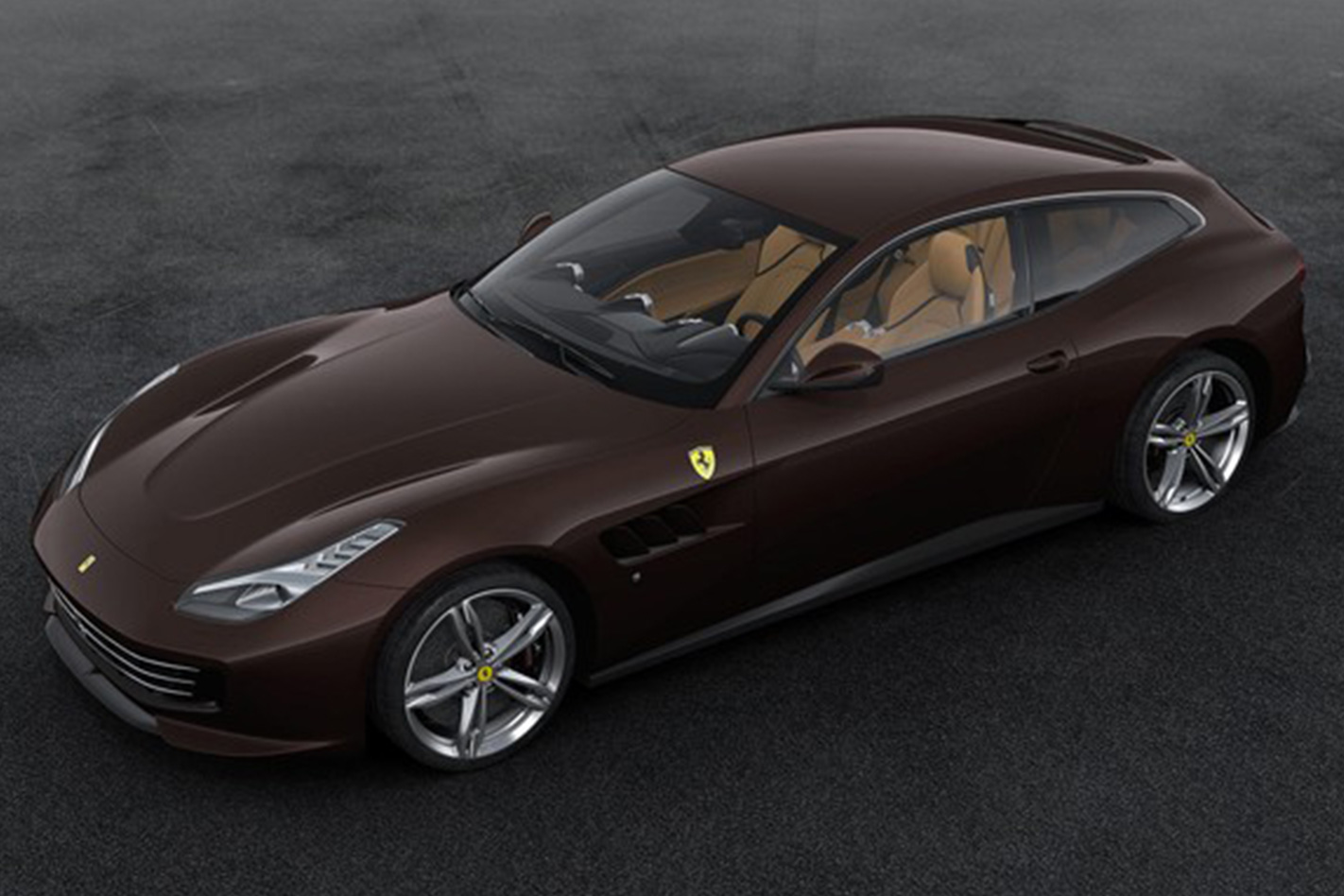
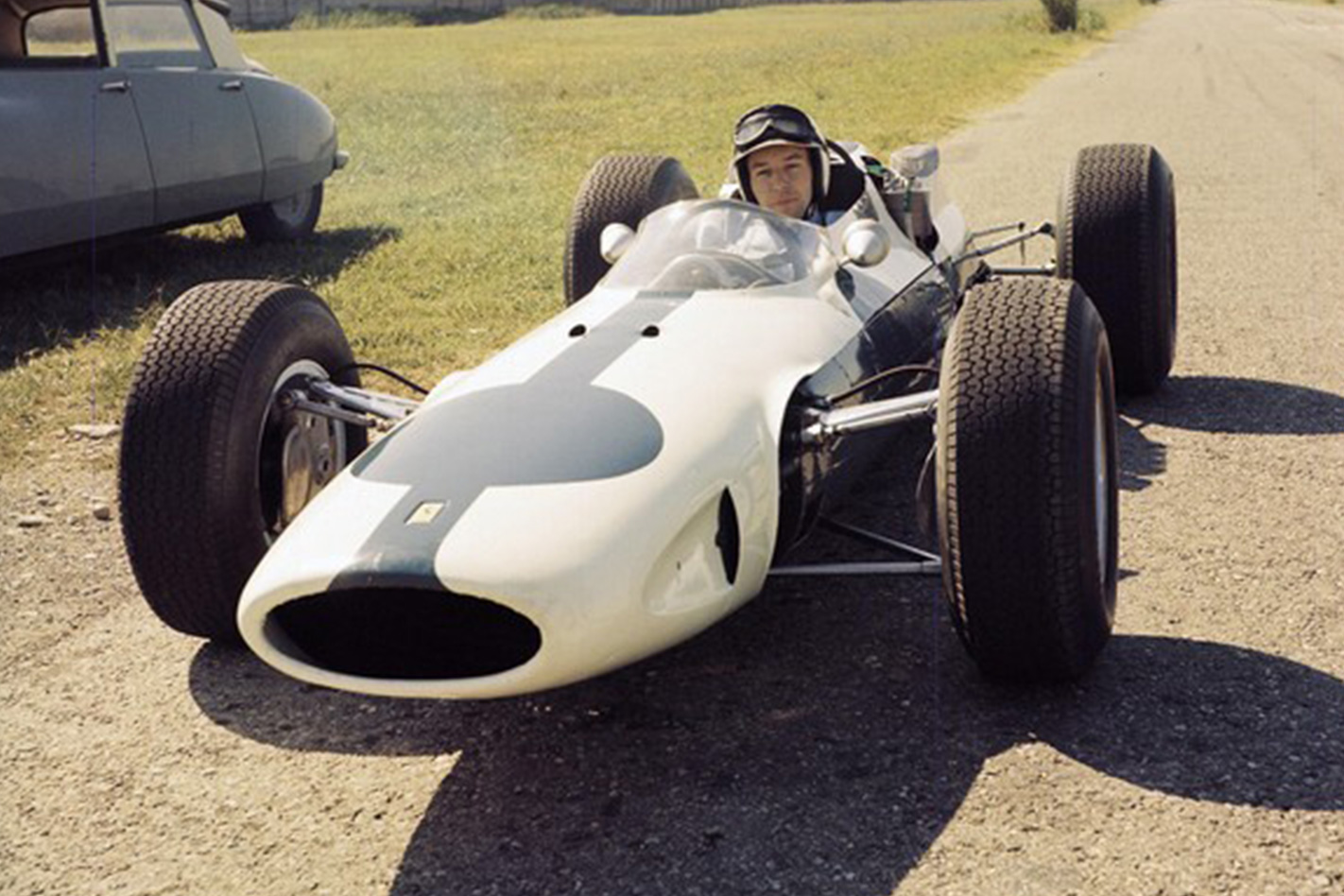
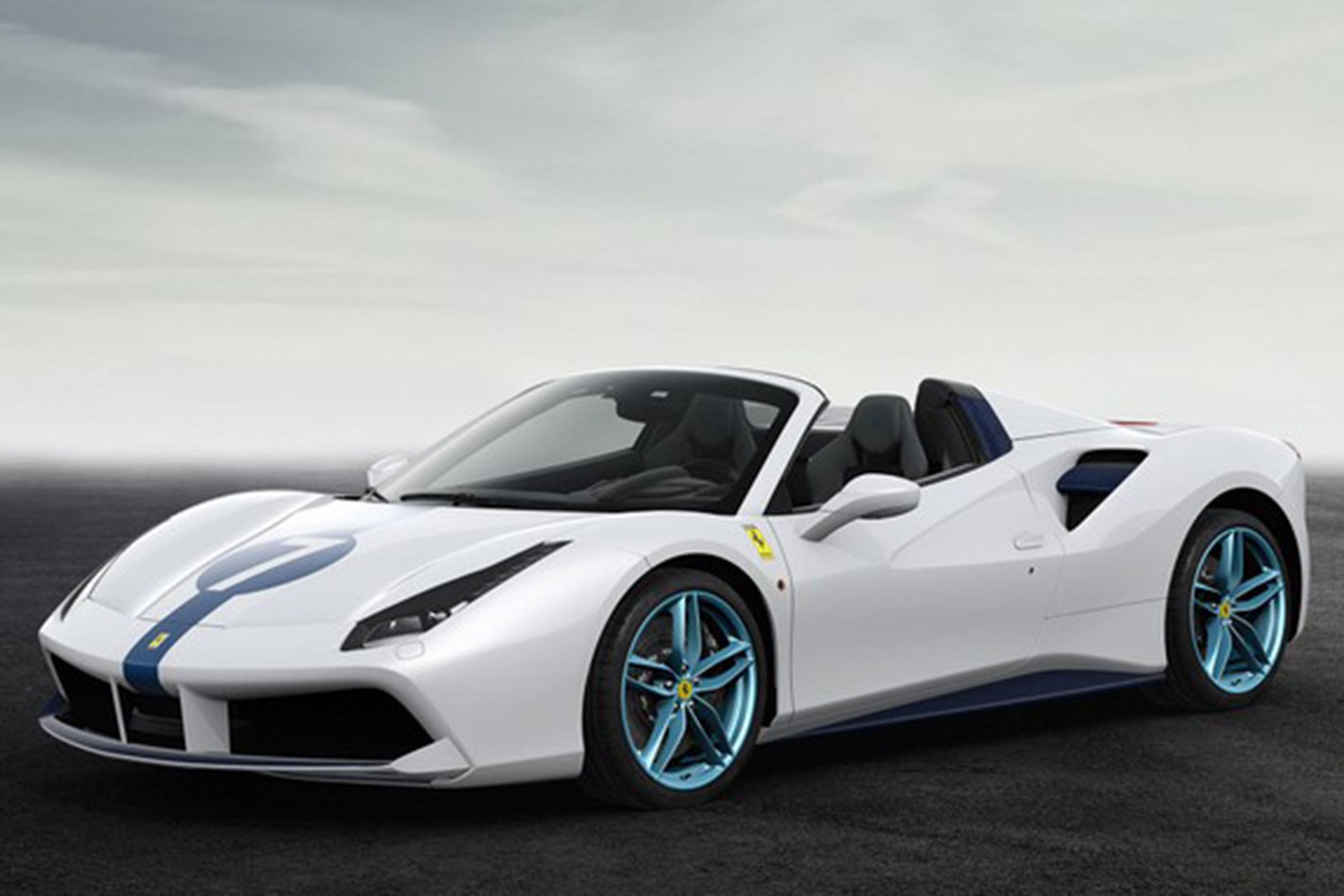
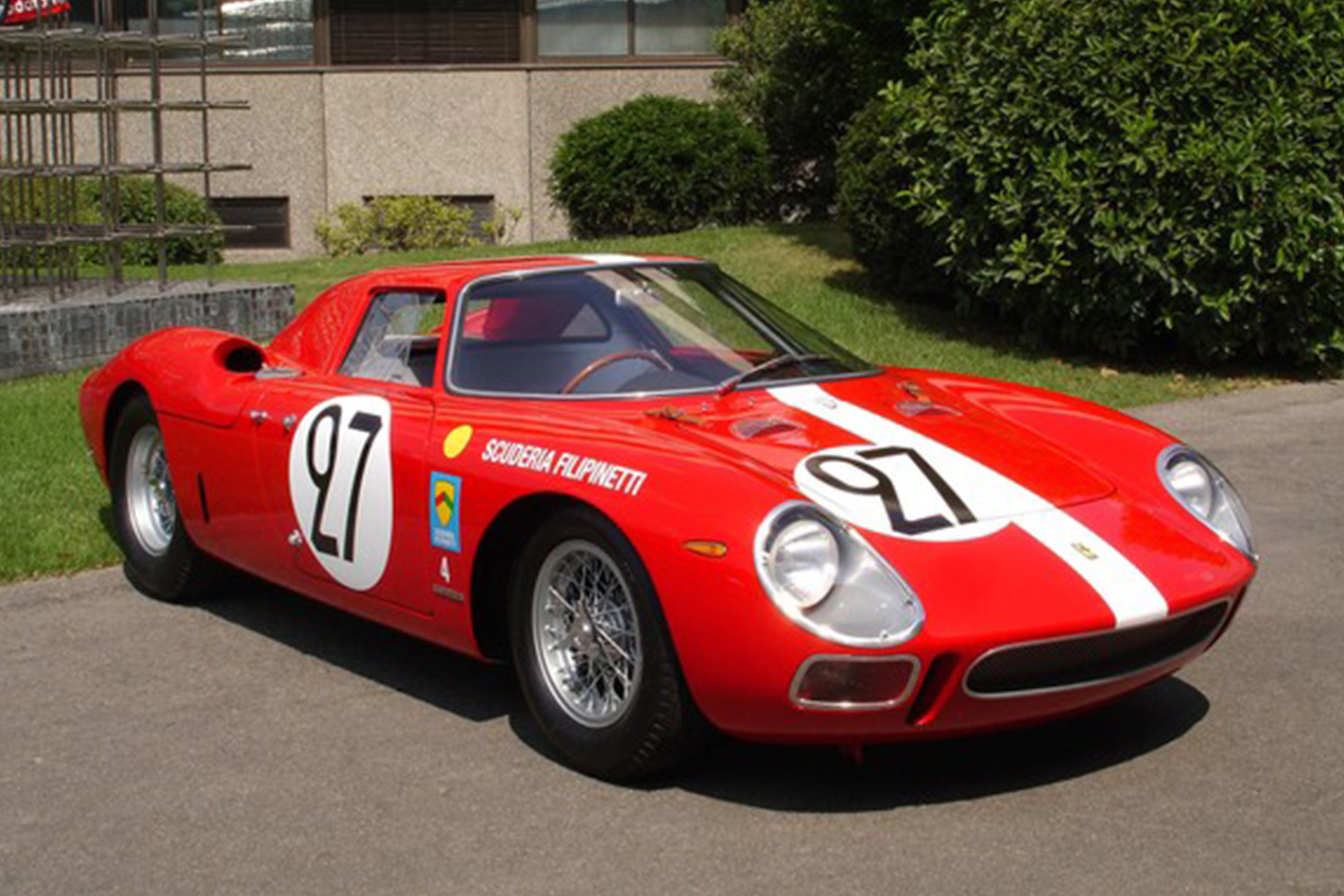
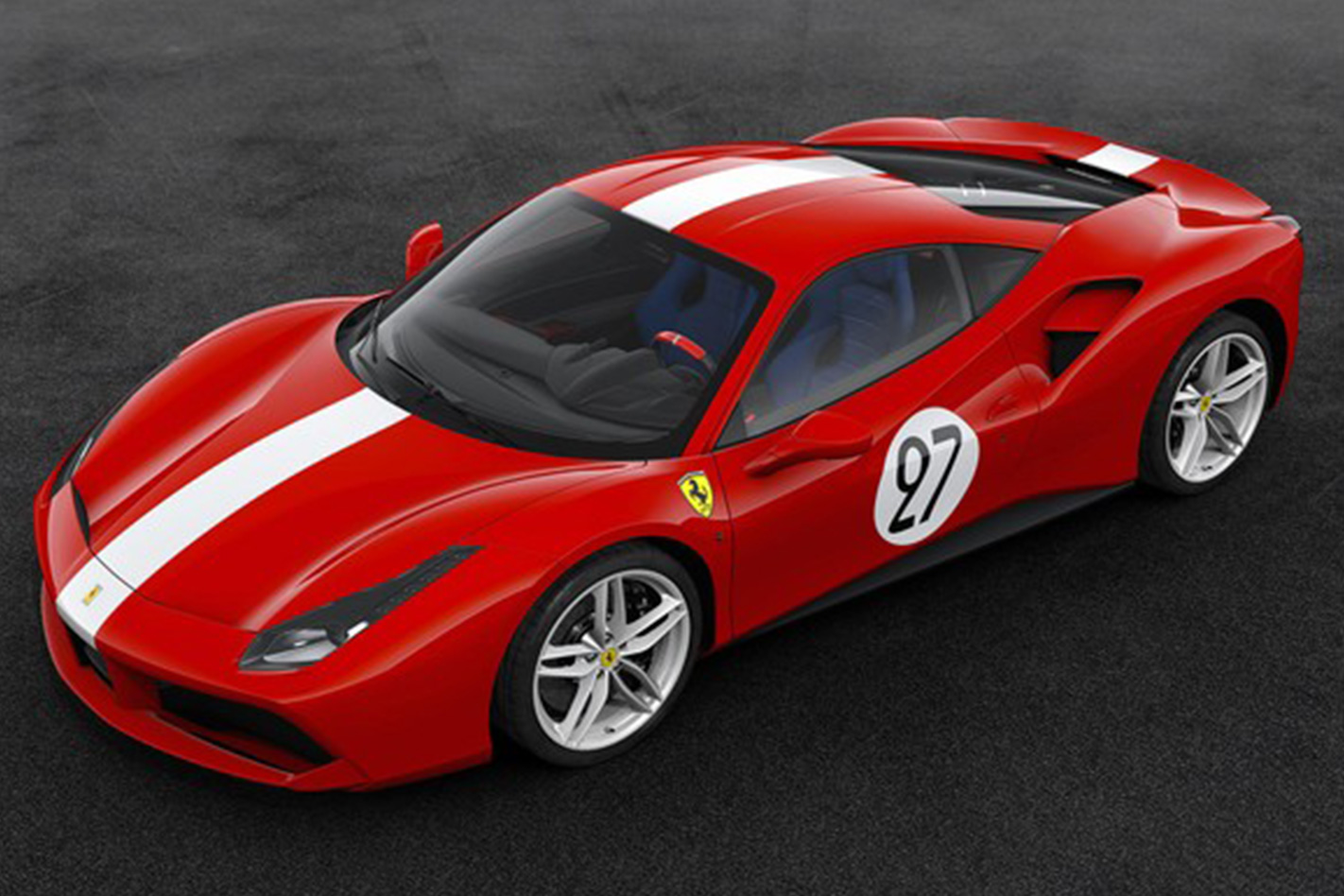
To celebrate the occasion, the most famous of all car makers has released 70 liveries which will be applied just once to each model in the current range: California T, 488 GTB and Spider, GTC4 Lusso and F12 Berlinetta.
There are no mechanical modifications, with each car identified by its unique paintwork, 70th Anniversary logo and ID plate with the name of the model that inspired it. Nonetheless, in the current collector car market, no doubt Ferrari aficionados will be clambering over one another in an effort to secure these models.
Below you’ll find the 10 liveries inspired by Ferrari models from 1962-1967. Let us know your favourite in the comments below.
31. 1962 Ferrari 250 GTO
32. 1963 Ferrari 250 GT Berlinetta Lusso
33. 1964 Ferrari 158 F1
34. 1964 Ferrari 250 LM
35. 1962 Ferrari 250 GTO
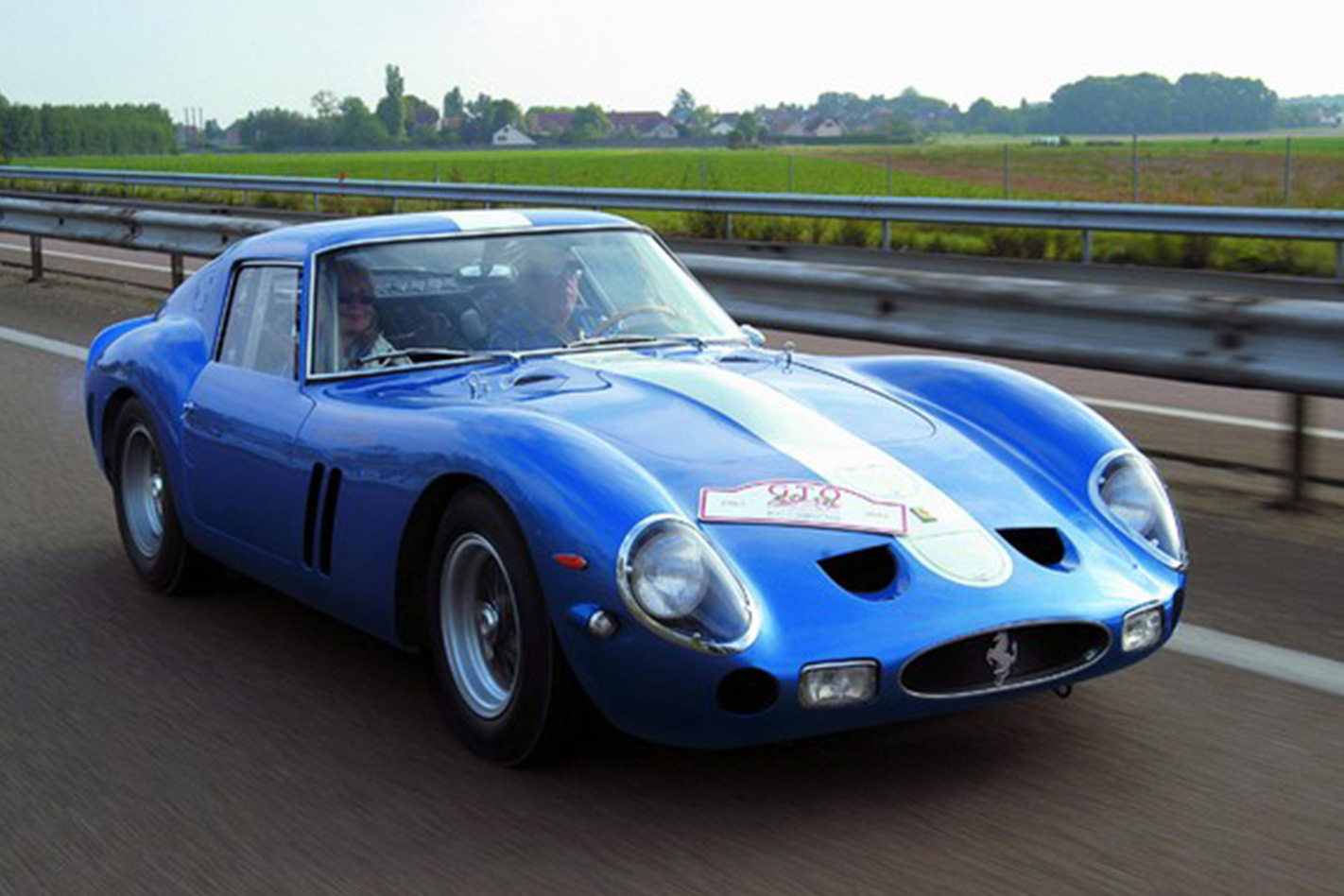
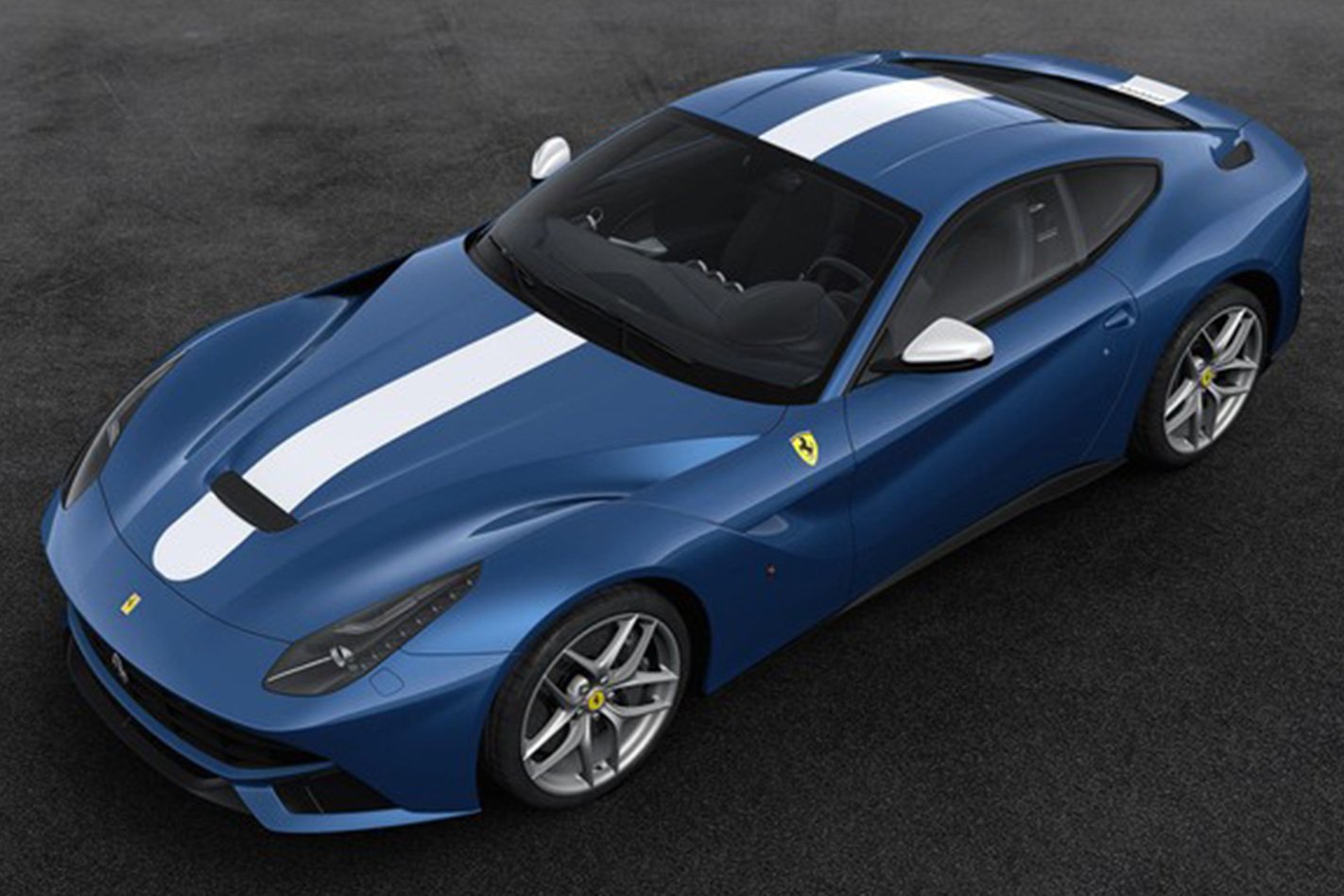
36. 1965 Ferrari 275 GTB Competizione
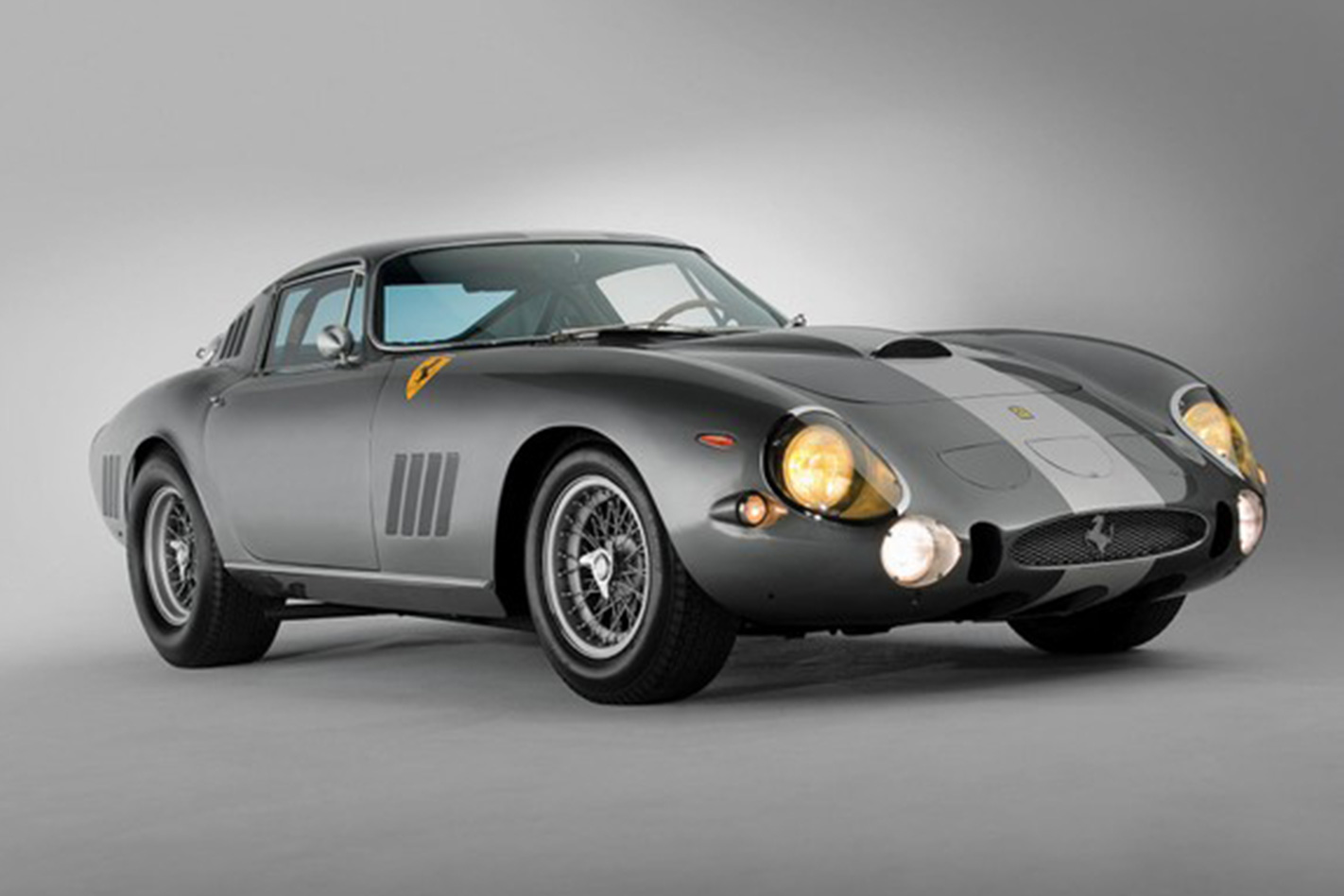
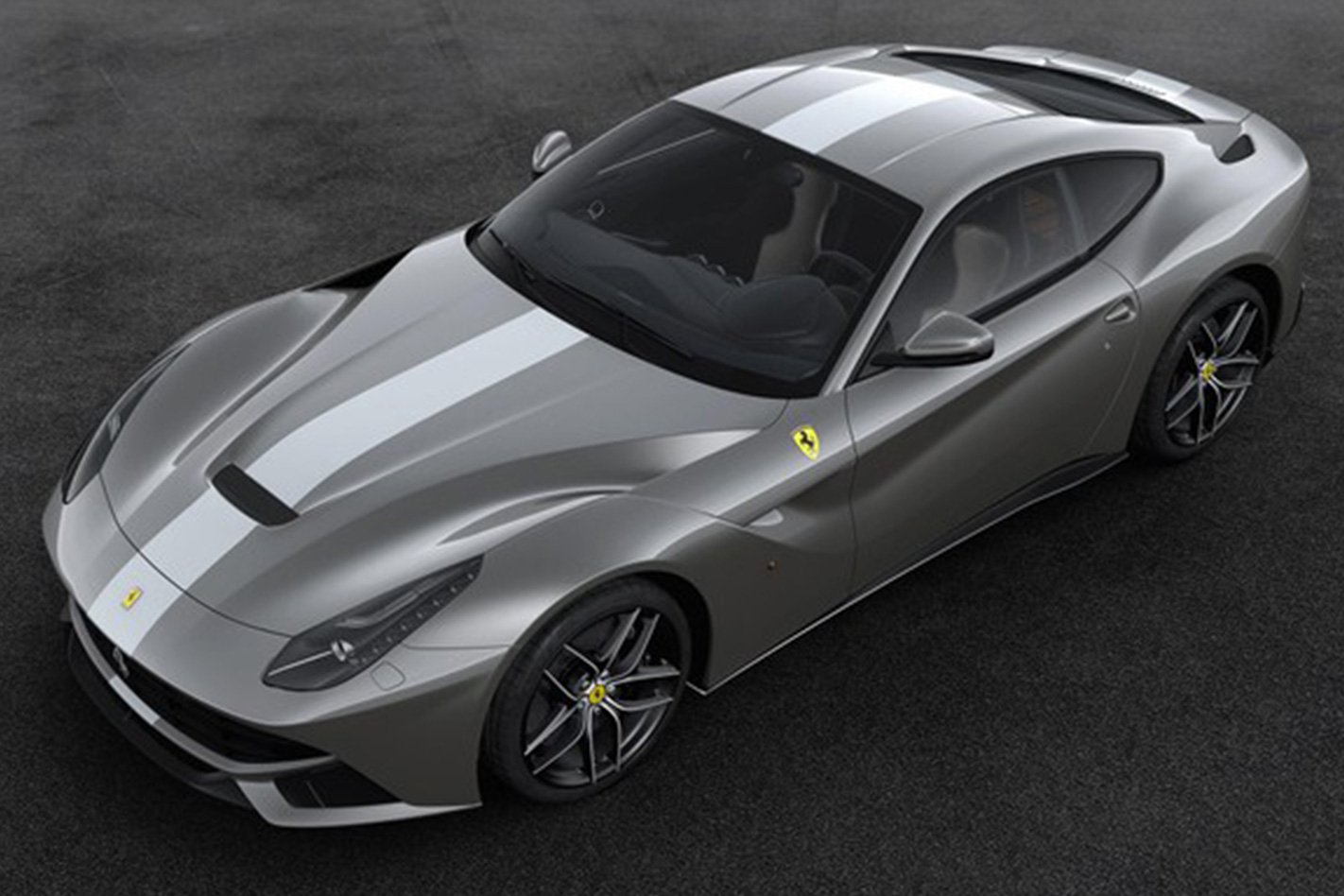
37. 1965 Ferrari 365 P2
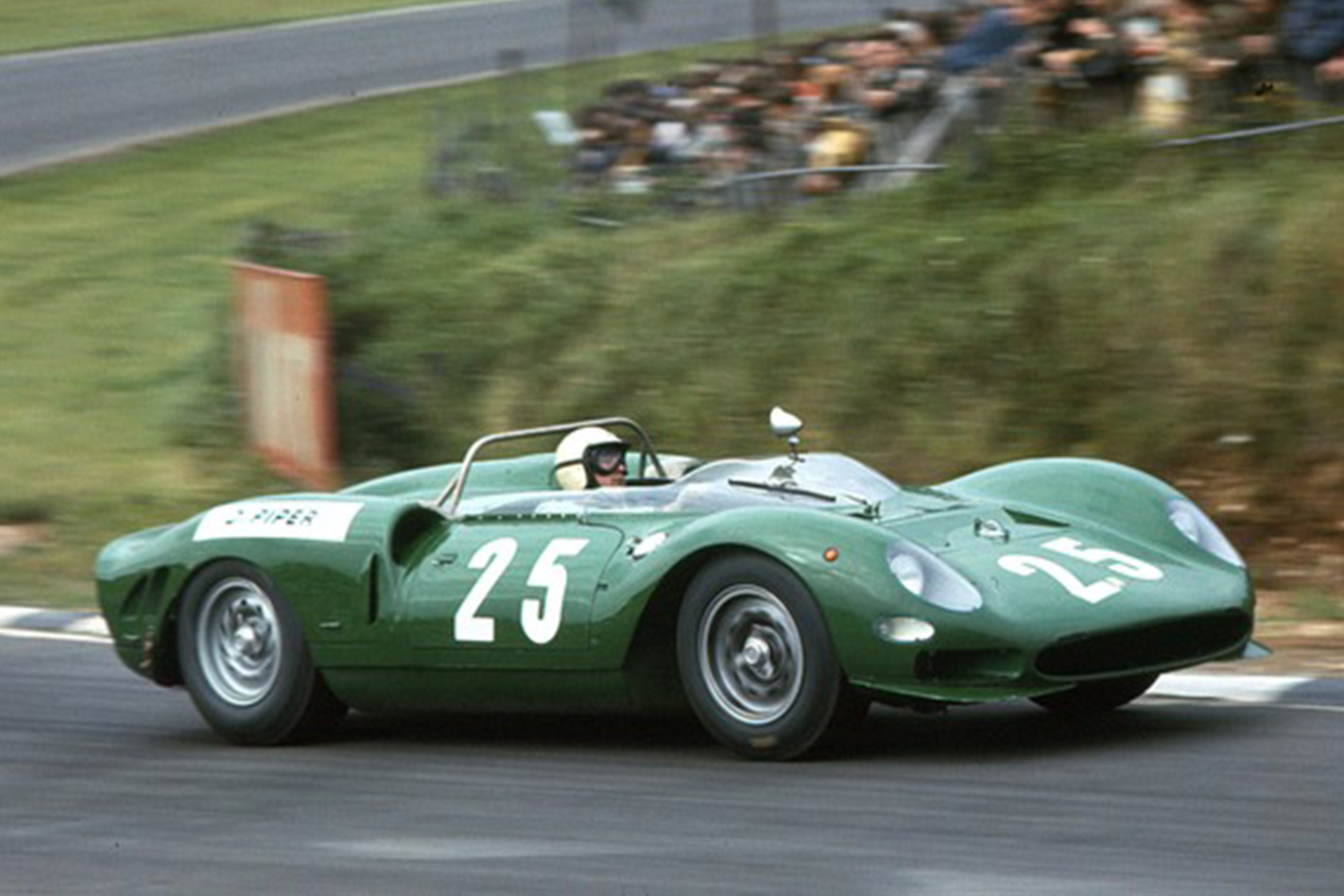
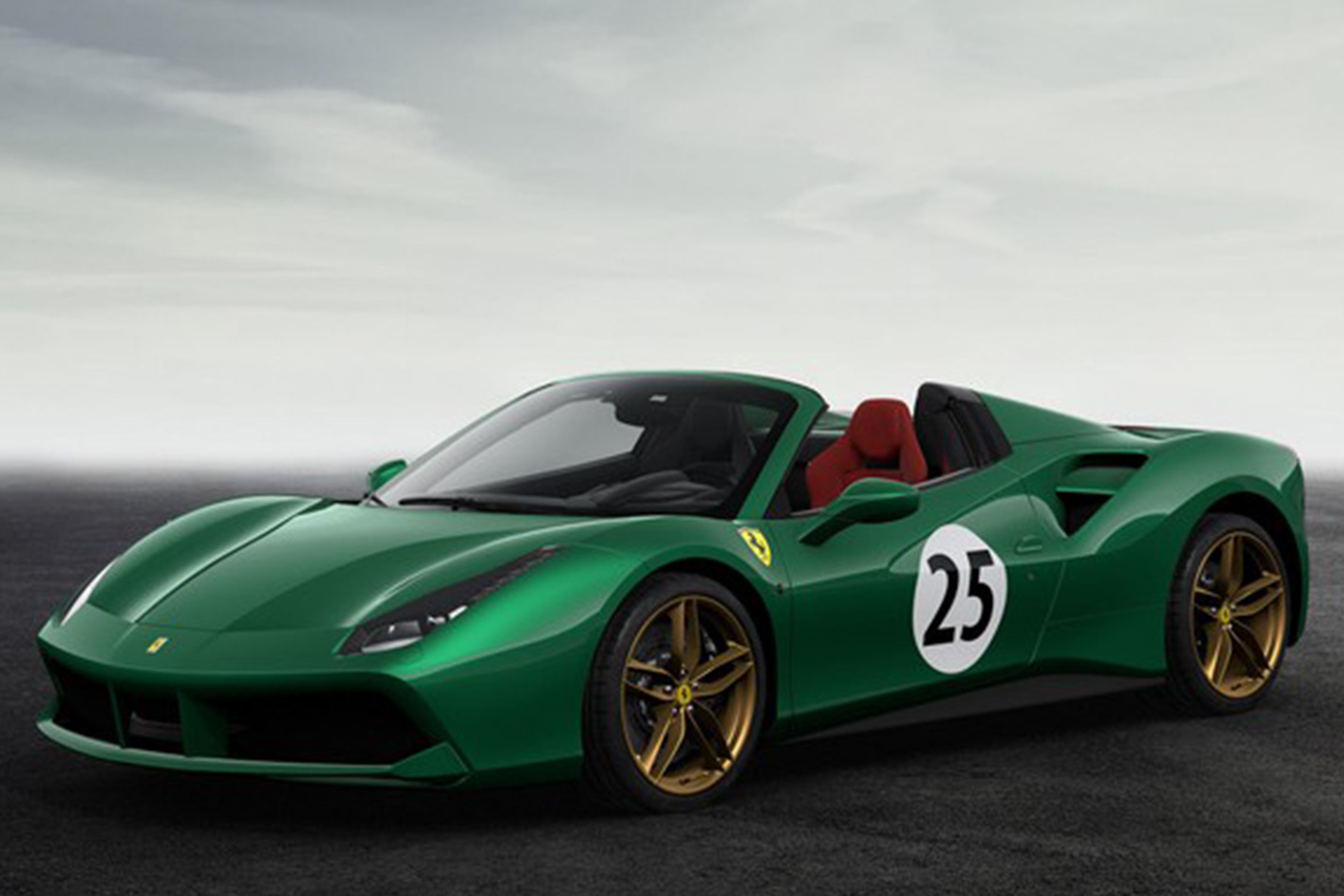
38. 1966 Ferrari 330 GTS
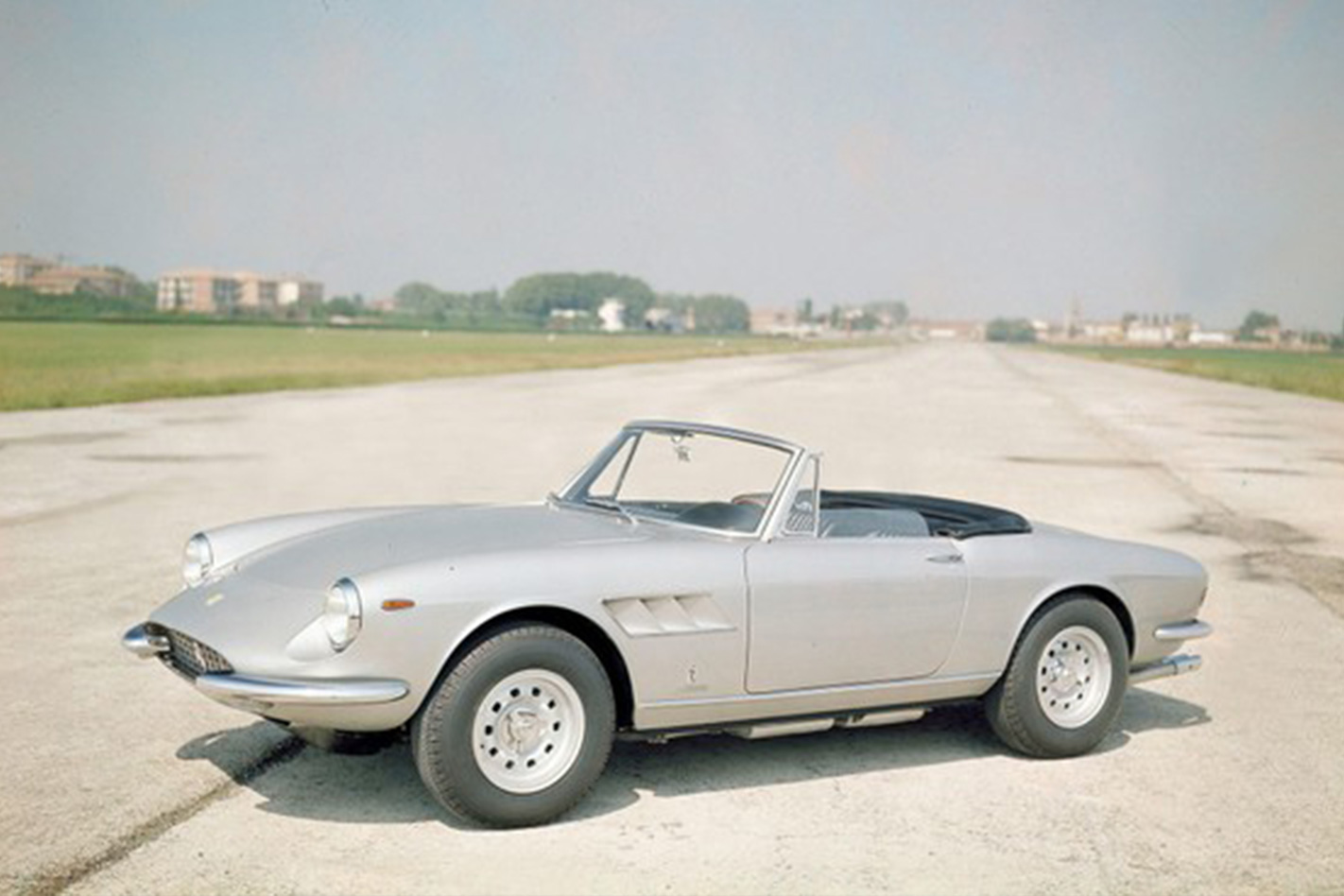
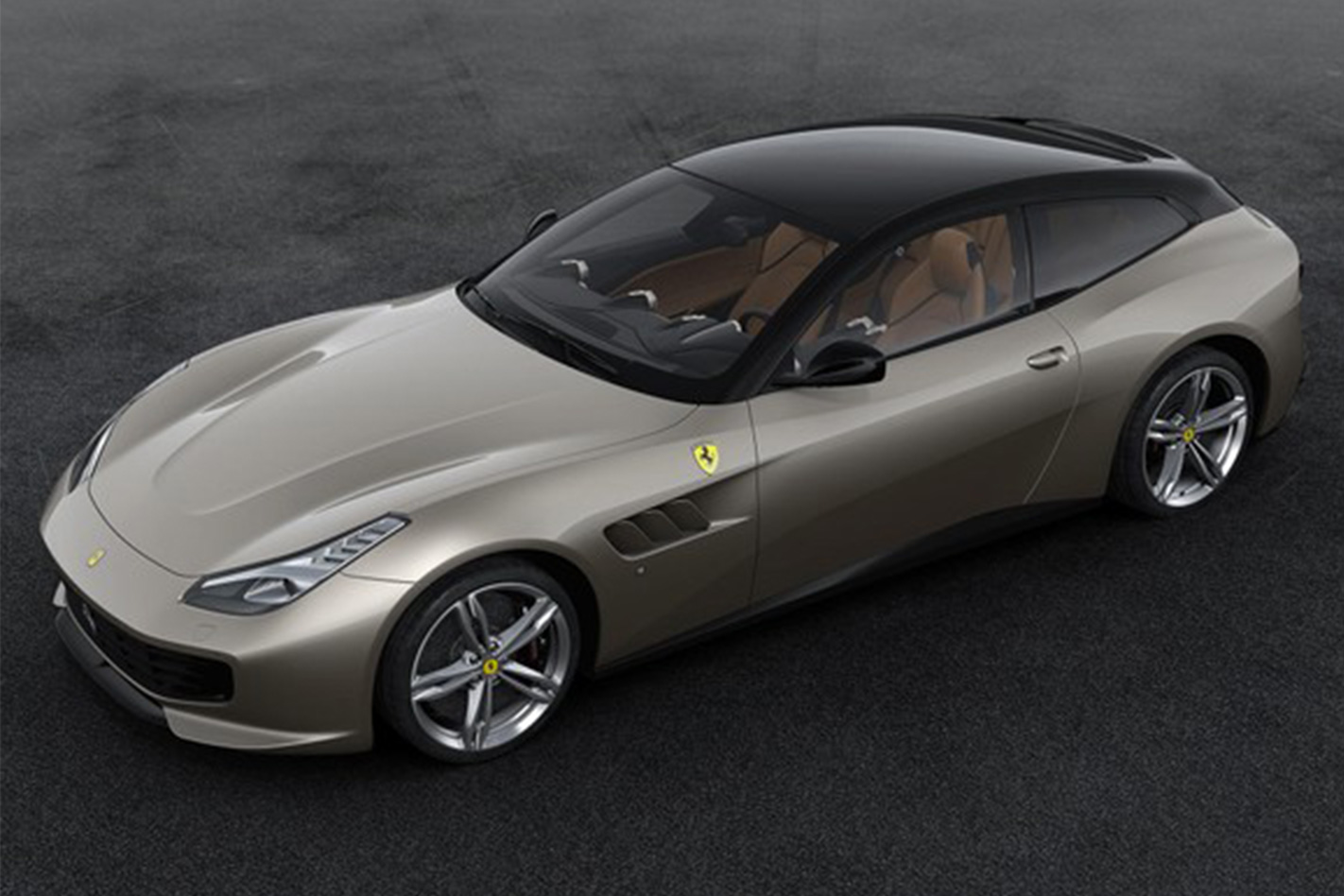
39. 1967 Ferrari 275 GTS4 NART Spider
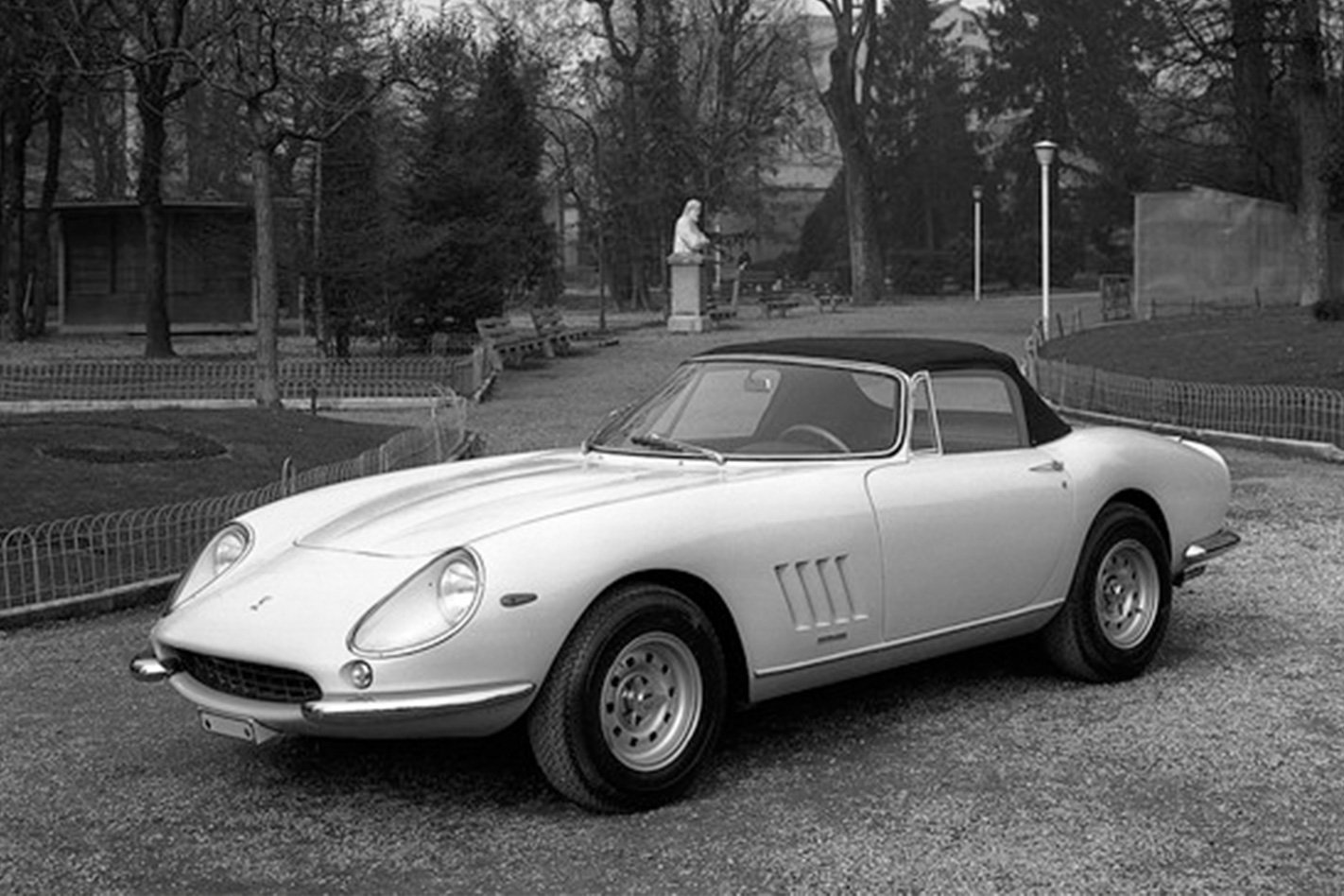
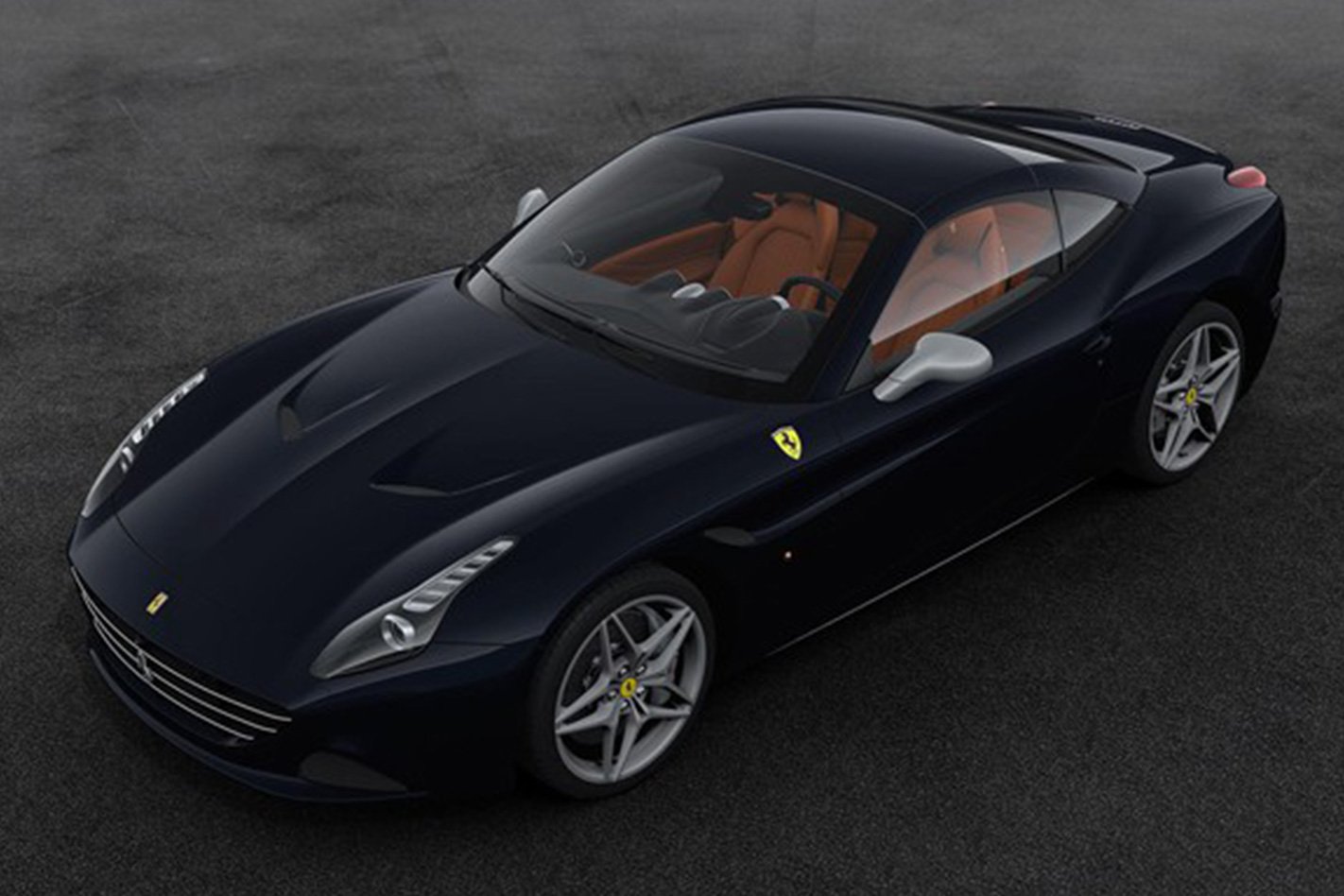
40. 1967 Ferrari 350 Can Am
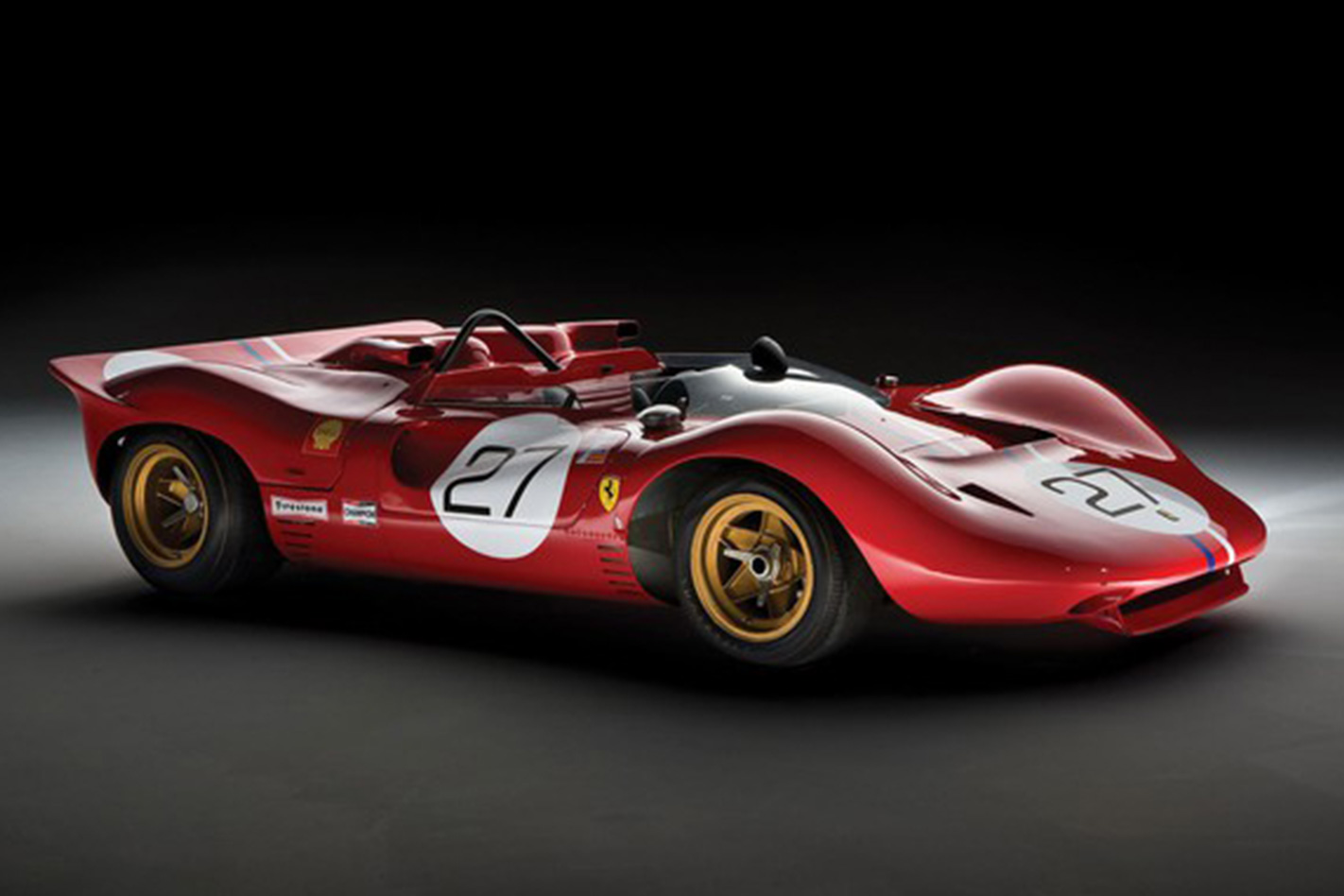
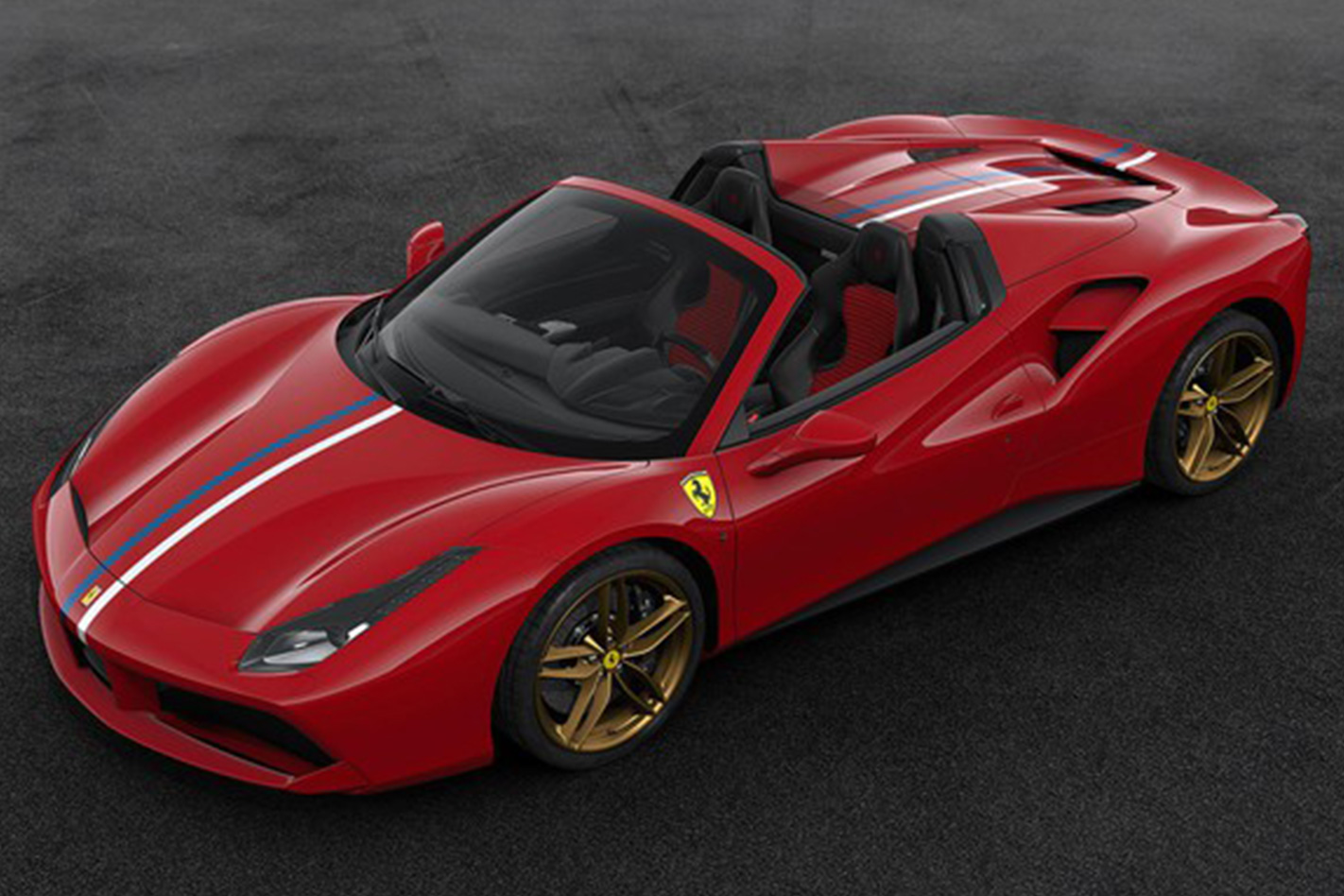
View more 70th Anniversary limited edition liveries inspired by past Ferrari models.
Look out Ferrari 488 GTB – the all-new and just-unveiled McLaren 720S will land in Australia priced from $489,900 plus on-road costs, just $20K above its fierce Italian rival.
The 4.0-litre twin-turbocharged V8-engined 720S also moves $25K beyond the 3.8-litre 650S it replaces, but there are of course output increases to match – power moves from 478kW to 530kW at 7250rpm, and torque from 678Nm to 770Nm at 5500rpm. There’s also a new carbonfibre chassis handing it a 106kg-lighter kerb weight than before, now 1322kg.
Zero to 100km/h falls by a tenth to 2.9 seconds, but the real kicker is 0-200km/h in 7.8sec – six-tenths speedier than the old model – on the way to a 341km/h top speed.
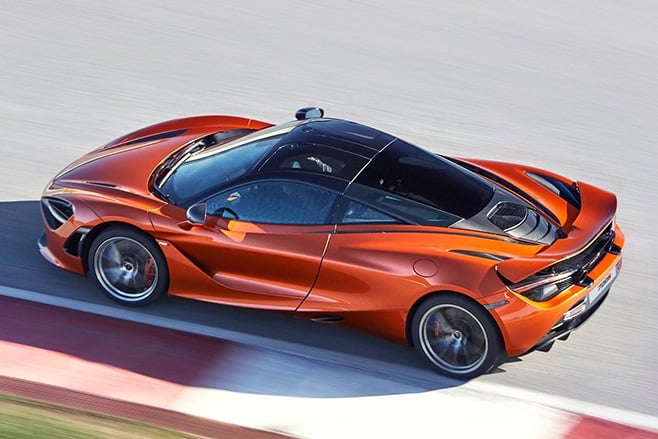
The standard 720S gets ‘dark palladium’ exterior trim, ‘satin graphite’ window surrounds, Alcantara interior with Alcantara or Nappa leather seat trim; while the 720S Luxury gets ‘tungsten slate’ exterior trim, silver window apertures, ambient engine lighting, ‘luxury’ leather trim with brushed silver brightwork and electrically adjustable/heated sports seats.
Picking the 720S Performance swaps in an exterior trim mix of carbonfibre (bonnet air intakes, door mirror casings, and rear three-quarter air intakes) and grey (front splitter, front air intakes, lower side intakes, rear ‘aero bridge’, lower bumper and diffuser) with dark graphite window surrounds, brushed silver brightwork and carbonfibre ‘primary’ cabin components, and Alcantara and Nappa leather interior without the electric/heated seats.
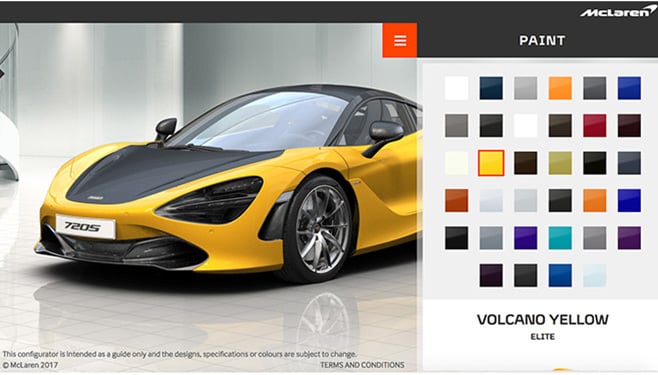
Three alloy wheels can each come in a duo or trio of finishes, wrapped in either Pirelli P Zero or P Zero Corsa tyres and with a choice of eight carbon-ceramic brake disc colours.
Another three carbonfibre exterior packages are available, in addition to a ‘stealth’ package with dark-hue exterior trim bits.
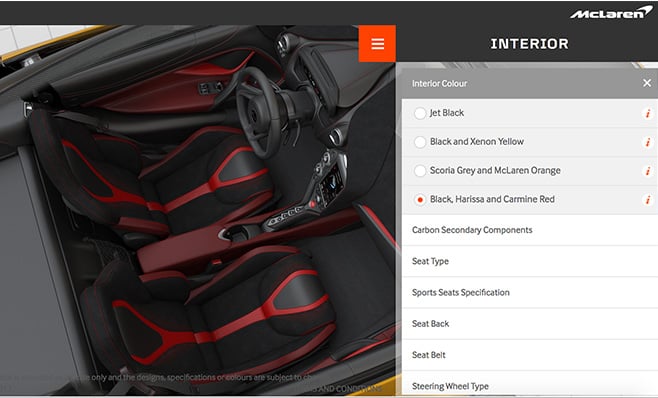
Carbonfibre racing seats are optional, as is a racing harness, while the A-pillar trim can also be left in a raw, exposed finish given the new chassis is a carbonfibre monocoque.
The 720S is now available to order, with deliveries set to arrive in the third quarter of 2017.
