
Missed buying a Falcon XR6 or XR8 Sprint new? Ford Australia has detailed the complete final build list of its FG X limited edition performance models, including the number of transmissions and colours produced for each turbo-six and blown V8 special.
In Australia a total of 500 XR6 Sprint automatics were sold, with Winter White the most popular colour at 173 units followed by dark-grey Smoke (118), dark-blue Kinetic (89) and black Silhouette (59).
The rarest colours for the ultimate 4.0-litre turbocharged six-cylinder ‘Barra’ were the lighter Aero Blue (31) and Victory Gold (30). But the latter is not the rarest Falcon of all.
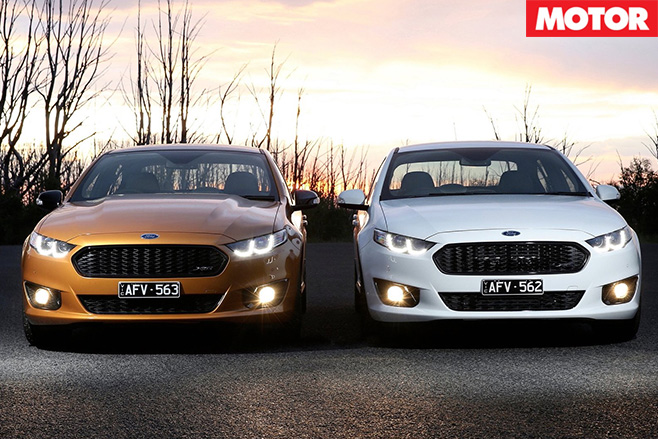
These are the rarest Sprints of all, closely followed by Victory Gold (23 manual and 28 auto), dark-blue Kinetic (59 manual and 78 auto) and black Silhouette (59 each for manual/auto).
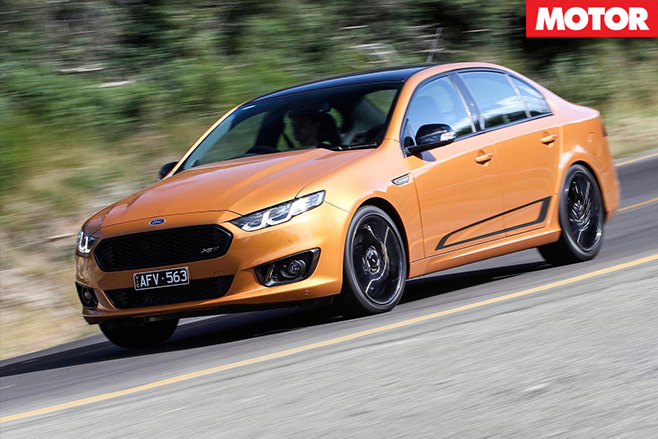
A total 325 manuals were produced for Australia compared with 425 autos in XR8 Sprint guise.
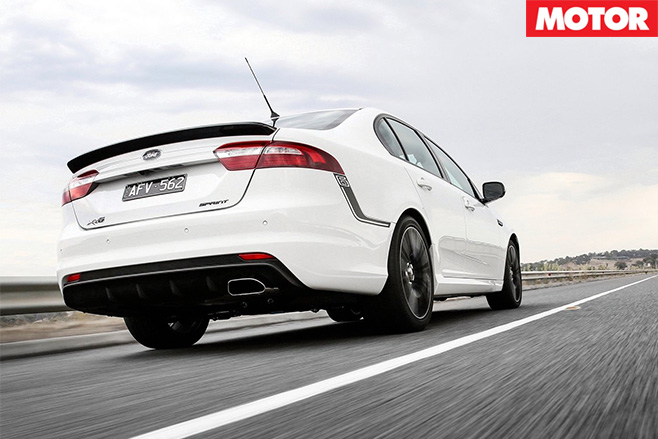
If you own an XR8 Sprint manual in Aero Blue, then, just know you have the rarest FG X Falcon among the 1400 Sprints that left the Broadmeadows, Victoria, manufacturing plant.
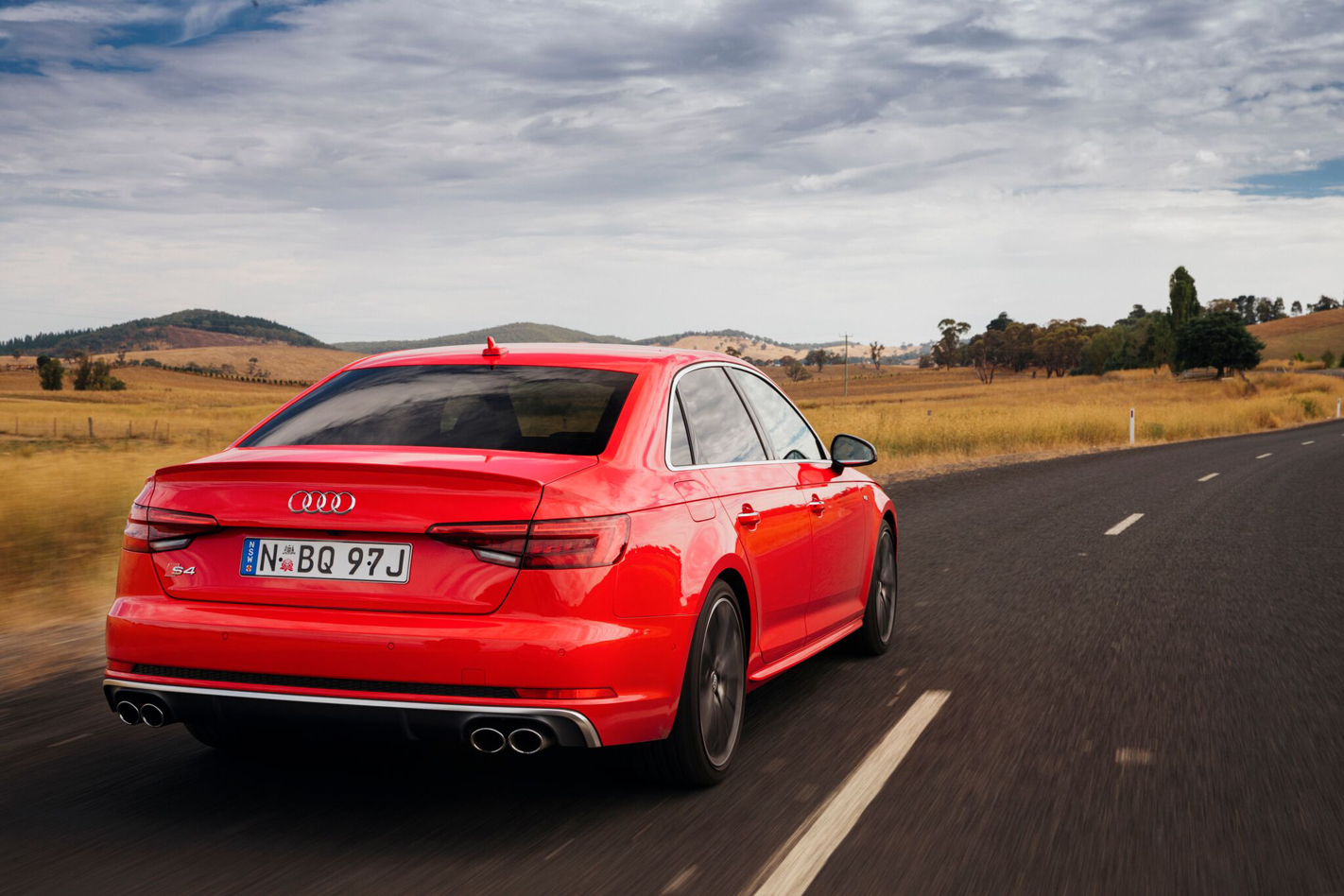
MORE power for less money. The first fast version of Audi’s all-new B9 A4 range flies under the radar, very quickly.
WHAT IS IT? This is the first performance iteration of Audi’s all-new B9 mid-sizer, and the most affordable and powerful Audi S4 ever. With a brand-new engine it sits between the everyday Audi A4, which finished in the final three at Car of the Year, and the extraordinary Audi RS4, an updated version of which is soon to be officially announced.
WHY WE’RE TESTING IT The B9 S4 debuts an all-new 3.0-litre turbocharged V6 engine that will make its way into other models, including S5 and Audi SQ5, in the near future. As the first properly fast version of this A4 generation, it’s the best indicator of what is yet to come.
MAIN RIVALS BMW 340i, Mercedes-AMG C43, Jaguar XE S
PLUS: Rapid acceleration; cornering grip; chassis dynamics; interior quality MINUS: Moderated personality and noise; sometimes unsettled ride
THE WHEELS REVIEW ON PAPER, Audi’s suave halfway house S4 sports sedan has it easy: add performance to the most dynamically polished A4 ever produced, and leave something in the clip for the full-noise RS4 still to come.
In one way it’s a tease – much like its launch, which took place at Mt Panorama without any track time – but lap records aren’t the stealthy Audi S4’s main game.
Peak torque arrives earlier and hangs on longer (1370-4500rpm), bringing 100km/h up in 4.7/4.9sec (sedan/wagon). It’s properly brisk, and in isolation has a sporty, cultured exhaust note in keeping with the S4’s newfound gentility.
It’s a personality switch from the snarling induction roar and top-end urgency of the old blown V6, which spun 1000rpm further to 7500rpm. That shift in focus extends to its silken eight-speed torque-converter auto, which is easier to live with and more efficient than the seven-speed dual-clutch it replaces, though not as razor-sharp.
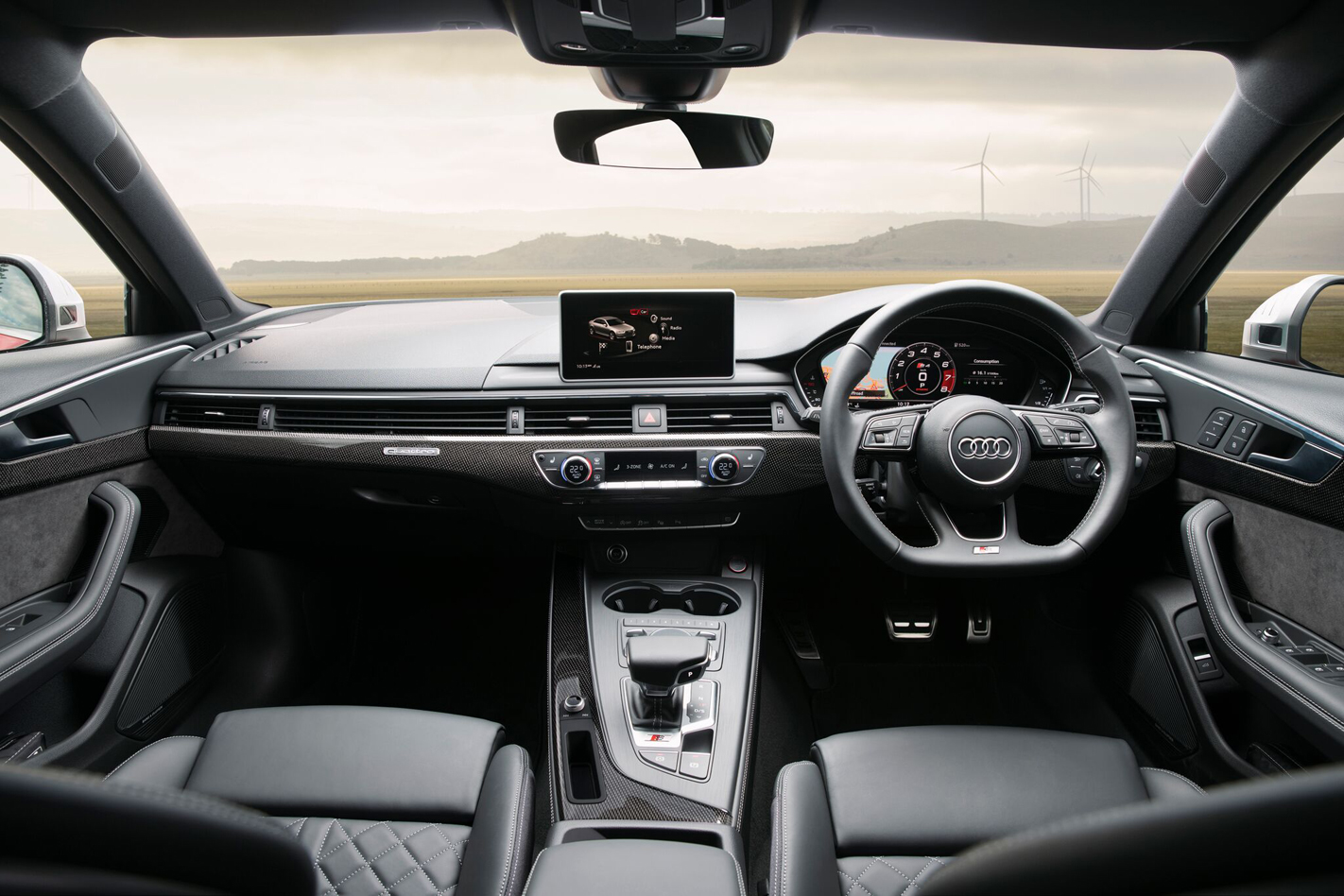
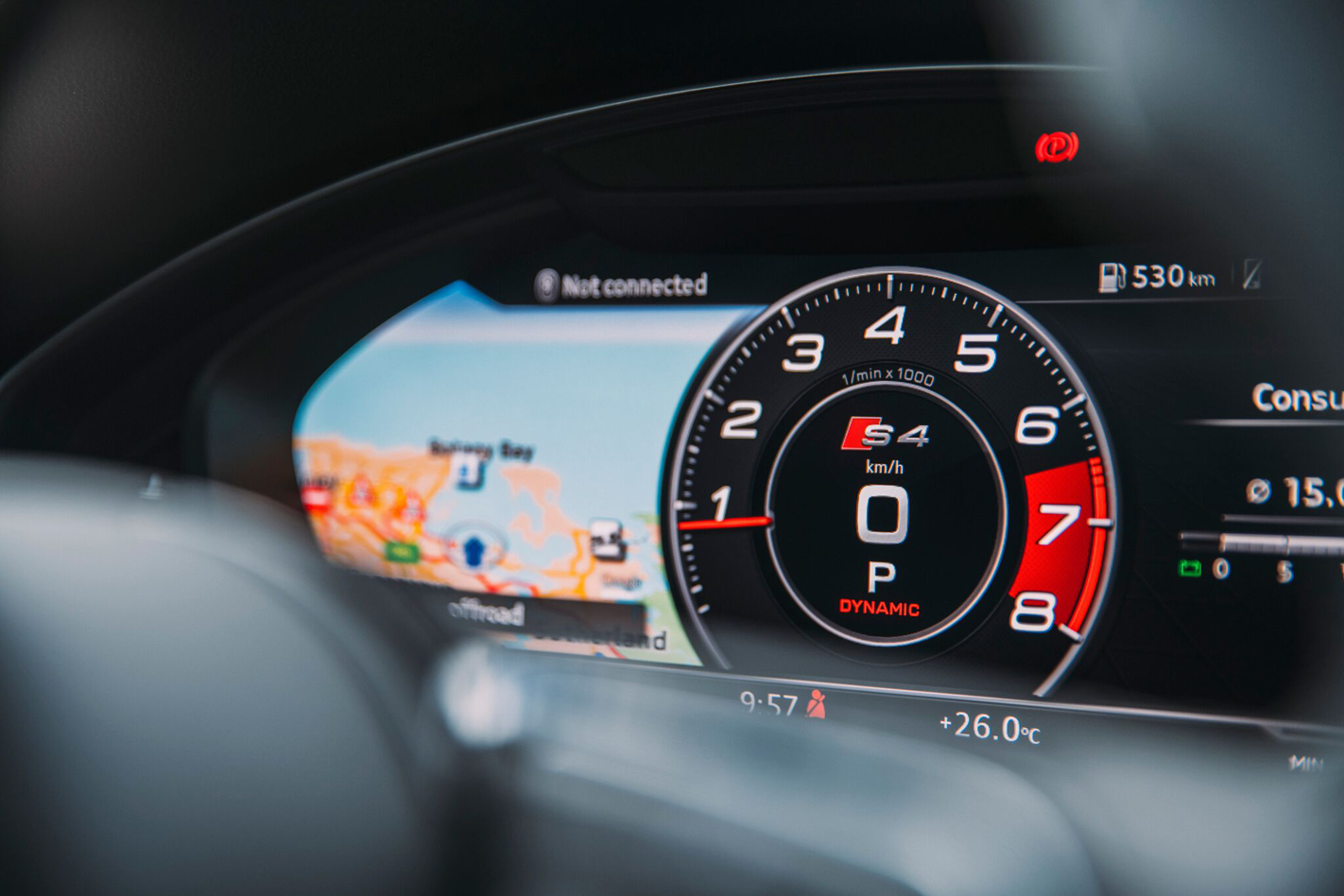
Priced at $99,900 for the sedan and $102,900 for the wagon, this is the most affordable S4 ever, especially when factoring its high level of standard kit. Interior detailing is impeccable, and the S4’s digi-dash gets an S-specific layout with a central tachometer and speed readout.
There’s no need for Audi’s overly sensitive (but thankfully optional) dynamic steering, though. The lesser A4 is already deliciously pointy, and the S4 builds on its fundamental agility. Only an occasionally lumpy ride, even with adaptive dampers at their softest, goes against the normal A4’s plush cohesiveness.
Though it downplays its sportiness the Audi S4 is more capable than ever. Its ultra-polished engine has serious strength if you want to find it, and the underlying balance of its chassis bodes well for future fast Audi mid-sizers.
SPECS Model: Audi S4 sedan Engine: 2995cc V6 (90°), dohc, 24v, turbo Max power: 260kW @ 5400-6400rpm Max torque: 500Nm @ 1370-4500rpm Transmission: 8-speed automatic Weight: 1630kg 0-100km/h: 4.7sec (claimed) Fuel economy: 7.7L/100km Price: From $99,900 On sale: Now
Given Australian consumers’ well-documented penchant for high-performance, high-end sub-brands, it seem a bit odd that Nissan’s Nismo warriors haven’t been seen here before now.
That said, Nissan is making up for lost time by bringing us the biggest, baddest Nismo-branded car there is; the GT-R Nismo, complete with GT3 customer race-car boost-tech and a price-tag with more compression (probably chest compressions when you hear what the number is).
Forget that it’s been available in the US, Europe and Japan since MY14…it’s here now and that’s what matters.
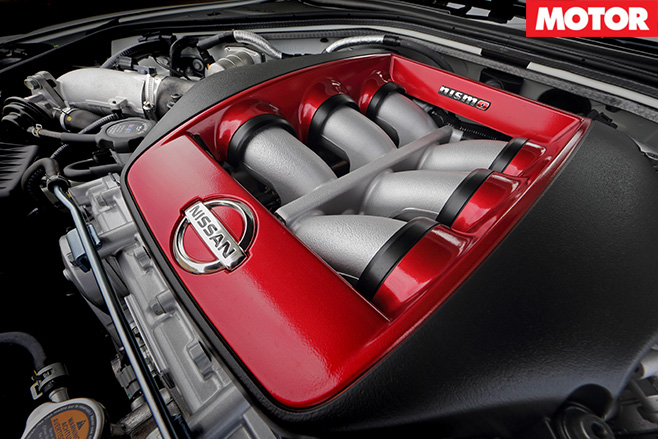
That starts under the bonnet where the standard 3.8-litre V6’s turbochargers have been replaced by larger units with the same part-number as those on the GT3 competition car we saw running in the Bathurst 12-hour and other global race events.
Throw in individual spark timing for each cylinder and an upgraded fuel pump, and you’re looking at a 22kW increase to 441kW at 6800rpm and 652Nm between 3600 and 5600rpm.
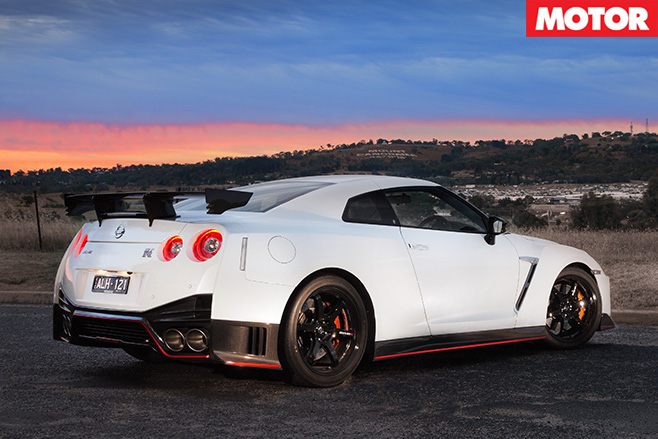
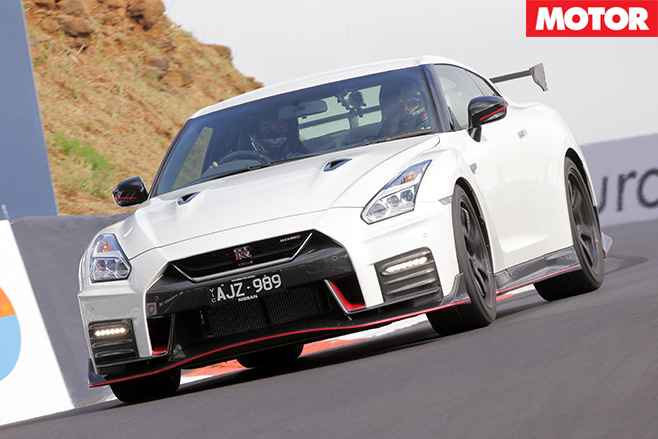
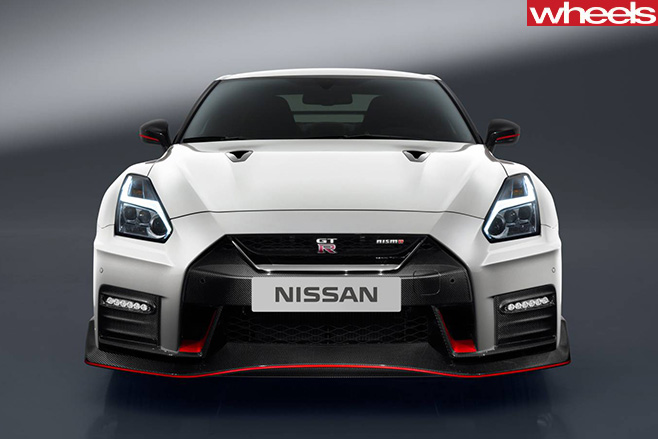
Downforce is the body’s other big job, and to see to that, the Nismo gets a bunch of carbon-fibre doo-dads including a widened front bumper, tapered rear bumper, side skirts and a monster rear wing.
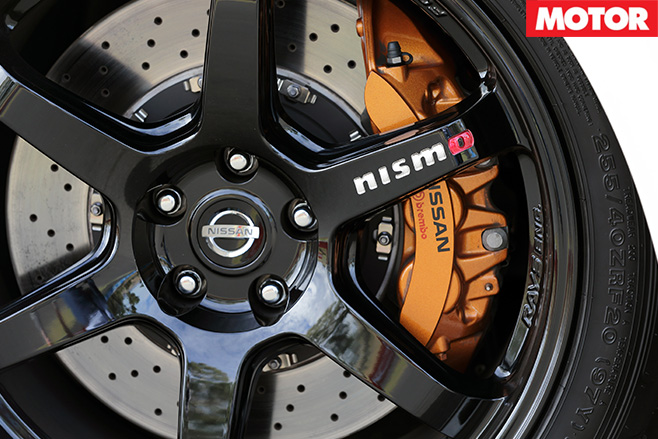
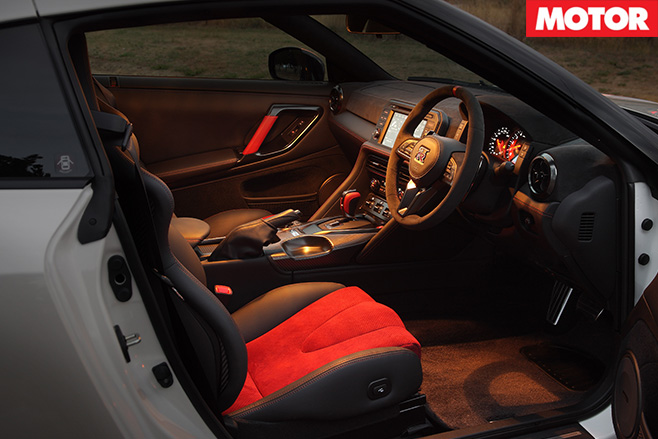
The detail stuff is pretty intriguing, too. There are carbon-fibre brake ducts, 20 x 10-inch front wheels with knurling inside the bead are to stop the tyre turning on the rims, forged alloys which contribute to an overall 2.9kg weight reduction and carbon Recaros.
Now, given that the original GT-R was never really applauded for its ride quality, upping the spring rate by something like 300 per cent should make it more or less undriveable.
True, even in Comfort, you will – on typical back-roads – spend a fair bit of time with your tail above your head and there still doesn’t seem to be a whole lot of difference between the boulevard and track suspension settings.
That other GT-R bogey – a clunky, truculent gearbox – still contributes the odd thunk and clang, mainly when changing down. But to be honest, it’s so in keeping with the track-inspired feel of the thing, I think I actually quite like this level of unashamed mechanical-ness. Rolls Royce is unlikely to copy it, but you get the idea…
The other first impression is that the Nismo feels very racy in the way it feeds back through the helm. There’s a clarity to the chat it wants to have with you and the over-riding impression is that there’s lots of castor on board along with a heap of roll-stiffness.
Actually, it almost feels bit fidgety as if there’s not much transition between apexed and not-yet-apexed, but all that grip saves the day. At which point, you’re back on the noise and trying to anticipate the next bumpy stretch.
Ah yes, that grunt. Not too many road-going cars can boast 600 horsepower, so the yardstick required to truly understand that is not one that everybody will be able to locate at the time. But trust me when I say that it honestly feels like every one of those neddies is present and accounted for and champing at the goddam bit.
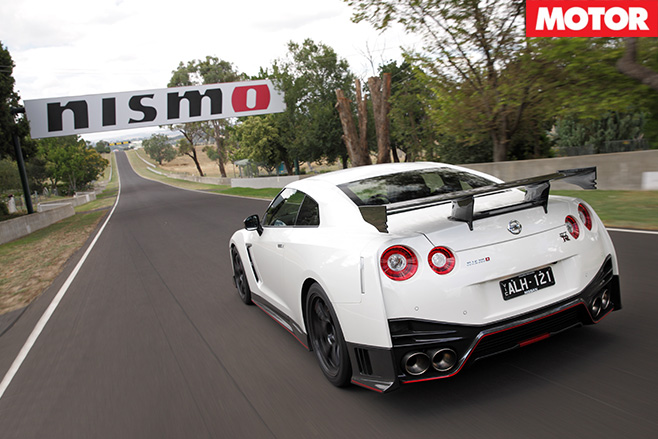
And like all good, really, truly fast cars, 200 is just another mark on the speedo. It means nothing, and the GT-R will surge past it while ever you’re game to keep pouring on the coals. And it’ll do it even up a steep hill like Mountain Straight at Bathurst.
How do I know? Because for reasons known only to its corporate head-shrinkers, Nissan took advantage of a Mount Panorama circuit, still in race trim after the 12-Hour, to let us loose.
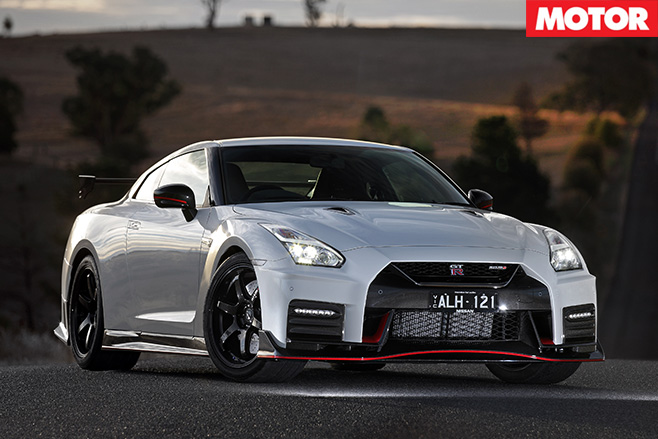
But even at those speeds, it was obvious the GT-R Nismo is dead-set up for it. A more track-ready car you will struggle to find in new-car showrooms. And even when Cody and I swapped chairs and the pace and level of commitment kind of doubled (that’s how it looked through the windscreen, anyway) old Godzilla just got on with it.
Actually, I should have made Crocker write this bit (no point just one of us being outside our comfort zone).
4.0 OUT OF 5 STARS
SPECS Engine: 3799cc V6, DOHC, 24v, twin turbo Power: 441kW @ 6800rpm Torque: 652Nm @ 3300rpm Weight: 1739kg 0-100km/h: 2.6 sec (claimed) Price: $299,000
LIKES: There’s track-ready and then there’s this.
DISLIKES: How much?!
Godzilla in its angriest, fastest, and most expensive form. At Bathurst.
WHAT IS IT? The biggest, baddest monster lurking in Godzilla’s lair. Built by Nissan’s motorsport arm and sporting bigger turbos, a more resolved aero package and a host of suspension upgrades, the GT-R Nismo is the fastest and most track-focused GT-R ever. Don’t believe us? It can lap the fearsome Nurburgring in 7:08.679.
WHY ARE WE DRIVING IT? Because this isn’t just the launch of the GT-R Nismo, it’s the re-launch of the Nismo brand in Australia. Two other Nismo models – likely to be the 370Z and Juke – will join the GT-R on Aussie roads in the coming years. Plus, Nissan chose to launch the GT-R at Australia’s own version of the Nurburgring – Mount Panorama. Godzilla, at Bathurst? As if we’d pass that up.
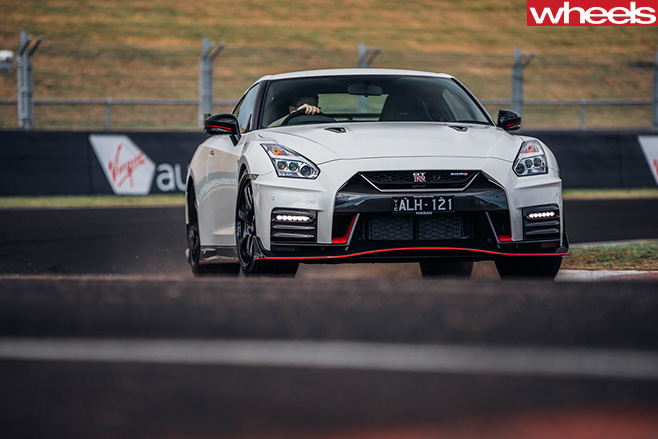
PLUS: Ferocious grip; chassis balance; feelsome steering; rear-biased AWD MINUS: Too focused for regular road use; rear-seat room; price premium over already rabid Track Edition
THE WHEELS REVIEW FORREST’S Elbow. Bathurst. Not a place you’d normally associate with a moment of crystal-clear realisation, and yet, as the GT-R Nismo launches from the downhill lefthander, its traction-control light blinking with epileptic urgency at the top of fourth gear, 200km/h already on the dial, that’s exactly what happens. My mind drowns out the fighter-jet roar of the twin-turbo V6, the slight tugging on the wheel as the semi-slick Dunlops scrabble for traction, and instead zeroes in on the battle-scarred piece of cement to my right.
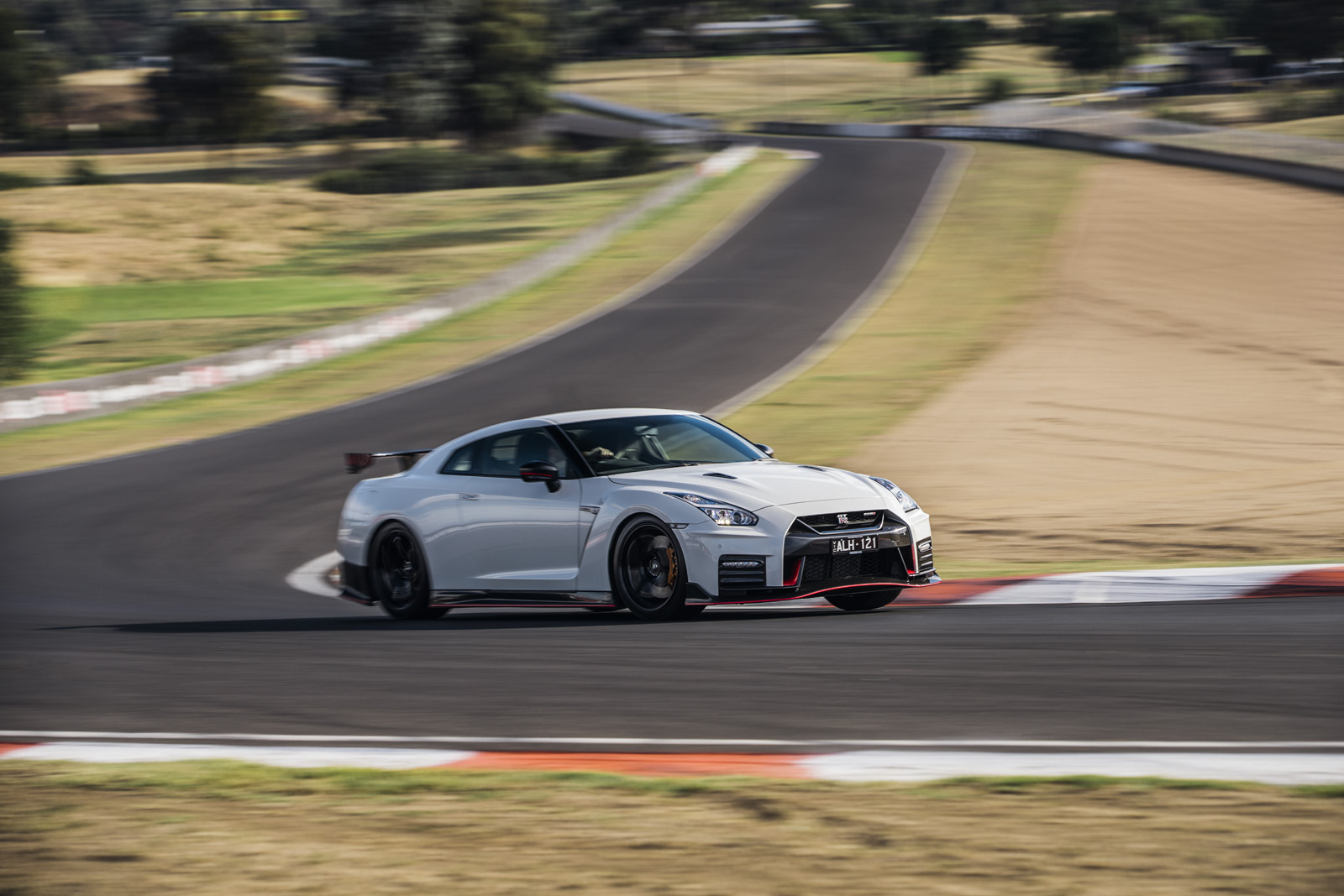
Reality returns with a rush and seconds later I’m resisting the urge to lift as the car goes light over the crest on Conrod at 280km/h, yet the moment isn’t lost.
Richards’ crash during that rain-soaked race, and his resulting controversial victory alongside teammate Mark Skaife, is at the core of the GT-R’s legend in Australia.
And now, 25 years later, Godzilla has returned to The Mountain. And what a return it is.
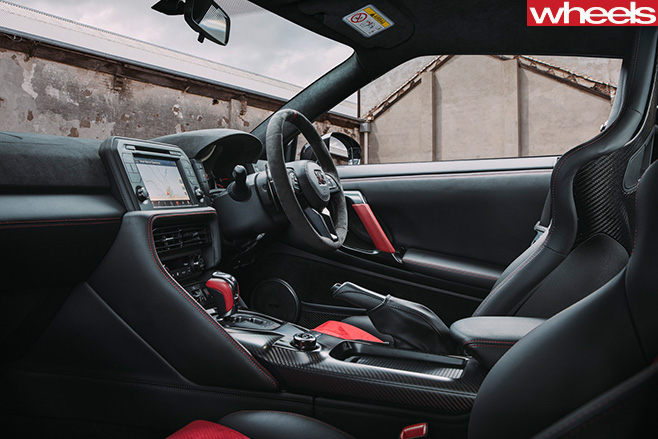
So what exactly do Nismo buyers get for the extra coin?
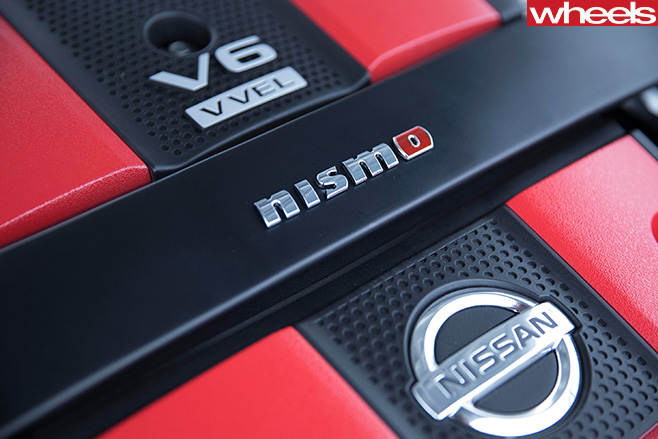
Well there’s more grunt, for a start. Nismo versions use the same 3.8-litre twin-turbo VR38DETT V6 as other GT-Rs, but score larger turbochargers from Nissan’s GT3 racing car, for a power hike of 22kW/20Nm. Total outputs now read 441kW/652Nm.
There’s also a more resolved aero package – headlined by that monster carbonfibre rear-wing – which Nissan says provides an extra 100kg of downforce at 300km/h.
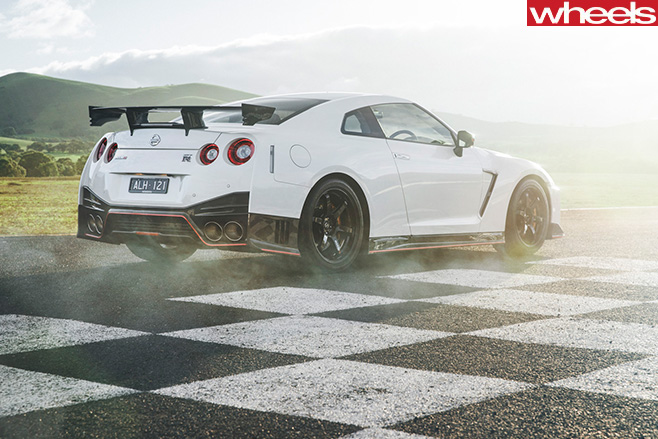
Oddly, given the Nismo’s track focus, the brake package (390mm ventilated discs up front, 380mm rear) remains unchanged from the entry-level Nissan GT-R Premium.
What has changed is the weight, but not by as much as you’d expect given the Nismo’s extra lashings of carbonfibre, which also extends to the front and rear bumpers and the bootlid. Officially, the Nismo hits the scales at a hefty 1739kg, just 26 kegs less than the regular GT-R.
Still, small incremental gains have long been the GT-R calling card and as I pull out of the pits onto Mountain Straight for the first time, I’m instantly reminded of the staggering way this thing stacks on speed. The VR38DETT isn’t what you’d call particularly raucous or sonorous, but it is eye-openingly effective. There is some turbo lag down low, but once on song the V6 rushes to its 7100rpm redline with a ferocious intensity.
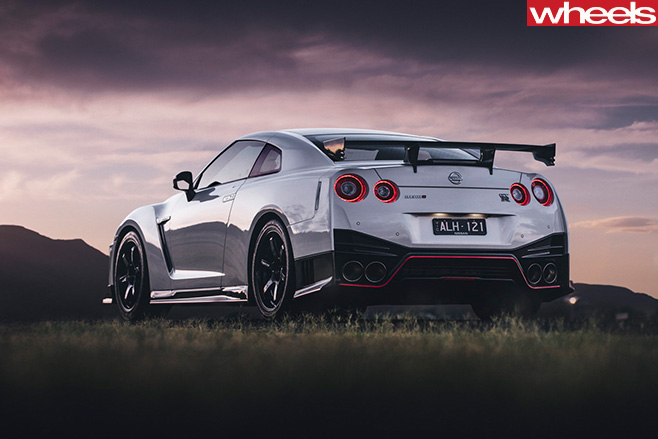
If the bottom of Mount Panorama is all about power and big stops, then the top is about finesse. And the GT-R comes to the party. It turns in hard, is eager to change direction, and demonstrates a sense of balance and grip that defies its substantial heft. It’s particularly impressive through the high-speed sections, where is feels almost unflappingly stable. The brakes are mighty too, though several hard laps does result in some fade and a longer pedal.
The Nismo is also a car that’s easy to over-drive. Get too fussy with the steering or too eager on the throttle and you’ll run into understeer and power oversteer. Better to be smooth, to settle the car and revel in the grip and the way the rear-biased four-wheel drive system edges the backend wide on corner exit. Is it as engaging and as rewarding as rivals that weigh 200kg less? That’s questionable, but in isolation the Nismo is a staggering thing.
Where it makes less sense is on the public road. On ageing, pockmarked tarmac around Bathurst, you instantly notice the Nismo’s extra focus. The suspension isn’t crashy, in fact it’s well controlled, but there’s no hiding that it’s super firm. Tramlining is rampant, too, and if you do hit a big bump at speed, the whole car will skip half a lane across the road. Is it unbearable? No. It is acceptable? Just, if you’re driving to a race track.
For regular use, the much cheaper, and only slightly less focused Track Edition makes more sense. Which brings us to the core of the issue facing the GT-R Nismo: does its exclusivity and incremental performance gains justify its $300K price tag? Objectively, no it doesn’t. But as a car to experience, as an expression of what the GT-R is capable of, the Nismo is one of the most engaging, talented and characterful cars on sale. It’s deserving of its place at the top of Godzilla’s family tree.
SPECS Model: Nismo GT-R Engine: 3799cc V6 (60°), dohc, 24v, twin-turbo Max power: 441kW @ 6800rpm Max torque: 652Nm @ 3600-5600rom Transmission: 6-speed dual-clutch Kerb weight: 1739kg 0-100km/h: 2.5sec (est) Fuel economy: 11.7L/100km Price: $299,000 On sale: Now
NISSAN has used the launch of its NISMO GT-R flagship to reveal that two other hardcore models are heading Down Under, spearheaded by the ageing 370Z NISMO.
Nissan Australia boss Richard Emery revealed to Wheels the second NISMO model will arrive late in 2017, with a third expected within “two to three years”.
“I didn’t want the GT-R NISMO to be an isolated product, and I wanted other authentic models to fall in behind it,” he said. “Certainly I’d like the second model to arrive within the first 12 months and that’s what we’re working towards.”
Nissan has a number of NISMO models within its global portfolio, which includes everything from a NISMO-tweaked version of the Micra to the hulking NISMO Patrol, but Emery says it’s the Nissan 370Z that will resonate most with Aussie buyers.
“It’s probably the 370Z that makes the most sense,” he said. “It also is an iconic product in Australia, it has a strong following and it lends itself to NISMO treatment.
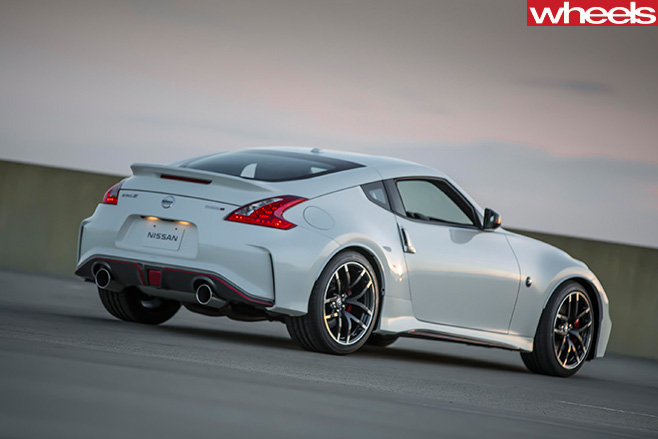
Like the GT-R NISMO, the 370Z version gains upgrades to its drivetrain and suspension, as well as exterior and interior tweaks. It’s also nearing the end of its product cycle, with regular versions of the 370Z having first launched here in 2009.
“Look, is the car old? Yeah, of course it’s old,” Emery admitted. “The foundations of that car are old, but it has a loyal following, it’s iconic in terms of how people see Nissan and Z, so it ticks a few boxes for me.
Expected to follow the Nissan GT-R and 370Z is a NISMO version of the Juke small SUV, which Emery says has considerable volume potential in SUV-mad Australia, though it also poses some unique engineering challenges.
“Juke is a complicated one to adhere to Australian Design Rules, so it’s not as simple,” he said. “That’s not to say we’re not interested in it, but on face value it’s more difficult. It’s on the list.”
When quizzed about how many NISMO models he’d like to see in Australia, Emery confirmed it was unlikely to be more than three.
“I have to weigh all those things up…but here in Australia NISMO needs to be authentic, it needs to be real performance, not just stripes and alloys, and for that reason there are other products available with NISMO branding around the world that don’t fit what I call genuine NISMO performance.
“Maybe in five years once we’ve established NISMO as having real credentials, we’ll talk about having some of those extensions of the brand that may not have the engine and transmission changes.”
Audi’s launch of the all-new B9 version of its A4 last year, was, visually speaking, a bit of a let-down.
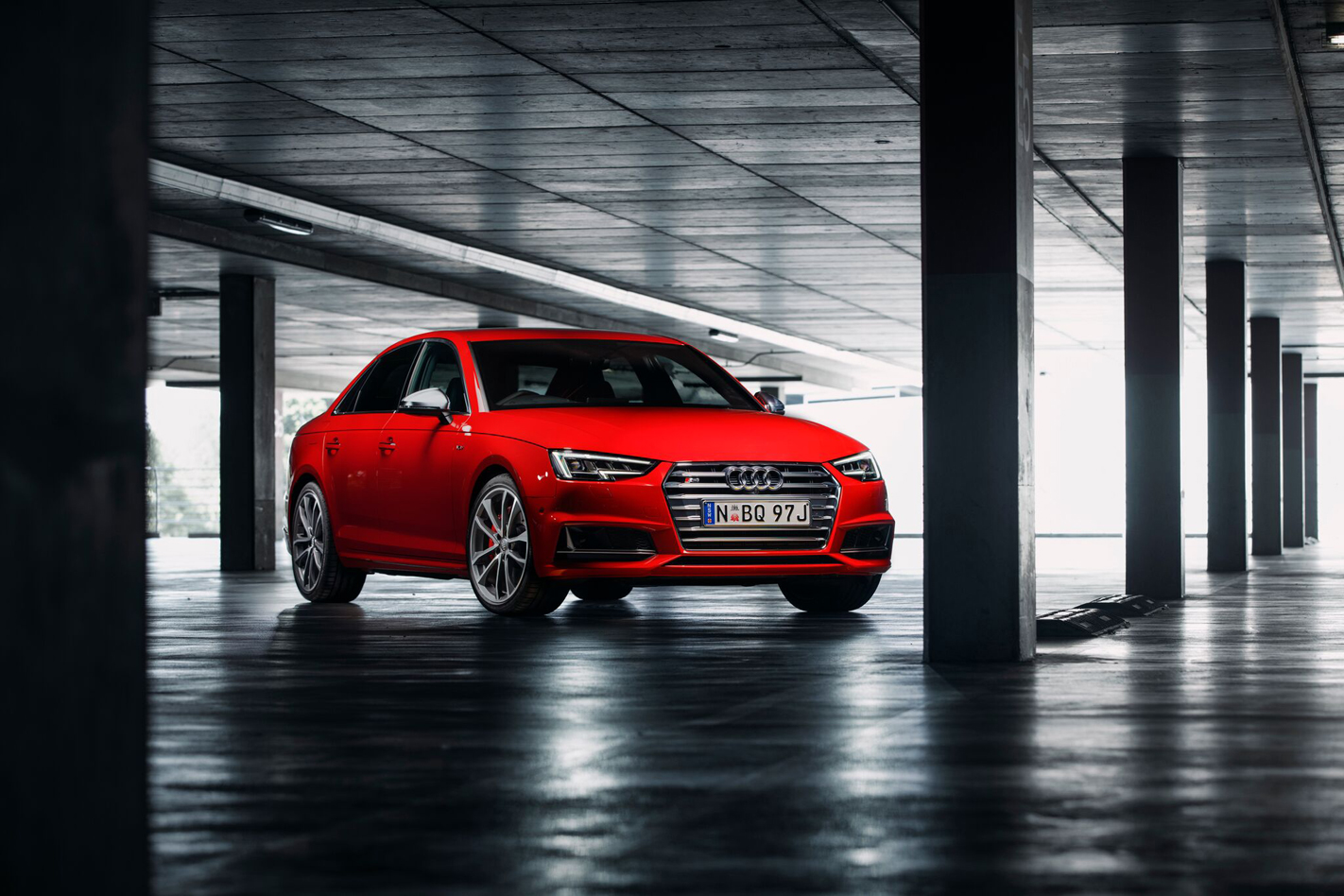
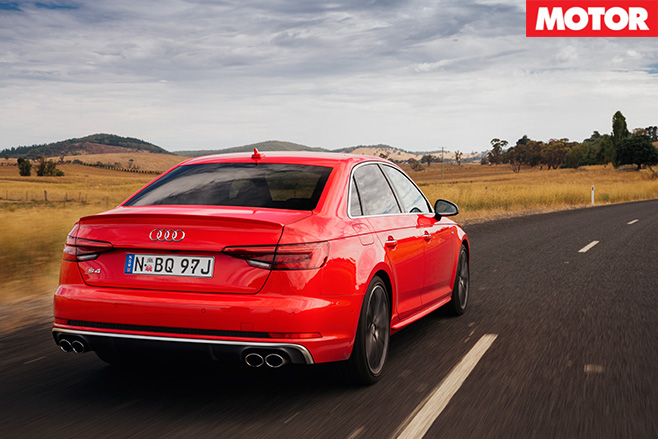
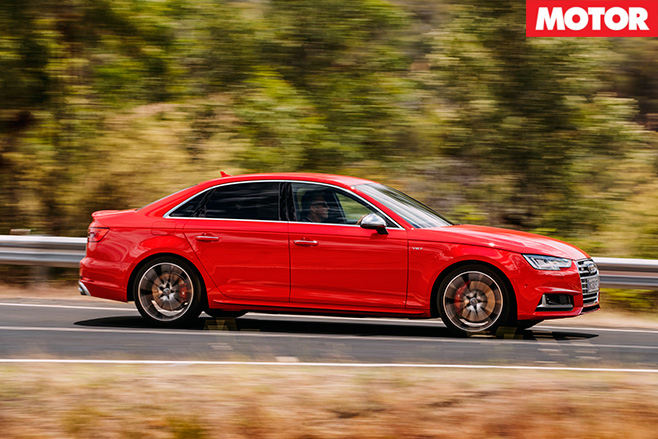
In fact, the new car looked so much like the old car, plenty of punters had trouble telling the difference. But it seems subtlety is the new buzz-word over at Audi, because the just-released S4 version of the B9 is equally understated. Here is a car that is much, much more about ruthless efficiency than headline grabbing looks. It’s not unattractive, but it is more wallflower than party animal.
Until you sink the clog, that is, because it’s then that you realise this is one of the all-time great stealth bombers. And that, in 2017 when being caught speeding can easily get you into more trouble than selling drugs, counts for a fair bit. The wagon version is even stealthier (and my personal pick).
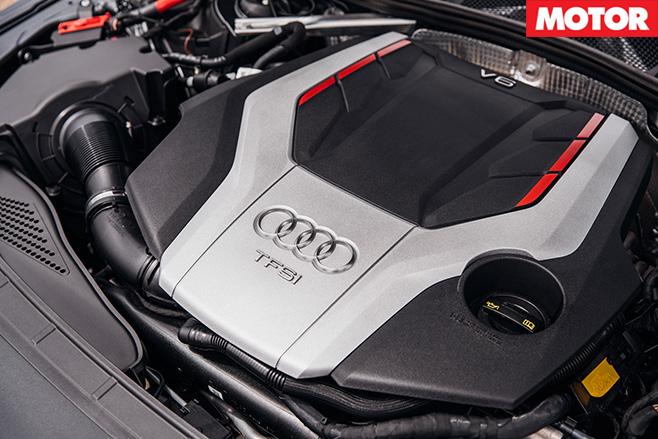
The `hot-side-in’ architecture requires some serious heat management but it does give the exhaust gasses a better shot at the turbine’s blades and allows for quicker cat light-off.
Clever bits include an on-demand cooling system for faster warm-up times and an overall reduction of 14kg versus the old engine. The important numbers are 260kW and 500Nm, spookily similar to the new BMW B58 three-litre mill.
Audi has chased weight hard, and settled on lighter, aluminium brake calipers, magnesium in the seats and various high-tech steel components to pull a full 75 kg out of the deal (although the sedan is still 1630kg). And that’s despite the new car being bigger in every direction. The driver assistance stuff is utterly comprehensive and while crashing an S4 won’t be impossible, you will need to be committed.
Less intuitive is the sat-nav system which uses a mouse-wheel rather than a touch-screen which seems a bit clunky in 2017. On top of that, the nav screen offers up the next three directions, but you need to read them from bottom to top to get them in the right order. Very strange.
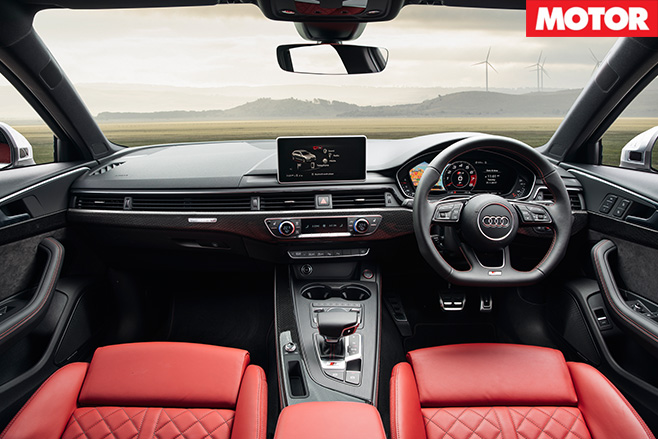
The adaptive damper are worth their weight in gold, however, and take the car from composed-but-comfy to rather-sporty-really in the flick of a slightly awkwardly placed switch (it’s in the right place for left-hand-drive). The new engine kicks butt, too, but in a fairly retrained way (if that makes any sense).
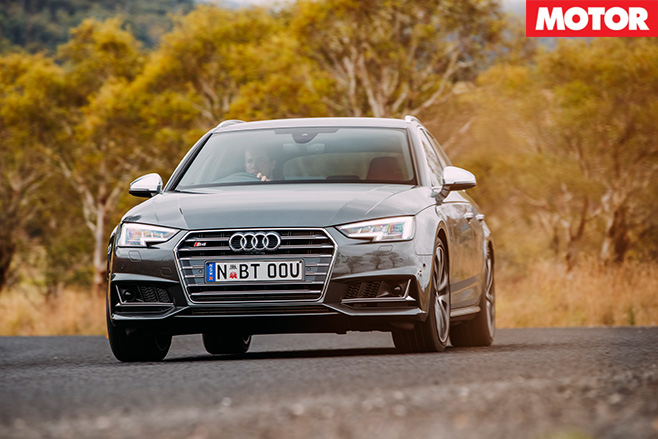
If that sounds a bit weird for a car that costs a hundred bucks short of six figures ($102,900 for the Avant wagon) consider that Audi had to leave itself somewhere to go with the RS4 when it arrives. Also, there’s also a school of thought that says a no fuss exterior and nincompoop-proof driveline and handling is where all cars should be.
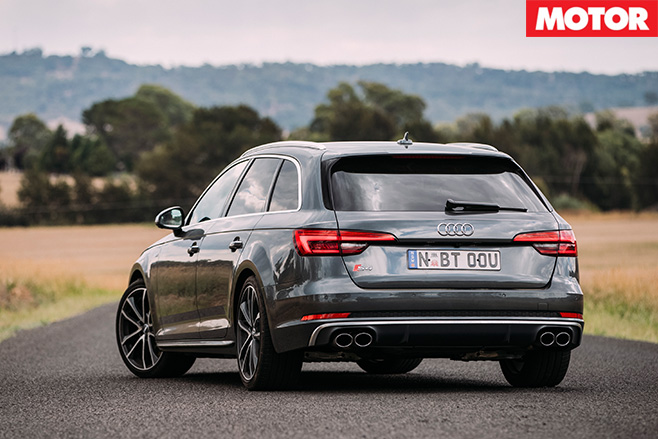
SPECS Engine: 2995cc V6, DOHC, 24v, turbo Power: 260kW @ 5400-6400rpm Torque: 500Nm @ 1370-4500rpm Weight: 1630kg/ 0-100km/h 4.9sec (claim) Price: $99,900 ($102,900 Avant)
THE Lexus LC 500 and LC 500h have only just hit the streets overseas, but it appears that plans for an amped-up, performance-focused version of the sleek LC coupe are already afoot.
Lexus has submitted a trademark application for the name “LC F” this week, the first solid proof that the Japanese luxury automaker intends to take its newest – and most attractive – product down the same path as the RC F, GS F and dearly departed IS F. For those wondering why we’re so concerned with Lexus’ F suffix, think of it in the same way that you would an AMG, M or RS badge – it means serious performance.
Filed with the European Union’s Intellectual Property Office, Lexus’ trademark application for the LC F name was submitted just three days ago.
If previous trademark applications made by the Japanese automaker are any indication, it means we’re at least a year away from seeing the Lexus LC F officially break cover. The trademark application for the RC F V8 coupe, for example, was filed in late 2012, around a year before its first public appearance at the 2013 Tokyo Motor Show.
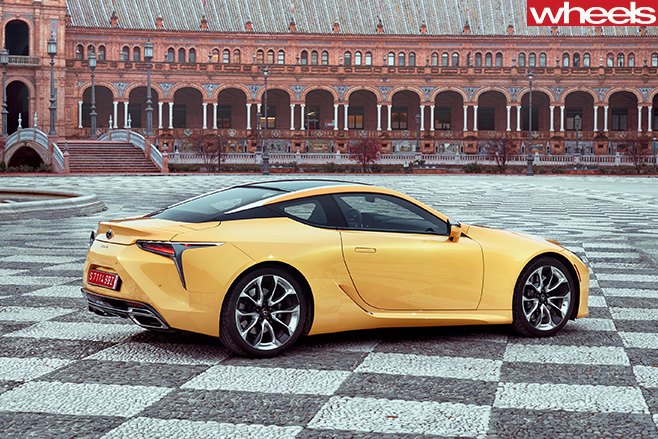
Could we see the triumphant return of the Lexus LFA’s dragon-slaying 412kW 4.8-litre V10? That engine was incredibly bespoke, and was connected to a rear-mounted transaxle via a torque tube rather than the more conventional engine-gearbox-tailshaft configuration used by the LC 500. It only generated 480Nm of torque as well, well down on the atmo V8’s number. A V10 seems unlikely, sadly.
An electrically-assisted V8 hybrid is within the realm of possibility though, given the GA-L platform that sits under the LC is designed to accommodate both a V8 and a high-voltage battery pack. The V6-engined LC 500h hybrid may be comparatively snoozy, but manufacturers like Porsche, McLaren and Ferrari have shown there’s plenty of performance potential in a hybrid setup. Lexus may be inclined to think the same way.
Whatever it chooses, Lexus will need a powertrain with substantial muscle if it is to challenge the likes of the 911 Carrera S and Jaguar F-Type SVR – the LC F’s two most likely competitors.
The Volkswagen Atlas Weekend Edition concept car will be revealed at the Chicago Auto Show this weekend.
The concept is based on the SEL Premium version of the US-only (for now) VW Atlas, a three-row SUV, but demonstrates how the wagon can be enhanced by modification and accessories. Like the SEL Premium, the Weekend Edition concept features a 276hp, 2.6-litre VR6 engine, mated to an eight-speed automatic transmission and VW’s 4Motion all-wheel drive system with Drive Mode Select.
However, in a bid to demonstrate how the crossover can contribute to new car buyers’ active lifestyle, VW has bolted on a range of accessories, like the Urban Loader – a hard-shell soft-edged cargo carrier that expends to 17.7 cubic feet. This sits atop roof racks so buyers can attach skis, kayaks or bikes. An LED light bar is also integrated into the front grille for extra illumination at night.
Inside, the Atlas includes a pet-friendly cargo divider behind the second row so fur-babies can join in on family getaways.
A tablet mount is featured in the second row and will fit any touchscreen tablet and smartphone so passengers can be entertained regardless of whether they belong to team Android or team Apple. Those devices can also be controlled by the Media Control feature in the Atlas concept.
The Atlas Weekend Edition is a concept only and not intended for production, and is intended to merely be an example of how the Atlas can be modified and used. Other accessories that also appear in the concept include window and hood deflectors, a heavy-duty trunk liner with seat-back coverage, a privacy cargo cover, all-weather rubber mats, splash guards and wheel locks, which Volkswagen US said many will be available from dealers in the new Atlas due to be released in the US in Spring.
The seven-seater Volkswagen Atlas SUV is so far only set to be built in right-hand drive form primarily for the US market, but as WhichCar reported last month it could eventually find its way to Australian shores, as a bigger brother to its seven-seater sibling, the Tiguan Allspace (a larger version of the current Tiguan) which is due to arrive early next year.
Mercedes has yet to whisk the covers off its first mass-market dual cab utility, yet it appears overseas demand for the high-end ute is already so strong that some dealers are already taking deposits.
To be built on top of the same ladder-frame architecture that underpins the Nissan Navara, the Mercedes-Benz X-Class was been previewed last year with a pair of concepts – one a road-biased version, the other a jacked-up bush-basher wearing knobbly tyres.
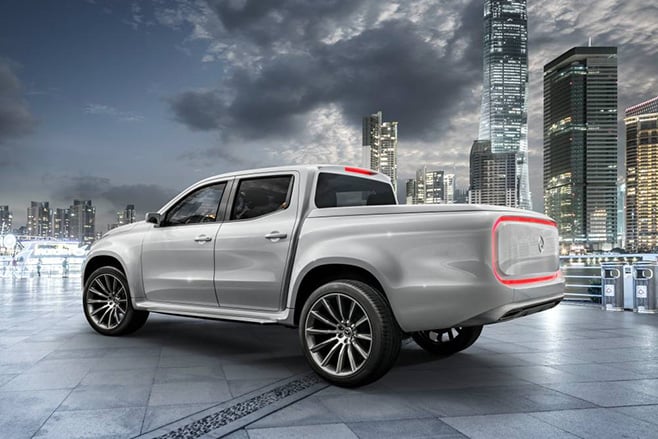
The eventual production-spec version of those concepts hasn’t made its first public appearance, but the German automaker has indicated the showroom-spec Mercedes-Benz X-Class will be faithful to the concept’s appearance. Regardless, strong demand has prompted Mercedes-Benz UK to open the order books early.
UK buyers keen on being the first to get their hands on the new X-Class can secure their spot in the queue by placing a refundable £1000 deposit (AU$1640) via the company’s consumer site (above). Final pricing is, naturally, some time away from being finalised.
At this stage Mercedes-Benz Australia hasn’t announced whether it will follow suit with a paid reservation scheme for the X-Class, though with at least twelve months to go until its local on-sale date there’s plenty of time for interested buyers to place their order.
When it arrives, expect the Mercedes-Benz X-Class to feature a Nissan-sourced 2.3-litre twin turbo diesel four-cylinder as the mainstay engine, with a Mercedes turbo diesel V6 in range-topping models. Unlike the Navara that it shares its bones with, the X-Class is likely to only be offered in a dual-cab bodystyle.
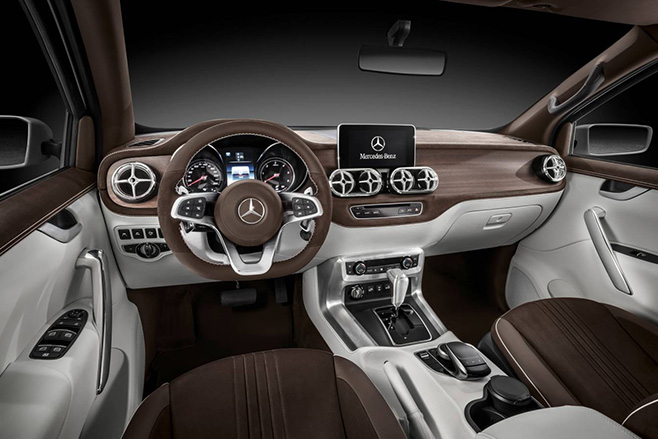
Interior fit-out will feature a strong Mercedes influence, unlike the X-Class and Navara’s other cousin, the Renault Alaskan, which shares much of its cabin furnishings with the Nissan.
Local features and pricing will be released closer to the X-Class’ 2018 launch.
THE title of longest permanent race track in the world is held by Germany’s Nurburgring Nordschliefe, measuring 20.81 kilometres in length.
However, that title is about to be yanked from the infamous circuit by US internet entrepreneur John Morris and his Spring Mountain Motorsports Ranch.
Morris plans on building a 24-kilometre track on his property where rich folk with a penchant for speed will be able to indulge themselves. If completed, the circuit’s length will eclipse the Nordschliefe’s current record.
However, it would still remain shorter than the length of the Nordschliefe when it is linked with the neighbouring Nurburgring Grand Prix circuit, and pales in comparison to the 60.725-kilomtre Snaefell Mountain Course. But the Snaefell circuit (used for the Isle of Man TT) is made up completely of public roads and isn’t a permanent race track, so doesn’t make the cut.
Spring Mountain Motorsports Ranch currently has a 9.8-kilometre circuit which is used for track days, hot laps, and driver training – there are no sanctioned motorsport events. The current circuit is already the longest in the Americas, and one of the longest in the world
Morris told Bloomberg one of the straights for the circuit would stretch for 1.8 kilometres: a decision driven by two members of the ranch who requested a place to land their private jets. It can also be used as a drag strip. Because, why not, right?
The man behind it all, John Morris, might not seem familiar to you at first, but you may recognise him from a viral video where he crashed a water jetpack into a pier. The video has more than three million views.
Along with the race track, Spring Mountain also has a clubhouse, pool, 140 member garages, helicopter hanger, 42 condos, and an artificial lake with its own desert island.
Spring Mountain is currently home to the Chevrolet Corvette driving school, and Cadillac has also opened a performance academy at the venue.
The entire venue is located a 45-minute drive from Las Vegas in Nevada – faster if you hop in your private jet.
