
After notching up a spot in the top-ten of the most popular brands of 2023, MG’s product pipeline still has more to deliver.
The MG4 has been making waves in the EV space, while the MG3 launched in new-generation form in 2024 to help continue the sales momentum of that nameplate – both are currently leaders in their respective segments.
What’s coming? A tasty new sports car is bound to be an attention-grabber for the brand as it launches locally at the end of 2024, while the more prosaic MG HS gets an all-new replacement in the second half of the year too.
JUMP AHEAD
New models
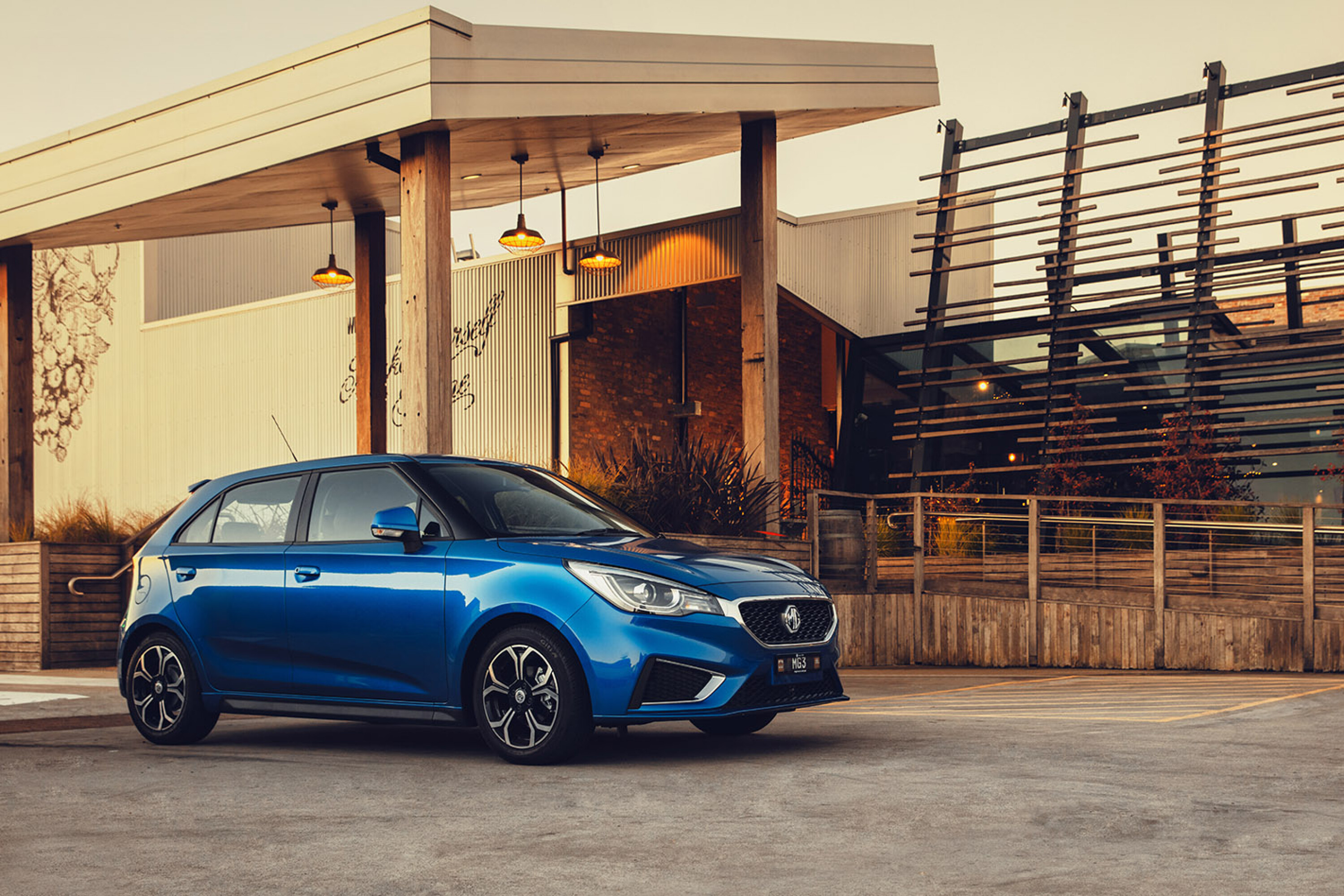
MG3
Affordability (read bargain-basement pricing) was the old MG3’s calling card, but its brand-new replacement is different.
The new-generation MG3 arrived in Australia in mid-2024, with price increases across the range meaning it lost the title of “Australia’s Cheapest Car” to the Kia Picanto.
However, a general uplift in size, quality and equipment means comparisons between the new MG3 and the old one aren’t exactly fair, and with the arrival of a surprisingly grunty 155kW hybrid variant – facilitated by the adoption of a more advanced platform – this MG3 is no longer one for the penny-pinchers.
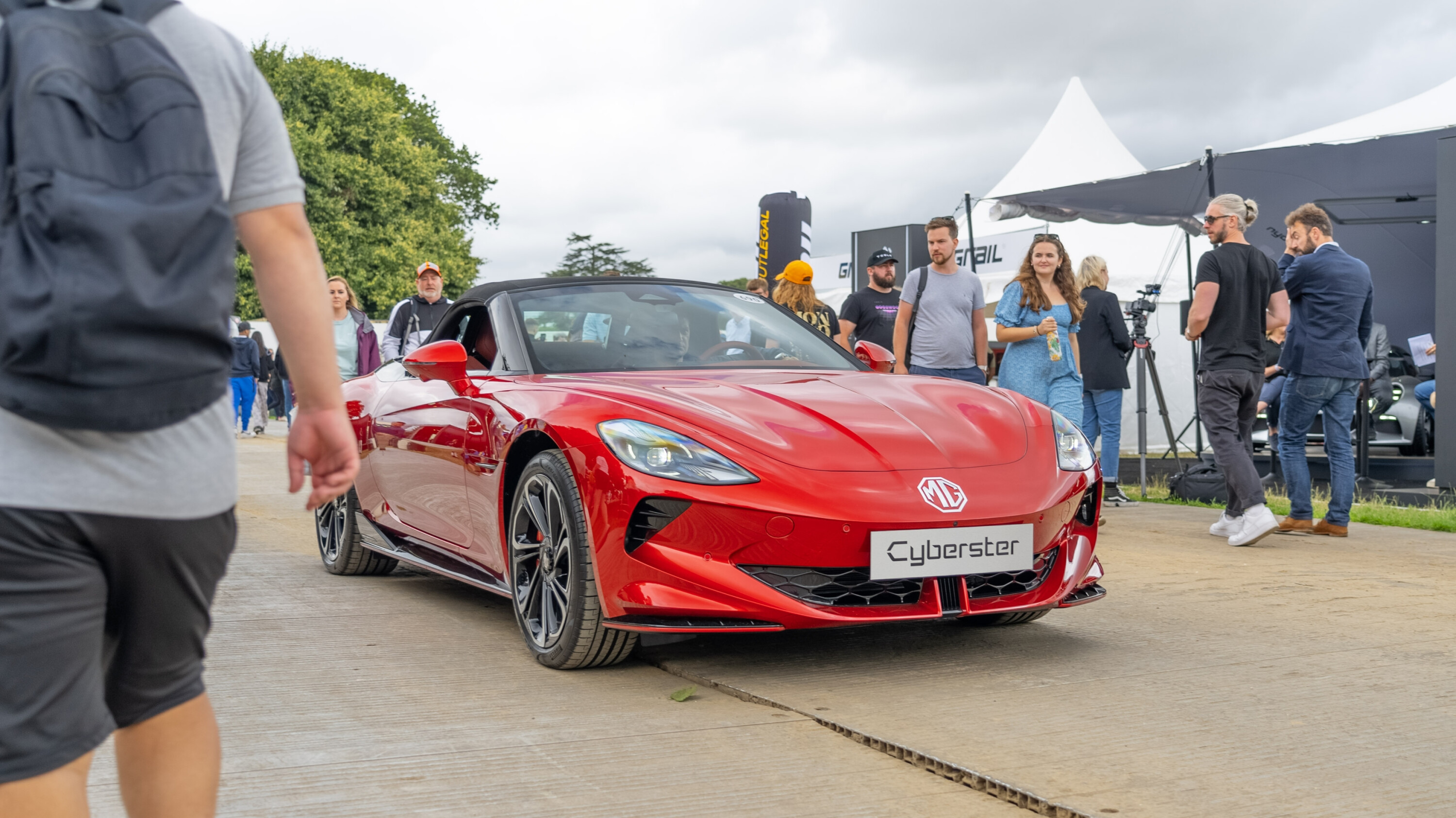
Cyberster
Currently being rolled out in MG markets overseas, MG’s gullwing electric sports car will land in Australia by the end of 2024.
It will put the brand in a new space for price point, potentially becoming the first MG to cross the $100,000 barrier – and potentially stretching as high as $150,000.
The Cyberster, though, competes in a market of one, with prodigious performance, rear-wheel-drive and just two seats. Specifications and final pricing will be released closer to its Q4 2024 arrival.
HS
MG’s mid-size SUV is one of the company’s older products, having launched locally back in 2019 after its Chinese debut the previous year.
Later this year, an all-new replacement arrives with a wider and longer body, with a 30mm longer wheelbase also helping deliver a larger cabin and bigger boot, pushing the HS towards the bigger end of the midsize segment where rivals like the Honda CR-V and Toyota RAV4 reside.
Pricing and features are yet to be announced, but MG Australia is promising a local launch sometime in the second half of 2024.
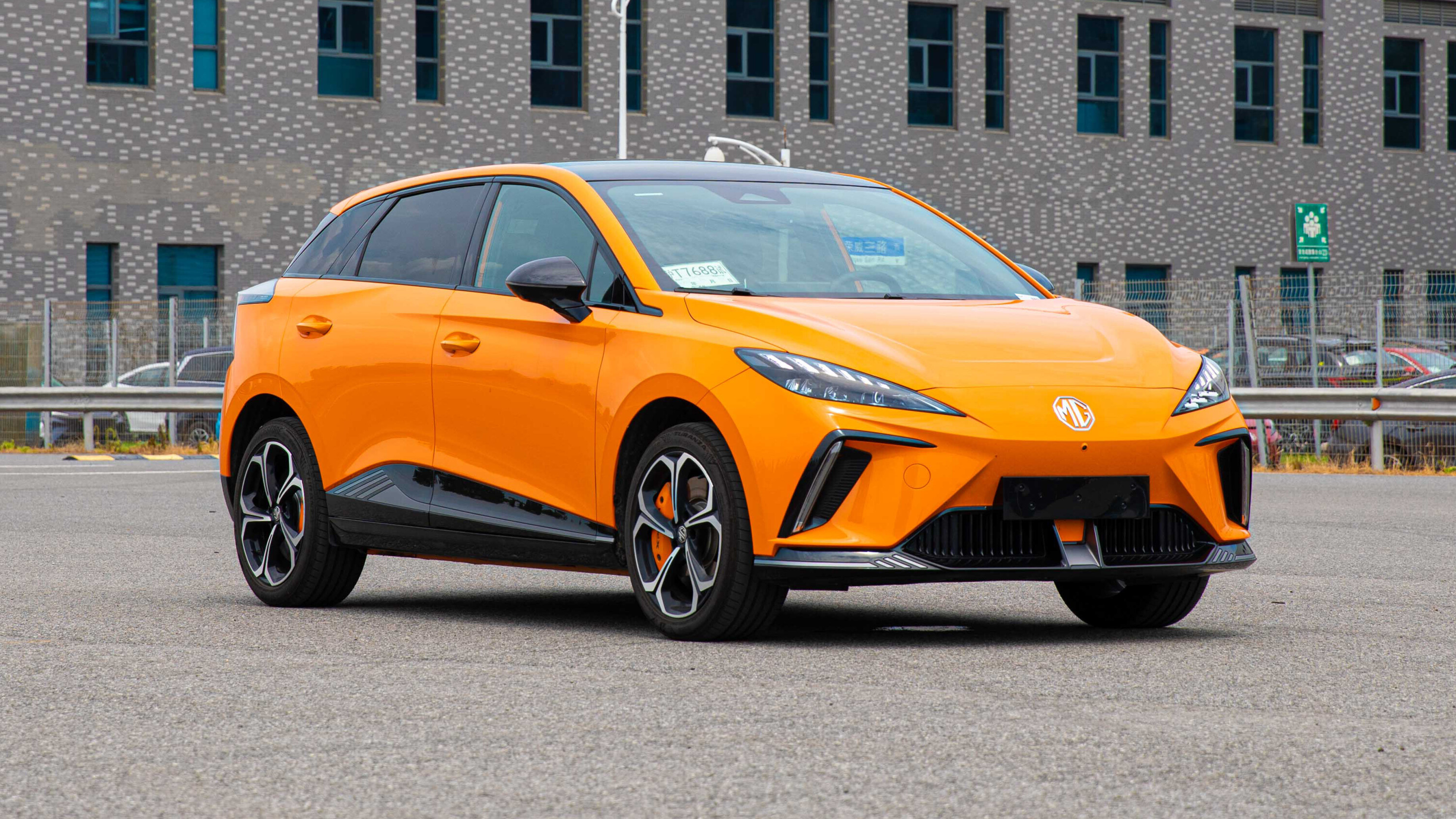
MG4 update
The MG4 has been a strong performer in Australia since launch.
While 2024 didn’t see much in the way of big changes for the still-fresh electric hatchback, a pricing rejig wheeled out in August has tweaked the value equation for the MG4.
A national drive-away price has been discontinued, replaced instead by a stat-by-state drive-away price framework that stretches from $39,252 for an MG4 Excite sold in the NT, to $61,282 for an MG4 XPower sold in WA. When examining retail prices, however, the prictag has dropped by several thousand dollars for each variant, with the base model now starting at an RRP of $37,990 and the XPower capping the range with its $55,900 RRP.
Future product
ZS/ZST
The current ZS is no spring chicken, having entered production way back in 2017, but its replacement has just broken cover.
We’ll have more details in the near future – including local timing – but right now don’t bank on this one arriving in Australia until sometime in 2025.
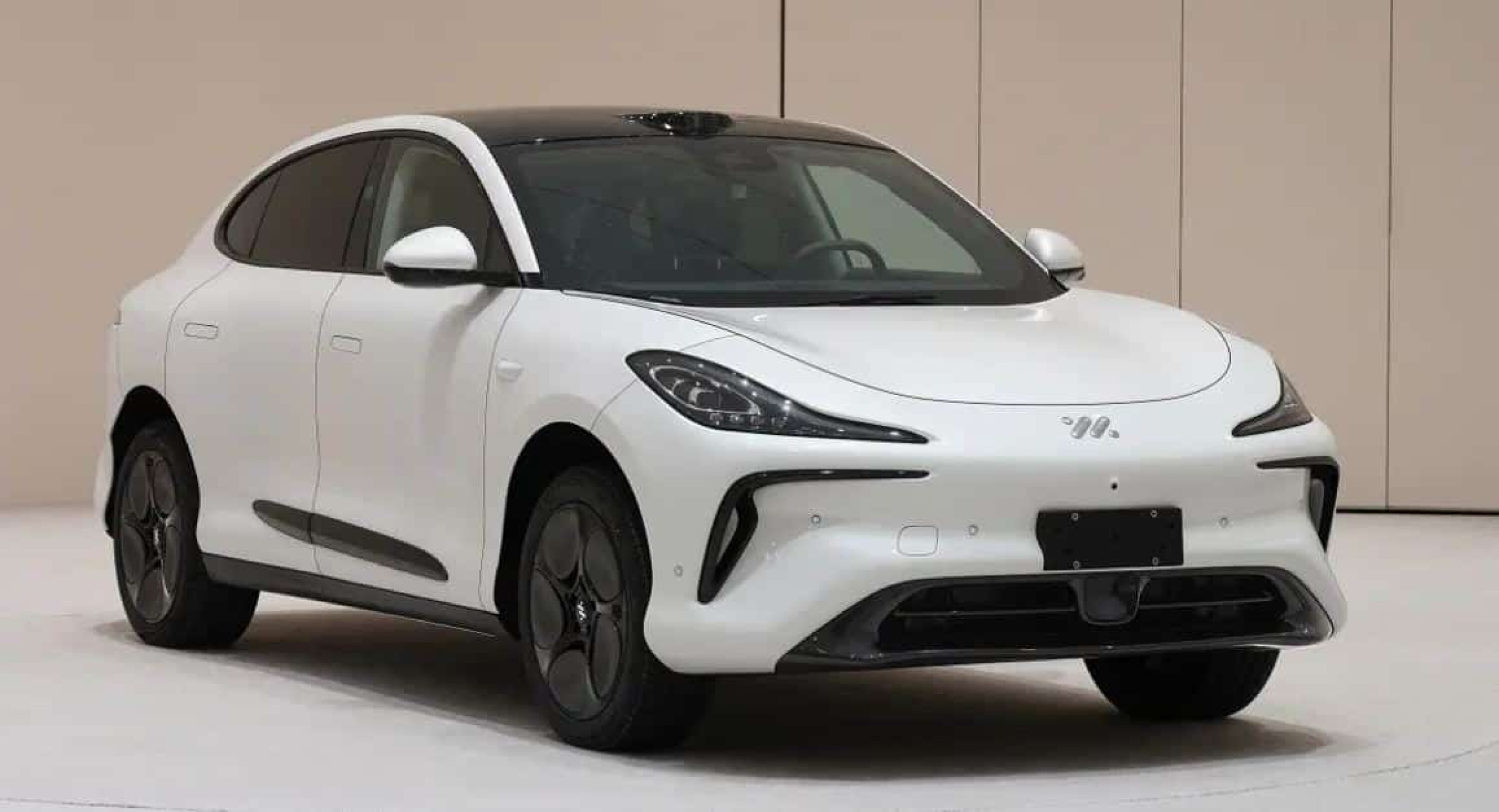
LS6 EV
According to reports, MG Australia is very keen to import a mid-sized luxury SUV from its sister brand IM Motors, the LS6, which is similar in size and concept to the ultra-successful Tesla Model Y.
It will likely crash through the $100,000 ceiling and, like the Cyberster, will help to expose the local market to a side of the MG brand not yet seen locally.
In terms of performance, the top-spec LS6 punches out 576kW and 800Nm of torque from a pair of electric motors, while offering a potential range in excess of 600km on a single charge.
MG commercial vehicles
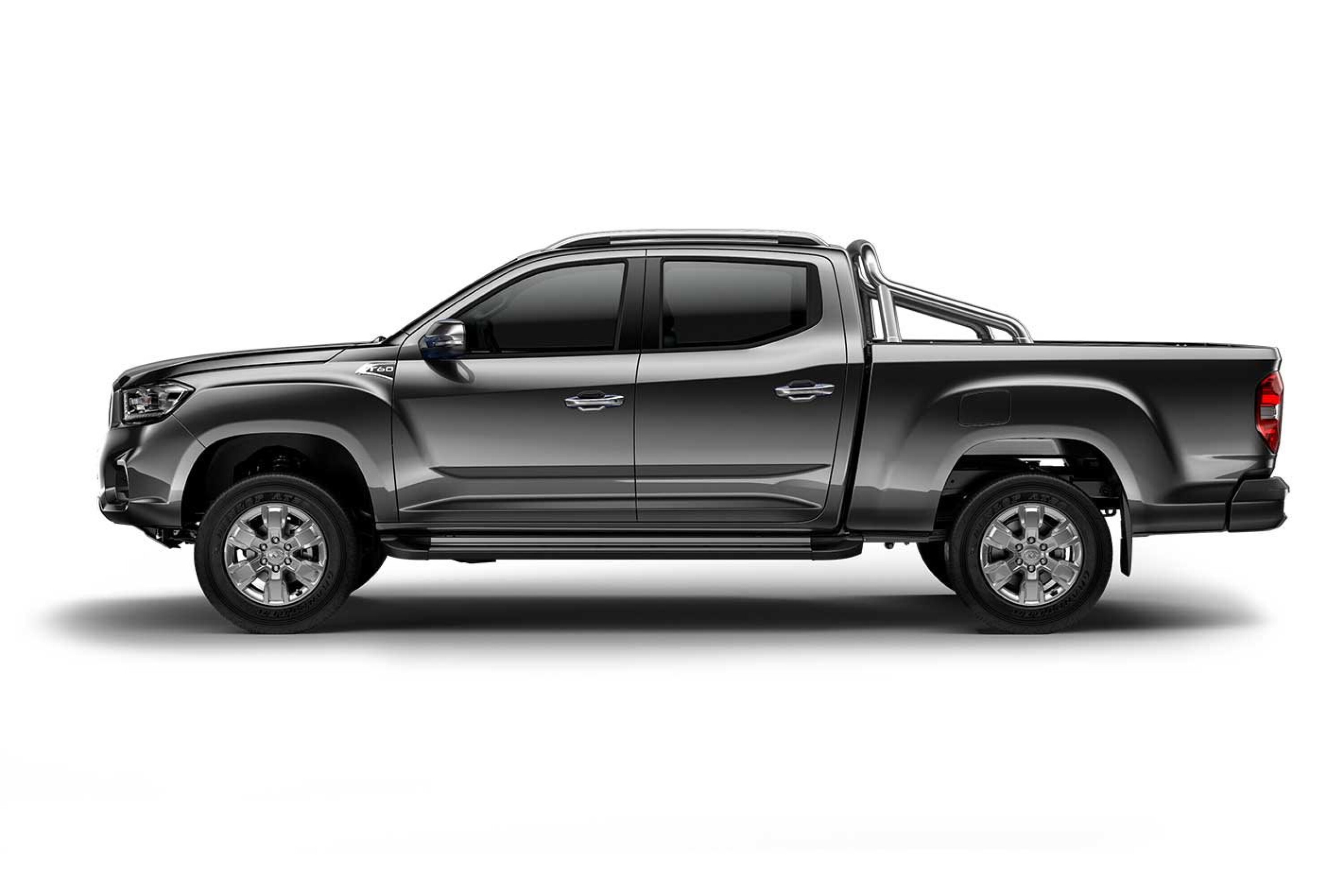
Could we ever see an MG dual-cab ute? Short answer: not in the short term.
The LDV brand of vans and utilities is part of the wider SAIC family that MG belongs to, so it’s theoretically possible that a rebadged range of LDV products could be sold under the MG name.
It certainly would give MG extra firepower as it eyes greater success in the Australian market – and it would be buoyed to see the success of other Chinese utes like GWM in the cut-throat space.
However, selling LDV under the MG badge is not a strategy that SAIC has rolled out anywhere else in the world, and the LDV brand is sold locally under licence by ATECO in Sydney.
So while it’s theoretically possible, a lot of water needs to go under the bridge before it happens.
The meteoric rise of BYD has been one to watch, with the Chinese newcomer going from a literal unknown to being a household name in just two years.
As we write this in mid-2024, the all-electric Atto 3 SUV and the newer Seal EV sedan have notched up nearly 9000 sales between them, with sales from those two models alone putting the brand on track to demolish its 11,000-unit sales tally from 2023. The Dolphin hatch and Sealion 6 plug-in hybrid SUV are also winning their fair share of fans, but there’s more on the way, with one model in particular shaping up as potentially BYD’s most commercially-important entrant to the Australian market…
JUMP AHEAD
BYD Shark
BYD’s rival for the likes of the Ranger and HiLux will launch towards the end of 2024 with a plug-in hybrid drive system, ahead of the arrival of an all-electric variant in late 2025.
With combined petrol and electric power for the plug-in hybrid (PHEV), BYD’s Shark is slated to beat the incoming Ford Ranger PHEV to Australia, giving tradies and offroaders a surprisingly muscular treehugger of a ute. Claimed outputs are a combined 321kW from its dual electric motors (170kW/310Nm front, 150kW/340Nm rear), with a zero-to-hundred time of 5.7 seconds. A 1.5-litre turbocharged petrol inline four charges up the onboard battery to extend range to around 840km on the Chinese test cycle, with an electric-only range of around 100km (again, that’s on the Chinese fuel economy test – expect a lower figure for Australia).
Payload in the tub is a healthy 835kg, though its tow capacity of 2500kg is sub-par for the ute segment. The Shark launches soon – we’ll have the full local info as we get closer to that time. Specs for the Shark EV have yet to be announced, expect to hear more about that one in 2025.
BYD ‘Atto 2’
BYD has yet to officially unveil its new small SUV, but images and details published by the Chinese government reveal more than a few key details.
As a small SUV, the ‘Atto 2’ (Yuan Up in China) will take its styling cues from the popular and larger Atto 3. If it comes to Australia, expect the Atto 2 to slot in above the Dolphin hatch as the brand’s most affordable SUV. Read more here.
BYD Sealion 6
Unveiled in 2022, the mid-sized BYD Seal U electric SUV went on sale in Australia this year as the Sealion 6 plug-in hybrid.
But where be the all-electric version of the Sealion 6 that’s available overseas? Apparently, a hold-up on development of a right-hand drive example means a local intro for what would otherwise be an intriguing alternative to a Tesla Model Y is so far not in the immediate future for BYD’s local office.
Watch this space, though.
BYD U7
In January, BYD revealed its rival to large luxury EVs like the BMW i5, Mercedes EQE and Tesla Model S.
Full details are still to come, but the U7 – which is actually sold in China under BYD’s subsidiary Yangwang luxury brand – is understood to feature four electric motors – one at each wheel – and produce more than 1000hp (745kW).
Whether we’ll see this model in Australia is unclear, with the brand’s local arm yet to comment on its potential.
BYD Sealion 07
Late last year, BYD unveiled its latest electric offering for China, in the form of the Sealion 07 coupe-SUV.
The Sealion 07 wears a more sleek and aggressive design than the Seal U revealed a year earlier, looking more than a little like the Seal sedan it shares a name with.
In China, the Sealion 07 will neatly undercut the Tesla Model Y, with a low starting price of RMB200,000 ($42,650), while a recent price cut now sees the Model Y start from RMB299,900 in China ($63,775).
Will we see it in Australia? Likely not in 2024, but perhaps later.
BYD U8
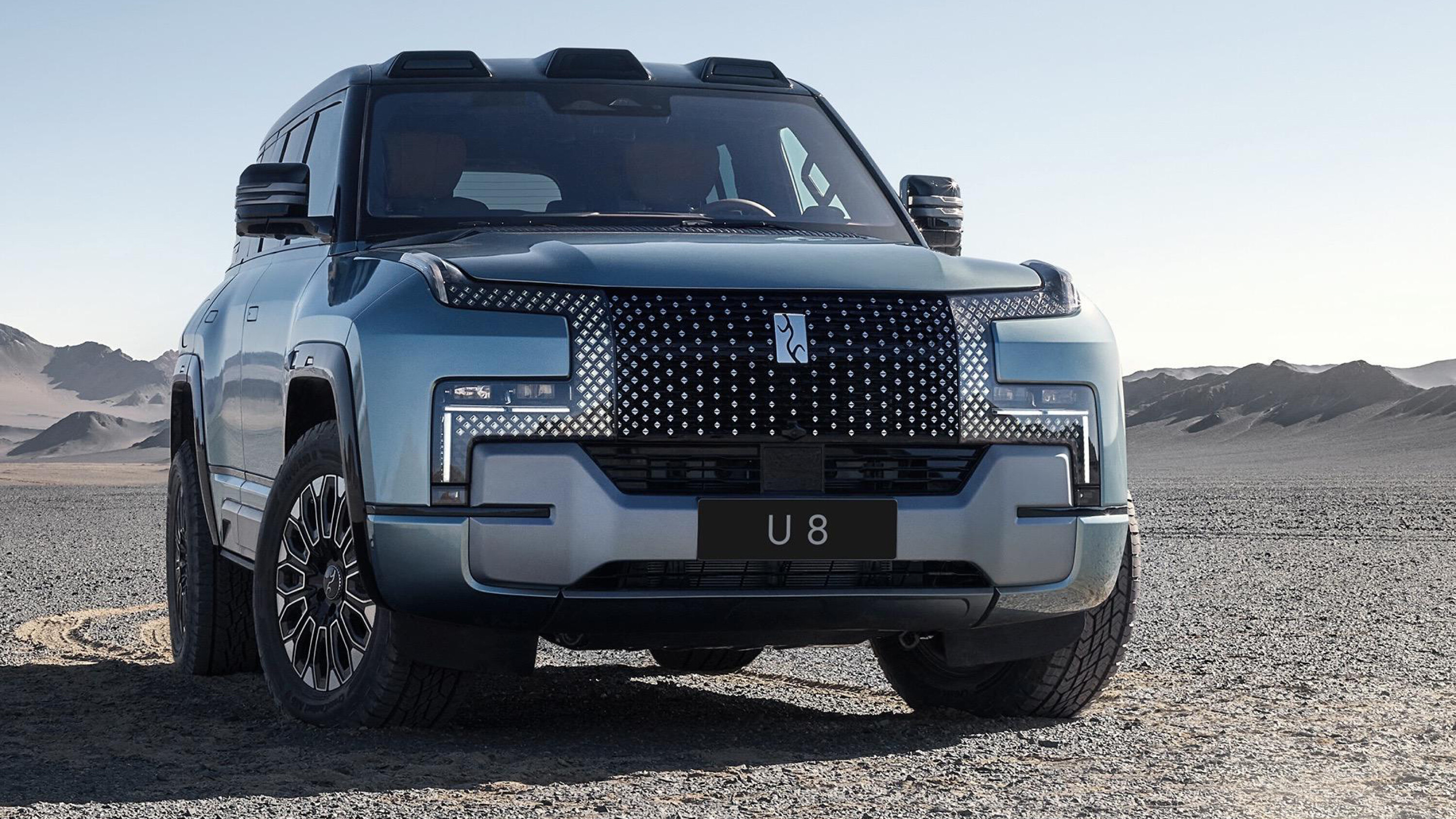
Even if you don’t recognise the name, you’ve probably already seen the U8 – it’s Insta-famous after all.
Sold in China as the Yangwang U8, this monolithic quad-motor plug-in hybrid SUV has gone viral on social media not only for its ability to perform tank turns, but also the fact it’s been deliberately engineered to float on water – with plenty of video evidence of it successfully doing so.
Add to that a colossal 880kW power output and a tech-packed cabin that looks remarkably luxe, and it’s not hard to understand why the the U8 commands attention like few other cars.
Like the U7 mentioned above, the hulking U8 holds potential for an Australian launch potentially wearing BYD badges, although local leadership has indicated it’ll be at least two years away, with right-hand-drive models still in development.
Although it’s a big LandCruiser 300-sized SUV, the U8 is powered by a seemingly modest 200kW 2.0-litre turbo petrol engine matched to electric power in a plugin-hybrid arrangement. Dive deeper, though, and it’s not so modest: the electric side of the equation is four motors of 220kW apiece, equating to a massive 880kW and 1280Nm of combined power and torque.
EXISTING MODELS
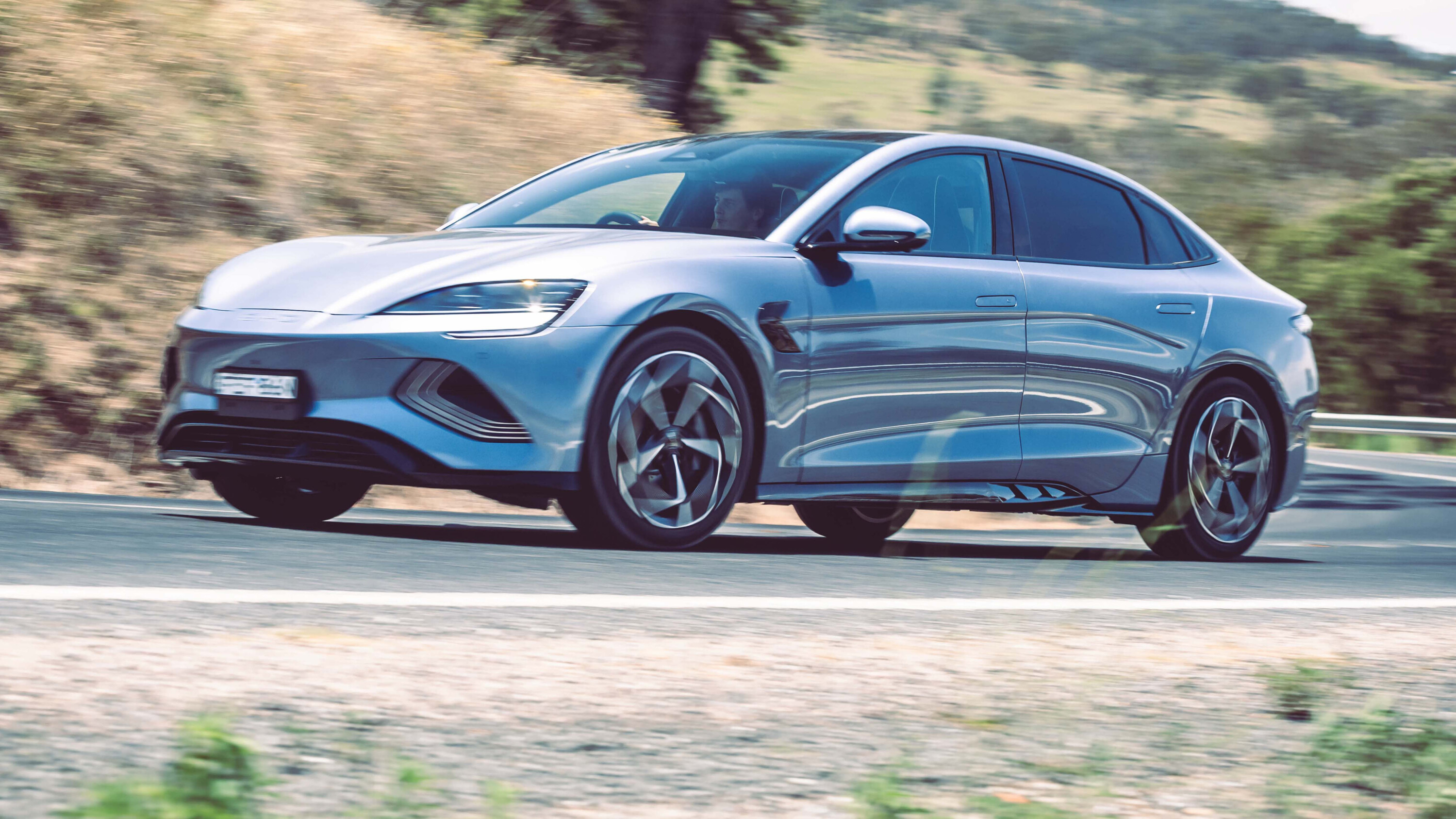
BYD’s Australian line-up now includes three models: the Atto 3 SUV, the Seal sedan and the Dolphin hatch. Learn more about each model at their respective WhichCar pages.
Mazda might be a relative minnow in the car world but in Australia it punches like a heavyweight, consistently sitting on the finisher’s podium in the monthly car sales tally.
Central to its appeal is a brand-wide emphasis on pleasing dynamics, and though it only sells one performance car – the MX-5 – Mazda still goes to the trouble of imbuing even its more pedestrian nameplates with plenty of driving panache. Beyond that, there’s very little dead weight in the range. Pretty much every Mazda currently on sale is either at the pointy end of its segment in terms of sales, or sits very close to it.
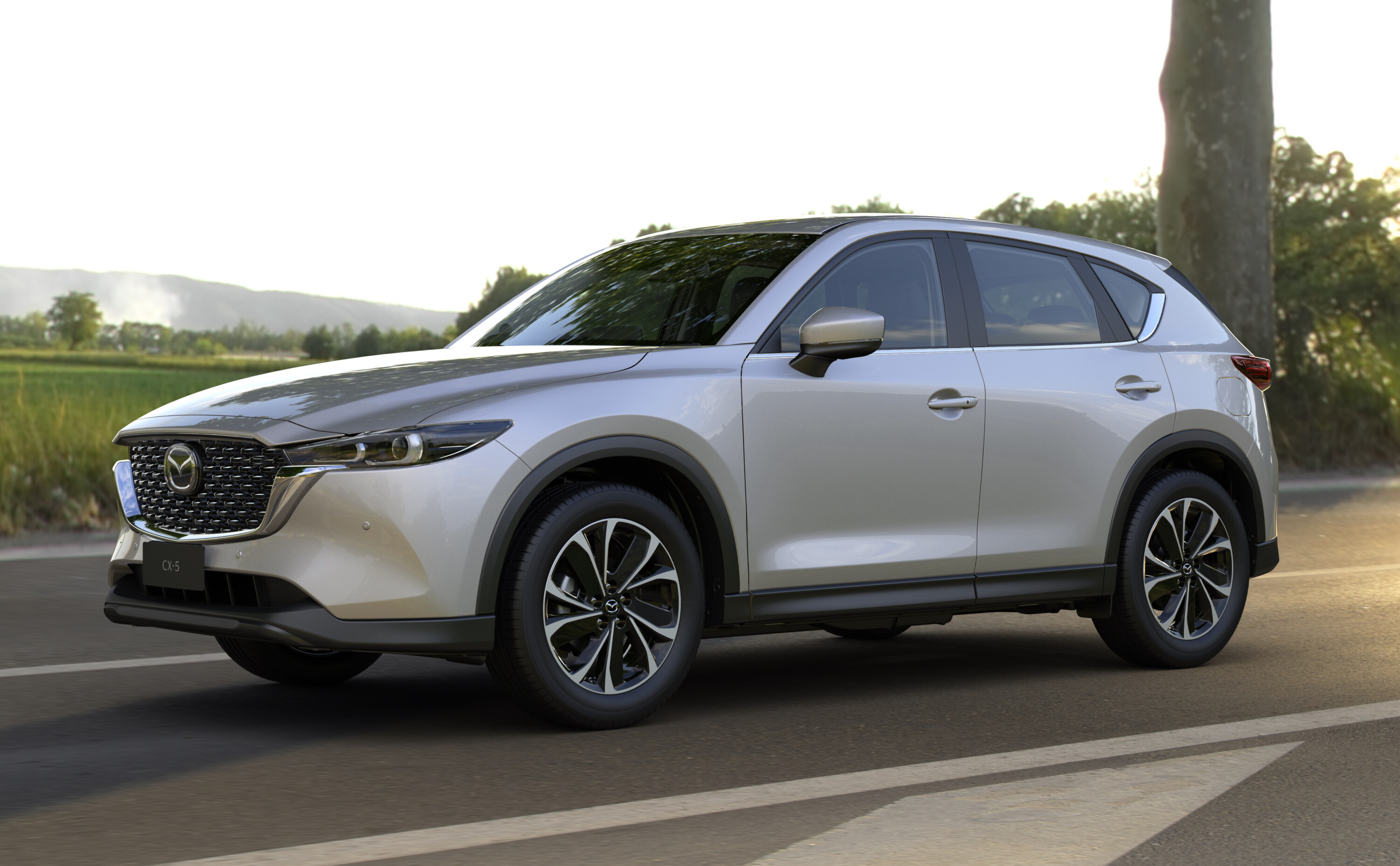
So far in 2024, the brand has spent significant effort in extending its push into the premium space, a process it started in 2023 with the clean-slate CX-60 and CX-90 SUVs.
Though there’s a fair bit of old metal in the Mazda showroom, such as the 12 year-old GJ-generation Mazda 6 and the 10 year-old DJ Mazda 2, running updates have kept the lineup as fresh as possible.
Some subtraction has occurred though, with the popular Mazda CX-9 now retired and the CX-8 following it into the nursing home as Mazda’s new range of longitudinally-engined large SUVs take over their roles. The MX-30 was also quietly withdrawn after sluggish sales in Australia, and manual-equipped versions of the CX-30 and CX-5 were discontinued as well.
But both 2024 and 2025 have more than a few new arrivals for the brand. Here’s what’s fresh – and what’s lurking around the corner – for Mazda:
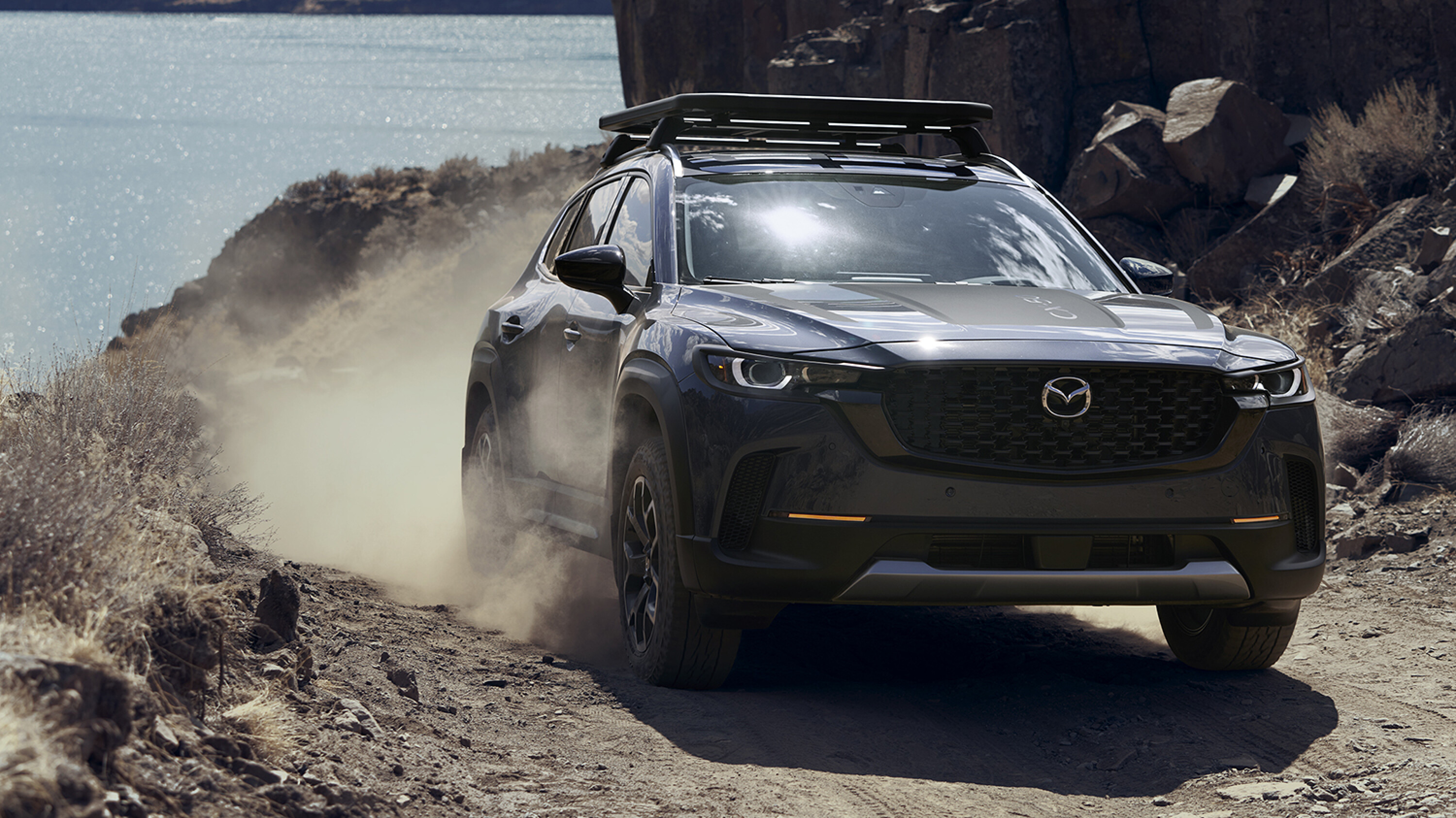
JUMP AHEAD
Confirmed models
Potential models
Confirmed
CX-70
In October 2024, Mazda Australia will bulk out its large SUV family with the arrival of the Mazda CX-70.
As a five-seat longitudinally-engined SUV, what sets it apart from Mazda’s existing large five-seat high-riding wagon, the CX-60? Space. In essence, the CX-70 is not much more than a five-seat derivative of the CX-90 that’s already landed, meaning you get the more generous proportions of the CX-90 in the first and second row, but without the fuss – and weight – of the third row. Besides that, pretty much everything else, including engine, trim options, and sheetmetal, should be basically identical to the CX-90.
Prices are still under wraps until the local launch, but expect customer deliveries to commence before the end of 2024.
CX-80
The CX-80 is also slated to arrive in October, and essentially flips the CX-70’s script – it’s fundamentally a seven-seat version of the CX-60 that launched here in 2023.
Unlike the CX-70, however, there’s greater exterior differentiation between the CX-70 and its CX-60 cousin, with unique sheetmetal around the rear end to accommodate its fold-out third row and subtly different body plastics and lamp clusters.
Like the CX-70, local pricing and specs are still TBD, but with an October launch on the calendar you won’t need to wait long to find out.
CX-5 replacement
While a replacement for Mazda’s best-selling SUV was expected to land in 2025, word on the street is that the second-gen Mazda CX-5 still has one more minor update in front of it before an all-new model makes its debut, which now seems more likely to happen in 2026.
Mazda has given the CX-5 almost annual changes to keep since the nameplate went on sale in 2012 to keep its mid-size SUV in the mix – which appears to have succeeded, if sales figures are anything to go by.
What will replace the CX-5, though? That’s still a closely-guarded secret, with Mazda even going so far as to say that though it definitely has a next-generation mid-size SUV in the works, it’s not even sure if the CX-5 nameplate will be put on it. All we know is that it’s unlikely to make an appearance until 2026, or very late in 2025 at the earliest
MX-5
In 2025, we’ll likely get our first look at what will replace the current ND-generation MX-5 – the 2016 Wheels Car of the Year – and with rumours of hybridisation or even a shift to full electrification, it’s promising to bring a seismic shift to the tiny roadster.
Before then, the current ND MX-5 will be treated to some final tweaks before it’s replaced. Earlier in 2024, the manual MX-5 GT RS arrived with a new ‘DSC Track’ mode, BBS alloys and stiffer Bilsteins, while all three-pedal MX-5s scored an Asymmetric Limited Slip Differential (LSD) plus improved throttle response and steering changes.
Automatic MX-5s missed out on those changes, but range-wide new alloy wheel designs and fresh seat trims – as well as price rises – accompanied the arrival of the MX-5 RF GT auto trim level.
It’s worth noting that 2024 marks the 35th anniversary of the MX-5, and according to the MX-5 program manager Mazda’s engineers have been cooking up a special edition to celebrate the occasion. We expect to see that one land locally sometime next year as the final evolution of the ND MX-5.
CX-90 Plug-in Hybrid
The six-cylinder CX-90 large SUV arrived in 2023 as Mazda’s largest SUV with premium appointments, and a premium price, to tackle German prestige marques.
But what’s been missing from the CX-90 is a plug-in hybrid drivetrain. The CX-90’s platform partner, the CX-60 has that option in Australia, and it exists in overseas markets like the USA – so why do we only get six-pots Down Under?
Mazda sees the USA as the priority market for the CX-90, and with the extra complications of engineering a right-hook version of the PHEV just for Aussies is, apparently, a bridge too far for now. That may change in the future, though don’t expect to see an Australian plug-in CX-90 until very, very late in 2025 at the earliest.
Potential future models
EZ-6 electric sedan
When it broke cover at the Beijing Auto Show in April 2024, the Mazda EZ-6 sparked a flurry of speculation – was this Chinese-market electric sedan Mazda’s answer to the Tesla Model 3?
Would the rest of the world eventually get to sample the sleekly-styled four-door, which is largely based on the Deepal SL03?
Media reports have since surfaced of a supposed plan to commence exports of the EZ-6 to Europe, however we checked with Mazda themselves and those reports are, at this point in time, far from confirmed, with no timeline for a global release announced.
However with the Mazda 6 so long in the tooth, perhaps the time is right for a new-energy replacement to carry Mazda’s baton in the mid-size segment? As to its prospects for Australia that would hinge on availability of a RHD version, but given Deepal, Mazda’s Chinese dance partner on the EZ-6/SL03 joint venture, is planning on entering the Aussie market, that’s not outside the realm of possibility.
Mazda 2
The current third-generation Mazda 2 went on sale in 2014, making it well past retirement age in passenger-car terms.
It’s still an important model globally so it’s unlikely it will not be replaced, but the next Mazda 2 may well be an electric-powered city car using the car maker’s new electric architecture.
The new platform will not be ready until 2025 – leaving the current car in showrooms for another 12 months, likely longer.
The existing Mazda 2 received its second significant facelift in July 2023, which suggests Mazda Australia won’t follow Mazda Europe, where the 2 was replaced by a rebadged Toyota Yaris Hybrid to meet emissions regulations.
Instead, the compact hatchback and sedan got a minor update for Australia in late 2023 that brought that facelift in and shifted spec levels and pricing, including new support for Android Auto and Apple CarPlay.
CX-3
The CX-3 remains one of the biggest-selling small SUVs in Australia – and still using the same underpinnings that it took from the Mazda 2 in 2015.
While minor updates in the last 12 months saw AWD and manual transmission models deleted from the line-up, a new CX-3 is needed in the near-term for continued success.
As Mazda focuses on higher-grade ‘CX’ SUVs, the CX-30 has pushed the CX-3 out of its US and European showrooms, but the CX-3 remains the third-best-selling Mazda here after the CX-5 and BT-50 ute.
Pulling the CX-3 off sale comes with huge risk and the local arm has genuine sway with head office in Japan, given its consistent success in Australia, so a successor cannot be ruled out based on other markets alone.
A new CX-3 may have to wait until new architecture arrives meaning a 2025 arrival.
Meanwhile, minor spec changes saw price rises in 2023 but saw the inclusion of Apple CarPlay and wireless phone charging.
However, like the 2, Australian CX-3s did not receive the latest infotainment system upgrade Japan’s CX-3 were given in December.
That’s likely to change in 2024 as the brand transitions to its newer systems.
CX-50
Mazda Australia has made no secret that the CX-50 is on its ‘wish list’.
Currently only produced in left-hand drive, the CX-50 mid-size SUV is manufactured in China and the USA.
In North America, it uses the same 2.5-litre four-cylinder non-turbo powertrain, electric motor and CVT as the Toyota RAV4 Hybrid as part of a technology sharing arrangement in North America between Mazda, Toyota and Subaru.
It’s unclear as to whether the CX-50 – if produced in right-hand drive – would be a replacement for the CX-5, or if the CX-5 will be given hybrid powertrains instead. All we know is that Mazda’s Australian outpost has been holding its hand up for the CX-50 ever since that model came into existence.
Mazda 6
The Mazda 6 was updated in 2023 with a 20th Anniversary model added to the line-up, but it may not have many birthdays remaining.
Axed from the US market in 2021, the current-generation Mazda 6 sedan and wagon has been on sale in Australia for more than a decade, with no replacement in sight – yet Mazda says it’s committed to the segment.
The Large Platform architecture underpinning CX-60 through CX-90 SUVs offered hope for those seeking a new 6, but Mazda has said the rear-drive architecture is designed for SUVs only. That also put paid to the platform being used for a rear-drive sports car, too.
So while Mazda says it’s sticking with 6, it won’t confirm a replacement, either – but a decision has to be made sooner rather than later. Our advice: if you’d like to buy a brand-new Mazda 6, you might want to expedite before it dips out of showrooms for good.
RX-7
Teased at the October 2023 Tokyo show, the stunning Mazda Iconic SP concept is a tantalising look at a potential rotary-powered hero sports car as a successor to the RX-7 and RX-8.
The red two-door hardtop was revealed with the same rotary-hybrid and electric motor drivetrain as the Mazda MX-30 RE-V but at 270kW has more than double the power.
Larger than an MX-5, heavier too – at a 1430kg goal weight – design elements pay homage to the RX-7 while 50:50 weight distribution as per the latter RX-8 is targeted, too.
While the Iconic SP concept had its combustion engine incorporated as a mere range-extending generator, a recently-discovered patent filing by Mazda reveals that the company is now considering a configuration that has a twin-rotor engine driving the rear wheels mechanically, with the assistance of an electric motor – good news for sports fans.
October: Zeekr X now on sale in Australia
The first Australia-bound model from Geely’s Zeekr brand, the Zeekr X electric SUV, is now available from $56,900 before on-road costs.
August: Zeekr X makes Australian debut
The all-electric Zeekr X has been officially unveiled ahead of its local launch, marking the brand’s first entry into the Australian market.
Classed as a compact lifestyle SUV, the Zeekr X will be the first of two new models introduced to Australia in 2024, with a luxury MPV dubbed Zeekr 009 expected by the end of the year.
The Zeekr X will be available to pre-order in September, with the Australian launch to follow in October. Customer deliveries will begin following the vehicle’s official launch.
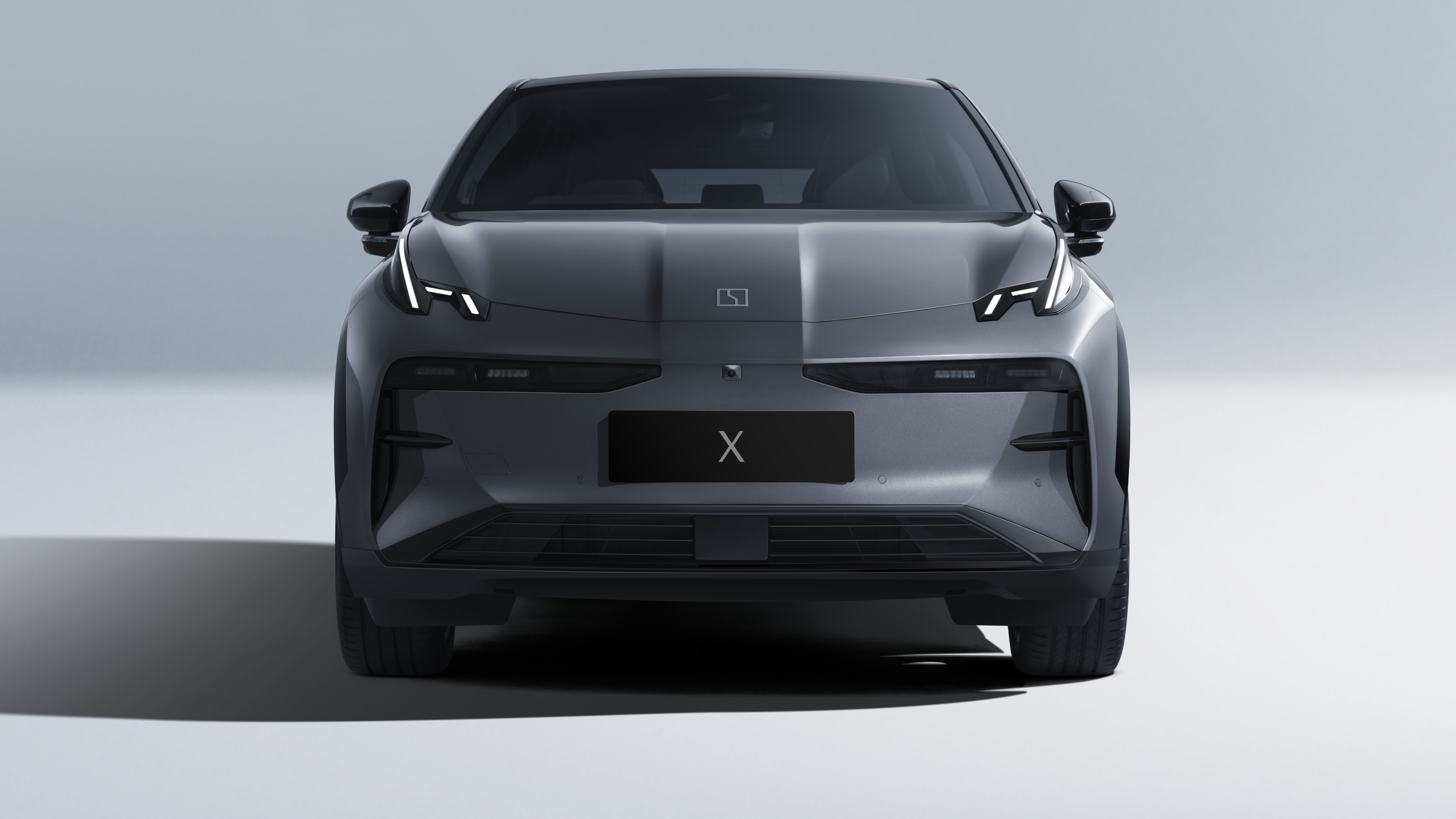
The Zeekr X – available in RWD and AWD – is powered by a 66kWh lithium-ion battery that can deliver a claimed range of up to 540km (in single-motor, RWD models) or 470km (AWD models). Packaged beneath the floor of the vehicle to liberate space in the cabin, the battery is covered by an eight-year/160,000 km warranty.
Its 150kW DC charging is capable of replenishing the battery from 10 to 80 per cent in less than 30 minutes; while a 7.2kW AC on-board charger can fully charge the battery in a RWD model from empty in about seven hours (AWD models have an 11kW AC charger).
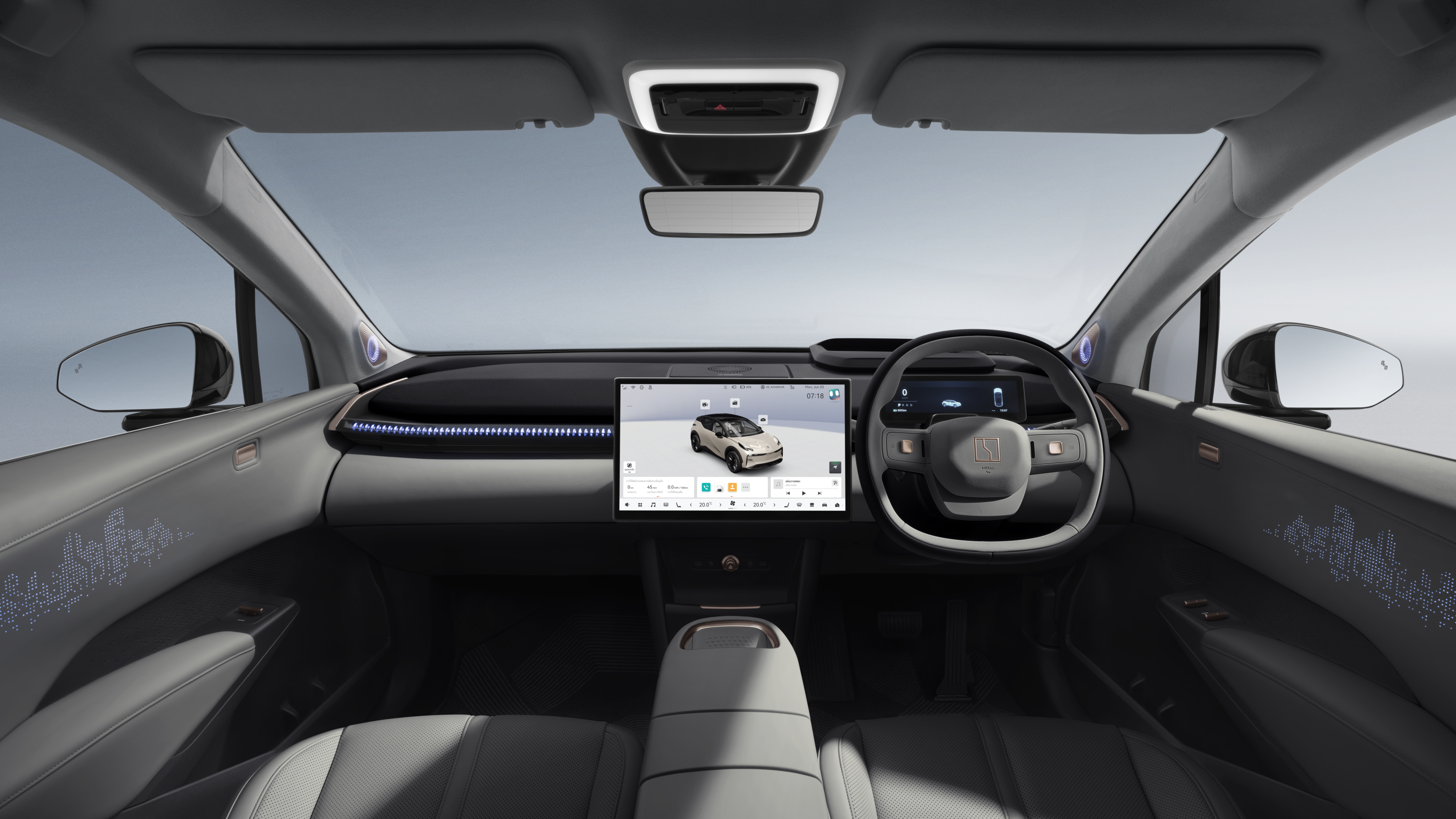
“Zeekr’s expansion into the Australian market brings our innovative and cutting-edge electric vehicles to a new audience, offering a unique driving experience that blends style, performance, and sustainability,” said Connal Yan, Managing Director of Zeekr Australia.
“By selecting SXSW Sydney as the stage for our launch, Zeekr is demonstrating its commitment to innovation, showcasing our products to a global audience, and setting the foundation for a future of limitless possibilities in sustainable mobility.”
RWD model
| 200kW / 343Nm | 66kWh lithium-ion (NCM) battery |
| 540km range (ADR 81/02) | 5.6s (0-100 km/h) |
| 10 ~ 80% DC charge: ~30min [150kW] | 0 ~ 100% AC charge: 11.5h [7.2kW] |
| Vehicle To Load (V2L) functionality | 19″ alloy wheels u2013 235/50 R19 |
AWD model adds
| 315kW / 543Nm | 470km (ADR 81/02) |
| 3.8s (0-100 km/h) | 0 ~ 100% AC charge: 7.5h [11kW] |
| 20u201d forged alloy wheels u2013 245/45 R20 |
Standard features
| Two-tone body colour. Black tone roof/mirrors | Panoramic glass roof |
| Frameless exterior mirrors | Charcoal black/stone grey leather-free interior |
| Six-way power driver seat | 362 ~ 1182L cargo capacity (ISO) |
| 8.8” full HD instrument cluster | 14.6” central touchscreen |
| Qualcomm Snapdragon 8155 processor chip | 7-speaker high performance audio |
| Connected Service Network: 5G/WiFi Hotspot | Vehicle OTA upgrade capability |
| Wireless Apple CarPlay and Android Auto | Digital Key – Zeekr app remote control |
| Auto-dimming frameless rear-view mirror | Rain-sensing wipers |
| Mobile phone wireless charging | Dual-zone climate control |
| Rear air vents – B-pillar mounted |
Optional features
| Driver seat memory | 6-way power front passenger seat |
| 4-way power lumbar support for front seats | Driver and front passenger seat heating/ventilation |
| Heated steering wheel | 13-speaker YAMAHA surround stereo |
| “Ice Block” LED ambient lighting inc. doors | 24.3″ Augmented Reality (AR) HUD |
| Intelligent B pillar display |
Pricing for the Zeekr X has yet to be established, but Zeekr is in the process of collecting expressions of interest via its website.
UPDATE, October: Zeekr X now on sale in Australia
The first Australia-bound model from Geely’s Zeekr brand, the Zeekr X electric SUV, is now available from $56,900 before on-road costs.
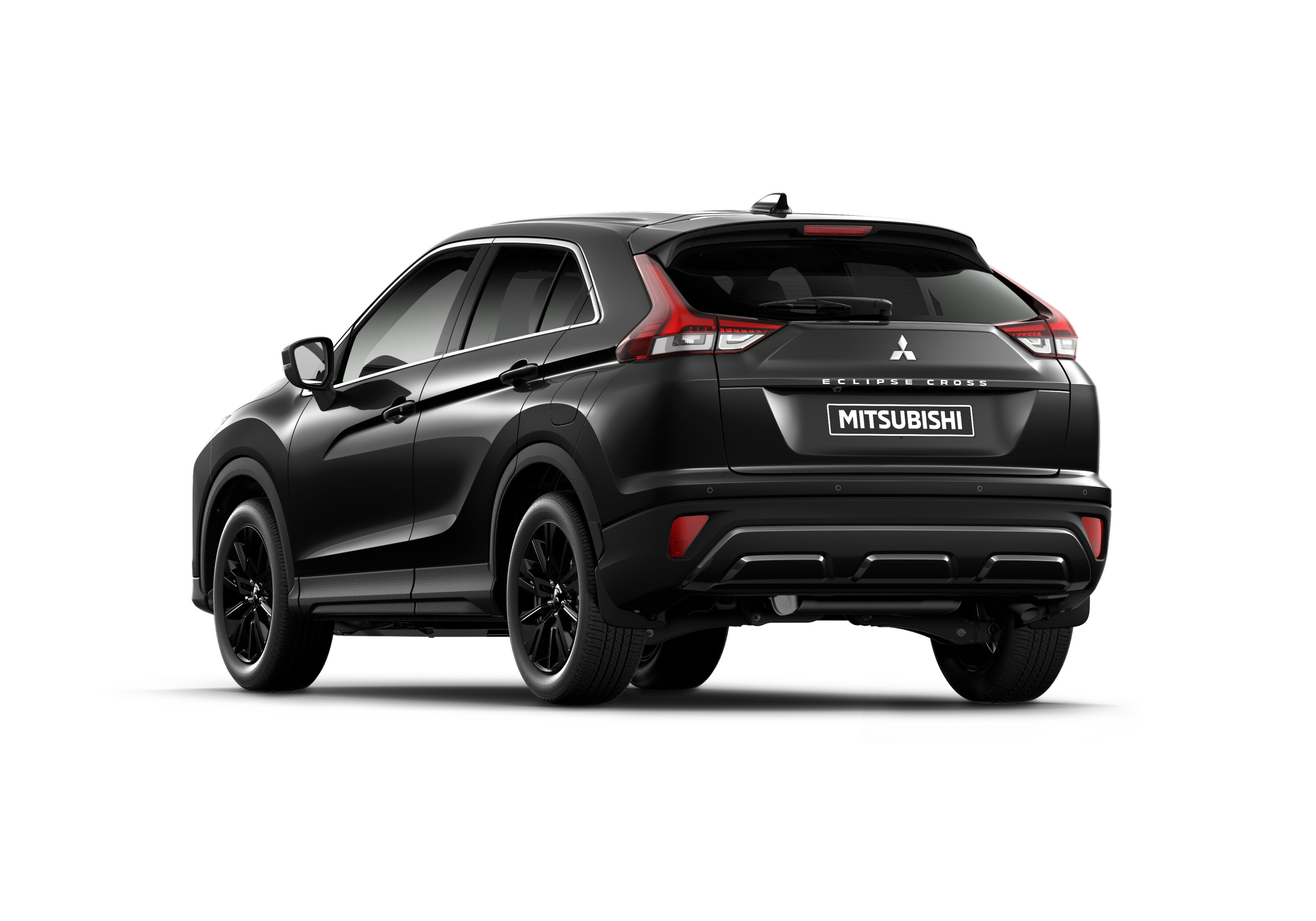
The Eclipse Cross made its debut on our shores in early 2018, joining the local compact SUV market.
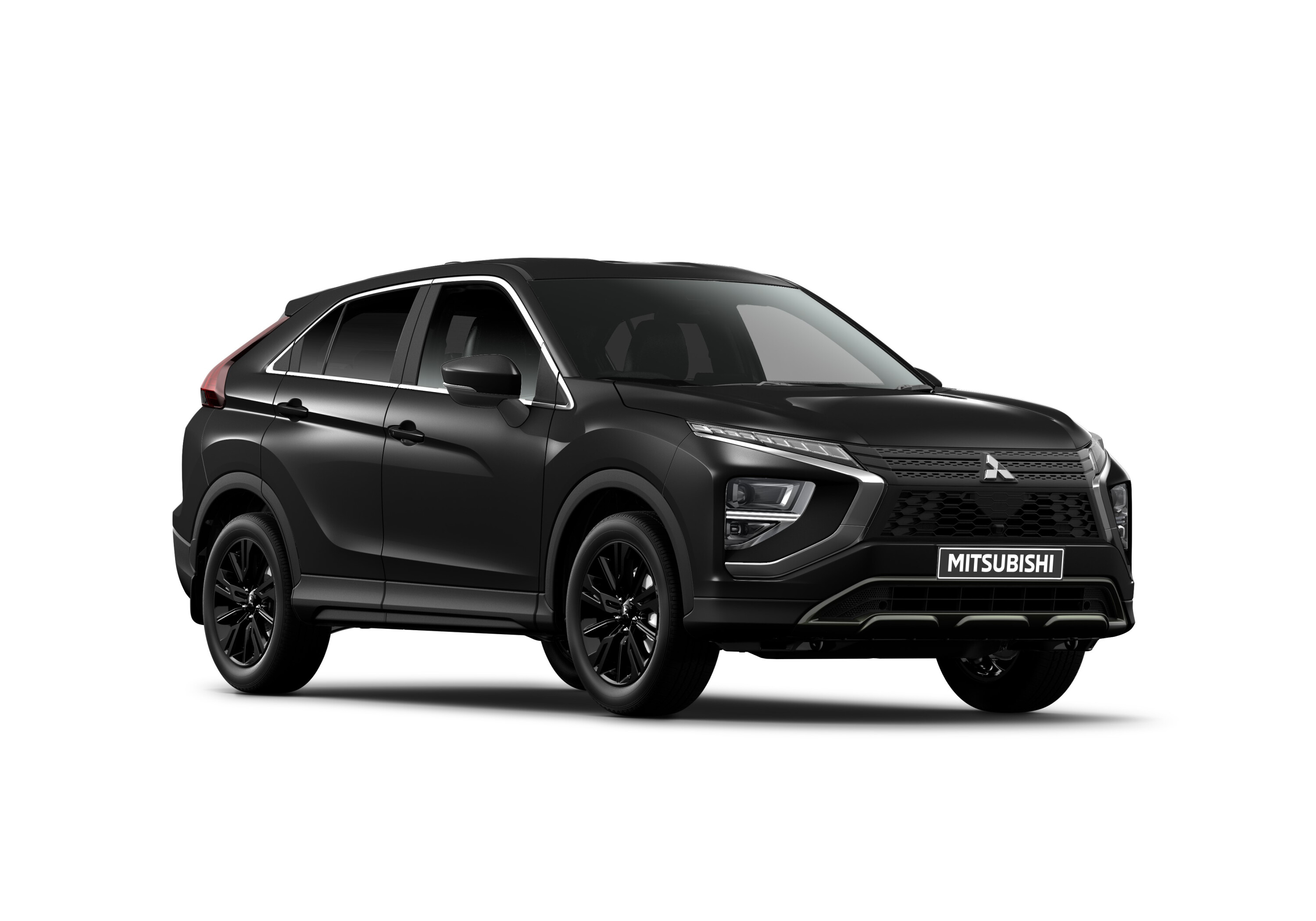
Manufactured by the Japanese automaker Mitsubishi, the Eclipse Cross provides seating for five individuals, offering a bit more space than its predecessor, the Mitsubishi ASX. Fast forward to 2024, the Eclipse Cross has undergone a minor price adjustment and received some additional features, enhancing the LS variant just above the entry-level trim.
Pricing and features
The 2024 Mitsubishi Eclipse Cross LS is priced at $34,740 before on-road costs for two-wheel drive variants. All-wheel LS variants drives add $2500.
It is powered by a 1.5-litre turbocharged petrol engine generating 100kW and 240Nm, and its combined fuel economy is quoted at 7.3L/100km.
Equipped with a continuously-variable automatic transmission as standard, the Eclipse Cross LS offers the option of front- or all-wheel drive.
Features
The Eclipse Cross comes with a decent amount of standard spec, including the following key features ?
| 2024 Mitsubishi Eclipse Cross LS key features | |
|---|---|
| Auto-dimming rear-view mirror | High beam assist |
| Second-row USB ports | Electronic parking brake |
| Lane change assist | Rear privacy glass |
| Blind-spot monitoring | Six-speaker audio system |
| Rear cross-traffic alert | Leather-wrapped steering wheel |
| 18-inch alloy wheels | LED fog lights |
| Keyless entry and push-button start | Heated, power-folding side mirrors |
| Illuminated front door trim | Black roof rails |
| Rain-sensing wipers | |
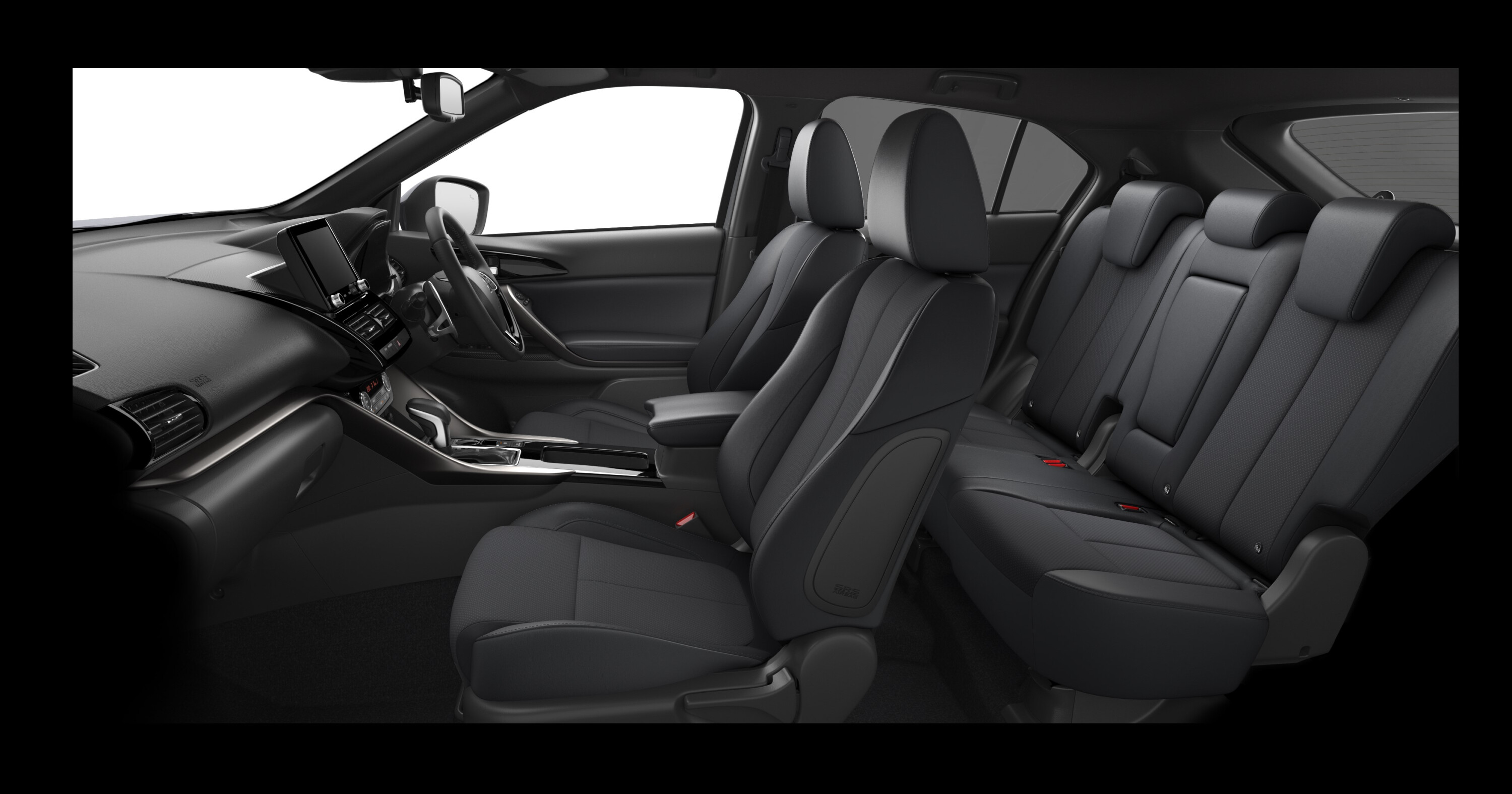
Safety
The current status of the Mitsubishi Eclipse Cross with ANCAP is ‘unrated’. Previously, it attained a five-star ANCAP rating following testing conducted in 2017, which expired in 2023.
Across all variants, seven airbags are included as standard, comprising dual front, side, curtain, and driver’s knee airbags.
Active safety features encompass autonomous emergency braking for both vehicles and pedestrians, a reversing camera, lane-departure warning, rear parking sensors, and an emergency stop signal.
Additional safety features such as blind spot monitors, rear-cross traffic alert, automatic high beam, and lane-change assist are available in this LS variant.
Key rivals
The Mitsubishi Eclipse Cross LS competes against other successful nameplates in the small SUV:
Should I put it on my shortlist?
Recognising the potential within the small SUV market and building on its achievements with the ASX, Mitsubishi aimed to introduce a sportier option with a strong emphasis on style.
In 2024, the Eclipse Cross LS demonstrates its distinct place among competitors. It’s a vehicle that seamlessly integrates into your lifestyle, providing precisely what you require. While it may not excel in any particular aspect, it effectively fulfils various roles.
Chery Australia has confirmed the specifications for its electrified Omoda E5, but pricing is still to be determined.
Chery’s first-ever all-electric vehicle will be available in two variants: a base-spec BX and a top-spec EX. However, even the entry-level model departs showrooms with a generous level of equipment including dual 12.3-inch screens, 18-inch alloy wheels, wireless Apple CarPlay and Android Auto, and a 50W wireless phone charger.
The EX then adds an eight-speaker Sony sound system, a powered sunroof, black synthetic leather seats (heated front and rear), and ambient lighting – plus plenty more listed here ?
Specs
| Omoda E5 BX | |
|---|---|
| 18-inch alloy wheels | 18 advanced driver aids |
| Dual 12.3-inch Instrument and Infotainment screens | In-built sat-nav |
| Three drive modes | Intelligent voice command |
| Six-speaker Sony sound system | Apple CarPlay and Android Auto |
| DAB+ radio | Wireless Phone charger |
| LED exterior lighting | Fabric seats with synthetic leather bolsters |
| Full-size spare wheel | |
| Omoda E5 EX (adds or replaces) | |
|---|---|
| Power tailgate | Eight-speaker Sony sound system |
| Puddle lamps | Ambient interior lighting |
| Black synthetic leather seats | 360-degree camera |
| Heated front and rear seats (outboard) | Synthetic leather steering wheel with heating |
| Powered sunroof | |
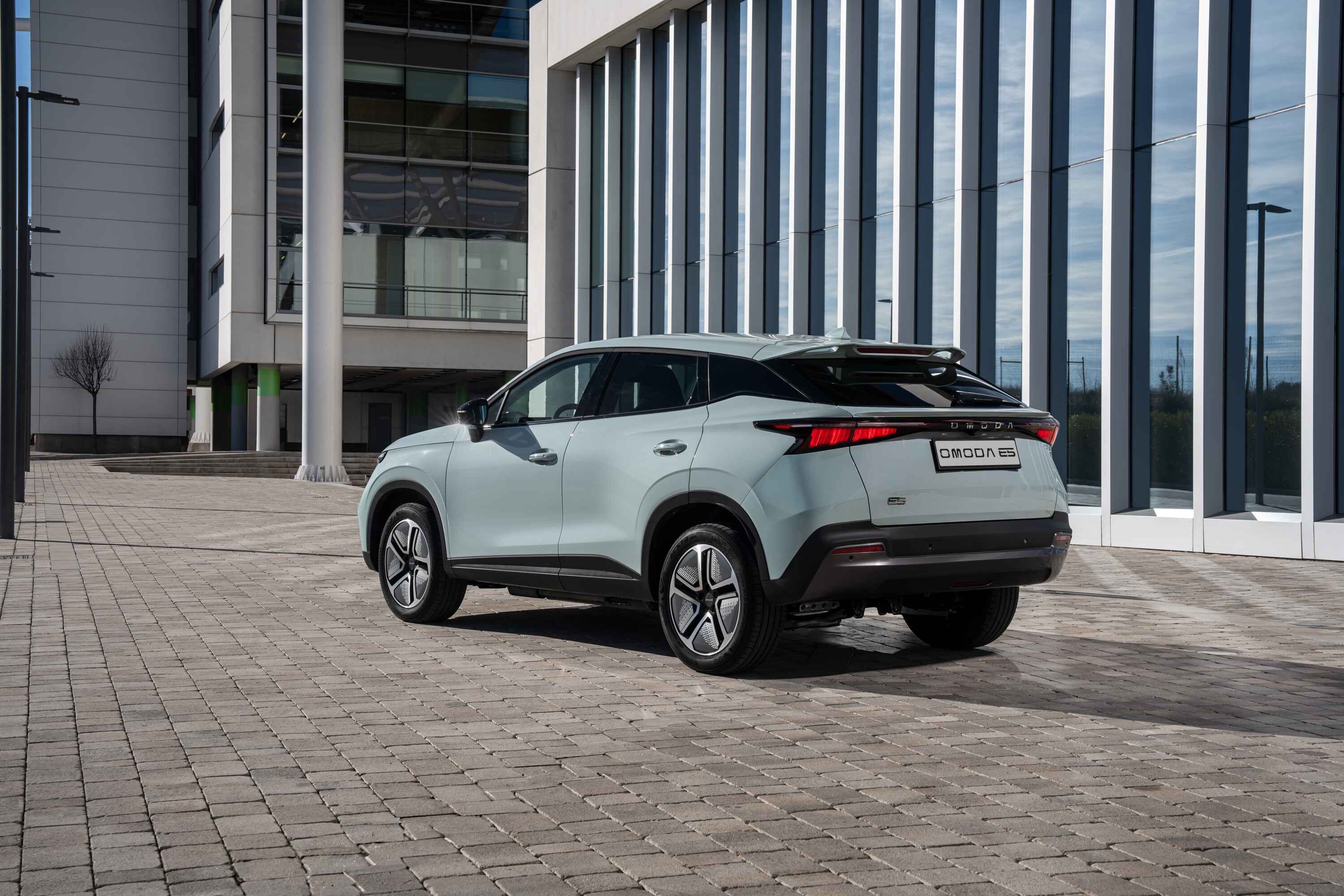
Both the BX and EX are powered by a 150kW/340Nm single electric motor that drives the front wheels. The E5 has a range of up to 430km; can be charged from 30 to 80 per cent in less than 30 minutes via a DC fast charger; and has a claimed 0-100km/h time of 7.6 seconds. The E5 will also come with a suite of advanced driver assistance systems (ADAS), including adaptive cruise control (ACC), autonomous emergency braking (AEB) and lane keeping assistance (LKA).
“We’re thrilled to introduce our first electric vehicle, a testament to our commitment to innovation and sustainability,” said Lewis Lu, CEO of Chery Australia. “We’re proud to offer a vehicle that not only delivers outstanding performance and range but also helps reduce our carbon footprint. This launch is a significant milestone in our journey towards a greener and more sustainable future,” he added.
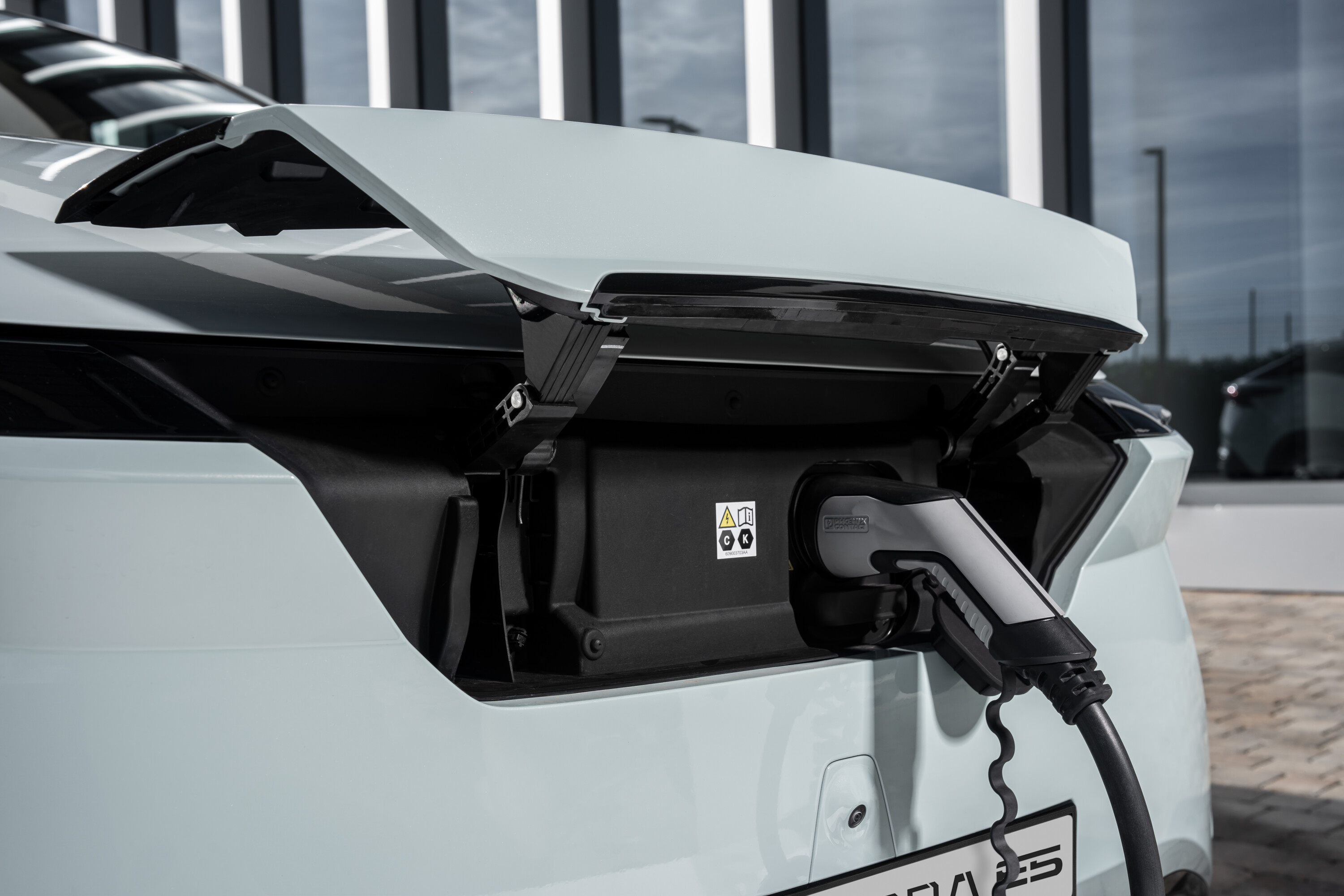
Chery backs its E5 with a generous seven-year / unlimited kilometre warranty, as well as seven years of capped price servicing and up to seven years of roadside assistance. The battery is covered by an eight-year / unlimited kilometre warranty.
Pricing will be revealed closer to the vehicle’s launch in September this year, where it will debut alongside the petrol-powered Omoda 5, TIGGO 7 Pro and TIGGO 8 Pro Max.
Australians buy more SUVs than any other type of vehicle; and within the showroom shootout, it’s Medium SUVs that outsell the rest.
While petrol power still dominates (but is on the decline), sales of hybrid vehicles were up 88% in July 2024 compared to the same time last year! PHEV sales also grew from 965 (July 2023) to 2209 (July 2024), an increase of 1244 sales or +128.9 per cent.
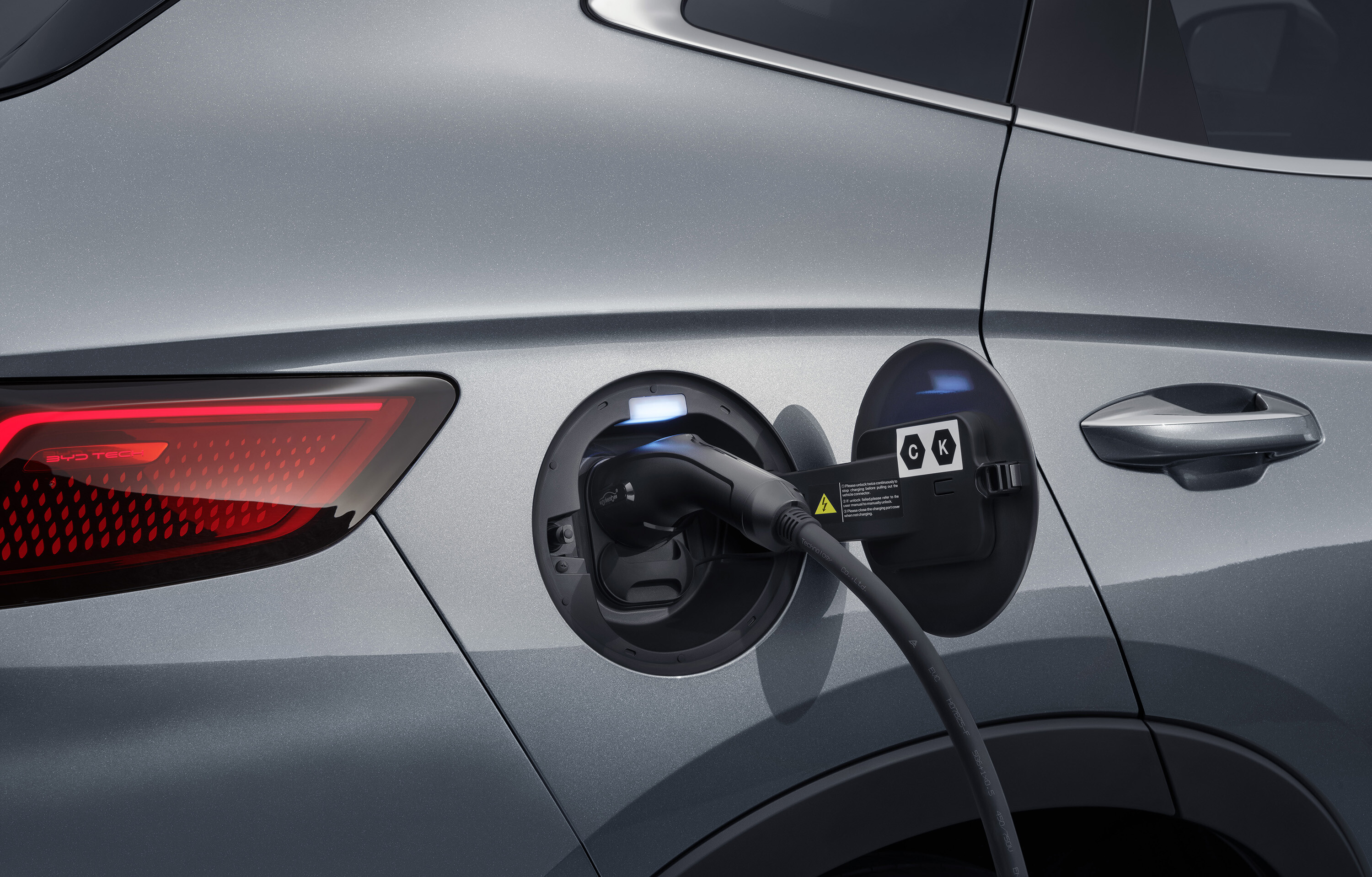
So, here are the plug-in hybrids set for local showrooms in 2024 and beyond ?
Jump Ahead
- Citroen C5 X Plug-in Hybrid
- Jeep Compass 4xe
- Jeep Compass eHybrid
- Hyundai Tucson Hybrid
- Mazda CX-5 PHEV
- MG HS PHEV
- Nissan Qashqai e-Power
- Mercedes-AMG GLC63 S E
- Volkswagen Tiguan eHybrid
Citroen C5 X PHEV
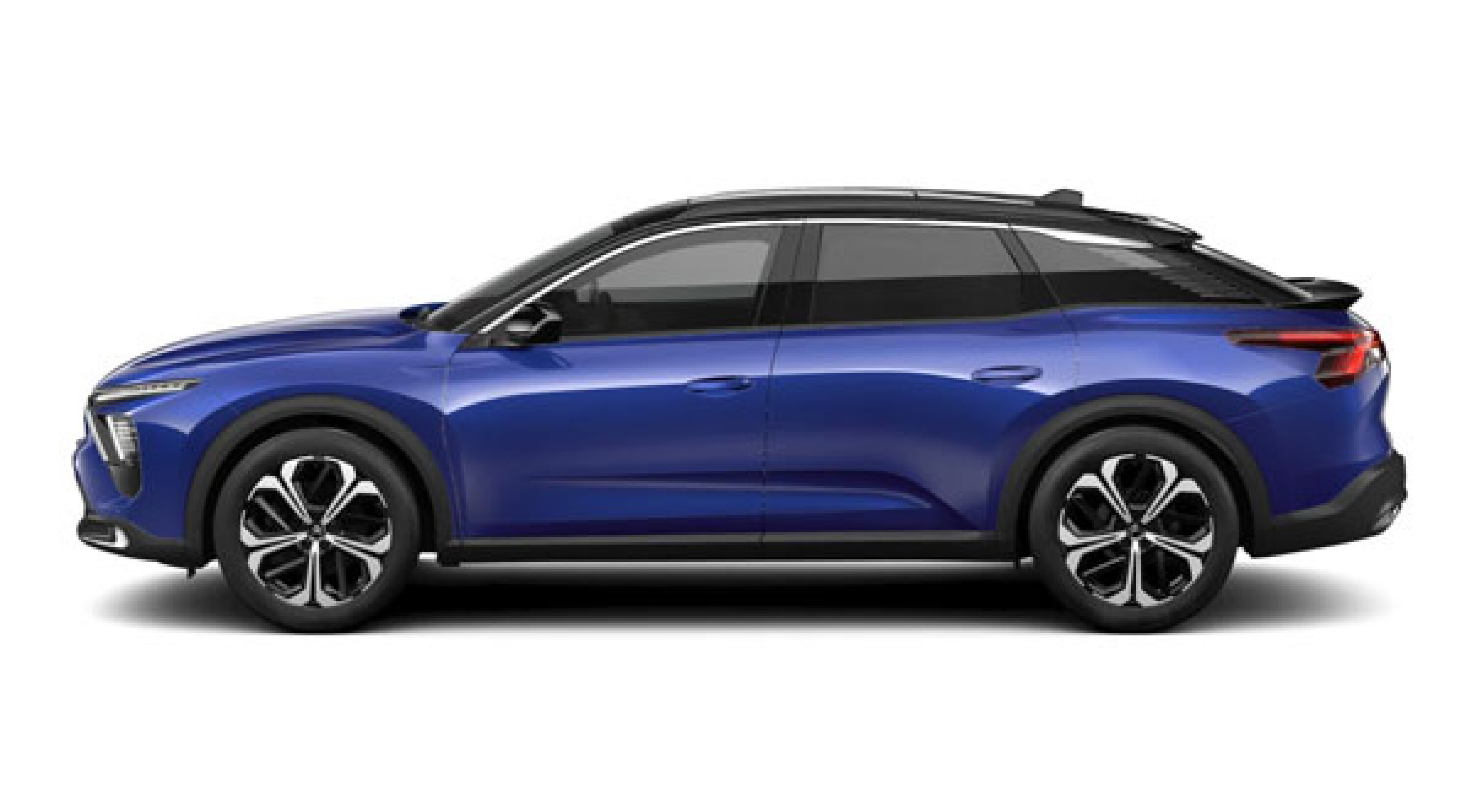
Part sedan, part wagon, part SUV – the C5 X plug-in hybrid was confirmed for Australia when the petrol version arrived here in late 2022 and will be in local showrooms before the end of 2024.
The ‘avant-garde’ body design sits on a 2785mm wheelbase for a 545L boot area in petrol versions – expandable to 1640L to the roof with the rear seats folded – but based on overseas specs, the hybrid unit reduces that by 60 litres.
It uses the same 133kW/250Nm 1.6-litre four-cylinder petrol engine eight-speed auto but adds an 80kW electric motor and 11.9kWh battery – with a 50km range under electric power.
Hyundai Tucson Hybrid
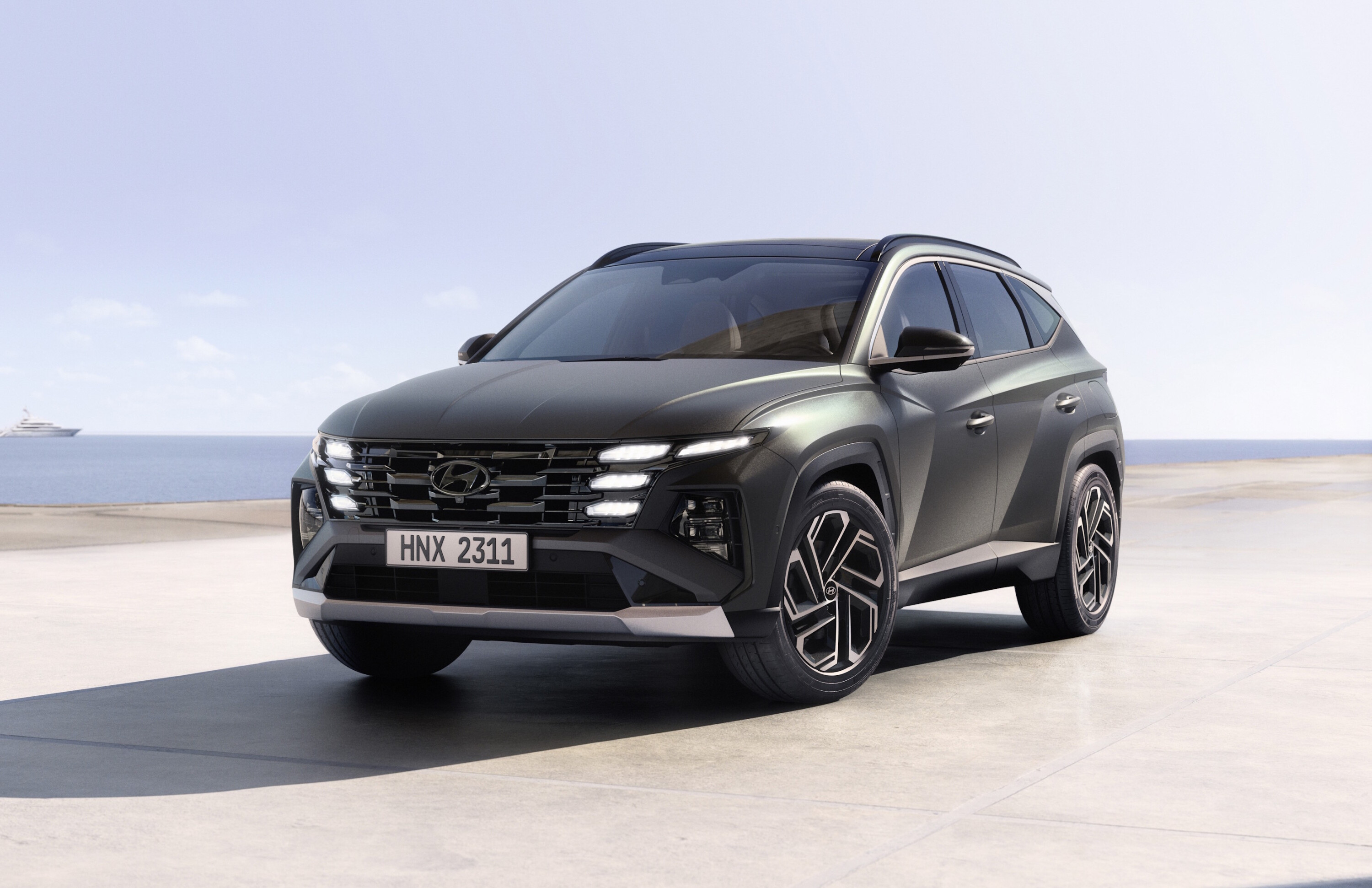
What does the Hyundai Tucson have in common with the Porsche 911? Both are getting hybrid models as part of a mid-life facelift.
The mid-size Tucson will use the same 1.6-litre turbocharged four-cylinder petrol engine and electric motor package to take on the dominant Toyota RAV4 Hybrid in the showroom shootout.
Hyundai Australia is yet to confirm which trim levels the hybrid will be offered on, with front- and all-wheel drive versions available overseas, with a best official combined fuel number of 5.9L/100km for the front-drive model.
Fingers crossed it comes on the new N-Line trim level announced with the new model which arrives in the third quarter of 2024.
Jeep Compass 4xe
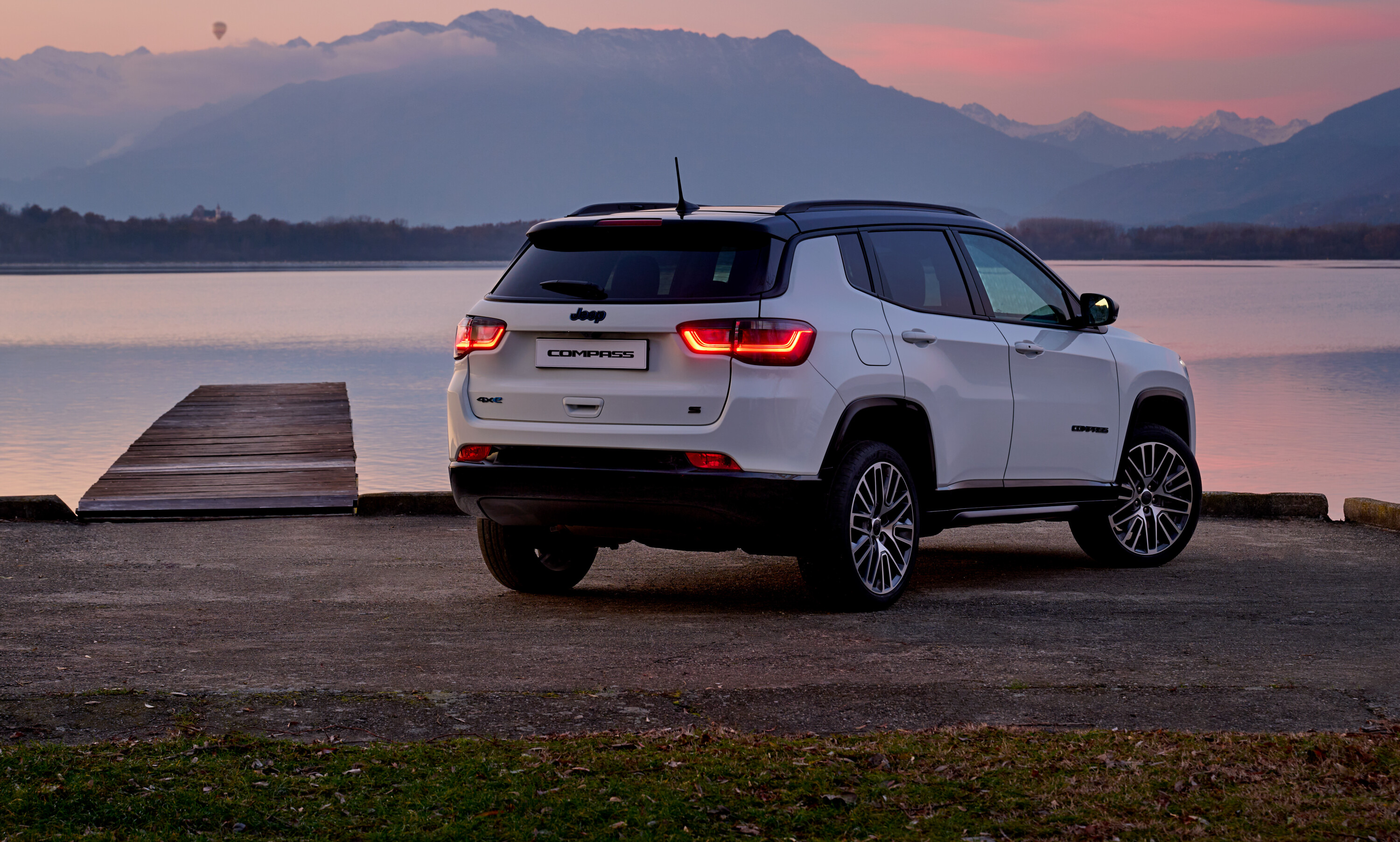
The Jeep Compass 4xe (pronounced “four times e”) adds a proper plug-in hybrid alongside the mild hybrid Compass.
The all-wheel drive 4xe plug-in hybrid combines a 1.3-litre turbocharged four-cylinder petrol engine with six-speed auto and electric motor for a 176kW/270Nm combined output.
Electric only range from the 11.4kWh battery is a (very specific) claimed 43.7 km, fuel economy of 2.1L/100km and the same cabin space as the mild-hybrid (badged the Compass ‘eHybrid’).
Its 483L boot space is considerably smaller than many rivals’ including the Ford Escape PHEV (566L), but on par with the Mitsubishi Outlander PHEV’s 478L.
With arrivals “late this year (2024)”, two equipment levels have been confirmed for Australia – the Limited and Summit – priced at $61,990 and $69,990 before on-road costs respectively.
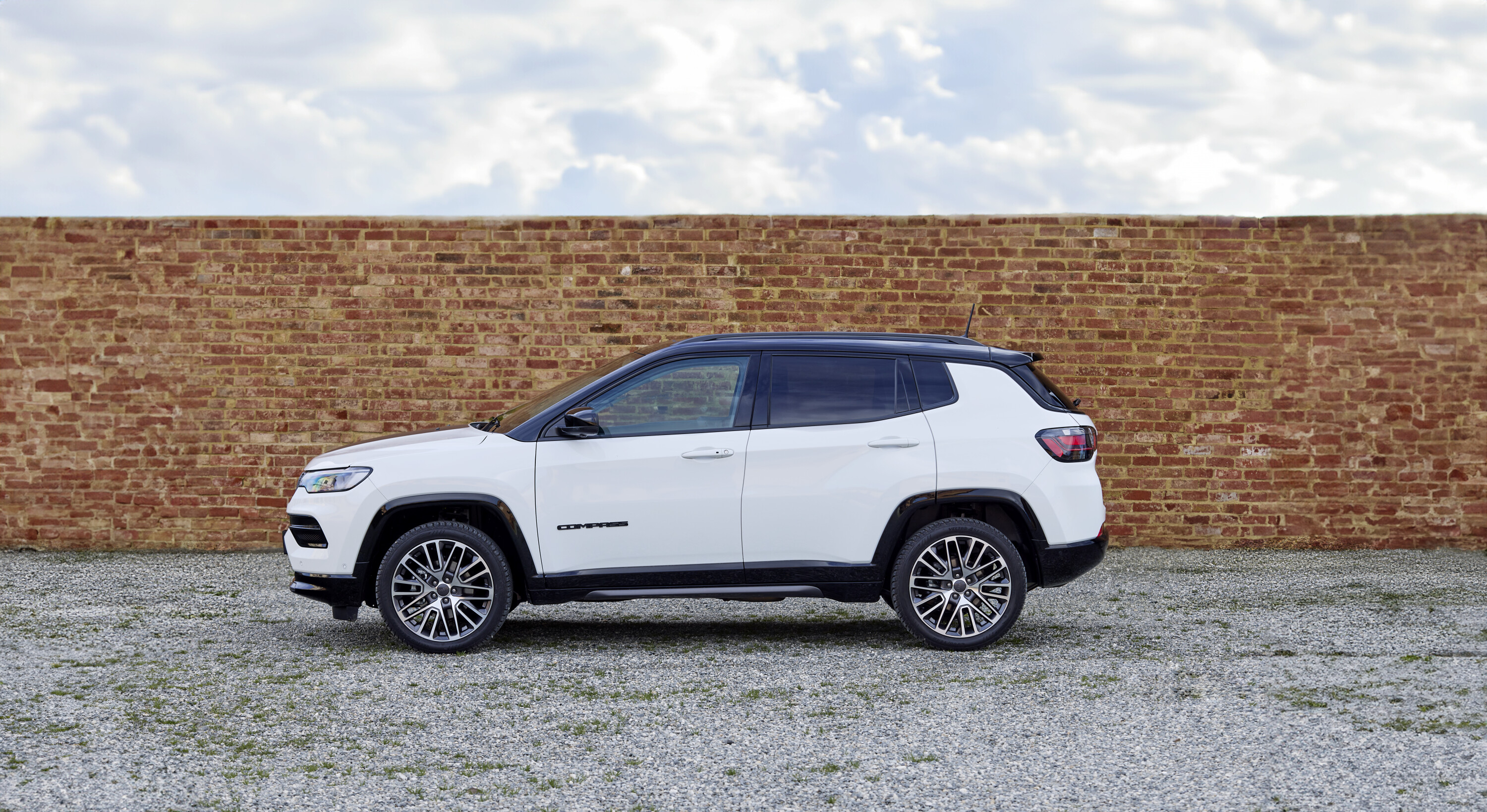
Jeep Compass eHybrid
The new Compass eHybrid is a ‘mild hybrid’ sits below the plug-in Compass 4xe, with both due in local showrooms by the end of 2024.
The front-wheel drive Compass eHybrid – denoted ‘eTorque’ badging – doesn’t have an electric motor, but uses a 48V battery pack for low-speed driving such as parking. The rest of the time it relies on its 96kW/240Nm 1.5-litre four-cylinder petrol engine and 7-speed dual-clutch transmission. Fuel economy is a claimed 5.1L/100km with the same cargo space as both the 4Xe and
Jeep Australia has confirmed the eHybrid Limited will be $45,990 plus on-road costs with the eHybrid Summit $54,990.
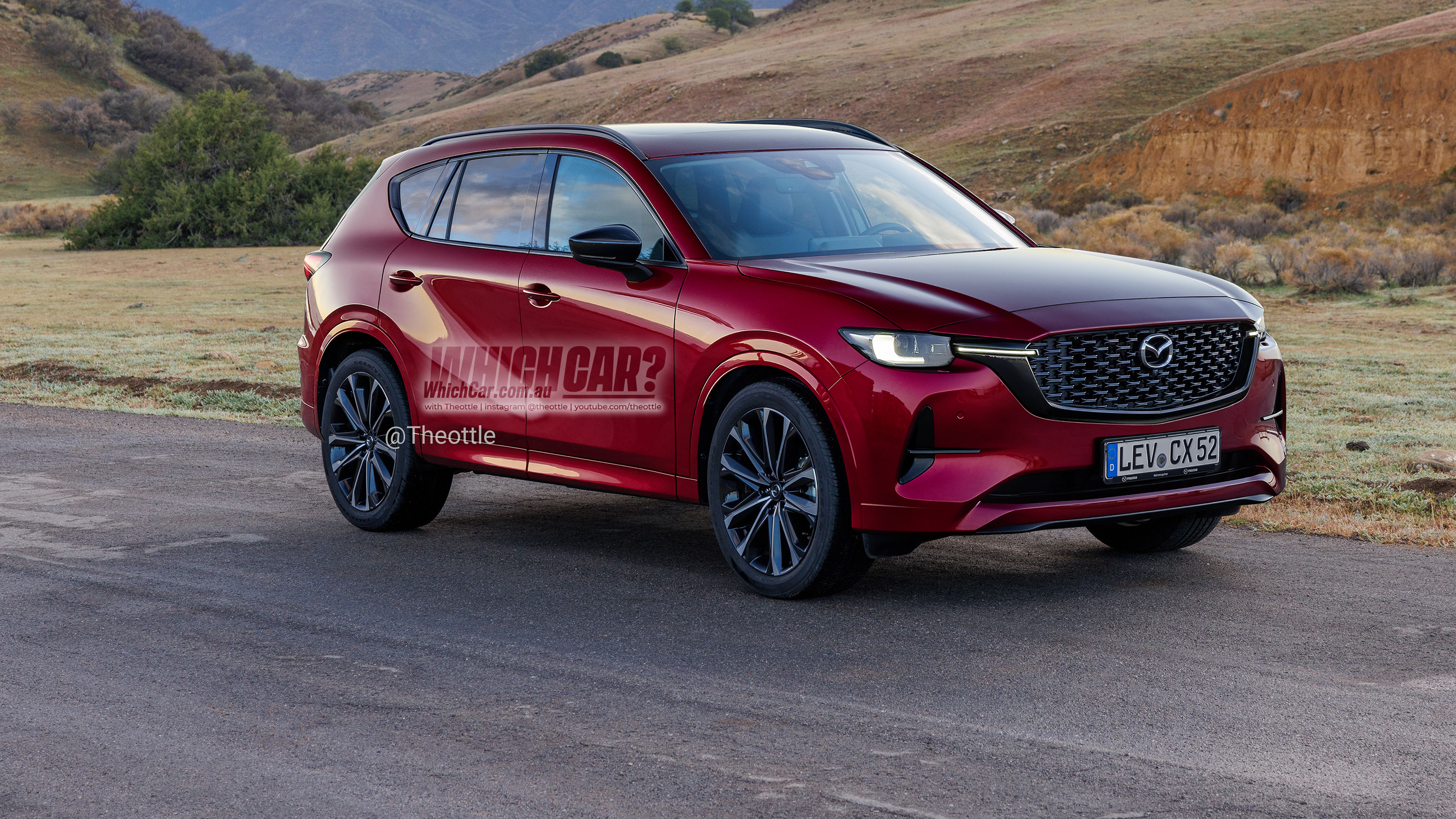
Mazda CX-5 PHEV
The next CX-5 is a landmark vehicle for Mazda Australia as the second generation of its best seller will include a plug-in hybrid EV for the first time.
In a bold move, it won’t be Toyota-powered despite a tie-up between the companies, with Toyota owning a five percent stake in Mazda. The CX-50 SUV, sold in China and the US, uses the Toyota RAV4 hybrid powertrain, but the next CX-5 will instead use the first in-house Mazda-developed plug-in set-up.
That’s all Mazda has confirmed for now, with scant information on the hybrid set-up, so watch this space as the CX-5 hybrid inches closer to Australian showrooms – and driveways.
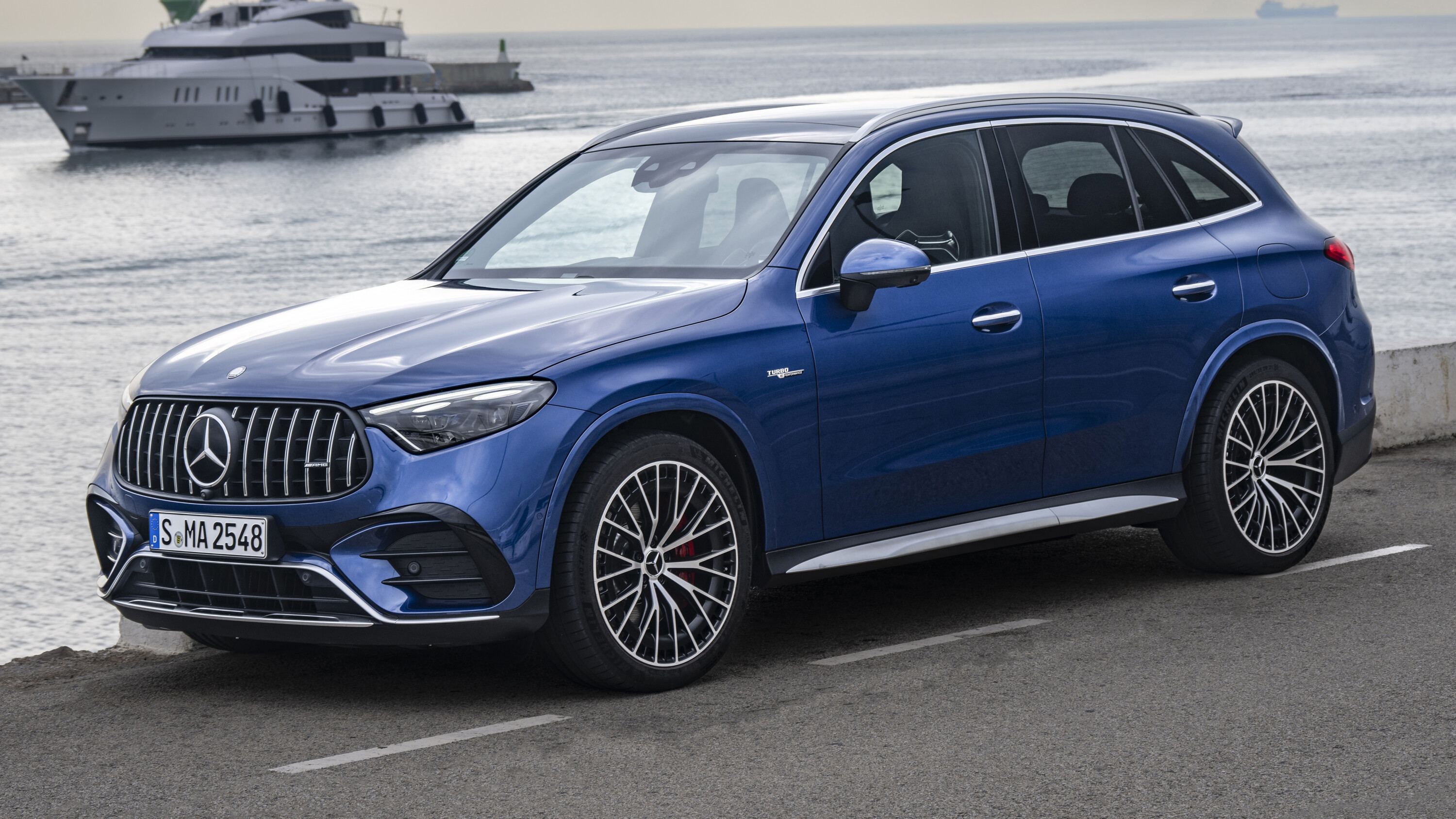
Mercedes-AMG GLC63 S E
Ditching V8 power after decades of guttural, grunty engines continues at AMG, with the flagship performance GLC S E Performance SUV now a hi-po hybrid.
Running a 350kW 2.0-litre four-cylinder turbocharged petrol engine with a battery pack and pair of 75kW electric motors delivers a healthy 500kW total, and while there’s 2.3 tonnes to move, our first drive overseas found it was more agile and talented than the stats suggest.
Somewhat a technological wonder, it’s pricey, though, starting at $192,900 (or $199,500 for the Coupe). It’s on sale now.
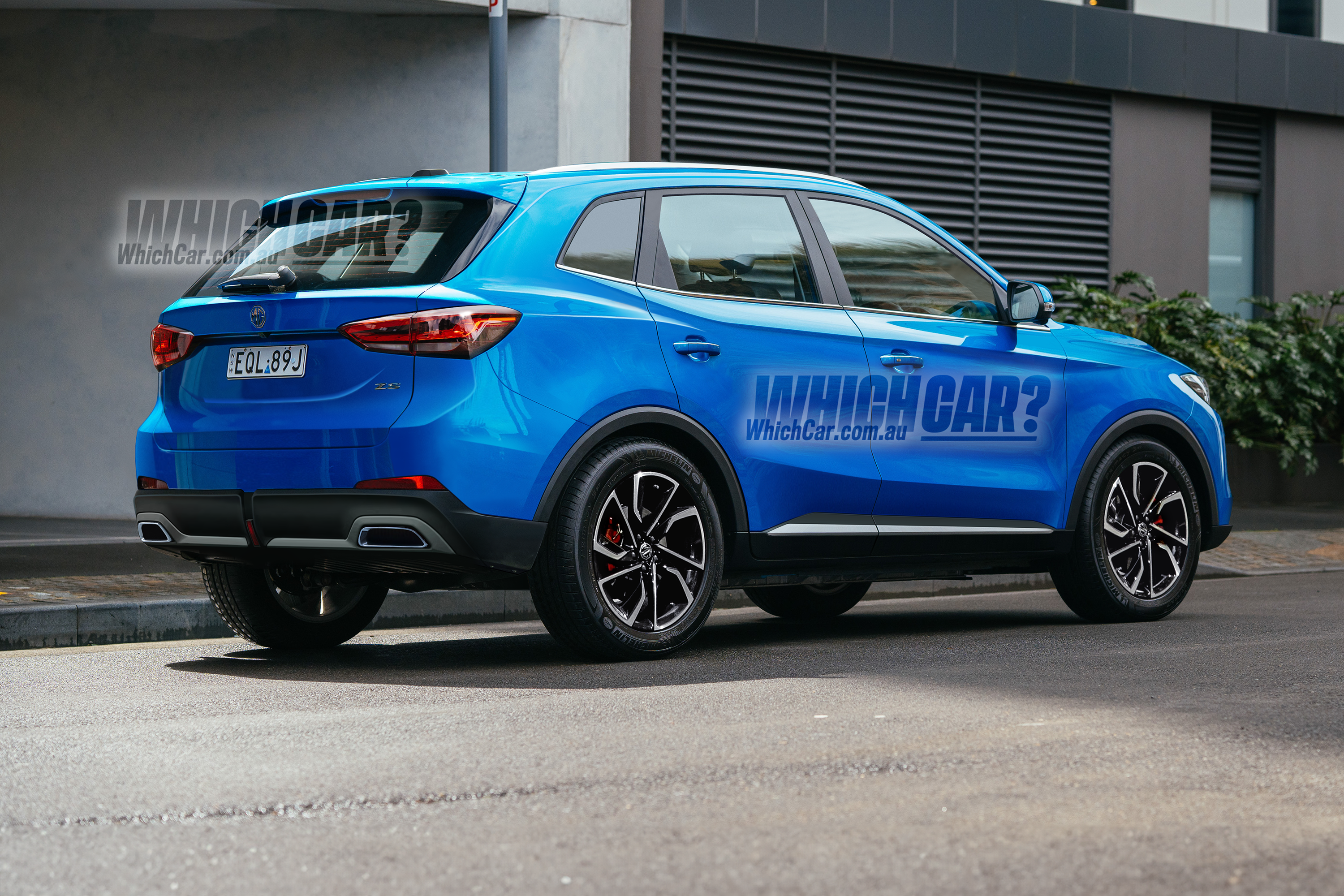
MG HS PHEV
Booked in for its Australian debut by the end of 2024, the MG HS is an all-new generation based on the Chinese-market Roewe RX5.
Dubbed eRX5 in plug-in hybrid from, the donor model brings the same size 1.5-litre turbocharged petrol engine as the outgoing HS PHEV, but brings more power and torque with a bigger battery wrapped in a more contemporary design.
That sees the petrol engine’s 138kW/300Nm boosted by a 180kW/270Nm electric motor and 12.3kWh battery, but there 2765mm wheelbase – an increase of 40mm – brings more to move. That sees electric only range fall from 63km to 50km in what appears to be one of few downsides of the model.
We’ll know for sure when official specs are announced ahead of it local launch later this year.
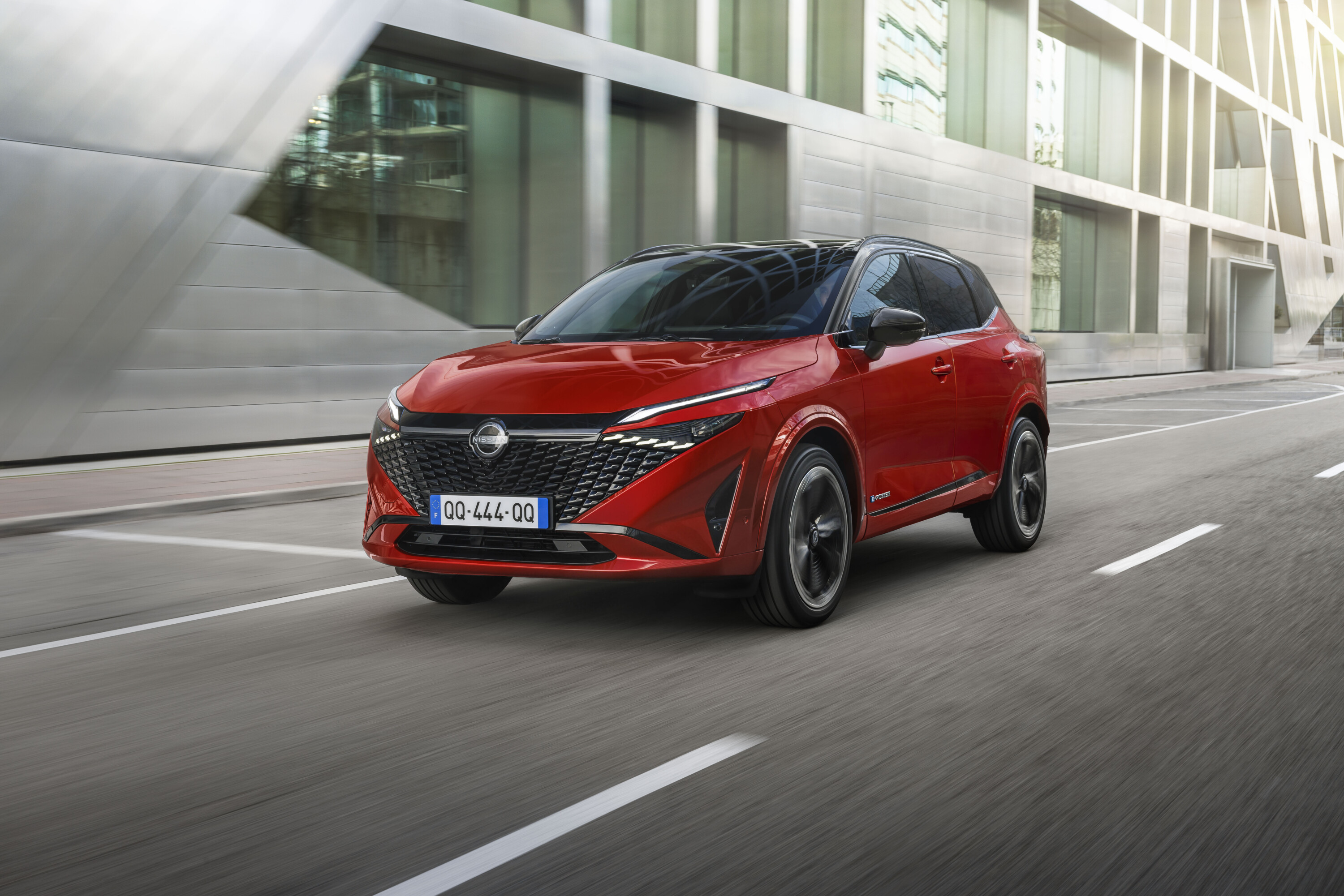
Nissan Qashqai e-Power
The most fuel-efficient Qashqai arrives in Australia as Nissan’s second ‘e-Power’ model after the larger X-Trail e-Power introduced the tech here in 2022.
Australian arrivals are set for Q4 2024 with a single Ti e-Power spec priced at $51,590 before on roads – $3200 above the non-hybrid Qashqai Ti
The Qashqai e-Power follows the same set-up, whereby its 140kW/330Nm electric motor is the sole source of drive to the (front) wheels, with its 2.1kWh battery topped up by the generator – a 1.5-litre three-cylinder petrol engine.
A claimed combined 5.2L/100km compares to 6.1L/100km for petrol-powered Qashqai, while bringing a 23-litre larger boot with its second row in place.
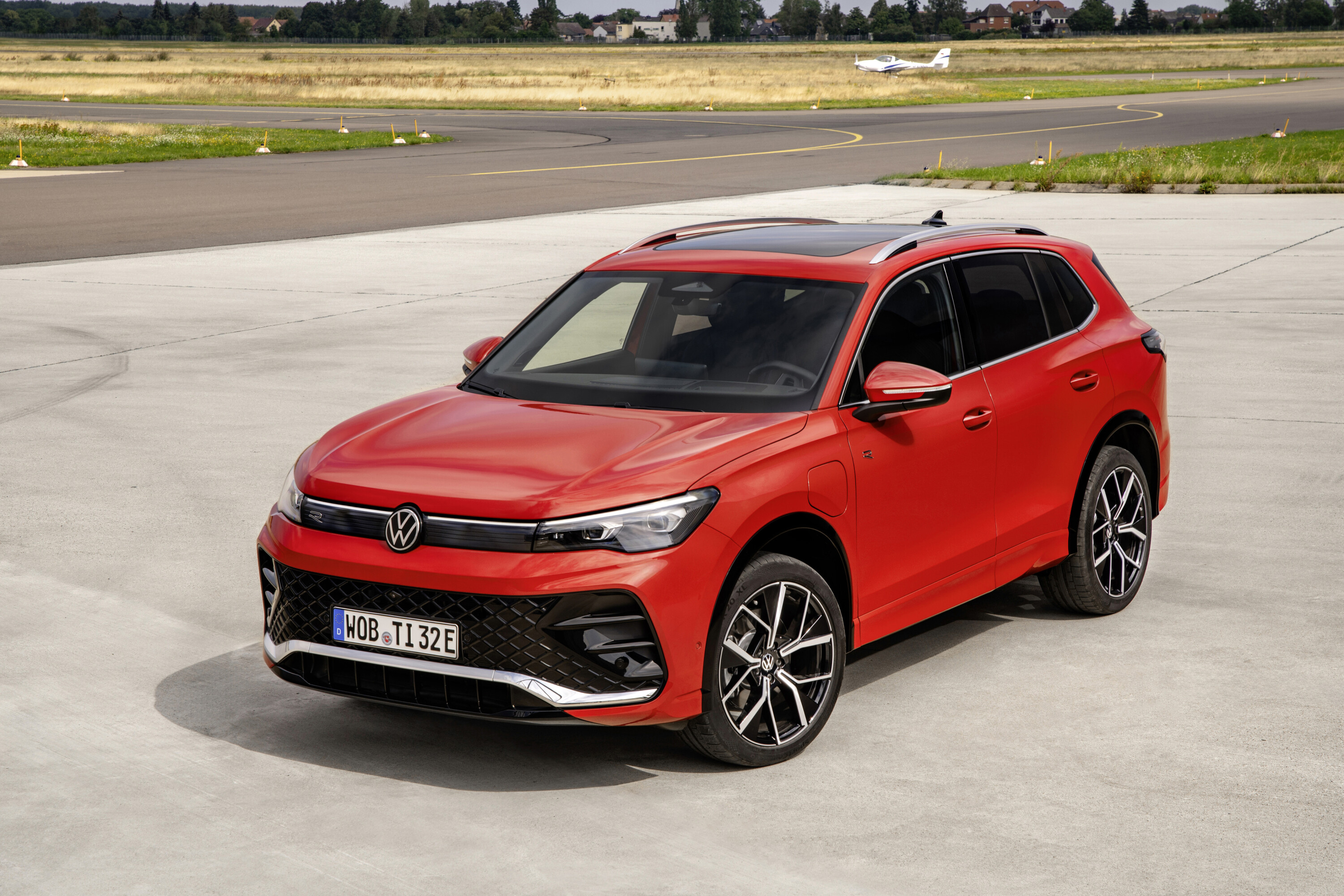
Volkswagen Tiguan eHybrid
The third-generation Tiguan is due to arrive in Australia in 2025 and is likely to see a plug-in hybrid model as part of the local line-up.
Australia missed out on the PHEV with the previous Tiguan, but the local arm has expressed a keen interest in the 2025 Tiguan eHybrid in place of diesel powertrains.
Sharing the Golf’s MQB Evo platform, the pluggy Tiggy also uses the same 1.5-litre turbocharged four-cylinder petrol engine and electric motor – sold overseas in 150kW and 200kW outputs – and 19.7kWh battery, with a claimed electric only range of up to 120km.
Australian consumers are increasingly looking to hybrid power as an alternative source, according to the latest VFACTS report.
With increasing cost-of-living pressures and jaw-dropping fuel bowser prices now the norm, consumers seem to be looking at ways to combat this financial burden – and ridding their vehicles of combustion power seems to be an alluring method.
According to the July 2024 VFACTS report, a total of 18,039 hybrid vehicles were sold in July. At the same time last year (July 2023) that figure was 9574, an increase of 8465 sales or a whopping +88.4 per cent.
Petrol sales, by comparison, remain higher (42,027 petrol variants sold in July 2024) but have dipped compared to last year (48,227 sales in July 2023), representing a decline of 6200 sales or -12.9 per cent. It’s a bit different for diesel-powered vehicles, with sales increasing from 27,791 (July, 2023) to 29,263 (July, 2024), a jump of 1472 units or +5.3 per cent.
PHEV sales grew from 965 (July 2023) to 2209 (July 2024), an increase of 1244 sales or +128.9 per cent.
“Consistent with trends in many overseas markets, sales of hybrid vehicles are up 88.4 per cent and plug-in hybrid vehicles are up 128.9 per cent compared with July 2023,” said FCAI Chief Executive, Tony Weber. “The hybrid performance is highlighted by the fact that the Toyota RAV4 was the top-selling vehicle for the month ahead of Ford Ranger and Toyota HiLux. Most RAV4 sales are hybrids.”
Sales of pure electric vehicles have dipped, down from 6846 in July 2023 to 4048 in July 2024.
“Sales of battery electric vehicles – with the inclusion of the reported Tesla (2592) and Polestar (103) results – are currently at 6.6 per cent of the market, down from 7.0 per cent in 2023,” Weber added.
The year-to-date numbers reinforce Australia’s transition away from petrol power. From January to July, 2023, a total of 342,509 petrol vehicles were sold – that number has shrunk to 314,783 sales over the same period in 2024 (a decline of 8.1 per cent). Diesel numbers may have increased from 203,730 to 223,122 (+9.5 per cent) over the same period, but hybrid numbers have skyrocketed from 9574 to 18,039 (+108.3 per cent).
Granted, the bulk of those hybrid sales are in the passenger and SUV markets, with only a fraction in the Light Commercial segment due to slim pickings. Still, at this time last year, zero hybrids we sold year-to-date. In 2024, a total of 311 hybrid vehicles have been sold in the segment so far.
Passenger sales: Year-to-date
| 2024 | 2023 | Difference | |
|---|---|---|---|
| Diesel | 5773 | 6992 | -1219 |
| Electric | 23,671 | 15,965 | +7706 |
| Hybrid | 27,154 | 13,059 | +14,095 |
| Petrol | 73,481 | 84,817 | -11,336 |
SUV sales: Year-to-date
| 2024 | 2023 | Difference | |
|---|---|---|---|
| Diesel | 68,207 | 64,052 | +4155 |
| Electric | 30,369 | 33,876 | -3507 |
| Hybrid | 72,187 | 34,785 | +37,402 |
| Petrol | 227,238 | 242,206 | -14,968 |
LCV sales: Year-to-date
| 2024 | 2023 | Difference | |
|---|---|---|---|
| Diesel | 149,142 | 132,686 | +16,456 |
| Electric | 227 | 97 | +130 |
| Hybrid | 311 | 0 | +311 |
| Petrol | 14,064 | 15,486 | -1422 |
Is it time to trade in your ICE vehicle? Let us know in the comments below!
Snapshot
- Pricing starts at $50,000 (MLP)
- Safety updates touted for 2025, including Intelligent Speed Limit Assist and Rear Occupant Alert
- New technology bundles in 10.25-inch digital dash for track day info
Hyundai has revealed pricing and specs for its 2025 i30 N, touting various safety updates and technology additions to boot.
The storming N hatch launches in Australia in August, 2024, with prices starting at $50,000 (excluding dealer delivery and on-road costs) for the base N variant in either six-speed manual or eight-speed automatic guise.
A DCT i30 N Premium sans sunroof has been added to the local line-up, and is priced at $53,500 (excluding dealer delivery and on-road costs) with the same manual and DCT transmission options. Upgrading to an N Premium with a sunroof costs an extra $2000. Premium paint is $595 across both N and N Premium models.
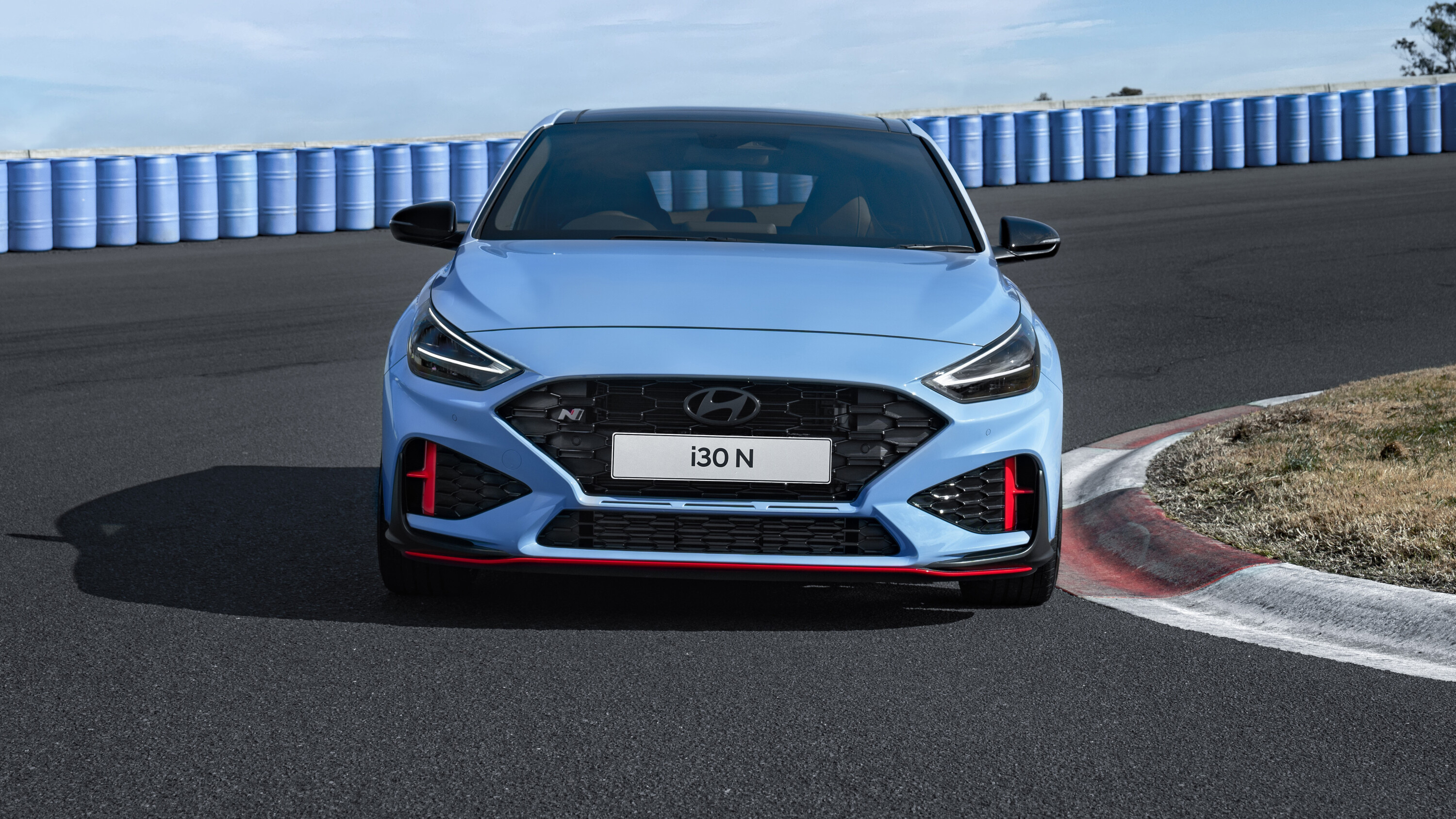
Safety additions for the 2025 model include Intelligent Speed Limit Assist and Rear Occupant Alert. Plus, rain-sensing wipers are now included as standard.
Interior technology has been improved with the addition of Hyundai’s 10.25-inch supervision instrumentation that complements a multimedia touchscreen of the same size. The digital dash provides drivers with important track-day information such as a lap timer, g-force indicator and turbo boost gauges.
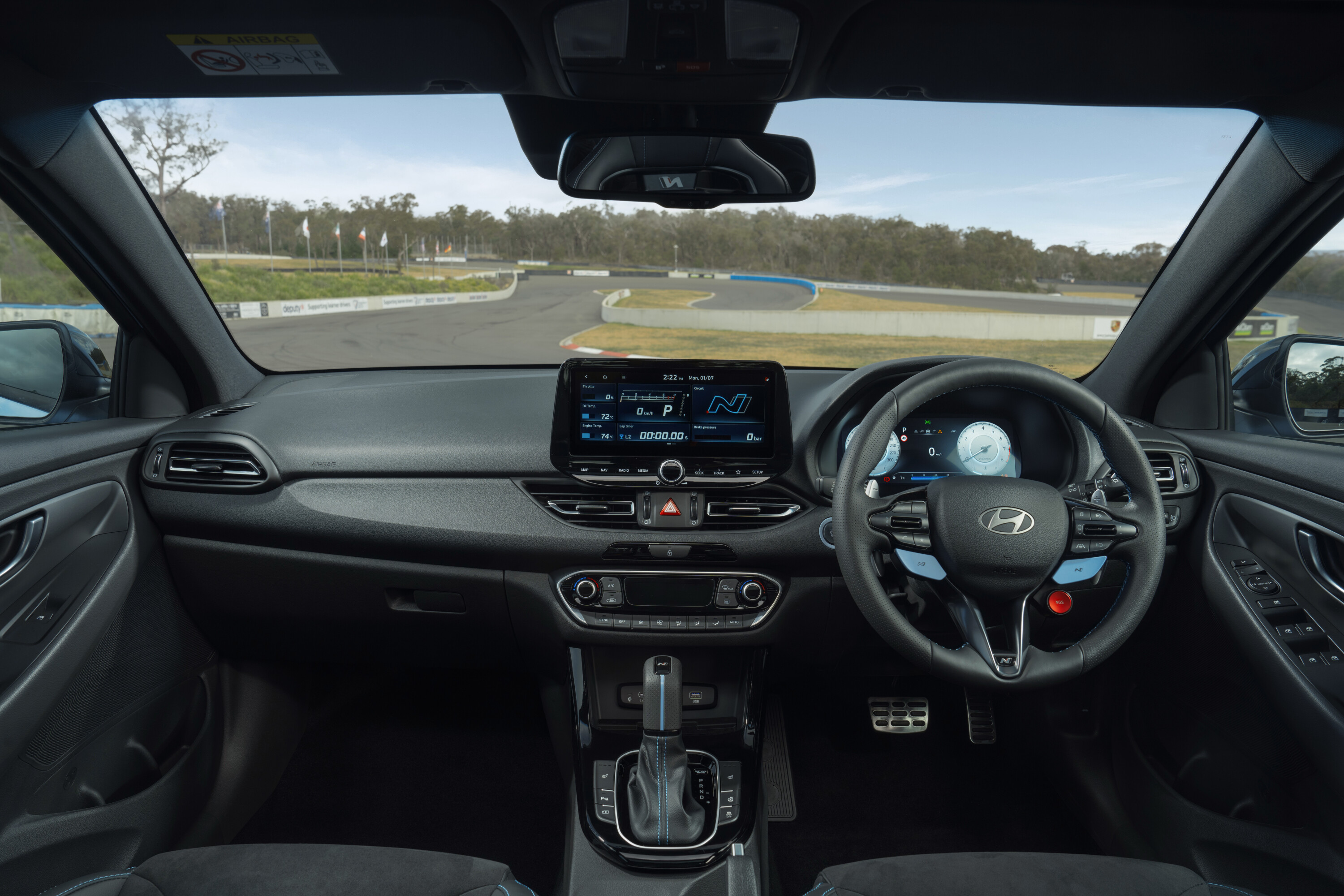
The interior is further revised with the inclusion of N bucket seats wrapped in suede and Alcantara, along with three USB-C charging points (one in the front and two for rear passengers).
Exterior tweaks include 19-inch forged alloy wheels, a revised grille, and red trimming around the side skirts and front bumper.
“These key updates are about improving the Hyundai i30 N formula, without changing the fundamentals,” said Hyundai Motor Company Australia Chief Executive Officer, Ted Lee.
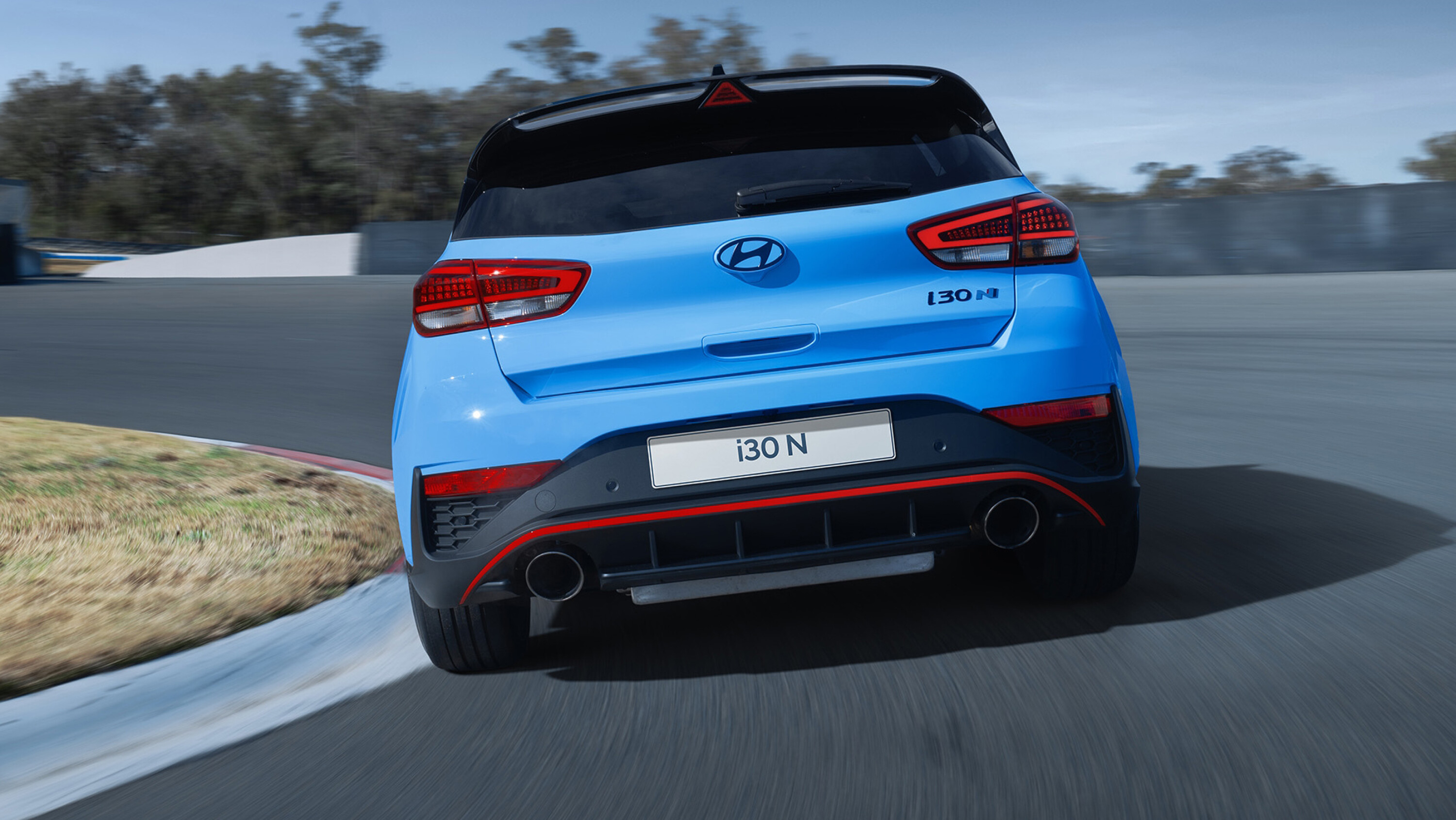
Unchanged for i30 N fans is the 2.0-litre turbo petrol engine that offers 206kW and 392Nm, with buyers provided the option of a six-speed manual or an eight-speed dual clutch transmission.
Adding to the driving excitement is Hyundai’s N Grin shift button that has been added to the steering wheel, a feature that has been included on the i30 Sedan N and the bold, electric IONIQ 5 N. A poke of this button gives the driver 20 seconds of extra power, uproarious engine note and aggressive shifts.
“While the i30 N has always been about maximising performance and fun, these improvements focus on delivering key safety and technology updates, adding to the well-rounded nature of this accessible and exciting performance vehicle,” said Lee.
2025 Hyundai i30 N: Key features
| N exclusive styling appointments – New design | Leather steering wheel & gear knob – New emblem design |
| 19-inch forged alloy wheels – New colour | Dual zone climate control with clean air function |
| Temporary spare tyre | Auto up/down on all windows with safety |
| LED Daytime Running Lights (DRL) | Rear privacy glass |
| LED Headlamps u2013 Multi MFR | Rear View Monitor with parking guidance (RVM w/ PG) |
| LED taillights | Parking Distance Warning Front/Rear (PDW-F/R) |
| Aero windscreen wipers with rain sensing | Tyre Pressure Monitoring System (TPMS) |
| Electric mirror folding w/ LED side repeaters | SmartSense Safety |
| Puddle lights (mirror type) and door handle courtesy lights | Electric Chromic Mirror (ECM) |
| 10.25-inch Supervision instrument cluster | Rain-sensing wipers |
| 10.25-inch navigation and Bluelink with voice control | 2x Rear USB-C charging ports |
| LED interior lights | Front USB-C charging port |
| Smart key with push button start | Cloth seats |
| Heated and power folding door mirrors | 6 speakers |
2025 Hyundai i30 N Premium adds
| Solar windscreen and front door glass | N Light bucket seats |
| Leather-accented and Alcantara seat upholstery – New upholstery design | Heated front seats |
| Heated steering wheel | Panoramic sunroof (optional) |
2025 Hyundai i30 N: Pricing
| Transmission | N | N Premium |
|---|---|---|
| 6-speed manual | $50,000 | $53,500 |
| 8-speed DCT | $50,000 | $53,500 |
2025 Hyundai i30 N: Options
| Options | N | N Premium |
|---|---|---|
| Premium paint | $595 | $595 |
| Sunroof | – | $2000 |
These are the car brands in Australia with the best warranties and capped-price servicing coverage periods
In a market as small as Australia’s, where we ‘only’ see around 1 million new car sales each year, car brands will quickly follow each other – and one-up each other – to stay competitive.
And, with something like 60 brands currently competing for buyers’ attentions, it’s a hard-fought battle.
One clear example of tight competition is in warranties. The complexities of covering the cost of a new warranty means that brands can’t quickly and easily increase the length of their offer, but as soon as a few brands started upgrading from three- to five-year plans, others followed as quickly as they could.
Likewise, in servicing costs and scheduled visits, with more and more brands working to keep their costs attractive and the visits as infrequent as possible. Not all are doing a great job on that front, however, and that’s where it’s great for buyers to have a resource like the one we’ve built here.
So read on, to see which new-car brands in Australia are offering the most competitive and compelling warranties and capped-price servicing plans.
Best new-car warranties in Australia
This list is ordered first by warranty length, and then alphabetically.
| Note that there may be specific conditions to these programs, so be sure to read our detailed breakdown u2013u00a0including a list of the shortest warranties u2013u00a0below this brief list. |
- MG – 10 years / 250,000km
- Mitsubishi – 10 years / 200,000km
- GWM/Haval – 7 years / unlimited km
- Kia – 7 years / unlimited km
- Skoda – 7 years / unlimited km
- SsangYong – 7 years / unlimited km
- LDV – 7 years / 200,000km (non-EV models)
- Isuzu Ute – 6 years / 150,000 km
- BYD – 6 years* / 150,000 km (* see details below!)
- Alfa Romeo – 5 years / unlimited km
- Audi – 5 years / unlimited km
- BMW – 5 years / unlimited km
- Citroen – 5 years / unlimited km
- Ford – 5 years / unlimited km
- Genesis – 5 years / unlimited km
- Honda – 5 years / unlimited km
- Hyundai – 5 years / unlimited km
- Jaguar Land Rover – 5 years / unlimited km
- Jeep – 5 years / 100,000km
- LDV – 5 years / 130,000km (EV models)
- Lexus – 5 years / unlimited km
- Mazda – 5 years / unlimited km
- Mercedes-Benz – 5 years / unlimited km
- Mini – 5 years / unlimited km
- Nissan – 5 years / unlimited km
- Peugeot – 5 years / unlimited km
- Renault – 5 years / unlimited km
- Subaru – 5 years / unlimited km
- Suzuki – 5 years / unlimited km
- Toyota – 5 years / unlimited km
- Volkswagen – 5 years / unlimited km
- Volvo – 5 years / unlimited km
- Rolls Royce – 4 years / unlimited km
- Tesla – 4 years / 80,000km (Battery and drive unit – eight years/160,000km, 192,000km for AWD models)
3-year warranty holdouts
- Alpine – 3 years / 100,000 km
- Aston Martin – 3 years / unlimited km
- Bentley – 3 years / unlimited km
- BMW Alpina – 3 years / 200,000 km
- Ferrari – 3 years / unlimited km
- Fiat – 3 years / 150,000 km
- GMSV – 3 years / 100,000 km
- Maserati – 3 years / unlimited km
- McLaren – 3 years / unlimited km
- Porsche – 3 years / unlimited km
- Ram – 3 years / 100,000 km
2-year warranty holdouts
- Caterham – 2 years/50,000 km
- Lamborghini – 2 years/unlimited km
- Lotus – 2 years/unlimited km
Australia’s best and worst new-car warranties
Detailed breakdown
New car warranties traditionally covered a new vehicle for three years, and often with a limited number of kilometres.
However, Kia Australia’s decision to introduce a seven-year, unlimited-kilometre warranty in 2014 shook up the market in Australia and prompted other manufacturers to increase their coverage.
Some mainstream carmakers initially offered seven-year warranties for a limited time only, but few match Kia permanently – settling for five-year deals instead.
So is a longer warranty worth the paper it’s written on? Generally yes, though it’s important to check the terms and conditions. Its worth is only tangible if something goes wrong with the car. However, it provides peace of mind and could help resale values if the car is sold within the warranty period, as it transfers across with the sale.
It’s worth noting warranties are conditional on the car being regularly serviced to prescribed schedules, but you have the right to choose your own authorised mechanic. Some manufacturers offer incentives to service your vehicle at their dealerships, such as capped-price servicing, free roadside assist or loan cars.
From longest to shortest, here is the comprehensive list of vehicle warranties available in Australia and what conditions are attached for private cars (without the small print).

MG – 10 years / 250,000km
The British marque introduced its 10-year / 250,000km warranty in August, 2024, overtaking Mitsubishi to offer Australia’s longest new-car warranty. Unlike Mitsubishi, MG’s new 10-year warranty covers all EV, PHEV and hybrid models. However, if the vehicle is used for commercial purposes, the warranty dips to seven-year / 160,000km.
Prior to this update, MG offered a competitive seven-year / unlimited kilometre warranty. A seven-year/unlimited-kilometre warranty on anti-perforation and paint remains the same, though.
Mitsubishi – 10 years / 200,000km
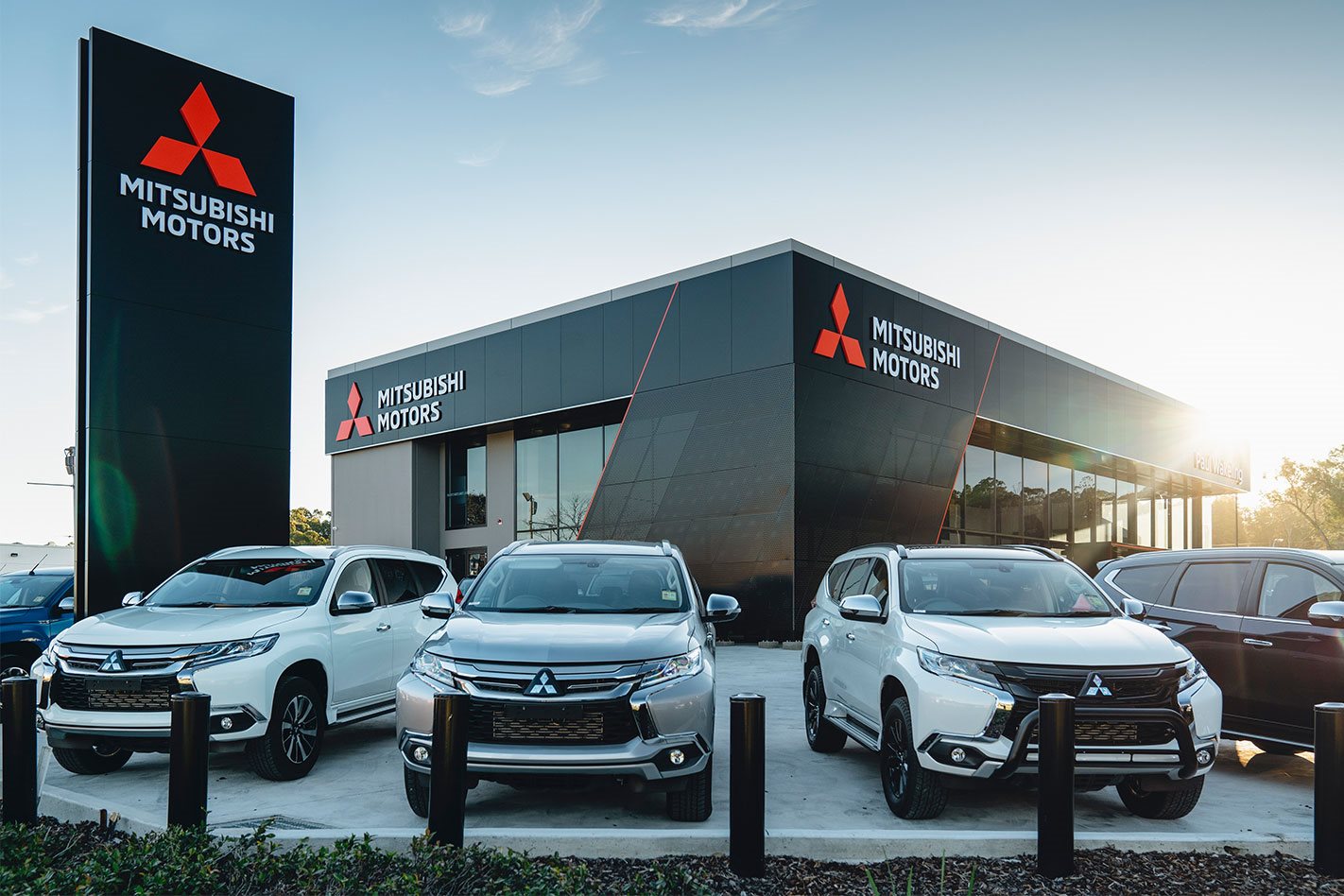
Mitsubishi Australia has a 10-year/200,000km warranty under its Diamond Advantage program, but there’s more to the story than just that. Owners who wish to receive the benefits of a 10-year warranty from Mitsubishi must also undergo their regular servicing through brand dealerships for the full decade.
If owners take their vehicle outside the dealer network for servicing, the coverage is halved to Mitsubishi’s standard five-year/100,000km.
The exclusion to this is plug-in hybrid vehicles, which are covered by an eight-year/160,000km deal separately.
Corrosion cover is offered for 5 years from the date of first registration, and roadside assistance can be obtained as part of their 4 year capped price servicing program.
GWM/Haval – 7 years / unlimited km
GWM utes and Haval SUVs are covered by the Chinese automaker’s seven-year/unlimited-kilometre warranty, with capped-price servicing available across the model range for the first five services if you have your vehicle checked at a Haval dealership.
The seven-year warranty applies to all Haval vehicles sold from October 1, 2018, and the GWM Ute – Great Wall Steed vehicles sold after April 1, 2019 have a five-year/150,000 km policy.
GWM/Haval owners also benefit from free Roadside Assistance Cover for five years/100,000km after their ownership commencement date.
Kia – 7 years / unlimited km
Kia’s offering also comes with free roadside assist for 12 months, but can be extended to the full seven years if you get the vehicle serviced at an authorised Kia dealer. It also offers seven years capped-price servicing, which is subject to conditions depending on certain models or types of engines.
A perforation guarantee is included for the duration of the 7 year warranty.
EV models are also included in the 7 year coverage, although to a mileage of 150,000km (whichever occurs sooner).

LDV
7 years / 200,000km (ICE models)
5 years / 130,000km (EVs)
In November 2022 LDV announced that they were upping their warranty from five years and 130,000km to seven years and 200,000km, but only for their non-EV vehicles. This was partly due to the introduction of new models to their line-up, along with increasing competition from other brands.
The LDV EV range is covered by a five-year term, with separate coverage for genuine parts and accessories. Roadside assist is available for the duration of the warranty, with capped price servicing available on select models up to 3 years or 95,000km.
Australian head of LDV did indicate confidence that the EV range will eventually have its warranty increased to match the ICE equivalent vehicles.
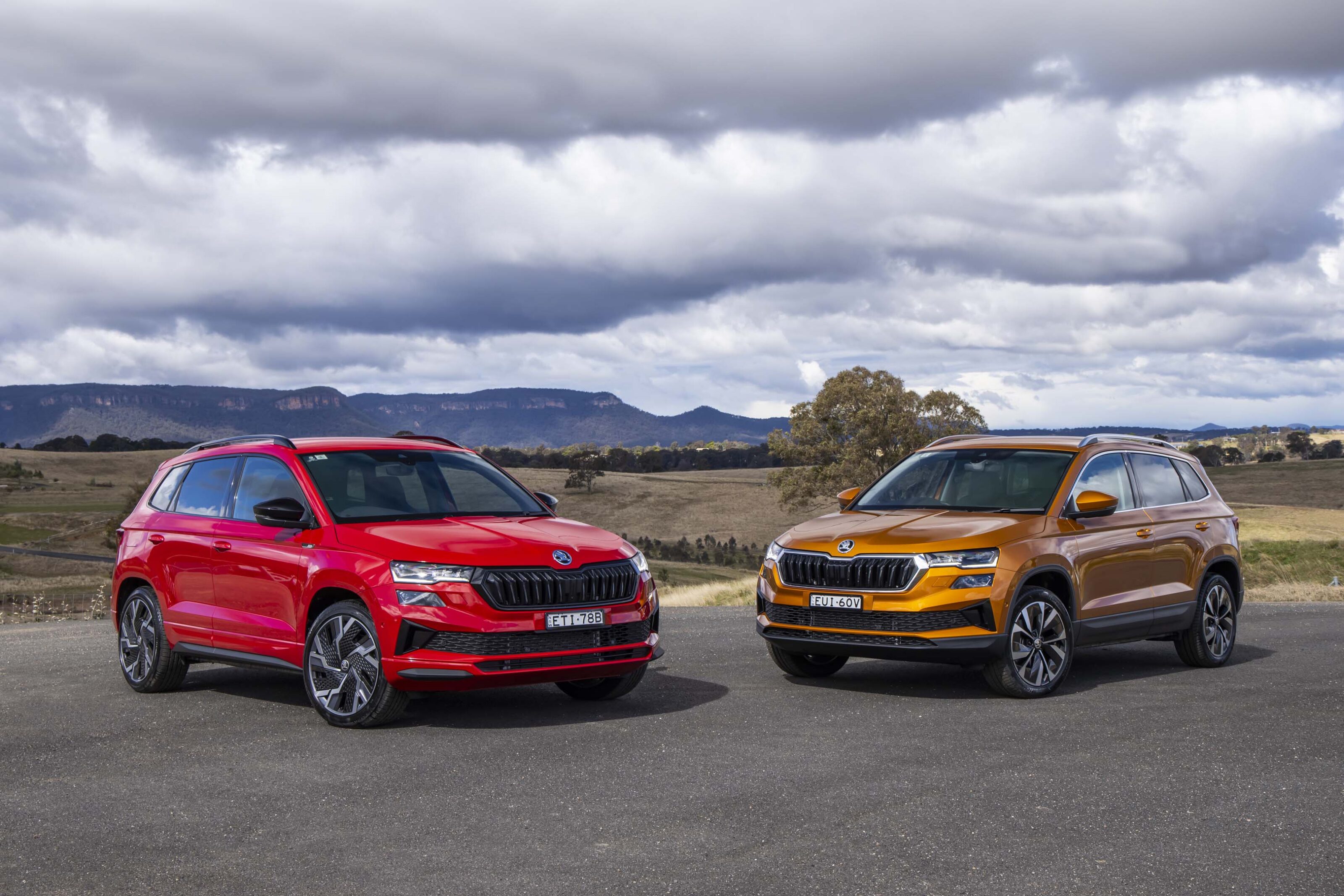
Skoda – 7 years / unlimited km
The Czech brand upped its five-year warranty to seven years in September 2022, which includes complimentary roadside assistance for the first year and is renewable at service for a further nine years.
Corrosion and perforation is covered under a three-year warranty for paint, and 12 years for body. Capped-price servicing plans are available on new cars for periods of five and seven years at 75,000km and 105,000km respectively.
SsangYong – 7 years / unlimited km
The Korean carmaker’s factory-backed return to the Australian market came with all its new models covered by its 777 Care Cover – which includes a seven-year warranty, seven-year roadside assistance plan and seven years of capped-price servicing.
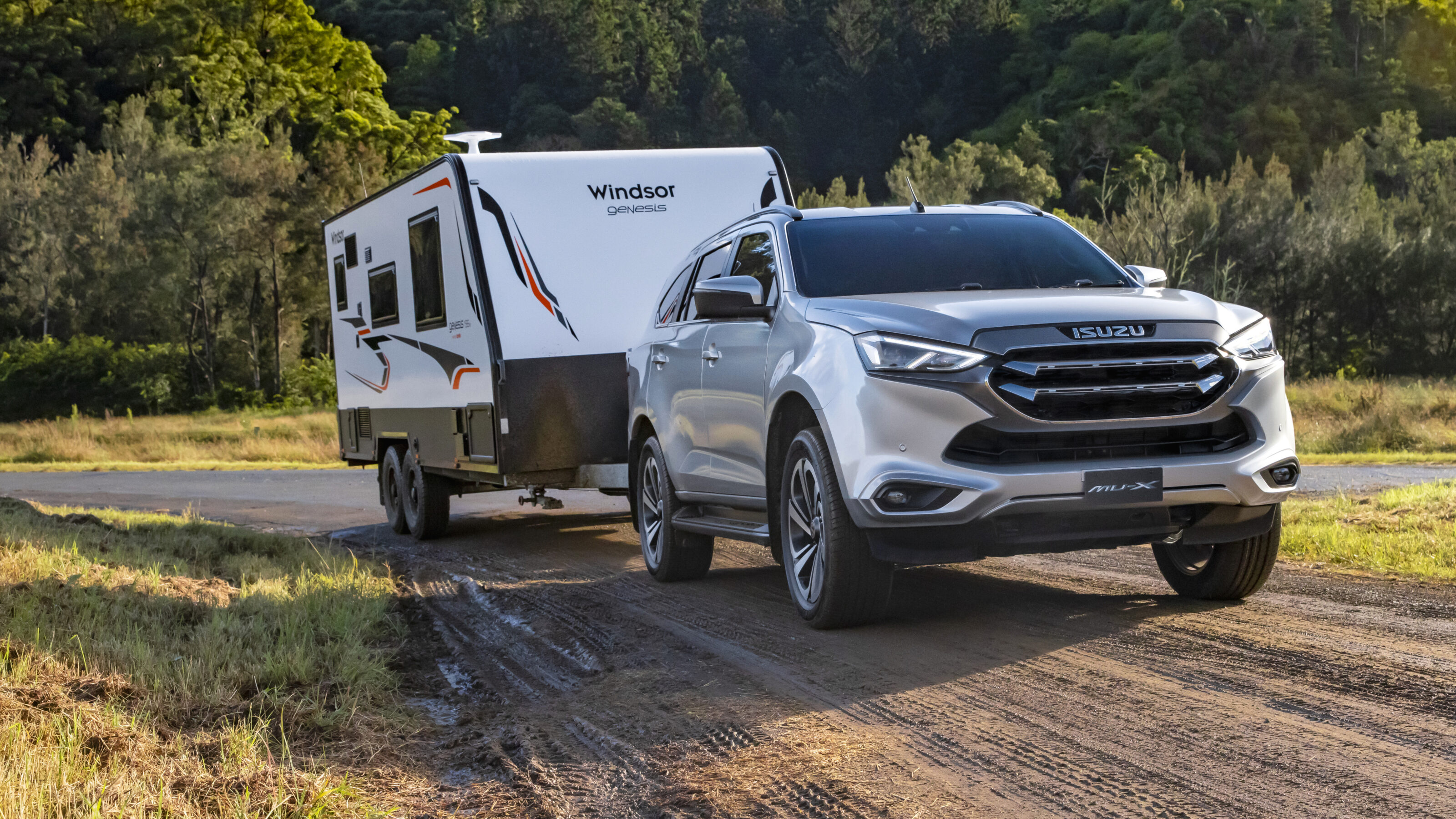
Isuzu Ute – 6 years / 150,000km
Isuzu stretched its five-years by an additional 12 months on May 1, 2019. However, the increase in maximum kilometres driven in order to qualify, from 130,000 to 150,000km, wasn’t quite as generous.
The cover period is matched by a seven-year roadside assistance plan, as well as a seven-year capped-price service schedule.
BYD – 6 years / 150,000 km
Following an outcry from customers BYD reduced its capped-price servicing costs and offered a free initial 12-month service to those who bought prior to August 31, 2022. The warranty period of six years up to 150,000km otherwise remained unchanged apart from some components (ie 12-volt aux battery and charging cable) being covered for 12 months.
Roadside assistance is offered complimentary for 12 months with an option to extend the support at each annual service.
The battery and drivetrain are covered for a period of 8 years up to 160,000km and 150,000km respectively.
Alfa Romeo – 5 years / unlimited km
Jumping up from its previous three-year/150,000km warranty, Alfa has extended its coverage to five-years/unlimited-kilometres as of April 22, with a five-year roadside assistance package also standard on all new purchases.
Capped price servicing is available for a period of 3 years, and corrosion coverage last to 8 years from start of ownership.

Audi – 5 years / unlimited km
Having stuck with its three-year offering for nearly two years after Mercedes-Benz increased its warranty period, all Audis sold in Australia are now covered by a five-year warranty as of the start of 2022.
With e-tron models the battery is covered for 8 years / 160,000km, with roadside assistance included for 6 years as part of their Audi Advantage package.
Capped price servicing is available as part of Audi’s Genuine Care Plans, with options of either 2 year or a 5 year service plan. Corrosion or perforation cover is given for 5 years on the paint and 12 years on the bodywork.
BMW – 5 years / unlimited km
The last hold-out of the premium European makes, November 2022 saw BMW upping their warranty from three years to five for any customers who bought their vehicle on or after October 1, 2022. BMW do not outline a distance in their warranty brochure.
BMW detail that panel rust and perforation will be replaced or repaired for a period of 12 years from first registration, with paint covered for five years. The high-voltage battery in BMW’s electric vehicles can enjoy 8 years of support up to 160,000km, while plug-in hybrid vehicles are covered for 6 years and 100,000km.
Roadside assistance varies based upon the vehicle, but begins at 3 years with unlimited kilometres for petrol and diesel vehicles, moving to 6 years for plug-in hybrid vehicles. 7 Series and 8 Series owners can enjoy 7 years assistance, while high-voltage battery vehicles are covered for 8 years with unlimited kilometres.
Complimentary servicing is offered on 7 Series and 8 Series, along with M5 and M8 models. This servicing runs for 5 years or 80,000km – whichever occurs soonest.
Citroën – 5 years / unlimited km
The French brand previously came with a six-year limit, but this was slashed to three years by its Australian distributor Inchcape – which then extended it to five years in February 2018. Roadside assistance is also provided for 5 years, and capped price servicing is available on the first five services.
Corrosion and perforation cover is also included with a guarantee of three years for paint and 12 years for bodywork.
Ford – 5 years / unlimited km
Ford bolted another two years to its three-year Express offer for all new vehicles sold from May 1, 2018, and removed the 100,000km limit.
Seven years of support is provided with each new car sale from March 2021 as part of Ford’s National Roadside Assistance & Auto Club Lifestyle Membership, provided the vehicle is maintained at a participating Ford dealership. Corrosion is included in a 5 year guarantee for paint and bodywork.
Ford EV vehicles and batteries come with an 8 year / 160,000km warranty.
Genesis – 5 years / unlimited km
The premium brand offers a generous 5 year, unlimited kilometre warranty on new registrations, with 5 years of complimentary servicing up to 50,000km for vehicles with a turbo and 75,000km on vehicles without. Customers within a 70km radius of Sydney, Melbourne and Brisbane CBDs can also enjoy a valet service that collects their vehicle for servicing before having it returned.
Roadside assistance is also included for 5 years from the start of ownership, which also offers a 24/7 customer service line.
Paint is covered for defects for a period up to 12 months.
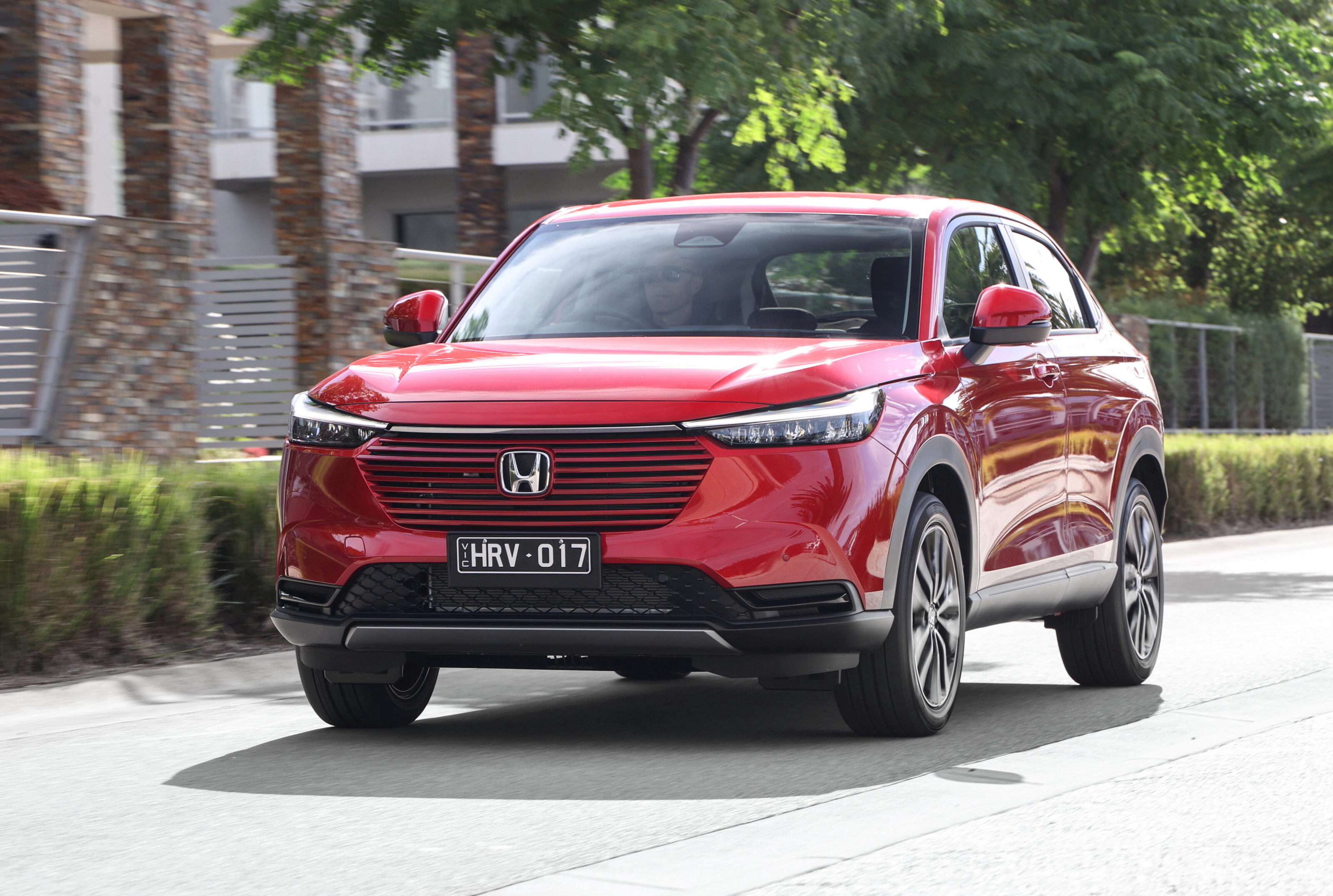
Honda – 5 years / unlimited km
Honda’s standard five-year/unlimited kilometre policy also comes with six-year protection against rust perforation. In the past some Hondas had been covered by seven-year terms, which were part of limited edition offers, and included free roadside assist. It is possible that these may again become available during Honda’s ‘Annual Event’ sale.
Hyundai – 5 years / unlimited km
Hyundai’s five-year/unlimited-kilometre warranty extends to all its vehicles for private use. Paintwork is only covered for 12 months if there’s an application issue or three years for durability. The N Performance brand provides 5 years of corrosion coverage, while other vehicles in the Hyundai range are “per vehicle usage type” according to Hyundai’s Service Warranty Passport. Hyundai’s Genesis and Ioniq sub-brands are also covered for five years.
Roadside assistance is complimentary for 12 months, with a 12 month renewal available at each service with a Hyundai dealership. Capped price servicing is offered through lifetime or through pre-paid servicing packages
The high-voltage batteries in Hyundai EVs including the new Ioniq 5’s battery are covered for eight years or 160,000km, whichever comes first.
Jaguar Land Rover – 5 years / unlimited km
After dabbling with temporary five-year offers, JLR increased permanently to five years and unlimited kilometres from April 1, 2021. This replaced the previous three-year, 100,000km warranty on all new Jaguar, Land Rover and Range Rover vehicles sold in Australia and New Zealand.
Roadside assistance is provided as part of the 5 year warranty for Jaguar and Land Rover models, as well as 5 years for paint surface. Corrosion cover is for 6 years. Service plans are also available, providing services for a duration of 5 years, with kilometre limits differing per vehicle.
Batteries for electric vehicles are covered for 8 years or 160,000km – whichever occurs earliest.
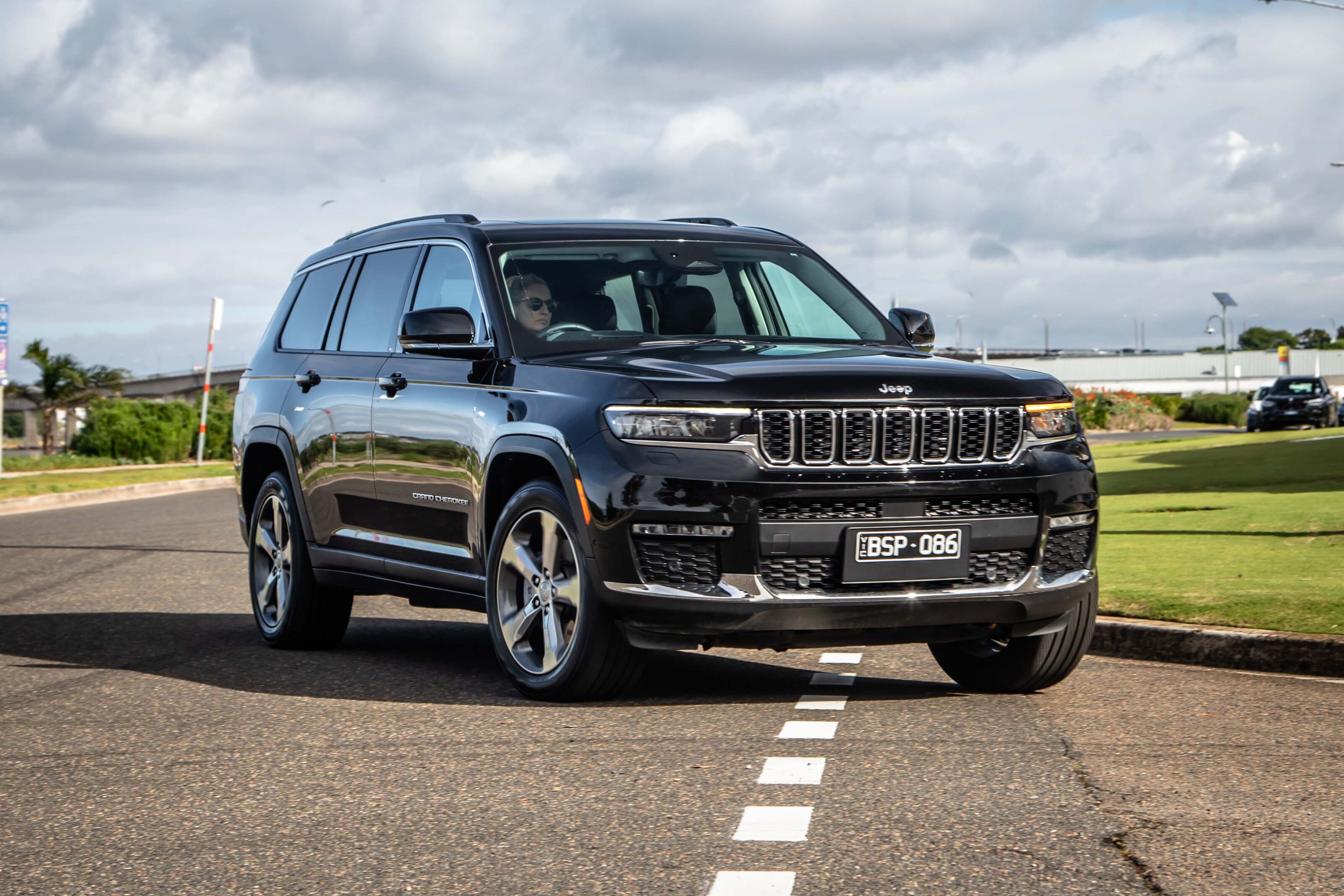
Jeep – 5 years / 100,000km
As well as the five year ‘There and Back’ warranty and fixed-price servicing, Jeep offers lifetime roadside assist, but it is dependent on you having your vehicle serviced through authorised dealers. The 100,000km limit is a little tight considering Jeep’s adventure sales pitch.
Corrosion is also covered for 3 years, and also for a distance of 100,000km.
Lexus – 5 years / unlimited km
This may come as a surprise if you’ve just purchased a Lexus in 2021, but don’t despair. The Japanese luxury carmaker announced in November 2021 that it will be increasing its warranty from four years/100,000kms to five years and unlimited kilometres. This warranty is bumper-to-bumper and covers hybrid systems (although not the high voltage battery), and driveline.
High voltage batteries (hybrid, PHEV and EVs) are covered for five years and unlimited kilometres, with an option for a further five years subject to an annual health check with Lexus. Battery degradation is assured through an 10 year, unlimited km warranty.
Roadside assistance is offered for 3 years from the date of registration as part of Lexus’ Encore membership.
Rust or perforation on all models is covered as part of a 7 year, unlimited kilometre warranty. Capped price servicing is available through Lexus’ Encore membership and, depending on the membership tier, is available for a period of three or five years from the vehicle’s warranty registration date.
Mazda – 5 years / unlimited km
Mazda followed Ford’s lead by stretching its three years to five from August 1, 2018. This covers any defect in material or workmanship in both parts and panels. The new period also covers the BT-50 ute, which prior to August 2018 was only covered for two years/unlimited km.
Mazda’s roadside assistance also lasts for the duration of the new car warranty. The warranty also provides corrosion protection for 7 years.
Mazda do offer a pricing guide for their servicing, but November 2022 saw Mazda lift their service intervals from 10,000km to 15,000km.
The batteries in Mazda’s electric models are covered by an 8 year / 160,000km warranty.

Mercedes-Benz – 5 years / unlimited km
Mercedes-Benz Australia surprised everyone when it announced all its vehicles, including AMG and EQ electric models, would be covered by a five-year warranty from April 1, 2020.
EV model batteries are covered by Mercedes’ 8 year / 160,000km warranty.
Service prices are be capped for the first three services, with amounts available on their schedule. Roadside assistance is available through an annual membership.
The German manufacturer was the first German luxury-car brand to extend its warranty period beyond the industry-standard three years – but as yet its main rival BMW is yet to follow.
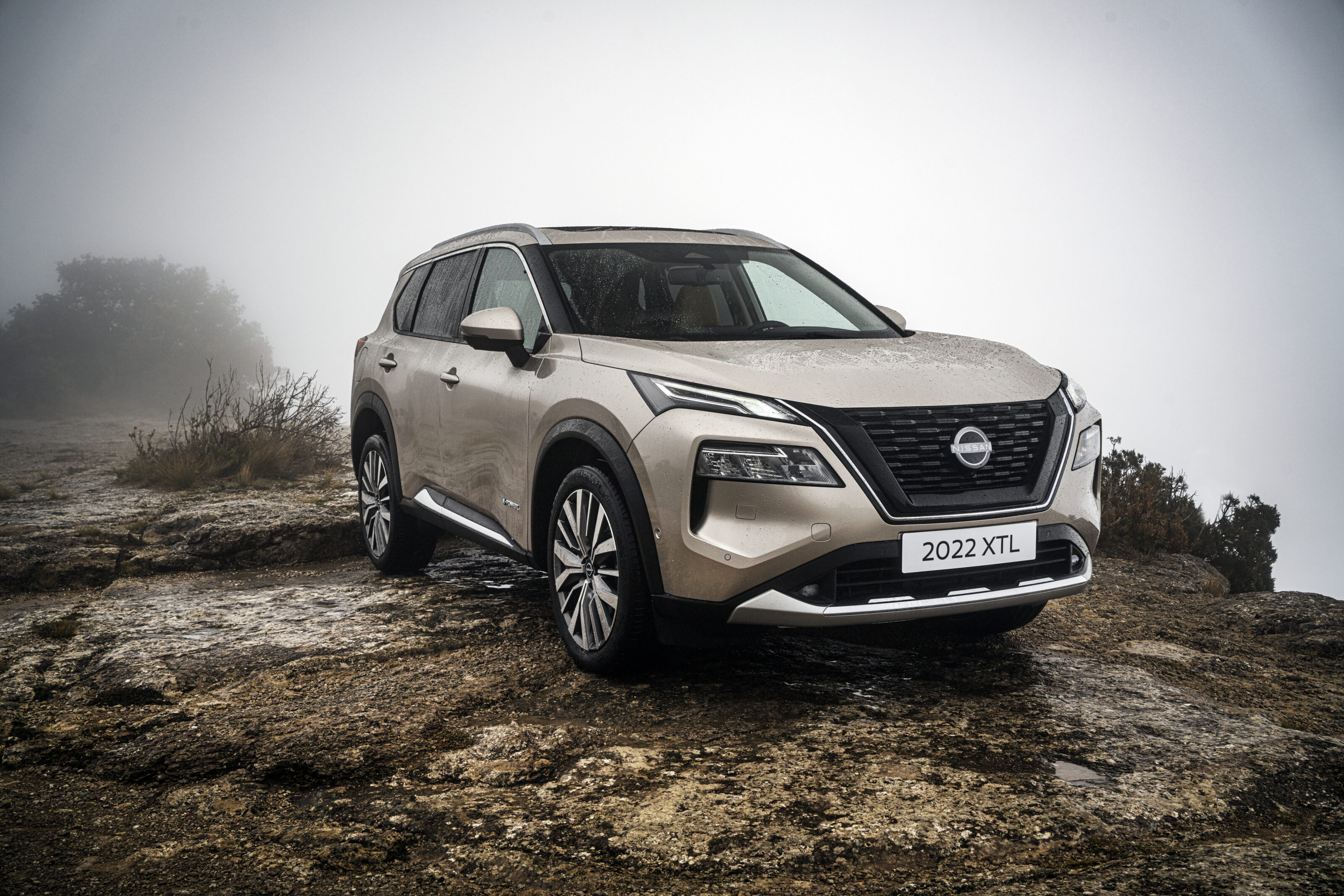
Nissan – 5 years / unlimited km
Nissan now offers a five-year unlimited-kilometre warranty on all its products, with their batteries on EV models covered by the standard 8 years or 160,000km warranty.
Capped price servicing is available on the first six services.
Peugeot – 5 years / unlimited km
Like Citroen, Peugeot cars were sold under licence by UK-owned Inchcape, which extended the deal for both French brands from three to five years in February 2018.
8 year, 160,000km coverage is also offered for batteries on EV/PHEV models, with capped price servicing provided through Peugeot’s Assured Service Price Promise.
Corrosion protection is granted through a 3 year guarantee on paint and 12 years on bodywork.
Renault – 5 years / unlimited km
Renault offers five years with no kilometre limit on all its passenger cars and SUVs, with its Kangoo, Trafic and Master vans covered for three years/200,000km.
Service your Renault at an authorised service centre and you also get five years capped-price servicing and roadside assist.
Renalt’s electric offerings come with a 3 year, unlimited kilometre warranty, with the battery covered for 5 years or 100,000km.
Subaru – 5 years / unlimited km
Subaru was one of the stragglers when it came to increasing its coverage period, but relented at the start of 2019 and as such, each of its models now receives a five-year, unlimited-kilometre warranty. Roadside assistance is complimentary for the first 12 months, and is renewable at each annual service.
Batteries in hybrid models fall under an 8 year / 160,000km warranty.
Capped price servicing is for five years, although the kilometre limits differ depending on the model. Most are covered to 62,500km while other vehicles such as the BRZ and WRX top out at 75,000km.
Suzuki – 5 years / unlimited km
Suzuki held out until October 2019 – since then all its vehicles are covered by a five-year, unlimited-kilometre warranty, bolstered by a capped-price service program (to 100,000km). Roadside assistance also comes with a five year offering with new cars.
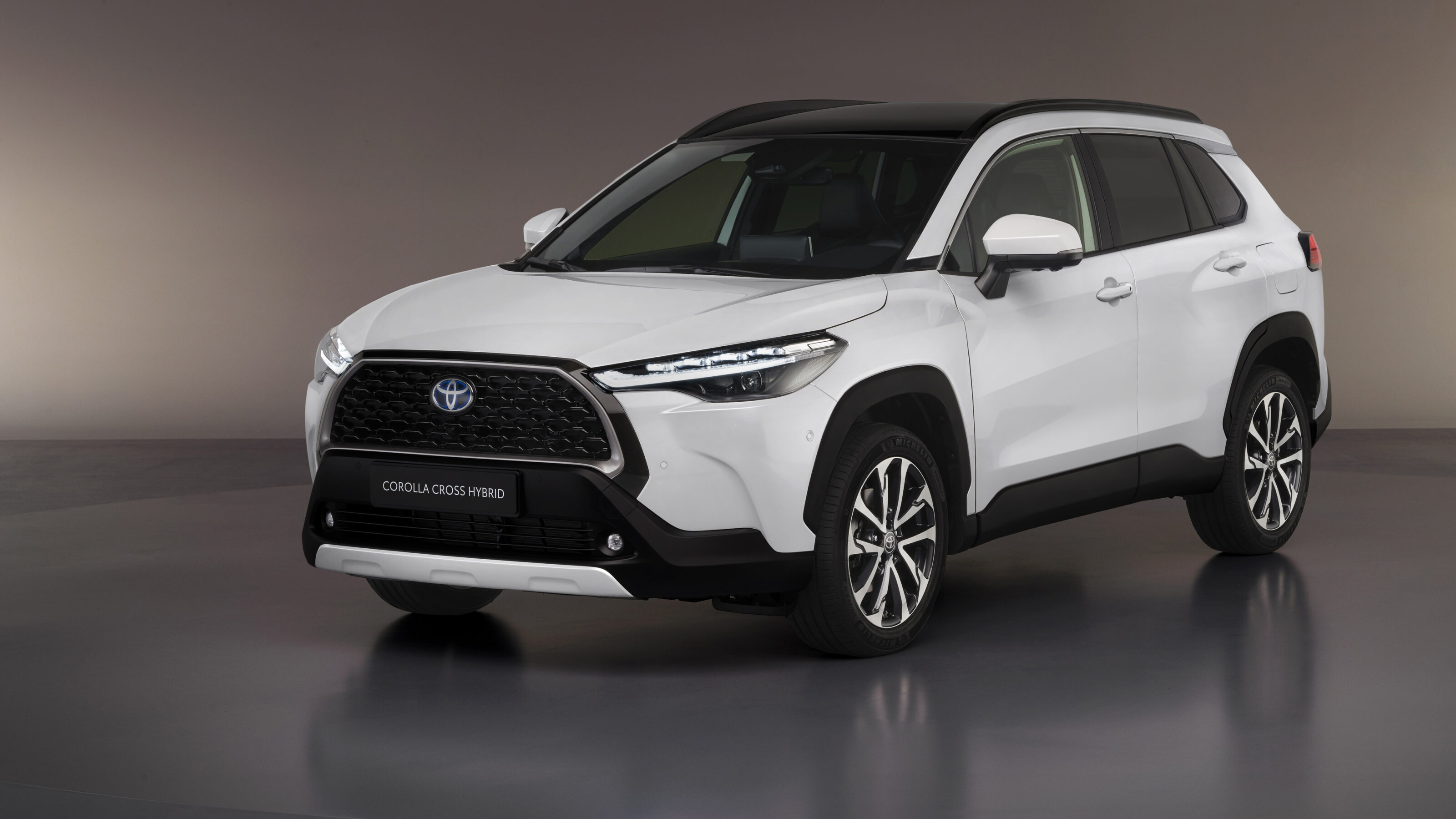
Toyota – 5 years / unlimited km
After insisting it would stick with its three-year policy in August 2018, Australia’s most popular car brand read the room and introduced a five-year warranty, along with a 60-day money-back guarantee in January 2019. Corrosion and rust is covered through a 7 year, unlimited km warranty.
Hybrid and EV models are covered by a 5 year warranty, with a further 5 year coverage provided with an annual check up through Toyota’s participating dealers.
Roadside assistance is offered through an annual membership and capped price servicing is available for 5 years through the Toyota Service Advantage program.
Volkswagen – 5 years / unlimited km
Volkswagen became the first German brand in Australia to offer a five-year, unlimited-kilometre deal in December 2018. Roadside assistance is provided for the first 12 months of ownership, with an annual renewal available at each service.
Capped price servicing is viewable through VW’s Service Pricing Guide.
Perforation cover is provided for 3 years on paint and 12 years on the panels.
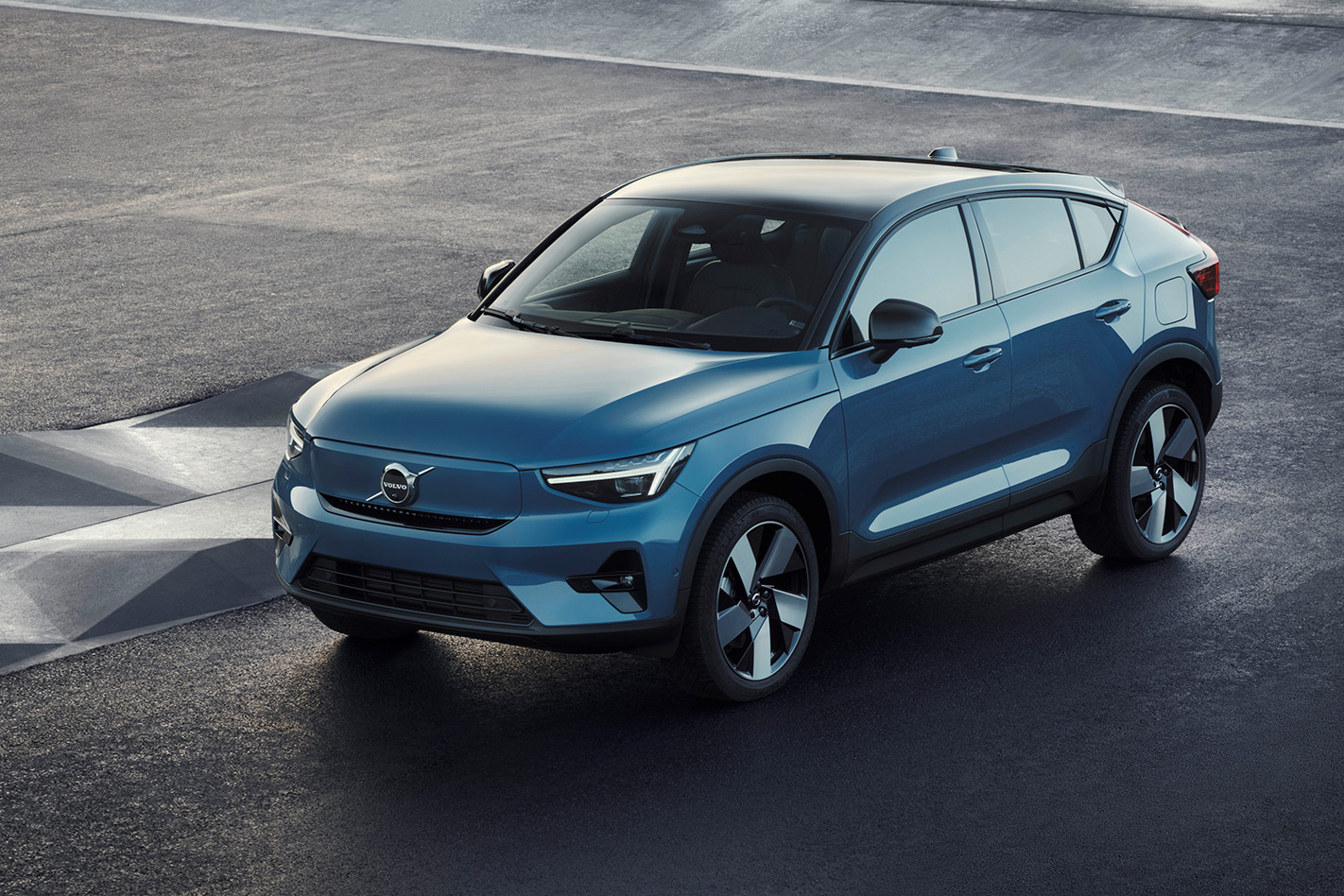
Volvo – 5 years / unlimited km
Volvo Cars increased its term to five years in July 2020, but backdated it to apply to all vehicles registered from April 1, 2020. Roadside assistance is provided for 8 years through Volvo’s Roadside Assistance Program.
Batteries and EVs enjoy an 8 year, 160,000km warranty. Service plans are available for 3 or 5 years, depending on the model of vehicle.
Rolls Royce – 4 years / unlimited km
Few cars that cost as much as a house come with more than a three-year warranty, though this only applies to private Rollers and not commercially operated limos. The four-year term includes free roadside assistance.
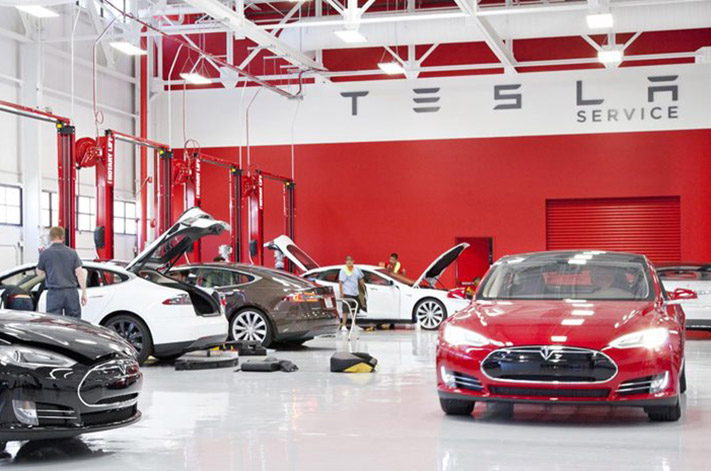
Tesla – 4 years / 80,000km
In typical unconventional fashion, Tesla is the only carmaker to actually decrease its general warranty period – from eight years and unlimited kilometres to four years and 80,000km. The good news is the batteries and drive units are still covered for eight years, with the maximum kilometres varying for different models. (eight years/160,000km for RWD, 192,000km for AWD models)
Corrosion and rust is covered for 12 years and unlimited kilometres, while roadside assistance is available through Tesla themselves.
3-year warranty holdouts
- Alpina – 3 years/200,000km
- Alpine – 3 years/100,000km
- Aston Martin – 3 years/unlimited km
- Bentley – 3 years/unlimited km
- BMW – 3 years/unlimited km
- Ferrari – 3 years/unlimited km
- Fiat – 3 years/150,000km
- GMSV – 3 years/100,000km
- Maserati – 3 years/unlimited km
- McLaren – 3 years/unlimited km
- Porsche – 3 years/unlimited km
- Ram – 3 years/100,000km
2-year warranty holdouts
- Caterham – 2 years/50,000km
- Lamborghini – 2 years/unlimited km
- Lotus – 2 years/unlimited km
