
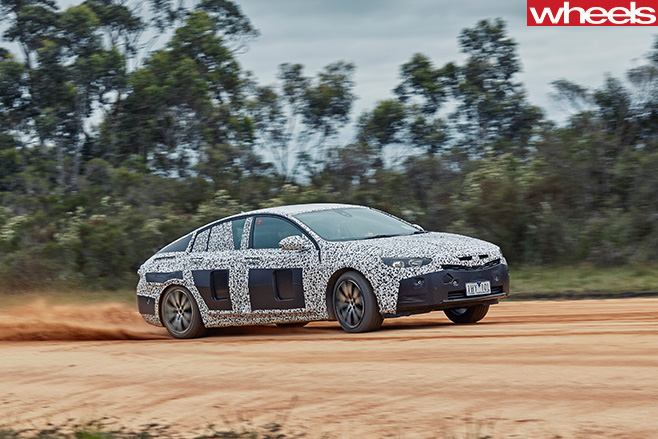
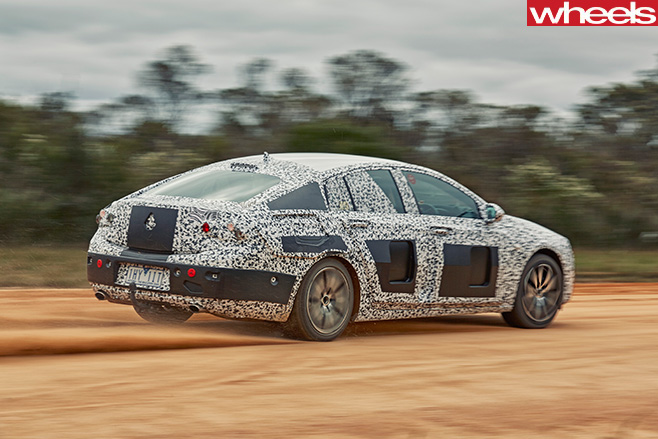
Here it is, the car that has the Herculean task of replacing our home-grown Commodore in late 2017, the all-new imported Holden Commodore.
Sadly, we can’t tell you what it looks like, as Holden is keeping that under wraps for the time being, however we can tell you a little bit about what you’ll find under that lumpy camouflage.
Dubbed NG, presumably for New Generation, the new Commodore is based on the equally new Opel Insignia, which sits on GM’s E2 global architecture. Holden boasts of weight savings of between 200-300kg compared to the current Commodore depending on variant.
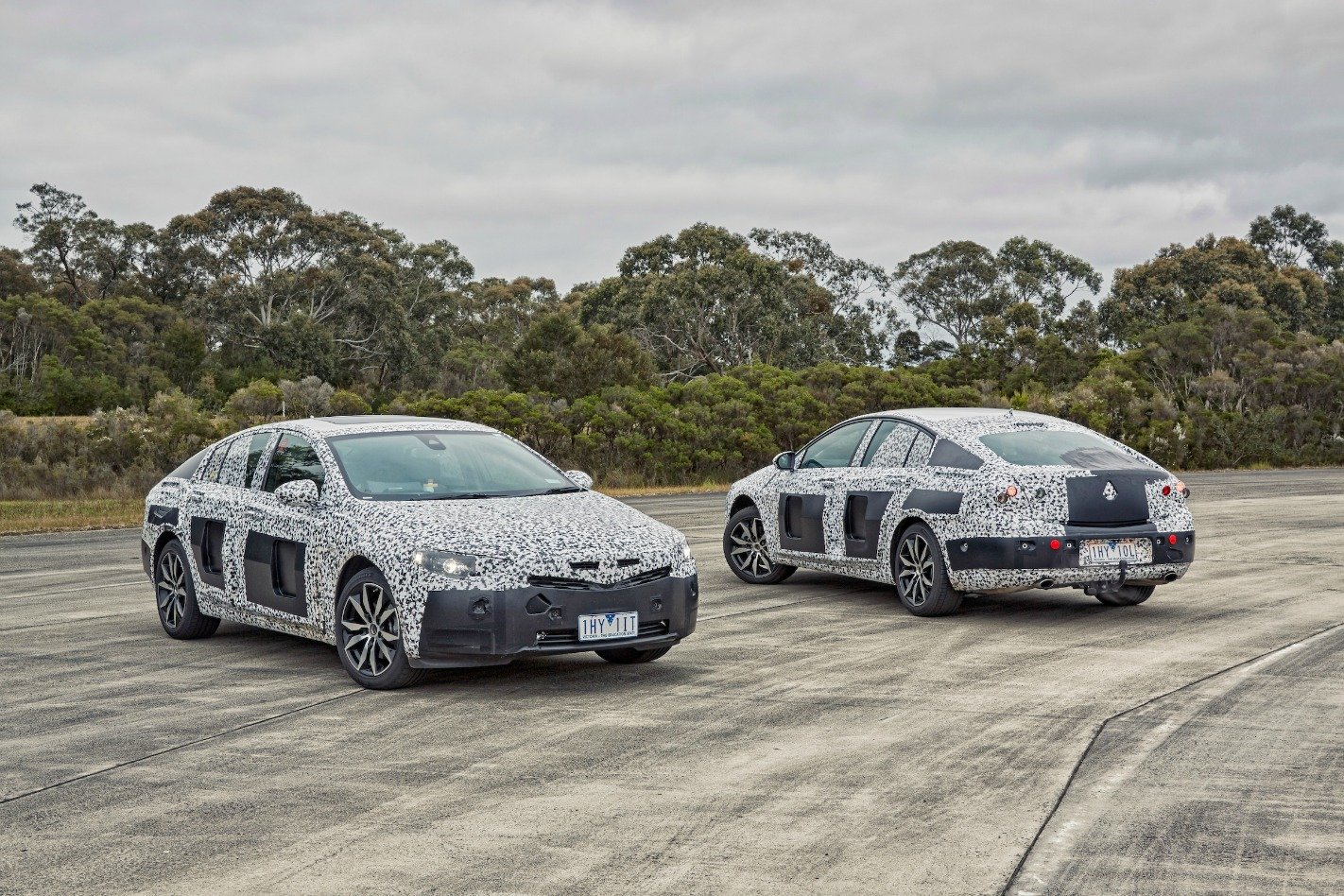
Holden showed MOTOR many charts featuring many interior and exterior dimensions, however the upshot is that in terms of interior accommodation, the new Commodore will be virtually identical to the current car in the front and marginally tighter in the rear, mainly due to its narrower body.
Sportback and Wagon bodystyles will be available, with the entry-level front-wheel drive models being powered by a 2.0-litre turbocharged four-cylinder engine in both petrol and diesel giuses.
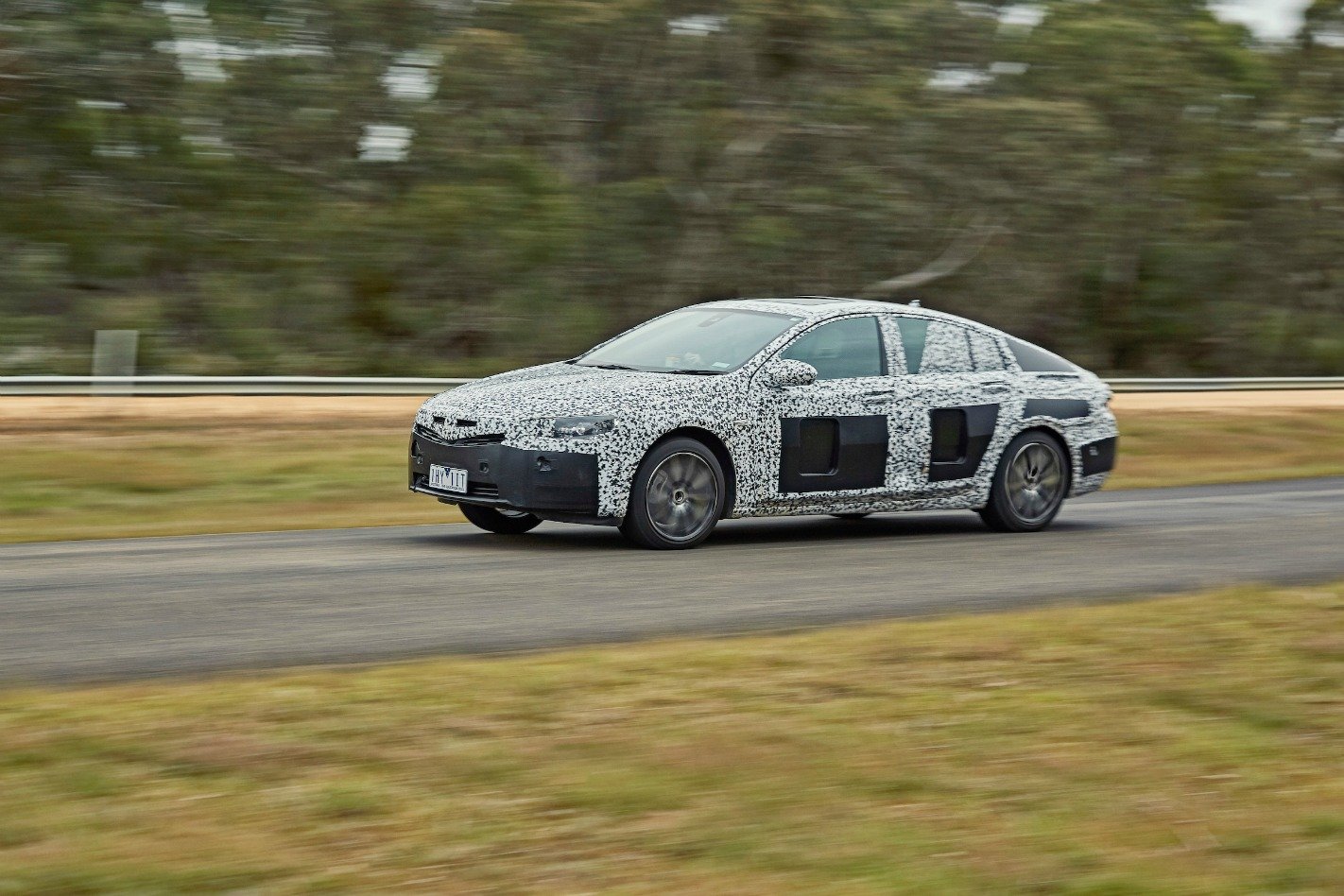
This is 20kW/20Nm more than the 3.6-litre V6 currently in use in the VF II and with so much less mass to propel, Holden claims the NG Commodore will hit 100km/h from rest in around six seconds. Active Fuel Management allows the V6 to shut off cylinders to save fuel when cruising.
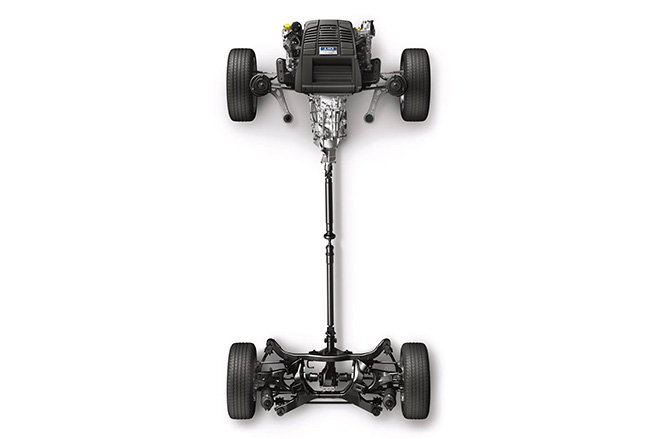
The new Commodore’s all-wheel drive system is interesting, being a ‘Twinster’ unit, similar to that pioneered by the Ford Focus RS. It does away with the need for a rear differential by using a pair of clutches to apportion drive left and right.
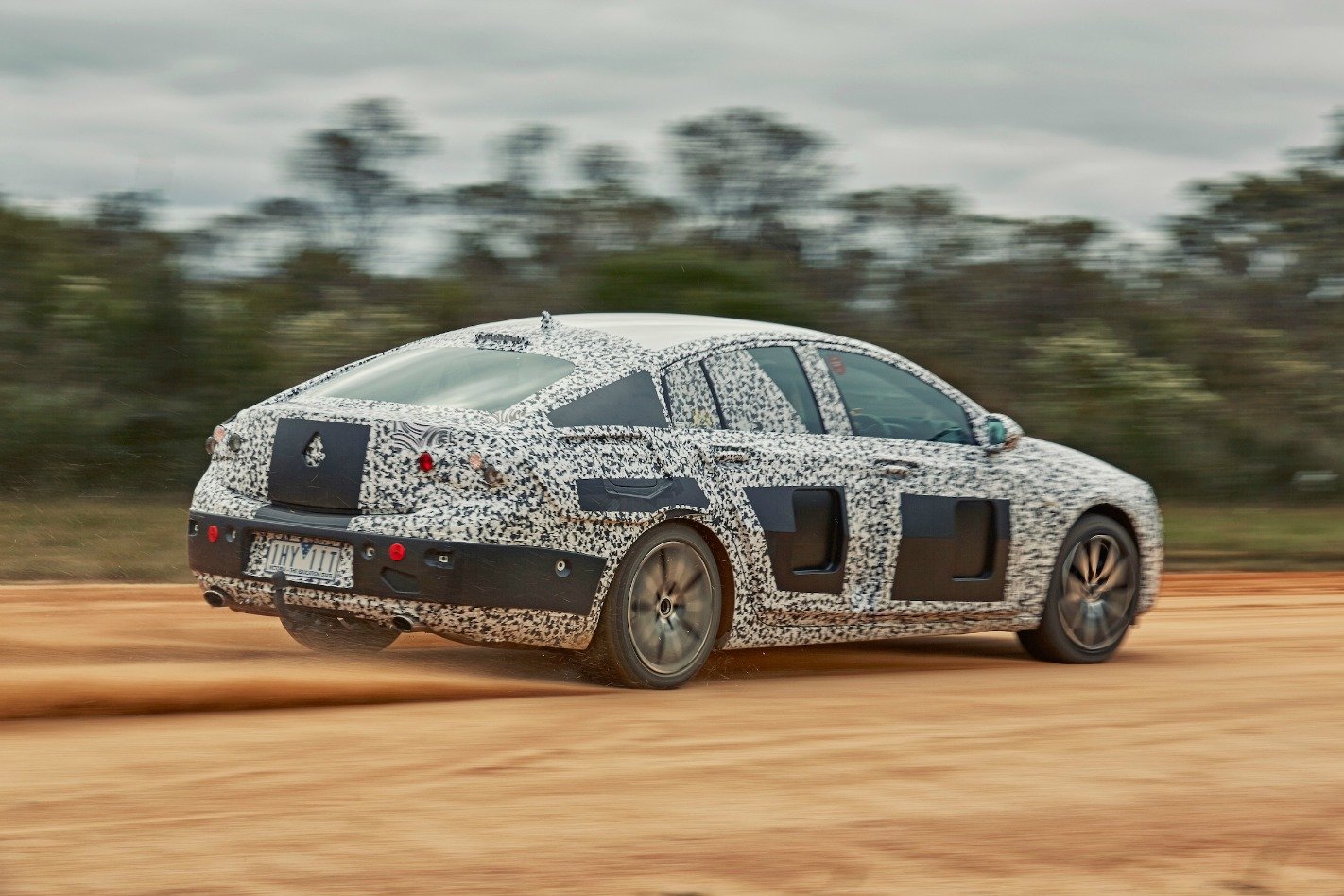
Holden boasts of extensive Nurburgring development along with further fine-tuning of the car’s steering, active suspension and chassis electronics locally at its Lang Lang proving ground.
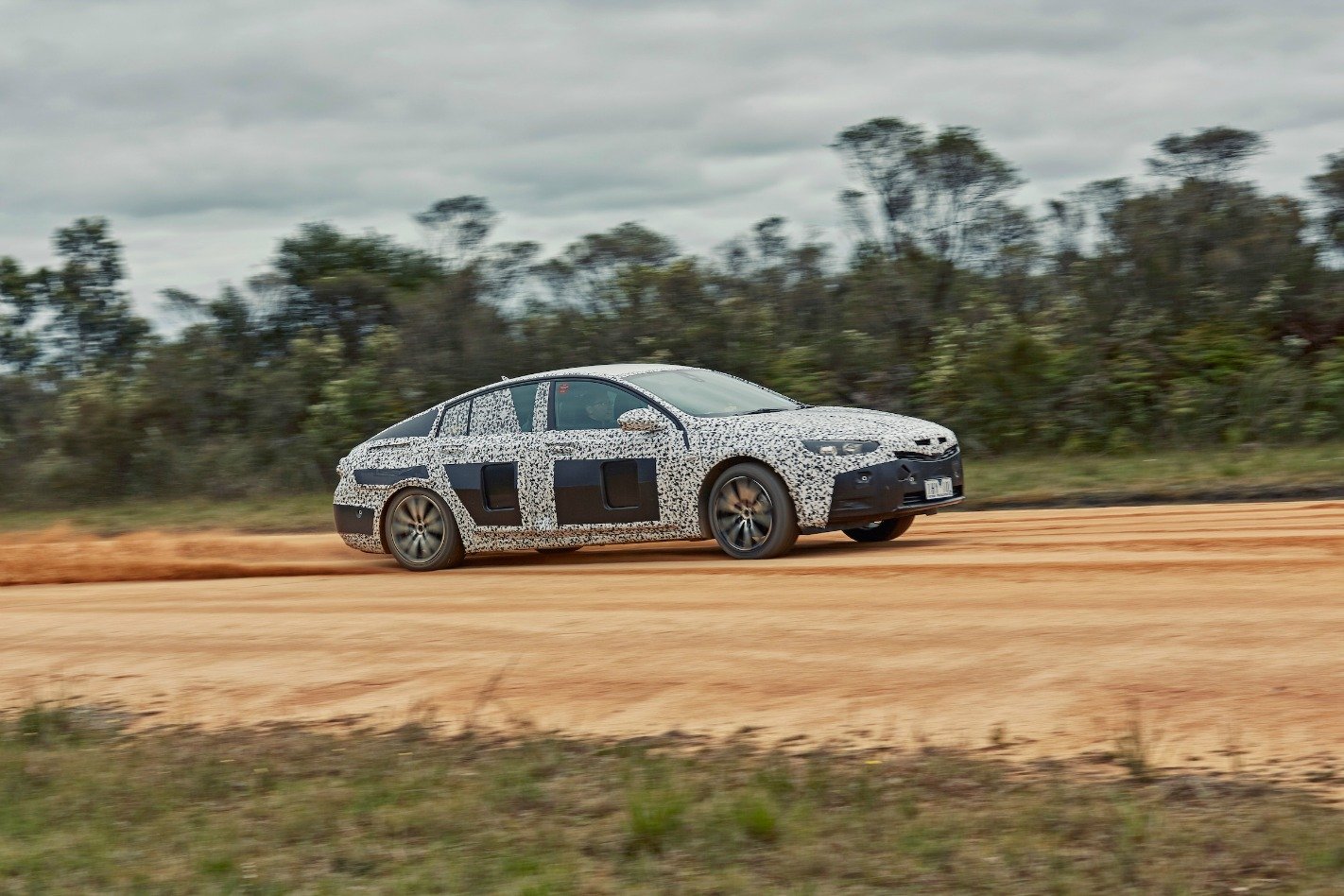
We’ll bring you further details on the NG Commodore as soon as we have them.
In an unexpected move, Holden has let us loose in a prototype of its next-generation, fully imported Commodore. And we’re allowed to write about it!
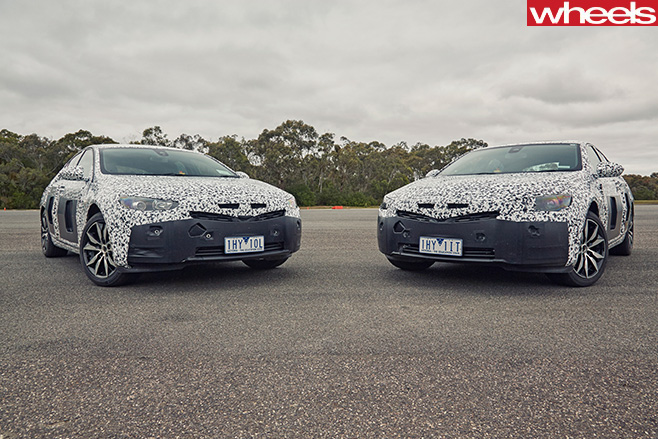
WHAT IS IT? A “65 percent” prototype of the forthcoming, German-built 2018 Holden Commodore riding on GM’s all-new E2XX platform. It’s mostly the real vehicle minus several months worth of drivetrain, suspension and NVH development, and with not-quite-production plastics and a load of clever body cladding disguising its actual shape.
WHY WE’RE TESTING IT? Because this car is beyond full circle for the Commodore – retreating back to its German roots, just like the 1978 original, but this time near-identical to its European brother in virtually all areas. Except one. At Australia’s insistence, the next-gen Holden Commodore/Opel Insignia has been engineered to feature a range-topping V6 AWD variant, which is what we’re driving here.
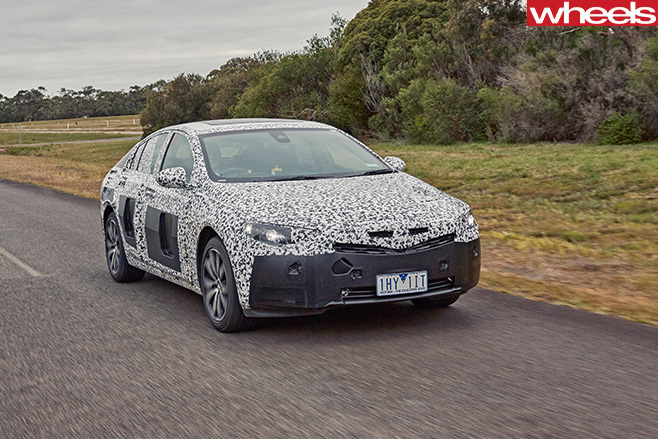
VERDICT A promising start for the ‘imported’ Holden Commodore, particularly its mega-Astra interior and its impressive all-wheel-drive system. While its V6 is closely related to the current car’s, and without any acoustic tuning sounds much like the VF’s engine, you can already sense the superior refinement built into this car. And its nine-speed automatic transmission is excellent. Indeed, there’s the potential for a truly great Commodore here, providing people like the way the production car looks.
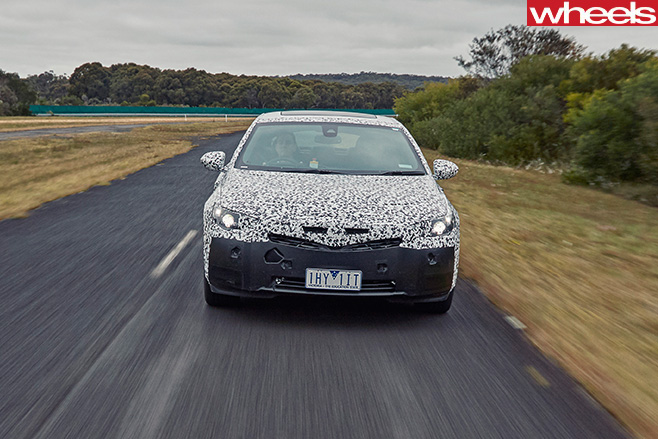
THE WHEELS REVIEW MEET Frau Brunhilde. She may not be the prettiest mare in the stable but underneath all that body armour and disarming warpaint hides the next-generation Holden Commodore. Or Opel/Vauxhall Insignia, depending on where you hail from.
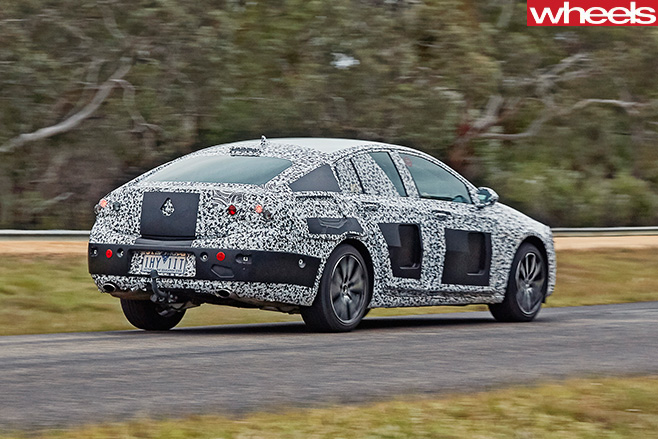
To put the 2018 Commodore into context, it’s almost a dead-ringer for the VT-VZ generation (1997-2006), and in a world championing smaller passenger cars (but larger SUVs…), that’s a step in the right direction.
So is the MY18 Commodore’s interior. Appearing closely related (underneath acres of rubberised covering) to the new Astra’s dashboard architecture, the Commodore gets more upmarket instruments, particularly in top-line models with their configurable TFT centre dials, and enough room to please most of Commodore’s existing fan base.
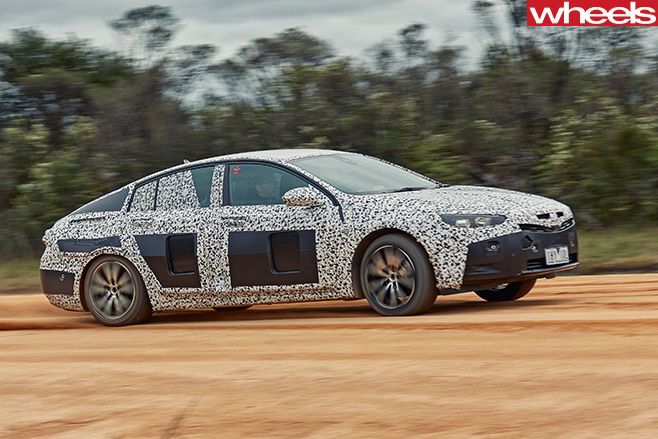
It’s the oily bits, however, that we’re dying to try. Given the strong emphasis on six-cylinder variants for Australian consumption, Holden took the lead on local development of suspension, steering and chassis-control for the AWD V6. And while Frau Brunhilde is a long way from finished – no adaptive dampers, no Sport mode for the drivetrain and sophisticated ‘Twinster’ AWD system, or any ‘dynamic wheel torque braking’ as yet – you can feel the next Commodore’s core DNA rising to the challenge of making this car feel great.
It can send up to 2500Nm to the rear wheels, and 1500Nm to each side, and while Twinster’s extremes appear relatively front-biased (the max split is only 50/50), according to Holden’s chassis supremo, Rob Trubiani, it changes 100 times a second and spends an inordinate amount of time sending drive to the rear.
On the road (well, Holden’s speed bowl and ride/handling circuit at its Lang Lang proving ground), Brunhilde shows signs of just how dynamic the AWD Commodore will be. Even with the Twinster AWD system only operating in Normal mode (Sport will introduce a much greater ‘controlled oversteer’ flavour), the MY18 Commodore feels planted, poised and smaller than its dimensions would suggest. Small-bump ride suppleness may be lacking at this stage but it’s a promising effort given this prototype is essentially Stage One for road development.
With no acoustic tuning yet, the LGX V6 still sounds like a six-pack Commodore, but it will rev cleanly to 7250rpm, sans any vibration or NVH intrusion, and at times upshifts at a heady 7100rpm.
It’s very tightly geared in lower ratios – just 400 revs apart at its closest – though the gaps widen at higher speeds. On Lang Lang’s speed bowl, manually upshifting from sixth to ninth gear at an indicated 148km/h sees the tacho drop from 4750rpm to 3500, 2500 and then 2000rpm in top.
Our final test (besides a nail-biting dirt-road rally section demonstrated by Rob Trubiani) is wet-surface traction. Nail the right pedal with a touch of steering lock on and there’s an ever-so-slight nibble from the front 245/45R18 Continental tyres, but it’s negligible and certainly nothing to fear. Given our strong affection for all-wheel-drive Subarus, Aussies are going to love the traction of the AWD V6 Commodore.
What’s missing here at Lang Lang, and likely forever from a Holden-badged four-door, is a V8 engine. And there’s no sign of the four-pot front-drivers that will open the 2018 Commodore line-up. But given Holden’s promise of “the most powerful base-model Commodore ever”, and the co-development Holden’s chassis engineers have had in tuning the entry model’s suspension (at the Nurburgring, no less), I’d say the turbo-petrol and turbo-diesel Commodores should still offer plenty for discerning Aussie motorists.
And once GM engineers the Chevy Camaro for right-hand drive, I guarantee no one will be complaining about the lack of a V8 Commodore.
SPECS Model: Holden Commodore V6 AWD Engine: 3564cc V6 (60°), dohc, 24v Max power: 230kW Max torque: 370Nm Transmission: 9-speed automatic Weight: 1580kg (estimated) 0-100km/h: 6.0sec (estimated) Fuel economy: 8.0L/100km (estimated) Price: $45,000 (estimated) On sale: Early 2018
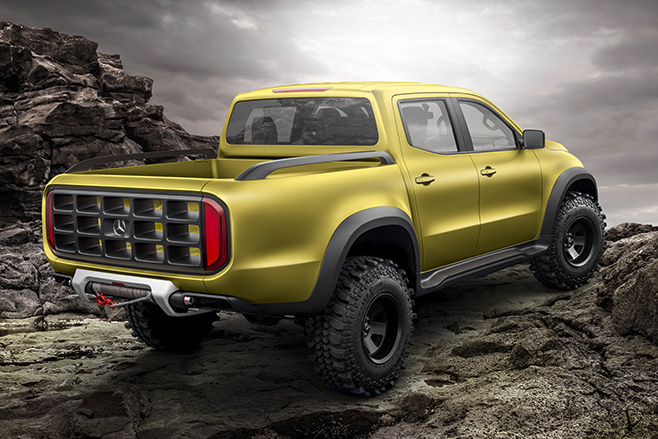
MERCEDES-Benz has pulled the covers off a pair of exciting concept vehicles in Stockholm, Sweden, that give the first clues to what its forthcoming entry into the popular one-tonne ute class will look like. To be known as the X Class, the new ute, or pick-up depending on your preference, will go into production late in 2017 for an Australian launch in the first quarter of 2018.
Australia has been highlighted as one of five key markets for the X Class, the fourth product line for the Mercedes Benz Vans subsidiary. Other markets to get the dual-cab ute include Brazil, Argentina, South Africa and Europe, each of them nations showing unprecedented growth in the mid-size pick-up segment. The Latin American nations will get their X Class from a plant in Argentina; Europe, Australia and South African models will be produced at Nissan’s plant in Barcelona, Spain.
Dieter Zetsche, chairman of the board of Daimler AG and head of Mercedes-Benz Cars, said of the X Class at the unveiling of the concepts: “With the Mercedes-Benz pick-up, we will close one of the last gaps in our portfolio. Our target: we want to offer customers vehicles matching their specific needs. The X Class will set new standards in a growing segment.”
To be built as part of a partnership with Renault-Nissan, the X Class rides on a modified Nissan D23 Navara chassis but features bespoke bodywork forward of the firewall with a distinct Mercedes Benz SUV look, and behind the cabin in the cargo tub.
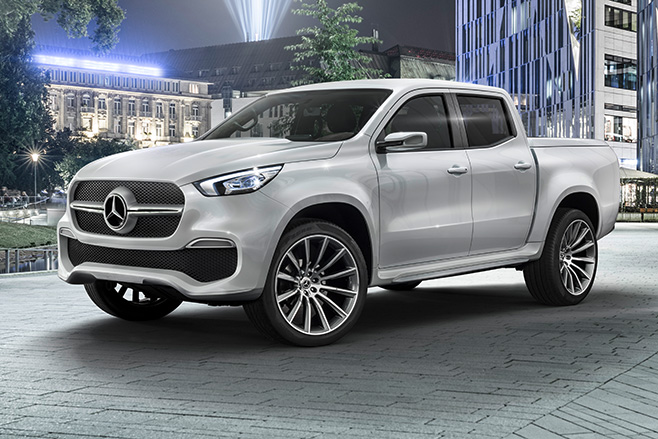
Inside is all Mercedes Benz, while under the bonnet of the up-spec variants lies a M-B V6 diesel engine expected to make as much as 600Nm of torque. Lower grades are expected to use the Renault 2.3-litre unit as found in the Navara.
The “Concept X-Class stylish explorer” and “Concept X-Class powerful explorer” illustrate the evolving nature of the ute market and buyers in the this segment, as well the different uses buyers have for this style of vehicle.
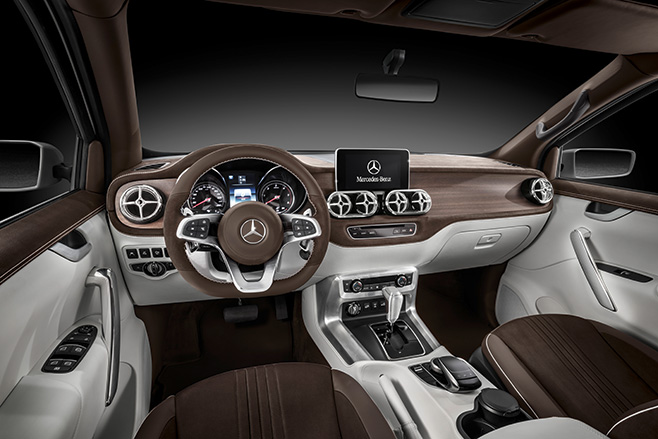
The stylish explorer features 22-inch wheels with low profile tyres and a luxury-appointed interior highlighting the urban uses for a premium pick-up. The powerful explorer has a more adventurous look with 35-inch off-road tyres, higher ground clearance and winches mounted in the front and rear bumpers.
The X Class is set to raise the bar for pick-up truck refinement and its interior features controls and components borrowed from both the C Class passenger car range and V Class of Mercedes Benz vans. It will include leading connectivity allowing occupants to connect with the vehicle via smartphone or tablet to access infotainment and navigation systems.
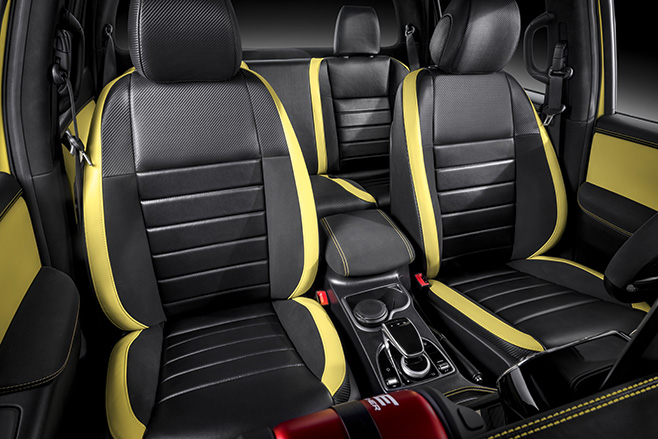
Likewise, the latest safety systems including radar and camera technology will be integrated in to the X Class to place it at the lead in its segment.
Significantly, the V6-powered X Class will use Benz’s 4MATIC permanent all-wheel-drive system including a dual-range transfer case, making it unique in the category. VW’s Amarok offers full-time 4×4 but only with single-range transfer box, while some Mitsubishi Triton variants have dual-range, full-time 4×4 plus two-wheel drive. X Class will have locking differentials in the centre and rear diffs for improved off-road ability.
Using its own suspension on the Nissan-derived chassis, Mercedes-Benz claims the X Class will have up to a 1.1-tonne load capacity and be rated to tow up to 3.5 tonnes of trailer, keeping in in line with the other class leaders.
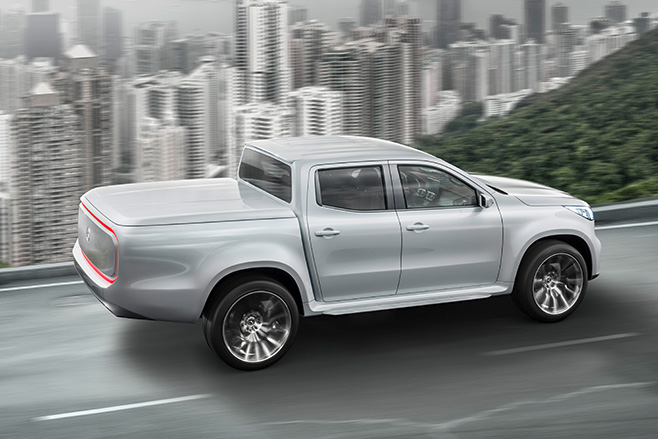
Just as Mercedes-Benz was an early entrant to the luxury SUV segment with its ML Class of vehicles, the brand is claiming to be the first to create a luxury pick-up vehicle. The X Class will join other vehicles at the top end of the booming one-tonne ute segment such as the Volkswagen Amarok that’s soon to add a V6 engine, the Toyota Hilux and the Ford Ranger.
FAMILY TIES
Mercedes-Benz’s ties up with the Renault-Nissan alliance will see the X Class as the third vehicle to ride on the NP300 platform originally from the D23 Navara. The Renault Alaskan pick-up also uses this architecture and shares powertrains and most body panels with the Nissan ute. The Alaskan is expected to go on sale in Australia late in 2017.
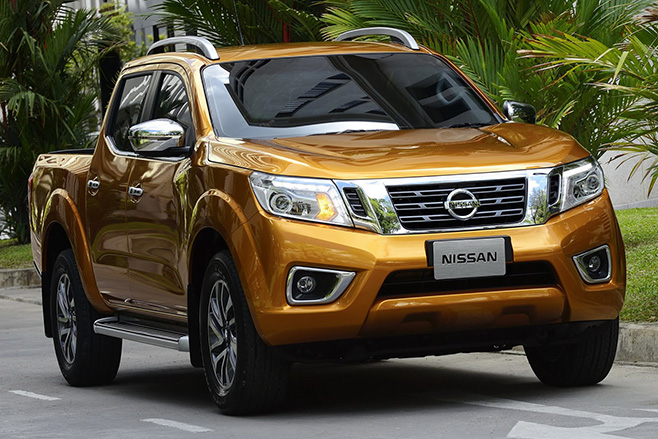
Yet Renault-Nissan may not be done with this ladder chassis. Having just taken a controlling stake in Mitsubishi Motors, model sharing will be a key part of the wider alliance. Mitsubishi already has a deal with Fiat Professional to use the ladder chassis and architecture from its Triton one-tonner to build the Fiat Fullback pick-up.
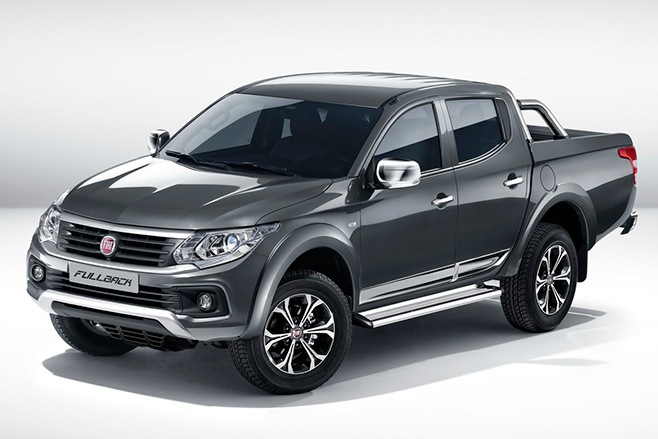
It would seem wasteful for the alliance to produce more than one body-on-frame platform for one-tonne pick-ups so is it unreasonable to imagine utes from five different manufacturers all riding on the same design in the future? While the current models are locked in, certainly not for future generations of these utes from Nissan, Mercedes-Benz, Mitsubishi, Renault and Fiat.
The classic Australian muscle car market is doing just fine according to auction heavyweight Shannons, despite desirable models like a Ford Falcon XY GT-HO Phase III failing to reach astronomical pre-GFC values recently.
The Phase III in question sold for around $500,000 soon after it was passed in at auction (some $20,000 under its highest expectation), but that is still almost 100 times more than what the car cost when it rolled out of the factory.
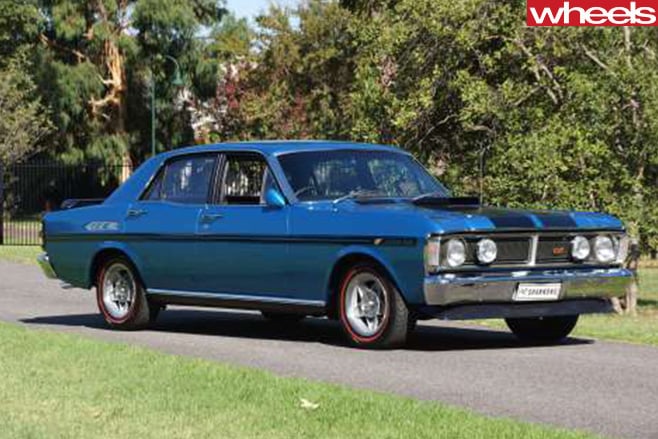
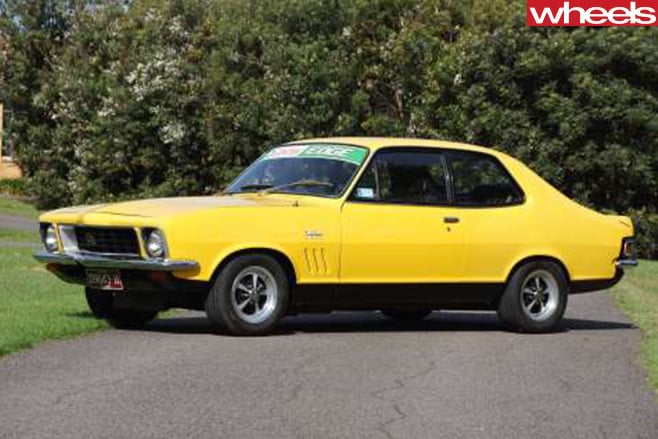
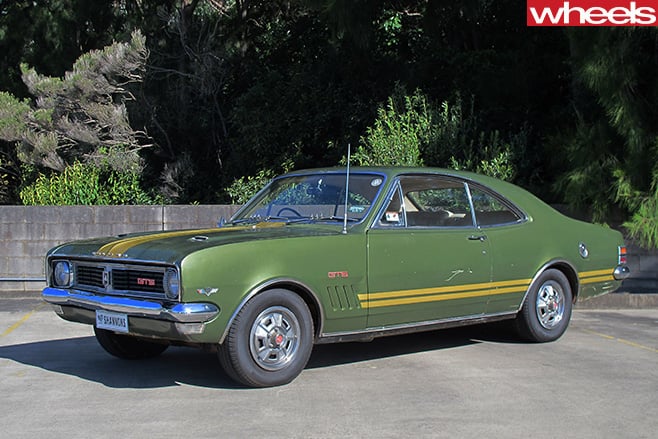
Boribon says to expect improvements in the prices of “second-tier” cars like Ford Fairmont GS and GXLs and Valiant Pacers and also points to a generational change in collectable Australian cars.
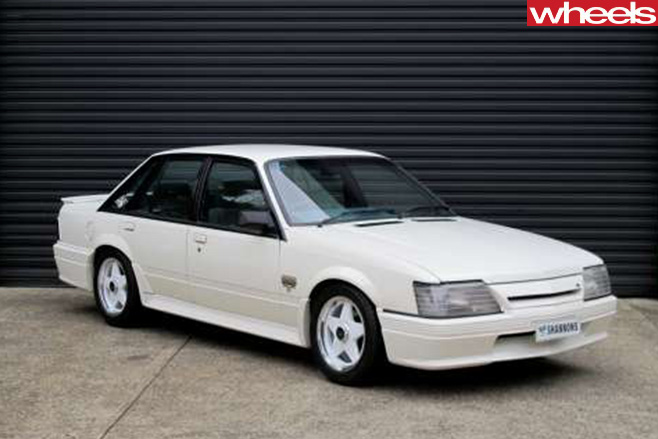
And if you’ve got a special late-model Ford or Holden in your garage then it might be worth hanging onto it because they will start to appreciate in value too, Boribon reckons.
Amidst all the doom and gloom on the local automotive industry front comes the good news that Holden is receiving $8.7 million to continue emissions testing at the Lang Lang Proving Ground south east of Melbourne.
The funding will enable Holden engineers to test vehicles under the latest Euro6 and US emissions standards. It will also create 11 new jobs, which will take Holden’s engineering and design workforce to 300, 106 of which will work at the Lang Lang facility.
The investment, funded by Holden’s Detroit-based parent company General Motors, is welcome news for Holden’s engineering team, which has already concluded work on the planned upgrades to the 2017 Holden Commodore range, which will be the final models to be built in Australia.
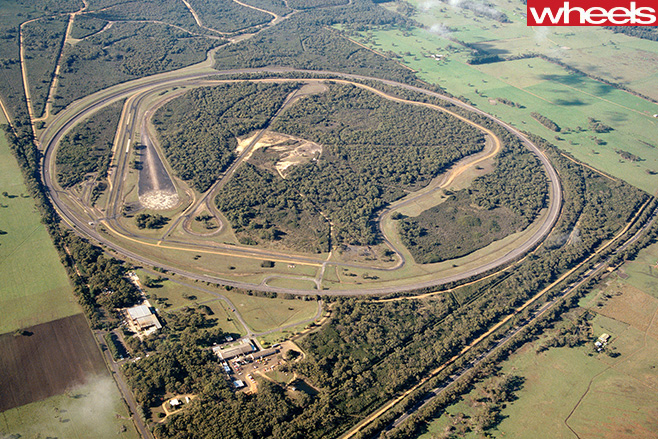
The Lang Lang facility has the capability to calibrate and test diesel, LPG and hybrid models though it’s understood the Holden engineers will primarily test petrol engines.
Holden has previously confirmed that the Lang Lang proving ground, which opened in 1957, will continue to be used to tune its future imported vehicles to suit Australian conditions.
It’s not often a fully-fledged racecar gets to attack the full Nurburgring Nordscheife.
The WTCC have a round of the championship on the famed Green Hell, and GT3-spec cars blast around the venue for an entire day for the 24 Hours of Nurburgring.
So it was a pretty special day when Augusto Farfus Jr was allowed to take a current-spec BMW M4 DTM car around the venue.
The Nurburgring 24 Hour winner cut a number of laps of the Nordschleife as part of a promotion for Shell Helix, taking several lucky passengers for hot laps.
Although it looks like Farfus Jr isn’t pushing the car to the limit – lifting off the throttle and coasting for a number of corners – he still inadvertently measured a low 6-minute lap time.
The ‘Bridge to Gantry’ time (the measure of laps where the full main straight cannot be driven to speed) was a scorching 6:14.
For reference, the bonkers Pagani Zonda R recorded a 6:47 on the full circuit, while the Ferrari 599XX’s best effort was a 6:58.
The fastest fully-fledged racing car lap is from Stefan Bellof, who piloted a Porsche 956 around the full circuit in 6:11.13 during qualifying for the 1983 Nurburgring 1000km race. With a few more attempts, and pushing at 100-percent during the entire lap, Farfus Jr could probably come close to this number.
Making Farfus Jr’s efforts even more impressive is the fact he did the lap time by accident, with a passenger riding along the entire time.
The onboard footage makes for impressive viewing, as the DTM pilot remains calm and collected during one of the most fearsome laps in motorsport.
According to BMW Motorsport, the car “was adjusted for the specific track conditions on the Nordschleife.”
Regardless of the reason you’re upgrading your car, it’s a common dilemma to find yourself in. Shinny and new with a bigger price tag, or used and cheap?
NEW CARS
New cars might be more expensive, but you’re paying for peace of mind. Unlike used cars, new cars are likely to be more reliable and offer you, as the buyer, more confidence in your purchase – it’s unlikely a new car has been put through its paces causing problematic mechanical issues later down the track.
Warranty is included with a new car. A three, five even seven year warranty is likely to be included in your new car purchase, which will save you money on any mechanical issues and servicing.
Most manufacturers offer capped price servicing for the duration of the warranty meaning no nasty surprises even when the car is working fine.
Buy a car straight off the truck gives you more choice. You can choose what colour you want, the accessories, and any additional options you may decide on, like safety or driver assistance tech.
All the parts in a new car are… well, new. So the car itself is bound to be more fuel efficient. Add to that the fact manufacturers are constantly aiming to improve fuel efficiency and emissions and you’ve got yourself an on-road saving.
As mentioned above, a car will lose most of its value in the first two years of being on the road. So buying a new car is probably the worst ‘investment’ you’ll make. You’ll lose at least 40 per cent to depreciation before you’ve even reached the end of your warranty period.
There are new-car bargains to be found. Run-out deals and plate clearances are a good way to buy a near-untouched car for an excellent price, though it will probably depreciate faster.
USED CARS
The biggest appeal of buying a used car is the slashed price. Cars lose most of their value in the first two to three years, so buying a pre-owned vehicle means you can slash a few dollars of the pricetag and have yourself a bargain. Look for the cars that are only a couple of years old, with low kilometres and check out mechanically.
Even if you’re considering buying a new car, going second-hand may allow you to spend your budget on a top-spec version of the same model with more of the bells and whistles. It may be a little older, with a few extra kilometres, but for the price you may just get the luxury interior or safety package that you otherwise couldn’t afford when new.
The biggest problem with buying used cars is you don’t know a lot about its history. Sure, you might have the service history, but you don’t know how the driver drove the car. Like, how many times did they take the family sedan to the country and thrash it on those gravel roads? As a result, you could be in for a rough time on maintenance costs.
With the unknown history and age comes a little less fuel efficiency. The older your car gets, the less fuel efficient it becomes. As the mechanics of the car wear down, moving the vehicle becomes more strained, which means it needs more power, from fuel, to get going.
Buying used means you’re sacrificing warranty and potentially, reliability. Unless it’s still under the factory warranty you probably won’t get capped price servicing, and there’s no manufacturer fall-back should something happen to your car, which could end up costing you whatever you saved on the purchase.
Demonstrator models are also a good near-new used-car option. They’re usually low on kilometres and have been used by dealerships to show other customers the car so are usually driven carefully. Just make sure, when negotiating the sale, to check what warranty the dealer is offering.
Most importantly, when buying used, make sure you check the car thoroughly and ensure how much money the car has owning on it or if it’s been reported stolen before you go through with the deal, particularly in the instance you’re buying from a private seller.
Your car’s gearbox (or transmission) is the link between its engine and driving wheels and transforms horsepower and torque into forward and reverse motion using different gear ratios to achieve a range of speeds.
The automatic gearbox was invented by Canadian, Alfred Horner Munro, in 1921 and used compressed air to change gears. The first modern, mass-produced automatic gearbox, the Hydra-Matic, was introduced by General Motors in 1940 and until recently there has been only one type of ‘self-shifting’ ‘box for passenger vehicles.
Today, depending on which make and model you buy, your car will come with one of these three automatic transmissions.
1. CONVENTIONAL AUTOMATIC GEARBOX
Modern automatic gearboxes use a hydraulic fluid coupling called a torque convertor, instead of a foot-operated friction clutch, to change gears by locking and unlocking a set of planetary gears. It also stops the engine from stalling when a car is stationary and in gear.
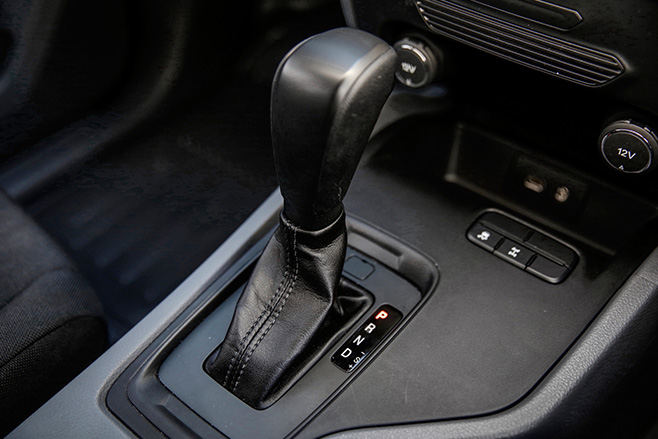
These days automatic gearboxes ‘talk’ to the engine’s ECU (Electronic Control Unit) for more precise control of shifting and advanced automatic transmissions can actually ‘learn’ a driver’s style. Automatic gearboxes have come a long way since 1940 and Ford now offers the world’s first mass-produced 10-speed auto on its F-150 ute in the US and has filed a patent for an 11-speed ‘box!
Pros: Great for stop-start city driving, ease of use, keeps both hands on the wheel Cons: Not much chop for sporty driving or on the racetrack, can be less fuel-efficient than a manual gearbox
2. CONTINUOUSLY VARIABLE TRANSMISSION (CVT)
There are three types of CVT gearboxes. A pulley-based CVT transmission is an ingeniously simple device that uses a system of belts and pulleys – instead of toothed steel gears found in a conventional auto gearbox – to provide seamless changes through an infinite range of ratios and allows an engine to spin at its most efficient speed (rpm).
A Toroidal CVT uses discs and power rollers to transmit power and a Hydrostatic CVT uses variable-displacement pumps and hydrostatic motors. CVT gearboxes are particularly popular with Japanese manufacturers. A patent for the first CVT gearbox was first filed way back in 1886 and Leonardo da Vinci actually sketched one in 1490!
Pros: Smooth, seamless acceleration, fuel economy, keeps engine at maximum efficiency Cons: Droning engine noise under acceleration
3. DUAL-CLUTCH TRANSMISSION (DCT)
DCT gearboxes offer the best of both worlds: an automatic transmission that can be driven just like a manual but without a traditional foot clutch.
In a DCT, there is no torque convertor and gears are arranged on two separate shafts, odd-numbered gears on one, even on the other, and each shaft has its own clutch.
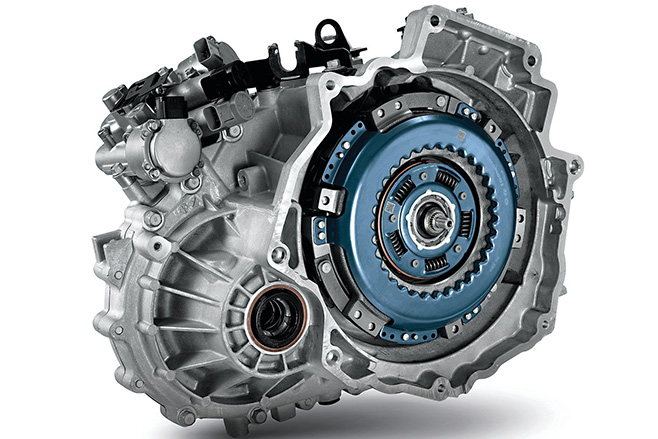
This twin-clutch system allows the next higher or lower gear to be ready to be selected in a fraction of a second, instructed either by the car’s computer management system or by the driver using steering-wheel-mounted paddles or traditional shifter.
Porsche pioneered dual-clutch gearboxes in motorsport, using its PDK ‘box in its 956 and 962 World Endurance Championship sportscars in the ‘80s.
Pros: Blink-of-an-eye shifts, drive an auto like a manual, minimises power loss Cons: Early DCTs could shift with a violent ‘bang’
In the States it is known as the Specialty Equipment Market Association but to aftermarket tuning fans worldwide the annual SEMA show in Las Vegas is the highlight of the calendar – and now a variation of what SEMA provides could be coming to Australia.
In the face of a closing auto industry, the Australian Automotive Aftermarket Association (AAAA) joined with existing component manufacturers, SEMA and the Queensland government to initiate a feasibility study with a view to opening a SEMA Garage here.
The idea is to offer design and engineering facilities, called the Innovation Lab, for smaller component brands to develop larger kits such as performance additions for the Ford Mustang, while renting the site and amortising costs between smaller suppliers.
When MOTOR spoke with AAAA Executive Director Stuart Charity he revealed that despite losing their automotive industries by the end of next year, the Victorian and South Australia state governments were less interested than Queensland in funding the study.
“Queensland really saw the real opportunity and virtually made it difficult for us not to work with them. We’ve also had a meeting with the federal industry minister Greg Hunt and he’s indicated strong interest in this and from a national perspective they’re just interested in wanting to get the facilities in Australia and helping the facilities that are surviving.”
The north-eastern state tipped in $35,000 – one-third of the cost of the feasibility study.
The AAAA lists familiar performance tuners Harrop Engineering Australia and Fulcrum Suspensions as supporters of the project, which Charity refers to as a “more of an industry-run centre, where we provide all the infrastructure” for manufacturers to develop products.
“The reward in the aftermarket is higher margins than the traditional Australian original equipment supply chain that has been servicing Ford, Holden and Toyota. Aftermarket manufacturers are traditionally in the front line of automotive innovation and achieve over $1 billion per annum in export sales. Investing in new equipment, research and development will expand markets and grow employment levels.
“If the feasibility study proves the business case and an Innovation Lab is established, our manufacturers will have greater opportunity to design, develop, manufacture and distribute high quality products that meet both local and international design regulations and specifications.”
He also confirmed that, “The Australian Innovation Lab would be modelled on the SEMA Garage.”
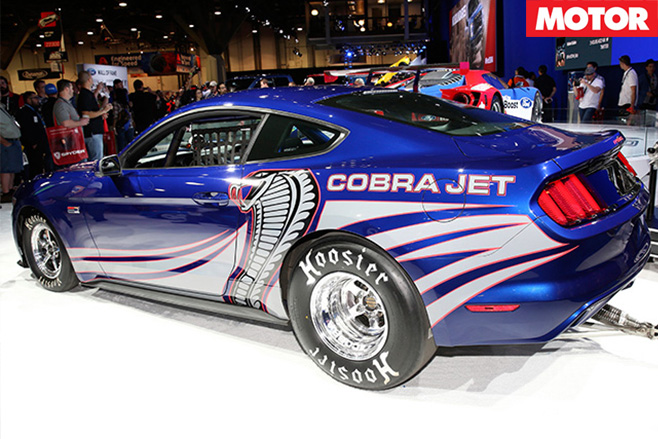
The AAAA said the feasibility study would be concluded sometime next year when a decision will be made to go ahead with a project it claims would support 7500 component supplier workers.
As for a SEMA show in Australia, though, Charity said our market was too small and niche compared with the US to support such an option, although he did give a nod to the established classic car celebration Motorclassica that runs annually in Melbourne.
An image believed to show a mock-up of Australia’s first fully imported Holden Commodore has briefly surfaced on social media, hinting the carmaker is close to revealing details of the car that will carry on the nameplate.
The poorly Photoshopped mock-up, wearing patched-on teardrop headlights and a Chevrolet-style grille pushed high on the bonnet, was posted to the Clipsal 500 Facebook page this morning, and linked to a countdown timer on the event’s website that ends around noon on Thursday.
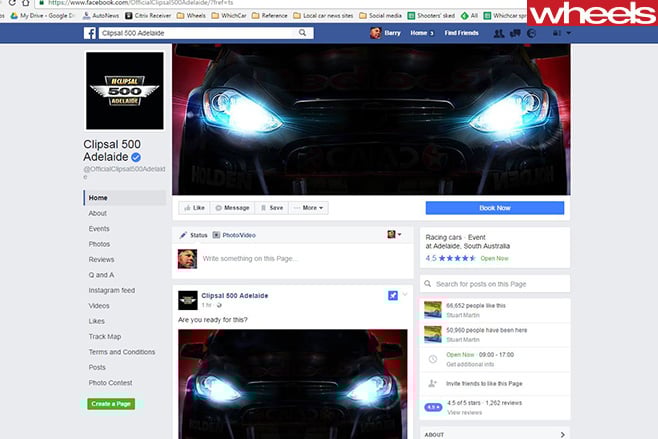
The image – wearing Red Bull Racing colours – appears to be a mock-up of an Opel Insignia, the car that will replace the locally made Commodore once production ends in late 2017. It was accompanied by the caption: “Are you ready for this?”
It is believed the image was posted online after a pre-planned marketing campaign misfired. Wheels has contacted organisers behind the Clipsal 500 for comment.
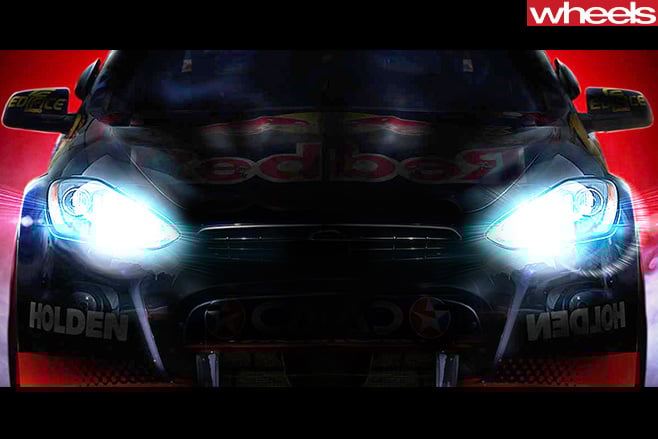
Tweaking the image reveals half a Red Bull Racing Holden VF Commodore that’s mirrored to make a whole car.
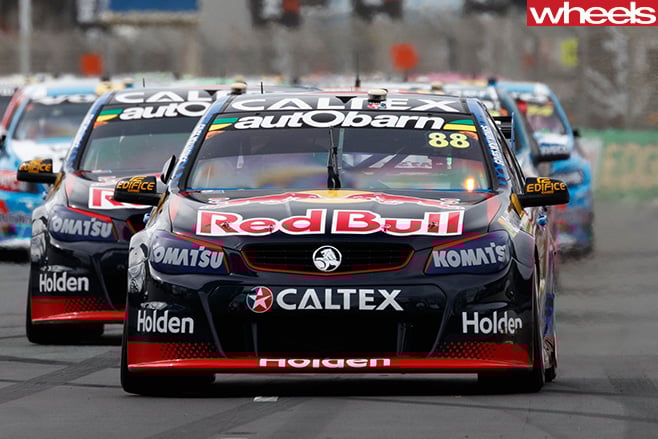
The grille has also been cropped out and replaced with a chromed Chevrolet-style insert sitting above a lifted lower air dam and intake that are sitting unnaturally high.
However, the “Mockupodore” looks nothing like the Opel Insignia that will speak with a distinctly Aussie accent by the time it goes on sale here. Holden is investing time and money to ensure that the local spin on the Insignia is different enough to overseas model.
The Cadillac-sourced V6 race engine is believed to already be well under development, producing more than 635hp – about 474kW – by the time it hits the track in about 2018.
This is despite Supercars setting the framework for the engine to compete from next year. However, teams are expected to stick with their current proven platforms until at least 2018 – as the factory team, Red Bull is anticipated to be the first to break the V8 mould.
Triple Eight Race Engineering is responsible for the development of the next Supercars Commodore expected to replace the VF.
