
Ford’s Mustang is back on the menu for the NSW Highway Patrol.
After failing crucial tests earlier this year, MOTOR understands the NSW Police has reinstated the Mustang as a possible candidate for highway patrol duties.
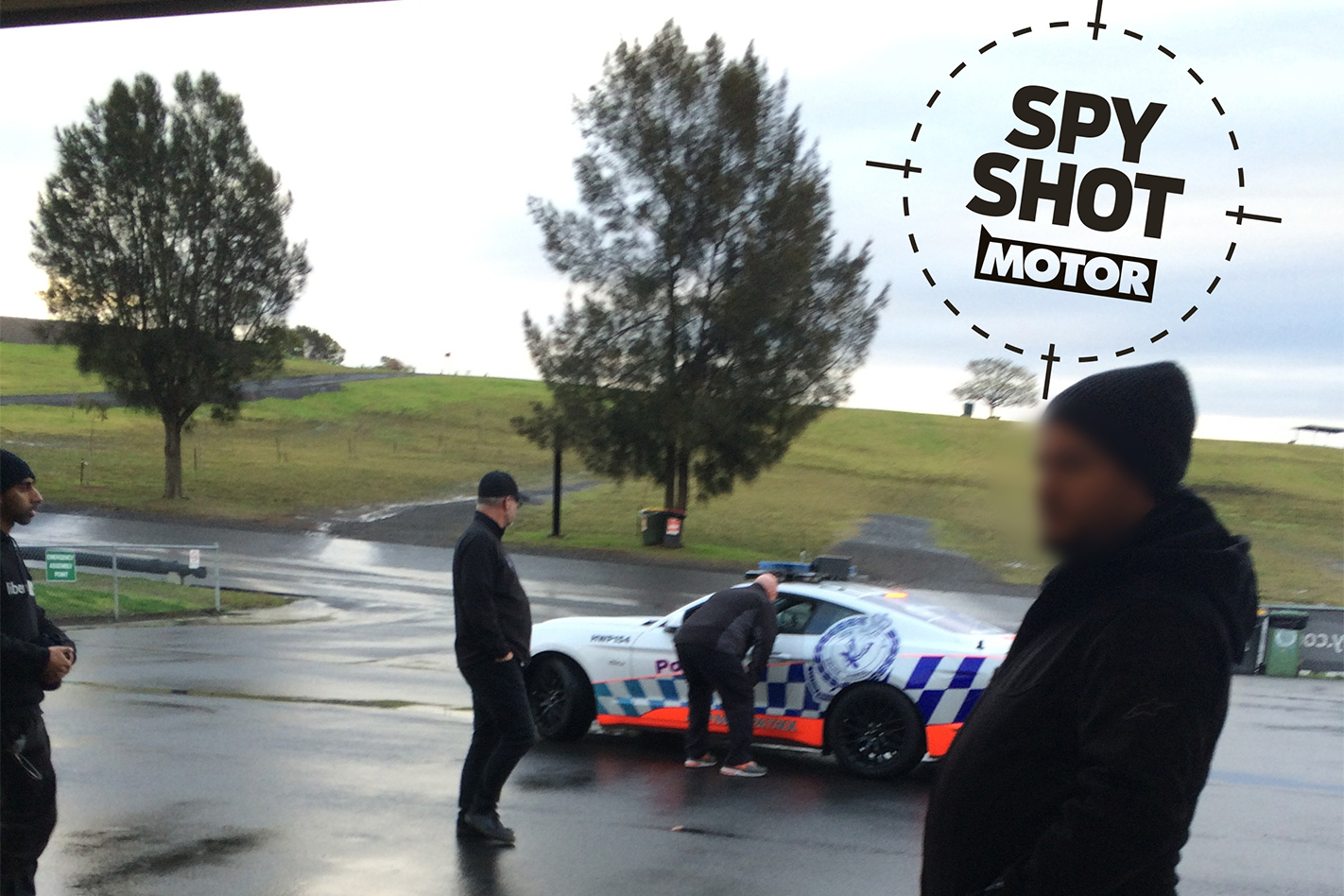
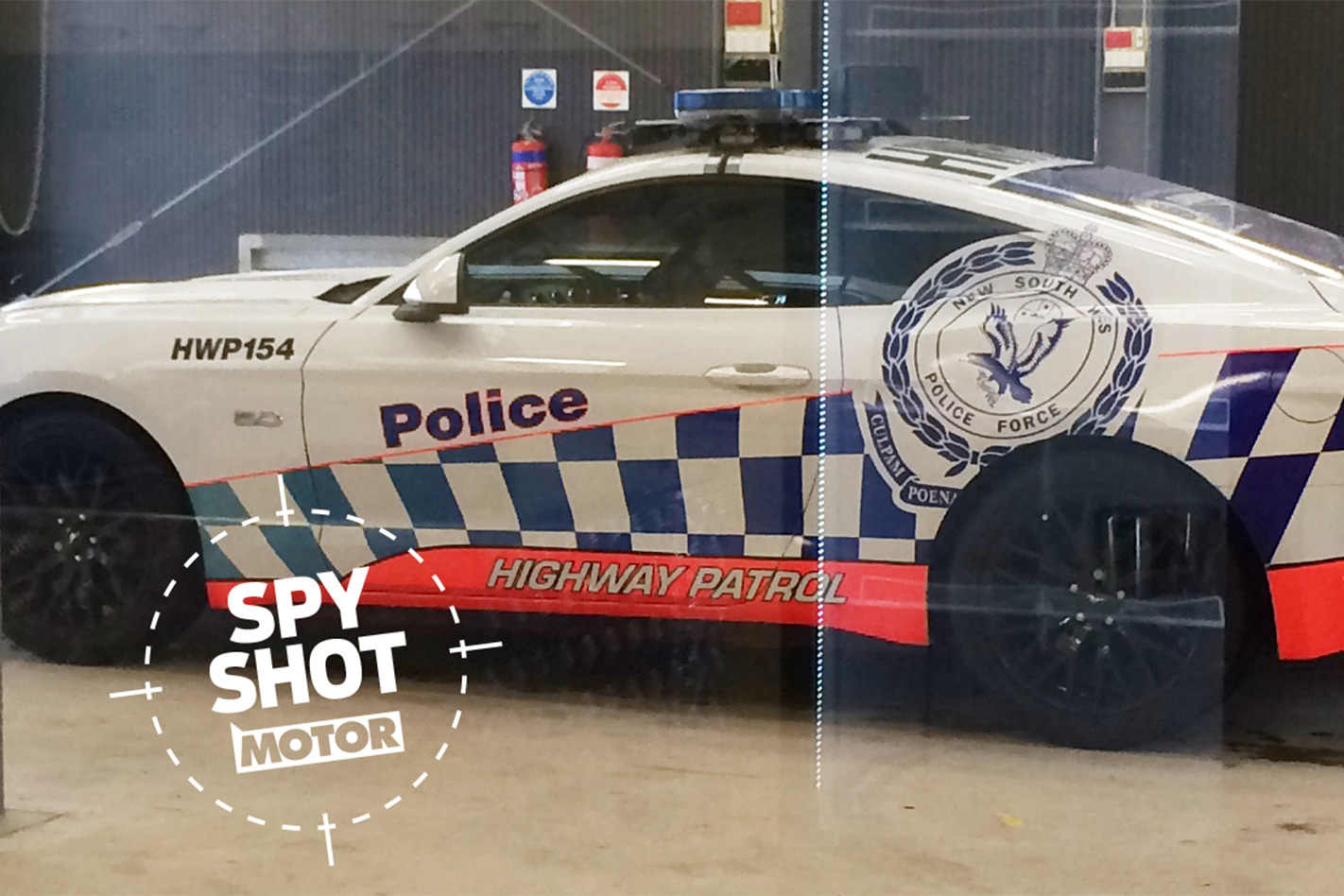
Spotted yesterday in Sydney’s Eastern Creek installed with lights, the force’s Mustang has copped the highway patrol treatment since it was last publicly seen in February. It now looks fully capable of nabbing crims.
He adds, “There are a lot of variables at play; including price, availability, performance, suitability, all of that stuff, specs, it is one of a number of vehicles we are testing.”
The gig isn’t guaranteed. NSW Police has not fully solved the issues which plagued the Mustang’s previous driving tests, reportedly caused by its automatic transmission overheating. But this reconsideration suggests a fix is underway.
Other countries also have considered adding the Ford Mustang to police fleets, as British authorities currently use one for promotional purposes.
While it’s not clear when NSW Police will announce replacements for its aging steeds, the Falcon’s fast-approaching demise this October means we’ll know of one sooner rather than later.
How many times have you had to perform an emergency braking manoeuvre in your driving career, and how many do you expect to perform?
The best answer to these two questions is zero and never. However, the reality of driving on public roads is that you’re unlikely to avoid a full ABS stop at some point in your driving career. It could happen just once in decades of driving, but amongst the hundreds of thousands of kilometres we all spend behind the wheel, those few meters of an emergency braking manoeuvre are arguably the most important.
This alone is why attending a defensive driving course is vital for all drivers. It doesn’t matter if you are a learner driver, P-plater, middle-aged and stuck in a school run rut, or a seasoned driving veteran – everyone can benefit from these courses.
Even if you rate yourself as the best road user in the world – one who never gets anything wrong, and is perfect all the time – you should still attend a defensive driving course. These courses are as much about dealing with unpredictable drivers around you as they are about refining skills.
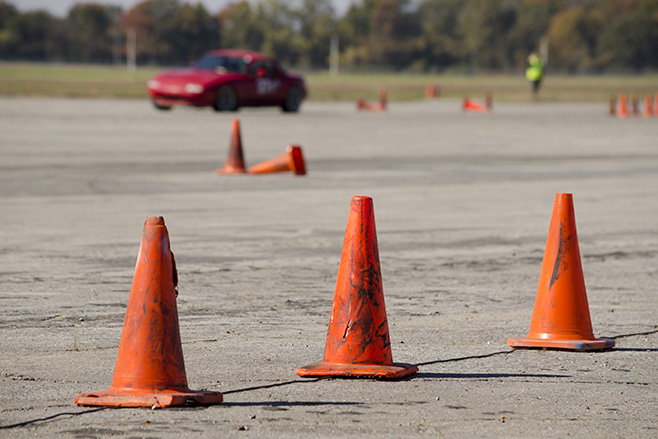
It is for this reason I found myself refreshing my skills on a brisk day at Sandown. In fact, this was my third defensive course since I was handed my P-plates as a fresh-faced teen. The day is broken down into two distinct parts; theory and practical. Don’t be turned off by the theory, as it is arguably the most important – it’s better to avoid an accident in the first place than know how to deal with one as it happens. But the on-track practical skills will push you as a driver – this is you are taught how to activate the ABS (or not lock up if your car doesn’t have it), as well as take evasive manoeuvres. It is tough, you will kill more than a few orange cones, and you will overestimate your abilities. But that is what this course is about.
The most important takeaways from a defensive driving course are the ability to stop swiftly and safely, as well as best practice techniques for ensuring you and your vehicle are at their best on the road.
The opportunity to practice emergency braking in a safe environment cannot be undervalued. It’s impossible to guess what it will feel like and what your brakes can handle, and these courses provide a safe space to do just that.
Throw in expert feedback from veteran driver trainers, and it is difficult to argue against taking a defensive course. You may only need to use the skills you learn once, but that should be all the justification you need.
At the end of the day, you and only you are responsible for your safety on the roads. If there is a course you can take that can teach you pre-emptive skills to avoid accidents, as well as how to appropriately deal with an emergency situation while driving, shouldn’t you take it?
If authorities are really serious about road safety, mandatory defensive driving courses are the place to start.
CHRIS Amon, who died yesterday aged 73, had the rare distinction of being regarded as the best driver to never win a world championship Grand Prix.
Racing great Mario Andretti once commented that Amon’s luck was so bad that “if he became an undertaker, people would stop dying.”
Despite having numerous races snatched from his grasp, the amiable New Zealander – like Stirling Moss, the best driver to never win the world title – was not bitter, but thankful to have merely survived a brutally dangerous period of motor racing where a great many of his contemporaries did not.
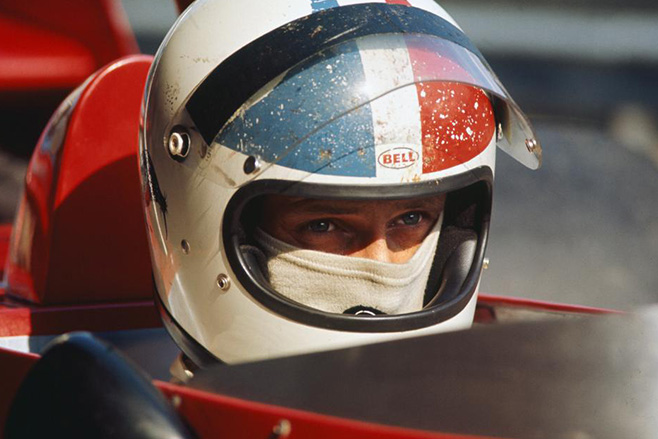
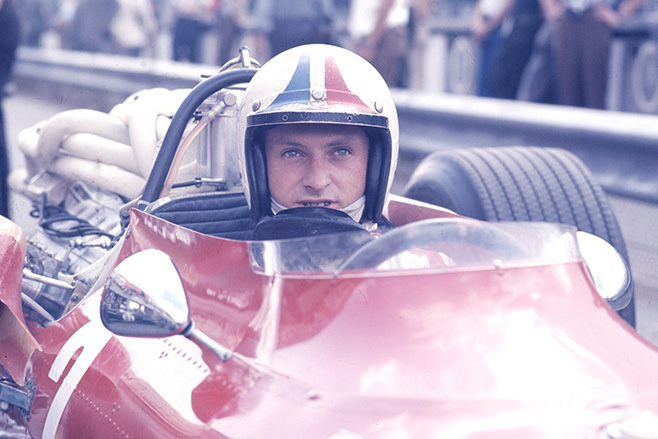
What it doesn’t reveal are the misjudgements that probably kept him from achieving true greatness – such as leaving Ferrari at the end of 1969, just before the Scuderia struck one of its inevitable purple patches, and making questionable career decisions.
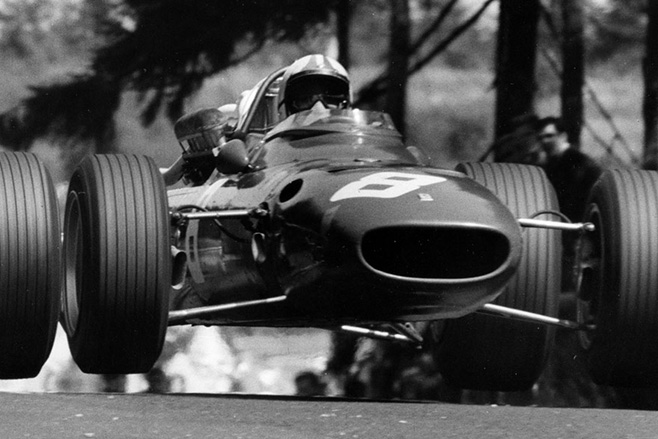
Fans and experts alike bemoaned Amon’s terrible luck yet again that day, but some suggest he should not have been cutting the corners, where the apexes were littered with sharp stones (one of which saw Helmet Marko, now Red Bull team advisor, lose an eye).
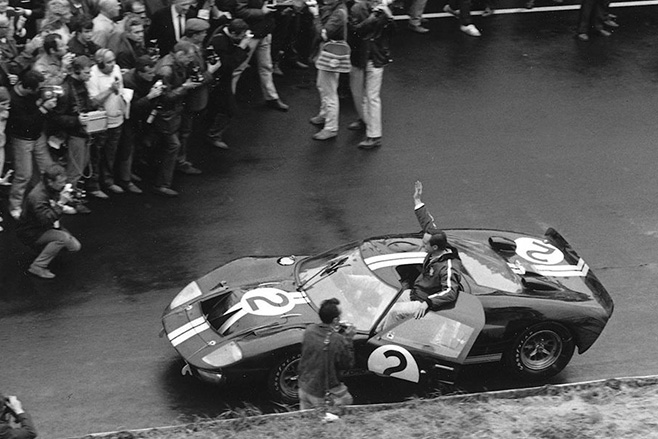
But Amon did enjoy one great success in Europe, joining good friend and countryman Bruce McLaren in winning the Le Mans 24 Hours for Ford in 1966, an historic event that just two months ago enjoyed its 50th anniversary. Amon, however, was in the final throes of battling cancer while McLaren had died in a testing crash in 1970.
Amon should be remembered as a great driver – many regarded him as highly as Jim Clark and Jackie Stewart – rather than just an unlucky one.
Mazda and Toyota remain the dominant forces in the increasingly-vital SUV market, with July sales figures revealing both Japanese brands share the top spots in each mainstream SUV sub-category.
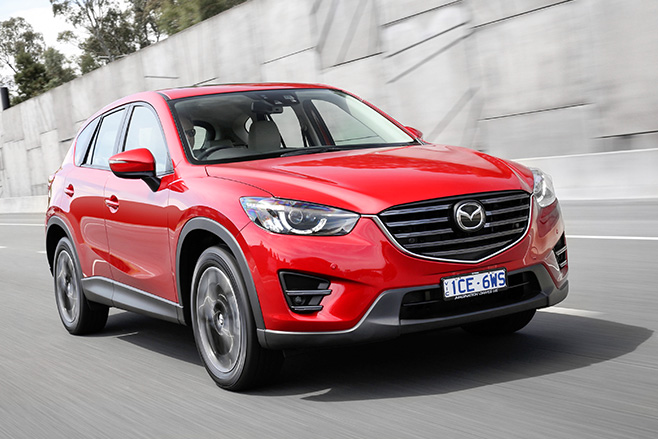
Mazda owned the small and medium SUV segments in July with the Mazda CX-3 and Mazda CX-5, with the former holding off competition from Mitsubishi’s ageing (yet still popular) ASX and the Nissan Qashqai, while the CX-5 beat out the Toyota RAV4 and Hyundai Tucson for the midsize crown.
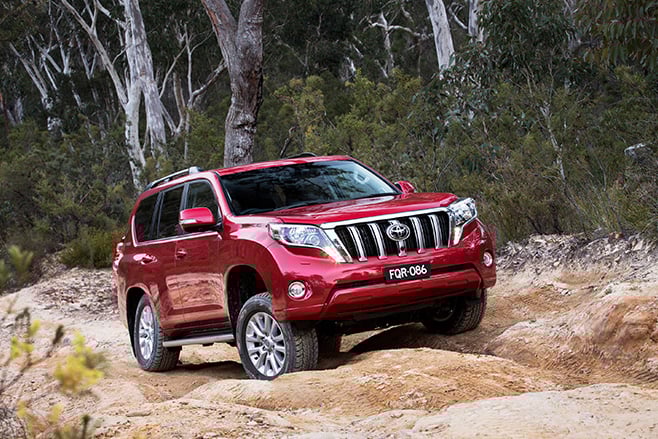
In the world of large SUVs Toyota reigned supreme with the Prado and Kluger, with the two seven-seaters taking first and second place respectively. However with 954 cars sold in July 2016 versus 1316 sold in July 2015, the Kluger has lost some steam in the showroom.
Subaru’s Outback crossover wagon came in third for the large SUV segment with 877 cars, while the reborn Mazda CX-9 has nearly doubled its sales volume compared to July 2015 with 439 cars delivered last month; not enough to worry the likes of Toyota, Hyundai, Mitsubishi or Holden – yet.
The Toyota LandCruiser LC200 retained its stranglehold on the upper large SUV with 1214 sales in July 2016 – a huge 55 percent increase on last year’s July figure and substantially more than the Nissan Patrol’s 144 sales for last month.
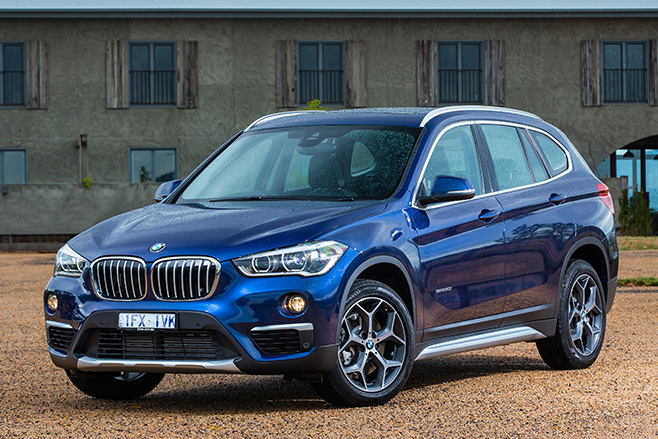
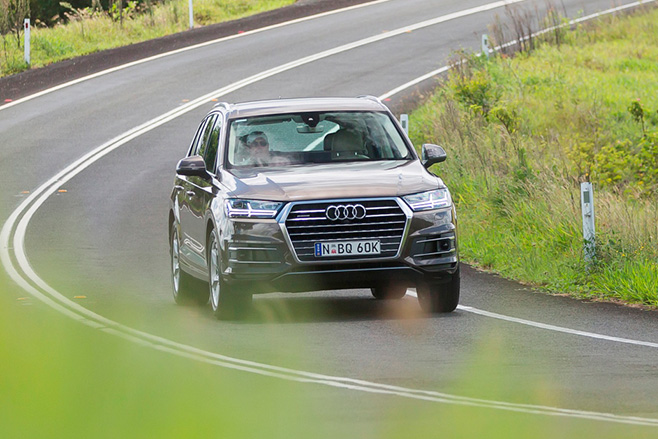
More interesting movements happened in luxury SUVs. While BMW’s still-fresh X1 range continues to do great things in the ‘small SUV over $40k’ segment, soundly beating the Merc GLA and Audi Q3, the Bavarian automaker’s ever-popular X5 lost top billing in the large luxury SUV segment to the newer Audi Q7.
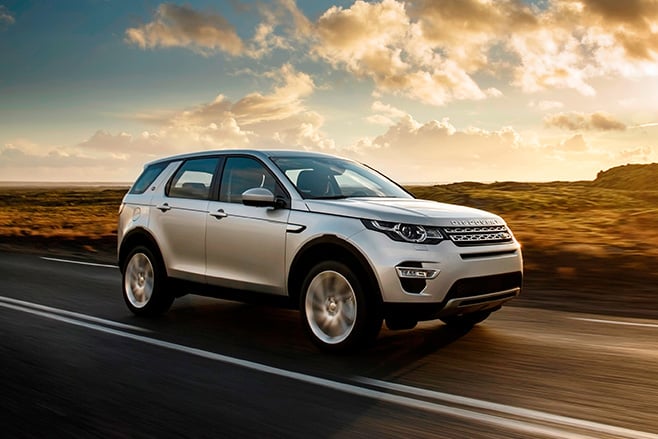
The midsize luxury SUV race saw a new victor in the form of the Land Rover Discovery Sport rise to the top, with its 371-car sales tally eclipsing the Audi Q5 (340 sales) and BMW X3 (325 sales)
Overall, the SUV segment continues to grow in size and importance in Australia, recording 3.5 percent sales growth in July and 10.3 percent growth year-to-date.
Passenger car sales in July accounted for 41.6 percent of the market, down 3.3 percent against last year’s July sales numbers. SUVs, meanwhile, accounted for 37 percent of the total new-car market in July – an increase of 1.6 percent.
As passenger car sales continue to shrink and SUV market share maintains its upward trajectory, it’s conceivable that SUV sales may overtake those of regular hatches and sedans by the end of the year. The margin between the two has been even closer, however: in May, the passenger and SUV segments racked up 39.5 and 37.5 percent market share figures respectively.
July 2016 Sales – SUVs
SUV small:
Mazda CX-3 – 1744 Mazda Mitsubishi ASX – 1130 Nissan Qashqai – 1061
SUV Small >$40k
BMW X1 – 313 Mercedes-Benz GLA – 245 Audi Q3 – 218
SUV Medium
Mazda CX-5 – 1933 Toyota RAV4 – 1825 Hyundai Tucson – 1497
SUV Medium >$60k
Land Rover Discovery Sport – 371 Audi Q5 – 340 BMW X3 – 325
SUV Large
Toyota Prado – 1248 Toyota Kluger – 954 Subaru Outback – 877
SUV Large >$70k
Audi Q7 – 389 BMW X5 – 322 Land Rover Discovery – 257
SUV Upper Large
Toyota Landcruiser LC200 – 1214 Nissan Patrol – 144 Mercedes-Benz GLS – 111
THE Ford Mustang has given the brand something to celebrate in July, regaining its spot at the top of the sports car sales chart for the month.
Ford sold 619 Mustangs last month compared with 346 locally made Falcons, with the American import also clinching top slot in Australia’s new-car sports segment in July.
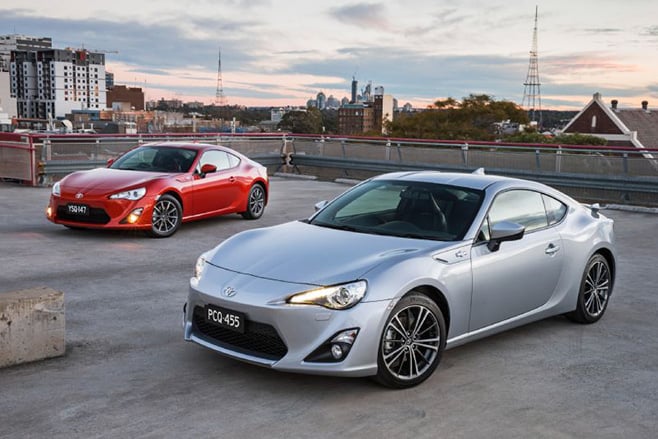
Although sales in May and June dipped below 400 after snaring 690 deliveries in April – its first full month on sale – Ford Mustang sales bounced back in July to account for 42.6 percent of the all sports passenger cars sold priced less than $80,000.
Not only that, but the gap between Mustang and the second place-getter in the segment – the soon-to-be-facelifted Toyota 86 – was sizable, with 450 cars separating the two. Hyundai’s Veloster hatch trailed the 86 by just three units, with 166 delivered in July.
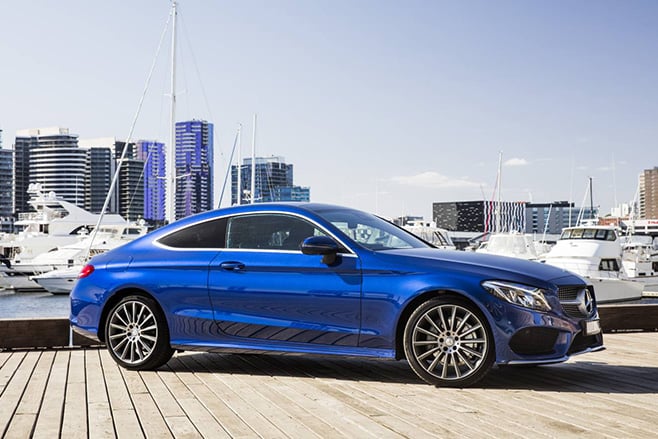
Looking at the sports segment as a whole, the all-new Mercedes-Benz C-Class Coupe and convertible was the second biggest seller and by far the most popular model in the $80,000 to $200,000 price range. Mercedes sold 259 C-Class two-doors compared with 99 of the BMW 4 Series Coupe/Convertible/Gran Coupe range – the next most popular car in the bracket.
The only other sports cars to beat 100 sales last month were the Mazda MX-5 (112) and BMW 2 Series Coupe and Convertible (129), both of which sit with Mustang in the sub-$80,000 range.
There were 143 sports cars sold last month in the mega-dollar $200,000-plus sub-category, including 28 Porsche 911s, 19 BMW 6 Series, 18 McLarens, 17 Ferraris, 17 Mercedes-AMG GTs and 11 Audi R8s – an almost 20 percent gain for the segment compared with the same month last year.

The slowest-selling models were the Mercedes-Benz SL, BMW i8, Nissan GT-R, Infiniti Q60 and Alfa Romeo 4C, with three sales apiece.
The sports passenger segment accounts for 2.4 percent of the market with 2174 sold across all price ranges last month, which is 499 more than sold in July last year.
Year to date sales for sports cars are also up, with 15,617 being sold in the first seven months of 2016 compared with 12,919 during the same period last year – an increase of 20.9 percent.
July 2016: Top 10 Vehicle Sales
| Rank | Model | Sales |
| 1. | Ford Mustang | 619 |
| 2. | Subaru WRX | 267 |
| 3. | Mercedes-Benz C-Class Coupe | 259 |
| 4. | Subaru Levorg | 230 |
| 5. | Toyota 86 | 169 |
| 6. | Hyundai Veloster | 166 |
| 7. | BMW 2 Series | 129 |
| 8. | Jaguar XE | 114 |
| 9. | Mazda MX-5 | 112 |
| 10. | Lexus IS | 105 |
As far as we’re concerned, there can never be enough variants of the Mercedes-AMG C63 S.
And they can never get here quick enough. Benz Oz clearly feels the same way about its new C63 S Coupe.
The ink had barely had a chance to dry on local reviews of the regular C-Class Coupe before we were being invited to Sydney Motorsport Park for an early taster of the AMG version a full two months before its official Aussie launch. No complaints here.
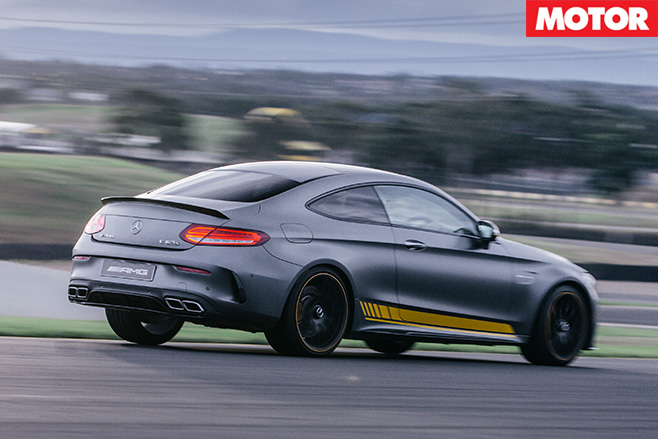
The plump wheel-arches are 64mm wider at the front and 67mm at the rear compared with the sedan and the regular Coupe. New rear suspension offers 40mm more track, is further stiffened and takes the multi-links to 12.
Factor in fatter contact patches front and rear and this might be a C63 that wants to mimic the AMG GT S that’s not far off being double its price ($162,400 vs $295,000).
At 1800kg, it’s as heavy as the C63 S wagon, bursting the Coupe’s dream bubble of being a truly lithe, nimble sports car.
That impressively planted rear can still be easily uprooted, of course, if there’s much lead in your right foot – even when exiting medium-speed sweepers in fourth.
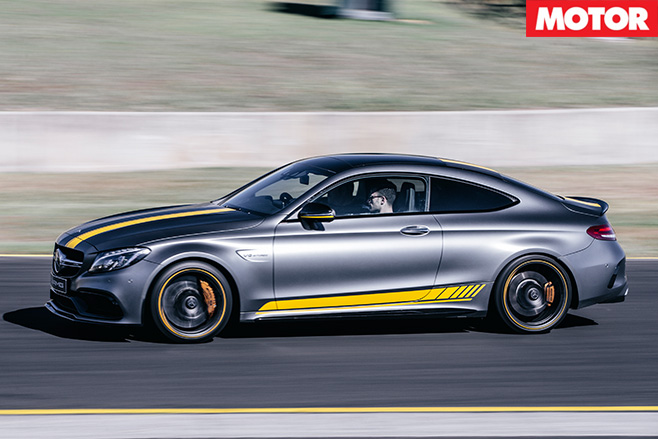
‘Sports Plus’ is the minimum setting for the track to ensure suitable damping and drivetrain responses.
It certainly helps you appreciate the rapid shifts from the seven-speed multi-clutch auto that are more responsive than those delivered by the dual-clutch unit in the smallest AMGs.
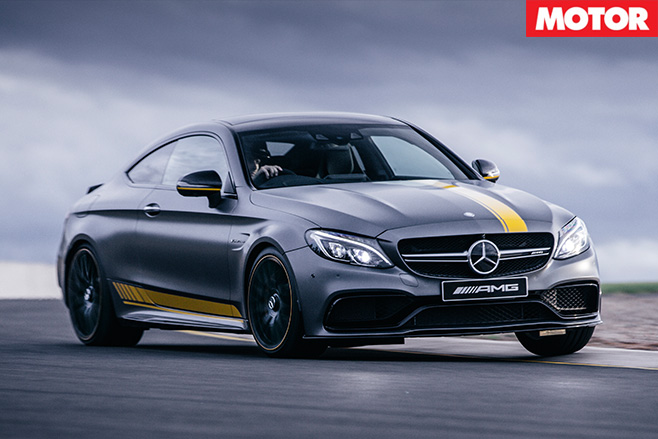
We already prefer it to the M4’s artificially enhanced beat, but BMW’s new Competition version is perfectly timed: a comparison can’t come quick enough.
4.5 OUT OF 5 STARS
LIKE: Awesome engine; great steering; fat looks DISLIKE: Very heavy; tight rear accommodation
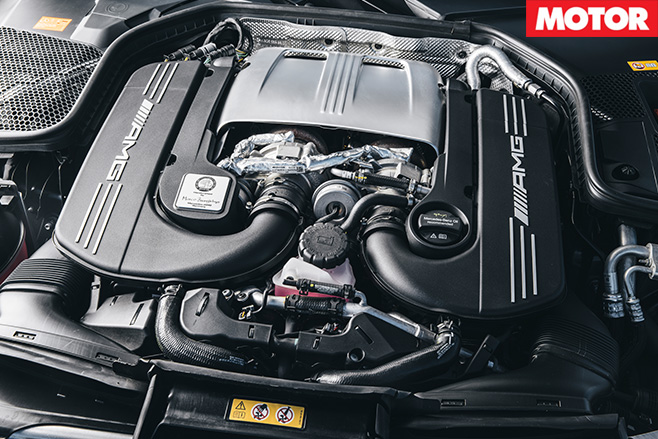
SPECS Engine: 3982cc V8, DOHC, 32v, twin-turbo Power: 375kW @ 5500-6250rpm Torque: 700Nm @ 1750rpm Weight: 1800kg 0-100km/h: 3.9sec (claimed) Price: $162,400
Toyota has maintained its top ranking for passenger car sales in Australia, edging out rival Hyundai which continues to strengthen its presence on the local market.
Toyota sold 7232 passenger cars in June (not including SUVs) accounting for 19 percent of the market, while Hyundai sold 5059 to secure 13.3 percent.
Both owe their success in large part to their popular small cars, with the Toyota Corolla regaining overall top spot from the Hyundai i30 after four months. Toyota sold 3427 Corollas in July, compared to 2216 i30s.
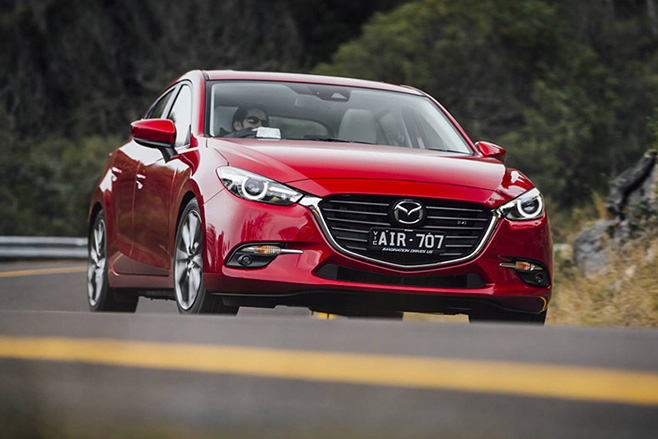
The Mazda 3, which has long been in the top three small cars in Australia, slipped to fourth place in its segment with 1501 sales, behind the Volkswagen Golf (1566). Mazda says the anomaly was mainly due to the new model not being released until July 28 and “an effective runout of the old model” prior to last month.
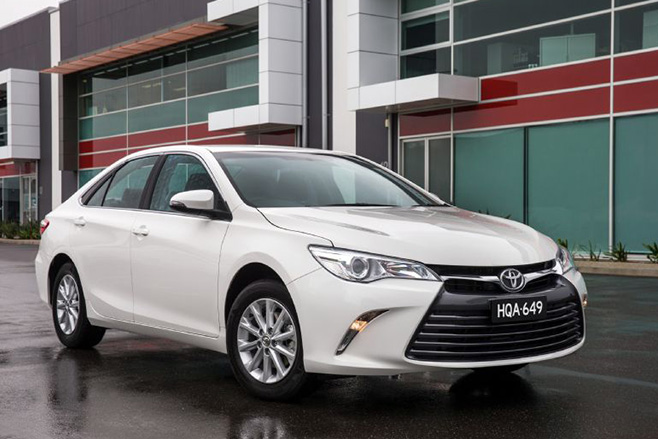
The Toyota Camry was the second biggest-selling passenger car and a clear winner in the midsize segment with 2172 sales, well ahead of its nearest sub-$60k rival the Mazda 6 (405 sales). The Mercedes-Benz C-Class was the second-most popular medium car across price ranges with 536 sales in July, while topping the list of all passenger cars over $60,000.
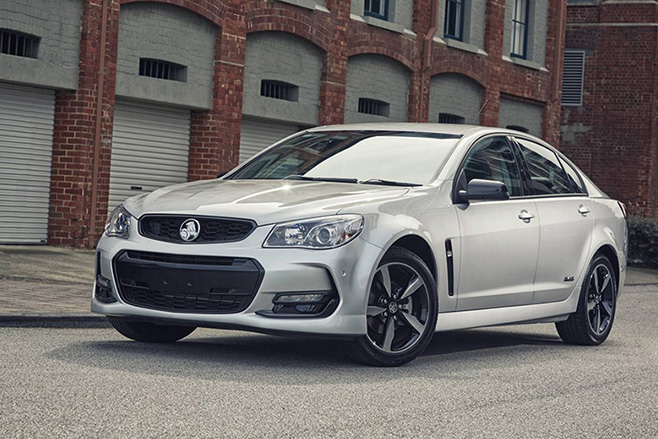
The Holden Commodore was again the clear winner of the large car crowd with 1874 sold last month. Commodore also happened was to take fourth position in the passenger car sales totem overall after the Corolla, i30 and Camry.
Just two months away from its demise, the Ford Falcon sadly couldn’t manage second place in its segment, with just 346 sold in July compared to 365 Toyota Aurions.
Leaders in other passenger car segments included the Mitsubishi Mirage which accounted for 44.1 percent of the micro segment with 514 sales.
The Hyundai Accent had a very good month, notching up 1726 sales in July to snare 23.9 percent of the light car market. It was Hyundai’s second biggest seller and fifth most popular passenger car overall.
In the luxury small car segment, Audi’s A3 sedan and hatch range topped the list of small cars above $60,000 with 449 cars hitting Australian roads last month.
A new model launch helped kick the Mercedes-Benz E-Class to the top of the large and upper-large luxury market with 177 sales. Meanwhile the Kia Carnival was once again king of the people movers, taking 46.7 per cent of market share with 441 sales.
THE WINNERS
Winner: Mid-sized Luxury SUVs
Not counting the Upper-Large SUV segment that features just two models (Nissan Patrol and Toyota LandCruiser), medium luxury SUVs were July’s biggest subcategory. A 43 percent improvement on July 2015 was aided by the arrival of the new Jaguar F-Pace (85 units), notable growth for the BMW X3 (+102%) and X4 (+60%) twins, and the continuing fortunes of Mercedes-Benz’s first local offering in this segment, the GLC (pictured above) (238 units). The Audi Q5 and Volvo XC60 both defied their age to lift 16 percent and 35 percent, respectively. The leader for July was the Land Rover Discovery Sport, with a 34 percent increase to 371 units as it continued to outperform its predecessor, the Freelander2. The only models in the segment not to record positive figures were the Porsche Macan (-23%) and Lexus NX (-8%).
Winners: Micro cars
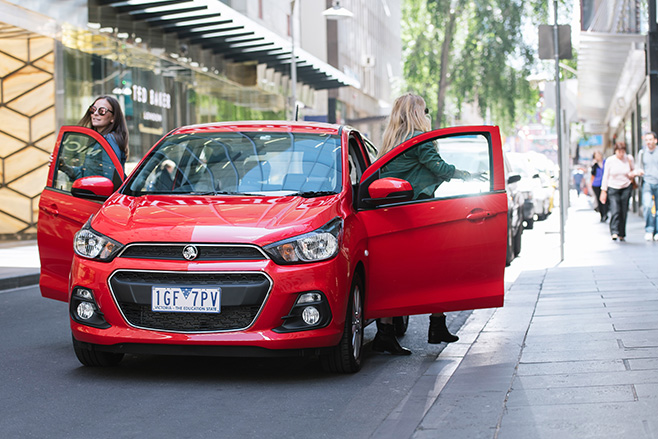
Sports cars aside (+30 percent), micro cars were the best-performing passenger car category in July. Sales of the smallest vehicles available were up 13 percent, compared with decreases of 18 and 7 percent, respectively, for light cars and small cars. Holden’s new Spark (+84%) and the Nissan Micra (+105%) were the chief sales-boosters last month, with the Mitsubishi Mirage remaining a clear leader with 514 units despite only a 4% increase year on year. Before you think Nissan should reconsider its surprise decision to drop the Micra, the micro-car segment is down 22 percent year to date.
Winner: Jaguar
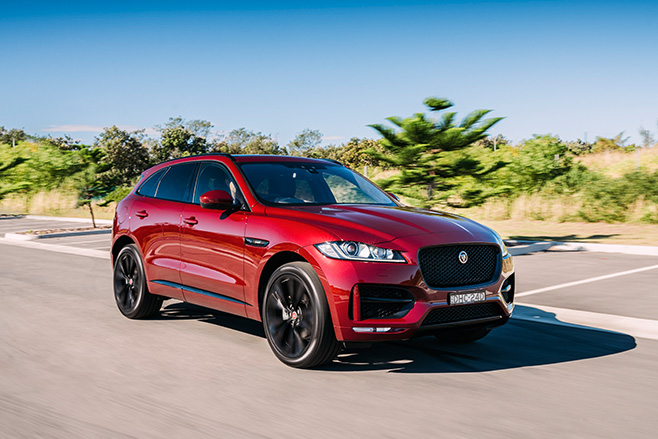
Sister brand Land Rover dominates the JLR sales balance, though all-new models are doing Jaguar wonders. While the Jaguar F-Type, XF and XJ were all slightly off the pace of July 2015, the XE sedan (114 units) and just-launched F-Pace SUV (85 units) stiffened the British brand’s upper lip with a 250 percent leap over July 2015’s result. Overall in 2016, Jaguar’s local year-to-date sales have almost tripled compared to the same period last year: 1533 v 524.
Winner: McLaren
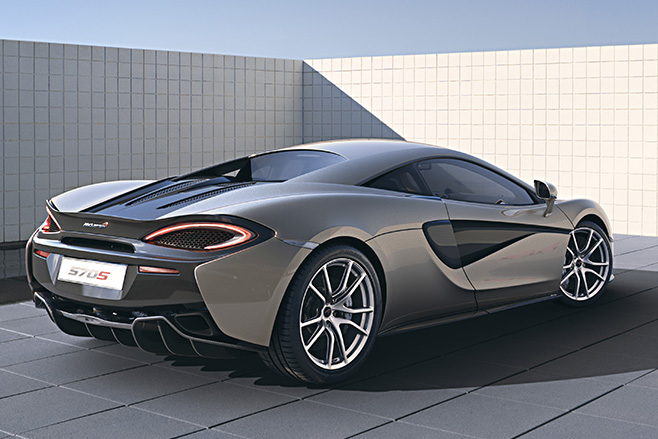
18 units is a huge deal in the supercar segment – and the British marque even trumped Ferrari in July, even if by only one. McLaren is getting more serious about Australia, with an official presence likely in the not-too-distant future. Last month’s sales performance will only encourage such a move.
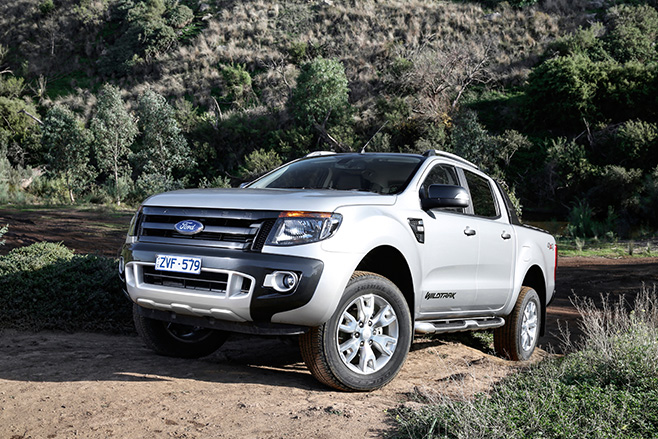
Winner: Ford Ranger 4×4
The Toyota HiLux may be “unbreakable”, according to Toyota, but it’s not unbeatable. In the most popular ute segment – 4×4 – the locally developed Ranger again beat the HiLux – 2357 v 2311. Year-to-date sales of Ford’s last-ute-standing of 21,073 have it firmly in fifth place of all vehicles sales in 2016 – just 512 units behind the Mazda 3. HiLux’s superior 4×2 results keep the Toyota ahead on combined sales, though.
THE LOSERS
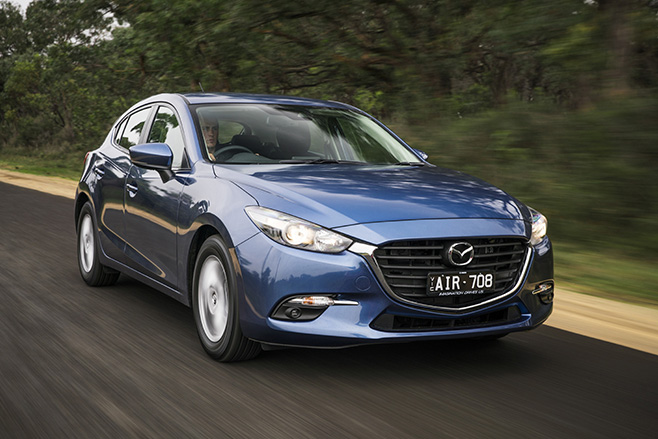
Losers: Mazda
Japanese brand featured two of its SUVs – the Mazda CX-5 and CX-3 – in the top 10 for July but overall its sales were 10 percent down on July 2015. Chief culprit was the Mazda 3 small car, which was a rare omission from that top 10 list as buyers seemingly held off in the knowledge a significantly updated model was being released on 1st August. Mazda remains on track for a record year, however, with year-on-year sales up five percent.
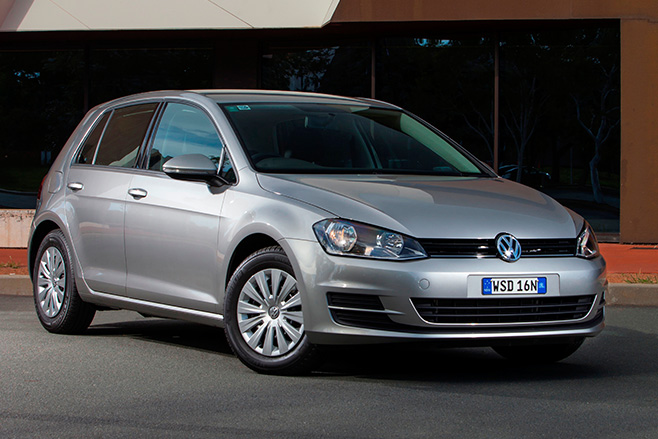
Loser: Volkswagen
It’s difficult to calculate how much of an effect ‘diesel-gate’ has had on VW’s local sales, but there’s no doubt they are slipping backwards in 2016. July’s figure of 4193 units was 15 percent down on the same month last year, with overall sales down eight percent on 2015. Czech off-shoot Skoda has also lost momentum – down 13 percent for July, if only two percent year on year. A nod to the Skoda Superb’s July performance, though – up 244 percent on July 2015 with the help of a new-generation model in 2016.
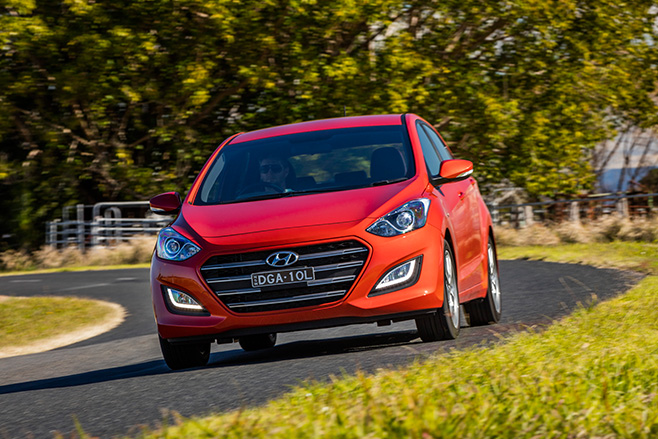
Loser: Hyundai
The Korean brand has been a regular ‘winner’ in WhichCar’s monthly sales reports but ends up in the opposite section for July after recording a 10 percent decline last month. Main cause is the i30 hatch, which has been Australia’s top-selling model for four consecutive months but fell to fourth place this month with a 20 percent drop on July 2015. Hyundai sales are still nearly six percent up on this time last year, but sister brand Kia is growing faster (up 28 percent year on year thanks to a 31 percent jump in July over July 2015.
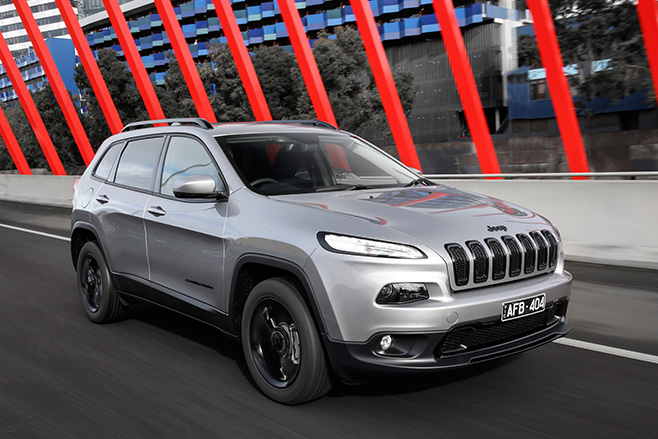
Loser: Jeep
The US 4×4 brand has frequently been the jewel in the crown as far as FiatChrysler Australia sales are concerned, though it continues to haemorrhage in showrooms. July was another month where sales lost traction – down 57 percent to contribute to a halving of Jeep sales compared with this time last year.
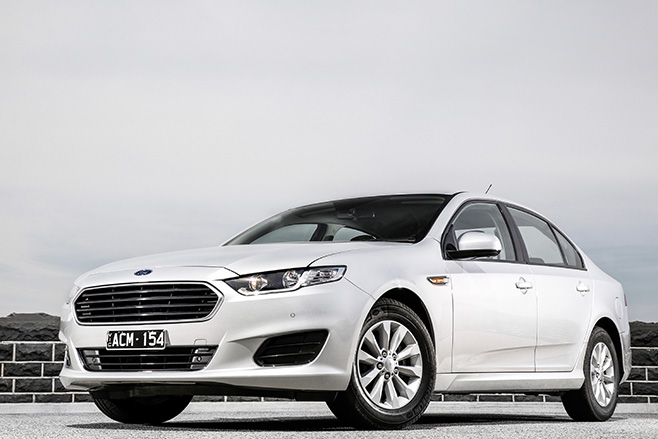
Losers: Ford Falcon
With just months before Falcon production ends in October, the long-running large car is going out with a whimper. Just 346 units in July was a 45 percent decline on this time last year, with year on year sales down by a quarter. The Falcon was outsold by the Toyota Aurion (365) last month, and again trounced by the Commodore (1874).
The larger luxury SUV war is hotting up with a redesigned Mercedes-Benz GLE waiting in the wings.
THE FOURTH Mercedes-Benz GLE is in the pipeline for a late 2017 or early 2018 world premiere, and here’s the proof.
Snapped in Southern Europe last month, the W167 series luxury SUV is losing weight and some of the boxy dumpiness of today’s 2011-era vehicle (that started life as the M-Class until 2015’s facelift), as it prepares to battle the upcoming second-gen Audi Q5 and Volvo XC60, as well as the Mk4 BMW X5 also due in Australia from next year.
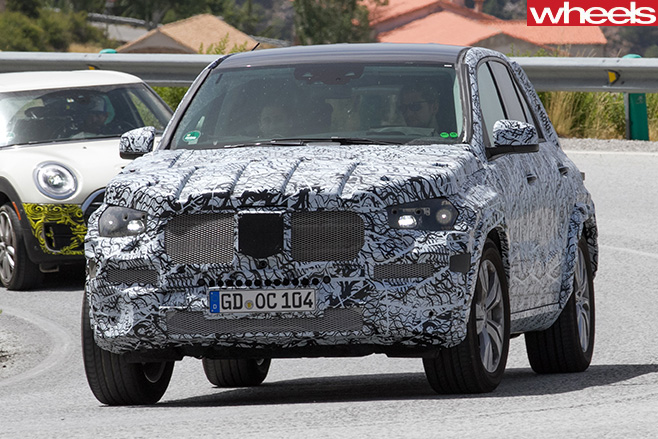
So along with a longer wheelbase and wider tracks to liberate more cabin room (as well as space between it and the smaller GLC), the palpably better-proportioned newcomer will ditch the somewhat dated dash and overly plasticky interior of the five-year old current version, for a far-classier overall presentation boasting the high-quality overtones of the latest E-Class. Or, at least, that’s our hope.
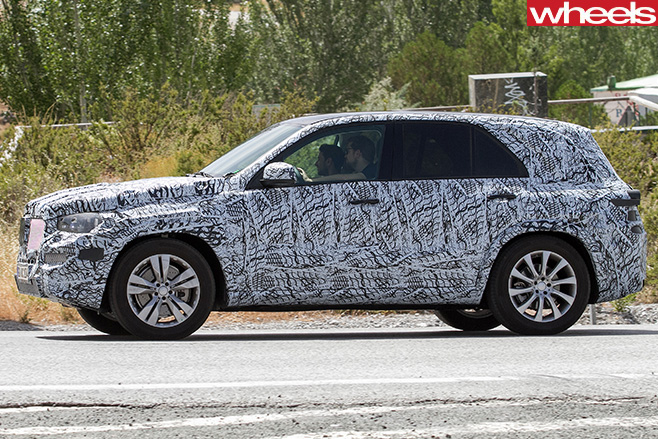
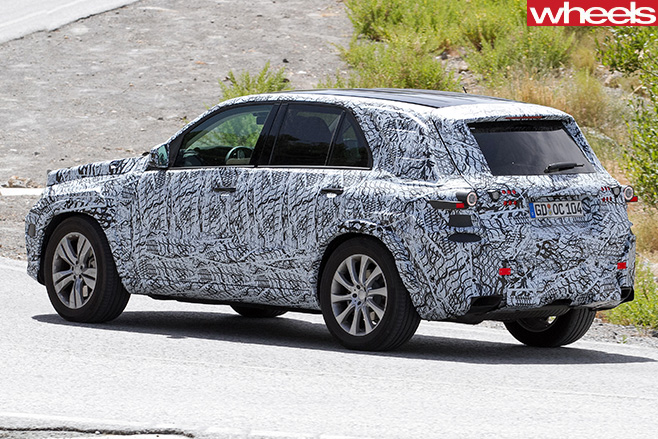
A GLE Coupe will make a return later on as well, to give the BMW X6 and soon-to-be-revealed Audi Q6 and Range Rover Sport Coupe some very heated competition, while at the other end of the spectrum we can also look forward to an all-new seven-seater Mercedes GLS offshoot. This truly is an extended family of posh crossovers.
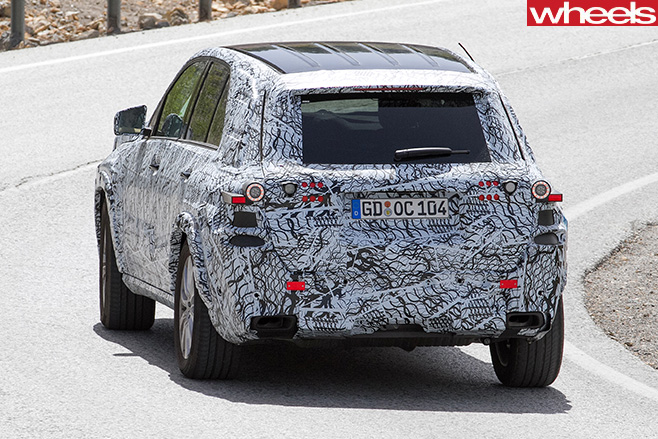
Prices won’t stray too far beyond the circa-$90,000 to $190,000 asked for today’s W166 GLE wagon, despite the big increase in active driver-assist safety and other technologies mooted for the Mercedes SUV.
Have spy pics of your own? We’d love to see them. Just email them to [email protected]
Called Lexus Plus, the scheme aims to bring total transparency to car prices. Each car on the showroom floor wears a sticker on the windshield that lists its retail price, any options or accessories fitted, incentives, discounts and a final non-negotiable price – which can sometimes be less than the listed retail price. The scheme also applies to used vehicles.
Haggling can be fun for some in a dusty street bazaar or crowded market, but when it comes to buying a new car the agonising to-and-fro of offer and counter-offer can be a pain.
It’s not just about providing what Lexus calls “Upfront Pricing” either. A single salesperson assists the customer from new car browsing to new car buying, reducing the chance prospective owners are handballed from employee to employee and making the buying process as fuss-free as possible.
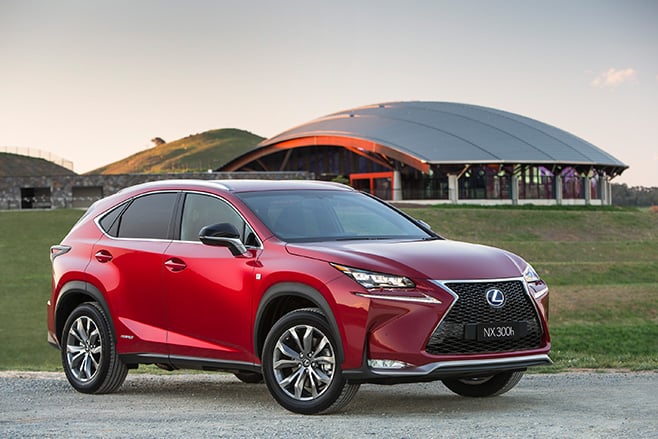
The scheme is so far confined to the US market and participation by car dealers is voluntary. While the initial response from dealers and customers has been positive, the programme is still in its infancy.
Asked by WhichCar whether Lexus Plus and its no-haggle pricing policy could come to Australia, a Lexus representative said it was something the local operation was monitoring but had yet to commit to.
No-haggle dealerships aren’t exactly a Lexus invention though, with negotiation-free dealers proving somewhat successful in overseas markets – primarily the USA. The concept has yet to get traction in Australia.
General Motors even made no-haggle dealerships a core pillar of its Saturn sub-brand, while Toyota’s youth-focused Scion offshoot adopted a similar tactic when it arrived in the USA in 2003.
That said, GM shut down its Saturn division in 2010 and Toyota is preparing to wind up its Scion operation by the end of this year. Read into that what you will.
