
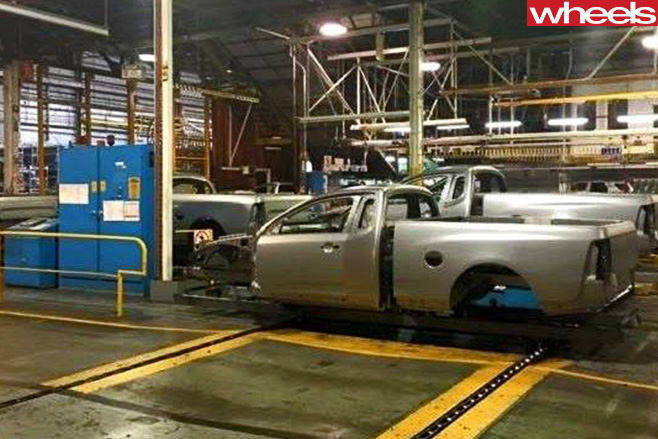
Ford has dismissed images purportedly showing the final Falcon ute on the Broadmeadows production line, as “not accurate”.
The pictures show a ute shell with a sheet of paper stuck on it which reads “Last Ford Australia ute” above a serial number.
The word “LAST” (sic) is also written on the front bumper.
The pictures were shown on the Rare Spares Facebook page, and have been met with a strong reaction from Ford fans who expect the company to provide a more fitting send off for the final ute.
“Good to see Ford giving it the respect and ceremony it deserves,” Dave Moy wrote, sharing a sentiment expressed in a number of comments pinned to the images. “A little printed bit of paper stuck on the body. Sadly, this is partly why the Falcon is going.”
The pictures even upset Holden fans, who used the post to lament the general demise of Australian car manufacturing.
For its part, Ford Australia denied knowledge of the pictures. In a very brief statement a spokesman said “… this is not accurate!”
The company stressed that production of all Ford Falcon and Territory models is continuing in the lead up to the Broadmeadows factory’s October closure.
While Ford is yet to announce what it will do with its final Australian-built cars, it is believed to have very specific ideas about what will happen to them once they’re built.
The first retail Ford Falcon XR8 Sprint has sold for $92,500 at auction to raise funds for research into a cure for Type 1 diabetes.
Sydney businessman David Pearce submitted the winning bid, purchasing the car to lift his brother Mark’s spirits, who is suffering from acute health difficulties.
The Pearce brothers are die-hard Ford fans, the XR8 Sprint joining a restored 1978 XC Falcon in the garage, which Mark learned to drive in.
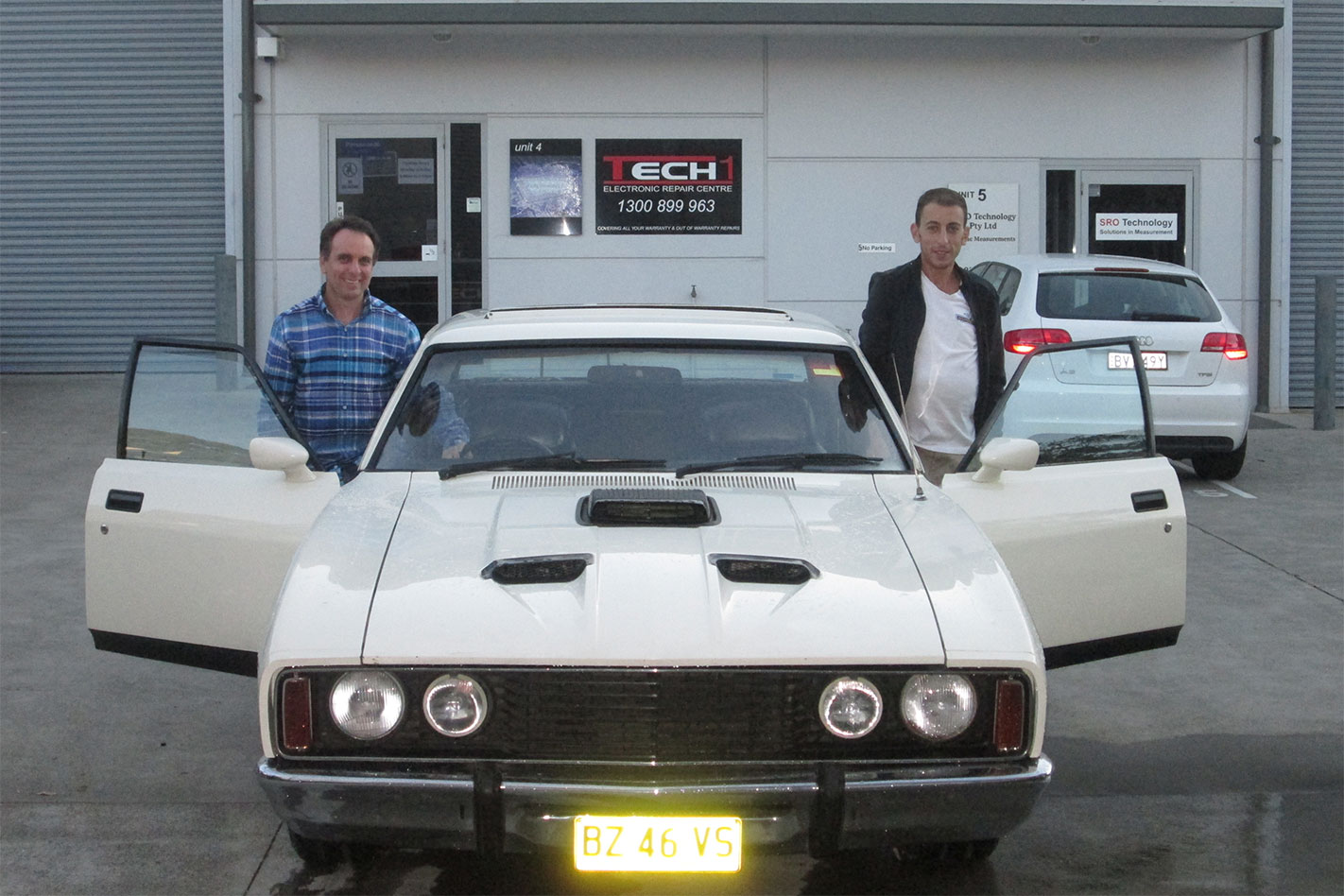
On top of donating the XR8 Sprint for auction, Ford Austraila has also donated a further $60,000, which builds on the $500,000 donated over the past 15 years.
Officially, Ford’s final fast Falcons have sold out, however a number of cars remain with dealers.
Small cars are the most popular type of vehicle with Australians, accounting for one of every four passenger cars or SUVs sold.
The biggest-selling models in the segment are currently the Hyundai i30, Mazda 3, Toyota Corolla and Volkswagen Golf.
Here, WhichCar provides a guide to any changes planned or expected for these models – to help you pick the perfect timing for buying one.
2017 will mark 10 years since the i30 made one of the biggest steps in transforming Hyundai’s global and local reputation. It also happens to be the year the company will introduce its third all-new version of the hatchback – about mid-year.
It will sit on a new architecture related to the one that sits beneath the Elantra sedan, released in early 2016. WhichCar expects the new i30 to adopt a similar engine line-up to its four-door cousin, meaning entry versions powered by a 2.0-litre four-cylinder petrol instead of the current 1.8-litre.
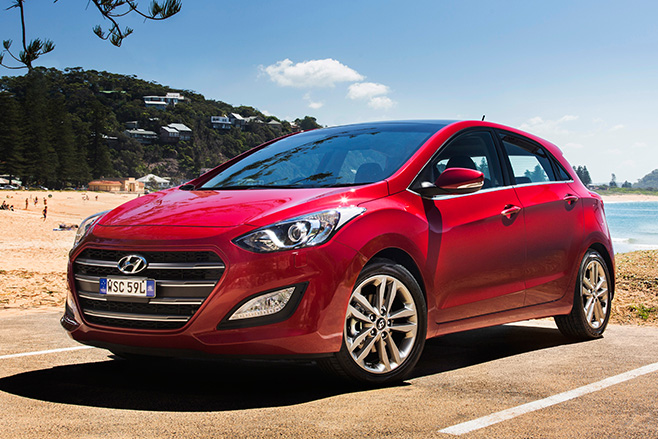
It would be joined by the 1.6-litre turbocharged petrol already found in the Veloster Turbo, while a diesel would also continue to be in the mix – with both offered with either a manual gearbox or dual-clutch auto.
The third-generation i30 will also herald the birth of Hyundai’s new range of N performance models. The i30 N is anticipated for the end of 2017, when it will aim to take on hot-hatches such as the Volkswagen Golf GTI with a 2.0-litre turbo petrol engine producing somewhere between 180kW and 200kW.
Expect to see the new-look i30 ahead of a September Paris motor show public reveal.
A first major update for the latest-generation Mazda 3 will be available from the start of August.
It will be the first of the Japanese brand’s models to adopt the company’s new G-Vectoring Control technology, which can vary engine torque automatically based on the steering wheel angle to help better balance the car when it is being turned into a corner.
Mazda also ramps up the active-safety count with additions such as Traffic Sign Recognition – which helps keep drivers aware of important road information including speed limits – and Adaptive LED headlights, which help improve vision at night in multiple ways.
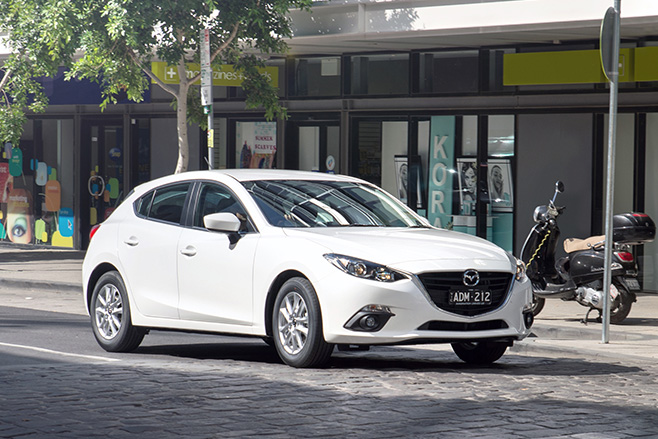
The Smart City Brake Support autonomous emergency braking system can also now operate at a higher speed than before.
The features will either be standard or optional depending on the trim grade, which is expected to be the case with a new electric park brake.
A subtle redesign for the front end and some new exterior colours completes the update.
Stay tuned to WhichCar on Friday 29th July for more details on the updated Mazda 3.
The 11th generation of the Corolla was last updated in hatch form in mid-2015, though a new Hybrid model also joined the range in mid-2016.
The petrol-electric model became the second-most expensive Corolla hatch – behind the ZR – though saves owners at the bowser with a 4.1L/100km fuel consumption figure that improves on regular models’ thirst by a third.
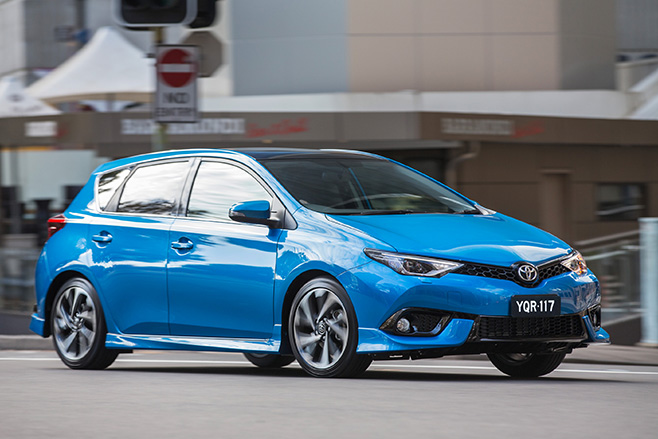
Toyota’s sedan version of the Corolla receives its notable update in early 2017, when it will offer autonomous emergency braking, lane departure warning, and adaptive high beam as standard to the top-spec ZR. The systems will be optional on the Ascent and SX trim grades, though Toyota has yet to confirm when they will be available on the hatch.
With the current-generation Corolla having launched in late 2012, the 12thiteration of the long-running nameplate should appear in 2018.
Golf Mark VII – the seventh generation in VW-speak – was released in 2013, as the first VW Group model employing the company’s clever new MQB modular vehicle architecture.
Therefore, don’t expect the eighth version of the German brand’s famous hatchback to materialise before 2018.
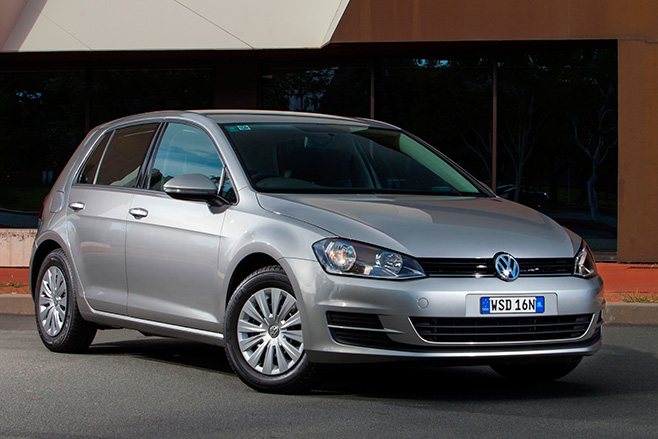
There may well be a minor, interim update to follow the 2015 revisions, which included small power increases for the two 1.4-litre turbo petrol engines (92TSI and 110TSI), extra features, interior upgrades, and the introduction of a larger multimedia touchscreen display that also welcomed Apple CarPlay and Android Auto smartphone integration.
A more powerful version of the Golf GTI launches imminently – called the 40 Years edition in a nod to the hot-hatch’s debut year of 1976.
Want more small cars? Check out the best value small cars of 2015.
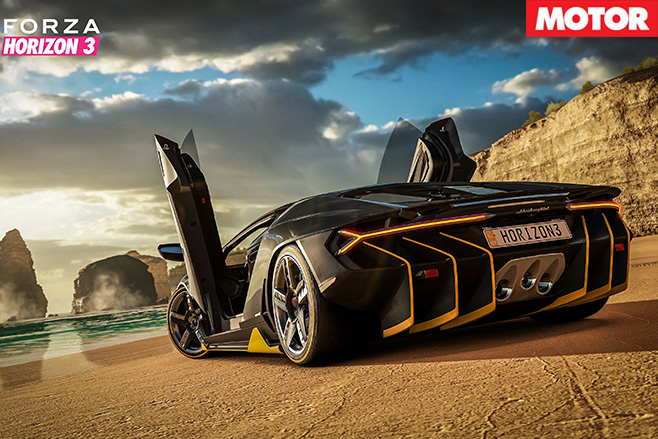
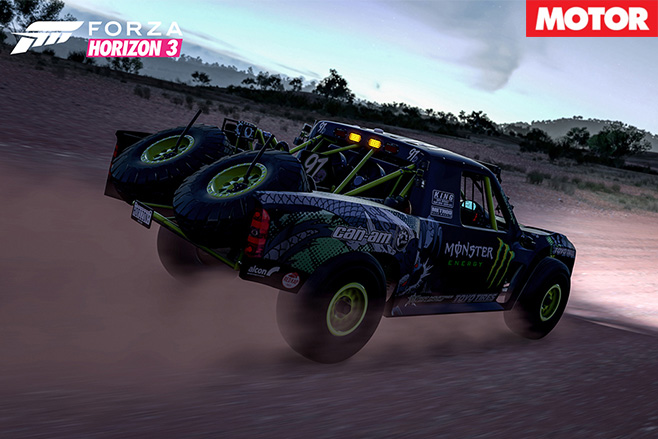
Australia’s intense Ford and Holden rivalry will take centre stage in Forza Horizon 3, the latest instalment in Microsoft’s successful driving-game franchise.
After using Colorado USA and Southern Europe in previous titles, little ol’ Australia has been picked for the third game’s backdrop and Playground Games, Horizon 3’s developer, has injected its car list with the iconic metal to suit its Down Under setting.
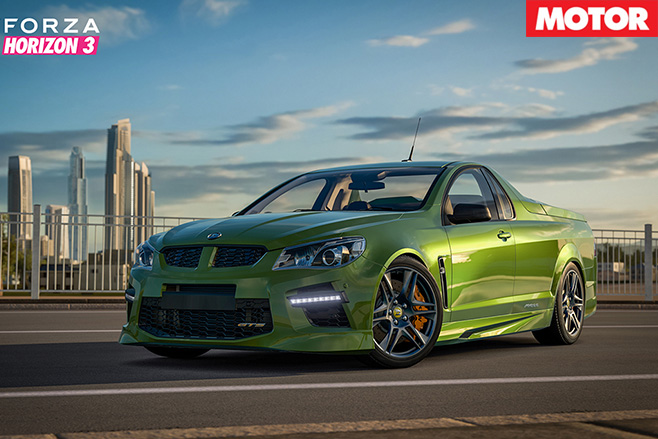
They’ll face off against Blue Oval greats like the latest Falcon XR8 and FPV’s GT F 351. While past Fords include FPV’s 2014 limited edition Pursuit Ute and the ’73 XB Falcon GT.
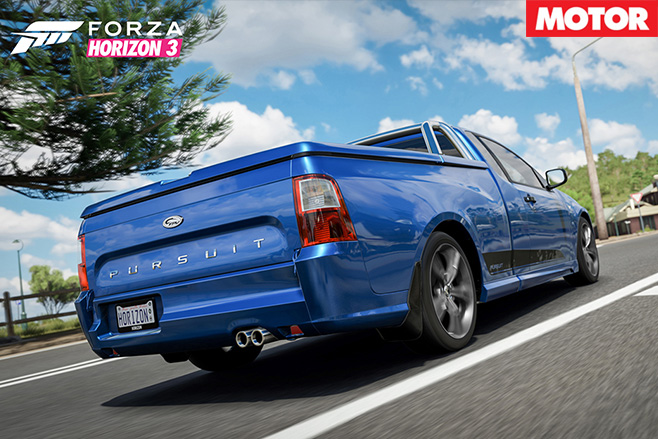
Somewhat of a ‘spin-off’ from Microsoft’s Forza Motorsport series, the Horizon games allow you to break free of the racetrack by fusing the renowned Motorsport’s physics engine with the free-roaming environment of games like Need For Speed or Grand Theft Auto.
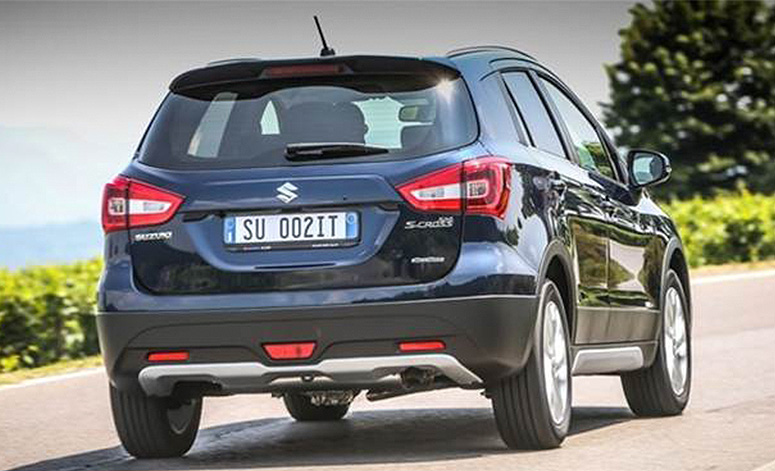
Press images of Suzuki’s heavily revised S-Cross have been leaked eight weeks ahead of its official public debut slated for the Paris Motor Show in October this year.
The pictures reveal a significant front-end makeover consisting of a more aggressive bumper design and a larger hexagonal grille, as well as a revised bonnet to give the S-Cross a far more imposing stance than the out-going model, and aligning it more closely to the styling cues of its rivals.
An updated wheel design and LED taillights round out the external updates while a new infotainment system headlines the few, but important changes visible on the inside. The updated system is accessed via a new 7.0-inch touchscreen display and is joined by new seat upholstery options in terms of what’s different to look at.
And while the exact specification destined for Aussie showrooms is yet to be announced, there are plenty of updates to bits you can’t see.
According to reports, the S-Cross is likely to be powered by a new range of turbocharged petrol engines including a 1.0-litre three-cylinder joining an updated 1.6-litre four-cylinder design. Both will be offered with a choice of manual or automatic gearboxes. And while it wasn’t made available to Australian buyers, reports suggest a 1.6-litre four-cylinder turbo diesel option will be retained in the global line-up.
Selling just 285 examples in Australia during the first six months of this year to record a 0.5 percent share of the small SUV market, the firm’s local arm will be hoping the revisions will bridge the gap to its Japanese rivals; namely the class-leading Mazda CX-3 which sold 9372 units in the same period to claim an 18 percent segment share, while the small SUV segment itself experienced growth of 5.5 percent period on period.
Want more? See the Suzuki S-Cross in a small SUV comparison.
Tesla has confirmed it will expand its line-up of electric vehicles with a compact SUV and a ute.
Company CEO Elon Musk revealed the plans in a blog titled ‘Masterplan, part 2’ on the Tesla website.
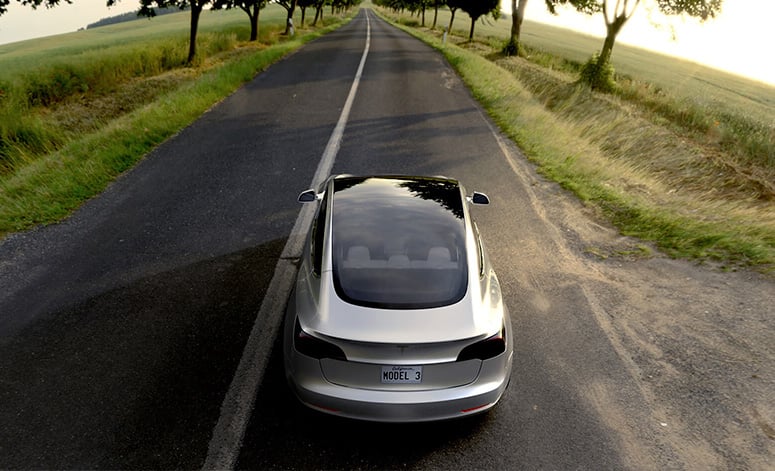
The additional models will eventually join the Model S sedan, the [Tesla] Model X mid-size SUV and forthcoming Model 3 compact sedan. The new models were strongly rumoured owing to the new Model 3’s more flexible architecture.
Musk said Tesla started with a more expensive electric car like the [Tesla] Model S sports sedan to reduce financial risk but says the company is now ready to cover the major vehicle segments. It is unlikely, however, to build a car cheaper than its BMW 3 Series rival, the Model 3 that is expected to cost from about $60,000 when it reaches Australia in 2018.
“Today, Tesla addresses two relatively small segments of premium sedans and SUVs. With the Model 3, a future compact SUV and a new kind of pickup truck, we plan to address most of the consumer market,” said Musk in his blog.
“A lower cost vehicle than the Model 3 is unlikely to be necessary,” he added, suggesting Tesla would achieve ever-improving economies of scale as it continually ramps up production with its new, flexible Gigafactory, which opens this week.
The Nevada-based factory will produce components and batteries for Tesla vehicles. The company says production will help to eventually reduce the cost of the expensive batteries that power the vehicles by almost a third.
Musk also said in his blog that Tesla is developing a big truck and a bus to meet future transport needs.
“In addition to consumer vehicles, there are two other types of electric vehicle needed: heavy-duty trucks and high passenger-density urban transport,” said Musk. “Both are in the early stages of development at Tesla and should be ready for unveiling next year. We believe the Tesla Semi will deliver a substantial reduction in the cost of cargo transport, while increasing safety and making it really fun to operate.”
A pioneering former senior executive at Apple who was responsible for the Apple Watch – among other things – has reportedly returned to the company’s payroll to take the wheel of the tech giant’s no-so secret Apple Car project.
Bob Mansfield – a key player in the development of Apple’s revolutionary iPad, as well as MacBook Air and iMac products – stepped down from the company’s executive team in 2013, but maintained an advisory role at Apple’s Cupertino headquarters and was recently brought in to oversee the development of the Apple Watch.

While the car — believed to be a high-tech electric-powered autonomous affair — hasn’t been made official by the company, rumours of the venture, reportedly codenamed Project Titan, can be traced back to as early as 2008 when then-CEO Steve Jobs toyed with the idea even before the launch of Apple’s first iPhone.
However reports of the tech giant poaching up to hundreds of specialty automotive staff – from vehicle designers to electric powertrain specialists – leaves little doubt the firm is hard at work on an Apple-branded car and, despite the Apple Watch delivering lacklustre results by Cupertino’s standards, Mansfield’s supposed appointment to the project signals work may be ramping up.
Early reports had the car set for a 2020 unveiling, but if recent reports by Time magazine are to be believed, Project Titan has been delayed until at least 2021.
The delays may be just be the reason Apple has called in the former executive to oversee the project.
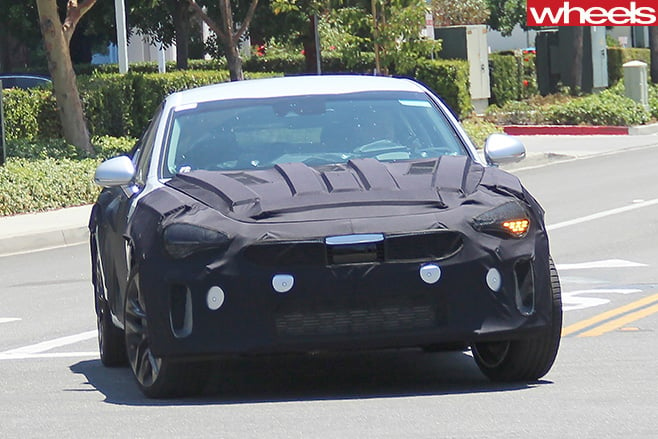
Kia’s highly anticipated rear-wheel drive Kia GT sedan has been filmed testing at the Nurburgring, looking every bit at home in an environment rarely associated with the Korean brand.
The footage, which appears to be a well-executed leak by Kia, shows the heavily camouflaged GT lapping in both wet and dry conditions and provides the first opportunity to hear the engine in being driven in anger.
Set to be the most performance focused model yet in the firm’s line-up, it’s the car the Kia hopes will pick-up where the Australian-built rear-wheel drive Holden Commodore and Ford Falcons leave off, but the all-new prestige sports sedan also has the likes of BMW’s 3 Series firmly in its sights.
Speaking to Wheels earlier this year, Kia Australia’s chief operating officer Damien Meredith confirmed the all-new sedan will be available in two entry points, likely to be separated by economy and performance-biased powertrains.
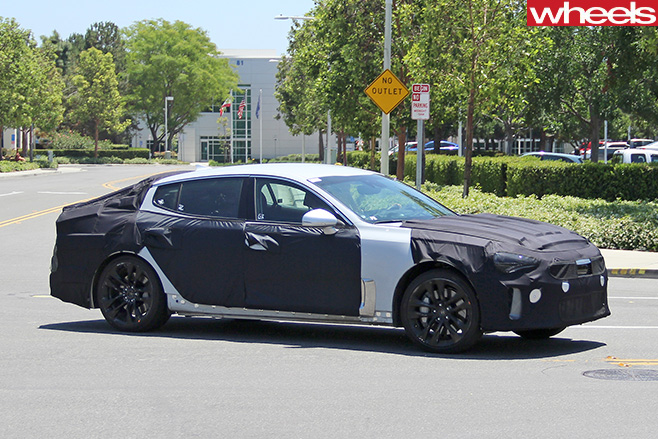
Though still heavily camouflaged ahead of its official unveiling, the styling appears to be heavily influenced by the GT4 Stinger and four-door GT concept cars with Meredith citing the finished product as “an amalgam of the two.”
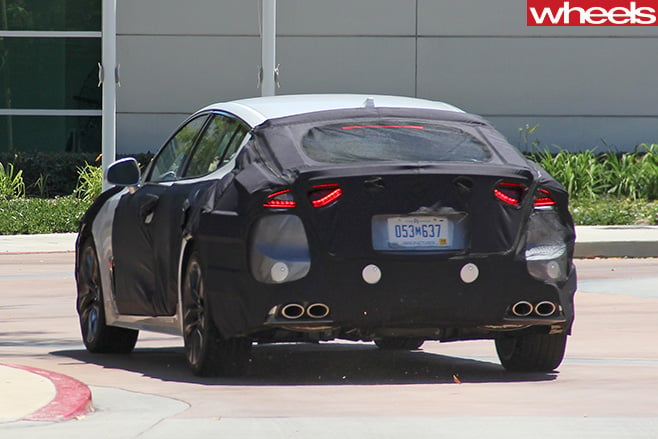
The GT’s official unveiling will likely be at this year’s Paris Motor Show at the end of September, before productions hit its straps next year.
Demand for the manual-equipped Golf GTI 40 Years has surprised Volkswagen Australia, prompting a revised look at a business case for a DIY-shifting Golf GTI Performance locally.
The German brand shocked enthusiasts in 2014 when it declined the six-speed manual version of the LSD-enhanced front-drive Golf GTI Performance available overseas due to perceived lack of demand here.
This time Volkswagen Australia has been shocked at demand for the limited edition Performance-based Golf GTI 40 Years manual, with our country’s 100-unit allocation “all but” sold out ahead of a September release, while “probably less than half” of the 400 DSG allocation remains, according to the brand’s product marketing manager Jeff Shrafer.
“I think it [40 Years manual demand] has been stronger than we expected based on historical manual take rates for a performance car and that’s pleasing,” Shrafer admitted to MOTOR.
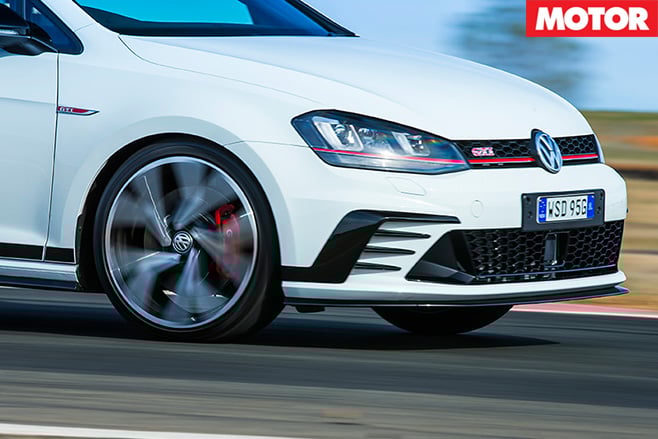
Enthusiasts clearly clicked to a canny value equation. A 169kW/350Nm GTI Performance with DSG costs $46,490 plus on-roads. A 195kW/350Nm (or 213kW/380Nm on 10-second overboost) GTI 40 Years with six-speed manual asks $46,990 plus on-roads ($2K below the equivalent DSG).
Both crucially get a limited-slip differential, but the extra charge also buys stickier tyres, sports exhaust, Alcantara trim and more.
Shafer further revealed that a mid-life facelift of the Mk7 Golf is on the way – regular versions are set for debut at September’s Paris motor show with GTI/R to follow – and this could be the ideal time to introduce a manual transmission with Golf GTI Performance.
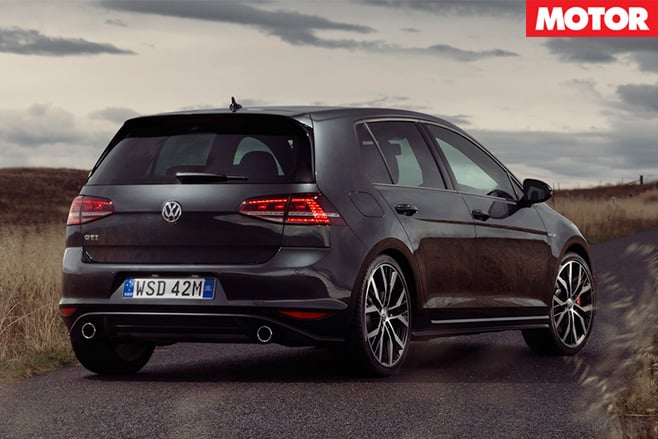
“The update … is across the range and that will include performance variants. We’ll look forward to those tweaks and how that affects the model ranges.”
He also revealed that some of the changes made to the Golf GTI 40 Years could point to the mid-life updates for the German hot hatchback due in Australia next year.
“Some of the things that are pioneered in these types of editions are on the engineers’ minds and things they want to try out, so obviously you can do that in a special model with a little bit less pressure than if you go into full volume production,” he added.
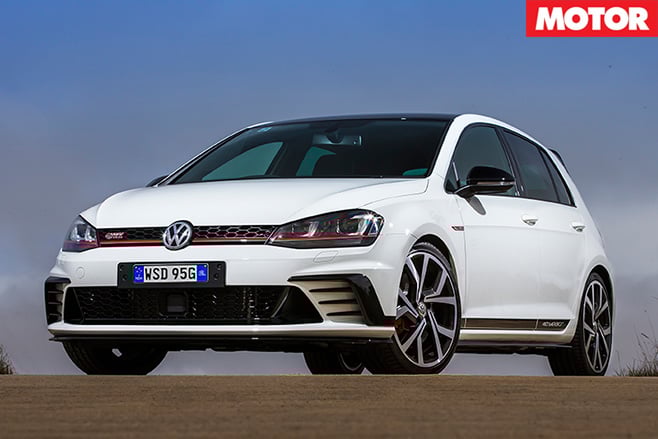
The product marketing manager cautioned that we may not see the full 195kW with the Mk7.5 GTI, however, “I’m pretty confident we’ll see an evolution of the outputs.”
History dictates that the limited edition Mk5 Golf GTI Pirelli with 169kW still maintained a power advantage over the following 155kW Mk6 Golf GTI. Likewise the special Mk6 Golf GTI Edition 35 with 173kW is still gruntier than today’s 169kW Mk7 Golf GTI Performance.
Volkswagen Australia also has form in reintroducing the manual transmission to performance models locally, with the Polo GTI also posting higher-than-expected manual sales according to Shafer.
Rather than stabbing a Botox shot into one of its five doors as a birthday present to itself, the Volkswagen Golf GTI 40 Years has instead hit the gym hard.
It takes the Golf GTI Performance as its base, but for $500 extra (100 units from $46,990 plus on-roads) gets a six-speed manual (400 units of the Performance’s seven-speed dual-clutch are $48,990), sports exhaust and a big power hike from 169kW to 195kW.
There’s icing on the four decades-of-GTI cake, too. The 2.0-litre’s larger turbo and increased charge pressure not only delivers 195kW between 5350rpm and 6600rpm, and (an unchanged) 350Nm between 1700rpm and 5600rpm, but 213kW/380Nm becomes available for 10 seconds in third gear and above three-quarter throttle.

That’s how it feels. The EA888 four-cylinder has discovered newfound thrust to replace the regular GTI’s linearity, from about 5000rpm tearing the tachometer needle towards its top end. The new sports exhaust delivers subtle pops and crackles on overrun, injecting the Golf with greater character to match its more aggressive exterior (gloss black front gills, spoiler, mirror caps and in other than grey paint, a black roof with the remaining white or red hues).
Unchanged are brakes and tyre size (225mm-wide, 19-inch) but ‘Ruby’ alloys, Pirelli P Zero rubber and an ESC Sport mode (or ESC Off) are all Golf GTI 40 Years exclusives.

That extra powertrain aggression tests the front-drive-plus-LSD configuration of this gruntiest-ever GTI. This isn’t like the R, which offers sheer traction everywhere.
Knowing how to work the front diff – with late and hard braking into corners, or a trailing brake that delicately shifts weight to the outside rear wheel – and when to instead adjust a cornering line on then off the throttle is crucial.

We tested only the DSG, which is damned impressive these days, but the manuals will likely be the bargain and the sweet spot. Sadly they’re all but sold out, though Volkswagen Australia has promised us a drive.

4.5 OUT OF 5 STARS
SPECS Engine: 1984cc turbocharged four, dohc, 16v Power: 195kW @ 5350-6600rpm Torque: 350Nm @ 1700-5600rpm Weight: 1357kg 0-100km/h: 6.3sec (DSG claimed) Price: $48,990 (DSG)
