THE annual silly season of driver changes and contract negotiations is building momentum in MotoGP and Formula 1 as rumours get stirred up.
Red Bull’s cease and desist blast
Horner repeats his message to other teams: stay away from Ricciardo.
Here’s a case of one plus one adding up to, well, bugger all. Some of the tabloid-oriented international media have been claiming that Daniel Ricciardo is disenchanted with Red Bull Racing and is looking for a prime seat elsewhere, and at the same time suggesting that off-contract Kimi Raikkonen is on thin ice at Ferrari, and that the Aussie is a prime candidate to replace the Finn.
It ain’t about to happen.
Asked if he will be a Red Bull Formula One driver in 2017, Ricciardo answered with a laugh: “Highly likely.”
His boss Christian Horner was even more unequivocal, pointing out (for the umpteenth time) that Ricciardo is under a five-year contract handcuffing him to Red Bull and “by my maths he is two-and-half years into that deal, meaning he is under lock-and-key until the end of 2018”.
Horner continues to rate Ricciardo very highly. “He’s at the top of his game; he has lifted since Max arrived.”
As for any tension between Ricciardo and boy wonder Max Verstappen with the possibility of a repeat of the infamous aggro between Vettel and Webber at Red Bull, Horner commented that “Daniel is a very different character to Mark – he has that inner confidence, that belief.”
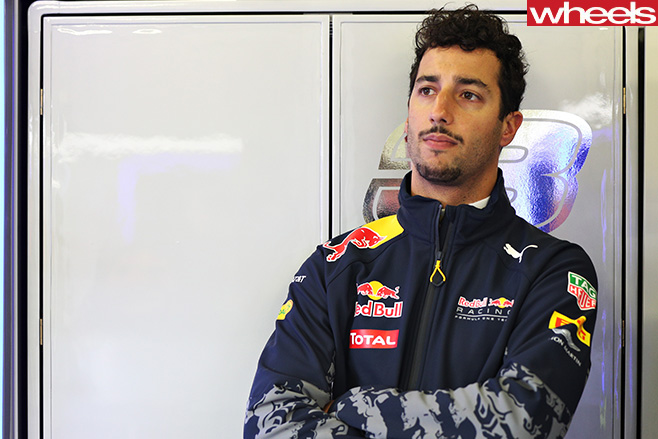
In any case, with the new technical regulations coming into play next year, Ricciardo knows that Red Bull looms as a better proposition than Ferrari to field a competitive car straight out of the box.
But if the Red Bull driver line-up is remaining the same for next year and onwards (Verstappen is under a long-term contract), the F1 grid is looking at a serious shake-up for 2017, with several drivers out of contract at the end of this season.
One huge name in that situation is Nico Rosberg, the championship leader. The German has made it clear he wants to stay, but has also showcased his options to the paddock with remarks like: “I feel very good at Mercedes, but let’s see what the future holds.”
Mercedes no-nonsense non-executive chairman Niki Lauda wants the situation resolved swiftly cleared up soon, the urgency accelerated by stories of a switch to Ferrari.
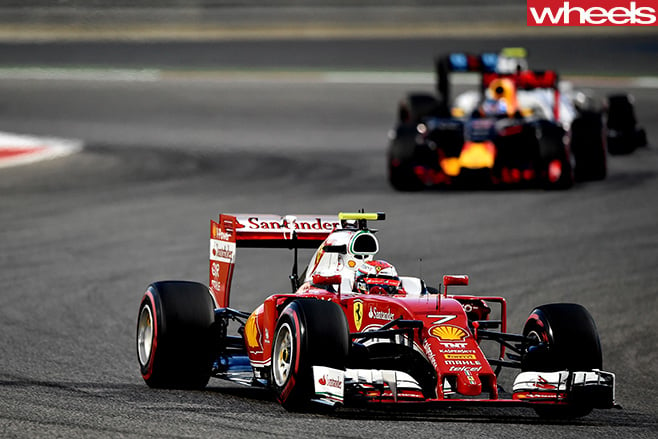
Raikkonen hasn’t been sensational this year but is fortunate to have an influential ally on his side. Sebastian Vettel likes Raikkonen and, let’s face it, doesn’t consider his team-mate a great threat.
Three podiums in the opening seven races but his inconsistency doesn’t match Ferrari’s expectations – nor justify his annual salary.
So the media is busy speculating on who might slide into his seat next year.
Of those on that list, forget Ricciardo and Rosberg, but perhaps consider Williams’ Valtteri Bottas at Williams, Force India’s Sergio Perez and maybe Romain Grosjean, who is doing well at Haas.
Of that three, Perez has been on fire lately, qualifying a brilliant second at Baku, and then following up with a race podium. The Mexican won’t say where he’ll be racing next year, while admitting he is enjoying life at Force India.
McLaren racing director Eric Boullier is no less helpful, recently insisting that discussions had not yet started with any of the drivers.
Highly regarded Stoffel Vandoorne, raced impressively in his only GP start as a sub for the injured Fernando Alonso in Bahrain, out-qualifying Button.
Vandoorne has one clear advantage over Button; his pay packet would be way slimmer.
But if McLaren decides that Button is to go, it may not be the end for the personable Brit, who has hardly been shaded by Alonso this season.
Williams has emerged as a possible alternative, with some doubts over Felipe Massa’s future. Williams deputy team principal Claire Williams says Button is an “attractive proposition” for the team, should he become available next season. That said, she also said the team is looking at other options.
Team bosses love tantalising the F1 press with games of intrigue.
Bottas was once touted as a potential world champion and although he scored Williams only podium this year, his cheer squad hasn’t been all that noisy lately. He has hardly crucified team-mate Massa, who at 35, is no longer a young charger. Bottas would delight in being given a chance in one of the big teams, but this is unlikely for 2017.
Massa is steady but knows his championship-contending days are over. He is content to stay at Williams and pick up points regularly.
At Toro Rosso, Carlos Sainz’s option for a third year was set to be taken up this week. There have been rumours of Renault sniffing him out, but Red Bull/Toro Rosso regard him highly, even though his results have been compromised by reliability issues and team stuff-ups. Daniil Kvyat has pace on his side, but appears to have made a career-limiting enemy or two within Red Bull. He is in the wait-and-see basket for 2017.
Rins signs with Suzuki
Another jigsaw piece in MotoGP
Suzuki is gambling on an all-new MotoGP rider line-up to lift its fortunes next season after signing Moto2 title contender Alex Rins to join tearaway Italian Andrea Iannone.
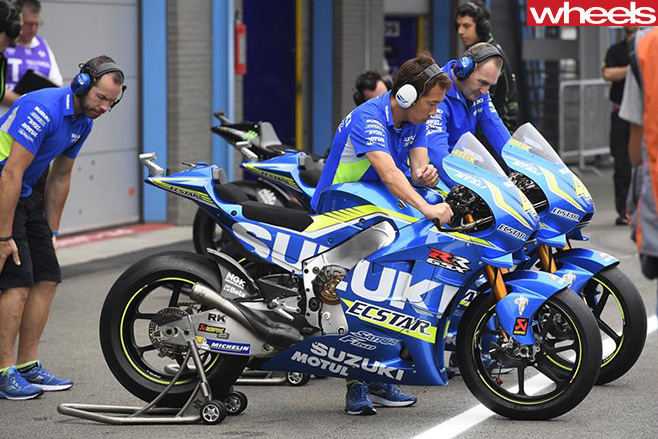
Rins has agreed to a two-year deal.
“Alex Rins is a young rider who has already proven to have much talent, always fighting within the top positions of the world championship since his debut in every class, making him the type of rider who we want to support for the future,” said Suzuki team manager Davide Brivio.
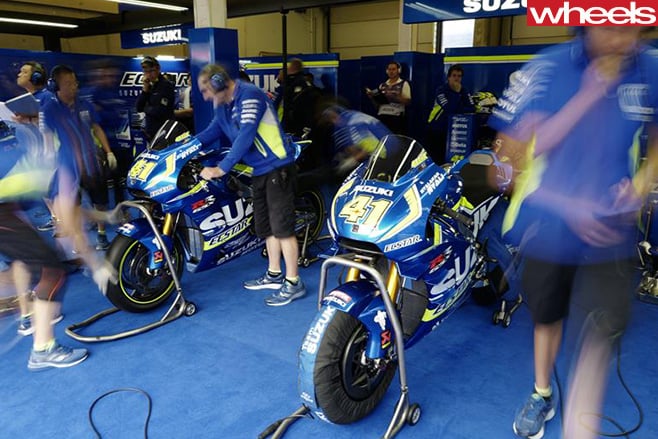
Undoubtedly Iannone has shown at Ducati that he has the pace to succeed, but he needs to stay on his bike more often.
Monster Yamaha Tech 3 will have Jonas Folger riding next year with the likelihood that world Moto2 champion Johann Zarco, having missed out on the Suzuki ride, will be there too.
Update of Quattroporte brings greatly expanded range of flavours to Maserati’s big sedan, and driver-aid tech that’s at last catching up with the Germans.
WHAT IS IT? XL luxury limo that’s Maserati’s four-door flagship
WHY WE’RE TESTING IT To find out if the MY2017 update brings worthwhile improvements
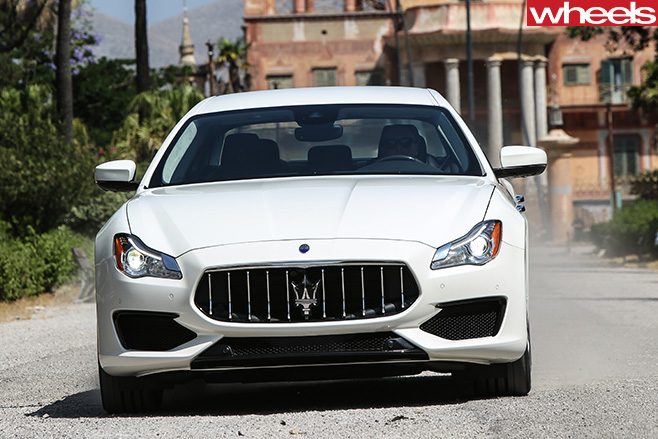
THE WHEELS VERDICT Updates to the Maserati Quattroporte don’t alter its driving character or eradicate its flaws, but improved driver aids and lusher-than-ever interiors in all models except Diesel make the big Italian more attractive. It still makes competitors from BMW and Mercedes-Benz seem a little sterile and soulless.
PLUS: Dramatic drivetrain; handling; distinctive Italianate interior fit-out MINUS: Stiff ride in ‘Sport’ mode; ergonomic faults; lacks Germanic quality
In the intervening years the Italian brand has pumped out two all-new models in fairly quick succession – the Ghibli sedan and the Levante, Maserati’s first SUV. Both are built on the short-wheelbase version of the clean-sheet architecture that premiered with the Quattroporte. Maserati sales have soared as a result. So what has Maserati done to revamp the model that initiated its renaissance?
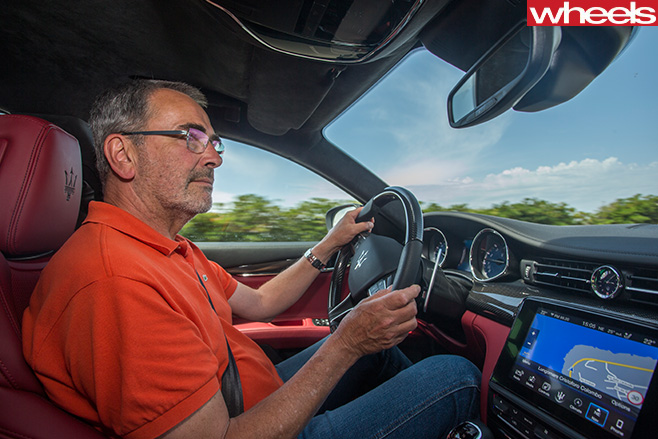
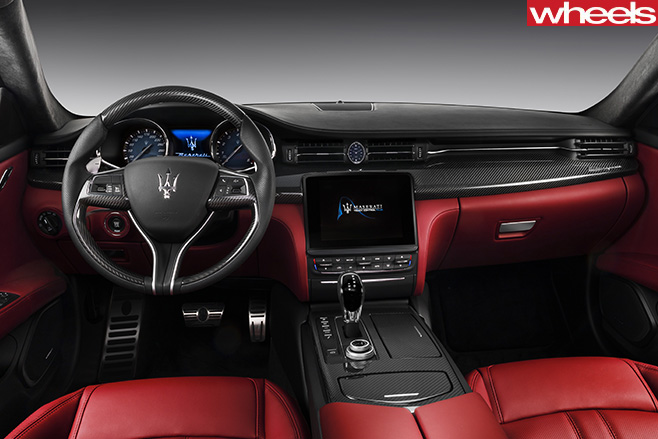
The Quattroporte also gains a new 8.3-inch touchscreen display and a redesigned centre console housing a stacked pair of rotary controllers, a kind of a two-storey iDrive arrangement that was introduced in the Levante.
For the Australian and New Zealand markets, the petrol V6 models – in base 257kW and 302kW S versions – will be imported only in GranLusso or GranSport grades. So, too, will the range-topping GTS, with its stonking 390kW twin-turbo 3.8-litre V8. Only the Diesel model, with its 202kW VM Motori-made single-turbo 3.0-litre V6, will miss out. Even though Maserati builds it in both GranLusso and GranSport forms for other markets, neither will be offered here.
GranLusso rolls instead on 20-inch wheels, and is offered with Maserati’s exclusive Ermenegildo Zegna silk interior, open-pore dashboard wood and a steering wheel with a wooden rim insert.
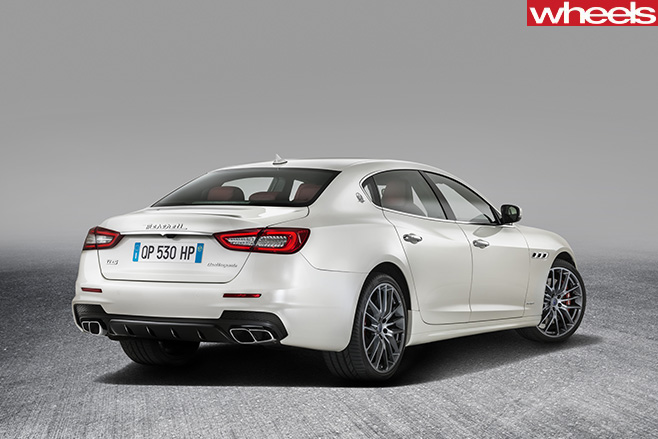
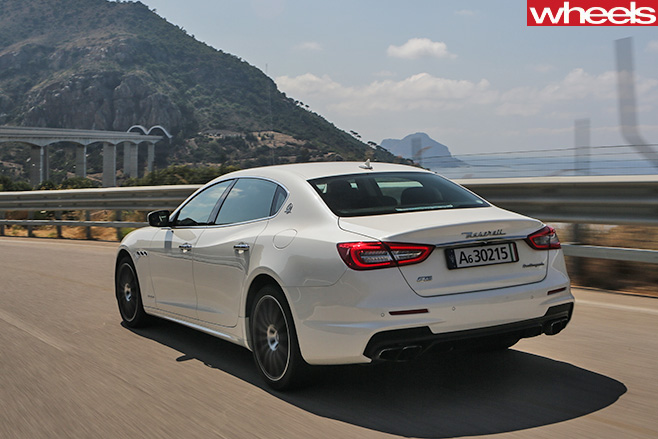
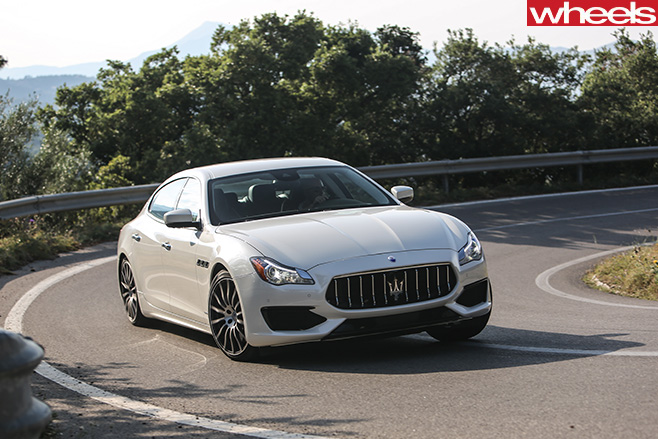
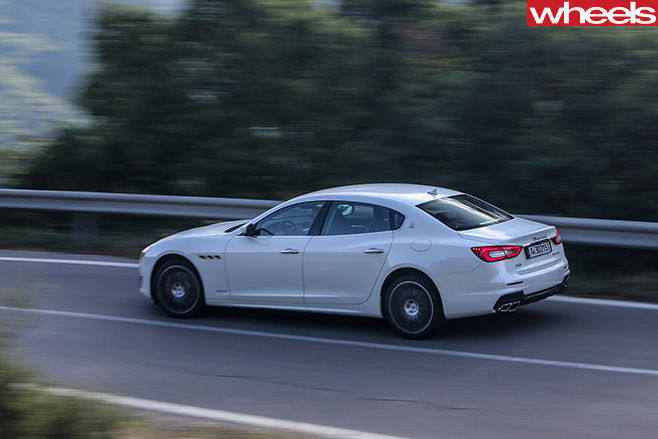
Wheels sampled the updated Quattroporte in both GranLusso and GranSport specs. The latter is the better looker, especially in white, which highlights the exterior alterations to advantage.
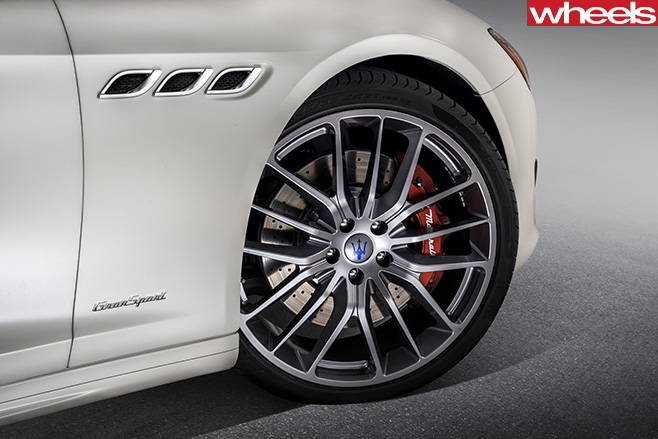
While the GranSport’s big rims noticeably improve proportion and stance, they do nothing for ride comfort, which is too stiff in Dynamic driving mode on the bumpy roads in Sicily where the launch was staged. Normal mode, in contrast, made the big Maserati feel distinctly ‘boaty’ over the crests and troughs of the choppy blacktop outside Palermo.
Maybe next update…
SPECS Model: Maserati Quattroporte S GranSport Engine: 2979cc V6 (60°), dohc, 24v, twin-turbo Max power: 302kW @ 5500rpm Max torque: 550Nm @ 1750-5000rpm Transmission: 8-speed automatic Kerb weight: 1860kg 0-100km/h: 5.1sec (claimed) Fuel economy: 9.6L/100km (EU) Price: $250,000 (estimated) On sale: December
When Falcon and Commodore are gone, will Australia ever make a car from the ground up again?
It’s not as if we don’t know how. In fact, perhaps we’re more knowledgeable at making cars than ever, particularly performance cars, and you only need drive the current crop to arrive at that.
One fang in an LS3 SS Commodore or HSV GTS suggests we know how to engineer a world-class chassis, and clobber Ford’s new XR Sprints and you’ll find a pair of world-beating, Aussie-made engines. The engineering nous is there, and not just hidden away at Ford and Holden – there’s talent in many ‘smaller’ Aussie engineering firms including HSV and Walkinshaw.
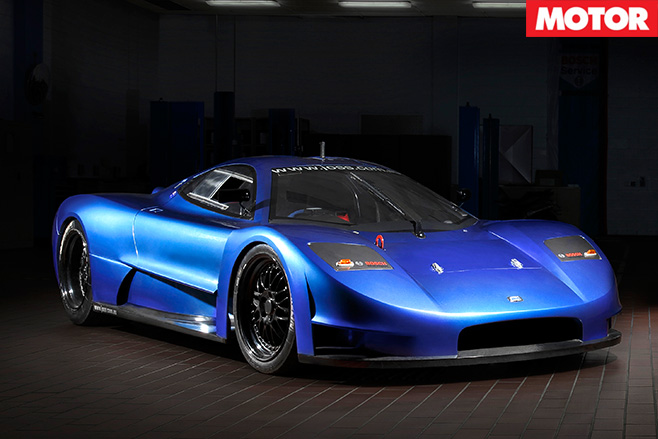
So if someone came along with a blank cheque and said style, engineer and market me, say, a low-volume supercar, I’m confident Australia could produce a jaw-dropping Ferrari-fighter. It’d be a no-name brand, but so was Lamborghini once upon a time. And in small volumes we could manufacture it to the right quality, as well.
But will we ever do it? Australian automotive history is littered with failed low-volume supercars. And of the Aussies still quietly battling it out, it seems engineering smarts are yet to meet drop-dead gorgeous styling and marketing ingenuity. And with a hearty dash of business wit, and cash, you kind of need all three to succeed against very established players.
Bespoke is the new black for the automotive elite, and among sports car manufacturers the Aston Martin Vantage GT12 Roadster is the latest in a string of special one-off customer cars produced.
The GT12 Roadster most recently follows the Ferrari 458 MM Speciale that had its body panels completely reworked to suit one very wealthy owner’s unique taste, and in Aston Martin parlance it had its ‘Q bespoke commission service’ dealing with such customers. In this case it’s the first car the expanded service has produced.
As the name indicates the Vantage GT12 Roadster takes last year’s hardcore Vantage GT12 Coupe as its base, with a removed fixed wing the most obvious change. The ninth-month development procedure was more elegant than just gas-axing the roof, though, as this one-off also borrows its body from the V12 Vantage S Roadster.
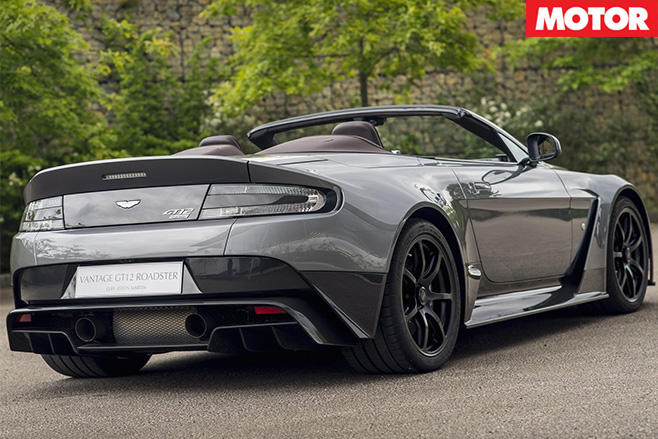
Plenty of carbonfibre parts remains, which helped the Vantage GT12 Coupe shed 100kg compared with its regular V12 Vantage S Coupe twin, but a kerb weight figure isn’t quoted for this drop-top two-seat version.
Incidentally there is 80kg separating regular baby Aston Martin coupe with roadster, 1665kg versus 1745kg.
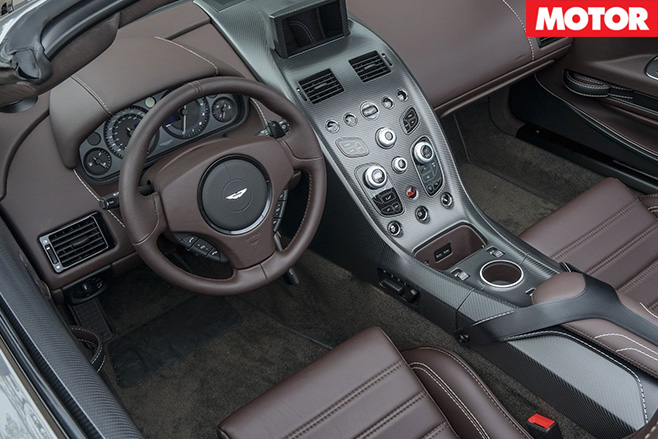
“With the incorporation of Aston Martin Advanced Operations customers can now commission highly ambitious full-scale design and engineering projects,” the brand added in a statement.
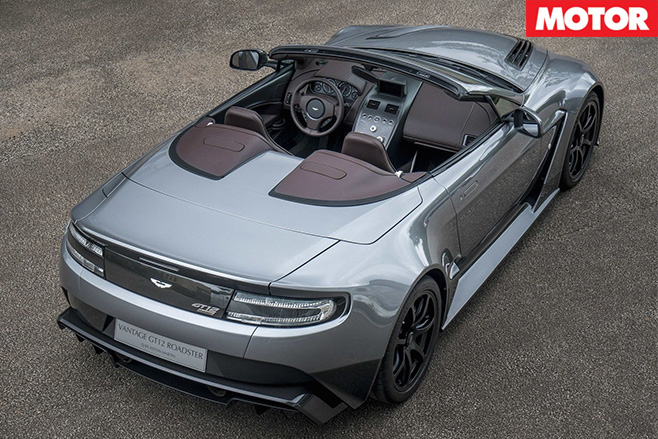
“By incorporating the exceptional engineering capabilities of Aston Martin Advanced Operations within the Q by Aston Martin bespoke commissioning service we have a truly formidable creative team,” he added.
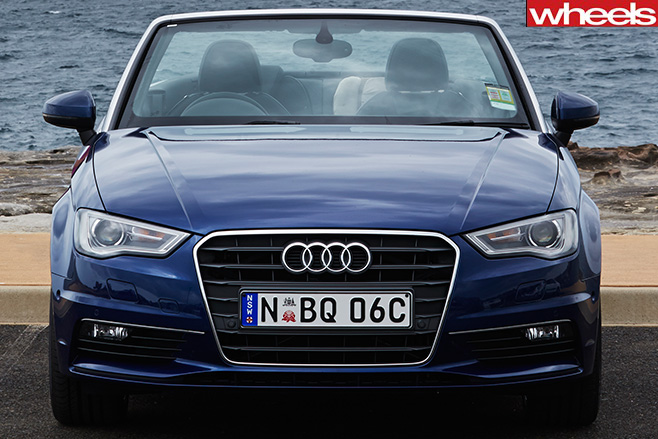
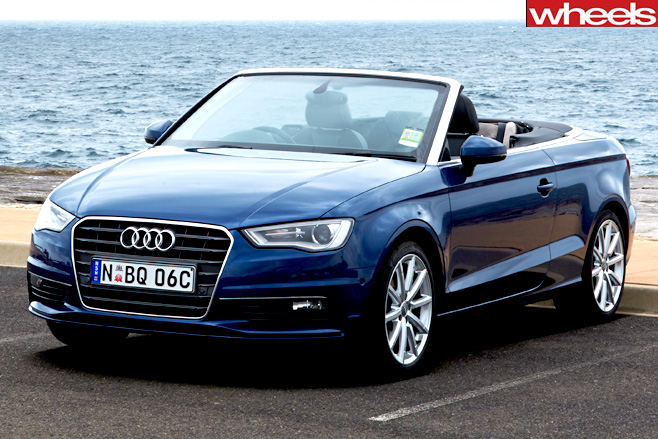
I FEEL like other drivers are silently passing judgement, sniggering from their macho-mobiles. I mean, a car says a lot about its owner, and they donu2019t know itu2019s a press car. To them, it just looks like I reckon this is the best way to spend $52K.Well, from the outset, let me say I don’t think that. In all likelihood, too, the majority probably see a good-looking compact Audi rag-top when they look at my new Scuba Blue long-termer.
Either way, I begin three months with the A3 cabriolet like any good road-tester, with my mind as open as the cabin.
What could I do to (reversibly) modify the A3, I wondered. Hubcap removal is a proven way to give a base hatch a bit of eff-off cool, but wouldn’t apply here, while a Nurburgring map decal has never improved any car. Perhaps a tongue-in-cheek ‘Real Aussies Drive Utes’ bumper sticker, though that might upset utilitarians as much as Audi HQ.
Fortunately, the rest of the A3 line-up, including the cylinder-on-demand 1.4 TFSI sedan in which I’ll spend a second three months, is largely free of image issues.
Paranoia aside, my initial impressions of the cabrio are that the A3 becomes less good along its roofless journey.
Purists may scoff but I don’t mind a sunroof. It can transform a claustrophobic cabin, brings great airflow, and can be nice on a summer night. But I usually draw the line at a moonroof. Convertibles I generally view as a body rigidity-reduction step too far. I don’t dig their look-at-me personality or getting sunburned while stuck in traffic.
And the stiff-legged low-speed ride doesn’t help because it transmits its harshness to the body as well as the occupants.
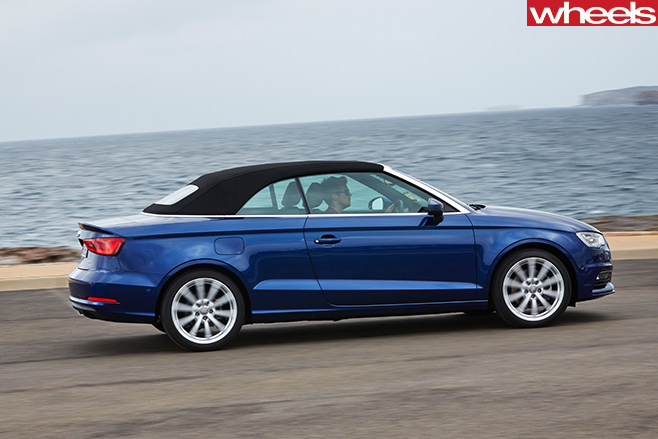
However, the powered operation of the roof itself leaves little to be desired. It’s quick and, like most, can be opened and closed at low speeds (up to 50km/h). Whether it’s raised or lowered, the A3 is a crisply styled, sedan-based drop-top that’s much better looking than the previous hatchback-derived version.
Having come to the conclusion that the modern dual-clutch is largely free of the dithering/abrupt clutch engagement that plagued early examples, I welcomed getting an ‘auto’ Audi. But so far the A3’s gearbox takes me back. Initial clutch engagement can be hesitant, which takes the sparkle off the turbo four’s bottom end and has left me hanging at intersections.
It’s a bit of a mixed bag, then. So when friends enquire how my new car’s going, I don’t lie. I tell them that, if it was a manual shooting brake that rode well and had torque-vectoring AWD and a twin-turbo V6, it’d be faultless.
Until such time as that niche has been filled, I’ll remain comfortable in the knowledge there’s one group of drivers on the road who won’t judge me – blokes in A3 cabrios. Trouble is, I’ve yet to see any.
Update #2
MOVING to a new suburb at the same time as getting a new long-termer broke a basic rule of any scientific experiment: I had changed two variables at once. The conclusion? Well, I’ve still got another month in the A3 cabrio, but so far my drive to the office isn’t as enjoyable as it used to be.
While this is partly because I have to drive further, some of it in stop-start traffic, it also suggests the A3 is less agreeable than the Mazda 6 it replaced. Of course, no-one cares how a luxury convertible and a family wagon compare, but you’d expect a $52K premium car to be better than a $40K-odd one from a mainstream maker.
In Audi’s defence, the cabrio is an exception to the rule that says ‘premo’ cars usually do justify the price premium by being, well, nicer. I reckon the sedan version of the A3 should go closer, and I’ll find out in a month or so when I swap into the $12K-cheaper booted 1.4 TFSI.
It’s possible (if quite unlikely) the sedan will eradicate the slow, less-than-smooth dual-clutch gearbox behaviour that plagues the drop-top, though the smaller, cylinder-on-demand donk will certainly improve economy. Still, I barely remember the last time I filled the ragtop anyway.
The sedan is sure to eliminate the cabrio’s small but noticeable twist and creak of the body over bumpy roads. There’ll be less noise in the cabin and it might even ride with greater low-speed polish, which would be welcome.
But I did enjoy a recent drive in the cabrio. What was different? Unlike my usual daily grind, it was late at night and there was no one on the road.
While tentatively treading the throttle to creep forward brings snoozy response, and nailing it to safely turn across oncoming traffic brings a frightening pause and then a fit of acceleration, giving the cabrio a clear road and more deliberate control inputs brings it alive… sort of.
Oddly, given the cabrio’s positioning, it seems to work better with a commanding driving style. If you really pedal the A3, the gearbox becomes smoother, and using the shift paddles keeps the fizzy 1.8 turbo in the meat of its 250Nm torque band.
The balance of the chassis satisfies once you’ve pushed through the inert steering, and the grip level is good, as is power-down, as long as the road is dry.
Under the cover of darkness, I even dropped the top (while I still can) because, as a grass-could-be-greener type, I probably won’t appreciate this feature until it’s gone.
Farewell
DESPITE our image differences, the long-term Audi cabrio and I do have one thing in common. You see, I’m not a morning person. It takes time and a strong cup of tea before I can function. Similarly, the Audi A3 often stumbles and clunks through the shift into second just after it has been cold-started. You have to go easy on it until it warms up, which takes about half a minute. I need about half an hour.
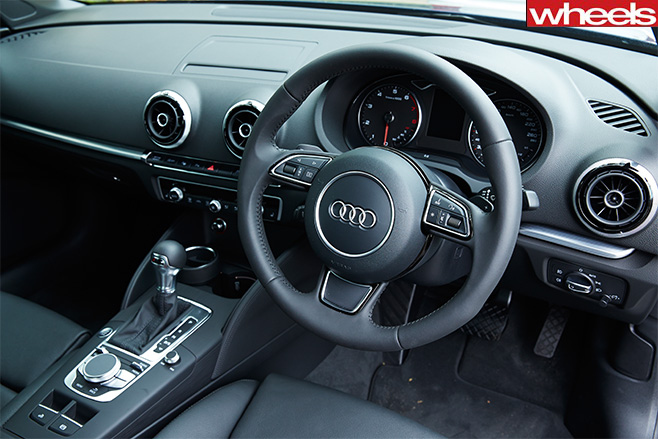
The Audi is otherwise switched-on when it’s fully awake (though I can make no guarantees about its driver), and I’ve been impressed by the driver interface lately. I’m particularly taken by its ability to take a letter of the alphabet scrawled on the centre console MMI dial and look up a name in a paired phone’s address book. It’s cool and, most importantly, it works. My four-year-old daughter Grace, who is learning to write, loves the feature, too.
The MMI interface’s ability to read out text messages hasn’t been handy yet – I only just discovered it – but even the cabrio knows it’s not an “Ordi”.
Then I put 95-octane in the other day and it was a revelation. The cabrio isn’t necessarily a whole lot quicker, but it is noticeably more eager at low revs, and more flexible; it just feels (and even sounds) like a happier engine.
The lower ambient air temperatures of Sydney’s first cold autumn days made this yet another flawed experiment (see last issue’s update about changing two variables at once). Is the donk’s newfound responsiveness due to the octane boost or the air temperature drop? It’s probably a bit of both.
Either way, now I’m looking forward to trying 98-octane premium, and to even colder weather. If there’s one good thing about the colder months, it’s the power boost it brings in turbo cars. That’s probably the only good thing about winter actually because otherwise I hate the cold, especially first thing.
Mercedes-AMG’s flagship sports car range is set to make like a rabbit and multiply, with a wave of new models earmarked for Australia.
Currently, the only GT on sale locally is the $295,000 GT S, however it will be joined by the entry-level GT before year’s end. Pricing is yet to be confirmed, but bank on around 10-15 per cent less than the ‘S’.

Some equipment may also be dropped, but as with all Aussie AMGs expect even the base GT to come heavily specced with equipment that’s optional overseas.
The GT range will expand further in mid-2017 with the local arrival of AMG’s new hardcore GT R, unveiled over the weekend at the Goodwood Festival of Speed.

Also expected in 2017 is the newly-confirmed Roadster, which will add open-air thrills to the GT’s repertoire courtesy of a folding soft-top, much like the previous SLS Roadster.
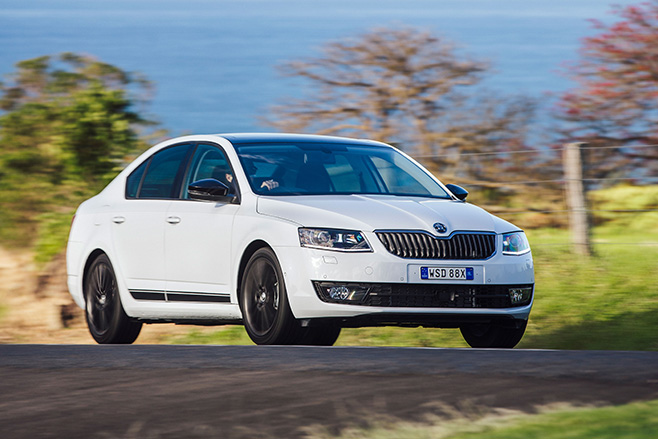
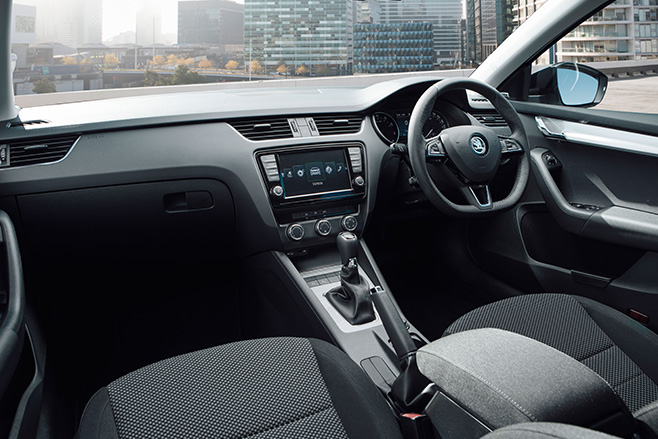
Skoda has thrown everything it has at its entry-level Octavia liftback and wagon as it tries to recast the brand as a bridge between mainstream and premium.
Launched last week, the facelifted Octavia sticks to its $22,490 starting price for a six-speed manual Ambition.
However, while the previous entry-level model looked like a price leader, with cheap steel wheels, no driver’s armrest and lacking cruise control, the new one sets the benchmark with alloy wheels and active cruise control, which includes autonomous emergency braking.
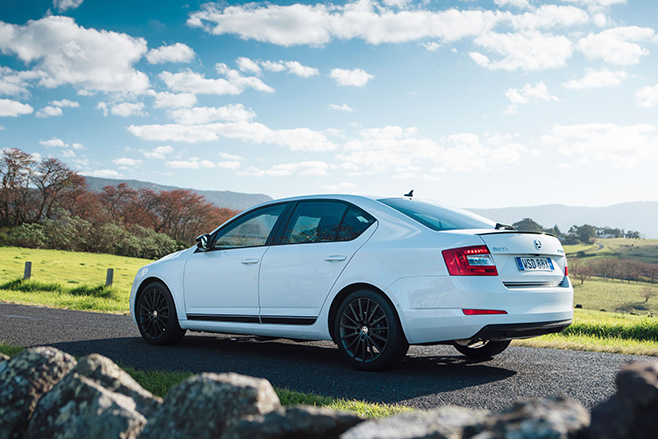
“The base model hardly ever sold, so we’ve combined the [former entry level] Ambition [specification] with the Ambition Plus [the next model up the range],” Skoda Australia director Michael Irmer said. “We’ve now gone further and added even more value to Octavia.”
The facelift also brings a reversing camera linked to parking sensors, daytime running lights, front and rear foglights and sits on 17-inch alloy wheels. According to the carmaker, it has added more than $4200 in value to the Octavia Ambition as part of the update.
Skoda says it has realised that by giving a bit more to customers, those same customers will often load up the car with more options. It’s a trend the carmaker has noticed with the Octavia’s larger sibling, the Superb, which enjoys a strong customer take-up of optional packages, on top of the base car.
“With Superb, the big seller is the 162TSI wagon and sedan with all the packs, so we knew we wanted a high mix of specifications for the Octavia,” Irmer said.
The packages take-up for the Superb is so high, that two in every five cars sold rolls out of the showroom “fully loaded”, Irmer said, with both the driver aid-laden Tech and keyless entry Image pack.
“Looking at Superb, the single most model sold is priced at just shy of $50,000, so we’ve specified the Octavia accordingly.”
According to Skoda, seven out of every 10 sales the brand makes are people walking in from other brands.
The carmaker will also start to offer buyers a two-year leasing deal – similar terms to a mobile phone plan – where customers can use the car for about two years, and either return it to Skoda for a guaranteed price or step into another model.
The Skoda Choice program is designed to help the brand keep resale values – a noticeable weak point for Skoda in Australia – from falling too far below market averages.
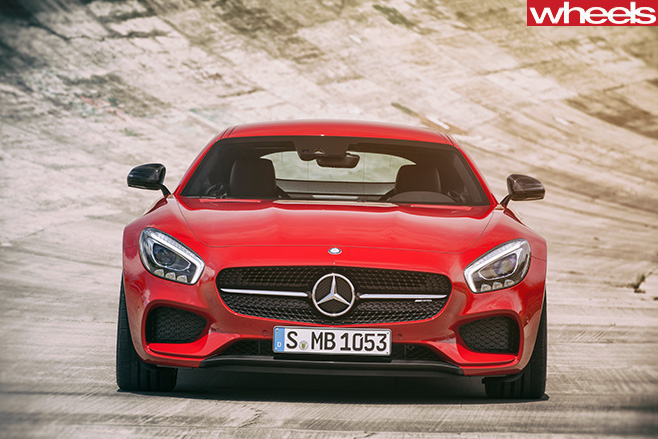
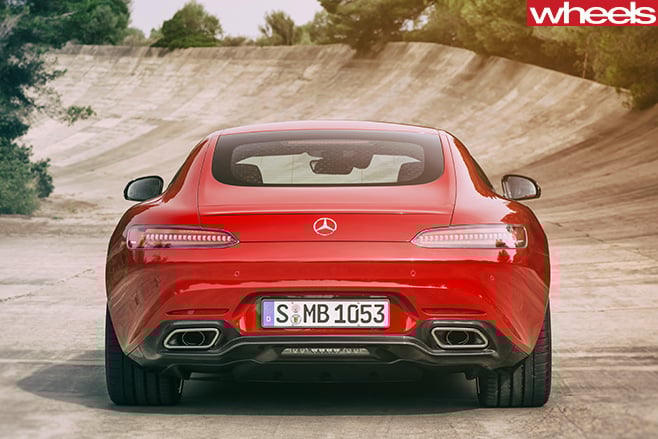
The Mercedes-AMG GT supercar will become slightly more accessible, with the impending arrival of the entry-level version previously ignored for Australia.
Mercedes-Benz’s local subsidiary will import the regular GT in the next few months, with pricing that could save up to $30,000 over the GT S that has been on sale since 2015.
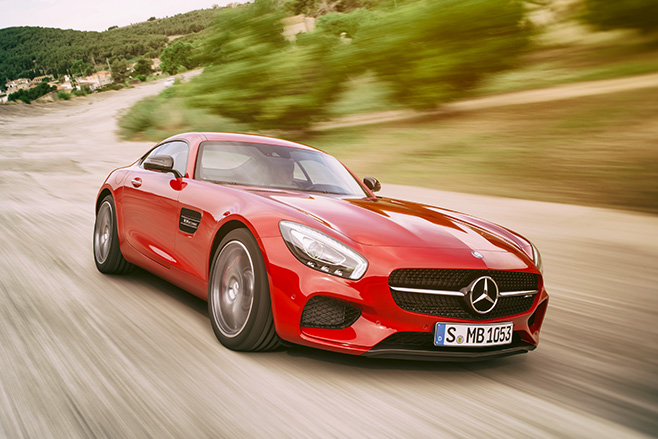
The GT uses the same 4.0-litre twin-turbocharged V8 as the GT S, though in a lower state of tune. Its power and torque outputs of 340kW and 640Nm are 35kW and 10Nm shy of the S, and it also takes another two-tenths of a second to reach 100km/h from standstill (4.0 v 3.8 seconds).
Standard equipment levels will also be reduced and options more limited. For example, the AMG Ride Control multi-mode suspension is not expected to be standard on the GT, while the S’s optional carbon ceramic brakes will not be offered at all.
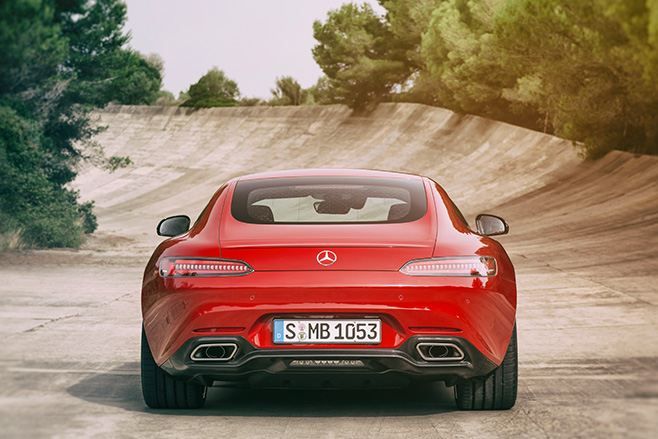
Mercedes-Benz Australia still expects to sell five times as many GT S models as the GT, despite the latter’s lower price tag.
The German brand’s supercar range will expand to three in 2017 with the recently revealed Mercedes-AMG GT R, which will sit at the other end of the spectrum to the base GT with the most power (430kW) and fastest acceleration (0-100km/h in 3.6 seconds).
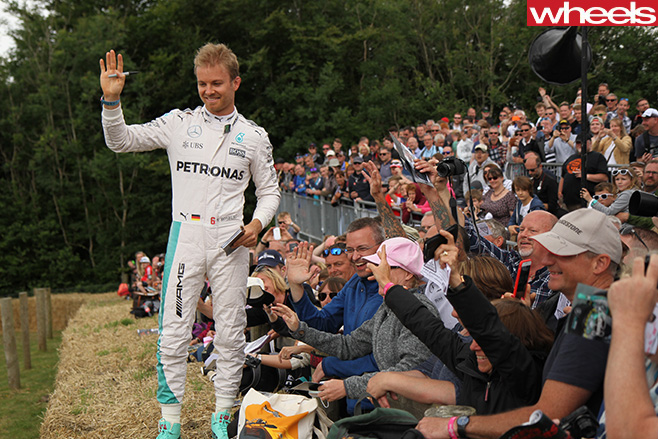
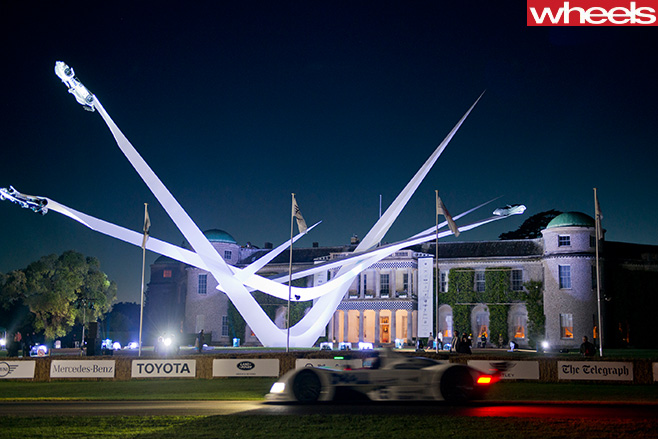
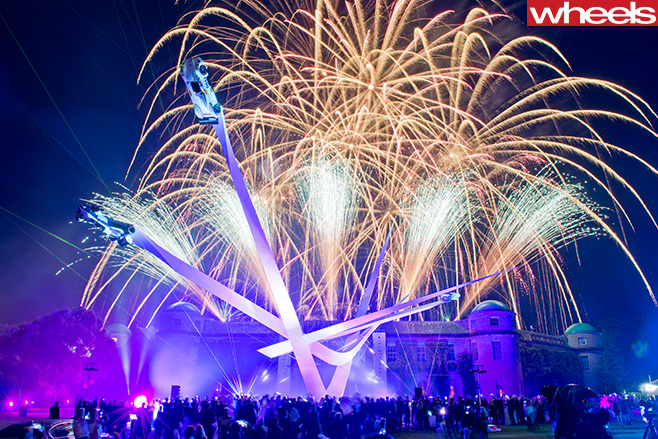
WELL, that’s the Goodwood Festival of Speed wrapped up for another year.
The event was once again filled with classic machines, living legends, mega-dollar supercars and plenty of tyre smoke!
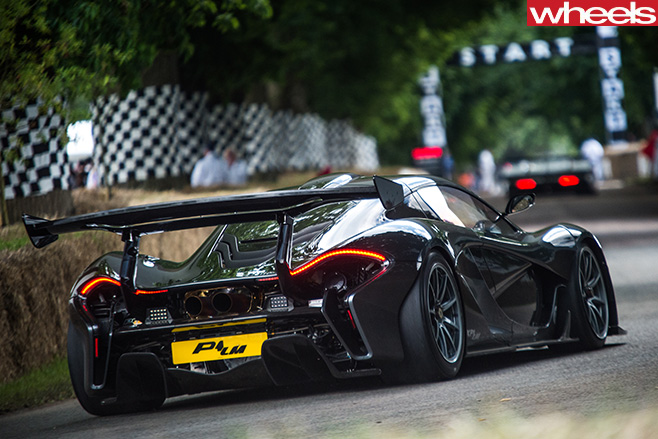
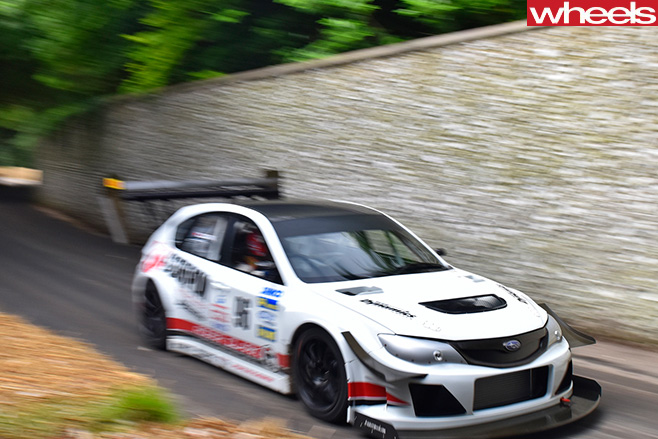
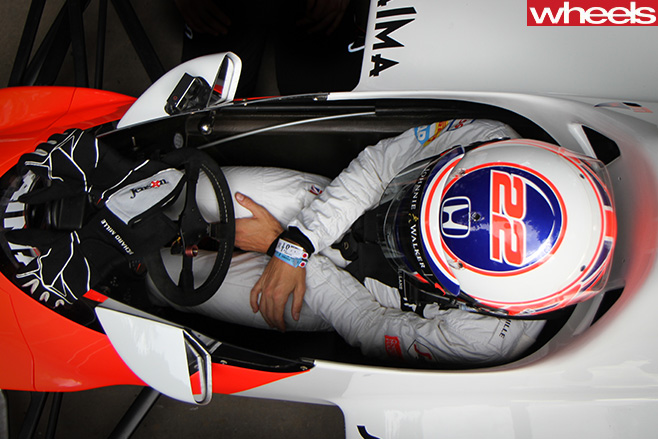
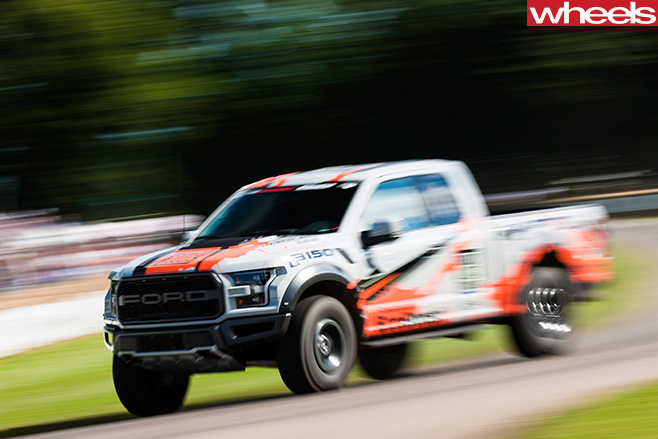
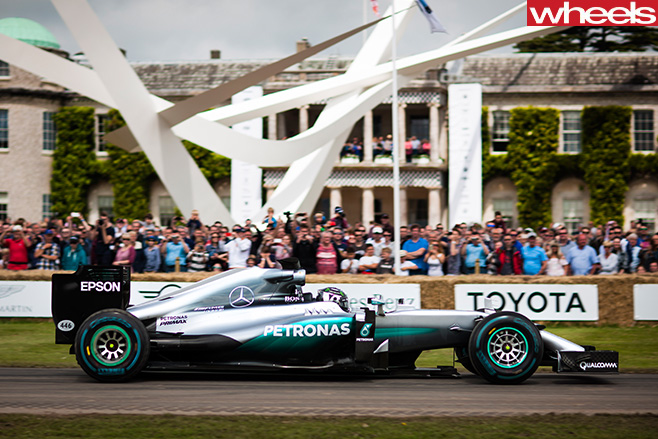
Other highlights include Nico Rosberg taking the 2014 Mercedes-Benz W05 Formula 1 car for a run up the hill.
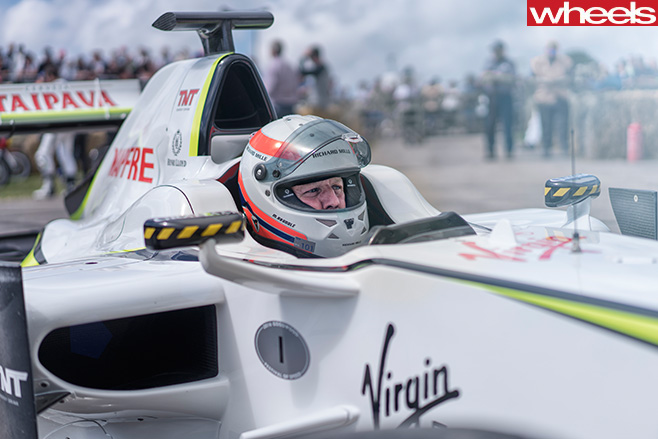
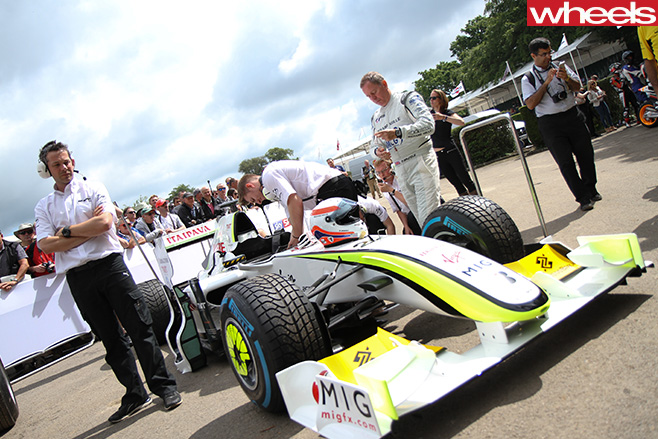
There was also a number of older generation F1 cars driven by stars of the sport – including Martin Brundle in Jenson Button’s 2009 title winning Brawn GP BGP001.
On the heels of AMG’s ultimate GT – the 430kW AMG GT R due next year – comes more detail on the entry GT coupe – and buyers of the base model won’t have that long to wait.
To date, AMG’s super-coupe has soldiered on solely in 375 kW GT S guise, at $295,000. It will be joined within the next three months by the entry GT which, with less power and torque and a smaller list of standard and optional equipment, will be priced in the region of $265-$270,000.
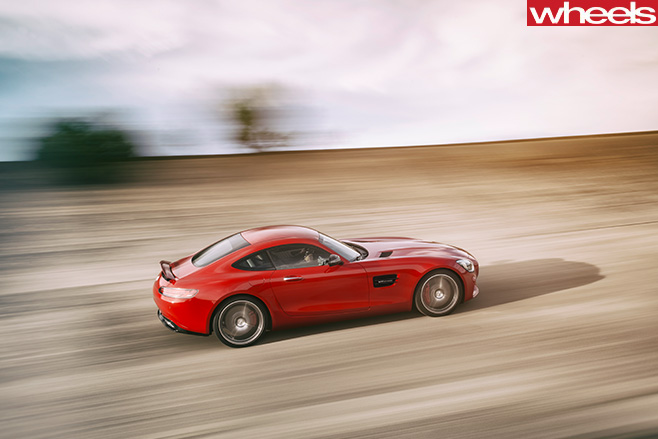
In GT guise, the 4.0-litre, twin-turbo V8 produces 340kW and 640Nm (versus 375kW/650Nm in GT S) and is 0.2 seconds slower to 100 km/h (4.0 vs 3.8 seconds). That’s despite the GT being 30kg lighter, at 1615kg.