
Lexus has revealed its latest – and largest to date – electric vehicle in the form of the TZ large SUV. Based on the new electric Toyota Highlander BEV revealed earlier this year, the Lexus TZ will slot above the existing Lexus RZ in the line-up.
Unlike the Highlander and its Subaru Getaway twin, the TZ will be produced in Japan and considering that Lexus Australia teased it on its official YouTube channel, it could be headed Down Under to compete with rivals like the Hyundai Ioniq 9 and Cadillac Vistiq.
Sized similarly to the existing Lexus LX large SUV at 5100mm long, 1990mm wide, 1705mm tall and sitting on a 3050mm long wheelbase, the TZ sports an additional 300mm of length in between the wheels compared with its sibling.
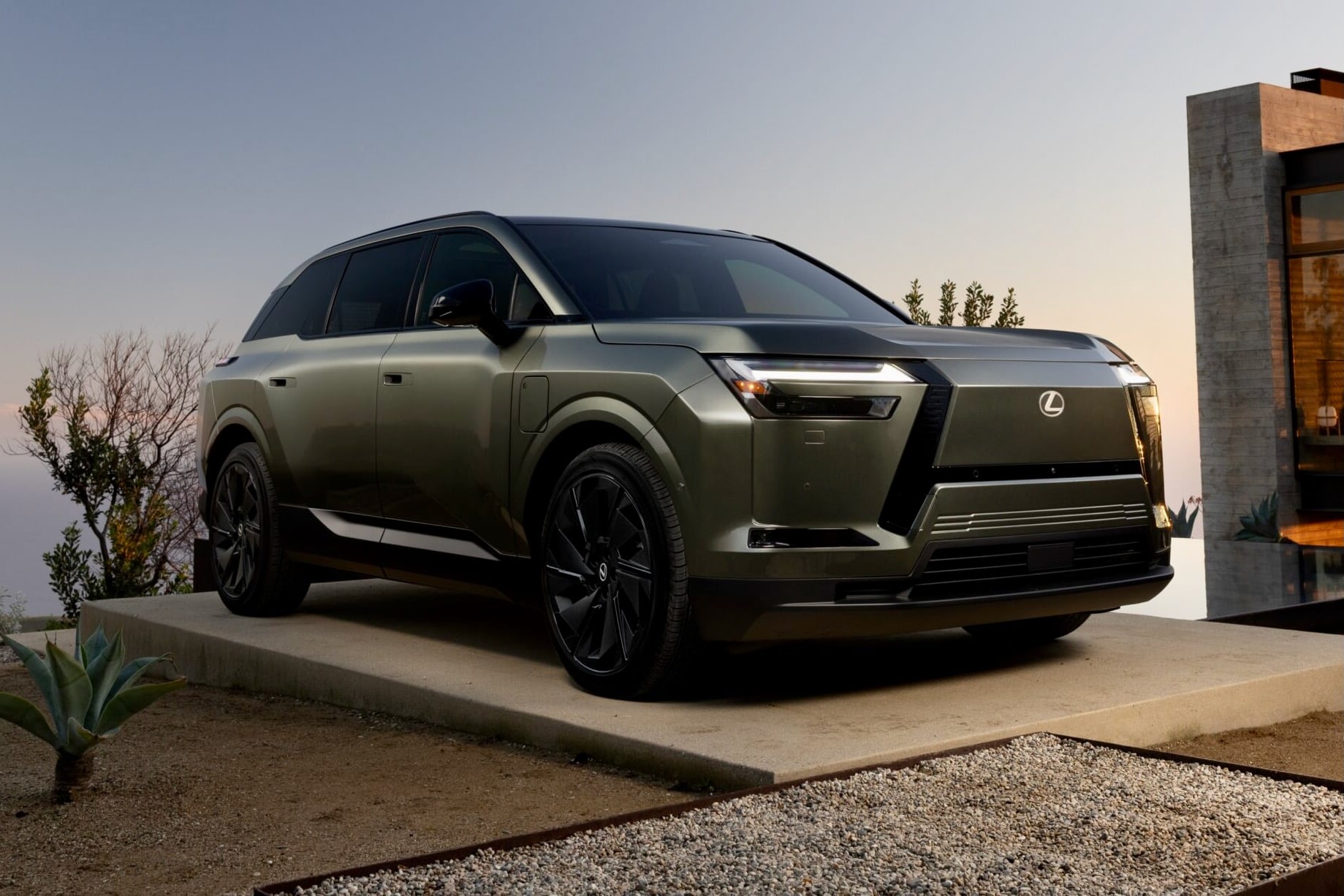
In most markets, the TZ will use a 95.82kWh lithium ion battery for up to 530km of WLTP range, though a smaller 76.96kWh battery will also be offered in some markets. According to Lexus, the TZ can be charged from 10 to 80 per cent in as little as 35 minutes using a 150kW fast charger.
Using a dual-motor all-wheel drive system, the TZ makes 300kW of power and hits 100km/h in just 5.4 seconds, according to Lexus. Optional four-wheel steering will apparently enhance the TZ’s driving experience and add extra nimbleness, while synthetic engine noises like in a Hyundai Ioniq 5 N replicating the V10 in a Lexus LFA will also be available for those wanting more noise.
Inside the TZ is a touchscreen-heavy dashboard layout that’s similar to the new-generation ES sedan that’s about to launch locally. Centred around a lounge concept, the TZ’s interior uses cool materials like forged bamboo, which “reflects Lexus’ commitment to sustainable craftsmanship and traditional techniques”, according to the brand.
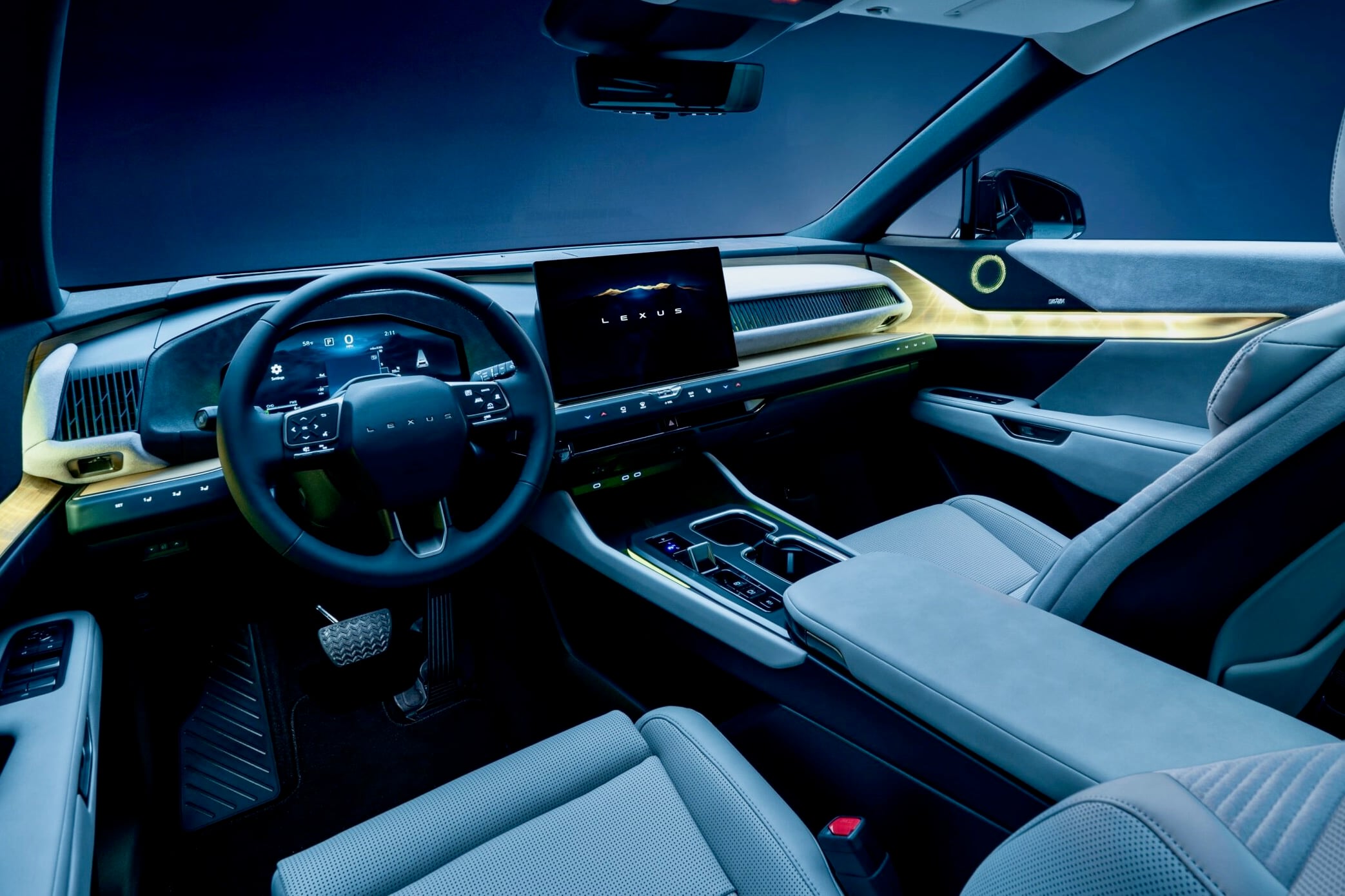
Other available features in the Lexus TZ include suede upholsteries, a panoramic glass roof, 20-to-22-inch alloy wheels, a 21-speaker Mark Levinson sound system, soft-closing doors, power-folding second- and third-row seats and even powered ottomans.
The Lexus TZ will go on sale in North America before the end of 2026, with Australian availability yet to be confirmed.
The four-cylinder plug-in hybrid era looks set to become a short-lived blip in Mercedes-Benz history, as AMG confirms more V8s are on the way.
Michael Scheibe, the outgoing CEO of Mercedes-AMG, confirmed the return to V8 power in an interview with the UK’s Car Magazine. The move looks set to give Mercedes-Benz a unique point of difference to its competitors.
While most enthusiasts single out the Mercedes-AMG C63’s (below) switch to a four-cylinder PHEV as the biggest miss in AMG’s new-generation line-up, Scheibe revealed that SUVs will be first in line to move back to V8 power.
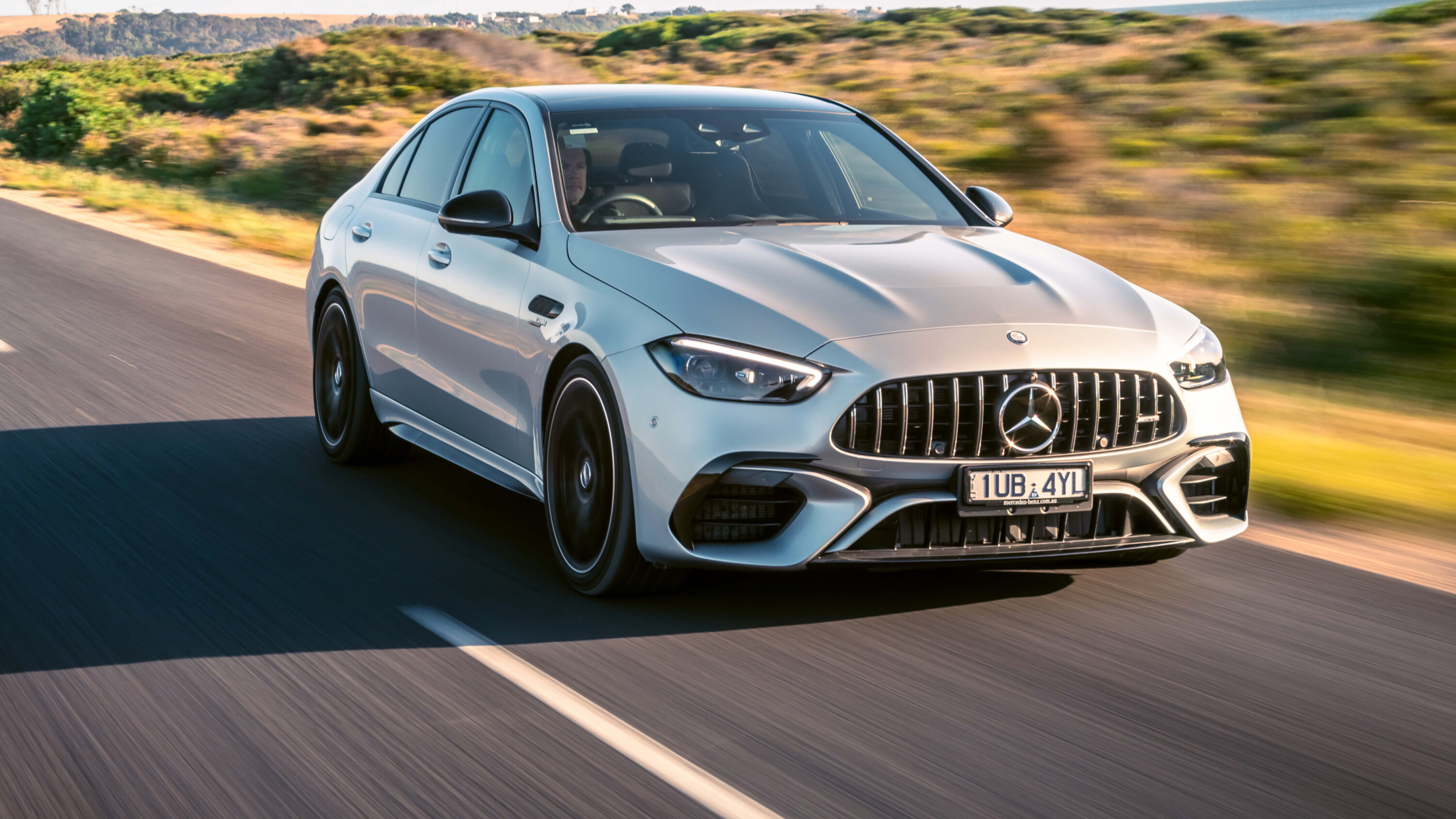
“We will launch it again with SUVs,” Scheibe revealed about the brand’s V8 plans, “but other cars will get it too.”
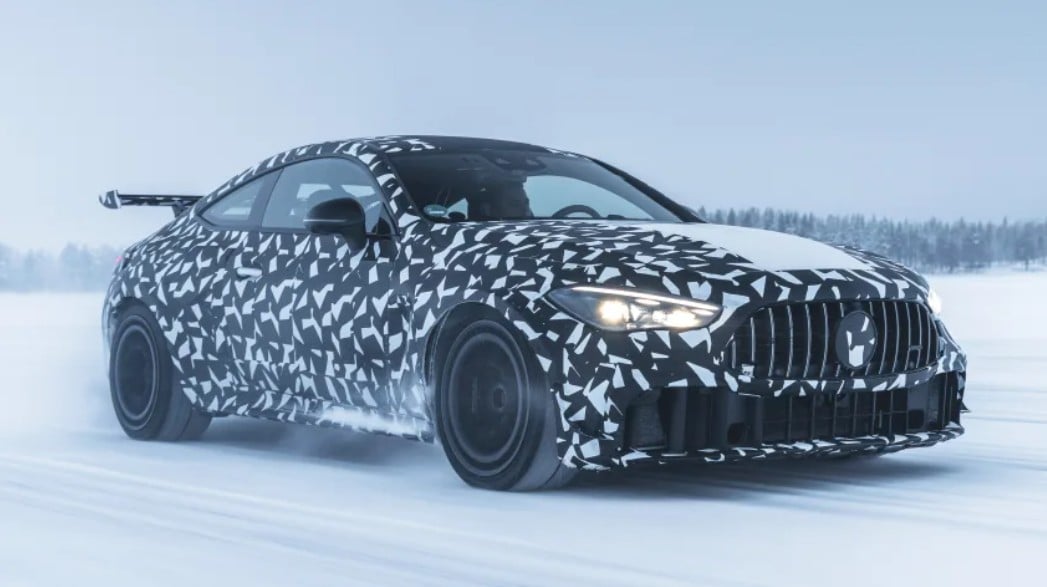
The hero car of the revived V8 range is likely to be a V8-powered version of the CLE coupe, tipped to arrive as a limited numbers special called the CLE 63 Mythos (below).
Essentially a continuation of earlier race-ready Back Series cars, the CLE 63 will feature upgrades to brakes and suspension, and an aggressive aero styling, beyond the current six-cyinder CLE 53. Power will come from a flat-plane crank V8 already revealed for the updated S-Class.
Alongside the return of the V8 to models that moved away from it, Scheibe also confirmed that the performance division will “put equal emphasis on our great EV line-up.”
The 2.0-litre four-cylinder PHEV powertrain in cars like the C 63 and GLE 63 received a tepid response from buyers globally. In late 2025 Mercedes-Benz claimed that the engine, first revealed in late 2022, was being phased out in Europe due to noise regulations.
The V8 won’t be a direct swap for the current PHEV, however, with a six-cylinder GLC 53 SUV (main and below) already pointing to the next move for the C-Class.
Scheibe confirmed that the C-Class was in line to follow the GLC in adopting six-cylinder power. The change would likely see a single C 53 powertrain replace the 310kW/500Nm C 43 mild-hybrid and 500kW/1020Nm C 63 PHEV.
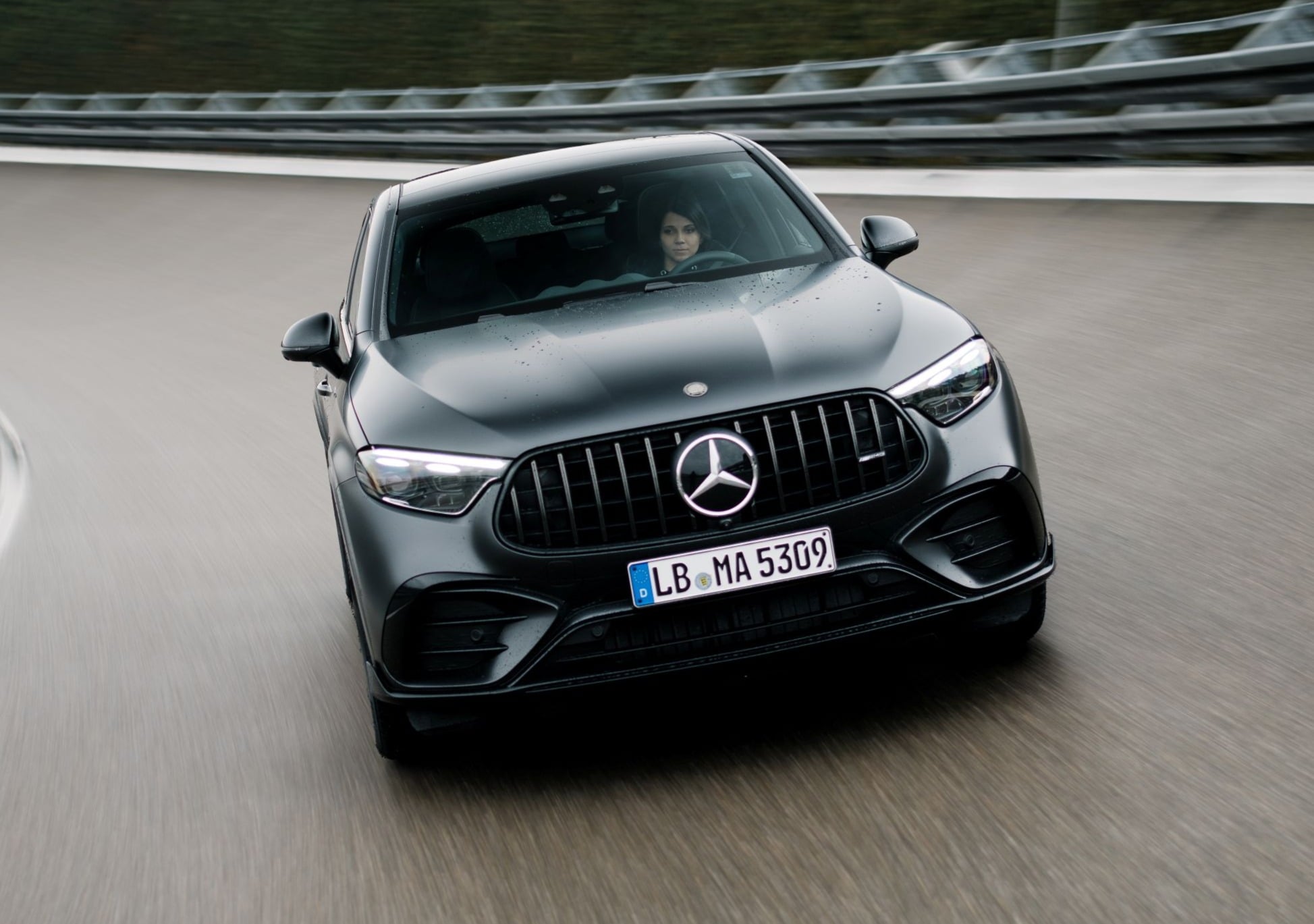
In the GLC 53, the 3.0-litre inline six-cylinder engine features mild-hybrid assistance and is rated at 330kW and 600Nm, with a 640Nm overboost function for 10 seconds and a claimed 0-100km/h time of 4.2 seconds.
Meanwhile, the larger six-cylinder GLE 63 and E 63 will continue on with plug-in hybrid systems for the time being.
AMG’s EV plans are also set to continue, with a GT four-door, a version of the new CLA, and a future SUV all set to join AMG’s EV line-up, with potential for AMG variants of the new C-Class EV and GLC EV to follow later.
Opel has unveiled the latest version of its Corsa light car for the European market, and for Australian hot-hatch enthusiasts, this one hurts a little.
The 2026 Opel Corsa GSE serves as a modern reinterpretation of the original Corsa GSi, 39 years after Opel first applied the hot-hatch treatment to its smallest model.
The Corsa GSE trades perky four-cylinder petrol power for an electric motor producing 207kW and 345Nm, giving the compact hot-hatch the title of Opel’s fastest-accelerating production car.
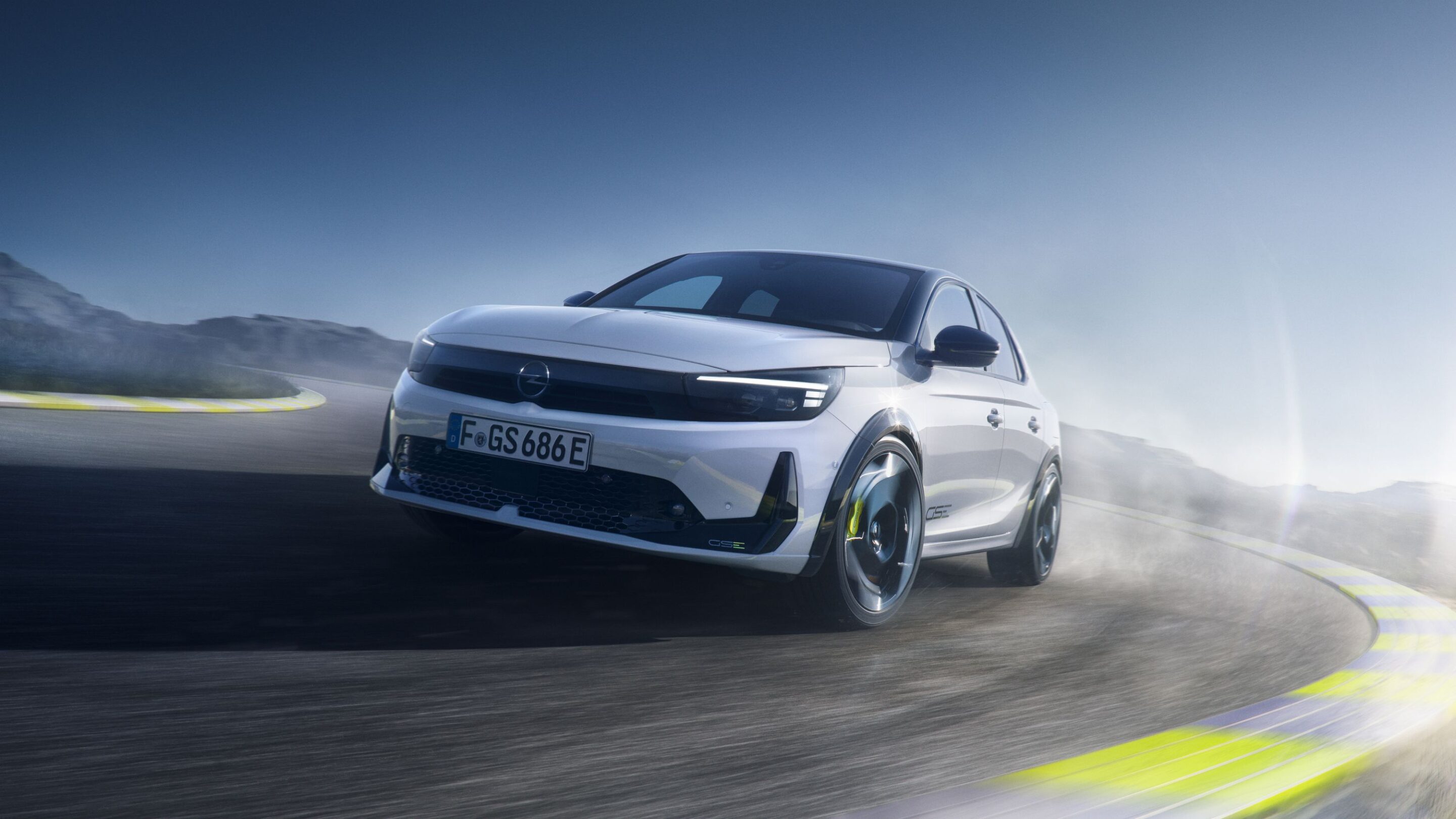
Opel claims the Corsa GSE can run from 0-100km/h in 5.5 seconds. That ‘fastest production car’ claim is a little flexible, however, with the Lotus-tweaked Opel Omega of the early 1990s able to hit triple figures in as little as 5.2 seconds.
The electric drivetrain is shared with the Opel Mokka GSE compact SUV, but the smaller, lighter Corsa knocks 0.4 seconds off the Mokka’s acceleration claim. Sport mode unlocks the full 207kW, Normal mode limits power to a still-respectable 170kW.
A lithium-ion battery with a 51kWh useable capacity hasn’t been rated for WLTP range yet, but the Mokka GSE is rated at 336km, suggesting the Corsa may be able to go slightly further.
Performance additions include 18-inch wheels styled in tribute to the original Corsa GSi, wrapped in 215/40 R18 Michelin Pilot Sport 4S tyres, a limited-slip differential, retuned steering, lowered sports suspension, and four-piston front brakes.
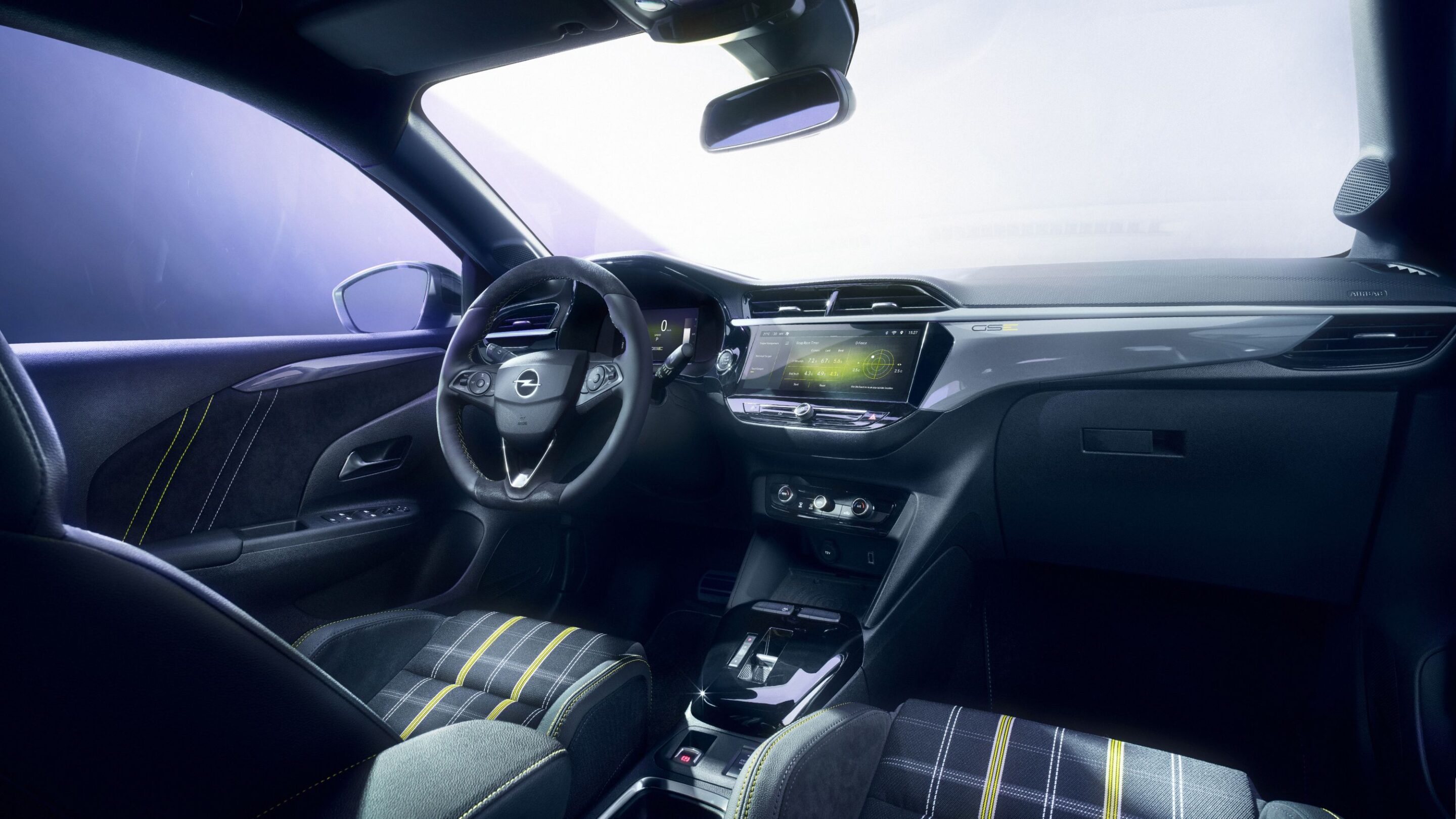
The interior features performance front seats trimmed in black and yellow tartan cloth and Alcantara, an Alcantara steering wheel, yellow seatbelts, yellow contrast stitching, and aluminium pedals. The driver faces a 10-inch digital display with GSE-specific graphics for g-forces, acceleration, and battery management.
The 2026 Corsa GSE shares its powertrain and handling package with the front-wheel drive Peugeot E-208 GTI, with both brands now part of the wider Stellaris group of automakers, although the Corsa edges out the 5.7-second acceleration of the E-208 GTI slightly.
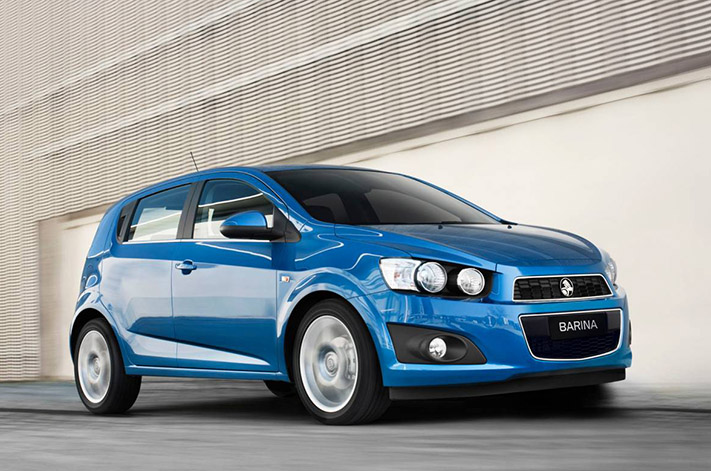
In the past, Opel was part of General Motors, and from 1994 until 2005, the Holden Barina (below) was an imported and rebadged Corsa. Warm-hatch Barina SRi models offered 92kW and 165Nm, after which, Barnina supply switched to rebadging the far-less exciting Daewoo Kalos.
When Opel landed as a brand of its own in Australia for just one year from 2012, Aussies had access to a turbocharged 1.6-litre Opel Corsa OPC with 141kW and 260Nm.
With GM’s sale of Opel to PSA Group (now Stellantis) in 2017, followed by Holden’s closure in 2020, the Corsa GSE tracks a tenuous link to the past, but if things had turned out differently, Aussies could have had access to a Euro-sourced electric hot-hatch with a Lion badge on its visor grille.
As it stands, Stallantis has no plans to introduce Opel Down Under, but offers Peugeot here, albeit with a focus on mild- and plug-in hybrids rather than EVs, leaving the related E-208 GTI just out of reach.
Still relatively new to Australia, Zeekr is celebrating a big win for the brand on April 2026’s VFACTS new car sales charts, as its 7X electric medium SUV rose to become the best-selling vehicle in its class. With 973 units registered in April 2026, it comfortably outsold all other entrants in the Medium SUV Over $65,000 segment, including big name rivals like the Tesla Model Y and Kia EV5. So far in 2026, the 7X is also Australia’s third best-selling electric vehicle.
Released in Australia only recently in August 2025, the Zeekr 7X has been the driving force behind an increase in Zeekr’s local sales and has so far sold 2698 units in 2026, with the smaller – and recently updated – Zeekr X adding 81 units and the Zeekr 009 electric people mover also adding 59 units to the total.
Compared with this time in 2025, Zeekr’s sales have increased by a massive 955 per cent, largely thanks to the arrival of the 7X.
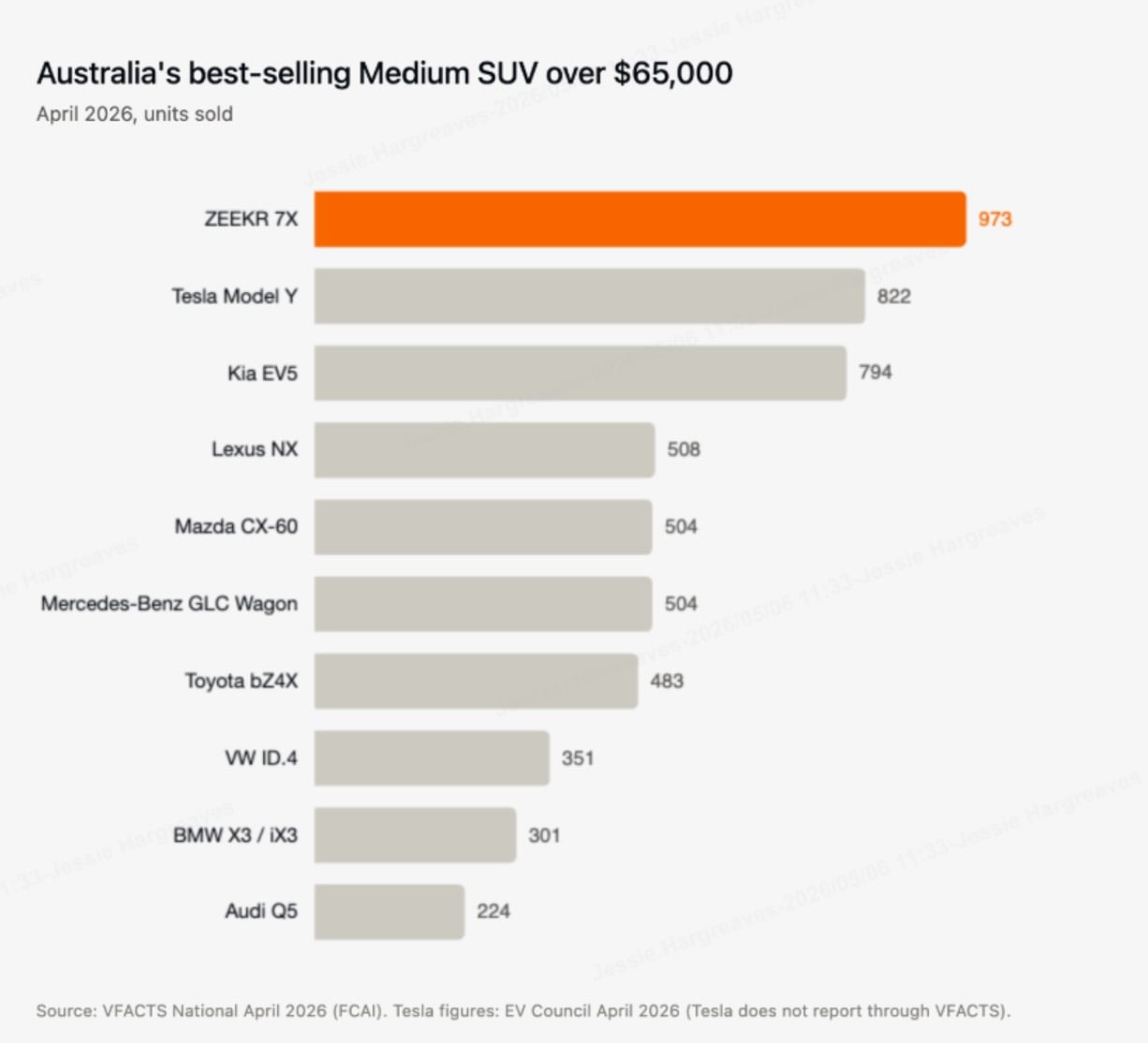
With 973 units under its belt in April 2026, the 7X not only outsold the aforementioned electric models like the Model Y and EV5, but also ICE rivals like the Lexus NX, Mazda CX-60, Mercedes-Benz GLC, BMW X3 and Audi Q5.
Although the Model Y and BYD Sealion 7 have outsold it in year-to-date sales, the 7X is also Australia’s third best-selling EV, outpacing vehicles like the Geely EX5, BYD Atto 2 and Tesla Model 3.
2026 Zeekr Australia range pricing (excluding on-road costs):
| X RWD | $48,900 (driveaway) |
|---|---|
| X AWD | $57,900 (driveaway) |
| 7X | $57,900 |
| 7X Long Range | $63,900 |
| 7X Performance | $72,900 |
| 009 FWD | $115,900 |
| 009 AWD | $135,900 |
Kia has challenged Hyundai’s almost unshakable market leadership in South Korea for the first time in over 35 years, since Hyundai established itself as Korea’s automotive powerhouse.
The complex relationship between the two companies sees them share platforms and powertrains, but run independent design and marketing operations. Hyundai controls around one-third of Kia, and Kia, in return, holds a stake in a number of Hyundai subsidiaries.
April 2026 sales figures for the Korean market reveal that, for the first time since Hyundai took control of Kia in 1998, it has been outsold by its satellite company.
Sales figures reported by Korea’s ET News reveal a narrow win for Kia, moving 55,045 vehicles, edging out Hyundai’s 54,051 sales by less than 1000 vehicles. The result saw Kia sales grow by 7.9 per cent compared to 2025, while Hyundai’s dropped 19.9 per cent.
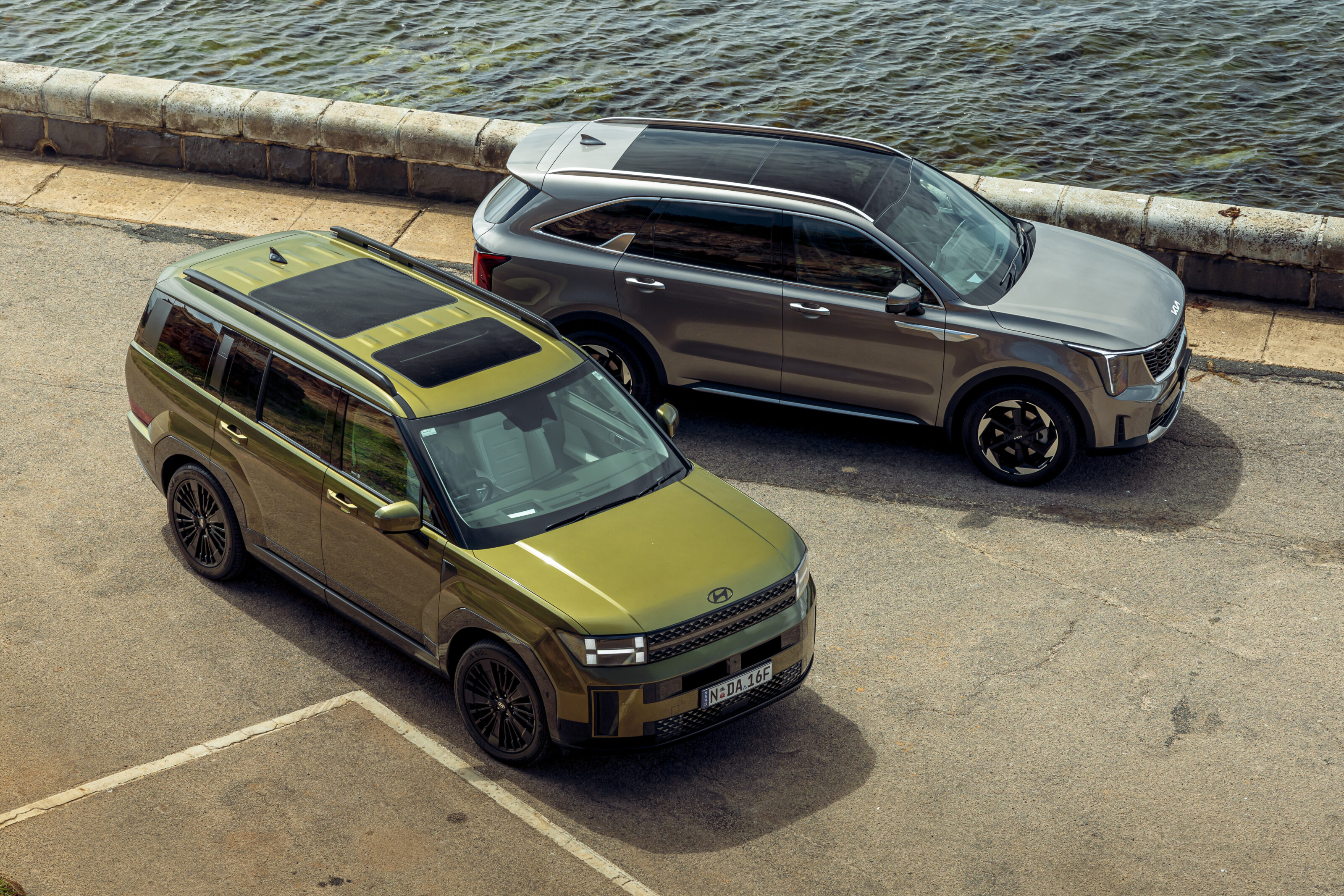
The unusual finish was bolstered by the success of the Kia Sorento, which has sold 39,000 units year-to-date, compared to the flagging Santa Fe, which only managed 21,000 sales in response. The Sportage (20,327 units) also outsold the Tucson (15,014).
While the Sorento now claims a two-year run outselling the Santa Fe in Korea, outside influences also impacted sales results. Along with Kia’s sales growth, Hyundai production has been set back following a fire at Anjeon Industrial, which supplies engine components to both brands.
The Sorento became the first vehicle to surpass 100,000 sales annually in 2025, and was Korea’s top-selling vehicle in 2024 and 2025.
Across South Korea, vehicle sales dropped by 2.1 per cent for the month of April, but domestic brands including Hyundai, Kia, GM Korea, Renault Korea, KGM, were hit hardest, dropping 8.8 per cent.
While the sales position is ground-shaking for the Korean market, in Australia, Kia racked up its fourth consecutive year ahead of Hyundai in 2025. Based on year-to-date sales figures compiled by the Federal Chamber of Automotive Industries, Kia again leads with 26,037 sales to the end of April, against 25,103 for Hyundai.
Hydrogen fuel cell vehicles could be poised to make a return as automakers retreat from battery electric vehicles in some markets.
A report by Autoblog reveals that a number of brands have restarted their investment in hydrogen fuel cell vehicles (FCEVs) in the follow-up from cancelled or delayed battery electric vehicle (BEV) programs.
The move doesn’t come as a straight swap for passenger car BEV programs, however, with a focus on FCEV applications for commercial vehicles. The ability to build infrastructure at ‘return to base’ depots, and the fixed-route nature of commercial vehicle applications, make the adoption simpler than for regular consumer use.
The latest round of investment sees Toyota and Isuzu partnering on a light-duty FCEV truck, which could avoid the weight penalties of a battery large enough to suit a trucking application, and deliver much lower recharge times than current battery tech allows.
Honda is about to end a collaborative program with General Motors in favour of its own independently developed FCEV system for commercial and passenger applications, set to launch in 2027. The move comes after Honda cancelled its new-generation BEV models earlier in 2026.
Honda’s history with FCEVs stretches back to 2008, when it launched the FCX Clarity in Japan and California. Currently, the brand sells a version of the CR-V SUV with a ‘plug-in fuel cell’ powertrain, combining a short-range electric vehicle battery with an onboard fuel cell to provide a combined driving range of 434km, and a battery-only range of 46km.
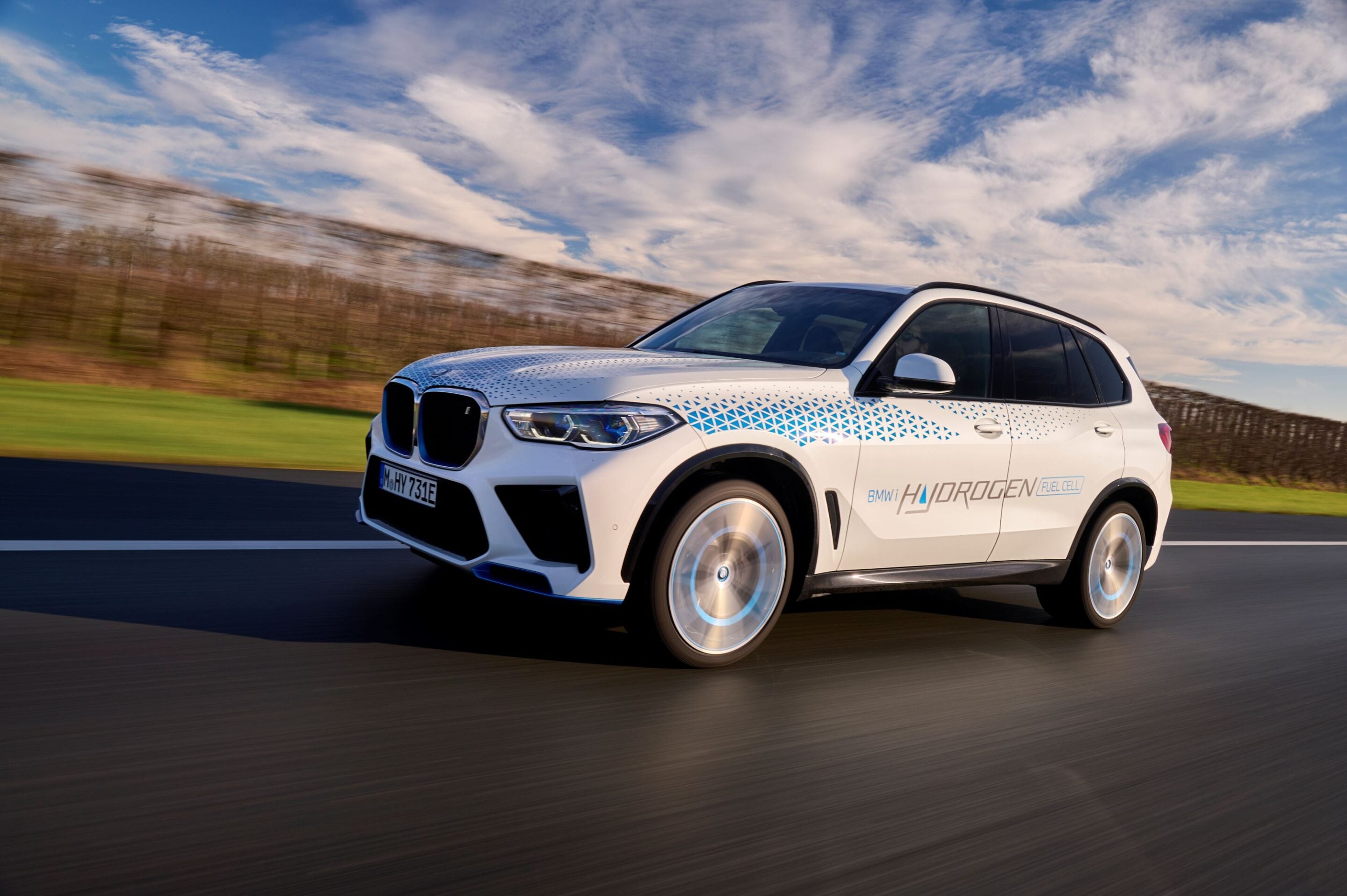
Away from commercial vehicle applications, Toyota and BMW (above) have a joint hydrogen program that will see BMW launch a new mass-market FCEV based on Toyota’s existing hydrogen fuel cell technology.
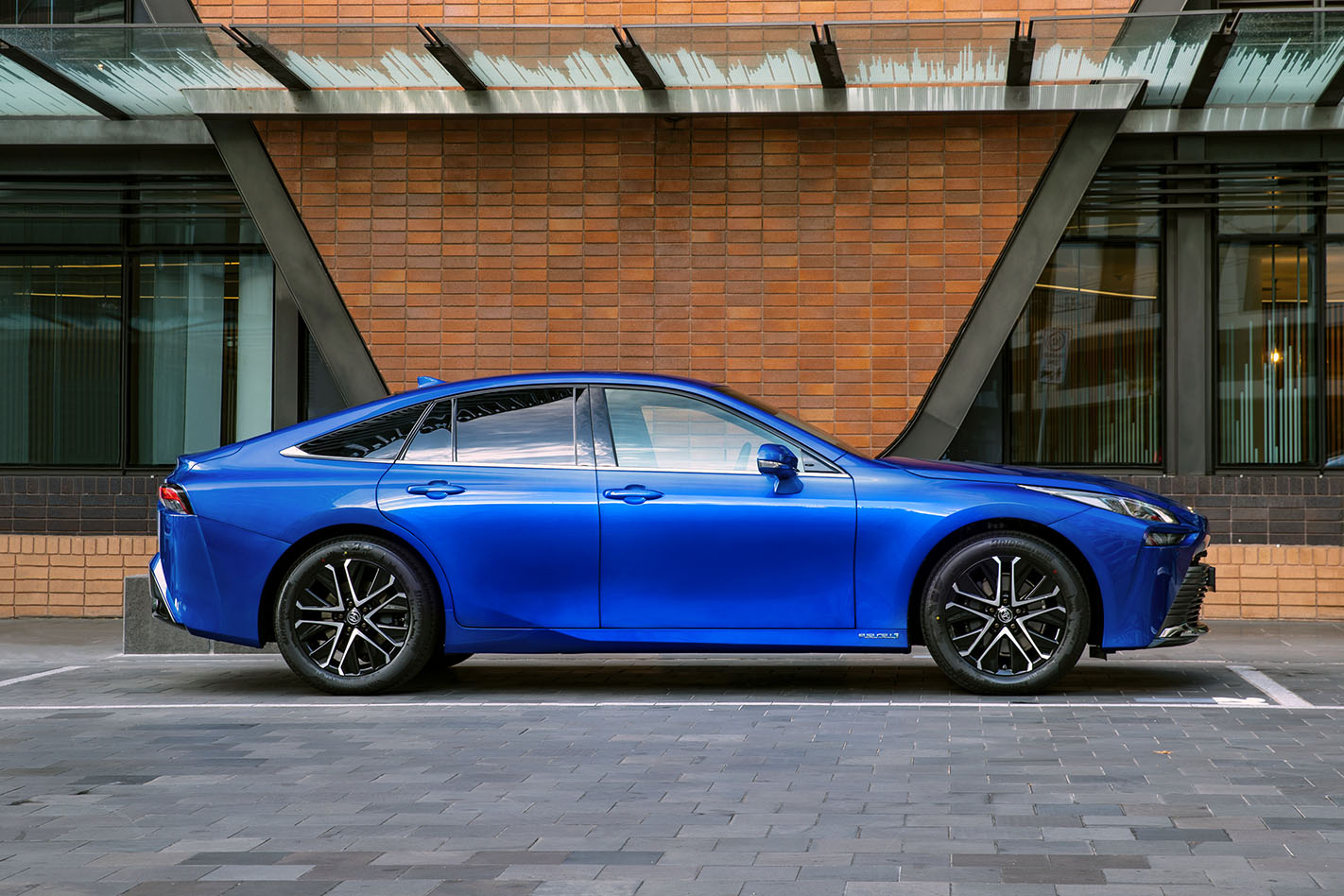
In Australia, so far, only Toyota and Hyundai have made FCEV cars available in limited numbers at a consumer-facing level. The Toyota Mirai (above) and Hyundai Nexo (main) are mass-produced FCEVs sold in Australia, but largely as demonstration vehicles for the tech, hampered by limited refuelling infrastructure.
Despite the low-volume role, Hyundai has pledged to introduce an all-new Nexo to the Australian market in 2026.
With smaller on-board batteries, FCEVs are seen as a way to cut costs on the large, expensive long-range batteries typically found in BEVs, but have faced criticism for poor energy efficiency, energy-intensive hydrogen production and storage, and resulting high fuel costs.
While North American EV sales have dropped by over 25 per cent so far in 2026, markets in other parts of the world have seen BEV and plug-in hybrid (PHEV) sales increase, particularly in the face of rising fuel costs triggered by the ongoing Iran war.
BYD’s Flash Charging system has gone from reveal to real-world implementation in just a matter of weeks.
The ultra-rapid charging system first shown in March 2026, and at the Beijing motor show in April, was available for customers to order on new BYD vehicles in China. Not to be outpaced by sales, BYD claims to have over 5000 Flash Charging locations already in operation.
As part of BYD’s marketing juggernaut, the latest demonstration of the Flash Charging system took it away from the infrastructure of China’s cities, setting up a charging station in a remote part of the Tengger Desert in Mongolia.
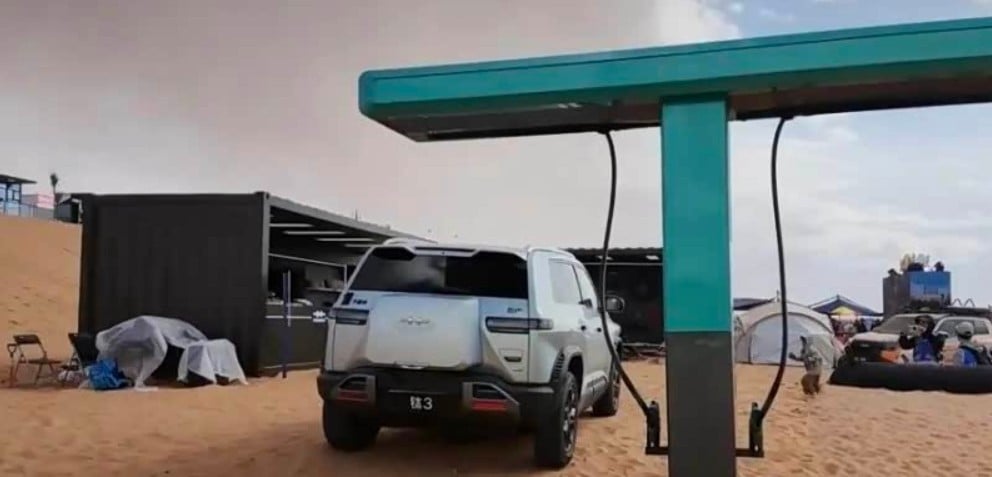
The location was selected for its challenging conditions. High winds, loose sand, and no access to the kind of modern infrastructure normally seen in urban parts of China.
Where BYD’s Flash Charging system differs from existing electric vehicle chargers is in its power delivery. Capable of recharging at up to 1500kW, the power demands of the new system are almost four times greater than the fastest 400kW chargers available in Australia.
BYD claims this results in charge times as low as nine minutes from 10 to 97 per cent, with a small uncharged buffer remaining to enable cars to use regenerative braking to further boost the state of charge.
A quick top-up from 10-70 per cent takes a claimed five minutes, and cold weather testing at -30°C is claimed to extend charging time from 10-97 per cent by only three minutes.
The remote demonstration stands the BYD-built system in good stead for locations like Australia, with the often-harsh climate of remote parts of the country enduring high temperatures, and other extremes that can impact charge times.
Despite this, the desert location chosen for the Mongolian demonstration typically experiences temperatures of between 10°C overnight and up to 27°C during the day around this time of year. A far cry from peak temperatures in places like Oodnadatta, which can exceed 50°C at their worst.
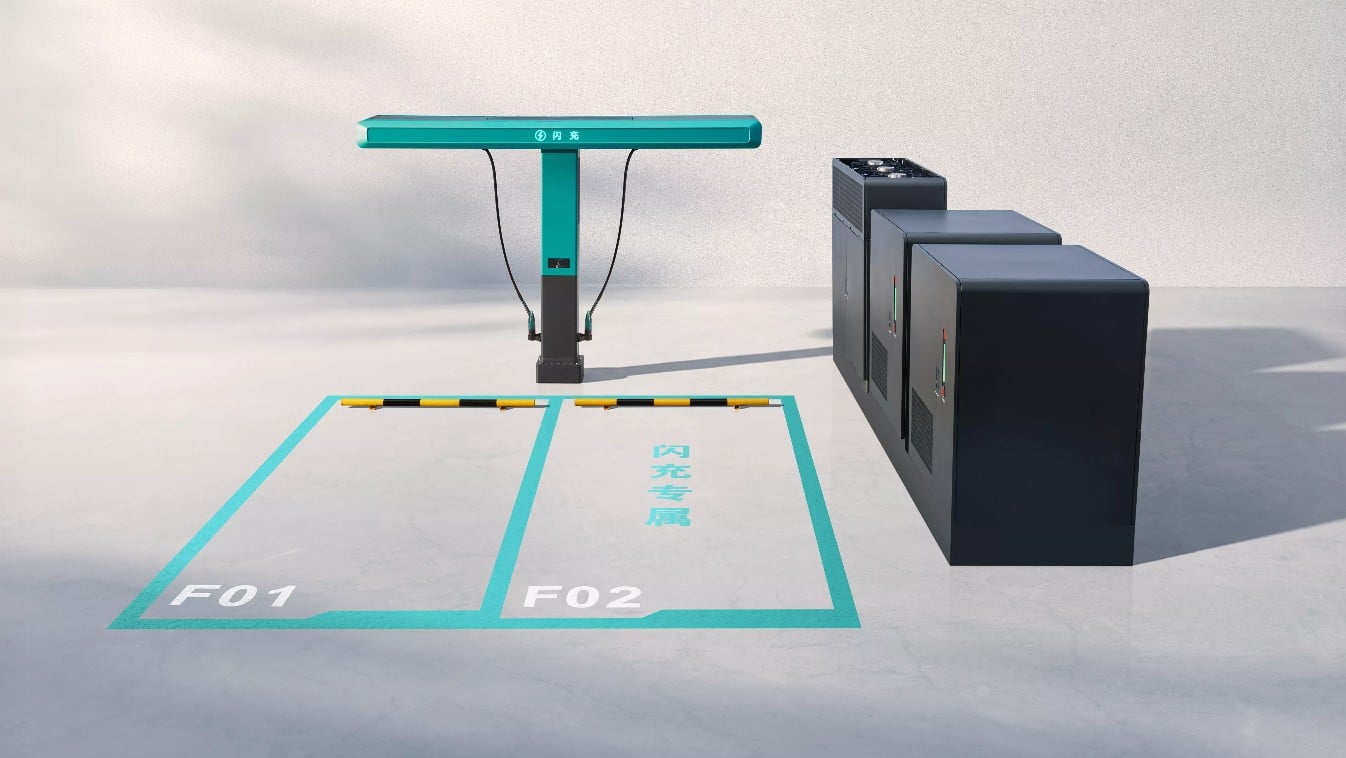
Allowing the system to operate to its full potential, Flash Charging uses a dedicated transformer to step up mains voltage and stores power in a BYD stationary battery (set-up pictured above), meaning that even in areas with interrupted power or aging infrastructure, the system should be able to operate at full power.
The battery reserve prevents overloading existing power grids, and also opens up the possibility of diesel and solar-supported backups in locations where suitable power supply infrastructure may not exist.
BYD has confirmed that its Flash Charging system will not remain confined to China, with plans to introduce compatible charging stations to Australia. Although existing BYD vehicles aren’t configured to work with the 1500kW charging system, new cars like the Denza Z9 GT will launch with Flash Charging capability.
In China, BYD will open its Flash Charging network to competitor vehicles with compatible 1000-volt electrical systems, though it has introduced 800-volt and 900-volt versions on its own cars already.
While electric vehicles are currently grabbing all the headlines, it’s hybrids that are still selling in significantly higher numbers – in April 2026, EVs took 16.4 per cent of sales, but hybrids accounted for a 29.5 per cent market share, indicating Australians are still more than keen on this technology.
If you’re considering a hybrid for your next car, here’s an idea – consider waiting until later in 2026 when some even more impressive hybrids will hit the market, saving you money on fuel costs with greater range and efficiency.
Here’s the WhichCar by Wheels guide to the best hybrids launching in the rest of 2026:
1) BYD Shark Performance
When it’s due: Imminently
Drivetrain: 2.0-litre four-cylinder turbo-petrol plug-in hybrid, 350kW/700Nm, one-speed hybrid transmission, AWD
Price: From $62,900 plus on-road costs
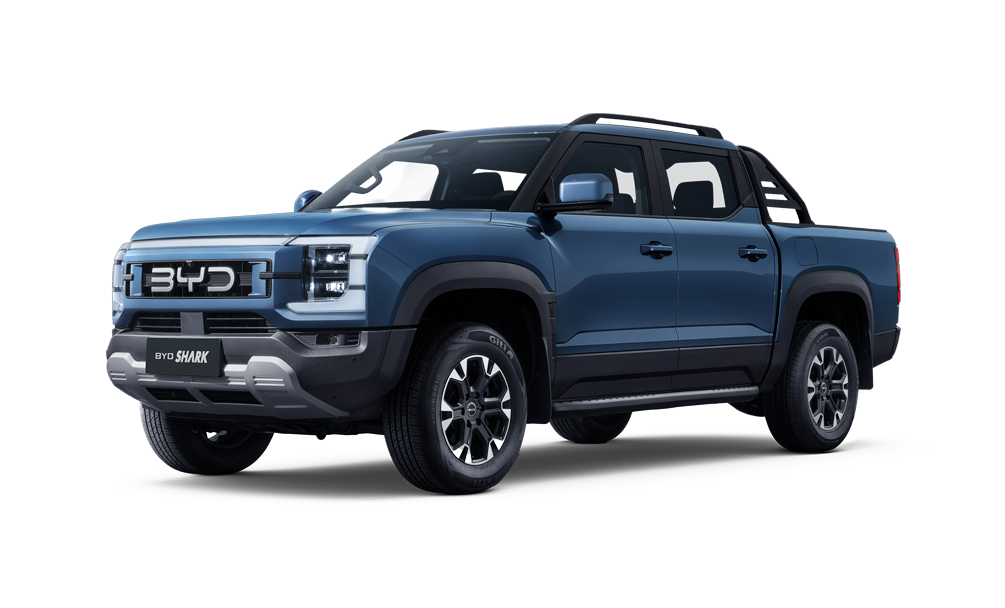
BYD Australia recently announced the expansion of its popular Shark 6 ute range with new cab-chassis and uprated Performance variants, both of which are due on sale locally imminently. We think that it’s the Performance that will be of particular interest to ute buyers as not only does it upgrade the Shark 6’s drivetrain with a larger 2.0-litre engine making 350kW/700Nm outputs, but it also allows for an important upgrade to a 3500kg braked towing capacity, aligning it with diesel utes like the Ford Ranger for the first time. The Performance is priced from $62,900 plus on-road costs.
2) Toyota LandCruiser 300 Series Hybrid
When it’s due: From July 2026
Drivetrain: 3.4-litre twin-turbo V6 hybrid, 341kW/790Nm, 10-speed auto, 4WD
Price: From $156,060 plus on-road costs
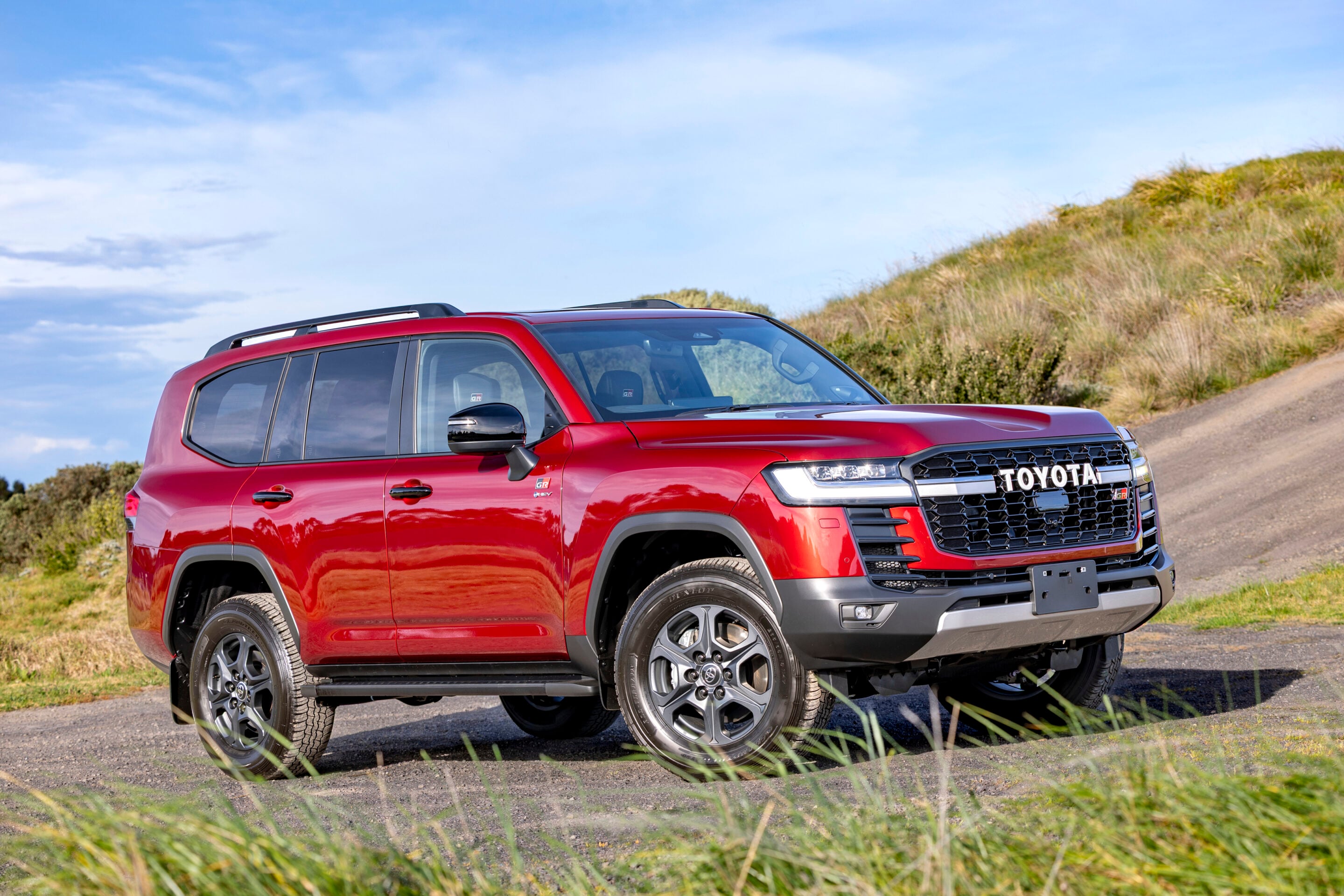
For the first time in its history, the Toyota LandCruiser is finally getting a proper hybrid drivetrain. Due locally from July, the LandCruiser Hybrid uses a strong twin-turbocharged 3.4-litre V6 hybrid set-up, making 341kW of power and a particularly fiesty 790Nm of torque, mated to a 10-speed automatic transmission and the same four-wheel drive system as the regular V6 turbo-diesel LandCruiser. Pricing starts at $156,060 plus on-road costs and only the top-spec GR Sport and Sahara ZX models will be offered with the new drivetrain, at least initially.
3) Honda Prelude
When it’s due: Imminently
Drivetrain: 2.0-litre four-cylinder hybrid, 135kW/315Nm, eCVT auto, FWD
Price: $65,000 driveaway
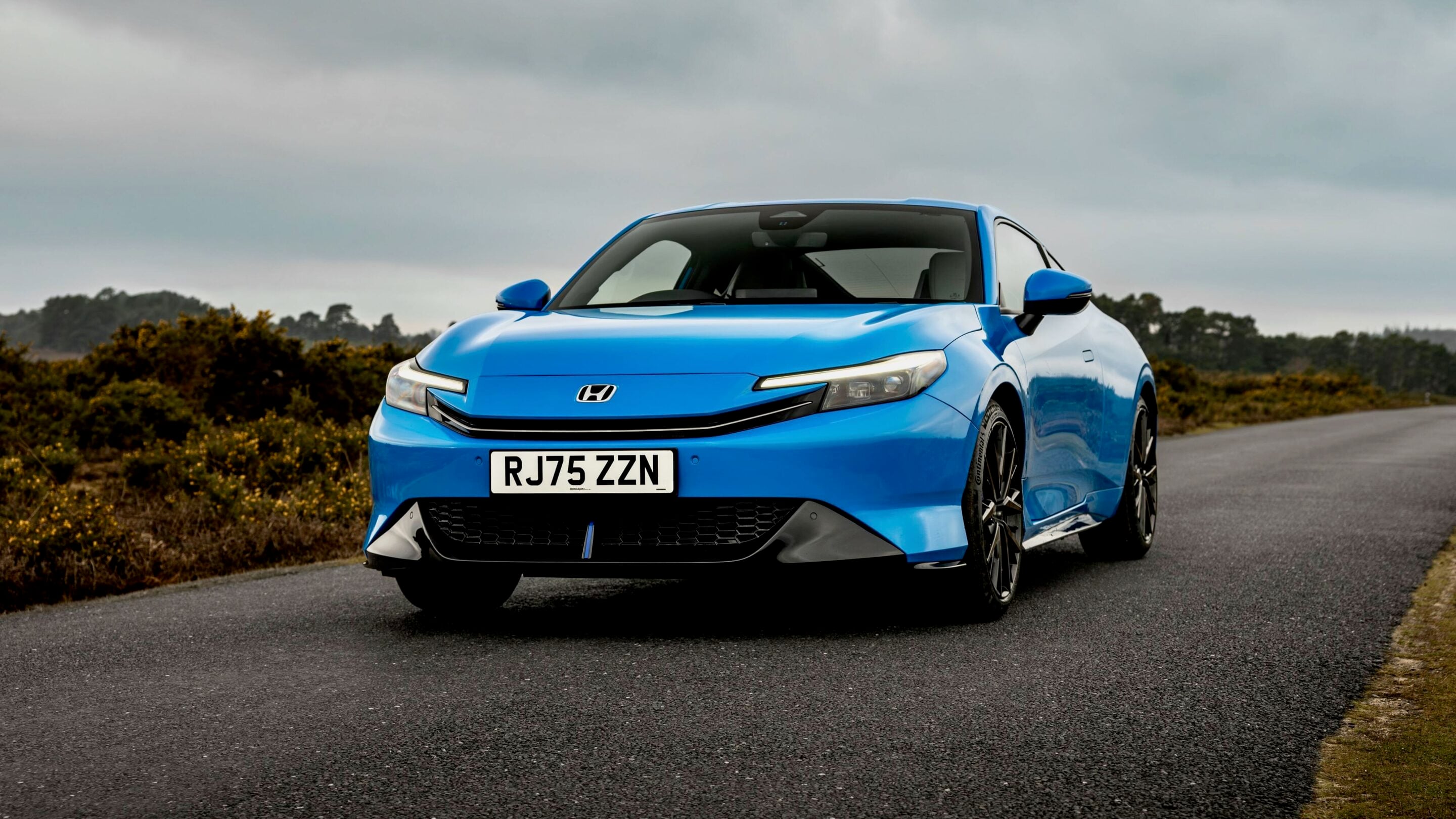
It’s about to launch in Australia priced from $65,900 driveaway, and uses a hybrid drivetrain for the first time in the storied history of the nameplate. It’s the Honda Prelude, a 2+2 coupe – a very rare concept nowadays, unfortunately – that promises to combine sporty handling, great fuel efficiency, excellent quality and handsome styling. A 135kW 2.0-litre hybrid drivetrain provides propulsion, while Civic Type R bits like the dual axis front suspension Brembo four-piston front brakes and adaptive suspension promise a great driving experience.
4) Kia Seltos
When it’s due: Late 2026
Drivetrain: 1.6-litre four-cylinder hybrid, outputs TBC, six-speed dual-clutch, front- or all-wheel drive
Estimated price: $40,000
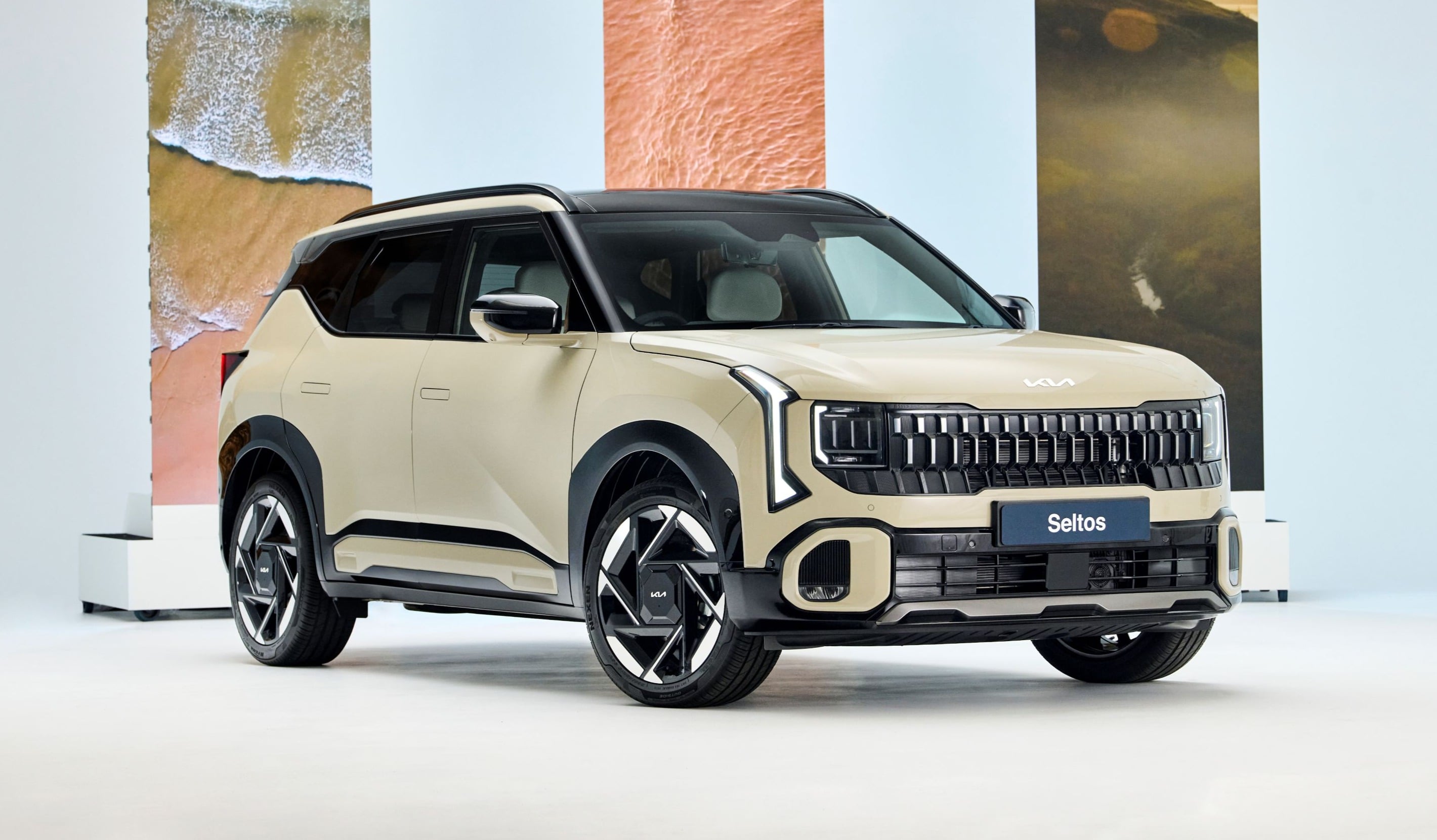
The current generation Kia Seltos is a popular small SUV thanks to its size, strong value equation, pleasant driving experience and roomy cabin, but in Australia it’s never had a fuel-saving hybrid drivetrain before. That will change in late 2026 when the second-generation model arrives, which will actually be powered solely by a 1.6-litre hybrid drivetrain with outputs and fuel economy yet to be announced. The new Seltos is sharper to look at than the current model, and promises even more interior space thanks to larger dimensions and better packaging.
5) Jaecoo J8 SHS
When it’s due: Third quarter 2026
Drivetrain: 1.5-litre turbocharged plug-in hybrid, 395kW/650Nm, 34kWh battery, one-speed hybrid transmission, AWD
Estimated price: $60,000
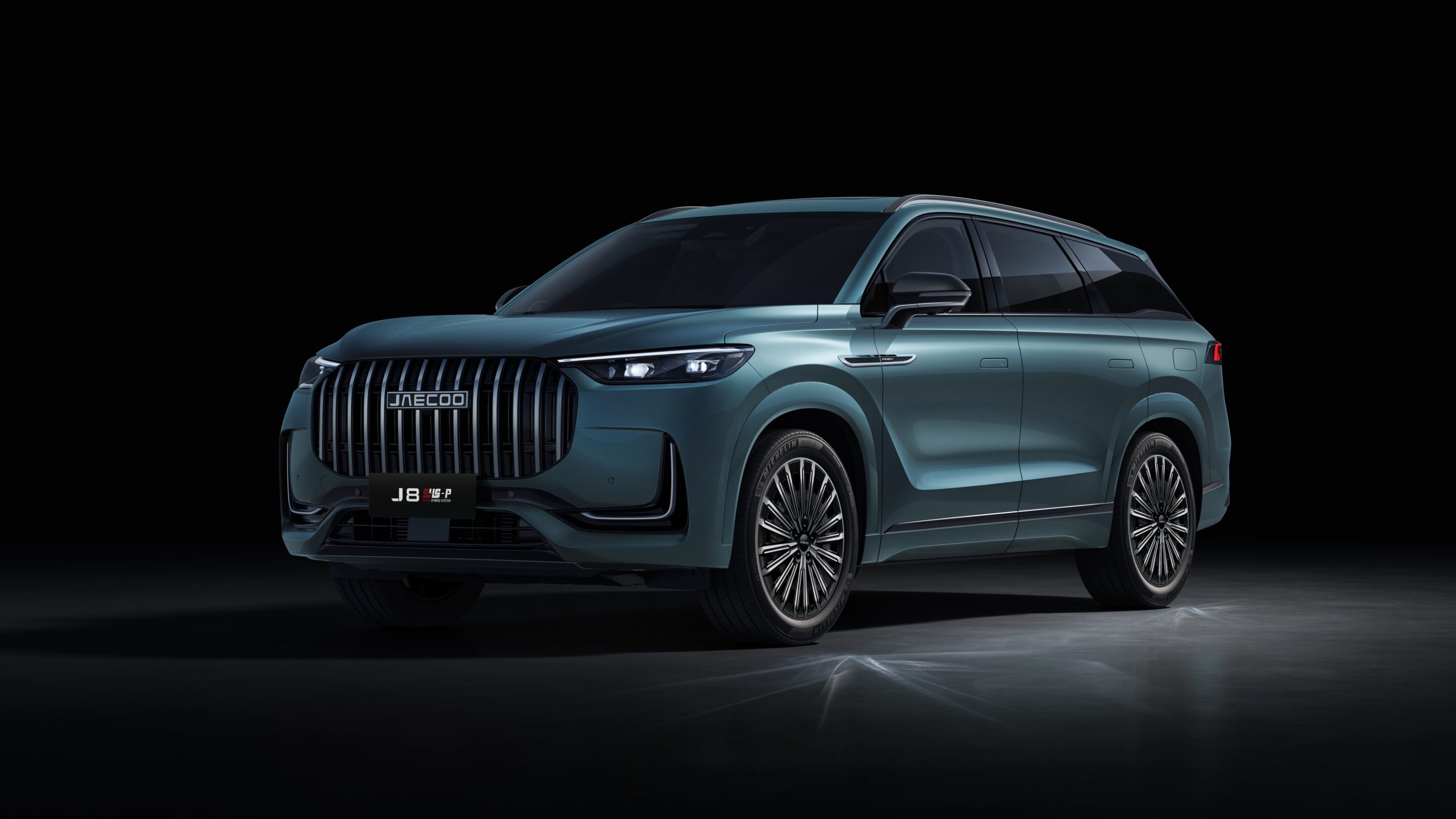
The Jaecoo J8 has already been on sale in Australia for almost 12 months with a five-seat layout and 2.0-litre turbo-petrol engine, but that will change in the third quarter of 2026 as its maker is adding a new SHS model with seven seats and the same 395kW/650Nm plug-in hybrid drivetrain that’s found in the Chery Tiggo 9. Both changes will address prior potential issues with the J8, as it will likely sell better once the SHS has arrived. Pricing is yet to be announced, but we estimate it to start at around $60,000 before on-road costs, which is around $5000 more than the five-seat petrol models.
6) Hyundai Staria and Staria Load Hybrid
When it’s due: Second quarter of 2026
Drivetrain: 1.6-litre turbo-hybrid petrol, 180kW/370Nm, six-speed auto, FWD
Price: $53,490 plus on-road costs (Load), $73,740 +ORC (Lounge)
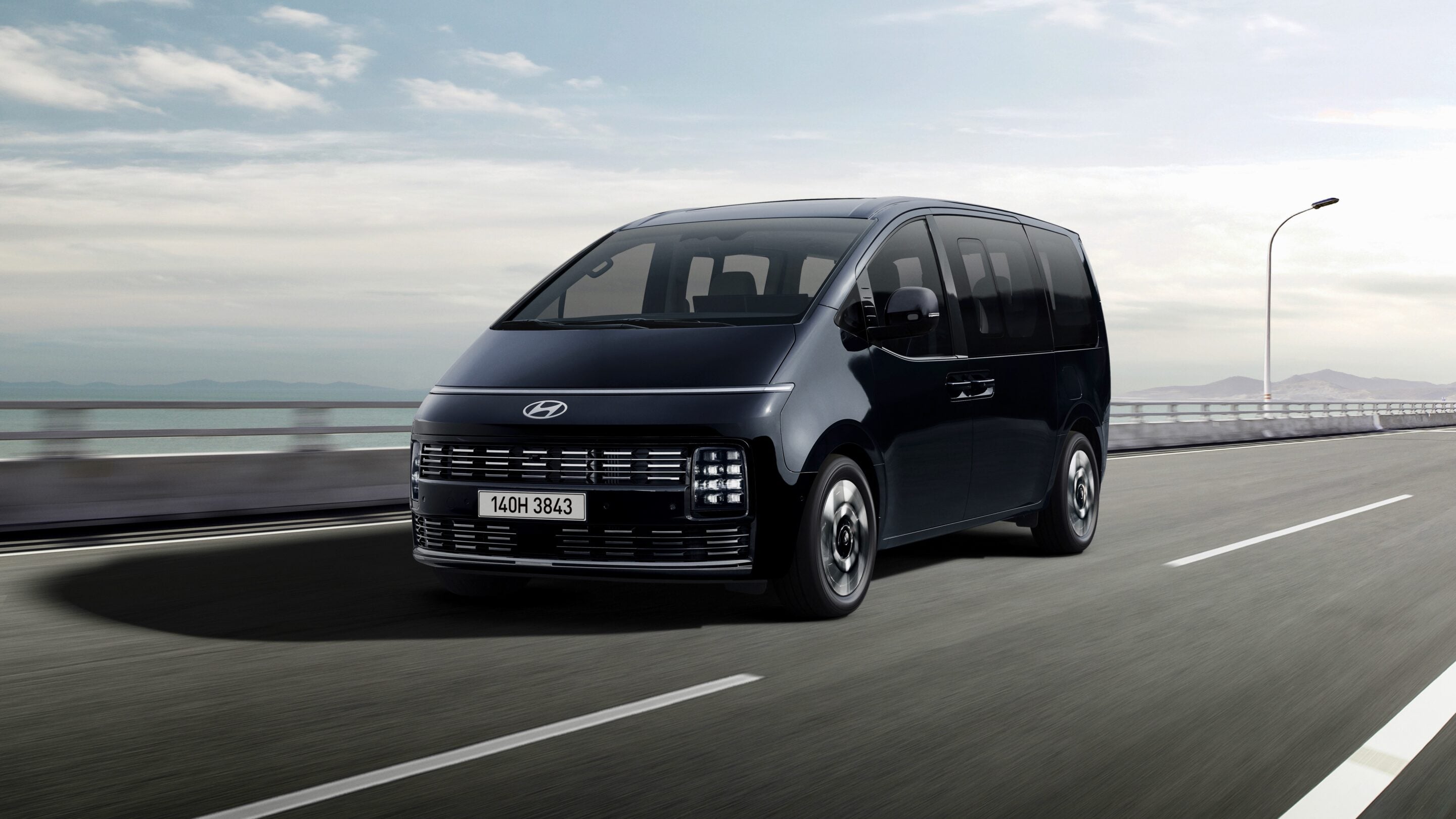
Hyundai’s futuristic and cavernous Staria people carrier has just received a mid-life facelift with new styling features, new interior tech and a new model lineup. Most importantly in this context, however, is that it will finally add a hybrid drivetrain for the Australian line-up, a 180kW 1.6-litre turbocharged set-up that’s also found in cars like the Kia Carnival and Hyundai Santa Fe. Hybrid pricing for the Staria Load van kicks off from $53,490 plus on-road costs and $73,740 +ORC for the Lounge people mover, with both expected to land locally in the second quarter.
7) Toyota RAV4 PHEV
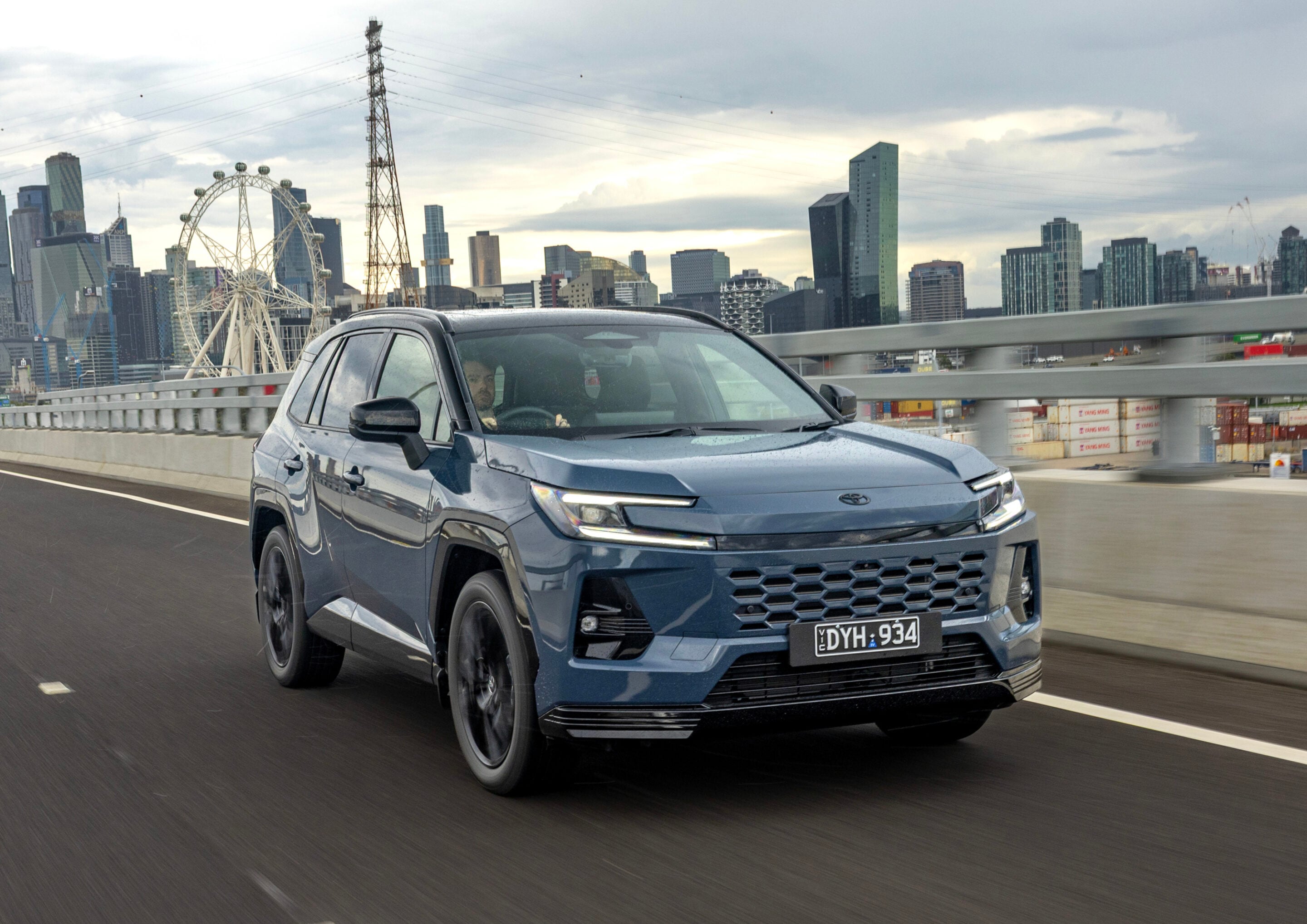
When it’s due: From October 2026
Drivetrain: 2.5-litre four-cylinder plug-in hybrid, 200kW or 227kW, 22.7kWh battery, e-CVT, FWD or AWD
Price: $58,840 plus on-road costs (XSE 2WD), $66,340 +ORC (GR Sport)
The sixth-generation Toyota RAV4 has only just launched in Australia and it was already the best-selling car in the country in April 2026. That popularity is set to grow as the year goes on and deliveries come on stream, but also because Toyota Australia is yet to launch the plug-in hybrid model, which will be the first RAV4 PHEV offered locally. It’s due to arrive in October with an electric driving range of around 100km (exact figures are yet to be announced), and it’ll only be available on the upper-spec XSE and sporty new GR Sport. Pricing kicks off from $58,840 plus on-road costs for the XSE and $66,340 +ORC for the GR Sport.
8) Chery ‘KP31’
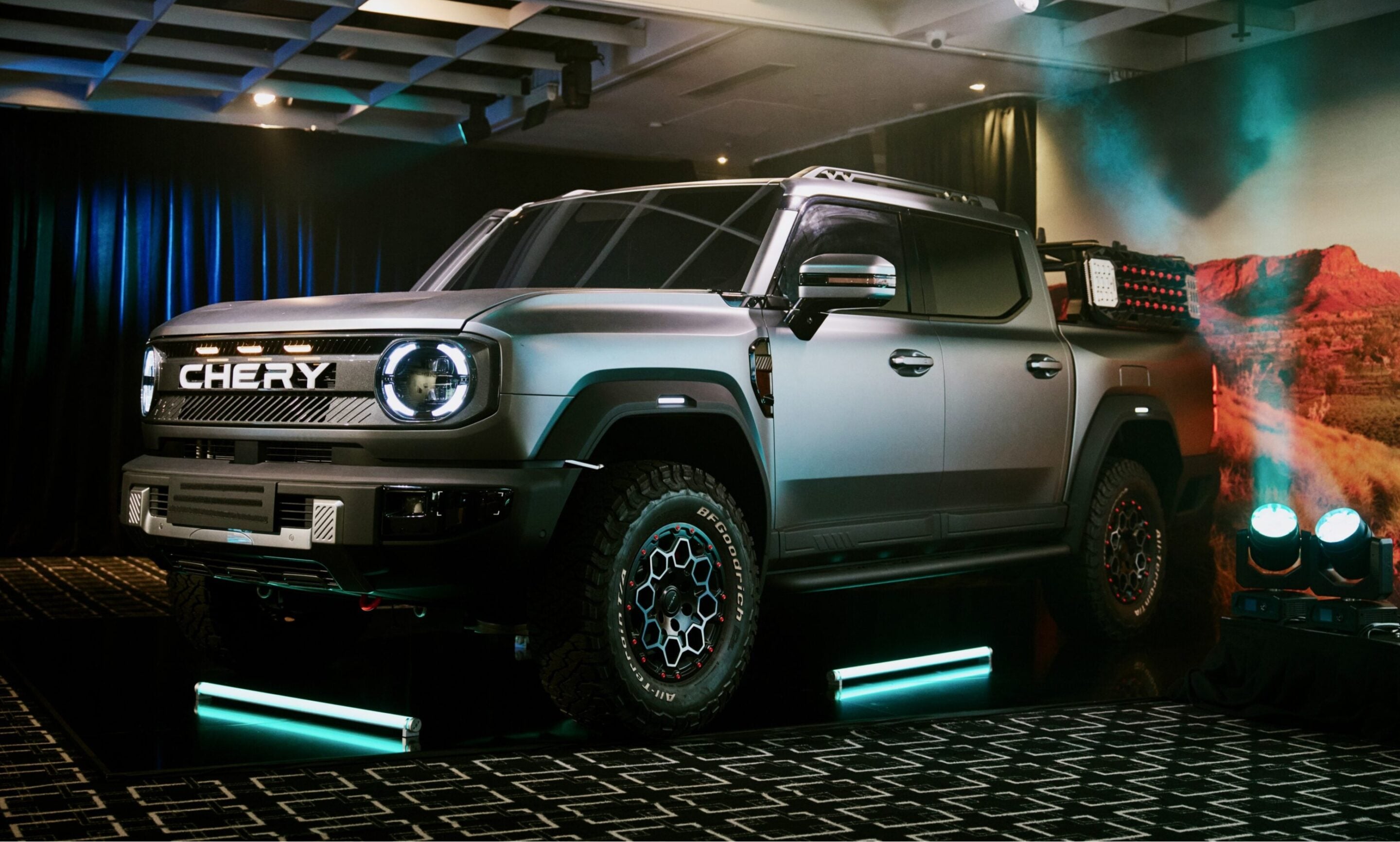
When it’s due: Late 2026
Drivetrain: 2.5-litre four-cylinder turbo-diesel plug-in hybrid, stats TBC
Estimated price: Around $55,000
It’s still at least six months away from being launched locally, and we don’t even know what it will be called yet, but Chery‘s new ‘KP31’ (its codename) ute is shaping up to cause a commotion in the ute segment. It’s set to be the only diesel plug-in hybrid offered locally once it goes on sale, but it will also be capable of towing 3500kg and doing other things many ute buyers expect from their vehicle. A petrol PHEV drivetrain will also be launched later on, likely in 2027.
9) Nissan Qashqai e-Power
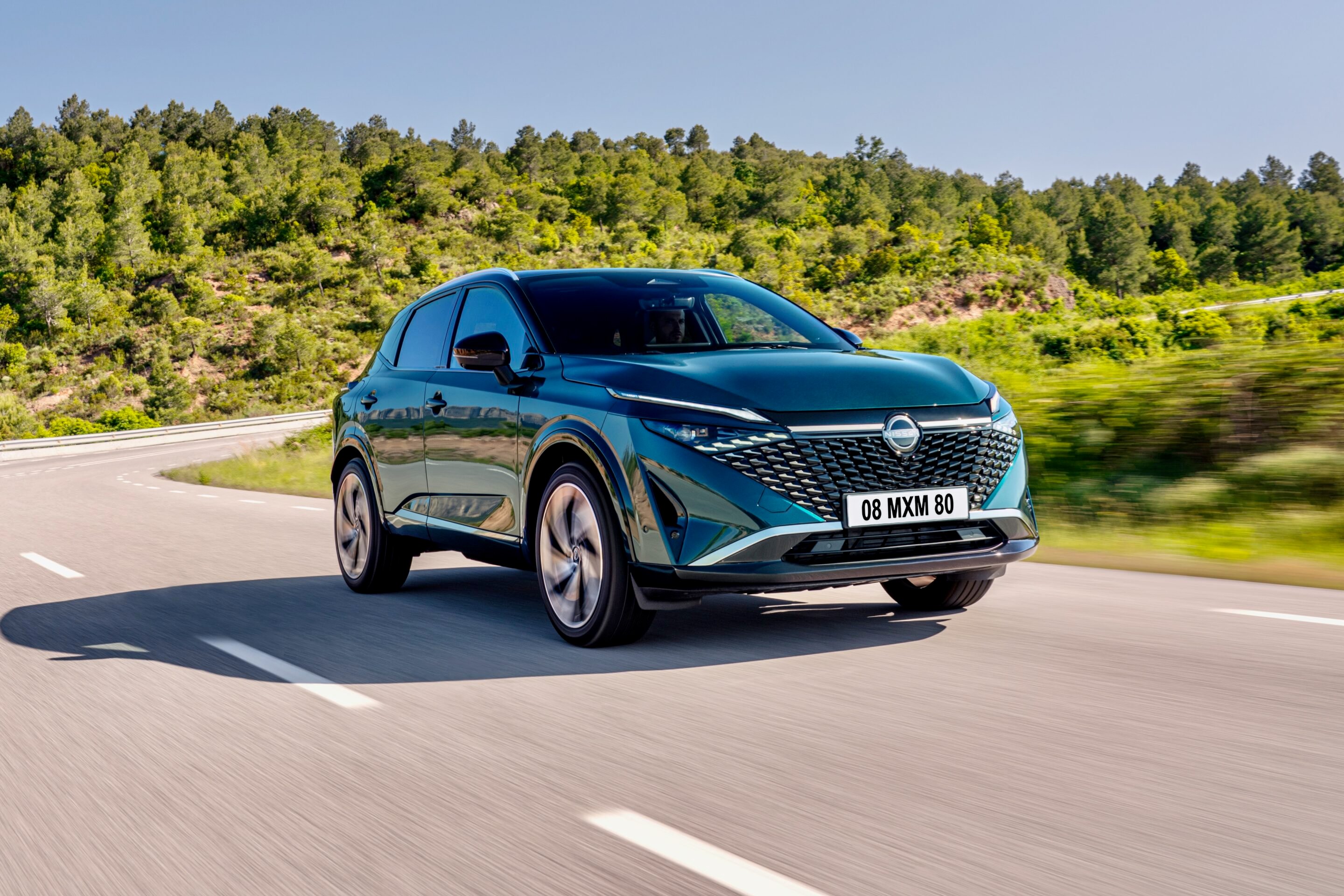
When it’s due: Imminently
Drivetrain: 1.5-litre turbocharged three-cylinder hybrid, 140kW/330Nm, e-CVT, FWD
Price: From $45,640 plus on-road costs
Nissan’s ‘e-Power’ hybrid system is fairly unique in the market as the 1.5-litre turbo-petrol acts as a generator for the electric motor, and its maker continues to refine it to be more efficient. A case in point is the updated Qashqai small SUV, which is about to launch locally with the latest e-Power system that’s been made more efficient (4.1L/100km versus 5.2L/100km of the pre-updated model). The previously available petrol engine has been shelved so it’s now hybrid-only.
10) Mercedes-Benz CLA
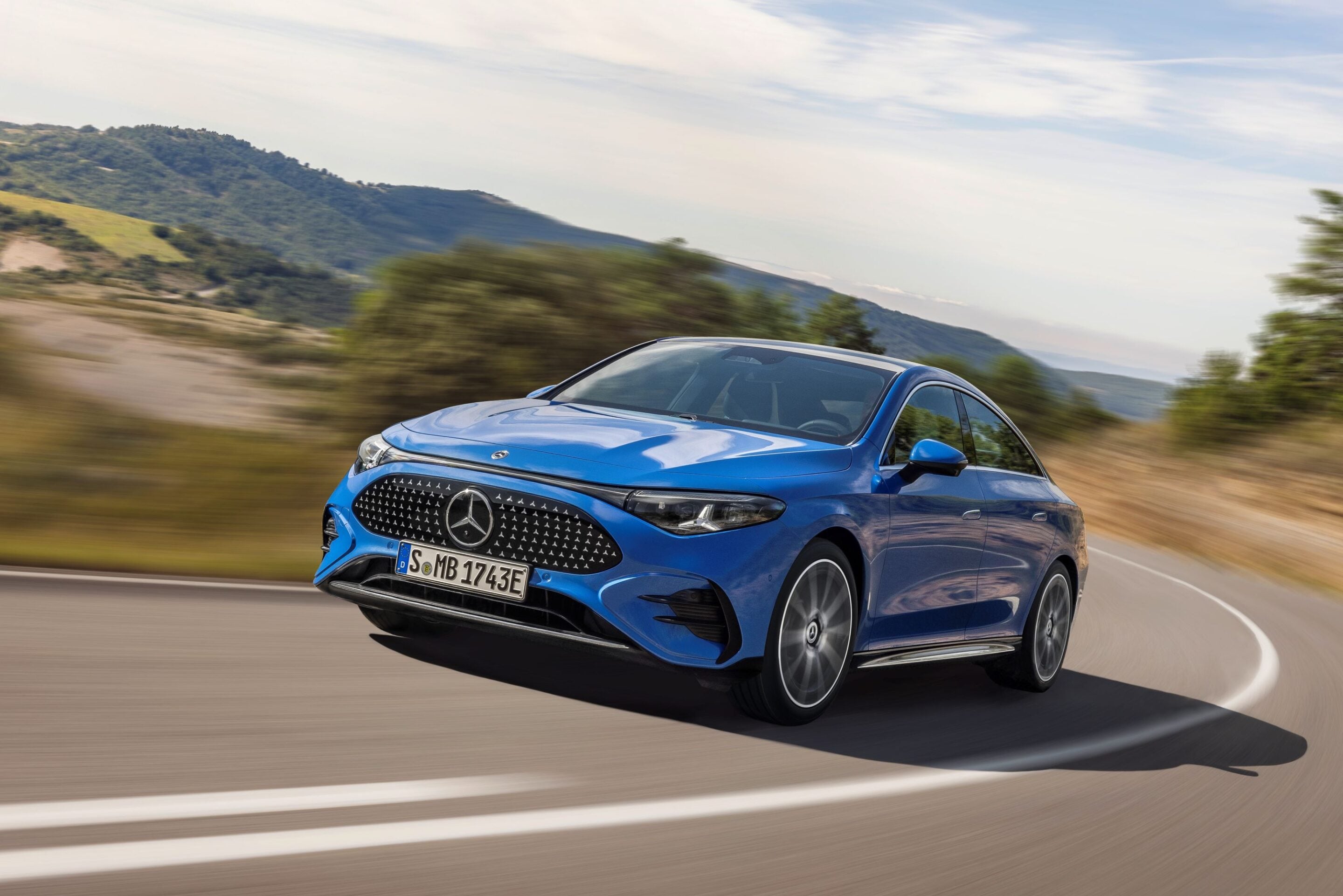
When it’s due: Second quarter of 2026
Drivetrain: 1.5-litre turbocharged four-cylinder mild-hybrid, 100kW/200Nm (CLA 180), 120kW/250Nm (CLA 200) or 140kW/300Nm (CLA 220 4Matic), eight-speed dual-clutch, FWD or AWD
Price: From $66,500 plus on-road costs
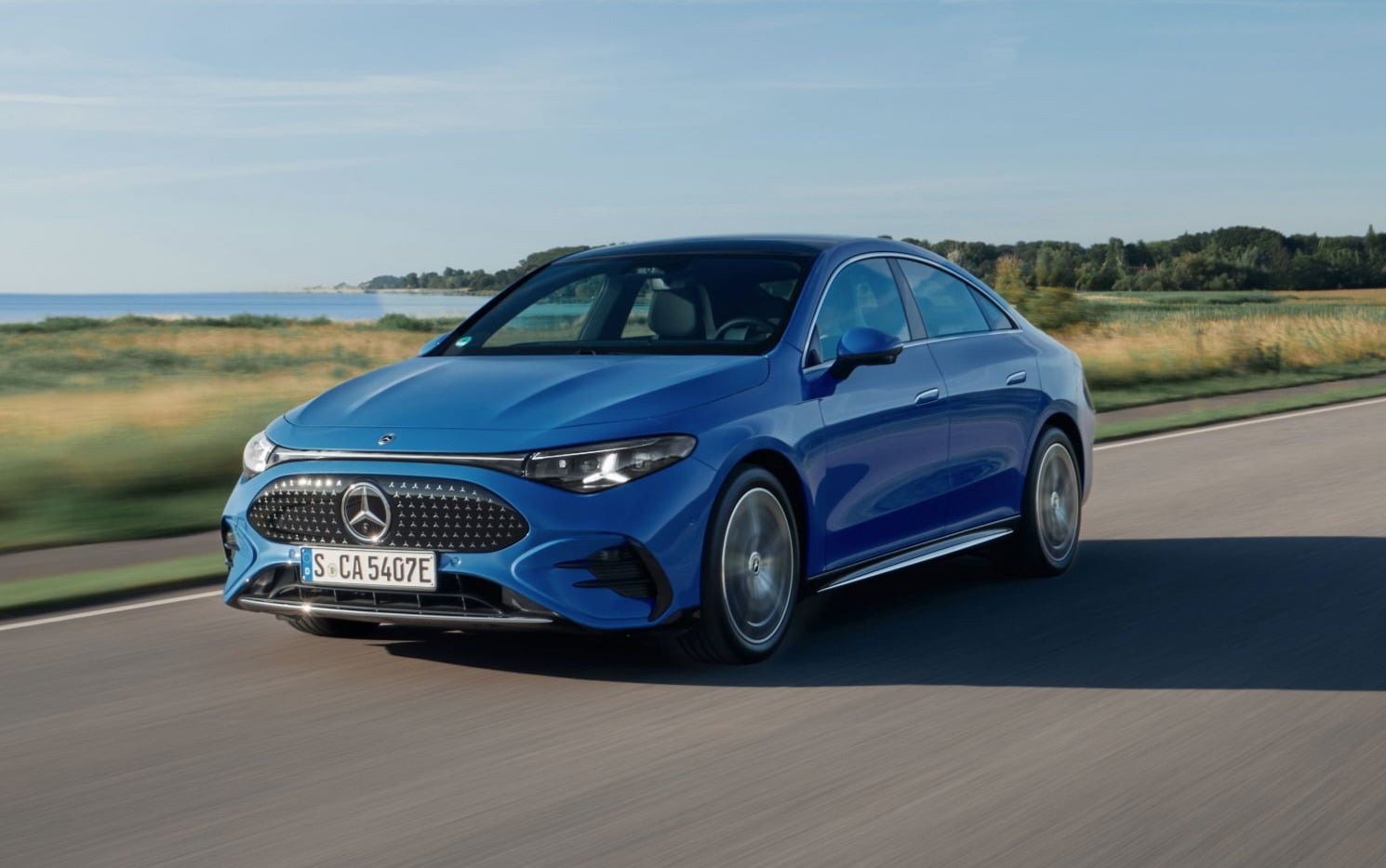
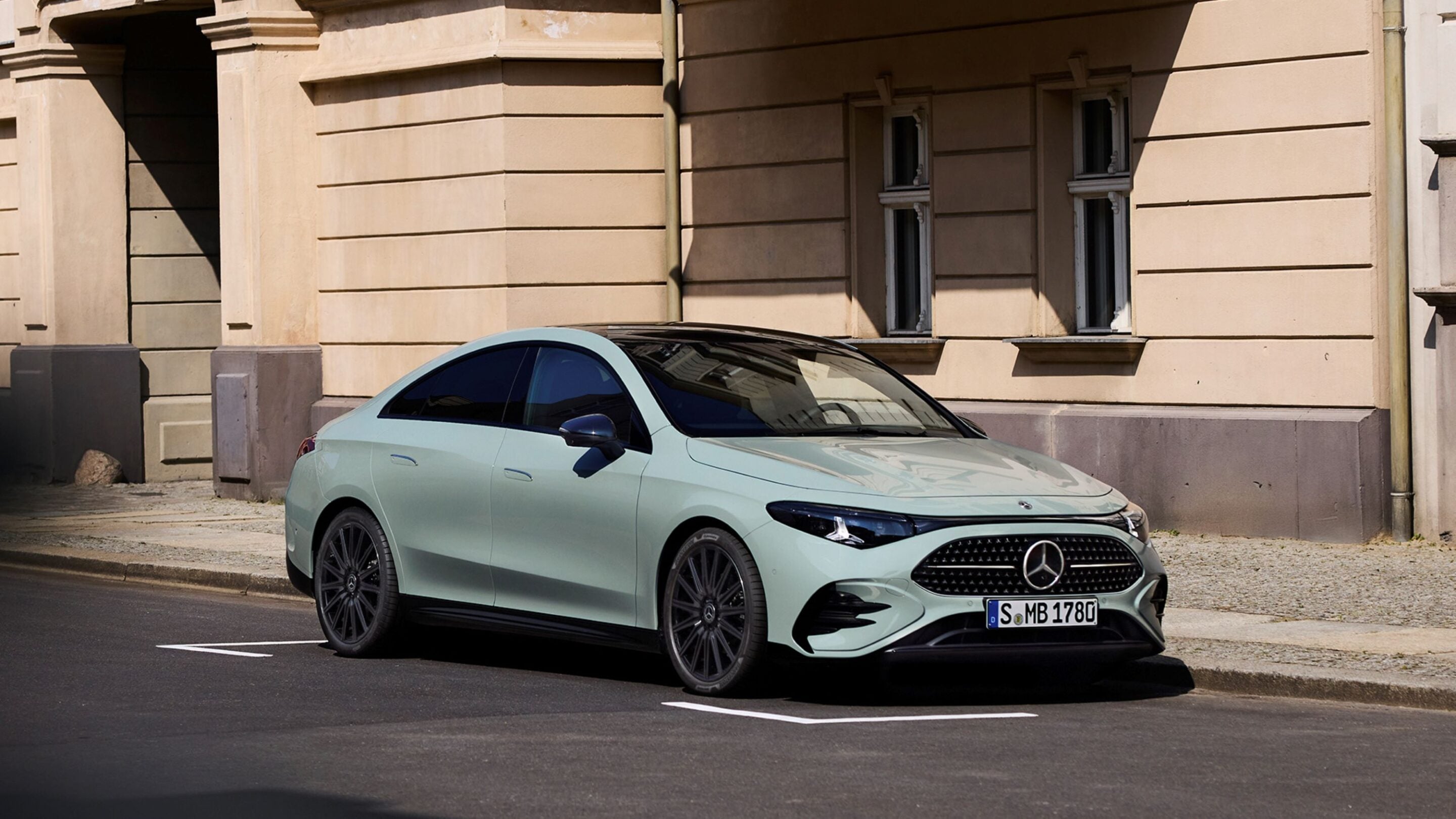
Revealed last year, the new third-generation Mercedes-Benz CLA is about to launch locally and for the first time in its history, will offer both hybrid and fully electric drivetrains. On the hybrid side is a new 1.5-litre hybrid set up mated to an eight-speed dual-clutch transmission making from 100kW/200Nm to 140kW/300Nm outputs and capable of as little as 5.4L/100km on the combined cycle. The new CLA is also based on a new platform, offers significantly more technology like the company’s new ‘MB.OS’ infotainment system and pricing starts from $66,500 plus on-road costs.
Mercedes-Benz will introduce a broader line-up for the next-generation CLA in Australia, with the compact sedan set to arrive in both hybrid and fully electric forms for the first time.
The new CLA range will comprise five variants, including three 48-volt hybrid models – the CLA 180, CLA 200 and CLA 220 4MATIC – alongside two battery-electric versions, the CLA 200 electric and CLA 350 4MATIC electric.
Built on a new modular platform designed to support both combustion and electric drivetrains, the latest CLA also becomes the first Mercedes-Benz model to fully adopt the company’s new MB.OS operating system. The software architecture enables over-the-air updates for vehicle systems and integrates AI-based voice assistance drawing on ChatGPT, Google Gemini and Bing technologies.
Inside, the CLA adopts a heavily digitalised cabin layout centred around the optional MBUX Superscreen setup, which combines a 10.25-inch driver display with a 14-inch central touchscreen and optional passenger display behind a single glass panel. Heated front seats, ambient lighting, wireless phone charging and a panoramic glass roof are standard across the range.
Mercedes-Benz says aerodynamic efficiency was a major focus during development, with the CLA achieving a drag coefficient of 0.21Cd. Suspension hardware includes a new three-link front axle and multi-link rear setup aimed at improving ride quality and steering response.
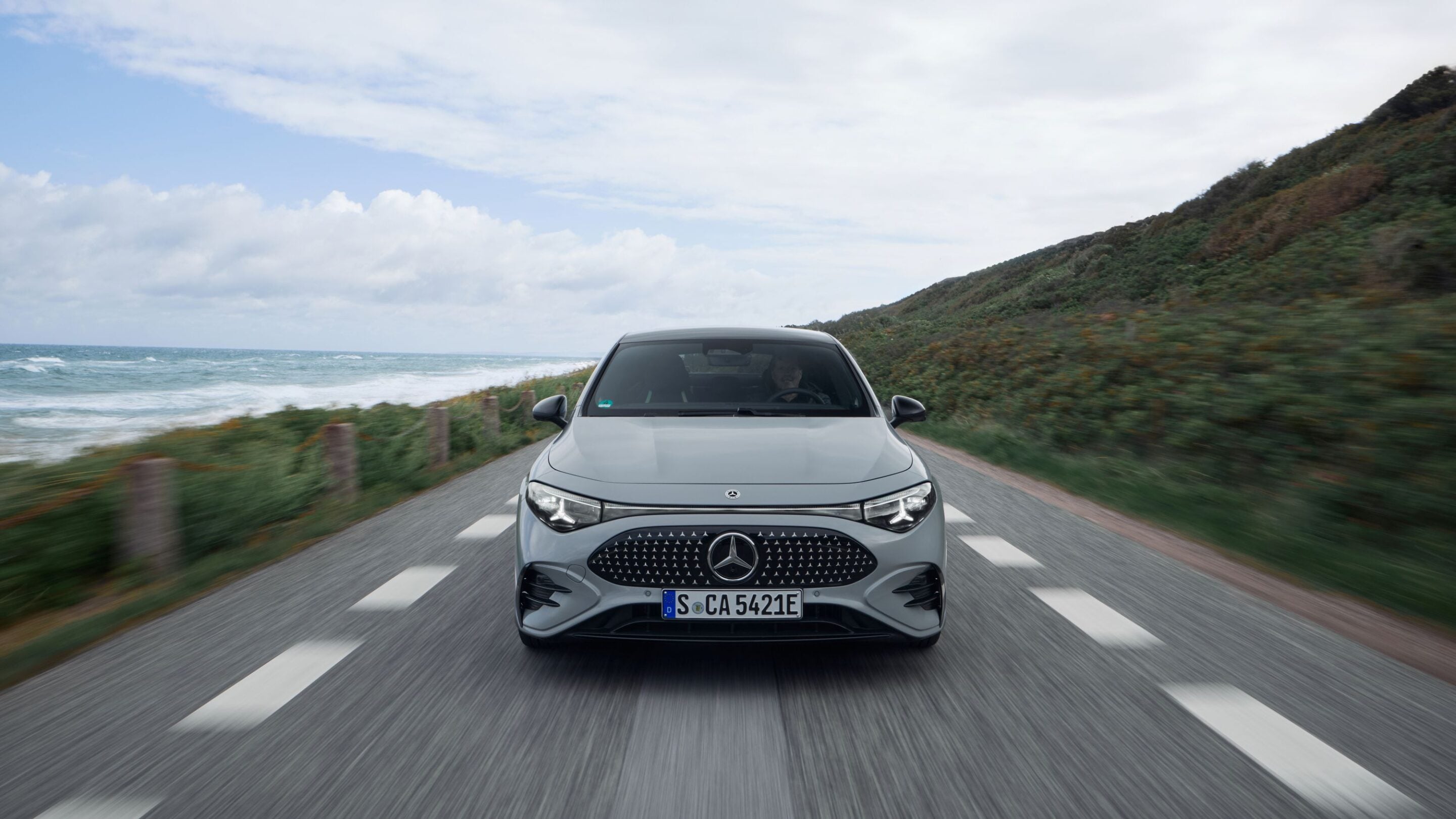
The electric variants use an 800-volt electrical architecture supporting DC fast charging at up to 320kW. The rear-drive CLA 200 electric produces 165kW and claims a WLTP driving range of 470km, while the dual-motor CLA 350 4MATIC electric delivers 260kW and up to 663km of claimed range.
Hybrid models pair a 1.5-litre four-cylinder petrol engine with a 48-volt lithium-ion battery and integrated electric motor housed within an eight-speed dual-clutch transmission. Mercedes-Benz says the system allows limited electric-only driving in low-load urban conditions.
Safety equipment includes a centre airbag between the front occupants, while the electric CLA achieved a five-star Euro NCAP safety rating in 2025 testing.
Australian pricing starts at $66,500 before on-road costs for the CLA 180 and extends to $91,300 for the CLA 350 4MATIC electric. Orders are expected to open in the coming weeks.
ANCAP Safety has released its latest new vehicle safety ratings, including some impressive scores from some new models. Five-star safety ratings tested using ANCAP’s 2023-2025 criteria have been awarded for the new BYD Seal 6 mid-size sedan and wagon (main), the MG4 EV Urban small hatchback and new six-seater Tesla Model Y L. In addition to that, the Skoda Octavia has kept its previous five-star rating in its latest round of safety ratings.
According to ANCAP, the BYD Seal 6 is the leading performer in the latest round of testing, earning the highest Adult Occupant Protection score of 92 per cent, as well as 90 per cent in Child Occupancy Protection, 84 per cent for Vulnerable Road User Protection and 84 per cent for Safety Assist. Available as a sedan and a wagon, the large plug-in hybrid earned strong marks across all four pillars of assessment. In crash tests, protection was good across nearly all critical body regions for both driver and passengers.
The MG4 EV Urban earned five stars with solid results across all pillars, including an 87 per cent score in Adult Occupancy Protection, 85 per cent in Child Occupancy Protection, 85 per cent for Vulnerable Road User Protection and 82 per cent for Safety Assist. Crash protection performance was strong, with good protection across key body regions in both frontal and side impact tests. Its autonomous emergency braking performed well in forward pedestrian and cyclist scenarios.
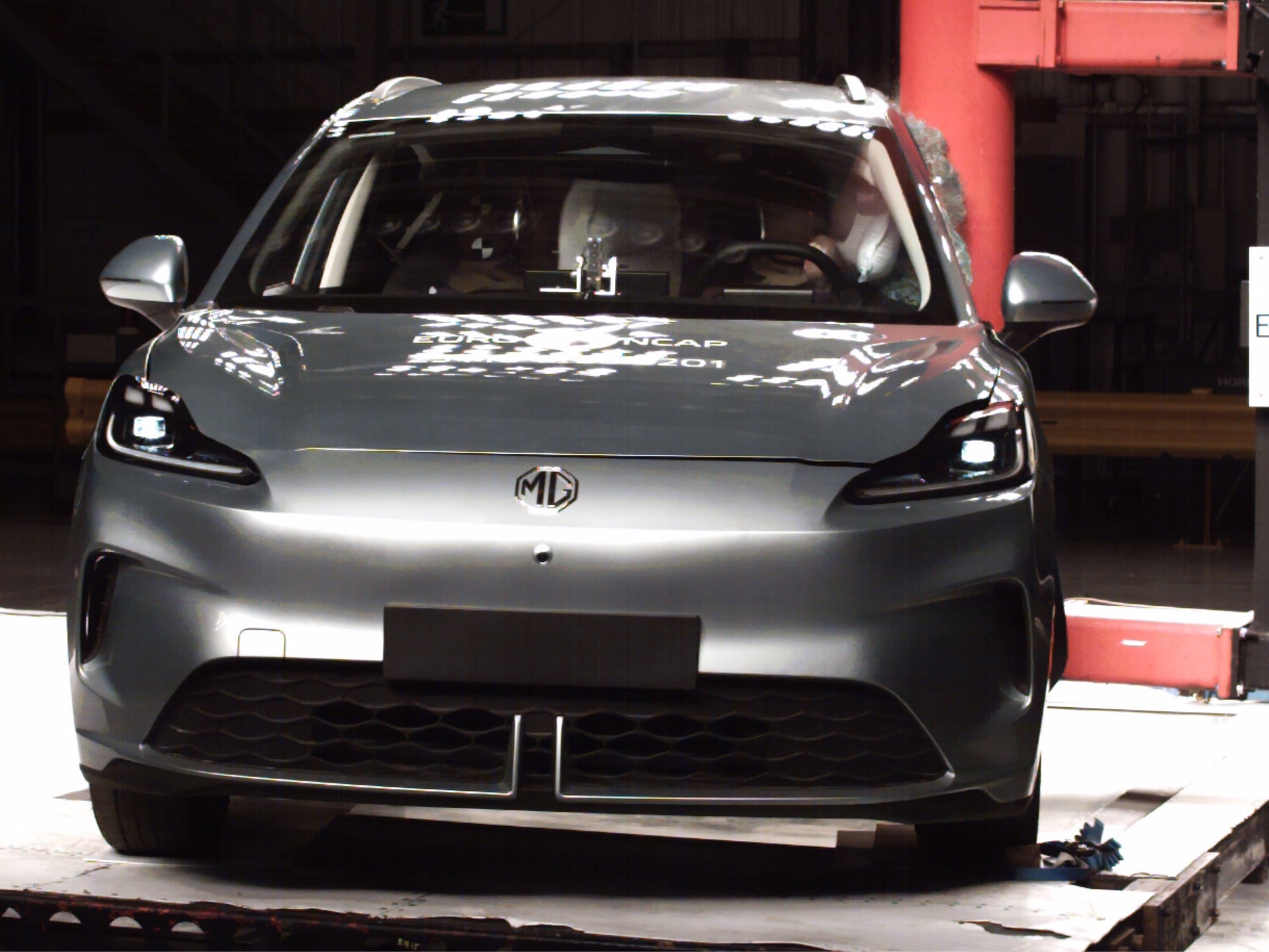
The six-seat, three-row Tesla Model Y L has also been awarded five stars, carrying through strong results in Safety Assist (92 per cent) and Adult Occupant Protection (91 per cent). Based on testing of the related five-seat Model Y, additional testing and assessments were undertaken to make sure results were applicable to the longer-wheelbase variant.
According to ANCAP, difficulties were identified with the Model Y L’s child restraint installation in second row seating positions, where many restraints could not be correctly installed due to limitations with top tether routing. In the third row, rearward-facing and forward-facing convertible child restraints could not be easily installed using the ISOFIX anchorages.
Finally, the Skoda Octavia retained its five-star rating following a reassessment of vehicles built from July 2025. It scored 85 per cent for Adult Occupancy Protection, 81 per cent for Child Occupancy Protection and Vulnerable Road User Protection and 82 per cent for Safety Assist.
“These results highlight clear strengths across these models. The BYD SEAL 6 leads the group on Adult Occupant Protection, the Tesla Model Y L tops it on Safety Assist, and the MG4 EV Urban holds its own against both as a small electric car,” said Carla Hoorweg, Chief Executive Officer of ANCAP Safety.
“Buyers now have more choice than ever before. ANCAP star ratings provide independent, rigorous assessments of how well vehicles prevent crashes and protect occupants and other road users in serious crashes – meaning consumers can make an informed choice when it comes to safety. Safety information should always be non-negotiable in any vehicle purchase.”
