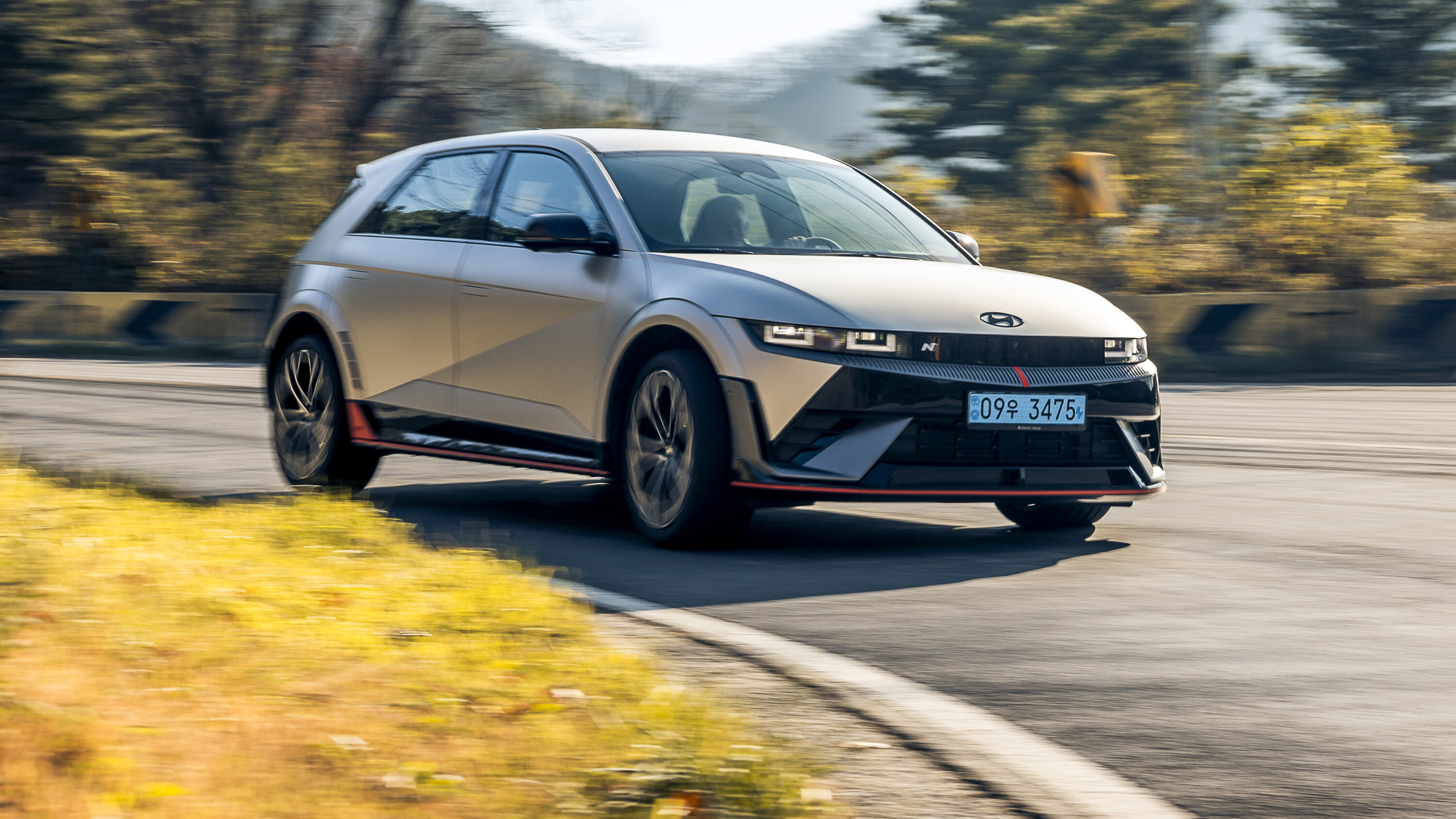
Was watching the latest ad for the Hyundai “EV range’. It was a cool ad, very spacey, with an Ioniq wired up with lights.
Yep, all very cute, but the ad concluded with the last vehicle indicated as a ‘performance vehicle vehicle’, driving flashing past. It did sound OK with a light burble tone, but that’s the catch: it was supposed to be an EV. Then I suppose they couldn’t end the ad in silence!
?️ Mike Riordan, Campsie, NSW
? Editor Andy
I’m guessing that the burbling EV was the Ioniq 5 N. If that’s the case then, yes, it really does sound like that. Plus it will limiter-bang, and pause momentarily as it you pluck gears using the paddles. It has a few tricks like that up its sleeve.
Or you can choose to switch all that malarkey off and proceed like most other EVs. Not sure on which side of the fence you sit, Mike, but choice is good, right?
Anxiety column
When are you going to change the New Car Buyers Guide vacant Resale % heading to RANGE?
?️ John William, Leopold Vic
? Editor Andy
We were only discussing this today. That and the fact that if you watched that Aron Ralston movie in reverse, it’d be an uplifting story about a one-armed man who finds an arm under a rock in the desert. Anyway…
Gassing station
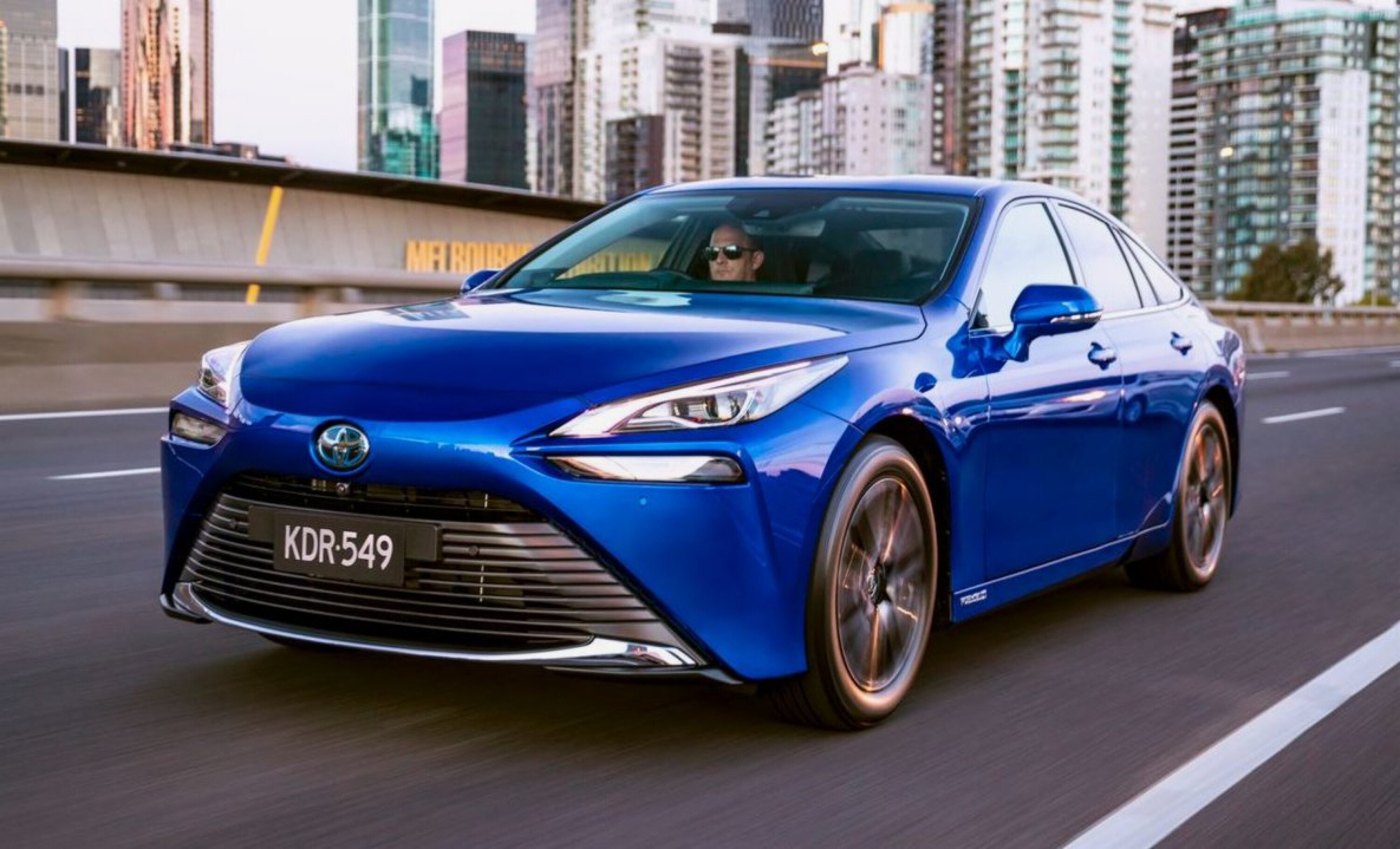
The 2023 Yearbook edition made for some interesting reading. Realistically there is a long way to play out before a long-term sustainable replacement for ICE vehicle is realised; be it Battery Electric (BEV) or Hydrogen Fuel-Cell (FCEV).
Governments around the world are now seeing the uptake in Battery Electric (BEVs) is resulting in major infrastructure challenges, some of which can never be overcome especially in densely populated city areas.
One being; BEVs require land-intensive charging lots, while FCEVs do not. A single hydrogen station (converted petrol station) can support more than 1,000 FCEV vehicles a day. In addition, FCEVs require fewer scarce and expensive materials, providing a buffer from multiple supply chain risks.
1
The Japanese government and industry are heavily promoting hydrogen electrification strategies and subsidies, reflected by ambitious targets of cumulative FCEV sales and hydrogen refuelling stations by 2030.
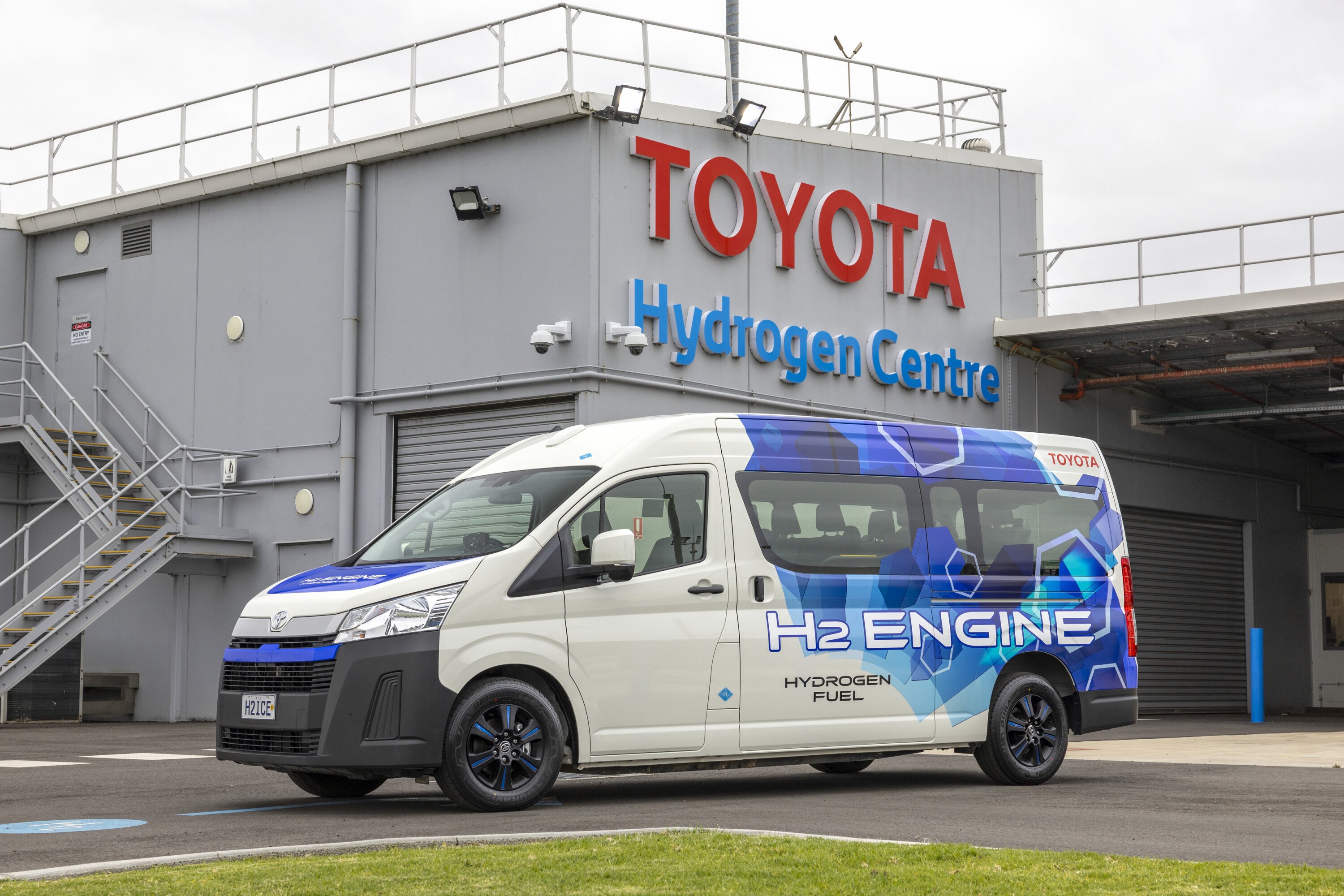
Additionally, hydrogen features prominently in Japan’s energy and climate policies such as its Strategic Energy Plan. Japan has already established a hydrogen production plant in Victoria with fuel tankers operating weekly to Tokyo.
In addition, Saudi Arabia is investing heavily in hydrogen production development industries as they see this as part of their long-term strategy for progressively replacing declining oil demand and revenue.
In the end it will be the industry that gains the most Government investment finances and backing that will win out.
?️ Robert Ius, Haberfield, NSW
1
General malaise
I was in the newsagent looking at the ‘End of the Line’ issue. I thought “It should read Ford Wins.” I couldn’t buy it. I wanted to, but my heart wouldn’t let me as I just didn’t want to accept Holden was dead.
‘GM Strikes Back’ arrived in my post box and after reading it I’m left thinking General Motors will have limited success at best and not from my money.
I had two thoughts after learning of Holden’s demise at the hands of GM’s axemen.
1
Firstly, I’m glad I’m not the Holden dealer that had just spent millions refurbishing its showroom, only to find out it’s over less than 12 months after the refurbishment.
Secondly, I blame GM for Holdens failure. Hindsight is a wonderful thing but companies must react to demand or fail. People in Holden must have said “Hmmmmm.
Toyota is doing well with LandCruiser and HiLux maybe we should develop our own.” We got rebadged Isuzus. Or “Hmmmm this SUV thing looks like a good idea, it saved Porsche!” We got rebadged Opels. Commodore Cross anyone? GM if you won’t invest in us we won’t invest in you.
?️ S. Cochrane, Thornlands QLD
1
Porsche poser
I’ve got a bit of an issue. It’s a nice one; what you’d probably deem a first world problem, but I thought I’d ask Wheels in any case.
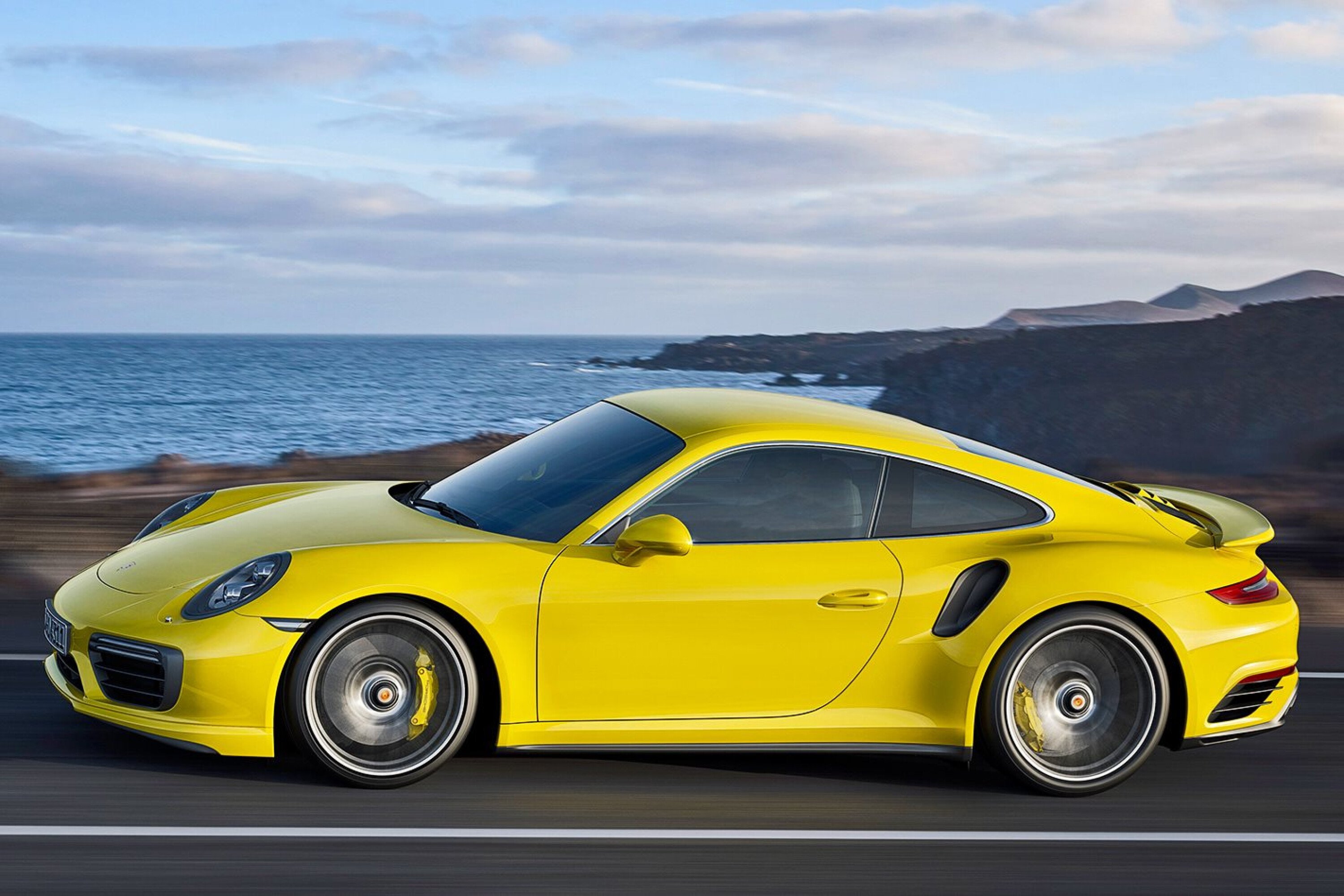
I currently drive a Porsche 911, one of the very first 3.8-litre 991.1 Carrera S coupes and I’m looking to replace it. I had looked at a 992 Carrera as a like-for-like, but the cost to change (about $100k all up) proved prohibitive for what I feel is a similar car with a smaller and less charismatic turbocharged engine.
Extending that line of reasoning, I’m not exactly hanging out for the 992.2 hybrid either. So what would you recommend if you had about $200k to spend and wanted something fun and exciting?
?️ David Barnes, Glebe, NSW
? Editor Andy
I’d offer up three cars. The first would be the BMW M3 Competition. It’s quick, capable and huge fun. The left-field alternate would be the Lotus Emira.
The wildcard would be a used Porsche 997 GT3. These start at around $220K in today’s market, and a bit of haggling might get it closer to budget. It would in all likelihood be the most depreciation-proof of the lot. – Ed
Ctrl-C, Ctrl-V
Feels like journalists could just prepare a template for use when reviewing Chinese vehicles and save themselves a lot of time: cheap, presents well, but has poor dynamics and intrusive active safety features. Boom. Done.
?️ Nick Whitham, via Facebook
1
The Wheels question to you
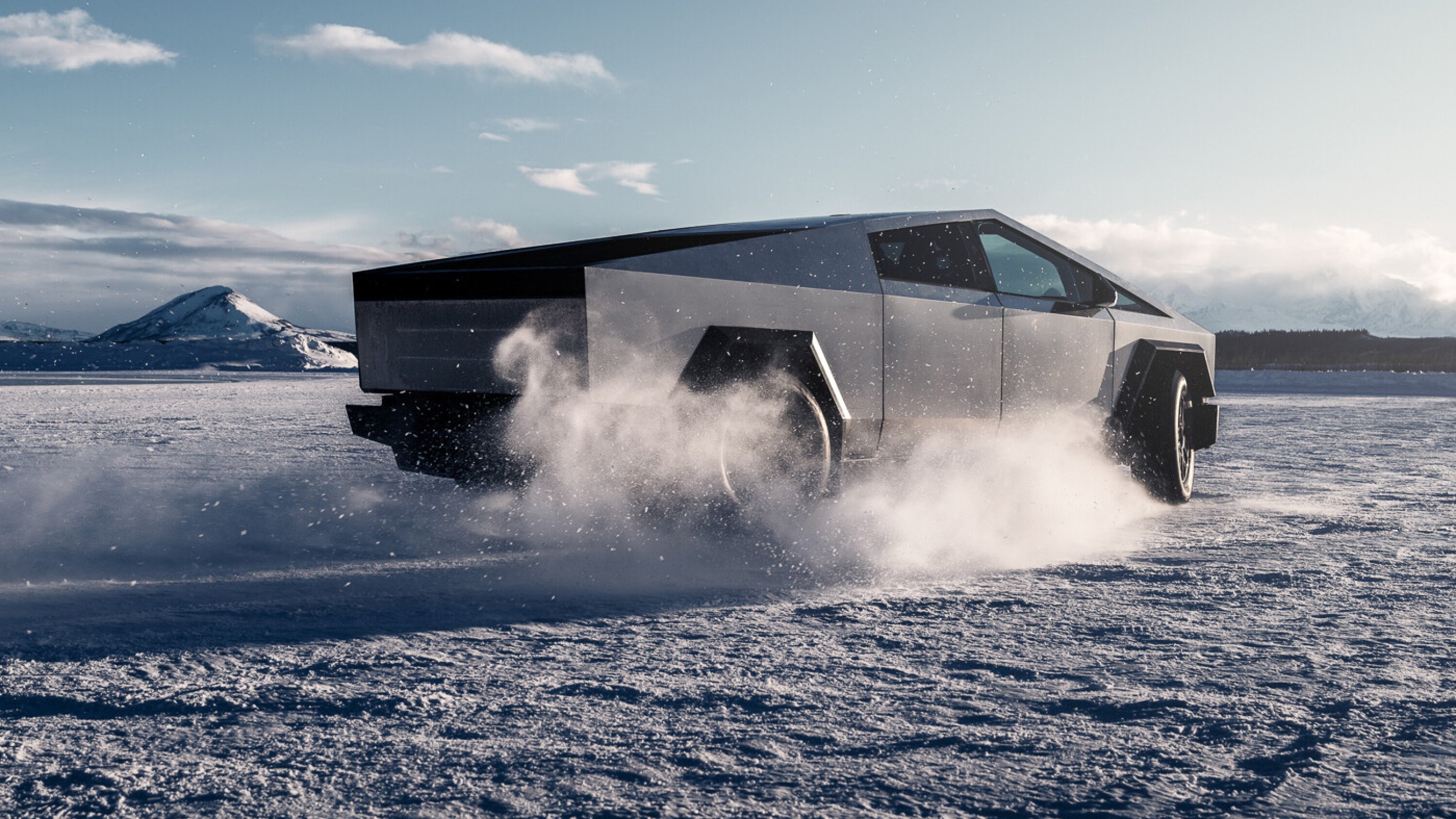
Would you join the queue for a right-hand drive Tesla Cybertruck?
Sign me up
Wouldnu2019t even hesitate. At this point it feels almost like Elon Musk is trolling the rest of the car industry. The Cybertruck might be odd-looking but underneath itu2019s packed full of some really progressive tech. Anil Brora, via Facebook
Truck off
I secretly admire it, but if Iu2019m paying my own money, I donu2019t want v1.0 tech. Iu2019d rather pay for something thatu2019s better suited to Aussie conditions and which doesnu2019t need to get to 100km/h in three seconds. Andy Hughes, via Facebook
Want to have your say? Keep it tight (no more than 200 words) and include your suburb if via email: [email protected]. You can also chime in on Facebook & Instagram.
It’s no secret that the successor to Porsche’s 718 Cayman and Boxster range – due within 18 months – will be a pure electric vehicle though, unlike the Macan, this generation of 718 will likely get one last update and be sold alongside its replacement for a couple more years.
Certainly, then, the next junior Porsche sports cars will be very different beasts to the lithe and compact two-doors with horizontally opposed engines set in the middle we know now.
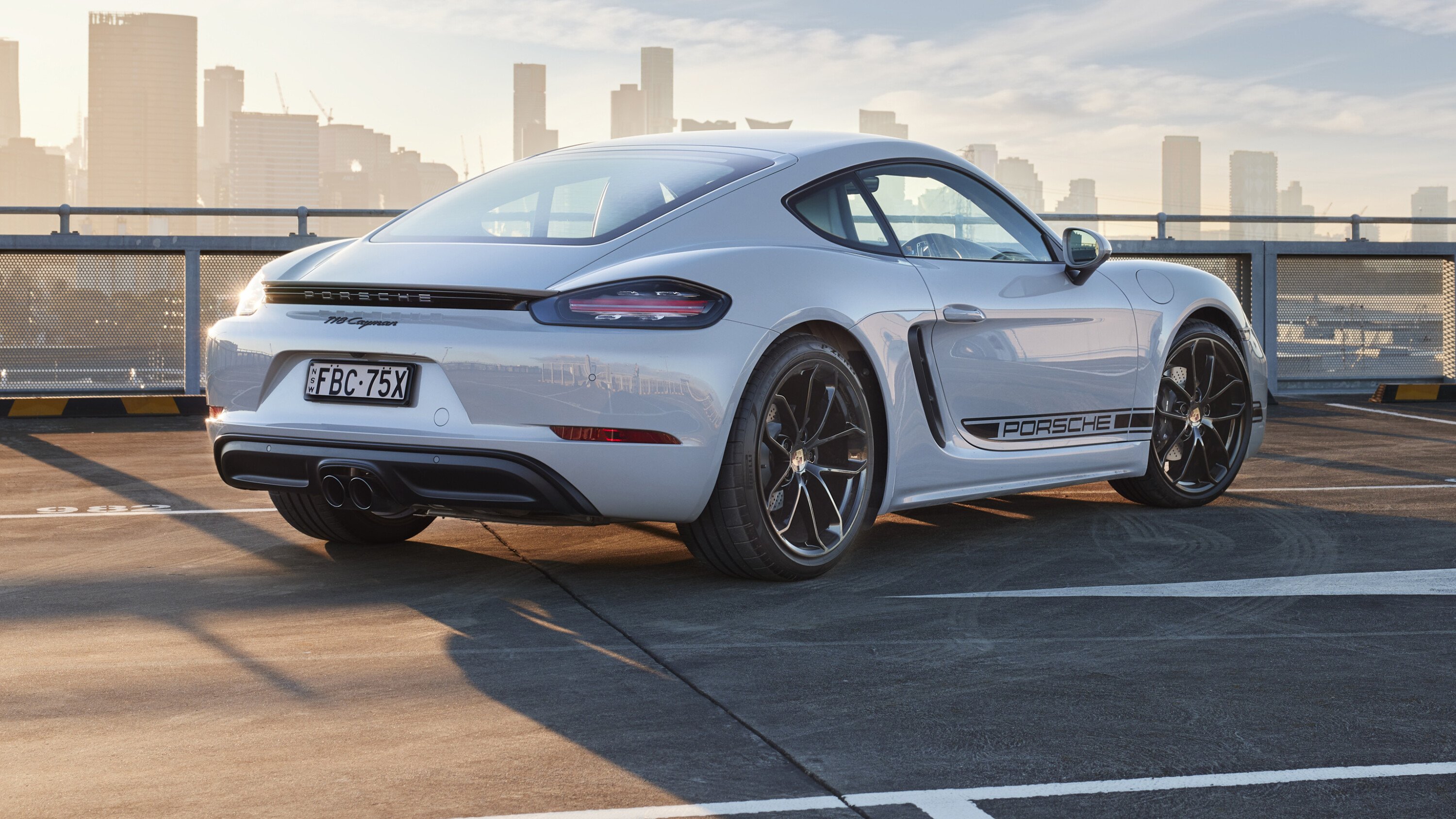
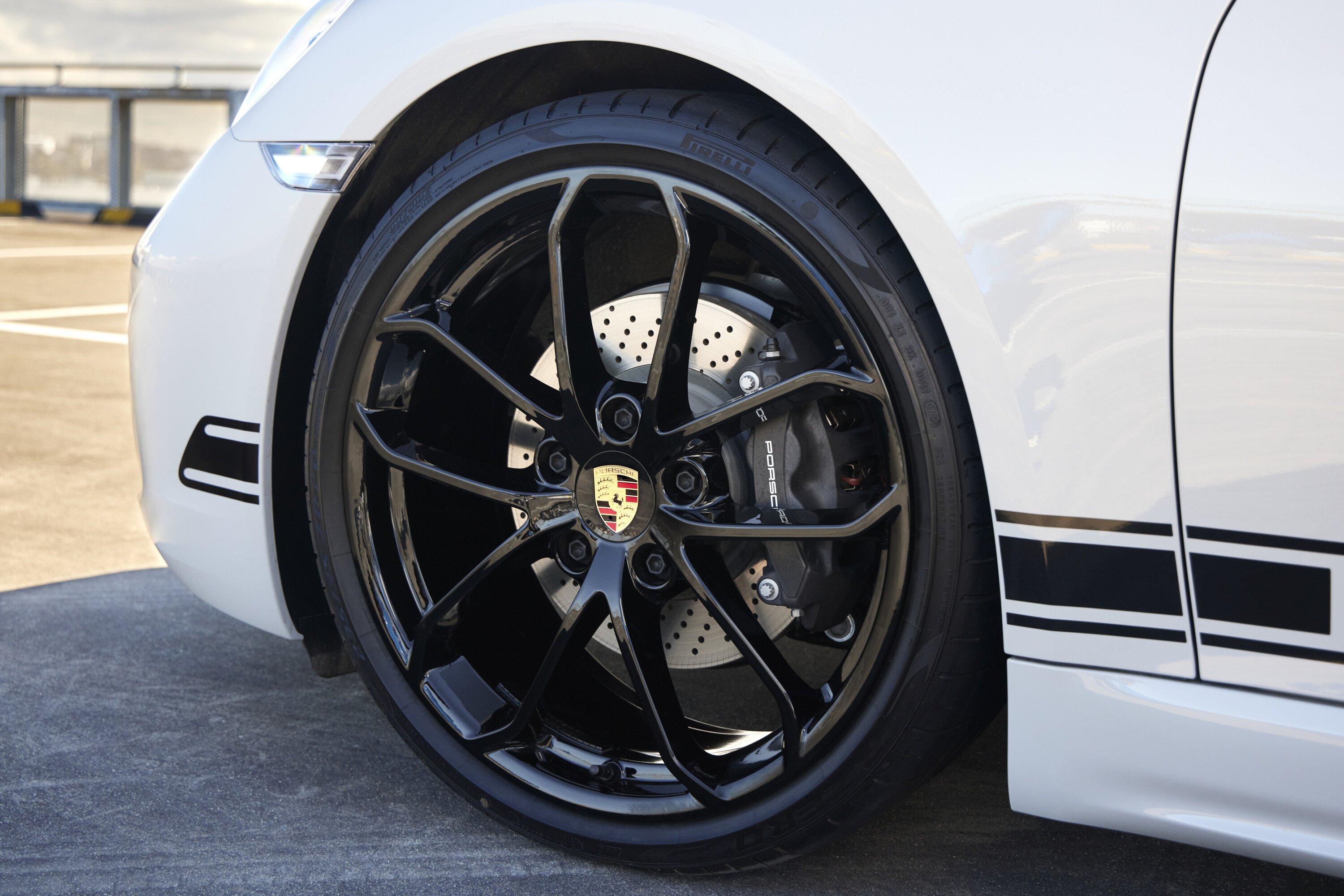
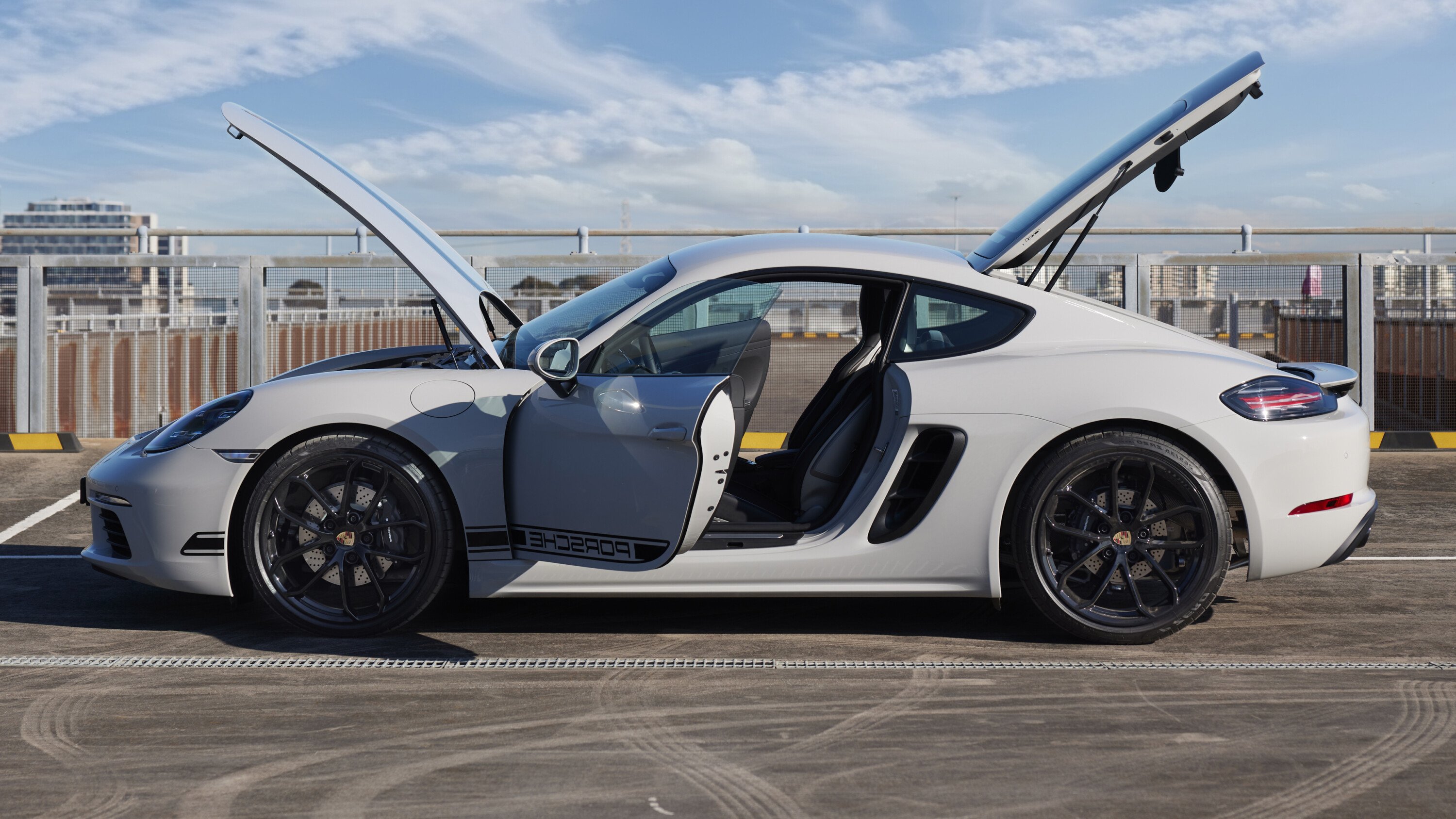
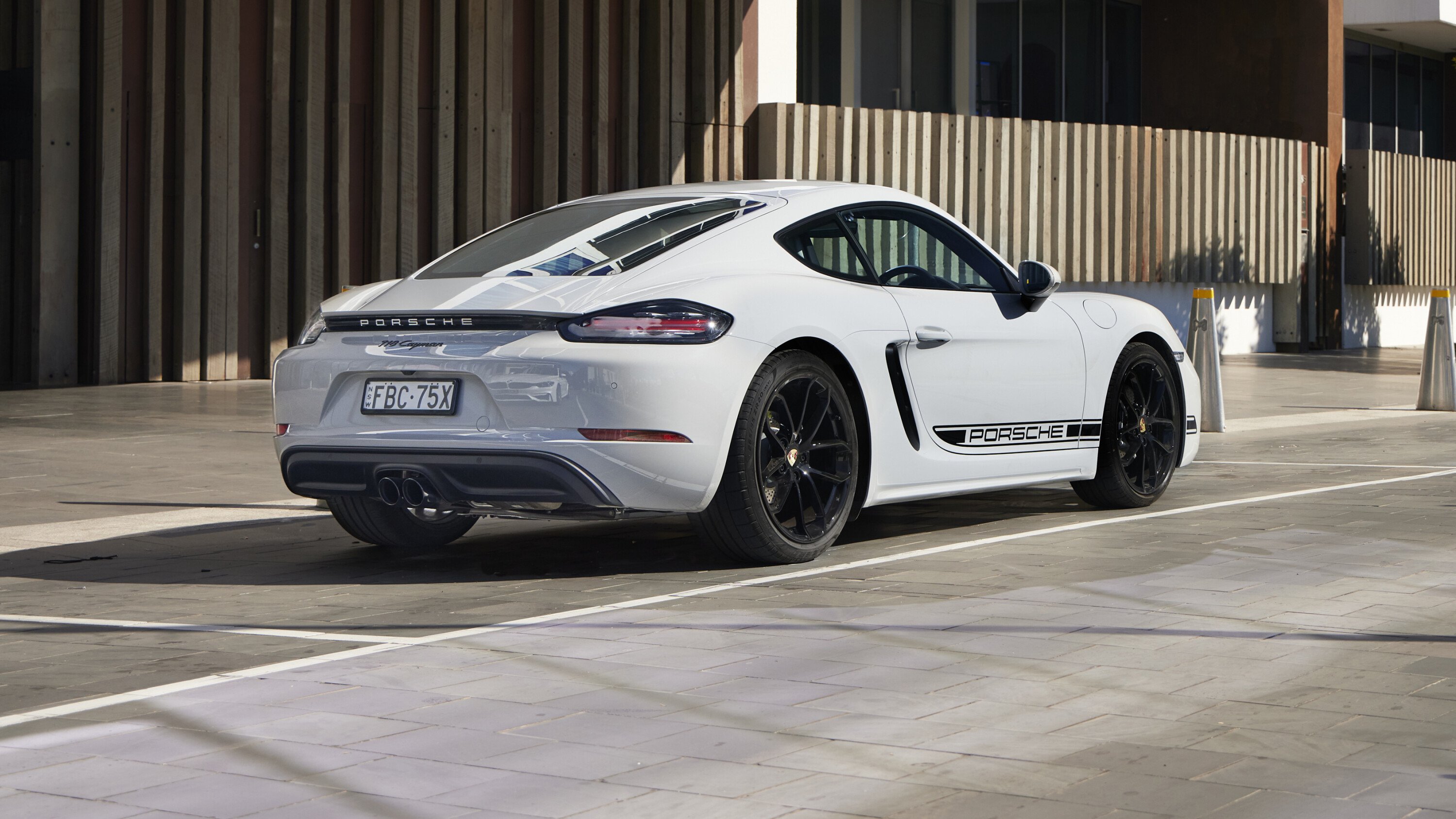
But the excitement and publicity for the 718 is all found at the top: Spyder RS, GT4, and flat-six GTS are the variants people remember. What of the base car? We’ve spent a week in the Cayman Style – a sticker and equipment pack added to the entry-grade 718 – to find out.
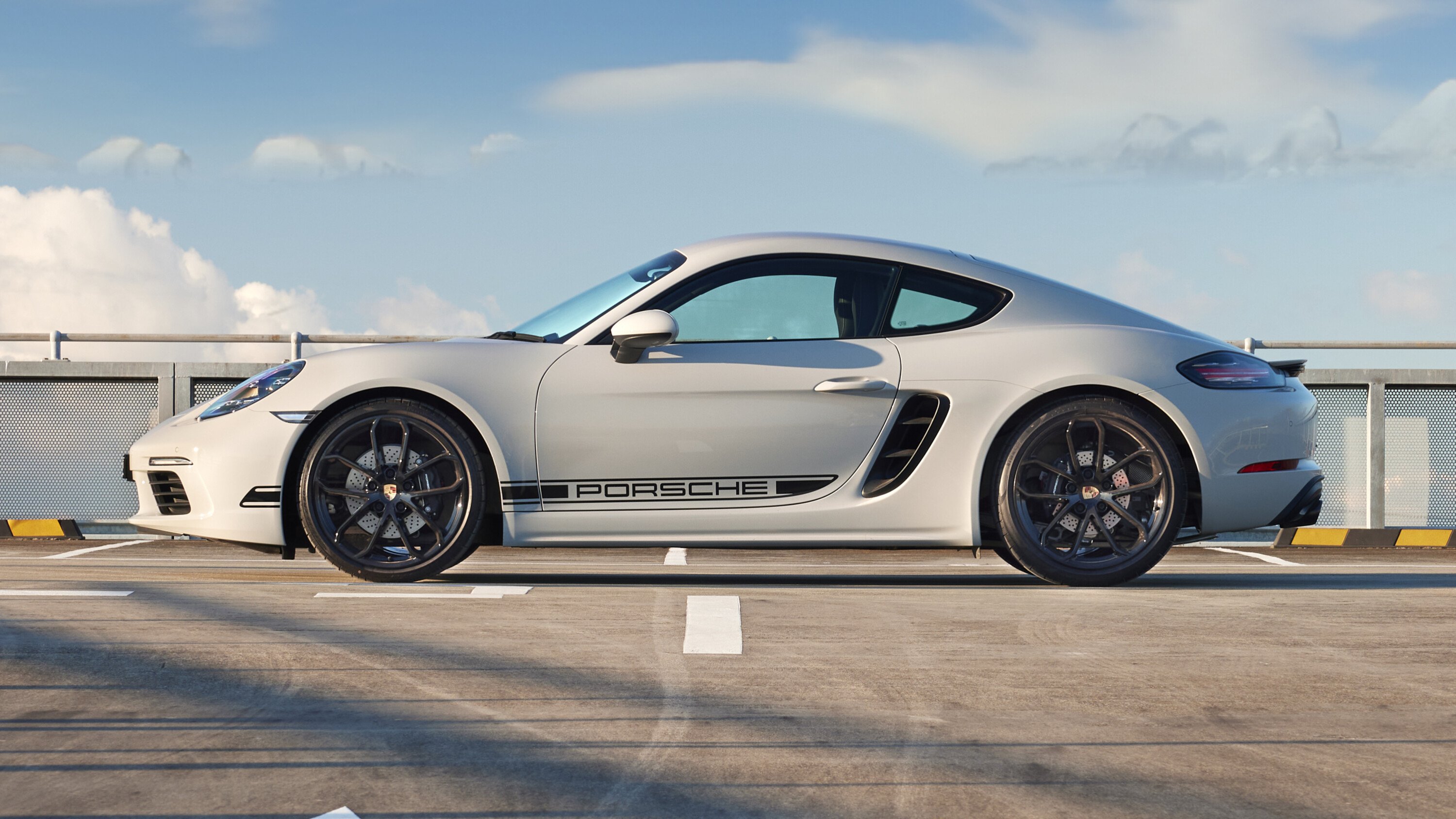
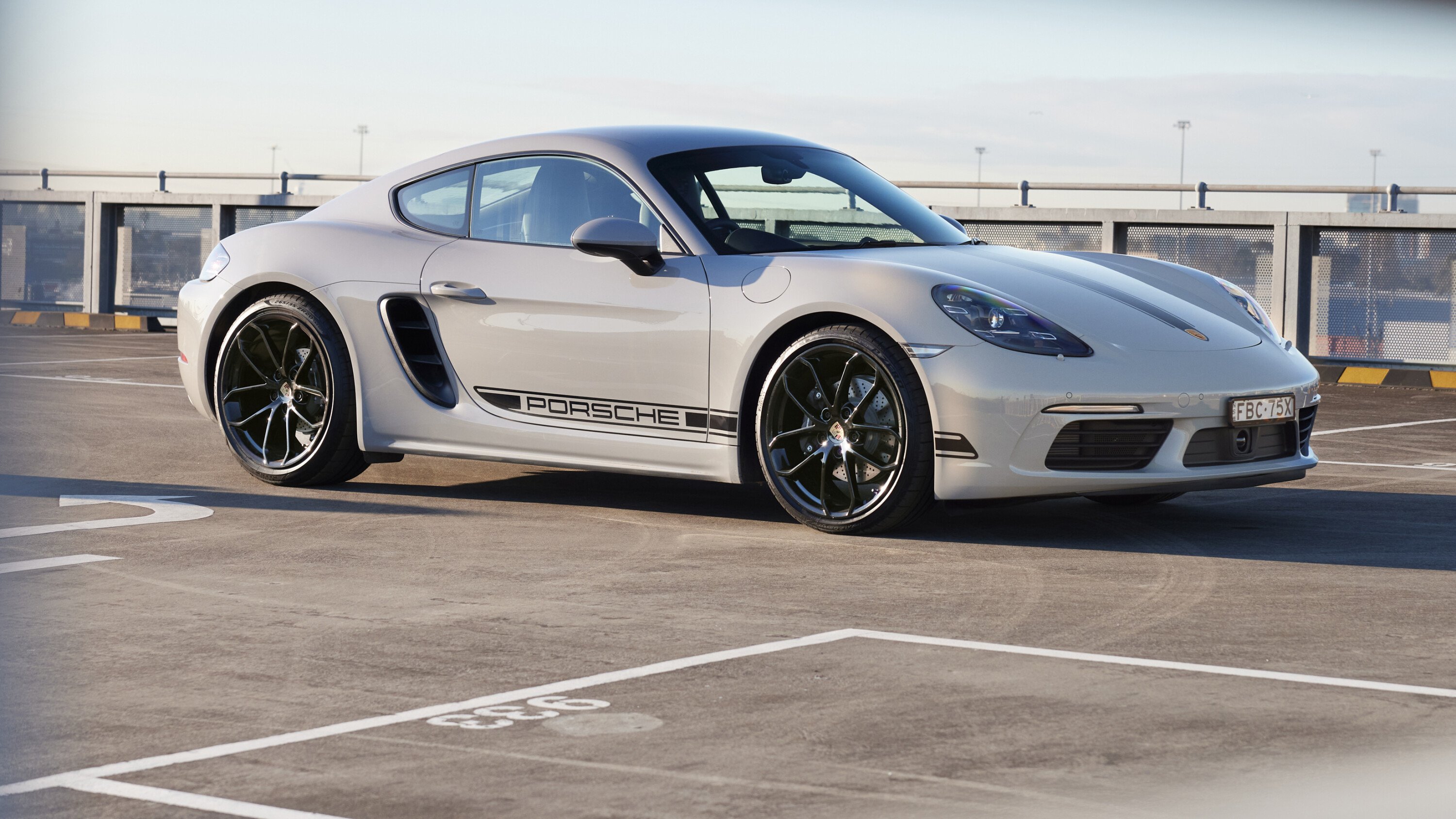
The Style adds six bespoke colour options to the base Cayman PDK including Crayon (as seen here) and the iconic Ruby Star Neo, a re-release of the 964 Carrera RS hero hue for $138,325 before on-road costs.
That is a relatively modest $5460 premium over the donor car. Going for a six-speed manual saves $1625 on the price of the PDK automatic tested here.
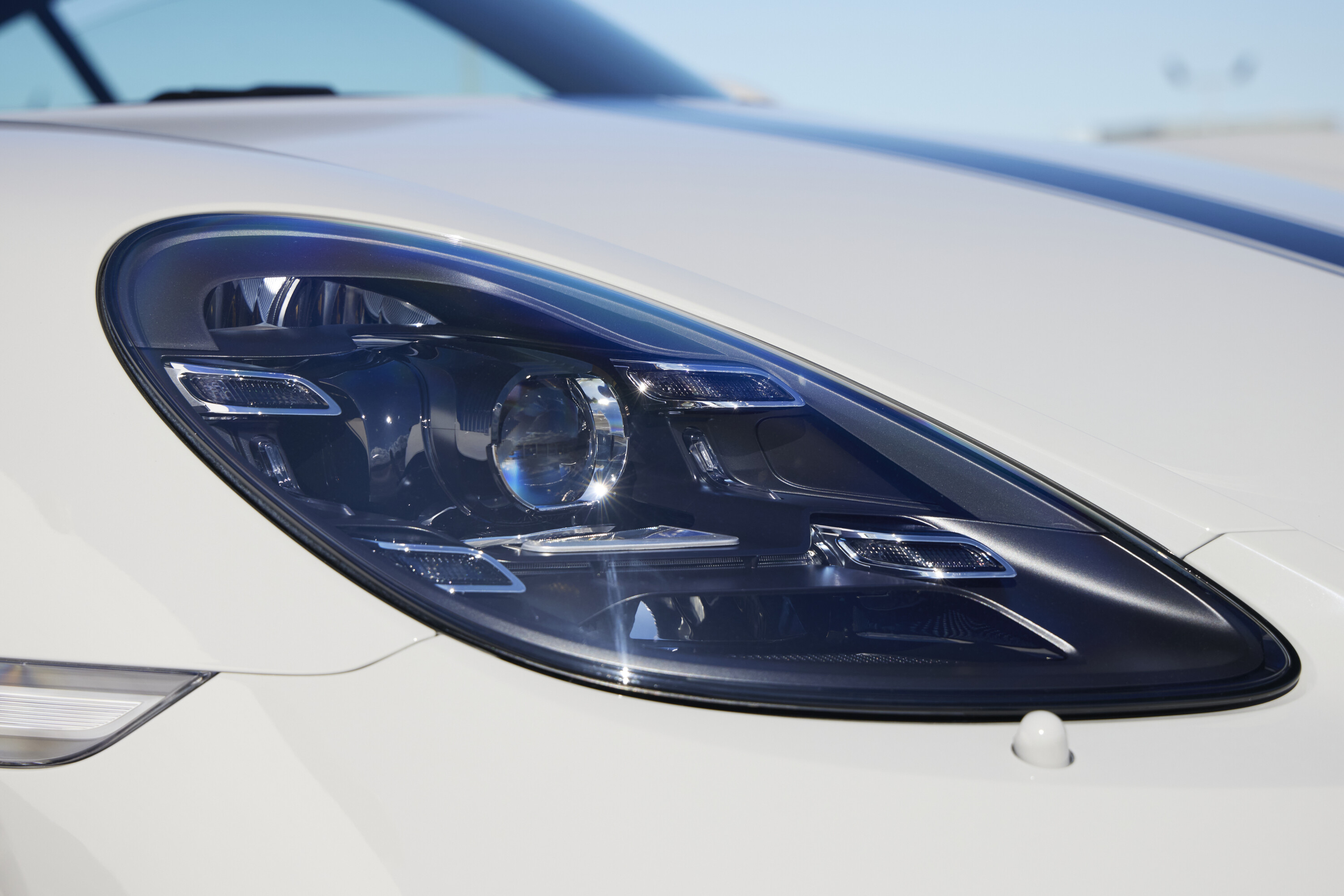
Building on the LED headlights and black leather-upholstered 14-way power-adjustable heated seats are some visual options, such as black tailpipes, Porsche crests embossed on the headrests, Crayon grey contrast stitching for the leather and floor mats, and illuminated kick plates.
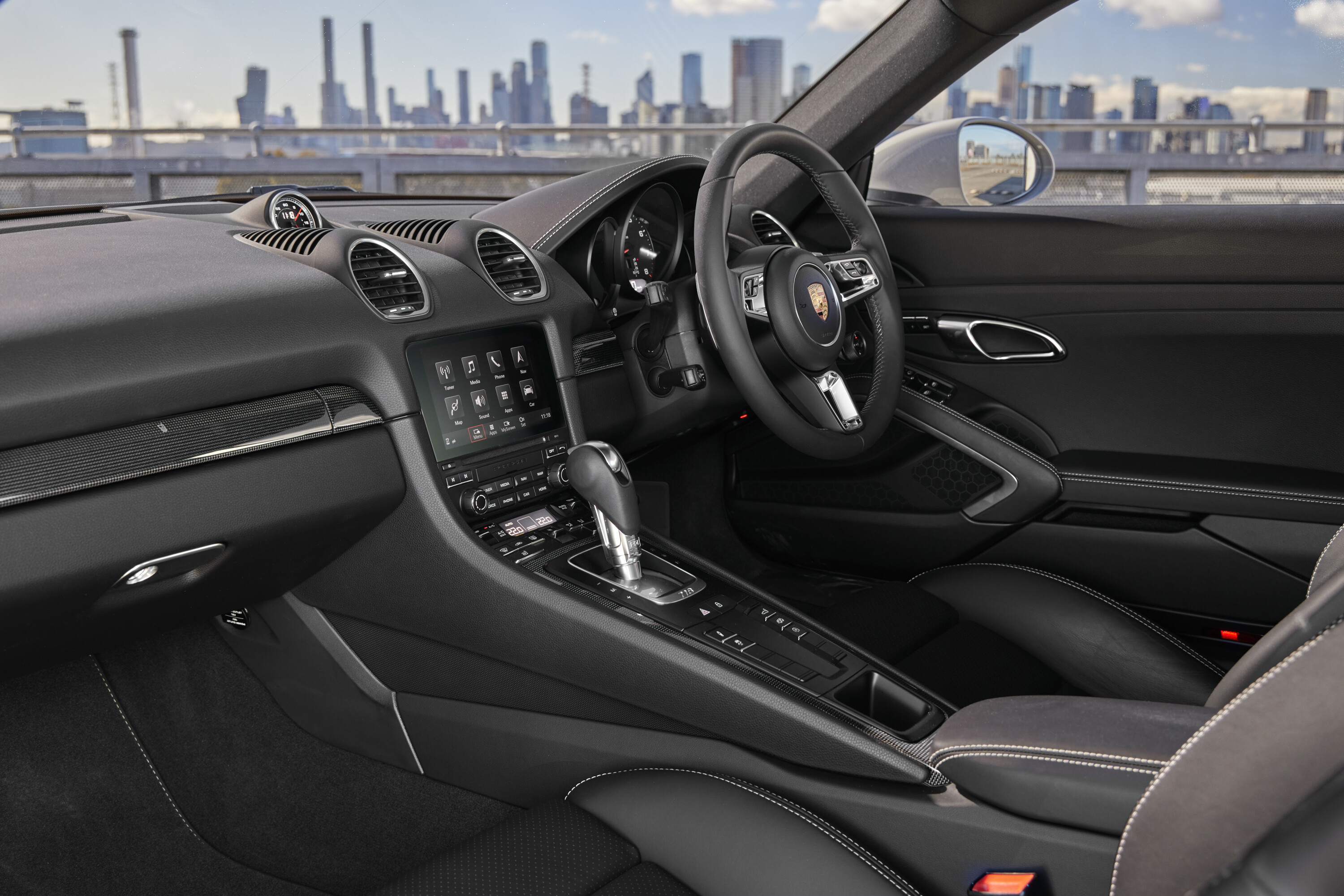
Otherwise, it gets the same Xenon PDLS active headlights, blind-spot monitoring, a heated steering wheel, and a 7.0-inch touchscreen with wireless Apple CarPlay, navigation, DAB+ digital radio, and voice control.
If you have the coin there are plenty of alternatives to the Cayman Style, for one the drop-top Boxster that sacrifices a little practicality for an extra dimension of sunshine enjoyment.
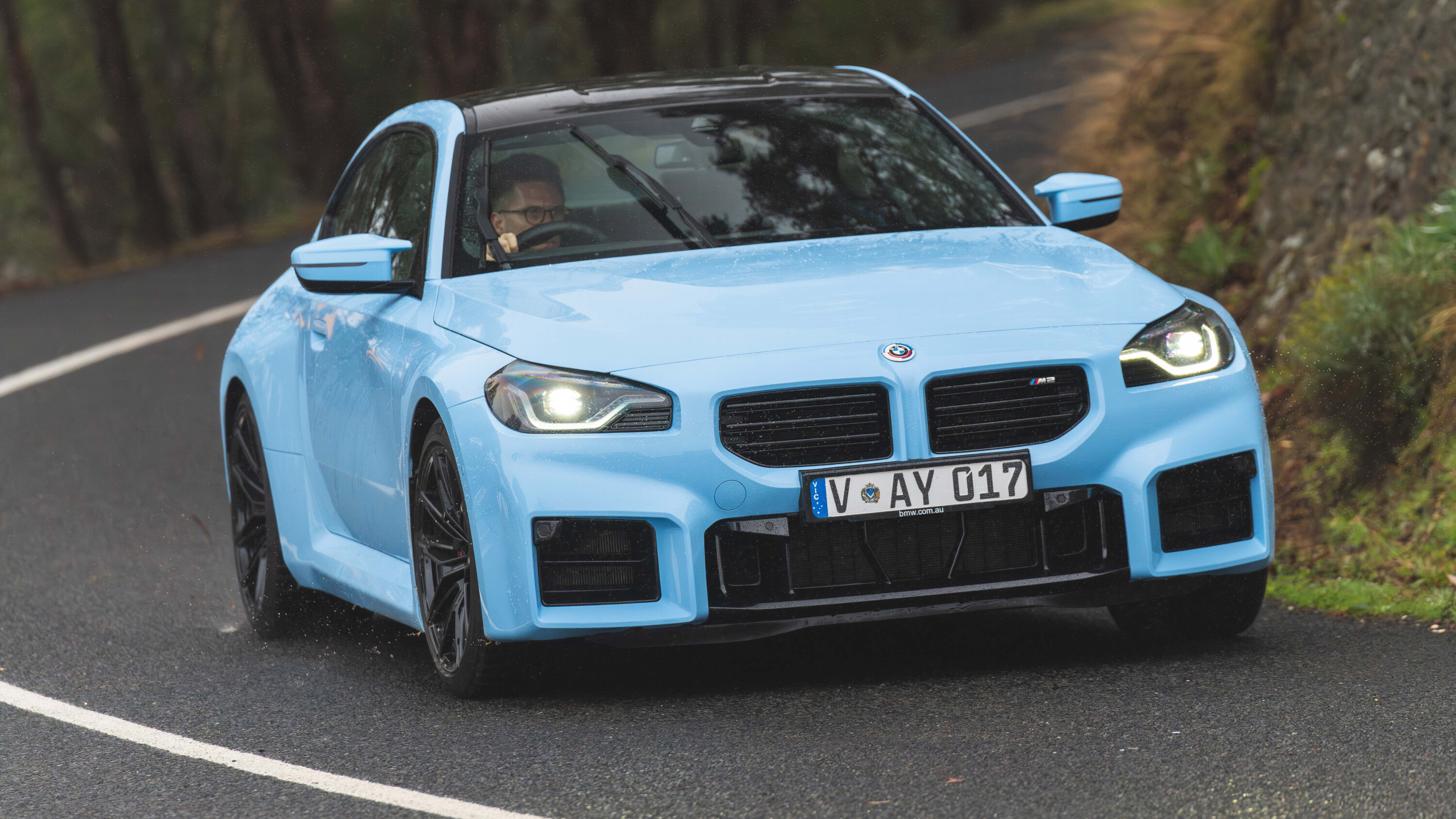
Then there’s the straight-six BMW M2 ($121,700), and below that the Toyota GR Supra and BMW M240i xDrive as well. For hyper hatches, there’s the four-door Audi RS3 sedan ($99,400) and Mercedes-AMG A45 ($119,900) – all excluding on-road costs – not to mention myriad fast SUVs in the space.
Thing is, the Cayman is a heart buy, not one for the head. Few of those alternatives offer the sense of occasion you get slinking down into its accommodating seats with legs stretched out ahead ready to find the trickiest tarmac out there.
Broad electric adjustment of those heated seats, along with generous roof height, means almost anyone can fit into a Cayman, from lanky to stocky. That steering wheel is just right, too, with sparse yet useful controls to adjust settings. Only the tricky wheel heating button is annoying to accidentally press.
Technology is showing its age, too, and although the wireless Apple CarPlay worked faultlessly and digital radio is included, the 7.0-inch touchscreen (with optional rotary control) has aged graphics and can be a little slow to respond. The digital driver’s display gives plenty of info, though, and the eight-speaker sound system is strong.
1
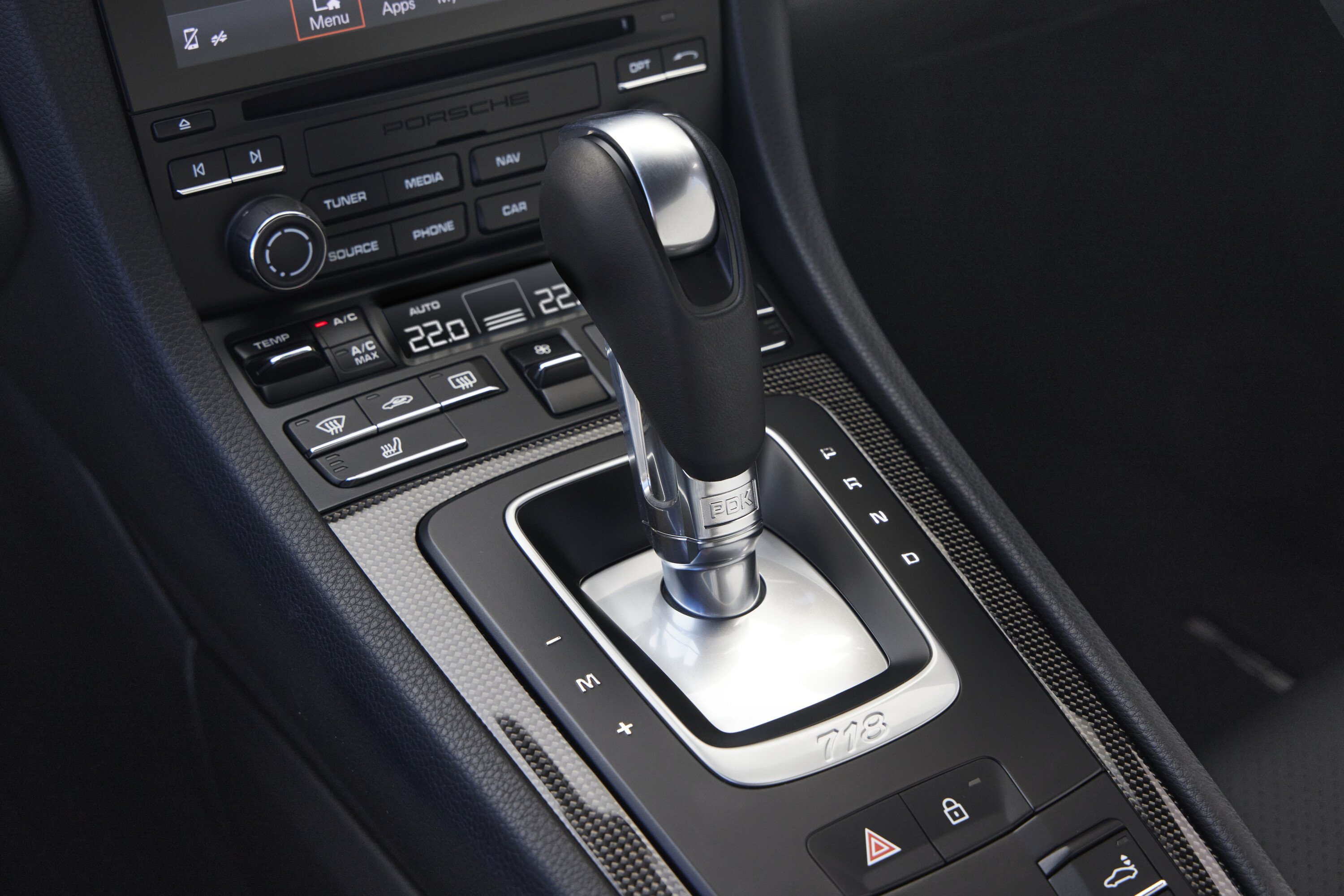
Porsche’s gear selector has a heft and confidence to it. The same can be said of the rest of the cabin finishes; you know it’s built to easily last 30 years without tarnish at the hands of a sympathetic owner.
Less convincing is the 718’s lack of cabin storage. The shallow glovebox, tiny door bins and espresso-sized cup holders don’t give much of a place to store contemporary phones, hydration devices, or other odds and ends. For the enthusiast’s enjoyment, the 718 Cayman’s included tyre pressure gauge can be found in the glovebox housed in its supple leather pouch – it’s the little things.
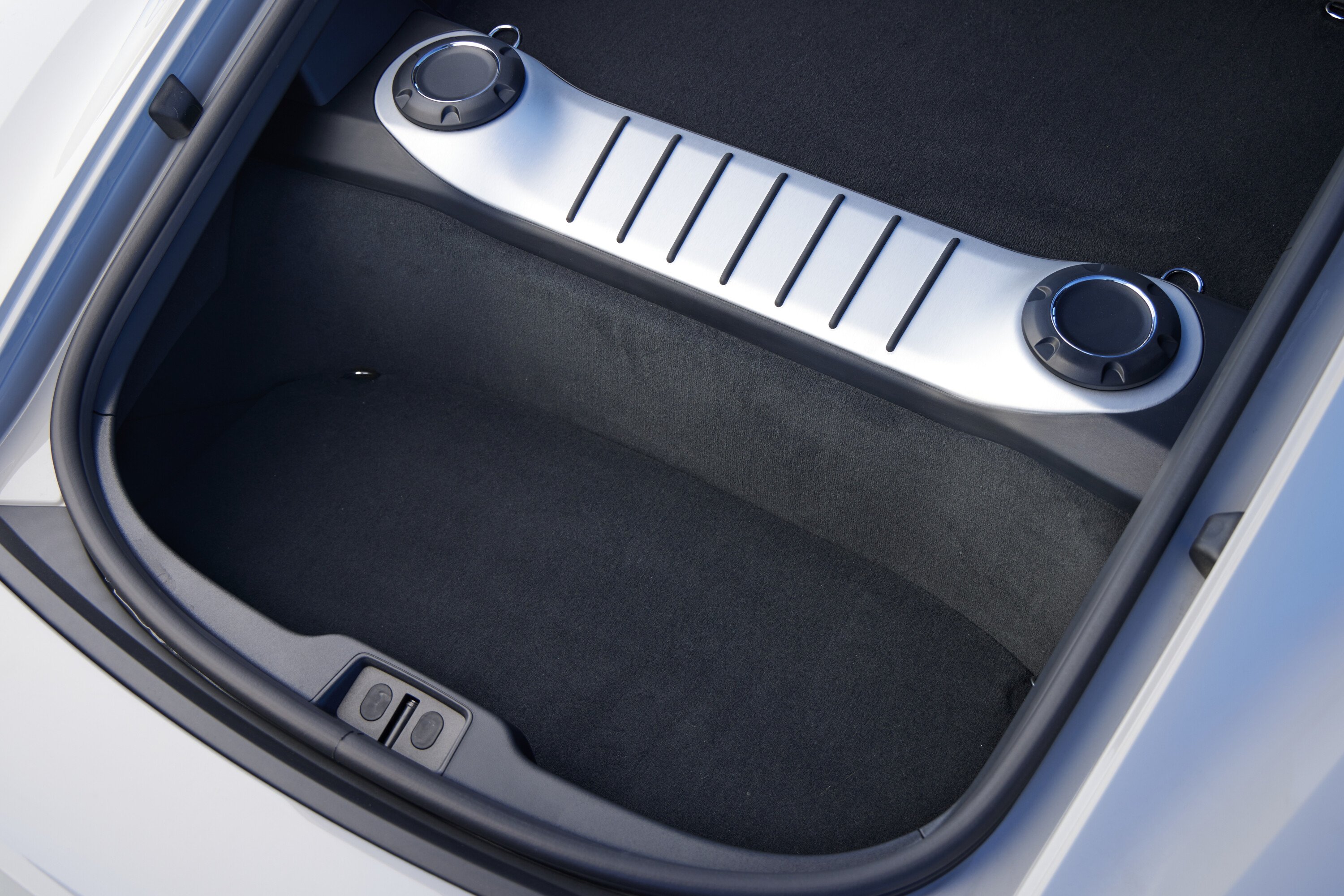
Space for luggage is better, with a generous shelf behind the seats and cavernous storage areas to the rear of the flat-four and ahead of the windscreen. Though carrying bikes and flatpack furniture would be a chore, Porsche lists comfortably more cargo space than a Volkswagen Golf, for example, at 425L.
Firing the 2.0-litre flat-four into life by twisting the cute car-shaped fob is refreshingly analogue, as is the chuntery noise of the Cayman Style’s cold start.
Porsche’s decision to downsize to a four-pot at the 718’s launch in 2016 drew much criticism. Flagship options have since been given back the flat-six, but the base car retains its 2.0-litre, and the S its gruntier 2.5.
It’s easy to remember why there was contempt for the flat-four. It’s mundane in town without theatre in sound or power delivery. Porsche was very keen to tune an atmo-like power curve into its turbo engines for the 992 911 and 982 Cayman/Boxster and the effect is impressive – the 718’s delivery is linear and friendly.
1
And while it’s fast – the 220kW and 380Nm able to fire the two-door from rest to 100km/h in 4.9 seconds – it doesn’t feel all that rapid, lacking the urgency expected of a boosted flat-four.
Not in doubt is the Teflon-smooth dual-clutch PDK transmission. Left alone, it selects gears effortlessly, yet there are always those expertly-damped aluminium shift paddles behind the wheel should you want to control your own fun.
Around town with the adaptive dampers in Normal mode, the ride is compliant with no noisy knocking. It uses a proven combination of struts for its front suspension and a multi-link rear end. At speed, the 1365kg Cayman smooths out bumps and sits beautifully flat on the motorway. The Cayman’s chassis is a delight. It’s also remarkably quiet for a small sports car with 265/35 R20 rear tyres.
1
Find a good winding road and the Cayman’s accurate and silky steering inspires confidence, even if it is lacking in feedback compared to a Lotus Emira’s hydraulic system.
The front end is eager but never darty. High speeds unearth a very stable platform and the firm brake pedal is connected to an excellent set of standard steel stoppers.
Filing through the four drive modes is easy thanks to the wheel-mounted selector dial. Normal is good but Sport adds useful support to the dampers and welcome extra gearbox response. The ride in Sport+ is a little firm for Australia’s nastiest back roads but would be great on a racetrack.
1
The Cayman Style flatters the driver, too. You can choose smooth and measured inputs and derive slick satisfaction, or trail brake and get more aggressive with the controls to inspire a touch more rotation and dynamism. There’s never any spikiness to the 718 driving experience, which will be great for most.
All that seems to go wrong is the 235mm-wide front Pirelli P Zeros might push a little wide, the gentle understeering reminding you not to overstep the boundary. Similarly, in the absence of one of Porsche’s trick locking diffs, on-power oversteer isn’t readily available either.
So what the 718 Style lacks – and only slightly – is a sense of excitement from an otherwise composed, assured, and classically polished entry-level Porsche driving experience.
The 718 Cayman’s crash safety has not been independently evaluated by ANCAP or Euro NCAP.
Australian-delivered examples feature six airbags, ESC, traction control, and blind-spot monitoring as standard. Modern safety assistants such as lane-keep assist and autonomous emergency braking are not optionally available; adaptive cruise control is a $2320 option.
The ADR combined-cycle fuel efficiency figure for the 718 Cayman Style is 7.0L/100km, although driving a mix of urban, suburban and country kilometres saw our trip computer reading 10.1L/100km.
718 Cayman maintenance is due every 12 months or 15,000km and Porsche doesn’t provide capped-price servicing plans for its vehicles.
The warranty is short compared to industry standards at three years with unlimited kilometres. However, owners can pay to extend the coverage in 12, 24, or 48-month blocks for up to 15 years.
The Cayman Style Edition is a fine late-life addition to the 718 range. Like the base Cayman, its chassis capability is well ahead of the powertrain’s punch.
While that is great on an unknown road or in the rain, it very much confirms that the Style version – as its name suggests – packs little more than a few stickers on top of the basic 718.
Thrillseekers with a similar budget will be better served by BMW’s brawnier M2, or perhaps a certified pre-owned 981 Cayman S or GTS.
Yet the Style remains a fine tool tailored to the person who loves sleek coupe looks and a sharp drive but needs everyday usability and reasonable fuel economy.
Make sure you go for a bold colour, preferably that excellent Ruby Star hue, and you’ve got yourself a colourful but classic take on the everyday sports car.
No, it’s not a CX-60 or a CX-90. This is the new Mazda CX-70 expected in Australia at the end of this year.
New Polestar 4 or Tesla Model Y: Which one?
How does Polestar’s new electric midsize SUV stack up against the incumbent Model Y? We take a look at the specs to find out.
Big Toyota Tundra pricing leak!
Leaked pricing reveals the Toyota Tundra will be more expensive than rivals when it arrives in dealers.
Toyota HiLux facelift revealed
An update to the Toyota HiLux ute will arrive in Australia in March with a revised look, more tech, and fuel-saving 48-volt electricals for some variants.
What can we expect from the next Mazda CX-5?
Everything we know about the replacement for Mazda’s top-selling CX-5 midsize SUV, which promises similar size and value to the current model.
Every new BYD model due in 2024
Strength to strength: The already popular BYD brand is set to significantly grow its Australian line-up.
Straight-sixes, six-speed manuals and rear-wheel drive – it doesn’t get much better than this, especially when one costs quite a bit less than the other.
The new Small SUVs coming to Australia in 2024
From the Cupra Formentor to the Volvo EX30, your complete guide to all the new compact SUVs heading to Australian showrooms in 2024.
2024 Pajero Sport update coming
Minor facelift for current Mitsubishi Pajero Sport due in Australia around April ahead of the next-generation model expected in 2025.
New Honda Accord Hybrid confirmed for Australia
After being told we’re not getting the new hybrid-only Accord several times, Honda’s flipped and the midsize sedan is coming to Australia after all.
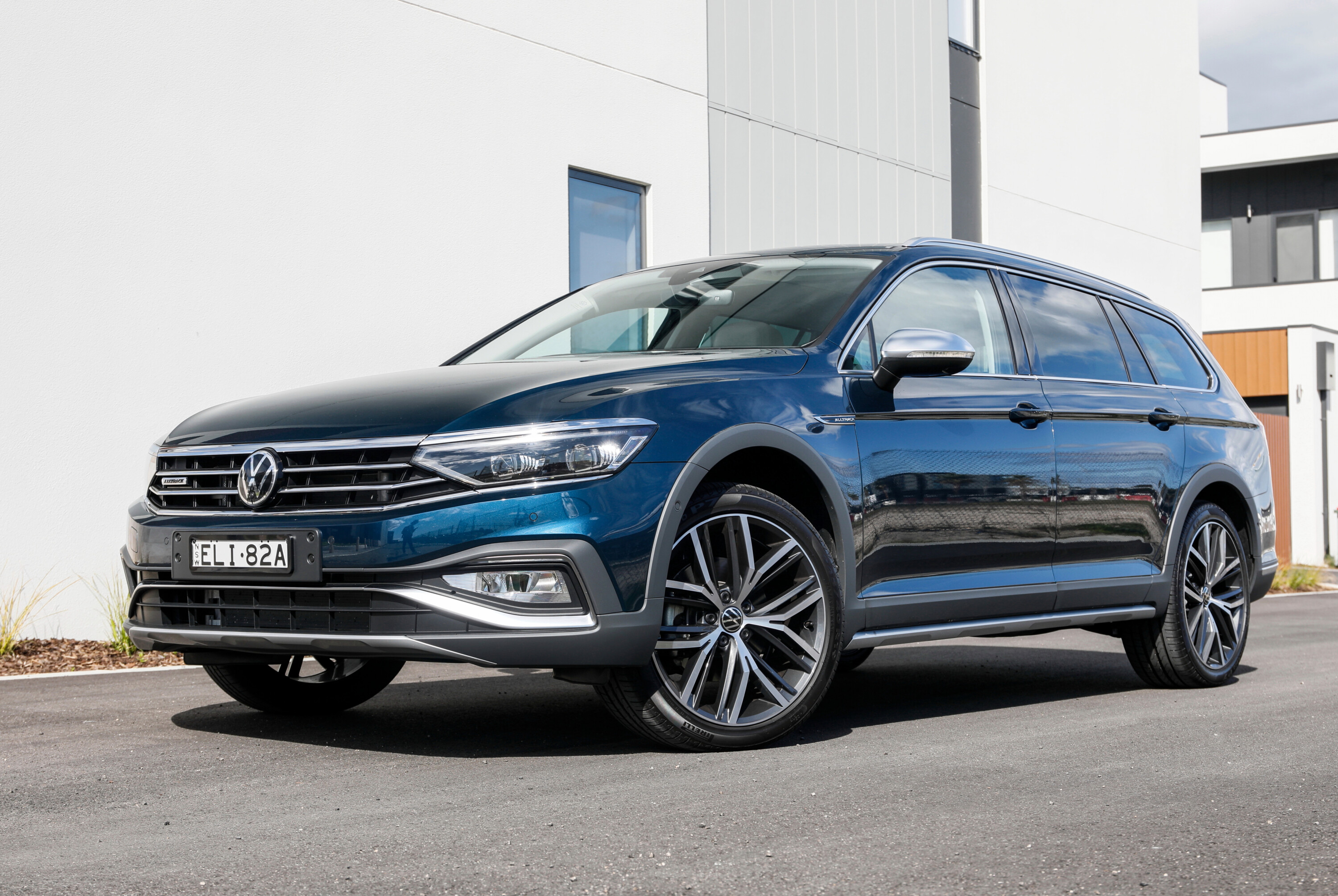
Due to a manufacturing issue, the heat shield between the brake master cylinder and the exhaust may have been incorrectly fitted. As a result, a connection to the brake fluid reservoir could melt. If this occurs, brake fluid may leak on to a hot exhaust there which could lead to a vehicle fire.
What are the hazards?
A vehicle fire could increase the risk of injury or death to vehicle occupants, other road users and/or damage to property.
What should consumers do?
Owners of affected vehicles can contact their preferred Volkswagen dealership to schedule an appointment to have the vehicle inspected and rectified, free of charge.
Supplier details
Volkswagen Group Australia Pty Ltd
Who should owners/operators contact for more information?
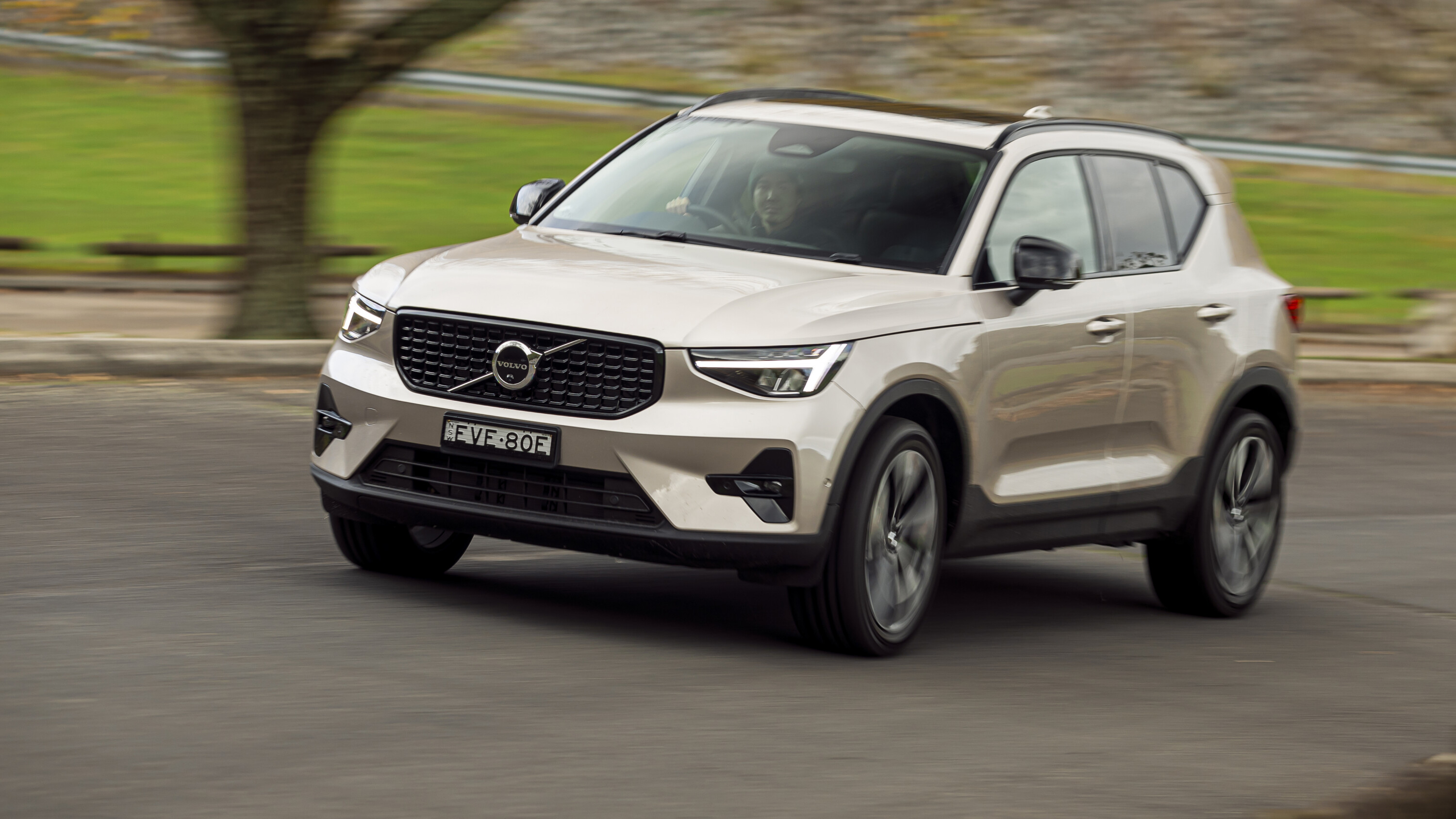
Due to a software issue, the left turn indicator lamp may not illuminate as intended. If this occurs a warning will appear in the instrument cluster to alert the driver that the indicator is not operational. The left indicator functionality can be reset by switching the indicator off and on again.
What are the hazards?
If the left turn indicator lamp does not illuminate as intended, other road users would be unable to identify if the vehicle is turning.
What should consumers do?
The corrective action for this Recall is to update the vehicle’s software. This software will be released as an Over the Air update that owners can download to the vehicle themselves. However, if they are unable to update the car remotely, they should contact their authorised Volvo retailer for an appointment without delay and they will update their vehicle at no cost.
If their vehicle is running software version 2.13.3 or later, the applicable software is already installed. The software version can be found by tapping Settings, System and Software updates on their vehicle centre touchscreen.
Supplier details
Volvo Car Corporation
Who should owners/operators contact for more information?
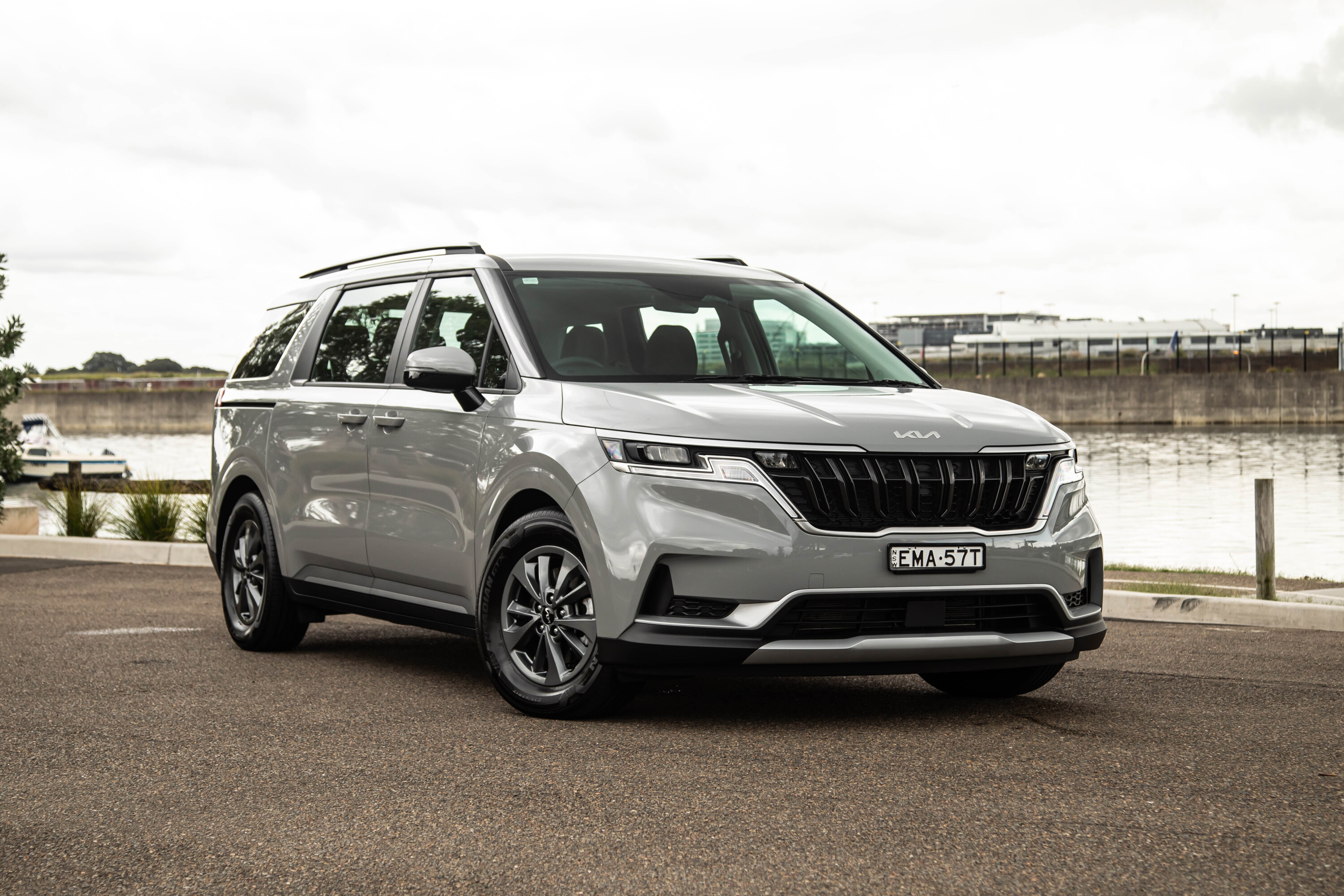
Due to incorrect manufacturing of an engine wiring harness, a poor connection may occur at the crankshaft position sensor which may lead to a loss of motive power and/or engine stalling.
What are the hazards?
A loss of motive power or engine stalling whilst driving could increase the risk of an accident causing injury or death to vehicle occupants and/or other road users.
What should consumers do?
Owners of affected vehicles should immediately contact their preferred Kia dealer to schedule an appointment to have the affected wiring harness replaced, free of charge.
Supplier details
KIA AUSTRALIA PTY LTD
Who should owners/operators contact for more information?
Due to a manufacturing issue, the sealing of the high-voltage battery housing may reduce overtime, allowing moisture to enter. The moisture may potentially result in an electrical short circuit increasing the risk of fire.
What are the hazards?
A vehicle fire could increase the risk of injury or death to vehicle occupants, other road users and/or damage to property.
What should consumers do?
Owners of affected vehicles will be contacted by Audi Australia Pty Ltd and are asked to arrange with their nearest authorised Audi dealership to have the repairs carried out, free of charge.
Supplier details
Audi Australia Pty Ltd
Who should owners/operators contact for more information?
The clock spring electrical connection between the steering wheel airbag, horn and electrical systems may not have been welded to specification and possibly fail. If this occurs, it could result in a loss of steering wheel illumination, non-functioning steering wheel control switches, inoperative horn, and the airbag warning light will illuminate which may result in the driver’s airbag becoming inoperative.
What are the hazards?
In the event of an accident, an airbag not deploying as intended could increase the risk of injury or death to vehicle occupants.
What should consumers do?
When parts are available, affected vehicles will be rectified before being delivered to customers. Any owners that have already received their vehicles will be notified in writing.
Supplier details
FORD MOTOR COMPANY OF AUSTRALIA PTY LTD
Who should owners/operators contact for more information?
Due to a manufacturing defect, there may be a crack in the body floor pan. As a result, the crack may widen. This may impact the seat anchorage performance.
What are the hazards?
In the event of a collision if the seat anchorage does not perform as intended, it may increase the risk of injury or death to vehicle occupants.
What should consumers do?
Owners of affected vehicles can contact their nearest Jaguar Land Rover dealership to request an inspection of the floor pan and have the component repaired, free of charge.
Supplier details
JAGUAR LAND ROVER AUSTRALIA PTY LTD
Who should owners/operators contact for more information?
What’s stopping you from buying an electric car? My excuse is really simple: the car I want doesn’t exist.
Back in September 2021 I wrote a column where I said “I’d like to see a c.$45K hot hatch or Toyota 86-style coupe that’s decently built and which delivers the goods for a keen driver… Were I to place bets, I’d back Hyundai, Kia or MG to be the first to answer that call. But until then, I guess I’ll catch you at the servo, eh?”
More than two years later, I’m still waiting. Given that EVs currently represent 7.4 percent of total Australian new vehicle sales during the first half of this year, I guess you may well be sitting on your hands too.
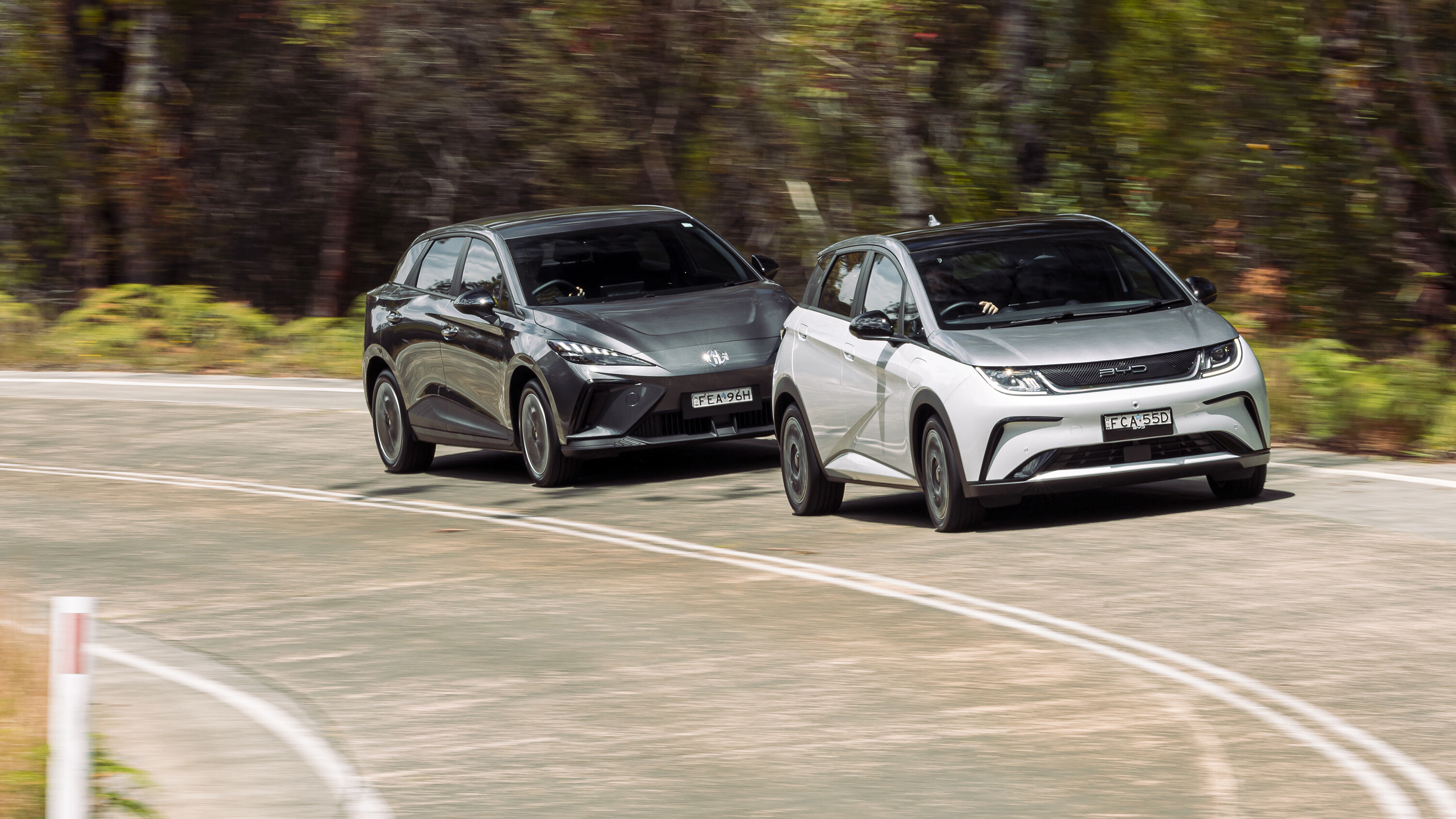
MG has indeed come closest to fulfilling my brief with the MG 4. The Essence model retails at $47K and is a rear-drive hatch that can skip to 100km/h in 7.7 seconds. So warm, rather than hot then.
But a sporting hatch it most certainly is not. To get the quick MG 4, the all-wheel drive X-Power, you’d need to spend $60K, and I’m still not convinced that it’s a true enthusiast’s choice. Hyundai’s Ioniq 5 N points the way ahead for keen drivers but it’s $111K and is an awful lot of, well, everything.
At this point, some perspective pays dividends. In 2021, a petrol-engined Hyundai i30 N retailed for $41,400, so the idea of a $45K electric hot hatch was perhaps not so far fetched. Then inflation happened. Try parking your posterior in an i30 N for less than 50 grand these days.
1
The price gap does indeed seem to be closing between petrol models and EVs, and it’ll be interesting to see how Porsche prices the incoming Macan EV – an entire model-line switch to electric power that the whole industry is watching with interest.
But let’s pretend for a moment that for $50K I could buy an enthusiast EV. Would I then buy it over, say, that Hyundai i30 N? Would I want to futz over how I made a drive in the Victorian high country work?
I could easily fit a commuter EV into my life where the journeys are predictable but, at the moment, EVs seem the nemesis of spontaneity, of heading off the beaten track: a pastime that speaks right to the heart of the Australian motorist.
I’m no Luddite, but I acknowledge that it might be a while before I find an EV that’s right for me.
The value proposition, the public charging infrastructure and, yes, the products need to do a bit more persuading before I take the plunge with my own money. But it will happen.
Right now, driving to the shops, the school run and the commute represent no drama. These tasks are routinely undertaken by an often second family vehicle and represent a near-perfect fit for many affordable EVs.
1
Without wishing to casually stereotype, one key impediment here is that women really aren’t warming to electric cars. US website Edmunds found that 67 percent of EV buyers in the US were men and just 33 percent were women.
Men were also far more likely to consider EVs as their next vehicle – 71 percent compared to 34 percent of women. And while Australia’s market is obviously different, research indicates that those ratios aren’t far off what’s happening here.
Perhaps we need to demystify the electric experience for those buyers who would really benefit from the advantages EVs afford. Funny you should mention that…
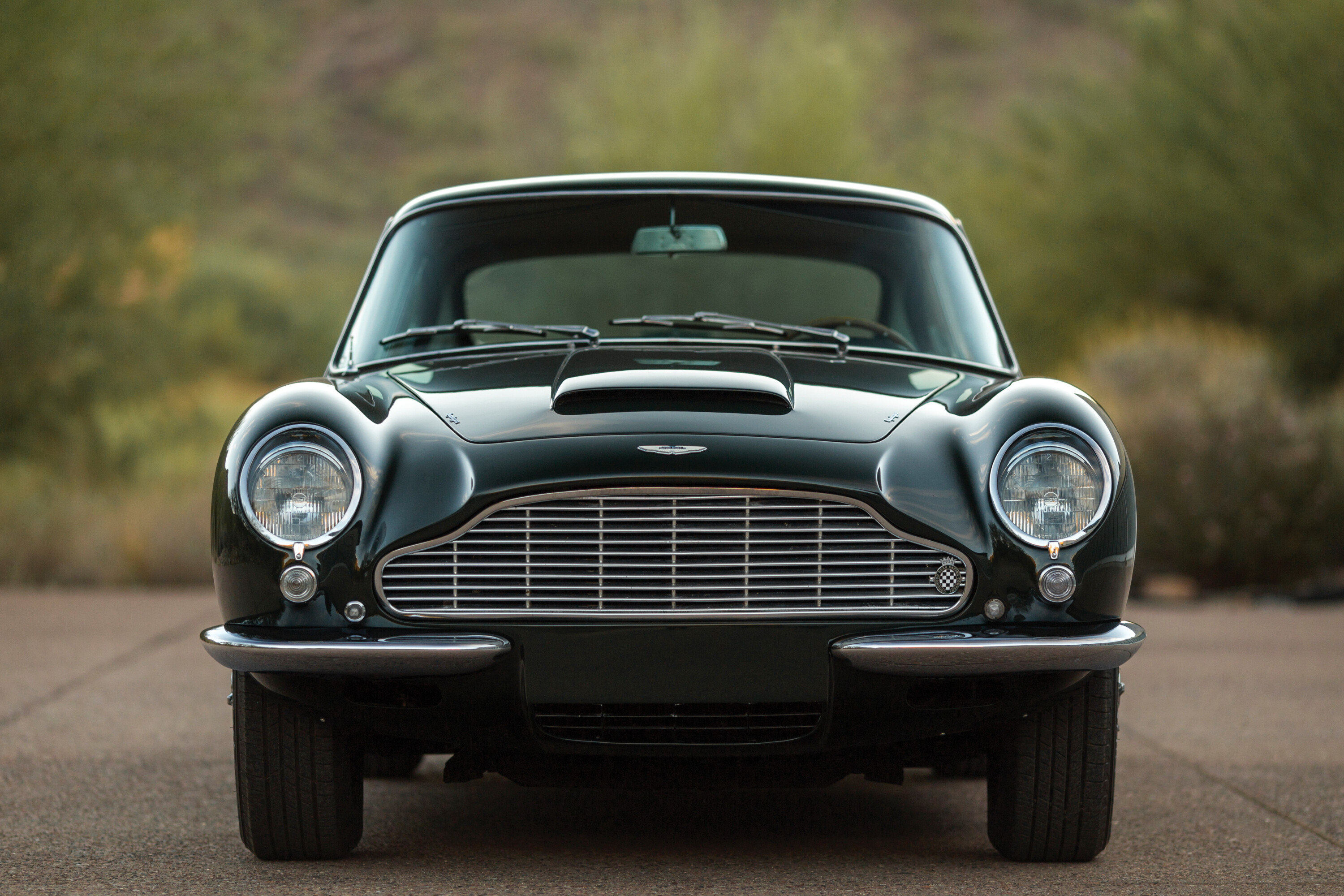
Discerning a dolphin from a porpoise, a crocodile from an alligator, a white rhino from a black rhino and an Aston Martin DB6 from a DB5 have been lifelong conundrums, at least until I looked them all up.
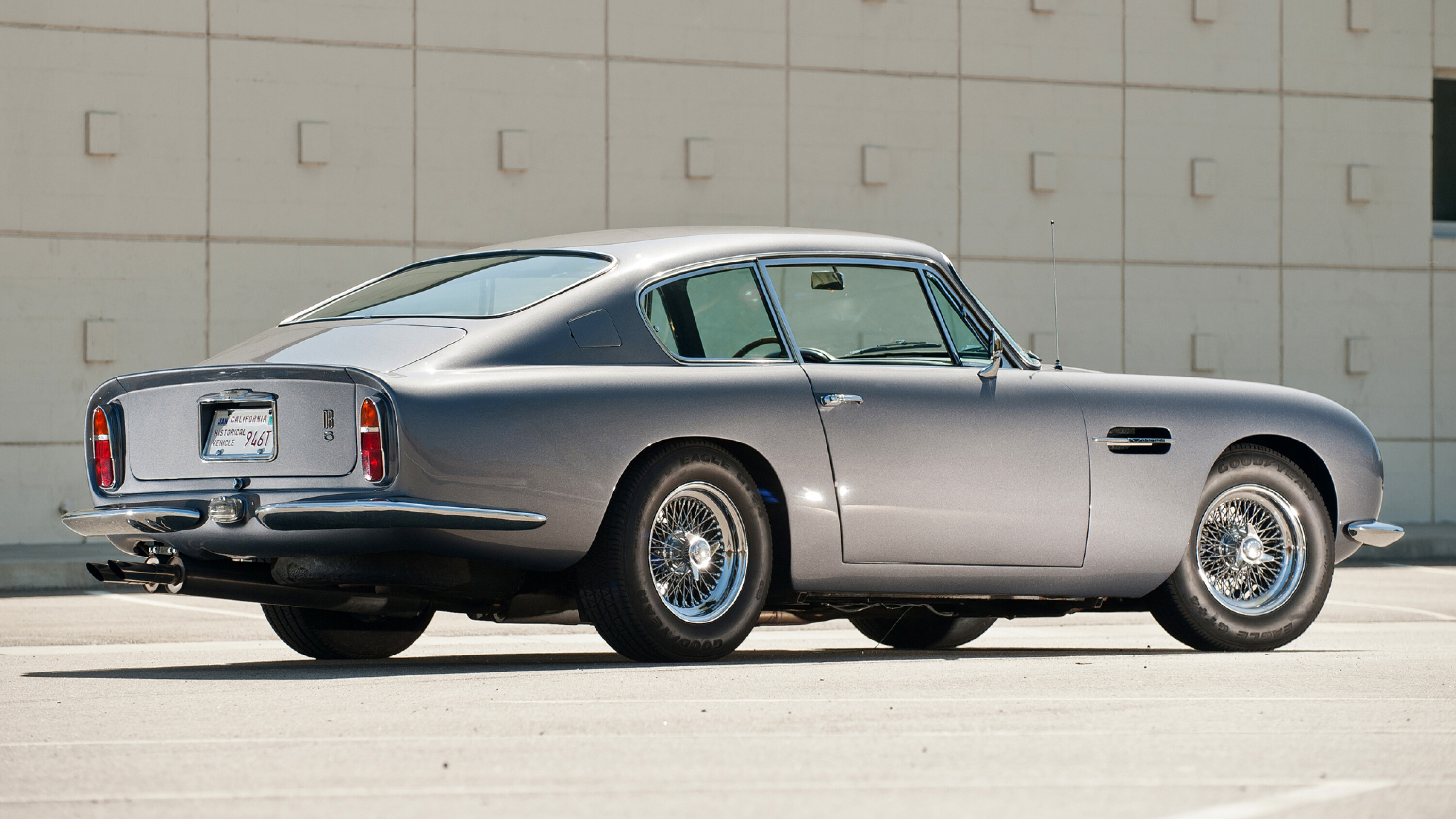
The visual differences between the James Bond-blessed DB5 (1963-’65) and its successor DB6 (1965-’70) all describe the evolved purpose of the latter: a more accommodating 2+2-seater with enhanced stability for high-speed grand touring.
Look, then, for the DB6’s more upright windscreen and front quarter-windows, a taller rear roofline that extends father back along the rear quarter-panel, and its Kamm ducktail rear end, versus the DB5’s more traditional tail fins.
1
Two-piece bumpers are another DB6 tell-tale, while subtle wheelarch flares indicate a DB6 Mk2, introduced in 1969.
The DB6 would be a stopgap between the traditional (and heavily DB4-based) DB5 and Aston’s new-generation, V8-powered DBS, which was eventually launched – still with straight-six power – in September 1967, with the V8 engine arriving two years later.
The DB6 was much more than a stretched and facelifted DB5. Built on a 95mm longer wheelbase, the DB6 abandoned the DB4/DB5’s pressed steel platform capped with superleggera ‘greenhouse’ frame clad in aluminium panels, for a more conventional steel monocoque chassis with aluminium body.
1
The flared, abrupt Kamm tail came from Aston’s experience with rear-end lift on its 1962 DP 212 Le Mans racer, addressed in the following year’s DP 214 and similarly adapted to the DB6 to improve high-speed handling.
One prototype DB6 was built with a de Dion tube rear suspension, but this was saved for the DBS, so the DB6 basically carried over the DB5’s coil-sprung front wishbones and live rear axle. The same was true of the 4.0-litre inline six-cylinder engine, offered in the DB6 with the choice of a ZF five-speed manual or an unloved, three-speed Borg-Warner automatic.
At £5000, the DB6 cost 10 percent more than the average UK home in 1965. Yet a DB6 also spawned the legend of a customer urging Aston’s owner David Brown to sell him a car “at cost” – and Brown obliging with an invoice for £1000 over list…
The DB6 was destined to remain in the shadow of its movie-star sister, but its greater comfort and higher production run (1788 units, 729 more than DB5) make it a practical and relatively affordable classic, while still a rare sighting in the wild.
1
The upside of up
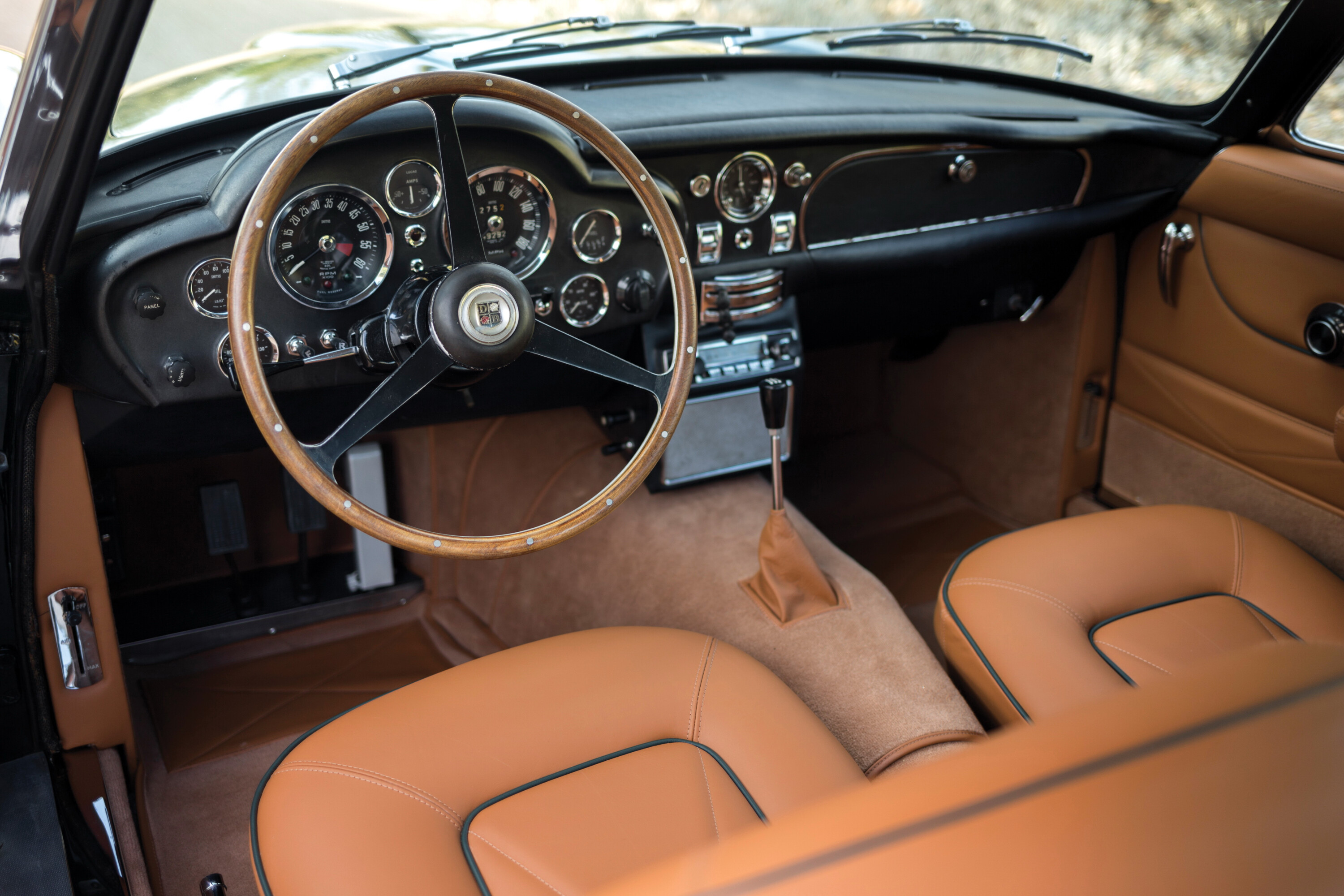
The DB6’s inverted three-spoke steering wheel is a signature item, almost as much as the cluttered instrument binnacle that mimics Aston’s distinctive grille shape.
The front buckets still sit very low to the floor and contribute to 25mm greater headroom than the DB5; the raised rear roofline and greater footroom makes the rear cabin a habitable 2+2.
1
A handy vantage point
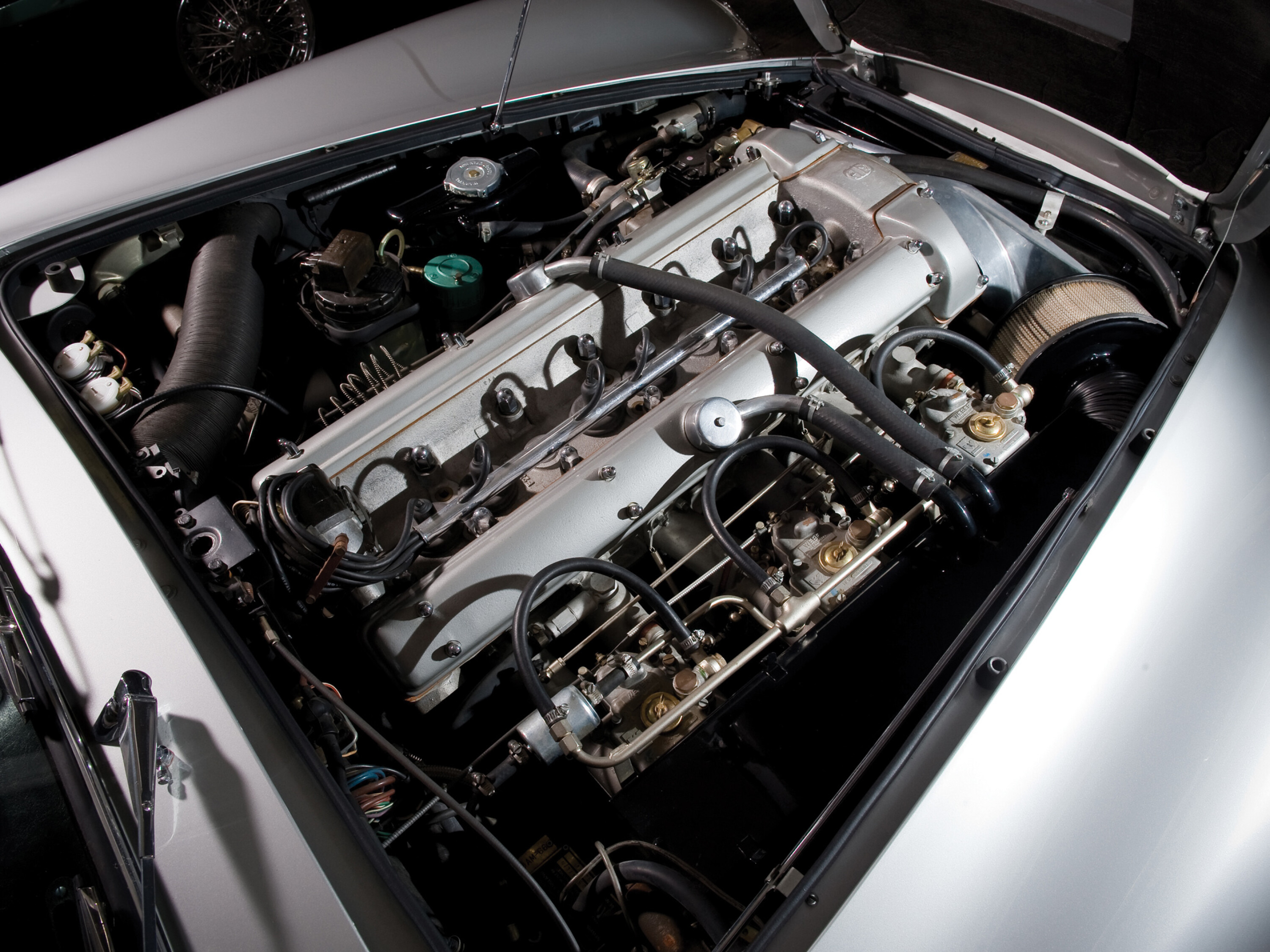
The DB6’s 3995cc, all-alloy dohc inline six was fitted with triple SU carbs and quoted the same 210kW at 5500rpm as the DB5, but with a slight torque increase to 400Nm at a higher 4500rpm.
The Vantage engine option, with a higher compression ratio and triple Weber 45 DCOE carbs, raised power usefully to 242kW at 5500rpm.
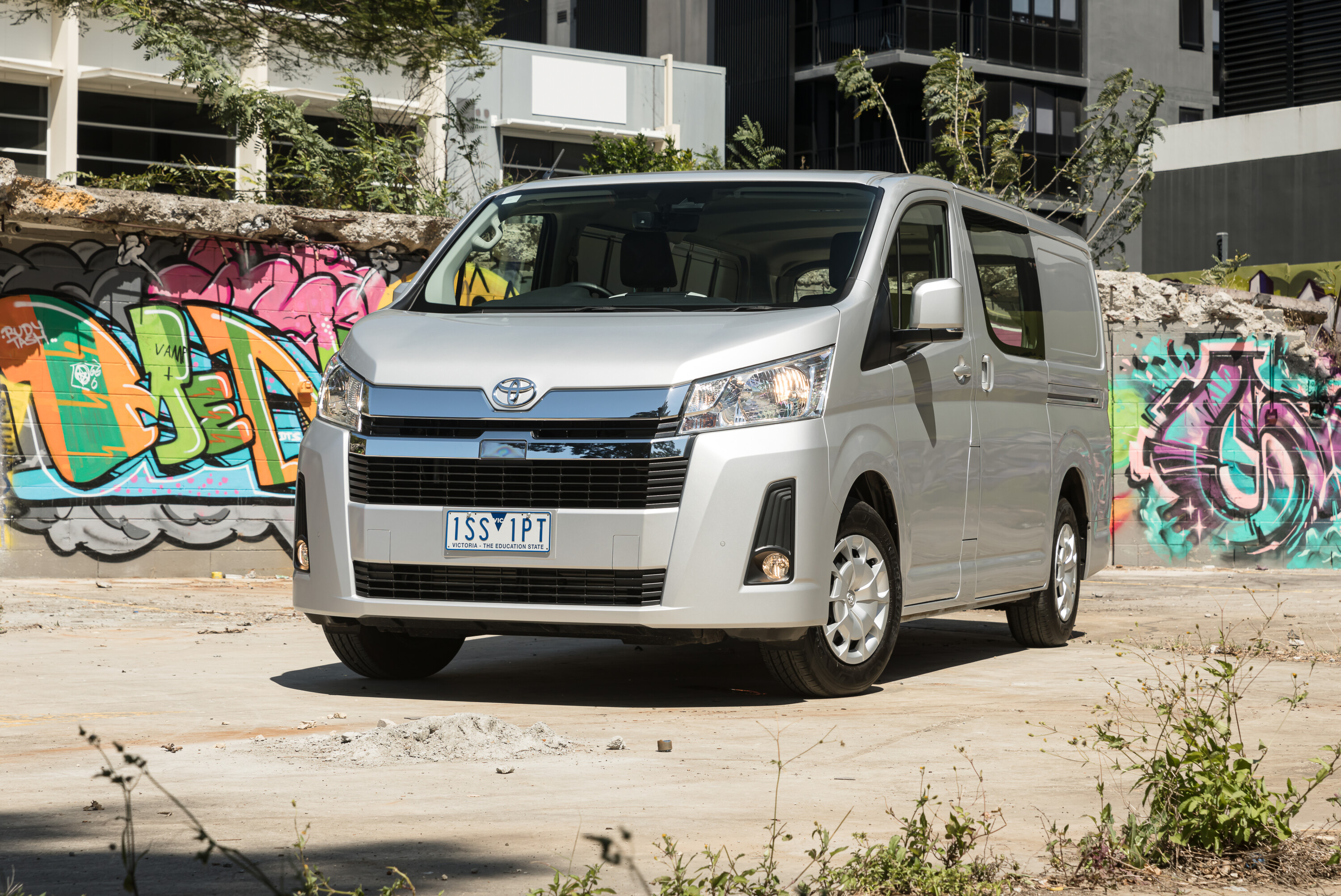
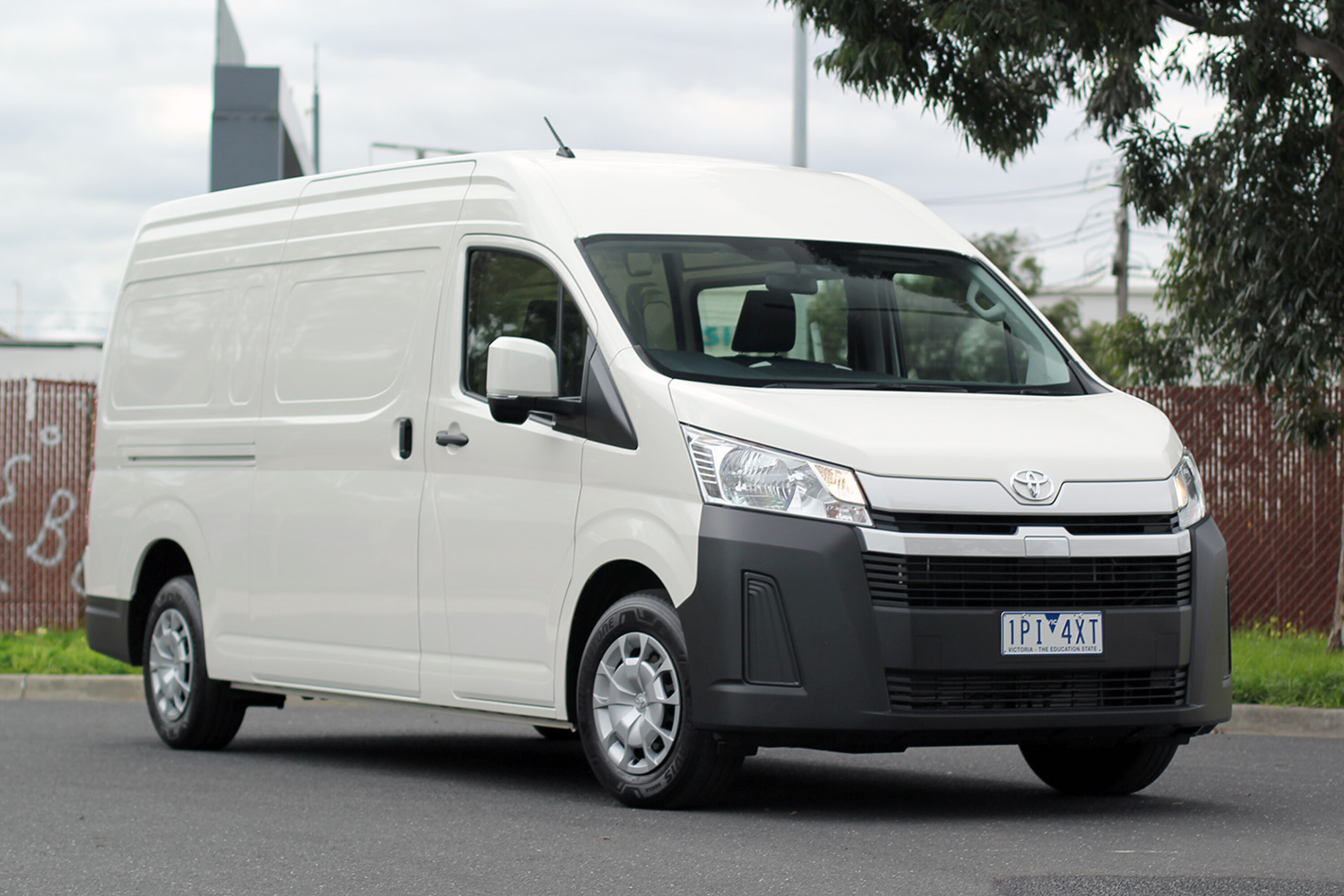
The Toyota HiAce has long been Australia’s preferred commercial van, renowned for its reliability.
For over fifty years, it has been the go-to vehicle for couriers, electricians, movers, and even those hauling around larger groups.
A glance outside the next time you get a delivery and you’ll likely be looking at a well-worn HiAce in your driveway. Much like its rugged sibling, the virtually indestructible HiLux, it’s seen as a safe investment.
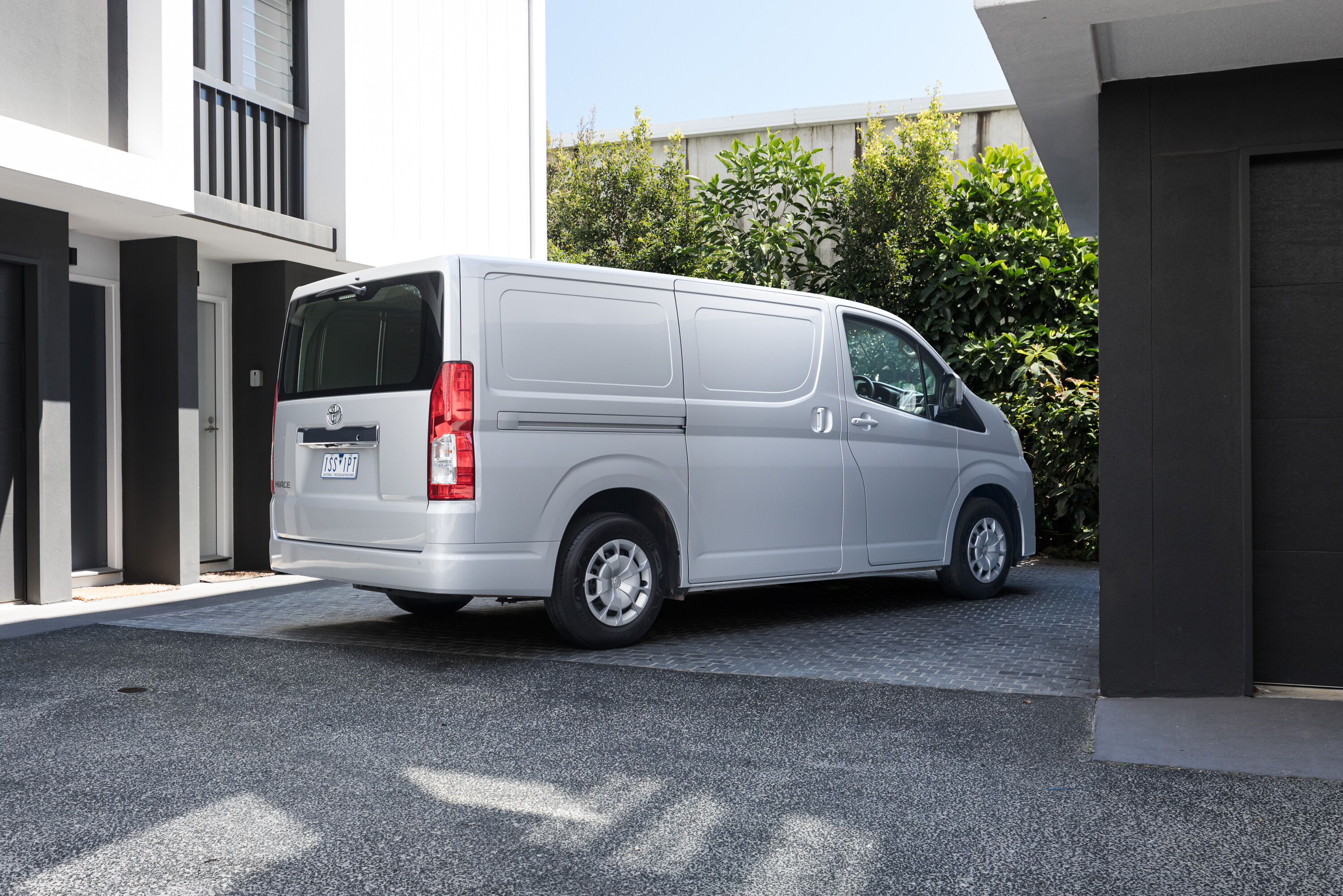
With the launch of its sixth generation in 2019—the first major update in 15 years—the HiAce introduced a sleeker, semi-bonneted design that marked a significant departure from its traditional boxy silhouette.
So let’s take a look at what the class-leading HiAce offers in Australia.
1
Pricing and features
The HiAce lineup starts at $48,886, excluding on-road expenses, for a liftback version equipped with a manual gearbox. Add an extra $2000, for the automatic transmission. The rest of the range doesn’t have a manual option.
Opting for a barn door, the latest addition to the HiAce range, and you’ll pay an extra $750 if you’ve already decided on picking up the auto.
If it’s a people mover you’re after, the HiAce Commuter range consists of two variants, both which host 12 seats.
The commercial range on the other hand is available as a LWB Van (long wheel base), LWB Crew Van (5 seats) or SLWB Van (2 seats).
1
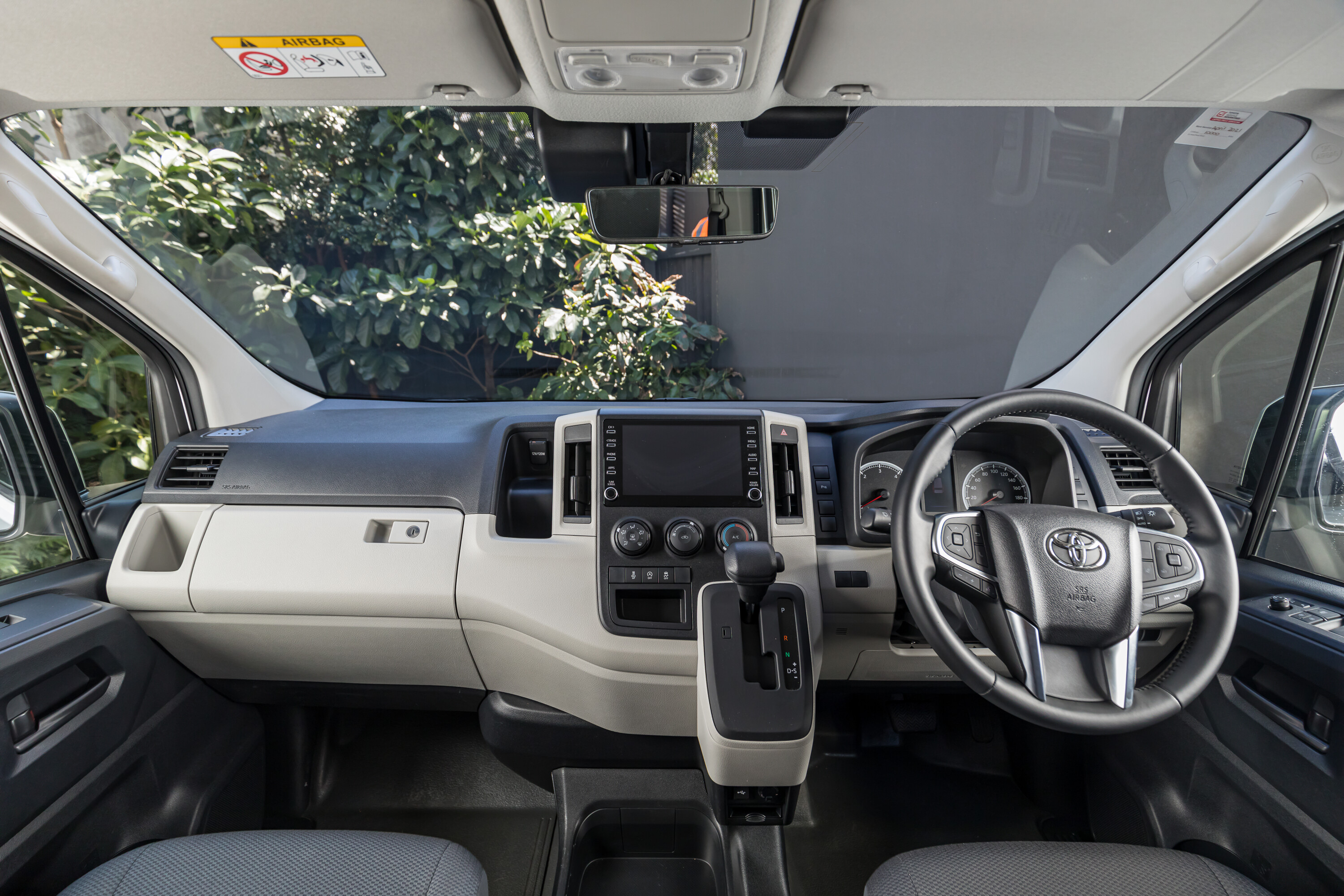
The LWB Van offers the following standard features: 16-inch steel wheels with full size spares, an 8-inch colour touchscreen, six speakers, reversing camera with front and rear parking sensors and satellite navigation.
The only colour available is french vanilla, a.k.a. white.
The LWB model has dimensions of 5265mm in length, 1950mm in width, and 1990mm in height, with a wheelbase measuring 3120mm.
1
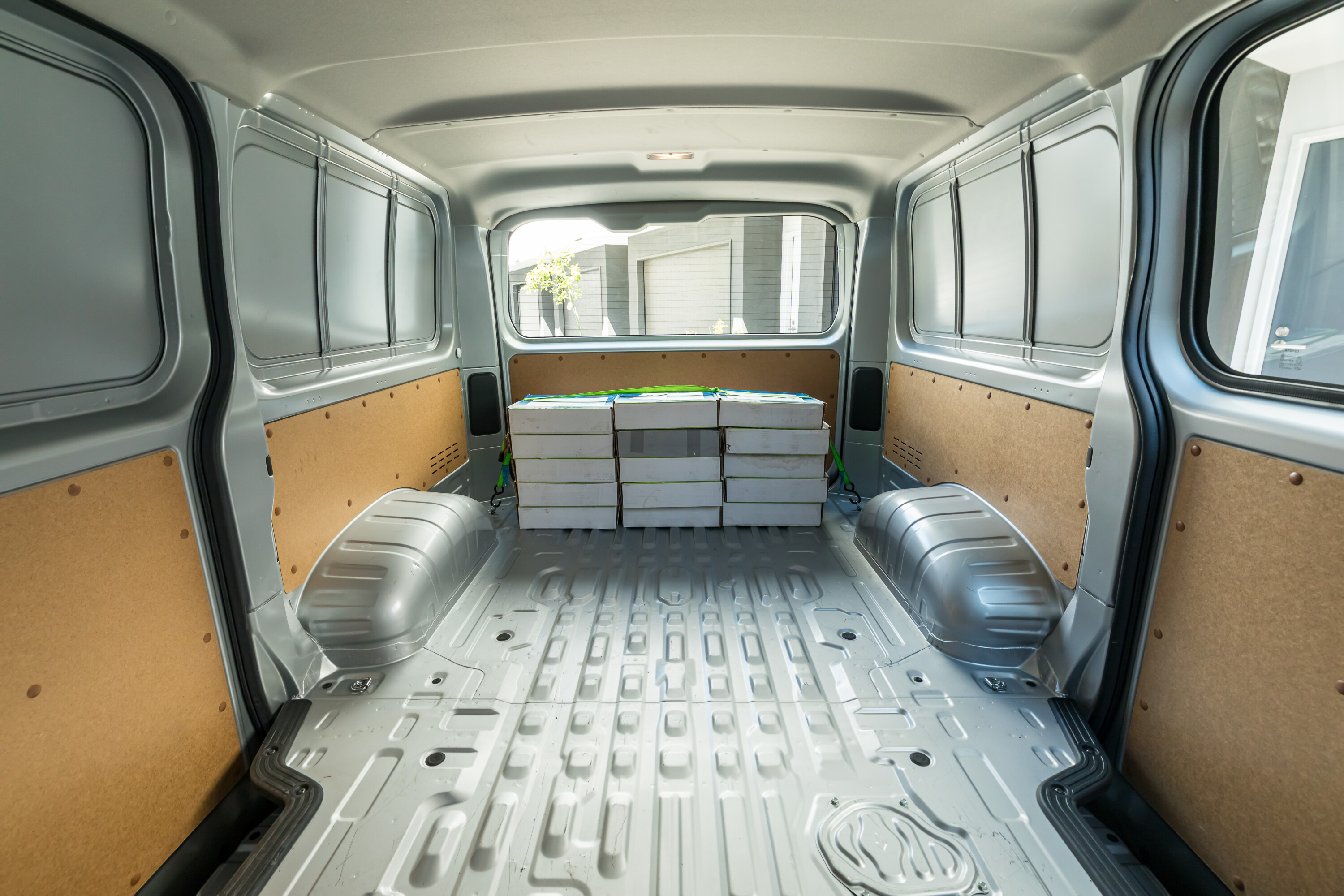
Its cargo bay is 2530mm long, 1760mm wide (with 1268mm between the wheel arches), and 1340mm tall. The LWB Van boasts a total cargo space of 6.2 cubic meters in contrast to the 9.3 cubic meters available in the Super Long Wheel Base (SLWB) model.
While the HiAce’s metal floors, wooden wall linings, and the absence of a cargo divider might lend it a somewhat basic appearance, it’s important to note that owners typically like the opportunity to customise the van to their specific needs.
Safety
The Toyota HiAce was stamped with a five-star ANCAP safety rating in 2019.
In crash safety evaluations, the HiAce received an impressive 94 percent in adult occupant protection and 88 percent in child occupant protection.
The HiAce LWB comes packed with standard safety features via the Toyota Safety Sense suite of features including pre-collision safety system, lane departure alert, auto high beam and road sign Assist.
You’ll also get important additions for a vehicle of this size such as a reversing camera with front and rear parking sensors, blind spot monitors and rear cross traffic alert.
1
Your new HiAce will come with a year complimentary access to Toyota Connected Services which includes SOS Emergency Call, Automatic Collision Notification and Stolen Vehicle Tracking.
Key rivals
In the commercial van landscape, there isn’t a more notable vehicle than the HiAce. A segment leader, it has continued to be the dependable workhorse that so many Aussie businesses need.
The 2024 Toyota HiAce is one of those winning combinations that has won over so much commercial businesses over the years, and the recent addition of the barn door option has opened up the opportunity even further.
The LWB Van, although the technical entry-level of the range offers plenty of specification while still keeping the rear bare for customisation.
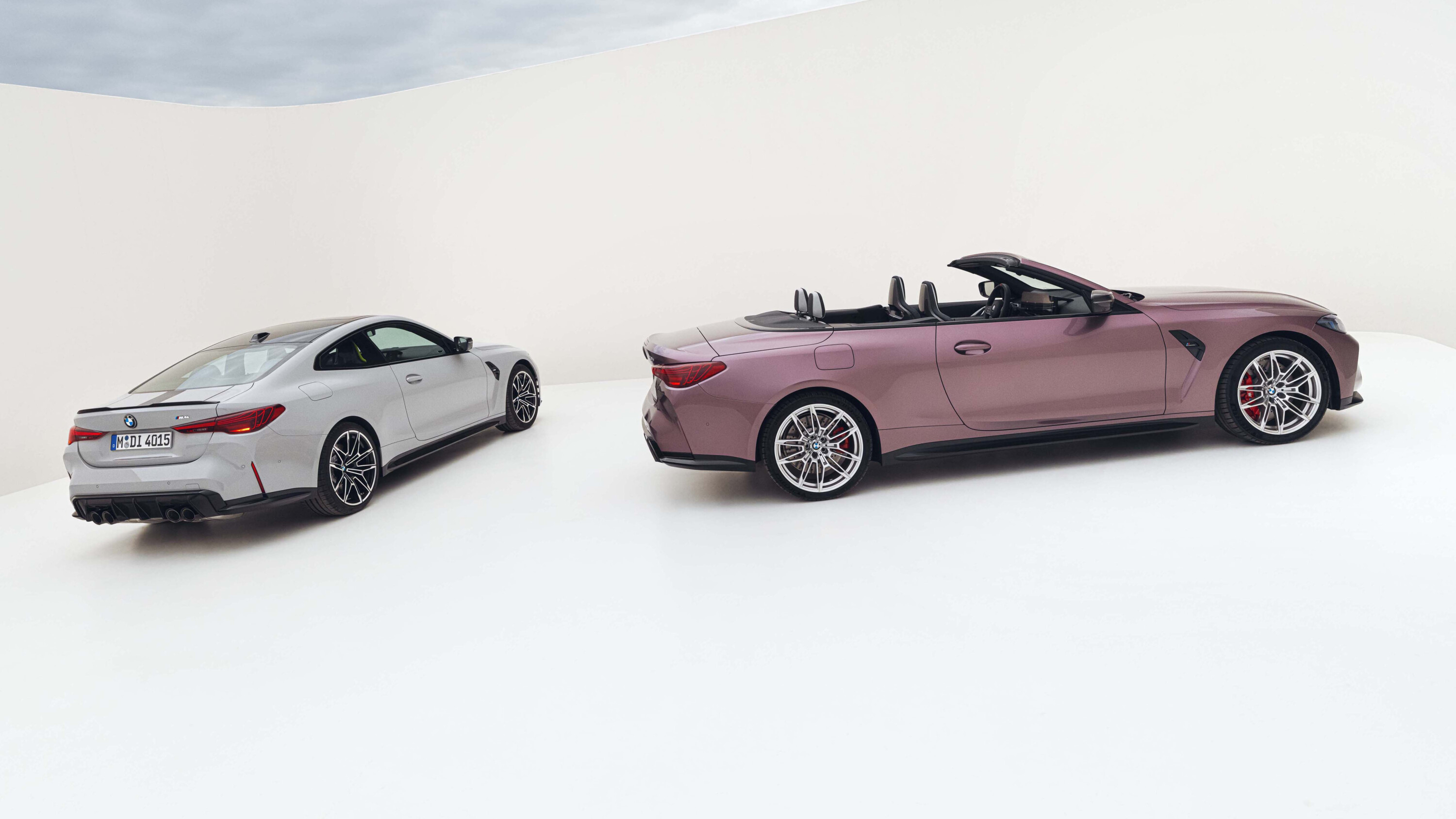
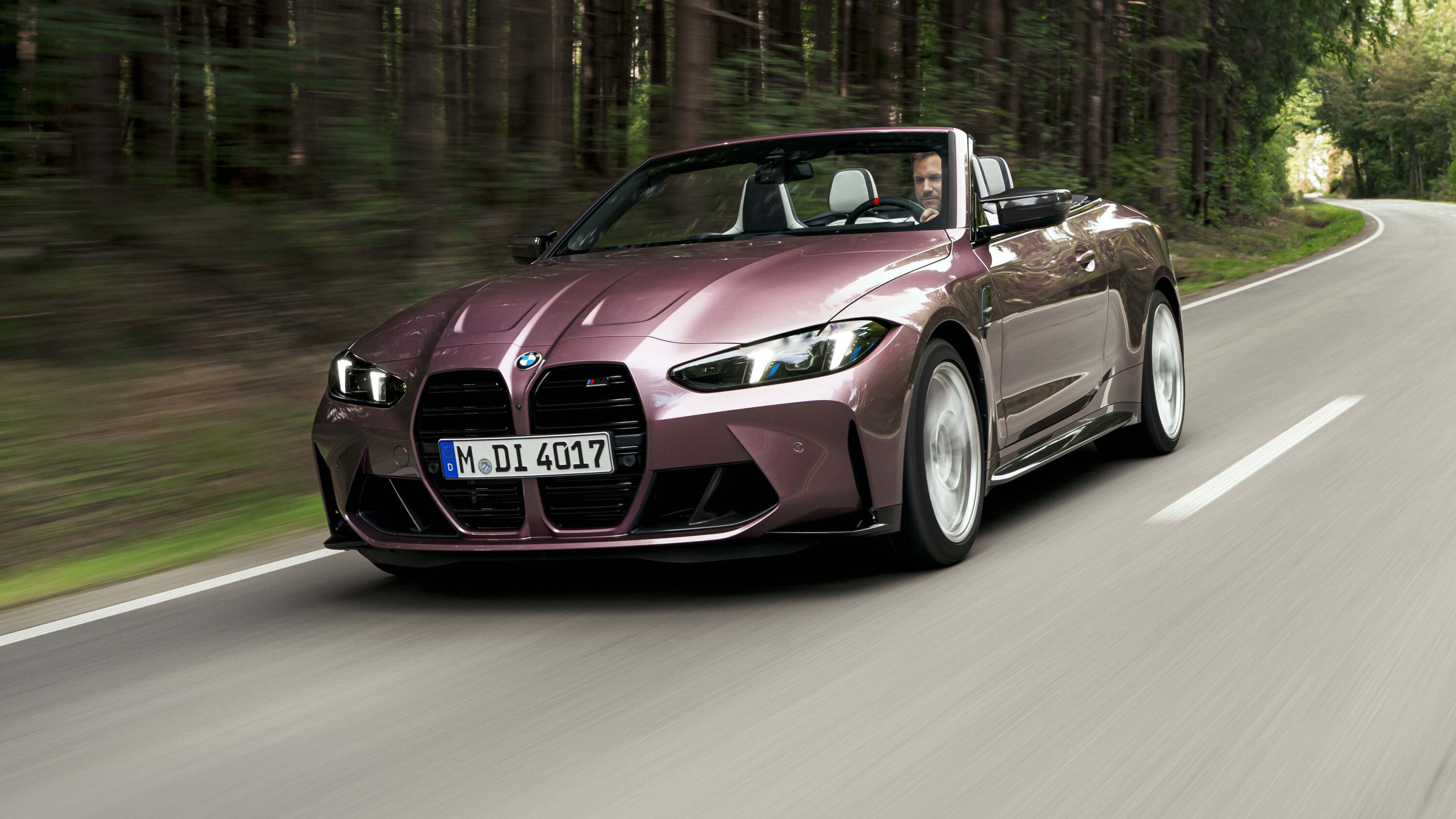
The 2024 BMW 4 Series and 2024 BMW M4 have received comprehensive updates, with a local launch set for Q2 2024.
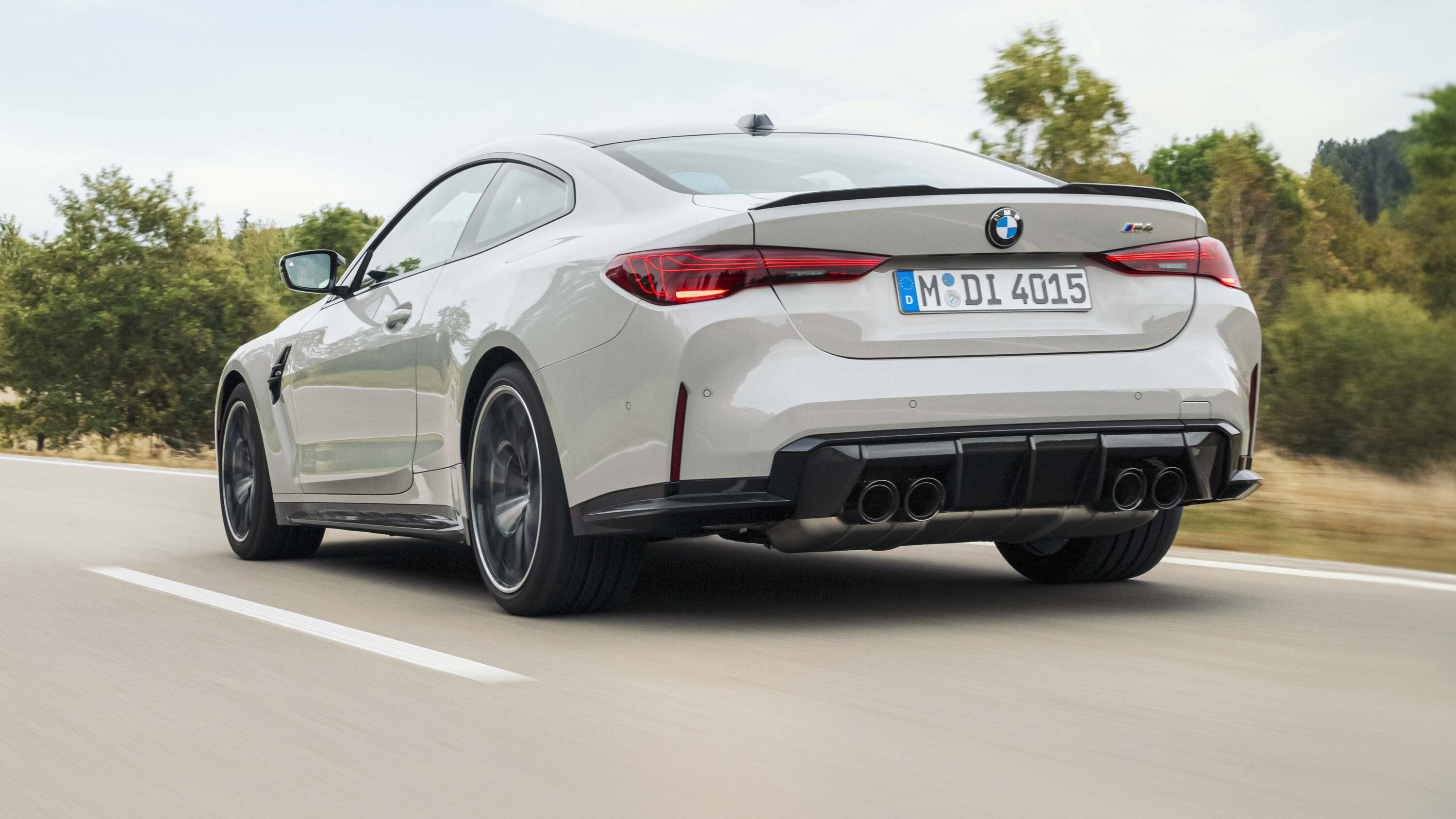
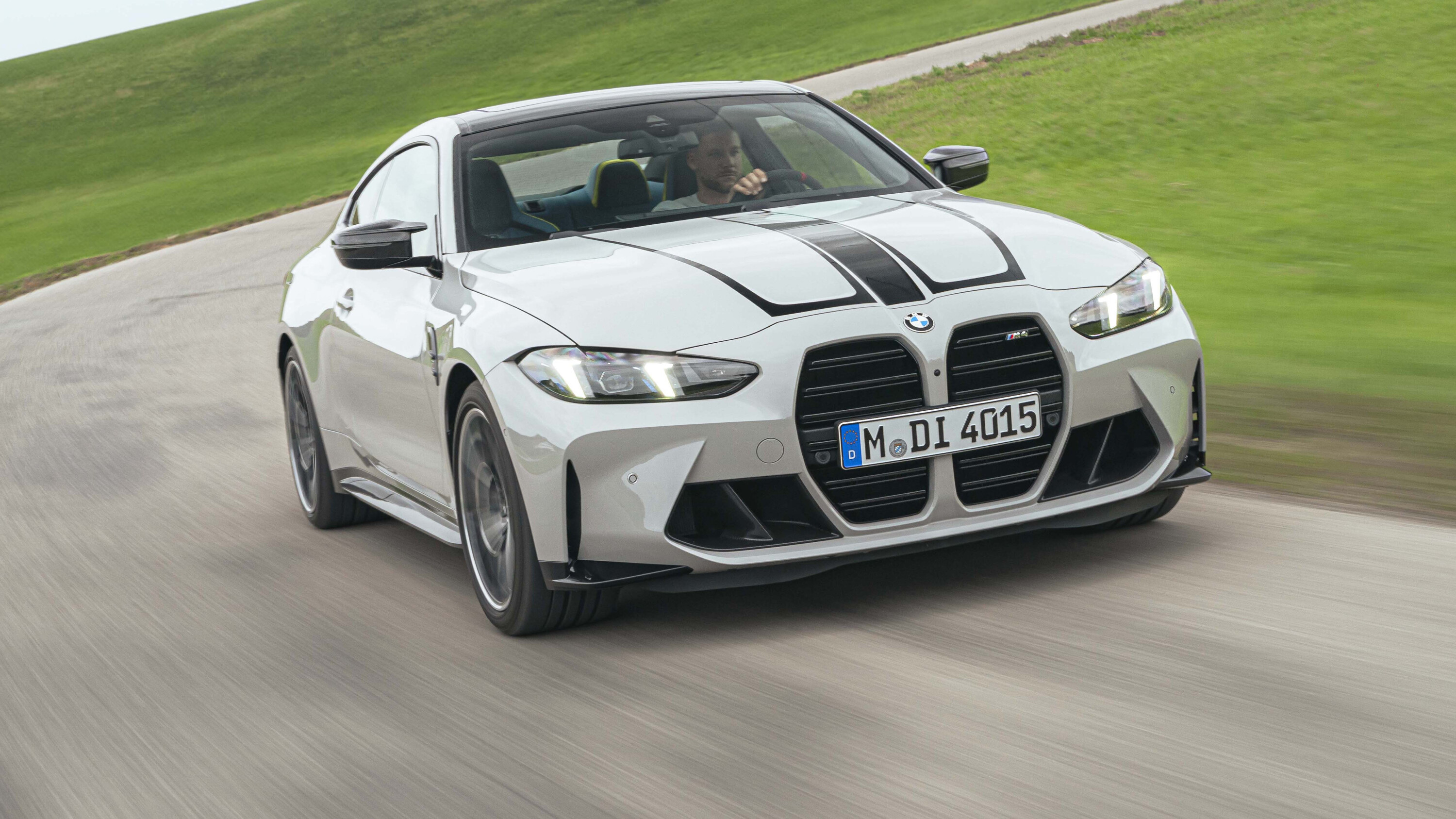
Kicking off with the performance-hero BMW M4 range, the offerings have been further enhanced and sharpened with various new and improved specifications and options.
Most notably, M4 Competition models receive a power increase of 15kW from 375kW to 390kW out of the twin-turbo 3.0-litre straight-six.
1
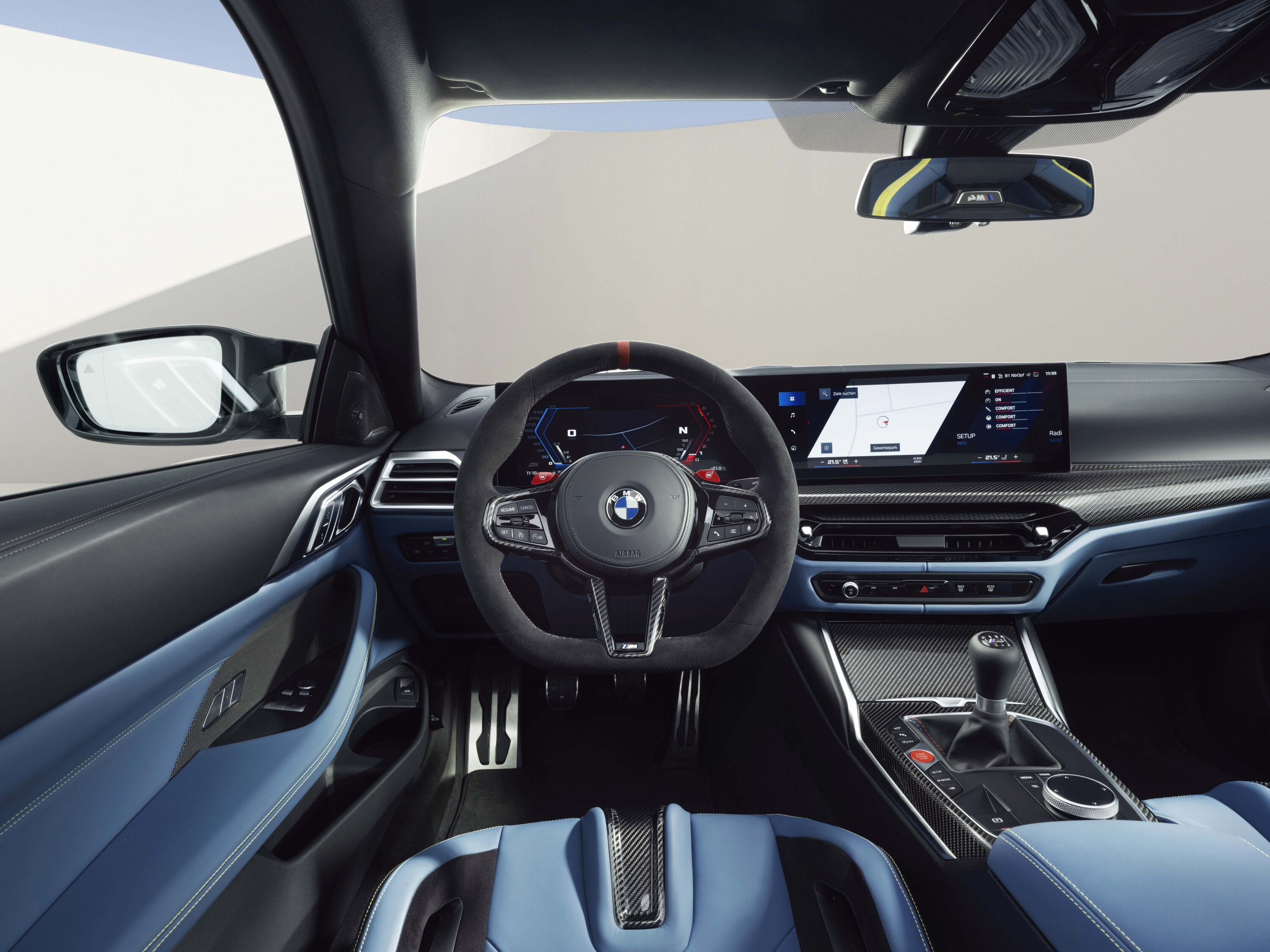
A new-look flat-bottom steering wheel with a red centre marking in the 12 o’clock position has been added to all M4 models, with an M Alcantara option.
The 420i convertible is now fitted with BMW’s adaptive M suspension as standard.
Across the 4 Series and M4 model range, a wide array of exterior, interior and technological changes have been applied, with the standard equipment level increasing significantly.
1
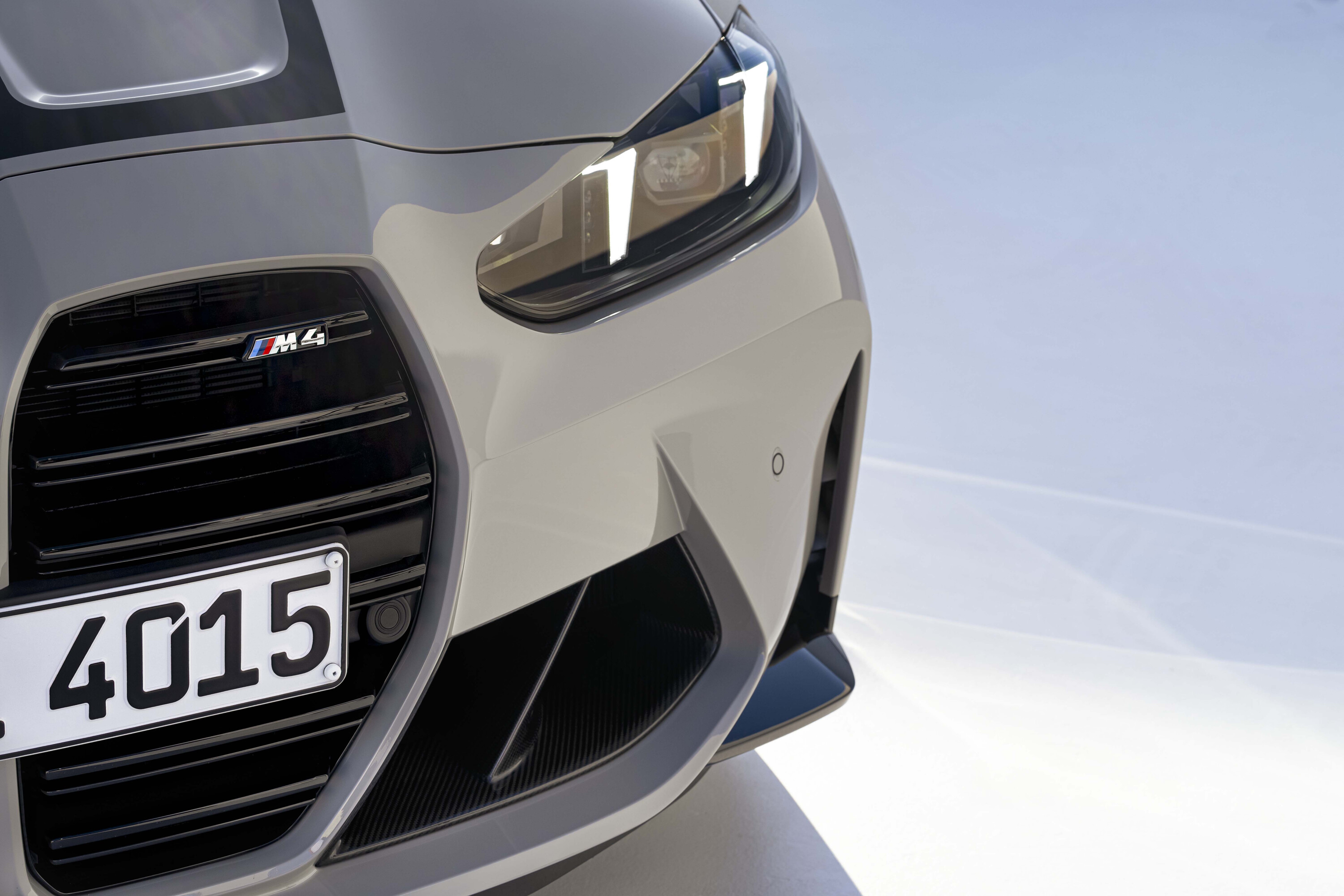
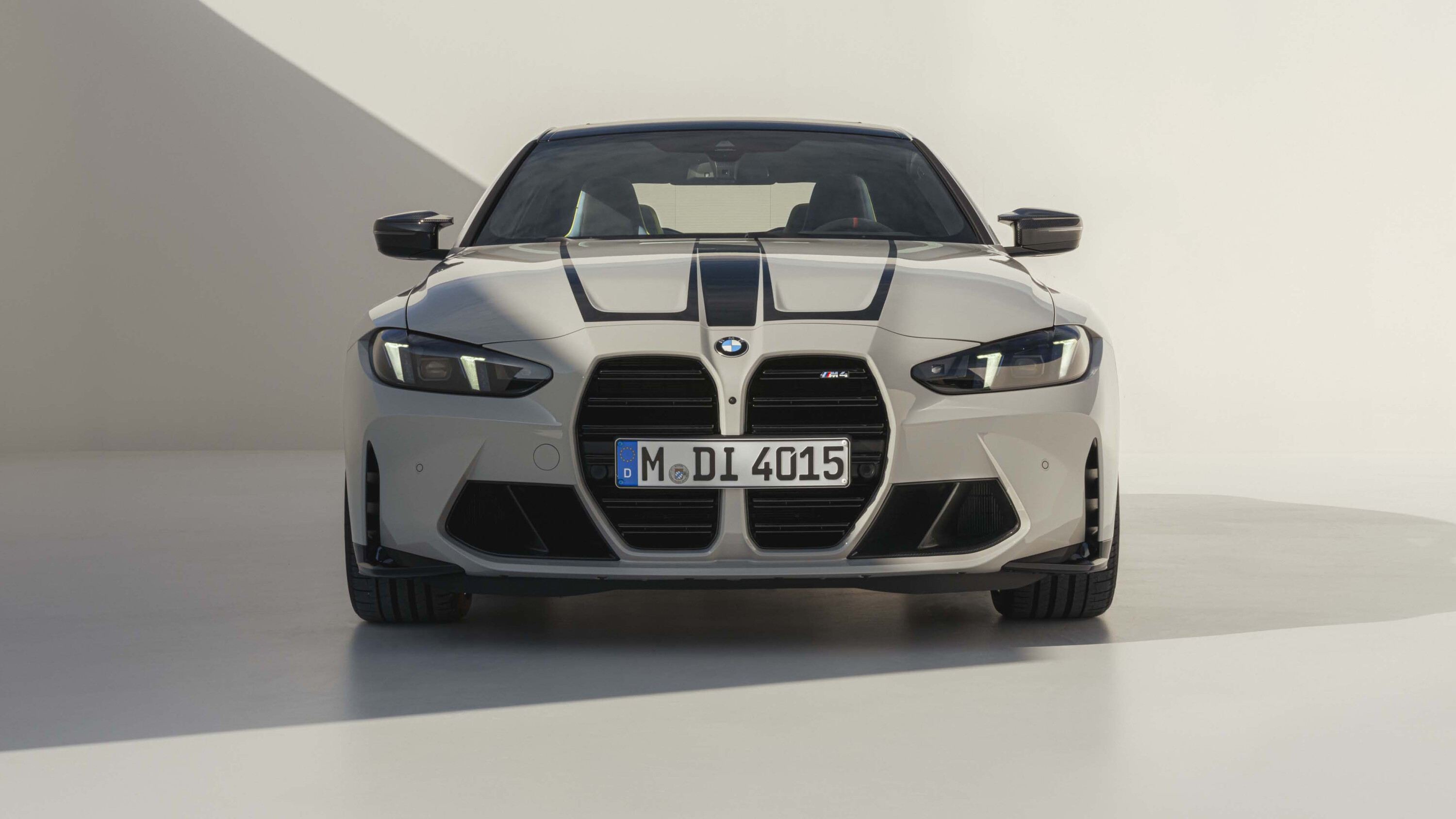
Up front, BMW has updated the headlight design with improved LED technology and a new daytime running light signature.
A new-look kidney grille has appeared, complemented by front and rear bumper accents, now in gloss black.
At the rear end, the new range boasts fresh tail-lights derived from the limited-run M4 CSL, utilising laser and fibre optic technology.
Across the range, the exhaust tips are now finished in gloss black, matching the updated bumper accent scheme, rather than the previous Cerium Grey.
M4 Competition models have new subtle colour accents around badging on the rear end.
1
On all models, twin-stalk M exterior mirrors are now fitted as standard.
A new range of optional wheels are offered, with M forged light-alloy added to the lineup, sized at 19-inch front and 20-inch rear, featuring a fresh and alluring bright-silver finish. The new 4 Series Coupe and Convertible are offered with three new 19-inch variants, with double-spoke M wheel options available in Jet Black or bi-colour. New BMW Individual light-alloy wheels are also offered, with a Y-spoke design, finished in Midnight Grey.
The curved display from the 3 Series is now fitted to the 4 Series and M4, running the updated BMW iDrive 8.5 with an improved climate control system that features voice control and touch buttons for seat ventilation, seat heating and steering wheel heating.
1
Sports seats are now standard fitment and a new M leather-wrapped flat-bottomed three-spoke steering wheel provides the driver with a tactile and ergonomic experience.
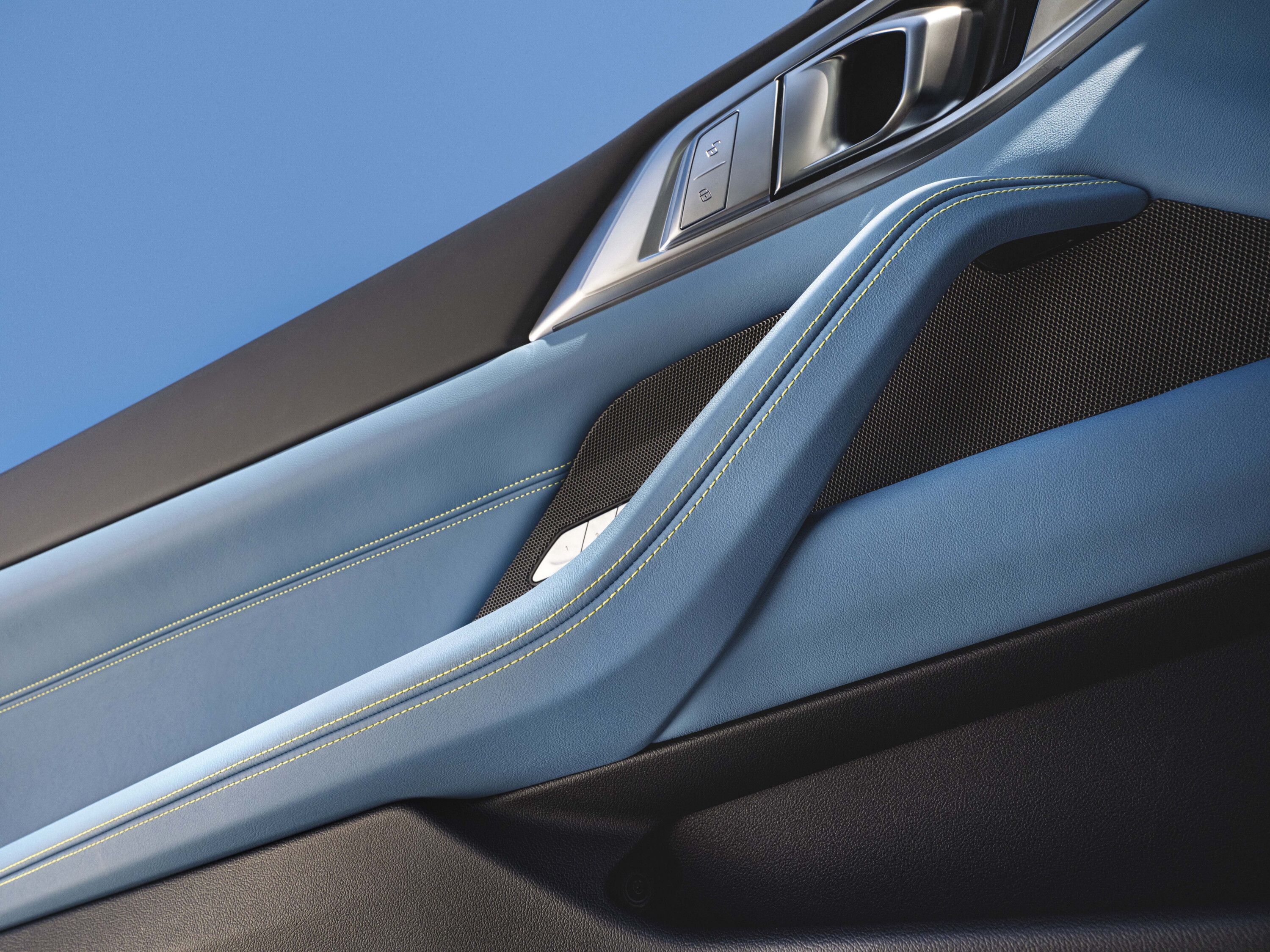
Interior appointment options have been expanded, with BMW’s CraftedClarity glass available for the gear selector, BMW iDrive Controller and Start/Stop button, providing a unique and luxurious interior accent.
There’s also a new vent grille design for more precise adjustment and positioning, along with contoured accent lighting.
Parking Assistant Plus with Park View, Panorama View, and Remote 3D View functions are now standard equipment for all Australian-delivered 4 Series variants.
The 2024 BMW 4 Series and 2024 BMW M4 are due in Australia between April and June. BMW is yet to detail mid-life updates for the four-door 4 Series Gran Coupe or its i4 all-electric sibling.
1
Updated inclusions (existing/pre-update features not listed) and pricing:
2024 BMW 430i Coupe – $109,700 *
Steering wheel heating
Glass electric sunroof
Front seat heating.
2024 BMW M440i xDrive Coupu00e9 – $134,400 *
Steering wheel heating
Tyre pressure monitor
CraftedClarity glass trim options
1
2024 BMW 420i Convertible – $106,500 *
Steering wheel heating
Driving Assistant Professional,
Adaptive M suspension
Parking Assistant Plus
Air Collar (BMWu2019s neck warming feature)
2024 BMW M440i xDrive Convertible – $150,900 *
Steering wheel heating
Tyre pressure monitoring
CraftedClarity interior trim option
1
2024 BMW M4 Coupu00e9 – $168,700 *
Luxury Instrument Panel
2024 BMW M4 Competition Coupu00e9 with M xDrive $186,500 *
Power Upgrade to 390kW
2024 BMW M4 Competition Convertible with M xDrive – $197,900 *
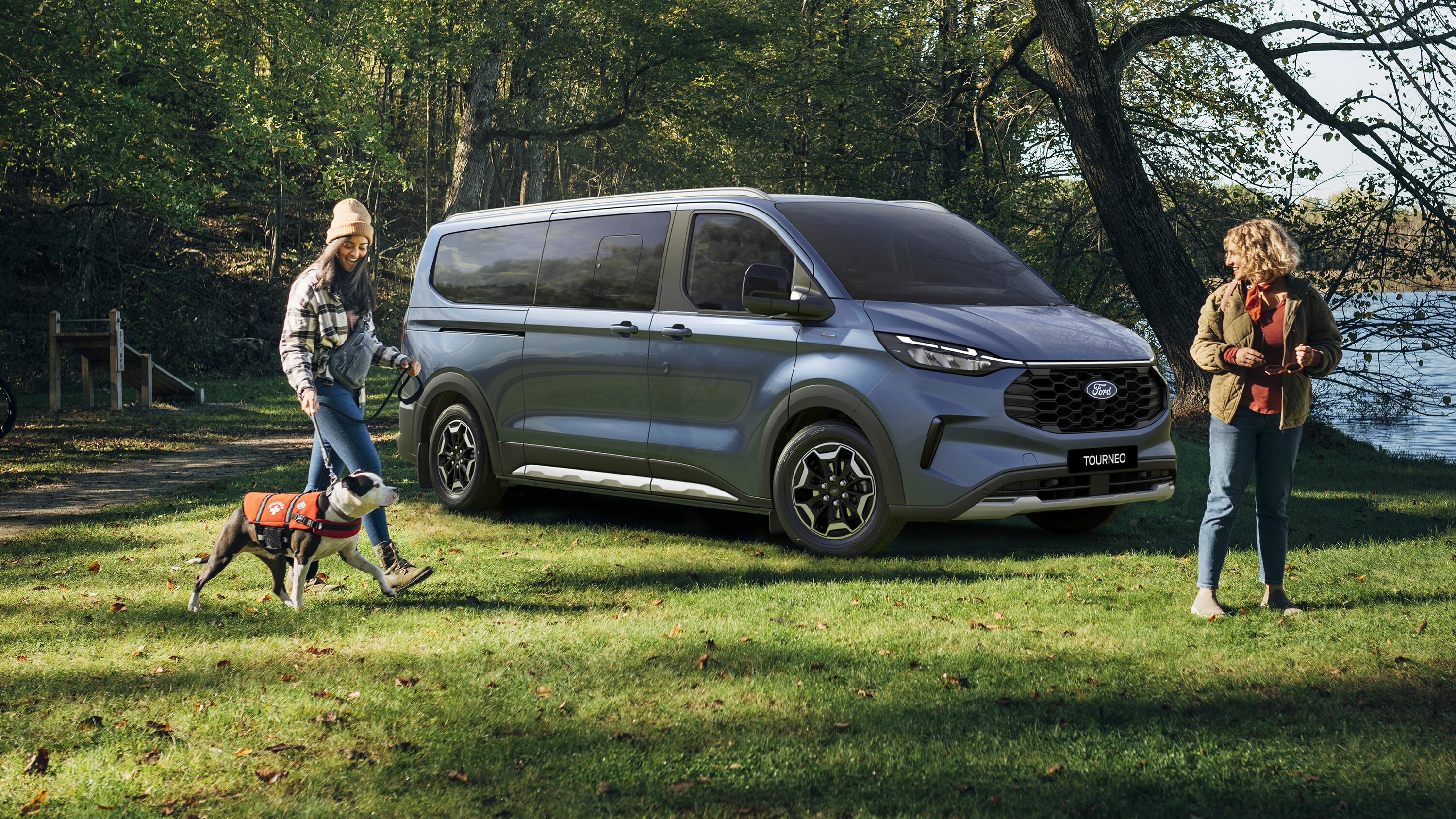
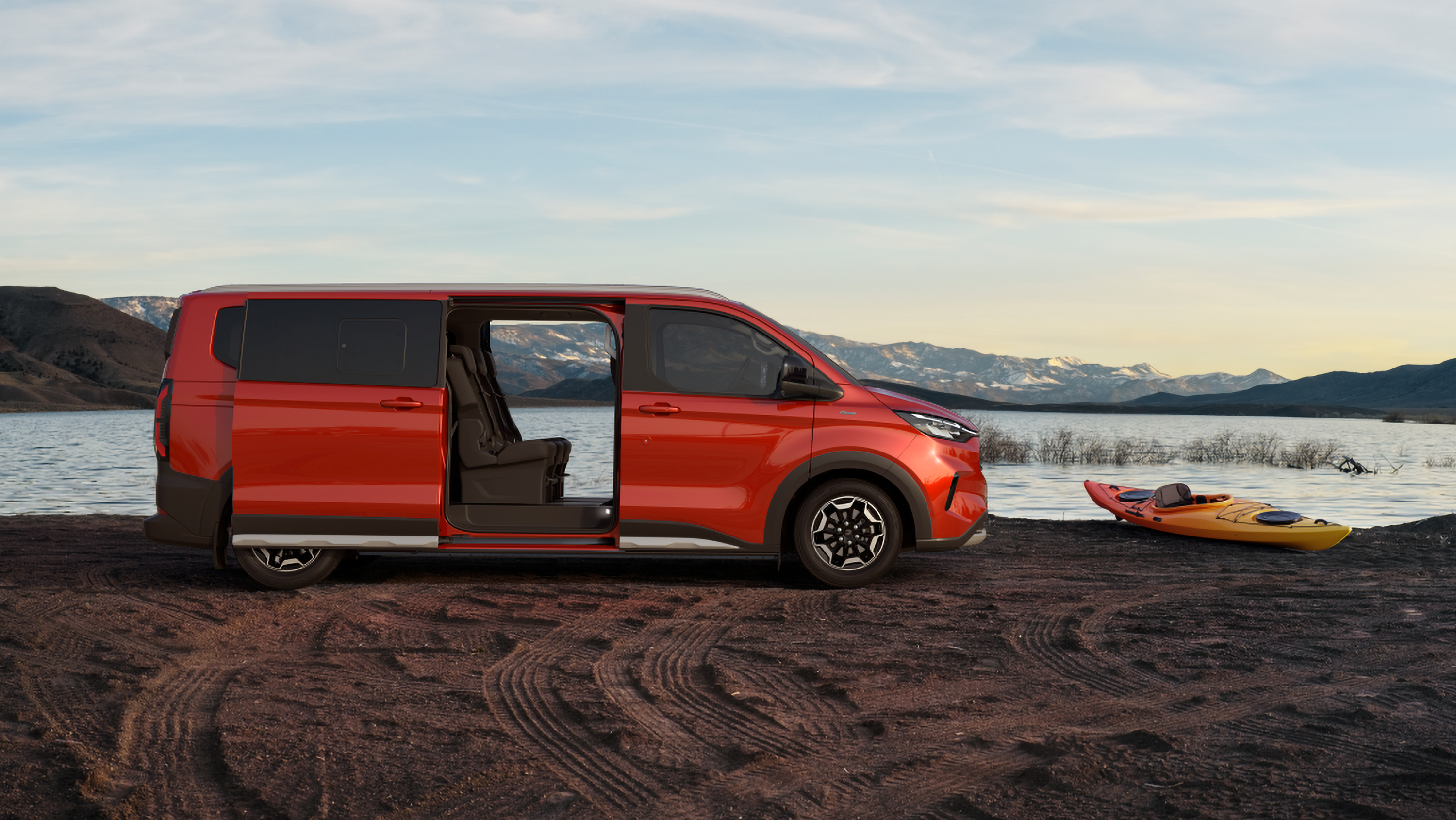
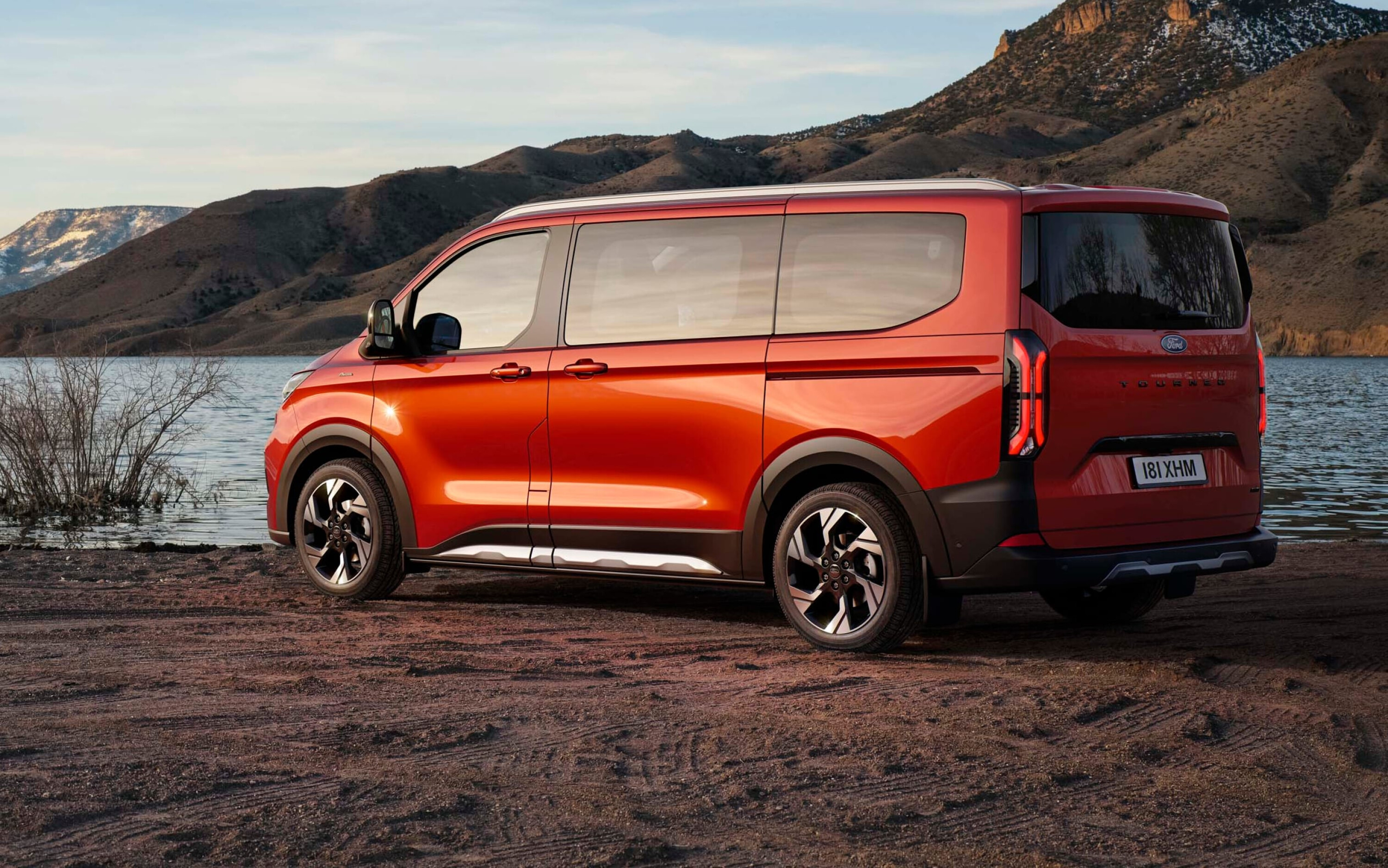
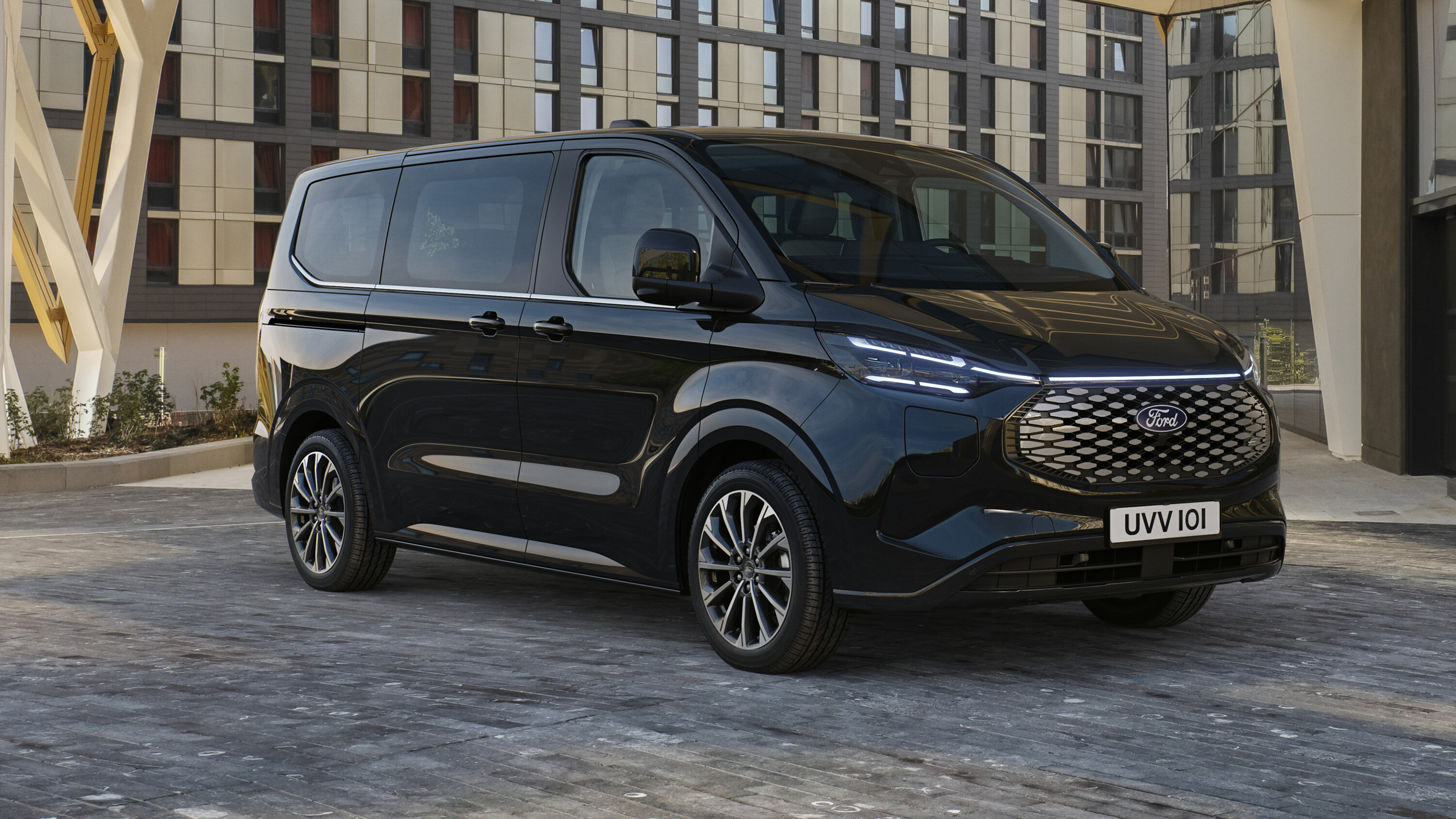
Australian pricing for the eight-seat 2024 Ford Tourneo Custom people mover is now confirmed for Australia – although here it’ll run without the Custom badge, to be known as simply Ford Tourneo.
Snapshot
Eight seats
Diesel engine, front-wheel drive, eight-speed auto
The Korean and Chinese options in that list offer a more affordable entry point, but Ford appears focused on offering a rich specification for its European designed and built people mover.
That won’t include Europe’s all-electric and plug-in hybrid electric options, however, with Australia’s two-variant Tourneo range limited to one diesel powertrain. For now, the E-Tourneo remains a “we’re looking at it” proposition.
1
2024 Ford Tourneo pricing
Model
Price
Ford Tourneo Active
$65,990
Ford Tourneo Titanium X
$70,990
Pricing includes GST but excludes on-road costs
When will the Ford Tourneo be available in Australia?
First deliveries of the new eight-seat Tourneo will reach Australia in the fourth quarter of 2024.
2
Features
From its pricey entry level, the 2024 Tourneo’s feature list is at least well equipped, with highlights including dual powered side doors, tri-zone climate control and LED headlights.
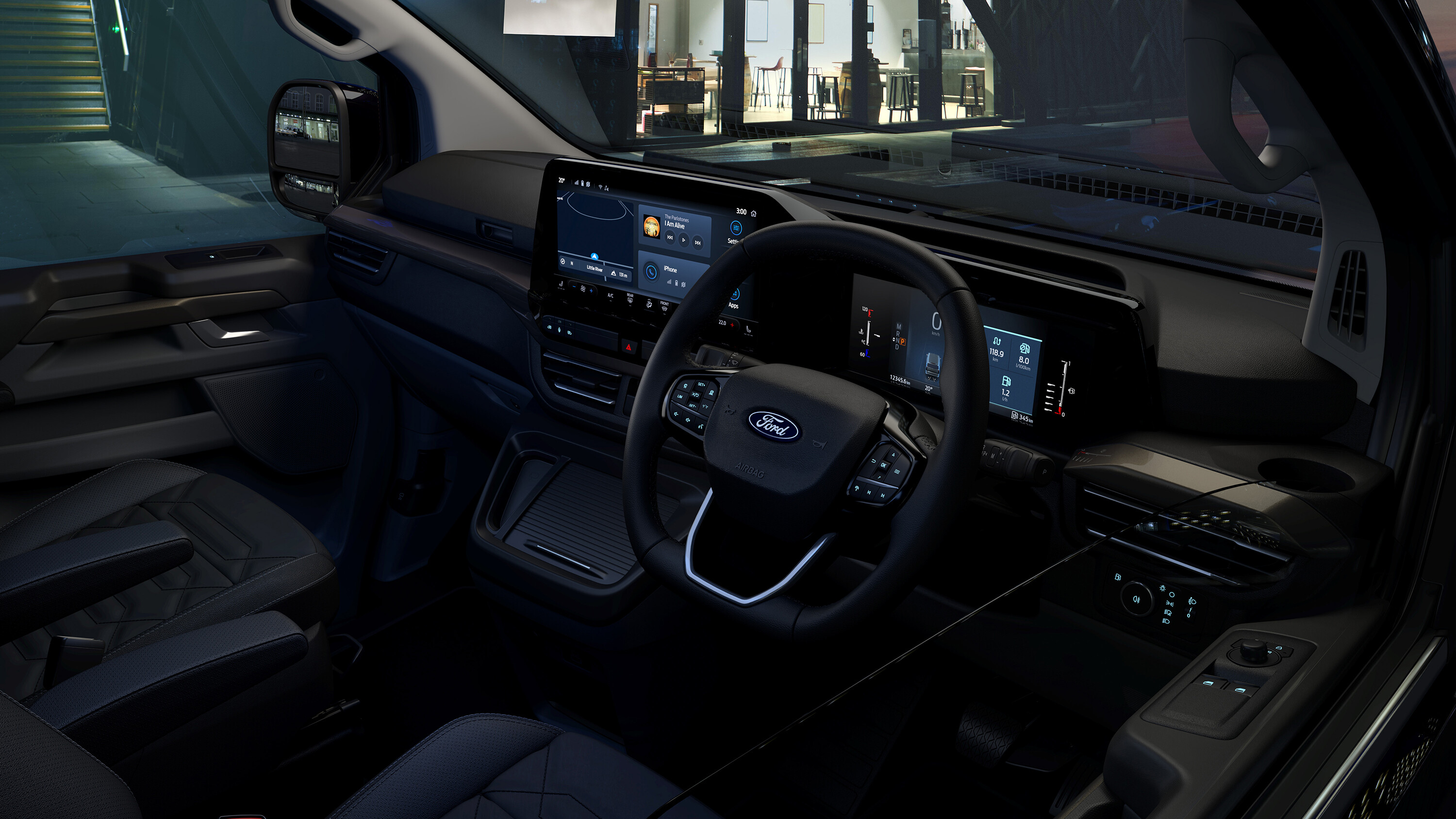
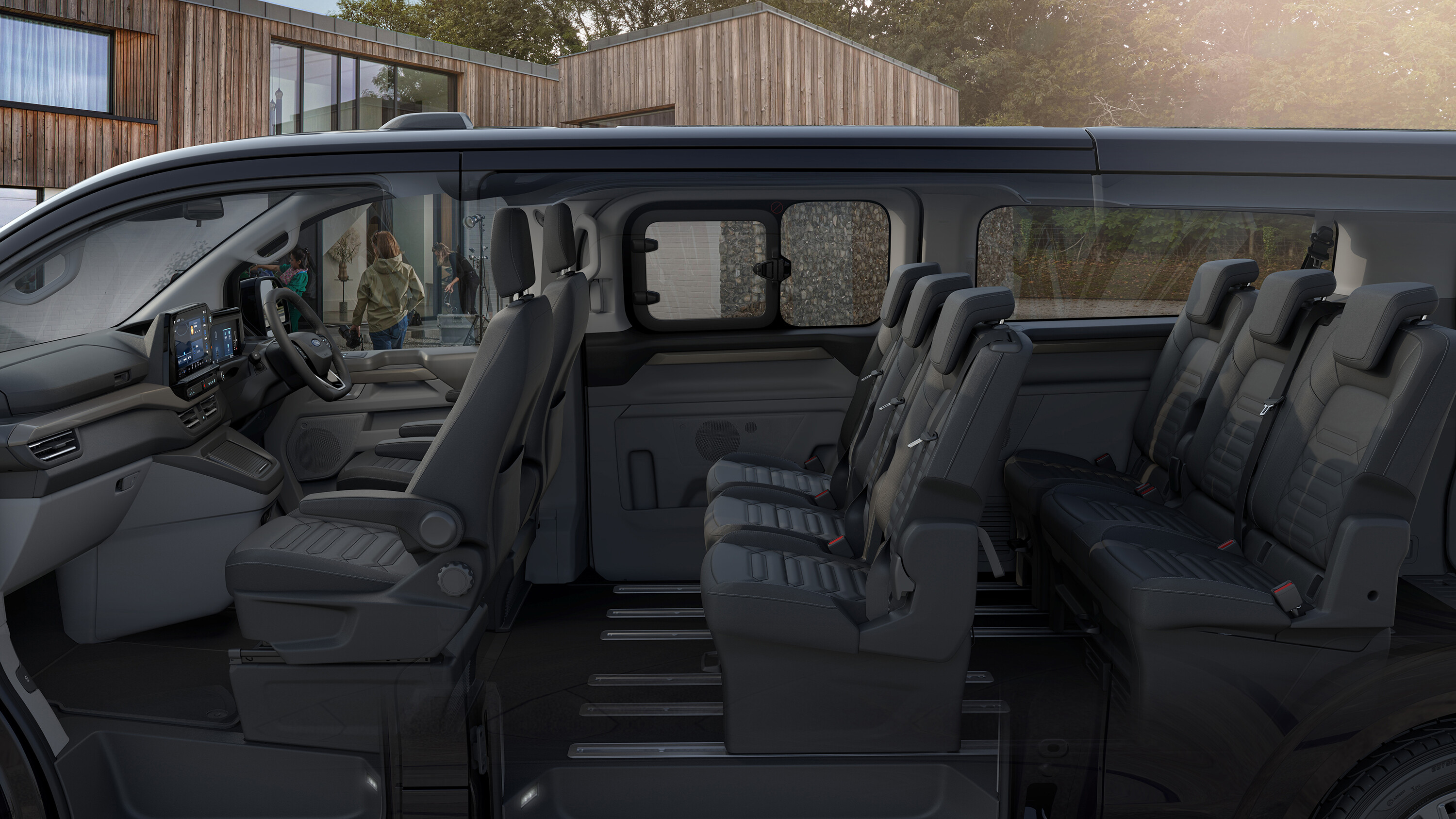
Eight seats are standard across the range, while Apple CarPlay and Android Auto are both wireless connections.
In Europe, the Tourneo features a driver’s steering wheel that can tilt flat to serve as a table for a laptop or for lunch (when stationary), although Ford Australia does not mention this feature in its materials and no imagery of this feature has been offered. Ford did not respond in time for publishing.
2024 Ford Tourneo Active features
17-inch alloy wheels
Tri-zone climate control
Dual side power doors
13-inch landscape colour touchscreen
LED headlamps and daytime running lamps
SYNC 4 with Wireless Apple CarPlay & Android Auto
LED taillamps
5G Embedded Modem compatible with FordPass
Track-based second and third row seats
Connected built-in satellite navigation
Heated driver and front passenger seats
Wireless Mobile Phone Charging
Keyless start
1
2024 Ford Tourneo Titanium X features
Unique 17-inch alloy wheels
Power adjustable front driver & passenger seat
Panoramic sunroof (fixed glass)
Premium B&O audio system
Premium Sensico artificial leather trim
360 Degree camera
The Tourneo lists Frozen White as the only no-cost paint option.
For an additional $700, the Tourneo can be had with Agate Black, Magnet (a dark grey), Moondust Silver, Blue Metallic, and Grey Matter. Artisan Red is available only with the Tourneo Active, while Titanium X buyers can add $1000 for larger 19-inch wheels.
1
Safety
Note: Although well-equipped, neither the Tourneo nor the new Transit Custom upon which it’s based have yet been awarded a crash safety rating in either Australia or Europe.
2024 Ford Tourneo safety
Six airbags
Rear parking camera
Pre-Collision Assist with AEB & Intersection Assist
Lane keeping system
Front and rear parking sensors
Adaptive Cruise Control (ACC)
Blind Spot Information System (BLIS) with Rear Cross Traffic Alert and BLIS Assist
1
Seating
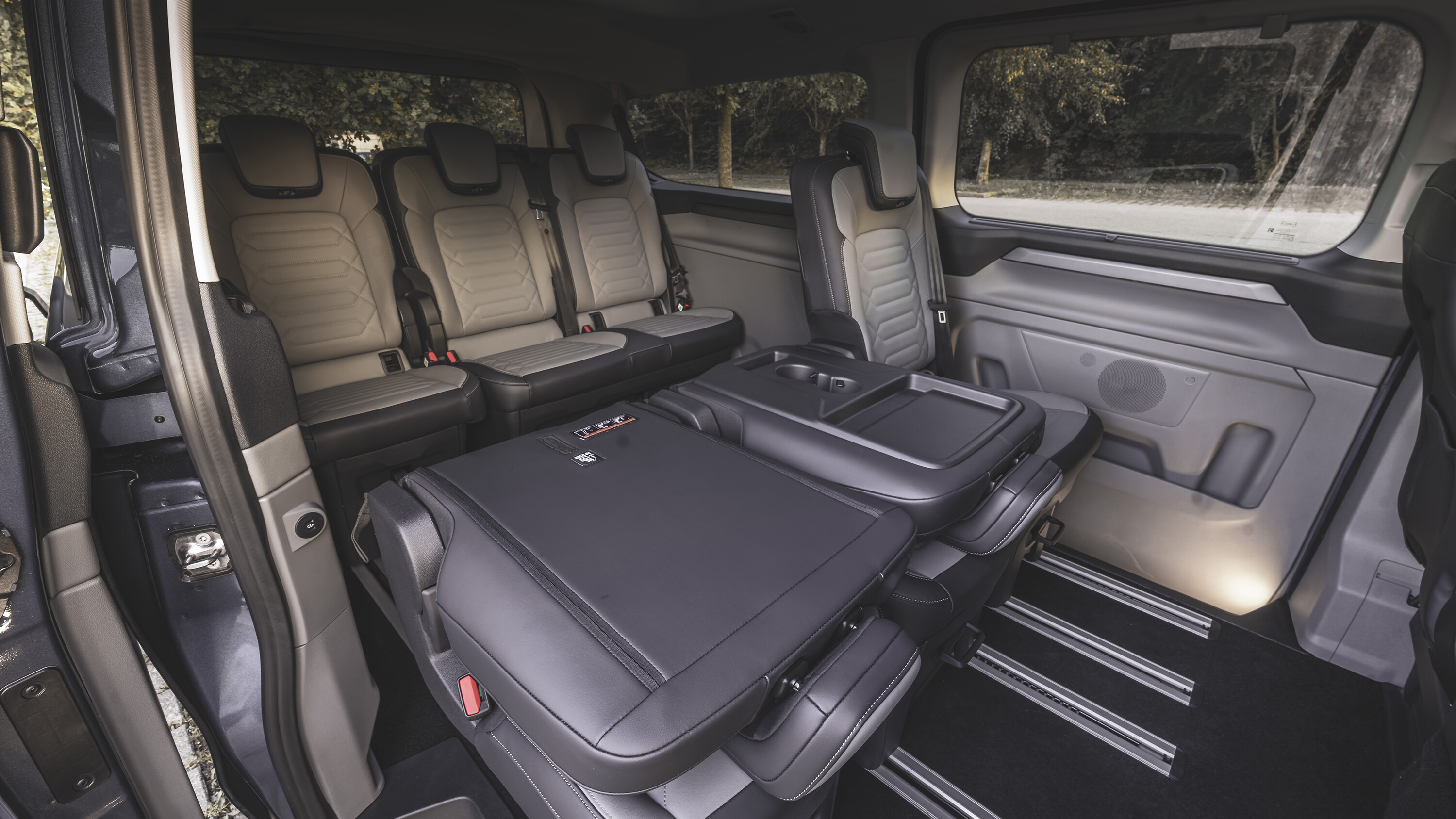
The 2024 Tourneo’s seating configuration is built on a track-based system, allowing the second and third rows to be moved as needed.
With this system, one or all three of the second-row seats can be turned to face rearward for a ‘conference’ layout. The middle seat of the second row can also be folded into a small table with cup holders. All six rear seats can also be removed as needed, either individually or as an entire row.
For families with young children, ISOFIX points are available on both second and third rows – although Ford does not specify if these points are at each seat or only the outboard positions.
28
Powertrain
Key Points
Engine: 125kW/390Nm 2.0-litre turbo diesel
Drive: Front-wheel drive, eight-speed automatic
In Australia, the Tourneo Custom will be offered with one powertrain, in the form of a 125kW/390Nm 2.0-litre turbo diesel engine.
Although an all-wheel drive option is available in Europe, Australia’s Tourneo sees power sent to the front wheels only, through an eight-speed automatic transmission. Ford claims a braked towing capacity of 2500kg.
To boost its family-car credentials, the Tourneo features independent rear suspension for a more comfortable ride.
1
What about the electric E-Tourneo, or the PHEV?
In Europe, the new Tourneo (Tourneo Custom) can be had with full-electric and plug-in hybrid EV options, but neither option has been given an Australian schedule just yet.
“We consider all available electrified options in each segment, and what would best meet the needs of those customers. For people movers, we’re certainly looking at E-Tourneo,” Ford Australia communications manager Ben Nightingale told Wheels.
In Europe, the headlining E-Tourneo Custom packs a 74kWh (usable) battery with a 160kW electric motor good for a ‘targeted’ driving range of 370km from a full charge. It can recharge on up to 11kW AC and 125kW DC speeds.
The Tourneo Custom PHEV combines a 2.5-litre petrol engine and an electric motor with a 11.8kWh (usable) battery pack. Its pure-electric driving range is ‘targeted’ to be more than 50 kilometres.
UPDATE: Production of Land Cruiser, HiAce and other models suspended in Japan
Toyota has suspended six production lines at four Japanese assembly plants while the transport ministry confirms the affected diesel engines meet regulatory standards.
It’s understood that the closures will affect plants beyond the specific lines, with Nikkei Asia reporting that Alphard minivan production is also affected.
The product halt comes after Toyota suspended shipments to Europe (see below) after irregularities were discovered between production engines and those used for compliance in 84,000 vehicles.
Whichcar has contacted Toyota Australia for local information, the car maker is aiming to provide an update on Monday.
Toyota will resume operations once the transport ministry has finished its investigations.
Our original story, below, continues unchanged
January 30: Irregularities detected in Toyota diesel engines
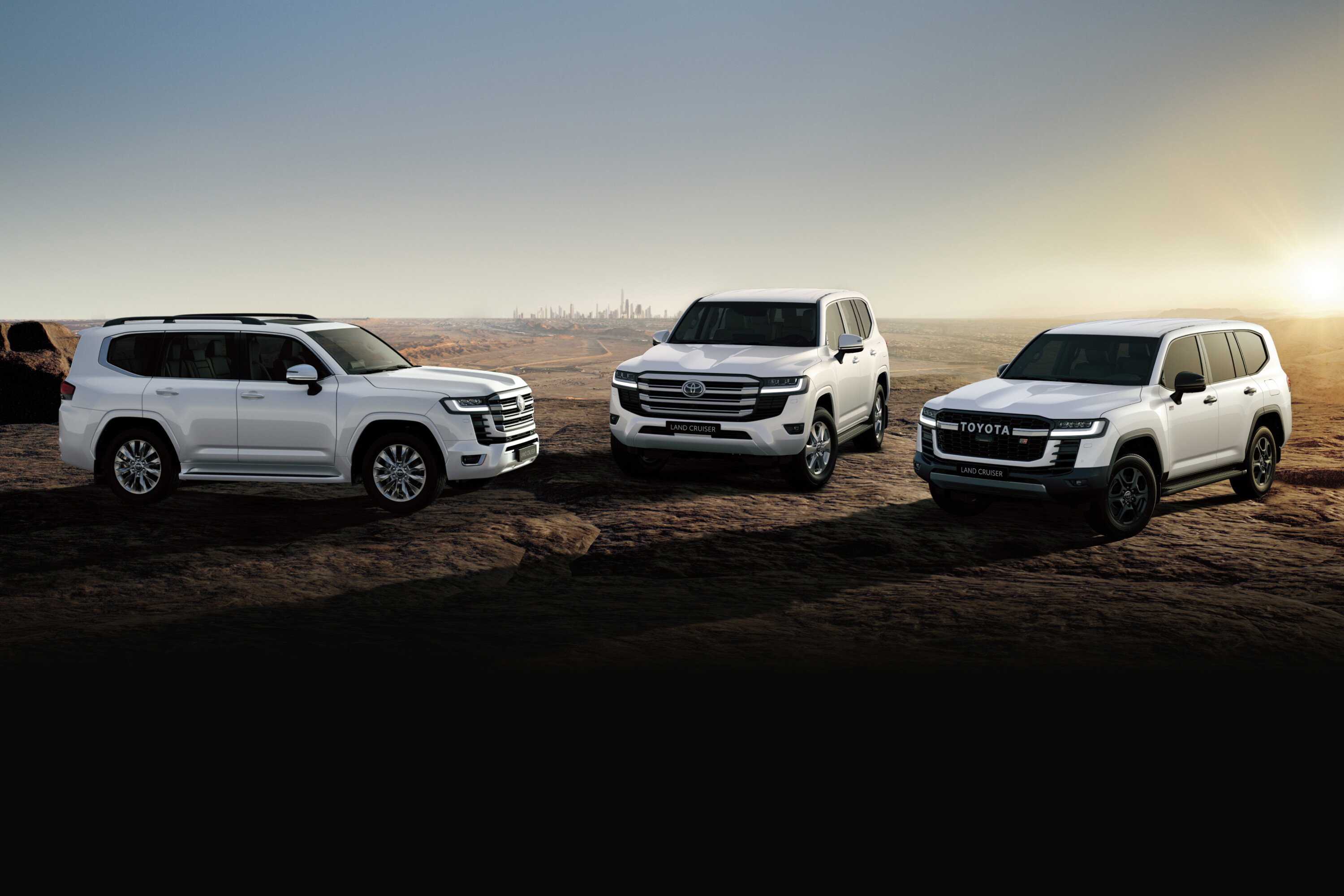
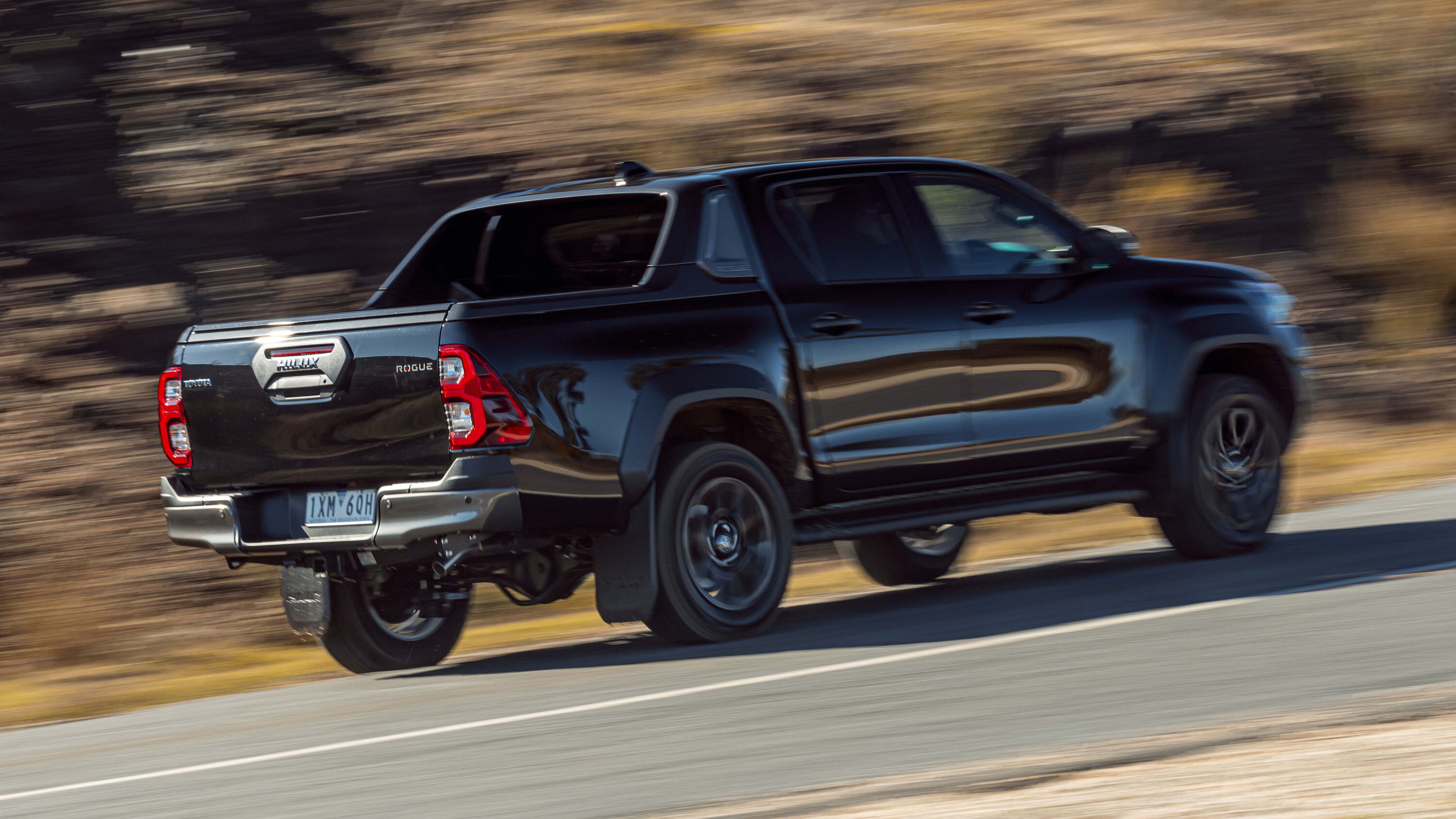
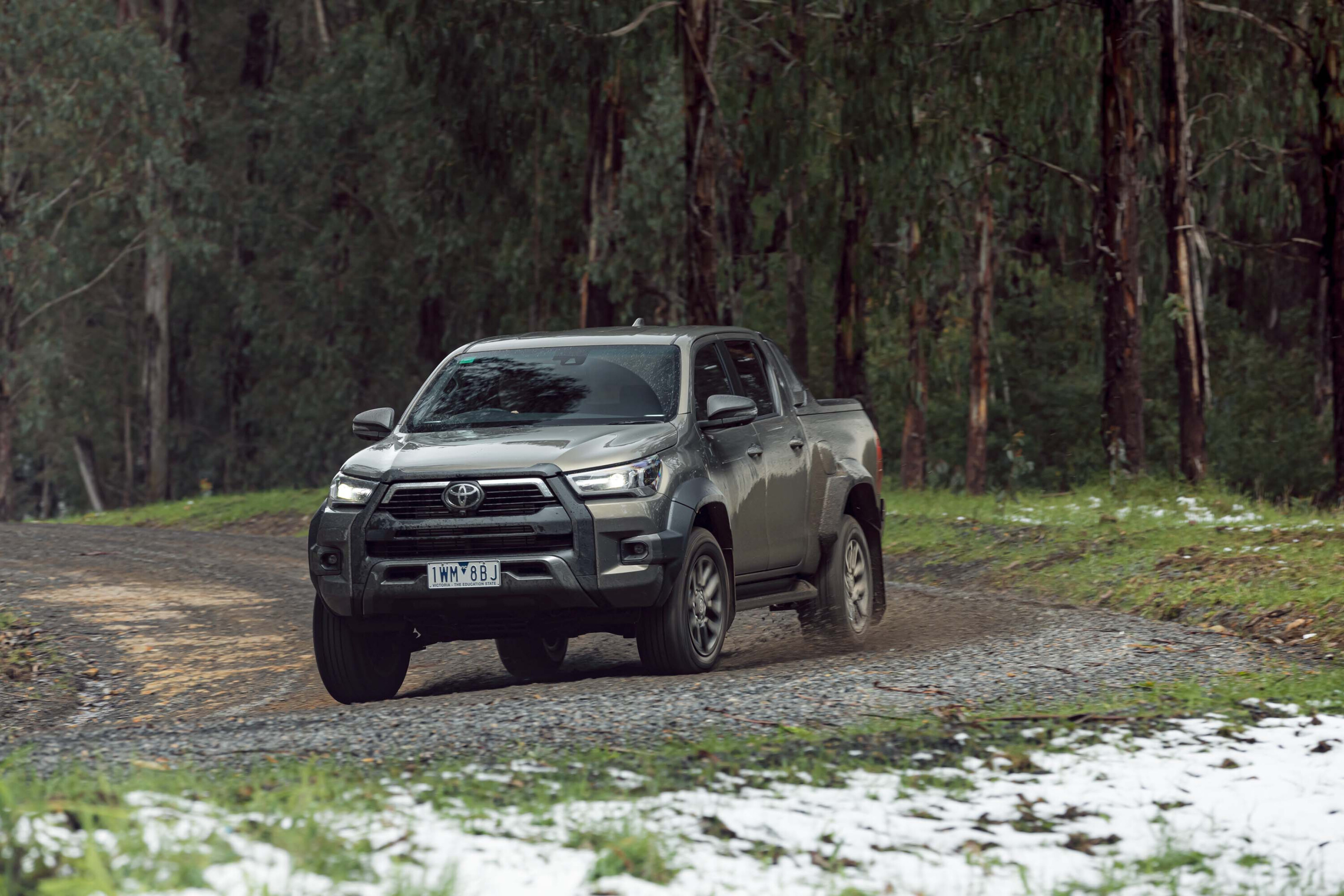
Shipments of Toyota HiLux and Land Cruiser 300 Series vehicles bound to leave ports for Europe have been halted as Toyota addresses irregularities in its 1GD 2.8-litre, 2GD 2.4-litre, and F33A 3.3-litre turbo-diesel engines.
Snapshot
Toyota found to have used different ECU tune when complying diesel models in Europe
Affects 84,000 existing vehicles and has caused a shipment pause to Europe region
Australian ramifications not clear yet
It was found that the diesel engines found in 10 models globally (including HiLux, Land Cruiser 300 Series, and Lexus LX500d) were fitted with a different ECU software for certification.
A special investigation committee within Toyota – initially set up to tackle ‘inappropriate domestic emissions certification’ for forklift and construction machinery engines produced by Toyota Industrial Corporation – acknowledged the situation in a press release.
“During certification testing, the horsepower output performance of engines was measured using ECUs with software that differed from that used for mass production so that results could measure to make values appear smoother with less variation”, said Toyota’s press release.
Toyota claims to have “re-verified the mass-produced products manufactured at the plant and confirmed that the affected engines and vehicles meet engine performance output standards.”
A Toyota Australia spokesperson said: “We are seeking information on any impact to vehicles in the Australian market. We have been informed that there is no variation in the power, torque or other powertrain-related values and in addition there is no compromise to the emissions, safety or driveability of the vehicles.
“We will keep our customers and dealers updated as more information is confirmed. We apologise for any inconvenience that they may experience.”
1
The shipment pause affects Toyota’s Europe region which includes Eurasia, Israel and Turkey with the new Prado (known simply as Land Cruiser in other markets) not affected by the issue.
Reuters reports that the irregularity affects 10 global nameplates with sales totalling 84,000 since the issue occurred.
Although the ECUs used for compliance testing differ from what was sold to customers, Toyota claims that the power, torque, efficiency, and safety of existing vehicles is not affected.
The irregularities stem from Toyota’s engine plant in Japan but the effect will also be felt in the Thai and South African factories that produce vehicles (including HiLux) for different markets around the world.
Toyota’s appeal was denied in March 2023 and the company could be liable for an estimated $1 billion in compensation. The Court acknowledged that Toyota developed an effective fix for the defect in May 2020 and subsequently offered it free to owners with an extended warranty on the item of ten years/unlimited-km.