
Two bespoke Mini Countryman will make their global debut at this month’s Beijing International Auto Show, now regarded as the world’s largest car show.
Designed in collaboration with Austrian design studio, Vagabund, the two concept cars – dubbed Mini Countryman Mini x Vagabund – feature distinctive styling and design elements that, according to Mini, “set a powerful statement for adventure spirit, community culture and festival lifestyle”.
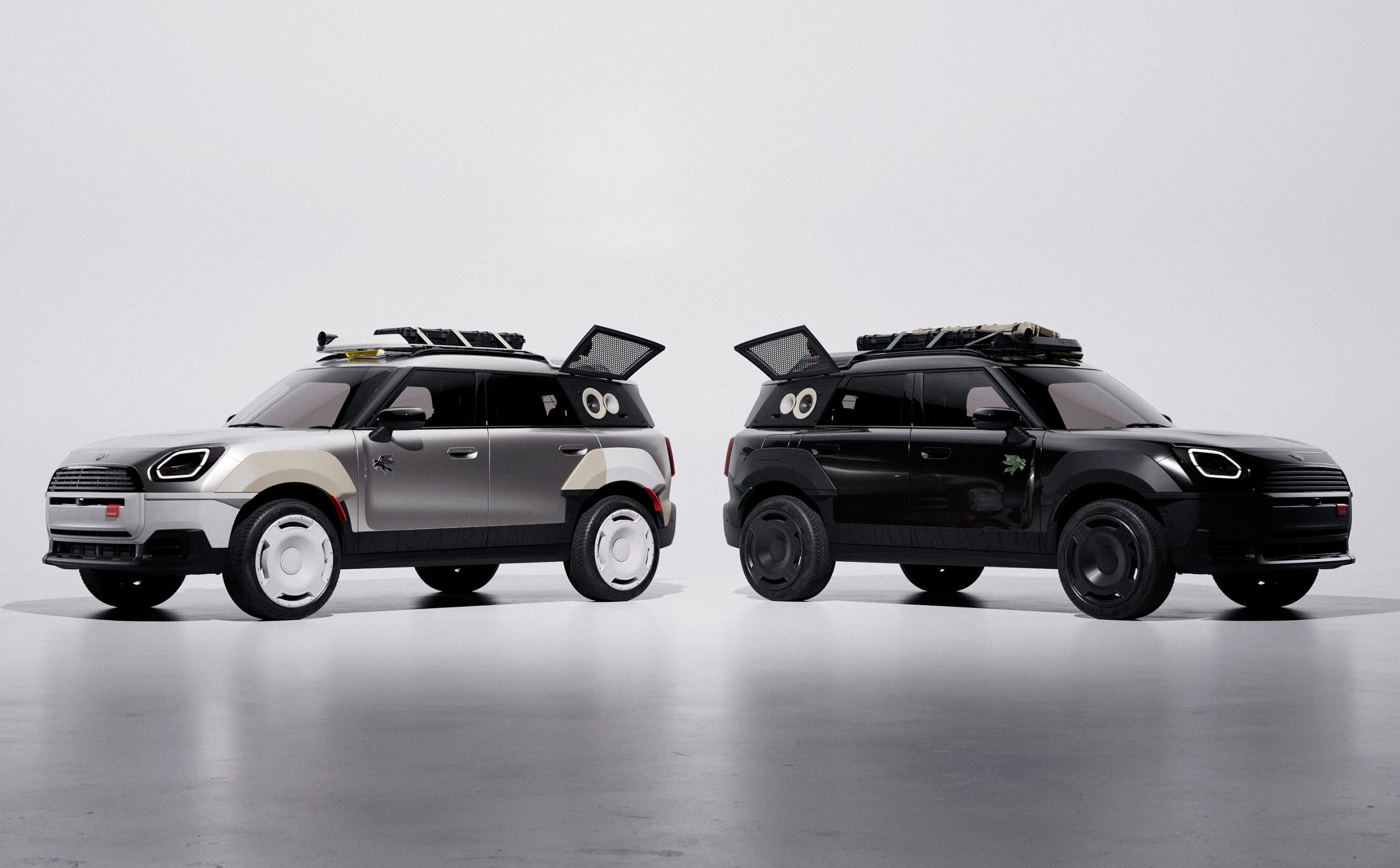
Featuring distinctive graphics, enhanced bodywork and a state-of-the-art sound system, the Mini Countryman x Vagabund are being promoted as “moving sound stages”.
Aside from a raised ride height, wider stance, unique wheel designs and colour-matching body enhancements, the centrepiece of the two concepts is the high-end sound system that is integrated into, and forms part of, the car.
Vagabund’s design removes the rear side windows and in their place, a specially developed sound system that has been designed for outdoor use.
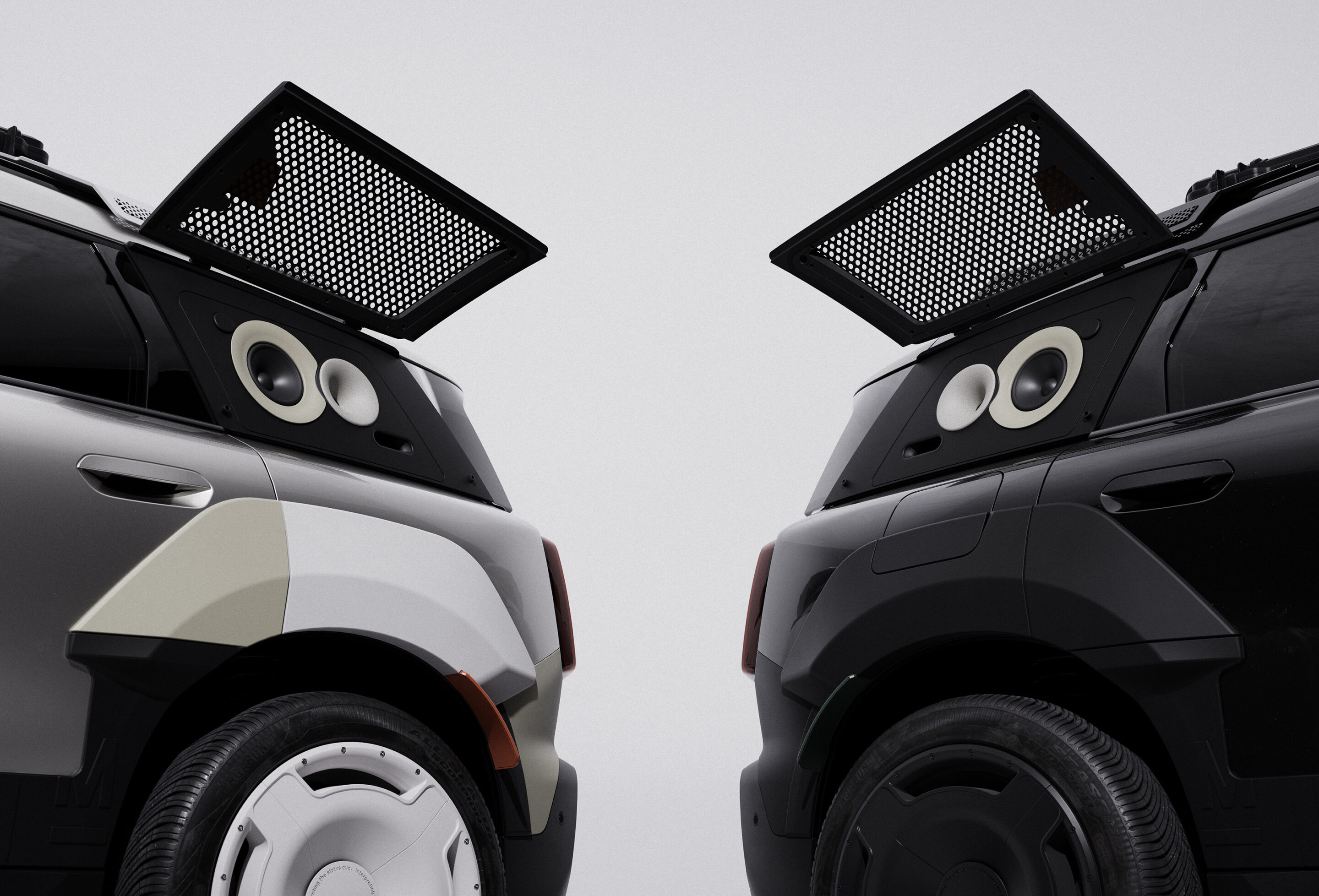
According to Mini, at the heart of the Countryman x Vagabund “is a newly developed loudspeaker housing made from cast polymer granite – a material that offers ideal conditions for precise and unadulterated sound reproduction.”
Further, mid-range speakers and tweeters have been integrated directly into the bodywork of the Countryman while additional subwoofers in the rear cargo area create “an independent sound system”, or when the two concept cars are parked together, the “Mini Countryman show cars form a mobile stage, creating an immersive audio experience”.
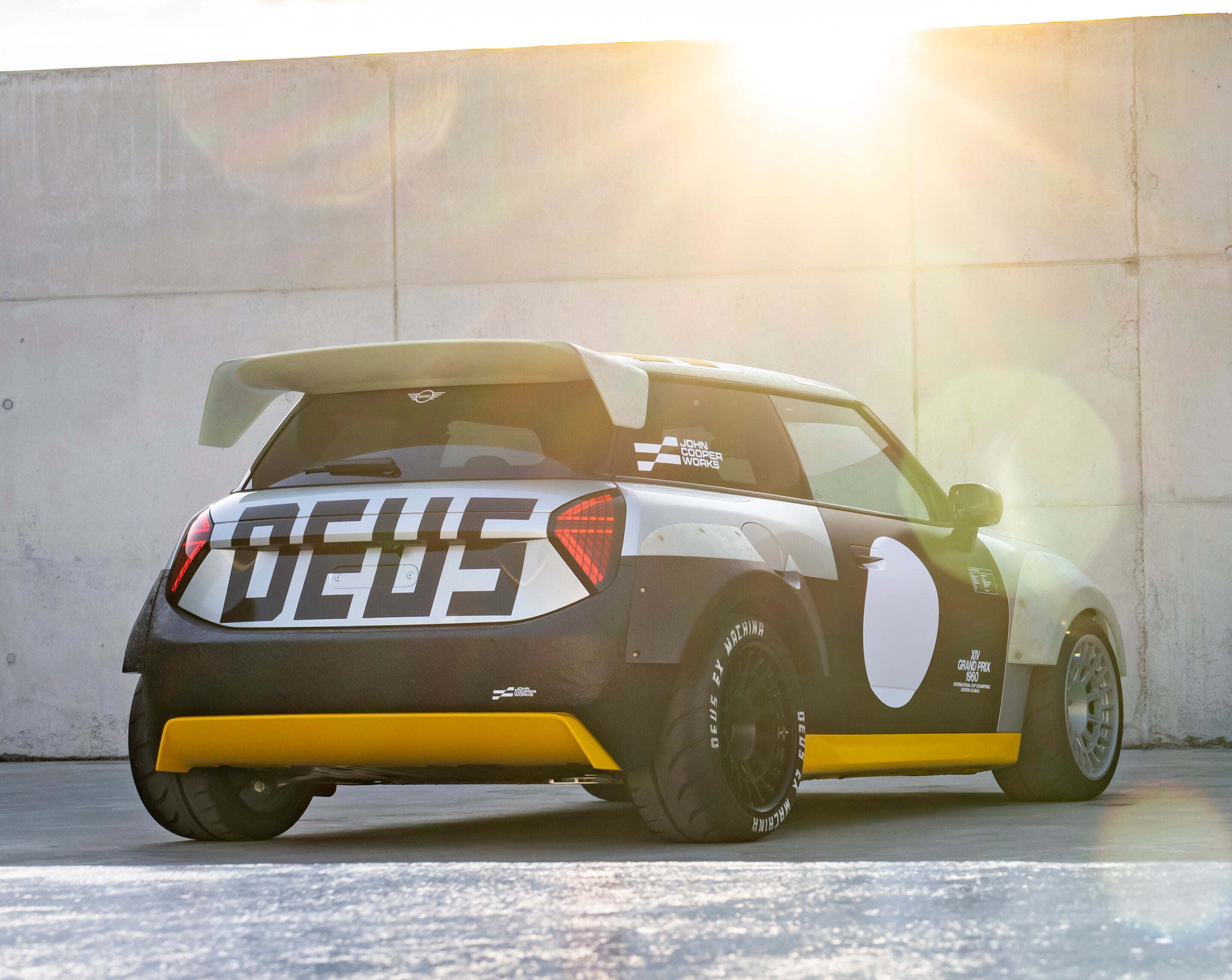
The Countryman x Vagabund show cars form part of Mini’s 14-car display at the Beijing show that also includes the earlier collaboration between the German-owned British brand and Australian culture brand, Deus Ex Machina.
The two Mini JCW x Deus rally-bred show cars, with their low stance, four spotlights integrated into the bonnet, widened wheel arches and race-bred interiors, made their global debut at last year’s IAA Motor Show in Munich, Germany.
A hybrid version of the second-best selling vehicle in Australia, the Toyota HiLux dual-cab ute, has not been totally ruled out by the Japanese brand’s boss in Australia, John Pappas.
Speaking exclusively to WhichCar by Wheels, Pappas suggested that “if a hybrid powertrain became available for our market, we would definitely consider it”.
But while he wouldn’t rule out a hybrid HiLux completely, Pappas stressed that any hybrid version of the second-best selling vehicle in Australia would have to meet the requirements and expectations of buyers, the majority of whom are fleet, government and ABN holders such as tradies.
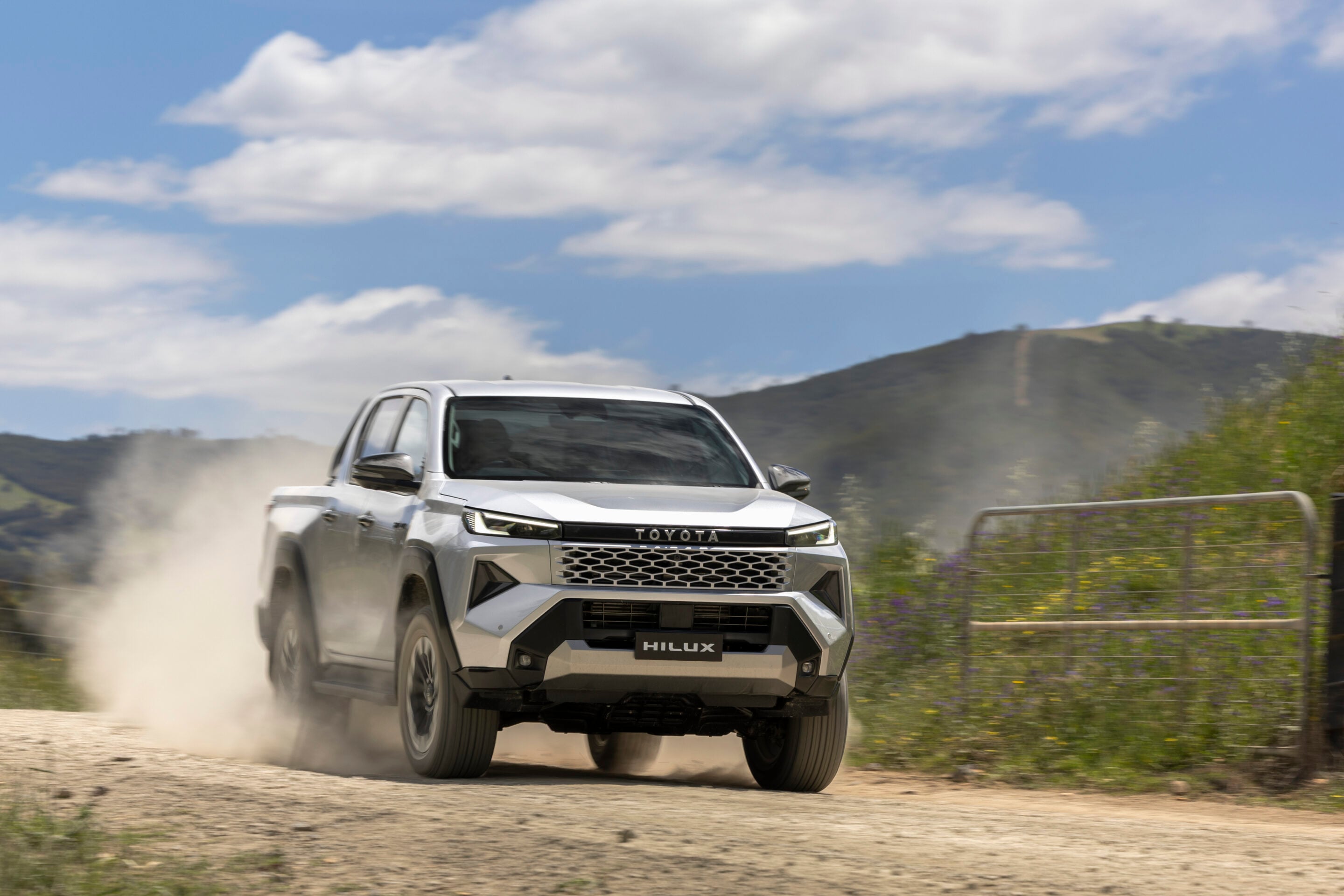
“Right now, we don’t have a powertrain-hybrid option available to us in Australia for HiLux,” Pappas said. “And until we can have [something] – whether it’s a hybrid – that can deliver the same tool [of the] trade […] to meet the customer requirements, then we will consider it.”
While hybrid remains off the table for now, Pappas added that expanding the HiLux’s portfolio to include battery electric and hydrogen fuel cell variants that specifically target fleet buyers was a sign of Toyota’s commitment to “de-carbonisation”.
“We’re now going into a BEV [HiLux], which is targeted… and then we’re also looking at launching a [hydrogen] fuel cell EV in 2028 for HiLux, again, very targeted at fleet [buyers].”
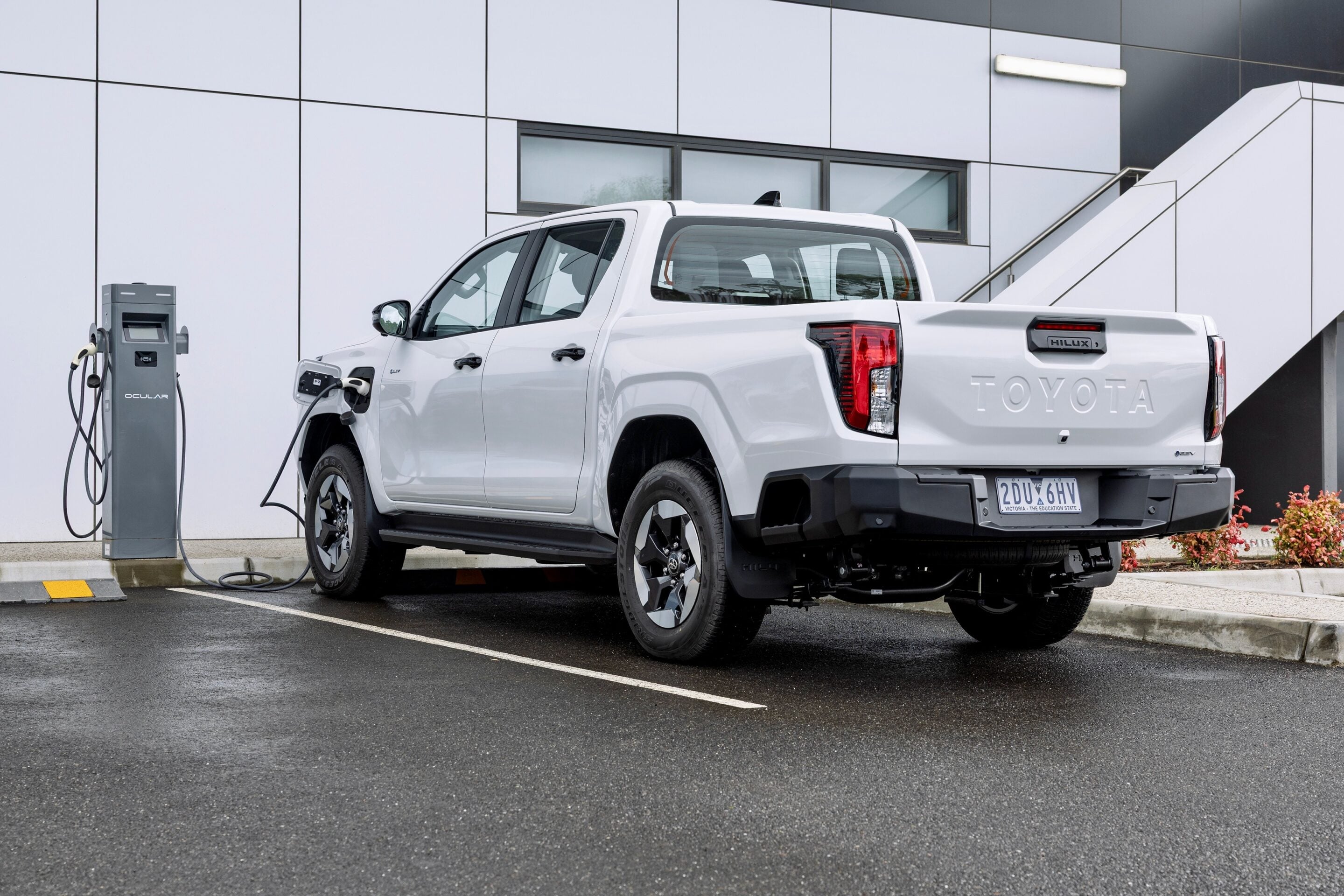
Asked if Toyota was also considering a plug-in hybrid HiLux to combat the growing popularity of the BYD Shark 6, Pappas said “we’re always considering powertrain options, together with TMC (Toyota Motor Corporation). We’re working with the engineering side of TMC on a raft of things. We’ve got nothing to announce here today… but what we do know is that right now, for the job that it needs to do for rural Australia, the diesel HiLux is that vehicle.”
Toyota axed all petrol-powered variants of the HiLux with the launch of the ninth-generation model late last year, the new range solely powered by diesel. The eighth-generation’s entry-level Workmate remains the last HiLux variant fitted with the brand’s 2.7-litre four-cylinder petrol engine. It was dropped for the 2024 model year with remaining stock sold into 2025.
Ford Australia has revealed that the Mustang Dark Horse will return to Australian shores. limited to just 500 units. The next batch of Dark Horses will also be available with a new T8-Spec Pack, which is a 250-unit batch fitted with a Ford Licensed Accessory Package to celebrate Ford’s partnership with V8 Supercars team Triple Eight Racing. Pricing for the new Dark Horse starts at $104,990 plus on-road costs, with the T8-Spec carrying a list price of $138,888 +ORC.
Compared with the last batch of Dark Horse models in Australia, the new model is available with a wider range of colours, including new ‘Molten Magenta’, ‘Orange Fury’ and ‘Adriatic Blue’ options. It continues to feature a 350kW/550Nm 5.0-litre V8 engine, and standard features include a Torsen limited-slip differential, dark exterior colour highlights on the spoiler, wheels, exhaust and grille, and MagneRide adaptive suspension.
Above the regular Dark Horse is the new T8-Spec Package, which will be available in a 250-unit run out of the Australian allocation of 500 Dark Horses for the 2026 model year. The T8-Spec Package is fitted locally at Ford’s Broadmeadows plant, and is covered by the same five-year/unlimited km warranty as the regular Dark Horse.
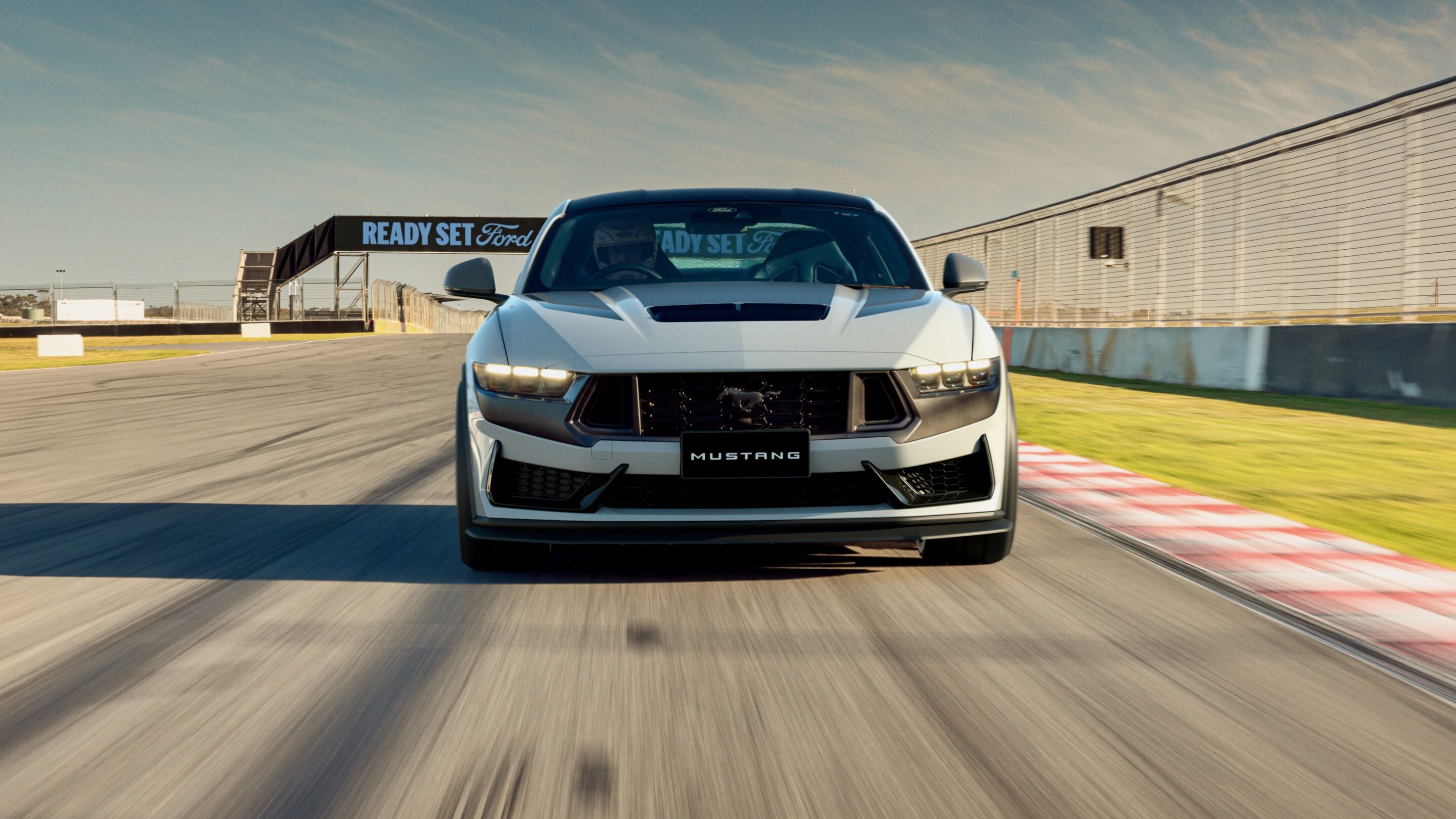
Created to celebrate the partnership between Ford and Triple-Eight Racing in V8 Supercars, the T8-Spec Package adds 19 x 10.5-inch front and 19 x 11-inch rear alloy wheels wrapped in high-performance Pirelli P Zero Trofeo RS tyres (305/30R19 front, 315/30R19 rear) and a revised MagneRide suspension tune, stiffer springs, stiffer roll bars and adjustable top mounts. The T8-Spec is only available with a six-speed manual transmission, with the 10-speed automatic on the regular Dark Horse not available.
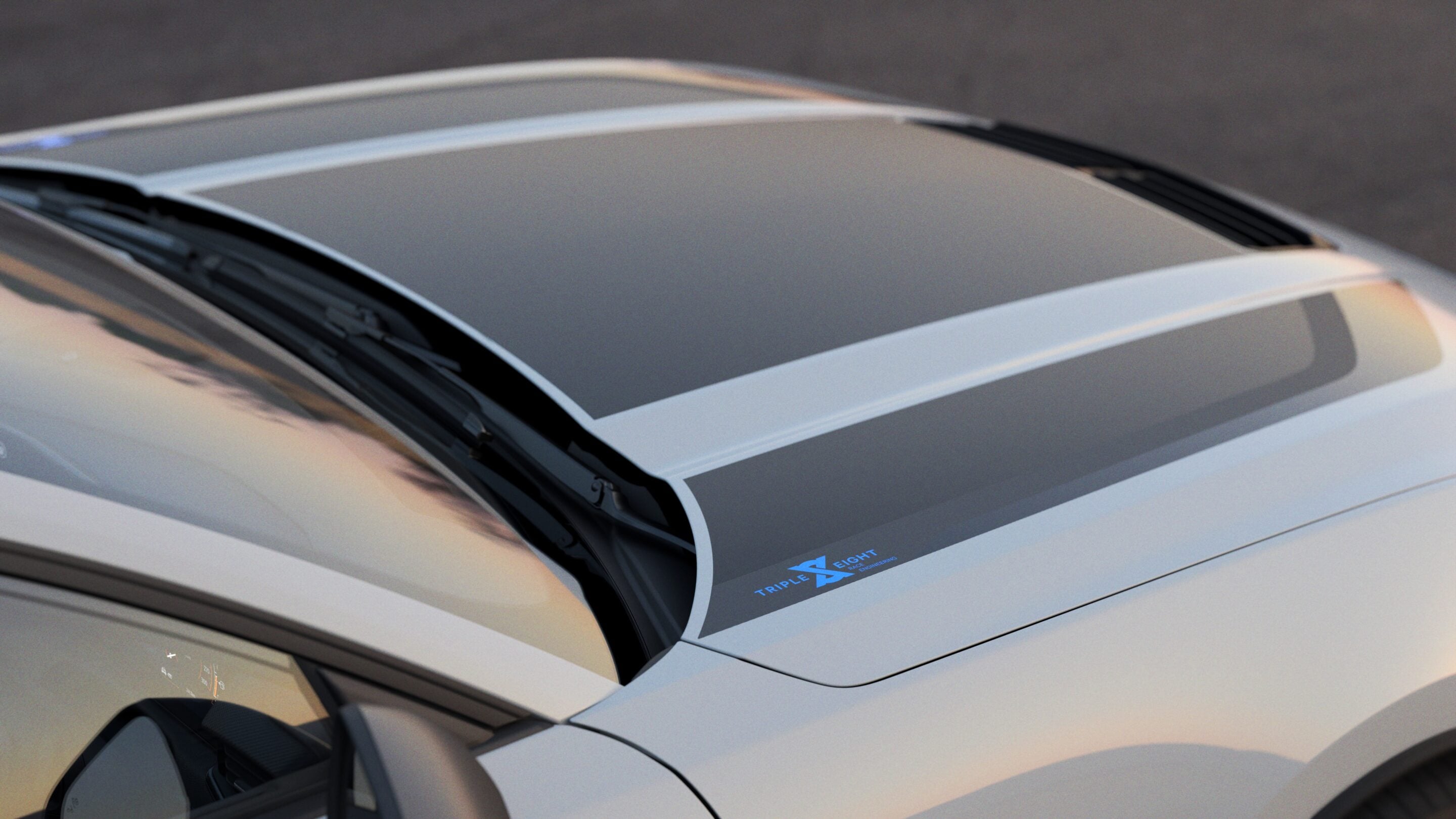
On the outside, the T8-Spec Package features a larger rear spoiler with a ‘Grabber Blue’-accented gurney flap and an enhanced front aero splitter, a black rear applique with Grabber Blue Triple Eight branding, a black roof, ‘Notorious Blue’ Brembo brakes, and unique bonnet decals. On the inside, it features Recaro sports seats with Indigo bolsters, Triple Eight branded scuff plates, a unique gear shift knob and a sequentially numbered build plate.
Every customer who purchases a Mustang Dark Horse with the T8-Spec Pack will also be invited to a track experience at Queensland Raceway in the first half of 2027. According to Ford, owners will have the opportunity to engage with the Triple Eight team and learn the full potential of this vehicle in its natural habitat.
“All of us at Triple Eight Race Engineering are incredibly proud to be partnering with Ford, and the Mustang Dark Horse T8-Spec is a fantastic way to celebrate our return to the track with the Blue Oval,” said Triple Eight Race Engineering Managing Director Jamie Whincup.
Ford Mustang Dark Horse pricing (plus on-road costs):
| Dark Horse | $104,990 |
|---|---|
| Dark Horse T8-Spec | $138,888 |
The Ford Mustang Dark Horse will arrive in Australia in the coming months as part of 2026 model year production.
Chery has released an early preview of its upcoming Tiggo V SUV, offering a first glimpse of a new model set to make its global debut at the Beijing Auto Show later this month.
The Tiggo V will be unveiled at Auto China 2026 on April 24, where it is expected to form a central part of Chery’s display. The vehicle is positioned as a new addition to the brand’s global SUV line-up, with a focus on practicality and adaptability for everyday use.
While full specifications remain under wraps, Chery has confirmed the Tiggo V is being developed as a core model for international markets. The company is targeting buyers seeking a single vehicle capable of handling a wide range of tasks, from daily commuting to longer trips and recreational use.
A key feature of the new SUV is its flexible interior layout. Chery says the Tiggo V has been designed with configurable seating and adjustable cabin space, allowing it to shift between carrying passengers and accommodating larger cargo loads. This approach reflects broader industry trends, where buyers increasingly expect SUVs to serve multiple roles rather than specialising in one area.
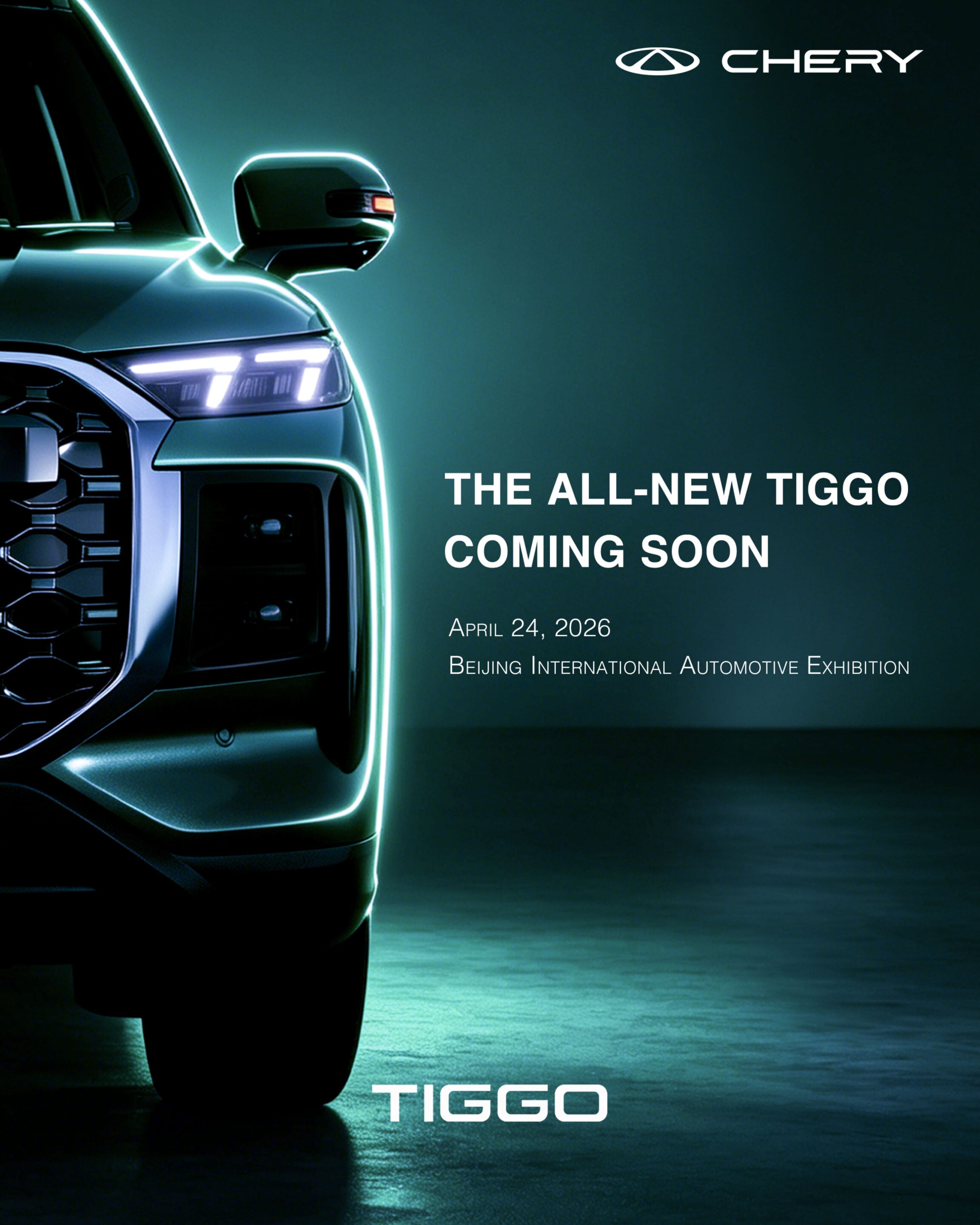
The Tiggo V is also expected to prioritise cabin space and comfort, alongside in-car technology and connectivity. Chery has indicated the model will be designed to cope with a variety of driving conditions, although further details on drivetrain options and performance have not yet been disclosed.
The teaser suggests the Tiggo V will sit within the growing mid-size SUV segment, which remains one of the most competitive globally. Manufacturers continue to expand offerings in this space, particularly in China, where domestic brands are rapidly introducing new models with an emphasis on technology and value.
Chery has been steadily building its presence in global markets, including Australia, with its Tiggo range forming the backbone of its SUV portfolio. The introduction of the Tiggo V signals an effort to broaden that lineup further, particularly by targeting families and buyers seeking greater flexibility from a single vehicle.
More detailed information, including technical specifications and market availability, is expected to be announced at the Beijing reveal.
Hyundai has revealed its new Ioniq 3 electric hatchback and confirmed it for an Australian release in early 2027. Launched as the brand’s entry level electric car in markets like Europe, the Ioniq 3 will replace the long-serving i30 hatchback in Australia and compete with many new electric hatchbacks such as the BYD Dolphin, GAC Aion UT and MG 4.
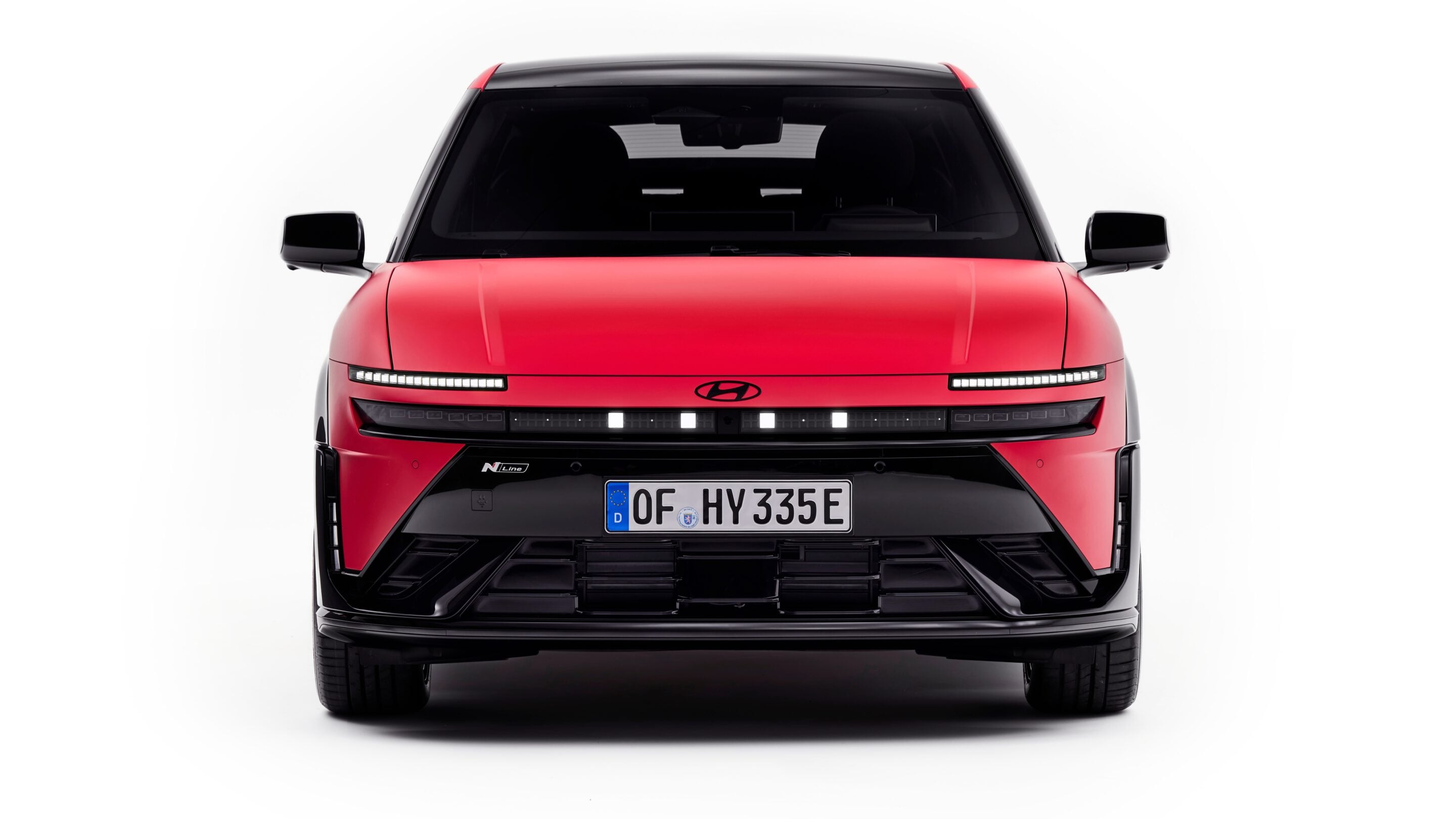
Debuting a new ‘Art of Steel’ design language, the Hyundai Ioniq 3 follows the cool Concept Three from 2025 with its wedge-like design, sharp creases, pixel lighting elements and even four central dots referencing the letter H in Morse code.
Globally, 11 colour options, multiple interior schemes and wheels ranging from 16- to 19-inches in size will be available.
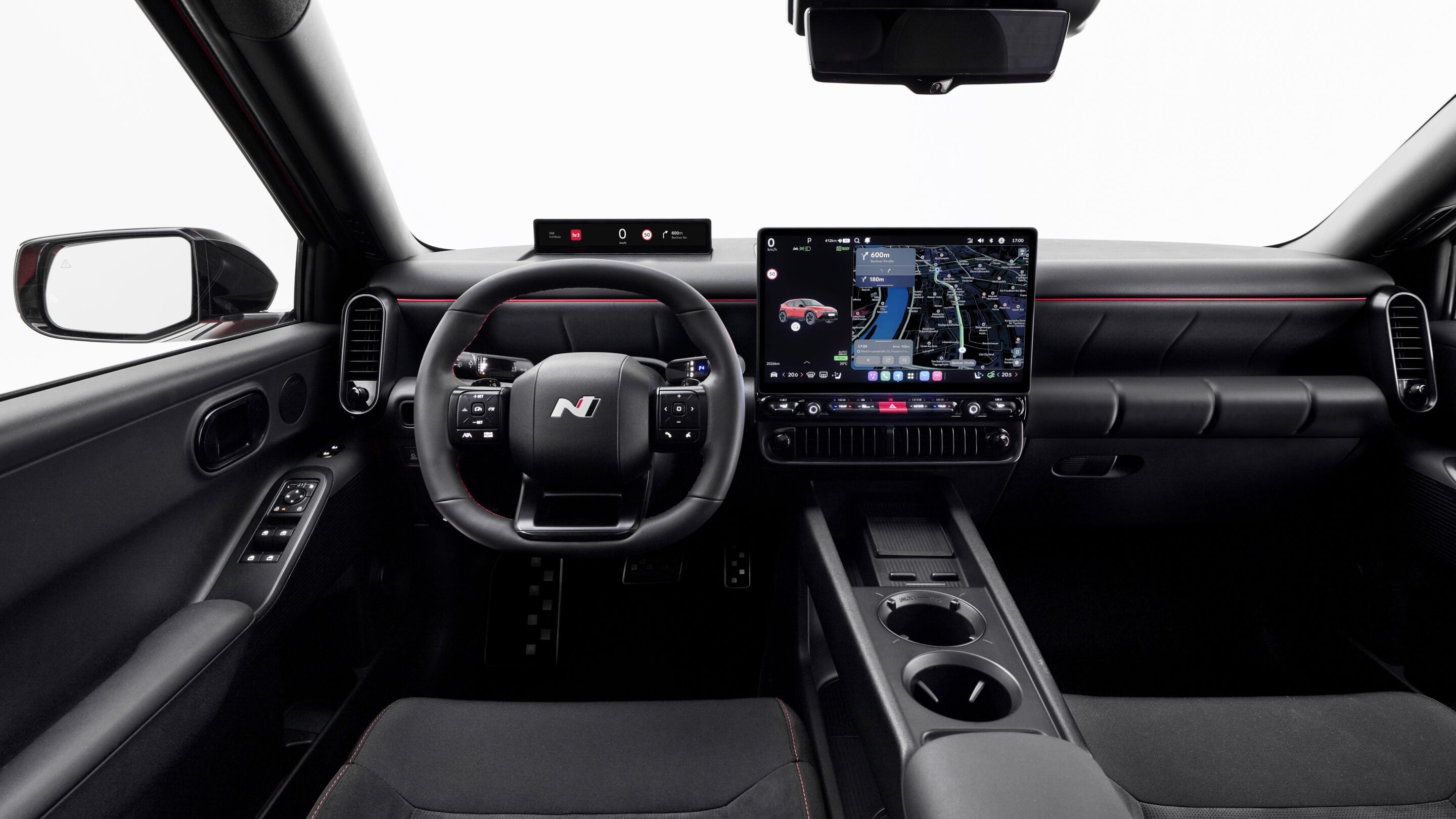
Inside, the Ioniq 3 is the first production Hyundai product to debut its new ‘Pleos’ infotainment system, which uses Android Automotive software on either 12.9-inch or 14.6-inch displays. There are also physical buttons for controlling various features and from the photos released of an N Line model, high quality finishes like the suede seat material and a big central tunnel with configurable cupholders. Other available features include dual-zone automatic climate control, ambient lighting and Bose audio.
Based on the same ‘E-GMP’ 400V platform as cars like the Kia EV3, the Ioniq 3 measures 4155mm long, 1800mm wide, 1505mm tall and rides on a 2680mm-long wheelbase – that makes it 185mm shorter in length, 5mm wider, 60mm taller and 30mm longer between the wheels than the i30 hatchback. The Ioniq 3’s 441-litre boot is large for the segment, and includes a 119-litre ‘Megabox’ lower storage area too.
Under the body are either 42kWh LFP or larger 61kWh NMC battery options, with the former rated at 344km and the latter 496km on the WLTP cycle. Both batteries can DC fast charge from 10 to 80 per cent in under 30 minutes, and while AC charging is limited to 11kW, higher-rated 22kW charging will be available optionally depending on market. Vehicle-to-load (V2L) functionality will be standard.
As for performance, either a 99kW or a 108kW front-mounted electric motor will be available, with both producing 250Nm of torque. The 0-100km/h benchmark sprint time is completed in under 10 seconds for both available drivetrains. The top speed is 170km/h for both variants.
The Hyundai Ioniq 3 will launch in Australia in early 2027, with local pricing and specifications to be confirmed closer to launch.
More than half of motorists in Western Australia who challenged AI-issued seatbelt fines have successfully had their penalties overturned, raising fresh concerns about the accuracy and fairness of automated enforcement systems.
According to reporting by The West Australian, 60 per cent of drivers who sought a review of their infringements saw them withdrawn, with more than $1 million in fines wiped as a result. The figures relate to penalties issued between October 8 and April 17, a period in which authorities handed out 53,890 infringements – averaging close to 300 per day and generating more than $29 million in revenue.
Of those fined, 3,381 motorists requested reviews, and 2,043 notices were ultimately cancelled. Officials said some of these cases involved multiple fines being issued within a short period, meaning drivers had little or no opportunity to correct their behaviour before further penalties were applied.
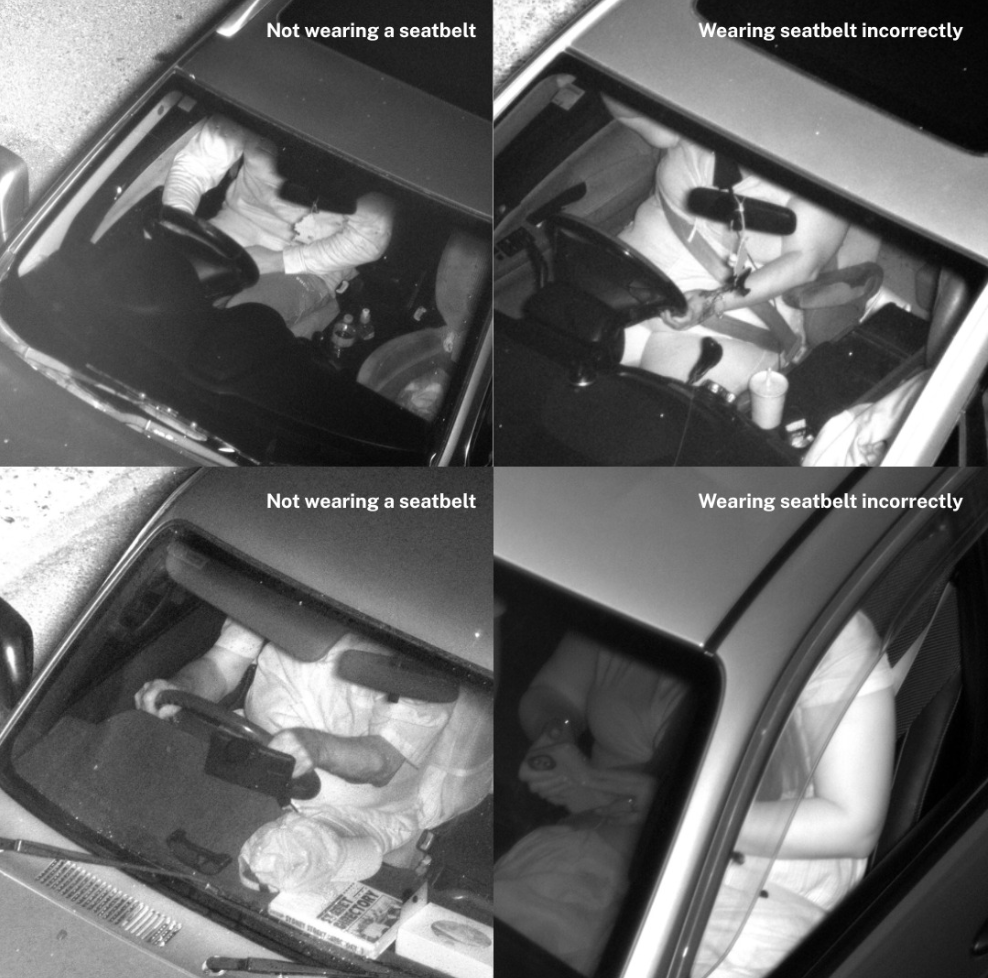
A spokesperson for the WA Department of Transport and Major Infrastructure told The West Australian that every infringement image is assessed by an official before a fine is issued, and again if a review is requested, with each case considered on its individual merits.
Despite this, the high rate of successful appeals has intensified scrutiny of the system, particularly as enforcement ramps up. The controversy escalated earlier this year when it emerged the cameras were issuing more than $1 million in fines per week, prompting a formal review by the Road Safety Commission.
A large proportion of the infringements relate to passengers – especially children – incorrectly wearing seatbelts. Some drivers have argued they cannot safely intervene while driving, yet still face penalties.
Critics say the system effectively places the burden on motorists to prove their innocence. Advocacy groups claim many drivers only succeed after taking the extra step to challenge the fine, either through formal review or in court.
That view is echoed more broadly across Australia, where legal experts are increasingly encouraging motorists to contest AI-issued infringements if they believe an error has been made. WhichCar by Wheels recently highlighted the growing concern around automated enforcement, with lawyers warning that camera-based systems are not infallible and can misinterpret images or context.
Astor Legal‘s Avinash Singh warned the technology is far from foolproof, and that the systems frequently misinterpret common items as mobile phones.
“AI cameras are notoriously unreliable at detecting mobile phone use in particular,” Singh said. “The technology often mistakes other objects for phones. We’ve seen cases where wallets, glasses cases and even battery packs have been incorrectly flagged.”
While authorities maintain that AI cameras are improving road safety and ensuring compliance, the volume of overturned penalties suggests the technology – and how it is applied – remains a work in progress.
Toyota Australia is expecting its first-ever plug-in hybrid RAV4 to take the new car sales charts by storm.
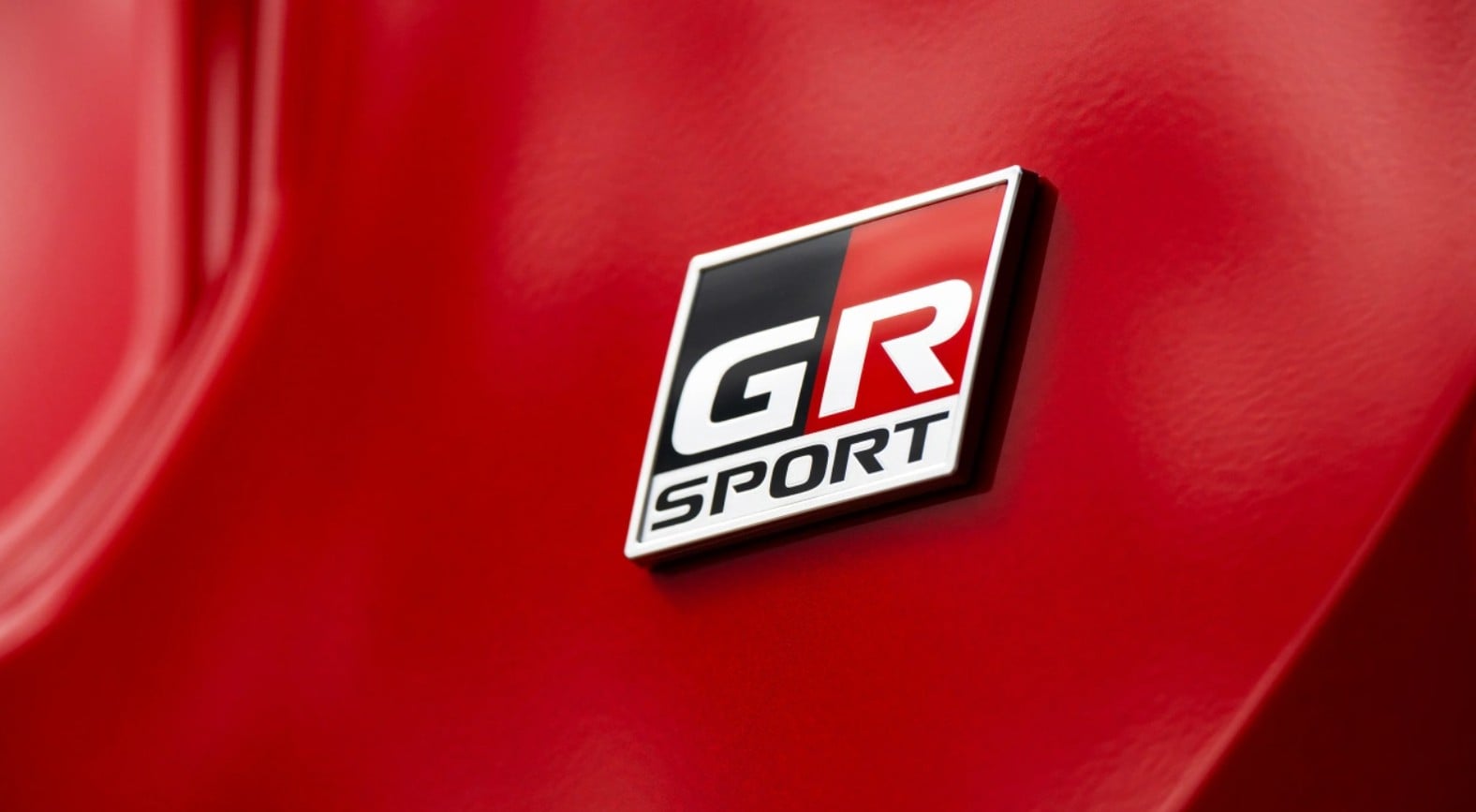
Due in Australia later this year, the RAV4 PHEV – which will be available in front- and all-wheel drive XSE trim and a range-topping performance-focused flagship GR Sport variant – is expected to account for around 30 per cent of total RAV4 sales.
That’s according to Toyota Australia boss, John Pappas, who told WhichCar by Wheels that “interest has been very strong for RAV4 plug-in hybrid. We expect […] plug-in hybrid to be about 30 per cent of sales or thereabouts.”
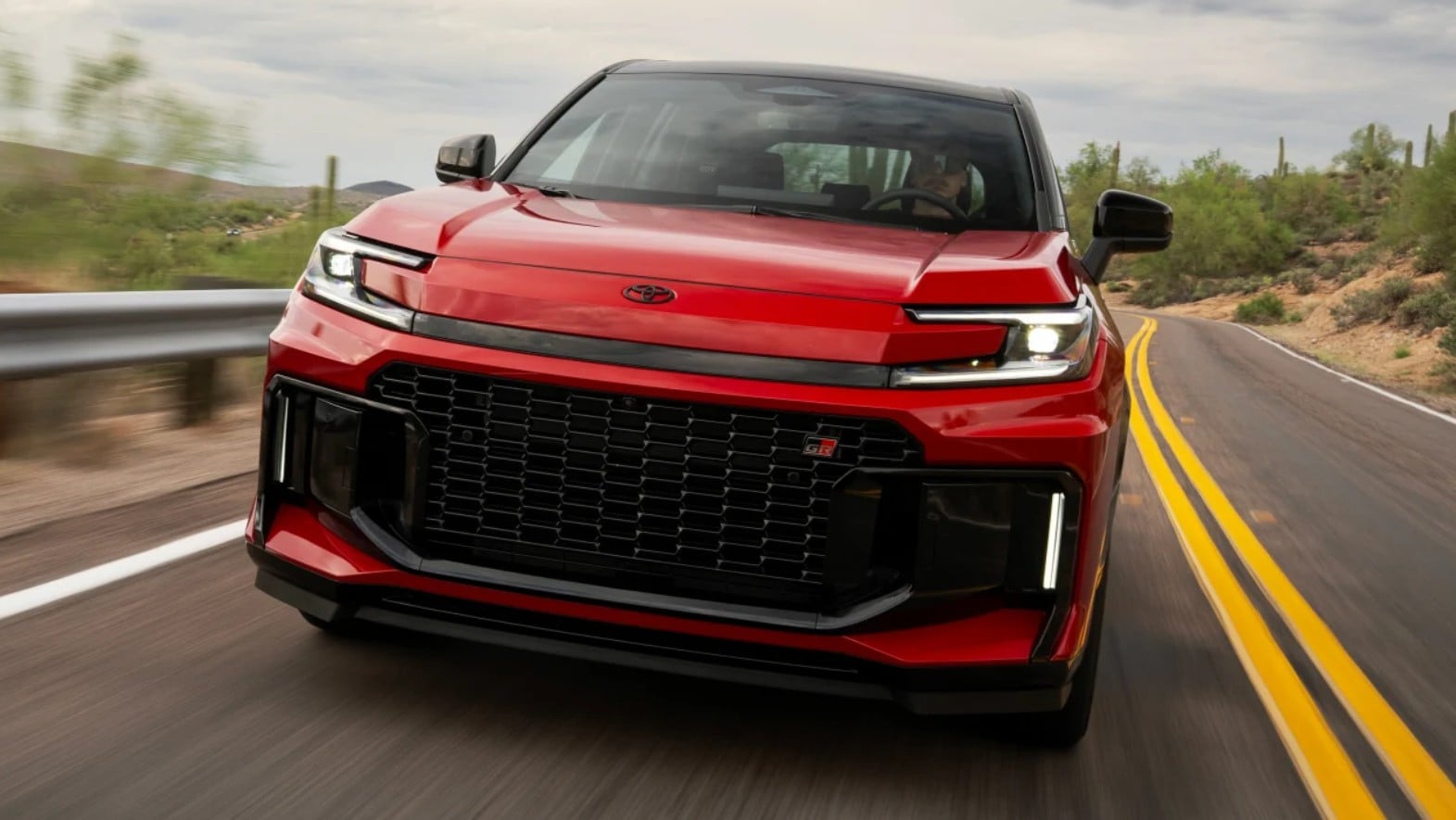
While technical details are still to be confirmed for the XSE plug-in range, Toyota Australia has revealed that its flagship GR Sport RAV4, with 227kW from its 2.5-litre four-cylinder petrol and electric motors, will be the most powerful ever in the model’s 32-year history. Toyota claims 5.8 seconds for the benchmark sprint from 0-100km/h.
Pricing for the PHEV range starts from $58,840 for the front-wheel drive XSE PHEV with all-wheel drive XSR asking for $63,440. The flagship RAV4 GR Sport will start from $66,340, all prices before on-road costs.
“I’m very confident in this GR Sport,” Pappas added. “It looks fantastic, looks really aggressive and I feel like, from a powertrain point of view, it’s just going to be right for us.”
The Toyota RAV4 plug-in hybrid is due in showrooms in the second half of this year.
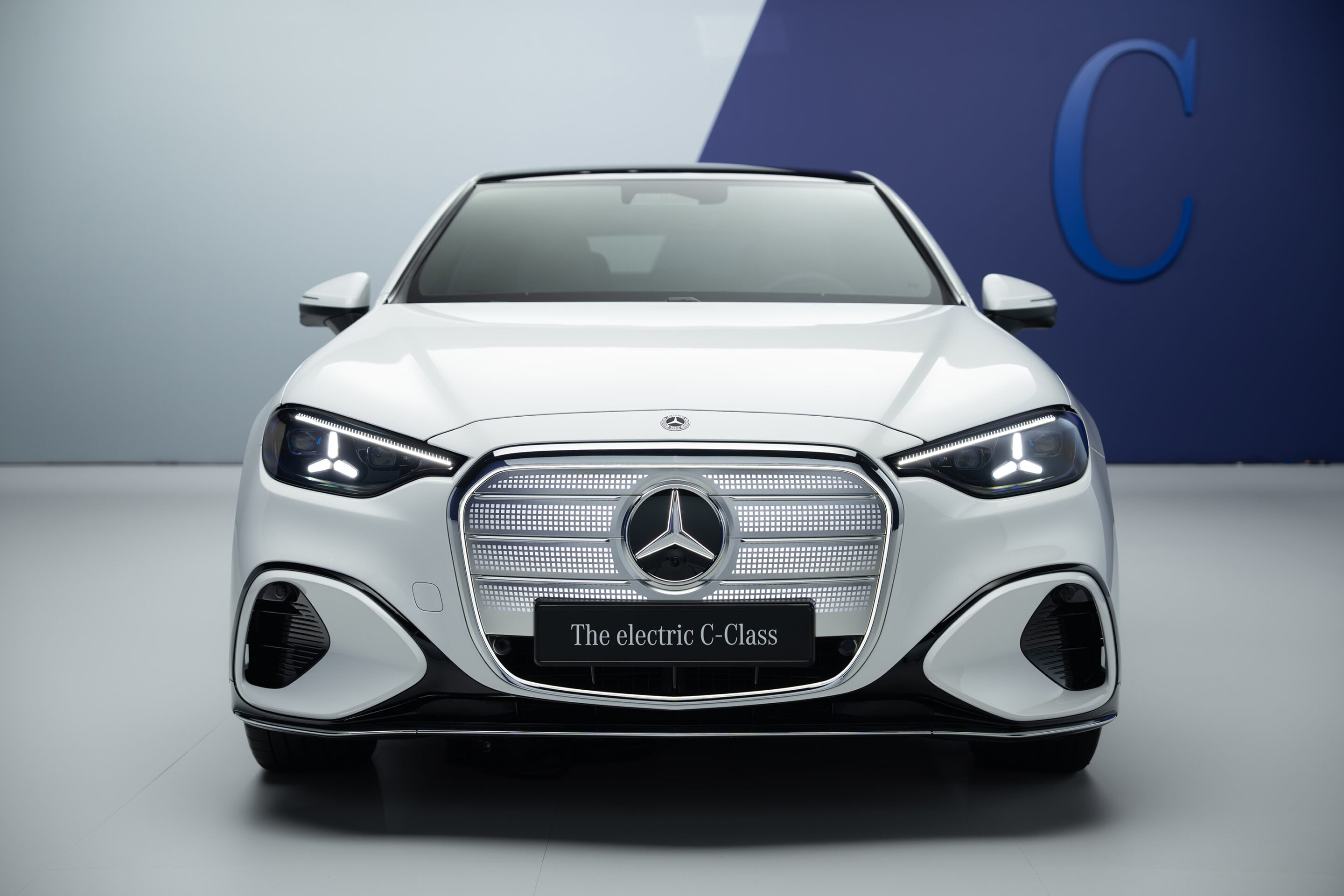
Mercedes-Benz has unveiled its all-new C-Class electric sedan, due to go on sale in Australia in 2027 where it will be sold alongside the current C-Class petrol line-up. It’s the first time the German automaker has offered an electric version of its popular mid-sized executive saloon. It will go head-to-head in the premium EV space with the upcoming next-generation BMW i3, the Bavarian brand’s electric take on its popular 3 Series range.
Mercedes-Benz has opted to launch its newest electric model globally with the flagship C 400 4Matic with EQ Technology (its full and proper name). Sitting on the same 800-volt MB.EA platform as the recently launched GLC electric SUV, the range-topping all-wheel drive C-Class features two electric motors with combined outputs of 360kW and 800Nm and a 0-100km/h claim of just 4.0 seconds.
A 94.5kWh (usable) lithium-ion (NMC) battery is good for a claimed 760km driving range. According to Mercedes-Benz, the maximum 330kW DC charge rate can add around 320km of range in just 10 minutes. Replenishing the battery from 10-80 per cent at the maximum rate will take just 22 minutes, according to Mercedes-Benz. AC charging at 11kW is standard with the faster 22kW available as an option.
Rear- and further all-wheel drive models are set to join the range in 2027, with Mercedes-Benz claiming that at least one of the rear-wheel drive models will offer a driving range of “around 800km”.
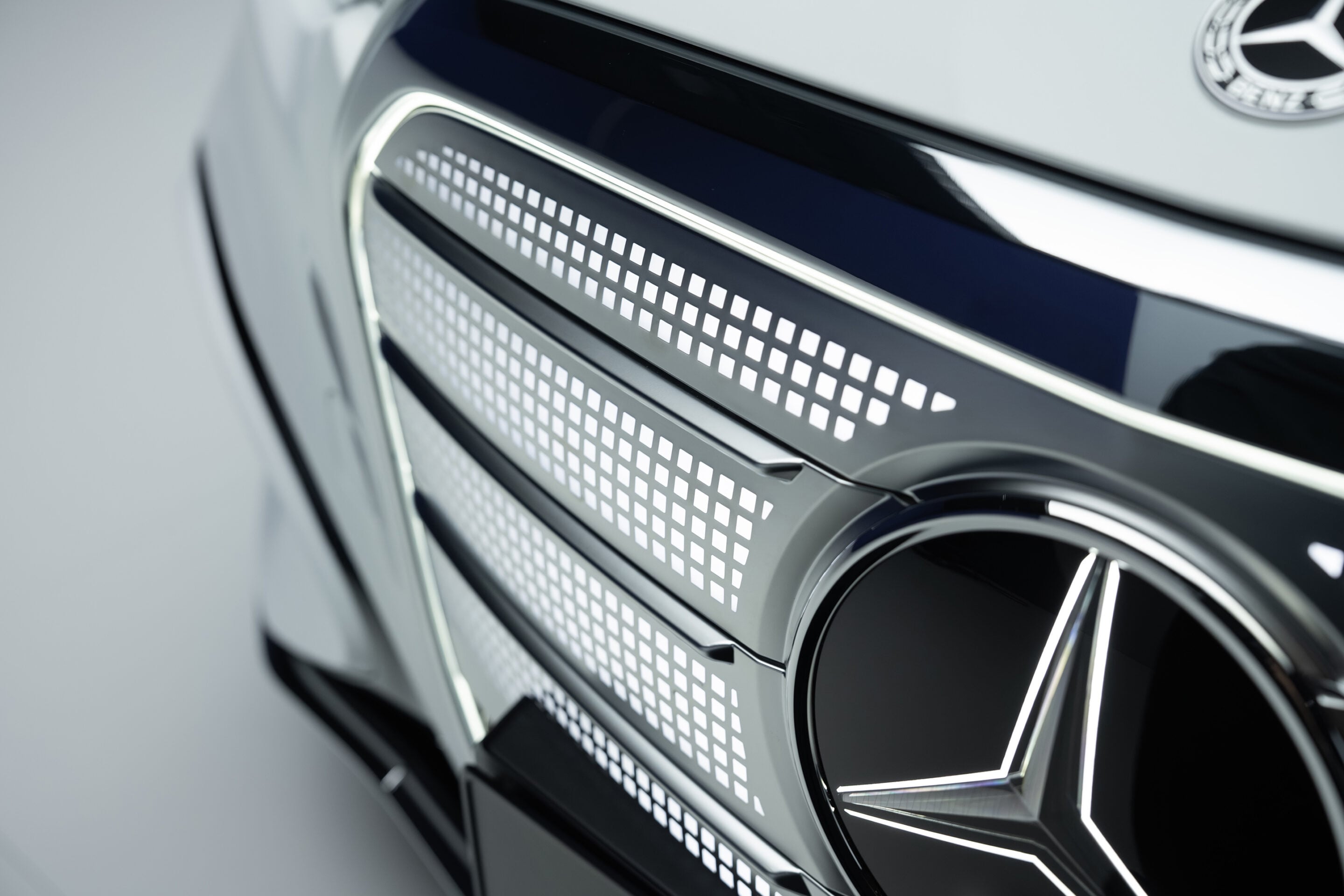
The new C-Class electric features the same Bruno-Sacco inspired grille up front as seen on the new GLC electric SUV, lending it an imposing stance on the road. According to a Mercedes-Benz spokesperson at the media reveal in Portugal – attended by WhichCar – the new grille ”shows more status”.
Like its GLC counterpart, the electric C-Class is significantly larger than its petrol-powered stablemate – 4833mm long (92mm longer than ICE C-Class), 1892mm wide (+72mm), 1503mm tall (+57mm), and sitting on a 2692mm (+97mm) wheelbase. That translates to a larger 470-litre boot area (up from 455L) with an additional 101 litres of storage available up front under the bonnet.
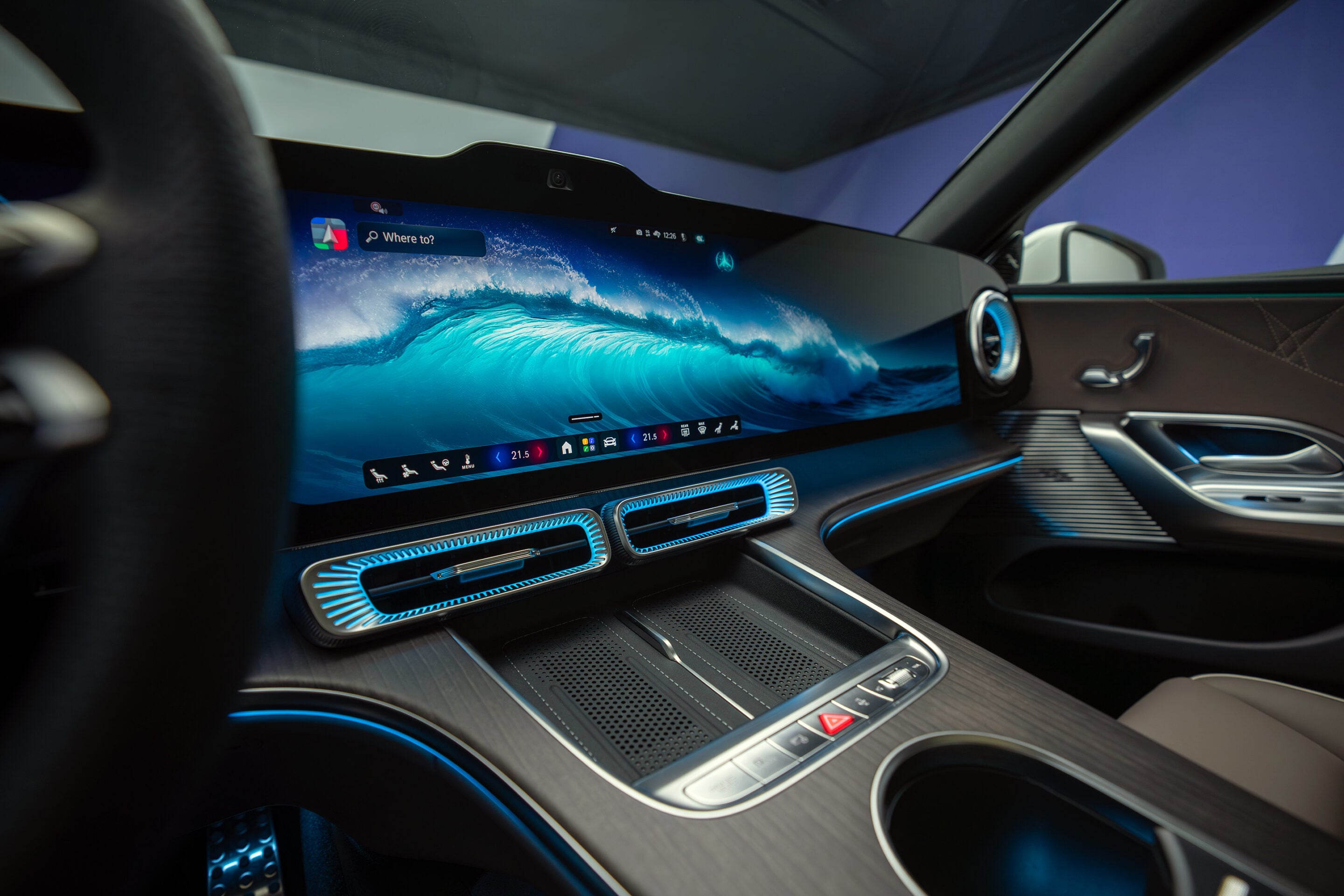
Inside, Mercedes-Benz’s new optional 39.1-inch hyperscreen dominates the cabin, running the full-width of the dashboard. It runs the brand’s new MB.OS operating system and seamlessly integrates the digital driver display, infotainment screen and a separate display for the passenger into a single panel. Models lower down the range will be offered with either a single panel hosting three individual screens or the more commonplace two-screen set-up – a 14.5-inch infotainment screen and a 10.25-inch digital instrument cluster.
Other optional items, include 4.5-degree rear-wheel steering, Mercedes’ Airmatic air suspension, a certified vegan ‘leather’ interior, and a premium Burmester 4D Surround System.
An optional panoramic glass roof with what Mercedes calls ‘Sky Control’ can be switched between transparent and opaque and when packaged with optional ambient lighting, can display 162 illuminated stars mimicking a night sky.
Mercedes-Benz’s comprehensive suite of active safety and advanced driver assist systems, dubbed MB.Drive, is fitted as standard as is a complement of 11 airbags, including a front-centre ’bag that reduces the impact of occupant head clashes in the event of an accident.
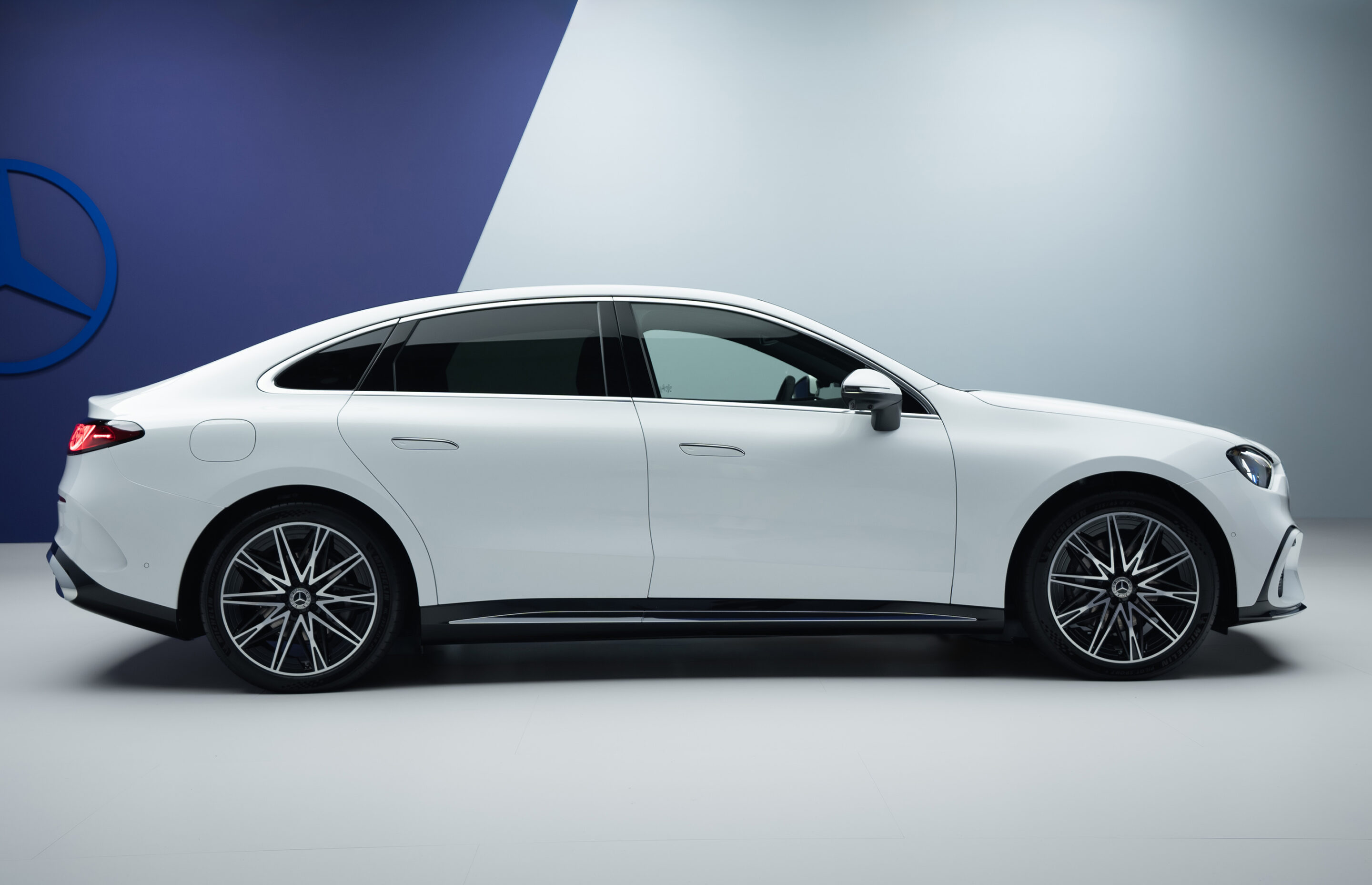
Final pricing and specification for Australian-delivered cars is still to be confirmed and will be released closer to the new model’s launch next year.
My mate Peter Lyon in Tokyo won his wife with one of the most devastating old-school moves in motoring.
It was the same one used to swooning effect by Tommy Hancock outside my local record store in Campbelltown, on the far western limits of Sydney, in the 1970s.
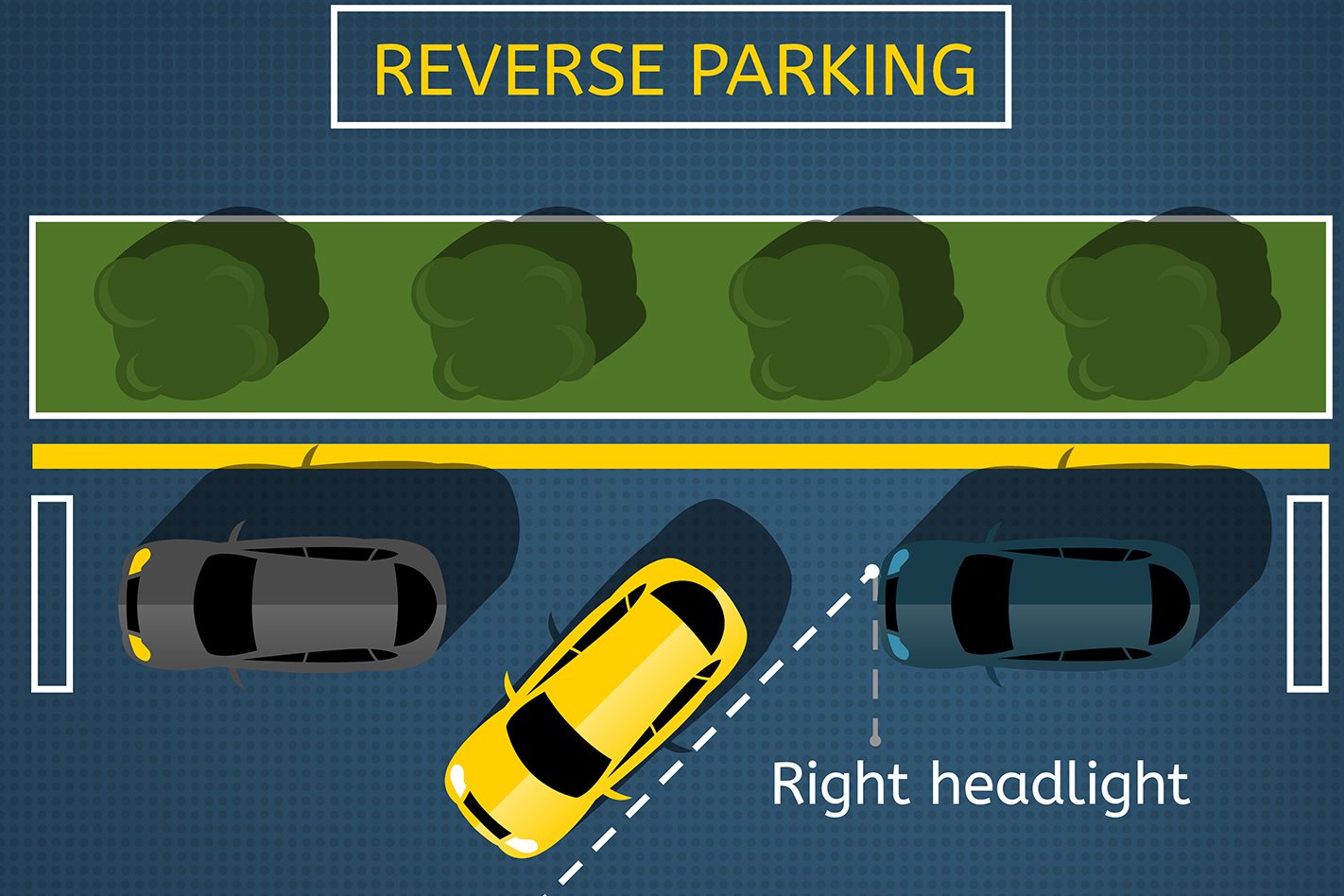
Tom, who was the ‘Fonz’ in our friend group, could wheel his blue HT Holden Belmont like no-one else and was the champion when the car crew turned weekly parade ‘laps’ up and down Queen Street. His sweetest move was reverse parking, usually into a spot that was only marginally longer than the big chromed bumpers on his lowered cruiser, in front of an admiring crowd.
Things were different, but still the same, in Tokyo as Peter-san wooed his own locals, including his future wife Mami.
“He could reverse park. This was very appealing. None of the Japanese boys could do it,” Mami once told me.
Peter’s impressive wheel work helped him to win her heart, even if he was just a lowly motoring journalist while she was a pop singer and television star.
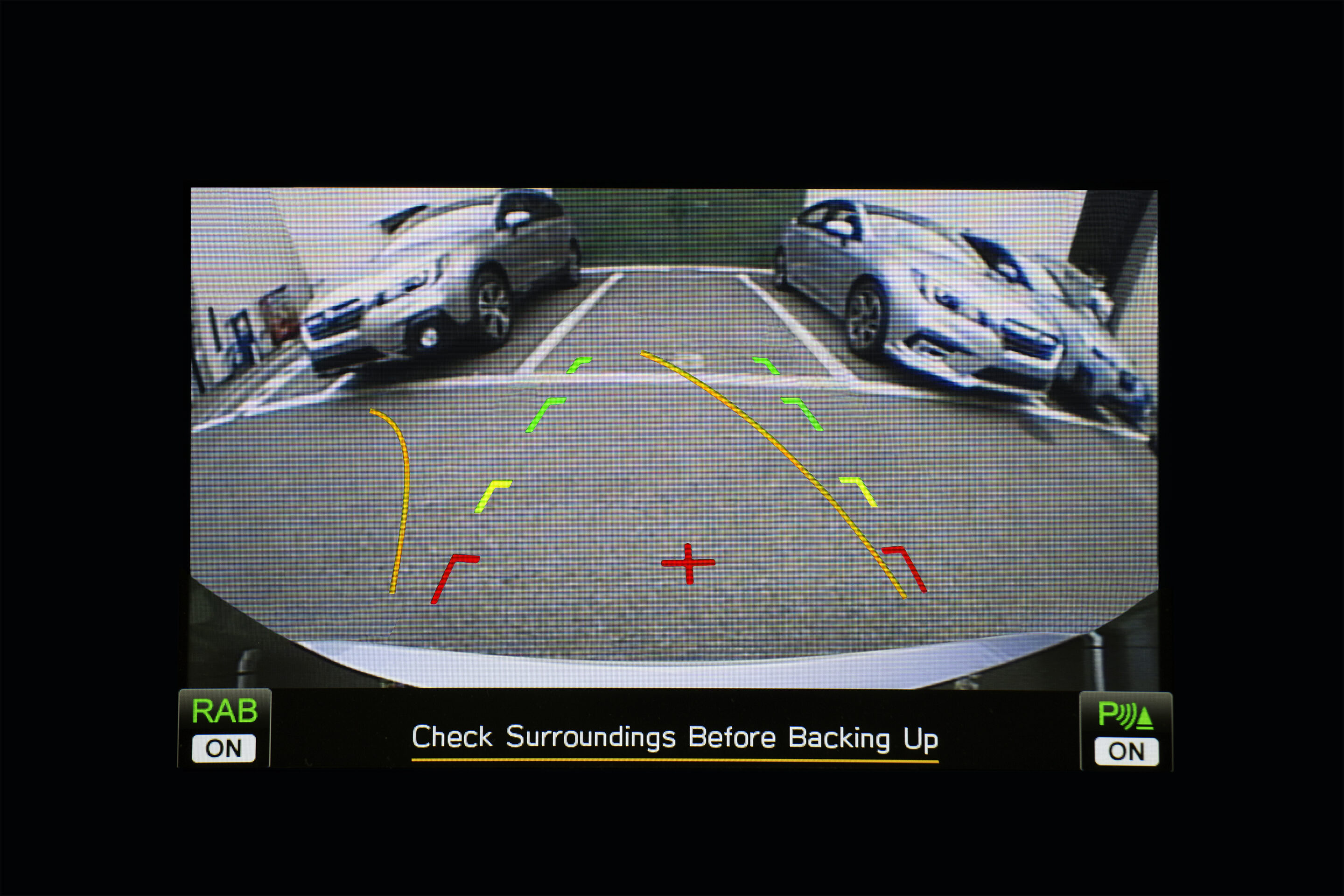
Fast forward and plenty of new cars can match Peter and Tom in the reverse parking stakes. It’s all done with sensors and electronic trickery in measurements, and steering that means the driver only needs to go lightly on the brakes and accelerator to fit into the teeniest of parking places.
Learner drivers must still complete a successful reverse park during their licence test, but what’s the relevance in 2026? And the same thing applies to a hill start when so many new cars have ‘auto hold’ functions and electronic handbrakes to stop the dreaded roll-back. Who now has even heard of an evil umbrella-style handbrake release hidden under the dashboard?
So things are changing, and one that’s visible every day is the parking switch in shopping centres.
Plenty of people have heard the expression ‘back it in’, usually associated with rally competition. Or drifting. It’s about getting the rear of a car sliding to help it change direction, instead of just relying on the steering.
Now it has a new meaning and it’s only going to get more and more popular in the age of the SUV.
Instead of driving front-first into a vacant space, the time-honoured way, it’s getting more and more popular with more and more people to reverse into a vacant slot.
How and why? That’s down, as usual, to new technology. But it’s also a result of the design of the latest generation of SUVs, and the awful turning circles of all-wheel drive family haulers and four-wheel drive pick-ups. It can be hard to drive nose-first into a vacant space and, once you’re in, getting back out is a challenge.
So it’s now easier to reverse into a slot and make a less challenging front-first getaway once the shopping is done.
Visibility around the rear end of the family haulers is almost universally awful. Which makes backing out into the traffic at Bunnings or Woolworths or Officeworks a worrying hazard. More and more new cars have ‘rear cross-traffic alert’ to help, providing auto braking for obstacles and oncoming cars, which only seems to encourage designers to make the rear windows even smaller.
The act of backing itself is also easier, thanks to parking radar, rear cameras and the latest 360-degree view systems. It makes an old-school head turn to check a parking spot totally redundant. You just line up the white lines on camera and, bingo, back you go.
So that’s another driving skill on the way out. Fast. Thankfully, this time it’s making things safer all around, and should also mean less parking-lot bumps caused by people – my mum was one – who only ever completed that one successful reverse park to get their licence.
What’s next? Who knows. But the neatly parked cars at your local shopping centre are never going to look the same again.
This story first appeared in the April 2026 issue of Wheels magazine, now on sale. Subscribe here and gain access to 12 issues for $109 plus online access to every Wheels issue since 1953.
Omoda-Jaecoo Australia has announced local pricing and specifications for the Jaecoo J5 small SUV, which will arrive in local showrooms from next month. Already launched in electric form locally, the J5 is now available with a 1.5-litre turbocharged petrol engine that has brought the price of entry down considerably to $25,990 driveaway for the entry-level Track, or just $2000 above the Chery Tiggo 4 with which it shares a lot mechanical components.
Under the bonnet of the petrol J5 is the same 1.5-litre turbocharged four-cylinder petrol engine as the Tiggo 4, making 108kW of power and 210Nm of torque. That’s mated to a CVT automatic transmission driving the front wheels, and combined fuel consumption is rated at 7.5L/100km.
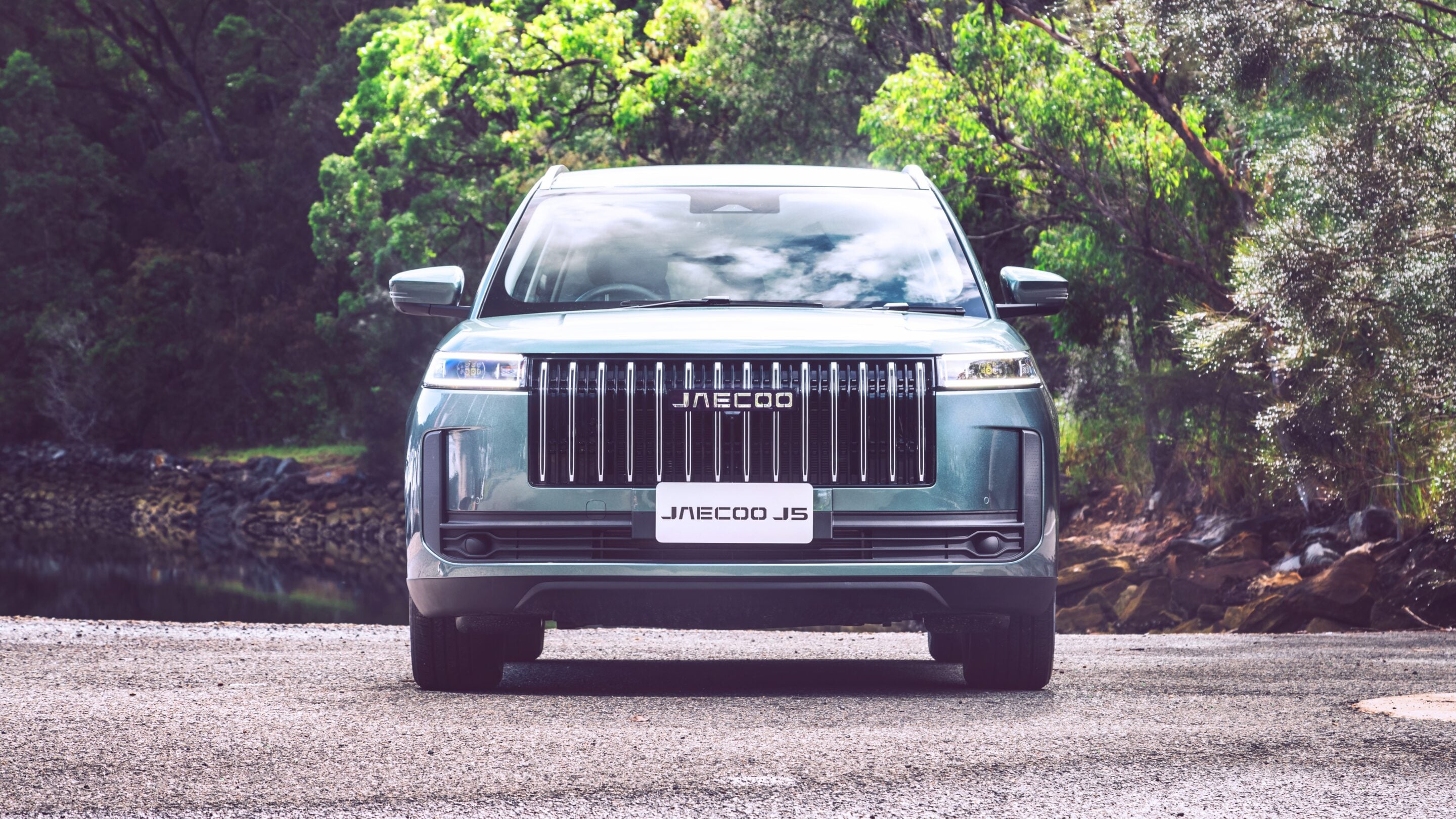
Two models will be offered in the petrol J5 range: the base model Track and upper-spec Summit. Equipment on the Track includes 18-inch alloy wheels, automatic LED lighting, cloth upholstery, an 8.8-inch digital driver’s display, a 13.2-inch touchscreen and safety features like seven airbags, autonomous emergency braking, adaptive cruise control and a 360-degree camera.
The Summit then adds synthetic leather upholstery, heated and ventilated front seats with electric adjustment, a panoramic glass roof and 50W wireless phone charging.
The Jaecoo J5 petrol will arrive in showrooms from this May and will be backed by Jaecoo’s comprehensive eight-year/unlimited kilometre warranty.
2026 Jaecoo J5 pricing (driveaway):
| Track | $25,990 |
|---|---|
| Summit | $29,990 |
| Summit EV | $36,990 |
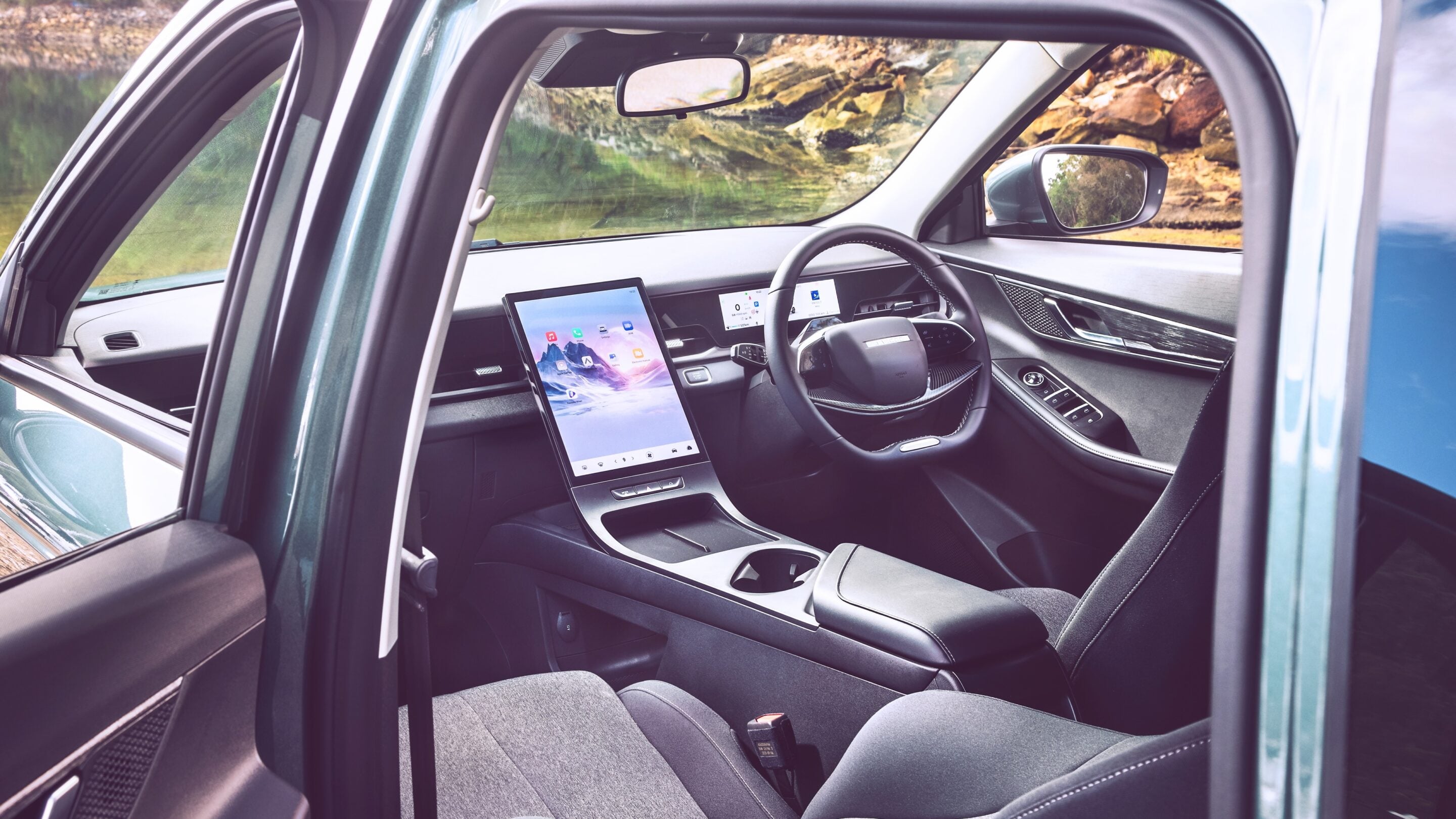
Jaecoo J5 Track standard features:
- 18-inch alloy wheels
- Dusk-sensing LED exterior lighting with auto high beam
- Rain-sensing automatic wipers
- Keyless entry with push button start
- Remote window open and start
- Synthetic leather steering wheel
- Cloth seat upholstery
- Height-adjustable manual front seat adjustment
- Manual air-conditioning with rear air vents
- 8.8-inch digital driver’s display
- 13.2-inch touchscreen
- Wireless Android Auto & Apple CarPlay
- Eco, normal and sport driving modes
- 360-degree camera
- 7x airbags
- Autonomous emergency braking
- Adaptive cruise control
- Lane keep assist
- Blind-spot monitoring
- Rear cross-traffic alert
- Driver attention monitoring
- Speed sign recognition
- Door open warning
J5 Summit adds:
- Panoramic glass roof with powered sunshade
- Electric tailgate
- Dual-zone automatic climate control
- Eight-speaker sound system
- 50W wireless charger
- Synthetic leather upholstery
- Six-way electric front seats with heating and ventilation
- Colour-selectable front ambient lighting
- 12V power boot outlet
- Soft touch dashboard and front door trim
- Rear centre armrest with cupholders
