June 9: EVs could be free from LCT under EU trade deal
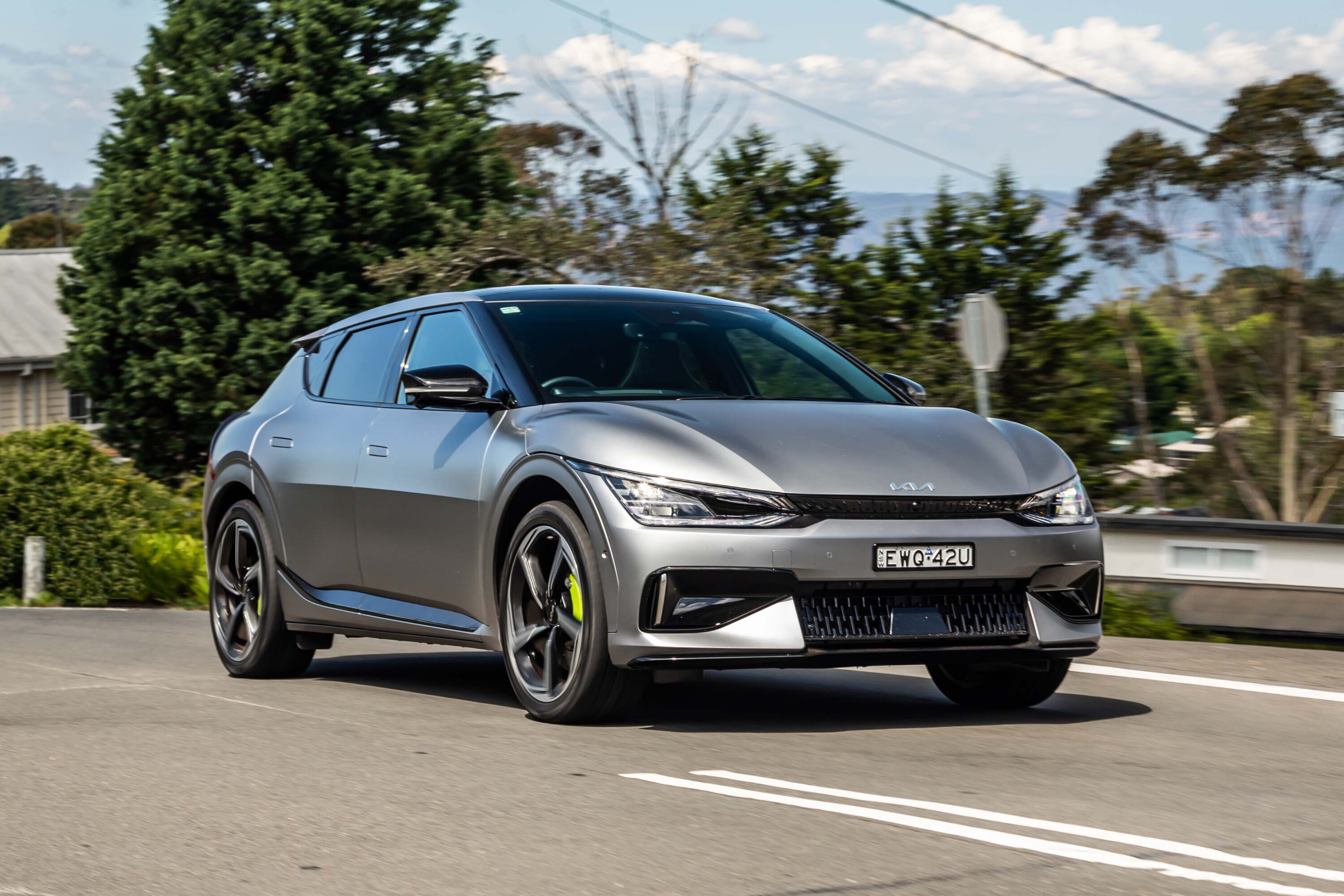
The price of some European-made electric vehicles could dramatically reduce as the Australian Government considers cutting or abolishing the Luxury Car Tax (LCT).
May 20: LCT threshold increased
The ATO has again increased the Luxury Car Tax (LCT) threshold for the 2023-24 financial year, amid cost-of-living pressures.
For ‘fuel-efficient vehicles’ (any model with less than 7.0L/100km combined fuel consumption, including EVs), LCT will apply on models priced beyond $89,332.
This represents a $4416 or 4.9 per cent increase compared to the last financial year.
1
For ‘other vehicles’ outside of that fuel consumption criterion, the LCT threshold will be lifted to $76,950.
This means it has received a $5101 or 6.6 per cent jump compared to the current arrangement.
The threshold changes will apply from July 1.
How is the LCT calculated?
The LCT is based on the vehicle price, including the Goods and Services Tax (GST), any options fitted, and dealer delivery charges.
If the vehicle is over the threshold and two-years-old or less, the 33 per cent tax is applied based on the value of the vehicle price above the threshold.
June 2022: Fuel-efficient vehicle buyers get an extra $5000 to play with
Snapshot
ATO increases Luxury Car Tax for 2022-23 financial year
Fuel efficient vehicle threshold up by 6.6 per cent, other vehicles increased by 3.9 per cent
Changes to come into effect from July 1
The Australian Taxation Office (ATO) has increased the Luxury Car Tax (LCT) threshold for the 2022-23 financial year by its biggest jump in years.
Coming into effect on July 1, the threshold for fuel-efficient vehicles – those which have a combined fuel consumption figure of under 7.0L/100km – has jumped up by 6.6 per cent to $84,916 from $79,659.
For other vehicles, which consume more than 7.0L/100km on the combined fuel cycle, the threshold has been bumped up by 3.9 per cent, now at $71,849 from $69,152 a year prior.
It’s the fourth time in as many years where the Government has increased the LCT for fuel-efficient cars, having been stagnant between 2010 to 2016 and then again until 2020.
In tandem with the extended instant asset write-off scheme, which now runs until June 30, 2023, the increased LCT will be of benefit to business owners wanting to invest in newer and cleaner cars for their fleets.
Motor Trades Association of Australia (MTAA) CEO Richard Dudley believes the LCT should at least be tweaked to exclude certain items, such as accessories, from the tax, but also thinks the chances of reform and replacing the $700 million the LCT brings in to the Government’s coffers will be hard to replace.
“The prospects [of tax reform] are probably zero. You look at the Luxury Car Tax, for example; it’s a free, easy to implement, easy to administer tax,” Dudley said, speaking at the Australian Automotive Dealer Association’s Convention and Expo on Thursday.
1
“We’re overdue at looking at things. We have state governments getting themselves involved in revenue. Some states and territories are looking at [road] user charges [for EVs].
“They’re applying that unilaterally now, on top of the fuel excise already existing, and we’ll end up with a patchwork approach in terms of the Luxury Car Tax.
“At least give us the opportunity of being able to reform that tax.
“Reduce the amount of tax. Remove accessories and those sorts of things, which actually put many vehicles up into the LCT bracket, start the reform process – giving up $700-odd million dollars is not gonna be easy for a government with a trillion dollar debt.
“But at the same token, that tax was set up to basically look after manufacturers who no longer exist in this country, and in an environment where tariffs are being removed, left, right centre.
“So if you want a luxury tax, then let’s start applying it to Russian oligarchs’ yachts and things like that, as opposed to vehicles that are not actually luxurious.”
The LCT has long been a contentious topic for the motoring industry, with a multitude of voices speaking out against it.
Last year, Mercedes-Benz struck out at what it calls an “unfair tax” hitting its customers.
1
“If the LCT were to be scrapped it would enable consumers to access the more advanced safety technology which comes as standard on models such as the EQC, which previously might have been just a bit out of their price range,” a spokesman told Wheels at the time.
“Ultimately it is an unfair tax on consumers and doesn’t help with their buying decisions.”
The Federal Chamber of Automotive Industries agrees, saying the LCT puts a tax on safety, holds back improvements in environmental outcomes through emissions and prices consumers out of a majority of the electric car market.
“The industry has never supported it,” it said. “It’s discriminating and inefficient. Every time there is tax reform we hope for it to be set aside.”
Though it is early days for the new Labor Government, there are no indications so far that the administration intends to alter the current arrangement. In fact, in recent days it made EVs exempt from the Fringe Benefits Tax (FBT) if priced below the Luxury Car Tax threshold of $84916 – making no mention of the latter’s removal.
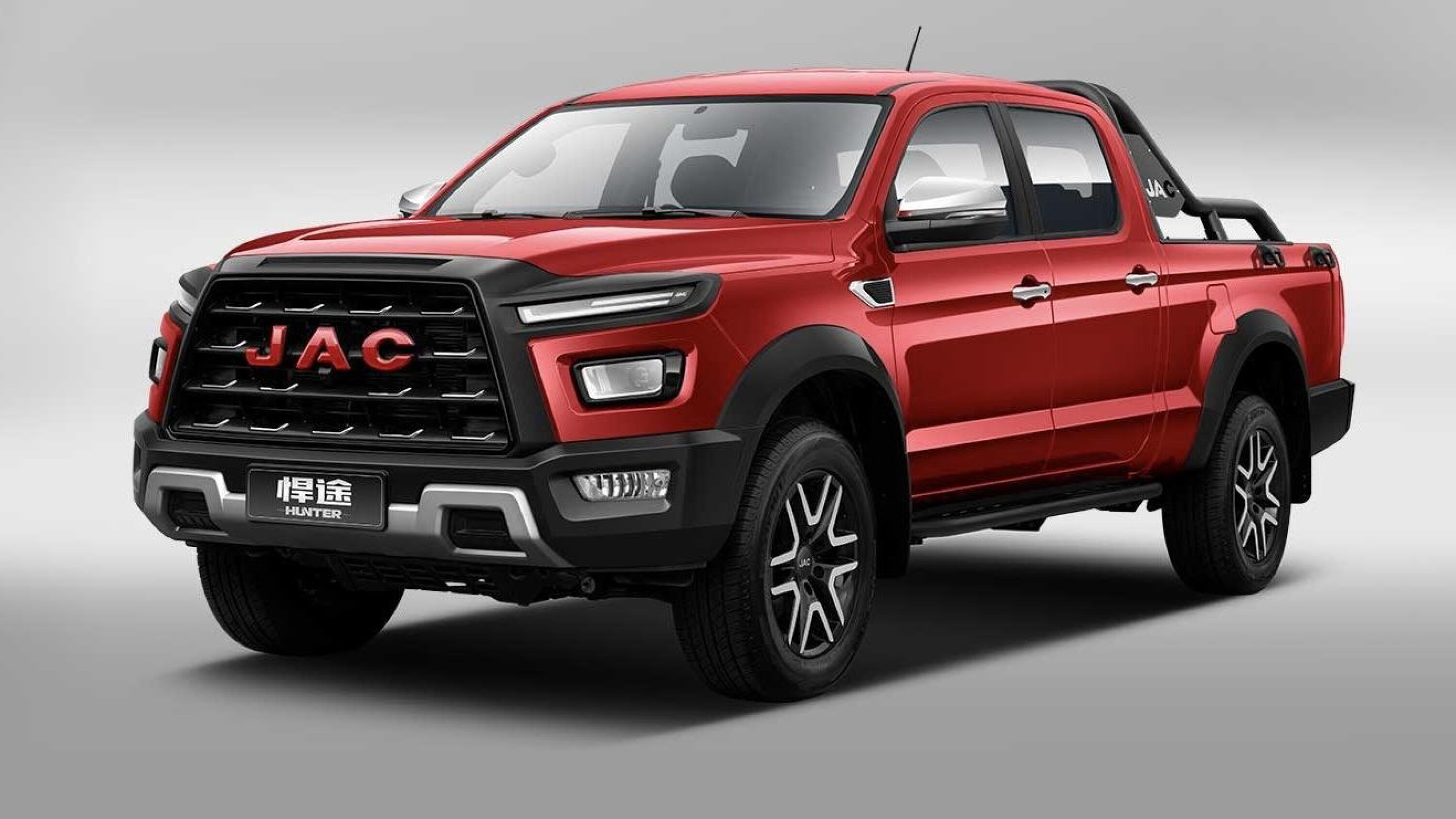
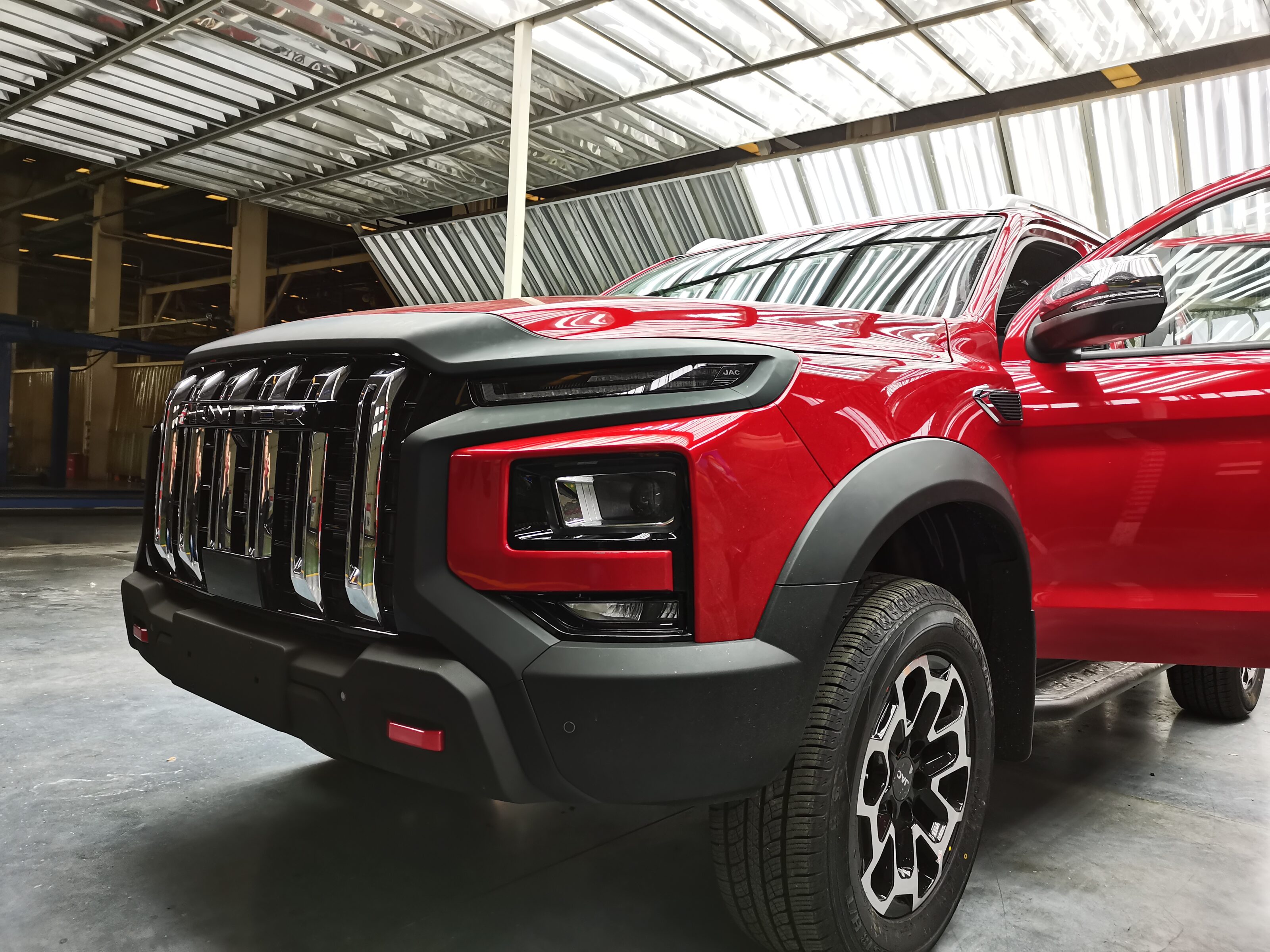
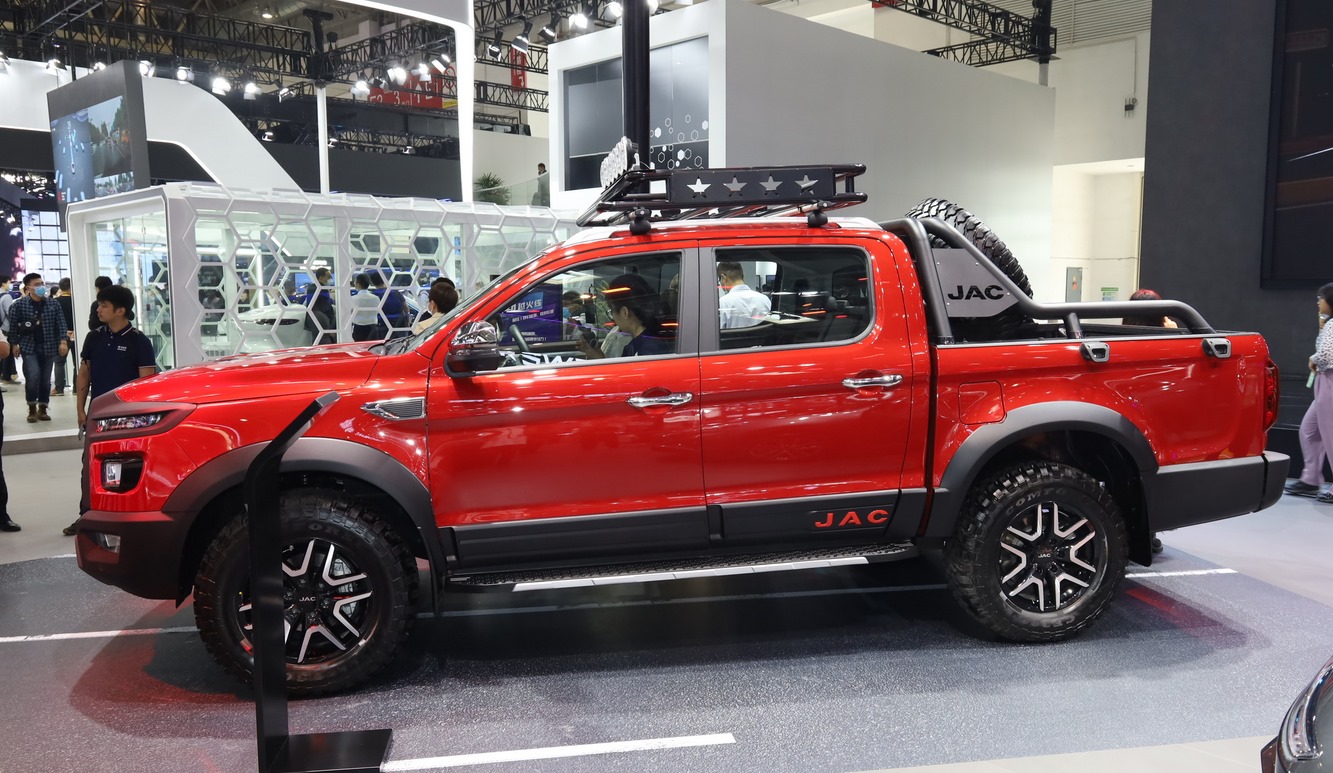
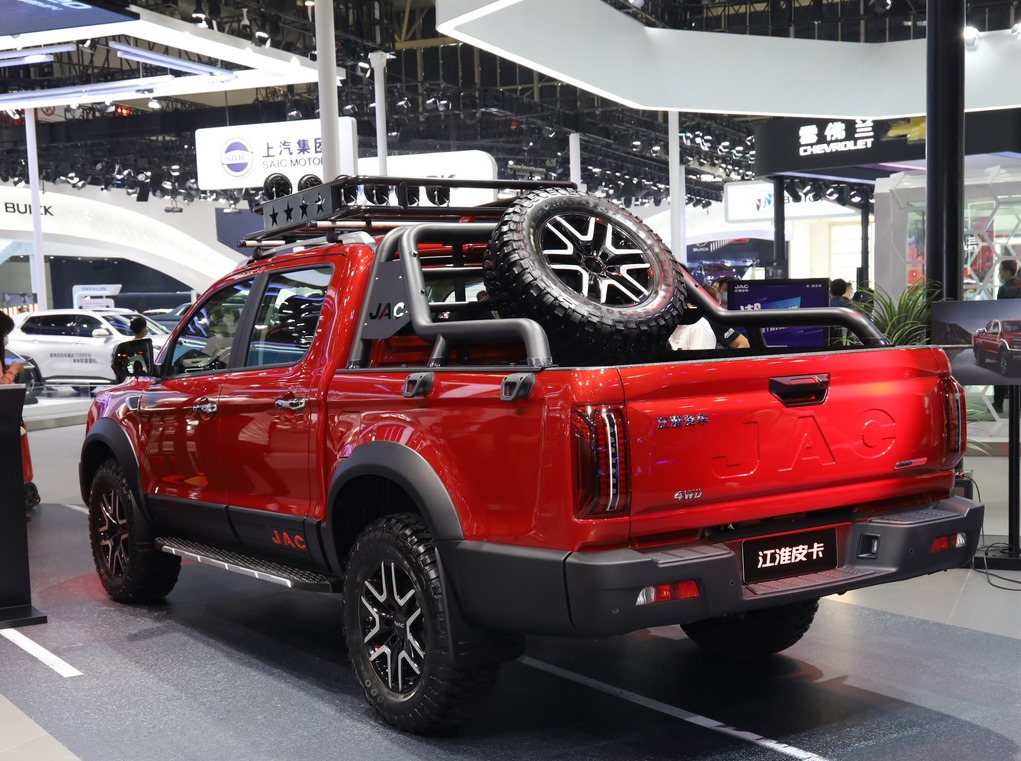
Following an announcement handed down in late 2022, Chinese carmaker JAC Auto has again confirmed its T9 dual-cab ute will reach Australia this year.
The JAC T9 will arrive in diesel form first, launching at the ‘affordable’ end of the ute market as a rival to models like the GWM Ute, LDV T60 and SsangYong Musso.
An electric version will launch in the first half of 2024, and while details are still to come, buyers will be hoping it’s cheaper and more capable than the underwhelming – if at least pioneering – LDV eT60.
Both models will follow JAC’s larger commercial electric trucks to market, including the N55 electric truck available right now (thanks to the appointment of dealer groups CMV, WestEnd Group and WestPoint Group), along with the upcoming N75 7.5-tonne truck debuting at this week’s Brisbane Truck Show, and the N90 9.0-tonne truck later this year. Again, all three models are battery-electric.
“After two years of localised trials, the medium rigid N55 – which offers up to 220km of emissions-free electric range from a single charge – is now in stock for immediate delivery.
“Its 96.8kWh lithium-ferrous phosphate (LFP) battery array offers greater stability and superior recharging properties, and the modular array can be completely recharged via the popular CCS2 plug in as little as two hours from a 50kW DC fast charger.*
“With up to 130kW of power and 1200Nm of torque from its single electric motor, the N55 also features regenerative braking that not only recharges the battery on the fly, but saves on servicing costs by reducing brake component wear.
“A reversing camera, reversing sensors, an audible reversing warning, driver/passenger airbags and daytime running lights add safety to emissions-free convenience.
“The N55 is available in 4.5-tonne and 5.5-tonne GVM variants, and it can be fitted with a variety of body types. It has already seen service across Australia in various capacities.”
4
December 6: JAC T9 ute confirmed for Australia
Chinese carmaker JAC Motors has announced it will launch an electric and diesel ute in Australia in the next 18 months.
The four-wheel-drive dual-cab, the JAC T9, will be introduced in June 2023 in diesel guise, with the all-electric version set to follow in the second quarter of 2024.
It will be imported by third-party distributor BLK Auto, with the NSW and Queensland-based company presently trialling JAC’s electric N55 truck. It aims to establish a “comprehensive dealer network” in Australia and New Zealand, including an office in Auckland.
1
The firm has the Chinese-manufactured GWM Ute and LDV T60 Max firm in its sights, with both utes priced between $35,000 and $50,000 before on-road costs in Australia.
It is powered by a 2.0-litre turbo-diesel four-cylinder engine producing 125kW and 410Nm – down on the segment favourites, including the Toyota HiLux and Ford Ranger, but similar to the GWM Ute, Ssangyong Musso, and soon-to-be-replaced Mitsubishi Triton. It is matched with a ZF-sourced eight-speed automatic transmission.
Under the skin, as reported by Automotive Daily, the JAC T9 features a 3500-kilogram braked towing capacity, a part-time four-wheel-drive system, a rear differential lock and rear disc brakes – rather than drum brakes, as is still common on many dual-cab utes.
1
It measures 5330 millimetres long, 1965mm wide and 1920mm tall, with a 3110mm wheelbase. This is similar to the latest Ford Ranger, which is 40mm longer, 47mm narrower and 36mm shorter, with a 160mm longer wheelbase.
While the electric version has yet to be detailed, it is likely to compete head-to-head with its only rival, the LDV eT60.
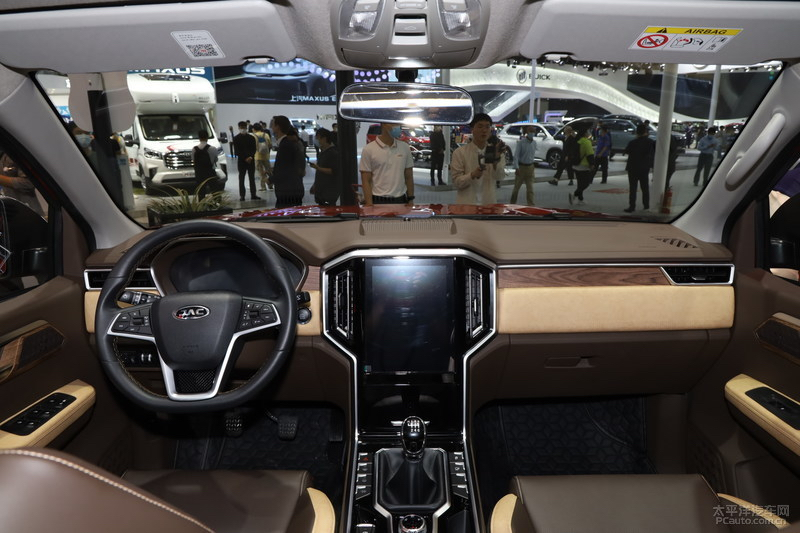
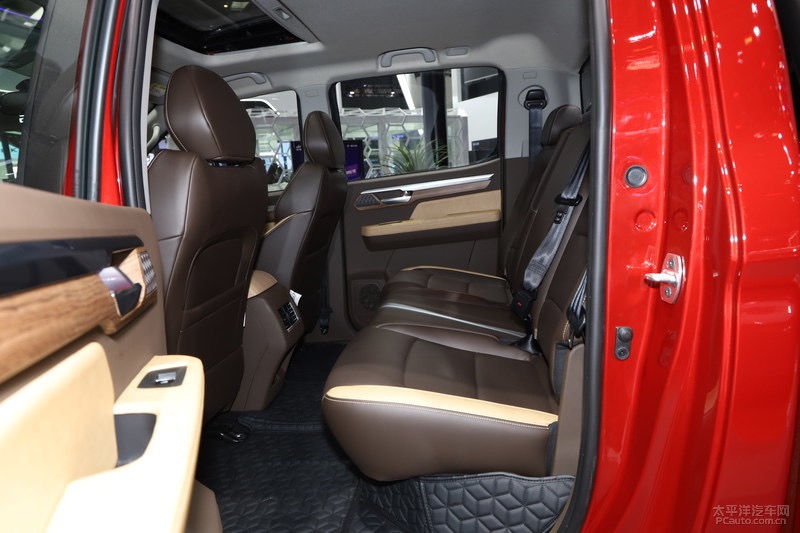
Inside, the JAC T9 features a 10.4-inch infotainment system, Apple CarPlay and Android Auto, a wireless phone charger, heated power-adjustable front seats, and a 360-degree camera system.
1
“Australia’s best-selling vehicles overall are the Toyota HiLux and the Ford Ranger – pickup trucks are incredibly popular at the moment,” said BLK Auto managing director Jason Pecotic.
“This segment is huge, it’s about 180,000 units per year. But many buyers face a long wait to buy a pickup, so we expect the JAC T9 to be an extremely attractive alternative at a more affordable price point.”
BLK Auto said it expects the JAC T9 to achieve a five-star ANCAP safety rating, with safety features including seven airbags, autonomous emergency braking, lane-keep assist, blind-spot alert, rear cross-traffic alert, adaptive cruise control, and tyre pressure monitoring.
It is unknown if the JAC T9 has been engineered to meet the newest criteria, which can also favour a front-centre airbag and junction-turning AEB to achieve the highest points.
Of note, the LDV T60 – including the $90,000 electric version – currently offers no active safety technology, including a potentially life-saving autonomous emergency braking system.
Also unknown is JAC’s warranty period, with the GWM Ute and LDV T60 both covered for seven years – including unlimited-kilometre coverage for the GWM.
“By the end of 2023 we will be importing three models of JAC electric trucks, and the two JAC pickup models will significantly add to the product range and help us grow our dealer network by giving our dealers more products to sell,” added Pecotic.
1
JAC will become the second Chinese manufacturer to arrive in Australia in 2023, with Chery set to be resurrected in the first half of the year with a new small SUV, the Omoda 5 – after it withdrew from the local market after four years, in 2015, following low sales in the wake of poor safety ratings and an asbestos recall.
While the GWM Ute and LDV T60 Max are proving popular in Australia, several other Chinese-based marques have failed to achieve success in the local market, which is dominated by dual-cab utes.
This includes the JMC Vigus, ZX Grand Tiger and Foton Tunland, while GWM – when it was marketed under its full name, Great Wall Motors – struggled with its predecessor to the Ute, the Steed and V240.
BMW has unveiled its new i5 electric sedan, and Australian details have also been confirmed. Get all the details at the link below.
May 19: BMW i5 previewed
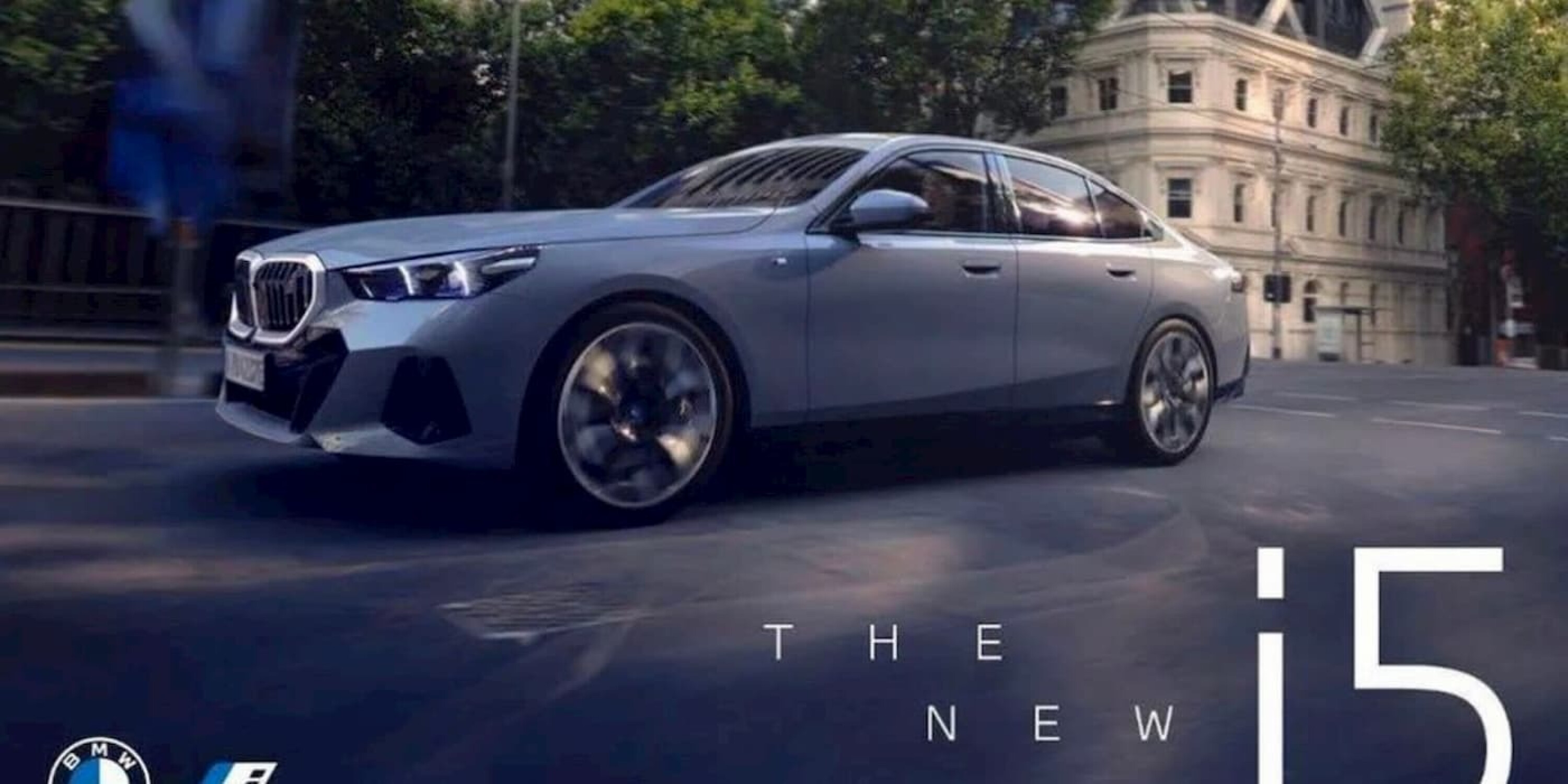
A new-model leak is the only kind of leak we like to see. This time it’s BMW’s new i5 EV.
Teased a few weeks ago in all-over camouflage, the teaser train for BMW’s long-anticipated i5 is now… all over. There’s only one image for now, but it offers a clear look at what we can expect from the big new electric sedan.
Thankfully, depending on your preferences, the i5 will ditch the giant top-to-bottom grille worn by a number of recent BMWs, returning to a design that is again wider than it is tall.
The leaked image is below, and you can continue reading this story for further details on what we expect to see revealed in the coming days.
The BMW i5 badge has been anticipated for over a decade now, but it’s finally on the way.
The new electric sedan has been previewed again this week, as the car enters summer testing and the “fine-tuning” of its suspension control and driver assistance systems.
6
BMW says the flagship i5 M60 xDrive model will list efficiency numbers as low as 17.9kWh/100km on the WLTP test cycle, while the i5 eDrive40 claims a low 16.0kWh/100km – although both figures are described as provisional, likely to be confirmed with the i5’s unveiling.
BMW says the i5 will begin its market launch in October, so an Australian debut will likely occur in late 2023 or very early 2024.
The new-generation 5 Series, which will share much of the i5’s styling, is expected to follow. When it does, it’ll have an equally new Mercedes-Benz E-Class to contend with – and it’s already been revealed.
Watch for more on the i5 to come in the lead-up to its unveiling in “a few weeks”.
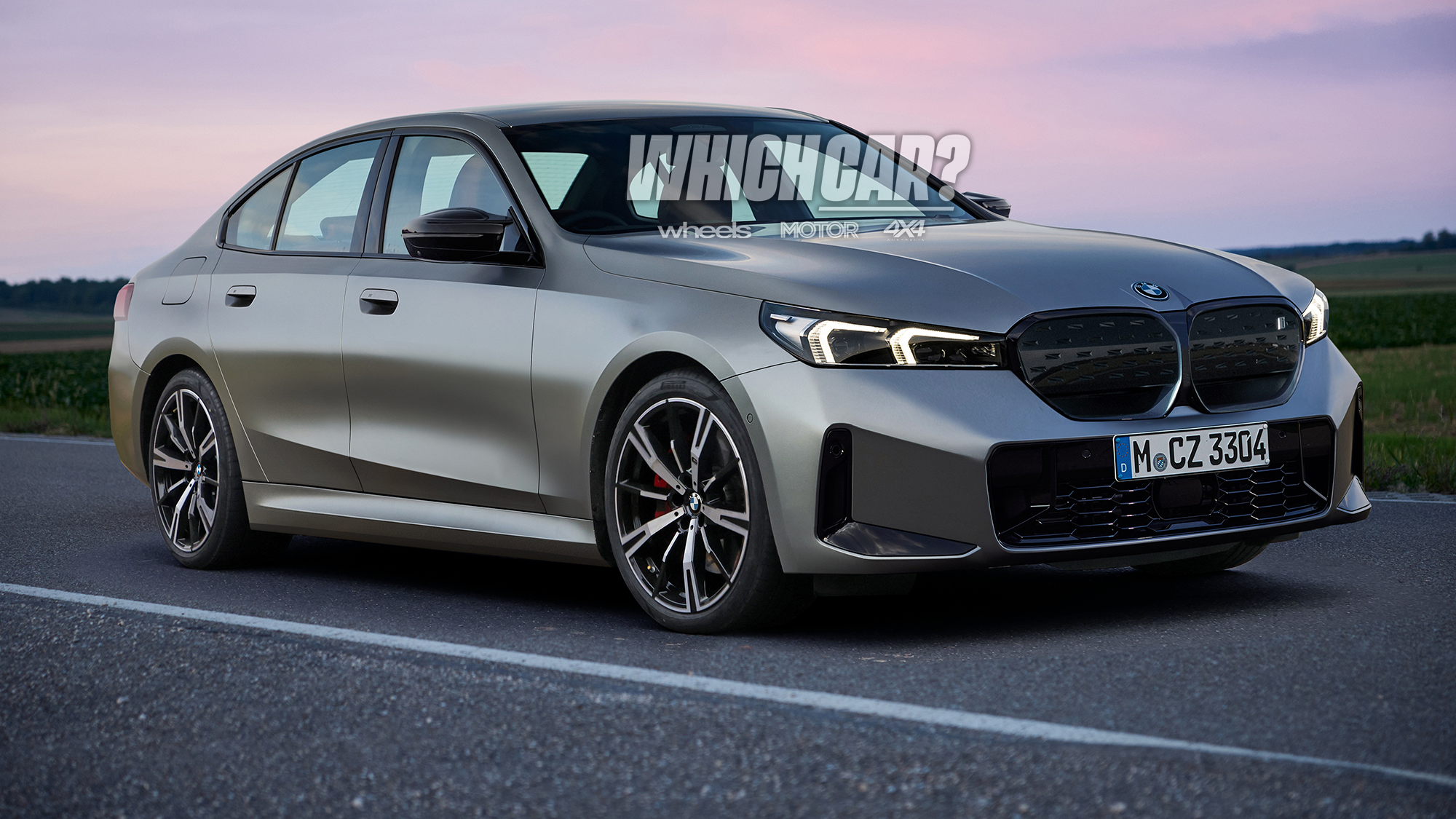
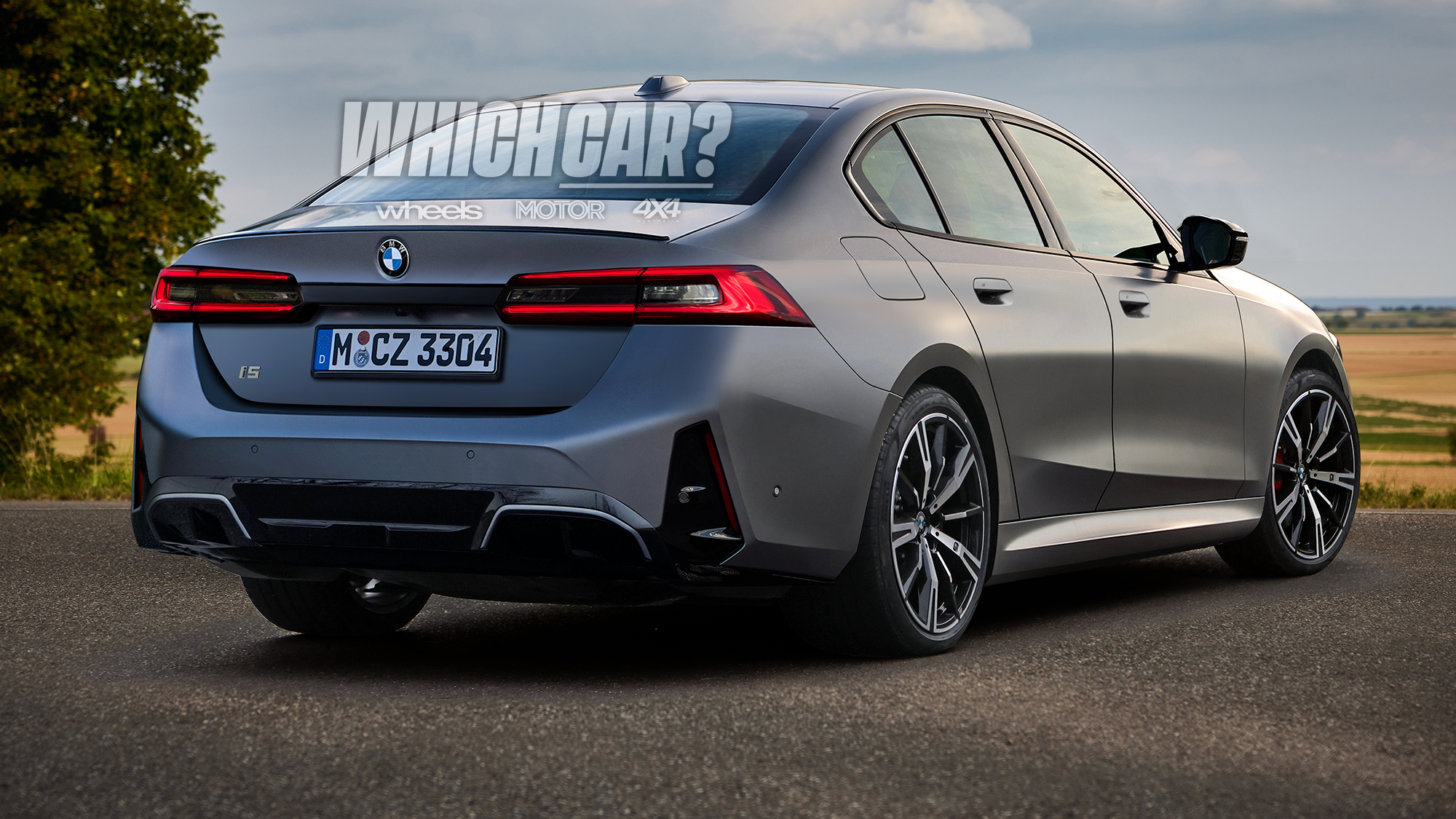
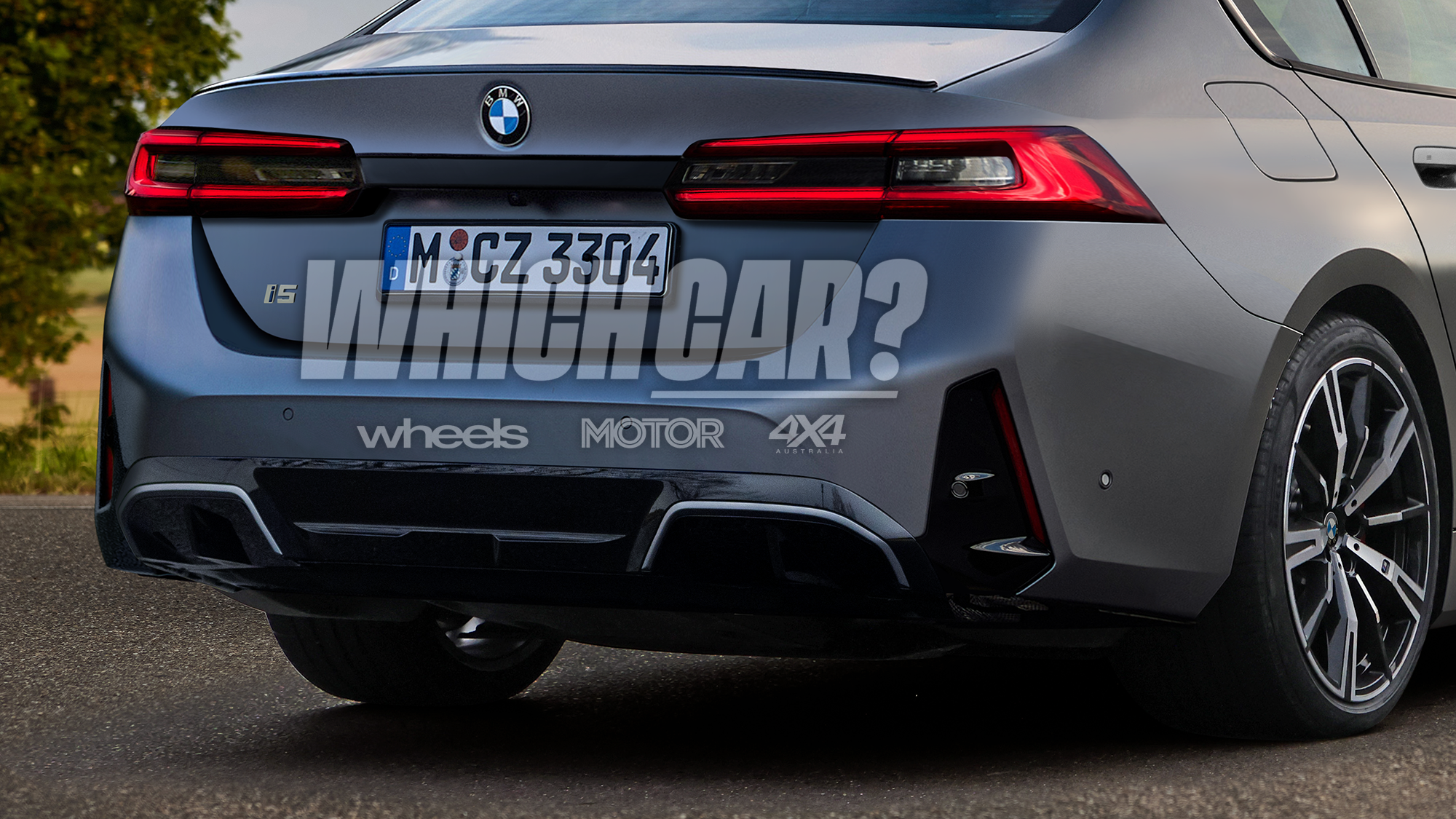
Below: WhichCar’s speculative renderings of the new i5
1
1
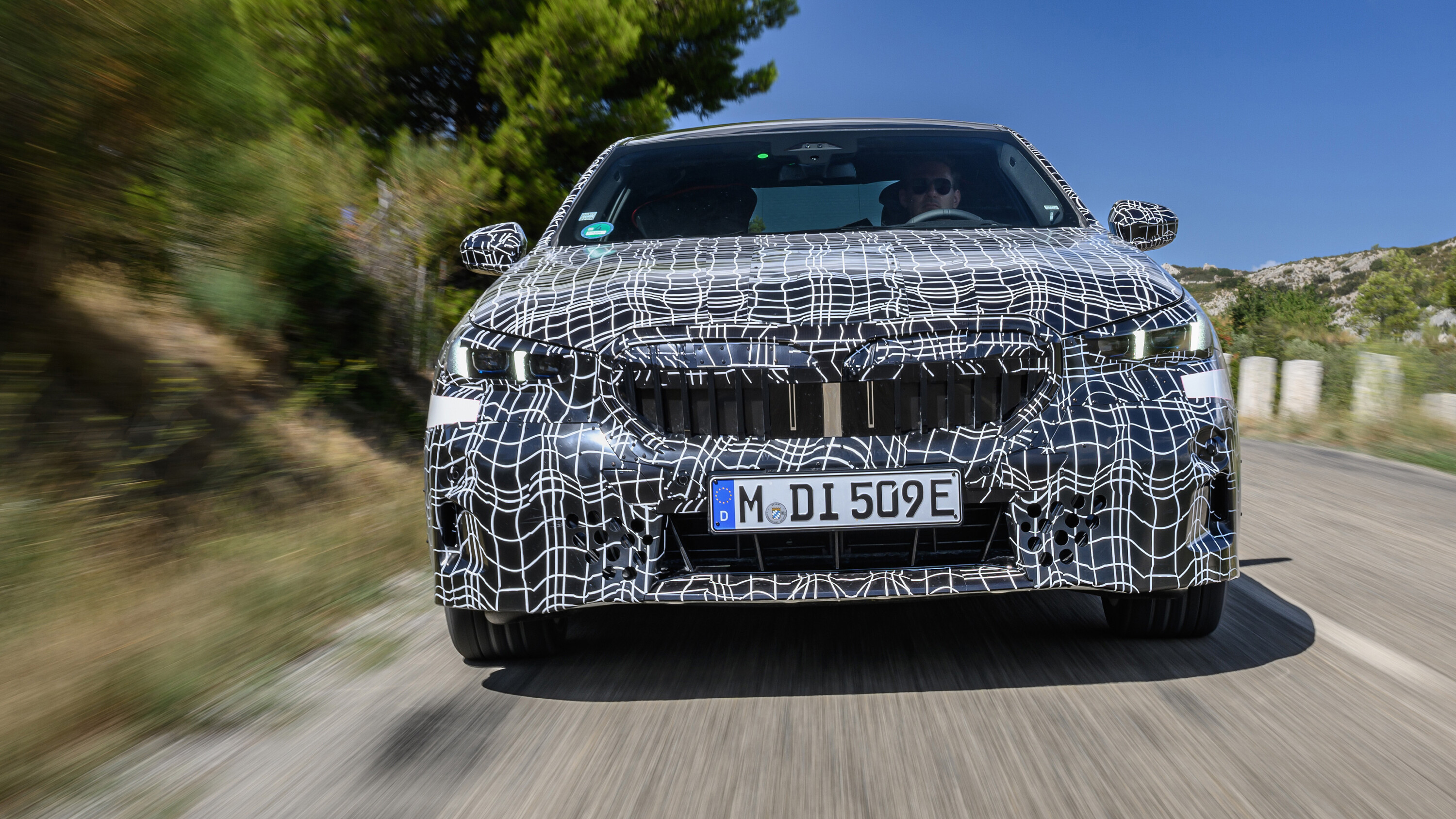
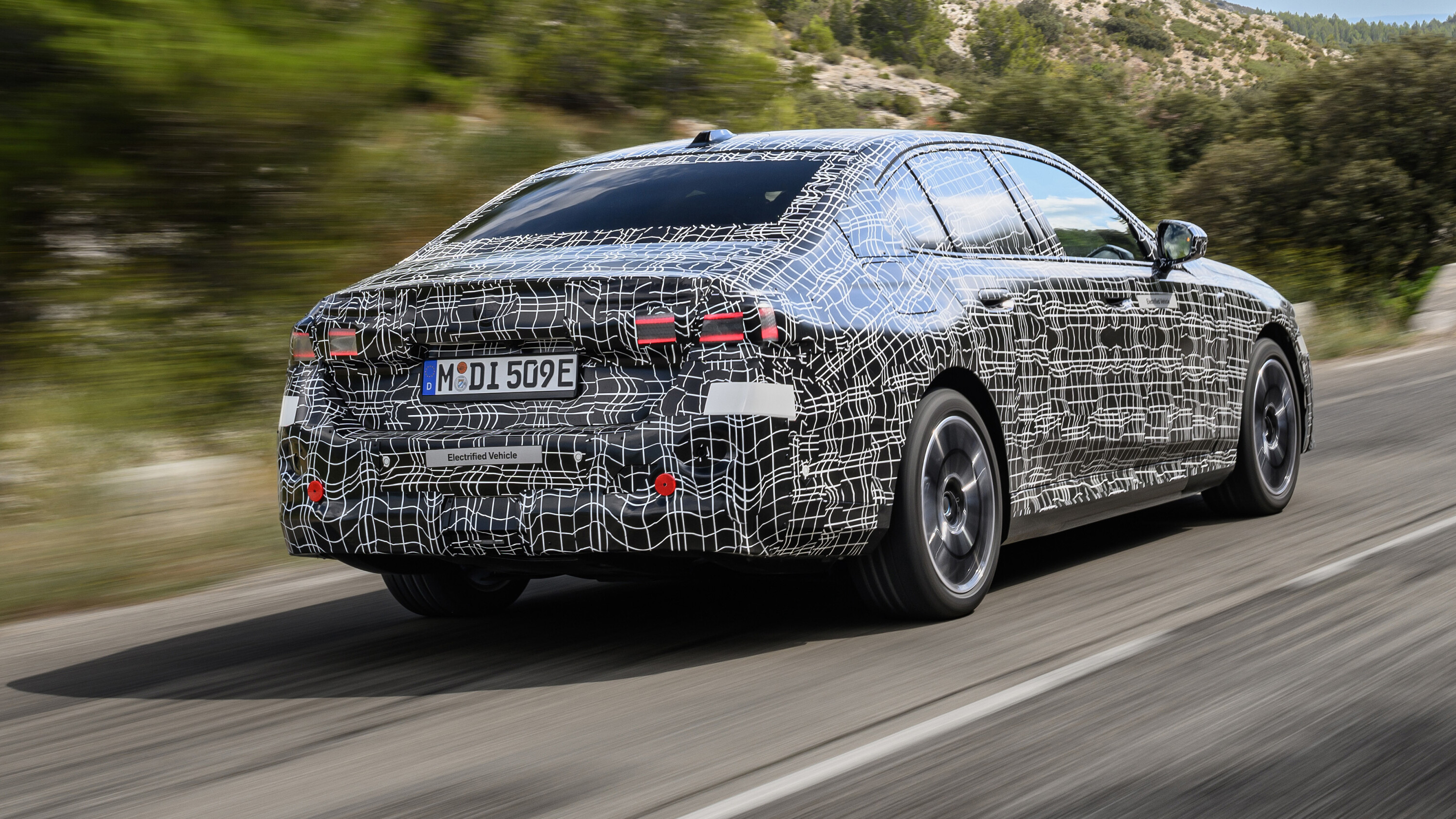
March 31: BMW i5 teased in winter testing
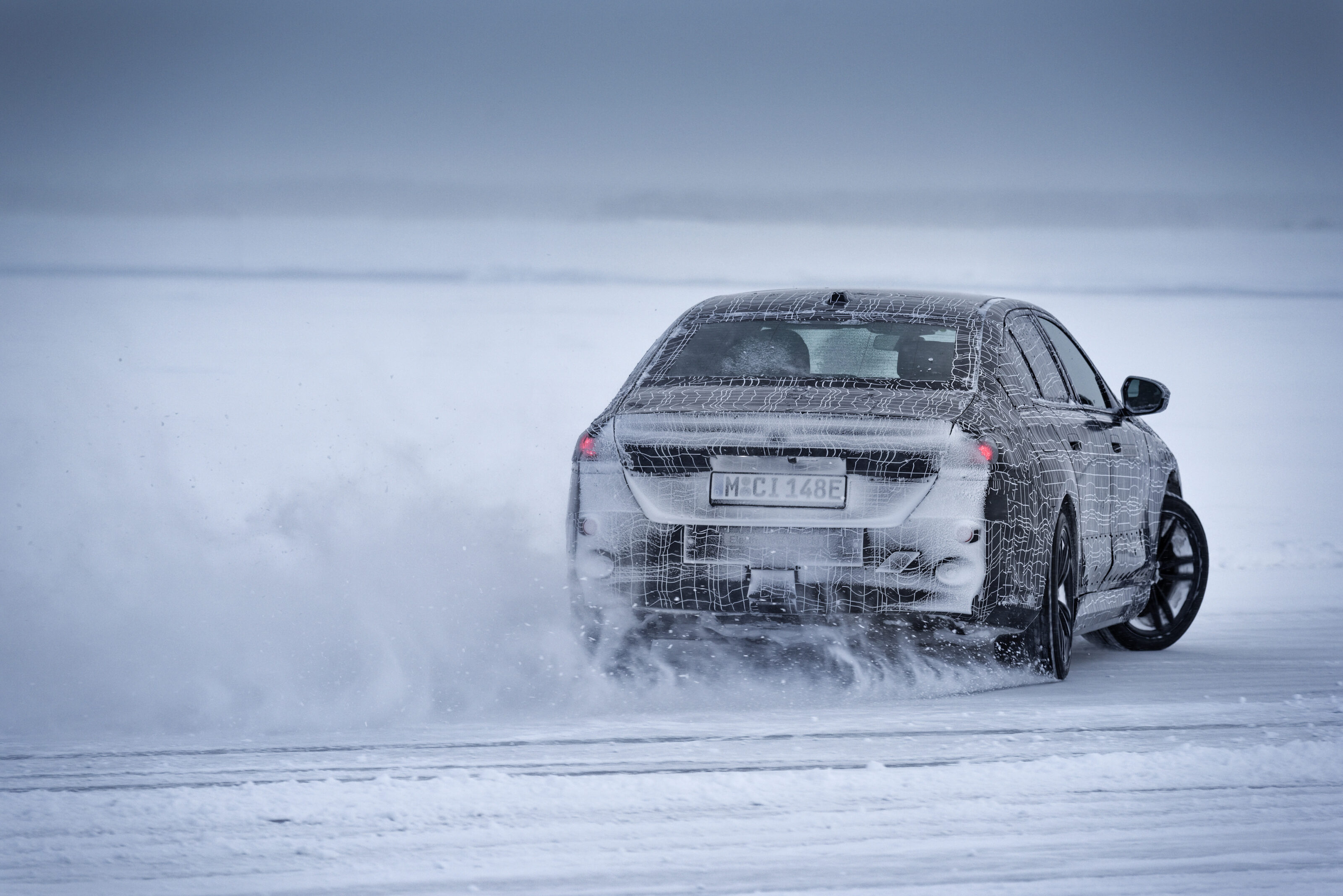
Ahead of the 2024 BMW i5’s official release, the Bavarian brand has been out stress-testing the electric sedan in Arjeplog, Sweden.
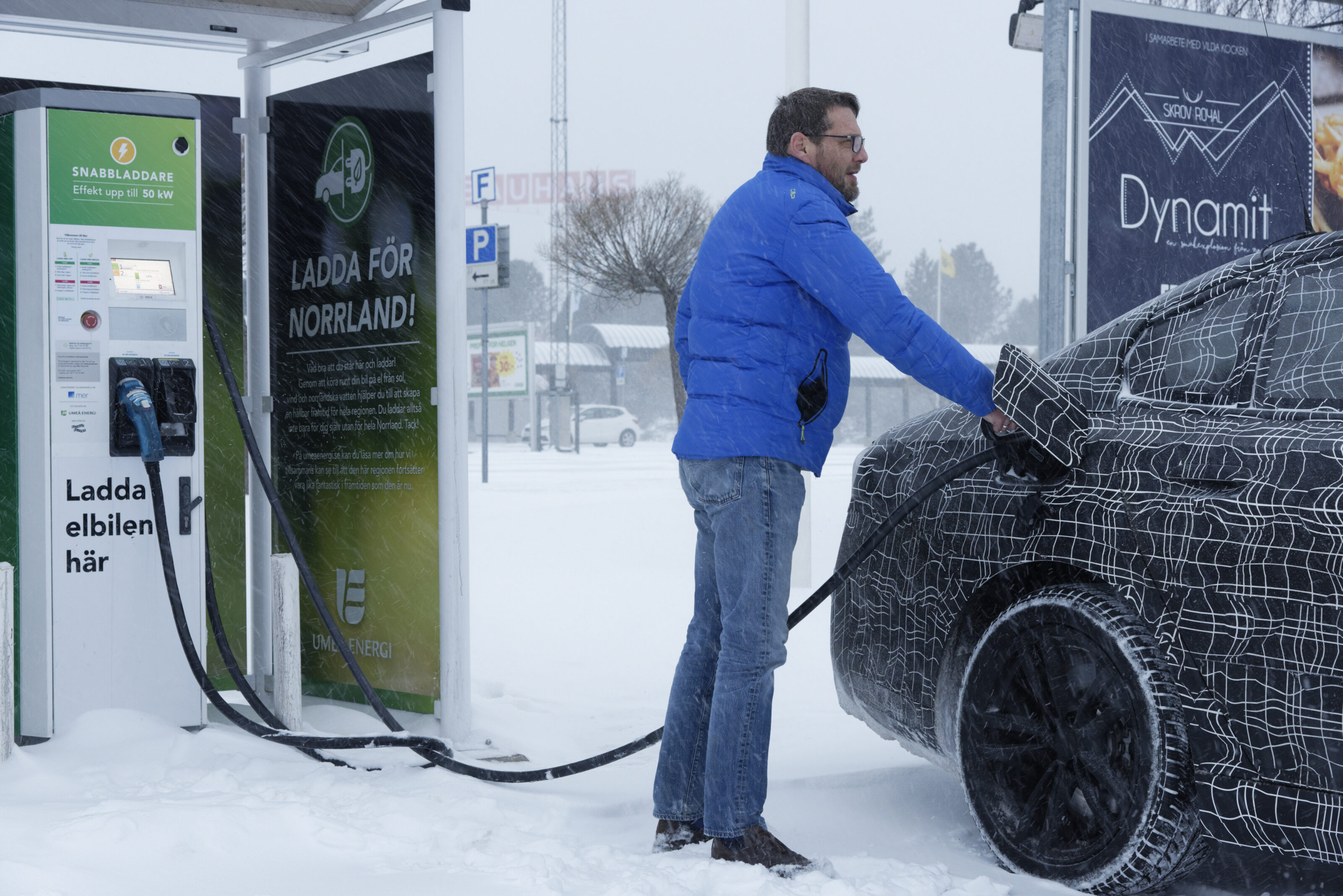
The convoy of cars travelled roughly 3000km north from BMW’s Munich HQ to the arctic circle’s edge, where crucial development – especially for BEVs – occurs, with ESC, ABS, twin-motor AWD calibration, and materials put to the test under freezing conditions.
Crucially for an electric car, the data gathered will give BMW engineers greater information about how the driving range and fast-charging speeds are affected as the weather gets colder.
The latest high-quality ‘spy’ photos (provided by BMW) also back up our renders (below), confirming the i5’s integrated door handles, body shape, and proportions.
An interesting extra piece of camouflage is bolted or riveted to the bonnet, perhaps to hide functional aerodynamic details that will differentiate the i5 from the regular, combustion-powered 5 Series.
Expect a full unveiling of the 2024 BMW i5 towards the end of the year, with Australian arrival likely next year – alongside the all-new 5 Series.
Our earlier story, below, continues unchanged.
8
The story to here
BMW has formally announced electric sedan and wagon versions of its next-gen 5 Series that will debut later this year.
Snapshot
BMW confirms electric 5 Series sedan and wagon
Targets 15 per cent BEV sales share
EVs will ride on both dedicated and shared platforms
At the BMW Group Report meeting overnight, chairman of the board Oliver Zipse discussed the onslaught of electric vehicles we can expect from the Bavarian brand over the next decade.
Following the launch of the new 5 Series will be the electric i5, which we’ve had Theottle imagine based on spy photos (click on any picture to open a full gallery).
In addition to the i5 sedan, BMW confirmed that a Touring – Bavarian speak for station wagon – will arrive in early 2024. The i5 Touring will only have the Porsche Taycan Cross Turismoand the MG 5 estate for company.
Renderings suggest, and spy-shots confirm, that like the current i4 Gran Coupe and iX3, the i5 will use very similar sheet metal and the same cluster architecture underpinnings as new internal-combustion engine (ICE) and plug-in hybrid (PHEV) models.
Expect rear- and all-wheel-drive variants, likely including a flagship M60, and WLTP driving ranges from 450-600 kilometres, depending on battery size.
BMW will also introduce a fully-electric iX2 when that small, sporty SUV comes in for a similar update to the X1 small SUV.
Despite BMW executives recently vocally doubting a rapid transition to BEVs, the brand has posted huge results when it comes to electric sales. In the first two months of 2023, EV deliveries doubled compared to last year.
“Substance is convincing — and this is where our models speak for themselves. That is why we are striving for further significant growth in fully-electric vehicles this year and expect them to account for 15 per cent of our total sales,” Zipse told media.
Our original story, below, continues unchanged.
November 2022: BMW i5 spied and rendered!
Snapshot
2024 BMW i5 rendered!
Flagship M60 model
Expected to debut late next year
Following spy shots earlier in November, we asked rendering guru Theottle to imagine what a production version of the incoming i5 sedan could look like.
As in the spy photos, the front end of BMW’s electric5 Series strikes a very similar silhouette to the new-gen combustion car that is expected to launch next year, or in 2024.
Differentiating the Mercedes-Benz EQE rival from its combustion counterpart, BMW has blanked off the grille, minimised the front air dam and added a flush door handle design, first seen on the 2 Series coupe – likely in the name of aero efficiency.
1
As the i5 will be sold alongside the next-gen combustion 5 Series, the render’s headlights are sharper and more eye-catching while – like the test mule – the two-tone alloy wheels are probably just placeholders before more aerodynamic versions appear on the production model.
Around the rear is where the new i5 departs most significantly in design language from the current G30 generation 5 Series. The boot deck is set higher, and the kamm tail crisper in its execution.
1
Being the flagship sporty M60 it has a lip spoiler, while it’s likely to be AWD featuring up to – or above – 455kW of power and 1100Nm of torque (like the iX M60). There are also new LED tail lights and diffuser with the expected faux exhaust tips.
This is, of course, just an imagination of the future i5 with the real thing slated to launch next year.
Let us know what you think of the renders in the comments section below.
2
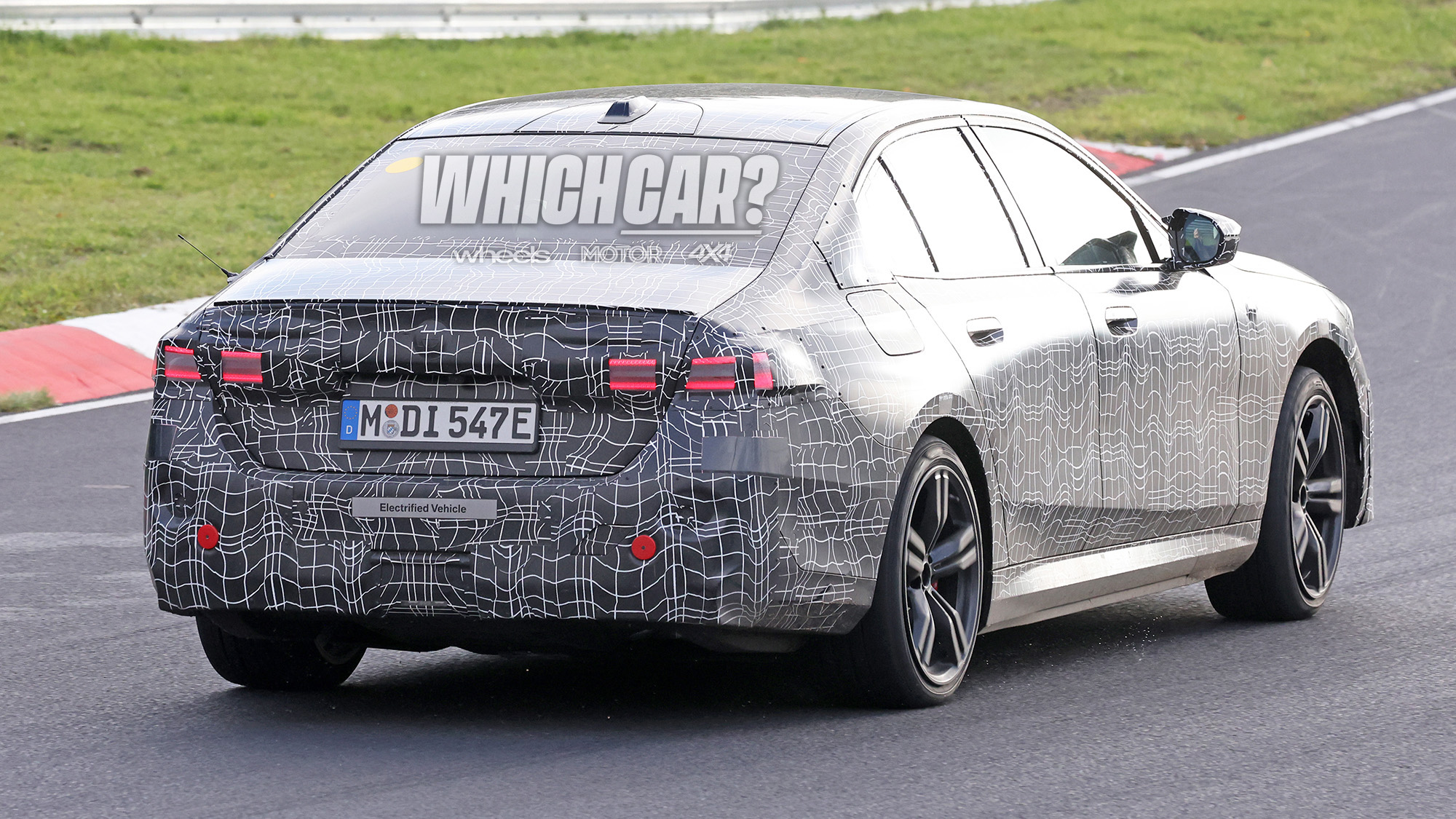
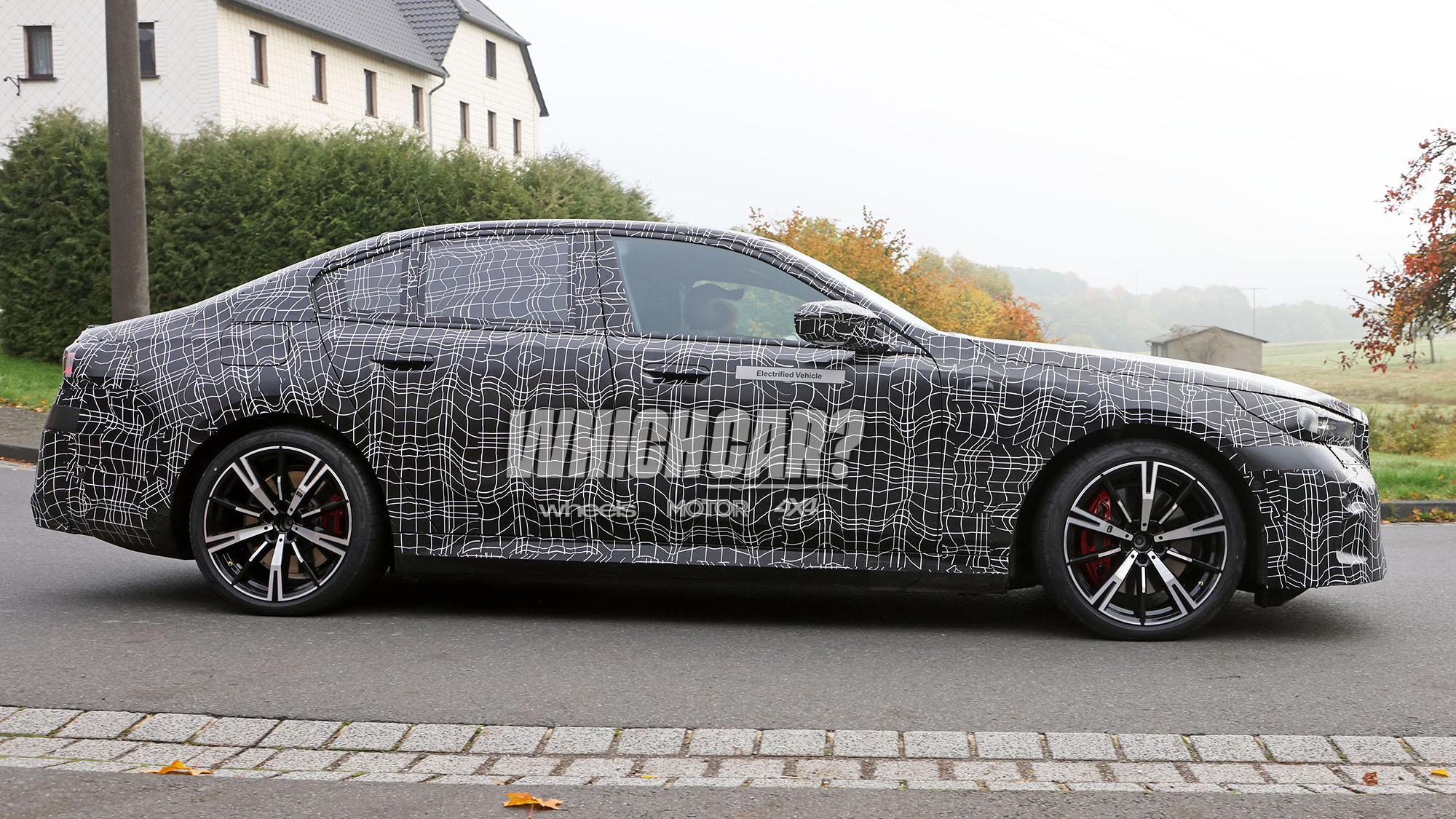
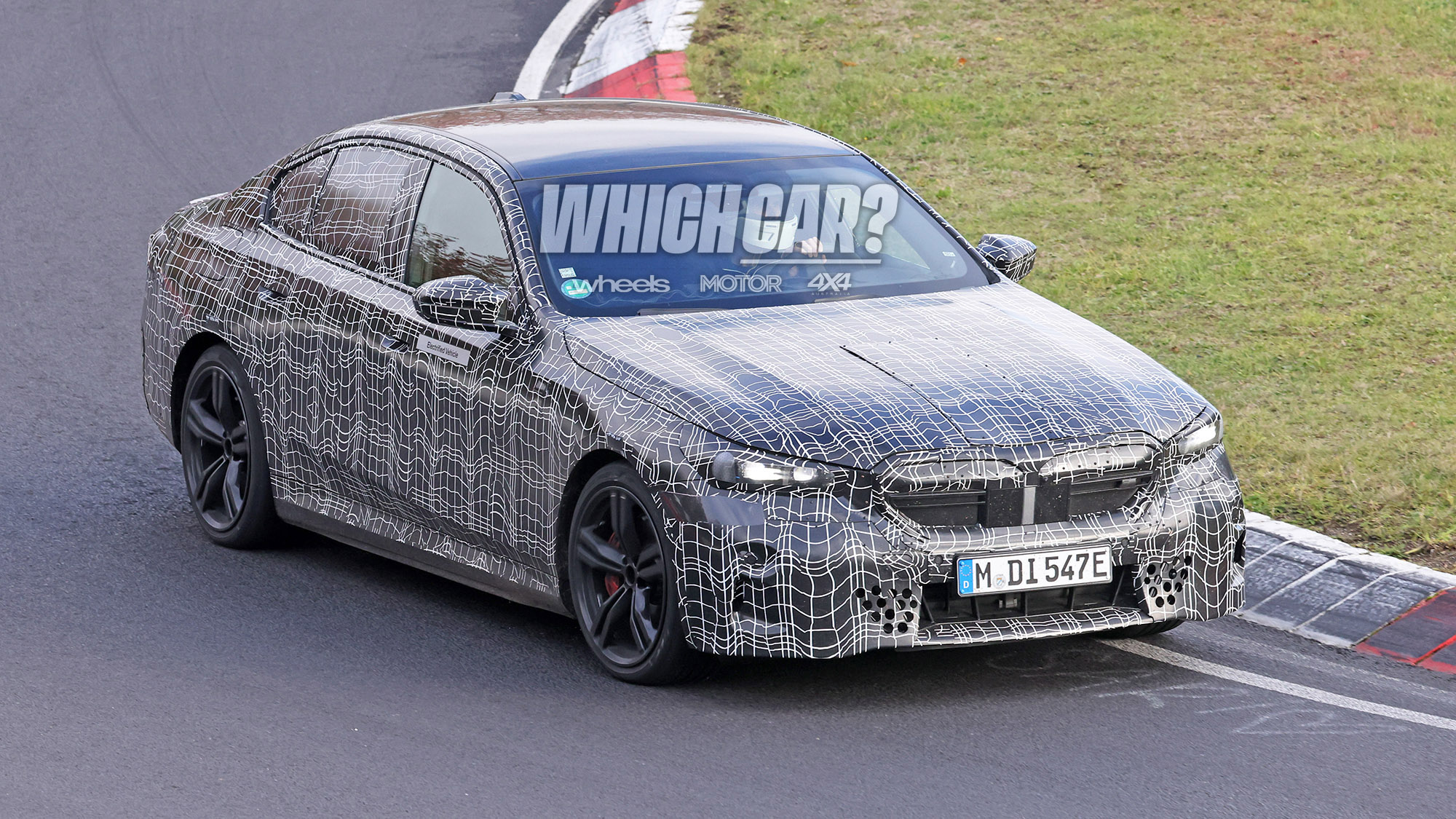
The upcoming 2024 BMW i5 electric sedan has been spied ahead of its expected debut in 2023.
Snapshot
2023 BMW i5 EV spied testing
Spotted in range-topping M60 guise
Set to launch alongside the next-generation 5 Series in 2023
A battery-powered sibling to the next-generation 5 Series, two examples of the i5 were spotted at the Nürburging in Germany by spy photographers.
It’s understood both vehicles are the range-topping, high-performance M60 variant, featuring a blanked-out, grille-mounted M badge and a lip spoiler.
While details on the powertrain are unclear, the larger iX M60 electric SUV has a dual-motor all-wheel drive setup producing 455kW and 1100Nm.
The BMW iX M60 lists a claimed 0-100km/h sprint time of 3.8 seconds.
1
As with its larger i7 sibling, the i5 will be joined by the eighth-generation 5 Series, which is expected to offer plug-in hybrid and mild-hybrid petrol/diesel powertrains.
Inside, the i5 and 5 Series will adopt BMW’s latest design language, with a dual-screen setup running the brand’s latest iDrive 8 operating system.
Other changes include flush door handles shared with the smaller i4 and 4 Series Gran Coupe, while the minimalist gear shifter from the updated 3 Series and X7 is expected to carry across.
1
While the regular 5 Series will receive an electric option, the M5 performance flagship will retain its iconic V8 engine.
However, it will feature a plug-in hybrid system paired with the BMW’s latest 4.0-litre ‘S68’ twin-turbo V8, as found in the new XM performance SUV.
For reference, the standard XM produces 480kW and 800Nm – up 13kW/50Nm over the M5 CS – while the flagship Red Label outputs 550kW/1000Nm.
As with BMW, rival brand Mercedes-Benz is readying an all-new E-Class – also tipped to launch in 2023 – to sit alongside the EQE. The latter’s performance flagship, the EQE 53, produces 505kW and 1000Nm, with a claimed 3.5-second 0-100km/h sprint time.
The 2024 BMW i5 and 2024 BMW 5 Series are expected to be unveiled next year, replacing the current model which launched in 2016 and was facelifted in 2020.
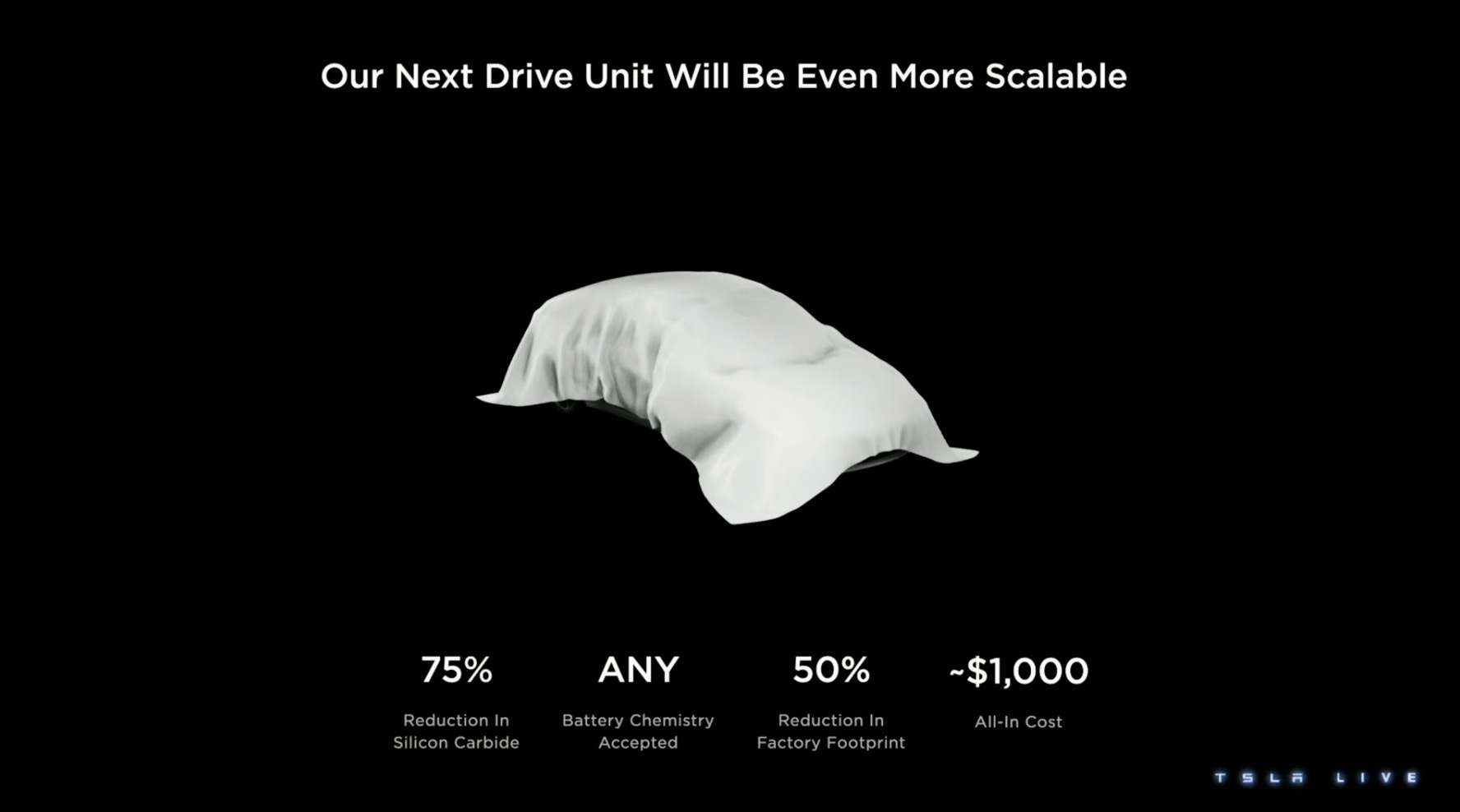
Tesla CEO Elon Musk has mysteriously teased the affordable ‘Model 2’ electric car at its annual shareholders meeting in Austin, Texas.
The shadowy image seemingly depicts a sedan body style with a sharp crease and rear cut-off, while the wind smoke in the background indicates that it, as per Tesla style, will be aerodynamically efficient.
“We are building and designing a new product. We’re not sitting on our hands here. There are two new products I think you will be excited about,” Mr Musk said.
“Both design and manufacturing techniques are head and shoulders above anything else in industry.
“If I were to guess – an Elon guess, if you like – we will probably make in excess of five million units a year of these two models combined.”
The Tesla ‘Model 2’ is expected to feature a new third-generation electric platform, a 53kWh lithium-iron-phosphate (LFP) battery pack, and optimised manufacturing to potentially cost less than $50,000 – if it lands in Australia.
Meanwhile, the other model mooted by Musk is likely an electric commercial and passenger people-mover van.
Based on what we’ve seen of the updated Model 3, we wonder if the upcoming Model 2 will look like this…
April 2023: Tesla previews three new EVs, including a bus and van
Tesla will widen its electric vehicle portfolio across a variety of segments, as it works to stay competitive in an increasingly crowded market. Full story below.
Tesla has teased the hardware of its third-generation platform tipped to underpin a more affordable sub-$50,000 electric car.
Snapshot
Next-gen affordable EV teased with low sedan-like shape, Tesla van also hinted
Cheaper to produce and own with optimised internals
Expects to sell 700 million units globally u2013 almost double Model 3 and Y
While the full car (potentially called ‘Model 2’) wasn’t revealed at its Investor Day event, Tesla design boss Franz von Holzhausen said: “I think the track record proves that we can deliver the best cars.
“I’d love to really show you what I mean and unveil the next-gen car, but you’re going to trust me on that until a later date.”
Tesla’s presentation slides seemingly depict a low-slung sedan or coupe silhouette, instead of previous rumours that the Model 2 would be a crossover SUV or hatchback.
It also teased a high-riding people-mover or van-like model.
1
The Model 2 is targeted to be 50 per cent cheaper to produce than the popular Model 3 sedan and Model Y SUV, cheaper to own than the base Model 3 rear-wheel drive over time, and can house any battery pack chemistry.
The popular EV-maker confirmed its next-gen model won’t contain any expensive and environmentally unsustainable rare earth materials in the permanent magnet electric motor. For reference, the current Model Y medium SUV uses around 520 grams of rare earths.
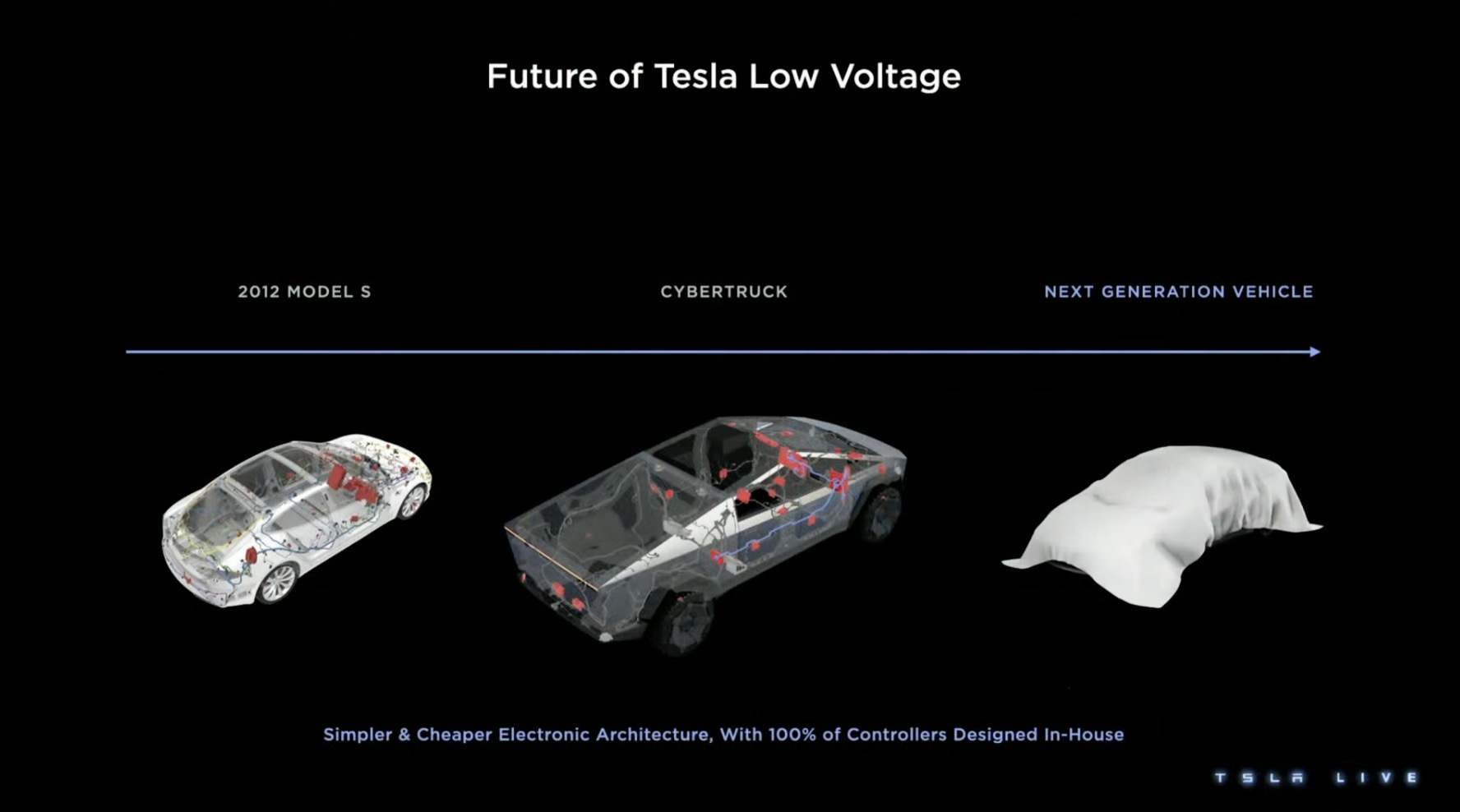
It will also adopt a smaller, lighter lithium-ion 48-volt auxiliary battery, which is claimed to last for the life of the vehicle, instead of the typical four-year lifespan of traditional lead-acid 12-volt units.
Production of the Tesla Model 2 will be streamlined to ensure it can scale up manufacturing volumes to meet strong demand, while reducing its factory footprint by 50 per cent.
1
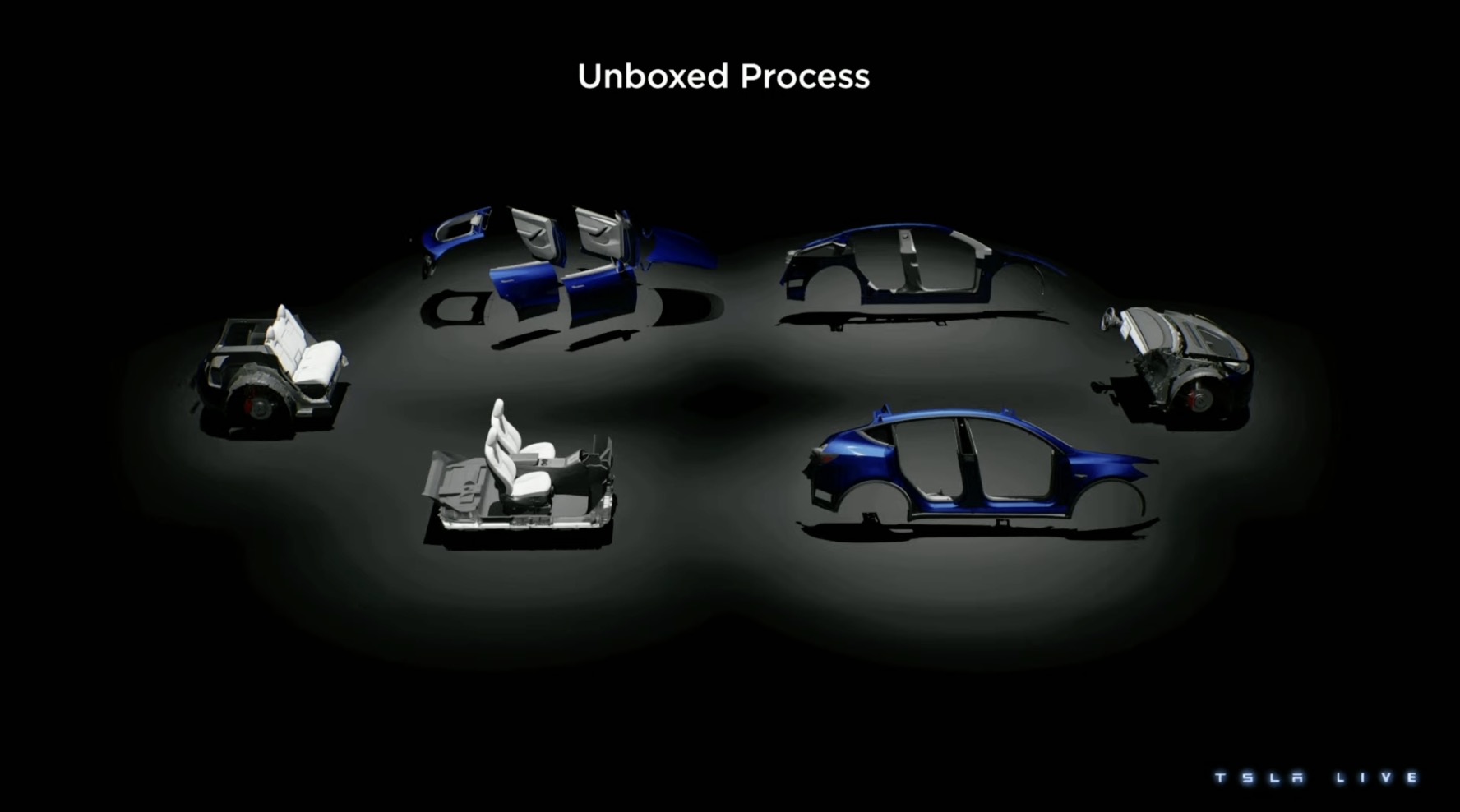
The third-gen EV will adopt a sub-assembly approach that builds different car parts independently to allow more workers and robots to work on one area simultaneously, and then it will be assembled together to form a car.
This is instead of going to the body, disassembling select parts, and reassembling for the final product.
Inside, it’ll receive an optimised controller design and simplified wire harness to ensure mass production.
The company has been famous for slowly delivering newly-introduced cars – such as the Model 3 sedan, described as “production hell” in 2017, and facelifted Model S and Model X large EVs, which are expanding globally two years after its US launch.
1
The Tesla electric car will be made at its upcoming Mexico Gigafactory near Monterrey, but the carmaker said it will complement existing plants across the US, China and Germany, which will be upgraded to expand production outputs.
Tesla expects the Model 2 will sell 700 million units globally (with an unspecified timeframe) – in contrast to 380 million for the already popular Model 3 small sedan and Model Y medium SUV, 300 million for the upcoming Cybertruck pickup and teased Tesla van, and only 40 million for the high-end Model S liftback and Model X large SUV.
The company didn’t detail any previously purported updates to the existing Model 3 and Model Y, but it did say that it had reduced manufacturing costs by 30 per cent between 2018 and 2022.
Also missing during the event was any mention of the second-generation Tesla Roadster three-door electric coupe, which was unveiled in late 2017.
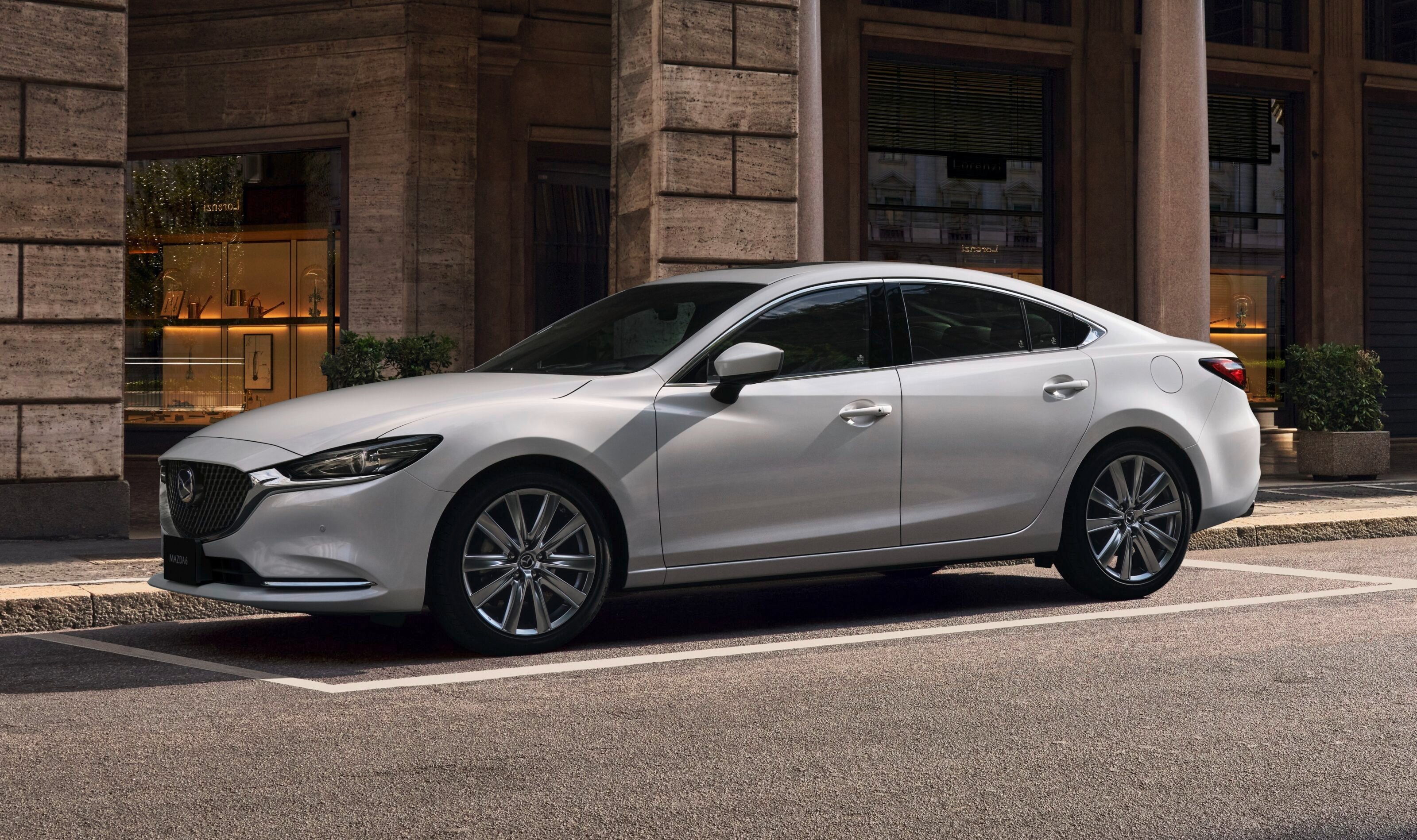
UPDATE: The 2023 Mazda 6 has arrived in Australia.
Pricing for the updated mid-size car was first announced in January – and we’ve now driven it!
Get our full review at the link below, or continue reading here for all pricing and equipment details.
January 2023: Mazda 6 pricing and features
Snapshot
2023 Mazda 6 update announced
New flagship 20th Anniversary grade commemorates two decades of nameplate
Updated technology and new colours; price rise of up to $1120
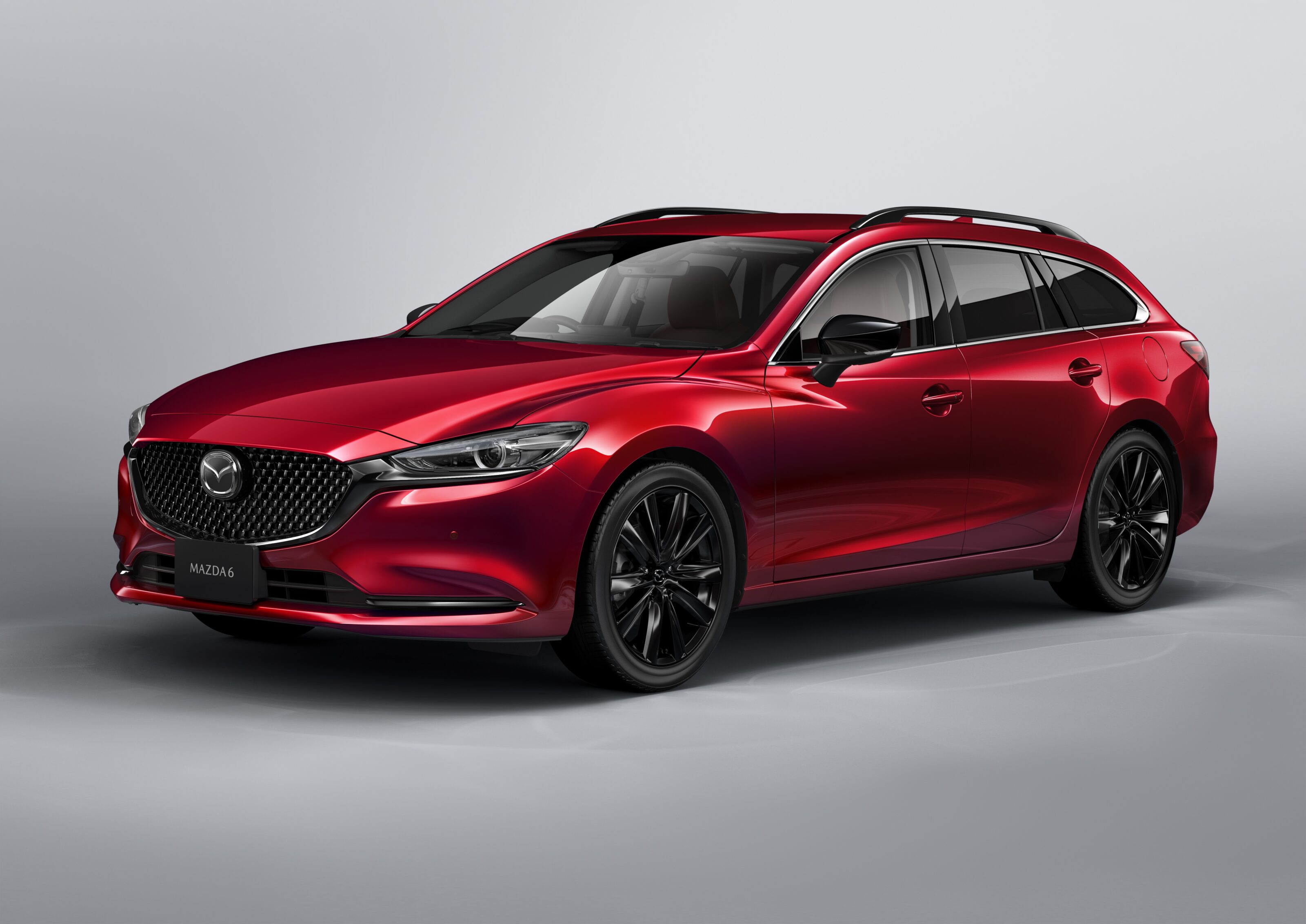
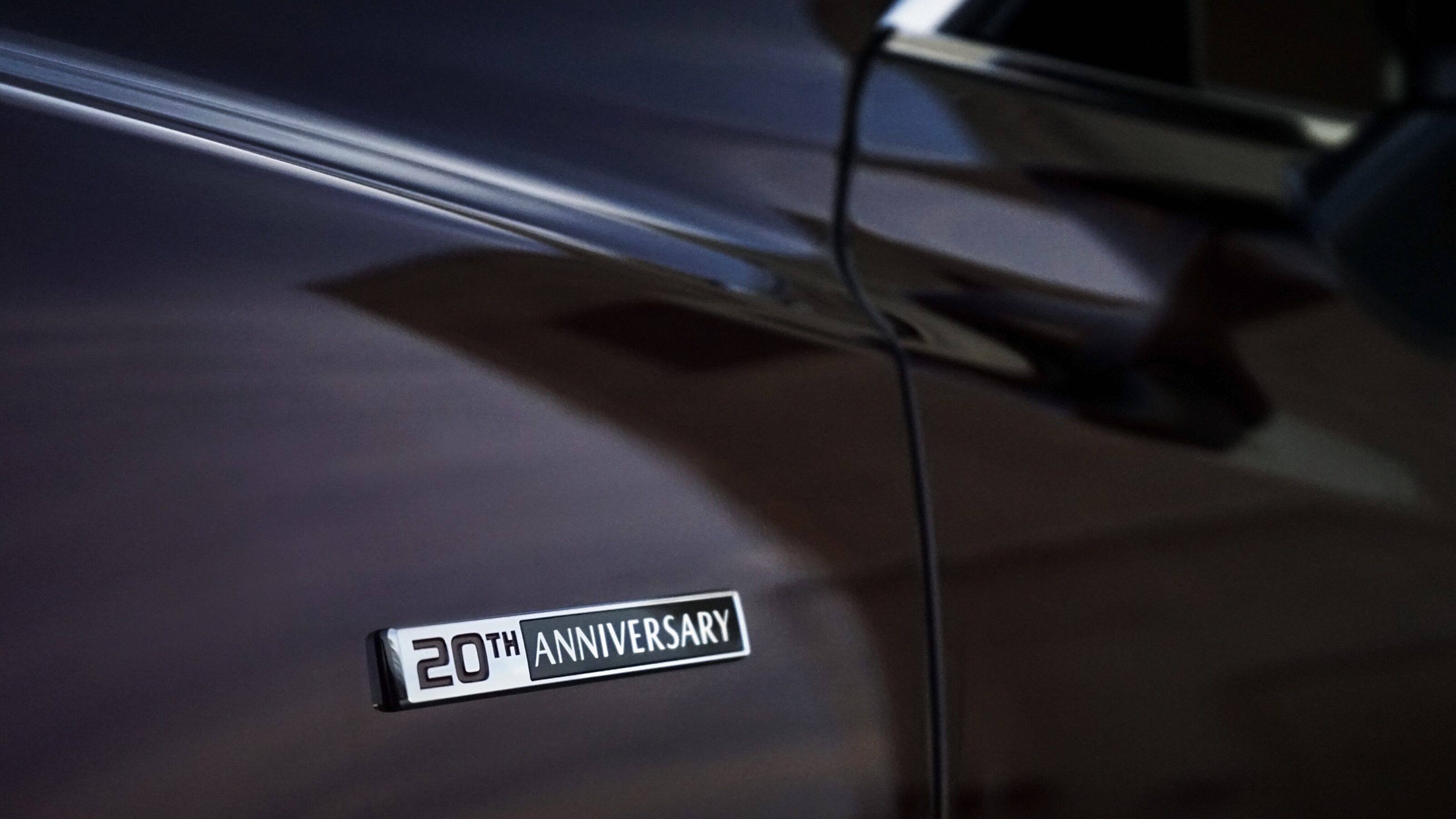
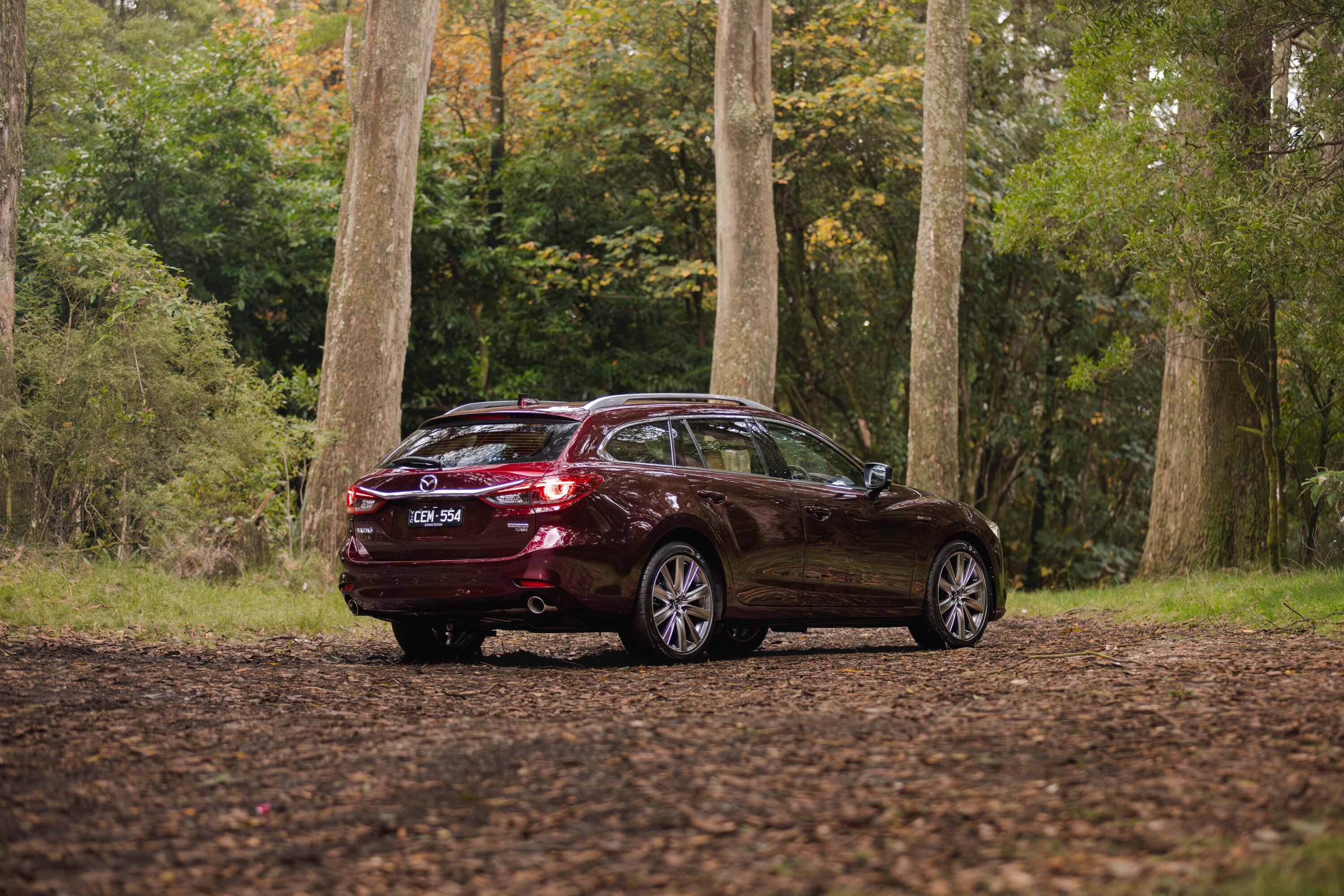
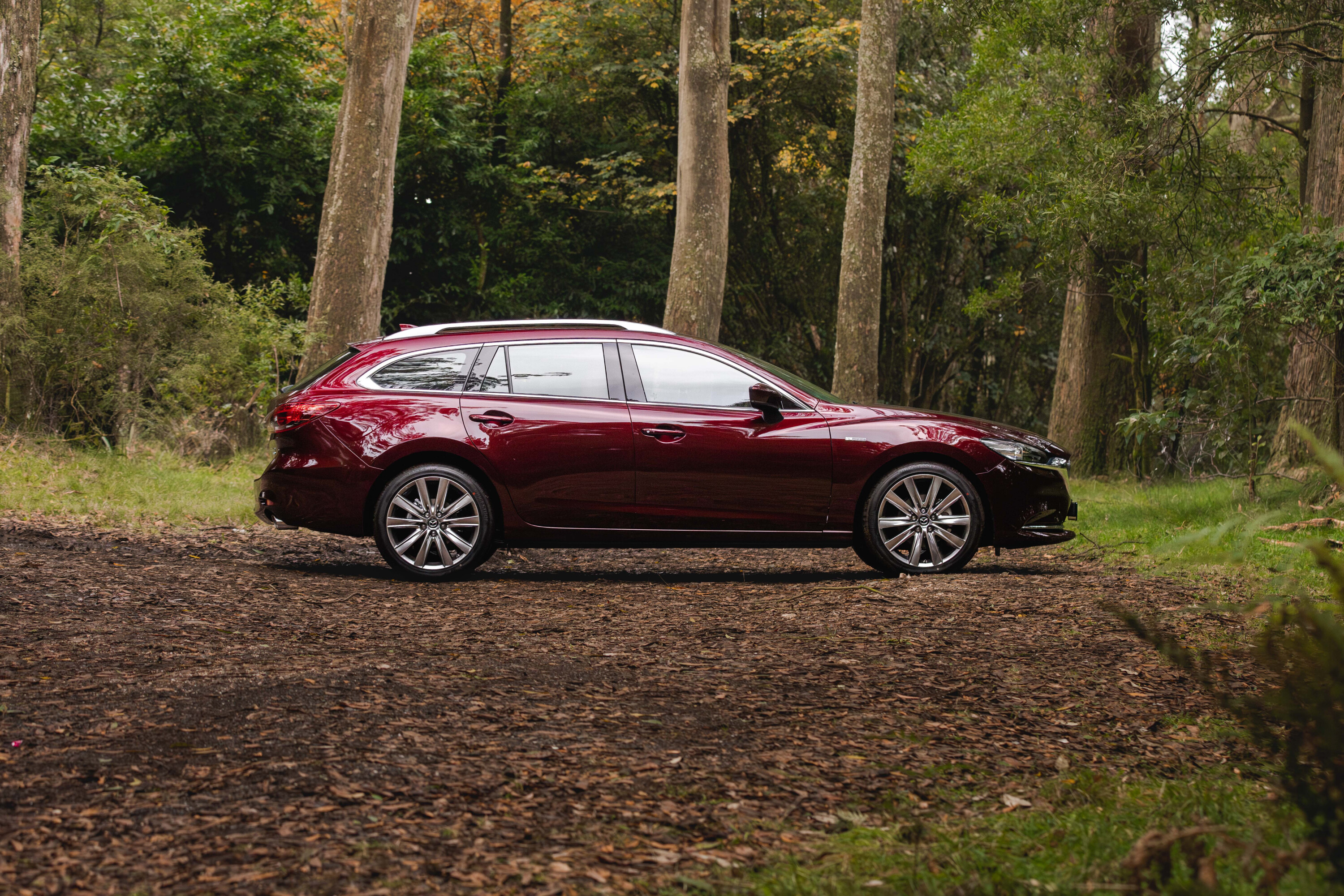
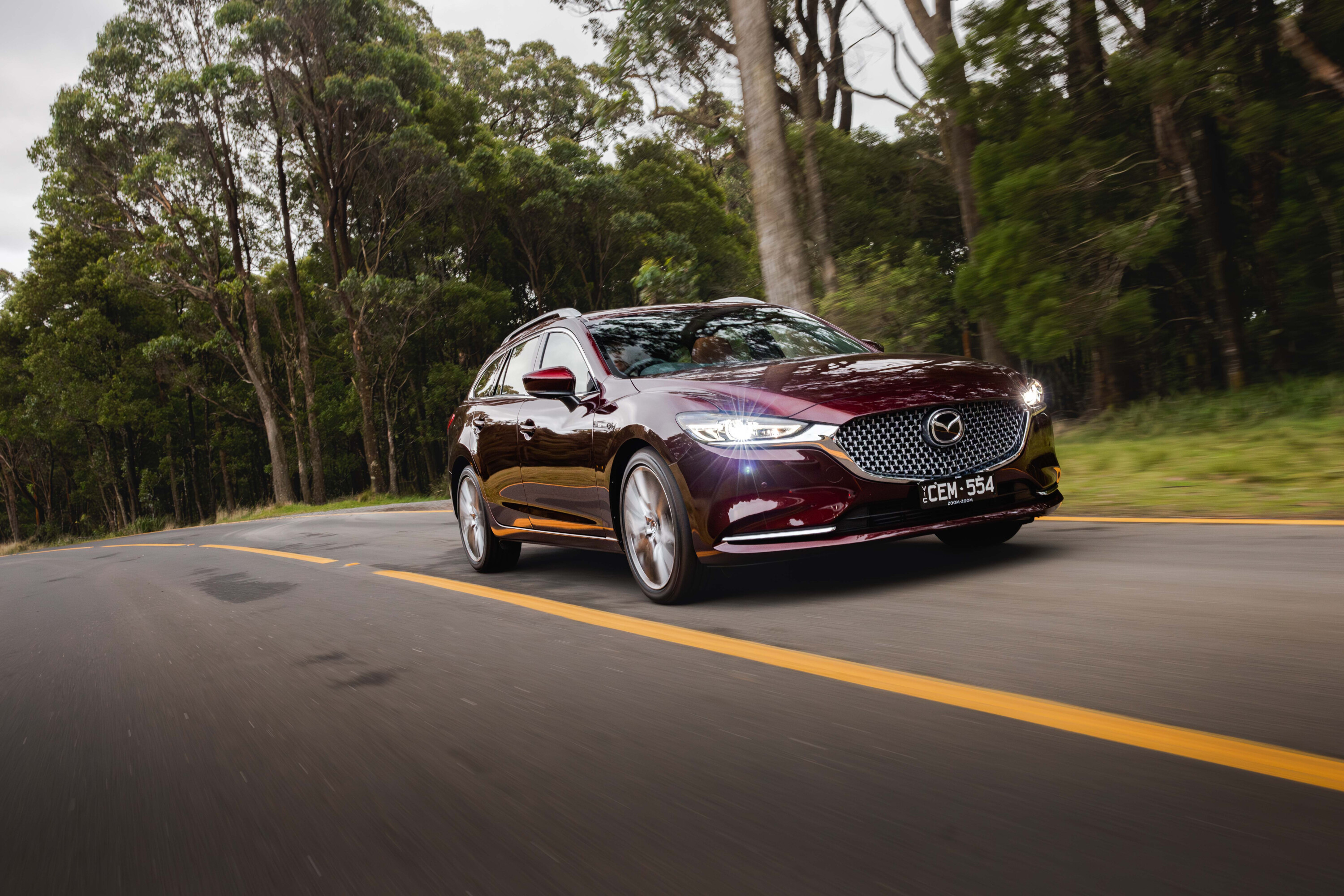
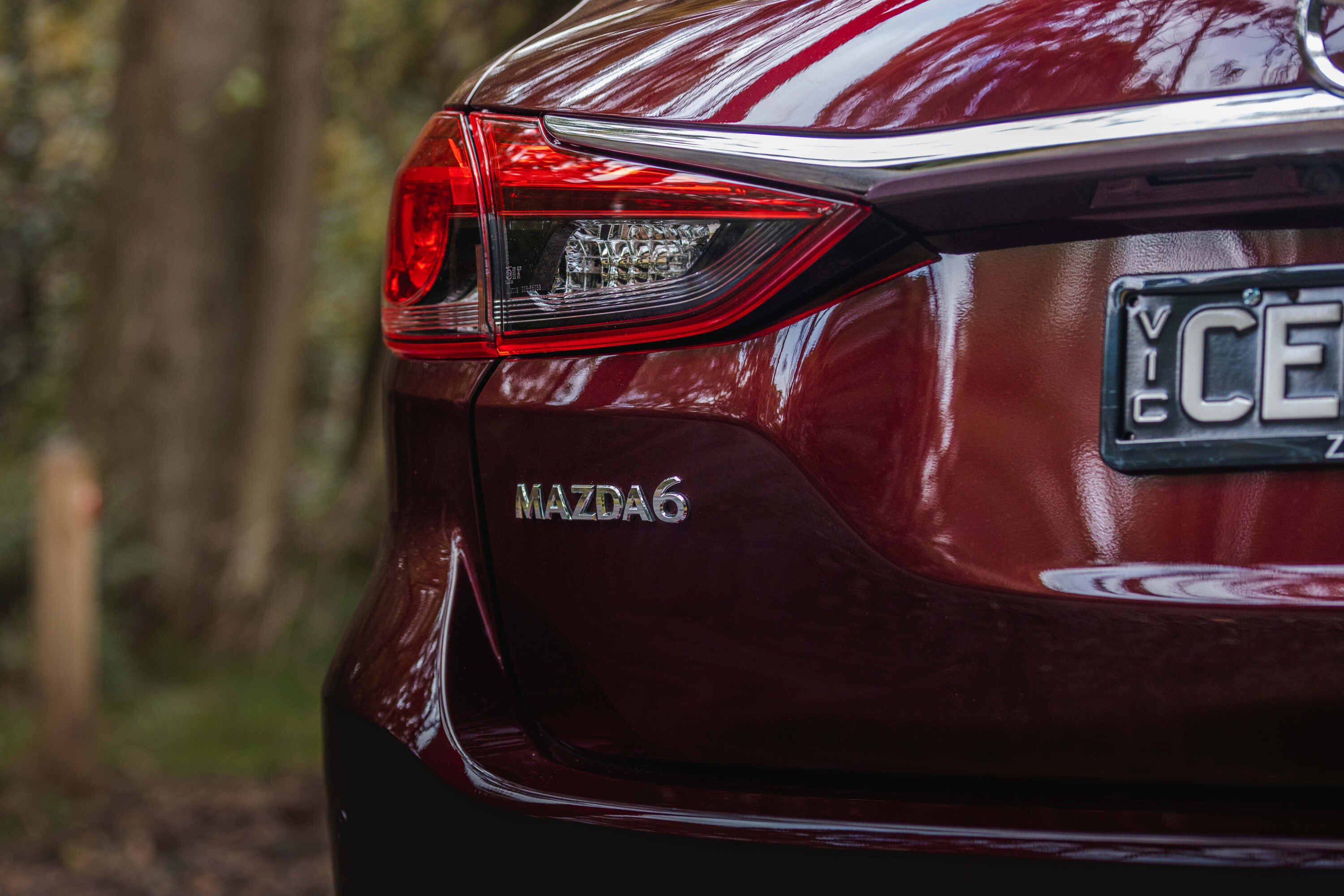
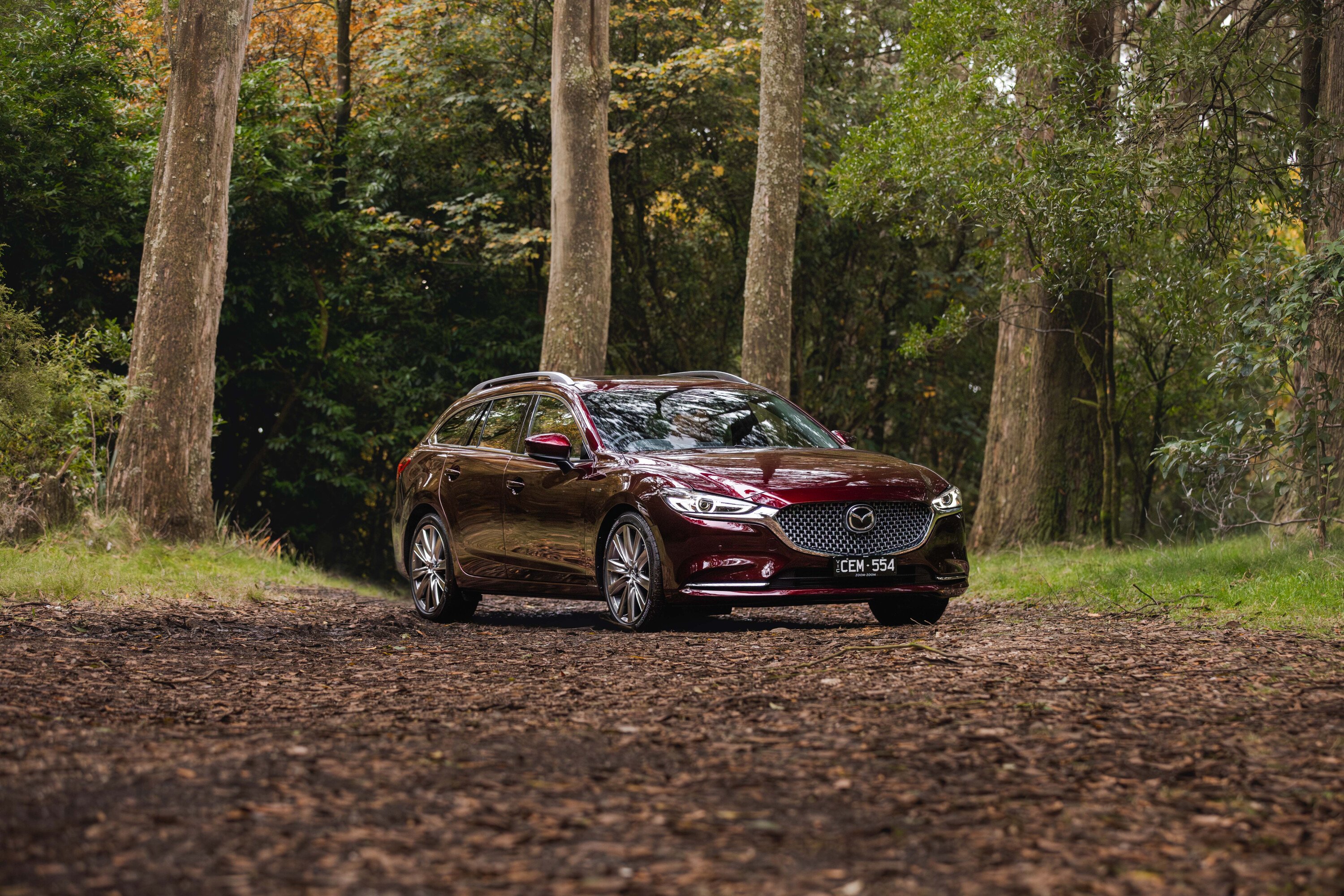
With the first-generation 6 debuting locally in mid-2002, Mazda has unveiled a new 20th Anniversary grade based on the flagship Atenza, with unique badging, an updated interior colour palette, and the brand’s new ‘artisan red’ or ‘rhodium white’ finishes.
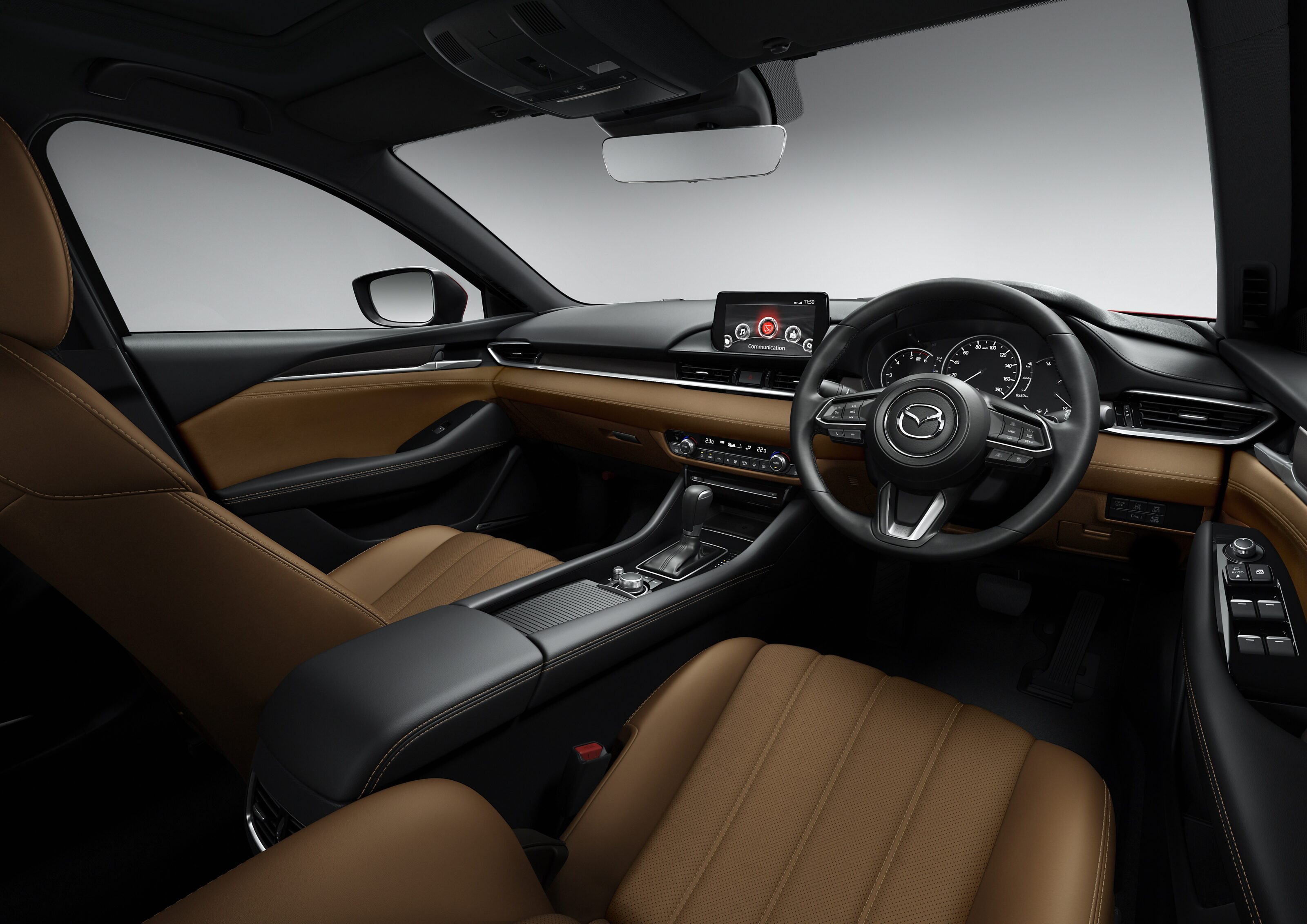
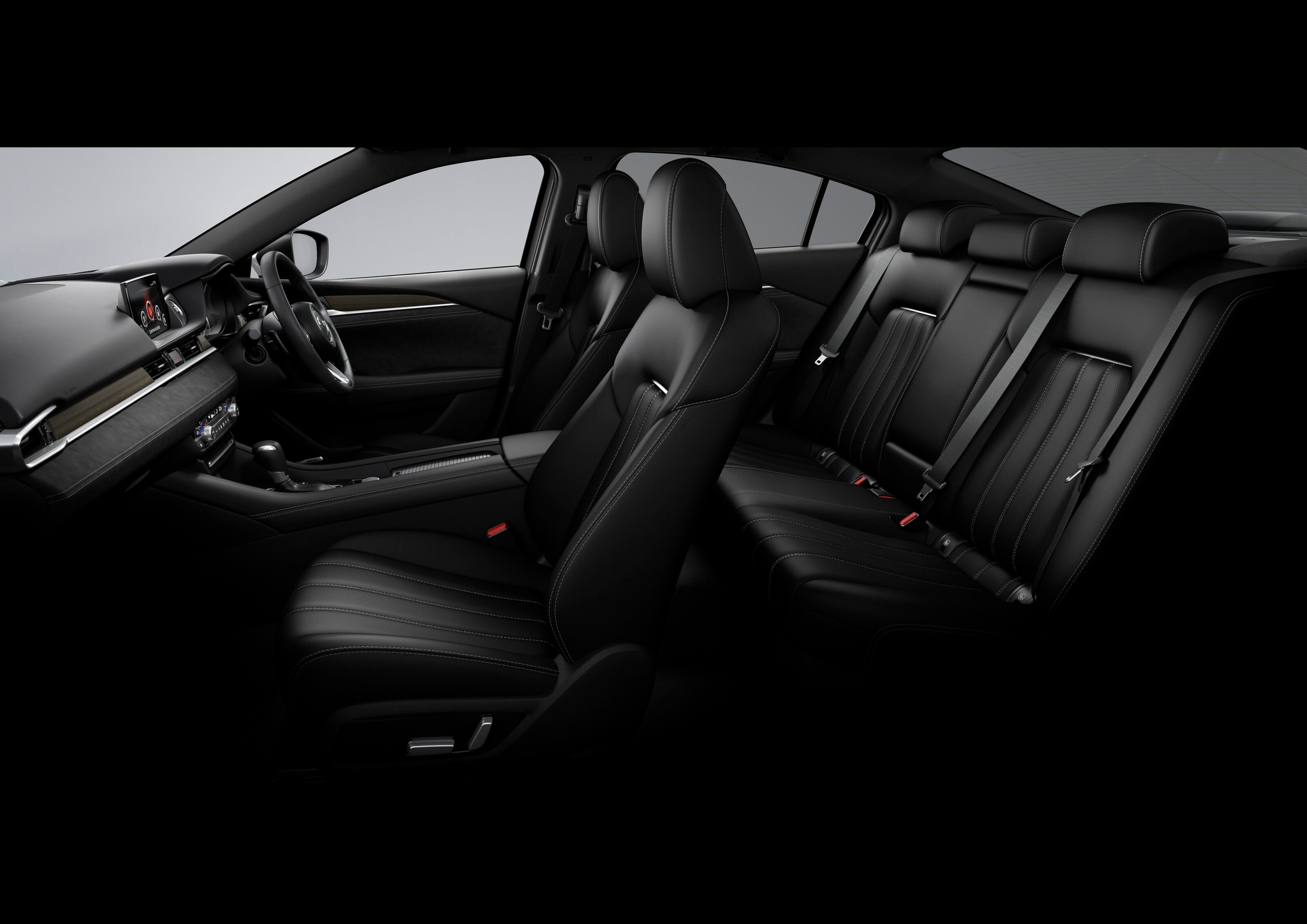
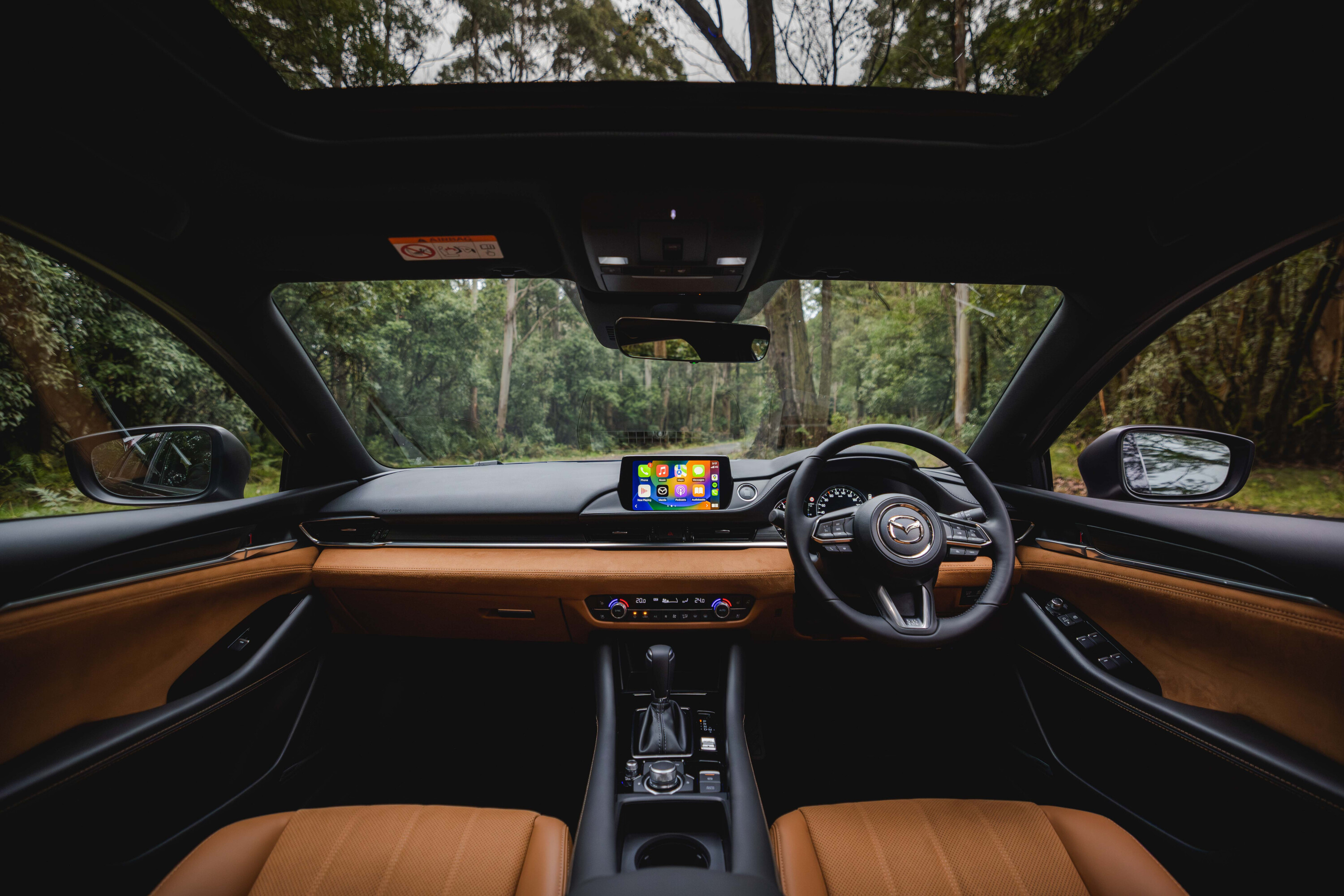
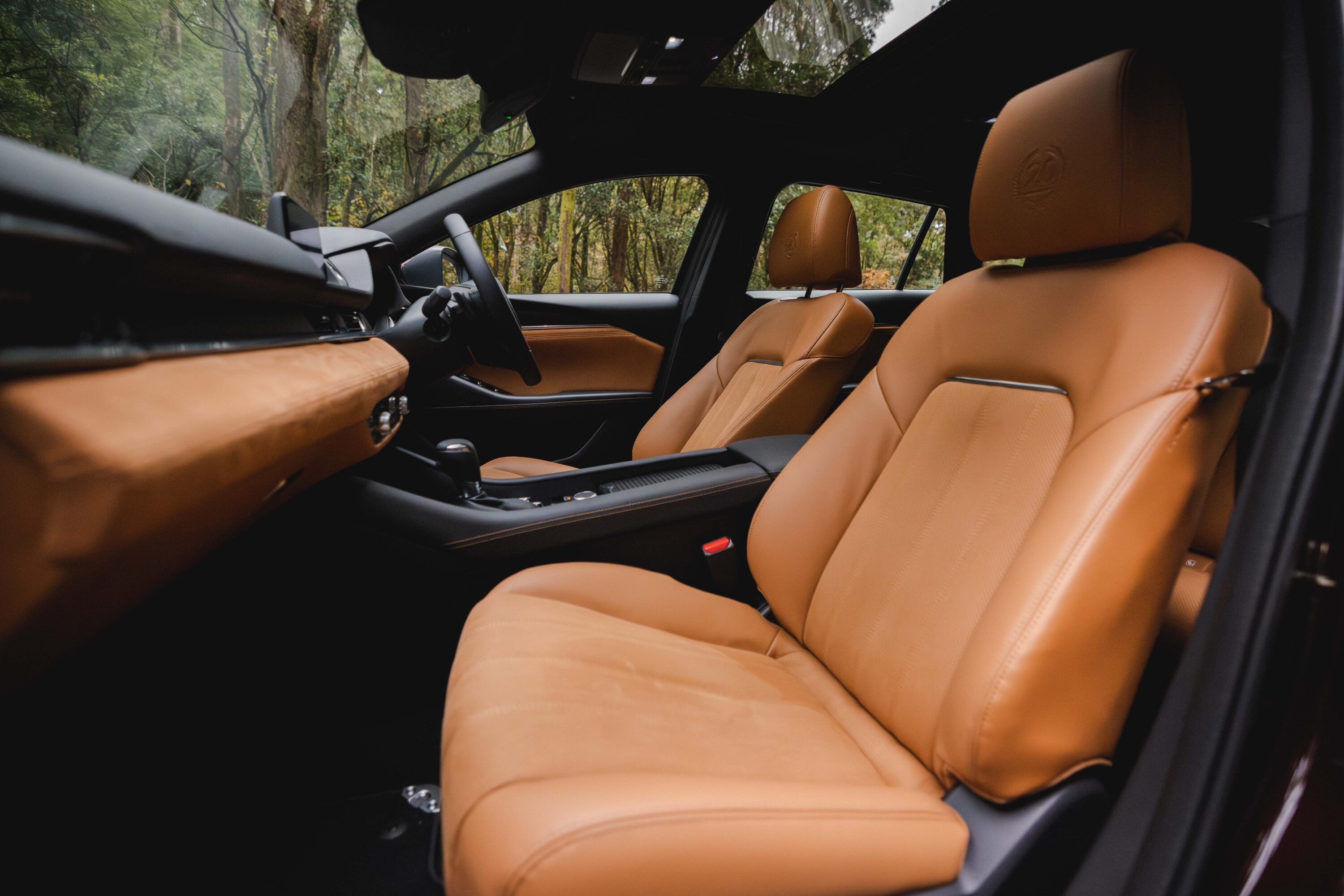
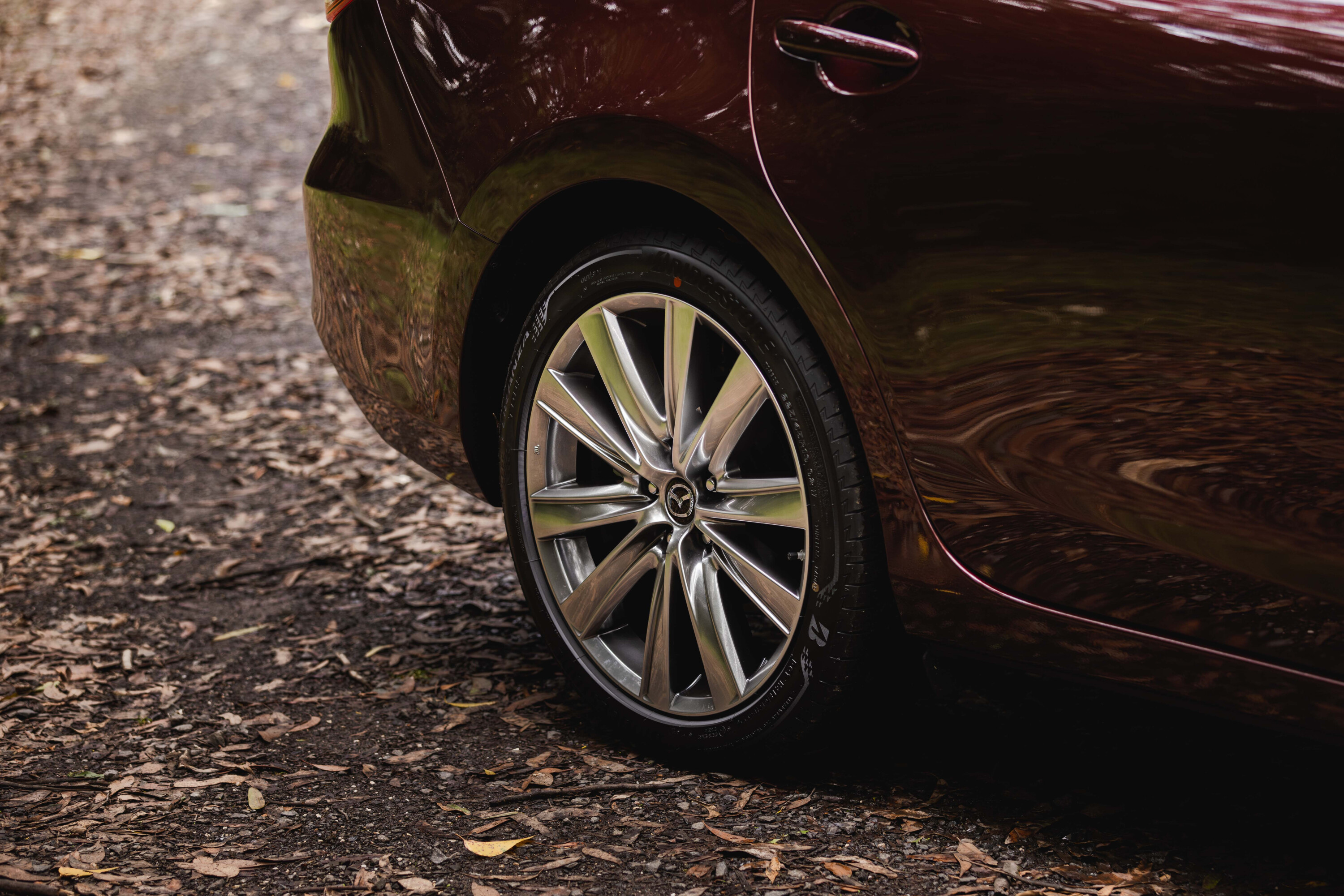
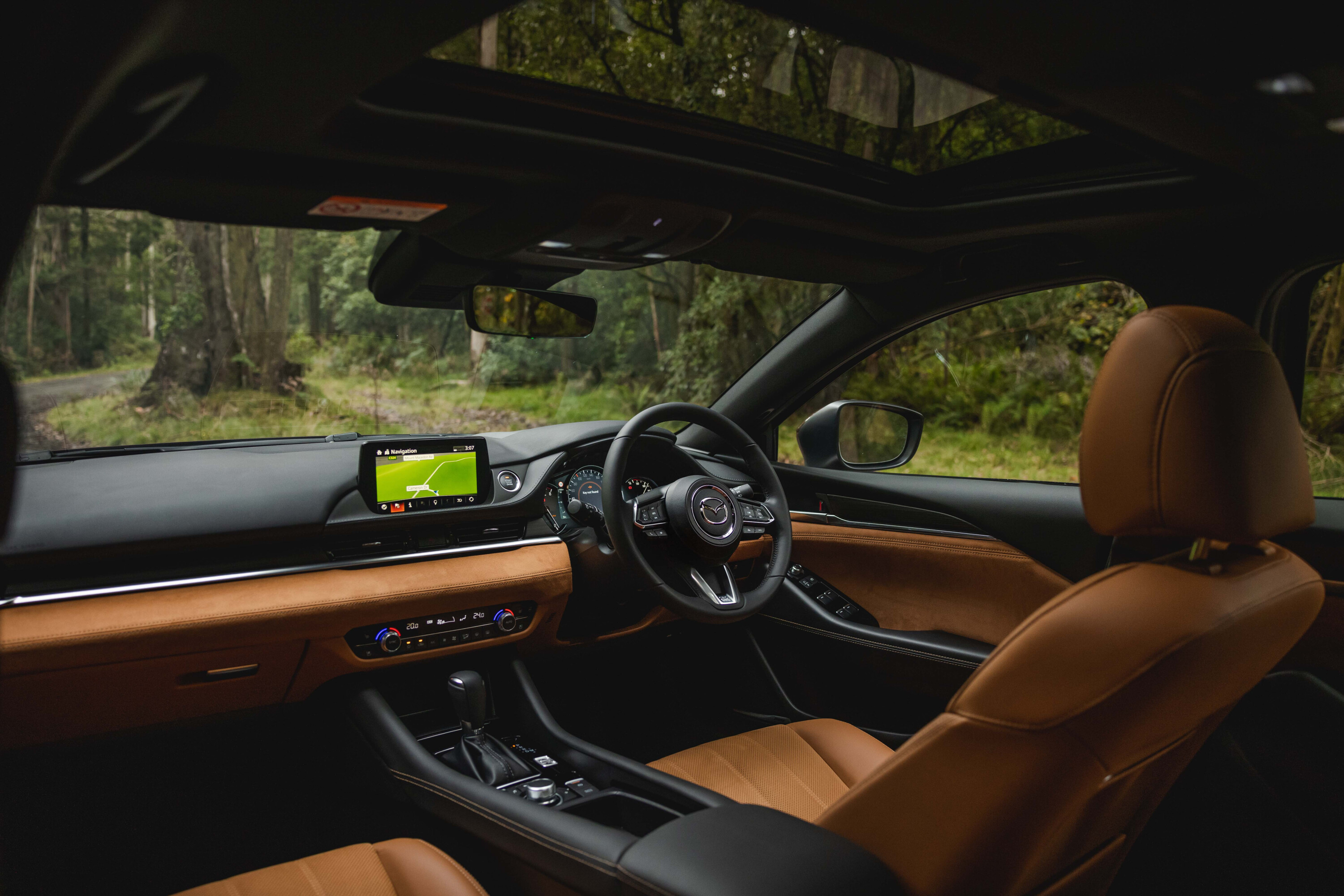
It also features a glossier silver grille and 19-inch alloy wheels, while there’s tan suede-look and Nappa leather upholstery inside, and 20th Anniversary badging on the front headrests.
1
The existing range has also received minor updates for model-year 2023, with price increases of between $420 and $1120.
Traffic jam assist is now available on the G35 GT SP and Atenza, while wireless Apple CarPlay and wireless phone charger feature on the G25 Touring and above.
In addition, black Nappa leather replaces the previous ‘walnut brown’ look for the G35 Atenza. Its white Nappa leather option has been deleted.
As before, the Mazda 6 includes an ageing 8-inch infotainment unit, rather than the larger 8.8-, 10.25 or 12.3-inch screens available in the 3, CX-30, CX-5, CX-60, CX-8 and CX-9 with its latest infotainment system.
1
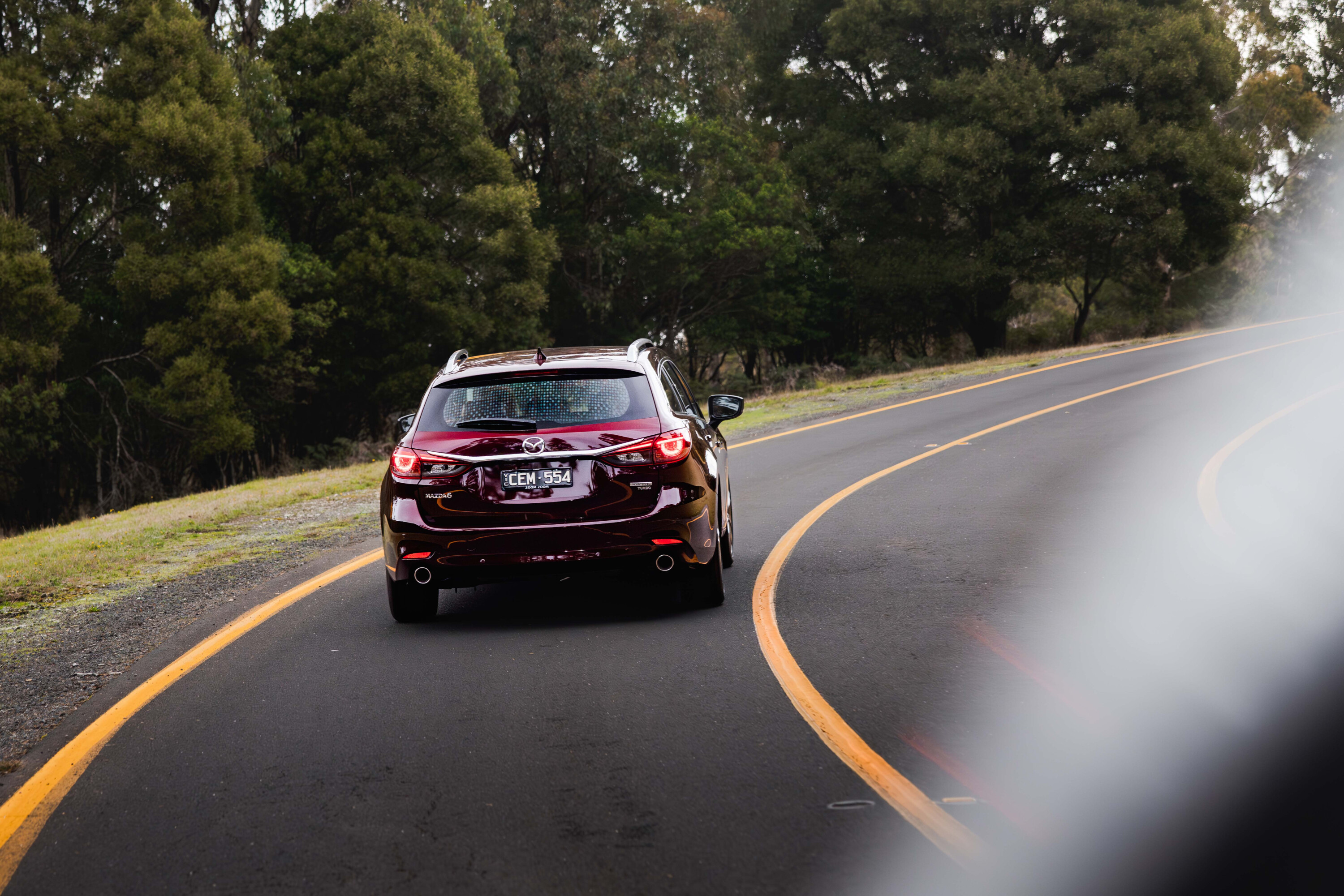
The blacked-out G35 GT SP extends its theme for 2023, with a gloss black grille frame and tailgate wing, while the wagon gains black roof rails. This adds to the darkened side mirrors, black alloy wheels and burgundy leather in the outgoing model.
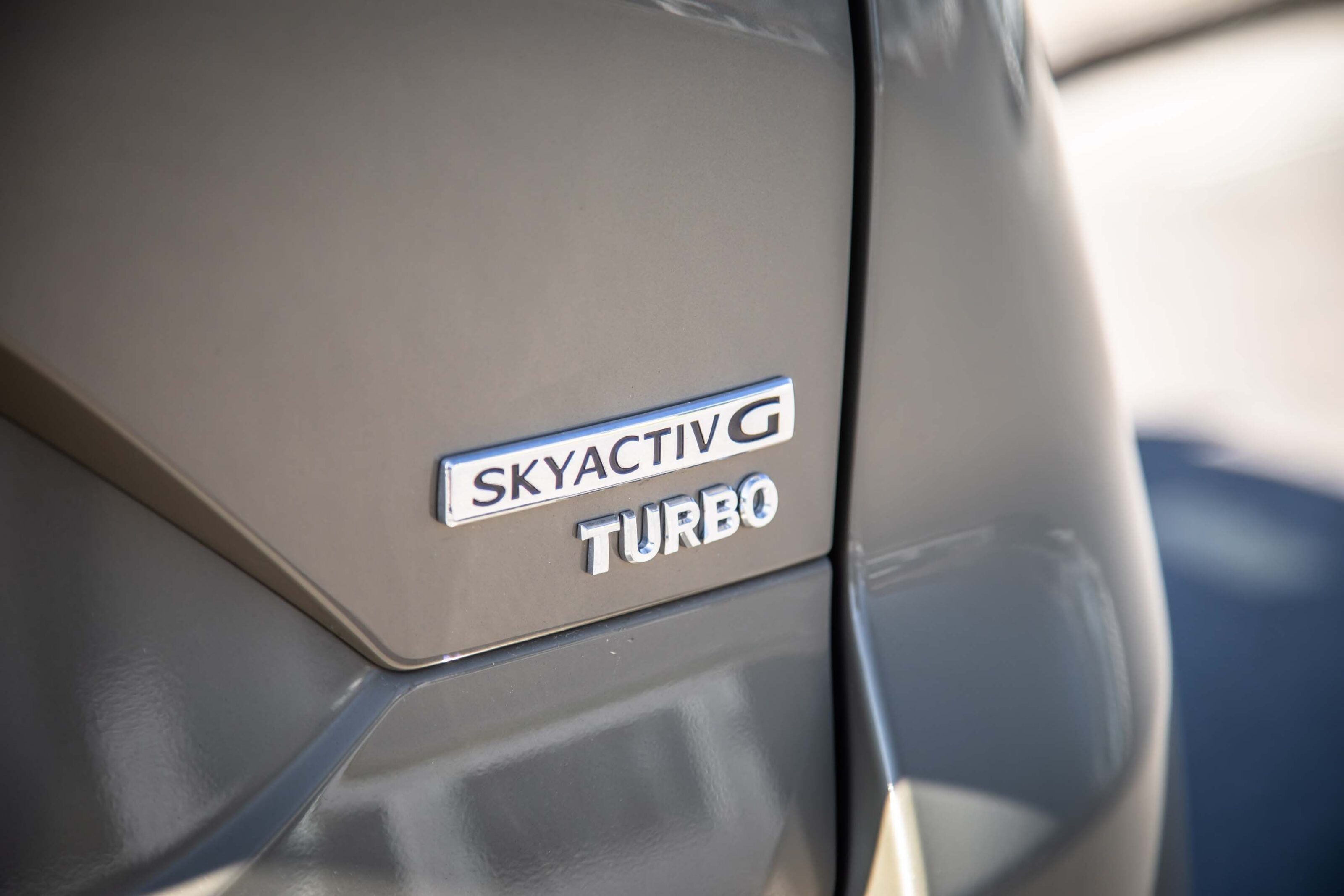
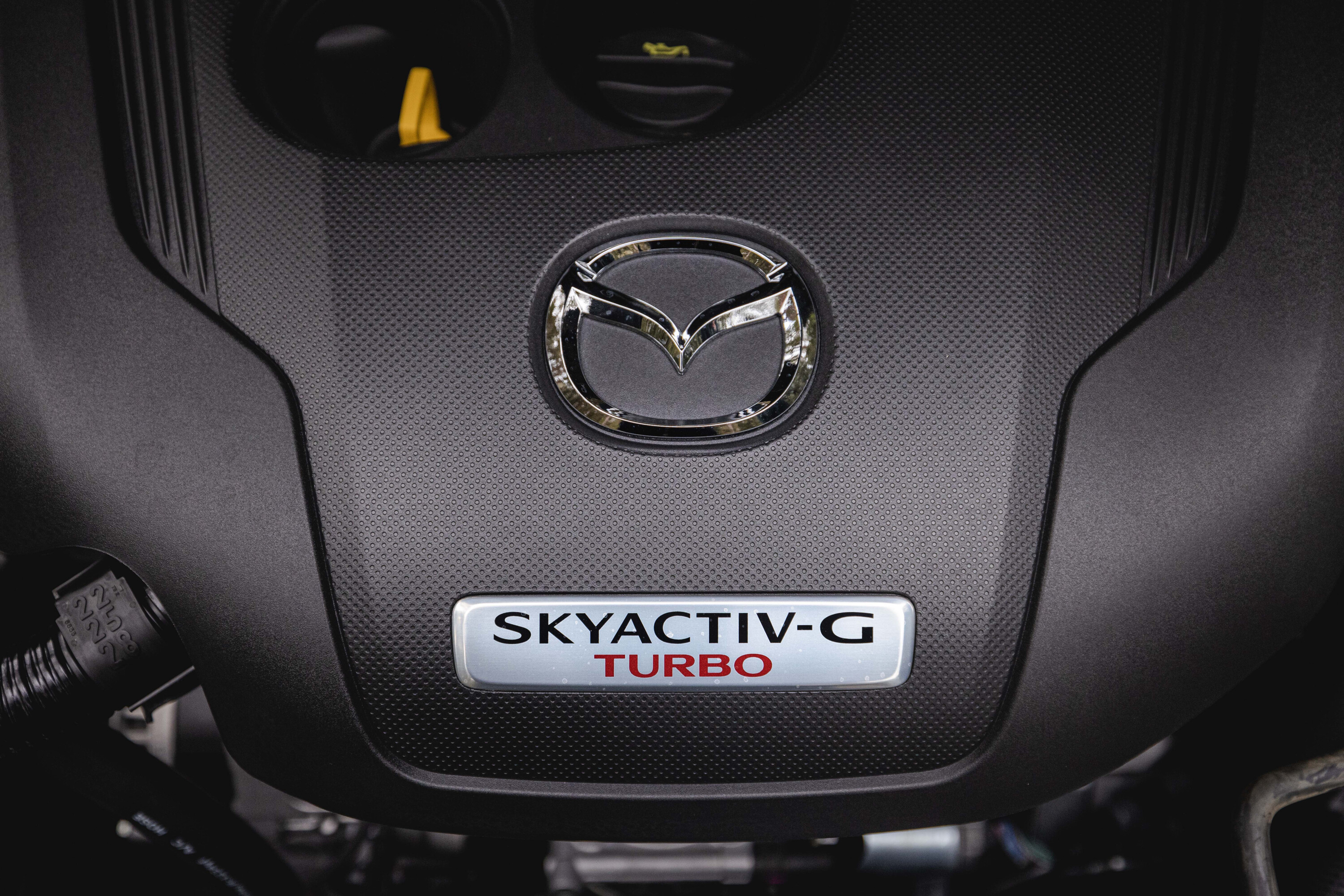
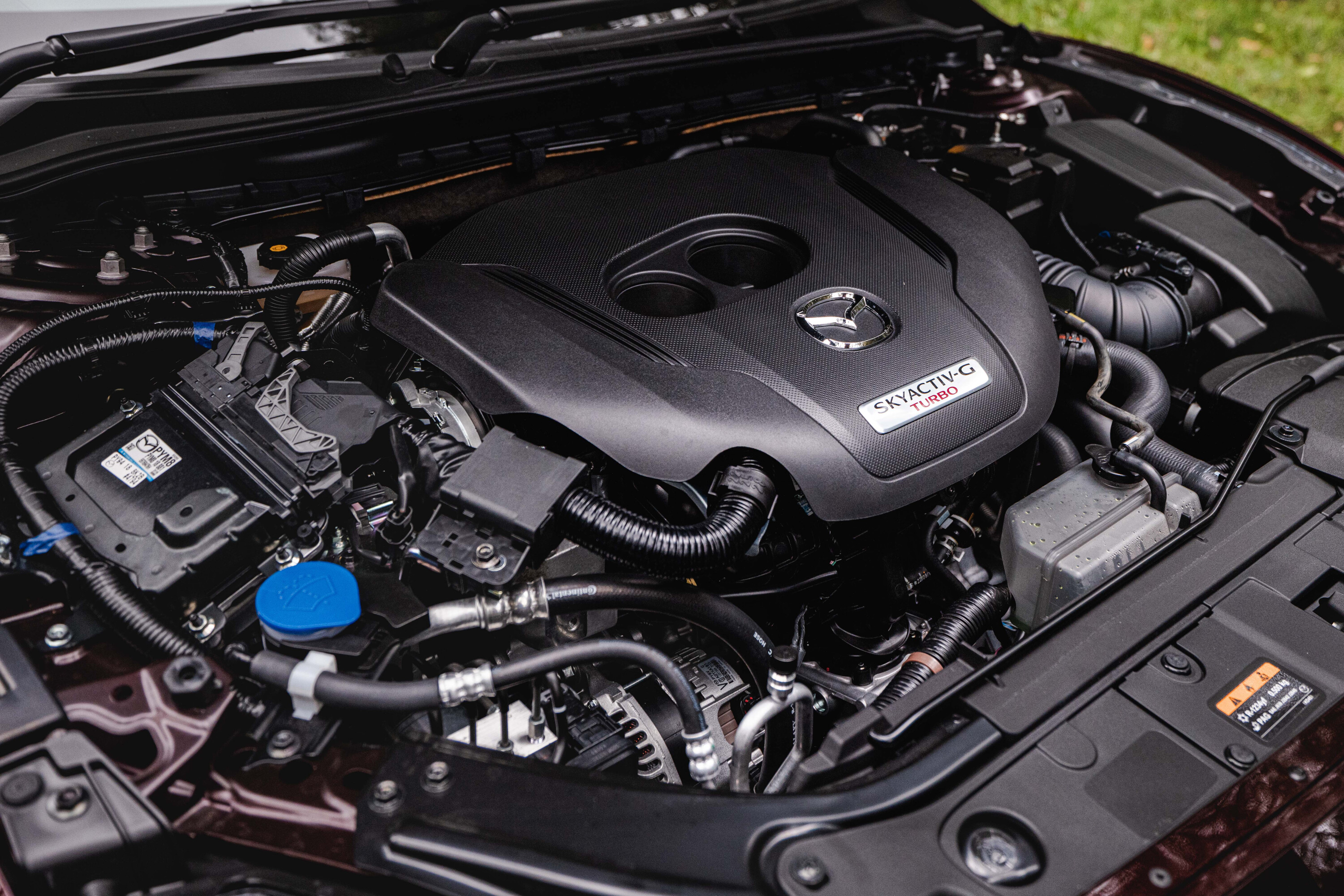
Under the bonnet, the flagship 2.5-litre turbo remains – despite rumours of its demise for the Japanese market – but with a slight power bump. It now produces 173kW (at 4250rpm), up 3kW, while peak torque remains unchanged at 420Nm (at 2000rpm) – but a further 8Nm is available at 4250rpm.
Turbo models also receive a retuned six-speed automatic transmission, which is said to provide a more direct upshift response and increased reactive force of the accelerator pedal.
1
The entry-level 140kW/252Nm naturally-aspirated 2.5-litre petrol engine remains available on the Sport and Touring.
However, across the range, Mazda has updated the characteristics of the electric power-assisted steering to “enhance response and provide more tactile feedback at medium and high speeds”.
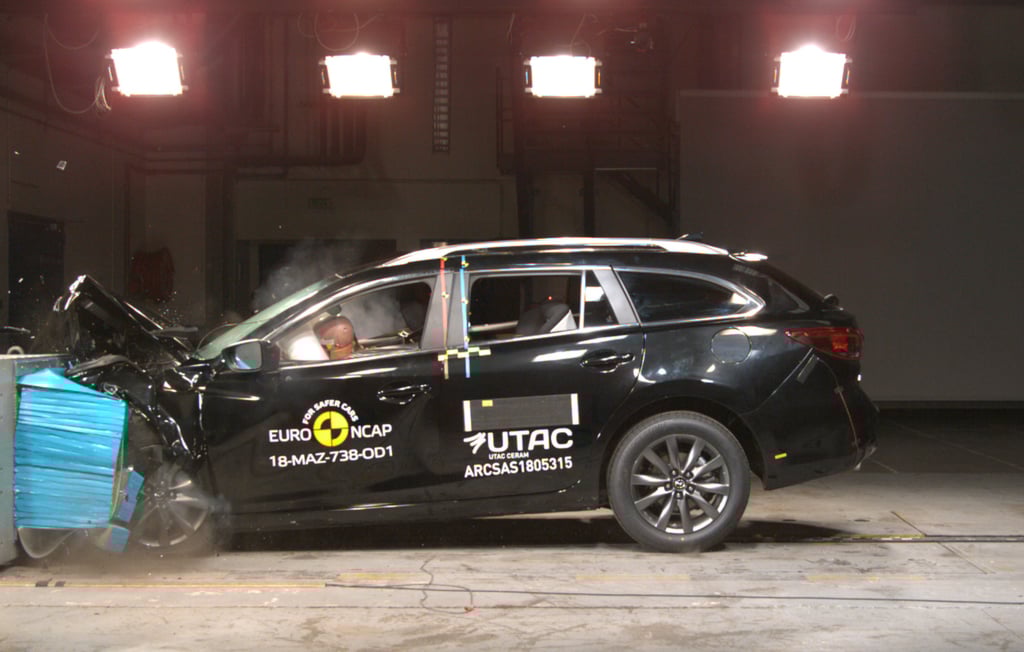
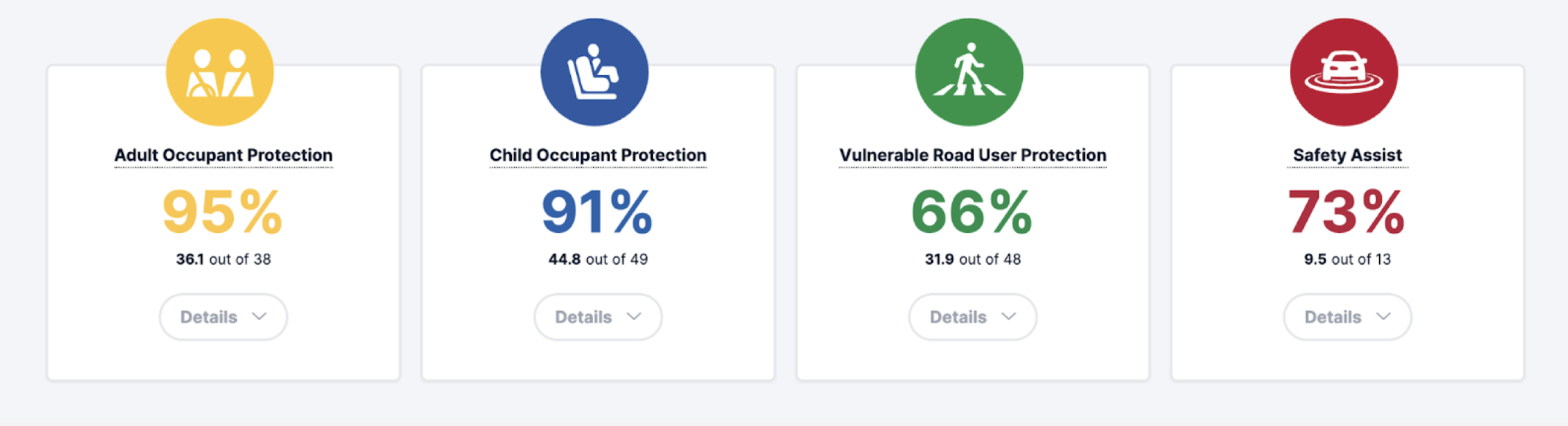
The Mazda 6 is covered by a five-star ANCAP safety rating, based on testing conducted in 2018.
It received a score of 95 per cent for adult occupant protection, 91 per cent for child occupant protection, 66 per cent for vulnerable road user protection, and 73 per cent for safety assist.
Six airbags (dual front, side and curtain) are fitted across the range.
The Mazda 6 sedan has a wheelbase of 2830 millimetres, and is 4865mm long, 1887mm wide (with folded mirrors) and 1450mm tall.
As for the wagon, it has a shorter wheelbase at 2750mm, and it is 4800mm long, identical in width, and 1480mm tall.
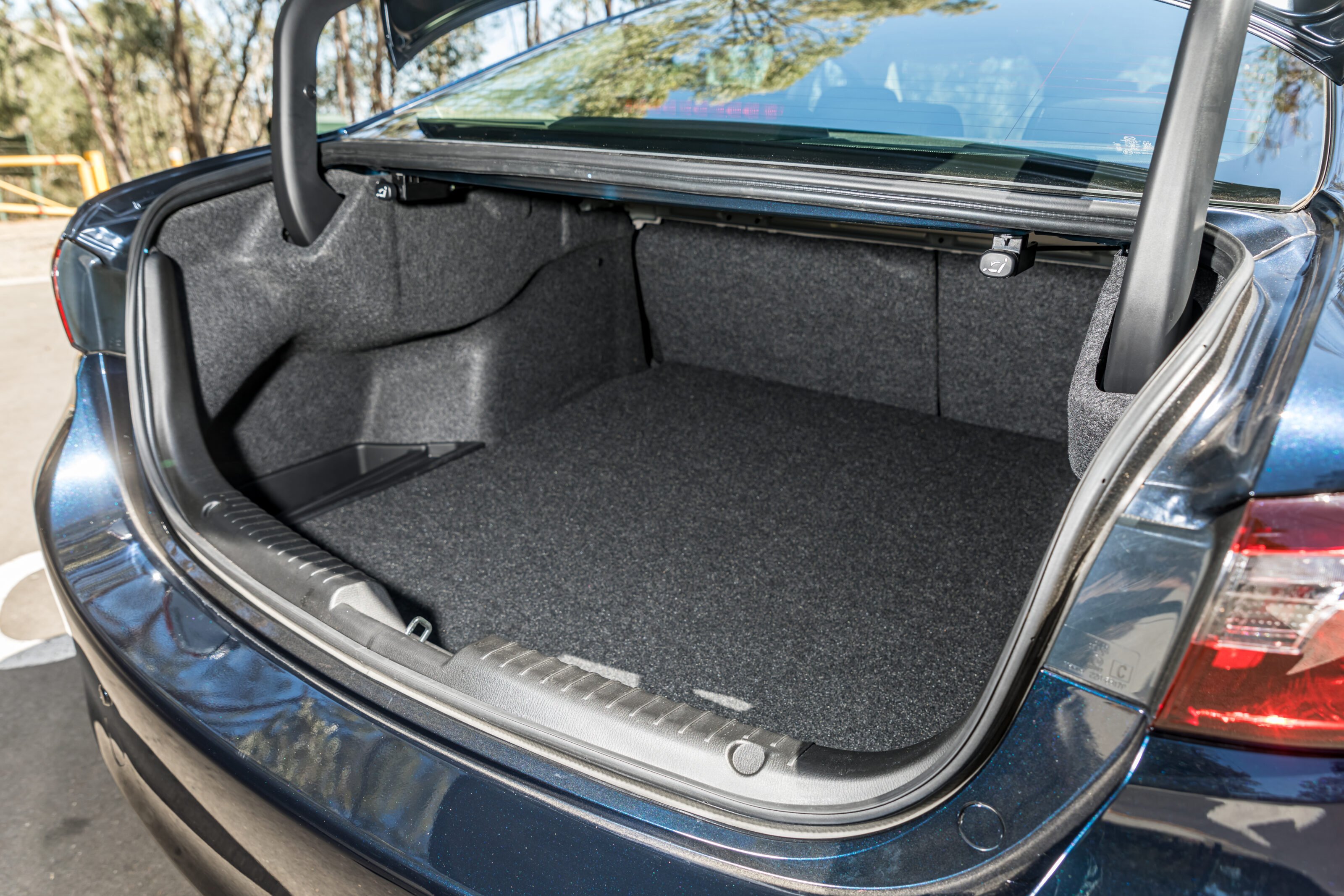
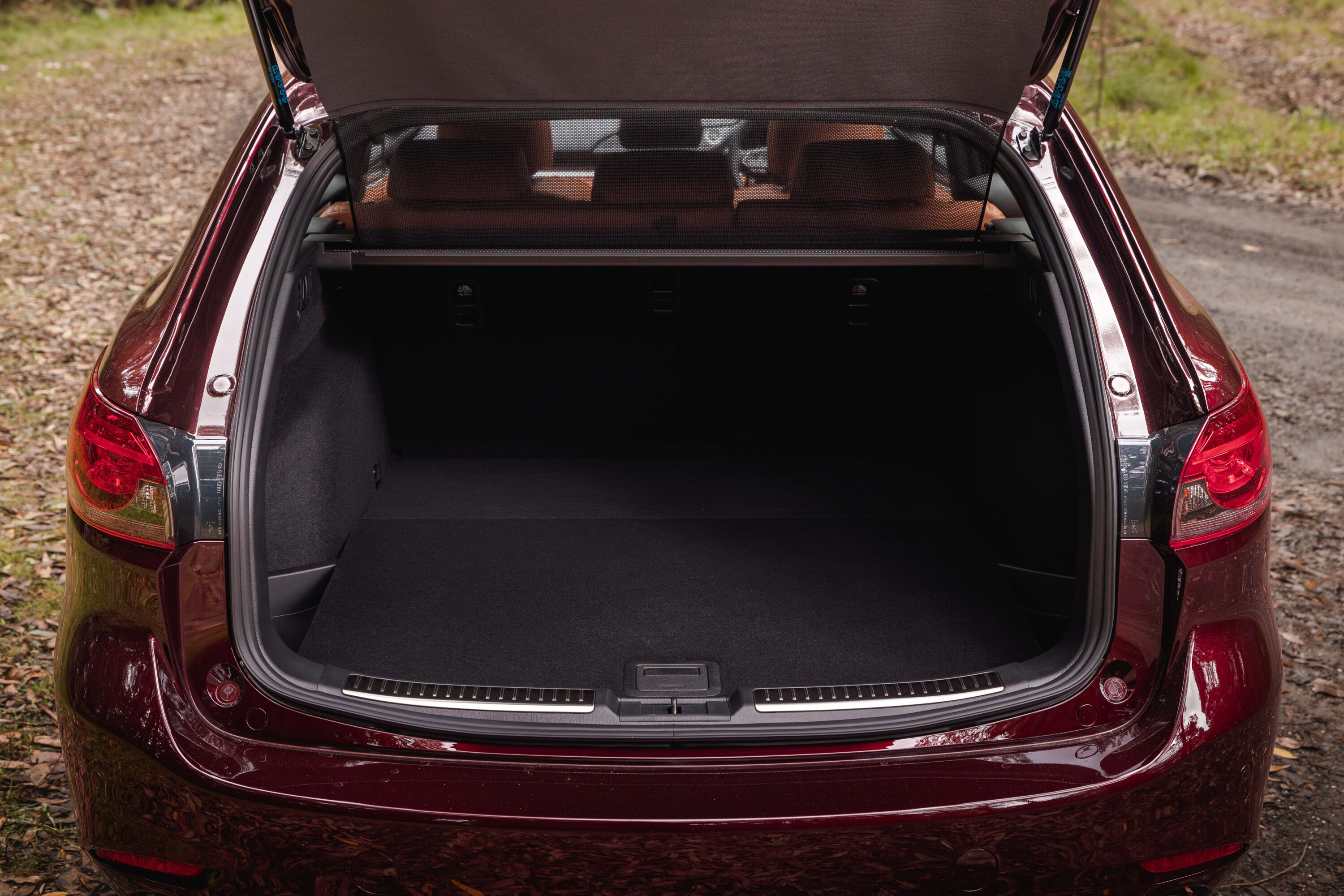
The sedan has a claimed 474-litre boot capacity, extending to 1538L with the rear seats folded. The wagon has a deeper 508-litre boot, or 1648L with the second-row down.
As per the wider Mazda range, the 6 is covered by the brand’s five-year, unlimited-kilometre warranty, along with a five-year roadside assistance program.
The service schedule for all variants is now 12 months or 15,000km, whichever occurs first. This has increased from 10,000 kilometres, in line with most of its competitors.
Mazda offers capped-price servicing on the 6, covering the first five years or 75,000 kilometres.
Just over 21 years ago, Mazda introduced the midsized 6 – a style-led successor to the 626 that heralded a new era for the Japanese manufacturer.
While medium passenger vehicle sales continue to decline, Mazda says it remains committed to the segment in Australia, with no immediate plans to discontinue the 6, either globally or locally.
With more than 25 per cent of Mazda 6 buyers upgrading from an older model – and 40 per cent from another Mazda – it enjoys a loyal customer base while continuing to provide an option to private customers who don’t want to settle for a Toyota Camry or fit into the SUV crowd.
The latest Mazda 6 remains based on the third-generation model that debuted in 2012, with more than 38,000 examples sold in Australia to April 2023 – compared to more than 150,000 CX-5s over the same period.
1
Announced at the tail-end of the 6’s two-decade anniversary last year, Mazda Australia has launched a minor update to its venerable midsized car – headlined by, you guessed it, a 20th Anniversary special.
Prices have increased by up to $1120, but all variants except the base G25 Sport have more equipment than before, such as wireless Apple CarPlay and a wireless phone charger.
Under the skin, all variants have updated power steering characteristics, while turbo-petrol models get several tweaks to improve the driving experience.
The five-strong Mazda 6 range provides an option for almost everyone, with a sedan or wagon available for each grade.
It opens with the entry-level G25 Sport at $35,540 before on-road costs, while the flagship 20th Anniversary wagon tops the range at $54,935 plus on-roads.
Is the circa-$20,000 gap between the base Sport and the two range-toppers worth it? That depends on your needs, with the Sport and Touring likely to cater towards value-focused and ride-share buyers.
2023 Mazda 6 standard features
8-inch MZD Connect infotainment system
Satellite navigation
Apple CarPlay and Android Auto
Head-up display
DAB+ digital radio
Paddle shifters
LED headlights
Rain-sensing wipers
Dual-zone climate control
Tyre pressure monitoring
Equipment for the base Sport is unchanged for 2023, with highlights including 17-inch alloy wheels, wired smartphone connectivity, heated and power-folding side mirrors, halogen daytime running lamps (DRLs), rear parking sensors, and cloth upholstery.
The mid-spec G25 Touring adds wireless phone charging and wireless Apple CarPlay – both new for 2023 – but Android Auto remains wired-only.
1
Other added features include LED DRLs, power-adjustable front seats, black leather upholstery, an 11-speaker Bose audio system, auto-folding side mirrors, keyless entry, and front parking sensors.
At the other end, the turbocharged GT SP, Atenza and 20th Anniversary provide an excellent package with a good mix of standard equipment and performance.
In addition to the added power, the G35 GT SP gains 19-inch alloy wheels, heated front and rear seats, an adaptive front-lighting system, while more darkened exterior trim and traffic jam assist are new for 2023.
1
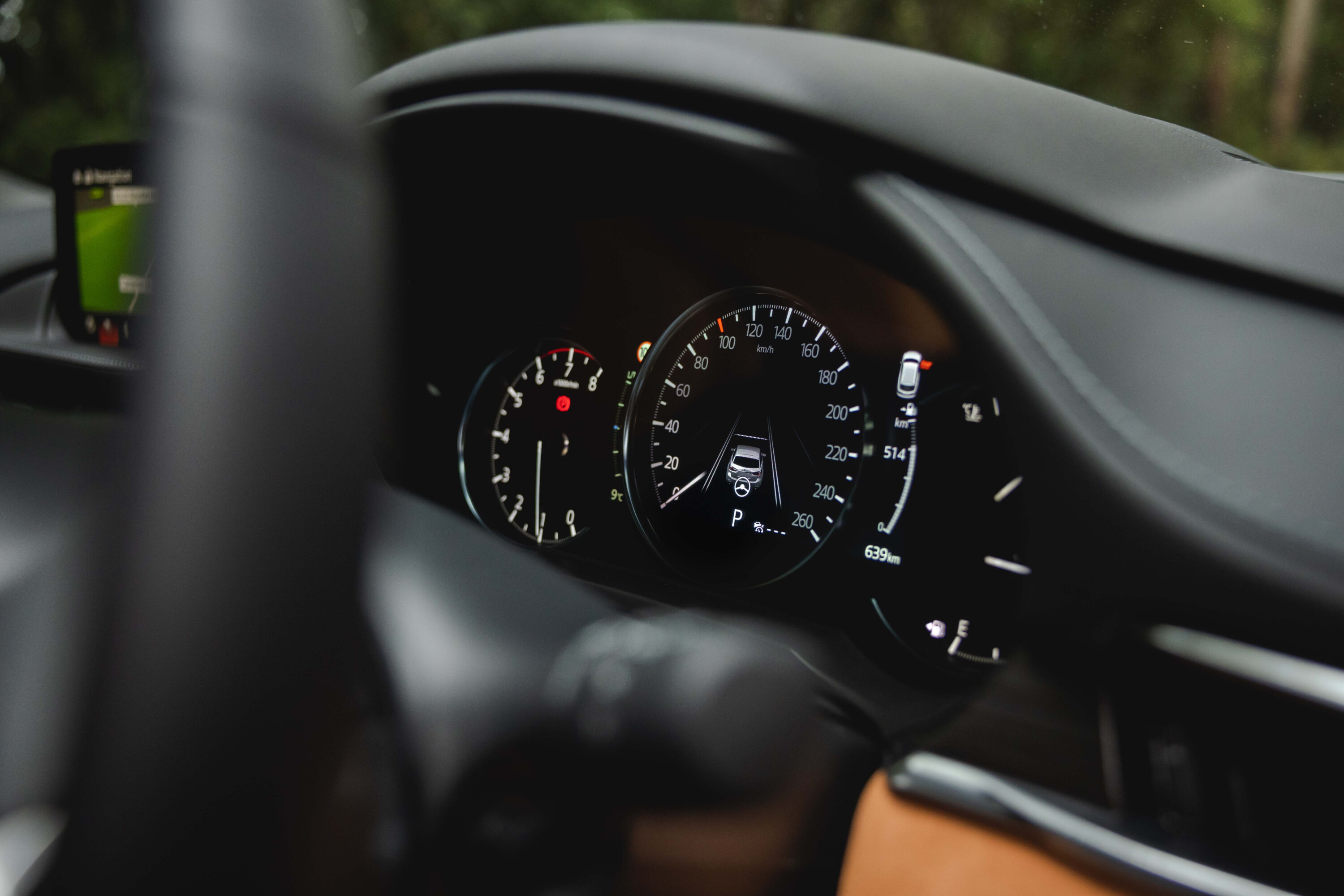
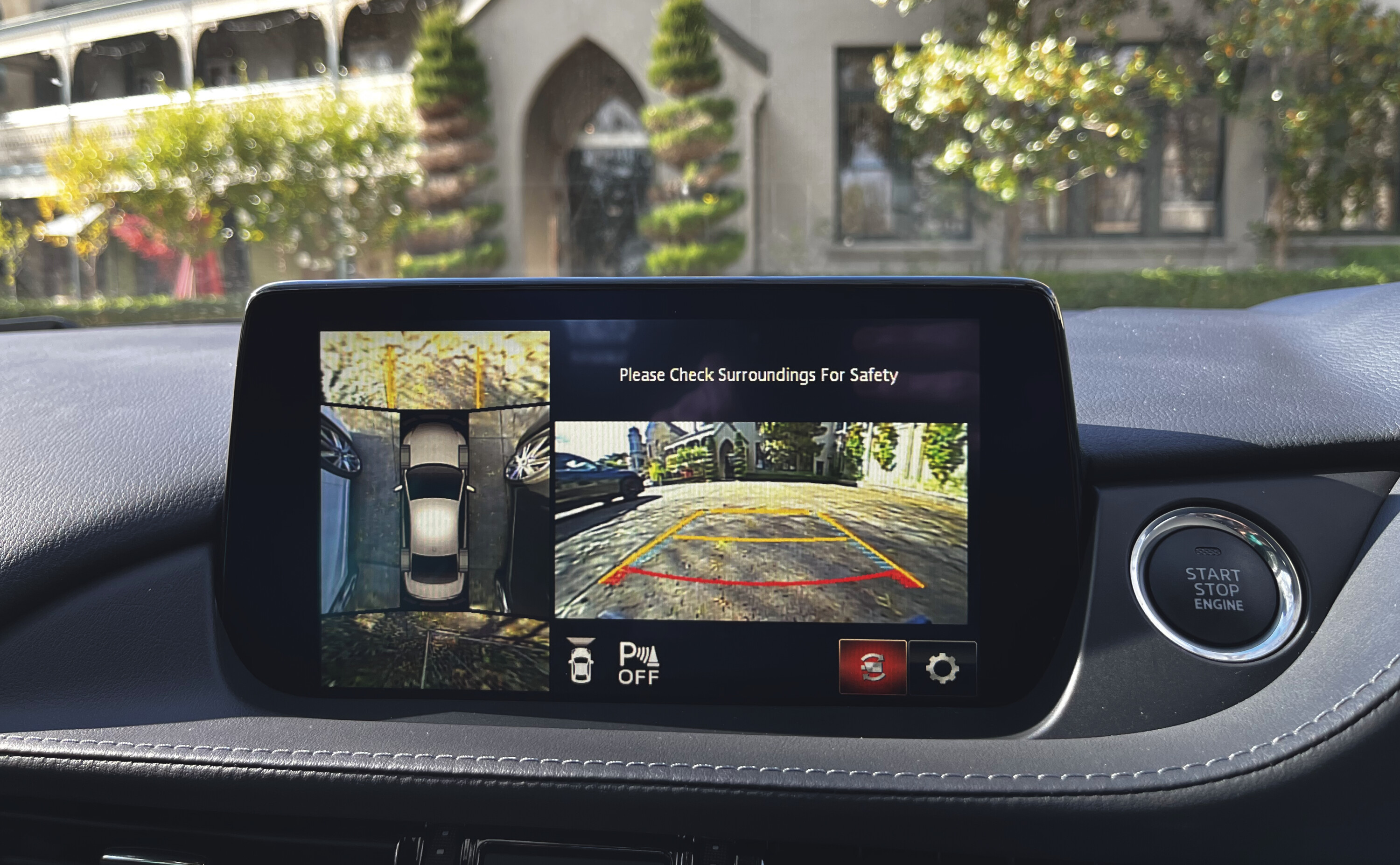
The flagship G35 Atenza adds black Nappa leather upholstery, a 7-inch semi-digital instrument cluster, ventilated front seats, a heated steering wheel, a 360-degree camera system, adaptive headlights, and more.
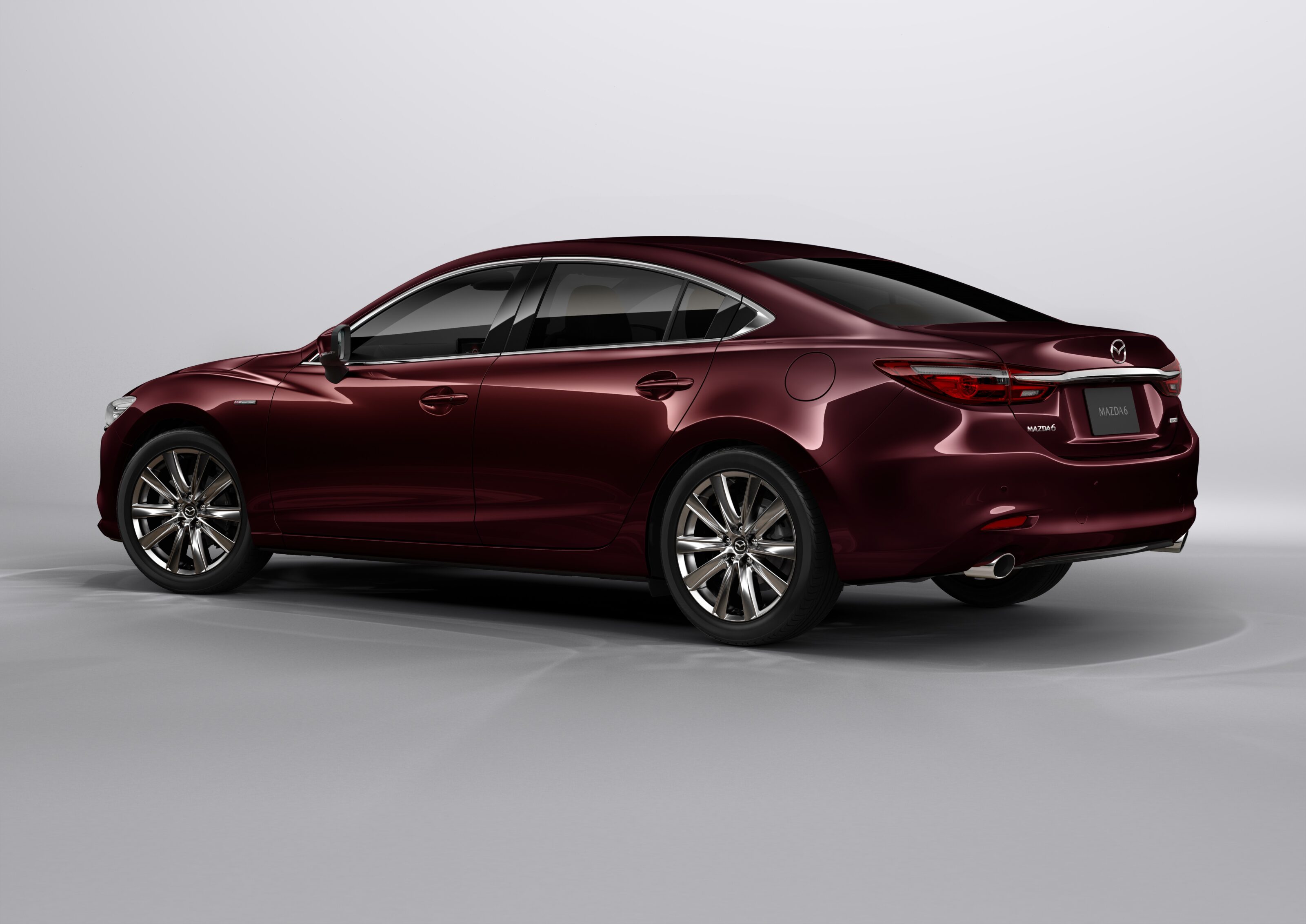
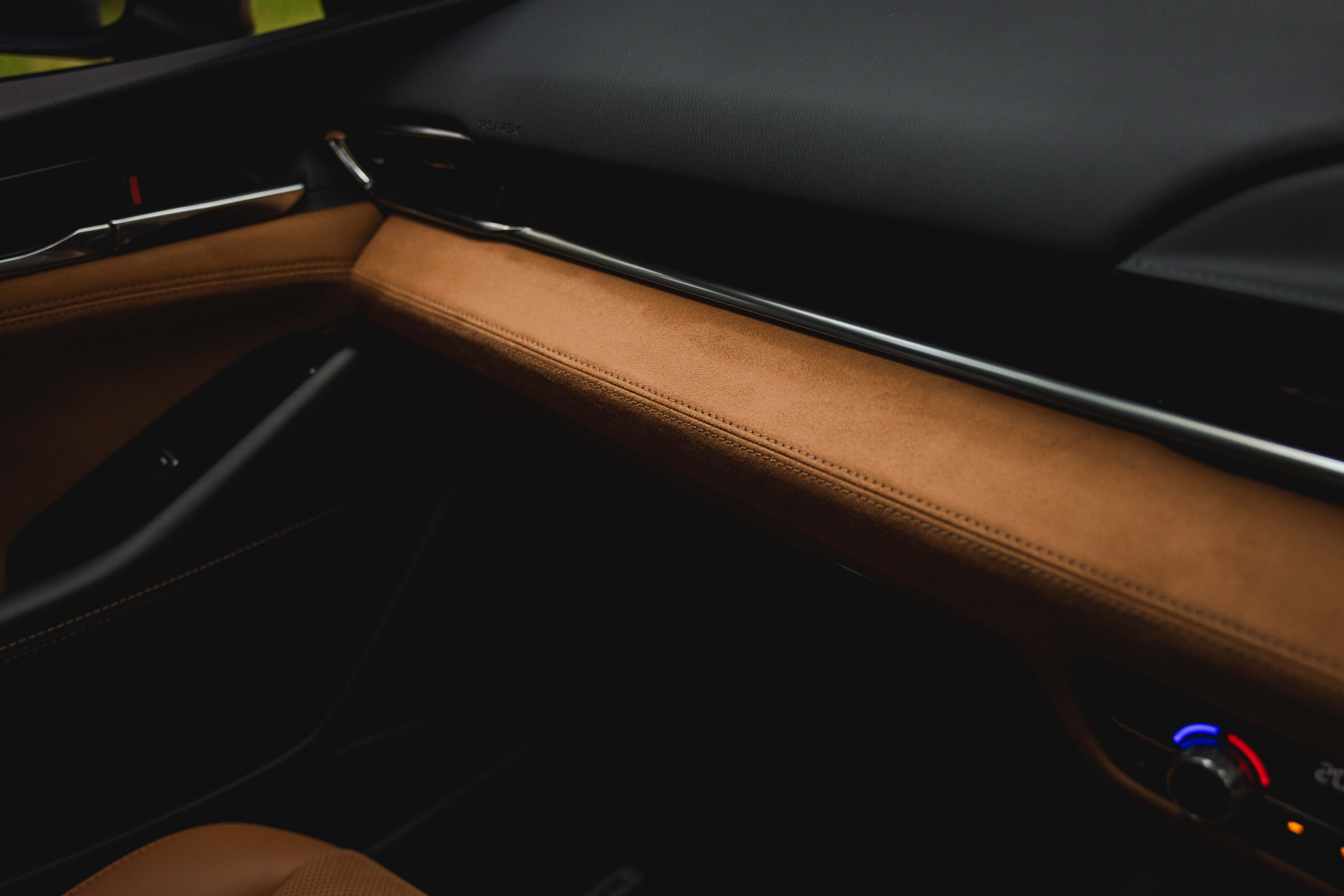
To celebrate two decades of the nameplate, the appropriately-named 20th Anniversary receives unique badging, tan Nappa leather and suede-look interior accents, and a ‘high-gloss’ grille and alloy wheels.
The ’20th’ is also is painted in Mazda’s beautiful new artisan red – unavailable on other grades – and rhodium white finishes.
1
Mazda Australia expects a mostly-even sales mix in 2023, with 25 per cent of sales for the G25 Sport and Touring, 21 per cent for the G35 GT SP, 23 per cent for the G35 Atenza, and six per cent for the 20th Anniversary.
Available colours for all models – except the 20th Anniversary – include rhodium white, platinum quartz, sonic silver, soul red crystal, machine grey, polymetal grey, deep crystal blue, and jet black. Metallic paint incurs a $795 premium.
2023 Mazda 6 pricing (excludes on-road costs)
G25 Sport sedan
$35,540
up $420
G25 Sport wagon
$36,840
up $420
G25 Touring sedan
$40,210
up $690
G25 Touring wagon
$41,510
up $690
G35 GT SP sedan
$48,440
up $1120
G35 GT SP wagon
$49,470
up $850
G35 Atenza sedan
$51,840
up $1120
G35 Atenza wagon
$53,140
up $1120
20th Anniversary sedan
$53,635
new
20th Anniversary wagon
$54,935
new
For a full pricing and features run-down, click on the link below.
However, several revisions over the past 11 years have kept it reasonably fresh, with a significant update in 2018 introducing the CX-9’s turbo-petrol and design elements shared with Mazda’s latest vehicles, including the 3 and CX-30.
Indeed, it would be challenging to find the similarities between a 2012 and 2023 model at first glance – something that can’t be said for the also-old Mitsubishi ASX and Nissan Patrol.
While rumours suggested a next-generation Mazda 6 could debut in the early 2020s with rear-wheel-drive and a straight-six turbo-petrol from the CX-60 and CX-90, it appears the project is dead – or at least on the back burner.
Following the launch of the third-gen 6 in 2012, Mazda sold almost 8000 examples in its first full-year of sale – with declining sales in the decade to today.
As mid-size SUVs rapidly became the default family choice, slow sales for sedans – including even the new-for-then Holden Malibu and Nissan Altima – were a sign of what was to come, with just six midsized passenger vehicles available in Australia in 2023.
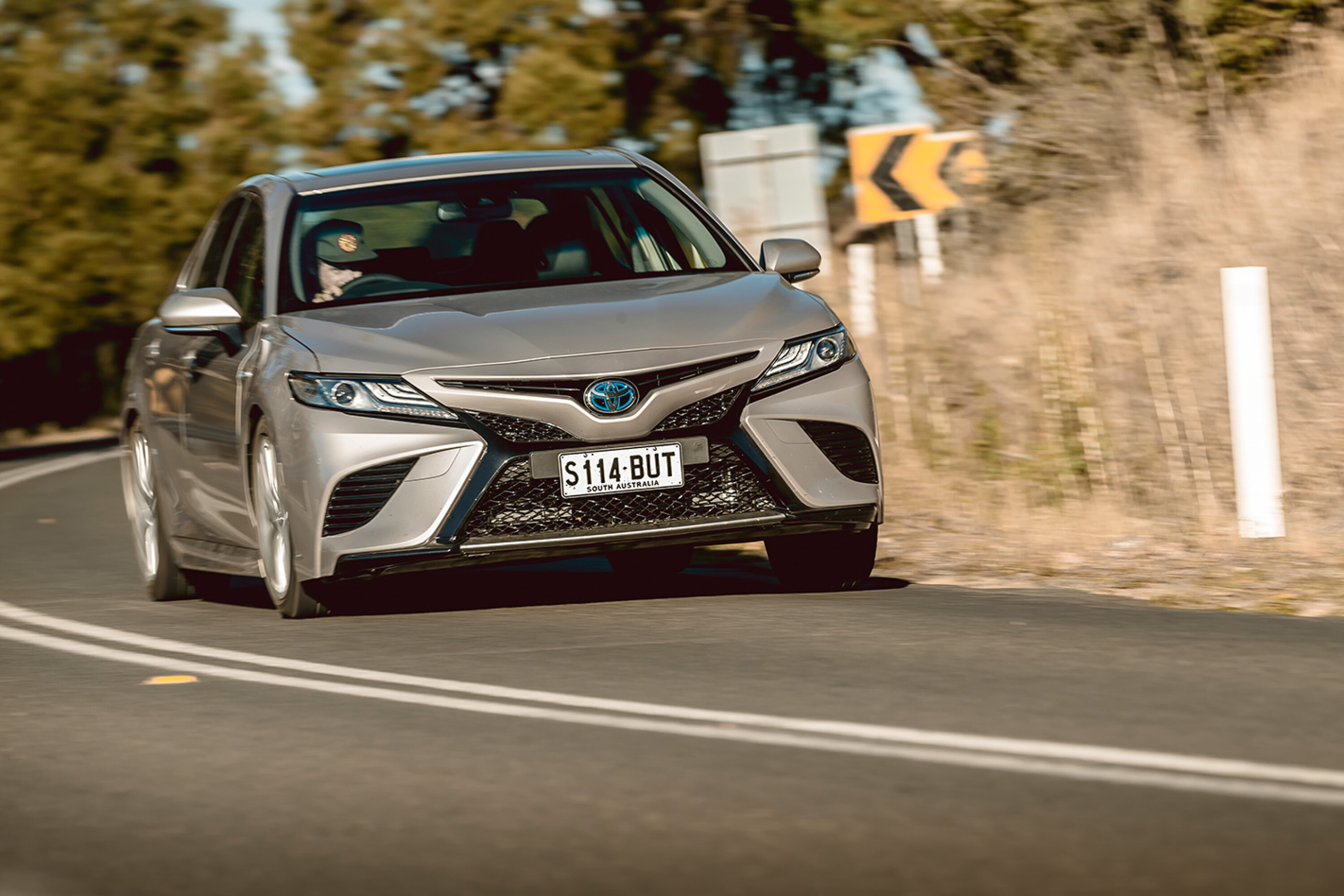
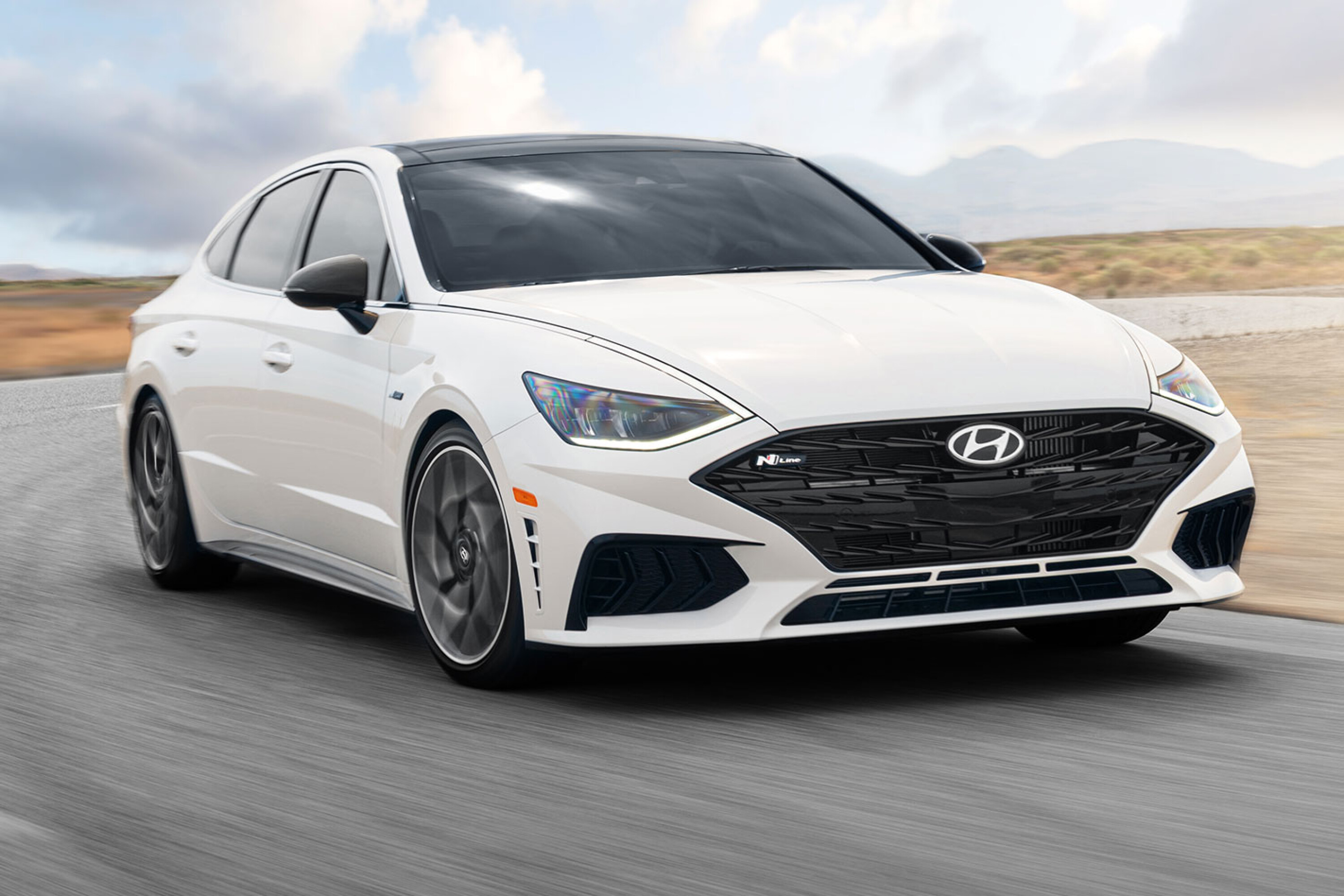
This year, VFACTS new-car sales data reveals 623 examples of the Mazda 6 have been sold in Australia so far, placing it behind the popular Camry (1886) – but ahead of the Skoda Octavia (474), Volkswagen Passat (259), Hyundai Sonata (90), and Honda Accord (37).
1
For buyers looking to cut fuel use, the Camry Hybrid is the automatic choice, with an ultra-efficient claim as low as 4.2L/100km – while the Accord Hybrid is a niche electrified offering.
However, even in its old age, the 6’s true closest rivals – at least for the turbo variants – are the Sonata N Line sedan and Passat wagon, with both vehicles offering a blend of decent performance and a premium-feeling cabin.
Inside, the Sonata and Passat offer larger and vastly more modern infotainment systems, a full-digital instrument cluster, and USB-C ports – but the 6’s cabin still holds up quite well.
Apart from the small and outdated MZD Connect system, that is.
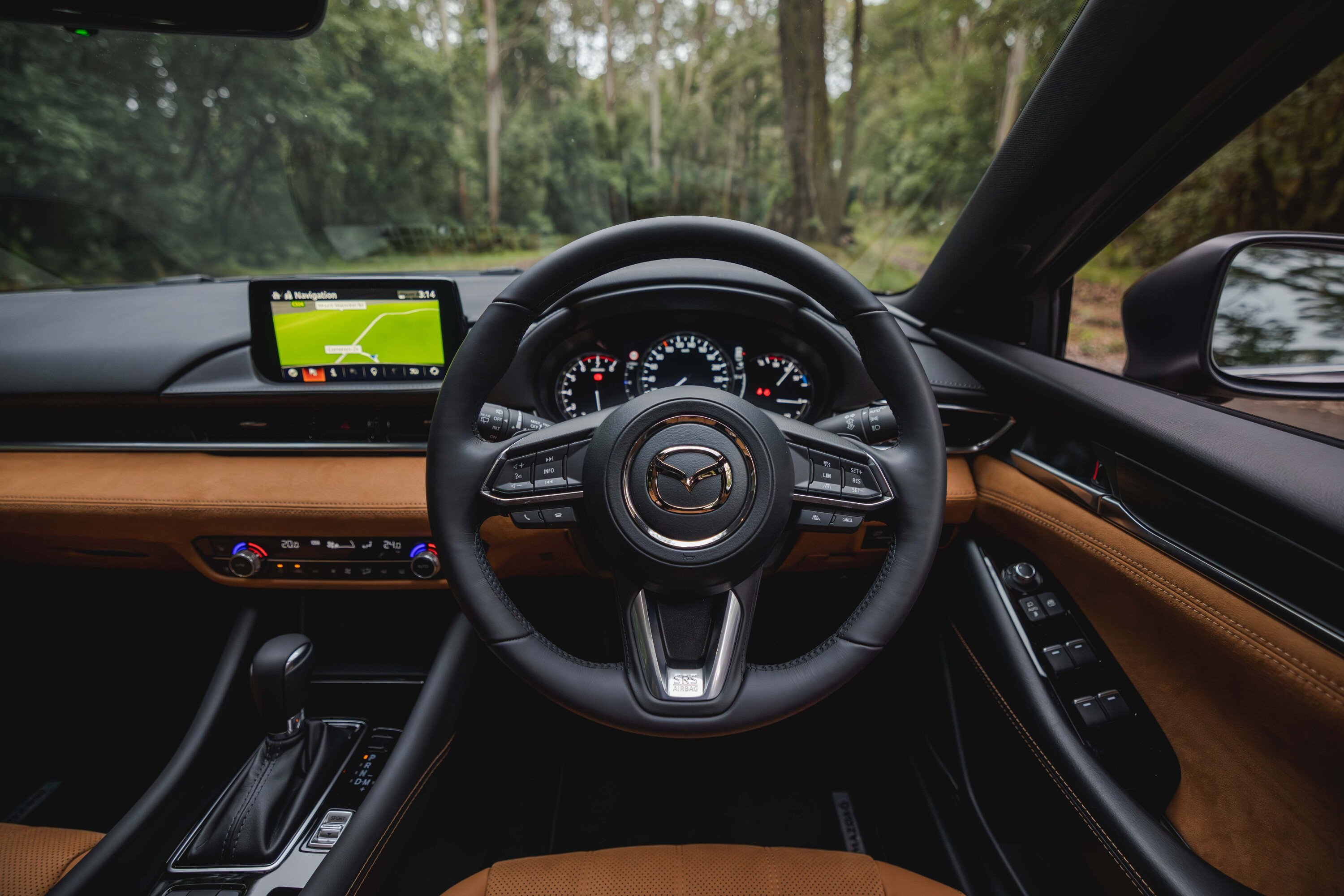
Five years after its second redesign, the Mazda 6’s cabin remains top-notch.
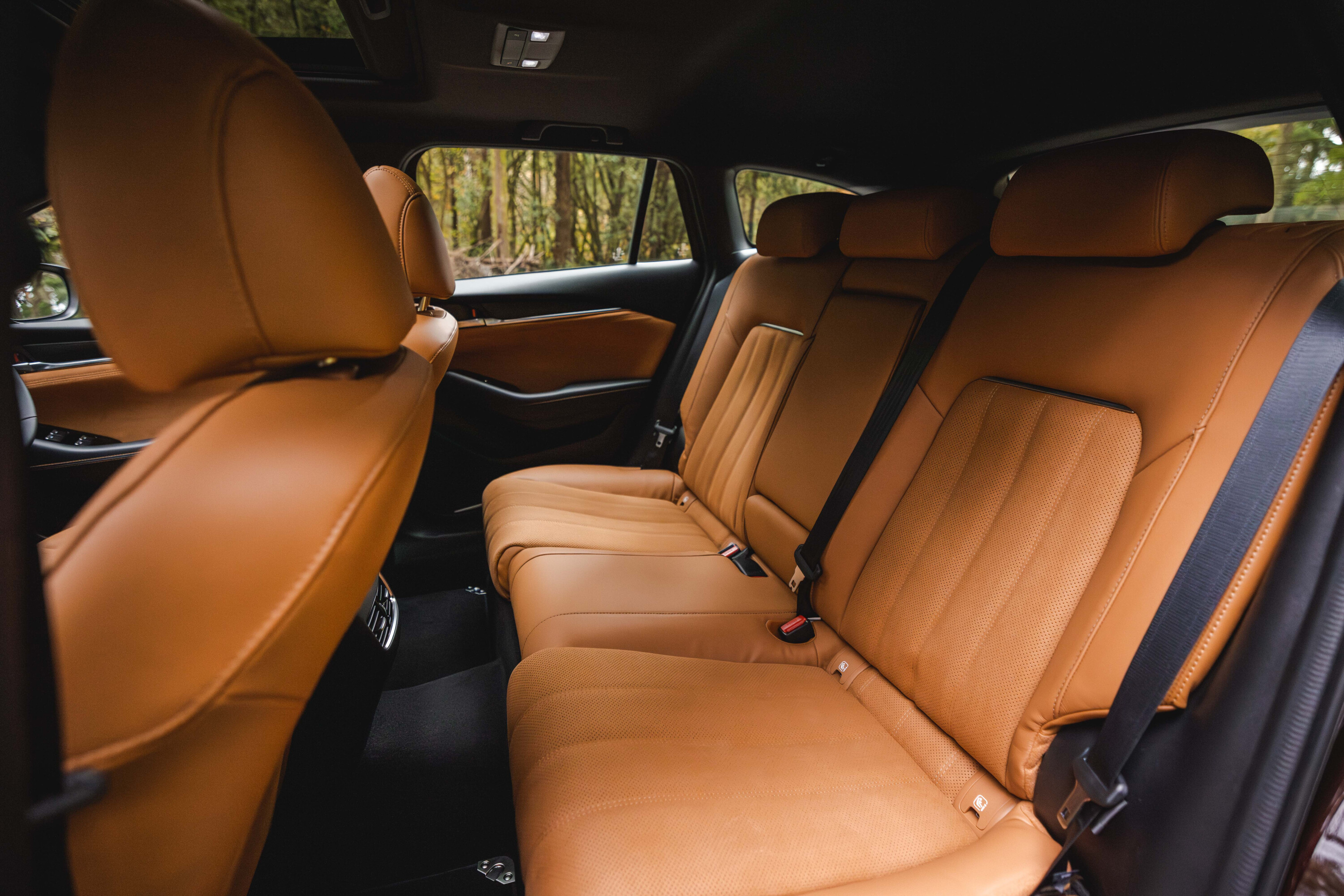
It looks and feels like a premium vehicle – particularly for the Atenza and 20th Anniversary with Nappa leather upholstery, suede trim, and subtle real wood accents.
As expected from a modern Mazda, there are soft-feeling yet durable materials, a solid build quality, and tactile controls.
1
All versions, bar the base Sport, feature a 10-way power-adjustable driver’s seat with two-position memory, allowing you to discover a suitable driving position.
In the rear, the Mazda 6 is comfortable for two adults, while there are two ISOFIX and three top-tether points for mounting child seats.
The new-for-2023 wireless phone charger sits ahead of the gear shifter, which can alternate as a storage nook for smaller items. A sliding centre console lid hides two cup holders, while the door bins can accommodate standard-sized bottles.
1
2023 Mazda 6 boot space
Boot space is ample in the sedan at 474 litres when the back seats are up; however, this is less than the Camry (524L) and Octavia liftback (600L).
The 60:40 split rear seats can be folded using either the tabs just next to the outer headrests or two handy levers in the boot, although pulling these still requires you to open the rear doors to fold the seatbacks.
For the 6 wagon (which is actually shorter than the sedan), boot capacity is raised to 506 litres when the second row is up, increasing to 1648 litres when folded down – second only to the Octavia wagon, by 52 litres.
Mazda’s popular CX-5 medium SUV has a reduced luggage capacity at 438L or 1348L with the second-row folded – which says something about what buyers really prize when it comes to height versus space. Like the CX-5, the 6 wagon has a handy cover that rises with the tailgate.
The Mazda 6’s merits are let down by the ageing MZD Connect infotainment – but that could appeal to buyers looking for a simple-to-use system in 2023.
Introduced for the 6’s first facelift in 2015, the screen grew to eight inches with the second major update in 2018, with Apple CarPlay and Android Auto smartphone connectivity added shortly after.
Controlled by a rotary dial on the centre console or as a touchscreen when stationary, the system is easy to operate – but outdated graphics, slow processing power, and low-resolution cameras plague it. (Being forced to use the rotary dial to navigate the touch-oriented CarPlay and Android Auto while on the move feels like an insult in concept, but you get used to it – Ed.)
For 2023, the MZD Connect system now supports wireless Apple CarPlay for the G25 Touring and above – but Android Auto remains wired only. A wireless phone charger is standard for these variants.
1
With the introduction of a larger 10.25-inch screen running Mazda’s second-generation infotainment system for the CX-5, CX-8 and CX-9 SUVs, the lack of similar investment for the 6 is disappointing but not surprising.
Criticising the Mazda 6’s infotainment system is difficult without mentioning the Toyota Camry, which suffers from similar drawbacks – while the RAV4 storms ahead with a larger, brand-new unit.
Perhaps a good solution could be for Mazda to adapt its newest software to operate on the existing screen, but it appears the MZD system will remain for the remainder of the 6’s lifecycle. (We’d be surprised if it survives beyond 2024 – Ed.)
The centre console has two USB-A ports, while rear-seat passengers are treated to an identical count in the fold-down armrest.
With the 2.5-litre turbo-petrol four-cylinder fitted to our tester, the 6 feels poised and compliant.
Power is up 3kW to 173kW, and the updated torque band has a further 8Nm available at 4250rpm is said to improve full throttle performance – but peak torque remains unchanged at 420Nm.
It’s hard to tell if there’s any significant difference between old and new without driving them back-to-back, but the turbo-petrol 6 remains a compelling choice.
1
Mazda has also retuned the six-speed (six!) automatic transmission and increased the reactive force of the accelerator pedal for turbo models, while all variants have updated power-steering characteristics.
Unlike the base naturally-aspirated petrol that can become stressed and noisy under heavy load, the added boost of the turbo ensures greater confidence – particularly when overtaking or climbing steep hills.
Noise suppression is excellent (historically not this generation’s strong suit), with little road, wind or engine noise penetrating the cabin at higher speeds.
1
Handling is excellent for a midsized car, with a light steering feel and a smooth ride placing it towards the top of the segment – but it remains humble without the sportier bent you’d expect from an Octavia RS or Sonata N Line.
All variants have a traditional six-speed torque-converter automatic transmission, with power exclusively sent to the front wheels.
The turbocharged Mazda 6 G35 is rated to use 7.6L/100km in combined ADR testing (an older and less ‘real world’ accurate test than the WLTP system quoted by Euro-centric brands).
In the real world, you’ll see that number rise closer to 9.0L/100km, with our spirited test loop in a G35 Atenza sedan returning 9.3L/100km – though it’ll likely fall closer to the claimed figure on highway trips.
The Mazda 6 range is covered by a five-year ANCAP safety rating, based on testing conducted in 2018.
Six airbags – dual front, side and curtain – are fitted, with no knee or front-centre airbags to prevent head clashes between the driver and front passenger in a side-impact collision.
As standard, the Mazda 6 includes a full suite of active safety technology, including autonomous emergency braking (vehicle, pedestrian, cyclist and reverse), adaptive cruise control, lane-keep assist, lane departure warning, blind-spot alert, rear cross-traffic alert and traffic sign recognition.
The lane-keep assist can become intrusive around town and on country roads, but the sensitivity and audible warnings can be removed or reduced within the infotainment system.
Traffic jam assist – a combination of adaptive cruise control and lane-keep assist – for the G35 GT SP and above allows for semi-autonomous driving in slow-moving traffic, which is a decent addition for an ageing vehicle.
As with the wider Mazda range, the 6 is covered by the brand’s five-year, unlimited-kilometre warranty.
There’s also five years of capped-price servicing and roadside assistance, with no requirement for annual dealer servicing to retain the service, unlike some other manufacturers.
The Mazda 6’s service intervals now align with most of its competitors at 12 months or 15,000 kilometres, whichever occurs first – up from 10,000km.
1
While service pricing for naturally-aspirated petrol and turbo-petrol is mostly aligned, the latter requires new spark plugs every four years – necessitating a higher cost.
It might be one of Australia’s oldest cars, but the Mazda 6 certainly doesn’t feel it.
With plenty of updates over the years, Mazda has kept it suitably fresh – and the addition of the CX-9’s turbo-petrol in 2018 certainly helped.
Not only is a range-topping 6 cheaper than Mazda’s top-selling CX-5 medium SUV, but it’s also nicer to drive and the wagon has more luggage capacity.
That’s not to say the CX-5 is or isn’t a more-practical family choice, with its higher ground clearance and all-wheel-drive but smaller boot – and the 6’s ageing design, particularly for its infotainment system, makes it hard to recommend over the fresher CX-5.
However, for buyers opposed to the SUV norm, the updated Mazda 6 remains an excellent option in the under-appreciated medium passenger segment – especially in wagon form.
Mazda Australia will continue selling mid-size passenger cars – as other brands walk away from the slow-selling segment.
The brand’s mid-size offering – the venerable 2023 Mazda 6 – first launched in Australia in 2012, with the nameplate dating back to 2002.
With no timeline for the inevitable end of the line for the current-gen Mazda 6 – with or without a successor – it appears production will, for now, continue indefinitely in Japan.
“[The Mazda] 6 has been part of the portfolio now for a long time [and] as long as it’s offered from Japan, we’ll continue to offer it here,” said Mazda Australia marketing boss, Alastair Doak.
“We have a loyal group of customers who still want to drive sedans, or wagons for that matter, and we’ll continue to offer it in our portfolio.”
Mazda Australia said 25 per cent of new Mazda 6 buyers upgraded from an older model – while 40 per cent of buyers owned another Mazda.
In addition, 40 per cent of current Mazda 6 owners are said to upgrade to different Mazda vehicles, such as the CX-5, CX-8 and CX-9 SUVs.
“As a business strategy, it’s our goal to offer choice to Australian consumers, so the default position is if it’s manufactured by Mazda Corporation, there has to be a really good reason for us not to take it,” added managing director, Vinesh Bhindi.
1
“It could be that it doesn’t comply, or they won’t build a right-hand drive or something else, but our going-in proposition always is to offer as much choice to the Australian consumers from the Mazda factory.”
Approximately 38,000 third-generation Mazda 6s have been sold since 2012 – compared to more than 150,000 CX-5s over the same period.
While the Mazda 6 is vanishing from several markets, it remains available in Japan and Australia.
It was discontinued in the United Kingdom earlier this year, with no direct replacement planned.
In 2021, the Mazda 6 was deleted from Mazda’s North American range – alongside the CX-3 – to focus on better-selling vehicles, including the CX-30, CX-5 and CX-50 SUVs.
The CX-3 was also discontinued in Europe at the end of 2021, but it remains Australia’s best-selling light SUV, despite its age.
To commemorate two decades since the arrival of the first-generation 6, Mazda has launched a new 20th Anniversary grade based on the flagship Atenza, with unique badging, an updated interior colour palette, and the brand’s new ‘artisan red’ and ‘rhodium white’ finishes.
“There’s a core group of very loyal Mazda 6 buyers who you would think it will appeal to them. It certainly looks nice. It should do well,” said Doak.
The wider range has also received minor updates for model-year 2023, including traffic jam assist for the G35 GT SP and Atenza, and wireless Apple CarPlay and a wireless phone charger on the G25 Touring and above.
As before, the Mazda 6 includes an ageing 8-inch infotainment unit, rather than the larger 8.8-, 10.25 or 12.3-inch screens available in the 3, CX-30, CX-5, CX-60, CX-8 and CX-9 with its latest infotainment system.
Under the bonnet, the flagship 2.5-litre turbo remains – despite its deletion in Japan – but with a slight power bump to 173kW (at 4250rpm), up 3kW.
Turbo models also receive a retuned six-speed automatic transmission, and the characteristics of the electric power-assisted steering are revised to “enhance response and provide more tactile feedback at medium and high speeds”.
Mazda Australia expects to reach 100,000 sales at year’s end – for the first time since 2018.
While it forecasted 100,000 sales in 2019, the brand fell just short with 97,619 registrations – down from 111,280 units in 2018.
Supply and logistical issues have impacted the entire automotive industry – including Mazda – locally and globally since the COVID-19 pandemic struck in 2020, but managing director Vinesh Bhindi believes the brand is recovering well in 2023.
“It’s already been a busy year for Mazda Australia,” he said.
1
“As a preferential market for Mazda globally, we came into 2023 in a stronger stock position, which has allowed us to fulfil customer orders.
“Now, despite the industry impact from the local logistics and quarantine delay challenges, we are in a fortunate position to be one of the premier automotive brands with sufficient inventory across almost the entirety of our model range.
“Over the coming quarter,we’ll be replenishing our stock across the board with particularly healthy arrivals for BT-50, CX-9, CX-5 and CX-30.”
“This had a positive impact for our Japanese calendar year results, which saw us reach a full-year sales figure of 91,200 deliveries.
1
“We saw our monthly sales from March 2022 to March 2023, where we averaged around 8000 sales per month.
“In short, this confirms that we are on the right trajectory to meet our sales goals of around 100,000 units at the end of 2023.
When asked about the supply issues affecting the wider automotive industry, Bhindi said: “There’s always some level of supply challenges, but it’s not as severe as the last two years were. We’ve got some challenges, but nothing that would take centre stage.”
“Most manufacturers still have limitations on [the semiconductor chip] front, but more of the challenges are logistics, shipping lines, etc. – but none of that is causing us major headaches.
“If a customer’s expectation is for ‘every car, every model if I walk into a dealership, I can walk out that day with my preference’, it’s not that. It’s more like, yes, we can get it for you and it’s probably a handful of days. But for models like BT-50, CX-5 and CX-30, we have a good supply.”
VFACTS new-car sales data reveals Mazda has sold 32,243 vehicles in Australia year-to-date – down 13 per cent from last year. Currently, its top-selling vehicle is the CX-5 medium SUV (7949), followed by the CX-3 light SUV (5325) and BT-50 ute (5257).
Mazda’s local marketing boss, Alastair Doak, said the brand hopes to achieve record sales for the BT-50 in 2023, with the ute currently sitting below the Ford Ranger, Toyota HiLux, and its Isuzu D-Max twin under-the-skin year-to-date.
“The BTs done really well, and I think we keep saying, we don’t seem to have had a clear run at it,” he said.
1
“This year, we have a good supply currently and the fuel consumption numbers on that car are really positive as well, which is important if you’re running it as part of a business.
“We’re happy with the powertrain and the car itself. It’s doing well and we continue to grow sales, and hopefully that’ll keep growing. We might have a record for BT-50 this year. Let’s see what happens.”
Mazda Australia has recently launched updates to the mid-size Mazda 6, CX-8 large SUV, and its funky MX-30 petrol or all-electric small SUV.
Revisions for the Mazda 2 light car and Mazda 3 small car are due here in the third quarter, while the CX-30 is expected to mirror its updated 3 twin by the end of the year.
Next month, Mazda will launch its first premium-orientated Large Architecture-based vehicle, the rear-biased CX-60 medium SUV, while its larger CX-90 sibling will follow in August.
While not direct replacements for the CX-9, the CX-80 and CX-90 effectively occupy the same large seven-seat SUV segment that the CX-9 has filled since its introduction in Australia in 2007.
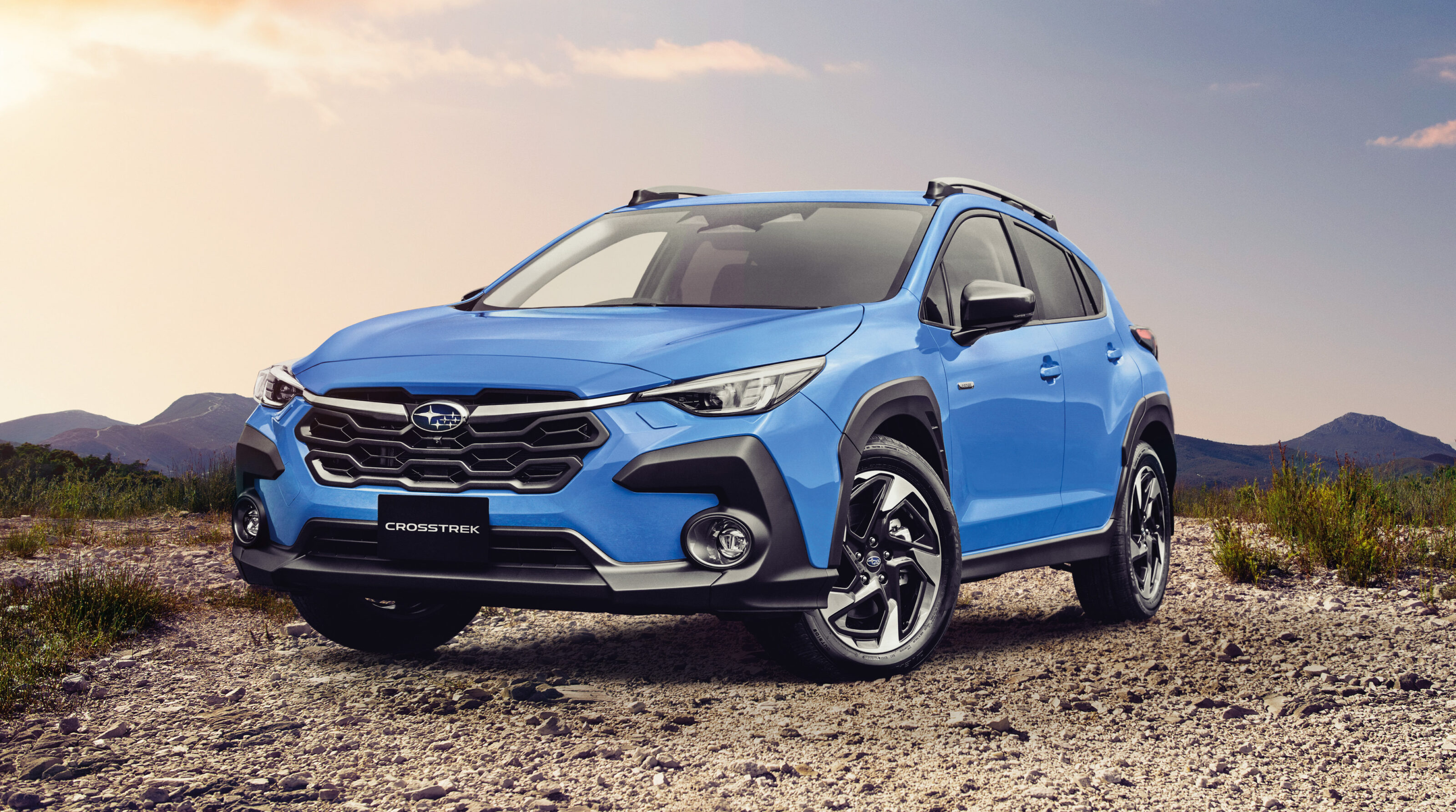
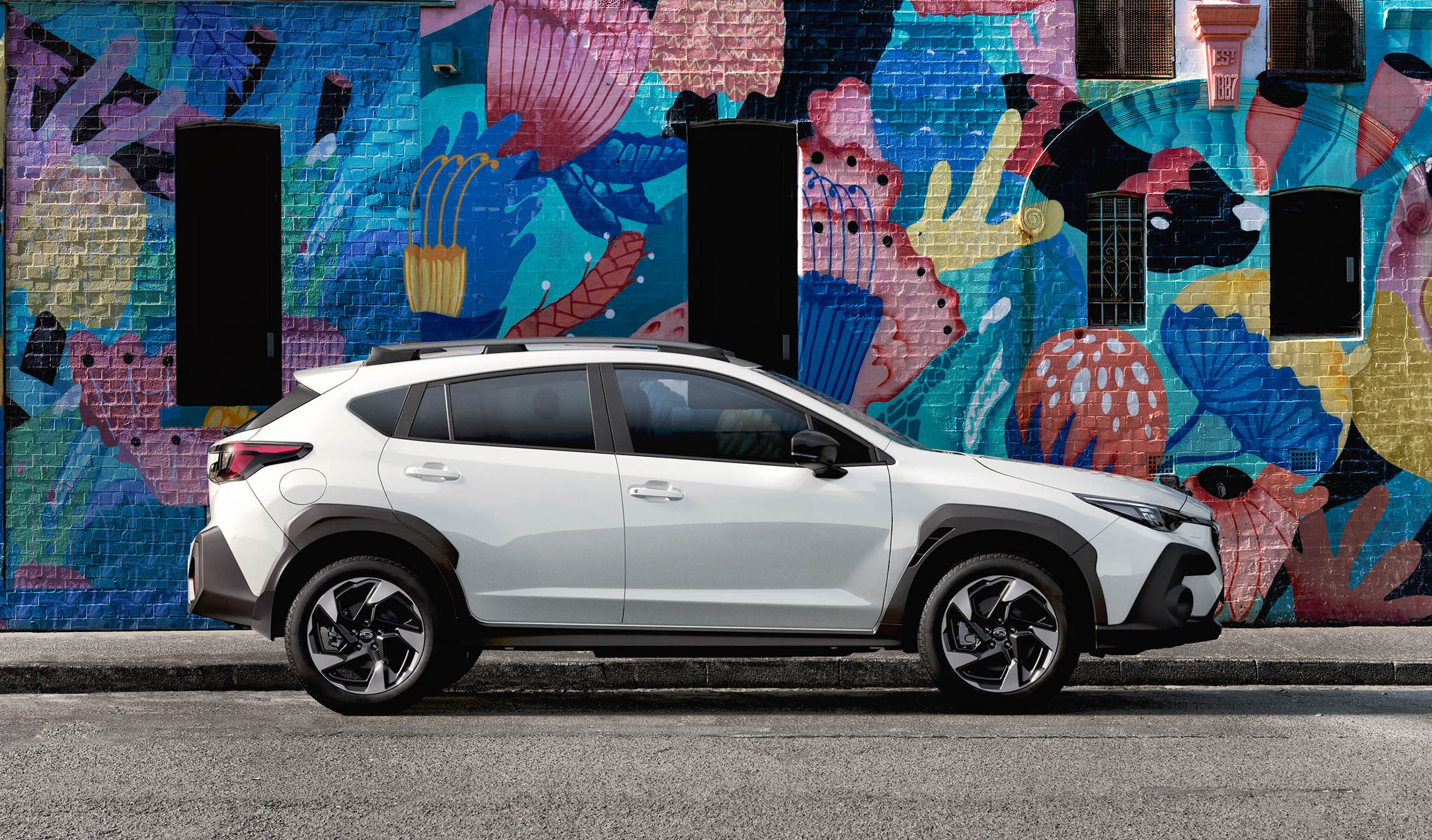
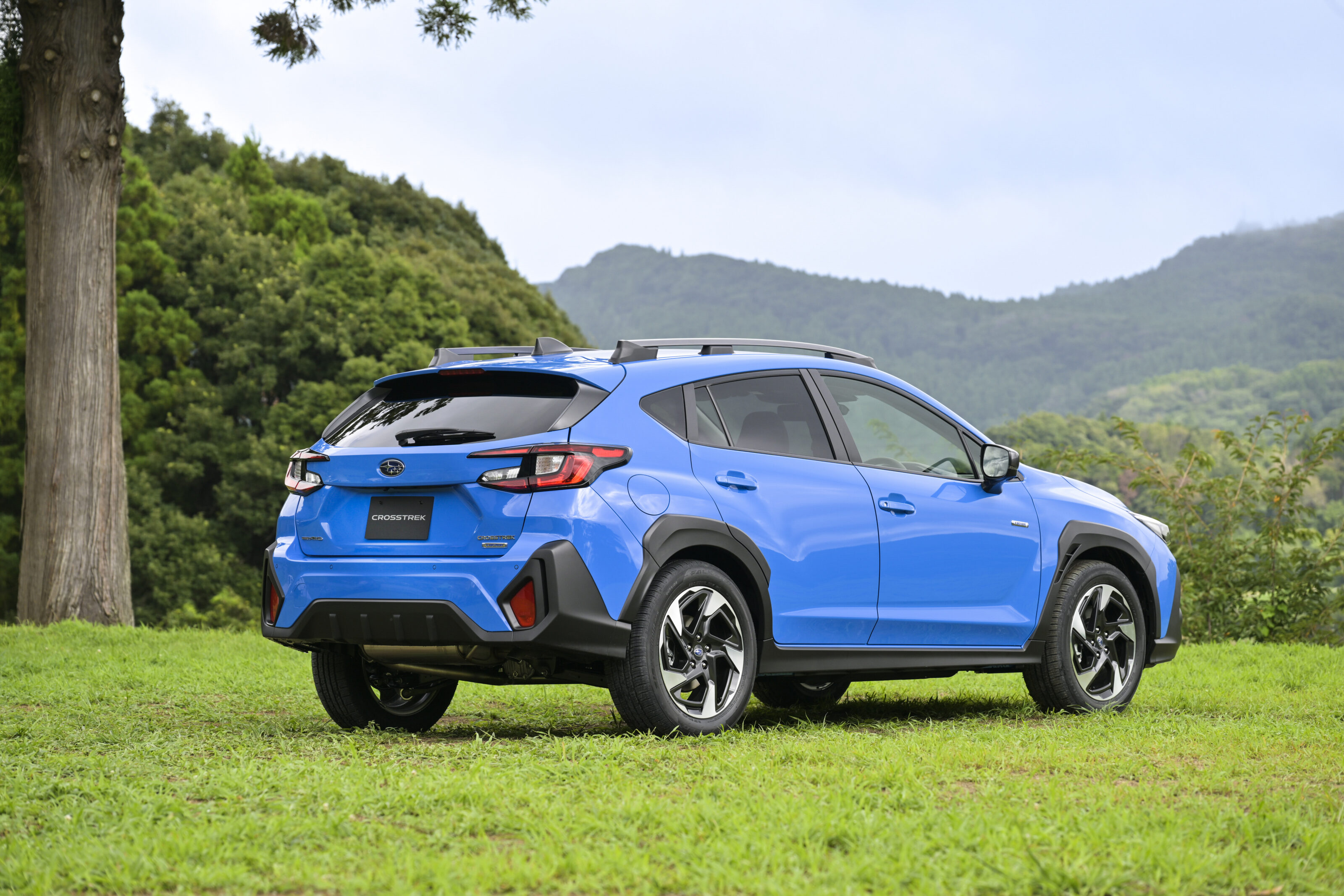
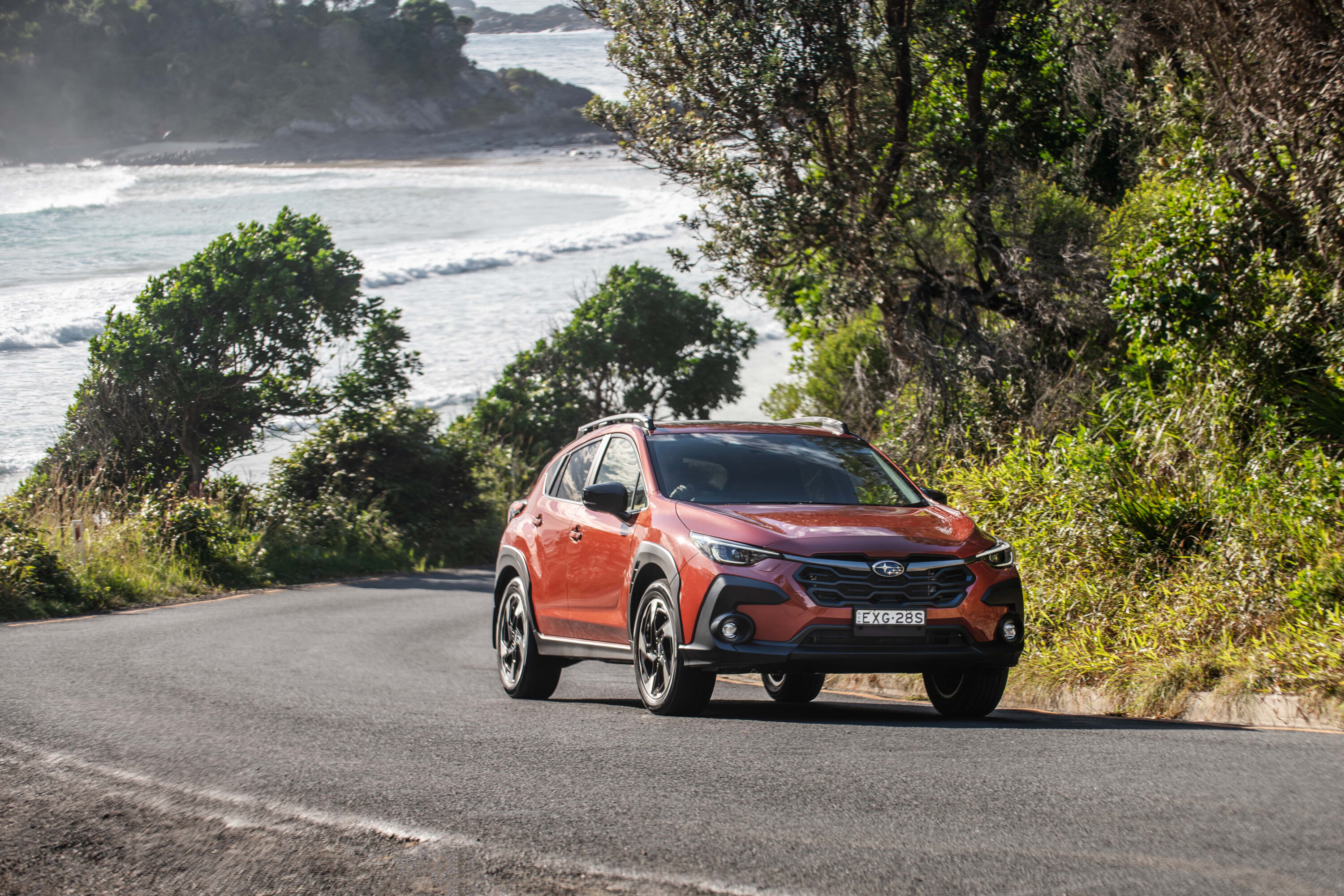
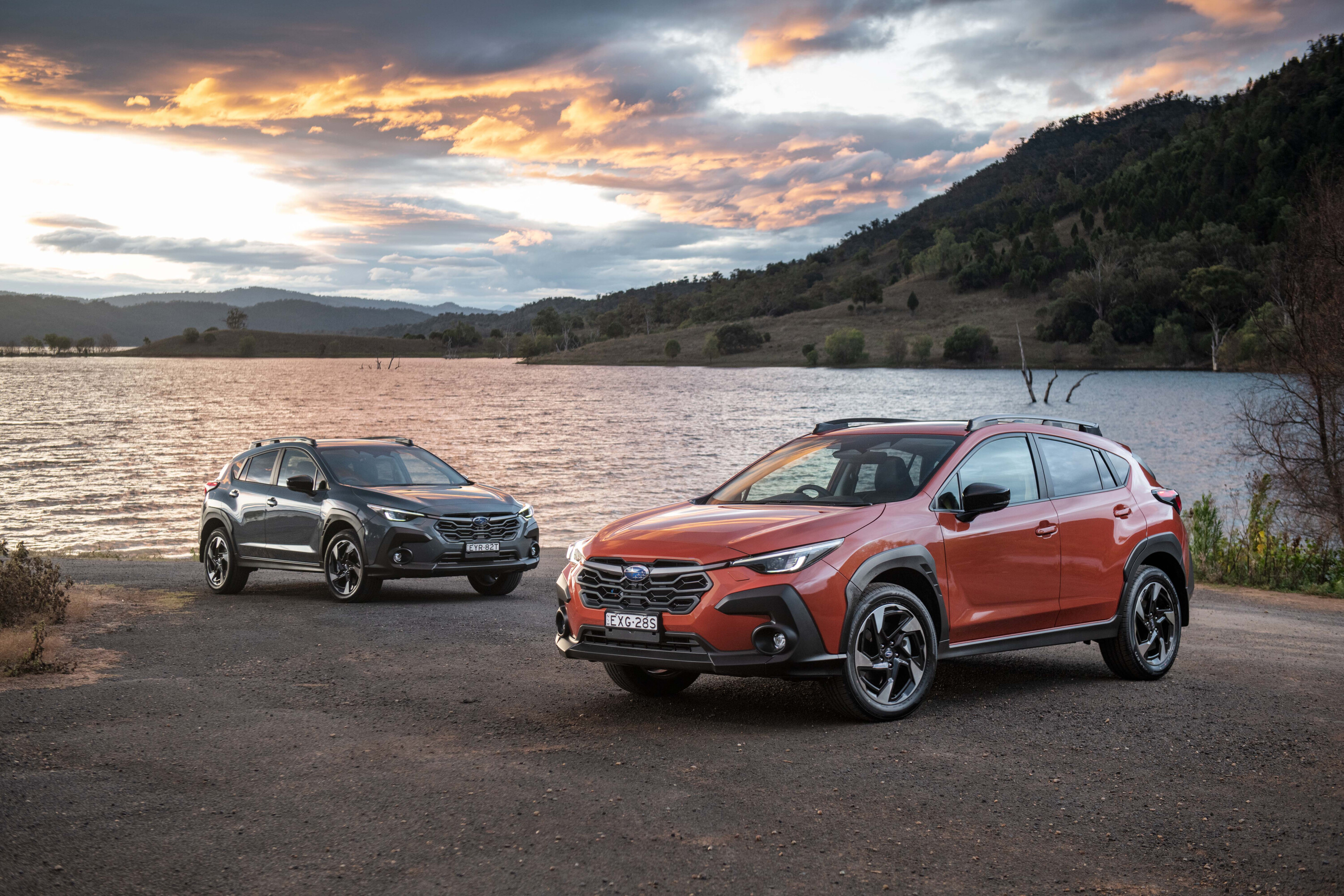
The new Subaru Crosstrek, formerly the XV, has finally touched down in Australia.
Pricing for the new small SUV was first announced in January, but it’s taken the Crosstrek some months to arrive. And now we’ve driven it!
Get our full review at the link below, or continue reading here for all pricing and equipment details.
January 2023: Crosstrek pricing & features
The 2023 Subaru Crosstrek small SUV will arrive in Australia this April, with pre-orders now open.
Snapshot
2023 Subaru Crosstrek priced: $34,990 to $45,090 plus on-roads
Updated small SUV set to launch in April
Carry-over engines; new technology; hefty price rises
While the small SUV is familiar to locals as the XV – and also in other markets, including Japan – it has been badged Crosstrek in North America since 2012, with Subaru deciding to take the name global for its third generation.
It features a significant boost in standard equipment, but this is accompanied by price rises of up to $3000, with the Crosstrek starting from $34,990 before on-road costs.
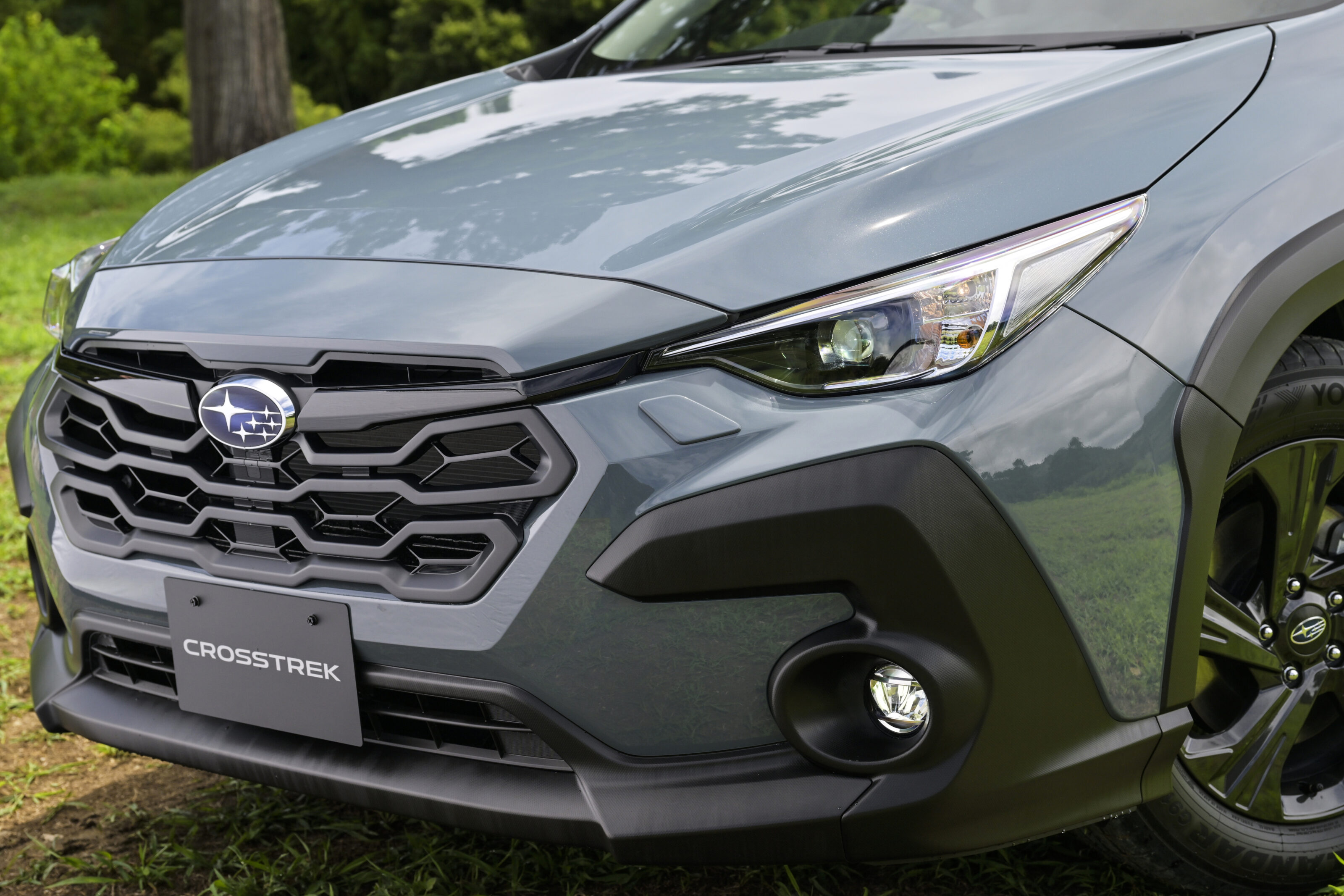
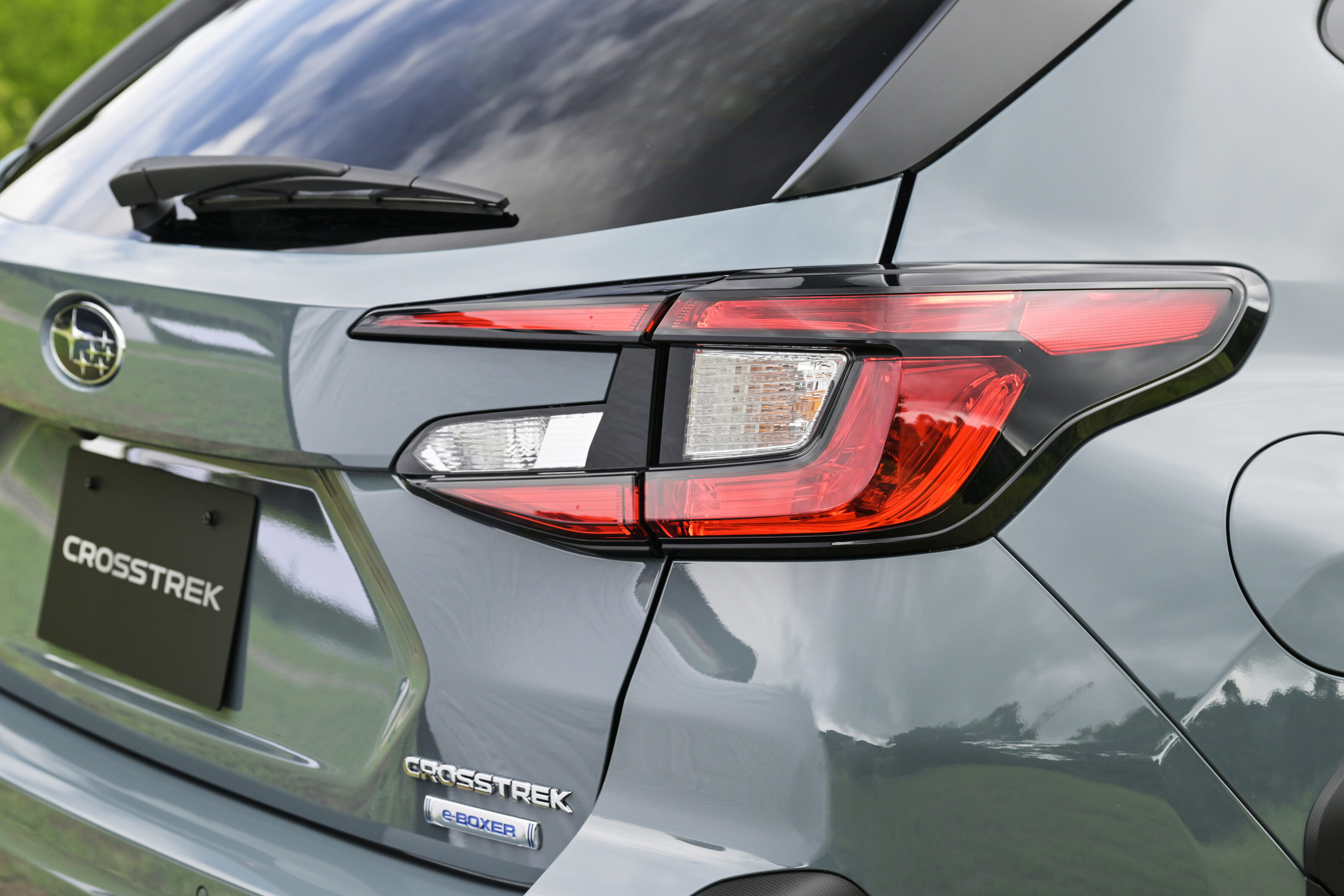
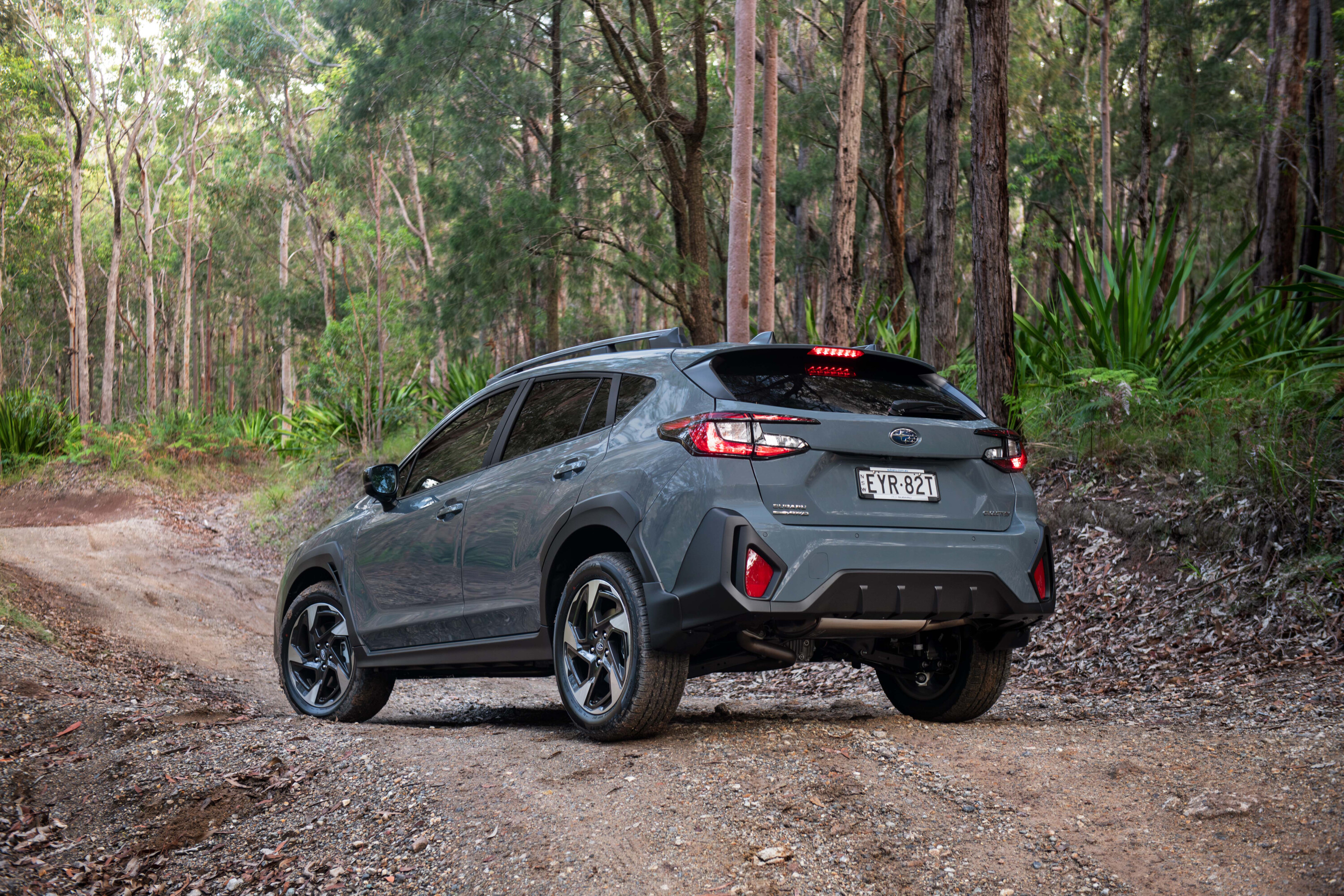
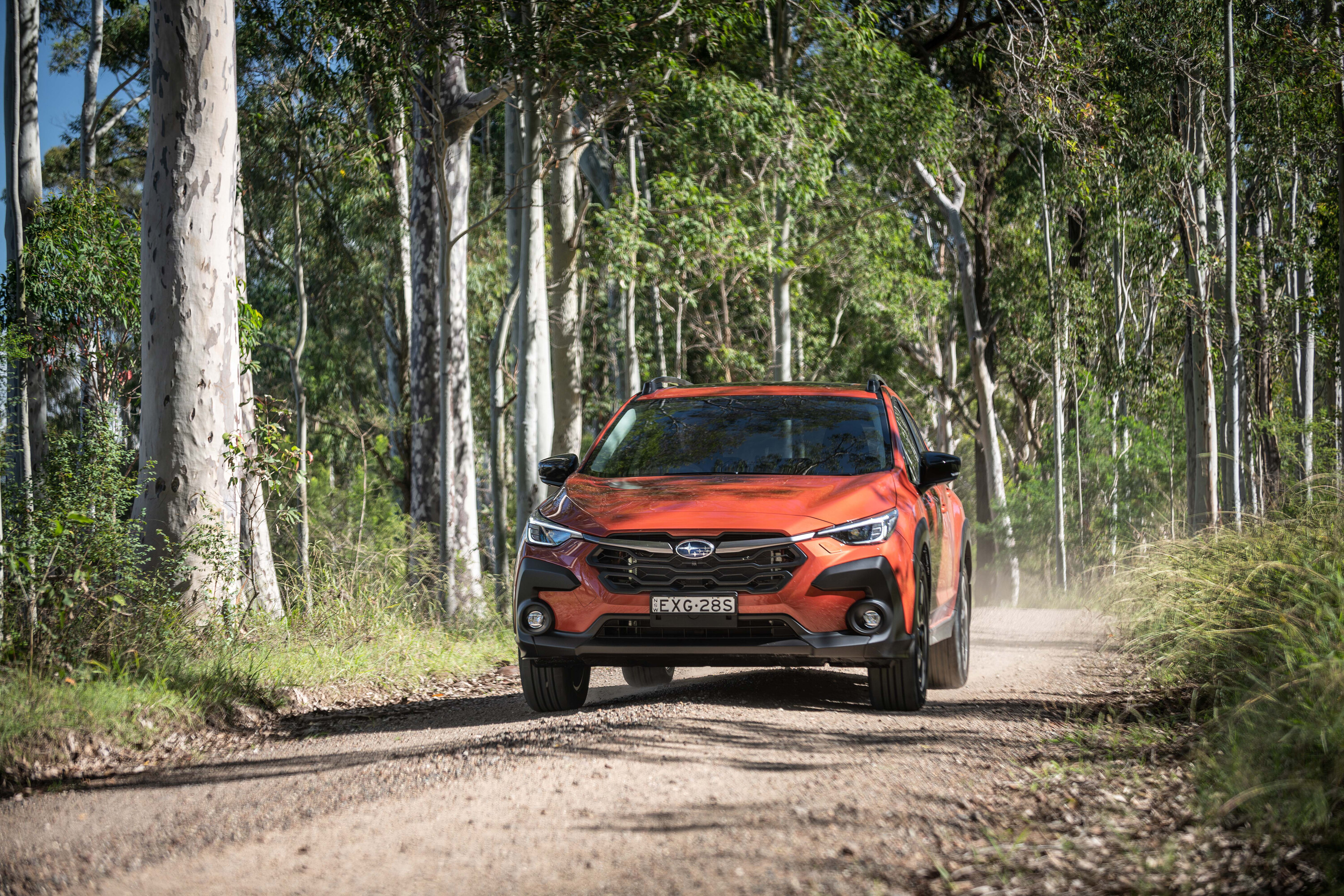
Under the skin, the Crosstrek retains the current XV’s Subaru Global Platform, but with a new design, slim full-LED headlights and WRX Sportswagon-like tail-lights.
Like the WRX sedan, the Crosstrek features angular plastic body cladding with vents behind the front wheels, while 10 exterior colours and 17-inch or 19-inch alloy wheels are available.
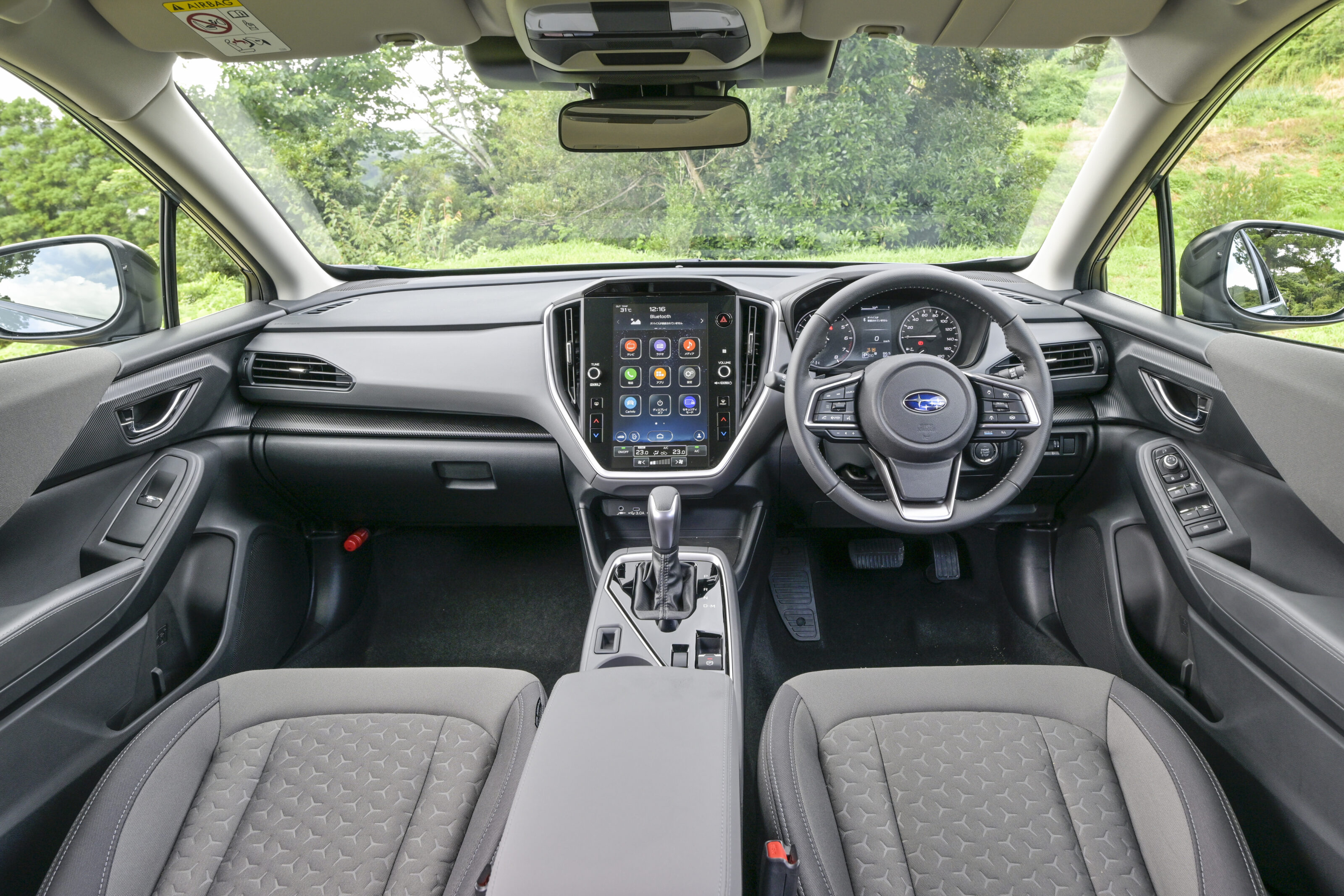
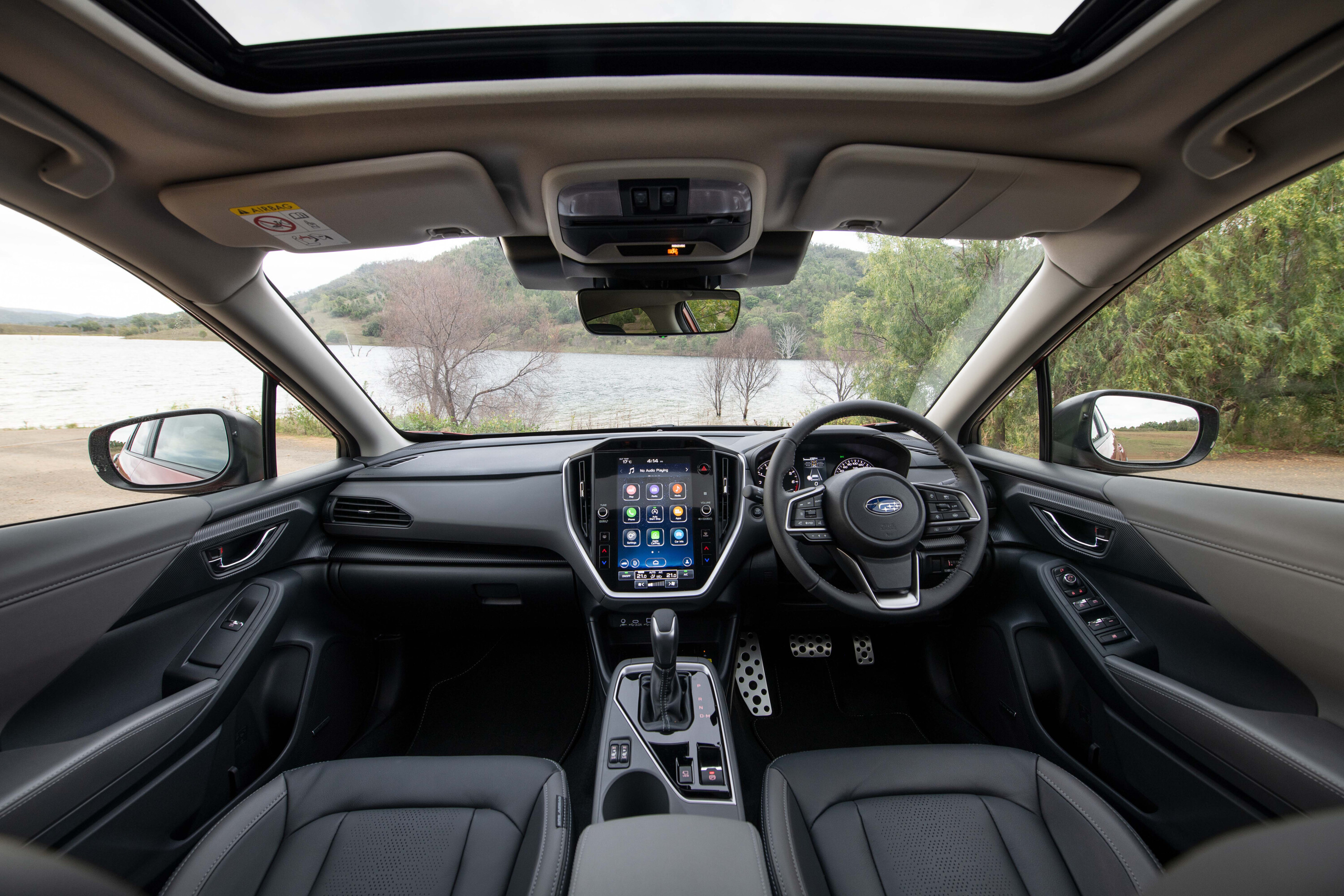
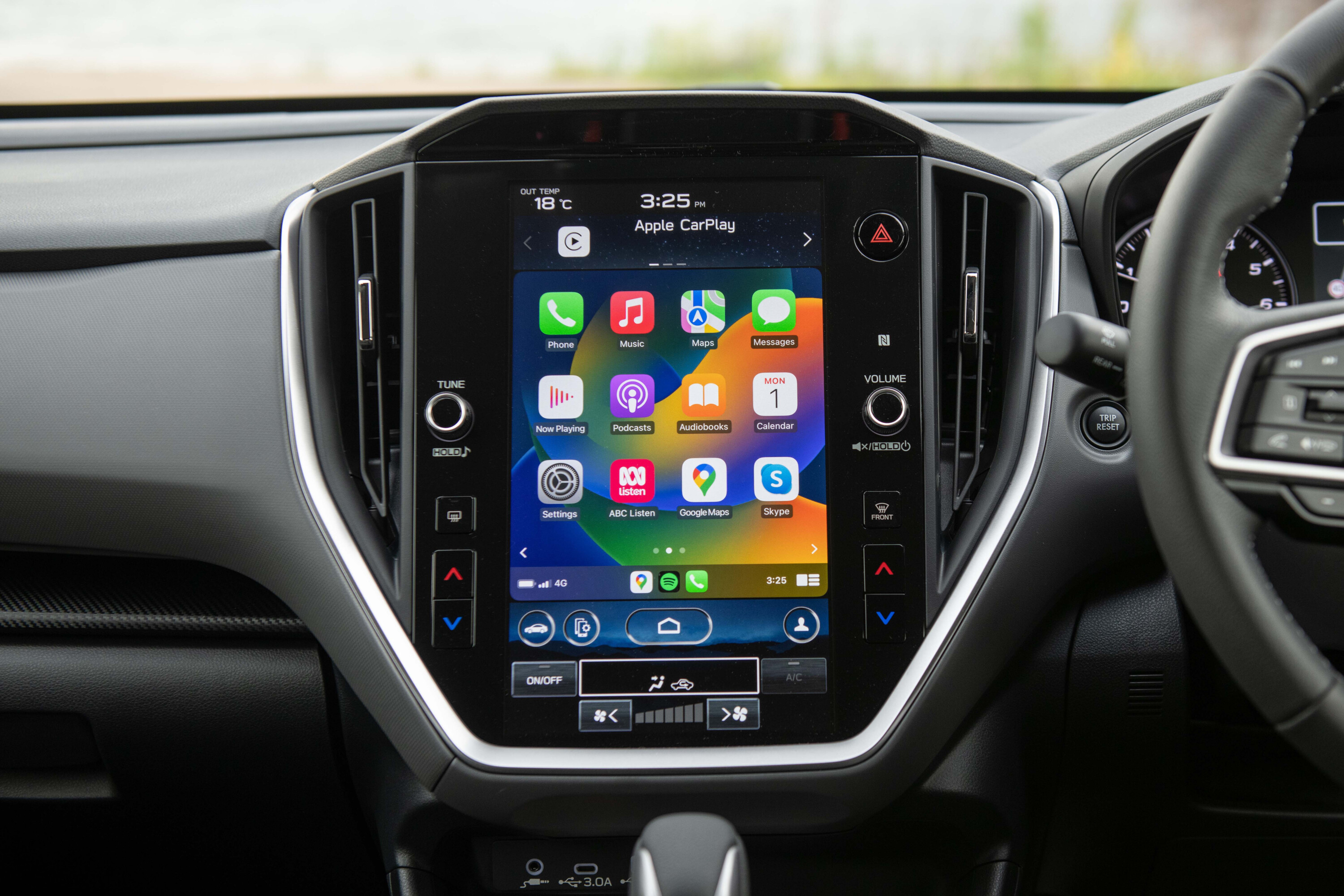
Inside, the new small SUV looks familiar to the current XV, but gains the same portrait-orientated 11.6-inch infotainment system found in the WRX and Outback, with wireless Apple CarPlay and Android Auto, satellite navigation and touch-based climate controls.
This setup replaces the current 8-inch infotainment system and 6.3-inch multi-function display.
However, unlike the Japanese-market WRX sedan and Levorg wagon (known as WRX Sportswagon in Australia), the Crosstrek does not feature a 12.3-inch digital instrument cluster, with a small 4.2-inch instrument cluster display carrying over.
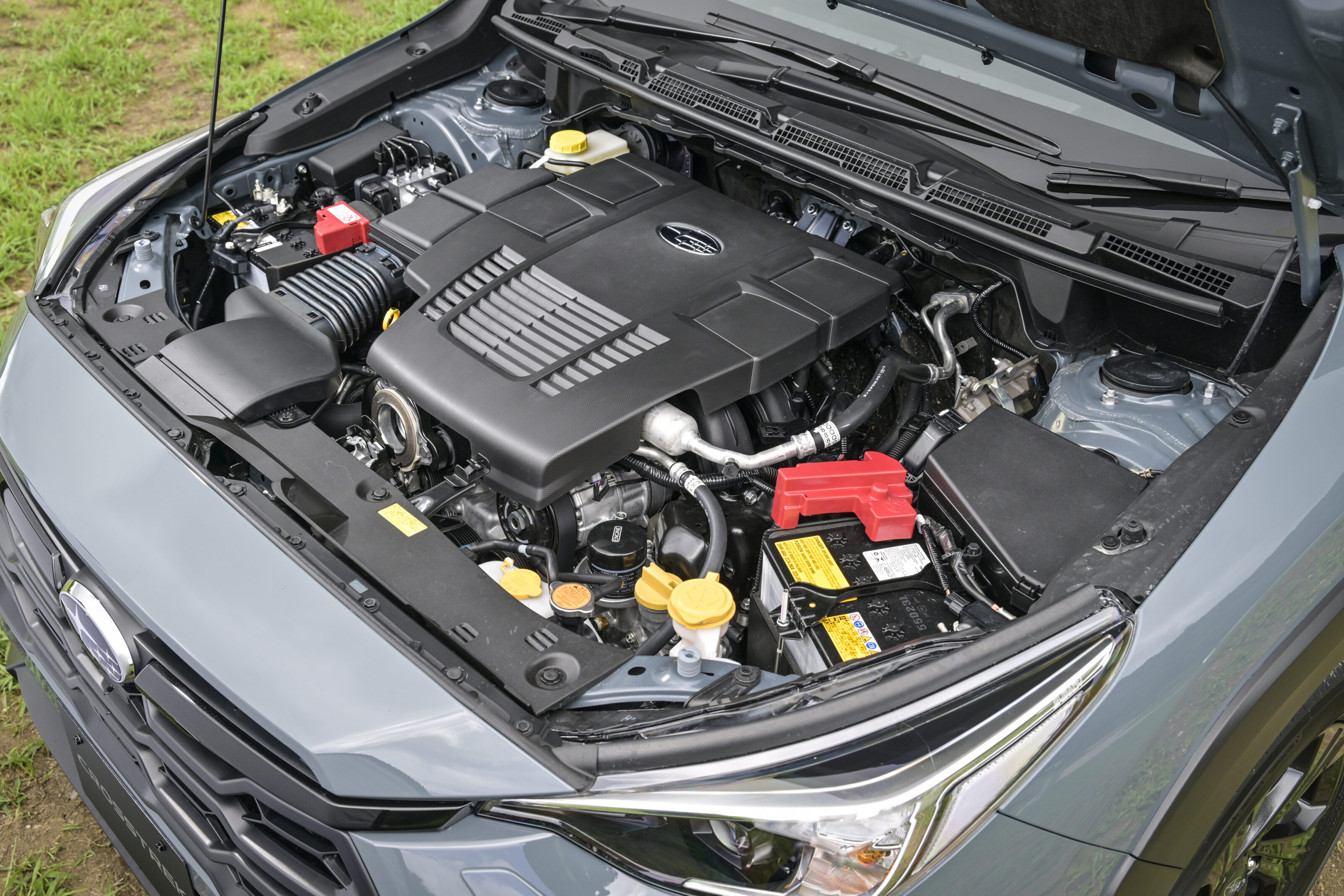
Under the bonnet, the 2023 Subaru Crosstrek is powered by a carry-over 2.0-litre naturally-aspirated four-cylinder petrol engine.
The current ‘e-Boxer’ hybrid system, which features a 2.0-litre naturally-aspirated four-cylinder and an electric motor, also carries across without change.
As with the outgoing XV, the standard petrol outputs 115kW and 196Nm. It is matched with a continuously-variable automatic transmission (CVT).
Meanwhile, the e-Boxer hybrid version produces 110kW/196Nm, with a 12.3kW electric motor and a CVT automatic.
The hybrid shaves around 10 per cent from the 2.0-litre’s fuel efficiency figure, returning 6.5L/100km in the ADR 81/02 cycle. Both engines now meet the stricter Euro 6b emissions standard.
The latest Subaru Crosstrek is 4495mm long, 1800mm wide and 1600mm tall, with a 2670mm wheelbase. This is 10mm longer and 5mm lower than the outgoing XV, with a 5mm longer wheelbase.
2023 Subaru Crosstrek boot space
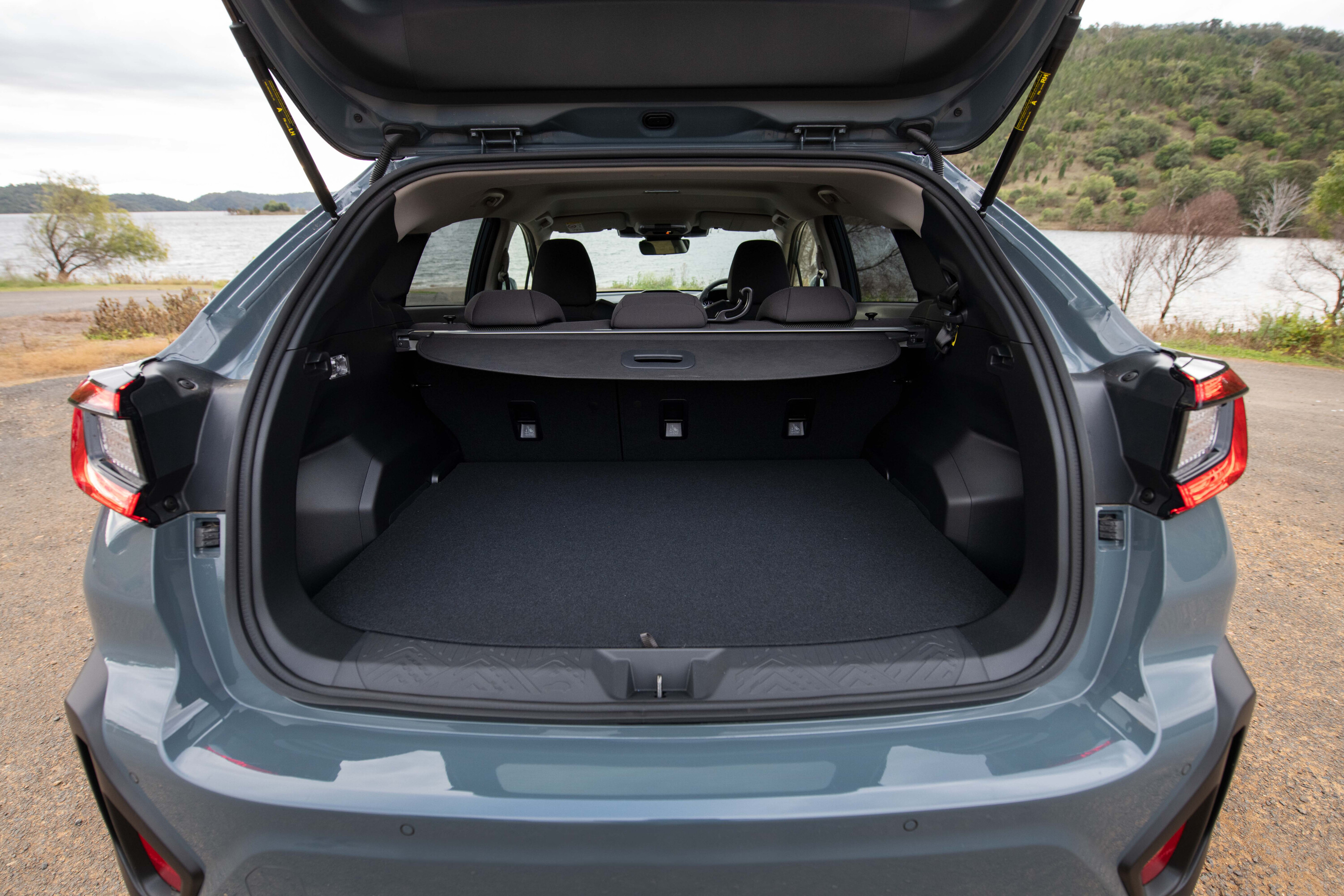
The 2023 Subaru Crosstrek petrol has a 291-litre boot capacity, while the hybrid version is listed at 315 litres due to the tyre puncture repair kit, in place of a space-saver spare wheel.
As per the wider Subaru range, the Crosstrek is covered by the brand’s five-year/unlimited-kilometre warranty.
Servicing for the Crosstrek is required every 12 months or 12,500 kilometres, whichever comes first.
Capped-price servicing is available for five years, with costs dependent on the service interval. Subaru has yet to detail maintenance pricing for the Crosstrek.
Availability
The 2023 Subaru Crosstrek small SUV will arrive in Australia in April.
For information on Subaru’s wait times, click here.
Here’s something you probably didn’t know: Subaru’s smallest SUV – formerly known here as the XV and reborn as the Crosstrek for 2023 and beyond – is a uniquely Australian construct that was so well received, it was exported to the rest of the Subaru world.
Neat, eh?
“It was a Nick Senior initiative,” Subaru Australia’s managing director Blair Read tells Wheels over a picnic lunch in the Watagan National Park, north of Sydney. “The project at the time was named XV, and the name stuck.”
Senior, of course, is a former managing director of Subaru Australia, and the product plan to increase the ride height of a third-generation Impreza hatch and adorn it with now-industry ubiquitous black plastic over-fenders resonated so well with HQ that the XV soon became part of the global line-up.
1
After logging some 108,000 Australian sales since its launch in 2010, the XV moniker has been benched for 2023, in favour of the US-created Crosstrek badge.
Changing names midstream can be fraught with peril – Nissan Tiida, anyone? – but Read is unconcerned about any potential impact.
“With the launch of the third generation, it was the perfect time to reposition and relaunch,” he says. “We did our research and talked to dealers, talked to customers and committed to it.
“Name-wise, it also aligns better with the rest of the range, too.”
The name may have changed, but there are lots of commonalities between the MY22 XV and MY23 Crosstrek. Those over-fender plastics have been sharpened up, the front end is more aggressive with narrower LED headlamps and the rear bumper wears chunkier trims, while the interior has scored the same vertical tablet centre console screen as the Forester and Outback.
1
It’s a case of carryover for the powertrains, once again running Subaru’s 115kW/196Nm FB20 2.0-litre four-cylinder boxer engine, backed by a continuously variable transmission and bolted to an updated version of Subaru’s all-wheel-drive layout.
The mildest of mild hybrid systems remains in the line-up as an option, as well, with Read telling Wheels that “advancements in the evolution of the hybrid system are coming”. Our guess is that the Crosstrek won’t benefit from it until the fourth generation drops.
Even though the content carryover is significant, by no means have Subaru engineers been sitting on their hands; a raft of incremental changes to the Crosstrek make a marked difference to its on-road manners.
1
The Subaru Global Platform, which has underpinned every new Suby since 2016, has been tweaked for the third-gen Crosstrek.
As well as reinforced suspension mounting points, there’s a new full inner frame construction, longer runs of structural adhesive and beefed-up suspension and seat mounts. Even the roof skin has been massaged to reduce interior thrum. Subaru claims the Crosstrek’s body rigidity is now “almost the same” as that of the WRX.
More sound-deadening material has been added throughout the car as well, while new aluminium engine mounts and a more rigid oil pan help to muffle the noise from the boxer motor.
1
It’s worth noting, though, that the Crosstrek is yet to have an ANCAP rating applied to it
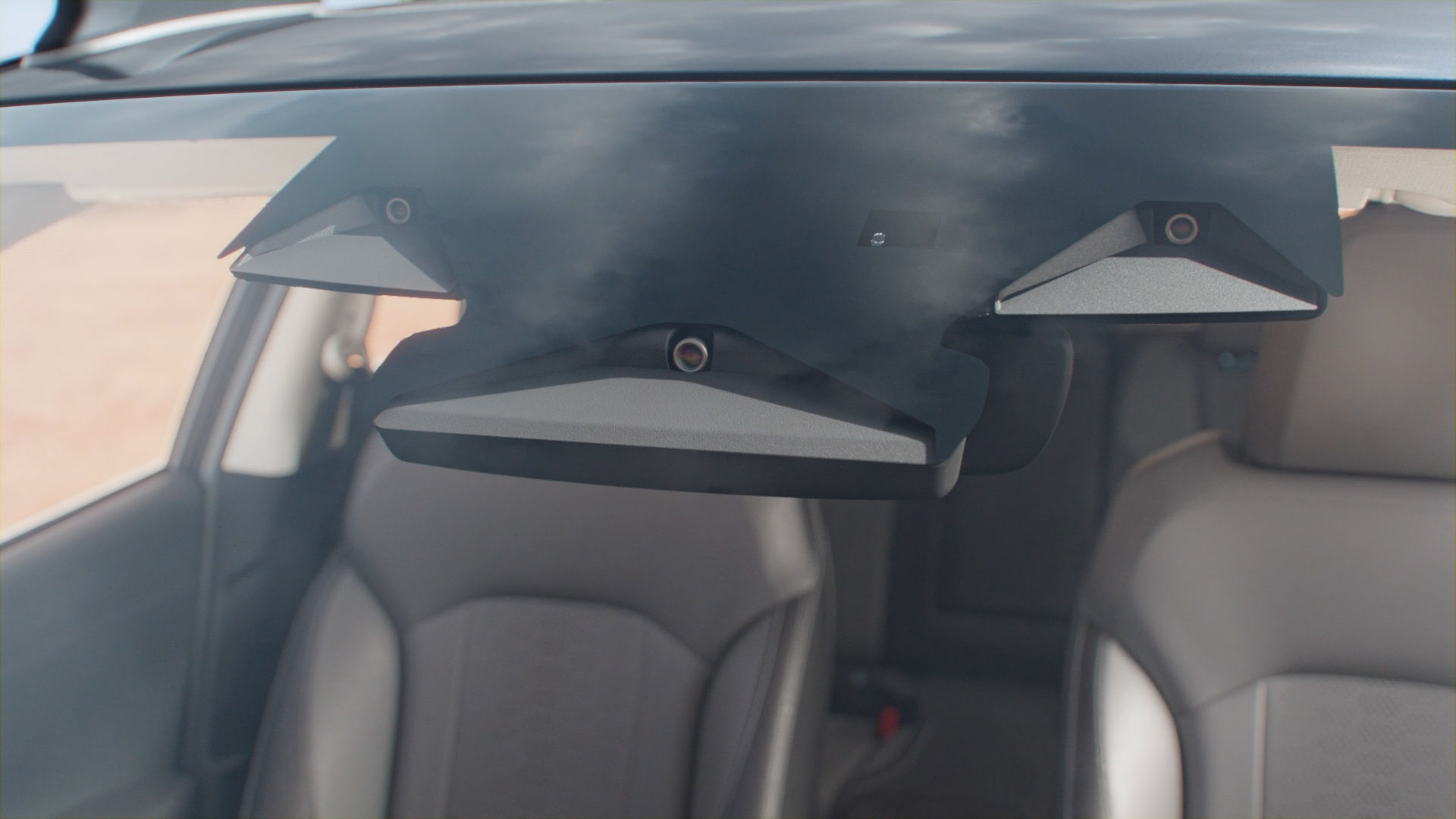
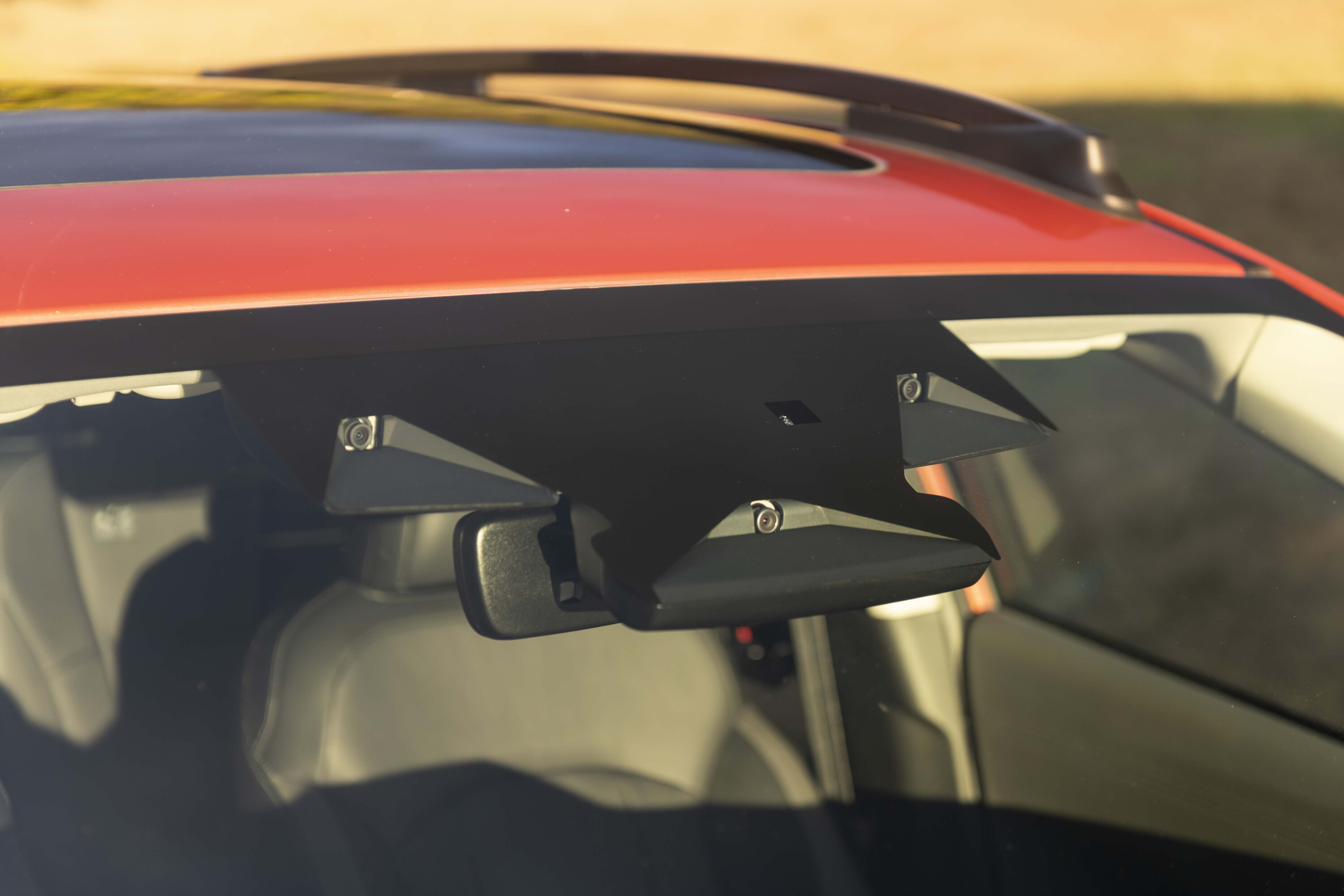
The AWD bias has changed from a 50:50 split to a front-biased 60:40 split, while the chassis computer has been updated to make for a better, calmer urban drive experience, according to Subaru engineers. The company’s X-Mode off-road modes are also carried through, while the Crosstrek is the first Suby to run the company’s upgraded EyeSight camera array.
Formerly running two stereo cameras mounted atop the windscreen, Subaru has added a third eye (as it were) to the array, which has a much wider viewing angle to complement the longer focal point of the two stock lenses.
It’s worth noting, though, that the Crosstrek is yet to have an ANCAP rating applied to it. It’s unlikely that the 2017 five-star rating awarded to its predecessor will carry over, either, given the lack of a front-central airbag.
1
All of these incremental changes – plus the fact it’s 2023, the Year of the Hiked Price – means the Crosstrek is a slightly dearer proposition than it once was.
The range kicks off with the cloth-upholstered 2.0L at $34,990 before on-road costs, an effective jump of $1800 over the outgoing XV 2.0L.
Likewise, the 2.0R – which gets two X-Mode settings, 360-degree cameras, 18-inch rims, heated front cloth seats and external mirrors, better LED headlamps and LED DRLs – is up $2700 over what was the XV Premium.
The leather- and sunroof-equipped 2.0S is, at $41,490 before on-road costs, a $3700 more expensive proposition again.
1
As Subaru is keen to point out, the Crosstrek’s ability when the terrain toughens up is an ace in its sleeve
And if you want the hybrid version, add $3600 to the 2.0L and 2.0S for the privilege of a more complex drivetrain with arguably very little advantage (a claimed 1L/100km, to be precise) over the stock unit.
On paper, at least, the 2.0R looks to be the sweet spot in the range, with a decent balance of spec at a not-unreasonable cost, particularly considering the competition in the space. Think Toyota Corolla Cross GX (on par price-wise, smaller rims and 2WD only, but a more modern build), Hyundai Kona AWD (arguably sharper and more modern design, traditional auto but dearer) and Mazda’s CX-3 sTouring (on par price-wise, with a proper auto and a digital dash), and the Crosstrek is well in the game.
And as Subaru is keen to point out, the Crosstrek’s ability when the terrain toughens up is an ace in its sleeve. Our press drive route includes a couple of kilometres of terrain that lesser SUVs would fear to tread – and even though the Crosstrek lacks dirt track niceties like underbody protection for its more valuable bits, the computer-controlled X-Mode system is surprisingly accomplished.
1
Active only under 20km/h, the two-mode system helps all four corners find grip when there isn’t much to be found, and commands a lower ‘ratio’, as it were, from the CVT, allowing the Crosstrek to ratchet its way across steep washouts and rock fields with surprising aplomb, though throttle modulation could definitely be improved.
Our drive route also includes a lot of flood-damaged country tarmac – the type of terrain most car companies would prefer not to traverse if they could help it. It’s here that the Crosstrek showed off its quieter side, with truly impressive NVH suppression for occupants when the road got rutty.
The way it keeps out road thrum and small-frequency bumps would be impressive for a large car, let alone a small SUV with a reasonably short wheelbase. There’s impressive isolation and sophistication in the first part of the suspension’s travel, too, which lifts the Crosstrek’s overall demeanour from both the driver’s and passenger’s seat. Tyre roar is admirably muted as well.
The way it keeps out road thrum and small-frequency is impressive for a small SUV with a reasonably short wheelbase
1
But those same roads also exposed the Crosstrek’s inability to double down on more complex bumps. A lack of rebound control on the rear axle, in particular, is obvious on larger, more loaded undulations, which would definitely draw the driver a sharp glare from their passengers.
There’s also a disconnected, fuzzy feel to the steering, particularly off-centre, which in concert with the Crosstrek’s higher centre of gravity means more attention needs to be paid to changes of direction to ensure smooth passage.
The Crosstrek also bears the same cross as its predecessor; the relatively lacklustre FB20 flat-four engine and CVT combo. It’s adequate and more than competent in and around surburbia, offering good throttle response and an unfussed air, but it’s all at sea when the pace picks up.
Progress towards higher speed limits is best described as steady, while overtaking manoeuvres should be planned well in advance.
It’s reasonably frugal, though; over some 220km of mixed terrain, we posted an indicated 8.4L/100km against a claimed combined average of 7.2L/100km. It’s also happy running 91 RON.
1
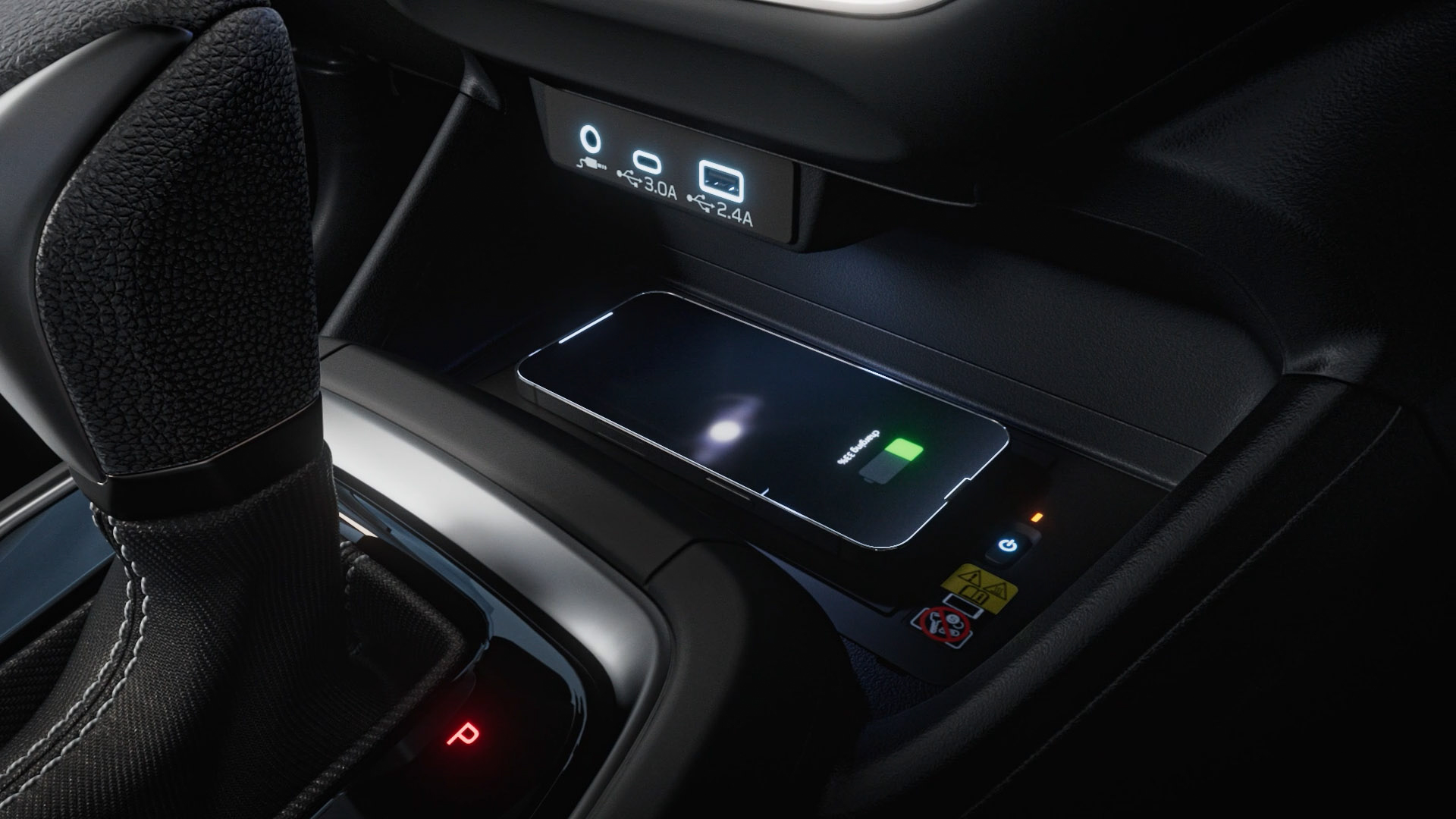
On-board accommodations, too, are still relatively modest. The addition of an 11.6-inch vertically orientated centre multimedia screen is positive, as is an induction device charging pad that’s big enough for even the largest of smartphones. There’s also a mix of USB-A and USB-C ports, which is a nice touch, along with decent wireless Apple CarPlay.
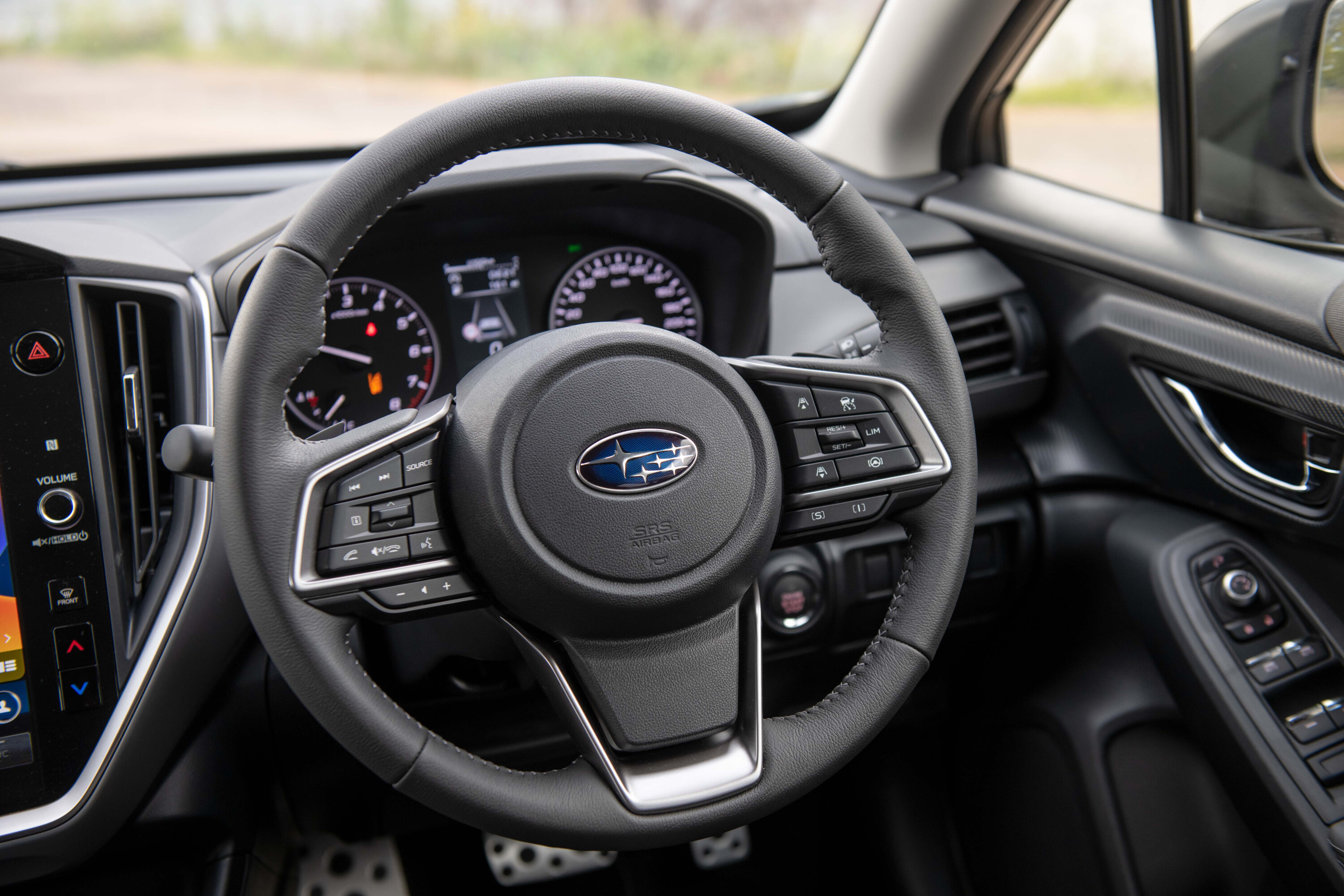
While a brace of functions have been assigned to menus inside the screen, a combination of steering wheel controls and centre console buttons – not to mention a proper T-bar shifter – means the Crosstrek won’t be a daunting prospect for most to drive.
However, the front seat bases are mounted very high in the cabin, which doesn’t combine well with the sunroof-equipped 2.0S’s lower roof line.
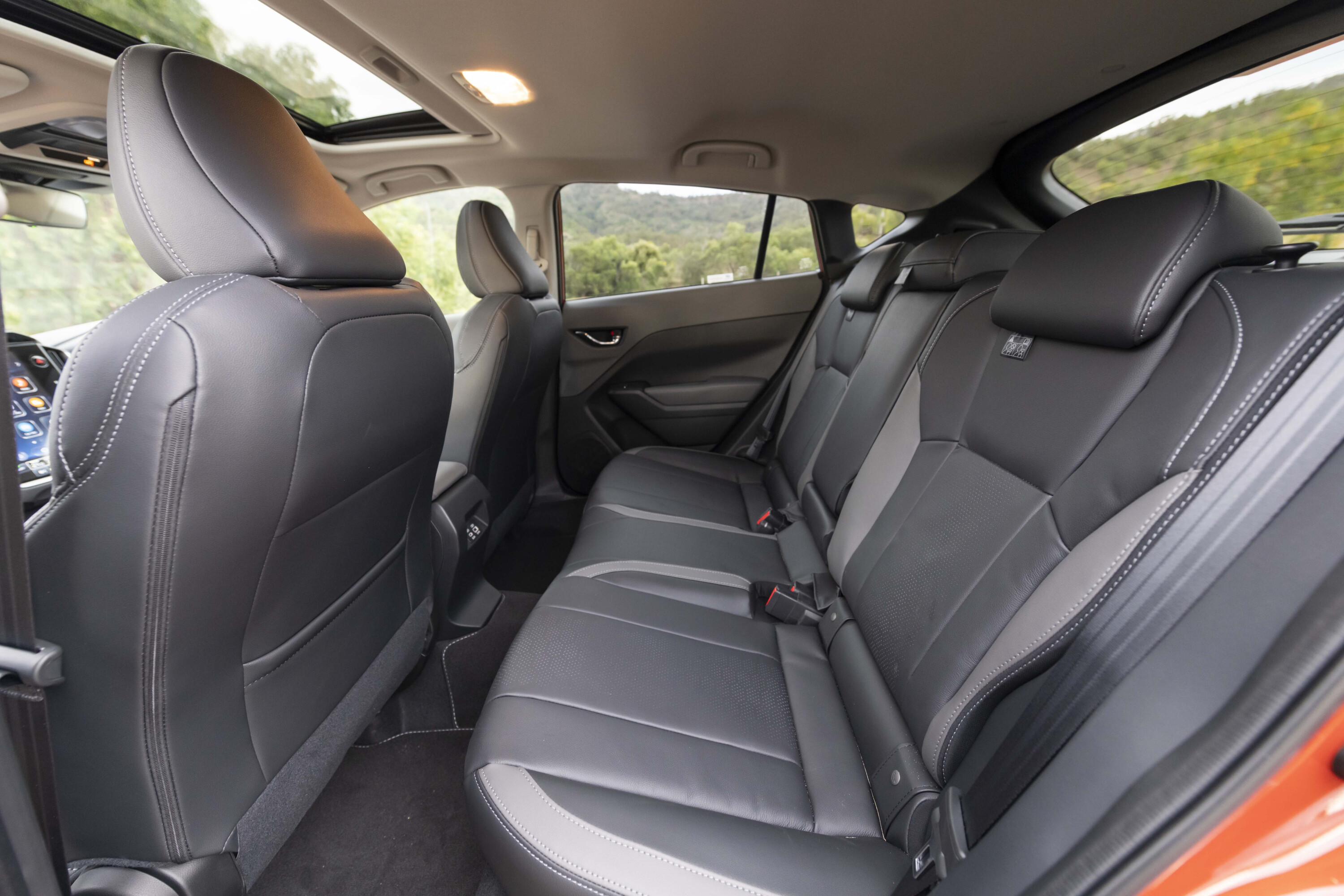
Rear seats are typical of a small SUV (flat and relatively comfortable over a short distance), but the Crosstrek’s rear doors are quite small and the door sill quite pronounced, making ingress and egress a bit of a trick. And while there are rear USB ports, there is still no sign of rear vents.
1
VERDICT
All in all, the Crosstrek is a solid, sensible little SUV that will definitely appeal to the rusted-on Subaru faithful, as well as to those looking for a small SUV with proper ability off the beaten track.
The 50-year-old company does have its work cut out, though, when it comes to bringing new blood into the fold in the face of new and hungry rivals offering up value by the boatload.