
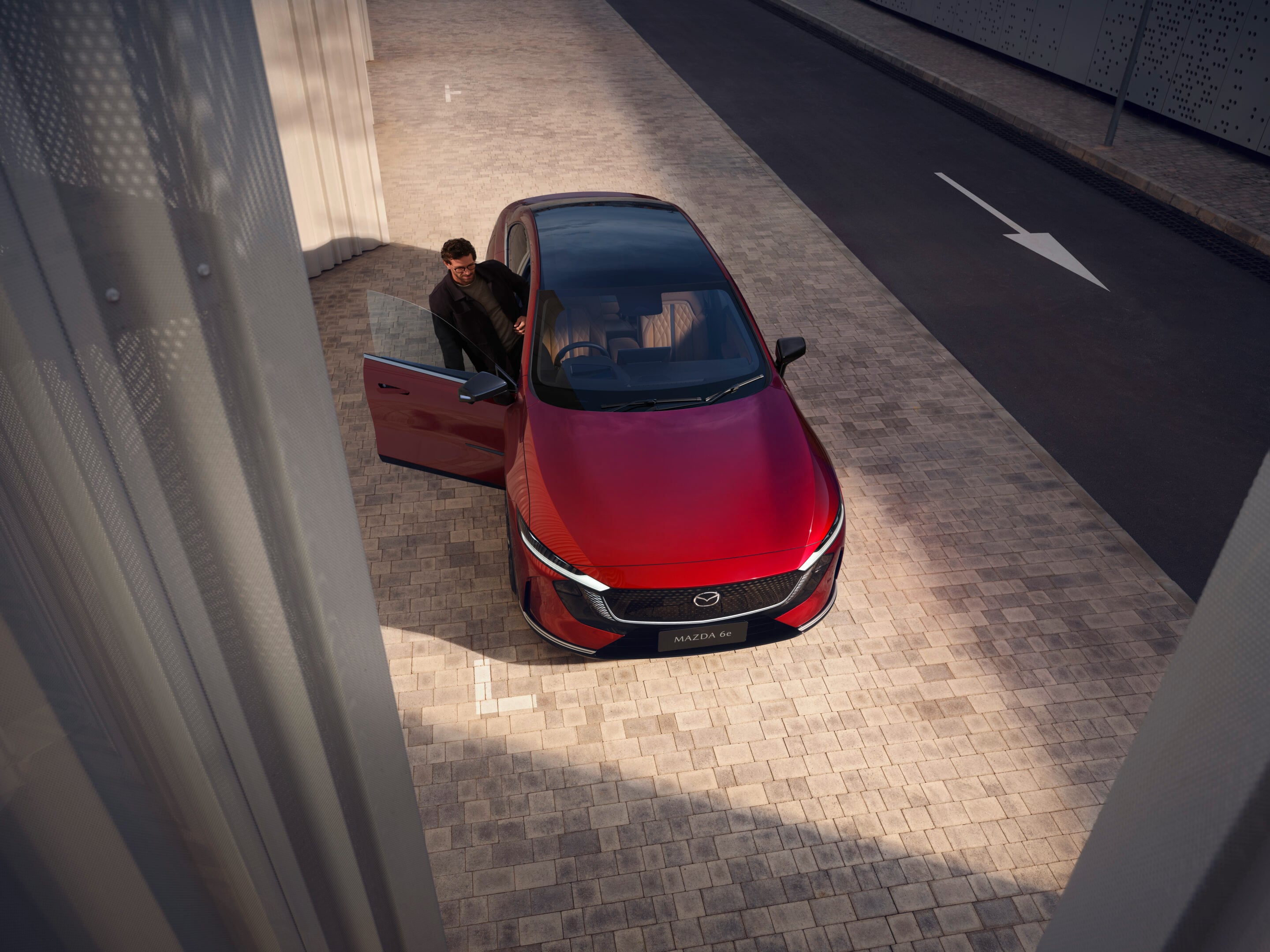
Mazda has opened pre-orders in Australia for its first mainstream battery-electric vehicle, the Mazda 6e, ahead of showroom arrivals.
The five-door liftback introduces a new design direction for the brand’s electric models, with a low, coupe-style roofline and short rear deck combined with hatchback practicality. Built on a 2895mm wheelbase, the 6e offers five seats and a minimalist cabin layout influenced by Japanese design principles focused on space and simplicity.
Power comes from a rear-mounted electric motor producing up to 190kW and 290Nm, driving the rear wheels. Energy is supplied by a 78kWh lithium iron phosphate (LFP) battery, with Mazda claiming a WLTP driving range of up to 560 kilometres. Combined energy consumption is rated at 15.9kWh/100km.
The 6e is fitted with a CCS Type-2 charging port and supports DC fast charging, with Mazda quoting a 30 to 80 per cent recharge time of as little as 15 minutes under ideal conditions.
Pricing
| Mazda 6e Model Grade | Motor & Battery | Drivetrain | MLP |
|---|---|---|---|
| GT | 190kW/78 kWh | RWD | $49,990 |
| Atenza | 190kW/78 kWh | RWD | $52,990 |
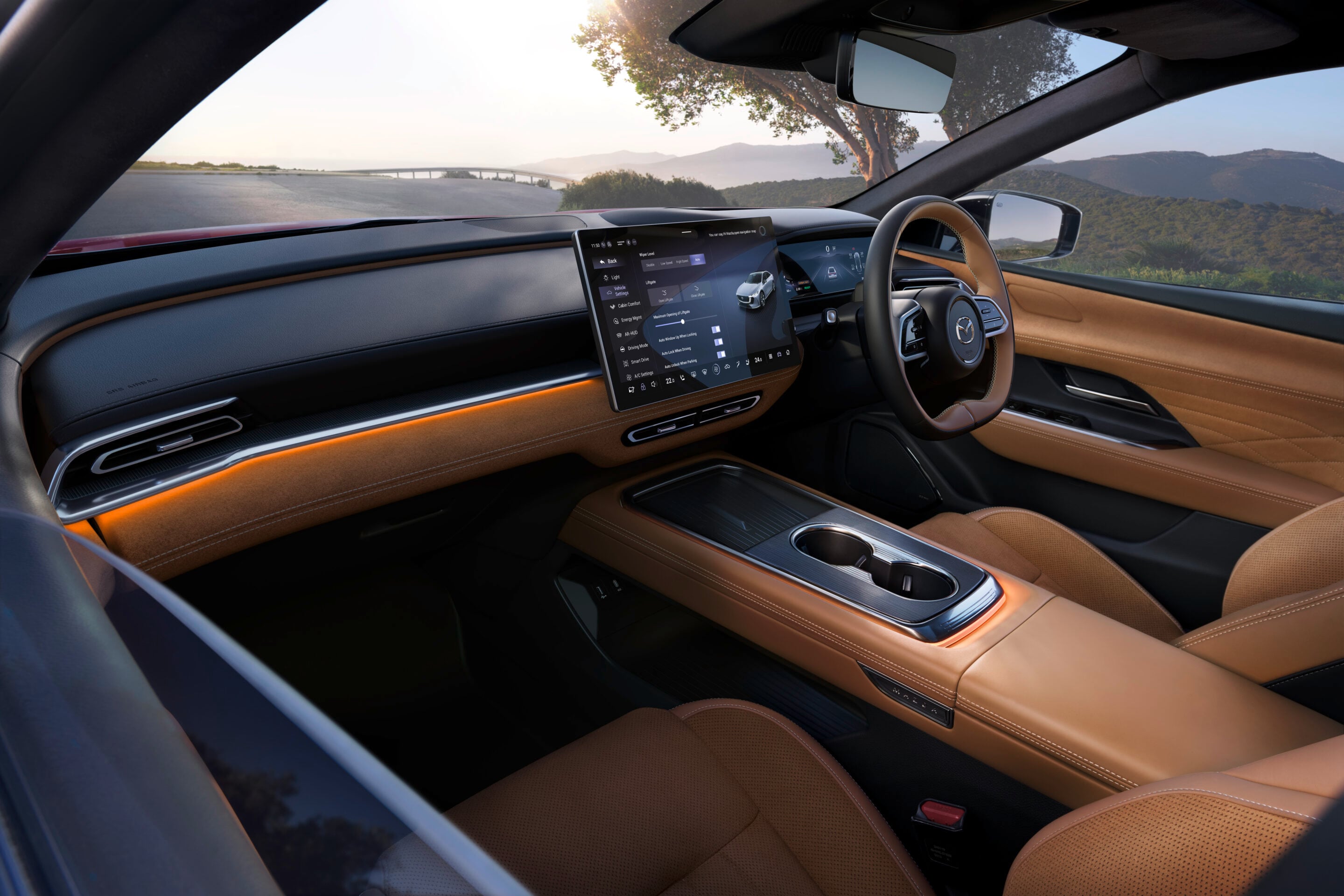
Two model grades will be offered locally: GT and Atenza. Standard equipment on the GT includes a 10.2-inch digital instrument display and 14.6-inch central touchscreen, 19-inch alloy wheels, a 360-degree camera system, augmented-reality head-up display, tri-zone climate control and wireless Apple CarPlay and Android Auto. Heated and ventilated front seats, a 14-speaker Sony audio system and a range of driver assistance systems are also included.
The Atenza adds tan leather and synthetic suede seat trim with quilted stitching, matching interior accents and a two-tone steering wheel.
A new Mazda 6e smartphone app will allow owners to access functions remotely, including door locking and unlocking, window control and climate pre-conditioning. A Bluetooth-enabled digital key feature also debuts on the model.
Safety systems include Smart Brake Support with pedestrian and cyclist detection, front and rear cross-traffic alert and a driver monitoring system.
Seven exterior colours will be available at launch, including Soul Red Crystal Metallic and Machine Grey Metallic.
Deliveries expected to commence later this year.
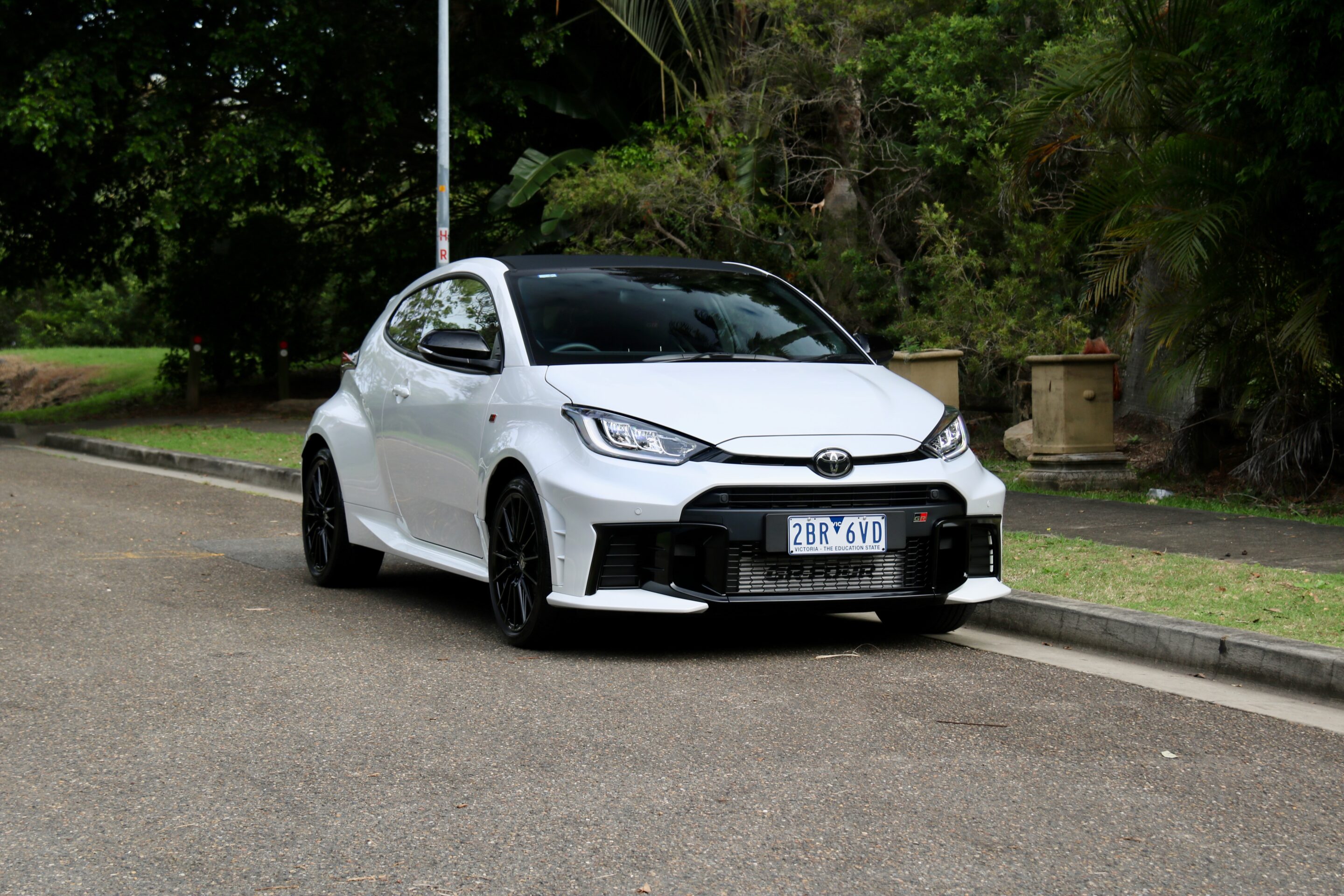
Toyota is preparing an all-new Yaris that will offer buyers a choice of petrol, hybrid and fully electric powertrains, with the next-generation light hatch expected to arrive globally around 2027 or 2028.
The move mirrors Toyota’s plans for the upcoming Corolla, which will also adopt a flexible platform capable of supporting internal combustion (ICE), hybrid and battery-electric (BEV) drivetrains. The strategy is aimed at giving customers multiple options within the same model line-up, rather than splitting petrol and electric versions into separate nameplates.
Toyota Europe’s vice president of strategy and marketing, Andrea Carlucci, has indicated that electrification is inevitable for the Yaris, but not at the expense of hybrid technology. Instead, the brand is developing a new architecture designed to accommodate different energy sources depending on market demand.
For Australia, where the current Yaris is sold exclusively as a hybrid, such flexibility could ensure the model remains competitive as emissions standards tighten and electric vehicle uptake increases.
The fully electric Yaris would need to deliver competitive driving range to rival upcoming small EVs such as the Renault 5 and Volkswagen’s planned ID. Polo. Overseas reports suggest a target of around 400km of driving range under WLTP testing could be required to remain competitive in the segment.
At the same time, Toyota’s existing Yaris Hybrid is among the most fuel-efficient light cars on sale in Australia, with combined consumption around 3.3L/100km. Any new hybrid system would be expected to match or improve on that figure.
Styling is also set to evolve. Early indications point to sharper lines, slimmer lighting signatures and a more contemporary look consistent with Toyota’s latest design language. Despite its compact proportions, the next Yaris is expected to present a more substantial appearance than the current model.
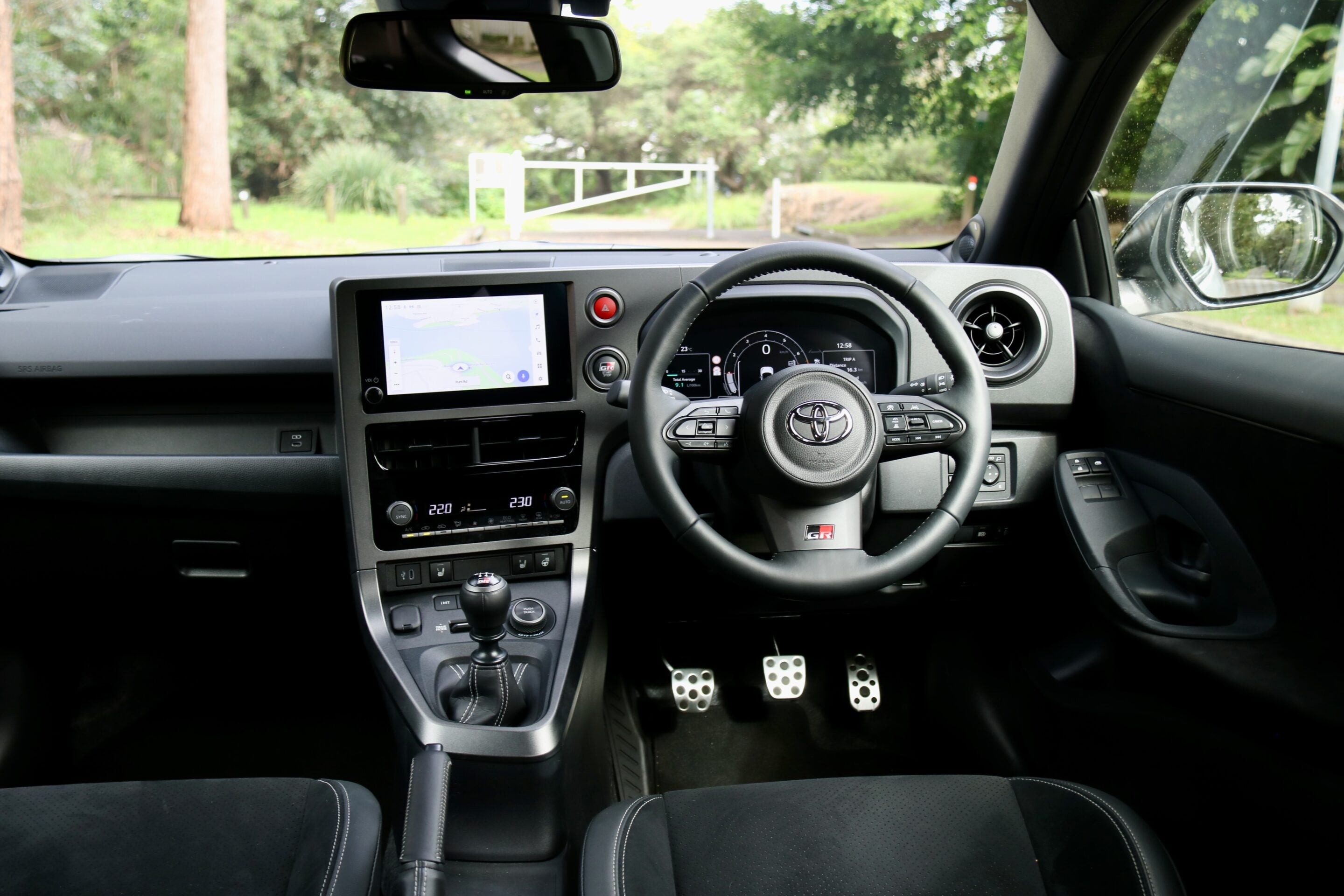
Performance variants remain under consideration. While a successor to the three-door GR Yaris has yet to be confirmed, Toyota’s Gazoo Racing division is continuing to develop new turbocharged engines that could underpin future hot hatch models.
A full reveal is not expected until closer to launch, with further details likely to emerge over the next two years.
Tesla has introduced its Grok artificial intelligence chatbot to the Model 3 sedan and Model Y SUV, adding expanded voice-control capability and a range of selectable “personalities” – some of which are restricted to adults.
Developed by xAI, a company founded by Tesla CEO Elon Musk, Grok is designed to function as an in-car conversational assistant. It can program the navigation system, suggest alternate routes and highlight nearby points of interest.
Drivers can also ask it to explain dashboard alerts, provide driving tips or answer general knowledge questions spanning subjects such as science, history and philosophy.
Like other AI systems now appearing in new vehicles, Grok responds to natural language commands rather than fixed prompts, aiming to deliver a more conversational interaction.
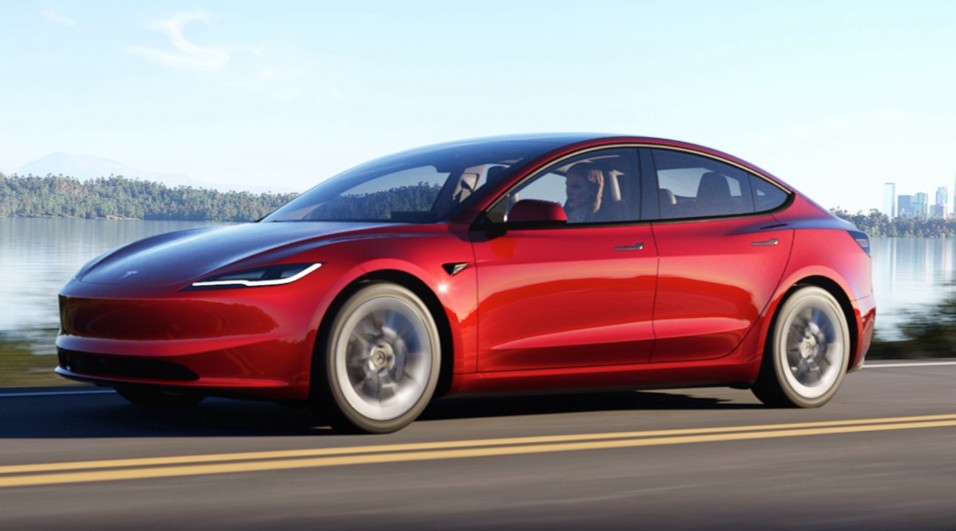
Tesla allows owners to choose from multiple Grok “modes”. Standard options include Assistant, Language Tutor, Therapist, Storyteller and Meditation. There are also novelty modes such as Conspiracy and Doctor, alongside child-friendly settings including Kids Story Time and Kids Trivia Game.
In addition, several 18+ personality settings are available, including Unhinged, Motivation, Argumentative, Romantic and Sexy. Tesla has not detailed how these modes are moderated while driving.
The company says conversations with Grok are anonymous and not linked to a specific vehicle. Users can also select different voice profiles, including male and female tones.
Grok is being rolled out to Model 3 and Model Y vehicles, with the larger Model S and Model X set to receive the feature via over-the-air update. Access requires a Premium Connectivity subscription or a stable Wi-Fi connection, and the system can be activated through steering wheel controls or the central touchscreen.
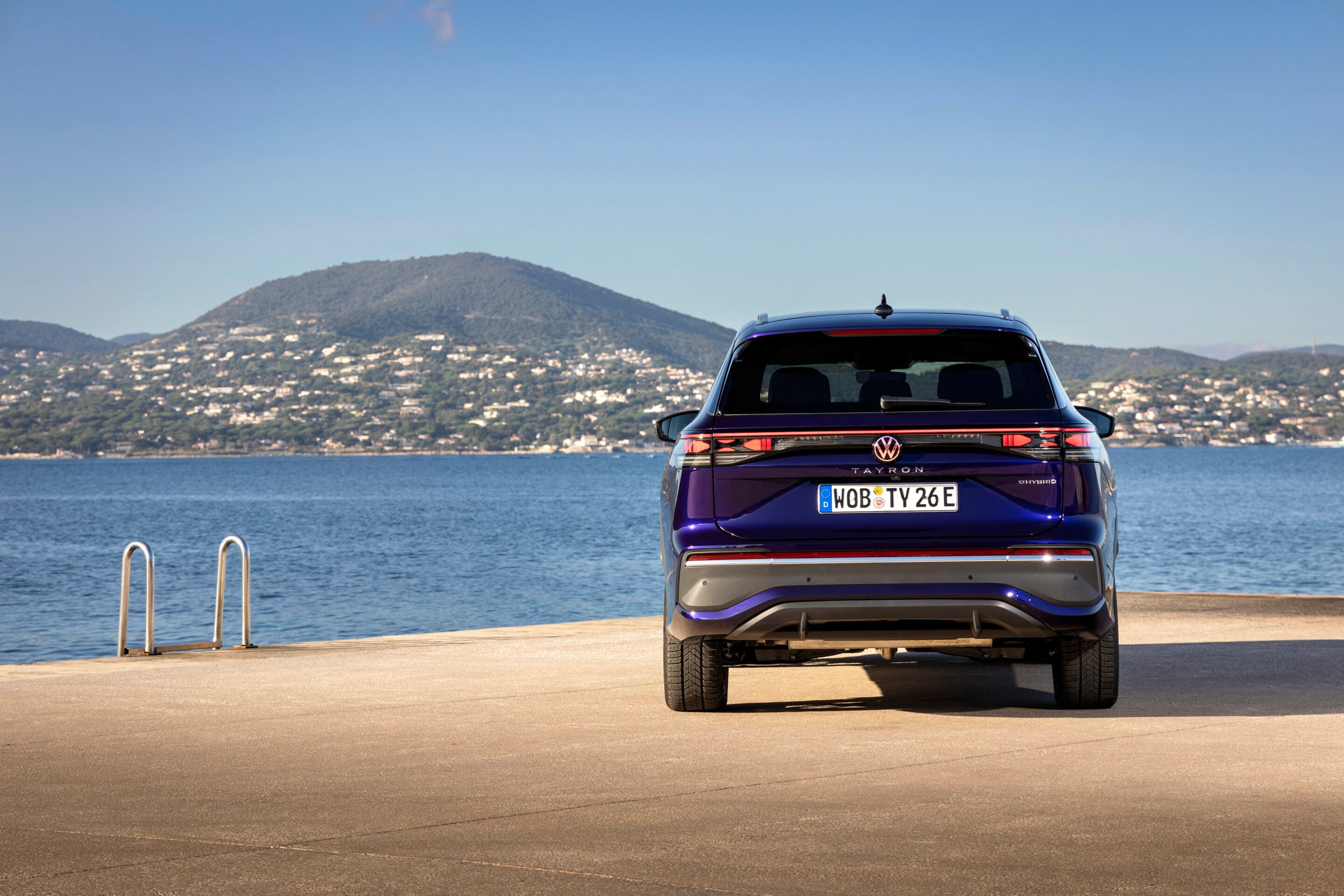
Volkswagen Australia has confirmed local pricing and key details for two new plug-in hybrid SUVs, the Tiguan eHybrid and the larger Tayron eHybrid, as the brand broadens its electrified range.
Both models use Volkswagen’s latest plug-in hybrid system, combining a 1.5-litre turbocharged petrol engine with an electric motor and a 19.7kWh battery. Depending on the variant, total system outputs are 150kW or 200kW.
The claimed electric-only driving range sits between 113 and 117 kilometres (WLTP), enough to cover typical weekday commuting without using petrol. When operating as a hybrid, combined fuel consumption is rated at between 1.6 and 1.8L/100km under laboratory testing conditions.
AC charging is supported at up to 11kW, while DC fast charging at up to 40kW allows quicker top-ups than previous Volkswagen plug-in hybrids.
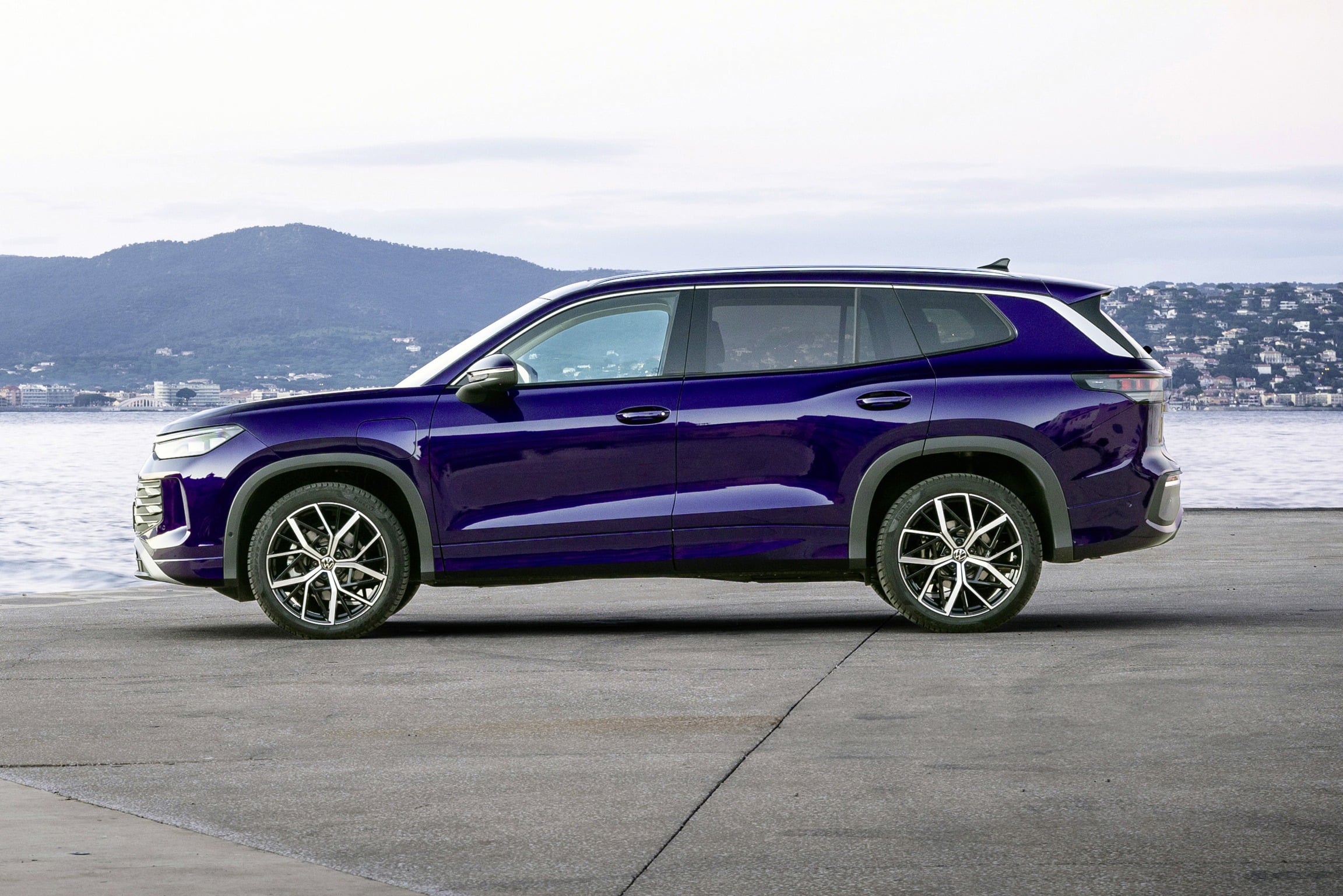
Although the Tiguan eHybrid and Tayron eHybrid share their underlying technology, they are aimed at different buyers. The Tiguan remains Volkswagen’s core midsize SUV, offering a relatively compact footprint suited to urban driving while retaining a high-quality interior and practical layout.
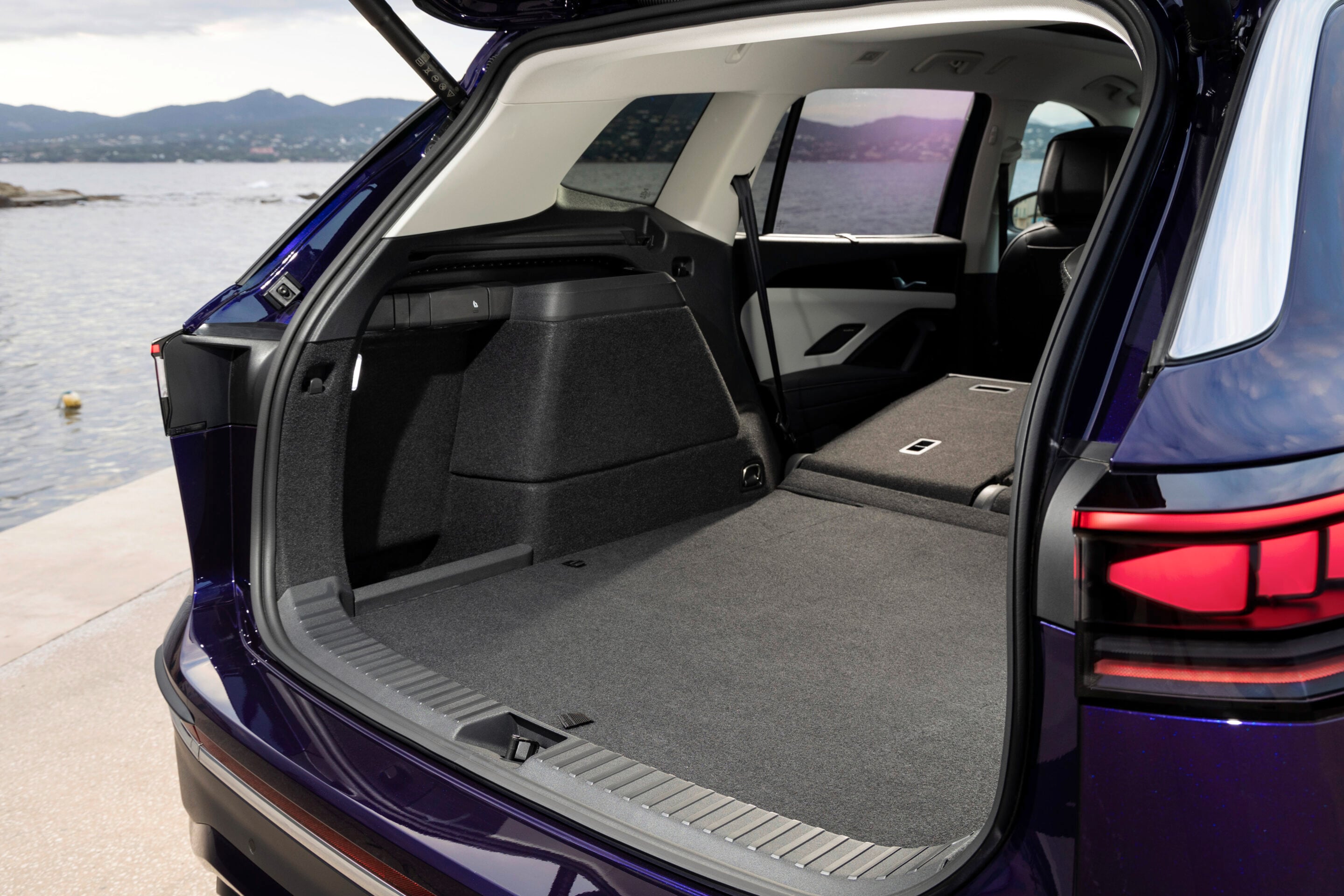
The Tayron sits above it in size and positioning, with a larger body and a substantial 705-litre luggage capacity. With its own design identity and more generous proportions, it targets families seeking additional space without stepping into the large SUV segment.
Both models will be offered in Elegance and R-Line grades, bringing Volkswagen’s latest digital interfaces and driver assistance systems. The plug-in hybrid system is intended to deliver smooth electric commuting, longer-distance touring flexibility and everyday SUV usability in one package.
The Tiguan eHybrid and Tayron eHybrid are due in Australian showrooms in the second quarter of 2026, with orders set to open shortly as part of Volkswagen’s broader electrification rollout.
Pricing*
| Tiguan 150TSI eHybrid Elegance | $64,590 |
|---|---|
| Tiguan 200TSI eHybrid R-Line | $74,550 |
| Tayron 150TSI eHybrid Elegance | $62,390 |
| Tayron 200TSI eHybrid R Line | $76,550 |
*Manufacturer’s recommended retail price (incl. GST)
Options
Optional equipment for Volkswagen Tiguan eHybrid:
- Metallic Paint: $800
- Premium Metallic Paint: $1,100
- Panoramic Sunroof (Elegance, R-Line): $2,100
- Black Style Package ( R-Line): $1,500
Optional equipment for Volkswagen Tayron eHybrid:
- Metallic Paint: $800
- Premium Metallic Paint: $1,100
- Sunroof (Elegance, R-Line): $2,100
- Sound & Vision Package (Elegance): $4,200
- Black Style Package (R-Line): $1,500
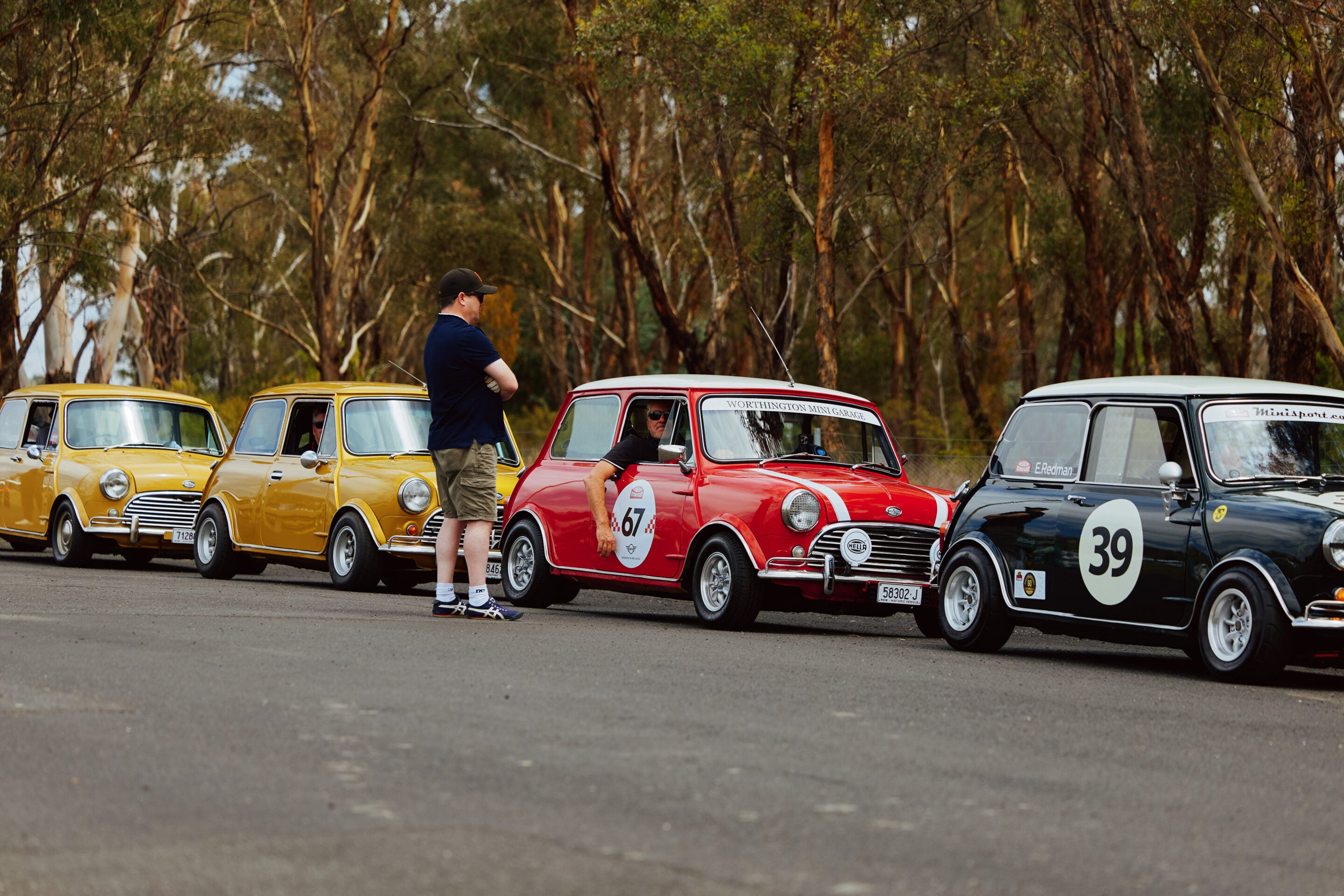
MINI owners and enthusiasts gathered at Mount Panorama Circuit over the weekend to mark 60 years since the brand’s landmark victory at the 1966 Gallaher 500 at Bathurst.
The anniversary commemorates the race in which a Morris Mini Cooper S, driven by Australian Bob Holden and Finnish rally driver Rauno Aaltonen, claimed outright honours against larger and more powerful rivals. Minis filled the first nine places on the starting grid that year, and their win is widely regarded as one of the most significant upsets in Australian touring car history.
To acknowledge the milestone, 25 classic and modern MINI models completed a ceremonial lap of the 6.2km Mount Panorama layout. The field included restored 1960s-era cars alongside contemporary John Cooper Works variants, linking the brand’s past and present on the same stretch of bitumen where the original victory was achieved.
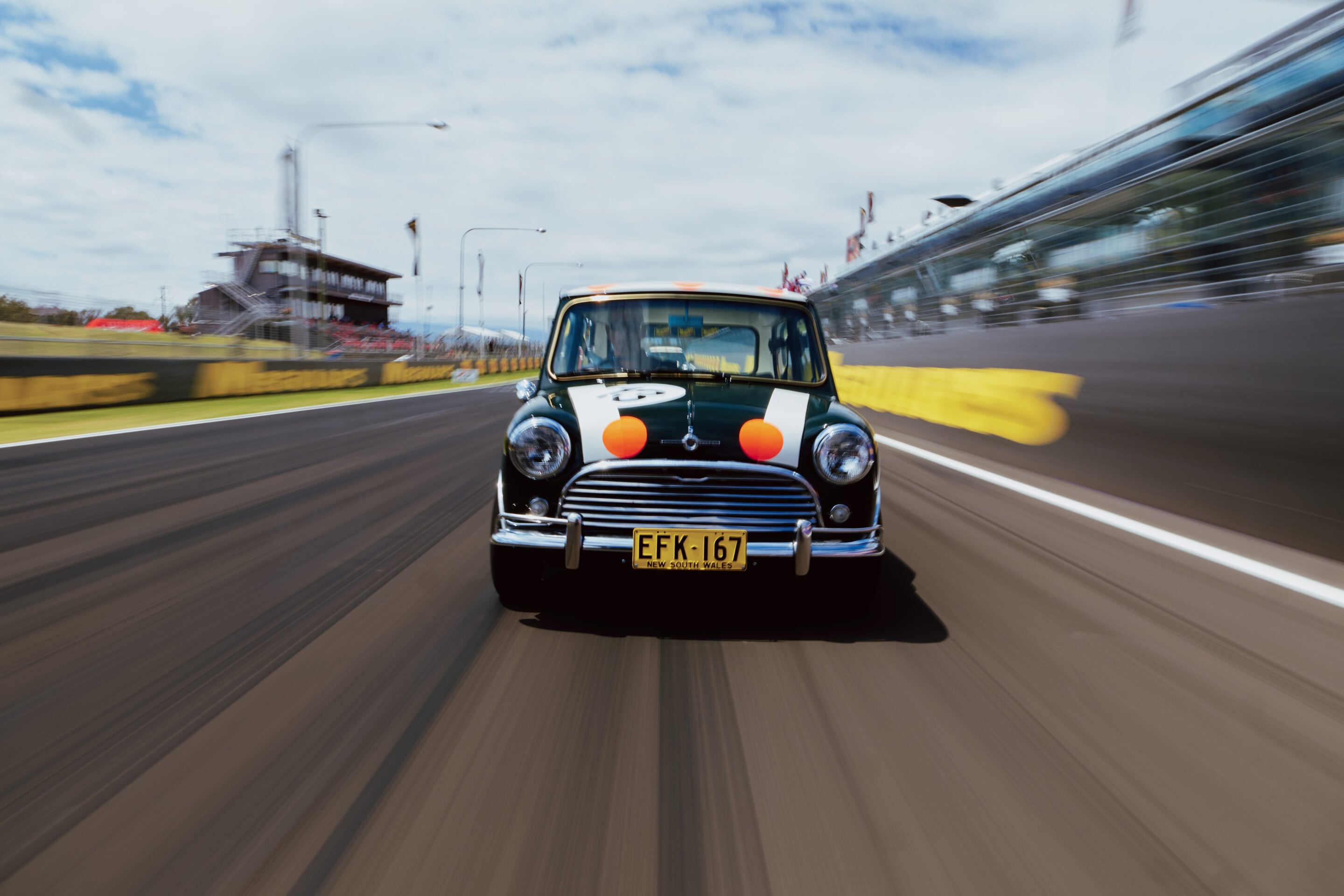
The 1966 result cemented the Mini Cooper S as a serious competition car in Australia. Throughout the 1960s, the compact British-built model recorded multiple class wins and competitive outright performances in touring car racing, rallying and hill climbs. Its combination of front-wheel drive, light weight and sharp handling proved effective on tight circuits and technical road courses.
Historic Minis continue to compete in club-level and historic racing events across Australia, particularly at Bathurst, where the model retains a strong following among competitors and spectators alike.
The anniversary event also comes during a period of renewed interest in the MINI brand locally. In 2025, MINI reported a 38 per cent increase in Australian sales compared with the previous year. Sales of John Cooper Works performance variants rose sharply, accounting for just over one-fifth of total deliveries.
While the modern brand has evolved significantly since the 1960s, the Bathurst win remains a defining chapter in its motorsport history – one still remembered on the mountain six decades later.
First announced back in November 2025, the 2026 Nissan X-Trail range has arrived in Australiasporting an updated look with revised styling, new features across the range and longer 15,000km yearly service intervals.
The price for Nissan’s mid-size SUV is also now $1150 more than before, starting at $38,140 plus on-road costs.
Styling changes for the updated X-Trail include a new front fascia with an enlarged grille, restyled bumpers, new 18- and 19-inch alloy wheels from the ST-L grade and upwards, and new ‘Deep Blue Ocean’ and ‘Everest White’ paint options.
Nissan has added more standard equipment across the X-Trail range, with the entry-level ST earning the most. The ST gains a larger 12.3-inch touchscreen with wireless Apple CarPlay and Android Auto, rain-sensing automatic wipers and a wireless phone charger, with the ST-L gaining a new alloy wheel design, 10-way electric front seats, and 3D and bonnet transparent views for its 360-degree camera.
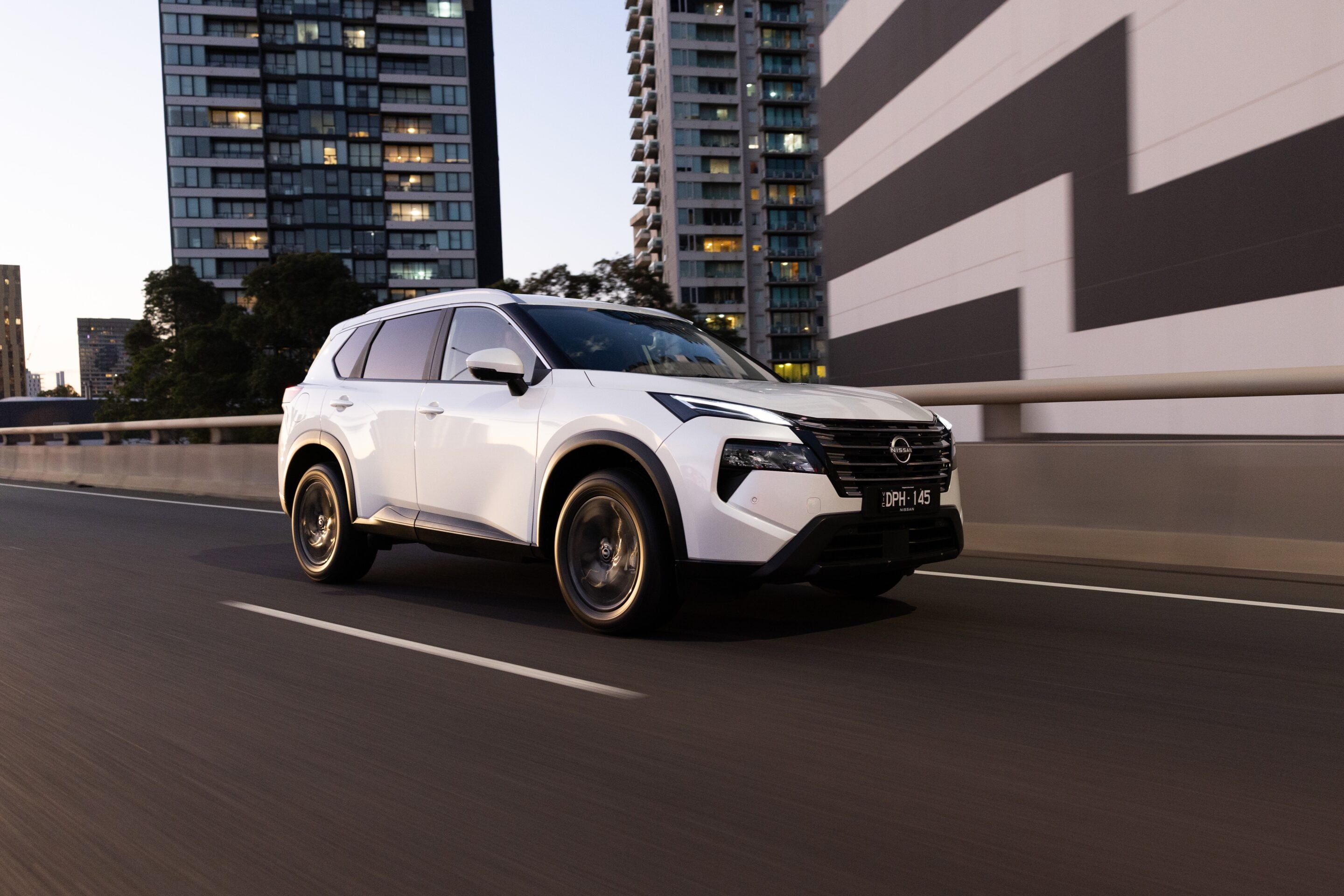
Nissan has made no mechanical changes, with the majority of the range using a 135kW/244Nm 2.5-litre naturally aspirated petrol engine with a CVT automatic transmission and either front- or all-wheel drive. Combined fuel consumption is still rated at 7.4L/100km for the FWD X-Trail or 7.8L/100km for the AWD.
Also available is Nissan’s ‘e-Power’ hybrid drivetrain, which sees a 106kW/250Nm 1.5-litre turbocharged three-cylinder petrol engine used as a generator to power a 150kW/330Nm front and 100kW/195Nm rear electric motor. Nissan claims combined power of 157kW and combined fuel consumption of 6.1L/100km.
Importantly, the X-Trail range’s annual service intervals are now every 15,000km and not the previous 10,000km. That is now more convenient for drivers who travel over 10,000km annually and matches the industry standard.
2026 Nissan X-Trail pricing (plus on-road costs):
| ST 2WD five-seat | $38,140 (+ $1150) |
|---|---|
| ST AWD five-seat | $41,140 (+ $1150) |
| ST-L 2WD five-seat | $42,615 (+ $1150) |
| ST-L AWD seven-seat | $45,715 (+ $1150) |
| ST-L e-Power hybrid AWD five-seat | $48,915 (+$1150) |
| Ti AWD five-seat | $51,415 (+ $1150) |
| Ti e-Power hybrid AWD five-seat | $54,415 (+ $1150) |
| Ti-L AWD five-seat | $54,415 (+ $1150) |
| Ti-L e-Power hybrid AWD five-seat | $58,215 (+ $1150) |
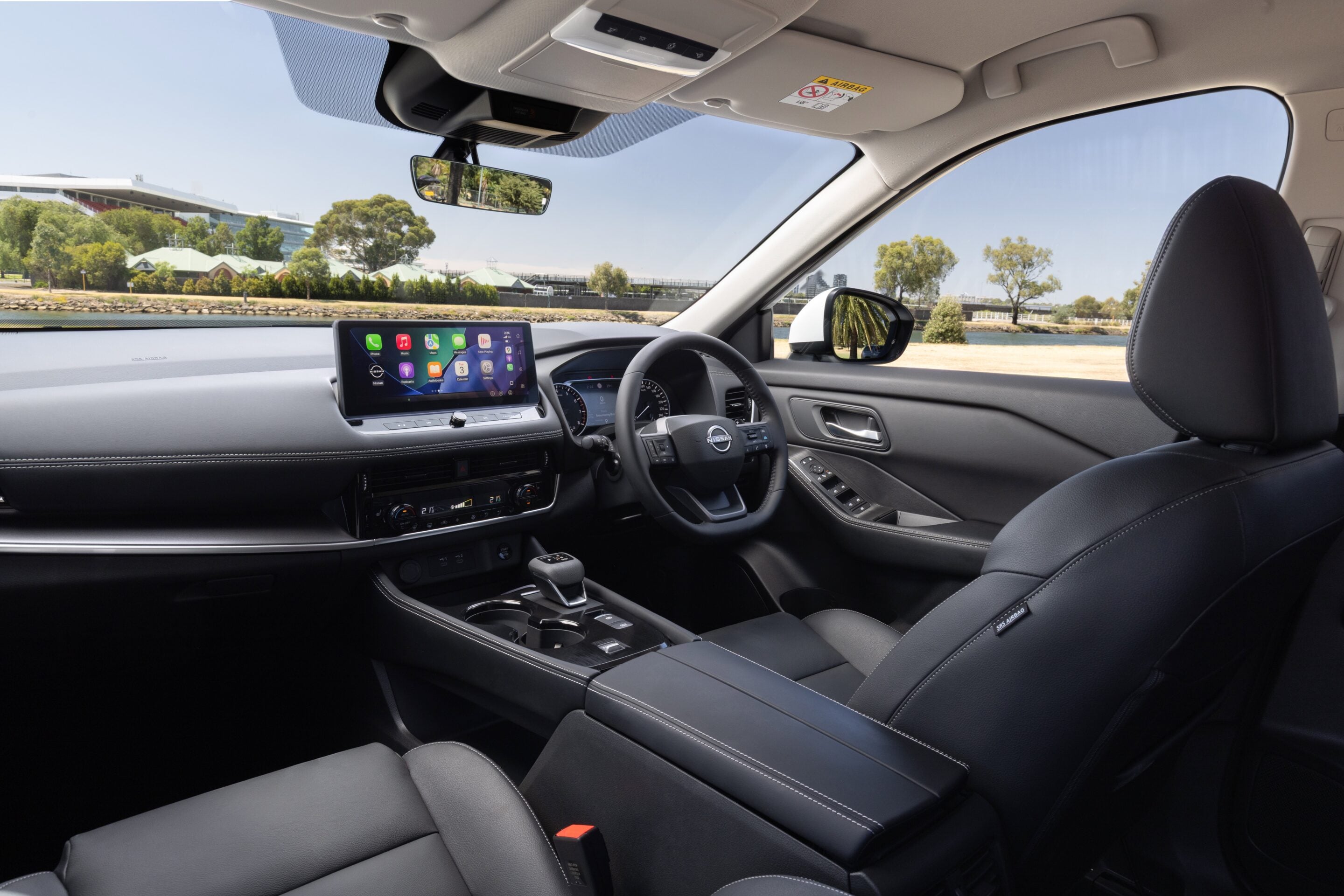
2026 Nissan X-Trail ST standard equipment:
- 17-inch alloy wheels
- Dusk- and rain-activated automatic LED headlights
- Rain-sensing wipers (new to ST and ST-L)
- Heated/auto-folding mirrors
- Keyless entry with push-button start
- Manual air-conditioning with rear air vents
- 7.0-inch digital instrument screen with analogue dials
- 12.3-inch touchscreen (new to ST)
- NissanConnect live services
- AM/FM/DAB+ digital radio
- Wireless Apple CarPlay and Android Auto (new to ST)
- Wireless phone charger (new to ST)
- 7x airbags
- Autonomous emergency braking
- Adaptive cruise control
- Lane keeping assistance
- Blind-spot monitoring with rear cross-traffic alert
- Traffic sign recognition
- Low-speed rear automatic braking
- Rear parking sensors
- Reversing camera
X-Trail ST-L model adds:
- 18-inch alloy wheels
- Adaptive lane guidance
- Satellite navigation
- 360-degree camera with 3D and transparent front views (new to ST-L)
- Dual-zone automatic climate control
- Front parking sensors
- Leather-accented seat upholstery and steering wheel
- Silver roof rails
- Rear privacy glass
- Auto-dimming rear mirror
- Heated front seats
- 10-way electric front seats (new to ST-L)
- e-Power adds low-speed pedestrian noise, tyre repair kit, active noise cancellation and black front grille accent
X-Trail Ti model adds:
- 19-inch alloy wheels
- 12.3-inch digital driver’s display
- 10.8-inch head-up display
- Panoramic glass roof
- Tri-zone automatic climate control
- Adaptive high beam
- Powered tailgate
- Inbuilt rear door sunshades (new to Ti)
- Digital rear mirror
- Ambient lighting in the centre console
- Silver and chrome exterior trim pieces
X-Trail Ti-L model adds:
- Quilted nappa leather upholstery
- Heated steering wheel and outboard rear seats
- 10-speaker Bose sound system
- Driver’s seat and mirror memory
- Mirror auto-tilting in reverse gear
- Remote start
- Ambient lighting on the front doors
The 2026 Nissan X-Trail range is now on sale with local deliveries to commence soon.
Speaking with Wheels at the recent local launch of the BYD Sealion 5 and larger Sealion 8 SUVs, BYD Australia boss Stephen Collins made it clear the brand’s rapid rise isn’t accidental. Instead, he argues, it’s the product of a deliberately lean structure, direct access to global research and development, and a willingness to make fast, considered decisions — traits he believes give the Chinese carmaker a structural advantage over more traditional automotive rivals as it expands its footprint in Australia.
“What I see is that there is such a desire to make considered but quick decisions,” Collns told Wheels. “And that’s on many layers. So we don’t have enormous layers of the company. Our conduit into research and development is, I think, like nothing I’ve ever seen before. So that philosophy and desire to fix issues, do things quickly, do them right, but do them quickly – it’s just entrenched in the organisation.”
Not weighed down by the history of being a traditional auto maker means challenger brands can think faster, develop product quickly and then bring it to market in a timeframe, not possible previously. There’s also the reality that developing an electric driveline is easier than a petrol or diesel engine, multi-speed gearbox and associated hardware – and then getting it ready to release – something the challenger brands are taking full benefit from.
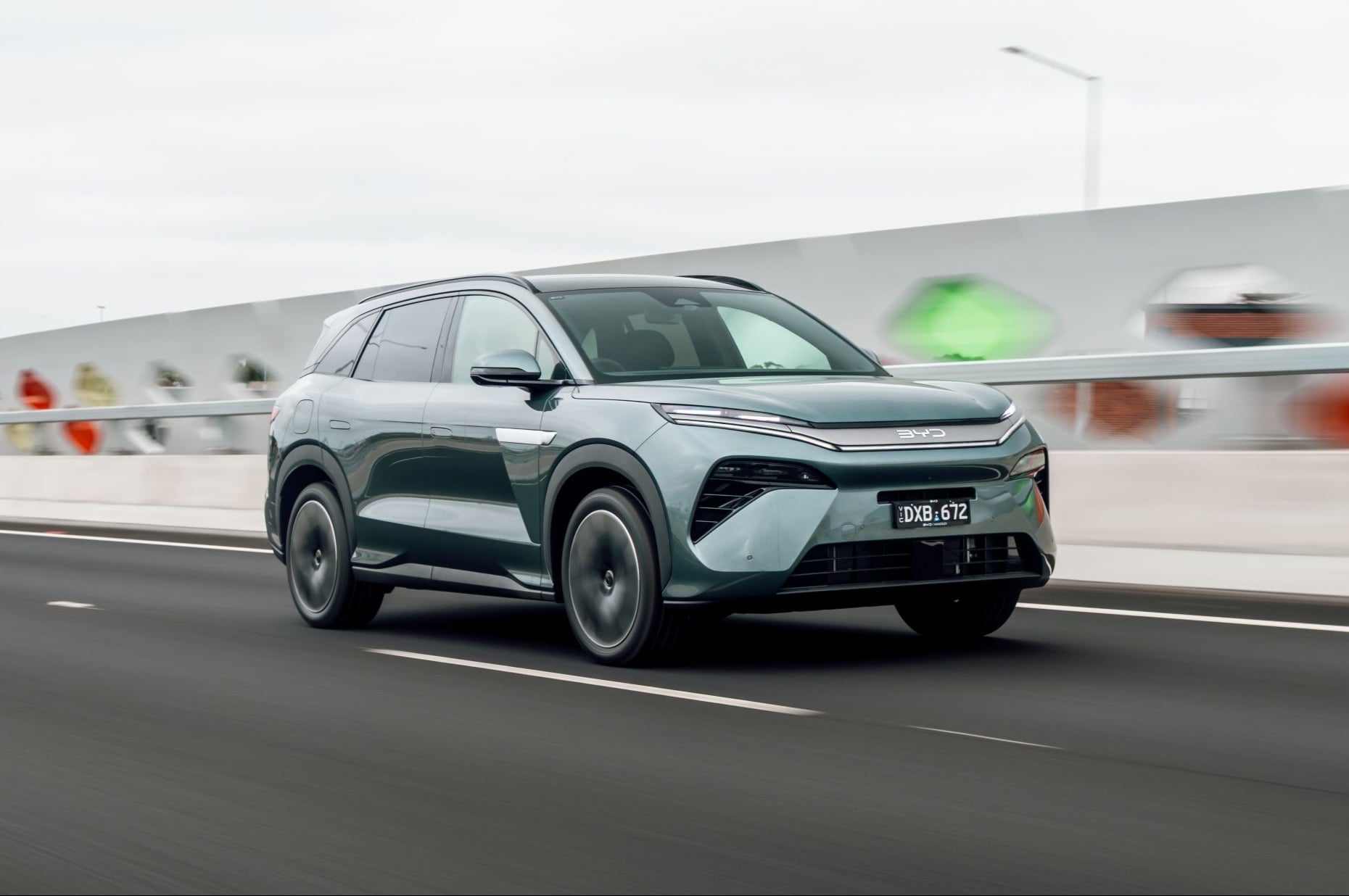
“I think in other organisations, in my experience, you know, things can tend to go around in circles, and you’ve got multiple layers to work through, so it takes time and a lot of effort,” Collins explained. “So yes, that is the fundamental difference.”
That speed to market and ability to make quick decisions is something BYD is looking to enhance, with dedicated local engineers, ensuring BYD vehicles are fit for purpose as they are launched in our market. On face value, then, it would appear that BYD is taking the Australian market very seriously.
“We are clearly a major focus for headquarters, and we’re a major focus for a few reasons,” Collins said. “One is, you know, we’re a mature market, we’re an advanced market, being a western market, so I think that’s really important. So I think the key is that there’s a lot of resource and effort going into the success in this particular market.”
Dedicated engineers on the ground in Australia, working with a dedicated team back at head office, then, is a key part of BYD’s future planning for Australia, with the manufacture watching others succeed using a similar strategy – Kia and Hyundai among them.
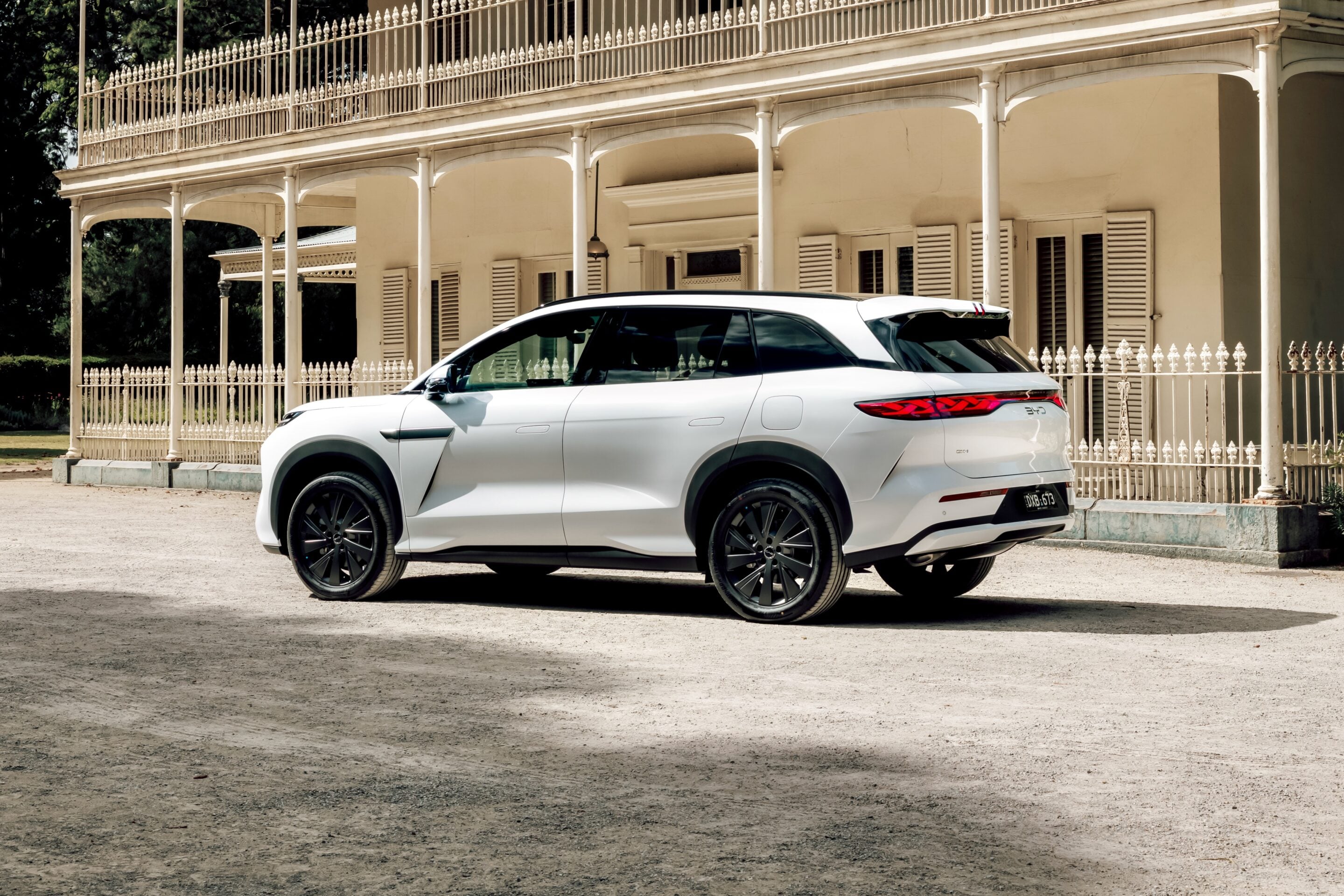
“From a localisation perspective, that’s a really pleasing thing, and the reason I was employed was to localise,” Collins said. “So whether that’s engineering, or whether it’s sales, or dealerships, or whatever it may be, I think the company very much gets that localisation piece.”
Collins went on to say that in evolutionary terms, the electric vehicle segment, and BYD as a company, are still very much in their infancy in Australia. “You know, sometimes even I forget, that in regard to the re-shaping of the company in Australia, as BYD Australia, we’re seven months old,” Collins said.
“It’s the blink of an eye, such a short period of time and we’re still building a team. So, yes I think that’s all a big part of it and what I see, is such a strong commitment. to do that. And I think from an engineering viewpoint, it’s a pretty well proven formula.”
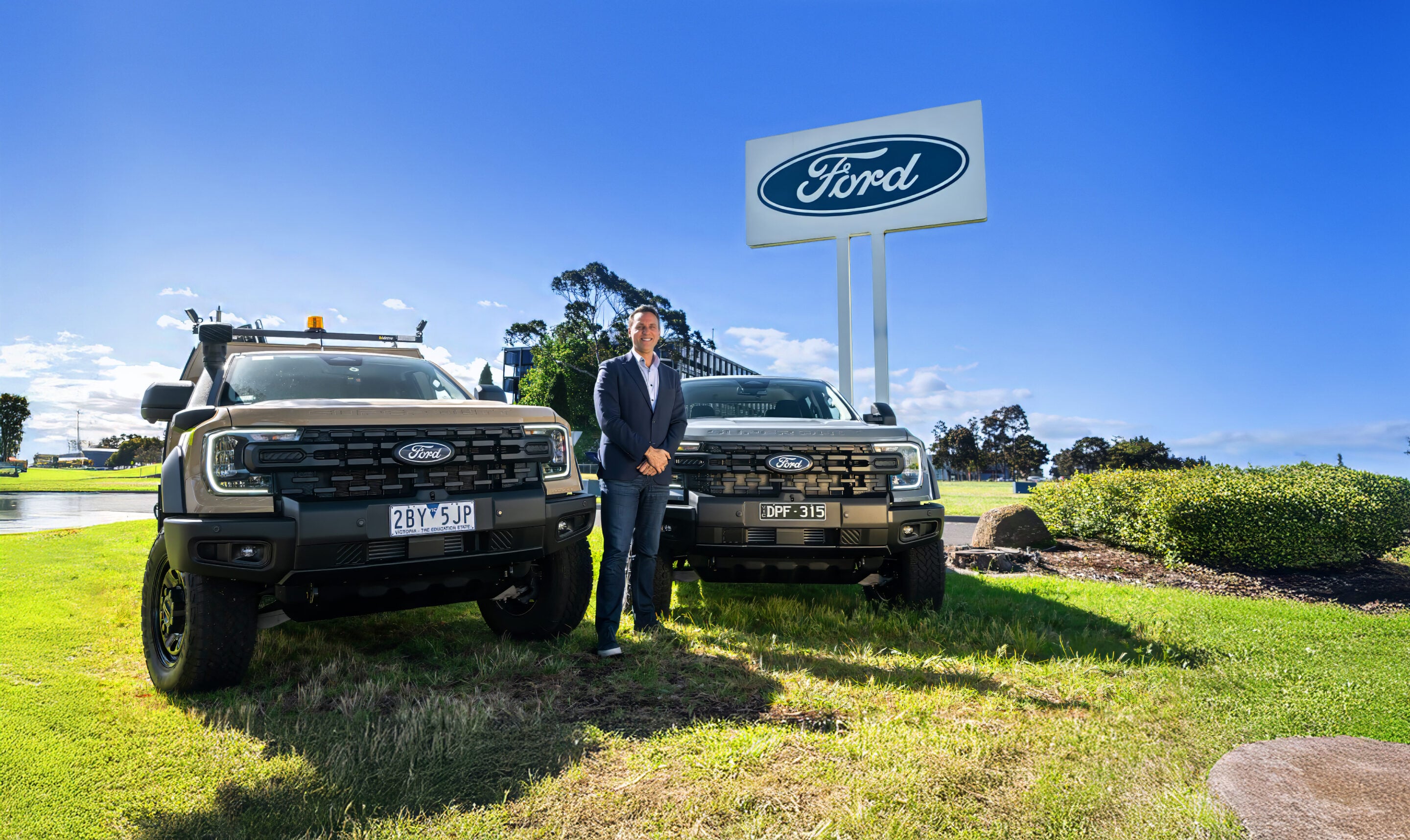
Broadmeadows has helped springboard a string of talented Australian executives into top jobs at the Ford Motor Company.
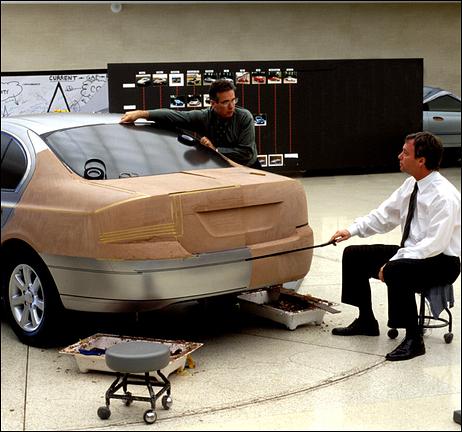
Success in suburban Melbourne lit the fire that blazed Jac Nasser all the way to the president’s desk in Detroit, the late Geoff Polites rose to head Ford of Europe and then Jaguar-Land Rover in the UK, Trevor Worthington became vice-president of Global Product Development, while Todd Willing is currently the head of Ford Design.
Now comes Jim Baumbick. Who? When? Why? He might appear to be a born-and-bred Detroiter, and just another ‘lifer’ working the angles at FoMoCo, but he knows plenty about Australia and has spent more than a decade in senior leadership positions covering the Asia-Pacific region. He is also a car guy who jumped across to Saudi Arabia to watch the Ford Raptor V8s in action in the Dakar Rally.
Baumbick is still remembered for his early work on the supercharged V8 engine in the FG-X Falcon. But his Aussie connection has come mostly through the Ranger program. With a down under base at the boring bland box on the Hume Highway, which has morphed from the headquarters of Ford Australia into a regional research-and-development hub, Baumbick led the talented local crew who created Australia’s top seller for the past three years.
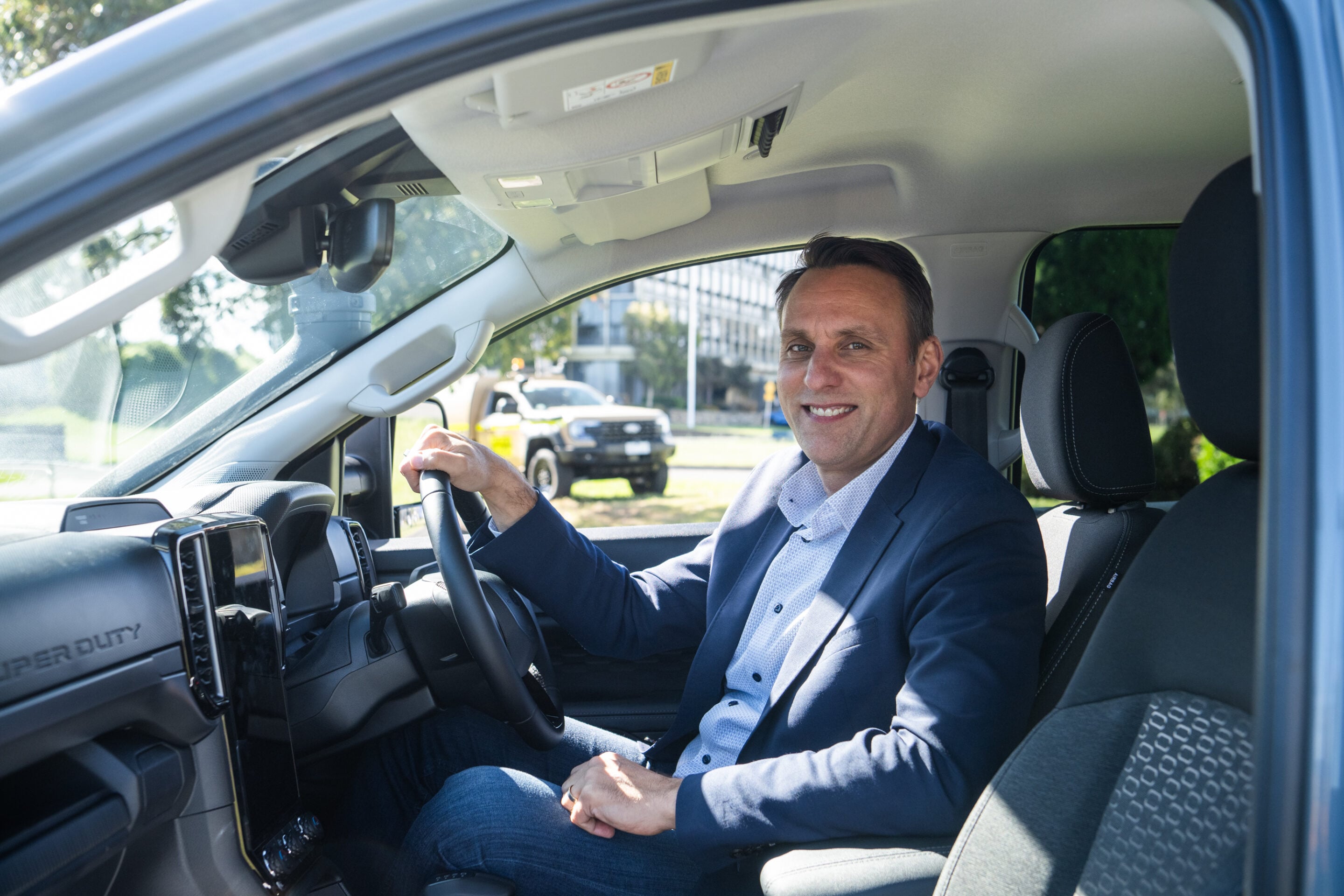
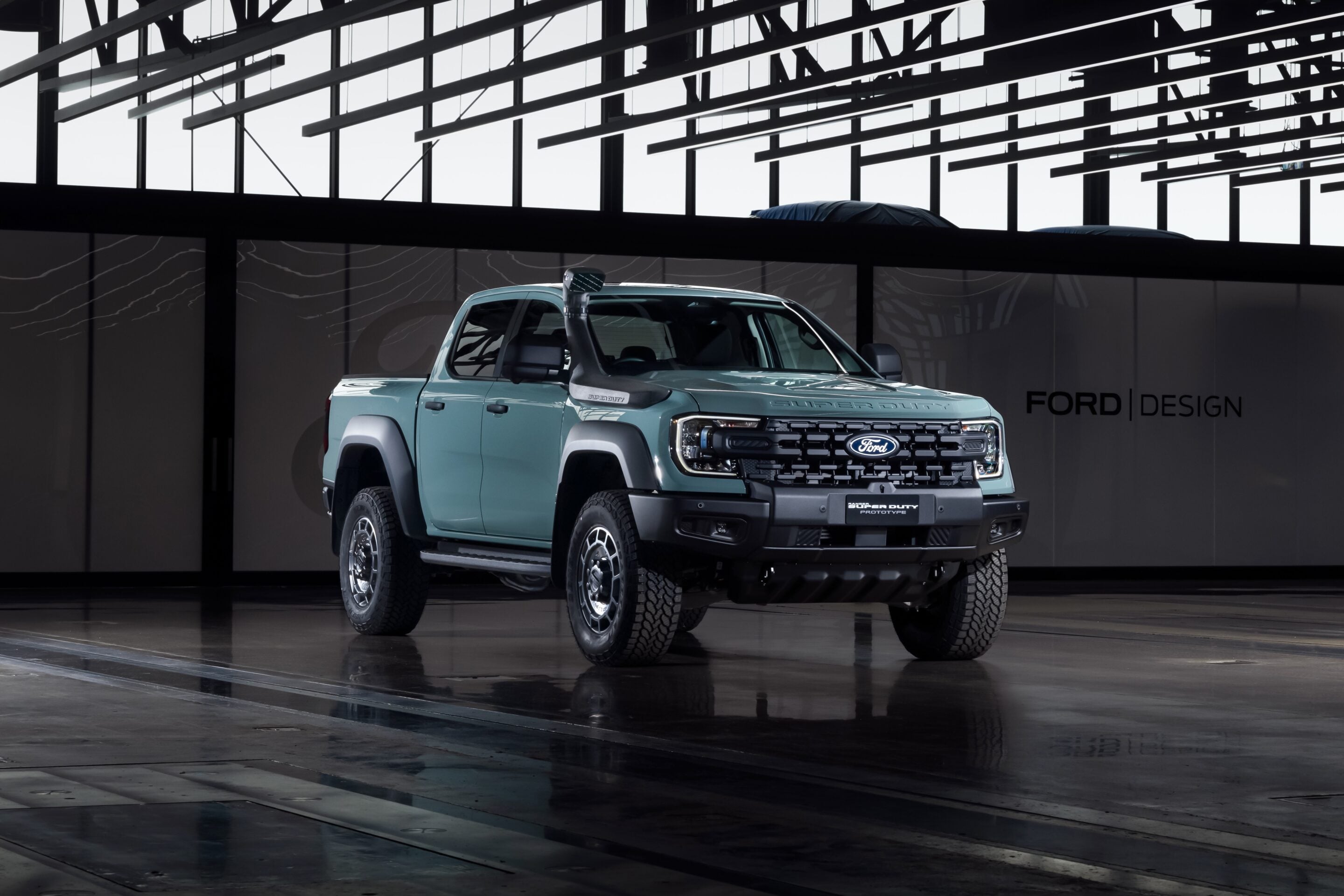
Then followed the Everest spin-off from the pick-up platform and, most recently, the Super Duty version of the Ranger that upscaled it into a heavyweight workhorse.
The way he is going, Baumbick could easily become Jim Farley’s successor as the CEO of Ford. He has already ticked the boxes on the engineering side of the business – with job titles including Executive
Director of Global Product Planning and Strategy – and, just days after sitting down for an exclusive interview with Wheels, he jetted to Germany to take over as head honcho at Ford of Europe to learn all about the work of the sales and marketing divisions.
His final visit to Broadmeadows and the You Yangs proving ground was a sign-off to the 1500-strong workforce – at least for now – but also a chance to share insights on everything from the Mustang to electric cars and the successor to the current Ranger. He knows the granular detail because he’s been at the cutting edge of the latest development programs.
Although he might look like another well-polished ‘corporate suit’, once he starts talking it’s clear
he is plugged-in at the very highest levels of future development work. And he has the seniority to lift the screen from a bunch of the stuff which is normally on the top-secret list.
“My whole history is developing product,” begins Baumbick. “That’s the thing I have the most
passion about.” “We have an incredible team here. We’re a product and service and experience-led company.”
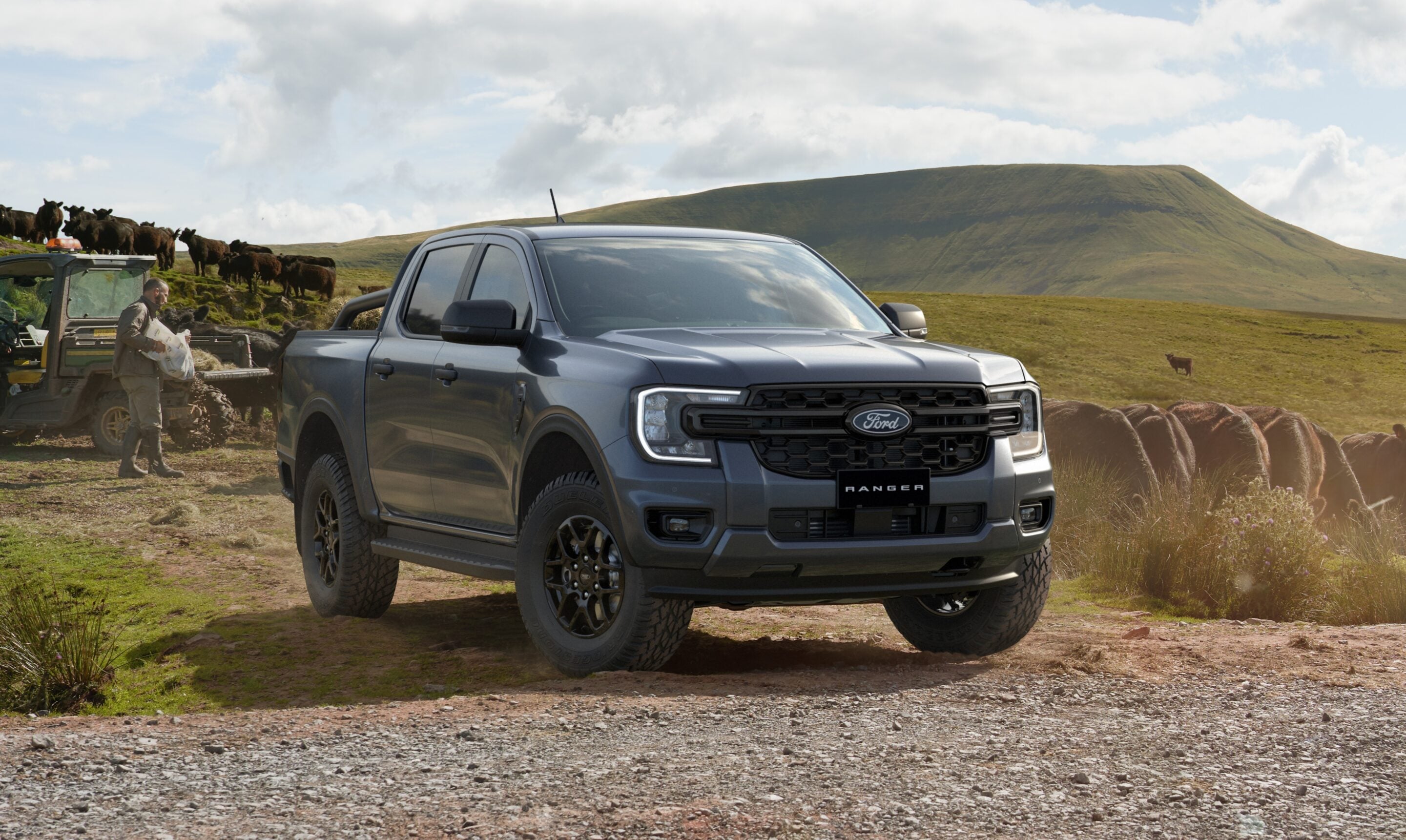
We start with the electrification of motoring, focussed on Ford’s massive losses – it admitted to $5 billion in 2024 before a $19.5 billion write-down at the end of last year – to the decision to bin the F-150 Lightning pick-up truck.
“We are not giving up on EVs. They will be a critical part of our portfolio of offerings. It was never going to be a light switch – on or off,” he begins, before confirming Ford is now driving a multi-pathway program similar to the one which is working for Toyota.
“You are going to see a much broader application of multiple paths. There will be extended-range
EVs. You can think of PHEVs (plug-in hybrids) on a spectrum, where even the size of the combustion
engine varies.”
But he admits there had been a pivot from the original push with the Mustang and F-150 EVs.
“We didn’t bet 100 per cent on EV,” he says, pointing to 20 per cent of F-150 sales now being claimed by hybrids.
“I feel like we’re operating from a position of strength. Where and when we choose to compete, we have to win it. We set forth to put all our product lines on the podium.
“But can you rest on that? No. We’re leaning in. We don’t make enough hybrids.”
He talks about work on the Maverick, including a hybrid package that includes plug-in appliance sockets similar to the ones already fitted to the latest Ranger.
“Most customers are going to learn a hybrid in a truck is a new superpower for a truck. You can even have access to (plug-in) mobile power. Customers haven’t been exposed enough to see how incredible this is.”
What then, is the future of the Mustang? And a Mustang with a combustion engine?
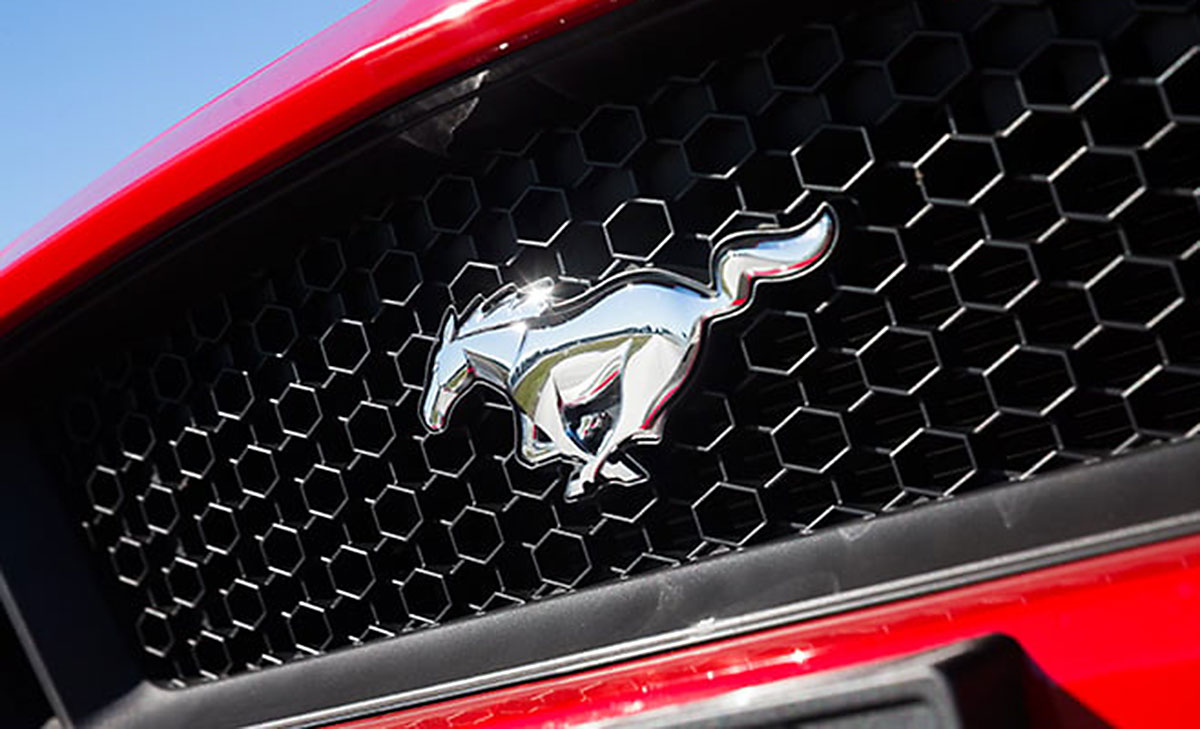
“I can’t imagine a Ford Motor Company without a Mustang,” he says. “We’re going to keep the pedal down on Mustang. We think there is a lot of opportunity.”
Baumbick talks broadly about work on the Mustang cycle plan since 2016, where the focus has been on creating a car which provides a halo for the whole product range.
“We are using our race-to-road strategy,” he says.
In Australia, the Mustang commitment is obvious through Supercars racing but Ford is also pushing the car into Le Mans-style sports car racing. It has developed a GT3 racer for competition around the world and the car will race in Australia for the first time at this year’s Bathurst 12-Hour at Mount Panorama.
Mustang work is still focussed on making the car faster and more extreme. The latest example is the GTD, a track-focussed customer car with a 600kW engine, a rear-mounted transaxle gearbox and active aerodynamics. Officially, the car was only available in the USA with a price tag close to $500,000, and it was a near-instant sell-out. But at least one is coming to Australia, after a super-keen buyer found a ‘work-around’ on the paperwork for the official delivery location.
“We wanted to unleash our engineers without constraints. The GTD is an incredible apex predator,” says Baumbick.
He is just as positive when talking about the Australian operation. What’s called the ‘Product Development Campus’ was the result of a major update when Ford Australia downsized to offices in Richmond in Melbourne, and the R&D work also includes workshops in Geelong and the proving ground at You Yangs.
According to Baumbick, it’s the whole package which makes the Ranger program work so well.
“We have an incredible asset, called our team, here in Ford Australia. They have built the business from here. You don’t take that knowledge and not put a huge value on it,” he states.
The bottom line is simple.
“The truck was born and bred here in Australia. The mission was to build a vehicle that was the F-150 for the rest of the world. The F-150 is not the ideal tool for many countries. It was our original mission.”
Although he is less open when talking other programs, Broadmeadows has also been instrumental in development of other vehicles around the Asian region. One of those was the baby Figo for India.
Officially, the R&D centre is responsible for ‘international markets’, although he is not giving away any secrets.
“There is work through the region. China and India. I would struggle to give you a percentage.
“It’s a broader population in the region. But the primary focus is Ranger. Ranger is competing in over 190 markets,” he says. “It’s a perfect location to develop the truck. A perfect representation. The team here think of a very harsh environment. And how utes are used.
“If you’re off-roading and in rugged environments, you need a truck. And that’s what a Ranger does.
That kind of knowledge doesn’t happen overnight.”
Winding back, Baumbick recalls a series of Ranger milestones and breakthroughs.
“The Gen1 Ranger was the first five-star (safety) pick-up. Even then, we started with developing a ’roo bar that retained the safety systems.
“People were buying a Ranger and then spending $3000 to make it ideal for the job. We almost invited ourselves to create this amazing apex truck.
“It was always surprising that the primary competitor, the Toyota LC70, was a very old platform. It was staring us in the face.”
So, too, was the Super Duty version of the Ranger.
“I’ve thought about that product since Gen1. We’ve finished the job I always wanted to do. The
inspiration was the modifications people were doing to their Rangers. I like to think of it as the apex of Ranger. Super Duty in the USA is the truck used for the toughest jobs. It’s the truck that is capable of a lot more. Super Duty is the apex of the F-Series trucks. I love the mining application (for Ranger Super Duty) because it is such a harsh environment.”
He can also see more opportunity for Ranger, and Super Duty especially, as he gets to work in Europe.
“A lot of markets haven’t seen anything like this truck. With a high payload and high towing. There is really only one answer. The market I’m heading to, in Europe, I think it will be very unique.”
Baumbick might be moving on from Ranger work, but he knows the targets and commitment to the
program. He says the next objective for Ford is the biggest of all, taking class leadership – globally – from the Toyota HiLux.
“We’re now global number two. They (Ford) have to stick with it. Defend it and grow it. The goal is to be number one.
“This is the team. The goal. I want them waking up every day and worrying about Ranger and Everest.”
Further into the future, he confirms that development of the Ranger will continue at Broadmeadows and You Yangs. That’s great news for the Ford workforce in Australia and also the buyers of the next-generation Ranger. Baumbick would not give any specific details, but revealed just enough to show clearly that early work has already begun on the successor.
“We’re doing program reviews. And getting the replacement up to speed. Every day, every engineer, every manager, wakes up and thinks about Ranger.”
And the bottom line is the best news since Ford ended production of the Falcon, as Baumbick
confirmed there is no plan to shift the Ranger program out of Australia.
“For T6, the Ranger vehicle line, this is the home base. The knowledge base around Ranger starts and finishes here,” he says.
This article first appeared in the February 2026 issue of Wheels. Subscribe here and gain access to 12 issues for $109 plus online access to every Wheels issue since 1953.
Alliance Airlines has unveiled a special aircraft livery honouring Sir Jack Brabham, marking 60 years since the Australian secured one of the most remarkable achievements in Formula 1 history.
The Brisbane-based carrier has painted one of its Embraer E190-100 jets in the green-and-gold colours of the Repco-Brabham BT19 – the car Brabham drove to the 1966 Formula 1 Drivers’ World Championship. That season also delivered the Constructors’ Championship for the Brabham team.
Brabham’s 1966 title remains unique. He is still the only driver to win the Formula 1 world championship in a car bearing his own name, built and run by his own team. The BT19 was designed by fellow Australian Ron Tauranac and constructed by Motor Racing Developments, the company the pair founded. Power came from the Melbourne-built Repco RB620 3.0-litre V8 engine.
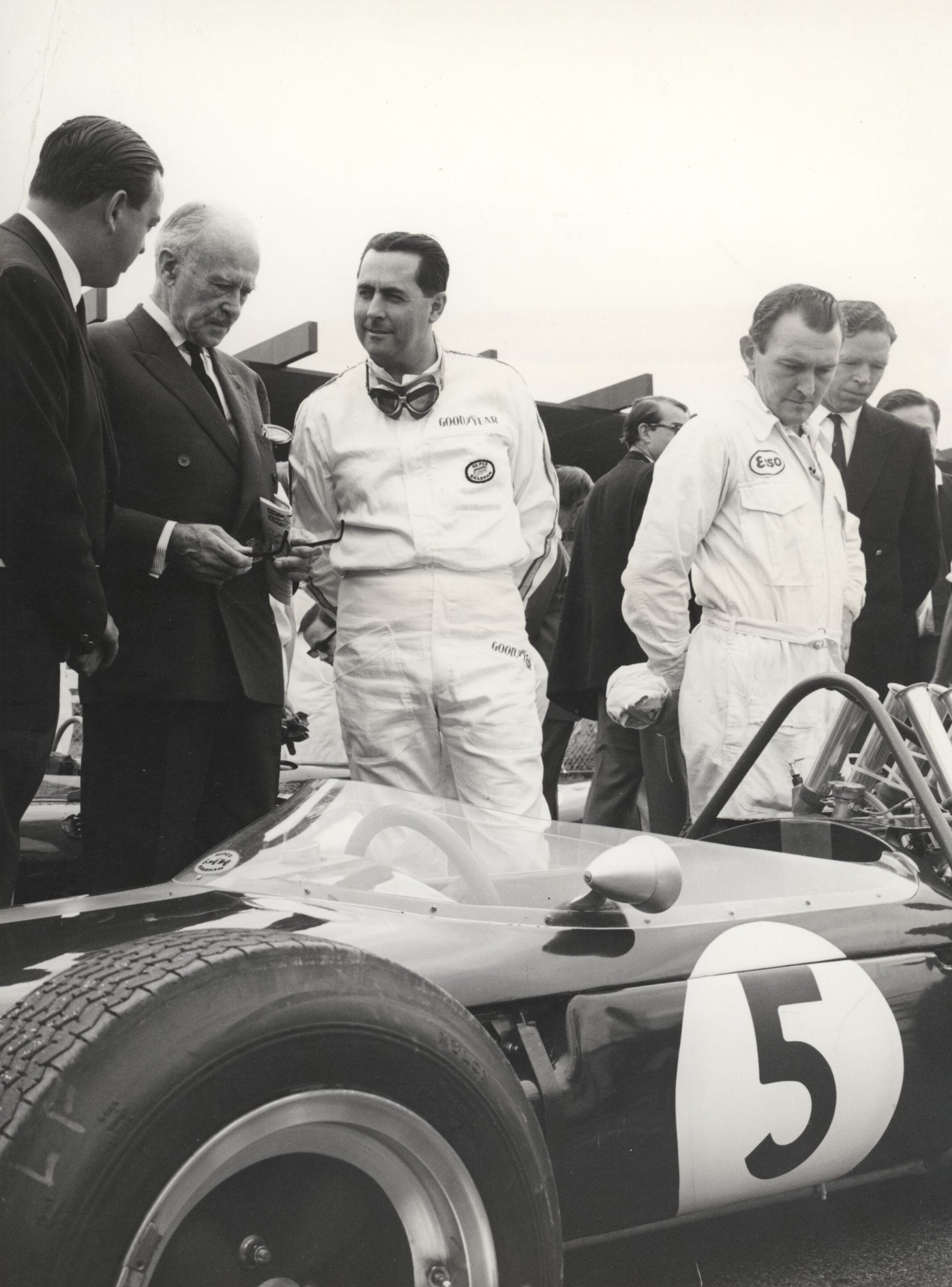
The championship was sealed at the 1966 Italian Grand Prix at Monza, cementing Australia’s place at the pinnacle of international motorsport during a transformative era for the sport.
Sir Jack, who won world titles in 1959, 1960 and 1966, claimed 14 Formula 1 Grand Prix victories across a 23-year professional career. Beyond his success as a driver, he was widely respected for his mechanical understanding and engineering input, working closely with Tauranac to develop competitive machinery. He was also a licensed pilot and aviation enthusiast – a connection noted in the decision to commemorate him on an aircraft.
The Alliance Airlines jet, registered VH-A2N, features a large decal of the BT19 along its fuselage and will operate on routes across Australia from this year. The design joins a series of commemorative liveries previously applied to Alliance aircraft, recognising figures and milestones in Australian aviation history.
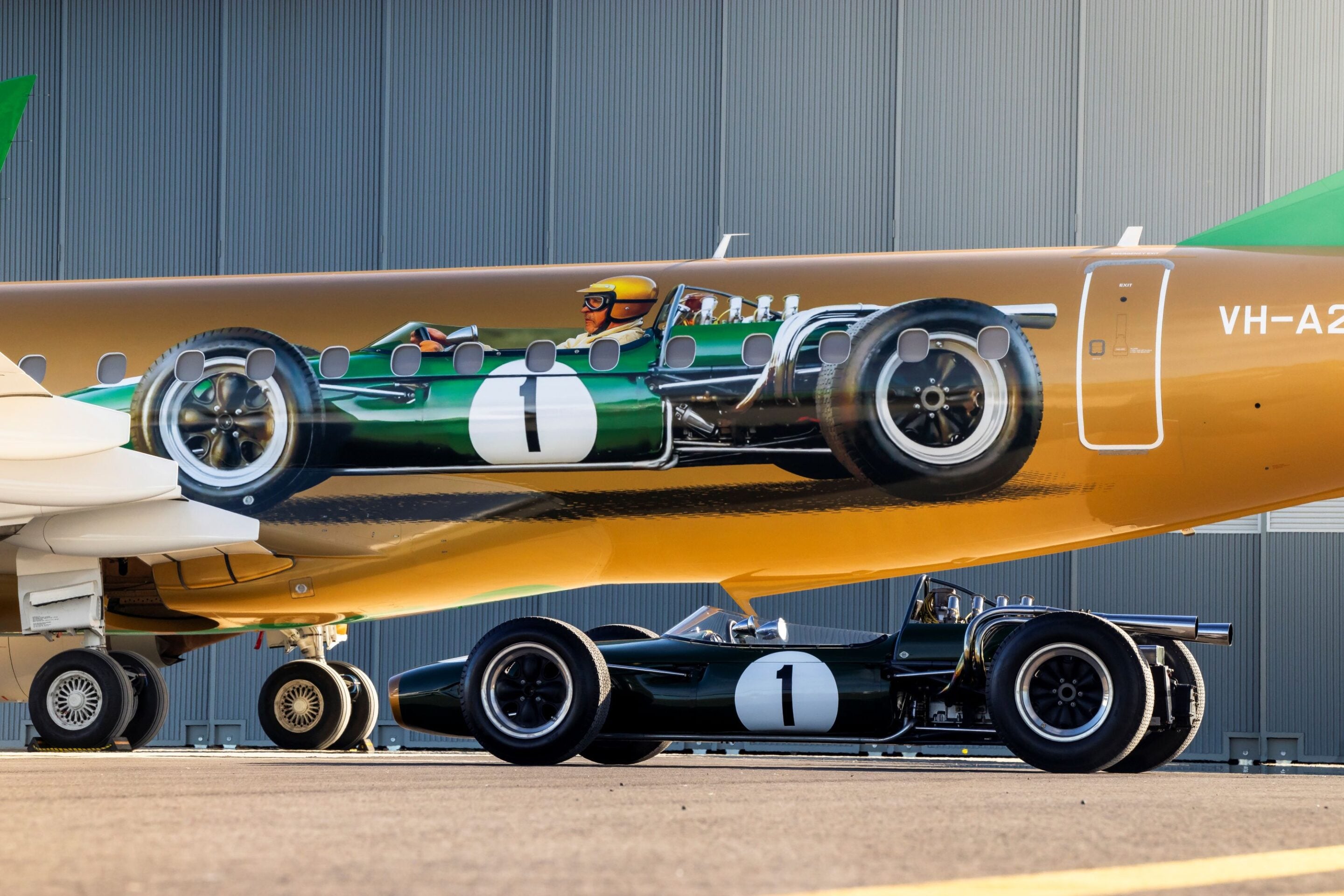
The original BT19, of which only one example was built, competed in the 1966 and 1967 Formula 1 seasons and is regarded as one of the sport’s most historically significant cars. Further events are planned during 2026 to mark the anniversary of Brabham’s championship season.
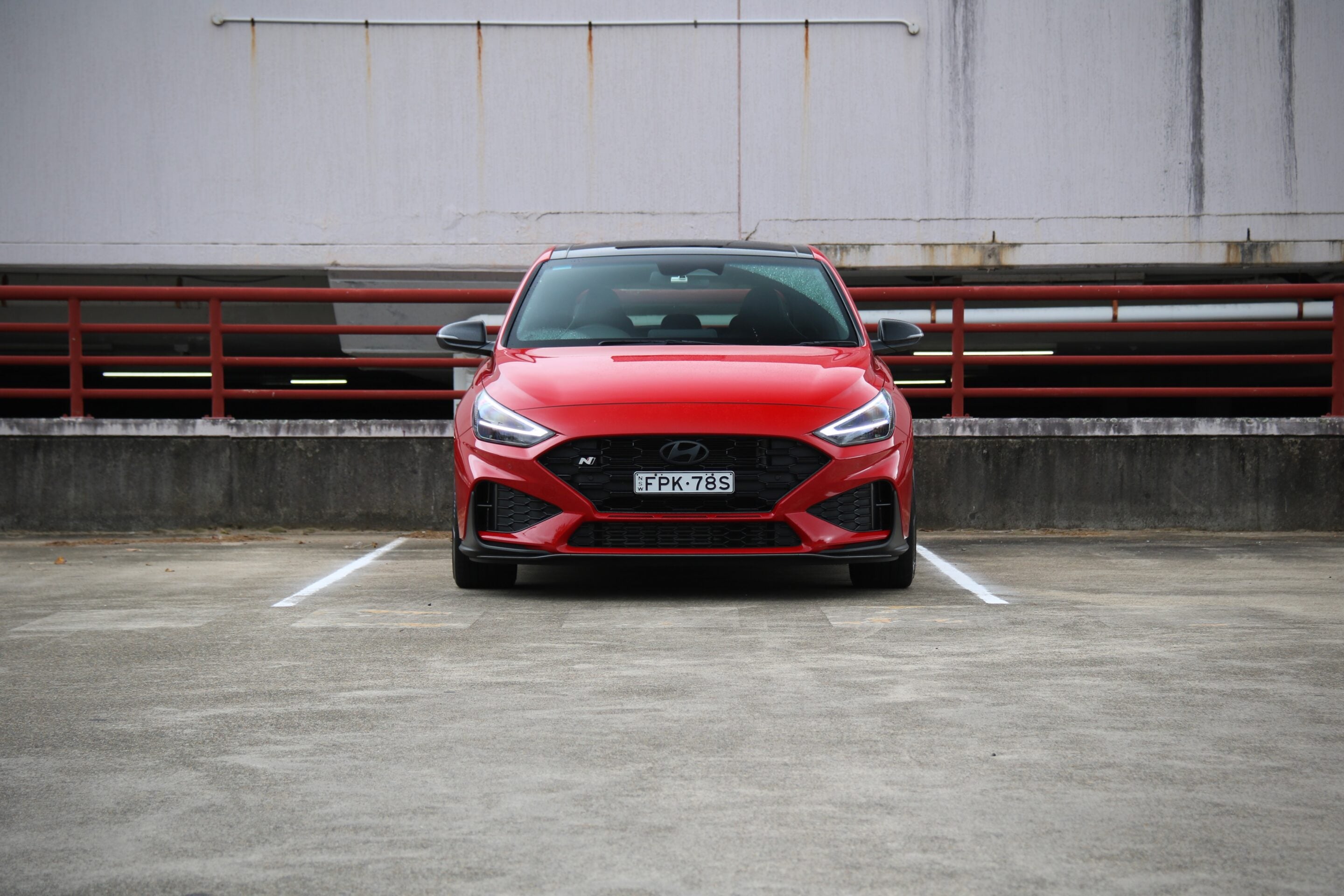
Way back in 2018, the arrival of the Hyundai i30 N almost rewrote the hot hatch rulebook. Developed at Hyundai’s Namyang R&D centre and refined at the Nürburgring in Germany, the i30 N was designed to compete with established hot hatches but significantly, was also priced from under $40,000.
It’s been a big success, especially in establishing the reputation of Hyundai’s N division in the performance car world. Almost 10 years on, the i30 N is still available (and the only remaining i30 hatchback in Australia). Let’s see how it fares in 2026.
As before, both hatchback and sedan variants of the i30 N range are available in Australia, and we are the only market in the entire world to still receive the hatchback. The Czech Republic-sourced i30 N hatchback is offered in two forms: base and Premium, while the South Korean-made sedan is only offered as a Premium.
2026 Hyundai i30 N hatchback pricing (plus on-road costs):
| i30 N (manual or DCT) | $52,000 |
|---|---|
| i30 N Premium (manual or DCT) | $55,500 |
In a big blow for enthusiasts, the affordable performance car market is unfortunately not what it used to be. When the i30 N launched, there were a whole multitude of competitors, including the Renaultsport Megane, Ford Focus ST and Peugeot 308 GTi but now, just the Volkswagen Golf GTI, Subaru WRX and Skoda Octavia RS remain available as true rivals to the i30 N.
The faster Toyota GR Corolla and GR Yaris, Honda Civic Type R, Cupra Leon VZx, VW Golf R, Audi S3, Mercedes-AMG A 45 and even the i30 N’s Ioniq 5N sibling also remain, but are all more expensive.
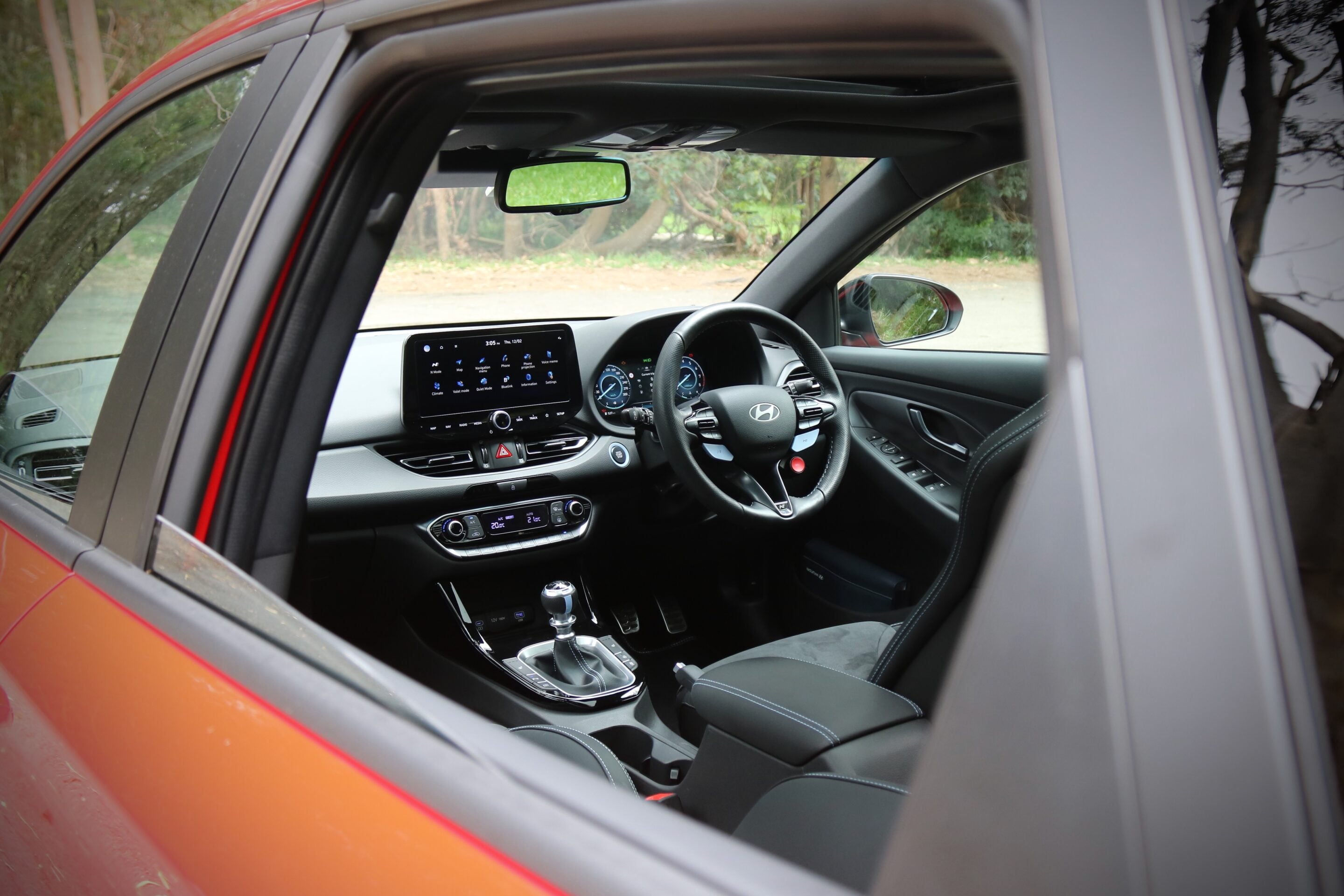
Jump into the cabin of the i30 N and you’d be forgiven for thinking that you had time travelled back to 2017 when this generation of i30 hatchback was released. There are no huge screens, wireless phone mirroring or lashings of synthetic leather trim everywhere. Instead, you get a relatively small (for 2026) 10.25-inch touchscreen with Hyundai’s older software, wired smartphone mirroring and a good dose of hard plastic dotted around the cabin. Don’t worry, quality is still good, as it was in 2017.
Pleasingly, the climate control panel is separate to the touchscreen, the technology is very easy to use and unlike so many other cars these days, you can just get in, put it in gear and set off.
While it feels dated in some ways, there are certain elements in the i30 N’s cabin that still feel special. Most notably in that regard, the highly supportive N sports seats with leather and suede upholstery and illuminated N logo, and the high quality three-spoke leather steering wheel with light blue N and red rev-matching buttons. Even the blue stitching around the cabin subtly reminds you that you’re driving something special.
Plus, the i30 N still provides the practicality that hot hatches are known for. There are plenty of storage spots in the front cabin for you to lose life’s trinkets, while rear seat space is fine for two six-foot tall adults as well. While it lacks rear air vents, there are charging ports, door pockets and a rear centre armrest to keep rear passengers happy.
The sizeable 392-litre boot is nicely square with some under-floor storage and a dual-level floor, and opens up to a healthy 1287 litres with the rear seats folded. Just remember to remove the strut bracing if you’re planning to carry longer items. In all, a Sunday morning brap followed by an afternoon Ikea shop is still very possible in the i30 N and it still pleases both sides of the brain.
One of the biggest elements of the i30 N’s appeal is its customisation. Whereas some hot hatches feature switchable driving modes that make little change, the i30 N’s eco, normal, sport and N modes are dramatically different from one another and give it genuine multiple personalities in the best way possible. Every driving parameter about the i30 N, from the exhaust note to even the in-car displays, change with the drive mode and transform it. That’s nothing new to the i30 N, but it still delights in 2026.
What’s even better with these driving modes is that there is quite a lot of customisation involved. Drivers can adjust the exhaust, performance, steering, suspension, differential and so on to make their i30 N really theirs. We had it set up with the sport exhaust noise but normal steering weight… because we love the extra drama of the former but the more natural weighting of the latter.
Regardless of which driving mode is chosen by the driver, the i30 N is a sharp and involving hot hatch that ferociously rockets out of corners. Its fun factor is higher than the [more comfortable] Golf GTI, though it’s not as supercar-fast as a Honda Civic Type R. Still, at under six seconds to 100km/h with launch control, the i30 N is no slouch with the stopwatch. Plus, it’s also less expensive to buy than both of those rivals.
While it could be more characterful, the i30 N’s 2.0-litre turbocharged four-cylinder petrol engine is quite gutsy. Peak 392Nm of torque hits at just 2100rpm and thanks to the six short ratios, even full throttle in third gear pushes you back into your seat. It’s also keen to rev, with peak power punched out at a high 6000rpm, and it’s also easy to exploit one of the best parts of the experience: the exhaust.
The i30 N is known for its loud exhaust system that will crack and pop at the drop of a hat in the correct driving mode. While it’s certainly not subtle, some would actually say rather obnoxious, it gives an extra layer of character not found in many of its rivals like the Civic Type R. It also doesn’t need to be modified to reach that sound level, adding extra appeal to enthusiasts who like to modify their cars.
Two transmissions are available in the i30 N range: A sweet six-speed manual that our test car featured or an eight-speed dual-clutcher that launched with the N’s mid-life update back in 2021. The DCT is the more popular option as it adds a few safety features, ‘N Shift Grin’ maximum attack functionality and paddle shifters, but we prefer the manual because it’s more involving. The only downside to the manual is the oddly light clutch, which isn’t easy to master.
For those wanting to track their i30 N, Hyundai’s five-year/unlimited km warranty (with a complementary two-year extension if serviced through a Hyundai dealer for that five-year period) impressively covers ‘non-competitive’ track use. Five years/50,000km of servicing costs $1945, which is quite affordable for a hot hatch.
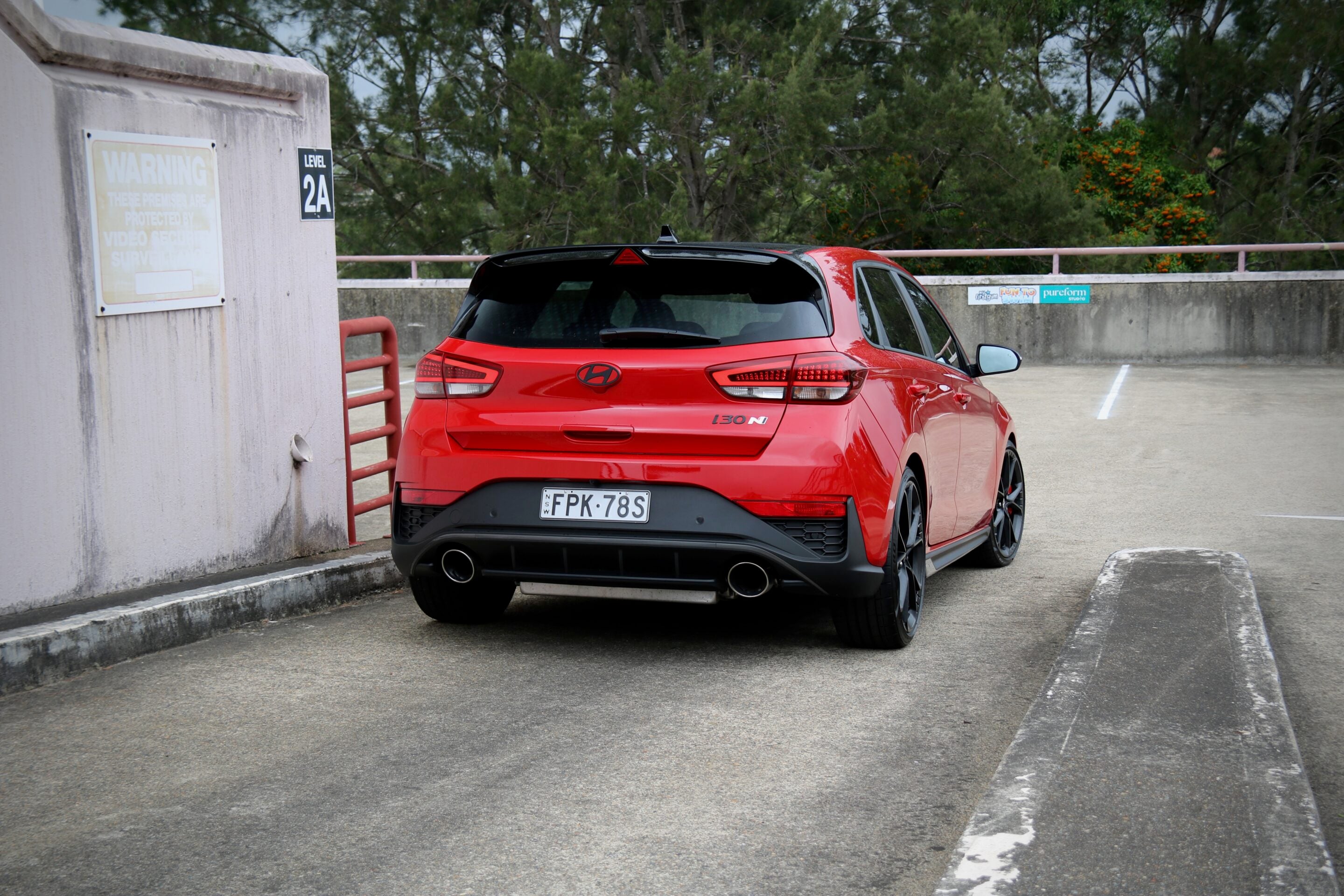
The Hyundai i30 N has been in showrooms for almost a decade in its current form, but still provides one of the biggest automotive grin factors. Sure, it feels a bit dated inside, its clutch is tricky and it’s noticeably more expensive than it’s been before but it’s still a wickedly fun, fast and rather old school hot hatch in the best way possible.
It’s fast and far more involving to drive than 99 per cent of new cars and yet, it’s also comfortable enough to be a daily driver thanks to its adaptive dampers. The i30 N isn’t the newest kid on the hot hatch block, but as we saw at its launch in 2018, it’s still one of the best.
Hyundai i30 N specifications:
| Model | Hyundai i30 N Premium |
|---|---|
| Price | $55,500 plus on-road costs |
| Engine | 1998cc turbocharged four-cylinder petrol |
| Peak power | 206kW (@ 6000rpm) |
| Peak torque | 392Nm (@ 2100 – 4700rpm) |
| 0-100km/h | 5.8 seconds (est.) |
| Claimed top speed | 250km/h |
| Transmission | Six-speed manual, front-wheel drive |
| Fuel type/tank size | 95 RON premium unleaded, 50 litres |
| Claimed combined fuel consumption | 8.5L/100km |
| Claimed combined CO2 emissions | 199g/km |
| Kerb weight | 1508kg |
| Dimensions (l/w/h/wb) | 4340/1795/1445/2650mm |
| Boot size (rear seats up/down) | 392 litres/1287 litres |
| On sale | Now |
Hyundai i30 N Premium standard features:
- 19-inch alloy wheels with a space-saver spare wheel
- Dusk-sensing automatic LED exterior lighting
- Rain-sensing automatic wipers
- Keyless entry with push button start
- Heated/auto-folding mirrors
- Rear privacy glass
- Leather and suede upholstery
- N sports front seats with illuminated N logo and heating
- Heated leather steering wheel
- Dual-zone automatic climate control
- 10.25-inch digital driver’s display
- 10.25-inch touchscreen
- Hyundai live services
- Wired Apple CarPlay and Android Auto
- Satellite navigation with live traffic updates
- DAB+/FM/AM radio
- Bluetooth calling and audio streaming
- Six-speaker sound system
- Wireless phone charger
- 4x USB ports
- Cruise control
- Switchable driving modes
- Automatic downshift rev-matching
- Variable exhaust
- Limited-slip differential
- Launch control
Our test car also featured the optional panoramic sunroof (+$2000).
i30 N Premium safety features:
- 7x airbags
- Autonomous emergency braking
- Lane keeping assistance with adaptive lane guidance
- Blind-spot monitoring with rear cross-traffic alert
- Rear occupant alert
- Safe exit alert
- Auto high beam
- Driver attention monitoring
- Speed sign recognition with overspeed alert
- Tyre pressure monitoring
- Anti-theft alarm
- Front and rear parking sensors
- Reversing camera
