Snapshot
- New GT trim starts from $38,990
- Price and features put it between Allure and GT Sport
- Sunroof and Nappa leather interior optional
The Peugeot 2008 SUV has scored a third trim option, with the new GT variant slotting in between the existing Allure and GT Sport options.
Starting at $38,990 before on-road costs, the GT utilises the same three-cylinder, 1.2-litre turbocharged engine as the Allure, making 96kW/230Nm with power being sent to the front wheels via a six-speed torque converter automatic gearbox.
The list price puts the GT at a $5000 discount compared to the GT Sport – missing out on the more powerful 114kW/240Nm engine and eight-speed gearbox – but a $4000 premium over the Allure, justified by the addition of some standard equipment over the model’s base variant.
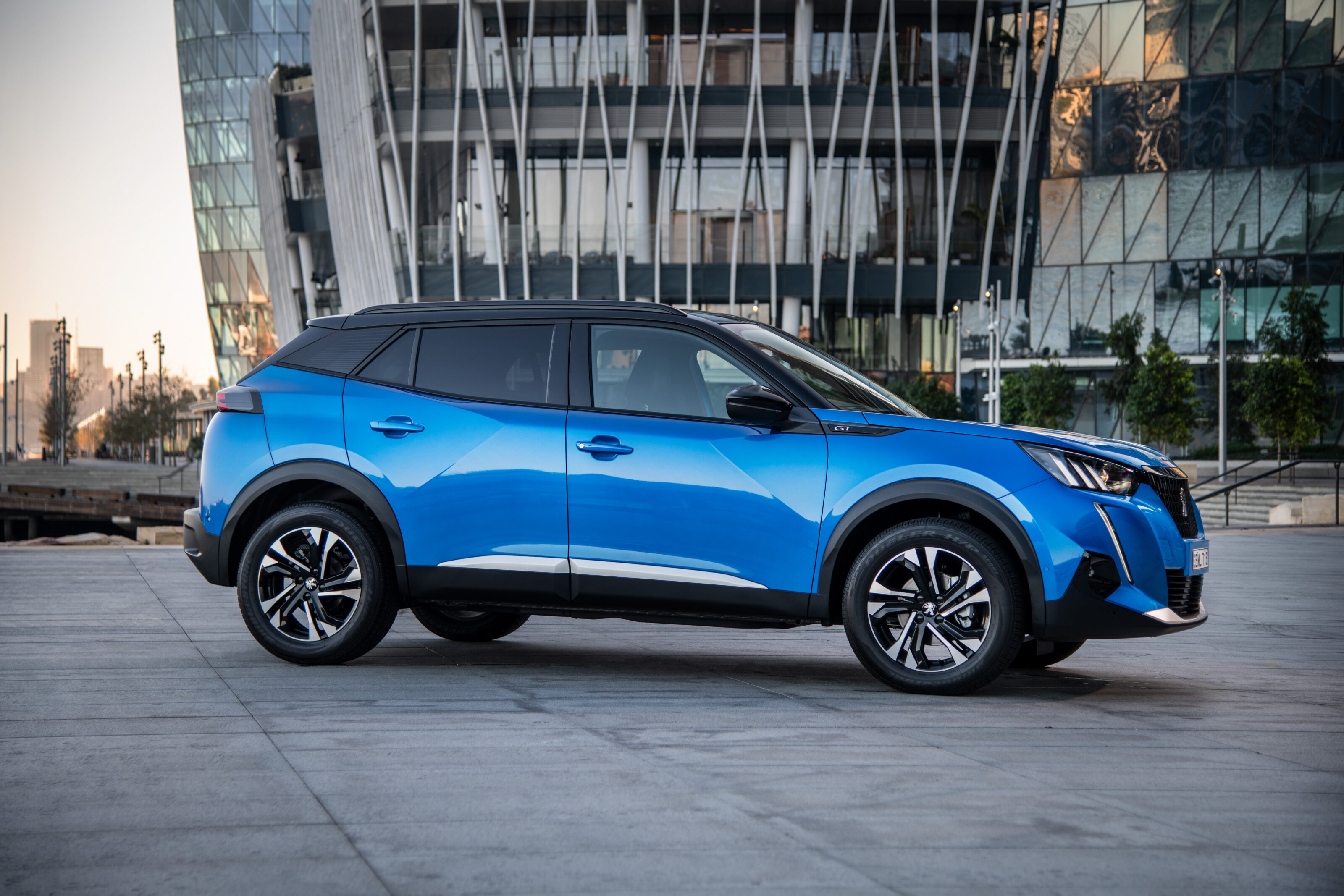
Breaking down the 2008 range into each variant gives a clearer picture of which version gets what features as standard – the Allure being the cheapest trim, with the GT and GT Sport adding additional spec on top.
Peugeot 2008 Allure features
- Digital instrument cluster
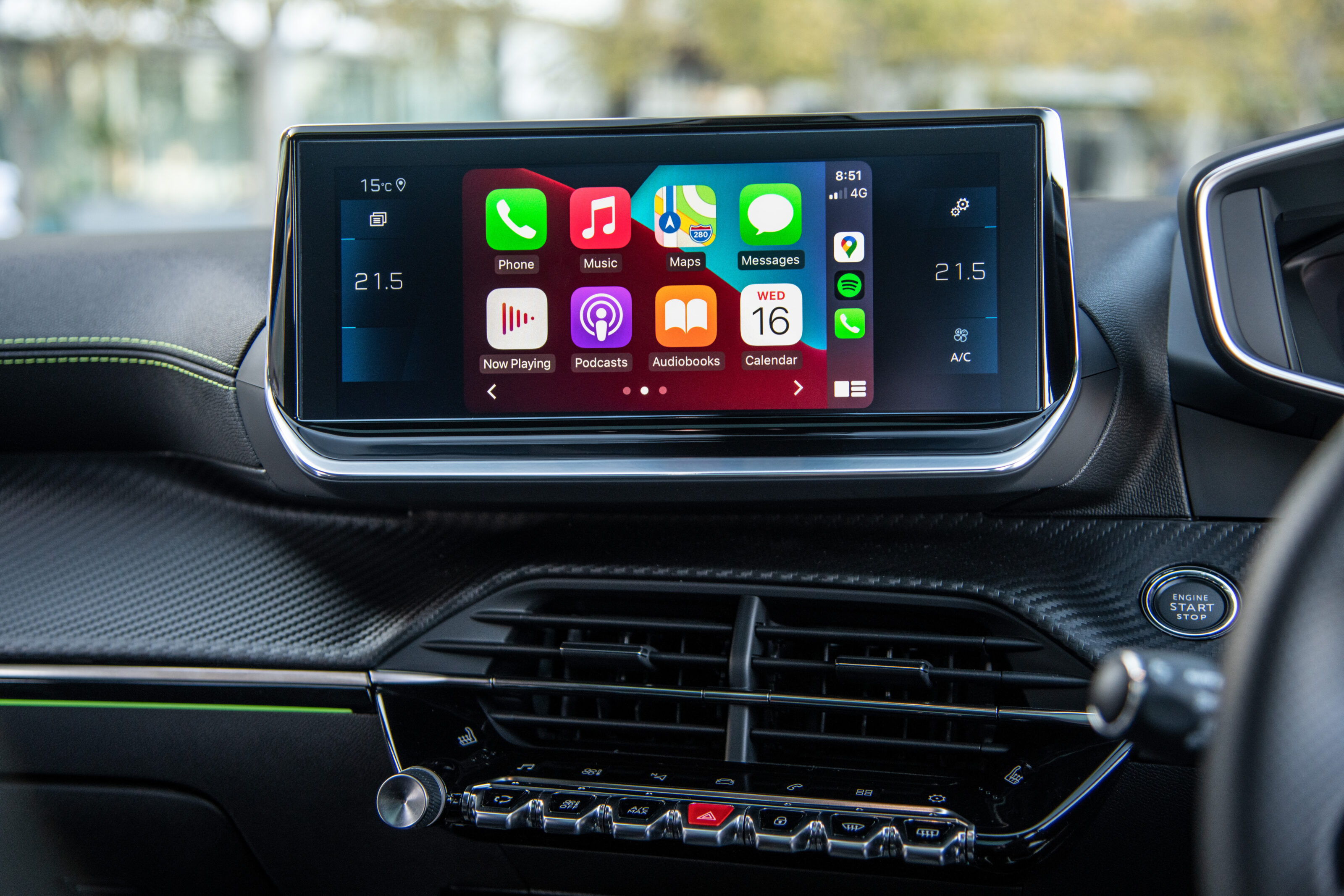
- 7-inch infotainment touchscreen with Apple CarPlay, Android Auto and digital radio
- 17-inch diamond-cut alloy wheels
- ‘Traxx’ fabric upholstery with leather effect
- Automatic climate control
- Push-button start
- Autonomous emergency braking with daytime pedestrian and cyclist detection
- Lane-keep assist
- Tyre pressure monitoring system
- Speed-sign recognition
- Rear parking sensors and reversing camera
Peugeot 2008 GT features (new)
- Adaptive full-LED headlights with auto high-beam dipping
- Gloss black side mirrors, roof bars and window surrounds
- Diamond black roof and rear spoiler
- Proximity locking and unlocking
- 10-inch touchscreen with 3D satellite navigation
- Wireless smartphone charging
- Front and rear parking sensors
- Auto-dimming rear-view mirror
- ‘Capy’ fabric trim with leather effect and lime green stitching
- Stainless steel scuff plates
- Front and rear floor mats
- Leather and satin chrome gear lever
- Full-grain perforated leather steering wheel with Aikinite stitch detail and satin chrome ‘GT’ emblem
- Autonomous emergency braking system with low-light cyclist and pedestrian detection
- Blind-spot monitoring with brake assist
- Ambient lighting
Peugeot 2008 GT Sport features
- 18-inch black alloy wheels
- Adaptive cruise control including stop-and-go
- Nappa leather-accented upholstery
- Heated front seats
- Electric driver’s seat with massaging
- Lane-positioning assist
As opposed to the entry-level Allure, the GT can be optioned with an electric sunroof for $1990 extra, the same cost as the option on the GT Sport.
Unique to the GT, buyers can also swap the mechanically adjustable, cloth seats for an optional Nappa leather upgrade, adding heating to the front seats with the driver scoring a massage function, available at a $2690 premium.
As with the GT Sport, the new variant is available in the standard orange fusion finish with metallic paints (artense grey, platinum grey and onyx black) adding $690 to the price while premium paints (elixir red, vertigo blue, pearl white) are a $1050 option.
Available now, the 2008 range is covered by Peugeot’s five-year/unlimited kilometre warranty, with five-year roadside assistance and service price promise included.
MY21 Peugeot 2008 pricing
All prices exclude on-road costs:
- 2008 Allure – $34,990
- 2008 GT – $38,990
- 2008 GT Sport – $43,990
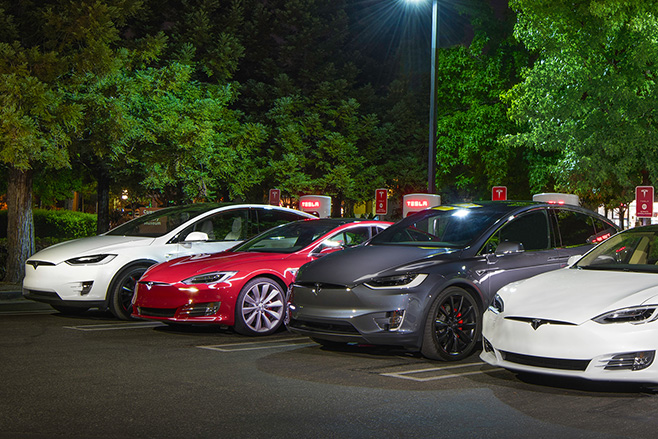
Tesla may begin to open up its network of Superchargers to other automotive companies as soon as next year, a move which could change the implementation of EV infrastructure globally.
According to Electrek, the US-based manufacturer has told the Norwegian Government it plans to make its Supercharger network non-exclusive, allowing owners of other vehicles to utilise the fastest EV charging stations in the world.
As an early adopter of electric vehicles, Tesla built up its own network worldwide on the proviso of exclusivity, only letting its own vehicles use the V3 Superchargers which can provide a 120km driving range increase after 20 minutes of charging.
Although nothing has yet been confirmed, if Tesla does make its Norwegian Superchargers non-exclusive to its own vehicles, it would set a precedent around the world, potentially hurting third-parties who have implemented their own charging networks with other manufacturers.
Obviously Tesla isn’t just going to open up its technology to be used by other brands for free, expecting some kind of compensation or incentives to do so.
In the minutes of a Norwegian council meeting obtained by Electrek, the government officials agreed to approve giving incentives to Tesla to allow other EV owners to use its charging network so long as the automotive giant follows through.
“The condition for benefits is that infrastructure must be developed with a publicly available offer.
“Tesla applied for benefits to expand five fast-charging stations. Tesla’s charging stations today are just available for Tesla cars. That type of infrastructure is then only open for use by one group and not for the general public otherwise.
“In the application, Tesla describes the relevant charging stations will nevertheless be publicly available from the third quarter of 2022.
“The administration agrees stations which are open to all EVs will be eligible for the scheme, provided Tesla opens the charging offer for all car brands no later than the end of September 2022.
“The administration recommends that Vestland County Municipality take note the benefit can be removed if the conditions are not met.”
Currently there are over 2,500 Tesla charging stations worldwide with upwards of 25,000 individual Superchargers.
Behold the Lexus LX570 S, its maker’s flagship luxury SUV and a brand devotee’s embodiment of indulgent success through excess. Or, through a different lens of another beholder, a bourgeois Lexified Toyota LandCrusier 200 Series, 13 years young in its generation and with one low-profile hoof in retirement’s pasture, brimmed with ordinarily optional kit as standard and sprinkled with its own inimitable S-for-sporting facade.
It is, at once, a mature homage to the past, a last call for a charismatic 5.7-litre petrol V8, a masculine plus-sized family hauler with eight seats, lashed with trinkets and stuffed with multi-terrain engineering, a missing link between the earth-salted appeal of its technical donor and the fancier ends of upper-large, upper-crust premium nameplates such as Mercedes-Benz GLS and Range Rover.
The big Lexus covers a lot of bases. So surely the measure of its mettle lies in the quality of individual cover and, indeed, whether or not they amalgamate cohesively and convincingly for the effect it strives headlong into.
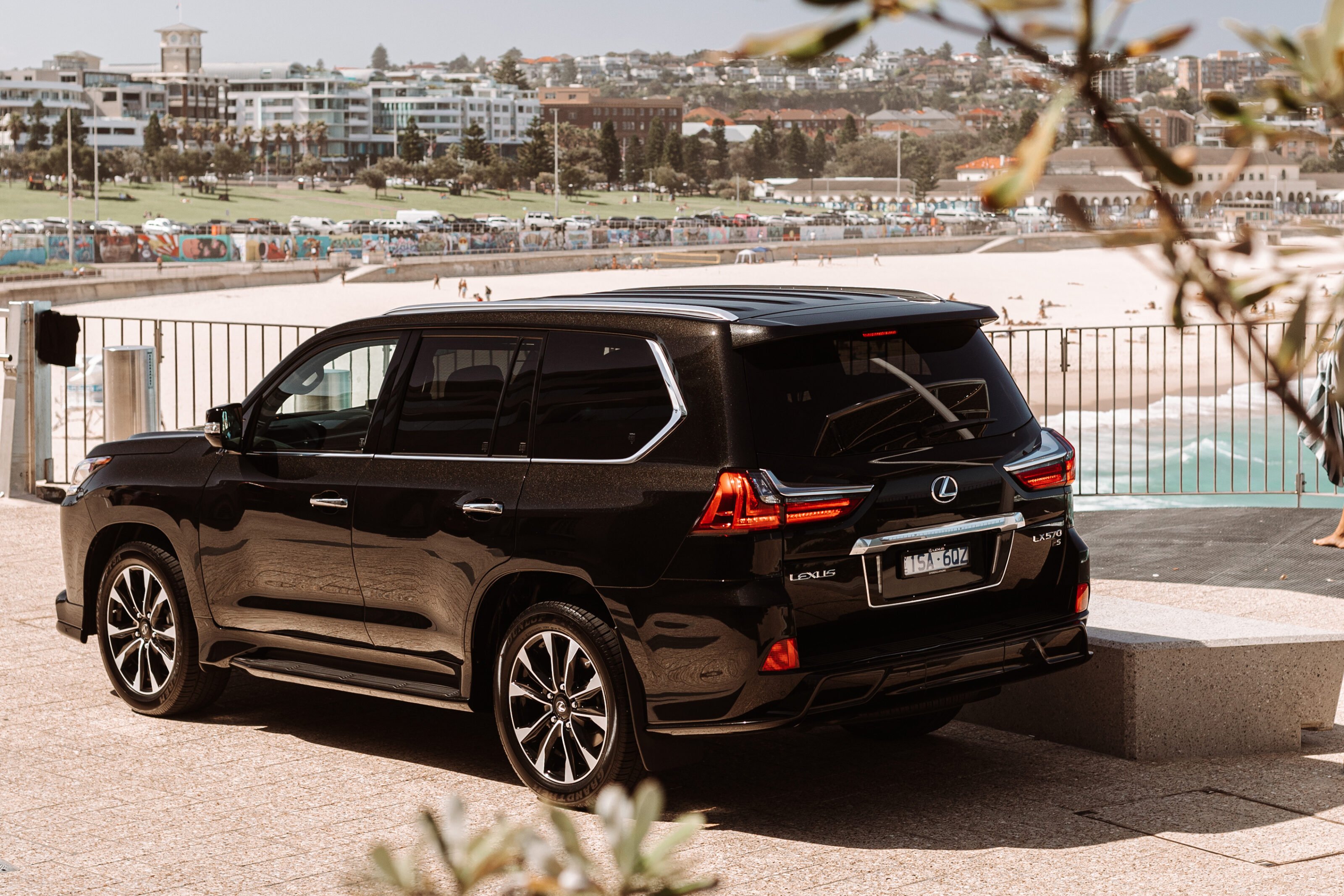
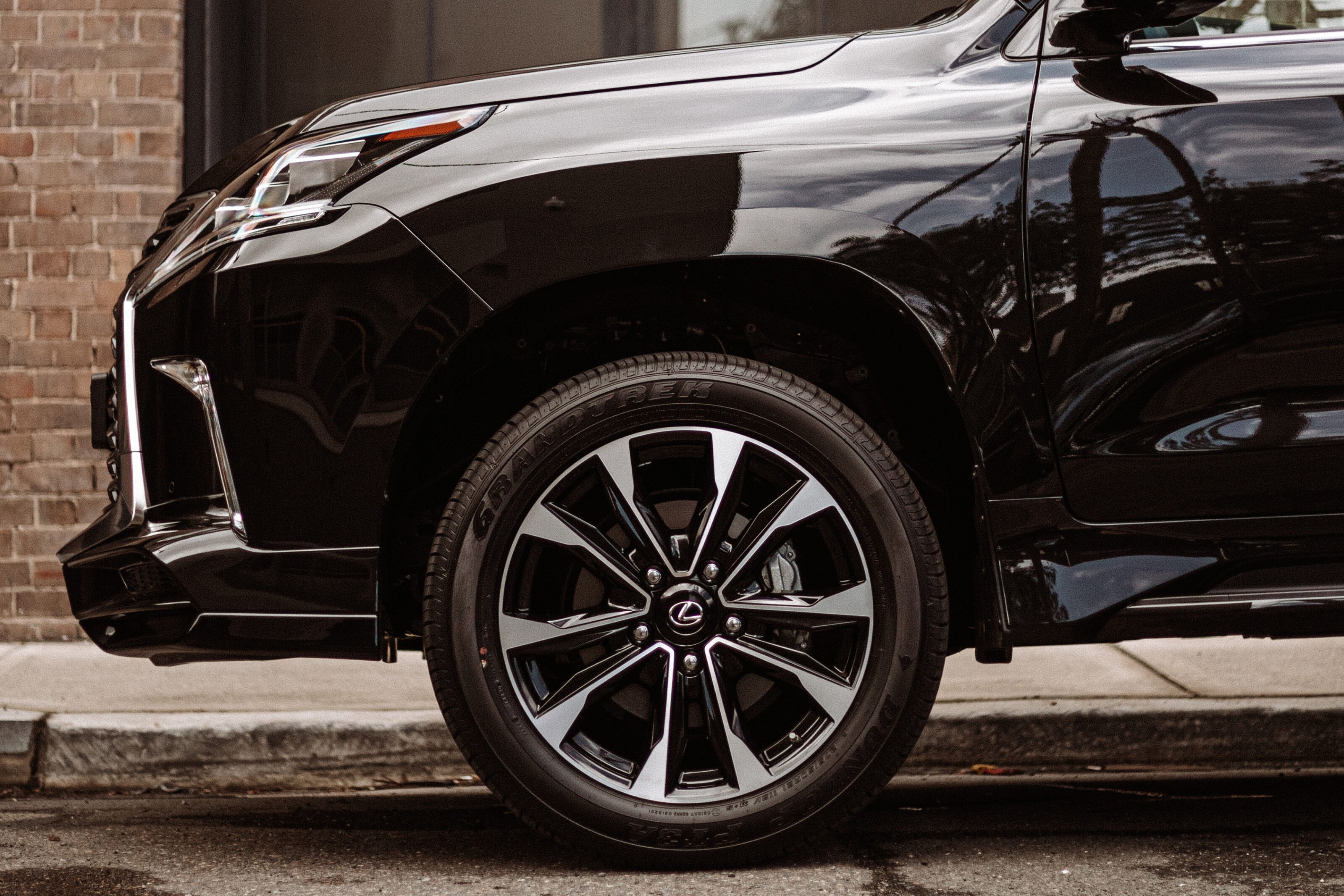
The S version is, at $168,767 before on-roads, essentially the regular LX570 ($146,636 list) with an optional Enhancement Pack ($18,800) bundled in as standard. The S exclusivity, though, arrives in the form of unique forged 21-inch wheels, grille, bumper skirts, badging, puddle lights, alloy pedals and ‘performance’ dampers for what’s a modest $3331 step up.
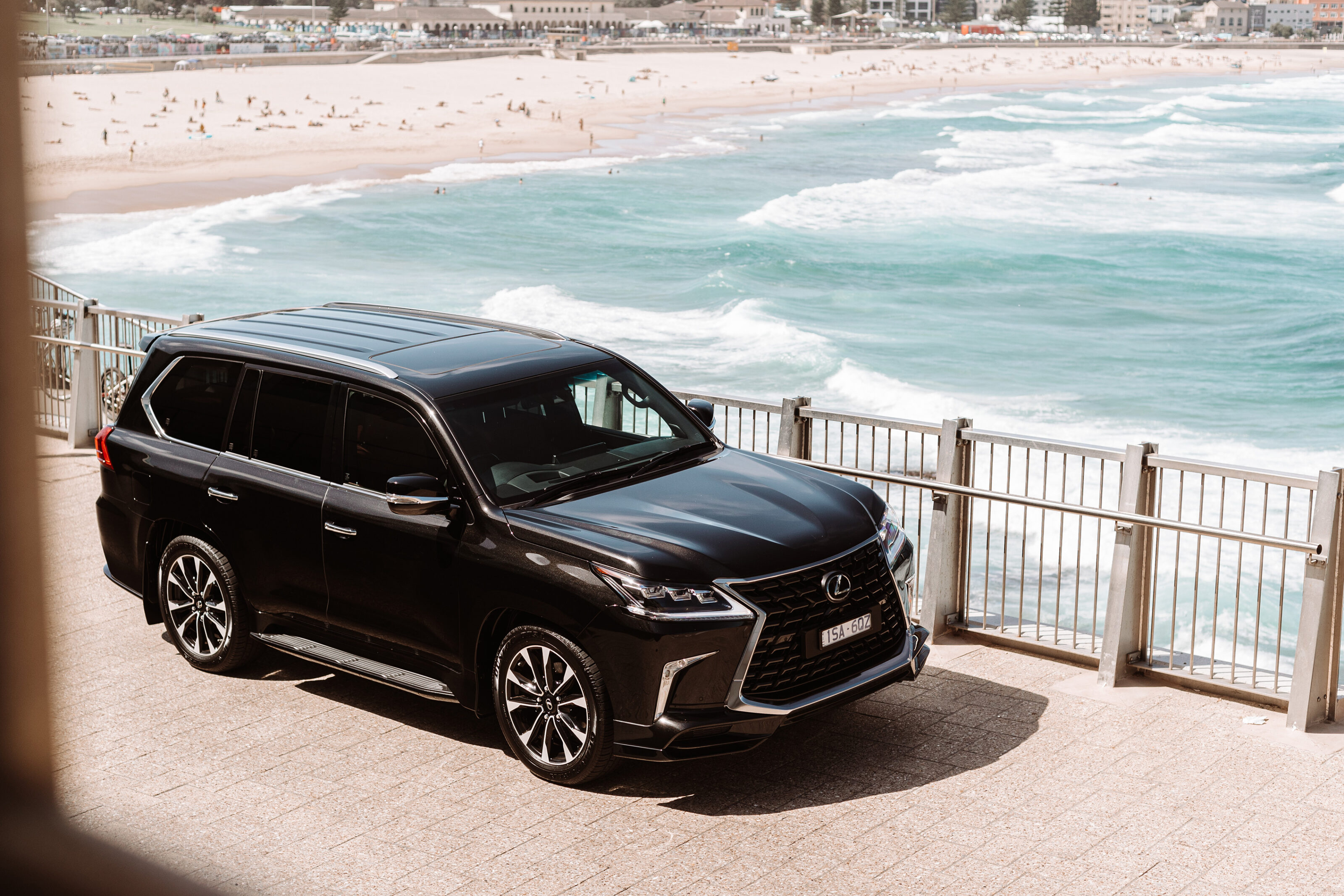
No matter how hard you squint, the LX570 S looks an on-road prospect. The likelihood you’ll spot one in the wild mulga threading rock and gum trees is slim despite how often Lexus uses ‘outback’ in its marketing.
That’s not to say it couldn’t tackle off-road driving. Ladder frame construction, height-adjustable air suspension, dual-range constant all-wheel drive, five-stage Crawl Control for the tricky stuff, selectable Multi-terrain Select smarts (Mud And Sand, Loose Rock, Mogul, Rock And Dirt and just plain Rock programs), 360-degree Multi-terrain Monitor camera system: its technical trick bag is primed for adventure.
It’s just that with those slim 50-profile tyres, polished rims, low-hanging bodykit and expensive gold-speckled Starlight Black paintwork, the LX570 S isn’t exactly dressed for bush-bashing…
No matter how hard you squint, the LX570 S looks an on-road prospect.
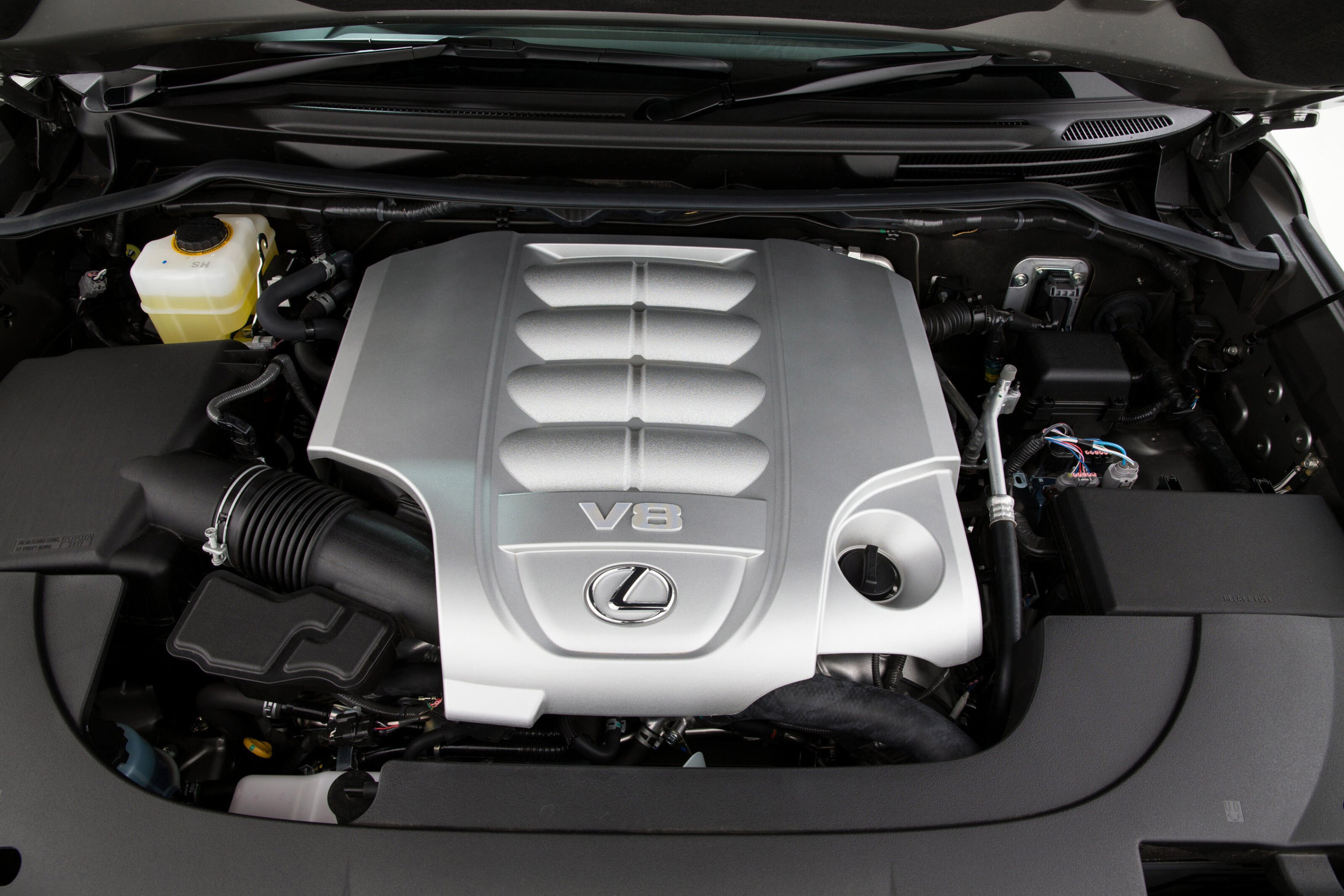
Credentials apart, its 2.74 tonnes of steamrolling ostentation fits the boulevard bruiser mould more comfortably, a plus-sized muscle car afforded by the naturally aspired 5.7-litre 3UR-FE V8 heartbeat. Doing service in LX570 (and Land Cruiser 200 in some markets) since 2007 globally, the largest Lexus engine on offer is as iconic and crucial a drawcard to the package as it is, frankly, lazy, thirsty and fast approaching its use-by date.
It generates 270kW fairly shy of 6000rpm and needs 3200rpm on board to muster up its 530Nm peak, paltry specific outputs by contemporary measure, with a sobering 14.4L/100km combined consumption figure spiralling north to 20.2L/100km urban. Claimed.
Sensibility wriggles into the equation by way of a 138-litre fuel capacity – 93L main and 45L secondary tanks – for practicable touring range though, really, you’re buying into the smooth-spinning, low-register thunder the mighty bent eight brings in celebration of every trip to the shops for bread and milk.
Good vibes, perhaps, but the Lexus LX570 S’s ambitious smorgasbord approach to appeasing sporty, muscular, body-lugging, off-road-savvy, luxury indulgence leaves it short of setting benchmarks for any of it, though it remains an interesting if hardly flawless cocktail under a critical lens.
Case in point is the powertrain, conspicuously old-school in DNA if polished to within a micron of its life to yield a decent facsimile of new-world premium-badged refinement, if with a faintly agricultural edge. That not necessarily a bad thing in context: strangely enough, there’s a sense of toughness that brings a reassuring feeling of bulletproof purpose to the beast. It’s no pillar of slickness though, equally, not uncouth or unnecessarily raucous.
There are six on-road drive modes – Eco, Comfort, Normal, Sport S, Sport S+ and Customize – and perhaps suspiciously so, as if laying on options offers something glove-fit to personal tastes.
Options in the milder half of the mode range are generally uncommitted enough in engine verve and transmission calibration to not elicit much favour, though all are realistically shades apart in differentiation.
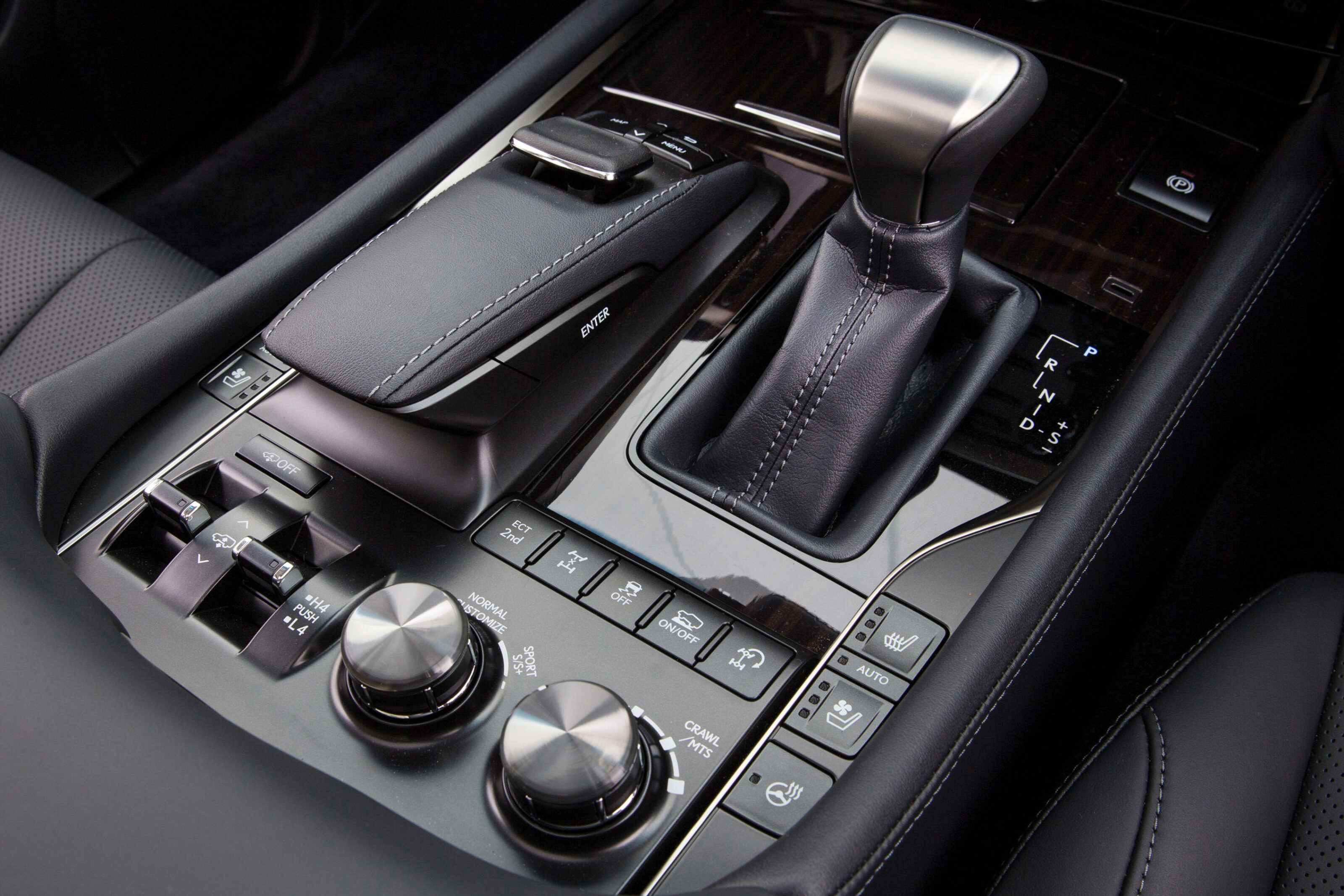
That said, opting for the Sport powertrain setting in the configurable options brings tempered response, massages the V8’s mojo nicely and rids the eight-speed auto of general recalcitrance and low-speed slap.
Sink the right foot and the V8’s reaction is crisp, though without forced induction it doesn’t follow through with much of an undertow of heady torque. Its disinterest in high-rpm delivery and mass-blunted enthusiasm leaves it feeling a bit like a decent turbo-six dubbed with a mildly seductive low-register soundtrack. But dial the heat down and, flexibility wise, it feels like a genuinely large engine at a dull and muted growl.
Similarly, the ride and handling package roams around a nondescript middle ground that’s not particularly sporty, comfort laden or certifiably off-road-like, regardless of chosen drive mode, its air suspension primarily focused on not dropping balls rather than returning measured excellence.
The V8’s reaction is crisp, though without forced induction it doesn’t follow through with much of an undertow of heady torque.
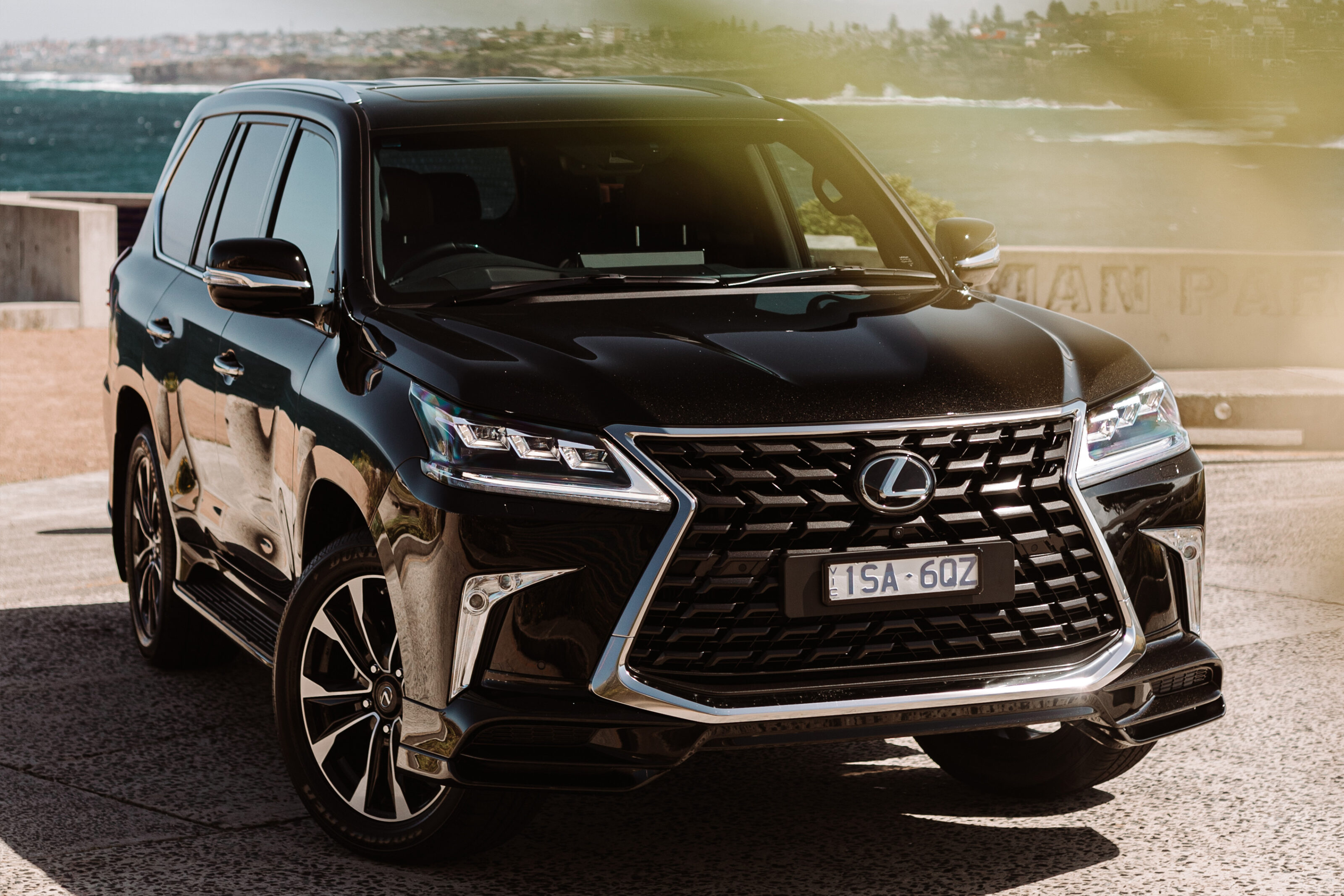
But while the Lexus LX570 S does loll about on its chassis to a degree, the double A-arm front and solid-axle four-link rear foundations offer reasonable discipline and body control, neatly sidestepping annoying floatiness of wobble and settling swiftly beyond bumps. It’s clearly at its most confident smothering big hits with a wheel control that irons out lumpy landscapes.
Problem is, the primary ride is excessively jiggly and fidgety, the dampers – fancy sport jobs or not – struggling to control the hefty 21-inch wheel mass. Tyre slap from the 275mm footprint is pronounced and the suspension is prone to thuds and knocks in the sportier setting. Lexus has done a fine job of buffing out most noise and vibration and its flagship SUV is in most respects a class act of serenity, it’s just that the ride foibles do blot the comfort copybook around town or as a fluster-free grand tourer, surely a primary role for a machine such as this.
Despite cooperative variable-rate steering and reasonable inherent body control, that sporty pretension doesn’t seep much below this SUV’s polarising skin. The sheer inertia of thing is downright confronting and not something to be trifled with. And thus, that innate sense of towering command sat behind the wheel, less on stilts and more a sort of cruising altitude, suddenly and alarmingly diminishes with pursuits of foolhardy corner carving.
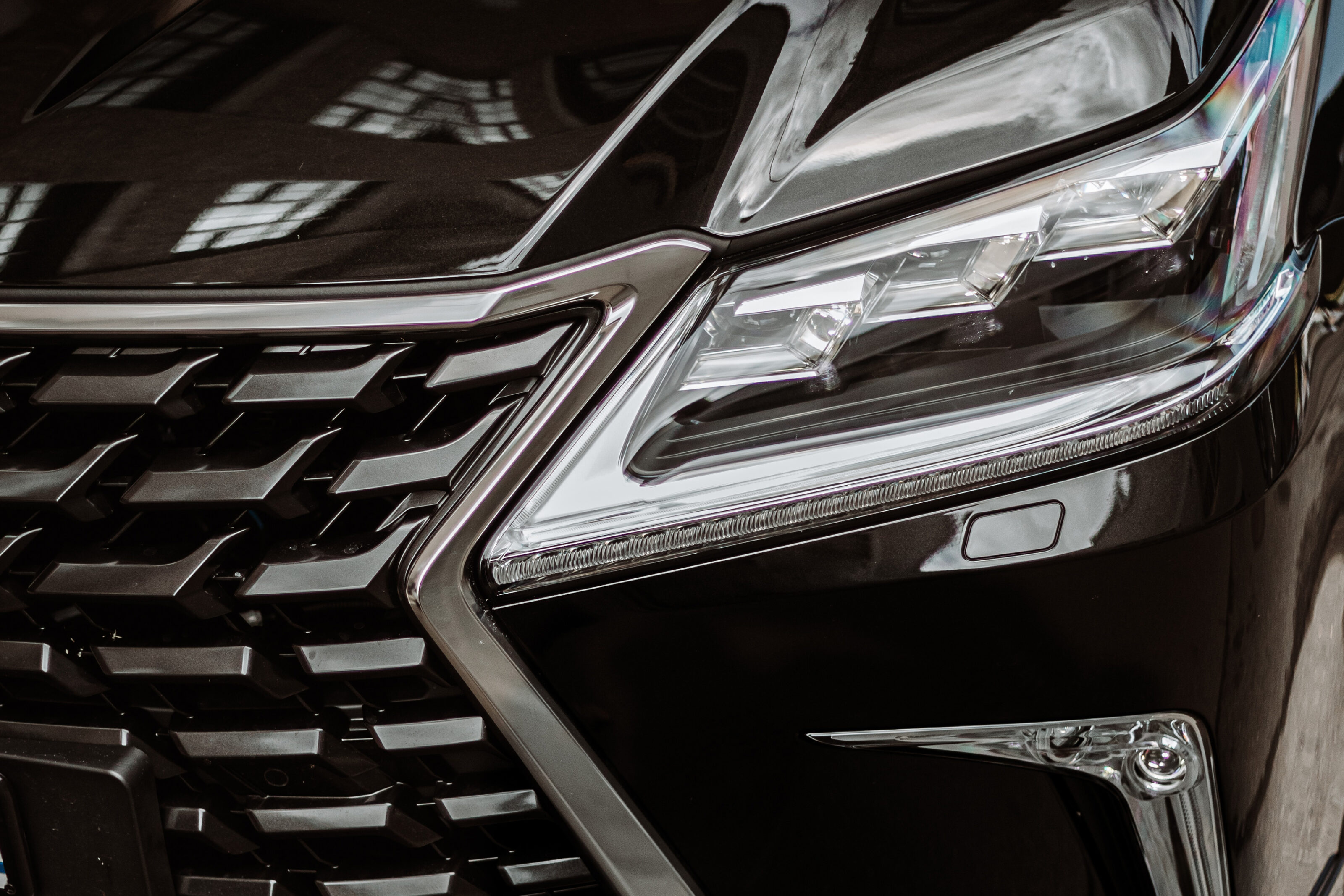
It’s tough to judge the extremities of its high-riding form – that grille, those kerb-wary rims, those tacked-on bumper skirts – and its 11.8-metre turning circle is yacht-like. It’s not that the LX570 S is too much Lexus for inner-city big smoke, it demands a circumspect approach, particularly parking, where the grainy fish-eyed reversing camera and quaint overhead viewing offer only moderate assistance.
The conspicuously mature LX copped a big update in 2015 – lots of sheet metal changes, a significant cabin revamp – but climbing (literally) inside is a step back in time, a combination of old Lexus design applied to even older foundations that, like aged wine and cheese, finds favour with some tastes. Remember the button-frenzied Noughties? It’s right here. Forgot about that woeful blight on infotainment interfacing that was the Lexus console joystick controller? It lives…
Despite the elaborate kitsch, the SUV cabin is a mixed and not necessarily congruent bag. The reddish Garnet semi-aniline leather-accented trim and Shimamoku Grey inlays are flagship exclusives, the former impossibly supple to touch, the latter glossy ‘woodgrain look’ fakery that strangely migrates from the dash to the steering wheel rim. The Takumi-sewn stitching framing the acres of soft-touch surfacing is inspired, though less so the satin metallic-look detailing outing itself as plastic to the touch.
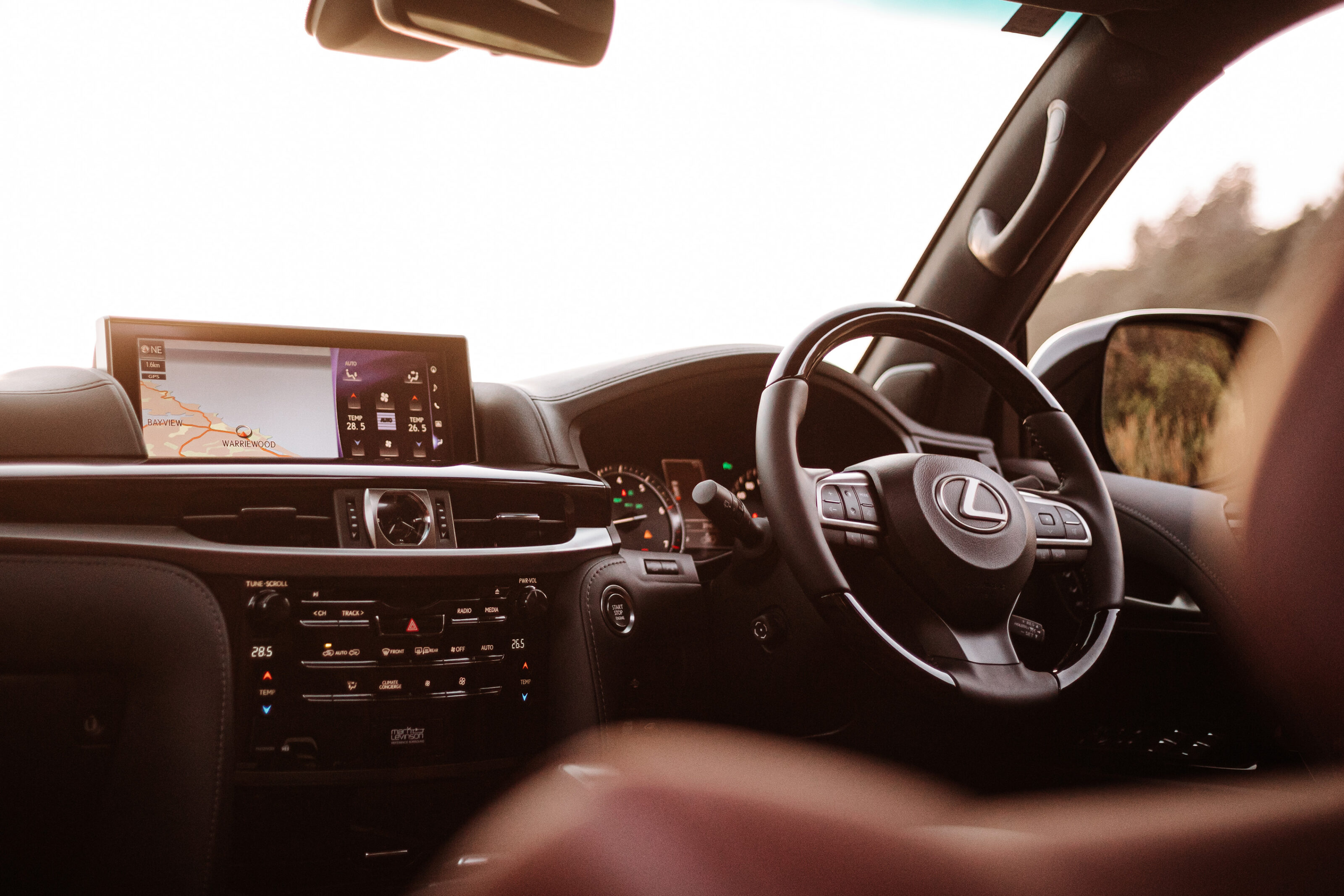
It lays features on thick, though the user experience brings equal doses of satisfaction and frustration.
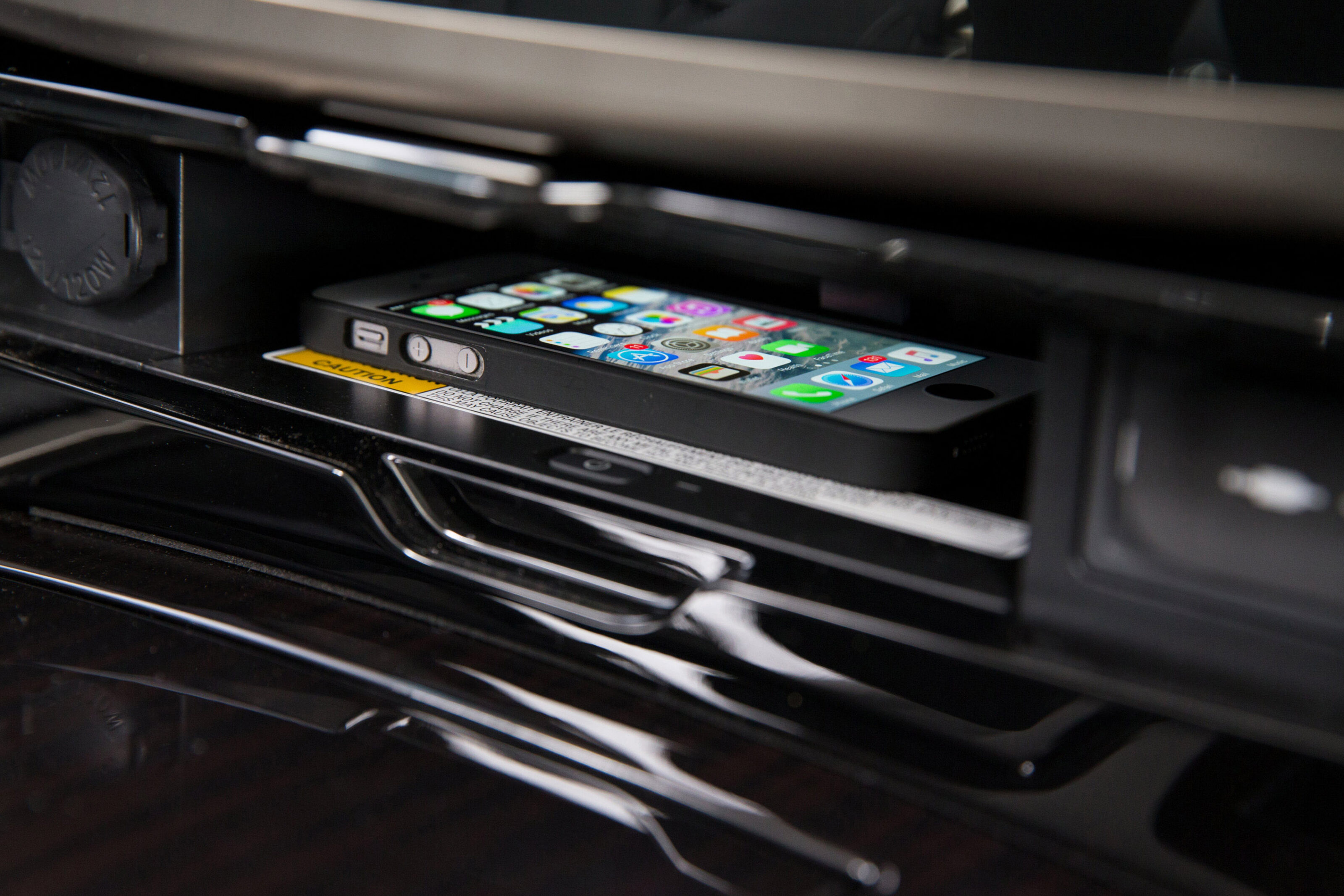
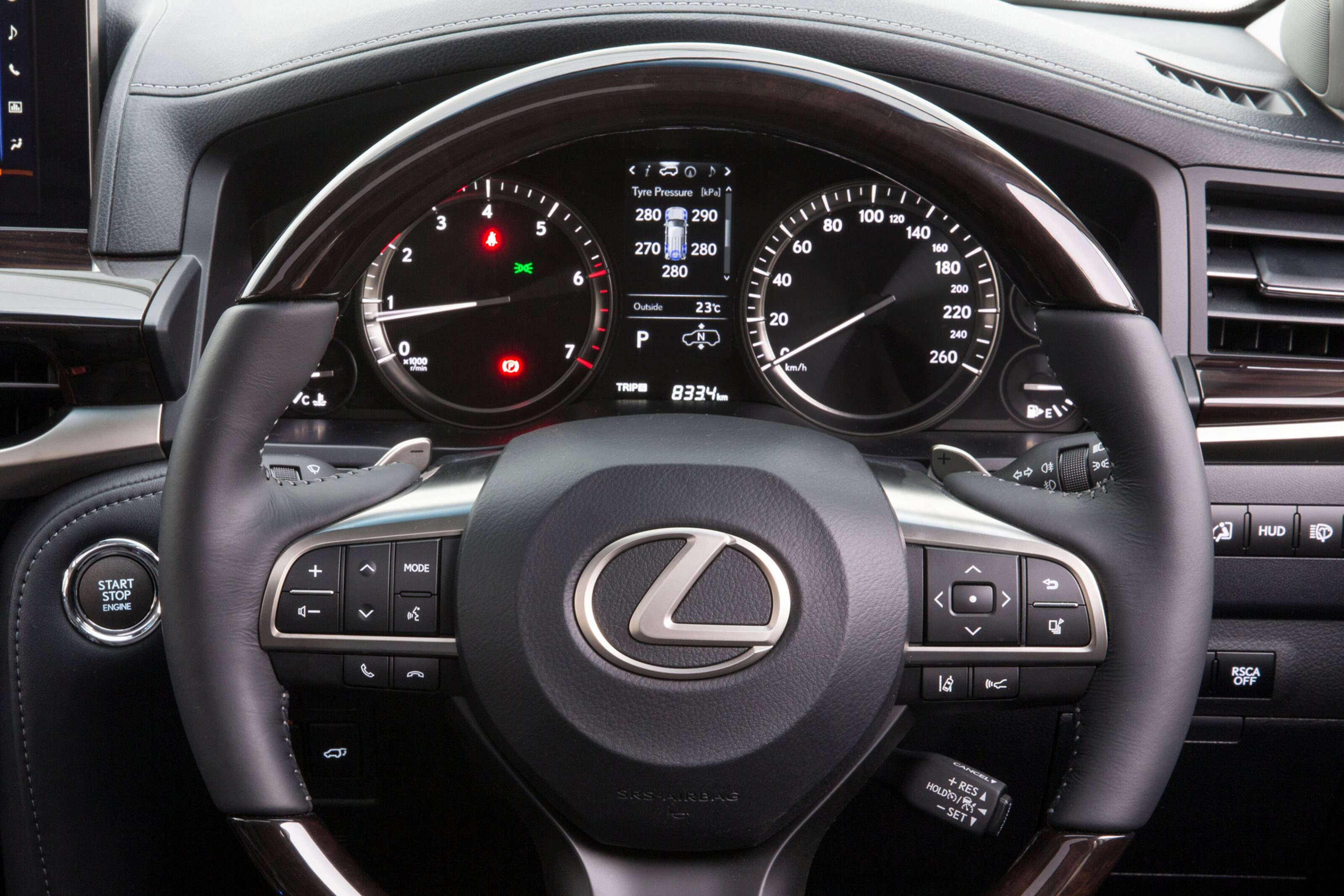
There’s a chilled console bin large enough of a half-dozen small bottles but nowhere to store keys or oddment; there’s an ad-hoc inductive phone charging pad that makes a weird whirring noise; there’s an analogue clock and a DVD player but no Apple or Android smartphone mirroring, perhaps technically hamstrung by the old non-touchscreen infotainment format with its dreaded Remote Touch joystick, an interface so clunky and distracting that it’s amazing it managed to crawl out of Lexus R&D.
Resplendent centre stage is a large 12.3 display screen and while it ticks the functionality boxes it, like much of the LX window dressing, is patently old hat. Kudos, though, to the four-zone climate control system, with roof-mounted ventilation extending through all three rows.
Despite the elaborate kitsch, the SUV cabin is a mixed and not necessarily congruent bag.
It’s an eight-seater, if perhaps a realistic seven-seater with any concession to third-row occupancy and designed more as a six-seater given the strong plus-two leanings of the second-row seating and the fact the rear climate controls are located in the centre armrest.
Row two’s 40:60-split seat format power adjusts to balance legroom throughout the cabin but all rear positions are short on legroom with all seats filled, though the high bases and low windows afford great outward viewing for kids.
The rear proprietary entertainment system, though, is achingly passé: grainy passive screens, wired headgear, a sold HDMI source port and a single 12-volt outlet for power. Largely redundant addenda, then, given most rear passengers will surely dive for slicker portable tablets and Bluetooth headphones faster than they can ask “where are the rear USB ports?” of which this SUV provides none to those beyond row one.
Third-row access is decent as row two flips forwards rather than stowing flat, the rear bench fitting three slim kids at a tight pinch. This seat assembly folds manually and flips sideways electrically, into either side of the boot space, using a control pad in the rear wall. On theme, the split rear door offers a mix of powered hatch and manual tailgate.
The load space is generously tall – floor to ceiling – but compromised in load width and depth depending on whether you’re in a five- (1085L) or two-seater (1962L) configuration, while it’s a handy 349L with all seats in play.
As an extra-large luxury SUV it functions effectively indeed, though its ageing LandCruiser 200 roots prescribe and somewhat impinge upon packaging practicality and flexibility. It’s not nearly as smart or comfortably roomy as, say, the smaller if more contemporary Audi Q7, which I happened to have climbed out of prior to my stint in the LX570 S.
The big Lexus never barged its way through the ANCAP auspices, though the related LandCruiser 200 did strike up five stars in an assessment old enough to nudge puberty (tested 2011).
Regardless, the LX570 S casts a wide safety blanket to cover most contingencies, including 10 airbags with curtain protection extending through all three rows. The AEB system is camera- and radar-based with pedestrian detection, cruise control is adaptive, and the lane-departure, blind-spot and rear cross-traffic systems provide alerts of impending misfortune if without any avoidance intervention. One highlight, though, is the superb illumination of the LED headlight system that brings adaptive high-beam and wide-angle cornering smarts.
You get four years of warranty capped at 100,000km while basic servicing wants for $495 a pop, though the intervals are six-month/15,000km terms so double that outlay and off-the-road inconvenience per annum. Capped pricing extends through the first three years only.
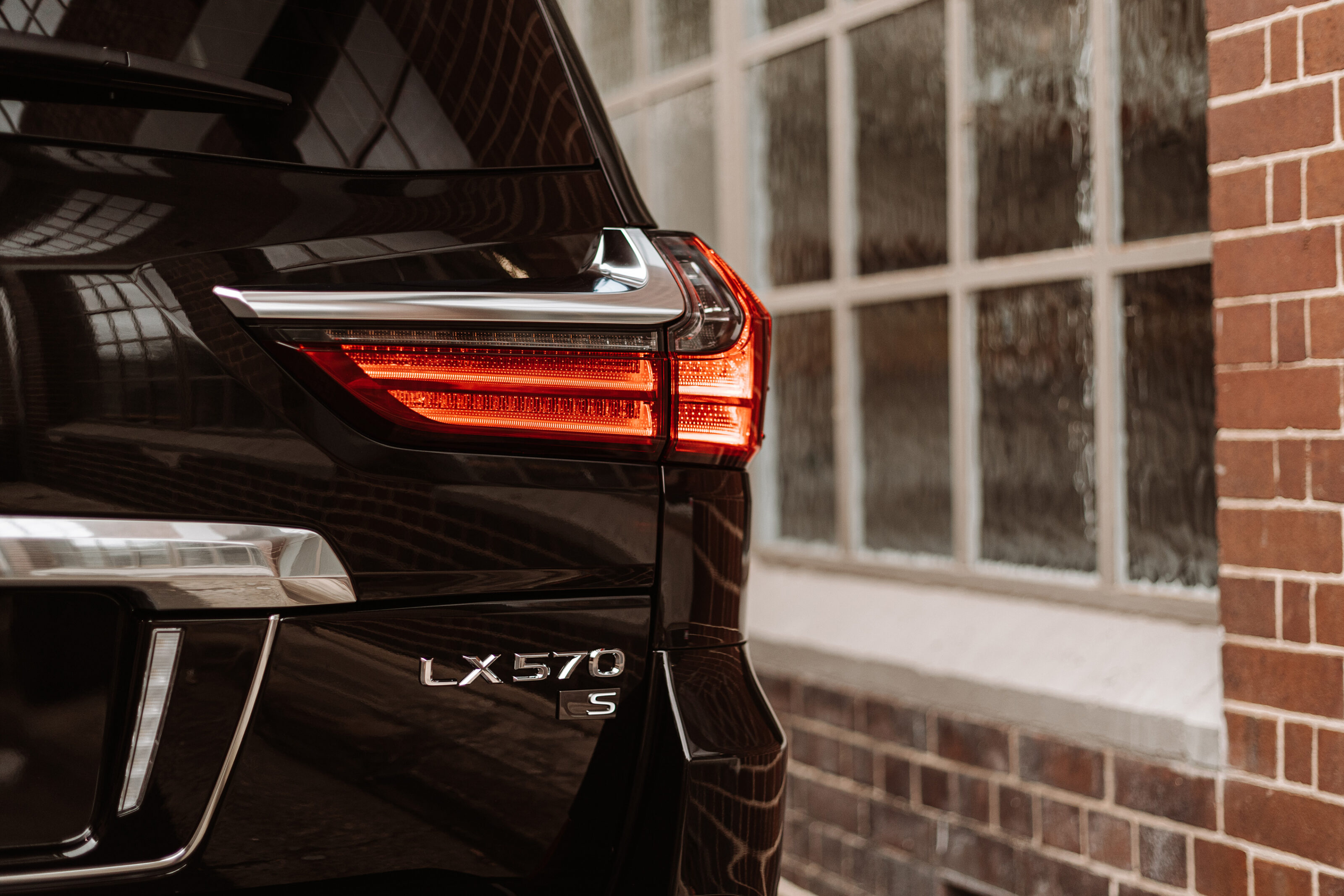
It’s easy to find threads to pull in the LX570 S details but close inspection focus fails to recognise the bleeding obvious viewed from 50 paces. It’s a celebration of more-is-more excess. Whether you consider it a beauty or a behemoth, the biggest Lexus on any block commands attention – or, at least, a strong reaction.
The LX570 S is more about combined effect than individual merits or flaws in individual disciplines. And while it isn’t the smartest, most focused or most contemporary response to many of the aims it sets out to fulfil, it’s a distinctive amalgamation quite unlike anything else out there right now and indeed for not that much longer. That it forges its own inimitable path is key to the effusive charm of the thing.
Lexus LX570 S Specifications
| Body | 5-door- 8-seat |
| Drive | AWD |
| Engine | 5663cc V8, 24v |
| Power | 270kW @ 5600rpm |
| Torque | 530Nm @ 3200rpm |
| Fuel consumption | 14.4L/100km (combined) |
| CO2 emissions | 334g/km |
| Compression ratio | 10.2:1 |
| Transmission | 8-speed automatic |
| Suspension | double A-arm front, four-link rear, adaptive air spring |
| Length/width/height | 5080/1980/1865mm |
| Wheelbase | 2850mm |
| Tracks | 1645/1640mm |
| Kerb weight | 2740kg |
| Brakes | 340mm four-piston front/345mm single-piston rear |
| Tyres | 275/50 R21 Dunlop Grandtrek |
| Price | From $168,767 |
Let’s open with bald facts. Lamborghini delivered 7250 cars last year, all of which were solus internal combustion engined, contributing to a fleet average of more than 348g/km across the Urus, Huracán and Aventador model lines.
This presents a problem.
Unless your average is less than 95g/km by 2021, swingeing fines come into effect. The penalty for being 1g over the target is EUR 95 multiplied by all of your volume so, as it stands, Lamborghini would be fined EUR 24,035 for each car it sold in Europe.
Stephan Winkelmann, Lamborghini’s CEO has set in place a plan to cap the fines and reorient the company. The project is called Direzione Cor Tauri.
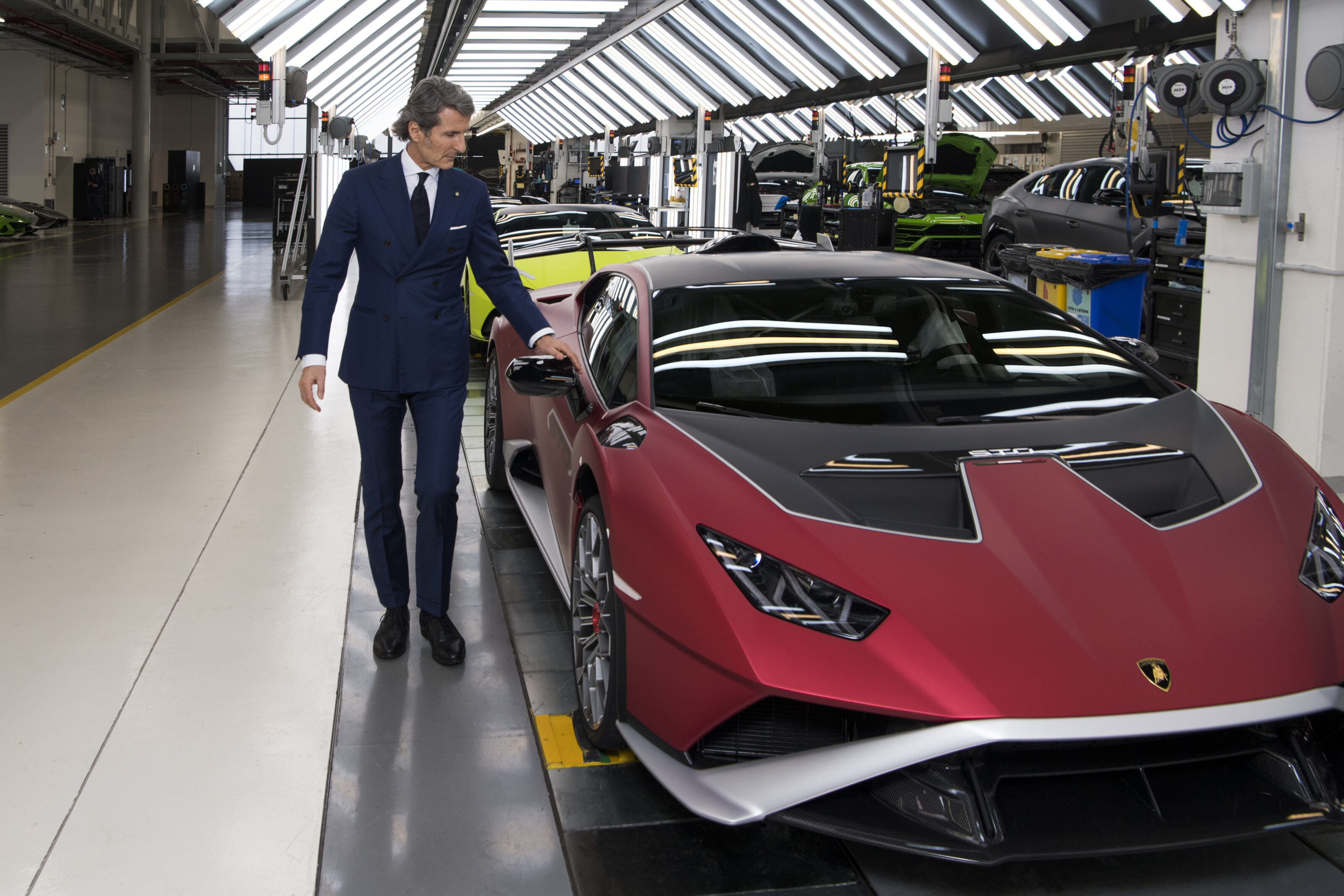
The more cynical among you may well think that Lamborghini’s European customers could probably absorb a few thousand euros added to the list price of the cars, and that pursuing sales in other markets would be a financially expedient course of action. Winkelmann knows that this strategy isn’t sustainable.
“Now it’s time for the second phase and to really kick start and have new ideas. If we look into our future, we have three different possibilities. We stay with combustion engines, we electrify or we hybridise,” he explains.
“What we are committing to now is that we will have all of our model lineup, the Urus, the Aventador and the Huracán all with hybridisation and this is going to lead us into a CO2 reduction across the entire fleet by 50 per cent.”
“We have to keep the spirit of Lamborghini alive, so performance with design is of the utmost importance for us. We will not stop here though. We will not only have all of our models hybridised by 2024, but in the second part of this decade we will have the first full electric model. This will be a car that will have at least 2+2 or four seats, so will not be a proper supersports car like Huracán or Aventador, but we are looking in the direction of a car that is more daily useable.”
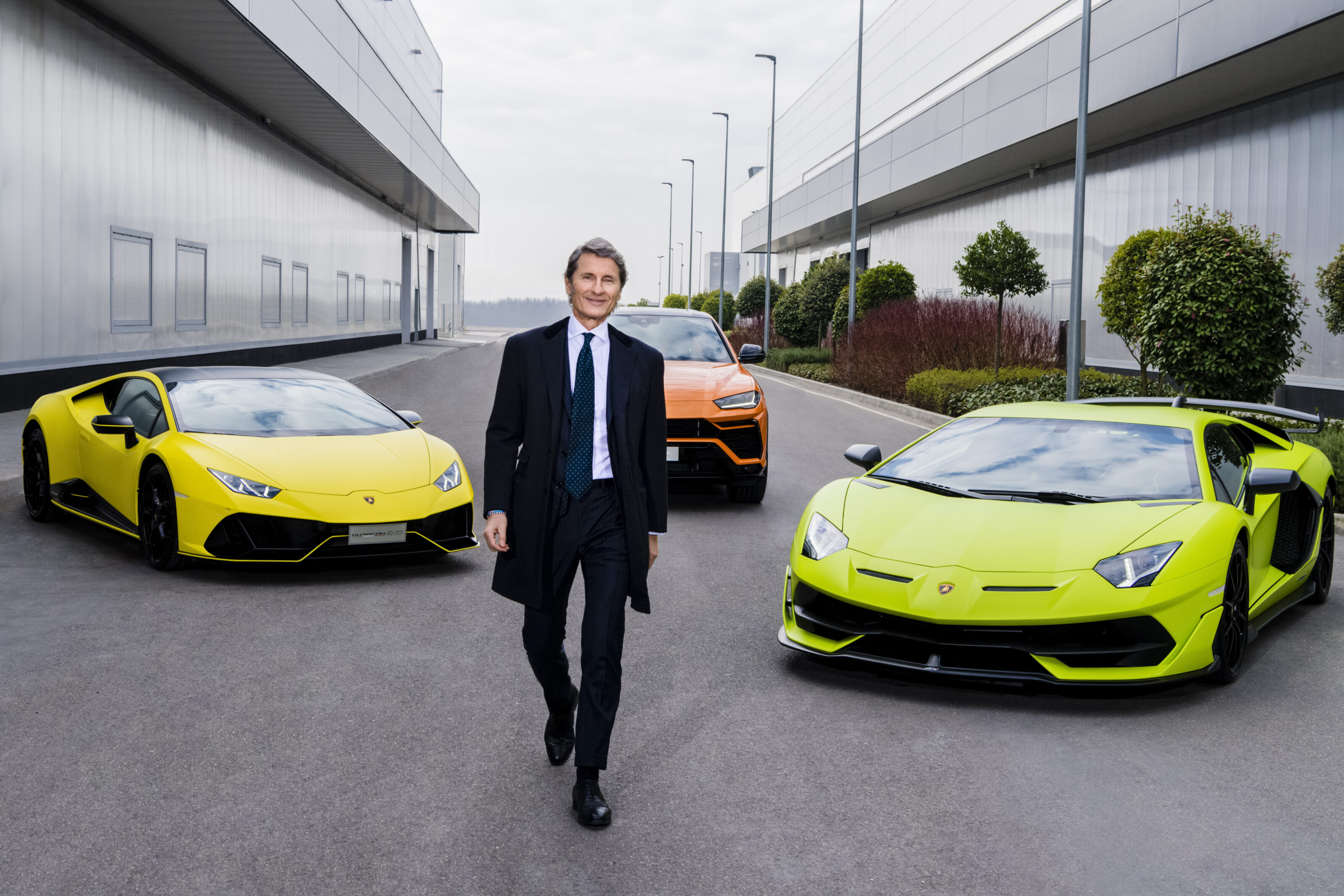
MOTOR expects that this would likely be a model spun off the Premium Platform Electric (PPE) platform rather than the current Porsche Taycan and Audi e-tron GT’s excellent J1 Performance chassis.
“We are investing the biggest amount ever in our history, so between today and the end of 2024, without the first model, the first electrification, we are going to invest EUR 1.5bn into our company,” he continues.
When asked what the cessation of Audi’s combustion engine research and development meant for Lamborghini, Winkelmann chooses his words carefully. “The follower of the Aventador and the follower of the Huracán are fully hybridised, so they will be plug-in engines and they will be all developed by Lamborghini.”
Winkelmann is keen to stress that he doesn’t want Lamborghini to be seen as a Luddite business, the last of the last of the internal combustion holdouts.
“The last combustion engine… this is something that is not yet decided. It depends on the regulations, but also the capacity of the industry in general. Maybe also to have enough synthetic fuel in the future. For the supersports cars, that is an opportunity to stay with very low emissions but with combustion. This is an opportunity we are not going to push off the table. Hybridisation is going to start in 2023 and will last for at least the next decade, we have time enough to decide whether we dismiss the combustion engine after that or if we have another opportunity.”
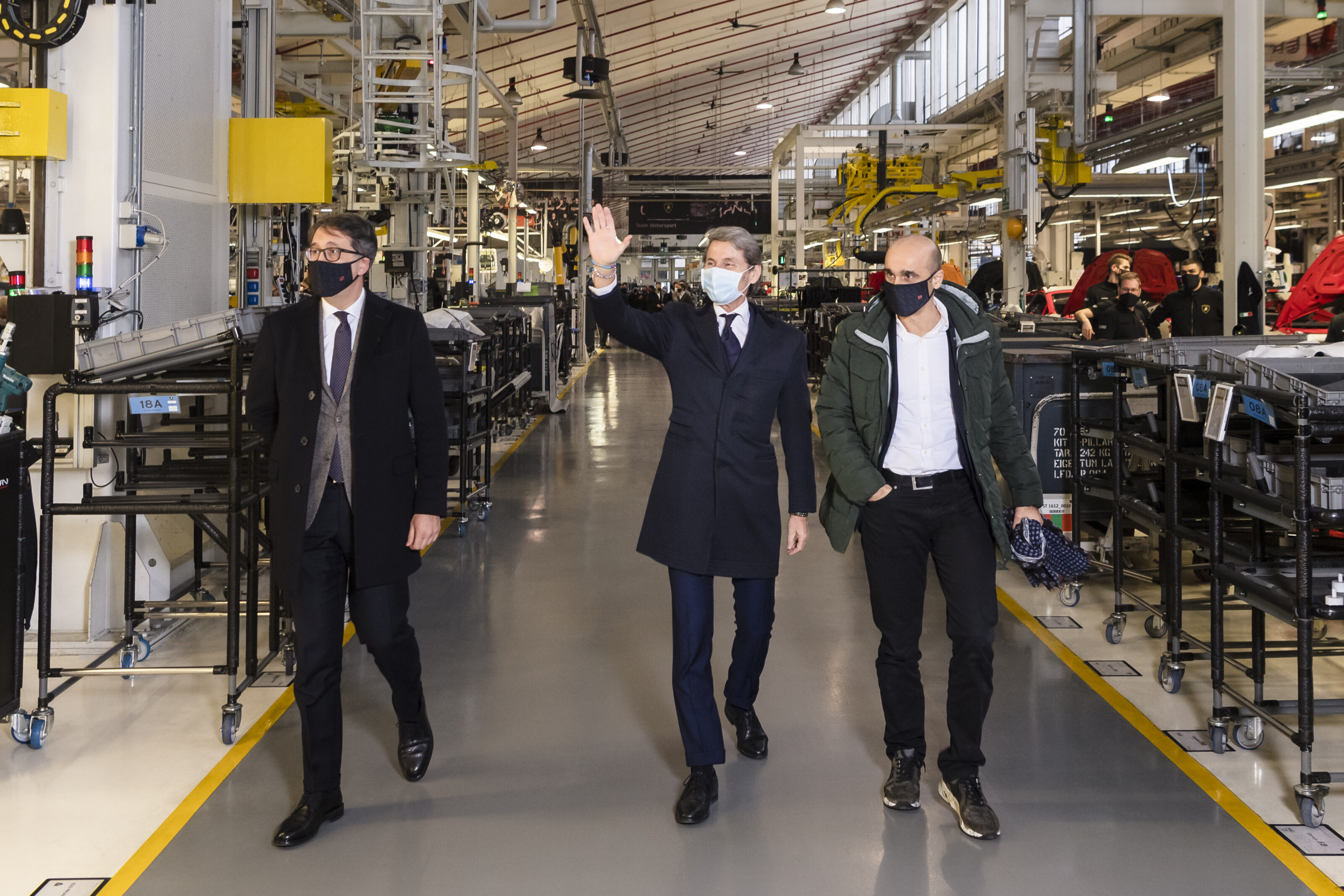
Indeed, Lamborghini’s recently unveiled Direzione Cor Tauri plan earmarks 2021 and 2022 as the final two years celebrating the internal combustion engine, with two new V12 models announced. The second phase sees a hybrid series production model launched in 2023, with the rest of the range electrified by 2024. The third phase is full electrification, starting in the second half of this decade with the rollout of full EVs.
“I think there are going to be some very nice surprises in the next 24 months about our combustion engines,” Winkelmann says with a smile when asked if the ageing Aventador and Huracán still have the legs to compete in a market that is often looking for the newest, shiniest things.
“I don’t want to be seen as last of the kind, but in terms of pure internal combustion engines, I’m pretty sure that before hybridisation kicks in, there will be another jump in terms of demand from customers all around the world for those type of cars.”
Winkelmann is aware of the consequences of moving at the right time. “All of us were different 15 or 20 years ago, in what we were expecting. It’s to be always very cautious in whatever you decide, but when you decide you have to be sure that there is only one bullet in your gun. It has to hit the target without any doubts.”
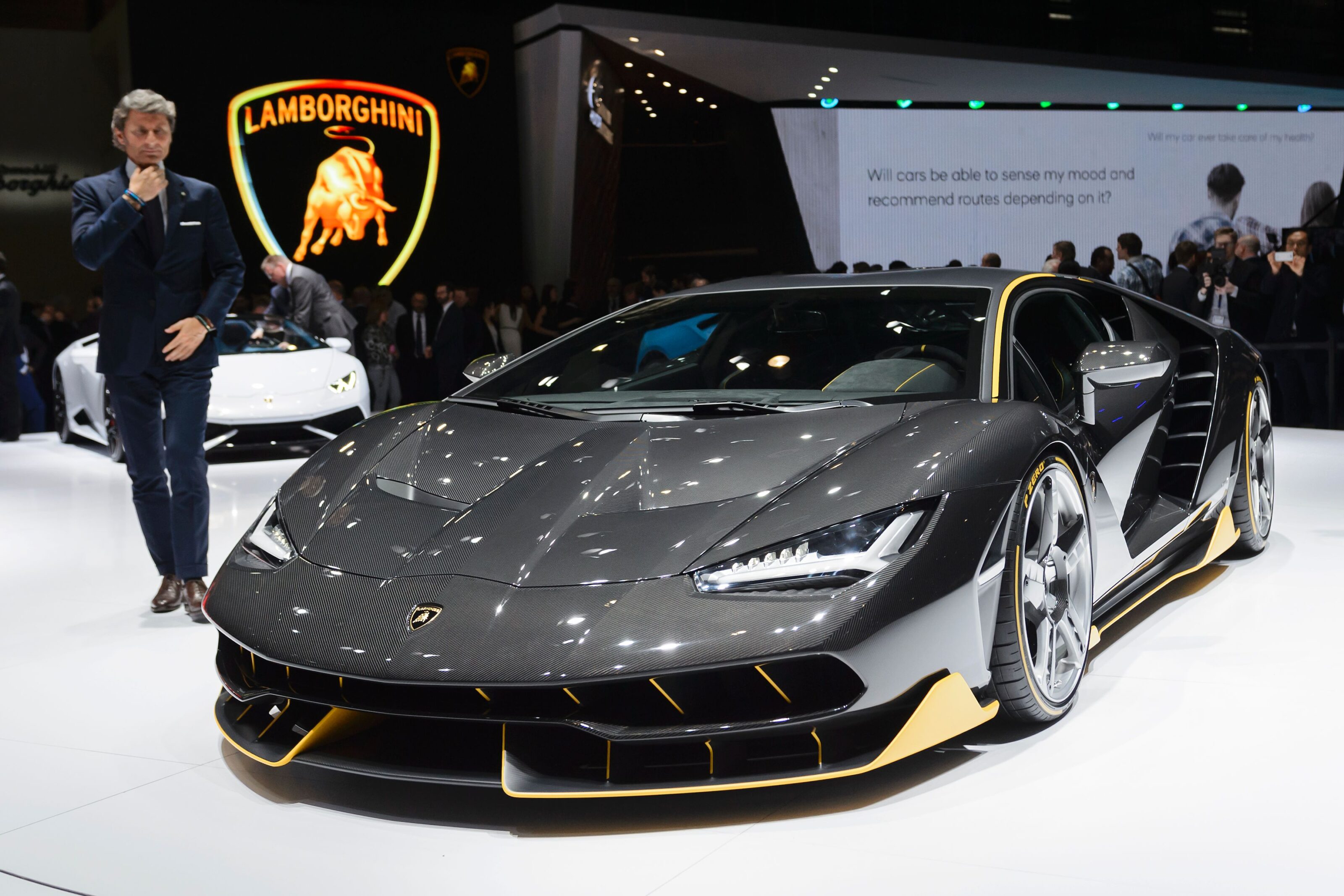
What about Lambo at Le Mans?
Winkelmann usually offers an excellent poker face, but when pressed on whether Lamborghini had any plans to compete under LMH or LMdH rules, he breaks into a broad grin.
“It’s a good one, because in the last few days we were looking into this. It looks interesting but there is no decision taken and even if we decide, it’s going to be some years down the road before we’d be ready for something like this. But I have to tell you, it’s interesting and we’re looking into it.”
We’d take that as a yes. Do you agree?
Snapshot
- First V6 road car to wear Ferrari Prancing Horse
- PHEV with 25km EV range, up to 135km/h speeds
- Total of 610kW and 740Nm, 0-100kmh in 2.9sec
Before the reveal of the Ferrari 296 GTB, some suspected a new V6 model in the range would be the return of a Dino-style entry level sports car to attract new buyers to the Ferrari brand.
The 296 GTB is not that.
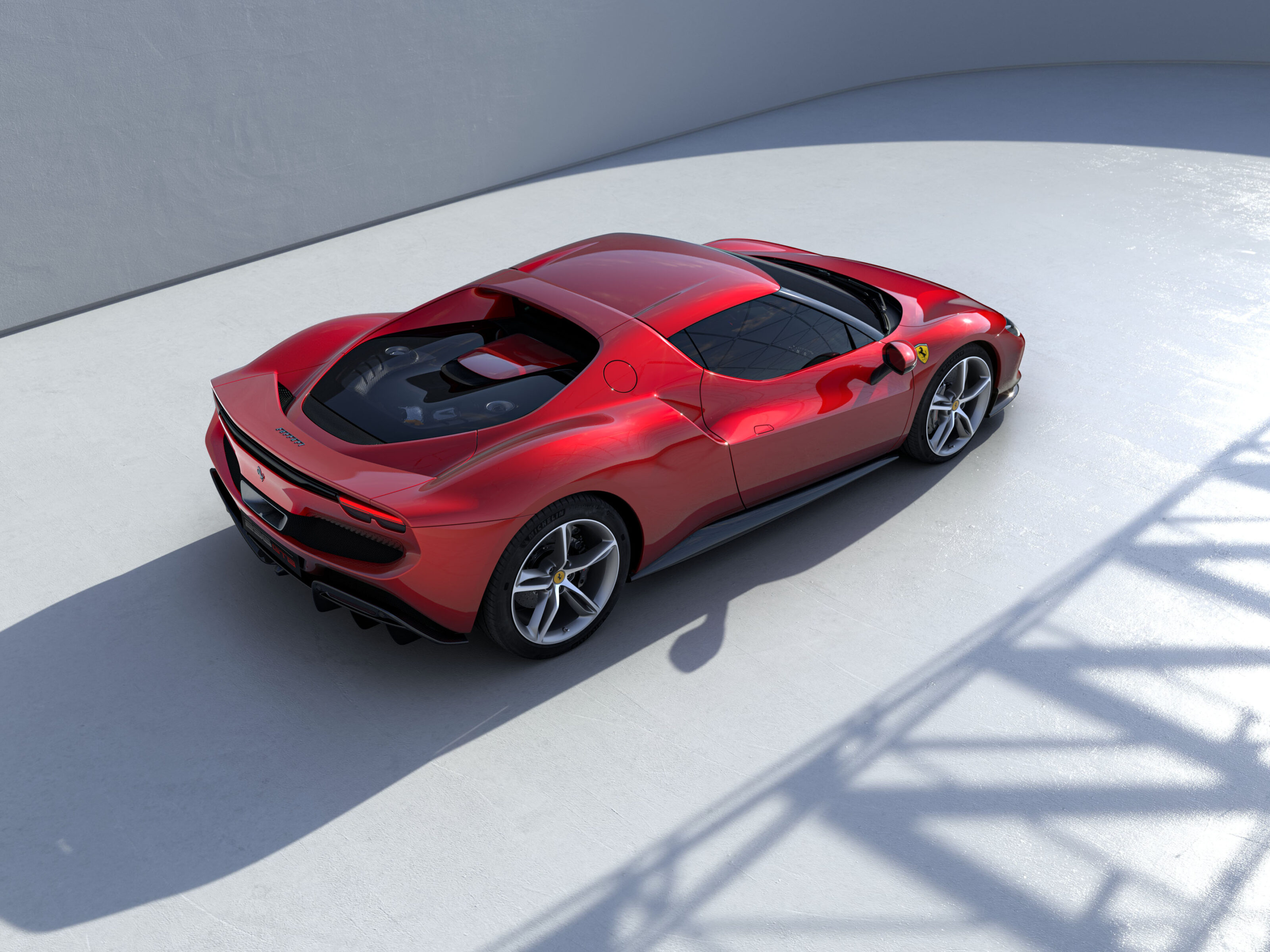
With a twin-turbo V6 making 488kW, plus a 122kW electric motor for a total of 610kW and 740Nm, the Ferrari 296 GTB is one of the fastest cars to tackle the brand’s Fiorano test track.
With the same lap time as a Ferrari F12tdf, 1 minute and 21 seconds, it’s only a little more than a second slower than the LaFerrari, and two slower than the SF90 Stradale.
With performance like that – and as marketing boss Enrico Galliera put it – the Dino badge simply wouldn’t suit.
“Dino is one of the most iconic concepts in Ferrari’s history… but it didn’t carry a Ferrari badge,” he told journalists during the reveal.
He’s right on a technicality, the Dino only wore a Ferrari badge in its final, V8-only iteration.
“The 296 GTB doesn’t share this positioning… it isn’t an entry model. It would have been a nice marketing tool… but we decided to give this model some dignity.”
Dignity comes in the form of the aforementioned powertrain (linked to an 8-speed DCT), completely new and designed by Ferrari specifically for this application, Maranello claims.
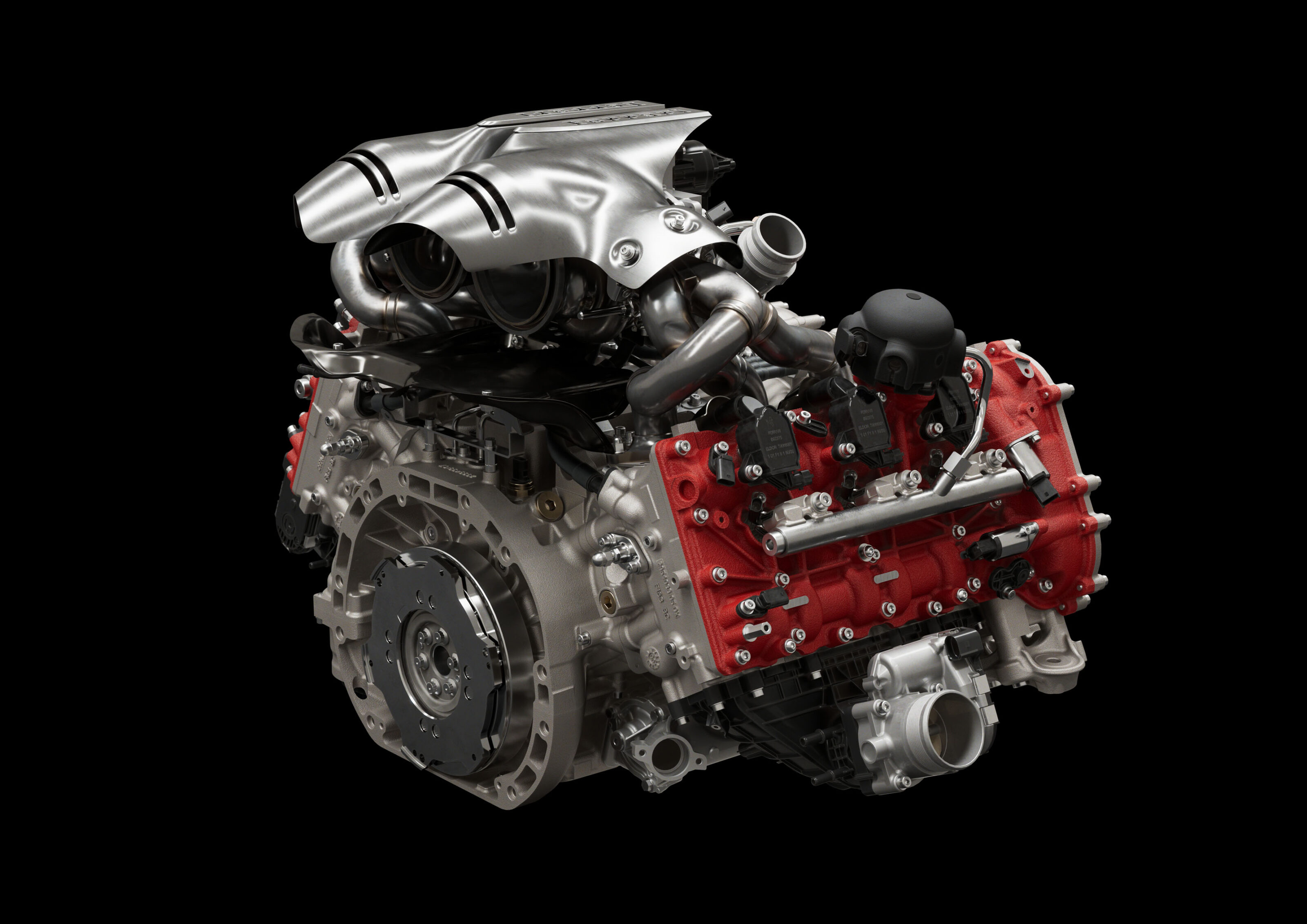
This is a somewhat unsubtle way for Ferrari to deny links between this engine and the Nettuno V6 in the Maserati MC20, which shares a bore and stroke. To Ferrari’s credit, Modena’s V6 is 3.0-litres.
The 296 GTB’s engine (codenamed F163) has another major difference, its V angle of 120 degrees. This allowed not only for a lower powertrain centre of gravity, but also for straighter exhaust plumbing and more space for the turbos to be nestled within the V, the first time Maranello has done so.
Oh, and it revs to 8500rpm. If that’s not your thing, the 296 GTB can also drive entirely under electric power for a maximum 25km, up to a top 135km/h speed.
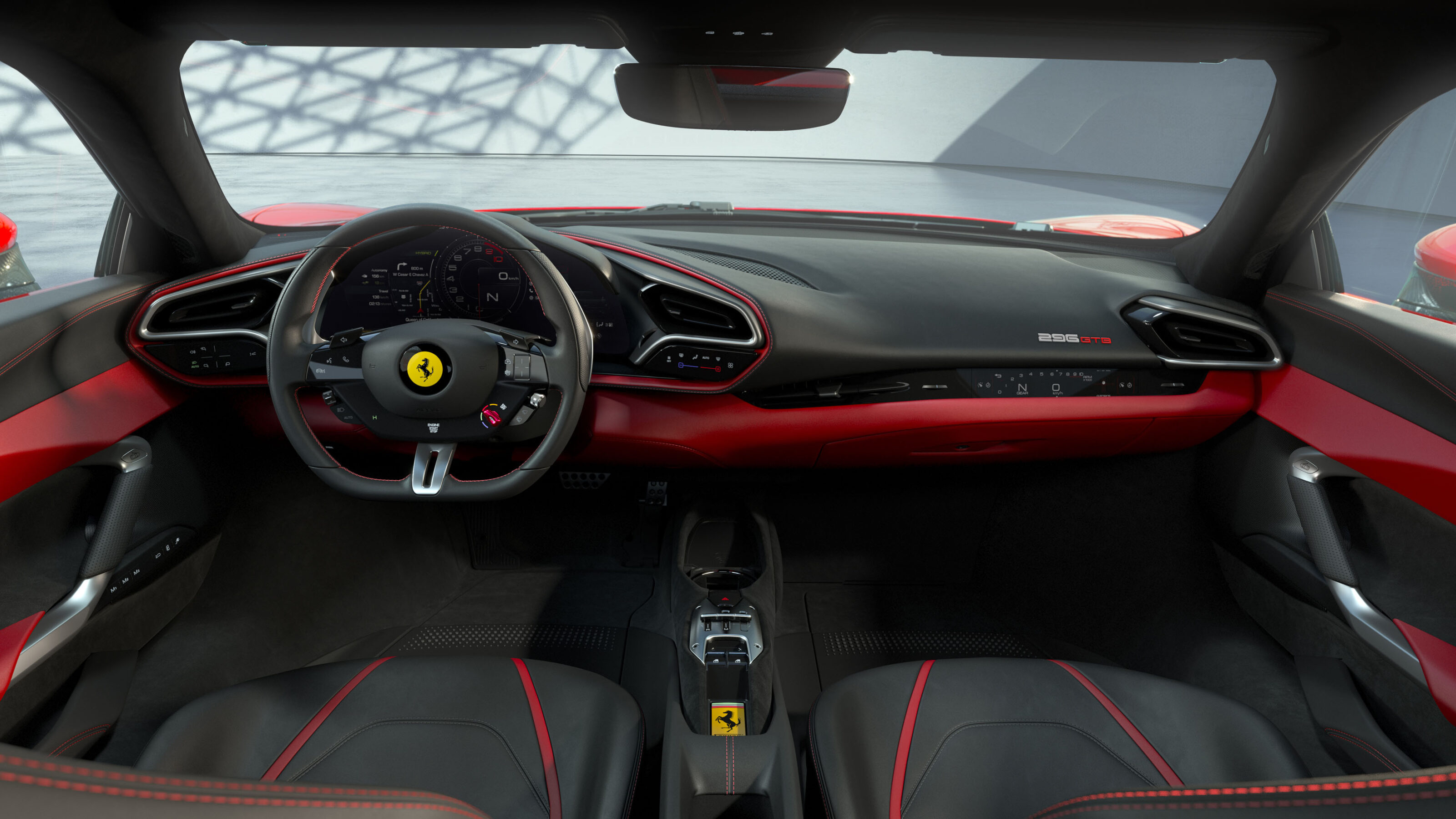
This engine, paired with the 7.45kWh battery and rear electric motor, can launch the RWD 296 GTB to 100km/h in just 2.9 seconds, Ferrari says, and to 200km/h in 7.3sec. Its 11-inch-wide tyres at the rear surely help with traction here, though its dry weight of 1470kg isn’t the most insubstantial amongst the short list of hybrid V6 sports cars.
The McLaren Artura weighs 1395kg dry, and claims the same 0-100km/h with 110kW and 20Nm less. Its V6, funnily enough, is also banked at 120 degrees and revs to 8500rpm.
Finally, the 296 is available with an optional Assetto Fiorano package, which adds adjustable Multimatic shocks for track driving, downforce-focused carbon-fibre additions to the front bumper, a lighter Lexan rear window, and more carbon-fibre for lightweighting. Some structural elements like the door panels also are altered for this pack, saving a little over 12kg.
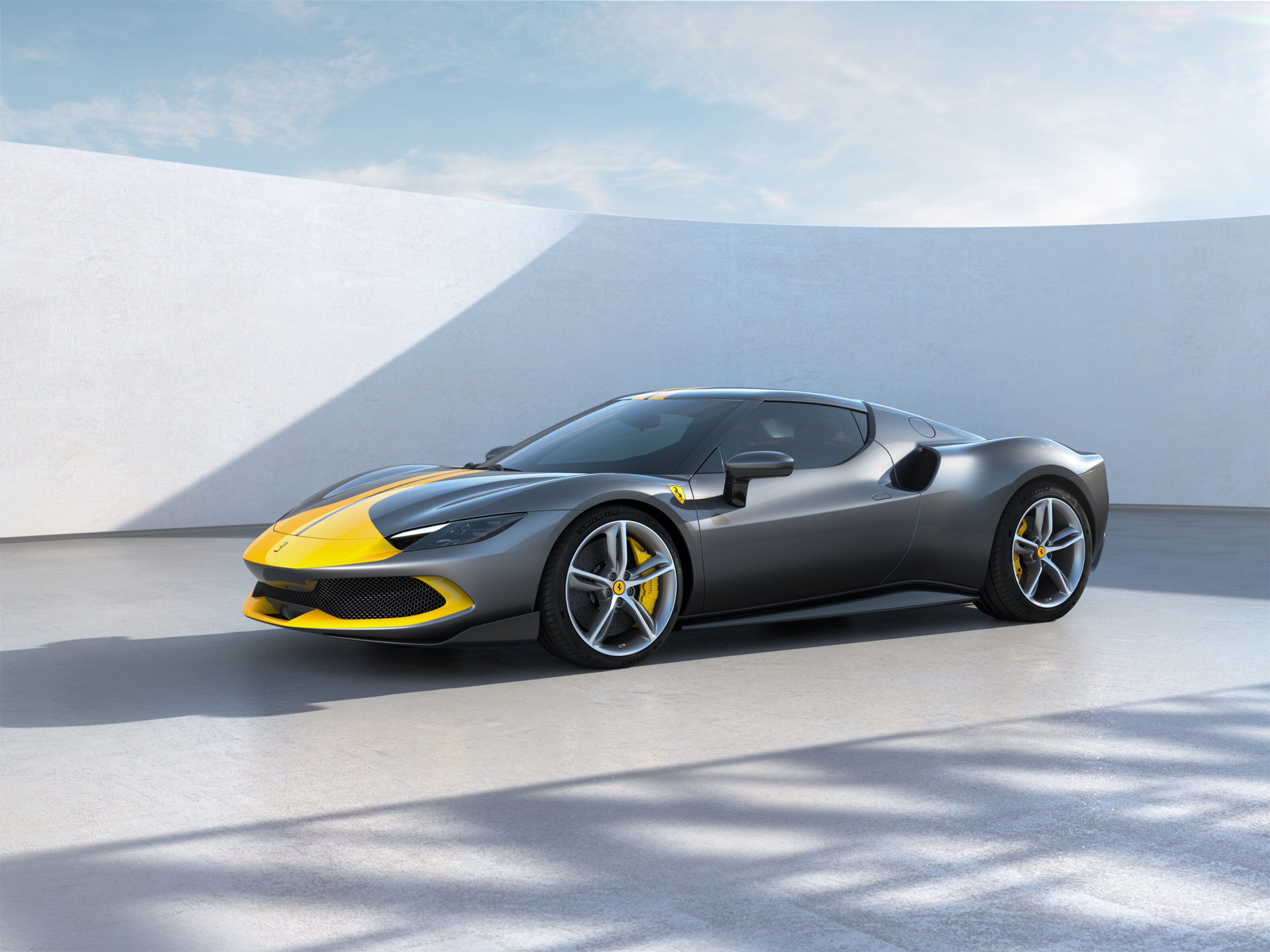
In Australia, pricing and arrival of the 296 GTB is yet to be confirmed, though the full-fat Fiorano version will cost 302,000 Euro to buyers in Italy, while the regular version is 269,000 Euro. Given that directly equates to A$475,700 or A$423,600 respectively, the 296 here is in the half-million dollar car region.
The first left-hand drive cars will be delivered in early 2022, with right-hook markets to follow afterwards.
Snapshot
- GWM and Haval sales up to May 2021 have already eclipsed total 2020 figures
- Supply or semi-conductor shortages not an issue for at least a couple months
- Incoming ANCAP rating for expanded Cannon Ute range
Great Wall Motors is gearing up to hit 18,000 local sales in 2021 after declaring it wants to more than triple the volume its stables achieved in Australia last year.
GWM executive general manager, Steve Maciver, outlined the ambitious plans at a media event this week in Melbourne, appearing confident sales will exponentially grow in the second half of the year.
The growth will hinge on new products it believes won’t suffer from the supply issues most of the industry is battling. These arrivals include new GWM Cannon Ute variants and a hybrid version of the new Haval H6 to follow the recently introduced Haval Jolion.
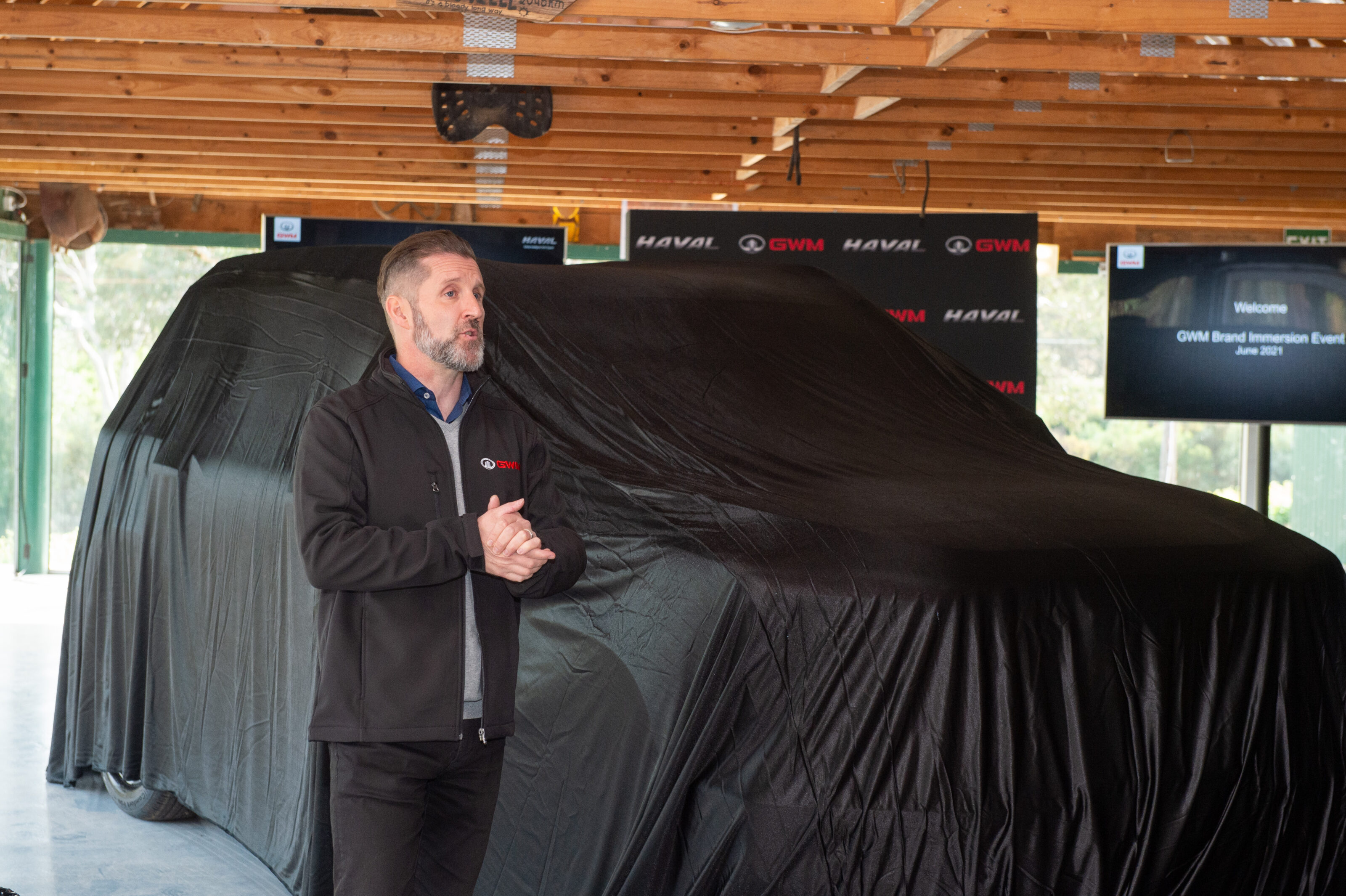
Maciver said a growing dealer network will help – the firm wants 90 dealerships in Australia before 2022, building on the 80 it has already established, which is double than what it had this time last year.
GWM’s volume seller, the Cannon Ute, will also welcome a manual and two-wheel-drive version in this year’s third quarter. Pricing is yet to be announced, but it expects the new variants will add 150 extra sales a month.
With Cannon Ute and Haval H2 (which the Jolion replaces) leading its own internal charts at 2386 and 1694 sales respectively, GWM has sold 5489 vehicles year-to-date until May. That already represents a 4.85 per cent lead on the 5244 vehicles sold during 2020.
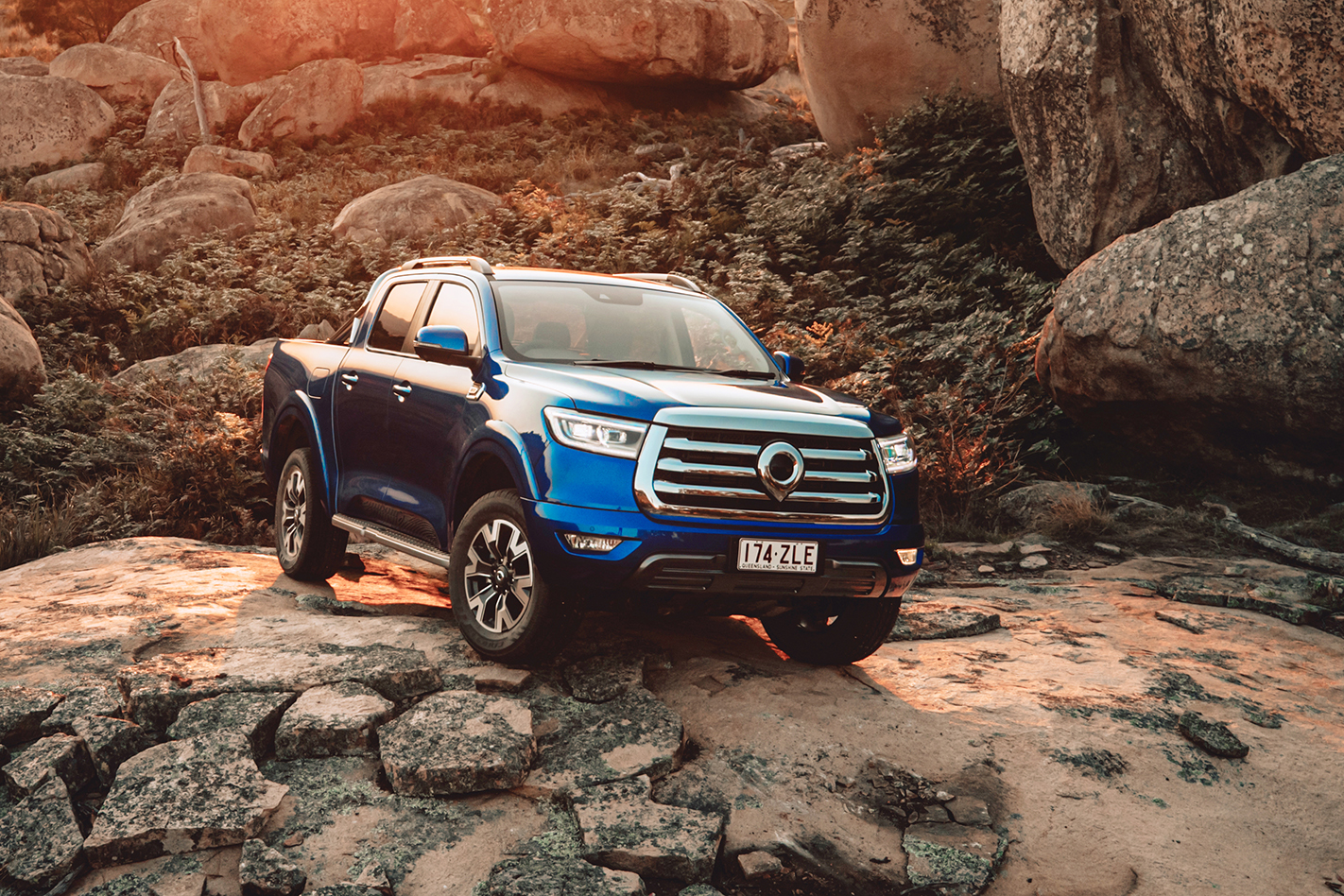
Supply issues are not clouding GWM’s optimism for now, either.
“We’re very lucky [our] year-to-date sales number we showed you earlier on has been fairly unimpeded by stock issues, [we’ve] been able to get what we want [with model allocation],” the boss added.
“We’ve got good supply for a couple months,” Maciver continued. “There are still a couple of potential question marks around semi-conductors, but at this stage, it’s not a problem for us.”
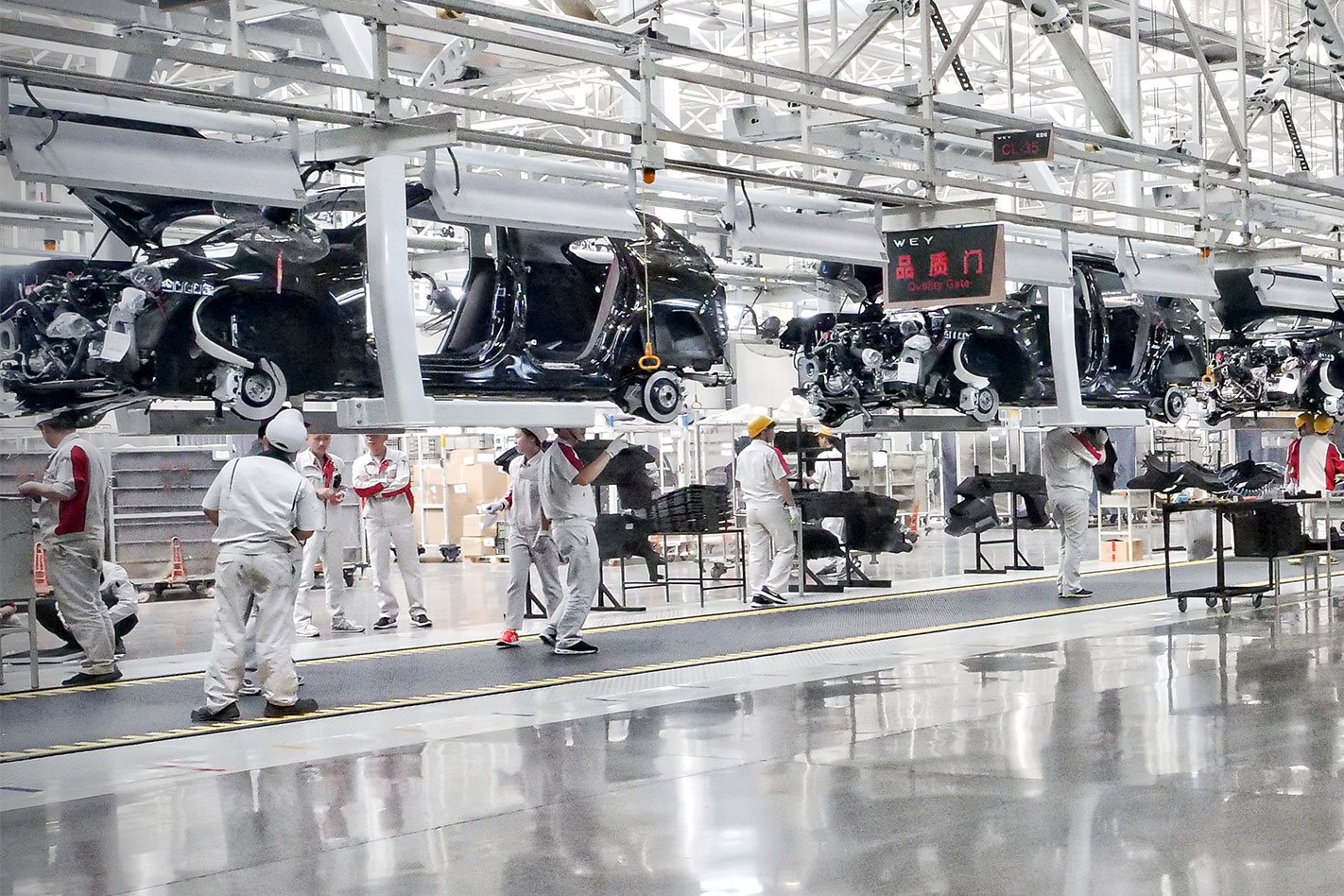
GWM also remains hopeful about incoming reports from ANCAP which will grade the Cannon Ute with a safety rating – the first model to have one amongst its line-up.
“We’re working with ANCAP at the moment on getting a score for Ute,” Maciver said. “We supplied data last week, I think it was, for final stages of testing on [airbags].
“So that should give us [our] result in the next two to three months. It’s ongoing. Once we finish working with ANCAP on Ute, and we have a score for that car, we can turn our attention to Jolion and H6 and so on.”
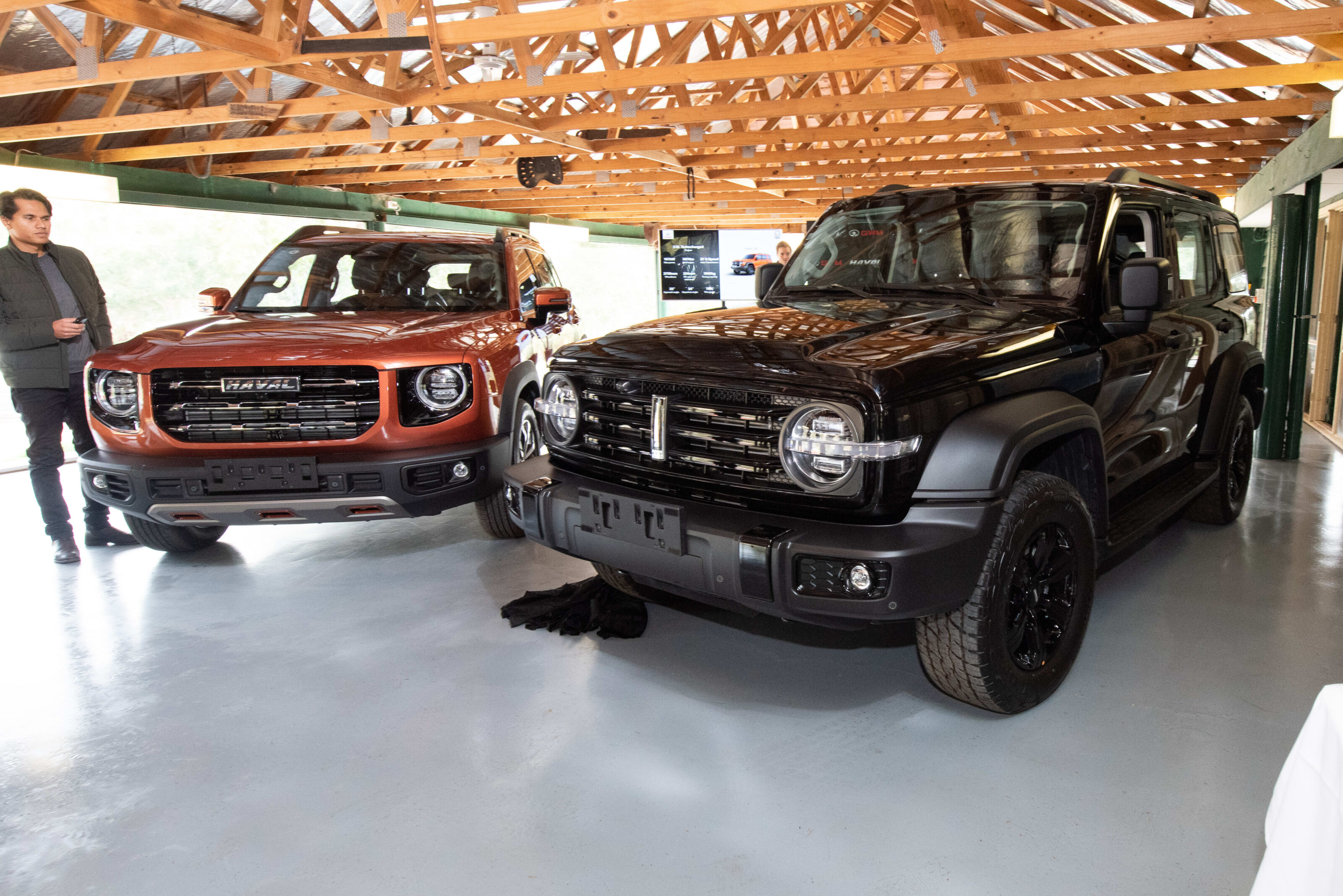
The product offensive lays the groundwork for future vehicles coming to Australia – which Maciver said GWM is seriously considering, such as the mid-size Big Dog SUV and Cannon Ute-based Tank 300 five-seater large SUV.
He also said the brand has its hands up for a Ford Ranger Raptor-style Ute to come Down Under, and has even discussed working with local outfits on a similar variant, but it’s not at the top of its priority list right now.
UPDATE, January 27, 2023: Tank 300 Hybrid driven in Australia
The GWM Tank 300 Hybrid is now in Australia, and we’ve driven it. Get John Law’s first-drive take on the new Wrangler rival at the link below.
Story continues…
Snapshot
- GWM considers launch of Tank brand in Australia with 300 and 700
- Haval Big Dog could rival Jeep Cherokee as enthusiast-inspired mid-size crossover
- Left-hand prototypes here for now, right-hand drive on standby
Plans for Great Wall Motors to import the Haval Big Dog and Tank 300, its medium-size crossover and a large off-road SUV, have firmed considerably after a pair of prototypes arrived on local soil.
The brand revealed two left-hand drive pilot vehicles at a press event in Melbourne this week, offering our first in-the-metal look at the pair.
GWM’s executive general manager, Steve Maciver, said business cases are well underway on both vehicles after completing local focus group research, with right-hand drive versions available within 12 months if their business cases are approved.
UPDATE, December 2022: GWM Tank 300 now on sale in Australia!
The new GWM Tank 300 Hybrid is now on sale in Australia, with a starting price of $55,990. It’s not cheap, but you get a lot of kit. Hit the link below for details.
Story continues…
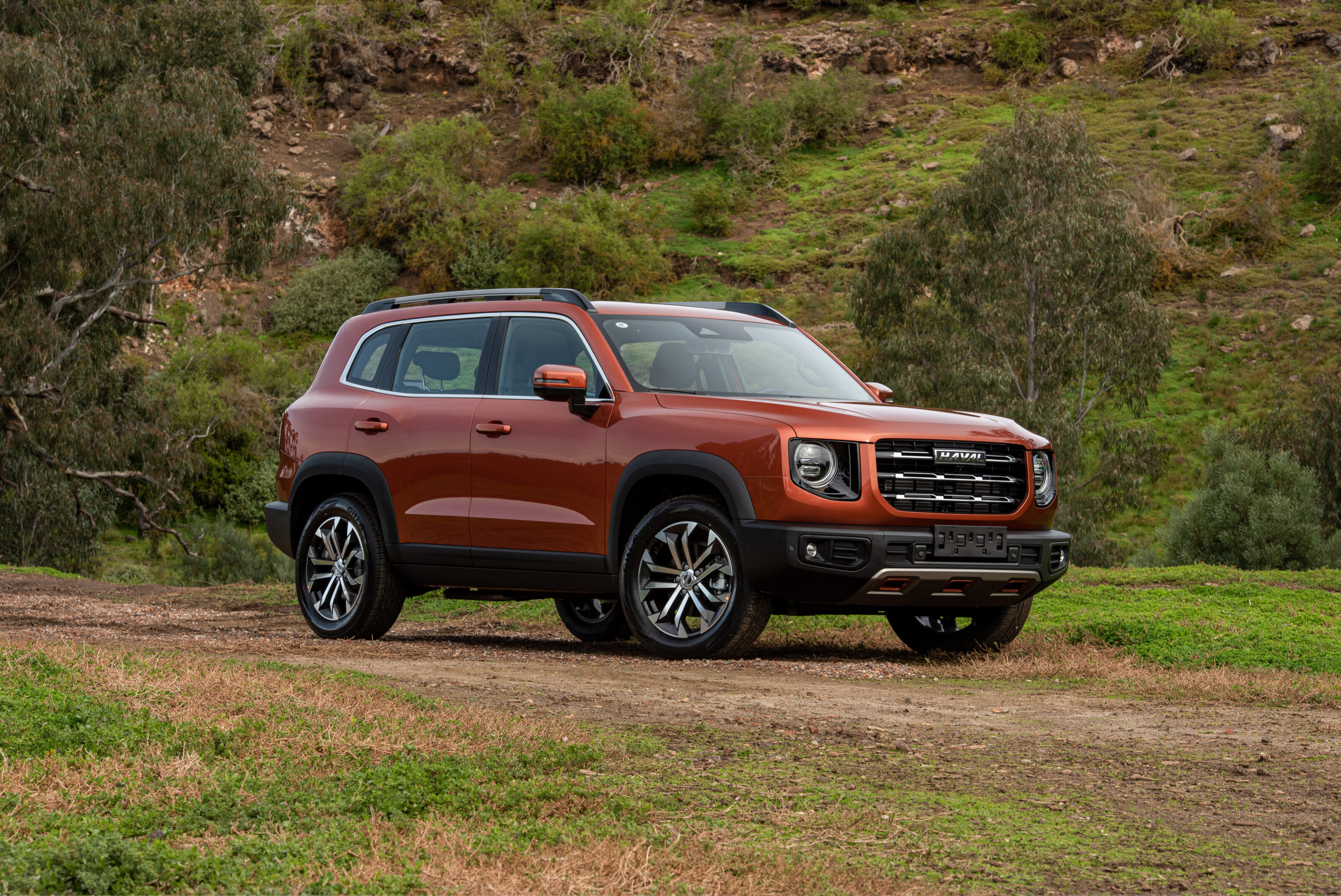
“Because of the way the company’s structured,” Maciver said. “If [GWM Group] chairman [Jack] Wey decides making the Tank 300 and Big Dog into right-hand drive considerations is important for global growth, he’ll make that happen.”
It’s no secret GWM is hoping to expand its presence here. It says a competitive market like Australia will compare well with America, and play the lead for other right-hand-drive markets worldwide.
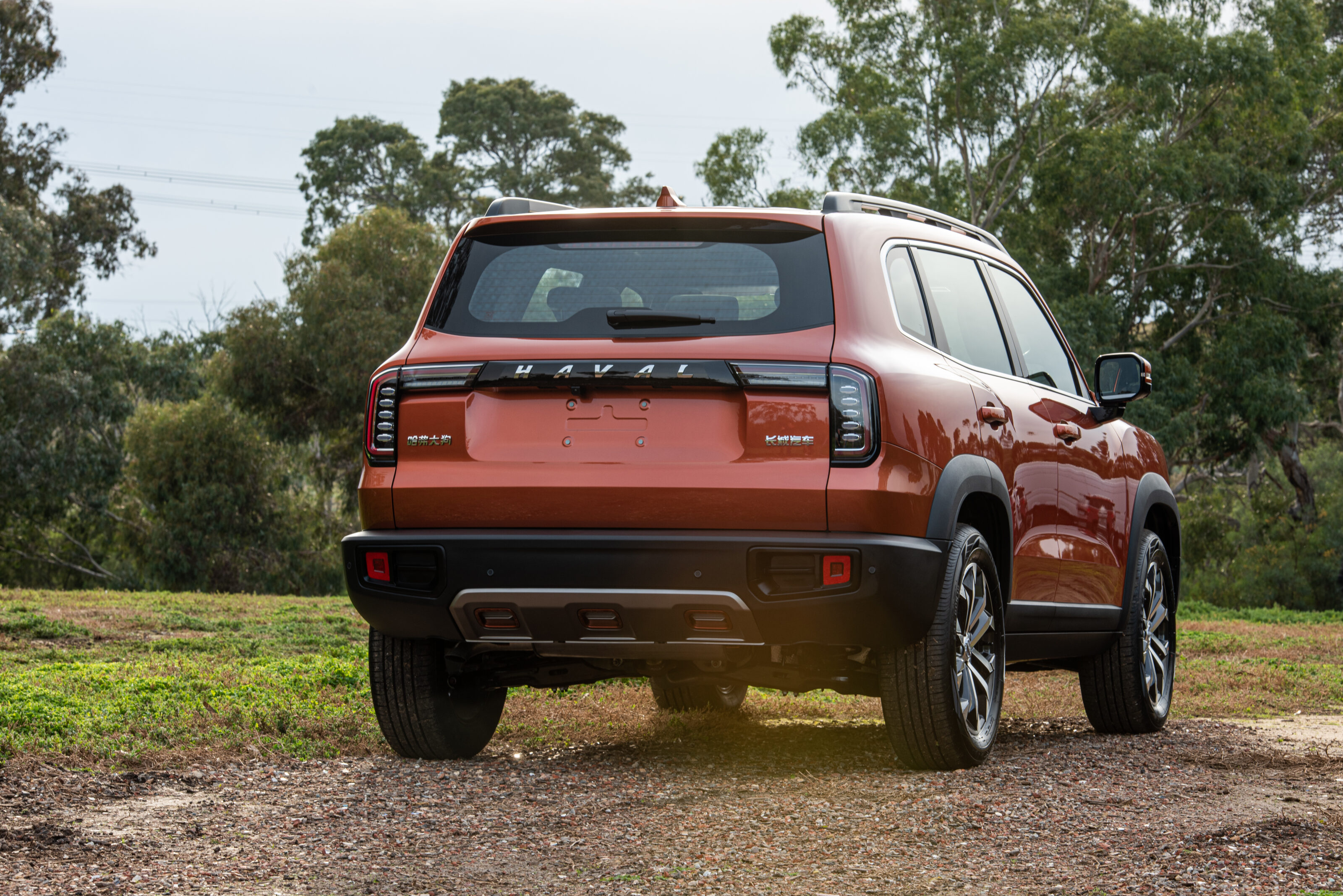
As a 4.62m-long crossover with off-road inspired styling, the Haval Big Dog compares with rivals like the Jeep Cherokee within the medium SUV segment. It employs a 155kW and 325Nm 2.0-litre transverse petrol engine mated to a seven-speed dual-clutch transmission.
Riding on a 2738mm wheelbase and offering 200mm of ground clearance, the Big Dog is rated to tow 2000kg and activates all-wheel drive through a fifth-generation BorgWarner Haldex centre differential.
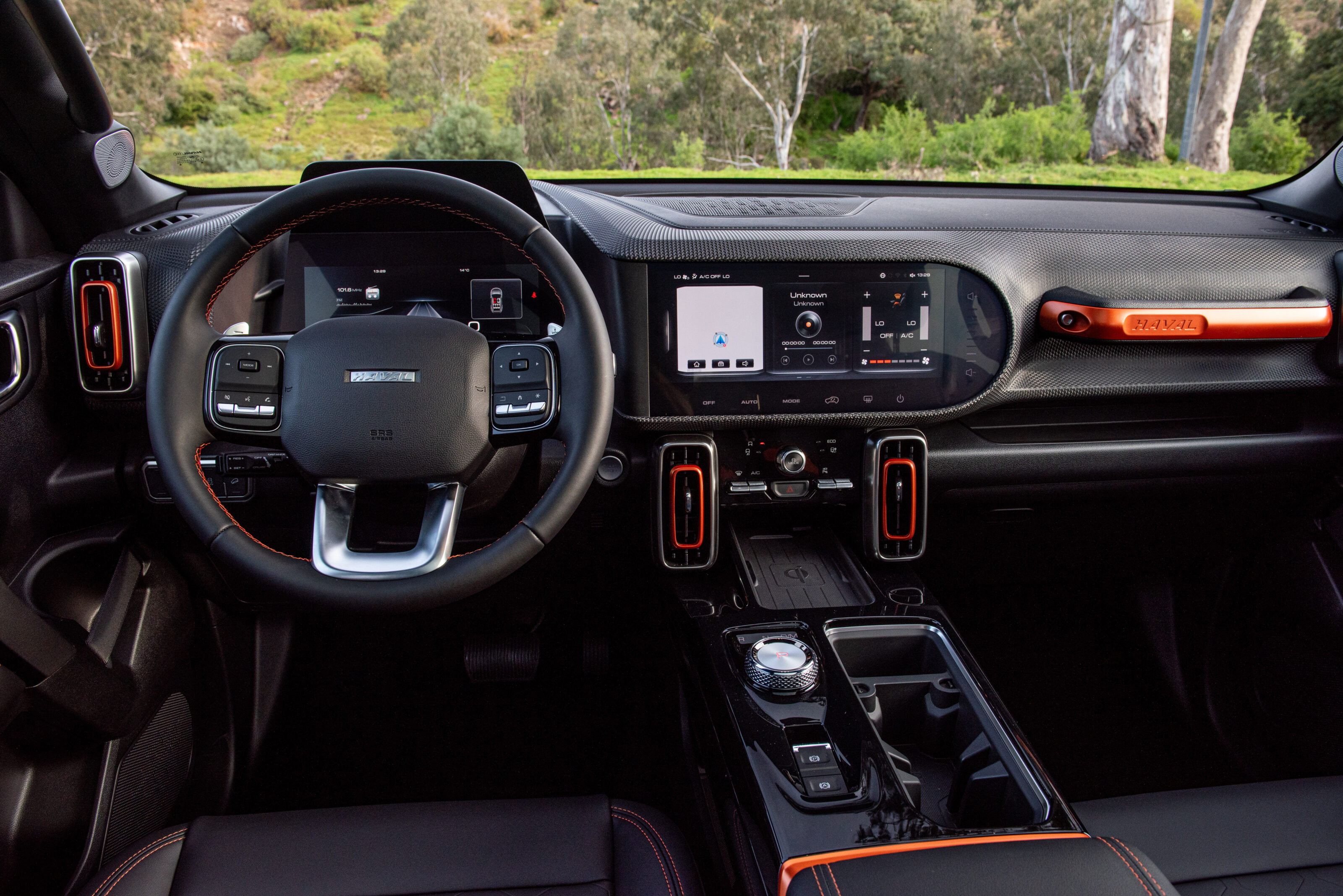
There’s no indication of pricing or standard specification yet. However, the prototype wore features like leather seating, a drive mode selector, a wireless charging pad, distance cruise control and a digital instrument cluster.
And while Maciver maintains both cars are currently in with an equal chance for a green light, the Tank 300 would also require launching the standalone brand under the GWM umbrella to make way for the V6-hybrid powered 700 as well.
The 300’s inclusion would inject a more serious off-road SUV into GWM’s sales yard to rival a Ford Everest, Isuzu MU-X or Mitsubishi Pajero (while stocks last) and Pajero Sport. Its Cannon-based ladder chassis Tank is rated to tow 3000kg.
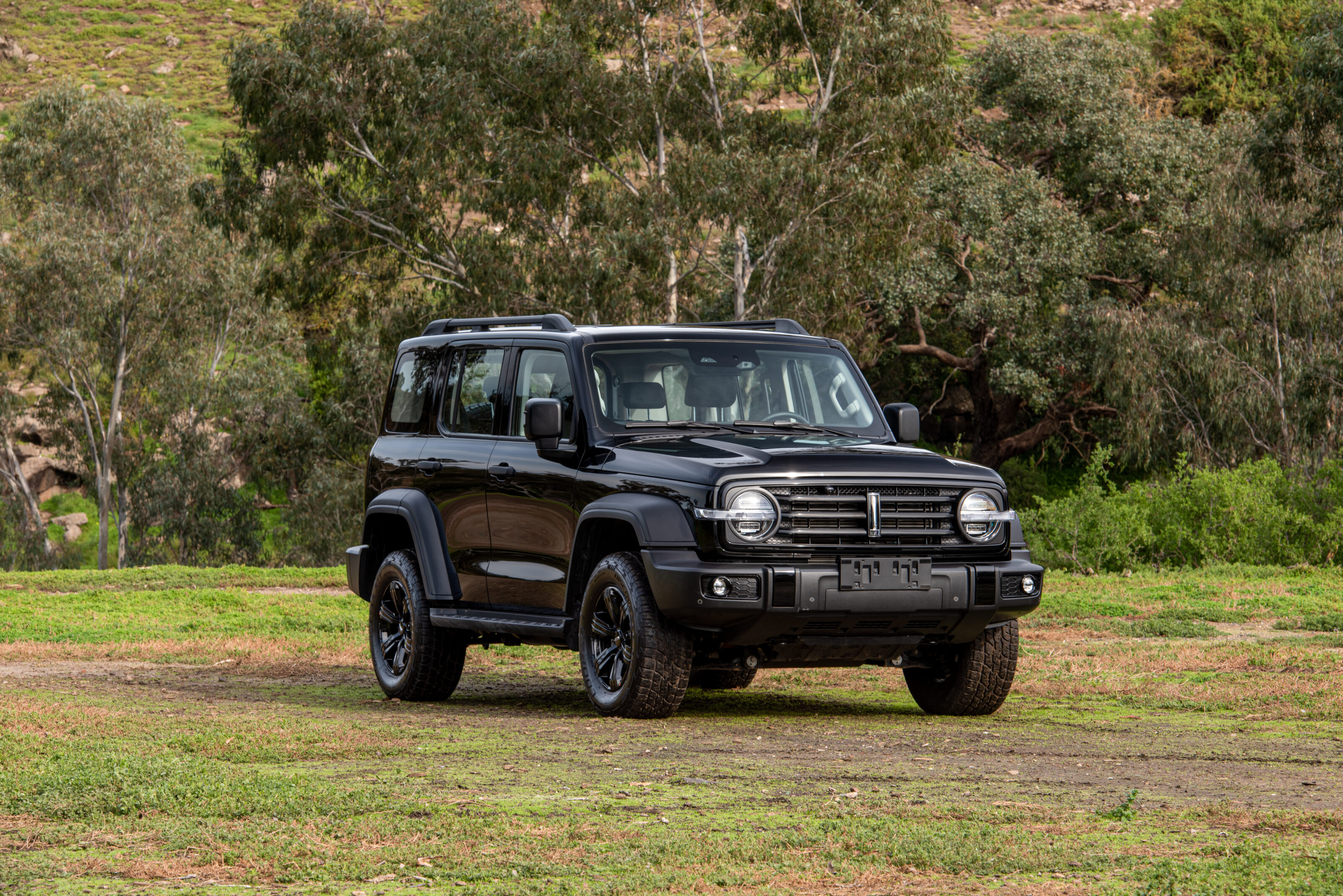
The prototype 300 on display also had dual-locking differentials to further back up its off-road character. With 224mm of ground clearance on a 2750mm wheelbase, the Tank 300 also offers a 33-degree approach angle and 34-degree departure angle.
Although it packs a longitudinal 2.0-litre in-line petrol turbocharged engine matched to a ZF eight-speed transmission, GWM says a diesel engine is under development with hopes to out-muscle the 167kW/367Nm petrol engine.
We also understand names of both cars could change. While the Big Dog and Tank might seem to have been devised as part of a tongue-in-cheek directive from global headquarters to attract attention, the Haval H6 is based on the blunderingly named ‘Lemon’ platform – either way, new nomenclature is on the table.
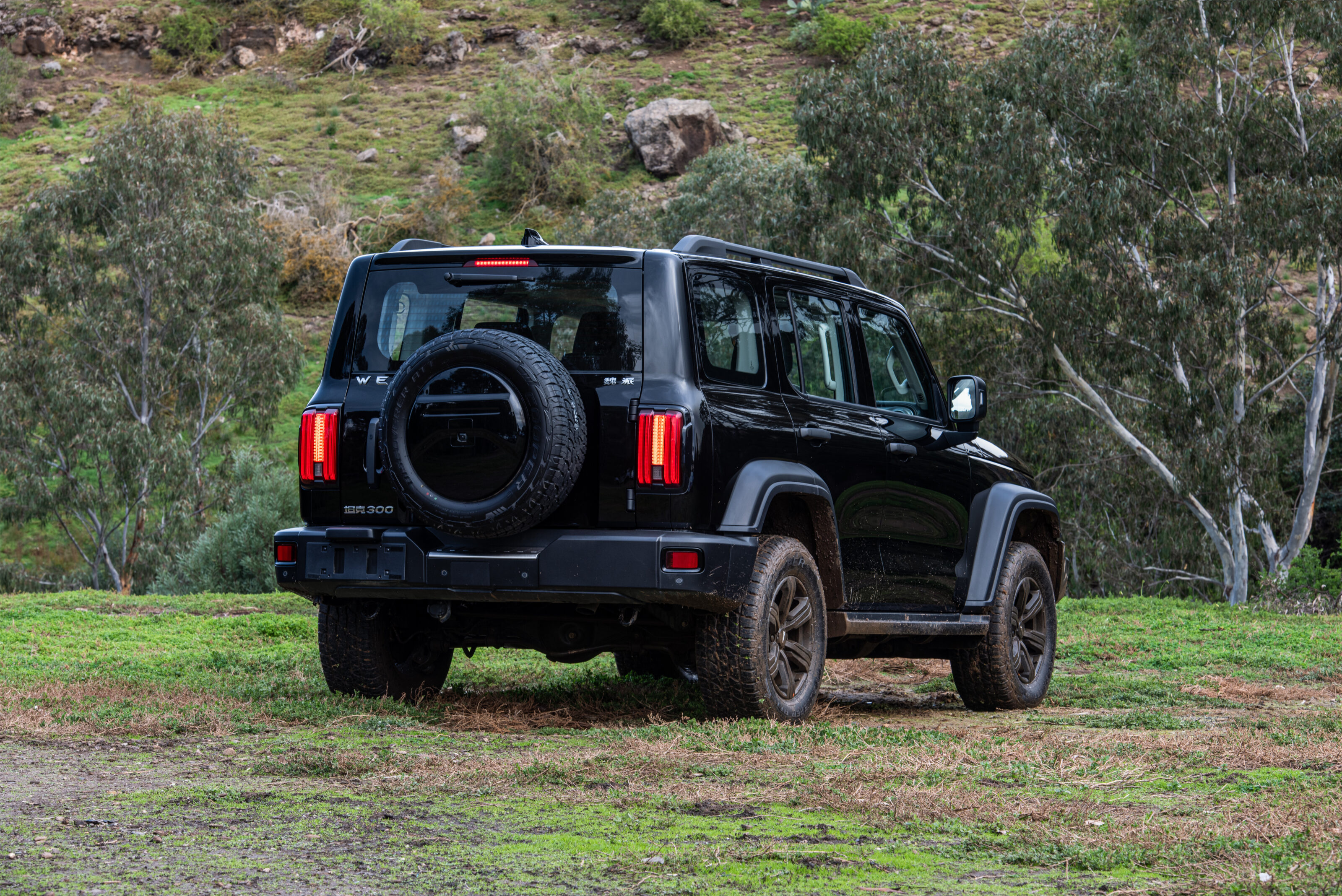
The Cannon Ute is known as the Poer in China, for example, where the Tank brand also sits upmarket of Haval products. Things could take a similar position here, where the most expensive GWM product remains the H6 Ultra AWD at $45,990 drive-away.
GWM will reveal more information after further evaluation of feedback, which will include our upcoming press drive.
In the meantime, let us know what you think of either car in the comments below.
Snapshot
- Leon, Ateca and Formentor to lead the charge Down Under from Q2 2022
- First mainstream VW brand to offer a plug-in hybrid
- Model range will mostly utilise VW’s 2.0-litre turbo four-pot engine
The Volkswagen Group’s Cupra performance brand will begin its charge into the Australian market with nine model variants which include a hot-hatch, speedy SUVs and plug-in hybrids.
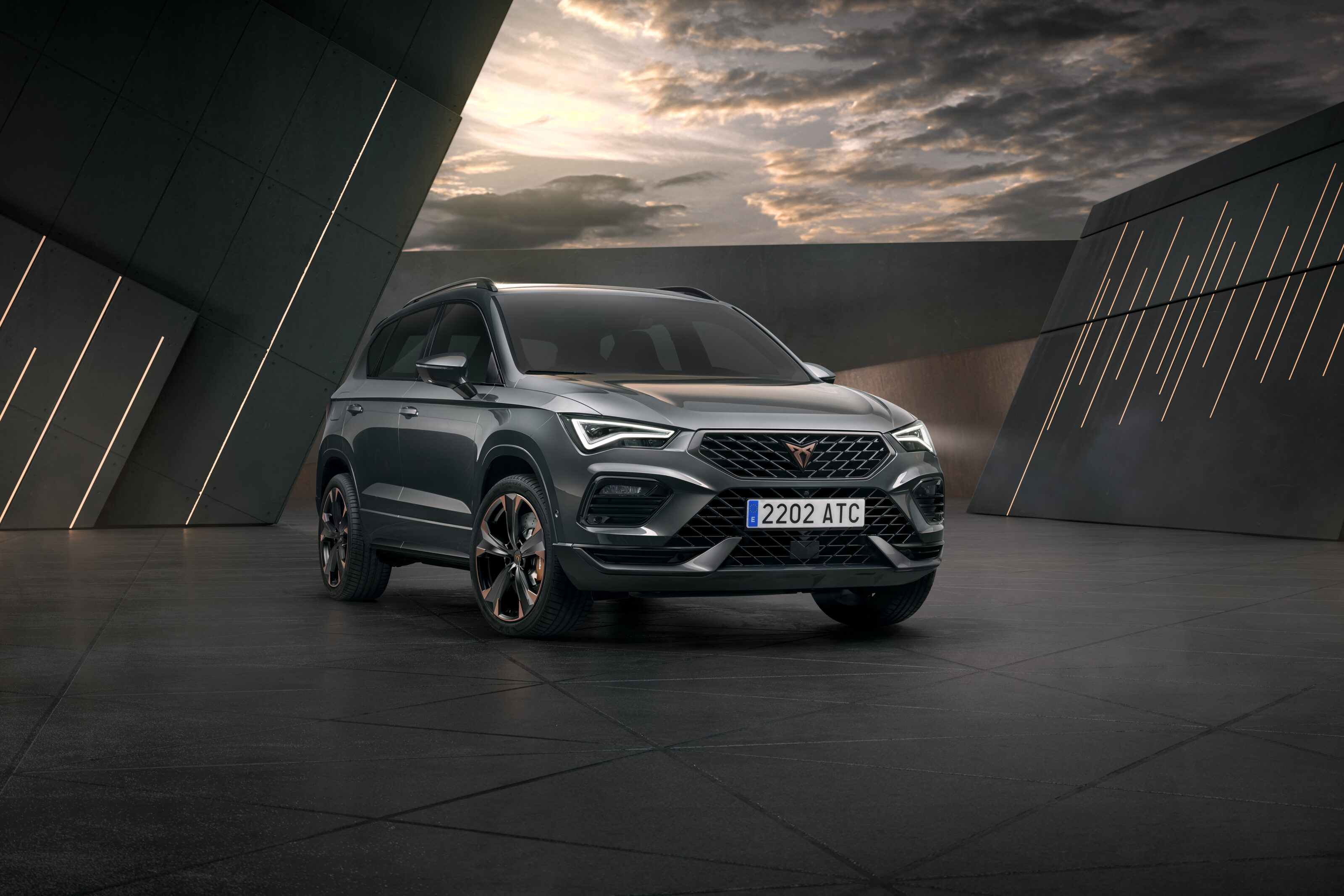
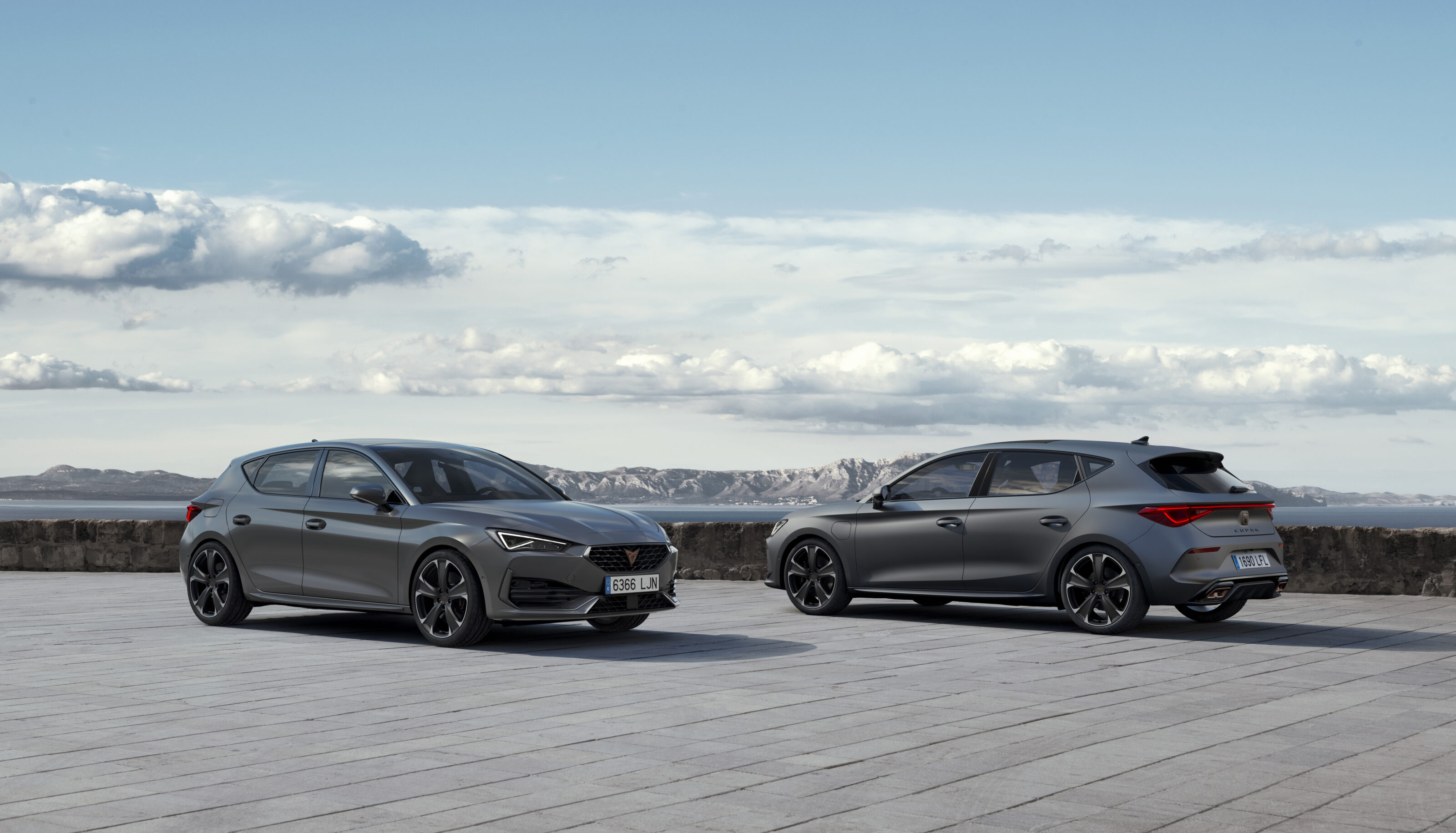
Cupra Australia this week confirmed its mid-2022 launch line-up will comprise the Leon hatchback, Ateca compact SUV and Formentor coupe-style crossover.
The initial models will cover pricing territory ranging from just over $40,000 to a touch more than $60,000 when they start arriving in the second quarter on next year.
The Leon hatch will be the most affordable Cupra model and the Formentor adopts the status of halo vehicle. A plug-in hybrid version of the Formentor is expected to be the most expensive car in the launch line-up.
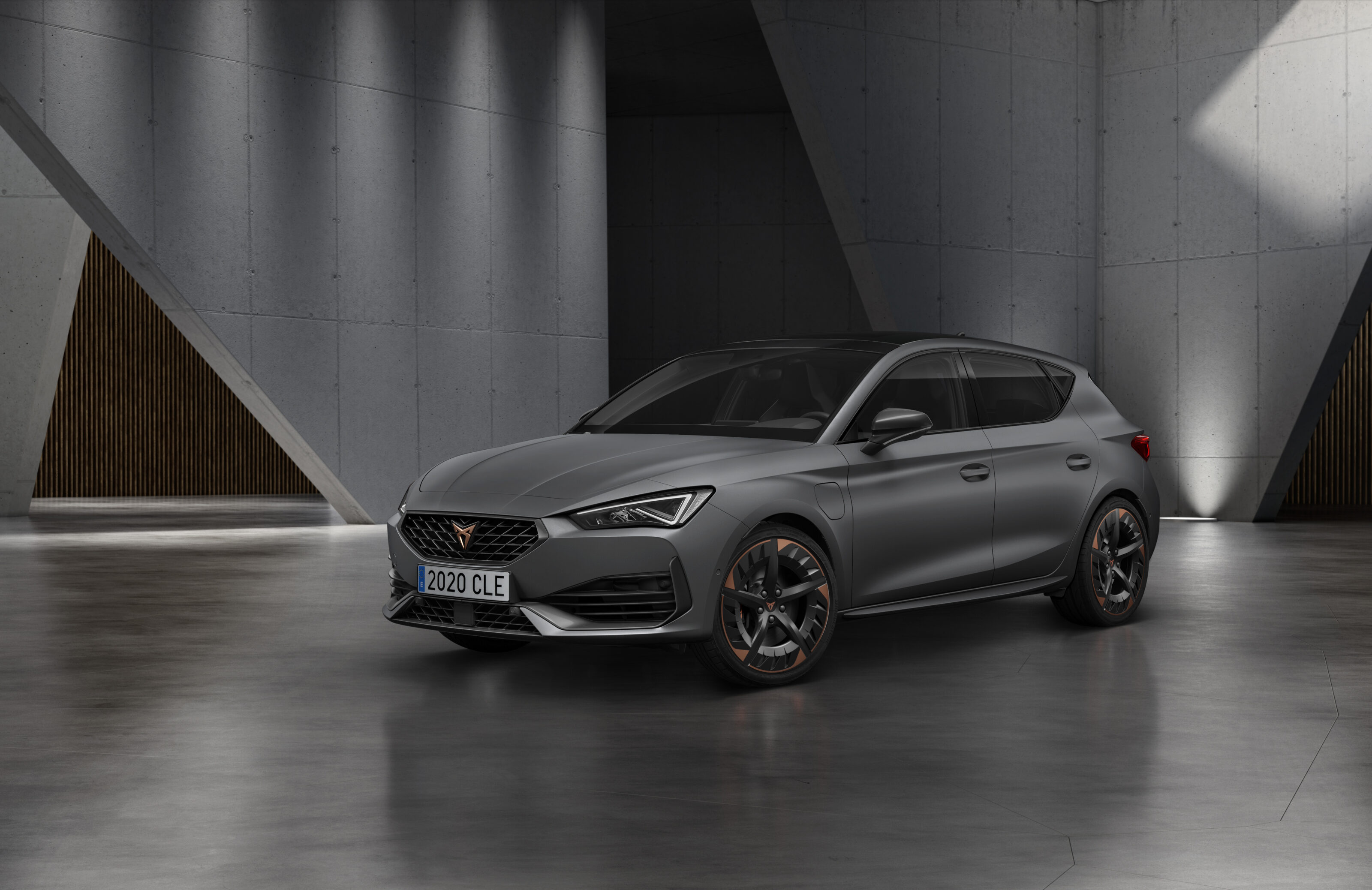
VW Group’s fledgling performance-oriented brand, launched only three years ago in Europe, is aiming to cater to an area of the market where the German umbrella group has little presence. It is expecting minimal cannibalisation of VW or Skoda sports models.
“We want to target the 92 per cent [of customers] not buying VW products,” said Cupra Australia’s brand director, Ben Wilks.
“That means premium Euro brands, as well as the more interesting Asian brands – particularly the performance-focused ones.
“That’s where we can get a lot of our volume. Even today, we don’t see a lot of crossover between Skoda and Volkswagen, so [sales cannibalisation is] not something that’s a big concern for us.
“This is a great opportunity for the Cupra brand to find a nice space where Skoda, Volkswagen and even Audi aren’t competing – offering customers something they can’t currently get from other VW Group brands.
“We won’t be a brand for everyone; we just need to be loved by some.”
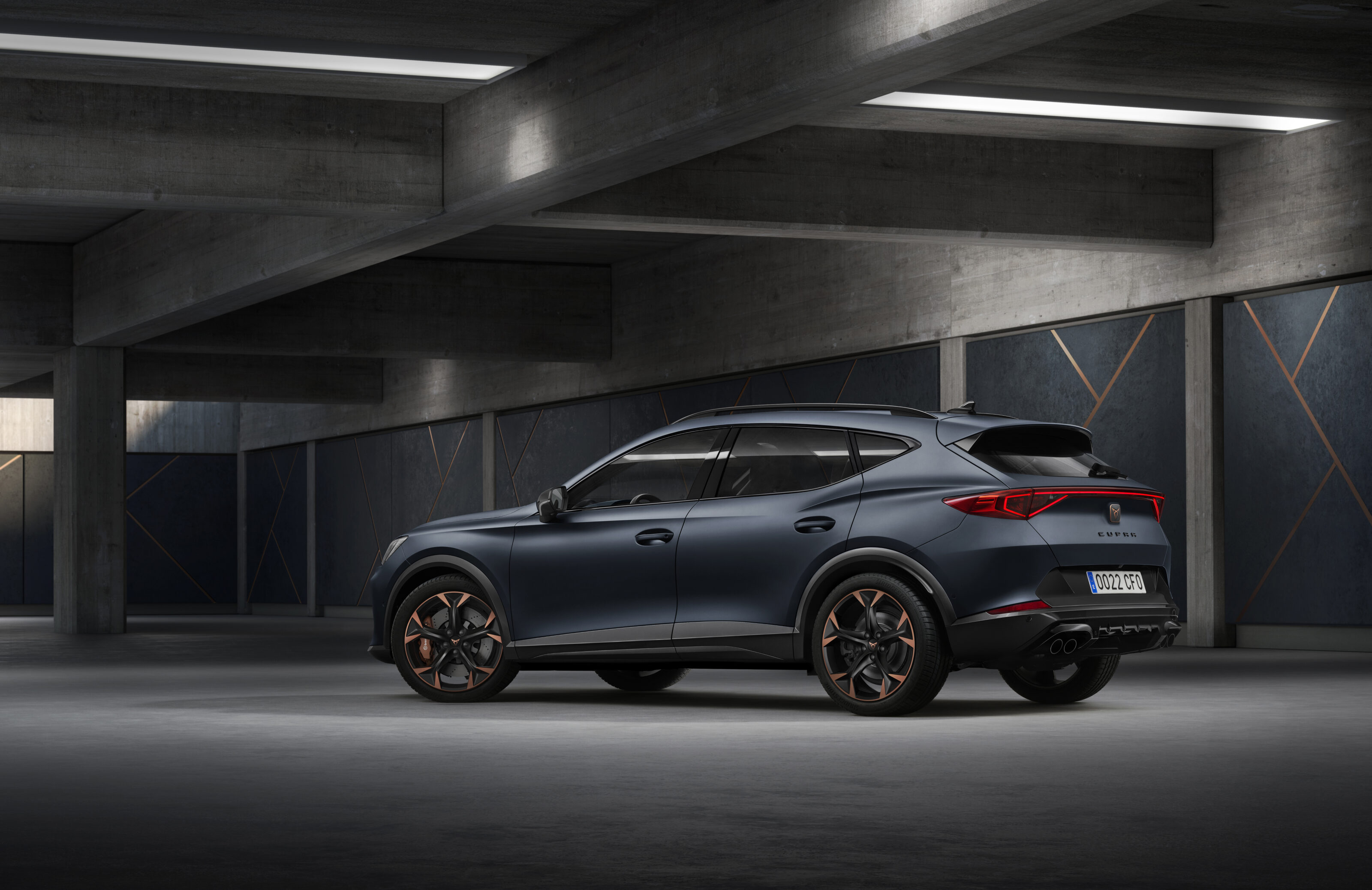
One Cupra difference, the company stresses, is a more expressive design compared with the traditionally more restrained styling of Audi, Skoda and Volkswagen models.
The company uses copper as a signature colour for its logo as well as exterior/interior trim elements and even wheels for certain variants.
Electrification will be another Cupra USP among its stablemates. It will be the first mainstream VW brand to offer plug-in hybrid models, with the Leon hatch and Formentor SUV ranges both including e-Hybrid petrol-electric variants. (VW is also set to introduce the Touareg R plug-in hybrid SUV sometime in 2022, though this will cost about $140,000.)
Wilks says Cupra’s story is ultimately about electrification going forward, and positive recent developments in Australia have both helped and encouraged Cupra to confirm the PHEV models for a 2022 launch.
VW Group CEO Herbert Diess has stated that Cupra could become a full EV brand in the future.
These include the Government committing to an improvement of the country’s poor fuel quality, while New South Wales has recently announced upcoming incentives for buyers of pure electric vehicles.
Cupra Australia says this has increased the potential for the brand’s first all-electric model, the recently unveiled Born, to eventually join the range. A Cupra Tavascan electric SUV is also launching overseas in 2024.
From launch, the VW Group’s 2.0-litre turbocharged four-cylinder will dominate, powering most variants in various states of tune.
The Leon and Formentor will each start with a 140kW/320Nm model, with the hatchback using a front-wheel-drive layout compared with the SUV’s all-wheel drive.
A 180kW variant, featuring the Golf GTI engine, will sit in the middle of each range. The engine from the Golf R features in the fastest versions of the Leon and Formentor, with 221kW and 228kW, respectively.
The all-wheel-drive Leon Sportstourer wagon isn’t coming initially, though hasn’t been ruled out for the future here.
The Ateca, which is fractionally shorter than the other models, will be offered as a single variant featuring the 221kW turbo four-cylinder engine combined with all-wheel drive.
All models pair engines with a dual-clutch auto.
The fastest Cupra models at launch will be the 228kW Formentor and 221kW Ateca, which are both all-wheel drive and share a claimed 0-100km/h acceleration time of 4.9 seconds.
Next quickest is the 221kW Leon at 5.7 seconds – with the front-wheel-drive, 180kW petrol and e-Hybrid Leons quoted at 6.4 and 6.7 seconds respectively.
Cupra says the 140kW AWD Formentor reaches 100km/h from standstill in 7.1 seconds, with the 180kW front-drive e-Hybrid variant seven-tenths slower (7.8 seconds).
Cupra’s fastest vehicle globally is the Formentor VZ5, powered by the 2.5-litre turbo five-cylinder engine from Audi’s RS3 and RSQ3 models and capable of 0-100km/h in a claimed 4.2 seconds. As a left-hand-drive production model only, the VZ5 is not available for the Australian market.
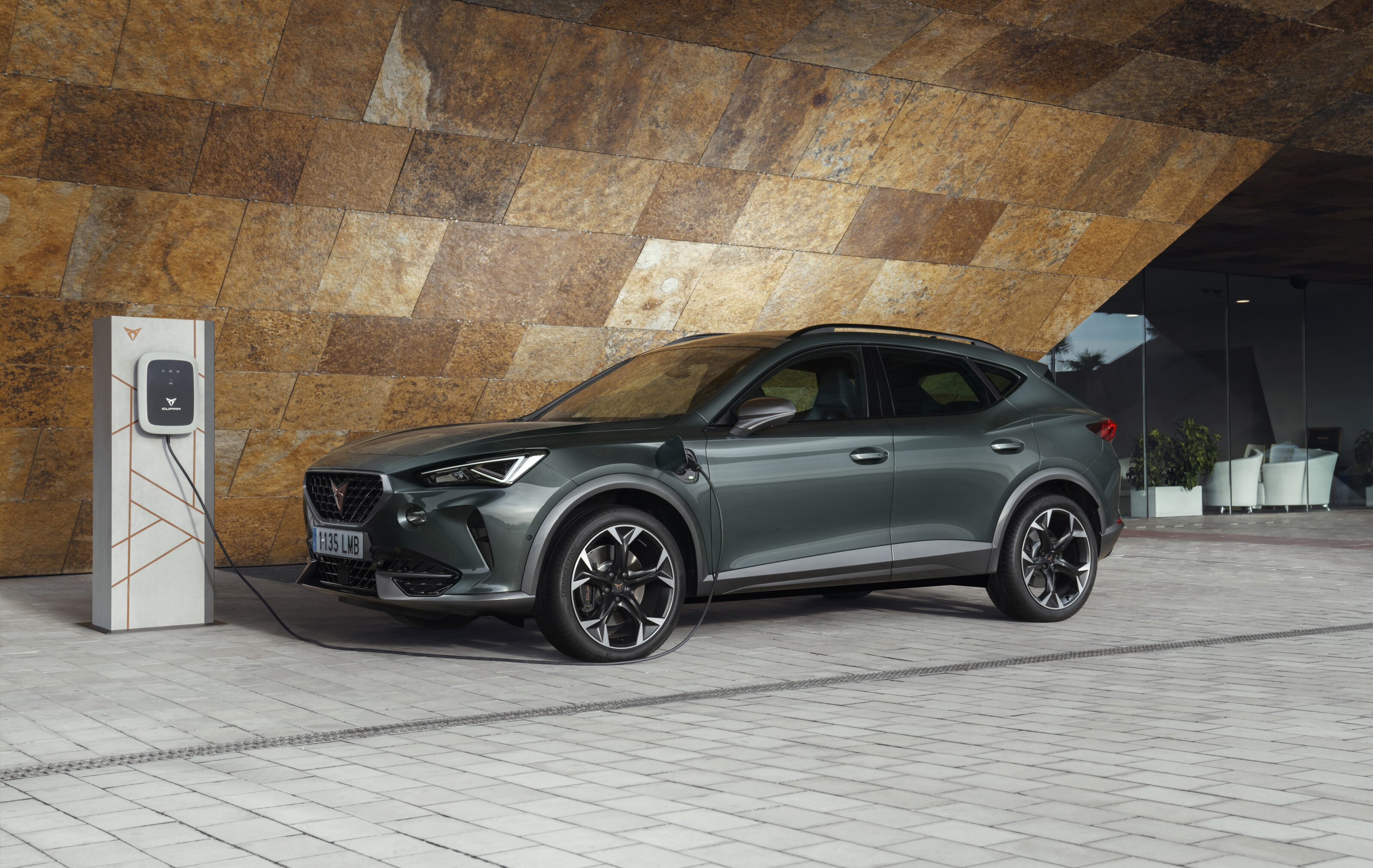
The e-Hybrid plug-in models offer an electric driving range of up to 55km via their 85kW electric motor, which is paired with a 1.4-litre turbo petrol engine.
Cupra Australia says it will announce more details about pricing and specification closer to the brand’s launch in the second quarter of 2022. It is expected to follow the brand’s hierarchical approach to trim grades overseas, including New Zealand, where VZ1 denotes an entry-level variant, VZ2 is a mid-range model and VZ3 is the at the top.
The VZ trim grades can simply differentiate between drivetrains in a model range, though Cupra Australia says there will be some minor feature differences between variants. This can include convenience features, as well as upgrades in upholstery and wheels.
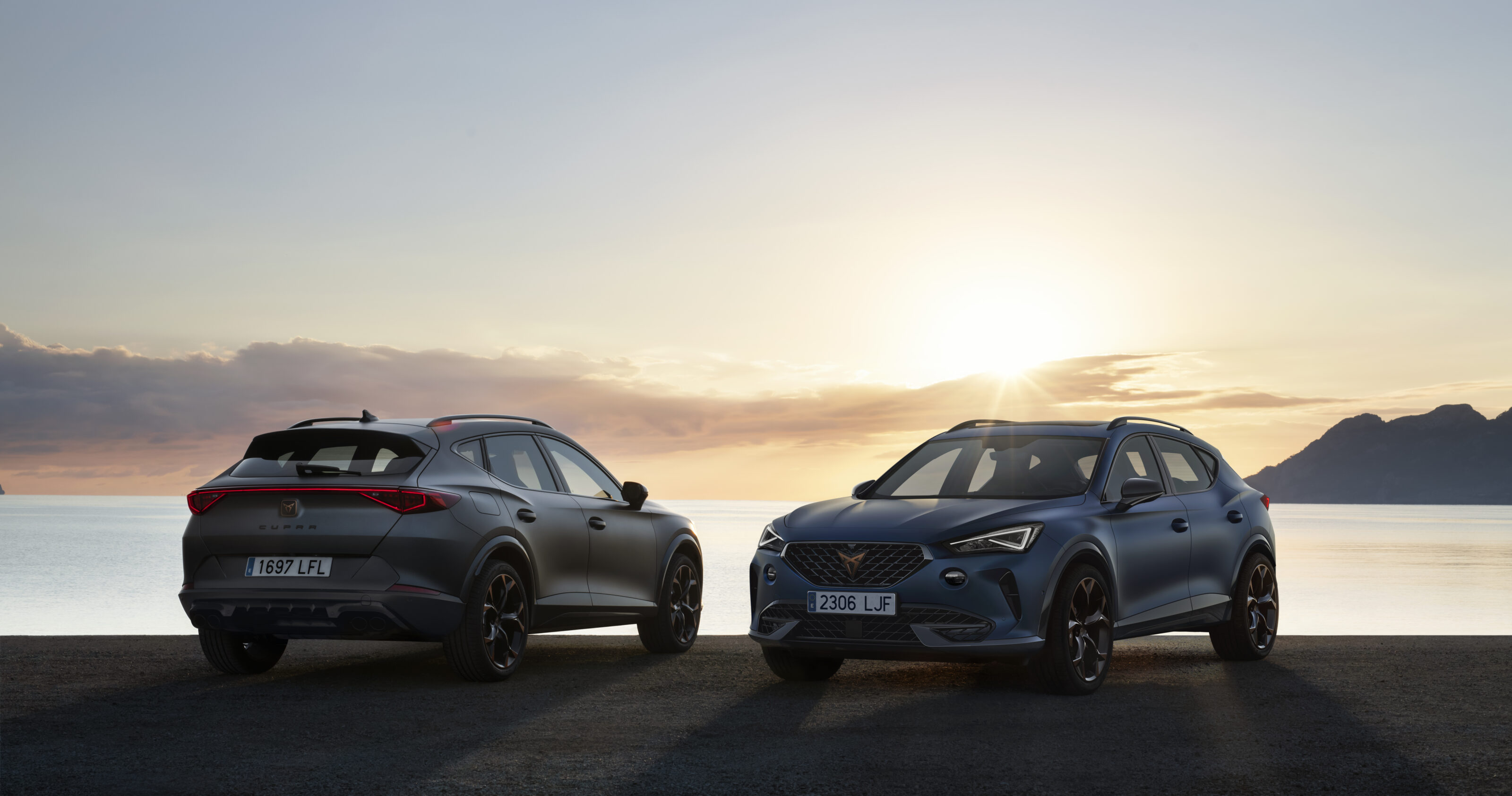
Cupra vehicles will be sold both online and via an agency set-up which promises transparent pricing nationally. Branded boutique outlets similar to the approach taken by Hyundai’s Genesis luxury brand are planned, as well as “pop-up sales points and outlets in existing high-profile retail environments”.
As with VW and Skoda products, Cupra vehicles will be backed by a five-year/unlimited kilometre warranty. Servicing will be available at selected VW Group dealerships.
Cupra became a performance-focused subsidiary of the VW Group’s Spanish brand Seat in 2018. The Cupra name had previously been applied to its sportiest models since 1996, with the likes of the Ibiza Cupra and Leon Cupra.
It would be the equivalent of Volkswagen creating a separate R division and follows similar moves by Fiat (with Abarth) and Volvo (with Polestar).
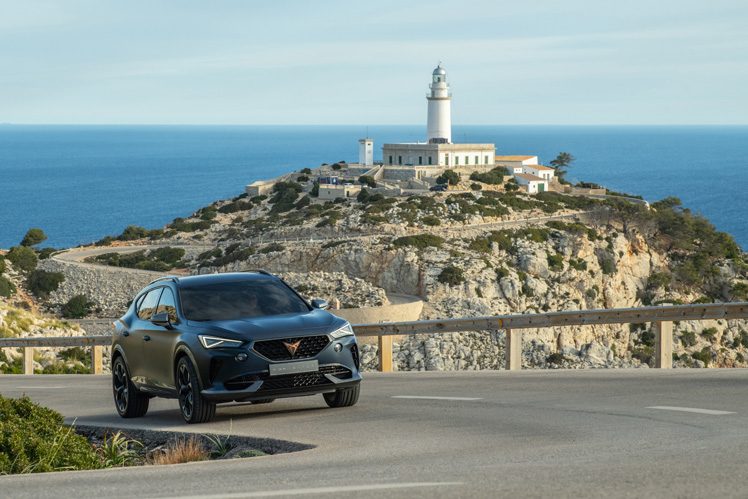
Cupra has sold 28,800 vehicles in the UK and Europe up to May 2021, already eclipsing the 27,400 total units the brand sold in 2020. That figure was also an 11 per increase on 2019.
The Cupra Formentor is by far the brand’s most popular model, outselling both the Leon and Ateca by about four to one.
The brand’s biggest markets are its home country of Spain, Germany and the UK. Cupra has been on sale in New Zealand since 2019.
Volkswagen Group Australia has reiterated it has no intention of bringing the Seat brand back to the country where it was last sold between 1995 and 1999. The company believes its Skoda brand already sufficiently covers the market with a range typically priced below equivalent VW models.
Snapshot
- Porsche 917 used for filming in Le Mans film will be auctioned at RM Sotheby’s
- Chassis 917-26 has racing pedigree, starting the 1970 24 Hours of Le Mans
- Current owner restored the former racer after purchase in 2012
The world is awash with films based on racing – think Grand Prix, Driven, Rush – though none encapsulate the drama and visceral experience quite like Steve McQueen’s Le Mans.
Released 50 years ago today, the film was based on a fictional version of the real 24 Hours of Le Mans endurance race, utilising footage from the 1970 event as well as some scripted racing scenes to bring the race to the silver screen for the first time.
Although McQueen was the undisputed focus of the film, starring as driver Michael Delaney, his performance would’ve been for naught without the star cars, centrally his team’s trio of Porsche 917 K sportscars.
With its 4.5-litre, flat-12 engine and sleek bodywork, the 917 was as important to the film as the man in the driver’s seat and now one of the hero cars is up for sale at RM Sotheby’s Monterey auction.
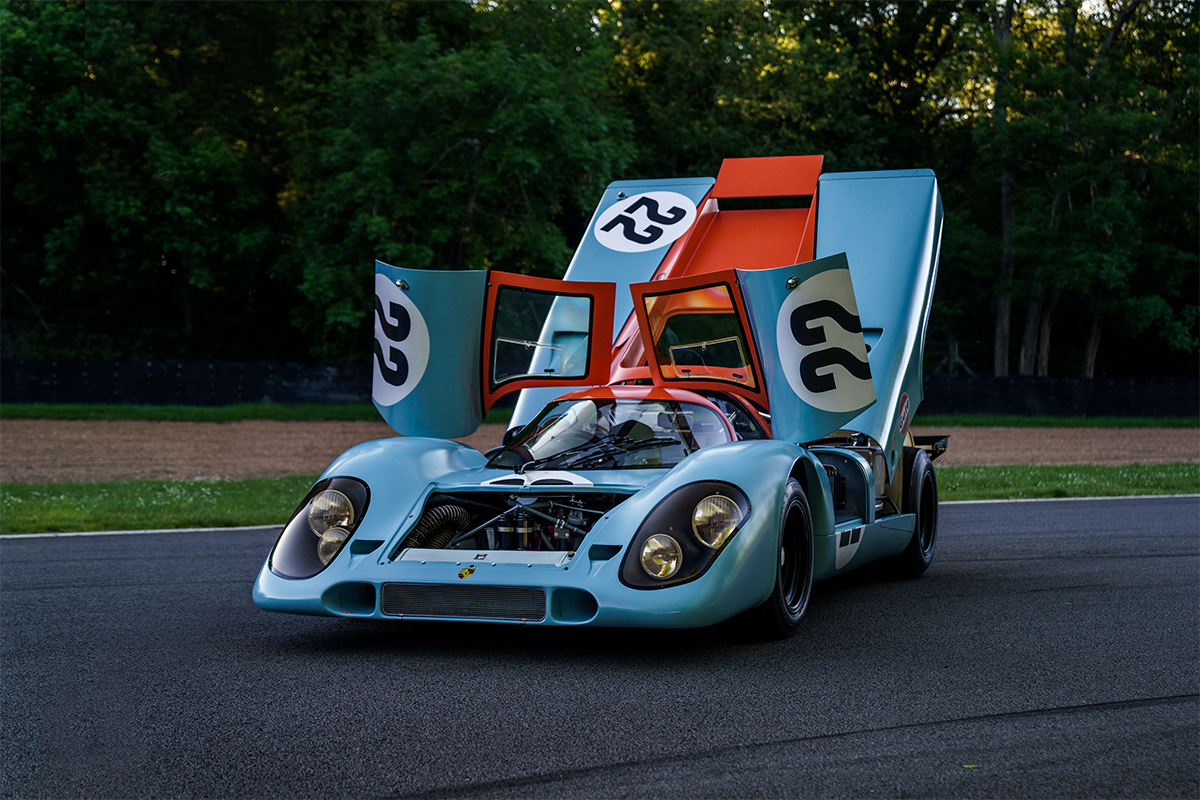
Porsche 917 chassis 26 is a genuine racer, having been used as the #22 entry with Mike Hailwood and David Hobbs in the 1970 edition of Le Mans, with real-life racing scenes in the film featuring the very same car which crashed out just 49 laps into the endurance race.
Despite the crash, 917-26 was repaired by Porsche using parts from 917-31 and was soon called up to help with the scripted racing scenes for the film, retaining its #22 and winning the race with Larry Wilson (played by Christopher Waite) driving ahead of McQueen’s character.
The car kept going until the end of 1974 when it was retired, eventually being bought by a collector in 2012 who returned it to the iconic Gulf Porsche livery, replicating how the car started the 1970 race.
Featuring at RM Sotheby’s Monterey auction in August, it’s not known how much the car could fetch but going off chassis 24 – a test-only car which was leased by McQueen’s Solar Productions company for the filming of Le Mans – selling for nearly $18 million at Pebble Beach in 2017, 917-26 could earn its current owner a fair bit of coin when it crosses the block.
Snapshot
- 991 GT2 RS MR laps 20.8km Norschleife in 6:43.300
- Old Nordschleife configuration saw 200m start/finish straight unmeasured
- Manthey upgrade packages available to Australian customers
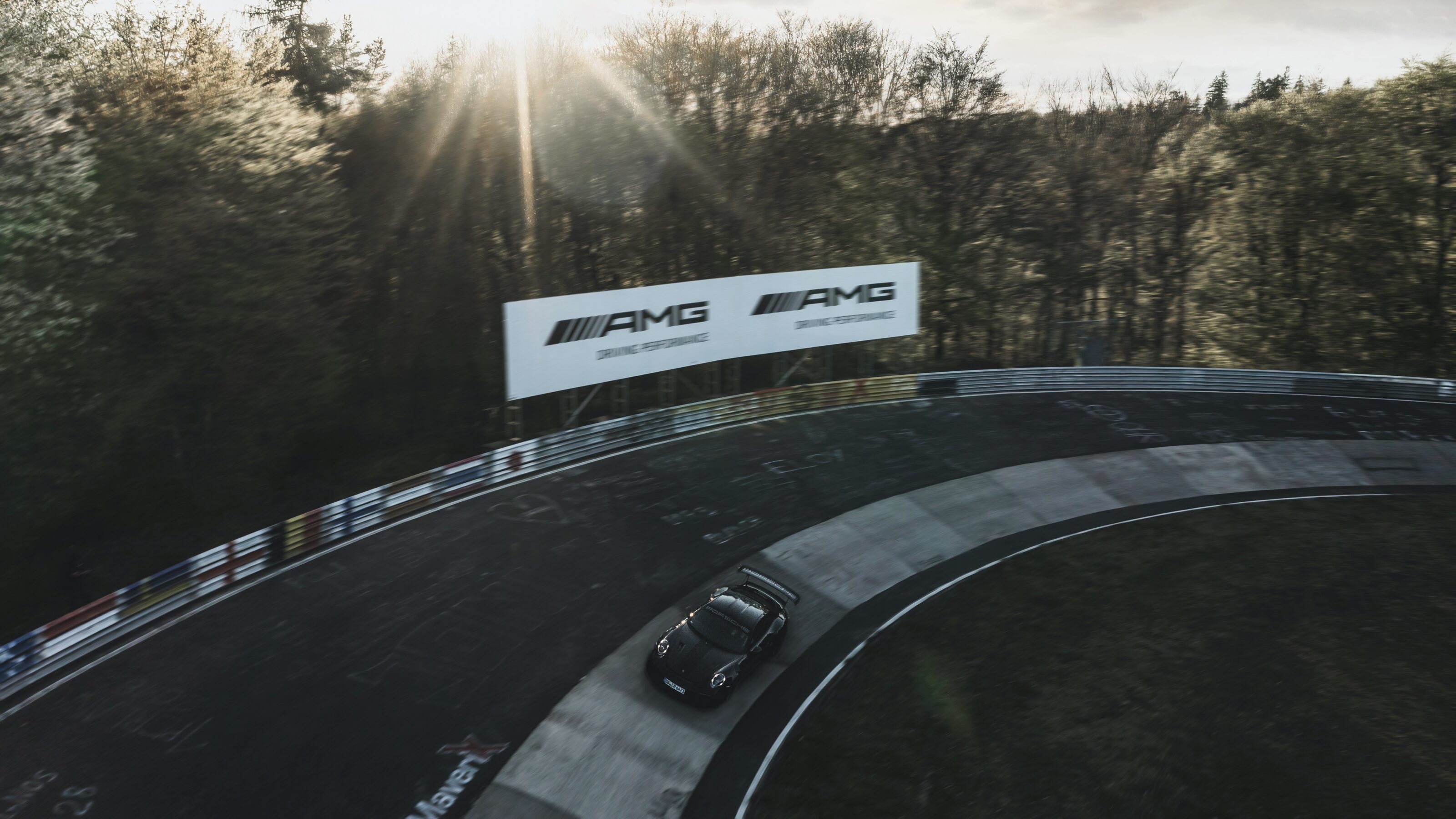
The Nuerburgring production car lap record has fallen once again, and back into the hands of Porsche thanks to its Manthey-enhanced 991 GT2 RS MR.
On June 14, Porsche factory driver Lars Kern piloted the black widowmaker ‘round the ‘Ring in a blistering 6:43.300, resetting the production car lap record and snatching back the crown from Mercedes-AMG’s menacing GT Black Series.
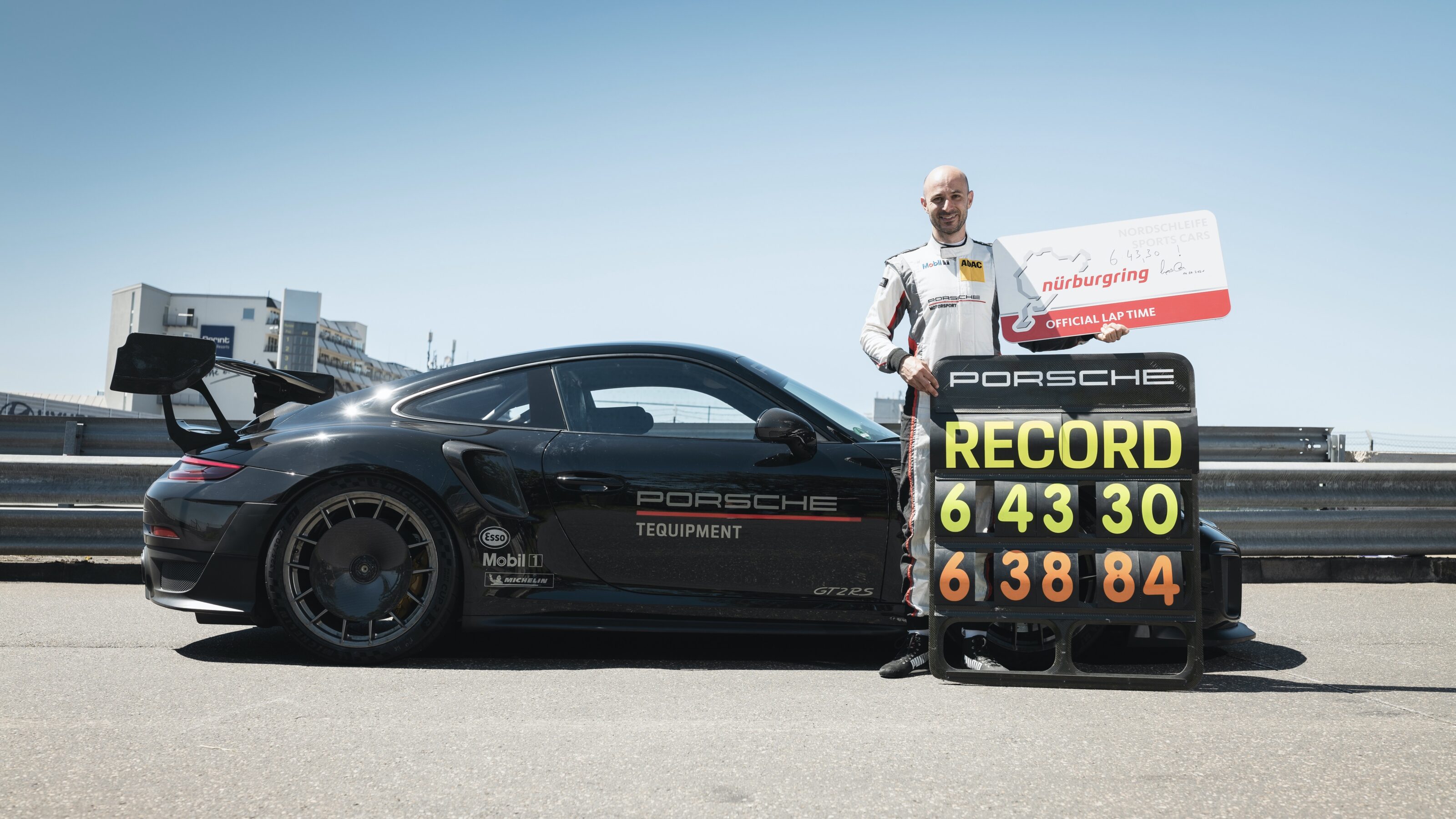
AMG’s GT Black Series took the mantle in October 2020, posting a 6:48.047 time around the full 20.8km Nordschleife circuit, as well as an oft-quoted time of 6:43.616 which was measured in the old configuration that eschews the final 200m start/finish straight.
If your memory serves, you may remember that the Manthey-kitted Porsche 991 GT2 RS previously made headlines in October 2018 by claiming the shorter 20.6km Nordschleife circuit lap record in 6:40.330.
Last week, they returned to the ‘Ring to claim the road-legal record using the full 20.8km closed loop and ultimately brushed their German rival aside with a significant 4.747 second advantage. Wearing a set of Michelin Pilot Sport Cup 2 R tyres, the 911 GT2 RS MR averaged a rapid 185.87km/h.
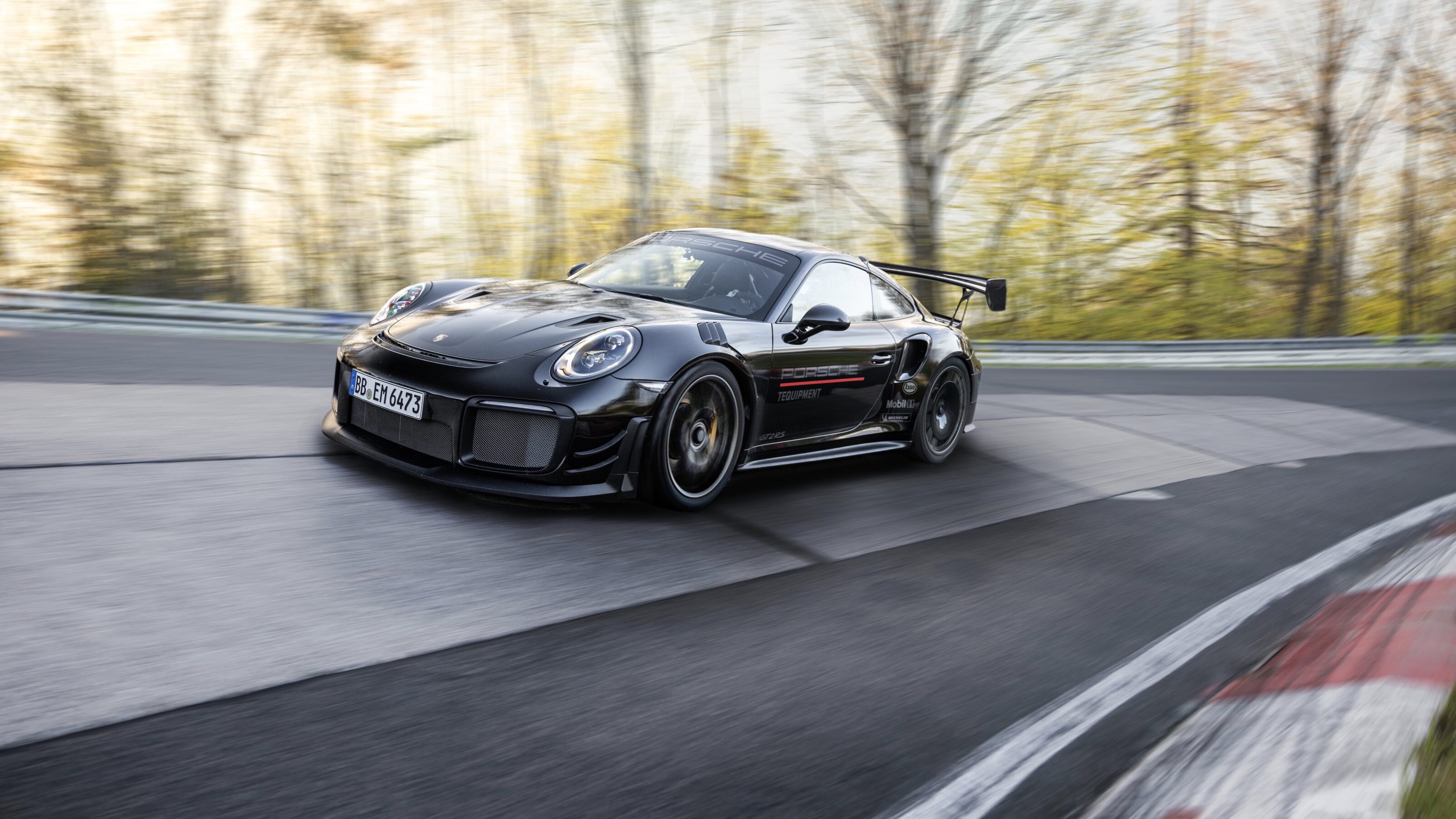
So what’s the difference between a ‘standard’ 991-generation 911 GT2 RS and one bearing Manthey’s radical upgrade pack?
Well, the twin-turbo 3.8-litre flat-six retains its factory 515kW/750Nm outputs, and this example is bolstered by Porsche’s own Weissach package. The Weissach package adds Magnesium alloy wheels, which shave 11.4kgs of unsprung mass, as well as a carbon fibre roof and titanium roll cage.
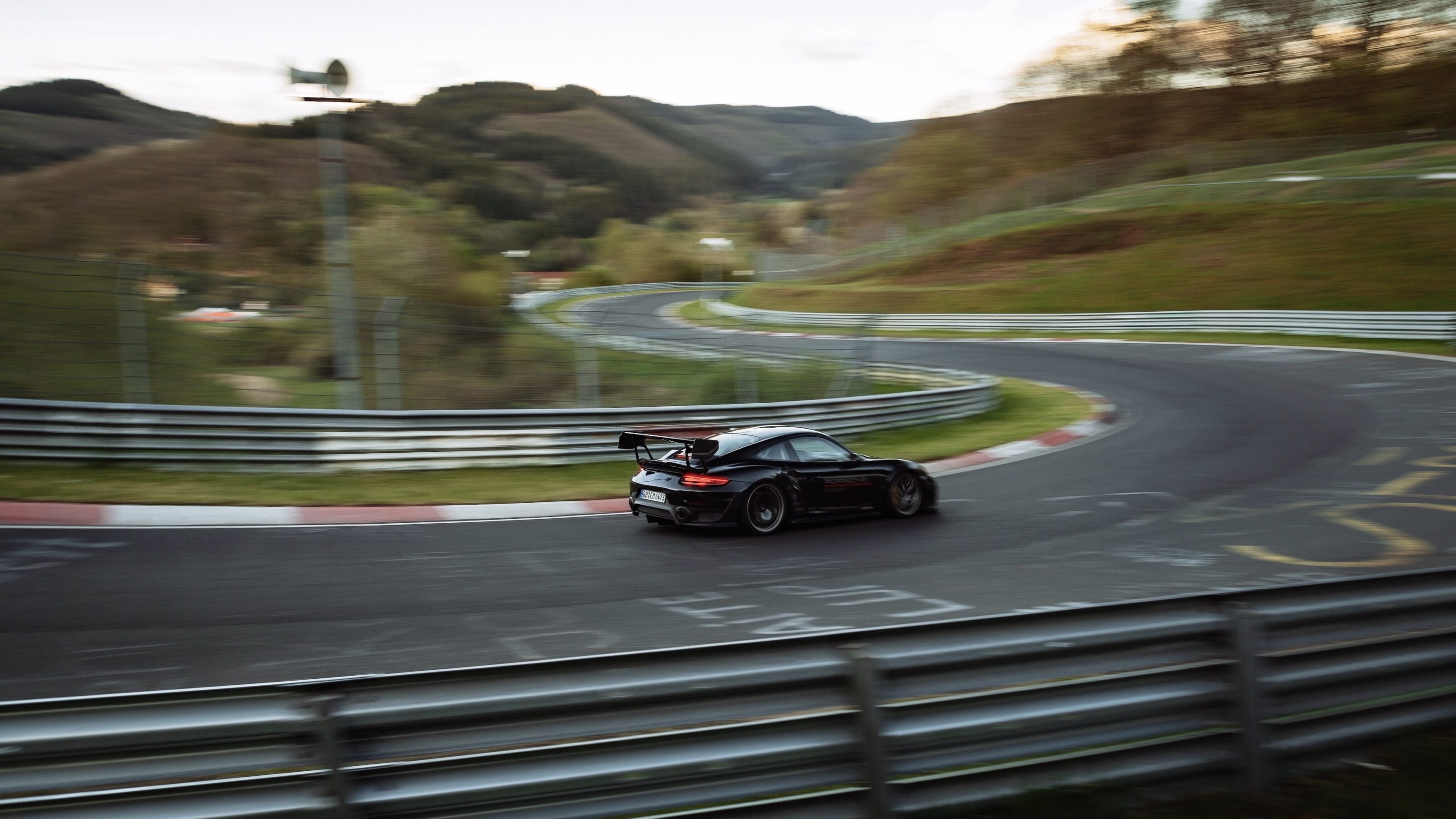
A potent package in its own right, the record-breaking Porsche is also supplemented by Manthey’s comprehensive upgrade package.
Visually, you should easily notice the comprehensive aero pack comprising of dive planes up front, imposing rear wing, rear diffuser and rear wheel aerodisks.
What you won’t see from the kerb side, however, is the carbon fibre underbody, front wheel air guides, Manthey-designed adjustable coilover suspension, uprated brake pads for Porsche’s PCCB ceramic brake package and braided-steel brake lines.
Manthey has also fitted an auxiliary water reservoir for the intercooler spray, which expands total capacity by nine litres, reducing refill frequencies.
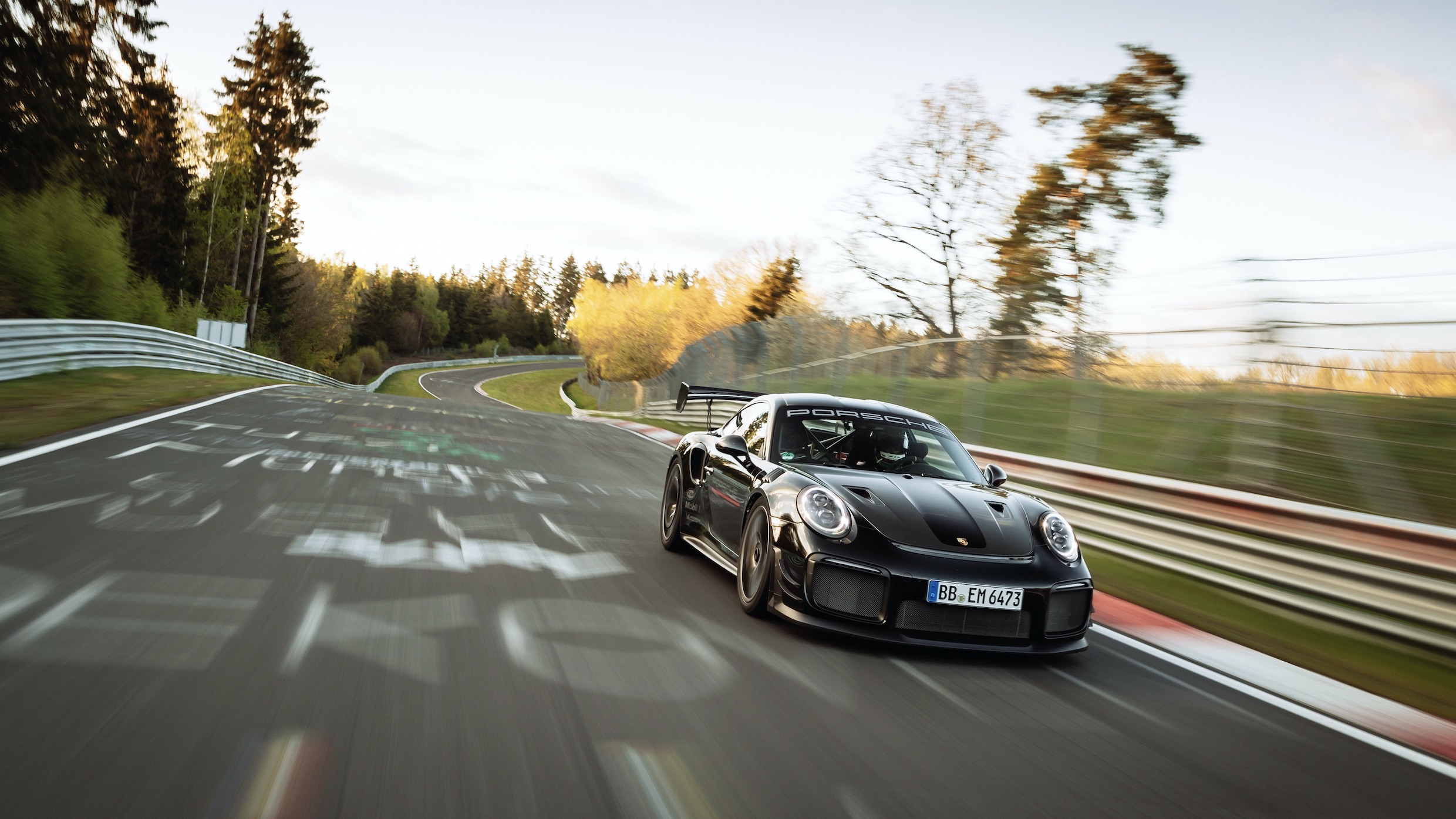
Internet commentators may throw the purity of the production car lap record into contention, given the GT2 RS’ level of modification. Manthey, however, is a Porsche-owned subsidiary whose range of track-honed upgrade kits are available from the dealership in Europe as part of Porsche’s ‘Tequipment’ line of accessories.
Australian buyers also have access to Manthey’s range of upgrade packs via Porsche Centre Melbourne, with packages befitting models such as the 991 GT2 RS, GT3 RS, GT3 and Cayman GT4.
If you want to know what it’s like to drive the ultimate version of the GT2 RS, you can read our review from Phillip Island here.
The Green Hell gauntlet has been thrown and it seems the ball is now in your court, Mercedes-AMG.