Snapshot
- A1 Sportback 40 TFSI gets 5kW more power
- A4 and A5 get new S line competition and S line competition plus options
- Audiu2019s Q7 and Q8 score new exterior carbon package option
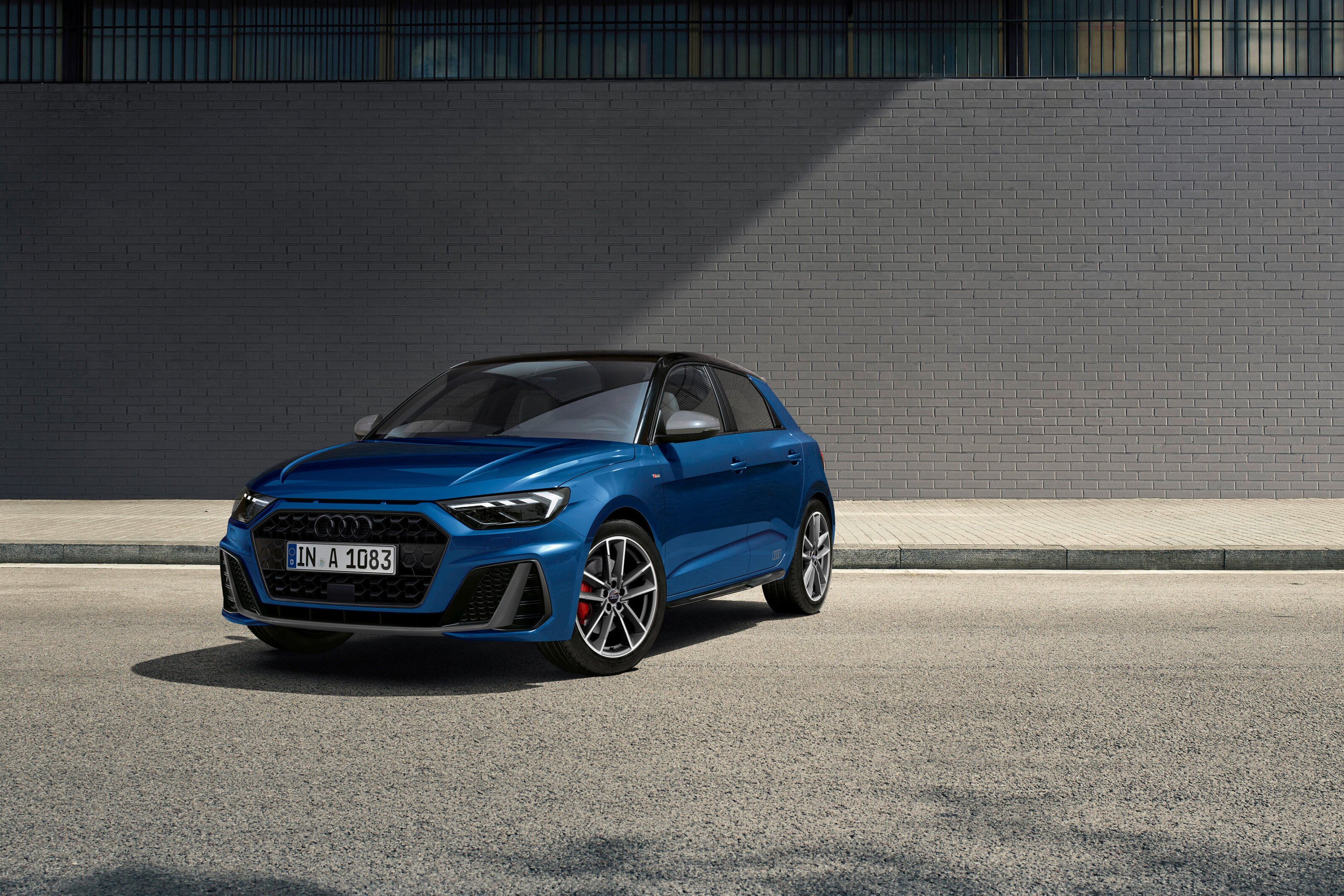
Audi has announced a range of 2022 model year updates for its A1, A4, A5, Q7, and Q8.The compact A1 Sportback 40 TFSI now gets an extra five kilowatts of power from its CZP turbocharged 2.0-litre four-cylinder petrol engine, bringing the total figure up to 152kW.
The hatchback scores a new cosmetic ‘S line competition’ pack too, which can be optioned for the range-topping Audi A1 Sportback 40 TFSI, as well as the 35 TFSI and the 30 TFSI.
The S Line Competition pack adds visual extras like darkened LED headlights and taillights, platinum grey side mirrors, and a contrasting grille featuring matte black and high-gloss black accents.
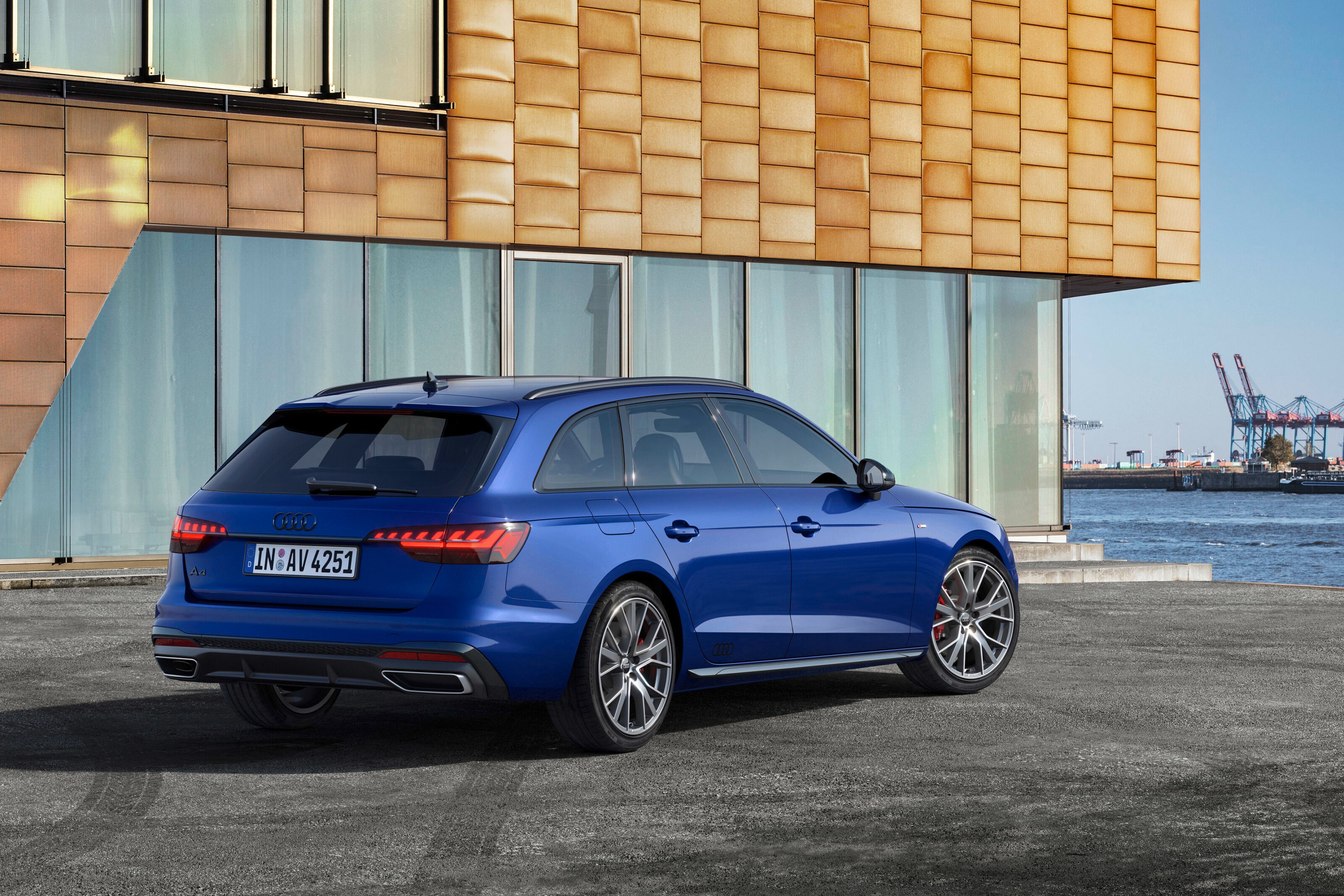
For the 2022 A4 and A5, the Ingolstadt outfit has added two novel visual packs – ’S line competition’ and ‘S line competition plus’.
A4 buyers who tick the option box for the S line competition pack will get the S line exterior package, as well as an additional black package.
This adds a matte radiator grille, S4 spoiler, blacked-out Audi rings on the grille, and 19-inch cast alloy wheels.
The S line competition plus pack brings LED headlights, ambient lighting, black side mirrors, and illuminated entry sills with aluminium inlays.
Both cosmetic packs offer different additional features for the A5 coupe and sportback, with the S line competition option gaining 20-inch alloy wheels, while the plus pack adds matrix LED headlights, black side mirrors, red brake calipers, and ambient lighting.
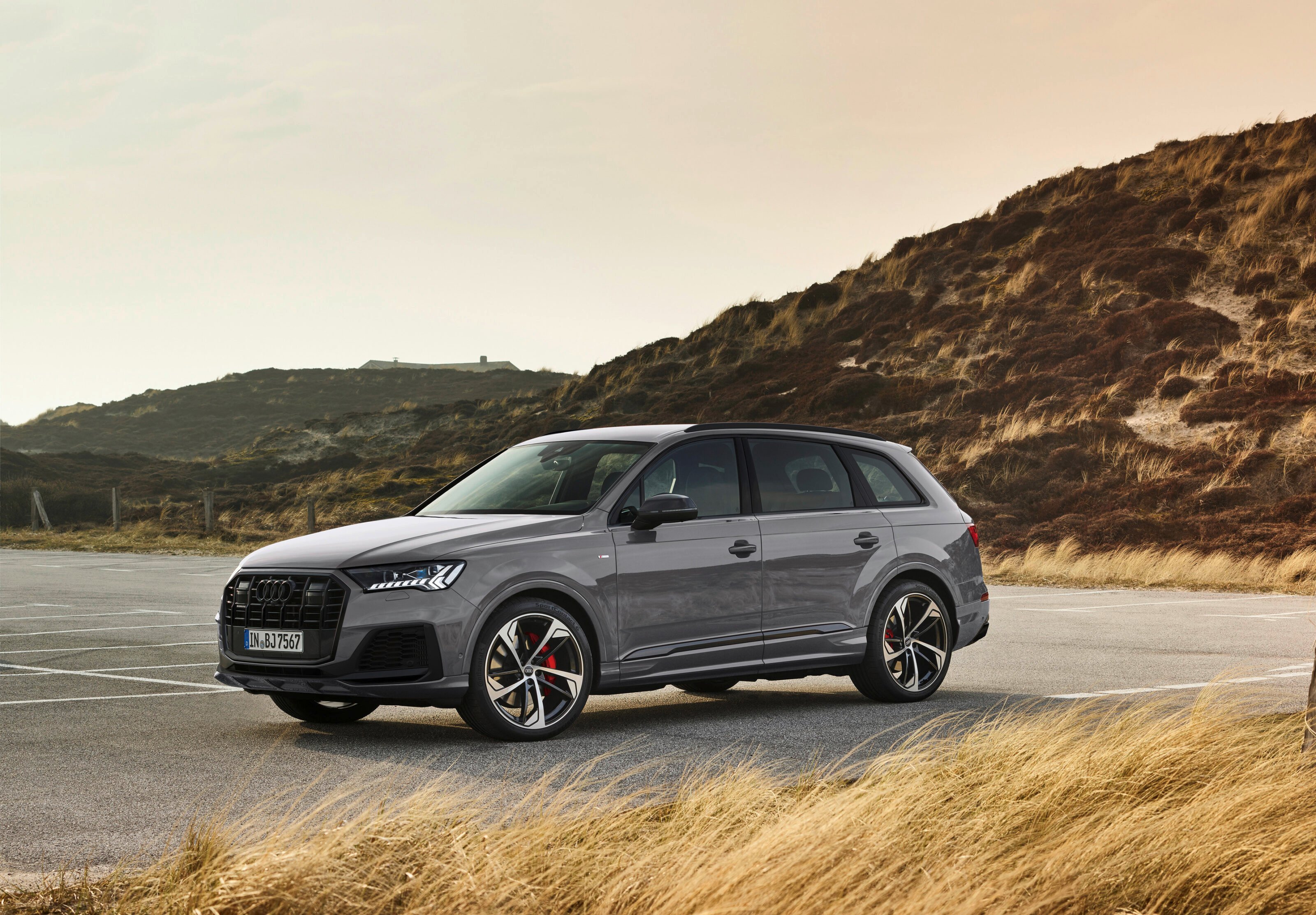
Rounding out the model year upgrades is Audi’s Q7 and Q8. Buyers will be able to select an optional exterior carbon package for both Q cars, as well as newly designed 22-inch wheels for the Q7 and 23-inch wheels for the Q8.
The A1, A4 and A5 are all available to order now, with delivery of the A1 expected in August and A4/A5 in July. The Q7 and Q8 can be ordered from June with delivery late summer – but only in Germany.
It’s unclear at this stage if Australian delivered Audis will be receiving the same 2022 updates as Europe. WhichCar has reached out to Audi for comment.
2022 Audi A1, A4, A5, Q7 and Q8 pricing
- Audi A1 Sportback S line competition starts from €27,470 (AU$43,237)
- Audi A4 S line competition €38,250 (AU$60,184)
- Audi A4 S line competition plus €45,400 (AU$71,435)
- Audi A5 S line competition €43,200 (AU$67,975)
- Audi A5 S line competition plus €49,600 (AU$78,046)
- Q7 competition plus €78,170 (AU$122,986)
- Q8 competition plus €84,500 (AU$132,926)
Snapshot
- Based on Geely’s Sustainable Experience Architecture (SEA)
- Near production-ready model will be unveiled at the 2021 Munich Motor Show
- EV SUV reported to be built from the end of 2023
Daimler and its Chinese manufacturing partner, Geely, have teased images of the new Smart electric SUV.
The five-door EV, which is being developed under the internal name HX11, appears to be quite regularly sized, unlike previous Smart cars.
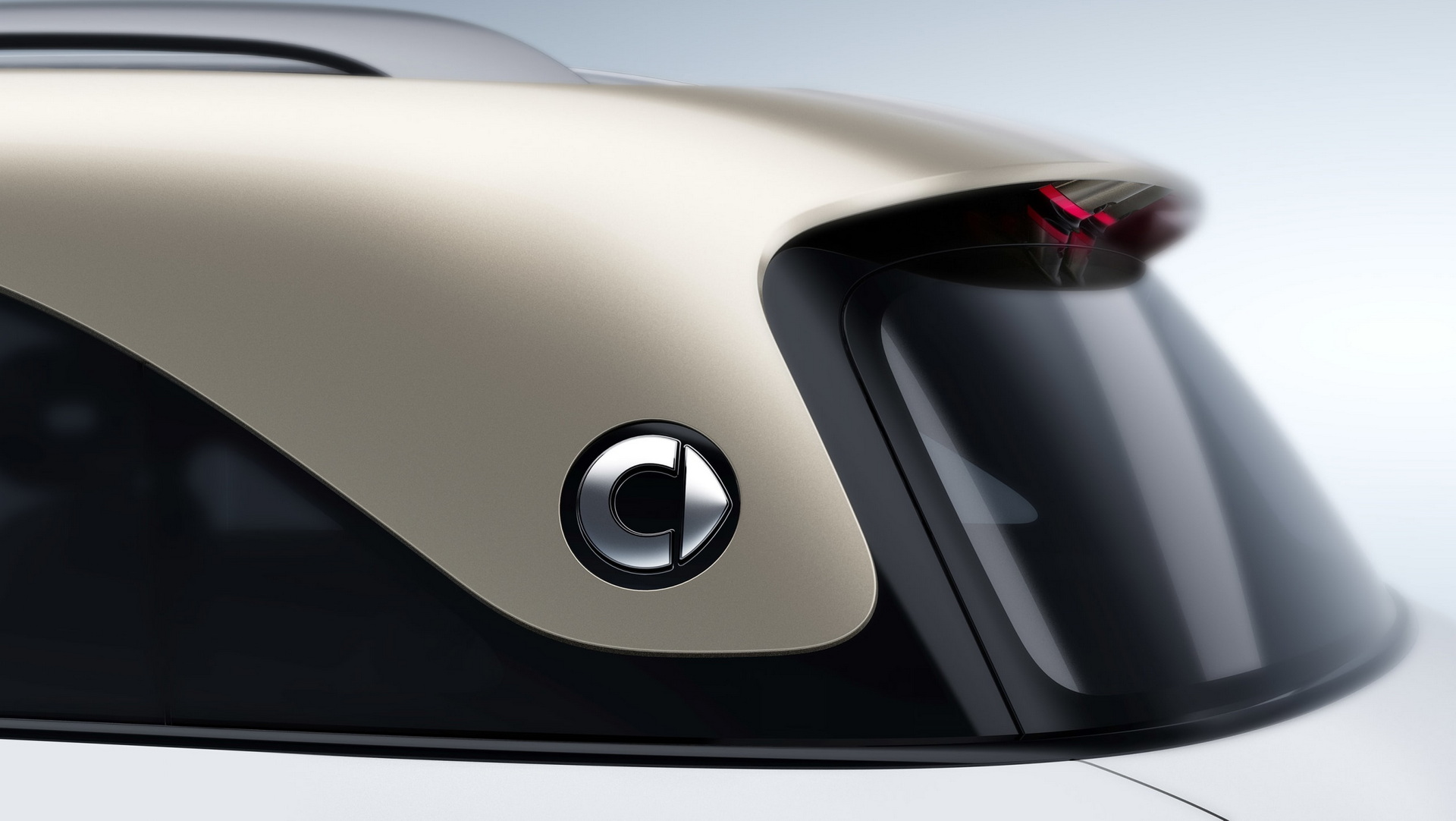
Reported to be based on Geely’s Sustainable Experience Architecture (SEA), which will also form the basis for other cars like Volvo’s upcoming XC20 compact SUV, the new Smart car will serve as the maiden product developed between the German and Chinese powerhouses.
Details about the vehicle’s drivetrain remain unknown, but considering the SEA platform is modular, the architecture can support between one and three electric motors, as well as 800V technology for super-fast charging.
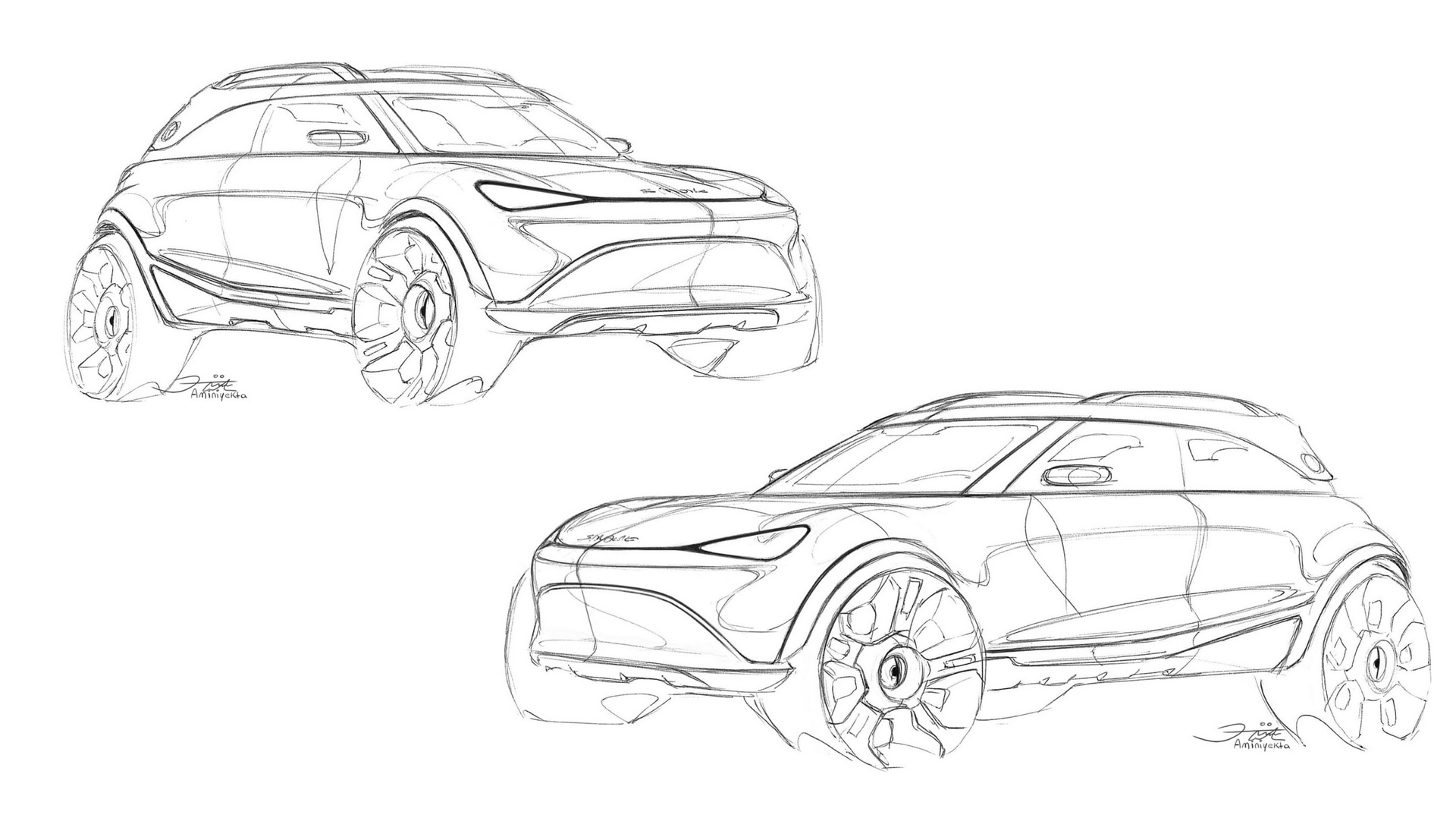
While it will utilise Chinese-made underpinnings, however, the SUV will be styled with the help of Mercedes-Benz’s design chief, Gorden Wagener.
Speaking to Auto Express, the German design boss said the new fully electric SUV was a chance for the compact marque to transform itself for the modern era.
“We have taken the opportunity to reinvent the brand,” Wagener said. He added that the new Smart would be “cool, sexy and grown-up instead of cute and playful.”
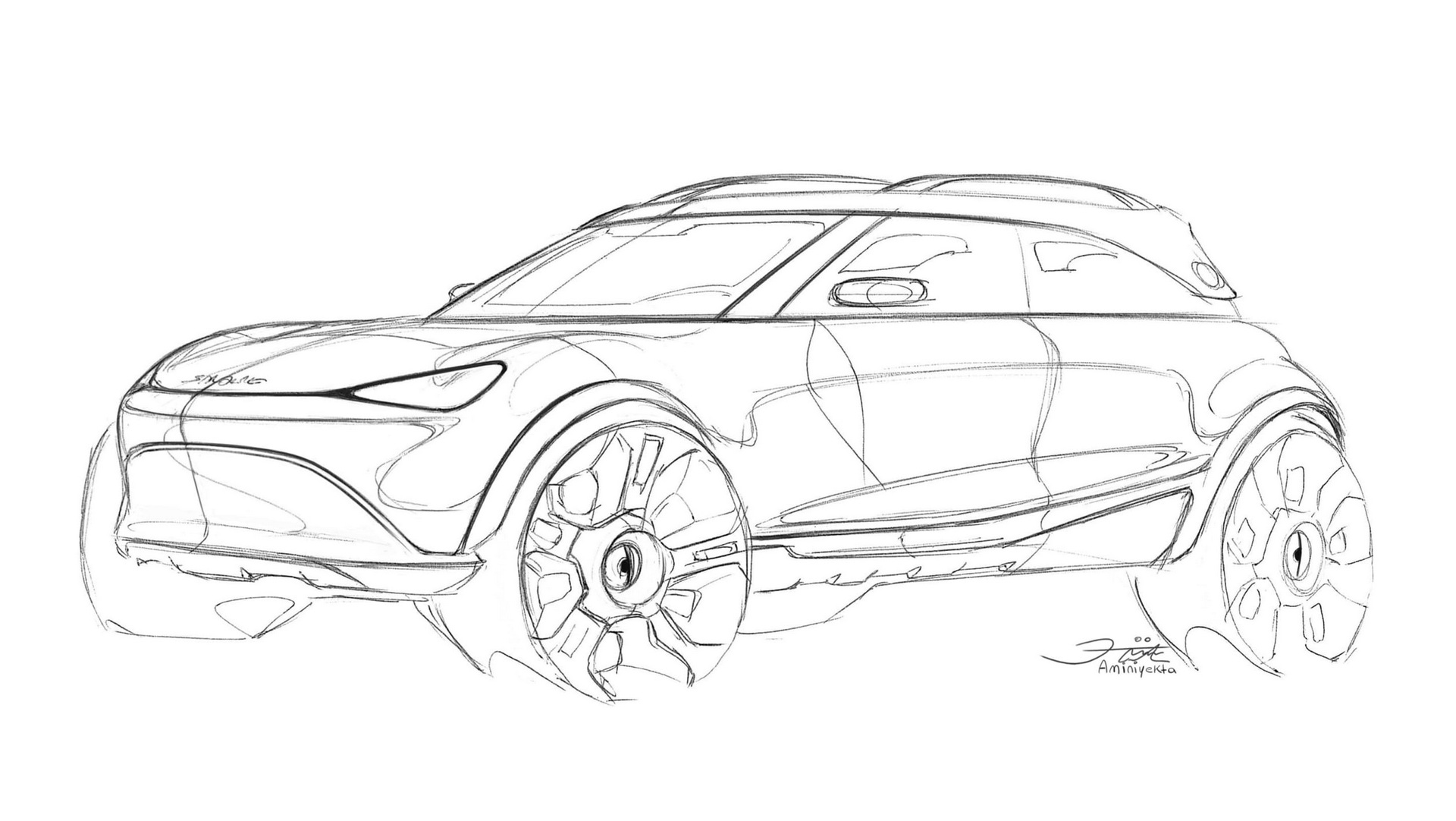
Despite its apparent size being considerably larger than previous Smart products like the ForTwo and ForFour, the Concept does show off an undeniably familiar design language.
According to Auto Express, the SUV will be unveiled in near-production spec at the 2021 Munich Motor Show and will likely be built towards the end of 2023.
Snapshot
- New hot MG 6 variant shown on Chinese social media
- Revival of MG performance arm’s badge
- Unlikely to reach Aussie shores
MG is set to revive the XPower name, releasing images of a performance-oriented version of the MG 6 sedan on its Chinese social media accounts.
The XPower title was created by MG Rover in 2001 for the company’s Sport and Racing division, where it was last used for the V8-powered XPower SV coupe in 2005. The badge was also used on a series of concept cars, including a 287kW MG ZT sedan.
When the manufacturer collapsed in the same year, enthusiast William Riley purchased the name with intent to resurrect the SV model range. A lawsuit was subsequently filed by MG‘s new owner SAIC, placing the XPower moniker under its own control.
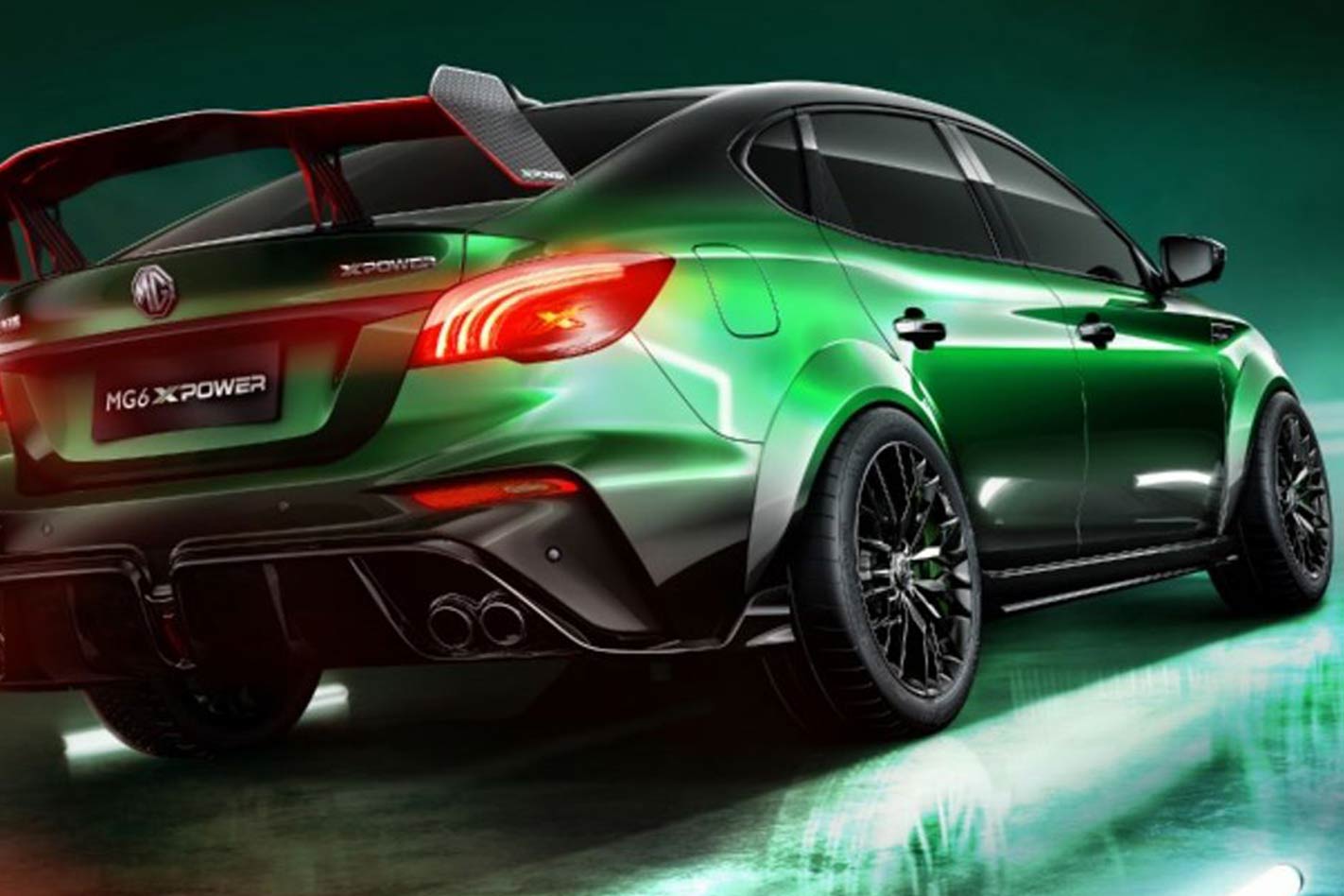

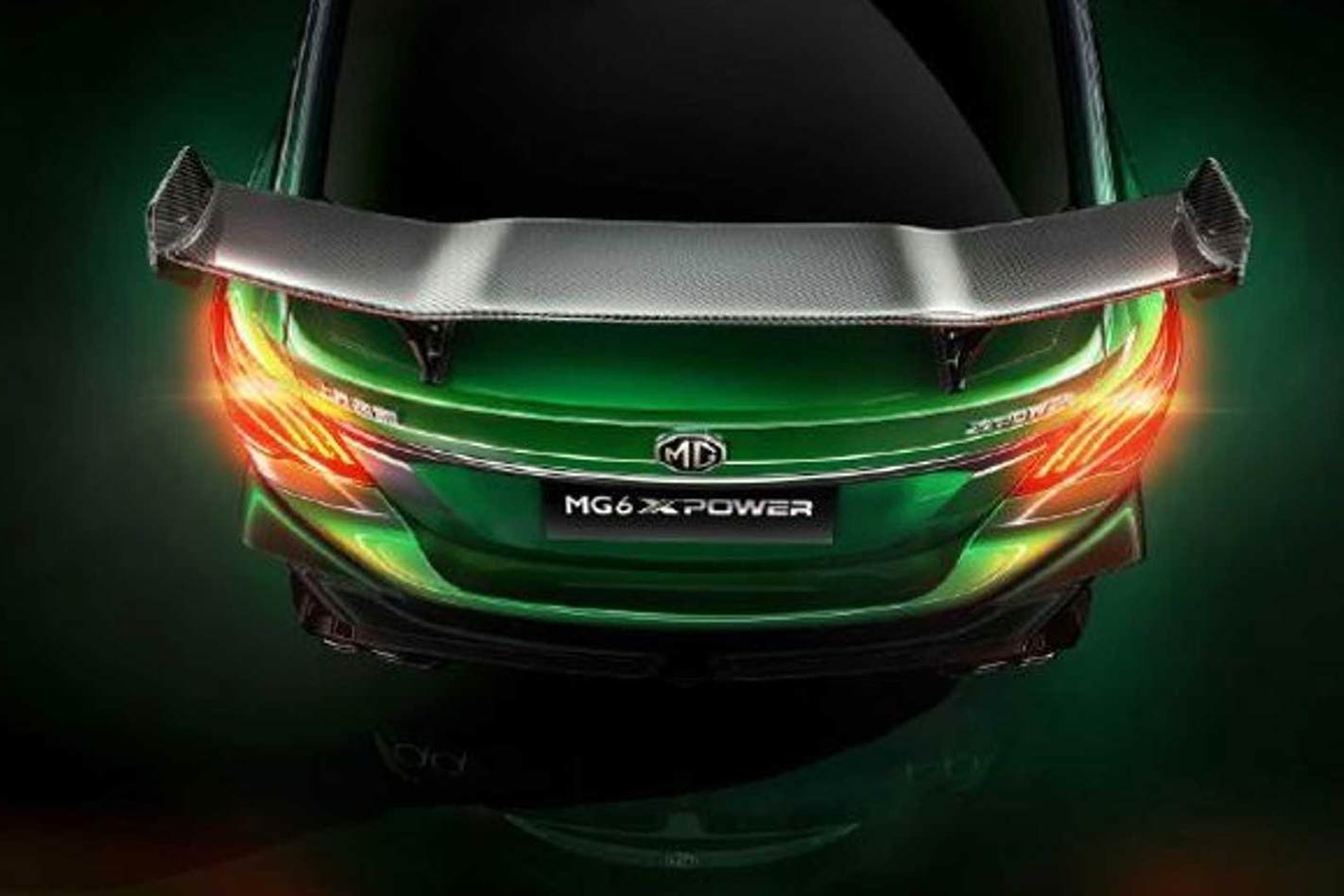
Details on the new MG 6 XPower remain scarce, with little concrete information available beyond photos posted to auto giant SAIC’s Weibo account. The car shown features a wider track than the stock MG 6, with larger alloy wheels and flared arches as well as bigger brakes. An oversized rear wing and diffuser are other obvious additions.
It’s finished in two-tone black and British Racing Green.
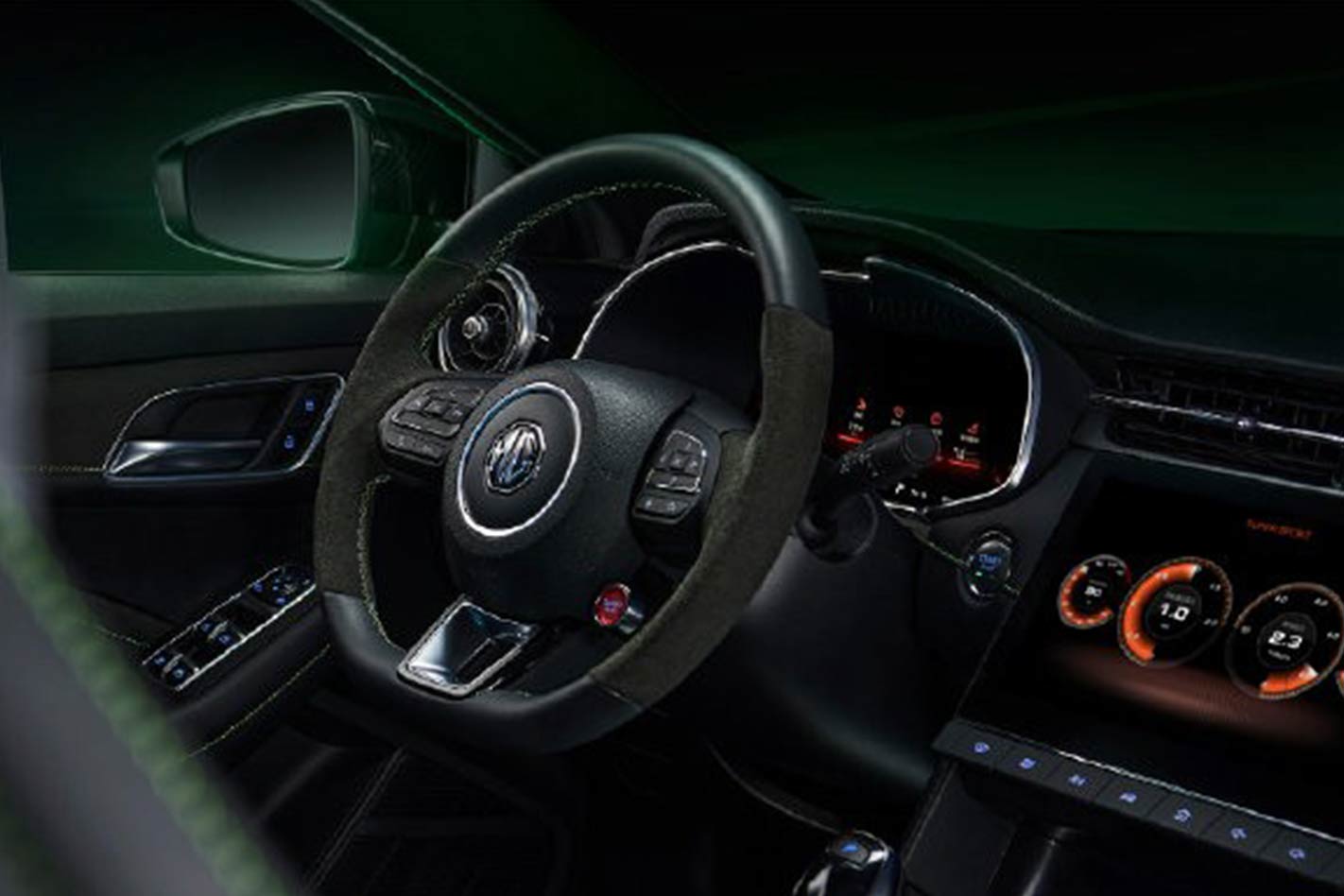
The interior wears a helping of Alcantara-like material as well as an infotainment screen and digital dash. The model pictured features an automatic transmission, though it’s unclear if a manual will also be available.

Details on the XPower’s engine have not yet been unreleased, though SAIC’s post describes it as a “performance beast”. It seems likely to use an uprated version of the marque’s current turbocharged 1.5-litre four cylinder petrol engine.
The MG 6 has not been available in Australia since the second-generation car was launched in 2016. A spokesperson for MG Australia said the XPower sadly is not currently on its way to Australia.
More information on the new XPower is likely to be provided in the coming weeks.
Without wishing to detract in any way from the deserved victory of the Ford Ranger XLT Bi-Turbo, it’s a damning indictment on the dual-cab segment that the oldest model tested is the clear winner.
This is to take nothing away from the Ranger, which was a fine vehicle when it was launched and remains so today thanks to plenty of development in the interim, much of which has been completed by talented Aussie engineers.
Judges and writing team: Scott Newman, Byron Mathioudakis, Louis Cordony, Evan Spence
Photography: Ellen Dewar, Alastair Brook, Cristian Brunelli
Catch the full series here
- Premium utes: Ranger vs D-Max vs Triton vs Navara vs HiLux
- Budget utes: GWM Ute Cannon-L vs Ssangyong Musso XLV Ultimate
- Hero utes: HiLux Rugged X vs Ranger Raptor vs Gladiator Rubicon vs BT-50 Thunder
- Off-roading: Ranger vs D-Max vs Triton vs Navara vs HiLux vs Musso vs Ute Cannon-L vs Ranger Raptor vs Gladiator Rubicon

However, it would be reasonable to expect its newer rivals to move the game on, particularly in such a big-selling segment, but according to our testing the Ranger remains the benchmark in straight-line performance (but not braking), ride and handling, towing, payload and infotainment.
What’s more, it’s competitive off-road and in terms of running costs, partly due to its excellent residuals, with only its ageing interior architecture (if not technology) letting it down. Well done Ford, but for the rest, where’s the progress?
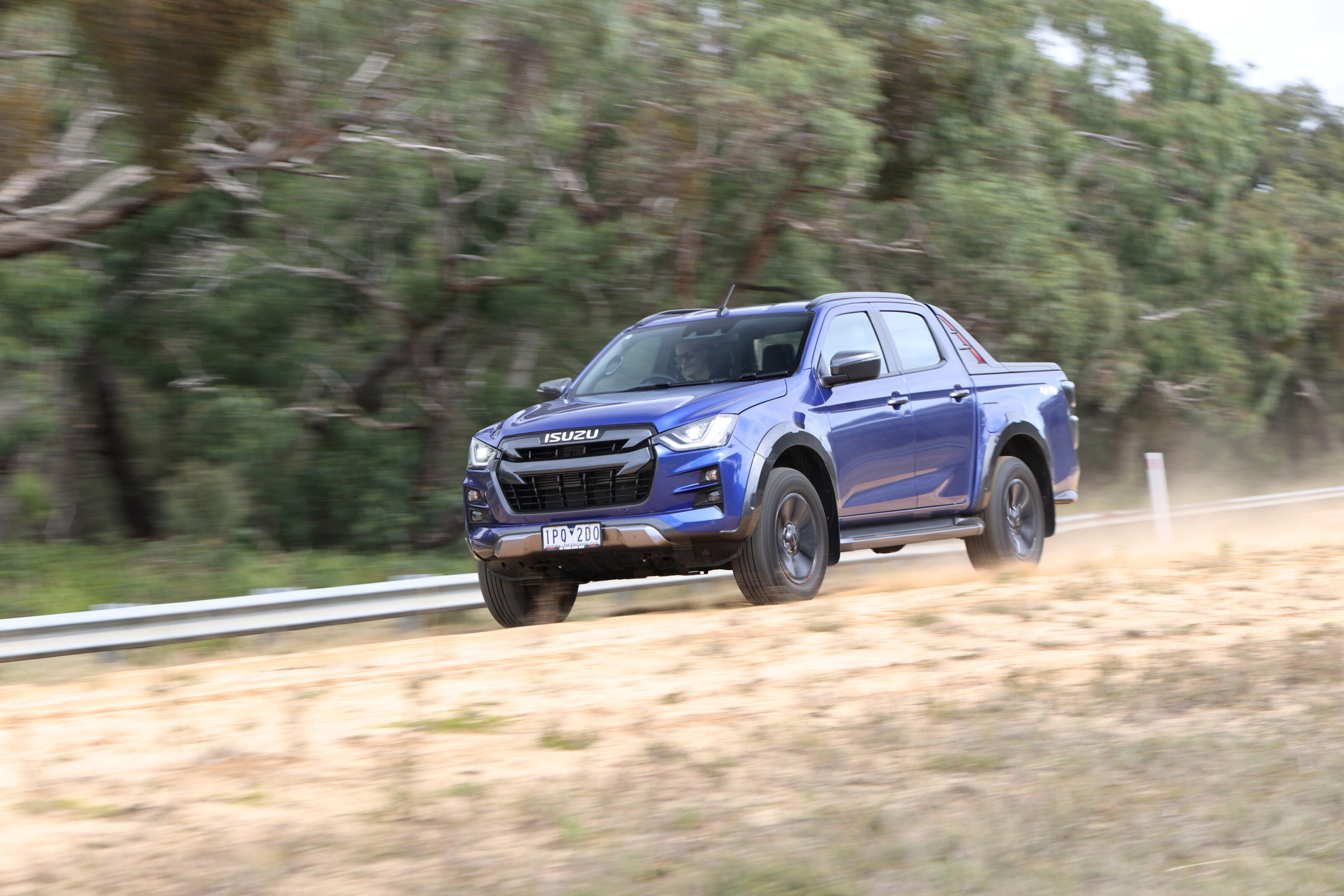
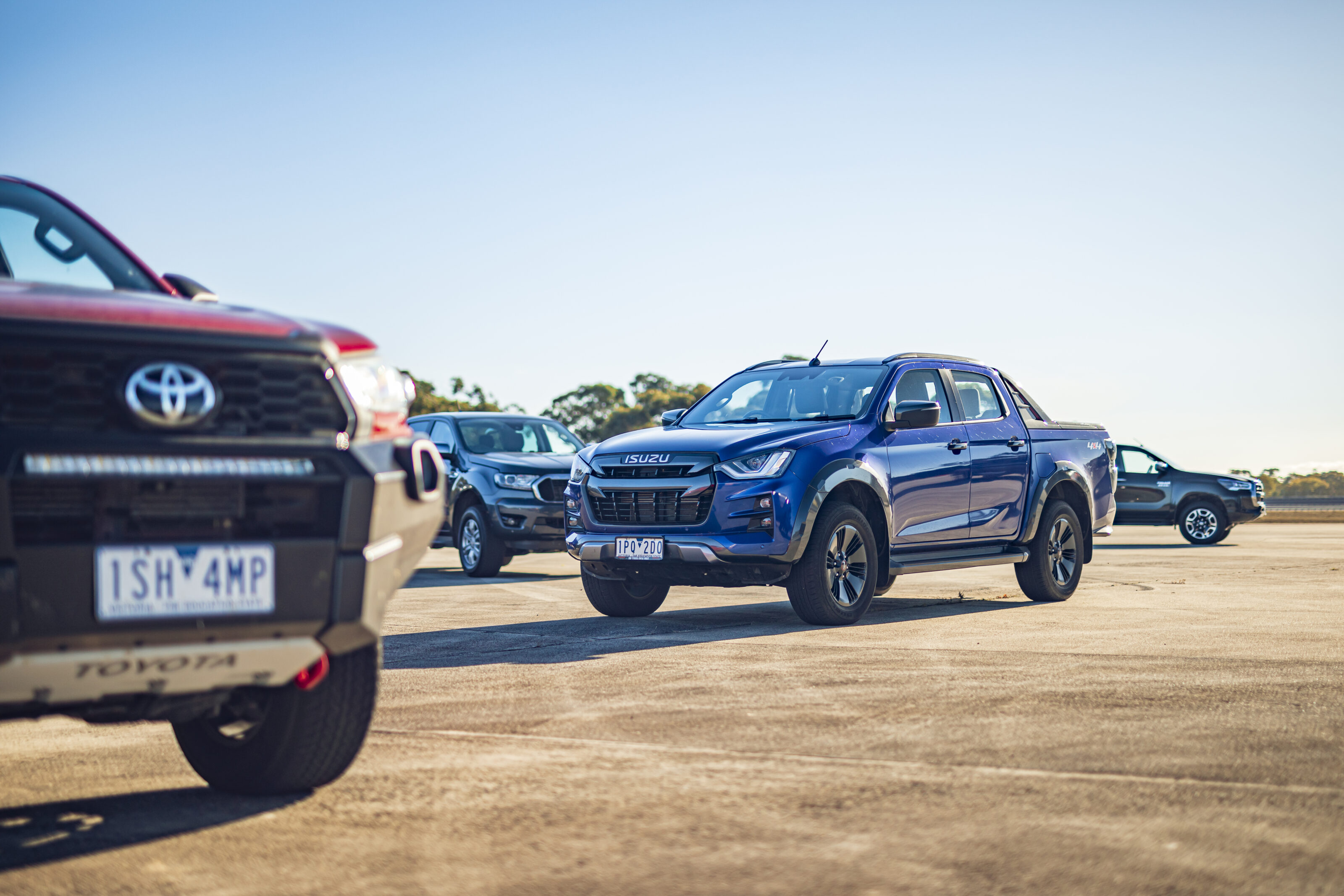
Best of the rest are the D-Max/BT-50 twins and the HiLuxes, this quartet separated by just a single point. The Isuzu is now much more than a reliable workhorse, with its impressive new interior, benchmark safety systems and much-improved dynamics, while retaining its strong engine and warranty/servicing offering.
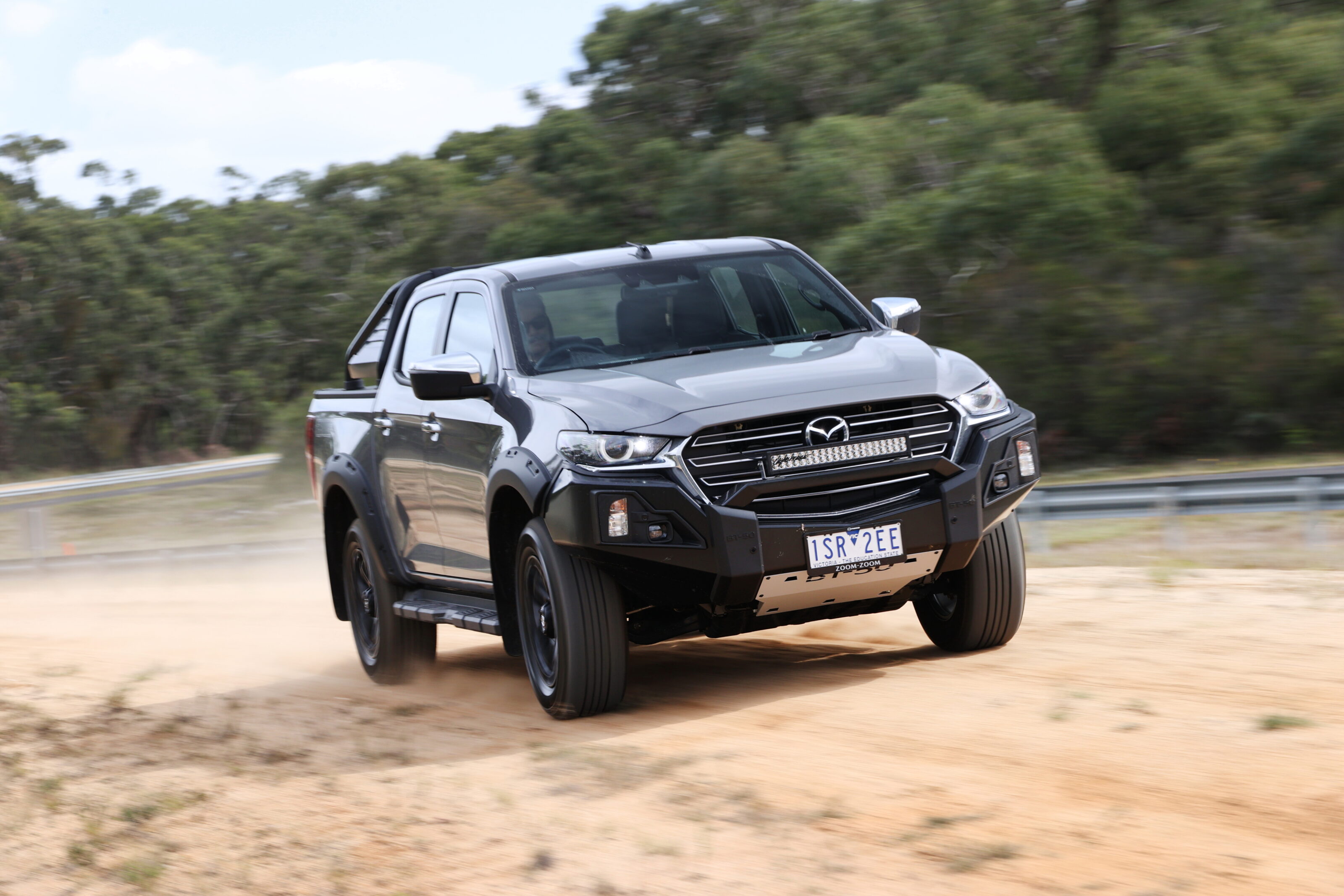
The BT-50 benefits by proxy, though we’re less convinced by this Thunder special edition, as all our testing results also apply to the vastly cheaper (and more tasteful) variants below it in the range.
Toyota’s upgraded HiLuxes are impressive, particularly if you’re regularly heading off-road, both variants tested acing the 4×4 component. Both also excel at towing and the revised engine is strong, along with the unrivalled dealer network and incredible resistance to depreciation.
The most ‘lifestyle’ of our contenders, the Ford Ranger Raptor and Jeep Gladiator Rubicon, were always going to struggle against the criteria, for they ask significantly higher prices while being objectively less useful.
It would be reasonable to expect the Ranger’s newer rivals to move the game on, particularly in such a big-selling segment
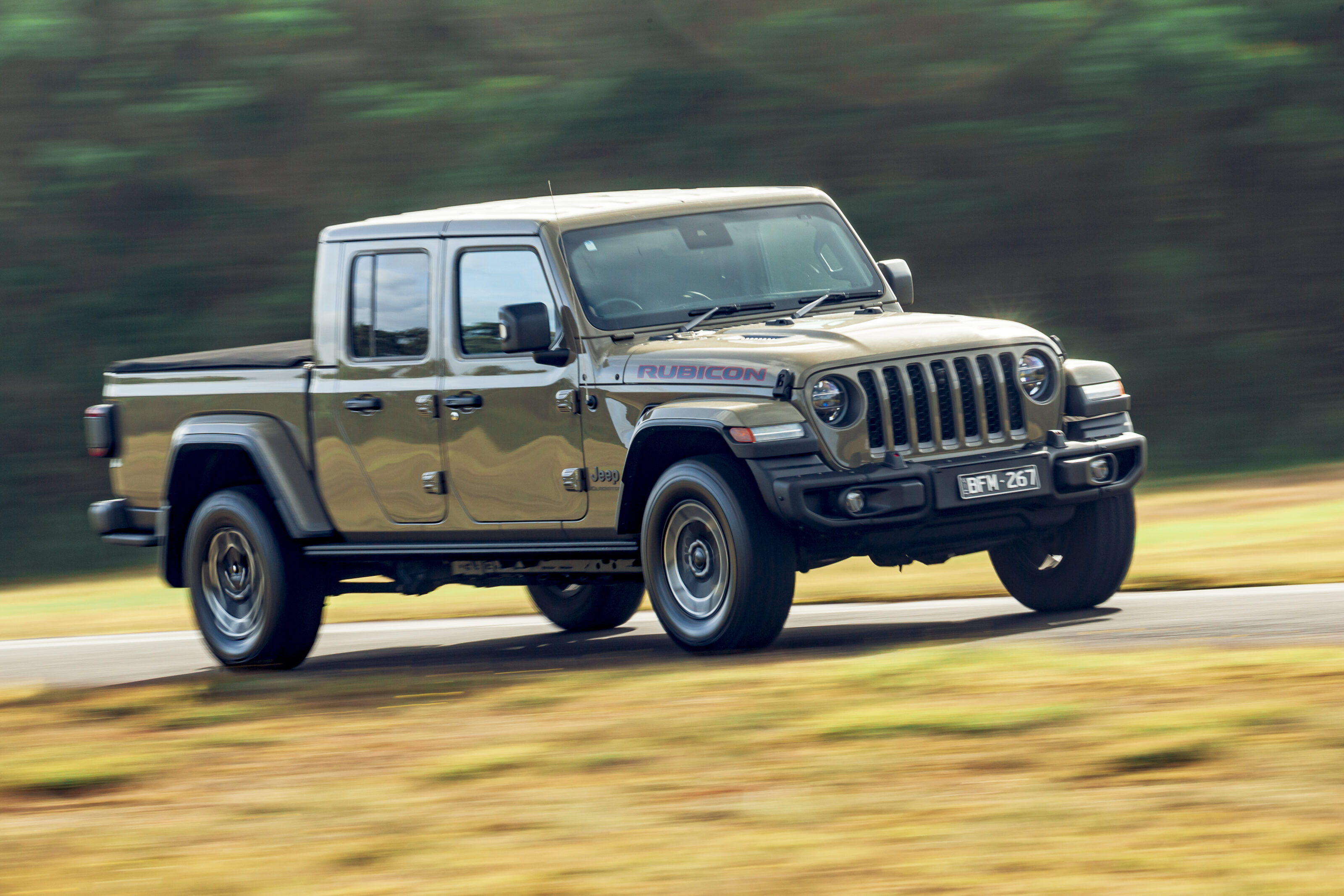
Their massive off-road tyres harm performance and dynamics and neither can tow as much as the more prosaic dual-cab offerings, yet in their element both are outstanding. The Gladiator Rubicon is nigh-on unstoppable off-road and few vehicles are more fun on a loose surface than a Ranger Raptor, but be aware there is a price to pay for this ability.
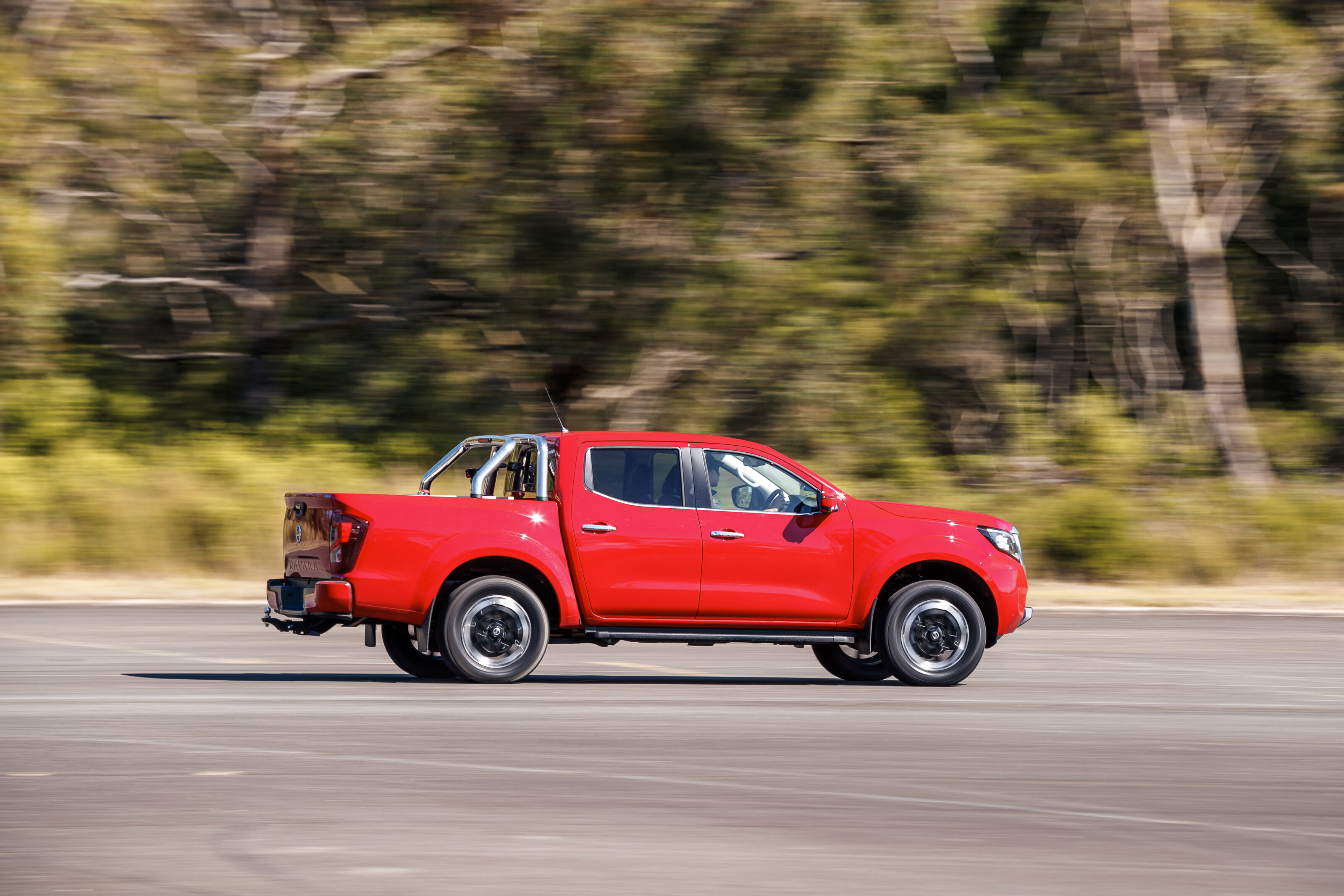
As the newest vehicle here, the freshly updated Navara’s seventh placing will no doubt be a disappointment but it scored strongly across the board; the term jack of all trades, master of none springs to mind.
It works well in all disciplines without shining in any one area, which given the model’s recent troubles is a step in the right direction.
Last of the main players is the Mitsubishi Triton, which was primarily let down by its underwhelming engine, but it also trails its main rivals in most areas.
A caveat to this is the Triton’s keen pricing. The $47,940 Mitsubishi asks for a Triton GLS automatic – let alone the current $47,490 driveaway price – leaves you a couple of grand short of a base Ranger, D-Max, BT-50 or Navara and will only get you behind the wheel of a very basic Workmate in the HiLux range.
Now the D-Max has shifted upmarket, the role of dependable workhorse has shifted to the Triton with its $37,940 entry price and industry-leading 10-year warranty.
Bringing up the rear are the two challenger brands. The Ssangyong Musso XLV is a lot of ute for your money, both literally and figuratively, but its engine and dynamics are underdone, making the case for spending a little more on, say, the Triton as money well spent.
Compared to Great Wall’s previous efforts the simply titled Ute is a massive step forward but another similar step is required to be truly competitive. It looks great inside and out, with clever practical touches lacking in some much more expensive rivals, but the substance doesn’t match the style.
Its overall score is badly hampered by the fact that it was supplied without a tow bar and thus couldn’t complete the towing test, but it almost certainly would’ve earned the wooden spoon regardless.
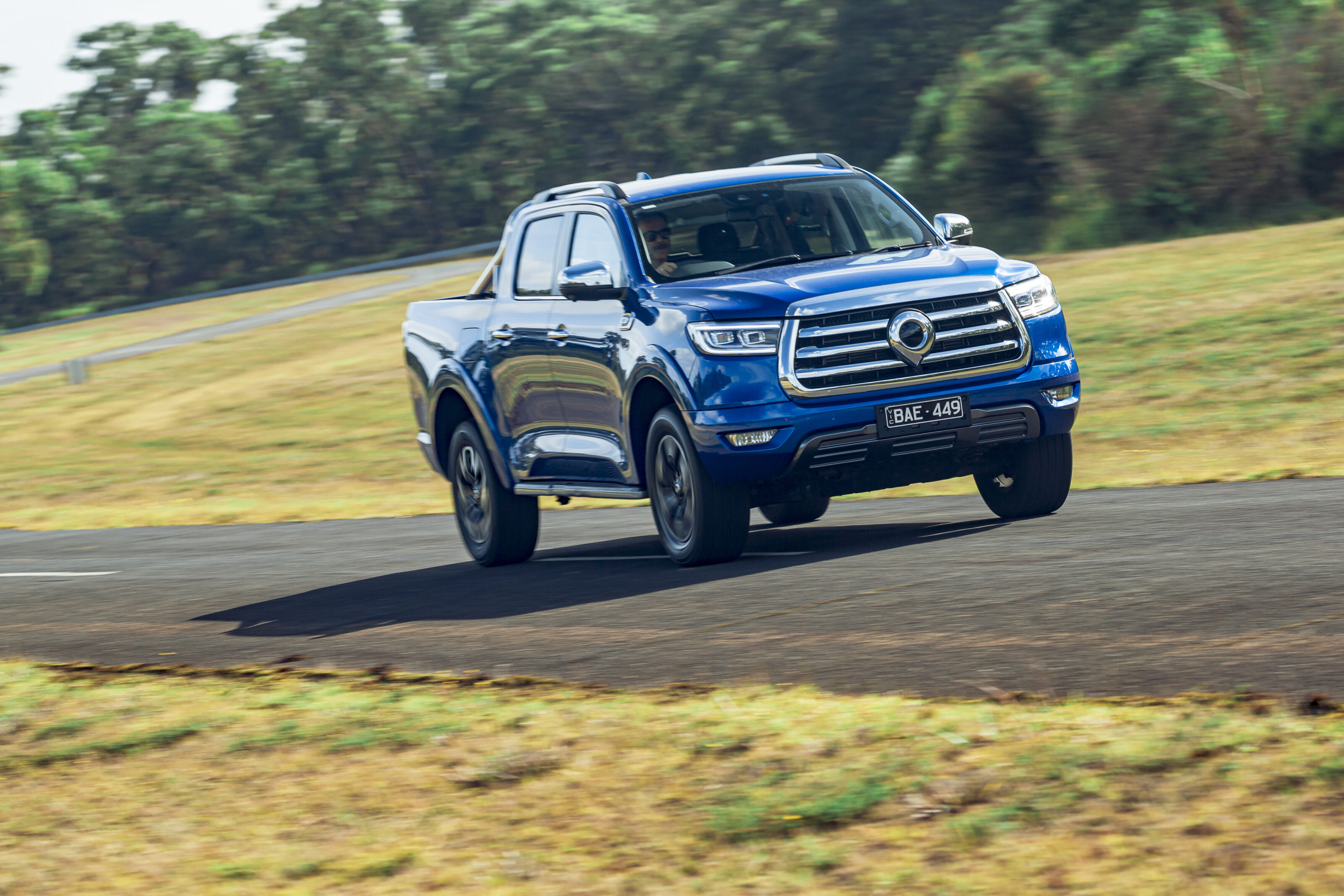
There is no discipline where the GWM approaches the level of its competition and in most areas it lags behind by a large enough margin that not even its seven-year warranty and super-sharp pricing can compensate.
In summary, when all is said and done the Ranger XLT is a clear winner but it appears that it will be left to this car’s successor, due early in 2022, to achieve the next step-change in the dual-cab segment.
FINAL SCORING
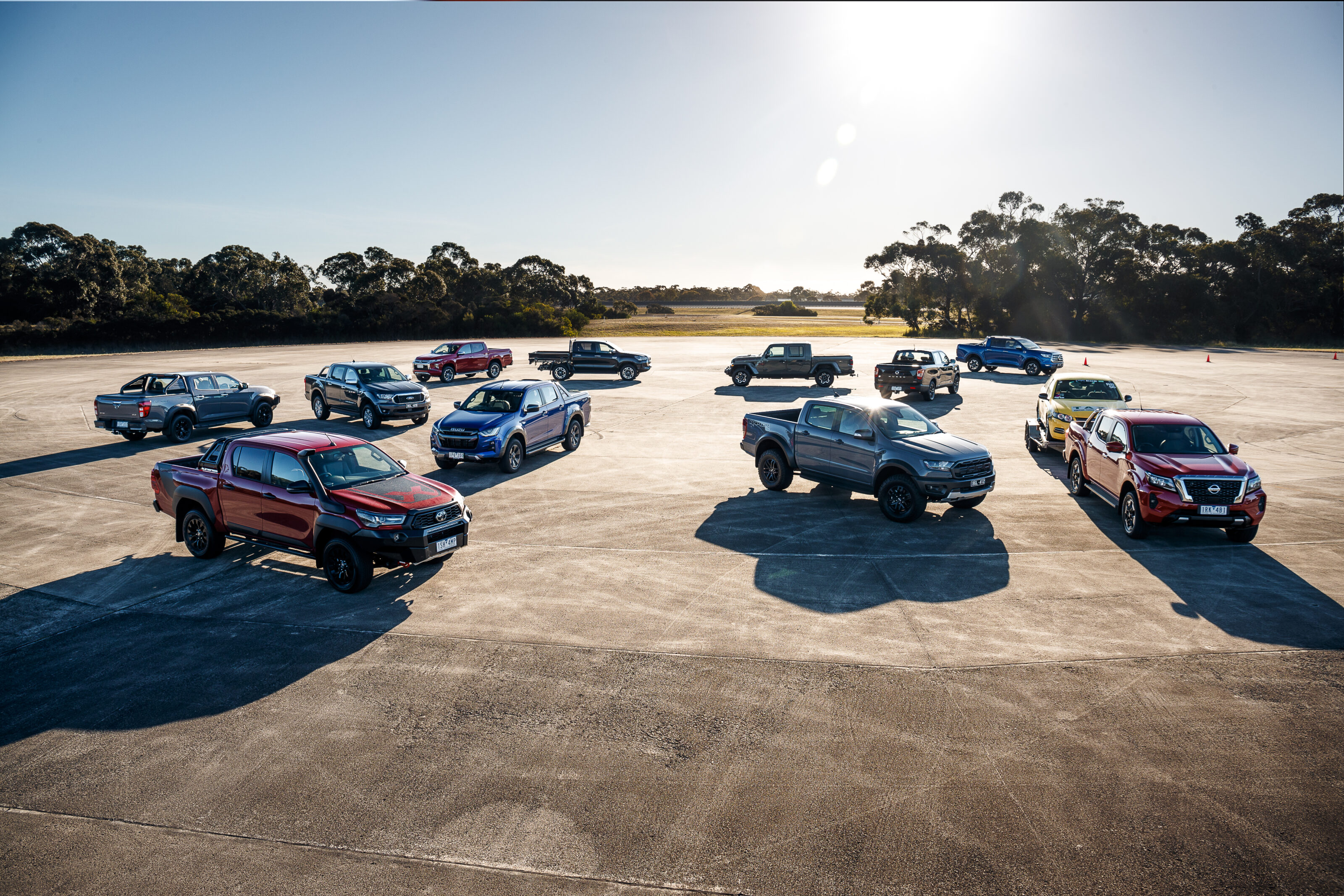
Dual-cab sprint times
0-100km/h in metres
Snapshot
- GTA and GTAm cost $268,000 and $288,000, respectively
- Ferrari-derived 2.9-litre twin-turbo V6 makes a whopping 397kW
- 0-100km/h sprint is claimed to take just 3.6 seconds
The Alfa Romeo Giulia GTA and GTAm have been revealed for the Australian market.
Just 18 examples of the wild four-door will be heading Down Under, with an RRP of $268,000 for the Alfa Romeo Giulia GTA and $288,000 for the GTAm (not including on-road costs).
Despite the eye-watering price tags, a representative from the Italian marque’s local arm has told WhichCar all 18 cars have already been sold.
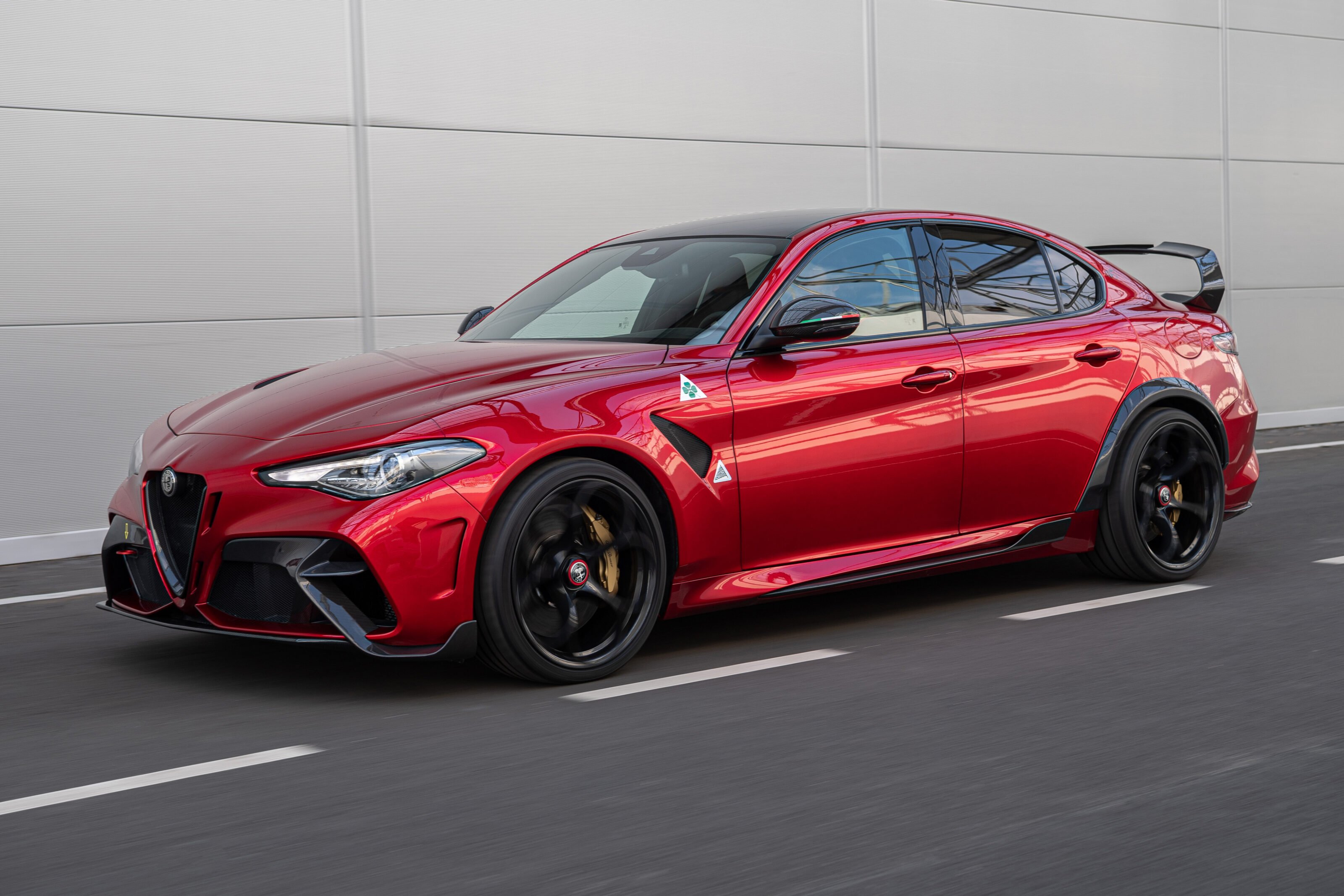
Both the GTA and GTAm represent the performance zenith of the Giulia range, with the Ferrari-derived 2.9-litre twin-turbo V6 producing a whopping 397kW (22kW more than the already bonkers standard Quadrifoglio).
In combination with an unchanged 600Nm, the extra oomph means the super sedans can sprint from 0-100km/h in a claimed 3.6 seconds, which is three tenths quicker than the regular car.
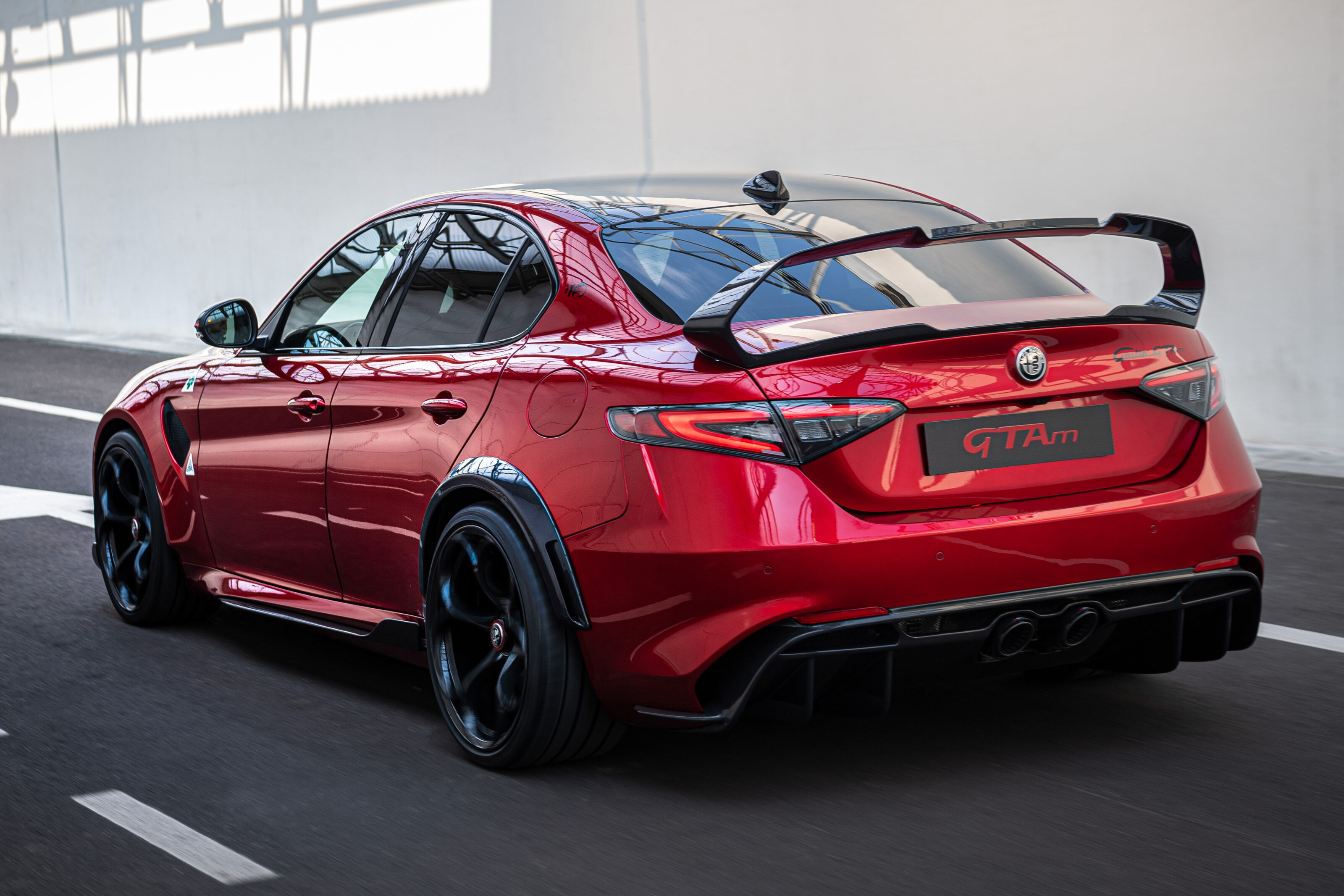
The GTA and GTAm also come equipped with other bespoke performance upgrades like a wider front and rear track, carbon fibre roof, front end, and rear diffuser, Lexan rear window, a titanium Akrapovič exhaust system, carbon-ceramic brakes and 20-inch centre lock lightweight wheels.
Choosing the car with the ‘m’ suffix means no rear seats, race harnesses, polycarbonate window frames, Lexan second row windows, lightweight aluminium doors, and aluminium replacing steel components in the car’s suspension.
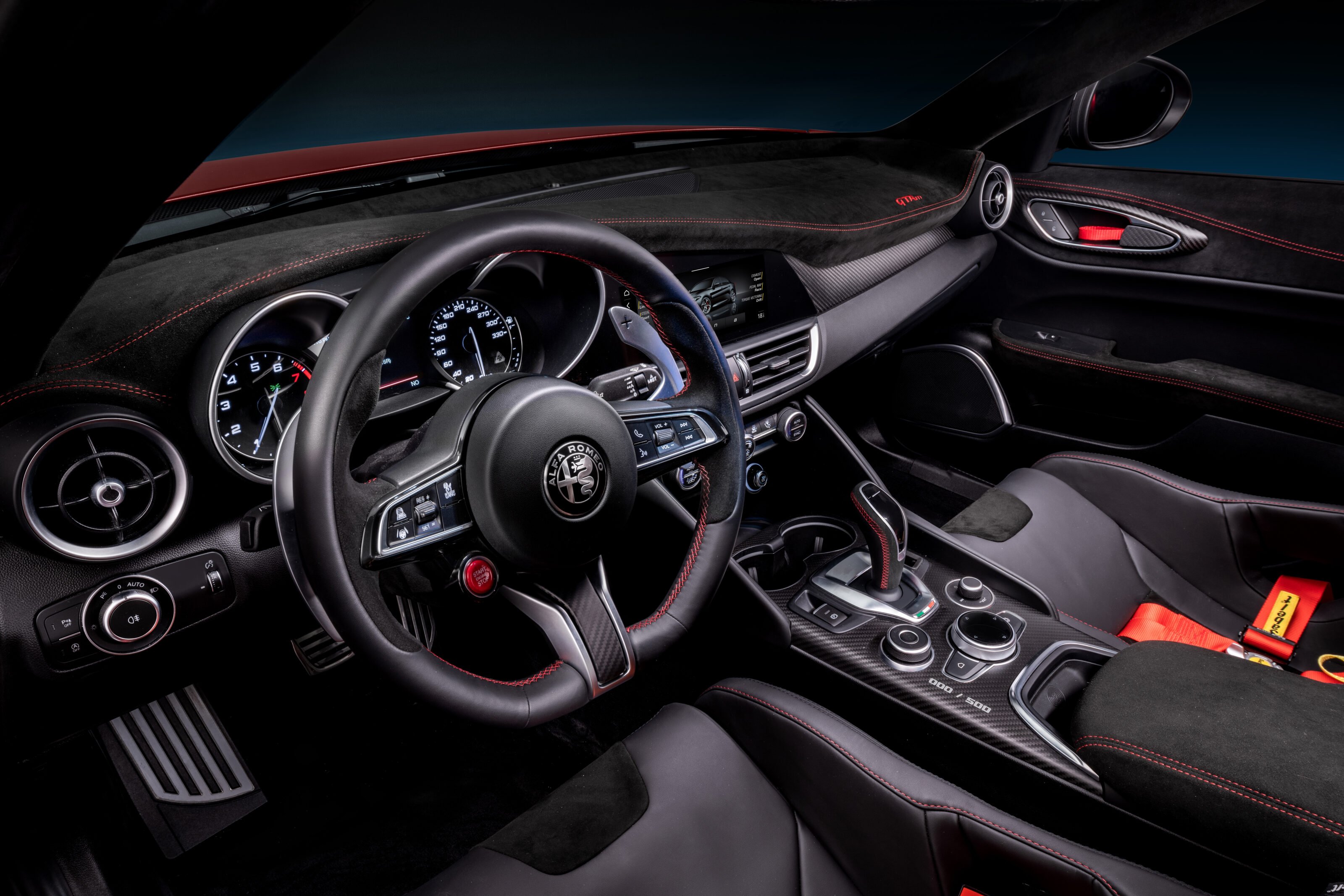
Surprisingly, Alfa Romeo Australia has confirmed most local buyers have opted for the more hardcore, track-focused GTAm, instead of the GTA.
GTA buyers will score a complimentary helmet and car cover with their quarter-of-a-million dollar performance sedan, while GTAm owners will also take home a full Alfa Romeo GTA racing outfit – including racing suit, gloves, boots, helmet, and car cover.
Alfa Romeo has also confirmed that, at this stage, no more examples of the GTA or GTAm are expected to be allocated for the Aussie market.
The car industry is going green, so we thought it best to do our part by slinging two 300kW eye-searing coupes down the drag strip!
The Audi TT RS comes armed with Quattro all-wheel drive, a 294kW/480Nm turbocharged five-pot – and a coat of Kyalami Green paint.
Porsche has answered the call with their Cayman GT4, packing 309kW/420Nm from its 4.0-litre flat-six, Porsche’s telepathic PDK transmission, and a gleaming coat of Python Green duco.
In perfect conditions, the official word from Porsche is a claimed 3.9 second sprint from 0-100km/h, with Audi claiming their TT RS will do it in 3.7 seconds. But with rain bearing down on Heathcote dragway, this is far from perfect conditions.
With two less driven wheels, the Porsche also comes shod in circuit-focused Michelin Pilot Super Sports which can be notoriously allergic to cold temperatures and wet surfaces, while the Audi spins all four wheels wearing more rounded Pirelli P Zeros.
Despite the tyre advantage, the GT4’s launch control gave it a cracking start off the line while the all-paw Audi was clawing for traction. A big step out from the Porsche’s rear end, however, forced Andy to momentarily lift off while he corrected with opposite lock, after which the Audi found its footing and rocketed past, crossing the line with a car length in hand.
Lining the cars up again for a more conventional street-start race – normal drive modes, no launch control, just pin the throttle and go – saw the hardcore Cayman again claim the hole shot, but couldn’t overcome Audi’s superior Quattro traction advantage.
In the end, in drastically suboptimal conditions, both cars were significantly down on their official claims with the TT RS measuring 4.9 seconds from 0-100km/h, while the Cayman GT4 measured 5.5 seconds.
The TT RS also passed the 400m flag in 13 seconds flat, at 182.3km/h, while the Porsche followed behind posting a 14.2 second pass – albeit gaining slowly at 184.1km/h.
Watch the full video above, and subscribe to the MOTOR Youtube for more drag battles, comparisons and reviews!
ENZO FERRARI was an engine man through and through. The old adage that with Ferrari, you bought an engine and got a car thrown in for free wasn’t always that far wide of the mark. The old man once even claimed that aerodynamics are for people who can’t build engines. All of which makes the prospect of a Ferrari without an internal combustion engine probably the most radical and controversial moment in the marque’s history.
Yet that’s exactly what is set to occur in 2025, when Ferrari will launch its first electric vehicle. Controversial? We only have to spool back to 2006 when then-chairman Sergio Marchionne said that, “with Ferrari, (an EV) is almost an obscene concept,” before he added “you’d have to shoot me first.” Unfortunately, events subsequently intervened.
Now it forms a key pillar of a product onslaught from Maranello. CEO John Elkann informed the company’s shareholders at its AGM that “We are continuing to execute our electrification strategy in a highly disciplined way. We are also very excited about our first all-electric Ferrari that we plan to unveil in 2025, and you can be sure this will be everything you dream the engineers and designers at Maranello can imagine for such a landmark in our history,” Elkann said.
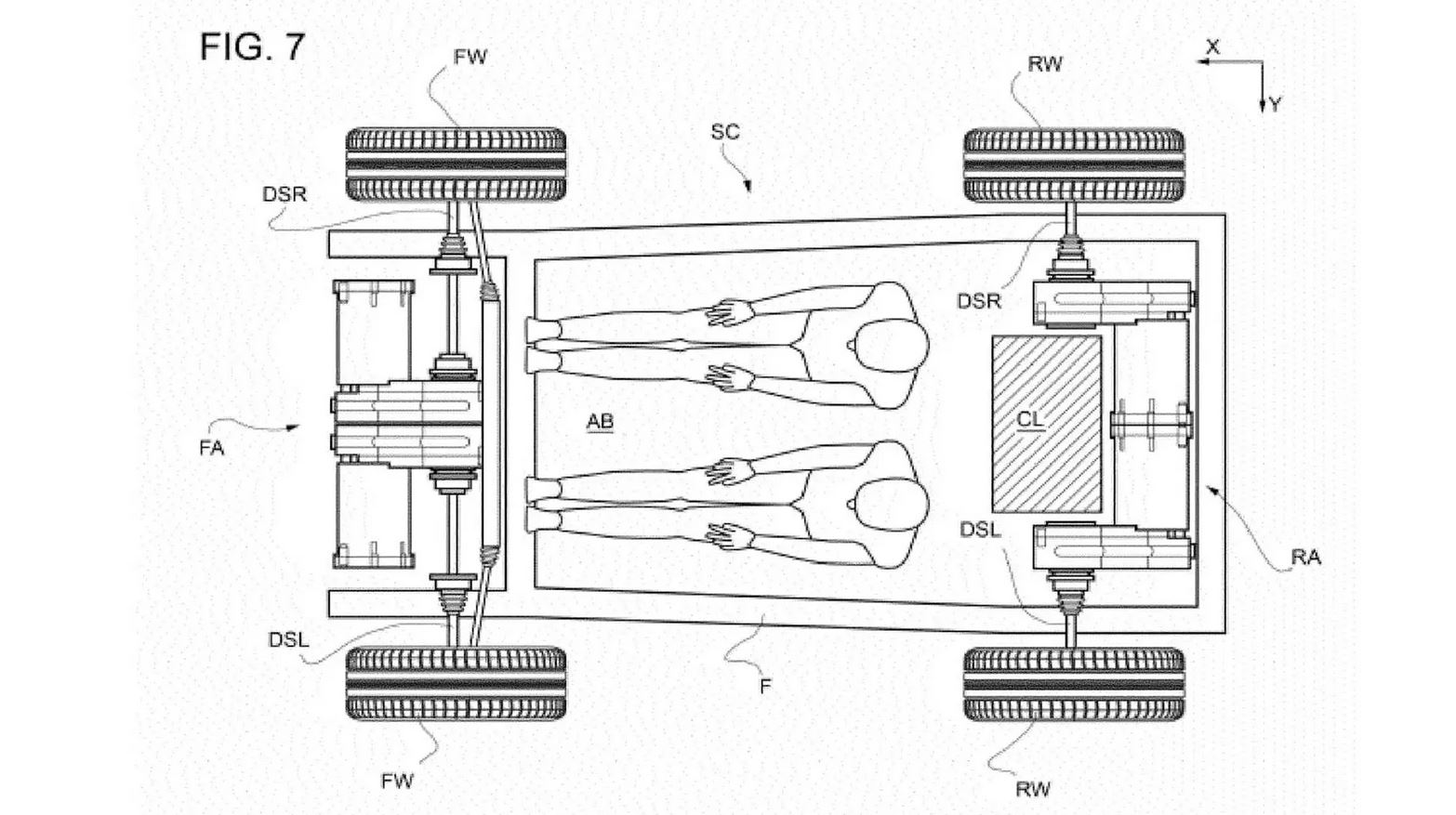
It has been speculated that it will be a version of Ferrari’s forthcoming Purosangue SUV, known internally as Project F175; the first pure EV from Maranello. This would offer the company a more acceptable way to introduce an EV than an electric supersports model, but both coronavirus and the global semiconductor shortage have delayed schedules. Two EV versions, codenamed F244 and F245 were slated to appear in 2024 and 2025 respectively, but those plans look to have shifted back a year.
An 800hp V12 and a hybridised V8 model, using a version of the SF90 Stradale’s powertrain, are likely to appear in the interim, with the Purosangue scheduled for launch next year.
“The new CEO and the senior management team will share Ferrari’s exciting future with you in 2022, which will also be a year of important new product launches and particularly the Purosangue which is turning out to be something truly special,” Elkann confirmed, before revealing that three new models were soon to be launched.
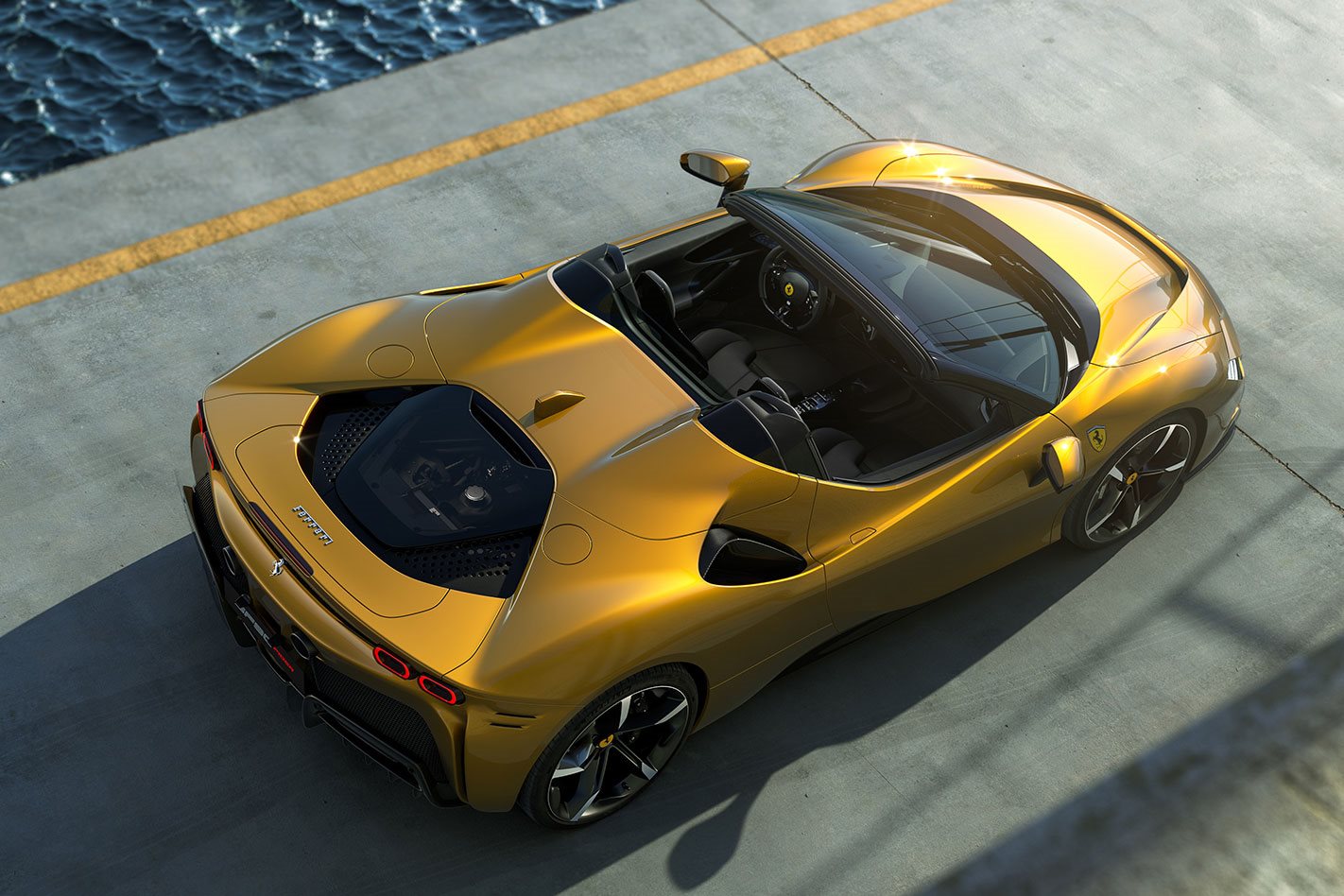
These are expected to be an exclusive version of the 812 Superfast, Ferrari’s 522kW V6-powered entry-level supercar and a ‘special’ which could well be Project SP42, the long-mooted F40 tribute car.
Given that the last limited-run halo, the LaFerrari, launched eight years ago, the timing seems right for a new hypercar to go head to head with the best from McLaren, Porsche, Aston Martin and Lamborghini. – AE
Homologation issues meant the Audi SQ2 didn’t reach Australia after its initial global release in 2018, which makes the sporty flagship an obvious highlight of a refreshed Q2 small SUV line-up.The SQ2 arrives as the German brand’s most affordable performance SUV, priced from $64,400 to significantly undercut Audi’s next-up hot SUV, the RS Q3, by more than $25,000.There appears to be no ‘SUV tax’, either, as the SQ2 costs virtually the same as the former, closely related S3 hatch that’s due to be replaced in late 2021.It looks nothing like old or new S3s, mind. With the Q2 positioned as Audi’s most design-focused SUV, the SQ2 features the same heavily chiselled body.
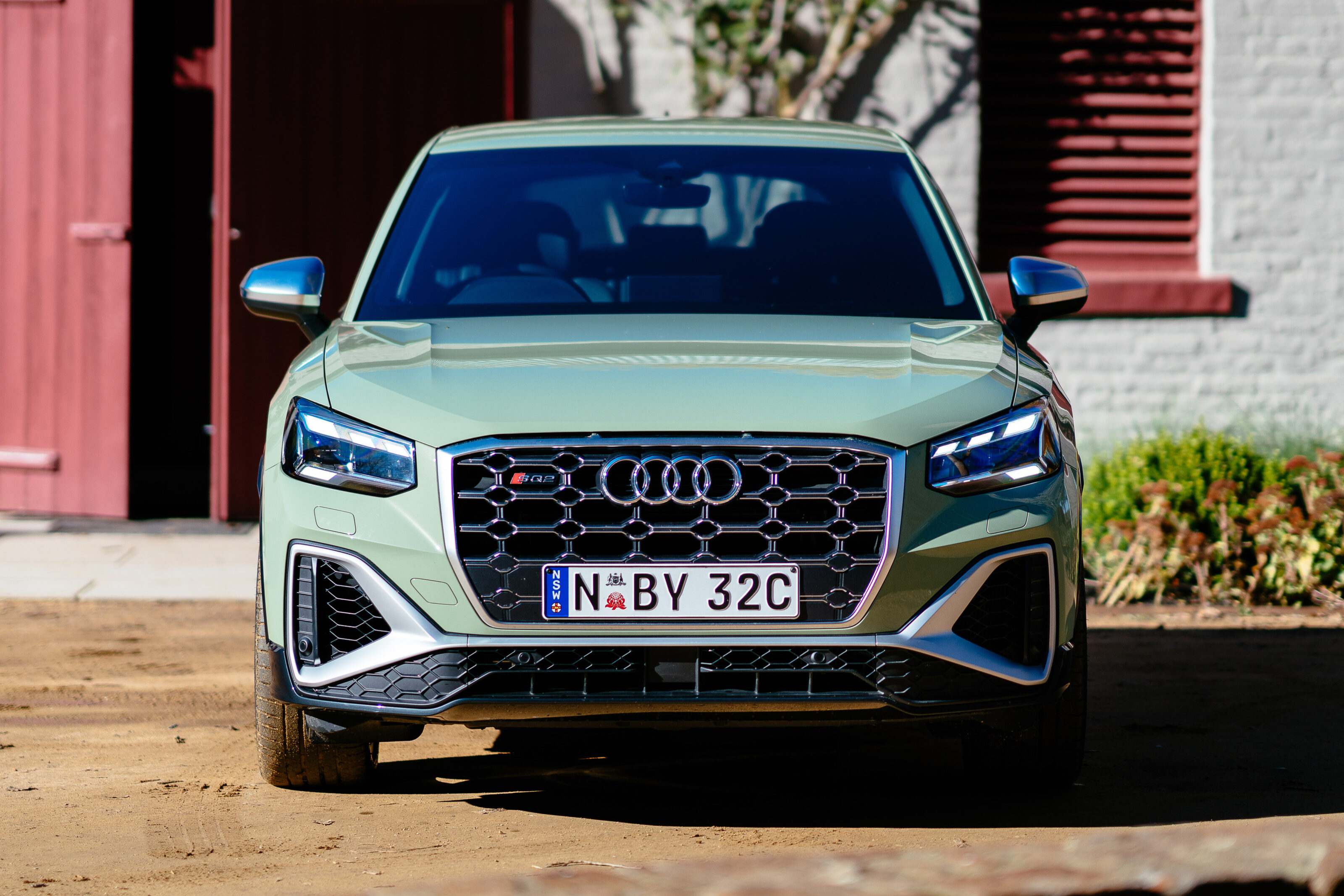
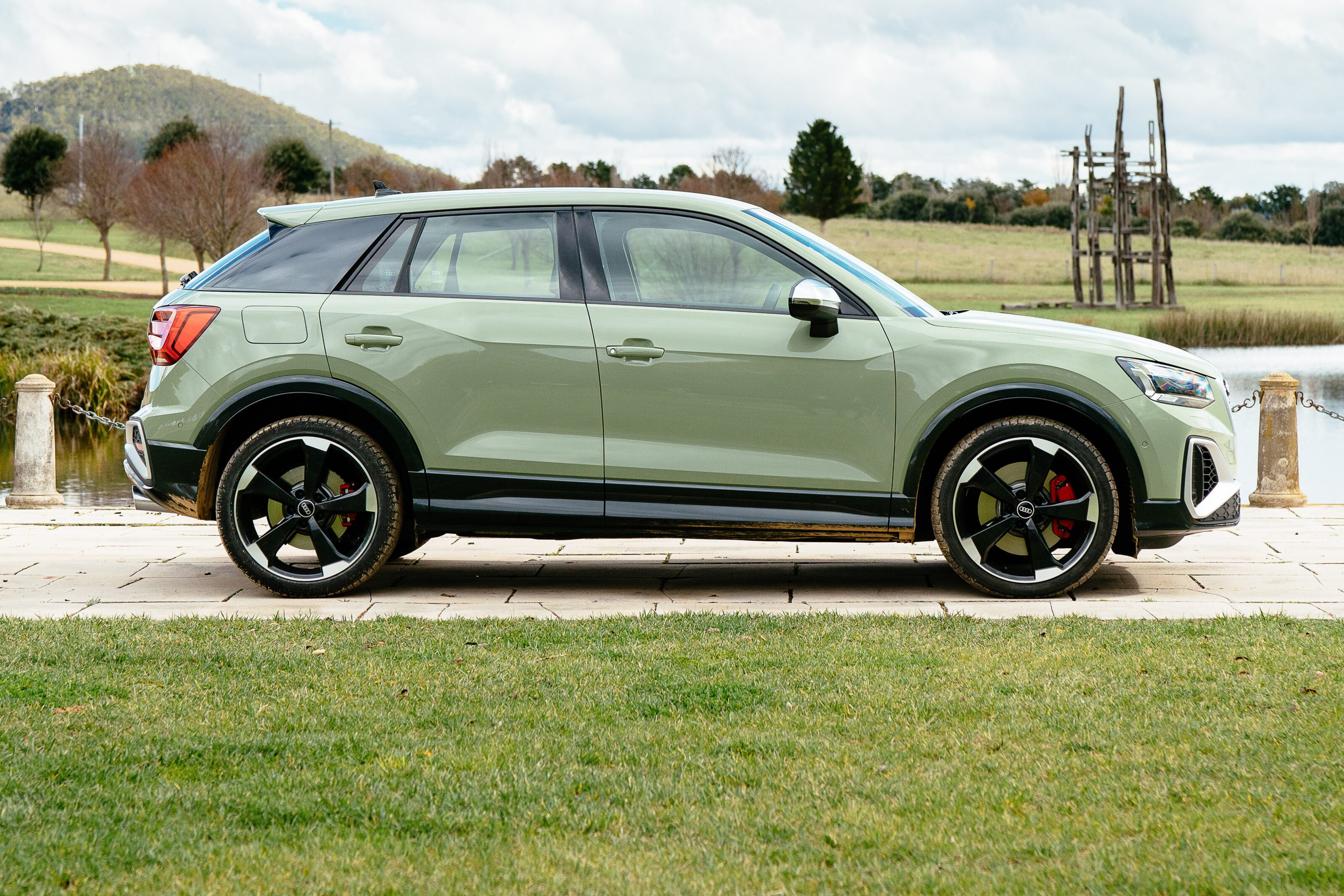
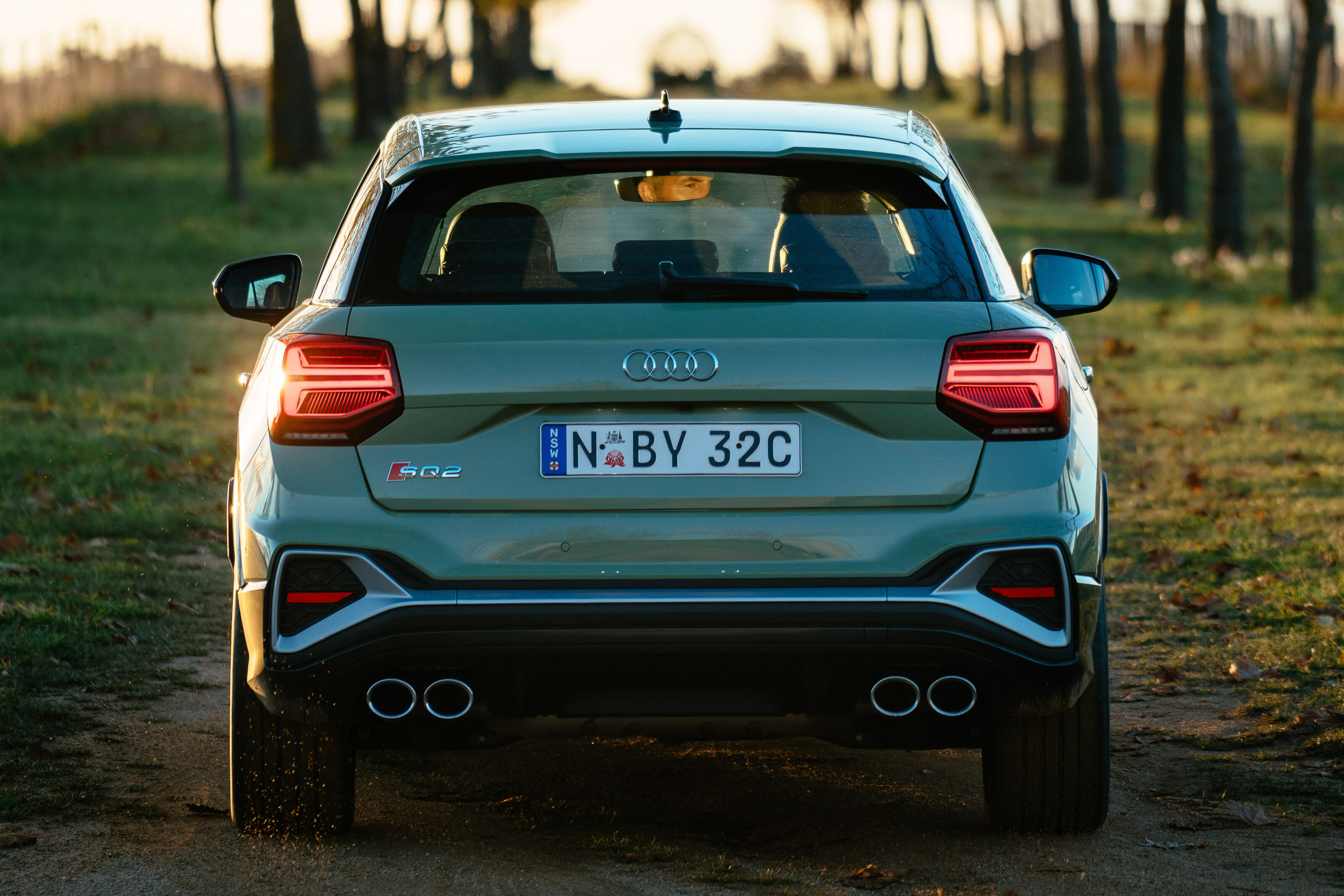
Naturally, the SQ2 looks the sportiest in the range, though not by a significant amount. The quad exhaust pipes are arguably its most purposeful visual enhancement, though the 19-inch Audi Sport rims are also exclusive to the range-topper (as are alternative gloss-black, blade-style wheels available for $1560).Audi’s clever and fancy Matrix LED headlights are also standard, whereas optional on the regular Q2.Metallic paint is also included in the SQ2’s price, following the outgoing S3 and unusual for a luxury car. Most colours are cost options on the regular Q2, for example.Audi’s smallest SUV is one particularly benefitting of the ‘crossover’ description because it’s possible to tailor the exterior to look more like a hatchback or more like an SUV.
The quad exhaust pipes are arguably the SQ2’s most purposeful visual enhancement
Our Turbo Blue test car took the former approach, featuring matching lower bodywork and a C-pillar ‘blade’ in no-cost matching body colour (rather than standard silver). Pick Apple Green (as shown in this review) or Arrow Grey exterior colours, though, and your SQ2 comes with contrast dark grey for the lower body, wheelarches and rear pillar for the off-roader effect.Inside isn’t quite as contemporary. The SQ2’s cabin is based on the A3/S3 dating back to 2013 rather than the upcoming generation.It remains sufficiently stylish though, and perceived quality is mostly good with the odd aberration such as the plasticky vent surrounds and scratchy hard plastics on parts of the dash, centre console and rear doors.The front doors at least benefit from a nicely textured microfibre panel. That’s shared with the mid-range Q2 40TFSI but the SQ2’s interior is further embellished with a dimpled, S-badged steering wheel, black cloth headlining, stainless steel pedals and illuminated inlays for the dash and console sides that can be switched between 10 colour choices (and look especially good at night).
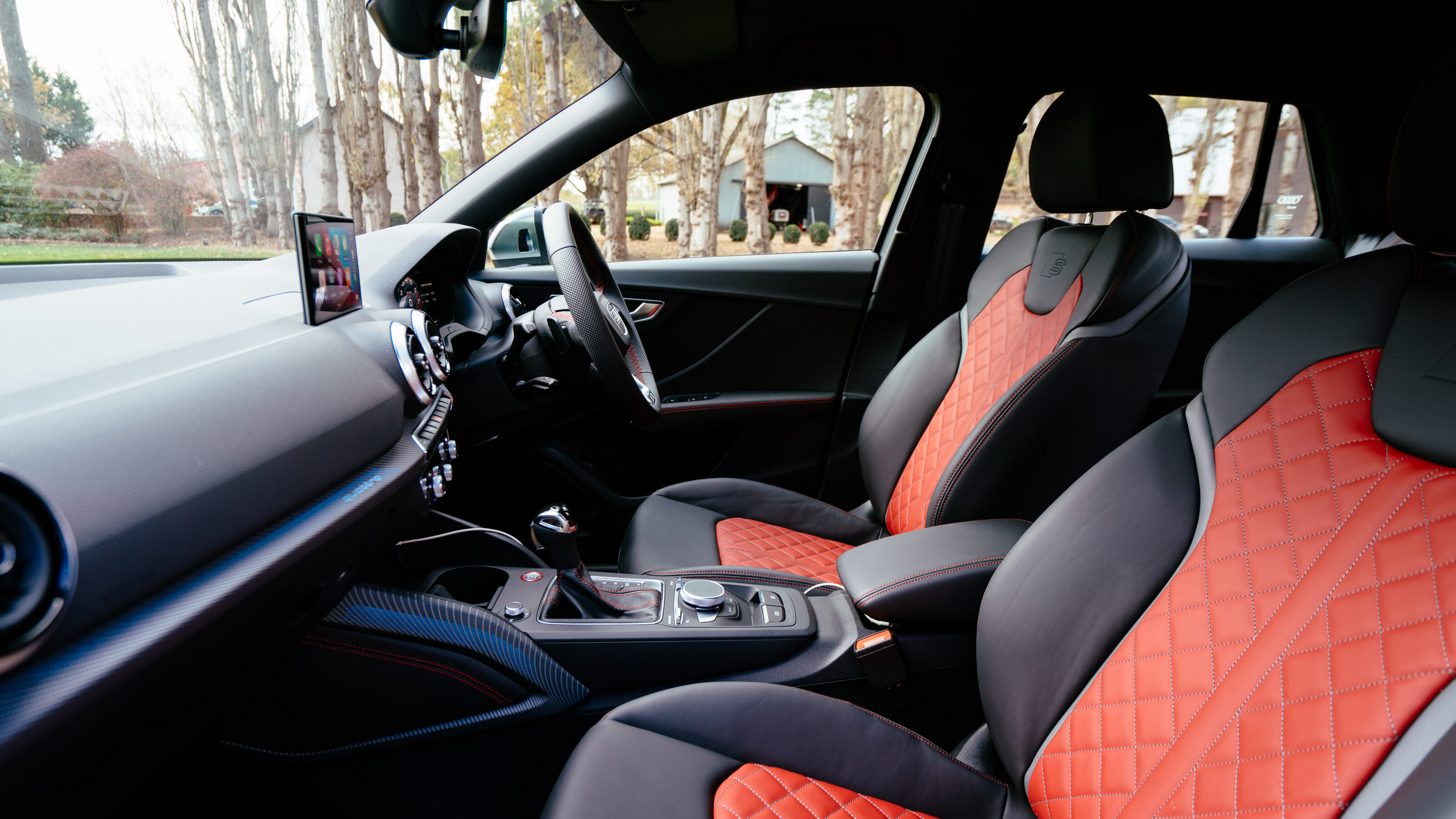
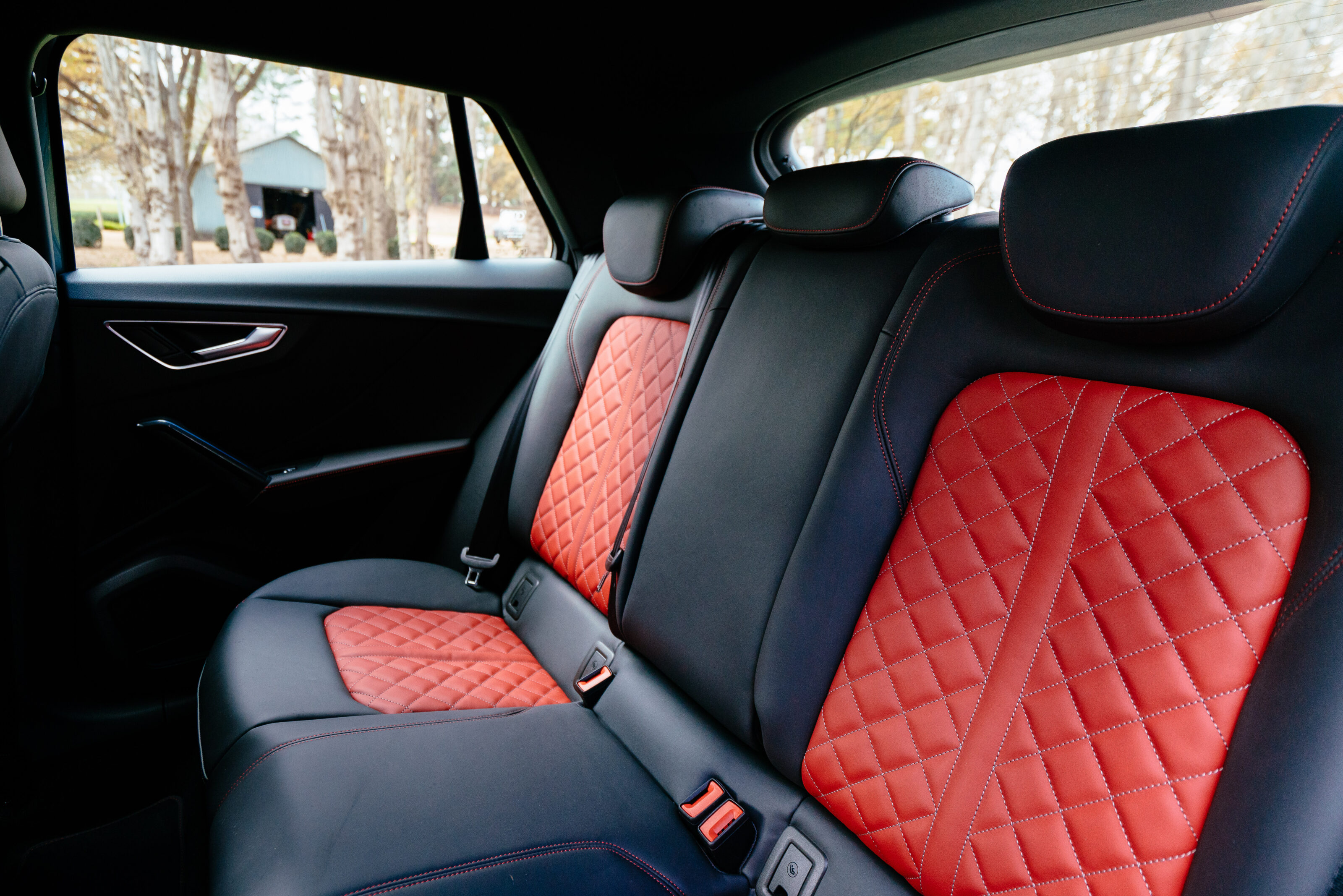
Nappa leather sports seats come in black and Magma red, or black with touches of grey for buyers looking for a more restrained colour scheme.Heated front seats, a 705-watt, 14-speaker Bang & Olufsen audio system and the most driver aids in the range complete an impressive spread of equipment for the SQ2.Options are limited to the wheels, sunroof, privacy glass and some styling touches.Compare the SQ2 to its closest natural rival, the $67,900 BMW X2 M35i Pure, and the Audi’s value is reinforced.Although the M35i Pure has electric front seats, 20-inch wheels and a larger infotainment display on its side, you need the more expensive, $72,900 M35i to get a (less powerful) big-name audio system and leather seats. It also adds a sunroof, though the M35i’s adaptive headlights are still less advanced than the SQ2’s.
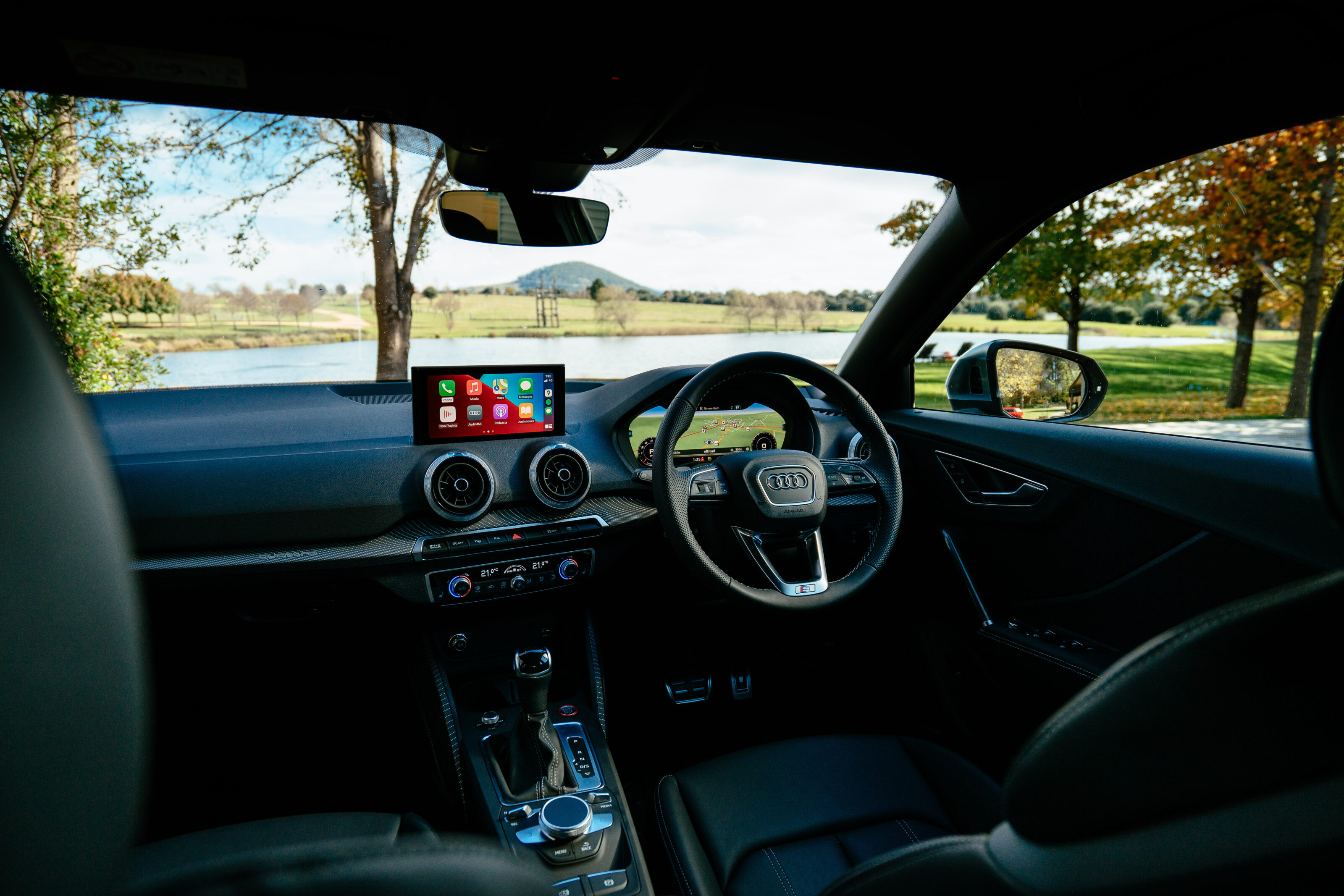
Audi’s Virtual Cockpit digital instrument panel is another gain for the SQ2 over standard models and includes a variant-specific display featuring a central rev counter. A View button on the steering wheel allows the driver to alternative between different layouts, including an option for the sat-nav map to dominate the screen.Rear legroom is acceptable for adults provided no-one particularly tall is occupying the front or rear seats, and headroom is decent. There’s no centre armrest or vents, though.Boot space also falls into the fine-but-not-generous category. Audi quotes 405 litres, which is more than you’ll find in the S3 (old or upcoming) but less than the luggage capacity quoted for rivals such as the BMW X2 M35i (470L) or Mini Countryman JCW (450L).The SQ2 follows Audi’s usual suspension formula for its S-badged models: lowered (by 20mm in this case) and featuring stiffened springs and dampers.
Unlike the RSQ3, or even the last-of-the-line S3 featuring Magnaride, the SQ2’s dampers are passive rather than adaptive.While this means a softer ride can’t be chosen via the Drive Select modes, the SQ2 strikes a well-judged balance between determined body control and low-speed cushioning.It doesn’t roll along with noticeably greater firmness than a Q2 40TFSI Quattro fitted with optional 19s, the suspension doesn’t cause a fuss over potholes, and there’s none of the constant fidgeting around town that used to blight sporty Audis once upon a time.Cycling through Drive Select does alter the characteristics of the drivetrain. Even in the relatively relaxed state of Comfort, though, there’s early encouragement from the SQ2’s combination of EA888 2.0-litre four-cylinder turbo and seven-speed dual-clutch auto. Throttle response is already sharper than that experienced in the mid-range Q2 40TFSI Quattro.With 221kW and 400Nm, there’s an extra 8kW/20Nm over the tune used in the old S3 and VW Golf R but also a touch less power (7kW) than the upcoming S3 and lower outputs than the next-generation Golf R that has 235kW and 420Nm.
While the SQ2 is slightly slower off the mark to 100km/h than both, a quoted 4.9 seconds places it joint top of the sporty-compact-SUV acceleration charts with the X2 M35i.That puts it above the likes of the Mini Countryman JCW and more expensive Mercedes-AMG GLA35 (both 5.1sec) and ahead of the cheaper, forthcoming Hyundai Kona N (5.5 seconds, though front-wheel drive).In-house, it trails the RSQ3 by four-tenths.On an emotive level, the SQ2’s turbo four isn’t as characterful as its more expensive sibling’s warbly 2.5-litre turbo five-cylinder while also lacking its exhaust crackles. Yet get stuck into the throttle pedal and the 2.0-litre sounds suitably angry – encouraging the driver to strive for its 6500rpm redline in a lower gear despite the obvious mid-range grunt.As ever, the quick-shifting nature of the VW Group’s seven-speed dual-clutch auto makes a natural alliance with a sporty engine, if still lacking the consistent smoothness of a torque converter transmission at a slower pace.It’s no surprise the SQ2’s dynamics are in the same ballpark as the closely related S3 of old, and, though you’re sitting higher, the behind-the-wheel experience is also more akin to that of a hatchback than an SUV.
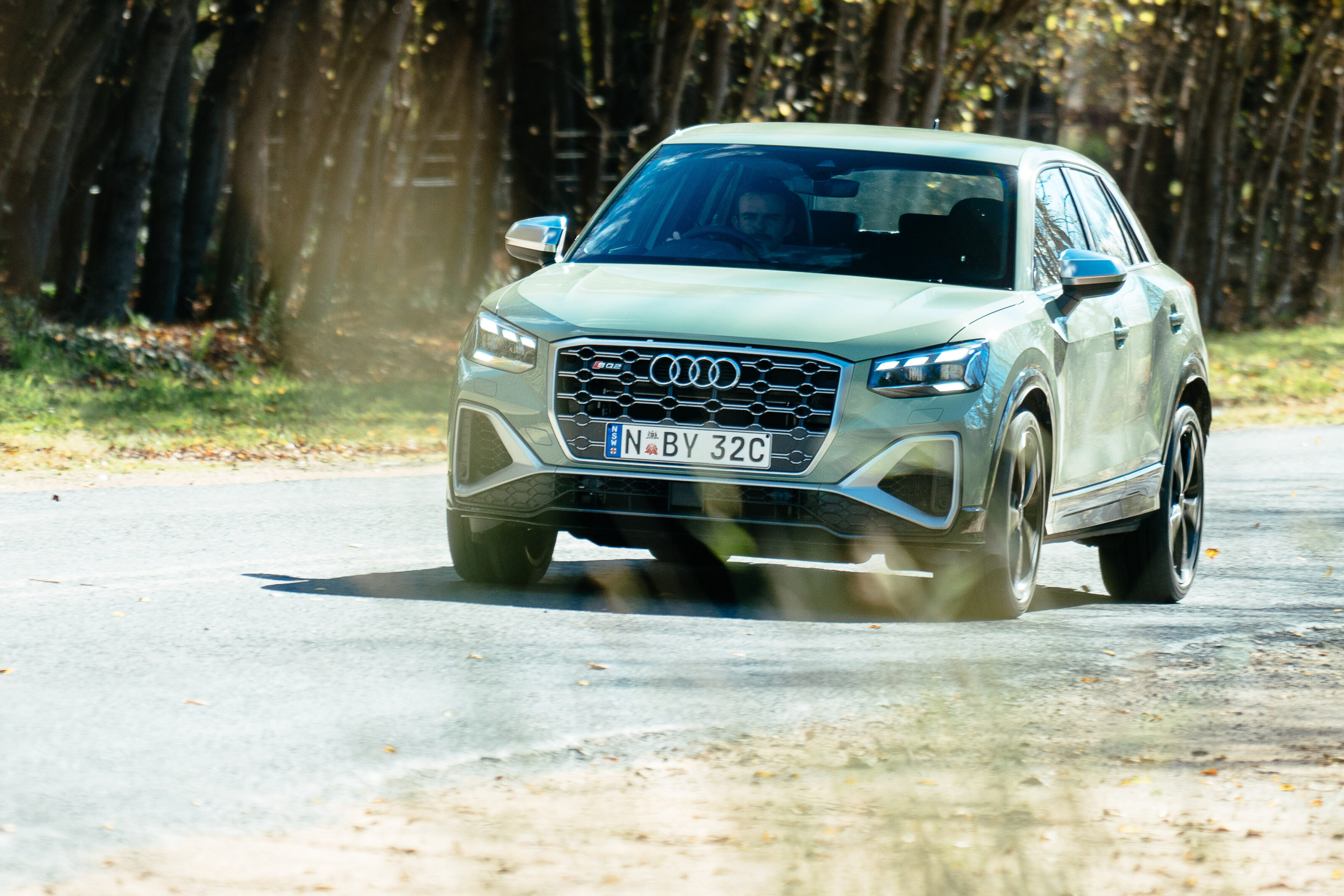
There’s a touch more body roll than an S3 but also noticeably less lean than you get in Audi’s SQ5 mid-sized performance SUV.The SQ2’s steering isn’t chatty but it’s fairly quick and certainly accurate. There’s also some extra, welcome weight to the rack in Dynamic mode, which just about avoids feeling artificial and overall contributes to confidence that the SQ2 will go where you point it.Compact dimensions of just 4.2 metres in length and a circa-1.5-tonne kerb weight little heavier than an S3 aid both the SQ2’s speed and agility.And while the SQ2 isn’t an especially involving vehicle to steer, surefooted handling via the taut chassis, Haldex all-wheel-drive system and grippy 19-inch, 235/40 Bridgestone Turanzas means you can enjoy some slightly daft cornering speeds.The Audi’s brakes are also excellent – strong and easy to modulate.
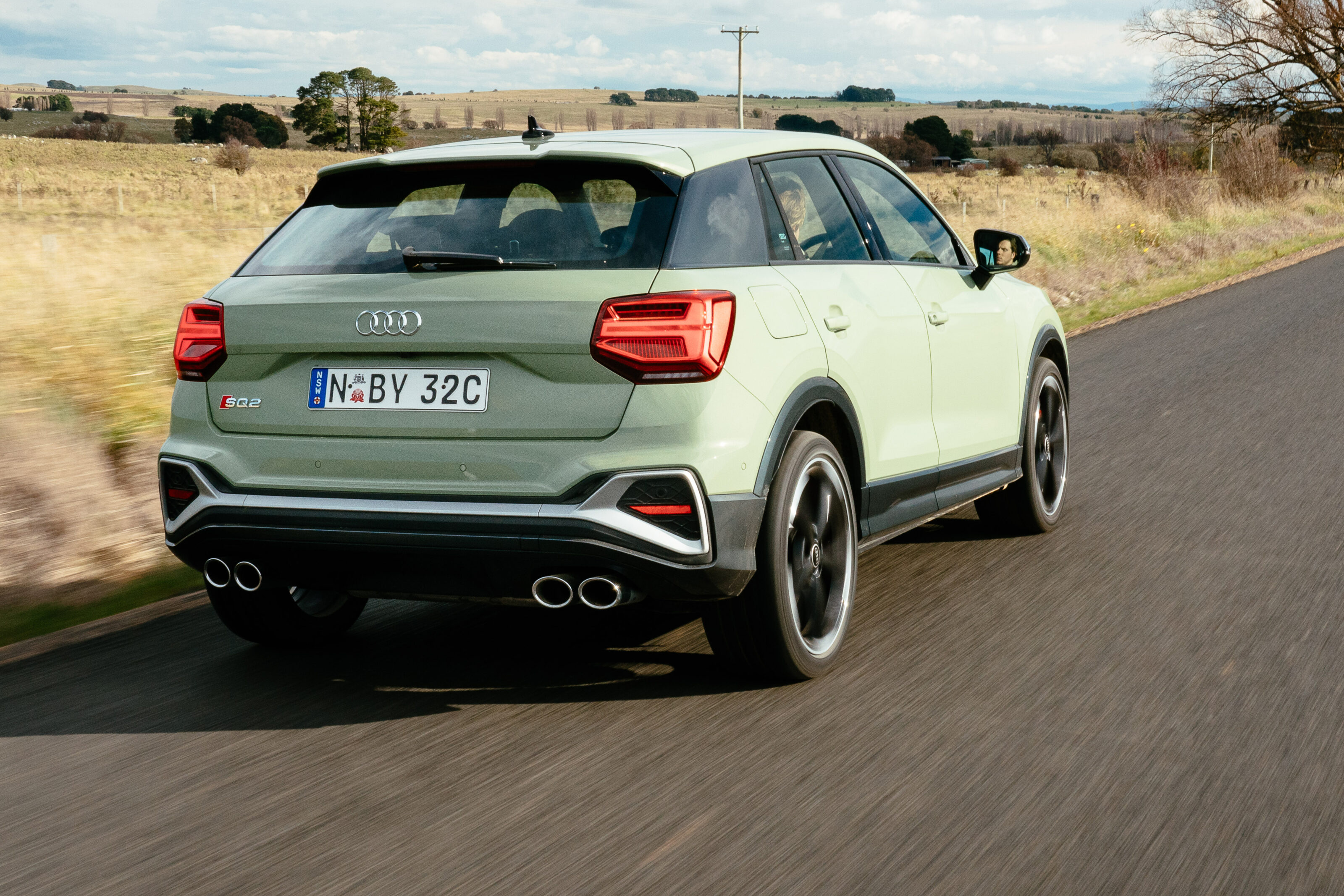
For buyers who appreciate bang for their buck even well above a typical hot hatch price point, the SQ2’s price-to-power ratio beats all Audi performance SUVs.Where the SQ7/SQ8 twins set buyers back more than $500 for each kilowatt, for example, the SQ2 is a relative bargain by asking only $291 for each of its kilowatts.The RSQ3 is next on the power-value list at $306 per kW, though for families who can afford its $89,900 starting price, they do get a stronger combination of interior practicality and performance.Among its competitive set, however, the SQ2 is certainly well equipped for the fight with its punchy performance and heavily laden features list.
More features. And more polygons. In a nutshell, that’s the mid-life makeover for Audi’s most design-focused SUV, the Q2.The heavily chiselled body is largely unchanged from the model released globally in 2016 and based on the last-generation A3 small car, with styling tweaks focused on revised bumpers, a slightly lower-set grille, and reprofiled headlights.Audi clearly feels it got the styling of the original Q2 pretty much right for a vehicle where we’re told 70 per cent of buyers put design at the very top of their list.Colours and details go bigger and bolder, this time. A bunch of new paints include particularly eye-catching Turbo Blue and Apple Green, while Audi Australia has upsized the standard wheels on the $42,990 entry Q2 35TFSI from 17 to 18 inches.
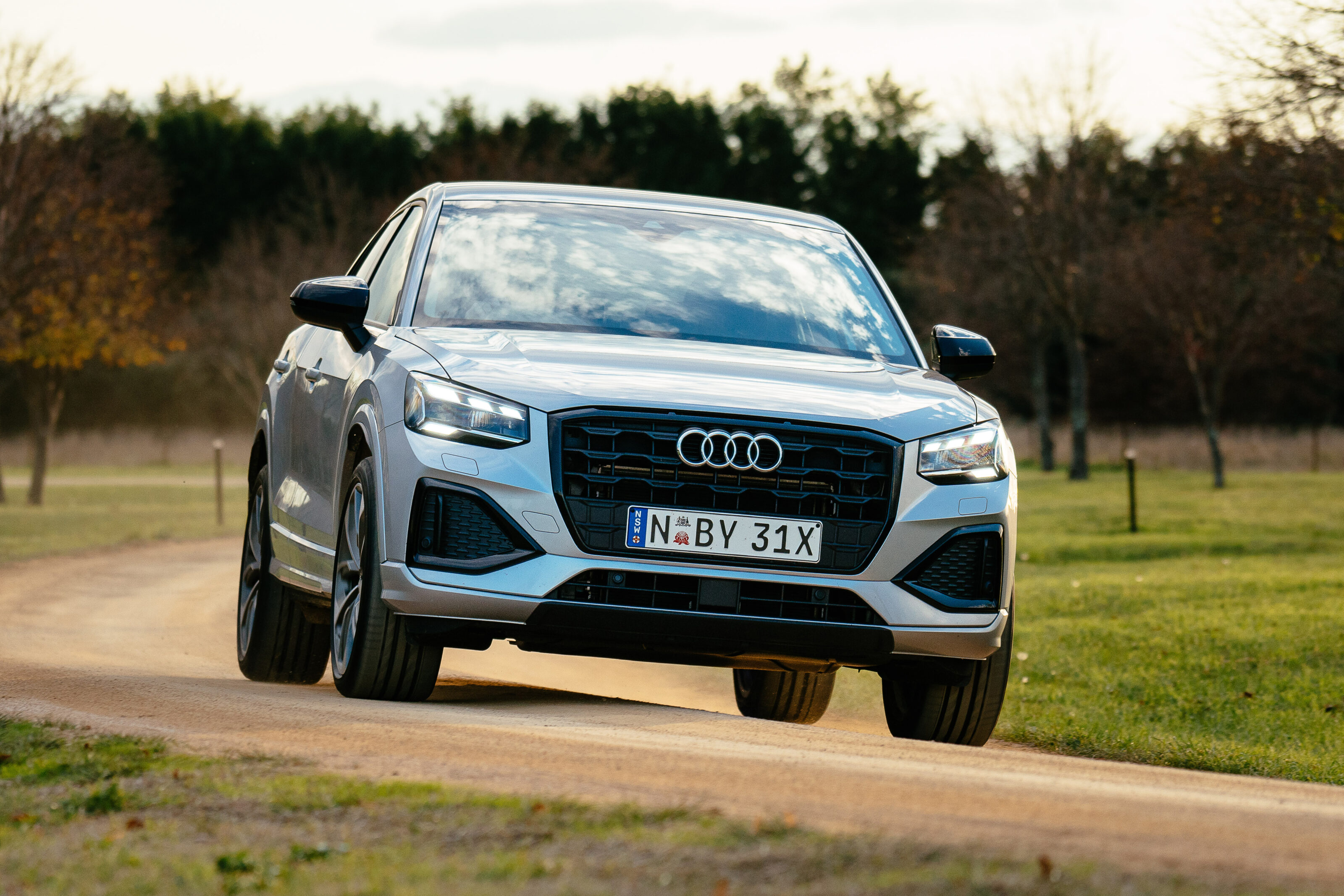
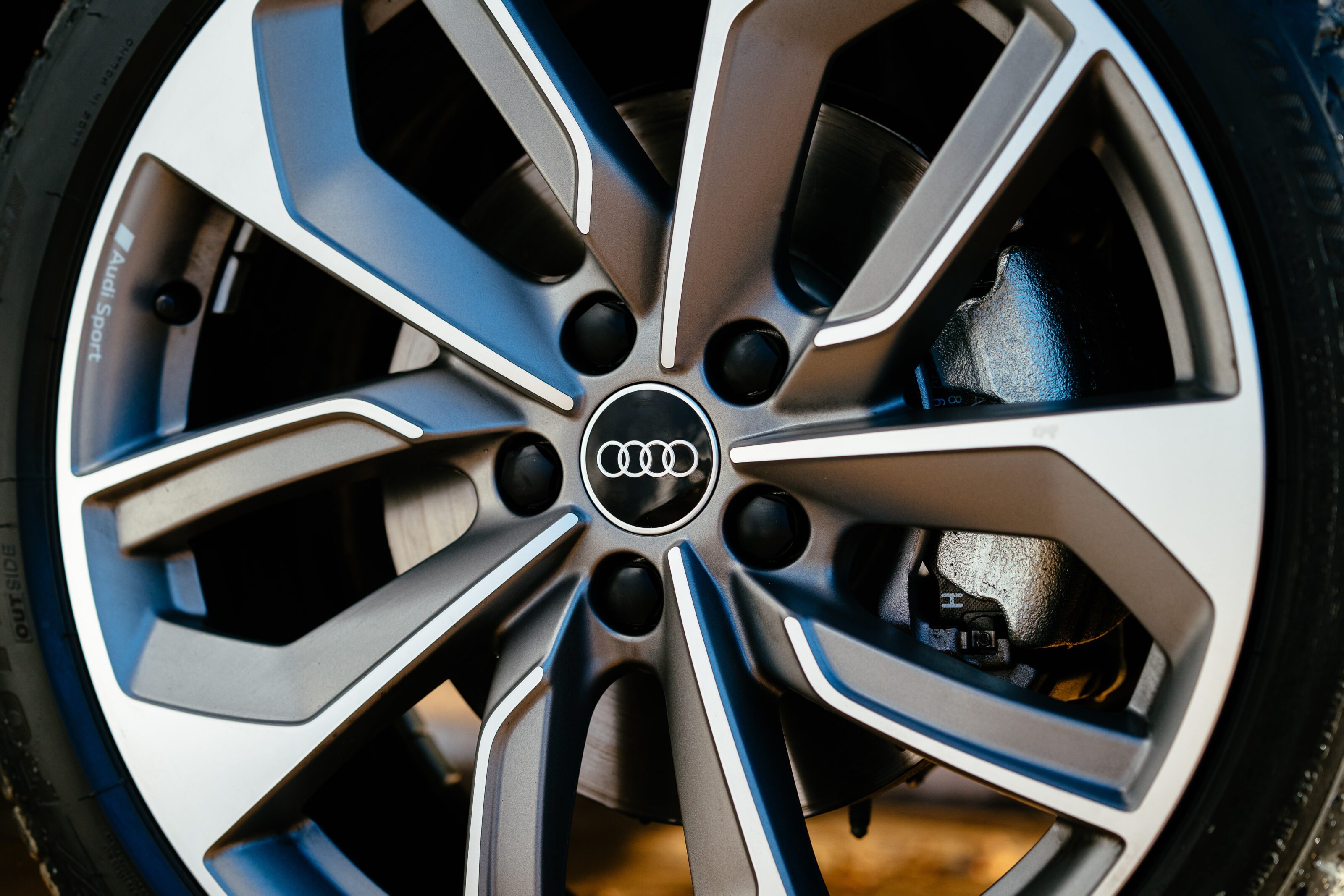
Buyers can again play around with exterior trim elements – such as lower bodywork and rear pillar ‘blades’ – as either no-cost or cost options. A Style Package for the 35TFSI and mid-range 40TFSI Quattro introduces visual upgrades such as 19-inch Audi Sport wheels, Matrix LED headlights, and various exterior trim parts in black.LED headlights are now standard on the Q2 regardless, with the new range-topping SQ2 variant (see our separate review) adopting the Matrix technology as standard.Other features are now standard, too, offsetting slight price rises – 35TFSI up $950; 40TFSI up $500.Audi says features worth $3500 have been added to the 35TFSI. In addition to the LED headlights (and tail-lights), these include heating for the side mirrors, full keyless entry and start, blind spot monitoring, ambient interior lighting, and MMI touch/navigation with an 8.3-inch infotainment display that was previously part of an optional Technik Package.
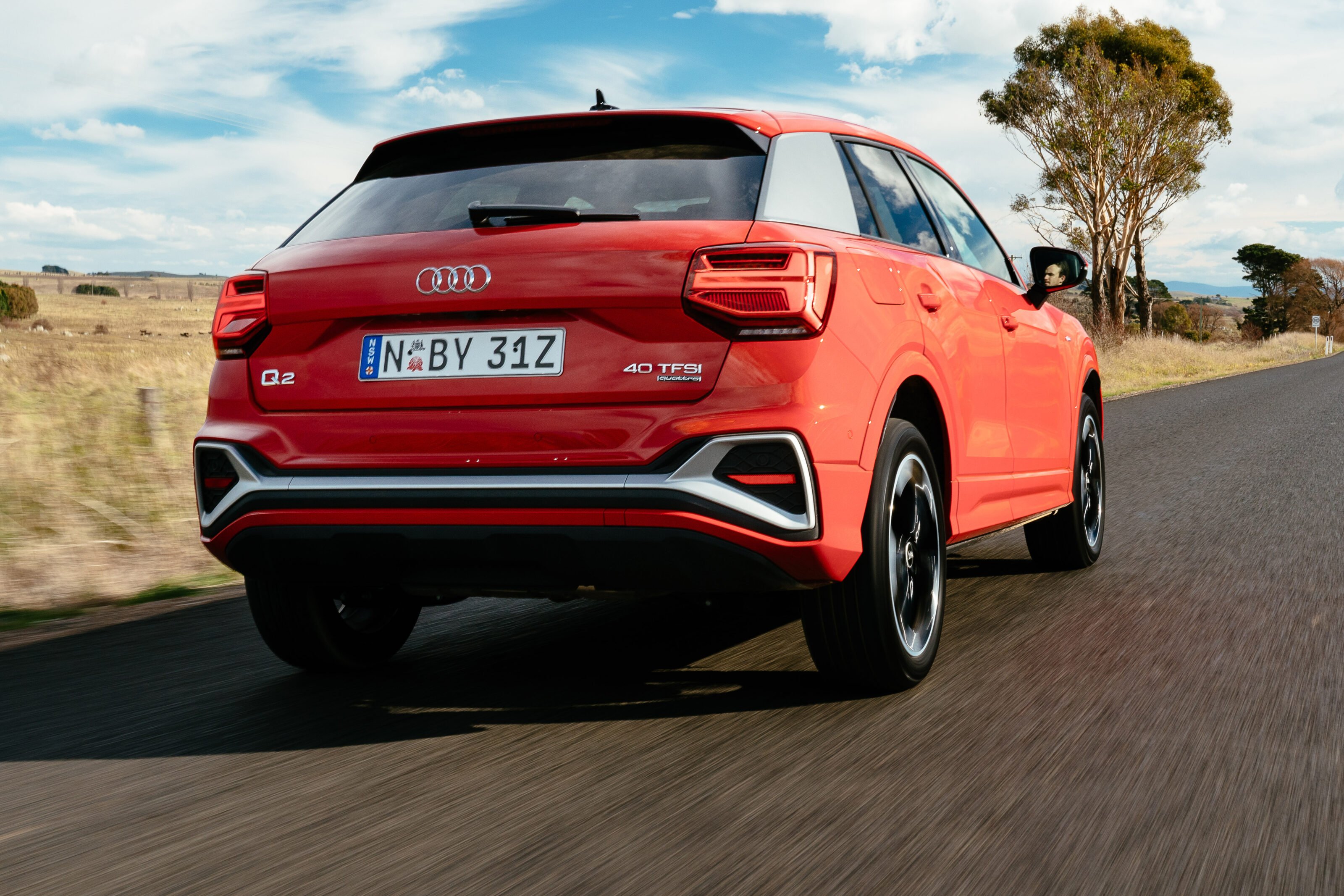
The Q2’s revised, extended list of standard features is welcome, as is the streamlining of option packages. It’s still expensive when compared with similar sized SUVs from the mainstream segment, though.
The 40TFSI gains a new S Line body kit and Audi Sport rims for its same-size 18-inch wheels.Beyond the exterior’s array of octagons, heptagons, pentagons and hexagons, a stylish interior awaits. It’s also an ageing one, though, based as it is on the old A3 released in 2013.This is particularly noticeable with the infotainment display, which is neither integrated into the dash as with newer-generation Audis, nor features the German brand’s latest graphics interface.It’s not entirely intuitive, either. Some functions – such as changing the colour of the illuminated dash inserts (optional with Q2s, standard in SQ2) – are buried deep and not easy to locate.However, there’s also an advantage to the older system. Where the latest Audis have switched to pure touchscreen functionality, the Q2 retains the MMI rotary console controller with added touchpad.This makes selecting various infotainment functions easier when driving than reaching for a touchscreen. When using the map, for example, you simply turn the dial left or right to zoom in/out, rather than having to pinch a screen.
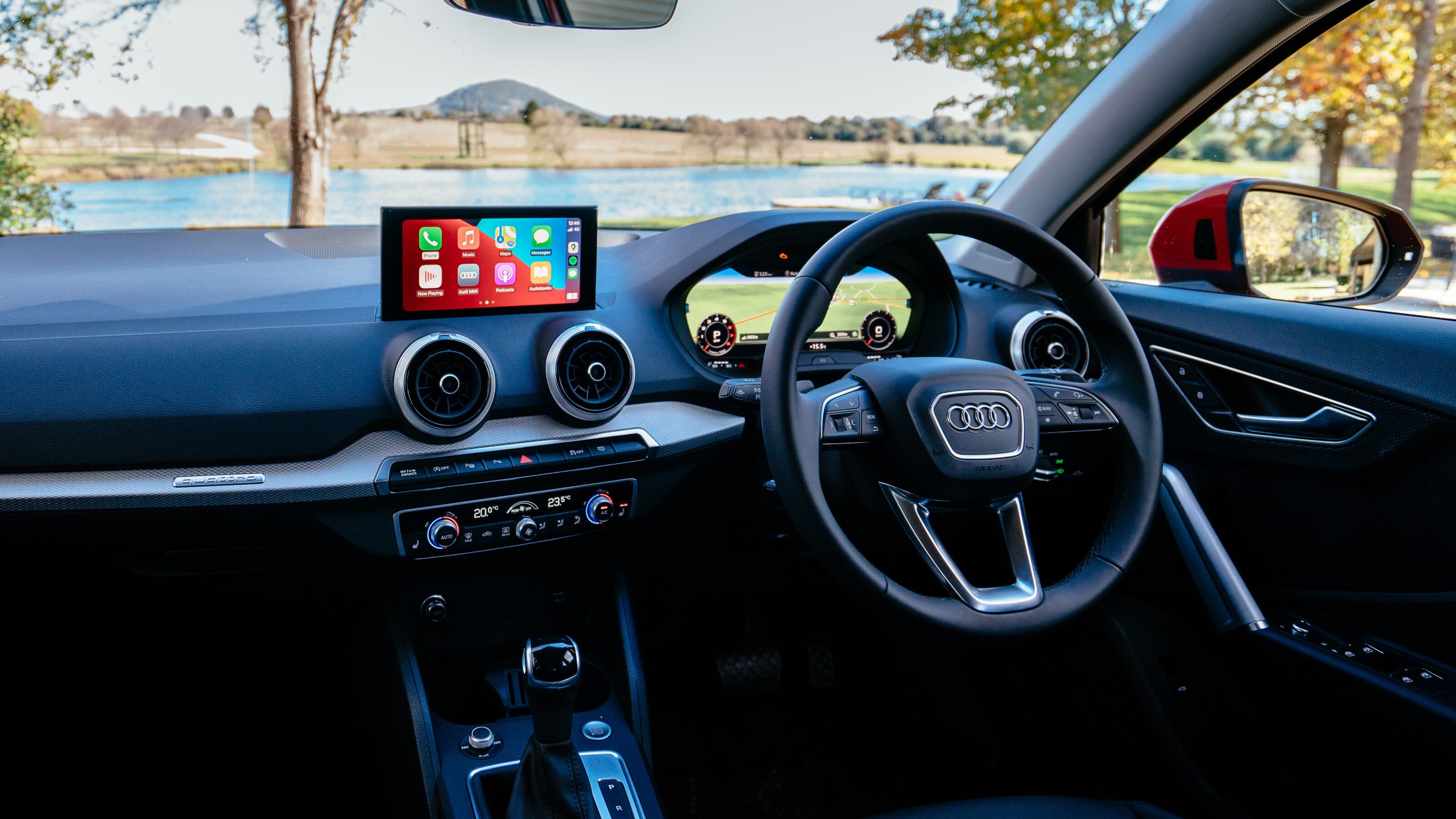
With Audi’s excellent Virtual Cockpit digital driver display – a bargain $650 on regular Q2s or part of the main option packages – you can have a nav-map dominating the screen while the infotainment display is used for other functions. Simply pressing a View button on the steering wheel switches between layouts, including traditional ‘dials’.Wireless smartphone charging is standard, though larger-format mobiles struggle to fit in the console-cubby tray.The front door pockets are quite generous in size, dual cup-holders sit ahead of the gear lever, and this section also includes a little slot for the keyfob (in a world dominated by push-start buttons, it would be nice to see more cars featuring a keyfob holder).With the 4.2m-long Q2 aimed primarily at singles or couples, families will find more cabin and luggage space in the 4.5m-long Q3 that’s not far out of reach with a $47,600 starting point.
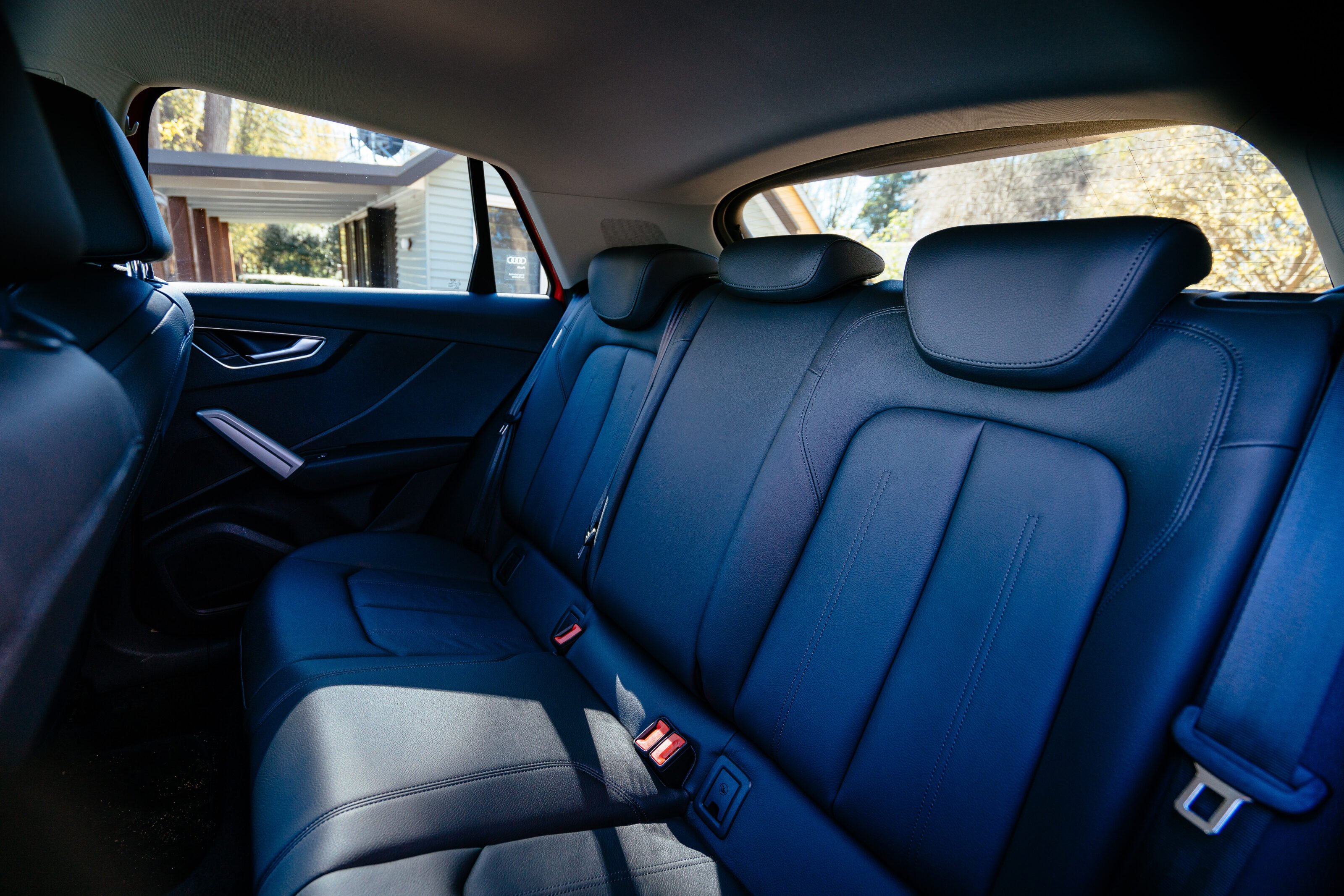
Rear legroom is tighter in the Q2, though fine for adults if occupants aren’t too tall. And ISOFIX points are in the outboard seats.There are seatback pouches and well-sized door compartments, but a centre armrest and vents are absent.
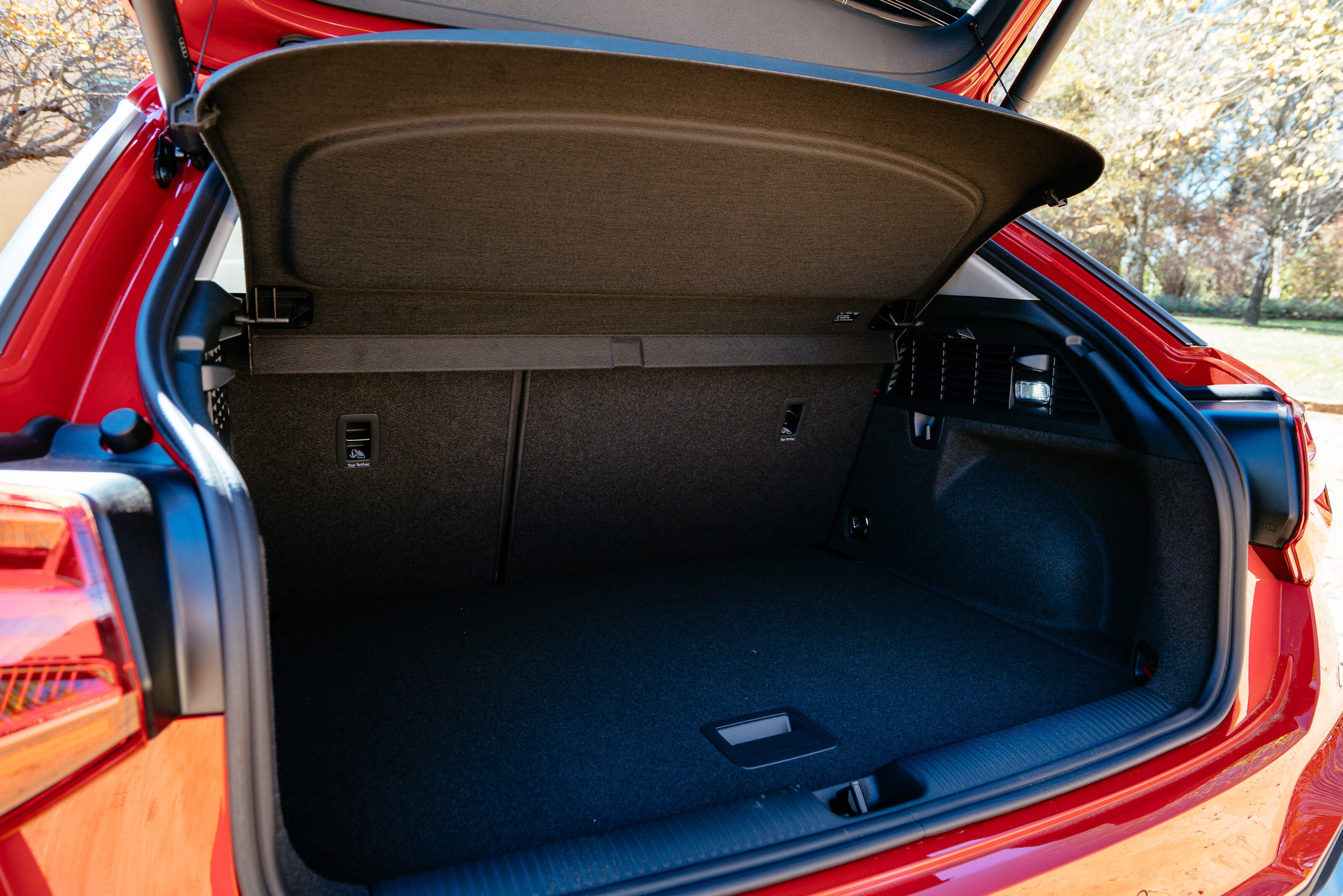
Audi quotes 405 litres for the Q2’s luggage capacity, which is more than you get in an A3 hatch but also less than (slightly longer) rivals such as the BMW X2 (470L) and Mini Countryman (450L). The Q3 is even further ahead with a 540-litre boot.A set of golf clubs will fit only if one side of the split-fold rear seatbacks is flattened.The boot floor can also be slotted into a slightly lower position – unless the optional Bang & Olufsen audio system is fitted.Leather-appointed seats are comfortable whether you have the standard set of the 35TFSI or the sportier set of the 40TFSI.Driving the Q2, there’s good vision all round, helped of course by a seating position elevated over that of an A3.Both the front-drive Q2 35TFSI and all-wheel-drive 40TFSI we tested were fitted with the bigger, 19-inch wheels from the Style Package.
The ride on country roads and through country towns felt firmer with the heavier Quattro, though never tiresomely so. Prominent tyre noise, and some wind noise, didn’t contribute to a relaxed vibe, however – a refinement issue carried over from the pre-facelifted model.The 35TFSI has switched engines for 2021. Out goes a 1.4-litre turbo petrol and in its place comes a 1.5-litre version featuring fuel-saving cylinder deactivation technology.There are the same outputs of 110kW and 250Nm but official consumption drops fractionally from 5.3 to 5.2 litres per 100km.While the 35TFSI is now also a touch slower to accelerate, with its 0-100km/h claim going up by a tenth to 8.6 seconds, the engine is willing and refined. It’s helped by the fact the base model is relatively light for an SUV at 1305kg.Climbing hills isn’t a huge challenge, though it’s also worth noting this is in the context of just a driver on board.At 1455kg, the 40TFSI Quattro is carrying the equivalent of two average-sized adults but its 2.0-litre turbo petrol is more than up to the task.
There’s 140kW, but the key to the mid-range Q2’s even more flexible performance is 320Nm delivered across an even broader torque curve – from 1500 to 4200rpm.Flatten the throttle pedal to initiate a kickdown overtake and the 40TFSI’s strong mid-range is at its most noticeable and effective.Audi quotes a highly respectable 6.5 seconds for the 0-100km/h run, though of course there’s a commensurate rise in fuel consumption, with a lab-derived figure of 7.0L/100km. The 40TFSI doesn’t feature cylinder deactivation but shares a stop-start system.The all-wheel-drive system will also appeal to buyers considering a Q2 as a camping-friendly alternative to the lower-riding A3.
Just be mindful there’s no spare tyre of any form – all Q2s come with a tyre repair kit. There was a space-saver previously.
Otherwise, the Q2’s revised, extended list of standard features is welcome, as is the streamlining of option packages. It’s still expensive when compared with similar sized SUVs from the mainstream segment, though.
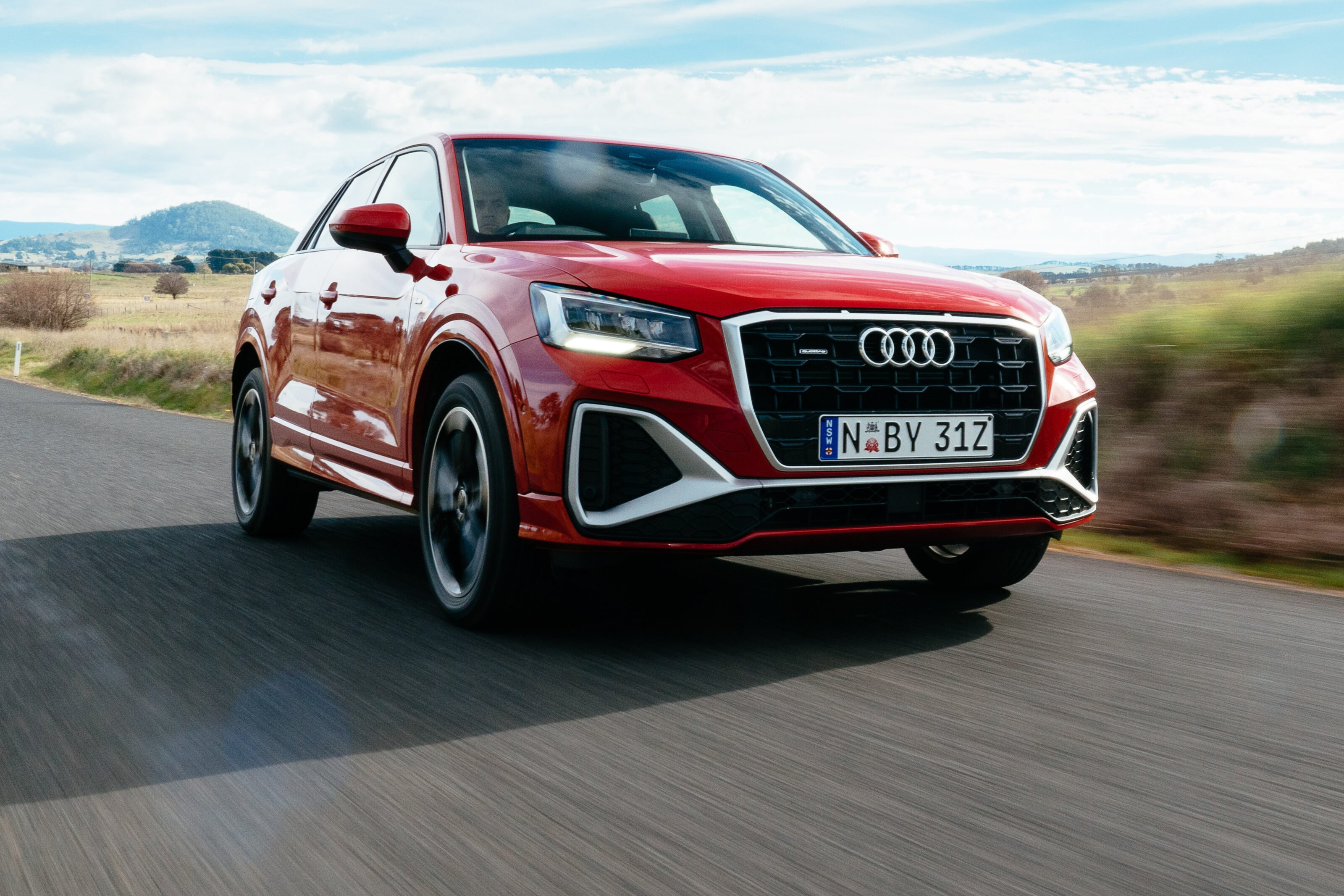
A Ford Puma is even more fun to drive, has a more versatile boot and is loaded with kit in $36,990 driveaway ST-Line V spec, for example, while the Skoda Kamiq Monte Carlo (also $36,990 driveaway) shares the 35TFSI’s motor and both a more spacious interior and a more practical boot.For those intent on a luxury SUV, however, the Audi Q2 35TFSI currently lays claim to being the most affordable, if also the smallest. It undercuts rivals including the BMW X2, Lexus UX and Mini Countryman.That it’s the German brand’s most visually interesting SUV can’t do it any harm, either.
Snapshot
- Niro has landed with Hybrid, PHEV and EV variants
- Pricing starts at $43,890 with the EV priced from $62,590
- Niro PHEV has a 58km EV range
- Niro EV has a 455km range
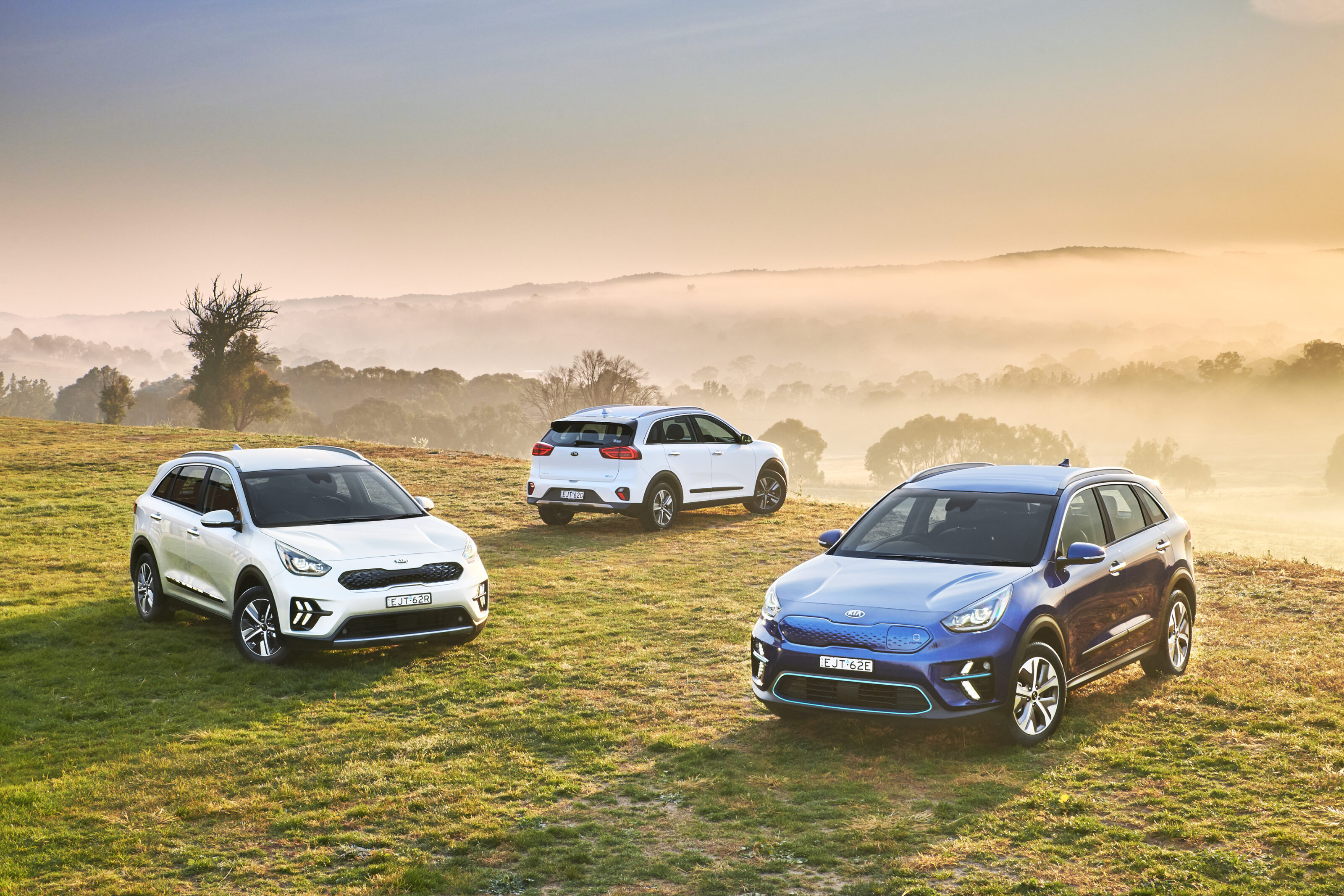
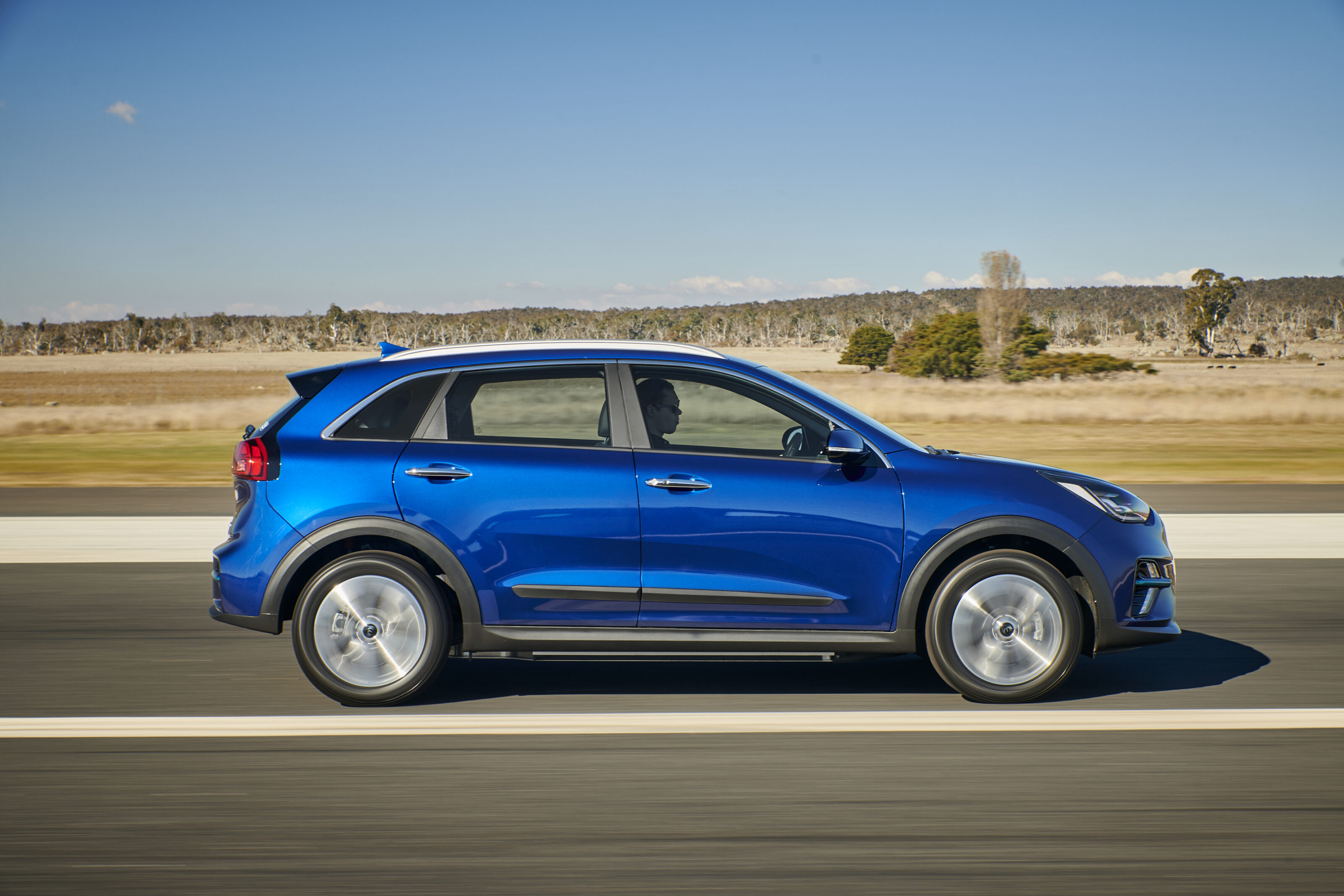
Kia is the latest brand to introduce electrified models into the Australian market in the form of hybrid, plug-in hybrid and battery electric versions of its Niro small SUV.
While new to Australia, the Niro has been on sale overseas since the hybrid (HEV) version first went on sale in 2016, but global demand has prevented it from coming Down Under until now.
Despite the second-generation model looming on the horizon, the arrival of the Niro with three powertrain options thrusts Kia into the local electric vehicle market and allows its Australian arm to adapt to the new technology.
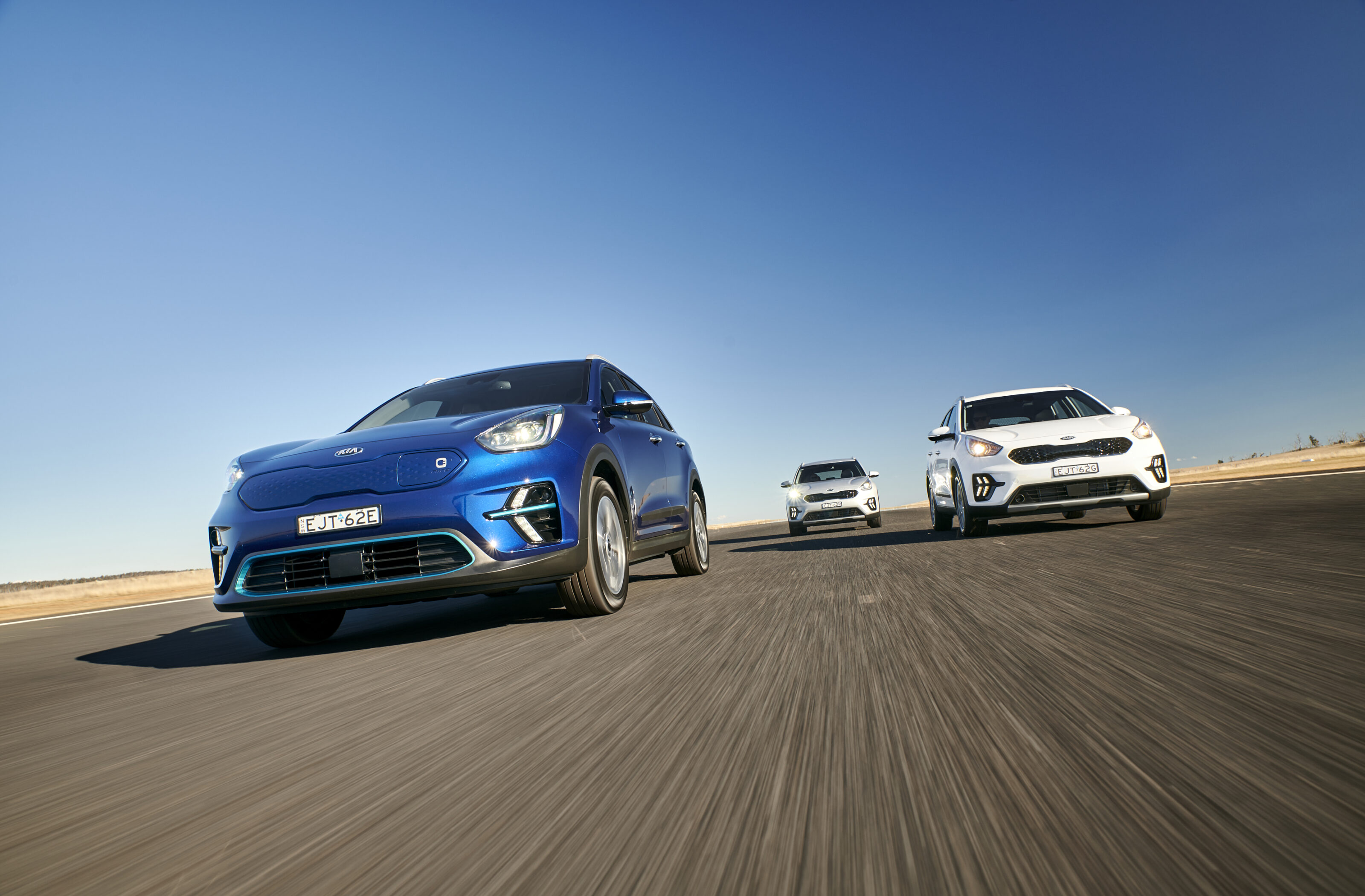
The 2021 Kia Niro range includes S and Sport variants across all three powertrains.
Engines, motors and economy
The Niro Hybrid and Plug-In Hybrid drivetrains both feature the 77kW/147Nm Kappa 1.6 GDI internal combustion engine (77.2kW and 147Nm) coupled to a permanent magnet synchronous electric motor to produce combined power and torque of 104kW and 265Nm.
The electric motor in each hybrid model is transmission mounted, sitting between the engine and the six-speed dual-clutch automatic gearbox to provide the most efficient and versatile use of the combined power of both engine and motor.
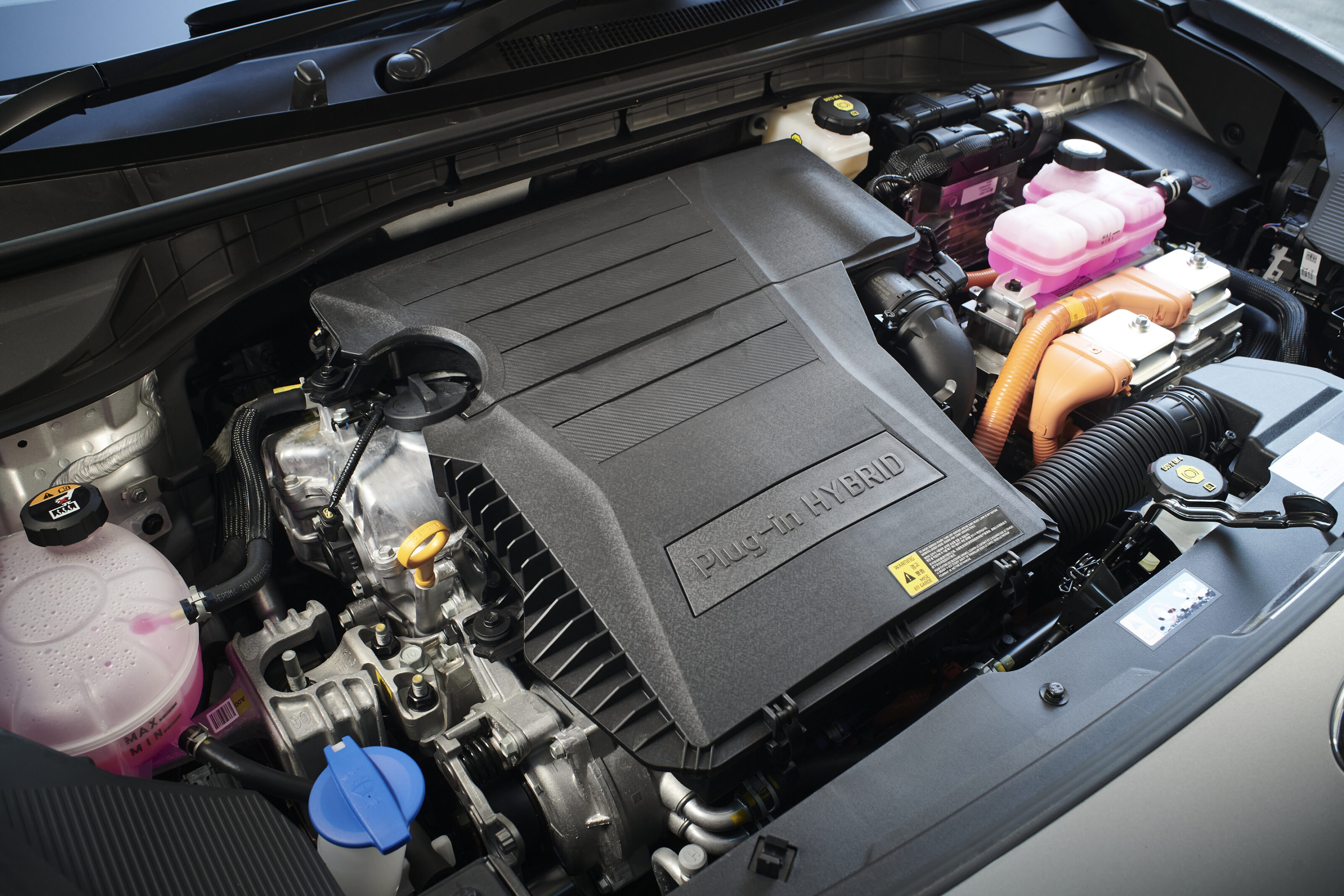
The arrangement also allows for the full output of both the petrol engine and electric motor to be transferred in parallel through the transmission with minimal loss of energy.
Energy storage in the HEV is managed by a 240volt lithium-ion polymer battery under the rear seat. The battery has a capacity of 6.5Ah and 1.56kWh and weighs 38.5kg.
The PHEV has a pair of lithium-ion polymer batteries with 360volts combined, one under the rear seat and an additional battery under the boot panel. They have a combined capacity of 24.7Ah and 8.9kWh, and when fully charged provide an all-electric range up to 58km.
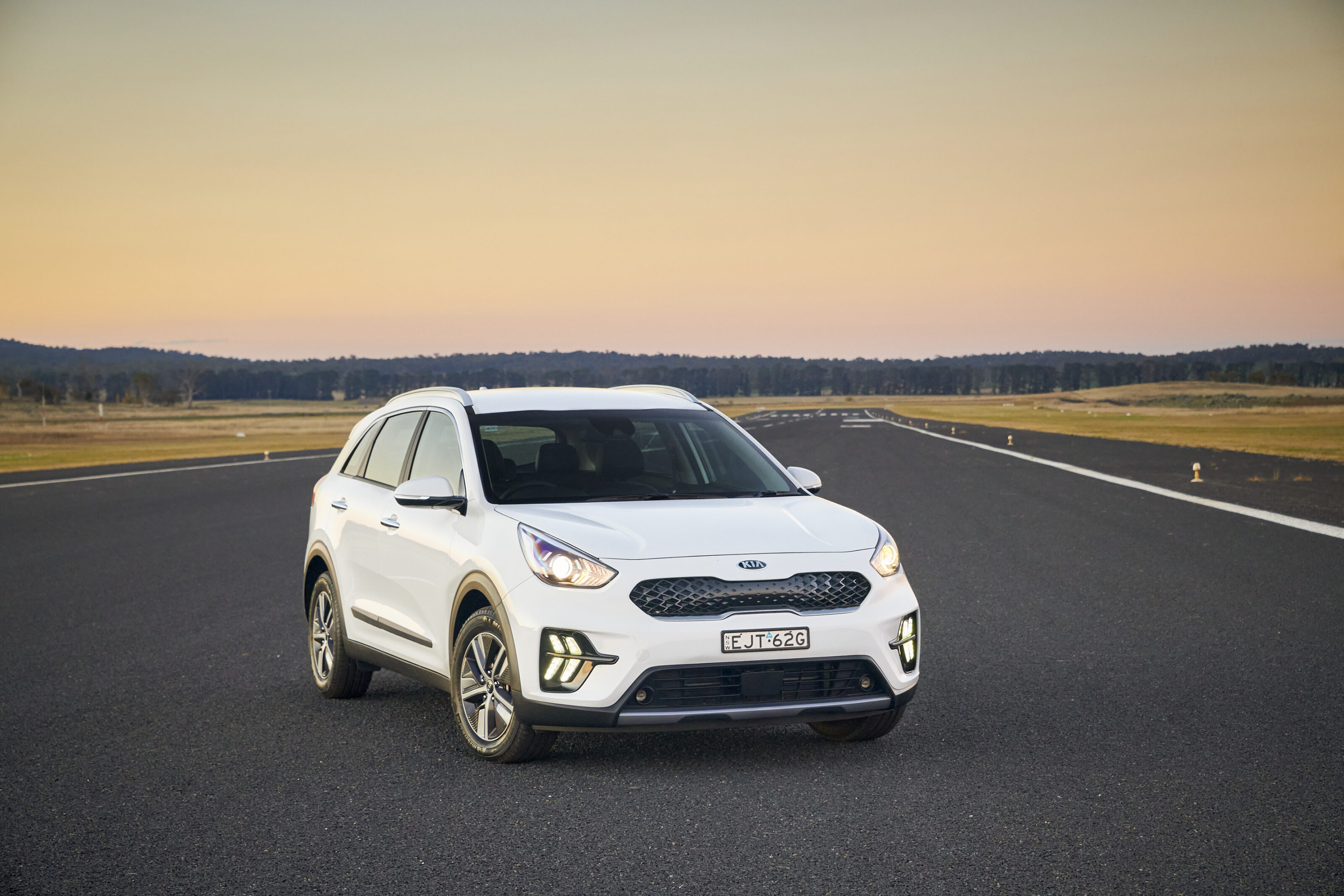
The PHEV has a 3.3kW charging capacity which sees it charge from 0-100 per cent in two hours and 15 minutes from a 15-amp power point, or around four hours and 45 minutes from a standard 10-amp socket.
It has a Type 2 charging plug, allowing it to connect to public AC chargers, but won’t charge any quicker than the 3.3kW rate.
The HEV will return a fuel efficiency of 3.8L/100km in normal operations, while the PHEV (with wider call on the electric motor) returns a combined efficiency of 1.3L/100km.
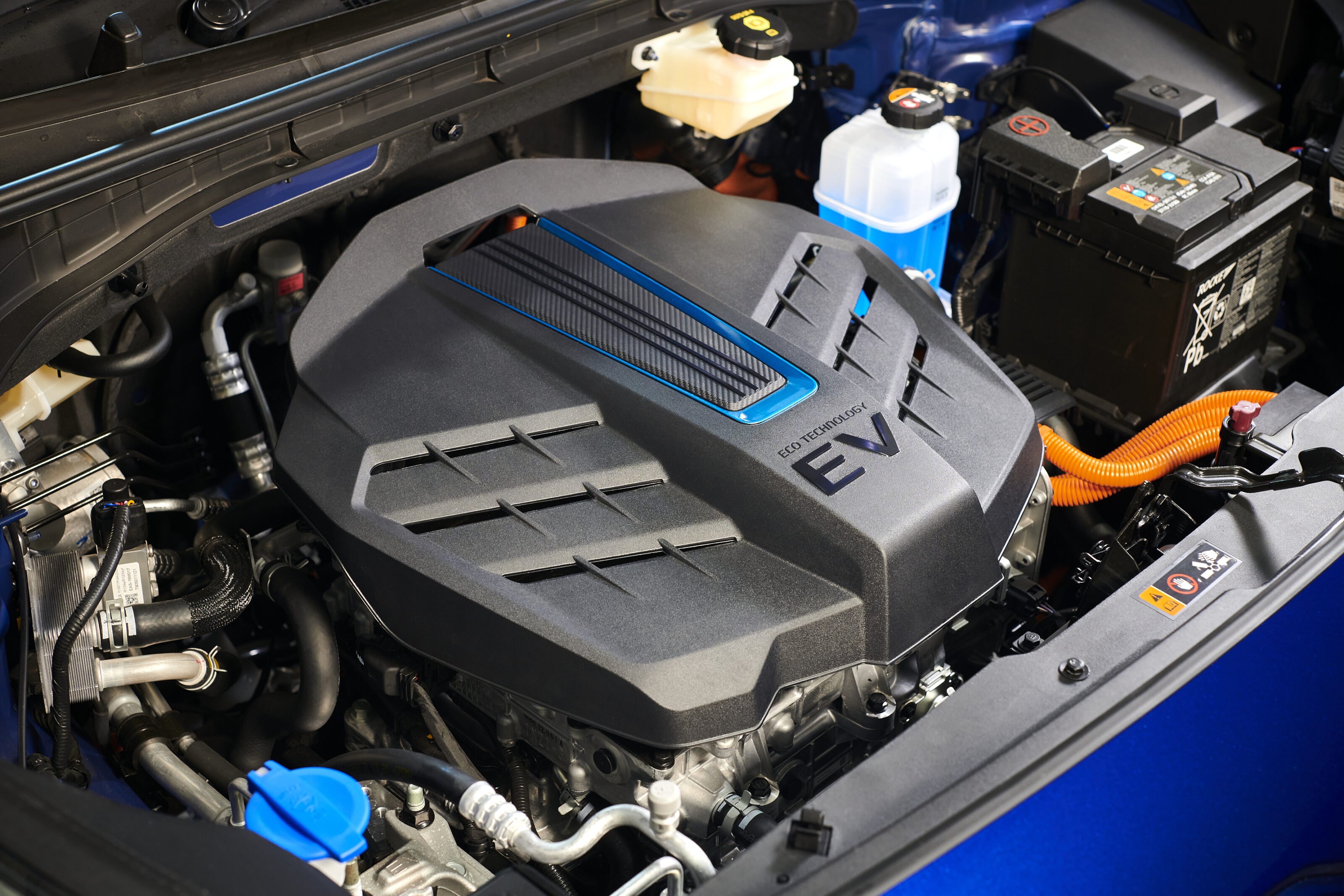
The Niro EV runs a similar but more powerful permanent magnetic electric motor (150kW and 395Nm) powered by a larger capacity 356volt lithium-ion battery.
Stored under the vehicle floor to give optimum centre of gravity and balance, the 457kg battery pack is capable of a range of 455km (WLTP) with capacity of 180Ah and 64kWh.
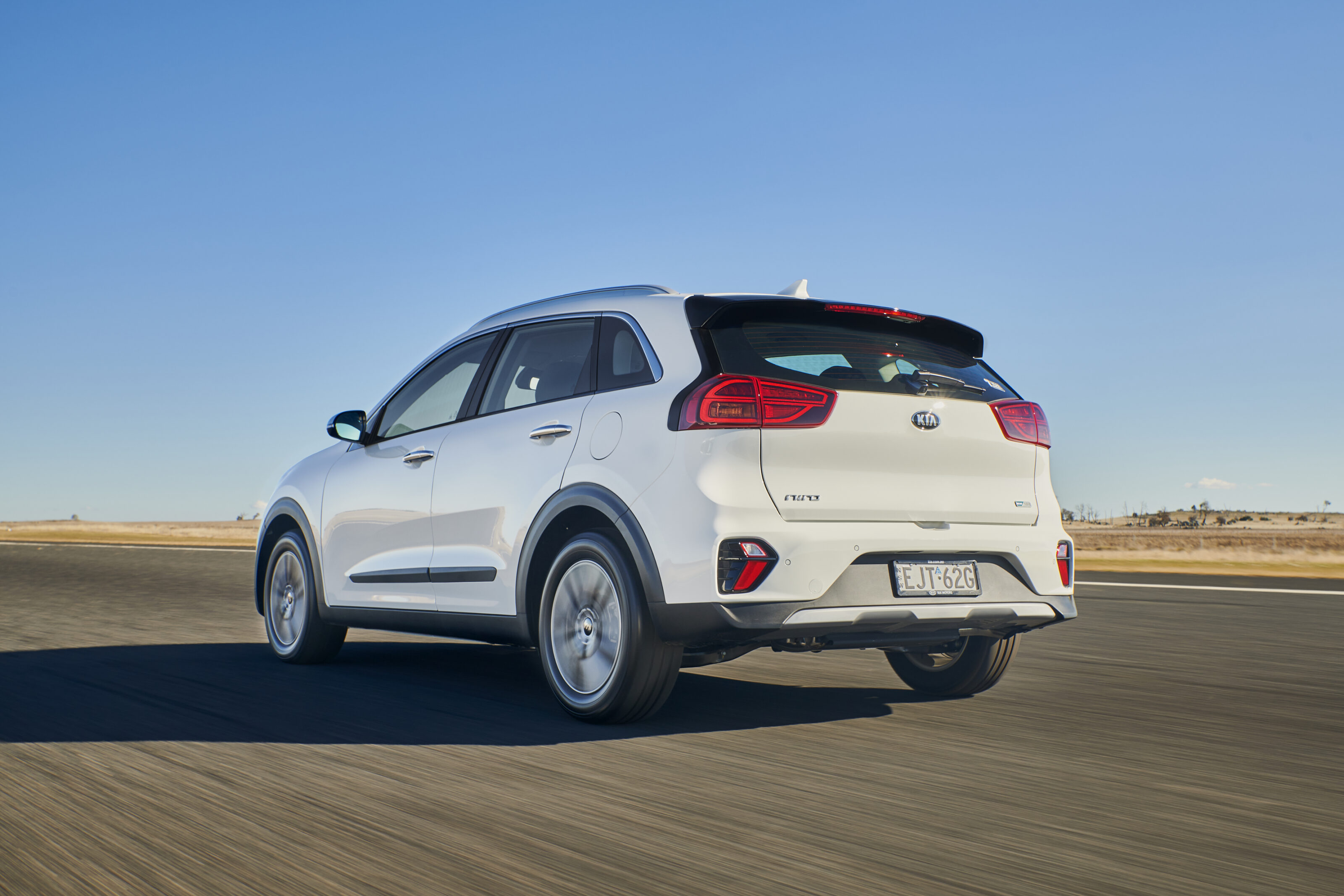
2021 Kia Niro pricing for Australia
The Niro Hybrid S is priced at $39,990 and comes standard with:
- 8.0-inch touchscreen
- Wireless Android Auto and Apple Carplay
- Bluetooth
- AM/FM and digital radio
- Six-speaker sound system
- Partial cloth and leather seats
- Power adjusted front seats
- Keyless entry
- Power-folding door mirrors
- Rear parking sensors
- Reversing camera with dynamic lines
- Dual-zone climate control air-conditioning
- Leather steering wheel
- Halogen headlights
- LED daytime running lights
- Halogen front fog lights
- LED high mounted stop light
- LED rear combination lights
- LED rear fog light
- Auto-on headlights
- Electronic parking brake with auto-hold
- Regenerative braking
- 16-inch aerodynamic alloy wheels
- Space-saver spare wheel.
- 10.25-inch touchscreen
- Satellite navigation
- Paddle shifters
- Vegan leather seats
- Alloy sports pedals
- Auto-dimming rear-view mirror
- LED headlights
- 18-inch alloy wheels
They are similarly equipped to the hybrid versions though the PHEV Sport retains the 16-inch alloy wheels and has a tyre repair kit in lieu of the spare wheel due to the battery being mounted under the boot floor.
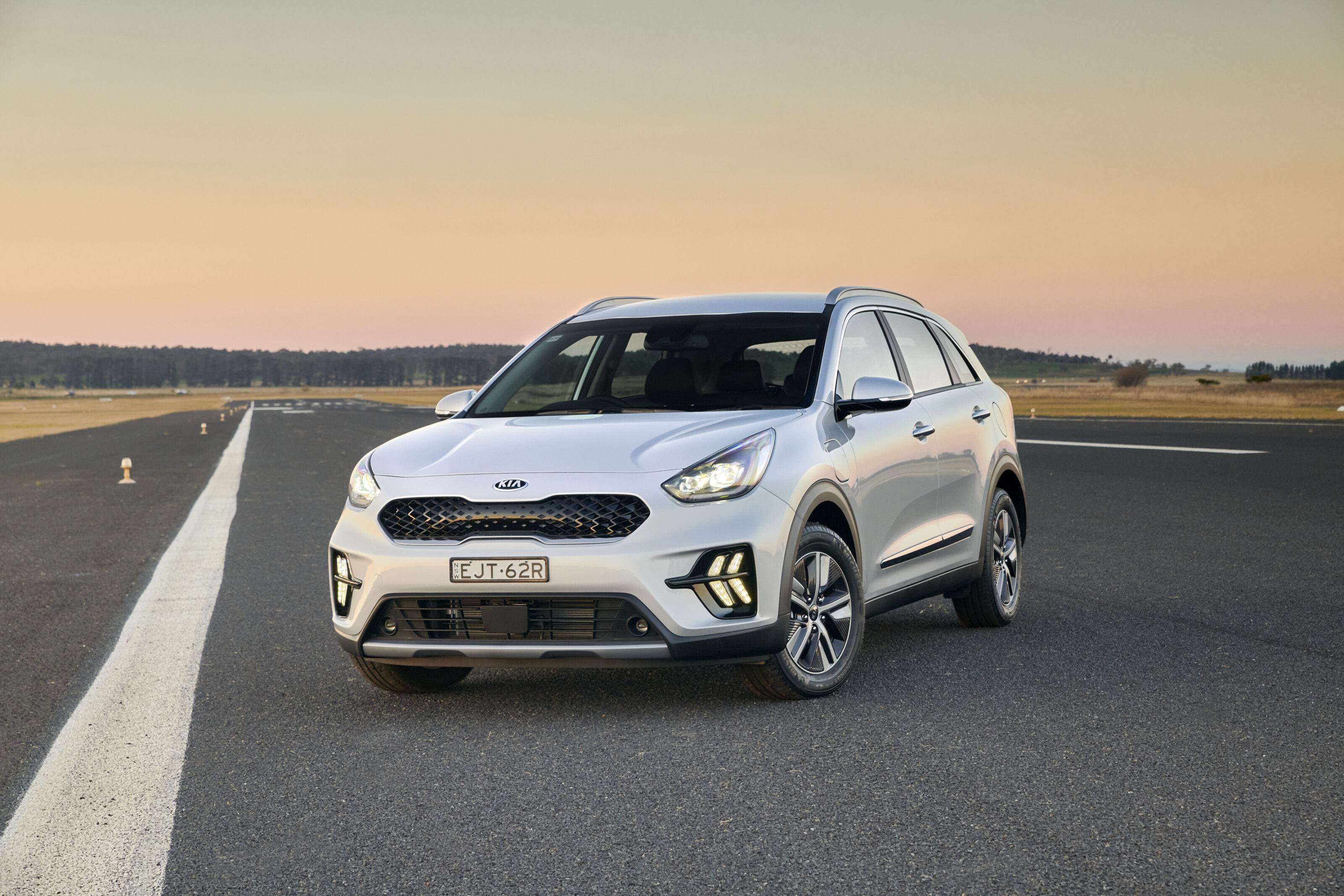
Priced at $62,590, the Niro EV S differs from the Hybrid S by having 17-inch aerodynamic alloy wheels with a temporary mobility kit, a dial-type shifter, 7.0-inch driver’s instrument cluster, expanded drive mode select with Eco/Eco+/Normal/Sport, steering wheel paddle shifters, auto-dimming rear-view mirror and single-zone air conditioning.
The range-topping Niro EV Sport has all that plus the features found in the other Sport variants to top the range at $65,990.
Safety
All Niro variants feature:
- Seven airbags, including driver’s knee bag
- Autonomous Emergency Braking with pedestrian and cyclist detection
- Lane Keep Assist
- Lane Follow Assist
- Adaptive Cruise Control
- Driver Attention Alert.
- Blind Spot Detection
- Rear Cross-Traffic Alert.
Dimensions
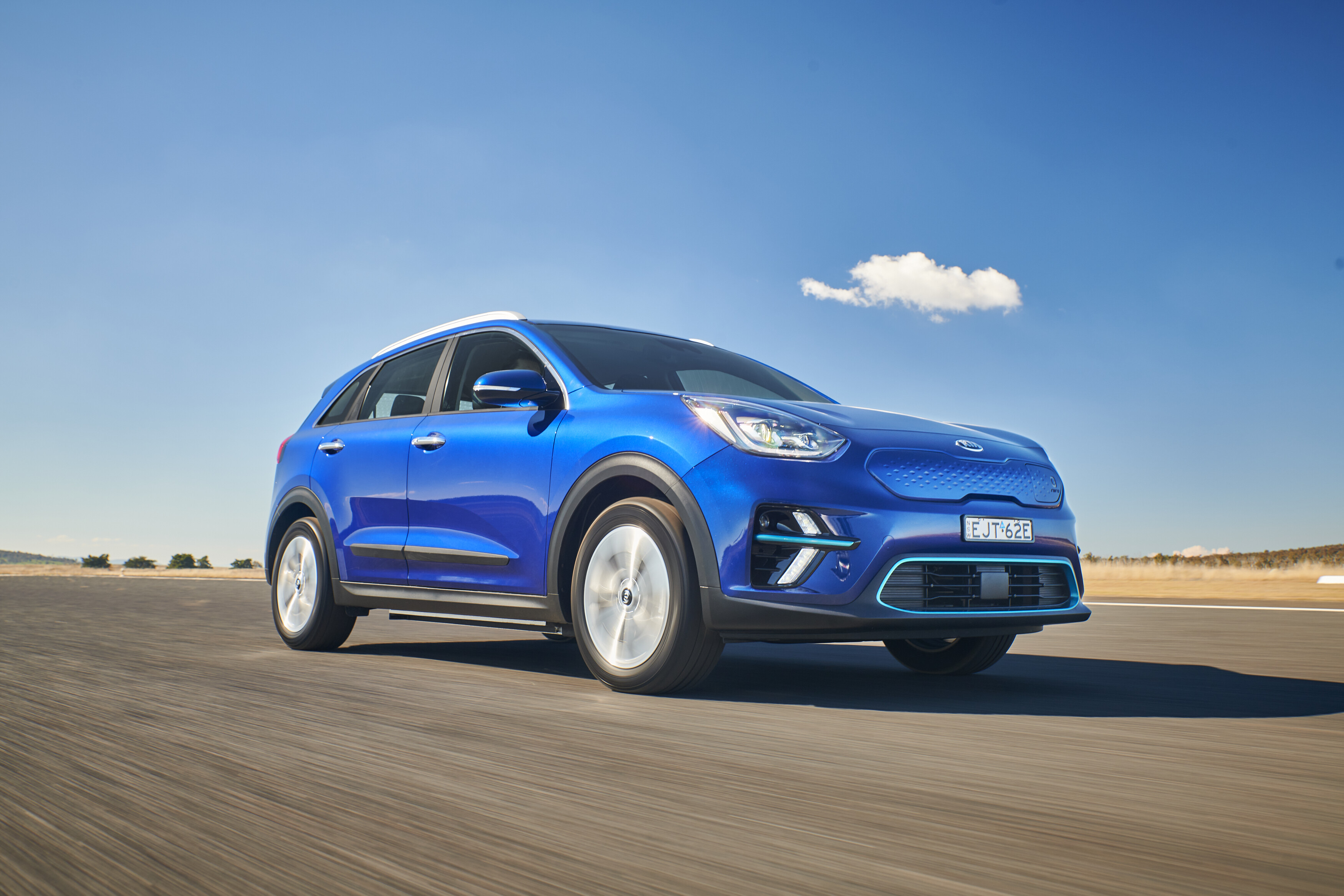
The Kia Niro is 4355mm long, 1805mm wide and 1545mm wide and has a 2700mm wheelbase making it quite roomy for a small SUV.
Warranty and servicing
Kia’s first electrified models are covered by the company’s seven-year/unlimited kilometre warranty, seven-year capped price servicing and seven-year roadside assist.
However, the high voltage battery and electric motor are covered by a seven-year/150,000km warranty.
When is the Kia Niro on sale in Australia?
All Niro variants are now available to order and purchase.