
Snapshot
- Production of V6 HiAce has ended
- HiAce will now only be offered with 2.8-litre turbodiesel four-cylinder
- Aussie dealers have stopped receiving the petrol-powered van
The most powerful version of Toyota’s HiAce van range, the petrol V6, has been ditched from Toyota’s line-up just two years after it was released.
The axing will coincide with the popular light commercial vehicle’s 2022 model year update, with a source telling WhichCar Toyota has already ceased production of the petrol V6 HiAce.
The source also said that dealers across the country have stopped receiving the six-pot HiAce and that the remaining new examples in the dealer network represented all that was left in Australia.
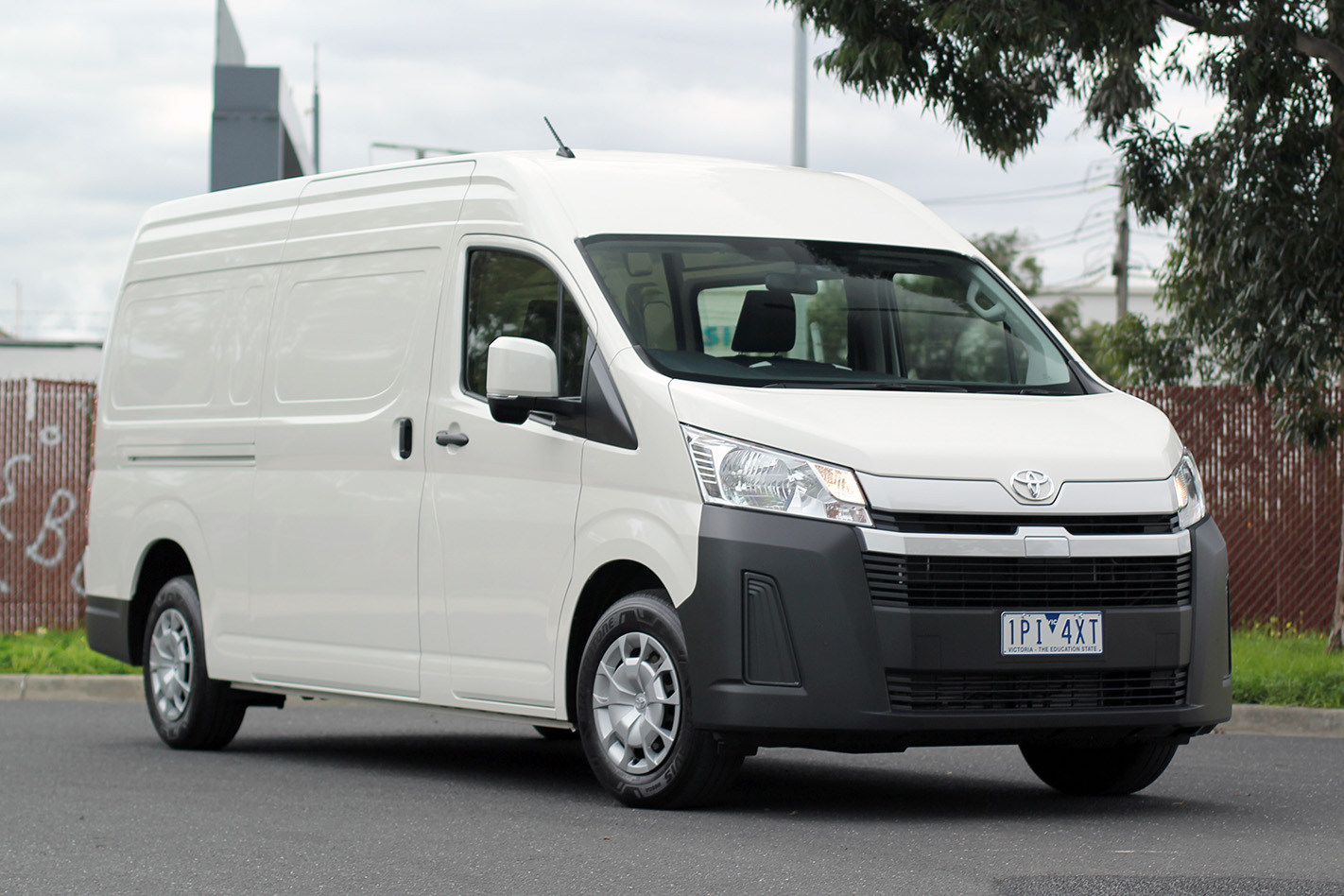
The HiAce will now only be available with the 1GD-FTV 2.8-litre turbodiesel inline four-cylinder motor, which produces between 120kW-130kW and 400-450Nm, depending on the variant.
Drive is still sent to the rear through either a six-speed manual or six-speed automatic transmission, and fuel economy on the ADR combined-cycle is rated between 8.2-8.4L/100km.
That’s a significant drop in performance compared to what the now-defunct 7GR-FKS 3.5-litre petrol V6 offered.
It produced 207kW and 350Nm, however, crucially, fuel economy was far worse, with the V6 rated at 12L/100km for the auto and 12.4L/100km for the manual.
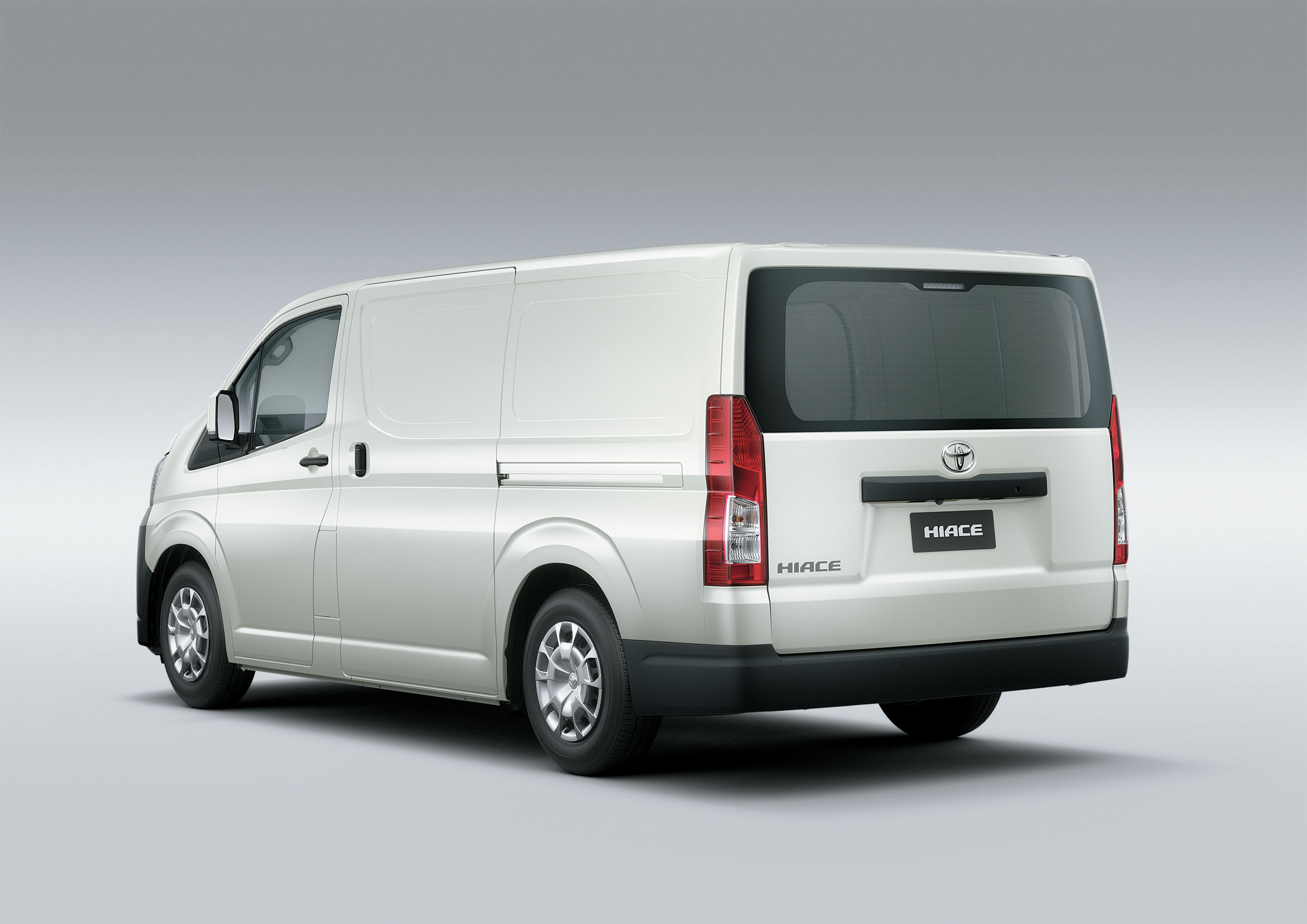
It’s believed these poor economy figures necessitated the V6’s axing, as Toyota strives for a cleaner, eco-friendly product portfolio, with the automaker stating last month it wants carbon neutrality by 2050.
The fact over 90 per cent of HiAces sold in Australia are equipped with the diesel donk almost certainly had something to do with the Japanese firm’s decision too.
WhichCar has contacted Toyota Australia for comment.
Got a tip-off for a story? Get in touch: [email protected]
Tesla is under investigation by US authorities over whether it has misled customers by advertising its vehicles as having a full self-driving option when they don’t.
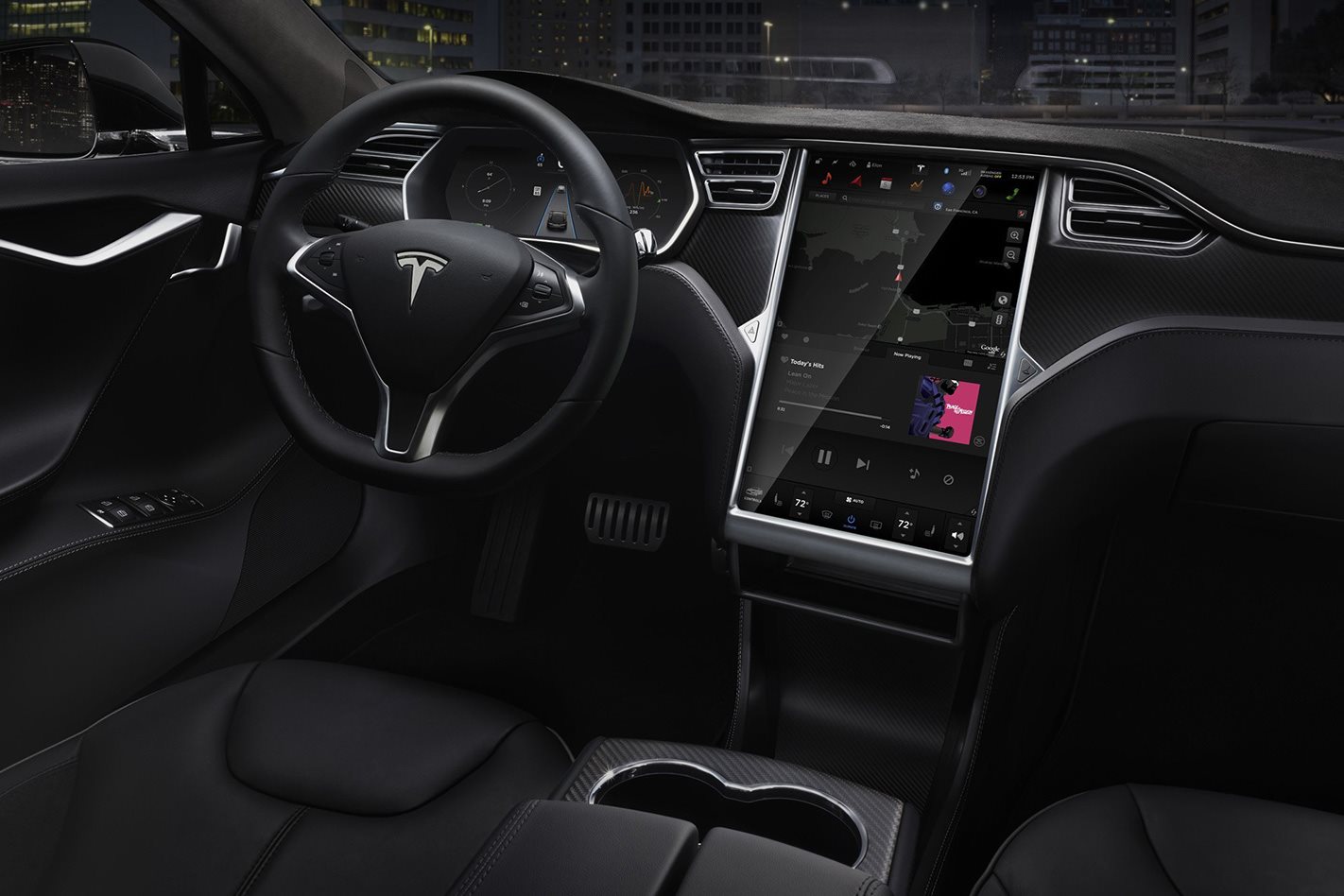
Tesla offers its ‘Full Self-Driving Capability’ option for an extra $10,000 on the asking price – claiming the upgrade will allow the customer to navigate using Autopilot, automatically change lanes/park and summon the vehicle as well as utilise its full self-driving computer and traffic light/stop light controls.
However, the reason for the probe, being carried out by the California Department of Motor Vehicles (DMV) in America, is that in fact Tesla’s models can’t drive themselves yet as implied – which the company itself admits in the fine print on its website, acknowledging the system “does not make the car autonomous” and that it requires “active supervision” from the driver.
According to the Los Angeles Times, automated vehicle law expert at the University of South Carolina, Bryant Walker Smith, said Tesla could be on dodgy legal ground, and its small print effort is unlikely to be enough to keep it out of trouble.
“Tesla seems to be asking for legal trouble on many fronts from the FTC (Federal Trade Commission) and its state counterparts for deceptive marketing,” Smith said. “From the California DMV for, potentially, crossing into the realm of autonomous vehicle testing without state approval, from competitors with driver assistance systems, competitors with actual automated driving systems, ordinary consumers, and future crash victims who could sue under state or federal law.”
While the DMV is unable to comment on its investigation, a spokeswoman did say that possible penalties for misleading customers include the suspension or revocation of autonomous vehicle deployment permits, as well as manufacture and dealer licenses.
This isn’t the first time that Tesla’s marketing of its ‘full self-driving system’ has landed it in hot water. Last year Tesla was banned from using the Autopilot name in Germany, and also scored badly in the Euro NCAP ratings, getting just two out of four stars because it’s Autopilot system was found to be more “authoritarian than co-operative”.
America’s National Highway Traffic Safety Administration has also reportedly investigated over 20 car accidents involving Tesla’s Autopilot driving function in recent months.
WhichCar has contacted Tesla for comment.
Got a tip-off for a story? Get in touch: [email protected]
Snapshot
- App lets owners sell their used Porsche directly to Australia’s Porsche Centre network
- Listings are completely free
- First type of selling app for global Porsche network
Porsche has just unveiled its new Sell Direct app, which will let owners sell their used vehicles straight to an official centre.
The app, which is available to download now, will mean owners have a quick and easy way of off-loading their Porsche without having to deal with the usual hassles involved in privately selling a pre-owned vehicle.
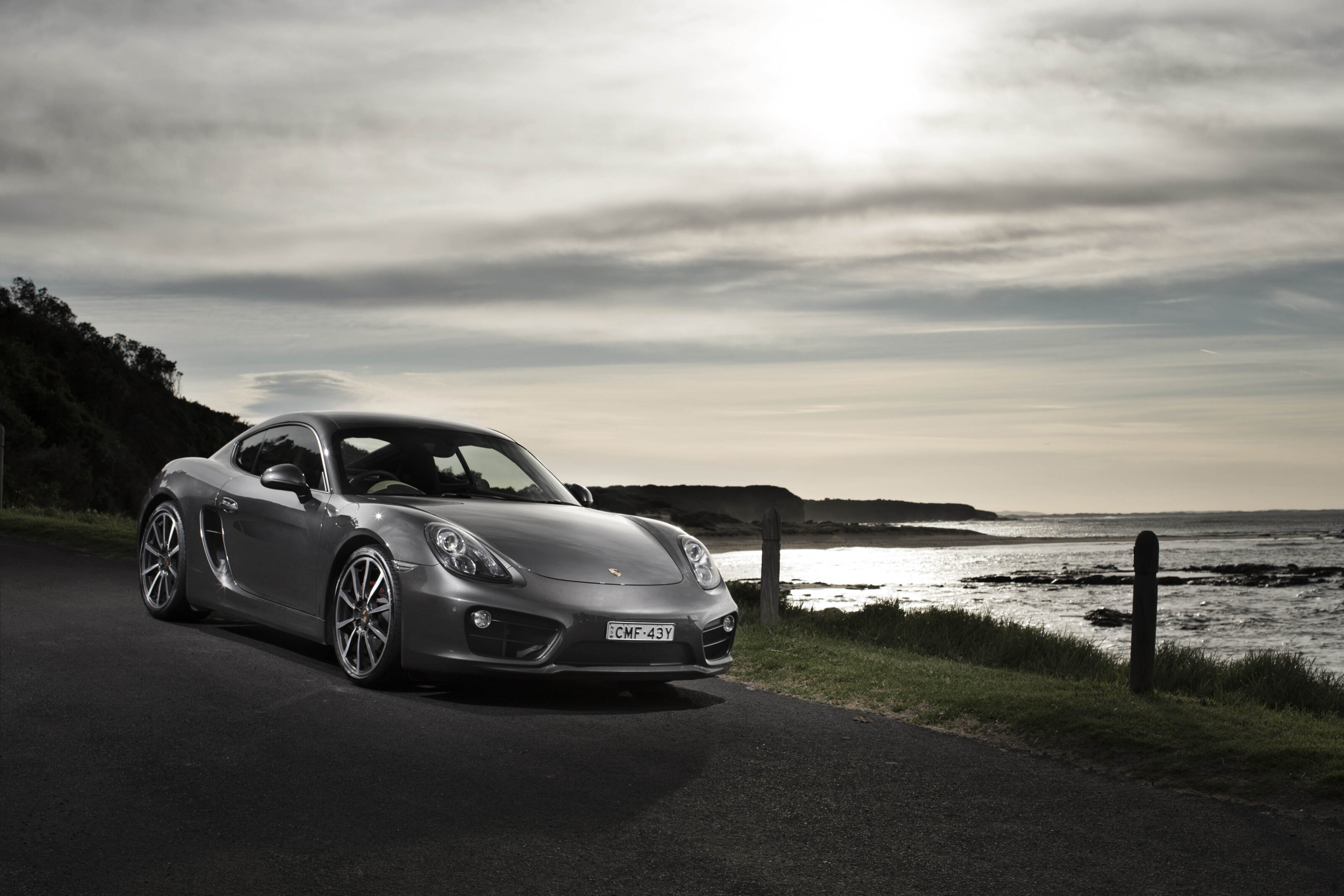
Listings are free, and once a car has been uploaded, Porsche Centre dealerships from around Australia will send in conditional offers to the owner, who will be notified through the app.
If an offer is made by a dealership located in a different state to the owner, it will be up to the two parties to figure out who pays for transportation.
All information provided by the seller is private and confidential, and it even has an easy guide showing users how to take high-quality photos.
The tech, developed right here in Australia, is the first of its kind across Porsche’s entire global dealer network.
“Sell Direct provides existing Porsche owners a fast and effective way to sell their Porsche to our participating Porsche Centres,” Sam Curtis, CEO and managing director of Porsche Cars Australia said.
“Our goal was to provide a streamlined selling process. Dealing exclusively with participating Porsche Centres makes it simple for owners to sell their car.”
Snapshot
- Brand’s will have four models by 2030, all will be PHEV or BEV
- Two new V12 cars to be unveiled before the end of 2021
- Next Huracan will likely ditch atmo V10 in favour of twin-turbo V8
Lamborghini has announced its roadmap for the rest of the decade, and it might have a few petrol heads worried.
The celebrated Italian marque has announced that by the end of 2024, it will only make plug-in electric vehicles (PHEV) and in the second half of the decade (we’re guessing towards the end of it) will also introduce its first battery electric vehicle (BEV), which it says will be the fourth model it offers in its vehicle line-up.
Lamborghini has also committed to launching its first series production PHEV by the end of 2023.
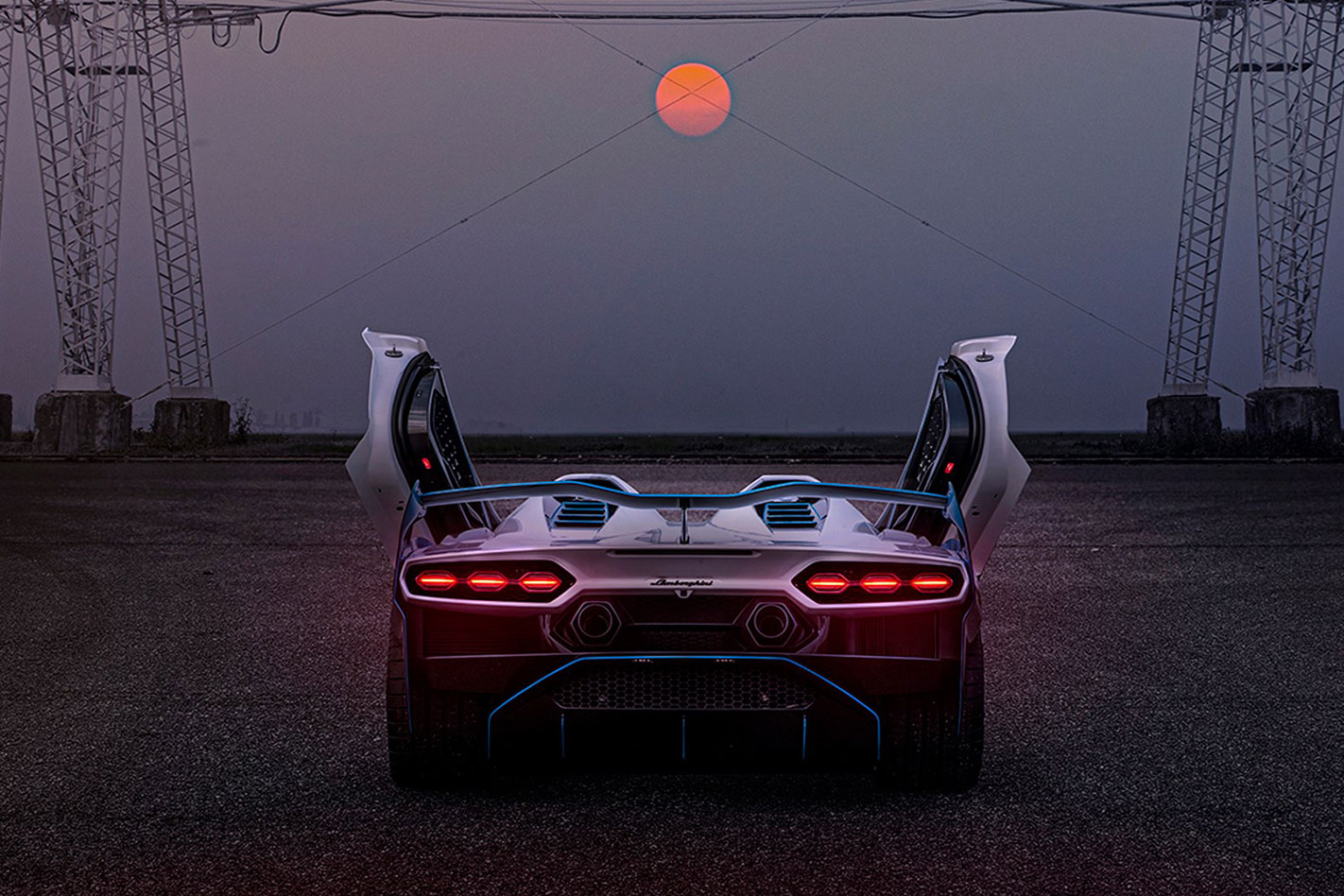
The plans will see the Sant’Agata firm focus on celebrating naturally aspirated combustion engines for the rest of 2021 and 2022, with two new V12 cars expected to be added to the current model line-up.
Speaking about the planned changes, which have been donned ‘Direzione Cor Tauri’, Lamborghini boss Stephan Winkelmann said the move was needed to keep up with new legislation and the present culture of the automotive world.
“Lamborghini’s electrification plan is a newly-plotted course, necessary in the context of a radically changing world, where we want to make our contribution by continuing to reduce environmental impact through concrete projects,” Winkelmann said.
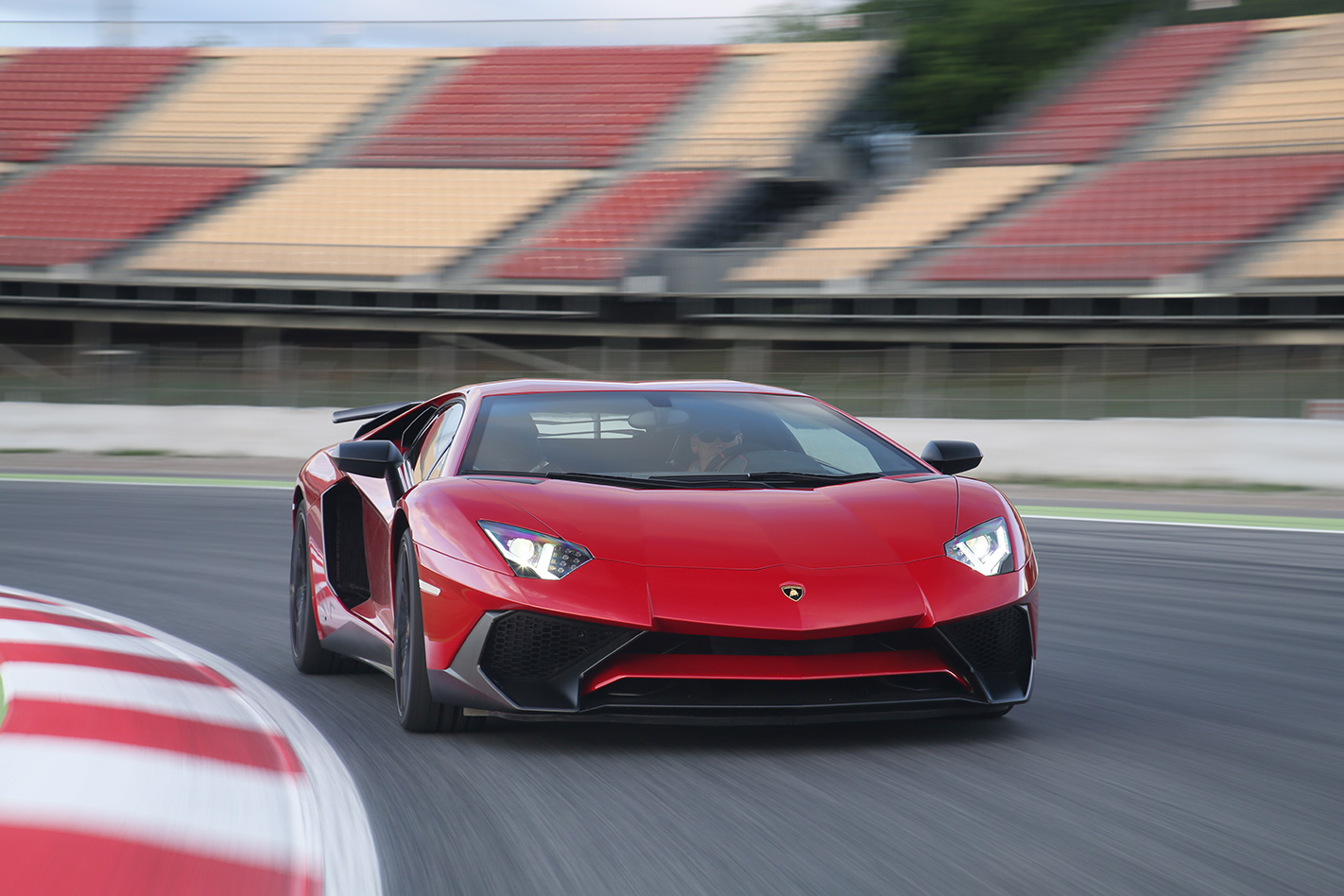
An emphasis will be placed on R&D in this period, with a focus on carbon fibre and other lightweight materials taking precedent to offset the expected weight gain of the entire range.
Lamborghini has committed to a 1.5 billion euros (AU$2.35 billion) investment in hybrid technologies, which will be spent over the next four years to try and push the automaker to the forefront of what has become the new performance car arms race.
The automaker also wants to halve its CO2 emissions in this same period of time, and it’s already well on its way to accomplishing this, with its 160,000 square-meter facility in Sant’Agata Bolognese achieving carbon neutrality back in 2015.
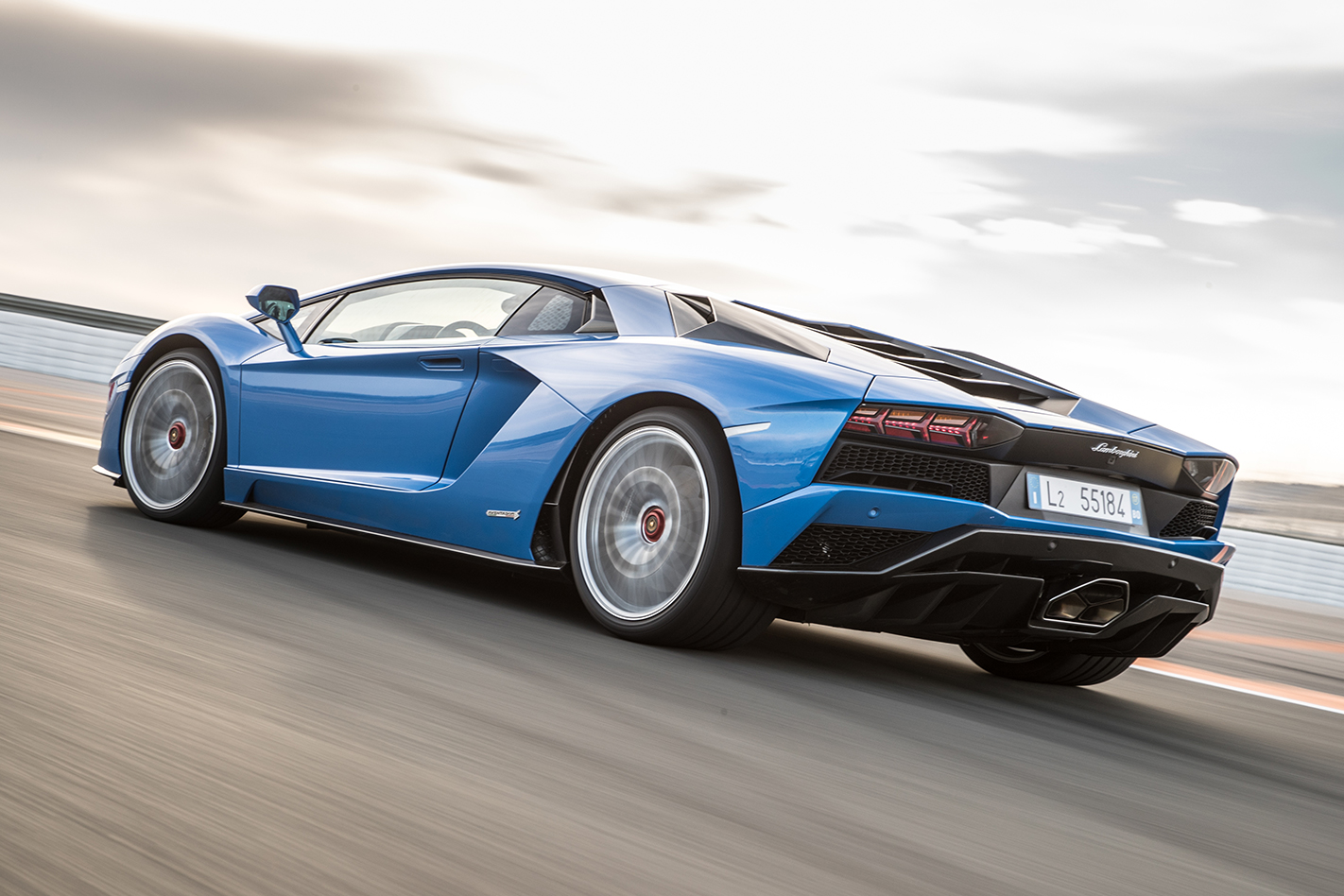
All this news essentially means that the Urus will be hybrid only within the next few years, and the Huracan and Aventador will cease to exist entirely.
What will replace the super and hypercar is still unknown, however, it’s rumoured the Huracan replacement could utilise the same 4.0-litre twin-turbo V8 found in its SUV sibling, as well as employing PHEV technology.
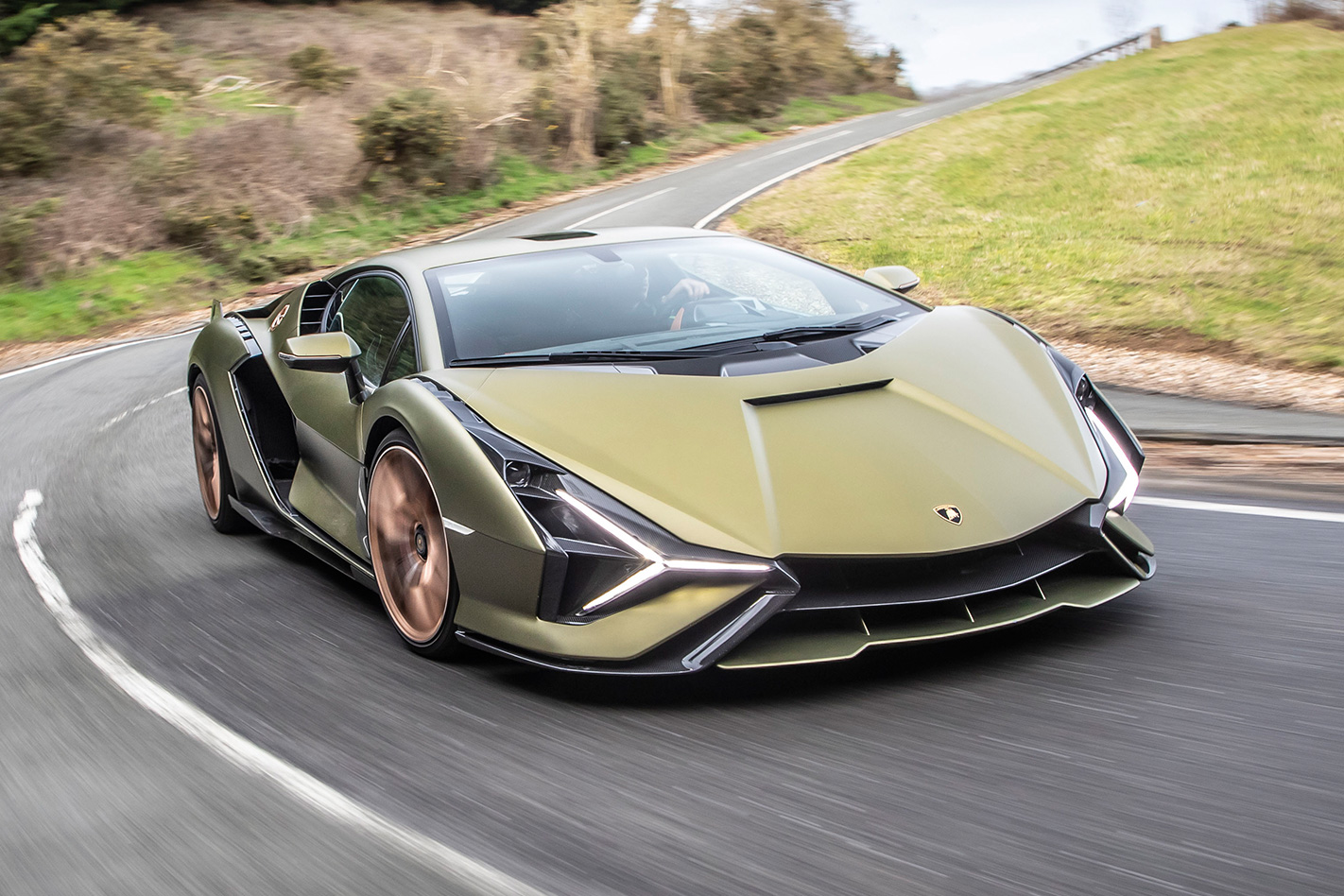
The Italian brand has already recently previewed what it’s got in store for its next flagship V12 hypercar, roughly, with the introduction of its first hybrid vehicle – the extreme Sian mild-hybrid electric vehicle (MHEV).
It’s believed Lambo will retain the thunderous atmo 6.5-litre V12 found in the current Aventador for its next mid-engined hypercar and add PHEV technology.
The Ford Puma is not short of competition. In fact, in the compact SUV segment – dominated by the Mazda CX-3 – the Puma is outgunned by most rivals when it comes to sales.
But is that fuelled by memories of an underwhelming Ford EcoSport, the Puma’s market predecessor? Or is it a case of the Puma only appealing to a small number of buyers?
It’s one of many relative newcomers to the market, including the Toyota Yaris Cross, Hyundai Venue, and the Kia Stonic, and it’s got something to prove. We’re looking at the top-spec Puma, the ST-Line V, which is still one of the cheapest ways to get behind a Blue Oval, but starts to look rather pricey compared to its competition.
For its $35,540 asking price (before on-roads), the Puma ST-Line V comes packed with standard features, including: a 12-inch dash cluster screen, a hands-free power tailgate, Bang & Olufsen 10-speaker sound system with subwoofer, keyless entry, plus a wireless phone charger. It also comes with 18-inch alloys, leather accented seats, tinted privacy glass, and scuff plates with the ST-Line logo.
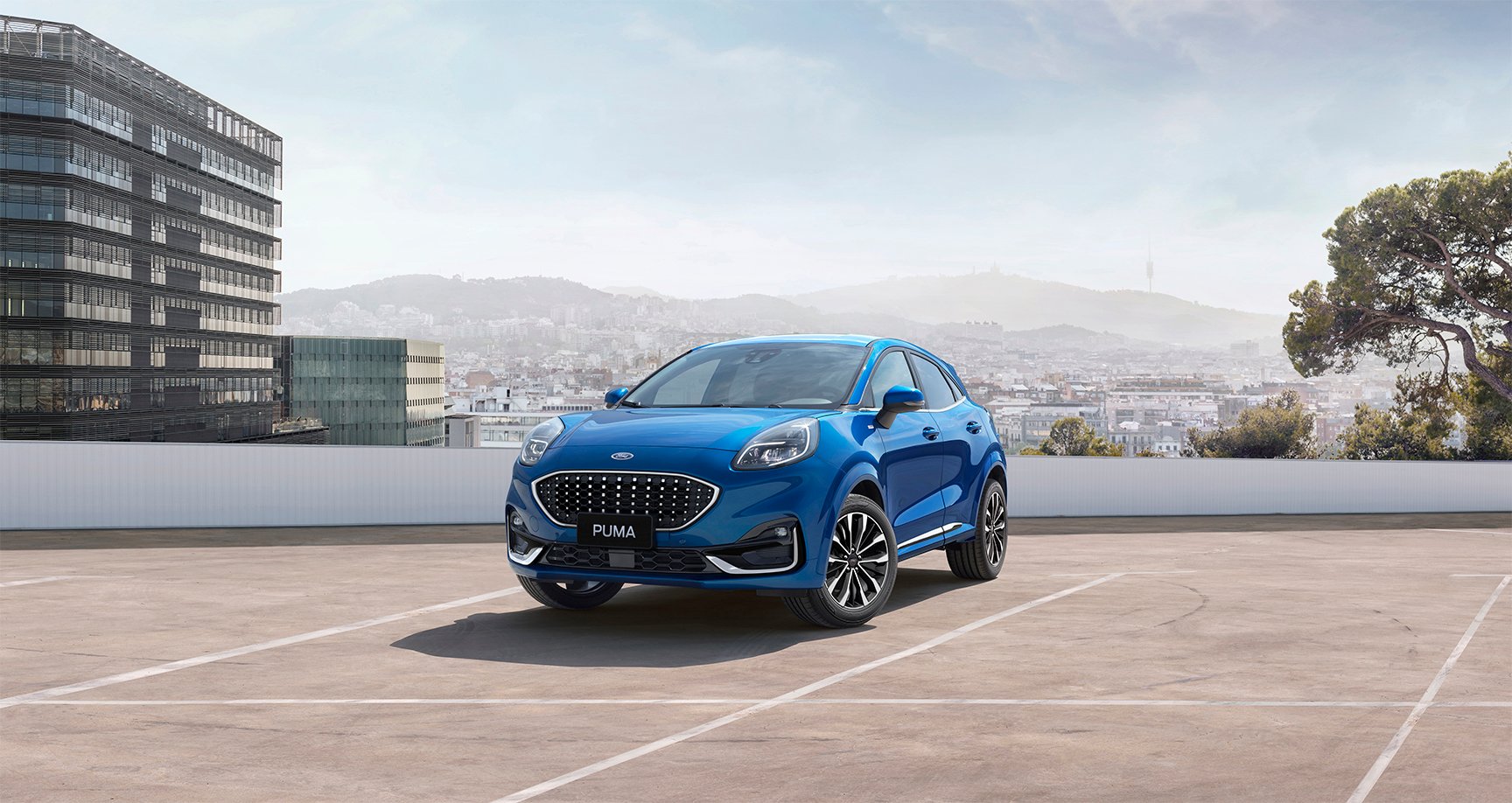
It’s an impressive list and, if you’re looking for bells and whistles, justifies the pricing for the ST-Line V. Much of this is either unavailable or optional in rivals – the similarly priced CX-3 Akari doesn’t get wireless phone charging or power tailgate at all, and even the scuff plates are an option.
Ford’s five year/ unlimited kilometre warranty is also included, and Ford quotes $320 or $370 for most of its annual (or at 15,000km interval) servicing aside from a more expensive 60,000km and 120,000 service, $560.
All three versions of the Puma come with the same drivetrain – a turbo 1.0-litre three-pot with 92kW and 170Nm mated to a 7-speed dual-clutch – and both ST-Lines have sports suspension, which is an important distinction we’ll get to later.
The safety suite remains the same across each trim level in the Puma range, meaning: regular driver and passenger airbags, front side and rear side curtain bags, ABS, seatbelt reminders, a driver attention monitor, ESC, emergency brake assist, forward collision alert, lane keeping, and departure warning.
You need to spend extra for the optional ‘Park Pack’ to get adaptive cruise, lane centring, blind spot monitoring, and evasive steer assistance.
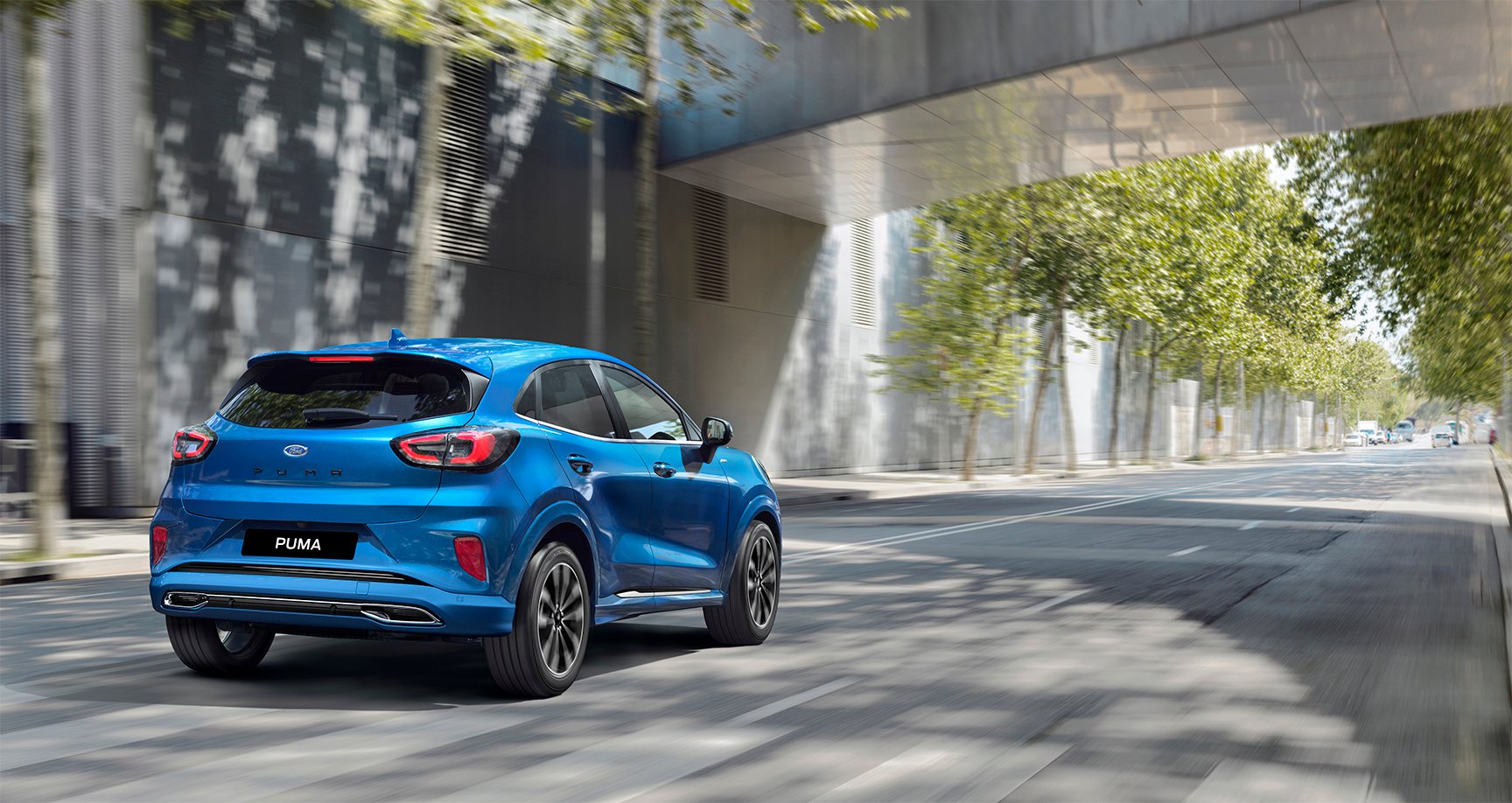
Even in top-spec trim, the Puma ST-Line V is one of the cheapest ways to get behind a Blue Oval, but starts to look rather pricey compared to its competition.
The Puma gets a five star crash rating from ANCAP, with high marks for occupant protection (94 per cent scored for adults, 86 per cent for child occupant protection) but slightly lower scores for pedestrian safety and driver assistance (77 and 74 per cent respectively).
These scores are fairly in line with other compact SUVs across many price points, with the Puma being pretty much lineball with the likes of the Nissan Juke and more expensive Mercedes-Benz GLB, both of which were tested around the same time.
So, on paper, the Puma ST-Line V ticks plenty of boxes, but what’s it like to actually be in, live with, and drive?
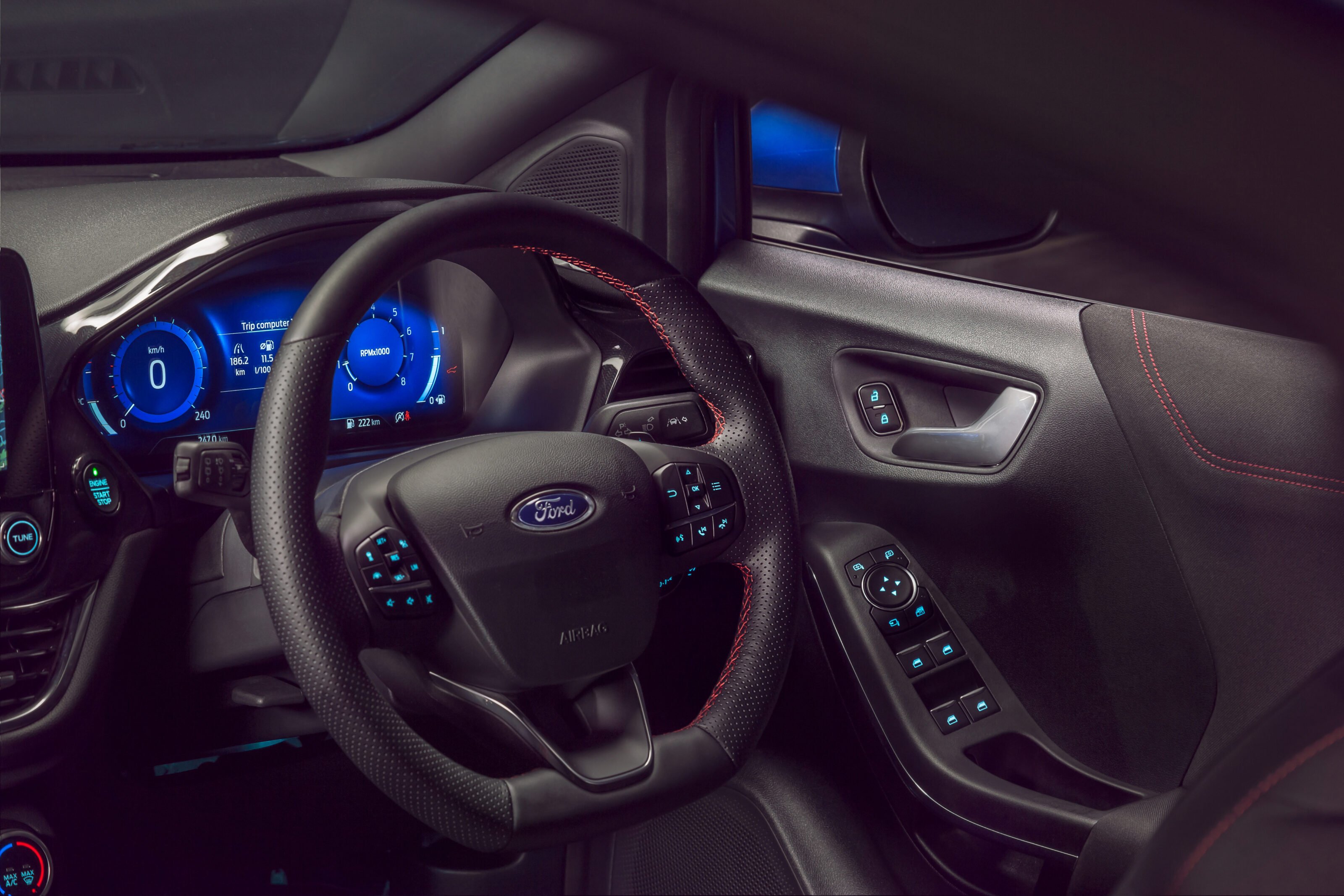
In the cabin, the leather driver’s seat is comfortable and well-bolstered, and all the primary touch points are nicely finished. The dash sports a leather-look, with a carbon accent in the middle, though there are some hard, cheaper-looking plastics that are visually obvious and in places that will occasionally be touched, like the doors and centre console.
Leather on the steering wheel is also welcome, and the layout itself is fairly simple and inoffensive, if a little conservative. Cupholders sit surrounded by the handbrake, drive controls like the mode select and TCS button, and the centre console storage, so they’re a little bit awkward to reach down to if you’re driving.
While the Puma’s seating position does have the advantage of a relatively commanding view of the road, the dash and window lines around the car are also a little high. This helps form that high-riding ‘hatchback’ look from the outside but does little for awareness of the Puma’s corner points, and rear-seat passengers can feel a little hemmed in.
The HVAC controls and infotainment screen on the centre of the dash are all very easy to use from an ergonomic perspective, and Ford’s SYNC software for its 8.0-inch touchscreen is among the simplest and most straightforward to operate. Any issues or personal preferences users might have can be bypassed by Android Auto or Apple CarPlay, though plugging in a phone is hard while it’s in the narrow wireless charging cradle.
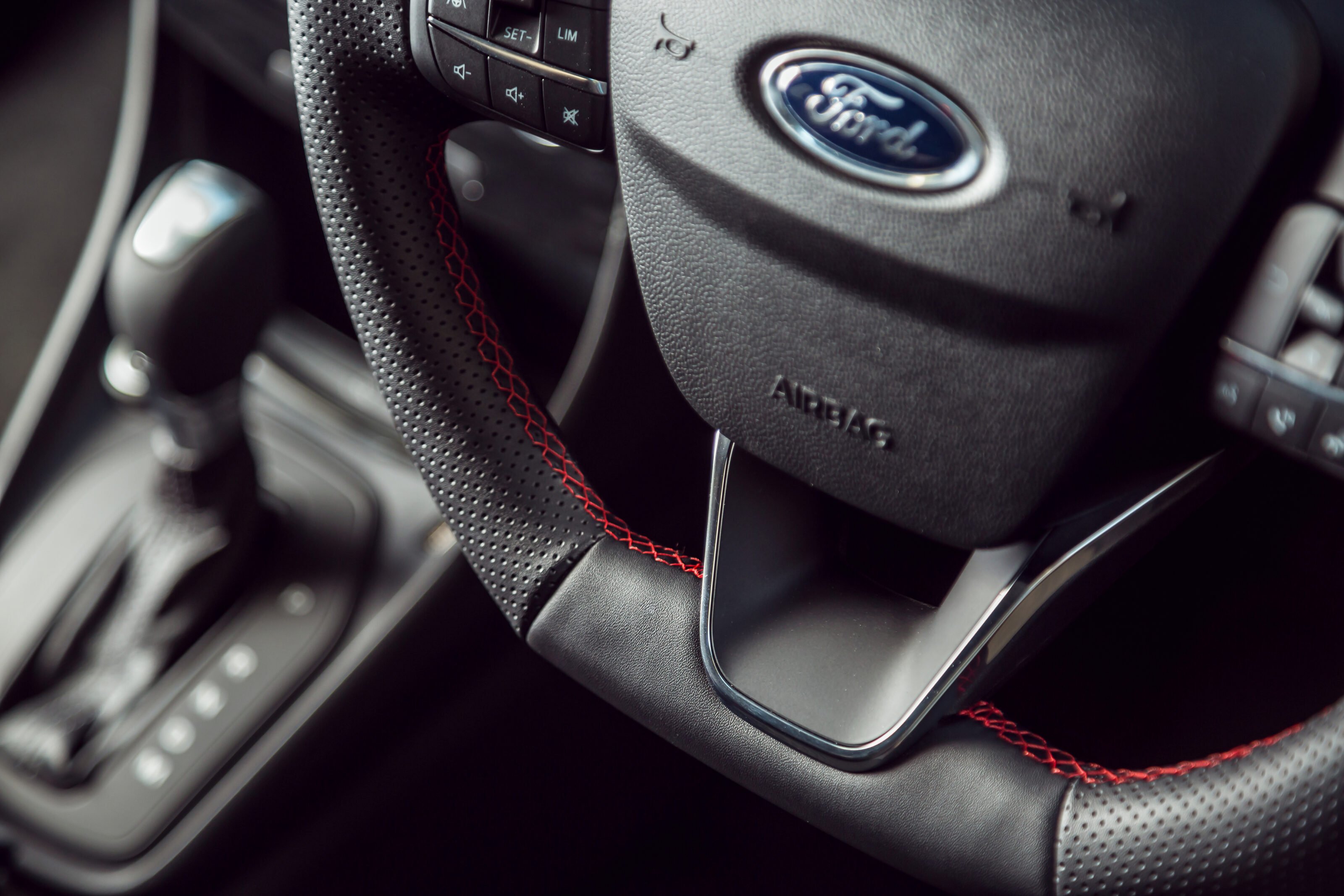
Where the front seat is a pleasant environment, the rear seat suffers. Headroom isn’t great for adults, though it’s just adequate for anyone nearing 6-feet-tall. And the seat itself is a little too flat to settle into comfortably. There are also no AC vents, no centre armrest, and no outlets for devices.
There’s also a laughable cupholder in each door, and netting for ‘storage’ on the backs of the front seats. It’s not the kind of place an adult would be comfortable for very long, but the smallish space in the back seat comes with an advantage further back…
The 410-litre boot (up to the luggage cover) is one of the largest in this class (the ever-popular CX-3 has just 264 litres), and there’s an extra 80-litre storage space under the floor perfect for wet or dirty clothes. You also score an electric-close tailgate and the rear seats fold down 60/40 for a total luggage space of 1170-litres if needed, enough to fit a mountain bike for example.
But of course, any Ford with ST-Line on its badge should double as a fun drive, right? The Puma name goes back to a sporty styled coupe from the 1990s, and the Fiesta platform the Puma is built on has plenty of talent potential.
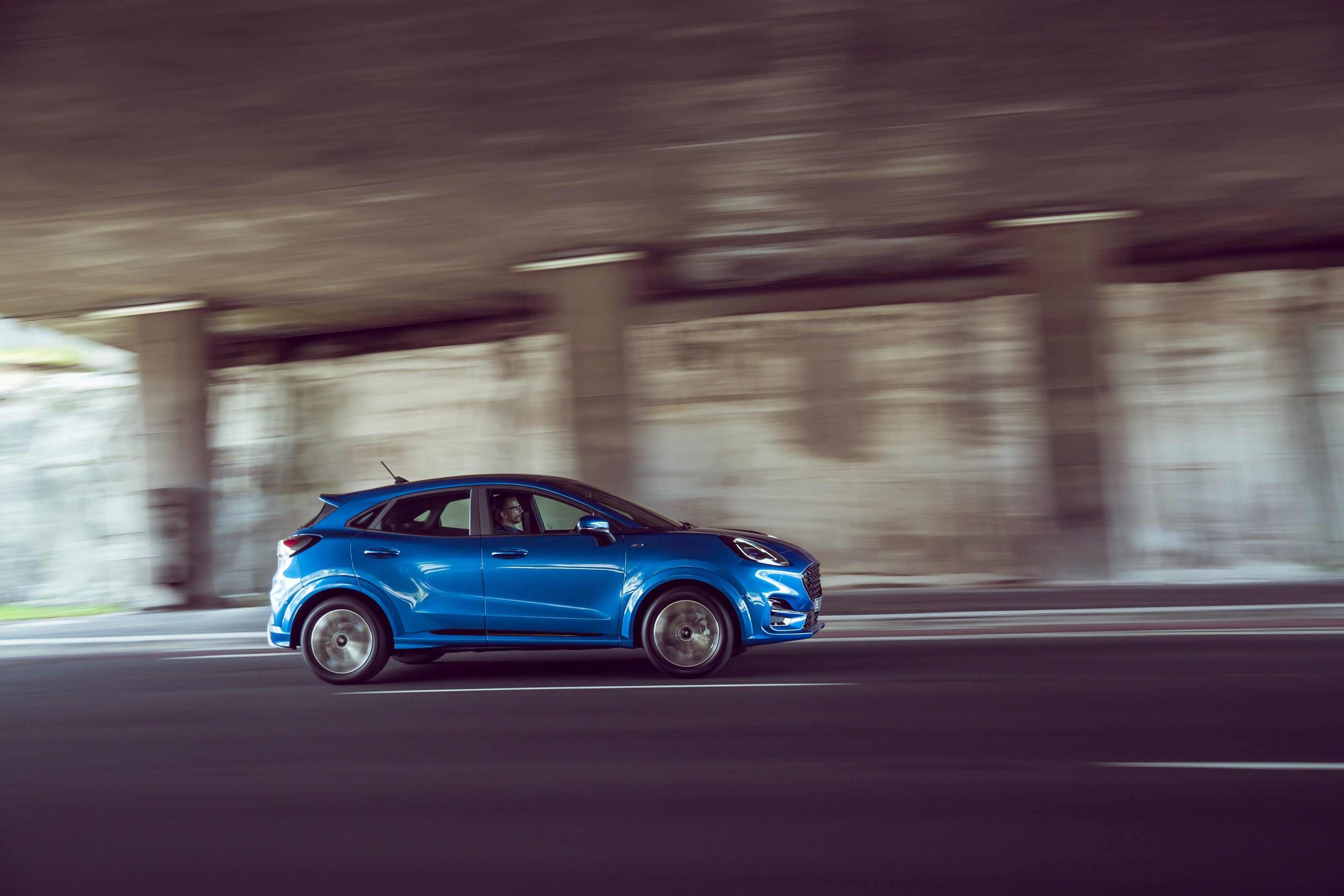
Starting up the Puma reveals a three-pot purr with a bit of a raspy character. The advantage of the diminutive engine is that its 5.3L /100km fuel consumption claim is actually not too far from the truth. A Wheels long-term test of the same drivetrain in the Puma ST-Line saw a 6.9L/100km figure returned after a little over 5000km, with plenty of deliberate test driving included. We’d expect most daily drivers to best our consumption rate.
The cooperation between engine and gearbox is one point where the Puma feels slightly off at low speeds. The 7-speed dual-clutch sometimes feels a little hesitant and cuts into the car’s momentum, while the turbocharger builds to a burst of torque. These characteristics can be worked around quite easily on a regular drive, but after some time in city traffic become a little tiresome.
This isn’t to say the Puma ST-Line V is fast – it isn’t, though its outputs from a 1.0-litre engine are impressive – but it does feel like it’s trying to feel sporting at the expense of smooth acceleration. The other aspect of the Puma’s sporting focus that can perhaps be a little much is its suspension, where the stiffer sports tune of the ST-Line keeps the driver aware of just how rough the road below is.
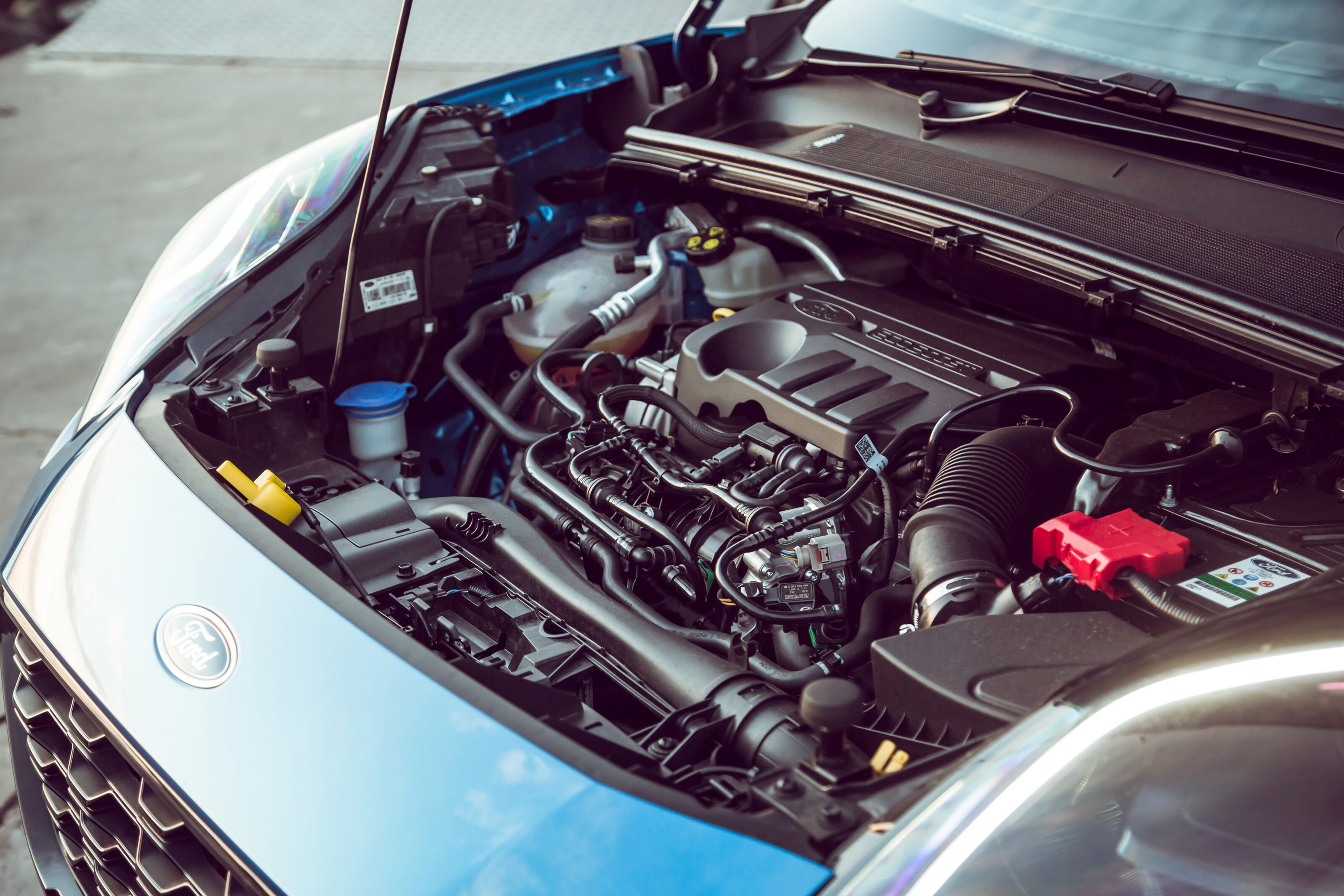
Once you have a good, relatively fast road ahead of you the Puma is a standout in terms of dynamics. Suddenly, through fast backroads, the Puma’s suspension isn’t a worry and its accurate steering is evident. Its chassis is playful and easy to control, too. The engine, though again not particularly powerful, is able to provide useful urge when it’s needed, though powering out of a corner after a slow turn can be a little frustrating.
Despite its mild flaws as a city SUV, the Puma is a playful and unintimidating car to hustle through country roads. The question is, if that doesn’t appeal to you, is it worth living with the slightly firm ride day-to-day to reap those benefits?
It’s difficult to justify the stretch from base Puma to ST-Line if the sharp driving dynamics don’t matter to you. The Mazda CX-3 can be had cheaper with a Euro-inspired interior quality, or even a more premium Euro in the Peugeot 2008 can be had.
But for keen drivers intent on the compact SUV life, the Puma ST-Line V’s shortcomings shouldn’t be deal breakers. It’s well equipped and fun to drive, making it the pick for anyone who intends to pedal their city SUV on some windy back roads on the weekend.
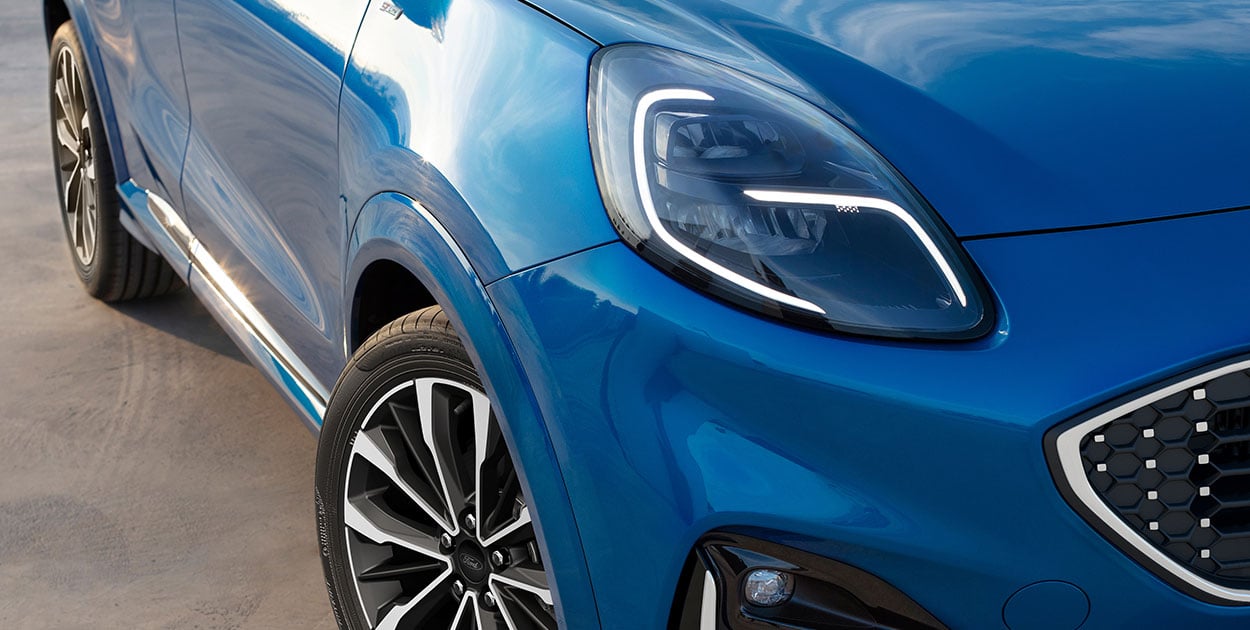
Ford Puma ST-Line V specifications
Body: 5-door, 5-seat SUV Drive: FWD Engine: 999cc 3-cyl, 12v turbo-petrol Power: 92kW @ 6000rpm Torque: 170Nm @ 1500-4500rpm 0-100km/h: 9.0sec (claimed) Fuel consumption: 5.3L/100km (combined) Weight: 1291kg Transmission: 7-speed DCT Suspension: MacPherson strut/torsion beam axle L/W/H: 4186/1805/1550mm Wheelbase: 2588mm Tracks: 1562mm/1567mm Brakes: Front ventilated discs/solid rear discs Tyres: 215/50 R18 Price: $35,540
Many moons ago, the Japanese car industry underwent what can only be described as a golden era. Manufacturers were flush with cash, and their engineering will went seemingly unchecked. Many of its most heroic models have since found themselves as popular as ever, today, but there were countless other performance oddities that have slipped through the cracks.
Here are ten of the greatest JDM gems that were never officially sold outside of Japan.
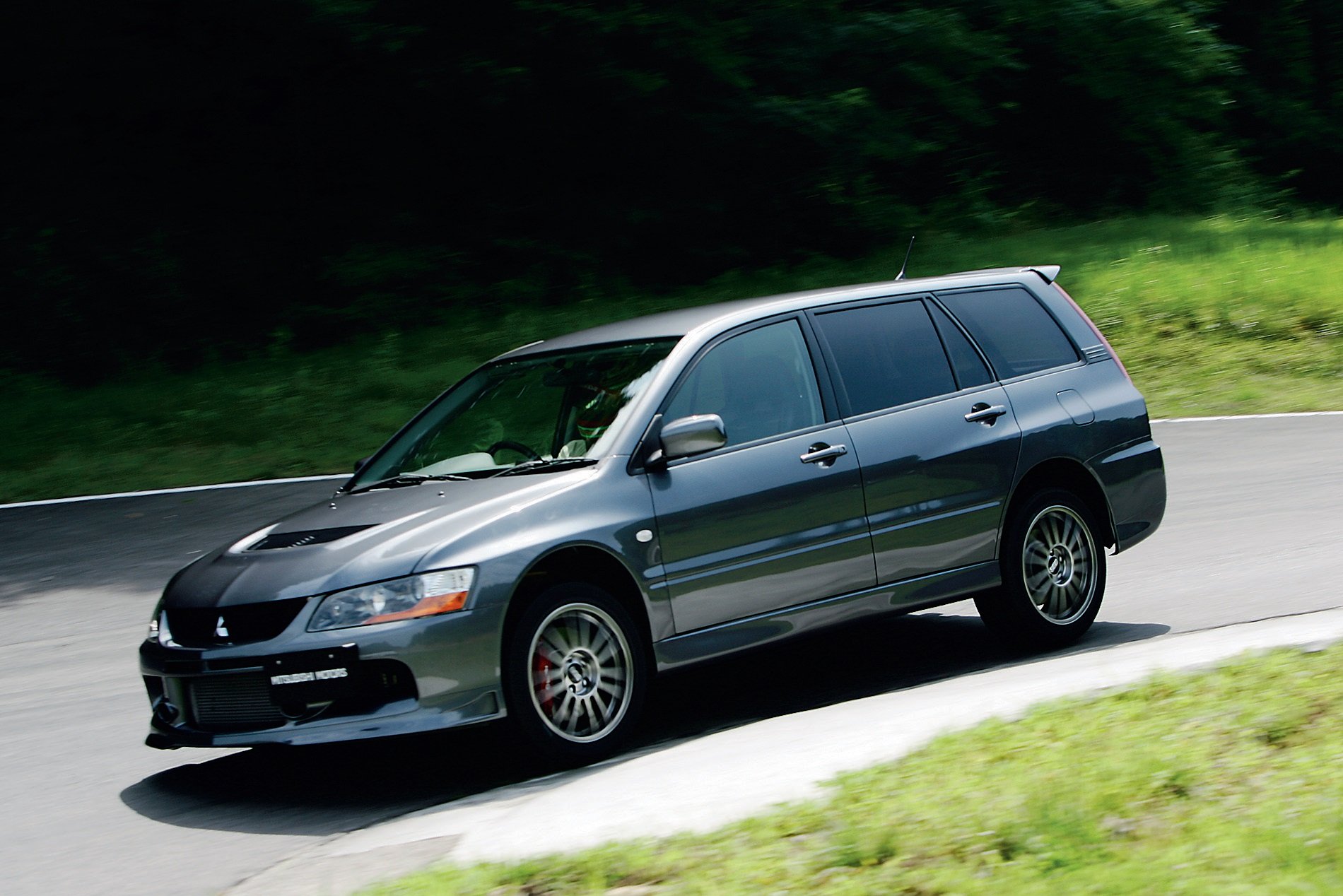
Mitsubishi Lancer Evolution IX Wagon
- Produced: 2005-2007
- Engine: 1997cc, inline-4, turbo
- Output: 206kW/392Nm
That didn’t slow down the Evo Wagon, though, with a Japanese outlet recording a stonking 4.8 second sprint to 100km/h. Three variants were available, the base GT, automatic GT-A (no self-shifting ‘box was available for the sedan), and MR – which stands for Mitsubishi Racing.
The automatic GT-A used a smaller turbo and non-MIVAC version of the 4G63, and made up roughly 50 per cent of all models purchased. While only sold in Japan, the Evo Wagon was a smash hit. Initially Mitsubishi stated it was only putting 2500 Wagon variants into production, but VIN data suggests nearly 3000 long roofed Evos were eventually built. Grey Imports ensured the rest of the world found out exactly what they were missing out on.
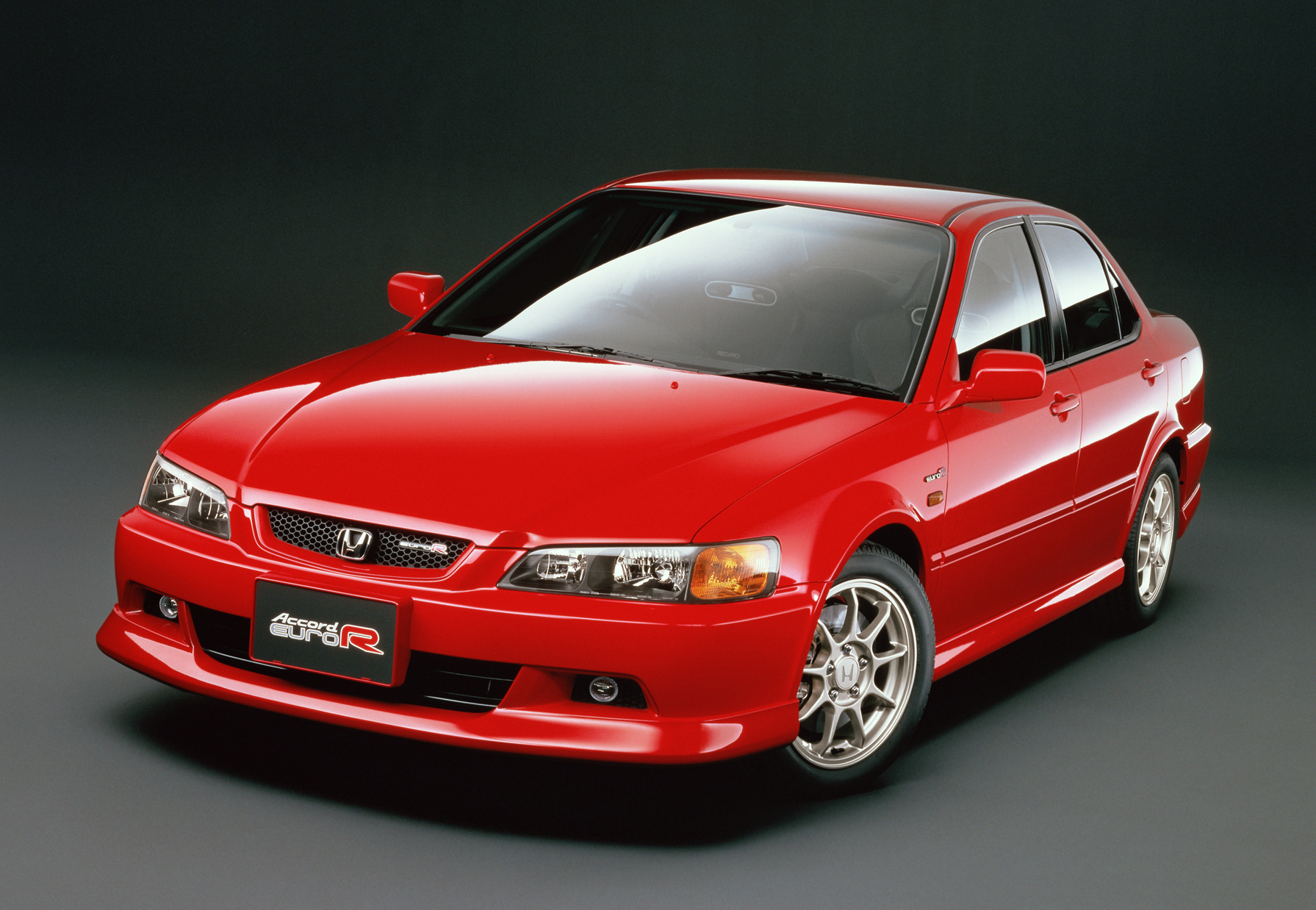
Honda CL1 Accord Euro-R
- Produced: 1997-2002
- Engine: 2157cc, inline-4, N/A
- Output: 164kWkW/221Nm
The result was a Civic Type R hidden in a sleek four-door package. Fitted with the ‘red top’ version of the H22A engine which revved to 8000rpm, the Euro-R put its power to the ground via a five-speed manual transmission and helical Torsen limited-slip diff. Other standard equipment included Recaro seats, MOMO steering wheel, sports exhaust with 4-2-1 stainless headers, aluminium gear shift, and sports suspension.
Additionally the Euro-R could also be specced in colours not available in the regular Accord range, like Milano Red. We considered including the DC2 Integra Type R sedan in this list, but opted for the Accord due to its less-recognised status, and smaller production numbers (with under 2000 being built compared to the Teggy’s circa 5000).
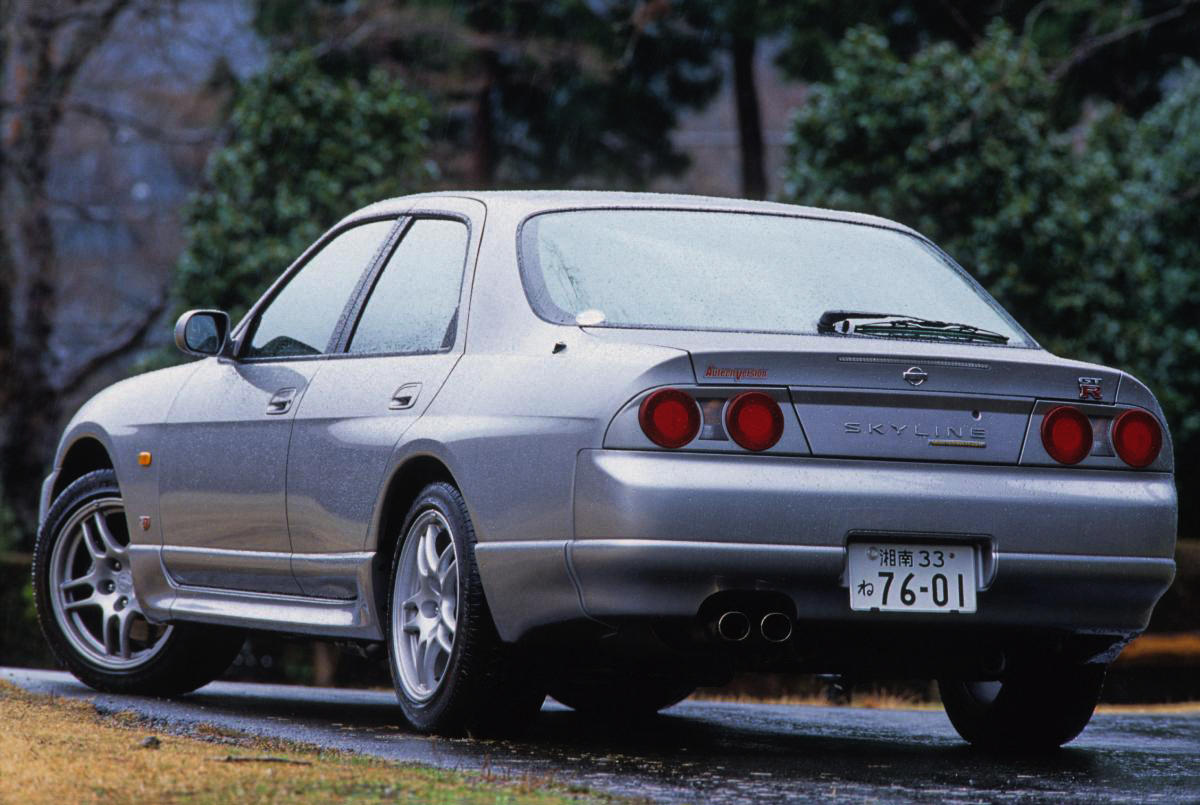
Autech Nissan Skyline GT-R R33 sedan
- Produced: 1998
- Engine: 2568cc, inline-6, twin-turbo
- Output: 206kW/368Nm
At the top of this sleeper tree is the Autech GT-R sedan. Revealed at the Tokyo Motor Show in ’97 as a concept car, it was put into production a year later. The body is shared with the standard Skyline R33 4-door, but with redesigned rear doors and fenders to match the blistered look of the 2-door GT-R, which donated its mechanicals – including the legendary RB26DETT engine and ATTESA AWD System. The result is one of the greatest performance sedans of the era, but it never escaped Japan.
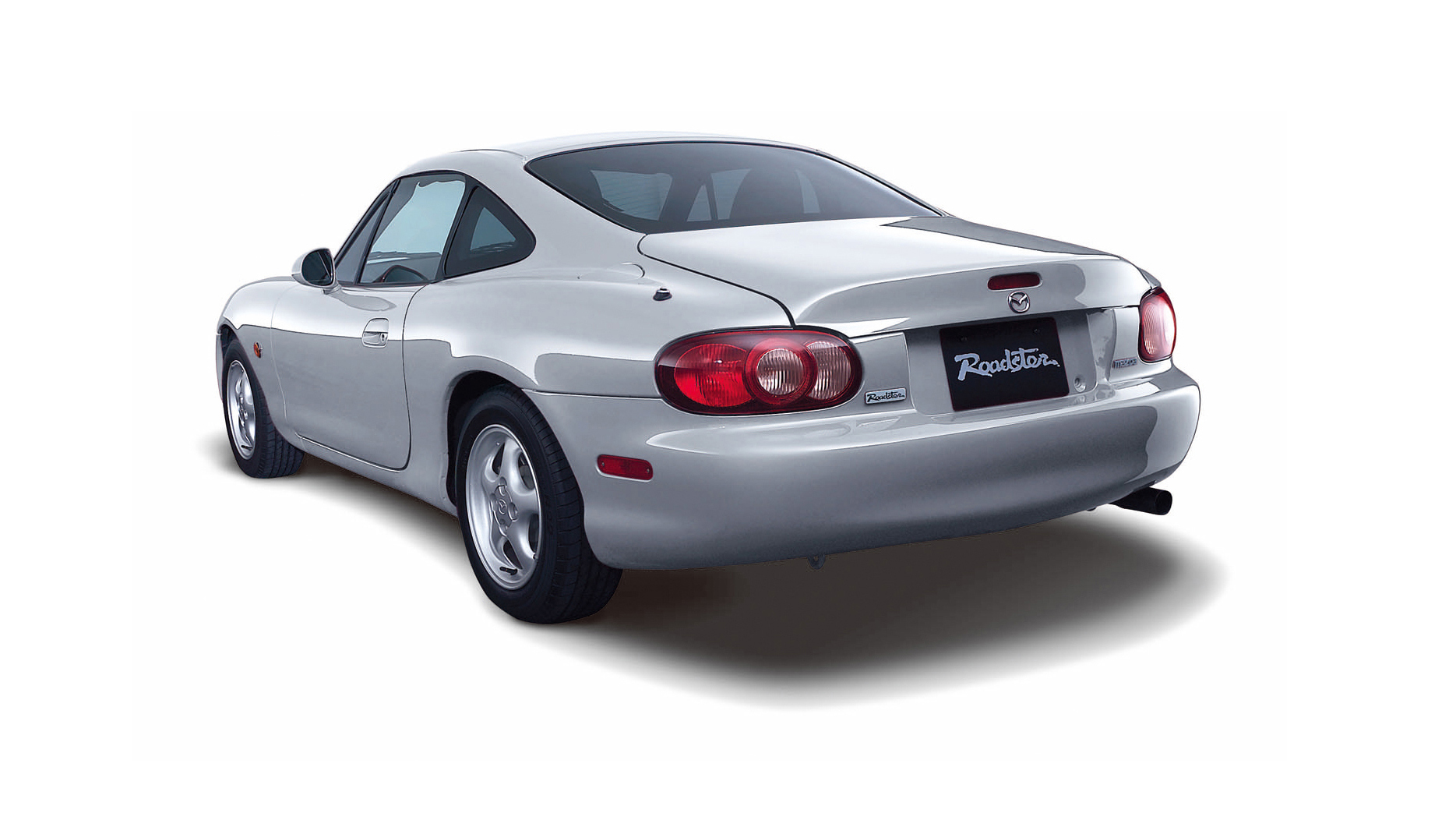
Mazda NB MX-5 Type-S coupe
- Produced: 2004
- Engine: 1840cc, in-line 4, N/A
- Output: 109kW/168Nm
In total there were four model grades available of the hard-top MX-5 – the rarest being the Type S, of which just 63 ever existed – making it rarer than the McLaren F1! Base models were fitted with a 1.6-litre engine, while the 1.8 was slotted under the bonnet of the Type S, Type A, and Type E (the latter equipped with a four-speed automatic instead of a six-speed manual).
To construct the Roadster Coupe, partly-completed convertible body shells were taken off the main production line, with the new bodywork added by hand in a bespoke workshop by the Mazda Engineering and Technology team. By integrating the roof into the chassis construction (instead of simply placing it atop like aftermarket solutions), the specialist skunkworks improved the NB’s torsional rigidity significantly, but only added 10kg to the convertible’s 1065kg kerb weight.
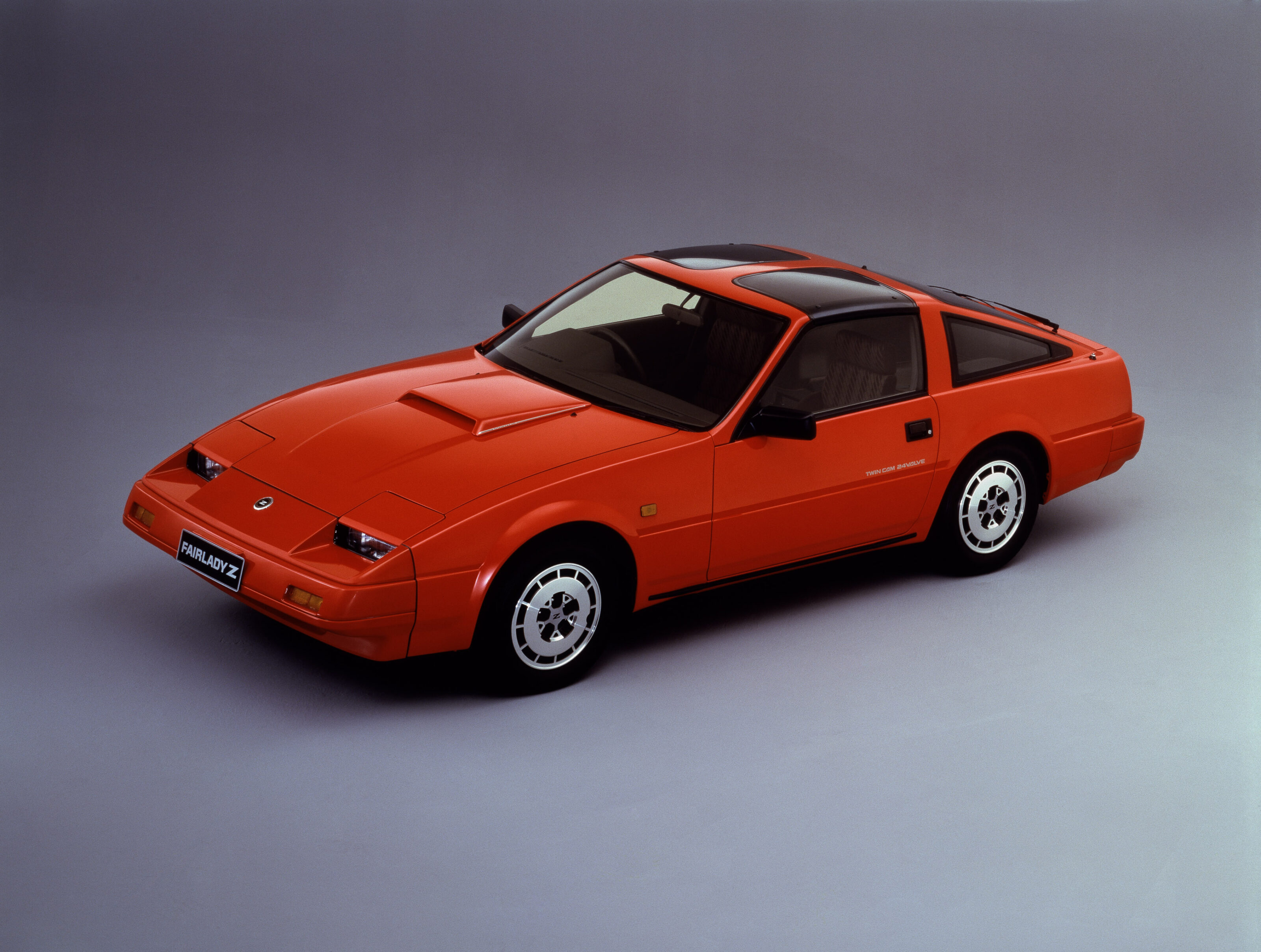
Nissan Fairlady 200ZR
- Produced: 1985-1989
- Engine: 1998cc, inline-6, turbo
- Output: 158kW/264Nm
By time the Z32 rolled around, Nissan’s Fairlady was an entirely V6 affair, and has never gone back. We considered putting the S30 Fairlady Z 432R here, and while we respect its rarity and heritage, we thought we’d celebrate a lesser known member of the family.
ASL Garaiya
- Produced: 2003-2004
- Engine: 1998cc,in-line 4, N/A
- Output: 140kW/196Nm
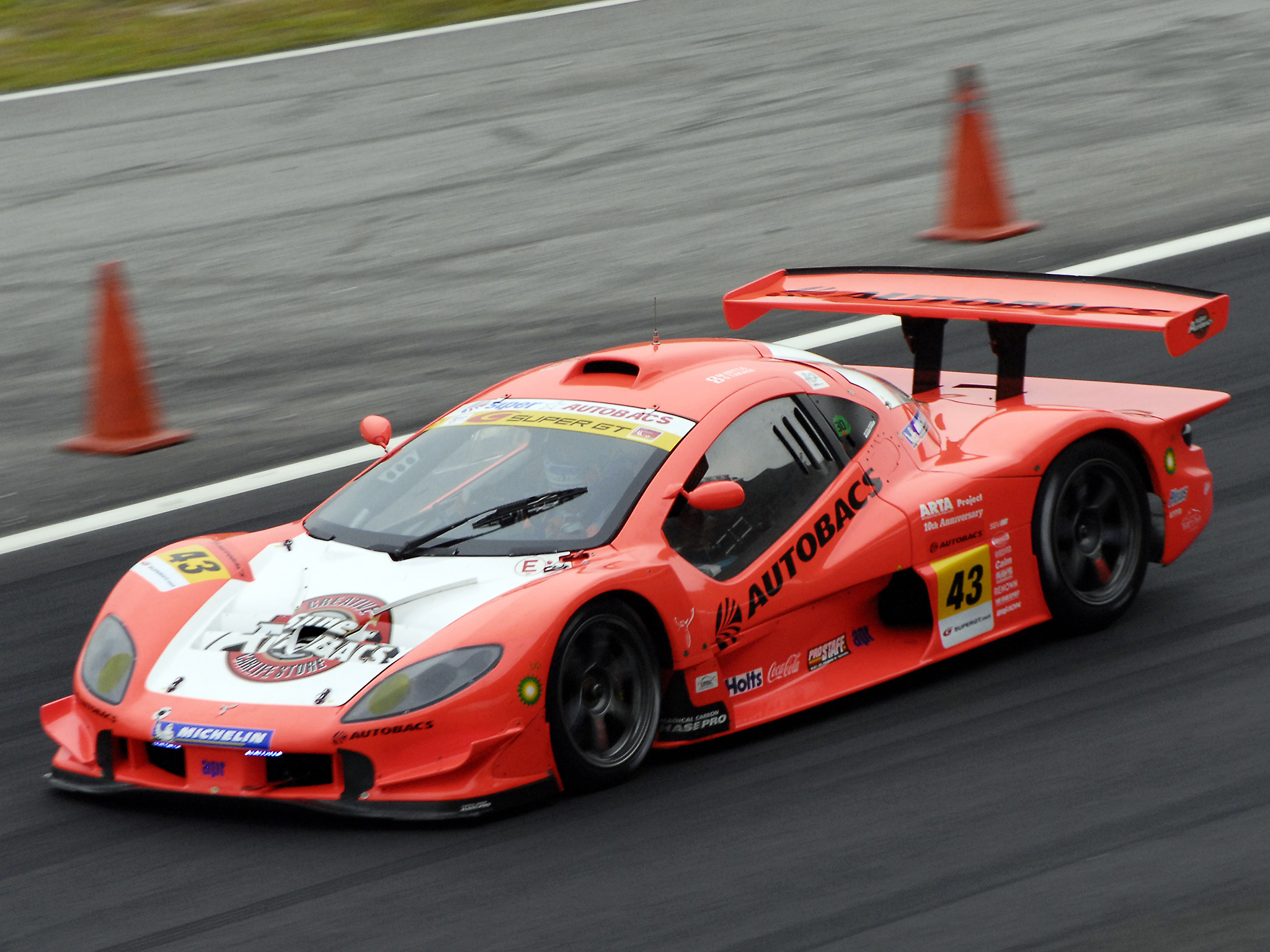
From that, ASL (Autobacs Sports Car Laboratory) was born, using the Tommykaira ZZ as the base for what would become the Garaiya. While the engine was the same SR20VE used in the Primera, the Garaiya weighed just 900kg, used a manual transmission, and was fitted with scissor doors like the lovechild of a Lotus Exige and Lamborghini Murcielago.
The few willing customers that laid down cash to own a Garaiya could then join ASL’s development team for final sign-off on the suspension tune for their specific vehicle. A racing version of the Garaiya (pictured) was built to compete in SuperGT’s GT300 category, using a Nissan VQ V6 after the SR20 was found lacking in power compared to the competition. A faster version of the Garaiya (dubbed RS-01) was slated for production using the engine and drivetrain from a Nissan GT-R, but was never built.
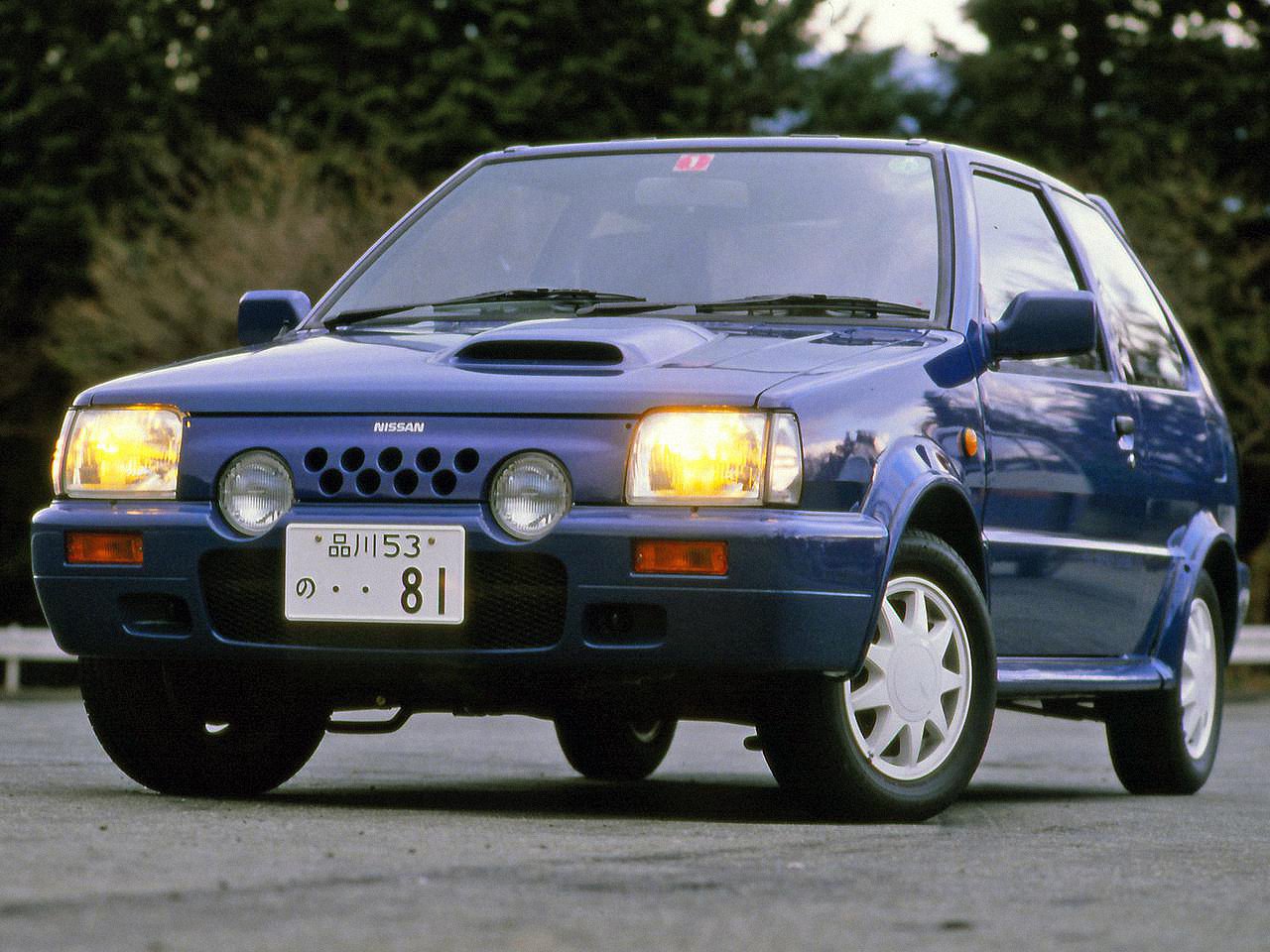
Nissan March Super Turbo
- Produced: 1988-1992
- Engine: 930cc, in-line 4, twin-charged
- Output: 81kW/130Nm
Nissan soon realised there was a market for a road-going version of its one-make racer, promptly fitting a proper interior before selling it to the public. So popular was the Super Turbo, that it Nissan ended up building 10,000 of the things. This was the 911 R of the March family, with electric mirrors and air conditioning being moved from standard equipment to the options list. The track was widened, and Super Turbos were fitted with meatier rubber than the rest of the K10 family.
Using a supercharger for low-down torque, and a turbocharger for high-end boost, the MA09ERT engine sent 81kW and 130Nm to the front wheel via a viscous limited-slip diff and five-speed manual. Those outputs are pretty decent when you consider the race cars weighed just 620kg, and the road-going versions a meagre 750kg. It remains to this day the fastest variant in the March/Micra family, with Nissan’s official performance testing claiming a 7.7 second sprint to 100km/h, and 15.5 second quarter mile.
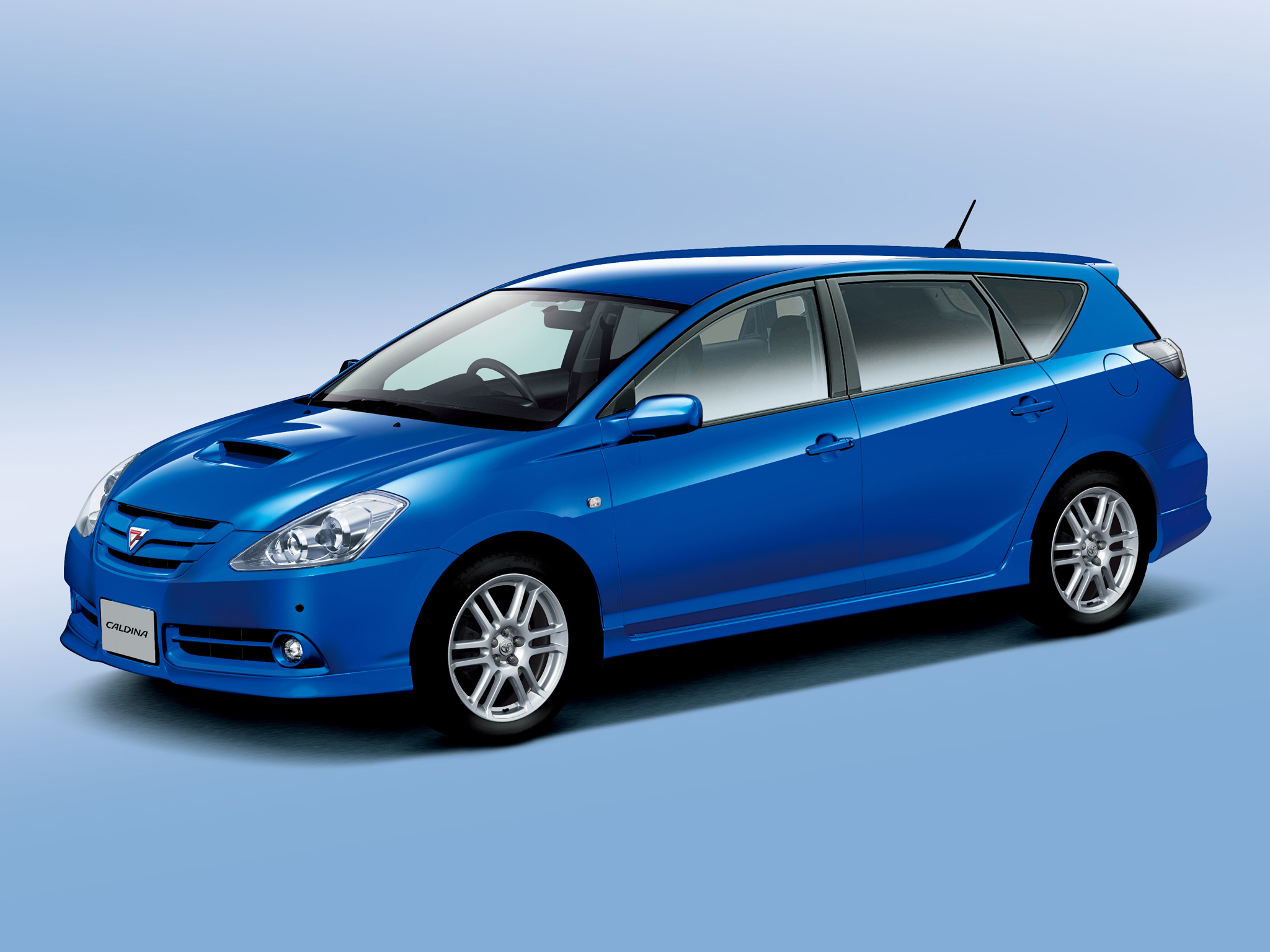
Toyota Caldina GT-Four N
- Produced: 2002-2007
- Engine: 1998cc, in-line 4, turbo
- Output: 191kW/324Nm
At the end of its production, a sportier N Edition variant was built in honour of legendary Toyota test driver Hiromu Naruse, who was central to the development of the GT-Four Celica. This version gained a torsen type LSD on the rear axle, along with a front upper strut bar, Recaro seats, improved shocks, and altered spring rates. The Caldina was the last car Toyota ever used the GT-Four badge on.
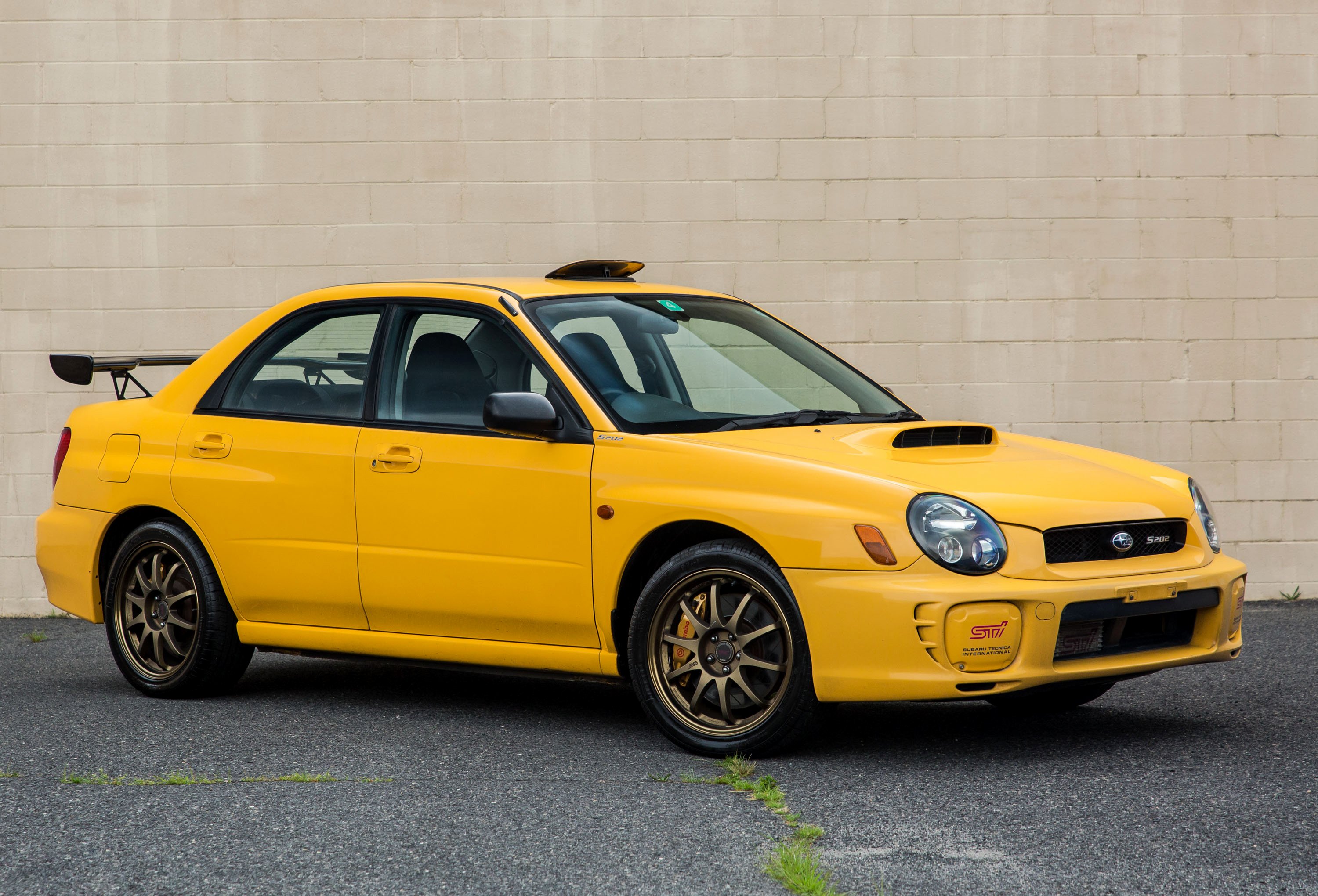
Subaru Impreza WRX STi S202
- Produced: 2002-2004
- Engine: 1994cc, flat-4, turbo
- Output: 234kW/384Nm
Billed as a competition-inspired special edition, the S202 was the second to join the family, and remains one of the most sought after with just 400 built. Despite ostensibly being a road car, the S202 was devoid of sound deadening, and gained trick race bits like a titanium muffler and adjustable carbon fibre rear wing. The steering rack was tweaked for greater feel and involvement for the driver, while the EJ20 engine got a new ECU, raising the rev limit and widening the power band, along with molybdenum coated pistons and hollow intake valves. Vape pen not included, unfortunately.
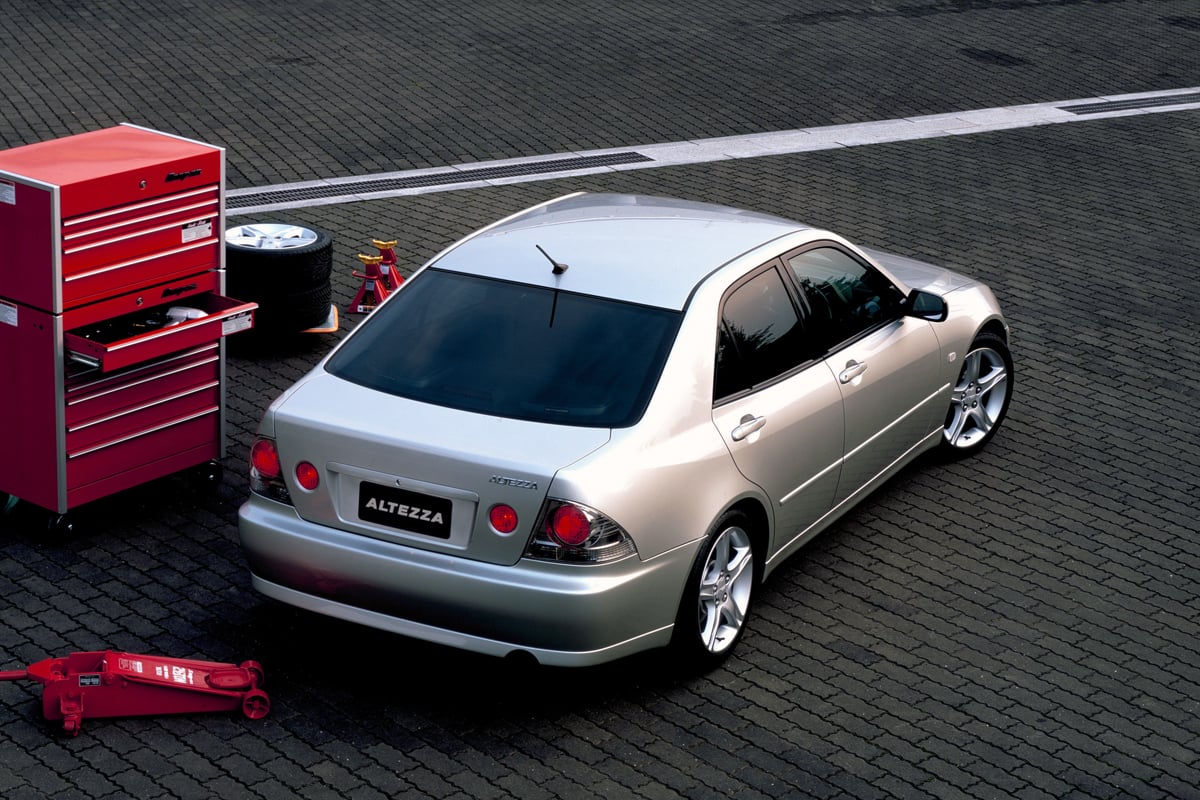
Toyota Altezza RS200 Z Edition
- Produced: 1998-2000
- Engine: 1998cc, in-line 4, N/A
- Output: 154kW/216Nm
While an atmo 2.0-litre four-cylinder might not sound like the gutsiest powerplant by modern standards for a mid-size sedan, at the time it was a perfect fit for the Altezza. In the RS200, Toyota fitted a BEAMS version of the 3S-GE, which ran a compression ratio of 11.5:1 and sent power to the rear axle via a six-speed manual.
The RS200 was a lightweight, rear-drive, manual, naturally aspirated sedan built with the driver in mind. Good luck finding one of those in 2021.
Snapshot
- Next-gen 2 Series based on BMW CLAR architecture
- Range-topping M240i xDrive scores 275kW turbo-six motor
- Australia could be receiving 2 Series Coupu00e9 with xDrive for the first time
New details have emerged about BMW’s eagerly anticipated new 2 Series Coupé – slated to be coming this July.
With its latest offering, BMW is ensuring that, unlike other models in its current 2 Series line-up, its next-gen Toyota Supra and Nissan Z competitor will retain many of the characteristics that have made it a household name with driving enthusiasts across the globe.
The new 2 Series will be based on BMW’s Cluster Architecture (CLAR), which underpins the current 3 Series and 4 Series, including the new G80 M3, M4 and Z4, as well as the aforementioned Toyota Supra.
Although BMW has only confirmed its top of the range offering will be the M240i xDrive Coupé, overseas reports speculate it’s likely there will be four engines available from launch.
The flagship M variant will pair the herculean B58 twin-scroll turbocharged 3.0-litre in-line six-cylinder petrol motor, capable of churning out 275kW and 500Nm, with an eight-speed automatic transmission.
Other engines likely to appear in the new 2 series line-up could be BMW’s B38 turbocharged 1.5-litre three-cylinder petrol engine, which might be found in an entry-level 218i or 220i model. The turbo three-pot will likely produce around 110kW and 230Nm, which is in keeping with its current performance figures.
BMW’s B47 2.0-litre four-cylinder turbo-diesel motor will probably feature in 220d guise too, although it’s doubtful we’ll see this model land Down Under.
You can expect the German marque’s B48 twin-scroll turbocharged 2.0-litre in-line-four petrol engine, found in the current iteration of the moniker, to make an appearance as well, most likely in 230i guise. Power will likely be rated around the 185kW mark, and torque should be roughly 350Nm.
Depending on the model, drive will be sent to the rear wheels or all four wheels through an upgraded version of ZF’s familiar eight-speed automatic transmission.
However, whether Australia will be receiving any of the xDrive AWD models is up for debate, as the current-gen F22 2 Series has been offered with xDrive in America and Europe since 2013, but we never got it.
But considering xDrive is becoming more prevalent in our local market with other models such as the M340i xDrive and M850i xDrive, it is possible we could receive both RWD and AWD versions, similar to the way we’re getting both a two-paw and all-paw M3 and M4 Competition.
A six-speed manual transmission has been rumoured for certain markets too, and will definitely feature in the next-gen M2, but whether or not Australia will score the stick-shift is still unknown. Other international markets such as the UK have already been told they won’t be getting it.
The M240i and M240i xDrive will also be fitted with an M-Sport electronically operated limited-slip differential, which should up the dynamic ante and aid traction.
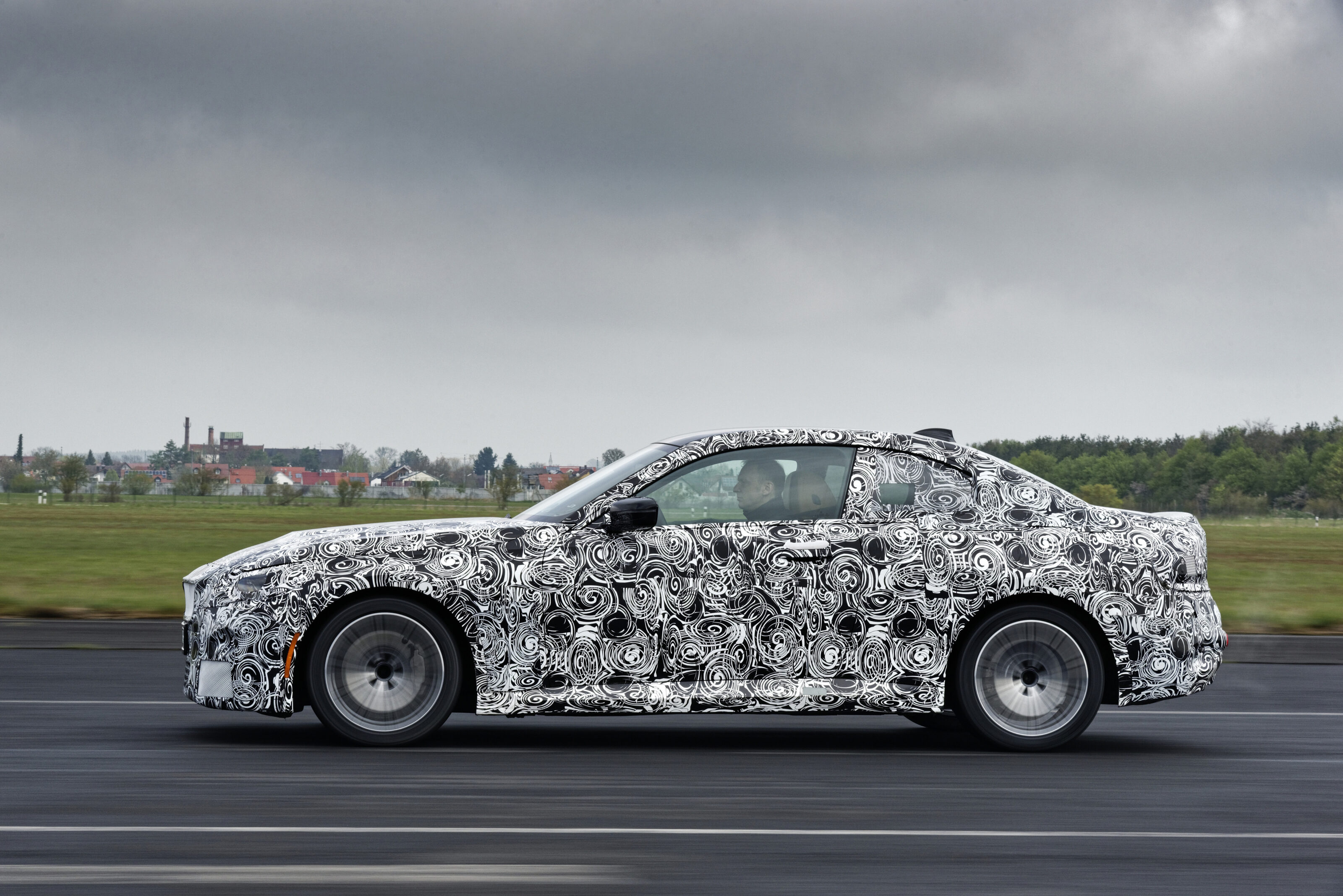
The combination of the CLAR platform, an all-new bodyshell, and the adoption of things like dynamic driving struts for the rear axle means the new coupe will also be 12 per cent stiffer than the car it replaces.
According to reports, the coupe’s track widths have grown dramatically as well, with the front axle witnessing a 52mm jump and the rear scoring a 31mm increase.
Both a fixed rate and adaptive suspension set-up will be available, with the suspension geometry featuring more camber at the front axle to help the two-door coupe turn in more aggressively.
BMW claims it has accomplished a near-perfect 50:50 weight distribution too, thanks to the eight-speed ZF torque-converter automatic transmission being mounted on the rear axle.
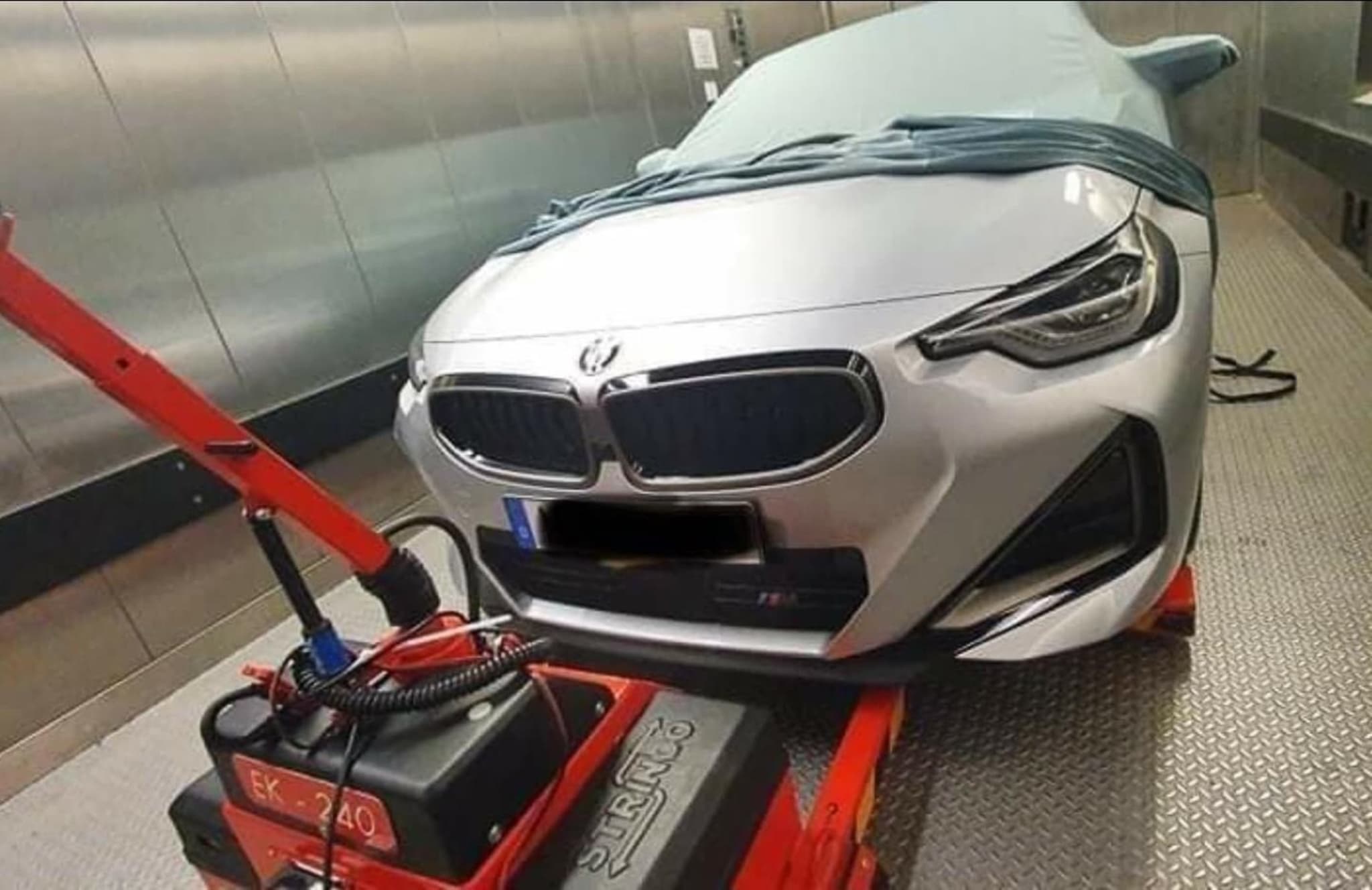
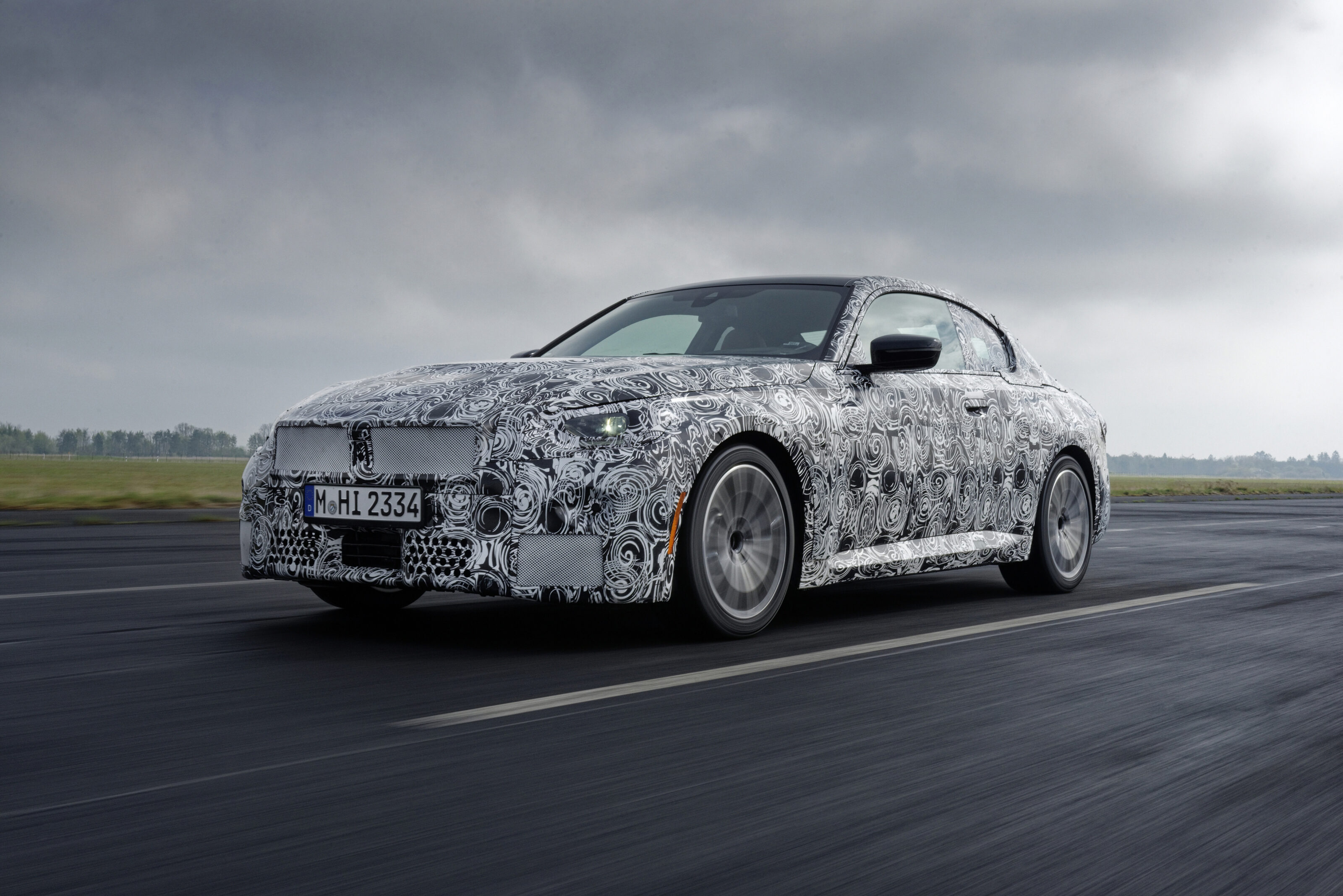
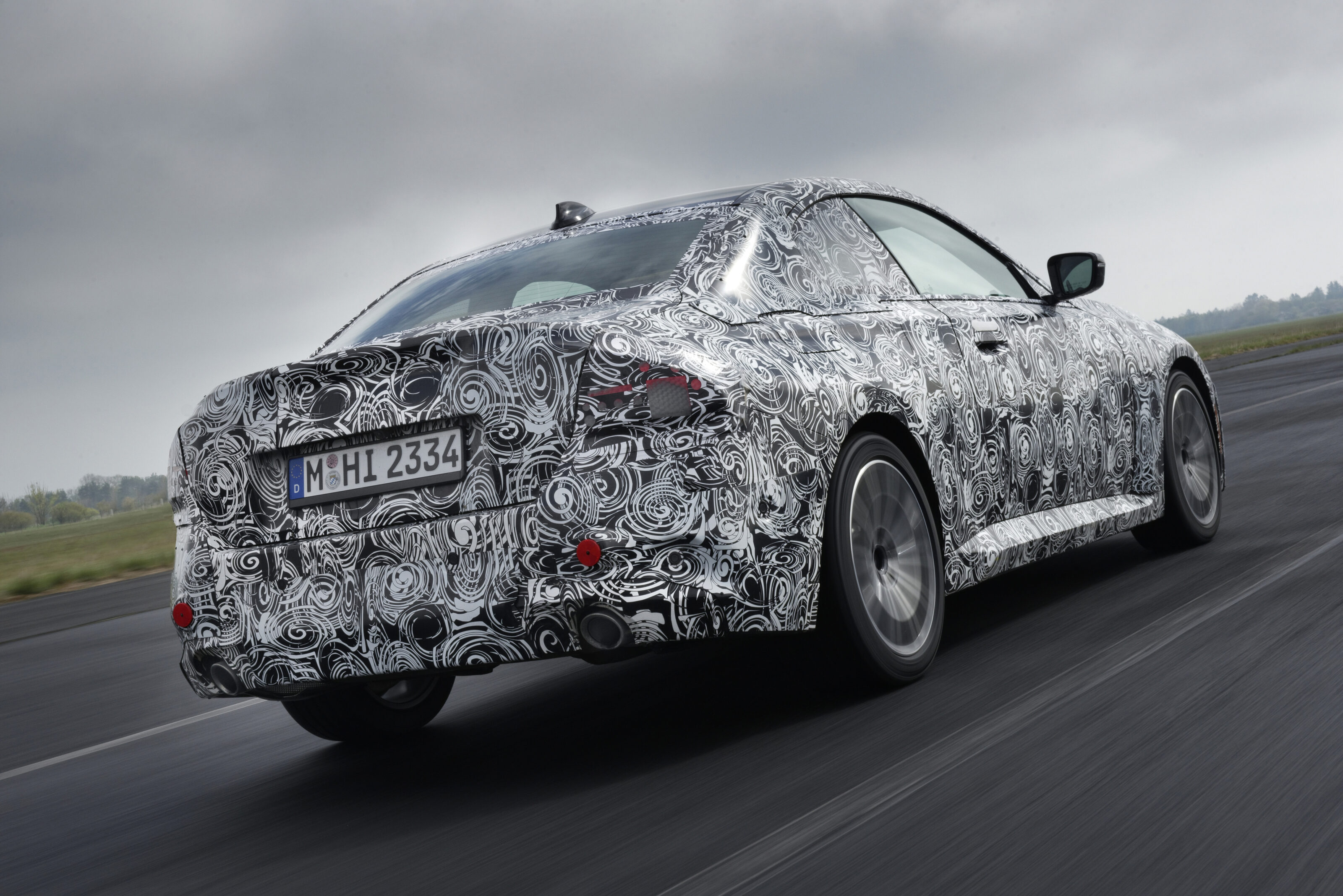
Visually, we’ve already got a pretty good idea of what the new 2 Series’s exterior will look like, given the images of the M240i leaked last month.
Perhaps the most noticeable thing about its fairly ubiquitous styling is that it doesn’t appear to have the gigantic front grille of the new M3 and M4, which will be a relief to many.
Inside, the new 2 Series is expected to feature a 12.3-inch digital dash and 10.25-inch infotainment touchscreen, although it’s not yet known whether the two-door coupe will be fitted with BMW’s next-gen iDrive 8 infotainment system.
BMW says the new 2021 2 Series Coupé will go into production at the end of August, with an international unveiling rumoured to be taking place on July 14. A local launch is expected at the end of 2021 or beginning of 2022.
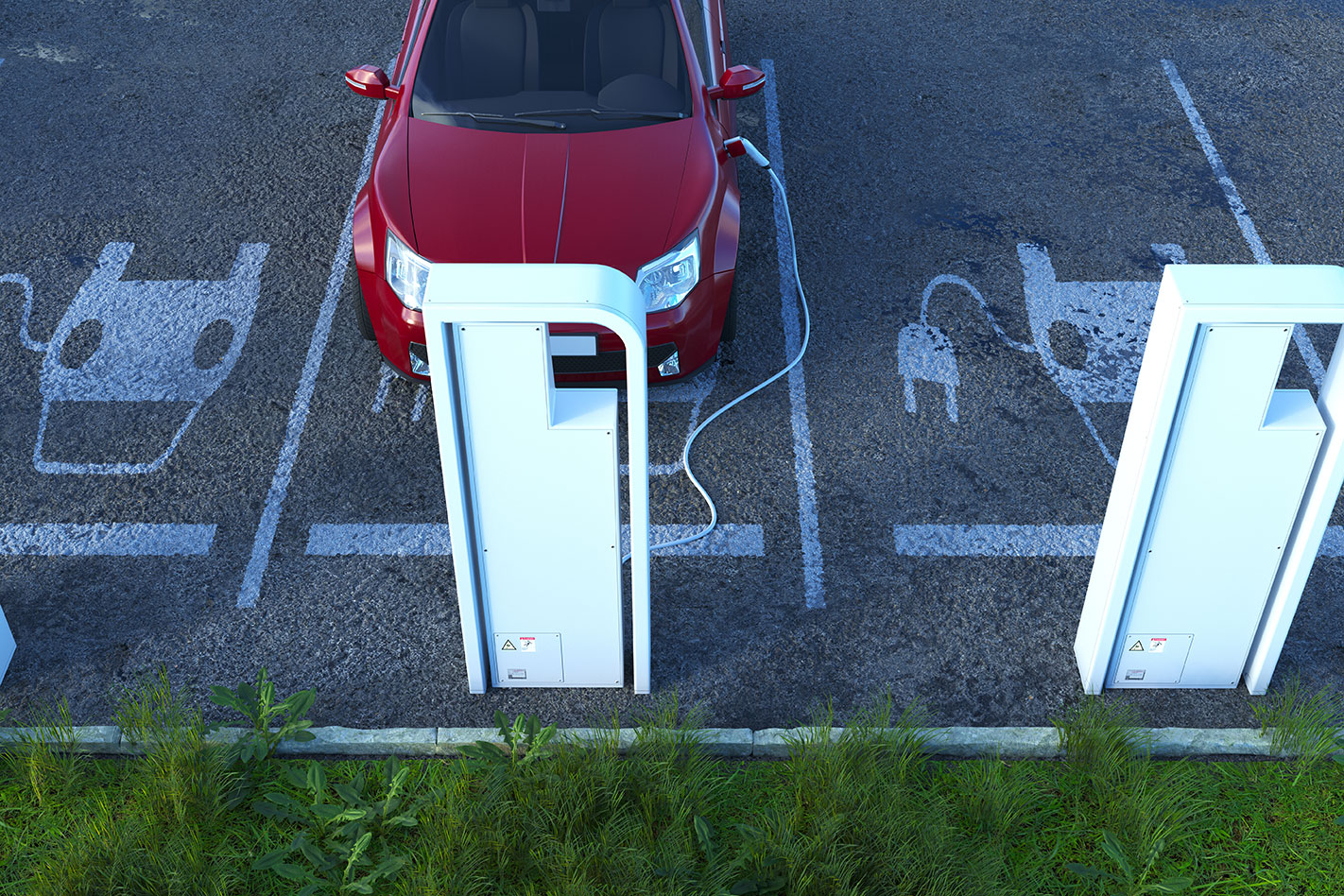
Electric vehicles could be cheaper than cars powered by petrol or diesel in just six years, according to new research.
By 2027, BloombergNEF claims there will be price parity between electric vehicles (EV) and internal-combustion-engined (ICE) cars in Europe.
The research suggests larger types of electric vehicles such as SUVs and sedans could be the first to achieve equal footing by 2026, with smaller hatchbacks following a year later, reports The Guardian.
According to Bloomberg’s report, by 2026 it’s thought the average price of a mid-size vehicle powered by either electricity or fossil fuels will be €19,000 (AU$29,664) and by 2030 the predicted average cost of an EV will be €16,300 (AU$25,448) – while the average ICE car will have gone up to €19,900 (AU$31,072).
That’s a big change from today’s prices of €33,300 (AU$51,985) for an EV and €18,600 (AU$29,032) for an ICE car. So by 2030, the average electric car is expected to actually cost less than an ICE-powered one, and that’s before you even consider tax incentives.
The newspaper also claims however others are expecting costs to even out sooner – with investment firm UBS saying it thinks EVs will cost the same to manufacture as their ICE counterparts by 2024.
As manufacturers create space within their factories for dedicated EV production lines and batteries become less expensive to make, carmakers are more easily able to pass on the reduced costs to their customers.
A study commissioned by European-based non-profit Transport and Environment predicts that battery prices will fall by 58 per cent within the next 10 years.
Combine price parity with the growing increase in tighter emissions regulations worldwide, and EVs are really starting to close the gap.
Got a tip-off for a story? Get in touch: [email protected]
Snapshot
- Plug-in hybrid likely to be leaked 2022 NX 450+
- New BEV will be a large-size SUV that could replace the current-gen RZ
- New ES Hybrid also teased in camouflaged photos
Lexus has officially announced the launch timing of its first-ever plug-in hybrid electric vehicle and battery electric vehicle built on a dedicated EV platform.
The PHEV will be internationally unveiled later in 2021, while the BEV will be revealed less than a year later in 2022.
It’s not known what either model will actually be at this stage, however, the PHEV will most likely be the long rumoured and recently leaked Lexus NX 450+, which was reported to be unveiled this year.
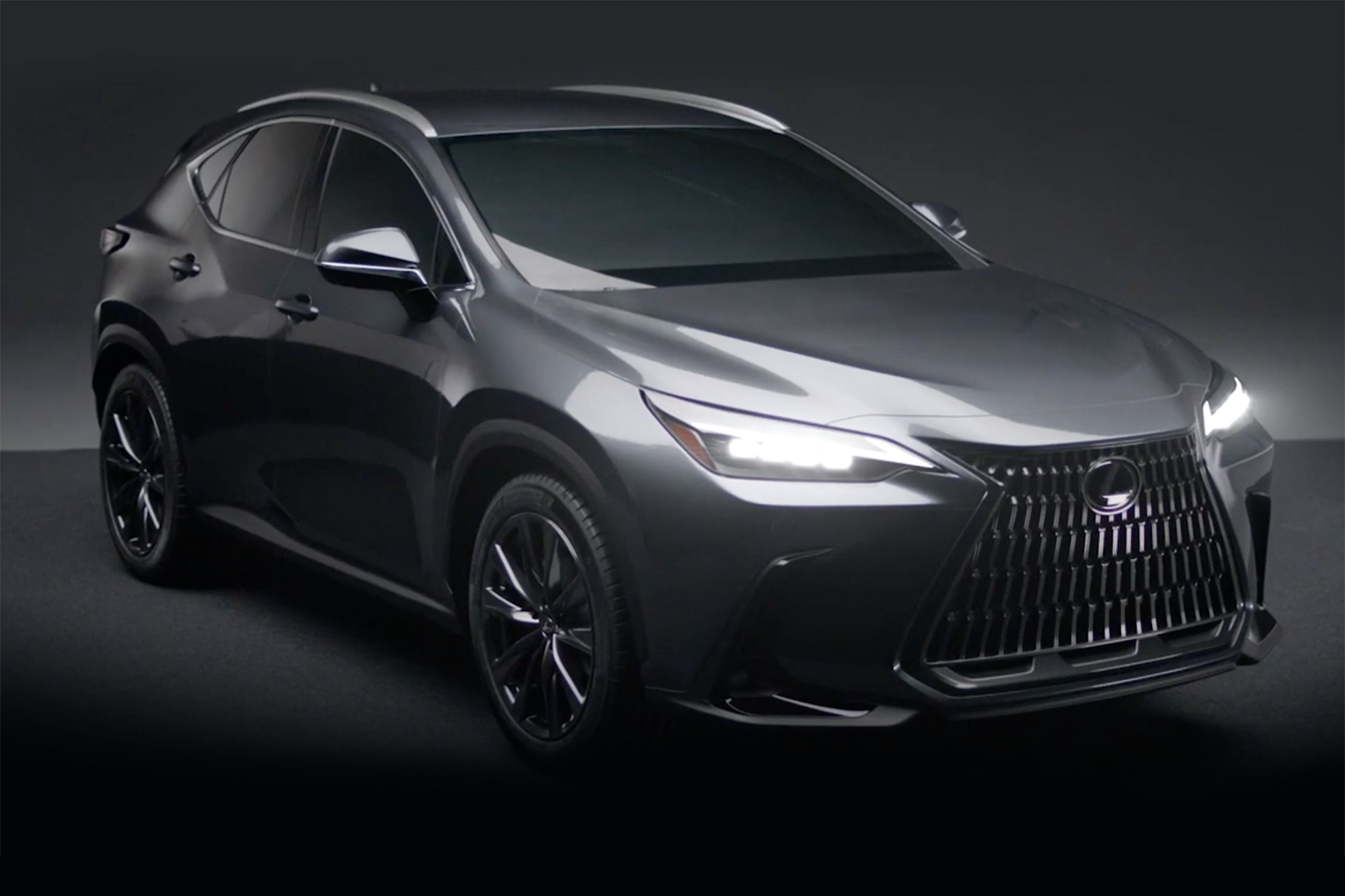
As for the BEV, Lexus just previewed its vision for a fully electric vehicle last month with the unveiling of the LF-Z Concept, so it’s likely the pair could be a match.
It’s thought, whatever the new BEV is named, it will be similar to the large-sized SUV concept, which has a wheelbase measuring 160mm more than the current RX (2950mm, to be precise).
Some are even speculating the next-generation RX will in fact be this new fully electric vehicle, given Lexus recently trademarked the ‘RZ 450e’ name in Australia.
The current four-generation AL20 RX has been around for almost seven years and is nearing the end of its production cycle. If you also consider it’s based on Toyota’s K platform, which has been around since 1999, it’s more than overdue an upgrade.
What’s more, attached to this most recent news from Lexus is a photo showing a highly-camouflaged SUV prototype the Japanese automaker refers to as the “Lexus BEV prototype”.
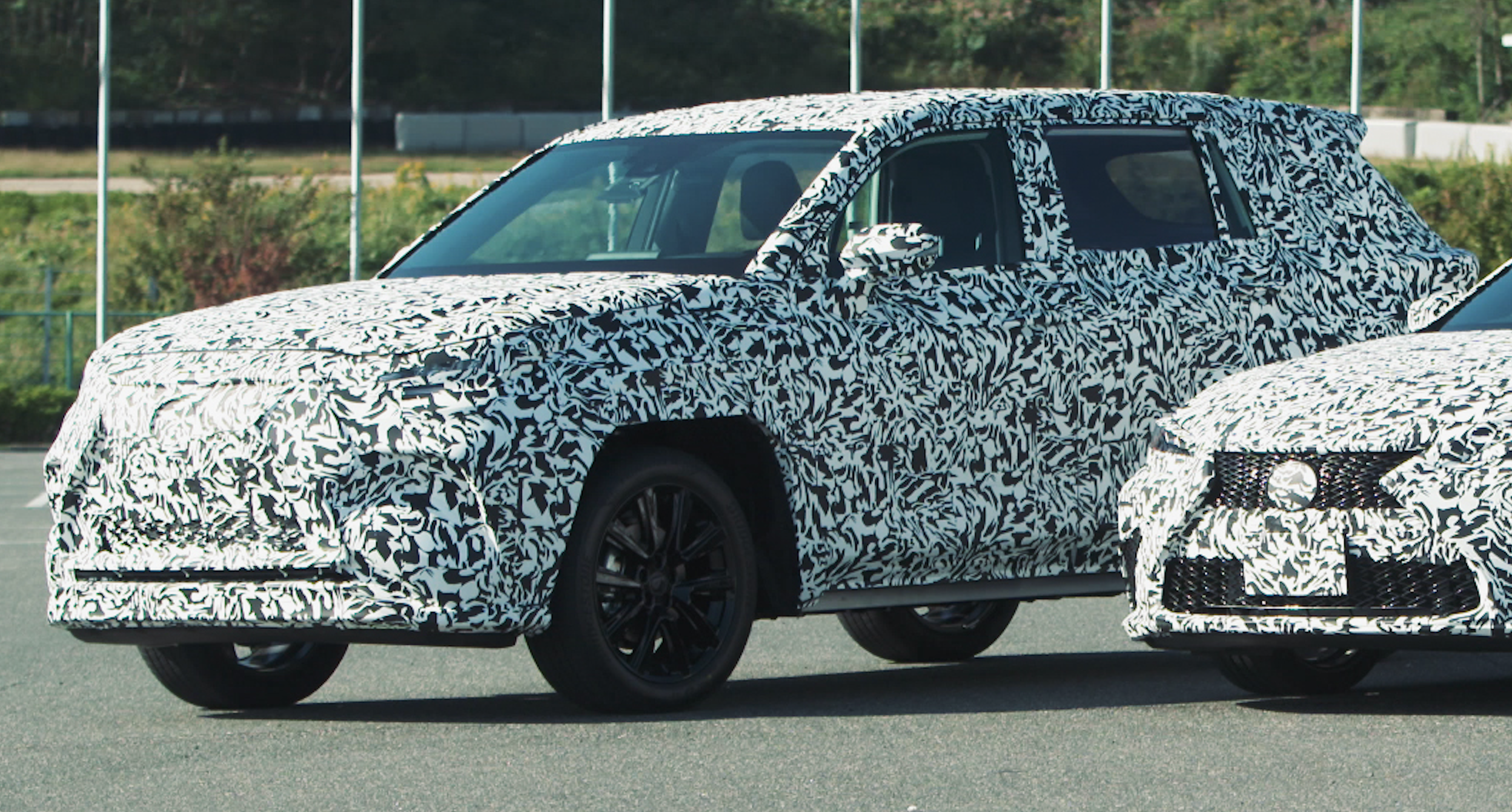
Whatever the case, Lexus’s first fully electric vehicle built on a dedicated EV platform will almost certainly utilise a version of Toyota’s e-TNGA modular platform – which will underpin numerous EVs for the Japanese firm under its newly-established BZ electric sub-brand.
The BEV could also score the rear-mounted electric motor and 90kWh lithium-ion battery pack seen on the avant-garde LF-Z Concept.
According to Lexus, the BEV will feature the marque’s new DIRECT4 all-wheel-drive torque distribution technology too, as well as steer-by-wire.
Lexus claims the combination of these two systems working in sync will provide a dynamic driving experience offering enhanced levels of agility.
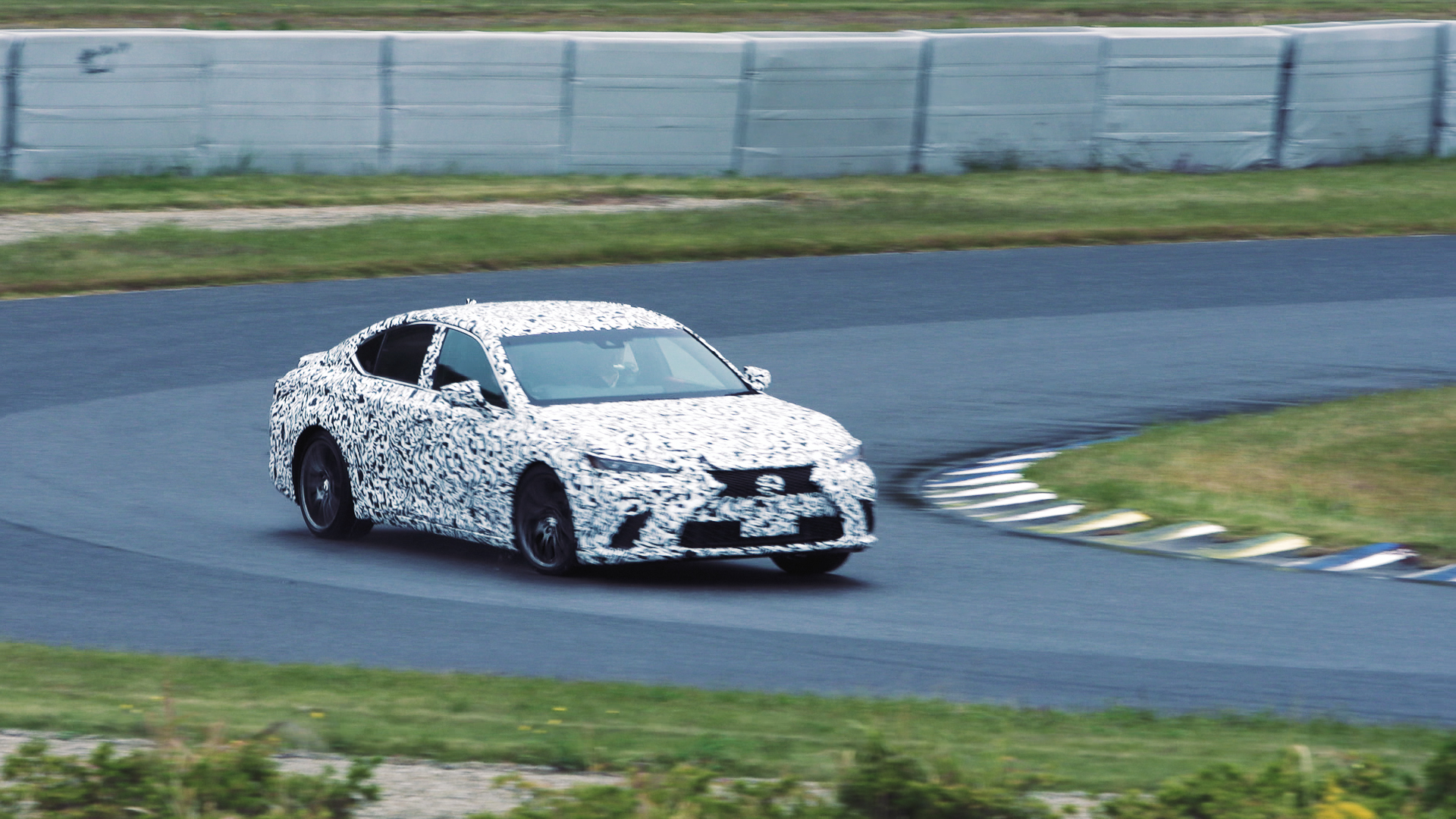
In another photo provided by Lexus, a prototype of the luxury brand’s current ES is seen testing on track, and accompanying it is a caption that says: “Lexus HEV prototype”.
This suggests Lexus could be planning a more performance-oriented hybrid variant to sit alongside the four-door sedan’s current 300h and 250 model line-up.
This latest EV news comes as Lexus and its parent company, Toyota, strive to offer several more EV options within the next decade.
Lexus also announced that by 2025, it will have debuted no less than 20 electrified vehicles.
The luxury carmaker’s first fully electric vehicle, the compact UX 300e SUV, is due to be released in November 2021.
More than half of Aussies think other drivers have become “more erratic” since COVID-19, according to a new survey.
Research carried out by Ford Australia has found 56 per cent of the 1000 Australian drivers polled felt driving behaviour had become more unpredictable since the height of the pandemic, as if “people have forgotten how to drive after being at home”.
A fifth of Aussies also felt there seemed to be significantly more cars on the road – a feeling backed up by a record month for new car sales in April, with 92,34 sold compared to the next most successful month which was April 2016 with 87,571 sales.
RACV data too shows traffic levels in Melbourne have risen above what they were pre-Covid and urged drivers to take more caution getting back into their commuting routine.
A spokeswoman told WhichCar: “Traffic volumes on inner-city arterials like Hoddle Street, Kings Way and Punt Road are all above pre-COVID levels. Between 6am and 10am, outer suburban arterial roads are also filling up while the city’s train network remains below capacity.
“With more people on the road, this is a time for drivers to be patient, careful, and if it is possible avoid or delay driving during peak hour. As always, safety should be front of mind when getting behind the wheel.”
And dodgy post-lockdown driving habits aren’t the only problem. Comparing the states, it seems depending on where you are, some drivers are more inclined to bend the rules than others.
According to the survey results, our nation’s capital is home to the highest number of rule breakers, with 18.8 per cent of Canberrans believing driving 5km over the speed limit is okay, and 18.8 per cent also admitting there are some road rules they do not know.
Over on the opposite coast, West Australian residents are said to be the biggest speed demons, with half of respondents admitting to breaking the law and driving over the speed limit.
By comparison, Tasmania has the country’s A+ students, with 77.8 per cent claiming to always follow the road rules when driving.
Unsurprisingly, Victorians have suffered the biggest impact to their driving confidence, with 18.7 per cent of respondents admitting they felt nervous on the road due to the behaviour of others.
As the state which experienced the strictest lockdown measures (42.4 per cent were most likely to stay home and rarely drove during the peak of lockdown), it might take a little while longer for Victorians to overcome their behind-the-wheel nerves.
Every year, approximately 1200 people are killed and another 44,000 are seriously injured on Australian roads.
The research has been published by Ford ahead of National Road Safety Week 2021 which runs until Sunday, May 23.
“We’re seeing more cars on the road as people reacquaint themselves with returning to the office, and perhaps prefer private over public transport. During this transition, our driving habits must adapt to suit the increased traffic and [we must] consider differing levels of confidence behind the wheel,” said James Stewart from Driving Solutions, Ford’s Driver Education Lead.
“No matter how long you’ve had your driver’s licence, road safety is always important and new driving skills can always be learnt.”
Ford Australia provides free driver training for new and young drivers through its Driving Skills for Life program.
Got a tip-off for a story? Get in touch: [email protected]
