
Talking Points
- Price increases range from $900-$11,400
- Exempt models include S-Class, AMG GT, CLS, B-Class
- RRP adjustments took effect nationwide on Monday, May 3
Mercedes-Benz Australia has just increased the price on no less than 45 of its vehicles.
It represents the fourth time in just 15 months the German automaker has modified the price of its products.
Not all models were affected, but certain variants of the A-Class, CLA, C-Class, E-Class, G-Class, GLA, GLC-Class, GLC Coupe, GLE, GLE Coupe, and GLS were all slapped with an average rise of 3.72 per cent.
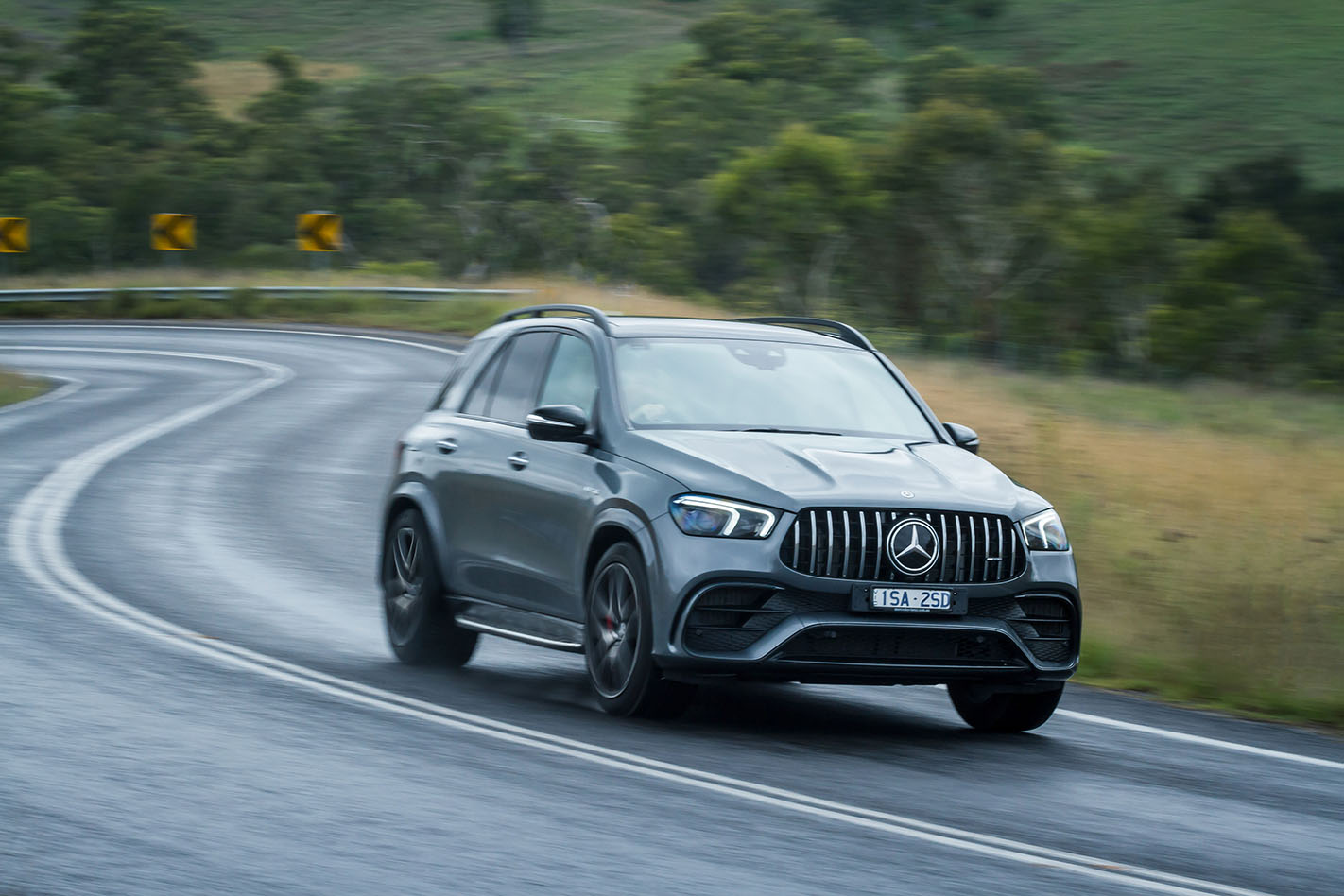
Among the biggest price increases were the GLC 200, which went from $70,300 to $75,100, the GLC 300 4MATIC (was $81,500, now $86,800), and the GLC 300 4MATIC Coupe, which will now set buyers back an extra $5800 (up from $91,100 to $96,900).
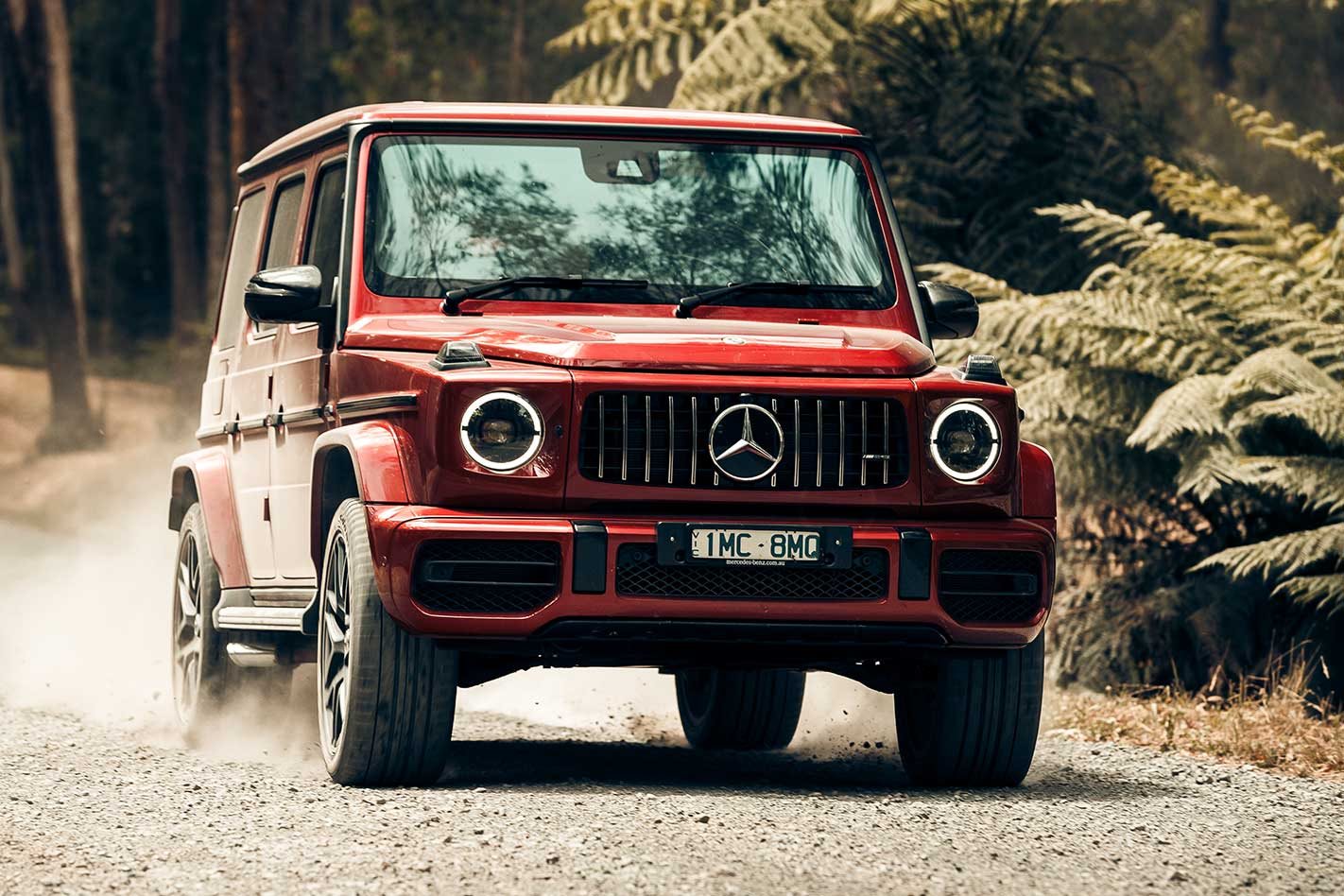
Other models in Mercedes’s product line-up to get a price increase include the Mercedes-AMG G 63, which rose from $289,900 to $299,000, and the Mercedes-AMG GLE 63 S 4MATIC+, which was boosted from $220,600 to $230,400.
And unlike the last price adjustment which occurred in March, this most recent one hasn’t seen any models fall in cost.
A spokesperson for Mercedes-Benz Australia has confirmed these price changes, but could not offer any further details.
“Although we cannot comment in specific detail about how vehicle pricing is determined, I can confirm price increases have been applied across a number of Mercedes-Benz models. Pricing and specification of each vehicle variant are adjusted individually and affected by different factors,” the spokesperson said.
The 2021 Suzuki Jimny compact SUV range has been subjected to yet another price increase.
The fourth generation of the popular moniker will now set buyers back $28,490 plus on-road costs for the base GLX manual and $29,990 plus on-road costs for the top-shelf GLX automatic.
This represents a price increase of $2500 and $2000, respectively. It’s also the third price hike the Jimny range has witnessed since its launch back in 2019.
That may not sound like a massive amount in the grand scheme of things – especially when the demand for the pint-sized 4×4 is so severe that punters are usually spending up to ten grand above retail to secure one.
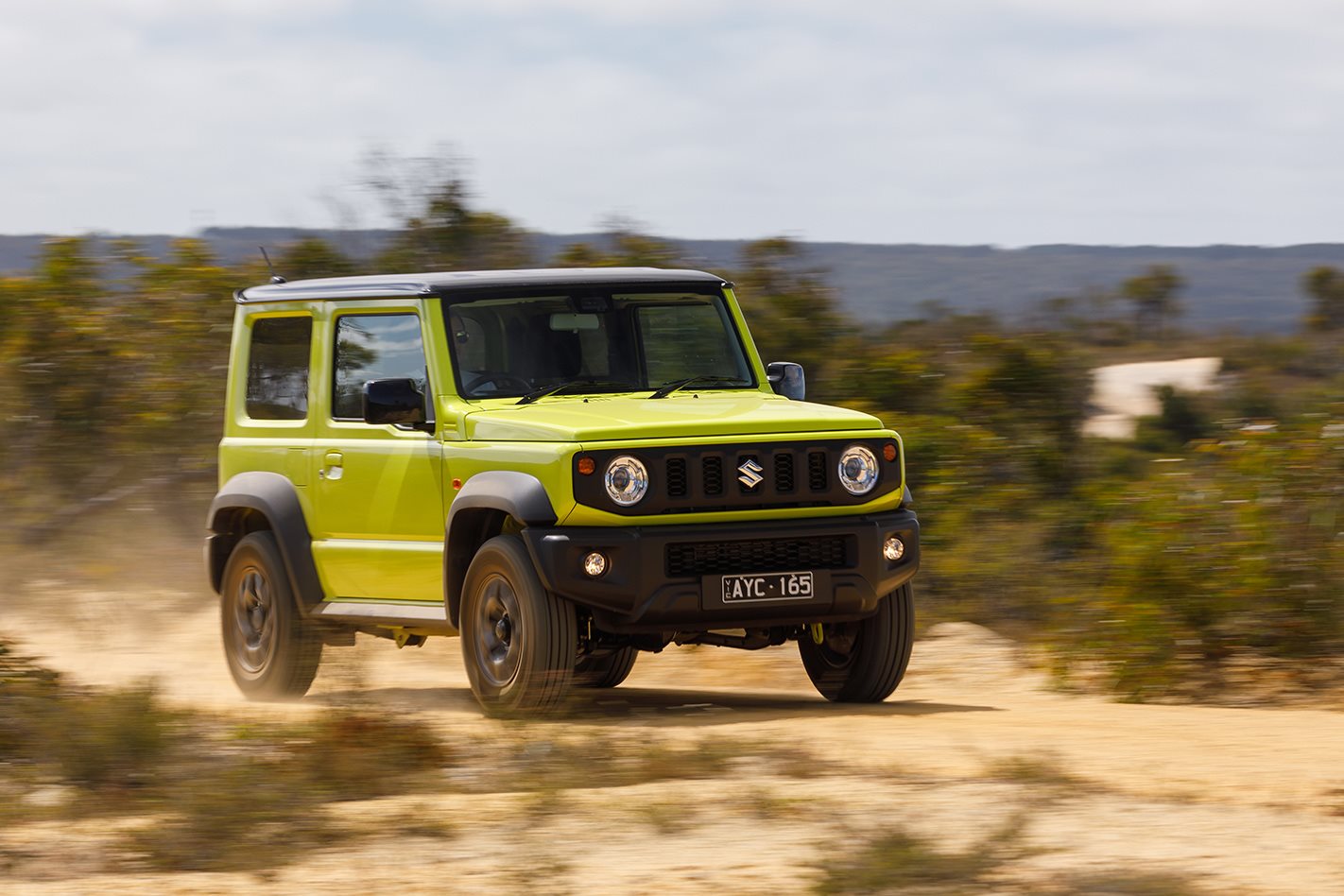
But, when taking into account that back at its launch, the manual cost just $23,999 and the auto set buyers back $25,990, the RRP bump does seem a bit more questionable, especially considering the Jimny hasn’t been updated at all since its release, aside from the addition of power-folding mirrors.
While there have been no new updates though, Suzuki did bolster the Jimny’s warranty to a five-year/unlimited kilometre scheme, which is probably a good thing considering the rumoured issue its has with its transfer case.
Powering the pricier 2021 Jimny is the same 1.5-litre four-cylinder petrol engine that produces 75kW and 130Nm and returns a combined fuel figure of 6.9L/100km for the four-speed torque converter auto and 6.4L/100km for the five-speed manual.
2021 Suzuki Jimny pricing:
Jimny GLX manual – $28,490 plus on-road costs Jimny GLX automatic – $29,990 plus on-road costs
Talking points
- 999 coupes and 599 targas will be produced
- Both supercars are already sold out worldwide
- Customer deliveries expected to begin in first quarter of 2022
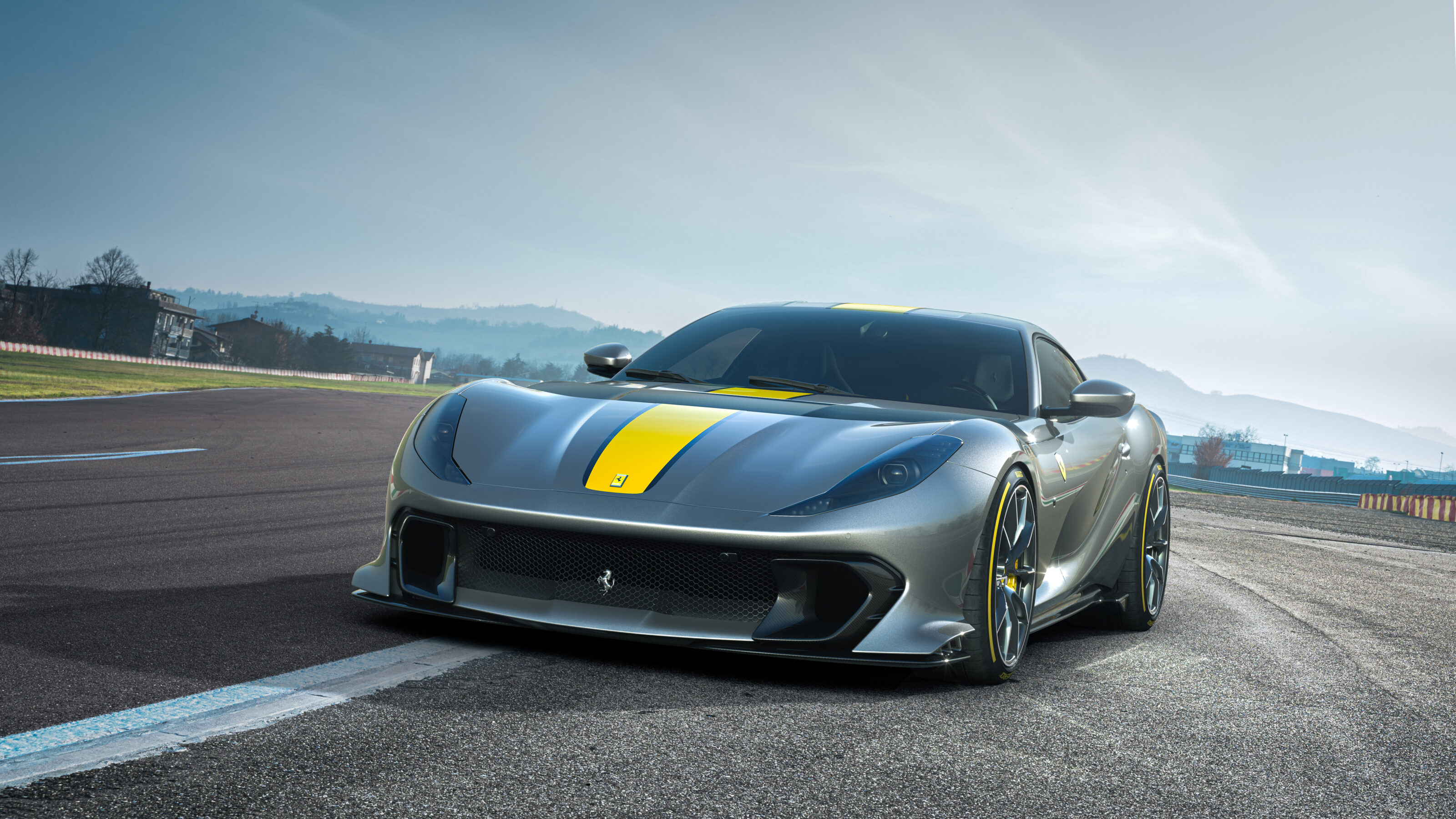
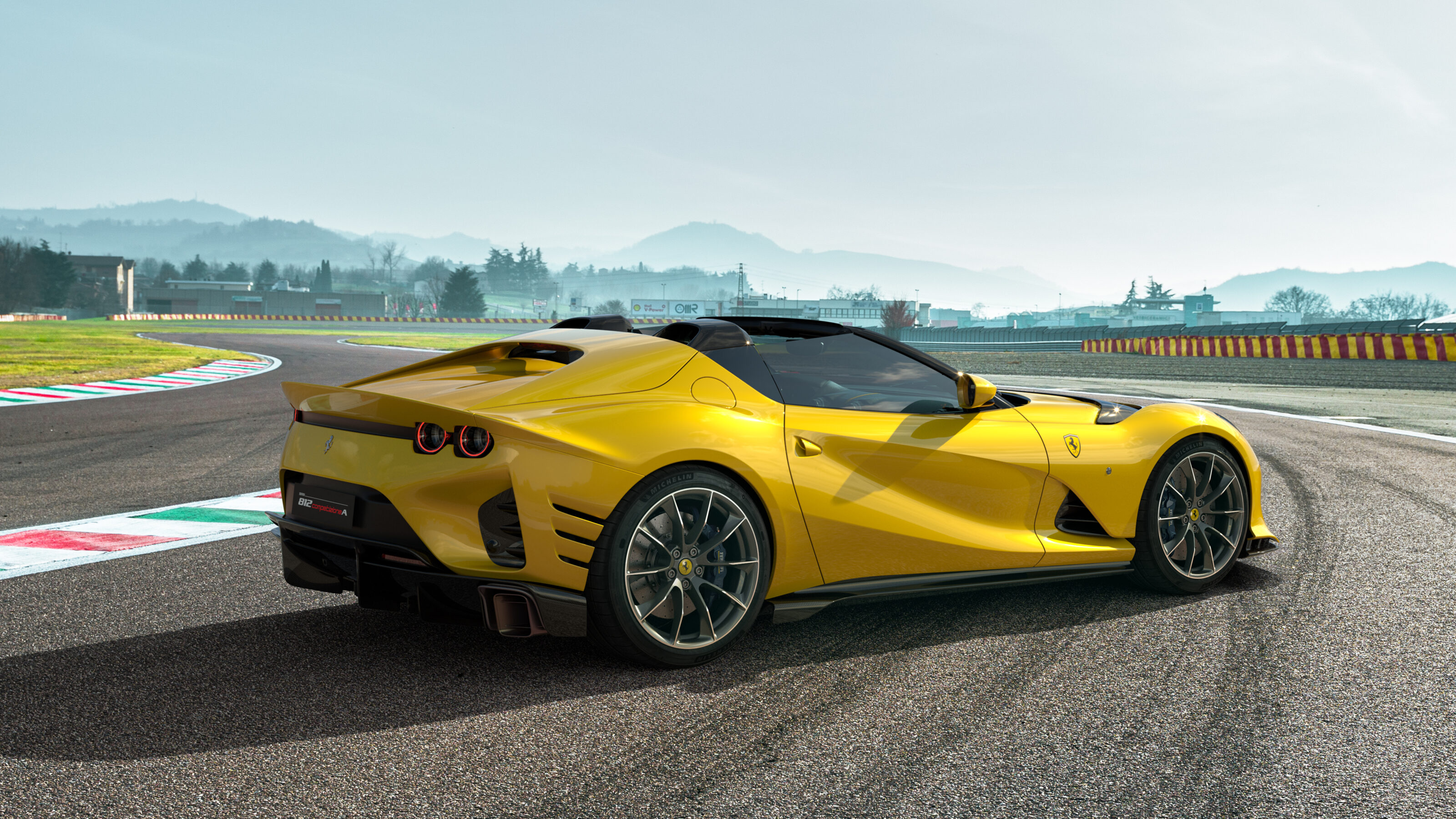
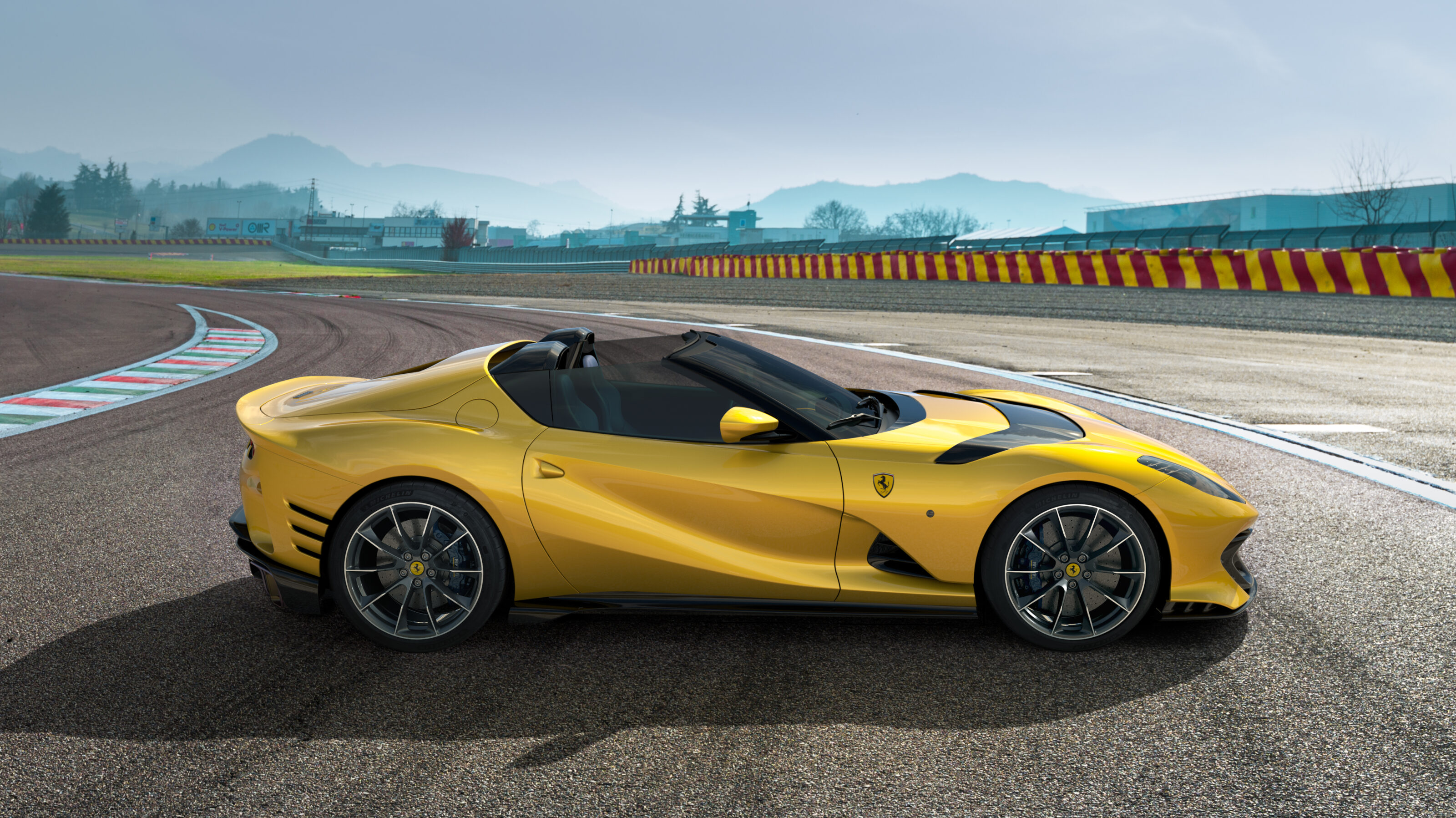
The 2022 Ferrari 812 Competizione and Competizione A have been officially revealed more than two-and-a-half years after being conceived by the celebrated Maranello outfit, and there’s A LOT to talk about.
Firstly, the questions on everyone’s lips – how many are they making? And how much will it cost?
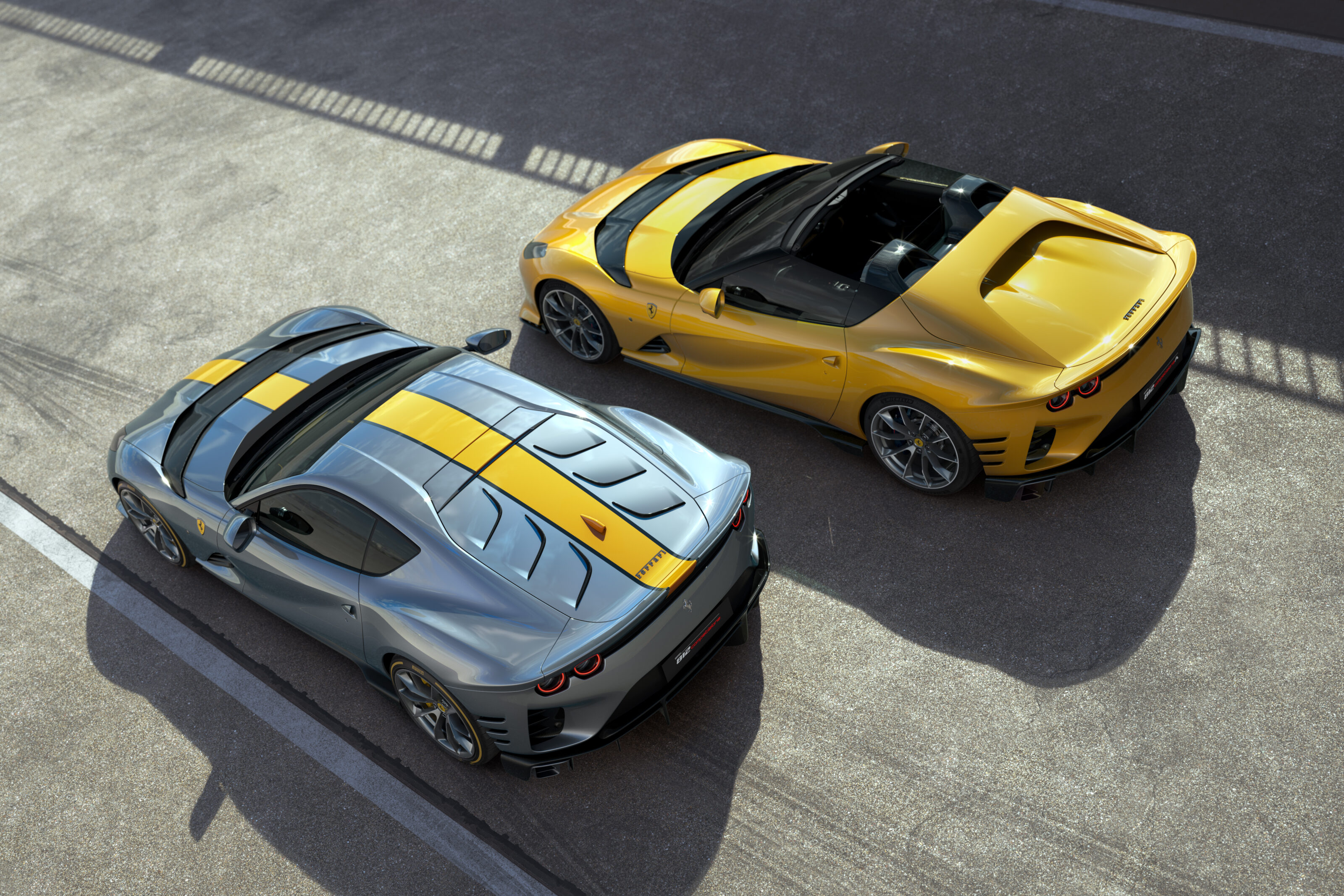
The Competizione coupe (that we already knew about before the launch) is being produced in a limited number of 999 examples and will set owners back roughly EUR€499,000 (AU$775,000) (although the options list will jack that number up considerably).
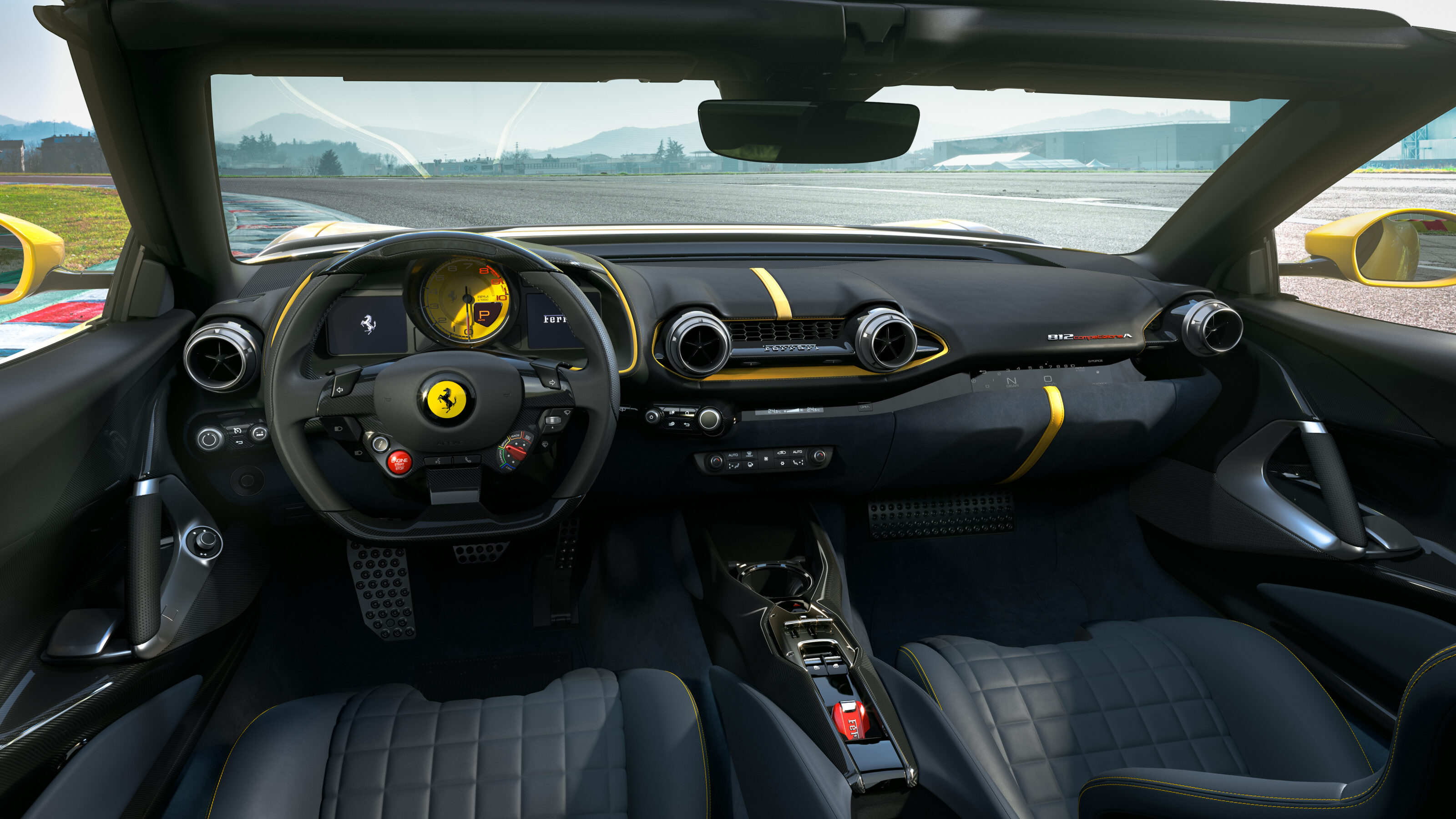
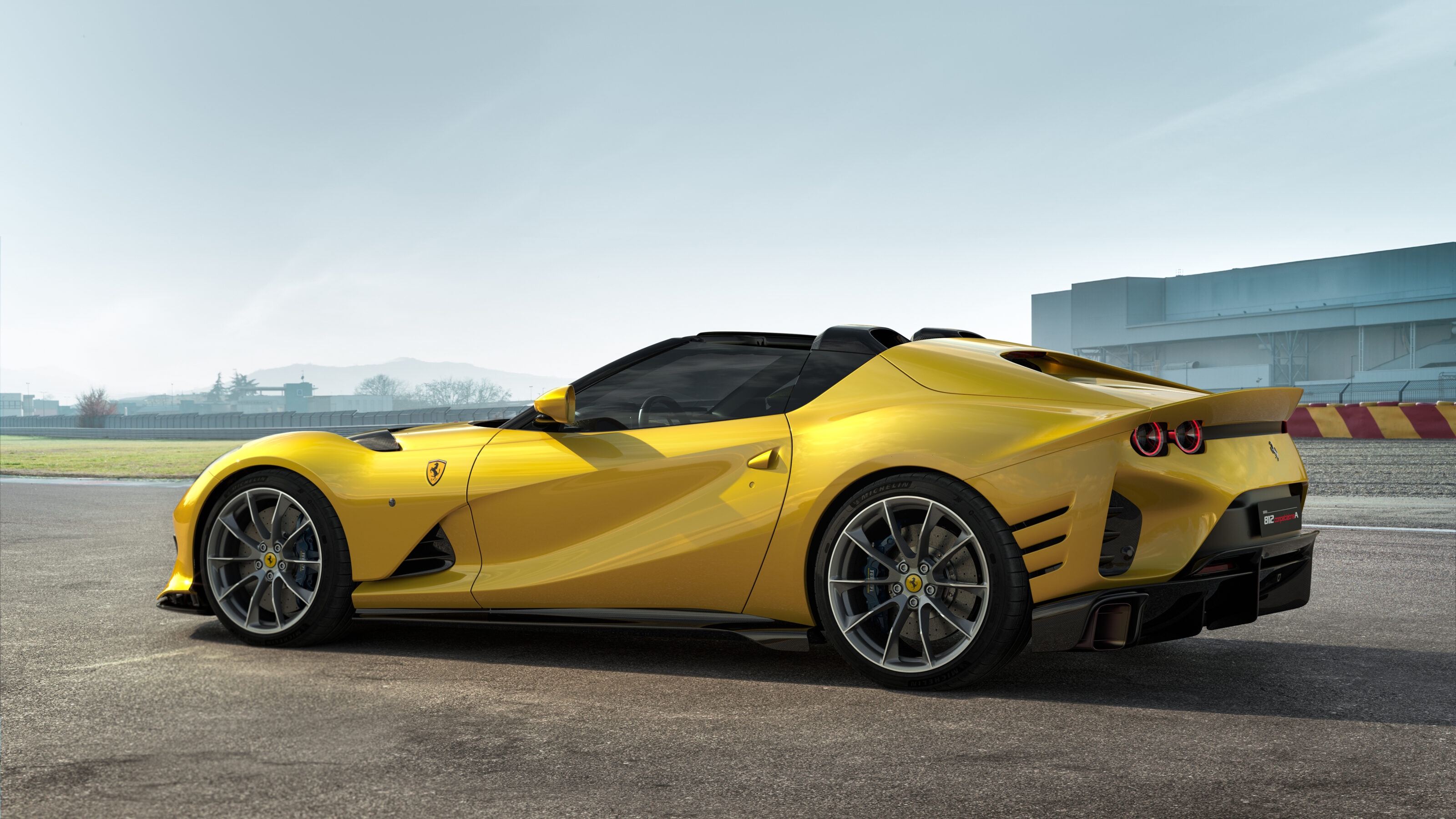
With the shock simultaneous reveal of the Competizione’s topless sister car, the Competizione A (Aperta), we found out that Ferrari will be making 599 examples of the Targa-bodied supercar, with a sticker price of EU€578,000 ($AU900,000).
So a combined 1598 examples sounds like a decent supply, right? Wrong, as Enrico Galliera, chief commercial and marketing officer of Ferrari, explained almost immediately at the international launch, all examples of the coupe and Targa are already sold out.
That’s not surprising really, given Ferrari’s clientele or “family members” as Galliera refers to them, are some of the most enthusiastic and well-heeled on the planet.
What is surprising is the sheer amount of engineering and tech that’s gone into 812 Competizione – it’s a very different car from its regular Superfast sibling.
The engine
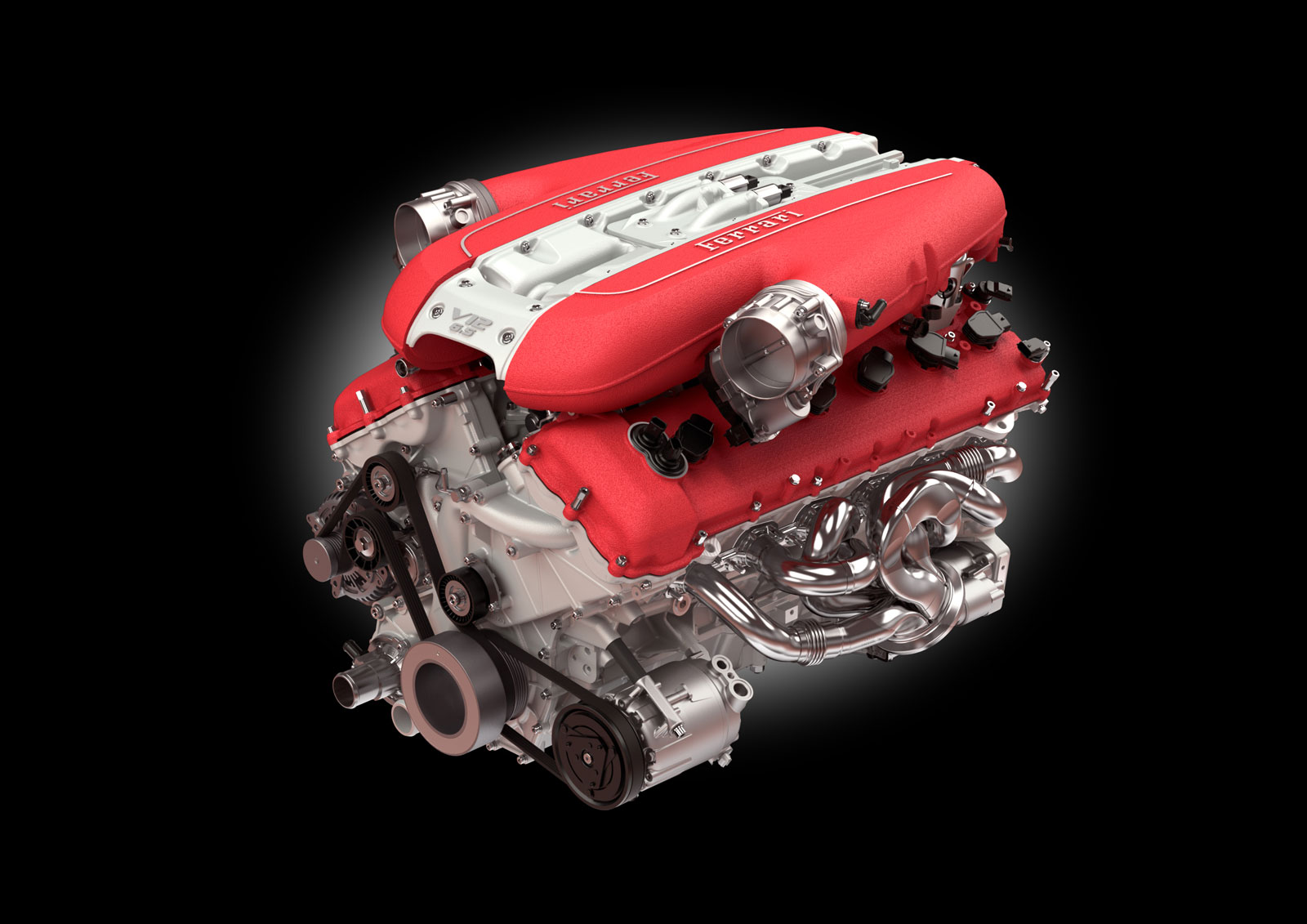
As is the case with every Ferrari ever built, the biggest source of interest in the Competizione is the naturally aspirated masterpiece found under its aero-sculpted bonnet.
An extension of the iconic F140 Tipo F140GA V12 found in the 812 Superfast, the new engine has been worked on to such an extent that it barely resembles the inaugural iteration of the powerplant, which was first unveiled back in 2002 in the Enzo.
The headline figures for the 6.5-litre V12 are tremendous. 610kW and 9250rpm, 692Nm at 7000rpm, and a redline that will scream all the way to 9500rpm.
The lattermost stat means that this V12 is the highest-revving combustion engine ever fitted to a Ferrari road car.
It’s also among the highest-revving, road-going V12 engines ever produced, with only a handful of examples being able to spin higher (think Valkyrie or T.50).
Unlike the Aston or Gordon Murray hypercars though, which have relatively small displacements, Ferrari has managed to make a whopping 6496cc 12-cylinder motor rev to almost 10 grand, which is absurd.
To achieve this beguiling feat, Ferrari’s chief technology officer Michael Leiters and his team had to employ just about every trick in the book, including a few learnt in Formula 1.
The con-rods are new and made from titanium, and they’re 40 per cent lighter than the steel equivalent.
The pistons are also new, as is the crankshaft which has been rebalanced, and the piston-pins have been treated to a diamond-like coating (DLC) that’s said to reduce friction and wear.
The intake system also had to be redesigned, with a new, compact manifold and plenum being created to reduce the lengths of the tracts, thereby allowing for a higher-revving engine and a more linear torque band.
Perhaps the biggest change to the engine comes in the form of a redesigned distribution and cylinder heads.
The cams are DLC-coated and interact with the valve stems through a DLC-coated steel sliding finger-follower that allows for a higher lift profile for the pistons and goes a long way to contributing to the engine’s high-revving capabilities.
The exhaust
Leiters explained that the new Competizione has, for the first time in the 812’s history, a petrol particulate filter (PPF), which meant that the entire exhaust system needed to be redesigned.
Asked by WhichCar if the PPF had affected the performance or sound of the engine, Leiters replied: “It was a challenge to recover power and a challenge to recover sound”.
To get around the issue, Leiters said the new exhaust system had no silencer, and the “last part of the exhaust is working as a trumpet”, evidenced by the sizeable exhaust tips that blend into the car’s carbon diffuser.
The exhaust’s intake tract was also fitted with a second set of resonators to enhance the sound of induction.
The gearbox
The herculean levels of power are sent to the Competizione’s rear wheels through Ferrari’s seven-speed dual-clutch transmission.
Revised for these newest special edition Prancing Horses, the gearbox features a new calibration and shifting characteristic, which equates to a five per cent quicker gear change time than the standard 812 Superfast.
Gear ratios have remained unchanged, and Leiters also commented that, at 9500rpm, the tolerances of the transmission are almost maxed out.
Like every DCT-equipped Ferrari, shifting will be taken care of via a set of column-mounted carbon-fibre shift paddles.
Light weight
Being a special edition Ferrari, the Competizione has gone on a significant diet, bringing the dry kerb weight down to 1487 kilograms (35 kilograms lighter than the Superfast).
This weight shedding is down to things like a rapid adoption of carbon-fibre in the car’s construction, with the front and rear bumpers formed from the lightweight composite, as are the Aussie-made Carbon Revolution 20-inch wheels, which shed 3.7 kilos compared to the 812’s standard forged lightweight alloys.
The car’s interior also utilises vast amounts of carbon-fibre and does away with sound deadening.
A lighter 12V lithium-ion battery further decreases mass, as does the aforementioned use of titanium in the new engine componentry.
Aerodynamics and design
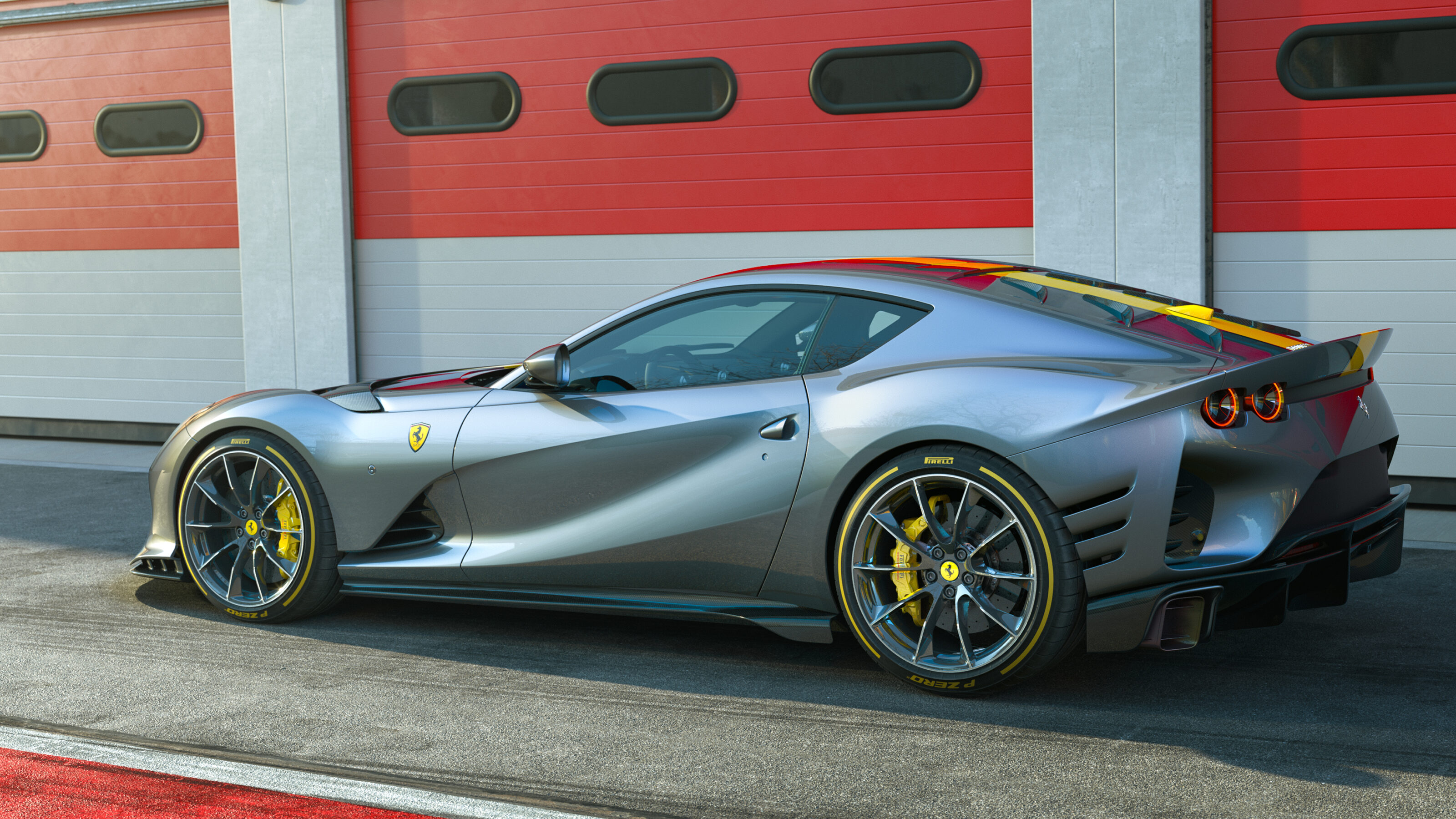
Flavio Manzoni, Ferrari chief design officer, said the Competizione and Competizione A were both designed with the philosophy of form following function, and despite the undeniable good looks of the new supercars, it’s clear much has been done to improve aero for on-track performance.
Most notably, the coupe has done away with a rear windscreen. In its place, a patented sheet of aluminium sports three slats on either side, acting as vortex generators.
This rear screen was only made possible due to the adoption of a rear-mounted camera sending live video feedback to the car’s cabin. Without the camera, Manzoni explained the screen would never have been allowed.
The new screen, working in conjunction with the rest of the car’s aero-enhanced features such as; a flat underbody, large integrated rear spoiler, and new rear diffuser to name just a few, helps the Competizione coupe to produce more than 80 kilograms of extra downforce at 200km/h compared to the Superfast.
Cutting the roof off the Competizione to create its gorgeous Aperta counterpart obviously means that the same rear aero screen cannot be used.
However, Manzoni said that the A’s dual-buttresses have been designed for optimal airflow over the car, and sitting directly behind them is an integrated rear spoiler, to push the open-top supercar further.
Handling and chassis dynamics
Another major feature of the Competizione is the adoption of independent four-wheel steering, which according to Leiters, has drastically improved the car’s turn-in capabilities and high-speed stability when cornering.
It’s the first time Ferrari has implemented this dynamic technology, which was born from the standard active rear-wheel steering system found on other models.
In the case of the Competizione, the car’s rear-wheel steering system is fitted with a new electronic management system that allows for the right and left wheel actuators to operate independently from one another, rather than being synchronised.
The steering tech works in conjunction with Ferrari’s latest Side Slip Control 7.0 system, an electronically controlled limited-slip diff, F1-Trac traction control and magnetorheological adaptive dampers.
As standard, both the Competizione and Competizione A will come equipped with Pirelli P-Zero tyres measuring 275/35 at the front and 315/35 at the rear.
Those wanting a more track-oriented tyre can also option a set of Michelin Cup 2 R tyres that have been specially homologated for the supercars.
Performance
The thunderous powertrain, coupled with the faster shifting DCT, lightweight body and uber-sticky Cup 2 R tyres translates to an impressive list of performance stats.
0-100km/h is taken care of in a claimed 2.85 seconds, 0-200km/h takes 7.5 seconds, and flat-out the Competizione will be travelling in excess of 340km/h.
The Maranello outfit has also claimed its newest supercar completed a lap time of 1.20.00 seconds at Fiorano, making the Competizione 1.5 seconds quicker than the 812 Superfast, and one second quicker than its predecessor, the F12 TDF.
Will it be coming to Australia?
Ferrari remained tight-lipped about its customer allocations, but, given Aussies’ penchant for Prancing Horses, and a very loyal, local fanbase, we’d hazard a guess at least a few Competiziones and Competizione As will be landing Down Under when customer deliveries begin early 2022.
A glance down at the speedo yields a reading somewhere north of 260km/h, as Phillip Island Grand Prix Circuit’s notorious first turn, Doohan Corner, rapidly approaches into view. The sight, looming ever larger, makes my already-perspiring hands tighten their grips on the Audi RS5 Sportback’s alcantara-clad wheel.
This is comfortably the fastest I’ve ever been on track, and my brain is screaming at me to stand on the anchors.
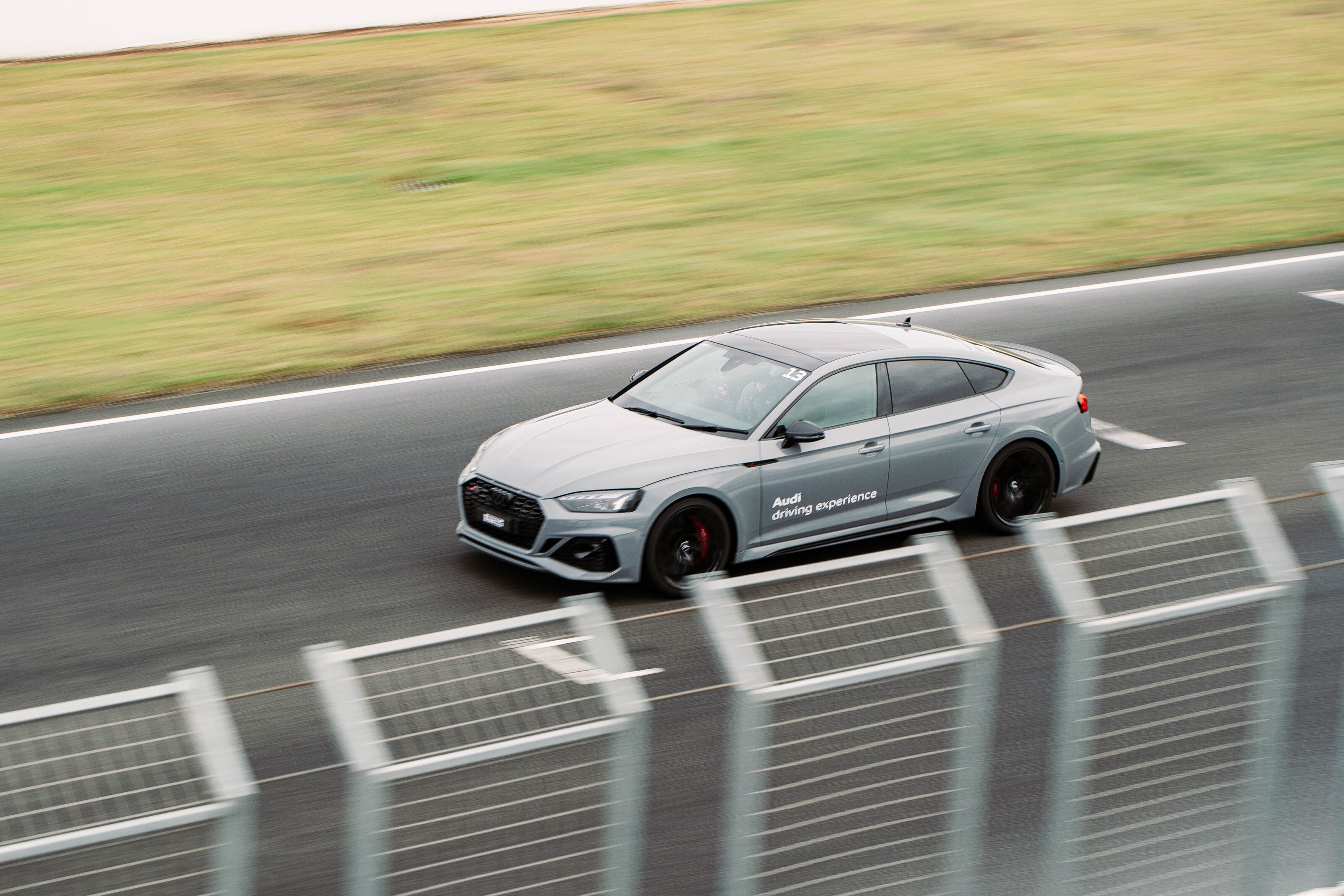
There is a driving coach in an identical RS5 Sportback ahead of me, and he hasn’t stopped talking; but to be honest, I’d sort of tuned out. I had my hands full trying to keep up with him on a cold damp track, and my mind had just enough time to wonder just how these instructors are able to cruise about with one hand on the wheel, while simultaneously shouting instructions through a handheld radio.
I was trailing him to mimic his lines and his markers. A dab of brakes at the 150 metre mark to bring the nose into line, and to shift the weight over the roll centre, sees the RS5 lean hard through the dip and exit, without incident, out and on to the ascent up through to the Southern Loop.
I’d just survived my first full lap of the fearsome Phillip Island raceway.
But let’s rewind to how I got here.
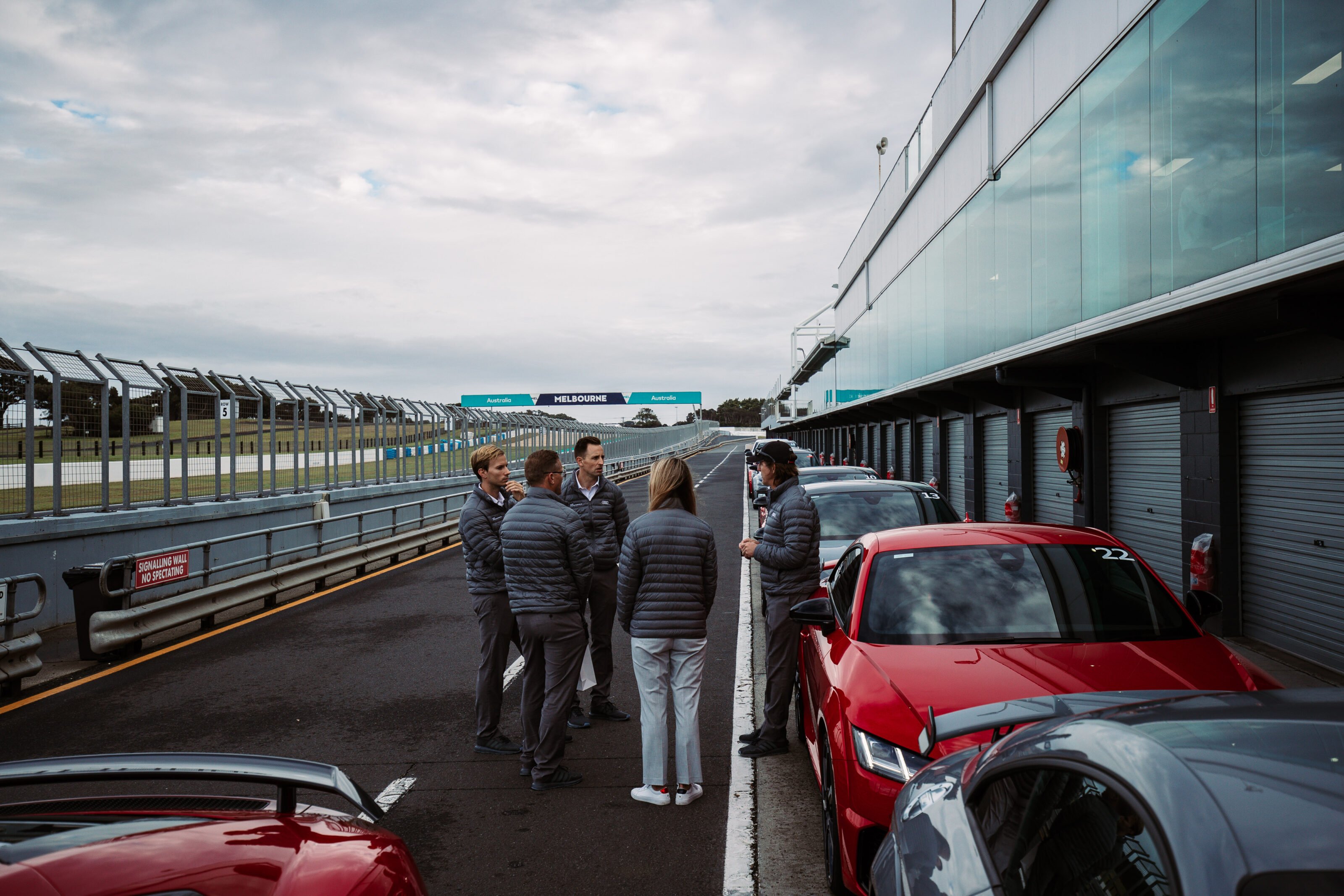
“An old adage says that you can only ever experience your first time once, but waiting in that RS5 in pit lane truly felt like I was attending my first track day all over again.”
I’m no stranger to race tracks. I have frequented track days at Winton for years driving both my old Subaru BRZ and current Nissan R32 Skyline GT-R, and have assisted friends numerous times in the pits at Phillip Island for various Vic Time Attack events and club-level sprint days. But I’ve never driven around PI myself as the sheer speed always intimidated me, and I never felt I had the right car.
Recently, Audi kindly invited me to partake in its relaunched-for-2021 Audi Driving Experience day, which promises a flock of ‘right cars’ and the perfect introduction to the fearsome seaside circuit.
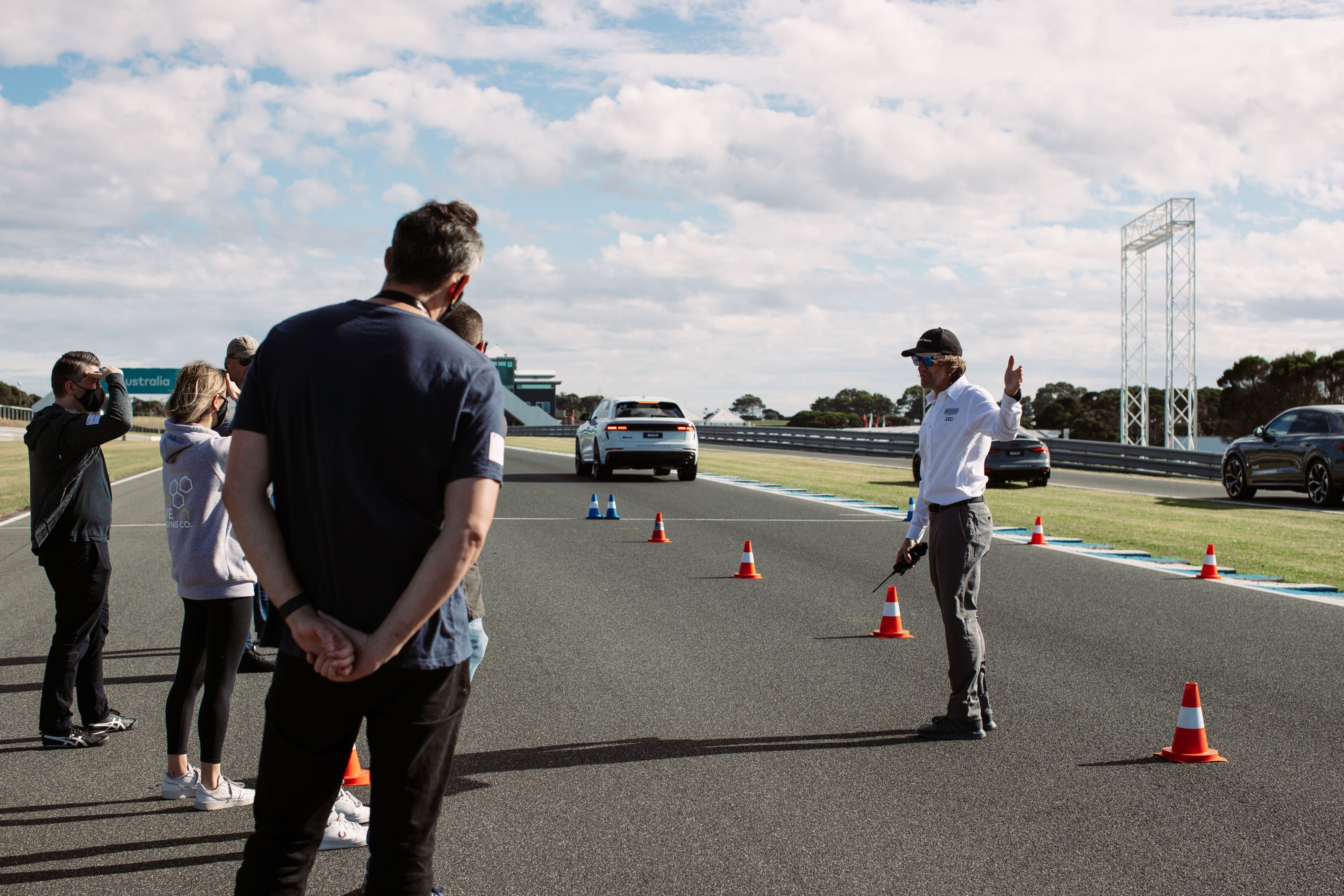
Like many last year, the team behind Audi’s Driving Experience were forced to shut up shop while the nation raced to get the ongoing Covid-19 pandemic under control. With Melbourne’s brutal lockdowns receding into the rear-view, the team are back with a full 2021 calendar comprising of 28 events across New South Wales, Victoria, and South Australia.
Their track day driving experiences are divided into two programs: Dynamic ($1250) and Sport Pro ($3500).
The Audi Dynamic driving experience sees punters offered the chance to get behind the wheel of RS3, RS5, RS6, RS Q8 and TT RS models; with dedicated coaching through various exercises such as steering slaloms, slide control, emergency braking, track lapping and a Motorkhana competition.
The Sport Pro experience turns the wick up again, offering warm-up training, one-on-one on-track coaching plus a full debrief and track analysis – all with an Audi R8 at your disposal.
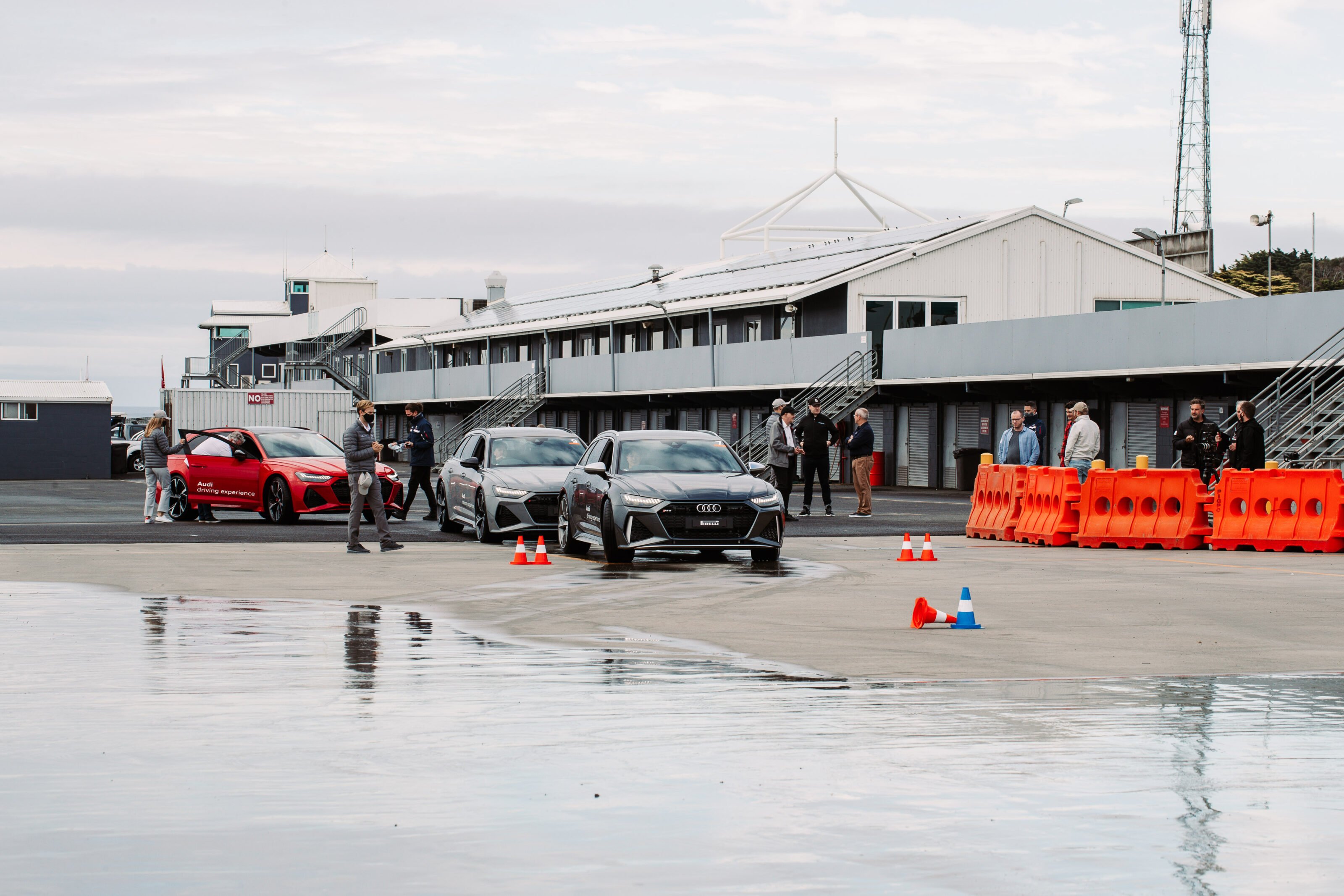
For our media day, we got to sample a blend of the two programs and were offered a steer in the TT RS, RS5, RS6, RS Q8 and R8 Performance. ‘Right cars’ for Phillip Island, indeed.
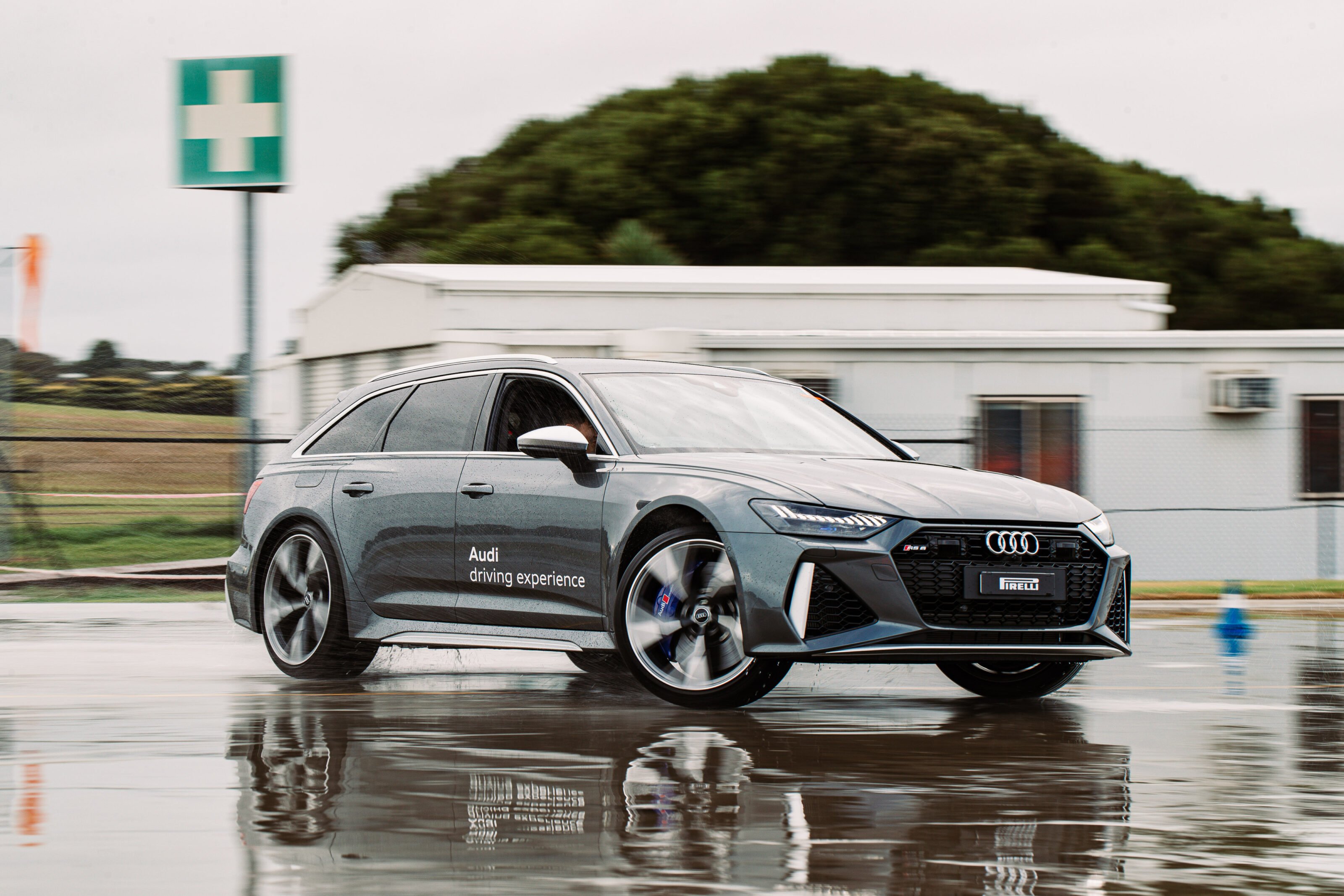
To start the day, we were given a brief warm up exercise in the form of a controlled slide. The aim was to dial in our reflexes, loosen up the arms and – if anything else – to properly wake up a flock of caffeine-desensitized journalists. A trio of Audi RS6 Avants were the weapon of choice, and a wet skidpan our theatre.
We were given three attempts with ESC off. It was a fairly simple affair, lining up at the centre of the skidpan, winding on one full-turn of lock, and planting the accelerator. The RS6’s long wheelbase yielded quite a forgiving balance point in the yaw range, with the ability to sustain big angles with some feathered throttle application. With our arms now loose, and the flock of journos now wide awake, it was on to the track laps.
An old adage says that you can only ever experience your first time once, but waiting in that RS5 in pit lane truly felt like I was attending my first track day all over again.
I bee-lined for the RS5 to start with, knowing that we’d eventually sample all offerings throughout the day. It seemed to be the most conventionally balanced platform for my intimidating first taste of PI, and would be my pick of the bunch were I to tackle a full track day in my own time.
The RS5 was the most forgiving and intuitive to pilot, while the mid-engined TT RS and R8 Performance were markedly more sensitive to mid-corner inputs – made even more difficult with ever-changing track conditions thanks to on-again-off-again rain throughout our day, typical of Phillip Island’s coastal climate.
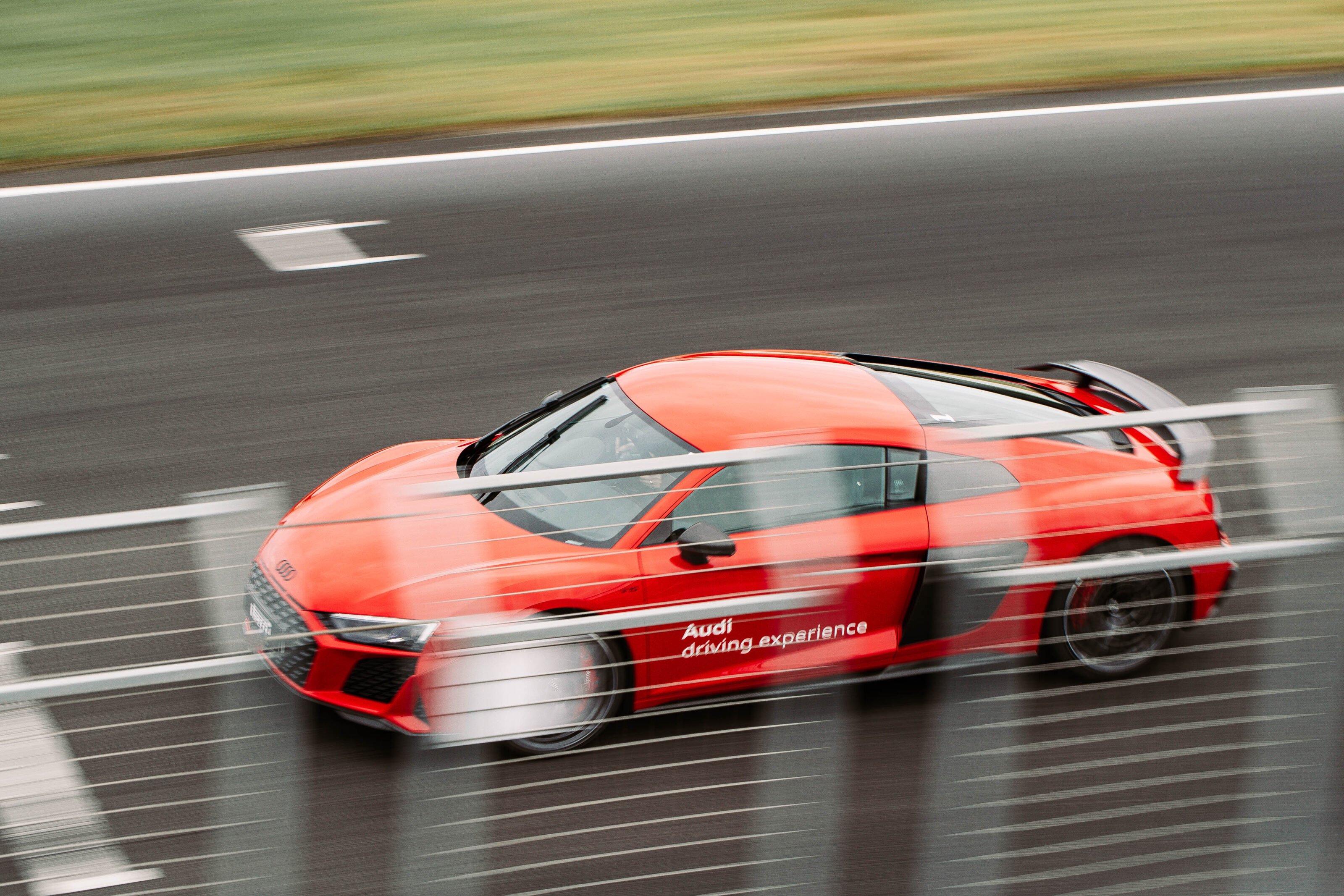
The RS6 Avant, also, wasn’t nearly as composed as it struggled to contain its mass, squirming uncomfortably if you asked too much of it under braking and cornering. It sounds counter-intuitive, but the RS Q8 was the biggest surprise (both literally and figuratively, tipping the scales at almost 2.4 tonnes) with a mind-bending agility that belied its size and weight.
Early power-on out of corners was a far more composed affair than in the RS6, as it was in virtually all other areas of the track be they braking, corner entry or – dare I say – even steering fidelity. It sounds almost blasphemous, but given the choice: I would resolutely choose an RS Q8 over an RS6 at a race track. The instructor must have rolled out the PR line of the RS Q8 possessing “the biggest factory-fitted brakes in the world” about three times during that session, but by the end of it I sure believed it.
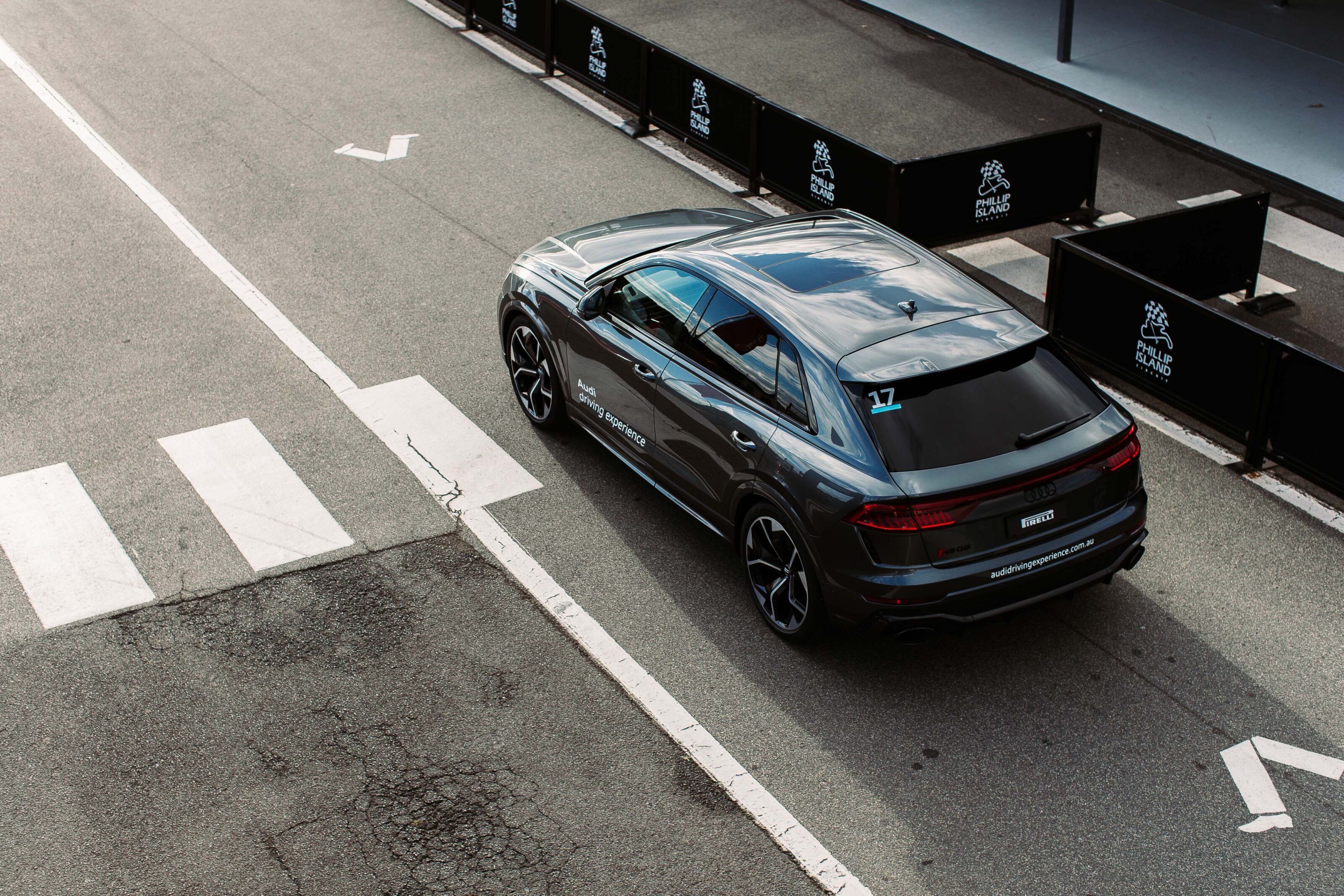
The end of the day saw us return to the skid pan, and finish with a friendly Motorkhana competition.
Of course, the team behind the Audi Driving experience will keep you caffeinated and well-fed throughout the day, with a healthy sit-down lunch break plus morning and afternoon tea – all inclusive of your ticket price.
It must be said that the Phillip Island café is actually one of the better ones around the state, but Audi’s catering was on another level again.
But I wasn’t there for the food. I was there because the instruction of professional drivers, and Audi’s tightly-run ship, seemed like the perfect introduction to a race track that had unnerved me for years.
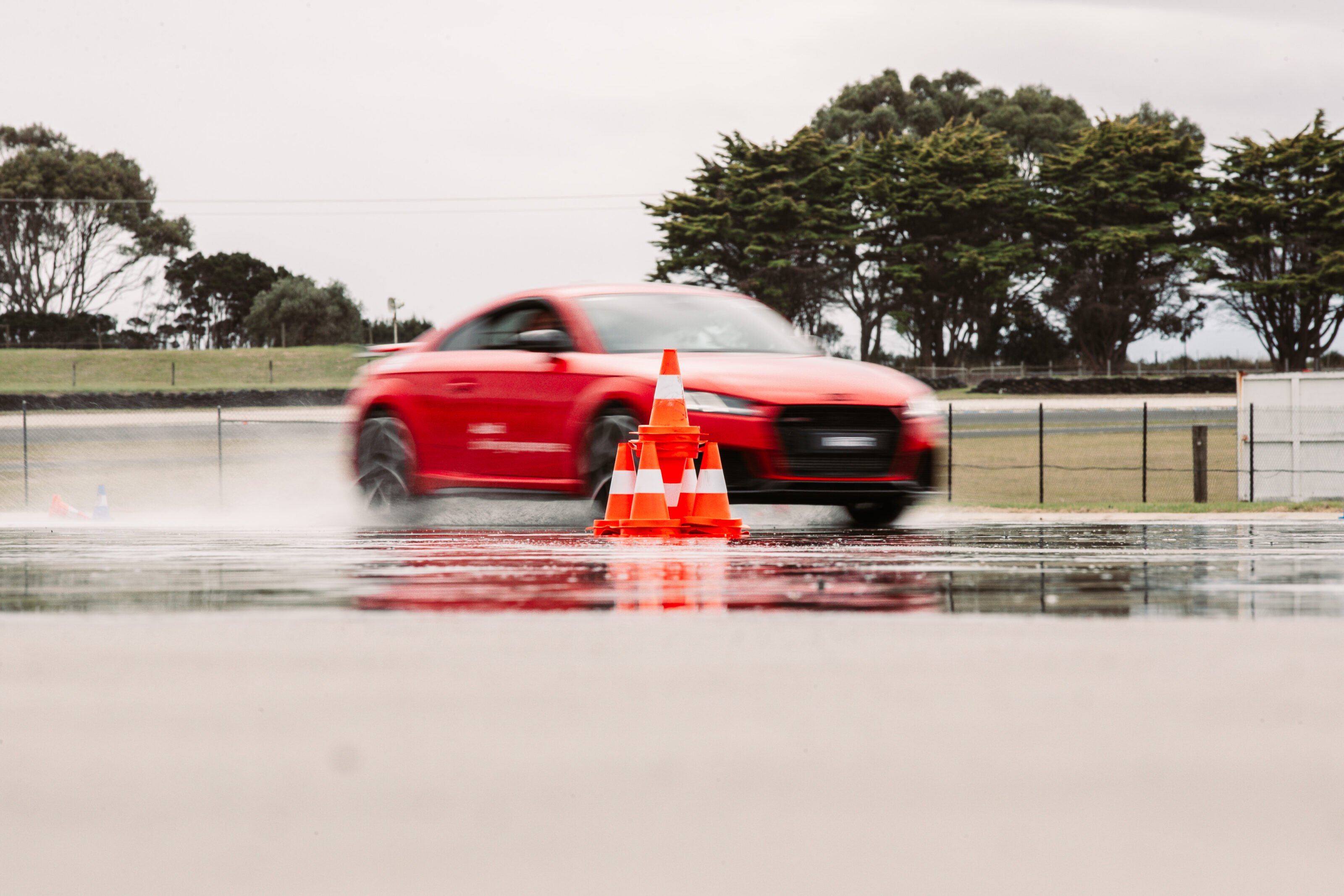
The scratch hasn’t so much been itched, more like the bug has bitten – hard.
It’s a truly phenomenal track, and I long for the day I get to return.
Perhaps I’ll finally find the courage to take my own car in my own time later this year.
Can I take Turn 1 flat? Let’s find out…
Punters at the 2021 OTR Supersprint Supercars Championship event this weekend may be able to catch a glimpse of the upcoming Chevrolet Corvette.
General Motors Speciality Vehicles (GMSV) has teased a picture of the 2022 Corvette on its social media channels accompanied by the words “just around the bend”.
The teaser suggests we’ll be able to lay eyes on it at the South Australian event, which debuted at The Bend in 2018, from Friday.
It’s believed the Chevy will be involved in a Holden tribute which will see heritage models travel together from the National Motor Museum in the Adelaide Hills to The Bend Motorsport Park in Tailem Bend, SA.


The convoy will signal farewell to the Holden Commodore in the Supercars Championship as it will be replaced by the Chevrolet Camaro next year.The Australian-delivered Chevrolet Corvette C8 will represent the first factory-built right-hand drive Corvette ever made in the moniker’s 68-year history.
Expected to land in Australia by the end of 2021, the mid-engined supercar will be available in five different variants (three coupes and two convertibles) from launch.
The entry-point model will be the 2LT coupe, priced at $144,990 before on-road costs.
That may still seem like a lot of money when compared to the performance car’s domestic prices (which start at US$59,995), but at $144,990 the C8 Corvette demolishes its competition on price and performance.

According to GMSV, all Aussie C8 Corvettes will be well-optioned from the factory – fitted with both the Z51 Performance Package and Front Lift as standard.
A 3LT coupe model will start from $160,500 and come equipped with “enhanced interior appointments”.
The two convertible models will be available in either 2LT or 3LT trim and will cost an extra $15,000 over its hardtop siblings.
To celebrate the new ‘Vette coming to Australia, GMSV will also be releasing a special Carbon Edition coupe that will act as the flagship Australian model.
The Carbon Edition will feature “hand-picked interior trims, premium wheels and brake calliper package, an exclusive build plate and owners pack.”
The naturally aspirated powerhouse will pump out 369kW and 637Nm, and although performance figures haven’t been tested locally, GM claims that the C8 Corvette will accelerate from 0-60mp/h (98km/h) in a 911-beating 2.8 seconds.
Tickets are now on sale throught Ticketek and The Bend’s website thebend.com.au/2021-Supercars for the 2021 OTR SuperSprint which will take place from 7-9 May as part of the 2021 Repco Supercars Championship.
This year live coverage of the series is available via Foxtel, Foxtel Now and Kayo Sports. Channel 7 is broadcasting the series on free-to-air TV, but unfortunately just six race weekends across the season – and this isn’t one of them.
In this month’s MOTOR:
- Yaris v Yaris: the hard data on why the GR Yaris Rallye obliterates the base model
- Performance icons present and future: 911 Turbo v Taycan Turbo tested on track!
- Double-triple-header: Super fast SUVs compared, plus three $200k super coupes let loose at Lang Lang
The May edition of MOTOR Magazine hits the shelves today, and you’ll notice it’s far weightier than ever before – as we’ve introduced a much higher quality paper stock so you can ogle our world-class photography and stories like never before.
And this month’s issue is filled with stuff that you don’t want to miss.
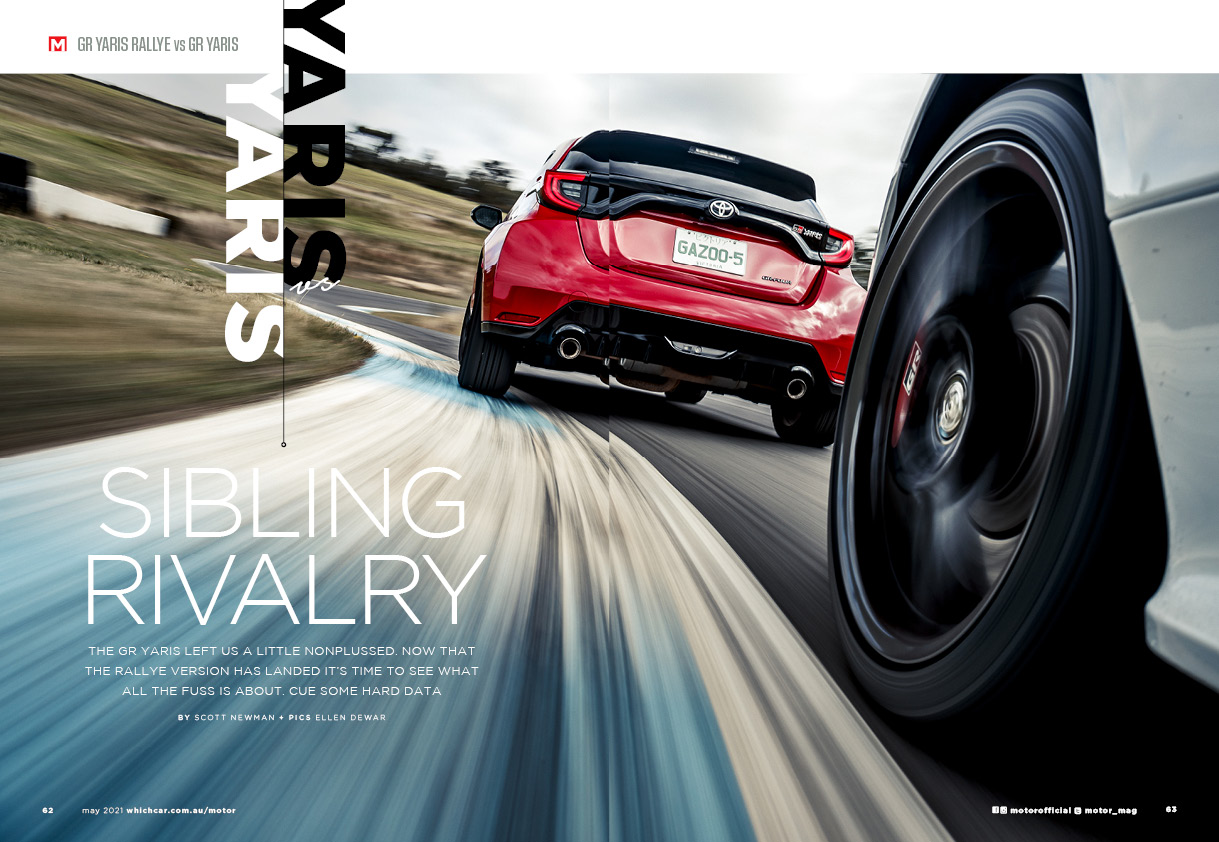
The headline act is a sibling showdown for the ages: digging into the nerdy details on how the GR Yaris Rallye compares to its base model sibling on the twists and turns of Victoria’s Haunted Hills circuit.
We may have found the base model wanting at this year’s PCOTY testing, but the Rallye is here to prove us wrong. The differences are stark, but you’ll have to pick up the mag to see just how transformative the Rallye’s extra kit is.
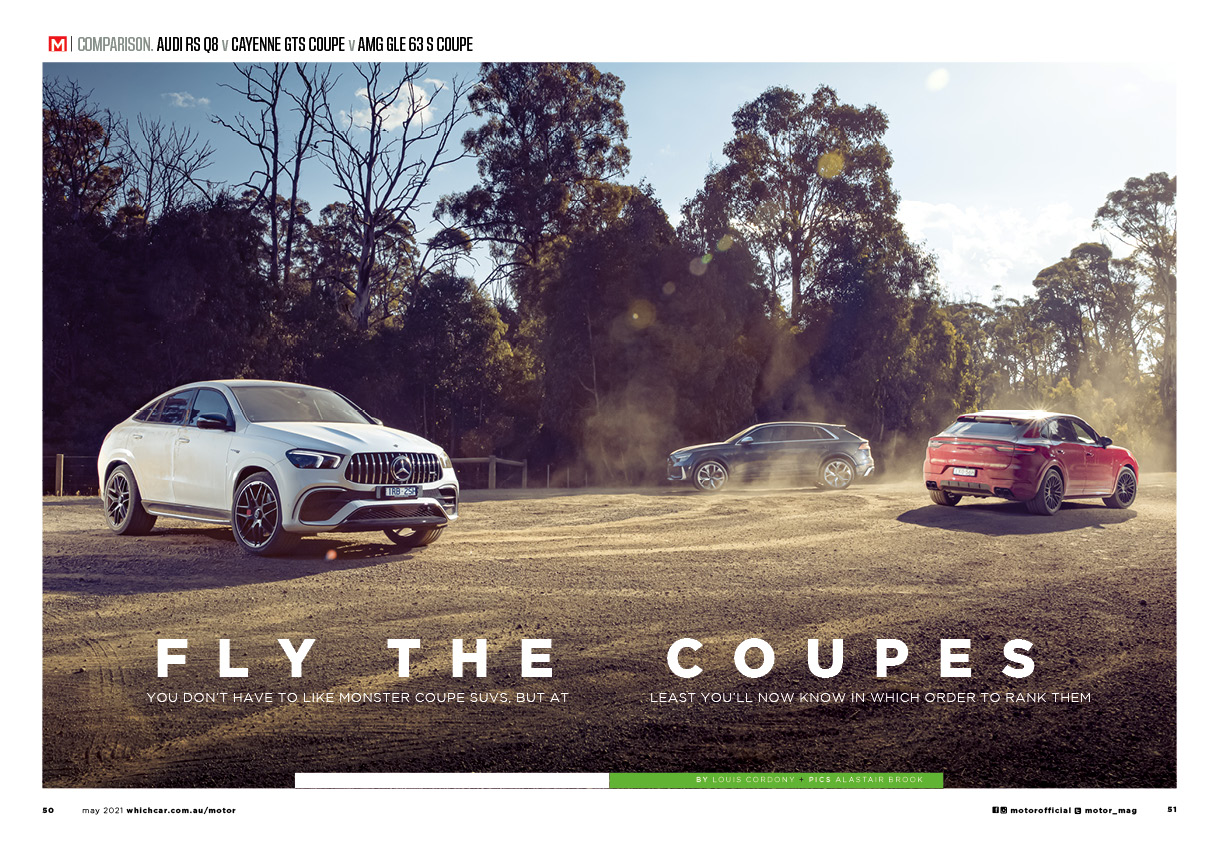
Louis Cordony gets down and dirty in three monster coupe SUVs, to see which heavyweight bruiser reigns supreme. It’s the Mercedes-AMG GLE 63 S Coupe, Porsche Cayenne GTS Coupe and Audi RS Q8 in this triple-threat match, as the trio are pushed beyond their comfort zone – and tarmac’s end. If nothing else, you’ll want to see the epic photography on our fancy new paper, trust us.
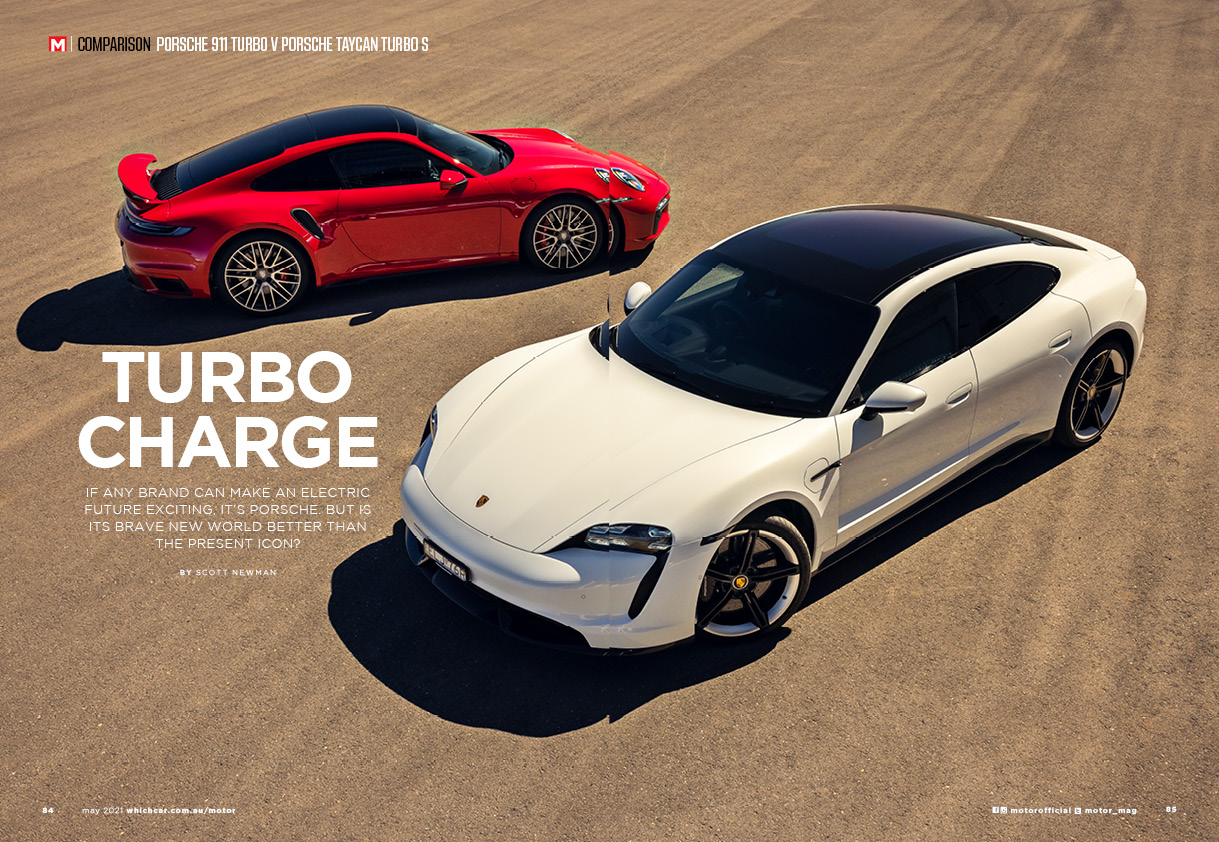
Further back, Scott Newman heads to The Bend for a twin turbo test, but not as you know it. It’s 911 Turbo versus Taycan Turbo: performance heroes present and future compared on track. If anyone can make an electric future exciting, it’s Porsche – but how does the brave new Taycan compare to today’s performance car icon?
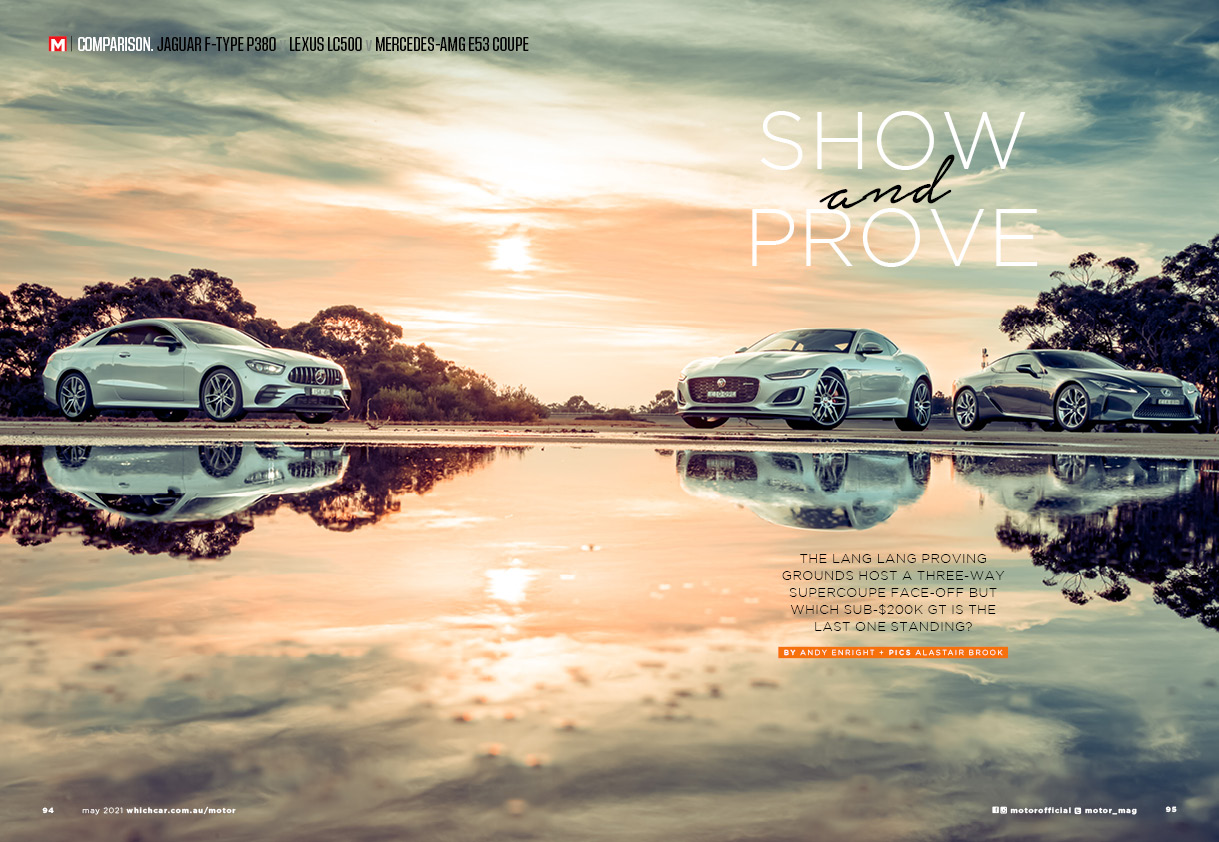
We also take to the historic Lang Lang proving ground to sample three pieces of $200k super coupe dream machines: the Lexus LC500, Jaguar F-Type P380 and Mercedes-AMG E53. The sprawling facility may be likened to an automotive playground, but also handily provides a network of trying ride and handling circuits for which to analyse these three vanguards of automotive opulence.
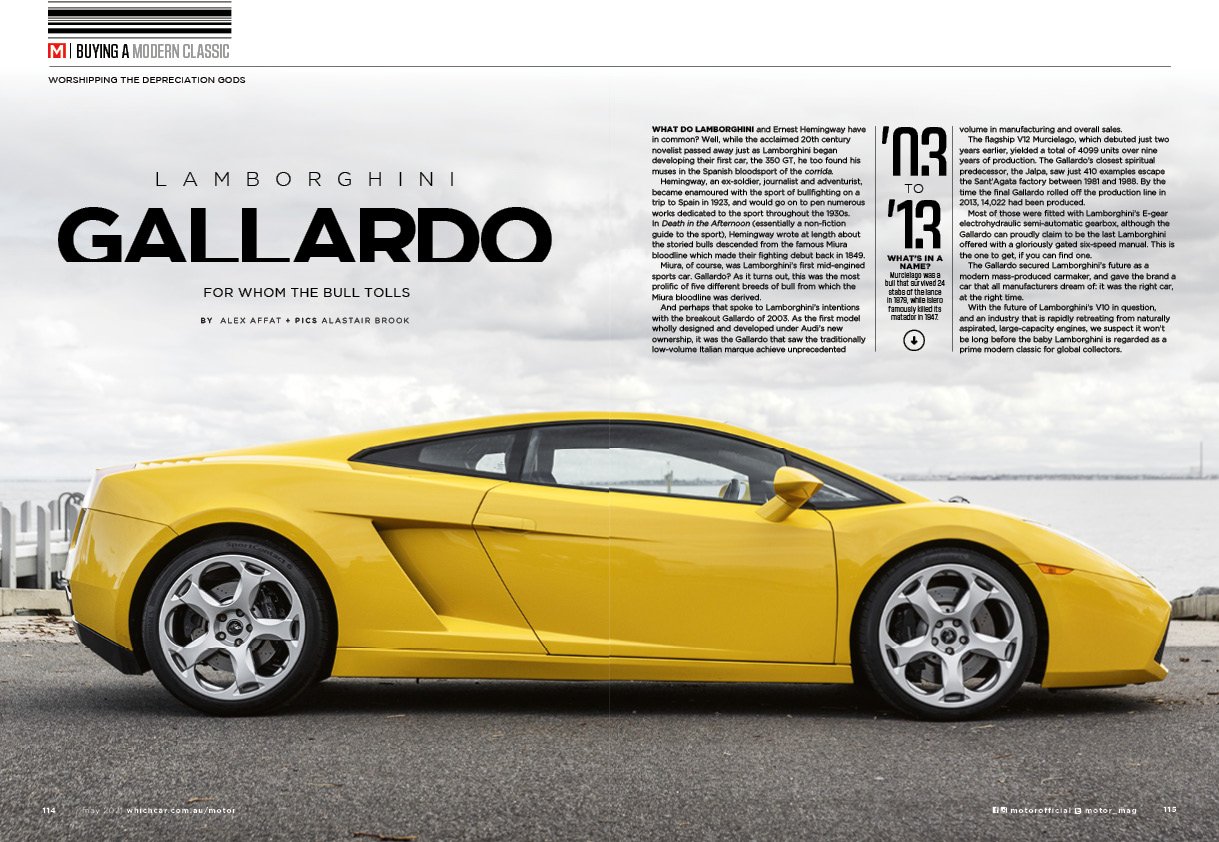
Young Alex Affat also puts the Lamborghini Gallardo under the microscope to discover why the breakout Bull is a prime future classic in waiting; and also counts down ten of the best underrated driver’s cars you can get your hands on today.
We also have our first taste of Porsche’s 992 GT3, the Bentley Bacalar, Porsche Panamera and BMW M4 Competition. Plus all of the regular musings from our columnists, extensive long-term tests and independent reviews.
You can find the May edition of MOTOR Magazine in stores today! Or take advantage of the ripper deals we’re having on subscriptions right now. You can save up to 49% at motor.subscription.com.au
Talking points
- Driving range claimed to be in excess of 800 kilometres
- Limited to just 25 examples
- Price tag exceeds AUD$2.5 million
British start-up Viritech has previewed its new Apricale – the first hydrogen-powered hypercar in the world.
Limited to just 25 examples and with an estimated cost of more than AUD$2.5 million, the Apricale is expected to go into production in 2023.
Development of the revolutionary hypercar is taking place in the UK at MIRA Technology Park in Warwickshire, a remarkable place for the transportation industry that’s also occupied by companies like Aston Martin, Bentley and Jaguar Land Rover, to name just a few.

Little is known about the Apricale, but Viritech is claiming performance to be in the realm of 820kW, and driving range is said to be in excess of 800 kilometres, which will put it in a pretty rarefied atmosphere amongst its contemporaries.
The hypercar will employ a graphene composite pressure vessel to store its particularly volatile fuel source, which will also act as an integral component of the car’s presumed carbon monocoque structure.
Aesthetically, the Apricale looks fierce, albeit a touch derivative and homogeneous in the hypercar space – low scuttle, mid-engine layout, masses of aero componentry – you get the picture.
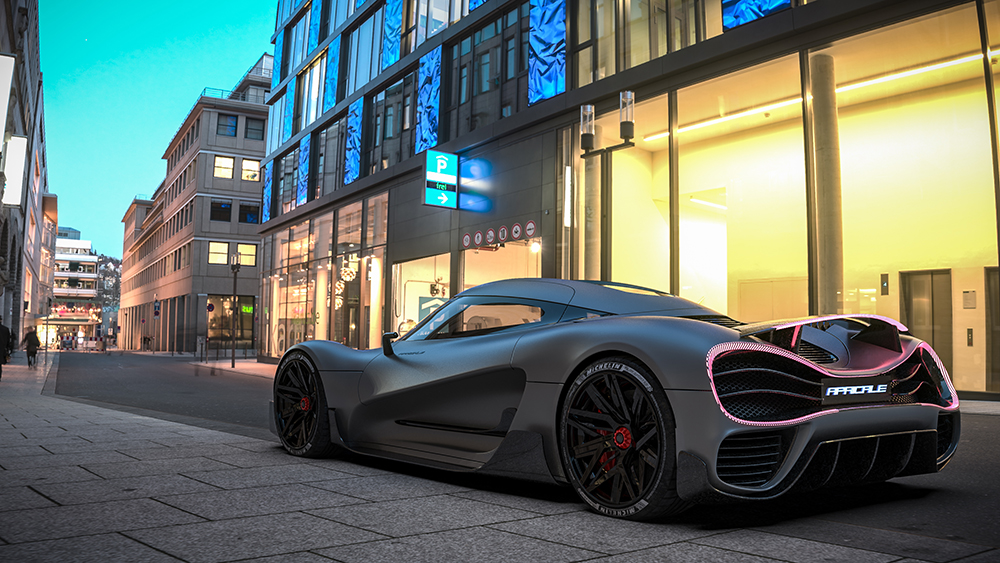
Viritech is also planning to sell the same hydrogen fuel cells that will power the Apricale to third parties in the automotive, marine and aeronautical sectors.
According to reports, Matt Faulks, co-founder of Viritech, decided against battery power for the Apricale because lithium-ion battery packs are too heavy, and there are too many raw materials used in the manufacturing process of said batteries.
It’s now been a full year since the Australian new-car market was first ravaged by the Covid-19 pandemic, and the sales recovery was given another boost last month with a record April.
Compared with the severely depleted sales of April 2020, there’s naturally an abundance of winners – though there are some losers, too.
Here’s our guide to the models, brands and segments that soared or nosedived in April 2021.
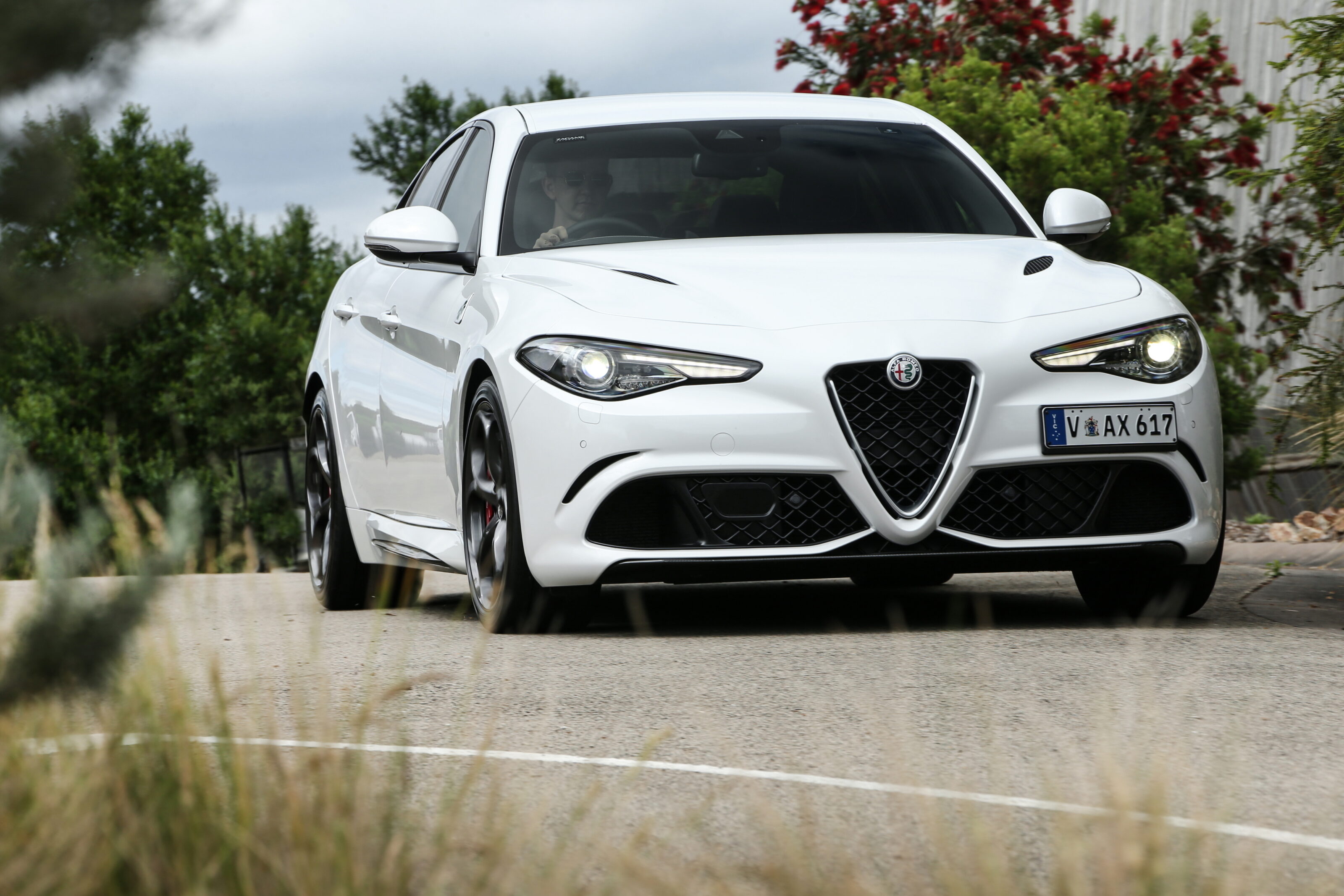
Alfa Romeo Giulia – Winner
A 525 per cent month-on-month sales jump is distorted of course by the pandemic effects hitting in April 2020, though year-to-date (YTD) sales (104 units) for the Italian brand’s mid-sized sedan are up a promising 51 per cent. A refreshed and revised line-up introduced in late 2020 is clearly helping.
The good news is that so far in 2021, the Giulia is outselling the Genesis G70, Jaguar XE and Volvo S60. The bad news is that it remains miles off the pace of key rivals including the BMW 3 Series (1203 sales YTD), Lexus IS (560 YTD) and Mercedes-Benz C-Class (1394 YTD).
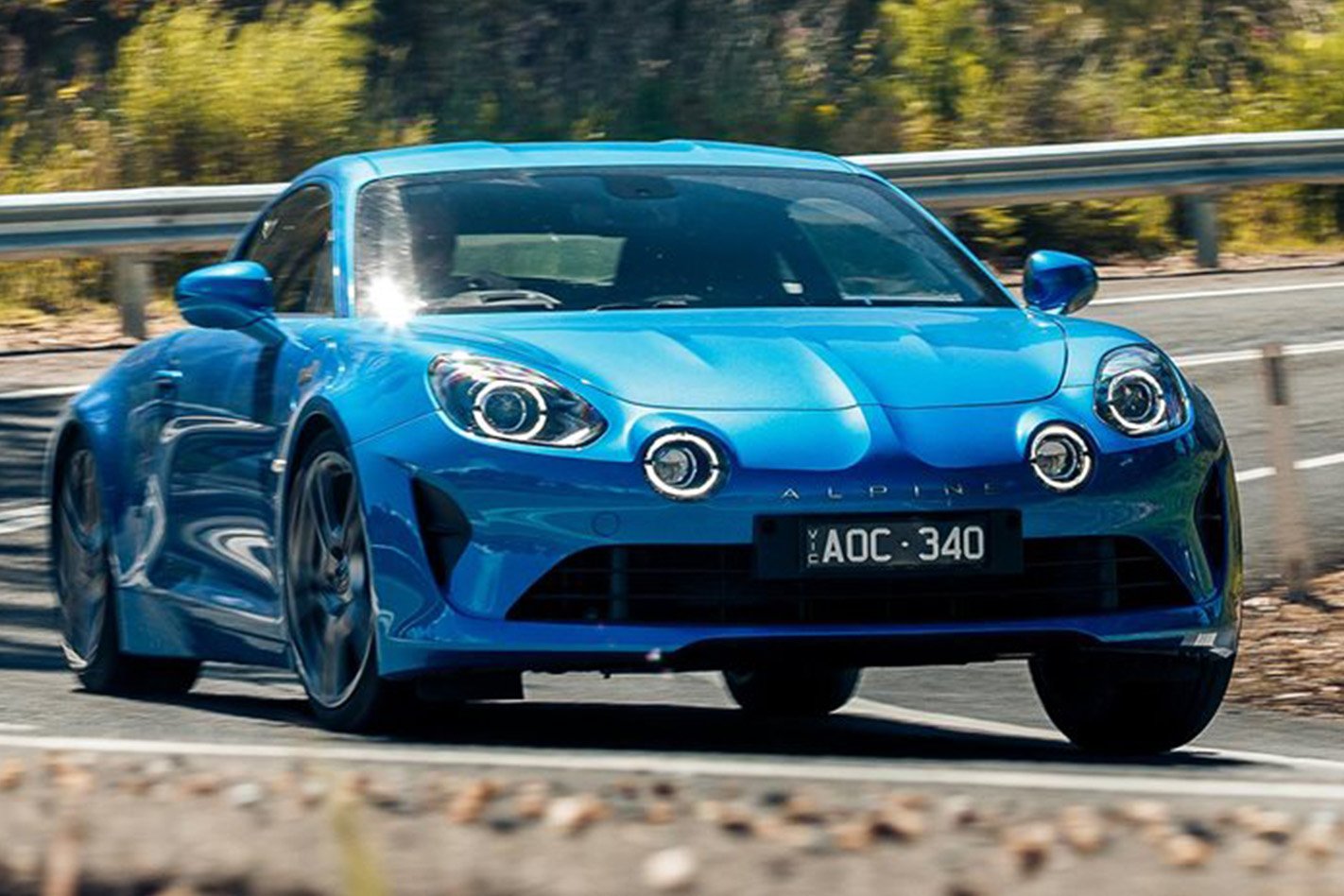
Alpine – Loser
Renault’s sports brand still has just a single credit to its name in 2021 after drawing another blank in April.
Just having one dealer (in Brighton East, VIC) doesn’t help, though there are three variants offered of its Porsche Cayman and Audi TT rival, the A110.
Aston Martin – Winner
The new (or rather newly rebranded) Aston Martin Formula 1 team may not yet be up to speed in the championship, but its road cars are performing strongly.
Nine of its sports cars were sold in Australia last month, equating to an 800 per cent month-on-month increase. Year-to-date sales are 52 vehicles, up 86 per cent.
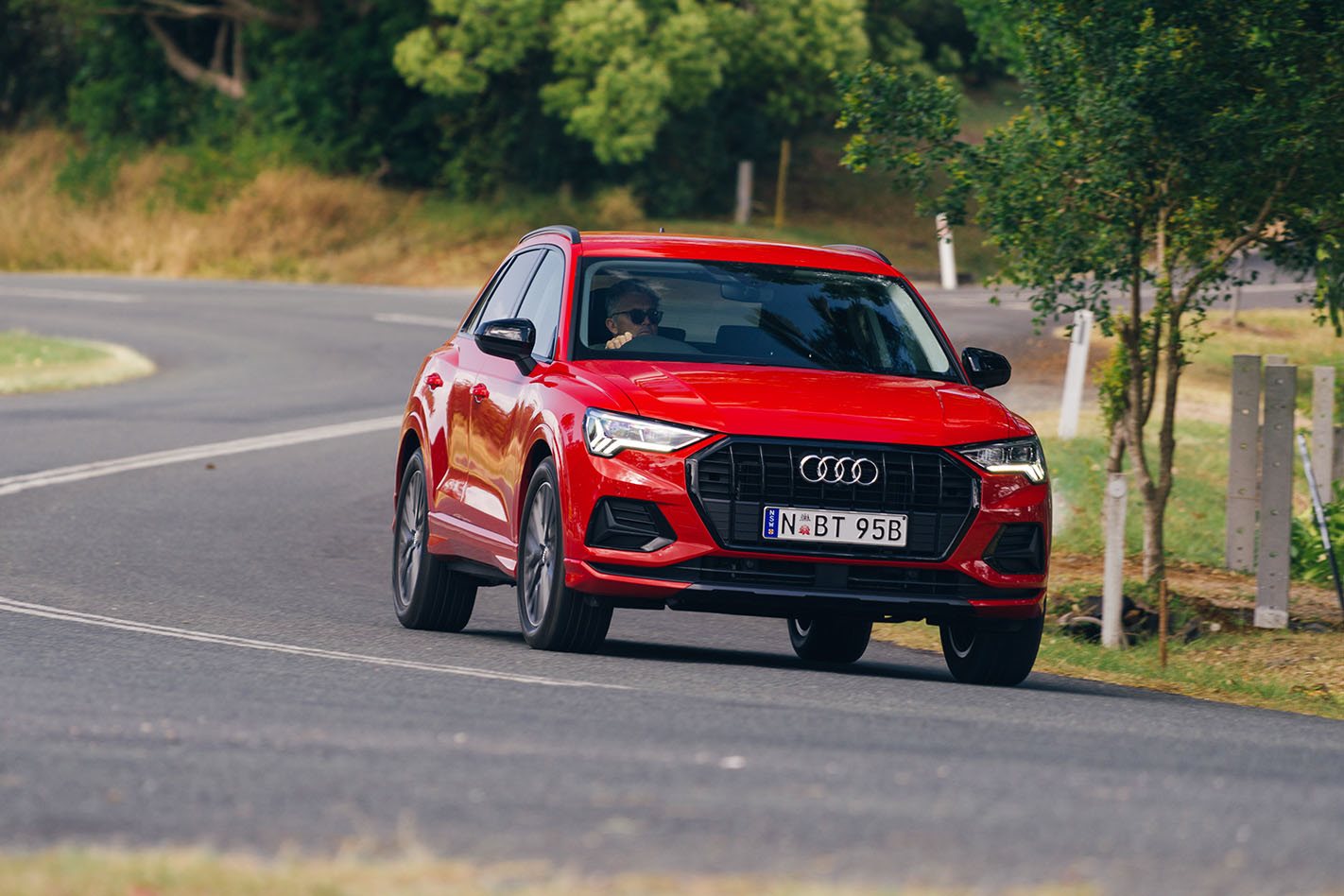
Audi Q3 – Winner
Australians can’t get enough of Audi’s second-generation compact SUV. Although the Q3 was the country’s best-selling luxury small SUV in 2020 (and the most popular Audi), it is more clearly dominating its segment so far in 2021.
Audi sold 553 Q3s in April – a 266 per cent increase on April 2020, while year-to-date growth is also in triple figures (115 per cent).
The Q3 had a 22 per cent market share in 2020; so far this year its share has increased to 29 per cent. It’s aiding Audi’s overall rise, too, with the German brand up nearly 40 per cent compared with the same period last year.
BMW 2 Series Gran Coupe – Winner
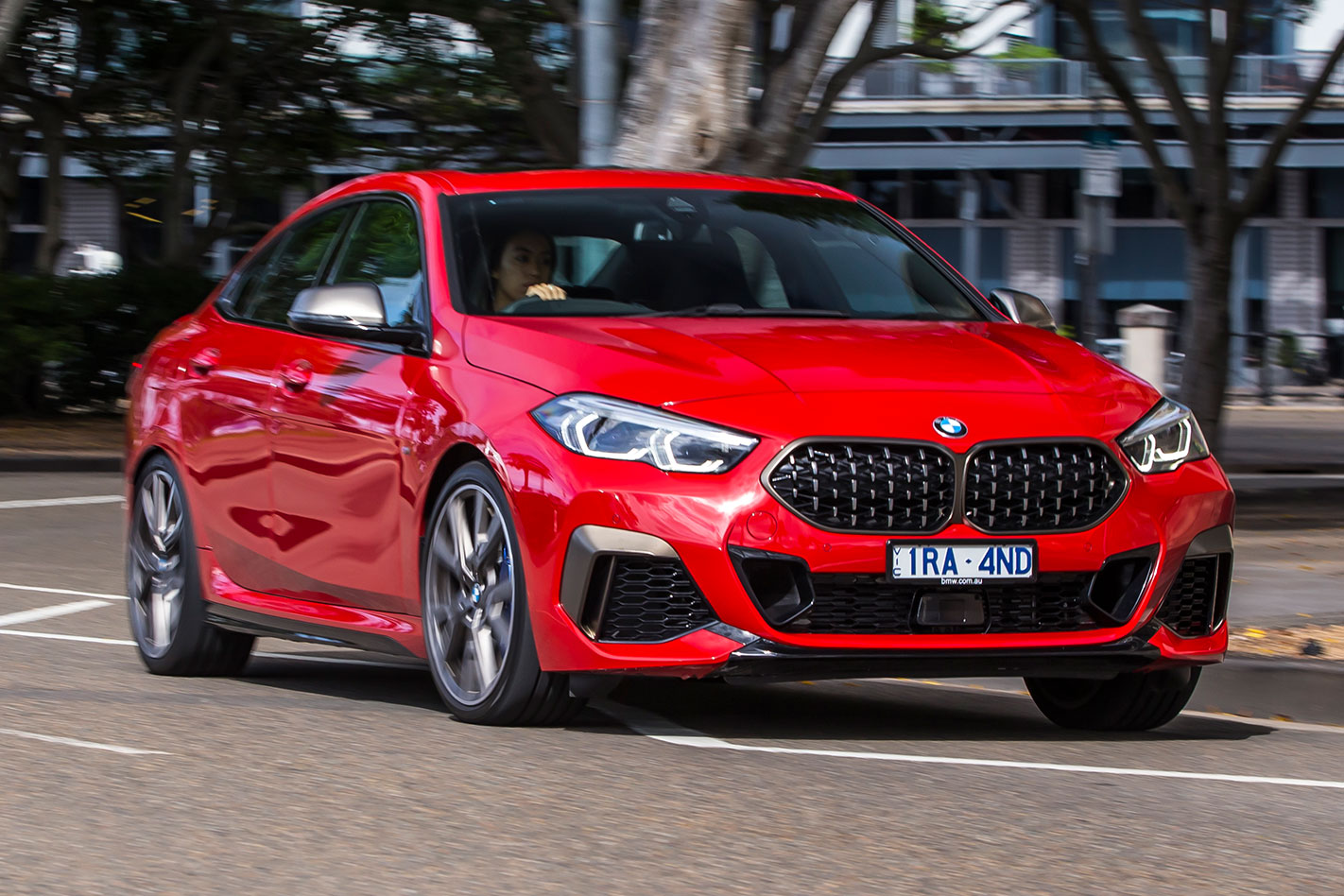
It’s rare for a hotcake like the Mercedes-Benz A-Class to be outsold and equally unusual that the BMW that beat it in April wasn’t the direct-rival 1 Series.
Instead, the victor of the luxury small car segment last month was the four-door version of the 1 Series, the 2 Series Gran Coupe.
The range was boosted in late 2020 by the introduction of a mid-spec, $53,990 220i variant, which sits between the entry-level, $49,990 218i and flagship $72,990 M235i.
Chinese brands – Winners
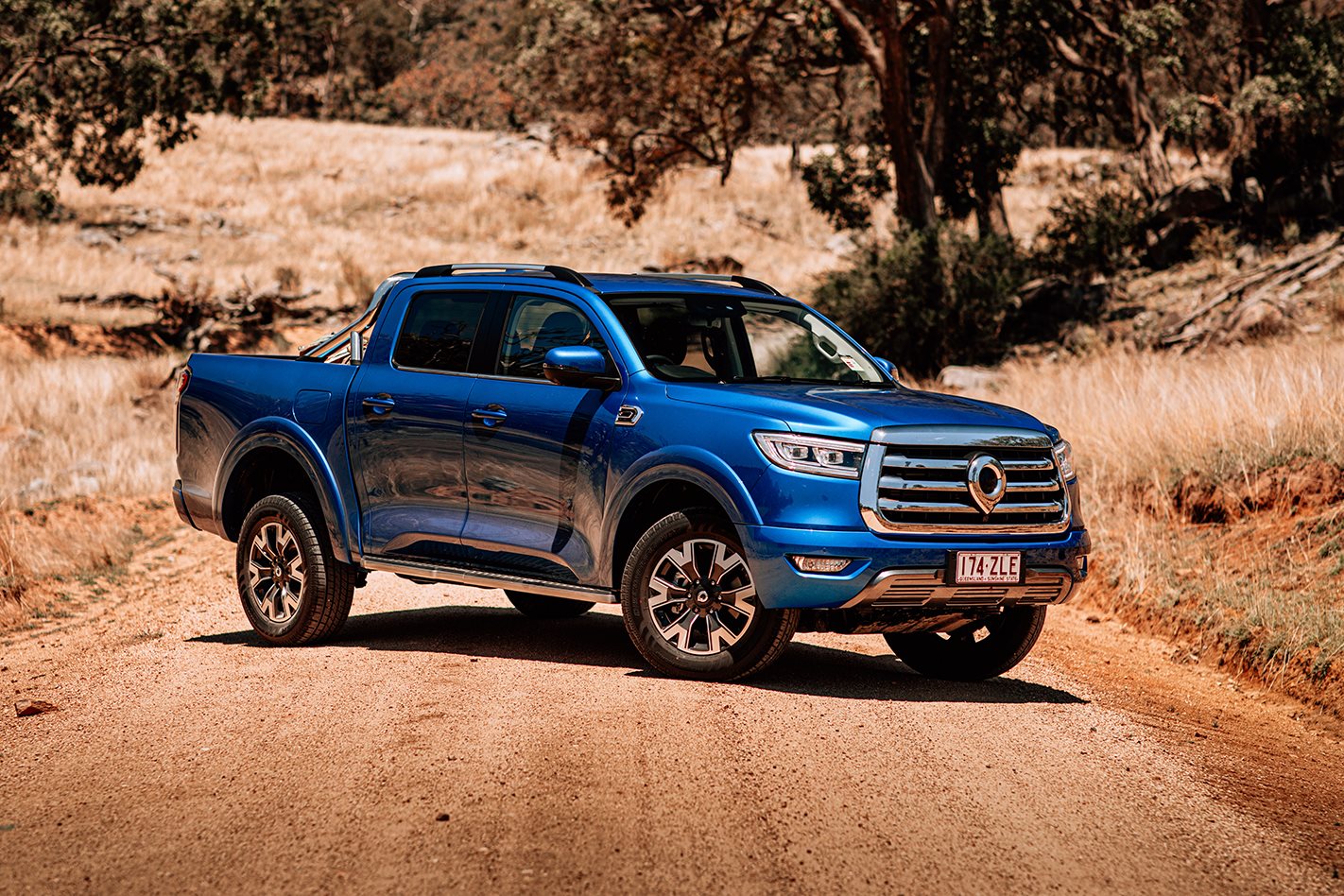
GMW–Haval, LDV and MG continue to set the new-car market alight with records. Even allowing for April 2020’s Covid struggles, MG and GWM-Haval’s respective monthly growth of 626 and 673 per cent is quite phenomenal.
Both brands also exceed 200 per cent sales increases when looking at the year-to-date picture – MG up 215 per cent and GWM-Haval up 247 per cent. LDV is hardly missing out.
Last month’s tally of 1086 units is a 417 per cent increase on April 2020, with its year-to-date increase at 156 per cent.
Citroen – Loser
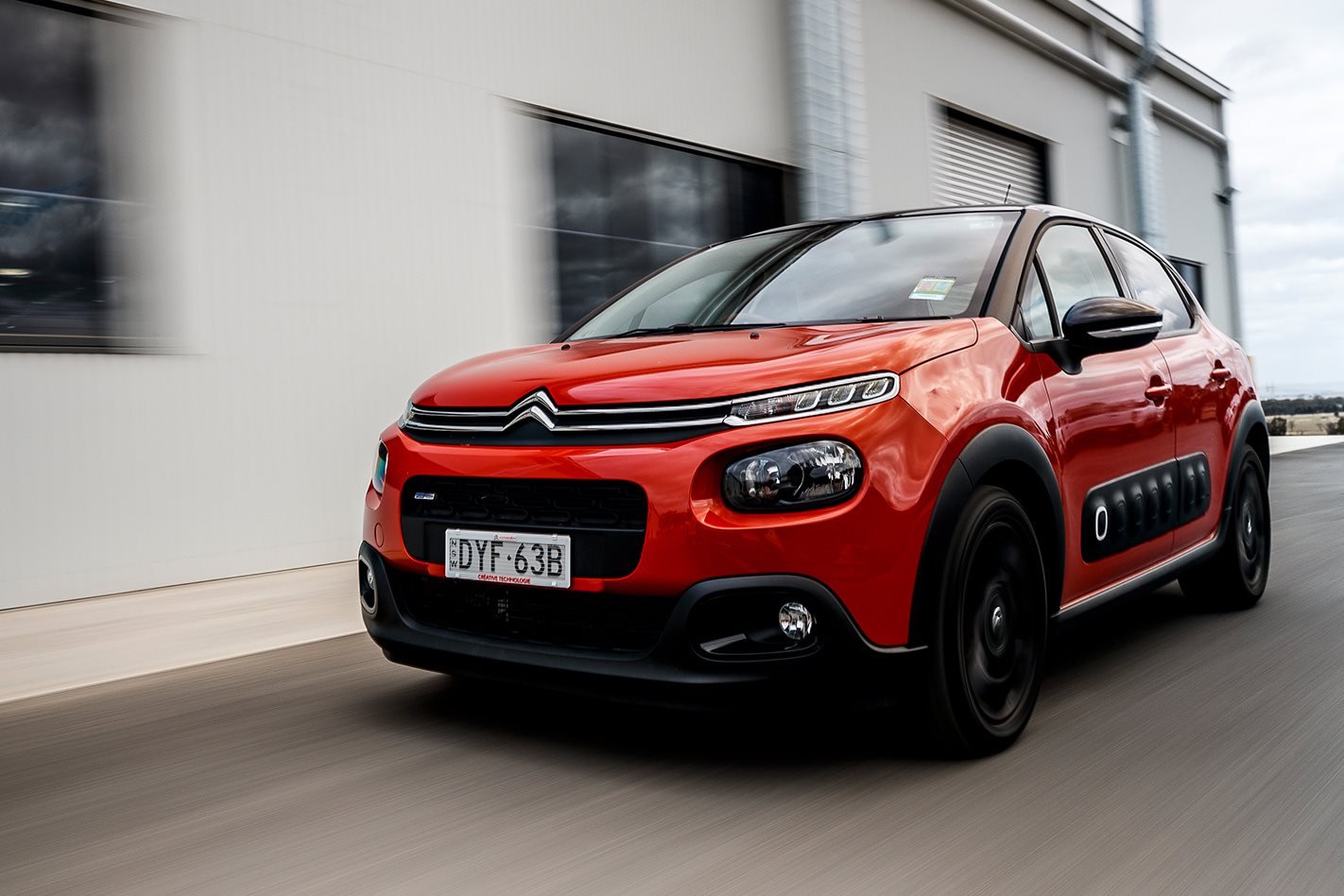
Sacre bleu! Just three Citroen models – one C3 city car and two C5 Aircross SUVs – left showrooms last month.
It’s more disappointing news for the struggling French brand, which has shifted only 37 vehicles so far in 2021. In a market that is up 30 per cent year to date, Citroen sales are down 44 per cent.
Double-digit growers – Losers
It may seem harsh to mark down any brand with double-digit month-on-month growth, but April 2020’s severely depleted sales mean triple-digit sales increases were the norm for April 2021.
That means relative disappointment last month for BMW (26 per cent), Fiat (12 per cent), Honda (62 per cent), Jaguar (49 per cent), Maserati (96 per cent), Mini (80 per cent), Porsche (56 per cent), RAM (40 per cent), and Toyota (96 per cent).
Ferrari – Winner
The Prancing Horse has been consistently trailing its 2020 performance so far in 2021, though in April Ferrari sold 23 supercars for its best monthly result yet. That put it ahead of its key rivals – Aston (nine cars), Lamborghini (18) and McLaren (seven).
Ford Ranger – Winner
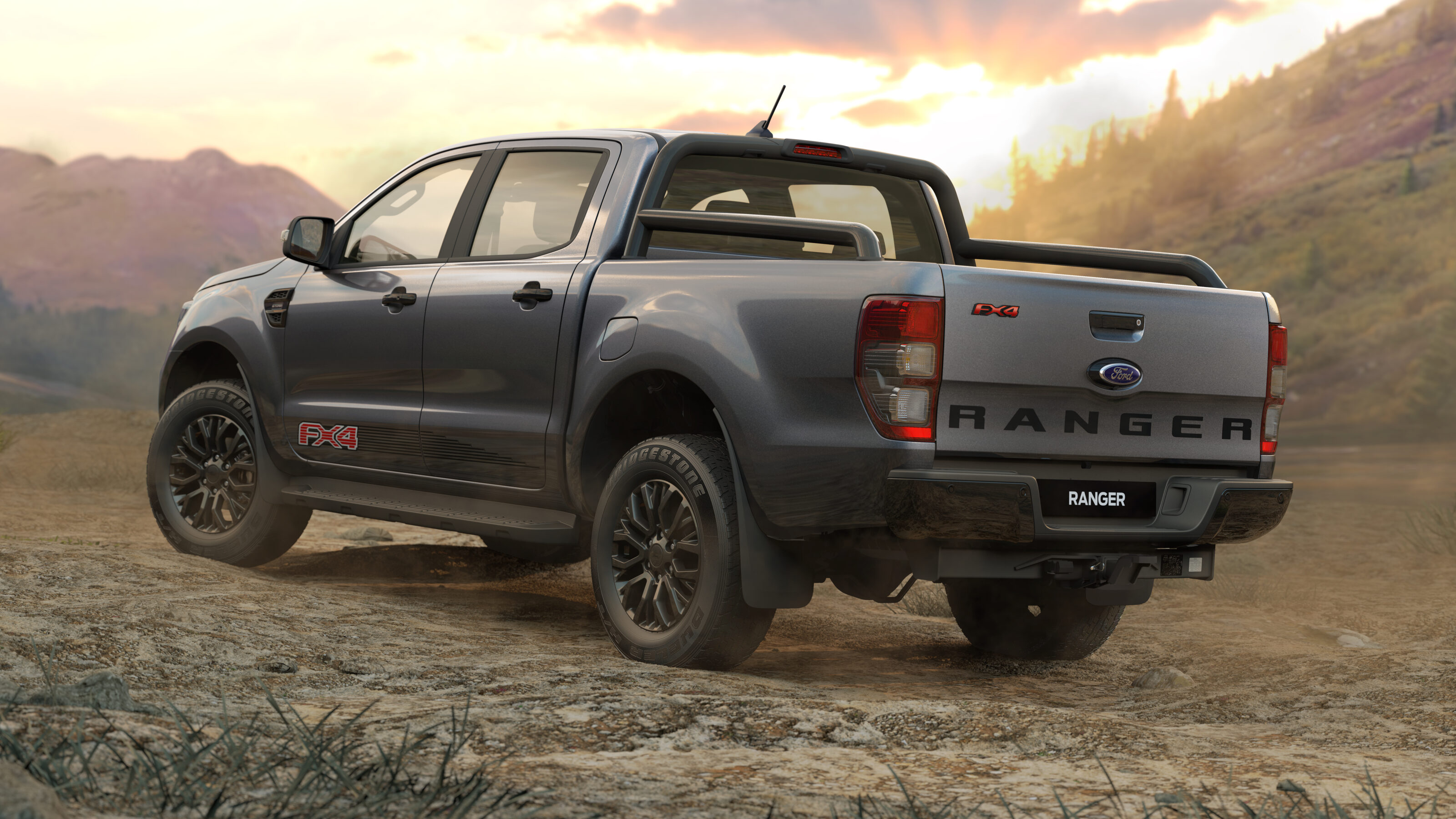
It hasn’t been uncommon for Ford’s locally developed ute to outsell the HiLux in the 4×4 segment, but it’s rarer for the Ranger to trump the Toyota when combining 4×2 sales.
Yet in April the Ranger came out on top overall for only the third time in about three and a half years, the last time being September 2020. With 5021 sales, the Ranger was the best-selling vehicle in Australia last month.
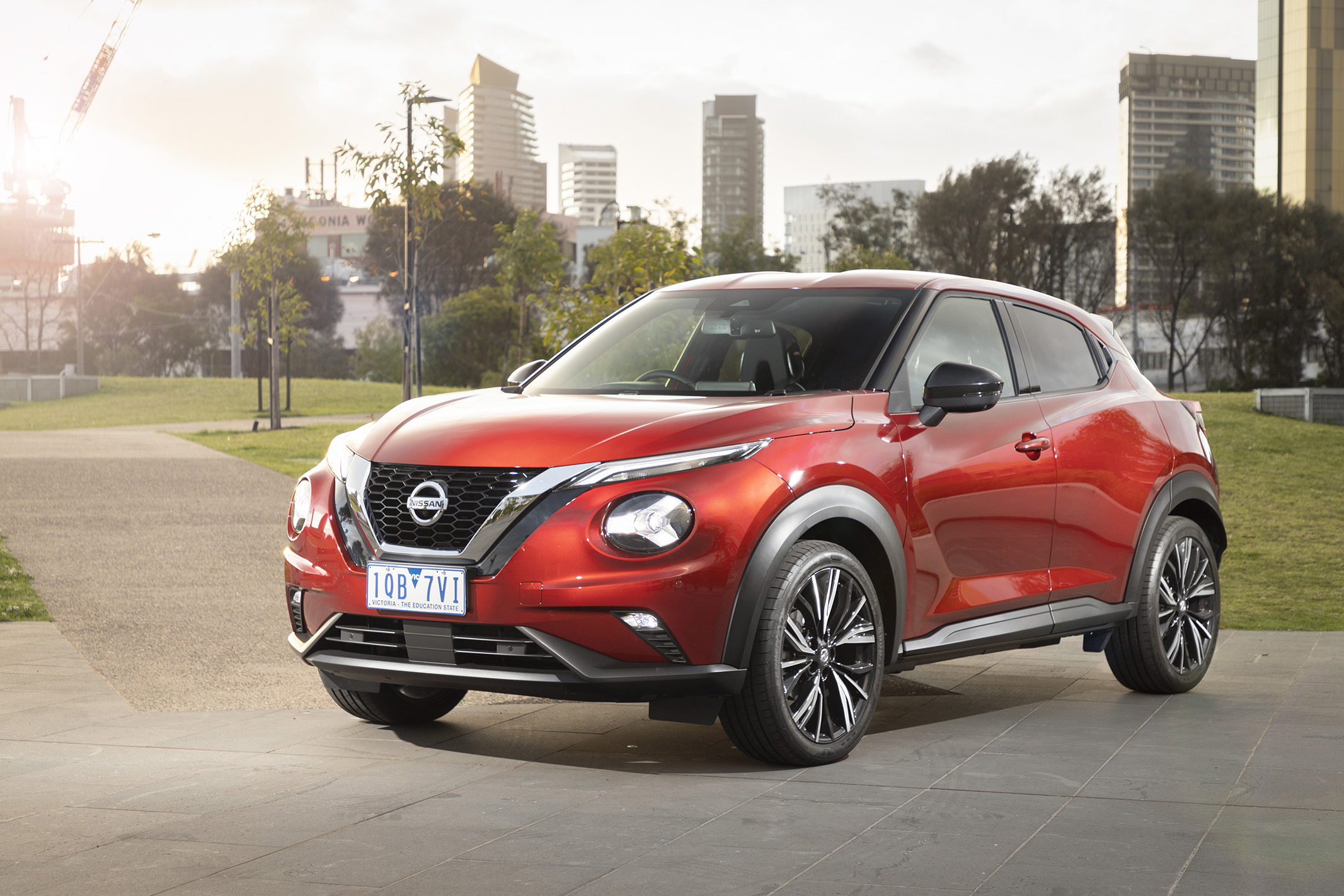
Light SUV segment – Winner
The world’s smallest SUVs were the biggest growth category last month, up nearly 400 per cent compared to April 2020 – or up from 1028 to 5079 vehicles.
New entrants in the form of the Ford Puma (though replacing the EcoSport), Kia Stonic and Toyota Yaris Cross made their contributions, as did the new-generation Nissan Juke. There were also strong performances from the Hyundai Venue, Suzuki Ignis and VW T-Cross.
Lotus – Winner
Six driving enthusiasts in April were keen to buy a slice of Lotus history. The niche British sports car maker is retiring its Elise, Exige and Evora models at the end of the year as it prepares for an entirely new line-up of sports cars.
The six sales equate to a 500 per cent sales increase on April 2020, with Lotus’s year-to-date sales up by 91 per cent – or from 11 to 21 vehicles.
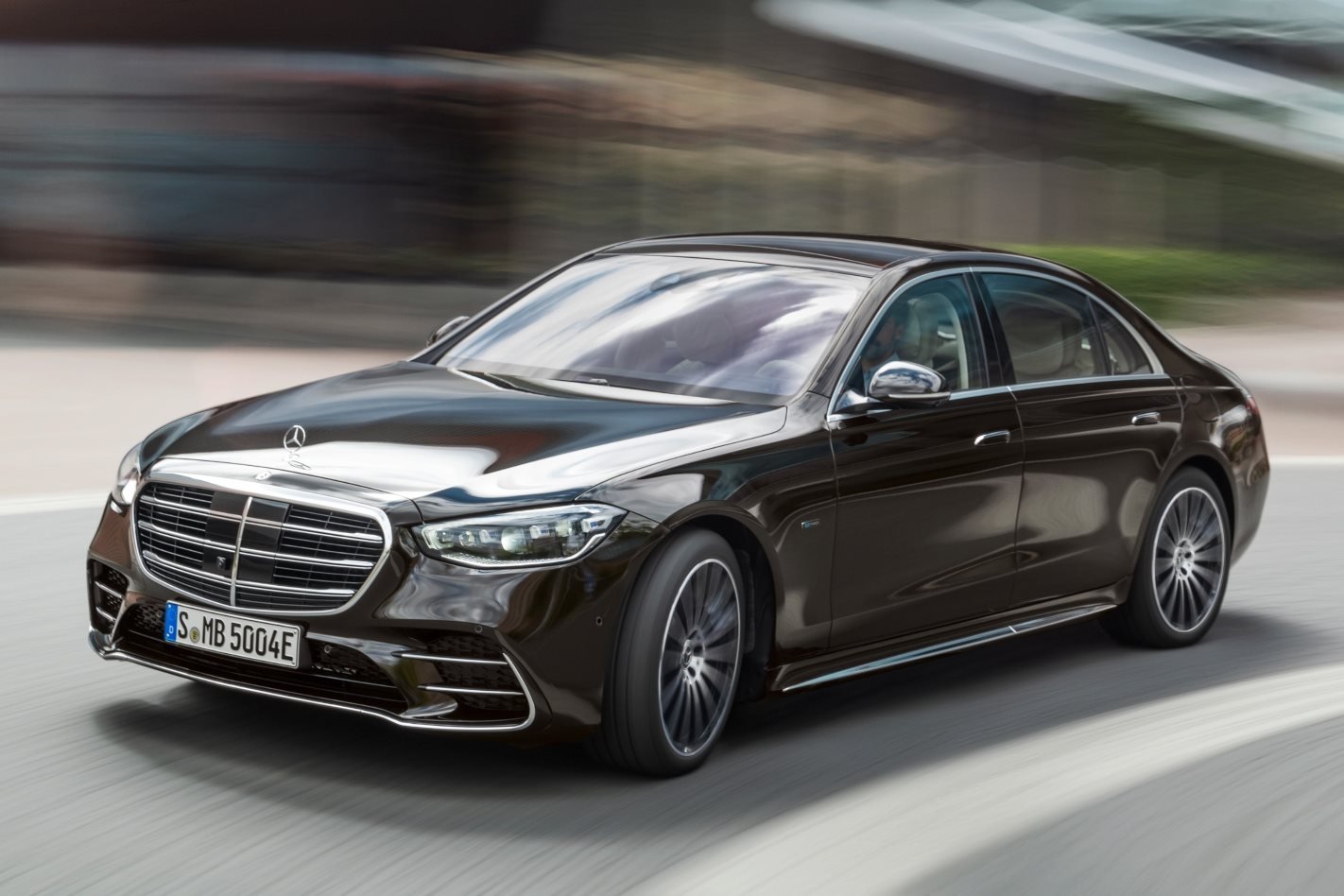
Mercedes-Benz S-Class – Winner
The latest iteration of the world’s most famous limousine has stretched sales by a remarkable 700 per cent month on month, with 32 S-Classes sold last month.
That was almost as many as there were E-Class Coupes/Convertibles sold and more than the CLA (24). For further perspective, the next closest limo was BMW’s 7 Series with five sales.
Audi sold zero A8s, Bentley sold three of its sedans, Lexus sold three LS models, Maserati sold a single Quattroporte and Rolls-Royce’s five sales in April were coupe and 4WD models only.
Micro-car segment – Winner
Another triple-digit-growth category, up a massive 441 per cent month on month – even if to just 746 vehicles.
While an appropriately teeny category with just three vehicles, the Kia Picanto and Mitsubishi micro cars maximised sales with circa-500 per cent growth each for the month – up 511 and 495 per cent, respectively. The Fiat/Abarth 500 also chipped in with a 40 per cent increase over April 2020.
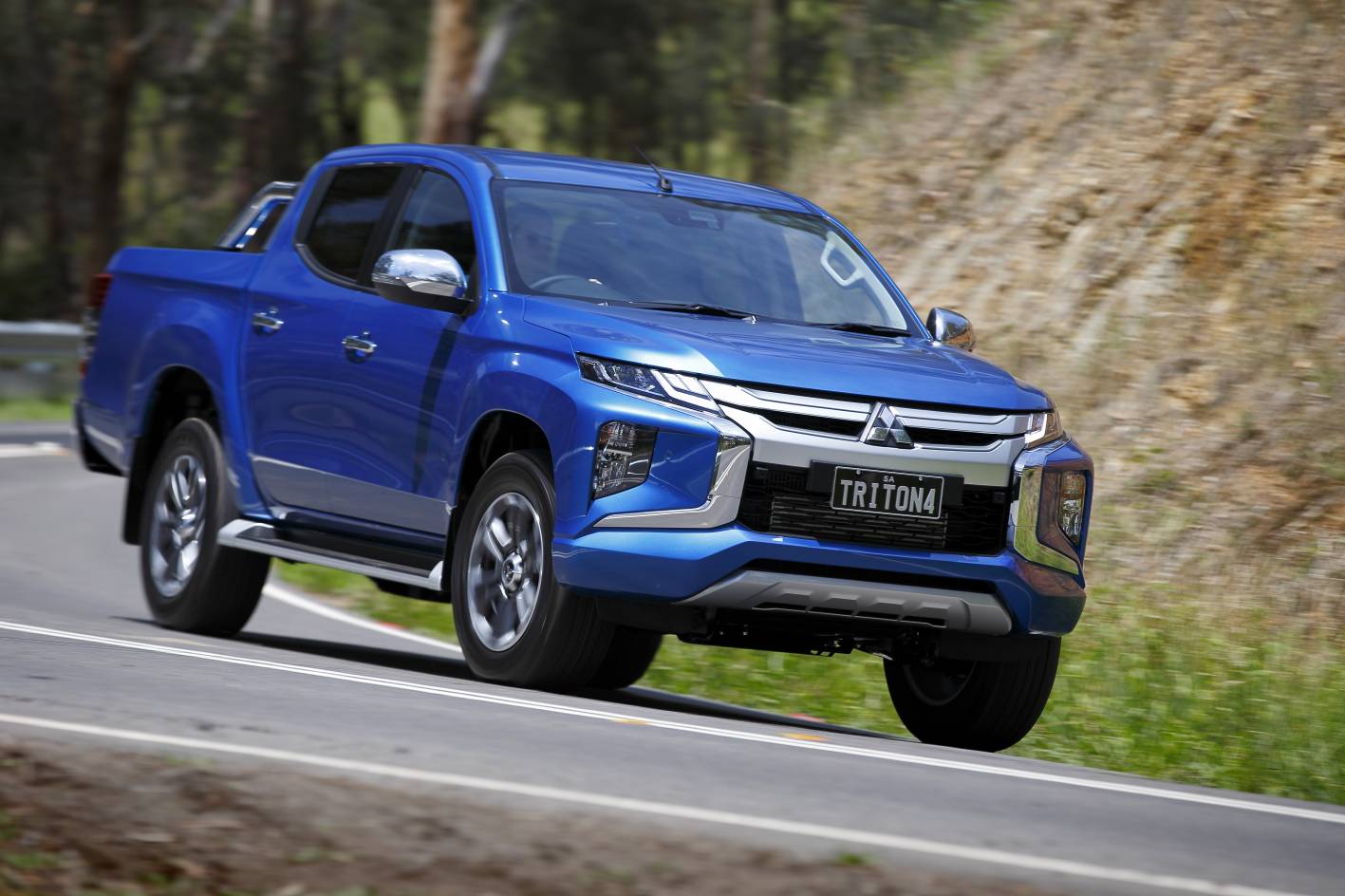
Mitsubishi – Winner
The common sales pecking order for car brands in Australia is Toyota (by a country mile), Mazda and Hyundai. But last month, Mitsubishi made it onto the podium at the expense of Hyundai, helped by the Japanese brand registering 333 per cent month-on-month growth compared with 157 per cent for the Korean car maker.
Mitsubishi has also moved into third place in total sales to date for 2021, again displacing Hyundai.
Renault – Loser
It’s not a good look to post negative growth in a month when most brands were registering between 100 and 800 per cent sales increases, but French car maker did just that with a minus-four per cent figure for April.
A 77 per cent decline for its Master van was the main culprit. Its Koleos mid-sized SUV performed well, though – up 182 per cent month-on-month, from 55 to 155 units, and the second-generation Captur compact SUV launches imminently.
Skoda – Winner
While its parent company Volkswagen will no doubt be content with a 136 per cent increase in sales compared with April 2020, Czech brand Skoda had the second largest growth result last month – up a whopping 775 per cent. In vehicle terms, this was a climb from 107 to 936 vehicles.
Where many brands can have a particularly dominant model, Skoda’s April 2021 result is notable for consistency across its line-up, with five models – the new Kamiq compact SUV and Scala small car twins, the Karoq and Kodiaq SUVs, plus the latest-generation Octavia medium car – each sold between 142 and 178 units. Skoda’s year-to-date sales are up 124 per cent to 3704 vehicles.
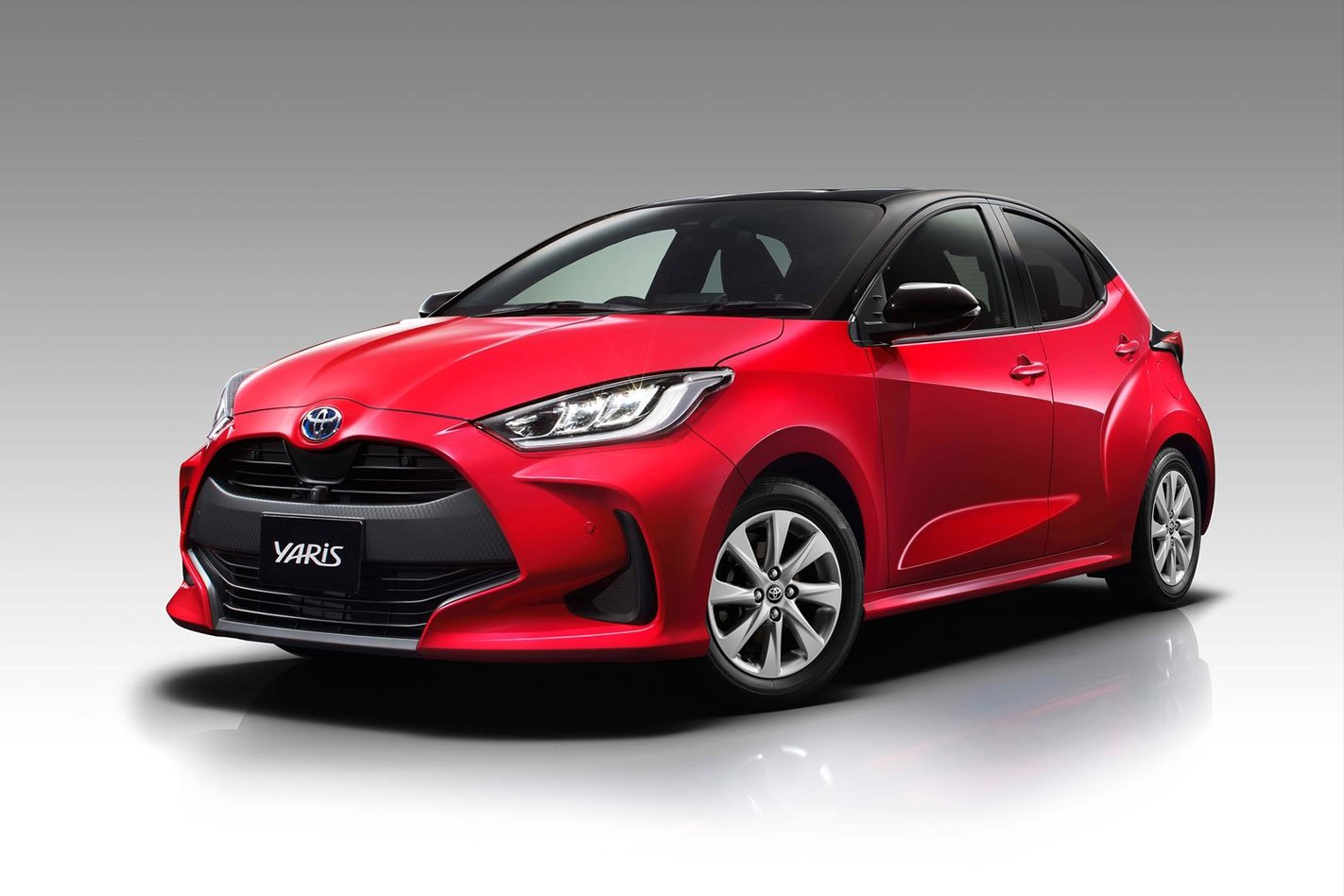
Toyota Yaris and Yaris Cross – Winners
April was a good month for vehicles named Yaris. The Yaris city car has struggled since a significantly more expensive new-generation version was released last year, but it partially recovered last month with a 325 per cent month-on-month increase that equated to 604 sales.
That placed it second in its segment, behind the MG3 (1150 sales) but ahead of the likes of the Mazda 2 (541), Kia Rio (407), Suzuki Swift (379) and VW Polo (250). And although the Yaris Cross baby SUV is too new to compare with April 2021, it was the third most popular model in its class last month with 730 sales. Only the Mazda CX-3 (1779) and Kia Stonic (769) sold more.
Talking points
- Bentley’s first fully electric vehicle expected to arrive in 2025
- EV crossover SUV will be based on Volkswagen’s upcoming Artemis platform
- 39 per cent of Bentley owners are considering a BEV as their next car
Bentley has revealed details about its inaugural fully-electric vehicle, which is due for a 2025 release date.
Speaking with Car, Adrian Hallmark, CEO of Bentley Motors Limited, said the upcoming EV would be based on the VW group’s new electric-focussed Artemis platform, which is being headed up by Audi.
Announced in 2020 and expected to launch in 2024, the Artemis project will spawn several models across VW’s various brands, with the EV architecture said to be designed with a focus on electric drivetrains and advanced autonomous driving software.
Unlike other Bentley’s in the past that have been based on already established platforms in VW’s arsenal, however, the British automaker is actively involved in the development of the Artemis project.
“With our current cars, we had to get into the engineering largely after they (the platforms) had been done. The difference now is that with Artemis we’re right in there at the beginning, helping define it. We’re not leading it, but we’re going to be a beneficiary of it,” Hallmark told Car.
“Looking forward to electrification, we’re going to have closer synergies with Audi. But we will continue to have strong relationships with both brands (Audi and Porsche), and we see this as an opportunity, not a risk.
“No question – we are electrifying. And we need to find the best way to fast-track that, and to lead the technology charge.”
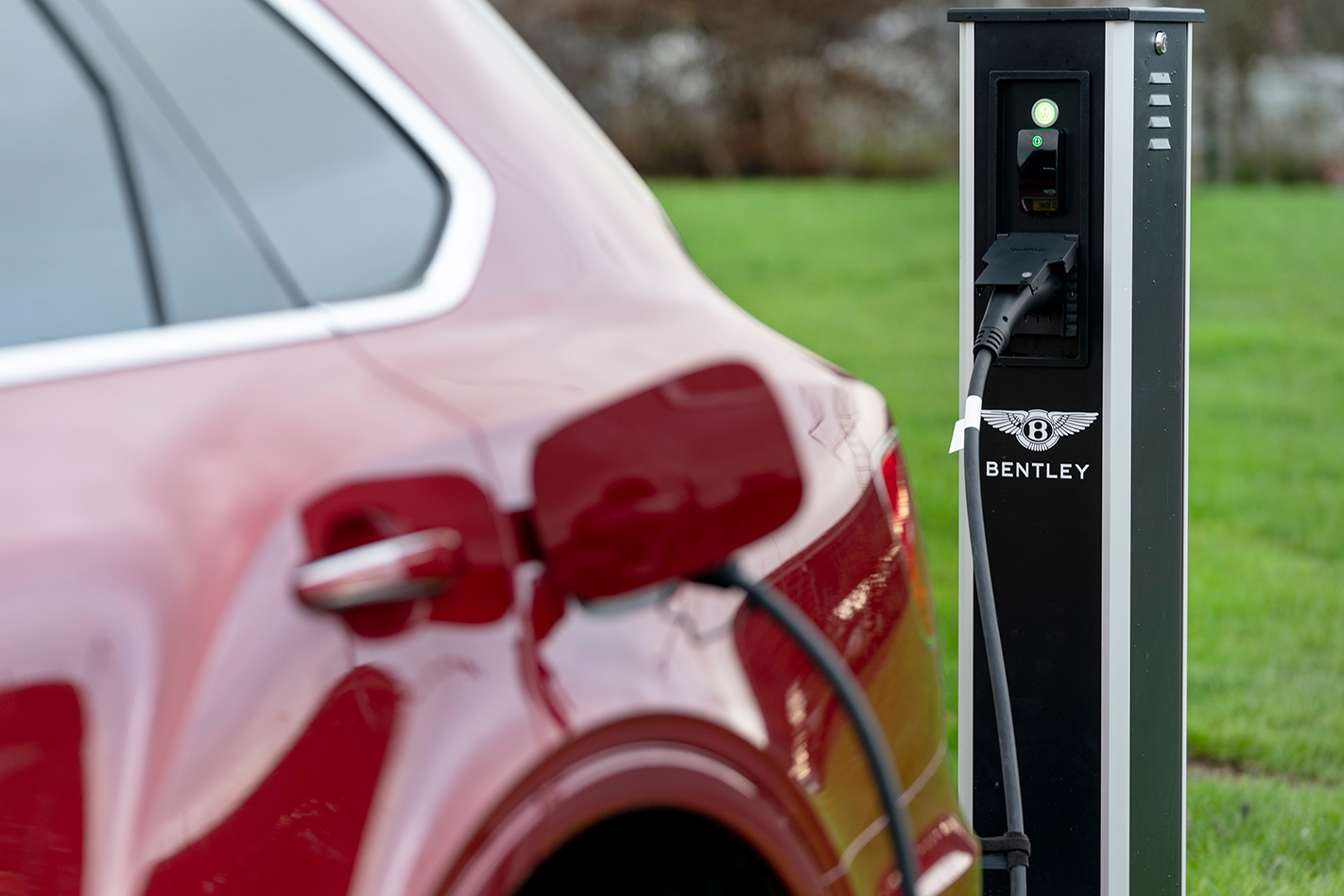
Hallmark explained the British marque was waiting until 2025 to release its first EV because that’s when the battery technology will best serve the automaker.
“2025 is the right time for us,” Hallmark said. “Weight is a concern. But we’re seeing rapid evolution in battery power density, and we’re dedicated to making things lighter and more aerodynamic.”
The CEO also said the design process for Bentley’s first fully electric vehicle would require a different mindset and approach compared to previous models, with an emphasis placed on composing the car around its EV underpinnings, rather than worrying about styling first and then making sure it all works as a package.
“As we move into EVs we’re not going to throw away our brand DNA. But we have to reinterpret it and be a bit more progressive,” he said.
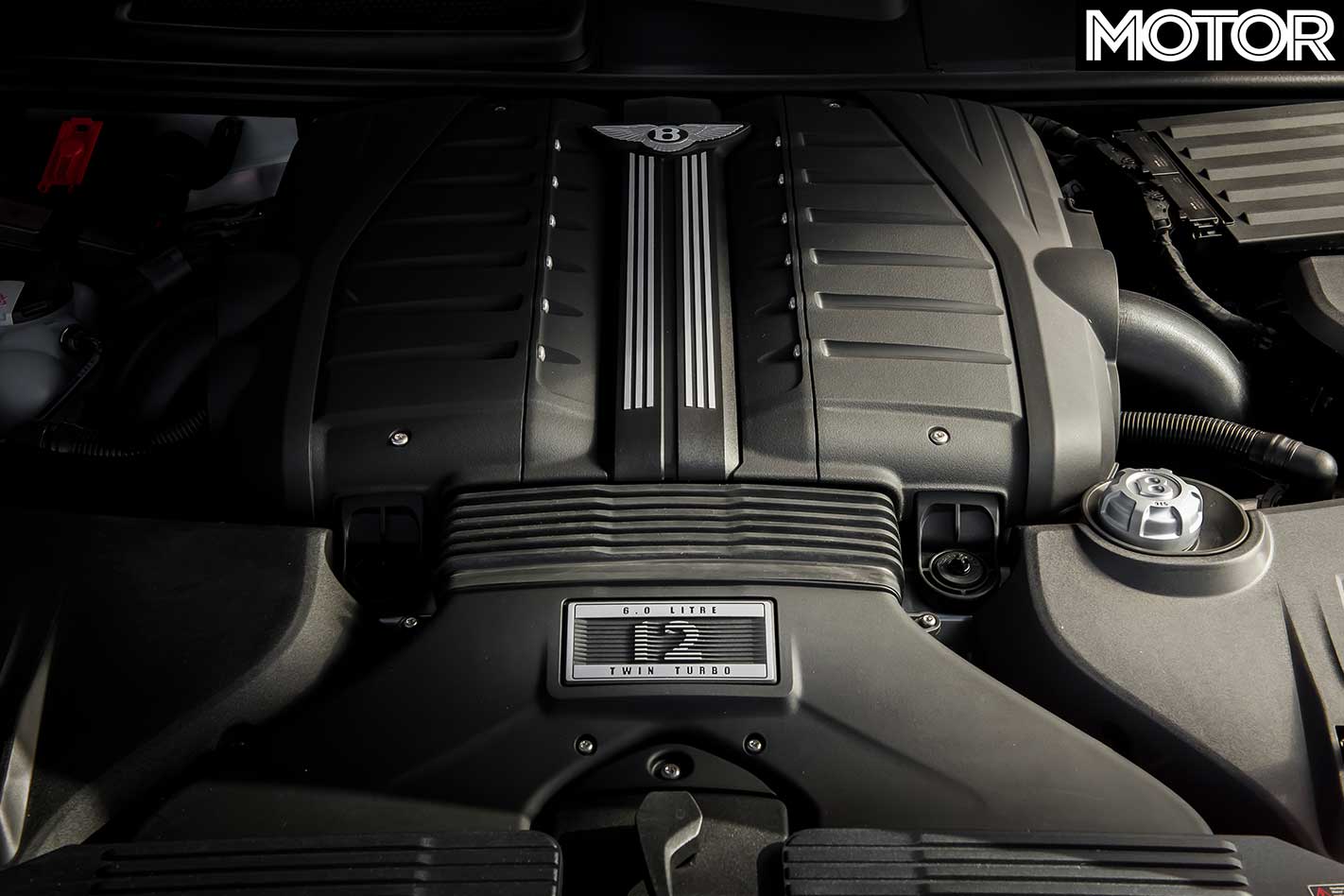
And despite Bentley’s customers’ perpetual desire for 12-cylinder internal combustion engines, (Bentley has sold more 12-cylinder donks than any other carmaker ever) Hallmark also said the Crewe firm had polled data from its clientele, and 39 per cent of Bentley owners were considering a battery electric vehicle as their next car.
As WhichCar previously reported, Bentley will only build hybrid and fully electric vehicles from 2026, however, Hallmark has challenged the UK Government’s hybrid ban that’s due to take effect from 2035, saying the government has not done enough to encourage road users to embrace plug-in hybrids and mild-hybrids, let alone battery electric vehicles.
Talking points
- European-built hybrids ‘prohibitively’ expensive to import
- Hyundai concedes Tucson’s powertrains not as advanced as some rivals
- Says Tucson brings enough new tech to justify its futuristic credentials
Hyundai Australia has defended its ‘tomorrow’s car today’ marketing campaign for the new Tucson despite the fact it is unlikely any electrified versions will make their way Down Under.
As reported in November 2020, the European produced hybrid (HEV)- and plug-in hybrid (PHEV)- Tucson variants were ruled out of joining petrol and diesel versions in the local line-up despite them being on Hyundai Australia’s wish list.
At the time a lack of Federal emissions targets was blamed for them not being available at launch.
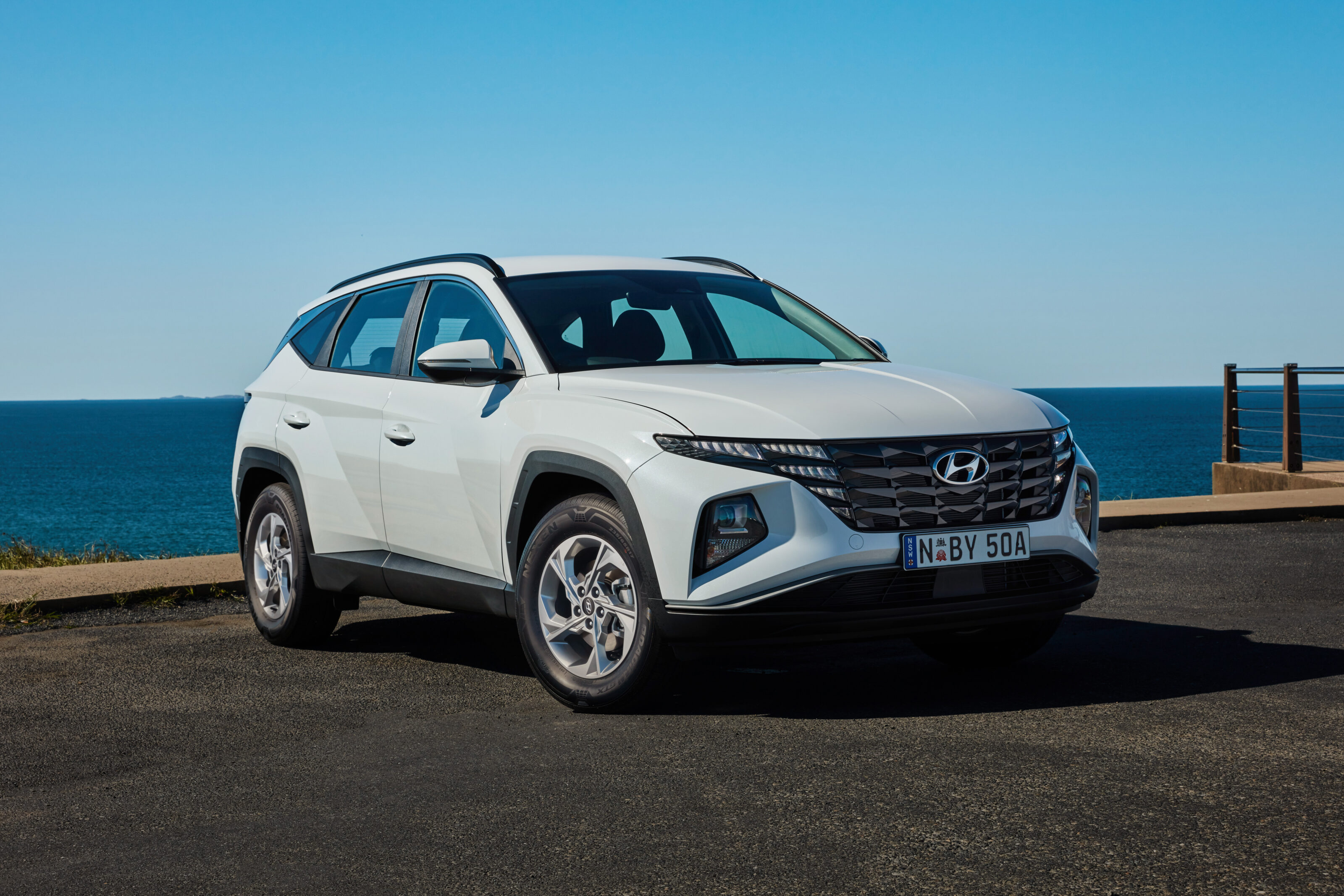
However, Hyundai Australia Co-ordinating Director Scott Yoon said while that is still the case, other factors such as the ‘prohibitively expensive’ cost of importing vehicles from Europe, as well as import tariffs on cars built in the Czech Republic, mean it’s unlikely they’ll join the Australian range for the foreseeable future.
Yoon told journalists at the Tucson’s Australian launch that while there was always the option the Nosovice plant could build hybrid Tucsons for Australia, the issue was making a business case to justify the additional costs to develop the Tucson to local specifications.
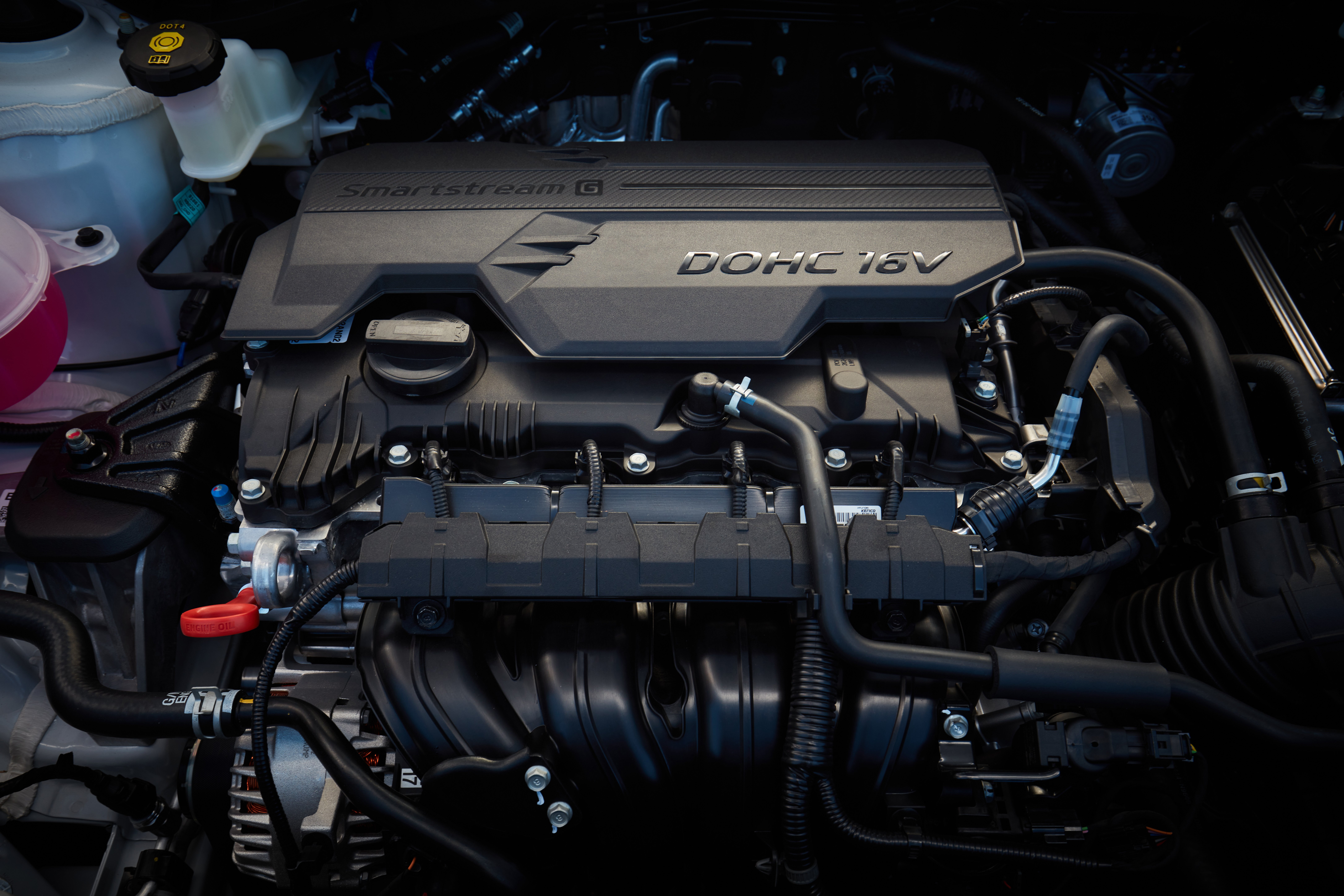
This means the Australian Tucson range will again be powered by similar four-cylinder powertrains to the previous model including new versions of the 2.0-litre naturally aspirated petrol engine, the 1.6-litre turbo petrol and 2.0-litre turbo diesel.
When asked if the lack of HEV or PHEV powertrains contradicted Hyundai Australia’s decision to market the 2021 Tucson as ‘tomorrow’s car today’, the company’s Chief Operating Officer John Kett said: “I understand that one of our competitors (Toyota) has an advantage on that today, quite frankly we don’t see that as tomorrow’s car.”
“Zero emissions for us is our key priority, we think hybrid is a transition technology,” he said.
“At this point in time, car for car, we think [Tucson is] an incredible proposition in terms of features.”
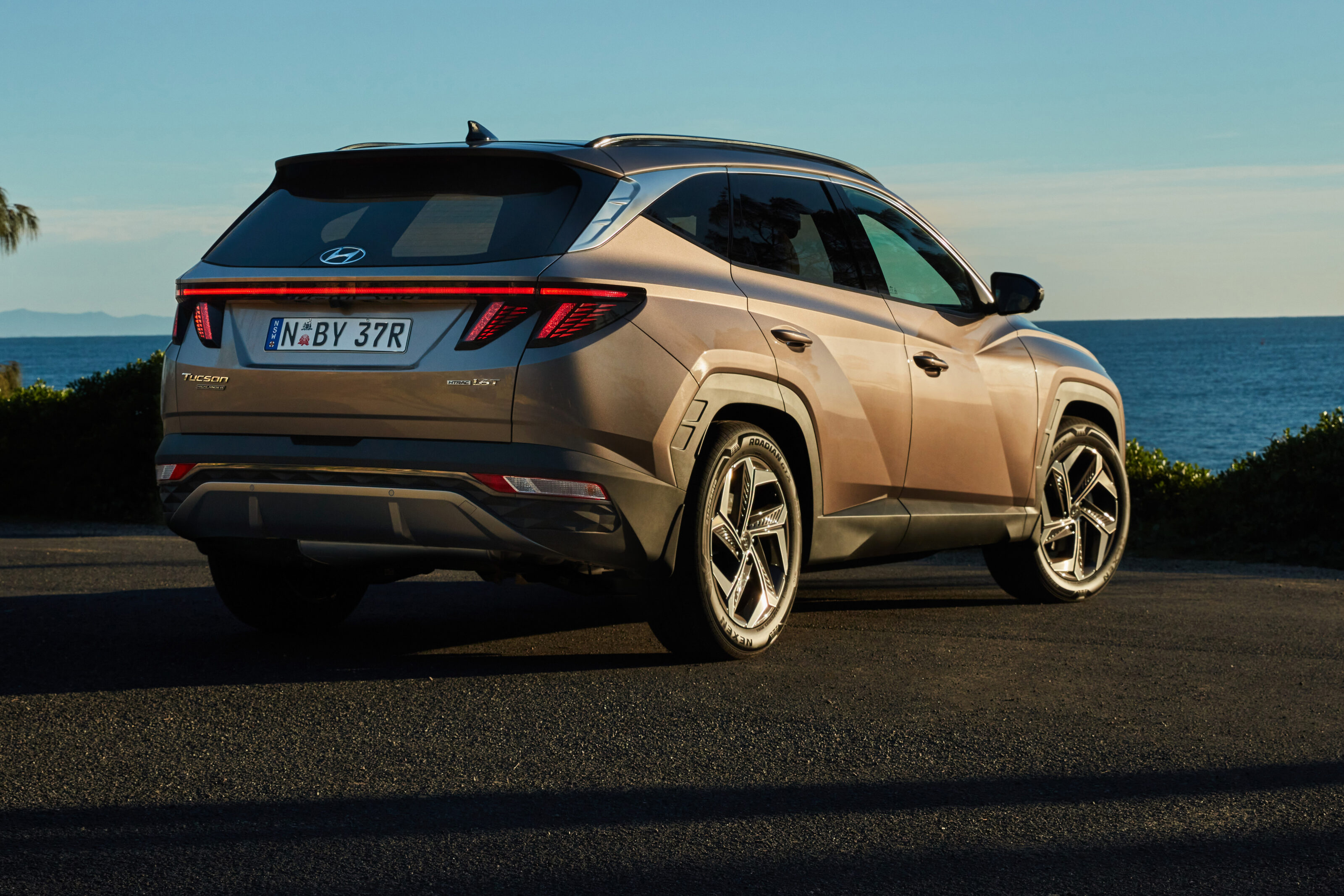
“We feel like it’s an incredible offering and we do feel like it justifies that statement.”
Hyundai Australia’s General Manager of Corporate Communications, Bill Thomas, conceded the Tucson’s new powertrains weren’t as advanced as some of its competitors but said the Tucson led the medium-SUV in other ways.
“I don’t think there’s anyone [at Hyundai Australia] who would disagree that having a hybrid would be a disadvantage for us, we just can’t get it,” he said.
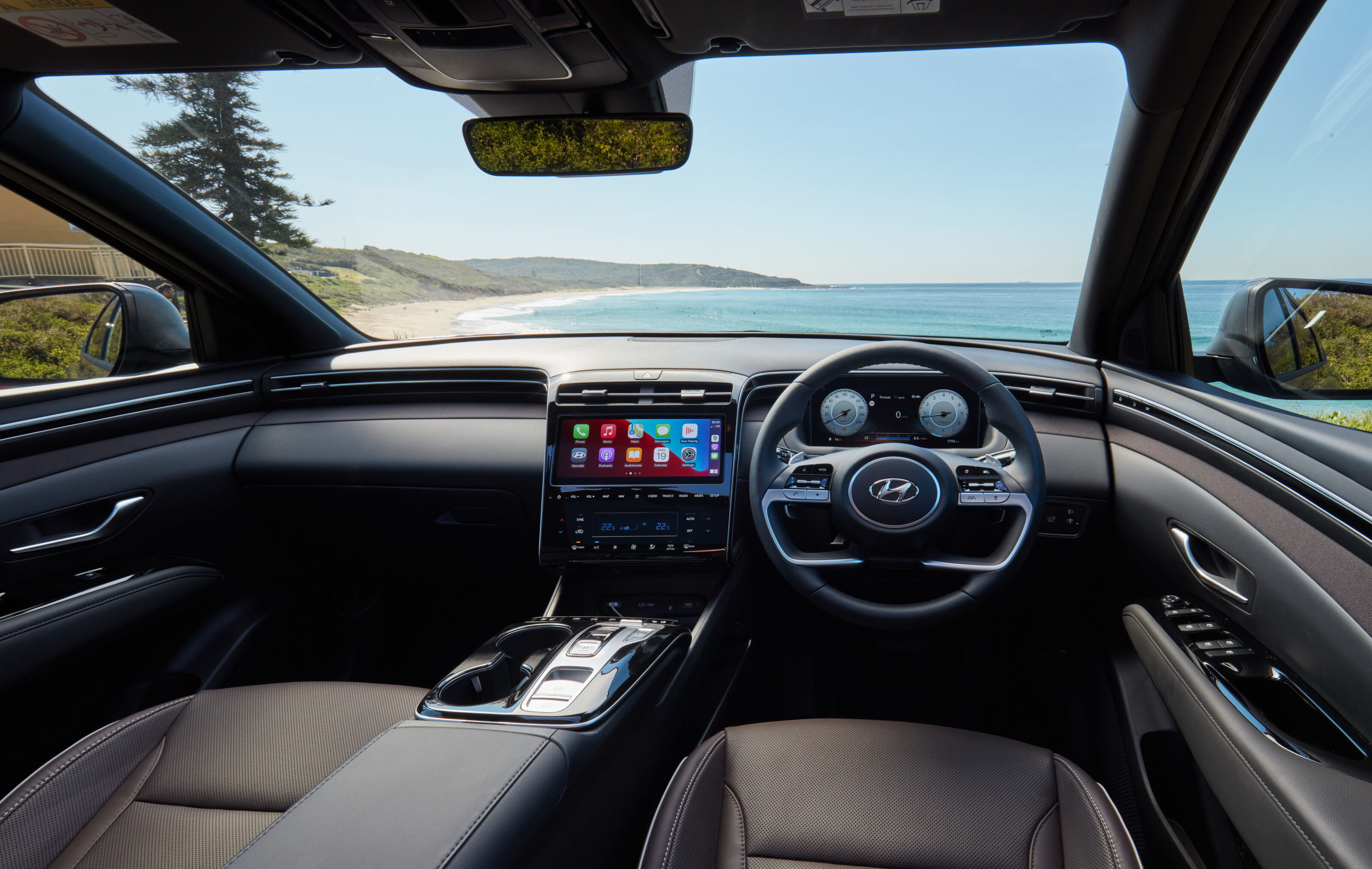
“But when you look at the car and look at the features packed into it and think about it from that point of view, it’s a strong futuristic-looking car with the right kind of tech.”
The 2.0-litre petrol, front-wheel-drive Hyundai Tucson has arrived in Hyundai showrooms, with the 1.6-litre turbo all-wheel-drive (AWD) due in the coming weeks, followed by the 2.0-litre turbo-diesel AWD in late 2021.
