
‘Unanimity’ can be a tricky word to say; much harder to achieve. In an increasingly divided and opinionated world, getting a disparate group of individuals to form a unilateral consensus on anything can be near-impossible.
The COTY judging process is often no exception, yet for 2021, in a rare moment of great(ish) minds thinking alike, all six members of the judging panel cast their vote for the winner you see here.
There would be no split decision, no recasting, no blow-ups or toys thrown out of the pram. The Mazda CX-30 is the 2021 Wheels Car of the Year, and all of us agreed on it.
For Mazda, it’s one hell of an achievement, and takes the company’s tally to nine COTY victories since the award’s inception in 1963, putting the Hiroshima-based brand only one win behind Holden as the award’s most successful manufacturer of all time. (Hot tip for those who enjoy a punt: Mazda has the better odds compared to the Lion brand to increase its haul…)
So where exactly does the CX-30’s brilliance lie? Well, that warrants deeper dissection, because that’s arguably what it doesn’t have: an area of true breakthrough brilliance. The old expression ‘jack of all trades; master of none’ used to be one of denigration; a suggestion that a worker was versatile yet lacked an area of true speciality.
In the case of the CX-30, it’s actually the highest compliment we can deliver it. As we’ll outline here, the key to its COTY success was not a couple areas of pure genius; instead it scored solidly against all five criteria, and resolutely did not drop the ball in any measurable area.
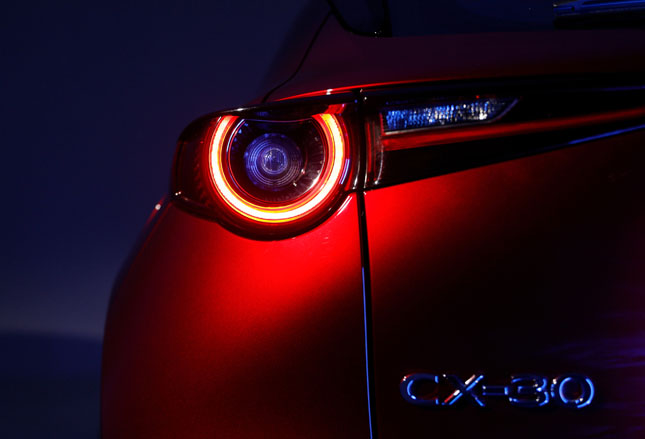
Speaking more broadly about its appeal, perhaps editor Dylan Campbell said it best: “For me, the CX-30 is a car that democratises luxury; it has a level of craftsmanship not evident in rivals. You sense the passion and commitment that’s gone into it, making it feel like a treat every time you get in.”
That overarching sentiment started to flow from the moment the judges really crawled around and through the car on day one.
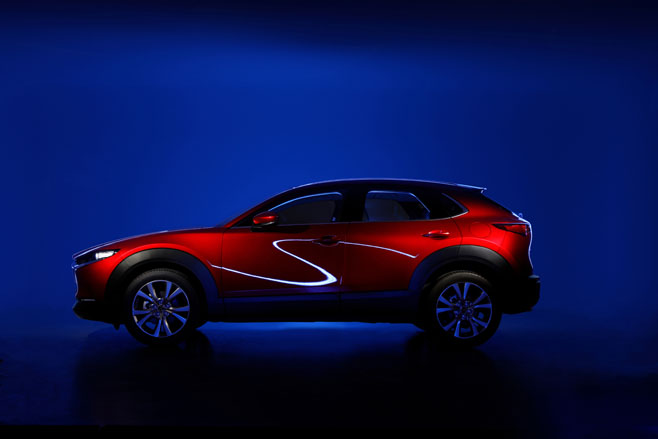
Mazda has clearly designed the CX-30 as a crossover, rather than a more pragmatic, boxy SUV, effectively making it a higher-riding (by 25mm) wagon version of the Mazda 3 on which it’s based. No-one could argue with the logic, even if it does bring a few potential compromises to packaging. Headroom in the rear is only just adequate for six-footers, and the boot, at 317 litres, is on the small side for this class.
“I’m okay with that,” conceded DC. “I think a comparatively small boot like this is probably more a theoretical disadvantage for most people rather than a regular real-world annoyance. For me, the exterior celebrates design and style; unlike rivals, where design feels like more an obligation.”
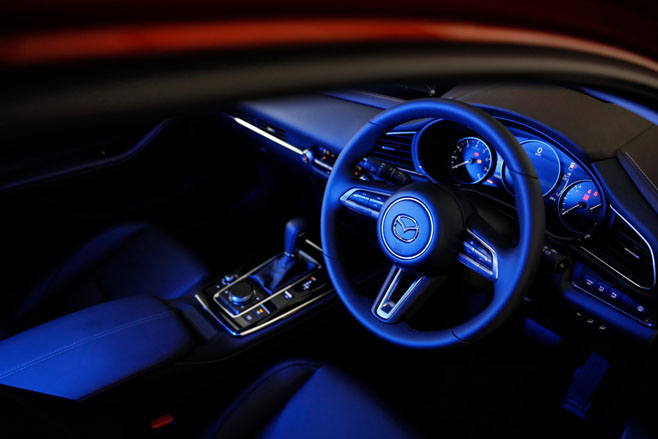
Byron was also quick to point out a design advantage held by the CX-30 over the related 3: “That the six-light glass area means more light floods in than in the 3. And I really like the extra splashes of colour for a change inside a Mazda – navy blue or brown as contrasts to the black on most variants; it gives a nice lift to the ambience.”
The three variants we had on test gave the judges a solidly indicative sample of the nine-strong CX-30 line-up. Our least-expensive tester was the G20 Evolve FWD (one model up from base Pure) with its 2.0-litre atmo four/six-speed auto combo, priced at $31,490.
In the middle sat the G25 Touring, powering its front wheels by the 2.5-litre four tied to the six-speed auto, and priced at $36,490.
Topping our trio was the CX-30 flagship; the X20 Astina, driving all four wheels by the new Skyactiv-X 2.0-litre petrol compression-ignition engine, priced at $46,490
It was broadly agreed that that the top-spec X20 Astina doesn’t represent the CX-30 line-up at its best, so let’s address the value question first, as it’s clear the CX-30 doesn’t attempt to lure customers into the showroom via a bargain-basement price tag.
Cheapest model in the line-up is the $28,990 Pure with a six-speed manual – a model with loads of appeal but won’t find favour with many Aussies. Cross-shopping the CX-30 against the Mazda 3 on which it’s based sees the Japanese-built CX-30 some $3500 dearer than the corresponding 3 Pure.
It’s a sizeable hike, given the similarities in equipment, but the judges still felt that within this segment, the CX-30 delivered decent value for money against the likes of rivals like the Kia Seltos, Honda HR-V and Toyota C-HR.
“If it wore a premium badge, it would be considered a bargain,” said Inwood.
Byron went a step further after being a bit underwhelmed by the interior finishes of the Mercedes-Benz GLB, drawing on his bottomless well of pop-culture references: “It’s like the CX-30 and GLB have had a Freaky Friday moment, where the Mazda feels like a Mercedes and the Mercedes feels like a Mazda.”
As for powertrains, both in performance and efficiency, the CX-30 managed a decent pass mark from the judges, rather than any glowing distinctions.
The two mainstream engines are well-developed and effective, but very conventional, and haven’t evolved significantly from those in the previous-generation Mazda 3 on which they’re based. The six-speed automatics, too, don’t break any boundaries.
Could all three powertrains make good use of an eight-speed transmission? Probably. But the fact this trio performs well, are not thirsty, and can deliver a decent level of driver satisfaction when stirred along, was enough to redress the lack of innovation.
“Compared to the 2.0-litre, the 2.5-litre has appreciably more oomph, especially as you floor it with the engine’s revs in the mid-range, making it a deceptively fast and punchy performer,” noted Byron. “But with both, you just need to be willing to flex your right foot regularly.”
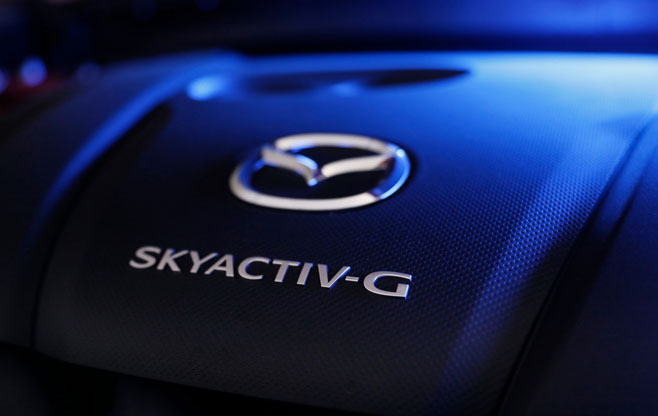
As for the Skyactiv-X, Mazda originally suggested this engine, which uses a supercharger and high compression to provide what the company calls Spark Controlled Compression Ignition (SPCCI), would be around 15 percent more frugal than the regular 2.0-litre Skyactiv-G engine (with a combined ADR figure of 6.5L/100km) but our real-world testing has seen them closer to par.
Still, given the X’s increased outputs, there was acknowledgment that its real-world consumption in mixed conditions that Wheels achieved of around 5.7L/100km (actually less than its official combined number of 6.0L/100km) was commendable in context of its performance.
Overall, though, DC was just one judge left a little underwhelmed by the Skyactiv-X engine: “It doesn’t have the level of torque in the step-off phase I was expecting, and nor is does it have an appreciably more eager and sparkling top-end,” our editor reckoned. Robbo, too, raised the issue of the X’s high-rpm noise.
So without a major gain in efficiency over the conventional G-series 2.0-litre, the judging panel was left questioning if the output gains were enough, especially when considering the hefty price premium attached to the new-tech engine.
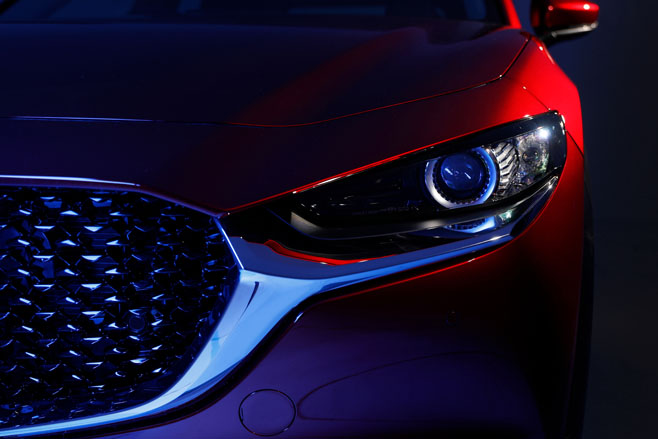
Byron brought some balance to the debate by pointing out that this was very much a new technology well short of maturity, and that there was more to come: “This year there’s an update that will bump outputs by 8kW/16Nm, so totals of 140kW/240Nm,” our walking automotive oracle reminded everyone.
Good point, but the takeout was that while Mazda is to be applauded for developing new tech with the potential to extend the effective life of the ICE engine, the X’s real-world benefits at this point aren’t massive, and it remains to be seen if the Skyactiv-X can really introduce a step-change to push it well clear of the larger, conventional 2.5-litre engine.
Regardless, any judge who completed our demanding test loop in any of the CX-30 variants had plenty of positives to share, especially in the fundamentals of core dynamic competence, suppression of road noise (once a real Mazda weak spot) and willing, engaging character when the pace was ramped up.
The dirt-road testing, too, showed Mazda really knows its stuff when it comes to ESC and ABS calibrations, delivering one of the most engaging chassis to push to the limit without excessive intrusion.
Inwood reflected the broader consensus when he said of the G20: “Not the strongest engine, but adequately isolated and not coarse.”
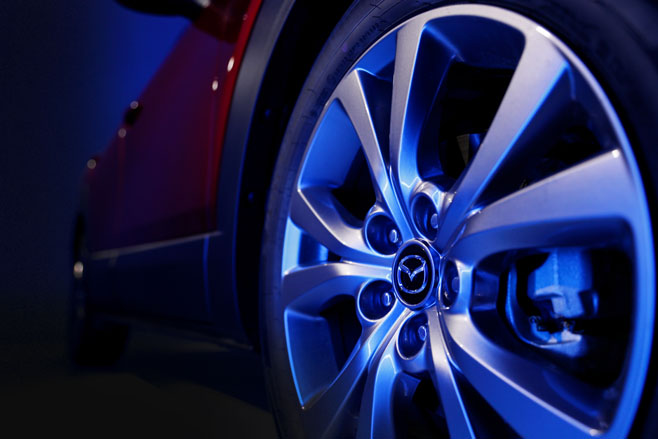
As one of the three finalists driven away from the proving ground, the CX-30 still had to prove itself with four adults on board.
Mazda’s crossover will be right-sized for families with two sub-teen kids, but that doesn’t mean it’s purgatory for adults in the back. I’m six foot tall, and had just enough room behind a few of the judges on the roads around Lorne.
Personally I found the rear seat base, backrest angle, toe room, and visibility, all perfectly acceptable. The lack of USB ports in the back is a miss, but running an extension cable from the port in the centre console box is a largely painless workaround.
As for safety, it probably goes without saying that the CX-30 aces a five-star ANCAP rating, but dig a little deeper and you’ll see it achieves a record-high 99 percent adult occupant protection score in the Euro NCAP tests.
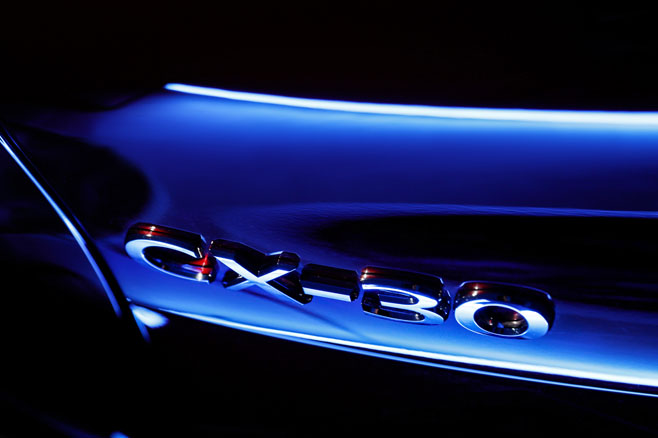
All models include seven airbags (dual-front for driver and passenger, driver’s knee, side and curtain for all outboard occupants), as well as an alphabet soup of safety-related acronyms listed here in Mazda-speak.
These are: AEB (Autonomous Emergency Braking), Driver Attention Alert (DAA), Emergency Stop Signal (ESS), Forward Obstruction Warning (FOW), Hill Launch Assist (HLA), Lane Departure Warning (LDW), Lane-keep Assist System (LAS), Rear Cross Traffic Alert (RCTA), Smart Brake Support – Rear (SBS-R), Smart Brake Support – Rear Crossing (SBS-RC), Smart Brake Support (SBS), and Traffic Sign Recognition (TSR). There’s also radar cruise control with stop/go functionality, rear parking sensors and a 360-degree view reverse camera on all grades.
In other words, every CX-30 includes as standard a level of safety and driver-assist functionality that most other brands charge extra for. The latter, by the way, even runs to a quality head-up display, sat-nav and digital radio – from the entry-level grade up.
“You could happily spend under $30K and not feel like you’re missing out,” said Byron.
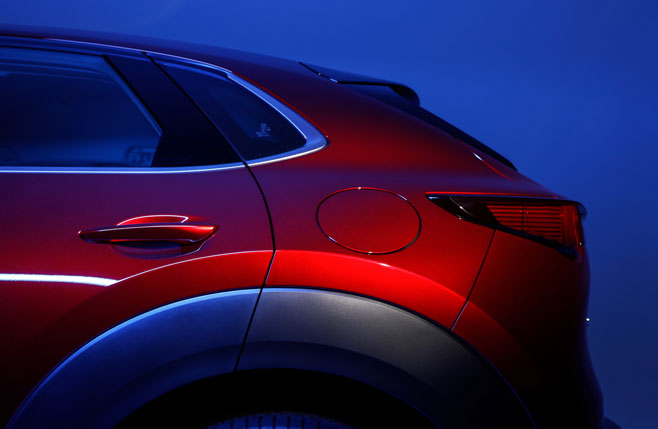
Which starts to swing the conversation around to the CX-30’s technological advances, where the judges agreed that this was an area in which it was sound, rather than bringing anything especially revolutionary to the segment. (Apart from the Skyactiv-X engine, of course…)
The multimedia system, as one example, comprises an 8.8-inch stand-alone screen; not huge, but large enough for decent legibility of all the functions. But the fact it’s controller-based, not a touchscreen, means it won’t find universal favour.
“Doesn’t exactly feel cutting edge compared to say, the very latest smartphone-style designs offered elsewhere, such as in the Kia Seltos,” noted Byron. The lack of a wireless smartphone charger, and the use of USB-C ports were two areas that the judges reckoned Mazda had room for improvement.
But multimedia/connectivity is just one – admittedly highly visible – example of the CX-30’s tech story. Elsewhere, under the skin, the depth and effectiveness of the safety suite was deemed sufficient to boost the Mazda’s score back up to a solid pass.
When time came for final votes to be cast, it required one of the shorter durations for decision-making in recent COTY history. So while this period of 2020-’21 will be remembered as a time when the world got very sick, it will also go down as the point where Mazda pulled the compact SUV into rude health.
Richard Ferlazzo on the Mazda CX-30’s design
“Designers will always tell you that it all starts with good proportion, and to create stylish proportions usually means there has to be a compromise somewhere.
“Mazda is clearly aiming the CX-30 at buyers looking for more style, and prepared to make small compromises for the privilege.”
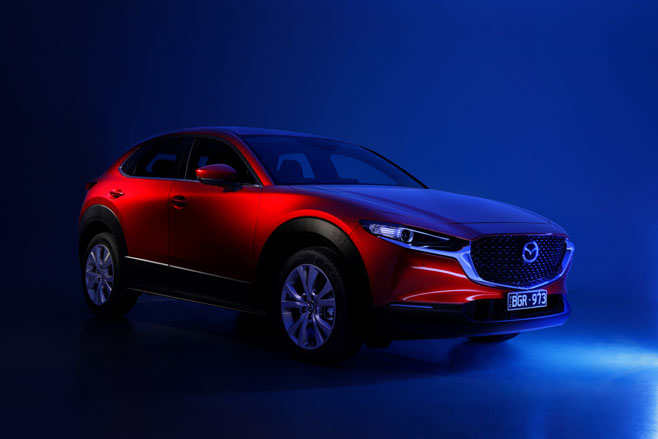
“In this case, the compromise is in the rear, with less room in the back seat and cargo space than a boxier competitor. But it’s the rear styling of this car that really makes it look great, and Mazda hasn’t let the pendulum swing too far to make it impractical.
“The black wheelarch mouldings are a touch too tall for my liking, but overall, I think they’ve got the balance just right. The interior, too, is a triumph; rich and classy without obvious penny-pinching. I’d be proud to be able to say I designed this car.”
For more on our 2021 Wheels Car of the Year, see the links below.
MORE: CX-30 news and reviews MORE: All Mazda stories MORE: All Wheels COTY content
Chinese carmaker BYD is working on an all-electric ute that could end up being built in Australia.
The company recently announced plans to introduce its new electric sedan and SUV models onto the Australian market in 2022, which will be distributed by local importer, Nexport.
Nexport is the same company that previously announced plans to build a $700 million 51-hectare factory in Moss Vale, NSW, to assemble BYD buses and eventually cars.
Its CEO Luke Todd has told EV Centralthat BYD has a pick-up style vehicle in prototype stage, which could end up being built at Moss Vale.
“We [Nexport] are 100 percent Australian owned, we’re an Australian business, we all live in Australia, we’ve all grown up with utes and so it’s something we would love to bring to market when it’s viable and suitable to do so,” said Todd.
“We’ll be producing electric buses for the New South Wales bus fleet and other states, and hopefully an export market as well.
“We’ll also be producing electric trucks, and we’ll also be doing some engineering work and then moving into a transition of electric cars in Moss Vale.”
Even so, there is still plenty of time for Australia to again produce a home-grown ute before the 100th anniversary of the birth of Ford Australia’s 1934 Coupe Utility.
Until then, Nexport will import BYD cars our shores, including its Tesla Model S rivalling Han sedan and Tang SUV as well commercial vehicles including buses.
“Ideally, [the ute] would be the first vehicle that we would love to have local production for.
However, it might be some time before BYD will, to quote Prime Minister Scott Morrison, “be coming for your Hilux”, with Todd stressing that there is a lot of work to be done before that happens.
UPDATE, March 1 2020: Today is the day, and we’re proud to announce the winner of the 2021 Wheels Car of the Year award. To find out which car won, read our story here.
Australia was spared the worst of the COVID-19 pandemic in 2020 compared to Europe, the UK and the USA.
While incredibly fortunate that our health systems weren’t overrun and our bouts with the deadly virus were small compared to other countries, it was still a year we sat at home, got fat and, it seems, browsed and bought used cars online.
Countless events were cancelled, from the Australian Grand Prix to the Olympics, and for a hot minute it looked as if the global pandemic would put the brakes on Wheels’ own 56-year unbroken run of Car of the Year (COTY) awards.
Thankfully, we’ve managed to ‘save’ it.
Early in 2020, when COVID-19 was just this thing going on in some city in China we’d never heard of, COTY was slated for Ford’s You Yangs proving ground west of Melbourne late in the year. But as the virus reached Aussie shores and lockdowns ensued, we had no choice but to cancel it altogether.
Along the way, Wheels got new owners and the message was simple: make it happen, no matter what.
The race was on. With locked-down Victoria seemingly off the table, at one point the mostly Victorian-based Wheels team was looking to quarantine for 14 days in Queensland and hold COTY at Mount Cotton.
Then another option: try to negotiate a quarantine ‘bubble’ at the Sutton Road driver training complex in the ACT. Then Sydney Motorsport Park was also on the table at one stage, and The Bend in South Australia also mooted.
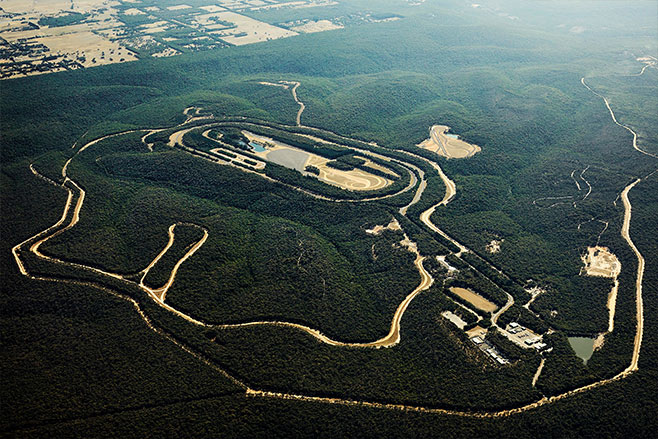
But as the number of new infections in Victoria steadily declined, the decision was made to head to a former COTY testing venue, the Australian Automotive Resource Centre (AARC) 125km south-west of Melbourne past Geelong.
Way later in the year than COTY testing is normally undertaken (hence why it’s not in the February 2021 issue, as per usual) and with just a month or two to wrangle the cars we wanted, we managed to pull it all together, and this is what you’re in store for.
This year’s venue
The AARC is the home of Wheels Car of the Year 2021. Not far from the icy waters of Bass Strait, the AARC is a 1000 acre car tester’s paradise – and the regular haunt of engineers from Toyota, Bosch, the Australian military, and many other clients.
Owned by transport magnate Lindsay Fox the AARC features a dizzying array of dirt tracks, bitumen circuits, rough roads and a skidpan bigger than the one they have in heaven.
How we chose the contenders
To be eligible, a car must have gone on sale in the 12 months since the last Car of the Year event, and meet our newness criteria.
After that initial filter, 52 models were shortlisted for technical eligibility to Car of the Year 2021. This year, though, given the time constraints in which to organise the event, we made hard decisions and distilled the field to just 10 new models.
Our judging panel dissected the list of 52 and, based on our collective road-test knowledge, honed it down to the field that appears below.
You’ll note that no dual-cab utes feature, as none of them were deemed sufficiently strong against the criteria. We maintain that even in a year as disrupted as 2020 these were the 10 best cars that went on sale in Australia last year.
The COTY 2021 contenders
Ingolstadt’s all-new, all-electric SUV stunner has a crack with two variants, a 50 quattro and 55 quattro.
One has 230kW/540Nm and the other 300kW/664Nm, but that looks a little meeker up against kerb weights of 2445kg and 2565kg.
With as-tested prices of $140,450 and $161,900, the odds seem somewhat stacked against Audi’s high-tech battery-powered bruisers, but then again it was its rival, the exceptional Mercedes-Benz EQC, that took home the silverware only last year.
It has a controversial new nose, but can a cracking chassis and powertrain bring it home for Munich’s polished coupe?
This year we have the 420i with a 2.0-litre turbo four-cylinder, its 135kW and 300Nm turning the rear treads via an eight-speed automatic. But it’s the bigger daddy, almost baby M4, M440i xDrive that has more of our attention.
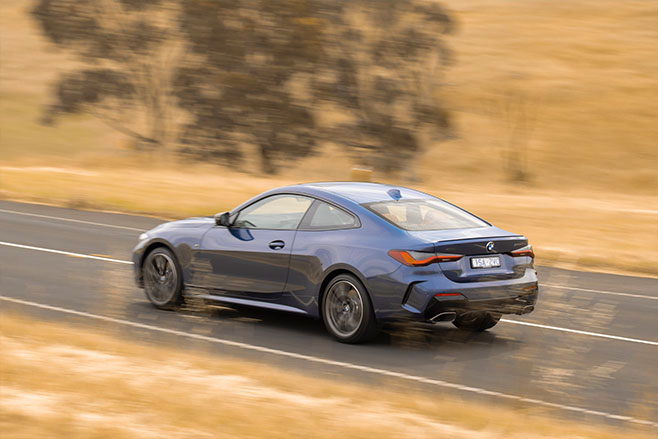
Its silky smooth B58 3.0-litre turbo inline six sends 275kW and 500Nm to all four wheels and is good for 0-100km/h in a conservatively claimed 4.5sec.
The Blue Oval is trying to shift some eggs out of the Mustang and Ranger baskets in Australia, and part of that process is this car and the model below it, the Puma.
If acceleration is your thing, the Escape is not short on snot with its 2.0-litre turbo four producing 183kW and 387Nm and shifting ‘just’ 1650-odd kilograms of mid-size SUV.
The Escape fronts COTY with three variants: the base FWD, the ST-Line FWD and the bulging-with-standard-kit top-spec Vignale AWD.
With a facial expression like you just caught it scurrying around your house on the hunt for some cheese, Ford’s tiddlywink Puma small SUV has in fact won the praise of many Pommie reviewers as it goes up against its first Car of the Year.
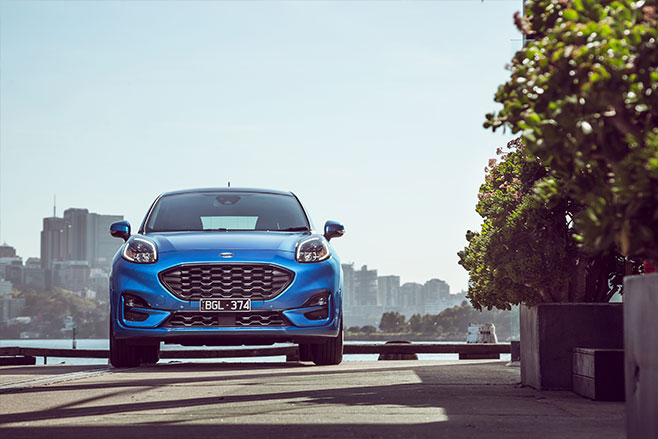
With a tonne of clever interior design, we’ve got two variants, both with the turbo 1.0-litre triple producing 92kW and 170Nm; one with a more sporting suspension tune than the other.
It’s big, it kinda looks like a Bentley Bentayga, and it’s very new.
There’s no doubting the luxury credentials of the new Genesis GV80 large SUV, but can its beautifully appointed high-tech cabin overcome an ask somewhat higher than we would have guessed?
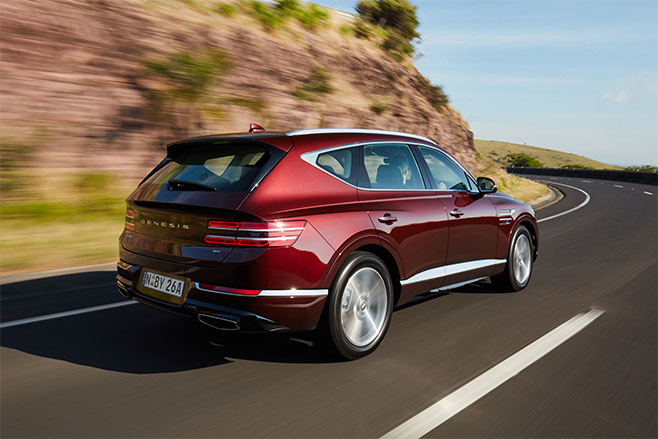
Three variants are represented at COTY; the rear-drive 2.5T turbo-petrol four, the turbo-diesel 3.0-litre inline six, and the 3.5-litre twin-turbo V6 279kW 3.5T AWD Luxury. Ranging from $90,600 to $120,600 as tested.
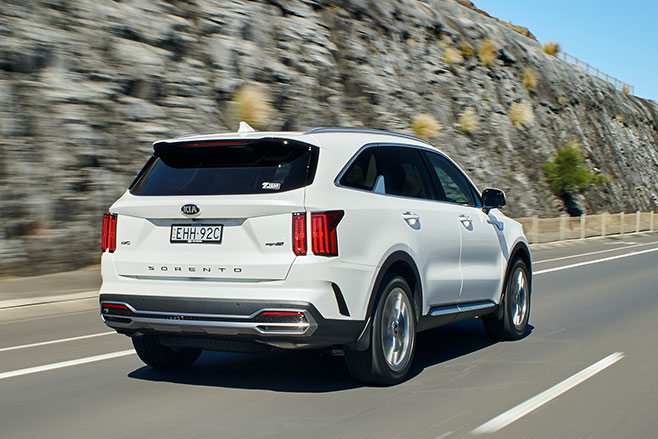
Kia’s updated all-round SUV has won high praise in early reviews for its thoughtful interior and polished dynamics.
How might that translate against the COTY criteria?
With the hybrids not quite here in time, the Sorento tackles our blue riband event with two variants: the $50,290, 148kW/440Nm S Diesel AWD; and the $62,285 GT-Line with its 3.5-litre slightly old-school non-turbo V6 driving the front wheels.
The reborn, funky new Defender has to live up to the expectations of a veritable army of diehard fans, but what about our COTY criteria?
Just one variant represents this boulder-bashing off-roading legend: the 110 P400 SE costing $116,116 (as tested) and with a 3.0-litre inline turbo-petrol six.
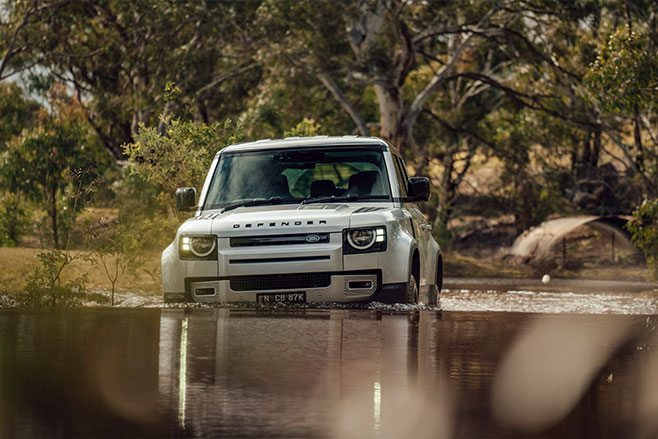
It produces a hearty 294kW and 550Nm, but here’s hoping the lack of a diesel variant on test won’t hobble its COTY chances. Land Rover said all the diesels are sold out!
Not quite a CX-3, not quite a CX-5, the mid-size SUV CX-30 is a different model that slots in between.
As we have come to expect from Mazda, it has an interior that looks like it was pinched from a much more expensive car, as well as dynamics that make you wanna go for a drive.
With the 2.0-litre FWD, 2.5-litre FWD and the new high-tech supercharged hybrid X20 Astina represented, Mazda is hoping the CX-30 will bring home its ninth COTY gong.
The defending champion brand is back with its boxy-cool GLB small SUV, one of the hottest new segments in the market.
With the arguably weakest 200 variant unavailable for testing, Merc plays its strongest suit with the 250 and AMG A35.
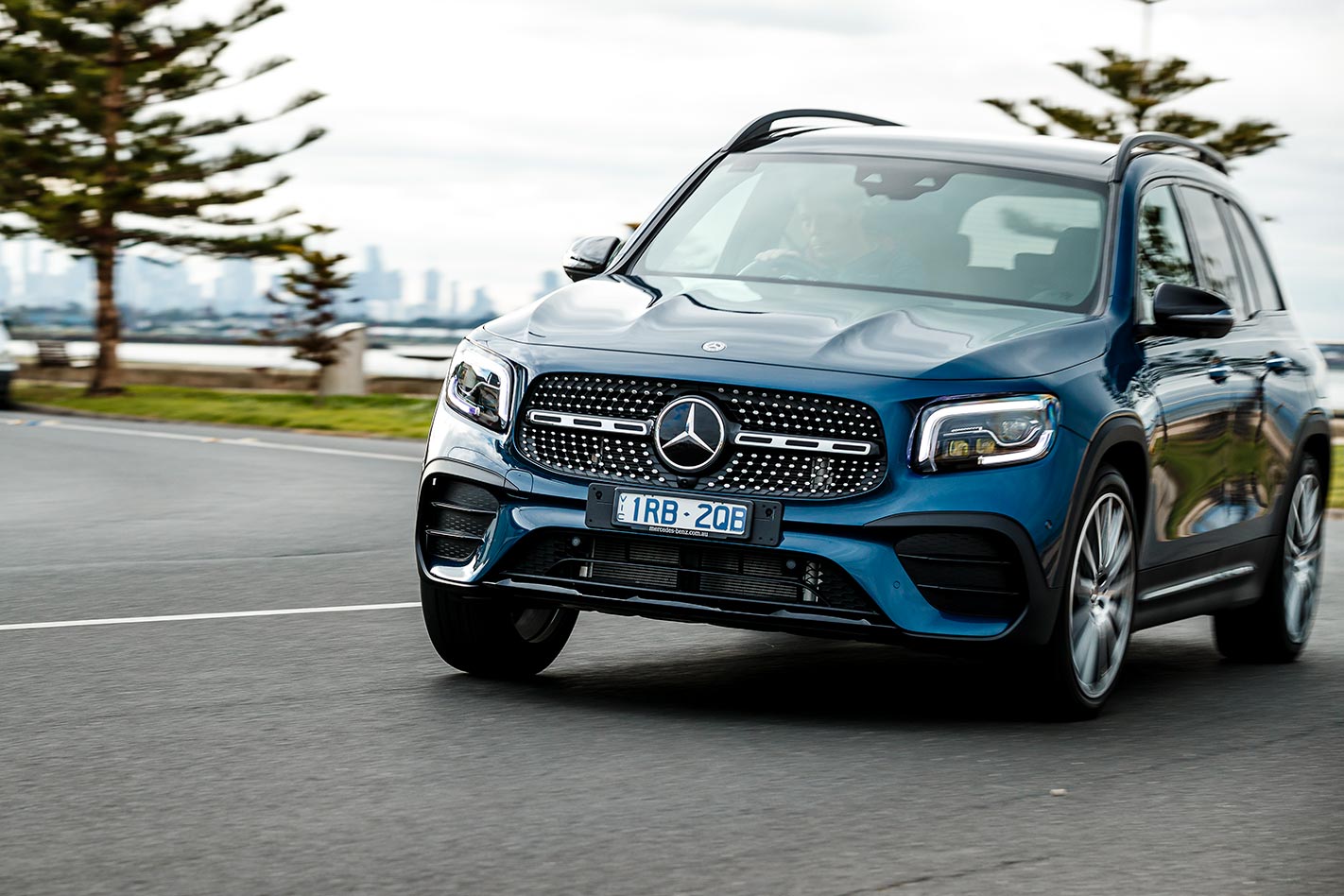
Both are powered by 2.0-litre turbo fours, the former with 165kW and the latter a very healthy 225kW. Priced at $80,560 and $96,285 respectively (as tested), both send their forced-fed grunt to all four wheels.
The new Yaris delivers a segment-pioneering powertrain and advanced safety features and puts its front foot very much forward at Wheels COTY 2021.
Variant-wise we have the Ascent Sport CVT, the smart ZR Hybrid and unquestionably one of the most exciting and hotly anticipated cars of 2020, the motorsport-inspired, utterly driver-focussed all-wheel-drive GR.
But the big question remains: can the great little Yaris overcome a pricing strategy from Toyota that seems to shift prospective buyers into other, larger models?
THE COTY CRITERIA
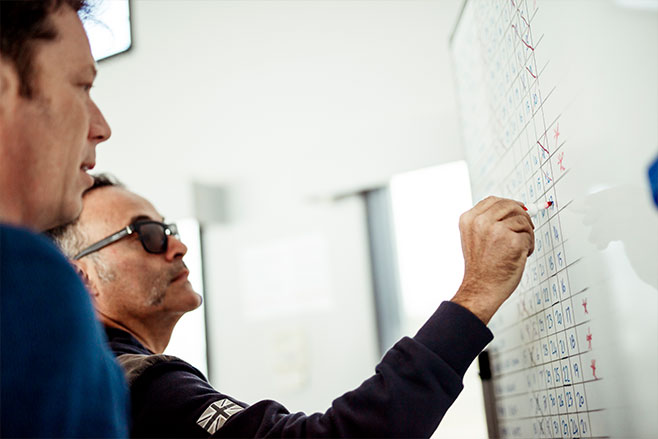
Wheels Car of the Year isn’t some big mixed-bag comparison test. The cars are measured against six criteria.
To summarise, they are: Function – how well does the car serve its intended purpose? Technology – does the car innovate and bring something new to the game? Efficiency – does it do more with less and move the game on in this regard?
Safety – does it have every safety feature of its rivals, and more? Or less? Does the customer have to option any safety equipment?
And finally, is it good value for money? We’ll publish the criteria in full next issue, but that’s the nutshell version.
AND THE WINNER IS…
With the testing having taken place early December, only a handful of people know the winner before it’s revealed, which will take place on March 1 (the COTY issue goes on sale March 1; subscribers will receive their slightly delayed issue) via a live video on our Facebook.
Be there or be… out of the loop.
Sorry to be anticlimactic, but the updated 2021 Toyota Supra GTS is faster around a tight circuit than the ferocious all-wheel drive Mercedes-AMG A45 S.
This was a surprise verdict.
In theory, the 1.4km Bryant Park hillclimb should suit the A45 S to a tee; it’s a hot hatch track and the AMG is the ultimate hot hatch.
In reality, however, it struggled slightly. The front end didn’t want to bite, the rear end was loose heading downhill, the all-wheel drive system was flummoxed by the crests but, most of all, so many of the corners were too fast for second gear but too slow for third.
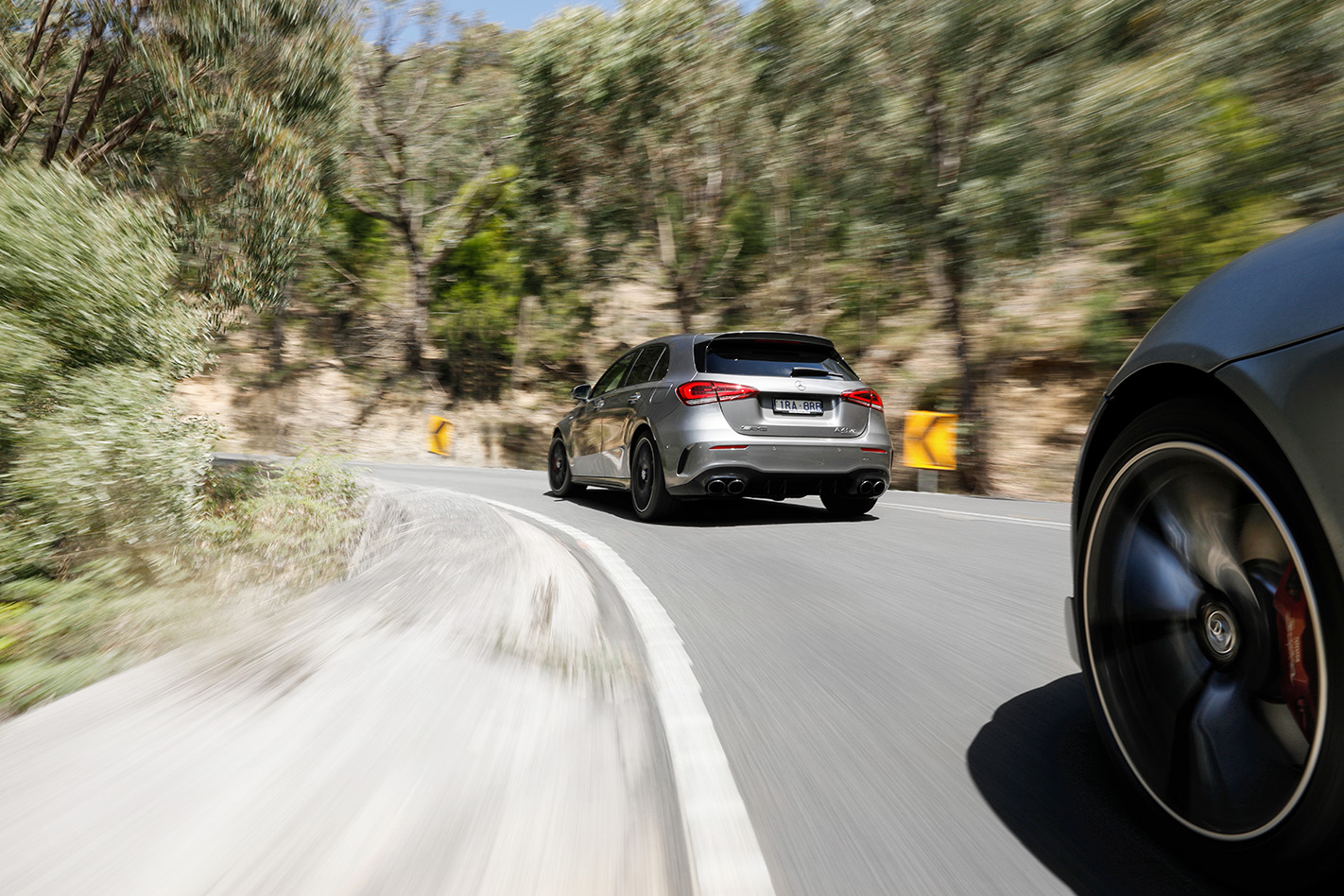
A 61.7sec lap is quick but it was a sweaty-palmed, heart-raising affair.
In contrast, the Supra struggled to put its power down, so imagine my surprise when the first scrappy, wheel spinning lap flashed up as a 61.7sec, exactly matching the Mercedes.
From there it was just a case of tidying up the exits and watching the tenths slowly melt away.
Overlaying the two best laps, it’s remarkable to see how the advantage ebbs and flows between each car.
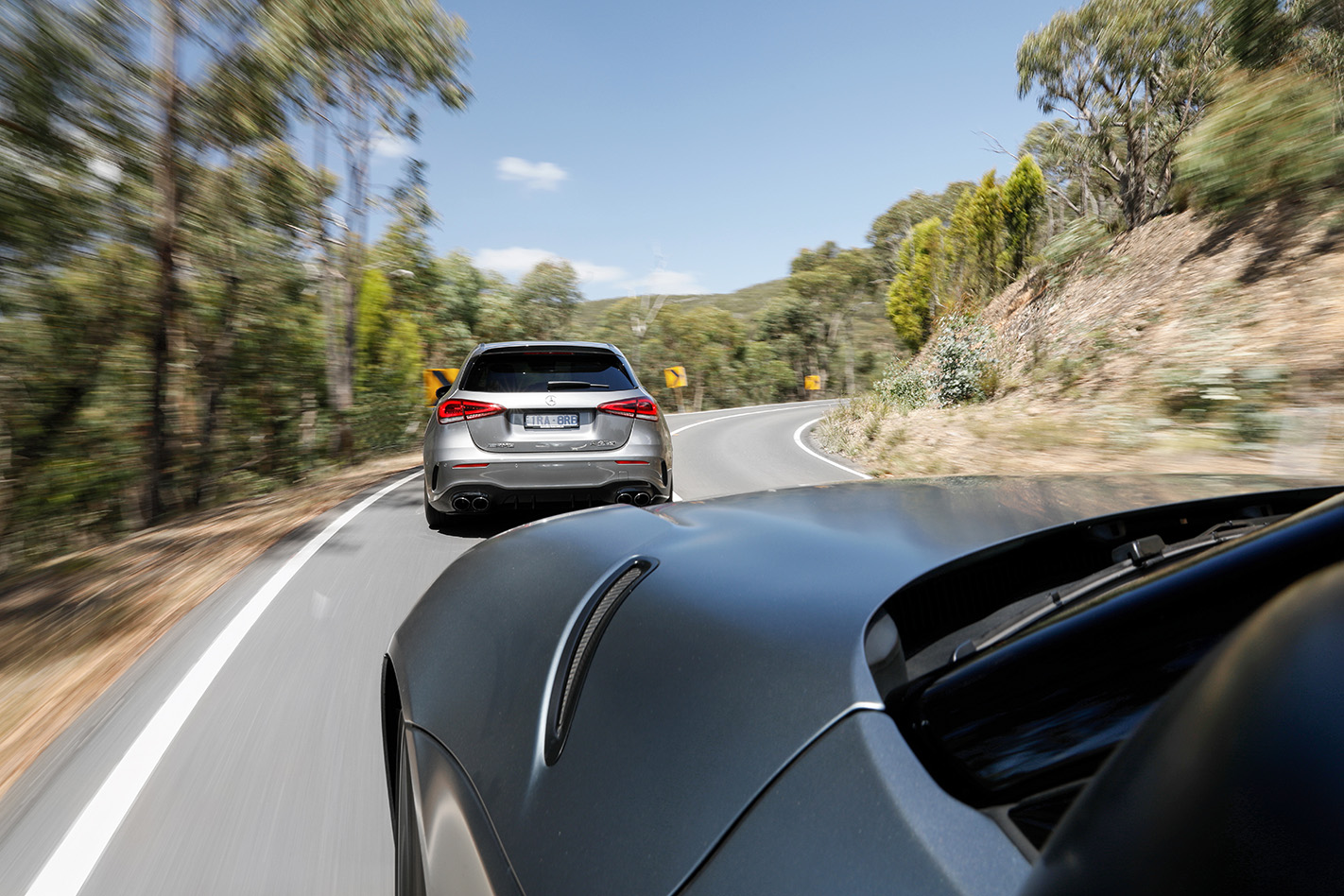
Watching the side-by-side comparison in the above video and you can see how the Supra progressively builds its advantage over a single lap.
The two are incredibly similar with corner speeds often within 1km/h of each other (the peak speeds were A45 S 123.06km/h v Supra 123.81km/h), but the Toyota spent less time at its minimum corner speeds and that, ultimately, was the difference.
At a faster, more flowing track, the result could easily be reversed.
You can check more details from the data below, watch the full video above (including a drift battle!), read the in-depth comparison, or check out the pair’s performance at the drag strip.
TRACK BATTLE DATA BREAKDOWN
Overall lap time
- Mercedes-AMG A45 S: 01:01.70
- Toyota Supra GTS: 01:01.10
- Mercedes-AMG A45 S: 69.57km/h
- Toyota Supra GTS: 67.35km/h
- Mercedes-AMG A45 S: 81.96km/h
- Toyota Supra GTS: 85.68km/h
- Mercedes-AMG A45 S: 60.53km/h
- Toyota Supra GTS: 61.07km/h
- Mercedes-AMG A45 S: 123.06km/h
- Toyota Supra GTS: 123.81km/h
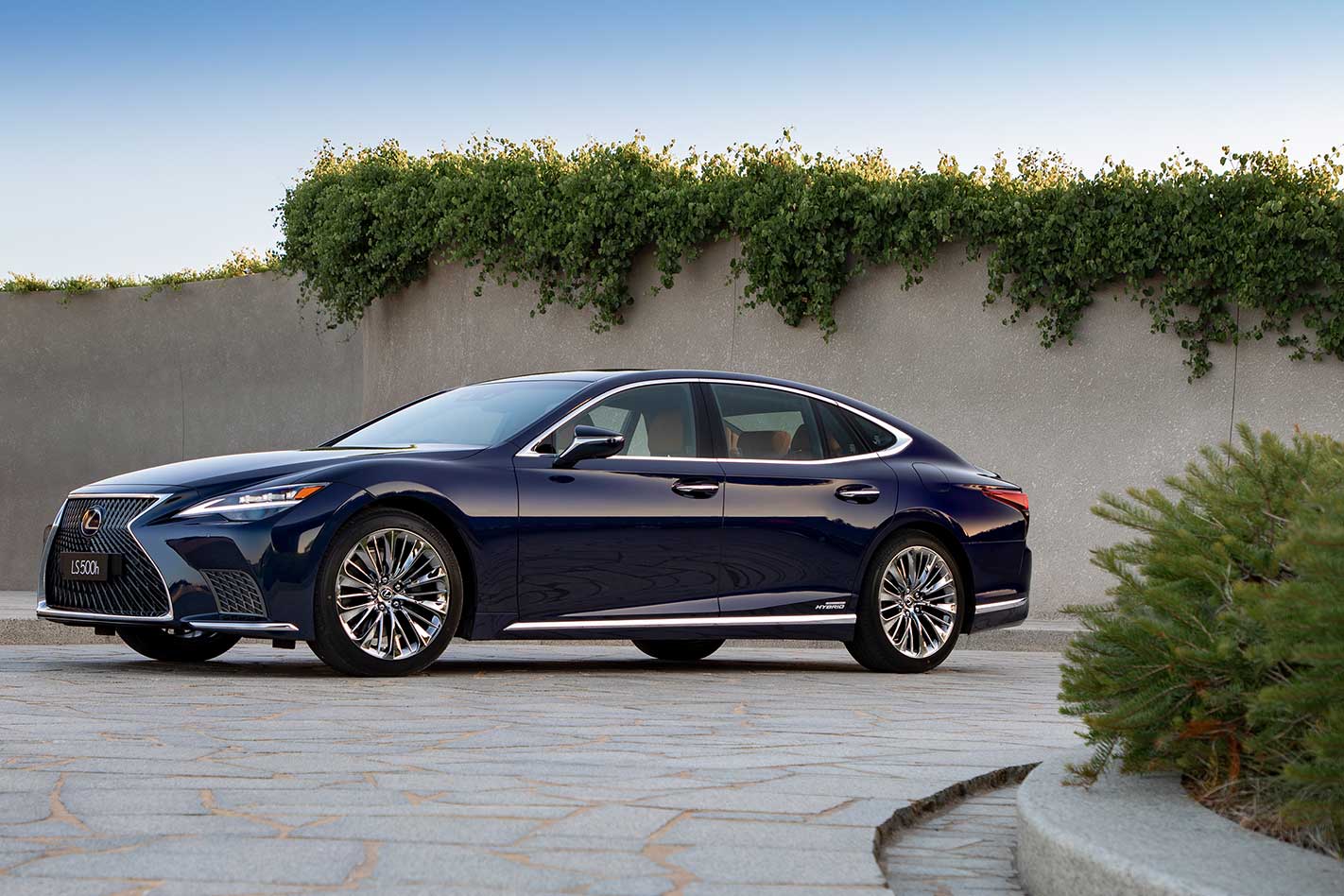
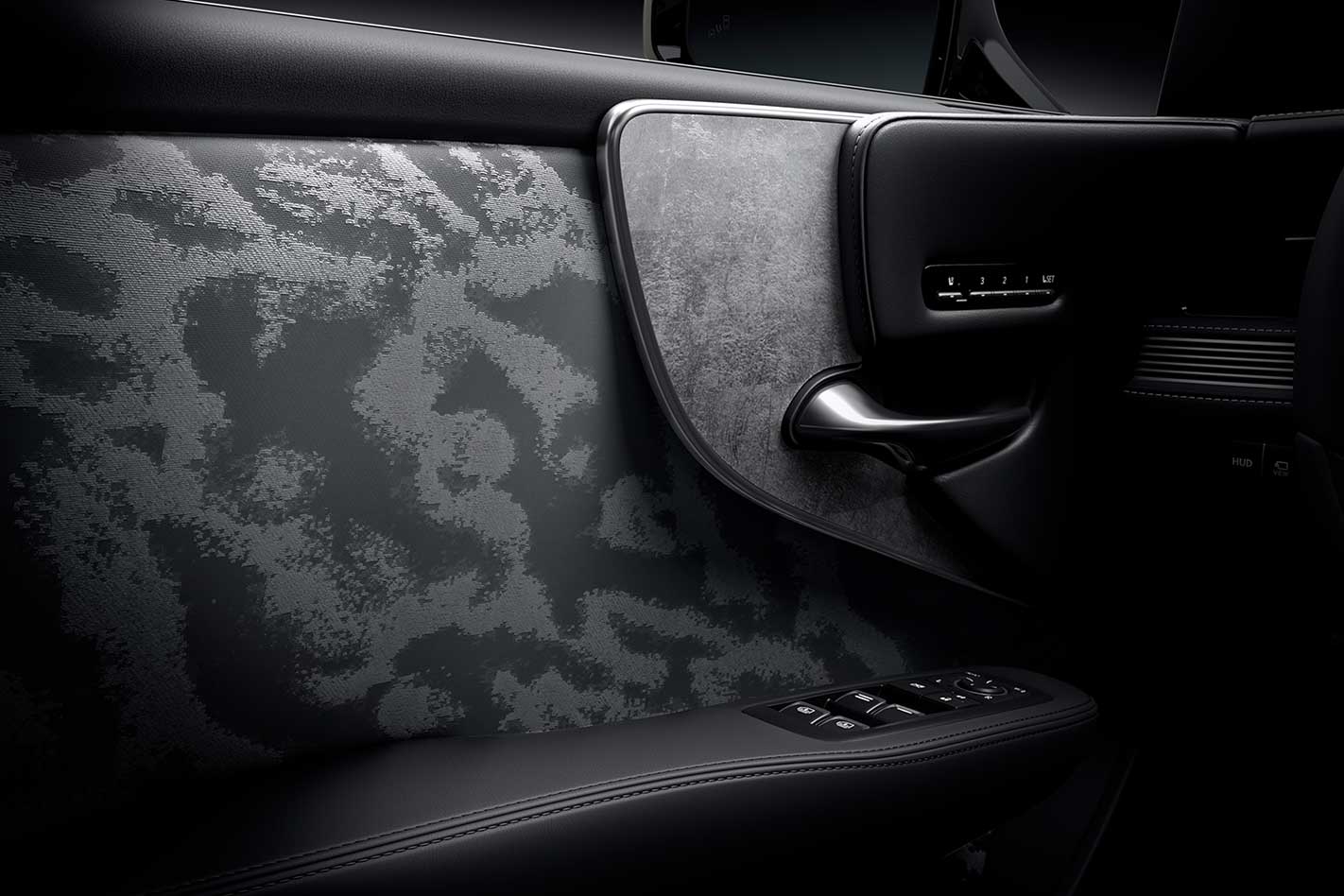
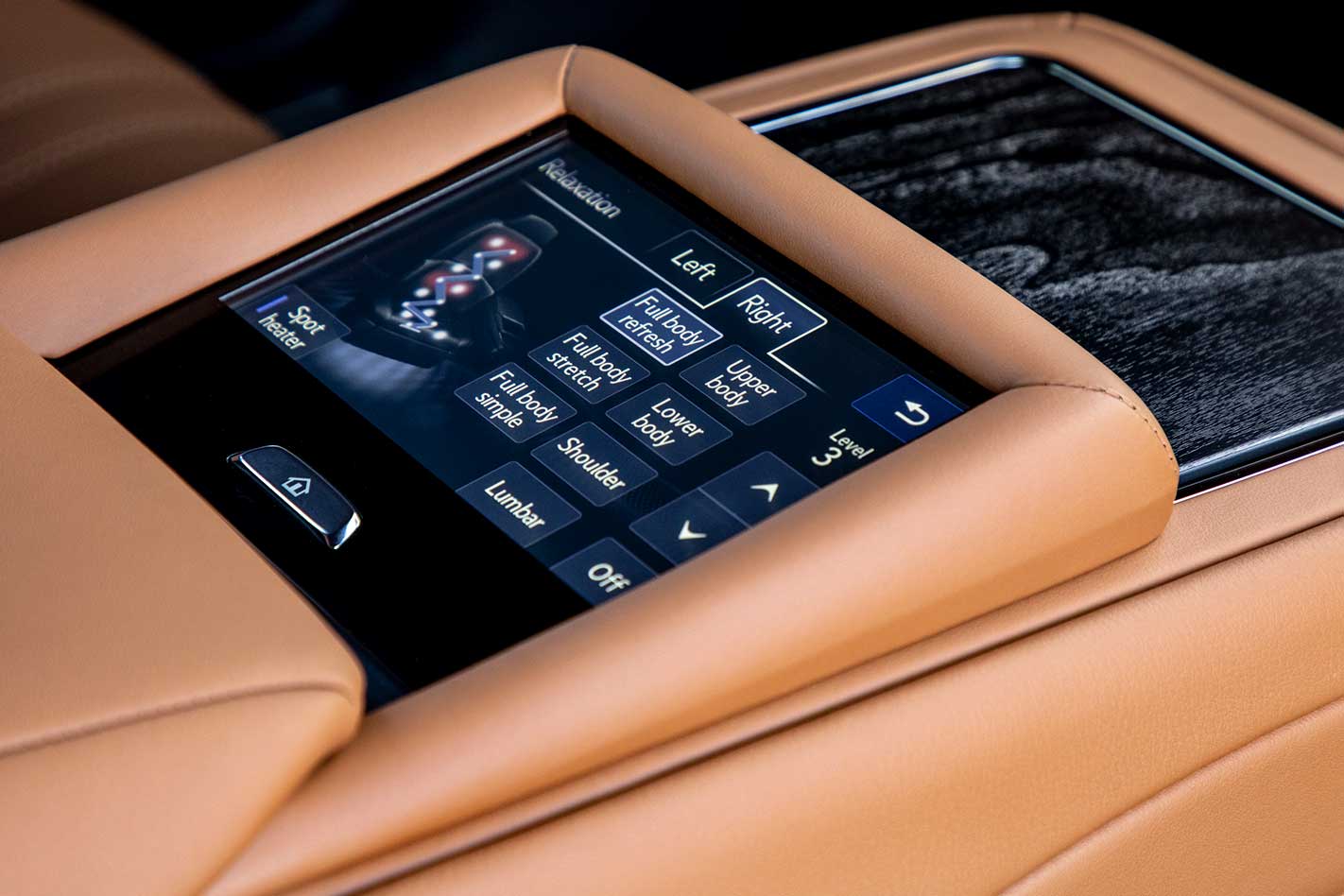
In the twin-turbo Sports Luxury models there is also a cooler box between the rear seats to keep the drinks chilled, but sadly this is not available in the hybrid.
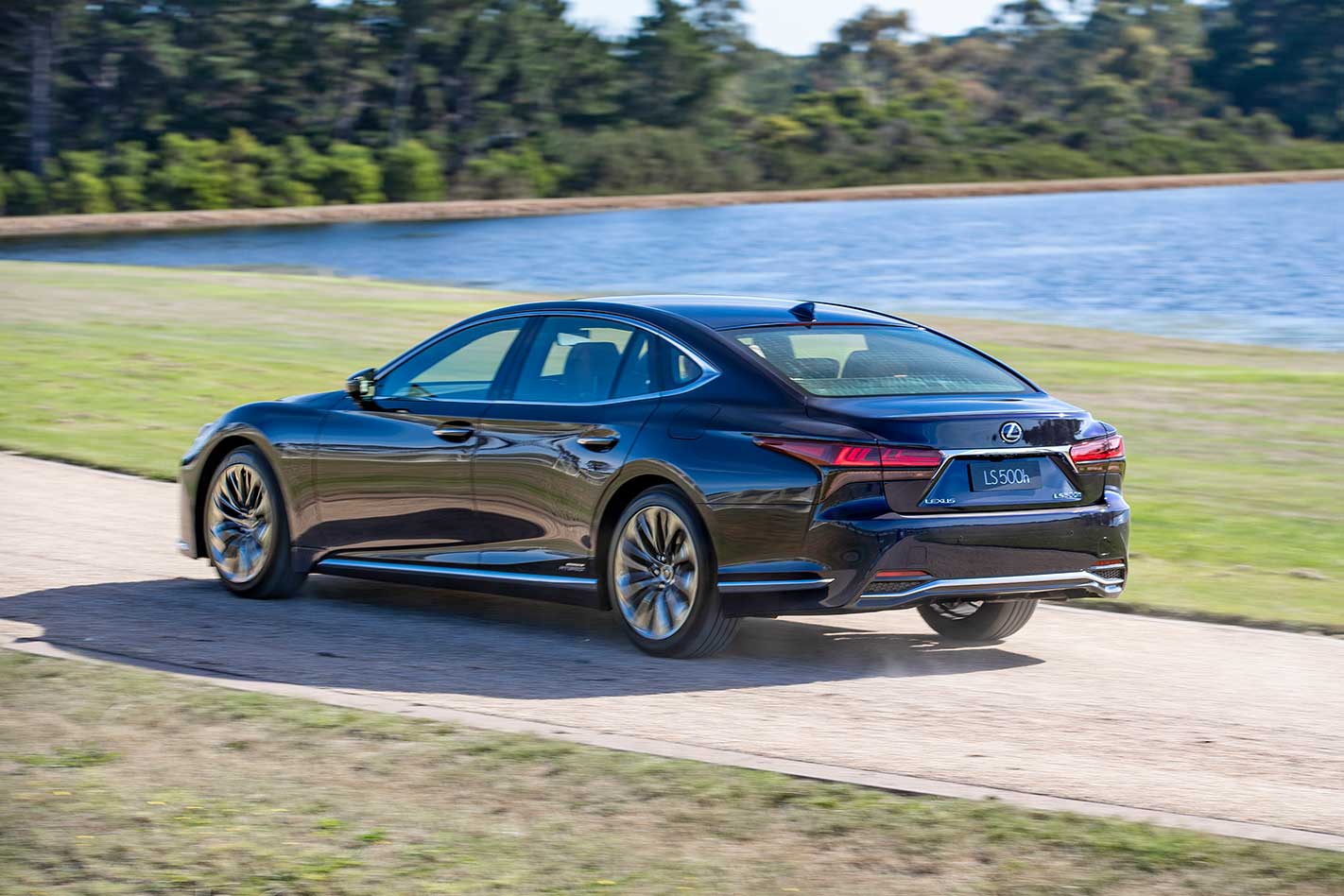
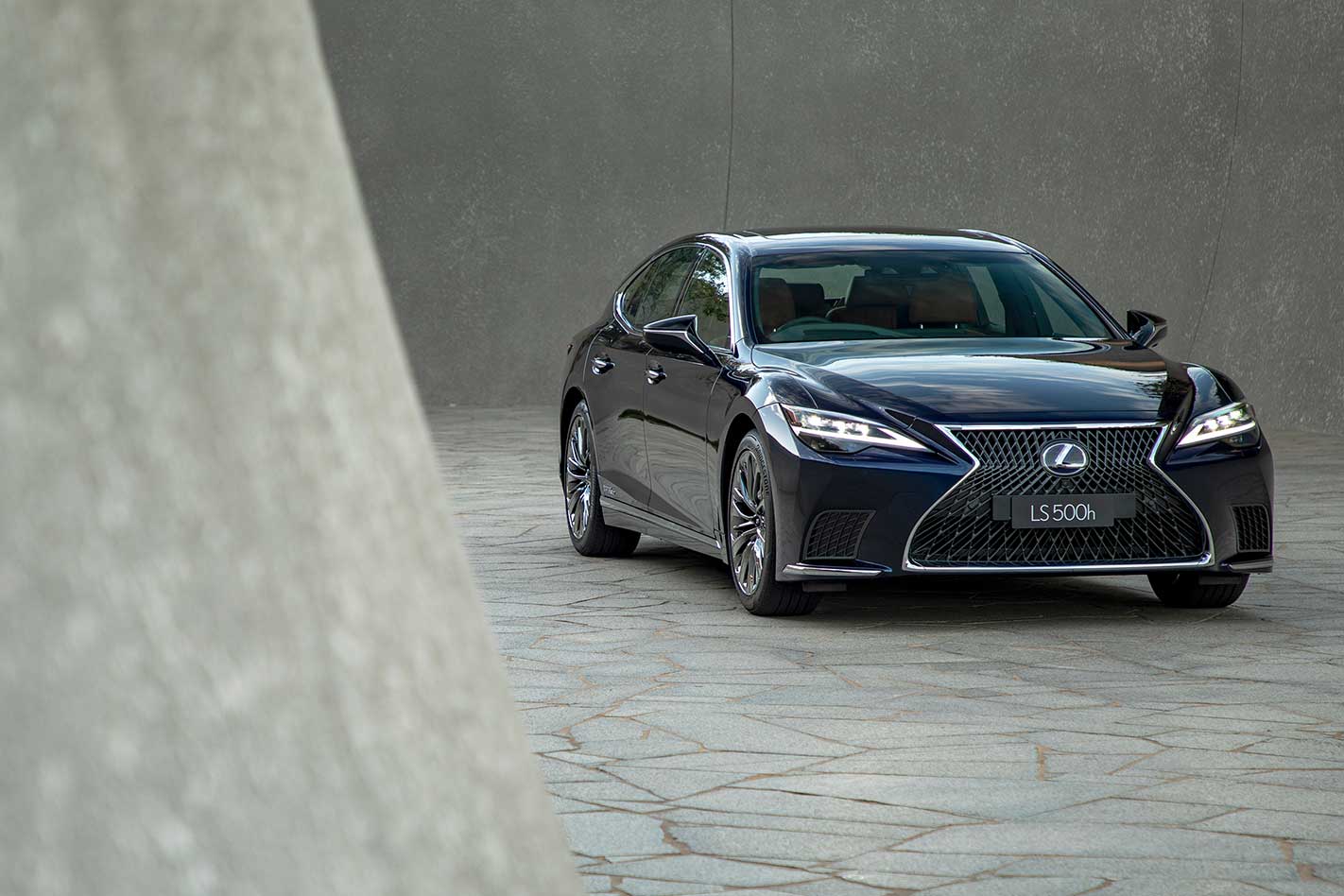
Specifications
- Body: 4-door, 5-seat sedan
- Drive: rear-wheel
- Engine: 3456cc V6, DOHC, 24v
- Bore/stroke: 94 x 83mm
- Compression: 13.0:1
- Power: 220kW @ 6600rpm
- Torque: 350Nm @ 5100rpm
- Electrical output: 132kW/300Nm
- Total output: 264kW
- 0-100km/h: 5.4sec (claimed)
- Fuel consumption: 6.6L/100km (combined/claimed)
- Weight: 2340kg
- Power/weight: 113kW/tonne
- Transmission: multi-stage hybrid
- Suspension: multi-links, air springs, adaptive dampers, anti-roll bars (f/r)
- L/W/H: 5235/1900/1450mm
- Wheelbase: 3125mm
- Tracks: 1631/1637mm
- Steering: electrically assisted rack-and-pinion
- Brakes: 357mm ventilated discs, 4-piston calipers (r); 335mm ventilated discs, 2-piston calipers (r)
- Wheels: 20.0-inch (f/r)
- Tyres: 245/45 R20 (f/r) Bridgestone Turanza
- Price: $201,078
Toyota Australia has claimed a rare victory in the battle to accurately depict high-performance cars in Australian television promotions, with an objection to its GR Yaris Rallye TVC thrown out by Advertising Standards.
As it stands, the current advertising regulation system only requires a single complaint to be upheld by the advertising watchdog for the offending ad to be pulled, resulting in an average of two car commercials deemed in violation of standards each year.
As a case in point, only weeks before the latest complaint, Toyota was ordered to cease screening a separate advert for the same model until a small amount of wheel spin had been edited out of the final cut.
But, in the most recent case, the regulator has unusually ruled in the favour of the manufacturer, allowing the ad to continue screening on televisions unchanged and as Toyota intended.
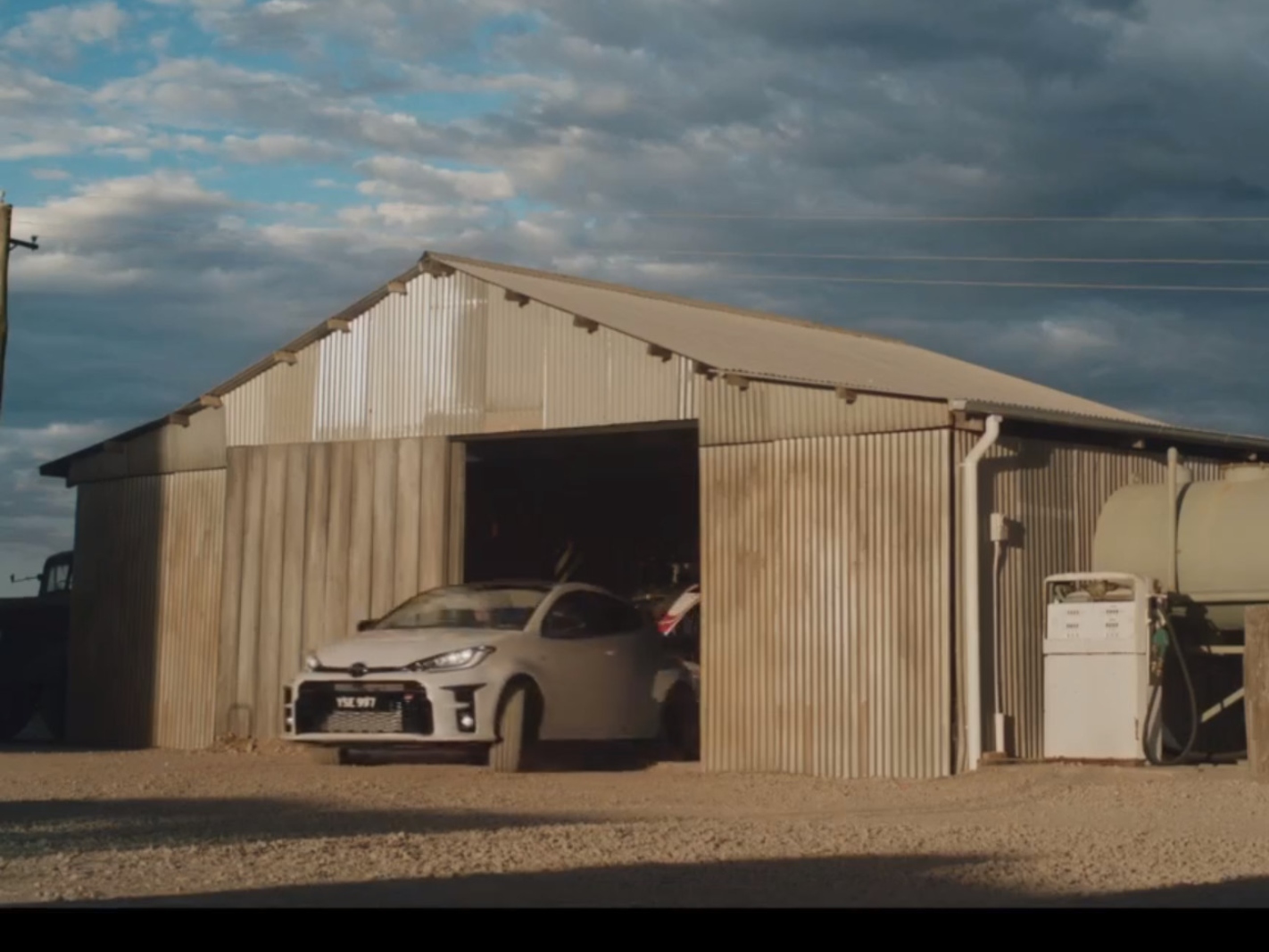
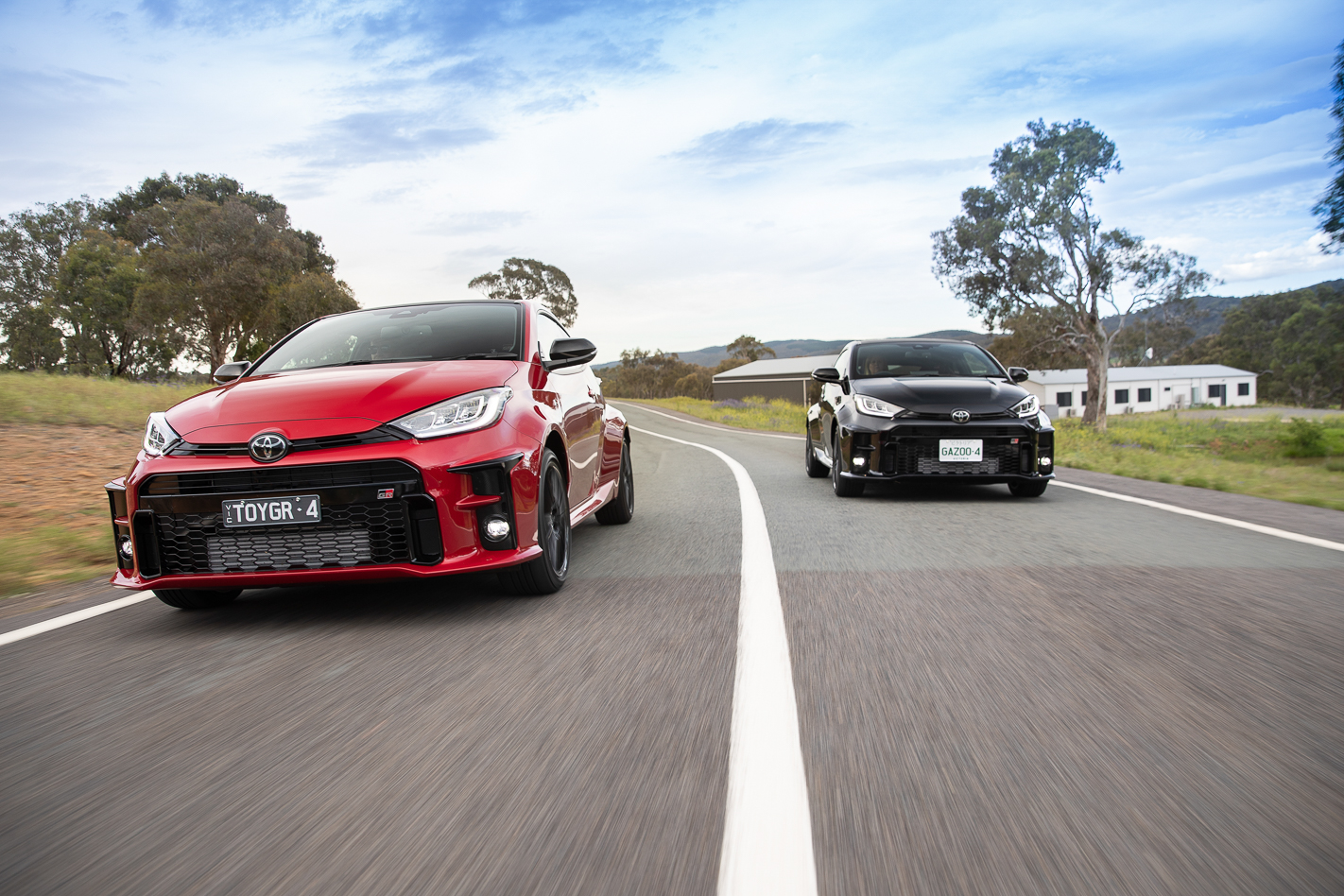
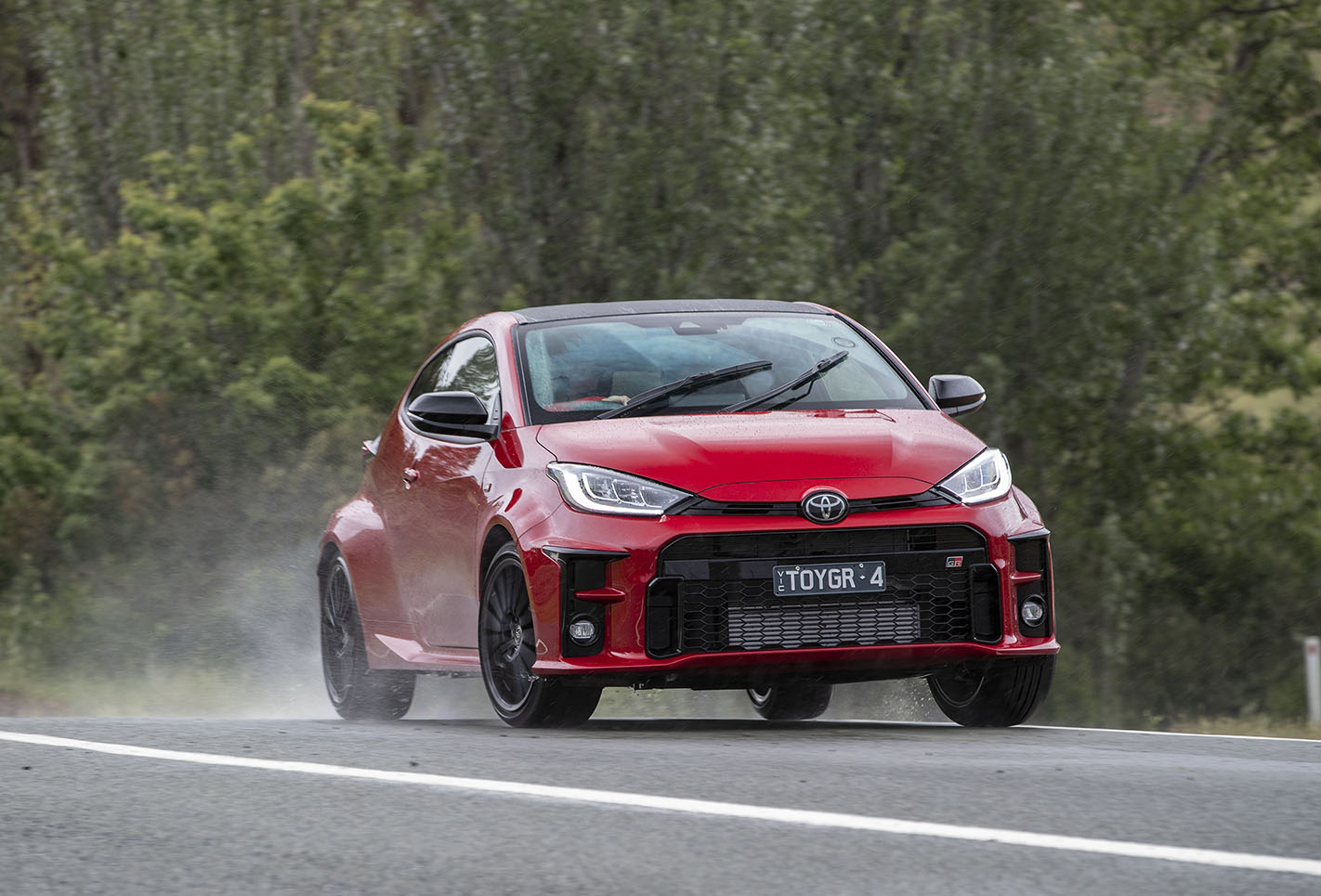
The 30-second ad in question shows the homologation-special Gazoo Racing Yaris cutting some dusty laps of a paddock before turning onto a country road and departing. The ad also includes disclaimers and the use of safety equipment.
But In a tirade of sensationalist hyperbole and misinformed conjecture that has become typical with this type of objection, the complainant not only requested that the advert be banned, but that Toyota should be slapped with a hefty fine for the heinous crime of accurately representing the features of a car.
“Such penalties should be in the order of double equivalent prime time TV advertisements for road safety advertising,” it said.
The anonymous (but likely serial) complainant went on to claim “The scenes showed the vehicle driving far too fast on highway, hilly terraine [sic], dirt roads. This type of driving doesn’t make legends it makes dead people,” it said of a car being piloted by the current Australian Rally champion, Harry Bates.
But despite the ranty and officious objection, Ad Standards was satisfied that Toyota had been responsible and diligent in the creation of the GR Yaris Rallye promotion, and the advert did not violate any of the FCAI advertising codes relating to unsafe driving, breaking the speed limit and motorsport.
“The Panel considered that most members of the community would consider that these scenes are not a depiction which encourages or condones unsafe driving and did not breach section 2(a) of the FCAI Code,” it said.
“… there is no indication that any vehicle was exceeding the speed limit and in breach of the law … the scenes depicting motor sport were clearly identifiable as such and all drivers and vehicles were clearly identified in racing livery.
“Finding that the advertisement did not breach Clause 2(a), 2(b) or Clause 3 of the FCAI Code or any other section of the FCAI Code, the Panel dismissed the complaints”.
While the ruling is a milestone victory for car manufacturers and a welcome result, it highlights some inconsistencies in the complaints procedure and standards.
Previous outlawed advertisements include Ford’s Ranger raptor promo in which the dual-cab performed a jump in a remote desert environment, and the Bentley Continental advert that was filmed on unlimited-speed roads, closed to the public and with an experienced racer at the wheel.
Oh, and let’s not forget the even more ridiculous ruling to pull the Volkswagen Amarok advert in which the German brand actually satirically poked fun at the incredibly strict standards by using a toy Amarok to show any sensitive action.
Which raises questions as to why Ad Standards was satisfied with Toyota’s measures in the production of the most recent GR Yaris ad, but not with a larger number of previous promotions that appear to have gone to the same responsible lengths.
Either way, the result will no doubt infuriate the Pedestrian Council of Australia which is a vocal objector to many of Australia’s car advertisements and TV promotions.
To relish the full erroneous complaint and Toyota’s response, you’ll find the full case report here.
NEXT Ad Standards’ double standards are out of control
Ferrari has announced its intentions to compete in the new Hypercar category of the World Endurance Championship – and the iconic 24 Hours of Le Mans race – from 2023.
The Italian car maker confirmed it will design, engineer and manufacture an all-new road-going Hypercar, required by LMH category rules, in order to homologate its racing entrant.
The last time Ferrari competed in an endurance race like Le Mans as a factory was 1973, nearly 50 years ago.

According to reports, development of the car has already kicked off with simulations, though details like “the track testing programme, the name of the car and the drivers who will make up the official crews” will follow.
Ferrari is set to race against the likes of Toyota, Glickenhaus, Peugeot, Porsche and Audi, who have all committed to the new era of the World Endurance Championship.
“In over 70 years of racing, on tracks all over the world, we led our closed-wheel cars to victory by exploring cutting-edge technological solutions: innovations that arise from the track and make every road car produced in Maranello extraordinary,” said Ferrari president John Elkann.
“With the new Le Mans Hypercar programme, Ferrari once again asserts its sporting commitment and determination to be a protagonist in the major global motorsport events.”
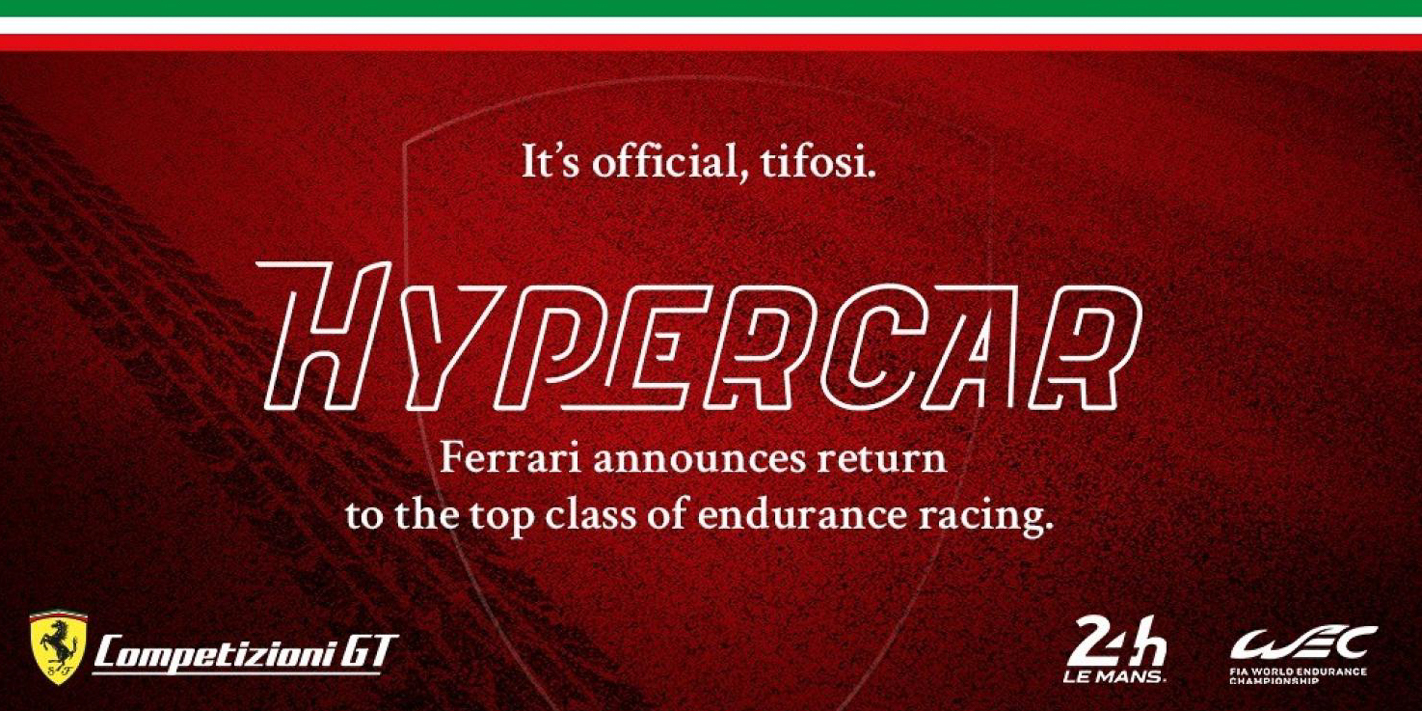
Ferrari has a long history of endurance racing and at Le Mans, having won the even outright nine times. The last time that happened was in 1965, as part of the famed Ford vs Ferrari battles that inspired a Hollywood film.
Ferrari has raced in a number of categories at Le Mans since, such as the GTE category with its 488 GTE, though those cars are customer-entered rather than officially backed by the Ferrari brand.
Further detail about Ferrari’s Hypercar programme will be released in due course.
Peugeot has redesigned its iconic lion logo as part of a major makeover, one of the first significant changes for any brand under the new Stellantis banner.
The last time the logo was changed was 2010, in which Peugeot’s design was said to reflect its move upmarket. This time around, Peugeot’s new look is intended to introduce its forthcoming next-generation product roll-out, including the new Peugeot 308.
UPDATE, March 18: Peugeot has now revealed its new-generation 308 hatch, with the brand’s new logo taking pride of place. See the story here.
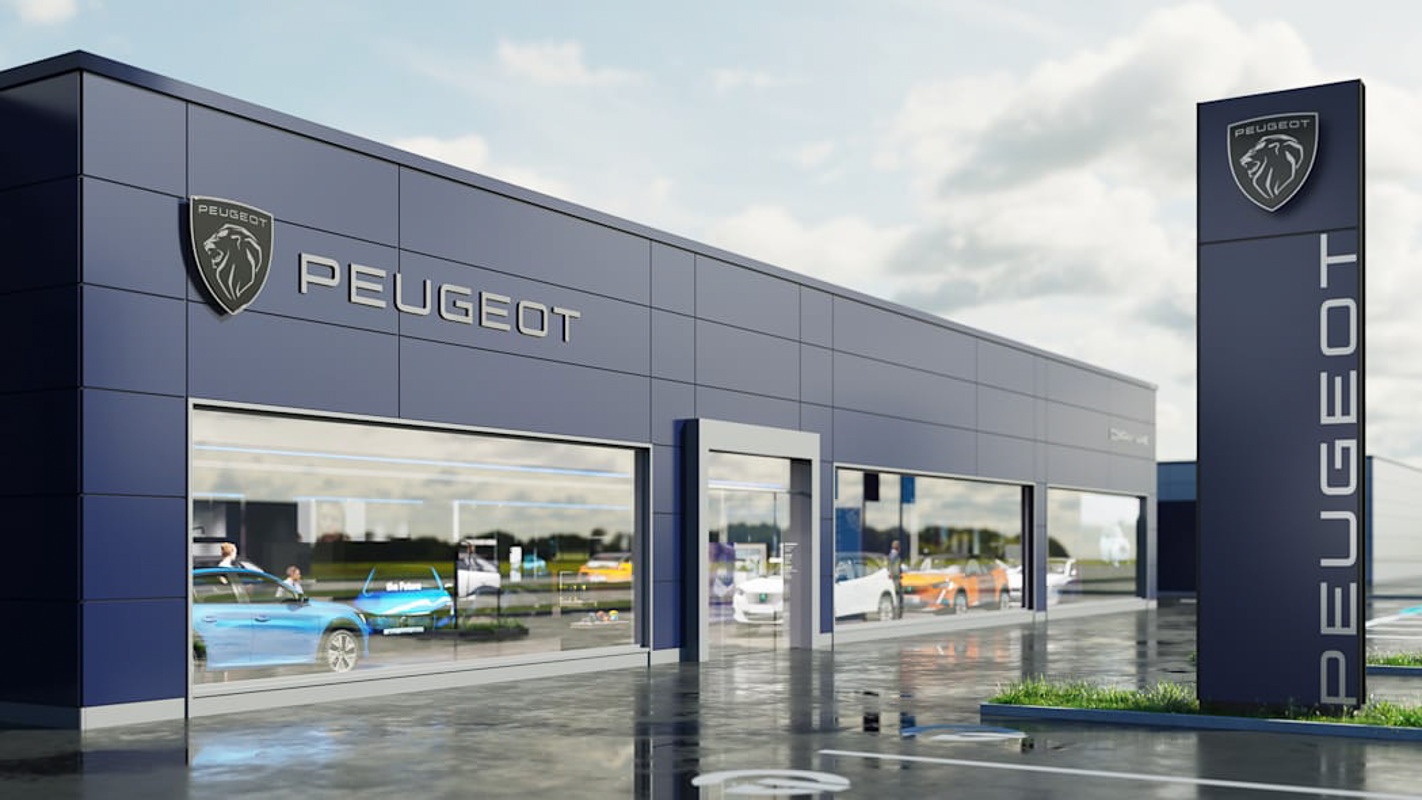
In terms of logo design, the French car maker has done away with its familiar rampant lion – borrowed from the franche-comté coat of arms – instead zooming in on the its head and accentuated mane.
The side profile shows the roaring lion looking particularly fearsome, with a Porsche-like script displaying the Peugeot name above.
Where other recent logo redesigns have gone futuristic (Kia’s, for example), Peugeot’s is a more restrained look that will adorn its new products while referencing its history at the same time. (You can see the brand’s brand evolution here on its own website.)
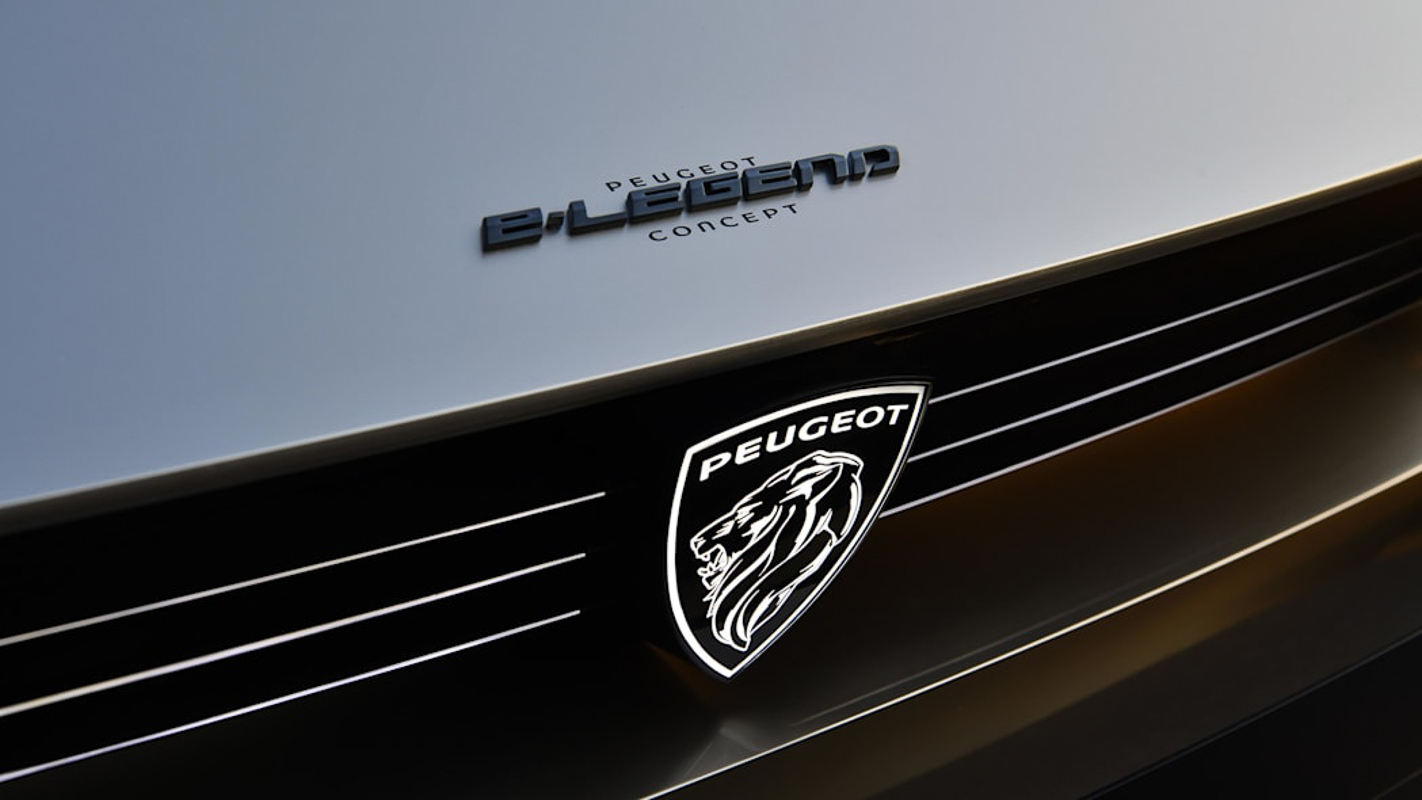
Peugeot says its new logo represents what Peugeot meant yesterday, what Peugeot means today, and what Peugeot will mean tomorrow. It adds that this new logo has been designed for a timeless look.
A preview of the logo was first seen on the retro E-Legend concept which was unveiled at the Geneva Motor Show in 2019. Since, it has been spotted on a number of 308 prototype test vehicles.
The new logo will find its first home on the forthcoming Peugeot 308, and will grace all its dealerships by 2023.
You can see Peugeot’s logo design evolution through the ages in the video below.
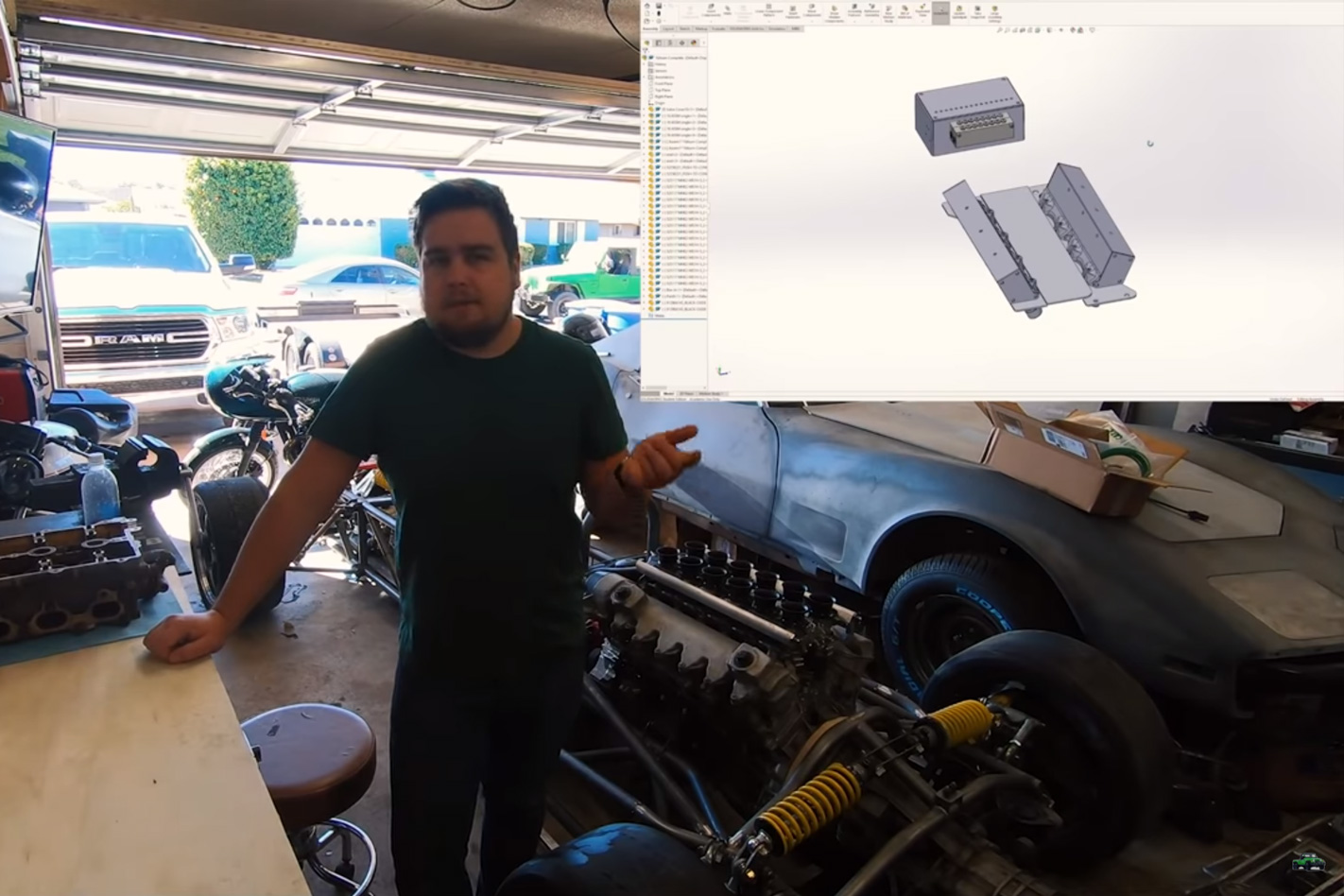
With the exponential rate of progress in modern automotive technology, it’s easy to think that the humble driveway tinkerer is rapidly becoming a critically endangered species. But US Youtuber Wesley Kagan has proved that there is plenty of space in the future for the at-home mechanic by developing and engineering a functioning Koenigsegg-style Freevalve system for his NA-generation Mazda MX-5’s factory 1.6-litre engine.
Incredibly, Kagan only began work on the project two months ago and, following the successful running and driving proof of concept, has decided to release all of his plans, designs and coding free of charge, stating: “I don’t want money to stand in the way of technology”.
“I think this is something that’s pretty cool, and I hope you do too, and I’m excited to see what the world does with it” said Kagan.
But what is Freevalve technology?
Well, variable valve timing may have been one of the most significant developments in modern engine technology, allowing differing camshaft profiles to open valves longer and larger under load – or smaller and shorter for efficiency; however, the limiting factor is the static states of two differing cam profiles with no variability in between.
Conversely, Freevalve technology – championed by Koenigsegg in its Gemera hypercar – sees each valve actuator replaced by a tiny independent piston. Measured bursts of compressed air see each valve able to be operated independently and individually of one another depending on engine temperatures, performance required and the type of fuel used.
Infinitely variable lift durations offer a variety of benefits pertaining to efficiency and performance, as well as allowing for higher compressions, improved engine warmup times, whilst also opening up an assortment of interesting possibilities in a turbocharged application with the ability to bypass the turbo altogether. Not to mention the prospect of running on zero-emission biofuels.
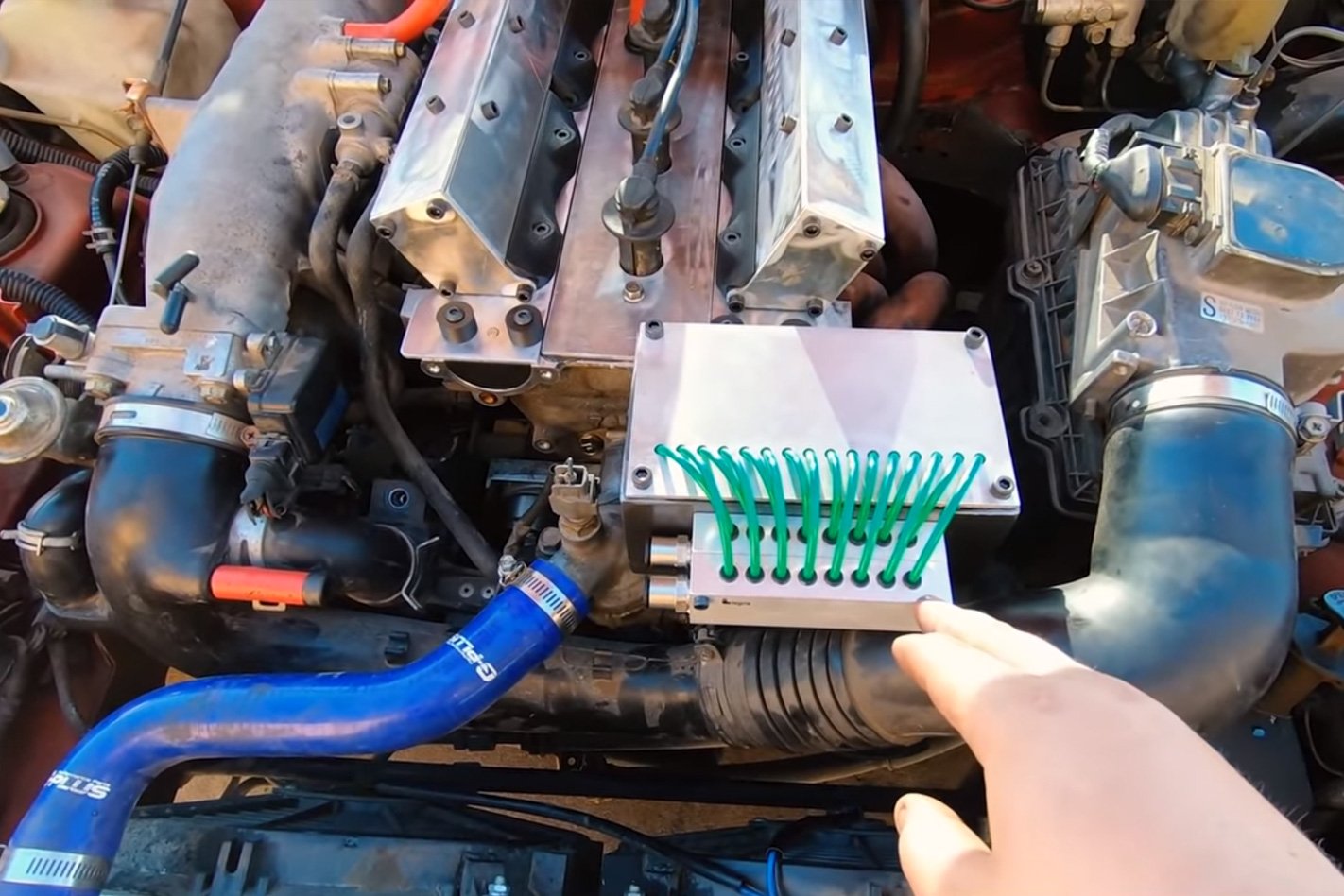
While Kagan has decided to open-source his efforts by distributing all of his CAD designs and coding for free, he is committed to continuing development on his Freevalve MX-5 on his Youtube channel.
He also has a number of other interesting projects on the go, including a tube-chassis pushrod suspension, 60s-style F1 car built out of a Porsche Boxster – which is slated to receive a Mercedes-Benz V12!
You can watch the full video above to see just how Kagan got his cam-less MX-5 running.
Long live the DIY mechanic!
Fantasy garage: it’s every petrolhead’s favourite game. Three cars, five cars, 10 cars, various budgets, various rules and regulations, solo or with friends, if you’re anything like me you spend far more time than is sensible ruminating on all the different permutations of how you’d spend fictitious money.
We’re not playing that game.
Rather than filling your imaginary garage with cars that already exist, the task today is to create your own.
After all, if you’re going to indulge in flights of fantasy you might as well truly spread your wings, as the odds of me ever affording the contents of my dream garage are directly correlated with my odds of being the sole division 1 Powerball winner. Twice.
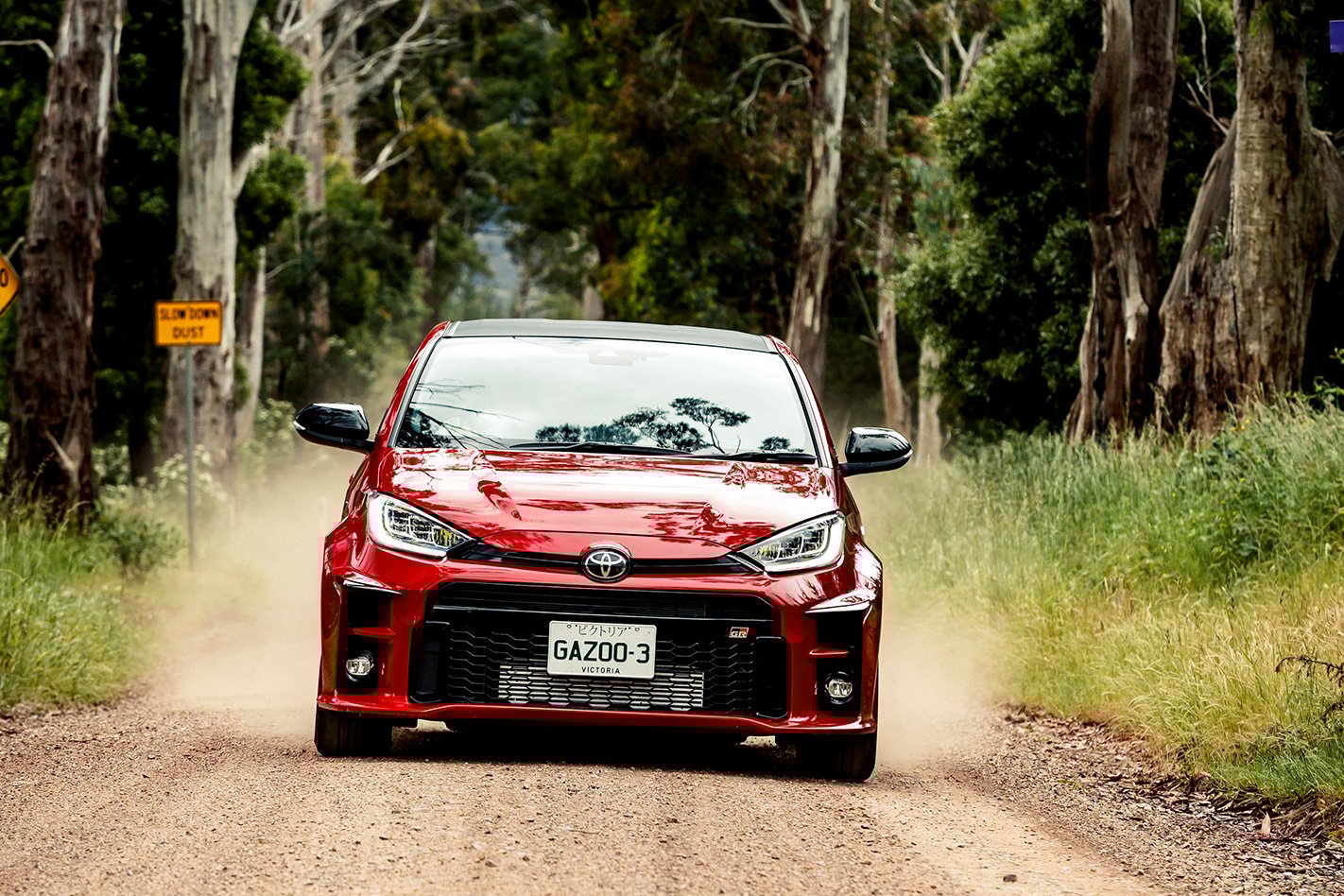
The only rule is that it has to be realistic, so no V12 Toyota Yarises or rocket-powered G-Wagens, though there is another column in madcap creations. It has to have at least a chance of passing all the relevant emissions and safety regulations, but from there the world is your oyster.
Obviously a key consideration is the type of car being created. The logical conclusion is to create each fantasy garage contender from scratch, but given this is MOTOR and there’s only this page to work with, I’ll focus my attention on my ultimate sports car. This will mean different things to different people, but personally this has to be a car that could be driven to work or long distances with little trouble, relish a weekend thrash but be equally happy on a track day.
Most importantly, it has to be entertaining in each of these environments. For some such a car will already exist in the form of a 911 GT3 Touring or AMG GT R or McLaren 600LT and all are fantastic machines, but because I’m a fussy so-and-so, none of them really hit the spot. So without further ado, let’s build my ultimate sports car; please send in your own creations to the usual address!
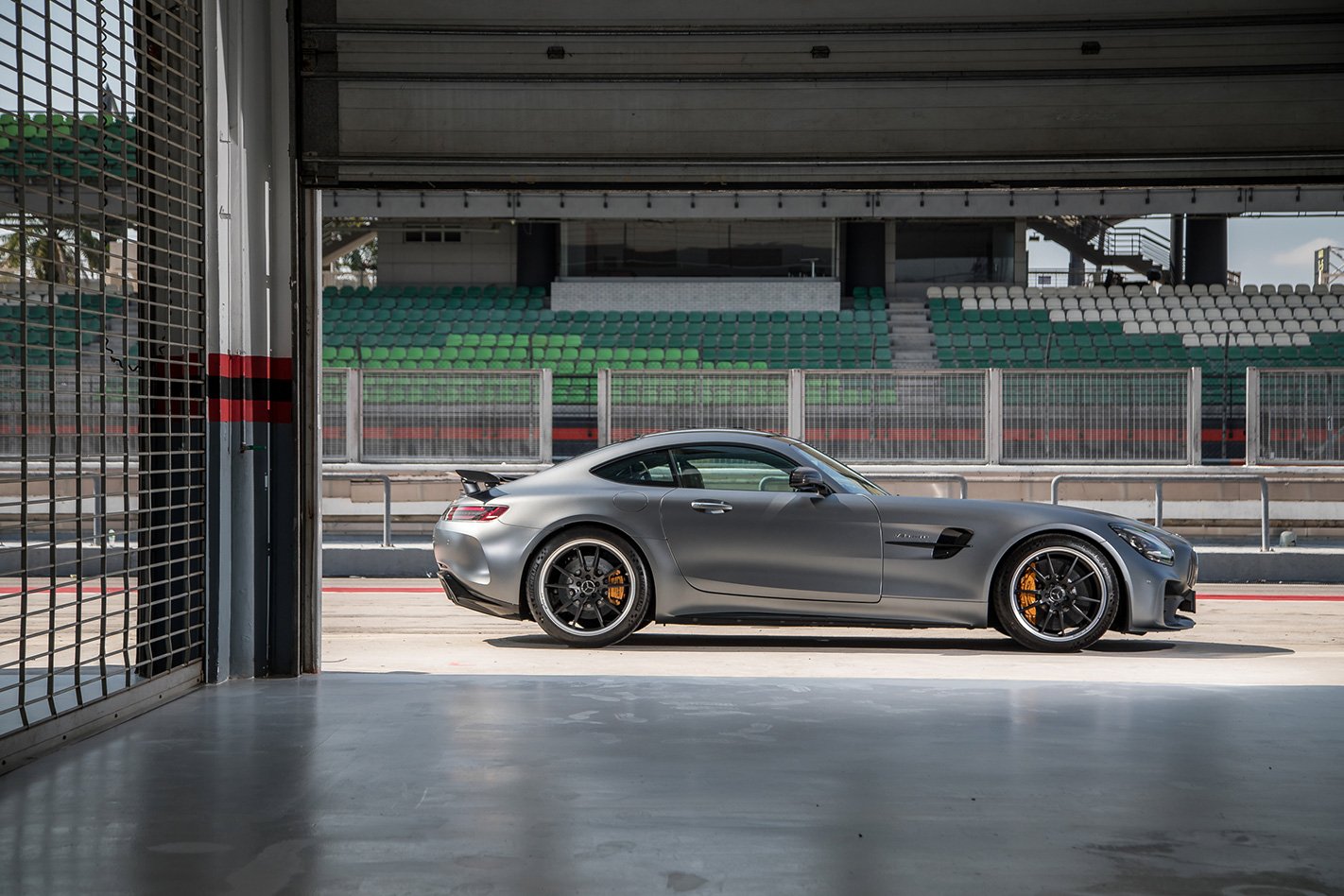
First up, it has to have two seats, none of this 2+2 nonsense. I don’t have children to accommodate and even if I did, if more than one needed ferrying we’d take the family car, so while those extra pair of pews might be a cornerstone of the 911’s success, all they’re going to do is mess up my packaging.
Material choice was a tricky one – carbon fibre is stiff but cost and refinement can be issues – until I remembered Gordon Murray’s iStream Superlight system. This uses an aluminium tubular frame with honeycomb recycled carbon-composite chassis panels to create a structure that’s very light, very strong and, Murray claims, cost neutral when compared to stamped steel.
My target kerb weight is 1350kg. Because of this modest weight, I don’t need to go overboard with the engine to achieve the desired performance. Again, your tastes may vary and you might desire the howl of a V12 or scream of a straight-six, but for me it has to be a V8. Starting from scratch is prohibitively expensive, but modifying BMW’s N63B44 4.4-litre unit could do the trick: ditch the turbos, dry sump it, tweak the internals to allow 7500rpm and hopefully figures of 325kW/500Nm should be well within reach.
I’m tempted by ZF’s eight-speed automatic but having sampled an Audi B7 RS4 in our 2020 Yearbook issue, that car’s six-speed manual is the target that has to be achieved. Tyres are Michelin Pilot Sport 4S measuring 255/35 ZR19 front and 275/30 ZR19 rear as the car still has to move around at reasonable speeds. It’ll also keep the bills down when they need to be replaced. Ahem.
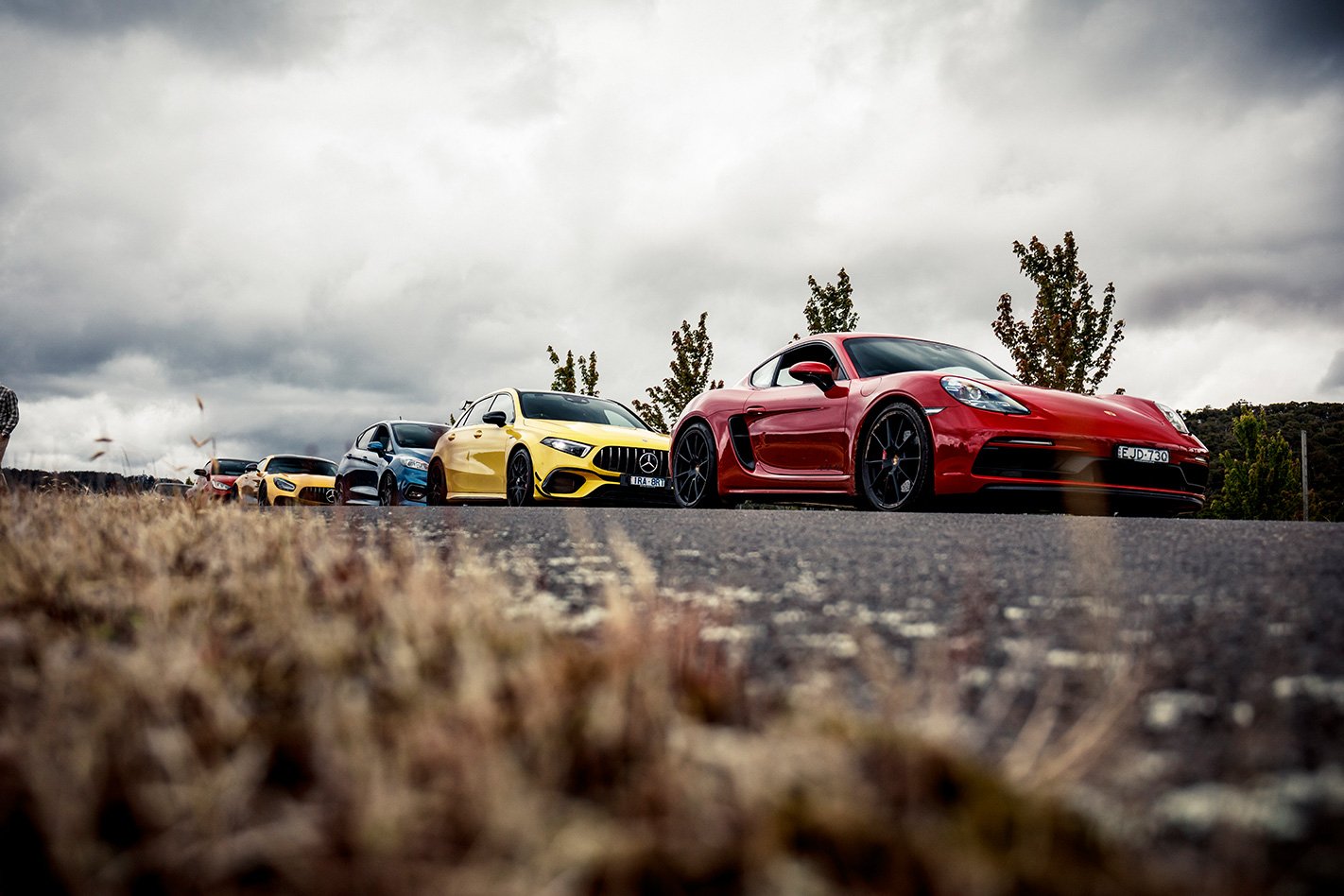
The most important bit of all, though, is the chassis. If this car is going to shine on road and track it needs to not just ride and handle but behave in a manner that’s progressive and confidence-inspiring.
In summary, I want a two-seater coupe with the attitude of an AMG GT, the soundtrack of an E92 M3, the brake and steering feel of an LFA, the ride/handling balance of a Civic Type R, the fun factor of an F-Type R and the stamina and usability of a Cayman. That’s not too much to ask, surely?
