
Finding a logical rival for the Toyota Yaris GR is difficult. Its natural competitors when it comes to size are the Ford Fiesta ST and the soon-to-arrive Hyundai i20 N but with all-wheel drive and 200kW/370Nm on tap, the pint-sized Toyota blows those cars out of the water for performance (and price).
Which means it needs to go up against more potent competition. Enter the Honda Civic Type R.
This generation of Civic Type R has long been our favourite driver’s hot hatch and Honda has just treated it to an update. Fresh brakes, revised suspension and improved cooling for the 2021 model year have made the Type R sharper than ever. But Honda has focused on enhancing the Civic’s dynamics, and not its straight line performance. So which of these two will claim honours at the drag strip? The Honda is the larger and heavier of this pair, by around 100kg, but its superior power/torque (228kW/400Nm) give it a slight power-to-weight advantage over the Yaris.
To make the process as scientific as possible, we ran individual figures on both cars to see which was quicker in isolation. Both cars were run multiple times to achieve the quickest run possible before we lined them up for a best of three drag. As both are manual hot hatches, and we ran our figures with the electronic safety systems switched off, we used the ‘best of three’ format to minimise operator error as much as possible.
We needn’t have bothered. Despite the closeness of their ‘on paper’ performance, the result of this drag race (in scorching 35 degree heat) isn’t even close!
To salvage redemption for the loser, we close our video with a braking test from 100-0km/h. Both hatches have excellent braking performance, though which one pulls up in the shorter distance may surprise you.
Watch the video for the results and don’t forget to subscribe to the MOTOR YouTube channel. We’ll be publishing two new videos every week, including more drag races.
What cars would you like to see us put head-to-head?
WATCH NEXT: 2020’s Best Hot Hatch? Toyota GR Yaris Review
SsangYong will continue to trade as usual, despite declaring bankruptcy in its home country of Korea.
The struggling carmaker, currently on the sales block after Indian owner Mahindra’s failure to turn the company around after a decade, has entered what the company is calling a “private rehabilitation program” that resembles an American Chapter 11 bankruptcy.
It’s designed to give the company a reprieve to find funding – or to finalise a new buyer – while it restructures its business.
“During this period, SsangYong Motor company, including the Australian subsidiary, remains fully operational, business as usual,” said Australian managing director Chris Mandile in a statement.
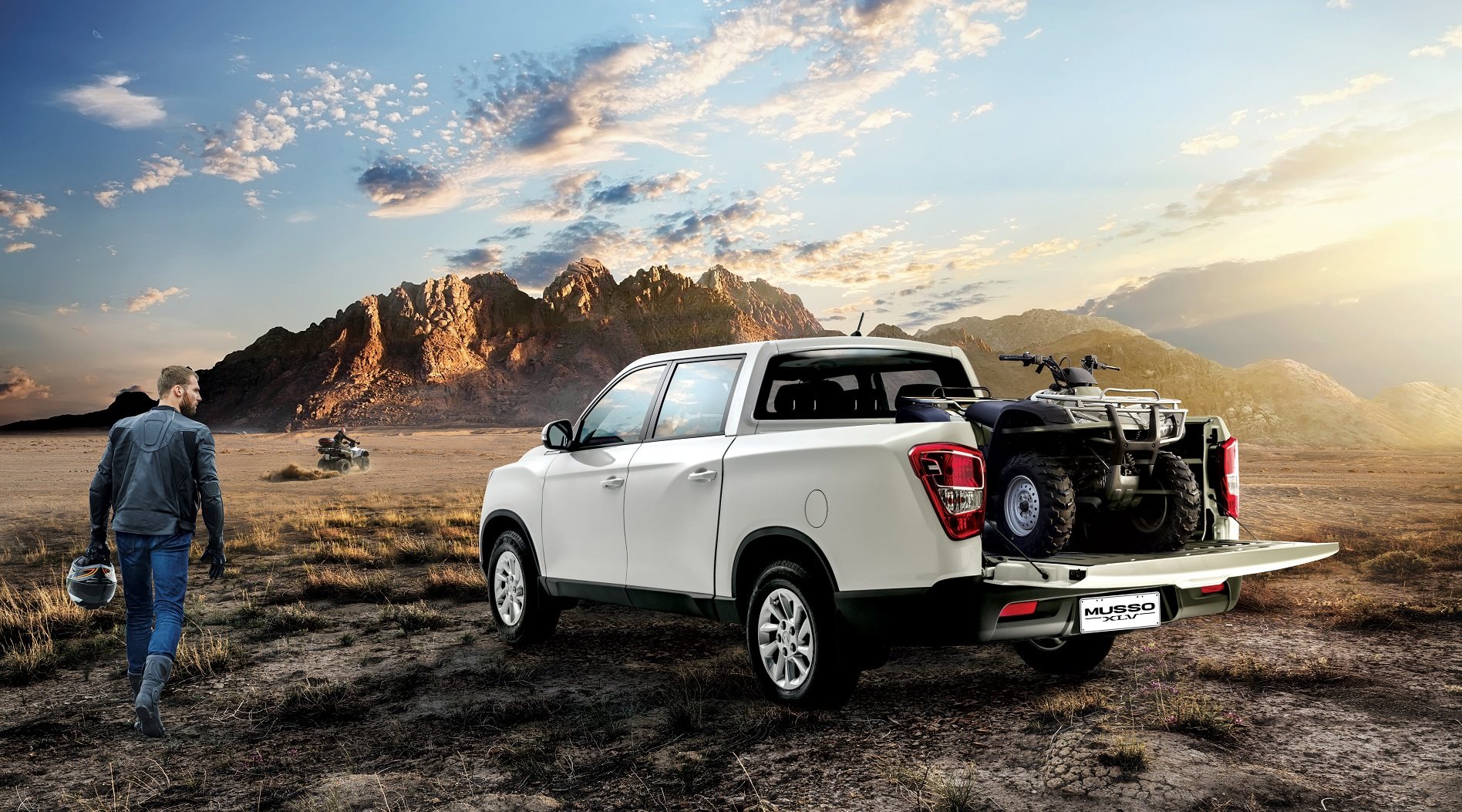
After a couple of false starts, SsangYong returned to Australia in 2018 under factory administration with a brace of new and renewed products, including the Musso ute and Rexton SUV.
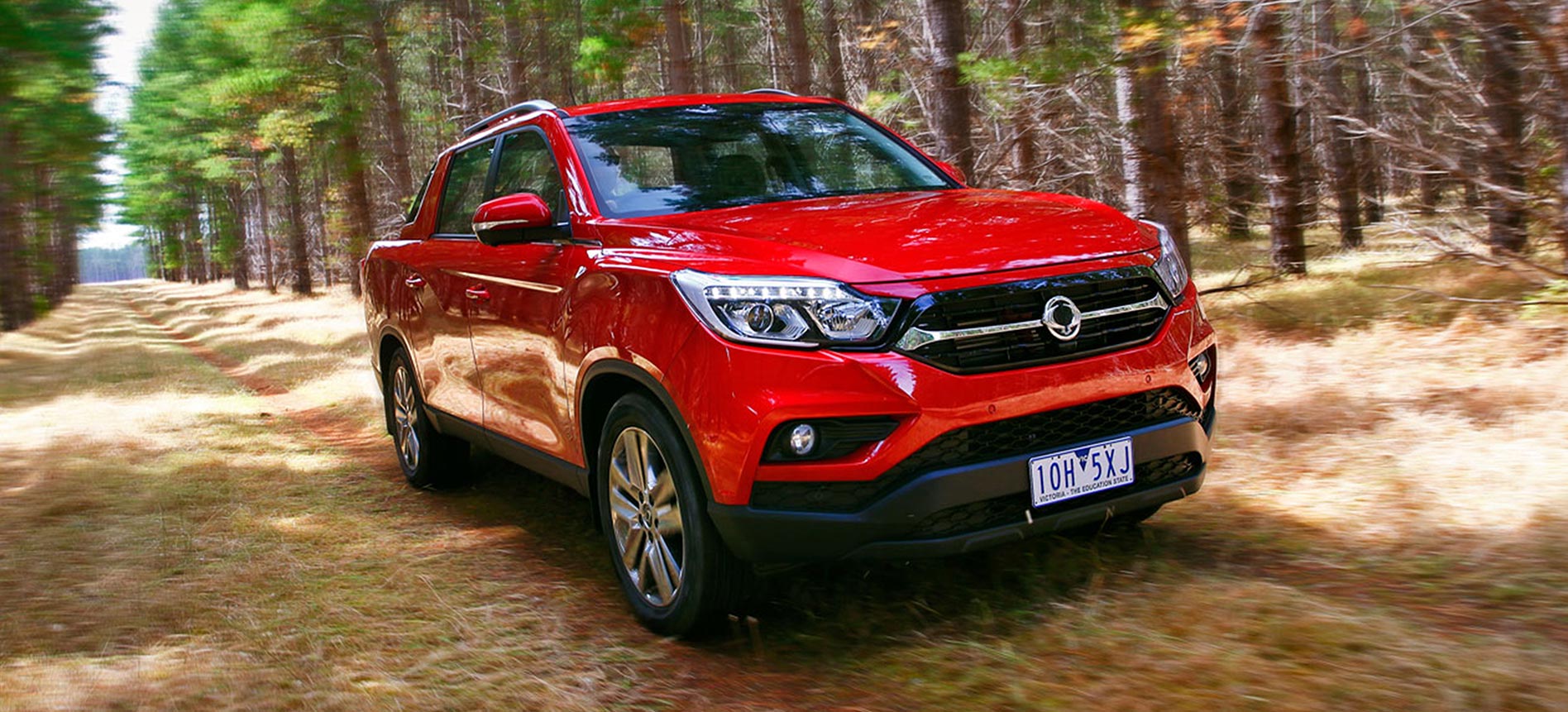
However, the range has dwindled to three cars – including its newest, the updated Korando mid-sized SUV – and while local sales in 2020 are up on those in 2019, its total number of registrations for 2020 will be eclipsed by just one month’s sales of Hyundai’s Tucson.
Despite having recently signed its 50th dealership, SsangYong’s Australian slump comes down to a lack of product; an updated version of the small Tivoli SUV has not materialised as promised back in 2019, while the Musso and Rexton are – despite competitive pricing and decent specs – underperforming.
Mandile said that the company will strive to avoid the next stage of proceedings for the company; voluntary administration.
“The company will also accelerate its efforts towards securing a deal with the interested new investor. Another step in the transformation and rebirth of SsangYong into a competitive company.
“SsangYong and the Korean Government is committed in making every effort to secure a viable future for everyone involved with this proud company.”
Toyota is bidding the LandCruiser 200 series goodbye, but not without a proper send-off.
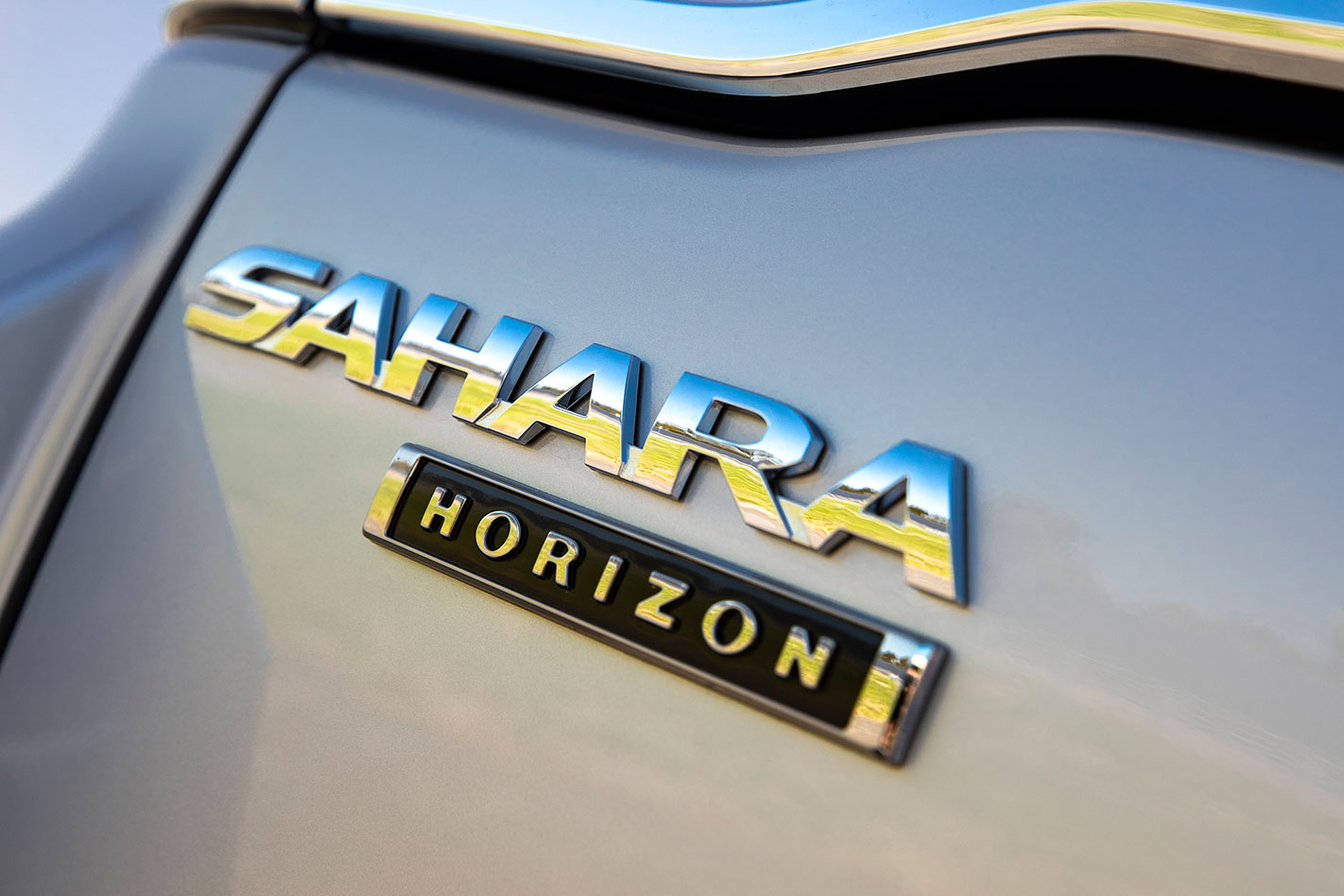
It’s decided to reissue a limited-edition version of the range-topping Sahara, announcing a new run of 400 more Sahara Horizons for 2021.
A 200 Series Horizon was introduced to Australia earlier this year to celebrate the company’s 60th anniversary, but Toyota has secured another 400 after the original 400 units quickly sold out.
While it seems a little unfair on those customers who bought what they thought was one of just 400 Horizons earlier this year, this reissue provides one final opportunity to buy a V8-powered Toyota LandCruiser, ahead of a much-rumoured switch to six-cylinder power with the 300 series.
The timing around that much-awaited LandCruiser model replacement remains to be confirmed (or revealed), but it’s speculated the LC300 LandCruiser is due shortly after 2021-spec Sahara Horizon is delivered next March.
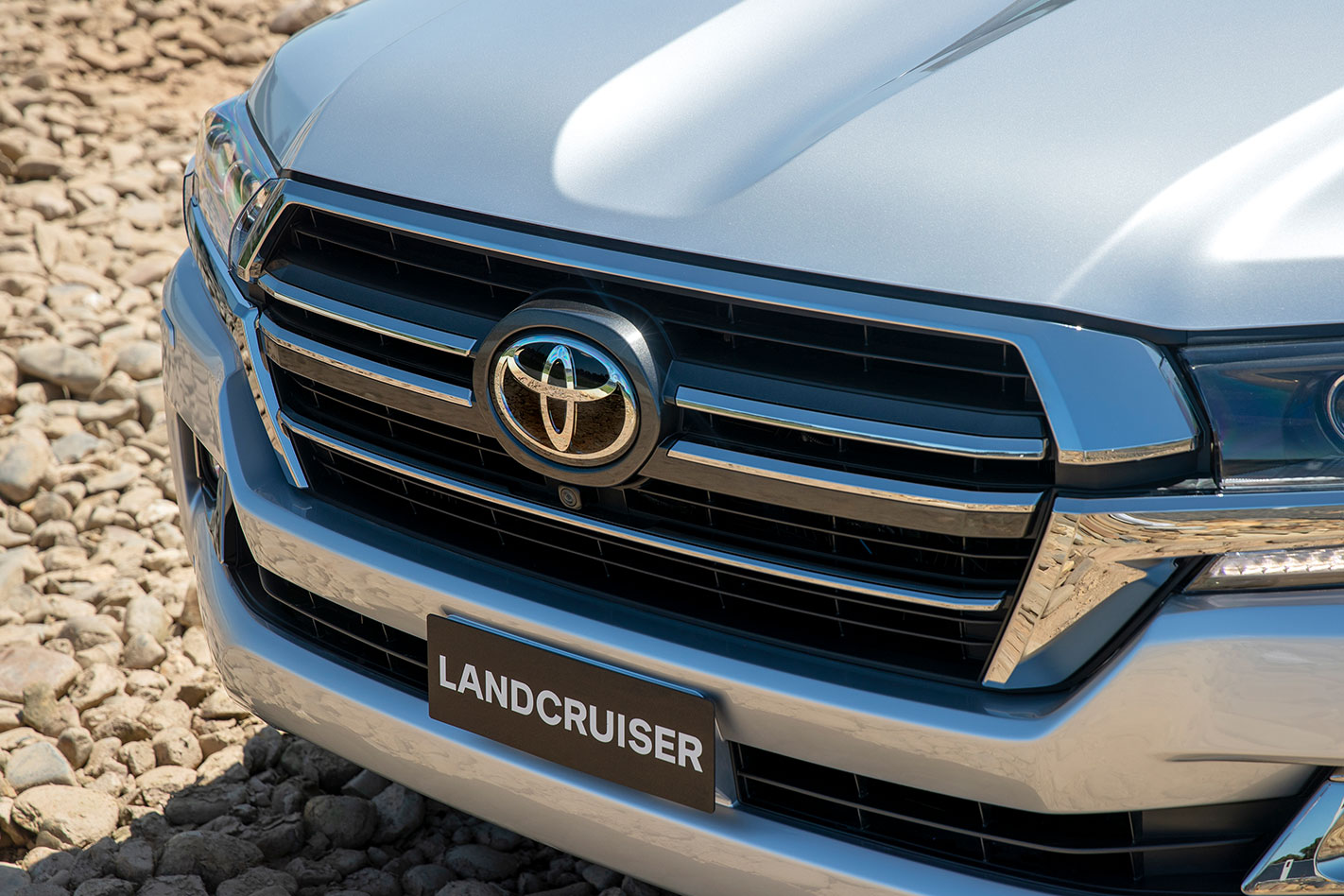
Each ‘Cruiser scores a unique dark-finish grille, headlight surrounds finished in black and foglight surrounds in smoked chrome.
It’ll also sport a Horizon badge on the rear, as well as special front and rear puddle lamps complete with the LandCruiser logo.
Inside the Horizon, meanwhile, the front seats embossed with the LandCruiser name, complementing unique stitching and premium black semi-aniline leather-accented seats.
This will come with a black leather-accented steering wheel, black interior trim and headliner finished with chrome accents.
The Horizon comes handsomely priced at $131,896 before on roads; it’s an almost-$2000 lift over the price of the first batch of 400, and $7500 above the LandCruiser 200 Sahara range-topper’s MSRP.
Included are features key to the Sahara’s king-off-the-road reputation, including a 4.5-litre twin-turbo diesel V8 producing 200kW and 650Nm.
A six-speed automatic and a drivetrain with full-time all-wheel drive that sports high and low ranging is a cornerstone of its off-road ability, too, bolstered by independent suspension.
Meanwhile, a raft of active safety features and off-road technology is included as well.
The Horizon shouldn’t have any trouble finding homes, either, given that the popularity of the luxury off-roader remains sky-high.
Toyota has sold 12,483 wagon LandCruisers – including the 70 Series wagon bodystyle – up until the end of November.
Contributing – Tim Robson
NEXT Toyota trademarks possible new LandCruiser variant
Hyundai has confirmed that its quirky three-plus-one-door hatch, the Veloster, has been dumped from its Australian roster, while the Abarth 124 Spider looks to have met the same fate.
Sporting two doors on the passenger and one on the driver’s side, the first-generation Veloster debuted in Australia in 2012 at less than $24,000, lending novelty and pizzazz to a relatively lacklustre lineup.
It ended up performing quite well for the brand, adding 17,000 sales until its demise in the early part of last year.
The second-generation Veloster – built on the bones of the i30 sedan – dropped onto Australian roads in August 2019, but at a far higher price point and up against much stiffer completion… not least from within its own showroom.
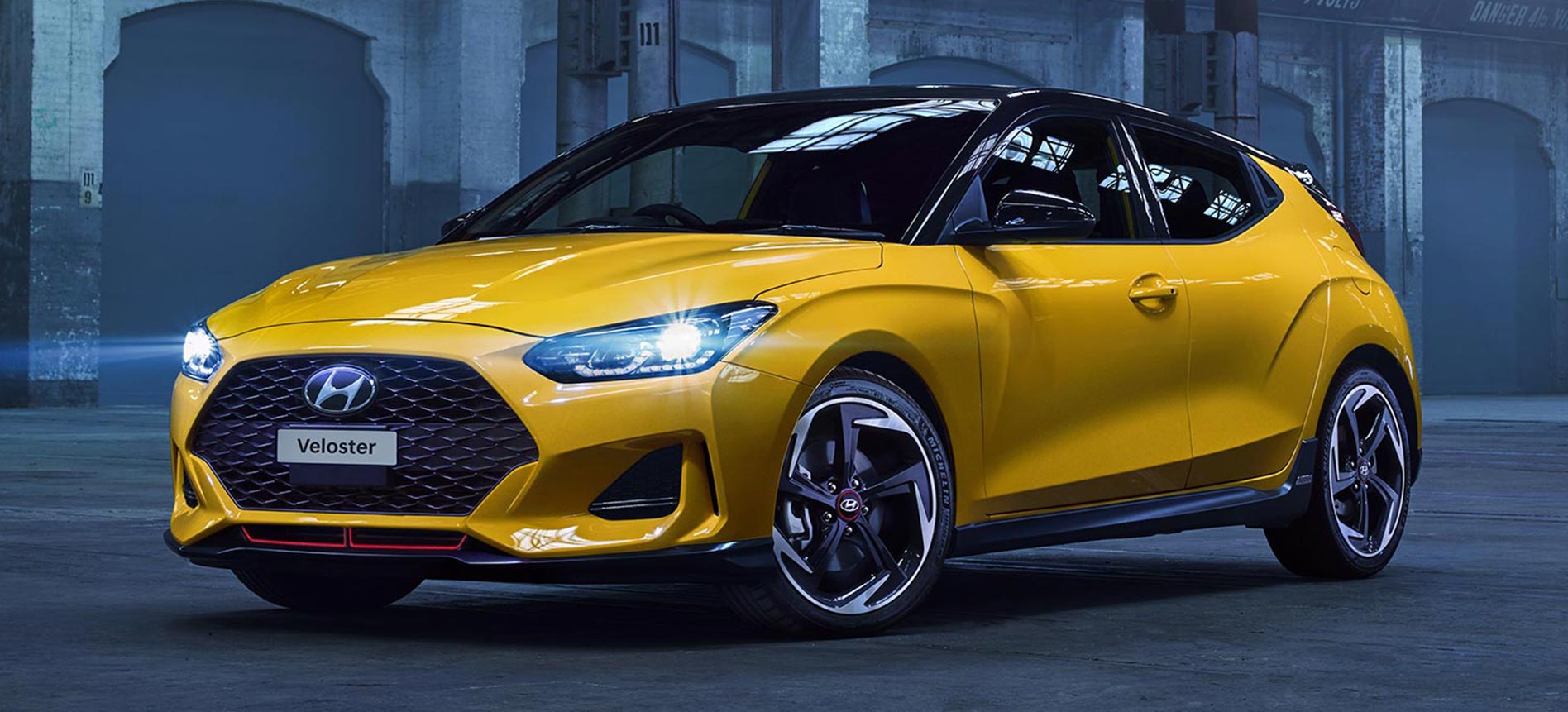
Where the original Veloster could lead the way with a relatively spritely powertrain versus its i30 brethren, the tables turned hard on the second-gen version.
Spec for spec, the Veloster wound up being almost $10,000 more expensive than an equivalent i30, which had more doors, more passenger space and more luggage room.
As well, a new focus on performance models including the i30N, i30 N-line and the incoming i20N means that the underdone Veloster was on borrowed time.
Confirmation last year that it wouldn’t come to Australia in N form – as sold in other markets – means the Veloster will join Hyundai’s other oddity, the i30 N Fastback, on the sidelines in 2021.
“Veloster has been discontinued for Australia,” confirmed a spokesperson for Hyundai, adding that there are still sufficient stocks to see it through until halfway through next year.
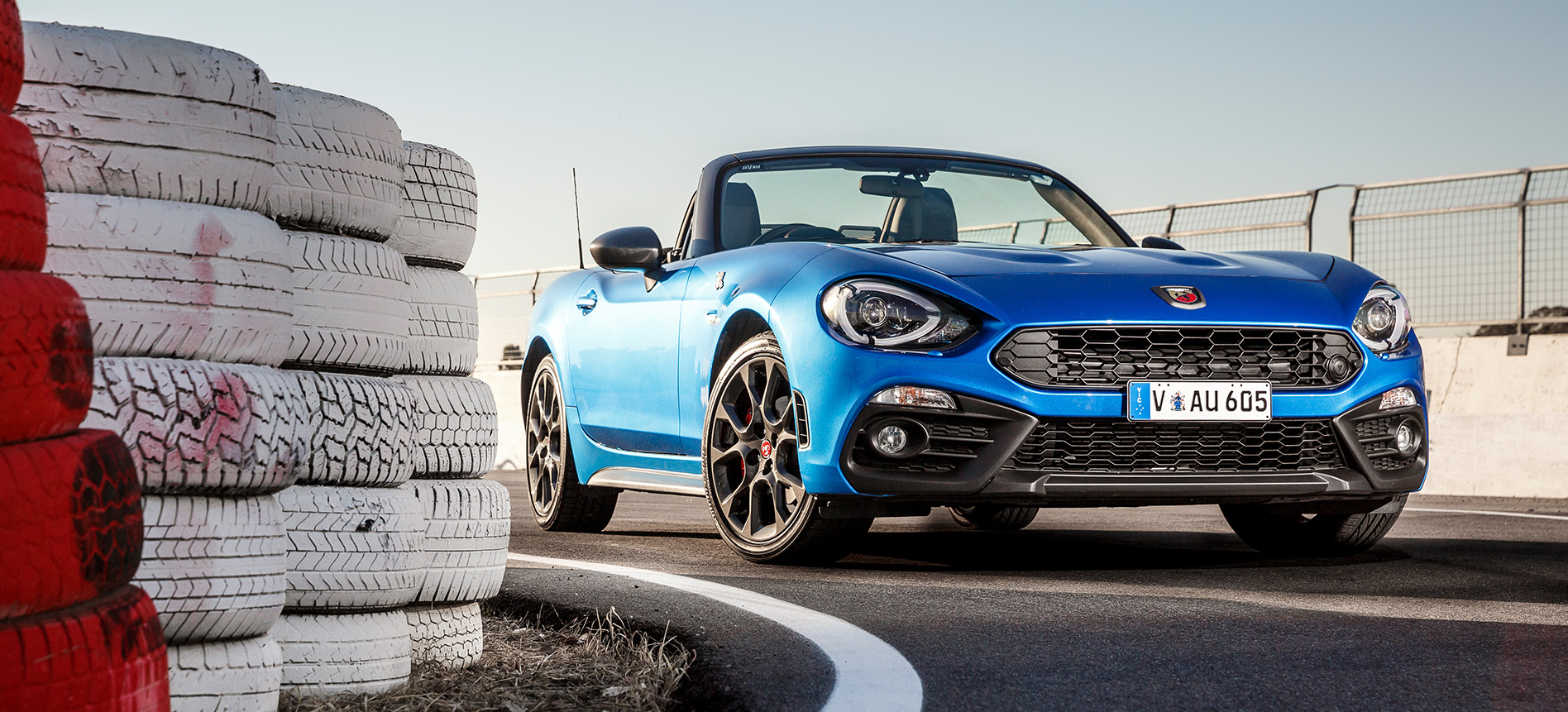
Reports also suggest that Fiat’s Abarth 124 Spider has also met its maker, though this is yet to be confirmed to WhichCar by local importer FCA.
The Abarth 124 Spider is based heavily on the Mazda MX-5, albeit with its own 1.4-litre turbocharged four-cylinder petrol engine and unique body styling.
It was dropped from the company’s roster late in 2019 in overseas markets, and its 57 sales so far in Australia in 2020 have come via stock already in dealers.
Unlike the Veloster, the 124 is said to be now completely sold out.
It’s an ignominious end for a half-decent little droptop roadster that married Italian flair with Japanese pragmatism.
It also beat Mazda to the punch with key performance upgrades like Brembo brakes and Bilstein shocks fitted as standard.
This leaves the affordable sports car category to the likes of the Ford Mustang, the aforementioned MX-5 (itself slated for an upgrade early in 2021) and the soon-to-be-replaced Toyota 86/Subaru BRZ.
Porsche has welcomed a second model into the millionaire’s club with Cayenne production hitting the seven-figure mark.
The one-millionth Cayenne was a red GTS variant built in Bratislava, Slovakia, then shipped to an owner in Germany.
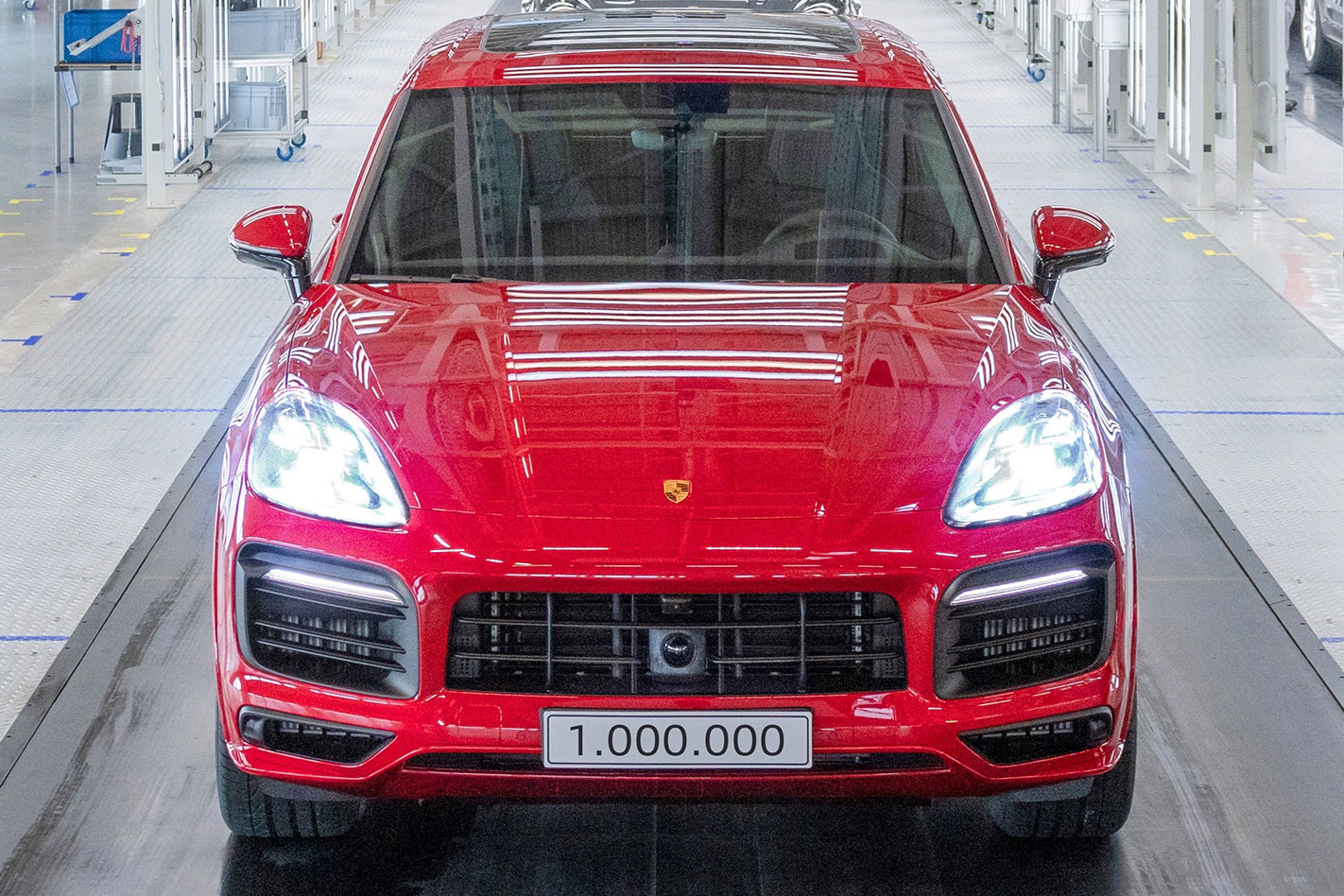
The news marked 18 years since the brand’s once-controversial SUV debuted.
This, outstandingly, is less than half the time Porsche’s iconic 911 spent took to reach the same milestone – something the rear-engine coupe achieved in 2017 after 54 years.
Of course, it goes a long way to proving how popular the Cayenne has been and how its success has been key to the brand’s survival in this century.
As a way to celebrate, we look back over the last 18 years to enjoy some special milestones the high-riding sports SUV has given us.
Ground Zero – The First Cayenne
It’s hard to reminisce on the first-ever Porsche Cayenne without touching on the dire circumstances that encouraged its arrival.
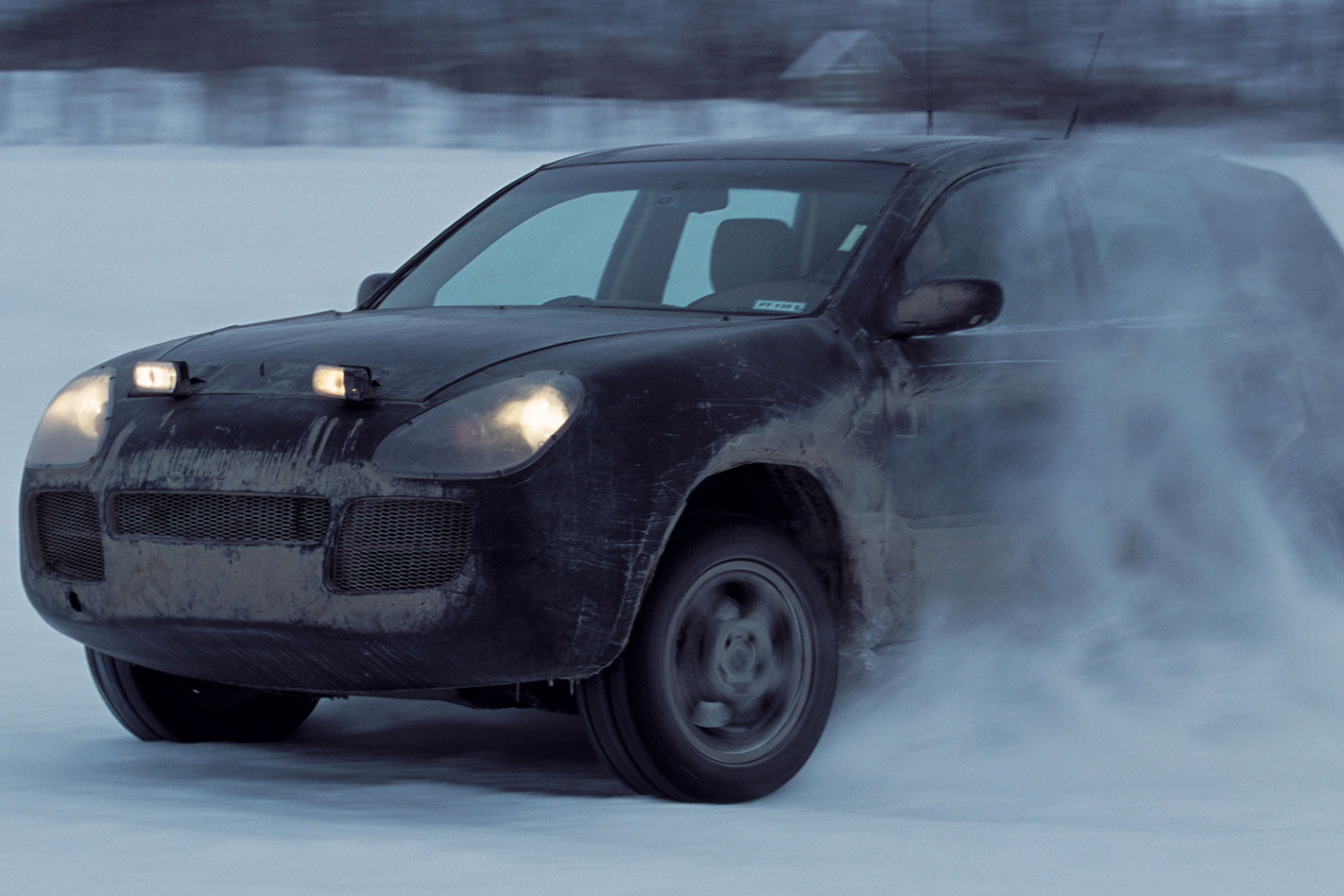
As the brand acknowledges, it found itself in financial strife at the end of the 1980s.
And while the Boxster’s arrival in 1996 went some way to arresting a downward spiral, Porsche needed something else to bolster its model range. So in 1998 it announced an SUV.
With VW’s help on development, the Cayenne was revealed at the Paris auto show in 2002.
Shortly after, its benchmark off-road talent, excellent high-riding dynamics and exceptional performance saw it become an instant hit, selling more than 275,000 over the eight years that spanned its first generation.
High and mighty – The Cayenne Turbos
The Cayenne launched with three engines, comprising a 3.2-litre VR6, a 4.5-litre V8 and a twin-turbocharged version, the two former powertrains offered with a manual transmission.
And it was that Turbo version that truly announced the car’s pedigree.
That lump was a DOHC, twin-turbo beast of a thing with dry-sump oiling and variable intake cam timing. Producing 336kW and 620Nm, it channelled that through all four wheels and a six-speed automatic.
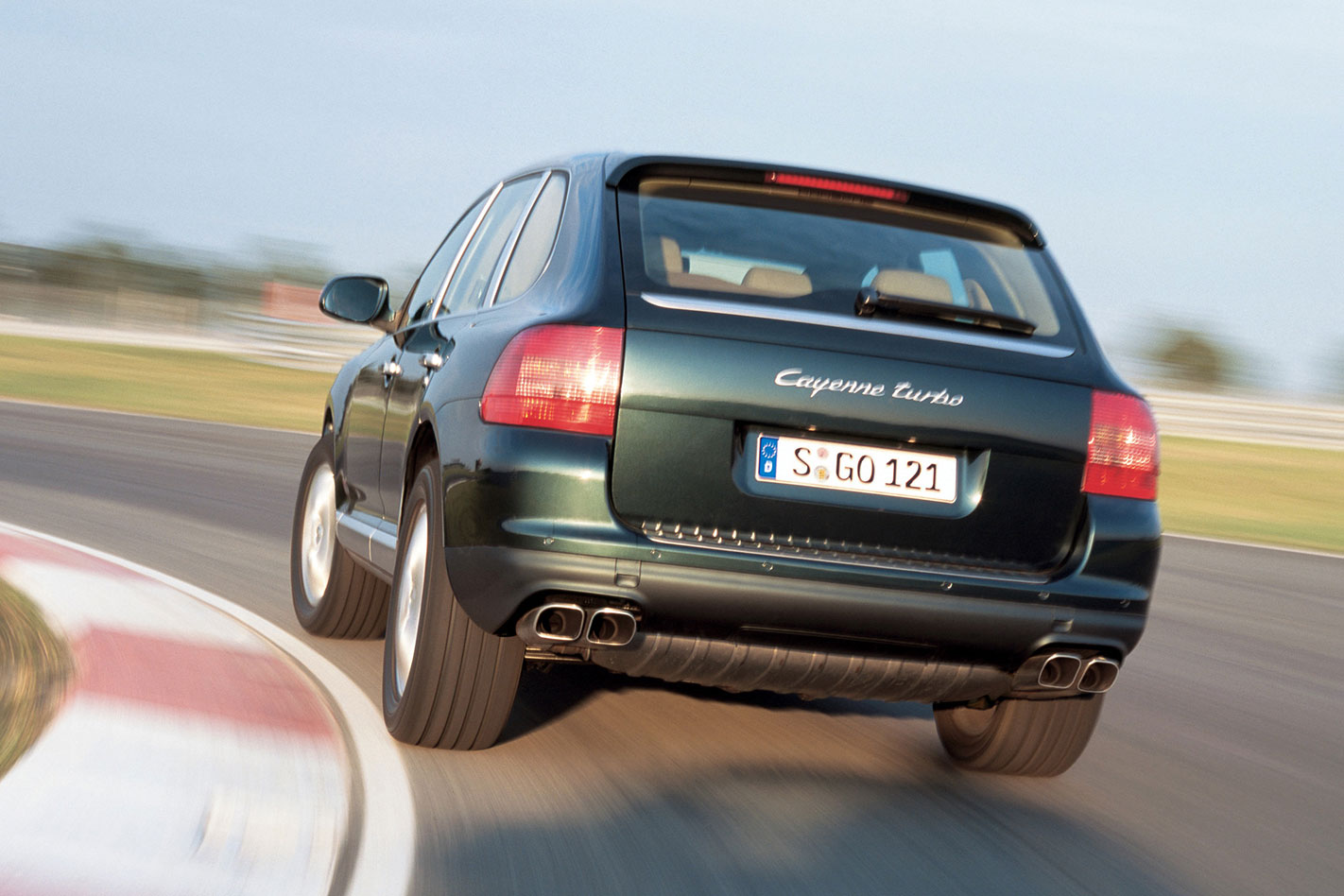
But the Turbo S that arrived with the first generation’s model update was the real ticket.
With upgraded intercoolers, it pumped out 383kW and 720Nm, flinging it to 100km/h in a claimed 5.2sec.
Good for 270km/h, it was the fastest 4WD at the time.
All Aboard – Heavy hauling
What better way to prove the Cayenne’s sturdy engineering and burly outputs than with a tow test?
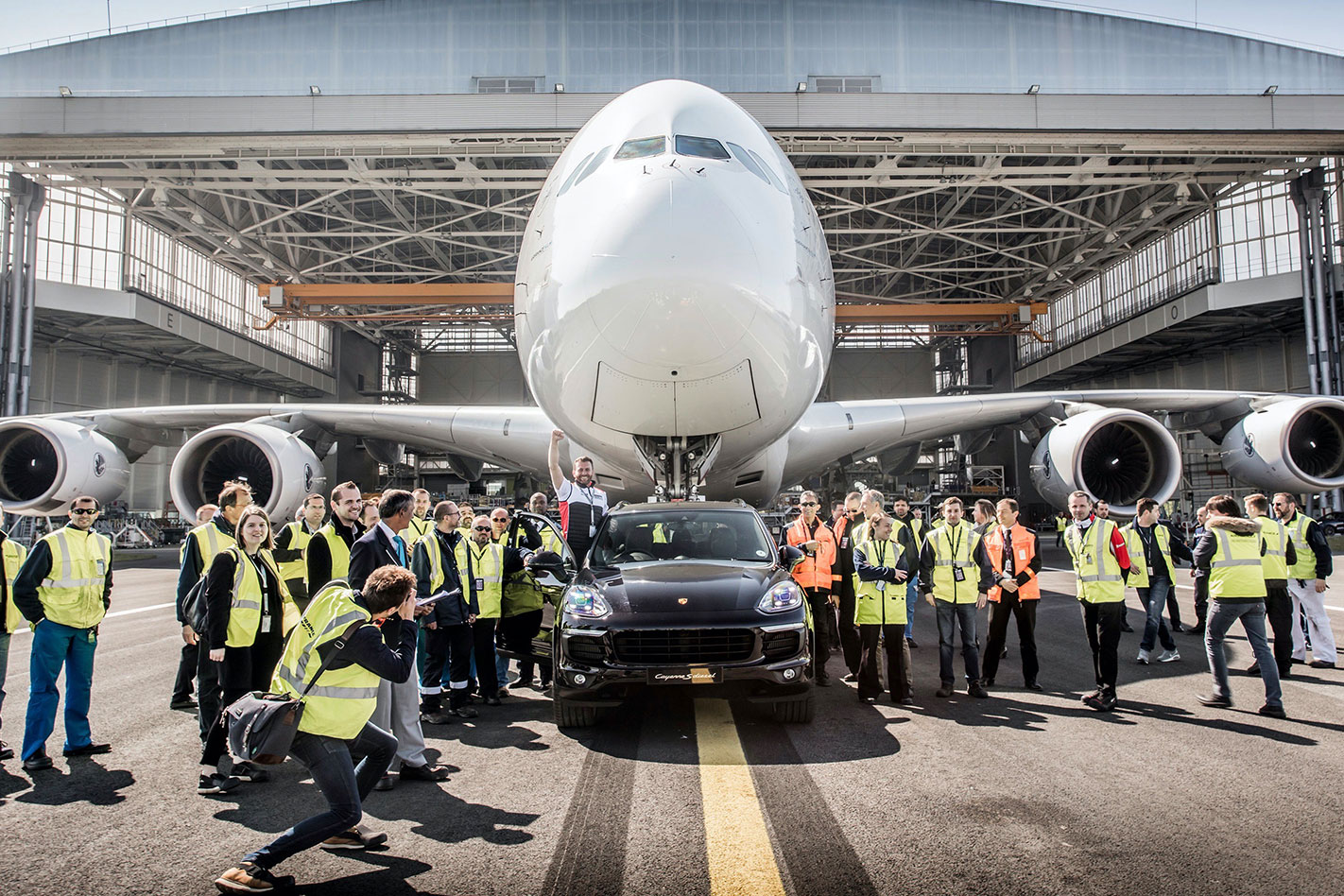
In 2017, Porsche hooked up its second-generation Cayenne to an Airbus A380, reportedly weighing in at 245 tonnes, or more than twice the previous record’s towing weight.
Remarkably, the humble Cayenne S Diesel hauled the passenger jet 42 metres to ink itself a Guinness world record.
A new buzz – The first electrified Cayenne
In 2007, Porsche presented a hybrid Cayenne concept that could drive itself on battery power alone.
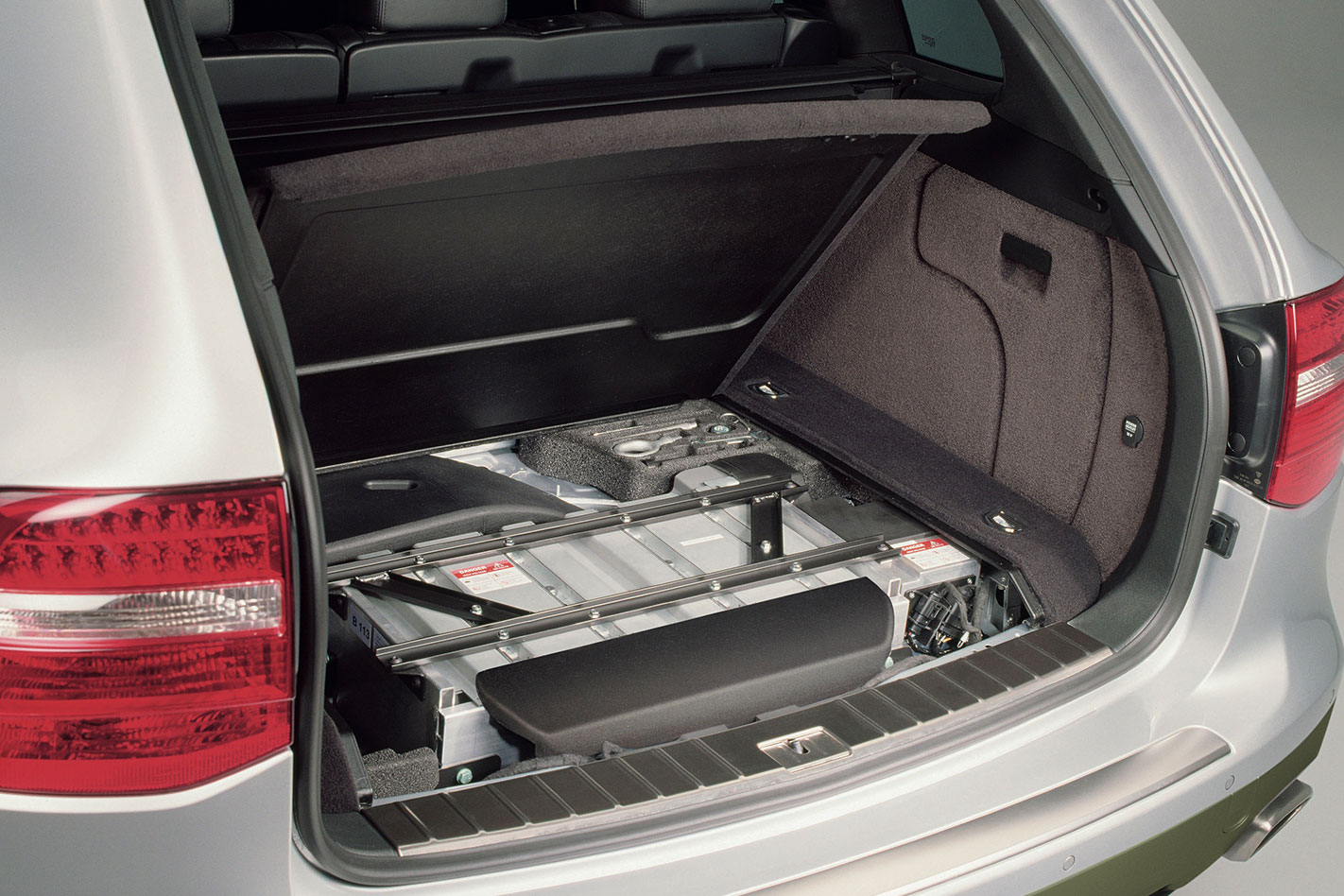
But it wasn’t until 2014, when the second-generation car debuted, that a production version arrived with the S Hybrid offering 30km of electric range.
The Next Step – The Cayenne EV
As anticipation builds on what all-electric vehicle follows the Taycan, it’s worth considering the Cayenne.
Discussions are ongoing within Porsche about an electric Cayenne and its arrival would make sense given an electric Macan is all but confirmed.
But like the Macan, Porsche will need to find a new platform to underpin the Cayenne, since it’s committed to purpose-built electric architecture for its electric vehicles and has ruled out the Cayenne for the Taycan’s J1 platform.
The Cayenne could possibly ride on the Macan’s Premium Platform Electric architecture if it’s scalable to the length required, but that remains to be seen.
READ NEXT Five unique Cayenne E-Hybrid features
When the axe fell on BMW’s M140i in 2019, it sliced clean through what was once considered a core part of the company’s DNA – that is, a compact rear-driver powered by a six-cylinder engine.
And surely we all felt a twinge of sadness a few years earlier when hearing the news that the subsequent F40 generation would adopt BMW’s front-drive UKL platform. This is the company, remember, that once promoted its rear-drive strategy so vehemently that it had a print-ad campaign that depicted various animals – a rabbit, frog and racehorse – photoshopped with huge front legs, and the tag line: “That’s why we don’t have front-wheel drives”.
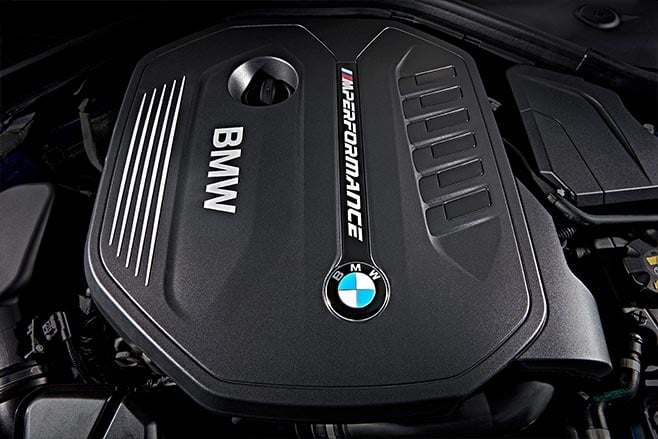
The M140i, which made its Aussie debut in 2016, was an evolution of the M135i, first introduced in 2012 as part of the second-gen F20/F21 1 Series’ line-up. When the M135i lobbed, Wheels was instantly seduced by the N55 six, a smooth, punchy 3.0-litre turbo making 235kW and 450Nm, funnelled to the rear wheels via an eight-speed ZF auto or six-speed manual.
We pitched it against the Renault Megane RS 265 in February 2013, and the BMW was good enough to narrowly edge out the ultra-focused front-driver. Which you may have expected, given the massive price discrepancy: the M135i was a whopping $72,400 when it arrived, and nearly hit $80K (before on-roads) in as-tested form against the $43K Megane.
Rear packaging was compromised by the RWD layout, though, with the transmission tunnel making life tough for anyone unfortunate to get the middle seat. Not helping the case was the lack of comfort and amenity features in the rear.
The move to the M140i model designation in 2016 saw the introduction of BMW’s B58 engine, an evolution of the N55, bumping compression to 11.0:1 and upping the boost. Peak power jumped to 250kW at 5500rpm, but the torque hike was significant; up 50Nm on the M135i to 500Nm, while claimed 0-100km/h was cut to 4.6sec.
The lack of a limited slip diff did attract bit of criticism but was really only an issue when driving properly hard on tight roads, or on a track. A price drop in 2018 saw the M140i come in (just ) under $60,000. Pity the resale of those who bought the M135i five years earlier…
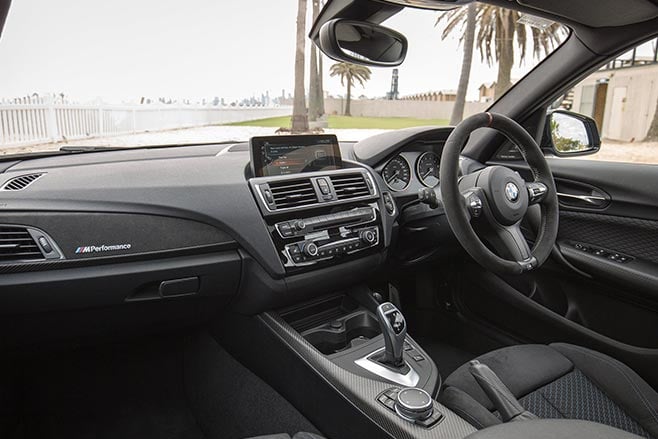
The M140i did receive a bit of a send-off, with BMW Australia offering the Finale Edition which included metallic paint, 18-inch double-spoke M alloy wheels in Orbit Grey, sunroof, darkened headlights and tail-lights, and black chrome exhaust tips. Given the sunroof alone was a $2000 option, the tag of $62,990 meant it was actually considered reasonable value.
But perhaps not the most illustrious end for the M140i, given the significance of its axing.
The last BMW M140i sold in Oz
The very last M140i to roll out of an Aussie dealership? That was from Sylvania BMW in Sydney’s south, a red auto snapped up by Scott Tye, a reader of sister title MOTOR who got in touch with our website in April. “For me, this is a keeper,” said Scott. “The last of a breed.”
Australian BMW M140i sales figures 2016 – 74 2017 – 515 2018 – 885 2019 – 661 2020 – 7
UPDATED Toyota has extended the recall on seven of its most popular models for a potential fuel pump failure that could leave drivers stranded, or in a worst-case scenario see them lose power while driving.
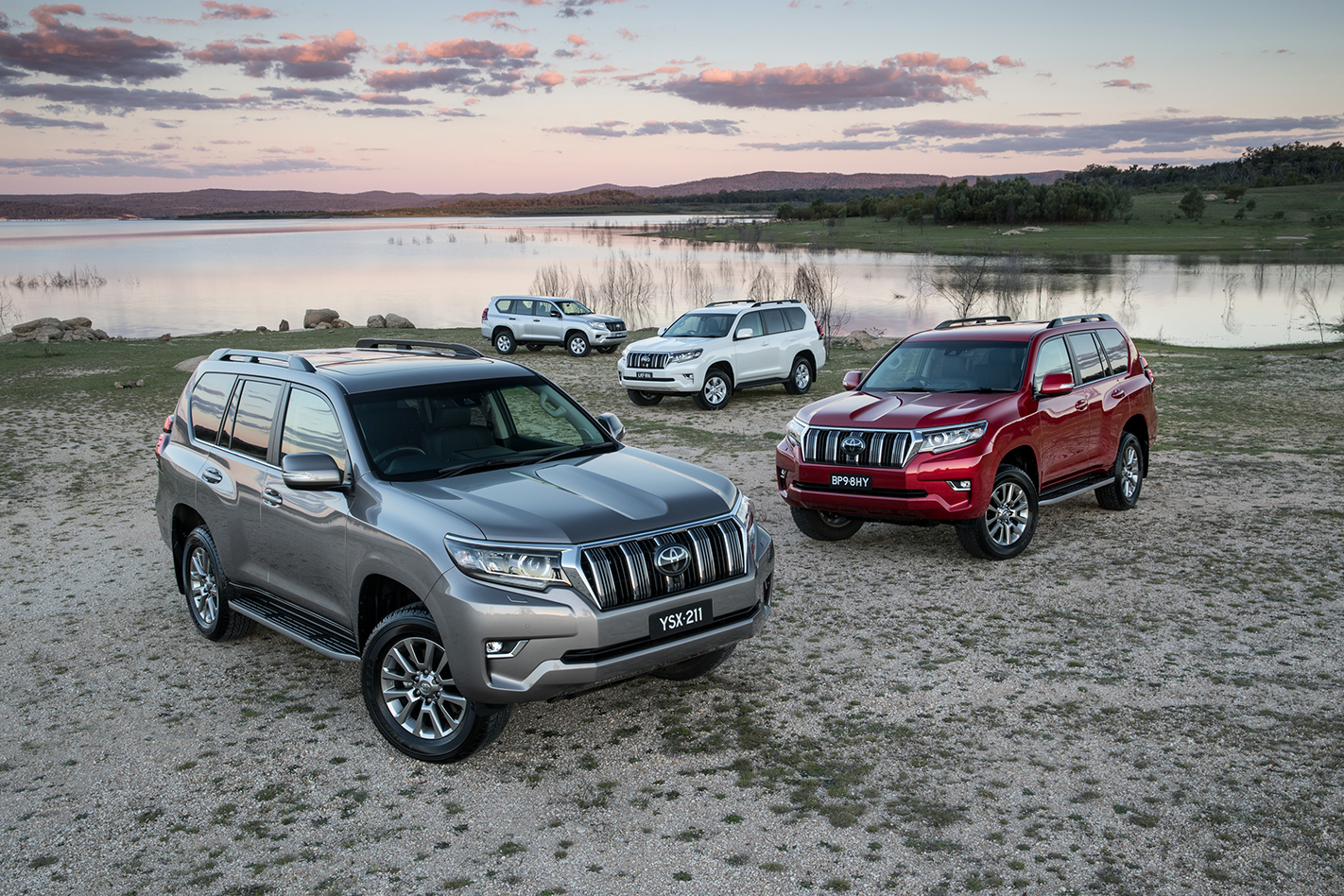
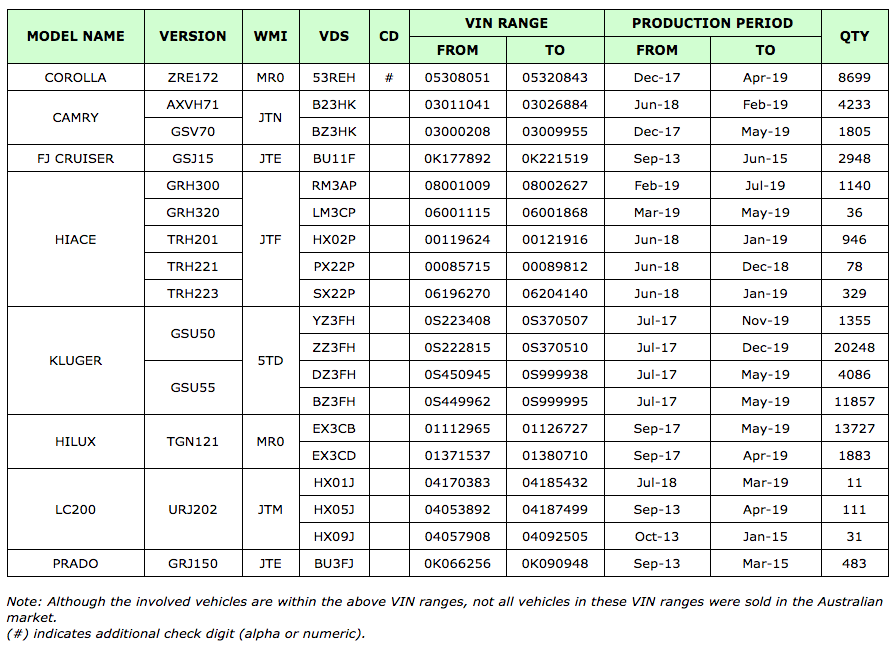
The issue affects the Toyota Camry, the Corolla sedan, Kluger, and petrol-powered Toyota Hilux, Prado, HiAce, and 200-series Landcruisers.
The long-discontinued Toyota FJ Cruiser is also involved in the recall, and all cars affected were built over the period between 2013 and 2019.
Additional models added in December involve 1,957 Corolla and HiLux vehicles produced between September 2017 to September 2018 (inclusive).
The most heavily affected model is the Toyota Kluger large SUV, with more than 37,000 vehicles from that nameplate now subject to the recall making it account for half of the entire recall campaign. The least affected is the 200-series Landcruiser, with just 153 vehicles involved in the recall.
Symptoms of the problem include the engine not running smoothly, the engine being unable to be restarted and the engine possibly stopping while driving. The issue stems from a manufacturing issue with the fuel pump located in the fuel tank, with the pump’s impeller possibly jamming inside the pump’s housing and stopping fuel flow.
Toyota says it will contact owners to book affected cars in for a free repair, which will take a few hours to affect.
“Depending on the vehicle, it is expected that it will take approximately 2-4 hours to replace the fuel pump. However, based on the dealer’s work schedule, it may be necessary for the owner to make the vehicle available for a longer period of time,” reads a statement from Toyota.
The company says vehicles are safe to drive for now, but if any symptoms of a fuel pump issue begin to present themselves owners should stop driving and get in contact with Toyota.
So far there are no known cases of drivers becoming stranded due to the fuel pump problem.
To see a full list of affected VINs, head to the ACCC’s recall page here.
The fuel pump recall comes not long after another fuel-related recall for the Prado and Hiace – although that was for diesel-engined models – while the company continues to deal with fallout from the diesel particulate filter fault associated with its 2.8-litre turbo diesel vehicles.
The DPF problem (which sees the vehicle’s particulate filter clog up and cause large amounts of soot to exit the exhaust) has resulted in a class action lawsuit.
Contributing – Tim Robson
In today’s mercilessly competitive market, new cars can have a tendency to age like a glass of milk.
What seemed like revolutionary styling touches date faster than Liam Hemsworth on Tinder, and the advancement of powertrains makes last year’s efficiency hero look like a steam train against the latest engines.
But not the Hyundai Santa Fe.
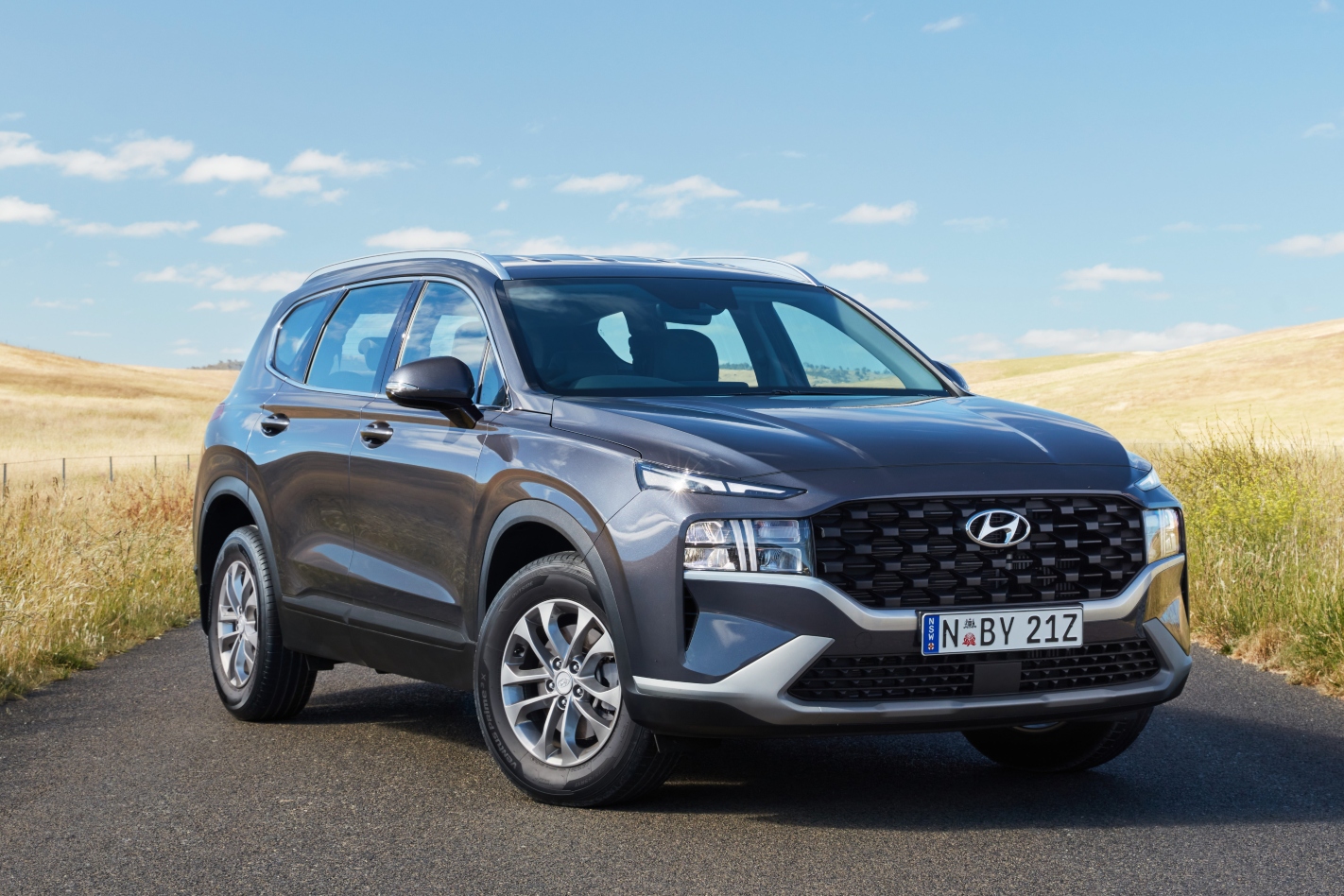
When it rolled out in its fourth generation, Hyundai’s then-biggest SUV was devilishly handsome and brought a package of driving dynamics and practicality that put competitors in the segment on notice.
But that was a mere two years ago and, unlike so many of its rivals, the Santa Fe has not aged a day.
Which is why it’s so surprising that Hyundai has already treated the model to an update – and it’s not a light gesture either.
Its maker is calling the 2021 Santa Fe an ‘updated’ model but, as it rolls on a new platform, has significantly restyled aesthetics and a heap of new technology, it would have copped no criticism from us for choosing to label it as ‘new’.
Price and specs
As before, the range is comprised by four key variants all of which can be ordered with a 3.5-litre petrol V6 engine and front-wheel drive or, for a $3500 premium, the 2.2-litre turbo diesel which also gains the company’s Htrac all-wheel-drive system.
Pricing has increased over the previous iteration, with the entry offering kicking off from $44,700 which represents about a $700 shift.
There’s a greater premium to pay at the pointy end of the range with the flagship Highlander now costing $61,700 – that’s up by about $3000 but the range-topping version gets the most significant extra kit.
That’s the version we focused on for the 2021 update.
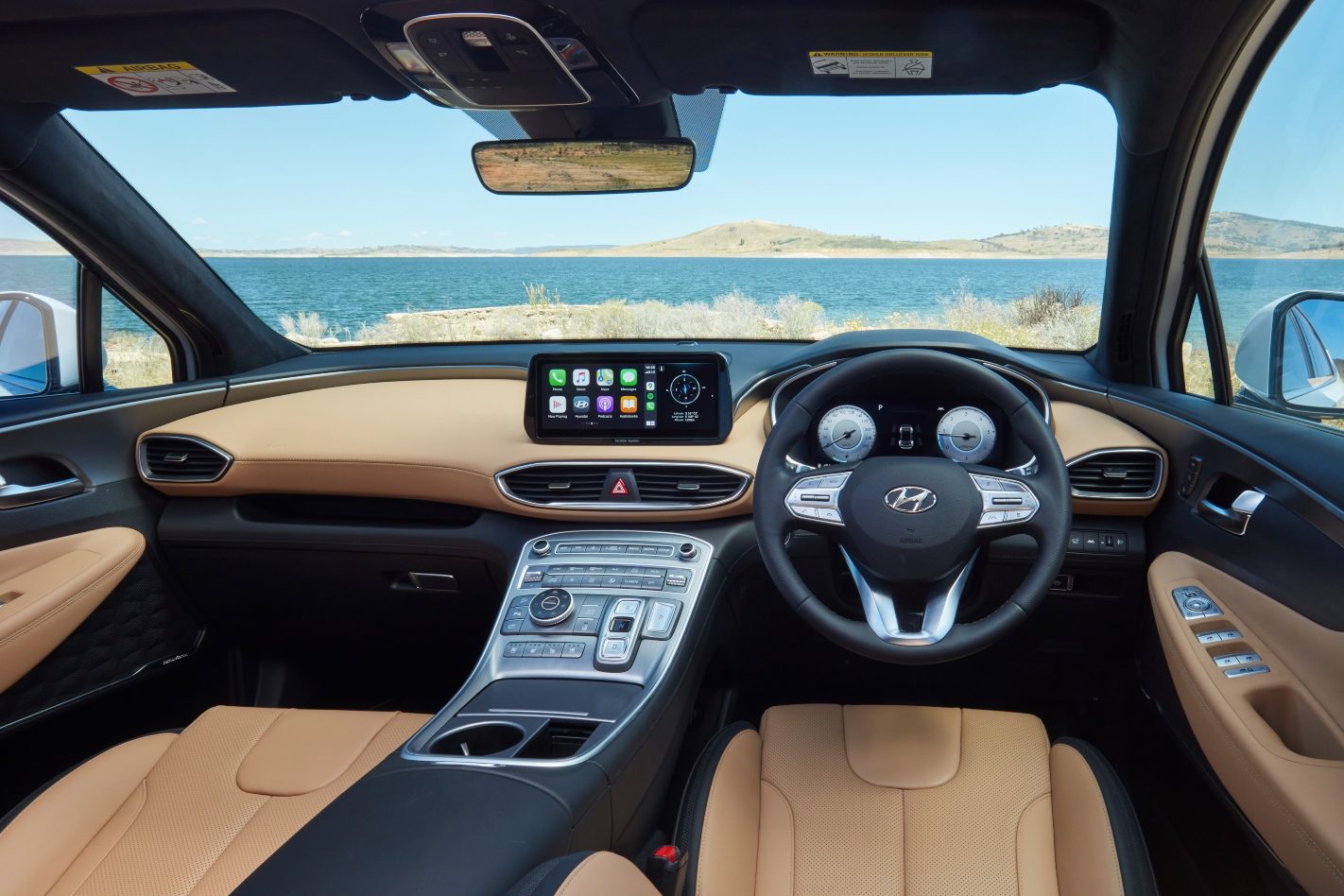
Entry versions get an 8.0-inch central touchscreen for accessing all the information and entertainment options, but the Highlander is equipped with an impressive 10.3-inch version that stands proudly atop the dash and has cinema-screen wide proportions.
It’s complemented by a new fully digital instrument cluster which morphs into different graphics according to the selected driving mode.
Just these two additions have lifted the entire Santa Fe cabin, but it’s just the start of a comprehensive update.
As before, upholstery is finished in top-quality Nappa leather with an attractive diamond-quilted effect.
There are a number of colour and trim options including the use of real aluminium. For our cash, the tan (Camel) leather with black is a knockout.
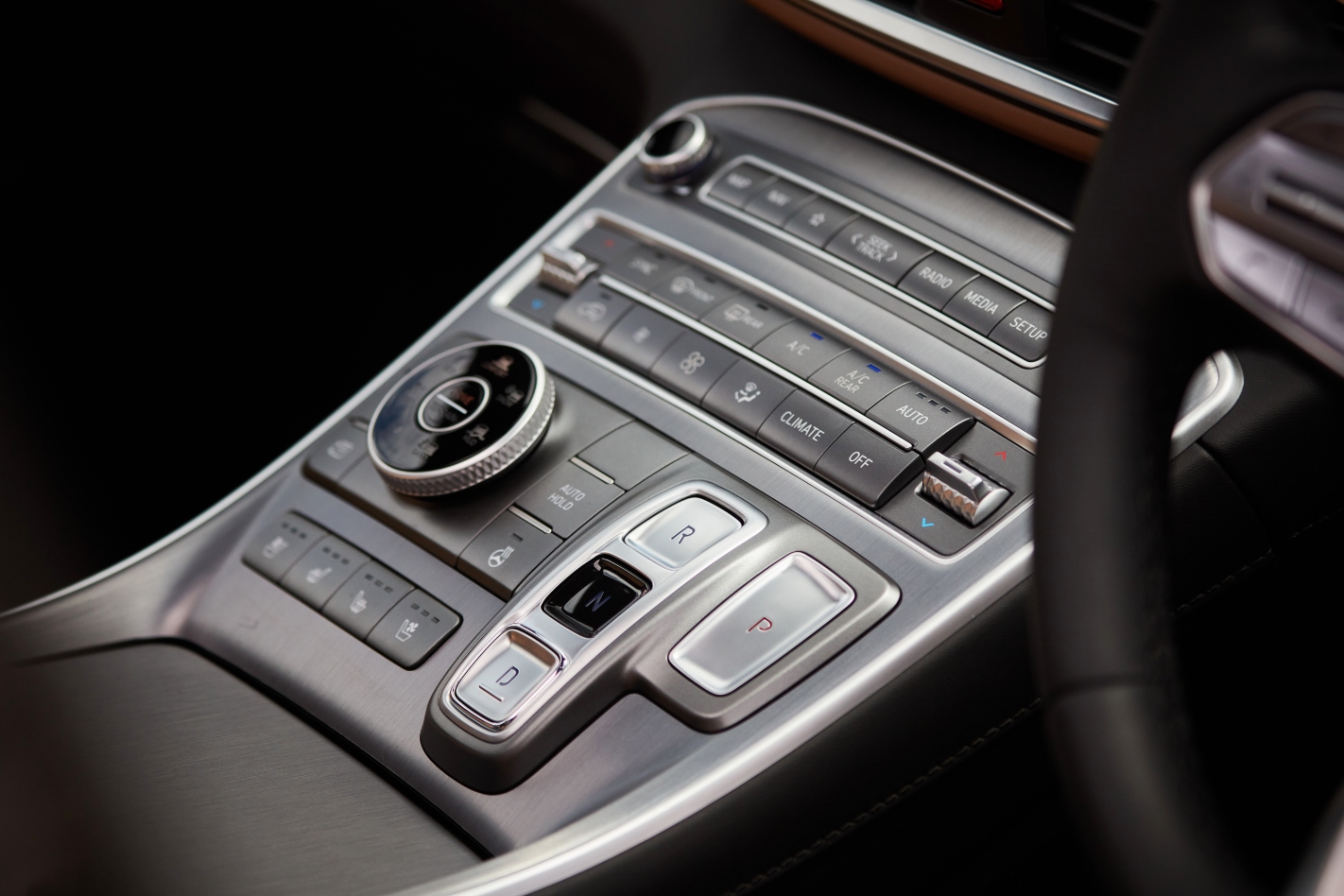
Opt for the Active or above and you’ll get an innovative new flying-buttress style centre console.
Its design ensures all the switches and controls are easy to access, creates a cozy compartmentalized cabin but doesn’t waste space as it offers plenty of storage underneath including wireless device charging.
There’s enough of the previous version’s switchgear and trim to serve as a reminder but there’s nothing wrong with recycling a few components if they worked well in their first outing.
We particularly like the push-button gear selector which adds to the clean, uncluttered centre console.
You’ll pay no extra for heated and cooled front seats with electric adjustment, heated steering wheel, multi-zone climate control, heaters for the second-row seats, panoramic roof, head-up display, and ambient lighting.
Even in variants below the Highlander, the Santa Fe’s kit list is bursting with compelling equipment including LED headlights, Android Auto and Apple Carplay smartphone mirroring, and adaptive cruise control for all versions.
How practical is the 2021 Hyundai Santa Fe?
The updated Santa Fe’s cabin feels bigger compared with the previous version because it is. Its new platform has allowed the dimensions to be stretched in all directions.
It’s 15mm longer, 10mm wider and 5mm taller with an unchanged wheelbase and that means more for everyone.
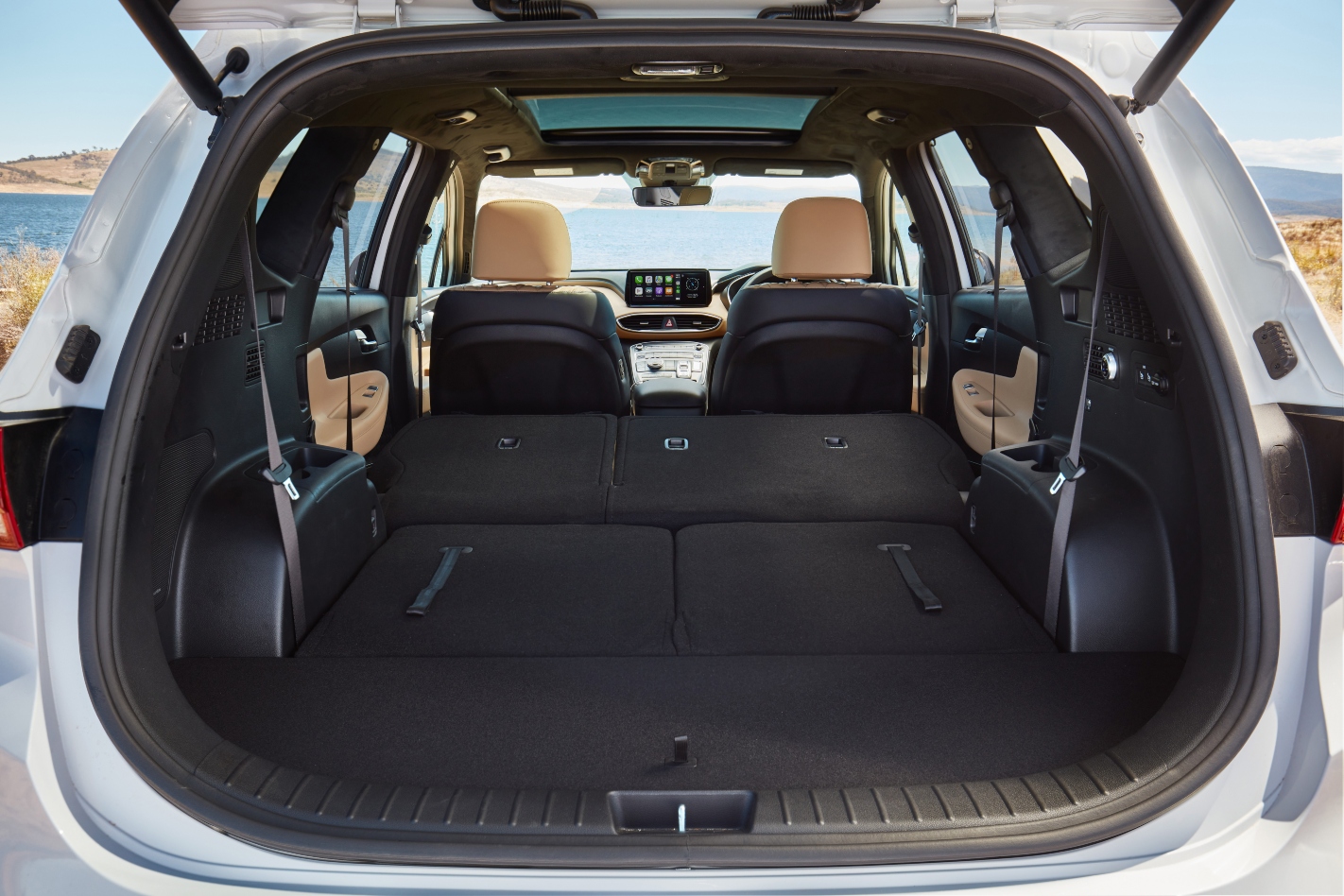
Boot space has grown with a maximum of up to 782 litres behind the second row, and there is nearly 50mm more legroom for second-row passengers.
Towing capacity remains unchanged; you can haul a 2500kg braked trailer behind all versions of the Santa Fe, while its 200kg downball eight limit is quite generous.
Out the back there is a third row of seating and, unlike many seven-seaters, the Santa Fe’s third row is at the more practical and feasible end of the spectrum.
Engines are essentially the same units carried over from the previous version albeit with a retune in the name of efficiency.
The petrol V6 has lost a little power with a drop of 6kW to 200kW but there’s a small improvement to economy from 10.6 litres per 100km to 10.5L/100km.
Better still, the 2.2-litre four-cylinder diesel retains the same 147kW and impressive 440Nm of torque, but has a 19 per cent increase in efficiency, dropping fuel use down to 6.1L/100km from 7.5L/100km.
Unless you insist on petrol power and its slight smoothness advantage, the diesel is absolutely the engine to go for, particularly if you’re doing any kind of distance work.
It’s quiet, responsive and impressively muscular, and pairs perfectly with the standard eight-speed automatic transmission.
You also get the added benefit of all-wheel drive and a number of off-road driving settings for those owners wanting to leave the sealed surface behind.
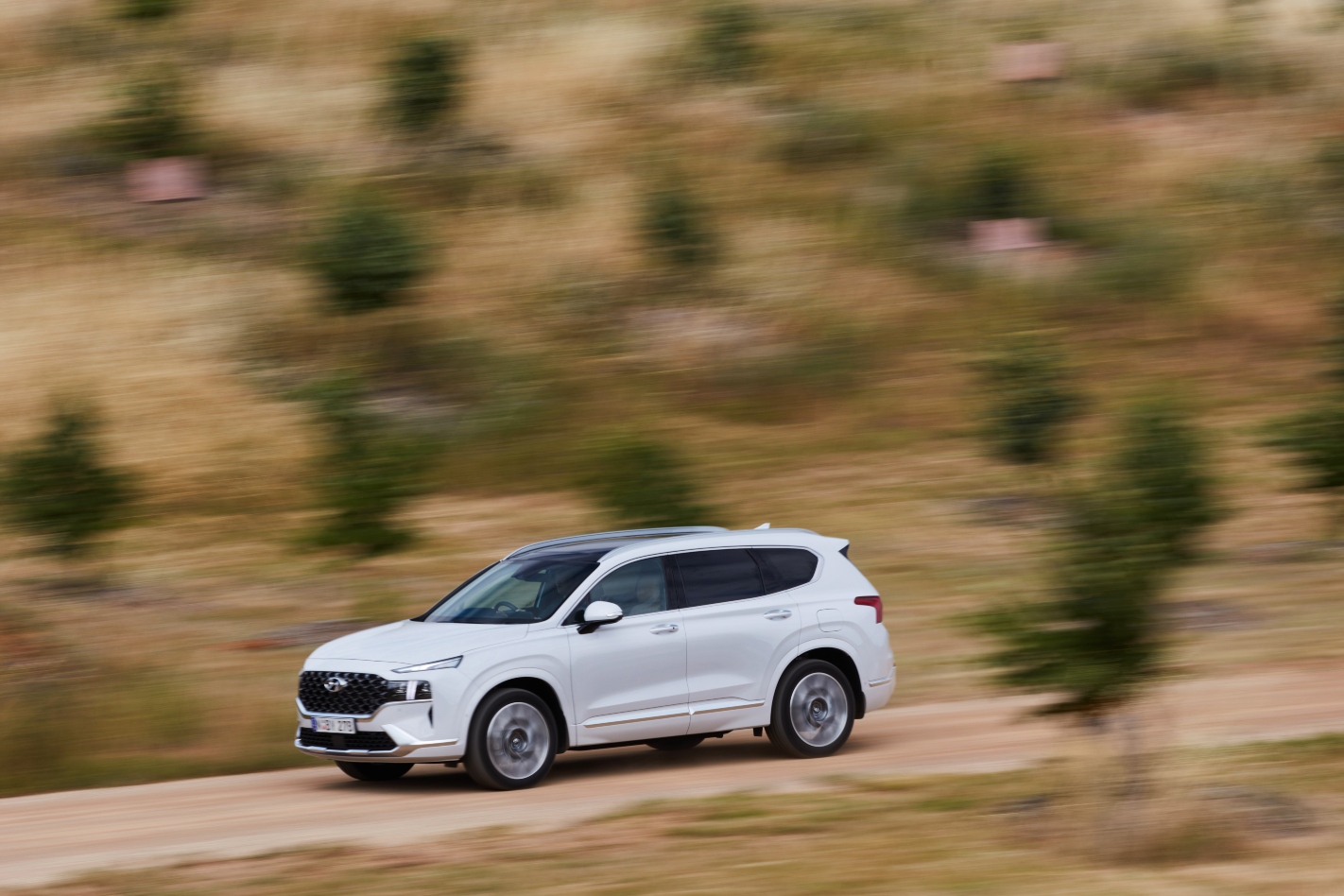
Hyundai’s locally tuned suspension continues to deliver with a likeable ride quality that isn’t to the detriment of handling and driving enjoyment.
The Highlander (and Elite) rides on smart 20-inch alloy wheels which crash through larger road imperfections but are otherwise comfortable.
If it’s an issue, or you want to be replacing slightly less expensive tyres, the variants below the flagship roll on 17- and 18-inch wheels respectively.
An important addition to the new Santa Fe is the extra safety technology included in Hyundai’s Smartsense suite of features.
The active lane-keeping assistant is a little intrusive and tugs annoyingly at the wheel a little too enthusiastically. It is most effective for freeway cruising but was firmly switched off for cruising twistier roads.
The standard forward collision mitigation technology now includes a function to avoid crashes at junctions too.
Fortunately, we didn’t need to experience any of the clever tech but it’s good to know the Santa Fe is keeping an eye on things for if the worst happens.
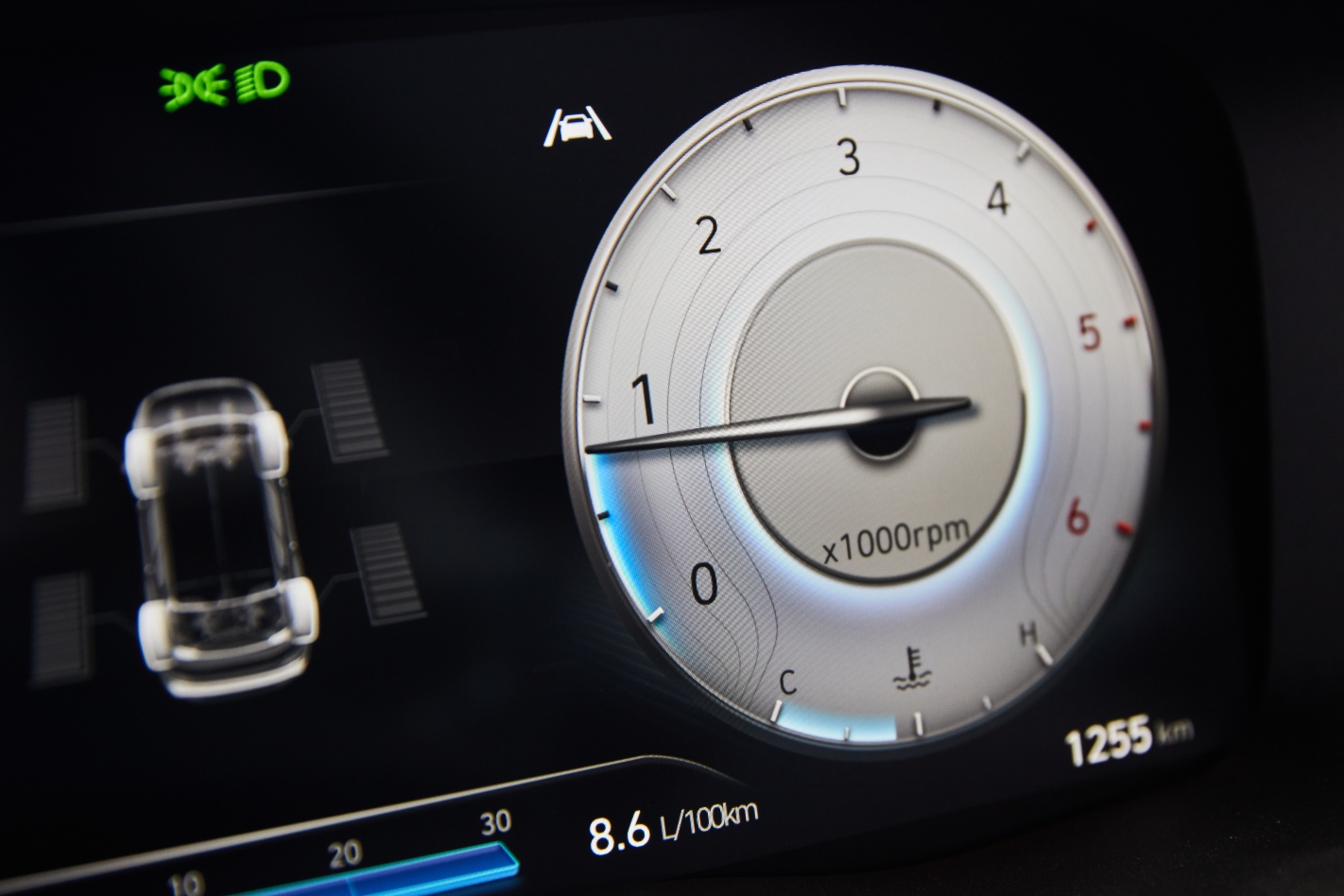
Also silently watching are a driver attention monitor, rear-cross traffic avoidance and a blind-spot monitor.
And if your mates aren’t suitably impressed by the Santa Fe’s handsome and bold new styling, you can grab their attention with a remote start and parking feature that allows the car to be maneuvered in and out of a parking space.
Simply holding a button on the key-fob fires up the engine to either warm or cool the cabin prior to boarding, while the same device effectively becomes a remote control for the Highlander.
Pressing and holding the button will slowly glide the car in or out of a tight space.
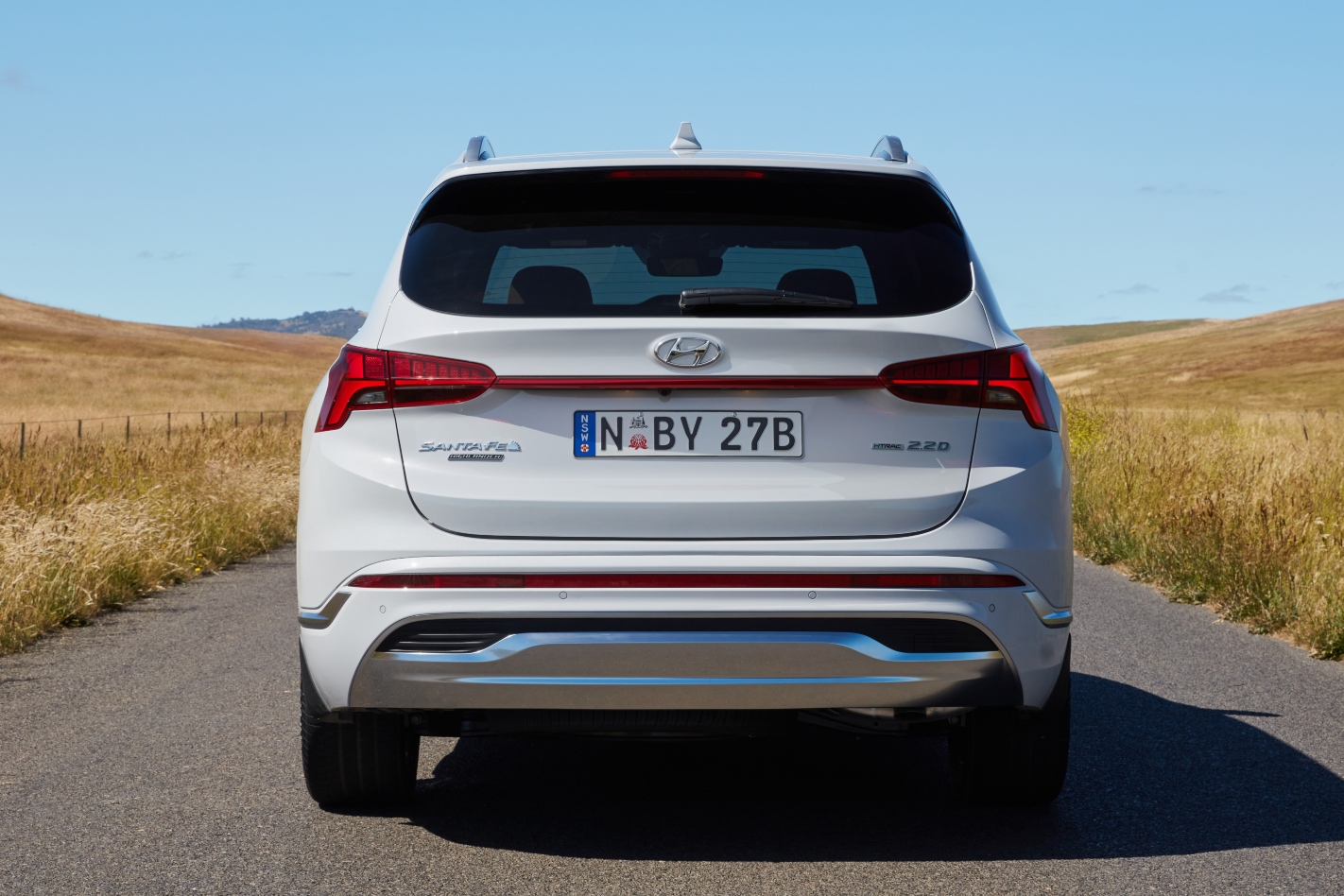
Verdict
There are few things more frustrating in the car world than change for the sake of change and many a decent model has been spoiled by a ceaseless obsession to evolve rapidly.
But the 2021 Hyundai Santa Fe is not guilty. If we’re honest, it needed no enhancement to stay relevant and performing well against some respectable competition.
But the ‘updated’ model is resoundingly good with an incredibly well-rounded set of skills on offer for a sharp price.
And there’s absolutely no shame in labelling that excellent all-round package as new.
Specs: Hyundai Santa Fe Highlander CRDi
Engine 2199cc 4cyl, dohc, turbo diesel
Max power 147kW @ 3800 rpm
Max torque 440Nm @ 1750 – 2750 rpm
Transmission 8-speed DCT auto
Kerb weight 1995kg
Price From $44,700
On sale Now
Picture in your mind’s eye the boss of a supercar company. Razor thin, perfect hair, tanned a leathery Monaco brown, poised in a perfectly cut Zegna business suit. Luca di Montezemolo, the legendary leader of Ferrari, is the archetype. Or the implausibly fashionable Stephan Winkelmann, who ran Lamborghini and is now at Bugatti.
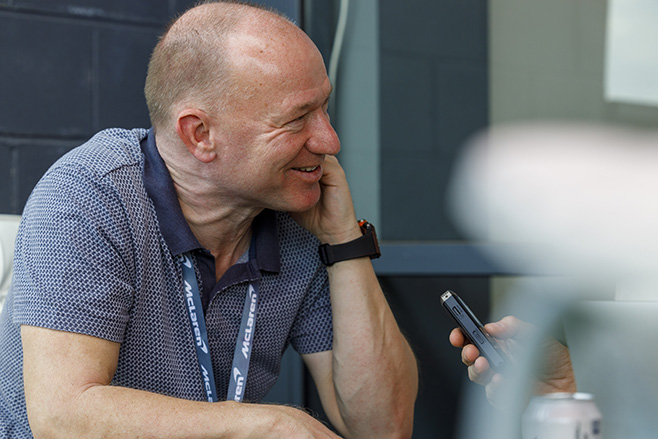
But McLaren CEO Mike Flewitt is an entirely different proposition; a ruddy-faced, wispy-haired Liverpudlian who began his working life building Ford Escorts on the Halewood assembly line in the early 1980s. He seems a more jeans and tees kind of guy.
“That’s a little bit where I still am,” Flewitt tells Wheels.
Just a little bit, though. By the time he was wooed away to McLaren Automotive in 2012, just two years after it had been established, Flewitt was a Ford corporate officer overseeing all of its European manufacturing.
“I’ve still got my production report from my last day at Ford Motor Company,” he reveals. “We built 8700 cars that day in the 23 factories I ran. At McLaren we build 20 a day.
“I didn’t know any Ford customers. The only way I met a Ford customer was if I went to the pub and the bloke next me said, ‘I’ve got a Ford Focus.’
“At McLaren, in contrast, I know lots of customers; they all have my email address, they all write to me, they talk to me, we spend time at events.”

Like this event. Flewitt is sitting on the balcony of the McLaren hospitality suite at Mount Panorama on the Saturday of the Bathurst 12 Hour. Around him, the champagne and beers are being quaffed and the nibblies nibbled by 60 of McLaren’s most valued and loyal Australian and New Zealand customers.
“I am a little shy, so I’m not great at being thrust into the spotlight or into a more formal showy environment,” Flewitt says.
“I enjoy it when I’m with car enthusiasts, because I am a car enthusiast; I can bore people about cars all day long. I love that side of it.”
Indeed, Flewitt even apologises at one point for the length of his answers. But he’s far from boring. He is relaxed, engaging, expansive and revealing. There are no airs and graces, no rote talking points; just a genuine enthusiasm for the car company he runs.
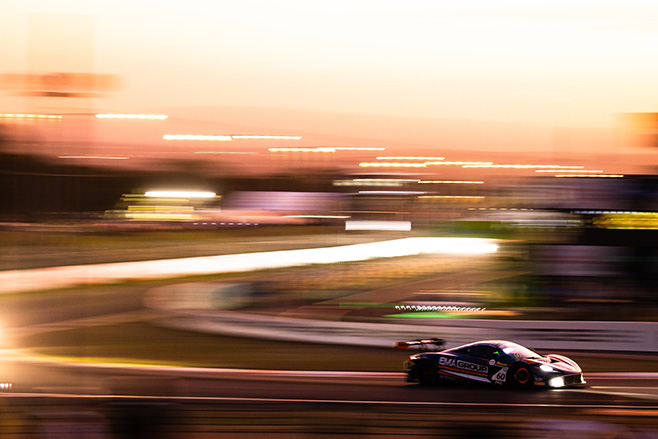
Below us on pit straight, various GT3 sports car exotica are booming, bellowing, howling, growling, whistling and whining past. Among them are two examples of the McLaren 720S GT3 that is making its Bathurst debut.
It is Flewitt’s first visit to Mount Panorama, and the classic racer is impressed: “I love it, this is my kind of circuit … I race ‘60s Lotuses mainly and these are the kind of circuits – undulations, not particularly great run-offs necessarily – where you have to be that bit more careful. I love characterful circuits like this.”
The Bathurst debut of the 720S – one would go on to finish second outright and the other to win the Silver class the next day – is one reason Flewitt has made the trip to Australia. He’s also meeting with dealers, customers and the press.
Australia was McLaren’s eighth-biggest market in 2019, accounting for 88 sales according to VFACTS. That might not sound like a lot, but then McLaren builds less than 5000 V8, mid-engined, two-seat coupes and convertibles annually, and the cheapest of them in Australia, the 540C, is a hefty $350,000.
“In a sense it’s a very easy market for us to relate to,” says Flewitt. “I don’t know if Australians would like me to say this or not, but we [British] feel very much at home. We understand each other culturally as well as sharing a language. It’s not somewhere where we feel we’ve got to translate or interpret McLaren to people.”
That’s undoubtedly helpful, but there’s also no doubting the underlying insecurity of being a small independent car company building ultra-exclusive supercars at an elite price. It can be buffeted severely by circumstances beyond its control.
The climate crisis is all around us as we speak; smoke from the horrific summer bushfires drapes the countryside. The temperature at the circuit is arcing through 40 degrees once more.
MORE McLaren Formula 1 boss’s incredible car collection
Brexit has just become a reality, which means the United Kingdom exiting the European Union into myriad separate global trade deals with key export markets for McLaren such as the USA and China.
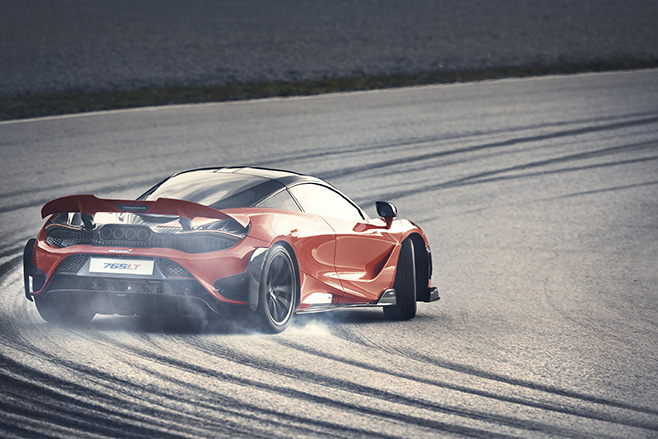
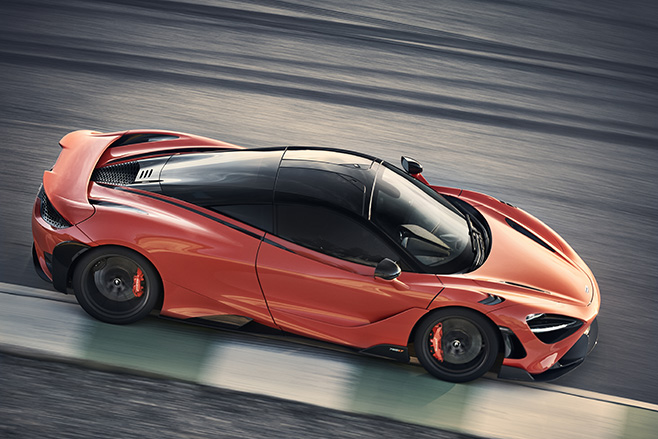
When Flewitt gets back to the UK he’ll have to deal with the impacts of the coronavirus. First off, it forces the cancellation of the Geneva motor show and sees McLaren launch its latest model, the 765LT, via video from its own Woking premises. But no-one truly knows the ramifications of this global pandemic.
And then there’s fellow British supercar brand Aston Martin. A consortium led by Canadian billionaire Lawrence Stroll has just rescued it from potential collapse. Flewitt is quick to emphasise the differences between McLaren and Aston; McLaren Automotive’s owners have no plan to go public and there’s no desire to expand from supercars into SUVs or go for rapid sales growth. McLaren’s Track25 business plan pegs sales at 4500-5000 for some years.
“I don’t think there are 10,000 McLarens to sell,” Flewitt admits. “If we get one message from our customers, it’s don’t build too many cars.
“I hope things work out for Aston,” he adds. “It’s no good for this industry having a brand like that struggling and in trouble. We have common customers, common dealers, we’re in the same market. It definitely casts a view when you go talk to investors, banks and so on.
“I think [Aston] has taken a very different approach from us. I sometimes wonder whether people think we are conservative or ambitious with what we have done with McLaren, because we have done a lot in eight years.
“But we have stayed very true to the concept of making supercars. That’s a question I get in some markets: ‘Are you guys going to do an SUV?’, or ‘Are you guys going to do an EV?’ The answer is no, we’re not.
“The answer ‘no’ is an entirely rational one. Our brand is completely grounded in motorsport, supercars and drivers’ cars. It is way too early to be stretching the brand into other areas and trying to give brand credibility to a product that clearly has nothing to do with our history.”
Instead, the next big step for McLaren will be into plug-in hybrid powertrains. To do that, an all-new platform has been developed to replace the P11 carbonfibre structure that has been employed since the first McLaren automotive model, the 12C, debuted in 2011.
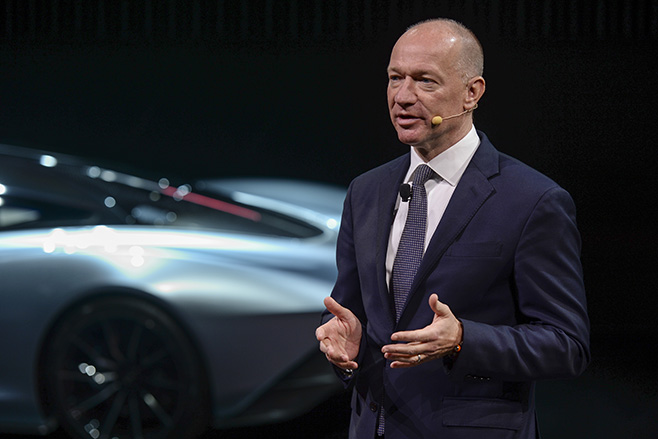
“I’m honest enough to say we only hybridise cars to meet environmental legislation to stay compliant, but we have managed to harness the technology to make a more exciting car with better attributes to it, so it makes sense,” says Flewitt. “By designing it into a platform we’ve been able to be a lot more efficient … Efficient from a packaging perspective, efficient from a weight perspective and a cost perspective.”
While a parallel hybrid system has featured in the ultra-expensive Ultimate series P1 and Speedtail, the PHEV that appears at the end of 2020 will be all-new. That car will join the Sports Series line-up – 540, 570, 600 – and eventually replace it. The Super Series cars – 720, 765 – will go the same way, as will the new GT.
“After 2022-23 I can’t see us launching any non-hybrid cars,” Flewitt reveals.
The numbers he is forecasting are impressive. The weight penalty for the PHEV system is just 30-40kg, the electric-only range will be about 30km and claimed emissions will be under 100 grams of CO2 per kilometre. Performance will be boosted as well, although on this Flewitt won’t be drawn into specifics.
Then he drops a tantalising hint that he knows will resonate in Australia.
“The V8 will still be in the line-up,” he assures Wheels. “But we might have more than that. I’m not going to say anything beyond that.”
It’s a fair bet he’s hinting at a V6.
“It will be a better supercar and one that is more compliant going forward,” Flewitt adds, as if to assuage any fears a V6 PHEV won’t be a true McLaren supercar. “That’s what we needed to engineer if we’re really going to drive this market forward.
“We’re about putting the driver first; making the car phenomenal to drive, making it real so the thing’s got credibility,” he concludes. “We’re a young car brand – if we’re not real we’ve got no future.”
It’s a declaration delivered with passion and conviction. Flewitt’s automotive education from Halewood to Woking via Elizabeth and other stops along the way has delivered McLaren an authentic leader.
He seems as real as the business he runs, even without the business suit.
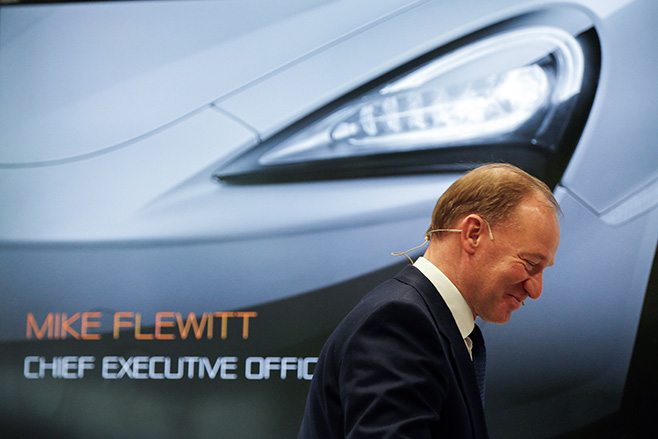
Mike and the topless Monaro
While Mount Panorama is new to Mike Flewitt, the Australian automotive scene is not. During his rise up the automotive ladder he ran TWR Automotive for Tom Walkinshaw around the turn of the millennia and that brought him into contact with both Holden and Holden Special Vehicles.
All up, he spent around two years working on various projects in Australia. He led a team of engineers helping overhaul the Elizabeth assembly plant, while TWR also developed future models for Holden and assisted HSV with refining its V8 beasts.
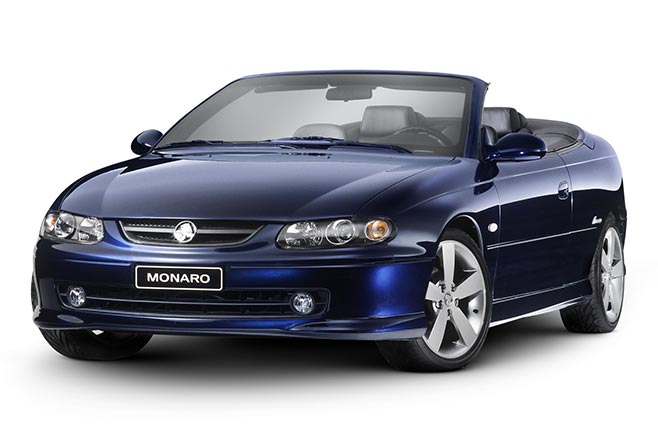
“We did a ute version of the Commodore for Holden and then we worked on a convertible version of the Monaro and we actually built one of them … the cars then were proper Holdens,” he says with obvious fondness. “They had real character; they were fantastic.”
One stat says plenty about the new Ford Escape mid-sized SUV: Ford tested 48 different sets of tyres.
Clearly, dynamic ability was high on the agenda for the fourth-generation Ford Escape, which also leverages tech and trinkets to make a bigger impression against class heavyweights such as the Toyota RAV4 and Mazda CX-5.
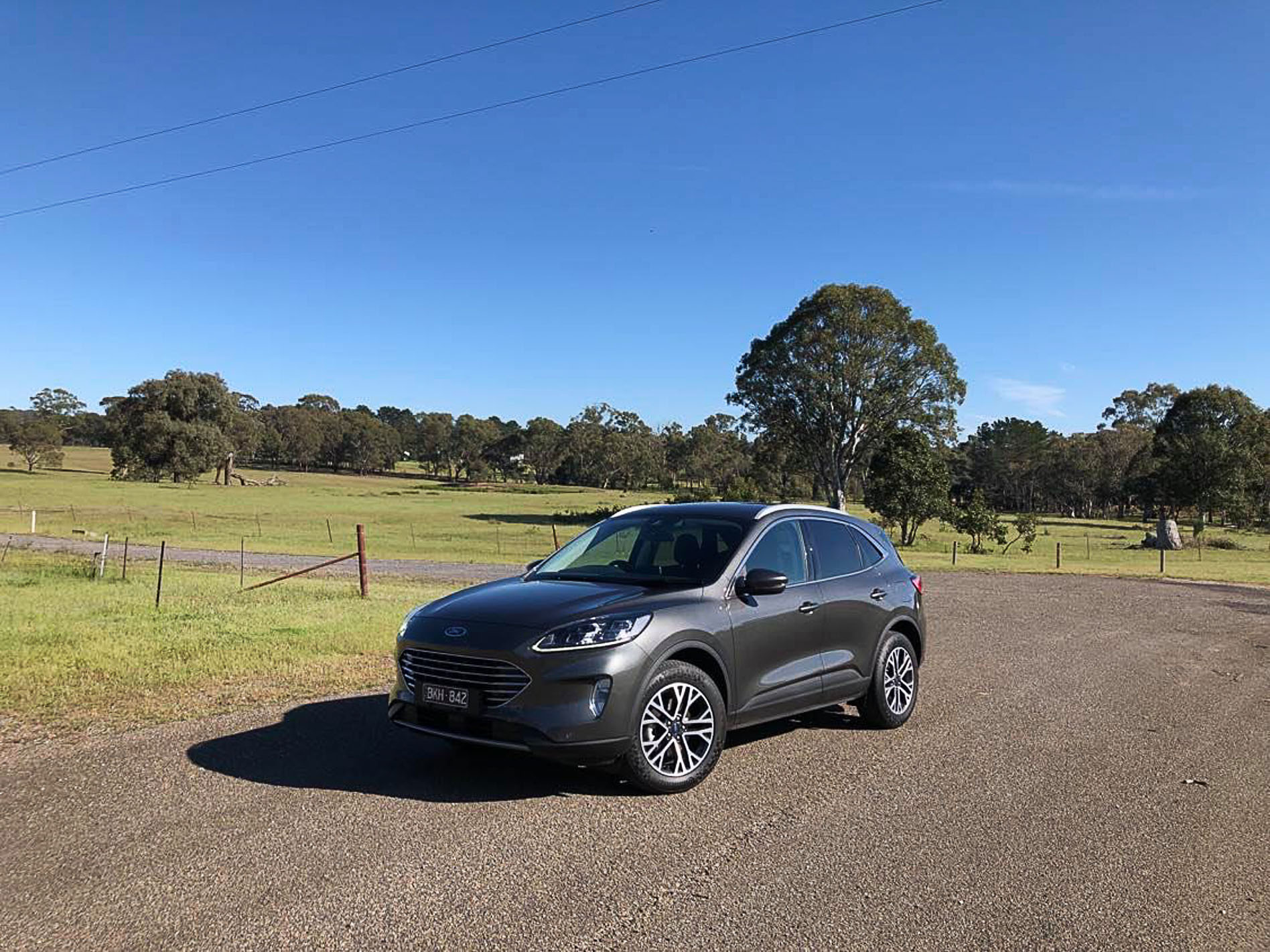
Despite its swollen Focus-esque physique, the new Escape is 90mm longer than the underperforming model it replaces (one that briefly wore the Kuga nameplate) and rides on a wheelbase that’s been stretched by 20mm.
Price and specs
Pricing kicks off at $36,490 drive-away for a model simply known as Escape. Equipment levels are anything but simple, with Ford packing in gear some luxury cars still slug you for.
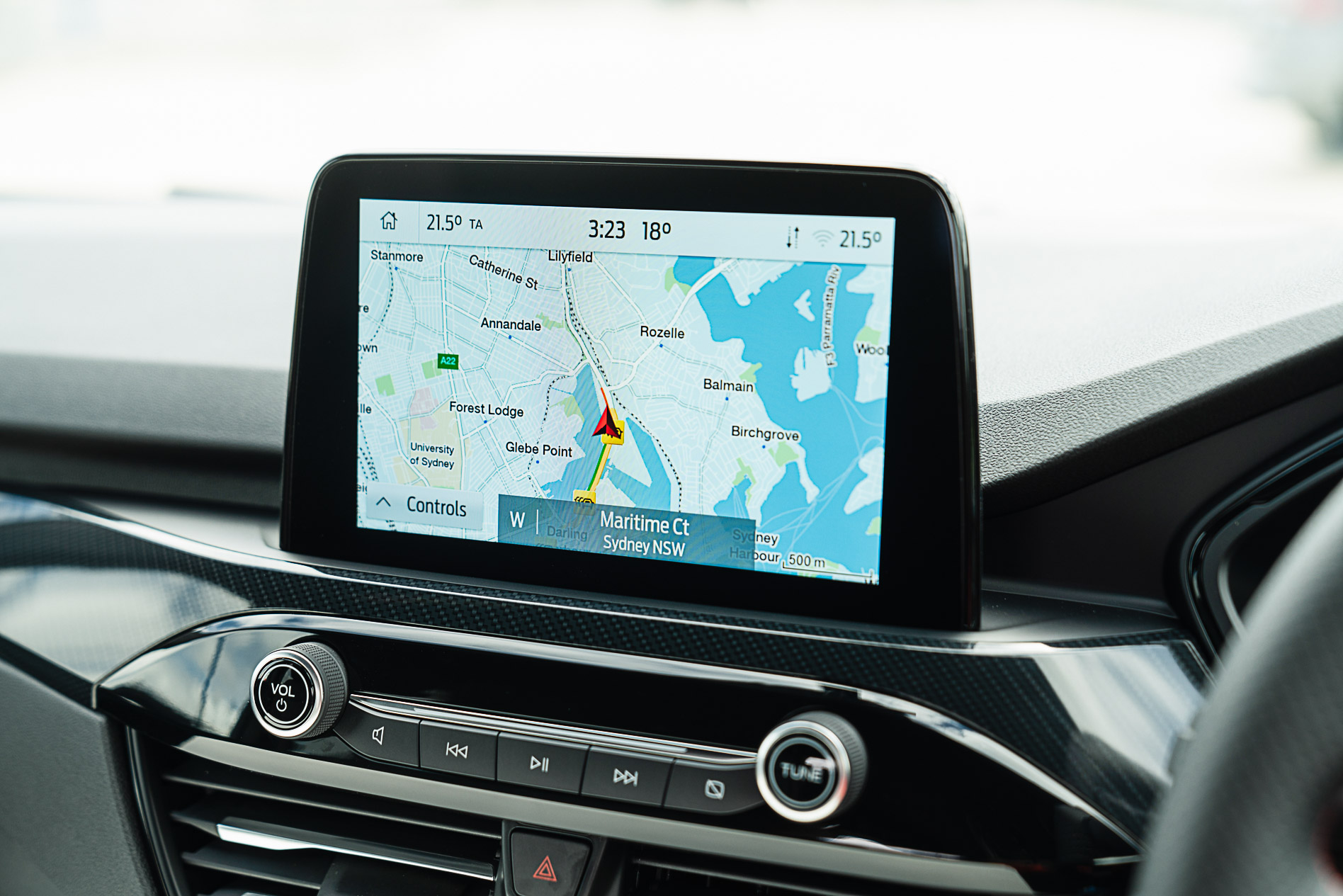
The list includes 18-inch alloys, powered driver’s seat, smart key entry, sat-nav, Apple CarPlay and Android Auto, digital radio and wireless phone charging.
Active safety is piled high, too, incorporating AEB, blind spot warning, speed sign recognition and rear cross-traffic alert.
And there’s FordPass smartphone connectivity to unlock doors or start the engine remotely to get the air-con cranking before returning to the car.
Hugging the middle ground is the $38,990 ST-Line, with some (very) fake carbon highlights, red stitching and a sportier suspension tune.
There’s a new nameplate (for Australia, at least) at the top; the Vignale is $41,990 drive-away and adds 19-inch wheels, panoramic sunroof, head-up display, heated seats front and rear, partial leather trim and a powered tailgate.
All three get a different front-end look, too; the plain old Escape gets a formal slatted grille, the ST-Line adds black mesh and a more aggressive bumper, and the Vignale makes do with additional bright highlights.
Living with the Ford Escape
Inside there’s plenty of Focus influence, from the rotary gear selector and circular switchgear to the 8.0-inch touchscreen protruding from the dash and plain presentation.
There’s even a hint of Mustang in the 12.3-inch digital instrument cluster on ST-Line and Vignale.
The addition of the rotary dial tidies up the centre console nicely and allows for a little more space.
For example, there is a sizeable oddments bin under the centre which incorporates a wireless charging bay, while the centre console bin itself is deep and features little niceties like a pen holder and an extra charge point.
While it is ostensibly the entry grade car the Escape is well equipped. There are soft touchpoints for all extremities including on the lid of the centre console bin and on the top of the door cards, while the SYNC3 media system is easy to access and reliable to use.
The front seats, however, do feel a little small for the larger Aussie male. They’re a little too short in the seat squab and a little too narrow through the base, and they also induce a bit of bum numbness after a couple of hours on the road.
Visibility out of the cabin is pretty standard for a modern SUV; there is excellent forward and side visibility but the rear three-quarter is compromised by a crowded C-pillar.
There is a small porthole window to assist but you are definitely relying on the rearview camera to back up. Speaking of, the clarity of the image for the camera is outstanding.
Those in the rear are better catered for, the sliding back seats trading off between generous legroom and luggage capacity of up to 526 litres with the seats up and 1426 litres with the seats lowered.
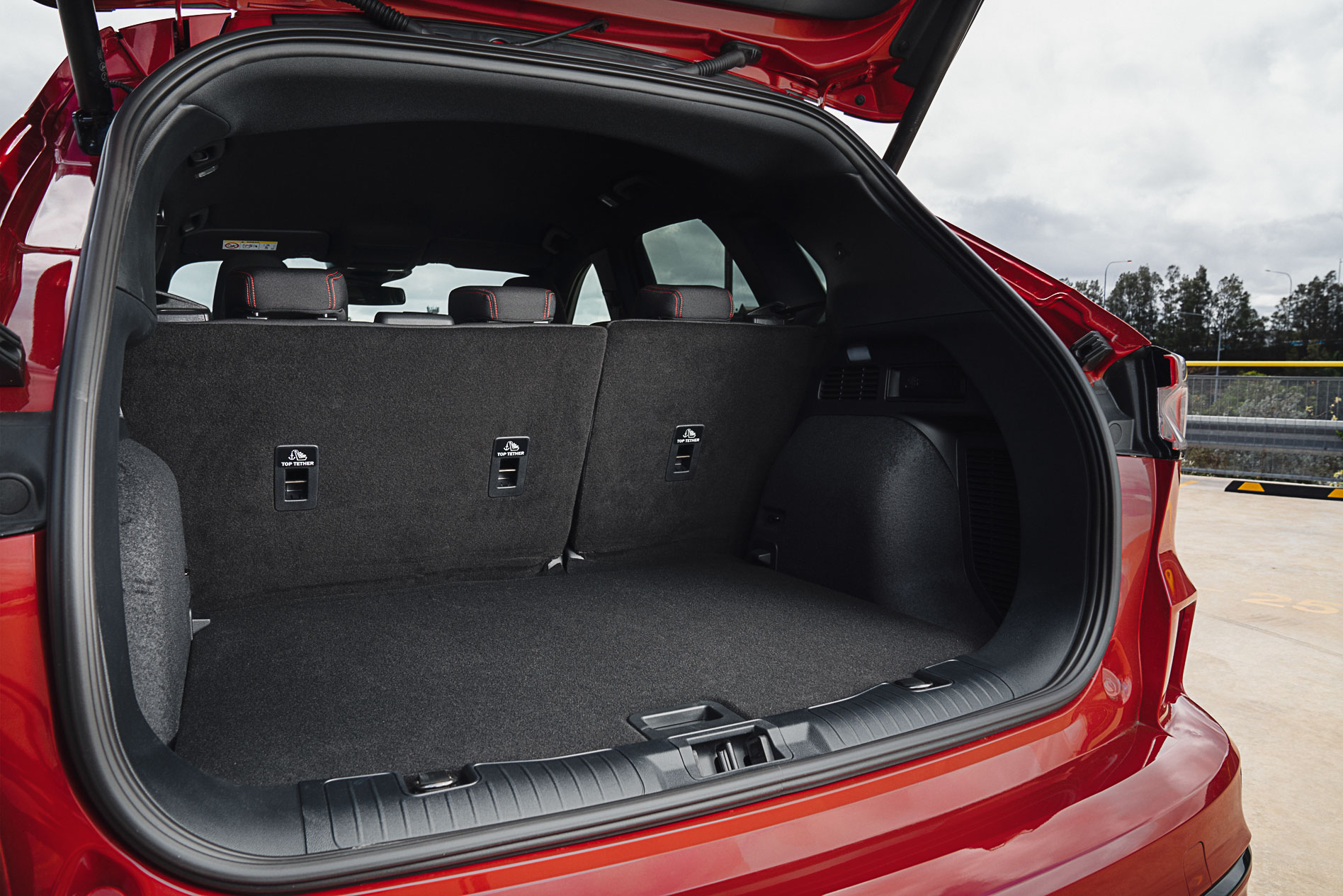
If you need to lug a boat or van, the Ford Escape’s towing capacity is rated at a relatively low 1800kg with a braked trailer and 700kg without.
Rear seat room is always going to be important in a family-sized SUV, and the Escape doesn’t disappoint.
It has plenty of headroom even for taller kids, a decent amount of toe room and a good amount of shoulder room.
The relatively flat seat base also means that putting three kids across the back seat isn’t as much of a drama as it can be in other cars. There are ISOFIX baby seat mounts on the outside seats as well.
Driving the Escape
Beneath the bonnet, it’s a keep-it-simple strategy that’s killed off the turbo diesel and 1.5 petrol. All now get an evolution of the 2.0-litre four-cylinder turbo, power swelling to 183kW and torque at 387Nm.
Its closest rival on outputs is Mazda’s CX-5 Turbo (170kW and 420Nm). Ford clearly doesn’t want families feeling undernourished.
Channelled through a new eight-speed auto, it makes for hearty mainstream SUV acceleration.
But that sending much torque through only the front wheels creates challenges.
Squirt it off the lights and scrabbling ensues. Apply steering lock and it’s amplified. There’s a case to be made for the $3000 AWD system available on the ST-Line and Vignale, even if you’re not planning rough-road jaunts.
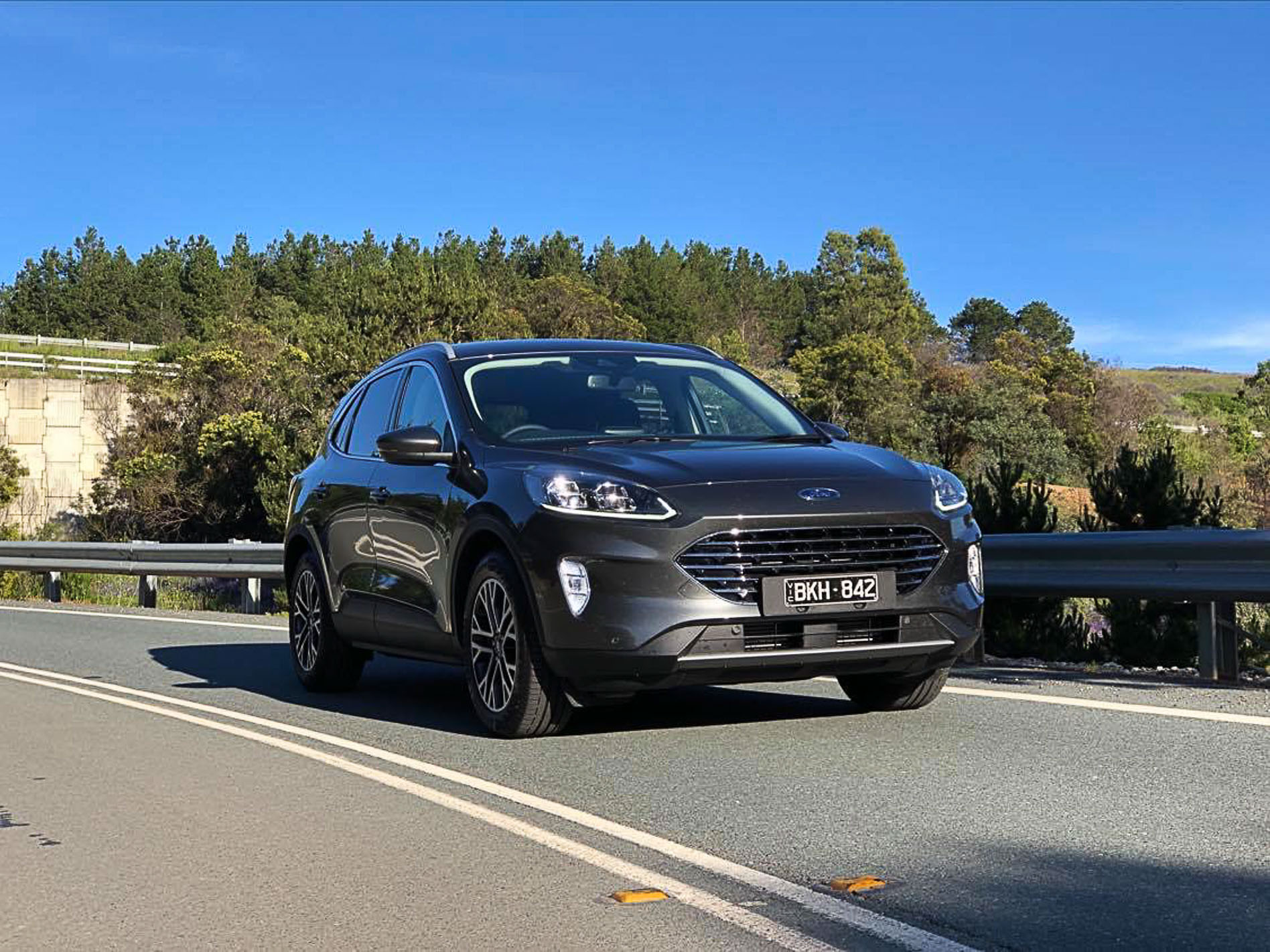
In either configuration, there’s also a hearty thirst for premium unleaded. The official average consumption matches its predecessor, at 8.6 litres per 100km.
Curiously, AWDs use less fuel around town (11.4 litres per 100km vs 12.4L/100km) despite the additional 69kg of hardware.
Either way, it’s a big number; the urban consumption up to 12 per cent worse than the car it replaces.
With hybrid-powered Toyotas using almost a third of that, it makes the Escape’s city sell tougher.
A plug-in hybrid Escape was due to dovetail into the range from now, but it’s been delayed until late 2021.
There are reasons to smile elsewhere, especially out of town. Riding on Ford’s C2 architecture the dynamic foundations are sound, translating to an SUV that rewards cornering enthusiasm.
The new steering system is accurate and responsive, though perhaps it borders on too much for a high-rider.
But that prowess comes at the expense of comfort, especially in the ST-Line, which jiggles and jumps over less than perfect surfaces. The regular Escape is more settled and compliant but still errs towards the firmer side of comfort for family SUVs.
It’s an acquired taste, and the emphasis on driving nous has moulded the 2021 Escape to the point where it occasionally takes the focus off its suburban daily duties.
Verdict
Ford has a mountain ahead of it to convince buyers that it’s a serious player in the SUV game, but the Escape goes a fair way towards that end.
Clever speccing is spoiled a bit by overly firm handling – especially in the ST-Line, and while some people will see the styling as subtle, others will see it as plain.
Still, the driving experience from that strong turbocharged engine is worth the price of entry alone.
3.5/5
Pros Simple, fuss-free powertrain options, well-specced
Cons Hybrid can’t come soon enough, ST-Line sprung too firmly
Specifications
Model Ford Escape
Engine 1999cc 4cyl, dohc, 16v turbo
Max power 183kW @ 5700rpm
Max torque 387Nm @ 3100rpm
Transmission 8-speed auto
Kerb weight 1611-1690kg
Price From $36,490 drive-away
On sale Now
