
Porsche has announced it will return to racing in the top class at Le Mans in 2023. It will be the first time Porsche has fought for overall victory at the 24 Hour race since it pulled out of the LMP1 class in 2017.
What class will Porsche race in?
It had been rumoured that Porsche would enter the hotly anticipated Hypercar class, but it will in fact compete in the new LMDh (Le Mans Daytona hybrid) class, which is being introduced in both the FIA World Endurance Championship (WEC) and IMSA series in North America.
That’s a class for prototype race cars with hybrid powertrains. The cars will weigh around 1000kg and turn out around 670bhp. Balance of Performance regulations will ensure they can fight for overall victory alongside the Hypercars. Both new classes come into effect next year.
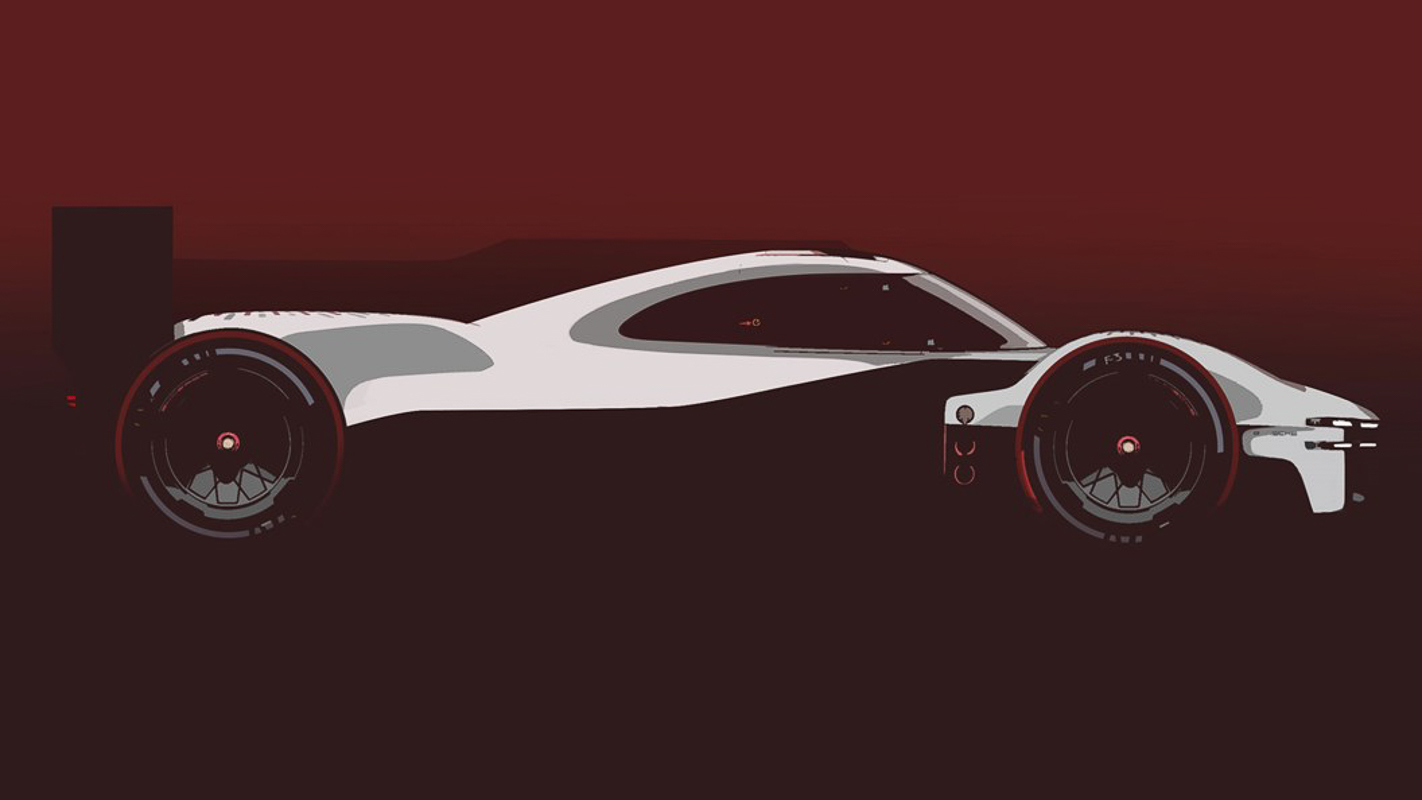
The LMDh class has been created in collaboration between the WEC and IMSA to allow the same types of car to race for victory in major endurance race classics all over the world – handy for marketing the Porsche brand globally.
The sheer costs involved drove Porsche out of the LMP1 class last time, but it’s confident the new LMDh formula is more sustainable.
The greatest cars to ever win Le Mans
Why did Porsche choose LMDh instead of Hypercar?
“It’s much more cost-efficient than Hypercar,” Porsche’s director of factory motorsport Pascal Zurlinden told us. “IMSA and WEC are working for the closest possible racing.”
Porsche’s overall CEO Oliver Blume has said: “The new LMDh category allows us to fight for overall victories with a hybrid system at the Le Mans, Daytona and Sebring classics – without breaking the bank. The project is extremely attractive for Porsche.”
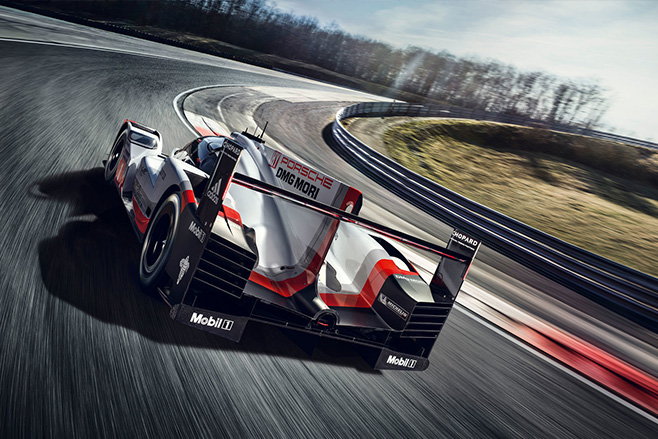
Why is LMDh cheaper to race in than LMP1?
Partly because it uses some ‘spec’ components, notably the control electronics for the hybrid powertrain. The chassis, too, won’t be made by Porsche: a choice of four racing car specialist manufacturers will supply chassis to companies entering the LMDh class. The chassis are based on upgraded LMP2 designs.
Porsche will supply its own combustion engine and design the body (said to take its design cues from some of the ‘unseen’ concepts recently revealed by Porsche’s design studio) but regulations tightly control the amount of engineering freedom they’ll have.
“It’s really cost-effective; with BOP [Balance of Performance] you can’t buy performance,” Zurlinden says. “[The use of] some spec parts is an important factor to reduce costs. Depending on how the class is received, we could go back to the ’80s and ’90s with lots of manufacturers [involved]. And with lots of customer cars in the mix too, this could become really big.”
Who will Porsche be racing against?
In the LMDh class, the big gun is Audi. Porsche and Audi (both part of the VW Group empire) last squared up against each other at Le Mans in 2016.
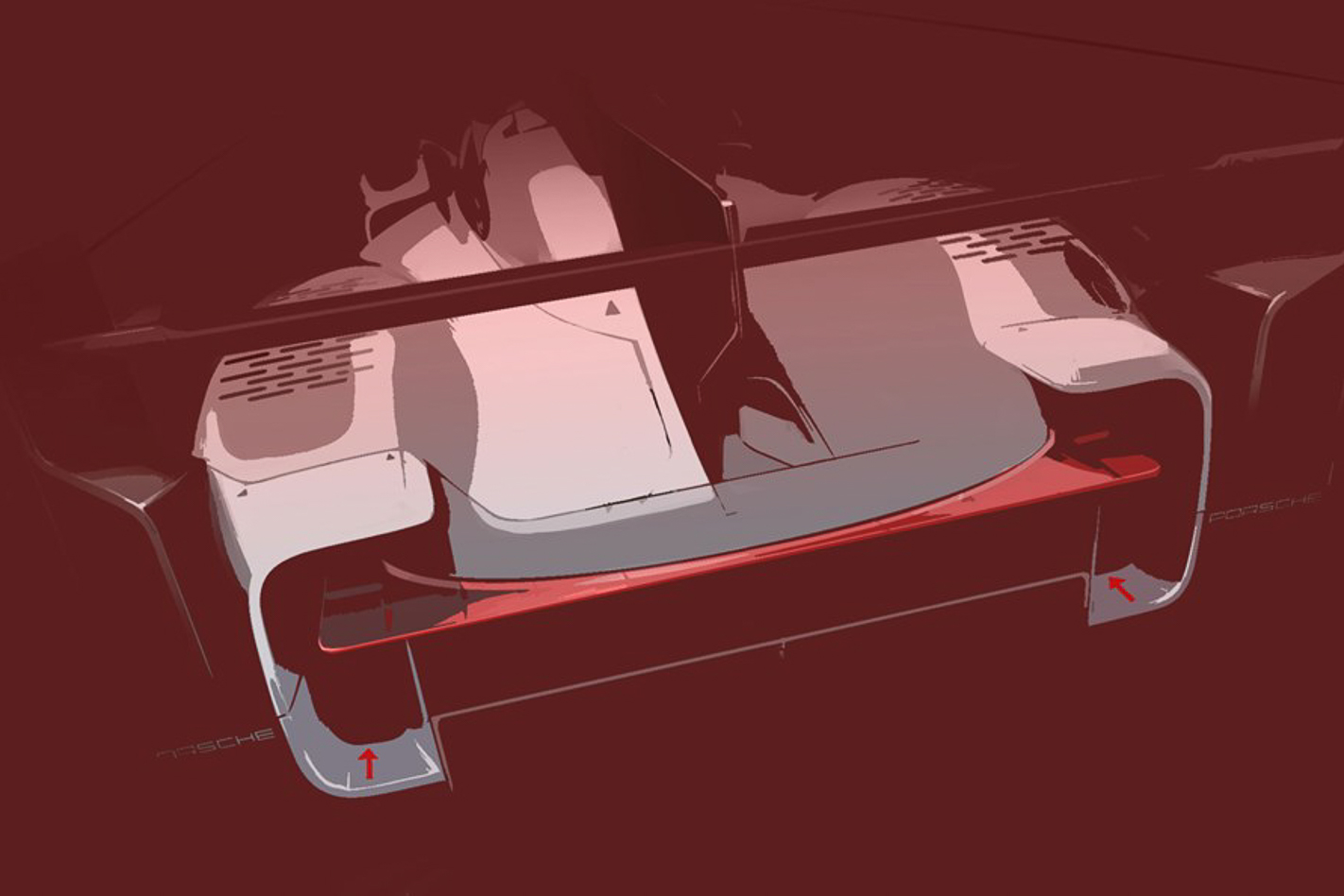
In the Hypercar class, Toyota will field its GR Super Sport and Glickenhaus its 007 model from 2021, and Peugeot will join in 2022.
While it hasn’t raced in the headline class at Le Mans since withdrawing from LMP1, Porsche has maintained a works presence in the closely fought GTE category with its 911 RSR.
Zurlinden says the Porsche works team will remain committed to that class for next season.
This story was originally published at carmagazine.co.uk
Porsche Unseen prototype pics show what might have been
For a limited time, Wheels is going half-price, making it the prefect Christmas gift for a car lover in your life… or yourself!
This means for merely $5.50 an issue, you can get Australia’s best car magazine delivered to your door, with independent Australian journalists bringing you everything you need to know, and all the stories we love to bring you.
A 12 month subscription means you get the best price and a total of 13 issues!

Wheels is going back to premium paper, a larger mag size, and we’re putting your favourite voices back in the mag – along with some new ones.
Already we’ve started upgrading the quality of the magazine and bringing more Australian stories to our audience as the country resumes normality.
Support independent Aussie motoring journalism and get yourself a great deal as Wheels enters 2021 with more emphasis on the content you love.
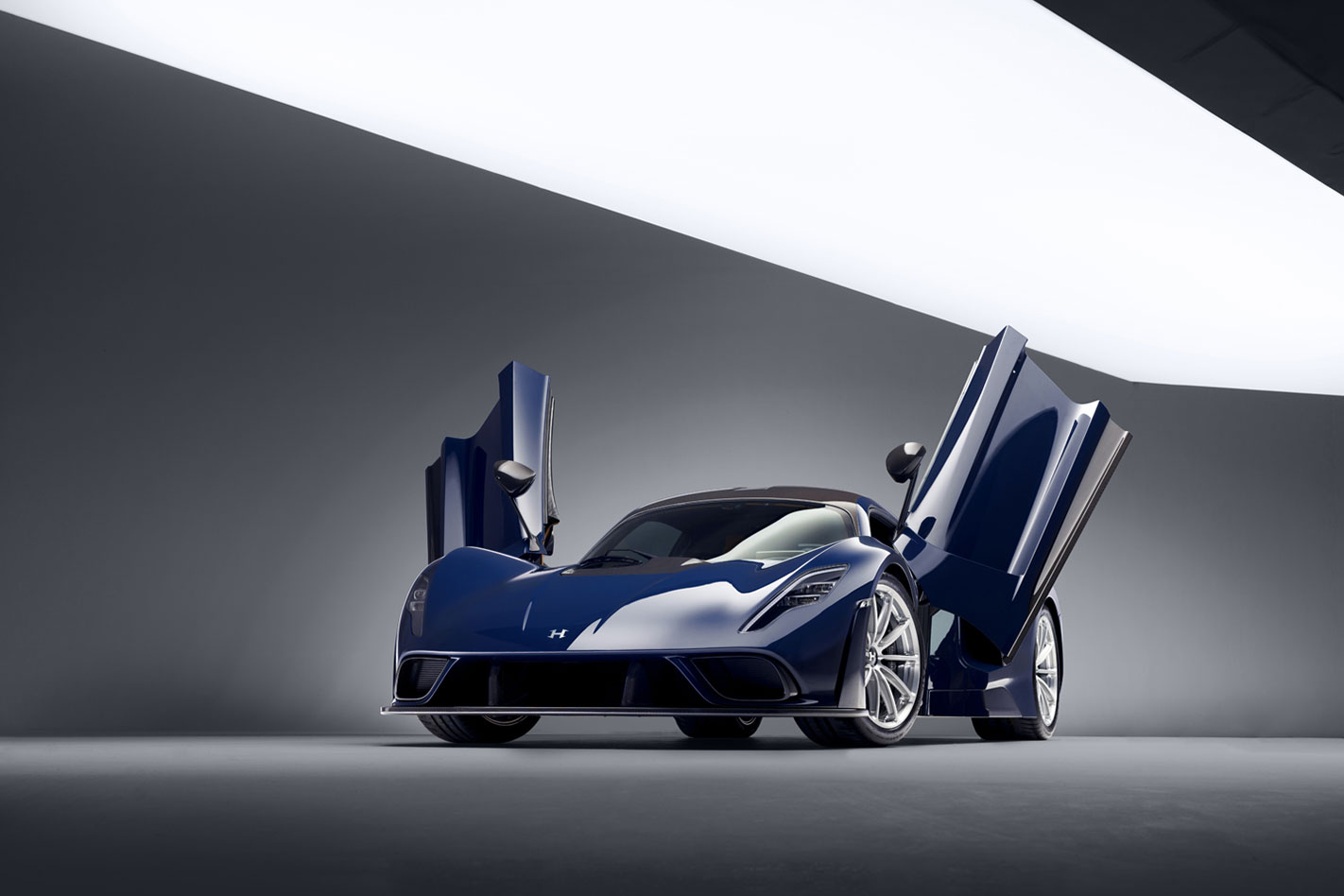
Hennessey has revealed the Venom F5 in production trim, re-introducing us to what might be the last word in the top-speed wars among hypercar manufacturers.
At the same time, the brand’s confirmed performance targets that are simply mind-blowing.
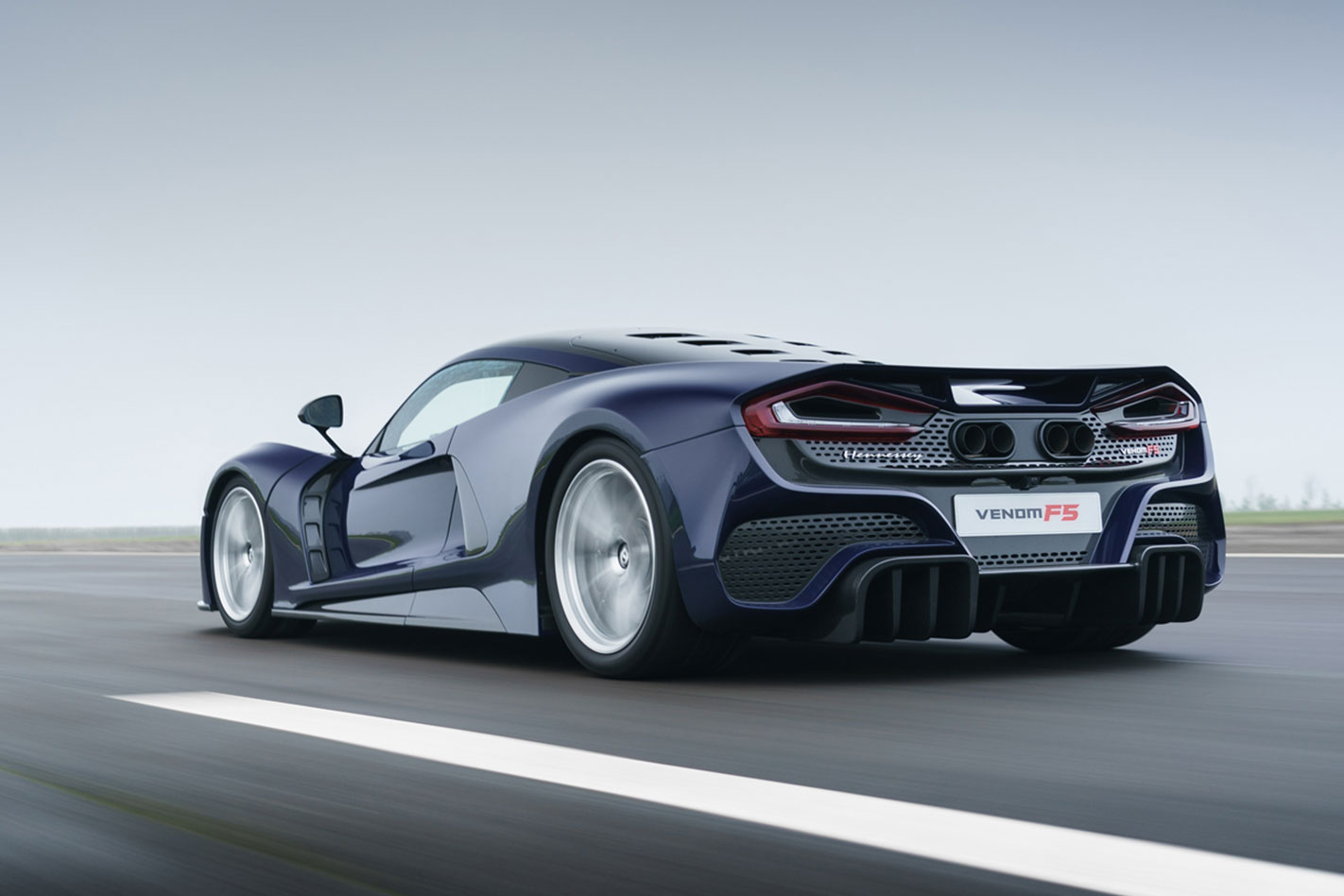
Hennessey says the Venom F5 should reach 100km/h in 2.6 seconds, 200km/h in 4.7 seconds and storm above 500km/h in hopes of setting a record for a “production specification” car.
The price is just as startling, as Hennessey will build 24 units at US$2.1m (A$2.78m) each to celebrate 30 years since the company was founded.
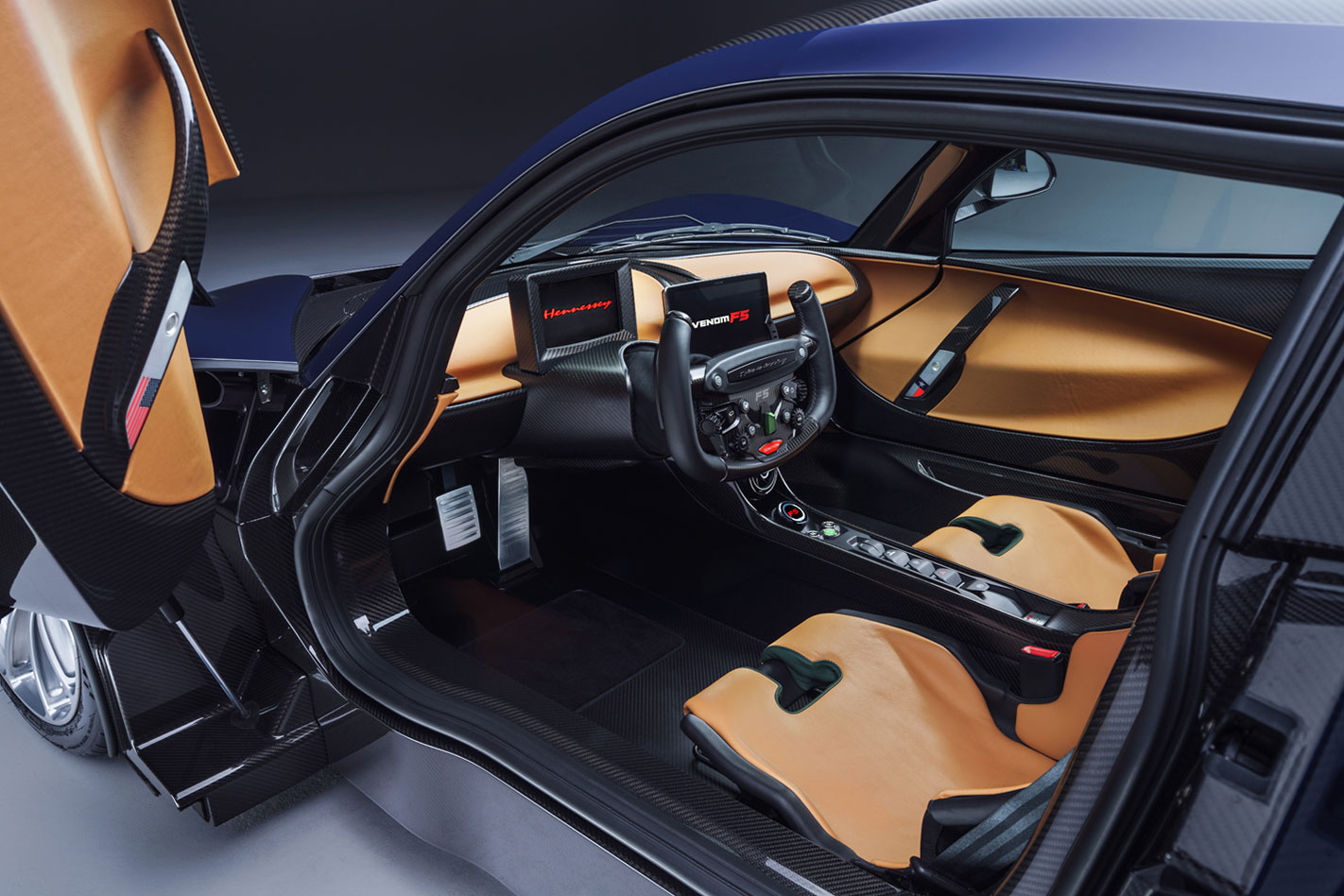
But the Venom F5 is packing serious credentials to justify the price. At its core is a carbon-fibre monocoque weighing 86kg.
A full carbon-fibre body crafted for aerodynamics with a flat underfloor, splitters, diffuser and subtle lip spoiler surround the cockpit. While a 6.6-litre twin-turbo V8 named Fury sits behind the driver.
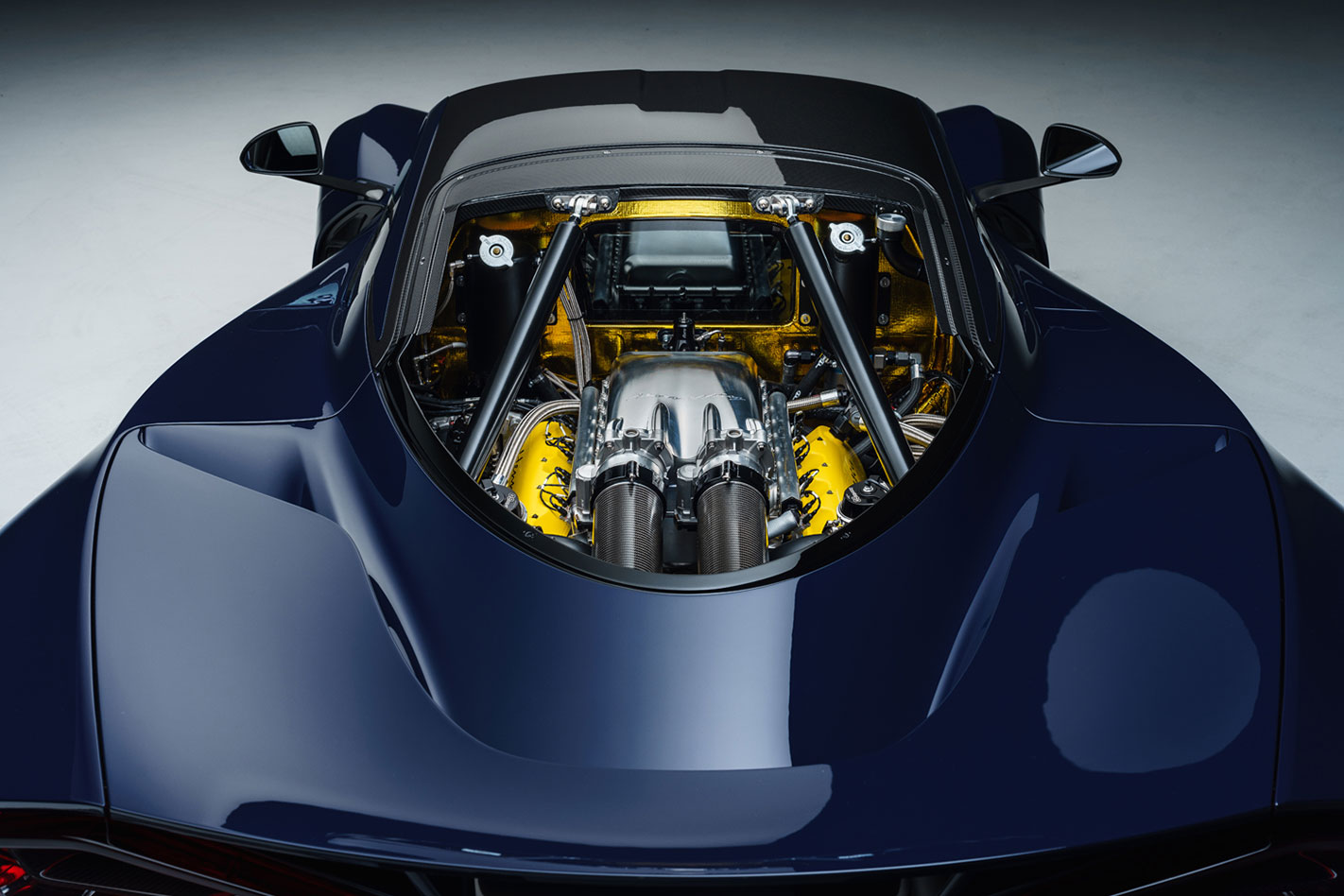
The engine’s confirmed to put out 1355kW and a truck-pulling 1617Nm through a seven-speed semi-automatic gearbox.
Combined with the F5’s 1360kg dry weight, the rear-wheel-drive hypercar sits at an amazing 996kW-per-tonne. That’s more than three times the Porsche 911 Turbo S’s power-to-weight ratio.
Hennessey says it plans to tackle its top-speed tests next year as part of its development, promising a return to a shuttle landing facility for an attempt with the Venom F5.
Penske suspension couples with Brembo brakes to make the most of Michelin Pilot Sport Cup 2 rubber, the latter of which Hennessey says Michelin will test for the run.
Importantly, it’s vowed to test in both directions when validating the effort, as it is done with records to achieve an average, and therefore, legitimate top speed claim.
That’s something founder John Hennessey has stressed Bugatti skipped when taking a special prototype Chiron to 300mph (490km/h).
It’s also promised UK-based data company Racelogic will be on hand to independently verify the run with its equipment. So it all sounds very serious – and squarely aimed at eliminating any doubt if the car is successful.
Running any car up to those sort of speeds invites a host of challenges. And Hennessey says if the 5.2km-long landing strip proves too short then it’ll take to a closed public highway, ala Koenigsegg and SSC’s own attempts.
Of course, if you remember, that’s a very real possibility. Hennessey’s Venom GT hit 435km/h on the John F. Kennedy Space Center landing strip without much road to spare.
The final ever limited edition version of Alfa Romeo’s quirky 4C Spider will, despite the odds, make it to Australia.
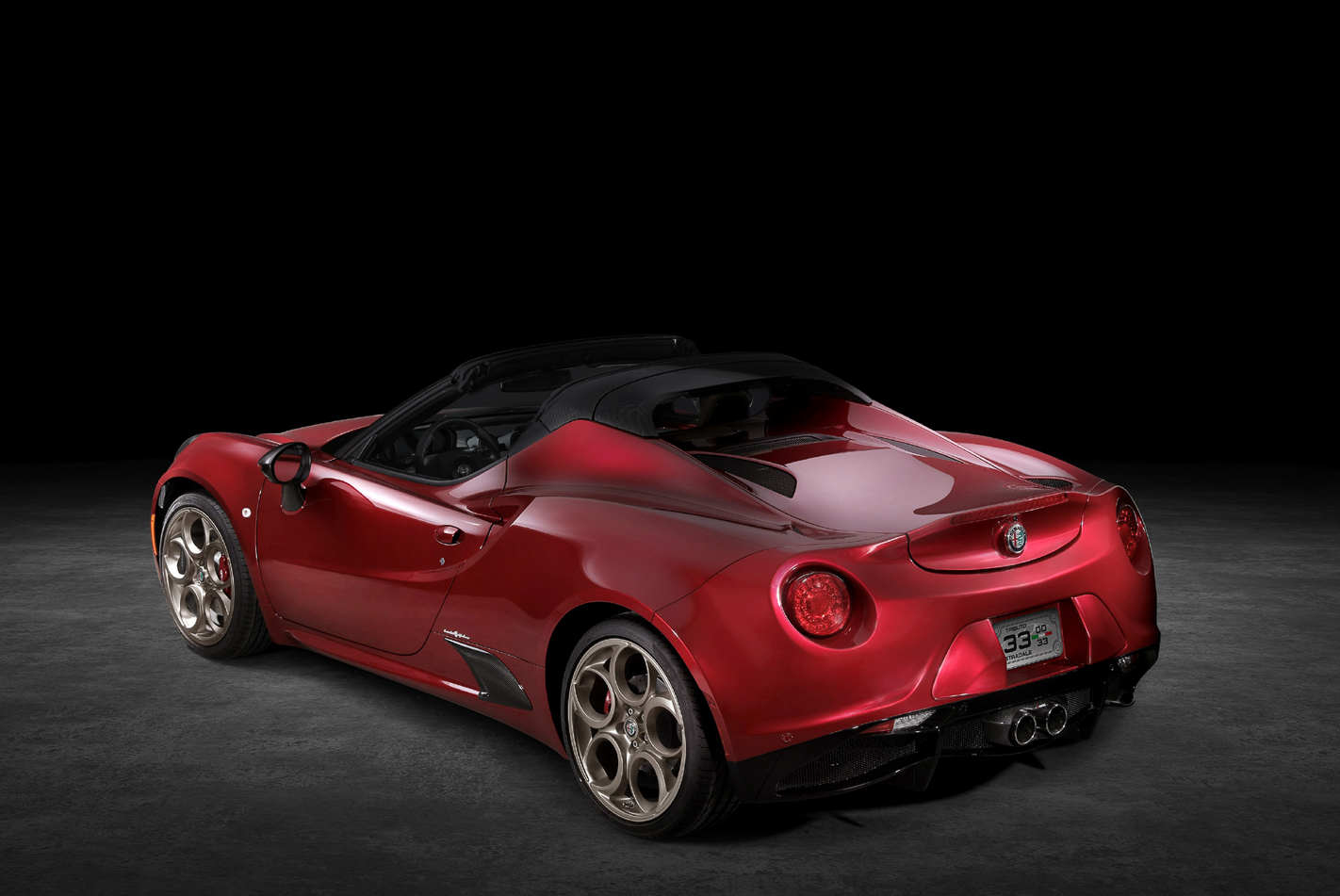
The final iteration of Alfa’s unusual little two-seater will be known as the 33 Stradale, and even though production is limited to just 33 units in the US, Fiat’s local arm has confirmed that a handful of the carbon-tubbed convertible mid-engined sports cars will come to Australia in right-hand-drive form.
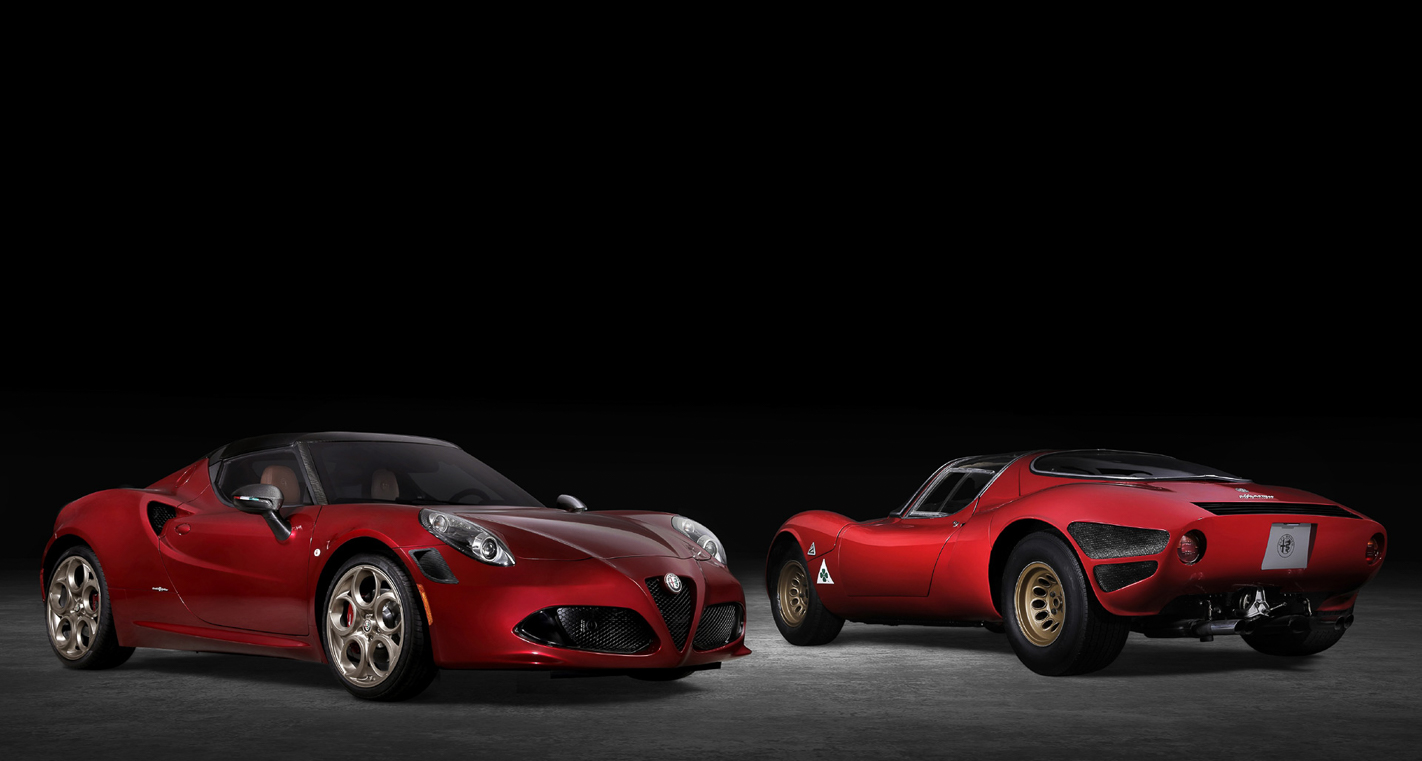
Designed to pay homage to the 1967 Alfa Romeo Stradale 33, the 4C version will come only in Rosso Villa d’Este red, and will run a set of bespoke staggered grey/gold alloys, with 19-inch rims out back and 18s on the front.
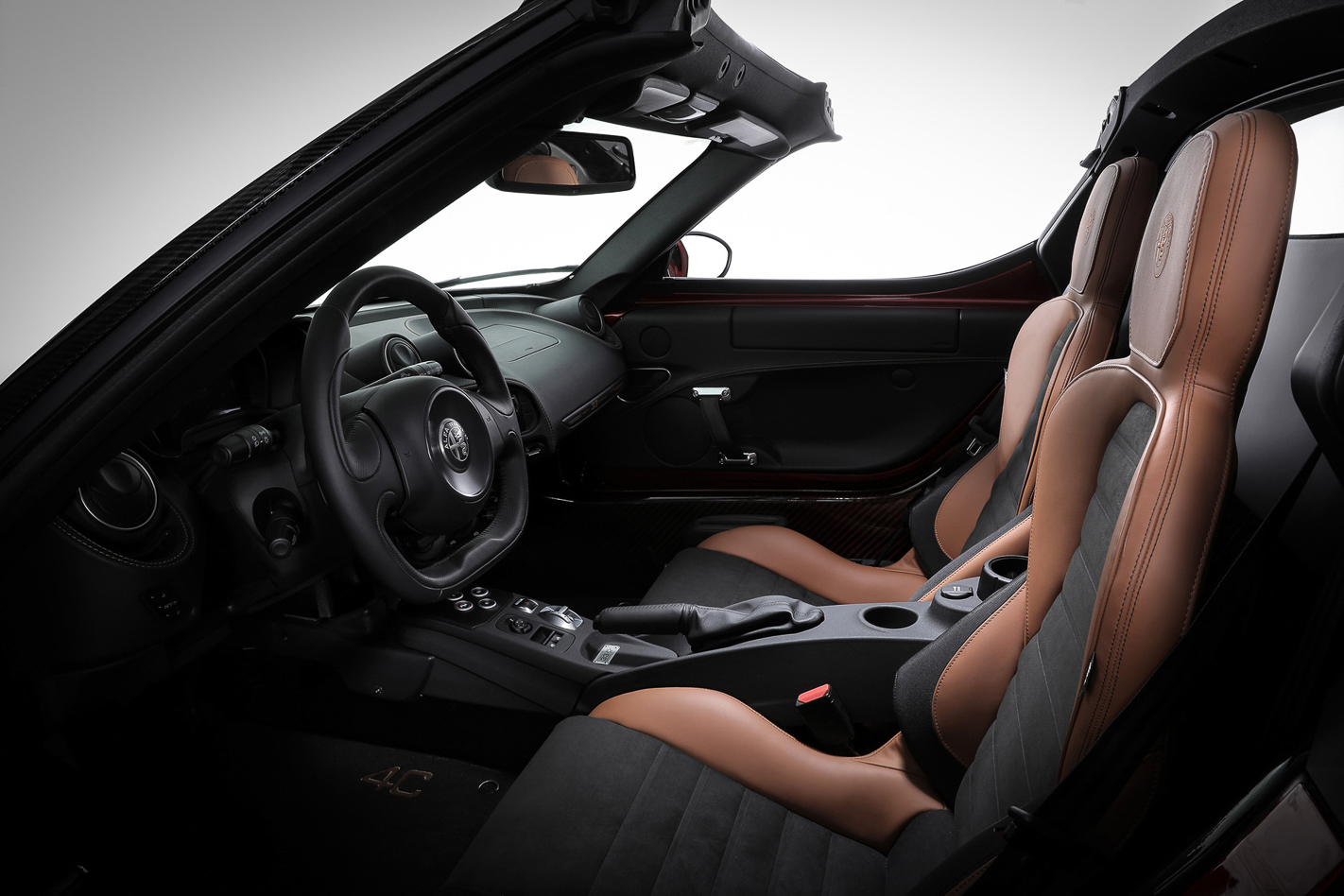
Bi-xenon headlights and a bi-modal Akrapovic exhaust are also added – usually optional extras on Aussie-delivered cars – along with bespoke interior trim with sports buckets, exposed carbon on the B-pillars, and ‘race-tuned’ suspension.
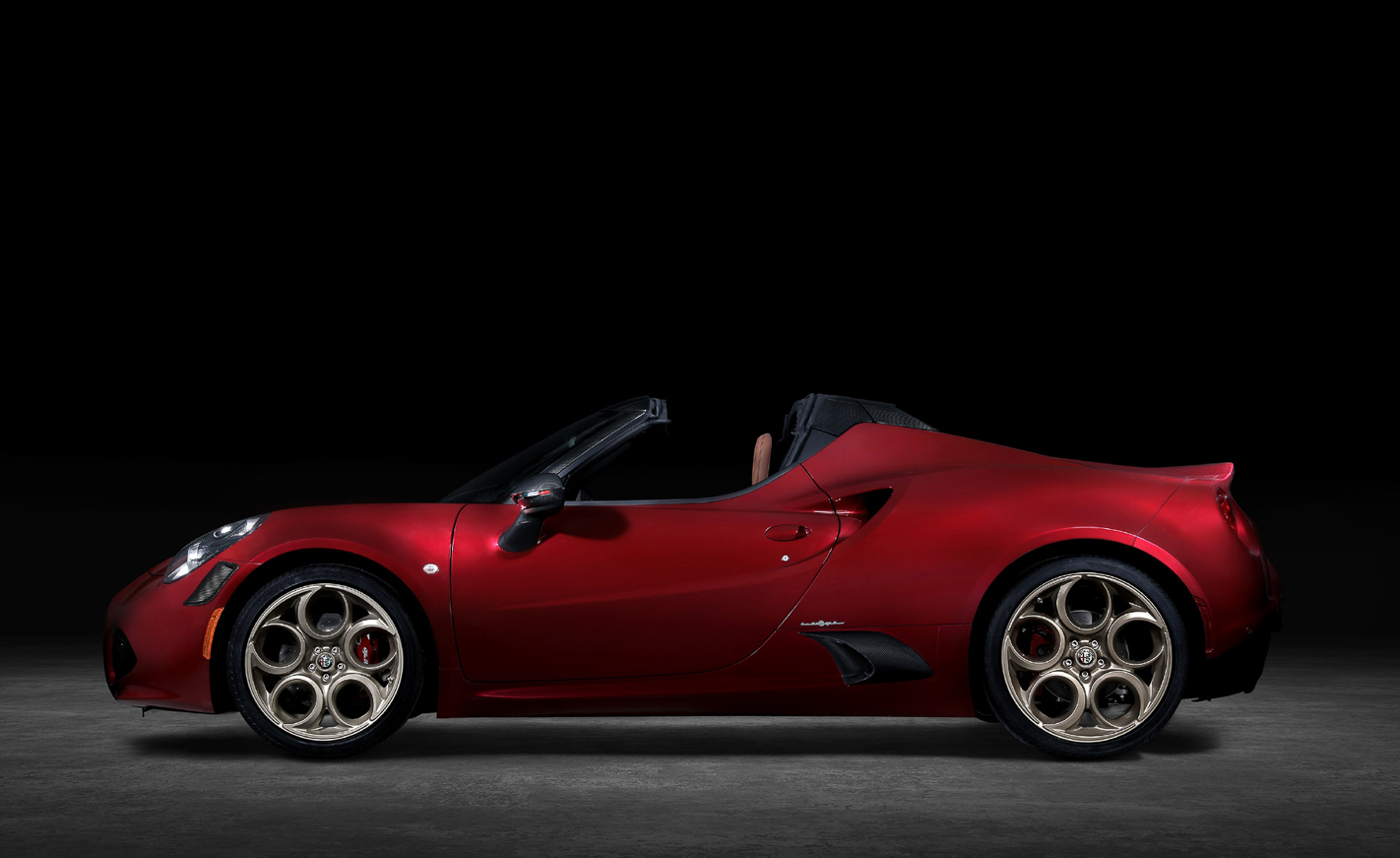
The raucous 1.8-litre turbocharged four-cylinder engine over the driver’s shoulder remains undisturbed, pushing 177kW and 350Nm out through the rear wheels via a six-speed dual-clutch gearbox.
“The Alfa Romeo 4C Spider is such an iconic car,” said an Alfa Australia spokesperson.
“We are excited to confirm a limited number of 4C Spider 33 Stradale Tributos will arrive in Australia next year and we look forward to sharing more details with you in the coming months.”
This special edition is very late in the piece for the six-year-old 4C, which is all-but out of production, and will undoubtedly attract the eye of the avid Alfisti collector.
It’s been a reasonable success for Alfa locally as a halo product, though sales in 2020 are well down (seven sales to the end of November). The convertible version retails at $109,000, but there’s no word on the cost of the 33 Stradale.
The exit of the 4C will leave only the Mazda MX-5-derived Abarth 124 Spider as the last remaining two-door sports car in the FCA family.
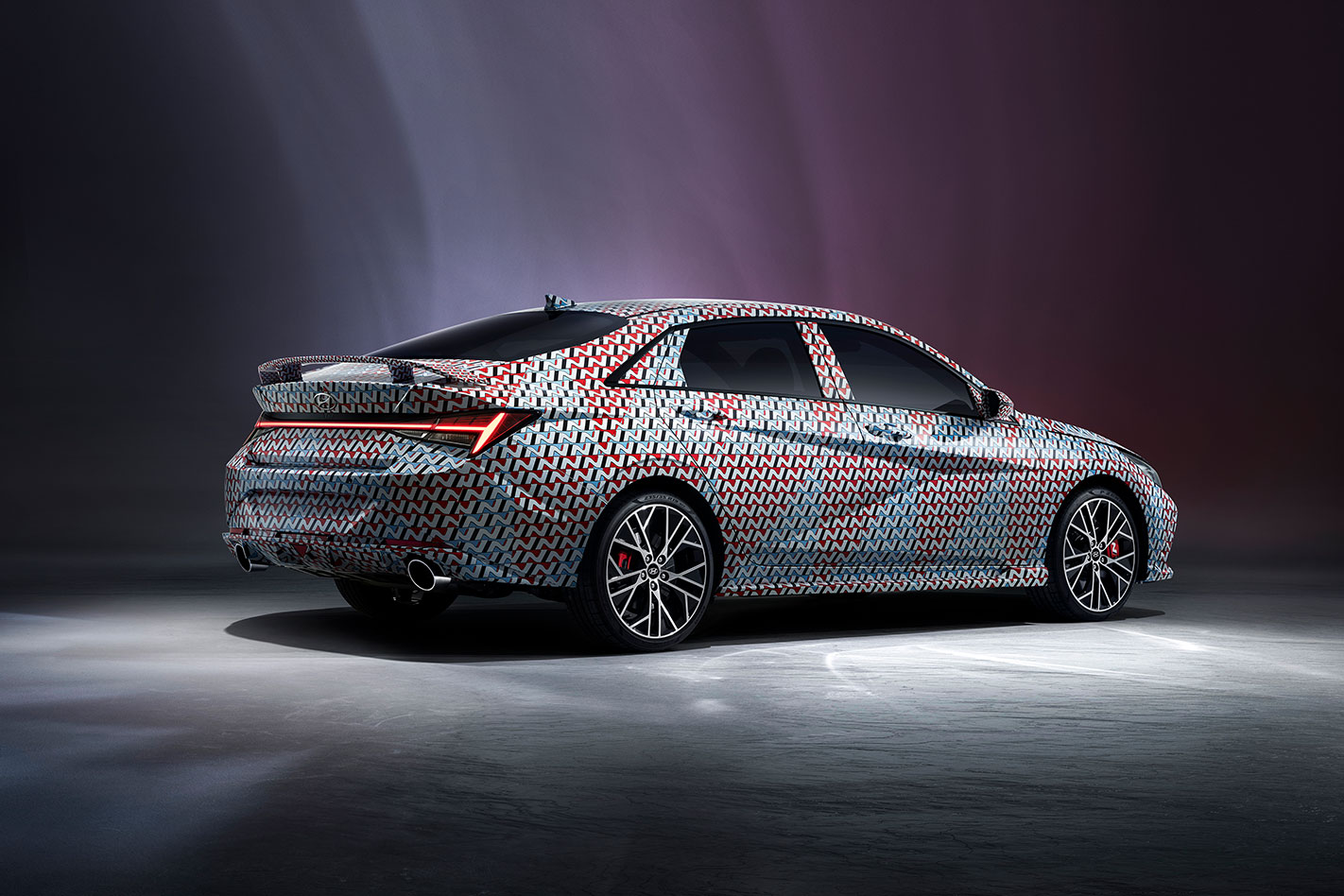
Hyundai has shown off its latest TCR racer in the US, and it gives us a great idea of how good the new i30 Sedan N might look.
Built by Bryan Herta Autosport, two i30 Sedan Ns – known as Elantra Ns in the States – will be used in the IMSA sports car series for 2021.
TCR requires its cars to somewhat vaguely resemble their road-going counterparts, and the new racer is powered by a wicked-up version of the N car’s 2.0-litre four-cylinder turbocharged engine.
Output is bumped to 260kW and a handy 450Nm, which punches through those 18-inch front wheels via a six-speed sequential gearbox.
Weight is posted at 1265kg.
Of course, the huge flared guards, wild rear wing and bespoke racing alloys may be missing from your road-going version, but look closer and you’ll see the DNA.
When it arrives down under late next year – as Hyundai Australia has confirmed – it’ll sit atop the renewed i30 Sedan range that replaces the Elantra.
At the same time, all signs point to the sedan replacing Hyundai’s current i30 Fastback N, given it is a similarly styled four-door liftback.
The right-hand-drive Ela… ahem, i30 Sedan N will most likely be exported from the brand’s Korean factories, reducing import costs and giving it a leg-up over the Fastback that’s currently sourced from Turkey.
Hyundai hasn’t revealed details to complement the images, but the i30 Sedan N is expected to largely mirror the updated hot-hatch in specification.
What stands out?
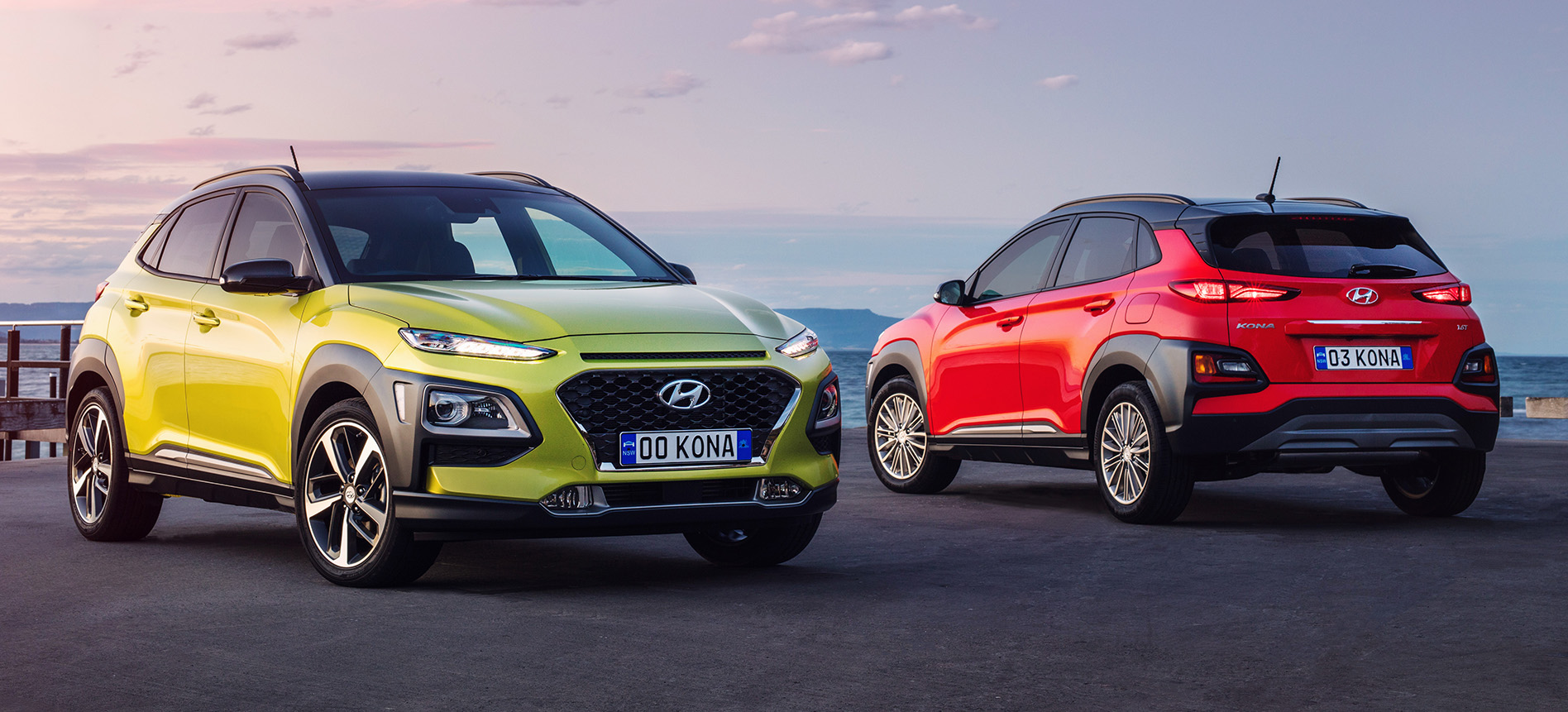
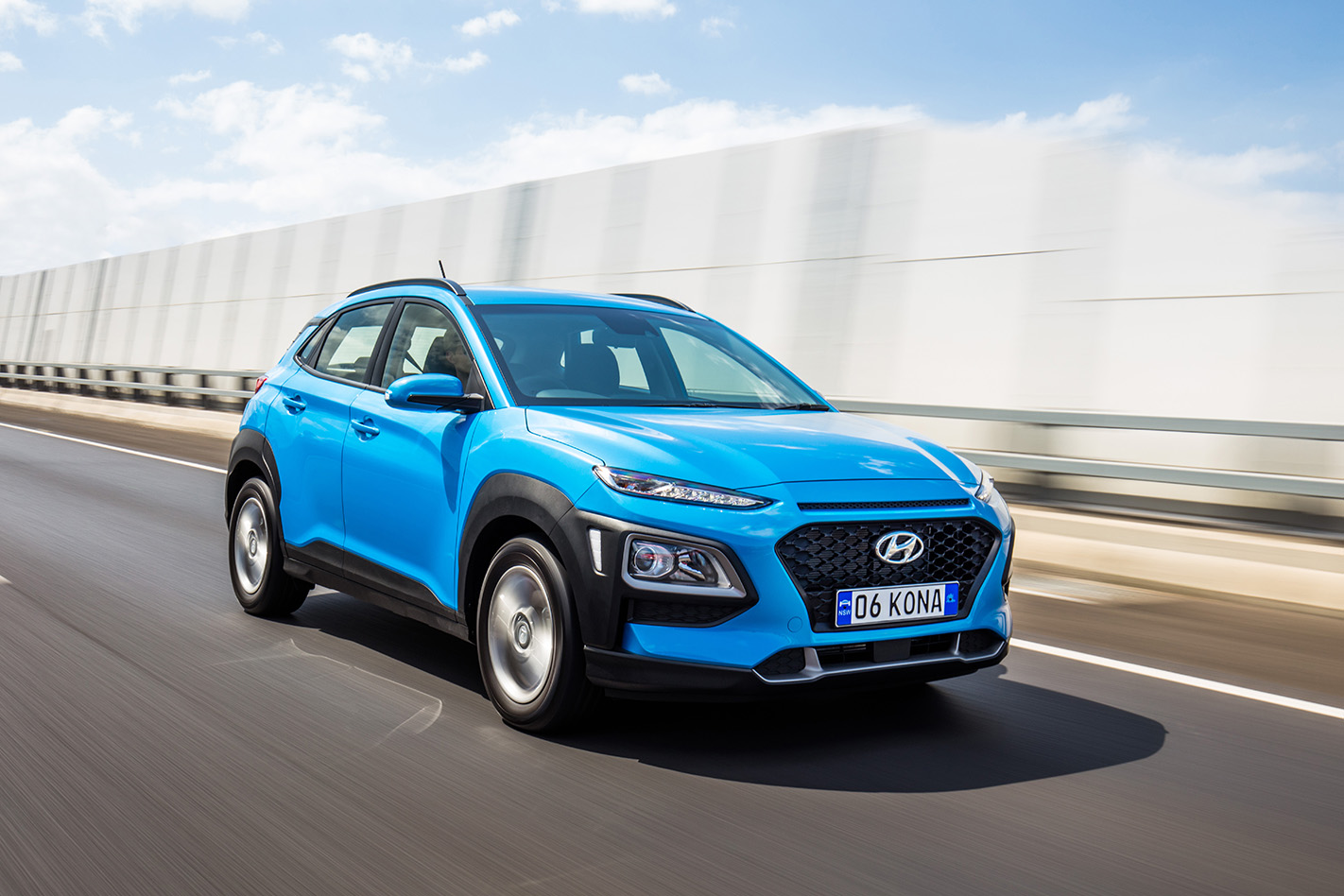
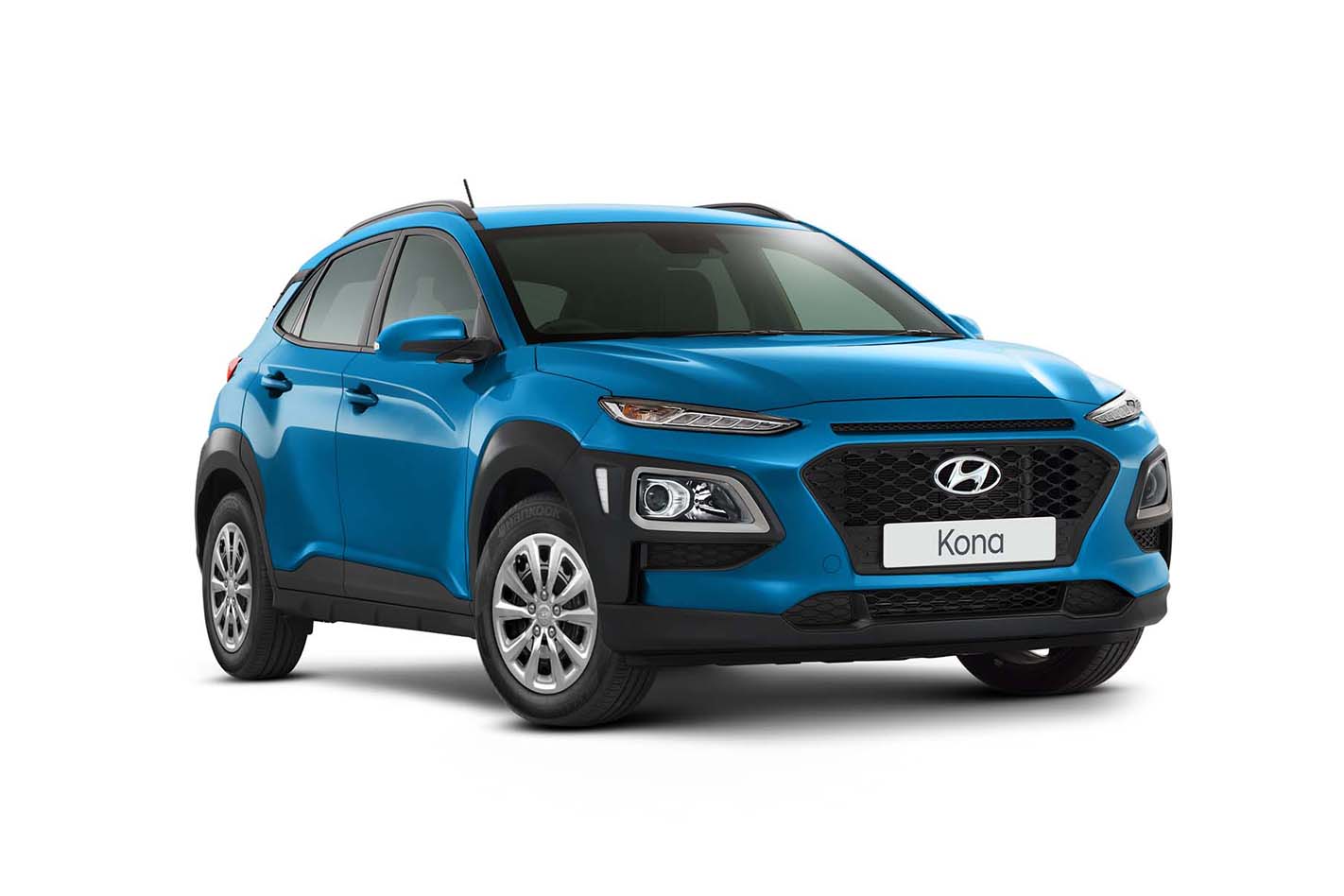
The Hyundai Kona is the second smallest SUV produced by the South Korean manufacturer and features bold styling, excellent standard and optional equipment levels and a roomy cabin that seats five. A powerful 1.6-litre turbo petrol engine with all-wheel-drive is optional as is a full battery-electric version. It is covered by Hyundai’s five-year warranty. All Konas come standard with autonomous emergency braking.
What might bug me?
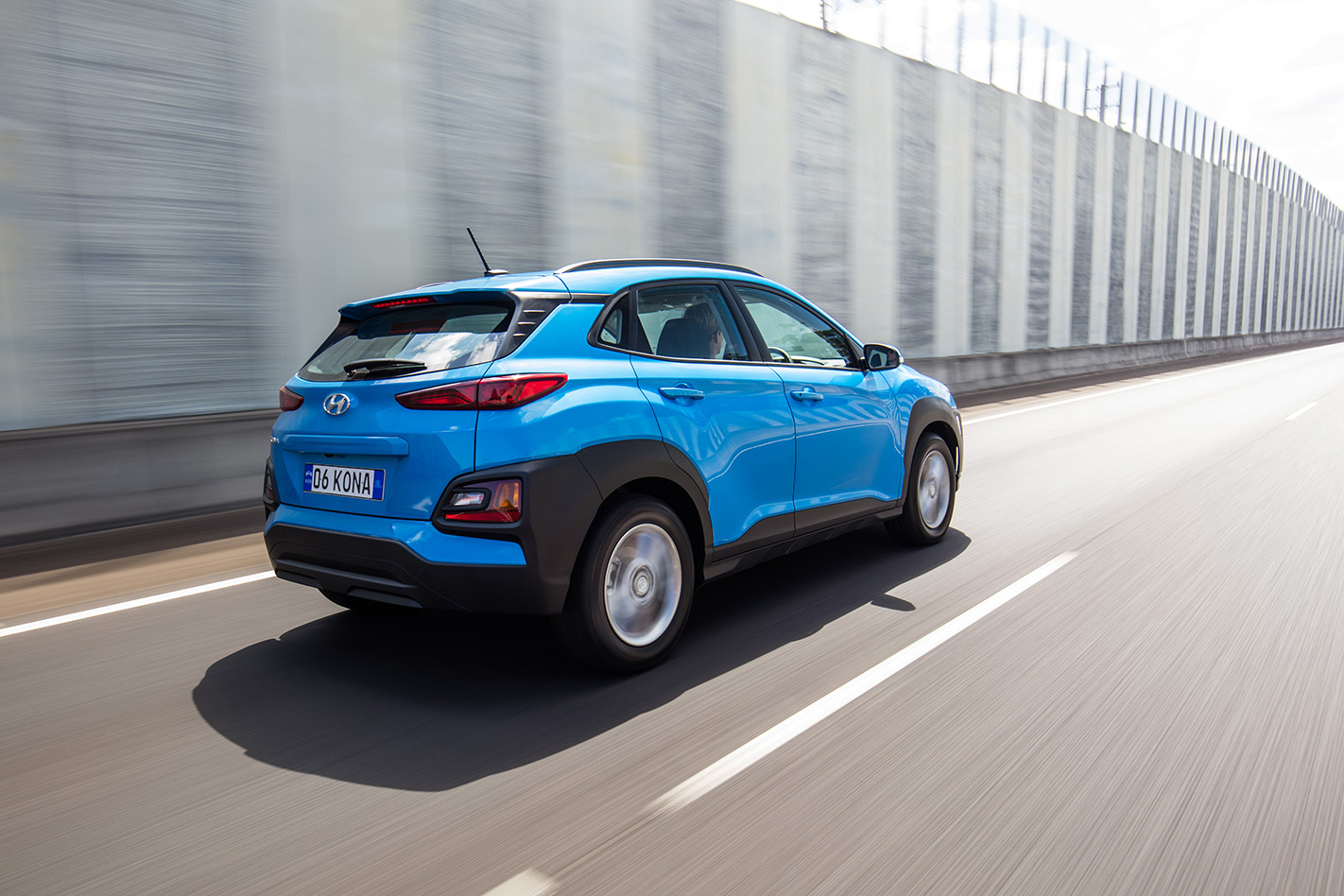
That you’ve partly chosen a Kona for its bold exterior styling only to find the interior is a little bland and almost identical to the i30 hatchback.It’s also not the best to drive through traffic. The turbocharged 1.6-litre is available only with a seven-speed dual-clutch auto gearbox, which will not quite match the fluid throttle inputs that you get with a conventional or CVT auto, and therefore requires a little more care in stop-start conditions.
With a Kona Electric, knowing that despite its excellent range there are still places you won’t be able to take it because of a lack of public charging facilities.
What body styles are there?
Five-door SUV-style wagon only.Some Konas drive only their front wheels, while others drive all four wheels. The Kona is classed as a small SUV, lower priced.
What features do all Konas have?
- Autonomous emergency braking, forward collision warning, lane-keeping assist and driver attention alert, which are all part of Hyundai’s SmartSense active safety package.
- Cruise control, air conditioning, a reversing camera, and rear parking sensors (these help you judge how far the rear bumper is from obstacles)
- Headlights that turn on automatically when it’s getting dark, and bright, long-lived LED daytime running lights.
- A 7.0-inch touchscreen, from which you can control the six-speaker audio system. Sound sources include an AM/FM radio, aux and USB inputs, and Bluetooth phone calls and audio streaming.
- Controls on the steering wheel for the audio system.
- Support for Apple CarPlay and Android Auto, which lets you display apps from your smartphone on the car’s touchscreen and operate them from there.
- Roof rails, which make it easier to fit rooftop luggage systems.
- Hill-start assist, which operates the brakes automatically to make take-offs on steep hills easier, and downhill brake control.
- A temporary space-saving spare tyre and a tyre pressure monitor warns you if a tyre has lost air (this can give you extra time to get a slow-leaking puncture seen to). Kona Electric versions come with a puncture repair kit instead of the spare wheel.
- Six airbags. Electronic stability control, which can help you control a skidding car. (For the placement of airbags, and more on Tucson safety features, please open the Safety section below.)
- Every Hyundai Kona carries a five-year, unlimited-kilometre warranty.
Which engine uses least fuel, and why wouldn’t I choose it?
There are two petrol engines in the Kona range, but of course it’s the Electric versions that use the least… well no fuel.
The Kona Electric Elite and Highlander are powered by 65kWh battery that drives the electric motor that provides exceptional power and torque. It is one of the most efficient electric vehicles, with a driving range of about 440kms, or about 320km when charged at 80 percent. Some EVs have longer ranges, but they also have bigger batteries that take longer to charge.
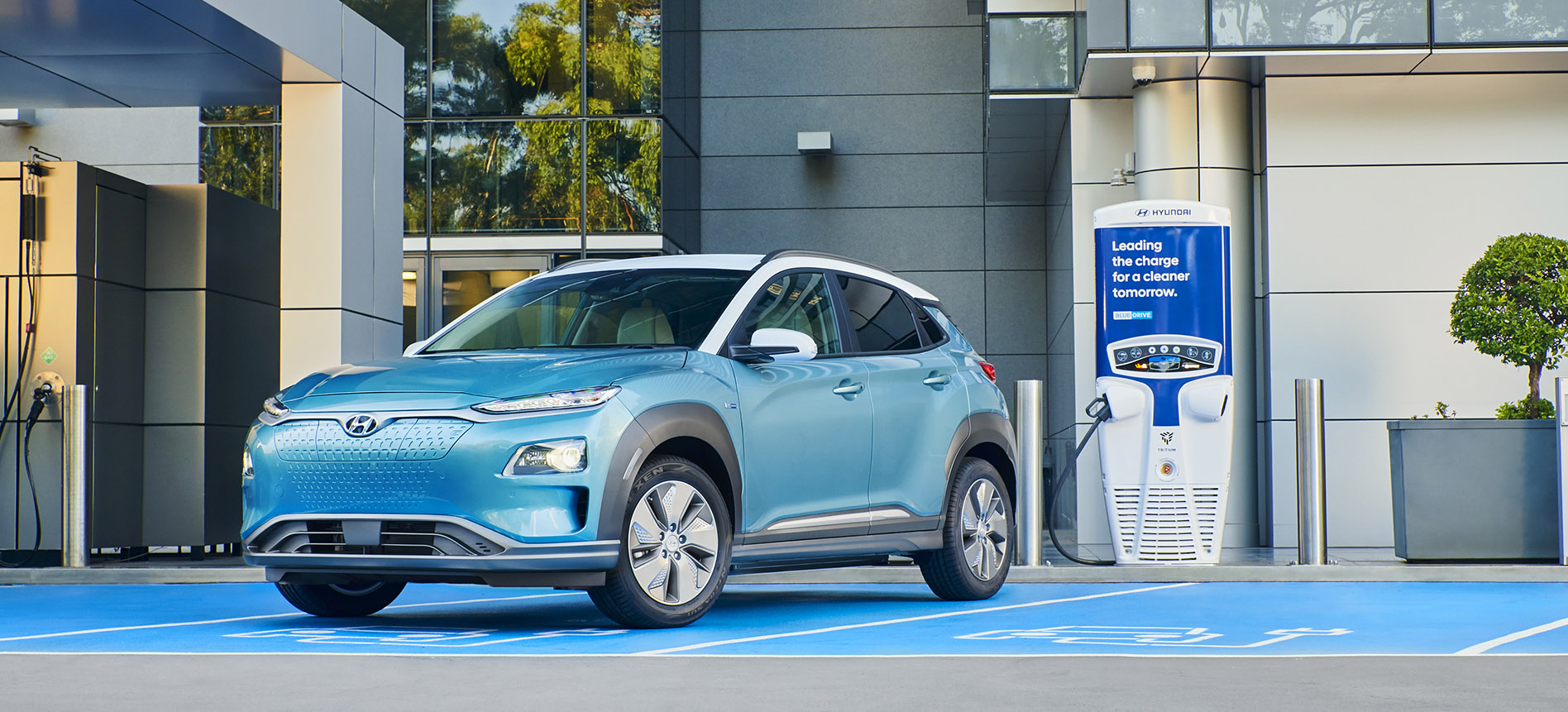
This is an excellent electric vehicle, but the main reason you would not choose it is because of the $28,000 mark up over the 1.6-litre turbo equivalents. Then there are the limitations of driving with electric vehicles should you frequently travel long distances.
That said if you mostly drive around town you’ll go at least a week before needing to charge, though with EVs it’s always best to top up when possible.
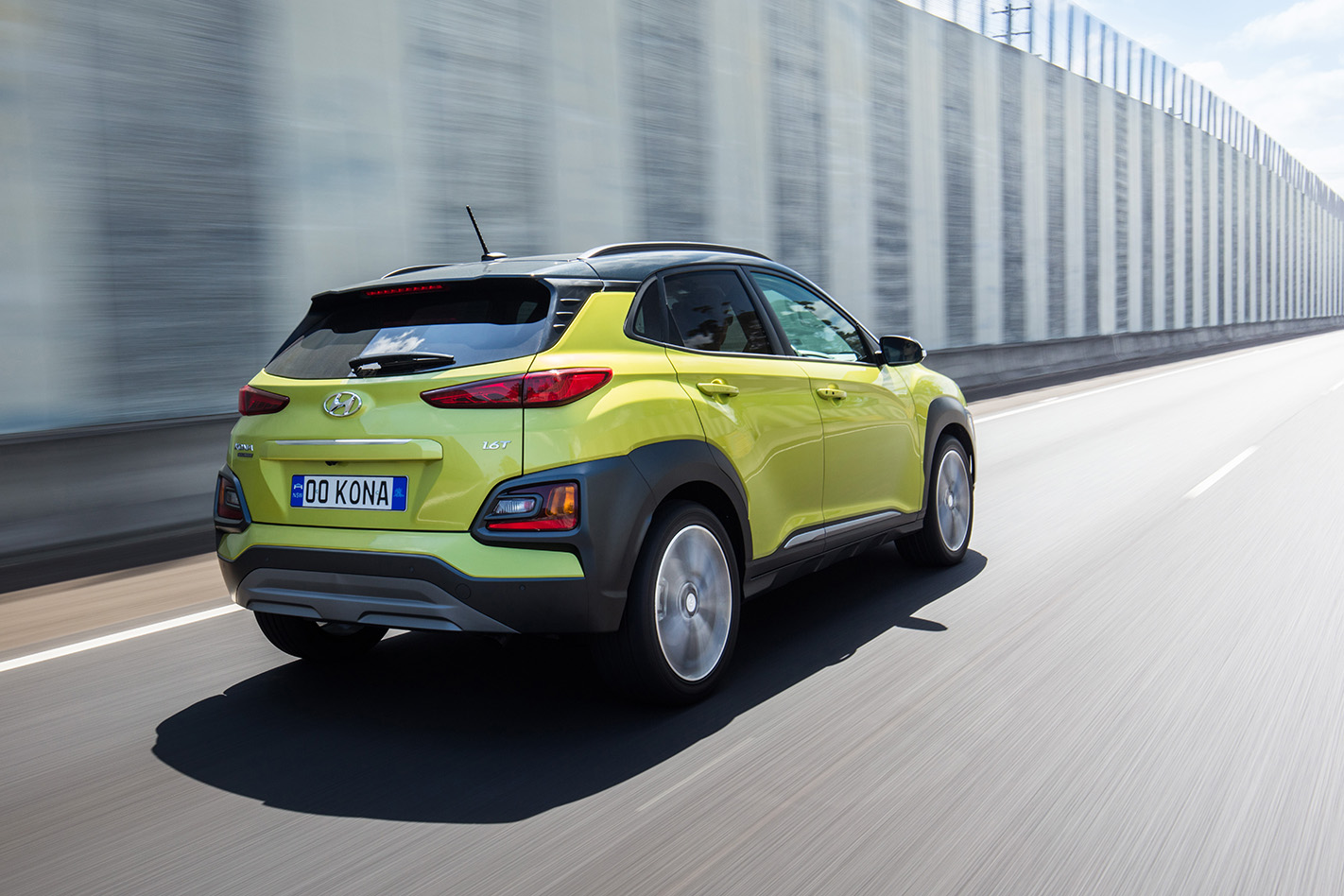
If choosing one of the petrol engines, the 1.6-litre turbo-petrol is the smaller of the two but is more powerful. It uses the least fuel, consuming as little as 6.7 litres/100km on the official test (city and country combined). Each 1.6-litre turbo version drives all four wheels.The 2.0-litre petrol engine consumes 7.2-litres/100km according to the Hyundai’ claims.The main reason you might not choose the 1.6-litre turbo is if you want to pay less for your Kona: at any equipment level, its costs around $4000 than its 2.0-litre alternative, though the price includes all-wheel-drive and a more advanced seven-speed dual-clutch automatic transmission.
What key features do I get if I spend more?
The Kona comes in five equipment levels; Go, Active, Active with Safety Pack, Elite and Highlander. Each has a choice of the 2.0-litre engine and front-wheel-drive powertrain, or the more costly 1.6-litre turbo all-wheel-drive.
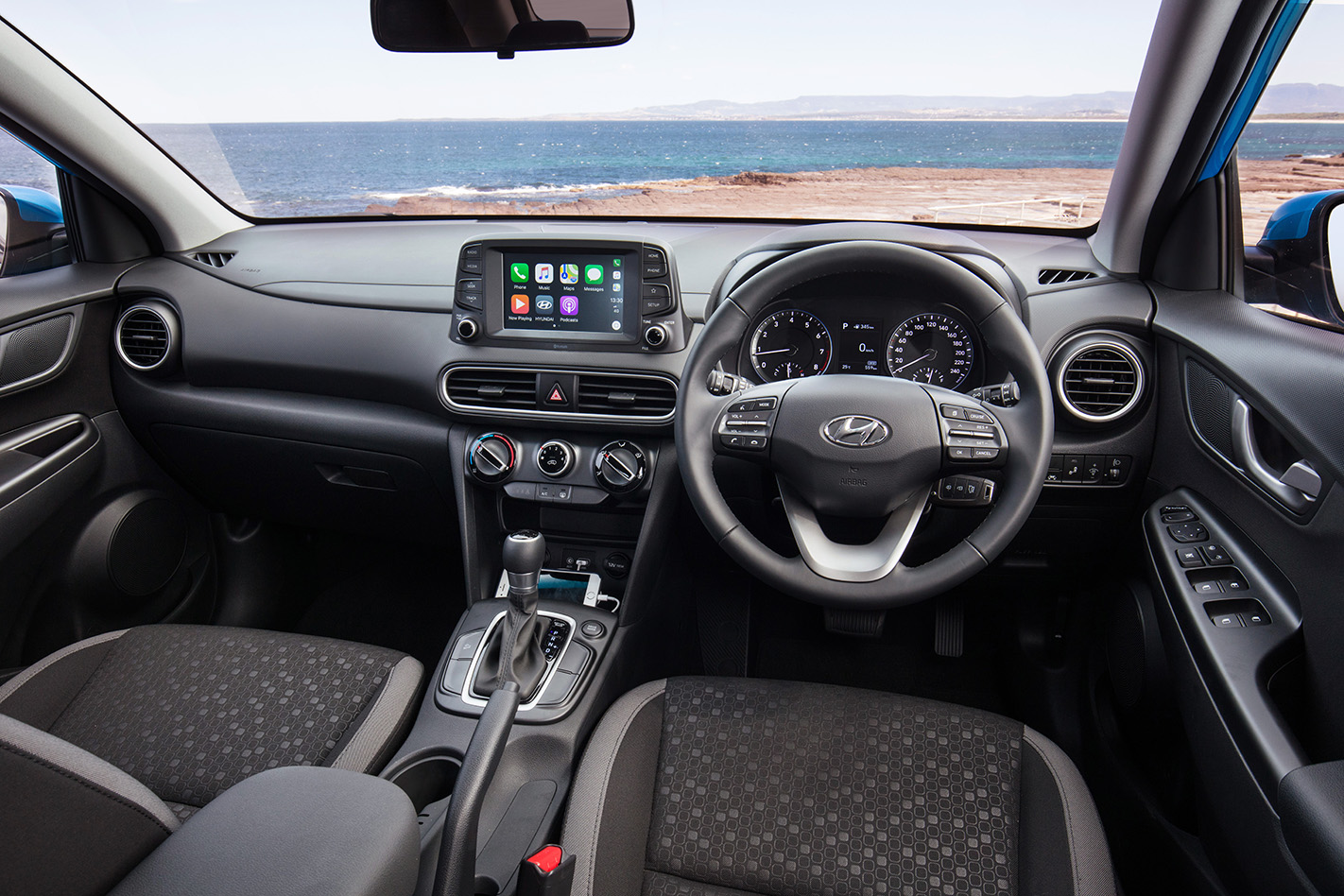
The least costly Kona Go specification includes 16-inch steel wheels with plastic hubcaps, cloth seat trim, 7.0-inch infotainment screen, and the features available in all Konas.
Upgrading to the Kona Active brings 16-inch better-looking aluminium alloy wheels, an 8.0-inch touchscreen with in-built satellite navigation with traffic information, and leather-appointed steering wheel and gear knob and an eight-speaker premium audio system.
The Kona Elite spec gains you:
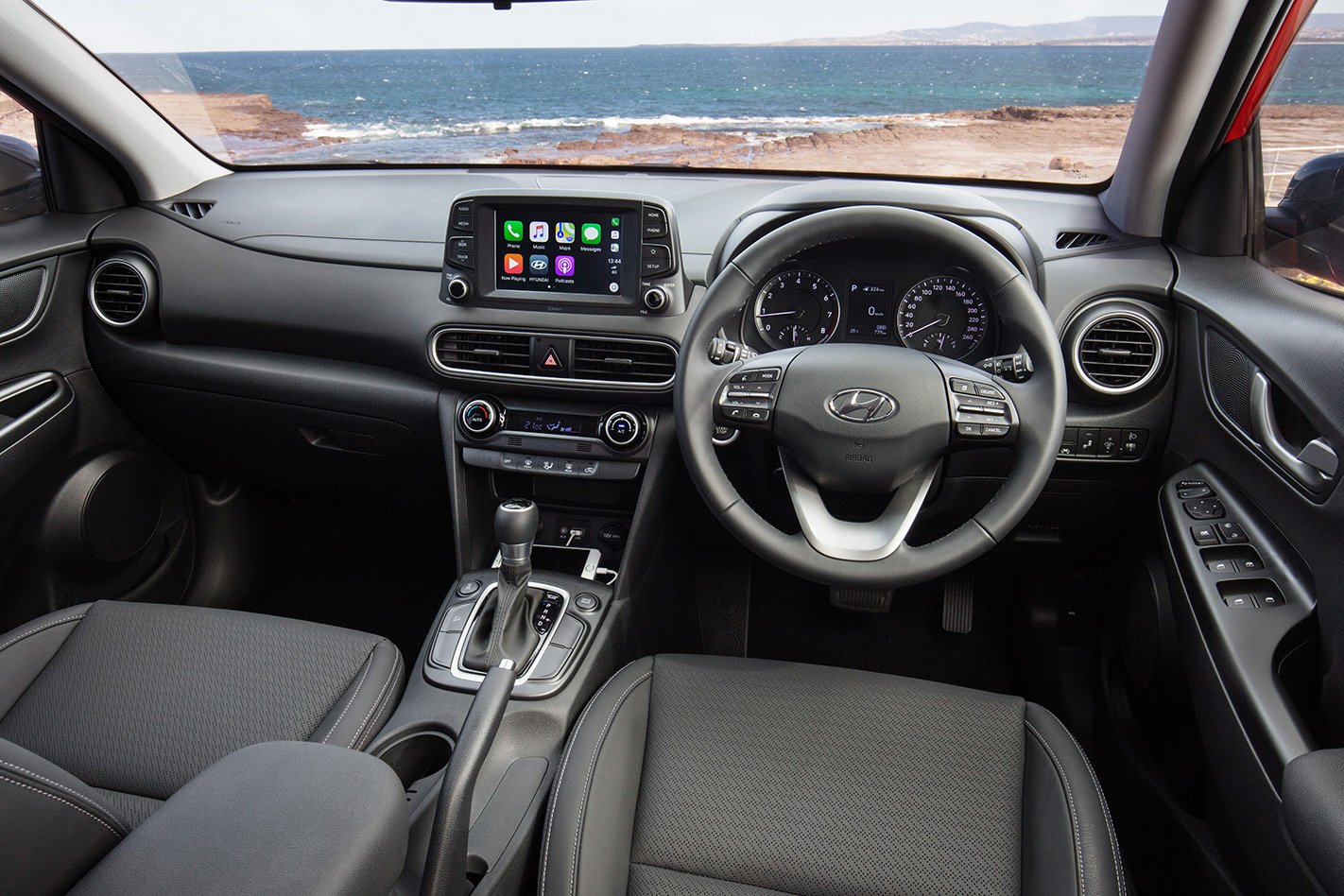
- Leather on the seats (there is a mix of real and fake leather
- Adaptive cruise control, blind-spot monitor, and rear-cross traffic alert are added to the SmartSense active safety package.
- Dual-zone climate control allows you to set different temperatures for each side of the cabin, and you can listen to DAB+ digital radio.
- Wheel diameter grows an inch to 17 inches, and the correspondingly lower profile tyres look sportier and sharpen the steering slightly.
- You also get keyless entry and push-button start, front fog lights, rain-sensing windscreen wipers, a luggage net and power-folding, heated side mirrors.
The Elite also differs externally with carbon grey side skirts and wheel arches, and a rear metallic skid plate.
Going for a Kona Highlander brings high beam assist, which automatically dims when sensing vehicles ahead.
The Highlander also gains a power-operated sunroof (not available in the Electric version), power adjustment for the front seats, heating and ventilation to both front seats, a heated steering wheel and a head-up display lets you see your speed and other driving information near eye level on the windscreen.
Other extras include longer-lasting LED headlights, front indicators and tail lights, auto-dimming mirror, a wireless charging pad for your phone and sportier 18-inch wheels
Does any upgrade have a down side?
The Kona Active models ride more comfortably on their 16-inch wheels than the Elite and Highlander ride on their 17s and 18s, because the lower-profile tyres on the bigger wheels have less rubber and air cushioning the wheels from the road. The difference is most pronounced at city speeds.
The Kona Electric versions have a smaller cargo area because of the batteries stored underneath the boot space. This also means there is no space for a spare tyre which means they’re equipped with a puncture repair kit.
How comfortable is the Kona?
The Hyundai Kona is surprisingly big inside. Space in the rear is very good for a car of this size, with two six-footers easily accommodated. Front headroom is excellent.
The cabin is similar to the Hyundai i30 and, aside from the inconveniently-situated starter button on upper-spec models, the ergonomics are sound especially the layout of the steering wheel-mounted controls.Ride quality on the Australian-tuned suspension is on the firm side, but you’ll only feel significant jolts over sharper road imperfections.
What about safety in the Kona?
Anti-lock brakes, stability control, a strong body, six airbags, a reversing camera, and seatbelt reminders for all positions, are solid safety fundamentals in all Hyundai Konas.The airbags are in the usual places: two directly in front of the driver and front passenger; one alongside each front occupant at chest level to protect from side impacts; and a curtain airbag down each side protecting the heads of front and rear occupants.All Konas have active safety as part of the Hyundai SmartSense package, including automatic emergency braking, which warns you of obstacles in front of the car, such as a slower vehicle, and applies the brakes automatically if you do not react. The Kona’s auto-braking system will bring it to stop from speeds up to 75km/h, and mitigates the impact of a collision at higher speeds.Hyundai SmartSense in the Elite and Highlander Konas also includes blind-spot detection, which warns when a vehicle is alongside out of view. Blind Spot Warning alerts you if a vehicle in an adjacent lane is approaching quickly from behind.
Lane departure warning lets you know that you are drifting distractedly out of your lane (a sign of fatigue), and lane-keeping assist acts on the steering to help you bring the car back.
A rear cross-traffic alert warns when reversing that something is crossing your path, which could save you from car-park bingles. Smart (adaptive) Cruise Control utilises the front radar sensor to detect the speed and distance of vehicles ahead and automatically maintain a safe distance up to a pre-set speed by the driver (between 30km/h – 180km/h).
The Hyundai Kona scored five stars out of five in the Australian New Car Assessment Program crash test.
I like driving – will I enjoy the Kona?
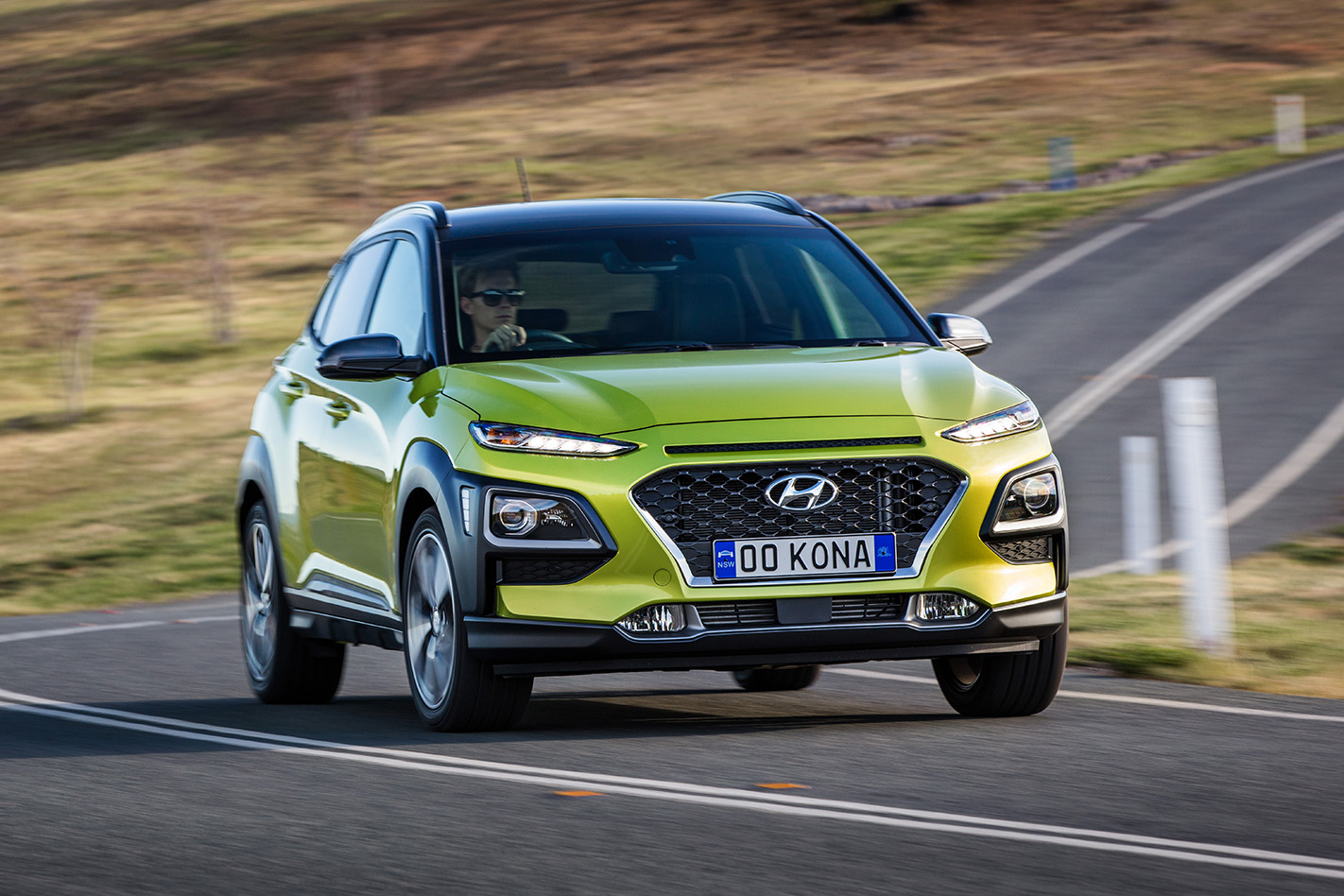
Yes. If you’re after a spirited drive, the 1.6-litre turbo engine, which is similar to the one in the bigger Tucson, rarely feels short of power. And it has a Sport driving mode that gives it even more oomph.The 2.0-litre engine, which is expected to be the biggest seller, takes a bit longer to get up to speed, but it feels much more in sync with its six-speed automatic transmission.The 1.6 has all-wheel-drive traction and a more advanced suspension set up than the 2.0-litre, however, there isn’t too much difference between them in terms of ride quality; which is on the firm side, but absorbs all but the sharpest bumps and ridges well.
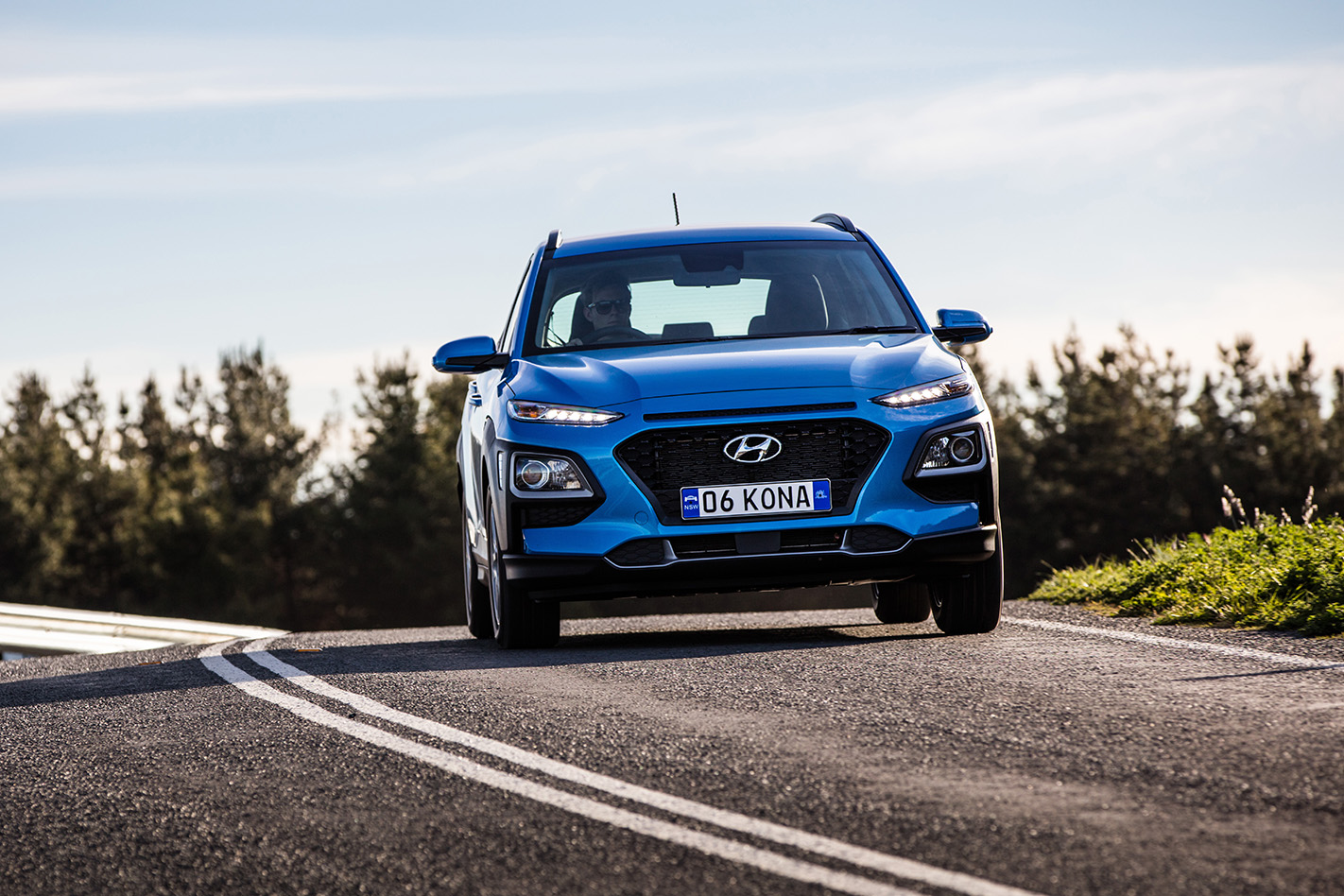
The Kona Electric versions are arguably more fun to drive, with much quicker acceleration and seemingly limitless power. They handle nicely and on bendy roads; the regenerative braking offers enough slowing power when needed, so you rarely have to apply the actual breaks even on downhills.
The Kona Electric versions on the other hand have a soft ride that’s obviously been tuned for smooth urban roads where the ride can be quite serene. However, the ride gets very choppy on rougher surfaces.
How is life in the rear seats?
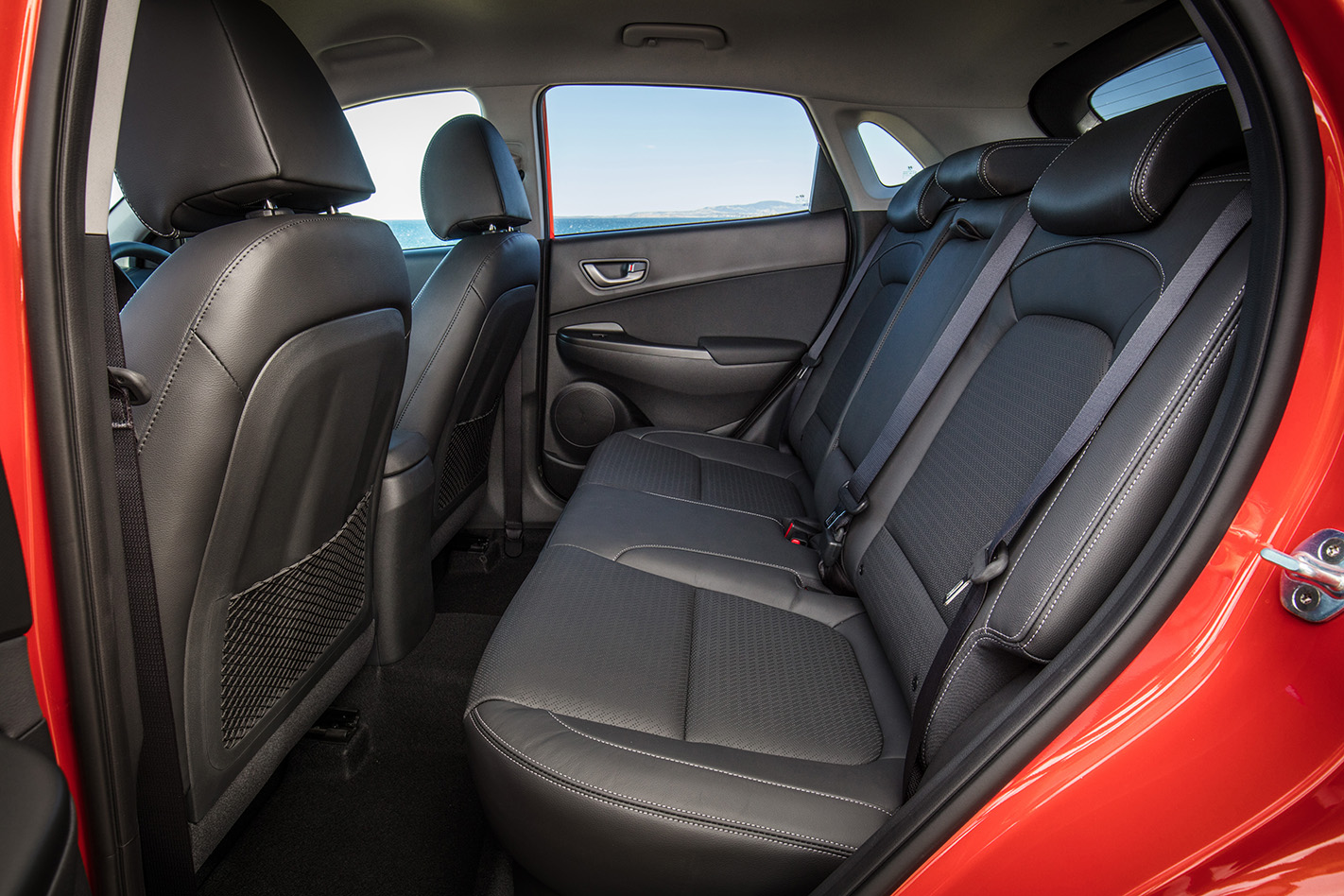
The Kona is surprisingly big inside for a small SUV. The rear seats have more than adequate leg and headroom and accommodate two adults comfortably. The middle seat is tight, but will easily accommodate a child.The rising door line hampers side vision a little, but the cabin otherwise feels quite airy.
How is Kona for carrying stuff?
With the second-row seats upright, the Kona’s cargo bay holds 361-litres with cover in place, which is about the average size for a small SUV. With the second-row seats folded down, the capacity is 1143 litres. The rear opening is nice and wide to help with loading bulky objects.
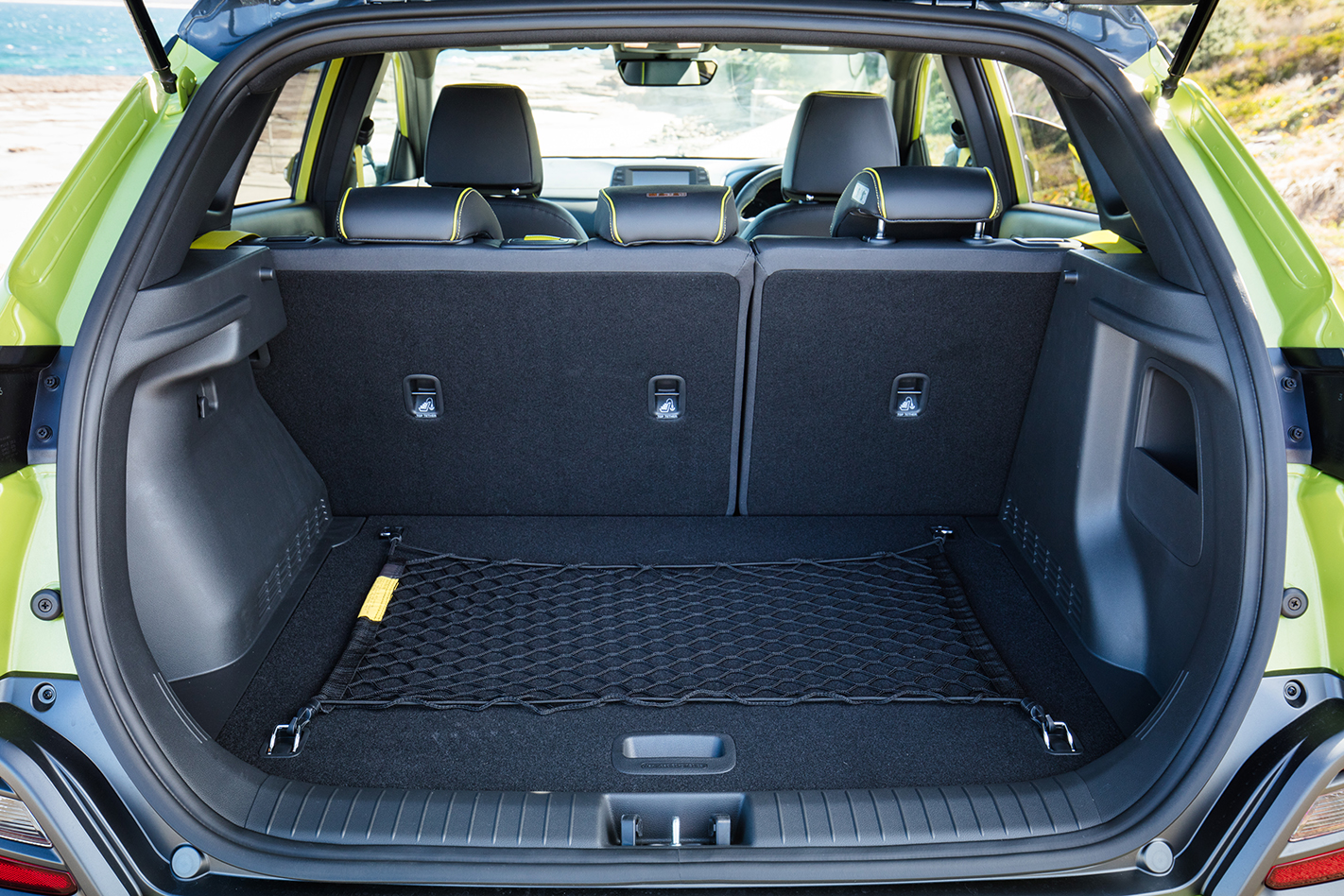
The Kona Electric versions lose 29 litres of boot space because of the shallow boot floor required to accommodate the battery.
Where is it the Kona made?
The Hyundai Kona is built in South Korea.
Are there any rivals I should consider?
If you like the Kona you may also want to consider other stylish small-SUVs including the Honda HR-V, Mazda CX-3, Peugeot 2008, Subaru XV and Toyota C-HR. There is also the smaller and more affordable Hyundai Venue.
The Kona Electric is pretty much on its own as far as battery-electric small SUVs are concerned, but you might want to look at the Nissan Leaf hatchback or Hyundai Ioniq if you want to spend a little less.
I like this car, but I can’t choose which version. Can you help?
We like the mid-level Kona Elite with the turbo petrol 1.6 engine and all-wheel drive. The Elite brings a big boost in equipment, but is still reasonably priced for a well-equipped small SUV.
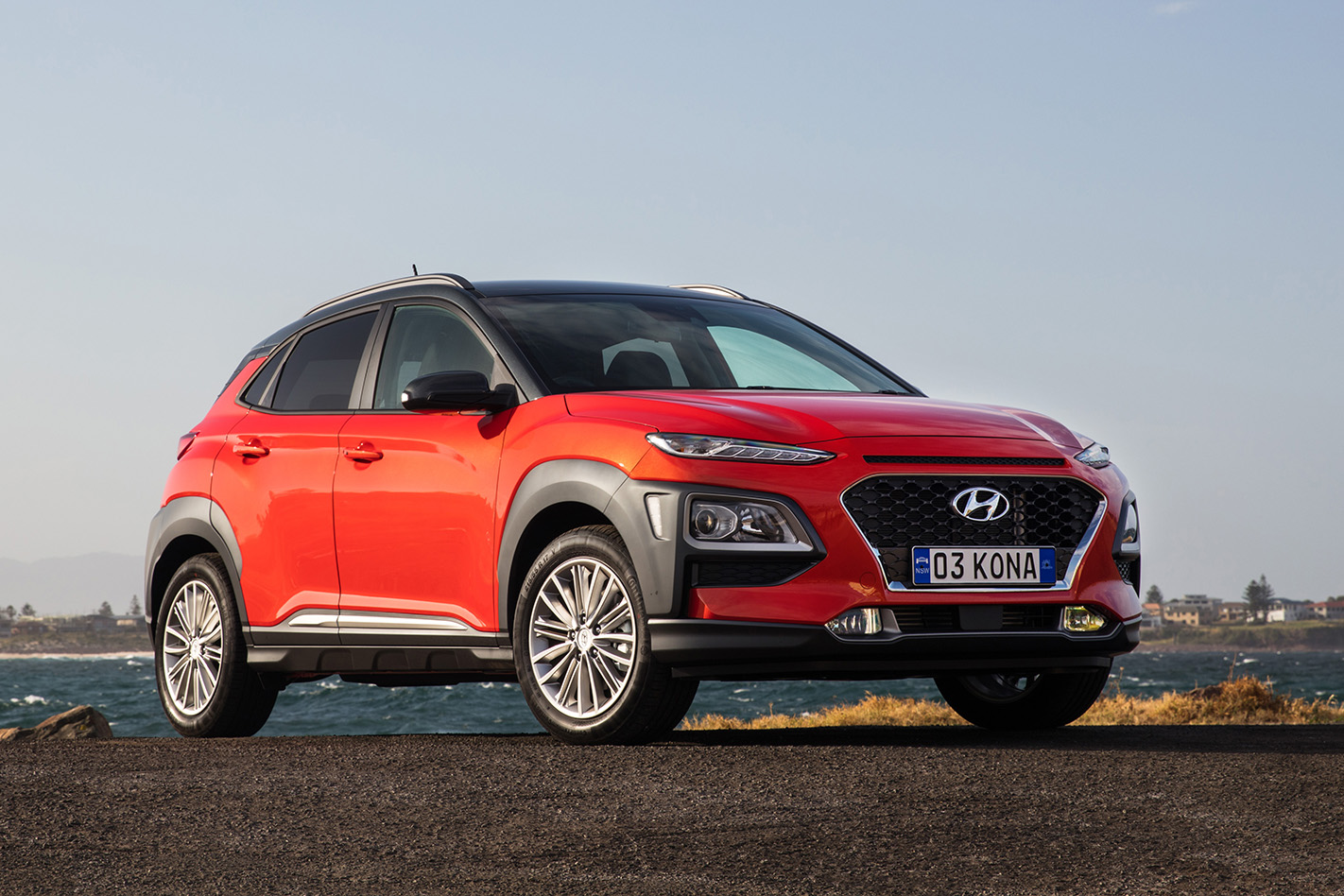
Having said that, if the cost wasn’t an issue, we’d happily recommend the either Hyundai Kona Electric, which for the price is one of better electric cars on the market.
Are there plans to update this model soon?
The Hyundai Kona first went on sale in Australia in October 2017, for the 2018 model year.Hyundai added a new entry-level Kona Go as part of the MY19 upgrade in July 2018, which also saw the Active, Elite and Highlander gain the bigger 8.0-inch infotainment screen and satellite navigation.The Kona Electric was introduced in early 2019 with many of the features found in the petrol Kona range.In September 2019 Hyundai made active safety, including autonomous emergency braking and lane-keeping assist, to the cheaper Go and Active versions for the 2020 model year. The Elite and Highlander gained active cruise control.
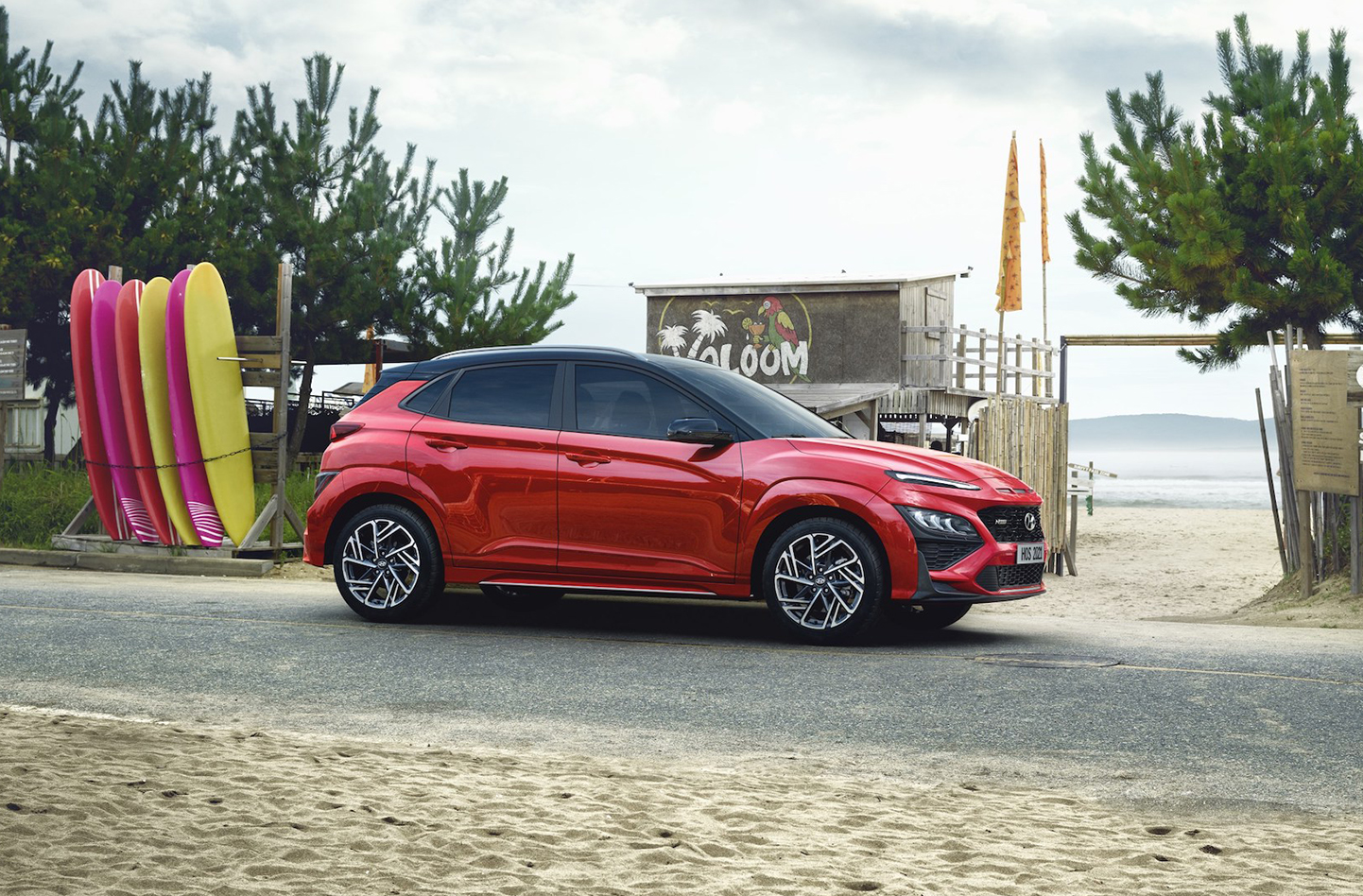
Hyundai announced a major facelift for the Kona (above) in September 2020, which will arrive on Australian roads in the first quarter of 2021. This will include a sporty trimmed N-Line version. The Kona Electrics will also receive a new look.
The Toyota GR Yaris is an angry little thing. Built as a homologation special to allow Toyota to go rallying, its degree of change when compared with a regular Yaris is enormous: bespoke 1.6-litre three cylinder turbo engine with 200kW/370Nm, unique body panels made of aluminium and carbon and a four-wheel-drive system that can alter how much drive it sends to either axle depending on which drive mode you’re in.
All of this makes the GR feel feisty, four-square, and considerably more potent in a straight line. Officially Toyota claims it’ll hit 0-100km/h in 5.2sec and recently our mates at MOTOR magazine achieved exactly that. MOTOR ran the GR at Winton Raceway and in the dry it clocked a 5.2sec run to 100km/h. The quarter mile was finished with in 13.2sec at 169km/h.
We had similar plans to run our own numbers on the GR during Wheels Car of the Year testing (stand by, our COTY results will be revealed in March 2021) but Mother Nature had other ideas. It was raining, hard, during the time we’d allocated to performance testing but rather than give the game away, we decided to run the figures anyway. The GR is, after all, about as close as you can get to a WRC car for the road so it should be able to handle all conditions.
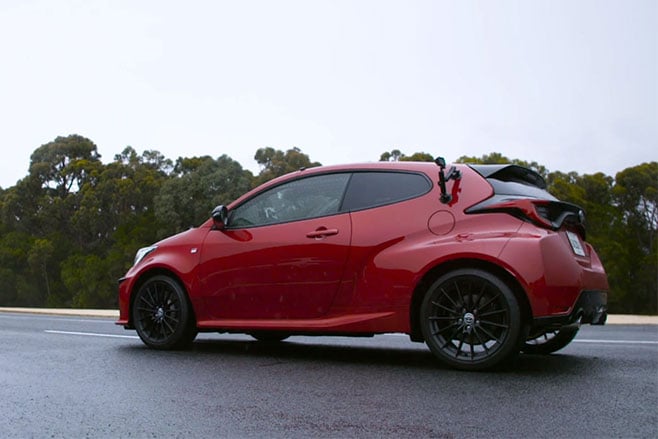
Intrigued by the four-wheel-drive system’s ability to alter its torque split, we completed a single run in each of the three drive modes: Normal, Sport and Track. We had the traction and stability systems all the way off and found the quickest method of launching the car was to build the revs almost to redline before letting out the clutch. As for the surface itself, we used a closed road that forms part of the Australian Automotive Research Centre in Victoria.
So how quick was it? And which drive mode delivered the best time? You’ll need to watch to find out!
You may well have seen figures showing that electric vehicles are now more popular than cars with manual gearboxes, in the US at least. Here things are often a bit different but, in five months of 2019, the Tesla Model 3 sold more than 3500 units.
That’s more than the combined manual registrations for Ford Mustang, BMW 2 Series, Toyota 86, Mazda MX-5, Chevrolet Camaro and Porsche 911 for the same period– ie, the very cars you might well buy equipped with three pedals and a stick.
To make matters worse for those who like to change gear themselves, in a reversal of common practice, BMW has announced that the base price for its sports coupes would be for the automatic model, with its low-volume manuals being cost-plus options on cars like the M2, M3 and M4.
So things are certainly looking grim for the manual, and have for some time. Mercedes doesn’t offer a manual model. Now that the base Giulietta has been shuffled out to pasture, we get no manual Alfas. Roll that thought round in your head for a while.
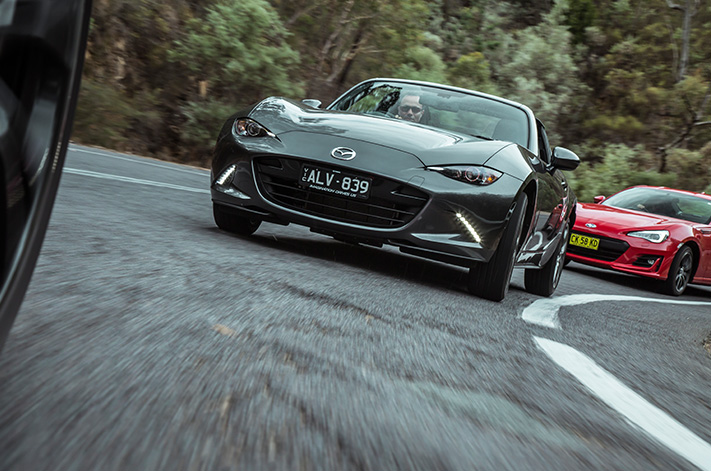
There haven’t been manual Ferraris or Lamborghinis for years. The gated metal gearchange that was for so long an icon of the Italian supercar somewhat ironically hit the evolutionary buffers with the Audi R8 in mid-2018.
A whole generation of drivers are going to miss that deliberate clack through the H-pattern. They’ll never know the tactile delight of a heel-and-toe downshift in a Honda S2000, the one-pause-two cadence of a Viper’s box, the liquid metal feel of second to third in an E30 M3, or the full-arm pool-ball break of a C6 Vette’s Tremec, surely Mexico’s finest export after the three-bean burrito.
Porsche tried to kill off the three-pedal 911 GT3 back in 2013 when it launched the 991 generation without a manual option. The 911 model chief August Achleitner underestimated the depth of feeling among purists when he breezily claimed: “When we launched the 911 Turbo S, we did not offer a manual, but we have not had a single complaint.”
The gripes certainly came thick and fast with the PDK-only 991 GT3 and kept coming until a dramatic corporate U-turn with the manual 991.2 GT3 in 2017.
That sort of response is rare. Once manuals are gone, they tend to stay gone. That’s largely due to the fact that as soon as the human is taken out of the loop, the transmission can be relied on to do some quite clever things.
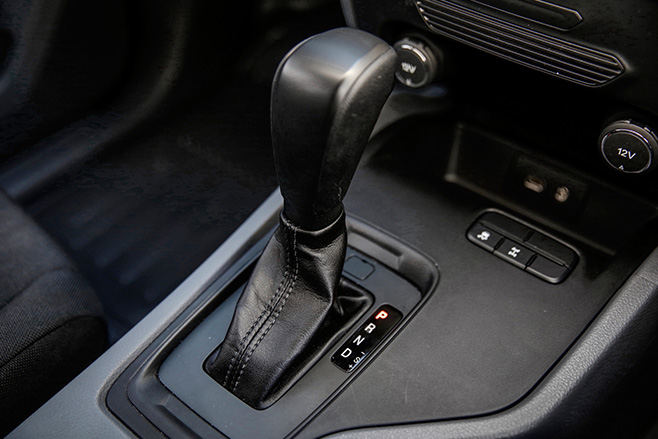
Eight-, nine- or 10-gear ratios, which would clearly be impossible to marshal by hand, can deliver the sort of torque response and economy we once thought the preserve of the ‘efficient manual’.
Those gains are hard for a manufacturer to concede. If General Motors can write off entire right-hand-drive markets as marginal, you can be sure that car makers can forgo tooling up for a transmission that might make up two percent of their sales figures. It will be interesting to see the sales numbers of the Hyundai i30 N, previously only offered as manual, when its twin-clutch ’box arrives within a year.
I love a good auto but have come to believe I’d miss the manual. It rankles if I ever see an MX-5, an 86 or a Mustang furnished with a mere pair of pedals. That’s because the car can be a toy, something that we buy purely for joy and tactility. A road car doesn’t need to chase lap times and it doesn’t always have to be the acme of efficiency.
When car makers are looking to shave costs and lower group emissions numbers, the manual is an easy casualty but the way to save it is simple: Put your money where your mouth is.
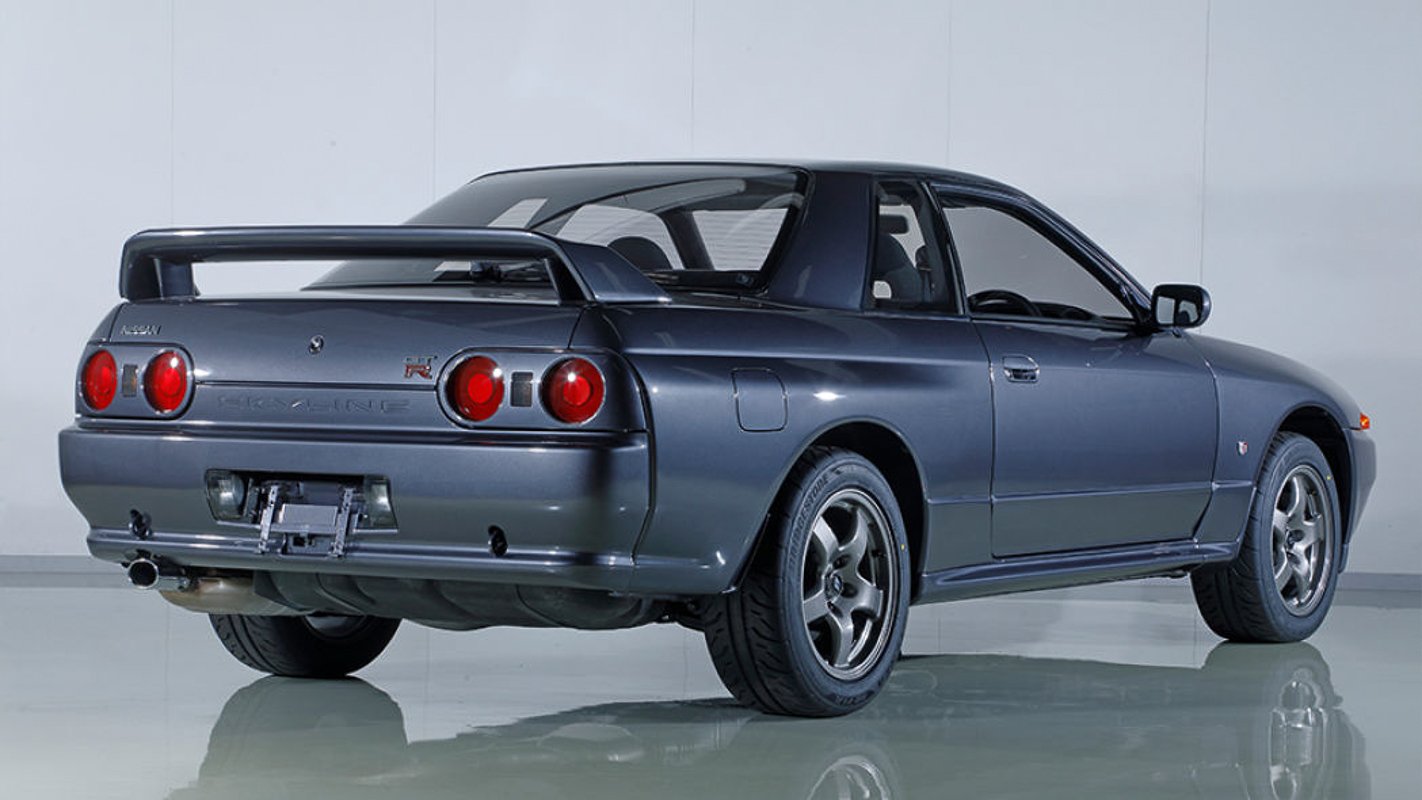
Nismo is offering a new bare chassis restoration service to return original Godzillas back to their former glory – but boy howdy, it will cost you.
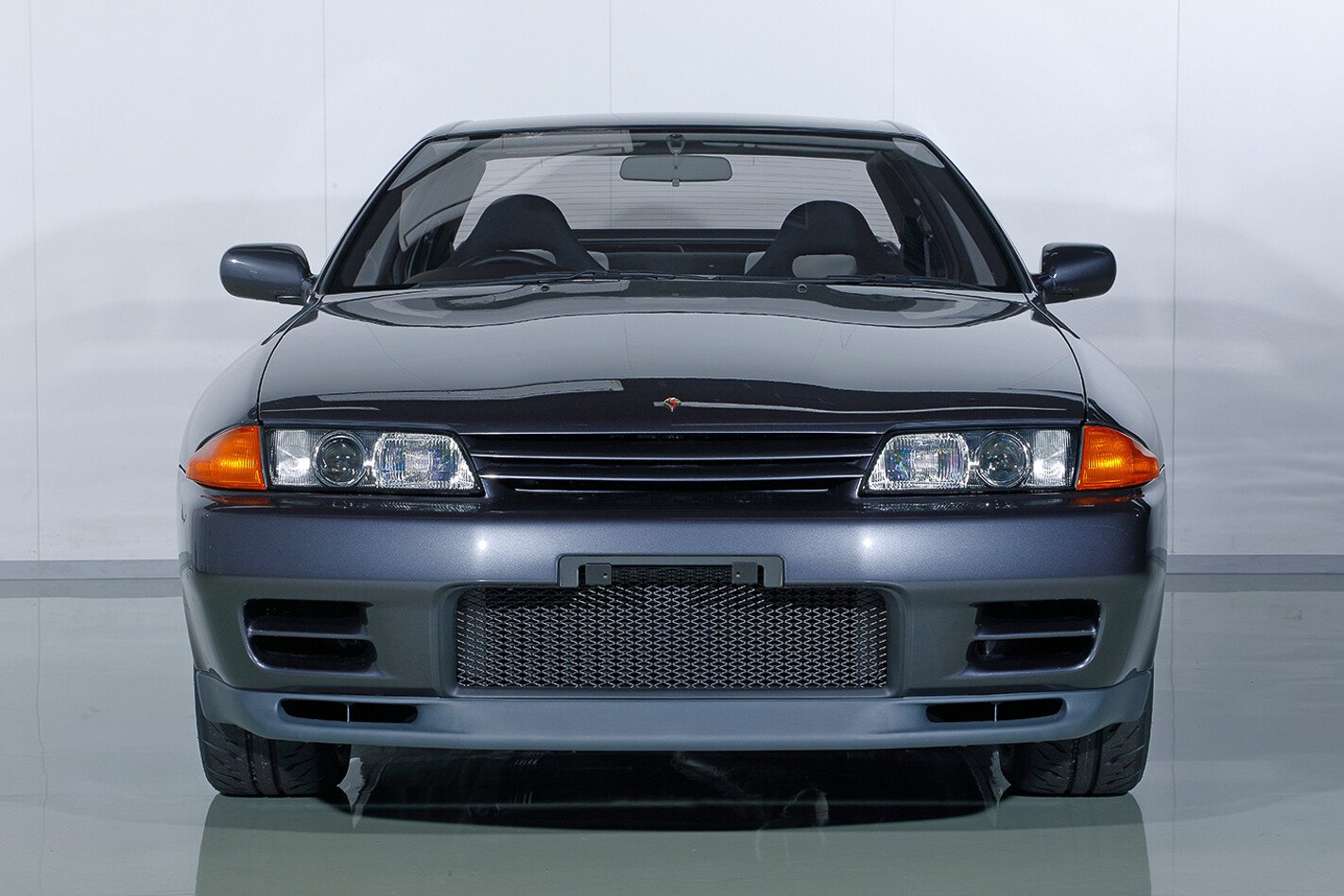
In partnership with Nissan’s Heritage Parts Program, which supplies newly-built parts for its back catalogue of cars, the restoration service will involve Nissan Skyline GT-Rs being stripped down to the bare metal and then being rebuilt from the ground up.
Some 43,000 were built in total.
Nismo says the restoration process can take up to a year.
When it’s as naked as the day it hit the original production line, the chassis and bodyshell are inspected for structural integrity and rust, with any imperfections rectified before heading back to the paint shop for a factory-spec coat of paint.
While many owners will opt for a factory hue, any colour can be specified.
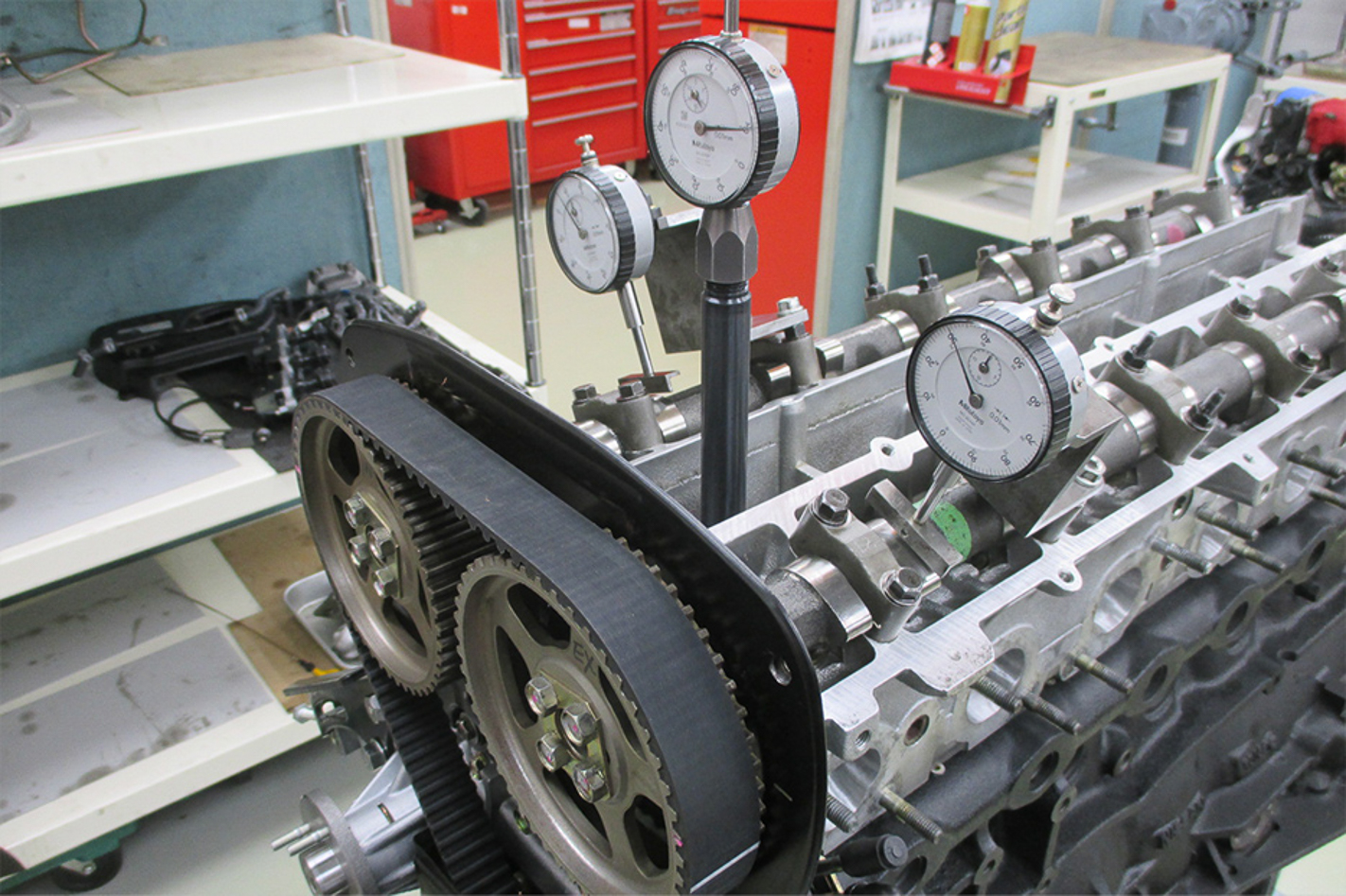
At the same time, the 2.6-litre twin-turbo straight-six engine undergoes a full rebuild back to factory specification, or it can be tuned up with extra Nismo goodies should you wish to turn up the wick.
The rest of the running gear, including differentials, axles, suspension, driveshafts and transmission, are completely disassembled and repaired or replaced as needed.
All electrics including the ECU and wiring harnesses are also rejuvenated if needed.
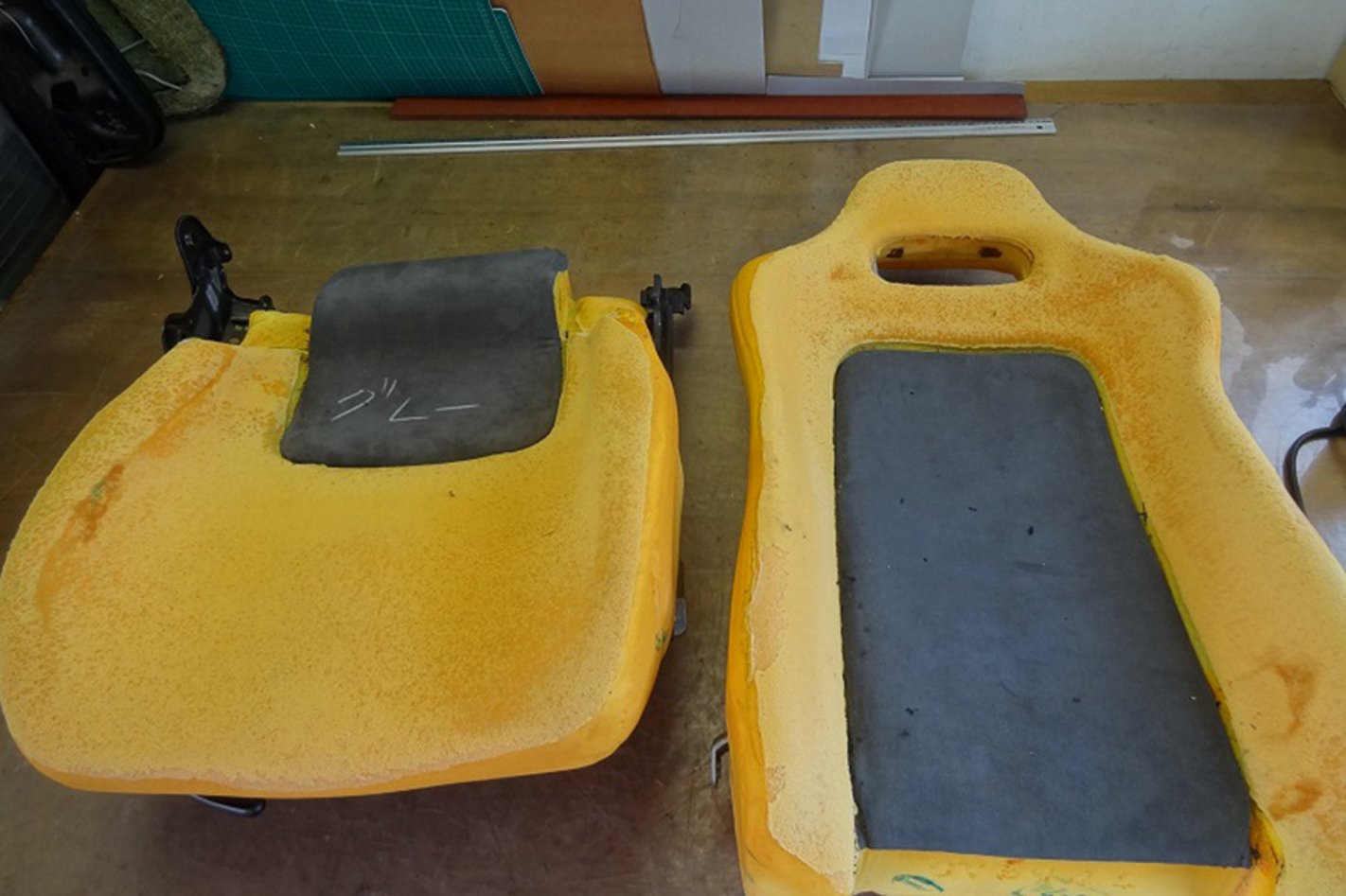
Inside, all trim pieces are repaired and repainted – or even replaced – back to factory standard if necessary.
The seats and carpets can be deep cleaned or reupholstered, though the original fabric will be swapped out for Nissan GT-R R35 GT-R material due to fire-resistance standards changing over the last 30 years.
After all is said and done, Nismo engineers then take the restored GT-R on a comprehensive test drive, checking every aspect of the new build.
Should the new car pass the stringent standards, it receives a special serialised plaque indicating its Nismo restoration.
Cars undergoing the restoration can be owner-supplied or sourced by Nismo itself, but the restoration itself isn’t cheap.
In fact, Nismo says the base cost is an eye-watering $570,000.
Compare this to the as-new price for an Australian-delivered Skyline R32 in 1991 of $110,000, and the number really takes on a life of its own.
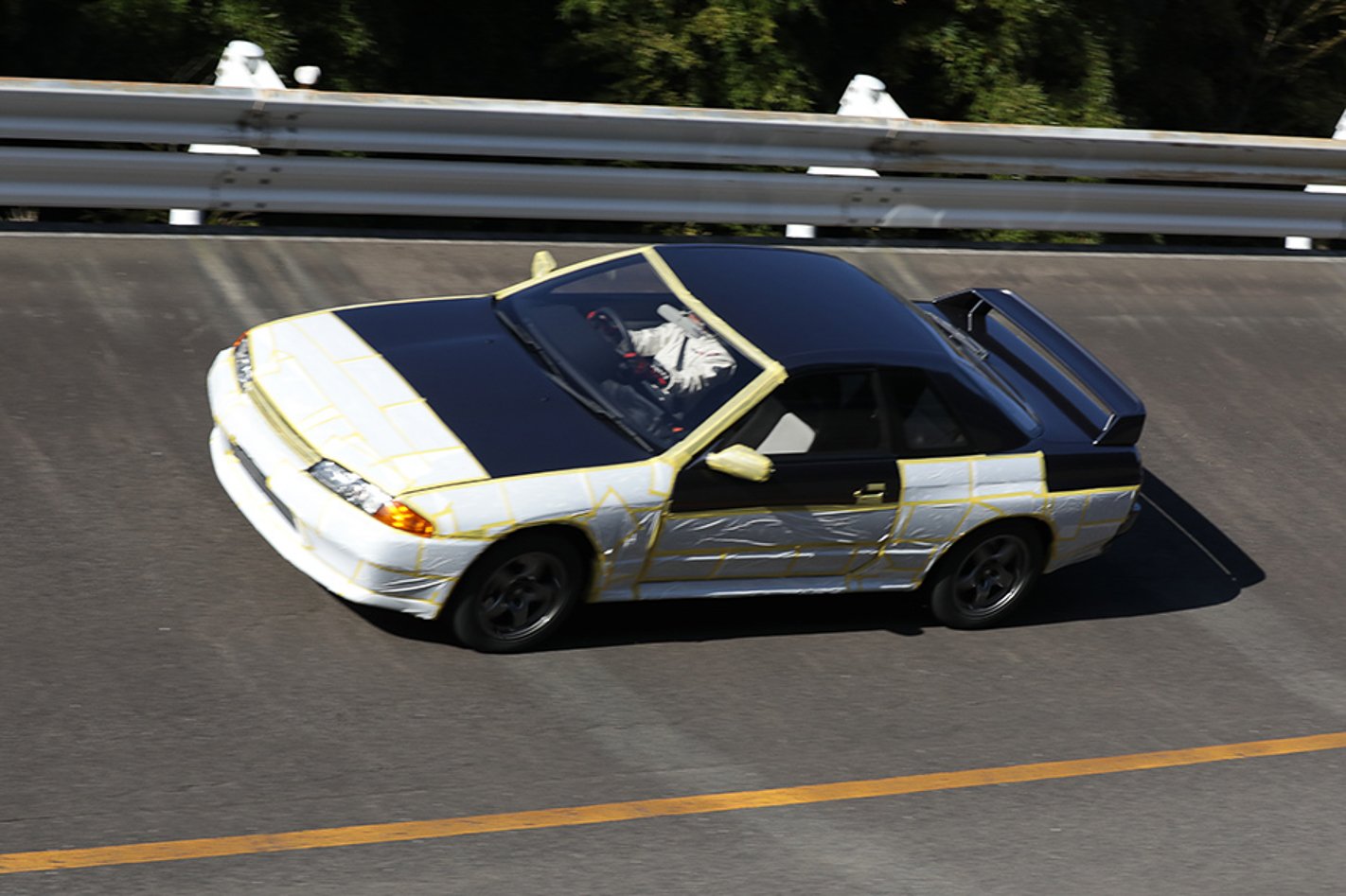
It’s a cringe-inducing price tag for a relatively straightforward restoration, though the result will provide the best-functioning and best-looking GT-Rs in the world after the fact.
With the way Japanese classic car values are going these days, do you think a $570,000 Skyline R32 GT-R restoration is worth it?
Porsche is ramping up preparations for the launch of its first-ever fully-electric vehicle, the Taycan, which is scheduled to touch down in February 2021.
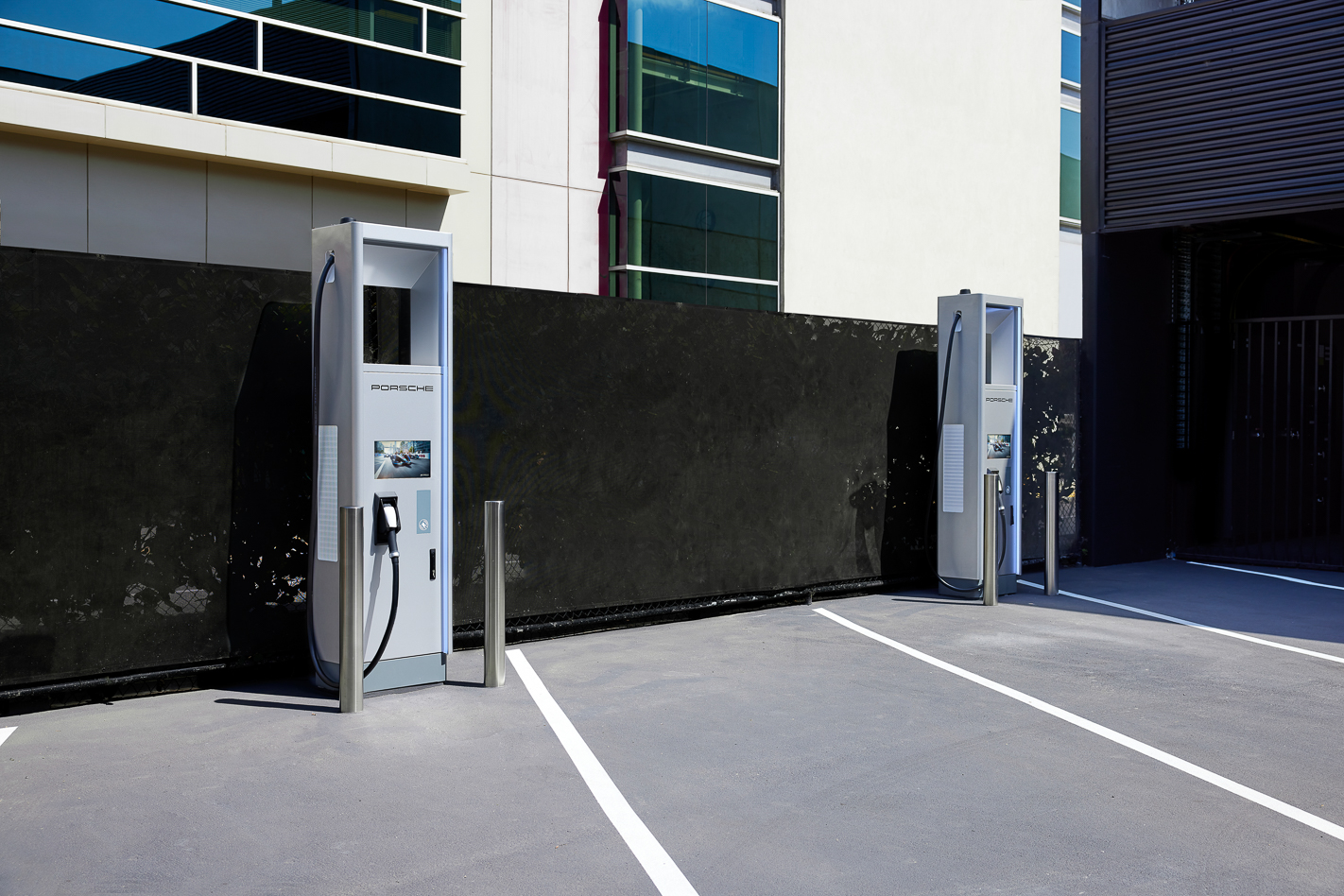
Porsche centres and dealerships across the country are currently installing some of the fastest EV chargers available, in anticipation of servicing a future fleet-full of electric and hybrid powertrain models.
Porsche Taycan vs Tesla Model S Performance spec comparison
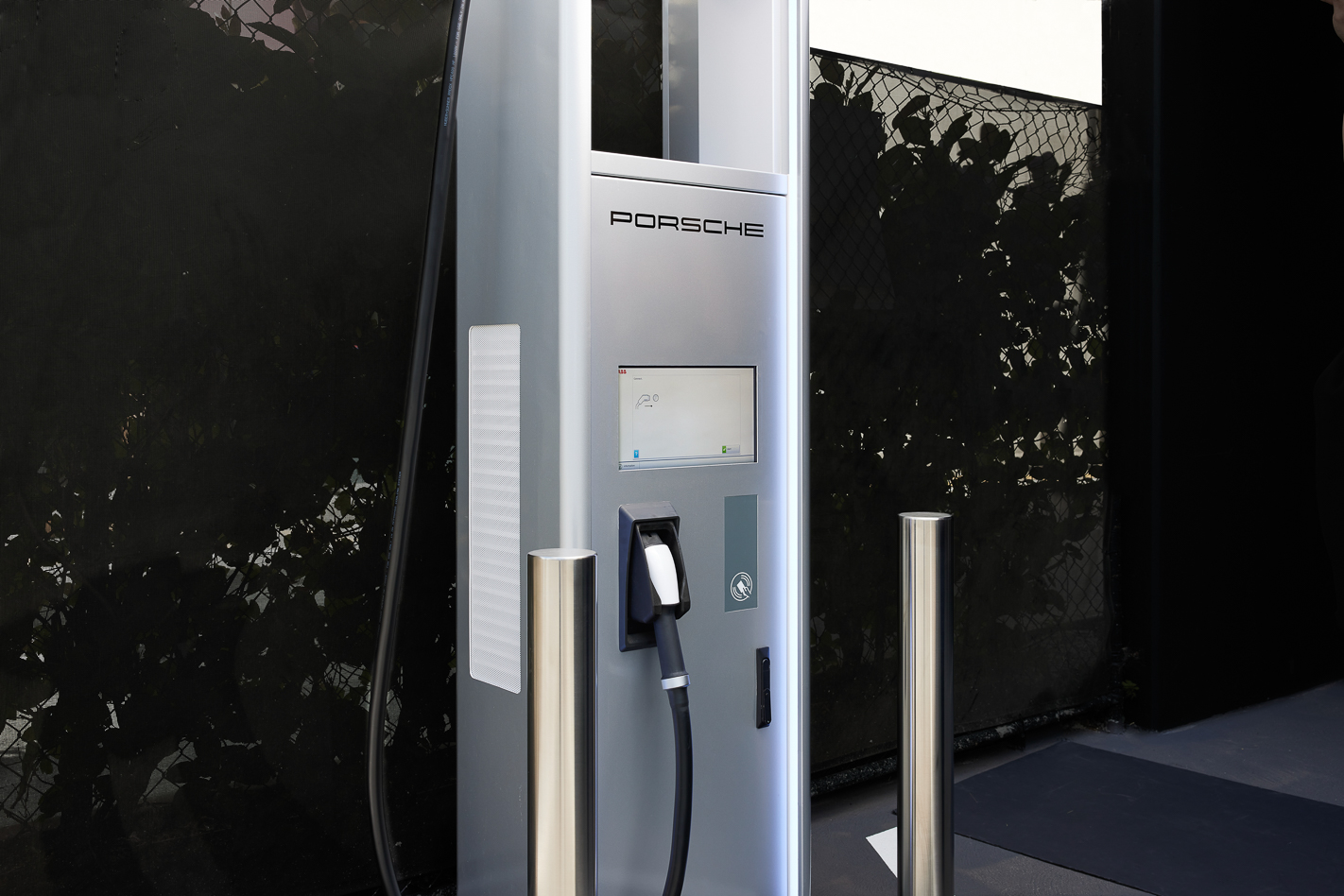
The sports car company has partnered with JET Charge to install a number of 350kW ultra-rapid chargers which it says are capable of charging the Porsche Taycan from five to 80 per cent in a German-precise 22.5 minutes in optimal conditions.
The rest of the locations will carry a number of 175kW DC chargers, and all will be capable of AC charging at a minimum.
All the tech in the 2020 Porsche Taycan explained
Taycan preparation has also seen Porsche dealerships add dedicated EV parking bays for easy-access charging and dedicated EV service bays for Taycan and all future electrified Porsches.
One of those will likely be a Porsche-badged SUV EV, with the small Macan tipped to become the brand’s next electric car.
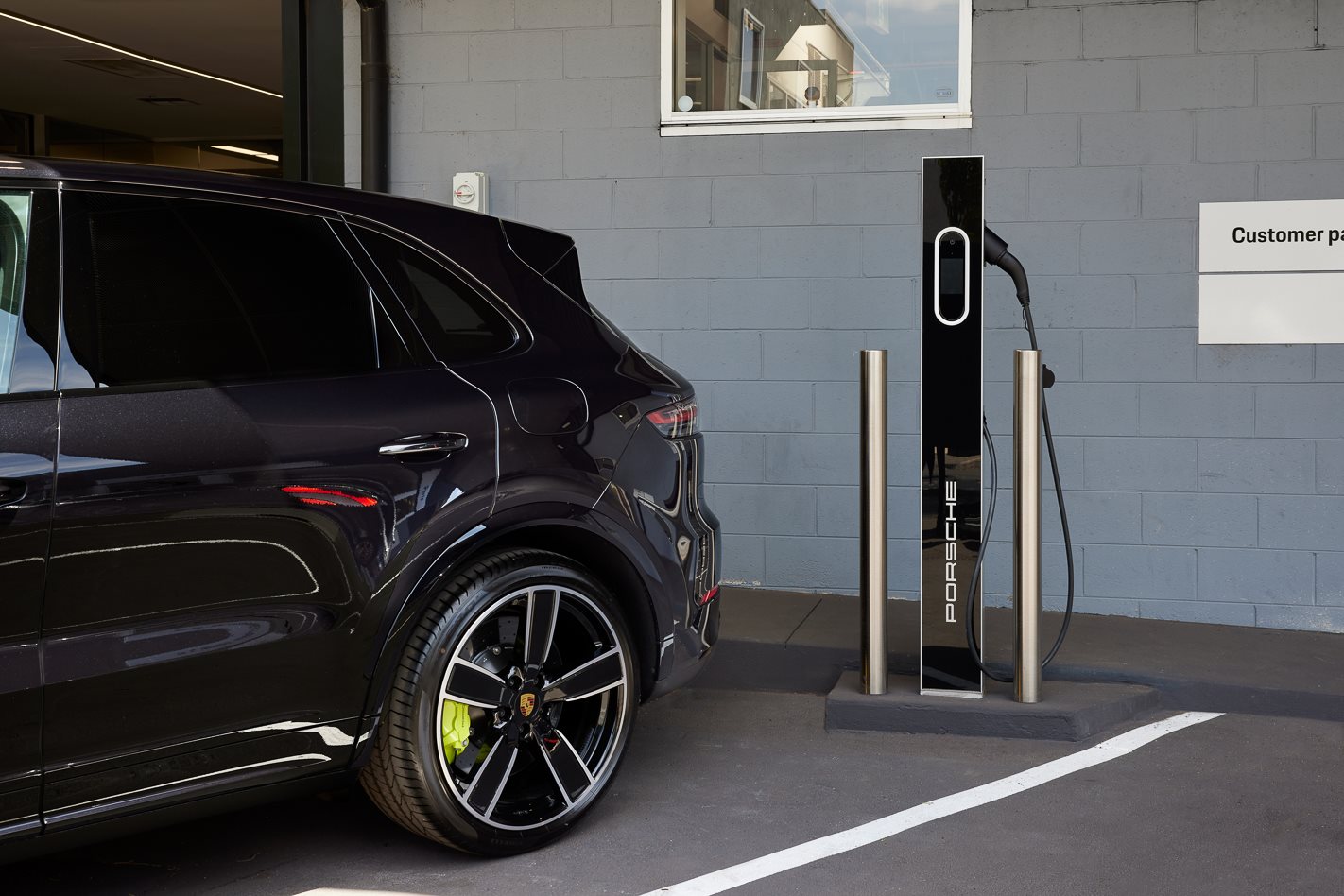
Porsche says its EV chargers will be powered by energy sourced via rooftop solar panels, and supported by on-site battery banks.
“It is exciting to see years of planning and preparation now come to fruition at Porsche Centres around Australia,” said Sam Curtis, the managing director and chief executive of Porsche Cars Australia.
“When Porsche Centres take delivery of the new Taycan from February 2021, our people and facilities will be well prepared.”
Potential Taycan owners can also use the Porsche Destination Charging network, or access a complimentary three-year subscription to the Charge Fox charging network which includes 350kW and 50kW chargers nationwide.
