
The updated Mitsubishi Eclipse Cross small crossover SUV has arrived with a bolder exterior, new interior redesign, improved handling and an incoming plug-in hybrid (PHEV) variant.
Priced from $30,290, the petrol-engined 2021 Mitsubishi Eclipse Crosses have begun rolling into Aussie showrooms ahead of the Eclipse Cross PHEV that’s due next year.
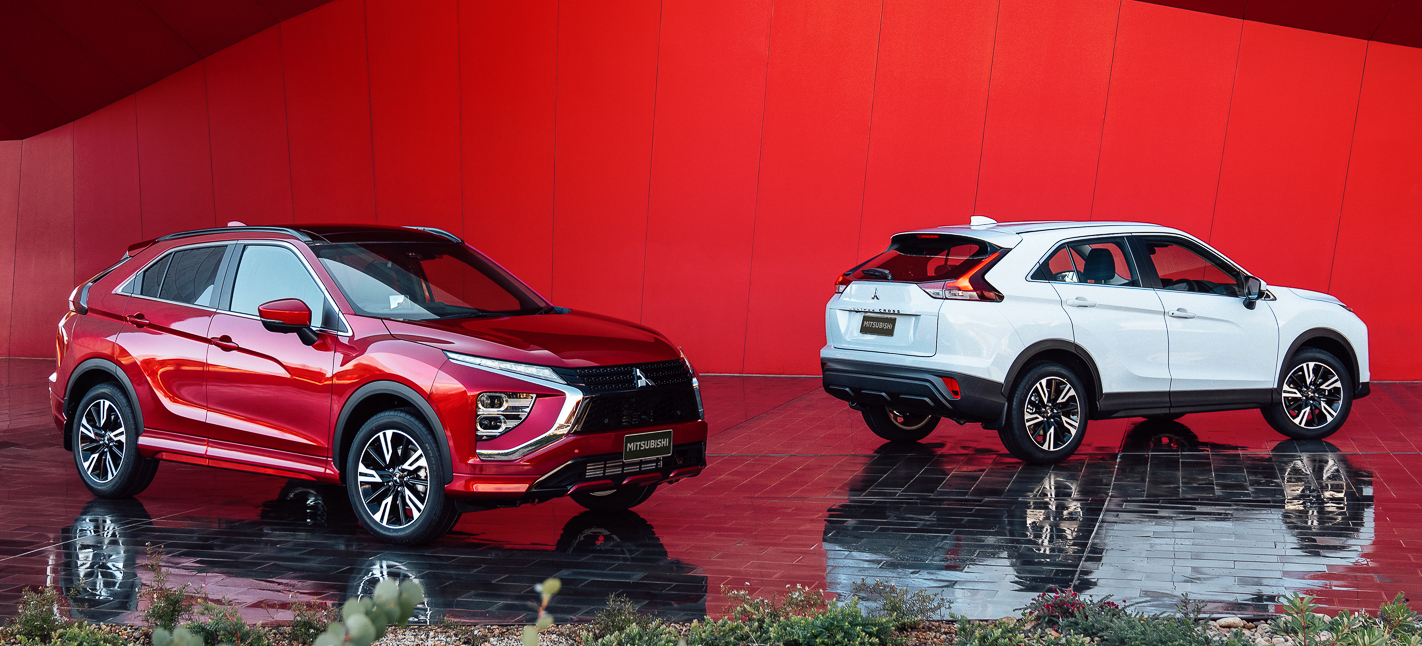
The Eclipse Cross’ mid-life redesign helps separate it from its smaller, better-selling ASX stablemate, and it features sharper, more futuristic design language and a revised interior to compete with newer rivals such as the Volkswagen T-Roc and Mazda CX-30.
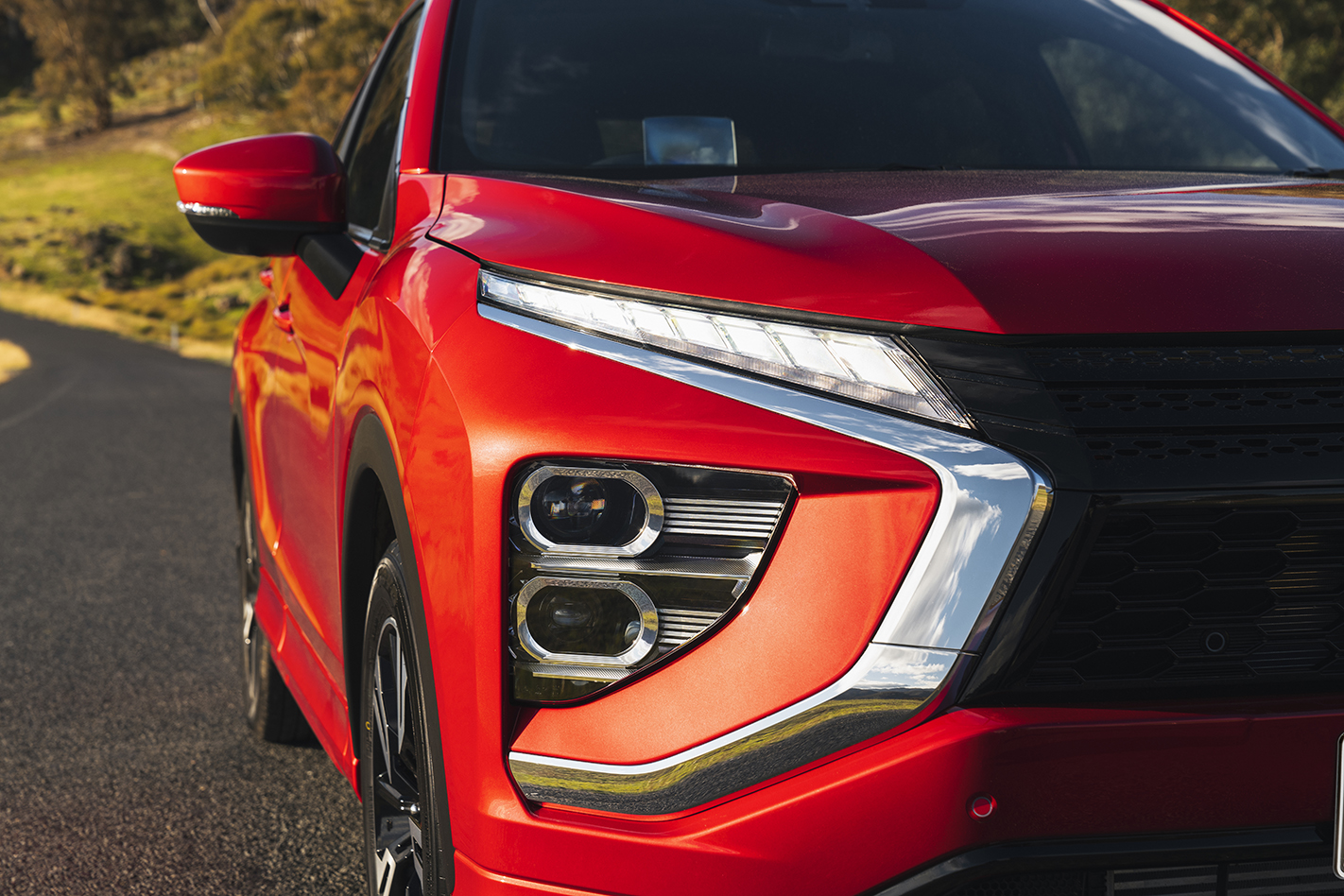
A new front fascia does away with the horizontal chrome bar of old, and there is a new mesh grille flanked by a pair of slick headlight clusters.
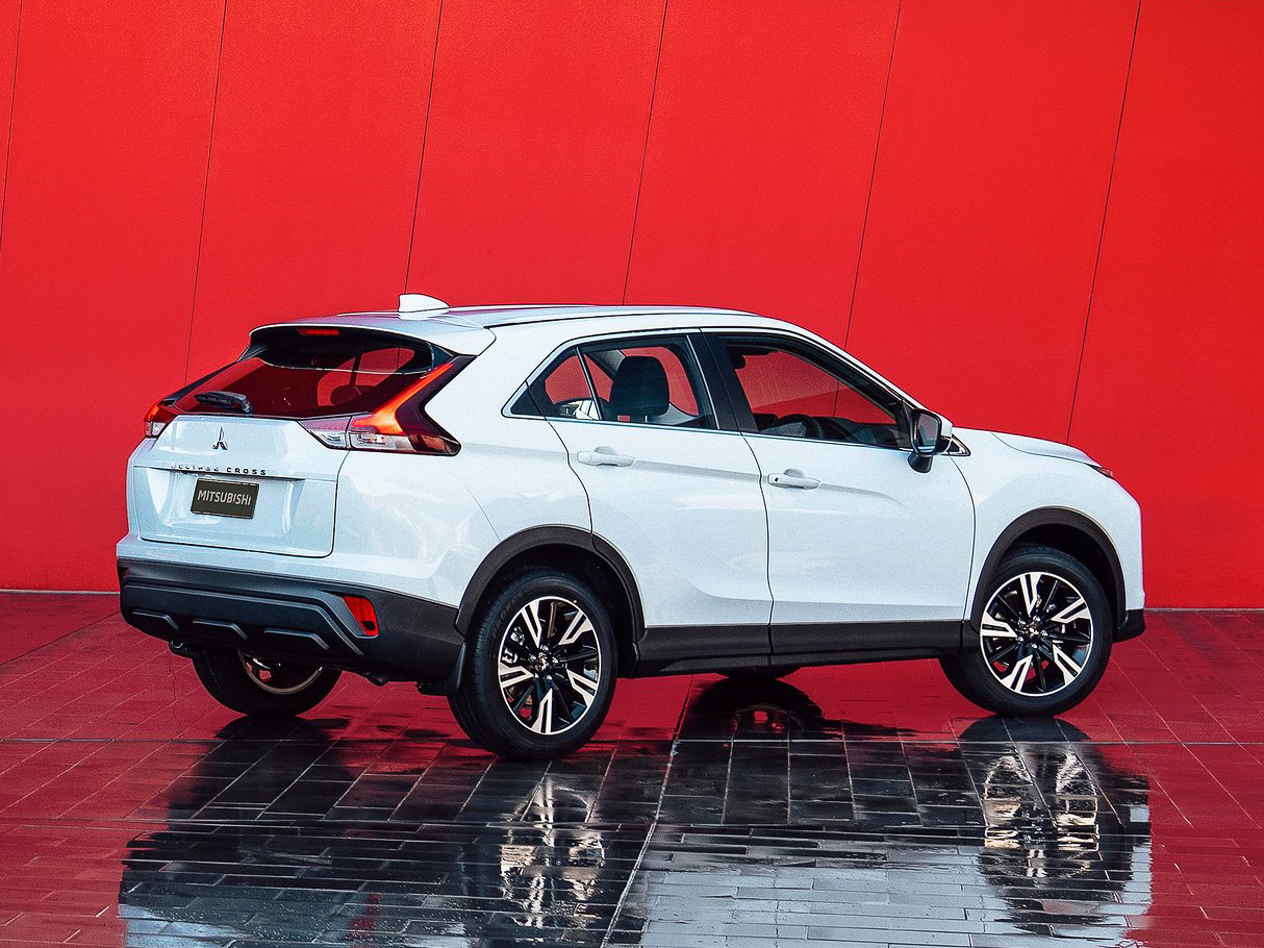
More than just a ‘face’ lift, the rear end has also received a noticeable restyle. It now features a much more conventional single piece of tailgate glass and a normal top-mounted spoiler, while redesigned taillights now extend up to the roof.
It’s a big improvement over the awkward styling of the first-generation Eclipse Cross.
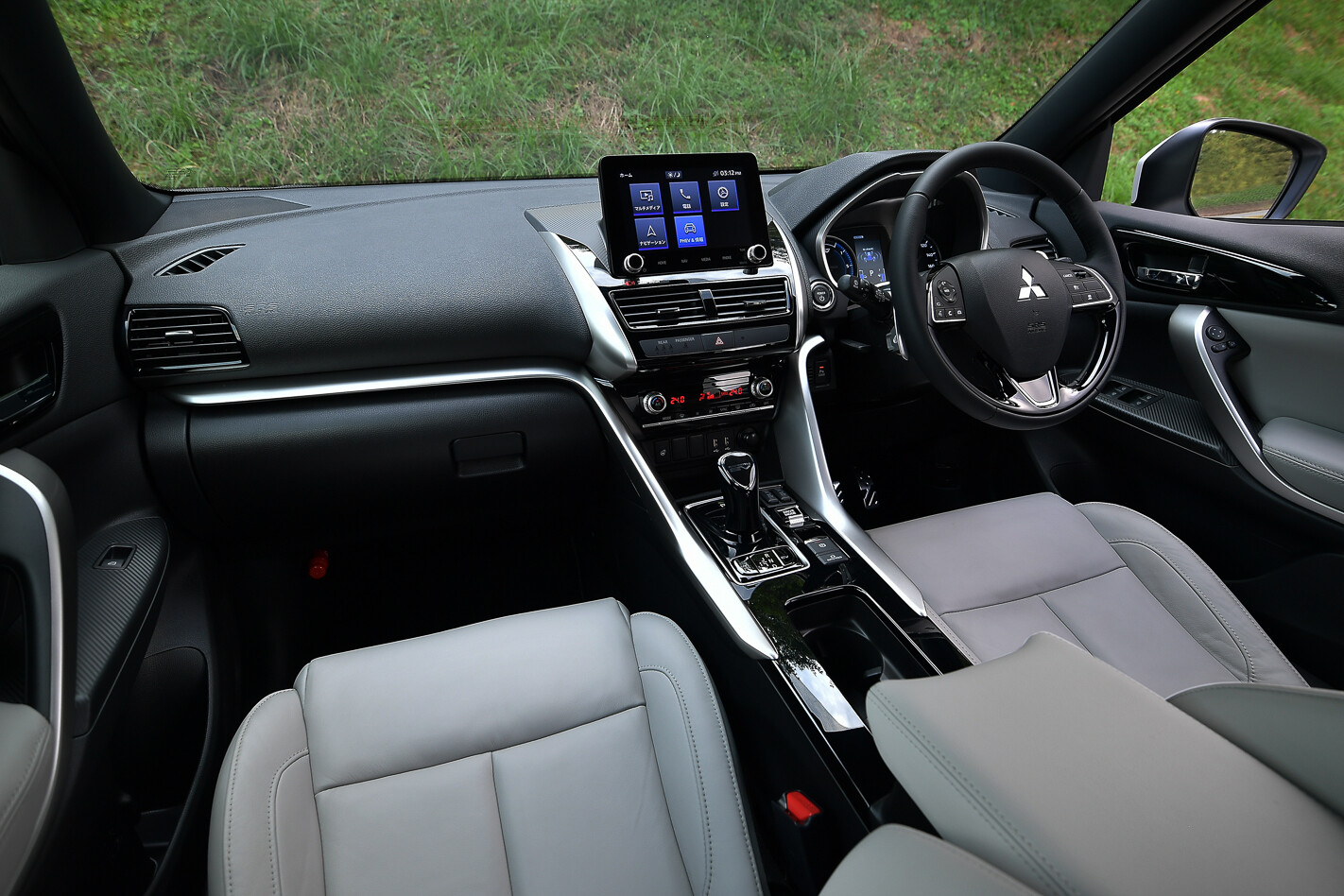
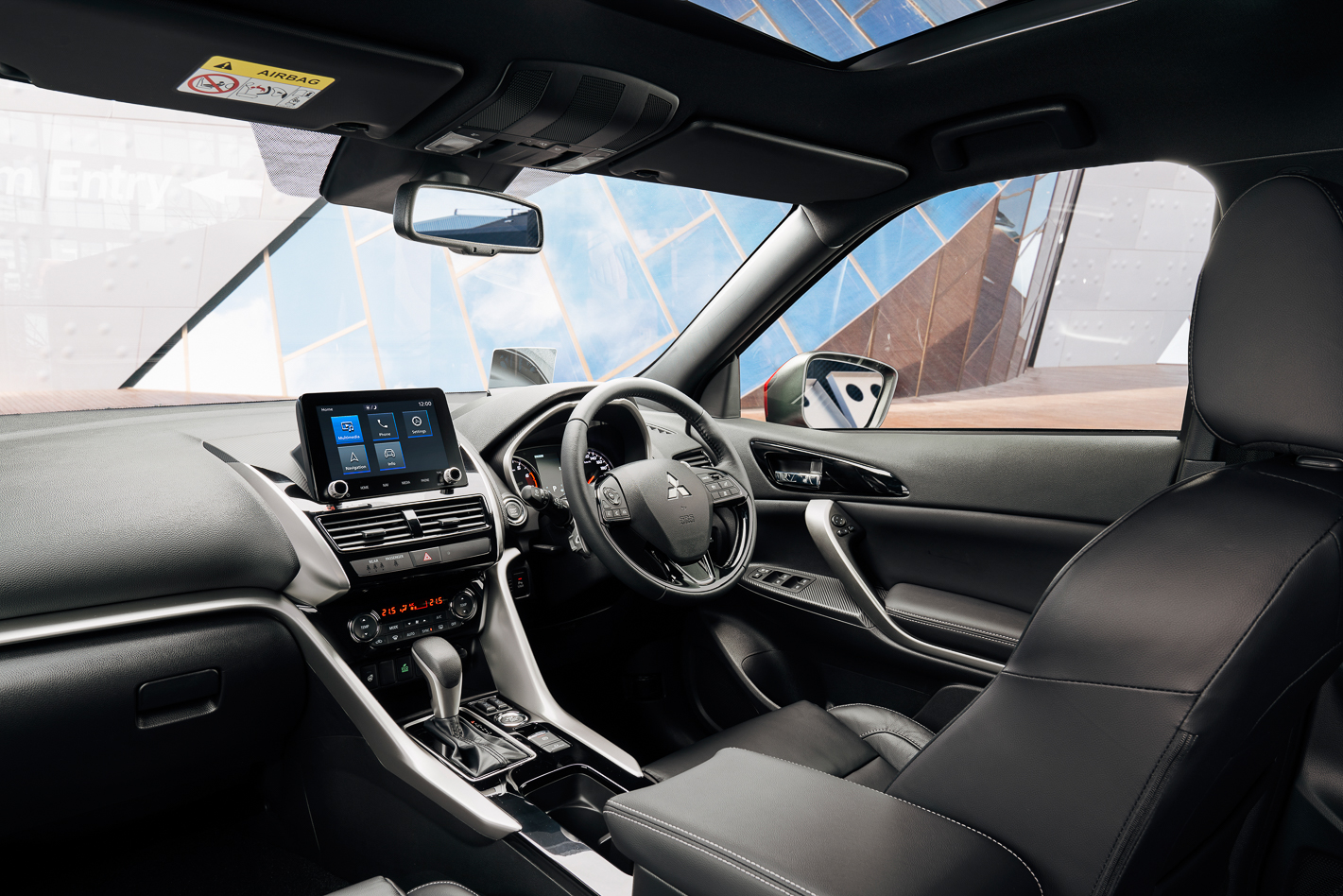
Inside, Mitsubishi has matched upholstery colour to trim elements depending on specification, while a new 8.0-inch touchscreen infotainment system with Apple CarPlay and Android Auto sits closer to the driver.
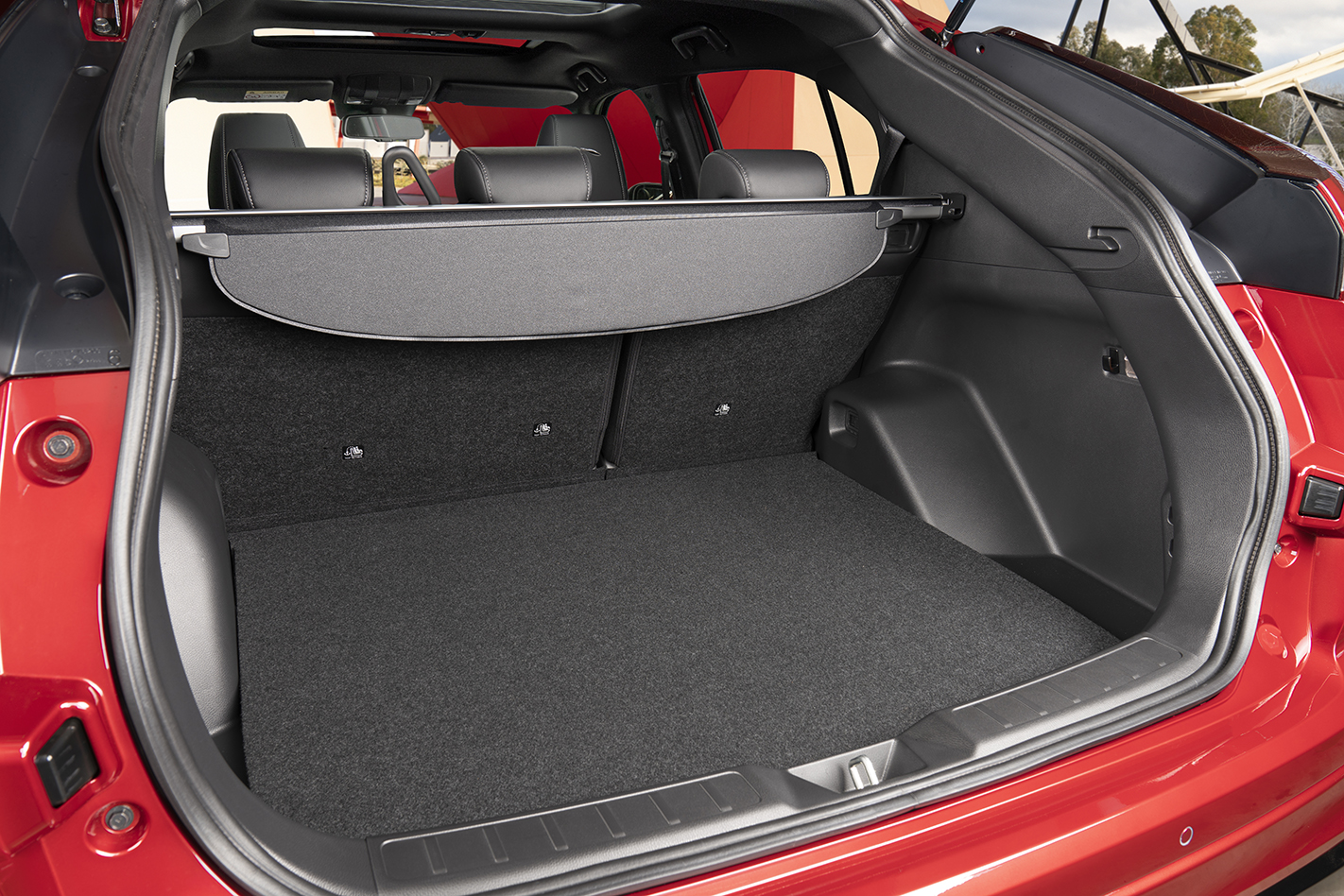
The boot space is a handy 405-litres, which expands up to 1146 litres with the rear seats folded down.
Importantly, Mitsubishi has dropped the previous touchpad control system and added physical volume and tuning knobs.
The petrol Eclipse Cross versions carry-over 1.5-litre four-cylinder turbocharged petrol engine (100kW/250Nm) from the previous model, which is mated to a continuously-variable transmission as standard and an all-wheel-drive layout.
As mentioned above, the Eclipse Cross will come with the option of a plug-in hybrid powertrain that’s due later in 2021. That scores the twin-motor 2.4-litre 4WD powertrain from the Outlander PHEV, with a handful of changes to cope with the difference in size between the two cars (though Mitsubishi hasn’t told us exactly what those changes are yet).
The Outlander’ provides 157kW/332Nm and a 13.8kW battery that offers a potential all-electric driving range of 54km, but we’ll need to wait until closer to the Eclipse Cross’s launch.
The Eclipse Cross PHEV will mirror the Outlander PHEV’s ability to power a home through vehicle-to-home technology, too.
Suspension tweaks including tweaked spring rates and larger-diameter rear shocks round out the mechanical changes to the 2021 Eclipse Cross.
Eclipse Cross features
The range starts with the Eclipse Cross ES 2WD which retails for $30,290 and comes standard with:
- 8.0-inch touchscreen
- Apple CarPlay/Android Auto
- Bluetooth and voice control
- Digital radio (DAB+)
- 4-speaker sound system
- Reversing camera
- Autonomous emergency braking
- Paddle shifters
- Climate control air-conditioning
- LED daytime running lights
- Cruise control
- 7 airbags.
- Smart keyless entry and start
- Lane departure warning
- LED front fog-lamps
- Rear parking sensors
- Rain-sensing windscreen wipers
- Dusk-sensing headlights
- Auto high beam
- Black roof rails
- Heated and power-folding door mirrors
- 6-speaker sound system
- Leather-trimmed steering wheel
- Electronic parking brake
The new Eclipse Cross Aspire 2WD brings the features of the LS 2WD drive, plus:
- Microsuede/synthetic leather seat trim
- Power-operated driver’s seat
- Heated front seats
- Adaptive cruise control with ‘stop & go’ function
- Rear-cross traffic alert
- Blind-spot warning
- Lane change assist
- 360-degree parking monitor
- Front parking sensors
- Dual-zone air-conditioning
- 8-speaker premium sound system
- Auto-dimming rear-view mirror
- Leather seat trim
- Low-speed forward and reverse auto-braking for accidental accelerator inputs
- LED headlights
- Power-operated front passenger seat
- Tom Tom navigation
- Double-pane sunroof
- Head-up display
- Heated front and rear seats
- Heated steering wheel
- Black interior headlining.
Eclipse Cross retail pricing
- Eclipse Cross ES 2WD – $30,290
- Eclipse Cross LS 2WD – $32,590
- Eclipse Cross LS AWD – $35,090
- Eclipse Cross Aspire 2WD – $34,990
- Eclipse Cross Exceed 2WD – $38,290
- Eclipse Cross Exceed AWD – $40,790
Ford Australia has confirmed that it will drop the slow-selling Endura large SUV from the local roster, after just a couple of years on sale.
The news comes as Ford prepares to launch its new mid-sized Escape – a replacement for the Kuga – which will serve as a bridge to the large Everest wagon.
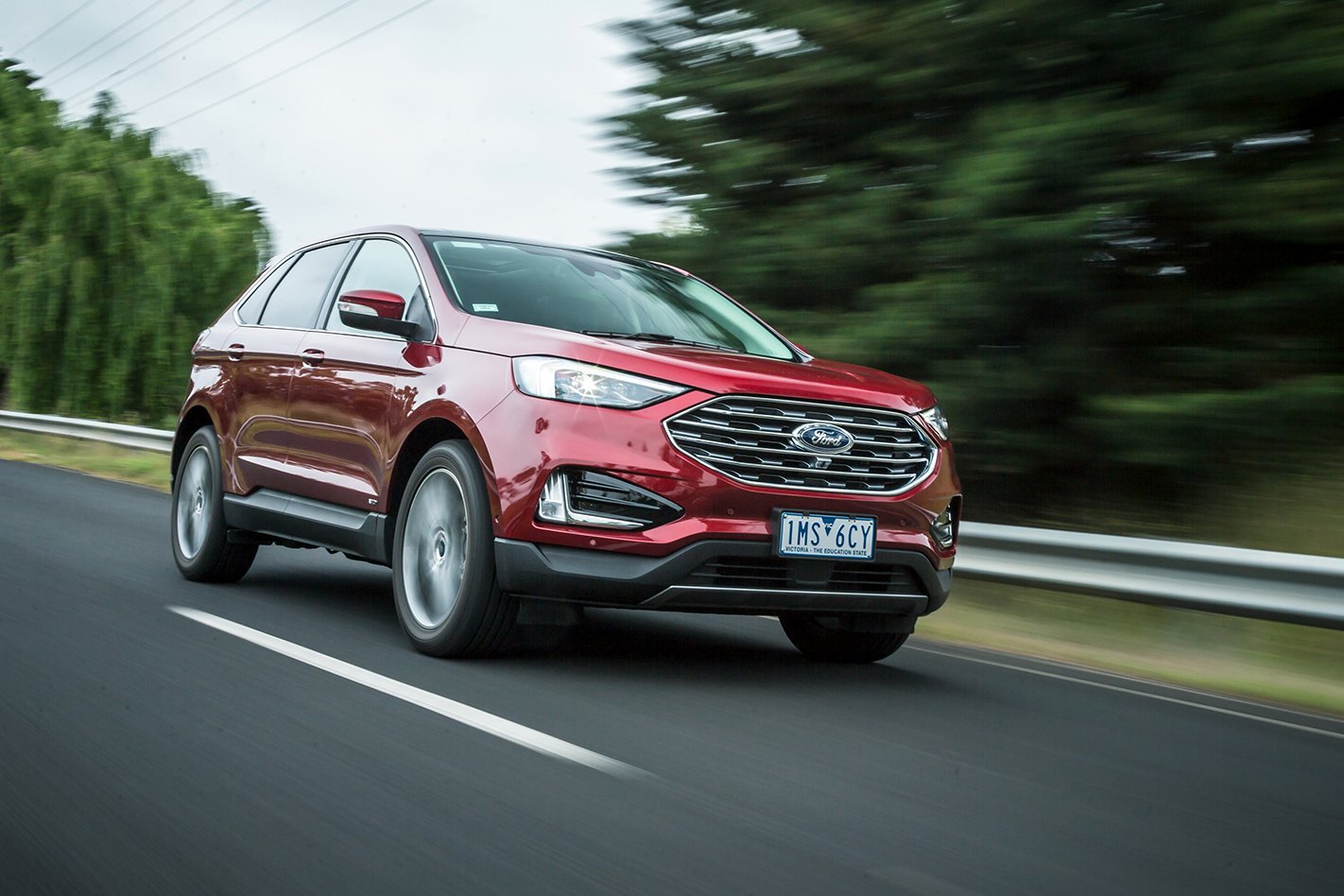
Feted two years ago as a replacement to the locally made Ford Territory, the Endura arrived in Australia with a single engine choice – a 140kW, 400Nm version of the 2.0-litre turbodiesel that’s used in the Ford Ranger Raptor – and an option of all- or front-wheel-drive.
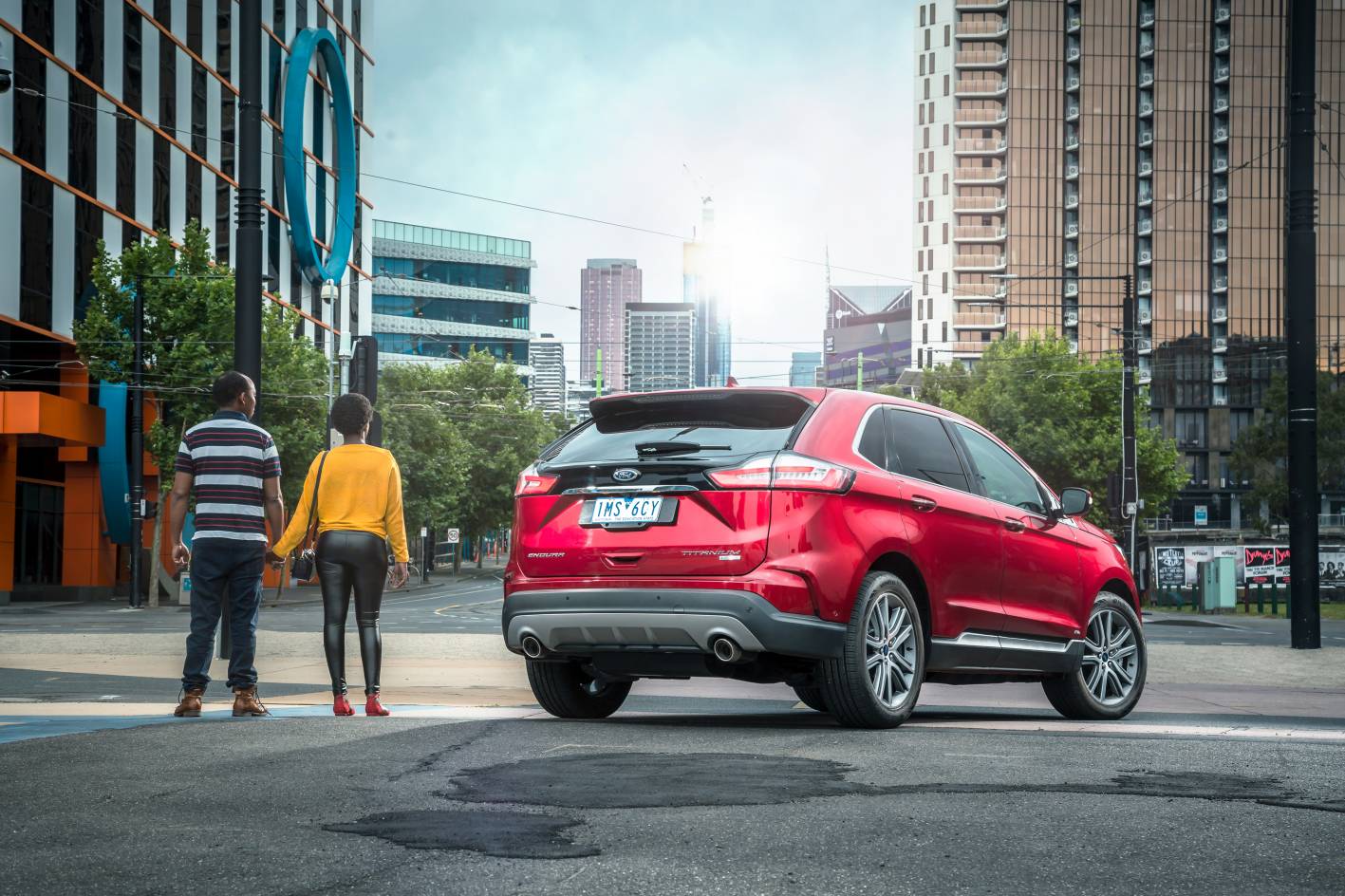
However, a lack of petrol engine options and only five seats meant the Endura struggled to gain traction in a sector dominated by SUVs like the Toyota Prado, Kia Sorento and its own stablemate, the Everest.
While dollar for dollar the Endura was on par with its segment rivals, the lack of a third-row option also pushed buyers towards its rivals, which offered three rows for the same amount or less.
The Everest, too, has outsold the Endura almost five to one thus far in 2020, so the decision has been taken to park the Endura, according to Ford Australia’s communications director, Matt Moran.
“With the expansion of the Ford SUV line-up in 2020 to include the all-new Puma and Escape, as well as our growing Everest offerings, we’ve decided to hone our SUV line-up to these three vehicles, meaning Endura will depart our Australian line-up by the end of 2020,” he confirmed to WhichCar.
He added that the Everest – built on the bones of the Ford Ranger ute – offers more choice than the relatively limited Endura.
“We have expanded our Australian-developed Everest line-up to include both five-seat and seven-seat models, multiple rear-wheel-drive variants, as well as the Everest Sport and Basecamp variants to give Australian customers greater choice,” Moran said, adding the company sees “significant opportunity” with both the Escape and the new Puma small SUV.
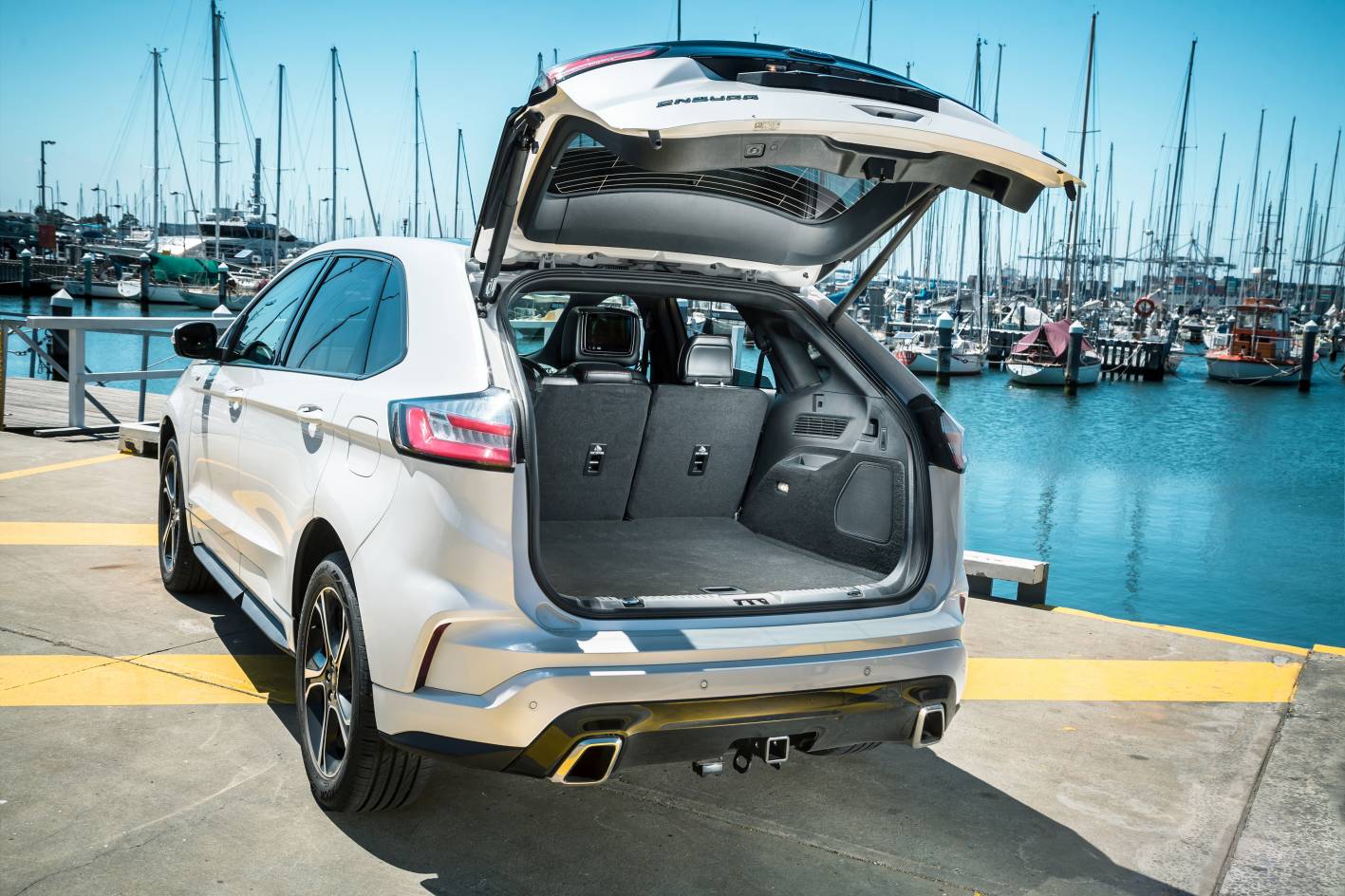
“We’re confident that our new Escape line-up – with more variants and greater customer choice – will also prove popular,” he said. “The Escape is also now a larger and more versatile SUV than its predecessor, offering more space for passengers.”
He would not be drawn on whether Ford would consider a seven-seat version of the Escape, saying only that the local arm was happy with the line-up that will be unveiled later this week.
ARCHIVES What next for Ford?
Hyundai has outlined key details for its fitter, faster Sonata, dubbed the N-Line, confirming its local arrival before the end of 2020.
Official specifications on Hyundai’s newest N-line variant reveal that it debuts a 2.5-litre turbo engine with enough power to out-grunt the much-lauded i30 N hot hatch – albeit in the nose of a heavier four-door sedan.
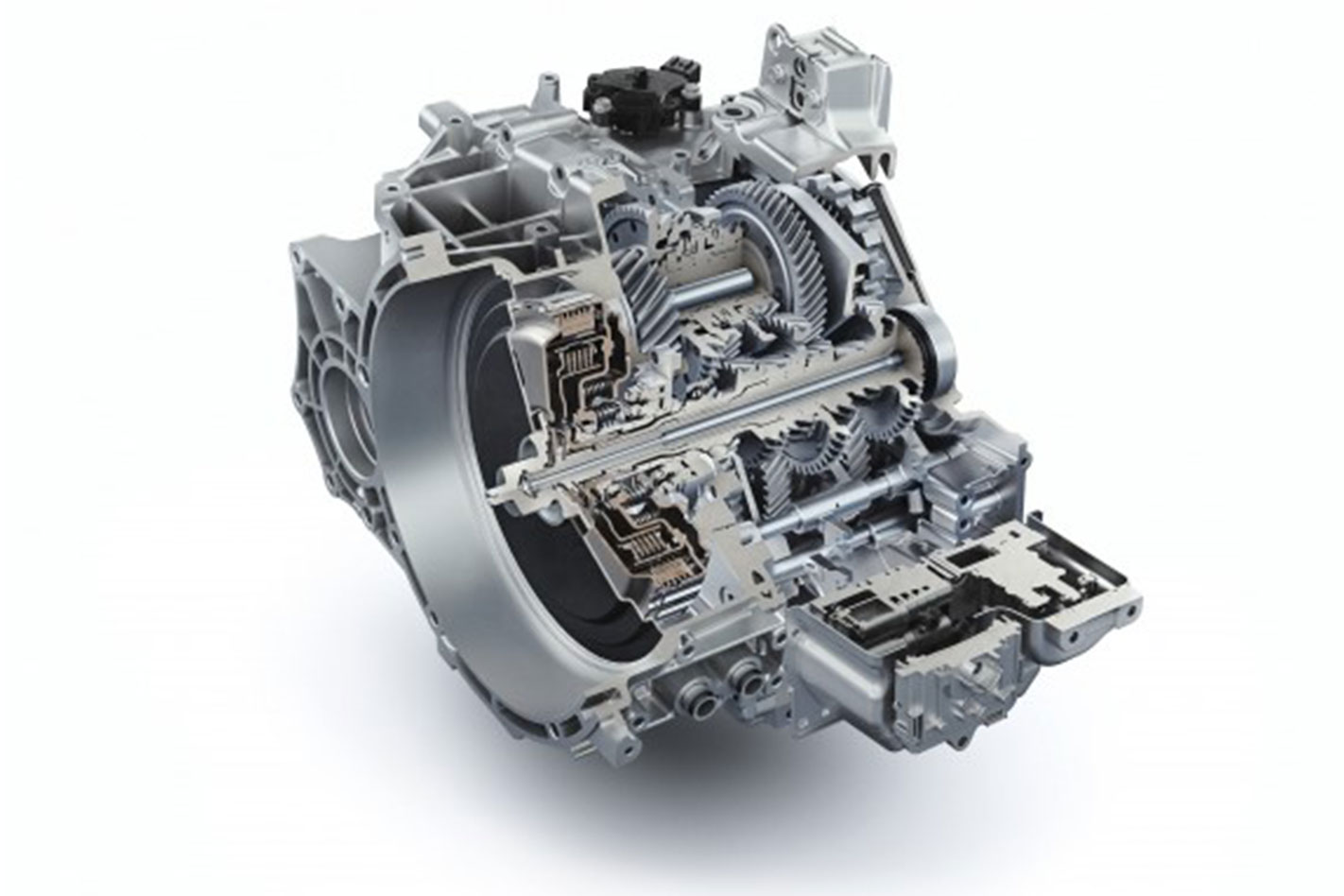
So, how powerful is it? Engineers have turbocharged the Sonata’s existing engine while adding some heavier duty upgrades to the cylinder head and internals, extracting an impressive 213kW and 422Nm.
For reference, the latest i30 N, even with some added tweaks, has its smaller 2.0-litre turbocharged engine pegged at 206kW and 392Nm, making the Sonata more powerful by 8kW and 30Nm.
And it’s all going through the front wheels without a limited-slip diff to aid traction. Gulp.
Granted, at 1636kg that Sonata has 300-odd extra kilograms over the i30 N to lug about.
The Sonata N-Line will assert itself in the mid-size segment with class-leading torque that edges out the turbocharged Mazda 6 GT and V6-powered Toyota Camry SL, while Hyundai is promising a sportier exhaust note – augmented, sadly – to give the N-Line more character as well.
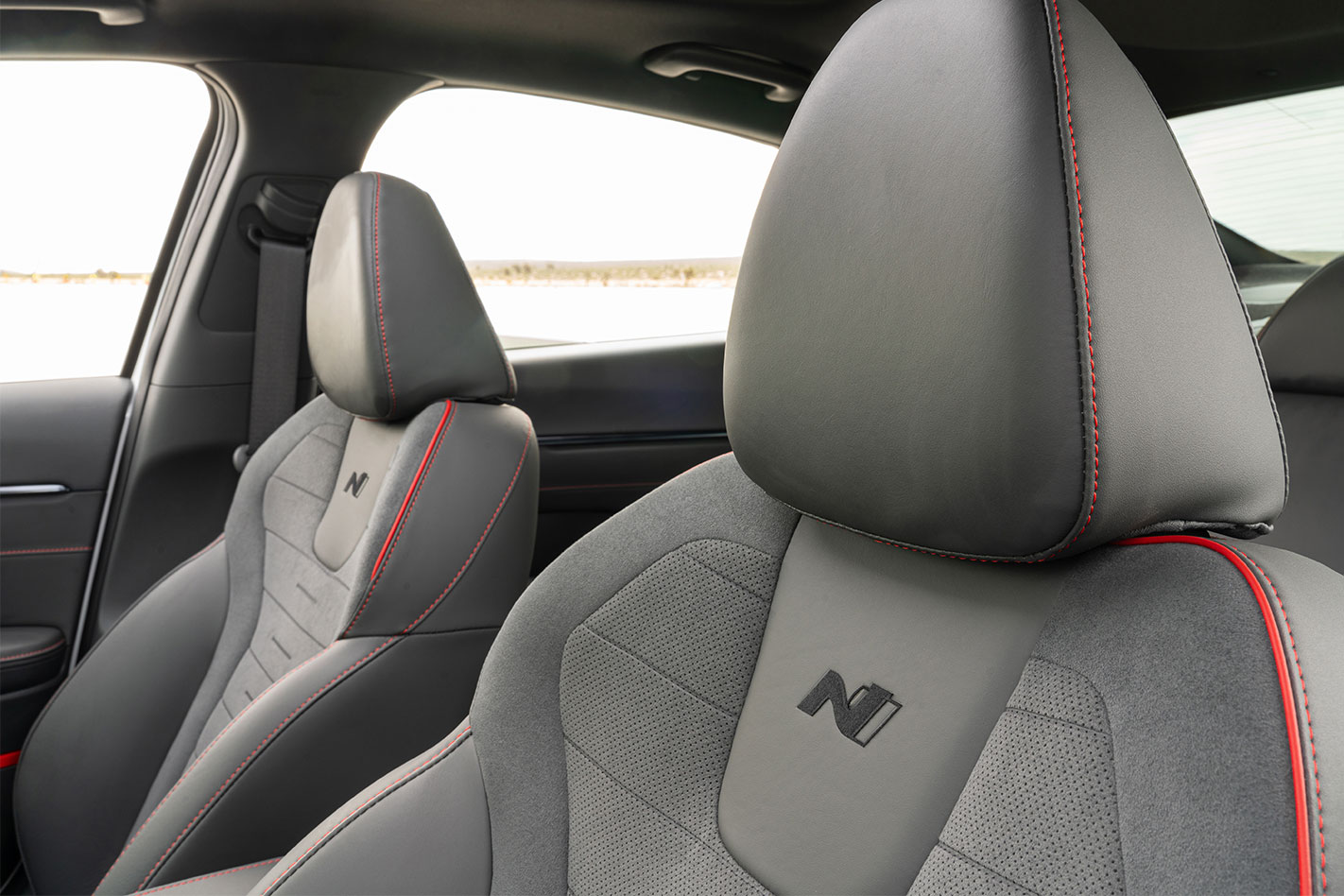
Specific N-Line seats should keep you firmly held in place while exploring its new potential.
Too take its dynamic potential even further, the Sonata’s 19-inch wheels come in the widest tyre width available for more grip, and the brakes are upgraded – with discs and pads – to handle the extra speed.
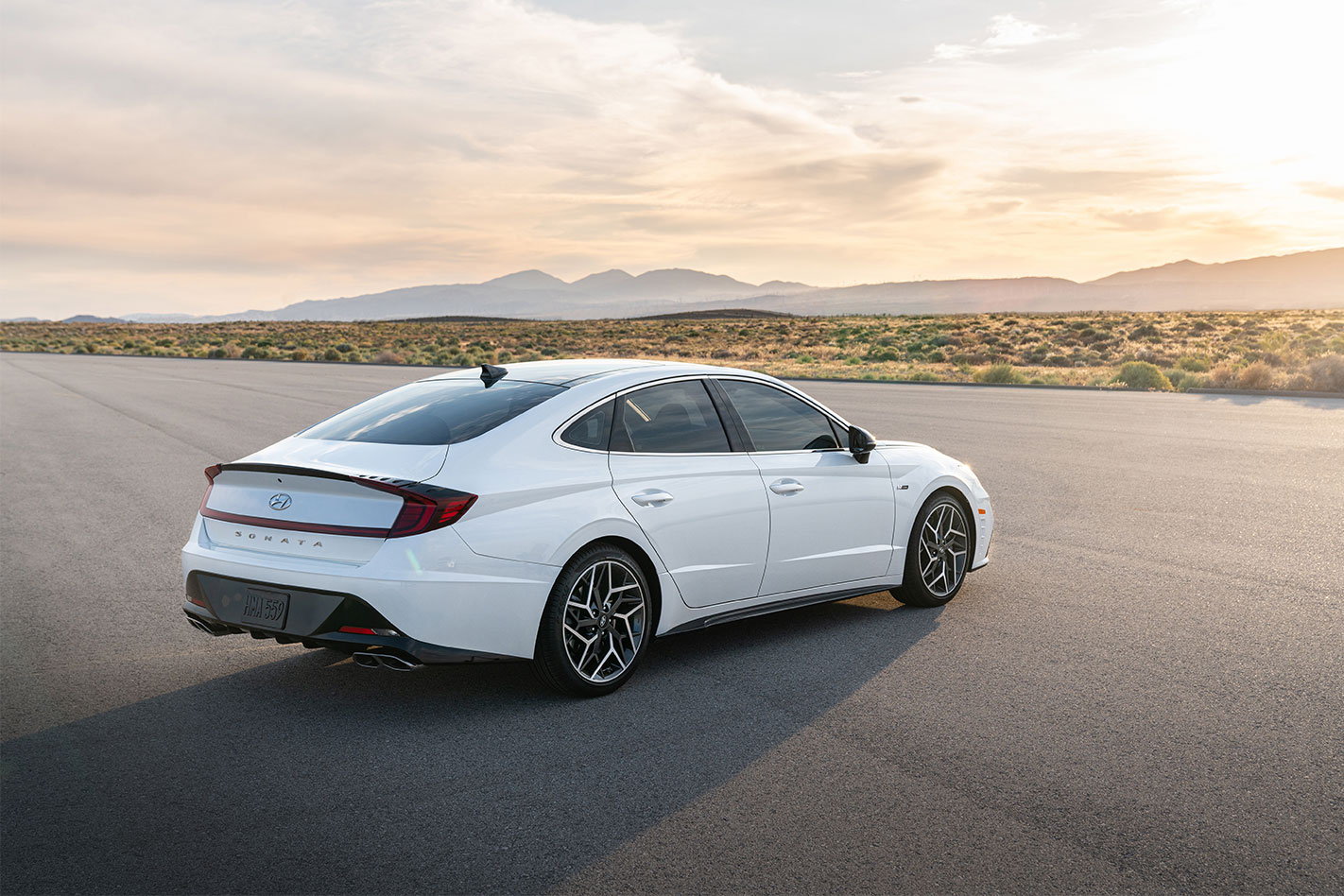
However, given Hyundai has not yet announced pricing, we’d assume its ask will over and above the current i30 N fastback and its $42,910 price tag.
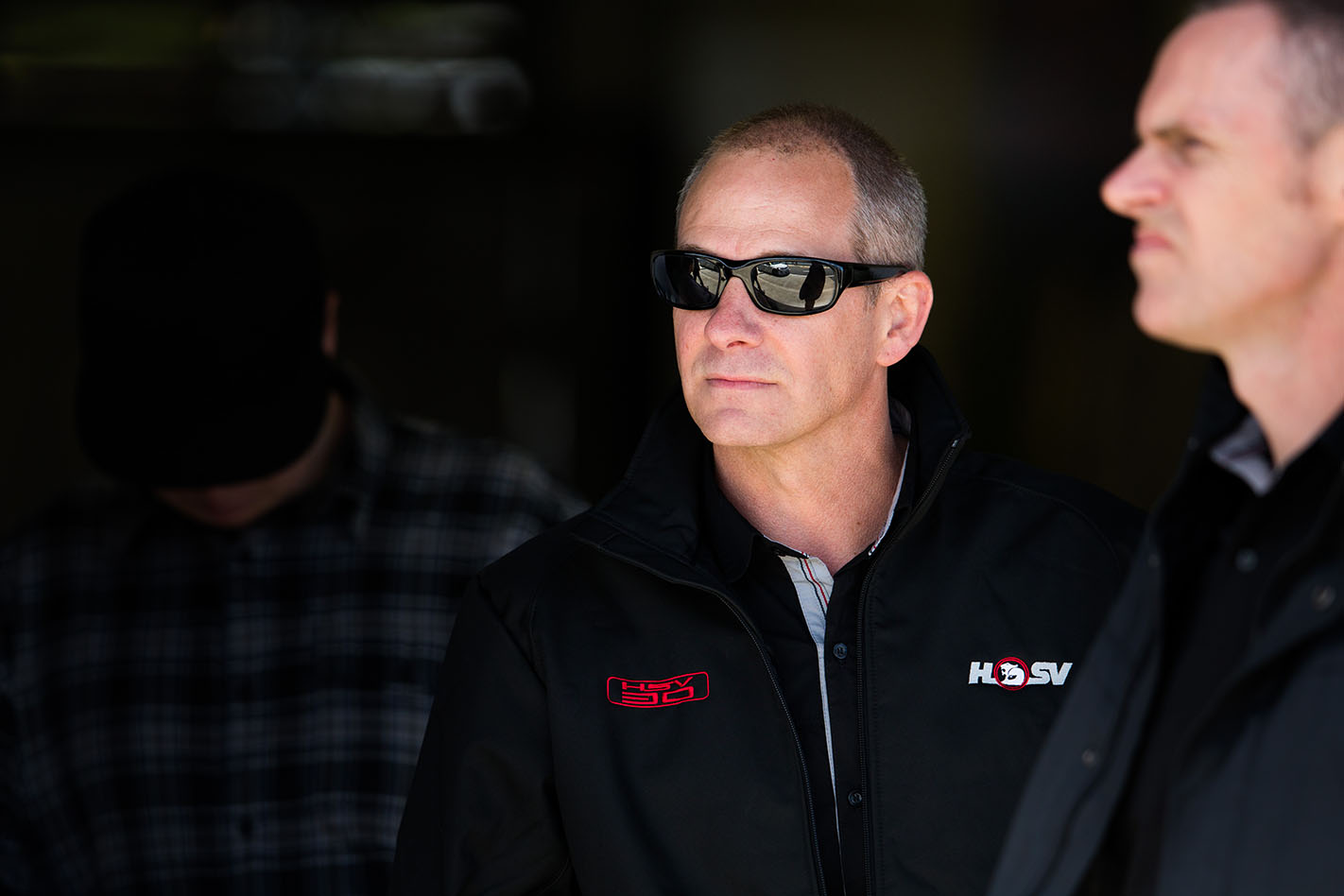
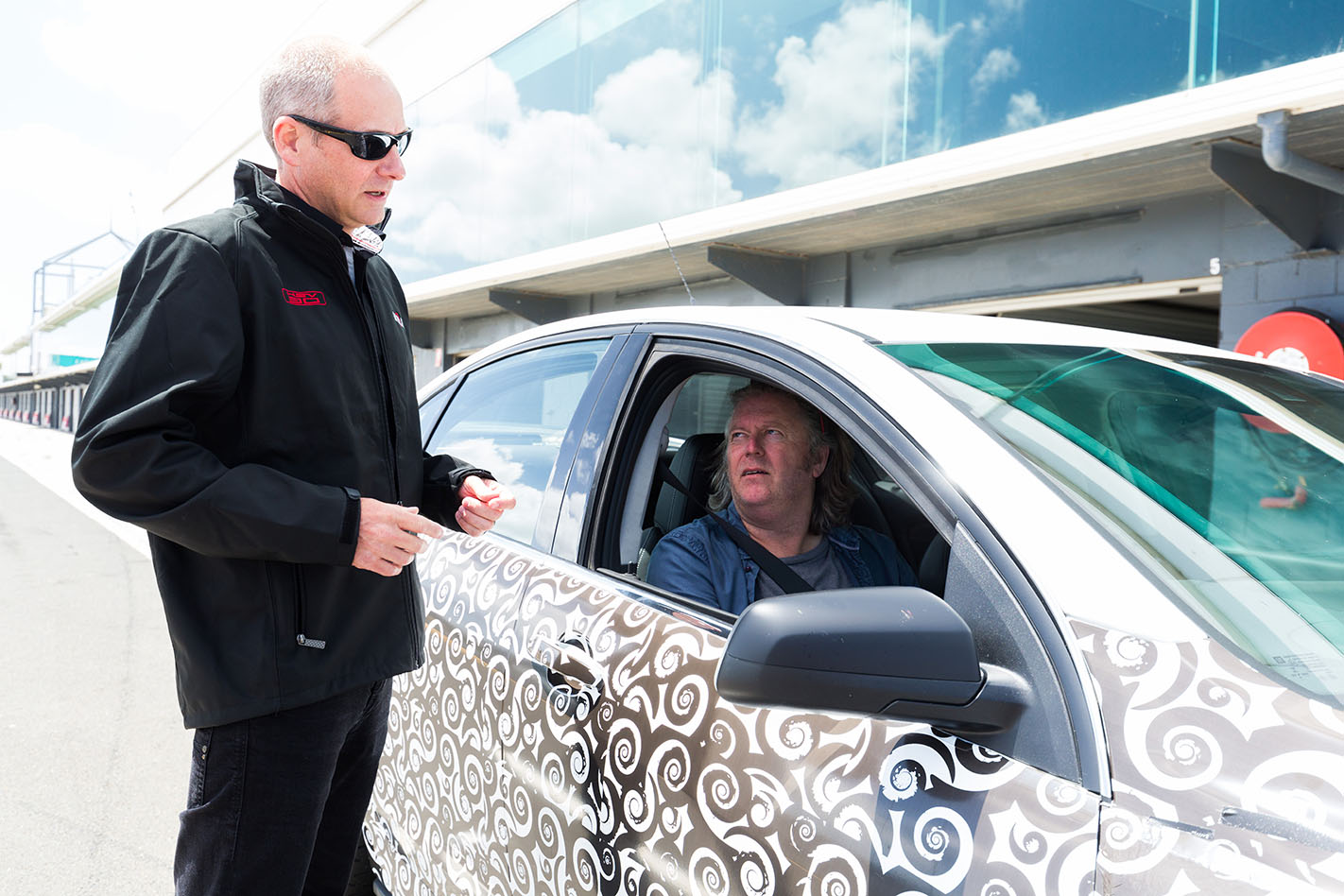
Like a lot of people,” Joel Stoddart says, “I’ll miss the Australian V8 rear wheel drive era – the old Holden vs Ford rivalry.”
The former chief engineer is understandably nostalgic on what he’ll miss about the HSV we knew and loved.
His tenure at Clayton is a story of the rise of a man who’s helped put some of Australia’s – and, more recently, some of America’s – greatest performances cars on our roads. And that includes the W1.
This feature appeared in MOTOR magazine – grab it now by subscribing right here!
“I’ve been fortunate enough to work for a great company in an awesome industry. From test trips around Australia, to travelling the world and doing what I love for a living,” he adds, “It’s been a dream job.”
It’s also a role that’s allowed Stoddart to operate behind walls, as engineers largely do, shielded from public view.
But that’s set to change. Now, he finds himself at the helm of Walkinshaw Automotive Group as managing director, replacing the long-serving Tim Jackson who parted ways with the company earlier this year.
We’ve stolen 30 minutes from Stoddart’s busy schedule to catch up on what Walkinshaw AG’s plans are moving forward with GM and its General Motors Specialty Vehicles operation.
Given he worked at HSV for just about two-thirds of its existence, though, it’s worth recounting what the man driving the company has achieved.
“I started at HSV in Engineering in 1997 – responsible for exterior and interior,” Stoddart says. “They had just launched the VT Commodore and my main project was the WH Grange. The 5.7-litre LS1 engine was about to replace the locally built 5.0-litre and 5.7-litre V8 in the VT Series II.
“From there I moved around the engineering department on different projects, then into program management where I was responsible for the Coupe4. I headed up the product planning department for a year or so before taking over as Chief Engineer in 2008.
“My first vehicle program in this role was the W427 – still one of my favourites! In 2019 I took over as Chief Operating Officer, which still encompassed Engineering and Design, but also took on Manufacturing, Supply Chain, Quality and so on.”
The list is illustrious, but Stoddart’s left out a few key points either for the sake of brevity or humility.
Between the Coupe4 and W427 he also was project leader on Clubsport-R, the HSV racecar that underpinned a one-make series in Bahrain. The much-acclaimed HSV E3 range arrived on his watch as well and the even more accomplished Gen-F came next.
There’s an underlying theme here. He’s a man who’s continually been trying to fit big, American engines into local cars.
Nevertheless, for all the glory projects there are stories he’d rather skip over.
In the same year, Holden announced it would be shuttering local manufacturing. Stoddart left the Walkinshaw Group to become head of research and development at Jayco Caravans.
The fun in figuring how a flush-dunny affects roll rates on a four-wheeler must have worn off quickly because the call of fast cars with big V8s brought him back to Walkinshaw Group in late 2014.
As it turned out, there were still plenty of things to keep him busy. Stoddart immediately sunk his teeth into the HSV Gen-F2 range before starting on a right-hand drive Chevrolet Camaro that turned out to be a defining project for the company.
In this, there was enough work to justify moving up the road from the former-Nissan plant on Rayhur St to a gleaming new corporate factory on Whiteside Drive in Clayton, Melbourne, so they just could fit everything under one roof.
Stoddart led a team of engineers that collaborated heavily with GM to ensure the right-hand drive Camaro also reflected the home-grown version’s handling prowess, while also qualifying the Camaro for ADRs, which included full crash and engine emissions testing.
The project cost $10 million all up, including the purchase of an F1-grade shaker rig, and introduced 357 bespoke parts to the HSV-built Camaro.
Today the Camaro is dead, but Stoddart maintains that was part of the plan.
What the project’s large cost bought the Walkinshaw Group, who retain the HSV brand on licence from Holden through Premoso (its other subsidiary alongside the Walkinshaw Auto Group) is something much more valuable than a fat profit margin; it was success for a proof-of-capability exercise.
The plan revealed itself when GM boss Mark Reuss announced this year there was an opportunity to grow a “specialty vehicle business” in Australia after it planned to apply the coup de grace to Holden.
“Camaro was always intended to be a limited run program,” he says in response to being asked if it’ll return.
“We remanufactured just under 2000 Camaros, both SS and ZL1. The feedback we had from our customers was fantastic, but moving forward any decision to reintroduce would be up to GMSV.”
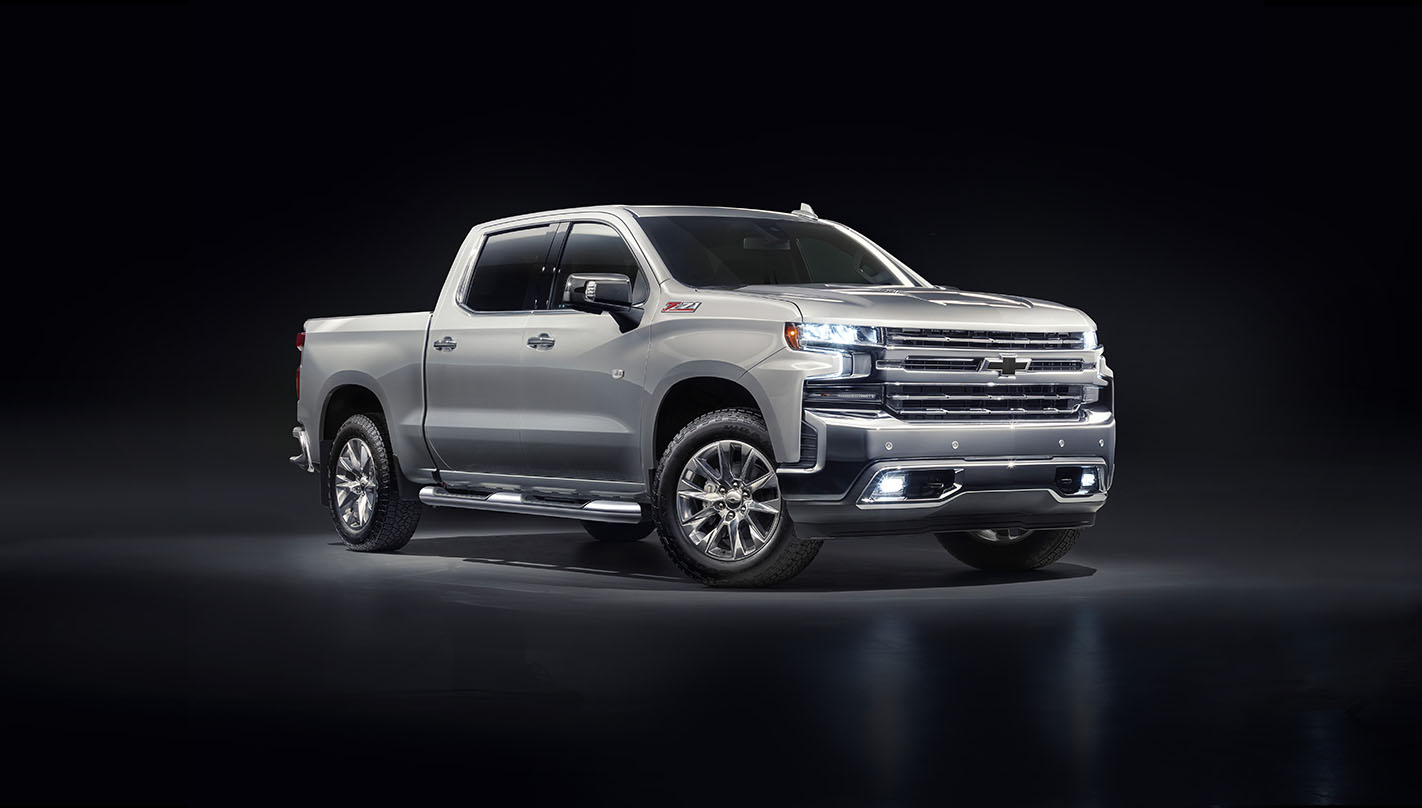
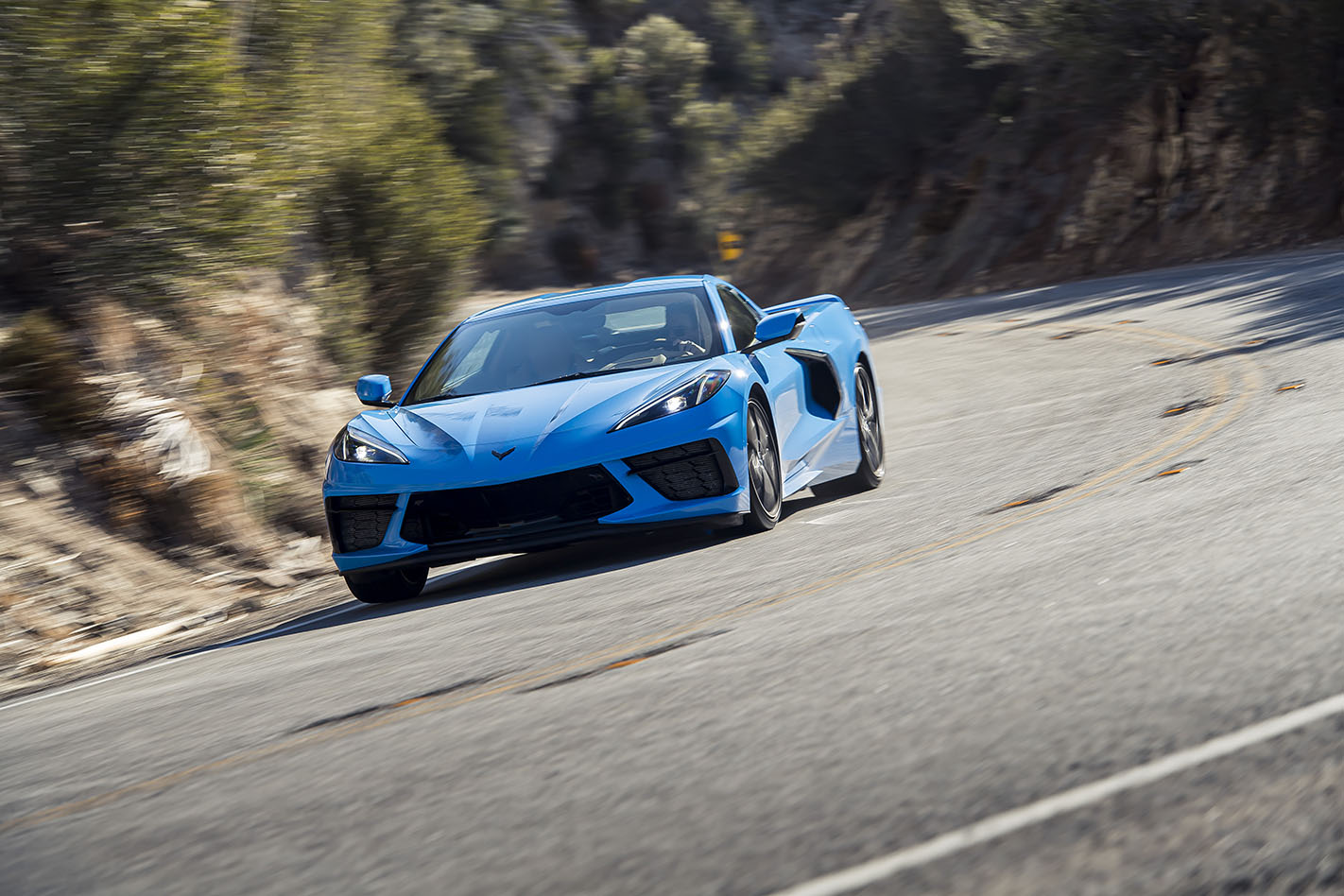
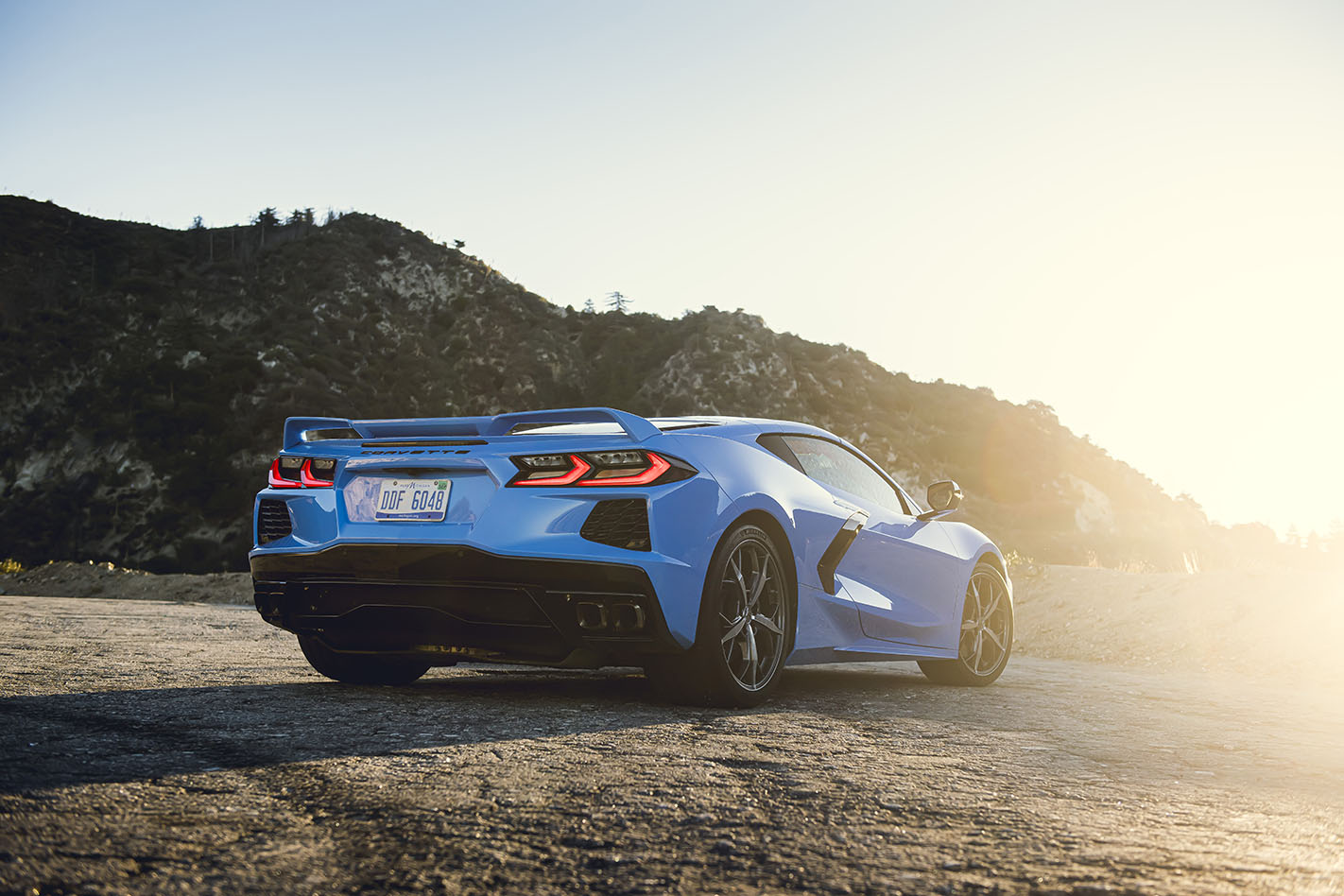
The Camaro framed Walkinshaw Group as conversion experts, crucial if GM wants to expand the local GMSV range beyond the much-simpler -to-convert Silverado and already-right-hook Chevrolet Corvette.
“We’re car people at Walkinshaw,” Stoddart replies when asked what experience from HSV he’ll use going forward, “and that won’t change regardless of what project we’re working on.”
“In addition to the passion and expertise we’ve developed over the years, we’ve also got long-standing relationships with GM International. We’ve worked with Holden, GM Asia Pacific, GM Brazil and of course GM in North America – I’ve been involved personally with each entity.
“We have built a great deal of mutual respect and trust over the years, so I expect that to continue.”
But when pushed on whether the two companies see themselves as partners, with shared returns, risks and rewards, he’s quick to redefine boundaries.
“We’re separate businesses,” Stoddart says, “and we [the Walkinshaw Automotive Group] work on a contract basis for the engineering and production for some of the models brought to market by GMSV.”
Australians will be fixated on what comes from the GMSV venture given it’s somewhat of a spiritual successor to HSV, even though Walkinshaw Group maintains HSV is still with us given it is honouring warranty claims, replacement parts and servicing schedules for customers.
Semantics aside, Stoddart won’t be drawn on much regarding the venture, deferring to GMSV if we really want answers on whether the venture is going to officially launch as planned this year, where cars will be sold and what GMSV will do to court the legions of defected Holden and HSV loyalists.
This will be the first time the Walkinshaw name will not be directly linked to the sale of new road cars to Australia since, well, ‘HSV’.
It’s easy to see how Australians could stand to benefit from more competitive pricing if development costs are shared, as well as more cars – given GM would no longer have to negotiate with a partner sales and marketing strategies.
Currently, the Corvette is locked in alongside the Silverado 1500 and 2500, but anything beyond that is pure speculation and, as Stoddart reiterates, we’ll have to ask GMSV.
The person in question at GM would be Joanne Stogiannis, the recently announced GMSV general manager and most likely Stoddart’s equal in future business.
“We work closely with all of our customers,” he says, “and while we’ve only had limited contact with Jo, that’s mainly due to the prevailing external environment. We’re looking forward to working with her and her team more closely in the future once conditions allow, and also once GMSV is fully operational.”
On balance, the venture should bear a number of fruits for the Walkinshaw Group, who could possibly re-establish access to old research and development haunts that dovetail back into the firm’s key strength: engineering.
Vinfast, who bought the Lang Lang proving ground from GM, is also a Chevrolet distributor in Vietnam.
“We’re yet to formally meet with the new owners,” he says, “but hope we’d be able to continue to utilise that facility.”
He’s also keen to remind us that, “it’s not the only facility we use for development, though. We use closed circuits, other testing facilities and real-world tests to validate our products.”
So what ambitions does Stoddart harbour for his tenure? “We’ve been through a significant transformation over the past three years,” he says about Walkinshaw AG.
“We are expanding our Design, Engineering & Manufacturing services to the broader automotive industry. We have invested heavily in capital and people in order to retain some of the Australian automotive knowledge.
“I would like to keep building the Walkinshaw brand – securing new customers and growing the organisation.”
On a personal level, Stoddart has a long tail of experience to draw inspiration from moving forward.
“I’ve been fortunate to meet and work with some significant automotive figures – locally and internationally. I take inspiration from all of them for different reasons – they all have unique qualities and have succeeded in different environments. Seeing Tom [Walkinshaw] command an audience was always a highlight.
“Being an engineer and a race car driver, he always pushed our team to the next level.”
Of course, the man behind the business name, Tom Walkinshaw, is not with us anymore. He lost a battle with cancer in 2010.
But his son, Ryan, is the director at Walkinshaw Automotive Group, and the desire to keep racing – as his old man did so well – with Walkinshaw Andretti United in Supercars beyond 2021 is strong.
“We’re talking to a few interested parties about involvement in Supercars,” Stoddart says in regards to what replaces the Commodore after 2021.
“What I can say is that Supercars is important to us as a group – and we’re committed to the series.”
We finish the exchange with a question on what Joel Stoddart considers the proudest moment of his career.
Fittingly, we arrive back where this story began. “HSV was the place I wanted to work at as a young engineer, so the day I received a letter offering me a position was pretty special,” he says.
“Launching the GTS-R W1 at Phillip Island – knowing it was going to be the end of an era, but giving the brand and the vehicle an appropriate sendoff was probably the proudest.”
Joel Stoddart’s five greatest hits
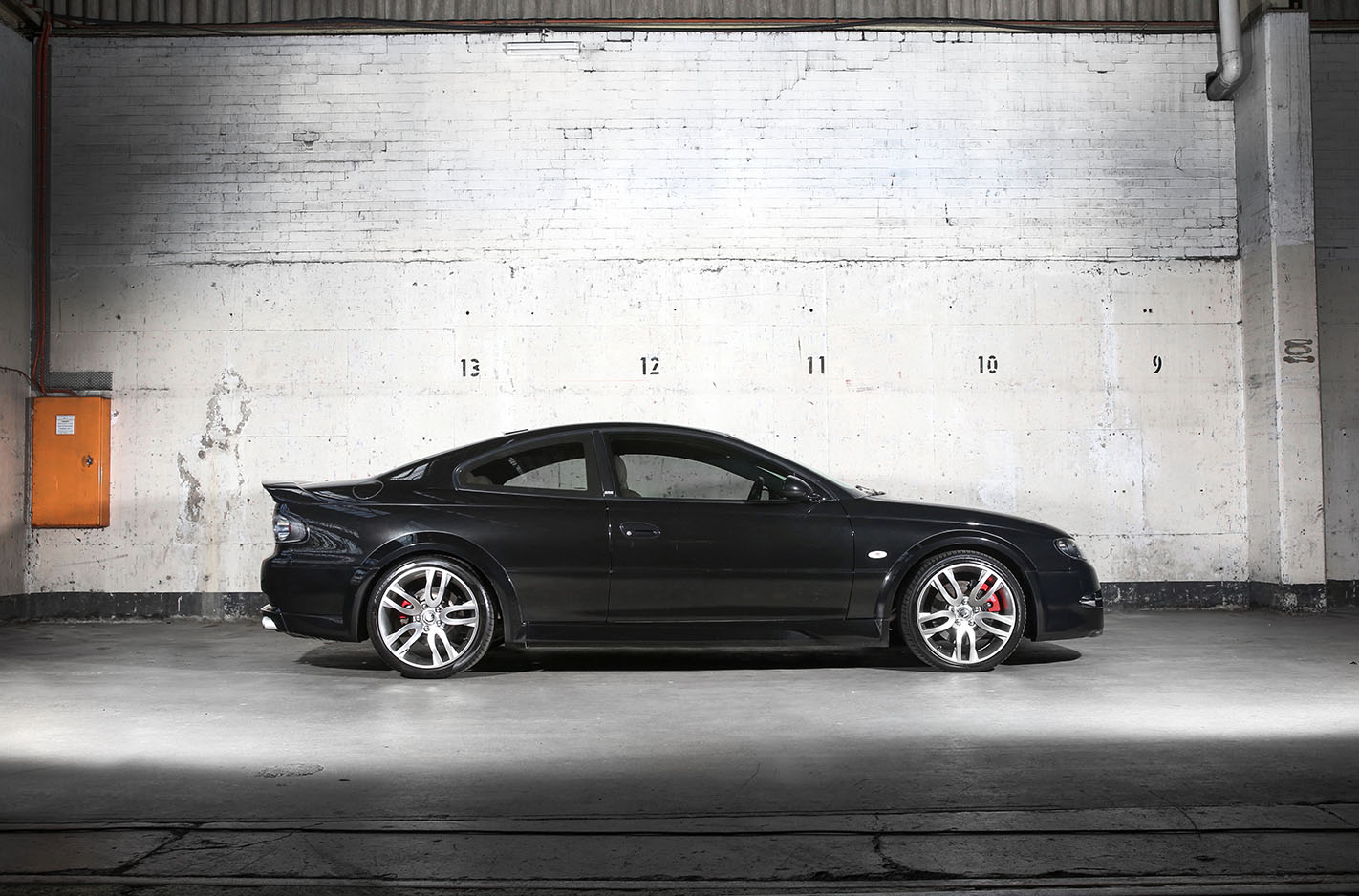
2004 HSV COUPE4
Stoddart puts the Coupe4 in his top-three HSVs. It was another right-hand drive swap project since it started life as a Pontiac GTO body-in-white. Despite the AWD grip, its 270kW/475Nm hit 100km/h from zero in 6.1sec.
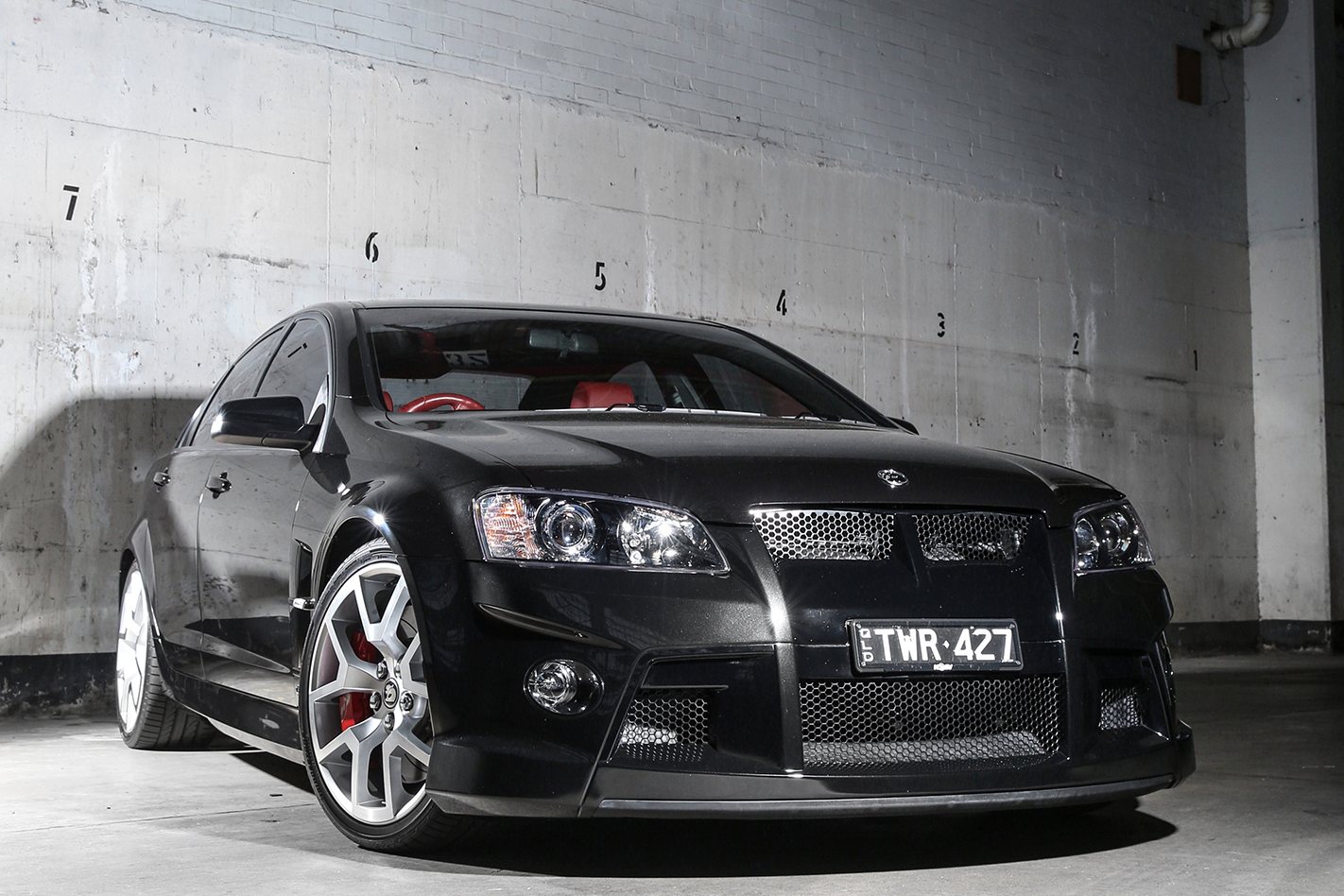
2008 HSV W427
It made a street-driven LS7 powered Commodore a reality. From 7.0 litres the W427 punched out 375kW and 640Nm, offered magnetic dampers and a six-speed manual. Another top-three HSV for Stoddart.
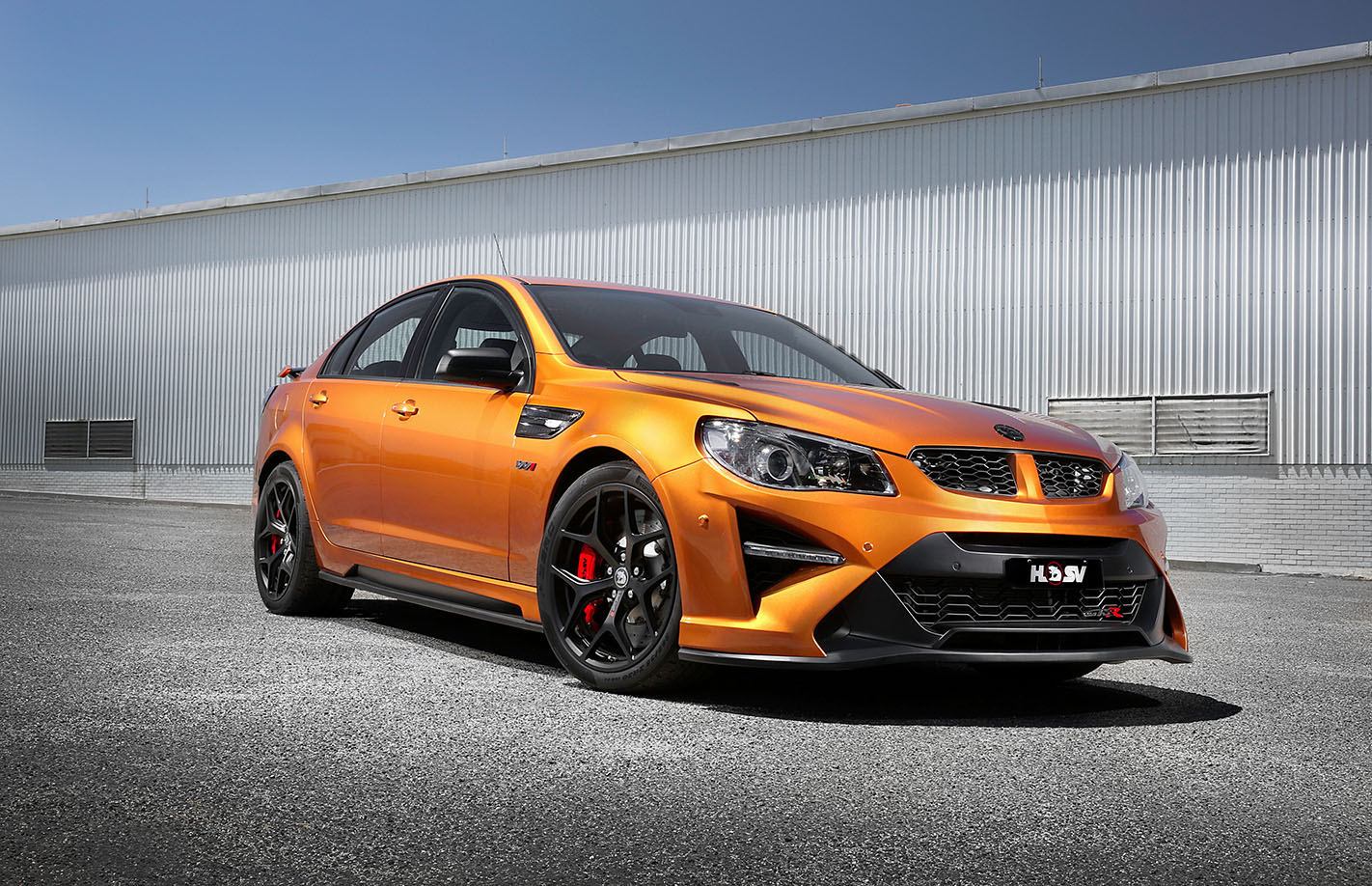
2017 GEN-F2 HSV GTS-R W1
As the third HSV Stoddart places in his top three, the W1 shoved GM’s LS9, with 474kW/815Nm, into the Gen F2 GTS-R and reworked the drivetrain just to fit.
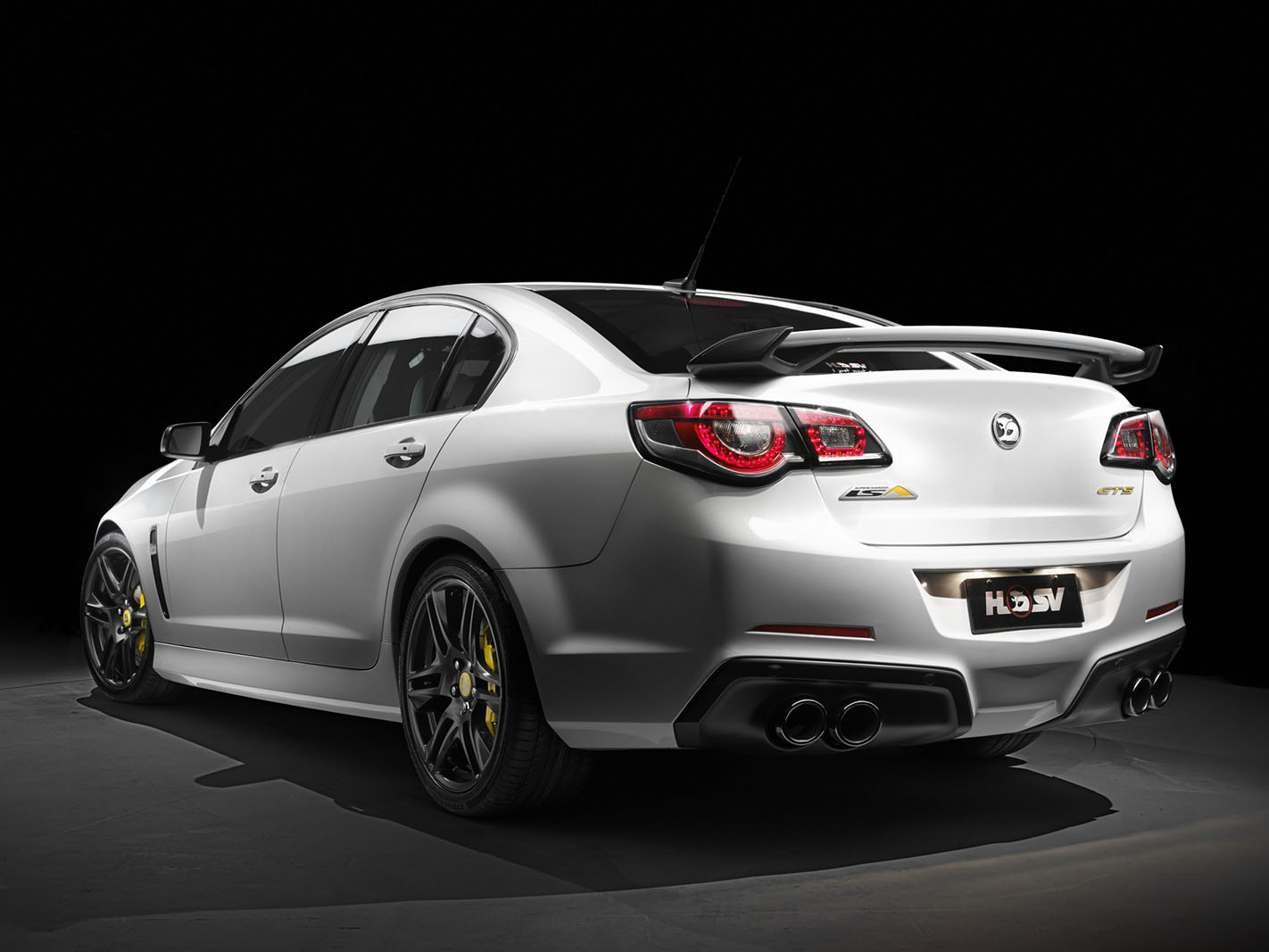
2013 GEN-F HSV GTS
The LSA powered Gen-F was a high-water mark for the GTS nameplate, debuting supercharged V8 grunt with 430kW/740Nm and excellent rear torque vectoring.
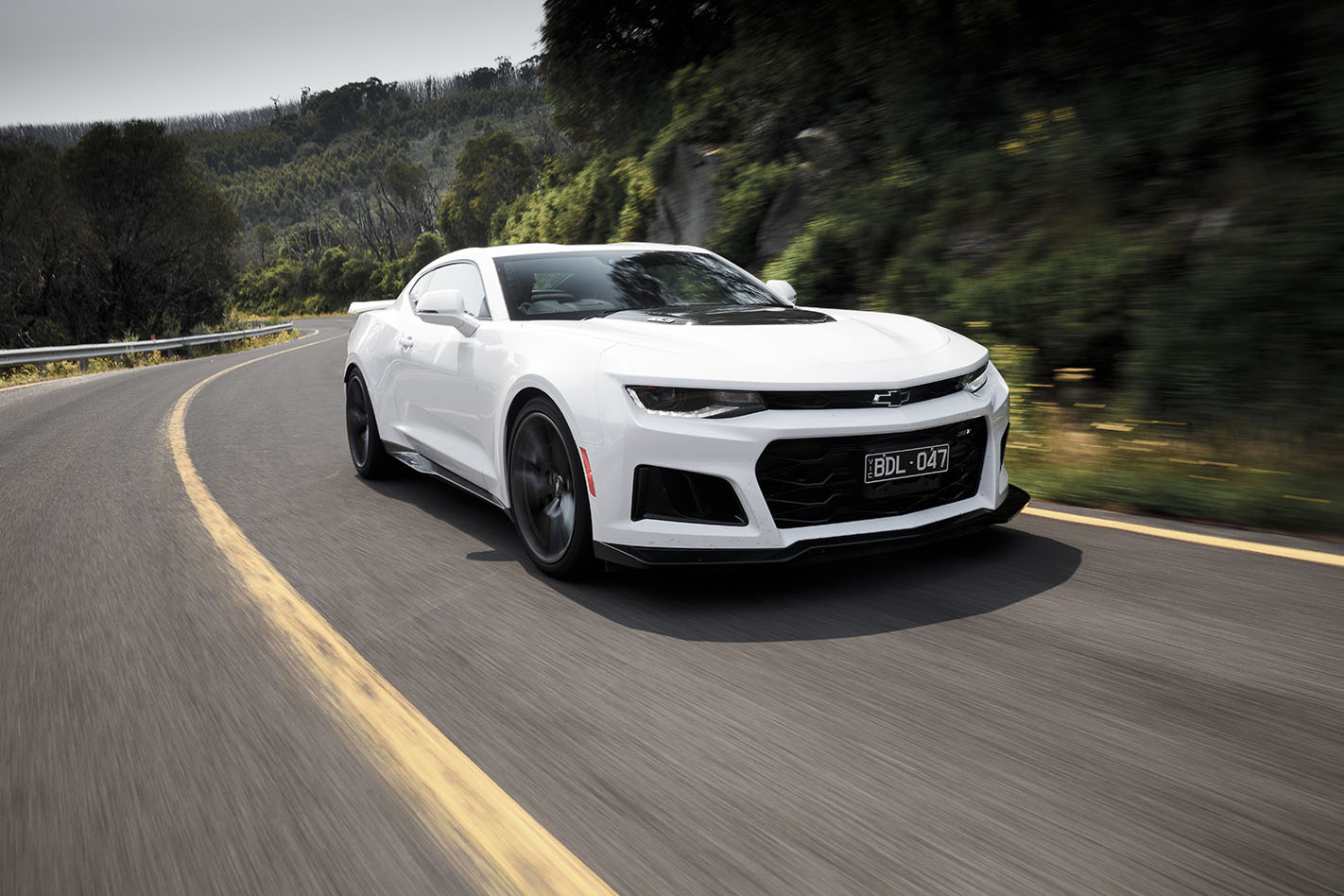
2019 CHEVROLET CAMARO ZL1
While far from a run-out sales success, the ZL1 represents the peak in the Camaro program after certifying its 477kW/881Nm LT4 for Aussie roads.
This feature appeared in MOTOR magazine – grab it now by subscribing right here!
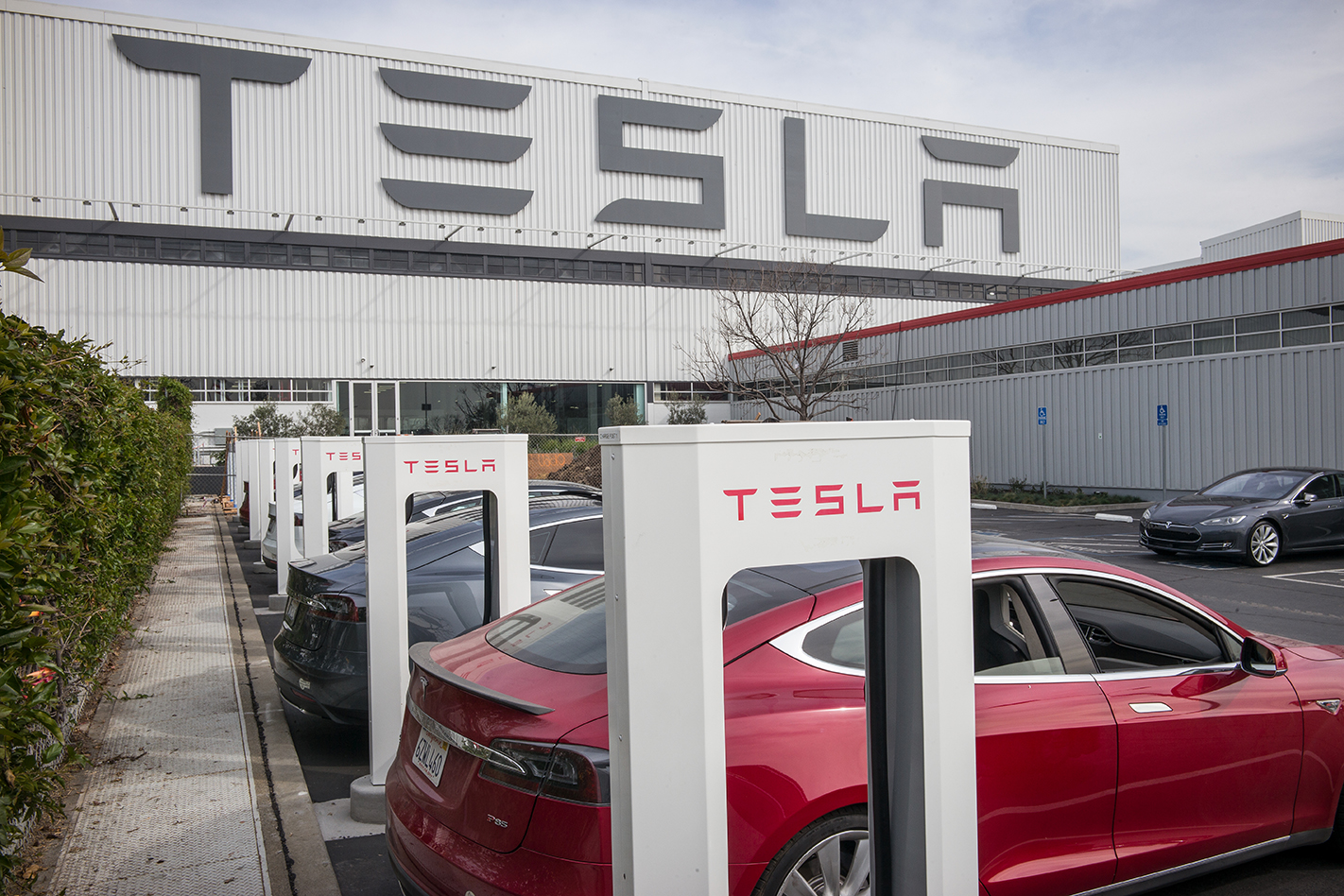
Toyota has broken its typical silence regarding rival brands, with frank and dismissive remarks about Tesla and its position in the global automotive landscape.
According to the Japanese giant, the Californian EV startup has not only grossly overestimated its value of $400bn (A$550bn), but is not yet adequately mature to be influencing global automotive trends – particularly in the electric technology space.
Speaking at Toyota’s annual financial results conference, the company’s global head Akiyo Toyoda used a restaurant analogy to highlight how he feels about the relative newcomer to the car world, likening Tesla’s business to a kitchen and a chef.
“They have not created a real business in the real world yet,” Toyoda said. “They are trying to trade recipes. The chef is saying ‘Our recipe is going to become the standard of the world in the future!’
“At Toyota, we have a real kitchen and a real chef too, and are creating the dishes already. There are customers, who are very picky about what they like to eat, sitting in front of us, and eating our dishes already.”
Toyoda’s unusual decision to comment on a rival is based in runs on the board and sales of all types of vehicles, of which, Toyoda said his company has “a full menu”.
Despite a profitability contraction courtesy of the coronavirus pandemic, the car maker is already experiencing a sales recovery and forecasts 7.5m global sales in the 2021 fiscal year.
Behind the bluster, however, it’s possible Toyota may be feeling the pressure from other manufacturers including Tesla, which is not only further down the electrification path, but has the EV accelerator firmly pinned.
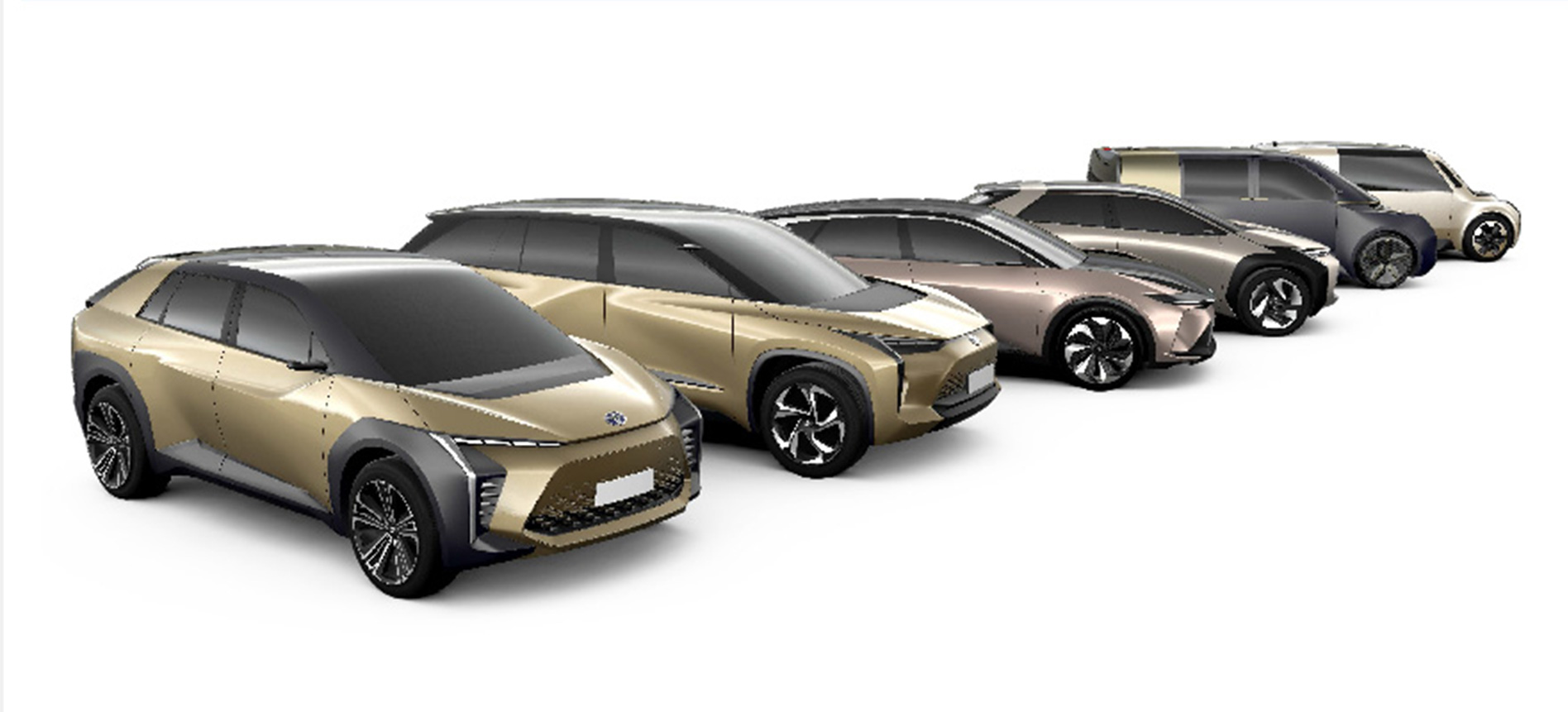
While Toyota does include pure electric and even hydrogen fuel cell technology in its broader portfolio plans and says it will have 10 battery-powered cars in the market by 2030, the vast majority of its electrification strategy remains focused on its massive hybrid program.
Sooner or later, the company will need to switch up a gear in its pure EV efforts to compete with the growing number of competitor offerings.
In that regard, Tesla is already way ahead of the Big T, selling about 320,000 battery-electric vehicles already this year versus Toyota’s zero – or a handful more than that if you count its Mirai FCEV.
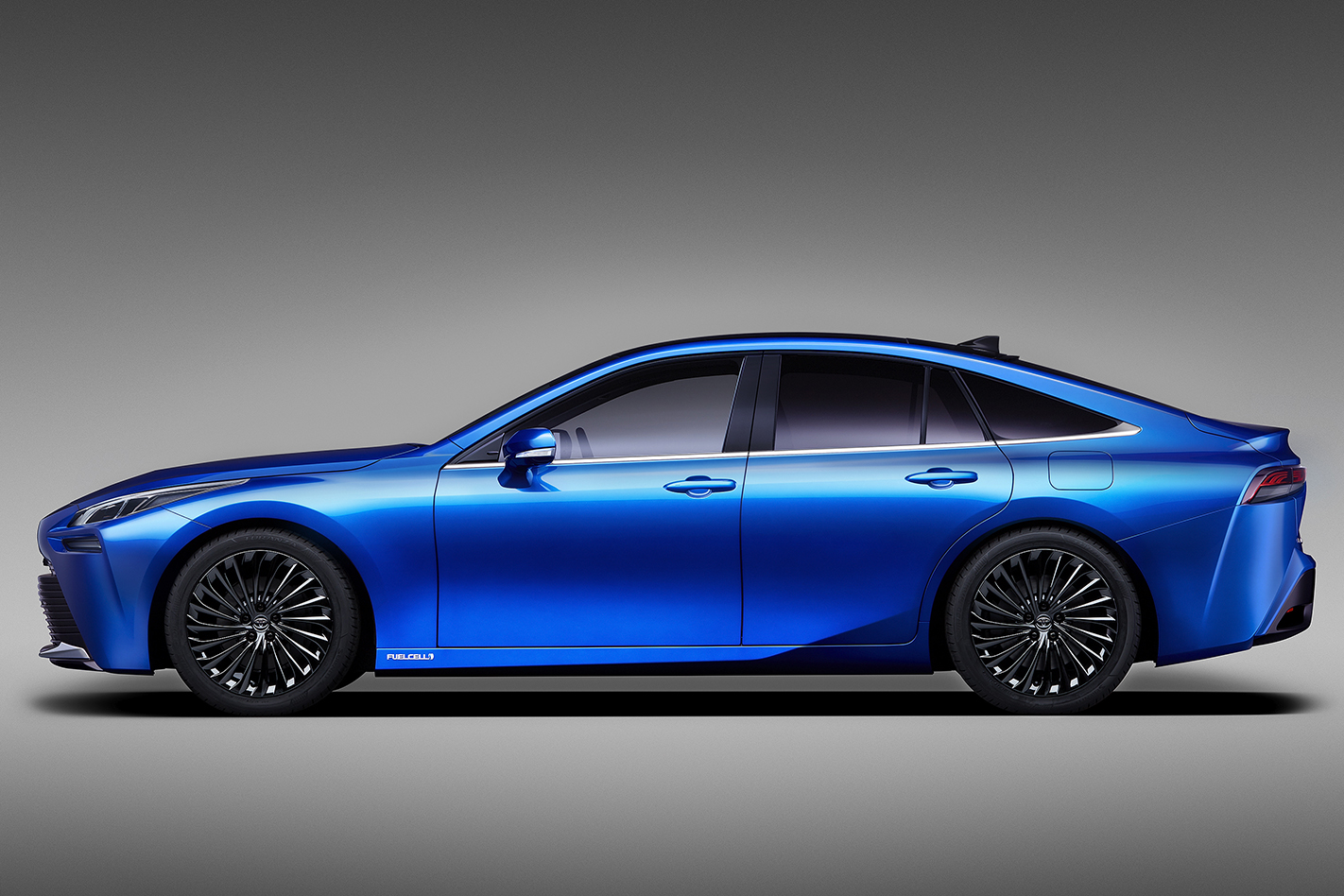
It won’t stay that way for long, however. In an effort to catch up to its rapidly electrifying rivals, Toyota has partnered with China’s sleeping EV giant BYD, and when the company finally switches on volume zero-emissions vehicle production, they’ll come thick and fast.
Will too many chefs spoil Toyota’s broth, or will Tesla serve a cold helping of revenge?
With global EV interest ramping up exponentially, we probably won’t have to wait long to find out.
If you’ve ever wanted to take an oversized American ute and turn it into a… well, whatever this is, here’s your chance.
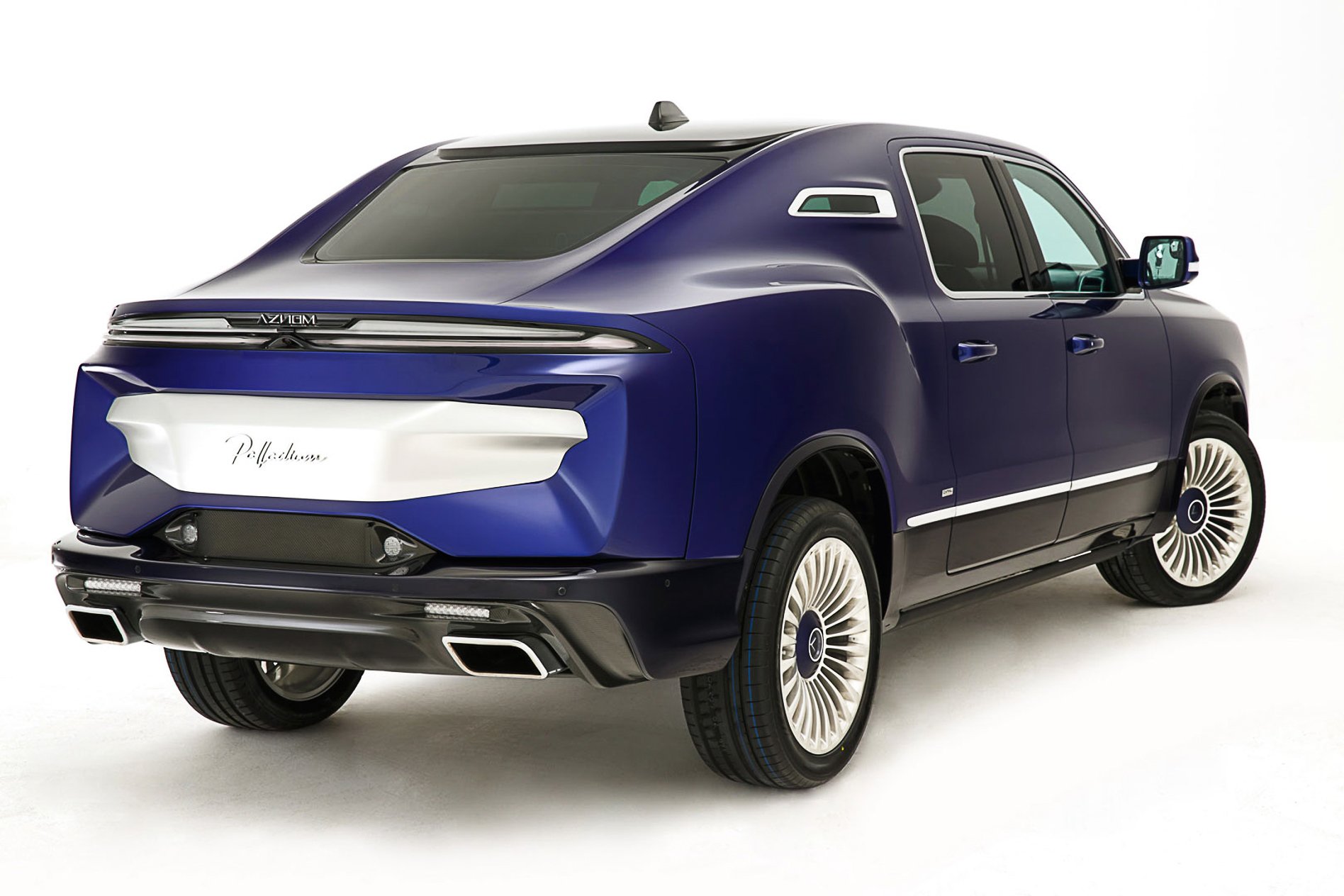
Italian coach-building company Aznom – nope, me neither – has previewed the Palladium, a reworked version of the RAM 1500 dual-cab pick-up that’s sold in Australia… though perhaps it’s a small mercy that only ten will be made and therefore it’s unlikely to ever make it down under.
“We have produced this vehicle choosing artisanal manufacturing techniques that are almost lost today, such as panel beating and hand-crafting the body of the car, together with other technological solutions,” said Marcello Meregalli, Aznom’s founder.
“Engine builders, tanners, panel beaters, designers and engineers who have worked on this project are heirs to a tradition that has made Italian cars famous all around the world”
Where to start… the company calls it both “interesting” and “surprising” in the same sentence, and the Palladium sure is interesting. It looks like nothing else on the face of the earth, if we’re honest; it’s hard to see even a six-year-old dreaming this up on their best day.
The bed of the RAM 1500 donor gives way to a shortened, enclosed rear section with a swept roofline, while the front of the Palladium is given over to a front end that looks like the lovechild of a Rolls Royce Cullinan and a portcullis gate.
The interior… where does one even start to describe the interior? The RAM’s rear bench is benched in favour what is best called a divan, which is set further back in the body to maximise legroom.
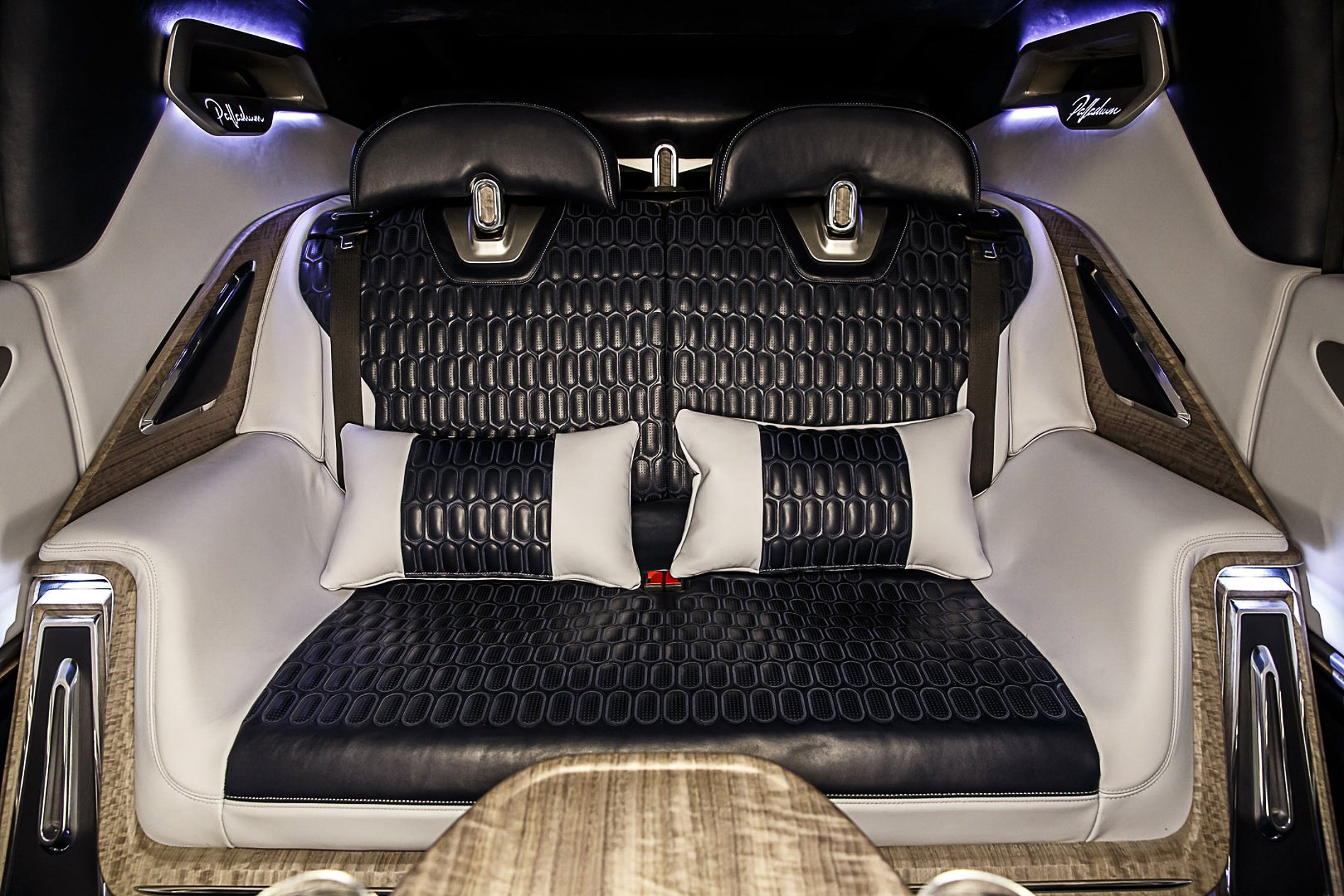
An extension table is built into the rear side of the centre console bin, which also sports a (chilled, presumably) bin for two bottles of whatever takes your fancy.
As for the trim? Quilting. So, so much quilting. There’s very little left of the original seats, but oh so much in the way of squared-up leather.
It’s everywhere… across the top of the dash and centre console, and what isn’t covered in quilted cowskin is finished in a blonde wood found only on the north side of the Matterhorn between June 4 and July 18. Probably.
The 5.7-litre Hemi V8 hasn’t been spared, either, with not one but two turbos bolted to it for a claimed bump in outputs to 522kW and 920Nm – given that the Palladium’s pomp adds a solid 400kg to the bottom line, the extra grunt won’t hurt.
Aznom claims a kerb weight of 2650kg.
It still runs an eight-speed auto, and even though it’s been fitted with 22-inch rims, Aznom claims it’ll do 0-100km/h in 4.5 seconds.
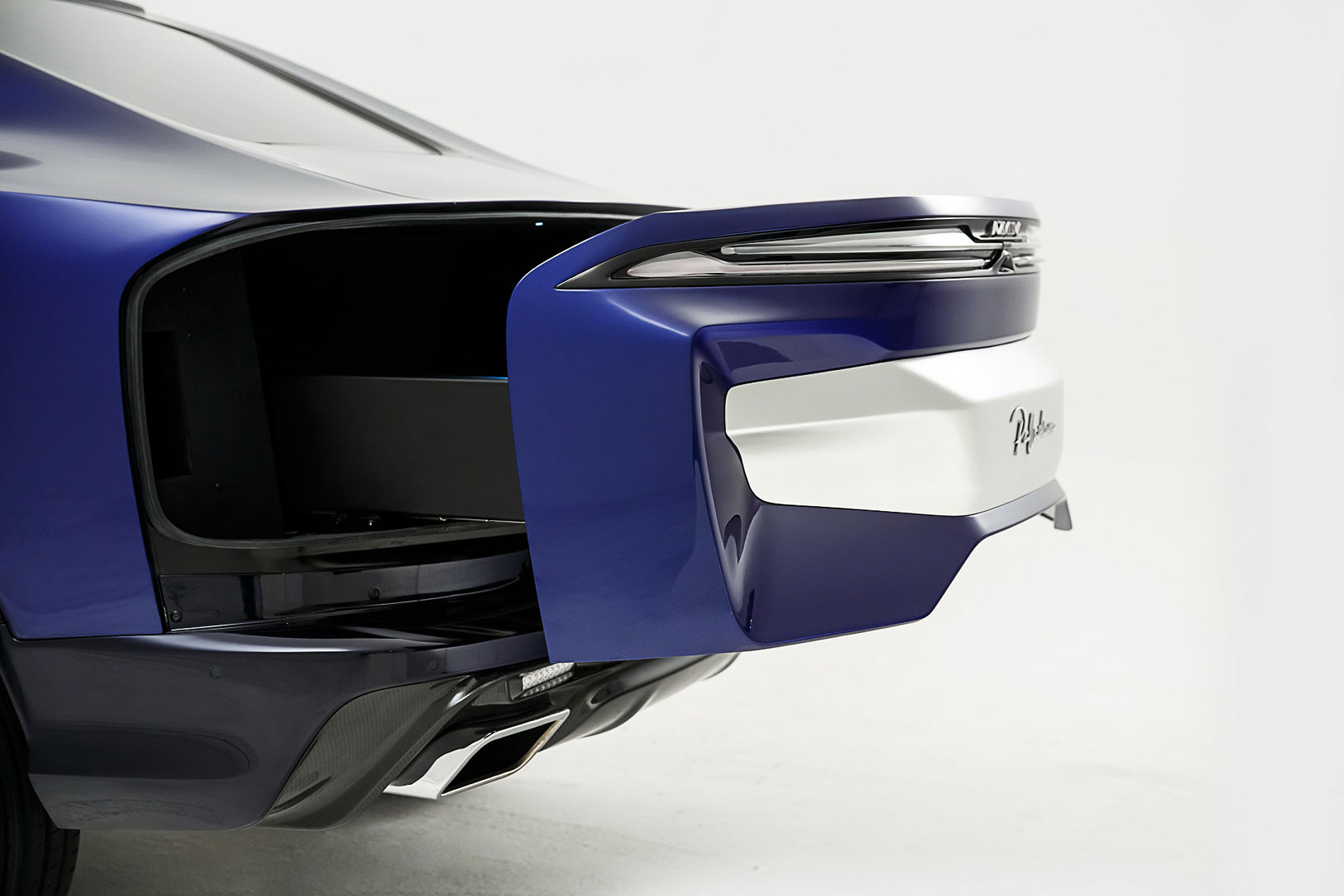
“The designers have already described the car as “hyper-limousine” as it unites the traditional characteristics of great luxury sedans (such as comfort, quality of materials and manufacturing, ample space and reliability) with outstanding capabilities usually peculiar to other types of cars,” gushes the company’s website.
They say there’s a car for everyone, and even though the frankly quite gauche Palladium doesn’t float our boat, surely there are ten people in the world who want a coupe slash truck cum coupe blended with royal coach to add to a burgeoning collection of interesting cars.
- State govt-funded network a first
- Commits to EV purchases
The $18.3 million plan will also speed up the state-government vehicle fleet’s transition to EVs, which the Marshall Government believes will have a flow-on effect into the community.
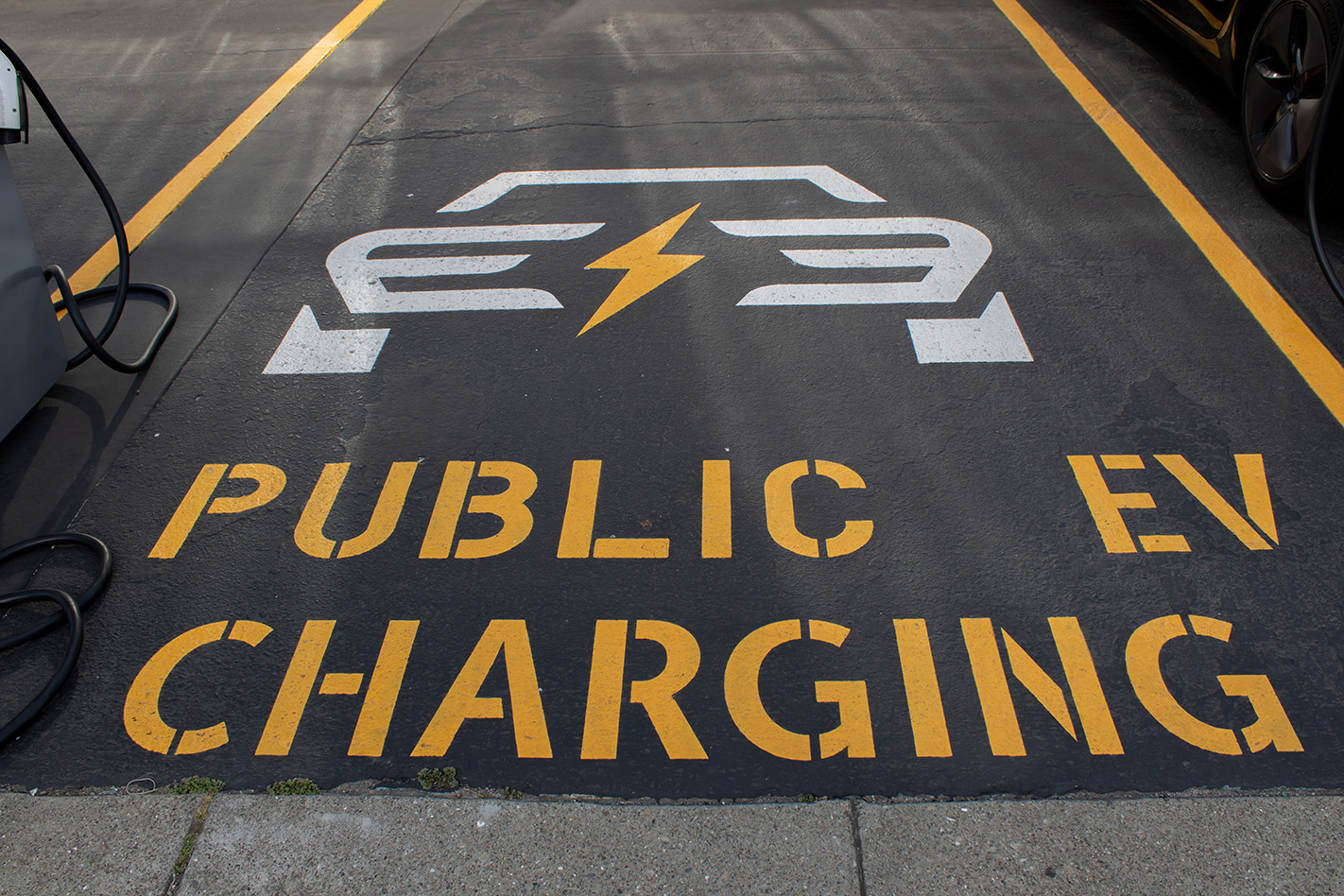
“Consumers are saying there are two main barriers to electric vehicles which this policy will target – a lack of charging infrastructure and the availability of affordable models,” said Minister for Energy and Mining Dan van Holst Pellekaan.
MORE: How Australia’s EV incentives stack up globally As well as the charging network, the Minister announced that to accelerate the availability of new models, the State Government fleet will transition to electric vehicles within its existing budget, whilst calling on local government and corporate fleets to pledge similar.“This will bring more models into South Australia and deliver a steady stream of affordable used electric vehicles after a few years of use in government and private fleets,” he said.
“The transition the State Government fleets will also help accelerate public charging infrastructure in the City of Adelaide, at hospitals, schools and transport hubs.”
He added that a predominantly electric-powered fleet will allow the state government to spend much of its $15 million imported fuel budget on locally-produced clean energy.
UPDATE: A couple of days after this story was first published it was revealed the South Australian Government has decided to impose a distance tax on EVs, which critics say will undermine the above initiatives.
The drive through Italy that delivers you at the foot of Austria’s highest road is nothing like a sweaty trek across the desert.
But just as you’d curse a sandstorm that shrouds the Giza pyramids just when you arrive, the fog lurking behind the Grossglockner High Alpine Road’s southern toll gate has tinged us with the same disappointment.
We’re here on the north-west tip of Carinthia, in Austria’s south, ready to rip up supposedly one of Europe’s greatest driving roads. A glance at its website hints this should stack up as a wonder of the driving world.
This feature appeared in MOTOR magazine – grab it now by subscribing right here!
Its 48km of twisting tarmac looks so smooth, petrol heads might think they have died and gone to heaven, while at its highest point you’re actually already 2504m of the way there. But it’s the 36 hairpins littered on either side, connected through sweeping bends and dog-leg corners that should convince us it’s worth delaying the afterlife.
That might prove challenging today, though, since the autumn air has laid a thick layer of fog on a road dampened by a night’s rain.
We’ve arrived a couple of months before the roads close in late October (and long before Covid-19 was a glint in Bill Gates’ eye) which, judging by the lack of anyone else at the toll gate, is a good way to have the road to ourselves.
Our snapper Tomo says the weather was perfect a week ago on a recce, proving you could roll the dice and wait for clear skies, but since my flight out of Munich is booked tomorrow it’s now or never.
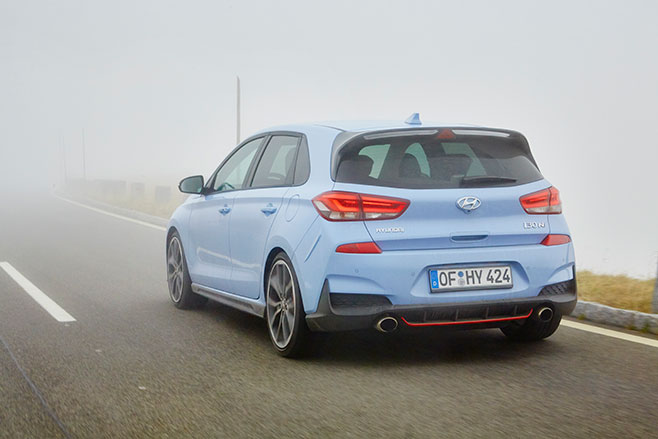
I’d feel better about blasting into a white abyss in something all-wheel drive but the Hyundai i30 N I’m in is not a bad consolation.
With the European Performance Pack it’s exactly as you’d find one in Australia except for the steering wheel on the left, with a full-fat 202kW/378Nm turbo four-cylinder, adaptive dampers and 19-inch wheels on Pirelli P Zeros.
Add an electronic-locking differential as well as a six-speed manual, and mechanically you could say it’s like a Ford Focus RS LE with its propshaft removed.
The i30 N has also scaled mountains of its own in recent years. Hyundai tackled a tall order when it asked for a seat at the table with Volkswagen’s Golf GTI, Renault’s Megane RS and Ford’s Focus ST.
But the fact Ford went as far as to buy its own i30 N as a benchmark for developing the new Focus ST only confirms the marque has arrived.
Still, that’s no guarantee driving nirvana lies ahead in these conditions, and it’s hard to tell if Helga sitting in the booth is smirking because she thinks we’re stupid or whether it’s nice to see a face on what will be a quiet day. Let’s see.
I hand over 37 Euro (or around A$60) to lift the boom gate and take a brochure, which suggests you can use the day to hike, peruse the multiple exhibitions littered around the surrounding park or try to spot a marmot.
Marmots? They look like wombats, except if you hit one at the 100km/h speed limit then you’re more likely to help local industry than destroy a front bumper, given they’re much slimmer and their fat is sold as an ointment in the tourist shop.
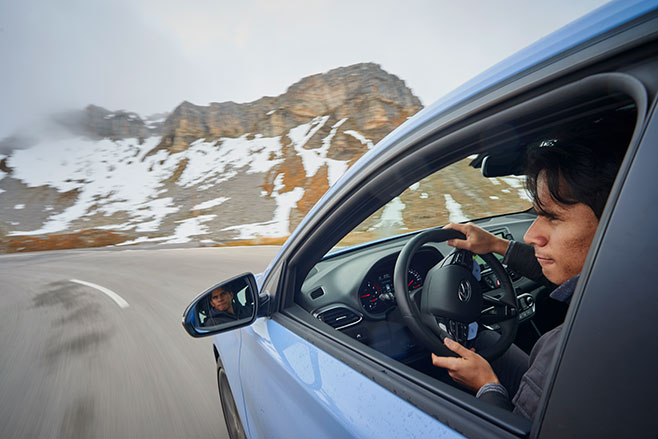
We pass the road that leads to the lookout on the Grossglockner mountain and continue up the High Alpine Road. As the temperature drops to single digits we steadily climb out of the mist and I lower the windows to enjoy the crisp air. I also seize the chance to floor the throttle.
‘Braaap!’ The Hyundai’s inline-four enjoys inhaling the cold air, too. Over time it’s been easy to forget how mighty the i30 N sounds, growling down low as that twin-scroll turbocharger sucks through an enlarged intake before building into a hoarse roar, like a baby grizzly yawning.
It reminds me that the i30 N’s architect, ex-BMW M chief Albert Biermann, would get along with this road’s construction engineer Franz Wallack.
While the road importantly created Austrian jobs in the 1930s, it was born to attract tourists, rather than trade, to the surrounding Hohe Tauern National Park.
It was built for enjoyment. And that explains why after it was opened the Austrians celebrated in 1935 by unleashing an international list of racing cars up its then-sand path.
The event grew into a big deal towards the end of the ’30s and once the road was paved, teams and cars as legendary as the Mercedes-Benz W125 and Auto Union Type C arrived to flex their muscle.
My Hyundai may not tout the might of the 6.0-litre supercharged V16 in the Auto Union, but its grunt feels more than ample, especially when you realise the stubby stone bollards every couple metres along the road’s edge do nothing but mark the point where you’d tumble a long way down.
It’s sobering to remember the two Englishman who sadly plummeted to their death during a cross-Europe rally. Their crushed blue Seat Leon ended up looking very much a warning to others, to respect the road, once it was recovered.
They most likely would have been doing what they loved, though, as it quickly dawns on me that an ND Mazda MX-5 on a dry day here would be bucket-list-worthy stuff – I’d do unspeakable things to get a chance to try this in a Ferrari 458 Speciale.
The open scenery makes it easy to pick your corners and we’re not yet in danger of falling too far – the original hillclimbs took place on the sketchier northern side.
The first flurry of hairpins arrive cambered, widely spaced and switch back on each other. The Hyundai’s more than up for it, digging into its front outside tyre and locking the diff to pull itself through sections with good pace.
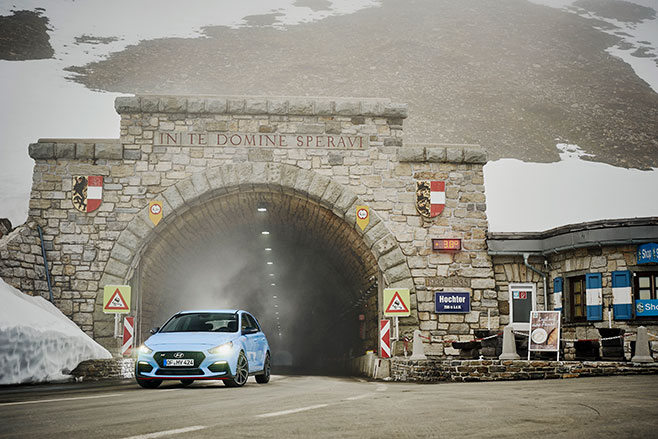
The cadence of corners varies as we snake our way toward the sky, the road delivering increasing and decreasing radius hairpins, heavy lateral loads as well as flat-out bends. The Hyundai remains resolute in character.
It never threatens to spook you, though while its six-speed manual is as positive shifting as we remember I’m happy to rely on the ‘N’ mode’s auto-blipping since hustling gears with my right hand still feels awkward. The road’s smooth enough, as well, to harden up the dampers to their race setting.
Without much, if any, traffic to hold us up, I quickly arrive at the road’s first (or second, depending on what direction you arrive from) tunnel.
It might only burrow 300m into the Hoctor peak before spitting out the other end but its stone walls are clearly ripe for wide-open throttle. The i30’s rorty note envelops in surround sound and after lifting off fires a crack so loud it’d almost be avalanche-creating. But it’s only the fog ready to welcome us on the other side.
I slow down and amble along another couple of kilometres until we arrive for lunch at the Fuscher Lake souvenir shop, no more than a large wooden hut.
A human-sized marmot stands guard at its entrance, but things get weirder inside where rows of used hats hang from the ceiling.
Given 900,000 people visit the High Alpine road each year these hats are most likely leave-behinds. Otherwise, I’m going to go with trophies – the schnitzel’s almost to die for.
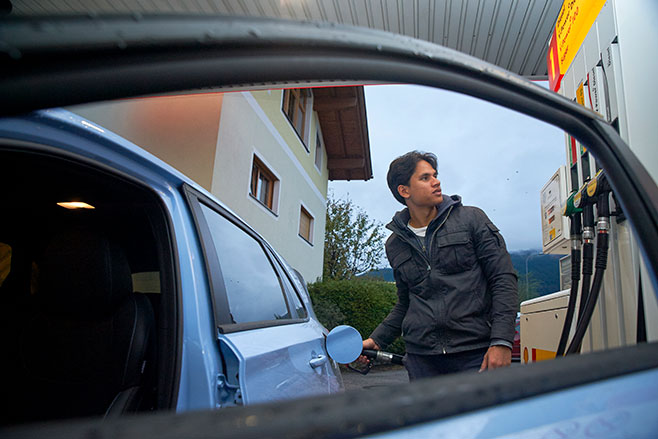
After lunch, it’s obvious the fog has claimed the mountain’s north side for the day, so we return to the south and indulge those incredible corners one last time.
But it’s not long before I have to point the Hyundai’s nose at Munich. I face a dilemma. One on hand, a descent at pace through the fog from the road’s 2504m peak will barrage the brakes, but negotiating it under darkness in fog seems more stressful.
After carefully wading down the mountain I reach the toll gate and exhale. This road reminds me of Victoria’s Lake Mountain and South Australia’s Stott Highway connected at their ends like two Scalextric tracks.
As I punch Munich into the sat-nav I already begin to miss the Grossglockner, proving my initial disappointment unfounded. I guess Helga was genuinely happy to see us, after all.
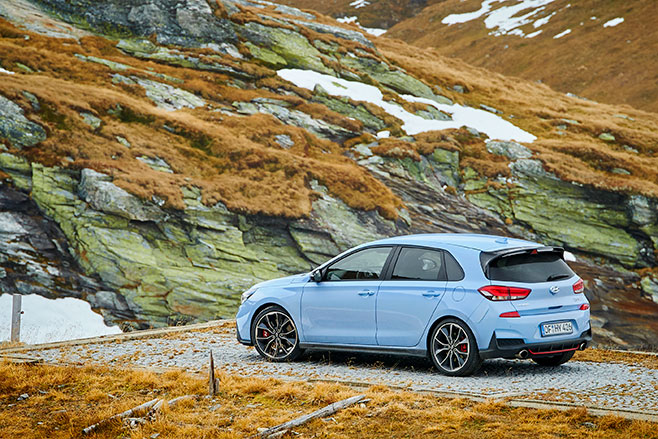
HYUNDAI i30 N SPECIFICATIONS Engine: 1998cc inline-4cyl, DOHC, 16v, turbo Power: 202kW @ 6000rpm Torque: 353Nm @ 1450rpm Redline: 6875rpm Weight: 1429-1509kg Suspension: struts, adaptive dampers, roll bar (f); multi-link, adaptive dampers, roll bar (r) Brakes: 345mm ventilated discs, single piston calipers (f); 312mm vented discs, single piston calipers (r) 0-100km/h: 6.2sec (claimed) Price: $39,990 (before on-roads)
This feature appeared in MOTOR magazine – grab it now by subscribing right here!
- Car sales showing signs of recovery
- Subaru fares well post-crisis
- Older models show surprising growth
As Victoria spent August, September and most of October under strict lockdown rules, banning one of the country’s most populous states from showrooms hit Australia’s new car sales hard.
For a picture at how dire things had become, three months ago total vehicles sales at the end of August underperformed last year’s results by almost 30 per cent.
That’s behind on year-to-date results from a 2019 which was already showing signs of a looming per-capita recession.
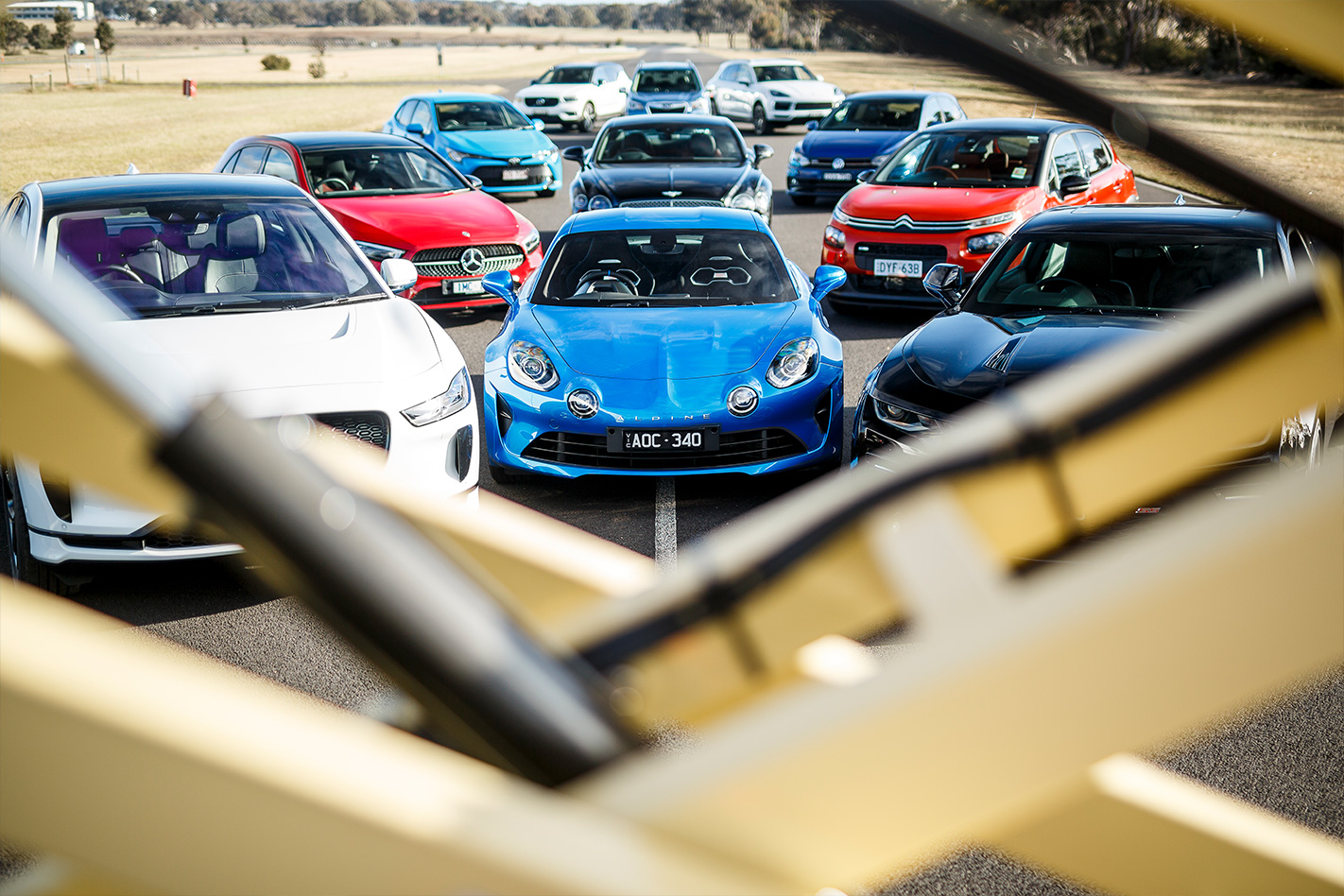
This crucial year-to-date comparison between 2020 and 2019 lifted from just under 30 to negative 21 per cent in September, then just in the past month of October it’s now tracking negative 19 per cent.
Before Victoria’s second wave forced a hard lockdown Australia’s total sales were only 13 per cent down on last year.
Categorically, SUVs and pick-ups utes have increased their market share over passenger cars. Meanwhile, sportscars now make up 1.2 per cent of 2020’s sales, 0.2 percentage points down on last year’s 1.4 per cent in September.
Despite this, a range of nameplates sold more in 2020 than in 2019, while a select handful from that group have also fostered year-on-year growth despite the COVID-induced downturn.

At the end of October the Levorg – a turbocharged five-seat family wagon based on the Impreza – had sold almost 30 per cent more cars this year than last year.
On absolute numbers it boasts 291 sales versus last year’s total of 206.
“Confirmation that current Levorg is running out appears to have spurred interest and demand,” Subaru Australia’s spokesman David Rowley said when asked why it’s experiencing an uptick, “especially given we have yet to announce timelines for its successor.
“A number of people who have been mulling Levorg have decided to press the button rather than waiting a period for what follows.”

We’re told it’s recently enjoyed a surge of interest after introducing a Club Spec special edition, helping drive sales up to the 1083 at the end of October, beating last year’s figure by 159.
The Levorg and WRX’s respectable stock have obviously rubbed off on other exciting vehicles in Subaru’s range like the BRZ.
The cut-price rear-drive sports car that is mechanically identical to a Toyota 86 increased its share of sales in the sportscars under $80K category, from 5.1 to 6.1 per cent.

While it might not have increased sales year-on-year, it avoided its Toyota twin’s market share slump. The 86 relinquished a 7.6 per cent share of sales in the sub-$80K category last year for a smaller 6.5 share this year.
The total of 316 moved so far in 2020 comes in at almost 40 per cent smaller than last year’s 492 sales up until September
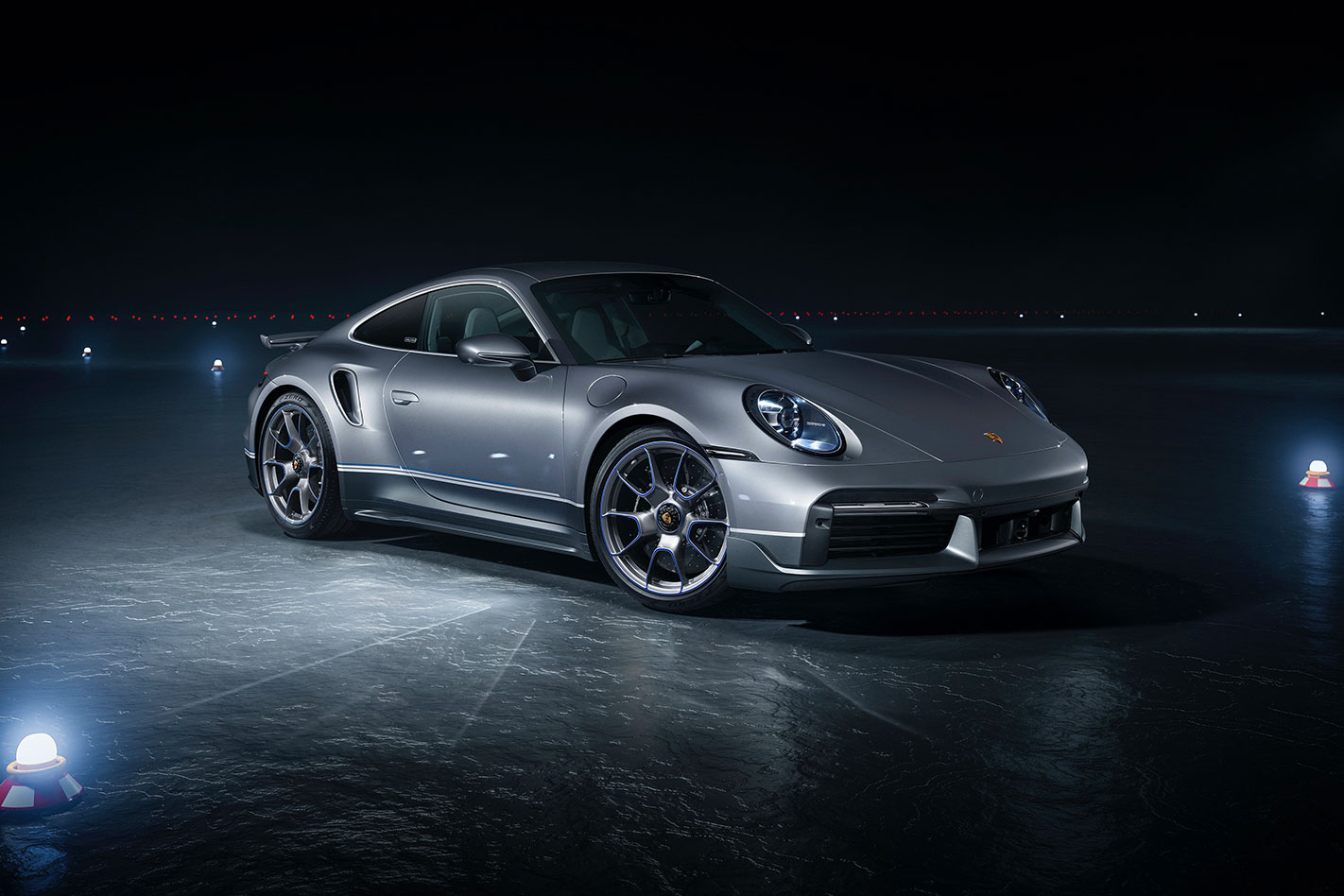
As limited edition Porsche 911 Turbo S variants go, this one is pretty close to the top of the tree.
Why? Well, you might need about $14 million to buy it, because it’s only available when it’s paired with an Embraer Phenom 300E business jet. That $14 million is reportedly the average cost to buy one.
The Turbo S Duet, as Porsche calls it, comes from Stuttgart’s highly regarded Design and Exclusiv Manufaktur departments, and features highly customised features that complement the Brazilian-built executive plane.
Given the standard 911 Turbo S will run someone up $473,500 if they walked into a dealer – a fraction of the jet’s worth – you could say the overlap is stretched between the two.
But it’s not lost.
It’s also capable of reaching a 13.7km altitude and travelling 3724km in a single hop.
Porsche recently unleashed us in its new 911 Turbo S at Kingsford Smith International Airport, where it reached 300km/h in around 26.6 seconds – making it somewhat of a ground-bound jet itself.
But Porsche has worked hard to ensure the Turbo S matches the high flier on a higher level than just mere metaphor.
So, for the 10 available to mega-rich clientele customers, a two-tone paint job matched to the 300E jet comes in Platinum Silver Metallic gloss on top complementing a matt Jet Grey Metallic below.
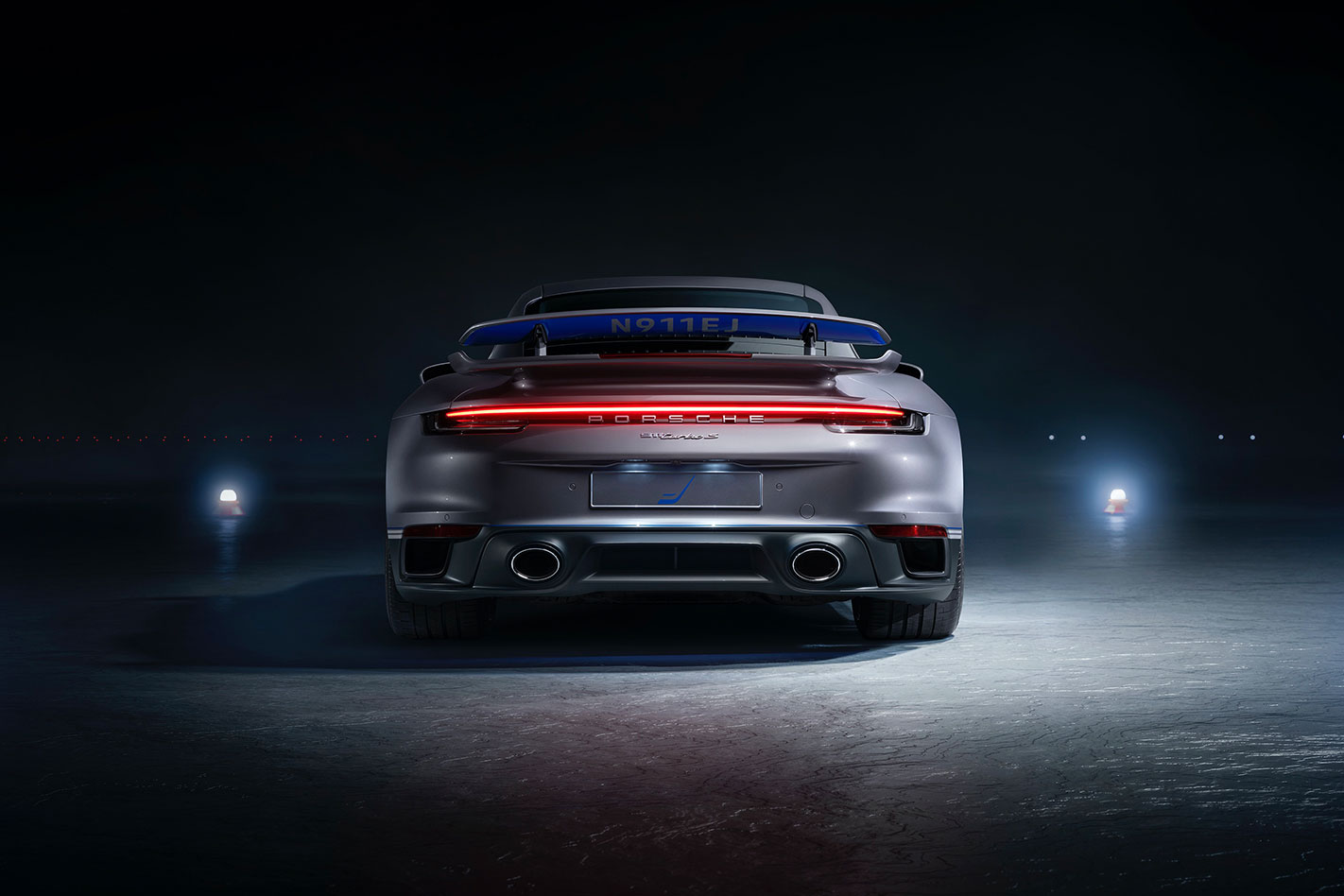
Trim strips in Brilliant Chrome and Speed Blue split the hues, and Porsche says all paintwork is done by hand – just like on the Embraer.
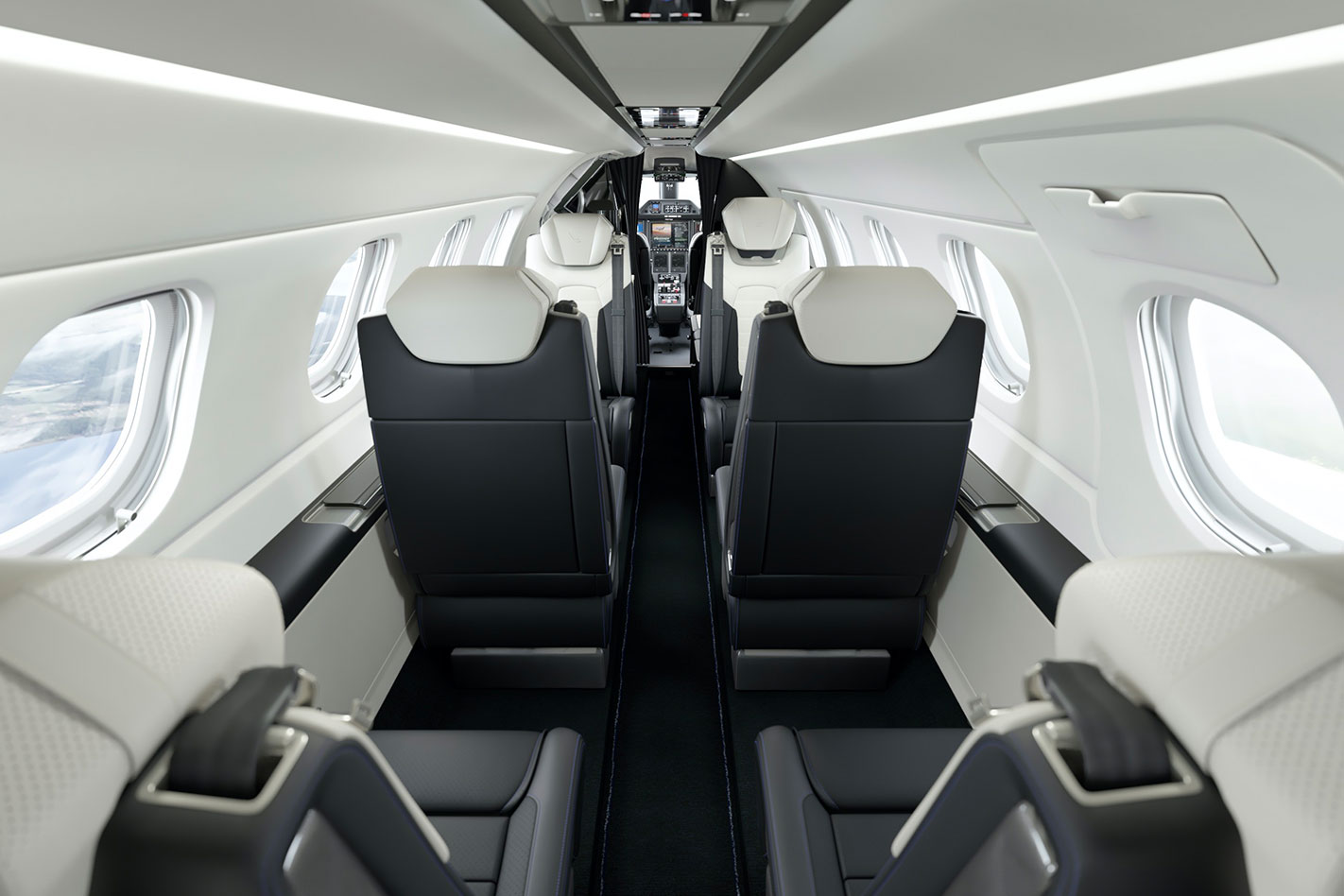
Meanwhile, the jet’s individual registration is painted on the underside of the Turbo S’s wing.
The Sport Chrono dial sitting plumb in the dash’s centre, like a jewel, now features a horizontal graphic like the jet’s own cabin gyroscope.
Now, where’s that damn chequebook…
