
Ever wondered which SUVs have seven seats? And ever wondered what the cheapest seven-seat SUV is? Wonder no more!
We’ve gathered a brace of affordable sports utility vehicles (wait… you DID know what SUV stands for, right?) that offer three rows of seats and that won’t smash the piggybank.
Whether it’s for more cabin space, extra seating or even just for better visibility, SUVs are quickly becoming the popular choice of vehicle for families large and small.
And while some SUVs are getting right up there in price, there is a subset of less spendy seven-seat SUVs that not only work well for a growing family but are easier on the hip pocket.
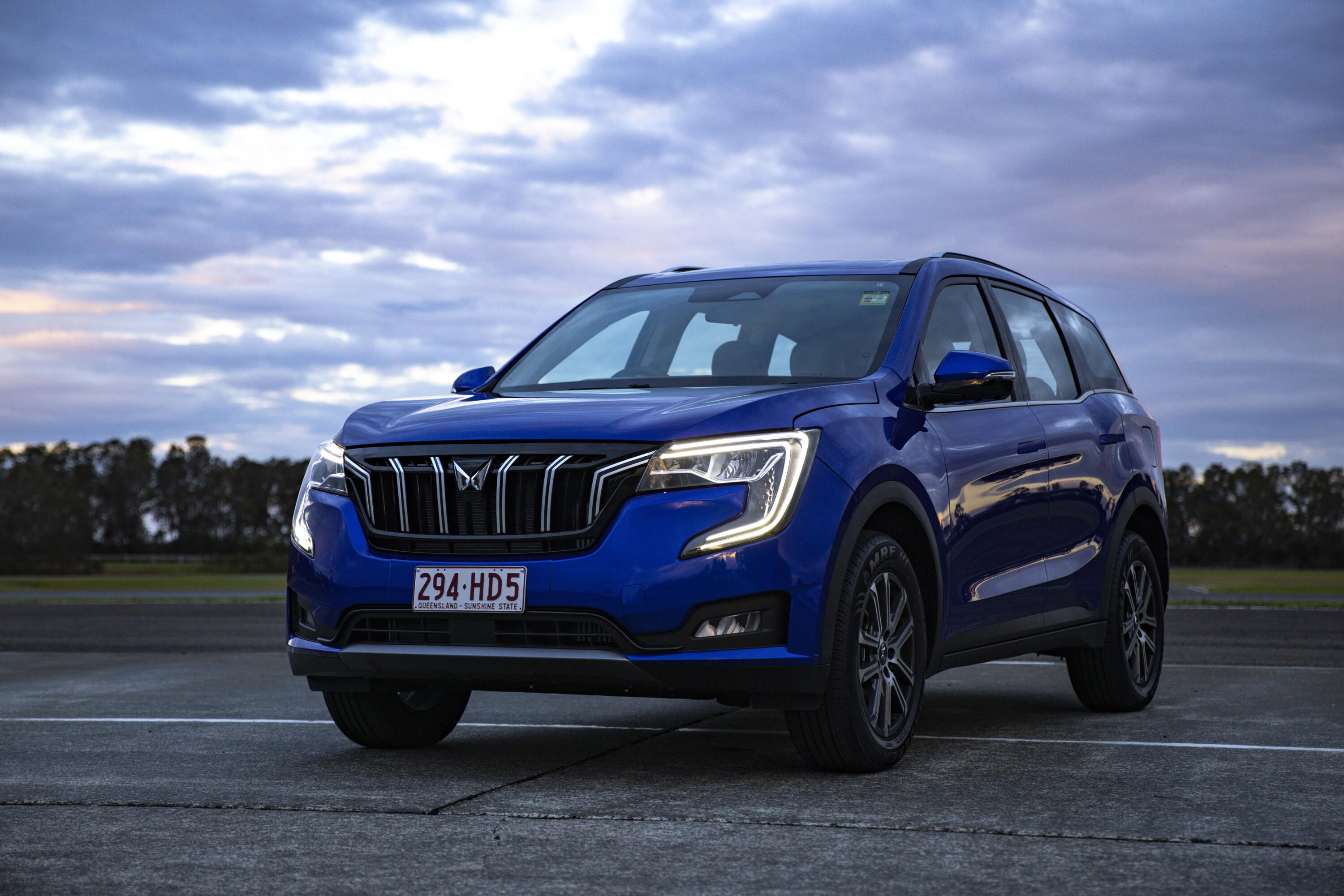
Mahindra XUV700
From $36,990 drive-away
1
The Mahindra XUV700, built in India, may not be the most well-known model but landed in Australia in 2023.
The seven-seater family car has a heap of technology not often seen in large SUVs at this price point.
It boasts a budget-friendly price tag and heaps of standard features such as dual 10.25-inch digital displays, a panoramic sunroof, tyre pressure monitoring system, leatherette seats, adaptive cruise control, LED daytime running lights and plenty more.
Although not the smoothest ride in its class, the XUV700 packs a punch with its robust 149kW/320Nm 2.2-litre turbocharged petrol engine paired with a six-speed automatic transmission.
The XUV700 underwent its last facelift in 2019.
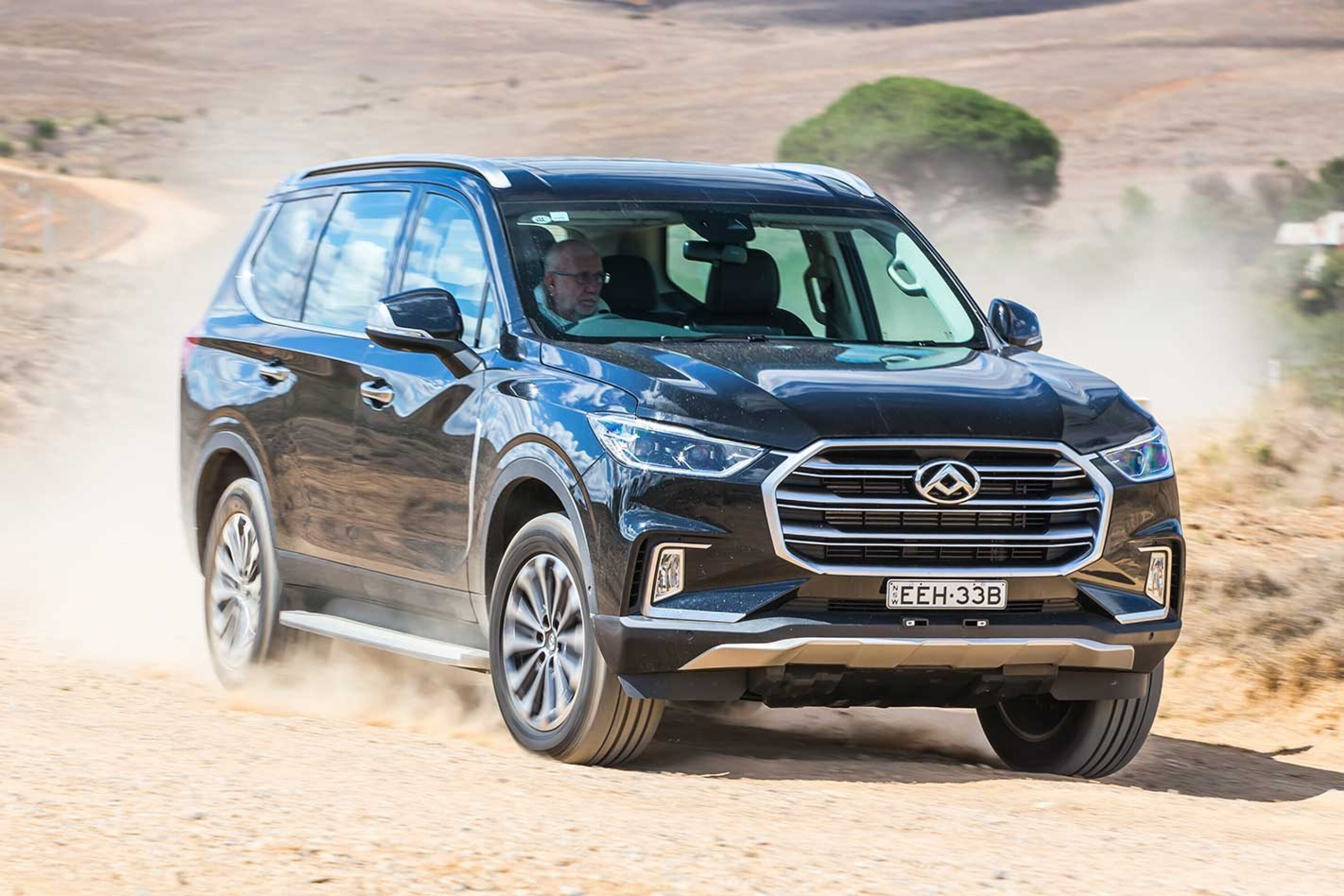
LDV D90
From $38,937 drive-away
1
LDV is a Chinese brand few people have yet to come across here – but the manufacturer is gaining traction in the new car market, with twelve models currently on offer and a large presence in the commercial space.
The seven-seat D90 currently gets a drive-away price of $34,990 in entry-level spec and includes safety tech like autonomous emergency braking, forward collision warning, adaptive cruise control and traffic sign recognition.
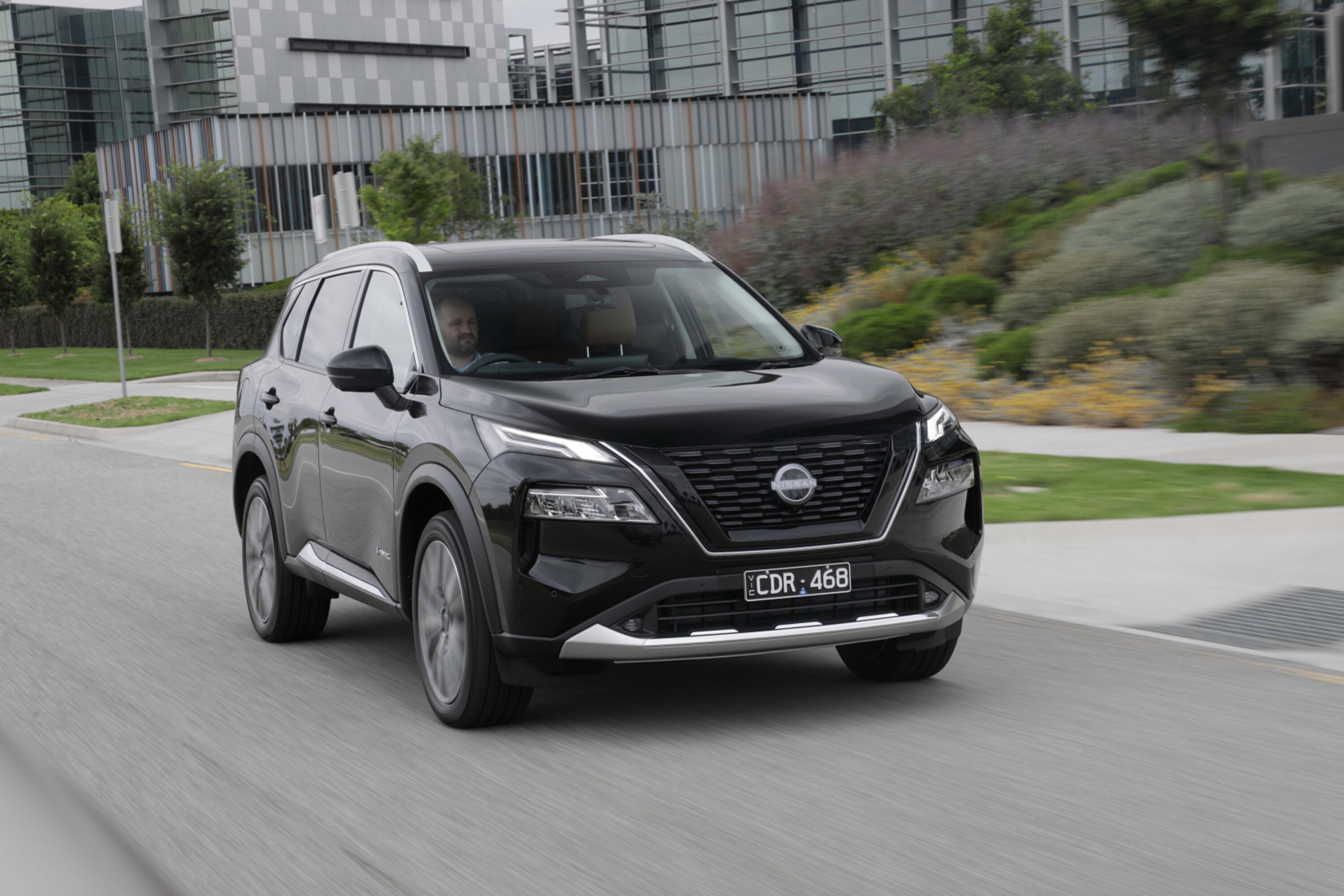
Nissan X-Trail
From $40,020
1
There’s quite a diverse range of X-Trails to choose from – eight to be exact. But it’s the front-drive seven-seat ST we’ll look at here.
Priced from $40,020 (before on-roads), you’ll get a 2.5-litre petrol four-cylinder paired to a CVT auto. LED daytime running lights (DRLs) and taillights, power door mirrors, rear cross traffic alert and blind spot monitoring all come standard.
It does miss out on safety features such as front parking sensors and tyre pressure monitoring systems, as well as luxuries like heated and leather-appointed steering wheel and dual-zone climate control.
It’s a great starting point with plenty of safety features if luxurious additions aren’t on your shopping list, though.
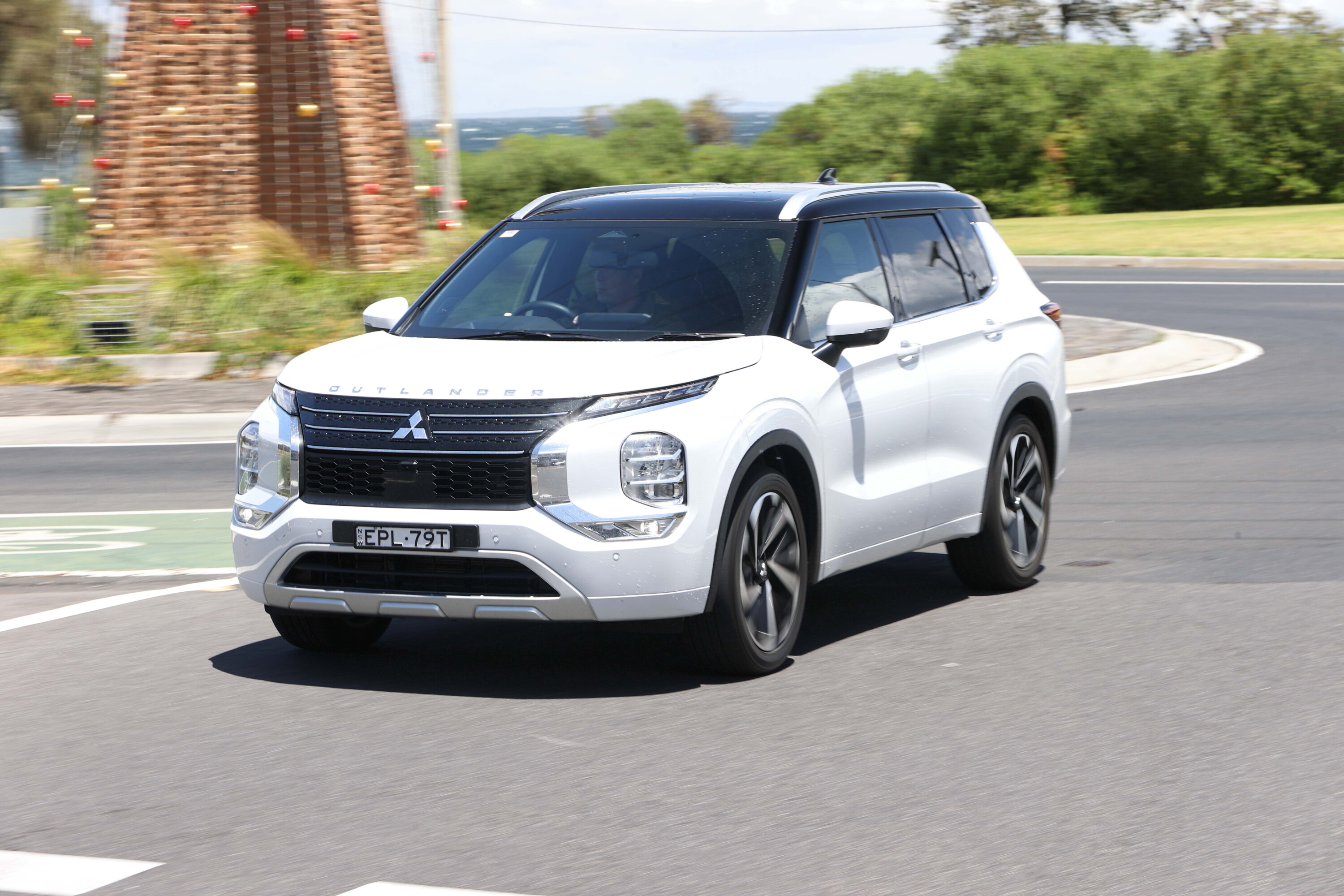
Mitsubishi Outlander
From $41,240 plus on-road costs
1
The Mitsubishi Outlander ES is a longstanding affordable seven-seat car on sale. You can get your hands on a base model in front-drive automatic from $31,290.
But be warned – just because it has seven pews doesn’t mean you can (comfortably) fit that many adults in the car. Mitsubishi says the Outlander is a 5+2 seater, not a genuine seven-seat SUV.
Those foldaway rear seats at the very back are super cramped if you’re any taller than, say, 100cm (or a toddler).
So if you’re after a full-time seven-seater, there are better options out there – but for the odd occasion, the seven-seat Outlander SUV is a good option.
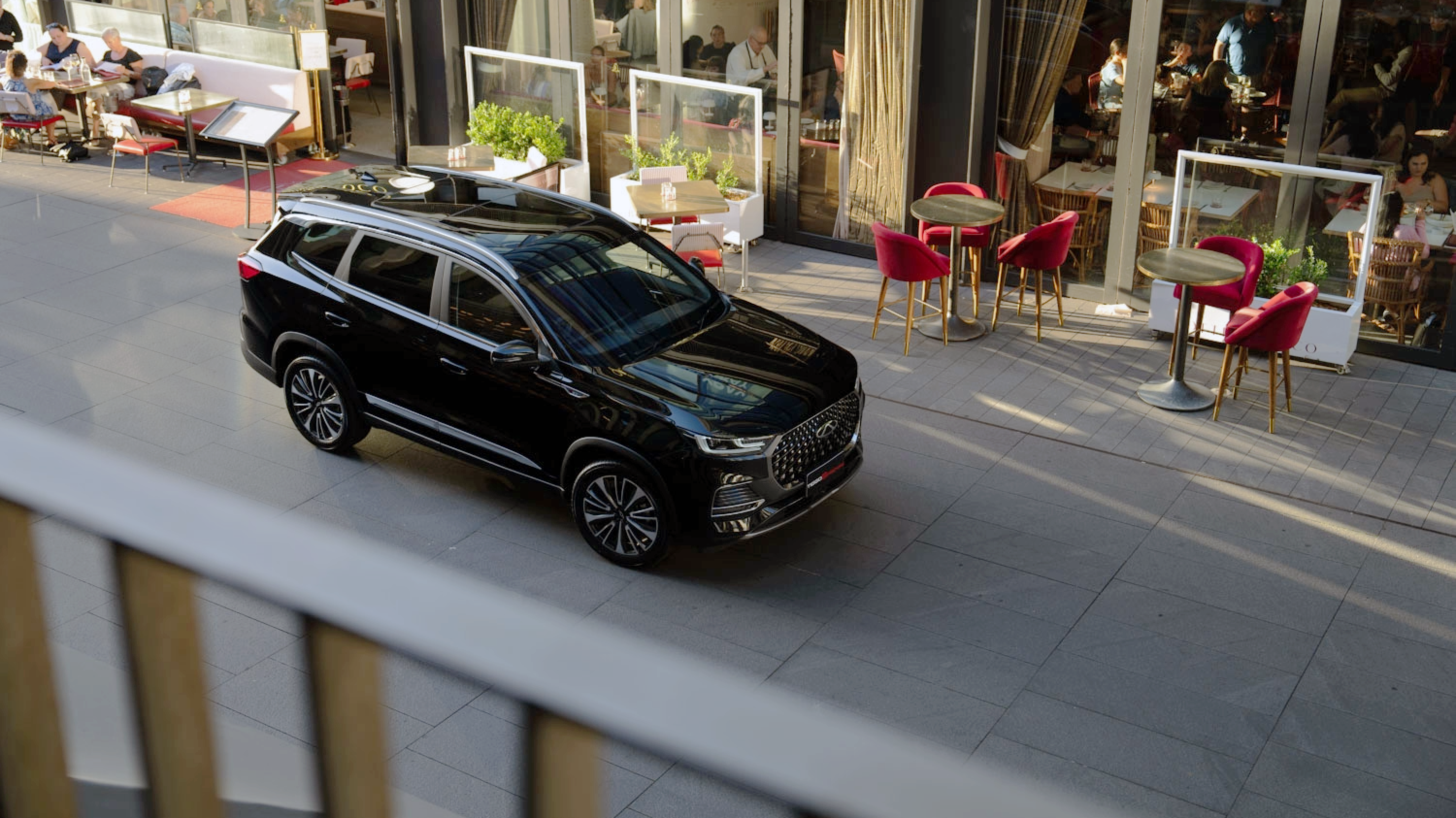
Chery Tiggo 8 Pro Max
From $41,990
1
The Chery Tiggo 8 Pro is a seven-seat only SUV that has only just hit our shores. It’s is packed with features like 18-inch alloy wheels, a wireless charger, 360-degree camera, eight-speaker Sony audio system and more.
In addition to its impressive feature set, the Tiggo 8 Pro offers great value for money. The SUVs competitive pricing, coupled with a generous seven year/unlimited km warranty a makes it an attractive option for families.
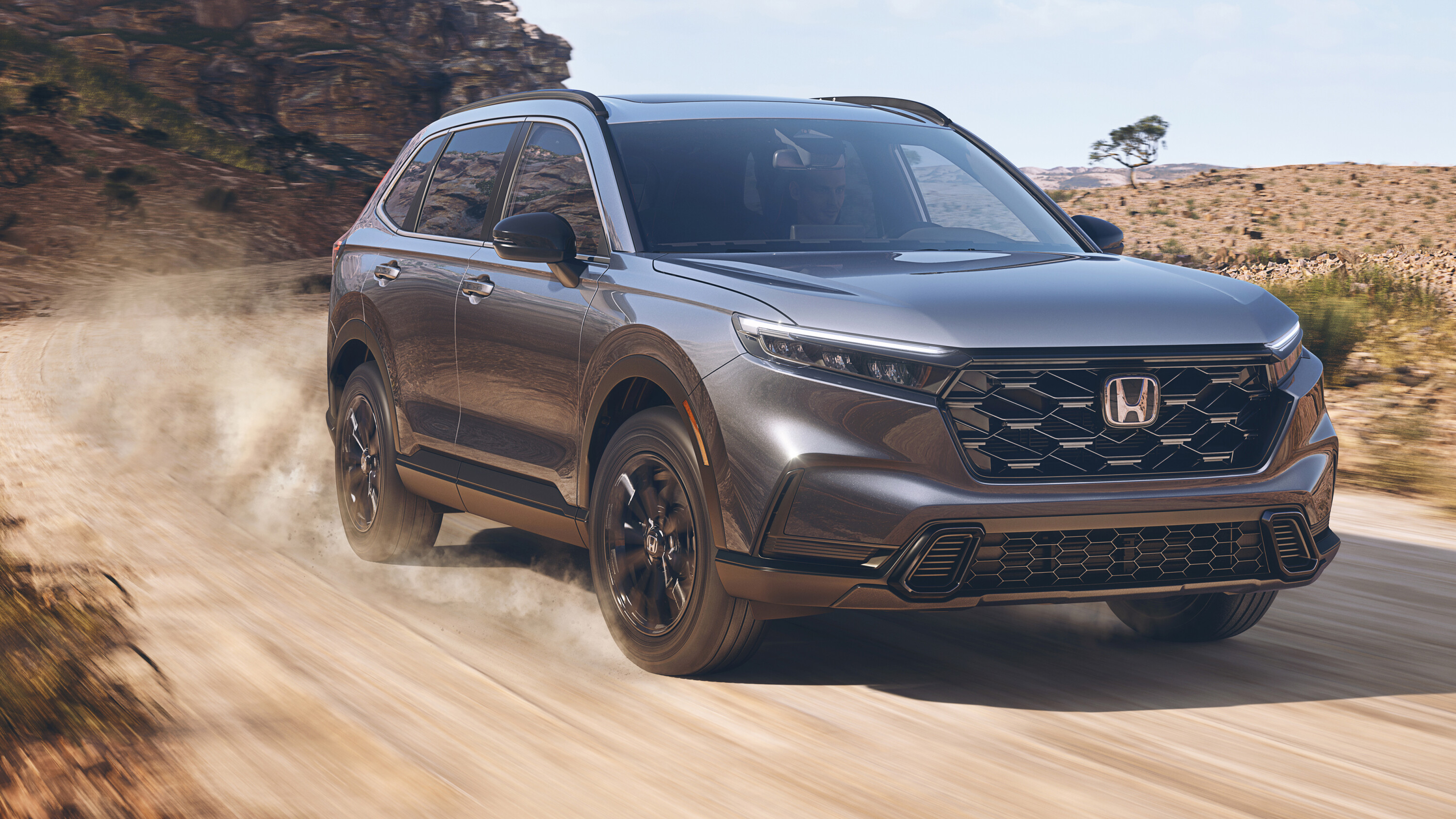
Honda CR-V
From $46,800 plus on-road costs
1
Honda introduced this seven-seater in January 2019 where it was a bargain option, taking over as the most affordable seven-seat option in the CR-V range.
However since the all-new generation launched in 2023 it has creeped further away from the $35k mark it once sat.
In saying that it now hosts a huge suite of safety and comfort features that previous generations didn’t have.
Parting with $46,800 (plus on-road costs) will get you a very modern cabin, blind spot monitoring, 17-inch alloy wheels and 140kW of power from Honda’s 1.5-litre turbo petrol engine.
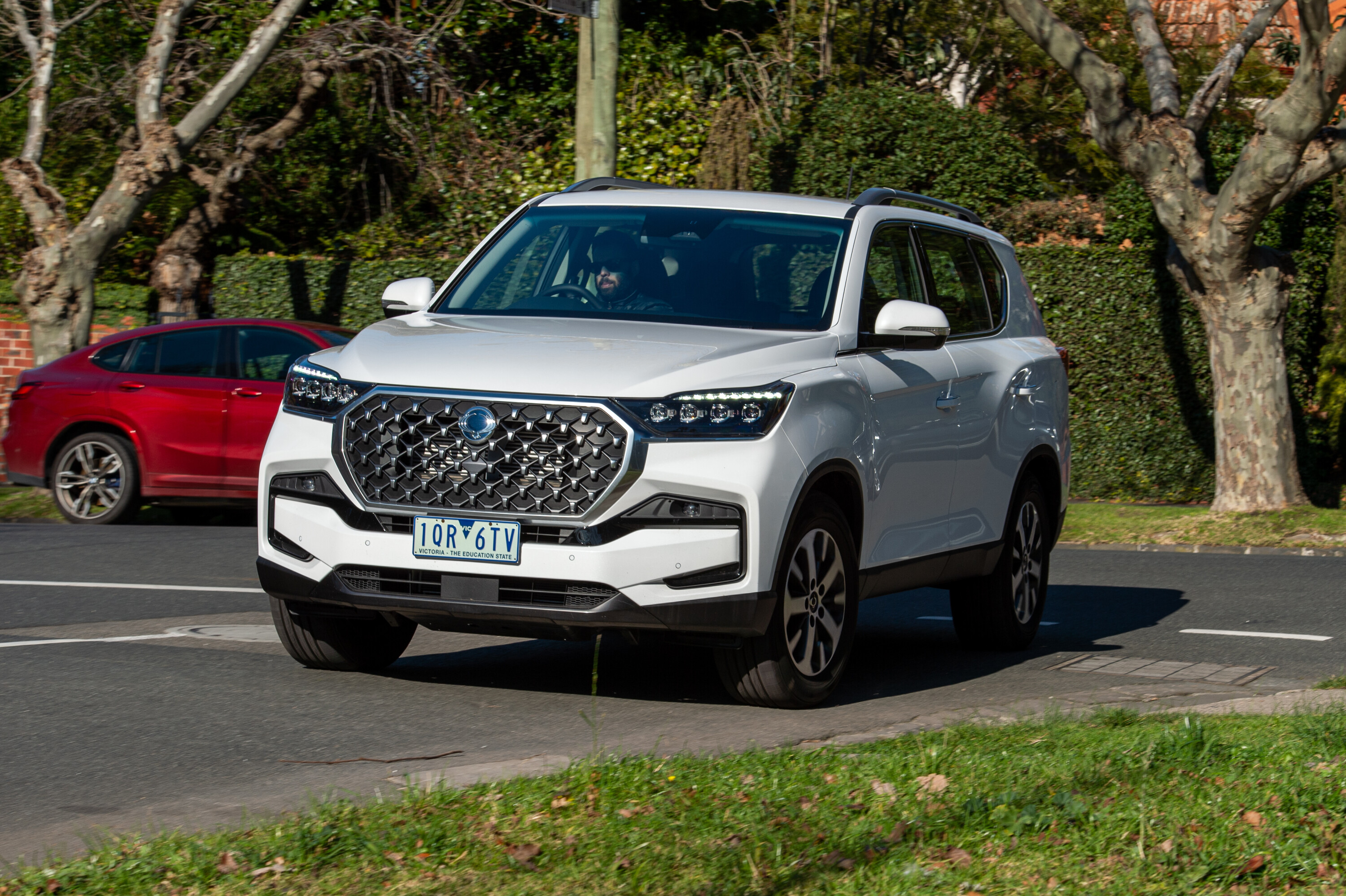
Ssangyong Rexton
From $50,000
1
A seven-year warranty, nationwide pricing, more dealers, big towing capacity and heaps of equipment; that’s what the latest iteration of the Korean brand SsangYong is promising Australian buyers with the Rexton large seven-seat SUV.
The SsangYong Rexton ELX SUV comes standard with front-wheel-drive and a 2.2-litre turbocharged diesel engine teamed with eight-speed automatic transmission.
It retails for $50,000, and offers 18-inch alloy wheels, a leather steering wheel, nine airbags, rear cross traffic alert and blind spot monitoring.
Is there a seven-seat bargain that we’ve missed? Let us know in the comments below!
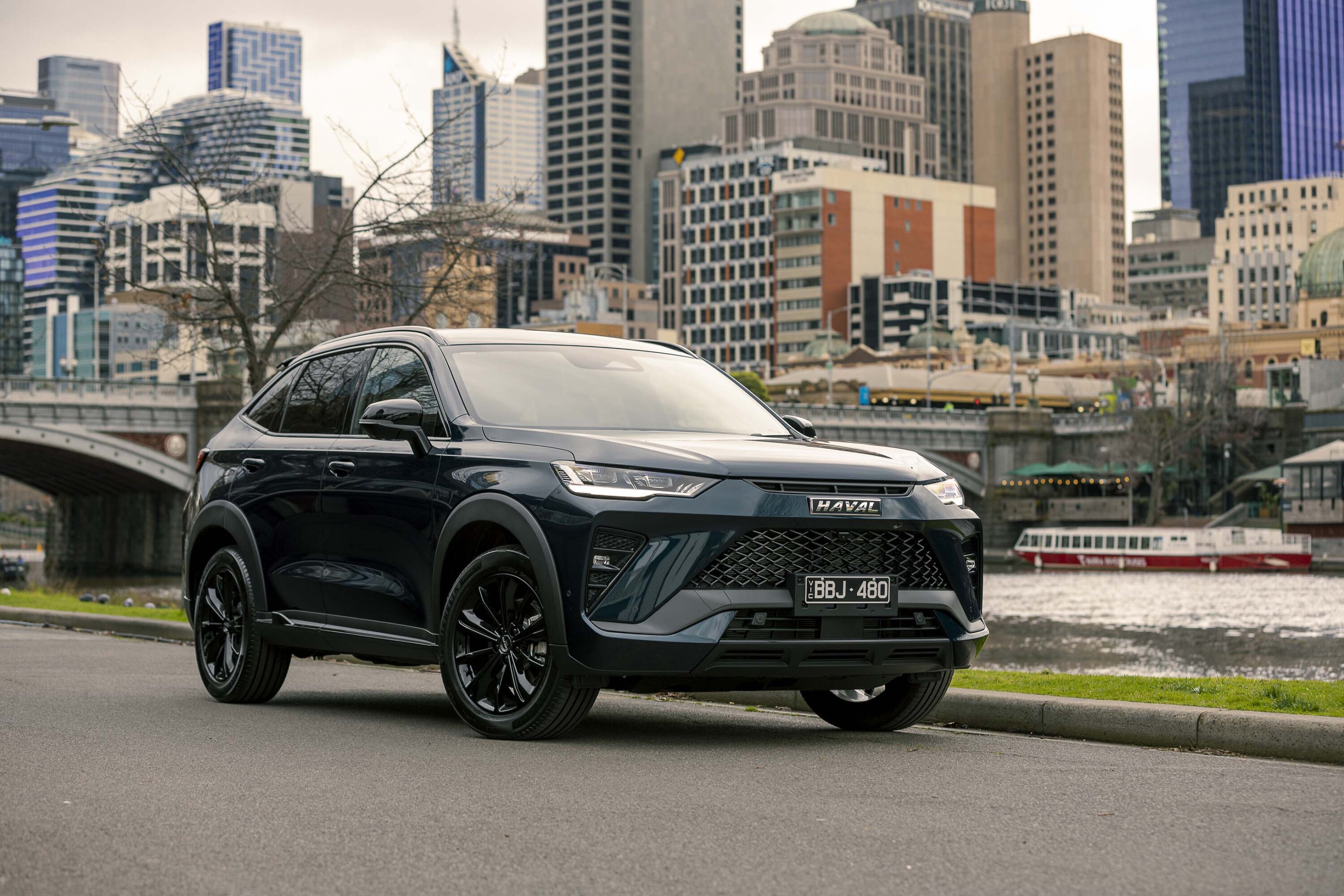
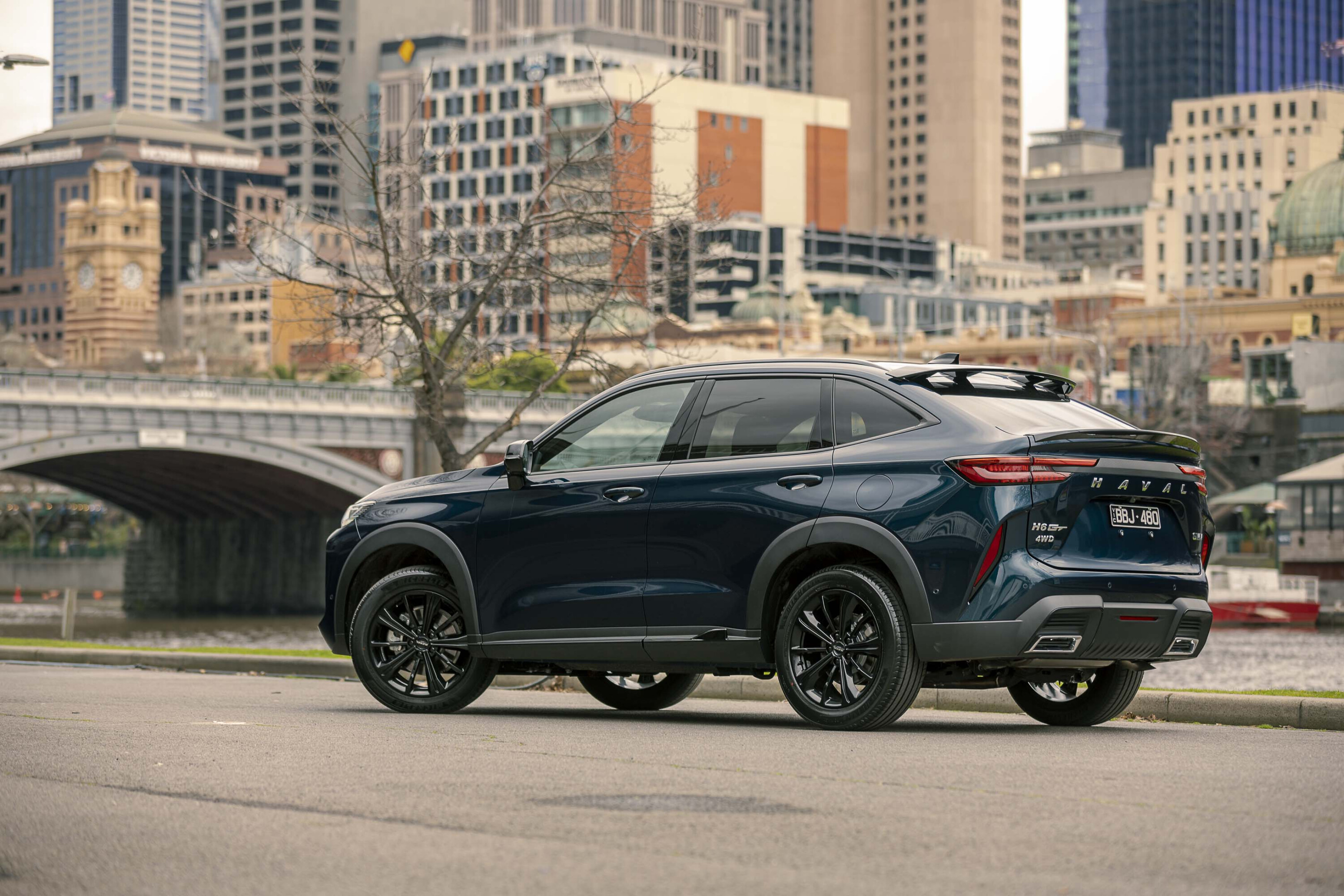
The 2024 GWM Haval H6GT Lux sets a new standard for sporty mid-size SUVs, combining dynamic design with a robust feature set and impressive performance. This model caters to drivers looking for a stylish and well-equipped vehicle that doesn’t compromise on practicality.
The Haval H6GT Lux features a sleek, coupe-inspired design, distinguishing it from traditional SUVs in its segment.
Let’s dive into what makes the H6GT Lux a standout option.
Pricing & Features
Priced at $41,990 drive-away, the H6GT Lux sits as the base-range of the H6GT lineup, offering a balance of luxury and sportiness.
The coupe SUV is also available in the Ultra trim level for $44,990 capping the range.
Both are powered by a 2.0-litre turbocharged four-cylinder petrol engine that delivers 150kW of power and 320Nm of torque, paired with a seven-speed dual-clutch transmission.
1
The vehicle is packed with high-end features, including matrix LED headlights, 19-inch alloy wheels, and a sporty rear spoiler.
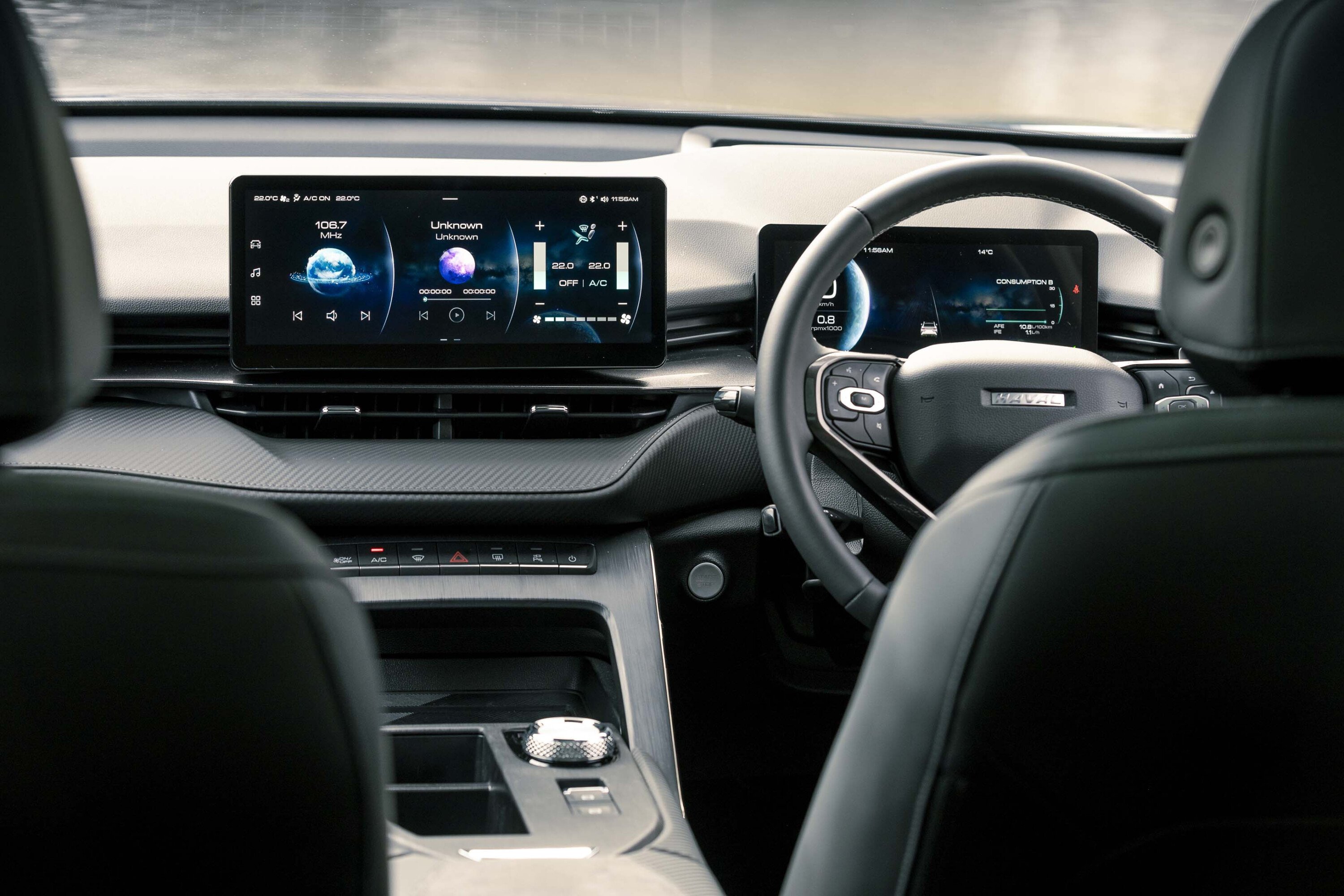
The interior boasts a 12.3-inch central touchscreen, 10.25-inch digital instrument cluster and a with smartphone integration, Apple CarPlay and Android Auto. Additional amenities include leather-appointed seats, rear privacy glass, keyless entry with push-button start, and dual-zone climate control.
Features like a panoramic sunroof, a 12.3-inch central touchscreen, heads up display and heated seats are reserved for the range-topping Ultra.
1
Safety
The Haval H6GT Lux has received a five-star ANCAP safety rating, which covers the entire H6 range which the GT is built on.
In safety evaluations, the SUV scored 90% for adult occupant protection and 88% for child occupant protection.
Standard safety features encompass seven airbags, Automatic Emergency Braking (AEB), adaptive cruise control, traffic sign recognition, lane keep assist and a 360-degree camera system.
1
Key Rivals
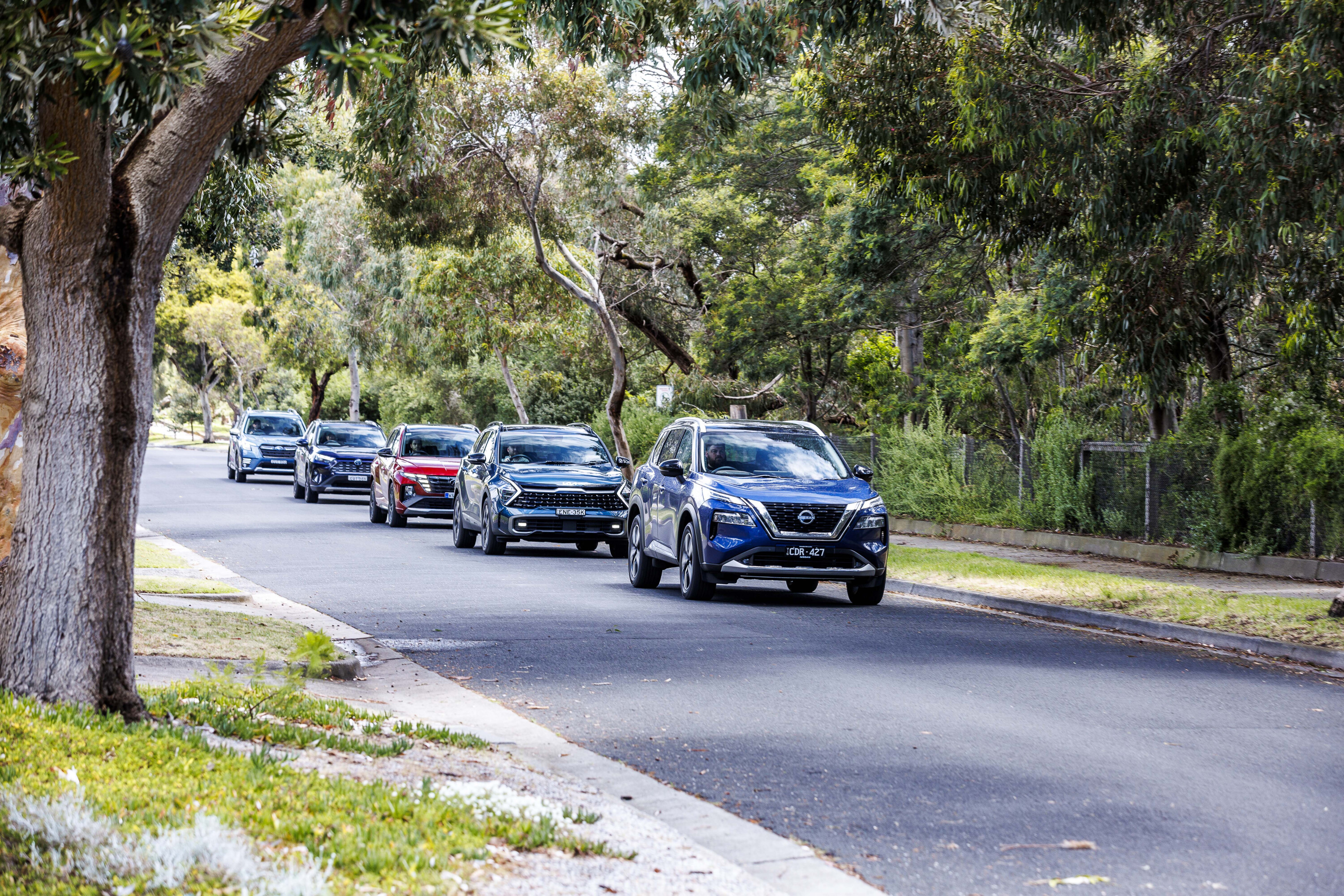
The sports/sporty-looking coupe SUV market is competitive, with several key rivals offerings sport styling on specific trims, including:
1
Should I put it on my shortlist?
The Haval H6 GT offers strong performance with impressive handling, braking, and steering. It is well-packaged and reasonably priced at $41,990. However, its infotainment and driver assist systems need refinement, leading to some frustrations.
Despite these issues, the H6 GT has the potential to impress, especially on challenging roads. Prospective buyers should test drive it, as it shows how close Haval is to competing with top brands, needing just a few tweaks to be excellent.
MORE
Everything Haval
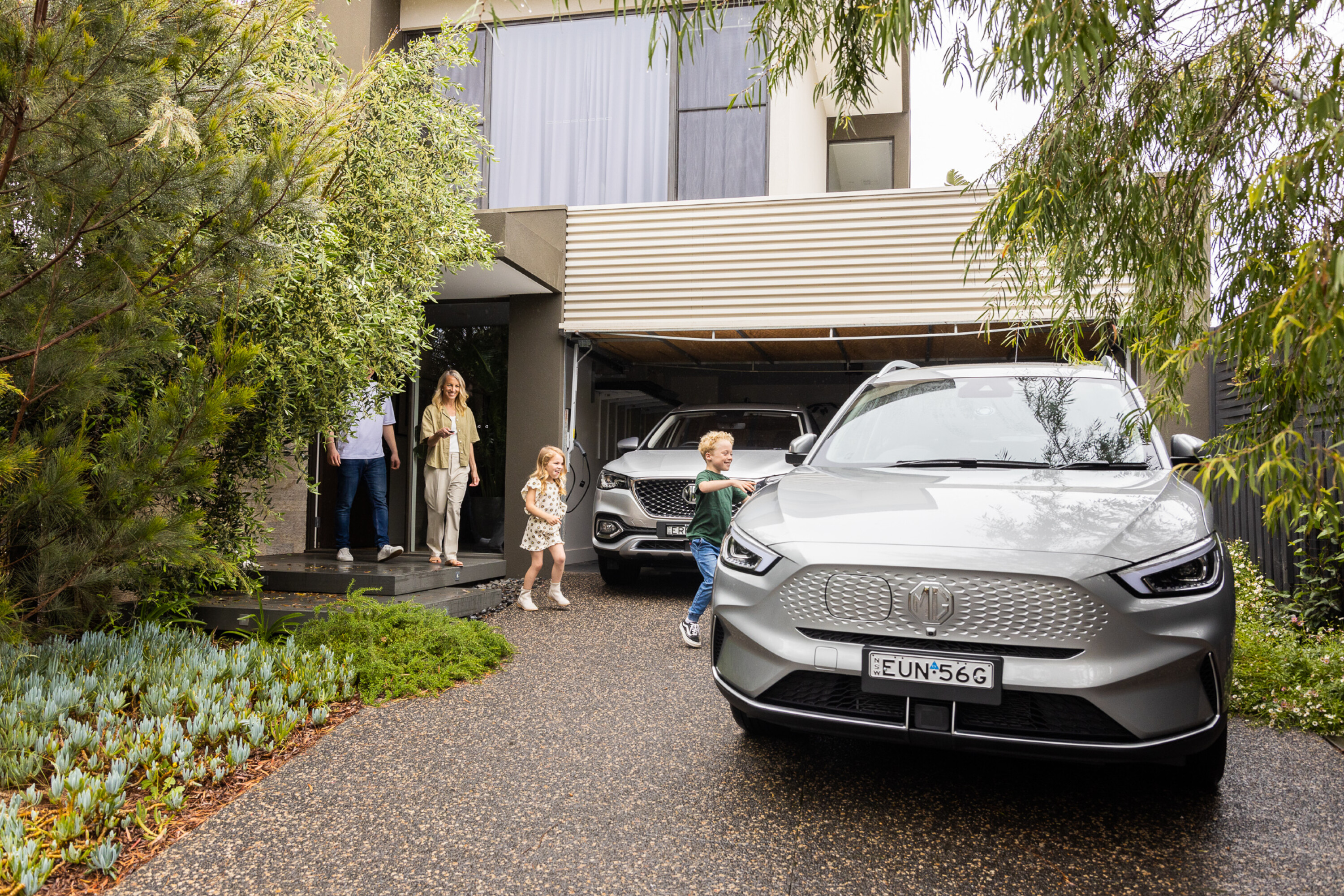
In recent years, MG has significantly impacted the Australian market with its lineup of new, cost-effective, and technologically advanced models.
The brand has been praised for promoting the adoption of electric vehicles, especially with the introduction of the new MG4.
For those looking for a medium SUV, MG offers the HS, with the HS +EV catering to those interested in plug-in hybrid options.
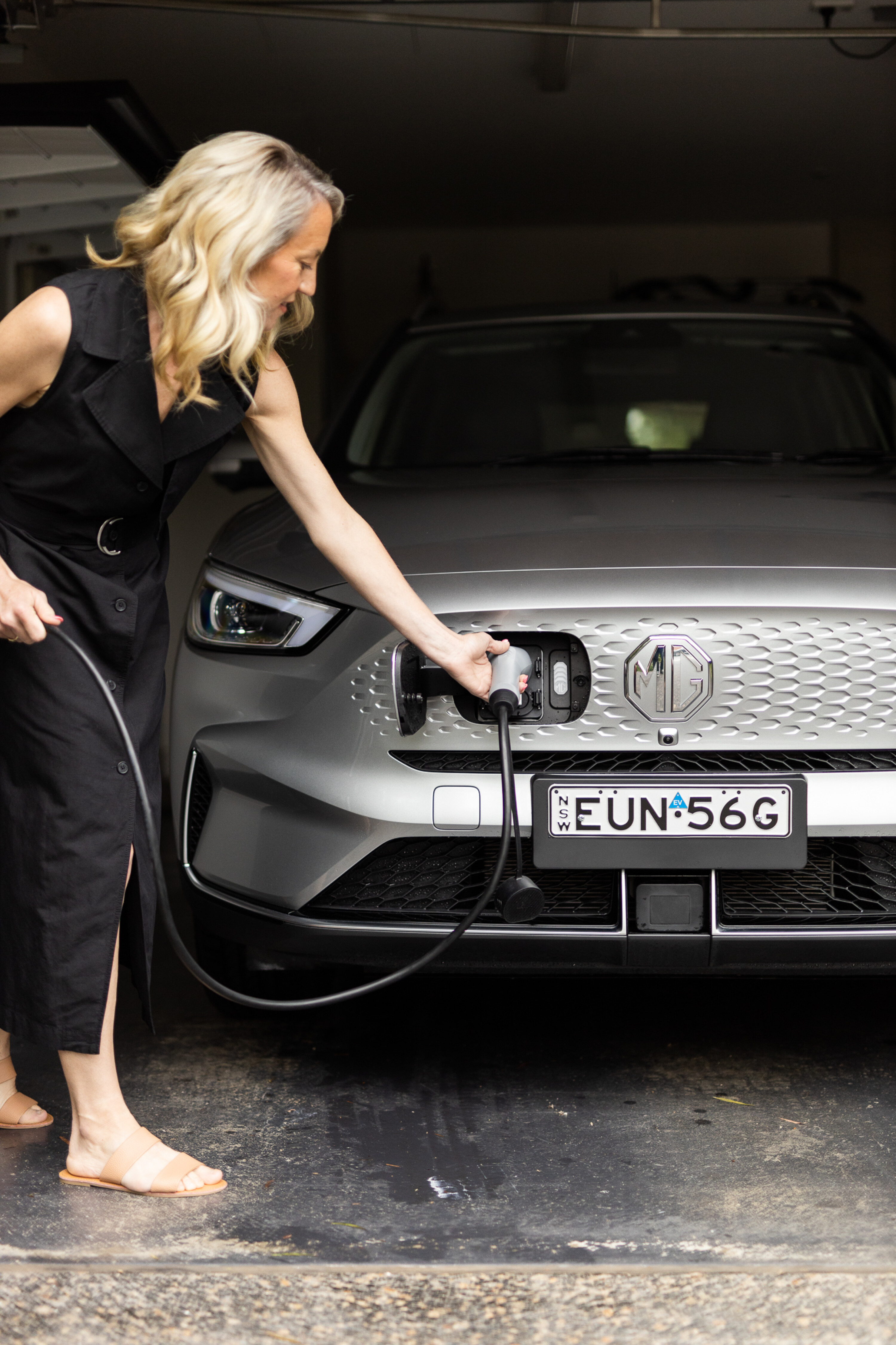
A plug-in hybrid is a type of vehicle that combines a traditional internal combustion engine with an electric motor and a rechargeable battery. It can be charged via an external power source, allowing it to run on electric power alone for shorter distances before switching to the petrol engine for longer trips.
If you’re curious about electric cars and how they might suit your lifestyle, the HS Plus EV could be your ideal stepping stone.
1
Pricing and features
The MG HS features a five-door, SUV-style design, with capacity to seat five passengers comfortably.
Available in two variants, it is classified as a medium SUV in the mainstream market, priced under $60K.
MG advertises national drive-away pricing for the MG HS Plus EV starting at $43,690 for the base Excite model and up to $46,690 for the tested Essence grade. This makes the PHEV versions $11,700-$12,700 more expensive than their petrol-only counterparts.
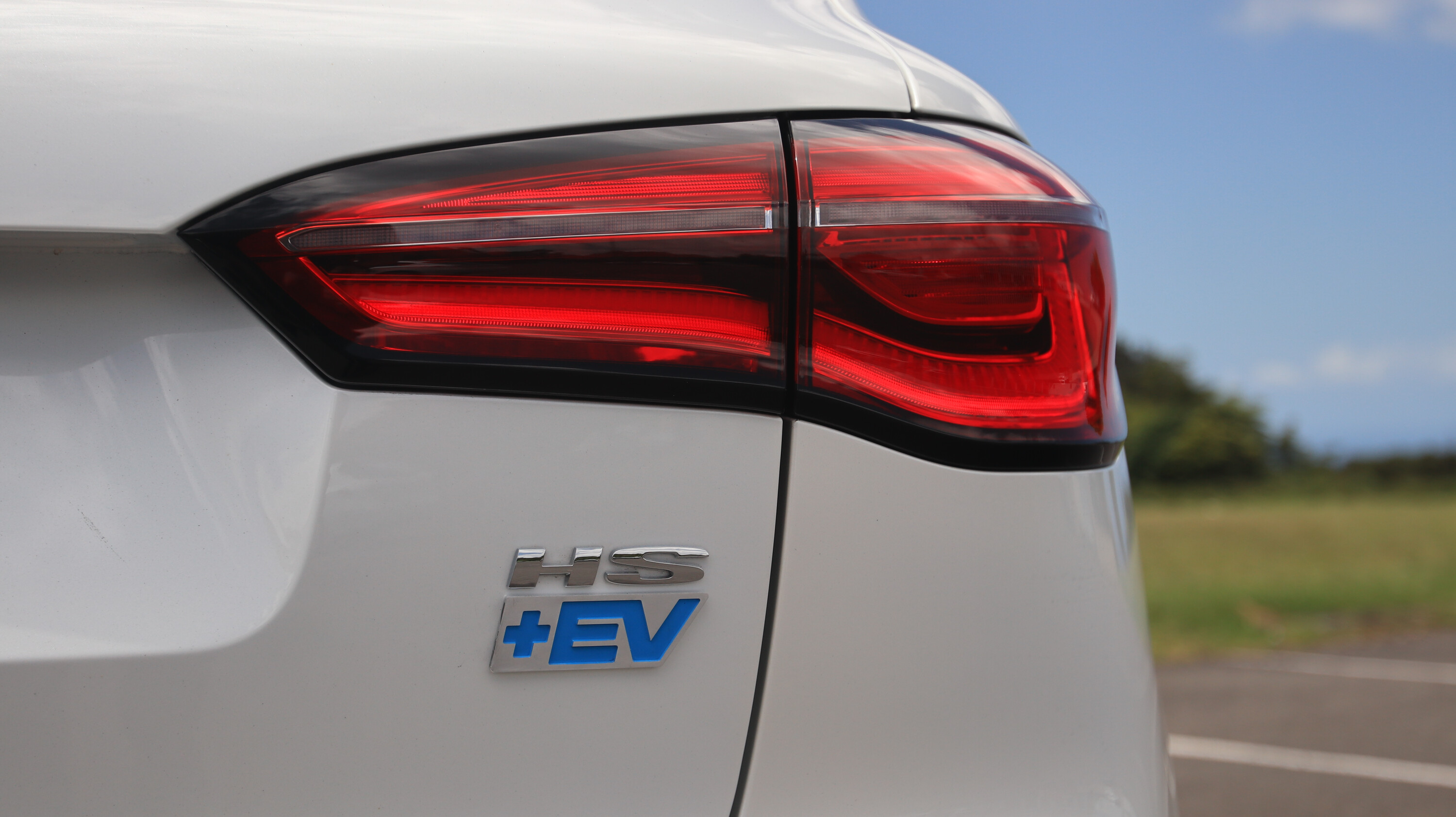
1
The powertrain combines a 119kW/250Nm 1.5-litre turbocharged petrol engine paired with a 10-speed transmission with a 90kW/230Nm electric drive motor, powered by a 16.6kWh lithium-ion battery.
Electric only driving range is quoted by MG at 63km and has a quoted combined cycle fuel consumption of just 1.7-litres/100km. During a recent test we found the consumption of one airport to destination trip used 5.2-lites/100km.
| 2024 MG HS Plus EV Excite standard features | |
|---|---|
| 10.1-inch infotainment system | LED daytime running lamps |
| 12.3-inch digital driver display | LED tail lights |
| 17-inch alloy wheels | Rear air vents |
| Apple CarPlay and Android Auto (wired) | Rear parking sensors |
| Dual zone climate control | Reverse camera |
| Four USB-A ports (2x front and rear) | Roof rails |
| Halogen headlights | Satellite navigation |
| Heated, electrically-operated door mirrors | Six-speaker audio system |
| Keyless entry with push-button start | Synthetic leather seats |
| Leather-wrapped steering wheel and gear shifter | |
1
Safety
Plug-in hybrid versions of the MG HS have not been safety rated by ANCAP.
However the petrol HS range earned a five-star safety rating from ANCAP, based on Euro-NCAP tests conducted in 2019.
Each model in the MG HS lineup is equipped with six standard airbags (dual front, side, and curtain) to enhance passenger protection.
Furthermore, the HS Plus EV benefits from the inclusion of the MG Pilot safety suite. This comprehensive safety package incorporates a range of active safety technologies, such as autonomous emergency braking, lane-keeping assistance, forward collision warning, adaptive cruise control, traffic jam assist, blind-spot detection, rear-cross traffic alert, traffic sign recognition and automatic high beams,.
1
Key rivals
In the world of plug-in hybrids, many competitors are positioned in a higher price bracket. However, new affordable entrants like the BYD Sealion 6 are emerging regularly and are set to launch this year.
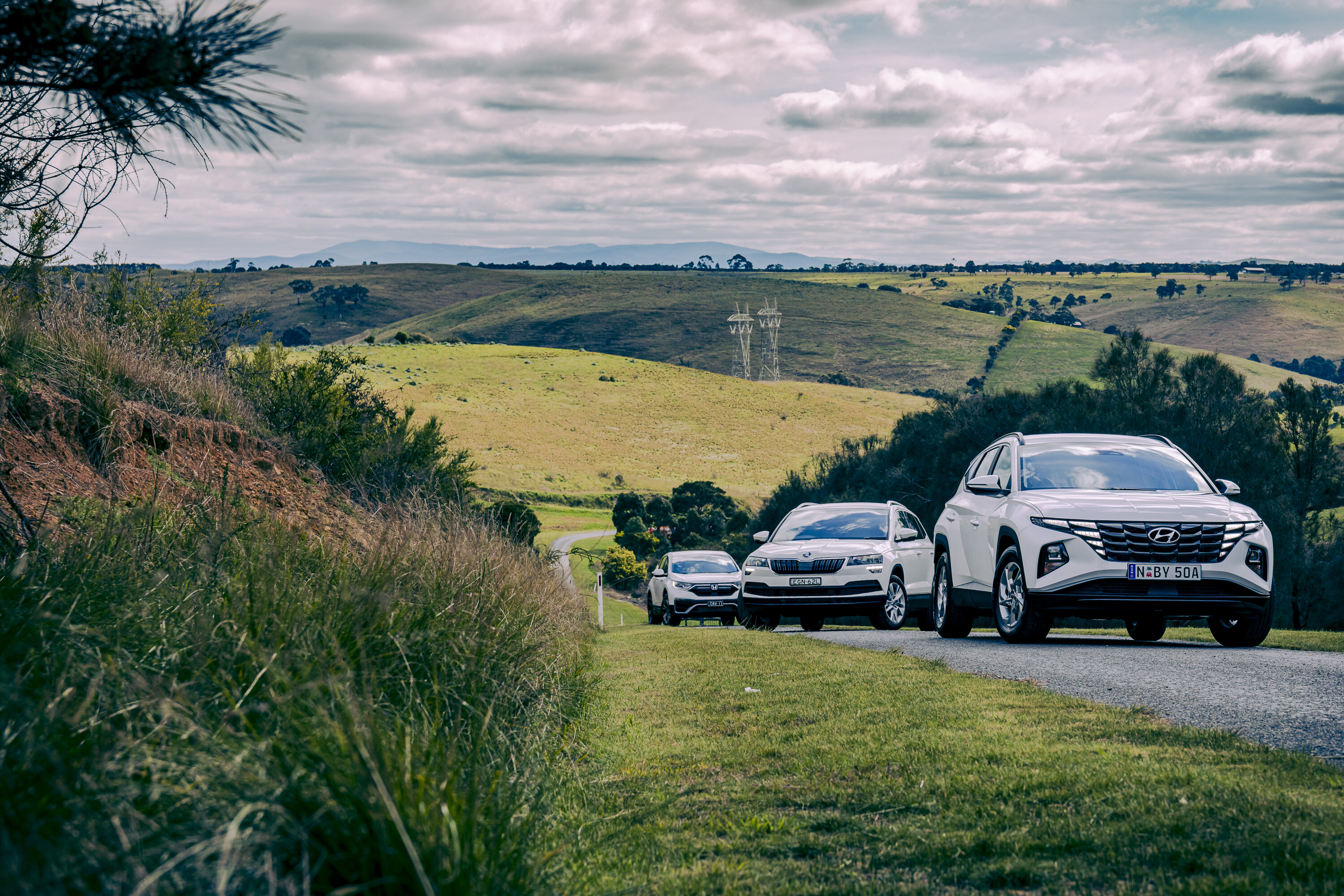
Competitors include both traditional and plug-in hybrid vehicles including:
1
Should I put it on my shortlist?
The MG HS Plus EV Excite offers great value, making it an attractive option for buyers looking to explore electric vehicles without fully committing just yet. Its affordability is obviously a significant part of its appeal, with many PHEV options at a hefty premium to their petrol counterparts.
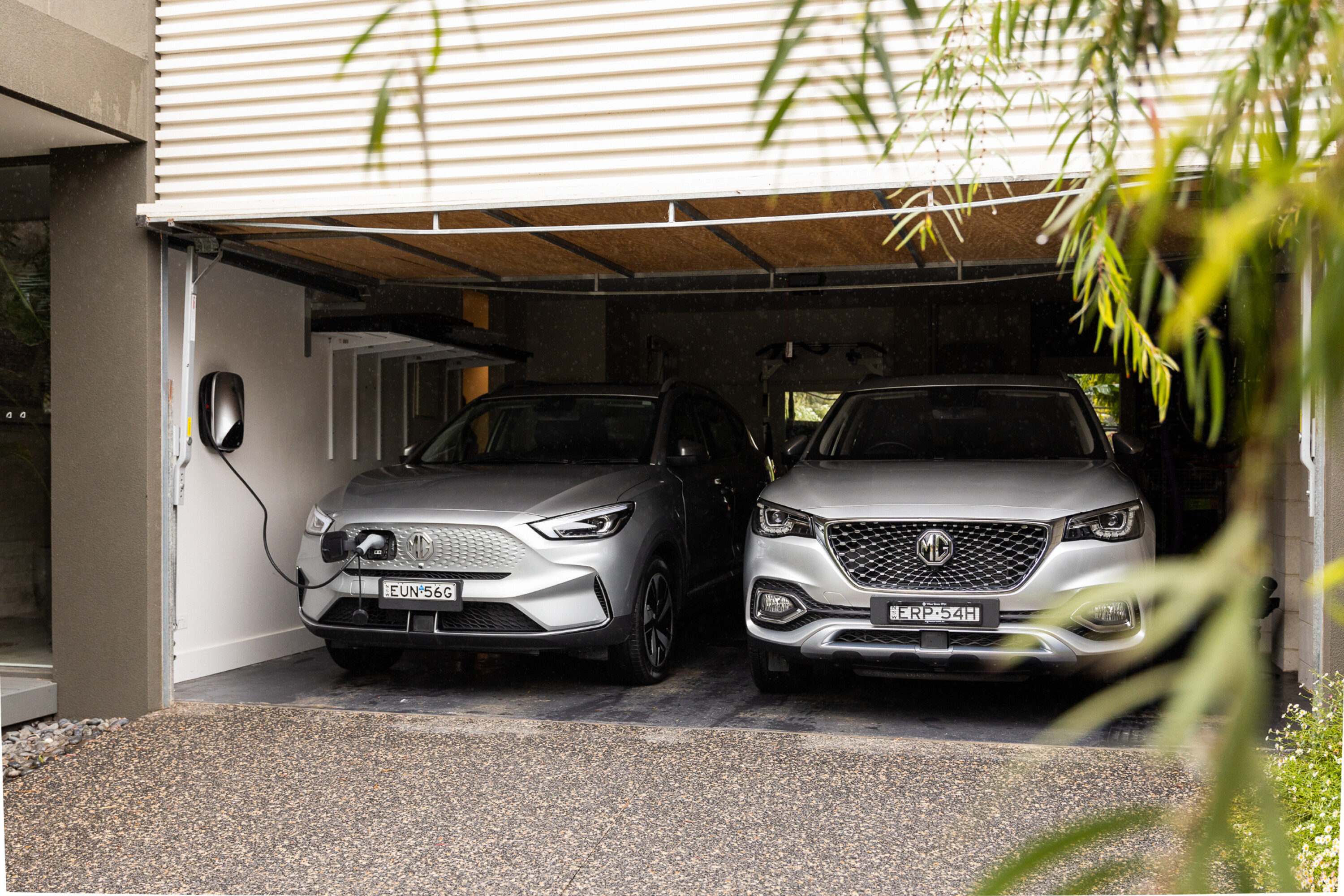
If you have the charging infrastructure handy at home or the office then the electric only range could be plenty for your daily needs after a routine nightly charge.
MORE
Everything MG
MORE
Midsize SUVs
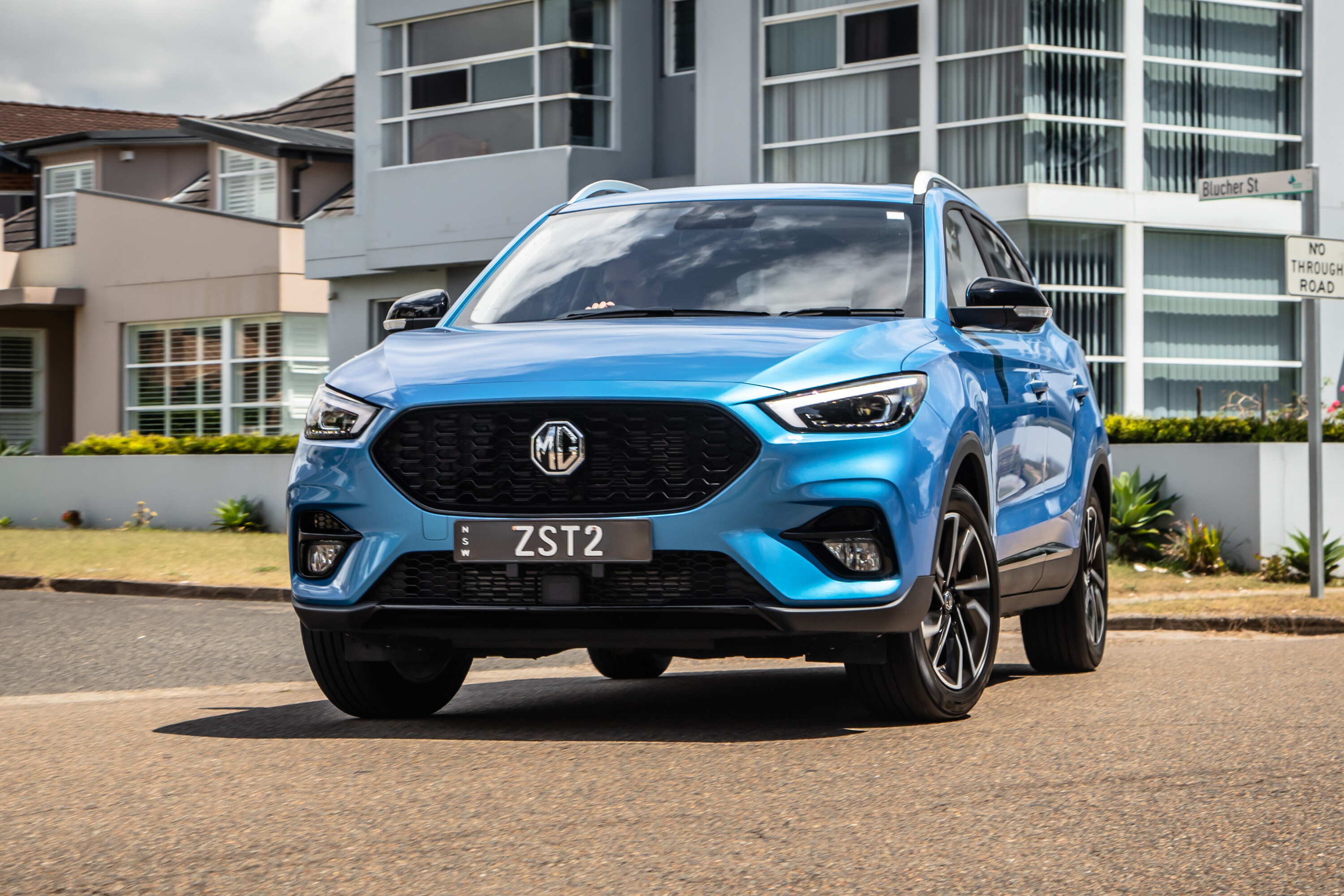
Debuting in 2017, the 2024 MG ZST has rapidly gained popularity in Australia as an affordable small SUV.
Positioned above the ZS in the Australian market, the ZST models add several features to the virtually identical ZS offering.
Manufactured by MG, a brand that transitioned from British to Chinese ownership, it now consistently ranks among the top ten best-selling car brands in monthly sales reports.
I’ll even put money on the fact that you’ve probably seen one this week.
Pricing and Features
The MG ZST Core was highlighted in our 2023 Best Value Small SUV comparison as the most affordable option available. It’s also one of Australia’s most popular SUVs.
The Core starts the ZST line-up (before the Vibe, Excite and Essence) which you can drive home for only $25,490. The Essence tops the range at $30,490 drive-away packing in plenty of additional features for your dollar.
1
The Essence switches out the base grade 1.5-litre engine for the more powerful 1.3-litre turbo petrol engine producing 115kW or power and 230Nm of torque.
Despite its competitive price point, MG includes a host of standard features across all models, such as 17-inch alloy wheels, a 360-degree camera, keyless entry with push-button start, and LED headlights.
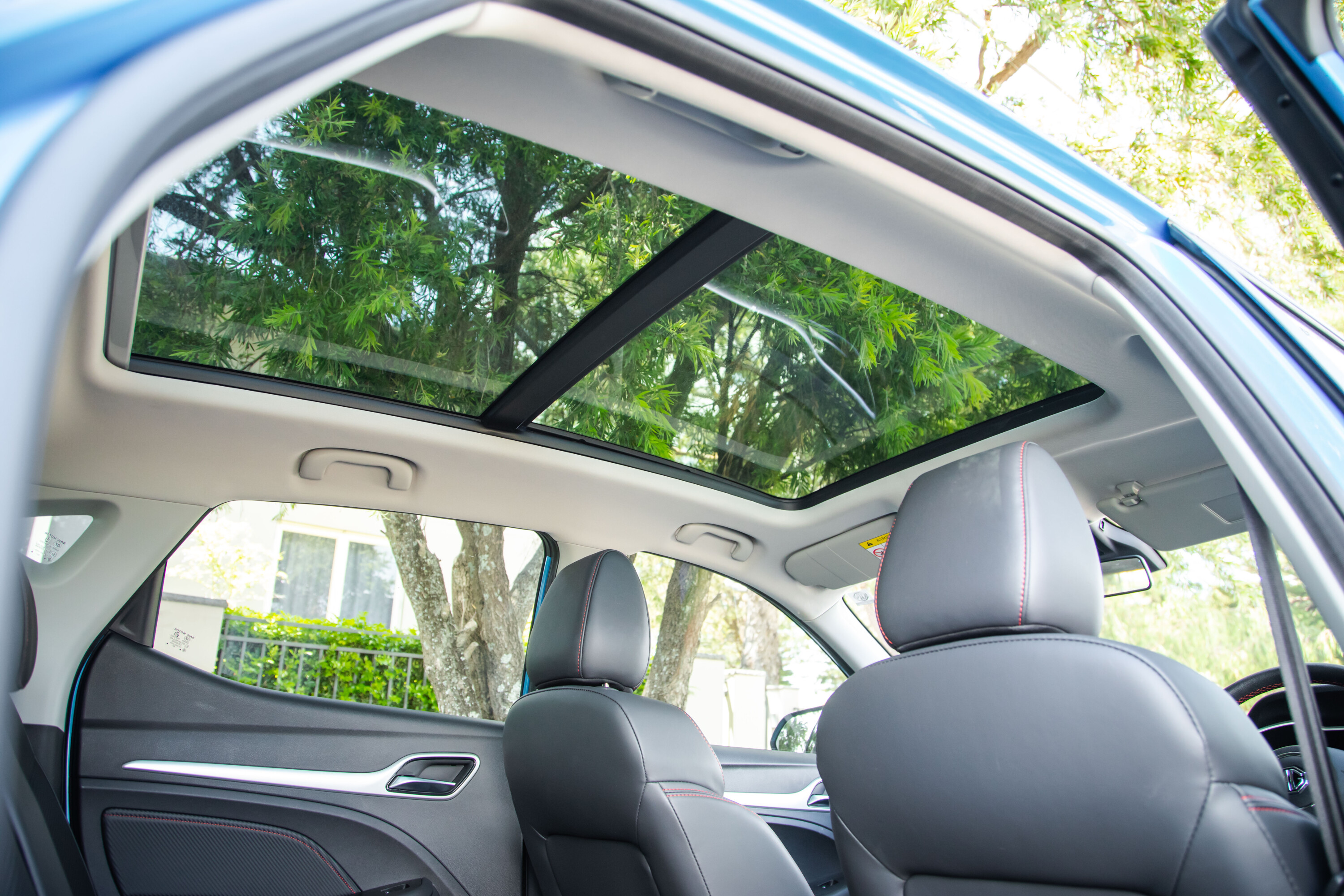
Stepping up to the Essence gets you great creature comforts such as a 6-way electric driver front seat, rain-sensing wipers, an enormous sunroof, heated front seats and a digital driver instrument cluster as well as sporty design accents both in and outside the cabin.
1
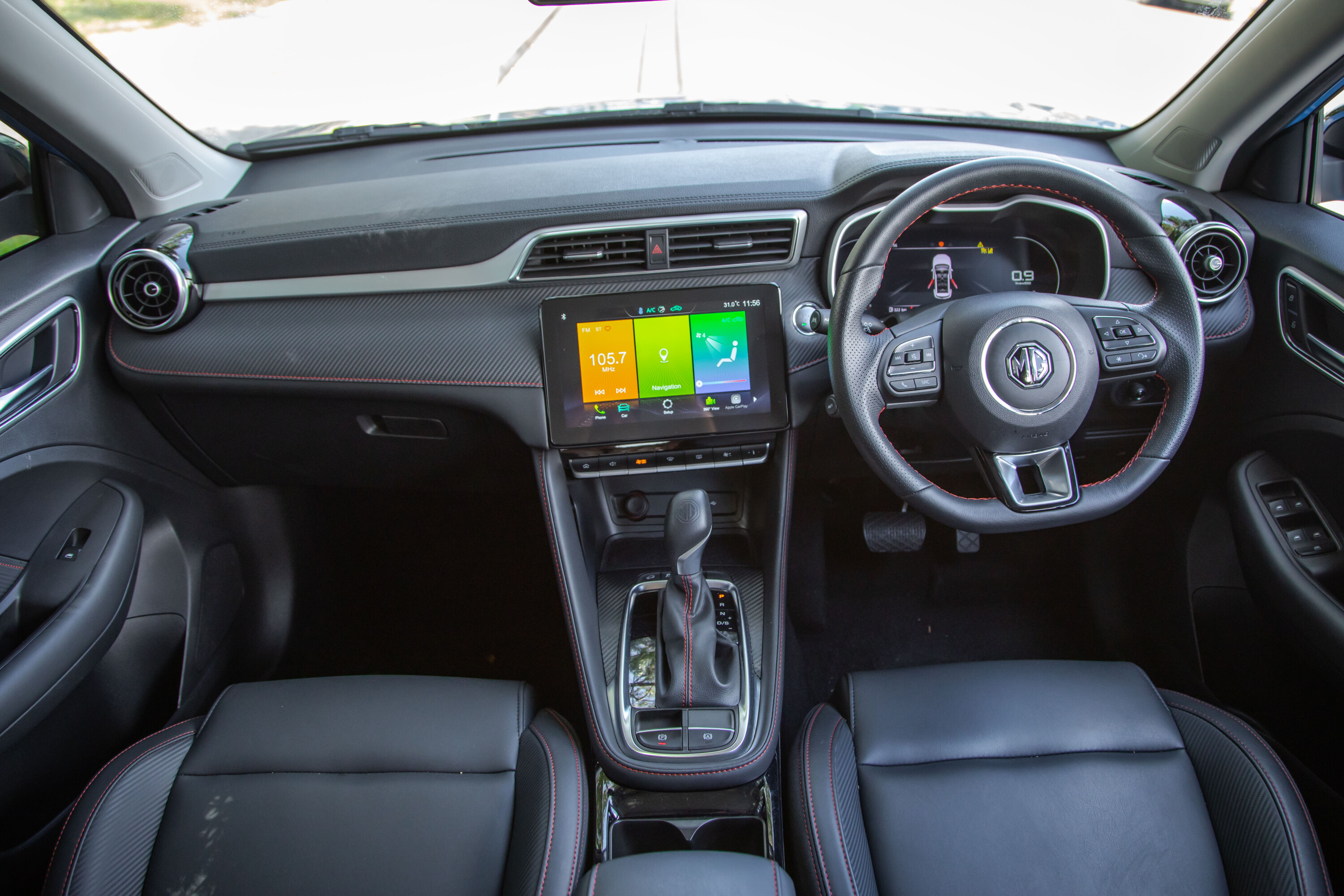
Inside, you’ll find a generous 10.1-inch touchscreen with Apple CarPlay and Android Auto, synthetic leather seats, a leather steering wheel, and a six-speaker sound system.
The entire MG range comes with a seven-year unlimited kilometre warranty, enhancing the overall value appeal of the model.
All colours other than white and black come with a $700 premium.
1
Safety
The original MG ZS earned a four-star rating in 2017, a rating that the ZST also maintains despite its significantly enhanced driver assistance and active safety features.
The ZST Essence comes standard with safety features such as six airbags, ABS with brake force distribution, an electronic stability program (ESP), a rearview camera, rear parking sensors, and cruise control.
1
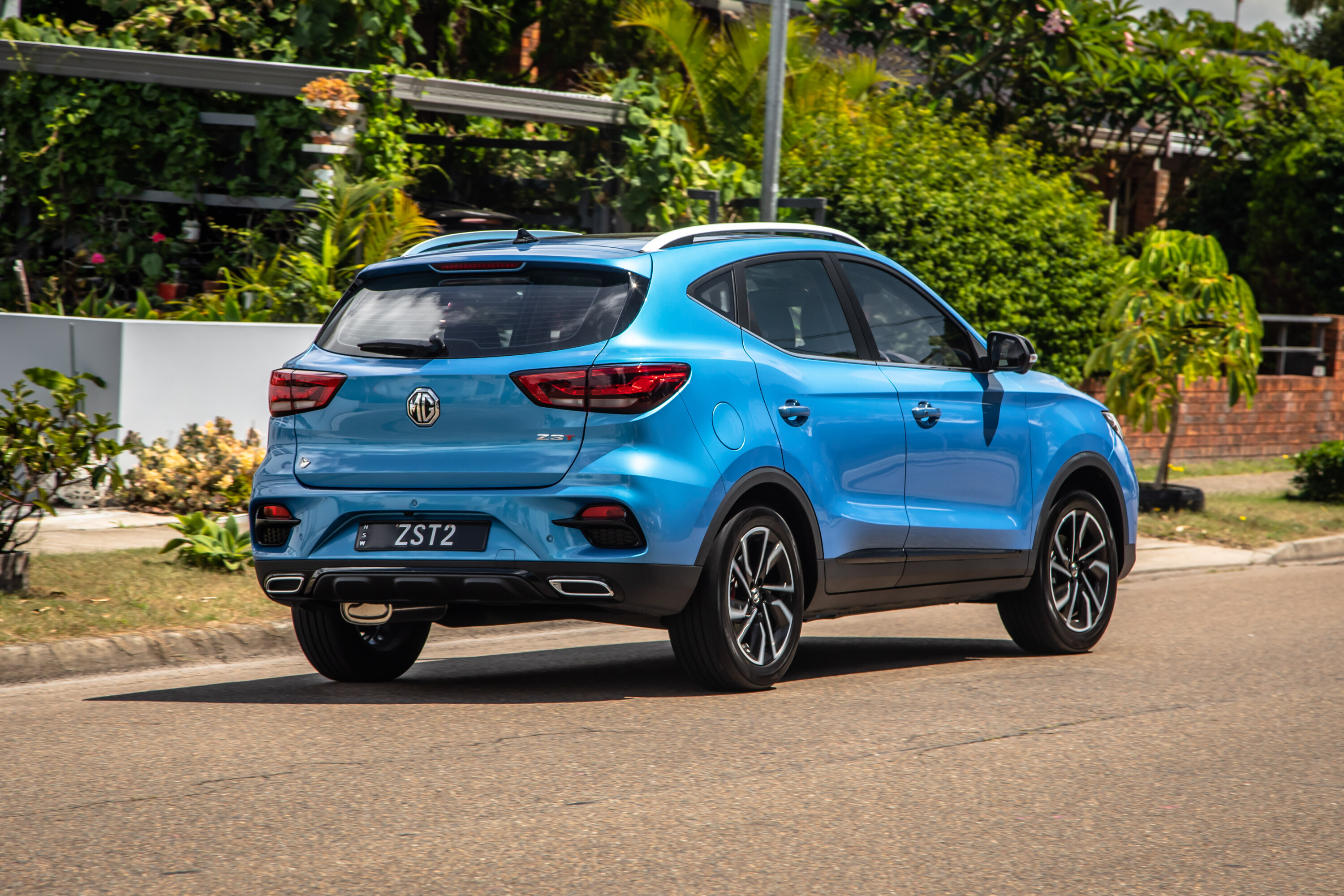
All variants of the model include the MG Pilot active safety suite as a standard feature, identifiable by the prominent ‘Pilot’ badge on the tailgate.
Beyond the standard ZS offerings, the Pilot suite enhances safety with features like adaptive cruise control with stop and go, AEB with forward collision warning, lane-keep assist, lane departure warning, rear cross-traffic alert, automatic headlights, blind-spot monitoring, and a 360-degree camera.
Key Rivals
With a strong presence in the small SUV category, MG faces stiff competition from a diverse range of contenders, spanning from economical to upscale mainstream models, including:
1
Should I Put It On My Shortlist?
If the MG ZST Core feels a bit too basic for your taste, the Essence is designed to meet and exceed your expectations.
The entire ZST model already offers excellent value with its comprehensive set of features.
At such a competitive price point, moving up the MG range adds numerous features that competitors often only offer at the top of their line-up—sometimes nearing $50k.
In a world where convenience and affordability are key, it’s clear why so many Australians are choosing the ZST as their daily driver.
MORE
Everything MG
MORE
Small SUVs
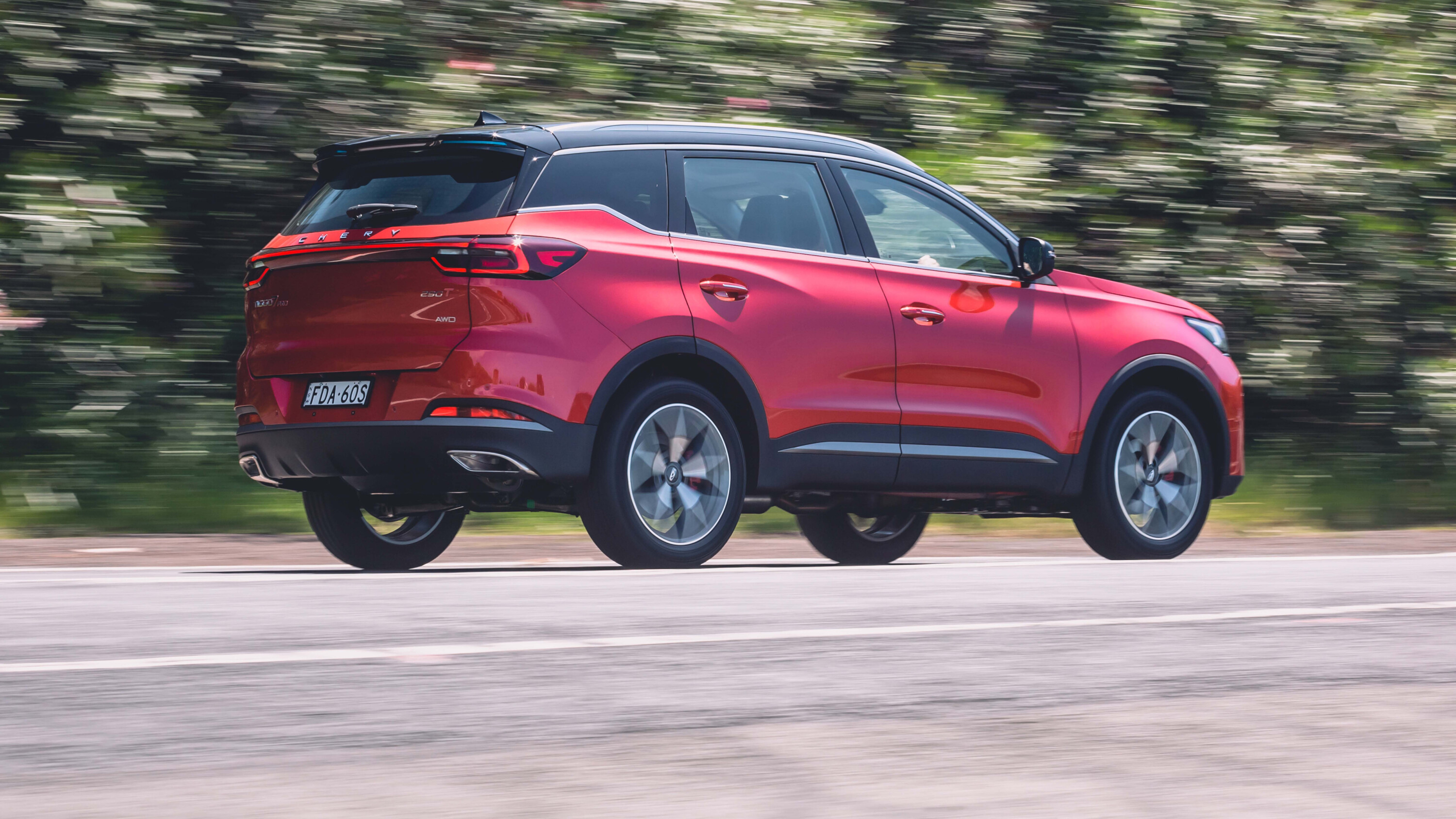
Chery has its sights set on offering a mainstream sub-$30K small SUV to go up against the MG ZS and Kia Stonic, but it could also be plotting a tiny little EV with pricing similar to the MG 3 or Kia Picanto.
The brand is expanding its model range to include a number of different types and sizes of vehicle, having just added the Tiggo 8 Pro Max – its biggest model and its first seven-seater – but the business can see space opening up for smaller, more affordable vehicles, too.
Chery Australia chief operating officer, Lucas Harris, said the business can see some potential at the affordable end of the market, with many brands abandoning the sub-$30K space as they chase higher margins on larger, more profitable SUVs.
1
“It’s good, isn’t it?” he said when asked about the spaces opening up below $30,000.
“Certainly I think there are some opportunities in that space, and we’re obviously looking at that very carefully,” he said, suggesting there could be a couple of potential front-wheel drive SUVs, or crossovers, to play that role.
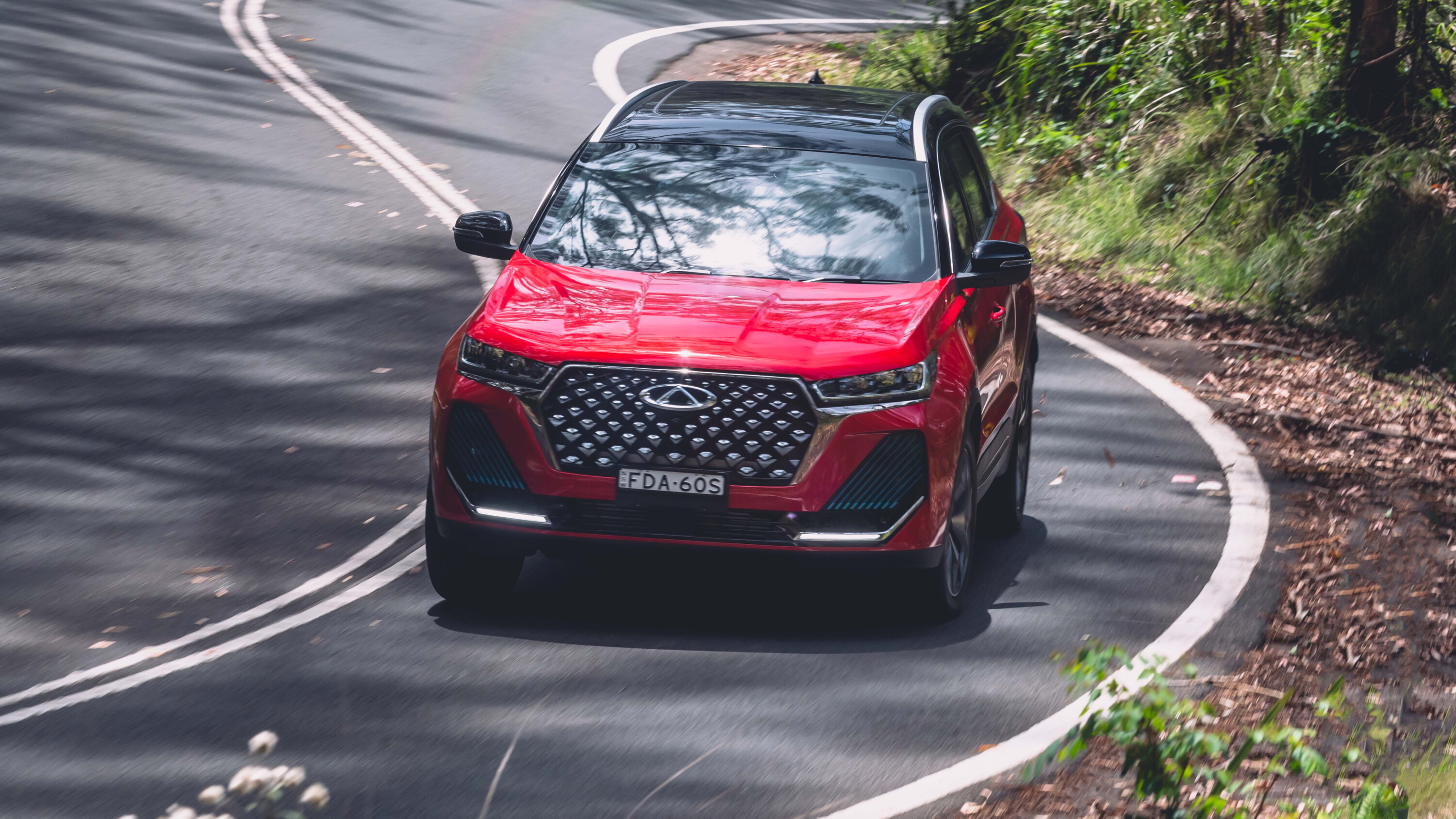
As such, it comes as no surprise that Chery has confirmed the Tiggo 4 is coming, and it could slot under the current entry-point to the brand’s line-up, the Omoda 5.
1
However, Mr Harris also suggested that there’s space for an even cheaper, even smaller model – such a car already exists, the Tiggo 2, but in its current-generation guise, it isn’t expected to arrive here.
“It’s actually quite a small car – that model has been around for quite a while, so it’s highly unlikely that we would take that version of the Tiggo 2,” he said. “But for inner-city driving and as people are looking for more and more affordable options, we certainly wouldn’t say no if an option became available in right-hand drive, to look at a car like. But it’s currently not in the product plan.”
But on the topic of a Picanto-sized model running full EV power, Mr Harris hypothesised that there could be a solution available from China that might tick the box for urban drivers on a budget.
1
Such a car would have some limitations to consider for it to be positioned at a compelling price point.
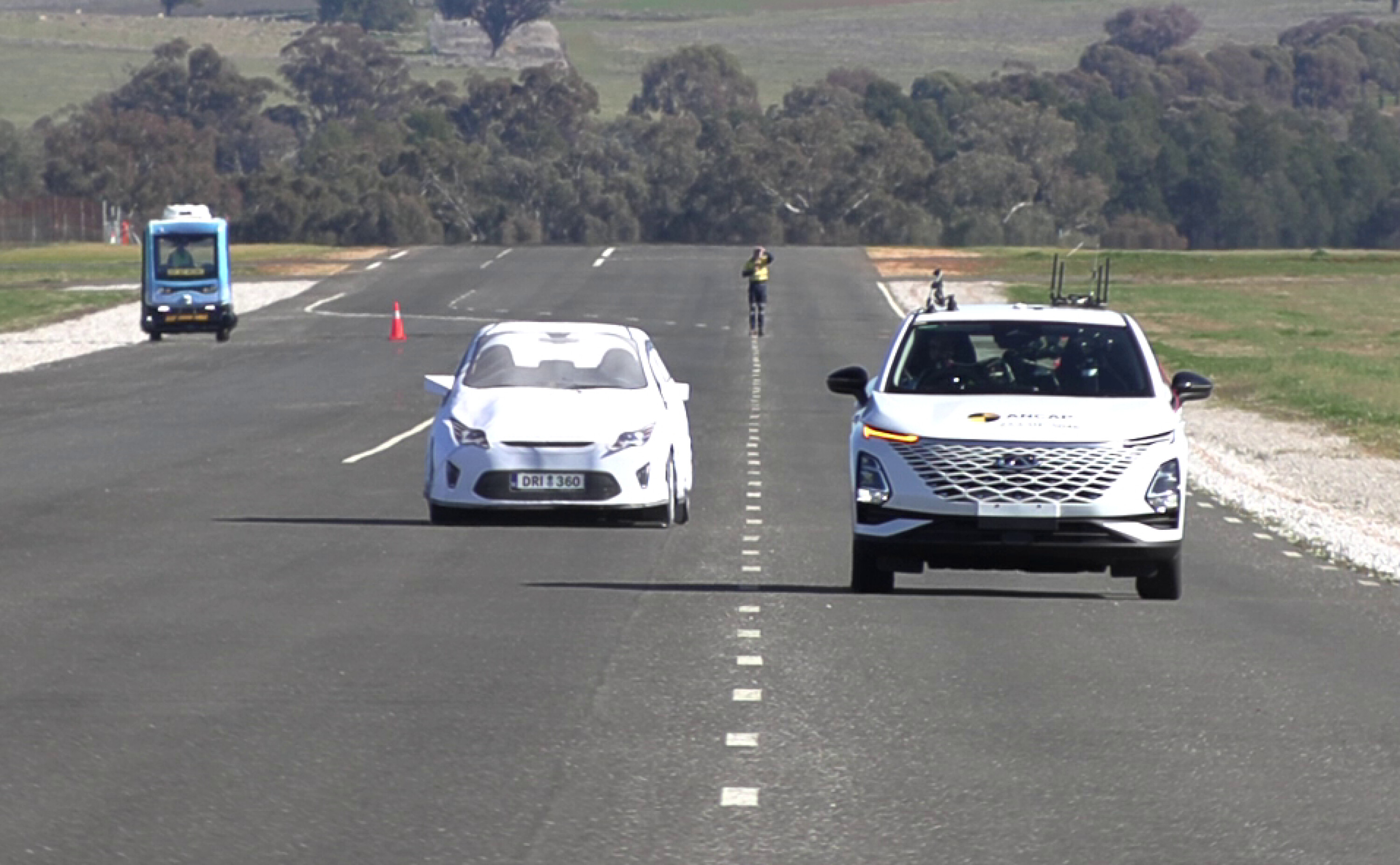
It would have a top-speed limitation to save battery range, a smaller battery with likely less than 200km of range, and possibly not the same mindset around crash test ratings – the Omoda 5 and Tiggo 7 Pro have both been awarded a five-star ANCAP rating, and the Tiggo 8 Pro is also expected to get it.
Mr Harris suggested that a buyer of a circa-$20K EV that is tiny and maybe caters more for singles and couples could mean that a safety rating won’t be as crucial a consideration.
1
“An ANCAP rating is not, I think, the be all and end all for every consumer,” he said, suggesting that high-end luxury and sports car customers don’t buy based on crash tests, and perhaps those on a strict budget might not, either.
“Those cars are built and designed and bought by customers for a totally different purpose than what a family car is, that’s got to be with you day in and day out to do the regular chores of life.
So how does that change you know we’re talking hypothetically about a Smart Car-esque city car that doesn’t do more in the 70 kilometres per hour. It’s designed to drive in 50 and 60 kilometre zones of cities.
“Is the standard different for those cars, because the purpose is different and the people buying those cars, are they as interested in if it’s all these other purpose boxes, does the star rating become a big factor for them or not?” he posited.
“Nothing is impossible, right? You know, one of the things I think is curious – and I don’t know the answers – but is there a market for Smart Car-esque sorts of vehicles?” he posited.
“You know, super small EVs, a couple of hundred kilometres of range, very affordable, they’re around-town cars, you know you’re not going on the open road, that’s not the purpose.
1
“Is there a market for that? Maybe it’s not particularly big right this second, but as the population increases and city densities become more and more, and the roads aren’t exactly getting any wider or bigger, car parks aren’t getting any bigger. Is there a place for those sorts of cars? Maybe.
“They are overseas, and in more densely populated cities [they make a lot of sense]. So, yeah, as our population grows, does it create an opportunity? Maybe it does.”
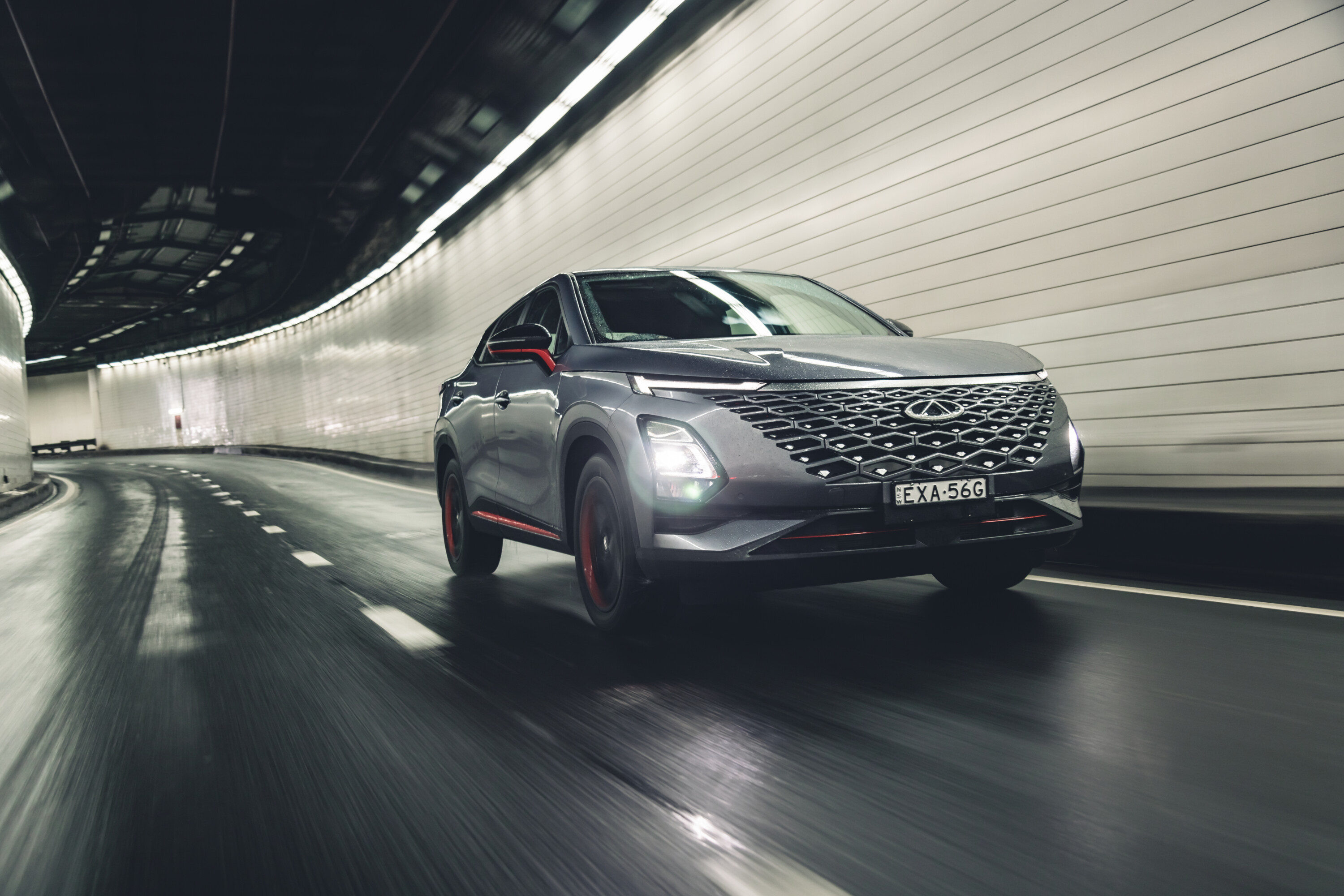
Chery currently sells the Omoda 5 from $34,490 drive-away, but there are significant deals being done on that most-affordable model. Above it is the Tiggo 7 Pro, and the newly launched Tiggo 8 Pro Max sits atop the range… for now.
MORE
Everything Chery
Chery Australia is ambitious, and that ambition has led the brand to all-but confirm two new models are set to join the ranks in the next 12-18 months.
First off the rank is the Chery Tiggo 4, a small crossover SUV that is set to open proceedings for the brand with an expected sub-$30k starting price.
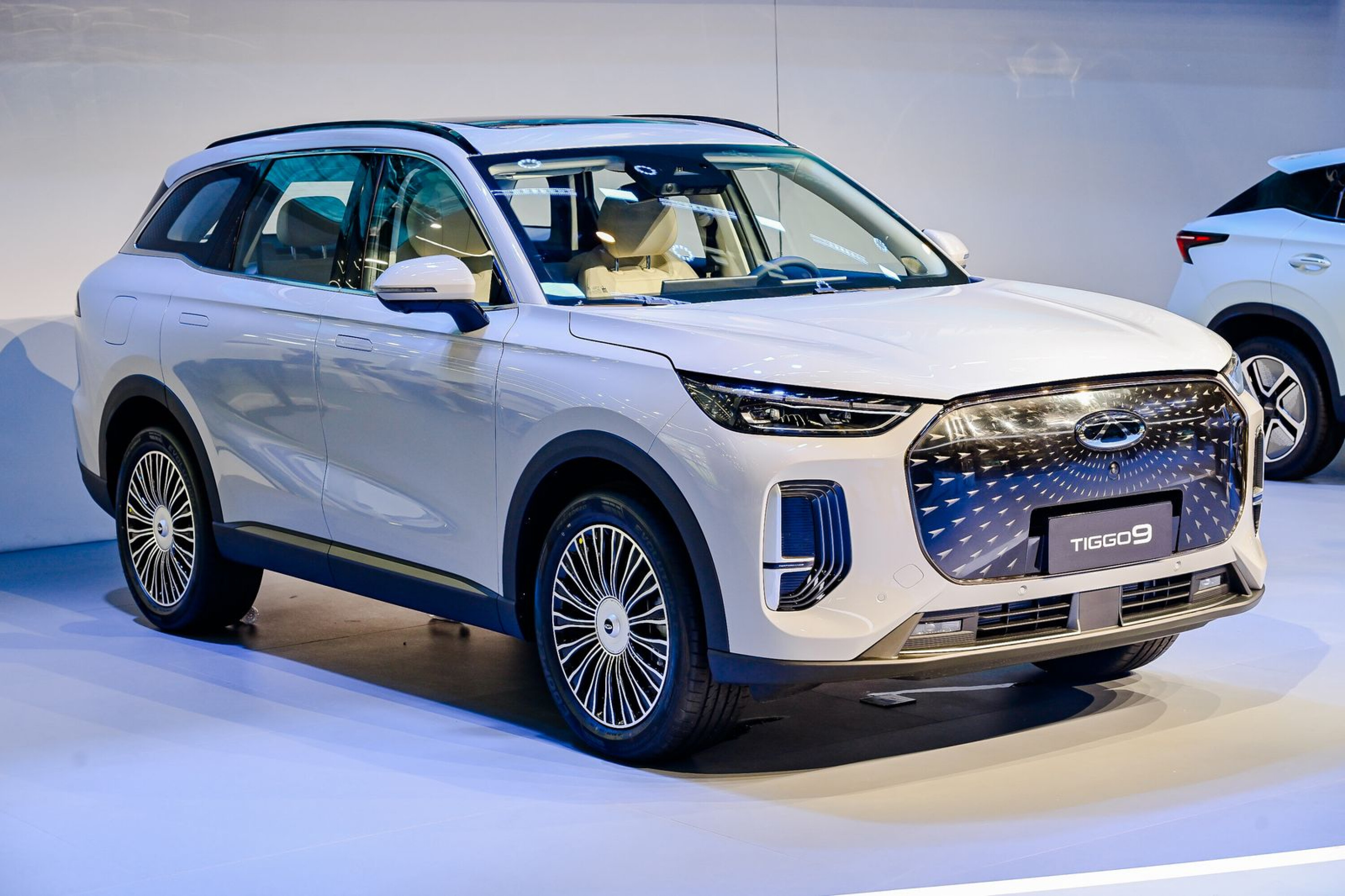
It is due here possibly by the end of the year, and Chery Australia chief operating officer, Lucas Harris, said the Tiggo 4 compact SUV – which measures 4318mm long, about the same as the MG ZS – is expected to slot in as the entry point for Chery in Australia.
“I can’t think of a really good reason why that wouldn’t happen,” he said. “Tiggo 4 is fairly well progressed in its discussions and we’re just working through the finer nuts and bolts of that at the moment but hopefully we will be able to share some information with you sooner rather than later.”
The Tiggo 4 Pro is smaller than the Chery Omoda 5, but shares a powertrain similar to that model – a 1.5-litre turbo four-cylinder with 108kW/210Nm.
“The Tiggo 4 is a bit smaller than Omoda 5 – particularly boot space, it’s a bit smaller. And I think the price point position of that car is also likely to be a bit different to where Omoda 5 is,” Mr Harris said. “That’s me speculating a little bit at this stage, and so general logic is the smaller the car, the more affordable it becomes.”
The Omoda 5 has an official drive-away price of $34,490 drive-away for the base model BX, but the brand has been doing some sharp deals on that vehicle, including a current offer for MY23 models at $32,990 drive-away with a further $3000 ‘factory bonus’.
So, essentially, the brand is playing in the sub-$30K segment with Omoda 5, which means it stands to reason that the Tiggo 4 could well go up against the aforementioned MG ZS (or ZST) and Kia Stonic in the sub-$30K SUV segment.
1
The brand also has another smaller model, the Tiggo 2 (also known as Tiggo 3x, confusingly!), which in its current-generation guise isn’t likely to make it here – but Mr Harris all-but confirmed that the brand would offer the replacement new-gen model.
“It’s actually quite a small car – that model has been around for quite a while, so it’s highly unlikely that we would take that version of the Tiggo 2,” he said. “But for inner-city driving and as people are looking for more and more affordable options, we certainly wouldn’t say no if an option became available in right-hand drive, to look at a car like. But it’s currently not in the product plan.”
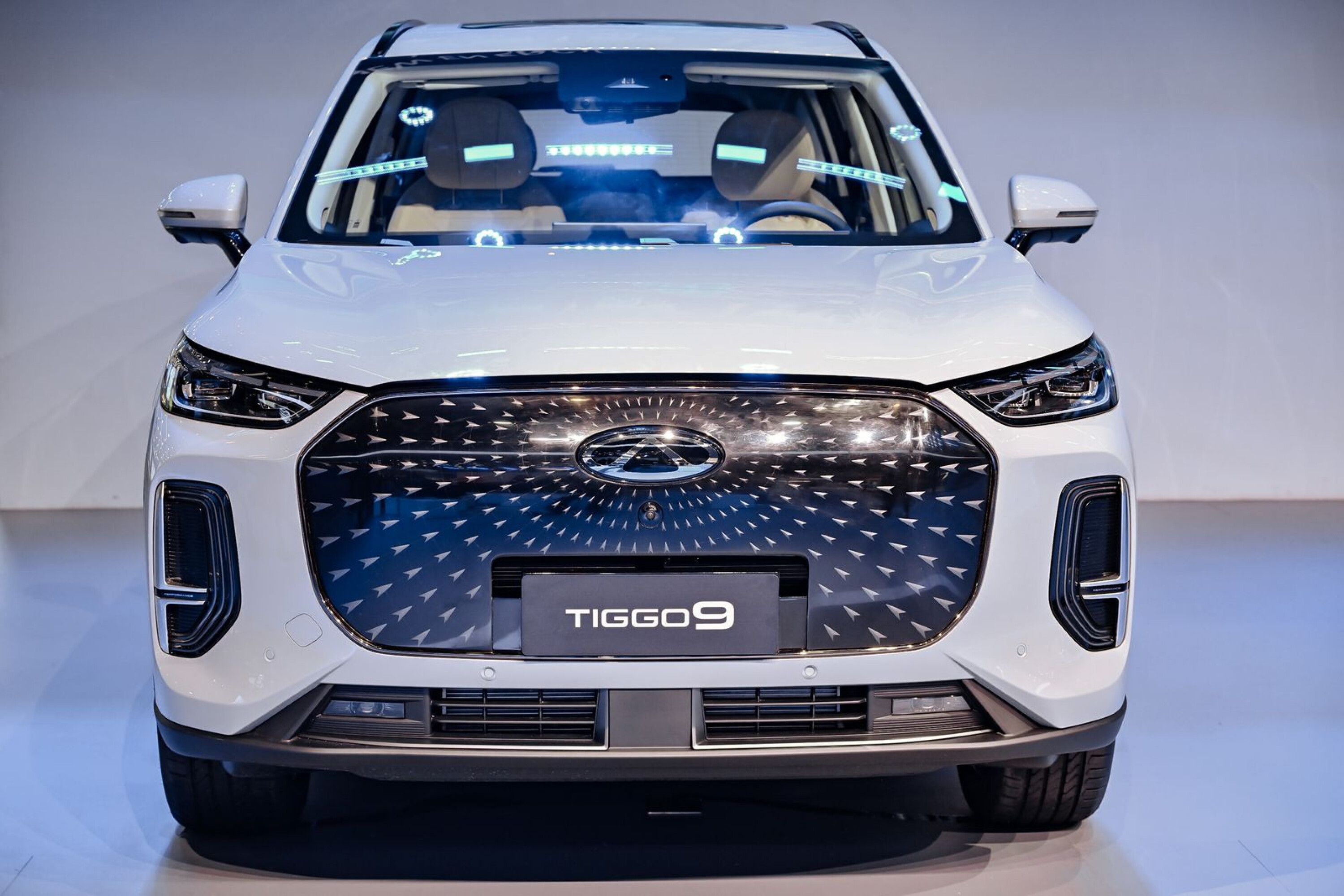
The just-launched Tiggo 8 Pro Max seven-seater is currently the largest model available from the brand, but Mr Harris made it clear the company is planning to expand its line-up above the current ranks with a larger, more prestige-focused SUV in the Tiggo 9, which will in theory compete with the Kia Sorento, Skoda Kodiaq and Volkswagen Tiguan Allspace.
3
“We are currently looking at some of those smaller cars and where they will fit for us, but also, you know, the new Tiggo 9 – I think it’s a pretty exciting car, and fitted out really well so we certainly wouldn’t turn our noses up at bringing that in as well,” Mr Harris confirmed.
Mark Vukoja, Chery Australia brand and marketing director, said the customers who buy Tiggo models are currently – and will continue to be – different to those who consider an Omoda variant.
“The Tiggo family of cars, that’s a particular style. It’s function, it’s technology and safety. It appeals to one demographic,” he said.
“Omoda is a completely different set of vehicles, it’s like its own brand – its own style, its fashion, its technology, avant-garde. So we feel the Omoda range will have a completely different appeal to the Tiggo range.”
Stay tuned for our Chery Tiggo 8 Pro Max review soon.
MORE
Everything Chery
One in every five people-movers under $70K sold in Australia is not a Kia Carnival.
The Korean family transporter almost single-handedly drove sales in its segment by 25 per cent last year, again trouncing its (admittedly limited) rivals.
A nearly 40 per cent fall in Carnival deliveries so far in 2024 might have given the likes of the Hyundai Staria and Volkswagen Caddy Maxi (and Multivan) a glimmer of hope, but this was merely Kia managing stock levels in preparation for the vehicle you see here – the facelifted 2025 Carnival.
1
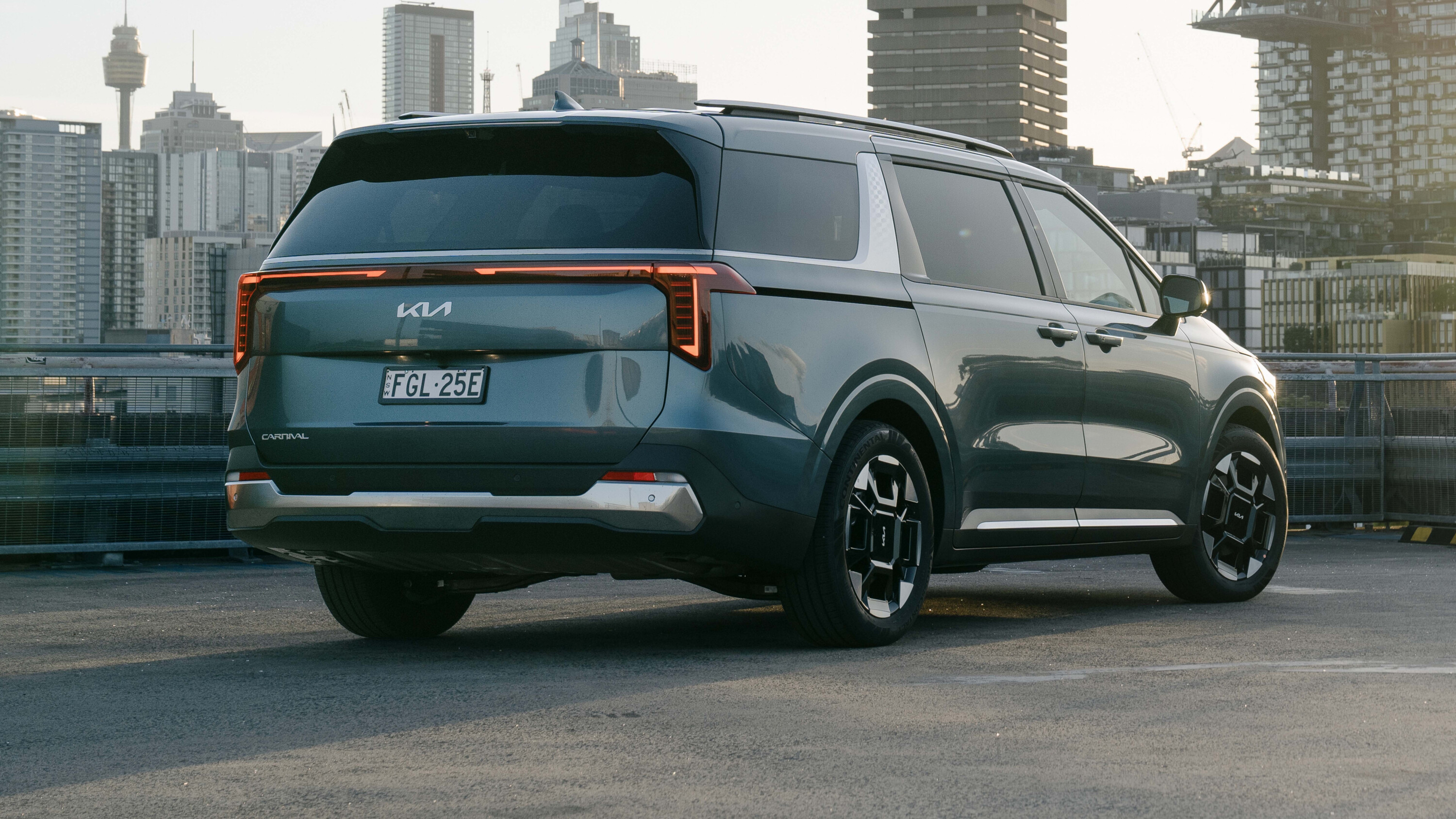
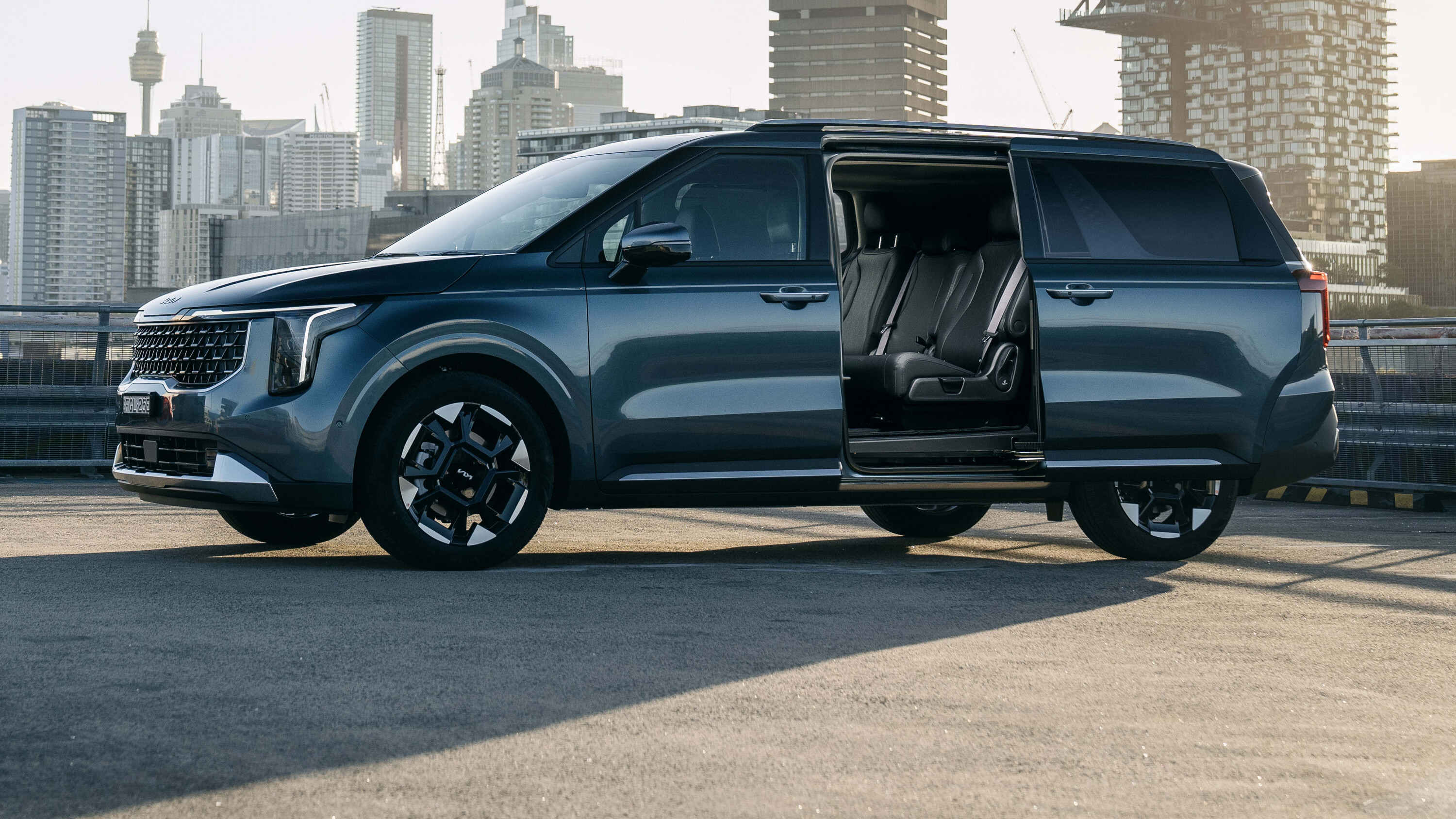
Commendably avoiding an air of complacency that could almost be forgiven such is the model’s market dominance, Kia’s updated Carnival eight-seater brings revisions to several areas, including styling, technology, and powertrains.
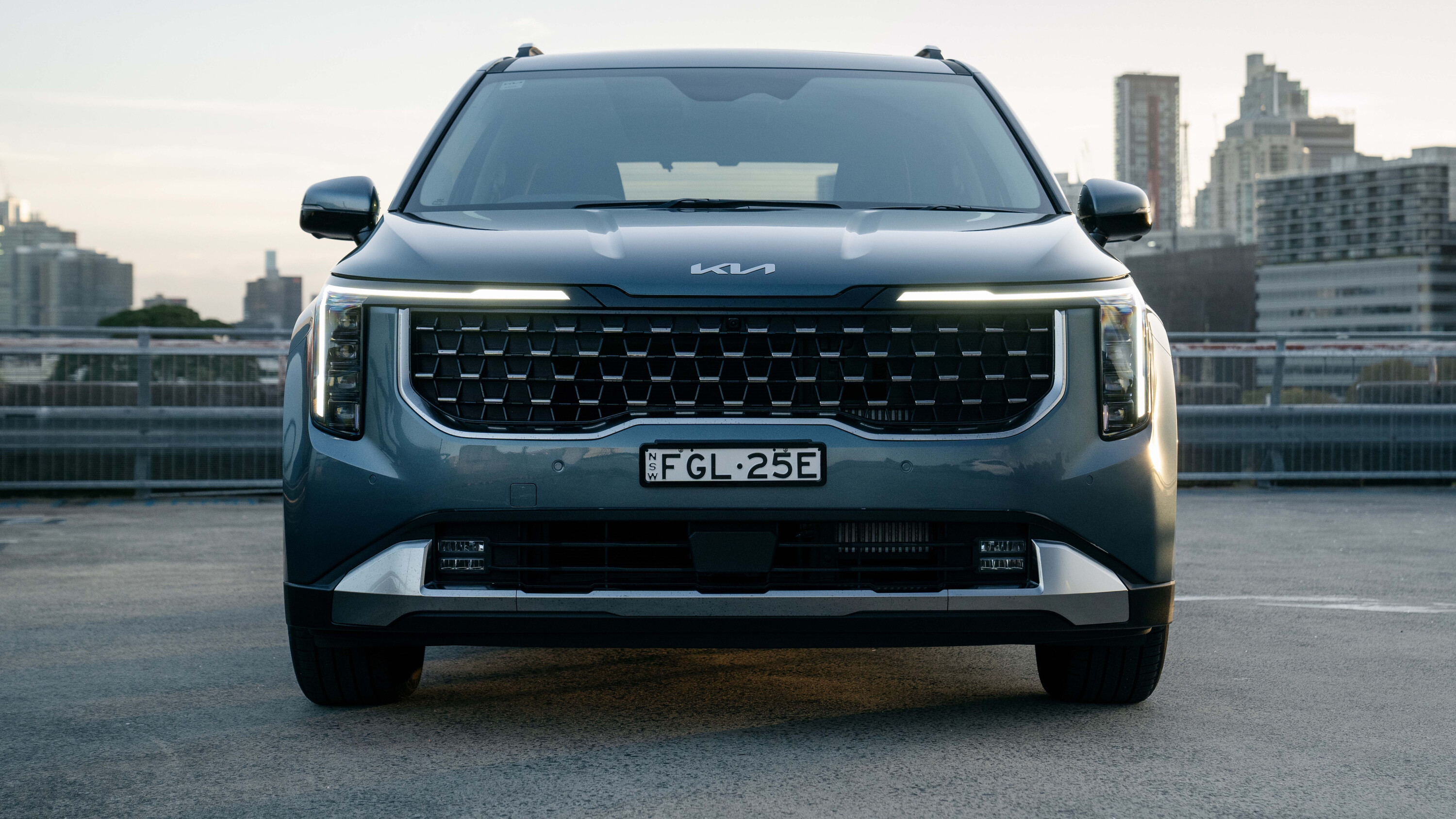
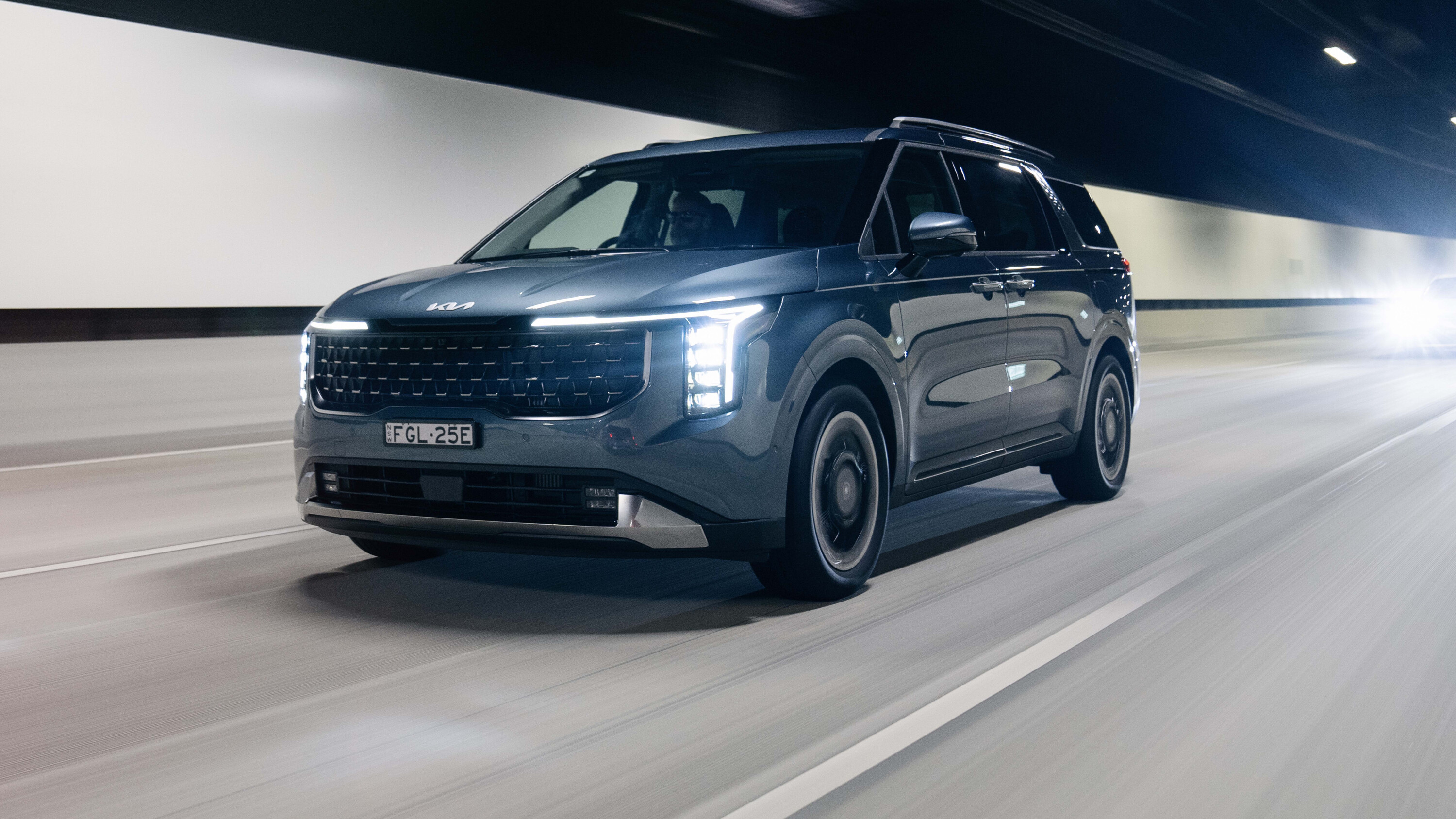
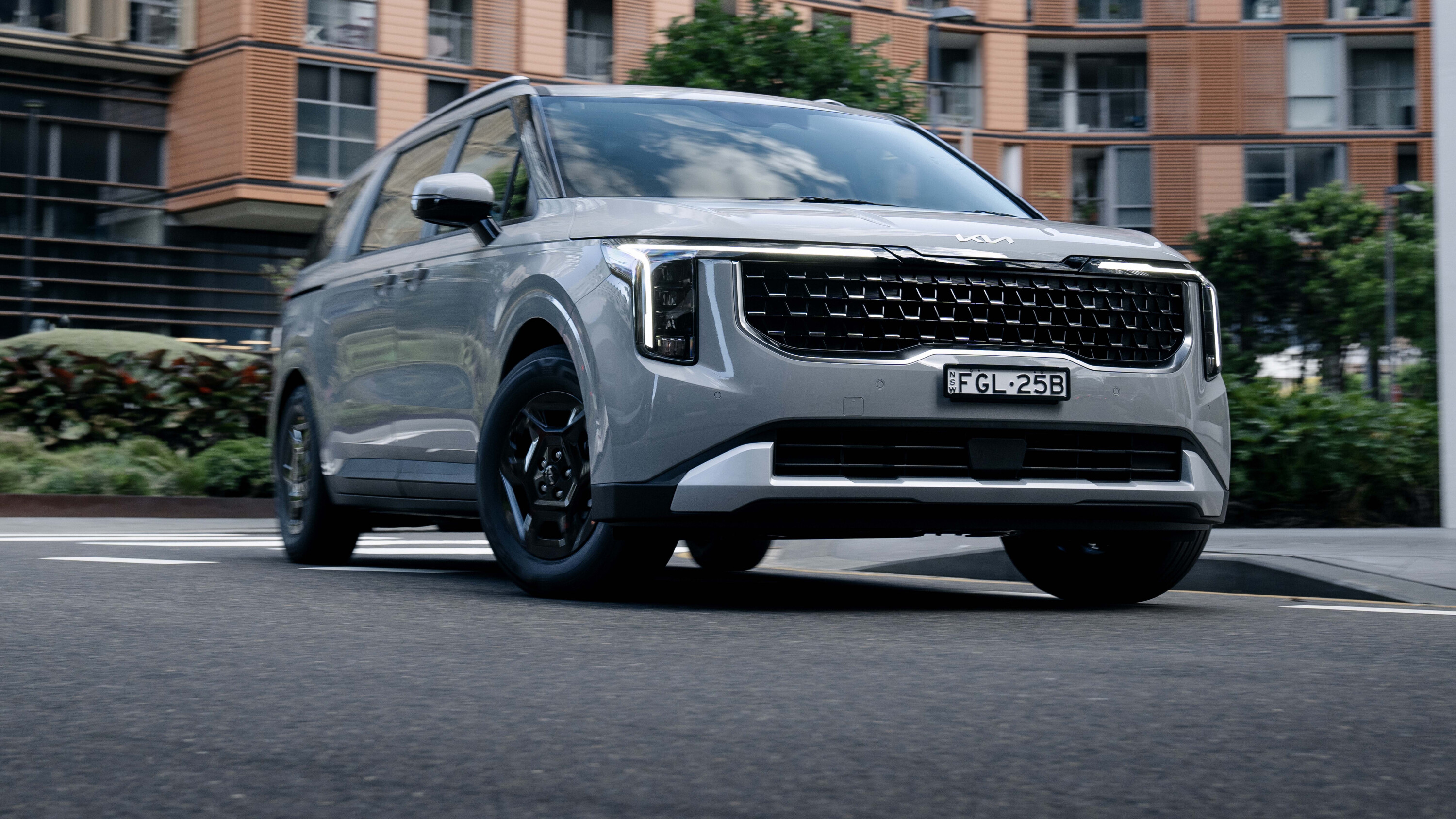
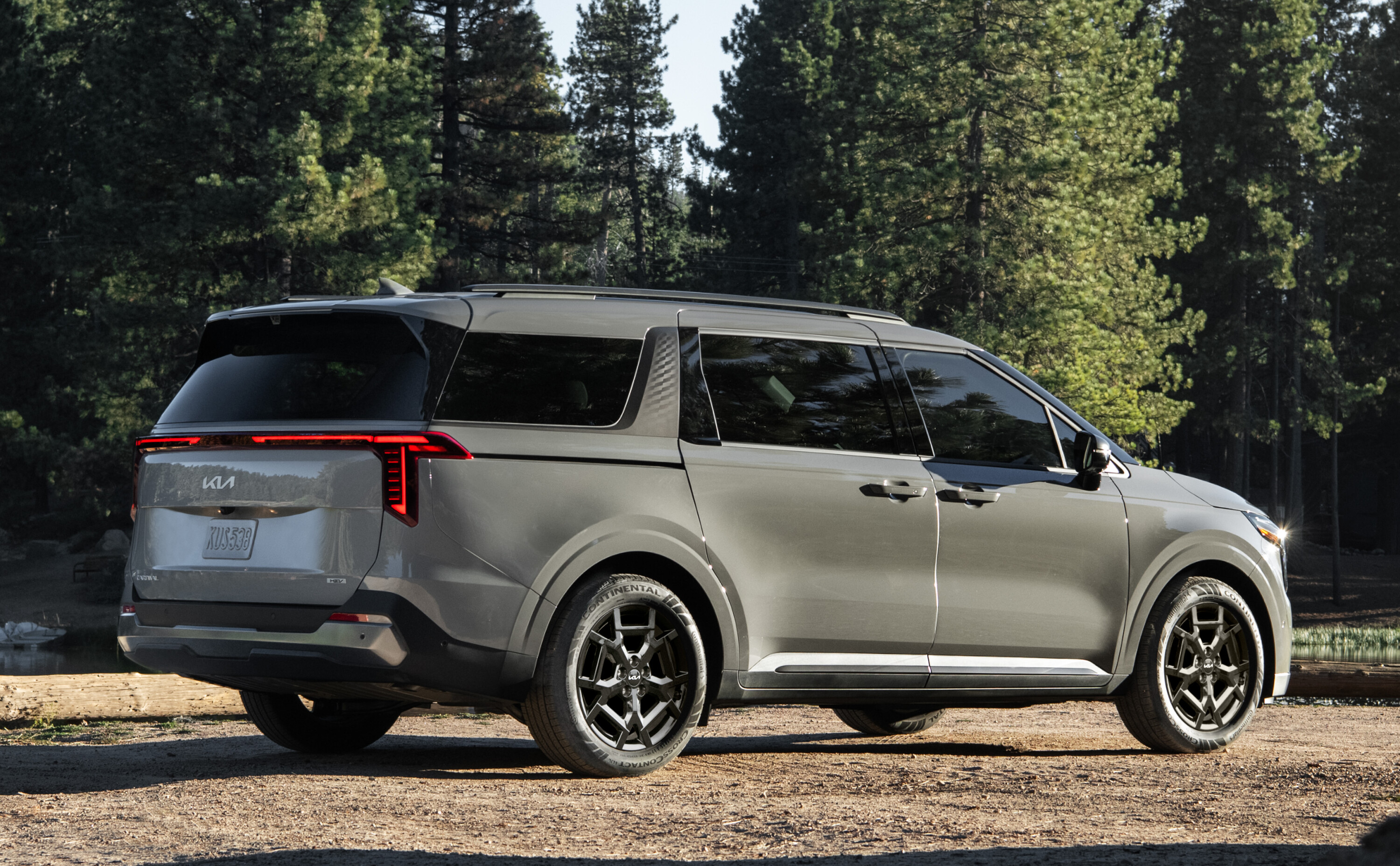
The frontal design adopts vertical headlights, ‘Star map’ LED running lights, and a wider grille to give it greater visual commonality with its two large SUV siblings, the electric EV9 and combustion-engined Sorento. New wheel designs also include a nod to the futuristic rims found on the EV9.
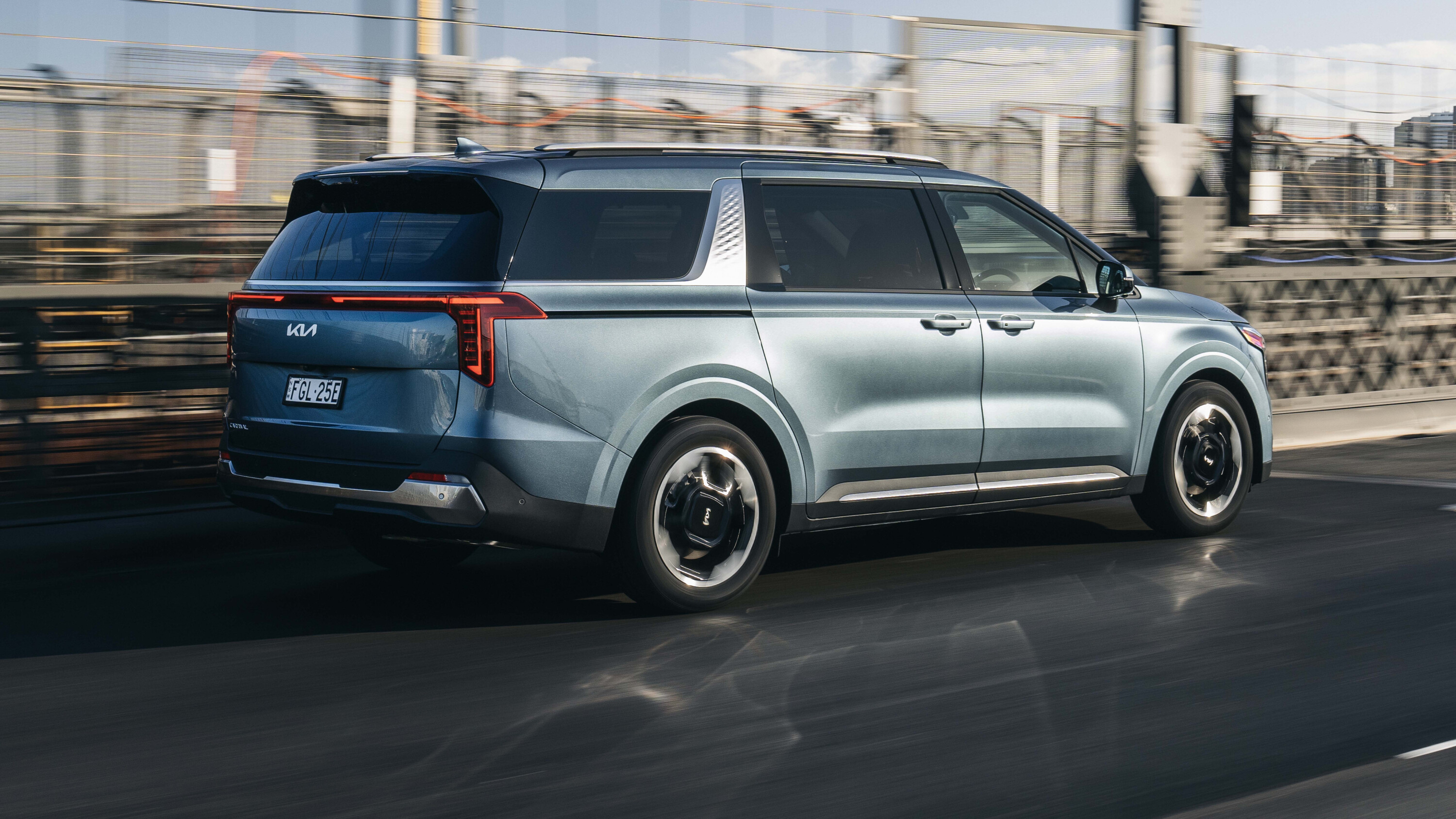
At the rear, there’s a cleaner look contrived by a full-width LED strip and a tailgate release that’s now concealed.
1
If there’s a ‘Hold the front page’ headline feature of the 2025 Carnival, it must be the first hybrid powertrain to be offered.
Sadly, the petrol-electric Carnival is slightly delayed (due late June at this stage), so our testing was kept to the carryover V6 petrol and four-cylinder diesel engines.
The diesel accounts for 90 per cent of the Carniva’s powertrain mix and its dominance isn’t expected to change dramatically, at least not before the availability of hybrids extends to offer cheaper alternatives.
Initially, petrol-electric power will be exclusive to the GT-Line Hybrid which becomes the most expensive Carnival to date, priced from $76,210 before on-road costs.
1
JUMP AHEAD
Pricing and Features
There are multiple Carnival options below that range-topping hybrid, starting from a far more attainable $50,150 (excluding on-road costs) – though pricing has increased across the range by as much as $5390.
Naming for each trim grade now aligns with other Kia models, changing from S/Si/SLi/SE/Platinum to S, Sport, Sport+, GT-Line Lite (a rebranded Special Edition), and GT-Line.
Each grade is available with either V6 petrol power or, for a $2230 premium, diesel grunt. (The GT-Line, as mentioned earlier, will also be available with the hybrid option.)
For a more detailed guide to the 2025 Kia Carnival’s pricing and features, click on the feature link below.
The Interior
Technology is the primary upgrade for the latest Carnival.
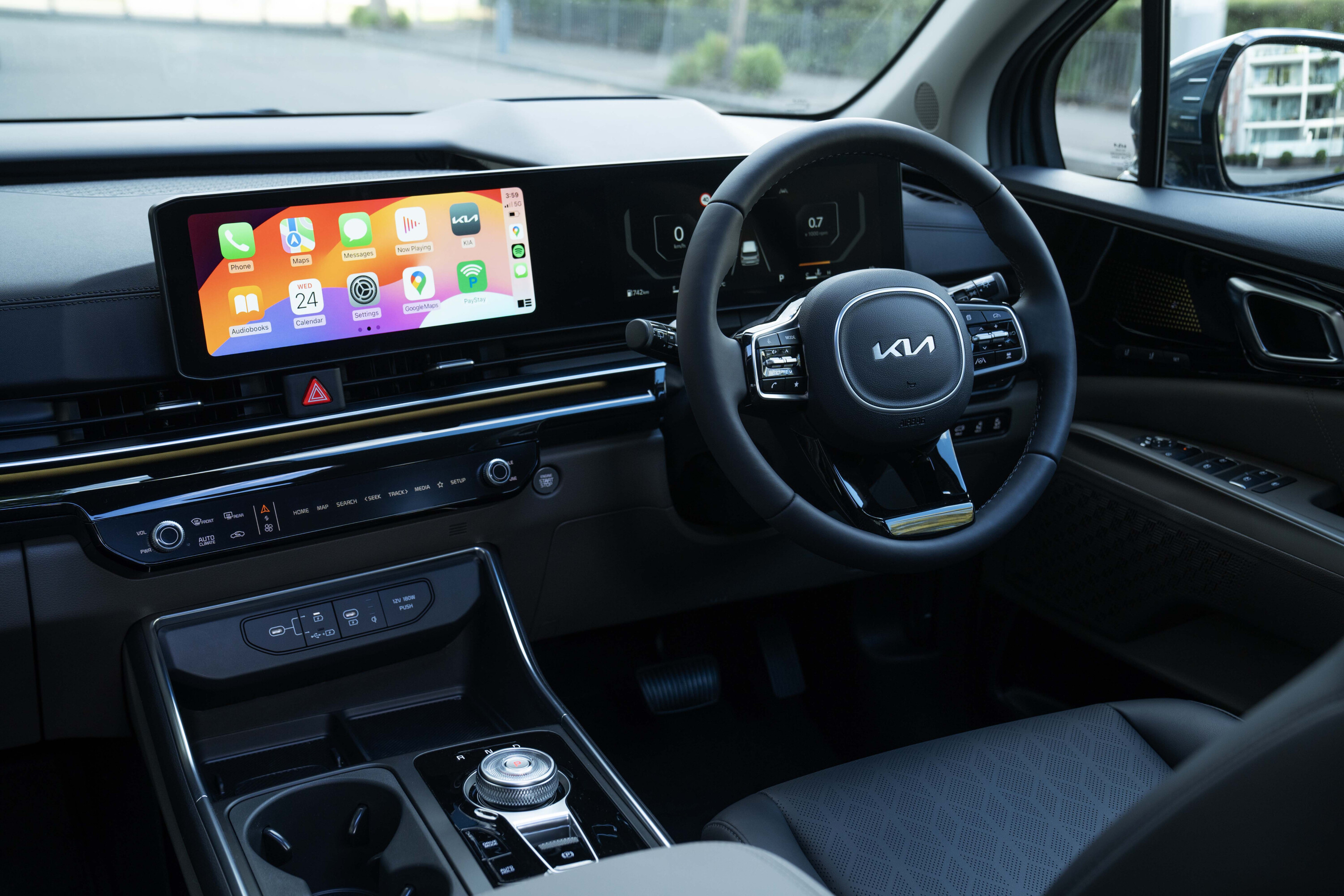
Every model now joins the list of Kias featuring a curved (or rather kinked) dual digital display, though S and Sport models have a smaller and more simplistic instrument display whereas Sport+, GT-Line Lite and GT-Line grades have a more expansive and more sophisticated 12.3-inch cluster.
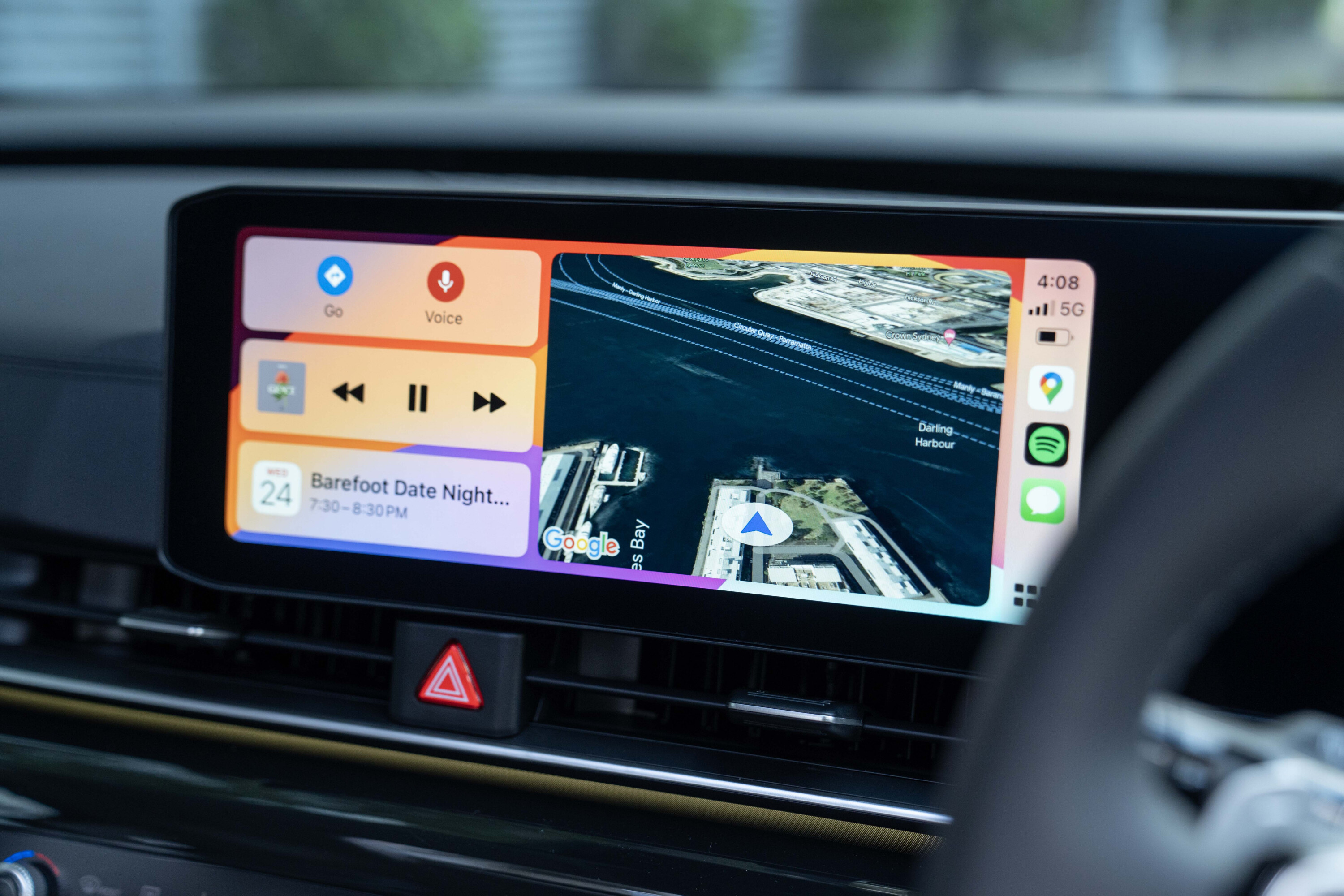
All models have a 12.3-inch infotainment touchscreen, now also benefiting from over-the-air updates and a ‘Streaming Plus’ entertainment service, while there’s a complimentary seven-year Kia Connect telematics service.
1
The clever, switchable climate/audio touch panel from the likes of the EV6 and Sportage completes the revised dash layout.
Kia’s ‘ccNC’ infotainment system is plenty intuitive, fast-responding, and on the money graphically. Just note the ‘Full’ version isn’t available on the base S, meaning it omits built-in nav. The option to switch to Apple CarPlay or Android Auto is on all models, though.
Wireless phone charging is now available on more than just the flagship Carnival, with only the base S now missing out.
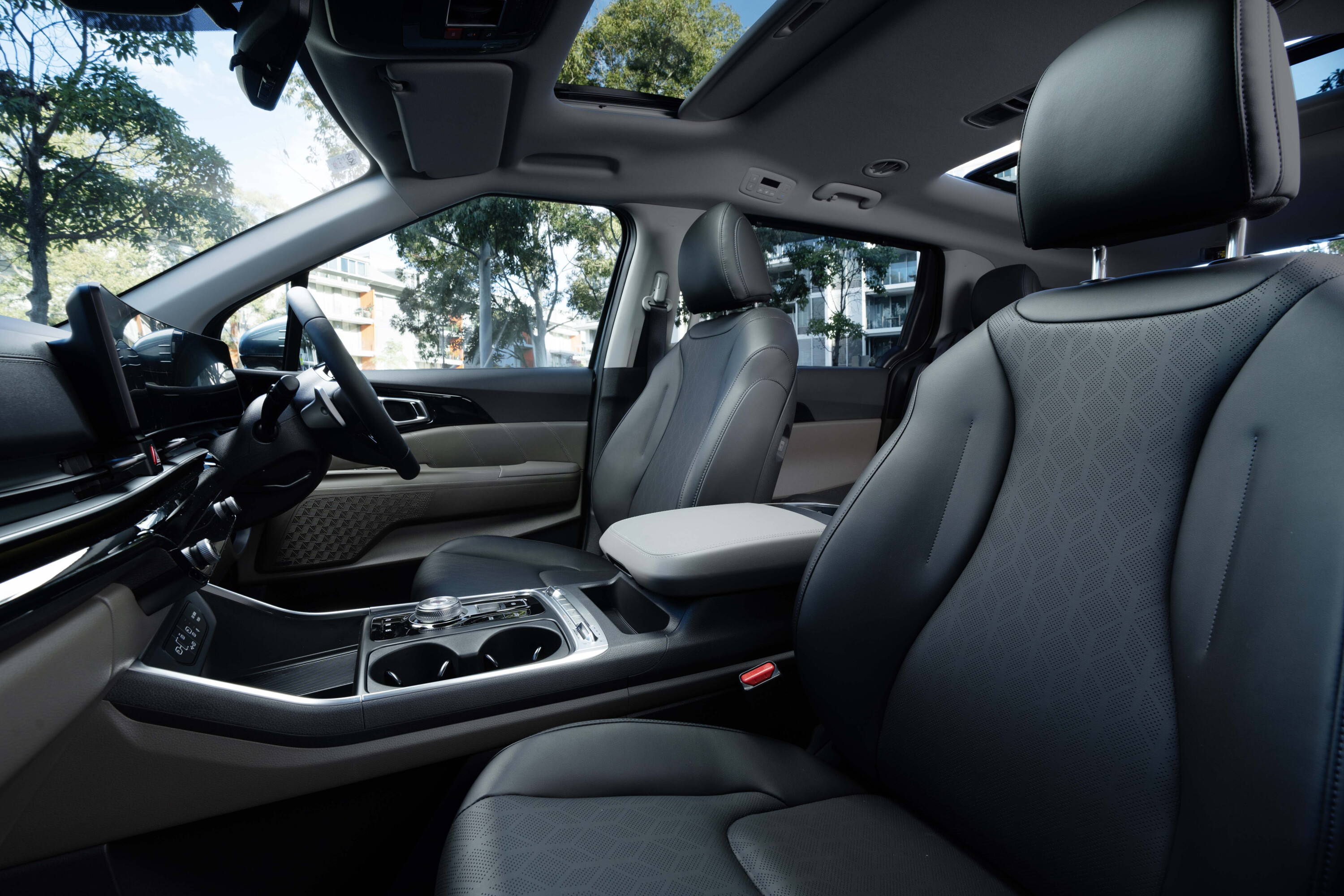
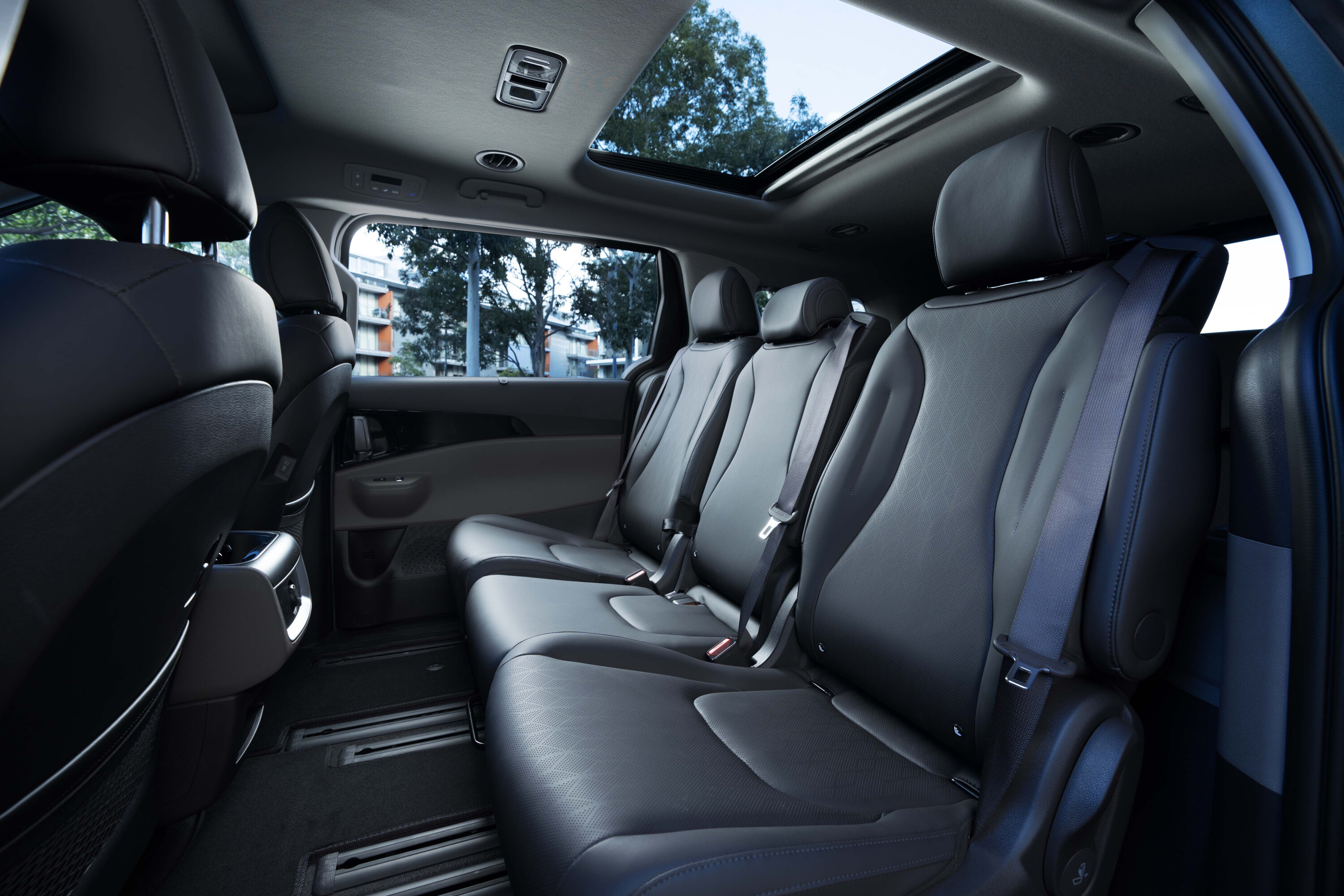
No changes to the 2-3-3 seating layout, which continues to be a marvel of interior space, storage, and comfort.
1
Three adults can sit across both the second and third rows with sufficient comfort, with abundant legroom in the second row and more in the last row than you’ll find in your average seven-seater SUV.
All Carnival variants offer parents the wonderful flexibility of putting younger kids in the rearmost seats thanks to ISOFIX points and top-tether anchors for the outboard positions.
The amount of convenience then simply comes down to the grade you choose. Sport+ and above, for example, come with electric sliding rear doors (that kids also love to use).
2
Boot space
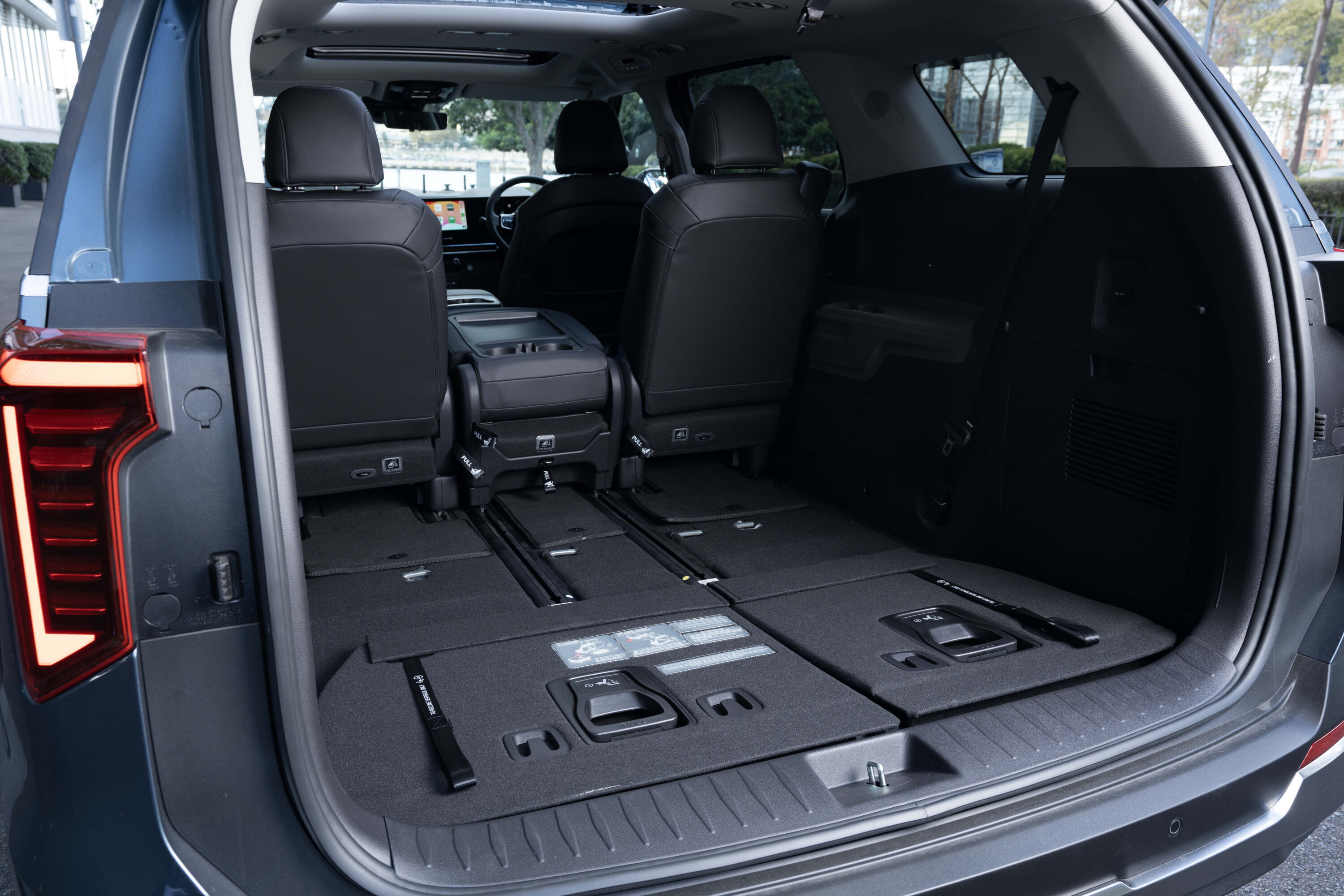
The Kia’s brilliantly deep boot provides a quoted capacity of 627 litres when the rear seats are in play. You won’t find many multi-seater large SUVs capable of swallowing as much luggage while seating seven (or more) occupants.
Push-fold the third-row seats (divided into a 50:50 arrangement) to create a cavernous volume of 2827 litres.
A spare wheel remains stowed under the vehicle floor, around halfway along and on the driver’s side.
3
On the road
While it’s a shame we’re not able to test the hybrid Carnival, the non-electrified carry-over combustion options remain likeable and appealing for different reasons.
The V6 petrol lacks low-down torque but revs sweetly and is quieter than the four-cylinder turbo-diesel, even if the latter’s traditional clatter is far from offensively noisy.
Chunky torque (440Nm) and lower fuel consumption (6.5L/100km v 9.6L/100km) are undoubtedly what draw the vast majority of Carnival buyers to the diesel.
It will be interesting to see how the powertrain mix evolves once there are more hybrid variants offered. The turbo-petrol/electric motor combination has decent outputs on paper – 183kW/367Nm – and, with official consumption of 5.8L/100km, undercuts the existing engines for efficiency.
1
Hybrid Carnivals will make do with a six-speed auto where the petrol and diesel motors pair with an eight-speed auto that continues to impress with its ability to pick gears decisively and in a timely manner.
There wasn’t a great deal wrong with the way the Carnival previously drove, yet Kia Australia’s local chassis tuning team says it focused on further improving the people-mover’s dynamics on country roads, with particular attention paid to reducing pitch and improving cabin isolation on rougher surfaces.
Suspension tweaks include the introduction of faster-rate Nando dampers and stiffened front springs. There’s also a full recalibration for the power steering.
1
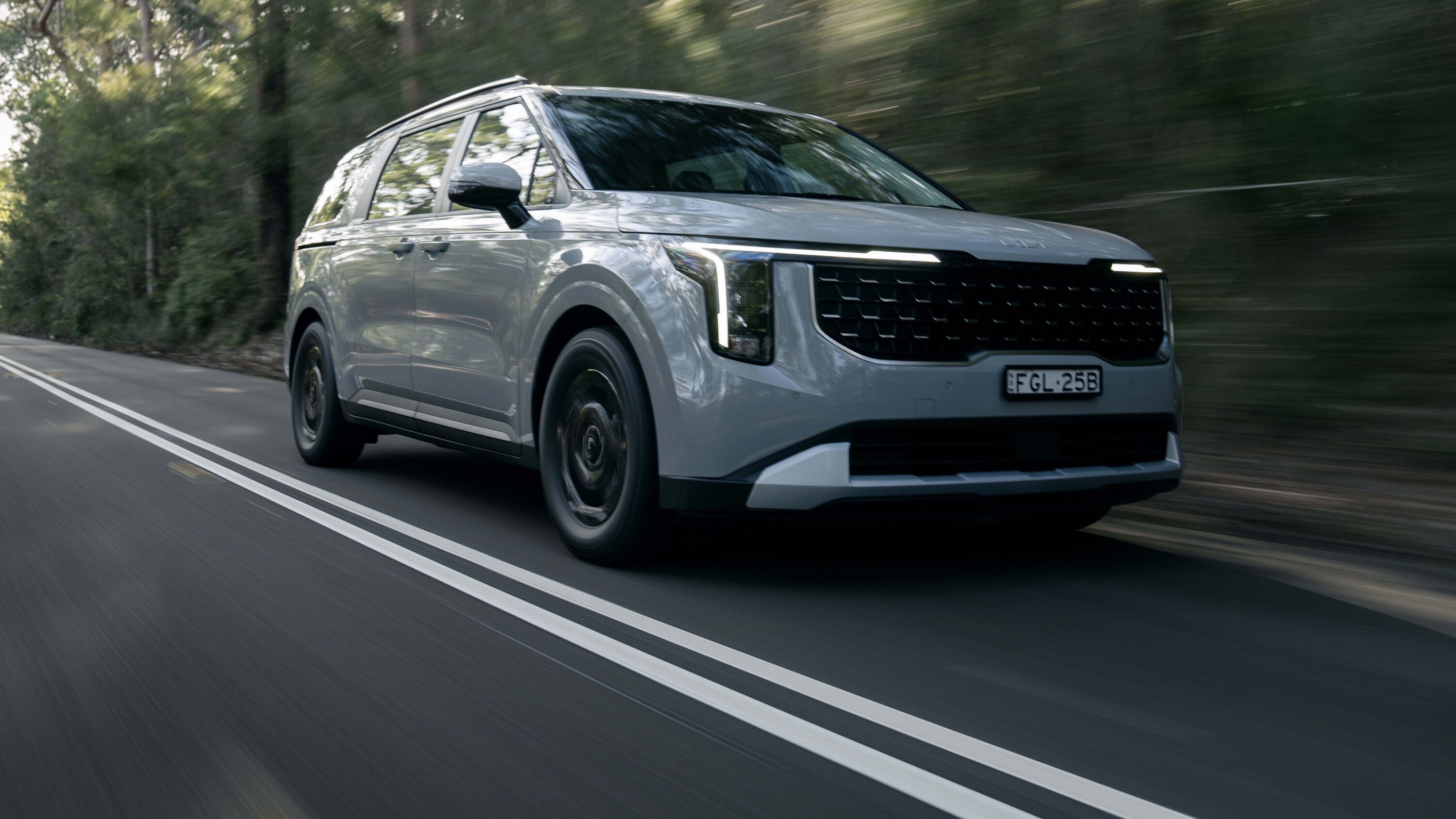
I must admit I noticed the steering change less than I did the Carnival’s step-change body control, its long, 5.3-metre body now remaining flatter through corners and under braking – transitioning from what had been a competent-handling people-mover to being one that is genuinely enjoyable to steer.
While there’s a caveat that our first test car of the day was the lightest (and smallest-wheeled) Carnival, it’s not often that we’ll consciously choose to do an extra ride-handling loop in a people-mover. It was a challenging course, too, just north of Sydney and popular with not only the Hyundai and Kia local testing teams but also the WhichCar test team.
The 2025 Carnival’s handling is reminiscent of the Honda Odyssey, a driver’s people-mover before it was ruined by a terrible ride with the last generation.
If there are any downsides to the suspension changes, there’s perhaps been a slight reduction in the Carnival’s low-speed bump absorption, but it generally remains a comfortable ride – at its best, naturally, on the 17s of the base S.

1
The 19s of a GT-Line Lite diesel we also drove made for a slightly fussier ride.
Our biggest disappointment in terms of driving experience, however, is Kia’s incessantly annoying warning chimes and beeps, especially the speed limit notification that ‘chastises’ the driver every time they stray slightly over a posted speed limit. It’s compounded by a road-sign-spotting camera that sometimes misses a change of limit or can’t recognise when a school zone is out of hours.
The lane-keep system also remains too sensitive, trying to correct the steering even when the Carnival is well clear of any lane markings.
It is simple enough to turn off the latter via a button on the steering wheel, but switching off the speed limit warning requires delving into the central touchscreen. Both are default settings, however, so the process must be repeated every time you start the vehicle.
2
- What is a Powertrain or Drivetrain?
- Power vs torque
- Car suspension explained
- Automatic transmissions (‘gearboxes’) explained
- Chassis control systems explained
- Car vs Ute vs SUV: How the vehicle you buy should guide the way you drive
- What is the WLTP emissions and range test?
The Carnival’s airbag count expands with the addition of a front-centre airbag to match the Staria.
And as with the Hyundai, curtain airbags fully extend to the third row – unlike Kia’s seven-seater large SUV, the Sorento, which covers the third-row glass only.
Safe exit warning and assist are standard, which not only flash if the rear doors are about to open with traffic approaching but auto-lock them, too.
1
Adaptive cruise control with stop-and-go functionality is standard from the base model, with a lane-following steering feature on Sport and above. Sport Plus grade and higher add lane-change assistance.
Flagship GT-Line models bring a head-up display, digital rear-view mirror, and key-fob-controlled out-of-vehicle parking for tight spaces.
The Carnival has a five-star maximum crash rating from ANCAP, tested in 2021 and with strong scores for both adult and child occupants.
2
VERDICT
Frustratingly persistent yet unwarranted driver ‘aids’ take some of the gloss away – and indeed marks – from the 2025 Carnival.
Yet you still don’t need to spend long in this people-mover to understand its immense popularity.
That it now looks more contemporary with its styling revisions and tech-enhanced dash and is even more appealing for keen motorists, brings added bonuses.
We just won’t know the absolute best version to buy until the hybrid arrives.
MORE
Everything Kia
| 2024 Kia Carnival specifications | 3.5-litre petrol | 2.2-litre diesel | 1.6-litre petrol hybrid |
|---|---|---|---|
| Engine | V6 DOHC GDi | In-line 4-cylinder, 16 valve CRDI | 4-cylinder petrol-electric hybrid |
| Capacity | 3.5 litres | 2.2 litres | 1.6 litres |
| Max power | 216kW | 148kW | 183kW |
| Max torque | 355Nm | 440Nm | 367Nm |
| Transmission | 8-speed automatic | 6-speed automatic | |
| Length | 5155mm | ||
| Width | 1995mm | ||
| Height (with roofrails) | 1775mm | ||
| Wheelbase | 3090mm | ||
| Ground clearance | 162mm | ||
| Boot (all seats up) | 627 litres | ||
| Boot (3rd row folded) | 2827 litres | ||
| Fuel consumption (combined) | 9.6L/100km | 6.5L/100km | 5.8L/100km |
| Kerb weight | 2206kg | 2245kg | 2253kg |
| Towing capacity (braked) | 2000kg | 1134kg | |
| Front brakes | 325mm ventilated disc | ||
| Rear brakes | 325mm solid disc | ||
| Front suspension | McPherson Strut | ||
| Rear suspension | Multi-link | ||
| Wheel size | 17-inch (base) | ||
| Tyres | 235/65 R17 | ||
| Price (before on-road costs) | $50,150 | $52,380 | $76,210 |
The updated 2025 Kia Carnival has introduced the people-mover’s first hybrid powertrain – a model that is both the most fuel-efficient but also the most expensive.
Kia Australia says supply issues have prompted it to offer the petrol-electric Carnival as a $76,210 flagship GT-Line.
More affordable hybrid models are in the pipeline, but for now the sole Hybrid GT-Line sits atop a range dominated by the carry-over V6 petrol and four-cylinder diesel – offered in all five trim grades.
1
Trim-grade names now align with other Kia models, changing from S/Si/SLi/SE/Platinum to S, Sport, Sport+, GT-Line Lite (a rebranded Special Edition), and GT-Line.
Diesel models carry a $2230 premium over the petrol.
Kia has yet to officially release the Hybrid’s fuel consumption, though confirmed to WhichCar the accuracy of the 5.8 litres per 100km figure on the federal government’s Green Vehicle Guide website.
This betters the 6.5L/100km of the four-cylinder turbo diesel model that has traditionally been the most frugal (and most popular) Carnival, while it’s 40 percent more efficient than the petrol V6’s 9.6L/100km.
1
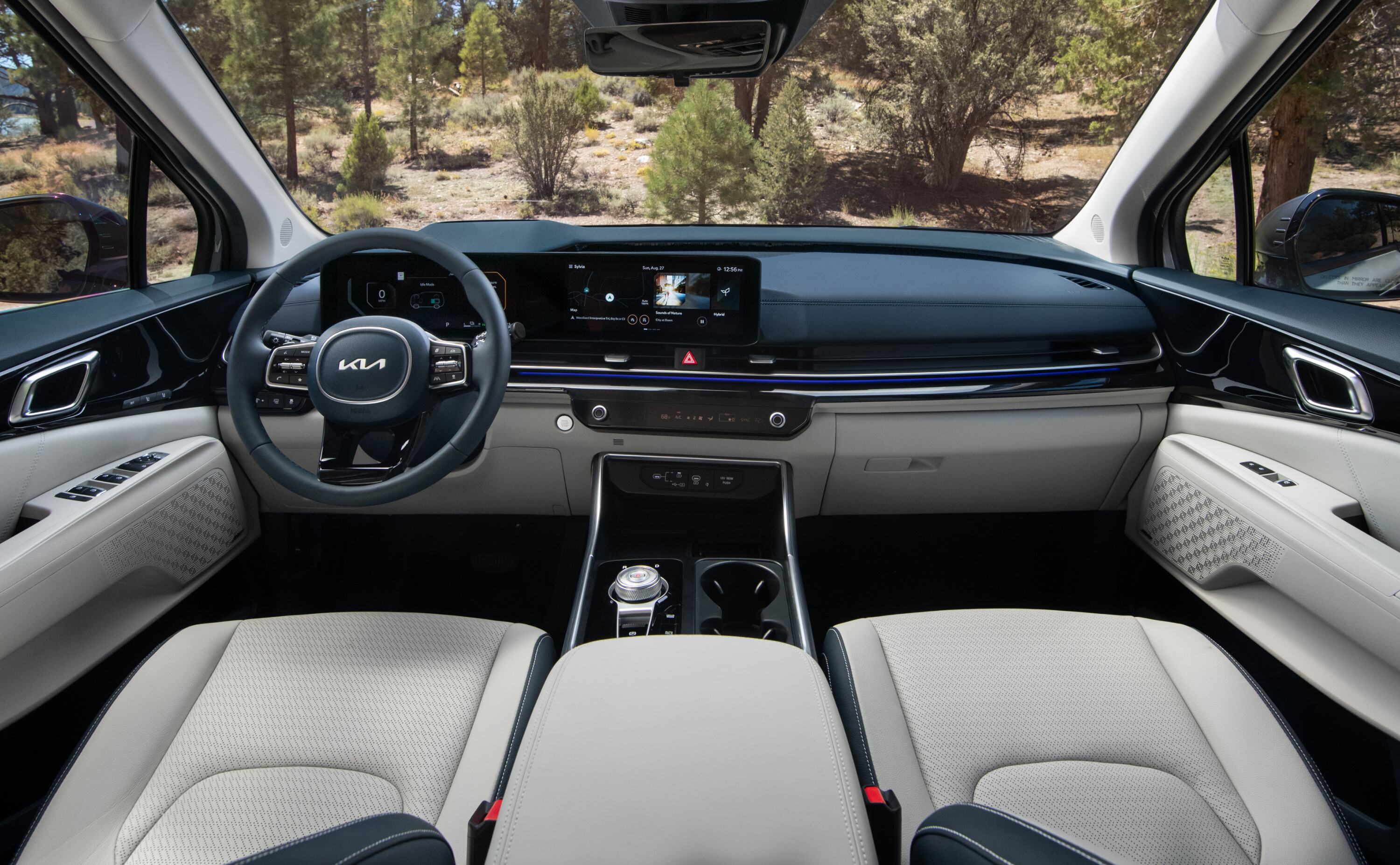
The Kia Carnival Hybrid powertrain combines a 1.6-litre turbocharged petrol four-cylinder with an electric motor, with 183kW/367Nm sent to the front wheels via a six-speed auto.
The 3.5-litre V6 petrol is the most powerful Carnival engine with 216kW, while the diesel is the least powerful at 148kW but offers the most torque, rated at 440Nm (V6 petrol 355Nm). All Carnivals are front-wheel drive.
Government approval documents have revealed the Hybrid will have a 1000kg braked towing capacity – half the figure of the petrol and diesel models.
Click below for our full Kia Carnival Pricing and Specifications story as well as our first local drive of the updated 2025 model.
MORE
Everything Kia
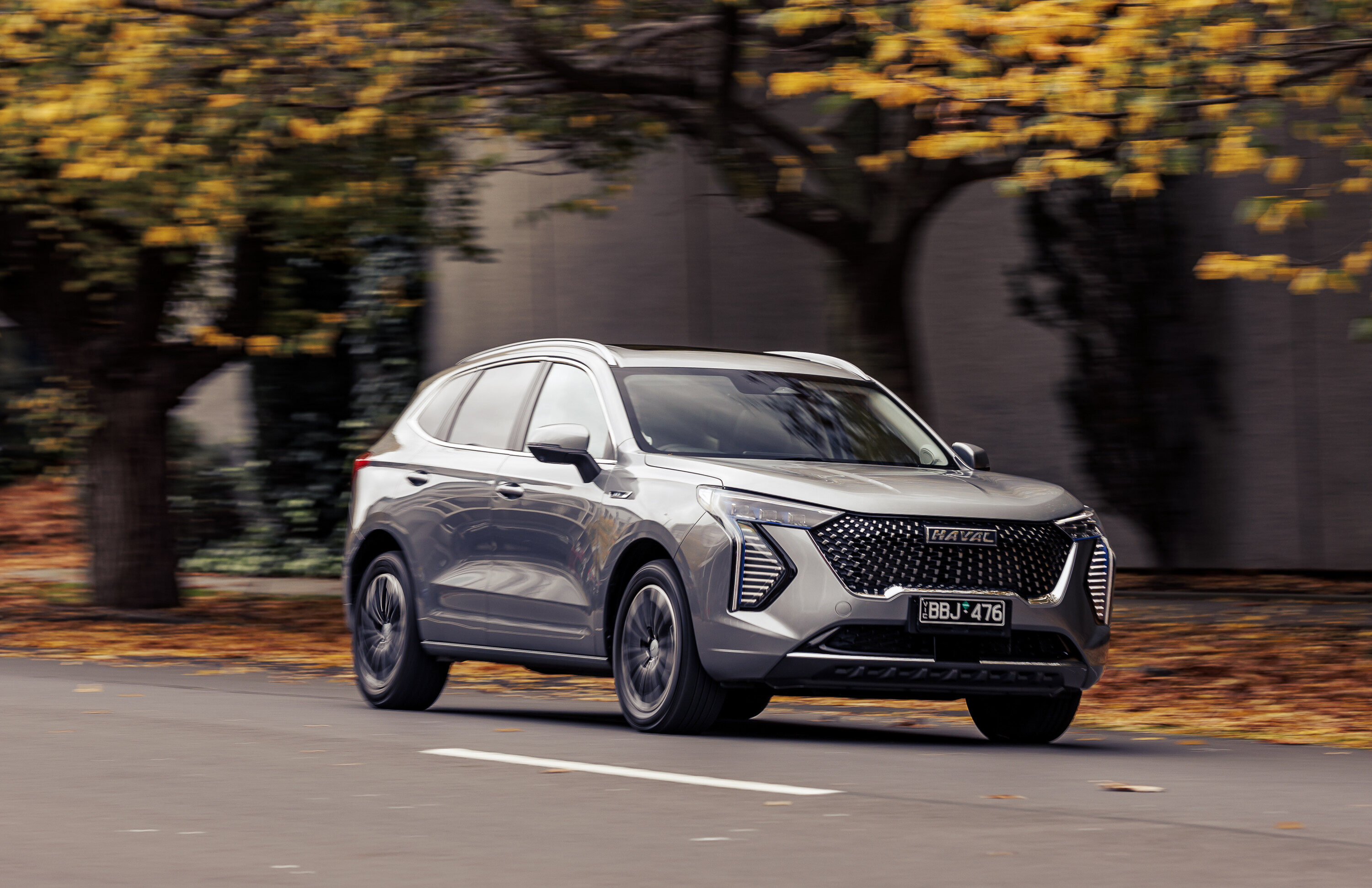
The 2024 GWM Haval Jolion, a small SUV, is slated for a facelift this year according to recent documents filed by China’s GWM in the Federal Government’s new-vehicle approval database.
The documents unveil two new Haval Jolion variants, labeled ‘A01 FL [facelift],’ showcasing a refreshed design compared to the current model.
Currently, the Haval Jolion is available in five options, including two hybrid variants.
Let’s explore what the top-spec Ultra Hybrid variant has to offer.
Pricing & Features
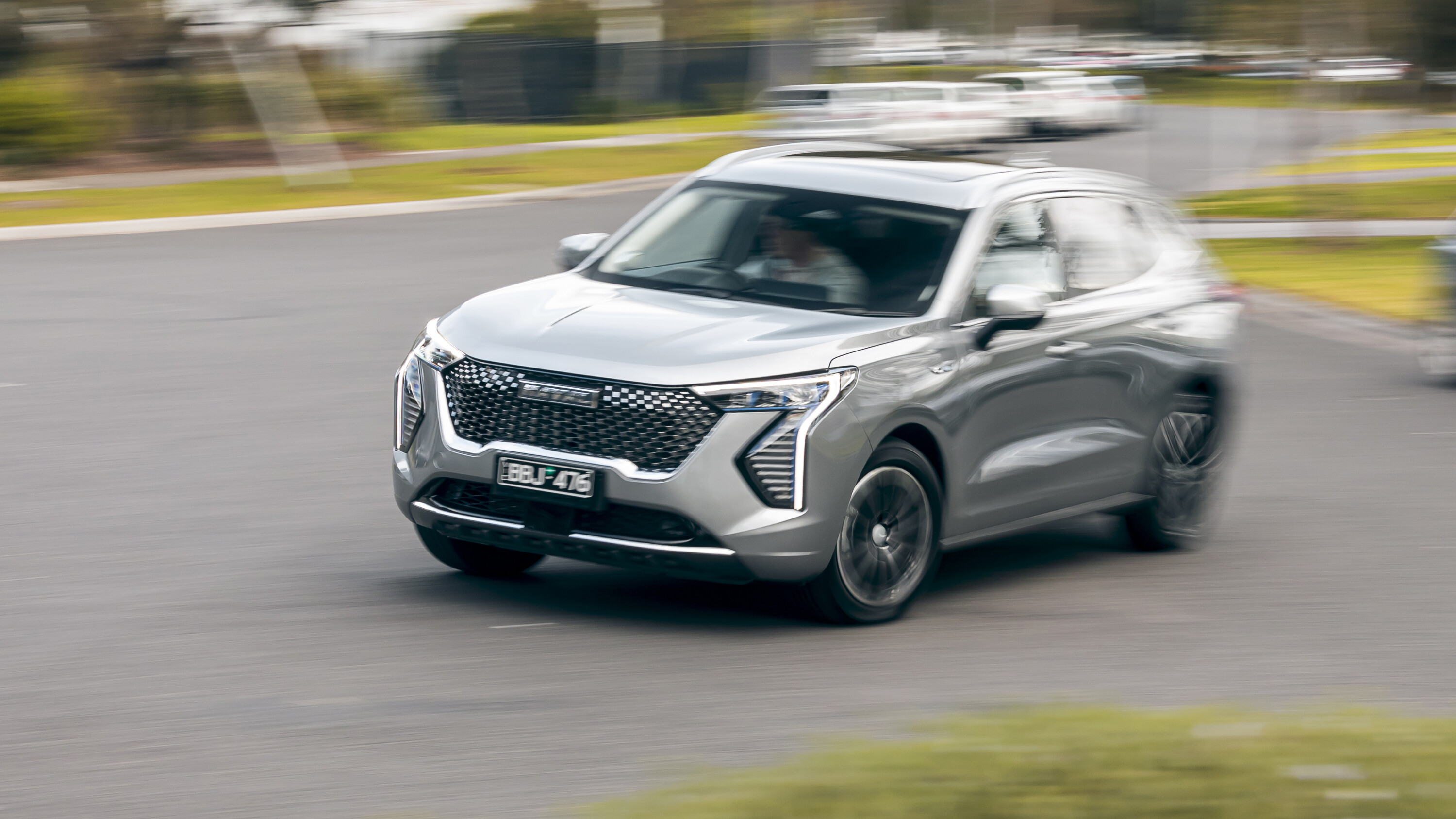
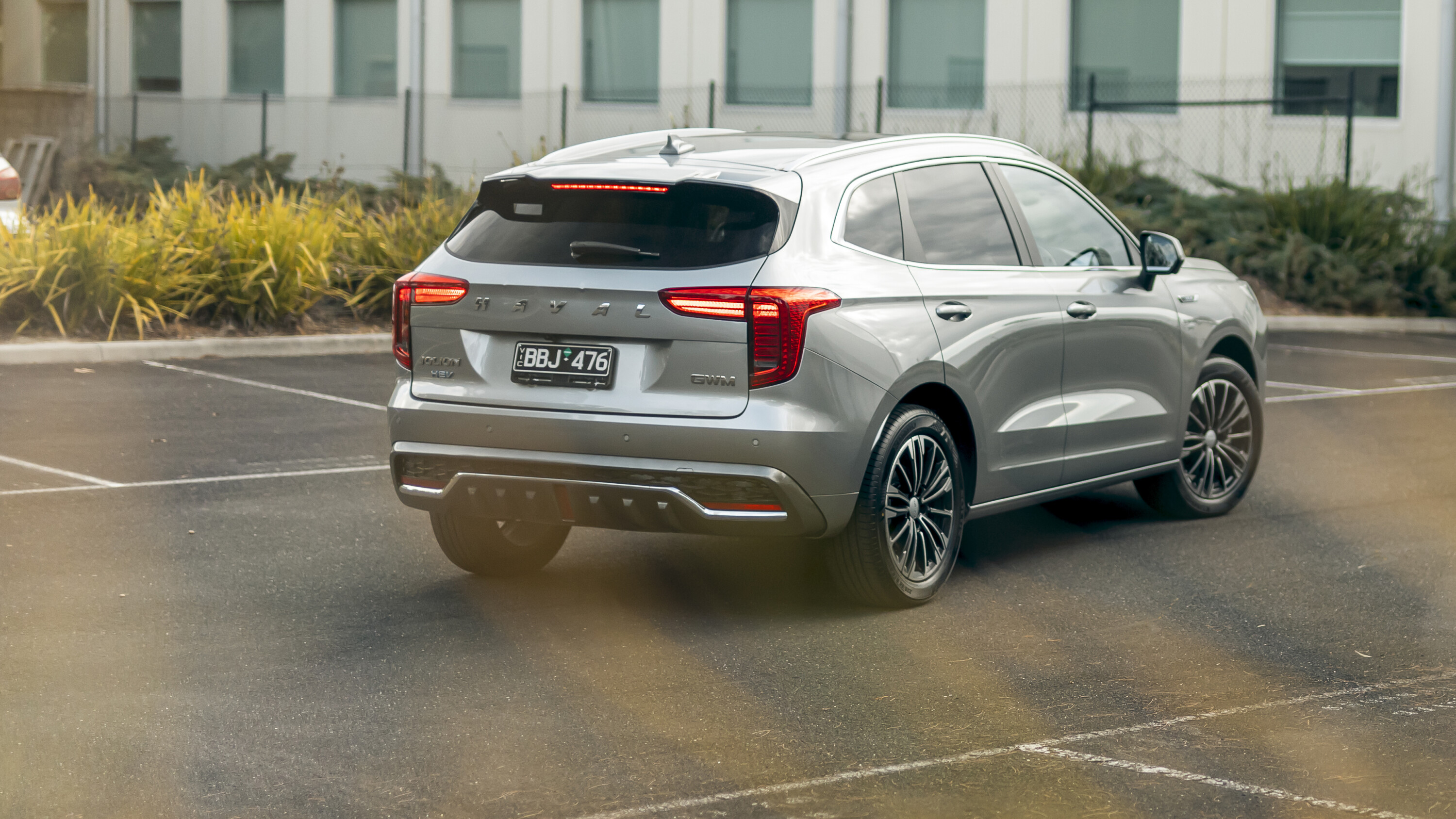
At $37,990 drive-away, the Ultra Hybrid tops the Jolion range as the model that offers the most in the line-up.
Hybrid versions of the Jolion are equipped with a 1.5-liter naturally aspirated four-cylinder petrol engine producing 70kW and 125Nm, paired with a 110kW electric motor. Together, they deliver a combined output of 139kW of power and 375Nm of torque.
1
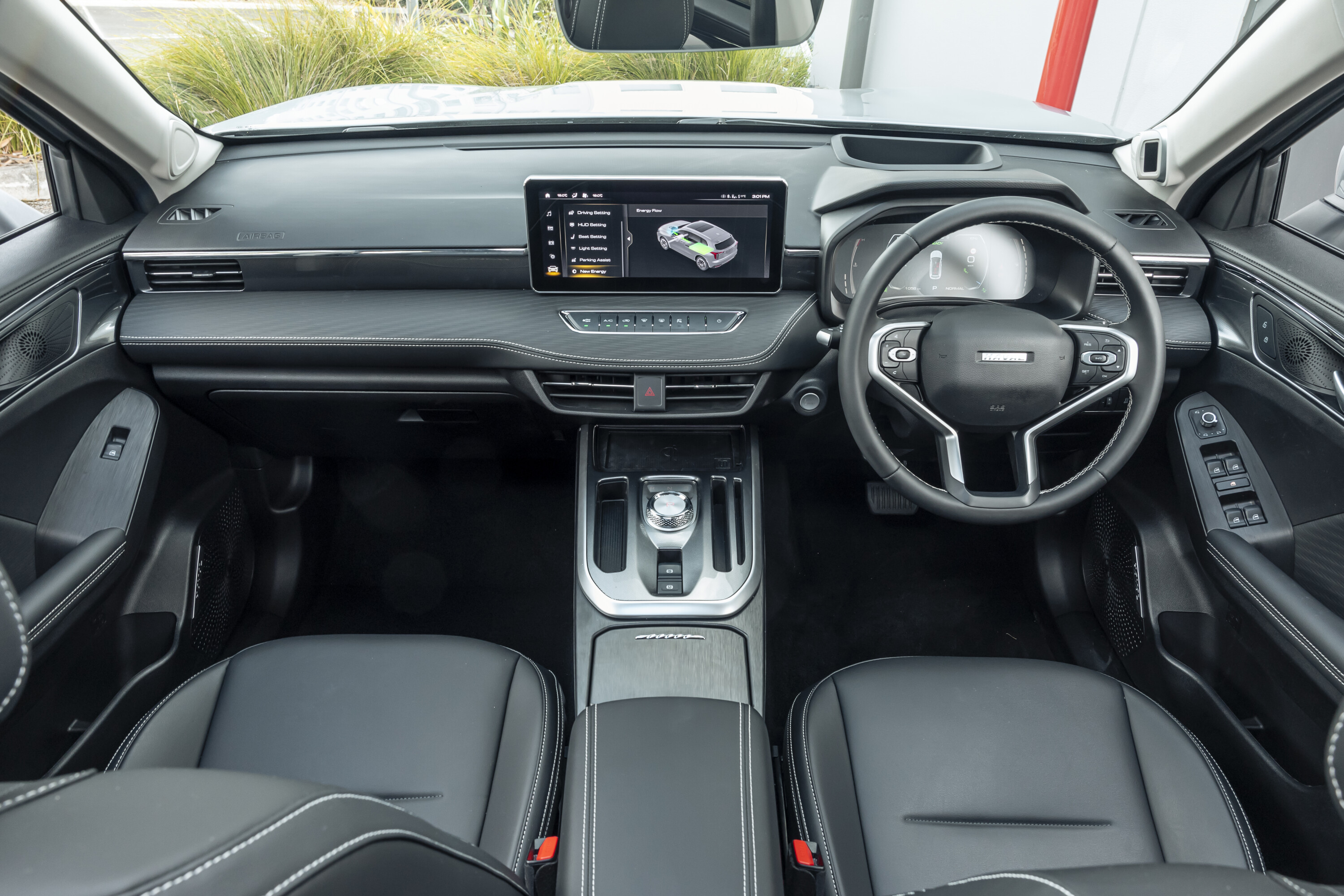
The vehicle boasts a range of premium features including LED headlights with sequential daytime running lights, 18-inch alloy wheels, and a panoramic sunroof. Inside, you’ll find a head-up display, a 7.0-inch digital instrument cluster and a 12.3-inch central touchscreen with smartphone mirroring, and Bluetooth. Additional amenities include keyless entry with push-button start, tinted windows, and heated front seats.
1
Safety
The Haval Jolion achieved a five-star ANCAP test rating, encompassing both petrol and hybrid variants.
In the safety assessments, the SUV earned a 90% score for adult occupant protection and 84% for child occupant protection.
All models come standard with seven airbags and are equipped with Automatic Emergency Braking (AEB), rear cross traffic alert and braking, lane keep assist, blind spot monitors, and rear parking sensors.
1
Key Rivals
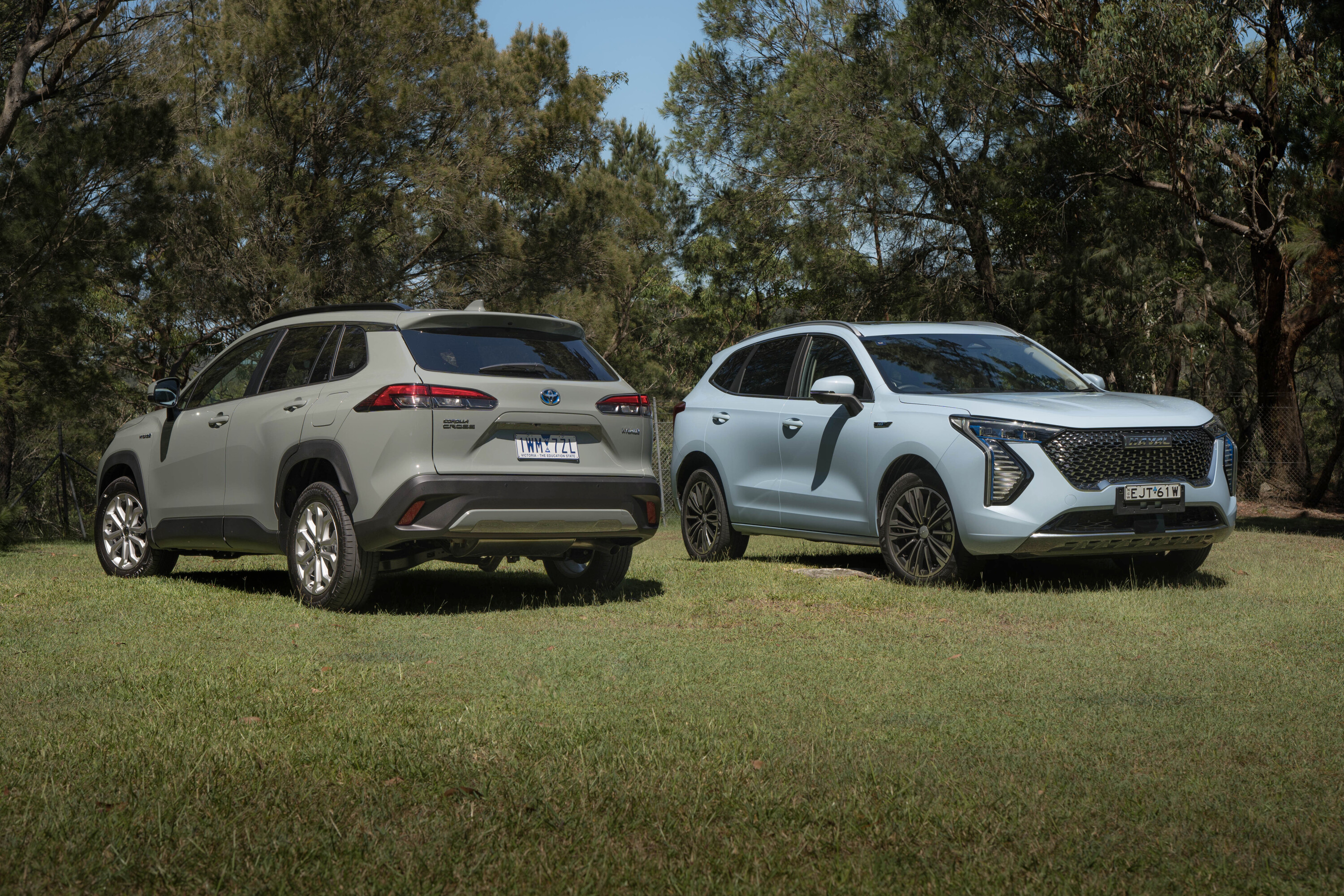
The small and compact SUV segment has become one of the most popular categories for new cars in Australia. Finding key competitors that are hybrid is easy, including:
1
Should I put it on my shortlist?
The 2024 GWM Haval Jolion Ultra Hybrid stands out as an impressive compact SUV. It offers affordability, ample space, a pleasant driving experience, and excellent fuel economy around town.
In addition to being relatively inexpensive to purchase, it is also cost-effective to service and maintain. The SUV is backed by GWM’s generous seven-year/unlimited-kilometre warranty, with the battery covered for eight years/unlimited. While it has its quirks, the Jolion Ultra Hybrid offers great value for money for those who can accommodate them.
MORE
Everything Haval
The 2024 GWM Haval Jolion is a small SUV that is set to receive a facelift this year according to new documents filed by China’s GWM with the Federal Government’s new-vehicle approval database.
The images reveal two new Haval Jolion variants, labeled as the ‘A01 FL [facelift],’ featuring a new design compared to the current model.
But ahead of the face-lifted model the Haval Jolion is today available in five options, including two hybrid variants.
Let’s take a look into what the entry-level Premium variant brings to the table.
Pricing & Features
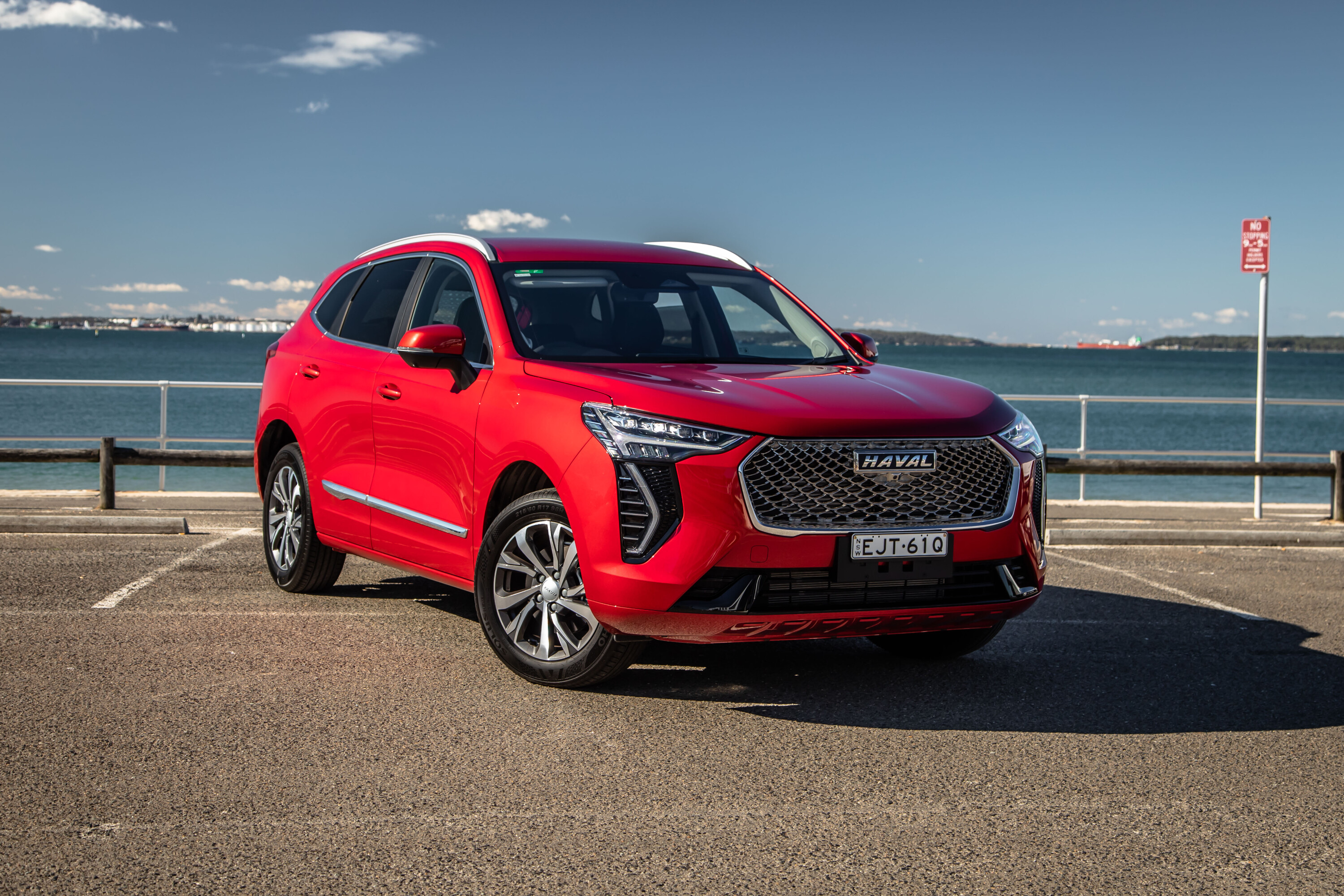
Starting from the very low price of $25,990 drive-away, the Haval Jolion Premium is the most affordable variant in the line-up.
It’s powered by a 1.5-litre turbocharged petrol engine producing 110kW of power and 220Nm of torque and uses 91RON fuel.
1
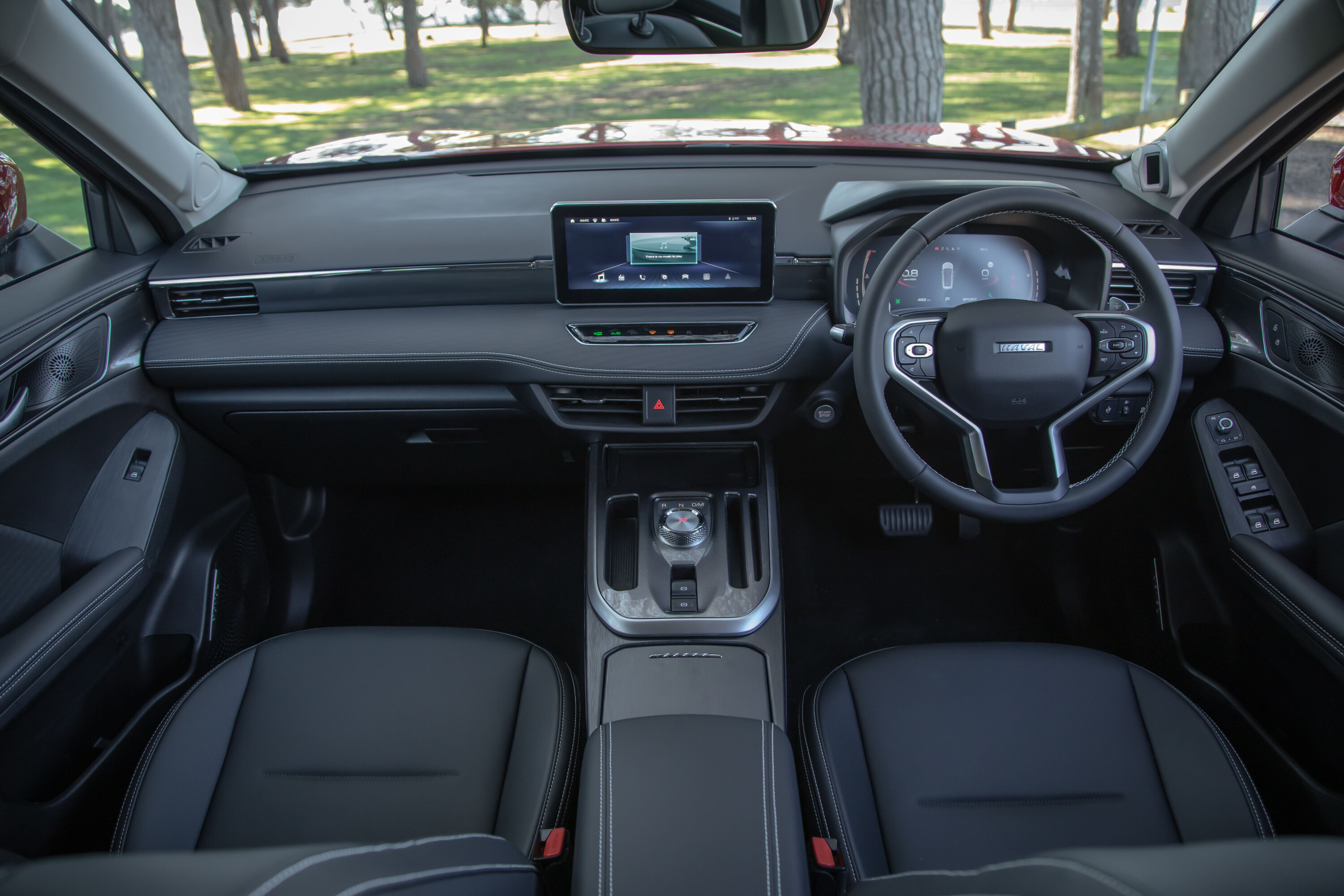
The entry-level Premium comes standard with 17-inch alloys, roof rails, automatic windscreen wipers, cloth seat trim and power adjustable door mirrors.
Inside drivers are treated to an array of tech such as a 10.25-inch infotainment screen, a 3.5-inch driver display, four speakers, Apple CarPlay and Android Auto connectivity.
1
Safety
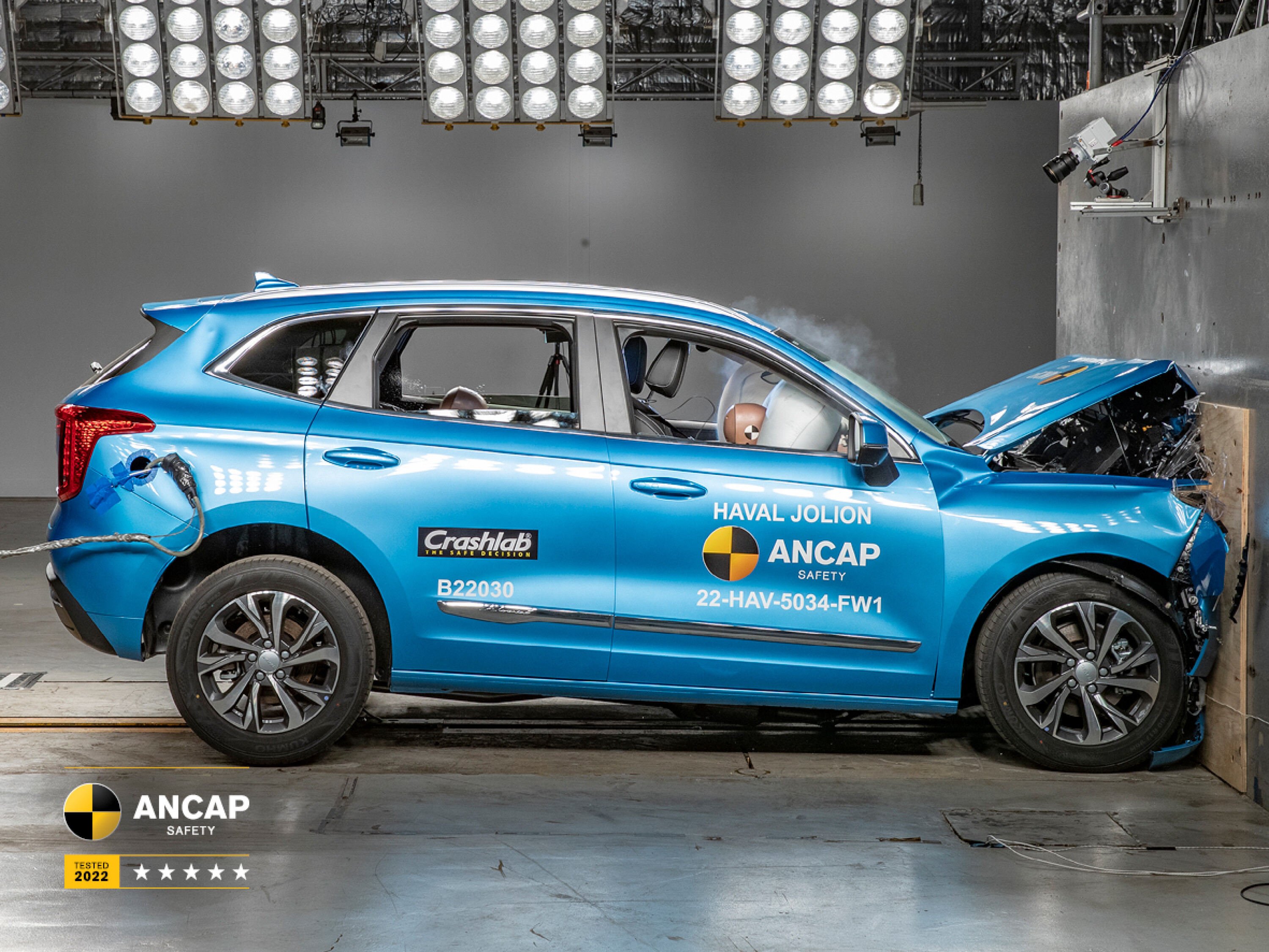
The Haval Jolion received a five-star ANCAP test rating covering all it’s petrol and hybrid variants.
The SUV scored 90% in the adult occupant protection category, as well as 84% for child occupant protection.
All models receive seven airbags and come equipped with AEB (Automatic Emergency Braking), Rear cross traffic alert and braking, lane keep assist, blind spot monitors and rear parking sensors.
1
Key Rivals
The small and compact SUV segment in Australia has become one of this countries most popular for new cars. Key competitors aren’t hard to find, such as:
1
Should I put it on my shortlist?
The GWM/Haval brand have popped up on Australian shores offering vehicles that scream value. And that shines through via the Haval Jolion Premium that sits at a price-point akin to hatchbacks.
If you’re after a good all-round small SUV that misses out on some niceties of higher grades, and also of competitors, but puts about $5k back in your pocket then you’re looking at your perfect car.
MORE
Everything Haval
