
Cupra Australia has announced a new limited-edition version of its Formentor SUV in collaboration with legendary German tuner ABT Sportsline. Dubbed the ‘Custom Cupra by ABT Edition’ and based on the Formentor VZ5, the new special edition model adds a number of sportier styling details inside and out.
On the outside, the Custom Cupra by ABT Edition adds more aggressive side skirts, a larger rear spoiler and additional front and rear styling elements that combine to “create a more assertive appearance without abandoning the bold design and distinctive stance of the Formentor”, according to Cupra.
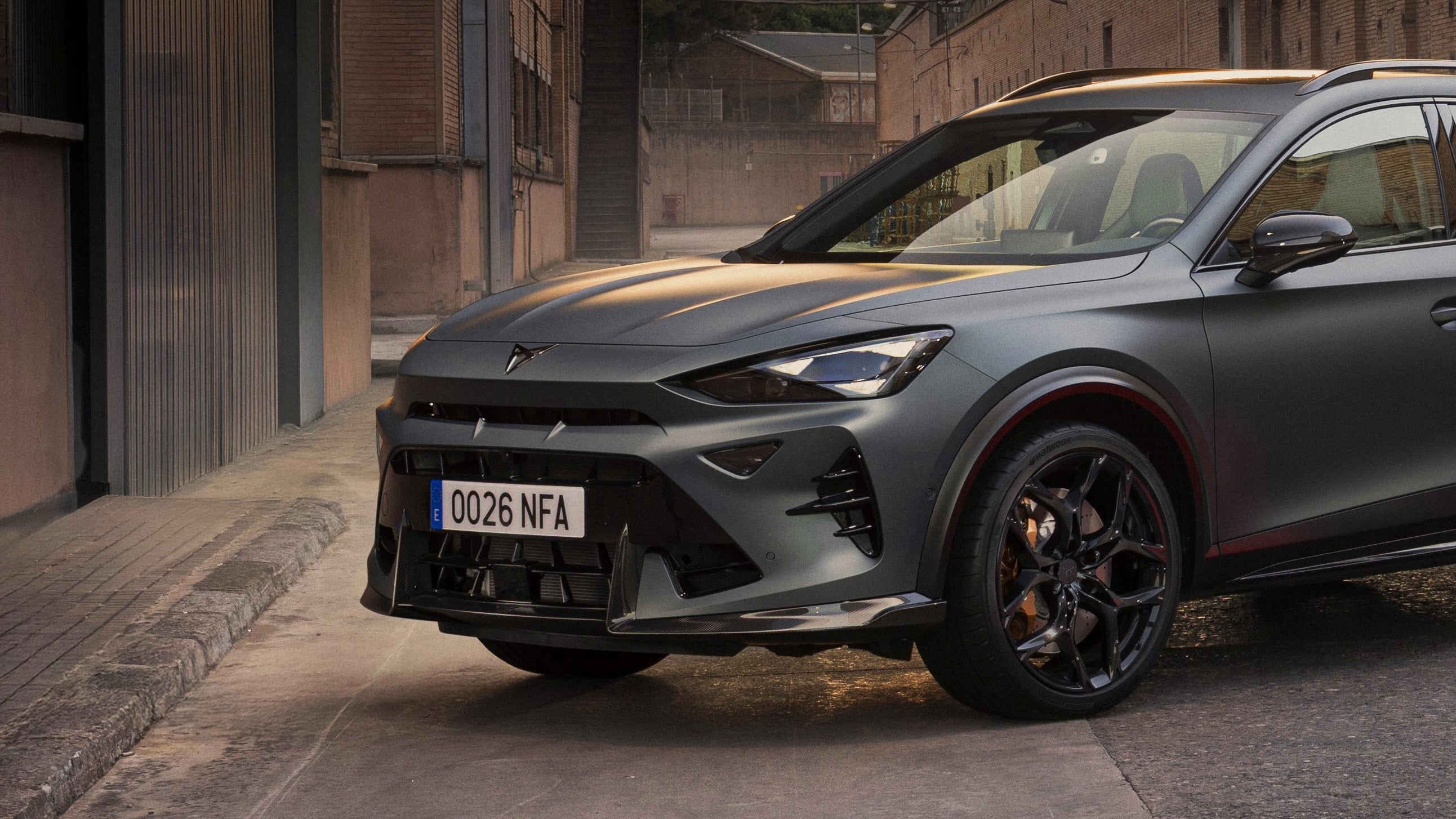
Gloss-black 20-inch alloy wheels also feature, as do black quad exhaust finishers, dark chrome exterior badging and discreet ABT branding. Inside, changes are limited to ABT floor mats, while the only options available are either matte (+$3300) or metallic (+$790) exterior paint.
Based on the Formentor VZ5, which is the highest-performance car that Cupra makes, the Custom Cupra by ABT Edition also features Audi’s iconic five-cylinder engine. In this tune, it makes 287kW of power and 480Nm of torque and is mated to a seven-speed dual-clutch transmission sending power to all four wheels. It hits 100km/h in just 4.2 seconds and goes on to a top speed of 280km/h.
Pricing for the exclusive edition starts at $101,990 excluding on-road costs, or officially $109,990 driveaway nationwide. Cupra is yet to confirm how many cars will be available, aside from claiming that numbers are “very limited”.
2026 Cupra Formentor VZ5 pricing (excluding on-road costs):
- VZ5: $94,990 ($101,990 driveaway)
- VZ5 Custom Cupra by ABT Edition: $101,990 ($109,990 driveaway)
The Cupra Formentor Custom Cupra by ABT Edition is now available to order from Cupra dealerships ahead of first deliveries commencing in the second quarter of 2027.
It’s been more than five years since the Mitsubishi Pajero was last in production, but after a long teaser program, the latest version will finally debut on September 2. Better still for Pajero fans, the new model is also confirmed for Australian showrooms before the end of the year, which is remarkably quick.
Likely to be based on the same platform as the Triton, the Pajero will replace the former Pajero Sport in the local Mitsubishi lineup. It’s predicted to share many of its mechanicals with the Triton, including its 150kW/470Nm 2.4-litre twin-turbocharged four-cylinder diesel engine. However, we’re expecting the Pajero to eschew the Triton’s leaf spring rear suspension for a more sophisticated multi-link set-up for greater on-road comfort and more car-like driving dynamics.
Mitsubishi has so far only released a teaser of the new Pajero (below), while we’ve used AI tech to take a stab at what it could look like (main).
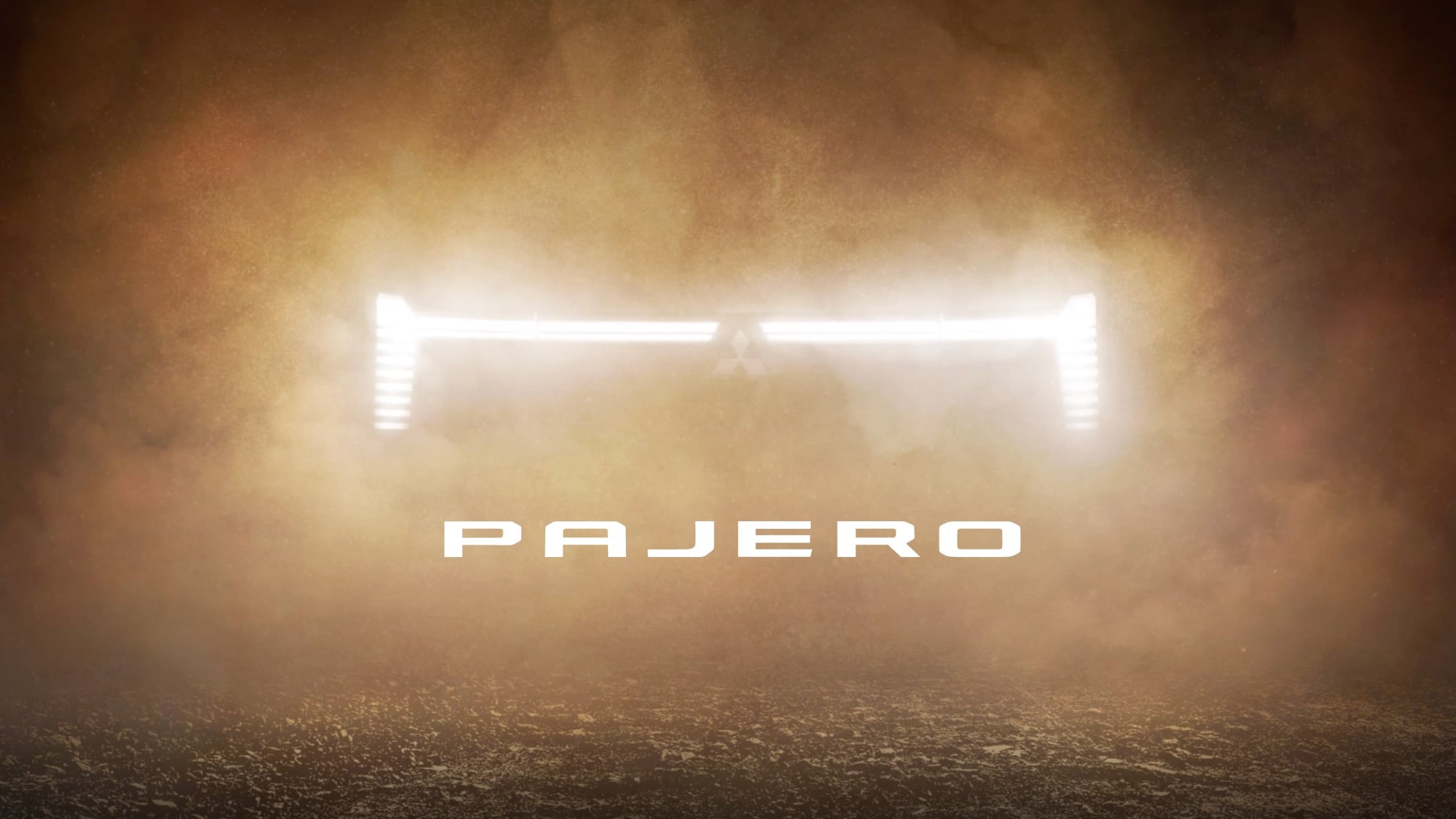
Mitsubishi has already confirmed that the new Pajero will feature its ‘Super All Wheel Control’ (S-AWC) four-wheel drive system, likely giving it excellent off-road credentials – better than the Pajero Sport and its less sophisticated ‘Super Select II’ four-wheel drive system.
The Pajero Sport used an eight-speed automatic transmission locally, while the Triton features a six-speed auto ‘box instead. It remains to be seen what transmission the Pajero will use.
Both five- and seven-seat variants of the fifth-generation Pajero range will be offered locally. According to Australian Government homologation data, four model grades will be offered: the entry-level GLX, mid-spec GLS and Exceed and top-spec GSR, all expected to be produced at the same Thai factory as the Triton.
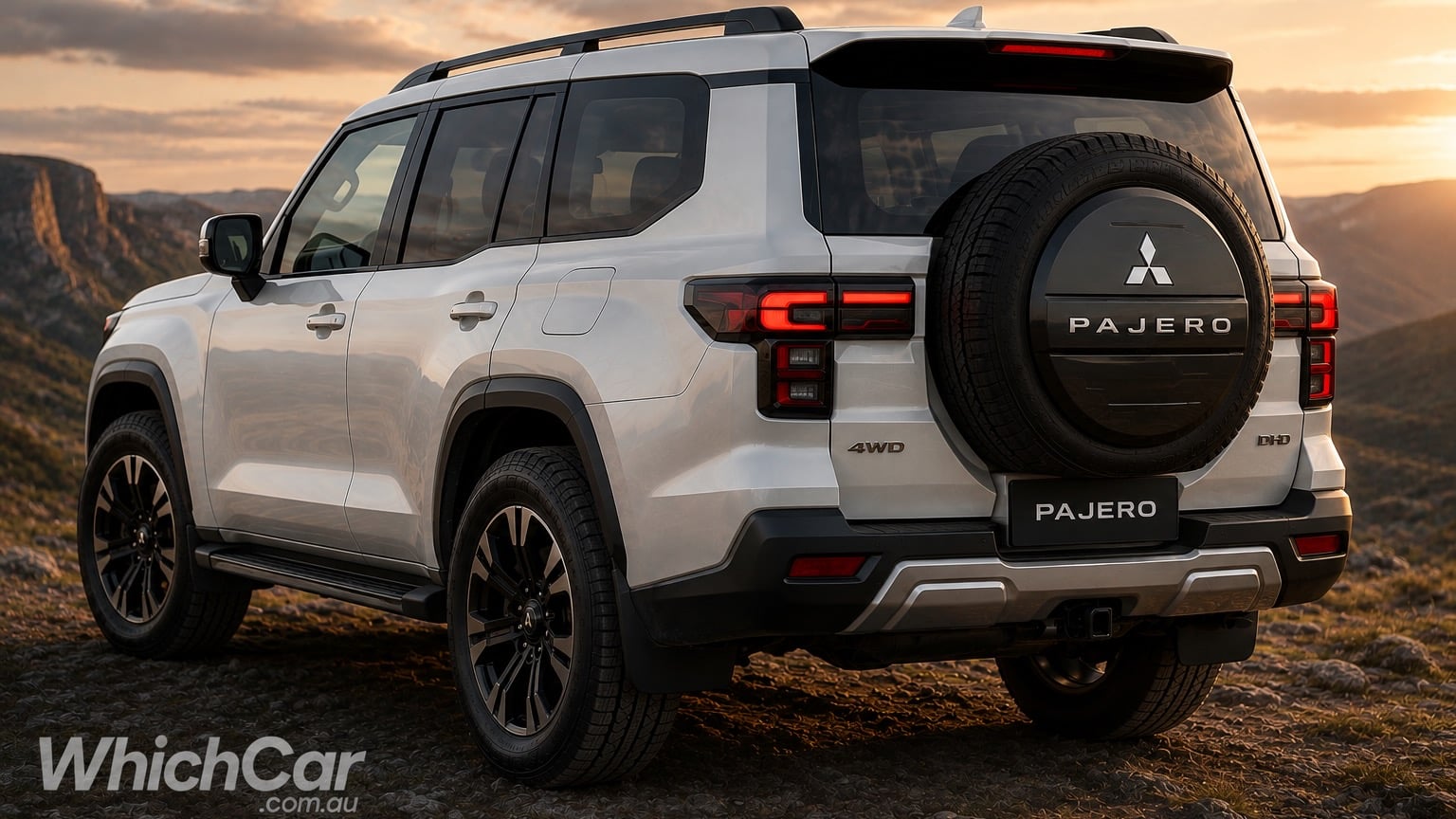
We asked AI to show us what it thinks the new Pajero could look like, and it designed this high-spec model you see both here and at the top of the page.
Overseas reports suggest that either a hybrid or plug-in hybrid drivetrain will join the Pajero range at some stage in its life cycle as emissions standards tighten globally. Competition for the Pajero will include the Ford Everest and Isuzu MU-X, both of which don’t offer electrification as yet.
The new Pajero will give its maker a much needed shot in the arm at a time when its local sales are down by 27.6 per cent compared to this period in 2025, which is one of the biggest decreases in the entire new-car market.
Toyota’s GR sports arm will reportedly be transformed into its own brand by the end of the decade, according to a report from UK publication Autocar, with a new-generation MR2 to be launched as part of the standalone brand launch. Gazoo Racing has produced high-performance cars such as the GR Yaris, GR Corolla and new GR GT supercar, and now Toyota apparently wants to separate it from other Toyota brands such as Lexus with the launch of a new-generation MR2 by around 2028.
The upcoming MR2 was reportedly previewed by the GR Yaris M concept car from early 2025 as it used a mid-engined layout and a new ‘G20E’ 2.0-litre turbocharged four-cylinder petrol engine which was claimed could make up to 450kW (600hp) of power in racing cars, and a minimum of 298kW (400hp) for road cars as well, making it quite potent. Autocar reports that the engine will also be compatible with hybrid tech to help with emissions.
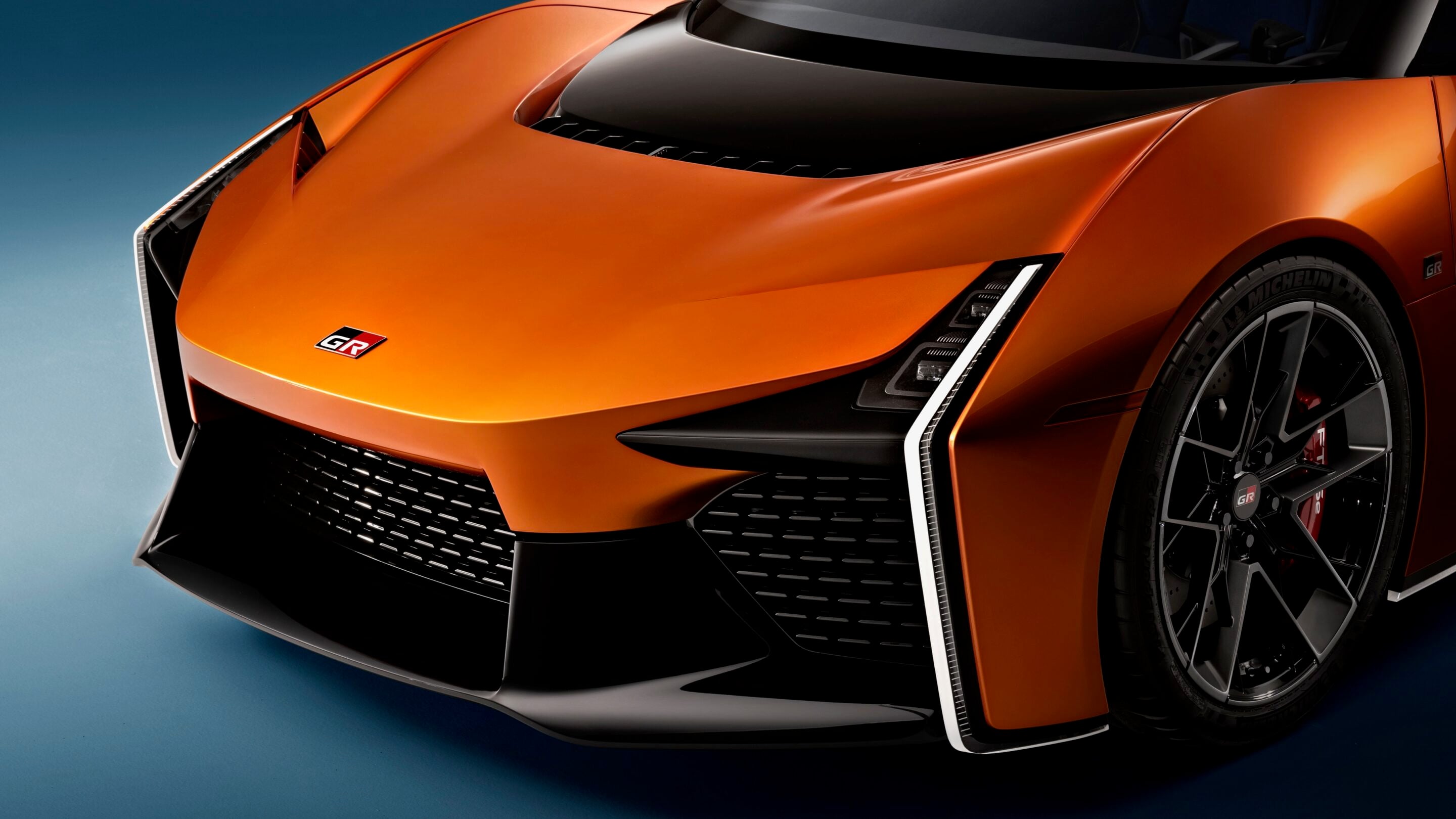
The FT-Se concept from 2023, and above, an AI WhichCar rendering of what the new MR2 could look like
Unlike the previous MR2 models, which were known for their somewhat tail-happy handling, the new coupe will be fitted with all-wheel drive as standard. But like the GR Yaris and GR Corolla, drivers will be able to choose the power spread between the front and rear axles – this time, including the ability to make it rear-drive only.
Rivals for the new MR2 are expected to be rare owing to the state of the performance car market, especially the mid-engined sector. The Lotus Emira immediately comes to mind, as well as the Alpine A110 and Porsche 718. Beyond drive layout, cars such as the BMW M2 and Nissan Z would also compete well with the MR2.
The design of the new MR2 will likely be influenced by the electric FT-Se concept car from 2023 shown in these images, with its sharp styling, funky cabin layout and futuristic features. The FT-Se was launched to preview an electric sports car and is decidedly mid-engined in its layout, but Toyota’s future plans changed to include petrol power as part of its ‘multi-pathway’ approach to drivetrains.
When the new MR2 does launch, and Autocar reports that it will likely be in 2028, it will also forego any Toyota badging. The company has already trademarked GR MR2, meaning it will likely follow the GR GT in being separated from its parent company.
Chery is adding to its extensive brand portfolio down under by launching its SUV-focused iCaur range, starting with its newest model, the V25. The first products are planned to arrive next year in what the manufacturer is calling “a significant milestone”.
iCaur will become the automaker’s fifth brand in Australia, joining the existing Chery, Jaecoo, Lepas and Omoda badges. Originally known as iCar, the name had to be changed for markets outside China to avoid clashes with trademarks held by Apple.
The brand started producing electric vehicles in 2023 and launched its first small SUV the following year. A switch to a ‘new energy’ line-up was made this year with the introduction of the V27 large SUV and the model Aussies will first be tempted with, the V25.
A soft-roader that looks to compete with the GWM Tank 300, the V25 has a 33.7kWh battery enabling a claimed electric-only driving range of between 145km and 150km depending on the variant. Official fuel consumption is rated at between 1.52 and 1.54L/100km.
The V25 will reportedly offer full-electric and range-extender PHEV options, with the latter featuring a 1.5-litre turbo petrol engine. The EREV drivetrain operates in a similar way to plug-in hybrids like the Leapmotor C10 and recently introduced Forthing Taikon 5.
CarNewsChina has listed the external dimensions at 4636mm long, 1920mm wide and 1855mm tall, with a 2820mm wheelbase. Compared to the 2026 Toyota RAV4, the V25 is 36mm longer, 65mm wider and a significant 170mm taller, with a 130mm longer wheelbase.
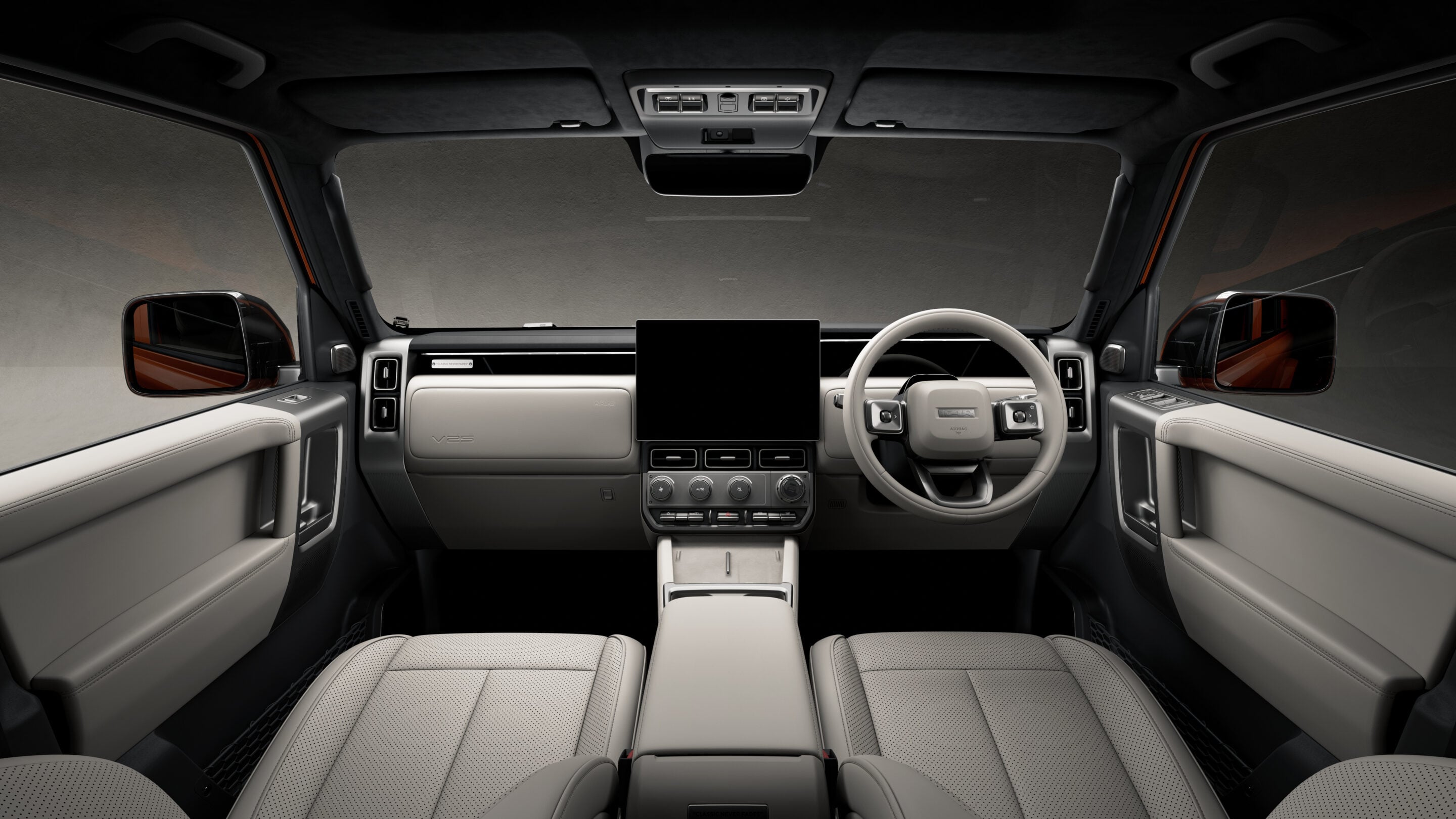
Rugged styling is common across the iCaur brand and the V25 takes cues from heavy-duty off-roaders like the Land Rover Defender and Jeep Wrangler, not to mention the Tank 300. It uses a car-like monocoque chassis instead of a dedicated body-on-frame platform, however.
Anyone who can’t wait for the model to arrive in showrooms can check it out when it makes its first Aussie appearance at the Everything Electric show in Sydney from September 18-20. Pricing, availability and full specs are yet to be announced.
South Korean car maker KGM – formerly known as SsangYong – is under fire from safety body ANCAP for the second time in just five days after it was found that approximately 100 units of its Torres EVX medium SUV weren’t fitted with centre airbags despite the maker claiming they were.
Last week the Musso EV electric ute was in a similar situation after ANCAP found that none of the Australian and New Zealand-spec models delivered locally were fitted with centre or driver’s knee airbags, even though the features were advertised as standard.
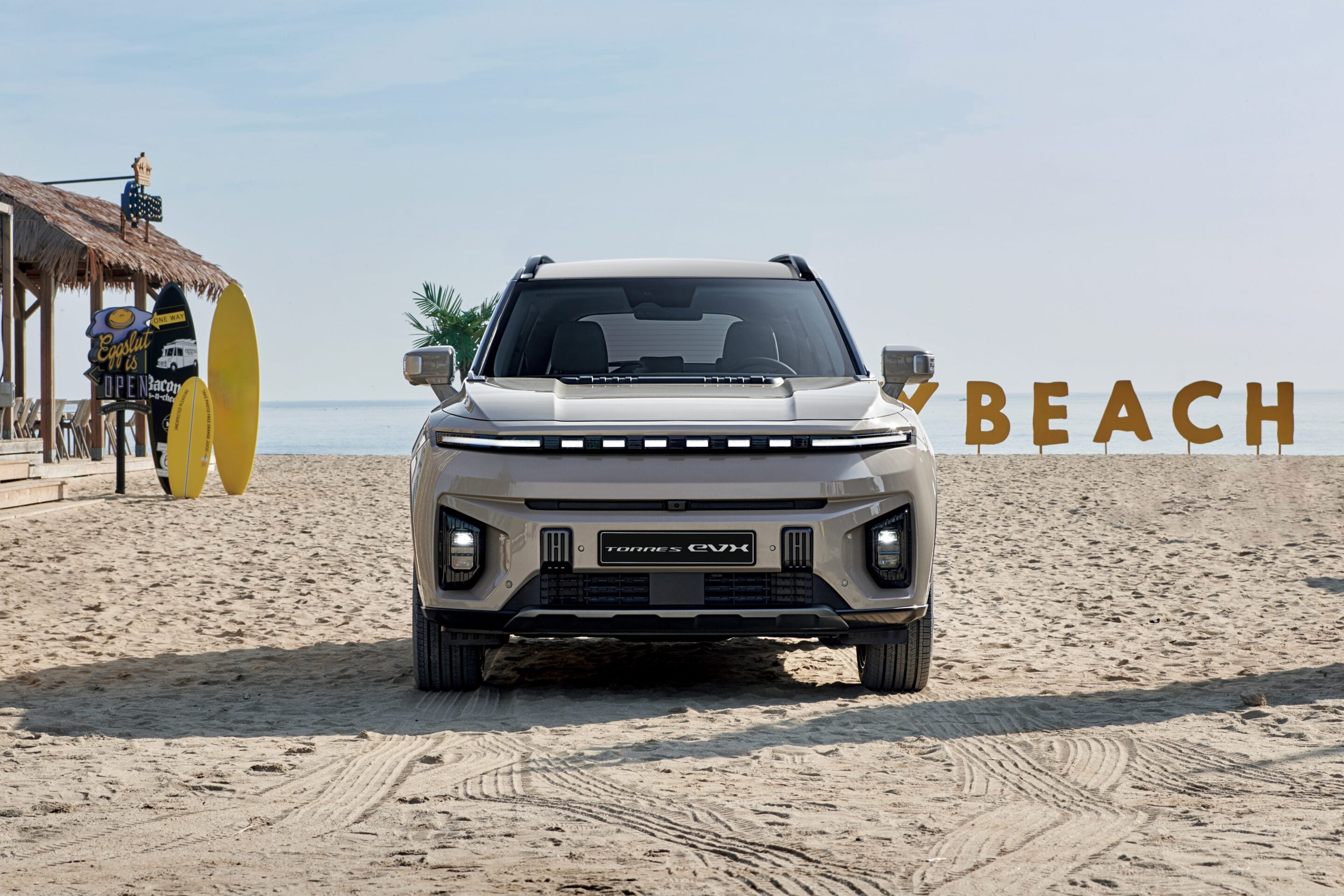
“A centre airbag was marketed by KGM as being present on Torres EVX vehicles as part of a standard suite of “8 airbags”, with references featured in their consumer vehicle specification brochure and website,” ANCAP said.
“The KGM Torres EVX is, however, only fitted with seven airbags. The KGM Musso EV was advertised as having eight airbags with only six fitted.”
According to ANCAP, only the electric EVX variant of the Torres is affected and both the petrol and hybrid versions have been confirmed as featuring a front centre airbag in Australia.
Centre airbags have become a big focus point for safety in recent times, and are generally positioned inboard within the driver’s seat back to reduce injury in side-impact crashes.
ANCAP is advising customers who have already purchased a Torres EVX that the safety specification of their vehicle may differ to what was advertised, and that the omission of the centre airbag may have an effect on occupant safety in side-impact collisions.
KGM Australia reportedly responded to ANCAP by saying that its marketing materials had been updated, but made no further comment about whether the missing airbag would be fitted to future models in Australia. The Torres EVX is no longer available in New Zealand.
Existing customers with concerns are advised to make contact with KGM Australia directly, or get in touch with their local KGM dealer.
Lamborghini CEO Stephan Winkelmann has shrugged off any threat posed to the famous Italian marque by Chinese carmakers who are producing absurdly quick and powerful vehicles like the 1180kW Denza Z.
Winkelmann said he doesn’t view any Chinese manufacturer as a challenger to Lamborghini despite the Denza Z – which recently thrilled the crowd at Goodwood – firing a shot across the bow with its 349km/h top speed and 0-100km/h time of two seconds flat.
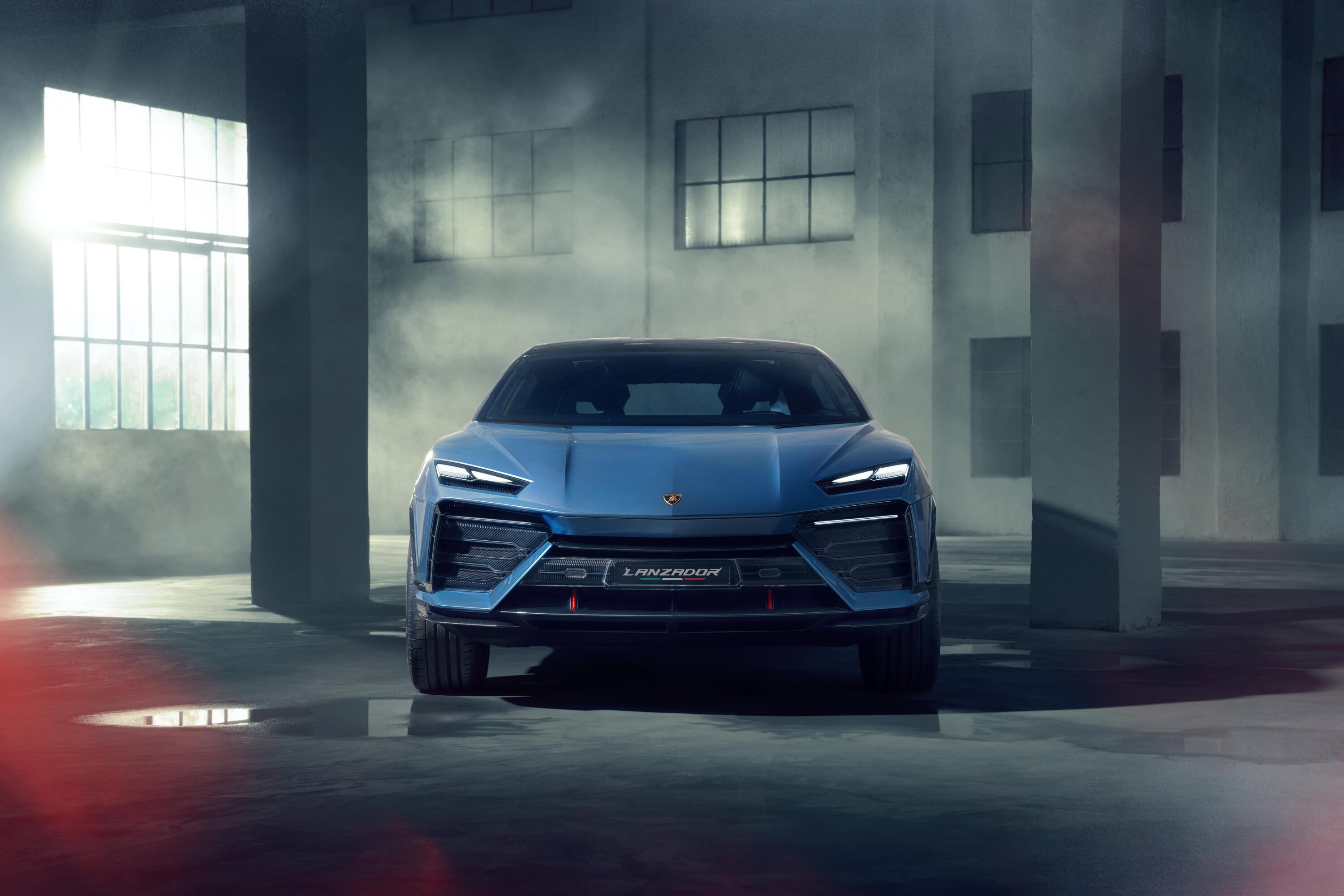
“We don’t see this as a threat because they are doing electric cars, and if we say we are not doing electric cars for a reason, then there is also an idea behind how we look at our Chinese competitors or Chinese manufacturers,” Winkelmann told Auto Express.
Lamborghini’s plans to introduce its first EV in 2028 were shelved indefinitely not long after the company unveiled the Lanzador EV (pictured, above) in August 2023. It’s a decision Winkelmann said he is very happy about, while pointing out that Chinese brands cannot compete “on the performance of our cars, the sound and the emotion”.
Winkelmann had previously announced that a new GT model with a plug-in hybrid drivetrain will be produced instead of a BEV. He said the decision to postpone the all-electric car was taken “due to the fact that we are ready to do so, but the market is not”.
“We have to be aware of the fact that we have to deliver what our customers desire. We don’t see in the short and medium term any change to this way of thinking, so this is the decision we took,” Winkelmann added back in February, promising there will be four PHEV Lamborghinis by the end of the decade.
One of the brand’s product directors, Stefano Cossalter, elaborated on the standards a future Lambo BEV will have to meet, saying: “If we have to come out with an electric car, it has to be a masterpiece in terms of performance.”
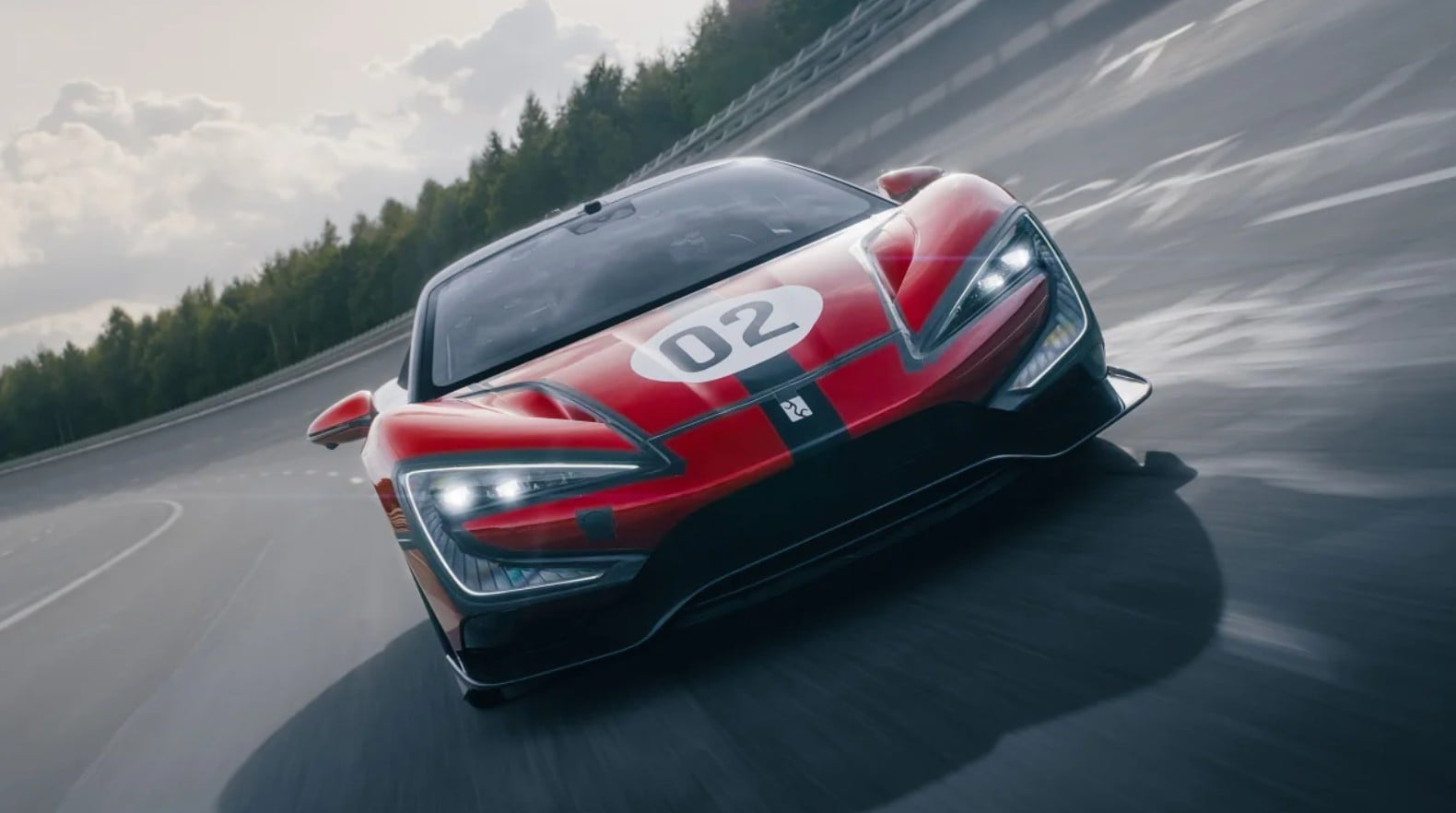
The Denza Z isn’t the only Chinese supercar to take it up to the established marques. BYD’s Yangwang U9 Xtreme (pictured, above) became the world’s fastest production car last September, when it reached 496.22km/h, dethroning the Bugatti Chiron. The 2200kW model also holds the EV lap record at the Nürburgring Nordschleife.
Australia’s biggest toll road operator has flagged the possibility of a switch to dynamic pricing, the US-style system that constantly adjusts costs based on how busy the motorway is. Transurban, which made a record $4 billion in revenue last financial year, is already running some of its North American roads under the arrangement.
Dynamic pricing adjusts toll rates every few minutes by basing costs on real-time traffic data, meaning motorists who have to use the roads during peak times suffer an extra hit to the hip pocket. While some Aussie toll roads like the West Gate Tunnel and Sydney Harbour Bridge raise prices during the morning and evening rush, they don’t change prices constantly.
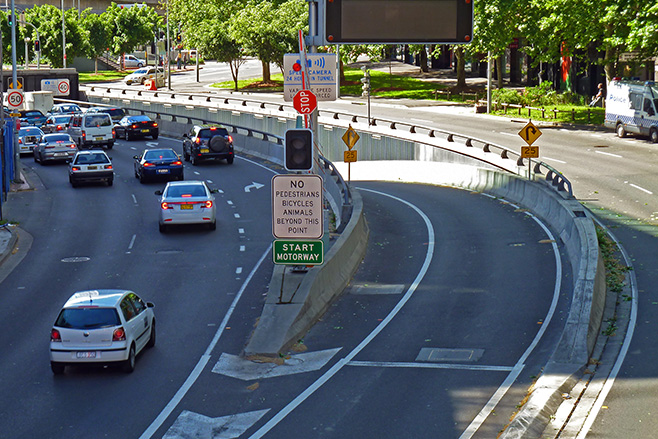
Now Transurban’s general manager for Victoria, Anup Jois, has brought up the prospect of the company using the US-style system down under, despite widespread opposition to rising toll costs among Aussie motorists.
“We think there’s merit in examining if it [dynamic pricing] could apply in the Australian circumstance as well,” Jois told Melbourne’s 3AW radio, adding that Transurban is keen to have “constructive conversations” with governments that are interested in the cost model.
The high cost of toll roads has long been a huge bugbear for Aussie drivers. A 2024 survey of 1000 motorists found that 87 per cent thought charges were too high, with 70 per cent saying they were unfair.
Toll costs have been growing ever since. Transurban’s own data shows the average Sydney driver spends nearly $650 a year on the charges, which have been increasing by at least four per cent a year. In Melbourne, Transurban’s revenue grew by nine per cent in the last financial year.

The company has also been accused of trying to stand in the way of the NSW state government’s attempts to reduce costs for drivers, which resulted in one-off price cuts on a handful of roads in Sydney.
Australia is far and away the biggest source of revenue for Transurban, which controls eleven toll roads in Sydney alone, with the profitable M2-M7 tollway to drag in even more money when it gets widened. Approximately 90 per cent of the company’s $4 billion revenue comes from its operations down under.
BYD’s cut-price line-up is set to get a major boost with news that a new EV hatch is on the way in China this year. The Great Seagull is slated to fill the gap between the ultra-cheap Atto 1 and the Dolphin, setting it up to compete against the Geely EX2 and GAC’s Aion UT.
The general manager of BYD’s Ocean network sales division, Zhang Zhuo, made the announcement at the recent Chengdu Auto Show, revealing that the new Great Seagull will go on sale in China this year.
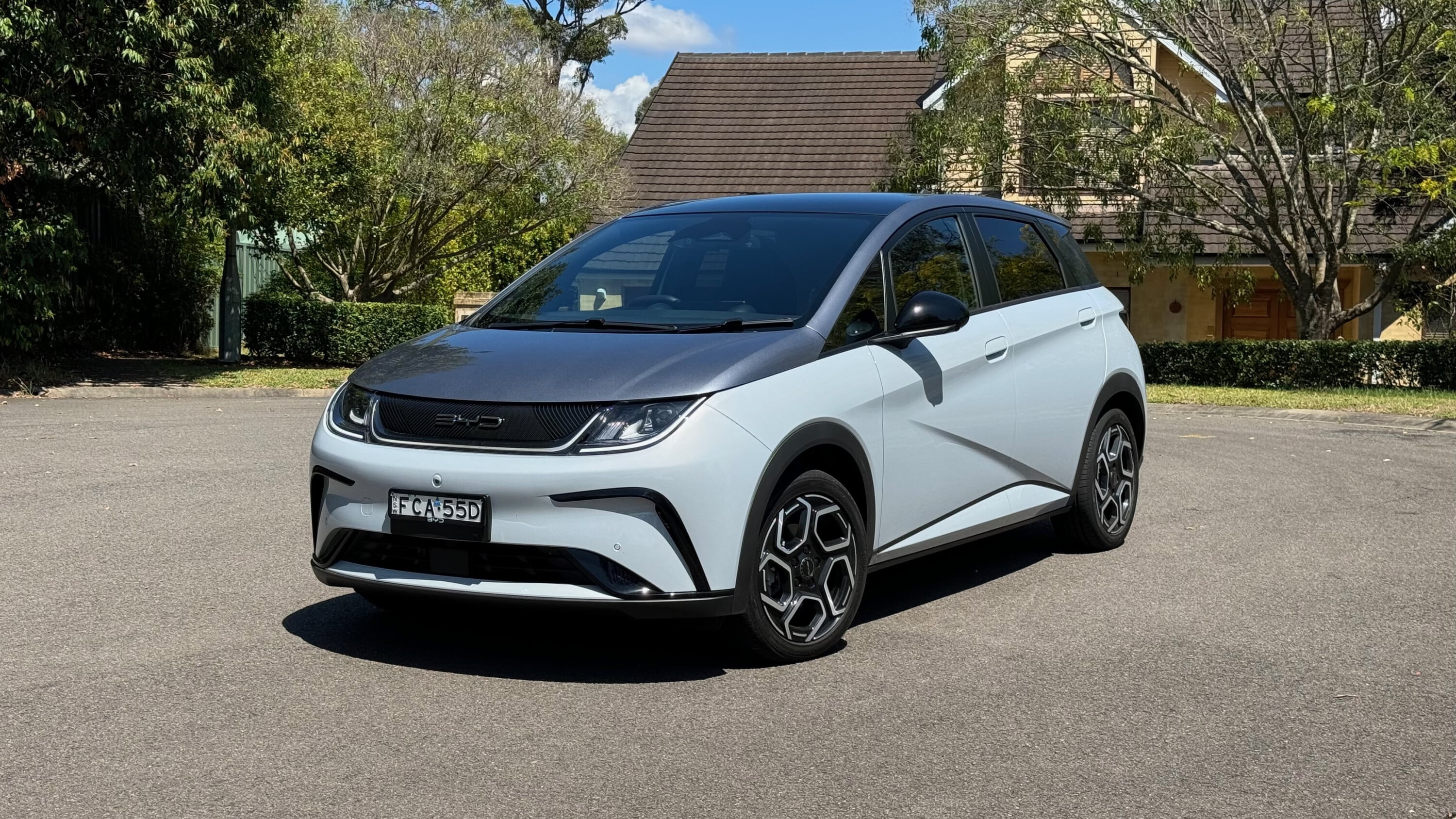
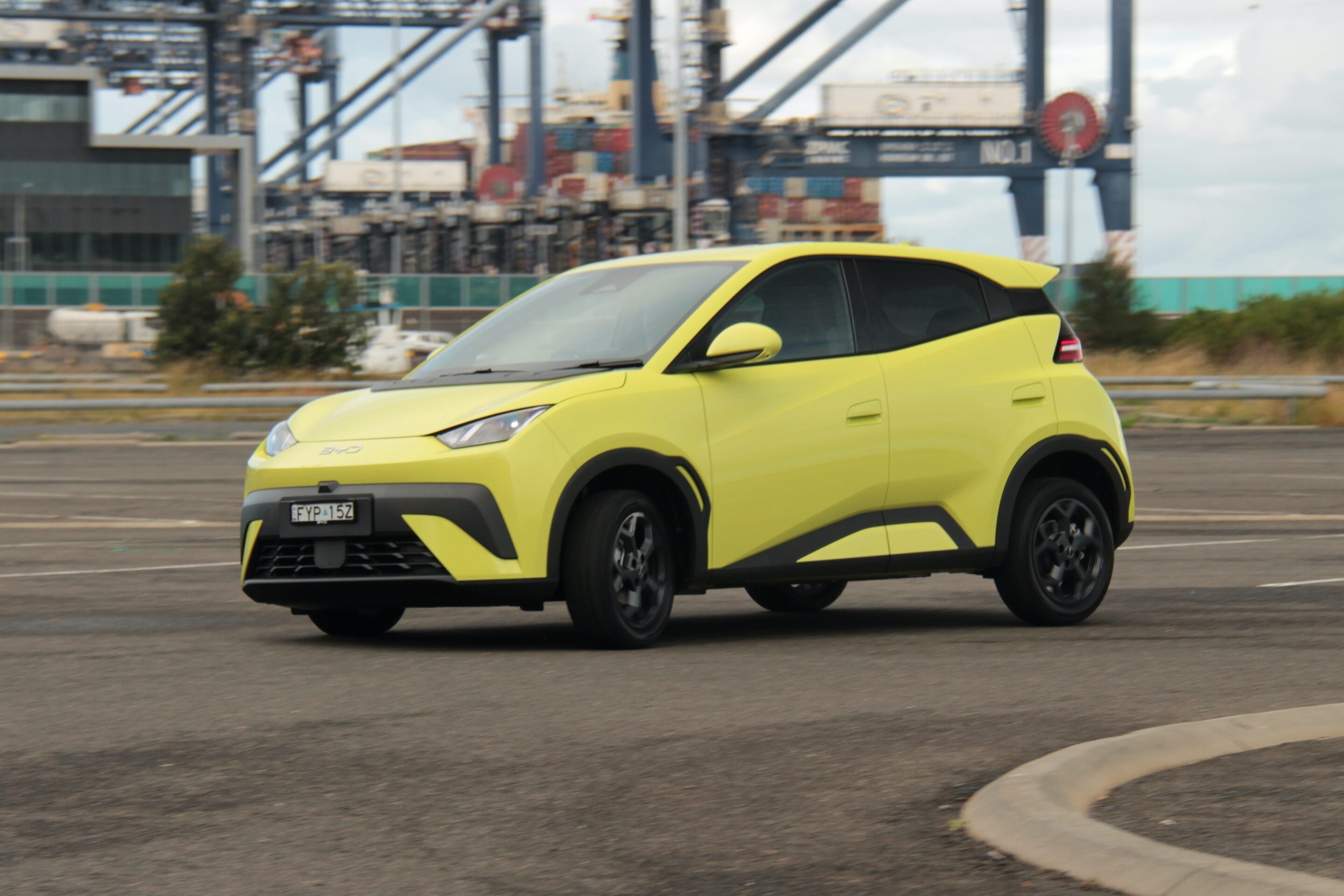
At 4205mm in length, the newcomer is 425mm longer than the current Seagull, which is sold in Australia under the Atto 1 name (pictured below). That also makes it 65mm shorter than the Dolphin (pictured above). Width is 1810mm, it’s 1570mm tall and has a wheelbase of 2650mm.
Other specs revealed when BYD applied for a Chinese sales licence in July show that the Great Seagull will feature a single electric motor making 95kW, with a lithium iron phosphate battery that comes in 30kWh and 39.2kWh versions offering a CLTC range of 320km and 420km respectively. That compares well with the all-electric entry-level Dolphin Dynamic’s 70kW of power and claimed WLTP range of up to 340km.
The Great Seagull’s kerb weight will come in between 1180kg and 1255kg, and the hatch will have a top speed of 150km/h. It will also get 16-inch rims. When the vehicle was seen being road-tested in China, it had a roof-mounted LiDAR sensor, according to Car News China.
The outlet also speculated that the imminent arrival of the Great Seagull – which is almost certain to be renamed for the Aussie market – means BYD will “kill” the Dolphin Dynamic with its less-powerful motor.
One of the cars that shapes as a natural competitor for the Great Seagull, the Geely EX2, would be down on power by comparison, with the cheaper Complete version running a single 60kW electric motor. The range-topping Inspire, which is around $5000 more expensive, features an 85kW/150Nm powerplant.
Motorists and motorcyclists are encountering unusual circular markings on Australian roads as part of a national trial aimed at reducing serious crashes on bends.
Known as Perceptual Countermeasures, or PCM, the markings are designed to subtly influence the way motorcyclists, in particular, perceive the road, encouraging them to reduce speed and adopt a safer position as they travel through corners.
The national project is being led by the Centre for Automotive Safety Research (CASR) and has received Commonwealth funding through the National Road Safety Action Grants Program. Trials are taking place in Victoria, NSW, Queensland and Tasmania.
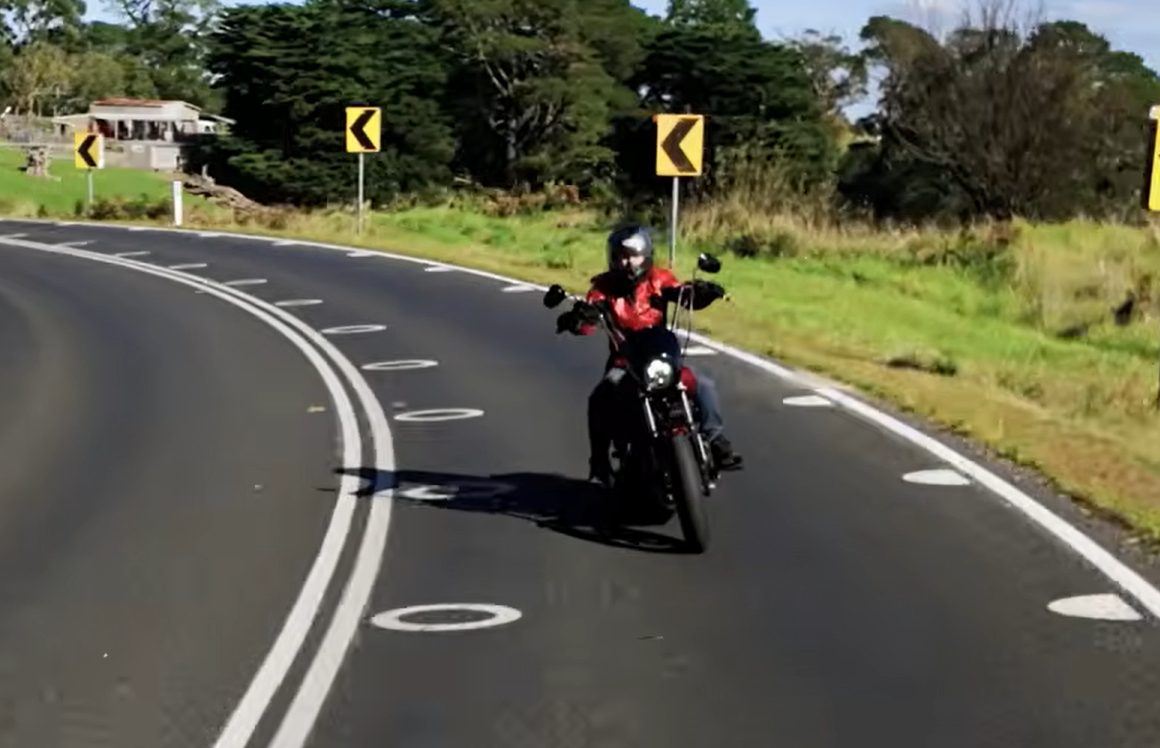
Victoria has installed the markings at four locations in Gippsland, all on popular motorcycling routes. Transport Victoria says the sites feature semi-tight right-hand bends considered to present a higher motorcycle crash risk. Selection also took into account previous crashes, corner sharpness, speed and advisory limits, the popularity of the route and existing safety treatments.
Right-hand bends are a particular concern because riders can unintentionally drift towards or across the centre line, potentially putting them in the path of an approaching vehicle.
The markings encourage the established “start wide, finish tight” riding technique. Riders enter the corner from a wider position within their lane before progressively moving towards the inside as they exit, helping provide a greater margin from oncoming traffic around the apex.
There is already evidence that the idea can work. A 2023 Austroads study found more than half of riders were travelling close to the centre line at the apex before similar markings were installed. Afterwards, only a small proportion continued to do so. Similar treatments have also been tested overseas, including in Scotland and Austria, where a 2019 study recorded motorcycle crash reductions of up to 80 per cent at some treated bends.
Although primarily aimed at motorcyclists, the markings could benefit other road users by reducing the likelihood of motorcycles crossing into opposing traffic. They can also provide an additional visual cue that a tighter bend is approaching.
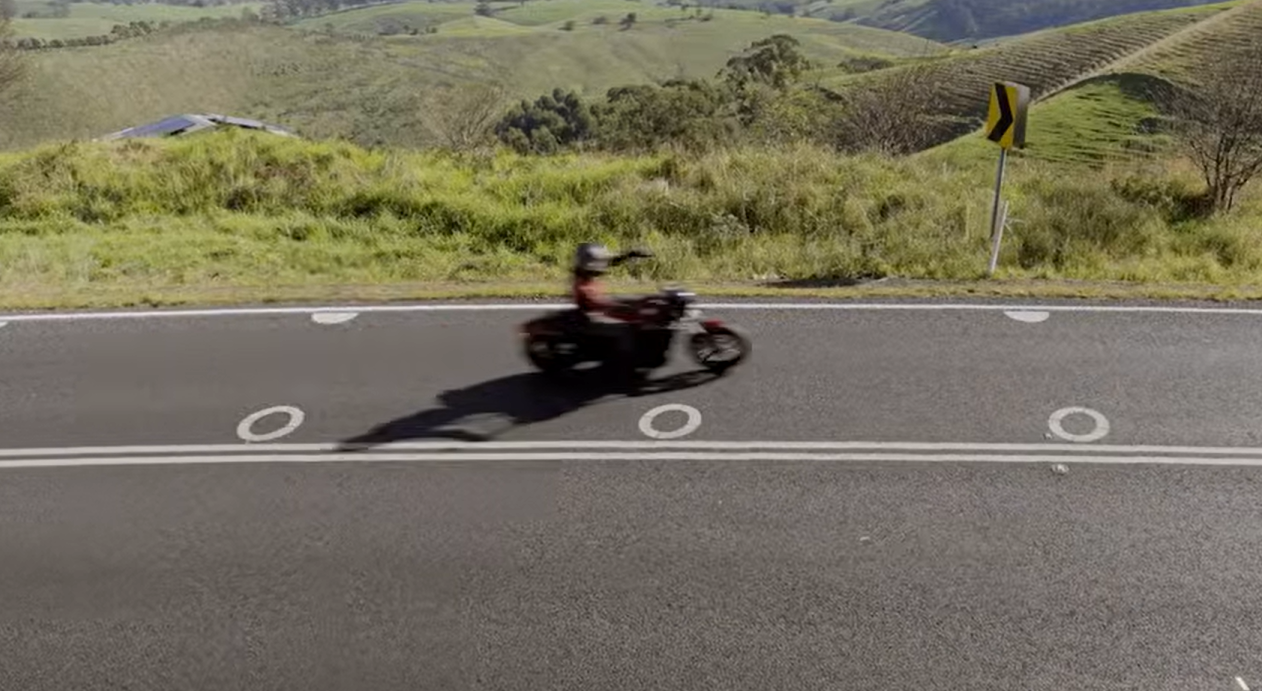
Importantly, the Victorian trial has been structured to determine whether the markings themselves make the difference. Each of the four treated corners has been paired with a nearby control site with similar road and corner characteristics but no PCM markings.
The markings were installed in February 2026. A short-term assessment began in March, with a 12-month study scheduled from October and the final report due in early 2027. The findings will help determine whether the treatment could be used more widely on Victoria’s higher-risk motorcycle routes.
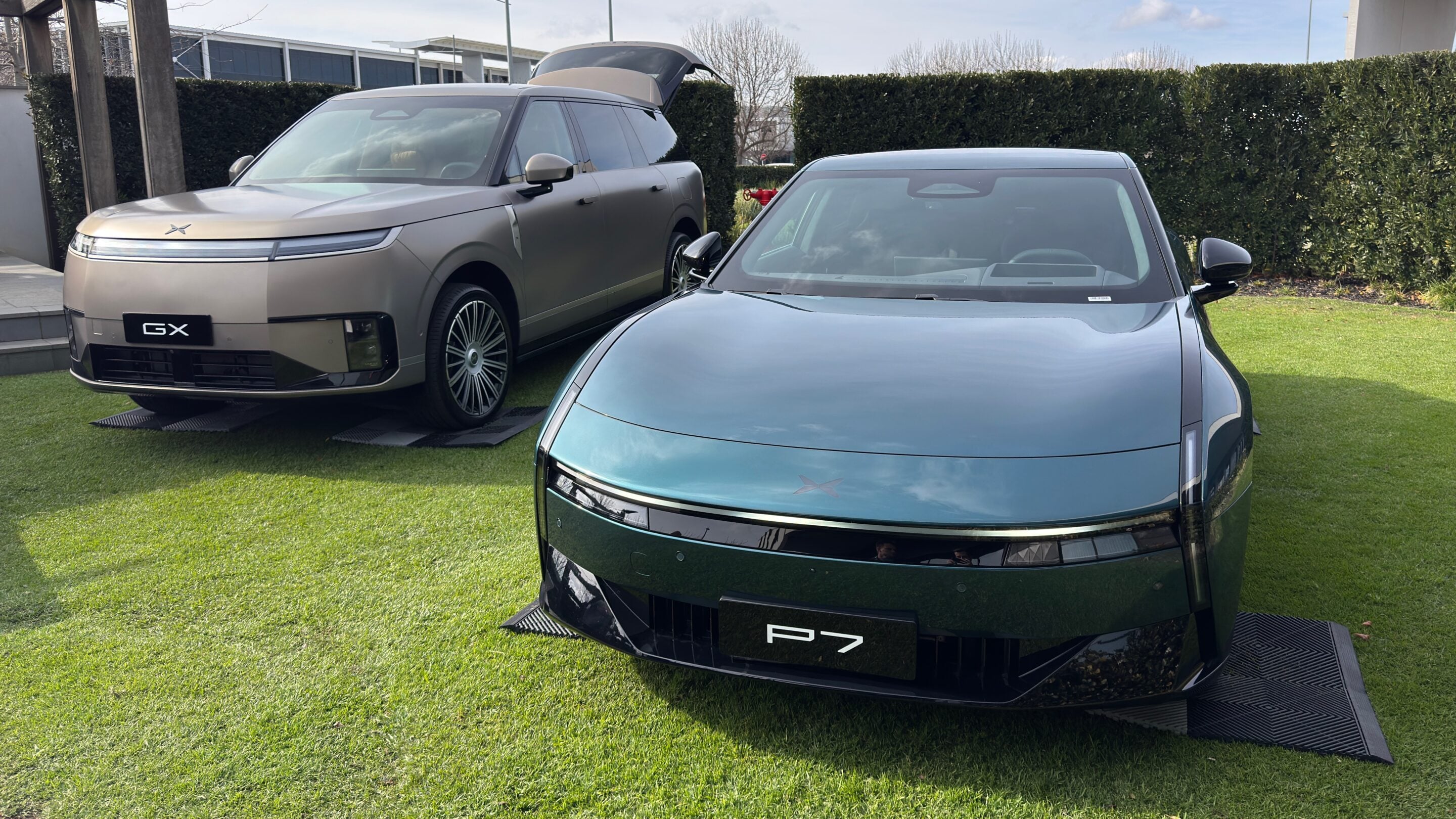
XPeng is moving to clean up the loose ends from its failed relationship with former Australian distributor TrueEV, offering to honour a range of documented commitments made to customers before the two companies parted ways.
The Chinese electric-car maker’s factory-backed subsidiary, XPENG Motors Australia (XPENG ANZ), has formally become the sole operator of the brand locally following the conclusion of its distribution agreement with TrueEV.
XPeng began direct Australian operations in April, but the latest announcement is particularly significant for customers who bought vehicles through TrueEV or its authorised dealers and have been left uncertain about previously promised benefits.
These include a $5000 cashback promotion, 10-year warranty offers, complimentary scheduled servicing and other sales campaigns.
However, there is an important caveat: XPeng is not automatically accepting every previous commitment. Customers will need to provide proof of purchase and documentation showing what was promised, with each claim assessed individually.
Once verified, XPENG ANZ says it will arrange the appropriate cashback payment, activate warranty coverage, organise servicing or agree on another applicable outcome.
The company has also expanded its Australian customer-support team, with former TrueEV customers directed to contact XPENG ANZ directly.
Another significant change concerns warranty coverage. XPeng’s current manufacturer-backed warranty, introduced for eligible vehicles sold from June 1, 2026, will now be extended to eligible vehicles previously purchased through TrueEV and its dealers.
For private owners, that provides seven years/unlimited-kilometre vehicle coverage, while commercial vehicles receive seven years/160,000km. The traction battery, battery-management system, drive motor and Intelligent Power Unit are covered for eight years/160,000km.
Again, eligibility and the detailed conditions contained in XPeng’s warranty documentation apply. Third-party extended warranties bought separately remain the responsibility of their original providers.
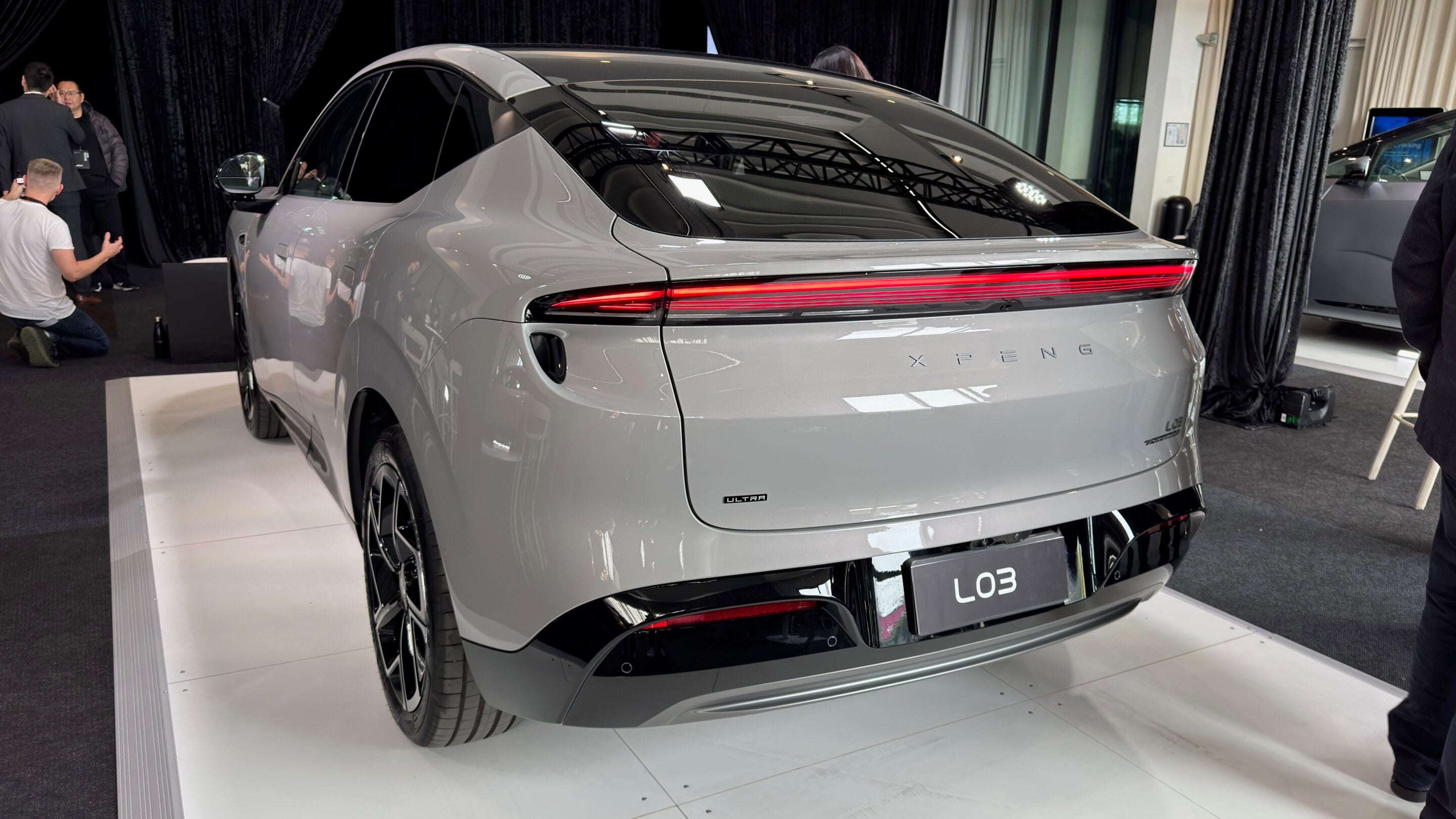
XPeng is also attempting to strengthen its after-sales operation. Its factory-backed dealer and service network now covers Queensland, NSW, Victoria, South Australia and Western Australia.
In June it signed an agreement with the Australian Automotive Service and Repair Authority to participate in the Motor Vehicle Service and Repair Information Sharing Scheme, although technical onboarding remains underway and is expected to take several months.
XPeng after-sales boss Shaun Anthony said customers who received commitments from TrueEV should submit the details directly to XPeng, which would work with them to determine the appropriate outcome.
