
As a photographer, the opportunity to test out new equipment is always exciting. So, when I was handed the keys to the MG HS Essence, one of MG’s most popular models, I was eager to see how it would handle my demanding schedule and large amounts of gear. I planned a two-day adventure down to the South Gippsland region to capture the beauty and magic that Victorian winter light offers. Along for the ride was my new road trip buddy, Cleo, my nine-month-old pup.
1
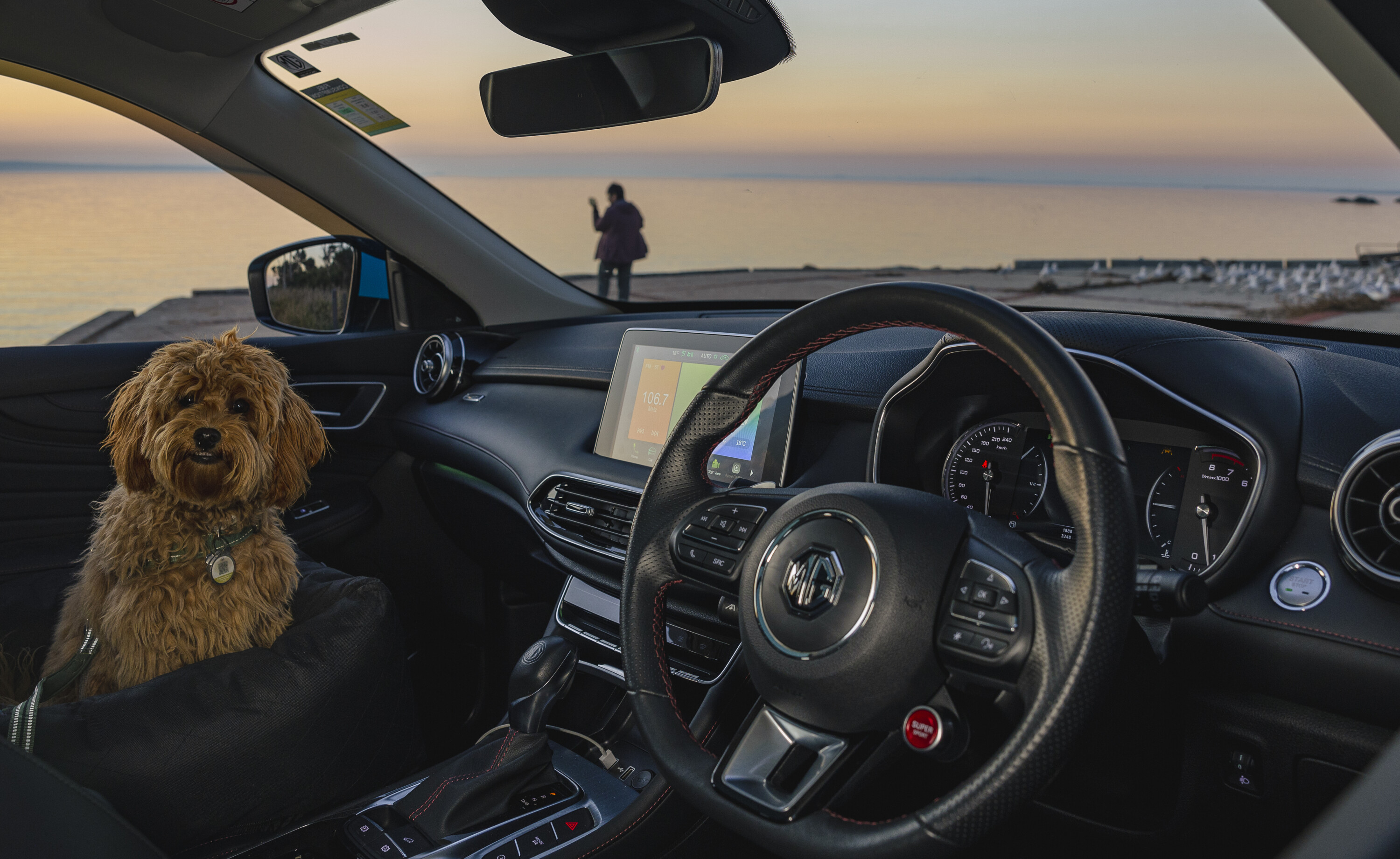
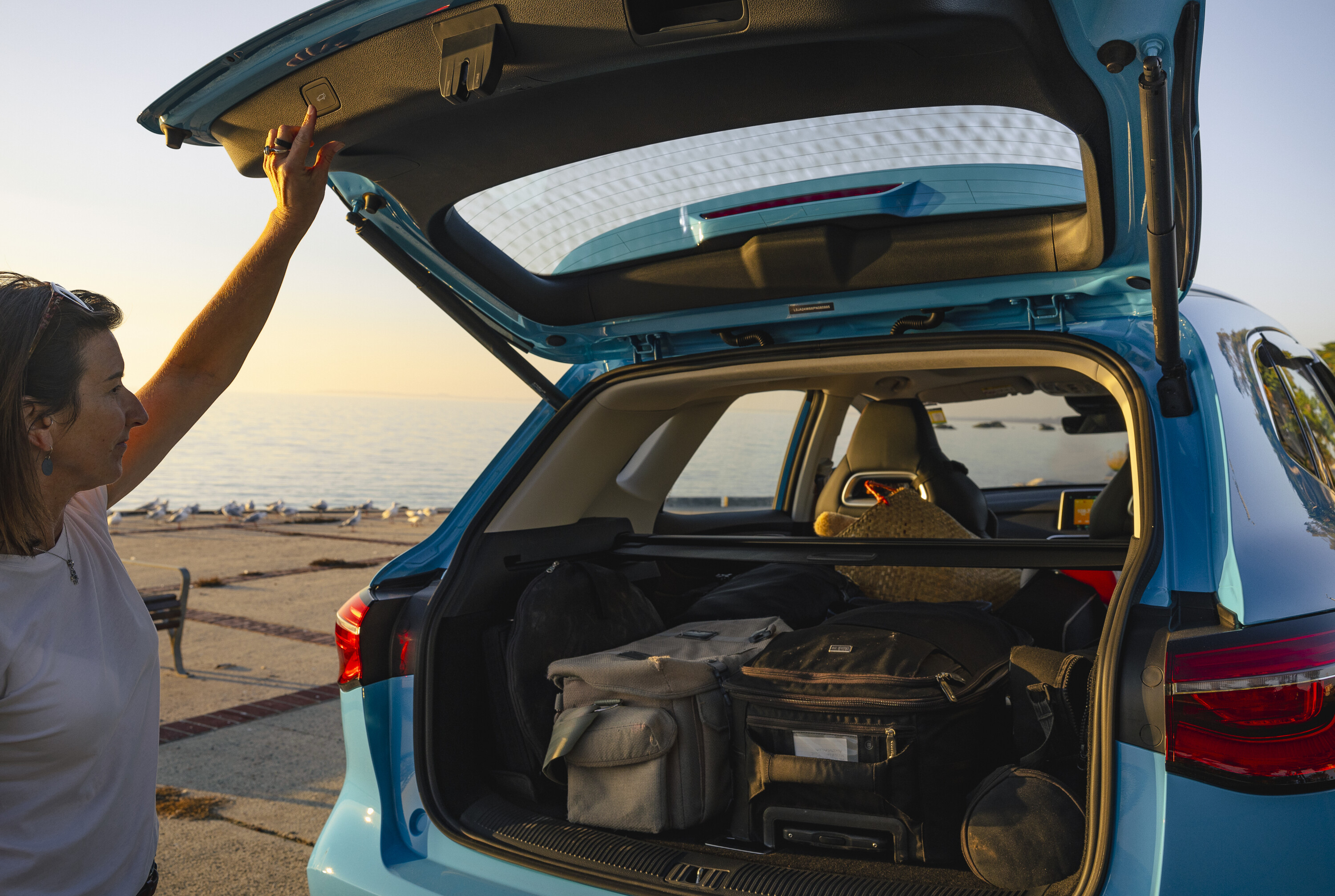
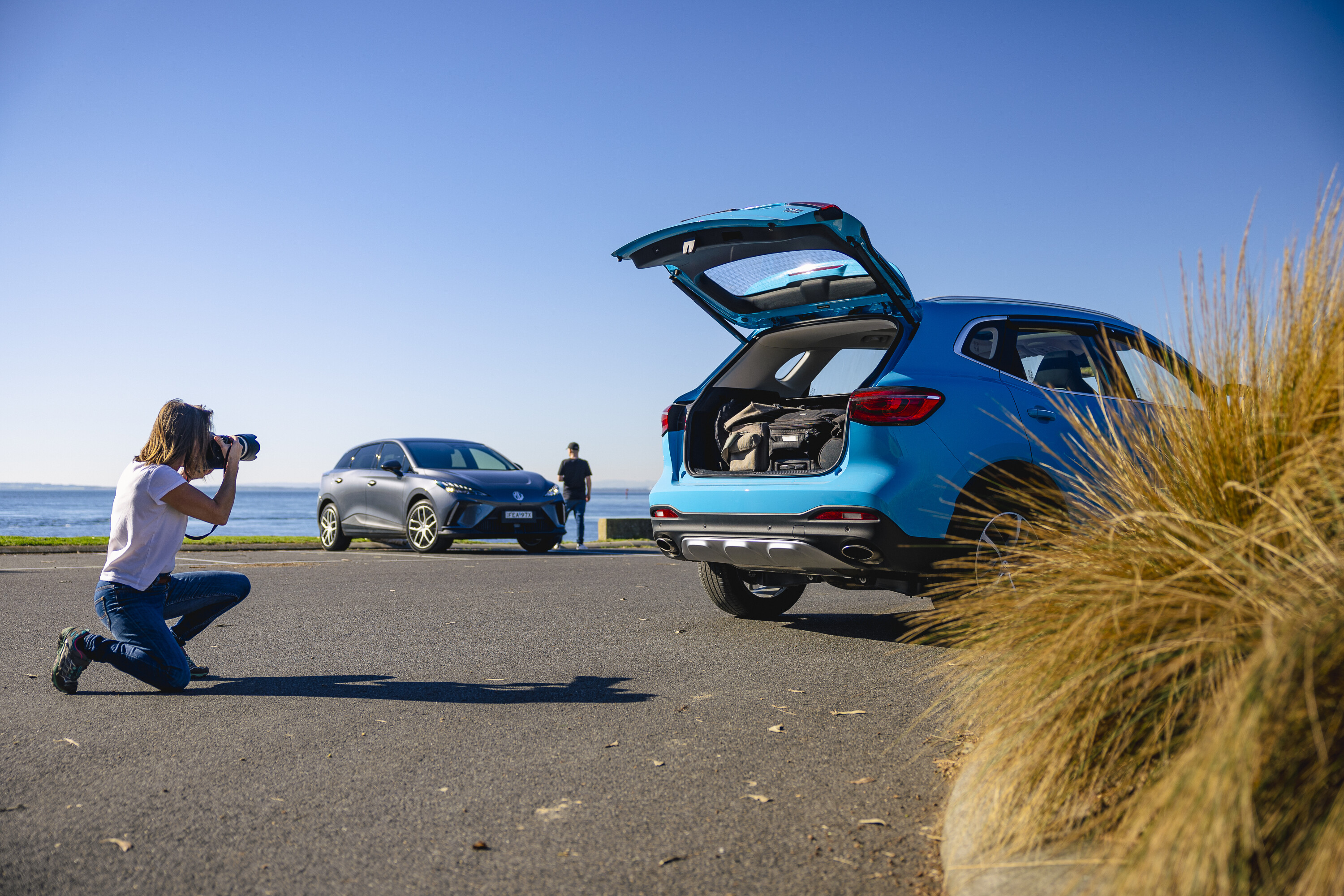
My initial impression of the MG HS Essence was positive. I loved the bright blue colour and the panoramic roof, which made the interior feel airy and spacious. Loading the car, I was pleased to find that the rear seats folded completely flat, which is a photographer’s dream. The space then had a huge loading platform for all my camera gear, lighting tripods, and other paraphernalia. I packed the back with all my equipment and our overnight luggage, leaving Cleo to ride up front. Fortunately, I had the ideal setup to keep her safe and comfortable in a designated dog bed with a harness and car restraint.
Setting off down the South Gippsland Highway, I aimed to arrive in time to capture the sunset over Western Port Bay. Engaging the cruise control was simple, and I found the lane distancing setting easily adjustable for maintaining a safe distance from other vehicles on the highway. As someone who is small in build and stature, I found the seat design to be particularly comfortable, with excellent lumbar support for the two-hour commute.
1
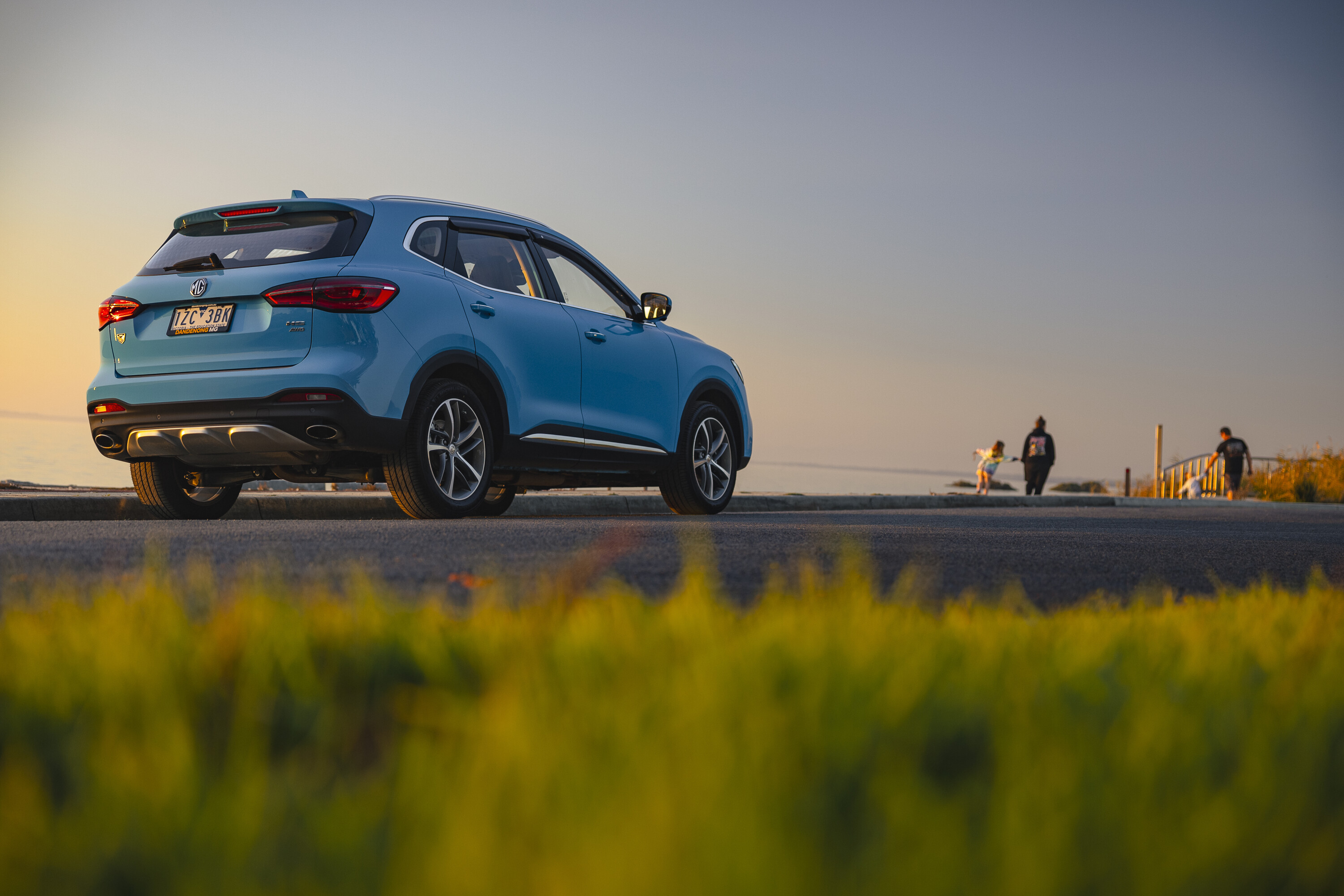
Rolling through Grantville and onto my location, we were met with perfect sunset conditions, which only improved as the evening progressed. The vibrant colours of the sky provided a stunning backdrop for my photos, and the HS handled the journey with ease. I got some amazing shots with my little model that I’ve since made my phone wallpaper for good reason.
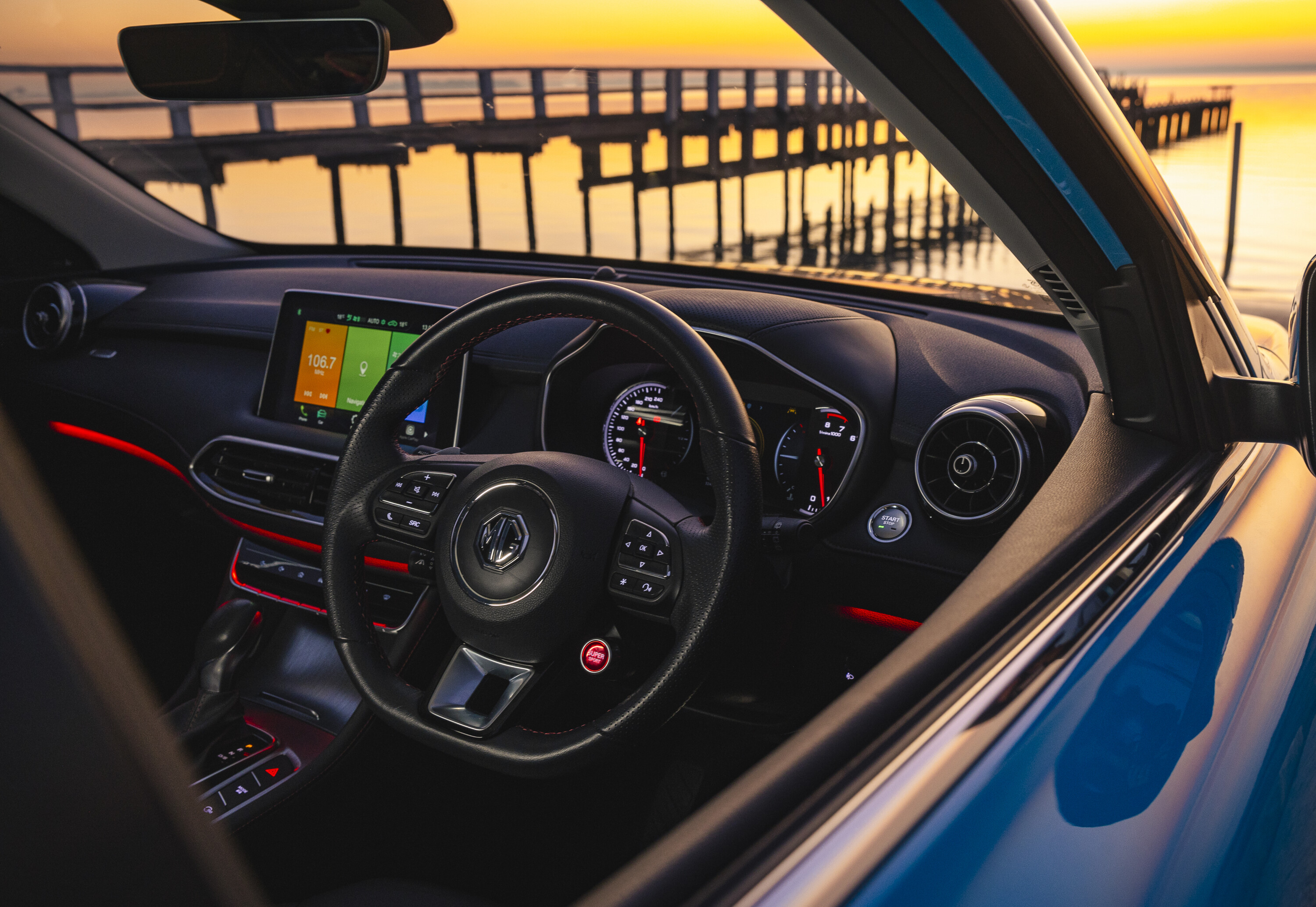
After the sunset shoot, I headed to my parents’ house for a home-cooked roast and an early night, planning to catch the sunrise the next morning. At 6 am, the breeze was up before the sun, and I gathered my bags and Cleo for a brisk beach walk and some more photos at Cape Paterson. The MG’s heated seats were a welcome comfort in the early morning chill, and the temperature controls were easily accessible via the touchscreen.
1
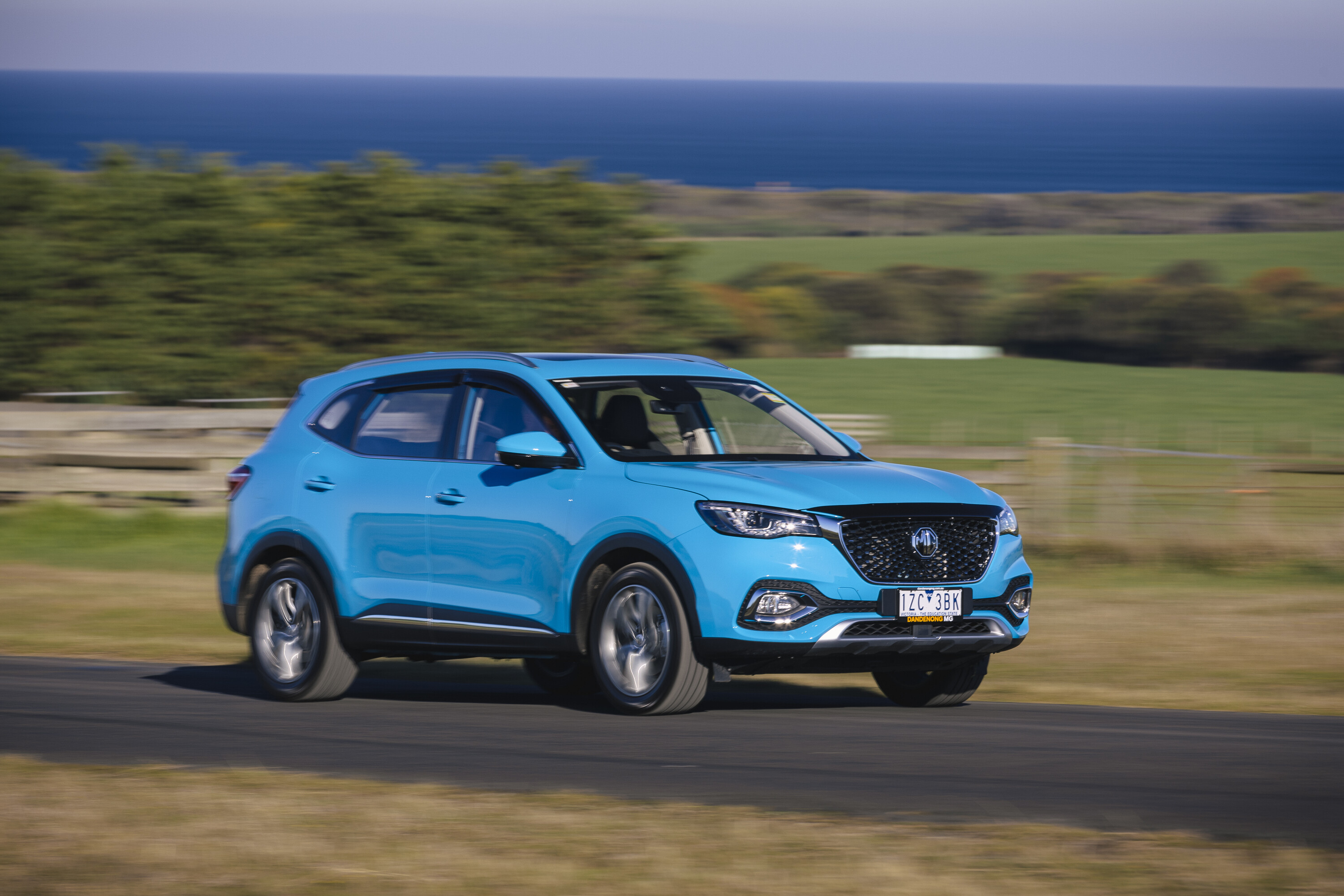
The sunrise wasn’t as epic as the sunset, but we still enjoyed a long walk, some doggo zoomies, and a strong coffee with a toasted croissant at the Kilcunda General Store – which is most certainly a requirement when an early morning shoot is involved. With some miles on the odometer, we twisted through rolling dairy country, navigating both paved roads and off-road gravel paths with spectacular views across to Phillip Island. We checked out the rolling sand dunes at Powlett River before heading to San Remo to grab some fresh fish and chips at the co-op.
As we rolled our way through the back roads towards the city, I reflected on the car’s performance. The MG HS Essence drove smoothly and handled various terrains without any issues, which is exactly what’s needed from a work vehicle: no fuss. The 360-degree camera and blind spot monitor were particularly useful, providing excellent visibility and making manoeuvring effortless. One thing when on a shoot is how many times the car needs to be moved ever so slightly for the perfect positioning, and thanks to these features we nailed the placement on the first go most times.
1
There were several features of the MG HS Essence that I particularly liked considering my line of work.
First the lumbar support in the seats was excellent, making long drives comfortable. The skylight roof added to the airy feel of the cabin, and the electric tailgate made loading and unloading gear hassle-free. The flat-folding rear seats created ample space for all my equipment, and the good vision throughout the vehicle ensured I always had a clear view of my surroundings.
Next, the car offered all the standard modern tech in a simple, user-friendly format. The infotainment system, with Apple CarPlay and Android Auto, made it easy to stay connected and entertained throughout such a long trip there and back.
1
And another highlight of the SUV was how it seamlessly integrated practicality with comfort and technology. The car’s interior was designed with the user in mind, offering plenty of space for passengers and cargo alike. The thoughtful touches, like the height-adjustable seat belt meant that shorter drivers like myself can benefit.
Driving back to the city, the MG HS Essence handled the traffic with ease. The start-stop system worked smoothly, and the responsive steering made navigating busy streets a breeze.
I’m fortunate in my role to experience a variety of cars through work opportunities like this one. What’s particularly interesting is finding cars that suit my line of work without causing any hassles. I can now check off the MG HS as a car I could definitely live and work with. From the ease of loading my gear to the comfort of the interior, the MG HS Essence delivers a well-rounded driving experience, perfect for both work and leisure. Whether you’re planning a road trip or navigating the daily commute, the MG HS Essence is more than capable of meeting your needs with a touch of style and sophistication.
1
MORE
Everything MG
When I heard my friends were coming down from Sydney for the weekend, I offered to pick them up from the airport. “Easy, done,” I said on the phone, before remembering that my hatchback wouldn’t be able to fit all the kid gear they’d be bringing down with them.
So when MG offered us a loan of their MG HS Plus EV, a midsize five-seater plug-in hybrid SUV, I was the first to jump at the chance. After a quick Google search of the specs, I was excited to see that it could easily fit a pram, a child seat, and hopefully all the luggage they were bringing.
I’ll be the first to admit that, on paper, I didn’t totally understand how the plug-in hybrid system would help with real-world economy, but I was curious to learn more. Even more so as it’s also Australia’s most affordable plug-in hybrid. Hello value!
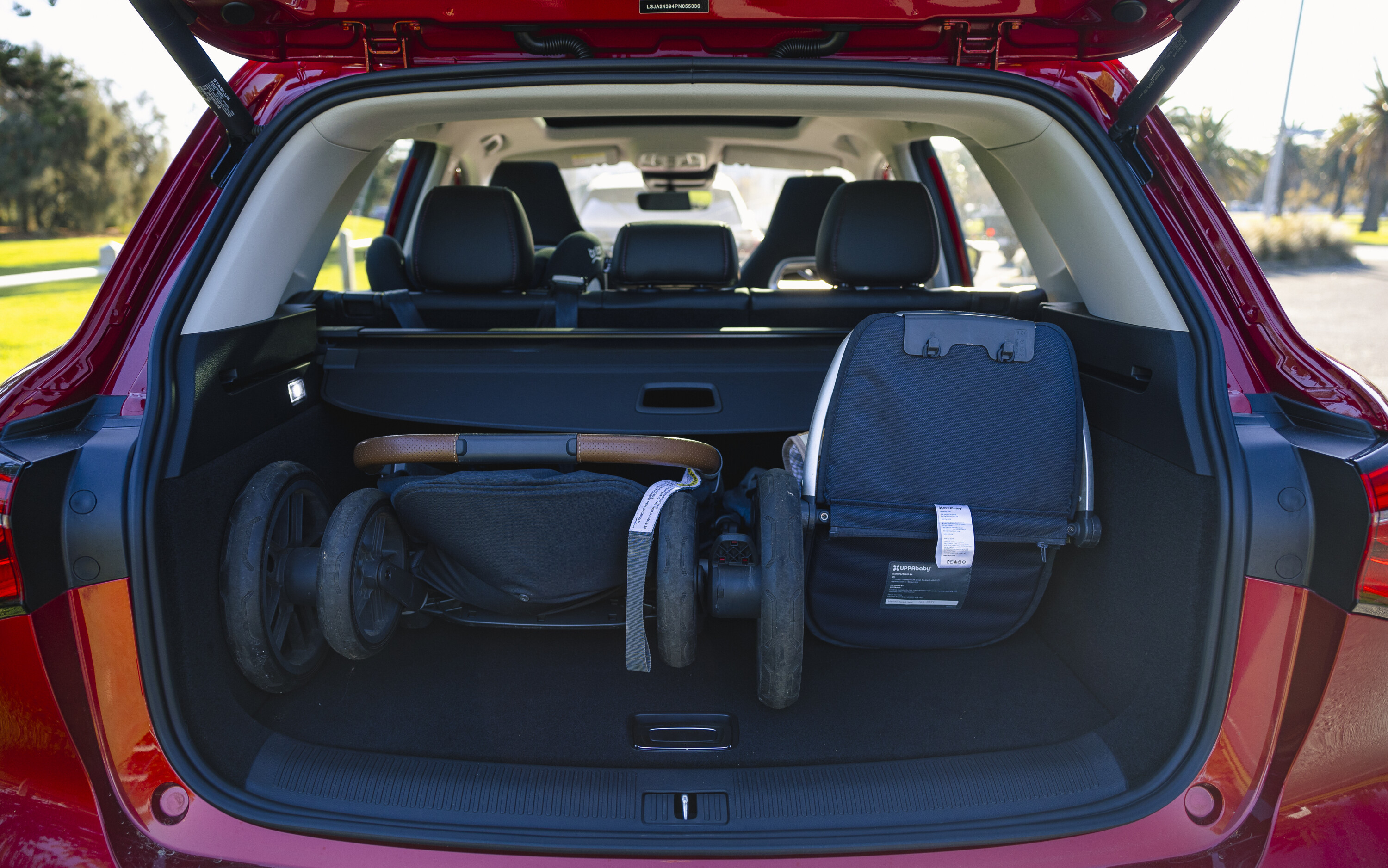
The MG HS Plus EV impressed me from the moment we loaded up the boot in the airport pick-up bay. The spacious 451L boot area easily accommodated little Zoe’s pram, along with all their weekend essentials and the rear seats offered plenty of legroom, ensuring a comfortable ride back from the airport for everyone. It surprises me every time how much gear kids require just to get from A to B.
1
Funnily enough, my partner’s mother sent me an Instagram reel a few days before featuring a group of men struggling to unpack a pram. I laughed, assuming it would be easy, but I ended up having just as much trouble. After a few futile attempts to compress the pram, I embarrassingly pressed the electric tailgate and gestured for my friends to handle it themselves.
My passengers peppered me with questions once we set off, particularly about plug-in hybrid cars and how they work. I explained that the car combines a petrol engine with an electric motor and a battery that you can recharge by plugging it into an outlet. This allows you to drive short distances using only electricity, with the petrol engine assisting the electric motor for longer trips. I even pointed out that the battery recharged during the freeway drive back from the airport.
The hybrid system transitioned seamlessly between electric and petrol power, offering both efficiency and performance. If you’re on top of charging the car nightly, and using electric-only driving on your daily commute then your consumption can drop down to 1.7L/100km on a combined cycle. Over the week my consumption sat at around 6L due to me forgetting to charge the car (my bad), but still a fantastic and competitive result for a car lugging around three adults, a child and a heap of luggage.
1
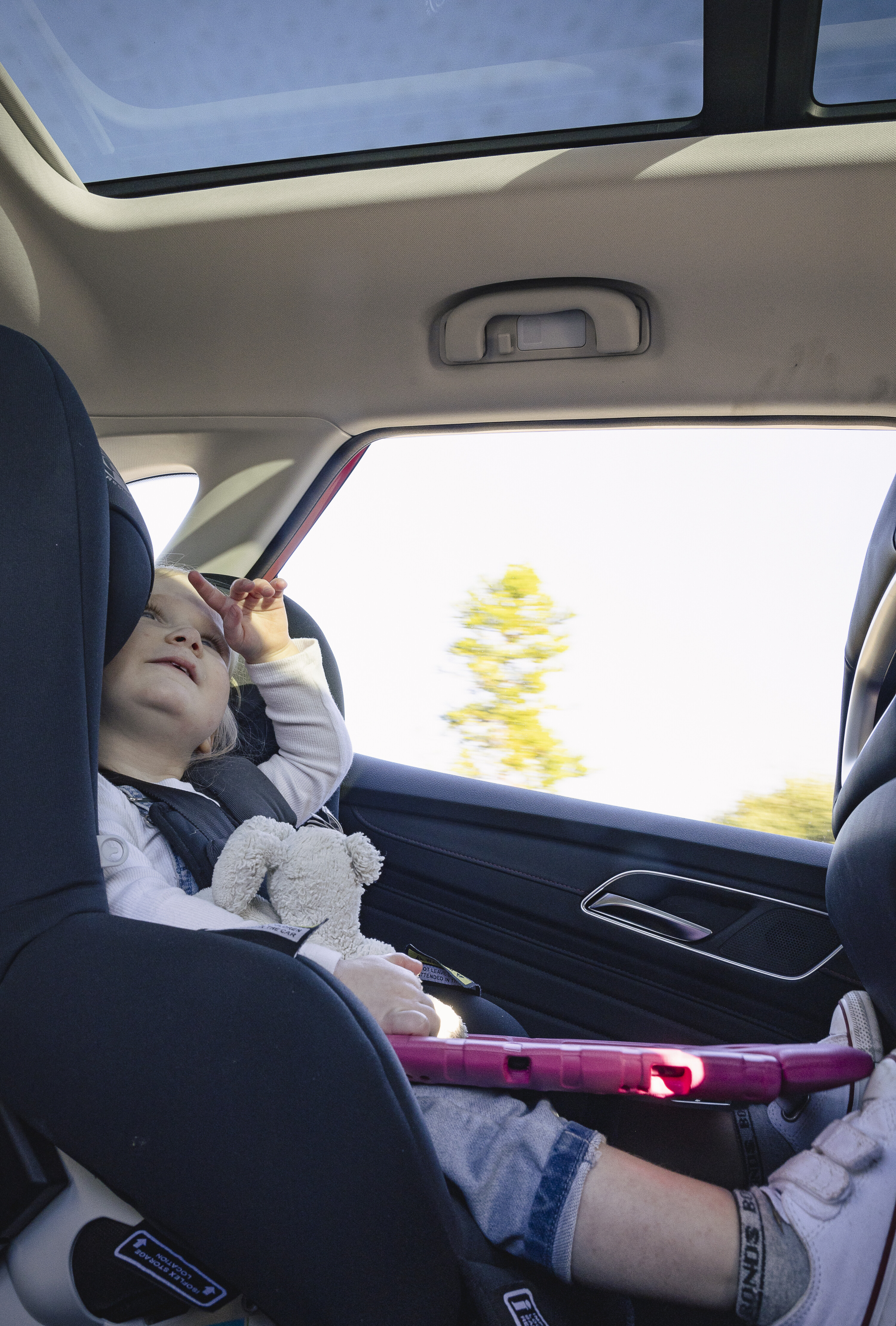
They were also pleasantly surprised by the gigantic panoramic sunroof, which caught Zoe’s eye as she exclaimed “bird” from the back seat, pointing out some feathered friends flying above. I won’t pretend I wasn’t dazzled by it myself.
Personally, one thing that frustrates me to no end is an intrusive safety systems, and a weird highlight for me were how seamless lane-keeping assist made freeway driving feel without any forceful intervention. There were no annoyingly loud beeps or chimes but at the same time I knew the car had plenty of safety tech looking after us while driving.
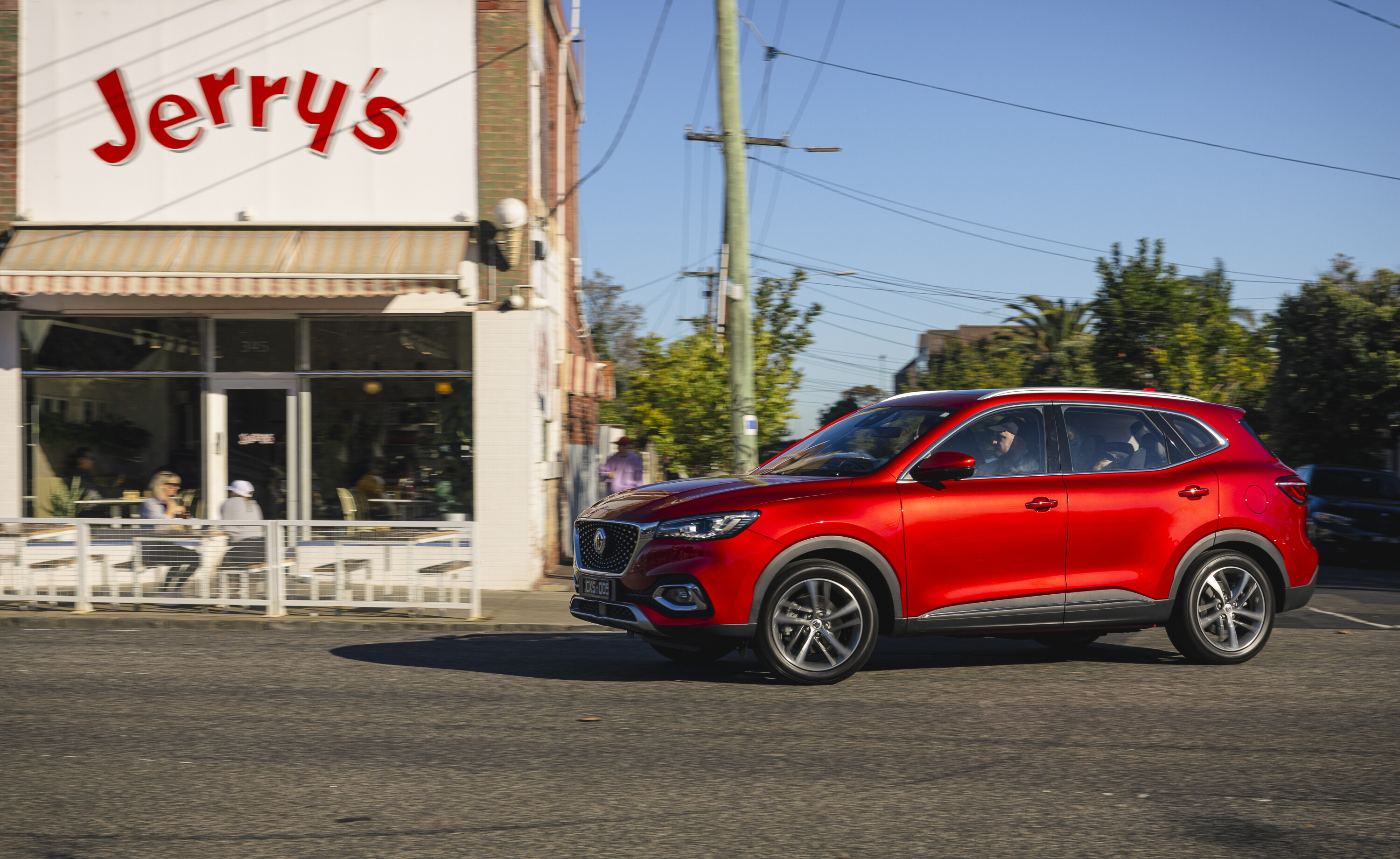
Next came parking the car at the cafe I had planned to pop into for brunch, Jerry’s Milkbar, on a mission to get their famous Chilli Scramble. Parallel parking in the busy area was thankfully stress-free, thanks to the 360-degree camera system and blind spot monitor, which provided excellent visibility and made manoeuvring into the tight spot effortless. The things I’ll do for a Chilli Scramble are endless. After enjoying a delightful brunch (thanks Jerry’s), we headed towards a nearby park to let Zoe enjoy some playtime.
1
At the playground, the car continued to impress with its practicality and family-friendly features. The spacious interior allowed us to easily manage the pram and other gear, making the outing enjoyable for both us adults and the little one. The rear seats, which offered ample space and comfort, were perfect for taking a break and enjoying the beachside scenery.
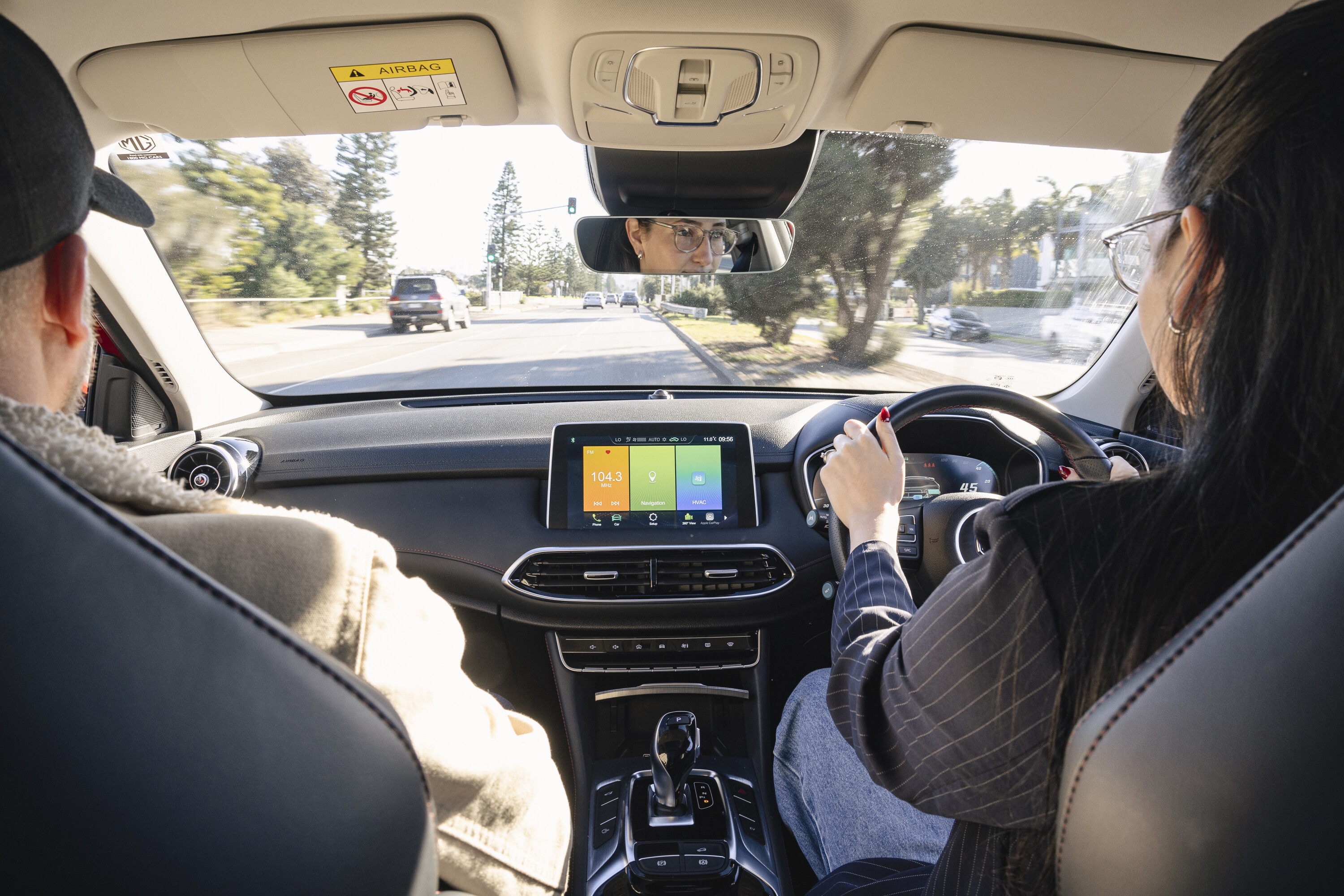
Throughout the day, the MG HS Plus EV’s infotainment system kept us entertained with music and provided easy access to various controls. The cabin’s quality materials and ambient lighting added a touch of luxury, enhancing the overall experience. The touchscreen interface was pretty intuitive, allowing us to easily navigate through different functions and settings. I appreciated features like Apple CarPlay and Android Auto, which made it easy to toggle between our smartphones and playlists.
1
Driving back home after dropping my friends off at their accommodation, the MG HS Plus EV handled the city traffic with ease. The start-stop system worked smoothly, shutting off the engine at traffic lights and restarting it without any noticeable delay.
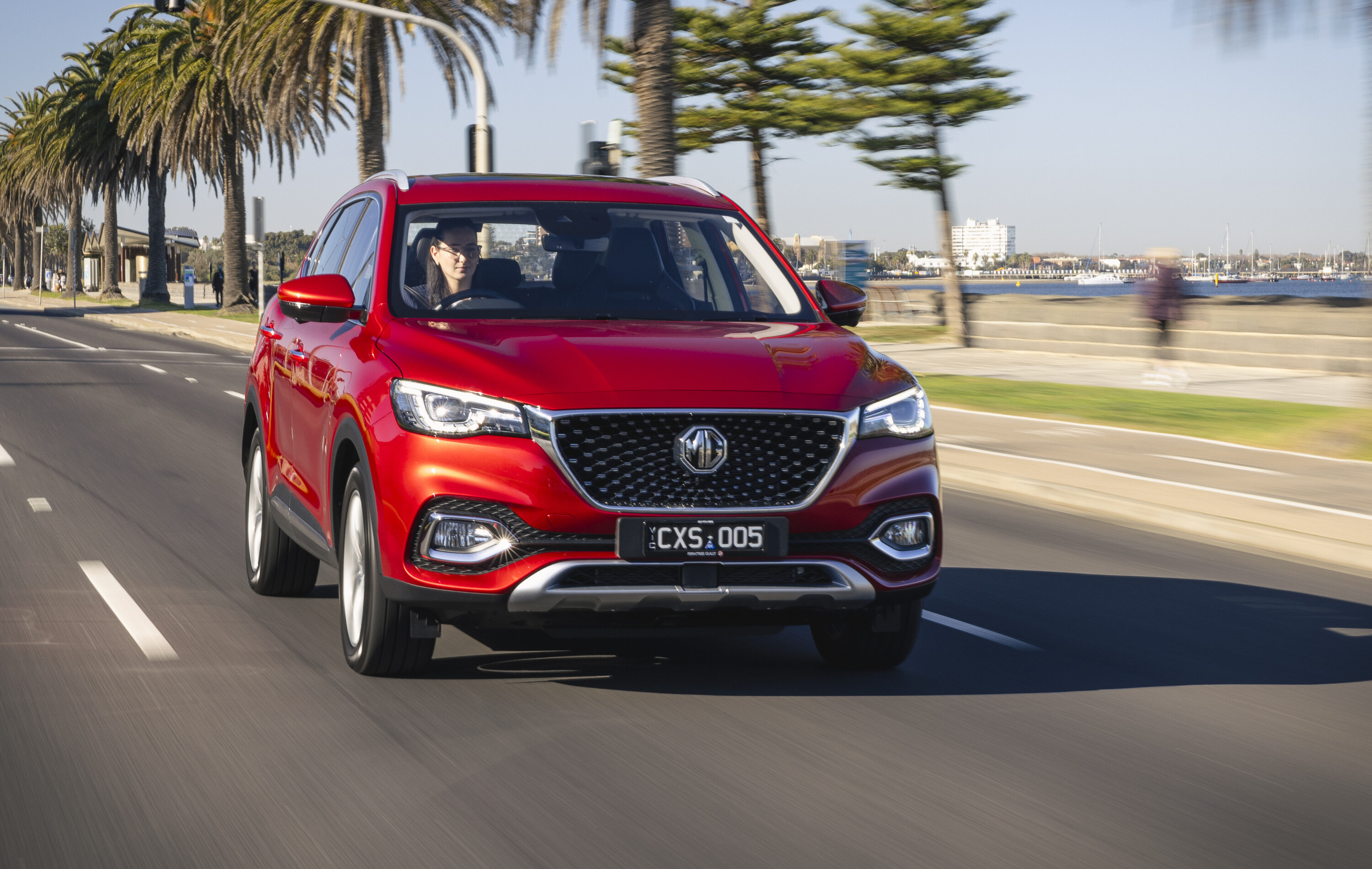
One aspect that stood out during our weekend adventure was the car’s advanced safety features. The MG Pilot suite of driver assistance technologies provided an extra layer of confidence on the road. Adaptive cruise control, forward collision warning, and automatic emergency braking all worked seamlessly to keep us safe. It’s definitely front of mind when carrying around precious cargo.
1
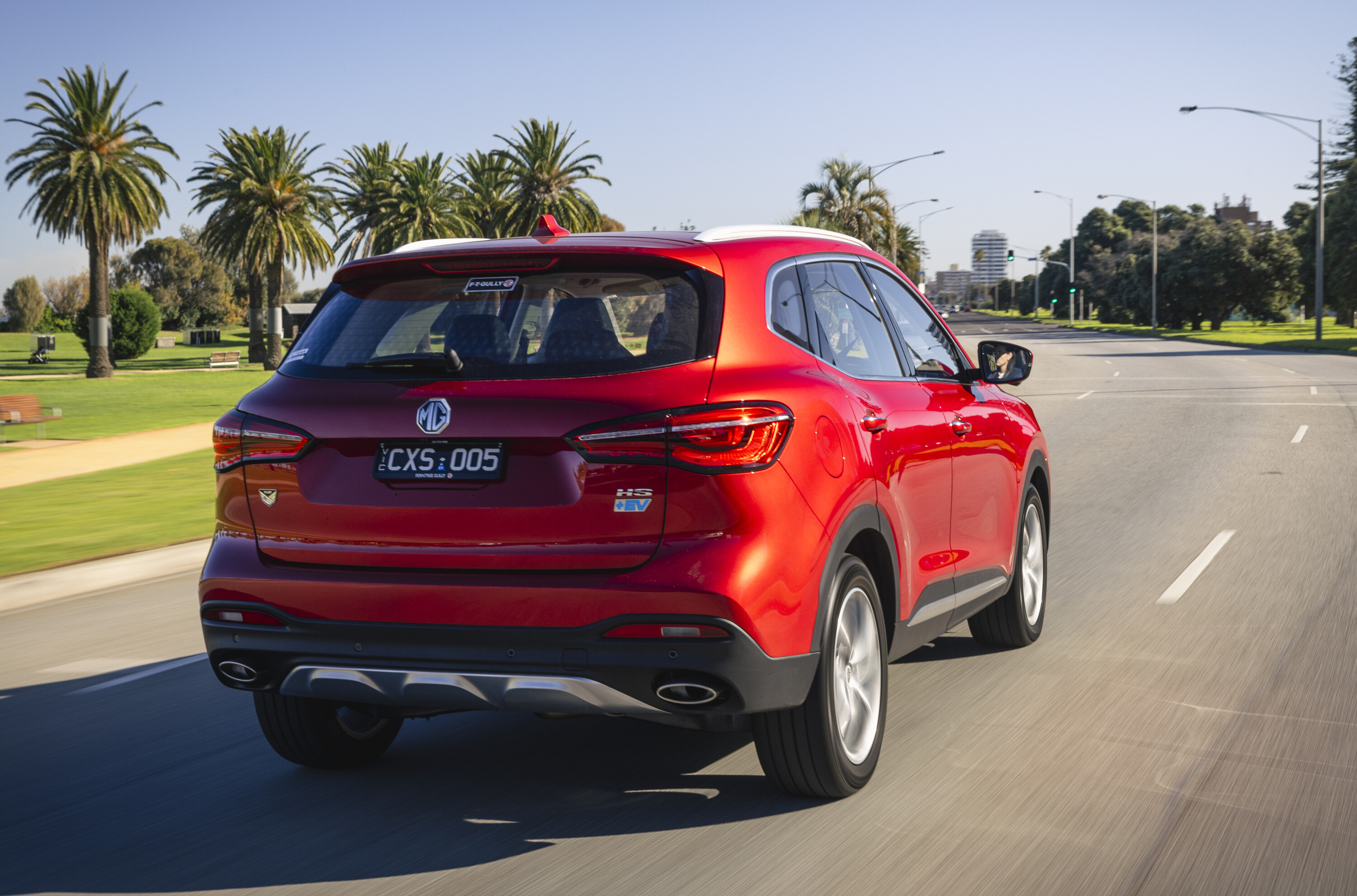
The family SUV proved to be an ideal companion for our weekend adventure. Its combination of modern technology, practical design, and luxurious touches left my passengers quite interested. I even got a text upon their return asking me to send them the details of the car. Its versatility and practicality made it perfect for a variety of activities, from airport pickups and brunch outings to leisurely drives and playground visits. The plug-in hybrid system provided the best of both worlds, offering the convenience of electric driving with the range and flexibility of a petrol engine.
The vehicle’s impressive fuel economy, advanced technology, and family-friendly features made it a standout choice for anyone in need of a reliable and stylish SUV. Also, let’s not beat around the bush, this is great value. As Australia’s cheapest plug-in hybrid, the car feels the furthest thing from cheap.
1
MORE
Everything MG
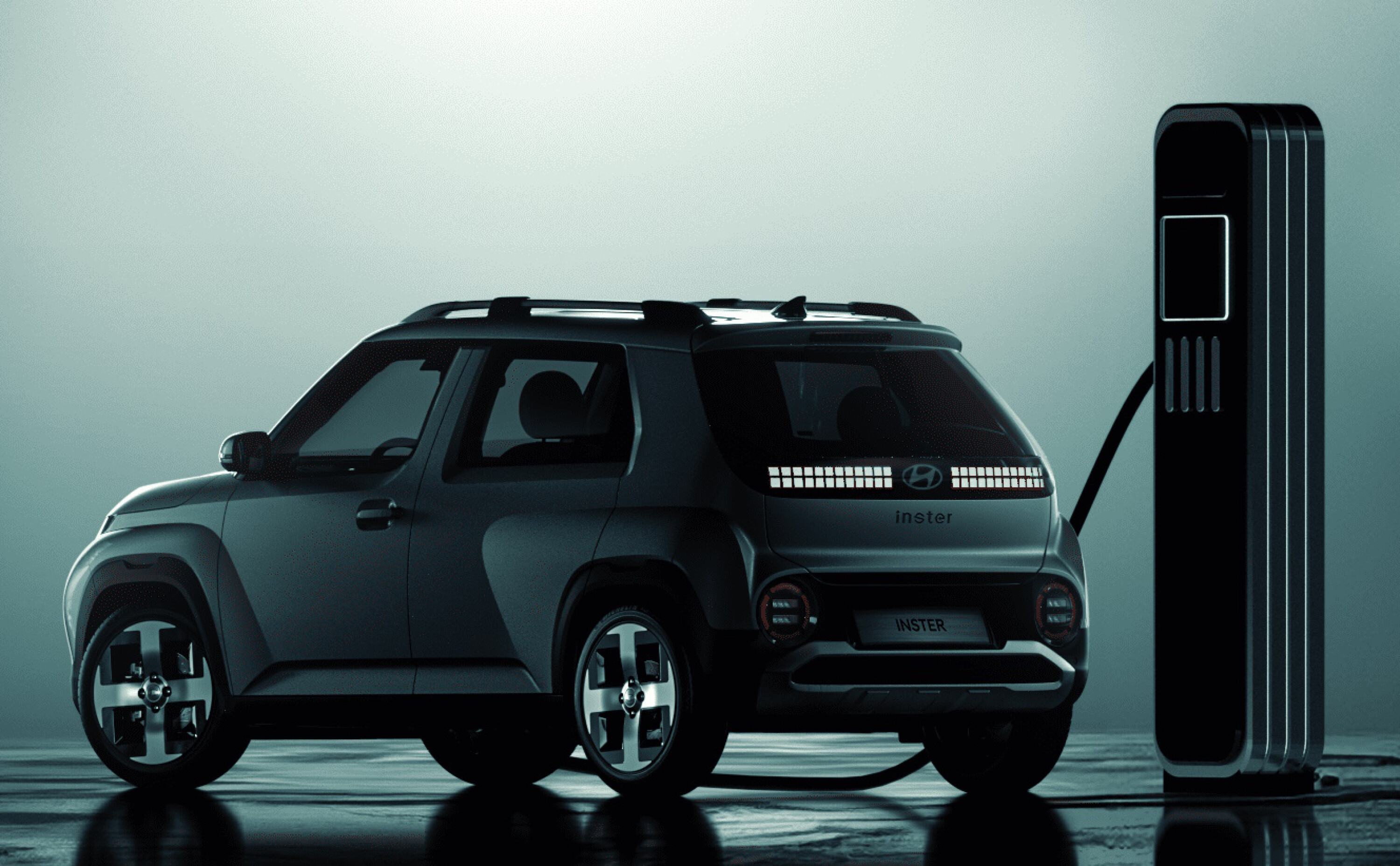
The 2025 Hyundai Inster micro electric car has been unveiled at the Busan motor show in South Korea ahead of its Australian launch.
Based on the internal-combustion Casper hatch revealed in 2021, the Inster – meaning “intimate” and “innovative” – is intended to rival European electric A-segment cars like the Fiat 500e and Dacia Spring, as well as China’s BYD Dolphin Mini/Seagull.
It is due in Australia at the start of 2025 with a pricing target “below” 25,000 euros (around AU$40,000 before on-road costs), similar to larger electric hatches from China, like the GWM Ora ($35,990 drive-away), BYD Dolphin ($36,890 before on-road costs) and MG4 ($39,990 drive-away).
1
The most-affordable Hyundai electric car currently sold in Australia is the Kona Electric small SUV, which starts from $54,000 before on-road costs. Hyundai says it developed the Inster because people want more-affordable EVs.
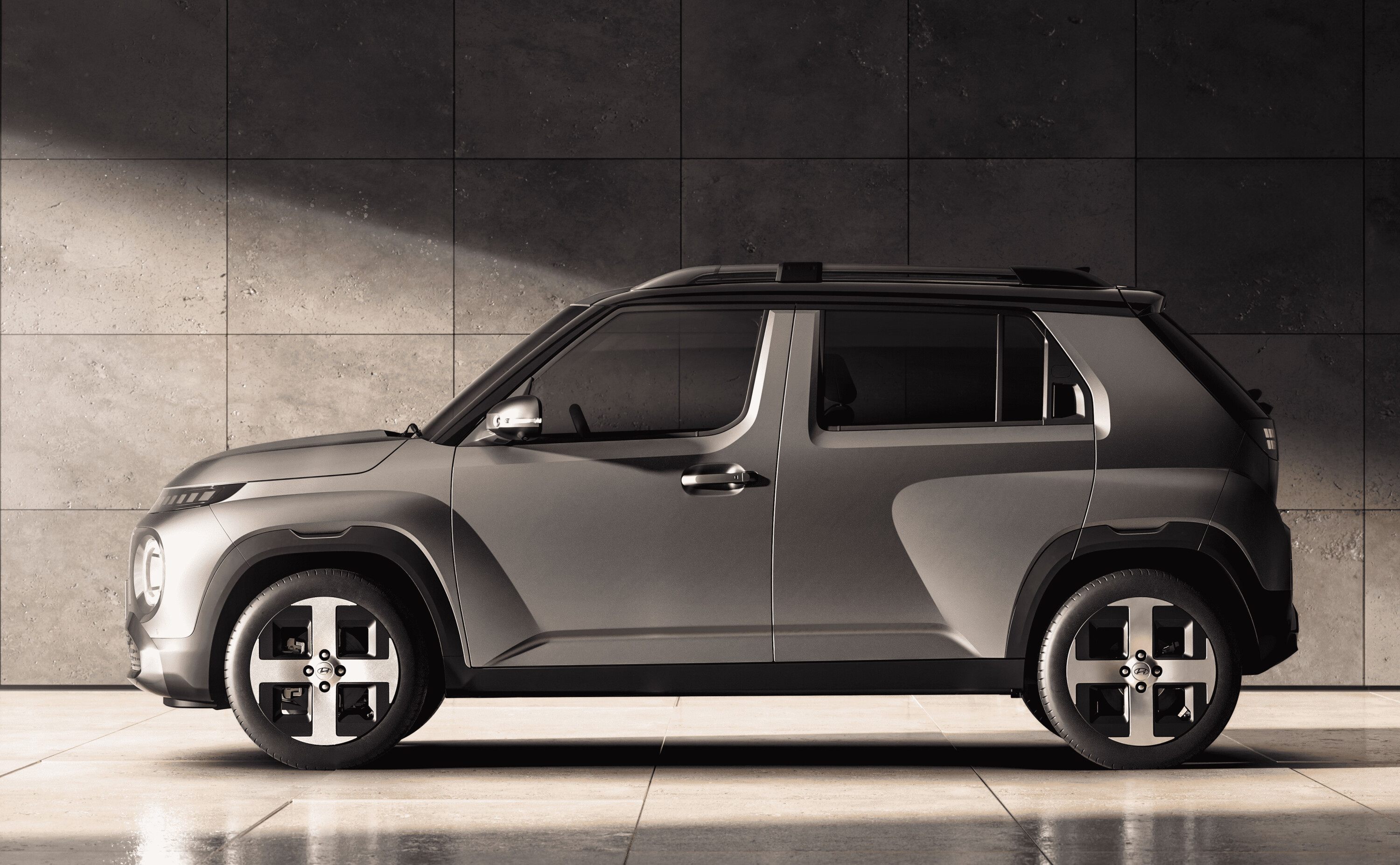
Compared to the petrol Casper, the Inster – which will be known as the Casper Electric in its Korean home market – has a 180-millimetre longer wheelbase at 2580mm, closer to vehicles in the B-segment like the Toyota Yaris and Mazda 2.
The Inster and its Casper twin are based on the same combustion-first ‘K1’ platform as the Kia Picanto, rather than the dedicated electric vehicle platforms found in Hyundai’s Ioniq-badged line-up.
1
A crossover-styled version of the Inster, the ‘Inster Cross’, is due in 2025. Hyundai will not offer an internal-combustion version, with the related Casper to remain exclusive to Korea (it also offers the i10 in Europe, but the i20 N is the smallest petrol Hyundai hatch available in Australia).
Under the skin, the standard-range Inster will offer a 42kWh nickel-cobalt-magnesium (NCM) lithium-ion battery and a front-mounted 71kW/147Nm electric motor, with an 11.7-second 0-100km/h time and a 140km/h top speed. It has a projected 300-kilometre driving range on the WLTP test cycle.
Flagship versions will receive a slightly larger 49kWh NCM lithium-ion battery pack and a more-powerful 84.5kW electric motor, with a WLTP-rated 355-kilometre driving range. It can reach 100km/h in 10.6 seconds.
1
All models are based on a 400-volt electrical architecture – compared to the more-advanced 800-volt technology available in the Ioniq 5 and Ioniq 6 – and support external and internal vehicle-to-load functionality.
It supports DC fast-charging at speeds of up to 120kW, allowing for a 10 to 80 per cent top-up in around 30 minutes.
The exterior of the Inster is similar to the Casper, but it adds Hyundai’s parametric pixel design language, circular LED headlights, a front charge port, active air flaps, and unique alloy wheels.
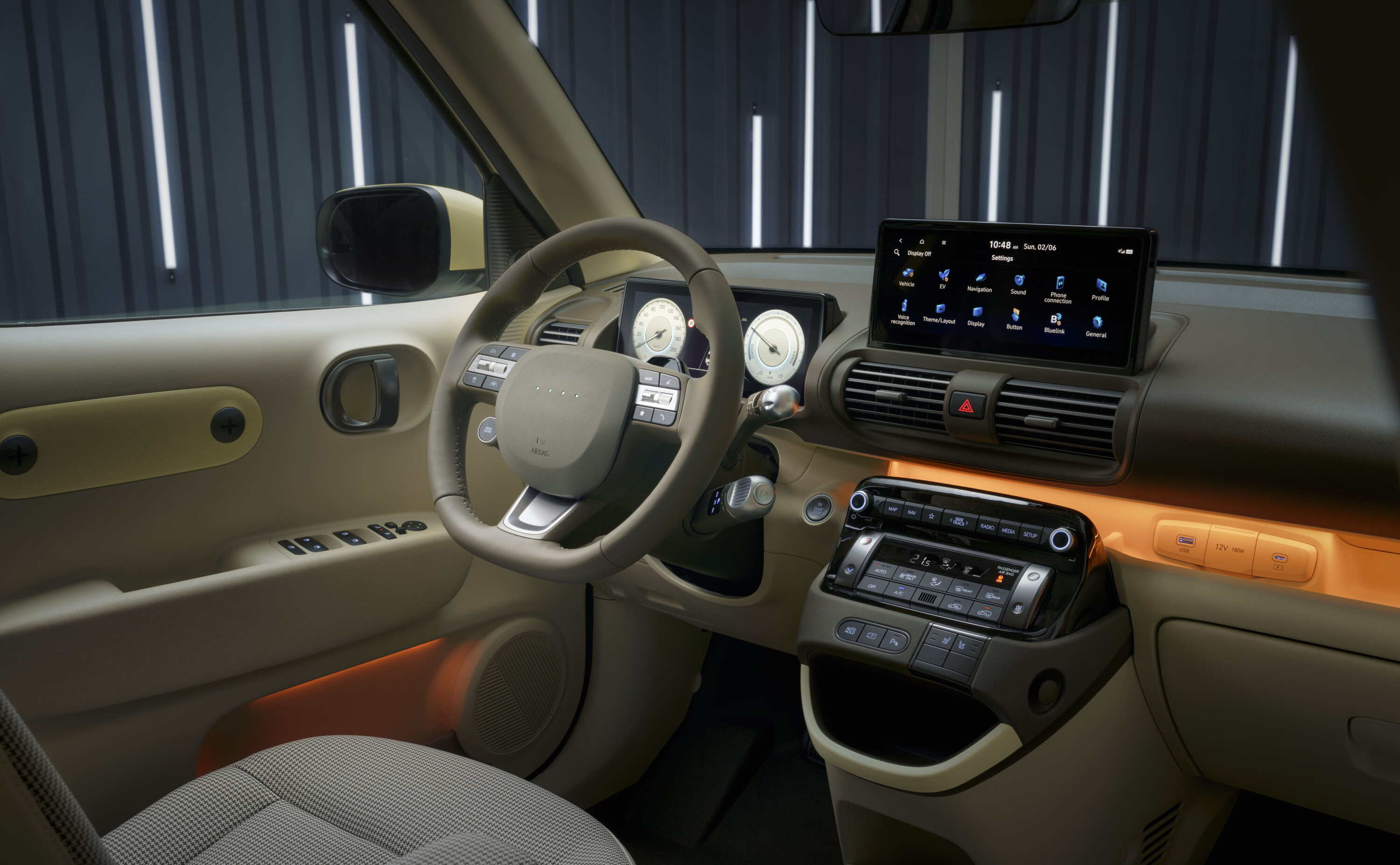
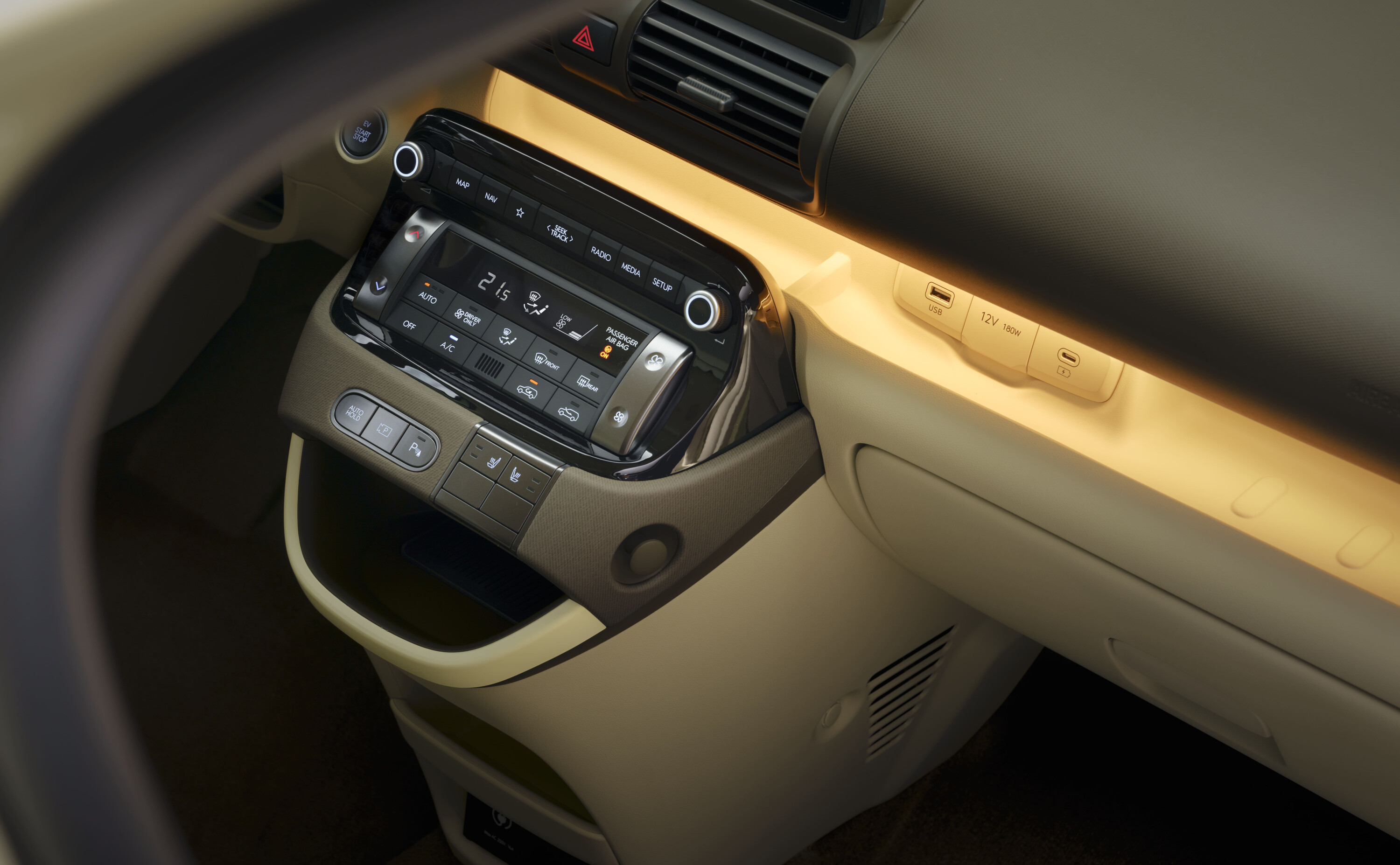
Inside, the four-seat Inster features a steering wheel with four LED pixels, a column-mounted gear shifter to allow for a walk-through front row, a 10.25-inch digital instrument cluster, a 10.25-inch infotainment system, a sunroof, heated front seats, a heated steering wheel, cloth upholstery with black or beige/khaki brown options and 64-colour configurable ambient lighting.
1
It is not fitted with Hyundai’s latest CCNC infotainment system, which has an improved user interface and supports wireless Apple CarPlay and Android Auto in cars with built-in satellite navigation.
Active safety equipment includes autonomous emergency braking, lane-keep assist, blind-spot monitoring, rear cross-traffic alert, safe exit assist, adaptive cruise control, driver attention warning, high-beam assist and leading vehicle departure alert.
It also sports Hyundai’s semi-autonomous Highway Driving Assist 1.5 feature, along with intelligent speed limit assist which becomes mandatory for all vehicles sold in Europe from July 1, 2024.
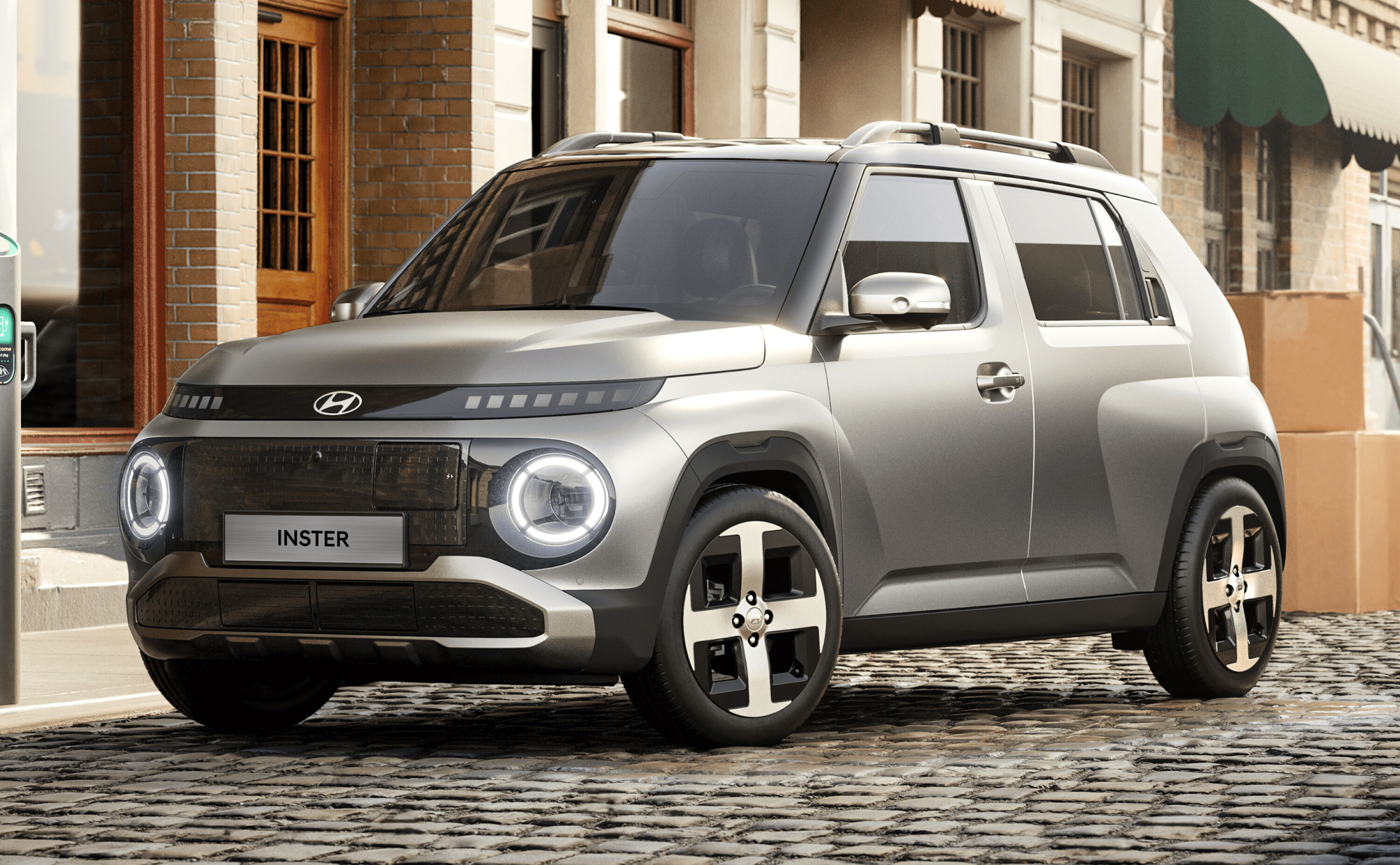
1
Despite its compact size at 3825mm in length – 230mm more than the Casper – the Inster offers a 280-litre boot, expanding to 351L with the rear seats in their forwardmost position. All seats, including the driver’s seat, can fold flat for added practicality.
The 2025 Hyundai Inster is due in Australia early next year with local details – including pricing and features – to be confirmed closer to its launch.
Mini match-up: Hyundai Inster vs Fiat 500e vs MG4 vs BYD Dolphin vs GWM Ora
| Model | Wheelbase | Length | Maximum driving range (WLTP) | Starting price |
|---|---|---|---|---|
| Hyundai Inster | 2580mm | 3825mm | 355km | $40,000 + ORCs (est.) |
| Fiat 500e | 2322mm | 3631mm | 320km | $52,500 + ORCs |
| MG4 | 2705mm | 4287mm | 530km | $39,990 drive-away |
| BYD Dolphin | 2700mm | 4290mm | 427km | $36,890 +u00a0 ORCs |
| GWM Ora | 2650mm | 4235mm | 420km | $35,990 drive-away |
MORE
Everything Hyundai
MORE
Electric Cars
Here are the latest cars from Grays that have appeared on our radar.
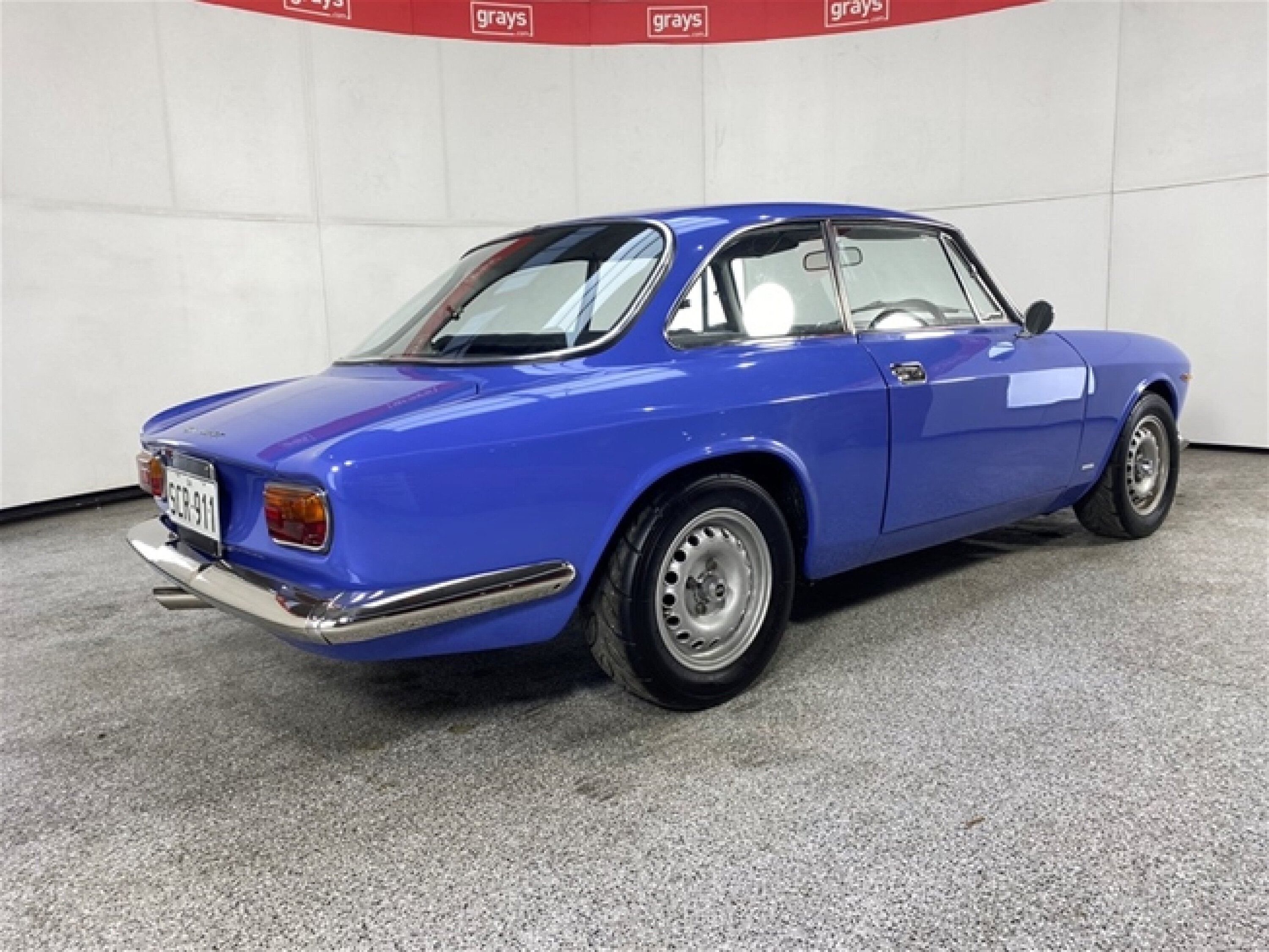
1967 Alfa Romeo GT 1300 Junior ‘Scalino’
First up this week is this classic vintage of Alfa Romeo GT in Le Mans blue. This example has been well-kept with considerable spent on its maintenance.
2
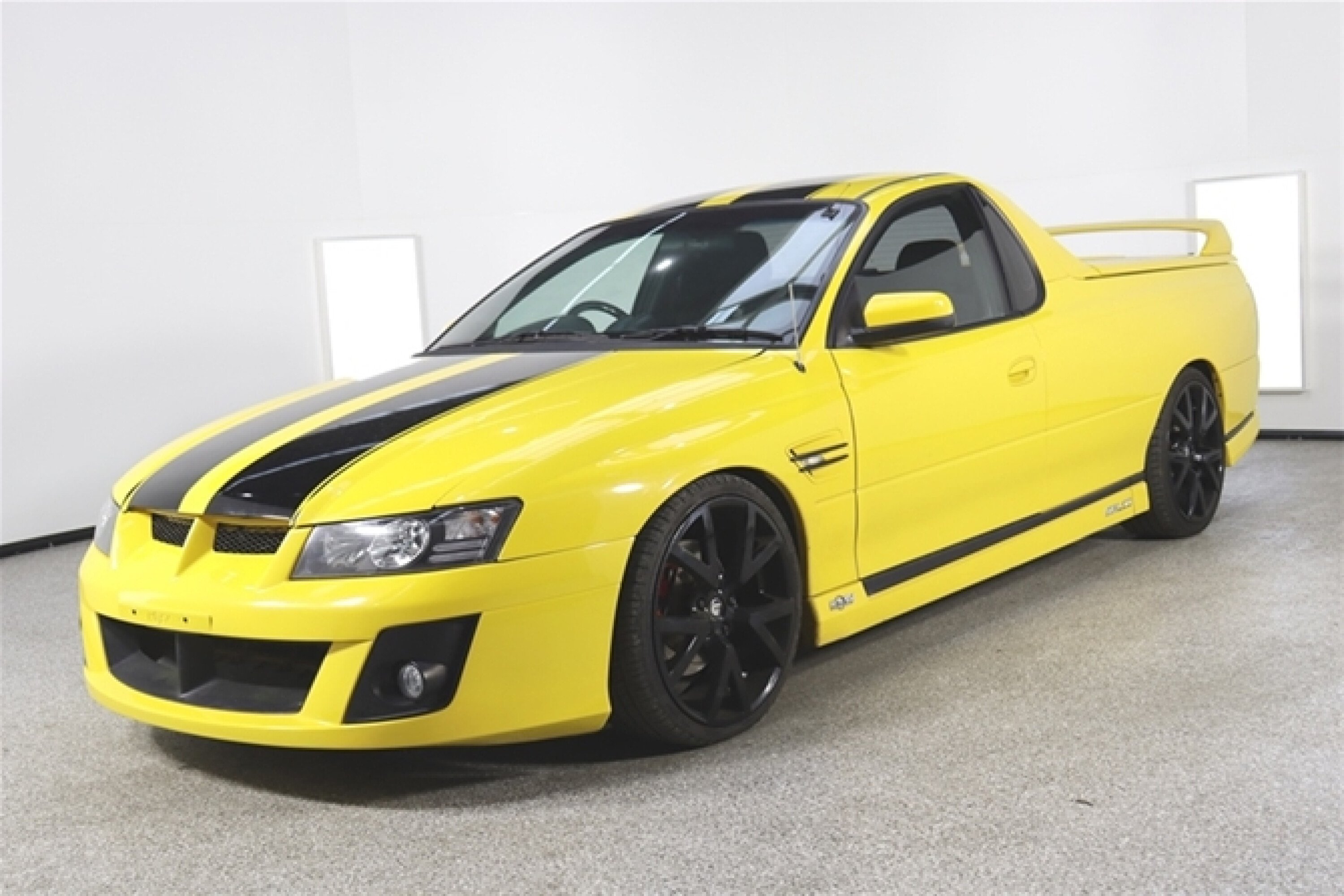
2006 HSV Maloo VZ Manual Ute
Holden Special Vehicles delivered a bit of a cult classic with their Maloo ute, and this VZ harkens back to the years prior to the usual (if one could call a Maloo “usual”) VE and VF versions.
Being a manual makes it all the more interesting.
MORE
HSV Maloo at Grays
3
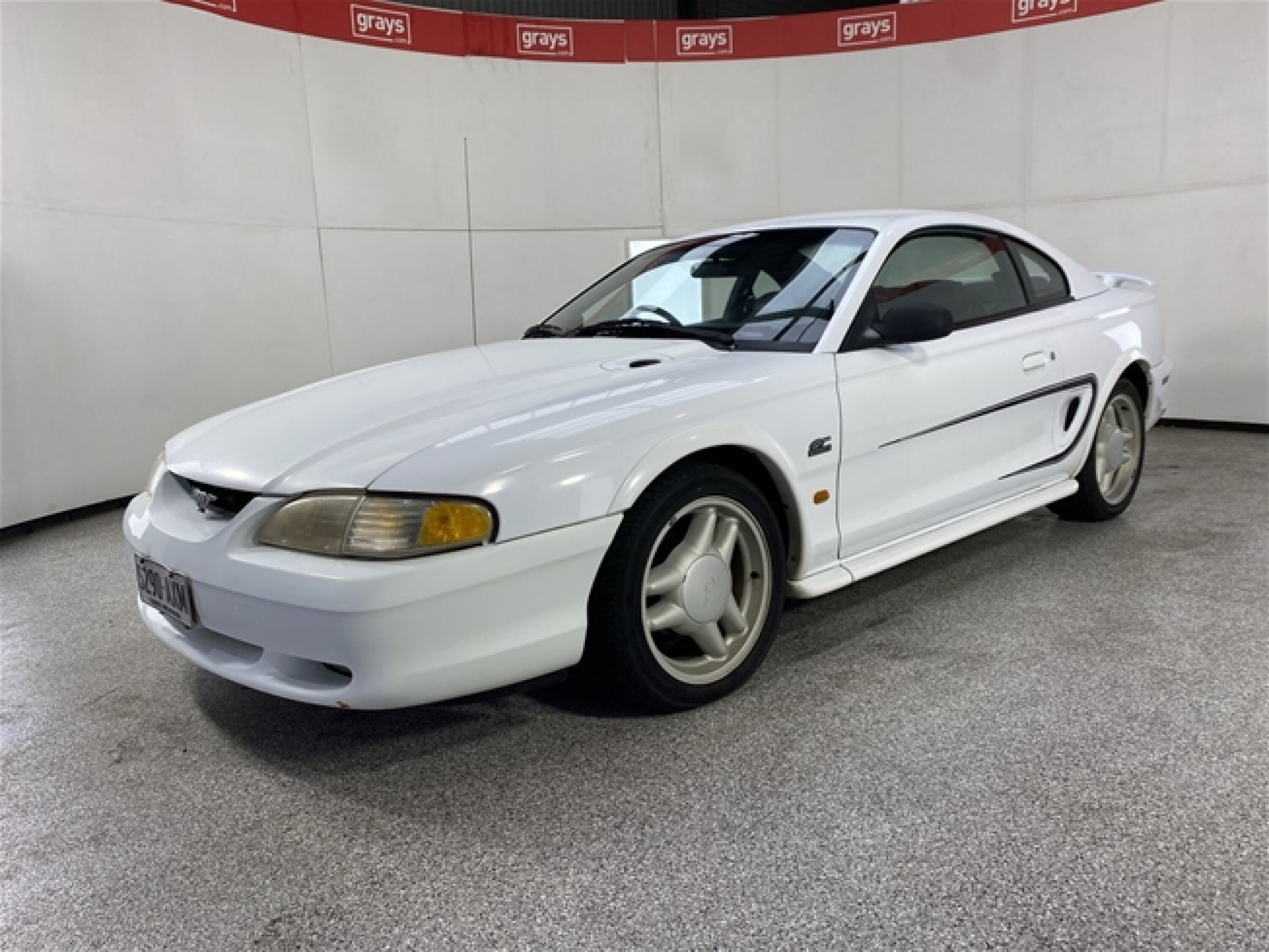
1994 Ford Mustang GT V8
Before the ubiquitous Mustang you see on nearly every stretch of urban road there was this version of American muscle.
3
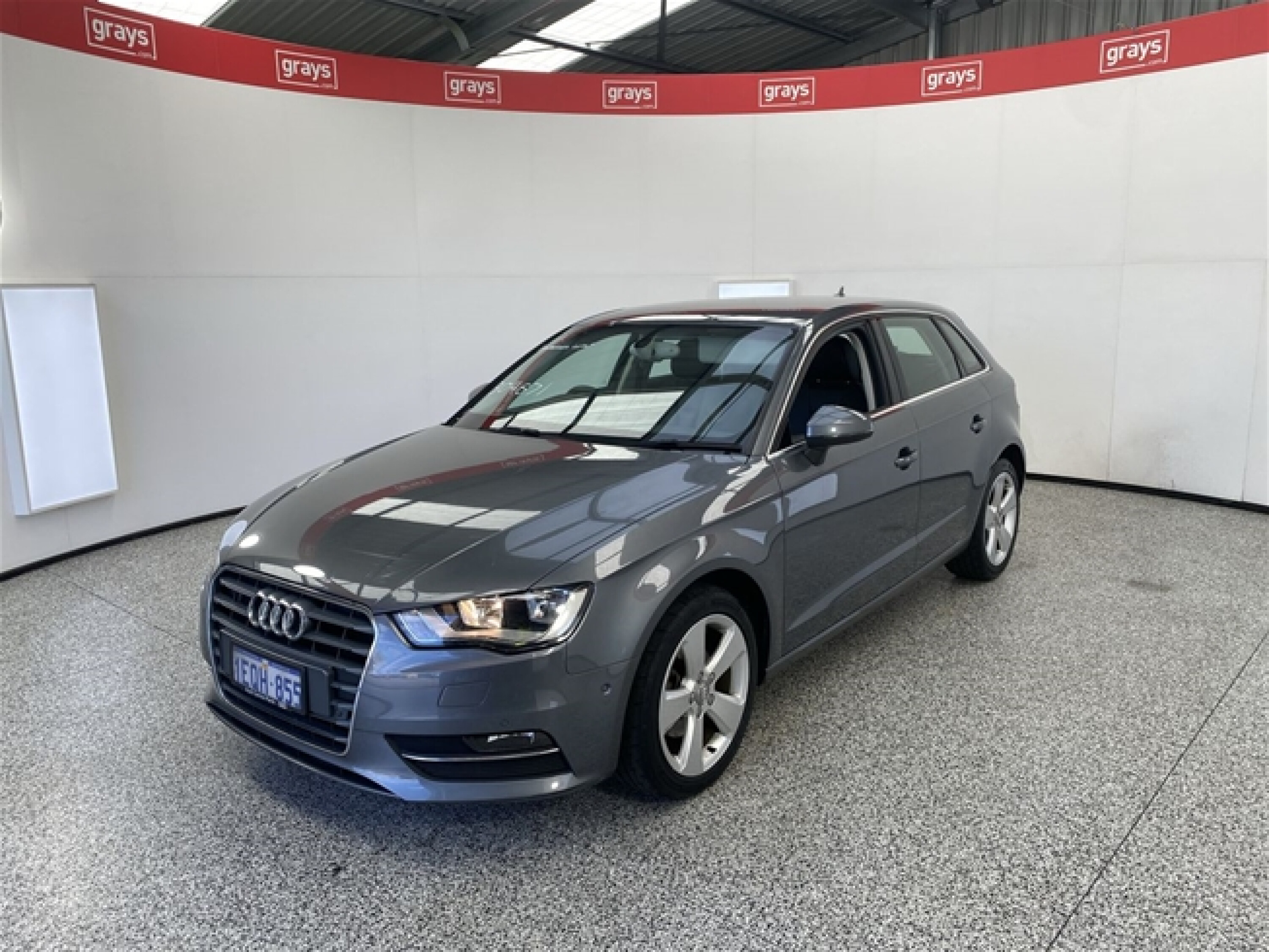
2014 Audi A3 2.0 TDI
From the muscle and excitement now comes the luxury and comfort from this Audi A3 diesel.
MORE
Audi A3 at Grays
3
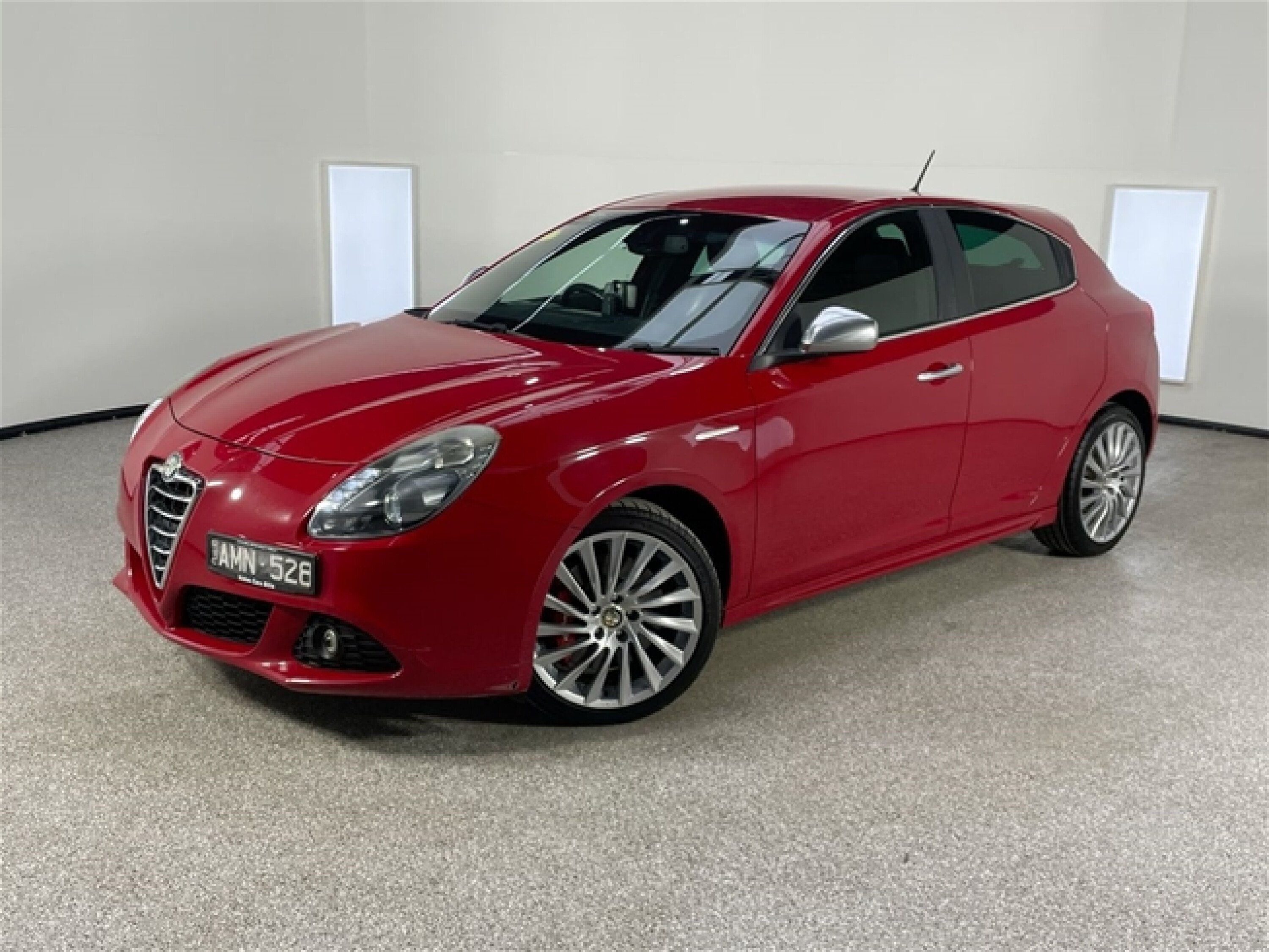
2011 Alfa Romeo Giulietta
Also from the European region comes Italy’s offering with the Giulietta hatchback.
3
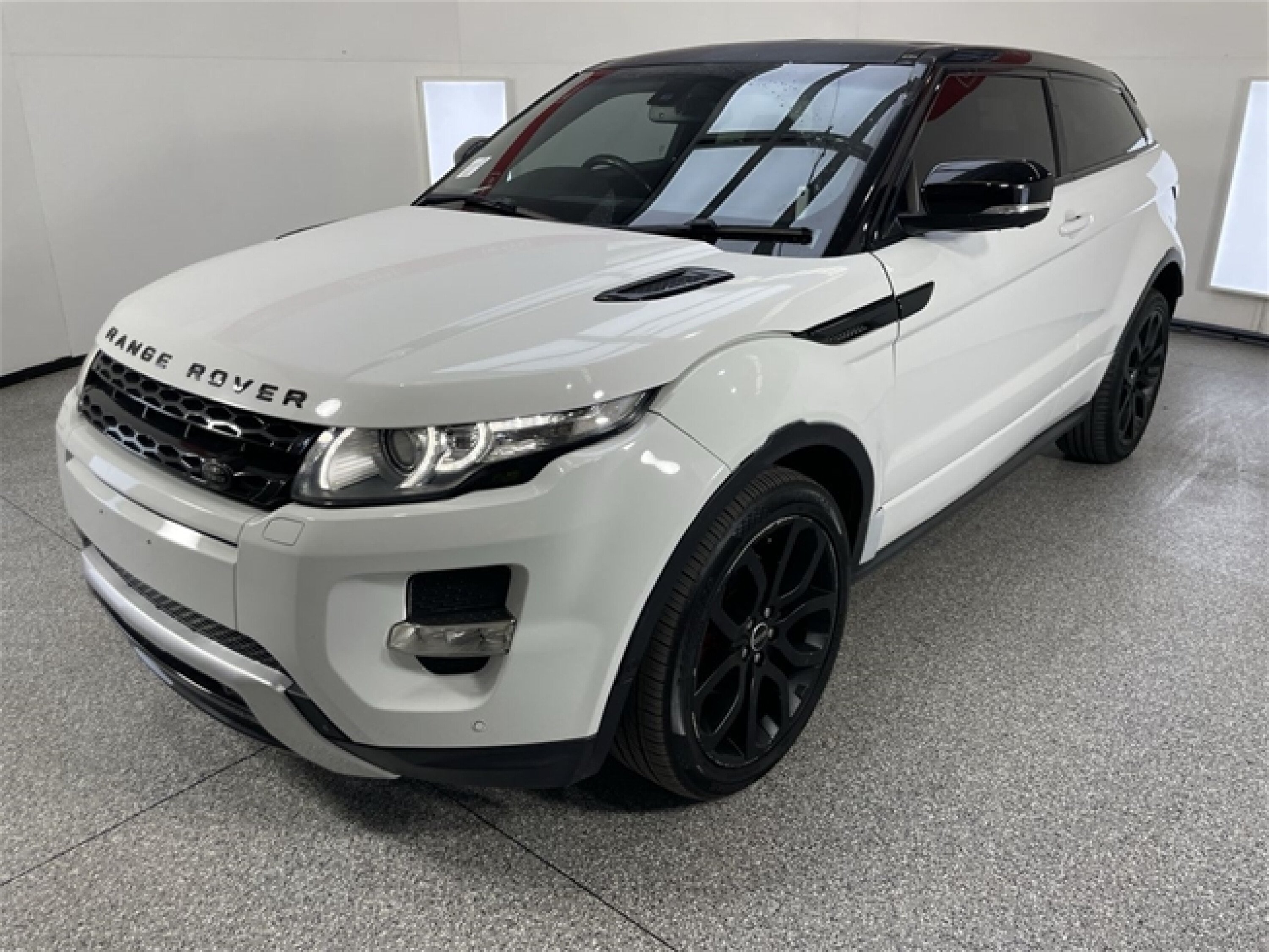
2011 Land Rover Range Rover Evoque
And rounding out this week’s auction is an SUV for those looking for a little luxury with their family duties. This Range Rover Evoque features the popular styling that has appealed to many over the past decade.
3
Take a look at Grays’ entire listings here [↗]
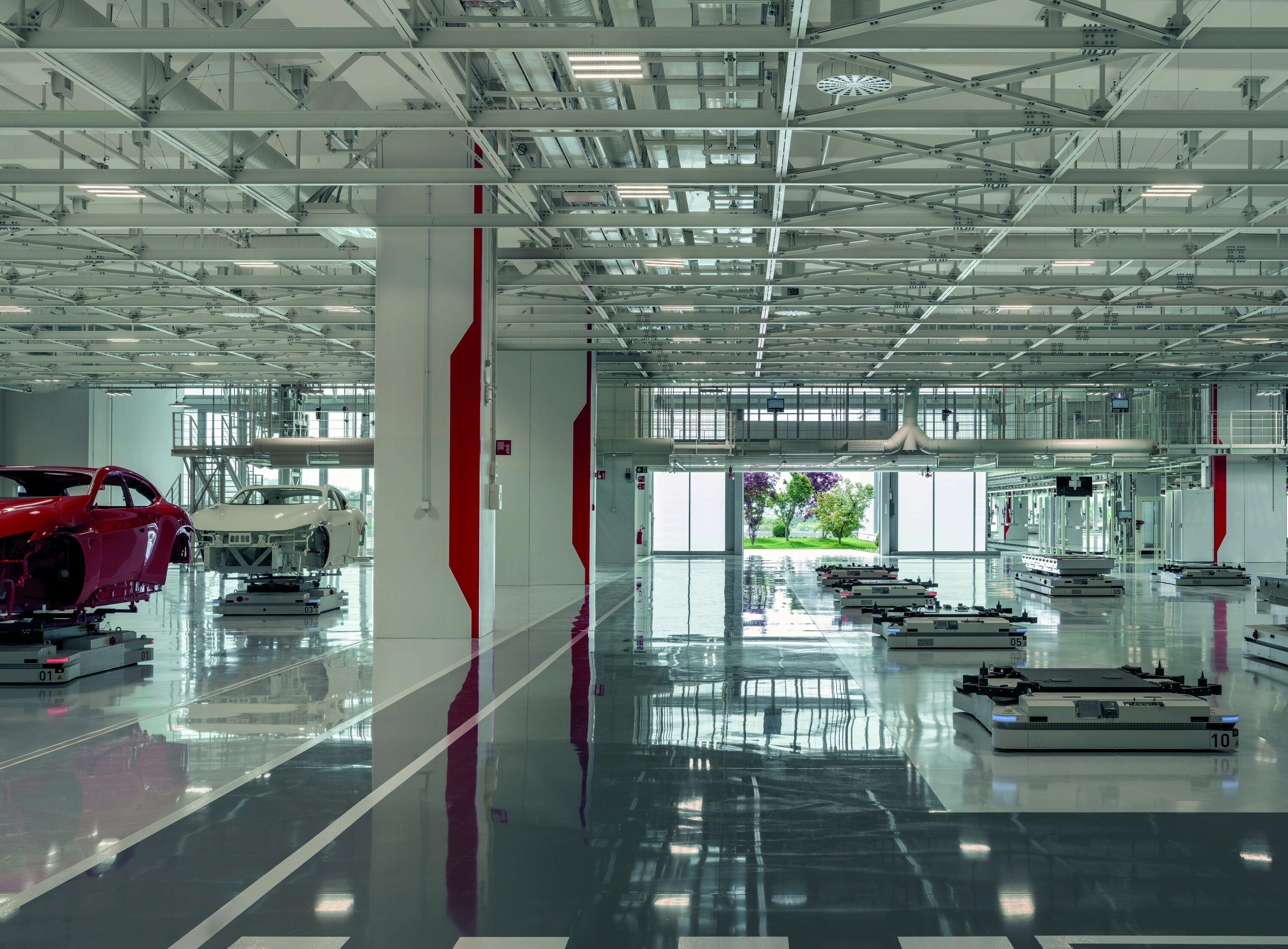
A massive A$320m investment has seen the two-storey, 42,500sq m plant open adjacent to the existing Maranello plant.
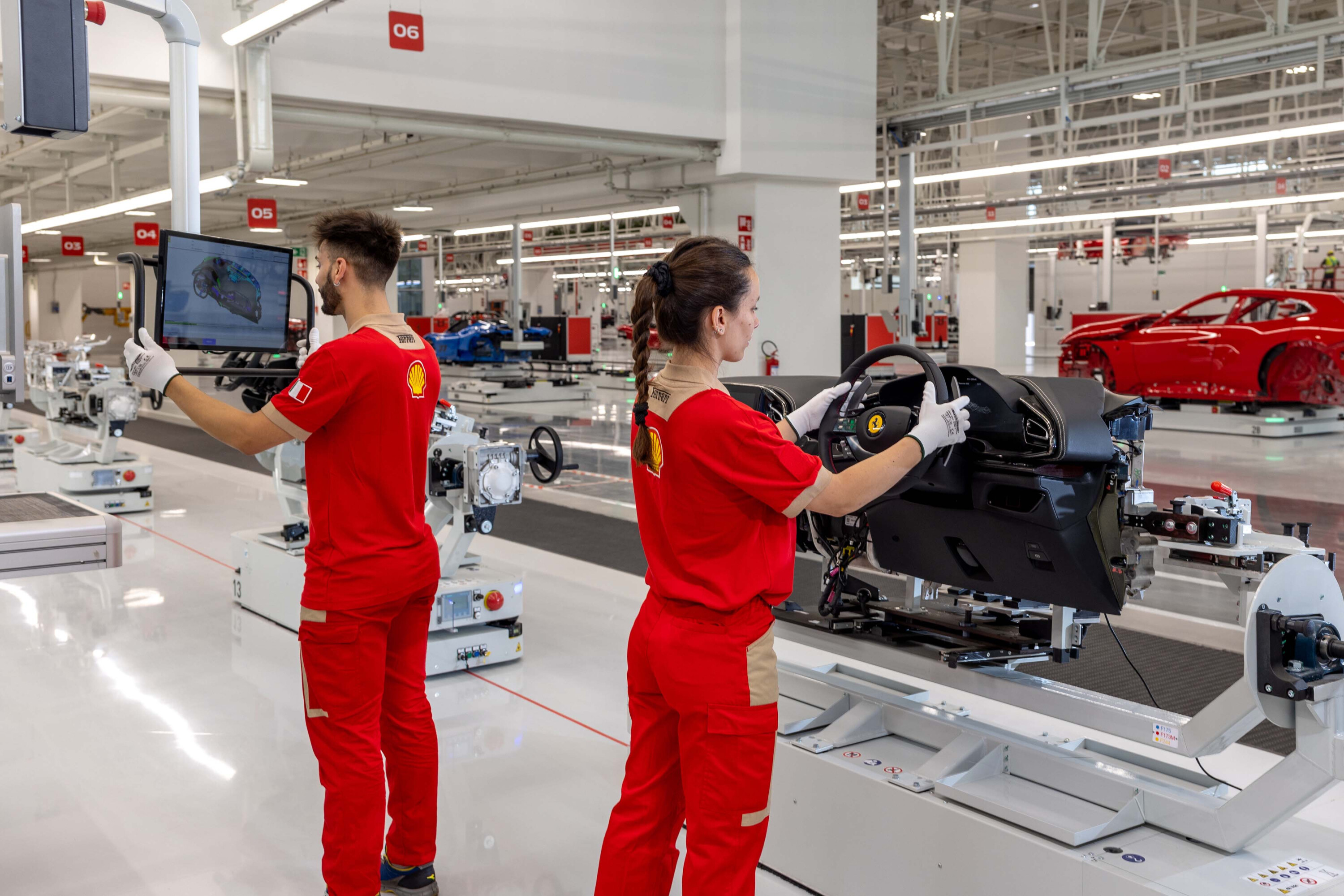
Designed by Mario Cucinella Architect, this vast white edifice is a vision of Ferrari’s future, featuring autonomously operated handlers that silently carry the cars between workstations. With 3000 solar panels on the roof and a rainwater recycling system, it aims to reduce the overall carbon emission per car built, such that 60 percent of the energy used for battery and motor testing would be recovered and redirected.
Rather than increase overall capacity, Ferrari is keen to point out that the new assembly facility will instead allow it to be more flexible and cater better to the personalisation requirements of customers.
1
Previously, both standard series production models and low-volume specials shared production lines.
Now the new plant can handle the less specialist cars, while the existing facility can devote more time to indulging customers who want a genuine one-of-one experience.
That’s key. CEO Benedetto Vigna, underlined how increasing volume is not the solution to growing the company. “So, more money per car basically. We want to grow the company but not because we increase volumes,” he said, refusing to cite a specific volume capacity for the dual plants.
1
A quick and dirty calculation would seem to suggest that the two plants could achieve a maximum capacity of 20,000 cars per year, up on the 2023 figure of 14,000 vehicles, but to increase volumes would come at the cost of the brand’s exclusivity.
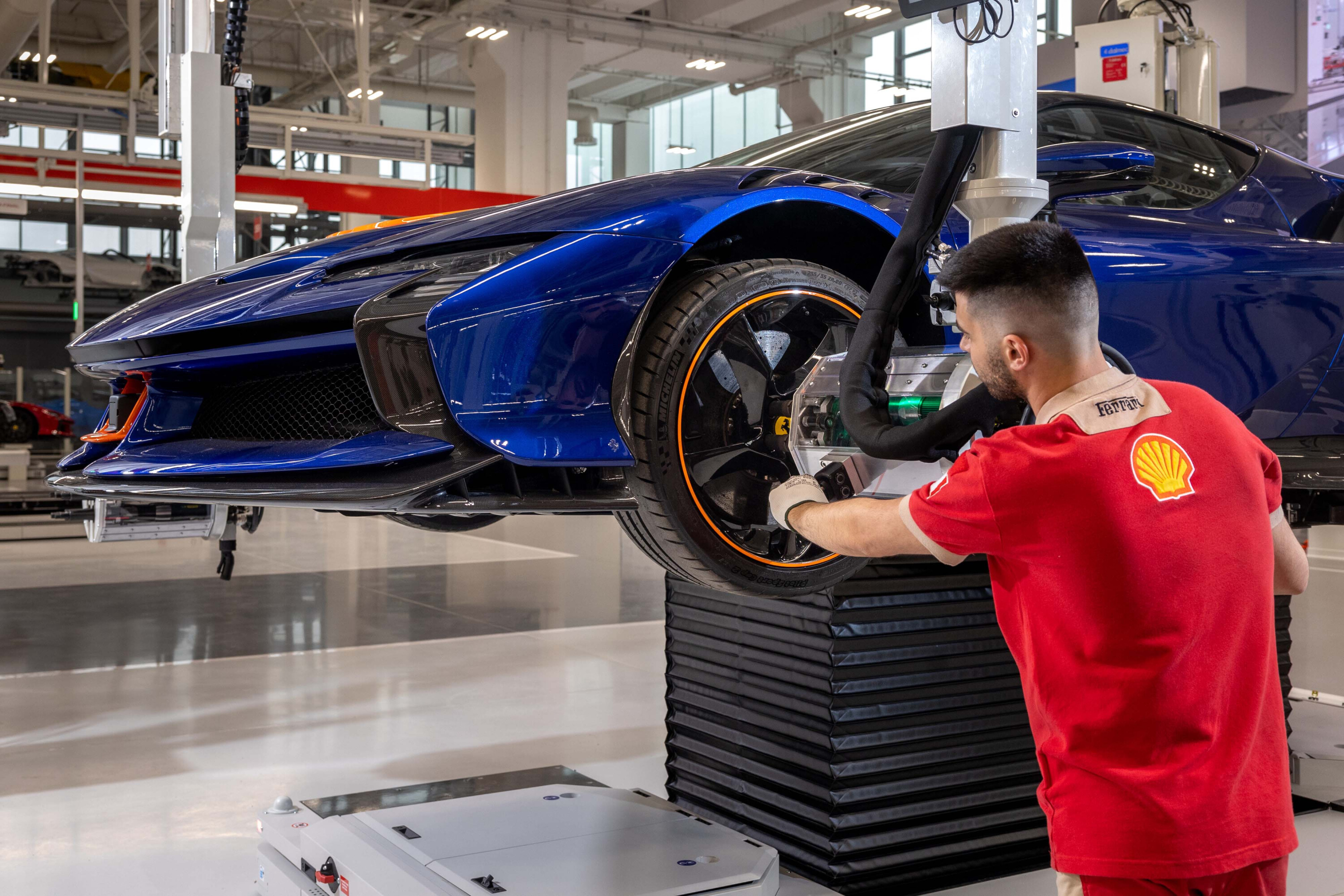
Ferrari’s first EV will be built in the new plant from 2026, and it’s a move that involves retaining a considerable amount of technological capital in-house. Although Ferrari will source the battery cells from an outside supplier, the pack itself, its cooling, the motors, inverters and axles will all be built at the e-building.
“The full electric Ferrari demands new technologies, components and processes, which we want to design, engineer and handcraft here in Maranello,” explained Vigna. “
1
We have specifically invested in the E-building, it will enable us to keep our know-how in-house and maintain our competitive advantage in the years to come.
“By mastering this full system, we can make a palpable difference. It will ensure that an electric Ferrari continues to deliver the distinctive driving thrills that all Ferraris have.”
Reuters has previously reported that the first Ferrari EV is expected to carry a 500,000 Euro price tag, with a second model in development.
MORE
Everything Ferrari
MORE
Wheels Industry
It’s been the subject of many rumours but Wheels can now confirm that Ferrari is building an updated Modificata version of its SF90 flagship supercar.
While visiting the special operations section of the Maranello factory, a mid-engined car sat beneath a drape. All of the fixings for the vehicle carried the F173M model designation where, in Ferrari-speak, F173 is the model code for the SF90 Stradale and M stands for Modificata, or mid-life update.
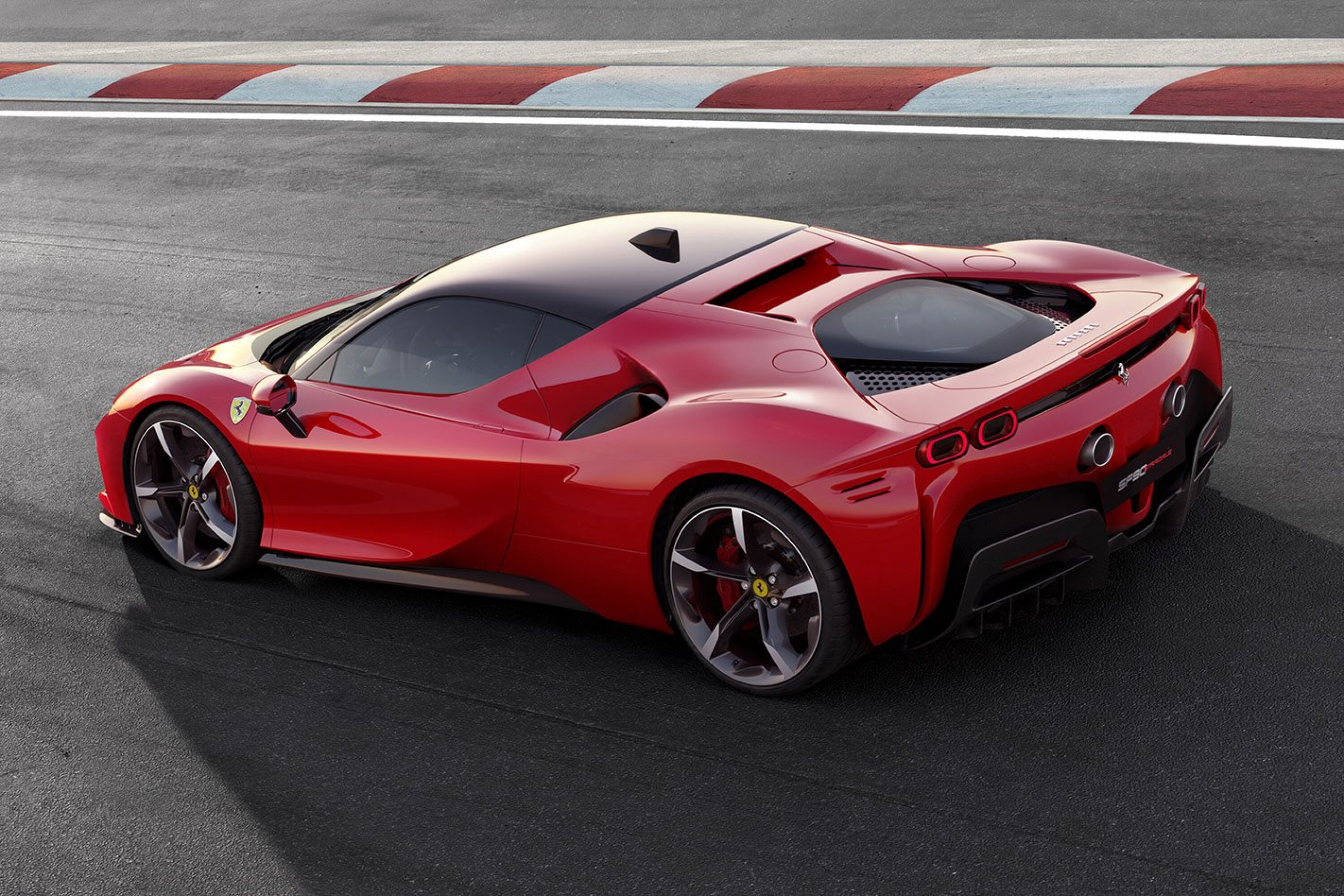
For a model that, upon launch in 2019, was Ferrari’s fastest road car (subsequently eclipsed by the wild SF90 XX version), the 735kW SF90 Stradale has almost managed to become the company’s forgotten flagship.
1
Initial media drives were surprisingly equivocal, many testers claiming that while the car was undeniably quick and clever, it didn’t deliver the fun they’d hoped for. That now looks as if it could be being rectified.
Of course, in the intervening five years, it’s fair to say that Ferrari has taken on a few lessons regarding hybrid powertrains. The junior 296 GTB was launched to almost universal acclaim in 2021, and a version of that 3.0-litre V6 sits at the heart of the all-conquering 499P Le Mans champion.
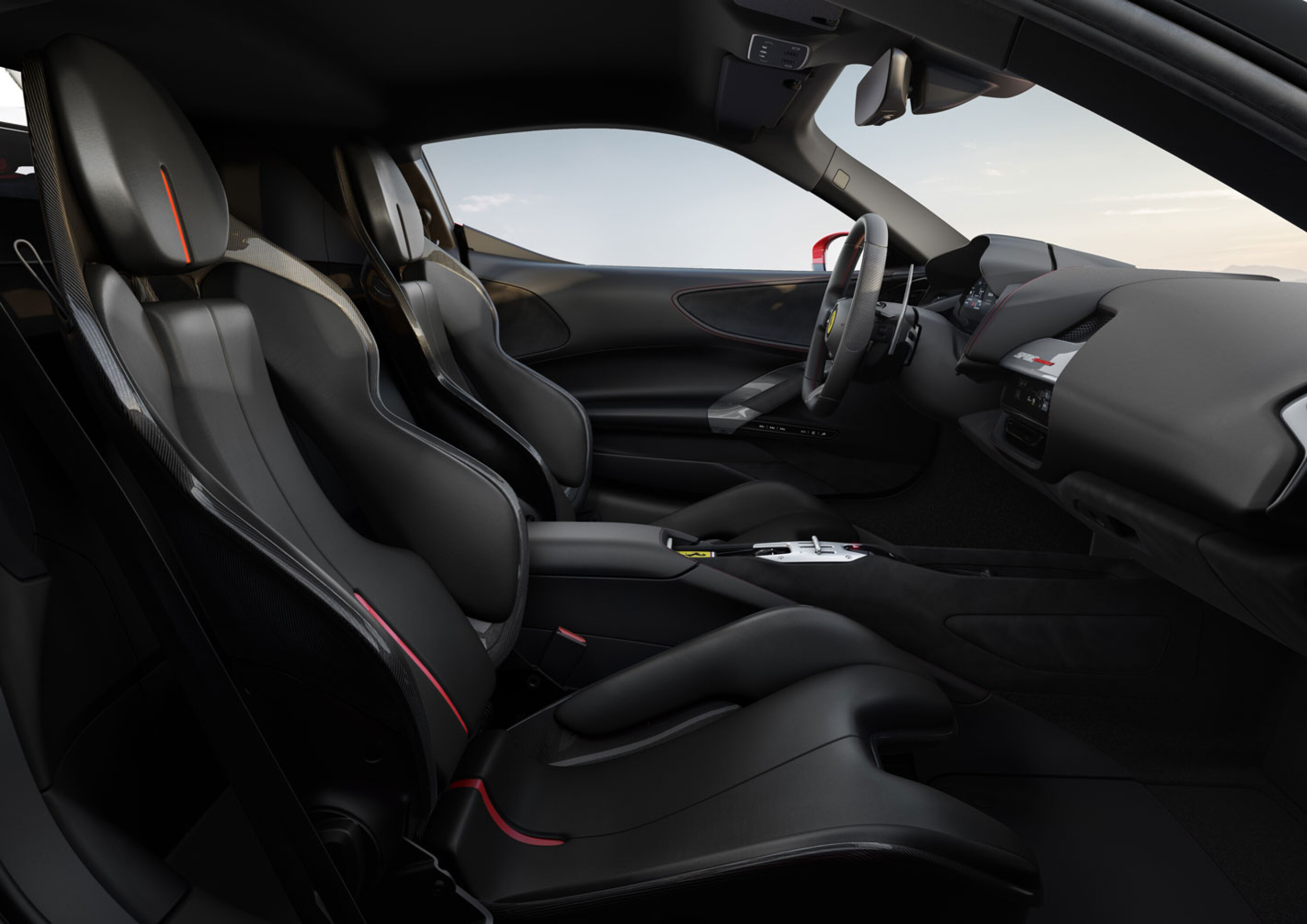
Disguised SF90s have been seen in the vicinity of Maranello sporting larger air intakes and what appears to be revised rear suspension geometry.
1
In line with current Ferrari design principles, expect the rear lights to move away from the four ‘squircles’ of the existing SF90 Stradale and mirror the look of the SF90 XX instead, with a skinny full-width LED bar.
The 4.0-litre hybridised V8 is expected to remain, albeit with marginally better electric-only range. A next gen version of Ferrari’s eSSC (electronic side slip control) dynamics software is set to debut.
Sadly, there doesn’t look to be a fix for the SF90‘s paltry luggage carrying capacity, but if you can’t pack light, there’s always the 12 Cilindri or Purosangue. Decisions, decisions…
MORE
Everything Ferrari
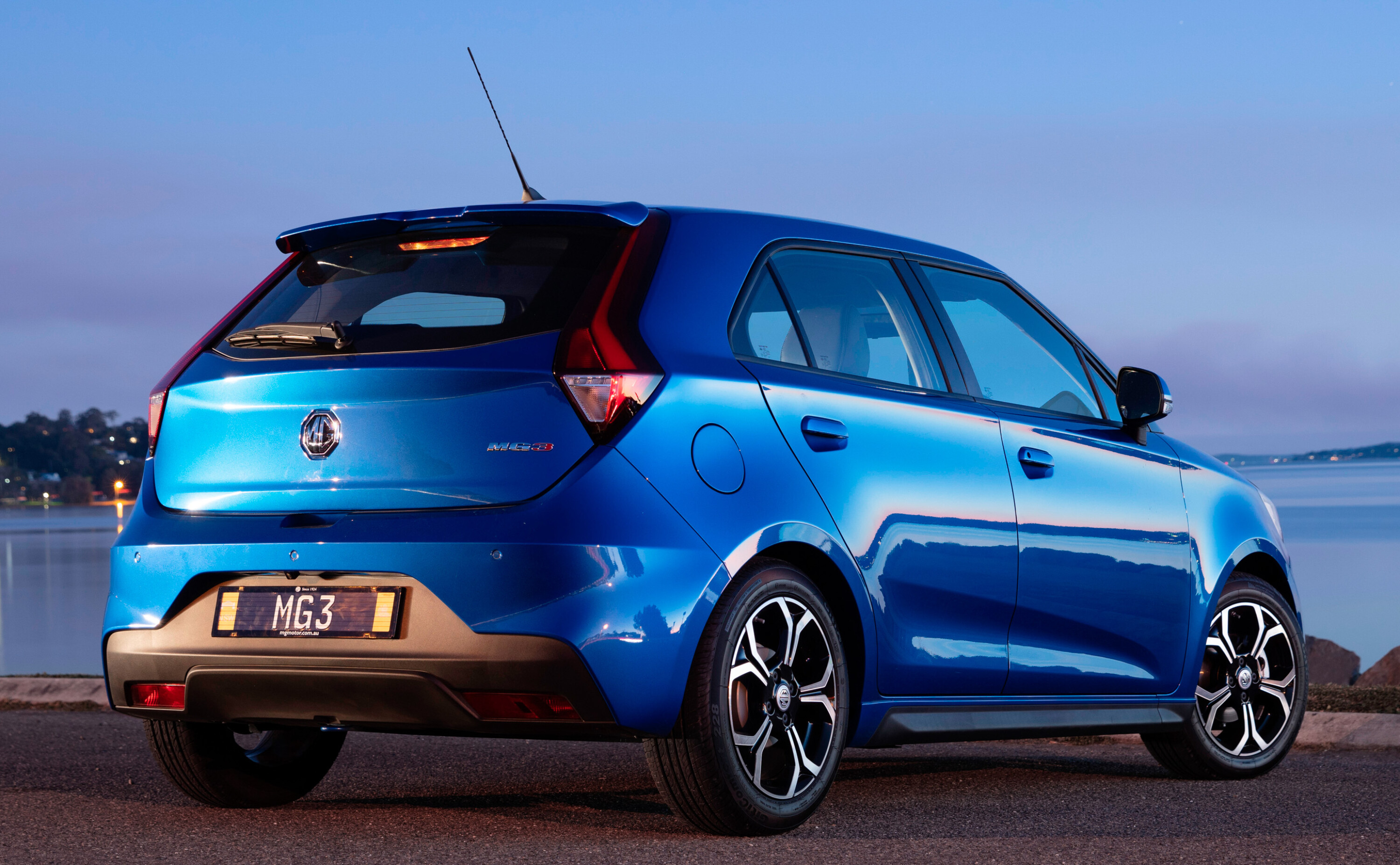
The new-generation 2024 MG3 city hatch has landed in Australia – but the outgoing MY23 model will continue to be available in run-out until the end of this year.
MG Motor Australia told Wheels it will have enough stock of the previous MG3 to last until the end of 2024.
“We will also continue providing our old MG3 until the end of this year,” said MG Motor Australia CEO Peter Ciao. “Lots of customers are originally used car buyers but they go to MG3 [instead].”
1
Based on the MG3’s average monthly sales figure in 2023, MG could have thousands of previous-generation MG3s still in stock.
The old MY23 MG3 is available in run-out for between $18,990 and $19,990 drive-away – making it the only brand-new vehicle available for under $20,000 drive-away following price rises for the new MY24.5 MG3 and the smaller Kia Picanto.
MY24 MG3s that remain in stock (old model) will continue to retail for $19,990 to $20,990 drive-away.
Prices for the all-new 2024 MG3 (MY24.5) have risen between $7000 and $8000 compared to the previous model, with the entry-level Excite petrol available for around $26,000 drive-away in New South Wales compared to the $18,990 national drive-away pricing for the old entry-level model.
Officially, the 2024 MG3 petrol line-up is priced between $23,990 before on-road costs for the base Excite and $25,990 before on-roads for the up-spec Essence. Full-hybrid versions add $4000, topping out at $29,990 before on-roads (around $32,000 drive-away).
Standard equipment has increased for the new MG3, including modern safety equipment like autonomous emergency braking (AEB), lane-keep assist, blind-spot monitoring and rear cross-traffic alert.
The MG3 has been undercut by the new-generation Suzuki Swift – a reskinned version of the outgoing model with a new three-cylinder mild-hybrid engine as standard – which costs between $24,490 and $29,490 drive-away.
The combined fuel consumption of the Suzuki Swift mild-hybrid is also narrowly less than the MG3 Hybrid+ at 3.8L-4.0L/100km and 4.3L/100km, respectively. However, the four-cylinder MG3 Hybrid+ offers more power than the three-cylinder Swift mild-hybrid at 155kW versus 61kW.
MG said it is not concerned that the new MG3 could follow the Toyota Yaris, which sold one-fifth of its 2019 total in 2023 after the current model launched in 2020 with a circa-$7000 price rise – from $15,390 in 2019 to $22,130 in 2020 and $28,500 in 2024.
“The Yaris is a big jump in the price but the MG has the best price [in the light car segment]. The new MG3 has bumped the price but we’re still the best price in this segment with all the technology and much more spec, so I don’t think I need to worry about that,” said Ciao.

1
“There’s still ZS that’s available. That’s still quite attainable at its [$22,990 drive-away] price point,” added MG Motor Australia spokesperson David Giammetta.
Like the old MG3, the entry-level ZS Excite lacks advanced safety technology such as soon-to-be-mandated AEB, which adds to a vehicle’s overall cost. The ZST – available from $25,490 drive-away – includes these features.
An all-new ZS due in local showrooms at the very end of 2024 is likely to receive price rises that will push it closer to $30,000 drive-away.
MORE
Everything MG
The 2025 MG ZS small SUV and 2025 MG HS midsize SUV will arrive in Australia within six months, it has been confirmed.
MG Motor Australia said all-new ZS and HS models have been fast-tracked for our market, with both vehicles expected to land in local showrooms before the end of 2024.
Neither the ZS nor the HS have been officially revealed by the Chinese brand, though patent images for both vehicles emerged in late 2023.
The crucial new SUV models – the ZS was MG’s number-one seller in 2023 and the HS competes in Australia’s best-selling segment – will join the recently-launched all-new MG3 city launch, the $100,000 to $150,000 Cyberster halo electric convertible, and a crucial safety update for the zero-star ANCAP-rated MG5 sedan.
“[For HS], we are trying to bring things forward based on the feedback and market demand, our customers… we are also pushing to launch the new ZS within this year as well,” said MG Motor Australia senior product and strategy manager Akshat Ahuja.
MG has confirmed the new ZS and HS will offer the choice of value-focused petrol-only variants or more efficient petrol-electric options – the latter a first for both nameplates.
The new HS will also offer a plug-in hybrid option, as before.
“Hybrid for MG in the future is a standard spec [on] all models,” said MG Motor Australia CEO Peter Ciao.
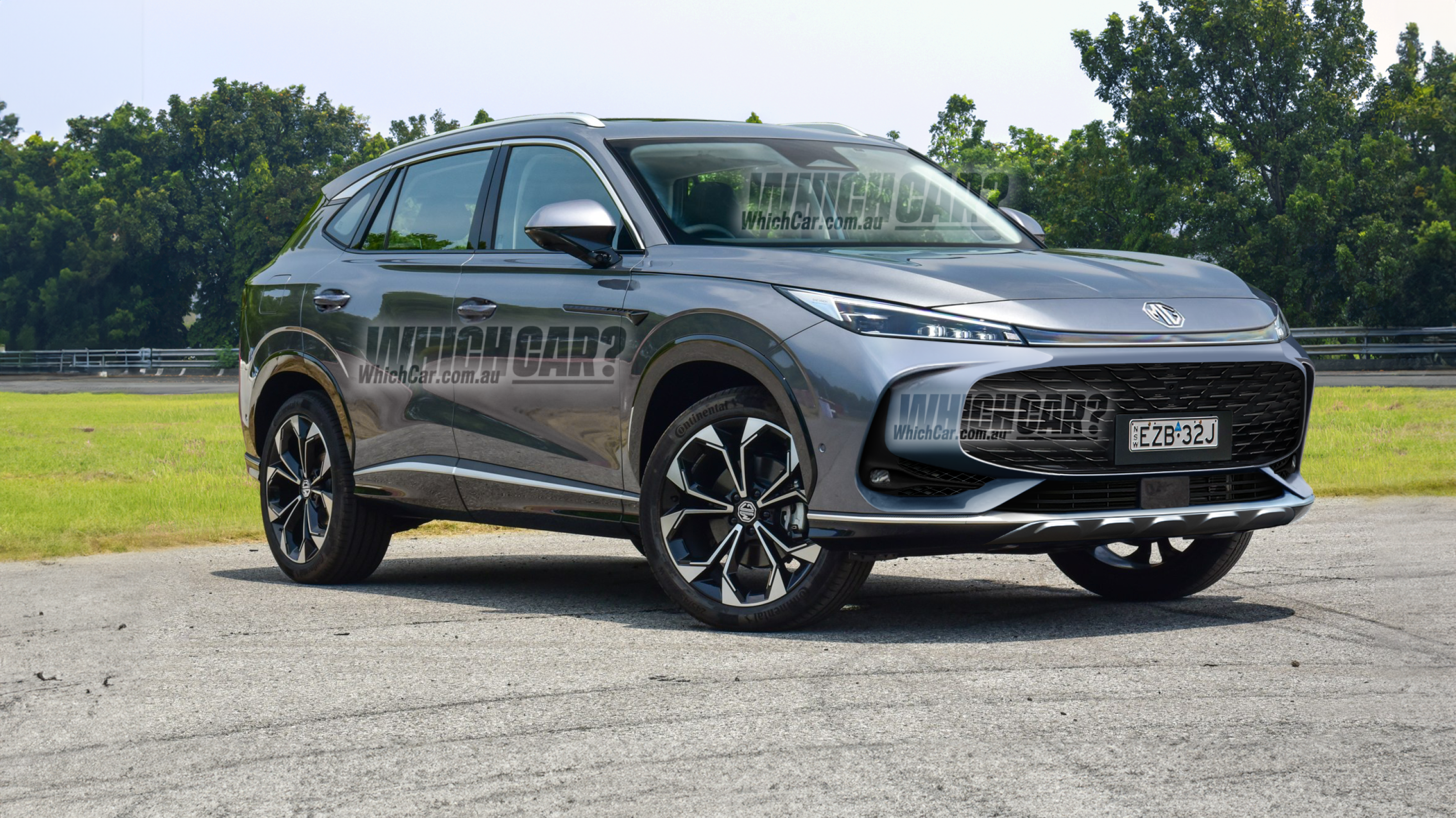
As detailed here, the second-generation MG ZS will wear evolutionary styling that builds on the look of the facelifted ZST and ZS EV models launched in 2020 and 2022, respectively.
Under the bonnet, the ZS Hybrid will feature the same 1.5-litre non-turbo four-cylinder petrol-electric setup as the new MG3 Hybrid+, where it produces 155kW in total and is paired to a three-speed automatic transmission.
“This MG3 technology that we have done this huge investment on, we’ll also see that in the new ZS which is upcoming. The new ZS will mirror what MG3 has,” said Ahuja.
The 2025 MG ZS small SUV is due in Australia towards the very end of this year.
1
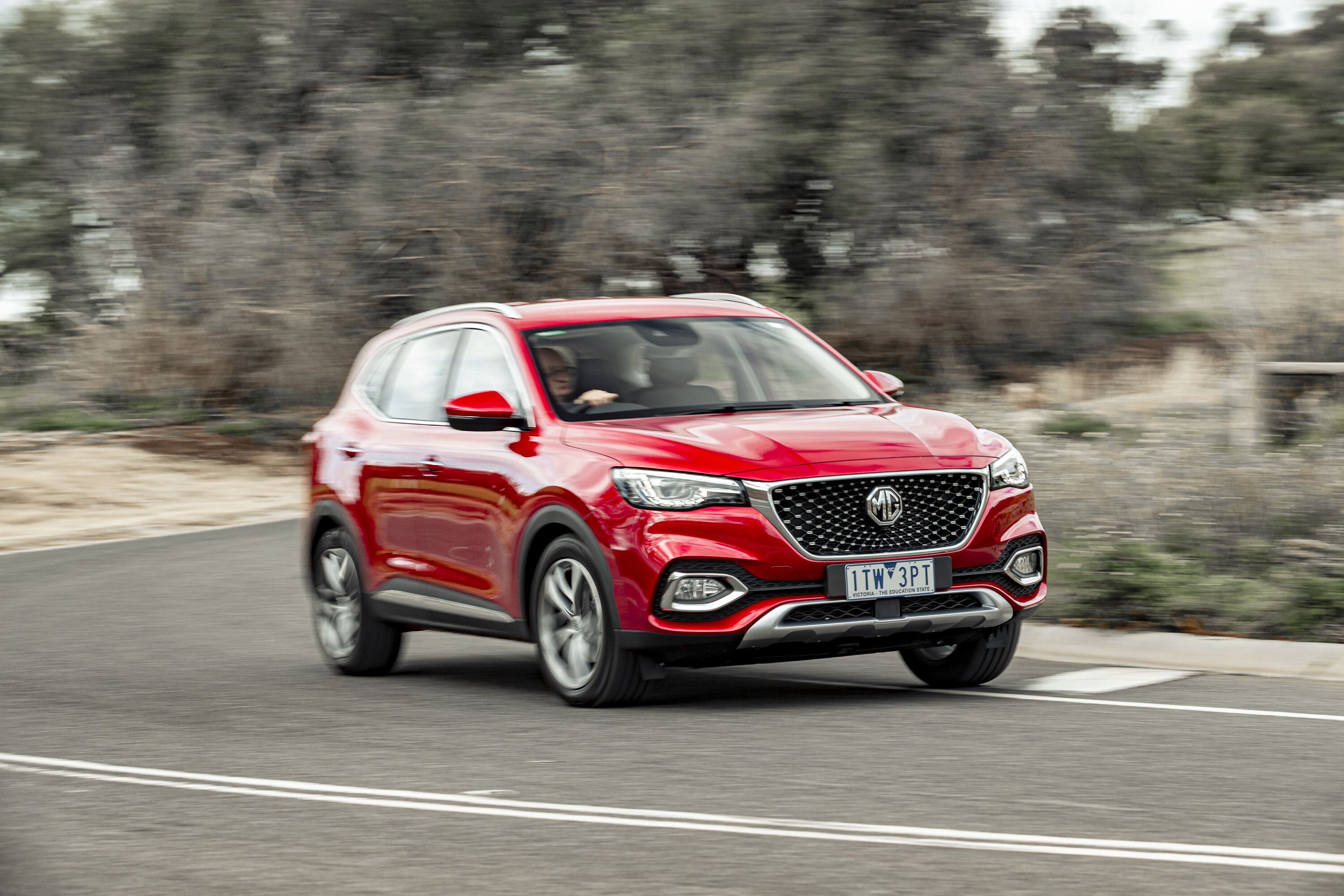
Meanwhile, MG Australia will skip a facelift for the current MG HS – which was unveiled in China four years ago but only reached overseas markets in late 2023 – and jump straight to a second-generation version set to debut in China imminently.
It will arrive in local showrooms in the next few months, first in turbo-petrol guise and later followed by a traditional hybrid to rival the Toyota RAV4 midsize SUV sales king, along with the next version of the Mitsubishi Outlander and BYD Sealion 6-rivalling MG HS Plus EV plug-in hybrid.
“We are only focusing on the ICE engine [at launch]. The other powertrains, bigger ICE engine, plug-in hybrid and hybrid… they will come definitely but timing is still to be confirmed. It will most likely be next year,” said Ahuja.
If the Roewe RX5’s powertrain line-up is a guide, expect the new MG HS to offer three versions centred around a 1.5-litre four-cylinder turbo-petrol: an ICE-only variant, a conventional hybrid, and a plug-in hybrid.
1
The 1.5-litre petrol produces 138kW and 300Nm, while the plug-in hybrid version adds a 180kW electric motor. It has a 570Nm total torque output and a 50-kilometre electric-only driving range.
Ahuja’s mention of a “bigger ICE engine” also suggests an updated version of the current 168kW/360Nm 2.0-litre turbo-petrol AWD powertrain could remain available in the new HS as another petrol-only option.
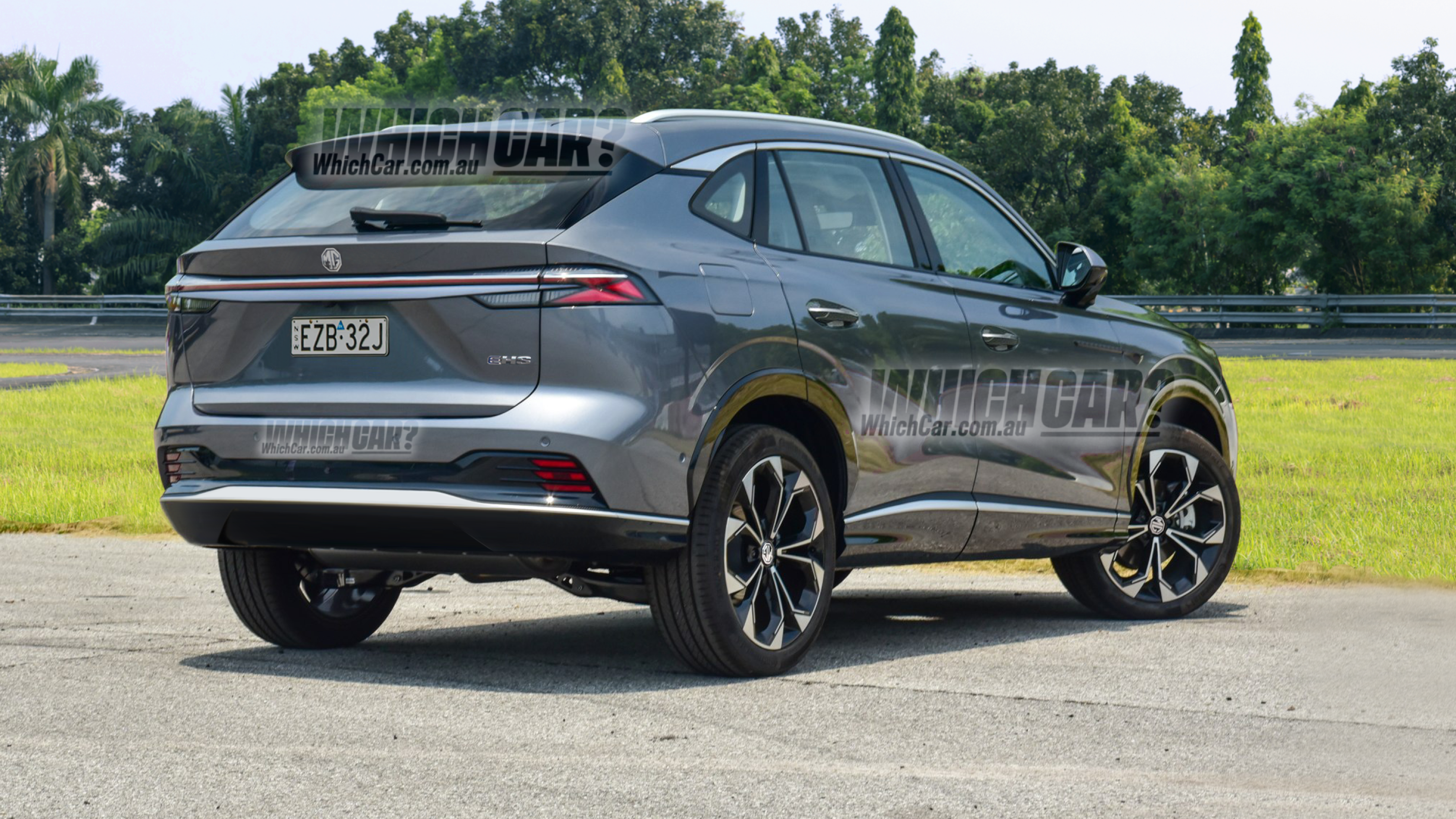
First revealed in patent images in December 2023, the second-generation MG HS will be a rebadged version of the Chinese-market Roewe RX5 available since 2022 – but with some minor differences including a more conventional grille and traditional door handles instead of pop-out units.
The MG 5 electric wagon – no relation to the MG5 petrol sedan sold in Australia – and MG Marvel R are existing rebadged Roewe vehicles, while the brand’s IM LS6 electric SUV is expected to come to Australia as an MG around 2026 with a sub-$100,000 price tag.
1
Inside, expect the new HS to adopt a larger infotainment system and floating digital instrument cluster – potentially on the same panel – a new steering wheel, and a simplified centre console.
The Roewe RX5 measures 4655mm long, 1890mm wide and 1664mm tall, with a 2700mm wheelbase – 81mm longer and 14mm wider than the current HS, with an identical height and a 20mm shorter wheelbase.
The 2025 MG HS is due to be unveiled imminently ahead of its Australian launch in the next three to four months, pending any delays.
MORE
Everything MG
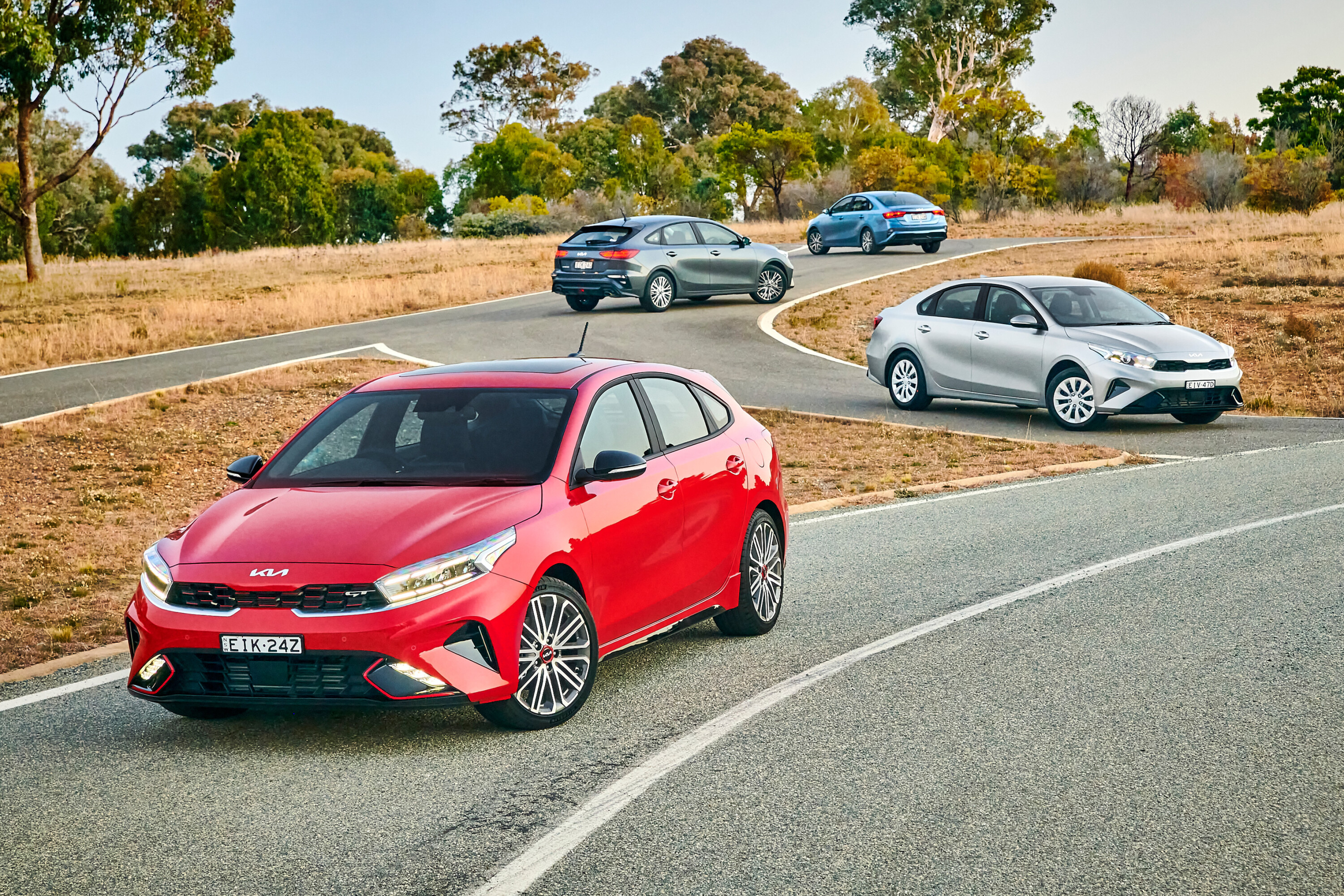
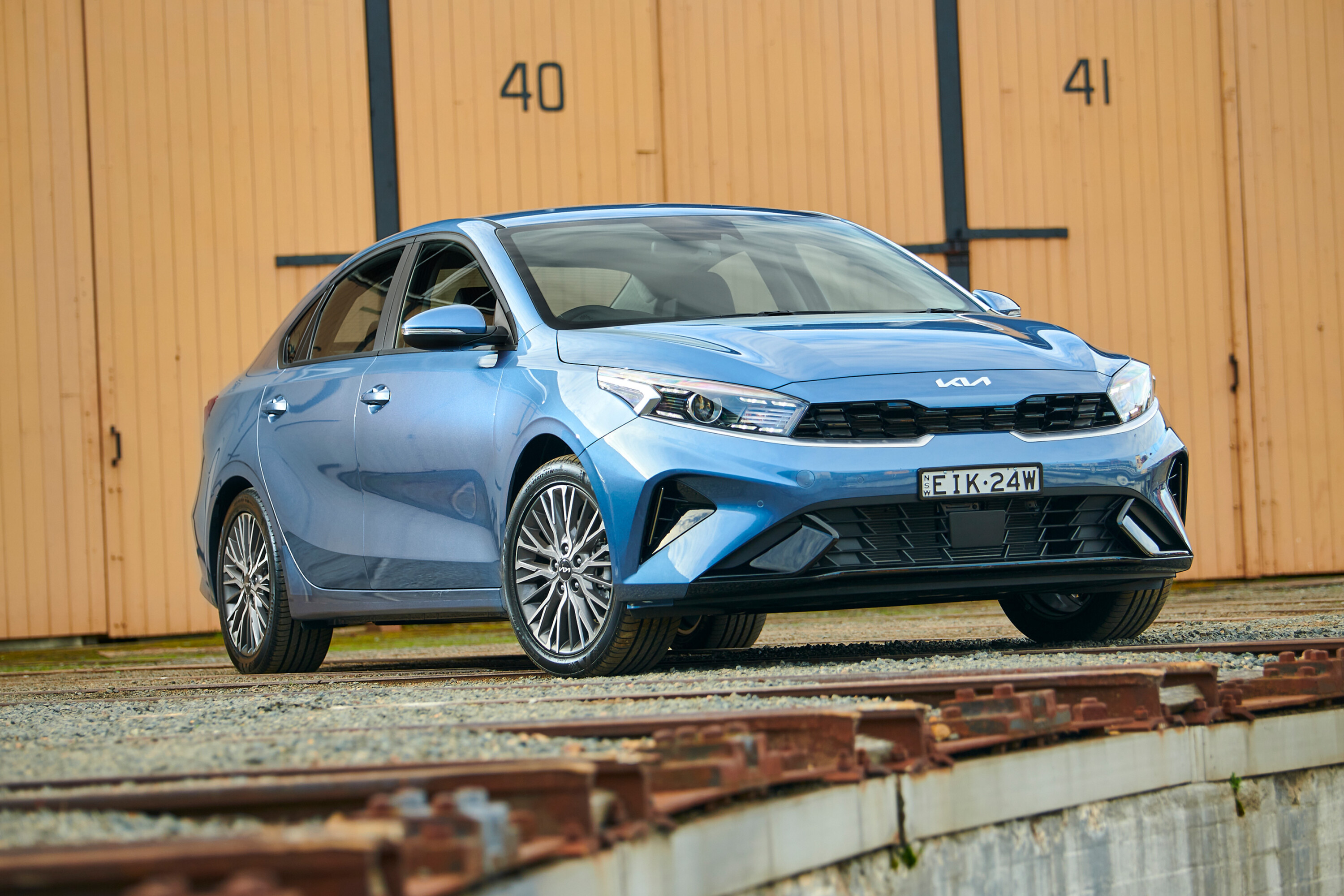
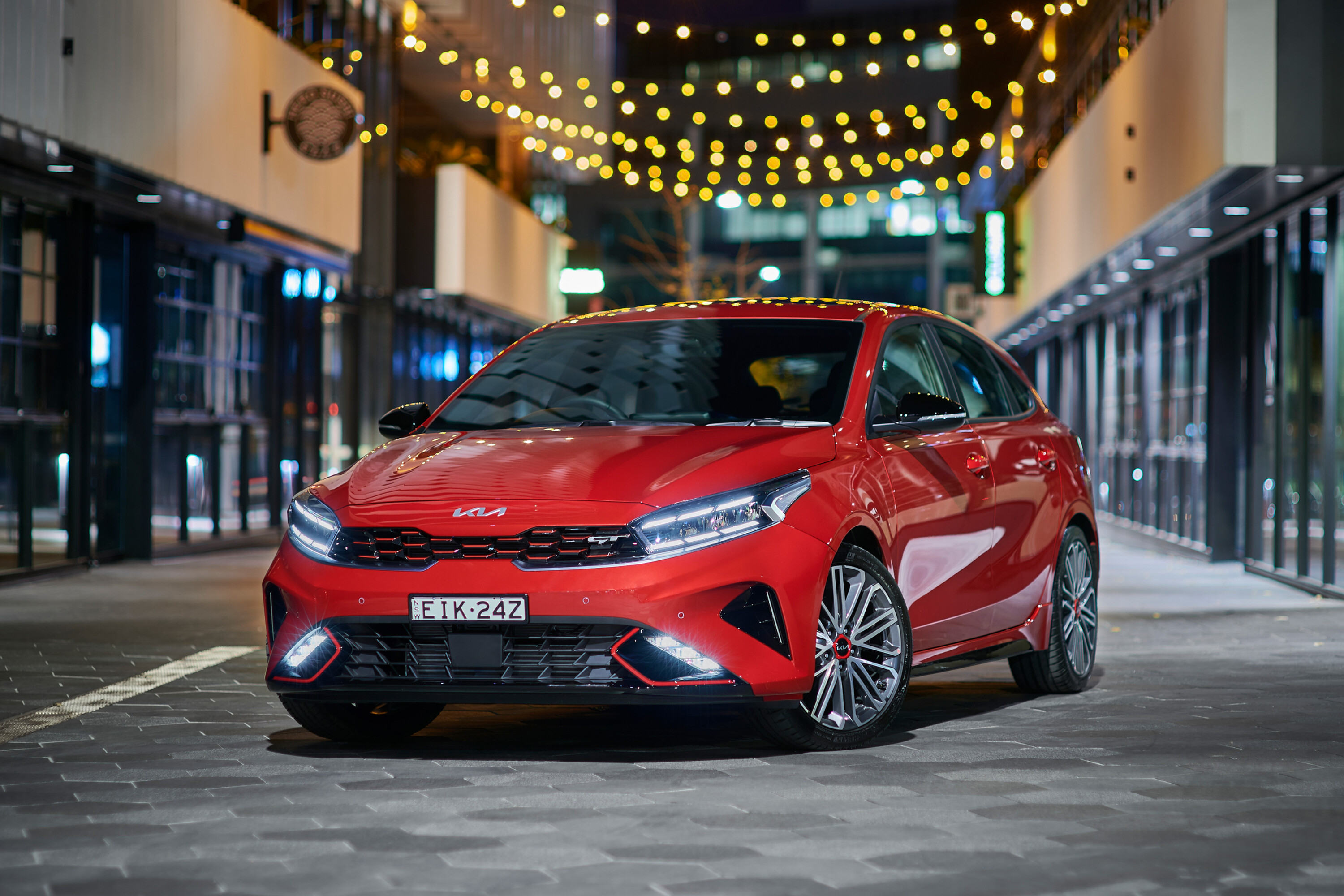
The fourth-generation Kia Cerato is five years into its lifecycle, but a 2021 update injected some freshness into the range.
Its 2021 mid-life facelift was just that, with little occurring beneath the skin in a range that is much the same as before, with no changes to the model line-up or engines, apart from deleting the six-speed manual gearbox.
That’s not bad, considering the Cerato hatch and sedan already had stylish cabins, great infotainment and pleasing driving dynamics, especially in the punchy 1.6-litre turbo-petrol GT range-topper.
Kia’s if-it-ain’t-broke approach has allowed it to keep Cerato prices down while packing in more features, helping the brand’s small car become one of its biggest sellers in Australia.
The Cerato will be replaced by the all-new K4 hatch and sedan in Australia in 2025.
3
JUMP AHEAD
- Kia Cerato pricing
- What body styles are available for the Kia Cerato?
- What features are standard in every Kia Cerato?
- What key features do I get if I spend more?
- How safe is the Kia Cerato?
- How comfortable and practical is the Kia Cerato?
- I like driving, will I enjoy the Kia Cerato?
- Which Cerato engine uses the least fuel?
- What is the Cerato’s towing capacity?
- How long is the warranty, and what are the Kia Cerato’s servicing costs?
- Which version of the Kia Cerato does Wheels recommend?
- What are the Kia Cerato’s main rivals?
Kia Cerato pricing
Each Cerato spec level comes with a choice of hatchback and sedan with no difference in pricing.
What body styles are available for the Kia Cerato?
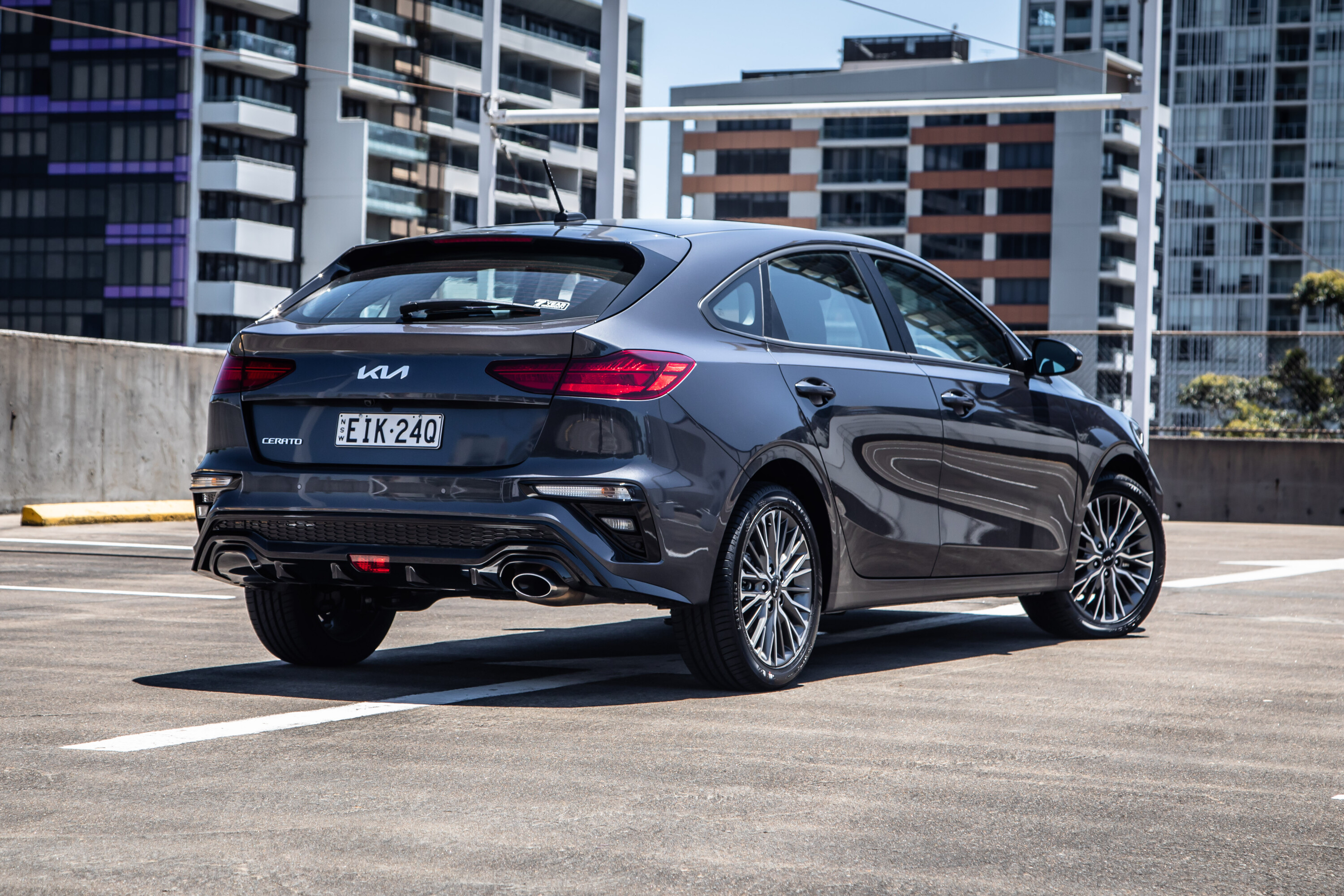
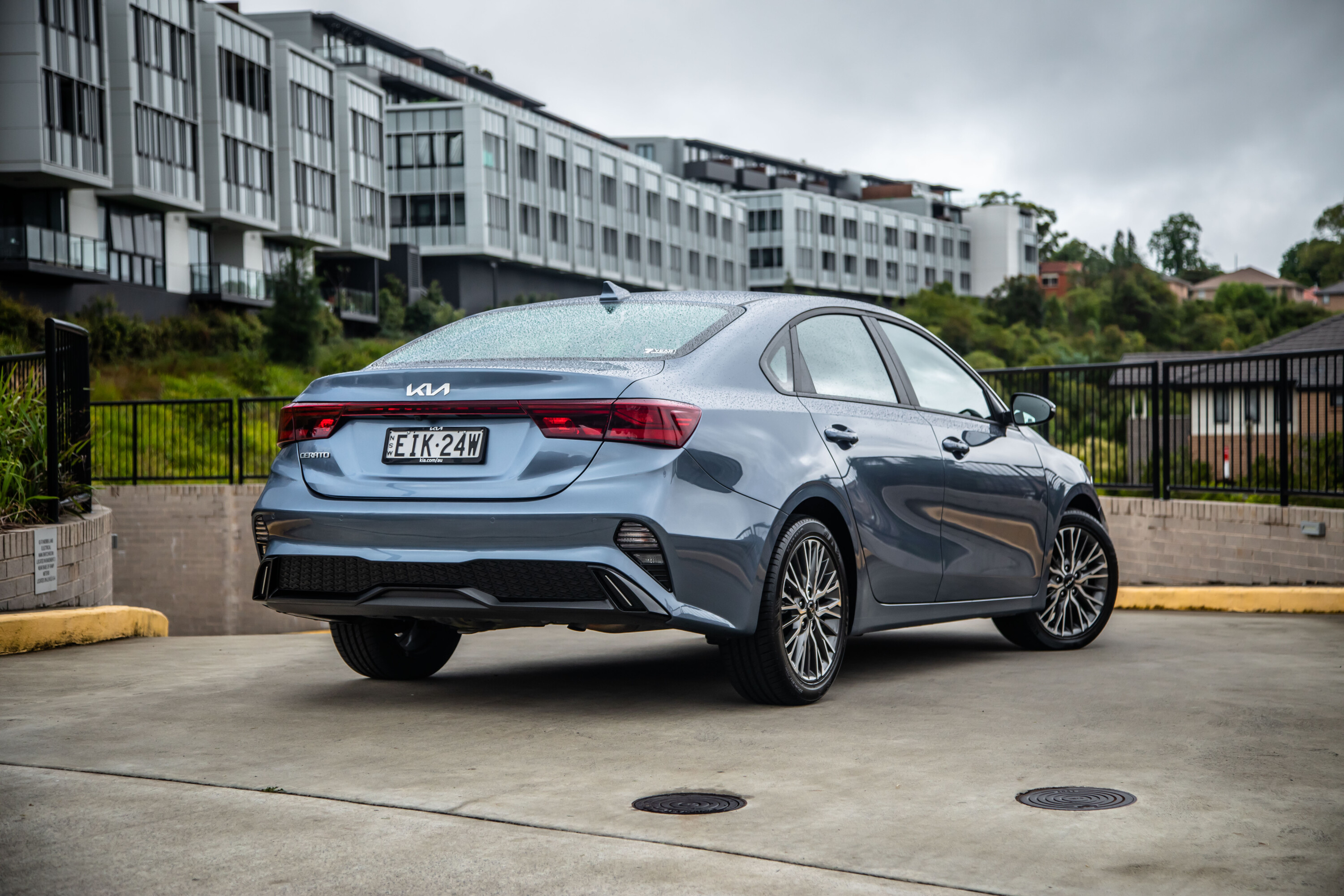
The Kia Cerato is available as a five-door hatchback and four-door sedan, neither of which incurs a price premium. Both are front-wheel drive. The Cerato is classed as a small car, lower priced.
?
1
1
What features are standard in every Kia Cerato?
| 2024 Kia Cerato standard features | |
|---|---|
| 8.0-inch infotainment display | Android Auto and Apple CarPlay |
| 6-speaker audio system | Bluetooth connectivity |
| Reversing camera | Front and rear parking sensors |
| Parking sensor dash display | Hill start assist |
| Seatbelt warning for all seats | Lane-keep assist |
| Lane following assist | Autonomous emergency braking |
| Rear occupant alert | Manual speed limiter |
| Drive mode selector | LED daytime running lights |
| Dusk-sensing headlights | Halogen headlights |
| High-beam assist | Keyless entry |
| Manual air-conditioning | Heated power-folding outdoor mirrors |
| 4.2-inch trip computer | 3x USB sockets |
| Rear air vents | |
?
What key features do I get if I spend more?
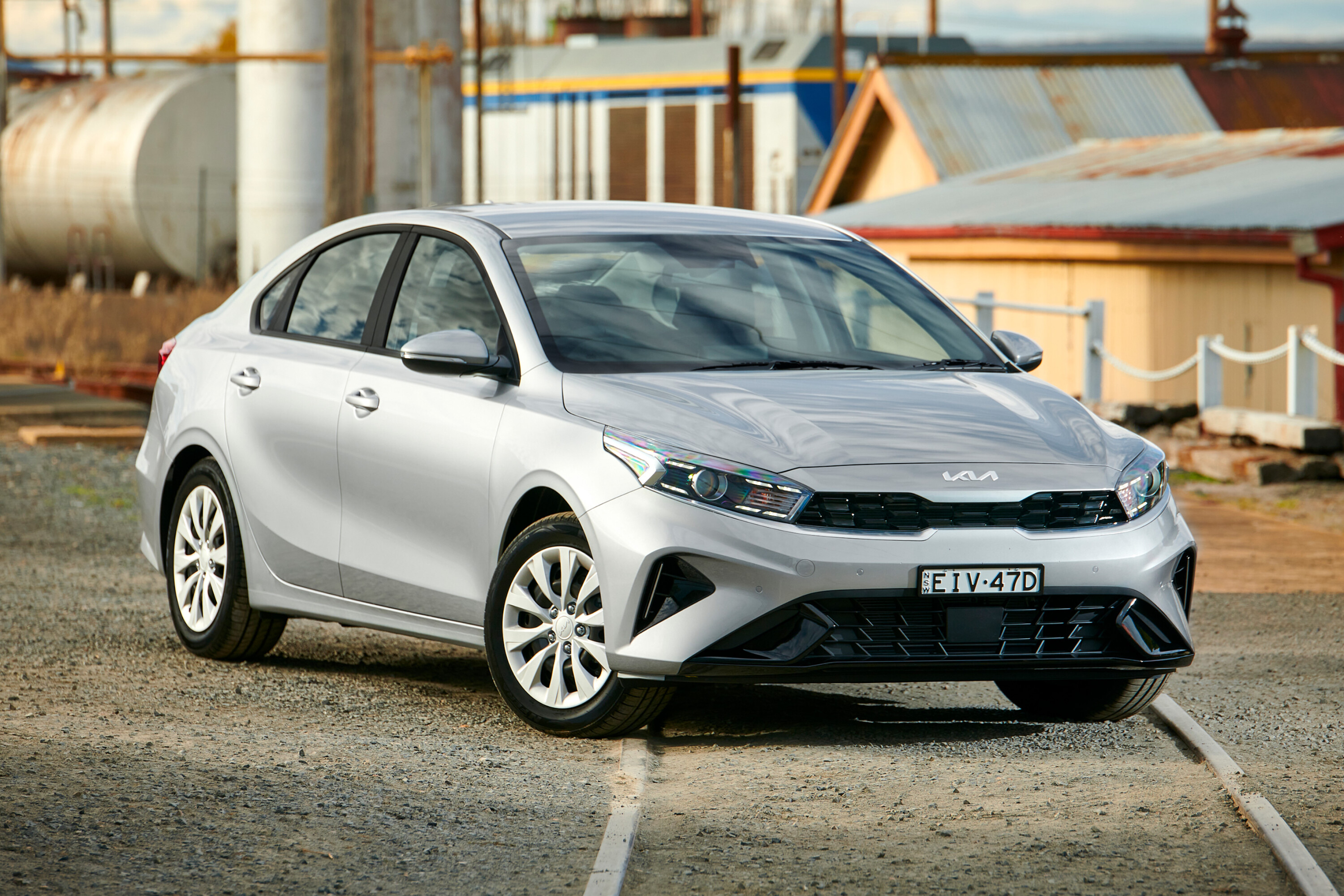
The entry-level Cerato S comes with an 8.0-inch touchscreen, cloth seat trim, manual air-conditioning and 16-inch wheels with steel rims and plastic covers, which is quite unusual nowadays.
It is also the only Cerato variant to come with wireless Apple CarPlay and Android Auto – this quirk where only the cheaper variants without in-built satellite navigation get the wireless smartphone mirroring is common across Kia and Hyundai models.
For an additional $1500, you can add the Safety Pack, which brings:
| 2024 Kia Cerato Safety Pack | |
|---|---|
| Adaptive cruise control | Blind-spot monitoring |
| AEB with cyclist detection | Rear cross-traffic alert |
| Blind-spot collision avoidance assist | Rear-cross traffic collision avoidance assist |
| Safe exit warning | |
1
3
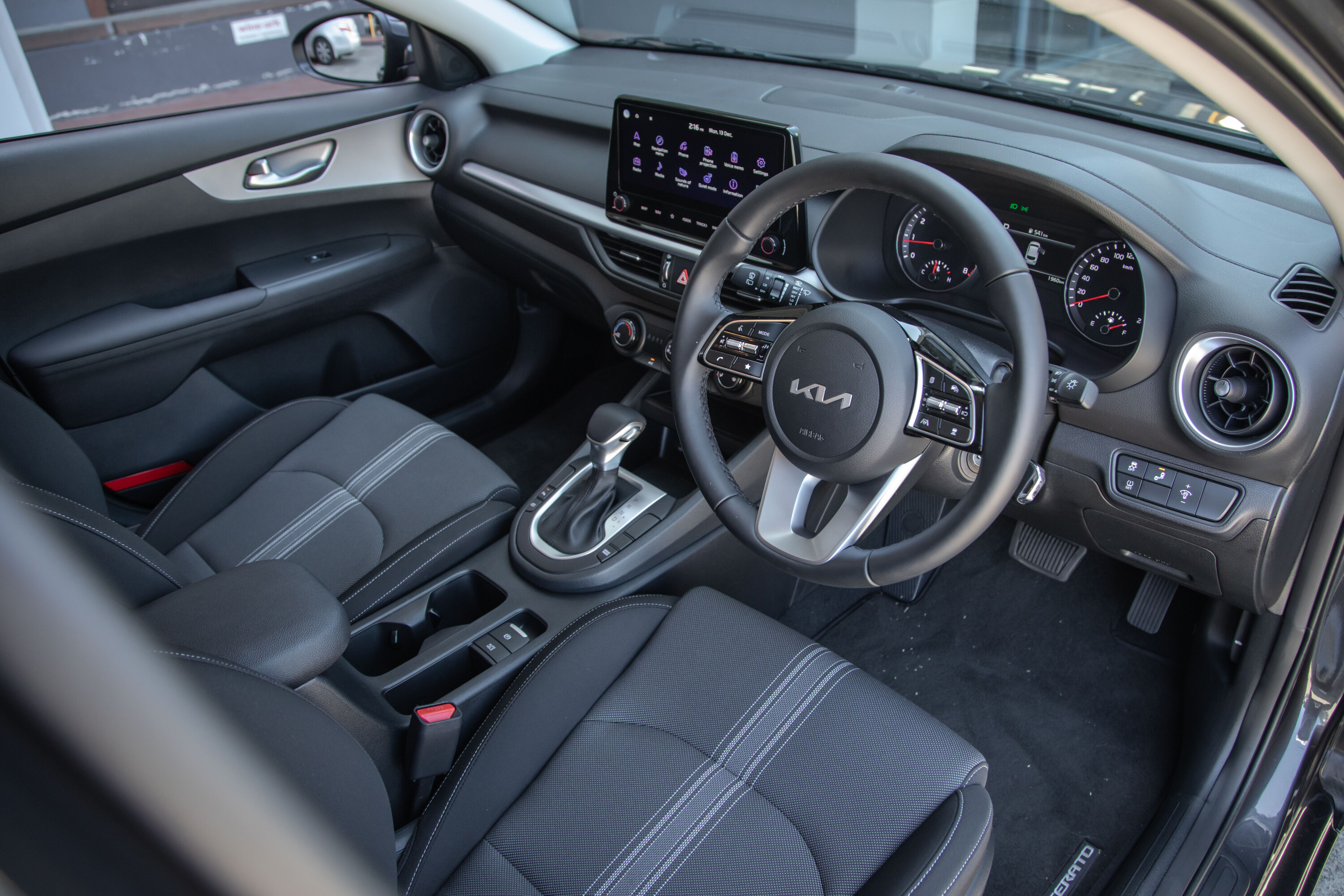
Spending more on the Cerato Sport brings…
| 2024 Kia Cerato Sport features | |
|---|---|
| 10.25-inch touchscreen | Wired Android Auto and Apple CarPlay (no wireless) |
| Patterned cloth seats | DAB+ digital radio |
| Multi-connection Bluetooth | Satellite navigation |
1
9
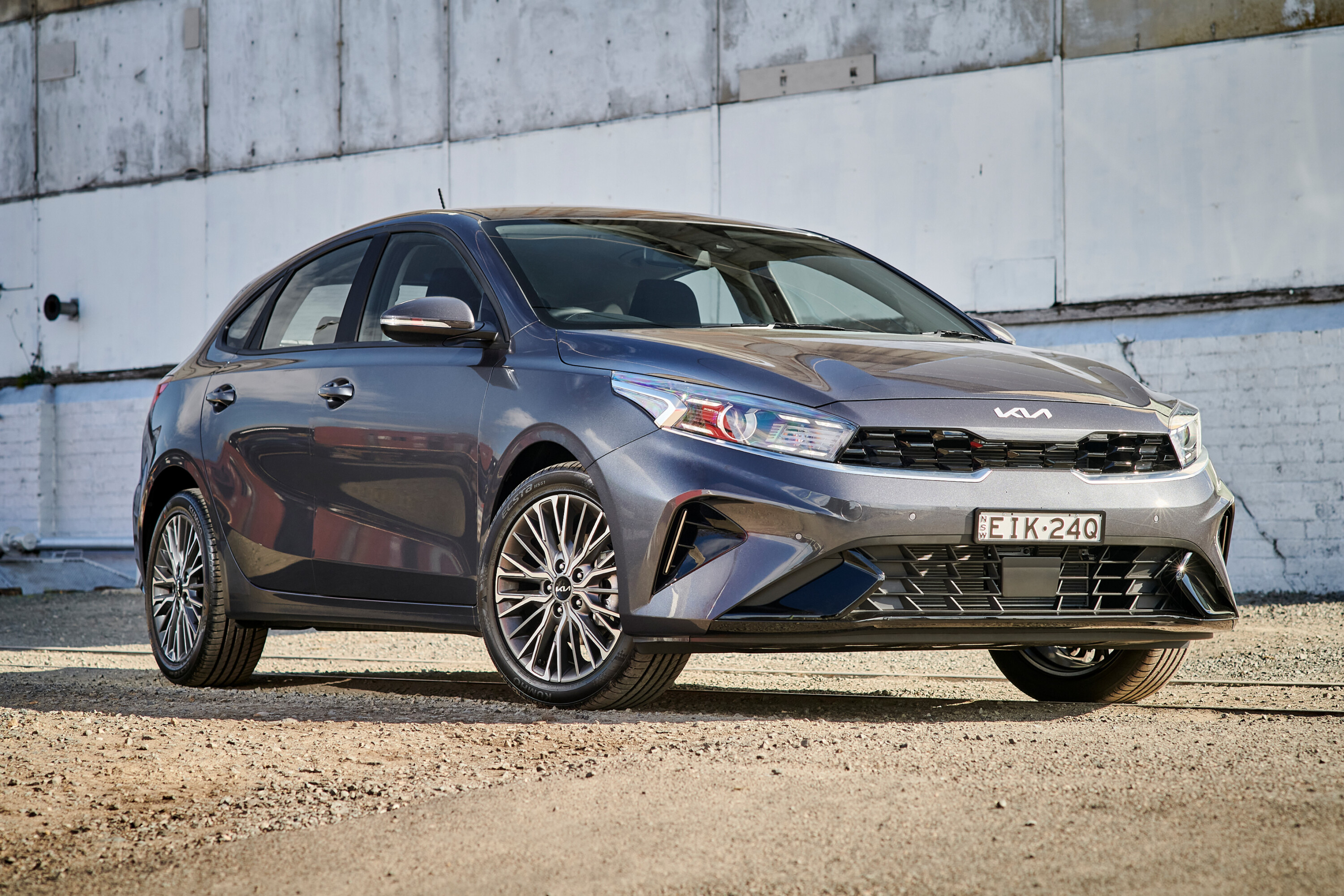
For just over $2000, the Cerato Sport+ comes with the $1500 Safety Pack as standard plus a few desirable extras, including…
| 2024 Kia Cerato Sport+ features | |
|---|---|
| Dual-zone climate control | 284mm solid rear discs |
| Heated front seats | Electronic parking brake with auto-hold |
| Smart boot auto release (sedan) | Smart key and push-button start |
4
6
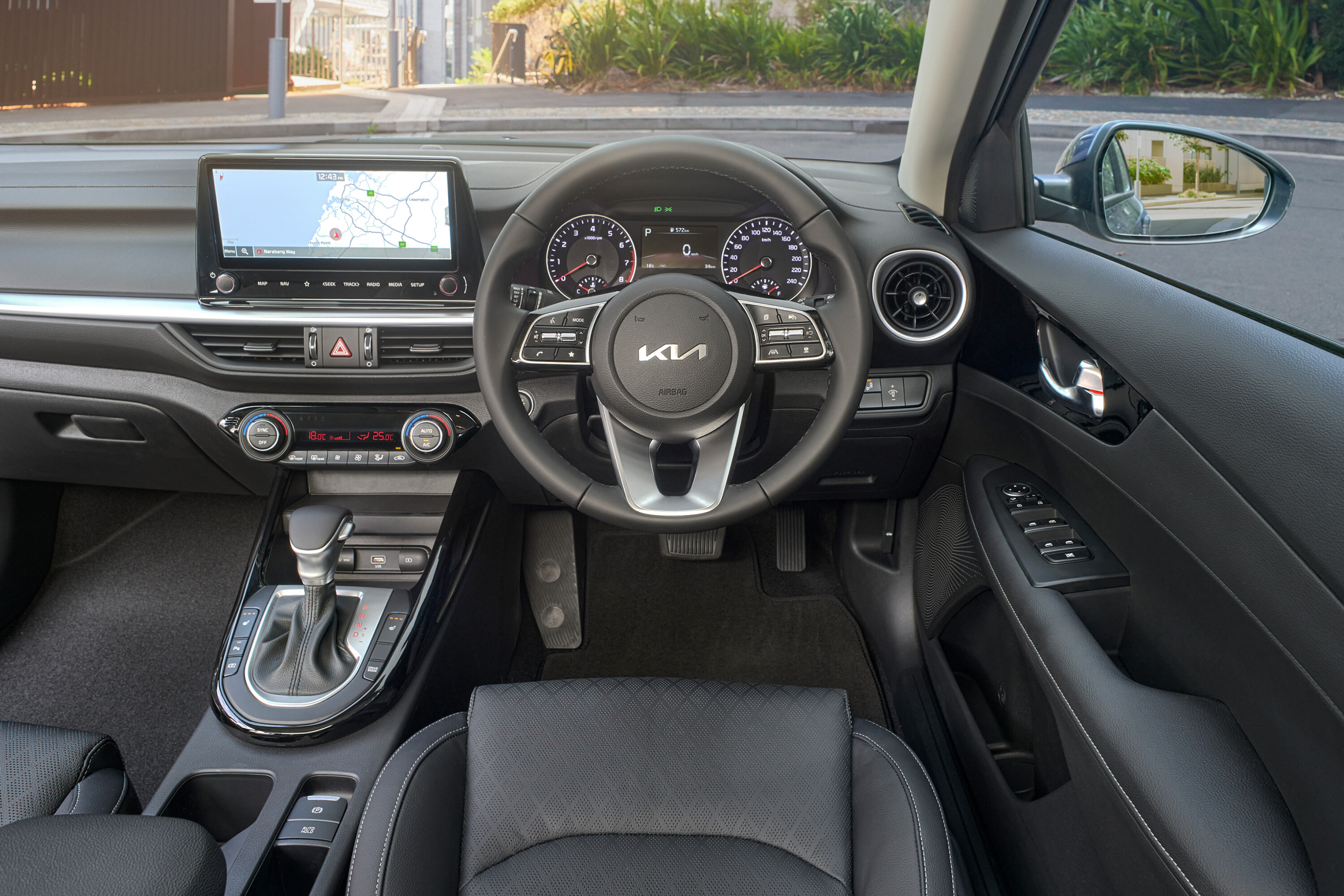
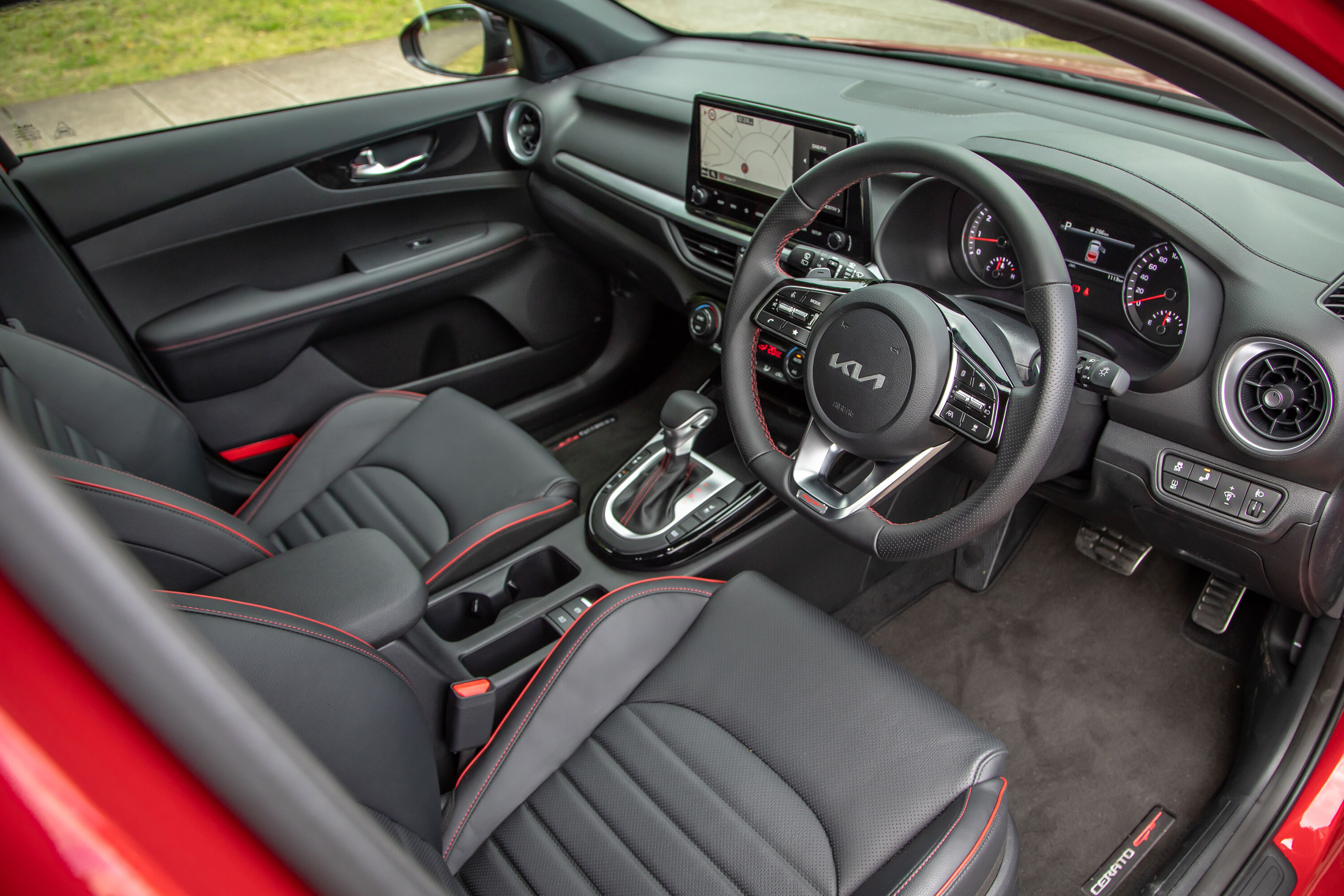
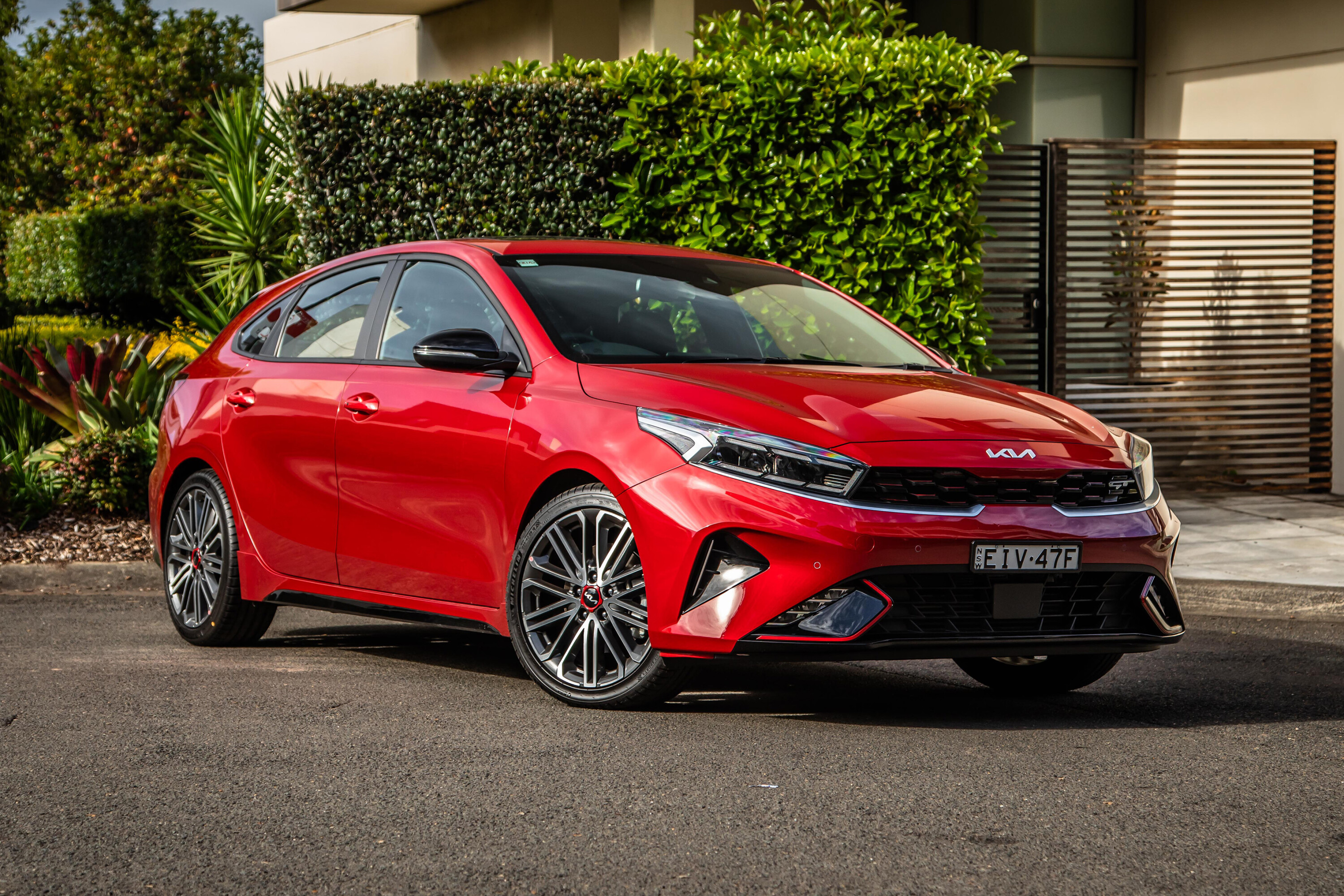
The top-shelf Cerato GT brings a punchier turbocharged engine and a heap of extras at a low enough price premium to tempt Sport+ buyers to part with a bit more of their hard-earned, such as…
| 2024 Kia Cerato GT features | |
| 305mm ventilated front disc brakes | Wireless phone charging |
| Sports tuned suspension | Sunroof |
| 18-inch alloy wheels wrapped in 225/40/R18 tyres | Leather interior |
| GT body kit | Powered, heated, and cooled front seats |
| Dual exhaust | JBL Premium eight-speaker sound system |
| High gloss black door mirrors | Steering wheel-mounted paddle shifters |
| LED front fog lamps | LED rear fog lamp (sedan variant) |
| Rear LED stoplight | Brushed metal sports pedals |
| Flat bottom sports steering wheel | |
7
5
?
How safe is the Kia Cerato?
When ANCAP tested the current-generation Kia Cerato back in 2019, it awarded it five stars and a 90 per cent adult occupant protection rating.
Standard safety features across the range include:
| 2024 Kia Cerato safety features | |
|---|---|
| Leading vehicle departure alert | Six airbags |
| Lane follow assist | Lane-keep assist |
| Driver attention alert | Lane departure warning |
| Rear occupant alert | AEB with pedestrian detection |
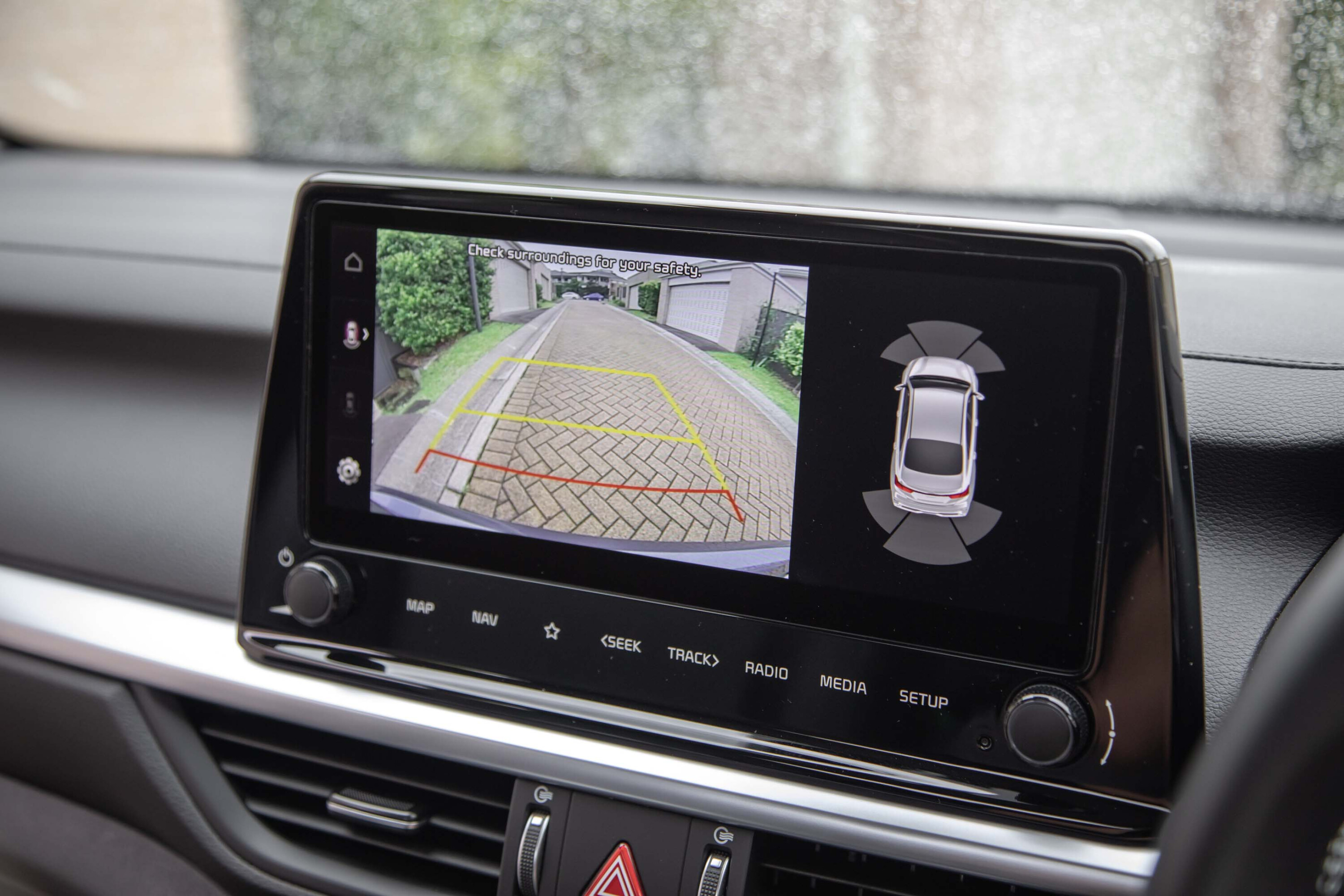
| High-beam assist | Reversing camera with dynamic guidelines |
Cerato Sport+ and GT grades include the Safety Pack as standard, which is a $1500 option on the S and Sport and includes:
| 2024 Kia Cerato Safety Pack | |
|---|---|
| Adaptive cruise control | Blind-spot monitoring |
| AEB with cyclist detection | Rear cross-traffic alert |
| Blind-spot collision avoidance assist | Rear-cross traffic collision avoidance assist |
| Safe exit warning | |
The six SRS airbags in the Cerato include front driver and passenger, driver and front passenger side, and front and rear curtains.
All versions have three child seat top tether anchorage points and two sets of ISOFIX attachments.
?
1
How comfortable and practical is the Kia Cerato?
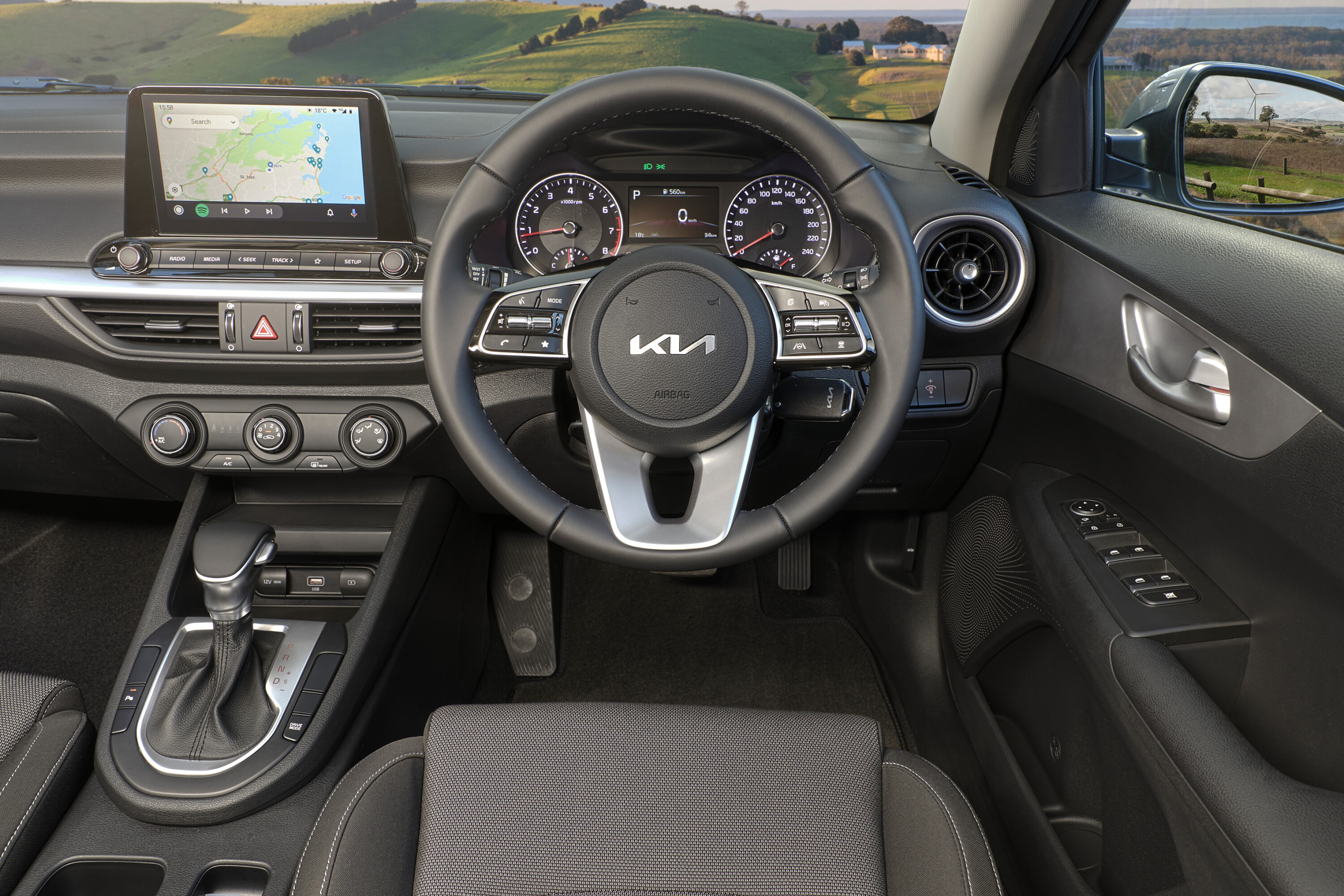
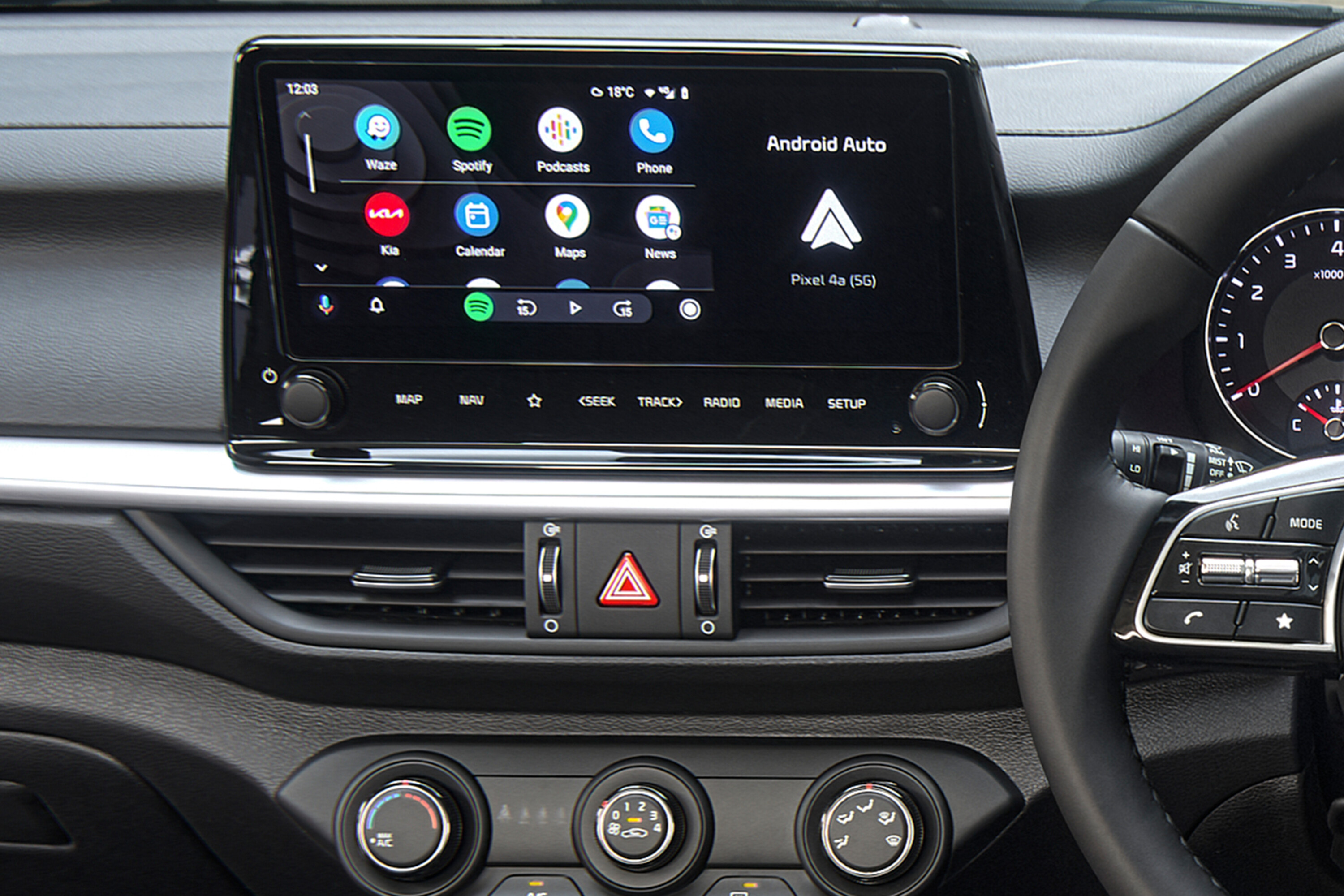
The Cerato interior design is clean and elegant, with crisp instruments and a large, premium-looking 10.25-inch central touchscreen in all but the entry-level S.
That said, it’s fairly drab and grey inside but for a few metallic highlights in the front and on the door handles, but the light-coloured headliner and generous glass areas mean plenty of light gets in.
Most of the materials feel pretty good, but the lower down in the cabin you go, the scratchier the plastics get.
1
But it is ergonomically friendly, from the buttons and switches on the steering wheel to the main audio controls placed quite high on the dash.
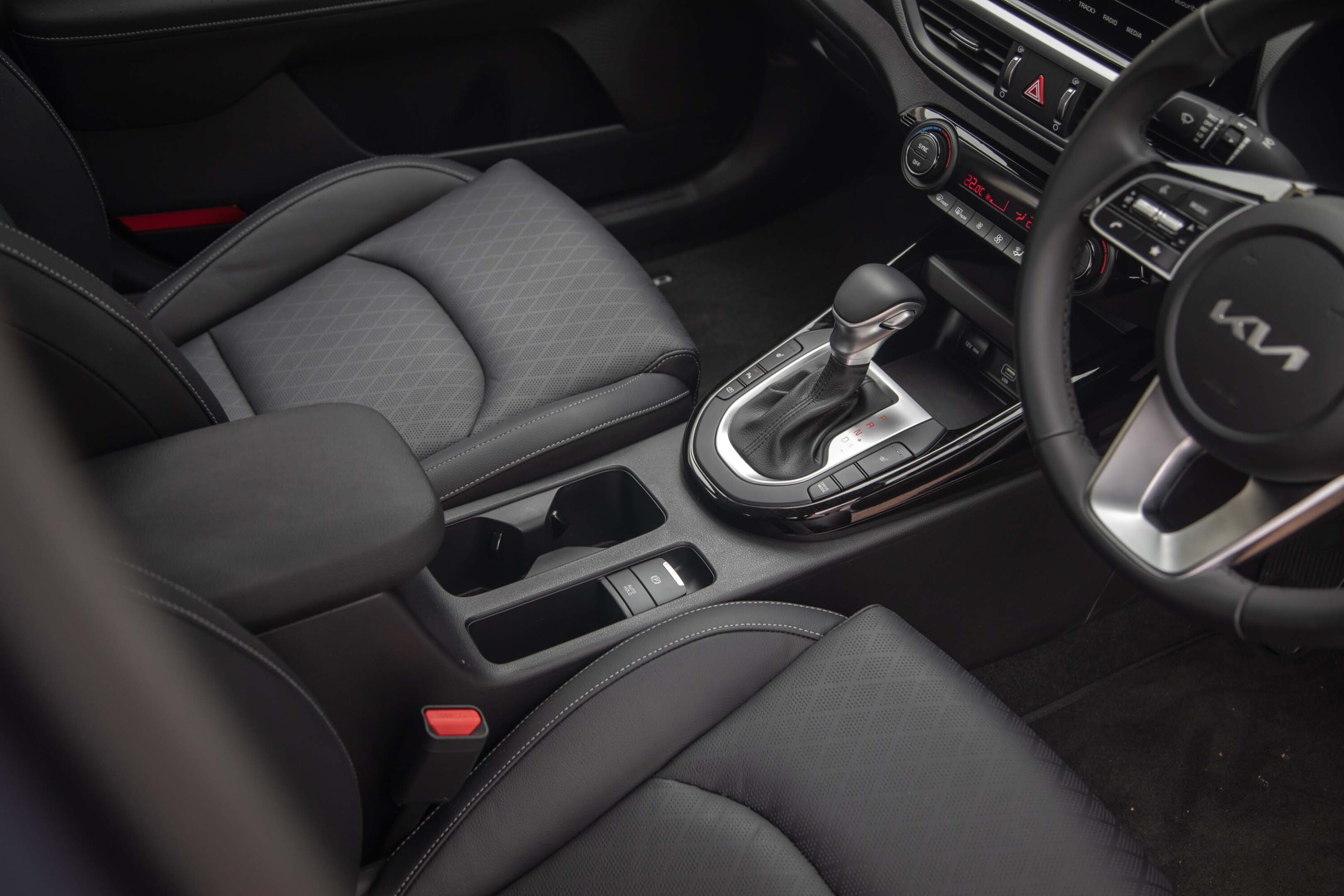
Storage is good for a small car, with a centre console tub, pockets with bottle holders in all four doors and two cup holders each for the front and back seats.
The Sport+ and GT bring climate control and heated front seats, while the GT brings ventilated front seats and a wireless phone charger.
1
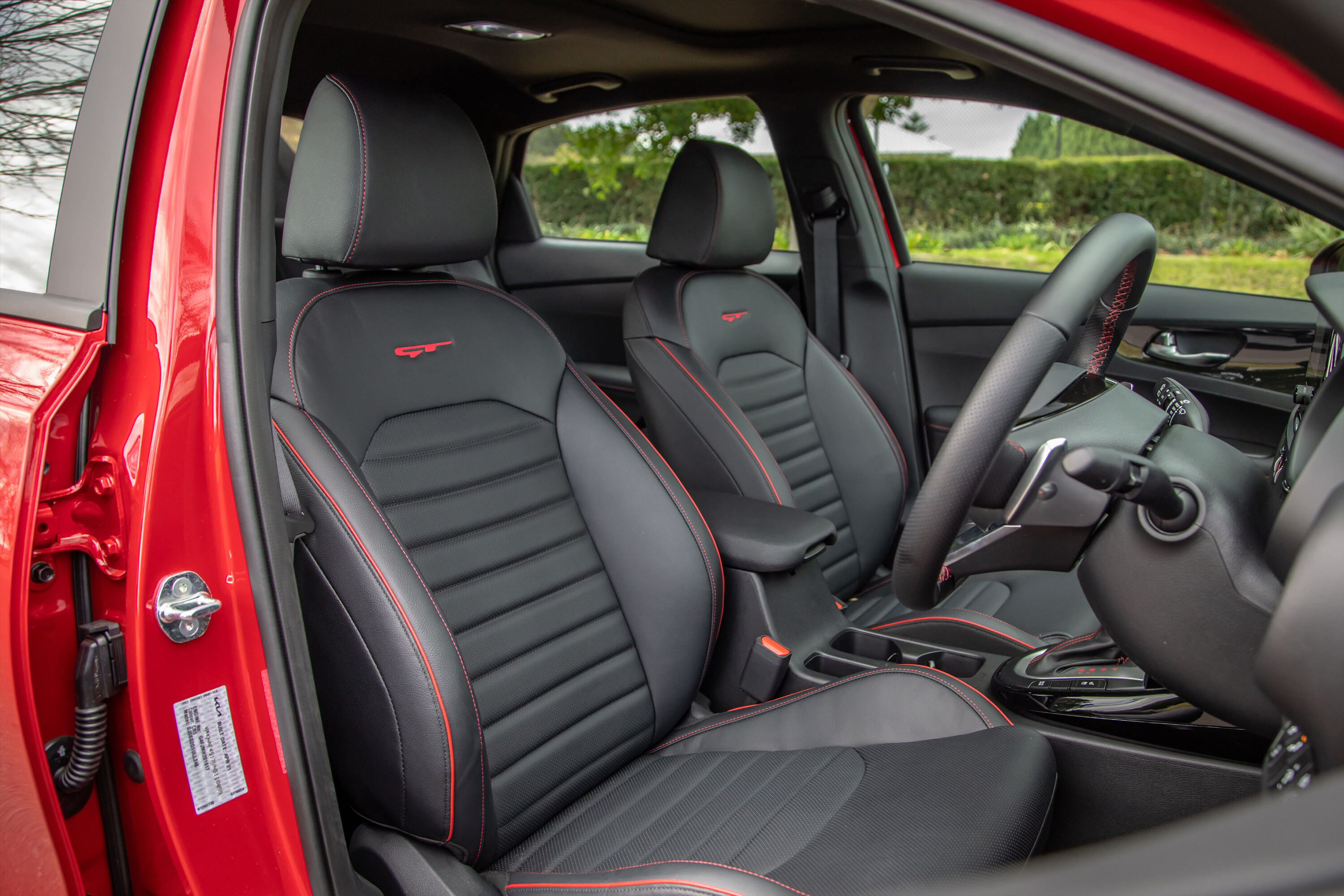
In the GT are sports front seats with far deeper bolstering than other Cerato versions, meaning much better lateral support through corners and greater comfort and support overall.
Kia’s locally-tuned suspension calibration ensures all Cerato versions have decent ride comfort, but the firmer-sprung GT can be a little taxing on long drives.
1
Rear space and comfort
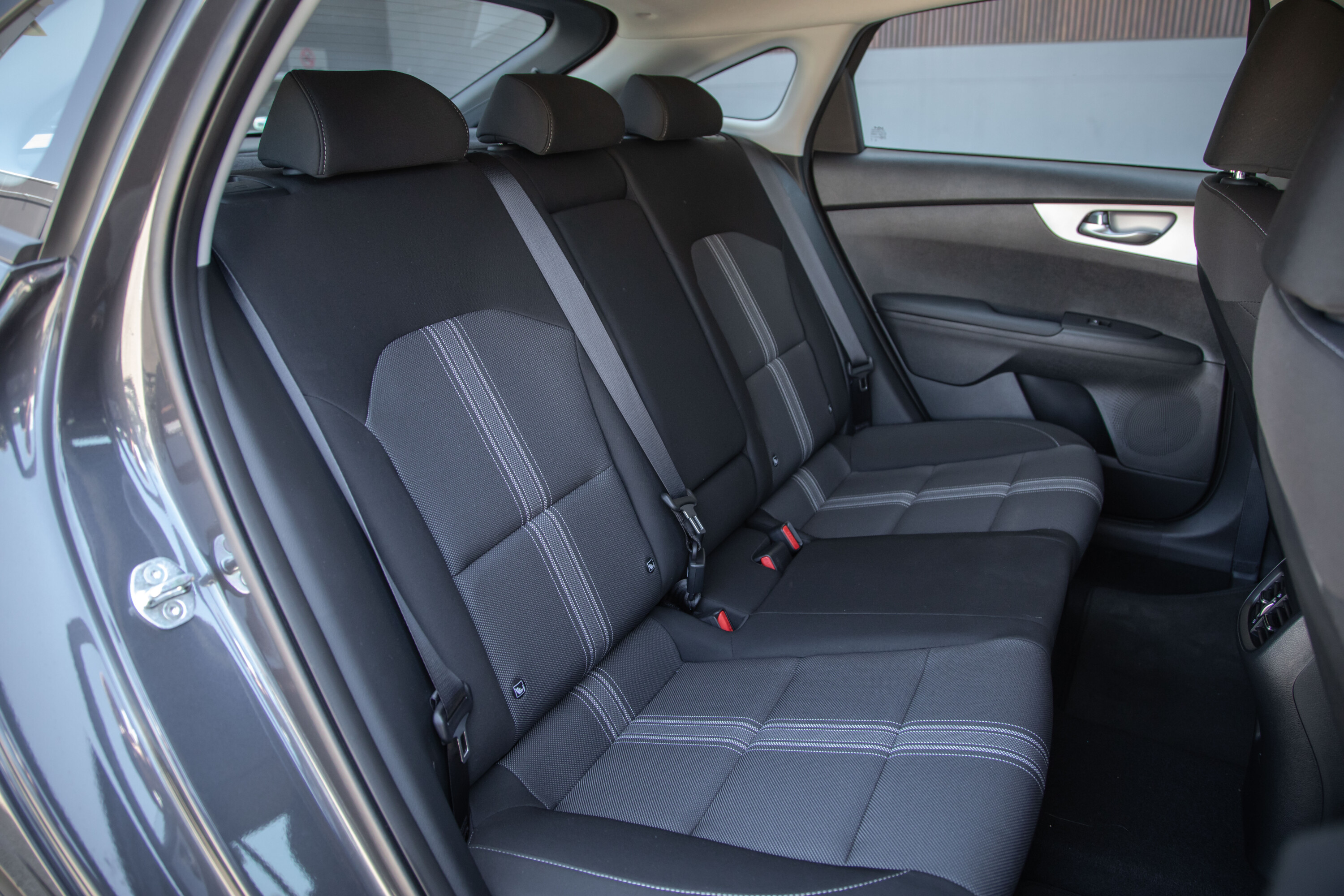
The Cerato has a spacious back seat that accommodates two big – or three small – people comfortably. Headroom is adult-friendly, and there is decent legroom for a small car.
For times when only two passengers are in the back, there is a fold-out armrest with a pair of cup holders.
All Ceratos have dedicated air-conditioning vents for rear passengers but the Sport+ and GT are the only versions to have a storage pocket on the back of the front passenger seat.
?
5
How much boot space does the Kia Cerato offer?
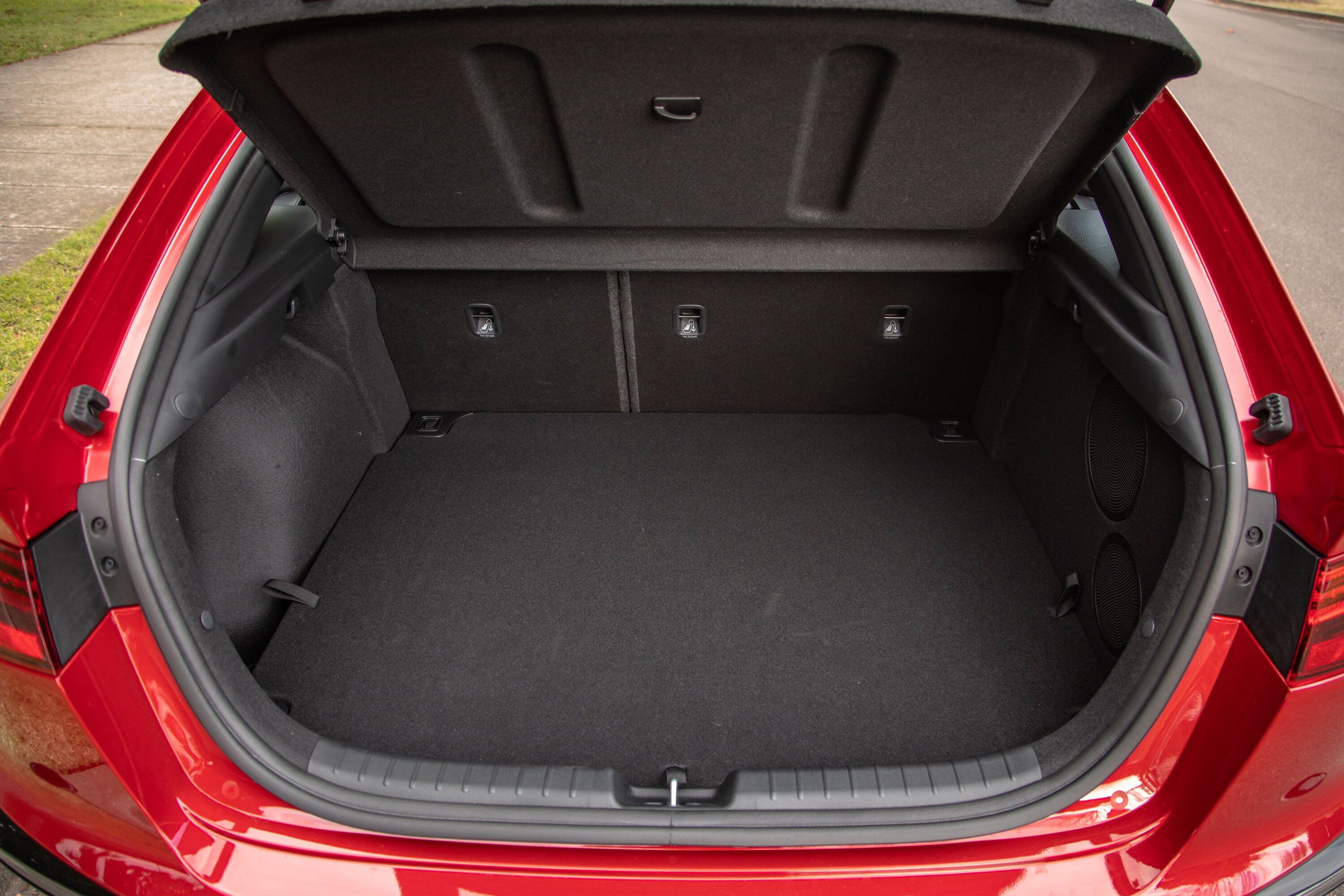
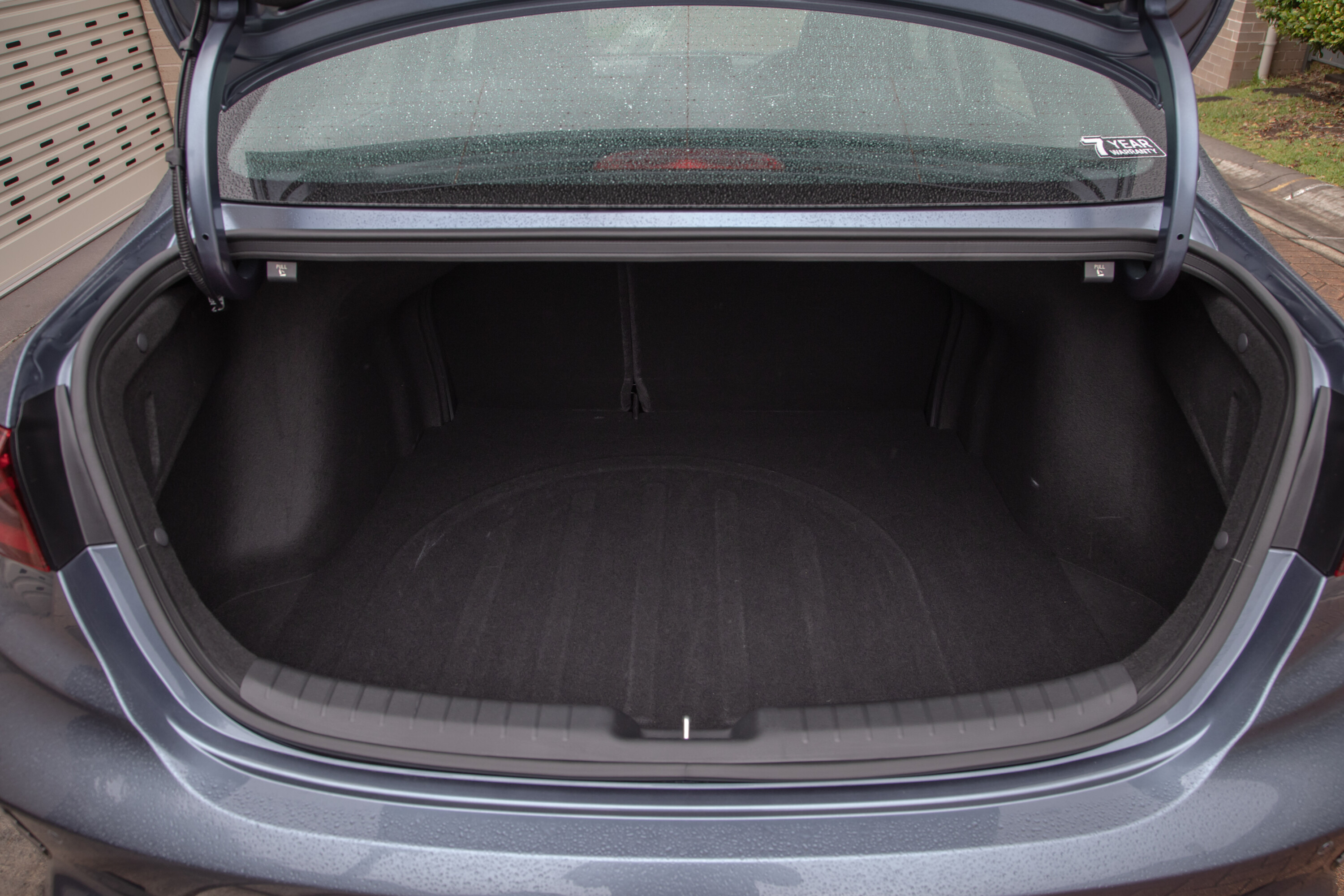
The Cerato hatch has one of the biggest boot spaces in its class, which expands from 428 litres below the cargo cover.
Sedans hold up to 502 litres but the hatch does offer more practicality with a high-opening tailgate and bigger aperture to get bigger loads in.
3
The hatch also has a storage box under the boot floor and a luggage net.
Both versions have 60:40 split-fold rear seats to flexibly increase capacity when carrying longer loads.
The hatch and sedan have a space-saver spare wheel under the boot floor.
?
1
I like driving, will I enjoy the Kia Cerato?
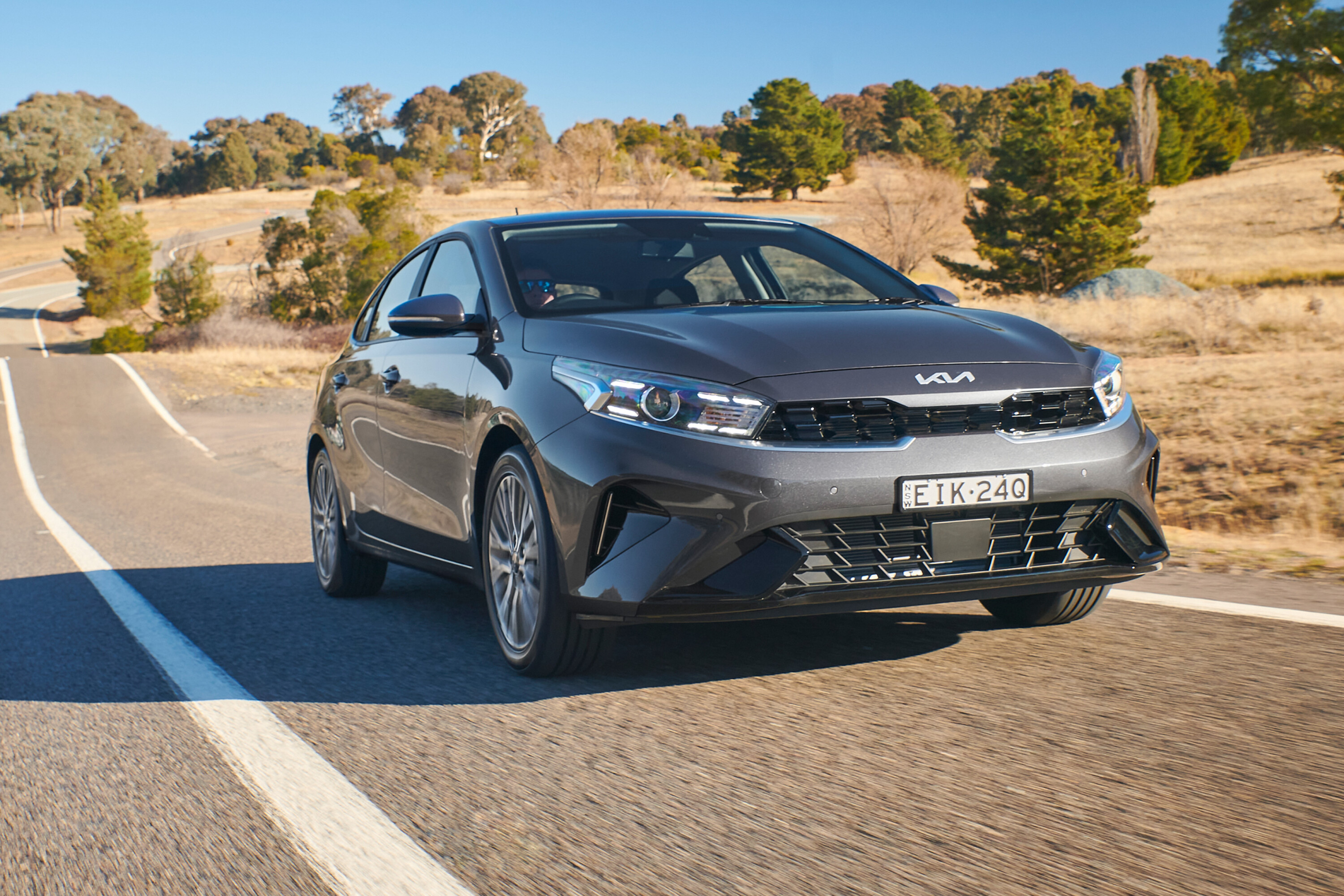
The Cerato S, Sport and Sport+ provide a solid driving experience with light but direct steering, and the ride feels stable and tied down in most regular driving conditions.
It grips fairly well, but its cornering performance is typical front-wheel-drive Korean – safe but unexciting.
The suspension, which has been specifically tuned to handle Australian roads, feels at home soaking up bumpy roads and handles corners with a satisfying sense of balance.
1
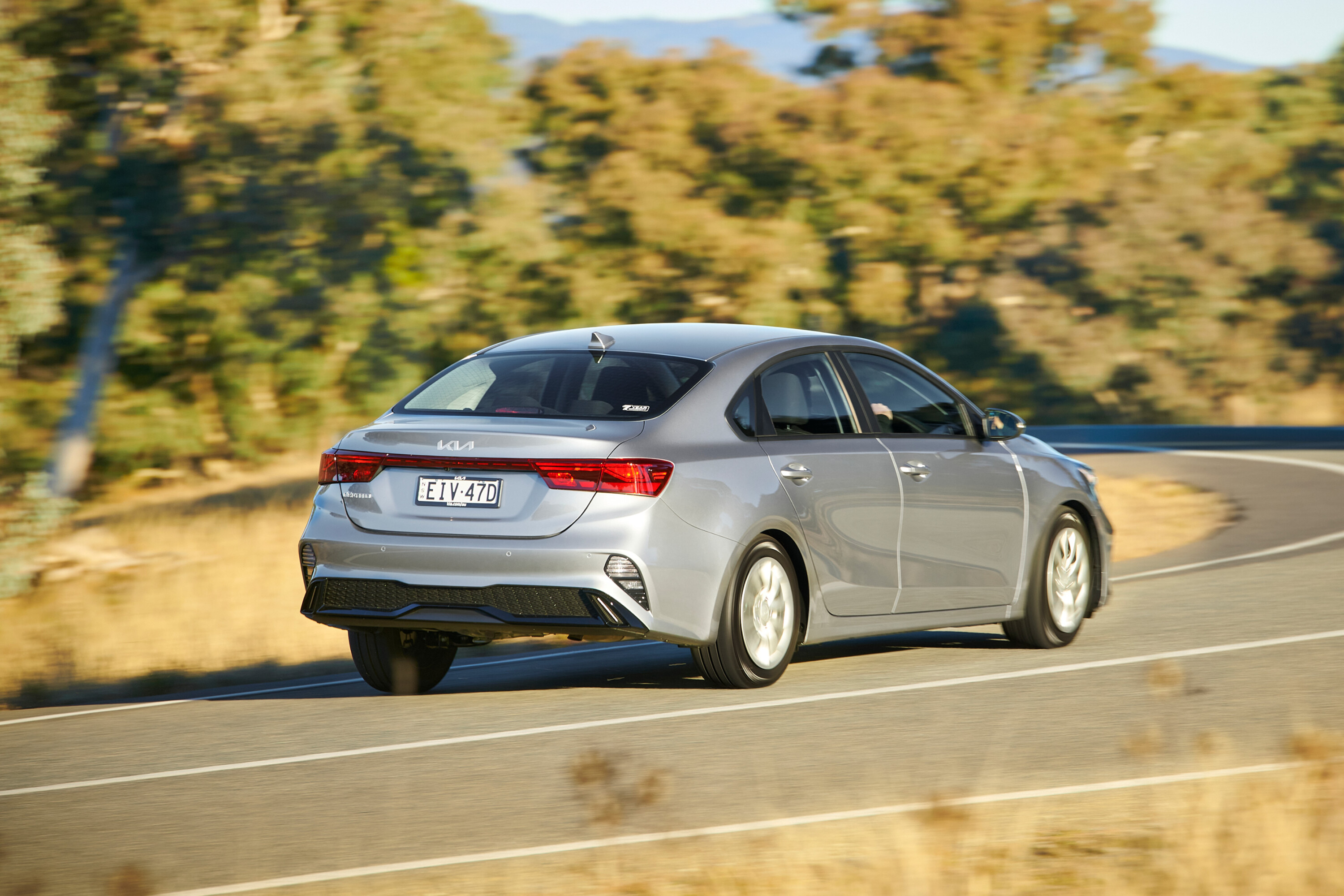
On all Ceratos but the top-spec GT, the ageing 112kW/192Nm 2.0-litre four-cylinder petrol engine is a willing worker, even if it is not an inspiring element of the Cerato driving experience. It gets vocal when you ask for all of its performance and can feel short on power and torque up steep hills or with passengers aboard.
The six-speed automatic transmission is smooth and decisive; the six-speed manual that was dropped from the S and Sport in 2021 was a pleasant gearbox with a light shift action that made for quite an enjoyable drive and brought some credibility to the Sport badge.
1
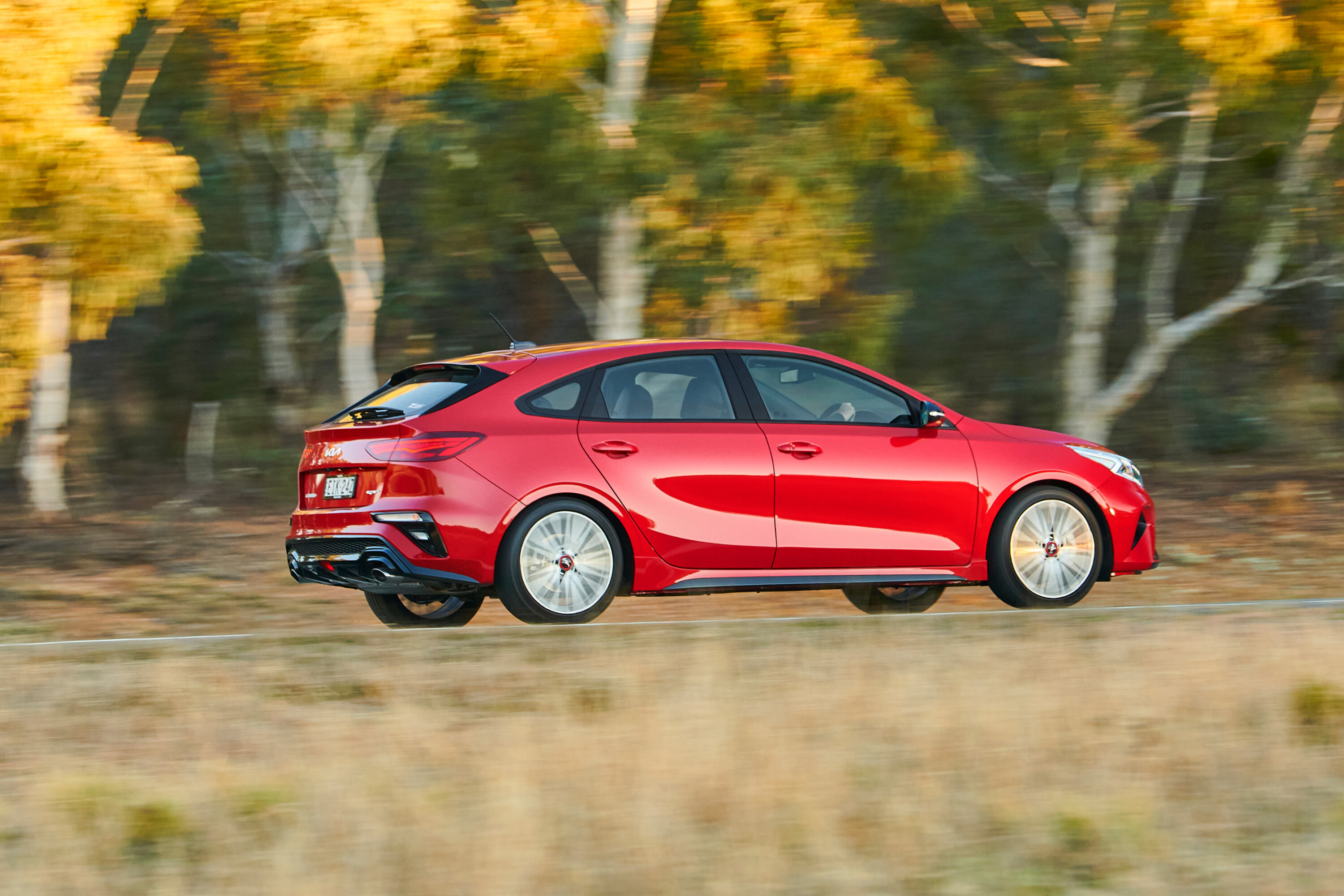
The Cerato GT’s more responsive powertrain, revised chassis tune and improved wheel and tyre package result in a big step forward in terms of driver enjoyment.
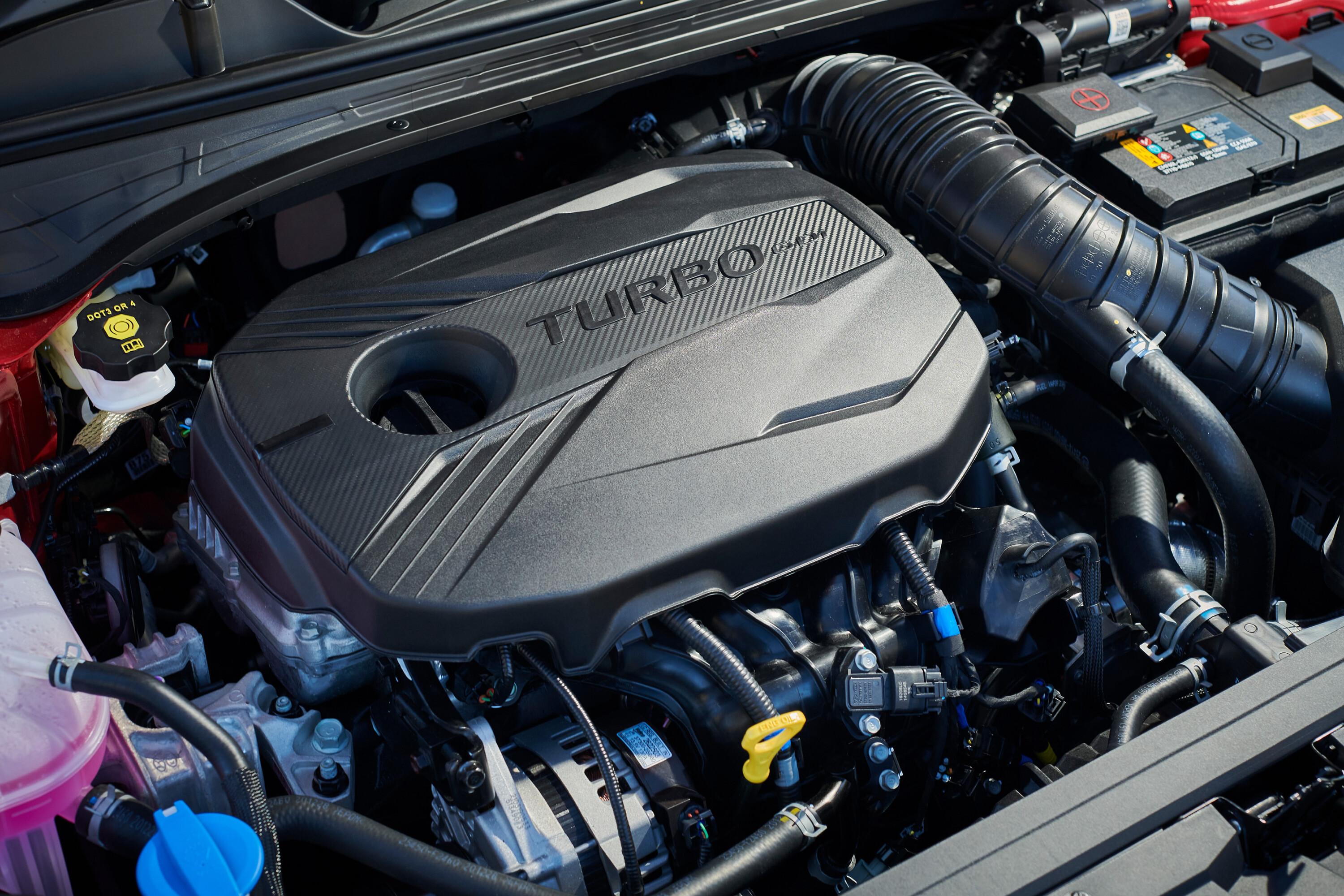
Its 150kW/250Nm 1.6-litre turbocharged petrol four makes a world of difference to how the Cerato drives. It digs in early, feels eager and strong, and doesn’t sound strained at higher revs like the 2.0-litre.
Aided by the seven-speed dual-clutch transmission, it responds better to accelerator inputs.
1
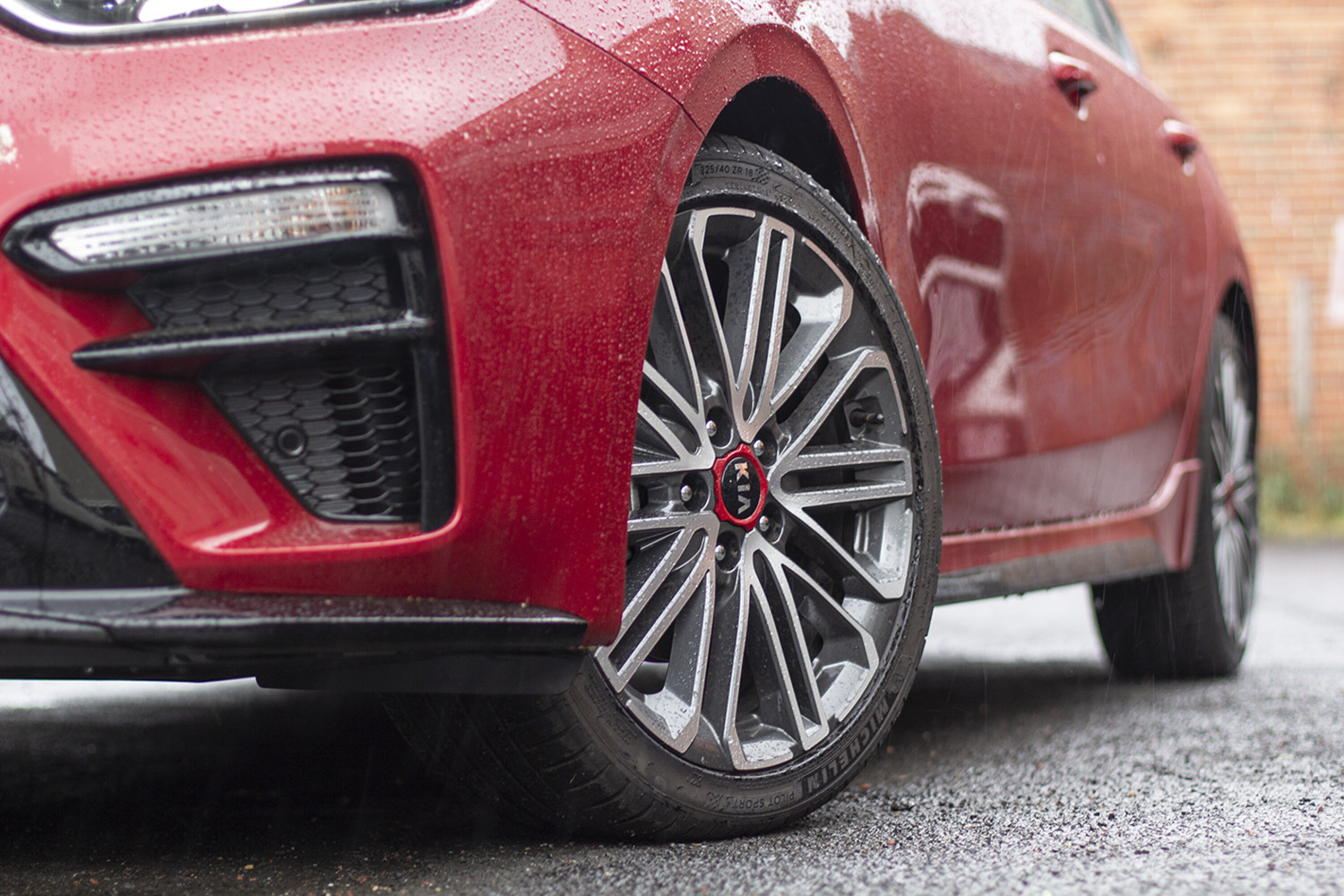
Further driver satisfaction comes from the tauter chassis tune and improved wheel and tyre package featuring excellent 225/40Z R18 Michelin Pilot Sport 4 rubber, which results in an unashamedly firmer ride that pays off on open roads where you’ll appreciate the tighter body control.
However, this can come at the expense of ride comfort, particularly around town and on freeways with less-than-perfect surfaces, which can become annoying on longer journeys.
?
1
Which Cerato engine uses the least fuel?
The 150kW/250Nm 1.6-litre turbocharged Cerato GT hatch and sedan have an official fuel economy rating of 6.8 litres/100km (city and country combined).
Wheels real-world testing has seen that figure rise to about 8.4 litres/100km.
1
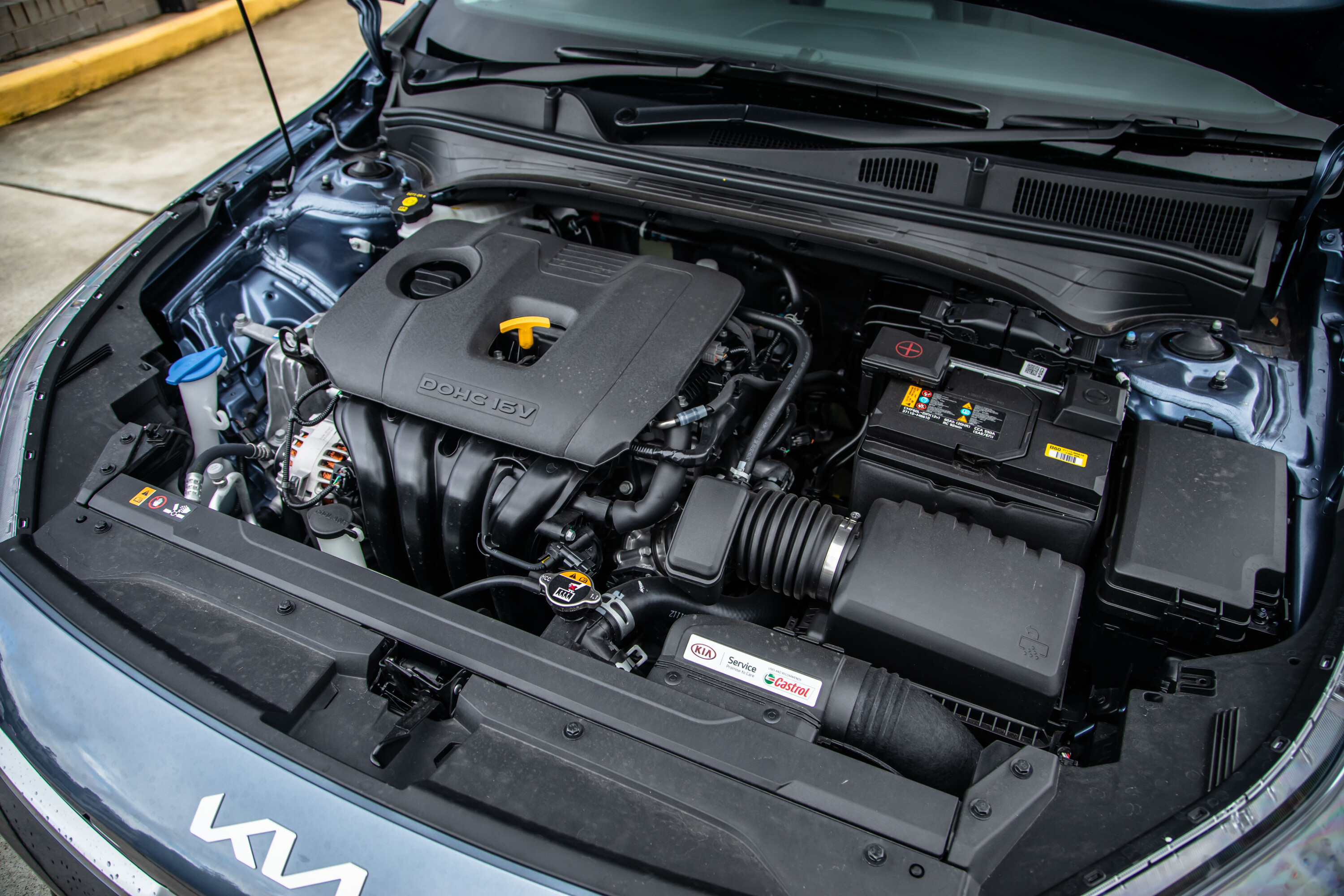
The 112kW/192Nm 2.0-litre petrol engine that powers the rest of the range was carried over from the previous model.
Because the current model is a little heavier, it consumes slightly more than before – 7.4 litres/100km (city and country combined).
?
1
What is the Cerato’s towing capacity?
Braked towing capacity for all hatch and sedan variants is rated at 1100kg and 610kg unbraked. Maximum tow ball load is 75kg.
?
How long is the warranty, and what are the Kia Cerato’s servicing costs?
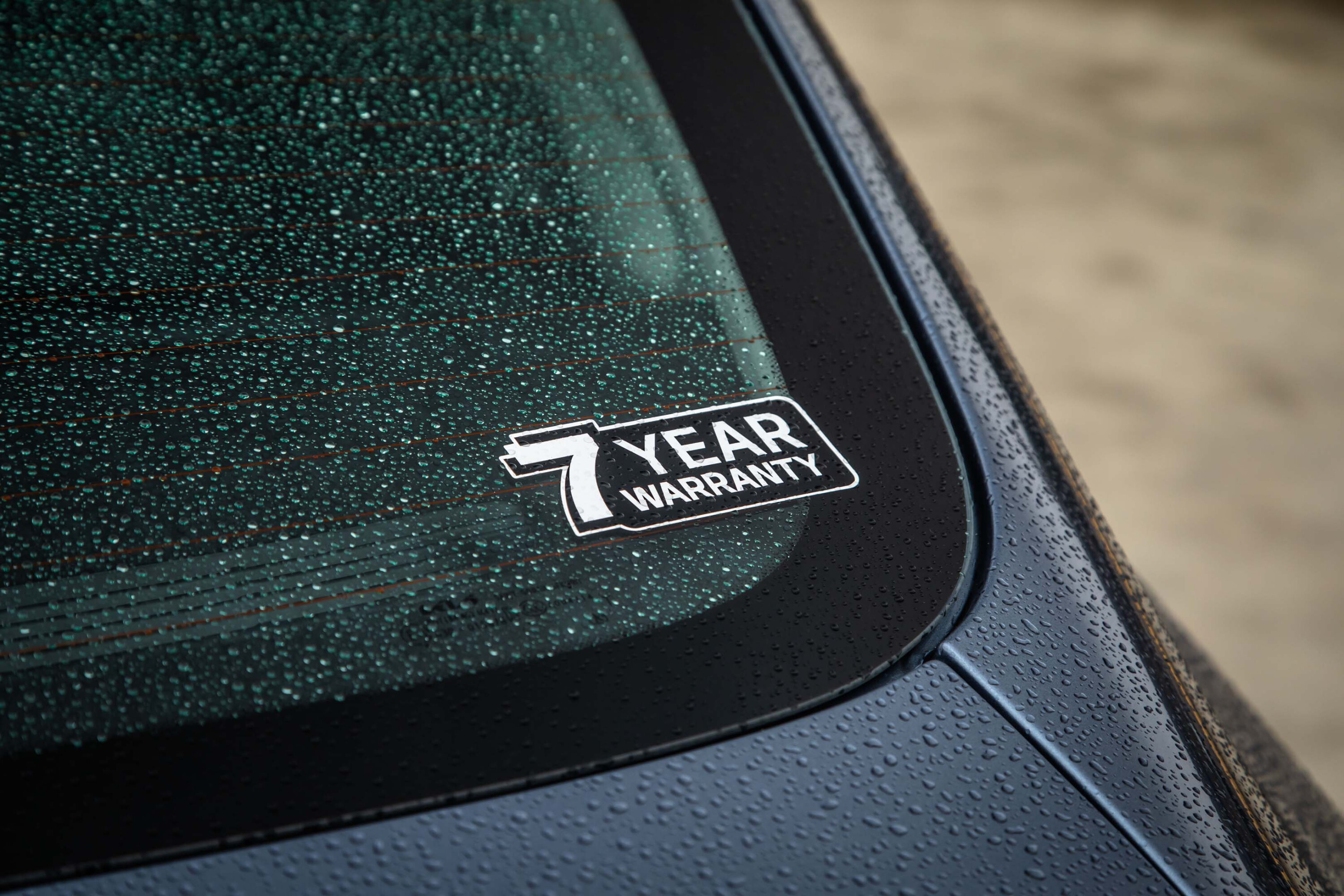
Like all Kia products, the Cerato has a seven-year/unlimited-kilometre warranty and comes with 12 months of roadside assistance.
All Kia products are also eligible for seven years of capped-price servicing.
Service intervals for the 2.0-litre variants are 15,000km or 12 months, while the 1.6-litre turbo of the GT should see a service centre every 10,000km or 12 months.
Servicing isn’t exactly cheap once you get past the first interval.
?
1
Which version of the Kia Cerato does Wheels recommend?
The Cerato GT is the most impressive version, given its considerably superior performance and handling, a sizable list of standard equipment and more upmarket presentation courtesy of leather upholstery.
It’s also well equipped, coming standard with adaptive cruise control, a more capable AEB system for better safety, dual-zone climate control and heated/ventilated front seats – features most buyers would like to have.
If you’re not too fussed about having the GT’s extra oomph or prefer a smoother ride, then you can opt for the Cerato Sport+, which brings most of the GT’s equipment levels and a few grand in change.
?
1
What are the Kia Cerato’s main rivals?
MORE
Everything Kia
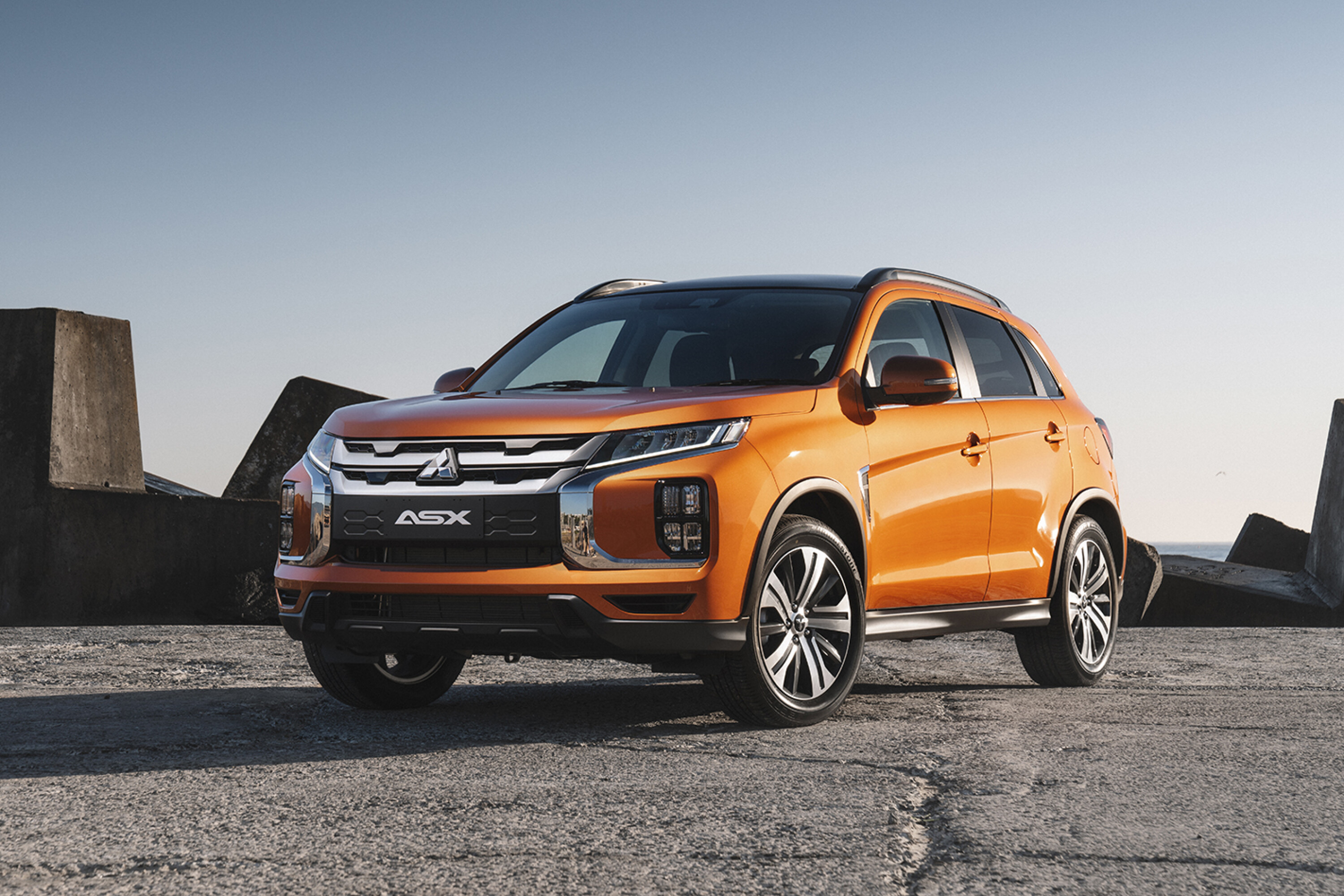
The Mitsubishi ASX became a teenager recently.
It’s not the most glamorous kid on the block, but it has remained enduringly popular since 2010 – thanks to two facelifts, a stream of tech upgrades and sharp pricing.
The ASX is roomier than most small SUVs and drives nicely on country roads, with a comfortable ride and good steering. Continue reading for our full rundown on the line-up.
1
JUMP AHEAD
- Mitsubishi ASX pricing
- What body styles are available with the ASX?
- What features are standard in every ASX?
- What features do I get if I spend more?
- How safe is the Mitsubishi ASX?
- How comfortable and practical is the Mitsubishi ASX?
- Rear space and comfort
- How much boot space does the Mitsubishi ASX offer?
- I like driving, will I enjoy the ASX?
- Which ASX engine uses the least fuel?
- What is the ASX’s towing capacity?
- How long is the warranty and what are the Mitsubishi ASX’s servicing costs?
- Which version of the Mitsubishi ASX does Wheels recommend?
- What are the Mitsubishi ASX’s key rivals?
Mitsubishi ASX pricing
What body styles are available with the ASX?
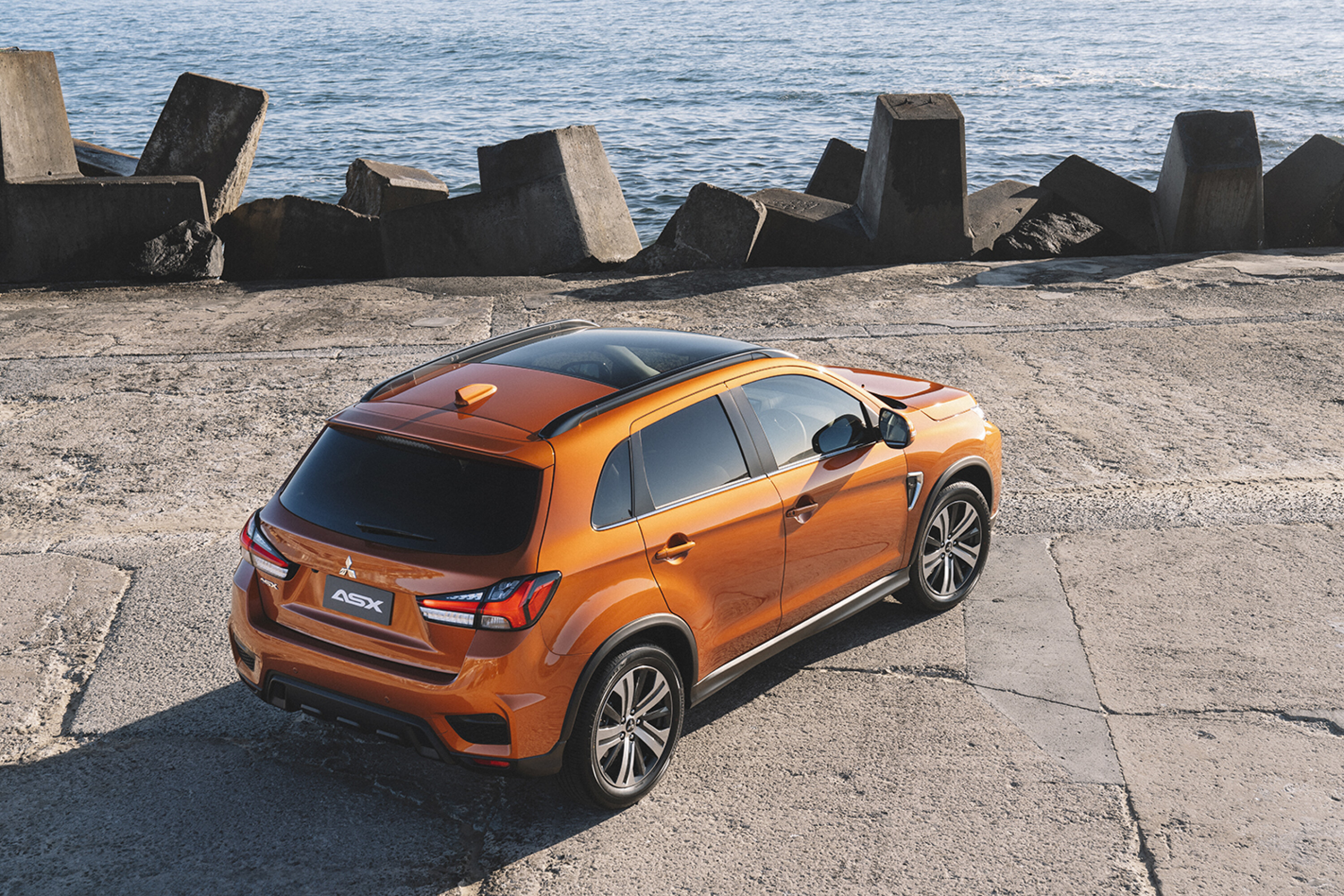
The Mitsubishi ASX is a five-door SUV.
All variants have petrol engines that drive only the front wheels.
The ASX is classified as a small SUV, lower priced.
1
What features are standard in every ASX?
Entry level: ASX GS
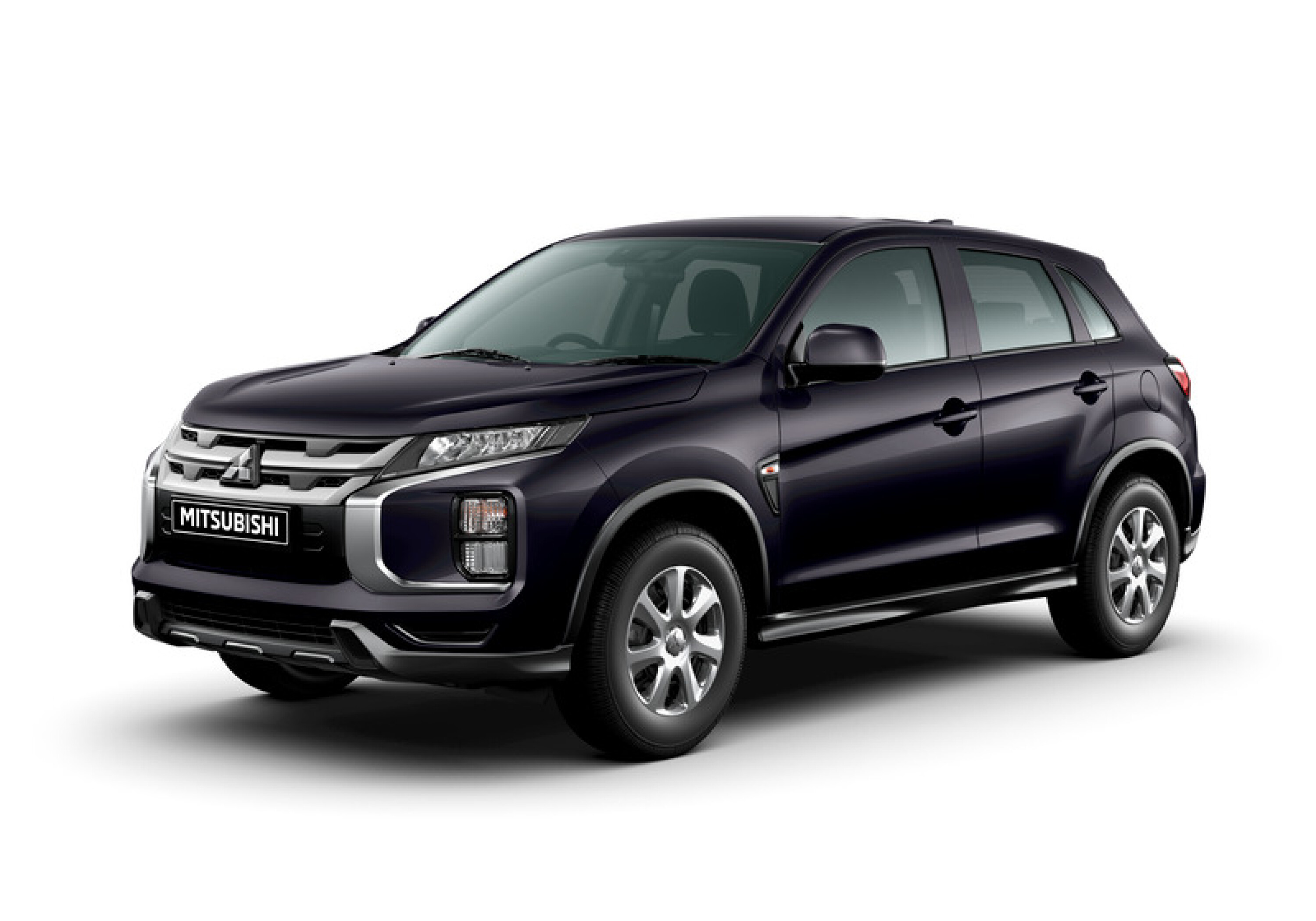
Mitsubishi introduced this new entry-level variant in 2023, which kept the retail price down to $24,490. This rental-spec ASX comes standard with a manual gearbox, 16-inch steel wheels with hubcaps, cloth seats, a four-speaker sound system and manual air conditioning.
It is powered by a 2.0-litre petrol engine and is the only ASX variant to come with a five-speed manual gearbox.
A continuously variable transmission (CVT auto) that features across the range is available for an additional $2250.
| 2024 Mitsubishi ASX range: Standard features | |
|---|---|
| 8.0-inch infotainment touchscreen | Wired Apple CarPlay and Android Auto |
| Reversing camera | 2 x front USB ports |
| Blutooth | Air conditoning |
| Rear spoiler with LED stop lamp | LED headlights |
| LED daytime running lights | Sound system with DAB+ radio |
| Rear view camera | Hill start assist |
| Emergency brake assist | Emergency stop signal function |
| Autonomous emergency braking system | Cruise control |
4
What features do I get if I spend more?
| 2024 Mitsubishi ASX ES features (in addition to GS) | |
|---|---|
| 18-inch alloy wheels | Reversing sensors |
| Climate control with second-row vents | Auto high beam |
| Rain sensing wipers | Dusk-sensing headlamps |
| 2024 Mitsubishi ASX ES Street features (in addition to ES) | |
|---|---|
| 18-inch alloy wheels (black) | Black front and rear under garnish |
| Leather-wrapped steering wheel | Black tailgate protector |
| Larger rear spoiler | Exterior decals |
| Black door handle covers | Front and rear door scuff plates |
3
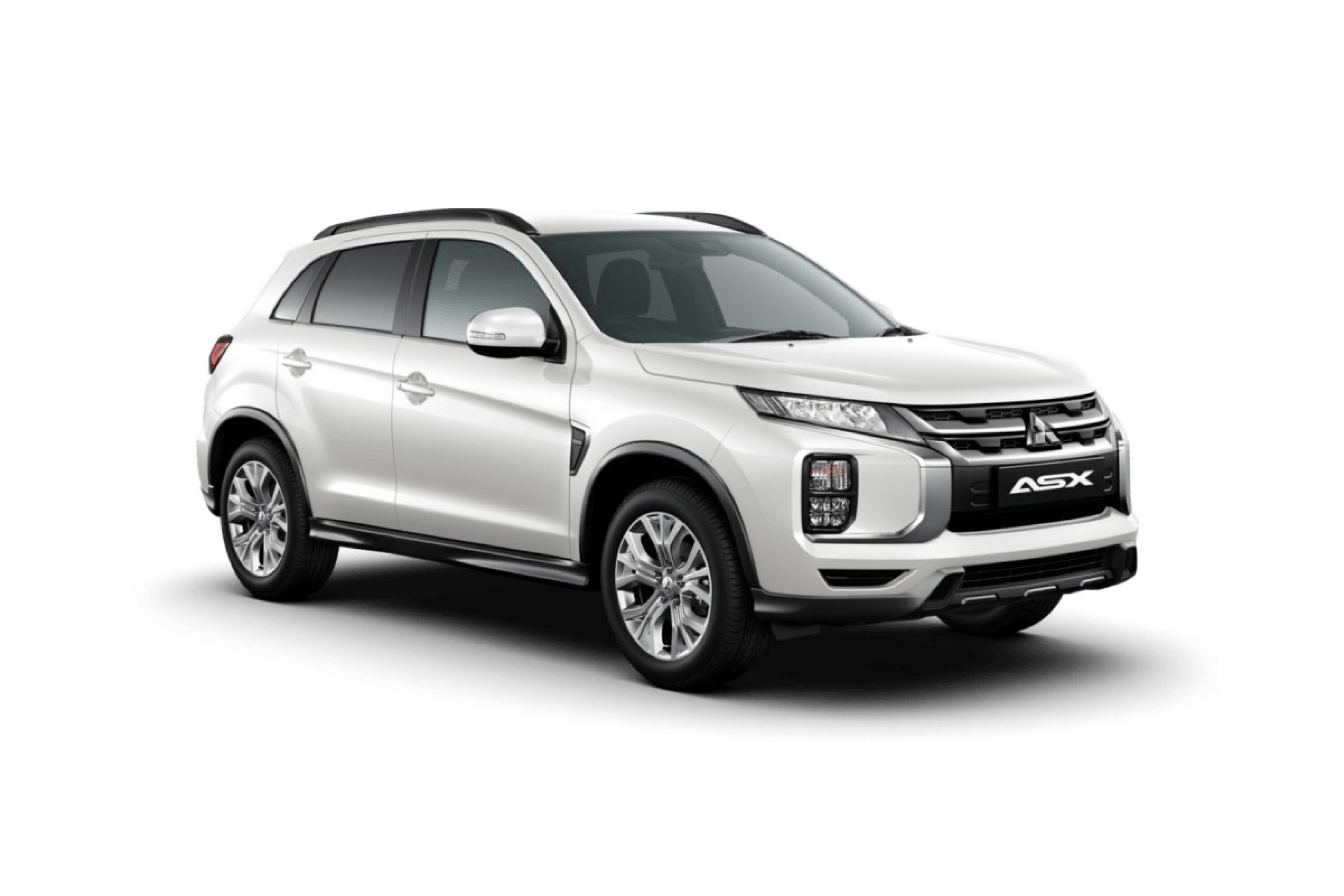
| 2024 Mitsubishi ASX MR features (in addition to ES) | |
|---|---|
| 18-inch alloy wheels (black) | Leather-wrapped steering wheel and gear shifter |
| Six-speaker stereo | Black door mirrors and grille |
| Keyless entry and push-button start | Rear privacy glass |
| Second-row USB-C charge ports | Illuminated vanity mirrors |
1
| 2024 Mitsubishi ASX LS features (in addition to ES) | |
|---|---|
| Black roof rails | Leather-wrapped steering wheel and gear shifter |
| Six-speaker stereo | Keyless entry and push-button start |
| Illuminated vanity mirrors | Lane change assist |
| Blind spot monitoring | Rear cross-traffic alert |
| Chrome door handle inserts | Chrome side garnish |
| Second-row USB-C charge ports | Illuminated vanity mirrors |
| Rear privacy glass | LED side indicator in door mirror |
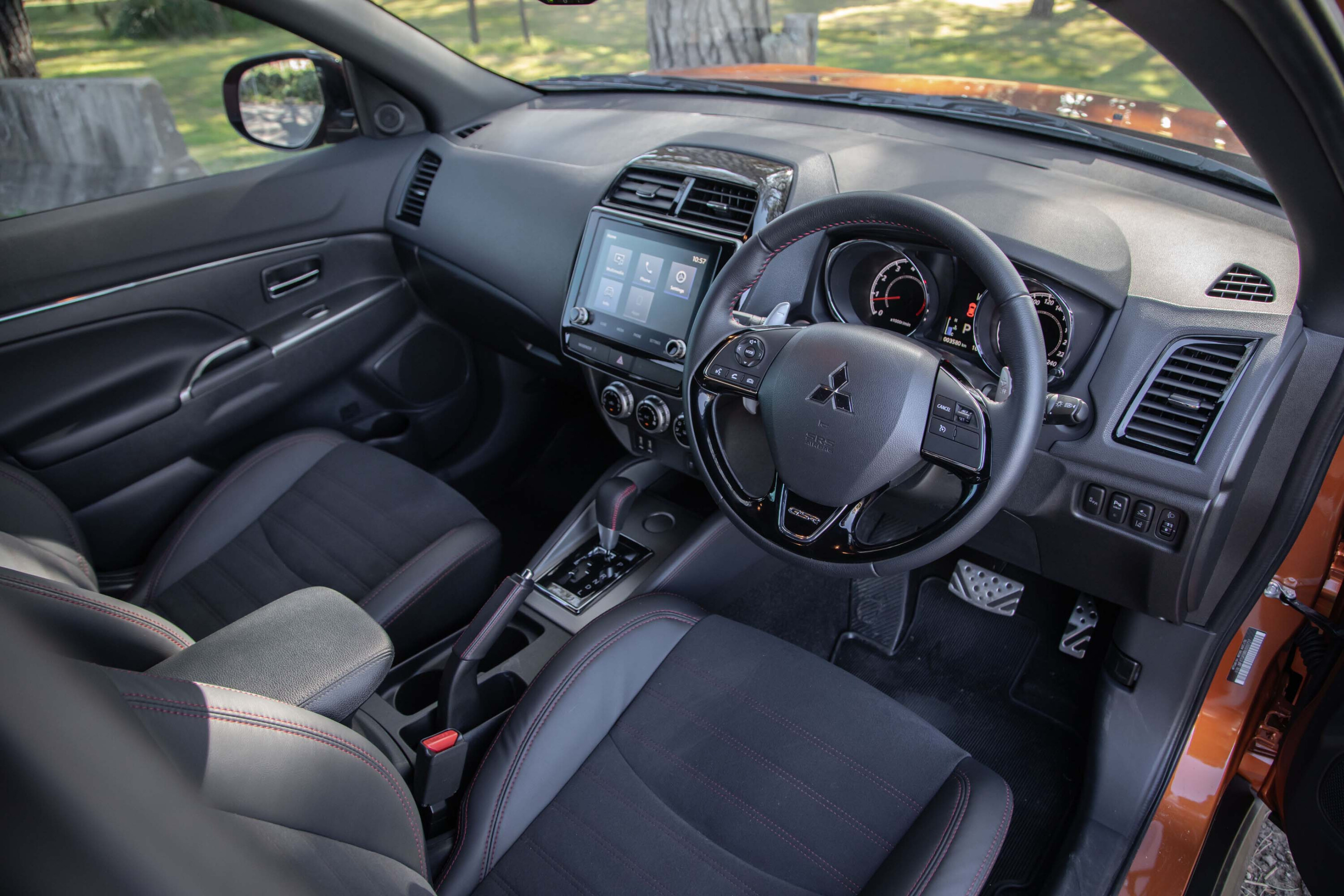
| 2024 Mitsubishi ASX GSR features (in addition to LS) | |
|---|---|
| 2.4-litre petrol engine | Microsuede/synthetic leather trim with red stitching |
| 18-inch alloy wheels (black) | Black interior headlining |
| Aluminium brake pedals | Black door mirrors, grille and spoiler |
| Paddle shifters | Black rear spoiler |
3
| 2024 Mitsubishi ASX Exceed features (in addition to GSR) | |
|---|---|
| Rockford Fosgate nine-speaker stereo | Built-in satellite navigation |
| Black leather-appointed upholstery | Four-way power driver’s seat |
| Front seat heating | Dark argent metallic grille |
| Panoramic sunroof | Headlamp auto-levelling |
| 18-inch alloy wheels (two-tone) | Auto-levelling headlights |
2
Paint options
You can get any colour for no extra cost as long as it’s white.
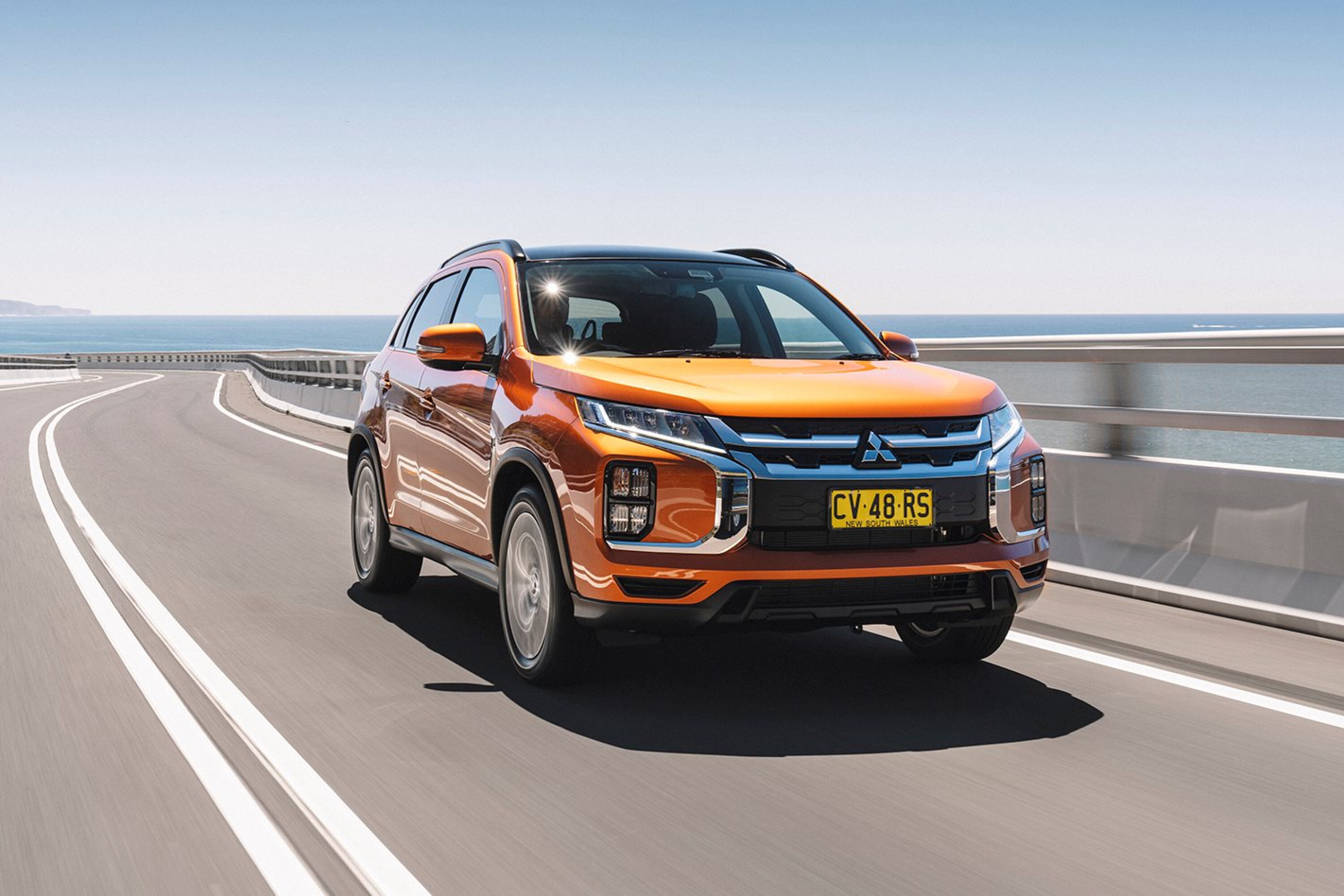
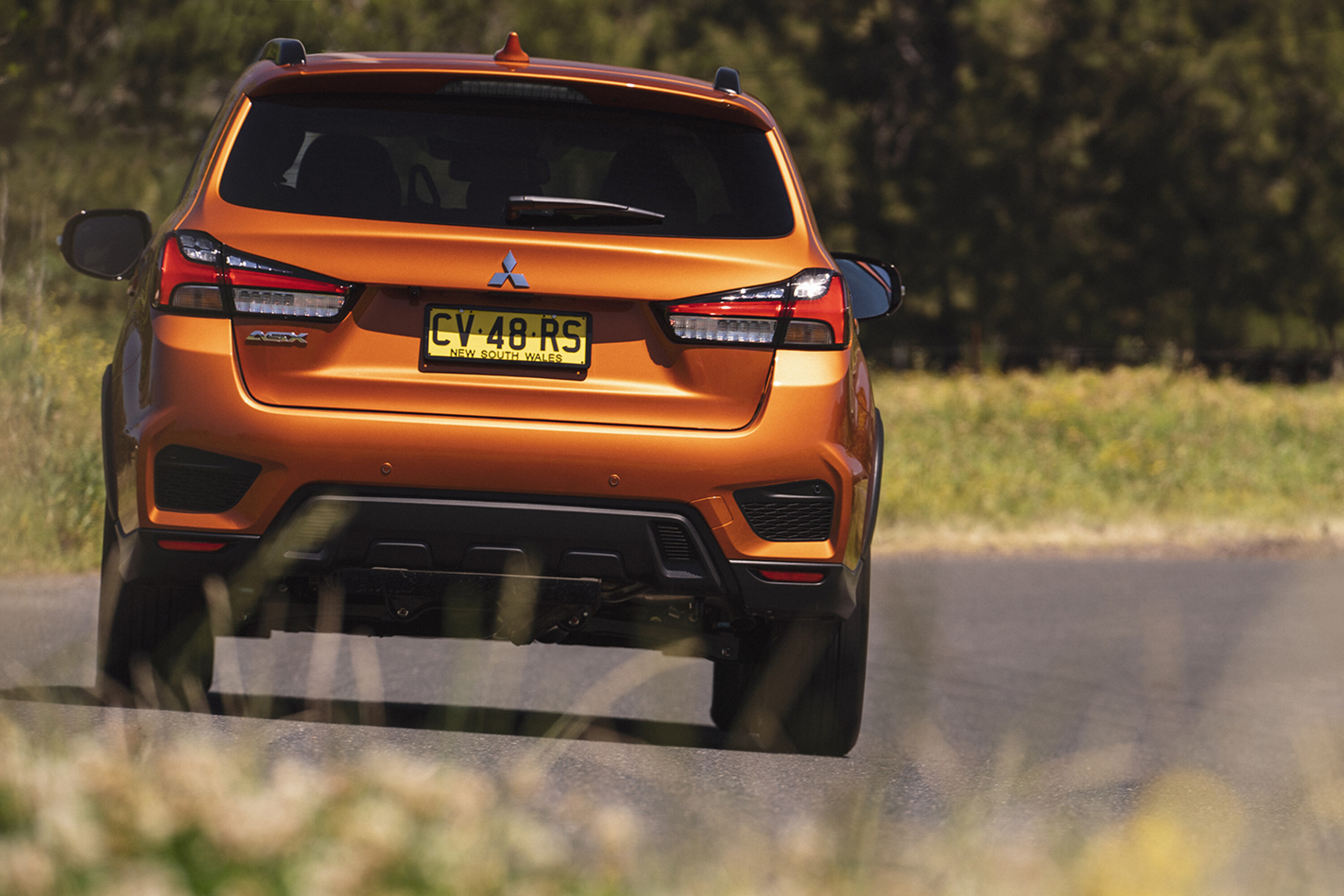
There are eight colours, including Sunshine Orange, which is only available with MR, GSR and Exceed spec grades.
The ES Street accessory pack is limited to White Diamond, Sterling Silver or Black.
1
How safe is the Mitsubishi ASX?
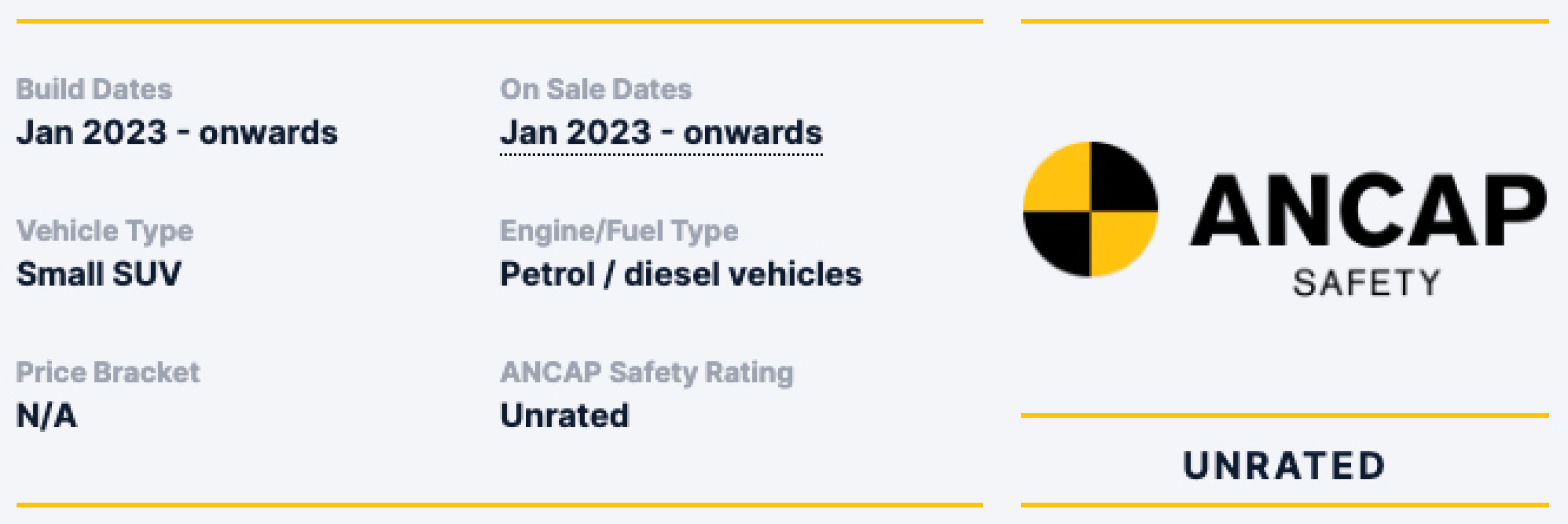
The current ASX is unrated by the independent crash-test body ANCAP because its last crash test in 2014 exceeds the six-year expiry period now applied to vehicles.
The ASX was previously a five-star car, but it would probably lose a star or two if tested today due to its rudimentary active safety technology, some of which is missing from the lower-spec variants.
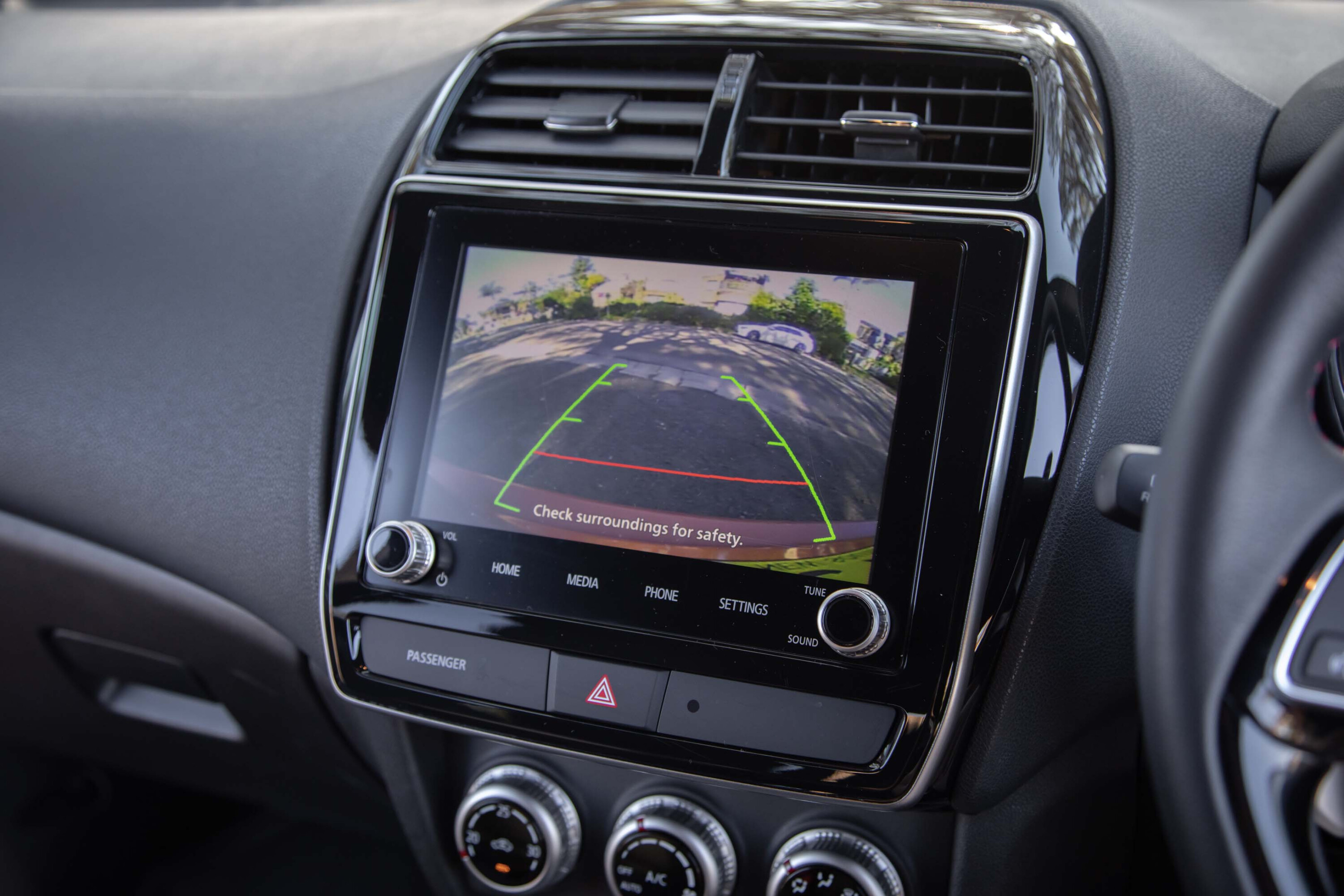
All ASXs are equipped with autonomous emergency braking (which Mitsubishi calls Forward Collision Mitigation) and a reversing camera.
ES variants and above get reverse parking sensors and lane-departure warning, but only LS and above get blind-spot monitoring, lane change assist and rear cross-traffic alert.
All of these features are standard equipment in most new SUVs, as is adaptive cruise control, which isn’t available in any ASX.
The ASX has seven airbags including dual frontal, side chest and side head (curtain) inflators, and a driver knee airbag.
2
How comfortable and practical is the Mitsubishi ASX?
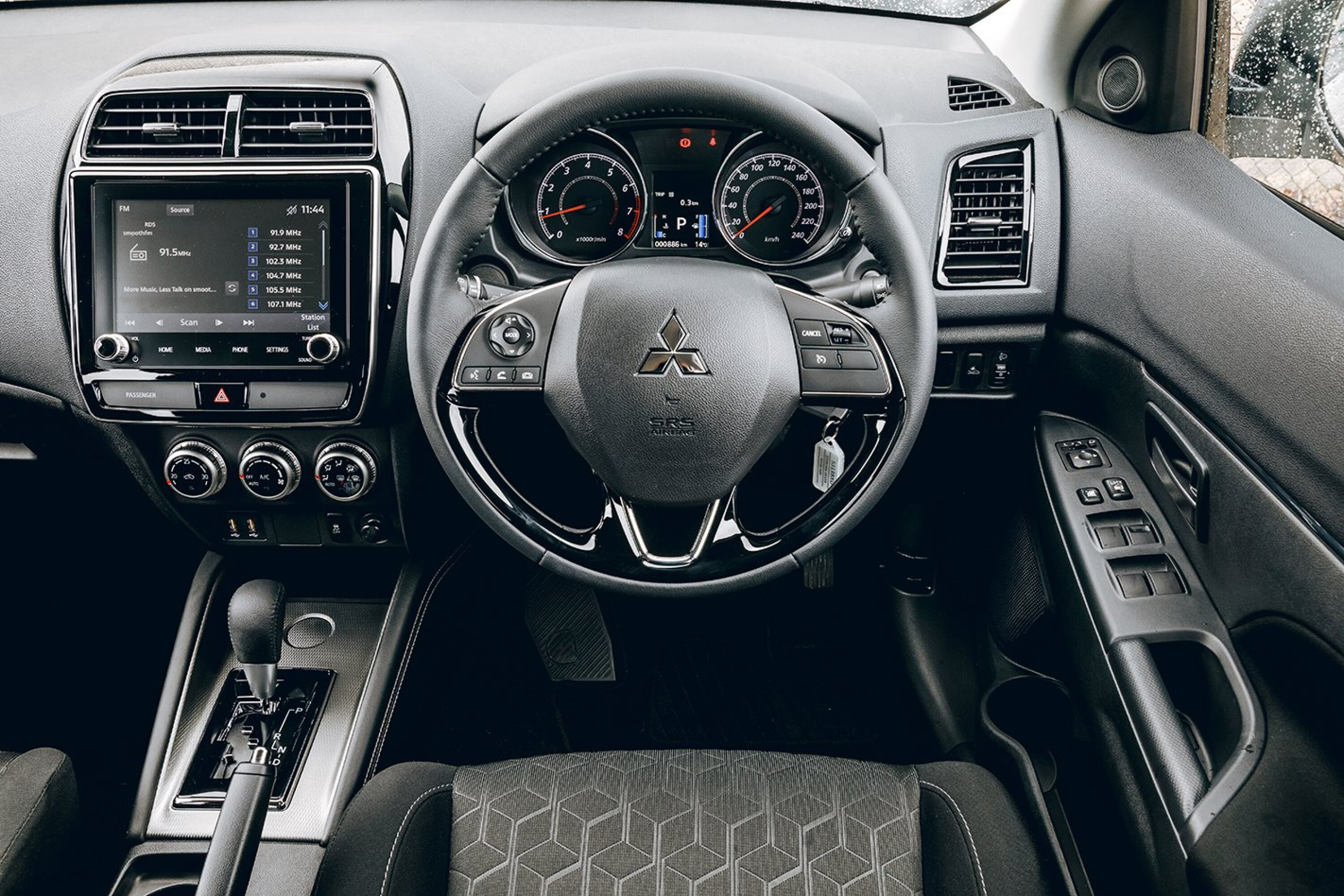
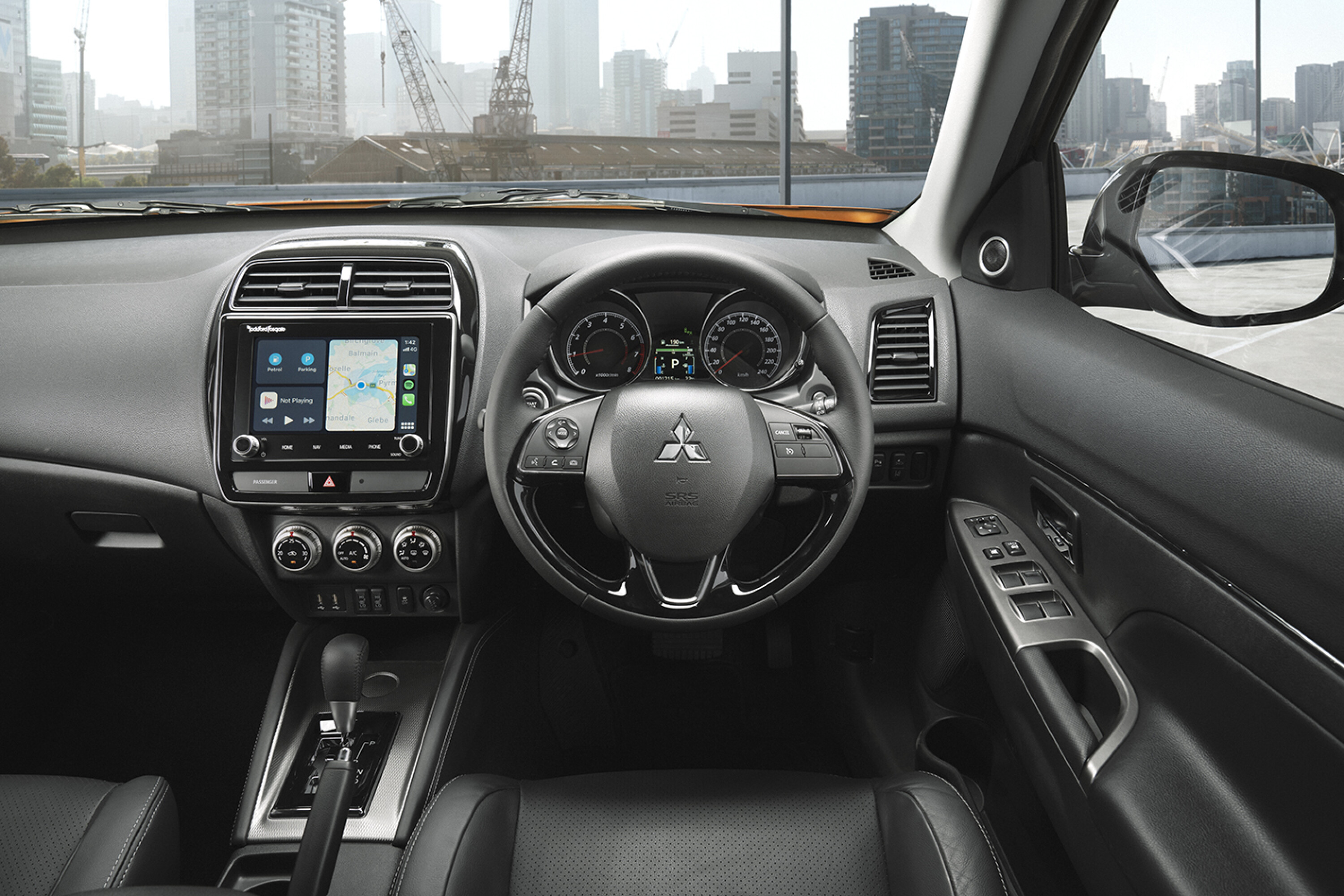
The interior design of the ASX is simple and completely unadventurous.
There’s a lot of hard plastic in the structures and, once again, it shows the age of the car.
But the controls and displays in the ASX are logically laid out, from the old-school analogue circular speedo and tachometer to the buttons on the steering wheel for phone and audio functions. A trio of knobs makes it easy to adjust airflow.
Pockets in the front doors will cater for a large bottle and other odds and ends.
2
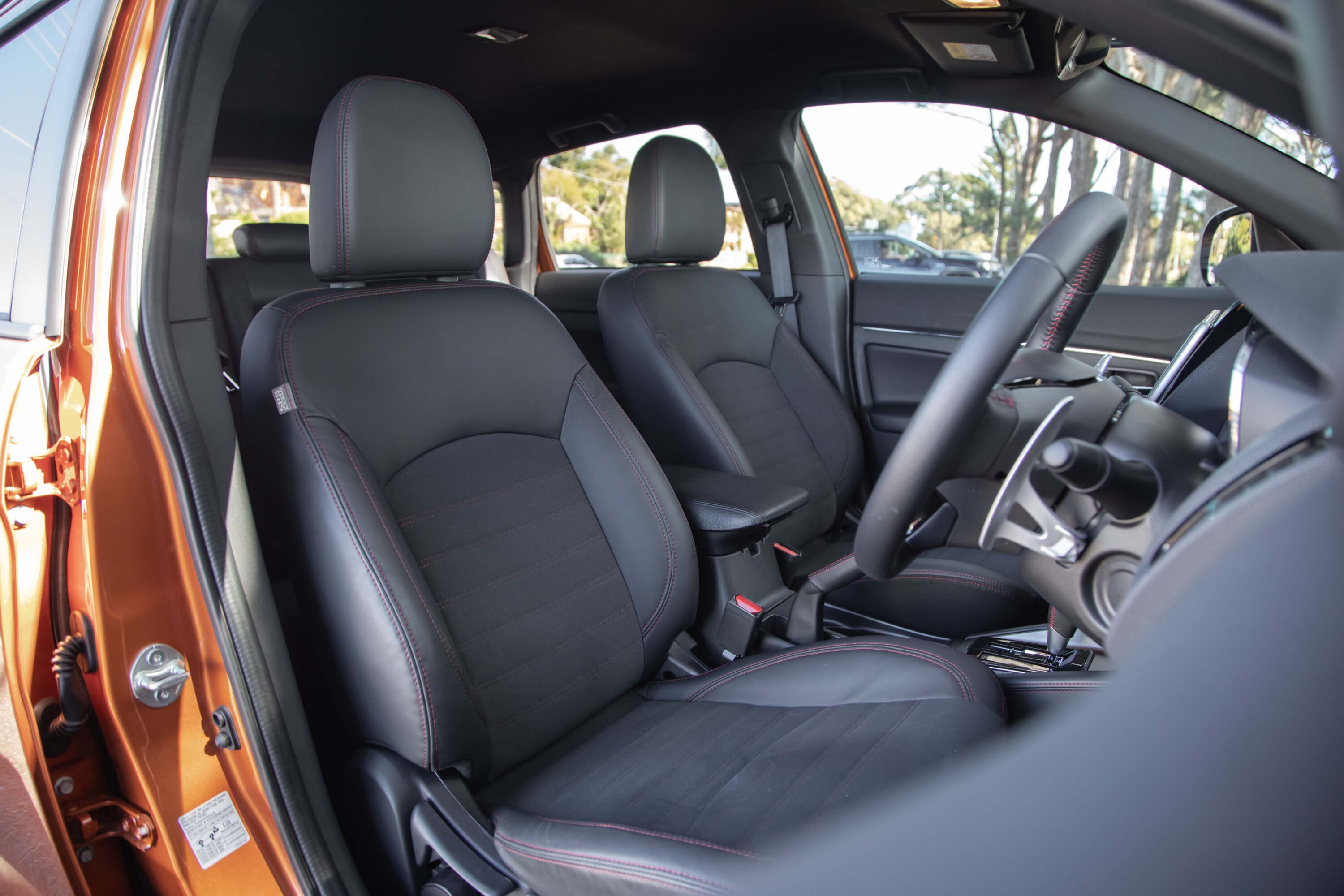
The front seats are comfy in city driving, but without much lateral support you’re left to brace with your legs on any twisting roads.
While wind noise is kept at bay, tyre noise can be testing on country roads or at freeway speeds.
The 2.0-litre petrol engine feels lethargic initially but builds pace enthusiastically once the car gets moving.
The Exceed’s 2.4-litre engine is better and allows the CVT to operate more smoothly as it doesn’t have to rev as hard to get up to speed.
1
The ASX does a good job of soaking up bumps at open-road speeds.
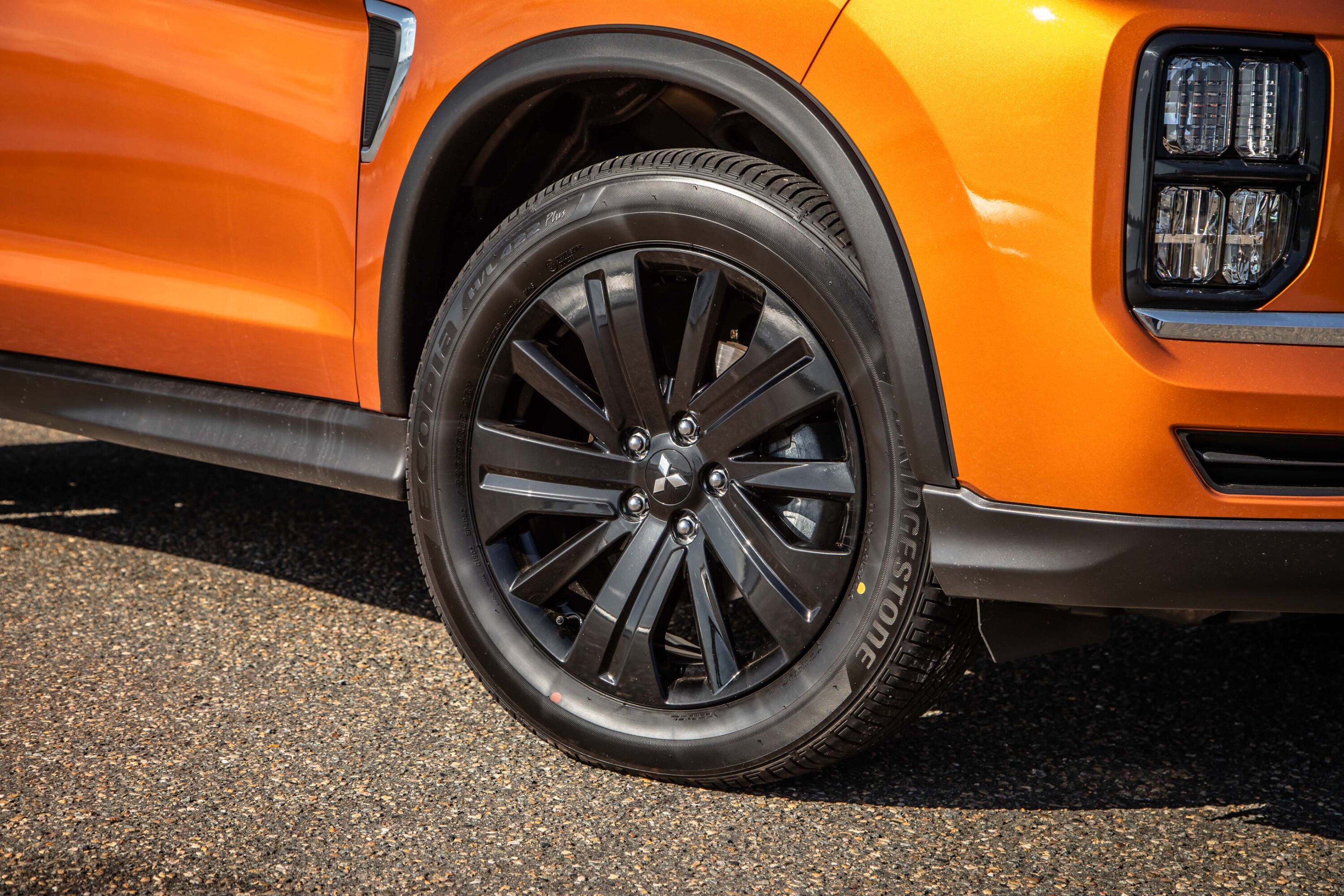
Around town, it is less subtle in the way it deals with surface imperfections because of the biggish 18-inch wheels which are surrounded by lower-profile tyres that have less cushioning between the car and the road.
We haven’t driven the GS with the 16-inch wheels, but we expect there would be a bit of an improvement due to thicker side walls and more cushioning.
2
Rear space and comfort
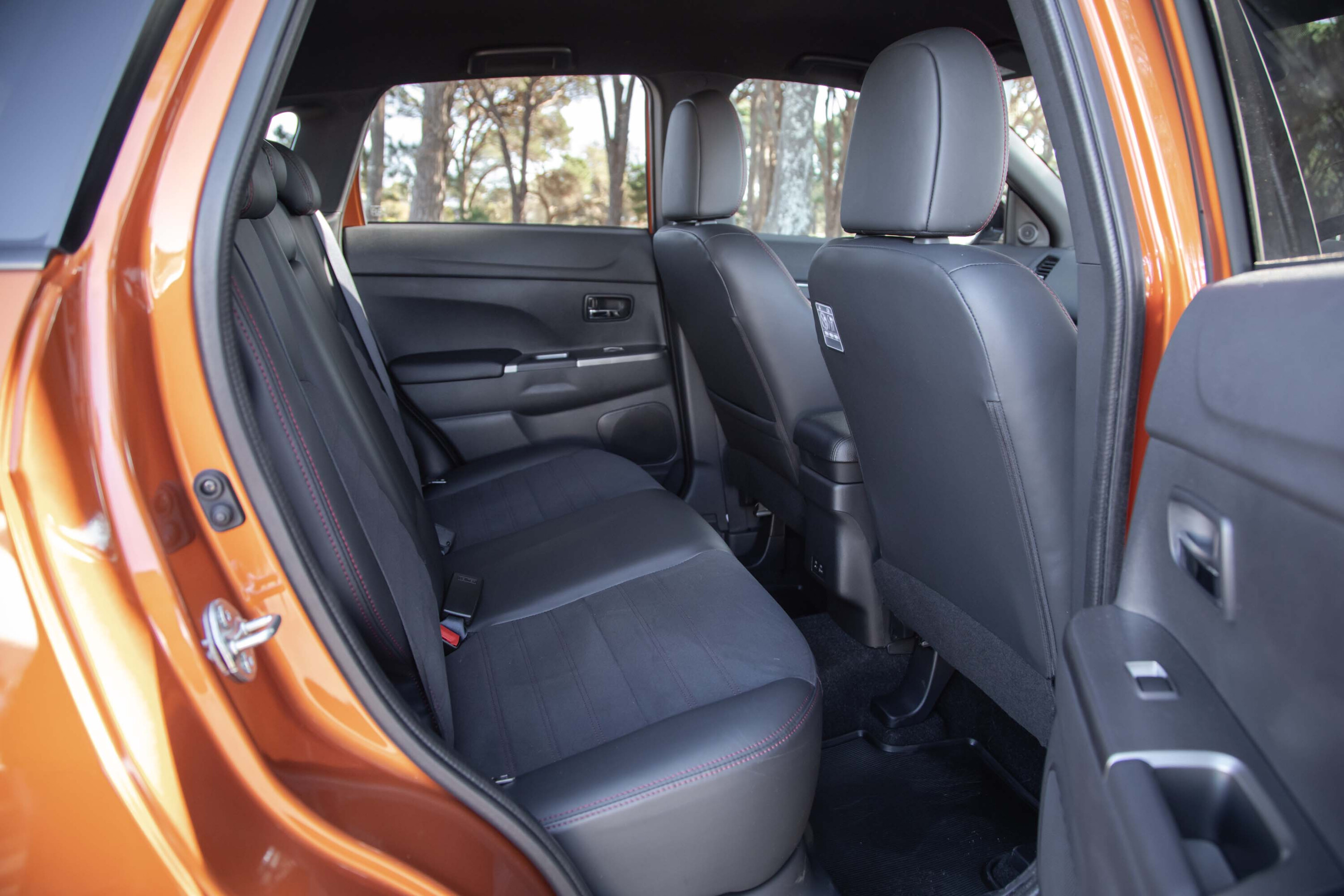
The ASX has more rear-seat space than most small SUVs, with good head and leg room that makes it viable as a family chariot.
The transmission tunnel is rather pronounced, but the rear seat base is relatively flat, making it fairly comfortable for the kiddy in the middle.
But while two adults would fit comfortably in the back, three would be a squeeze.
The ASX has two ISOFIX points and three top-tether child seat anchorages.
MR grades and above have two USB-C sockets at the rear of the centre console.
4
How much boot space does the Mitsubishi ASX offer?
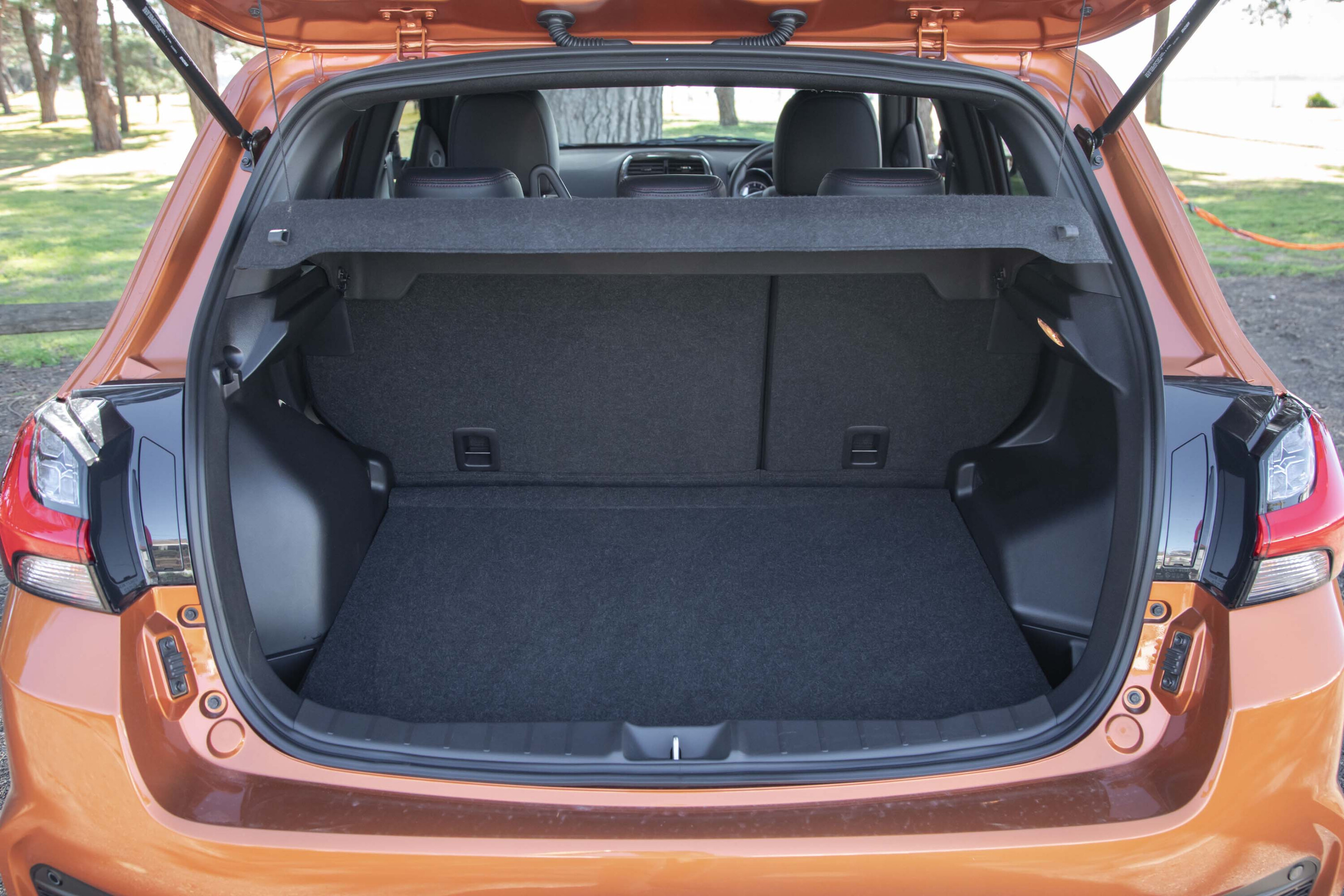
The ASX’s 393-litre boot is relatively broad, with a wide opening that sits high off the ground, so there’s no need to bend over to lift things out.
With the rear seats up, the boot is 735mm long and 1355mm wide, though there is an even 1000mm between the wheel arches.
Folding the rear seats down extends load capacity up to the roof to 1193 litres, though the Exceed loses 50 litres because of the sunroof.
You will be able items up to 1475mm long behind the front seats.
The 60:40 split-fold rear seatback provides loading flexibility. When folded, the seatbacks are on a slight upward angle but still create a long load area that will easily accommodate a bicycle.
There is a space-saver spare wheel and tools beneath the boot floor.
1
I like driving, will I enjoy the ASX?
The two engines available in the ASX deliver respectable performance without being exciting.
The 2.0-litre petrol engine is hamstrung in manual gearbox form by having only five ratios, which don’t always allow you to work it at its optimal speed.
The CVT (continuously variable transmission) auto does a better job of maximising the available power.
The 2.4-litre petrol engine has more urge in everyday driving, with the CVT not having to work as hard to find enough power, ensuring good forward progress.
1
The ASX is predictable through bends but leans significantly in fast cornering, which sets up more dramatic movement in the body if you are faced immediately with a turn to the opposite side.
This is, of course, not a car intended for fast cornering – and sharpening up those qualities would only compromise its overall comfort, or make it a more expensive car.
Steering is light and accurate, but you may feel some annoying kickback through the wheel if you hit bumps in the middle of a corner.
Tyres grip well and the body settles quickly after bumps.
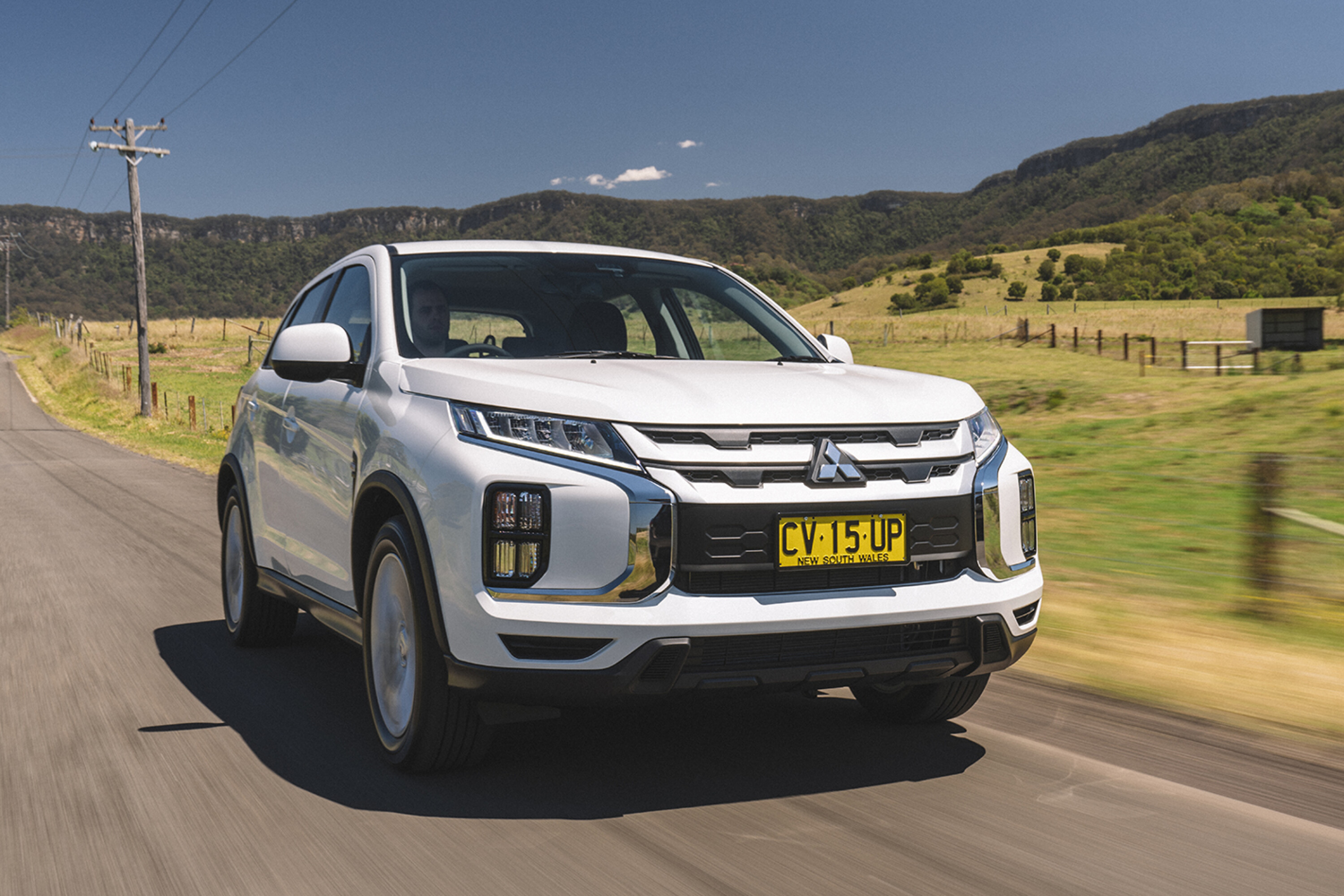
Overall, the ASX inspires confidence on country roads and freeways.
1
- What is a Powertrain or Drivetrain?
- Power vs torque
- Car suspension explained
- Automatic transmissions (‘gearboxes’) explained
- Chassis control systems explained
- Car vs Ute vs SUV: How the vehicle you buy should guide the way you drive
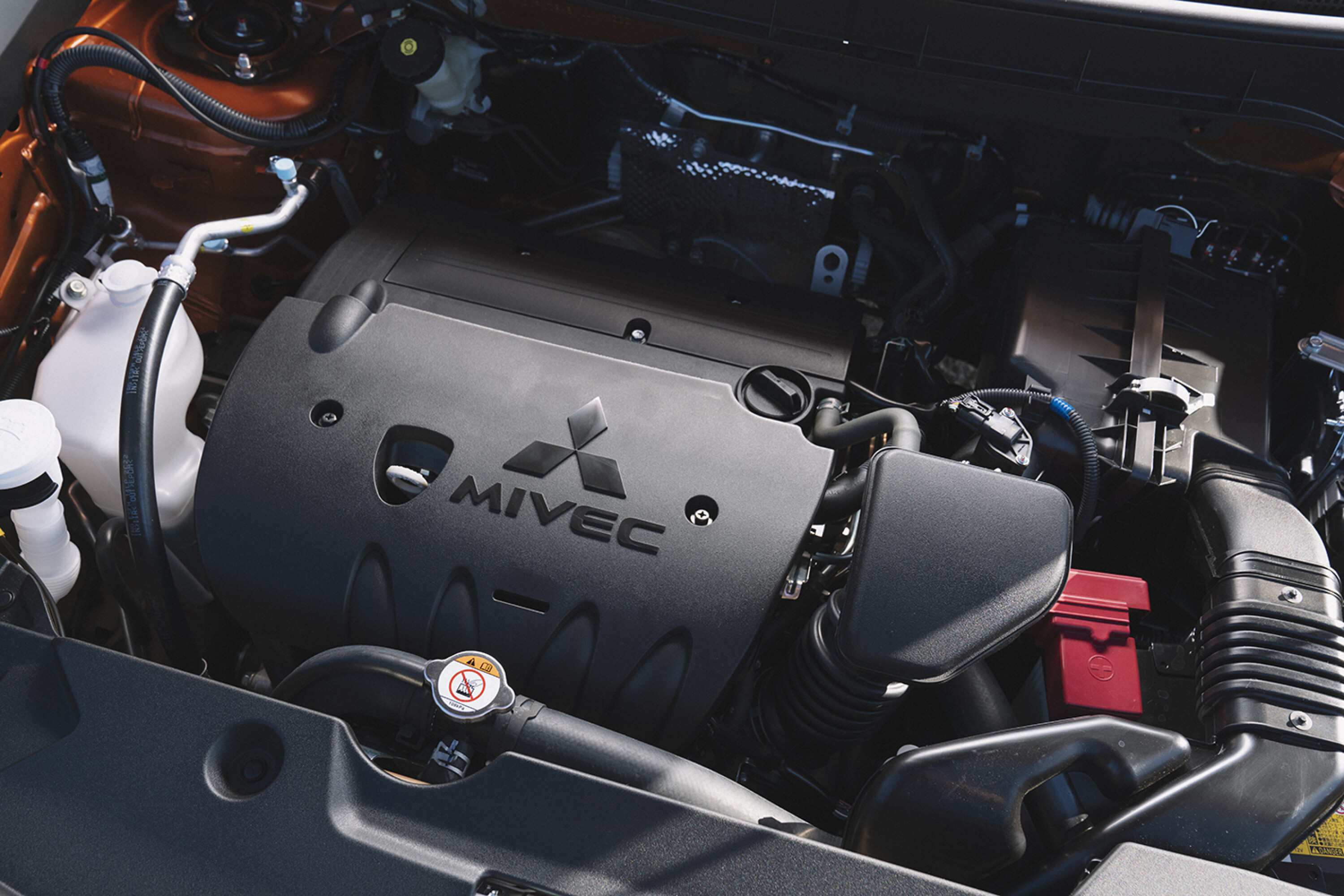
The ASX range comes with two petrol engines including a 110kW/197Nm 2.0-litre four-cylinder petrol engine.
This is coupled with a five-speed manual gearbox in the entry-level GS only.
The same engine is available with the CVT auto in the GS and other variants except for the GSR and Exceed. This is the most economical ASX powertrain, consuming 7.6L/100km in official tests (city and country combined).
With the manual gearbox, the official combined fuel consumption is 7.7L/100km.
The GSR and Exceed come with a bigger 2.4-litre four-cylinder petrol coupled with a CVT.
It provides considerably more power and torque (123kW/222Nm), but the official fuel economy is only marginally higher at 7.9L/100km.
1
What is the ASX’s towing capacity?
Braked towing capacity for all variants is 1300kg, and they can tow an unbraked load of up to 750kg.
Maximum tow ball weight is 130kg and if you attach racks to the roof rails, you can carry up to 80kgs of stuff on top.
How long is the warranty and what are the Mitsubishi ASX’s servicing costs?
All new Mitsubishis have access to Mitsubishi’s leading Diamond Advantage coverage, with a standard vehicle warranty of five years / 100,000kms with capped-price servicing in place for a whopping 10 years.
If you get your ASX continually serviced within the authorised Mitsubishi network, Mitsubishi will double your vehicle’s warranty to Kia-beating 10 years/200,000kms.
New owners also receive up to four years of complimentary roadside assist.
Service intervals occur annually, or every 15,000kms – whichever comes first.
Which version of the Mitsubishi ASX does Wheels recommend?
While it doesn’t have the sweetest engine option, we suggest the ASX ES, which brings you a roomy SUV for the price of a hatchback.
We prefer the 2.4-litre engine in the more expensive GSR and Exceed versions, but the ASX’s major advantage is affordability. The more you pay for an ASX, the more it’s competing with lower-spec variants of fresher rivals that match it for features and some.
The standard CVT auto does a good job and the driver assistance suite, while basic, may help you avoid the sort of in-traffic incident that can ruin your day.
2
