
BMW’s habit of revealing stunning concept cars at the Concorso d’Eleganza Villa d’Esta has continued, with the German marque this year unveiling a show-stopping targa-top two-door.
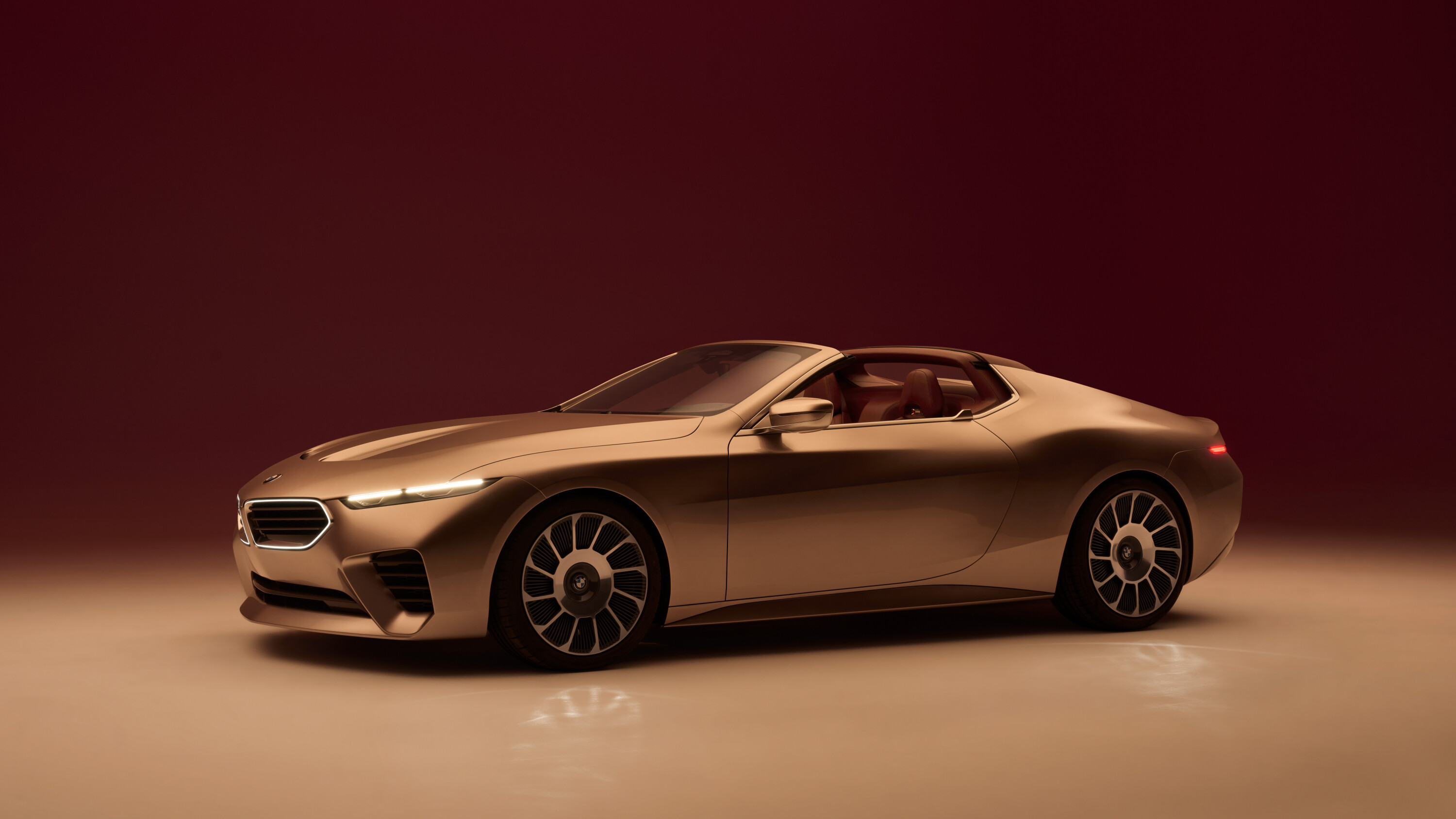
Called the BMW Concept Skytop, the tailor-made concept is based on a regular 8-Series but features bespoke bodywork, a unique leather-trimmed roof and has its own interior design embellished with crystal touch points.
It also, you’ll no doubt have noticed, has a normally sized kidney grille.
Other traditional BMW styling elements are present, too, including a sharknose and a raised ‘spline’ that runs through the entire centreline of the car from bonnet to tail.
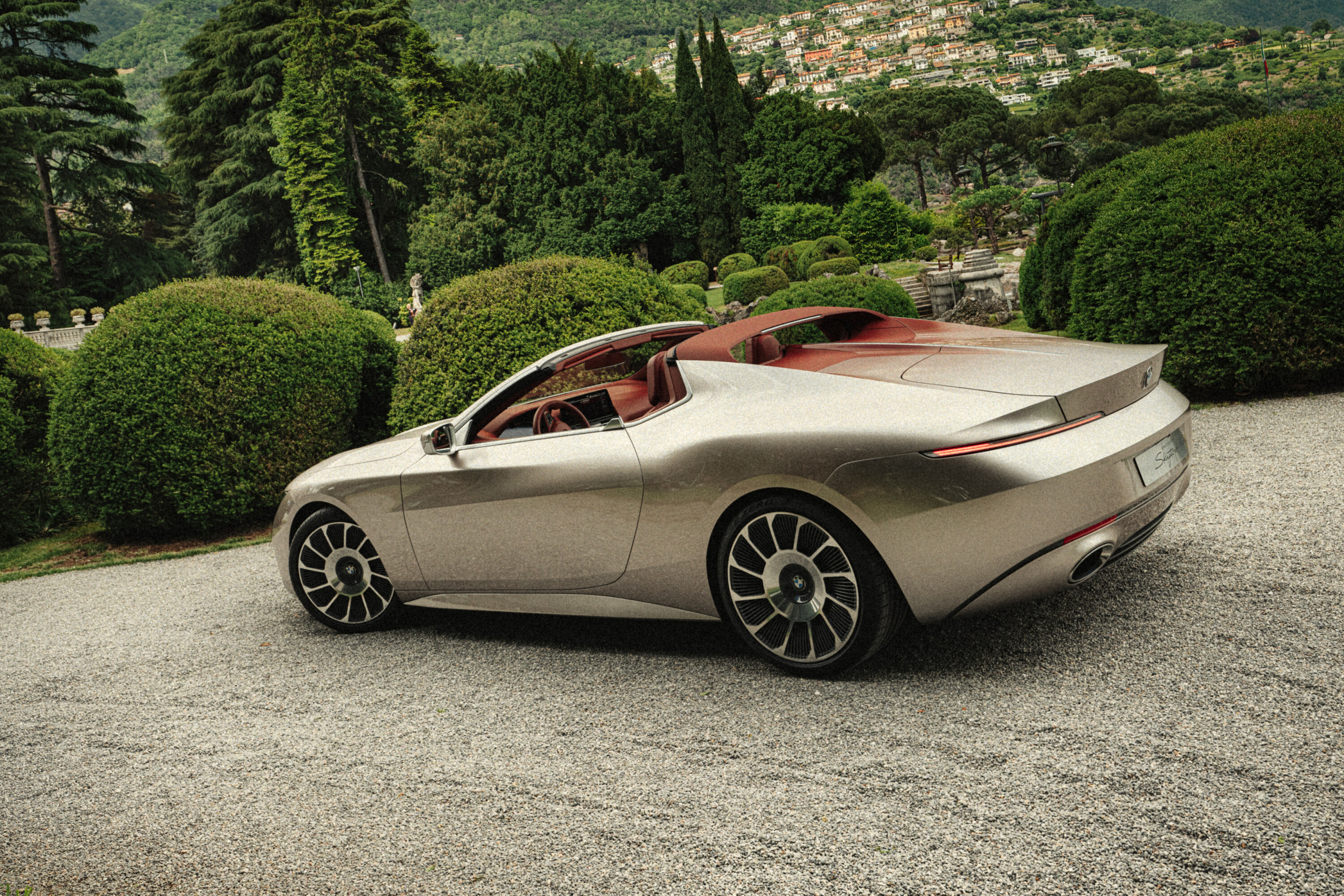
BMW says the spline is a design nod to the iconic BMW Z8 roadster of the late 1990s, of which the Skytop is something of a spiritual successor. Another link between the two cars is their engines: both feature petrol V8s under their long elegant bonnets. That’s right, there’s no soul-sucking EV powertrain at play here!
BMW says the Skytop’s V8 is “the most powerful V8 engine in the BMW drivetrain portfolio”, likely meaning the same 460kW/750Nm 4.4-litre unit as you’ll find in the regular M8 Comp.
Other notable design touches include winglets at the top of the doors that replace traditional door handles, slimline LED headlights mounted on milled aluminium carriers and enormous lightweight 21-inch wheels that feature a lovely, understated design.
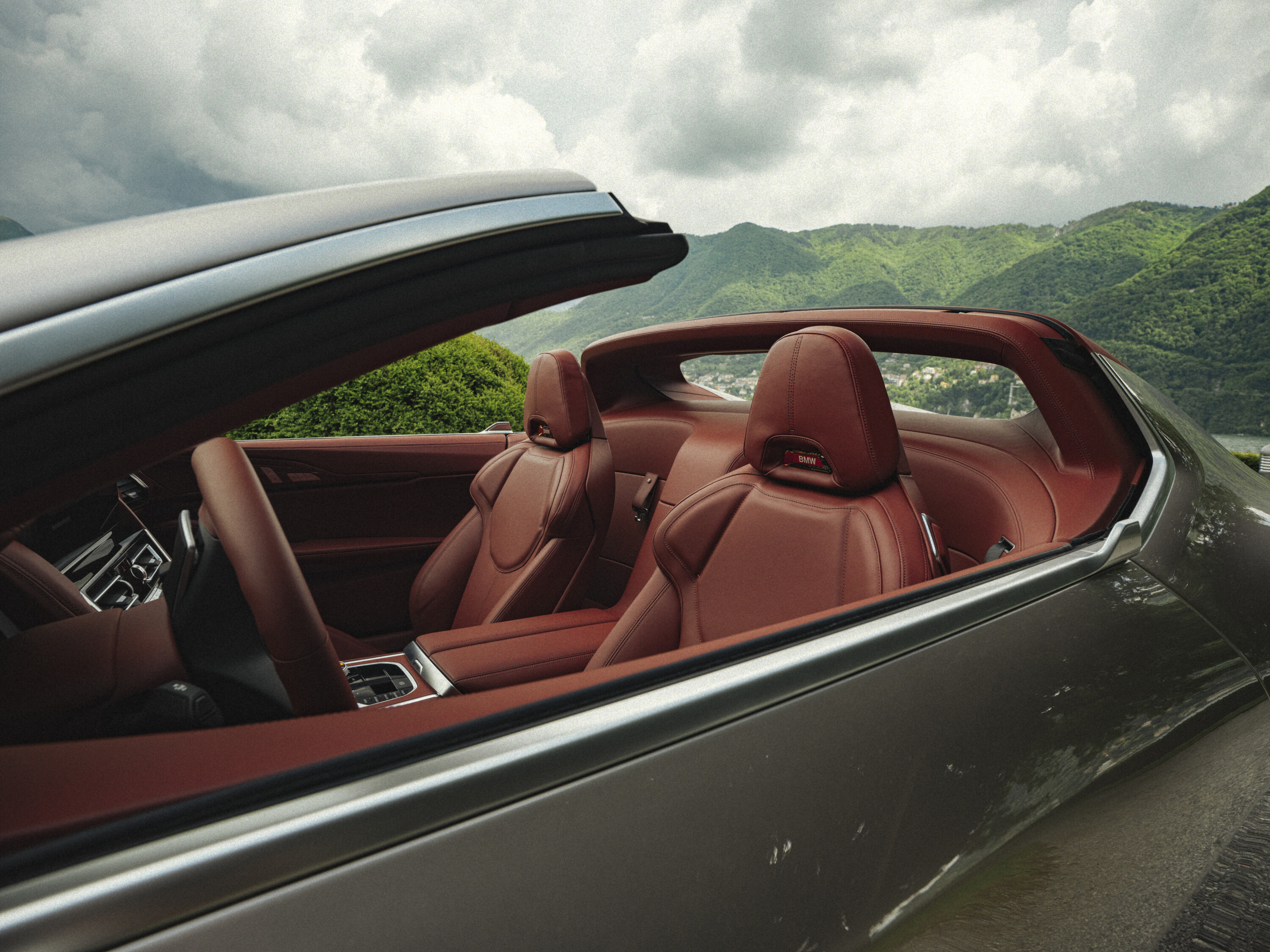
The roof itself features two leather-trimmed sections that can be manually removed and stored in the boot, while the rollover bar behind the seats is also finished in leather.
Want even more cow hide? Slip inside the cabin and you’ll encounter a interior trimmed almost entirely from reddish-brown leather. A brogue-style pattern, like on your grandad’s favourite shoes, features on the seats and door panels, and the rear window can also be automatically lowered.
The Skytop is the latest in a long line of BMW concept cars to debut at Villa d’Esta where BMW has been a sponsor for 25 years. Other notable concepts include Chris Bangle’s Mille Miglia, 2008’s M1 Homage which previewed the i8, and last year’s Z4 shooting brake.
So far none of the concepts have made production but there’s hope the Skytop might be the first. Speculation is rife BMW is hoping to built around 50 examples, all of which will become hand built collector’s items.
Plug-in hybrids (PHEVs) promise the best of both worlds – with electric, emissions-free propulsion for short trips, but with the long-range flexibility and convenience of petrol or diesel engines.
PHEV sales are enjoying a boom in Australia so far in 2024, along with regular (non-plug-in) combustion-electric vehicles.
Adding the the allure is the Fringe Benefits Tax (FBT) exemption, meaning buyers could save thousands in tax on a novated lease for a PHEV before 1st April 2025.
Here are the plug-in hybrids locked in – plus other models that have potential – for local showrooms in 2024 and beyond…
Jump Ahead
- Audi A5/S5 Avant
- BYD Shark
- Citroen C5 X PHEV
- Cupra Formentor VZe
- Cupra Leon Sportstourer VZe
- Cupra Terramar
- Ford Ranger PHEV
- Jeep Compass 4xe
- Kia Sorento PHEV
- Lamborghini Urus SE
- Mazda CX-5 PHEV
- Mazda CX-70 PHEV and Mazda CX-90 PHEV
- Mercedes-AMG GLC63 S E Performance
- MG HS PHEV
- Peugeot 408 GT
- Volkswagen Golf GTE
- Volkswagen Tiguan eHybrid
Audi A5/S5 Avant
The Audi A4 will become an EV – so if you’re after a hybrid midsized passenger car, you’ll need the new A5, set for its global unveiling in the second half of 2024.
While Australia’s line-up has not been confirmed – given Audi’s German headquarters has not shown the vehicle yet – we know the new A5 will bring a sedan, five-door ‘Sportback’ hatch and an Avant station wagon.It will use Audi’s PPC (Premium Platform Combustion) underpinnings and offer mild hybrid, diesel and plug-in hybrid versions including high-performance S5 model as it guns for its arch-rival BMW 3-Series and Mercedes-Benz C-Class.
BYD Shark
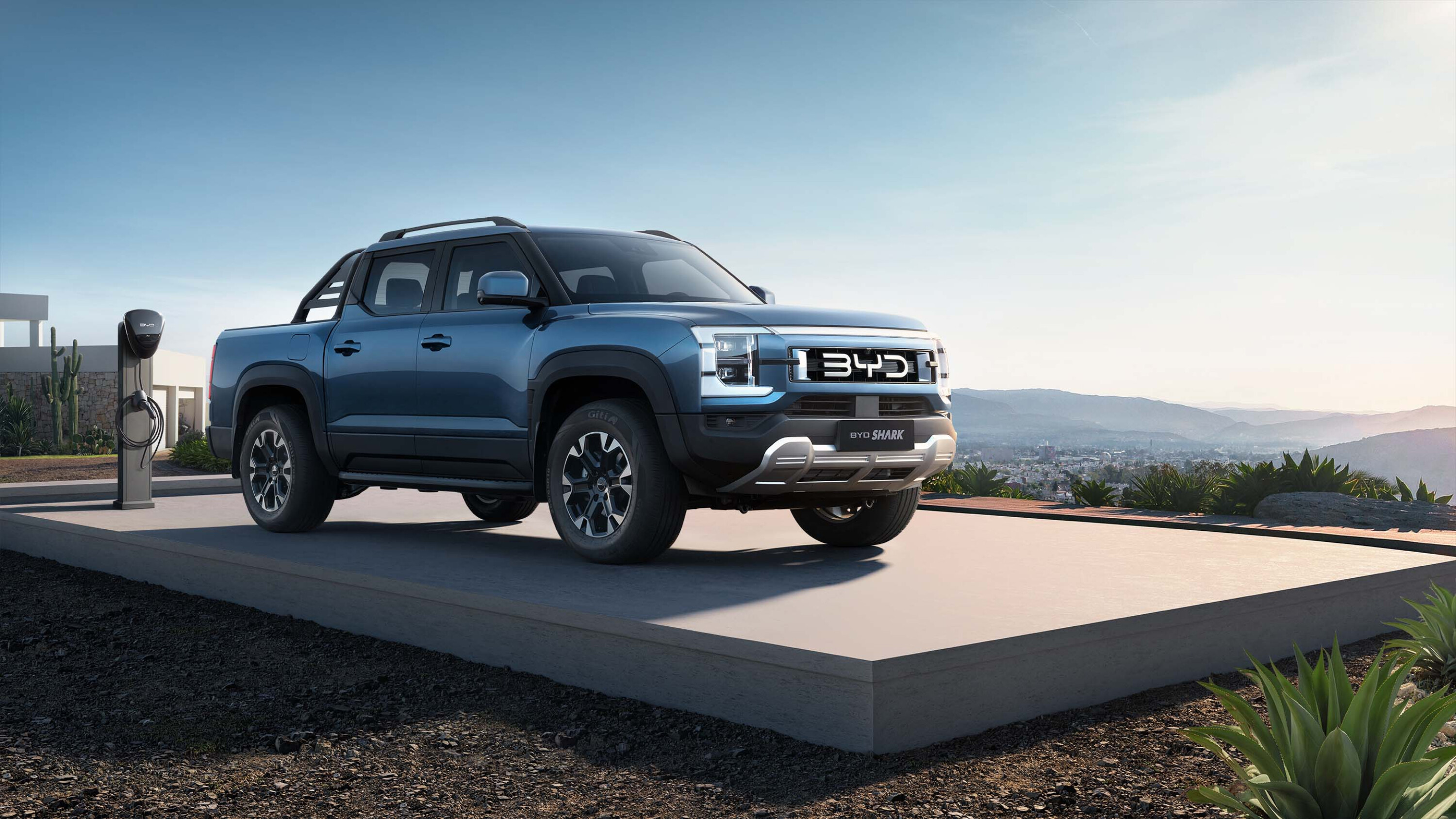
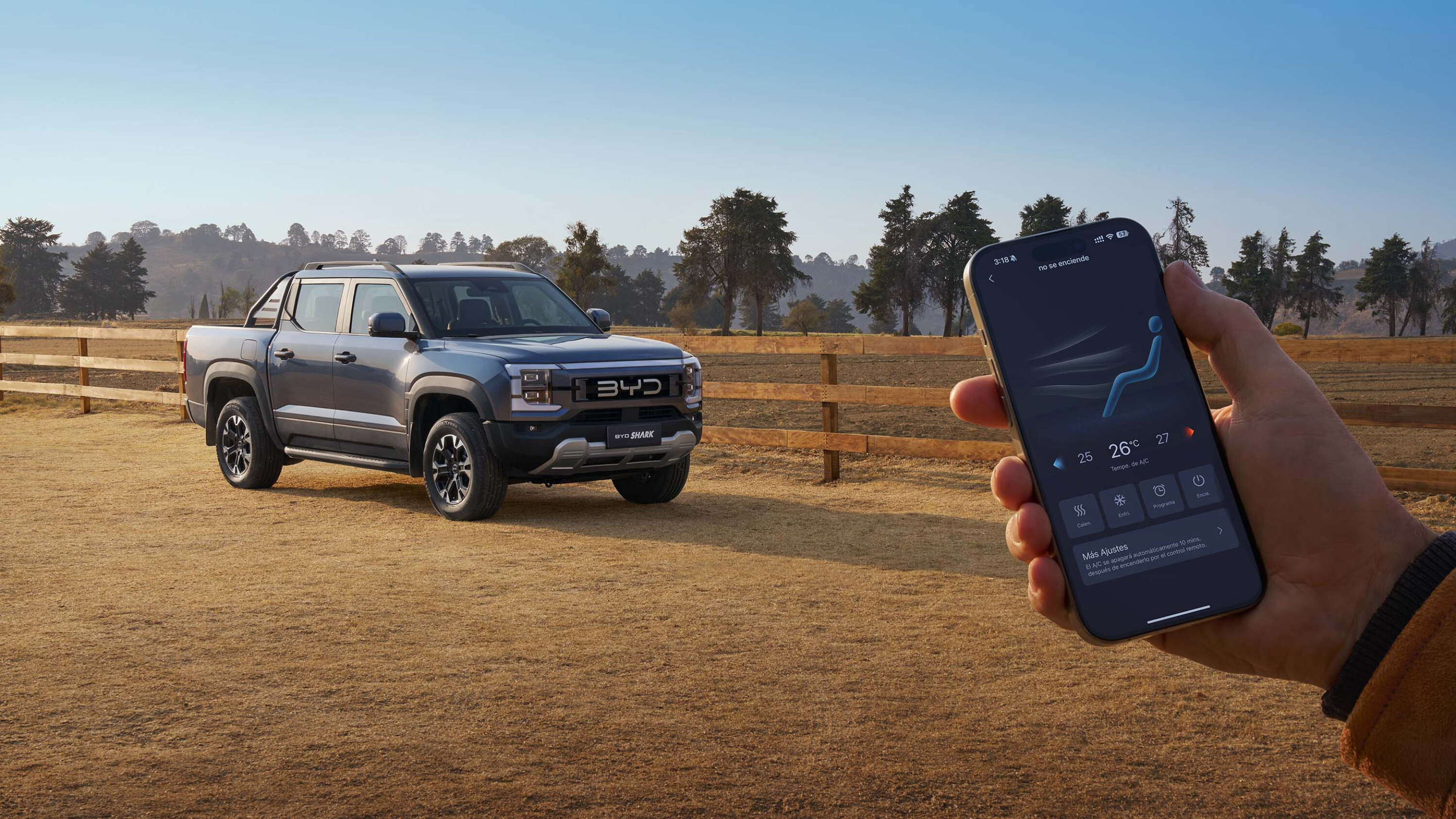
In the wheel tracks of the Sealion 6 SUV, BYD will be first to market with a plug-in hybrid dual-cab ute when it arrives later this year – or early 2025 – well ahead of the PHEV Ford Ranger set for 2025 (see further down this list).
The Shark – revealed in May with “more than 321kW”, making it more powerful than a Ford Ranger Raptor – will attack the lucrative dual-cab ute segment using a 1.5-litre turbocharged four-cylinder petrol engine and pair of electric motors.
Shark also has an 835kg payload – 118kg more than a Ranger Raptor’s – and the same 2500kg braked tow rating as the ferocious Ford, but short of the Ranger PHEV’s “up to 3500kg” rating.
Citroen C5 X PHEV
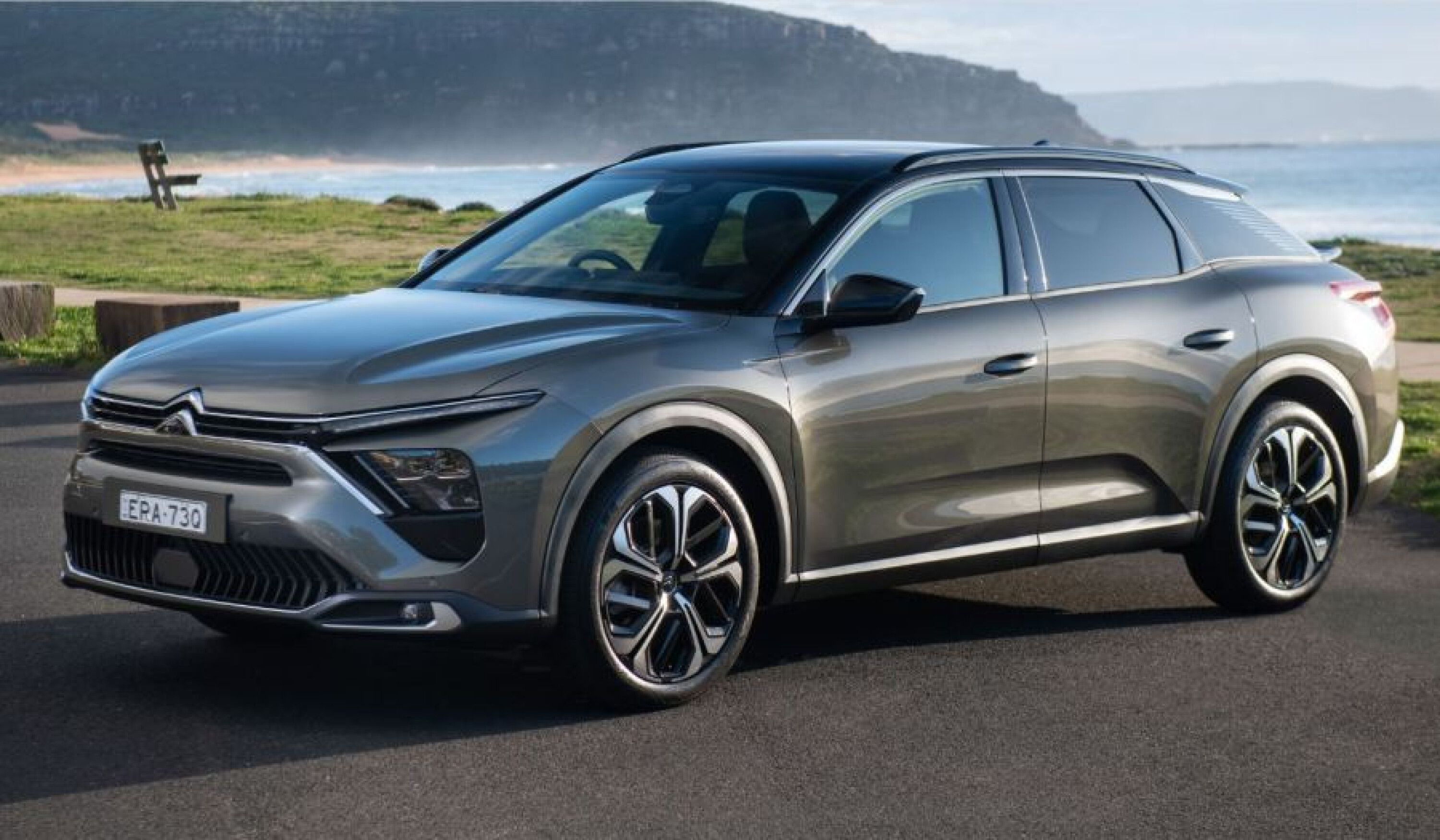
Part sedan, part wagon, part SUV – the C5 X plug-in hybrid was confirmed for Australia when the petrol version arrived here in late 2022 and will be in local showrooms before the end of 2024.
The ‘avant-garde’ body design sits on a 2785mm wheelbase for a 545L boot area in petrol versions – expandable to 1640L to the roof with the rear seats folded – but based on overseas specs, the hybrid unit reduces that by 60 litres.
It uses the same 133kW/250Nm 1.6-litre four-cylinder petrol engine eight-speed auto but adds an 80kW electric motor and 11.9kWh battery – with a 50km range under electric power.
Cupra Formentor VZe
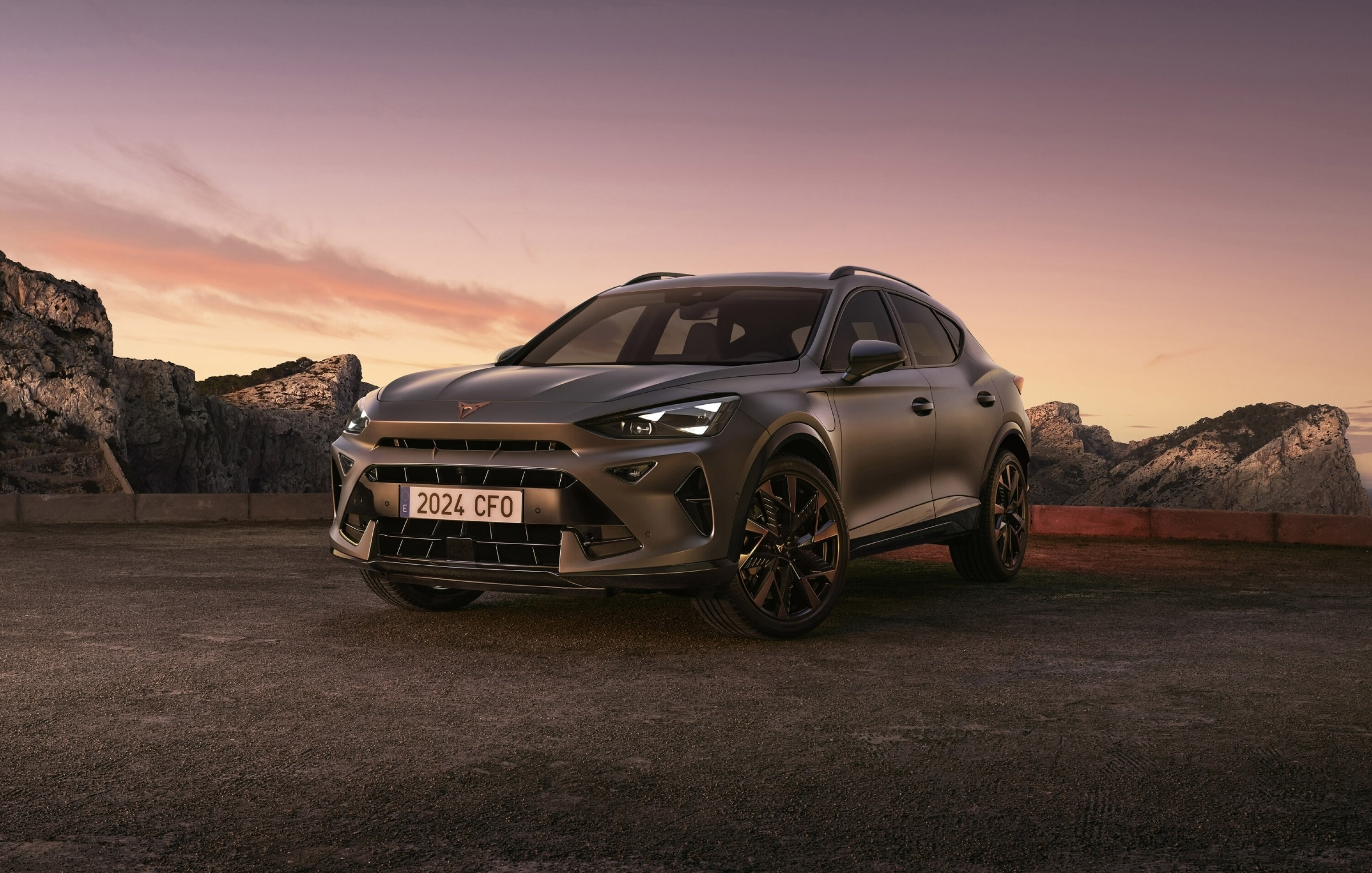
Cupra’s best-selling vehicle in Australia will double its electric-only driving range in 2025.
The updated Formentor VZe sees a 19.7kWh battery – in place of the current car’s 10.9kWh pack – that enables range to jump from a claimed 58km to “more than 100km”.
Total power’s up 20kWw to 200kW, too, courtesy of tweaks to the 1.4-litre four-cylinder turbo petrol engine and electric motor.
The 2025 Formentor VZe also scores a new ‘shark nose’ front-end, revised rear end design while the Spanish car maker says it has improved interior fit and finish, too.
Cupra Leon Sportstourer VZe
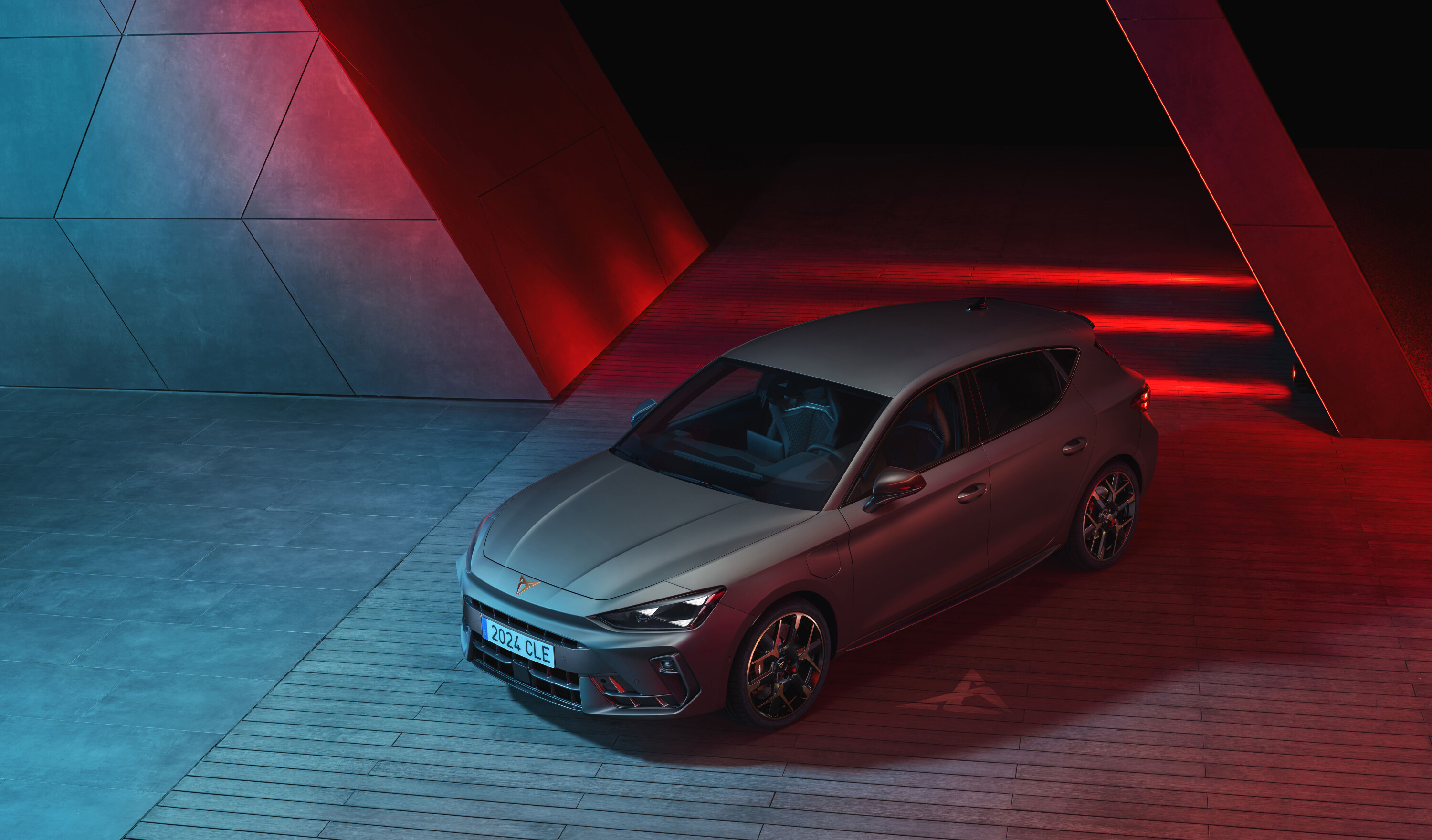
The Leon Sportstourer will make its Australian debut in 2025 with a two-tier range featuring a petrol and a petrol PHEV.
The Sportstourer – Cupra speak for station wagon – will be offered in VZe spec with front-wheel drive and 1.5-litre turbocharged petrol four-cylinder and single plug-in electric motor producing 200kW.
Estimated to be priced around $70K, it will arrive with the updated Formentor meaning it is also expected to bring a 19.7kWh battery pack and “more than 100km” range, cabin upgrades and latest exterior styling.
Cupra Terramar
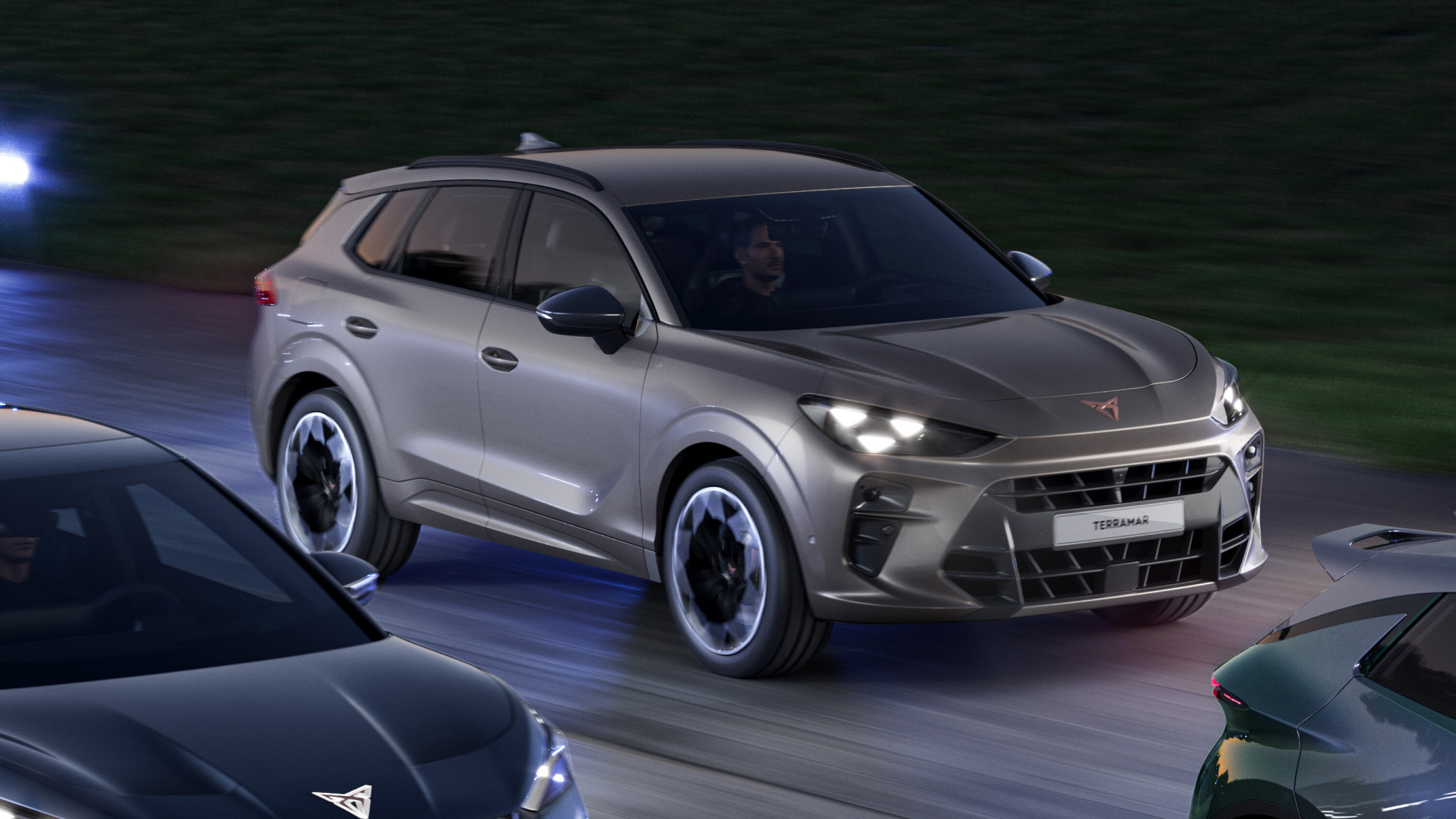
The Terramar is a 4.5-metre-long five-seat SUV alternative to the Nissan Qashqai and Toyota RAV4 and may come to Australia with a 2.0-litre plug-in powertrain from its Volkswagen Tiguan sibling.
There’s potential for a plug-in Terramar as Volkswagen has confirmed it’s considering a PHEV version of the next-generation Tiguan to Australia following the passing of the NVES (New Vehicle Emissions Standards).The Terramar shares the same underpinnings and would share the same hybrid powertrain – including a 100km electric only range – making it a prime candidate for Cupra to bring in a batch for local consumption from 2025.
Ford Ranger PHEV
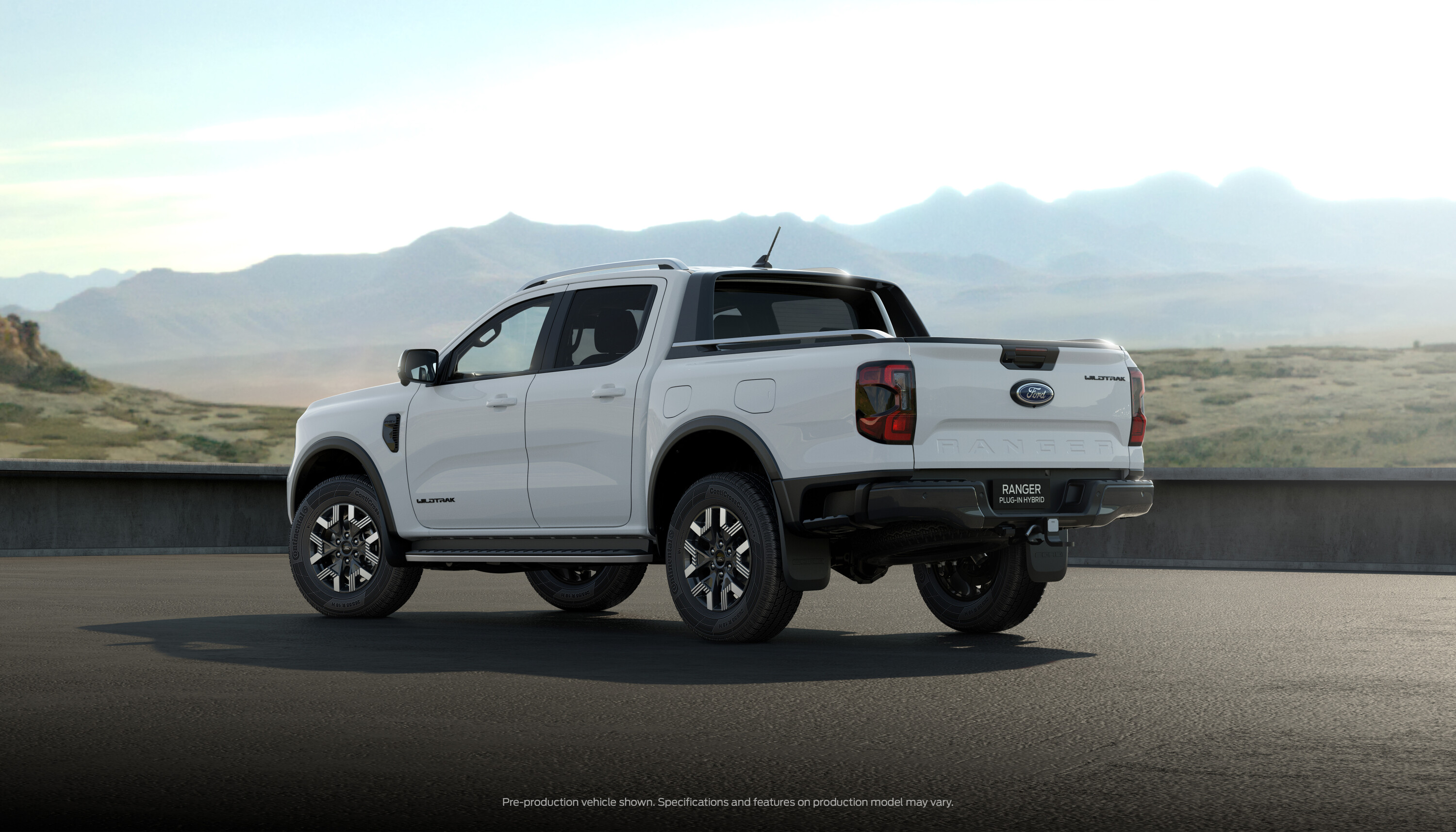
Australia’s best-selling vehicle is going plug-in hybrid in 2025, stealing a march from arch-rival Toyota HiLux.
The Ford Ranger PHEV will be powered by a 2.3-litre turbocharged four-cylinder petrol engine – used in Ranger’s Volkswagen Amarok twin and also the four-pot Mustang since 2015 – with a yet-to-be detailed battery pack an electric motor.
Details are scant so far but Ford has confirmed a battery-only range of 45km for the Ranger PHEV and all-important 3500kg braked tow rating, as well as Ford’s ‘Pro Power Onboard’ system enabling the vehicle to act as a generator.
It has also said Ranger PHEV will come from Ford’s South Africa plant – where the UK gets its right-hand drive Rangers – instead of Australia’s usual Thai-made models, meaning a higher import tariff may push the showroom price beyond the $90k ask for a Ranger Raptor.
Jeep Compass 4xe PHEV
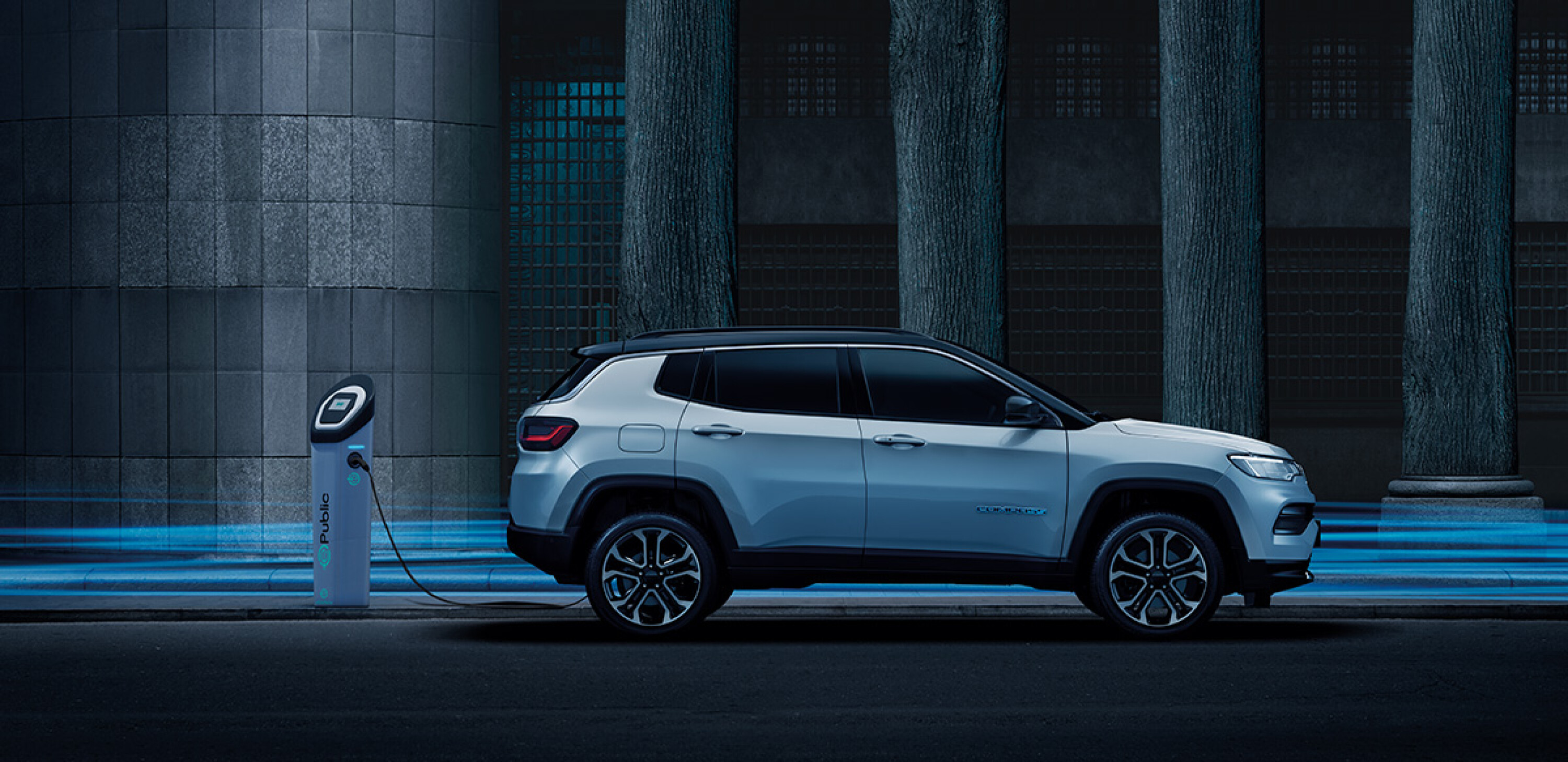
Landing from June, the Compass 4xe brings a plug-in hybrid to rival the Toyota Corolla Cross as petrol and diesel versions of the Compass are axed.
It brings a 132kW/270Nm 1.3-litre turbocharged four-cylinder petrol engine teamed with a 44kW rear-axle mounted electric motor and a 47km electric only range.
Compass 4xe pricing starts from $61,990 before on-road costs.
There’s also a 48V mild-hybrid Compass joining the PHEV in showrooms sometime in 2024.
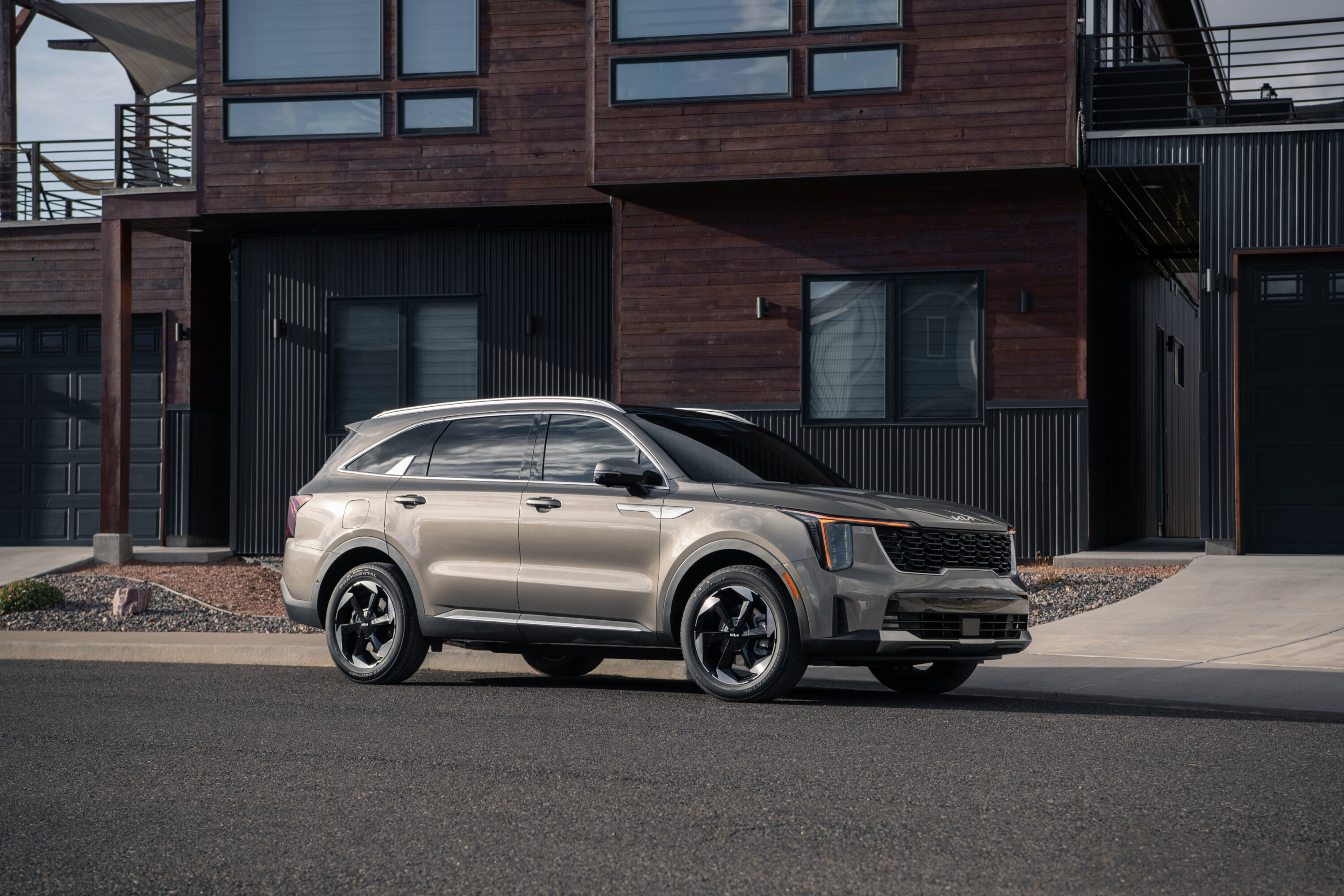
Kia Sorento GT-Line PHEV
The Sorento Hybrid already in Australian showrooms will be joined by a plug-in hybrid version in the third quarter, with September tipped to be the most likely month for the facelifted PHEV’s arrival.
It will use the prolific Hyundai-Kia 1.6-litre turbocharged four-cylinder engine and electric motor combo, but overseas the PHEV makes marginally more power than the non-plug-in HEV Sorento.
Pricing is yet to be confirmed for the PHEV, which will be offered only in top-spec GT-Line trim to be the most expensive variant – sitting above the $70,330 (FWD) and $73,330 (AWD) non-plug-in hybrids currently in showrooms.
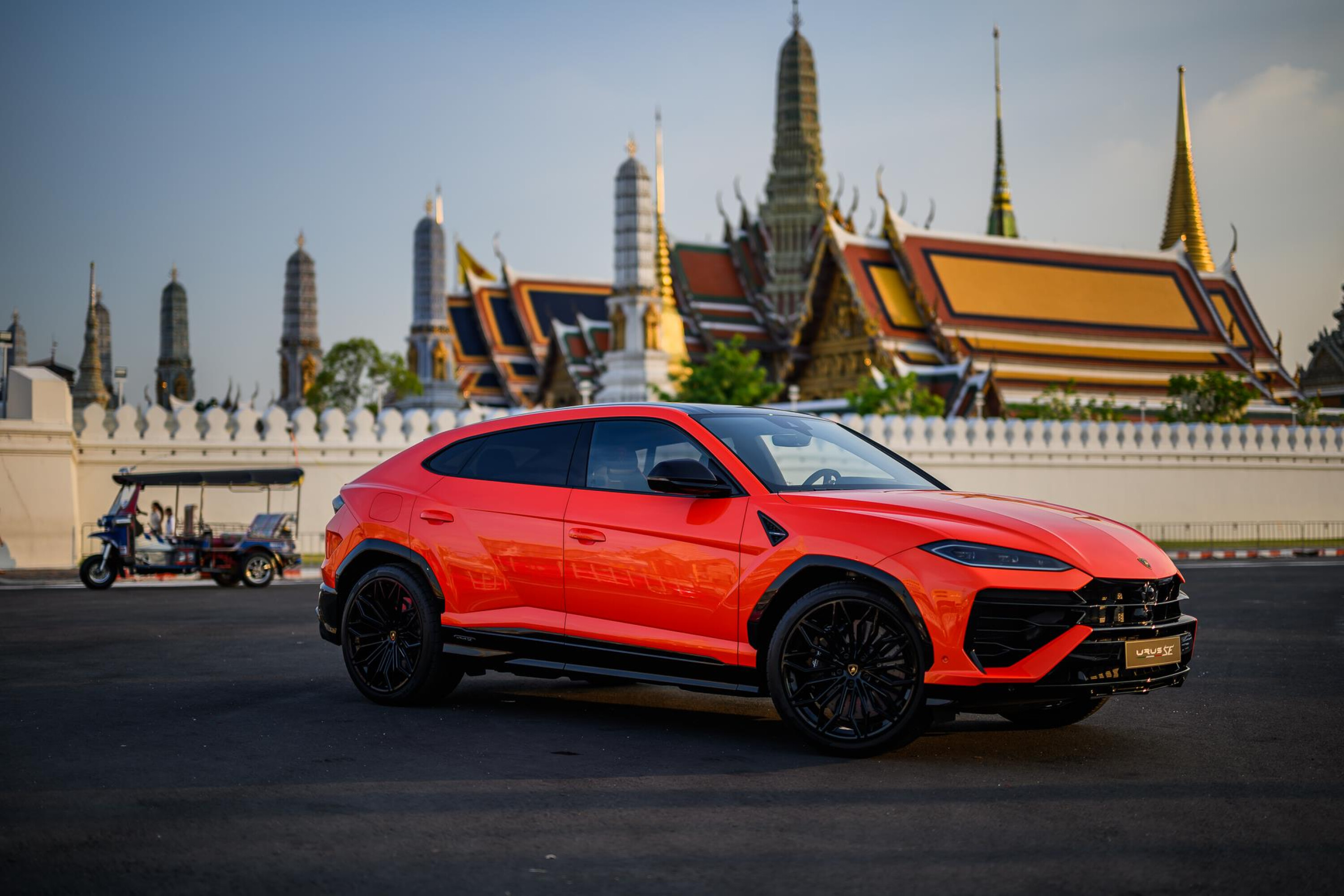
Lamborghini Urus SE
Practicality. Environmental consciousness. Lamborghini?
The seemingly contradictory idea of Lamborghini hybrid SUV is no longer – it’ll be here in 2025 with the $457,834 (plus on-roads) Urus SE.
Yet that flamboyant exterior promises firepower – whatever’s powering it – meaning the PHEV Urus SE packs 588kW/800Nm with claims of 0-100kn/h in 3.4 seconds and a 312km/h top speed.
That comes from an electric motor sandwiched between the 4.0-litre V8 and 8-speed transmission, with all-wheel drive powering the 2550kg SUV a distance of 60km under electric power alone.
The entire Lamborghini line-up will be plug-in hybrid by the end of 2024, including the Huracan successor and replacement for the Aventador, the Revuelto.
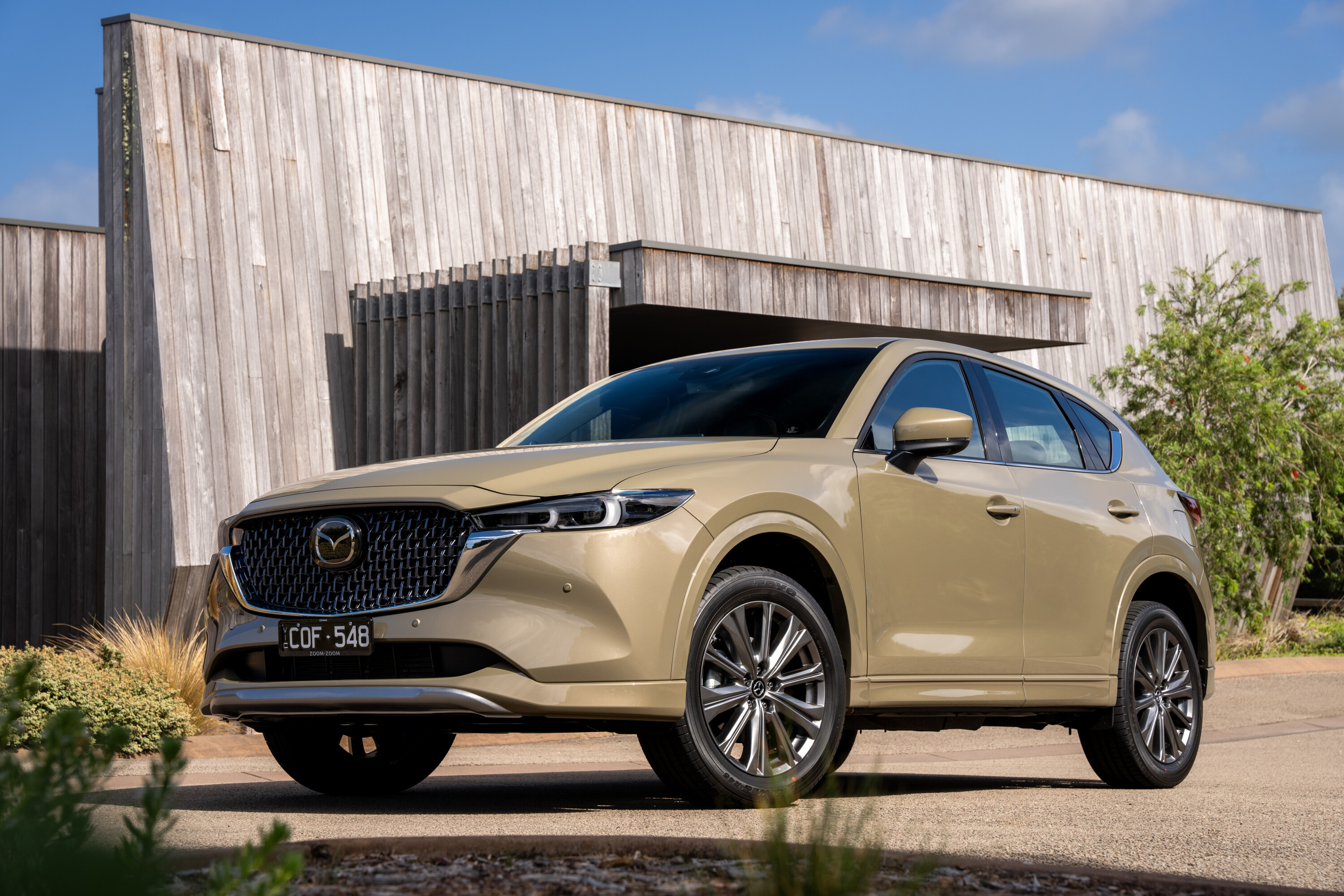
Mazda CX-5 PHEV
The next CX-5 is a landmark vehicle for Mazda Australia as the next generation of its best seller will include a plug-in hybrid EV for the first time.
In a bold move, it won’t be Toyota-powered despite a tie-up between the companies, with Toyota owning a five percent stake in Mazda.
The CX-50 SUV, sold in China and the US, uses the Toyota RAV4’s hybrid powertrain, but the next CX-5 will instead use the first in-house Mazda-developed plug-in set-up.
That’s all Mazda has confirmed for now, with scant information on the hybrid set-up, so watch this space as the CX-5 hybrid inches closer to Australian showrooms – and driveways.
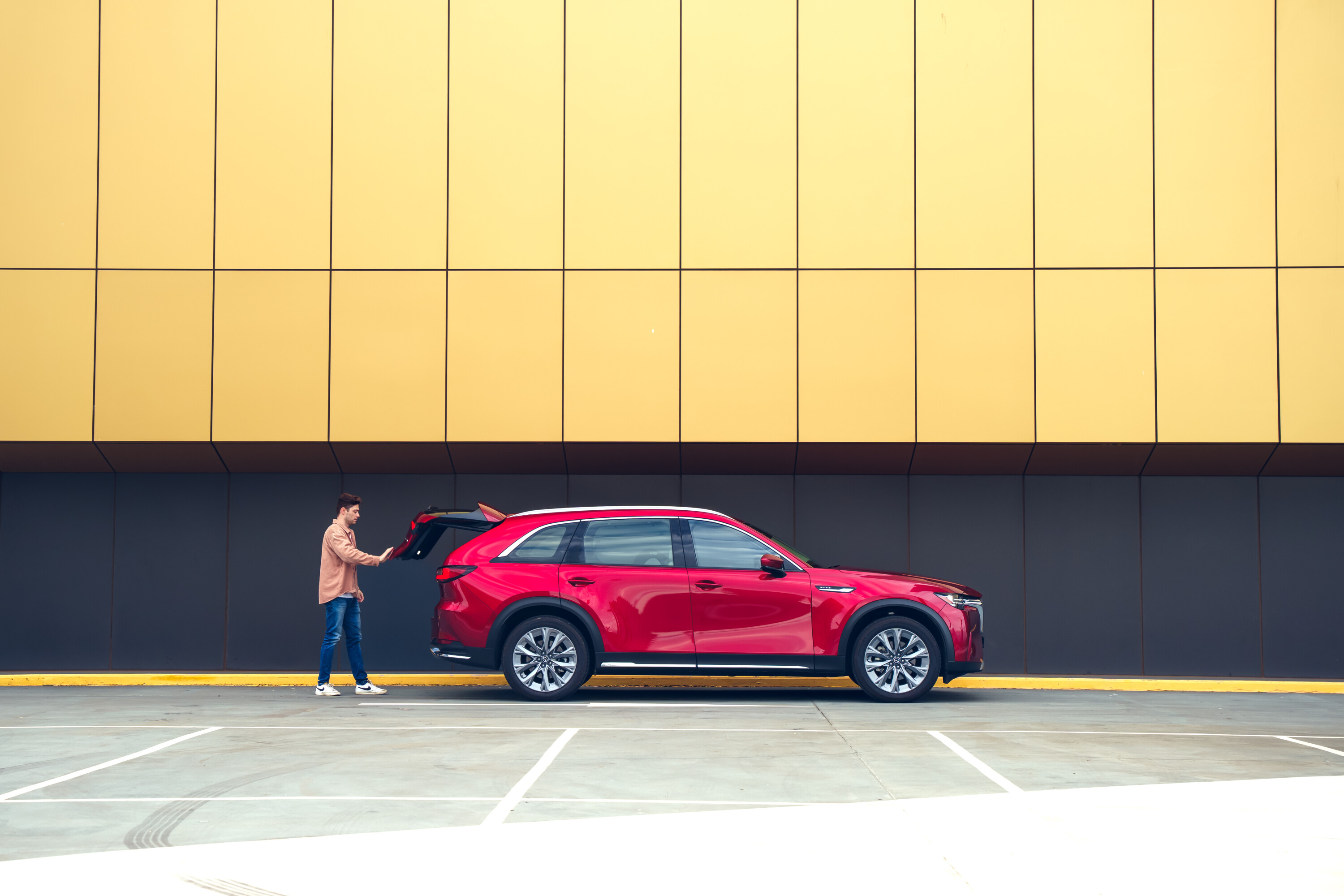
Mazda CX-70 PHEV and Mazda CX-90 PHEV
Mazda’s flagship CX-90 SUV is already here in petrol and diesel form – but the plug-in is on the wish list and could be here sometime in 2025.
The seven-seat CX-90 PHEV is on sale in left-hand-drive markets including North America where it scores all the bells and whistles with a 2.5-litre four-cylinder petrol engine, electric motor and eight-speed auto combo powering all four wheels.
Right-hook markets including the UK and Japan don‘t offer the CX-90 at all – even in petrol or diesel guises – making its business case for Australia all the more difficult, yet one Mazda seems determined to make stick.
Same goes for the five-seat CX-70, with its local arrival not likely before the end of 2024.
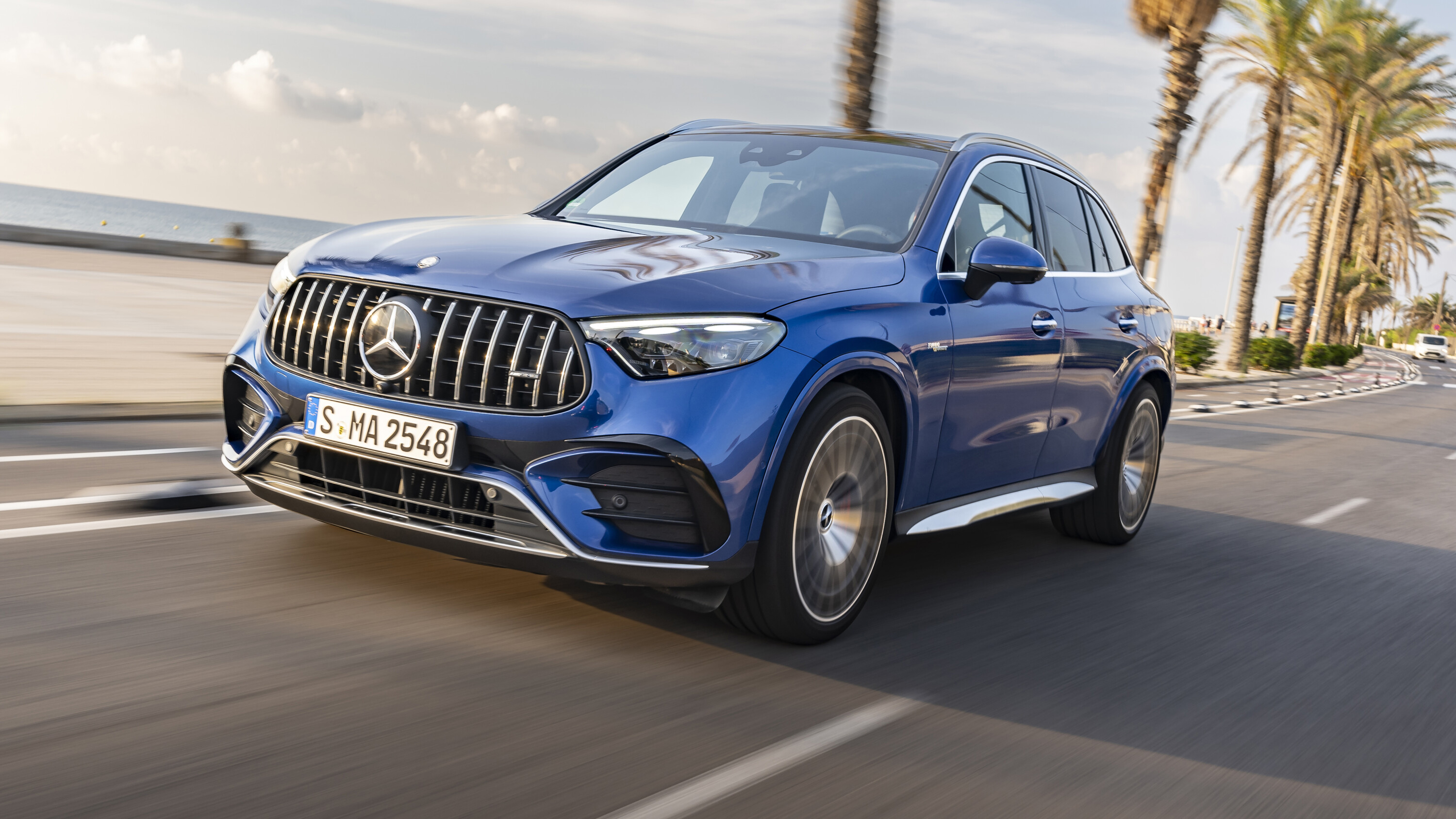
Mercedes-AMG GLC63 S E
Ditching V8 power after decades of guttural, grunty engines continues at AMG, with the flagship performance GLC S E Performance SUV now a hi-po hybrid.
Running a 350kW 2.0-litre four-cylinder turbocharged petrol engine with a battery pack and pair of 75kW electric motors delivers a healthy 500kW total, and while there’s 2.3 tonnes to move, our first drive overseas found it was more agile and talented than the stats suggest.
Mercedes-AMG quotes just 3.5 seconds for the 0-100km/h sprint.
Somewhat a technological wonder, it’s pricey, though – available to order now priced at $193K for the wagon or from $199,500 for the Coupe (both figures before on-road costs).
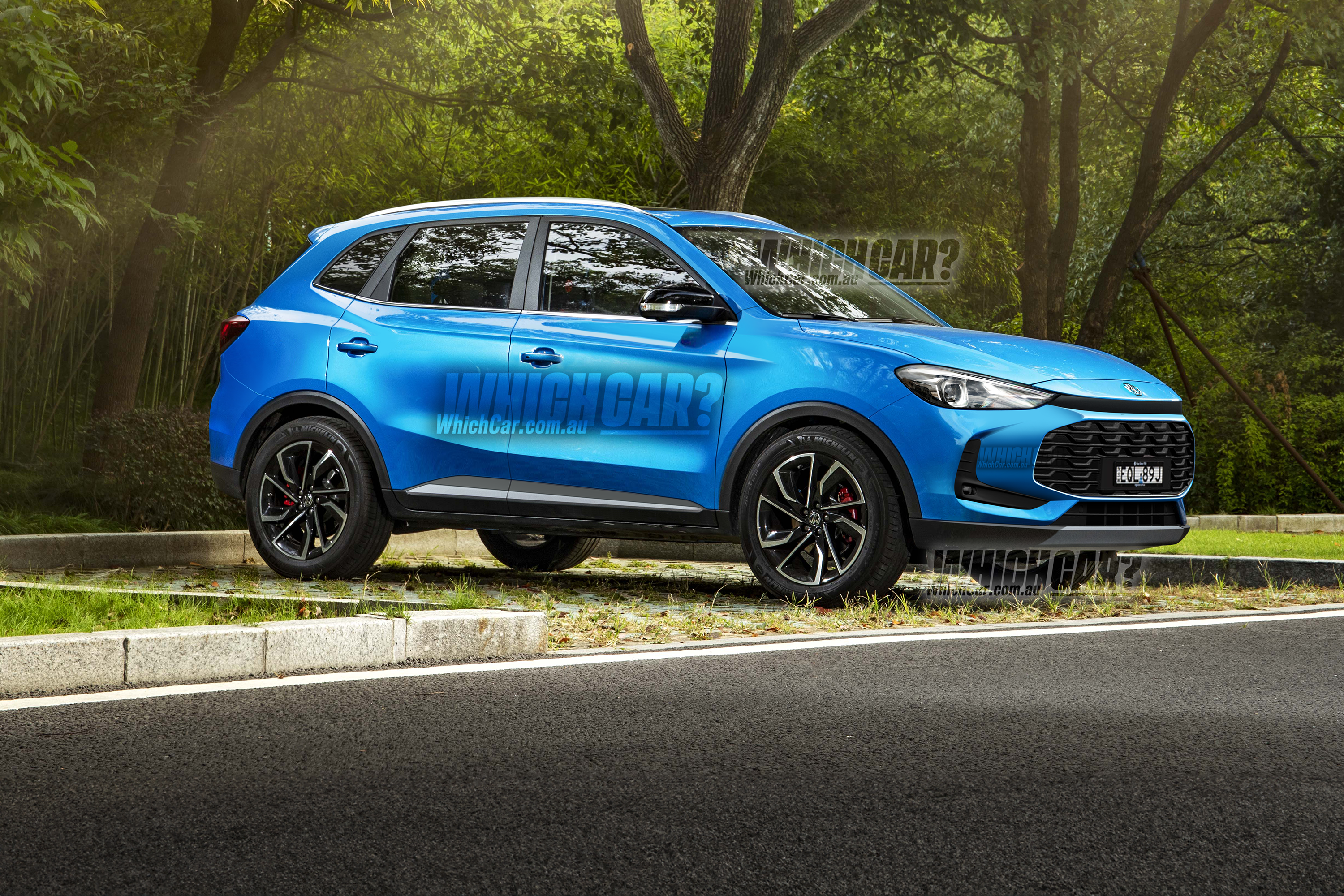
MG HS PHEV
The second-generation MG HS is set to arrive in Australia by the end of 2024 with both petrol and plug-in hybrid petrol-electric powertrains.
A rebadged version of the Roewe RX5 – with both MG and Roewe part of SAIC – the new HS comes with much sharper styling and slightly larger measurements than the best-selling Toyota RAV4.
Details of the Australian-spec HS haven’t been confirmed, but the eRX5 plug-in hybrid sold in China uses a 138kW/300Nm 1.5-litre petrol four-cylinder engine, 10-speed auto and 180kW/270Nm electric motor fed by a 12.3kWh battery.That compares to the outgoing model’s 189kW/370Nm powertrain, with range falling from 63km to 50km.
A non-plug hybrid – sold as the Roewe D5X overseas – may join the Australian line-up in 2025, with prices expected to increase from the current HS PHEV’s $44k driveway starting point.
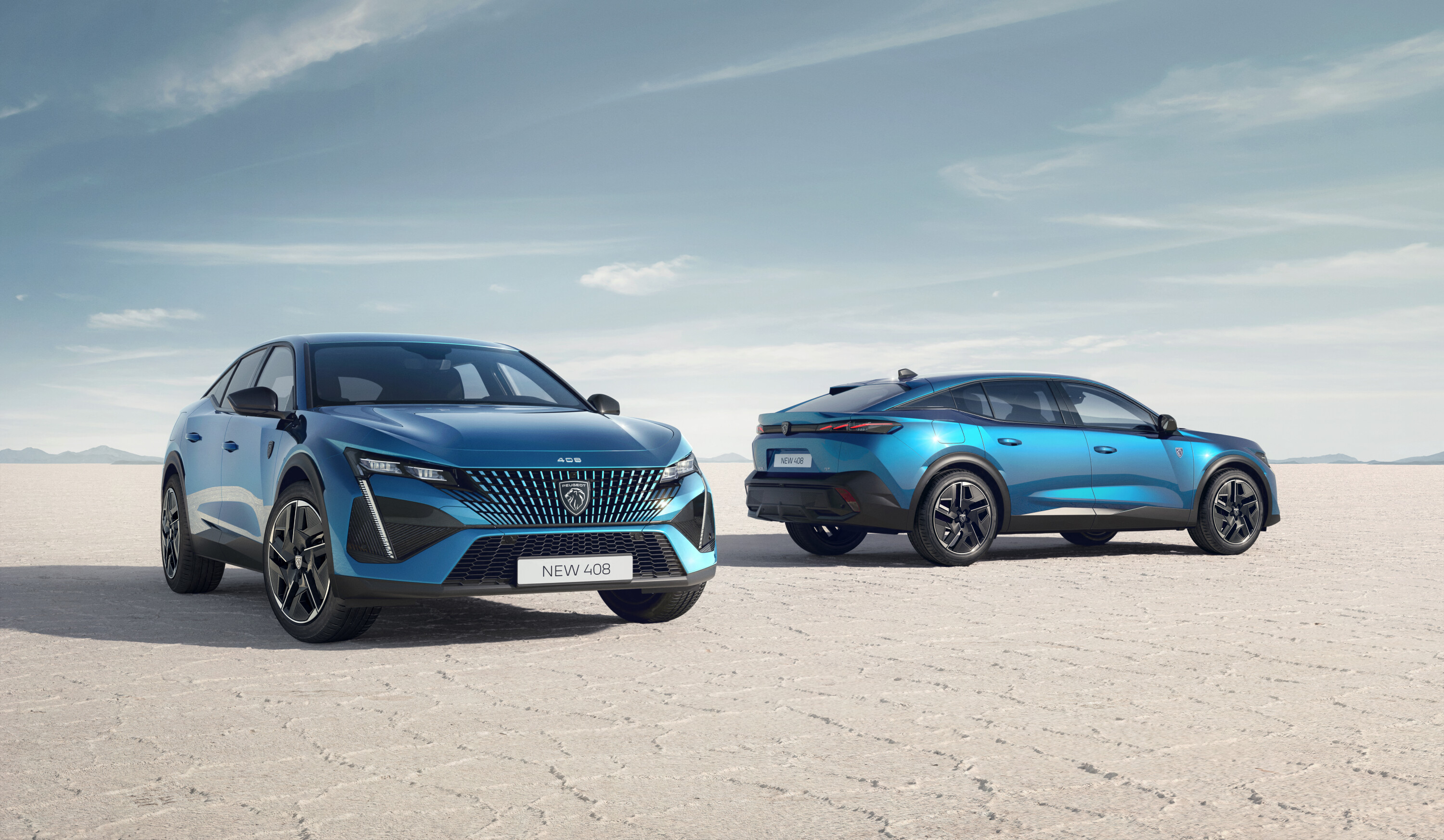
Peugeot 408 GT
The French car maker says the 408 is a new breed of Peugeot – and perhaps it is.
Somewhat a successor to the large 407 Coupe but jacked up – and with five doors including a liftback tailgate – the 408 crossover has recently arrived in Oz.
Bigger than Peugeot’s 308 which uses the same EMP2 platform – yet shorter than the 508 PHEV – local Peugeot distributors have confirmed the 408 will be offered in a single GT spec, priced at $67,990 before on-roads.The plug-in hybrid powertrain – lifted from the 308 and 508 PHEVs – uses a 131kW 1.6-litre turbocharged four-cylinder and an 81kW electric motor for a total 165kW/360Nm with claimed combined fuel economy of 1.3L/100km and electric-only range of 60km.
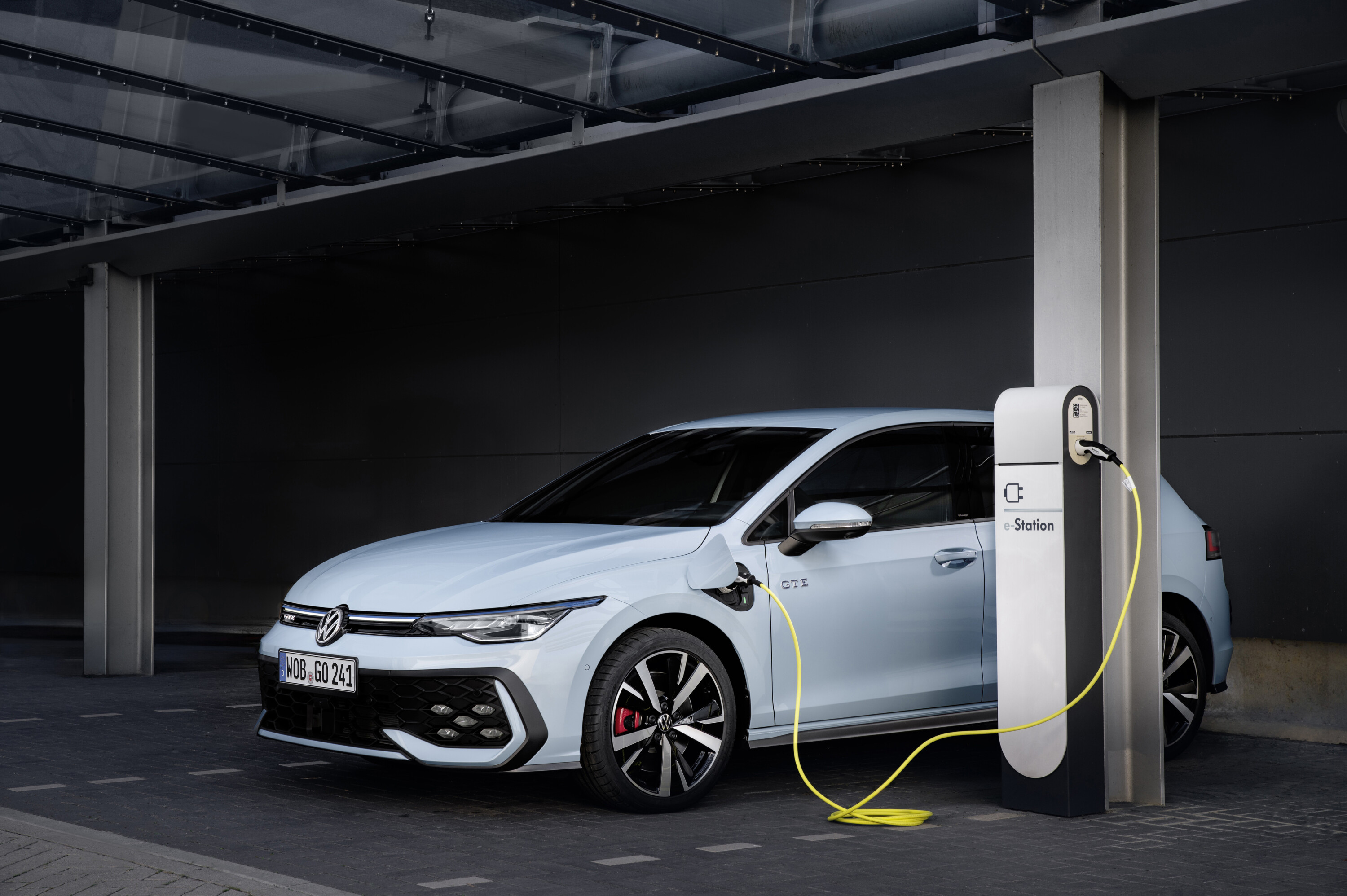
Volkswagen Golf GTE
The Golf GTE could join the renowned small car’s line-up locally after Volkswagen Australia said the introduction of NVES (New Vehicle Emissions Standards) as increased the number of electrified vehicles it can bring here.
The second-generation Golf GTE plug-in hybrid has been on sale in Europe since 2020 and may finally arrive in 2025 along with the facelifted Mark 8.5 Golf.
The updated GTE will use a 1.5-litre turbocharged four-cylinder petrol engine with six-speed automatic and electric motor for a combined 200kW. Its 19.7kWh battery provides a claimed 131km electric-only range and 50kW DC fast charging too.
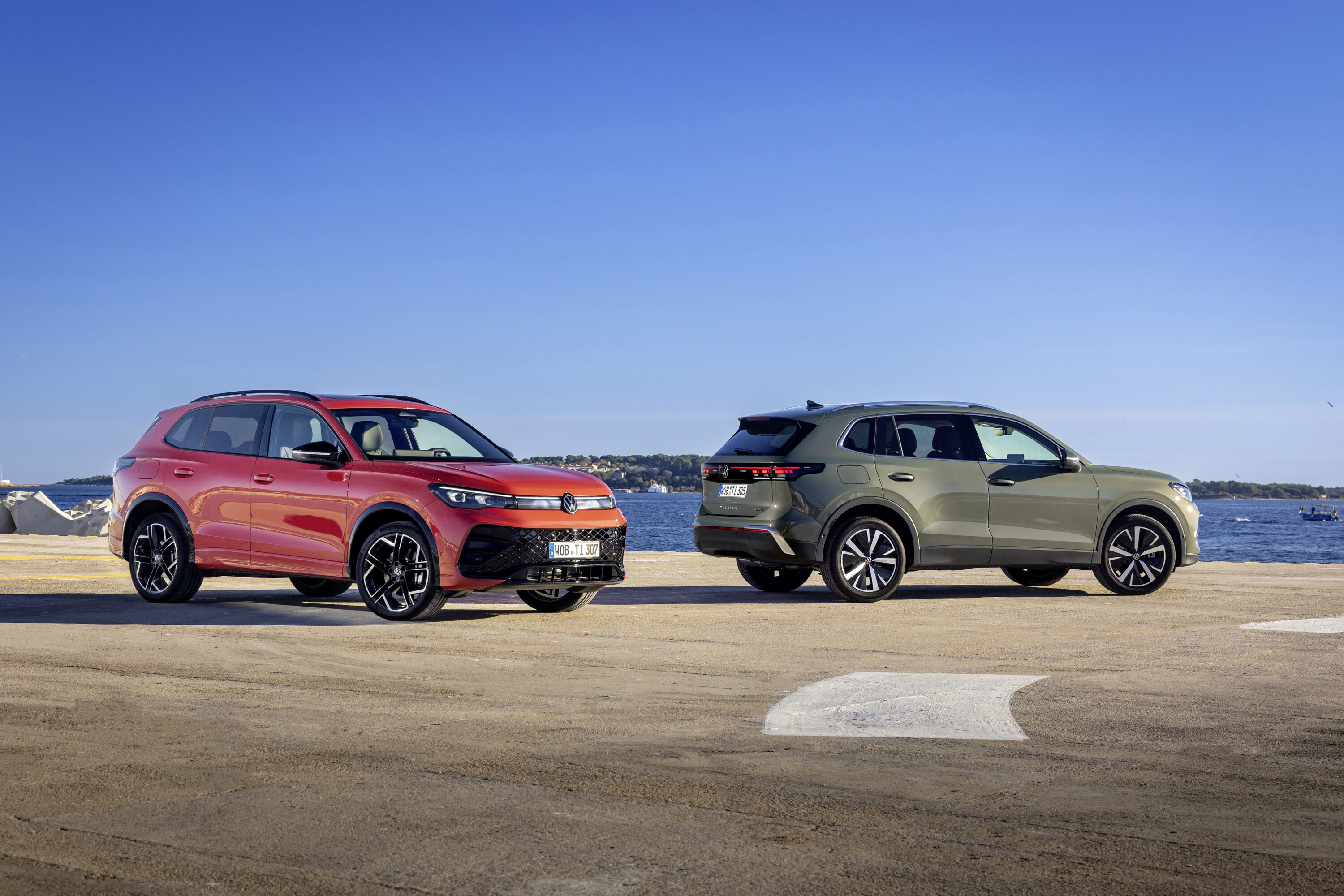
Volkswagen Tiguan eHybrid
The third-generation Tiguan is due to arrive in Australia in 2025 and is likely to see a plug-in hybrid model as part of the local line-up.
Australia missed out on the PHEV with the previous Tiguan, but the local arm has expressed a keen interest in the 2025 Tiguan eHybrid in place of diesel powertrains.
Sharing the Golf’s MQB Evo platform, the pluggy Tiggy also uses the same 1.5-litre turbocharged four-cylinder petrol engine and electric motor – sold overseas in 150kW and 200kW outputs – and 19.7kWh battery, with a claimed electric only range of up to 120km.
A four-door Ford Mustang could join the legendary coupe and convertible for the first time in its 60-year history, the company’s boss has told a UK media outlet.
Ford CEO Jim Farley told Britain’s Autocar in an exclusive interview that the Mustang’s huge global following meant there was potential to expand the range of body styles.
“We will never build a Mustang that isn’t a Mustang,” Farley told Autocar. “For instance, there will never be room for a small, two-row Ford SUV with a Mustang badge stuck on it. But could we do other Mustang body forms – a four-door or whatever? I believe we could, as long as these models have all the performance and attitude of the original.”
In a Freudian-style slip, Farley’s reference to SUVs overlooks the Mustang Mach-E electric SUV that was controversially given the famous pony-car name despite being completely unrelated to the V8 and four-cylinder-turbo sports car.
Farley added that any expanded V8 Mustang range would need to start with both more affordable and more aspirational versions of the traditional coupe/convertible. He cited German sports car maker Porsche’s GT2 and GT3 RS models as inspiration.
“Porsche has been smart about creating derivatives over the past 20 years,” he said. “But we wouldn’t want to do things their way. We want to give them a good, American-style run for their money.”
Ford has already announced a more ambitious Mustang with the track-focused GTD.
The seventh-generation Mustang’s Australian arrival has been delayed, with timing moving to the second half of 2024. The timing coincides with the 60th anniversary of the American muscle car, which debuted in 1964.
Ford has promised to build V8 Mustangs for as long as regulations allow.
The Mustang hasn’t been a complete stranger to four-door models in its history. The original 1960s model shared a platform and components with a certain sedan called the Falcon.
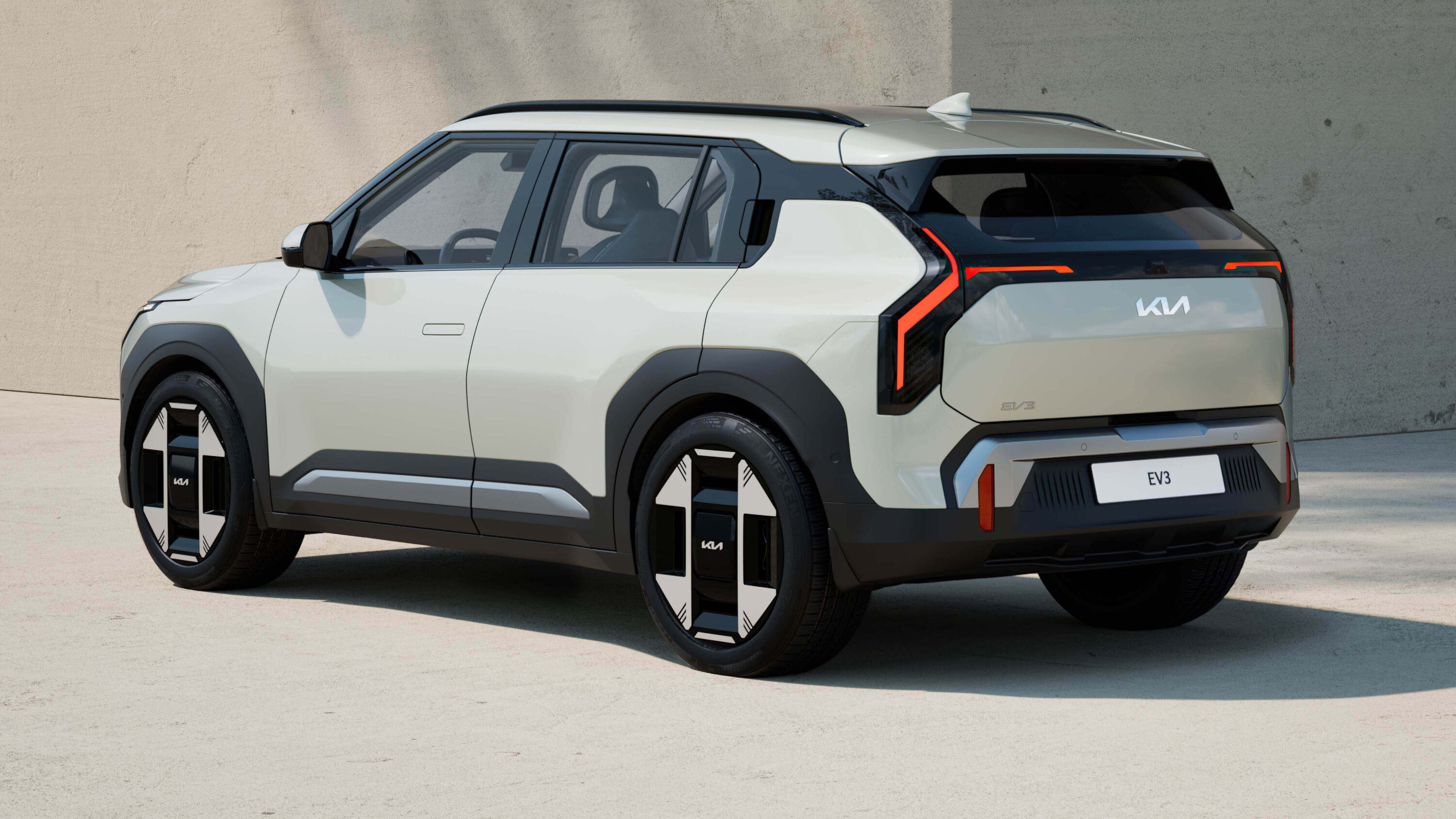
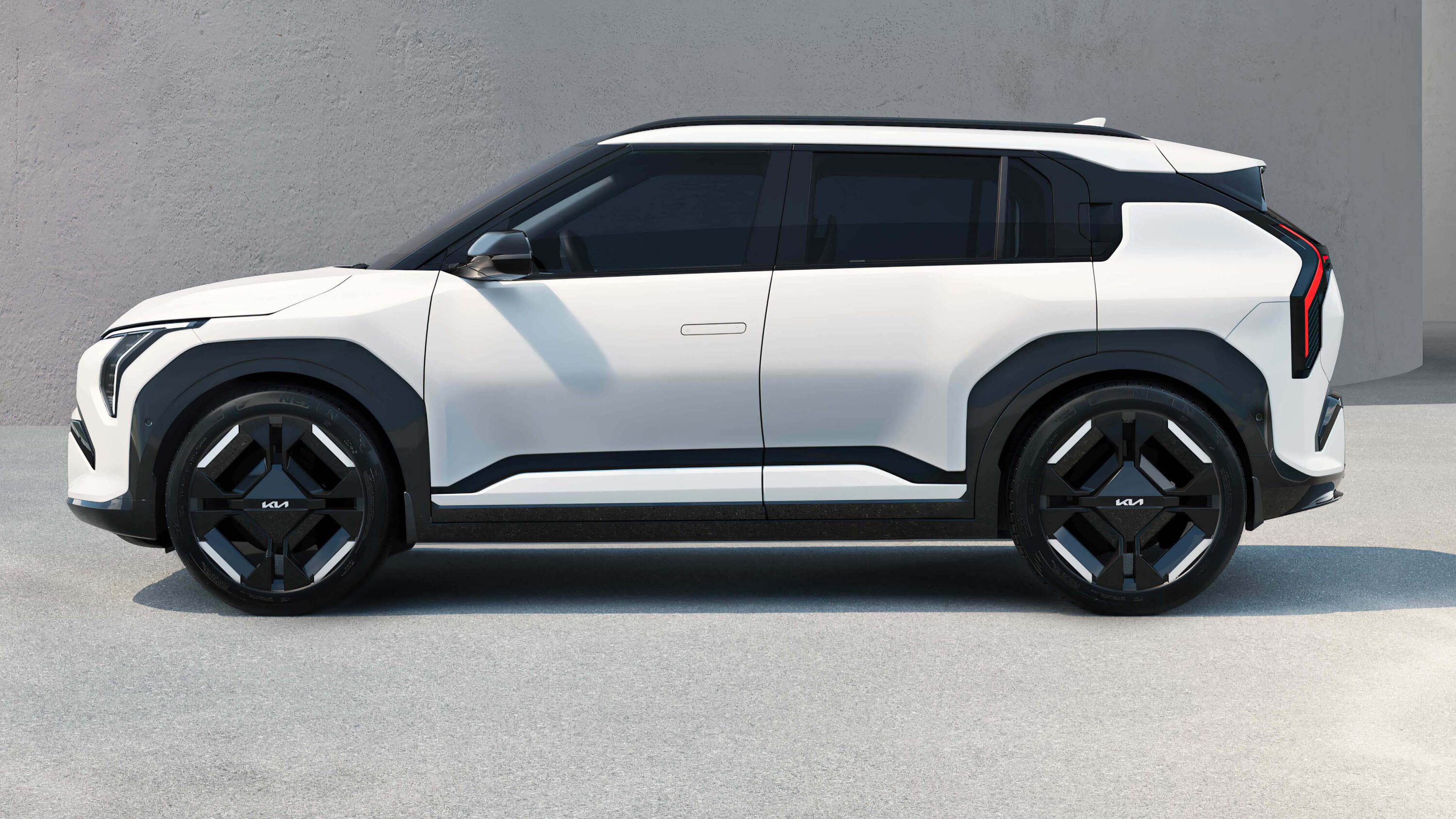
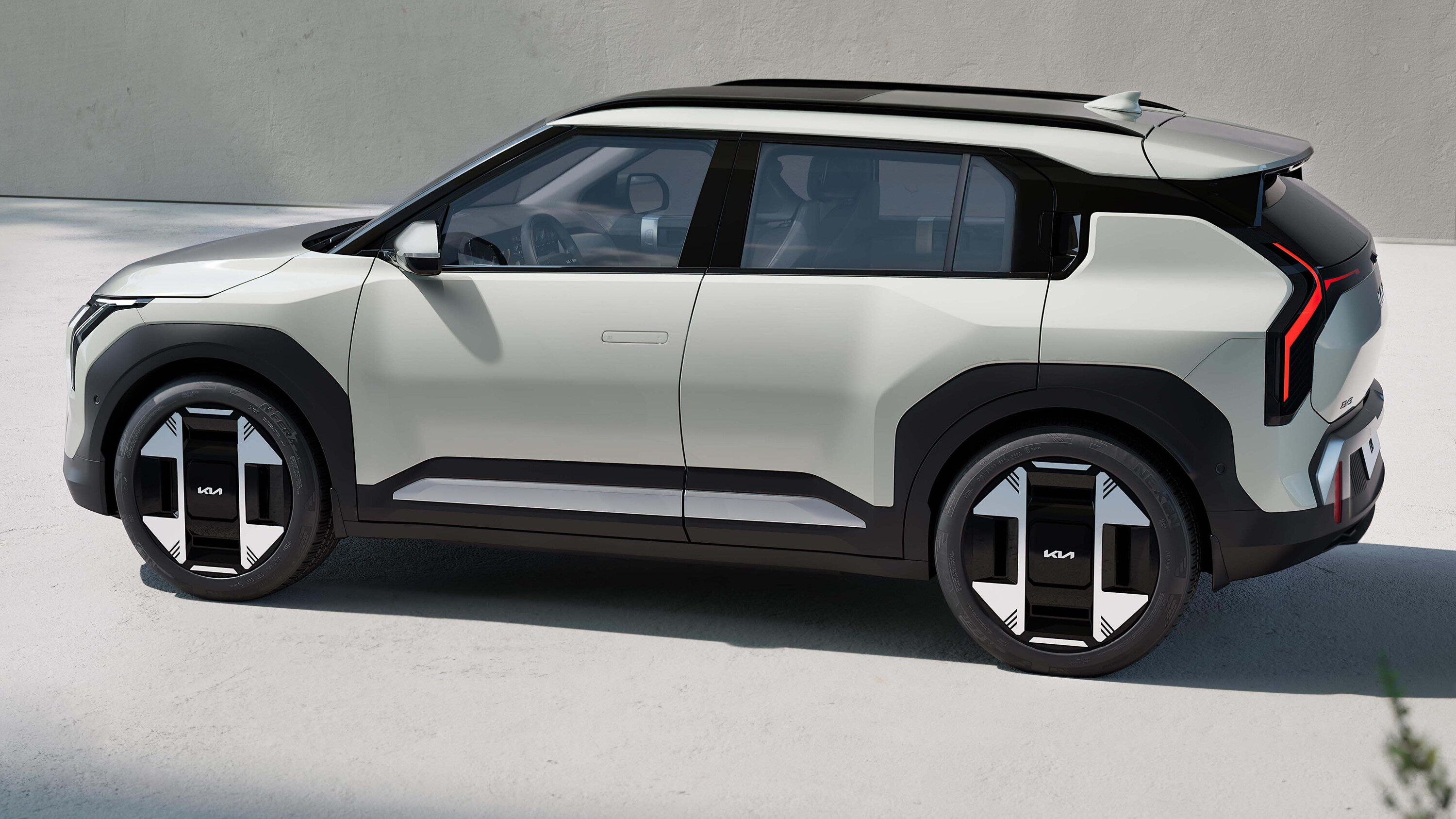
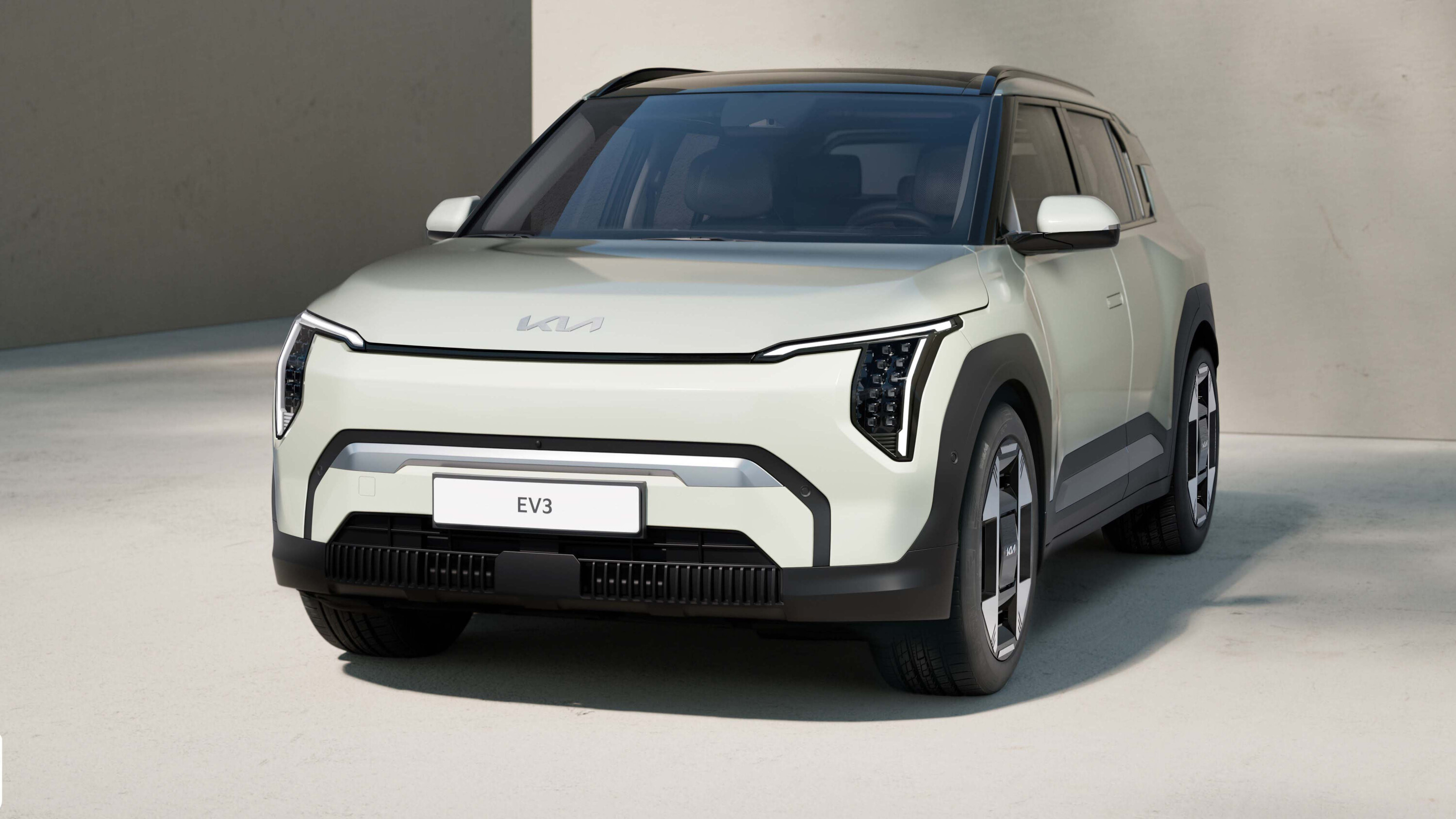
The 2025 Kia EV3 electric small SUV – a rival to the Hyundai Kona, Volvo EX30, BYD Atto 3 and MG ZS EV – has debuted ahead of its Australian launch.
Kia Australia has confirmed the EV3 will arrive in local showrooms sometime in 2025 – joining other dedicated EVs like the EV5, EV6 and EV9 – with exact timing to be confirmed closer to its launch.
The EV3 is based on the Hyundai–Kia Group’s E-GMP modular electric vehicle platform – but, like the EV5, it has a front-wheel-drive bias and a lower 400-volt charging architecture.
Larger E-GMP electric vehicles like the EV6 and EV9 are based on a rear-biased version of the platform with an 800-volt architecture supporting ultra-rapid 350-kilowatt direct-current public charging stations.
Production of the EV3 is due to commence in South Korea soon, with a global pricing target between US$35,000 and US$50,000 (AU$52,000 to AU$75,000) – positioning it closer to Hyundai Kona Electric and Volvo EX30 than the BYD Atto 3, MG ZS EV and Chery Omoda E5.
The brand was unable to confirm where Australian-market versions will be manufactured. It could follow the EV5 in being sourced from China, allowing for better price parity with its Chinese rivals.
Kia claims it did not benchmark other compact electric vehicles like the Kona or EX30 while developing the EV3 – though it bears a similar shape to its boxy, upright Volvo competitor.
The EV3 measures 4300 millimetres long, 1850mm wide and 1560mm tall, with a 2680mm wheelbase.
It has a 430-litre boot capacity – with a two-tier storage board allowing for 140 millimetres of load height flexibility – and a 25-litre front storage compartment, which is said to be the “largest luggage space in its class” when combined.
Mini matchup: Kia EV3 v Hyundai Kona v Volvo EX30 v BYD Atto 3 v Kia Seltos
Note: List scrolls horizontally.
| Model | Kia EV3 | Hyundai Kona Electric | Volvo EX30 | BYD Atto 3 | Kia Seltos |
|---|---|---|---|---|---|
| Length | 4300mm | 4355mm | 4233mm | 4455mm | 4385mm |
| Width | 1850mm | 1825mm | 1836mm | 1875mm | 1800mm |
| Height | 1560mm | 1580mm | 1549mm | 1615mm | 1635mm |
| Wheelbase | 2680mm | 2660mm | 2650mm | 2720mm | 2630mm |
| Boot space | 460L | 434L | 318L | 440L | 433L |
| Front storage compartment (frunk) | 25L | u2013 | 7L | u2013 | u2013 |
The EV3 will be available in standard or extended-range variants at launch, with the latter offering a WLTP-rated 600-kilometre driving range.
Standard range versions have a 58.3kWh battery pack, while the extended range steps up to an 81.4kWh unit with a claimed 10 to 80 per cent charge time in around 31 minutes.
All versions have a 150kW/283Nm electric motor mounted to the front axle, allowing for a best 0-100km/h time of 7.5 seconds and a 170km/h top speed.
According to Kia, the EV3 has a low drag coefficient of 0.263 Cd – compared to 0.27 for a Kona Electric, 0.28 Cd for an EX30 or 0.33 for a Seltos – with a full three-dimensional undercover.
It also has an energy-efficient battery management unit and cell monitoring unit to maximise driving range.
The EV3 follows Kia’s ‘opposite united’ design language with an overall look reminiscent of the larger EV5 and EV9.
A “little sportier [and] dynamic” EV3 GT-Line will be available at launch with body-coloured trim, different bumpers and unique alloy wheels, while a dual-motor EV3 GT will follow later.
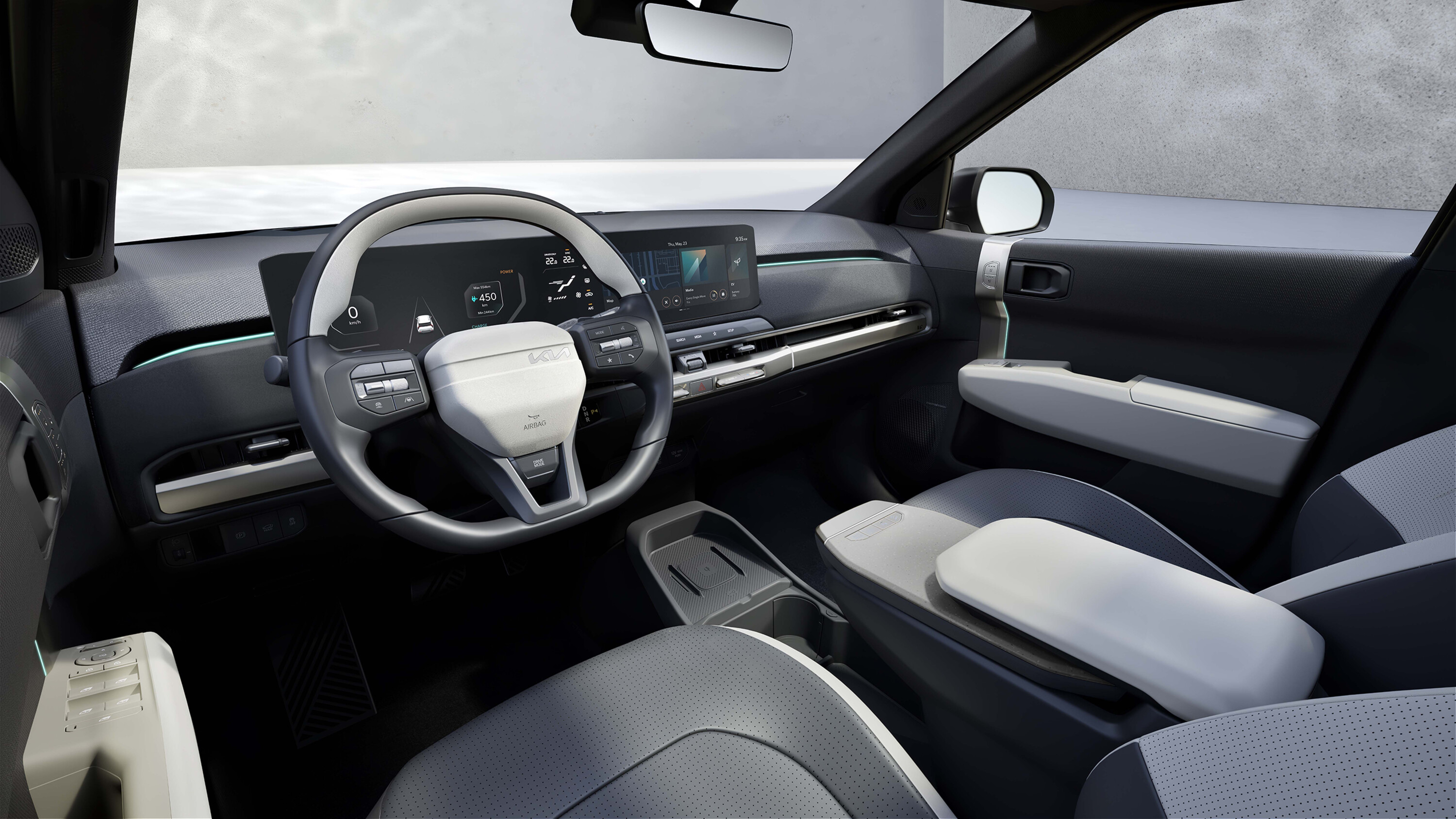
Inside, there is a panoramic display with a 12.3-inch digital instrument cluster, a five-inch climate control display, and a 12.3-inch CNNC infotainment system – matching other new Kia models like the EV5, EV9 and K4.
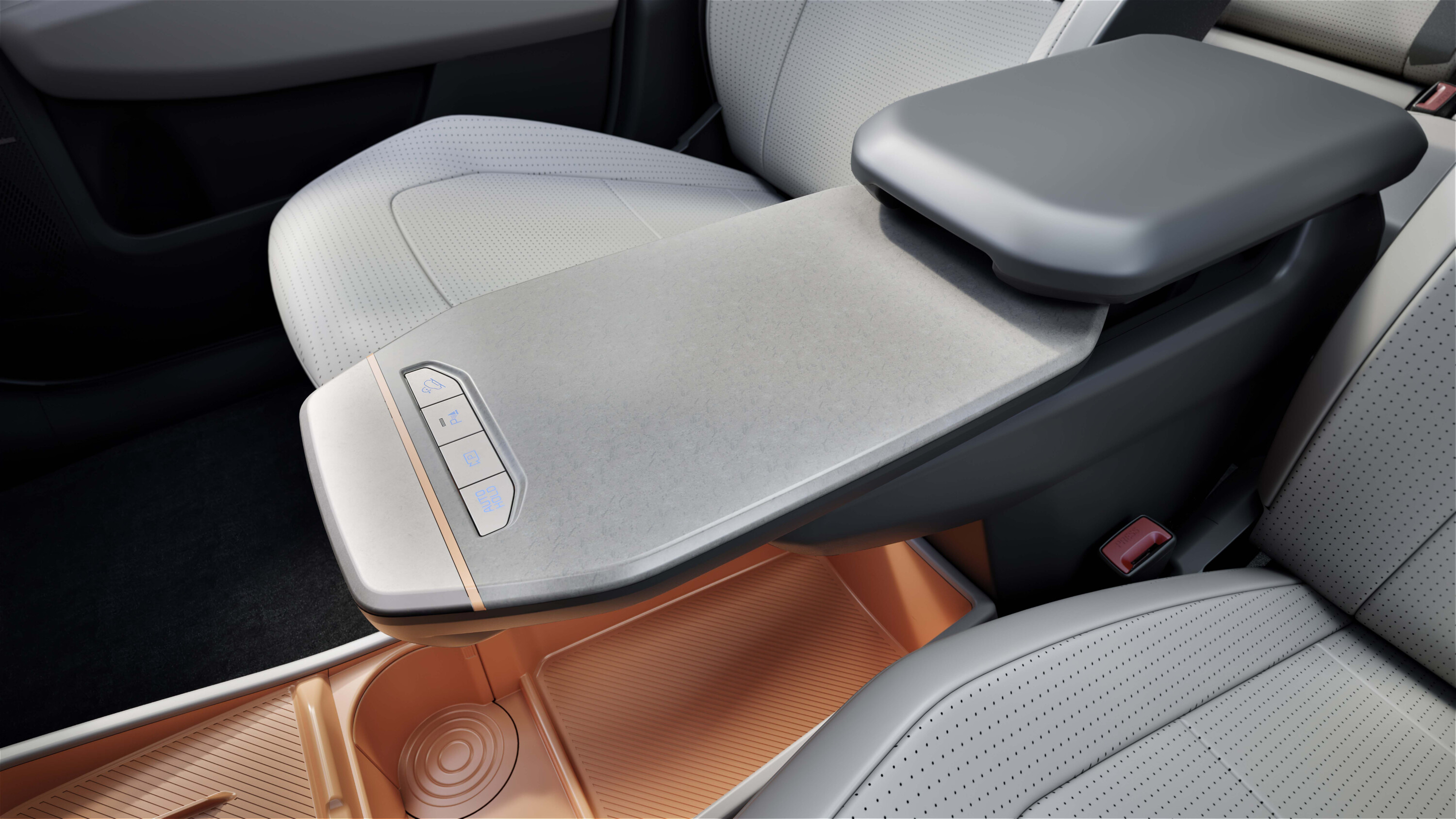
Unlike other electric vehicles from brands such as Tesla and Volvo, Kia has retained physical controls for key functions like cruise control, entertainment, navigation and drive mode – plus traditional stalks and a column-mounted gear selector.
Other interior highlights include configurable ambient lighting, a fold-back relaxation mode for the front seats, an available 12-inch head-up display, and a Harman Kardon audio system.
There’s also support for a digital key and in-vehicle or outdoor vehicle-to-load, while owners waiting for their EV3 to charge can watch videos from streaming services like Netflix and YouTube via LG’s WebOS Automotive Content Platform.
Kia has used recycled materials for the dashboard and door trims, as well as polyethylene terephthalate – said to be “among the most easily recycled plastics in the world” – for the seats, headliner, floor mats and luggage board.
First seen in the Cerato-replacing K4 small car, the EV3 is the next Kia model to sport a built-in generative artificial intelligence voice assistant based on a “heavily modified” version of OpenAI’s ChatGPT.
Electric dynamic torque vectoring control and updated ‘I-Pedal 3.0’ with selectable regenerative braking levels for one-pedal driving in the strongest setting have been introduced for the EV3.
Active safety features include autonomous emergency braking lane-keep assist, semi-autonomous Highway Driving Assist, and Remote Smart Parking Assist.
Kia said that the Niro EV – based on the same combustion-first platform as the Hyundai Kona and the new Kia K4 – will continue to be sold alongside the EV3 in some markets, but there will be more focus on the Niro Hybrid.
“We will continue to sell Niro EV together with EV3 in the market,” said Kia president Ho-Sung Song.
“Each market has different tastes or customer preferences – that’s why some markets prefer the Niro EV, but maybe some markets are going for more weight for EV3.
“The Niro has a hybrid motor and we expect there will be more weight for the Niro Hybrid model rather than the EV model when we are launching the EV3. We have focused for the EV3 more on EV-dedicated customers, and Niro will be more weighted for hybrid customers.”
Kia said it expects to sell 200,000 EV3s annually.
More details about the 2025 Kia EV3 will be confirmed when it launches in its Korean domestic market in July.
Brace yourselves for more joint ventures like the Toyota Supra/BMW Z4 and GR 86/Subaru BRZ, with the head of Toyota’s GR performance brand predicting manufacturers will need to collaborate more if they want to keep making sports cars.
Tomoya Takahashi, the company president of Toyota GR, emphasised the necessity of collaboration in an interview with Wheels during a recent visit to Australia.
“The cooperation with other companies is very difficult,” Takahashi said. “The sports car market is shrinking in the future so we cannot maintain the sports car as one brand.
“Cooperation between brands will increase in the future, but it’s not for one manufacturer to survive, but to protect the car enthusiast. Our mission is to make car guys make smile.”
Takahashi emphasised that to maintain the joy of driving for enthusiasts, collaboration is crucial. “To make car guys smile, we need to collaborate,” he said.
Toyota has been at the forefront of advocating for collaboration in the sports car industry. This commitment was demonstrated through its joint venture with Subaru, resulting in the creation of the acclaimed affordable sports car twins: the Toyota 86 and Subaru BRZ. These vehicles garnered widespread acclaim and also won the Wheels Car of the Year award in 2012.
Further highlighting Toyota’s collaborative efforts, another partnership with BMW led to the development of the fifth-generation Toyota Supra, which shares significant components with the BMW Z4. This collaboration enabled Toyota to revive an iconic nameplate, delivering a high-performance sports car that resonated with enthusiasts worldwide.
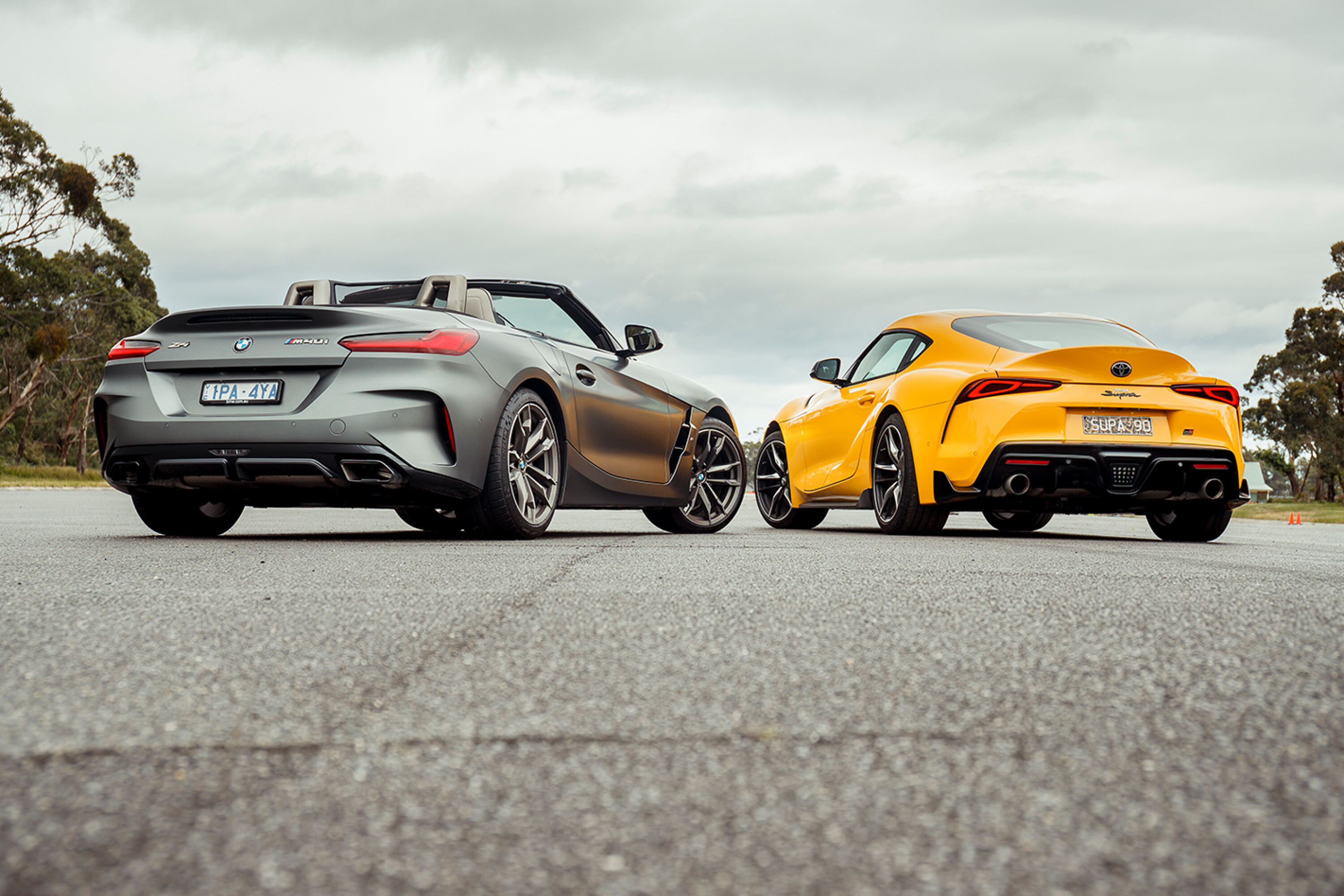
While Toyota has been a pioneer in this approach, it is not alone in recognising the benefits of collaboration. Joint venture partnerships have become increasingly prevalent in the automotive industry. Examples include McLaren and BMW, as well as Alpine and Lotus, which recently agreed to team up to develop a sports car. However, not all collaborations come to fruition, as evidenced by the recently abandoned partnership between Alpine and Lotus.
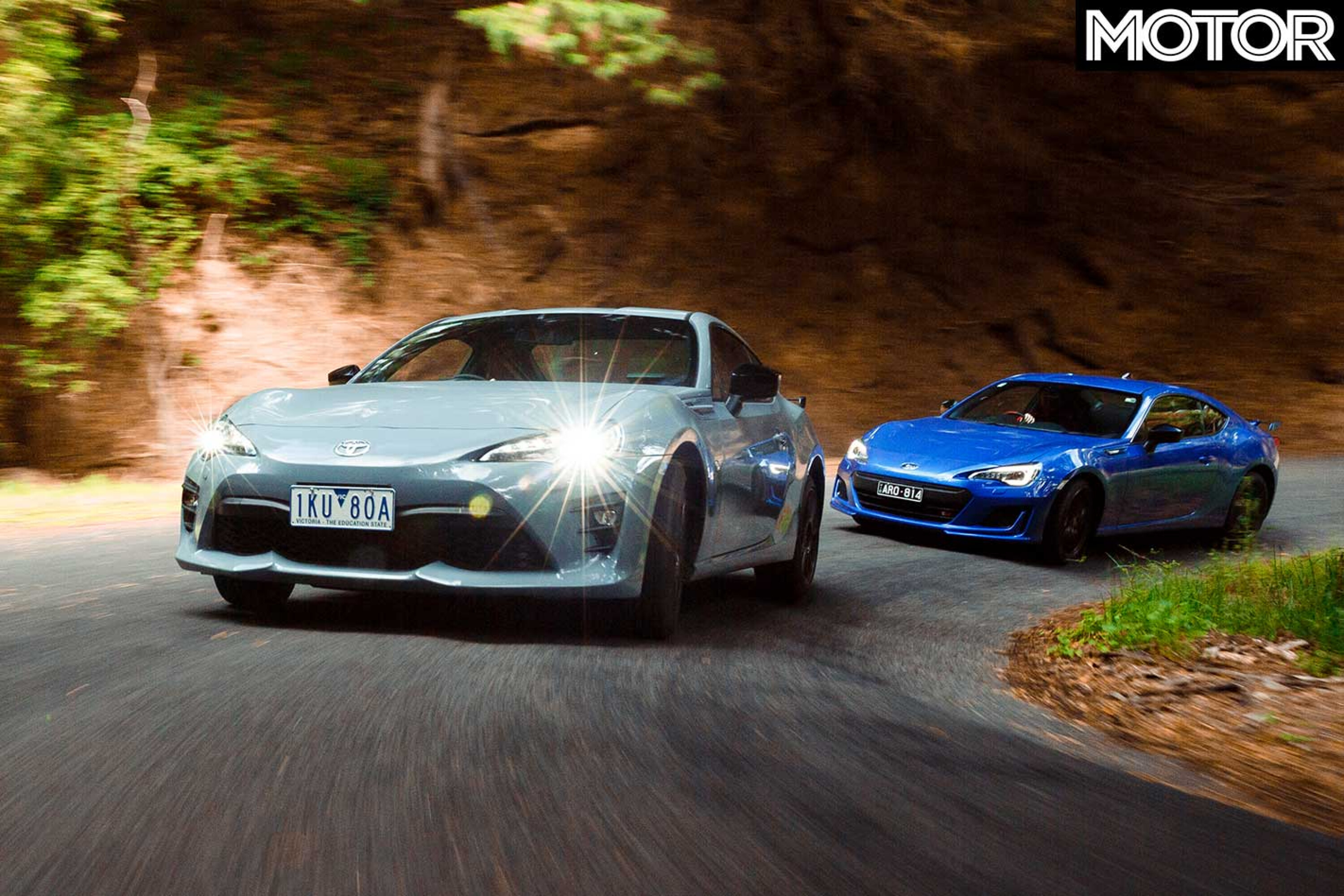
Sharing development costs is a key motivation behind joint ventures. In the competitive automotive landscape, the financial burden of designing and engineering new models can be substantial. By pooling resources and expertise, manufacturers can mitigate these costs and deliver innovative vehicles to market more efficiently.
This strategy is not unique to the sports car segment, of course. Across various automotive sectors, collaboration is becoming a common practice. For instance, Ford and Volkswagen jointly developed the Ranger and Amarok pickups, while the Isuzu D-Max and Mazda BT-50 also share underpinnings.
Volkswagen Australia says it has no interest in a race to the bottom on EV pricing following news of the latest Tesla price cuts.
The most popular EV in the country has just seen a further reduction to its entry price point – now $55,900 plus on-roads for the Model Y RWD – and it seems logical that a brand like VW, which is soon to launch its first EV in this market, would be keeping an eye on such developments.
It’s just a few months before the roll-out of pre-orders for the ID.4, and it’s the burning question for anyone who has paid attention to the delay-upon-delayed launch of VW’s first EV in Australia.
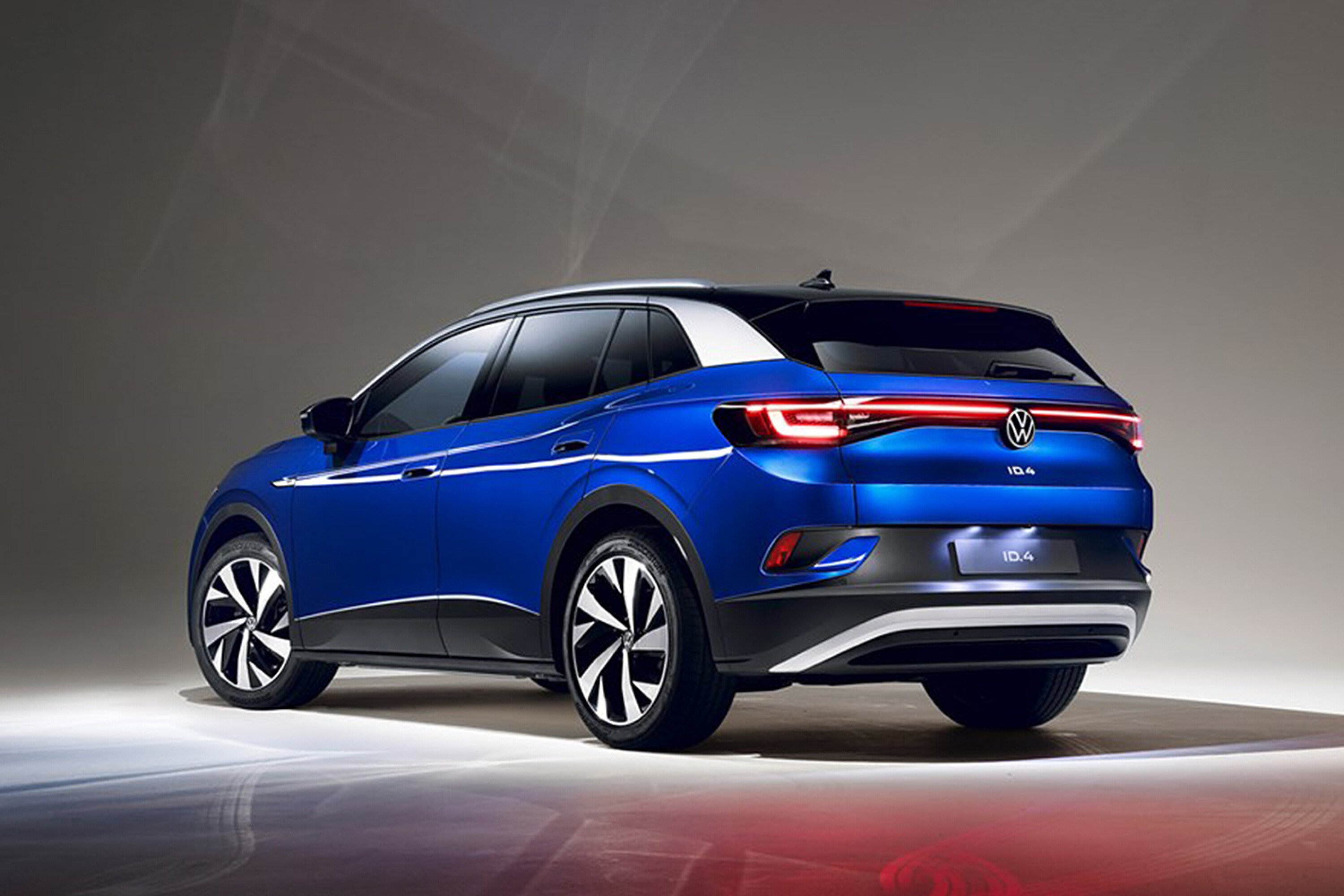
Ralph Beckmann, general manager of marketing and product for VW Australia’s passenger vehicles, said the company will not engage in a battle of discounts when the first fully-electric ID model launches.
“We’re not going to get into a price war,” said Mr Beckmann. “The brand never has, it never has competed on price, it’s a competition on value.
“What we’re bringing with ID – and you will see when we announce the pre-sale in a bit more detail, is [we’re launching] with a far more comprehensive package than just the product,” Mr Beckmann said, referring to the brand’s announcement that it will offer discounted fast-charging at Ampol Ampcharge facilities, as well as tailored home-charging solutions for single- and three-phase households.
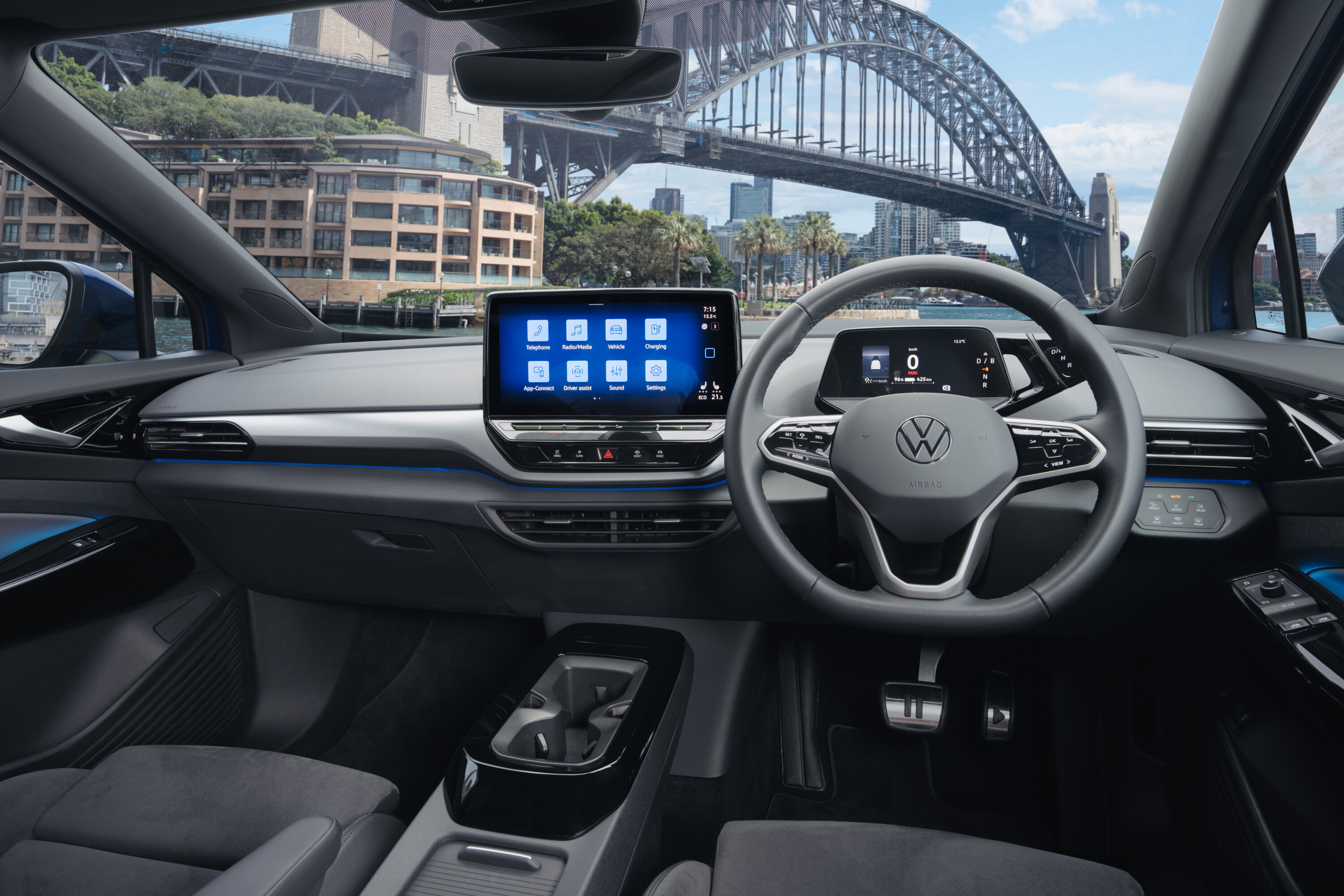
“There’ll be some other kinds of solutions that we will be offering, so it’s a value proposition rather than entering a price war,” Mr Beckman said.
For context, the Model Y and ID.4 align pretty closely in terms of the part of the market they are targeting.
The Model Y is slightly larger in all directions at 4750mm long, 1921mm wide and 1624mm tall, whereas the ID.4 is 4600mm long, 1852mm wide and 1613mm long. The Tesla also has more cargo capacity with a claimed 854L available (ID.4: 549L). And the Tesla is available with a choice of rear-wheel drive or all-wheel drive, and the ID.4 is expected to be offered with the same.
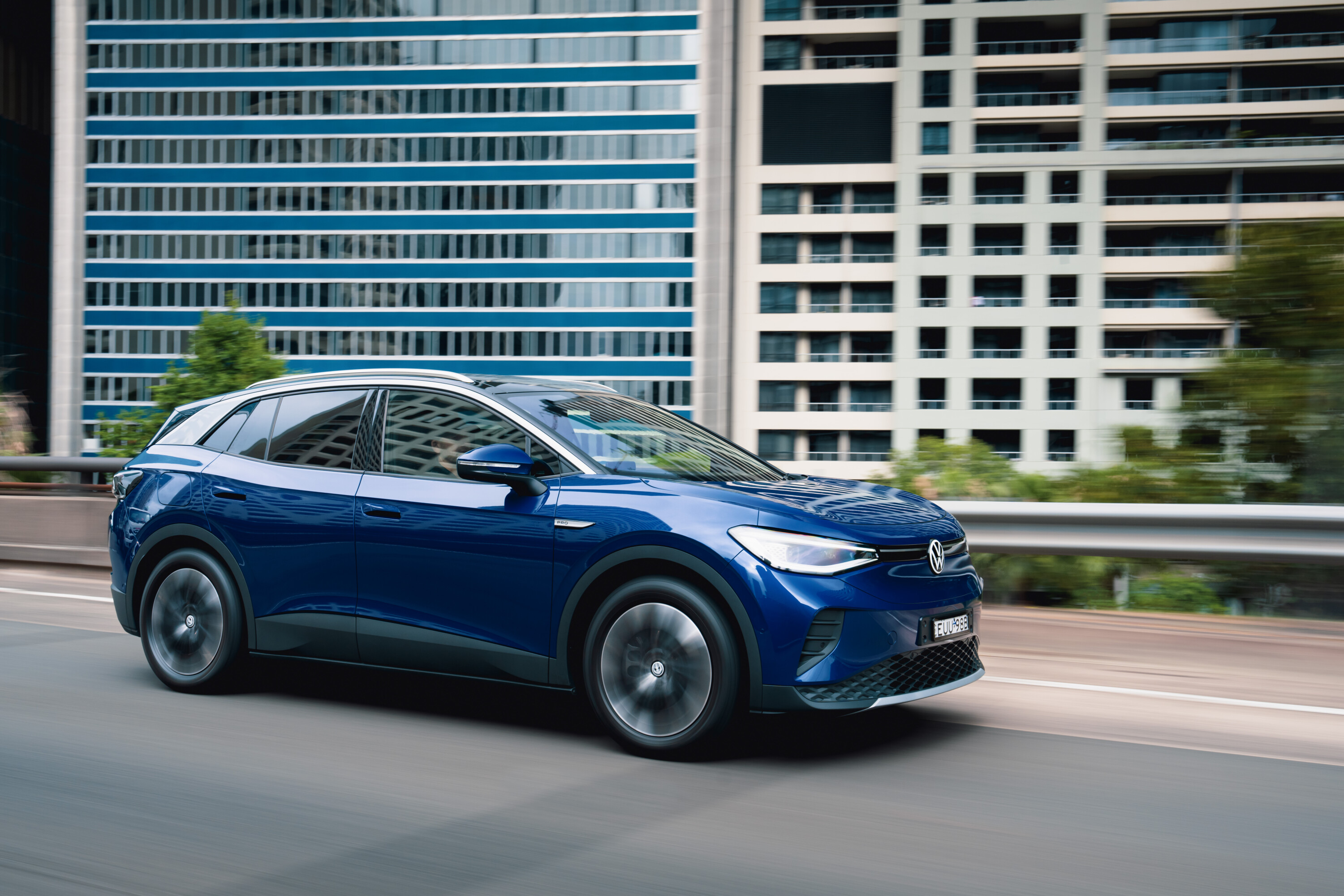
Daniel DeGasperi, VW Australia product and PR communications manager, said that the rush to cut prices in light of highly competitive forces can bode badly for an important stakeholder of a car business – its consumers.
“When manufacturers discount, you often hurt your most loyal buyers, and you really slash resale values significantly,” he said.
“So you’ve got to – as far as possible – future proof your business by putting in really good price points,” Mr DeGasperi said. “And that’s why we’re not here today telling you ID.4 pricing, because there is always opportunity to do better with the pricing, and that’s what we want to do before we announce it.”
Mr DeGasperi said “July is when people can buy it”, and it is expected that the brand will continue to hold its cards close to its chest until then.
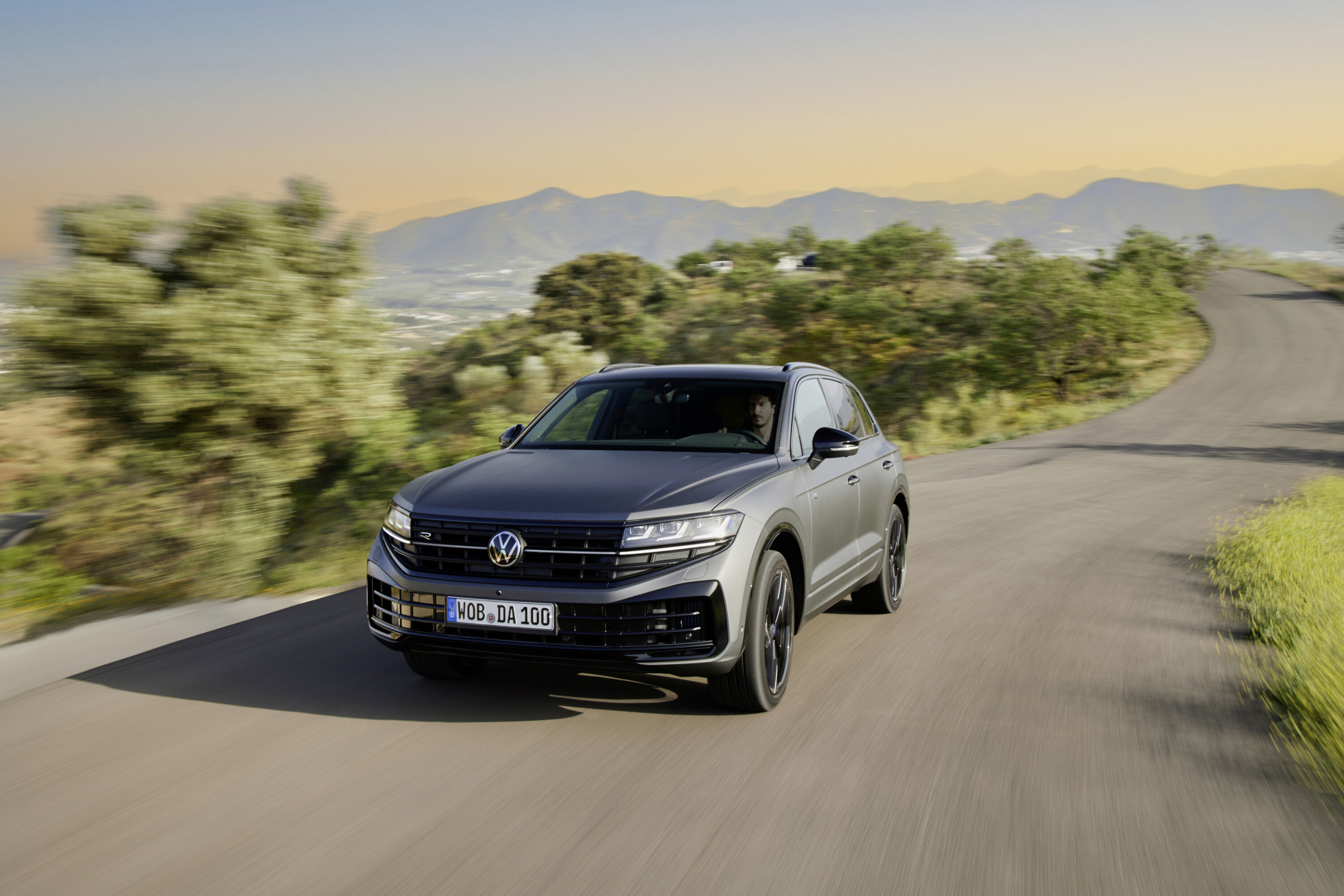
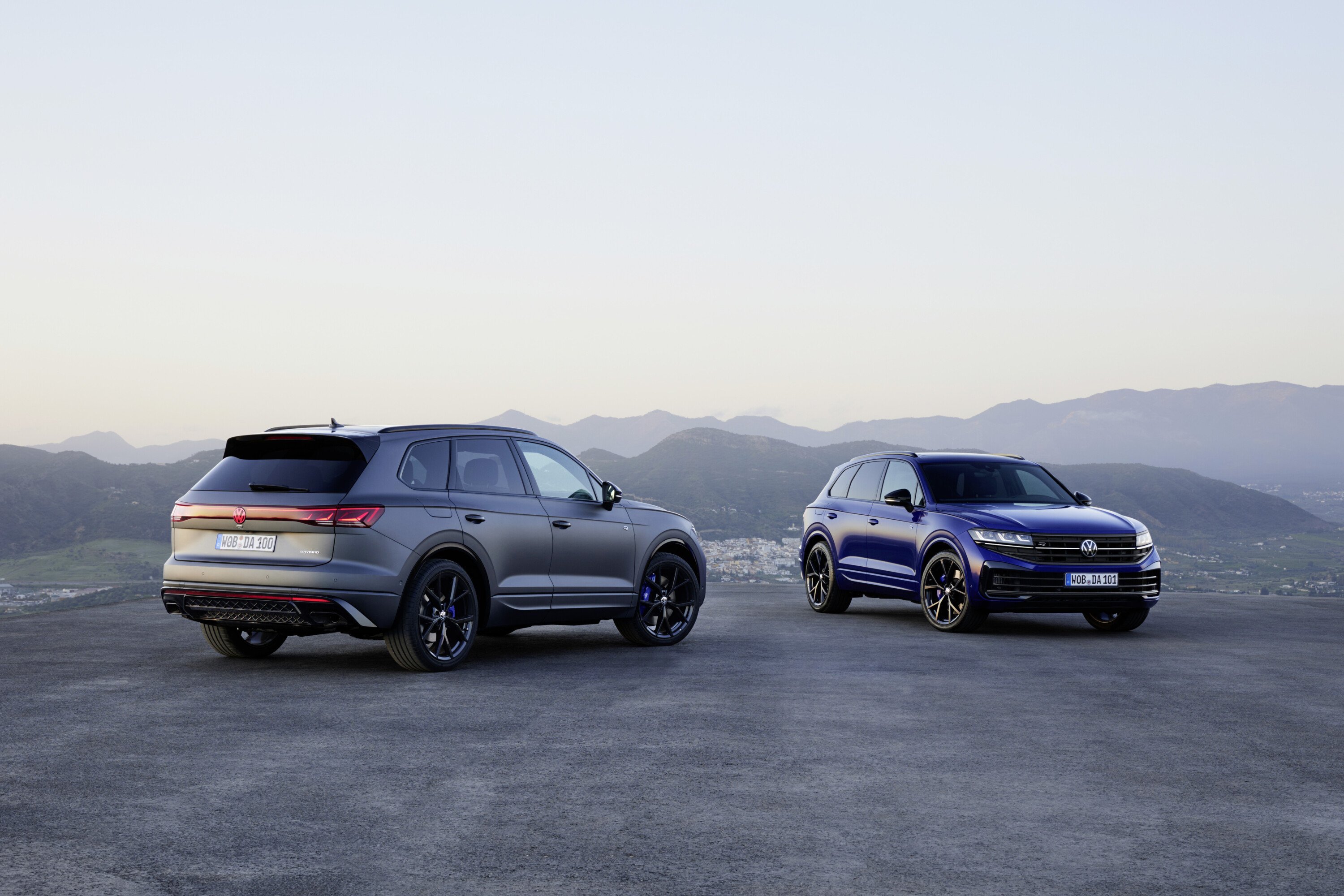
Volkswagen is readying more plug-in hybrid vehicles for Australia, having just launched its first PHEV locally with the Touareg R.
A confluence of forces have enabled VW Australia to bring a stronger case to the table for electrified powertrains, with the Federal Government’s New Vehicle Efficiency Standard (NVES) given the local arm more reach when it comes to offering a mix of EV and PHEV models.
“It’s probably no surprise that it could be Golf and Tiguan [as next PHEV variants], and then potentially another player who is coming into the family that we’re not going to be talking about today,” said Ralph Beckmann, general manager of marketing and product for VW Australia’s passenger vehicles, at the launch of the VW Touareg R.
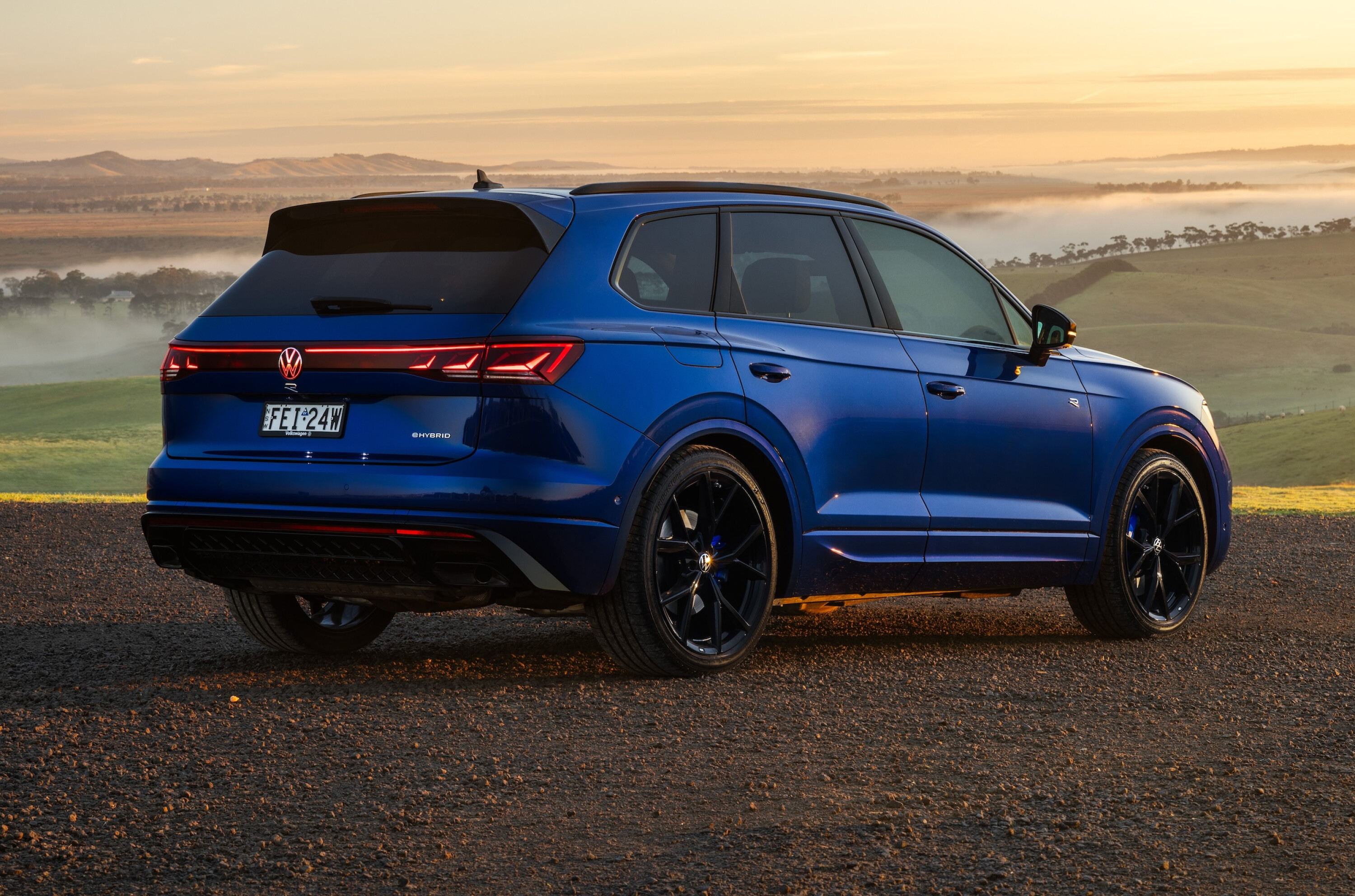
“It’s an opportunity now to open these conversations again,” said Mr Beckmann.
“I think there is definitely room for it in the market. We saw it in the ‘Register Your Interest’ numbers as well [for Touareg R],” he said, referring to the 2000 customer inquiries on the range-topping PHEV, which is a $129,990 plus on-roads proposition.
“The plug-in hybrid seems to have an important role to play in the market as well. So we’d love to offer it beyond the pure electric product in the other ranges, as well.”
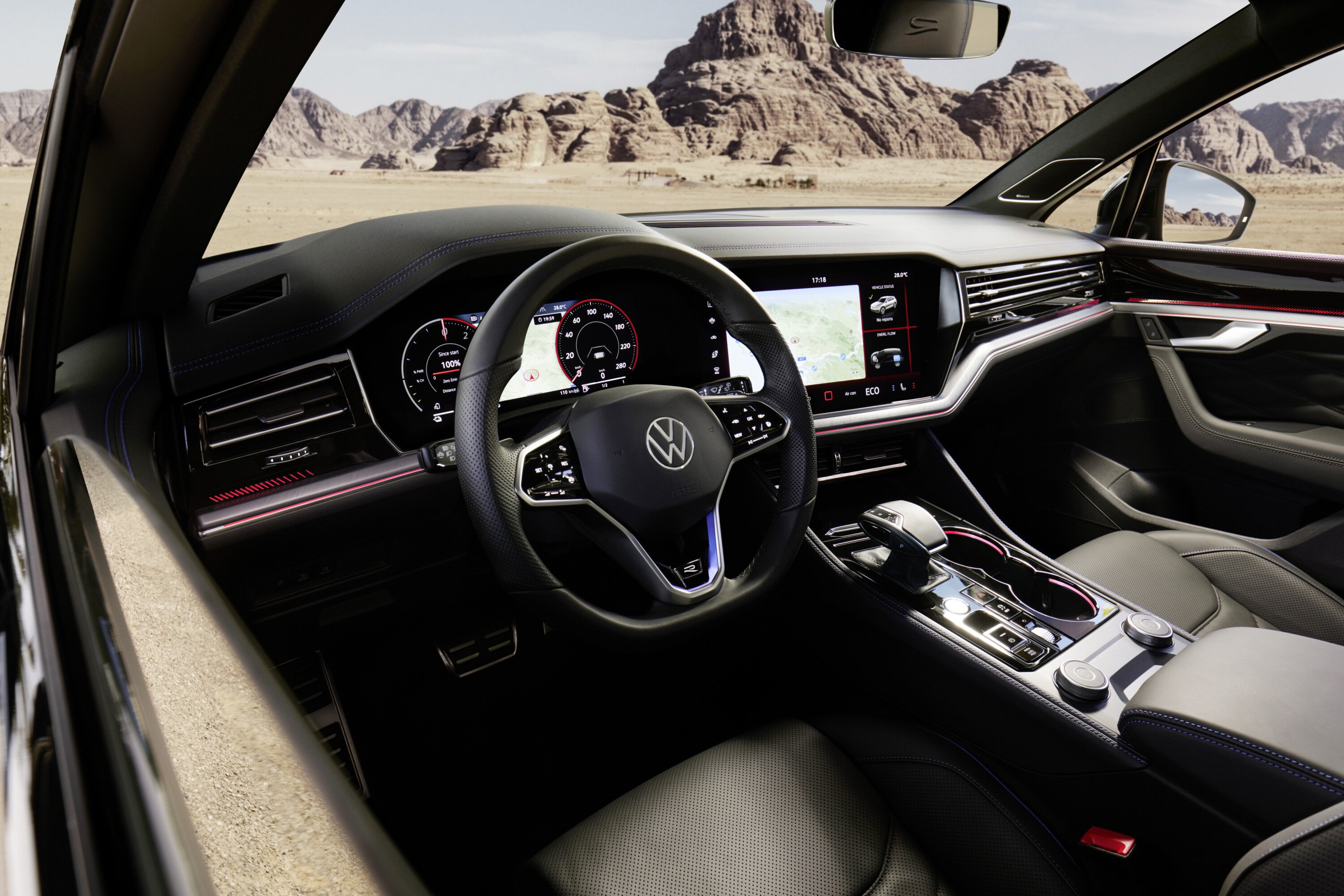
There’s a question of a sweet-spot for timing when it comes to plug-in hybrids, with current Fringe Benefits Tax (FBT) exemptions meaning that PHEV customers could save tens of thousands of dollars in tax on a novated lease for such a car.
But that program under the national Electric Car Discount scheme is due to end on 30th March 2025, meaning the brand would need to push hard to get stock into market to meet the deadline.
Sister brand Cupra is doing exactly that with the VZe plug-in hybrid versions of the Formentor SUV and Leon hatchback.
However, Mr Beckmann suggested that won’t be doable for the future PHEVs the brand plans to roll out, leaving an open question for whether that demand will continue, as many buyers are arguably choosing a PHEV simply because it makes a strong financial case under that legislation.
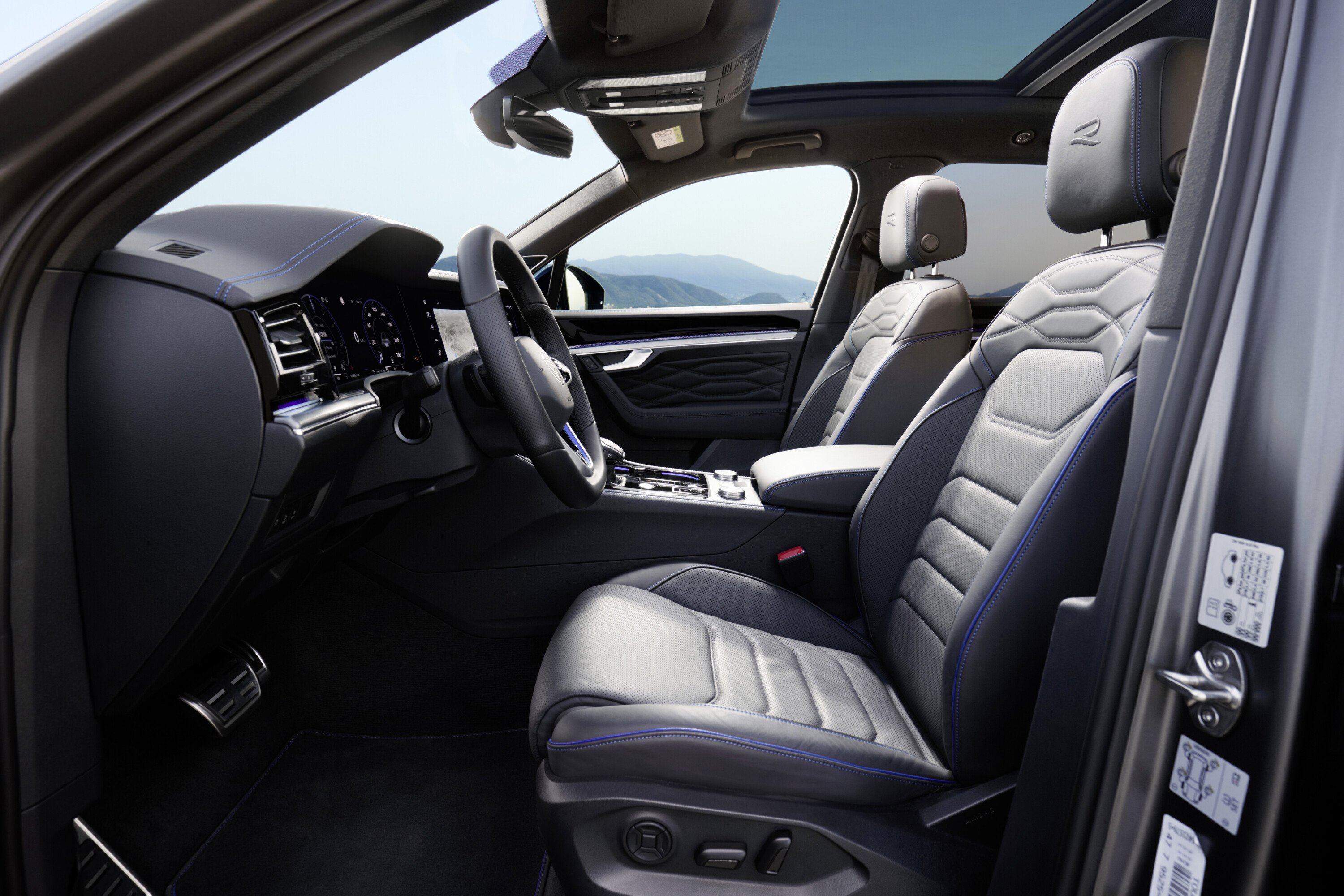
“From a timing point of view, I don’t think so,” said Mr Beckmann. “To be honest, you wouldn’t be bringing it in ‘on the fly’, it would make sense with a new model change.
“So for the outgoing model Tiguan, we wouldn’t be able to get a PHEV anymore. So it would be a potential addition for the Tiguan 3 [third generation] range,” he said, and that new-gen Tiguan isn’t due here until around March 2025.
Daniel DeGasperi, VW Australia product and PR communications manager, said the business has more potential to secure a range of new-energy options now because of NVES.
“There are a lot of calculations going on at the moment, and this is one of the benefits of being part of the Volkswagen Group – and this goes for Skoda and Cupra as well – is that we have access to such a diverse range of products,” he said.
“[We’re] moving out of quite a limited volume pool [of production for markets that don’t have an emissions scheme] of EV or PHEV products; the NVES unlocks potential extra production, not just for ID.4 [an electric SUV arriving later this year], but it moves us into a different conversation.
“That’s consistent with what Volkswagen has been saying for many years, we need an emissions regulation system to compel our factories to put as into that consideration set and that will hopefully unlock a lot of those production and product opportunities.”
One of the candidates that is under assessment for introduction include the Golf GTE hatchback, which may arrive when the Mark 8.5 facelift touches down later this year or early in 2025.
DeGasperi said there has “definitely been no decision on Golf GTE yet”.
The Touareg R is not necessarily your typical fuel-sipping plug-in hybrid, despite the fact it has an official combined cycle fuel consumption figure of just 3.3 litres per 100km (remember, that’s the number with a full battery and only covers the first 100km, not beyond that when you’re calling on the ICE more).
It is more of a performance hybrid, with a 250kW/450Nm petrol V6 engine teaming to a 100kW/400Nm electric motor, allowing a maximum combined output of 340kW and 700Nm – enough to propel the 2433kg family SUV from 0-100km/h in just 5.1 seconds.
Stay tuned for our review on the Touareg R on Thursday May 30.
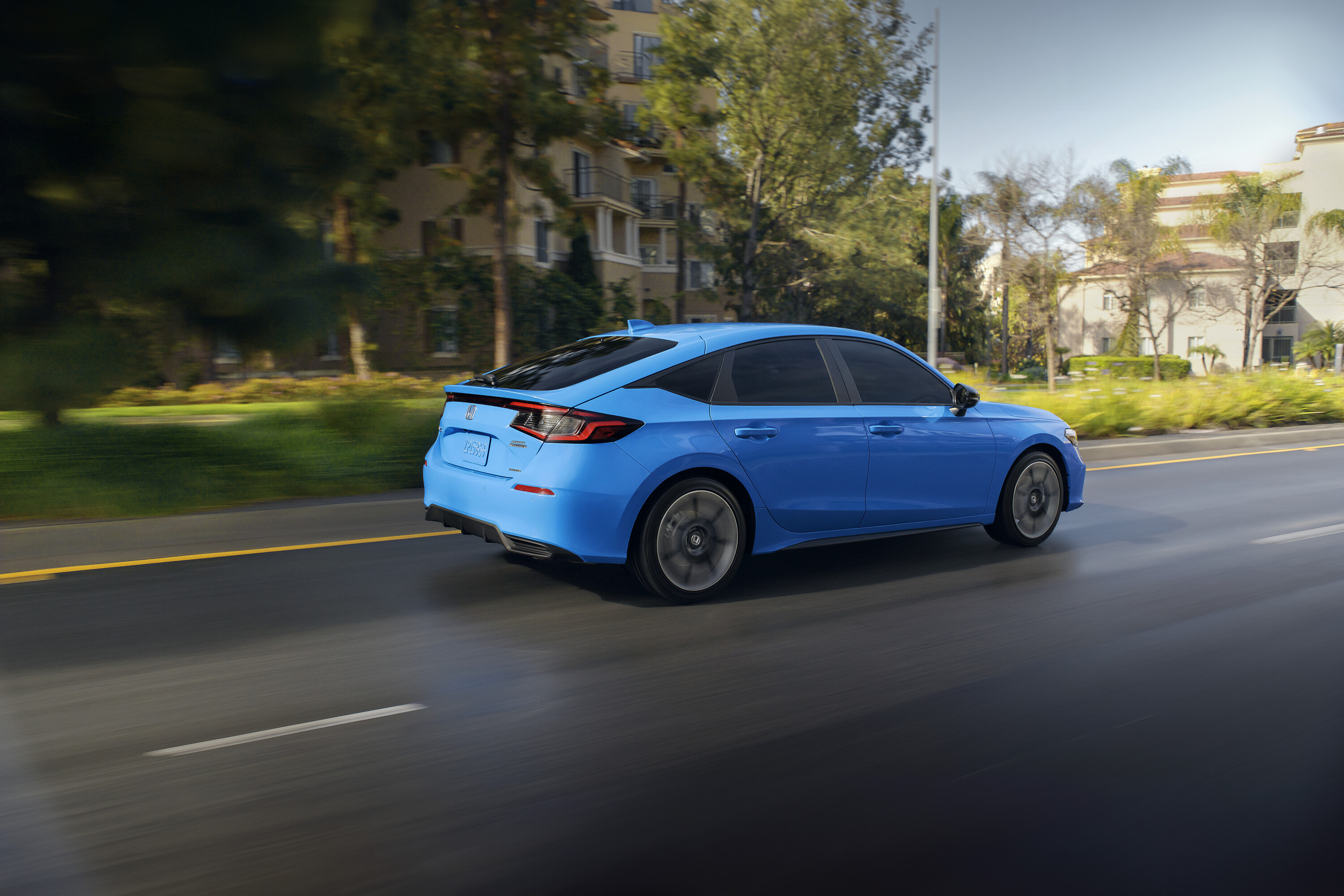
A facelift for the 2025 Honda Civic has been unveiled in the United States with a revised look and Google Built-In technology.
Available in hatch or sedan form, the updated Civic receives a “more aggressive” front bumper, while the new-to-America Civic Hybrid – sold in Australia in E:HEV LX form since 2022 – adds a body-coloured headlight garnish and a lower front spoiler.
North American versions of the Civic are built in the United States for the hatchback and Canada for the sedan, while Australian models are sourced from the brand’s factory in Japan.
Based on previous Honda release timings, a facelifted Civic for markets outside North America will likely be some months away – along with a facelift for the Japanese-made Civic Type R hot hatch.
“We’re unable to confirm [the] arrival of the updated Civic at this time,” said a Honda Australia spokesperson.
Other exterior design revisions include a new machine-finished 18-inch alloy wheel design for flagship variants and three fresh colours for the hatchback: ‘solar silver metallic’, ‘urban grey pearl’ and ‘sand dune pearl’. The Civic sedan – which isn’t sold in Australia – also receives a new ‘blue lagoon pearl’ finish.
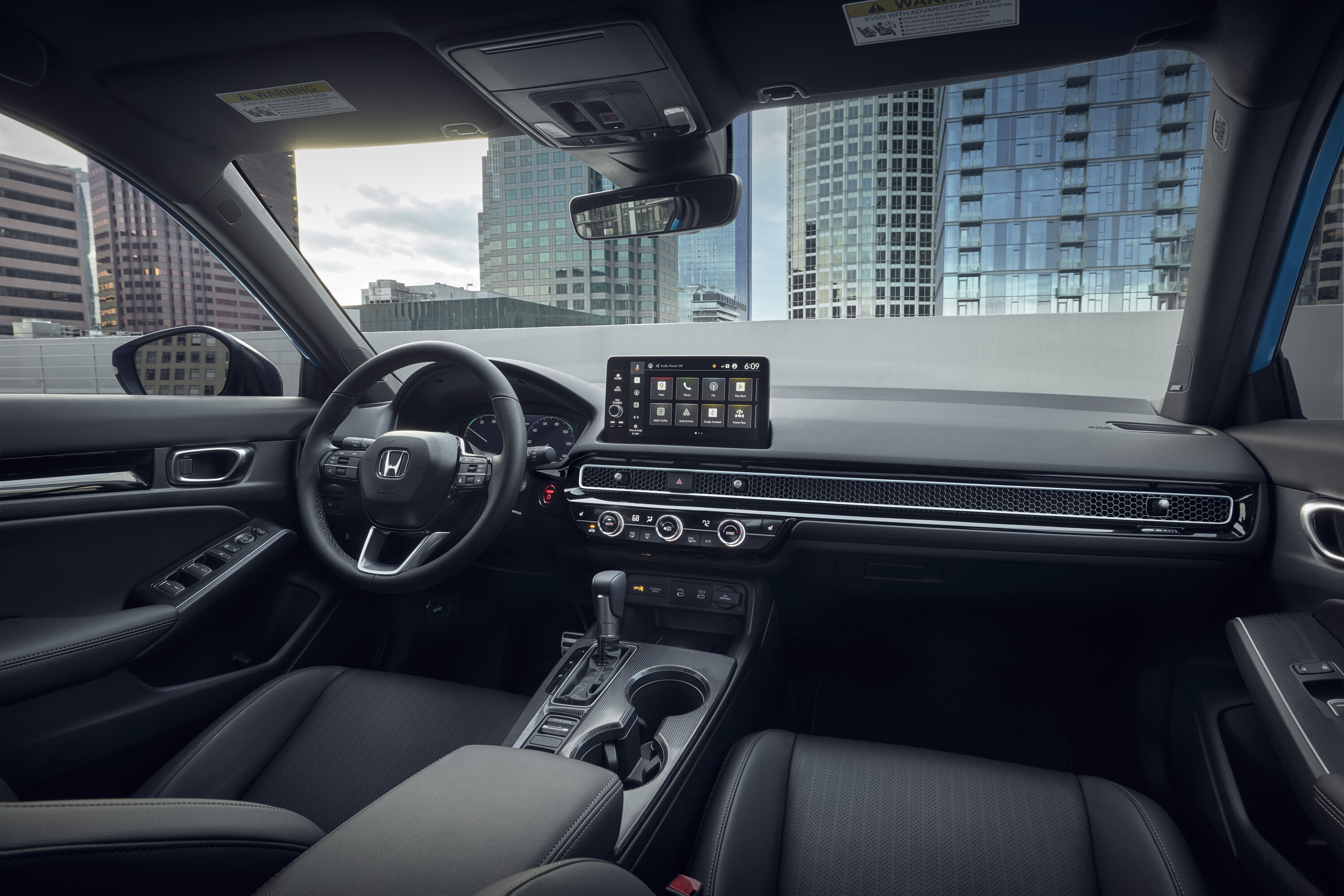
Inside, top-of-the-range versions receive an Android Automotive-based infotainment system – first seen in the Accord sedan – with Google Built-In technology for apps like Assistant, Maps and the Play Store.
It operates on an unchanged 9-inch floating-look touchscreen with physical controls, compared to the larger 12.3-inch widescreen available in the new Accord, which launched in Australia this month. There’s also new USB-C charge ports, replacing USB-A.
The Honda Civic is one of the best-selling passenger vehicles in the United States with 200,381 examples delivered in 2023, behind the Toyota Camry (290,649) and Toyota Corolla (232,370).
In Australia, VFACTS new-car sales data reveals 1318 Civics were sold in 2023, making it one of the slowest-selling small cars behind rivals like the Toyota Corolla, Hyundai i30, Mazda 3, Kia Cerato, and even premium alternatives like the Audi A3, Mercedes-Benz A-Class and BMW 1 Series.
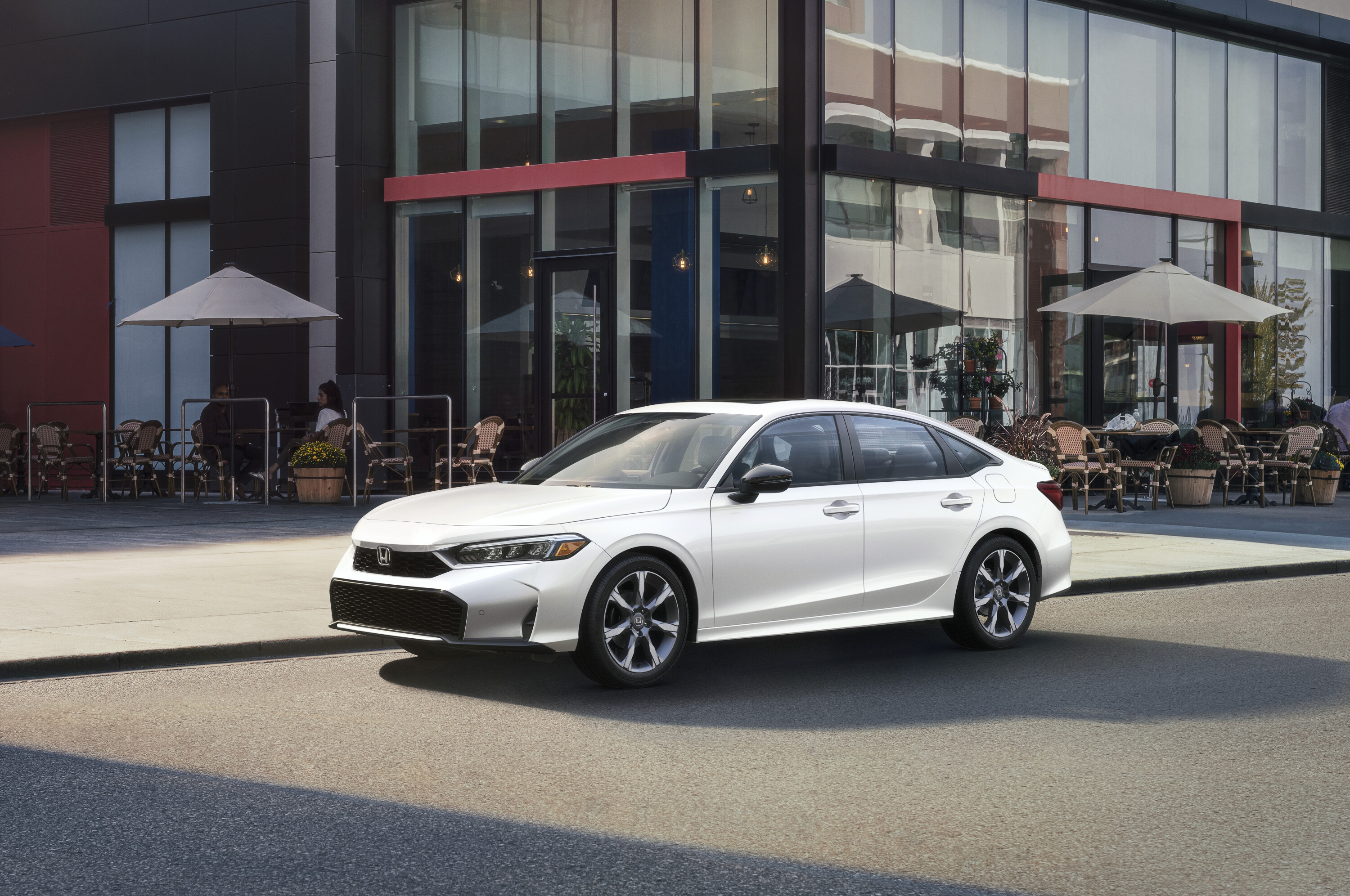
First launched in Australia in November 2021, the 11th-generation Civic hatchback is available in a sole ‘LX’ variant from $47,200 drive-away for the petrol or $55,000 drive-away for the hybrid, as well as the $73,600 drive-away Civic Type R.
While a Thai-built right-hand drive version is available, Honda Australia decided not to import the sedan version of the latest Civic.
There are also no local plans for more-affordable hatch variants or the warmer, manual-only Japanese-market Civic RS hatch unveiled at the Tokyo Auto Salon in January.
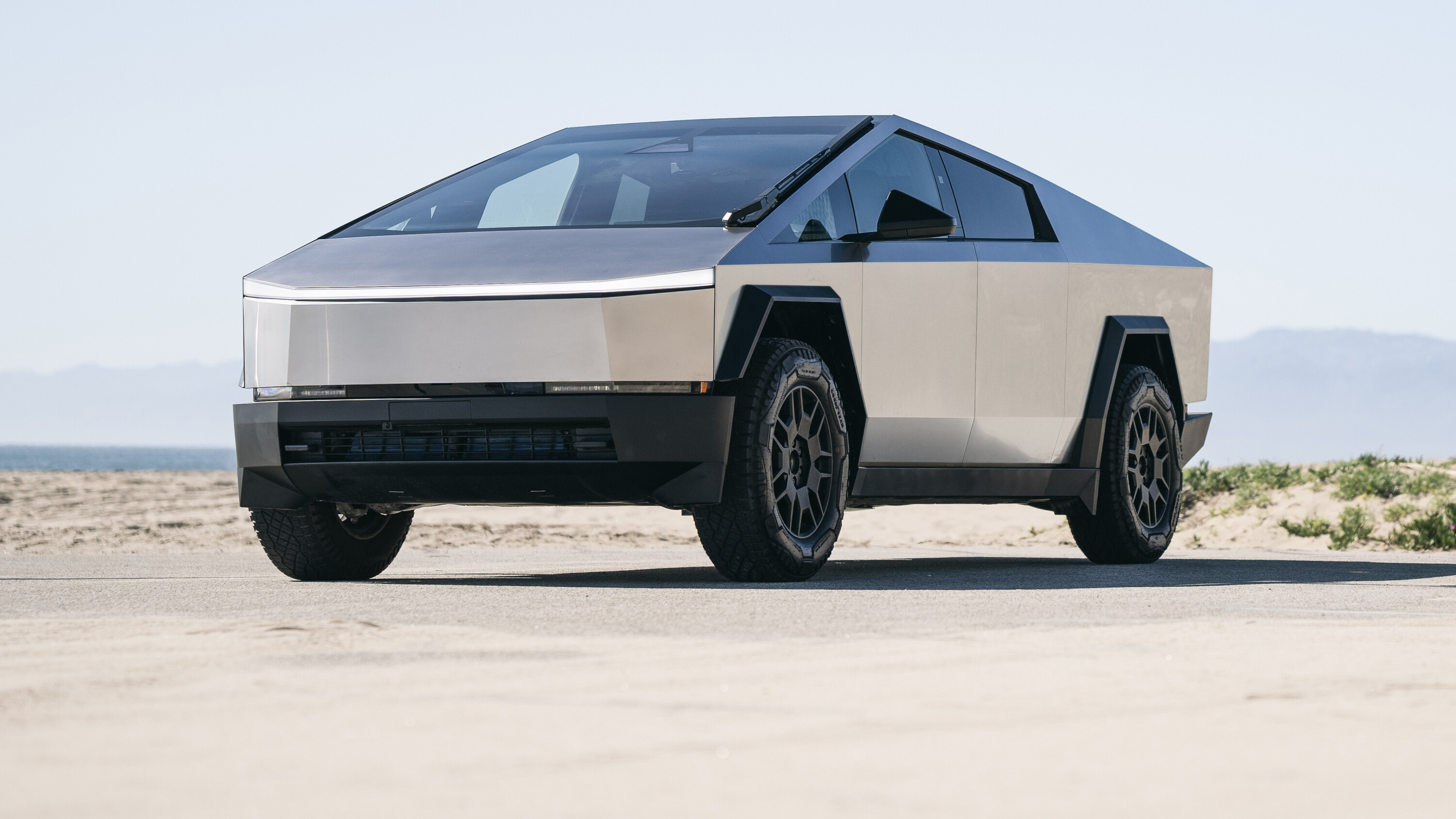
Having completed the hilarious nomenclature that is the Tesla line-up – Models S, 3, X and Y – Elon Musk has delivered his biggest joke of all: the Model Why? Or, as it’s more commonly known, the Cybertruck.
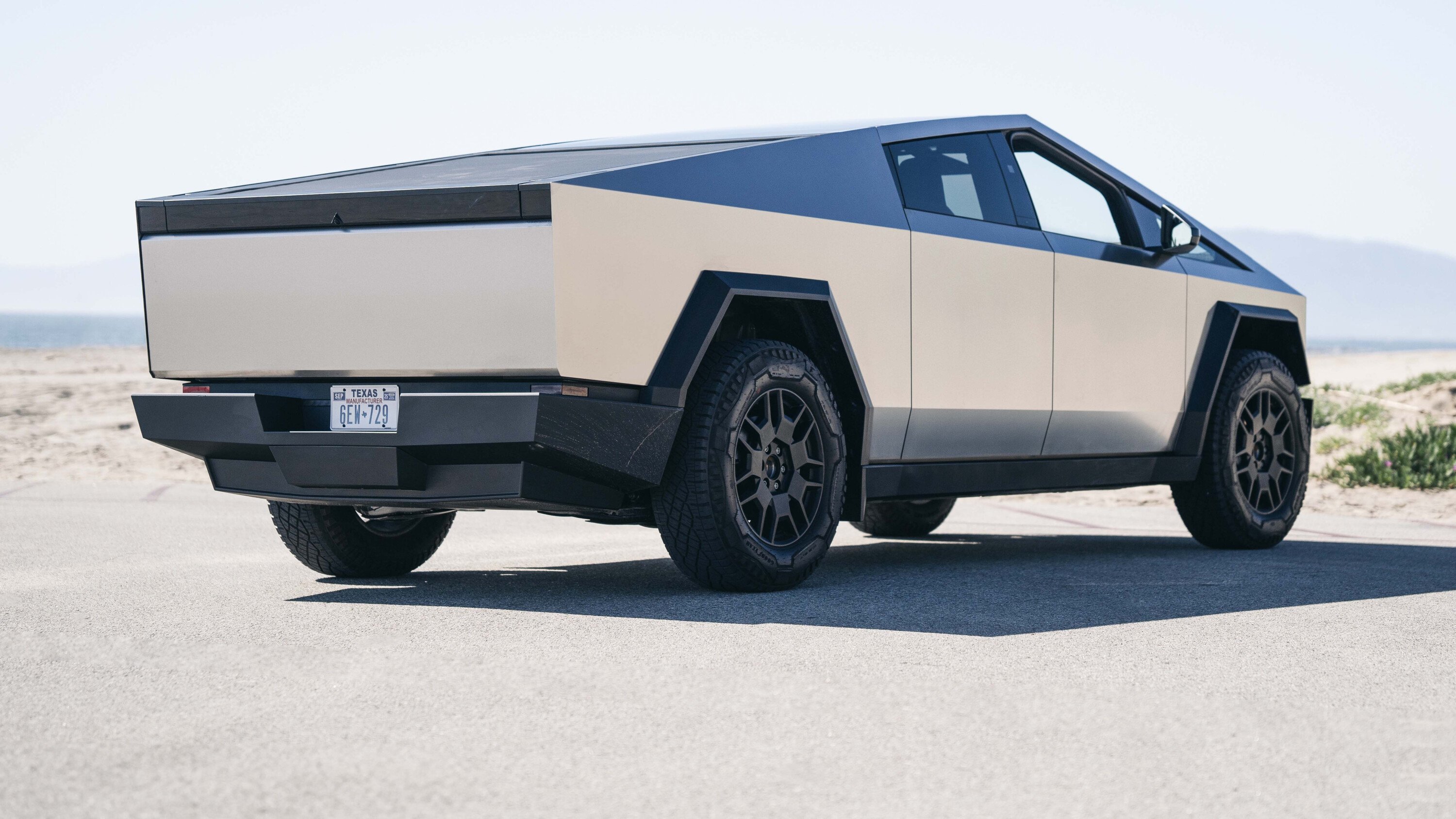
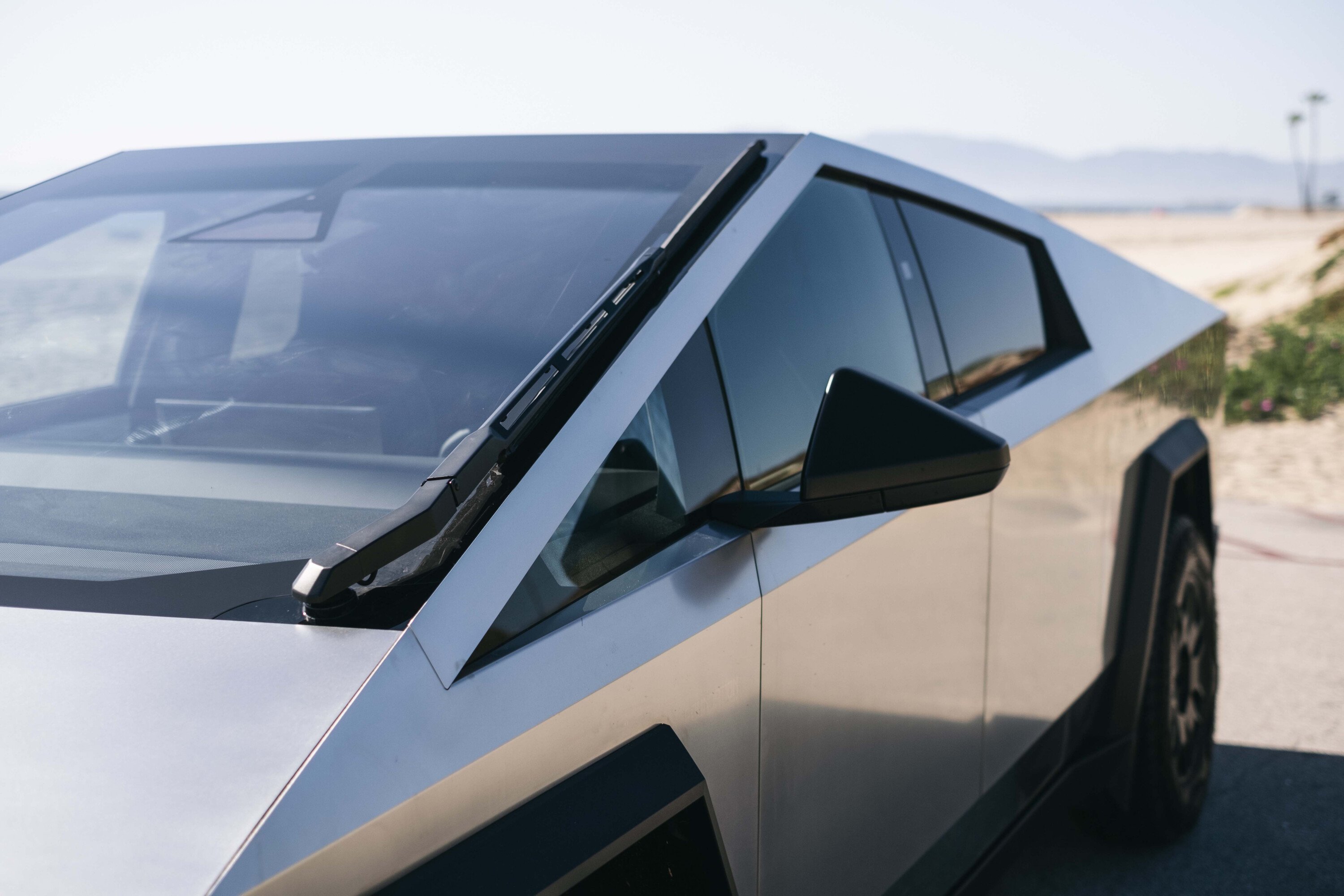
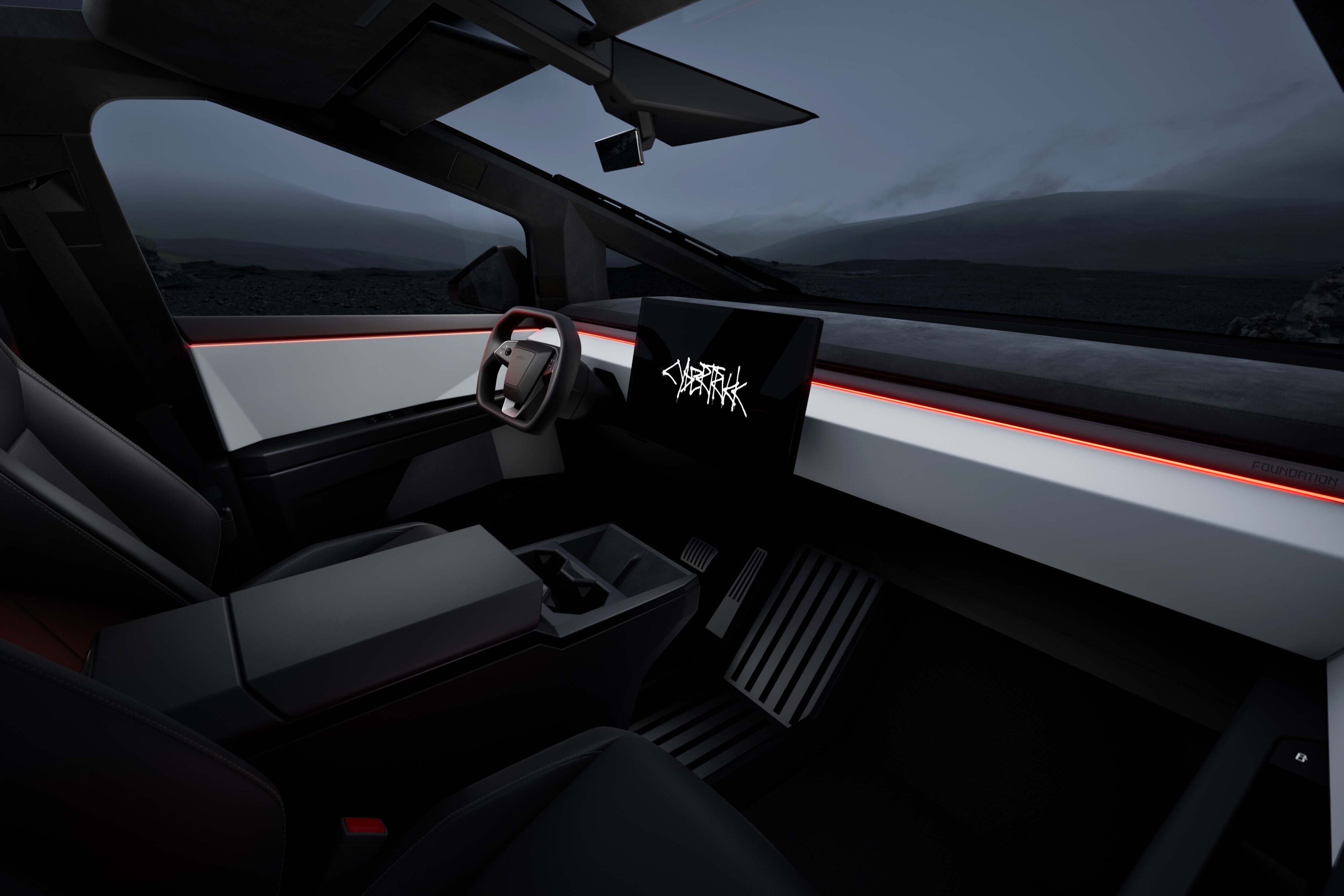
It’s hard not to be offended by the existence of this wildly otiose and onanistic assault on the senses, a three-tonne pick-up truck/Mars explorer (Musk has declared a desire to die on Mars: “but not on impact”) made of stainless steel and clearly designed by someone whose idea of beauty reflects too many hours staring at a Rubik’s Cube.
What was even harder was driving it and discovering that, in many annoying and unexpected ways, it is something of an engineering triumph. And, as long as you’re not foolish enough to explore the limits of its claimed 630kW and absurd 13,959Nm of torque – allegedly enough to send this giant fridge-freezer on wheels to 100km/h in 2.7 seconds – it’s also surprisingly good to drive.
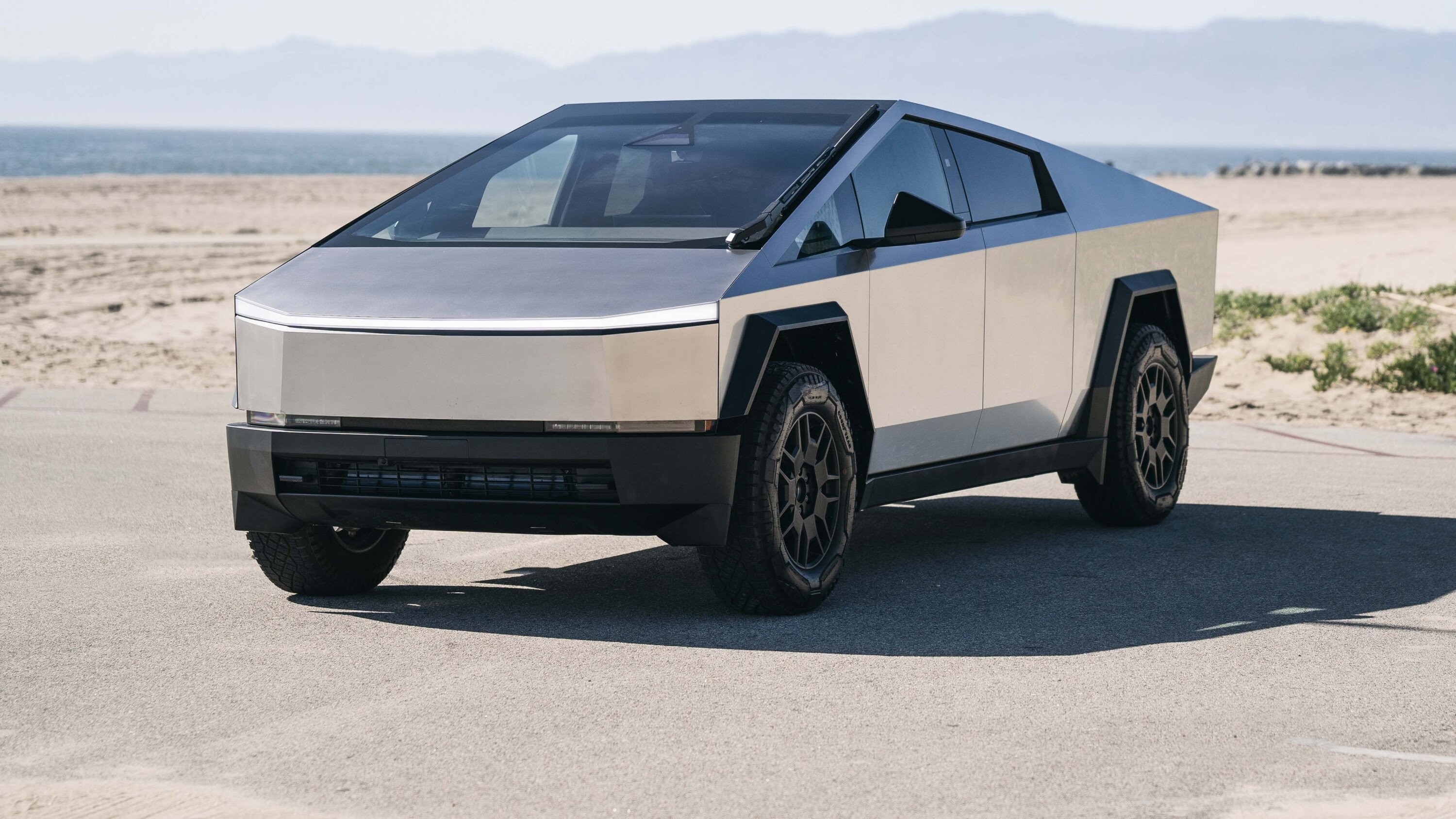
What those numbers immediately raise, again – just as the radically pointy and visually unsafe design does – is the question of why?
Yes, in an electric vehicle this big (2.03m wide, 1.8m high and 5.68m long – a standard Australian car space is only 5.4m), you can fit a whopping 123kWh battery, and yes, you’ll need it to get this much metal anywhere near its claimed 547km of range.
But why would you even think about making a truck this big, that fast? I asked some Tesla people at the launch drive in California and their only responses seemed to be slightly embarrassed shrugs and the occasional “umm, because we can”.
Tesla’s unique approach to such things seems to be based on the mindset of teenage boys, who don’t have the brain capacity to fully comprehend long-term outcomes and act in rash ways that will later come to horrify their adult selves.
In terms of its absurdly potent acceleration, the fact is you’ll only want to try it a couple of times – unless you’re a teenage boy or some other kind of hooligan – before you find yourself hugely overwhelmed, and possibly frightened.
Yes, it is a shocking thrill the first few times you punch the accelerator (hopefully the Cybertruck you’ve bought has one that doesn’t stick to the floor when you do so, a problem that led to thousands of Cybertrucks being recalled recently) and feel all that mass leaping forward in a manner that is redolent of Musk’s favourite film, Spaceballs, and its much-memed Ludicrous Mode.
The world goes a bit blurry, your lunch quickly stirs in your stomach and smacks into your spine, and before you’ve had time to comprehend what’s happening, you’re compelled to go for the brakes, and go for them hard.
The acceleration might be slightly scary, but it’s the sense that you’re not going to be able to stop all this metal from the crazy speed it has so quickly reached that really rattles your brain.
I tried this surge-panic-squeal-halt approach a few times and can report that the brakes are up to the job, but that there is definitely a sense of weight shifting disturbingly forward as you try and pull up.
One also quickly develops a sense that the Cybertruck might just be a lot more enjoyable to drive if you simply never go past mid-throttle openings. To be honest, the mad Beast Mode (as its most powerful setting is called) acceleration is the sort of thing most people will only use to frighten their friends the first few times they take them out.
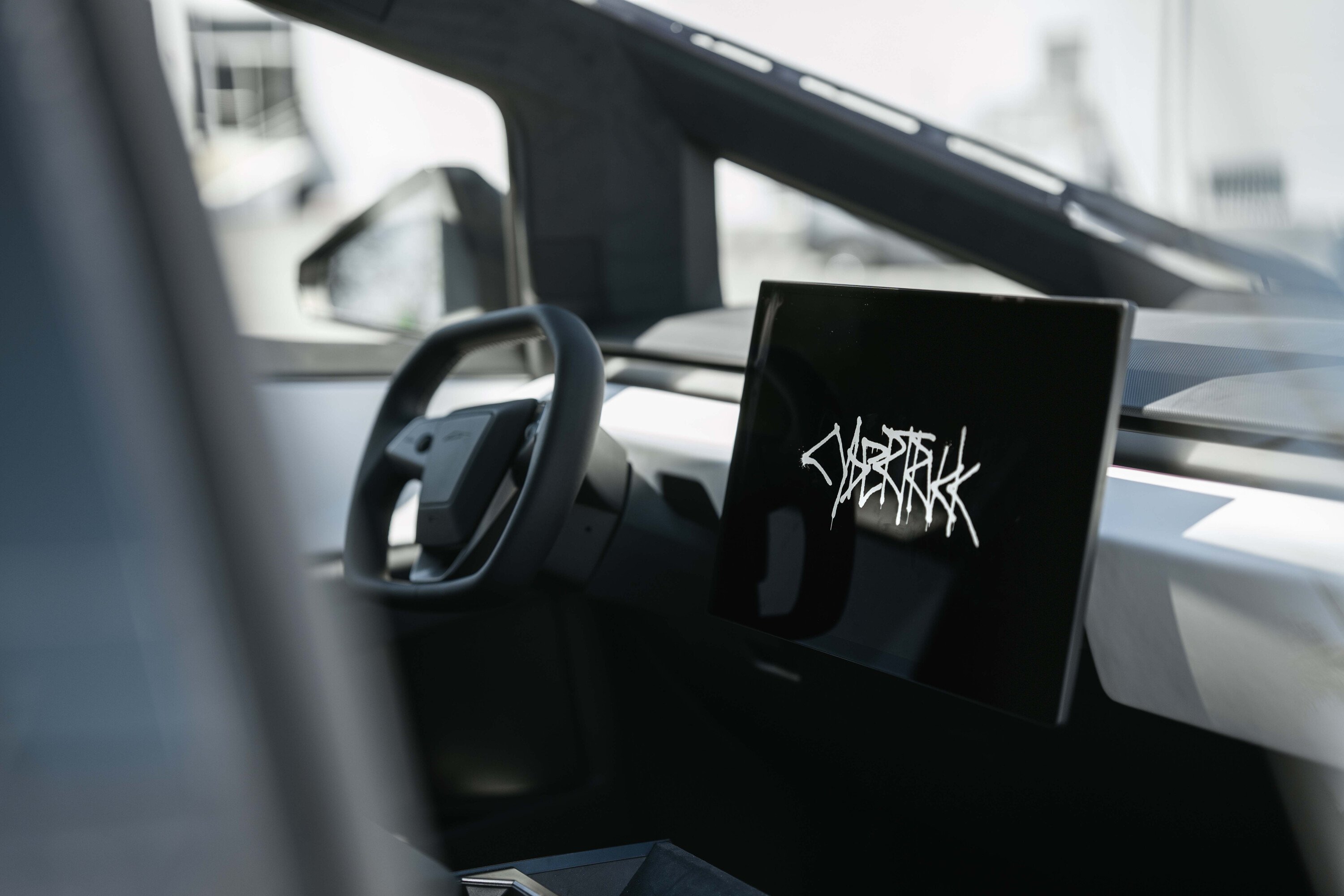
It’s a bit like buying one of those flamethrowers that Musk briefly sold online, through his Boring Company, as a “joke”. Fun at first, but after a while somebody is going to get badly burnt.
And the thing is, the Cybertruck can be surprisingly fun to drive if you don’t delve into its more lunatic side. The key to that is its very clever drive-by-wire steering system, which Tesla hails as a world first, even though Infiniti did roll out something very similar on its Q50 back in 2014 (clearly, Infiniti is not as good at PR, marketing or bold claims).
Based, says Tesla, on the systems used to fly jet fighters, this means there’s no mechanical connection between the steering wheel – which is actually a yoke in the Cybertruck’s case – and the wheels.
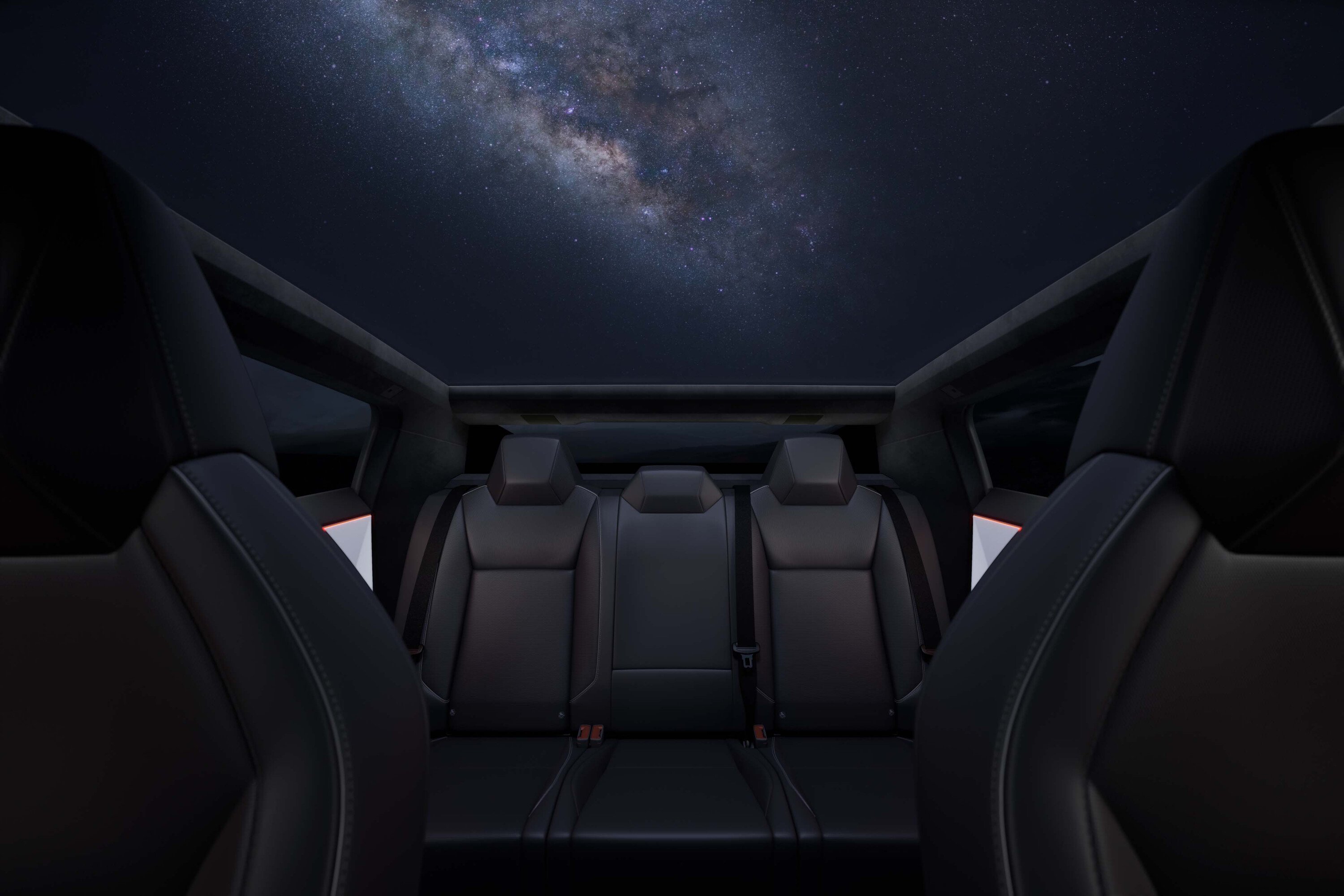
In theory, this sounds a bit scary, and in reality you are warned before you attempt to drive the Cybertruck for the first time that you will find it odd, and that you might try to turn the wheels too far and hit something.
With less than one turn lock-to-lock, and the ability of the rear wheels to turn at sharp opposite angles to the front ones, it does create a weird sensation at carpark speeds (the short lock also makes the yoke practical, because there’s never a point where you need to go hand-over-hand and come up with no wheel to hold onto).
But once you’re used to it, it also delivers an incredible turning circle of just 12.5m, or roughly the same as a Tesla Model S but still slightly more than a Toyota HiLux.
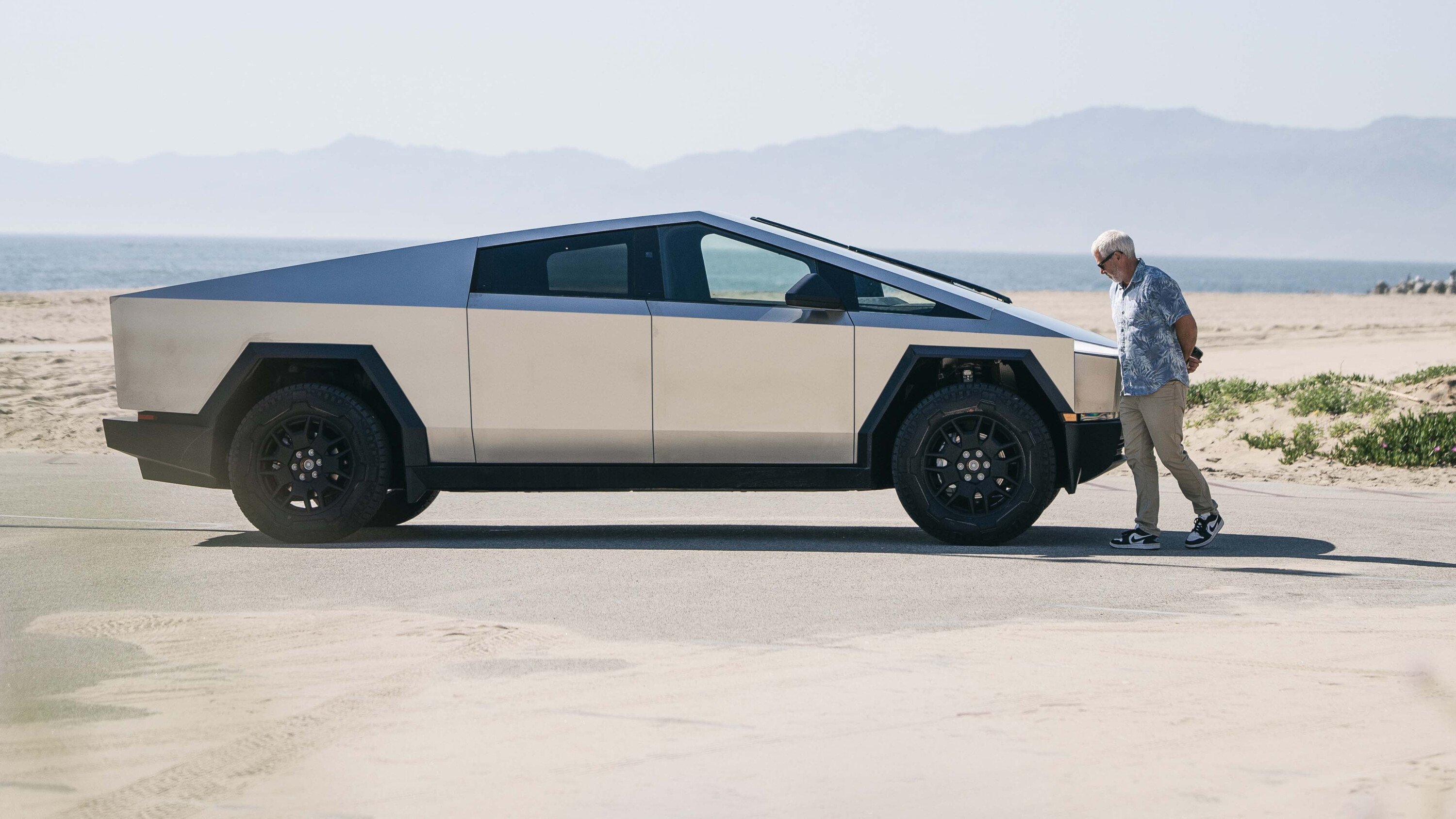
What this means in the real world – or at least in the simulacrum that is Los Angeles – is that you can actually enter carparks and drive-through restaurants without collecting other cars or slicing down trees with the Cybertruck’s sharp edges.
Even more impressively, once you up the pace and the rear-wheel steering tones itself down, the Cybertruck feels almost sporty to drive, with incredibly sharp turn-in and an effortless change of direction, at least in relative terms. You’re still asking what feels like two small elephants stuck together to toy with gravitational forces.
But the more you drive it – particularly through long, sweeping bends – the more fun the Cybertruck is, and that is not something I expected to be reporting.
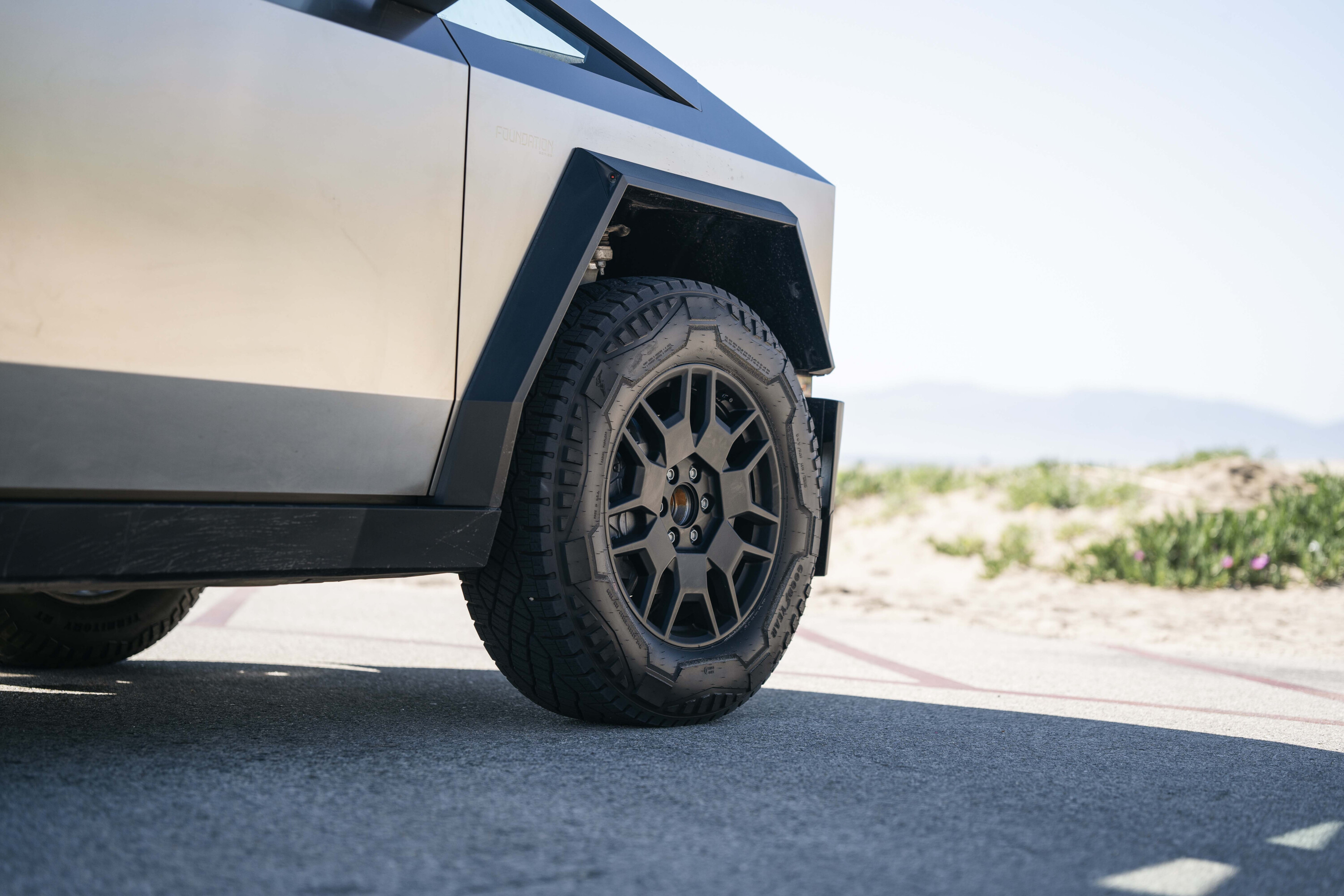
In terms of its off-road abilities, the internet is filled with tales of failure, and we only managed to find a section of beach sand to throw it at.
While the initial impression was that we were about to sink to the centre of the Earth, applying the Cybertruck’s massive torque saw us launch up, out and sideways with effortless ease.
There are a huge number of settings for off-road driving, and the air suspension can raise your Cybertruck by 17-inches for rock hopping.
Considering how upset some owners have been about the fact that every time you touch the vehicle it leaves big fingerprint marks – yes, just like your fridge – you have to wonder just how much rough stuff they’d be willing to throw one of these at anyway.
And then there’s the issue of just how far from town you’ll get in a Cybertruck, particularly if you’re towing something.
Tesla insists its 547km of range is a real thing, and that you can even get as much as 400km while towing something “reasonable” behind it (supposedly you can tow up to 4990kg, and I’m sure it has the torque to do so, but I don’t believe you’d get much further than the end of your street).
Tesla’s official efficiency claim is 22.4kWh per 100km, but we actually saw an average of 27kWh per 100km over two days of largely urban driving.
Apparently there are quite a few people in Australia who desperately want a Cybertruck, and the official line from the people we spoke to in the US is that they’re keen to make this happen. But with supposedly two million orders to fulfil in America alone, it seems unlikely that a right-hand-drive version is going to go on sale Down Under any time soon.
Frankly, as much fun as it is to drive, I think our roads might just be safer, and more pleasant to look at, if that remains the case.
| 2024 Tesla Cybertruck specifications | |
|---|---|
| Motor | Two permanent magnet synchronous |
| Battery | 123kWh (net) |
| Max power | 630kW |
| Max torque | 13,959Nm |
| Transmission | 1-speed reduction |
| Weight | 3104kg |
| 0-100km/h | 2.7sec (claimed) |
| Range | 547km (claimed) |
| On sale | Unlikely for Aus |
Snapshot
- S E Performance variants to sit at the top of the GLC family
- Turbocharged AMG-developed hybrid 2.0-litre engine produces 500kW and 1020Nm
- 0-100 km/h in 3.5 seconds, 275km/h v-max, 14km emission-free electric range
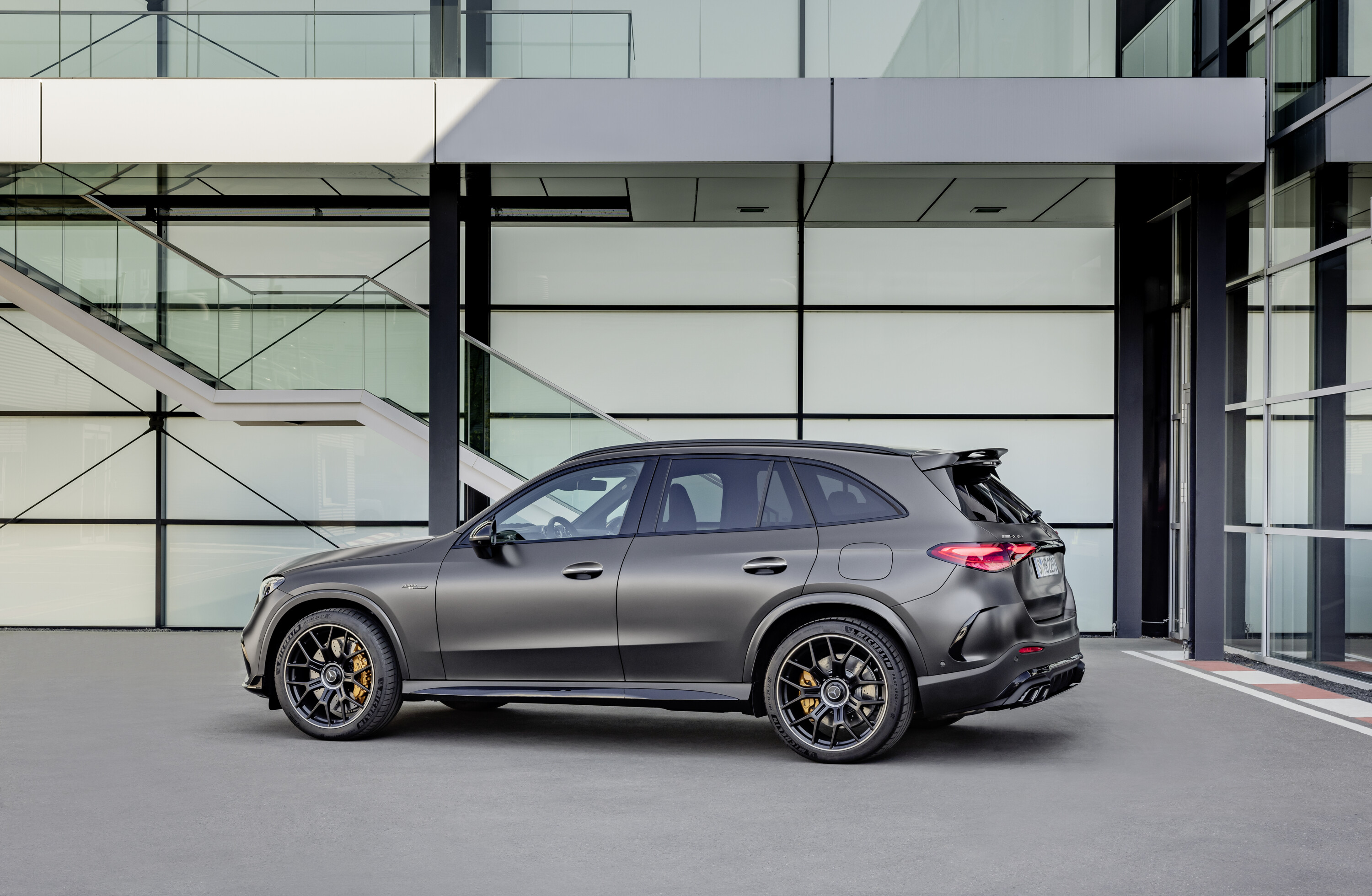
Pricing and features for the new 2024 Mercedes-AMG GLC 63 S E Performance wagon and coupe SUVs has been announced.Claimed by Mercedes-AMG to collectively be the “first performance hybrid SUV”, the GLC 63 S features a 500kW/1020Nm plug-in hybrid four-cylinder shared with the related C 63 S.
Performance and handling enhancements include AMG Active Ride Control suspension, rear-axle steering, an electronically controlled limited-slip rear differential, and AMG Performance 4MATIC+ all-wheel drive.
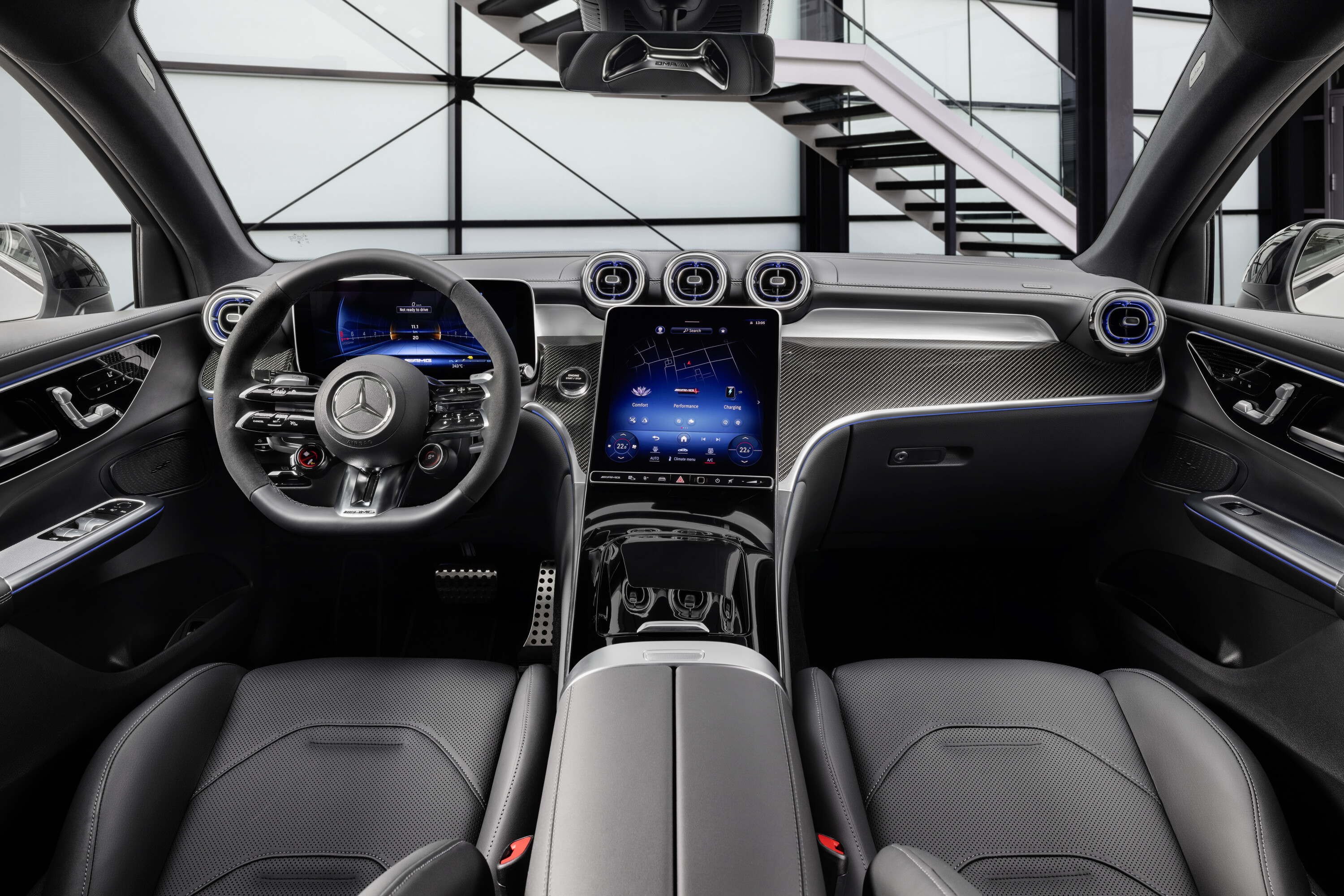
Inside, there is data-logging capability for its MBUX infotainment, AMG Performance front seats with Nappa leather upholstery, and a Nappa leather and microfibre steering wheel.
The 2.0-litre 350kW/545Nm unit is the most powerful series-produced four-cylinder engine in the world.
When combined with the output from a permanently excited synchronous electric motor, total output is 500kW and 1020Nm.
Acceleration to 100km/h takes 3.5 seconds and top speed is 275km/h.
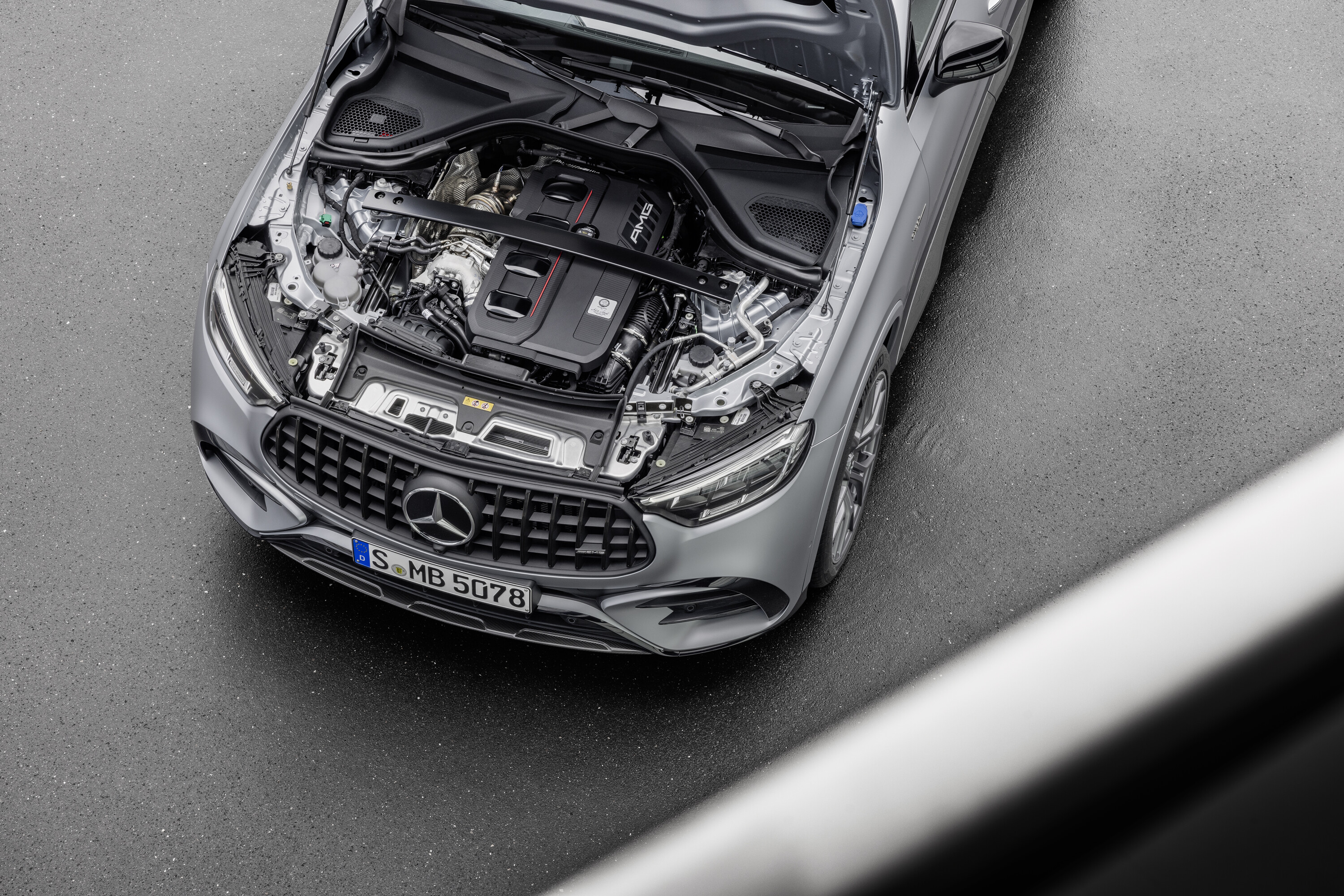
The EDU is positioned on the rear axle, for improved weight distribution. 4MATIC+ all-wheel drive provides a mechanical connection between the front and rear axles, meaning power from the electric motor can be transferred to the front wheels if required.
A 400-volt 6.1kWh battery provides up to 80kW of continuous power and 150kW of peak power for up to 10 seconds.
It can be charged by regenerative braking or plugged in. The battery pack features direct cooling; a non-conductive liquid flows around all 560 cells.
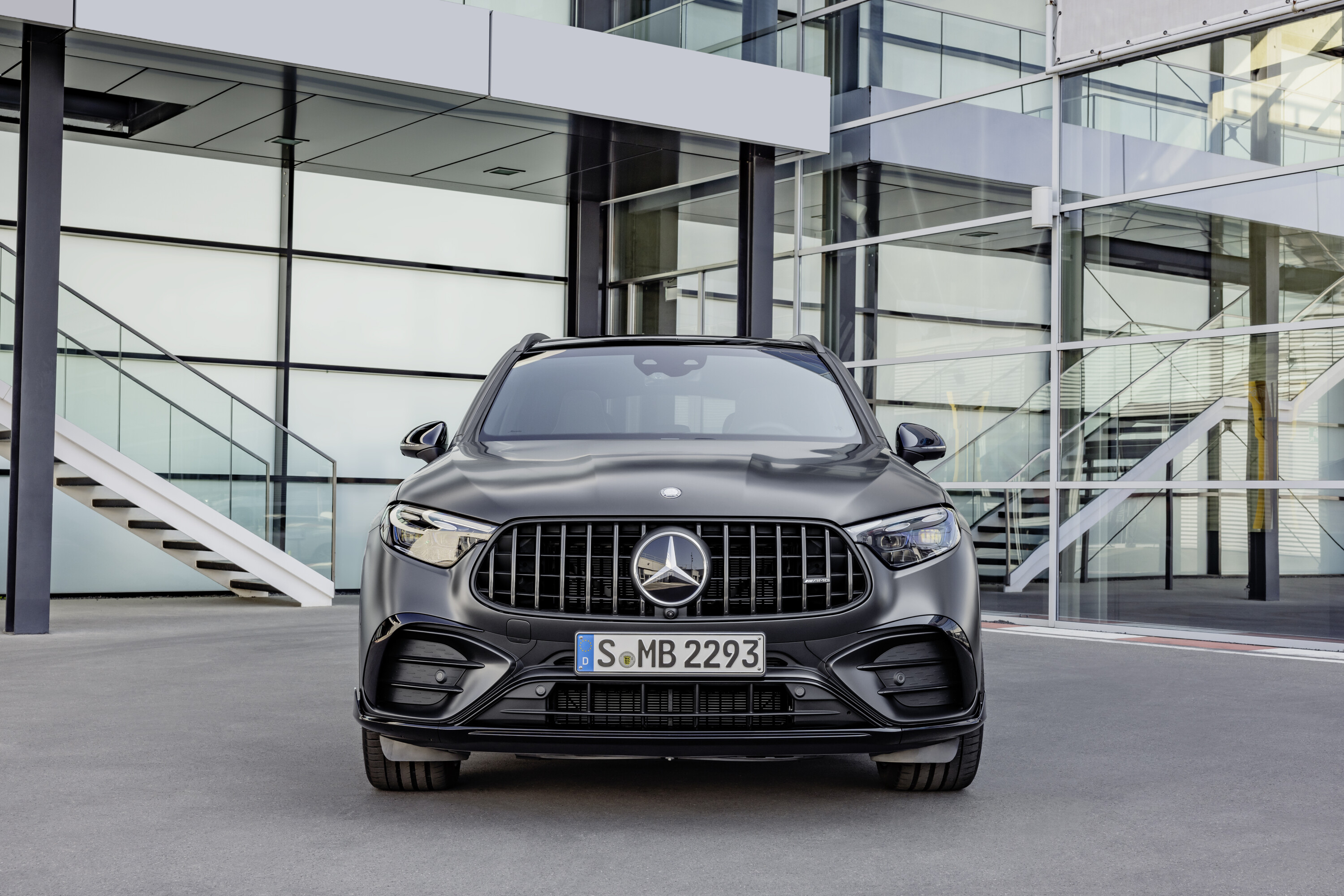
Power is delivered via a nine-speed automatic transmission with a wet clutch instead of a torque converter. Torque can be split from 50/50 front/rear to 100 per cent sent to the rear.
The 63 S E comes standard with a composite braking system, with six-piston fixed calipers at the front and single-piston floating calipers at the rear. An AMG high-performance ceramic composite braking system is optional.
Adaptive damping varies between sporty driving dynamics and softer comfort. It continuously adapts each individual wheel taking into account the preselected setting, driving style, and condition of the road surface.
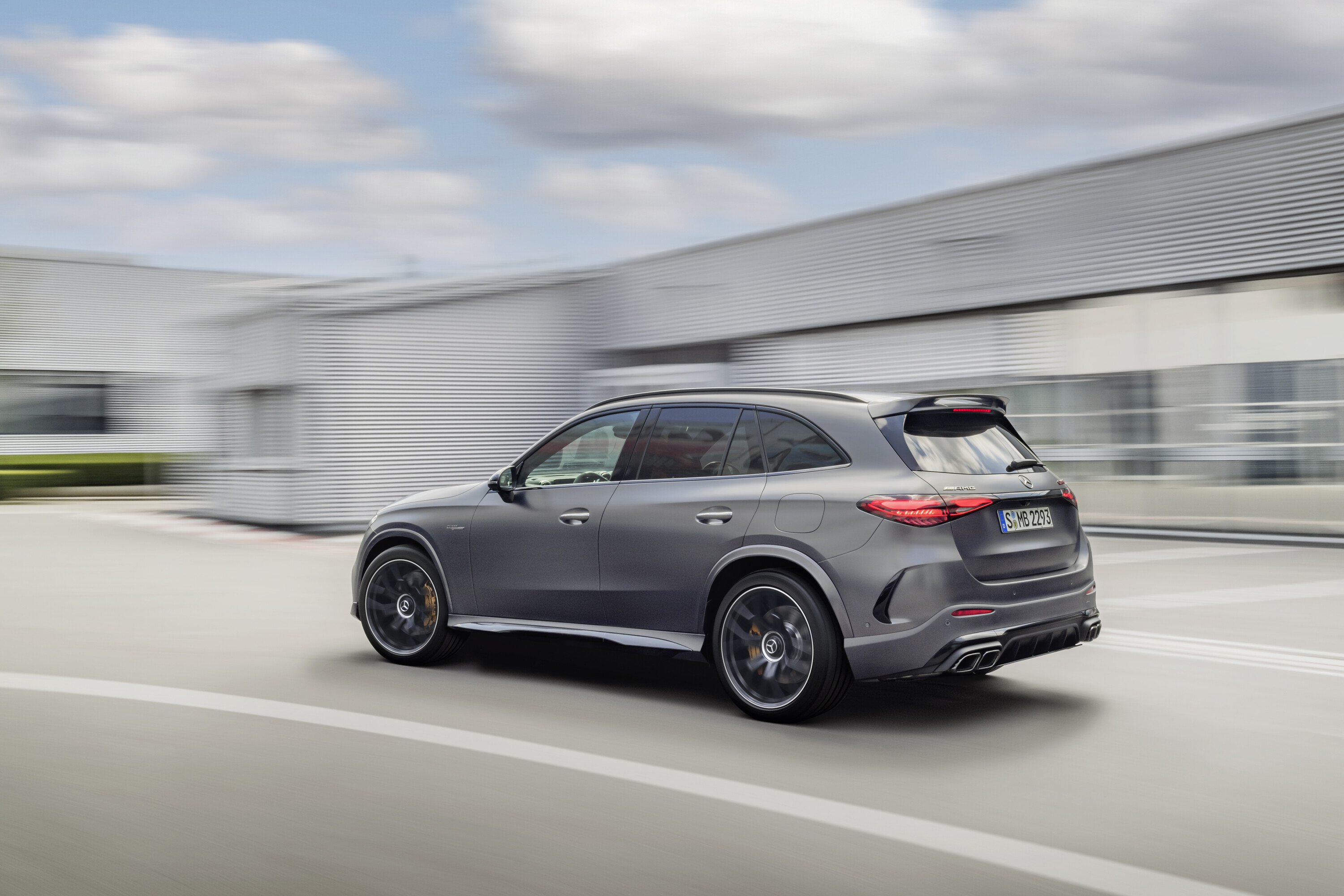
AMG Active Ride Control is unique to the GLC 63 S E Performance within the GLC range.
Instead of using rigid anti-roll bars, it compensates for body movements electromechanically.
Active rear-axle steering is standard on GLC 63 S E-Performance variants, operating with a maximum steering angle of 2.5 degrees. The rear wheels can turn in the opposite direction to the front wheels at speeds of up to 100 km/h, then turn in parallel to the front wheels, above 100km/h, up to a maximum of 0.7 degrees.
Pricing
The Mercedes-AMG GLC 63 S E-Performance SUV is priced at $192,900 before on-road costs and the GLC 63 S E-Performance Coupé is $199,500 before on-roads.
Both models are available to order from 22 May 2024.
