
Mazda has published a short video clip that appears to suggest a new high-performance turbocharged variant will join the accomplished Mazda 3 small hatchback range later this year.
There’s little of visual importance in the 12-second video other than an apparent date of July 8 2020, which one assumes is when the company plans to reveal the mysterious model, but more importantly is the noise of a revving engine as the soundtrack.
The tantalising title of the video ‘Prepare for Launch’ would seem to seal the deal that the Japanese car maker is at last getting serious about a true driver’s Mazda 3, not seen since the now cult classic MPS of 2007.
No technical information including the specific engine is teased although the smart money would be on the company’s proliferating and powerful 2.5-litre turbo four-cylinder petrol, which can be found under the bonnets of the Mazda 6, CX-5 and CX-9.
If transplanted into the lighter and smaller Mazda 3 however, its generous 170kW and 420Nm will go a lot further. Expect the turbo Mazda 3 to deliver a performance punch that will keep it glued to the tail of all the key hot hatch favourites including Volkswagen’s Golf GTI.
Speculation says the new variant will not be available with a manual gearbox, instead fitted exclusively with a six-speed automatic transmission. That said, Mazda is one of the few brands that does offer many of its models as a manual, including the current Mazda 3.
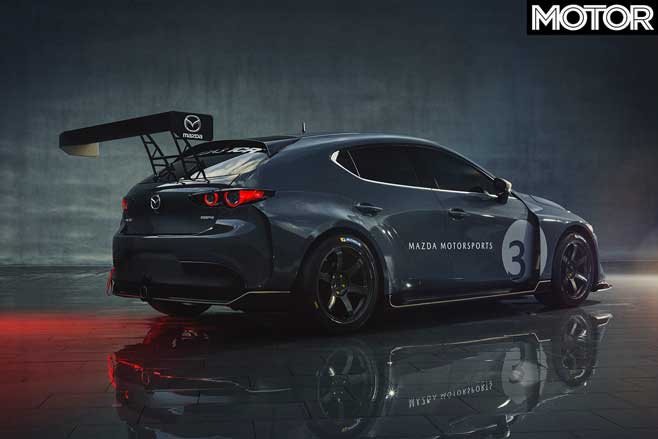
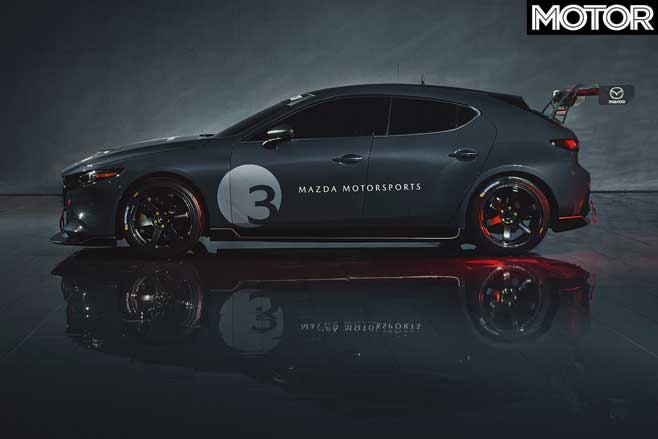
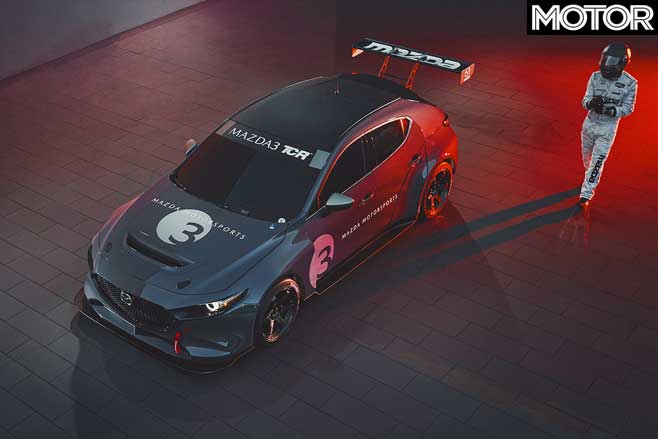
Adding fuel to the turbo theory was the reveal of Mazda’s TCR car in October last year, which was the first application of turbo petrol power for the Mazda 3. Now though, it seems the road-going version is about to arrive.
Quite whether the road car will take any of the TCR’s race-bred hardware will have to wait until then. The massive whale-tail spoiler is unlikely, but vented bonnet, front aerodynamic kit and pumped wheel arches are possible.
Mazda Australia has nothing to add or reveal at this stage and the likelihood of the turbo variant coming to a showroom Down Under will have to be revisited after official confirmation of the car.
Read: Explained: Mazda compression ignition petrol engine
Given Australia’s hot hatch hunger and demand for high-performance cars of all varieties however, it’s hard to imagine how the exciting new Mazda 3 turbo would be refused entry to the local market, especially given the brand’s popularity with Australians.
All eyes will be on the new car’s badges when the sheets come off next month and whether the company will resurrect the coveted MPS moniker or whether it will point to its motorsport endeavours with a Mazdaspeed badge.
We’ll only have to wait until the second week of next month to find out.
A Lamborghini worth more than half a million dollars has been seriously damaged in an accident less than 20 minutes after it was purchased.
Our story of dismay takes place in West Yorkshire in the United Kingdom, where a brand-new Lamborghini Performante Spyder was stopped in the outside lane of the M1.
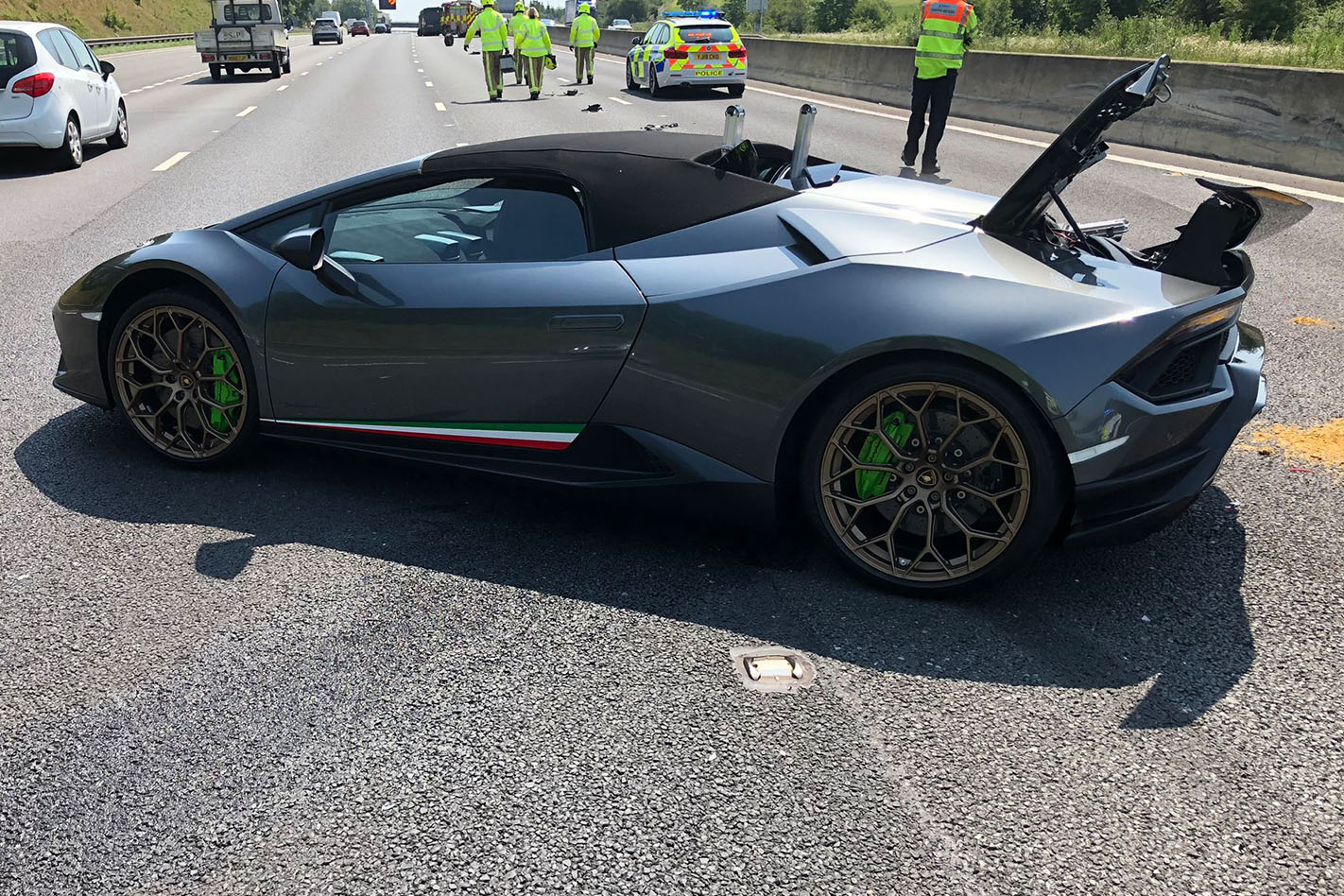
Valued at A$532,635, the V10-powered supercar was being taken for its very first drive by a new owner.
Police state the Lamborghini had stopped on the side of the road due to a mechanical fault, when it was hit from behind by a van.
According to reports, the driver of the van suffered head injuries, but both he and the Lamborghini owner are okay. Well, as okay as you can be, having had your brand-new supercar seemingly written off.
The damage to the rear of the Italian beast is extensive, and we’re very sceptical that even the best insurance company would be willing to repair it.

Such was the force of the impact, that the convertible’s roll-protection system deployed, and the entire left-rear suspension assembly appears to have been destroyed.
UK Police say the owner of the Lamborghini was ok, but “could have cried”.
Powered by a 5.2-litre naturally-aspirated V10, the Performante produces 470kW and 670Nm. Having been purchased less than half an hour before the accident, we can forgive the new owner for shedding a tear or two.
It’s still not known if the Lamborghini was purchased new or second hand, but either way it’s a sad end to the very short life this owner had with his striking Italian machine.
A new video from BMW detailing the next M3’s development has hinted at what the G80-series four-door might drive like months ahead of its official reveal later this year.
The clip, which is one of the first official releases on the new M3, follows two chassis engineers in a prototype who explain the process BMW M follows when tuning its cars and, more importantly, reveals their impressions on the radically changed legend that now offers all-wheel drive and a new eight-speed transmission.

“Here we need a very controlled body,” he says as the car jostles to control its suspension movements through the Fuchsrohre section, “there is still potential for improvement right now. The car is still very pressure heavy.” We assume that’s engineering speak for firm compression damping.
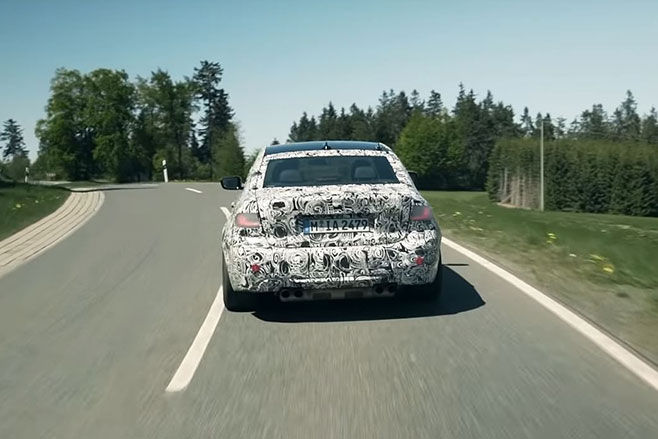
But it’s clear the track allows them to exploit all of the M3’s talents after Flessa adds “it’s fascinating to feel the car travelling so smoothly over the curbs [sic]”. The stability control systems also seem to build on the outgoing M3 MDM mode’s reputation. “The DSC is fully activated and we have no problems driving at full racetrack speed,” Schmid says, “the car releases torque freely but helps out if you overdo it.”
So, while sharp turn-in, light steering weight and tight damping are what we can take away as hints at what to expect, they may be tweaked out before the new M3, the most diverse and varied in specification yet, arrives.
The new M3 is expected to debut later this year before launching globally Q1 next year.
What a captivating, confounding and frustrating thing the Alfa Romeo 4C is. Actually, ‘was’ is more accurate, given Alfa has decided, after seven eventful and controversial years, to cease production. So how shall we remember the 4C? And should we be upset that it’s no more? The first question is tricky, so I’ll start with the second: yes, we should care.
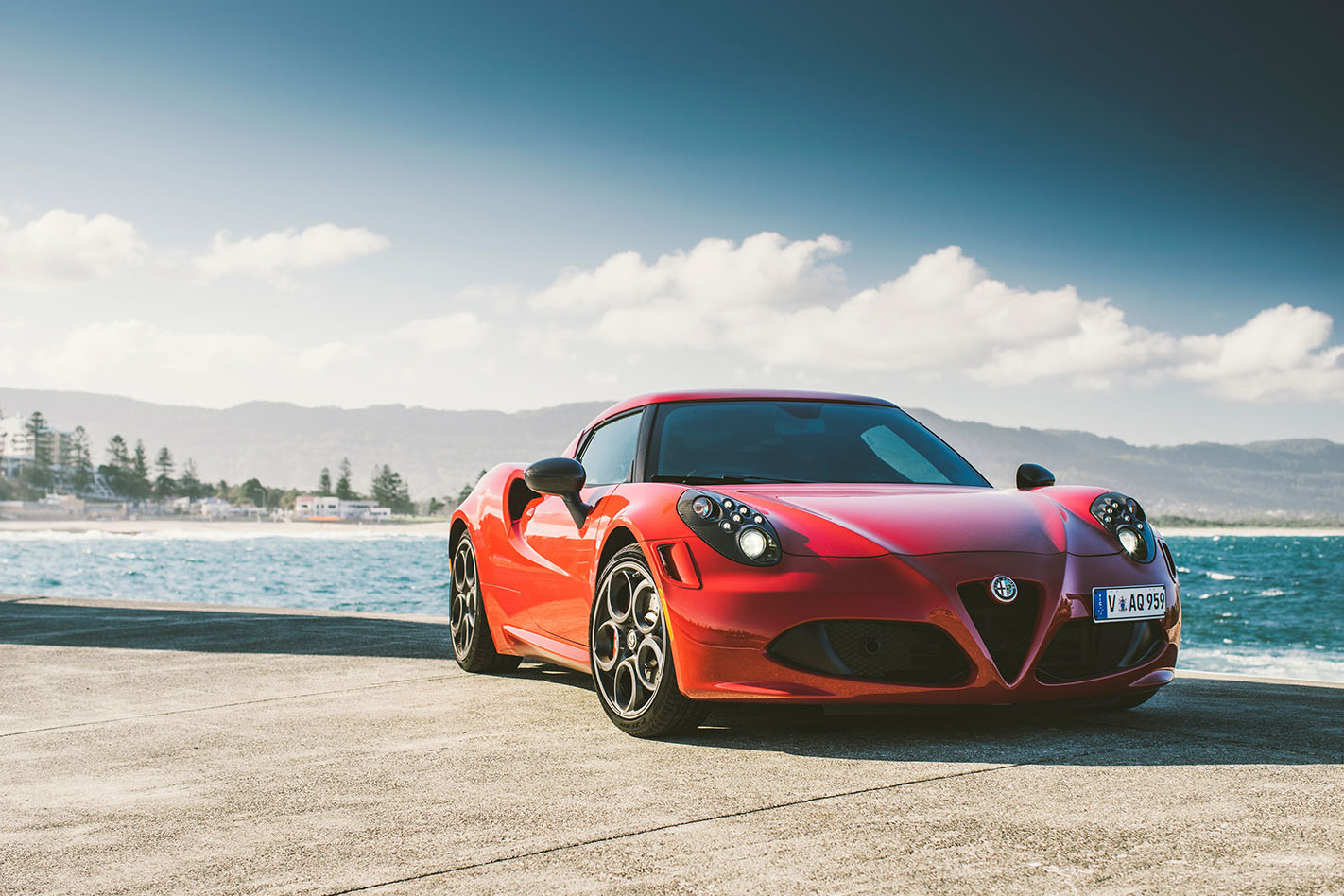
For all its flaws (and there are many) we shouldn’t forget that the 4C is pretty much everything a petrolhead could ask for. It’s Italian, mid-engined, and because it’s built around a carbonfibre tub, it’s also truly exotic. And light. Compared to a Porsche Cayman, the 4C weighs 350kg less. Further, at $89,000, has there ever been a more affordable carbon-tubbed sports car? And then there are those looks. Horrible ‘fly eye’ headlights aside, no-one could argue this car isn’t beautiful.
It was also hard not to get caught up in the sheer audaciousness of the 4C’s development. Who else but Alfa would pin its future, and hopes of cracking the all-important US-market, on a tiny lightweight sports car?
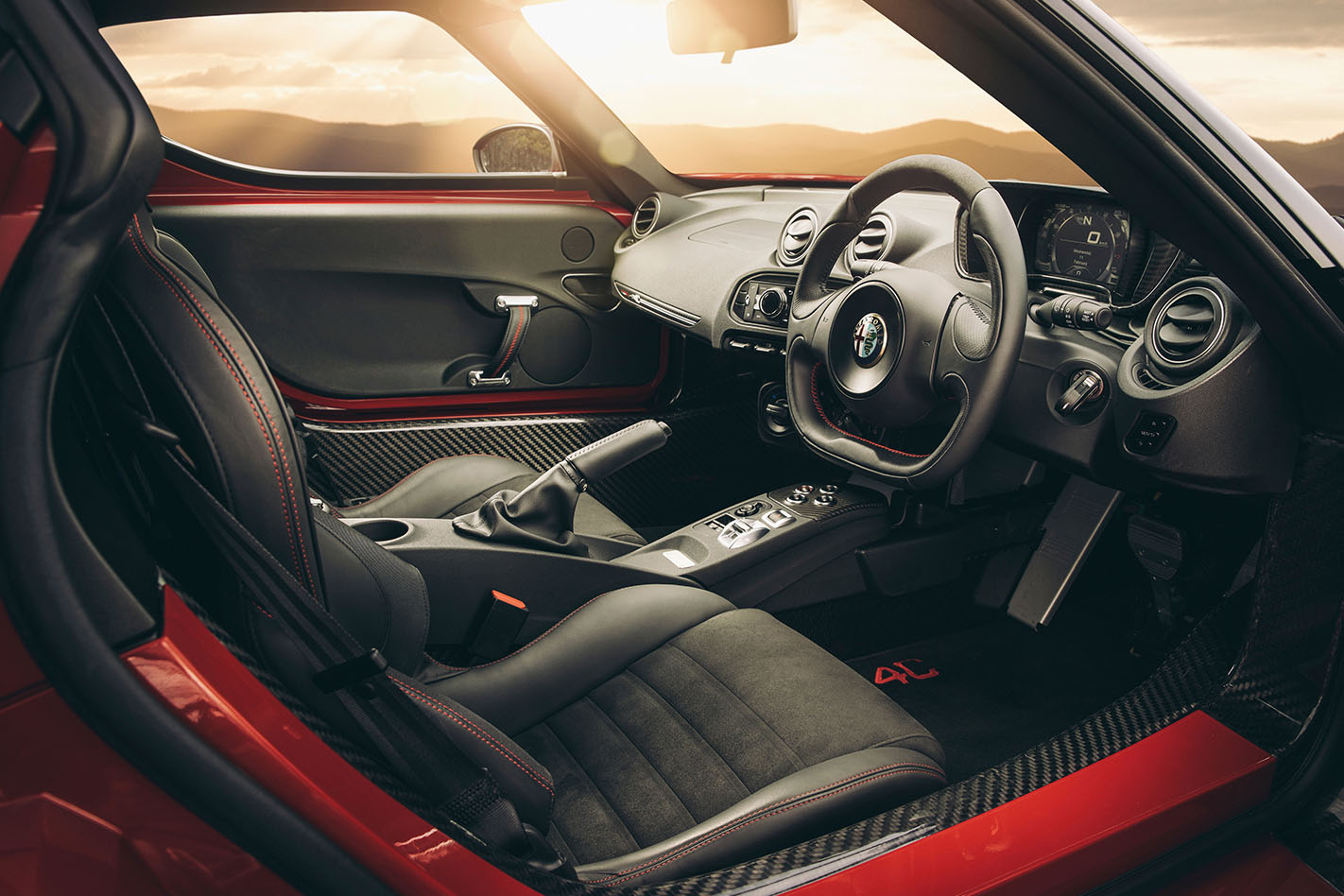
To be fair, we were all aboard the hype train. After years of disappointing Alfas, the 4C glimmered like a beacon. It was a new beginning; a circa-900kg beauty primed to fill the middle ground between a Lotus Elise and the Cayman. It sounded perfect.
The first sniff of trouble came during the 4C’s development when rumours surfaced of fundamental handling issues. By the time the international launch rolled around at Alfa’s Balocco test track, however, the news was overwhelmingly positive. For a few glorious months, it seemed Alfa had pulled it off.
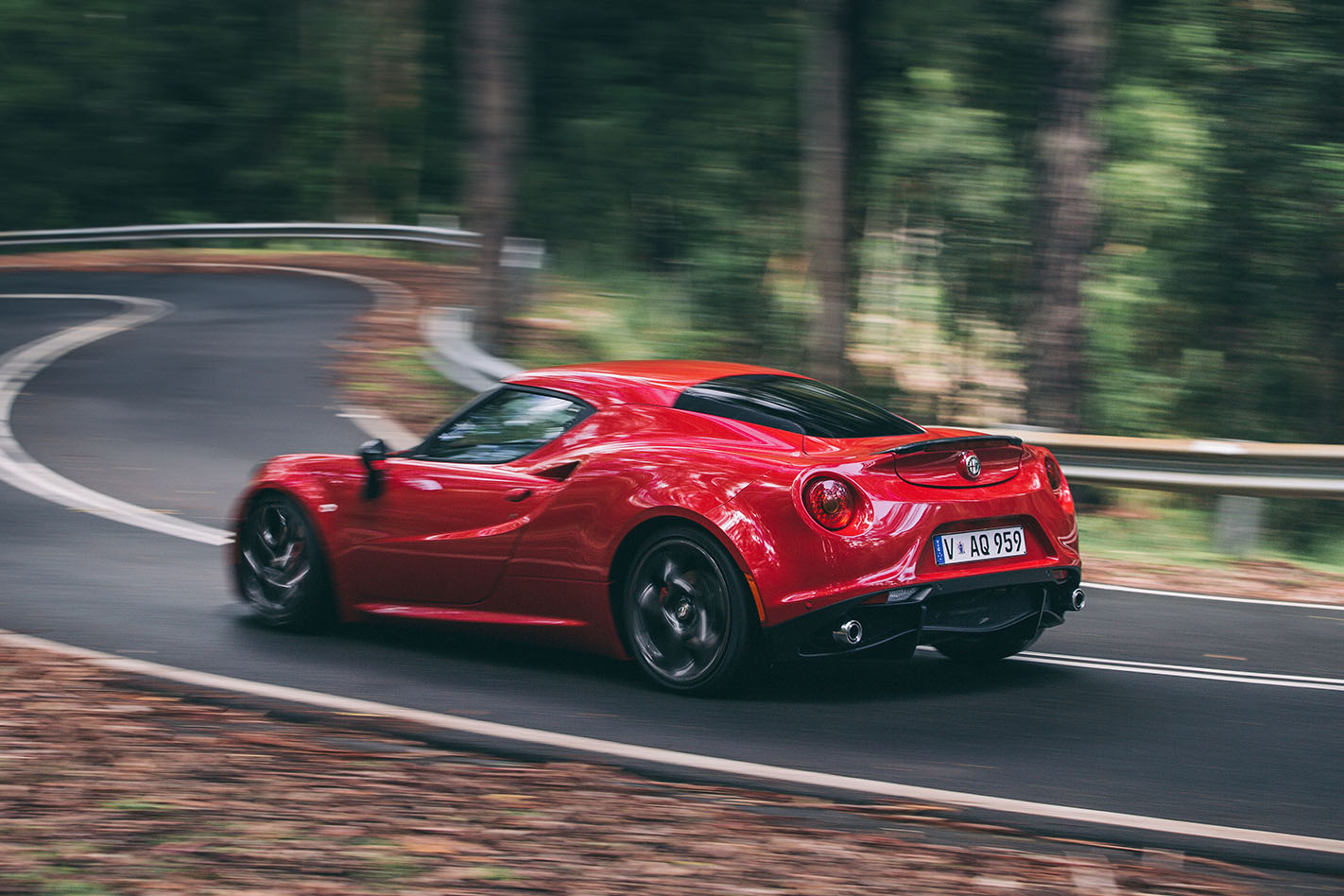
It wasn’t until cars were delivered to other markets – Aussie examples arrived in 2015 – that things began to unravel. “Charmless four-pot”, “low-rent cabin plastics”, “snappy handling and vicious tramlining” were the findings of respected road testers. And while the 1.75-litre engine was torquey and fruity sounding, it droned and lacked the engagement of a Cayman’s aspirated flat-six.
Sales never really took off. In 2015 and ’16, the 4C shifted around 1000 units per year in Europe, and around half that in the US. But by 2018, those volumes had more than halved. Australians bought a total of 300 examples.
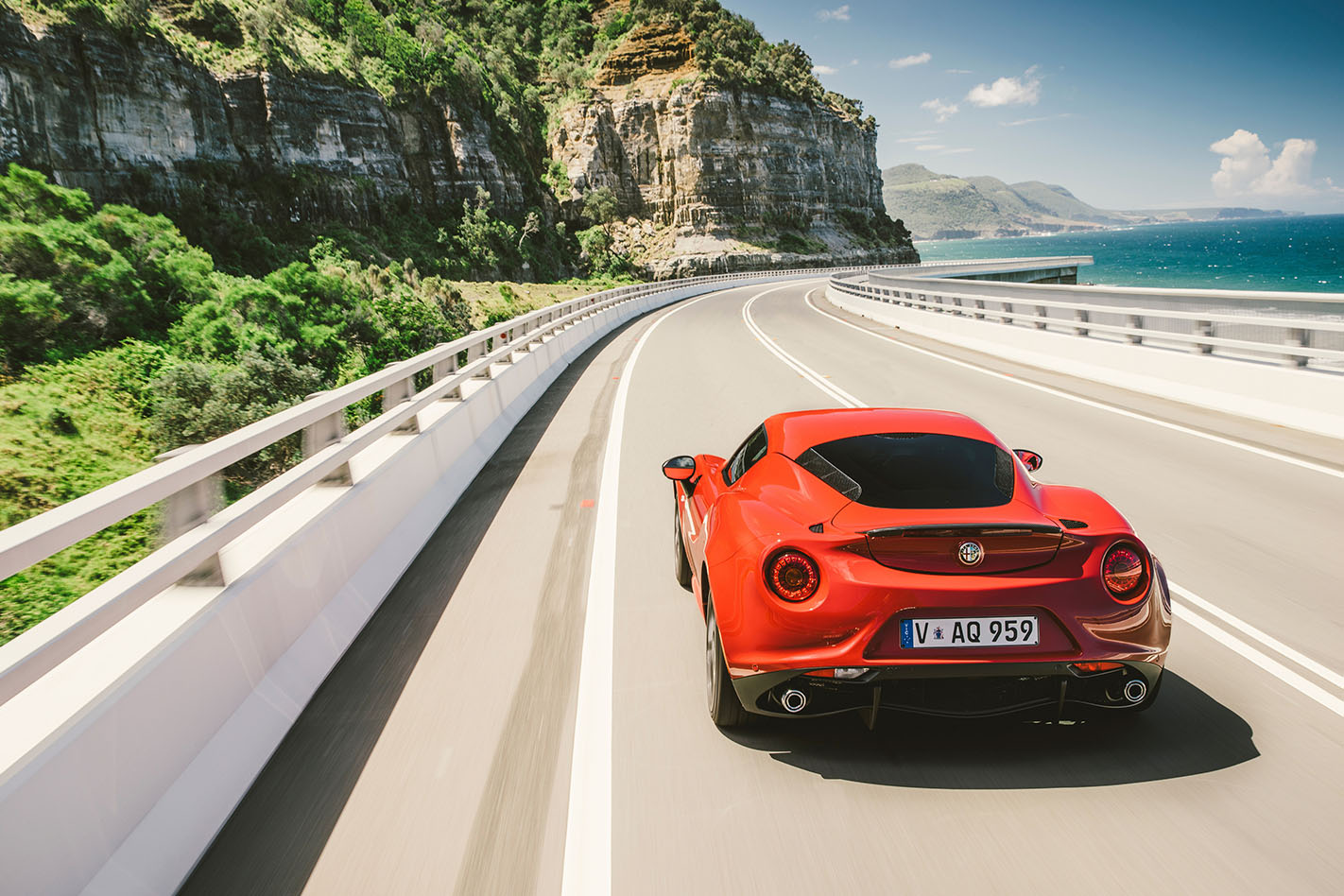
So, it wasn’t great to drive, nor a sales success. A failure, then? Well yes, and no. In true Alfa style, the objective side of the equation only tells part of the story. The reality is that the world is a brighter place for having had the 4C. It’s ambitious, endearing, and somehow manages to encapsulate all that is both right and wrong with Alfa Romeo. Let’s hope that’s how it’s remembered.
COULD IT BE A FUTURE CLASSIC?
You only need to see how well prices of second-hand 4Cs are holding up to know ‘modern classic’ status is on the cards. Exclusivity is also on your side, given low Aussie volumes. Should ownership sound enticing, you’ll need at least $70,000 for a 2015-16 example with 25K on the clock. Early cars had some minor gearbox foibles; also check closely for signs of bubbling leather on the dash and door trims.
AUSSIE SALES
- 2015 – 149
- 2016 – 68
- 2017 – 29
- 2018 – 22
- 2019 – 29
- 2020 (so far) – 3
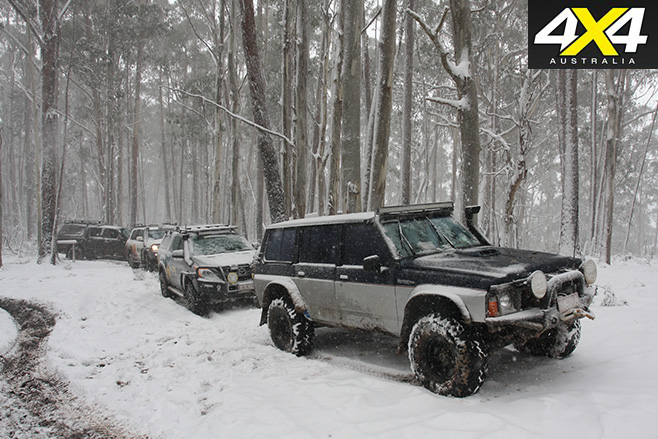
As the temperatures creep south, Australia’s alpine regions start to regain their white winter blankets and the network of 4×4 trails that connect them bring an extra level of complexity and challenge.
But snow and ice covered surfaces can be safely negotiated as long as you are correctly prepared and employ some common sense top tips.
SPEED
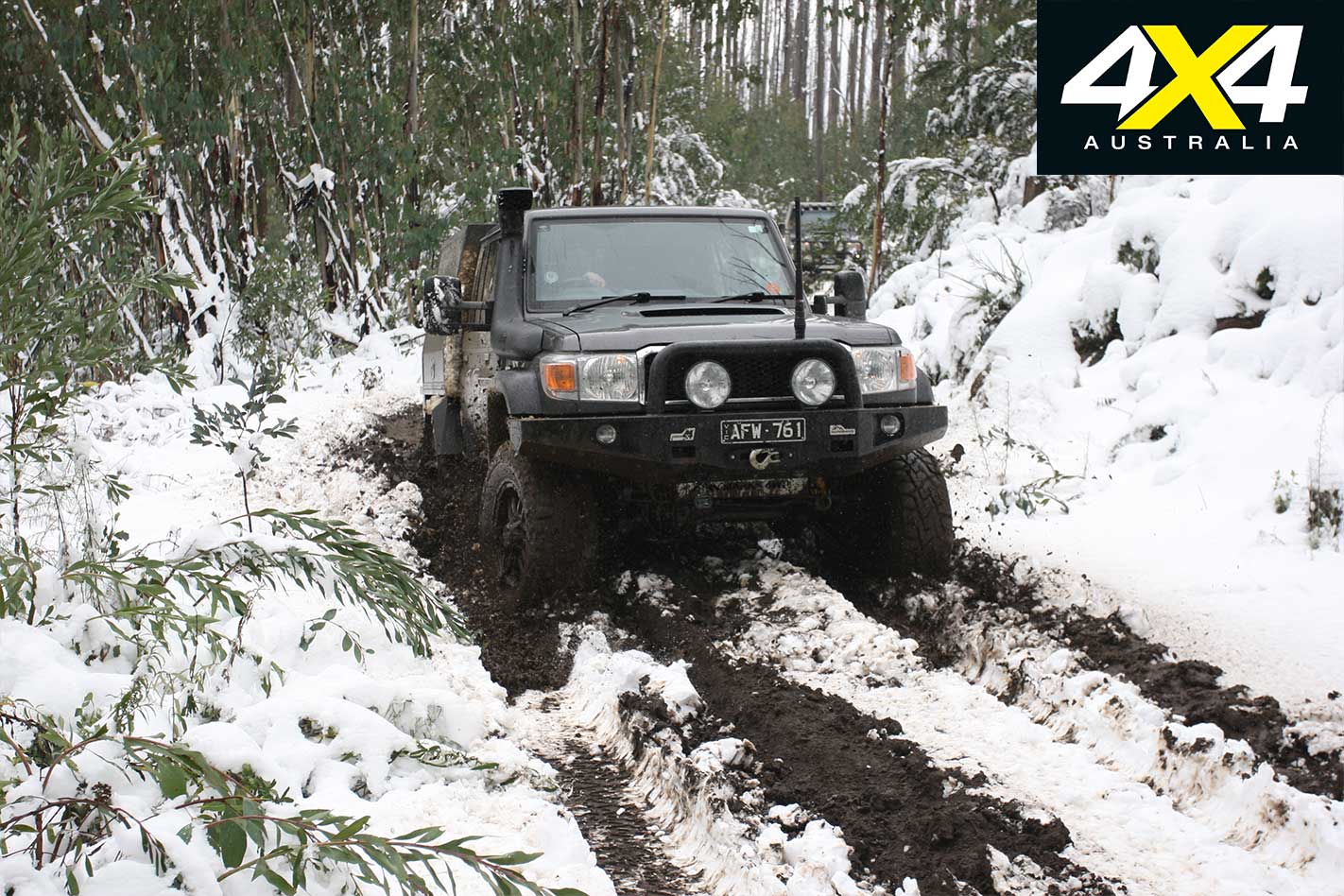
Knowing how to drive in snow and icy conditions is an important skill that requires a more gentle approach than under normal conditions. As a rule of thumb, reduce your speed to around half the posted dry weather speed limit. But remember, there is no such thing as a ‘safe’ speed range for driving on ice or snow.
If your vehicle starts to lose traction and slide, back off the accelerator gently, turn the steering wheel in the direction that the rear end of the vehicle is skidding, and look in the direction you want the vehicle to go.
Better than correcting a slide is not getting into one in the first place. Pay attention to the grip level closely and alter your speed, amount of throttle and brake pressure accordingly.
CONCENTRATE
Remember, even where snow has been cleared from the road, the surface may still be covered by a film of snow or ice. Driving on these roads requires concentration and skill. A real challenge is posed by ‘black ice’ which can be invisible. Black ice can look like nothing more sinister than a wet road and commonly occurs in shady areas where the surface is even cooler, so be alert of these conditions and slow down.
STOPPING DISTANCE
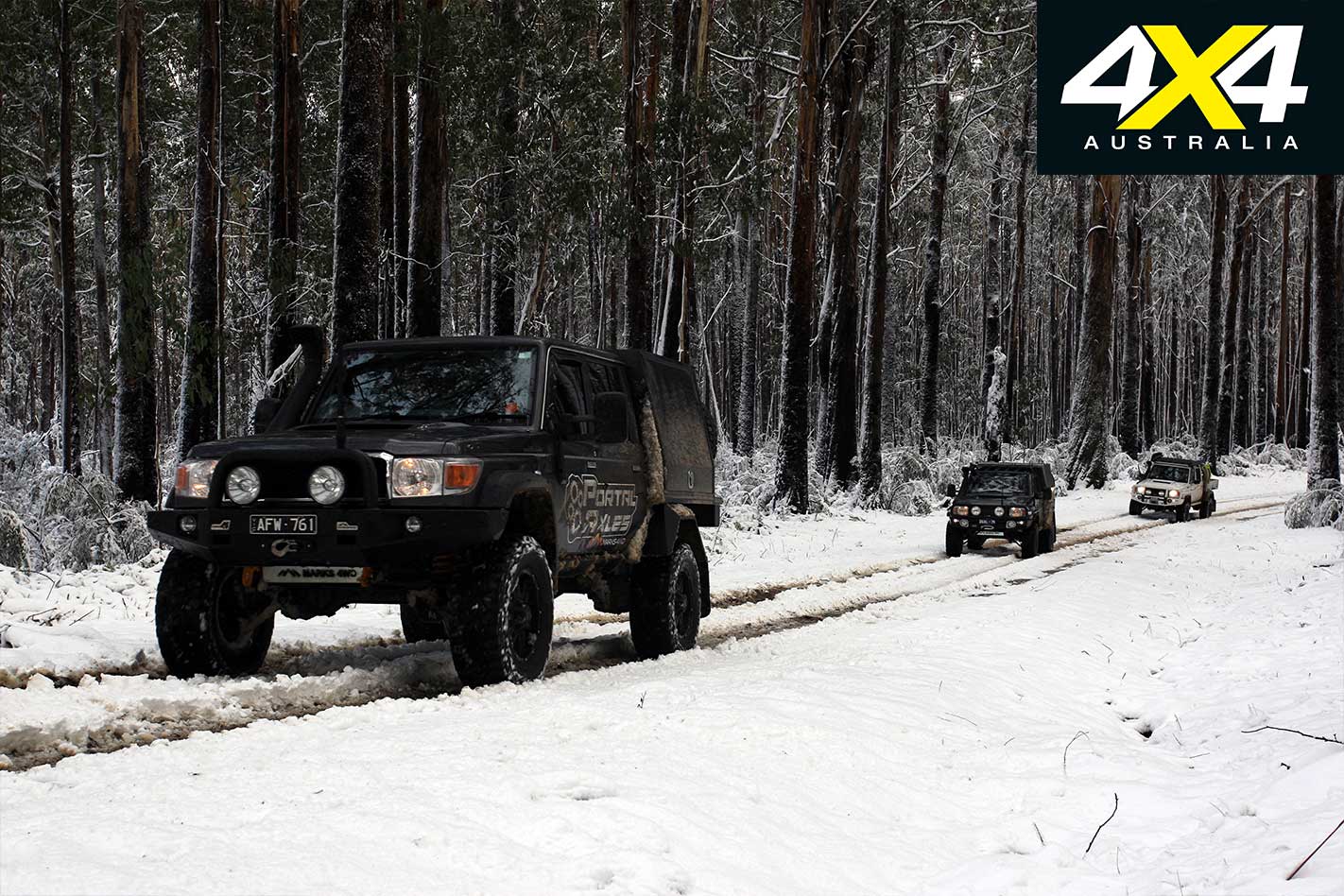
Given the unpredictably of ice and snow conditions, it’s good practice to put more distance between you and other vehicles, and give yourself plenty of time to stop. You also need to consider the capabilities of other drivers on the road and be aware that everyone has extended braking and stopping distances too.
FIX ANY FAULTS
Be sure to identify and rectify any vehicle faults before you leave. Cold weather conditions can exacerbate existing minor problems so have your vehicle thoroughly inspected before taking off.
This ranges from those things you can’t easily see (such as the electrical system) to those that you can. For instance, ice can form in small chips and cracks in the windscreen causing them to expand and ultimately shatter the glass.
It applies to all equipment and not just the vehicle. Inspect jacks, tools, winches, tarps and personal kit too for any problems that might become apparent when you need them most.
TYRE PRESSURES
For every five degrees of temperature reduction, the pressure in a tyre drops by about one or two PSI. Make sure you check your tyre pressures frequently during cold weather and add enough air to keep them at recommended inflation levels.
SNOW CHAINS
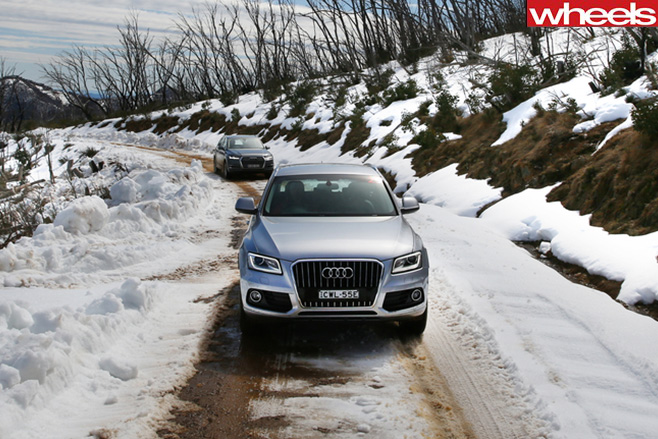
Four-wheel drive and all-wheel drive vehicles can generally travel further in the snow than two-wheel drives and, depending on the conditions, they are mostly exempt from the requirement to carry chains.
However, in heavy snow conditions, even 4x4s can reach a point where snow chains will become necessary. In some states, it is mandatory to carry chains in all alpine areas and fit them when directed to. Failure to do so in Victoria and you could find yourself with a hefty fine.
If you need to fit chains, make sure you’ve factored in enough time to do so. Fitting and removing chains can take a considerable amount of time if you’re not accustomed to it. If you practice before you head off, it’ll not only ensure you’ve bought the right-sized chains for your vehicle but you’ll also save yourself time in the long run.
STOP, REVIVE AND SURVIVE
Driving in snow or icy conditions is more fatiguing than normal driving given the increased concentration and difficulty of the conditions encountered – bad weather, darkness, narrow and winding roads.
If a ‘white-out’ condition occurs – the road ahead and snow poles are not visible – bring the vehicle to a stop, leave the engine running and switch on your hazard lights.
COMMON SENSE
Ultimately, driving safely on snow and ice mostly comes down to common sense as well as practice and experience. You wouldn’t expect to become an expert skier the first time you hit the slopes, and the same applies for developing the driving skills you need to get you there and return safely.
Plan your adventure throughly before you go, keep a radio or mobile phone close to hand, and always drive to the conditions.
What’s on WhichCar TV this week?
Fast SUV face off
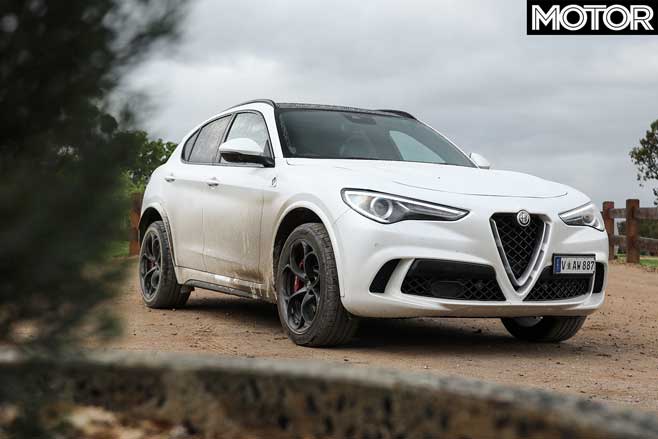
In an ideal world we’d all have cars for each occasion. But, if like many, what do you do when you need a jack of all trades? Enter the Alfa Romeo Stelvio Q and friends.
Street Machine lets loose at Red Centre Nats
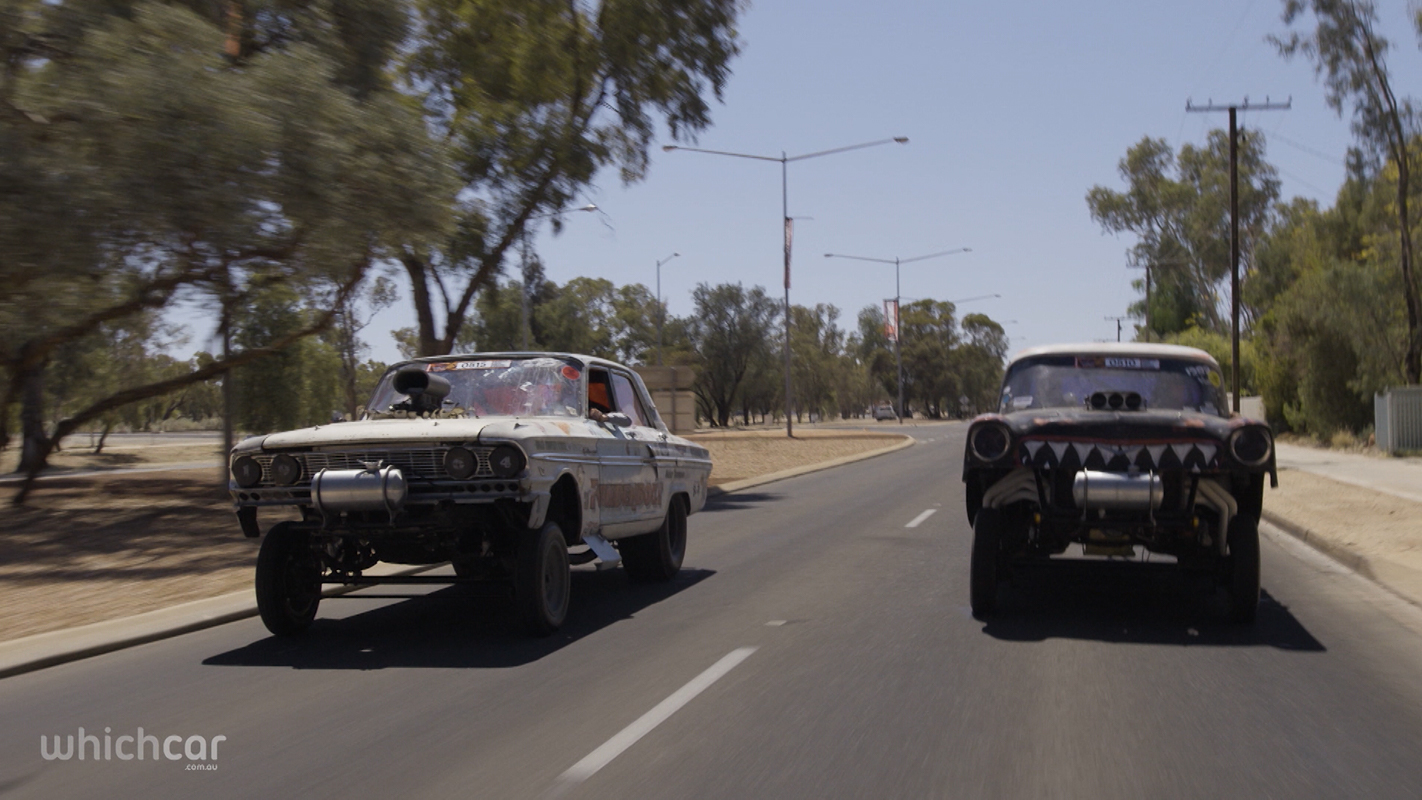
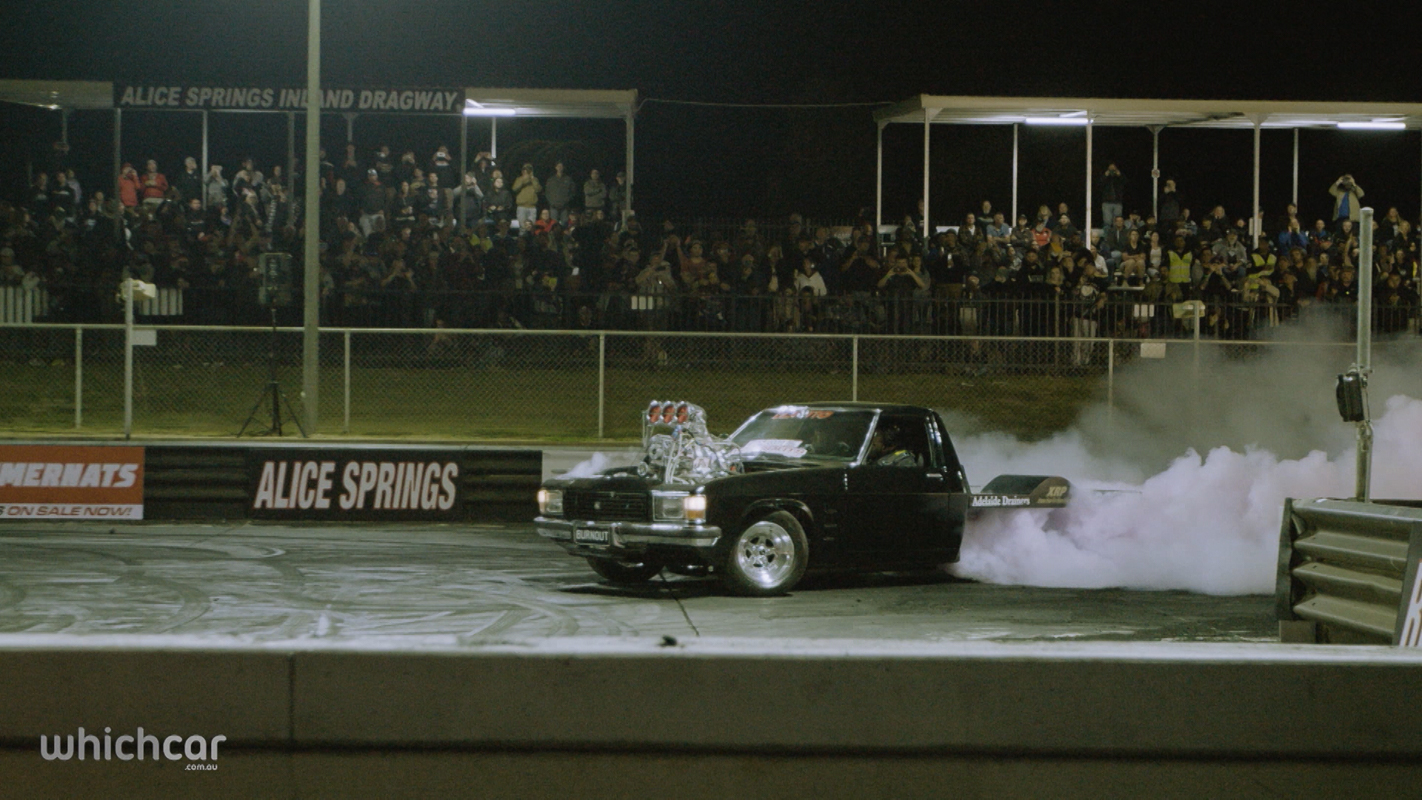
There might not be a whole lot else in the middle of Australia, but for one week Alice Springs plays host to the Red Centre Nationals. In effect, it’s Centra Australia’s version of Summernats filled with big power, big rigs and big skids. Watch this Sunday as we tour the event and show you what it’s all about!
Toyota C-HR review
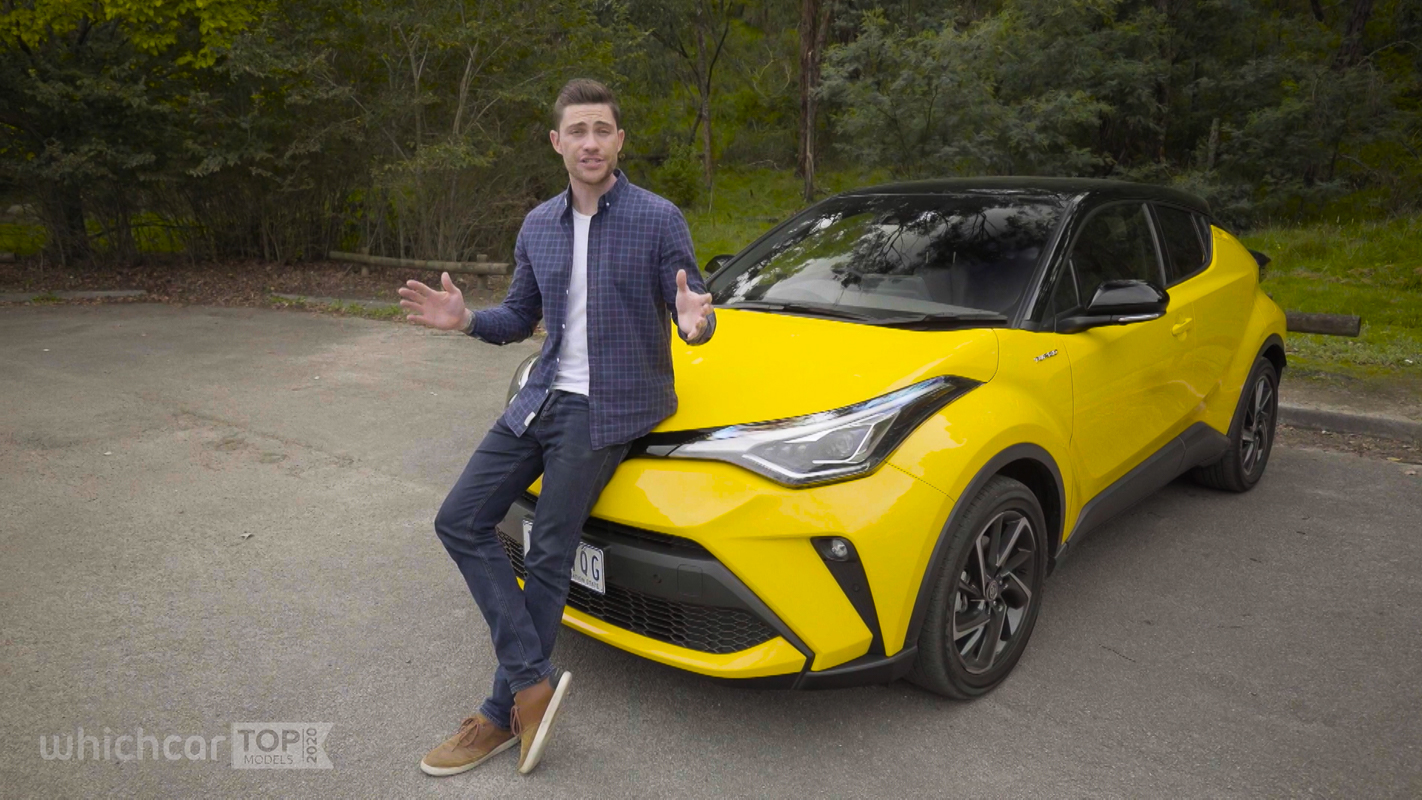
Wheels editor Alex Inwood gets behind the wheel of the Toyota C-HR, the car widely defined as the impetus for Toyota’s revival.
Continental Car Lab
Is there any truth to the age-old trick of ruining a car by putting a banana in an exhaust pipe? We comprehensively test the myth.
WhichCar TV Season Two Episode 19
3:30pm Sunday June 28, Channel 10
FIND THE HOSTS ON INSTAGRAM
Daniel Gardner @octanedan
Tony O’Kane @tony2000gtx
Tom Fraser @tommyfraser
WIN A TRIP TO THE MALDIVES WITH WHICHCAR
For season two, we’re also offering an amazing prize for our viewers. How does a trip to the Maldives sound? Pretty awesome, right?
The competition is open NOW so make sure you tune into WhichCar TV on Channel Ten at 4pm Sunday AEDT.
And, if for some reason you can’t (and it had better be a good reason!) then there’s a host of ways to catch up on the show, check out behind-the-scenes stuff and find out more about the cars Aussies want to buy.
For example, our weekly podcast, our Facebook page and our YouTube channel are standing by 24/7.
MISSED THE SHOW? Catch up at Ten Play
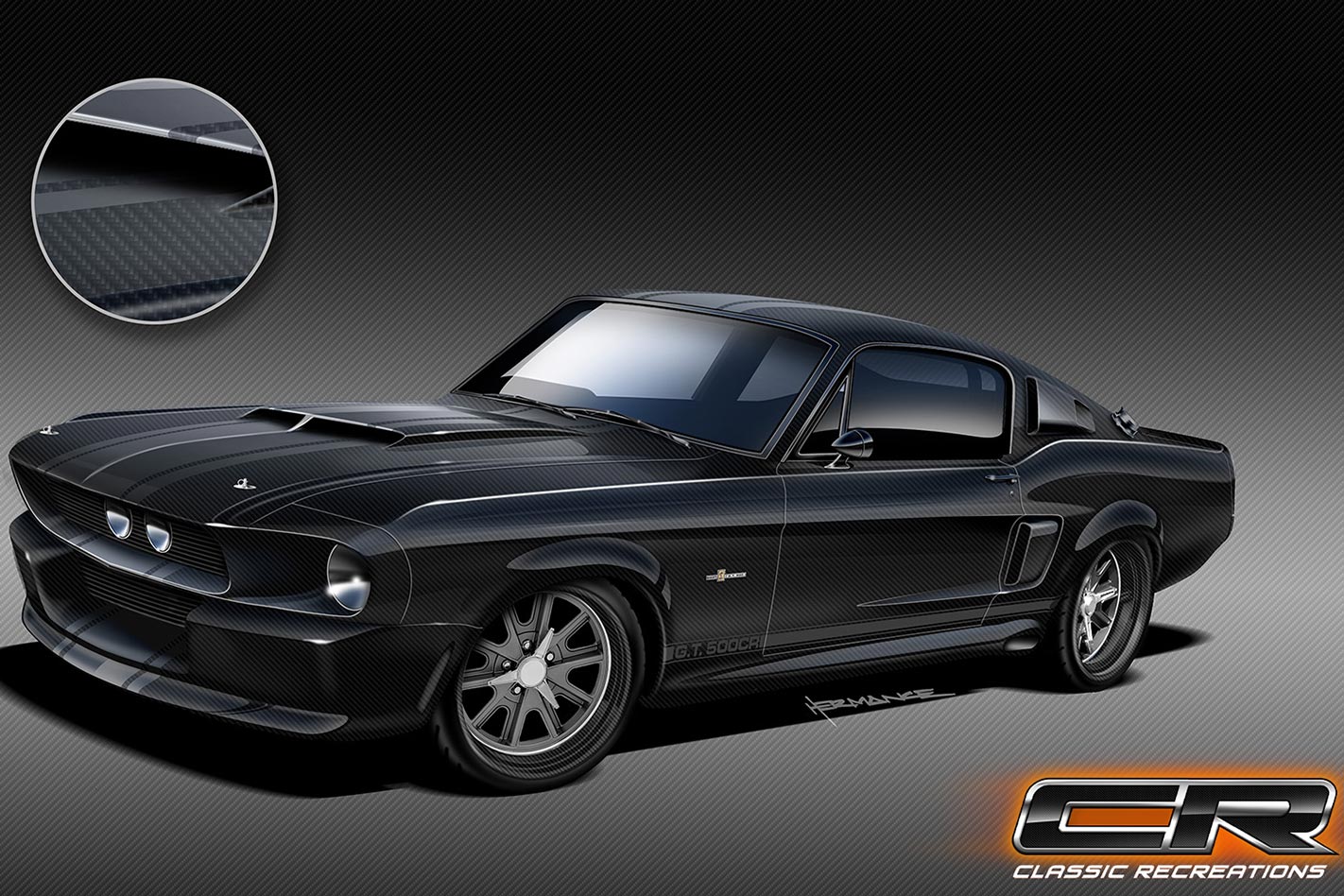
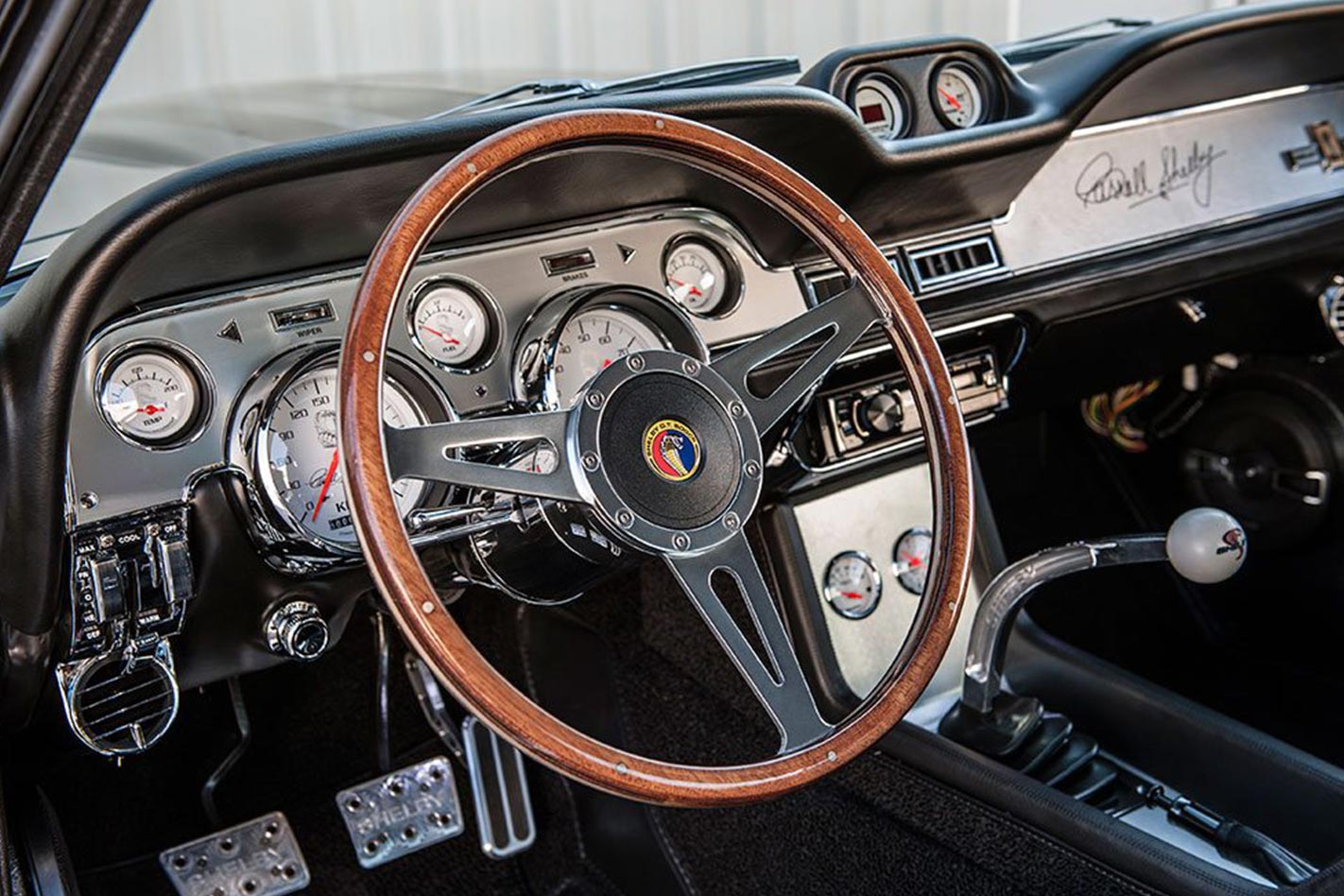
Break out your ‘gawking face’ and behold the carbon-fiber-bodied 1967 Shelby GT500CR Mustang, a collaborative creation between retromod carmaker Classic Recreations and carbon fibre gurus SpeedKore.
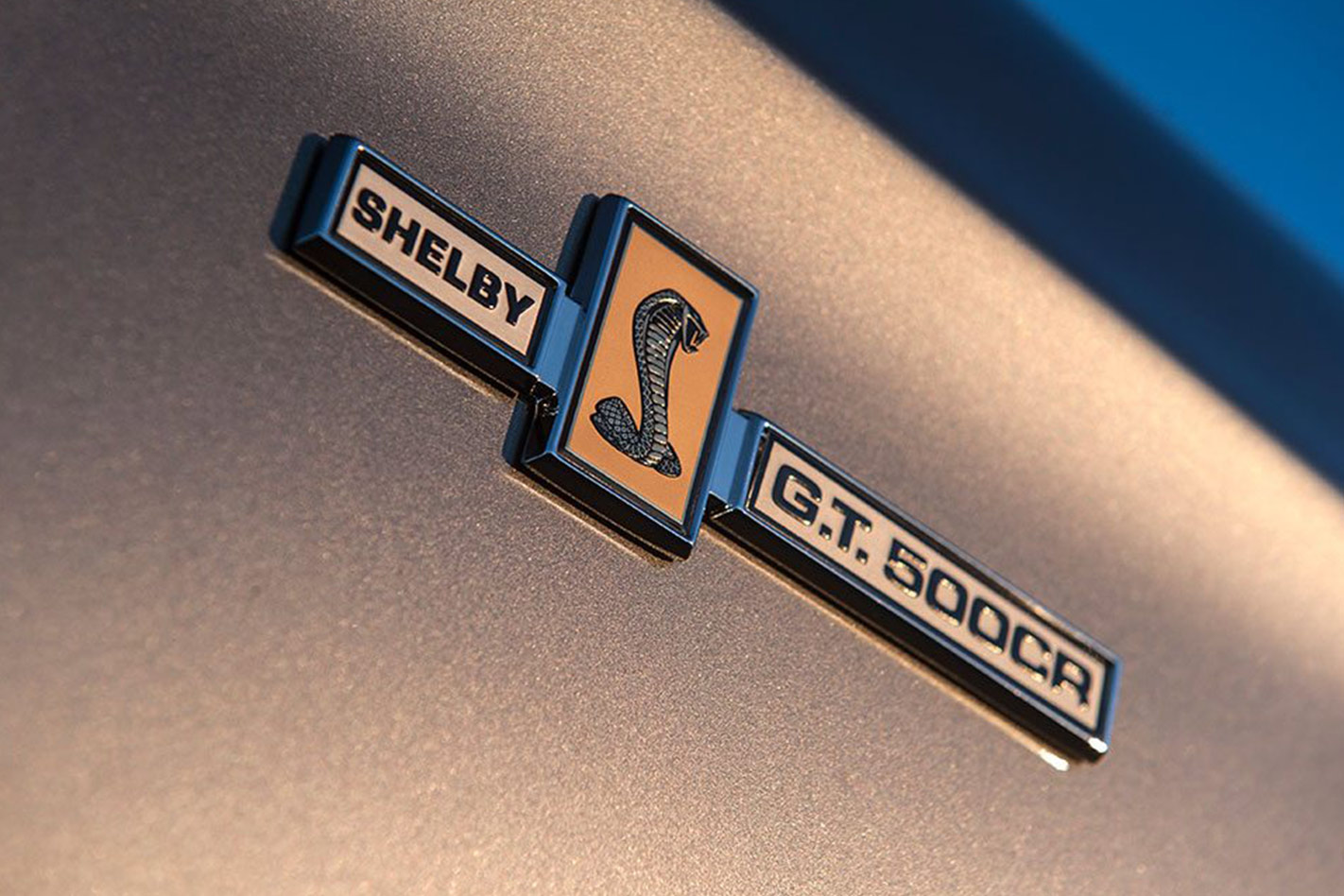
Starting with a donor 1967 (or 1968) Mustang body which undergoes a complete restoration, the Shelby GT500CR is approved as a licenced product by Carroll Shelby International, and can be had with a range of engines and options to essentially build an ‘as new’ classic Shelby Mustang with modern performance and comforts.
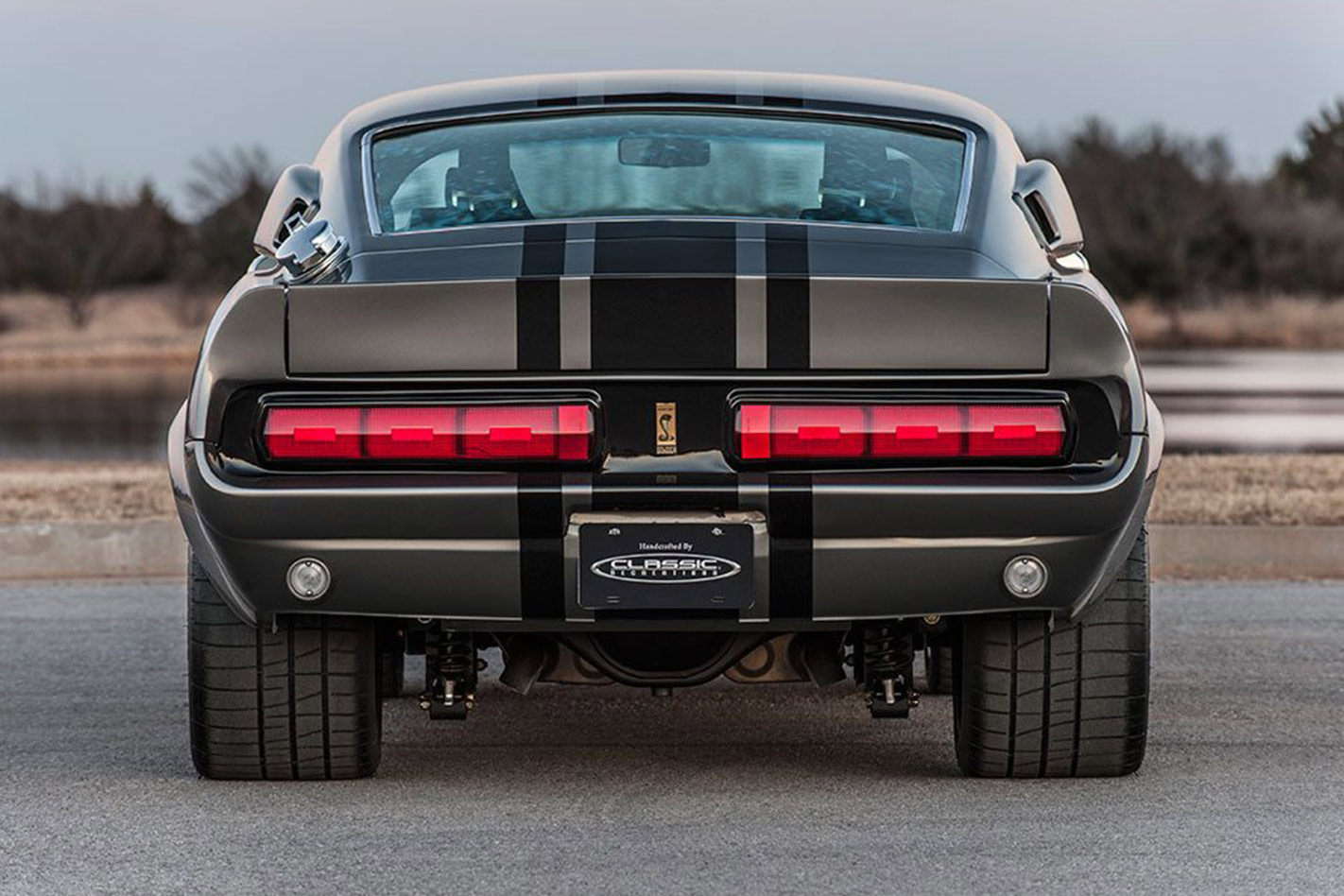
But the carbon option by SpeedKore takes that to another level, replacing the body panels with carbon fibre and thus reducing the vehicle’s weight. With anything from a modern Gen III 5.0-litre Coyote V8 to a hand-built 7.0-litre supercharged V8 putting out more than 746kW under the bonnet, the carbon Gt500CR promises to be wild.
If the name SpeedKore sounds familiar, that’s because MOTOR has covered a couple of its creations in the past, from its incredibly fast Dodge Demon to its twin-turbo Dodge Charger, both in full carbon fibre.
“When we decided to build the carbon fibre-bodied GT500CR Mustangs, we wanted to work with someone who shared our vision for the future of custom car building,” says Classic Recreations CEO and founder Jason Engel.
“Having a supplier that is equally committed to high-quality craftsmanship and producing innovative vehicles is incredibly important to us and we found that matched commitment in SpeedKore.”
Shelby turns the GT500 into the drag-focused Dragon Snake
If you want one of these carbon Shelbys, there’s good news and some rather bad news.
The good news? You can actually have one – Classic Recreations offers the Shelby GT500CR in right-hook, at an extra cost of US$12,500.
You thought that option price was the bad news? Ah, not quite. There are a few more dollars that’ll need to leave your bank account, starting with the US$284,900 base price. That means the minimum for a RHD GT500CR is AU$433,222.
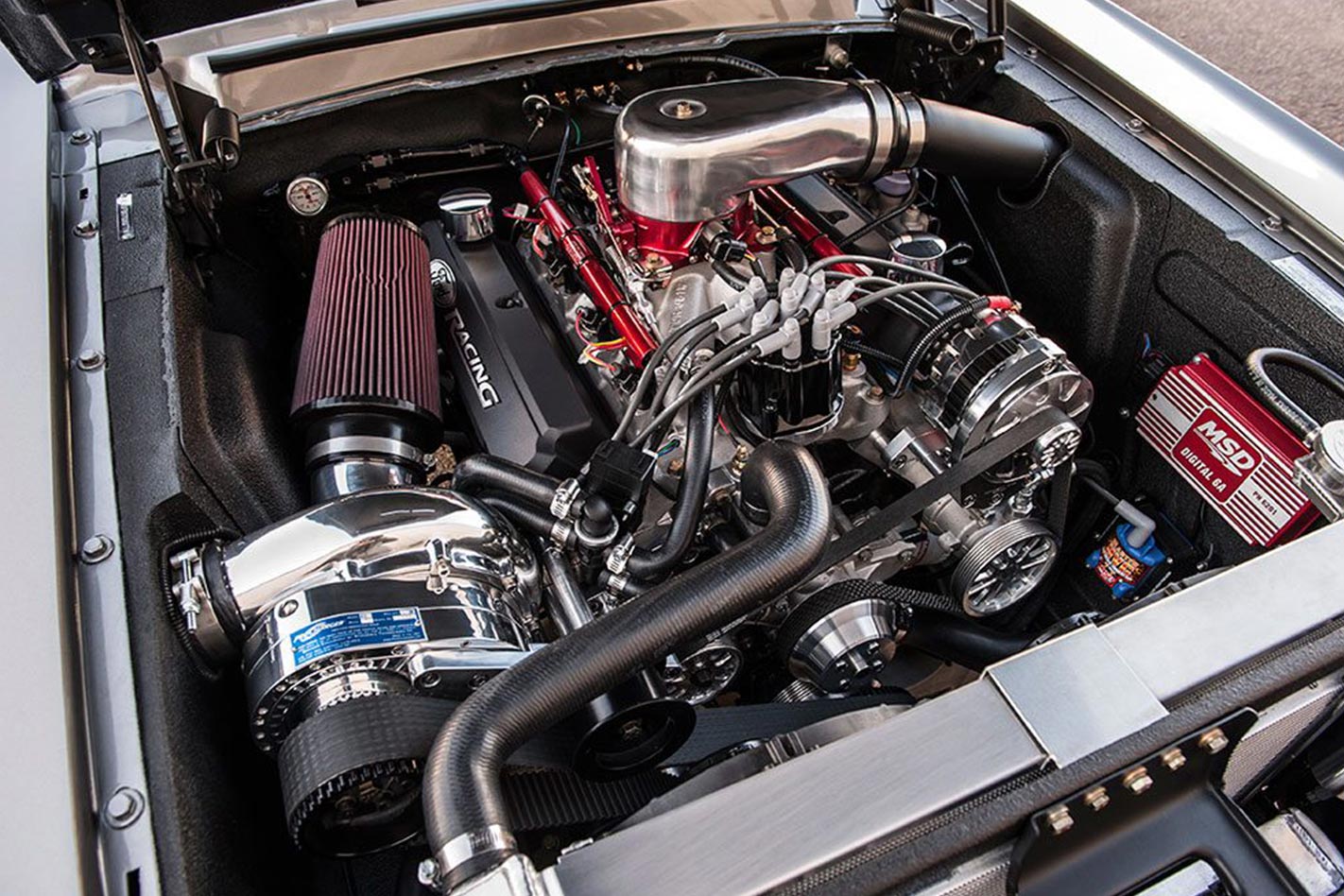
Then comes the extra price for the carbon option… US$60K, or AU$87,400. Now your carbon fibre ’67 Stang is costing you more than a brand-new Ferrari F8 Tributo. On top of that AU$520K, there are numerous extras, the 1000hp+ (746kW+) Procharger supercharger option is AU$7200, or there’s the Pro Touring Track Upgrade Package for AU$36,400, which includes chassis upgrades, track suspension, a rollbar, and a better set of wheels and tyres.
After all of that, and potentially more than $565K later… you’ve got to get the car here and register it. Let us know if you manage to get it roadworthy!
Volkswagen’s strictly limited first run of 2020 camper vans have sold out just nine hours after they were made available to order online, with the equivalent Multivan version going the same way – fast.
The California Beach camper van and Multivan Cruise limited edition were only put up for grabs on its website at 10am yesterday, and the limited run of 30 nostalgic Transporter-based campers had sold out before 7pm.

While there are some remaining examples of the Multivan Cruise at the time of writing, Volkswagen advises interested customers to act fast, as this is the only chance to grab a version of the new so-called T6.1 model in 2020.
It’s the latest in a series of specials which celebrate the company’s iconic Type 2/Transporter/Kombi, which has been the extraordinarily versatile Volkswagen workhorse for the last 71 years.
If you had your heart set on an example of the now sold out California Beach camper, the good news is that the 60 special editions are an “aperitif” for the new camper and Multivan range, said Volkswagen Australia corporate communications general manager Paul Pottinger.
While future versions may not be made available in exactly the same specifications as the now unavailable California Beach and rapidly diminishing Cruise, other less limited variants will follow in 2021 including more California variants available to order from August 1.
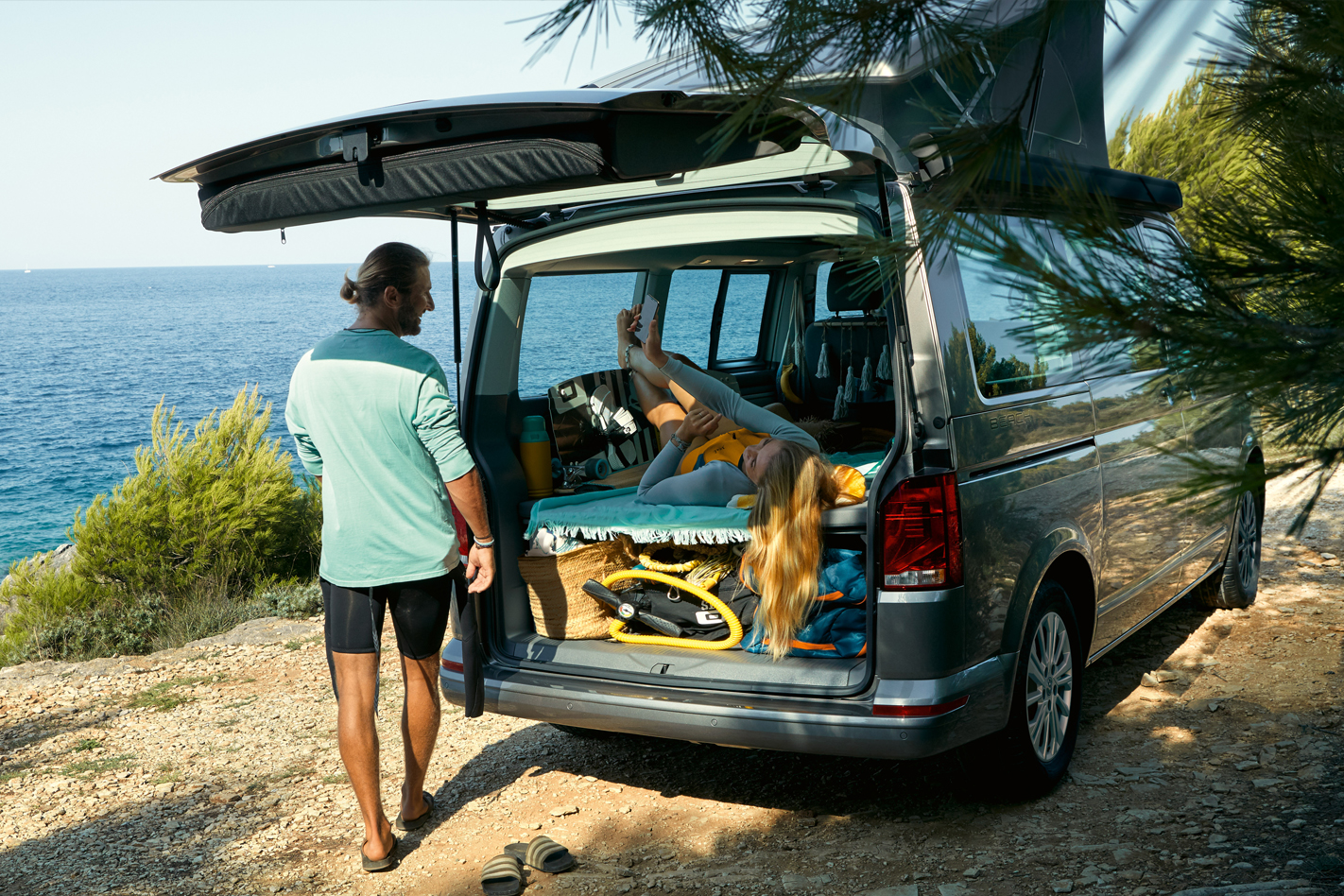
Taking the short-wheelbase T6.1 as its basis, the special California Beach camper was priced $94,990 and added a power pop top roof, swivel front seats, a fold away bed, interior blinds, a second battery, and even included a dining table and two chairs.
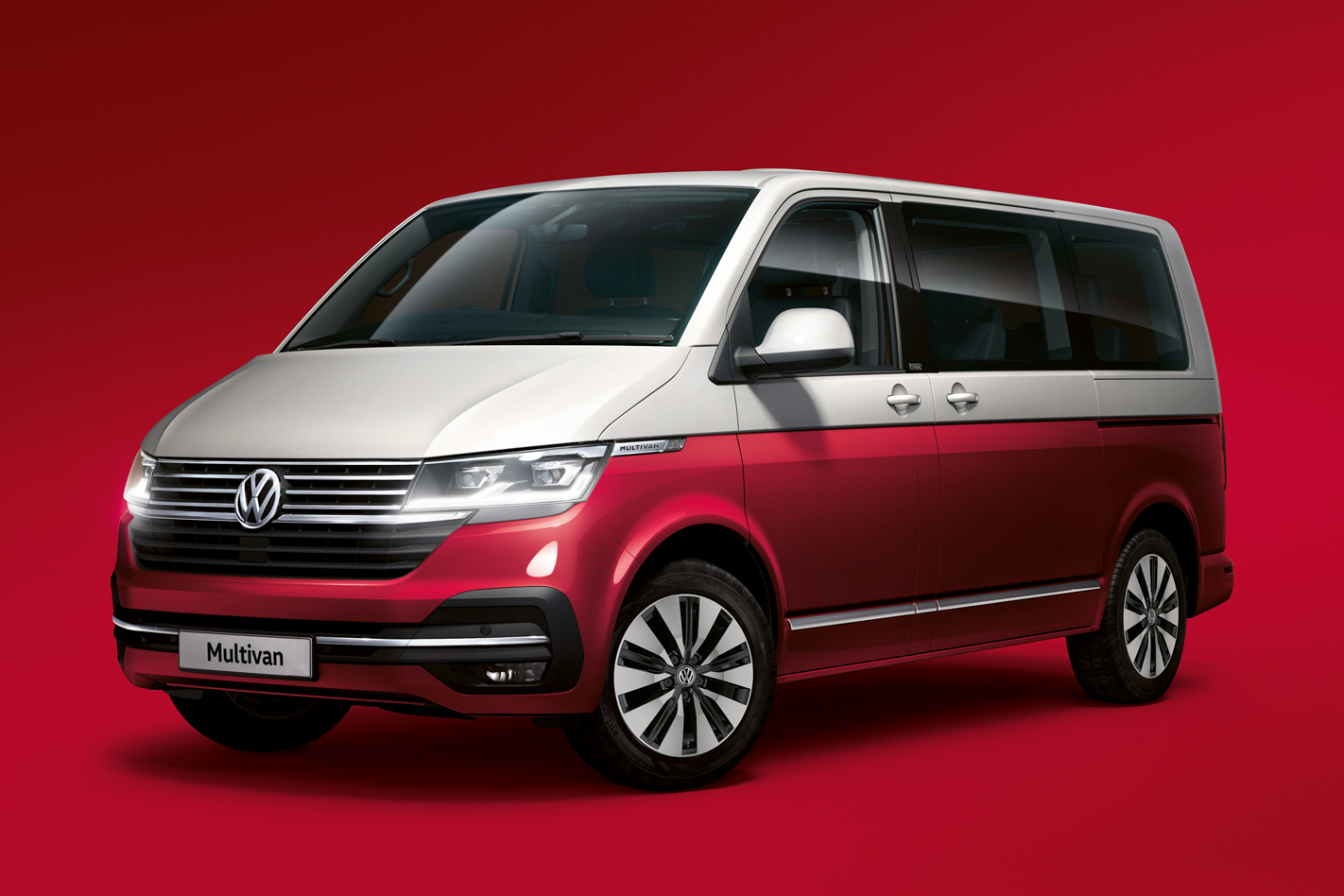
On the outside, the special campers are identifiable with two-tone paint available in three colour combinations, 17-inch alloy wheels a silver fold out awning and a blacked-out B-pillar.
The Multivan Cruise is priced from $73,990 and shares the special two-tone paint scheme albeit with a different colour palette, and larger 18-inch wheels.
Like the camper, it arrives with a high level of standard equipment including the company’s Digital Cockpit instrument cluster, LED headlights, power tailgate, and Art Velour upholstery with heaters for the front seats.
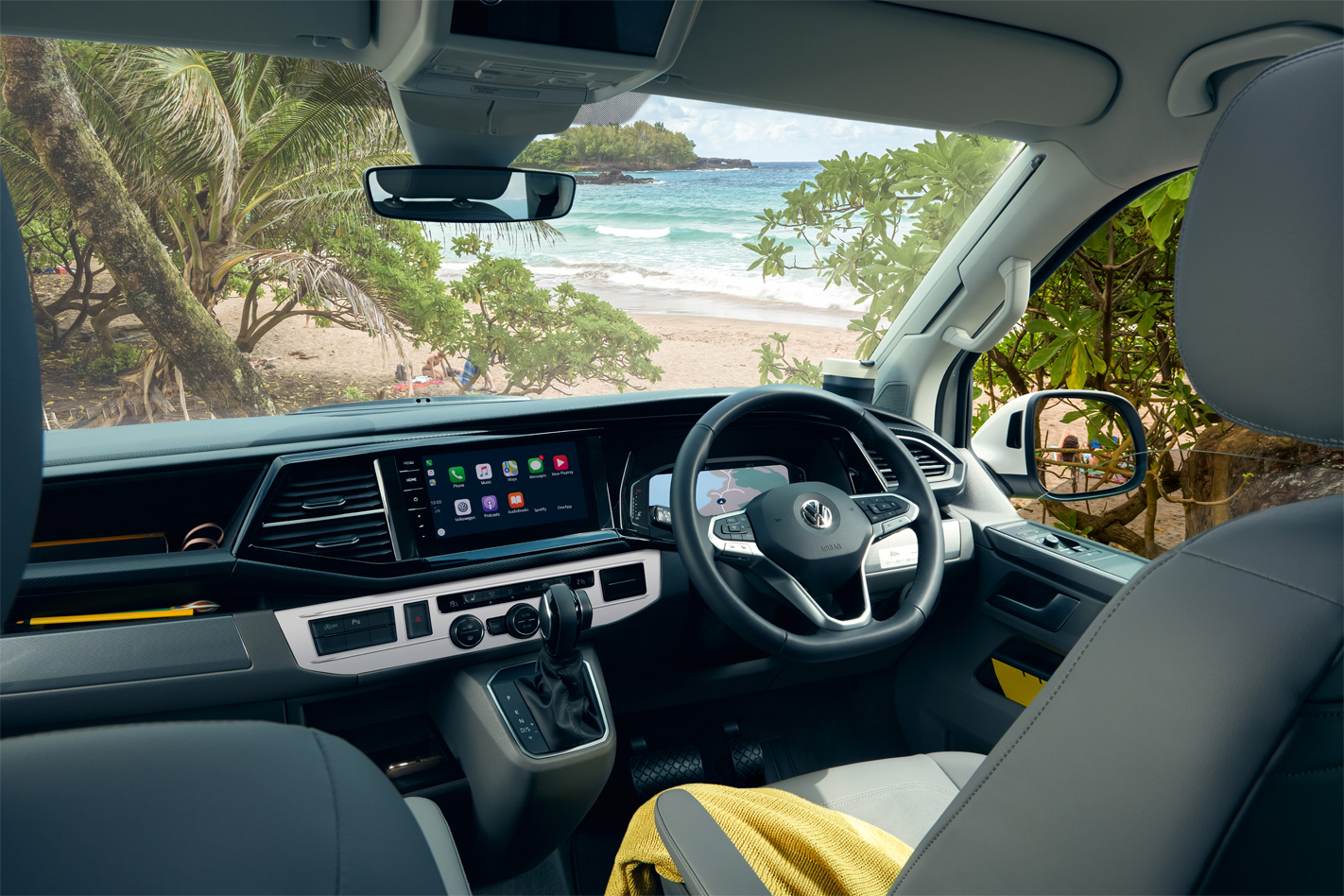
Both versions of the T6.1 are powered by the company’s EU6 emissions compliant 110kW TDI340 diesel engine, coupled to a seven-speed dual clutch automatic transmission.
The Multivan version has front-wheel drive, while the camper offers a little more go-anywhere adventurousness with the company’s 4Motion all-wheel drive system.
NOW CHECK OUT Huge rollout of classic Kombis graces Sydney beach
In anticipation of the covers coming off an all-new Ford F-150 pick-up truck this week, Ford has prepared a fact sheet that details the American public who buys utes – and it’s amazing what they’ll give up for their trucks.
Ford commissioned research consultant Penn Schoen Berland to complete a survey that polled 2000 truck owners to find out what makes them tick.
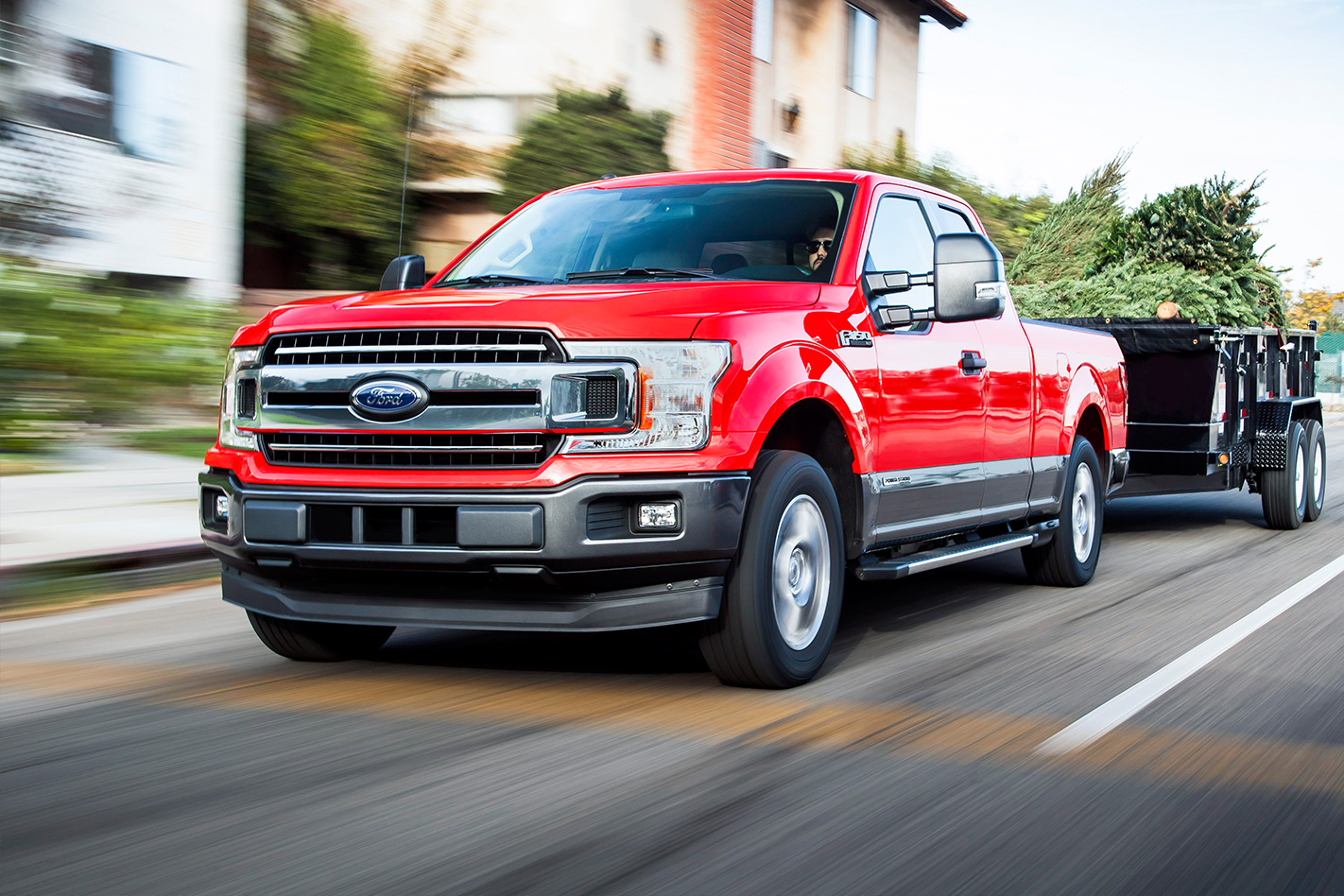
Ordinarily, when car manufacturers gather market intelligence they tend to keep it to themselves in order to aid the development of the next model, but thankfully Ford’s given us an insight into just how crazy-loyal truck fans are.
If you thought Australia’s obsession with the dual-cab ute had no bounds, you should just hear what the Americans would give up before parting with their ute.
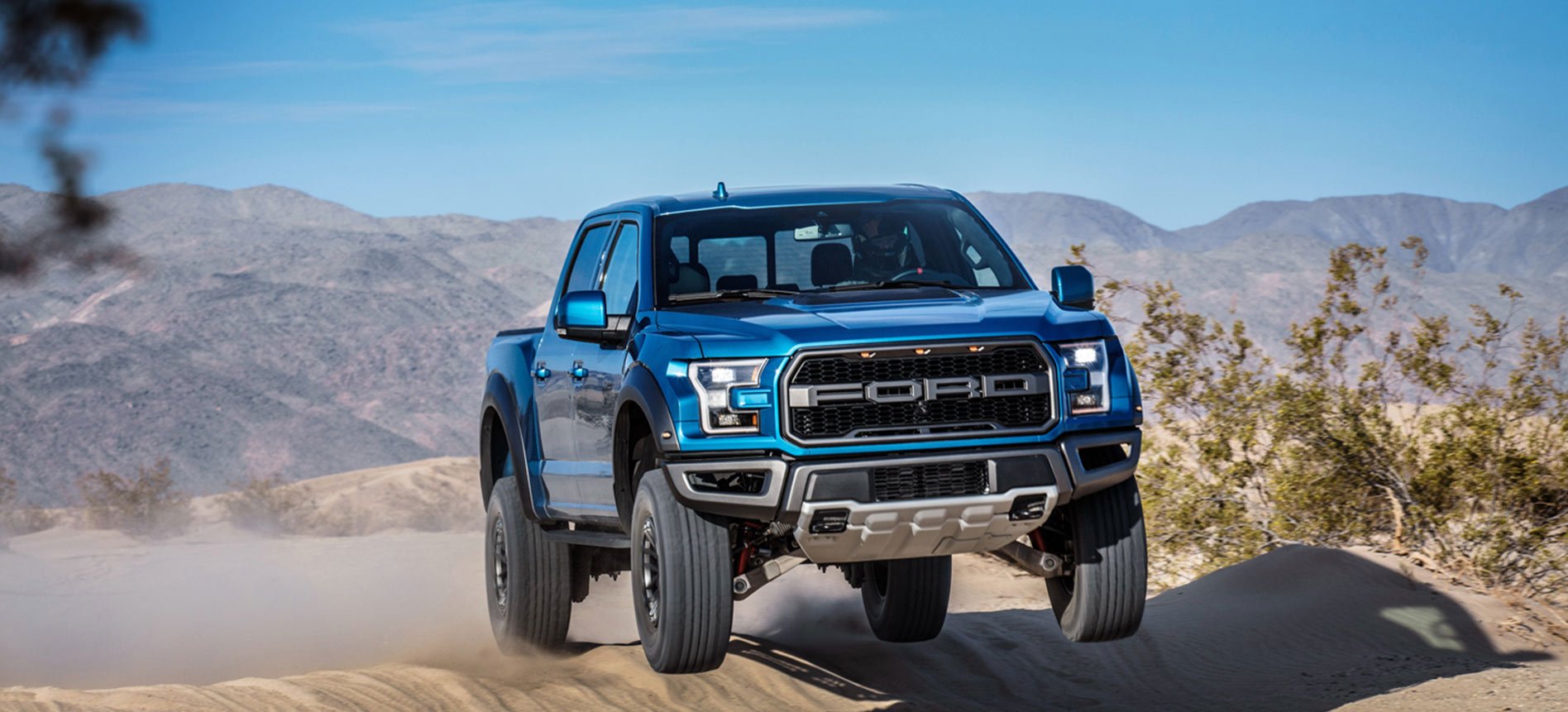
Four in five respondents declared that they would rather stop drinking alcohol for a year than give up the pick-up truck, almost half of the respondents said they would stop using a mobile phone for a year and amazingly, 38 percent of them would give up sex for a year.
Now, it is true that we love our utes Down Under but that’s a level of dedication that we doubt Aussies could match.
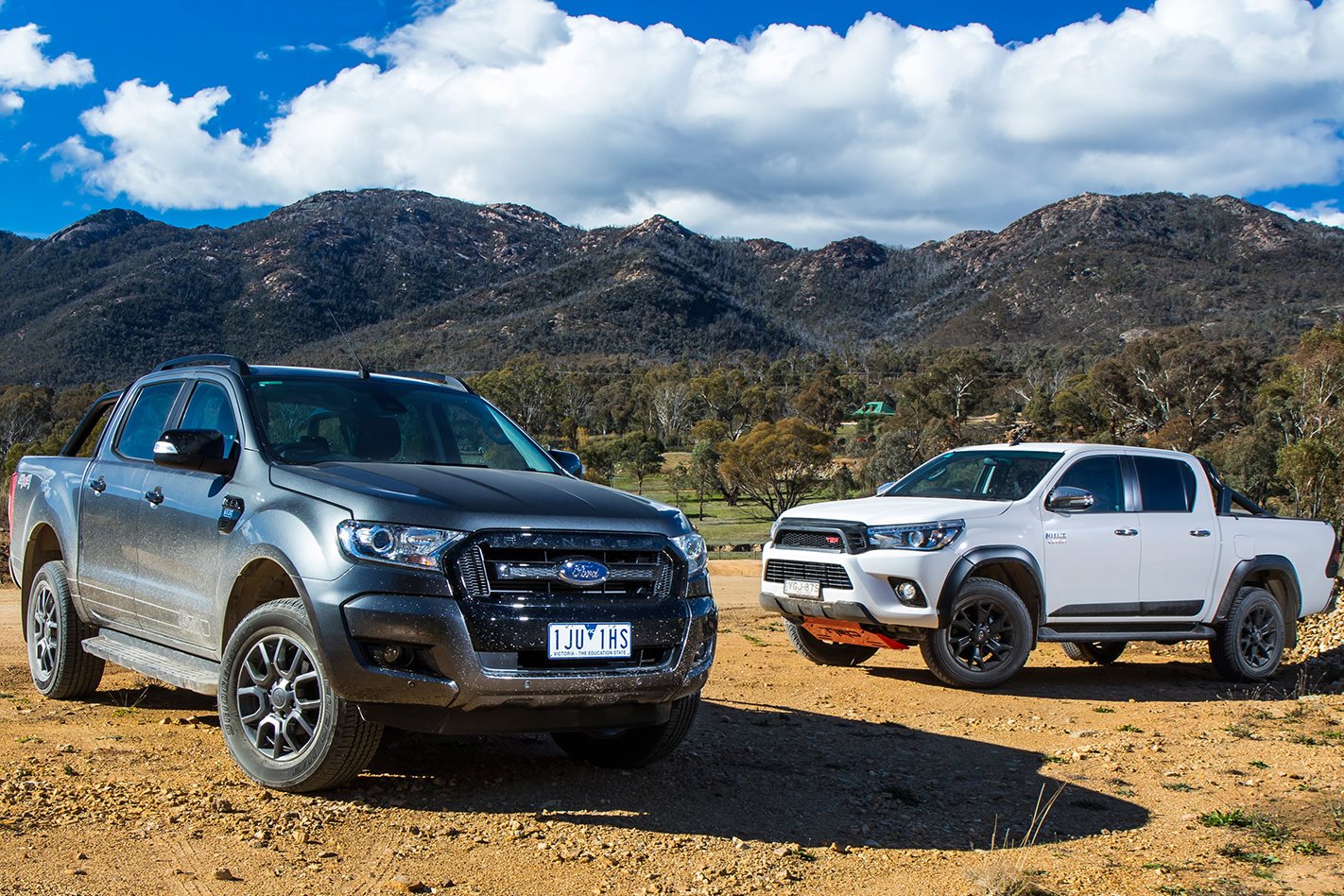
Alarmingly, some respondents connection to their ute gets even more personal.
A quarter of those polled said they have a name for their truck, while some 15 percent said they have a tattoo related to a truck somewhere on their body.
Truck owners see themselves as ‘dependable’, ‘accomplished’, ‘self-reliant’ and ‘proud’, and as much as 94 percent said they used their truck to help others at least once, while a third say they help people using their trucks at least once a week.
Unsurprisingly, looking forward only a 40 percent minority of owners is excited at the prospect of an electric ute, with Californian owners being the most receptive to the idea.
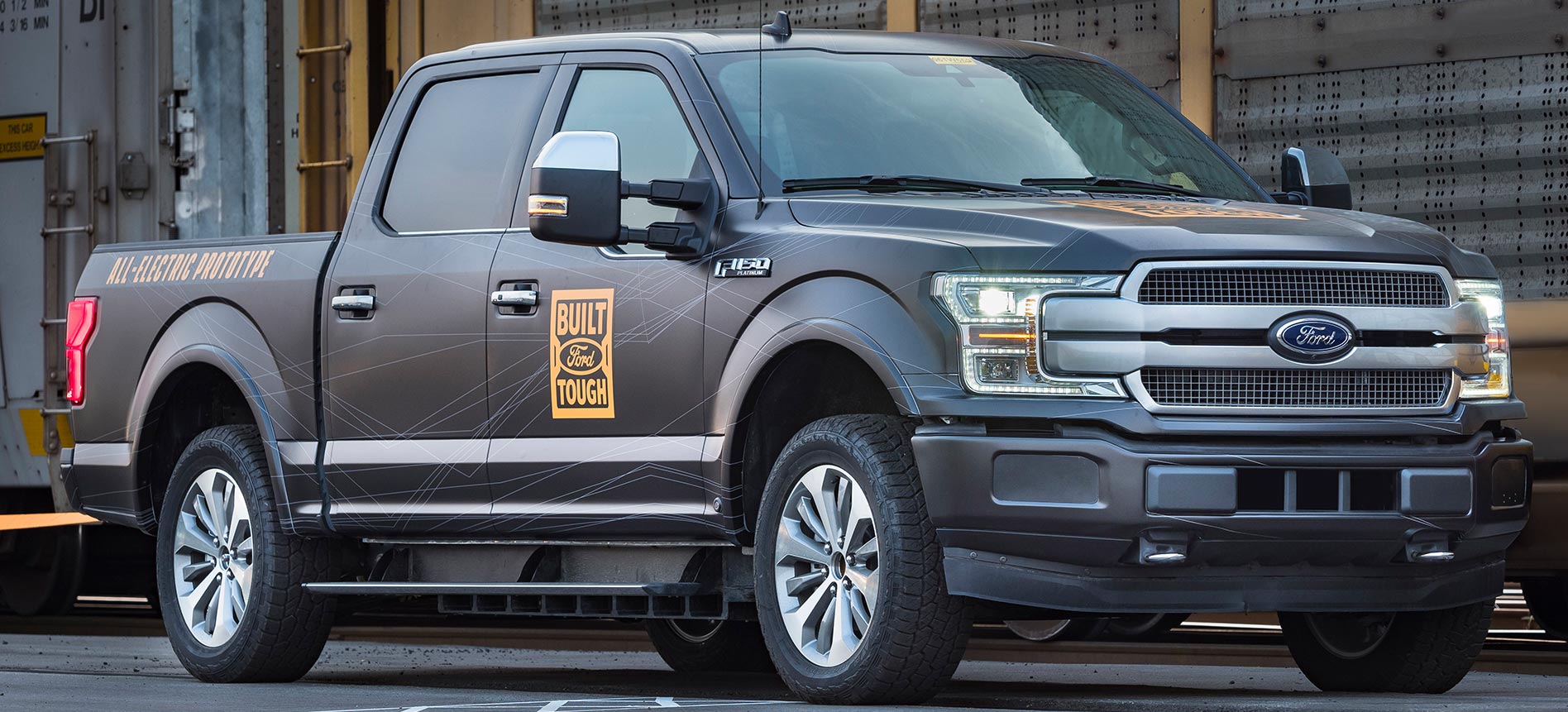
Truck love is fairly universal across the United States, with the respondents being made up of 54 percent men vs 46 percent women, a fairly equal representation across age ranges and 38 percent of them were Ford truck owners.
The Ford F-150 has been America’s best-selling truck for nearly half a century and Ford intends to keep that accolade with the incoming 2021 Ford F-150.
We’re curious how close Aussies are with their utes, so go ahead and tick an option box above to see where our love lies with the humble dual-cab ute.
Lamborghini has signed off its track development program for the SCV12 and revealed fresh details on the track-only hypercar ahead of its imminent launch.
Hailing from the firm’s Squadra Corse motorsport outfit and Centro Stile design gurus, the SCV12 takes the brand’s reputation to a new level by extracting more than 619kW (!) from what it says is the brand’s most powerful V12 to date. Remember, the ‘regular’ Aventador SVJ, which smashed the Nurburgring Nordschleife record lap time, only makes 552kW. And the video above proves it’ll make an almighty sound.
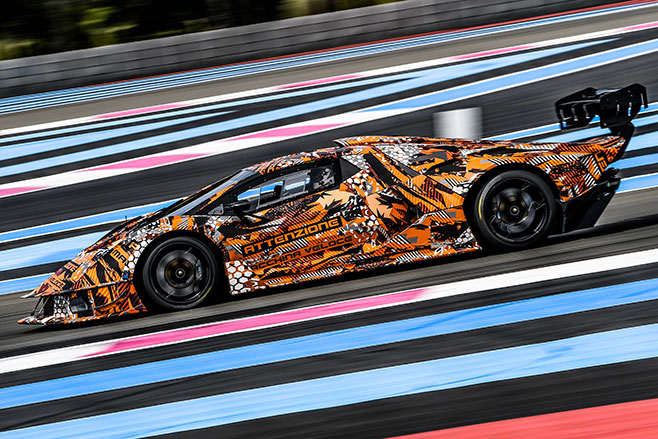
Keeping to its lightweight theme, Lambo’s ditched front drive shafts and put drive through rear 20-inch magnesium wheels fitted with slick tyres. The front wheels are made from the same material but sized 19-inches.
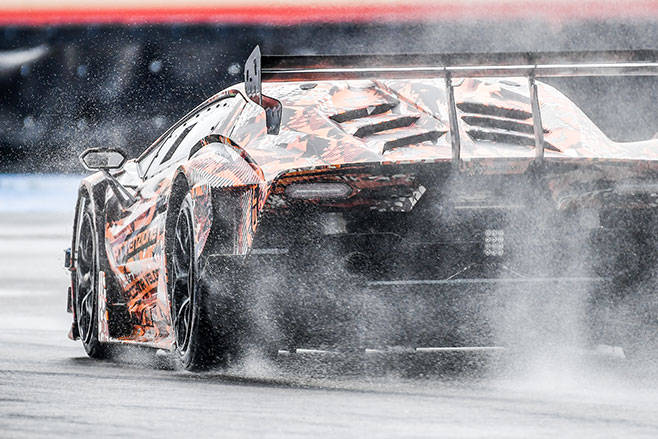
The aero’s so clever Lamborghini claims it’s partly why the car can produce so much power. It says the bonnet’s central rib guides air into its roof scoop, ramming air down into the V12’s throat to “increase static pressure in the engine’s intake manifold”.
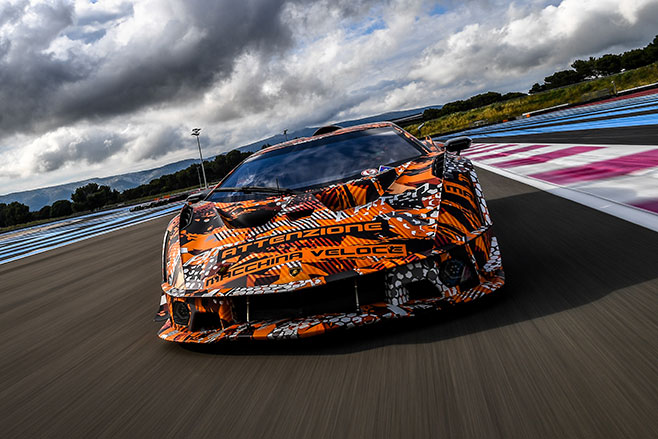
Stay tuned for more news over the next couple months.
*This article incorrectly stated the SCV12 would shun hybrid technology. It has been updated for accuracy.
