
Nissan USA has peeled back the covers on the 2021 Nissan X-Trail, or what is known as the Rogue to Americans.
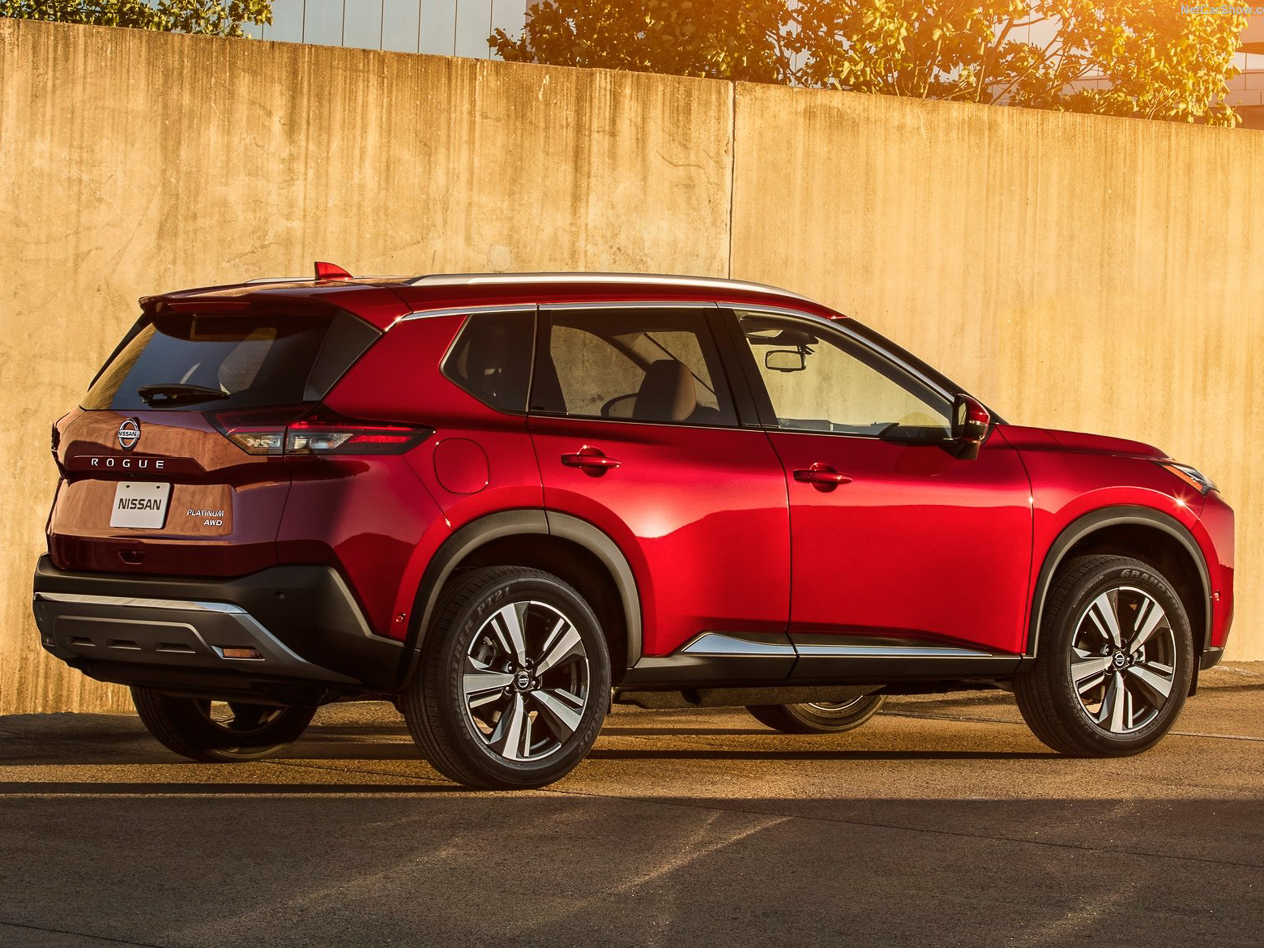
The new X-Trail receives an entirely new face as well as a new-look rear-end, further pushing the development of Nissan’s new design language that arrived in Australia with the new Juke small SUV.
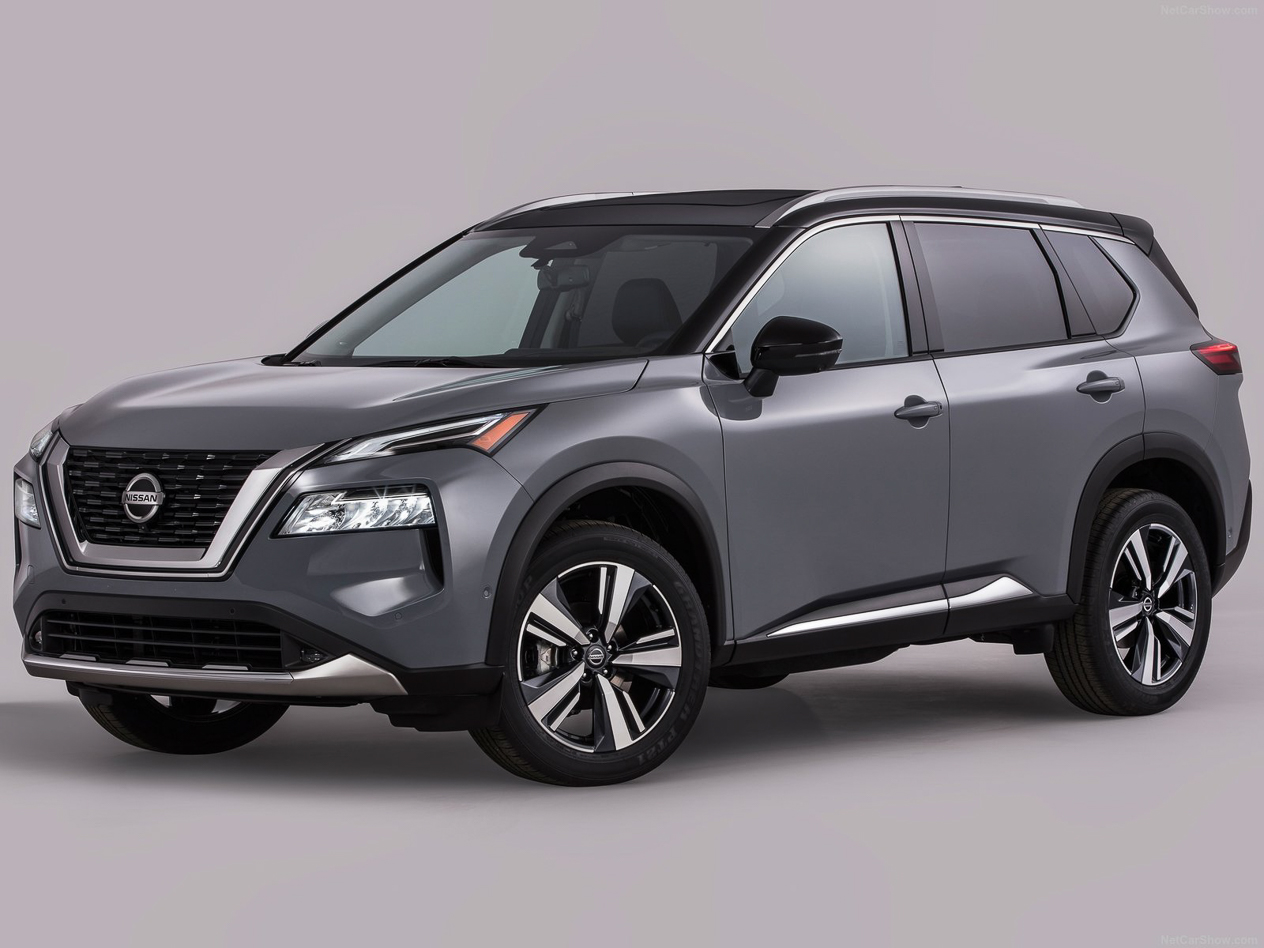
Sporting a higher and more defined waistline than before, the new X-Trail also features a pair of slicked-back headlights at the front and new tail lights at the back.
Nissan USA hasn’t been particularly forthcoming with information on the new reveal, but it looks like the option of a black contrast roof is now on offer as well.
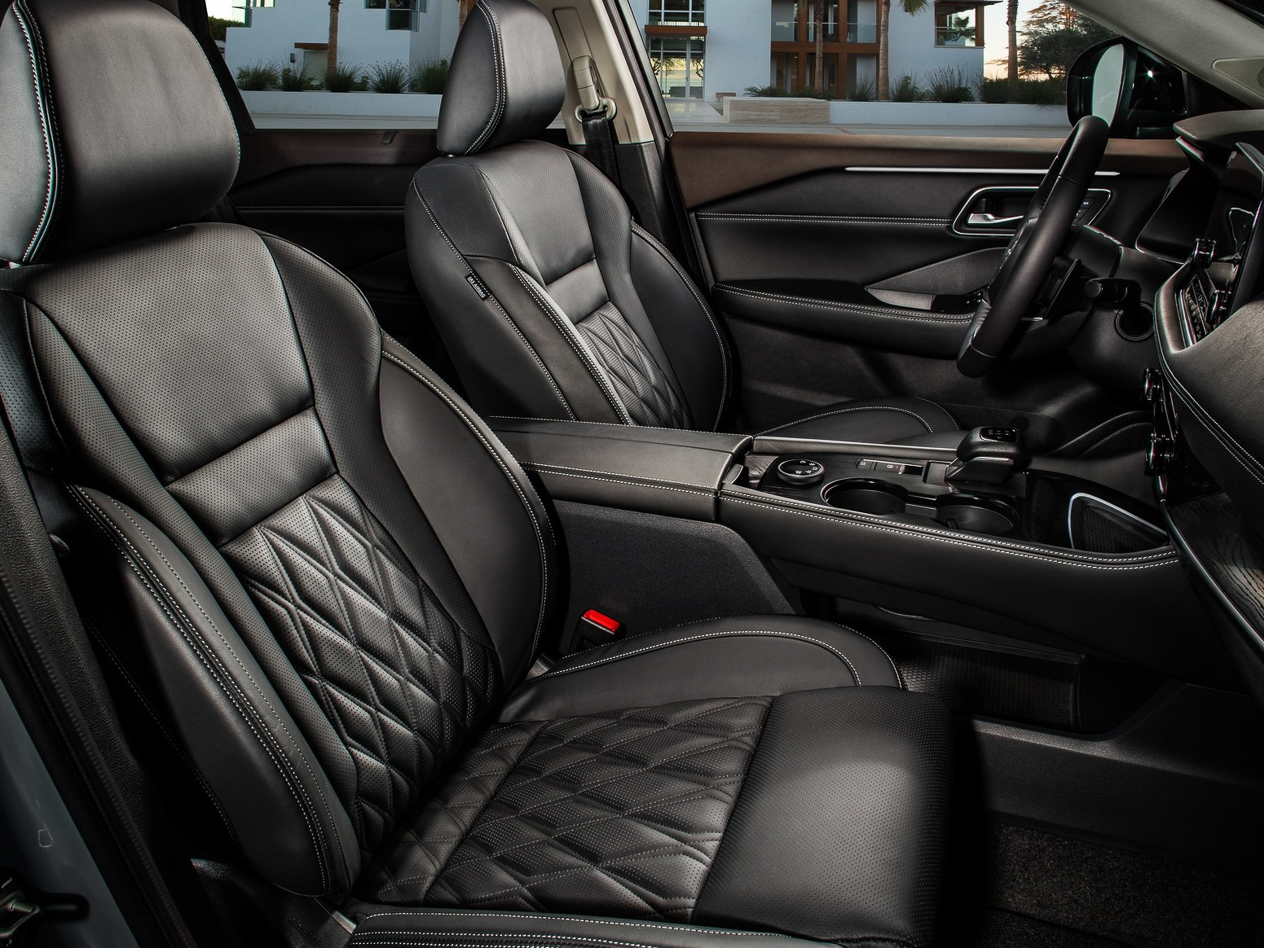
The interior is one of the most impressive aspects of the new reveal, showing off a completely redesigned cabin that features a new dash design, centre console and – finally – a new 9-inch infotainment screen. Joining the updated infotainment screen is a 12.3-inch digital instrument cluster and head-up display. Wireless Android Auto/Apple CarPlay and wireless charging will feature on some variants, as well. Granted, it looks as though Nissan USA has only shown higher specification models, but the new look inside is promising.
The level of standard safety equipment will be high, with automatic emergency braking with pedestrian detection, rear automatic emergency braking, blind-spot monitoring, lane-departure warning, rear cross-traffic warning and automatic high-beam headlights all equipped to the base specification.
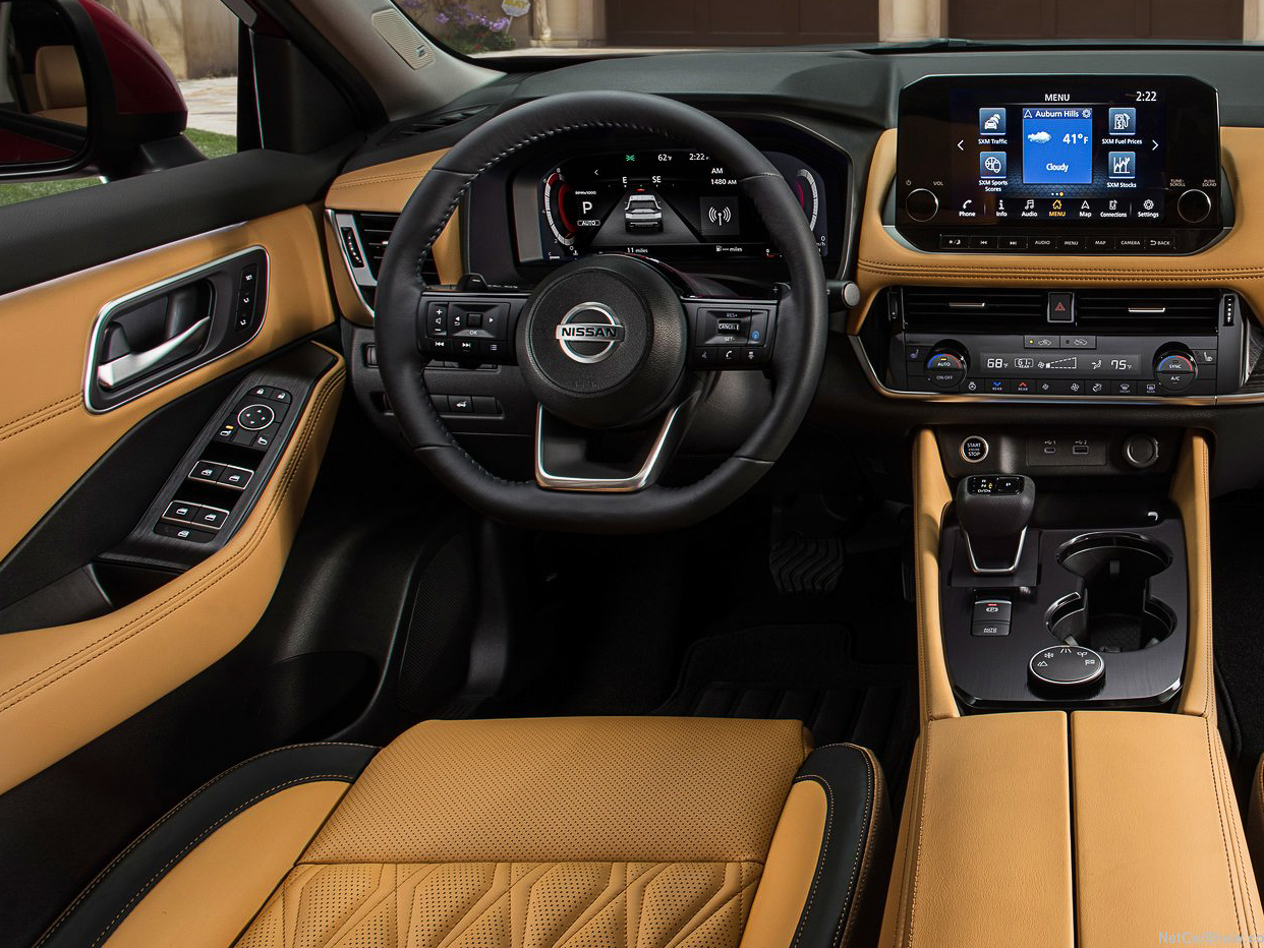
Nissan ProPilot autonomous driving assistance technology will come as an option, meaning stop and go active cruise control and lane-keep assist that can reference the navigation system to provide subtle driving inputs.
N-Sport editions join the Nissan ranks
What isn’t so clear is the specification levels and powertrains that will be on offer Down Under. It looks like it’ll be a carry-over affair for the 2.5-litre naturally-aspirated four-cylinder and continuously variable transmission, though it does get a slight bump in outputs meaning the new X-Trail will boast 135kW/245Nm. As before, both front- and all-wheel-drive versions will be available.
Perhaps not at debut, but we wouldn’t be surprised for Nissan’s e-Power hybrid technology to feature in the range at some point. Toyota has enjoyed considerable success with the RAV4 hybrid; Nissan will want a share of the pie as well.
The Nissan X-Trail is one of the world’s best-selling SUVs, and often battles for a podium position in the Australian new car sales.
While the American 2021 Nissan Rogue will go on sale as soon as September 2020, Australians will have to wait until 2021 for the updated X-Trail. Full range specifications and pricing will be released closer to a launch date.
Click on the image at the top for plenty more photos of the 2021 Nissan X-Trail.
Here is what we predicted of the 2021 Nissan X-Trail earlier…
- New X-Trail due here in 2021
- Big changes unlikely
Expect to see Nissan drop details of the updated X-Trail – known in overseas markets as the Rogue – in the next few days… but don’t get too hot with the chequebook just yet.
When will the new Nissan X-Trail go on sale in Australia?
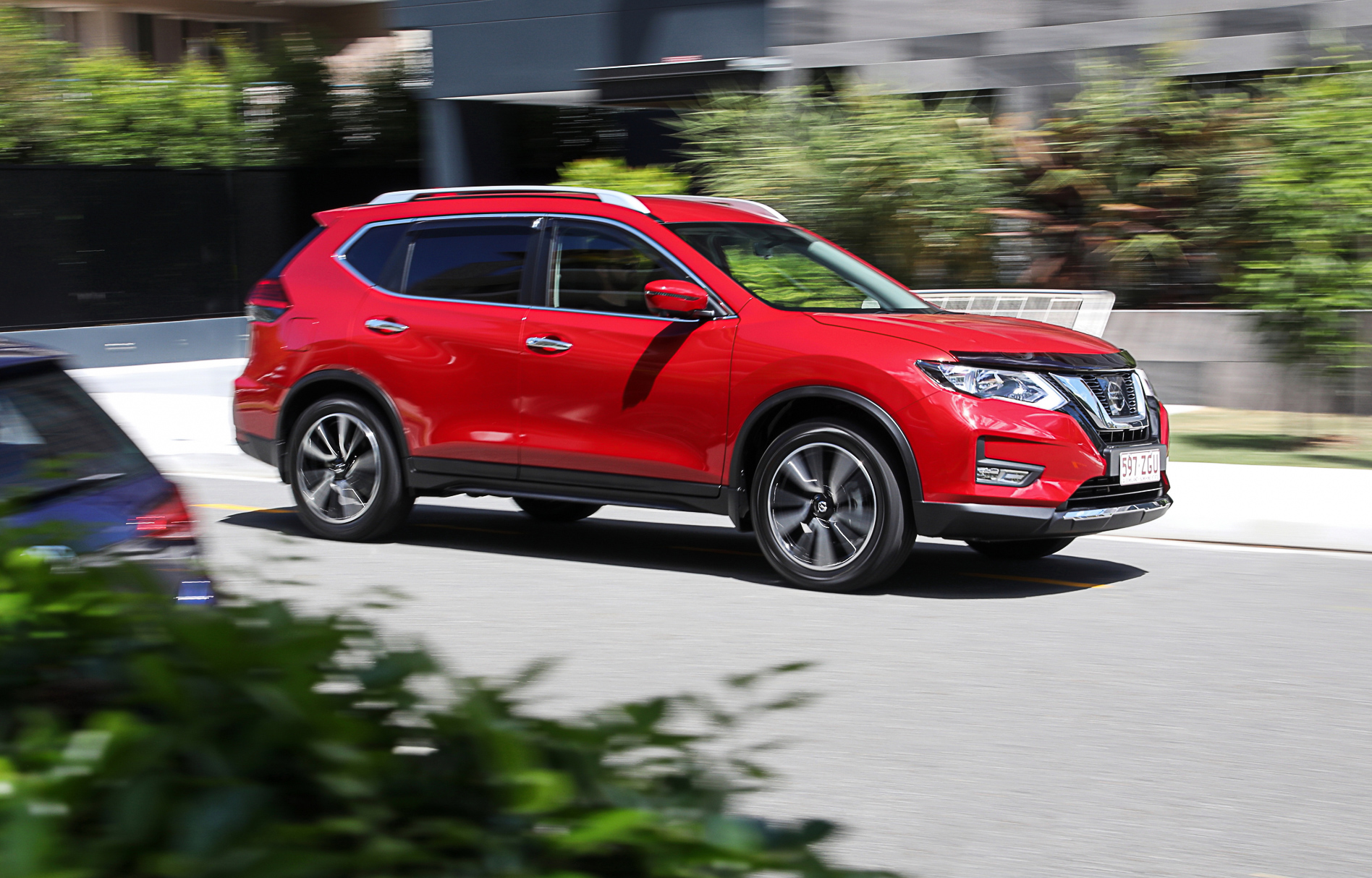
The X-Trail has been on sale here for nearly seven years, but Nissan’s bestseller will soldier on for at least another 18 months in Australia.
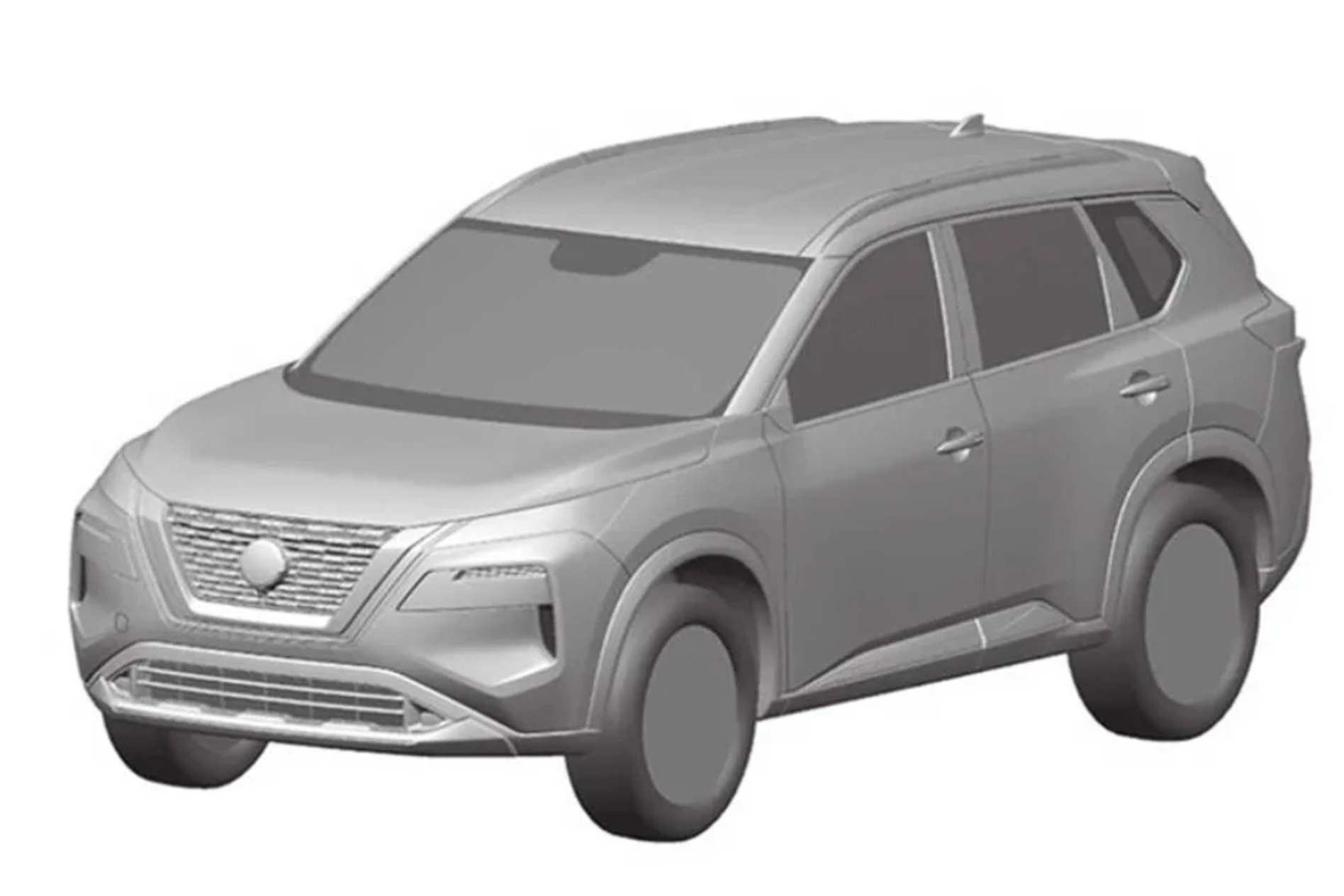
We spotted a patent drawing of the X-Trail a couple of months back, which flagged an updated take on the v-shaped front end, while narrower taillights will adorn the rear.
Will the new Nissan X-Trail have a new engine?
Though details are not confirmed, expect the next X-Trail to be built atop an updated version of the Nissan Renault Mitsubishi Alliance’s elderly CMF platform.
Recent announcements around the future of the alliance appear to hand responsibility for the next mid-sized SUV to come off a new platform to be developed by Nissan – but given that’s slated for 2025, don’t expect it to arrive down under until 2027 at best.
And don’t expect much in the way of funky new drivetrains or world-beating innovation for the X-Trail – after all, if it ain’t broke, don’t fix it.
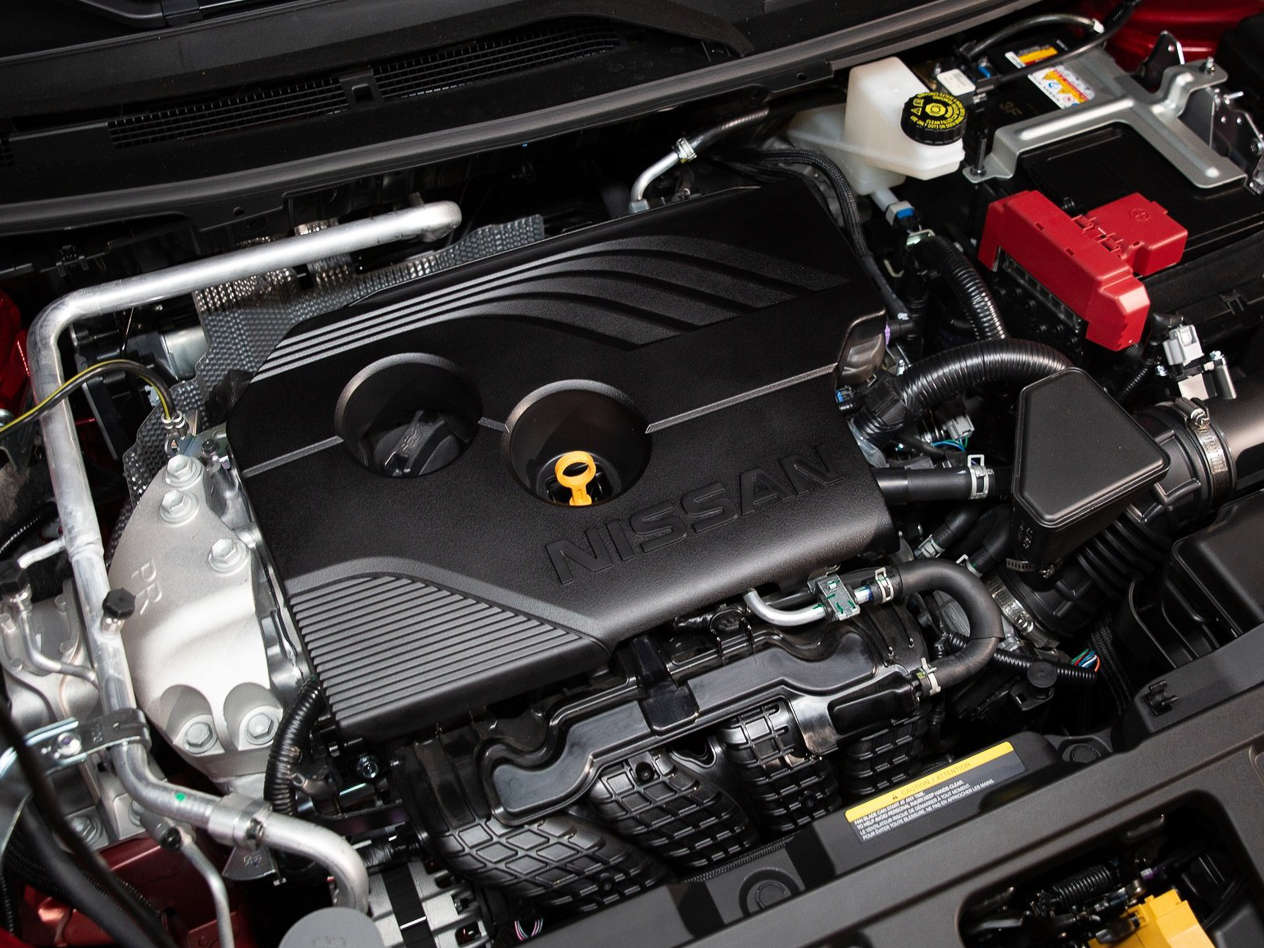
When it comes to mechanical specs, the 2.5-litre QR25DE four-cylinder petrol engine is likely to be used in the new X-Trail, despite it being old enough to go to high school.
It’ll likely gain direct fuel injection as a stopgap measure to meet tightening emissions regulations, and it’ll definitely use a CVT transmission.
The entry-level 2.0-litre four-cylinder petrol engine/six-speed manual is a bet each way to return for 2021, but we reckon it’ll be retired.
Will the new Nissan X-Trail have Apple CarPlay and Android Auto?
That’s a solid yes. Spy shots of the X-Trail’s US equivalent, the Rogue, have revealed a digital dashboard and large central multimedia screen.
Will the next Nissan X-Trail have a diesel engine?
The picture isn’t looking rosy. Only a small number of diesel X-Trails are sold here, for example, and Nissan has already spoken of an all-electric production SUV based on last year’s Ariya concept, which will be built atop an all-new EV-specific platform.
EV platforms, even if it’s shared amongst three brands, cost a lot of money so persisting with diesel when demand is falling is not logical.
As well, the new mission statement from HQ will draw a line under many projects, as Nissan tries to find ways to make about $5 billion in savings over the next year.
Are there any deals on the current Nissan X-Trail?
The current T32 X-Trail range, meanwhile, has been tickled up ever so slightly, with the ST-L, Ti and TL variants scoring rear parking sensors, and the whole ten-variant range jumping in cost by $150.
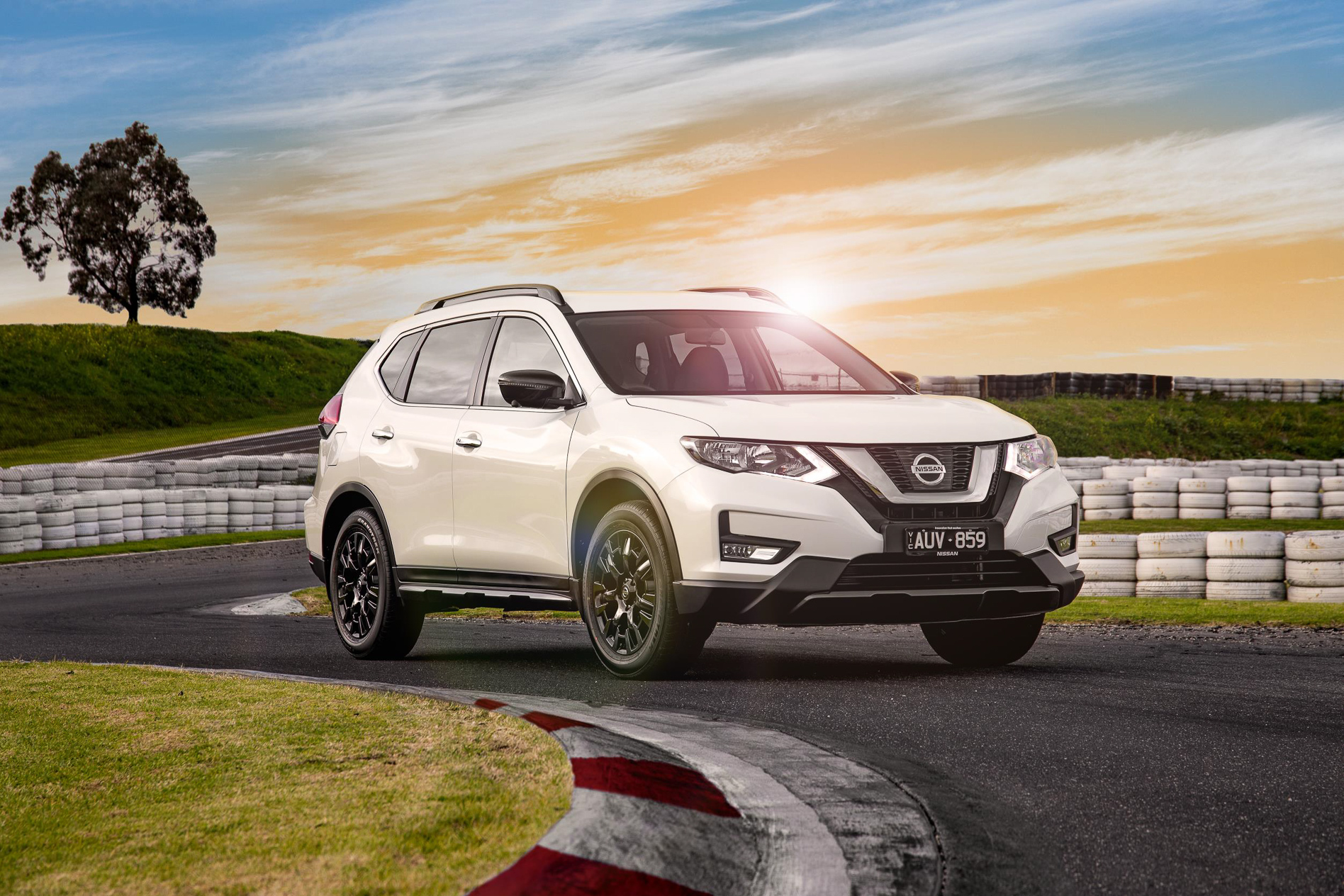
This pops the entry-level manual ST up to $30,040 before on-road costs, while the top-spec diesel TL AWD diesel tops out at $48,490.
You can check out the price of every car on sale in Australia right here, and you can also see where the best specials on new cars are on this page.
This article was first published in 2015.
I used to think of SUVs as the preserve of a demographic I did not fit into. I turned my nose up at the soccer mums, ladies of leisure, and nervous drivers who decided to combat their lack of confidence with a big, hulking vehicle and plough through their fears.
I like a lot of cars, but to my mind back then the term SUV only encompassed jacked up tanks with no performance credibility and bottom of the ladder eco ratings. I looked at them as symbols of status; a way to spend a lot of money and show other motorists how little you care about driving enjoyment, not to mention the environment.
Boy, how things change. Slowly the Australian love affair with SUVs blossomed. Demand started to soar and the market swelled with SUVs of all shapes and sizes. Dealers couldn’t keep up with demand for the most popular models and companies with no previous interest in high riding wagons started to develop their own.
With SUVs from the tiny to the tremendous now making their way onto the road en masse, I had to wonder whether there was something to this. So I called up Nissan and asked to borrow an X-Trail for an upcoming road trip.
The journey would take me and my wife from Melbourne to Sydney and back again. We had a lot of gear to take with us. A couple of Sydney friends had asked me to transport stuff to them, including one mate who wanted six pairs of wheels and tyres brought up for his race car. Sure, I said.
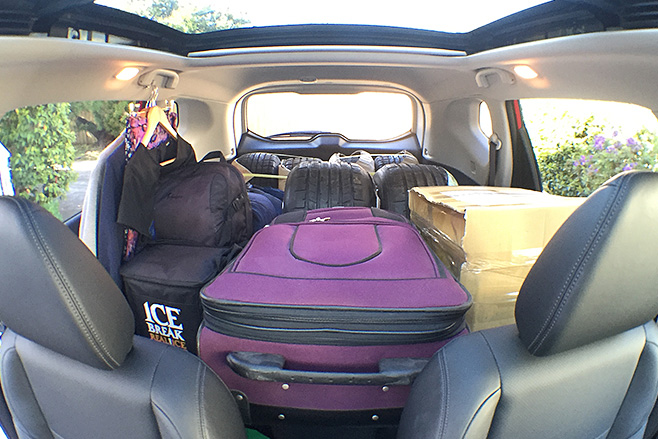
Now, the X-Trail isn’t massive. It’s considered a medium SUV sitting below Nissan’s mac daddy Pathfinder.
Having said that, the first thing I noticed is how much stuff you can cram inside it. I like to treat packing for a road trip as a personal challenge; a bit of real life Tetris. Six wheels and tyres, a couple of big suitcases (my wife thinks ‘travelling light’ is an astronomical term), birthday presents for family members, a few bags of food and other random accoutrements.
The X-Trail’s boot area is huge at almost 2,000 litres with the rear seats folded down, so it swallowed our substantial cargo without protest. But it’s an SUV; it should be able to at least do that, right?
Then we hit the highway. Sitting on the Hume for ten hours has its ups and downs. It’s not an exciting drive by any stretch of the imagination, but it can be cathartic. If you’re in something uncomfortable, or something that needs fuel every 20 minutes it can border on agonising.
Our X-Trail had a 2.5-litre petrol engine with CVT auto ‘box. Nissan claims fuel economy of 8.3L/100km but you never know what you’ll actually get. I expected the X-Trail to thunder through fuel unapologetically. But you know what? Nissan’s claim was pretty much bang on the mark. We actually used a little less than that, which isn’t bad at all.
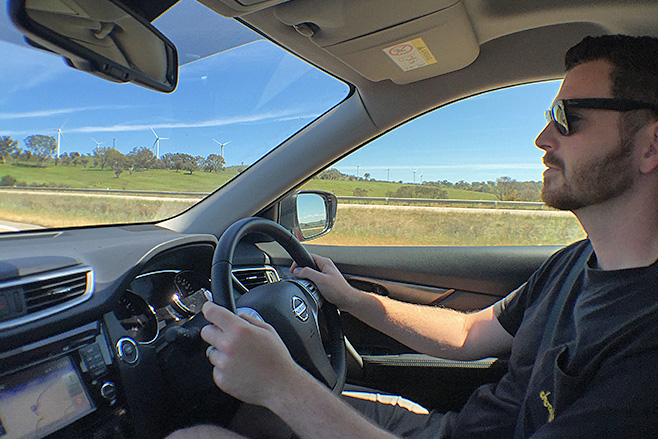
Sitting up higher and looking out the X-Trail’s big glass apertures with an easy-going ride made it feel like we were soaking up the kilometres with little effort. It felt far less fatiguing than usual and the trip seemed shorter. The X-Trail was starting to really make sense from a long haul driving perspective.
Before you know it, we’re pulling up in the driveway of my wife’s childhood home. My father-in-law wanders out to the car and says “that looks expensive!” and I guess it does, even though it isn’t really. You can get one for less than thirty grand with styling that defies its price point, evidently.
A day or two later my wife and I are on a morning jaunt to the old folks’ home. We’re picking up her 95-year-old grandmother and taking her out for a cup of tea and some lemon meringue pie. How lovely. There was concern she wouldn’t like the X-Trail, but she’s an open-minded lass. The high hip point was, in fact, perfect for her. Getting in to and out of the front seat was a piece of cake.
The rest of our time in Sydney provided a few more moments for the X-Trail to earn my respect. Parking it on a gravel hill at an event was all too easy. No wincing or grimacing while driving over course dips and humps, just point it up the hill and go. Giving four mates a lift home from a catch-up dinner in the city? No sweat. It wasn’t even that hard to find a spot for it on a crowded inner-east street.
Okay, I get it. This is probably the most flexible car I have ever taken on a road trip. It’s a Swiss army knife of a vehicle. It may lack the dynamic qualities of a sporty sedan or hatchback, but I can’t ignore the practicalities of this type of car any longer. My qualm about fuel usage in the current generation of SUVs was also misguided.
To all of you out there who figured this out a while ago, I apologise. It seems those soccer mums may share a thing or two with hipsters. They were into SUVs before they were cool. Just don’t tell them they were right all this time.
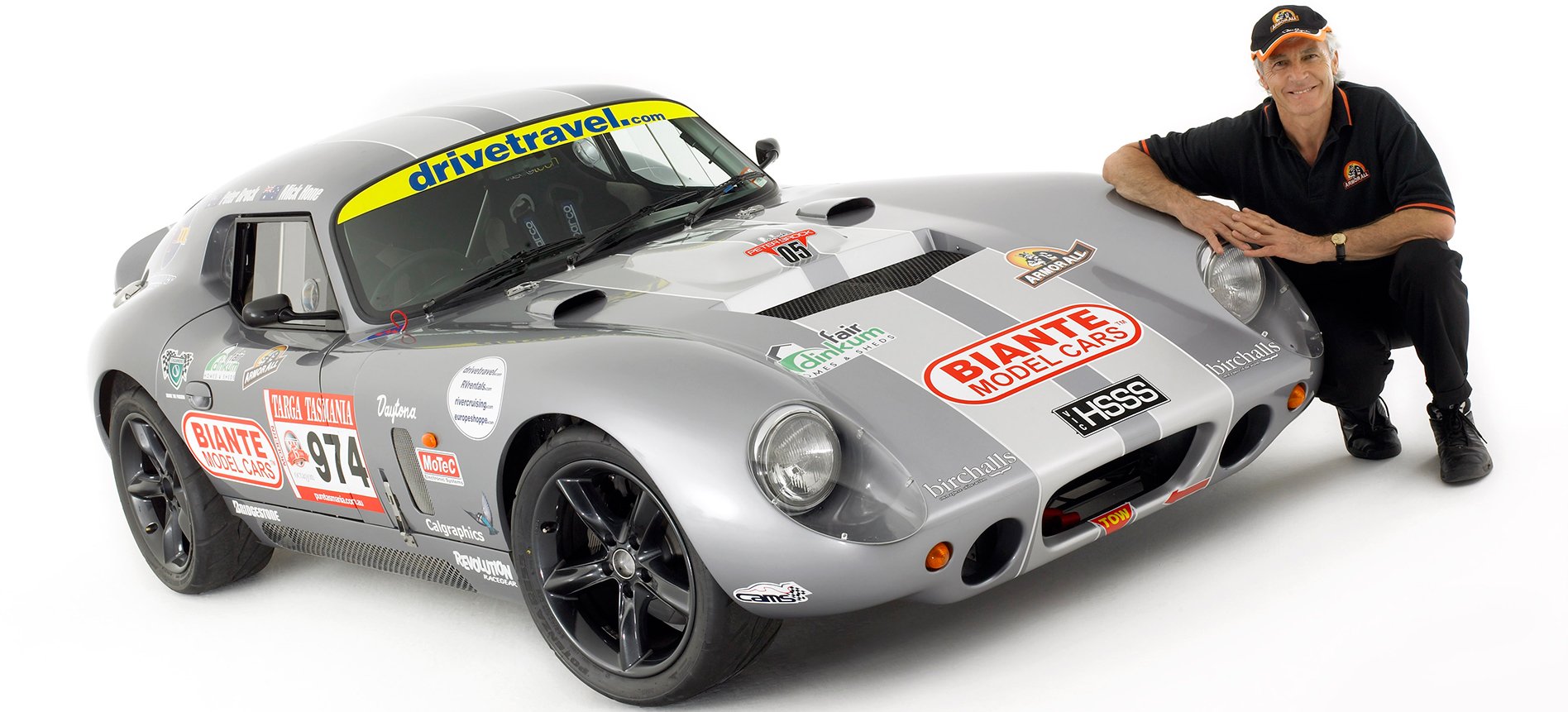
Charismatic, complex and bloody fast in a racing car. Peter Brock transcended the sport of motor racing to become one of the most notable Australian cultural figures of the modern era.
Now, another film depicting Brock’s tumultuous life and times is set for digital release next month.
Brock: Over the Top is a feature-length documentary that not only claims to chronicle the extraordinary life of Australia’s best-known racing car driver but purports to peel away the surface to reveal the profoundly human story behind the legend.
The film is said to be a “a cinematic, thrilling yet intimately personal portrait of a life lived on the racing track and in the public eye,” according to marketing literature.
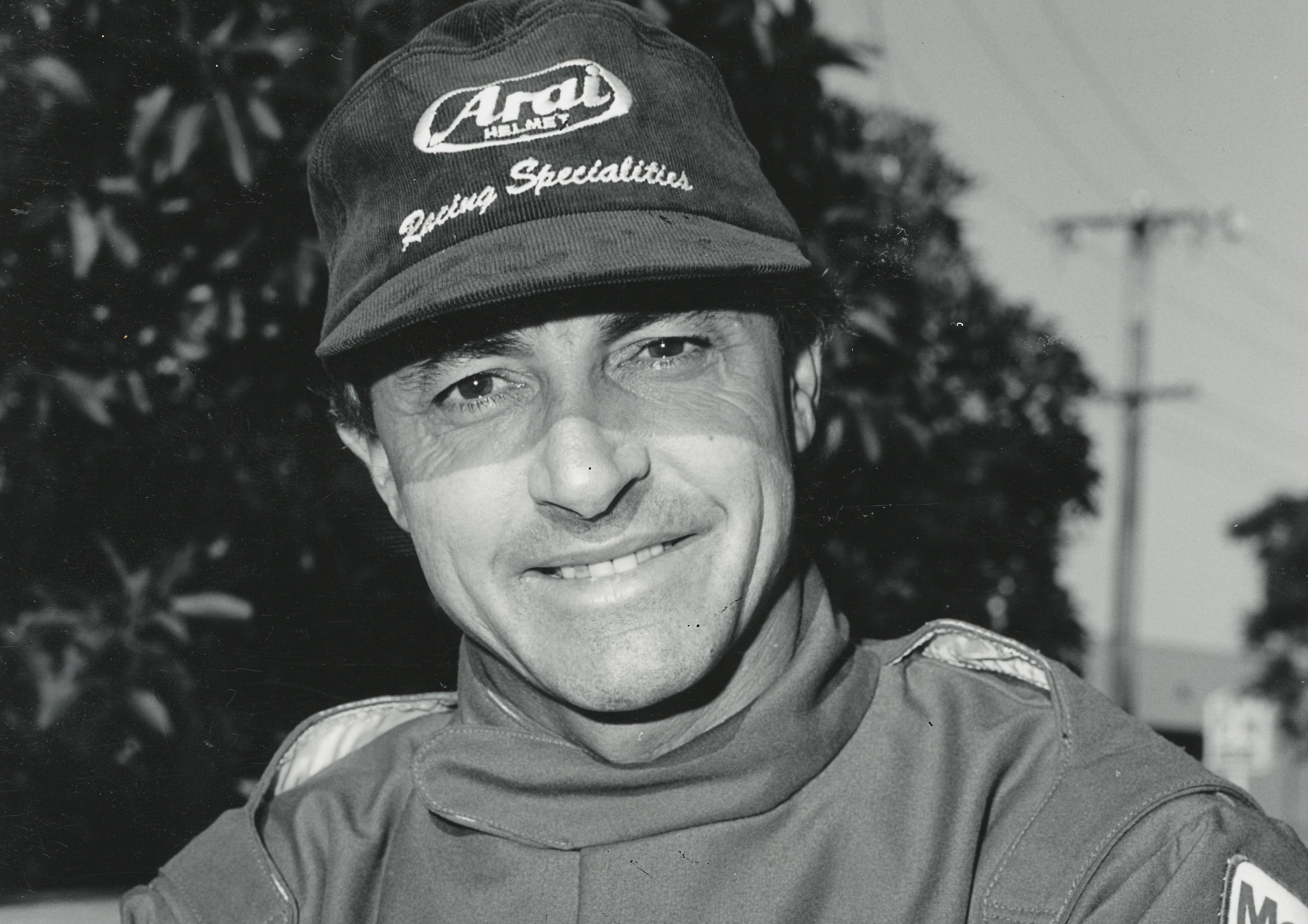
The movie, which will be released in a small number of cinemas before being offered online. uses archival material coupled with candid interviews with key characters in Peter Brock’s life, including foes like Allan Moffat and Dick Johnson, his ‘apprentice’ Craig Lowndes, his family – including his ex-wife Bev – and other motor racing notables.
The preview talks to the “rise and fall and rise and fall of Peter Brock,” with images from his earliest days, his nine wins at Mt Panorama and the events surrounding Peter Brock’s death in Western Australia in 2006.
The movie was written and directed by Kriv Stenders (Danger Close: The Battle of Long Tan, Red Dog), and produced by Veronica Fury from Wild Bear Entertainment (Ella, Hating Peter Tatchell).
It’s not the first movie of its kind – a two-part TV series simply called Brock was met with dismay and disdain by his family and fan base when it was released in 2016.
But at 105min long, Brock: Over the Top should hold the interest of anyone even vaguely aware of the Peter Brock phenomenon.
Brock is scheduled to go straight to digital on 3 July and theatrical release in select cinemas.
The Best of Brocky on WhichCar
- Peter Brock at Goodwood: classic Wheels
- Brock’s Autoart Holden Commodore Supercar for sale
- Huge Brock car collection auctioned off
- Peter Brock in pictures
Here’s some free financial advice from us at Wheels HQ. Speeding tickets are expensive, so you should buy this race track to save money.
There are some things you should be aware of though. The purchase price is US$10 million (A$14.6 million), and the track is in the United States of America.
We didn’t say this would be good financial advice.
Located two hours east of Portland, Oregan Raceway Park was built in 2008 for a reported cost of US$3.2 million, and it’s now on the market for you to buy.
There is a total of 16 turns in each 3.7-kilometre lap, with heaps of elevation changes. Each lap takes in nearly 122 vertical metres. There’s even a turn with 14 degrees of banking, so you can go full Ricky Bobby.
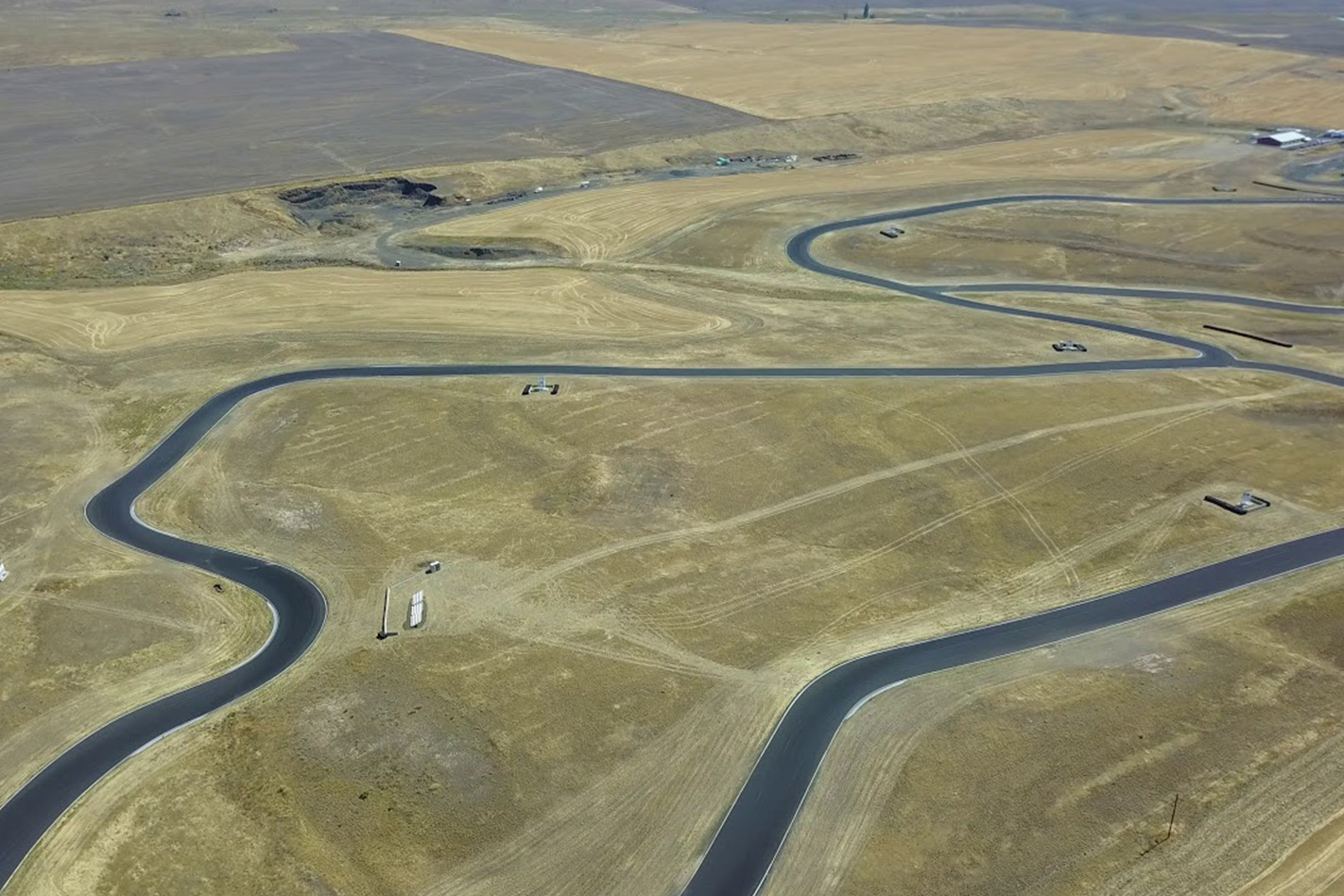
Located on a 434-acre plot of land, the track isn’t exactly going to be hosting a Formula 1 grand prix any time soon, but it is perfect for track days, club racing, or your own personal high-speed driving escape.
It’s not just the winding ribbon of tarmac that’s up for sale, with all the facility’s amenities included in the listing. There are your regular track fanfare of restrooms and an aid room, as well as a two-pump fuel station, 12-bay pit building, and more than 100 acres of undeveloped land if you feel you want to extend the existing circuit.
If you were hoping to buy the track and turn it into your own personal driving nirvana, there is a small catch, as all existing track bookings have to be honoured by the new owners.
Once those have passed though, it’ll be your own private playground.
Check out the below video to get an idea of why this would make the ultimate property purchase for the discerning and well-heeled driving enthusiast.
If I was being charitable, I’d say that Ferrari’s attempt at a tribute to Claude Lelouch’s 1976 short ‘C’etait un rendez-vous’ was a good idea in principle. But it’s not even that. It was a bad idea to attempt to bring Rendez-vous into the here and now. What’s more, the execution is breathtakingly hamfisted.
The cancellation of the 2020 Monaco GP was the backdrop, and the ingredients of Lelouch back in the director’s chair, F1 wunderkind Charles Leclerc at the wheel and Ferrari’s beautiful 735kW SF90 Stradale as the chariot of choice combine to at least deliver the promise of some entertainment. But the most spectacular thing about ‘Le Grand Rendez-Vous’ is how toe-curling it all is.
Let’s not forget that the original movie was an utterly outlaw execution. Lelouch really was hammering his Mercedes-Benz 450SEL 6.9 around deserted Paris streets, on kerbs, up one-way streets the wrong way, scattering pigeons and shocking onlookers. He had one spotter, who would warn him if there was anything to hit at a completely blind corner, but their radios failed, so Lelouch trusted blind luck. Clearly that couldn’t be done today, especially with the corporate might of Ferrari putting its imprimatur on it.
The most damning thing about the 2020 version is that it’s just not exciting. It’s pedestrian for one very obvious reason. We’re accustomed to seeing in-car footage from F1 cars at Monaco. Our brains are hardwired to that dizzying degree of speed. Put a vehicle that’s significantly slower than an F1 car on the same circuit and it’s not going to make particularly thrilling footage. In fact, for most people, it will be the slowest in-car footage they’ve ever seen at Monaco. That’s a bad premise to start from.
We begin the video with almost a minute of footage of a girl at a flower stand, handling the flowers with all the care and dexterity of Tyson Fury demolishing a bag of Cheezels. This is actually Lelouch’s grand-daughter, so perhaps she can be excused for not knowing what she’s doing. Nepotism has its price.

From there we get the in-car shots of Leclerc at the wheel, clearly wearing his ‘sponsor’s commitment’ face. They’ve mounted a huge boom off the right-hand side of the car with a camera attached to it so that it needs plenty of clearance on right-handers. Being a clockwise track, Monaco has a lot of right-handers, so much of the footage looks as if one of F1’s biggest talents is missing apexes by miles and generally driving like a hack.
While it’s mildly diverting to see the harbour front at Monaco without the armco barriers and grandstands, it’s frustrating that the car sounds so, well, lame. I’m sure it doesn’t in real life, but the engine note of the SF90 hybrid is very low in the mix, and just generally drones away like a distant Gerni pressure washer, usually drowned out by wind noise or music.
So, having completed a lap, Leclerc doesn’t pick up the girl and drive happily into the sunset. No. He stops outside the Hotel Monte Carlo where a host of suits wearing masks await him. In prime position is Prince Albert of Monaco, looking like a friendly neurosurgeon, giving our Charles a hearty double thumbs-up. Keeping the Grimaldi family happy is clearly a minor sub-plot, because we are then treated to the Prince getting a passenger lap, for which Leclerc considerately dons a mask.
Seeing the pair of them masked up like a couple of road trippers who can no longer stand the smell of each other’s farts rather undoes the spirit of derring-do. At the end of the lap, the flower girl, greets them, hands Leclerc a bouquet, indulges in a coy elbow bump and poses for a picture as Albert performs the Instaboyfriend role. It could only be more perfectly 2020 if someone were to mace a policeman.
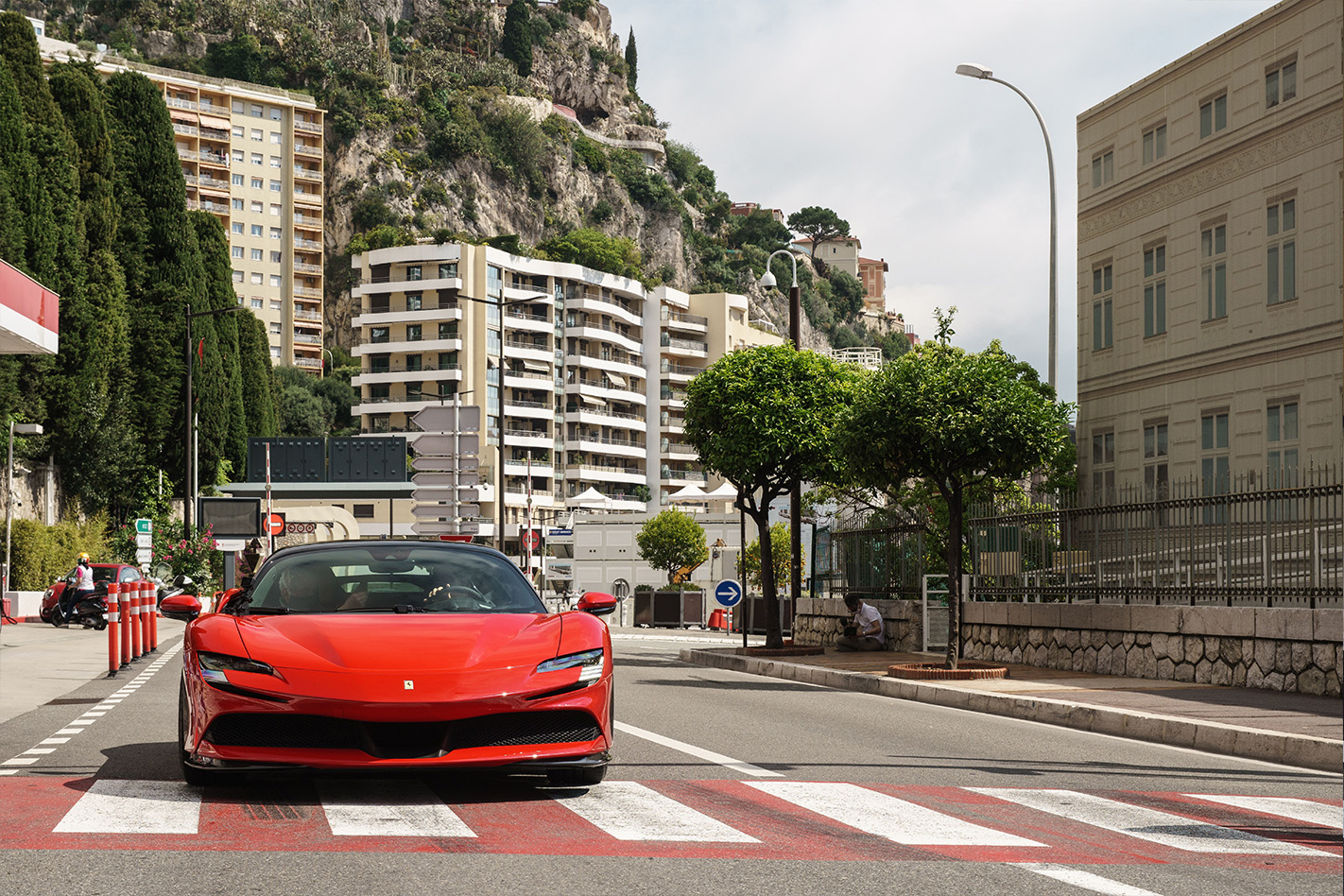
The final scene sees Leclerc and the girl in-car, daringly removing their masks. The look they exchange appears to be one of smug complicity as if they can’t believe they got paid for this nonsense.
The good bits? The car looks stunning, Monaco always makes for beautiful B-roll, the two leads are a handsome couple and… well after that I’m struggling. Most of it just seems like an idea that probably should have been killed at the outset. This isn’t the first Rendez-vous tribute and it won’t be the last. Lelouch got his payday. For you, it’s six minutes of your life that you’re not going to get back.
An Australian tech startup has revealed ambitious plans to not only restart local vehicle production on local soil, but its diverse line-up of vehicles will be exclusively powered by hydrogen fuel cells, as well as battery and supercapacitor power storage.
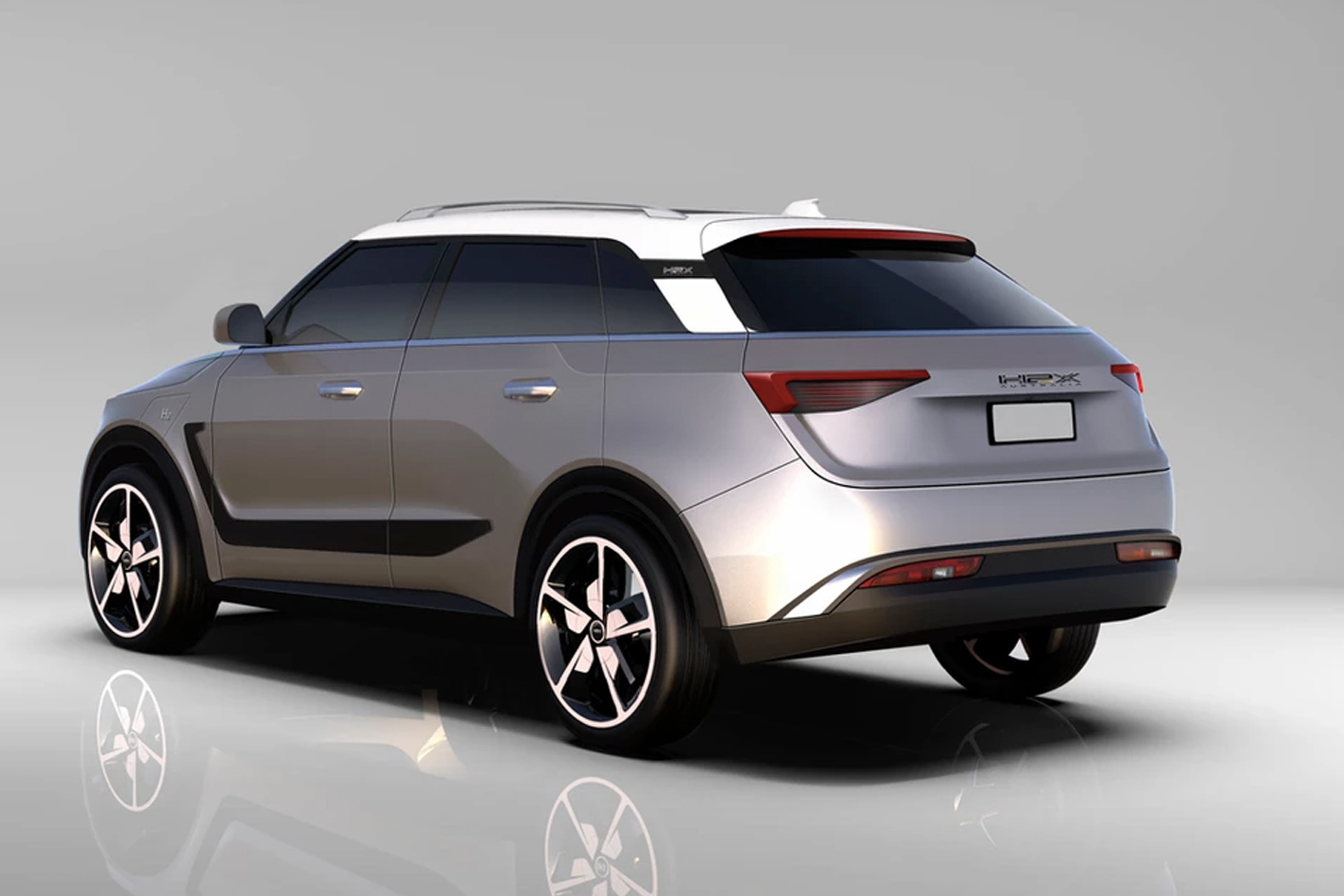
The H2X company virtually turned the first sod in Port Kembla, NSW last week when it confirmed its plan to build everything from a consumer-focused SUV named the Snowy (after the Snowy Mountains renewable HEP scheme), to buses and tractors.
The X in the company’s title denotes any number of vehicle types and classes it can turn its hand to with flexible platforms and initially two drivetrains, resulting in 20,000 emissions-free vehicles by 2025.
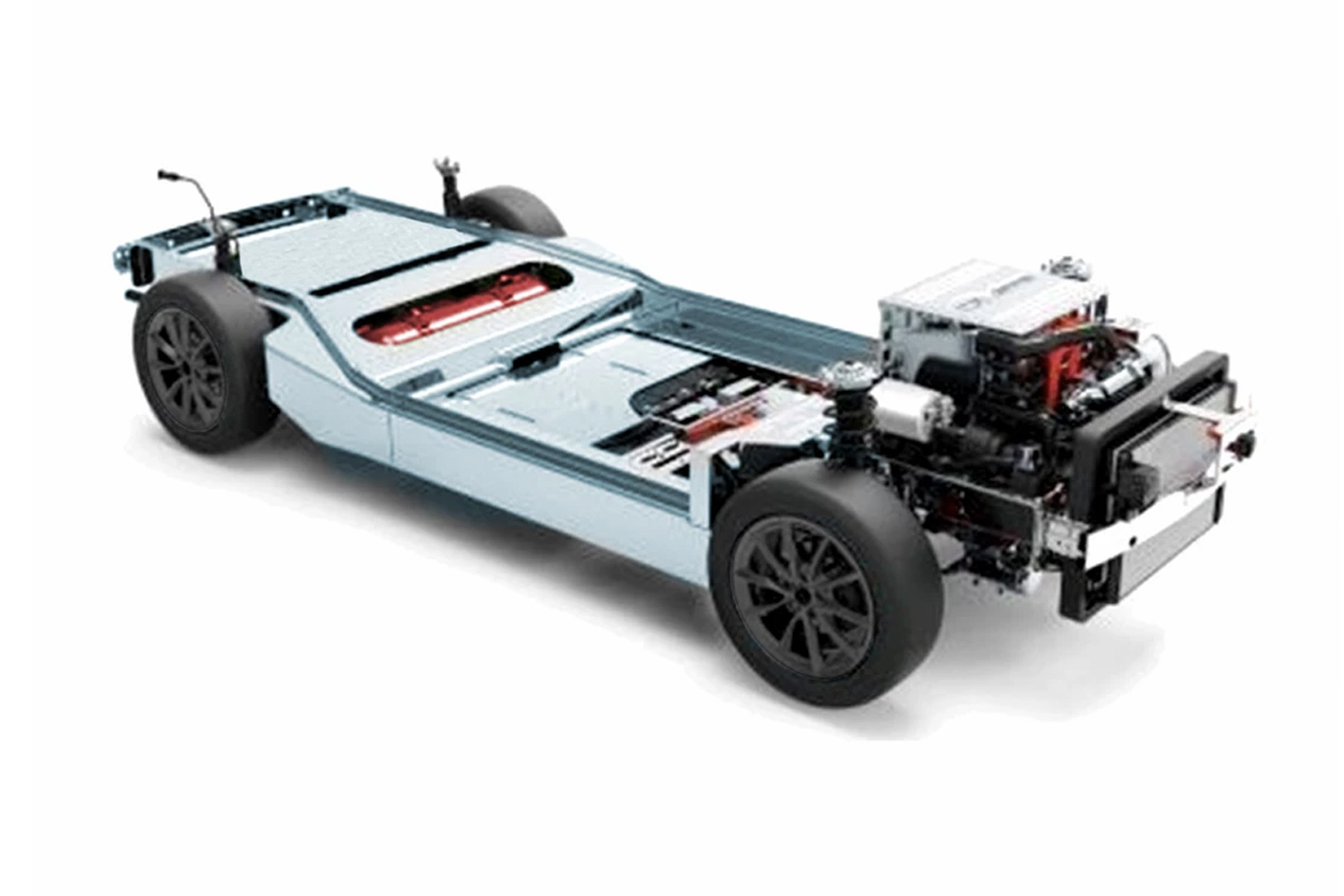
Its vehicles will be ’80 percent’ manufactured in Australia by that time, but rather than taking the more expensive and involved strategy to develop its own powertrains, H2X vehicles will use pre-assembled chassis (above) already in use in Asia, and an Elring Klinger fuel cell.
The decision to use prefabbed architecture will accelerate initial manufacturing times and cut costs while H2X finds its feet in Australia and as a relative newcomer to the hydrogen-powered vehicle industry.
MORE Hydrogen vs EV – what’s right for Australia?
Exact model roll-out and line-up is yet to be confirmed but an ambitious run of 3700 vehicles in the first year of manufacturing is chalked.
The company is not, however, flying blind into uncharted territory and has assembled a management team of auto and hydrogen heavyweights to lead H2X.
CEO Brendan Norman heads up the venture with a background in hydrogen business and initiatives across Asia and executive roles with Audi, Volkswagen and BMW before that.
He is joined by chief designer Chris Reitz who comes from a broad spread of automotive brands including Volkswagen, Nissan and Alfa Romeo, where he penned the Giulietta.
Peter Zienau will head up powertrain and products with his experience in electric and hybrid programs at Saab and GM, while Ian Thompson jumps in as chief technology officer with a 30-year career in vehicle development including Lotus, Volvo and Opel, Aston Martin and Tesla.
Thompson is the man behind Tesla‘s first car, the Roadster.
MORE Storage breakthrough could change the hydrogen game
Alan Marder will look after marketing and strategy and brings 35 years of experience and involvement with six previous startups focused in hydrogen fuel cell and vehicle industries.
And Kevin McCann, formerly head of VW Group Asia, sales director of Hyundai Australia, MD of Volvo Australia and a director of Deloitte Automotive, will sit on the supervisory board.
“With the development of many green energy projects in Australia at the moment, we have a unique opportunity to bring a significant manufacturing operation back into the country,” said H2X CEO Norman.
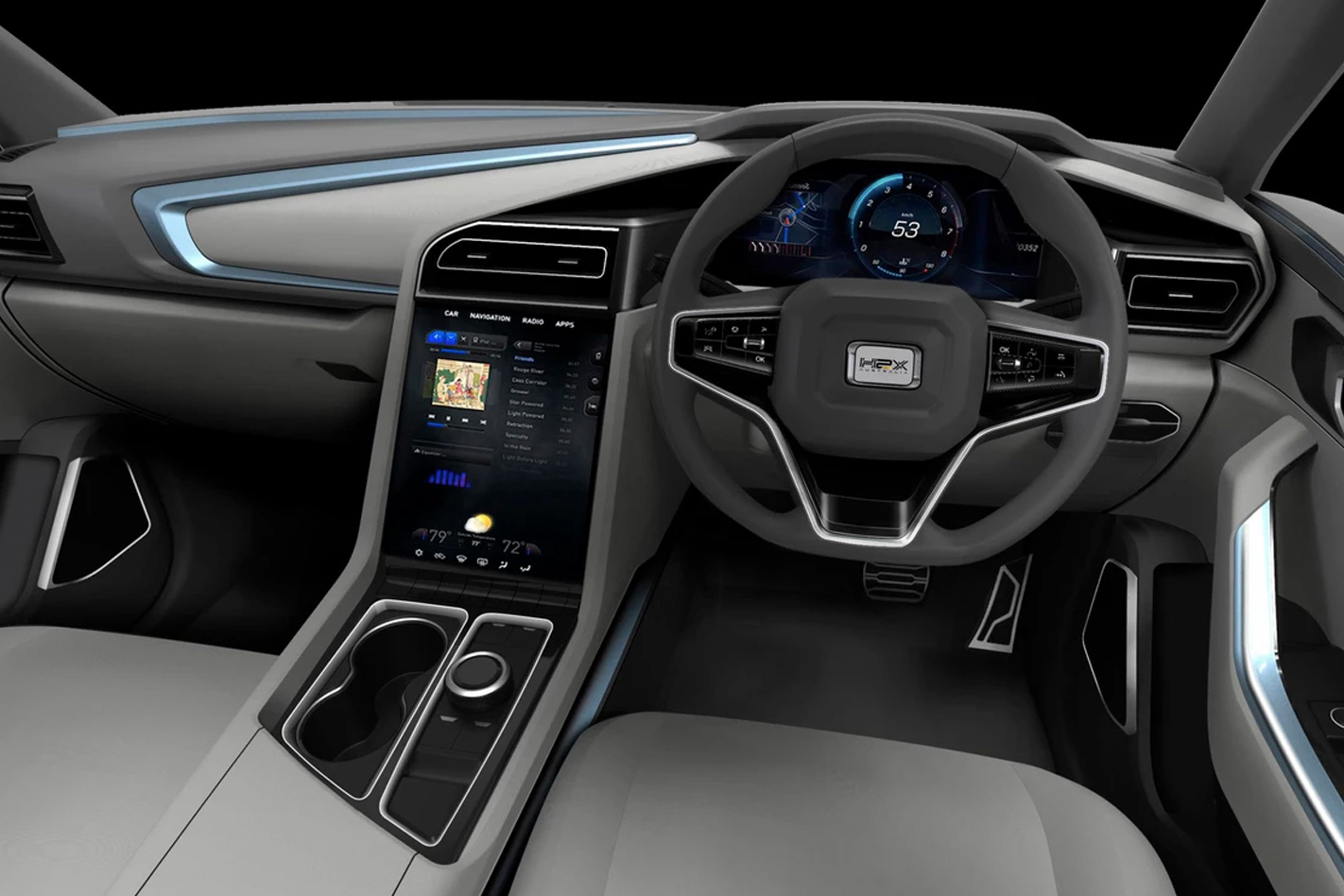
The announcement of a new car company coincides with the government’s commitment to the production of clean hydrogen in May with an unprecedented $300 million fund that will support not just the production of the gas with renewable energy, but businesses that align with its National Hydrogen Strategy.
It’s likely H2X has its hand high for a share of the grant if it hasn’t already entered into negotiations.
Not only is the company claiming it will do what many thought impossible and recast Australian car manufacturing from the ashes, but it will employ 5000 people to get the job done, it says.
MORE Can Australian car manufacturing really come back?
The Port Kembla location was selected to offer efficient access to import and export possibilities, as well as proximity to local suppliers.
With a car carrier-capable port, an extensive freight rail network, steel and aluminium plants and defence department-spec electronics producers already in place, the former steel town already has a few key advantages.
The Snowy SUV will arrive in 2022, but it will be accompanied about the same time by a van model that will morph into maxi-taxi, MPV and commercial vehicle variants.
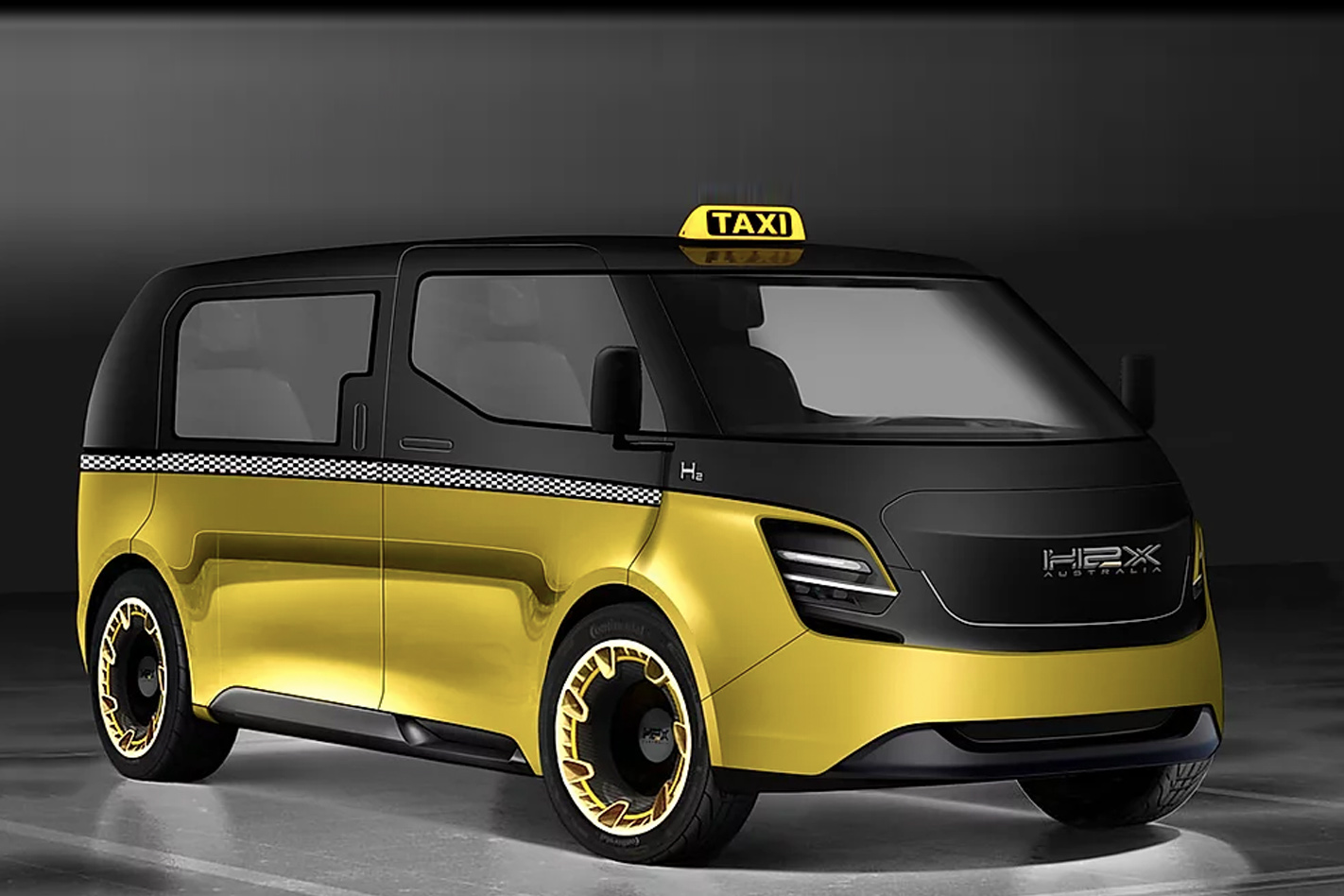
Interestingly, the company appears to be prioritising heavy vehicles with the first materialising as early as next year. Beyond that, H2X seems to be considering all possibilities with sports models, trains, utes, large vans, tractors and other commercial vehicles all tantalisingly teased.
Whatever comes to fruition will add to Australia’s small but growing hydrogen-powered vehicle carpark which is heralded by the Hyundai Nexo and Toyota Mira.
Technology
Technologically speaking, the company has revealed some intriguing morsels about its models. The core fuel-cell power plant will be blended with supercapacitor technology according to the application for the best efficiency and recapturing of electrical energy.
Power regeneration will be available through the more traditional braking as found in many EVs but also through regenerative suspension – a clever innovation that’s yet to find its way into production cars.
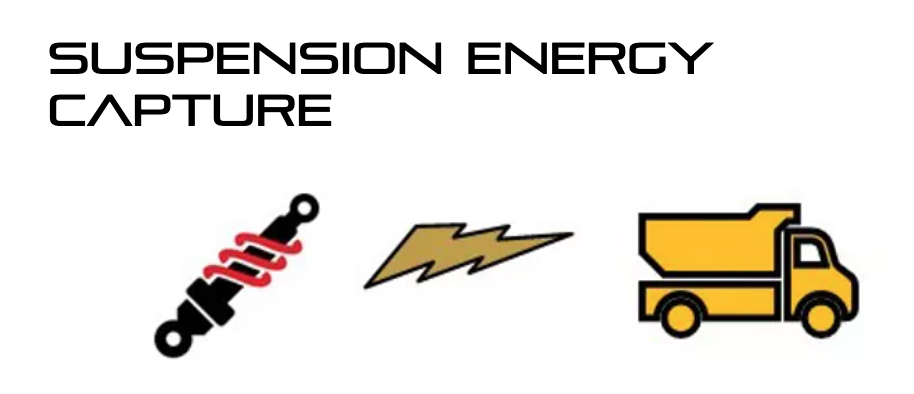
The system can convert suspension movement energy to more kW for the motors
And, as you might expect, the company will achieve all this through the most environmentally sensitive production methods including ‘biocomposite’ materials derived from crop waste, low-temperature manufacturing methods that don’t require lots of energy, and high human involvement with the manufacturing process.
“Each vehicle strategy is based on our advanced telematics and AI partnership with the world’s leading AI and cloud computing company,” says H2X.
“We design each customer application specifically to achieve the ultimate efficiency, benchmarking operating cost, and performance.”
Snowy SUV
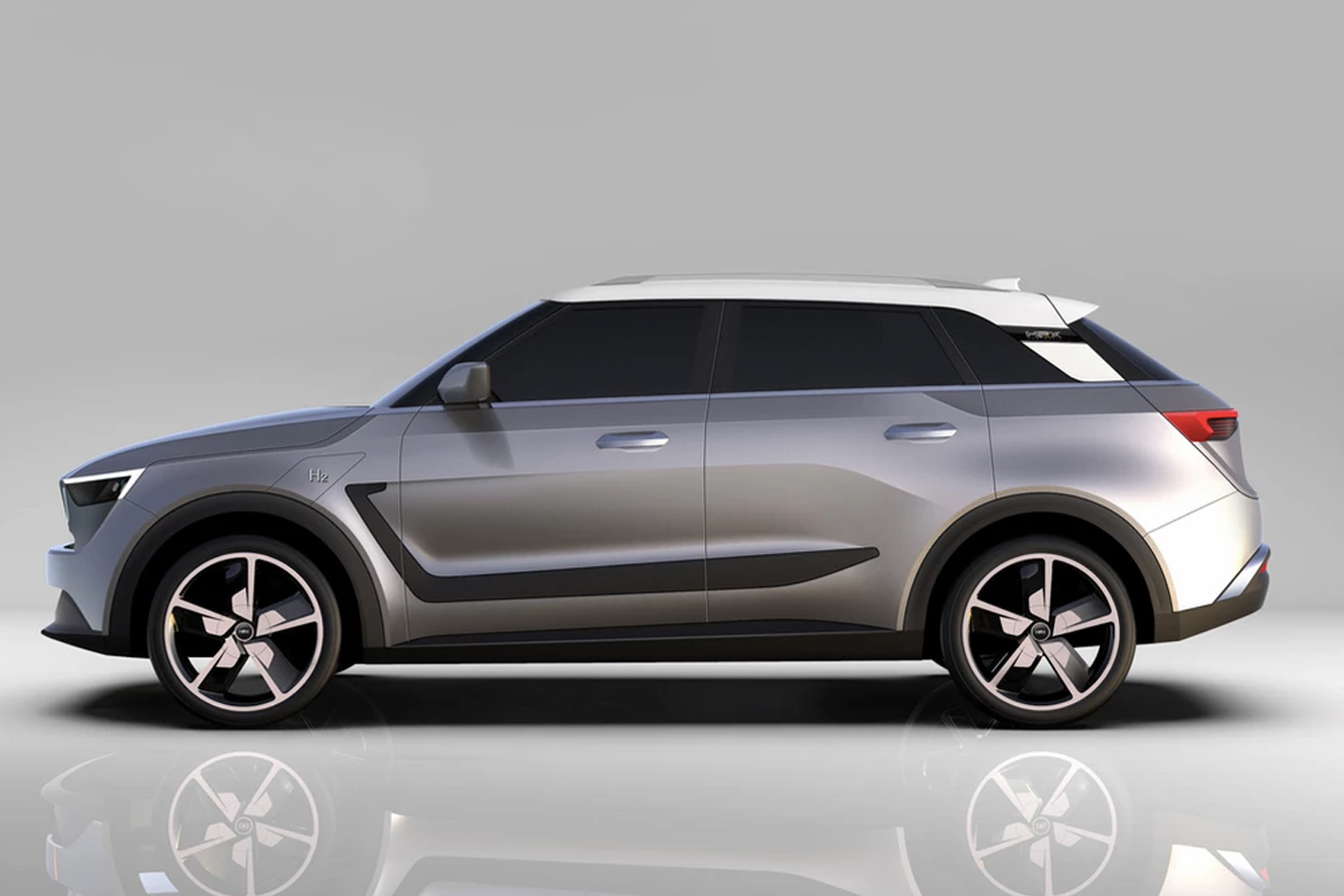
According to the H2X website the first passenger vehicle will be front-wheel drive, offer a range of about 650km and a refilling time akin to petrol and diesel vehicles, and a 190kW powertrain that’s claimed to be able to accelerate to 100km/h in 6.9 seconds.
Power is generated and stored via a combination of 60kW Elring Klinger PEM fuel cell, Skeleton Tech graphene ultracapacitor, 200kW electric motor and a 5.0kg-capacity hexagon Type 4 hydrogen tank.
No doubt a recent addition to the Snowy’s specification are patented anti-microbial surfaces “to offer maximum protection to occupants from germs and viruses that may be exposed within the car.”
Other specification includes AEB, eight airbags, Android Auto and Apple CarPlay connectivity and a 13-inch central touchscreen.
Van
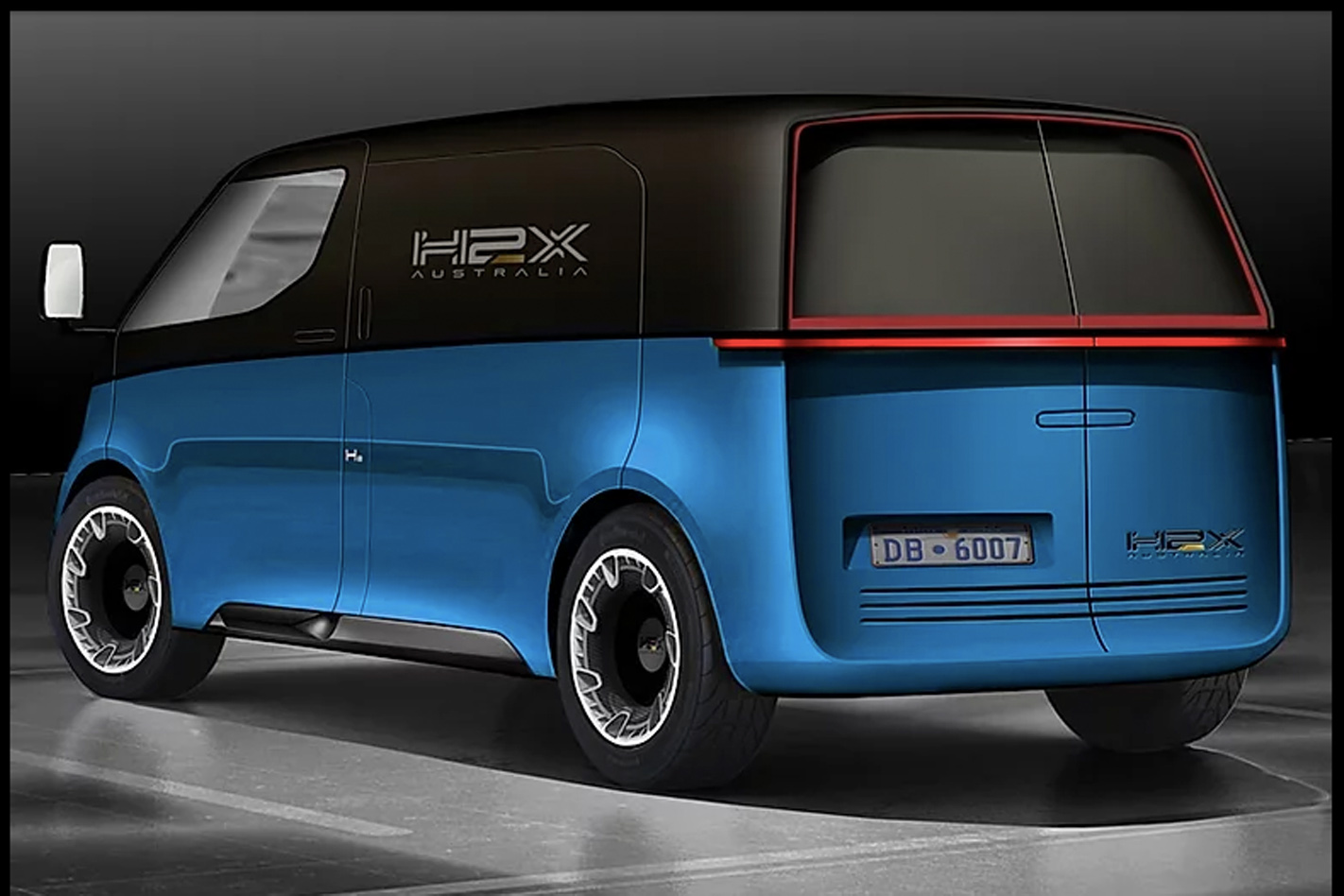
Less information is offered about the company’s van model and its derivatives, but H2X has confirmed it will have a longer range of between 400km and 700km, and combines fuel-cell technology with more commonplace pure EV battery energy storage.
There are several ways to get quick finance for your new ride such as bank loans, factory finance or car leasing, but the numerous options may be confusing.
But understanding which financing deals work best for your particular circumstances is as important as negotiating the final price of the car – perhaps even more so.
After all, there’s no point researching and bargaining hard to get the best purchase price on a vehicle if your repayments end up costing hundreds more than they should.
Here’s everything you need to know to secure the best financing option once you’ve found the right car at the right price.
CAR LOANS
This option is where a bank or other financial institution gives you the full sum of money required to buy the car which is then paid back with interest over an agreed period, usually three to five years. The advantage of a car loan is you can get pre-approval so you’ll know how much you’ll have to bargain with.
There are different types of loans for buying cars, including:
Fixed rate:
Where you lock in the interest rate for the term of the loan so you know exactly how much you’ll need to repay.

Variable rate loan:
The interest rate will change with the market, which is good should there be a reduction in the national rate as you’ll be paying less in interest as part of the repayment. This is more common with home loans taken out over much longer periods. Of course, there’s the risk the interest rate will increase with a corresponding increase in the amount you have to repay each month.
Secured loan:
This is where the car you buy is used as surety, meaning the financier can repossess the car should you be unable to repay the loan thereby protecting their investment in the deal. If the car is worth less than the sum owing, you will also be required to pay the difference. The advantage is that secured car loans generally have lower interest rates than personal loans.
If you are certain you won’t have trouble making regular payments on time for the life of the deal, secured loans can be a great option.
Unsecured loan:
These are personal loans that don’t require the car as surety. They’re usually for used cars as you generally won’t be able to borrow as much as with a secured loan. Because the bank is taking a bit more of a risk the interest rate is usually a little higher than with secured car loans.
Mortgage redraw:
If you owe less on your home loan than your house is worth, you could borrow against the balance, or equity, to buy a new car. The advantages in this deal are you just have one regular loan repayment at a low home loan rate and it’s easier to set up than if organising a new loan.
You can also stretch out the period of the home loan so your monthly payments remain the same. However, as well as increasing the size of debt, compound interest calculated over the longer period means it could actually cost more than a separate car loan, though this can be offset by making extra repayments.
Be sure to factor in any additional costs such as redraw fees if you’re considering borrowing cash against your home loan.
DEALER OR FACTORY FINANCE
These are car loans arranged by the car dealers that are underwritten by the car manufacturers or third party financial institution. Sometimes these will have very-low or even no interest; however this will often be tied to you having to pay more for the car meaning you don’t necessarily save in the long term.
This type of finance may be very attractive especially at the point of sale when the prospect of paying zero interest can be too good to resist. But it’s always a good idea to take some time to run the numbers and work out if paying less for the car upfront and a little more interest makes more sense.
BEFORE YOU BORROW
Shopping around for the best loan is as important as shopping for the best car price. Most people look for the lowest interest rate, however it’s more important to focus on the full repayment figure, which is influenced by other factors such as fees and repayment options – most car manufacturer and financial institution websites have loan calculators to help you compare.
Finding a good car loan calculator is a great place to start. As is establishing your credit rating – another simple step that can avoid disappointment later and once you’ve already set your heart on a car.
Other important things to consider:
Make sure you’re aware of all loan establishment and service fees, and if there’s an early termination fee should you pay out the loan early.
Speaking of which, find out if there’s an option to pay more frequently or occasional larger repayment chunks as this will help pay off the loan quicker. If you get a windfall of cash, paying off the loan sooner could save you interest, depending on the loan conditions.

And on the flip side, make sure you have a little wriggle room in your repayments. Your financial situation may change without warning and that could put you in difficult position if you’ve been living ‘hand-to-mouth’ or putting a majority into servicing a loan.
Bear in mind the complete cost of car ownership when you are considering how much you can borrow. The cumulative running costs of servicing, rego, insurance, fuel and other maintenance can be significant.
LEASING
It’s also possible to get into a new car without actually buying it at all. Leasing is essentially a long-term rental with regular payments which include the running costs and maintenance. At the end of the lease period the car goes back to the lender.
Most lease agreements allow you to buy the car at the end of the lease period but the final balance, combined with all the payments you made normally eclipse the car’s actual value when new.
Advantages of leasing include being able to make claims for taxation purposes should you use the vehicle for work. You can save on taxation by arranging the payment to be taken from your pre-tax pay (salary sacrificing) which means your taxable income is less.
Like a car loan, all costs are calculated in advance and agreed on in a contract.
There are three leasing options:
Novated lease:
This is the most common arrangement for salaried employees who want the tax benefits of salary sacrificing lease payments. By reducing your taxable income, the money that would have been taxed can be put toward a more valuable car. A novated lease is arranged between the employee, the employer and a financier and is generally simple to set up. What’s more, the deal can be set up to include a full maintenance package to give you a better idea of overall running costs from the start.

Finance lease:
This is a common option for vehicles used primarily for business. Under the agreement, the vehicle belongs to the financier and is rented out to the borrower for monthly instalments.
This generally involves a fixed monthly lease payment and a residual amount payable at the end of the term, should you want to keep the car. As the borrower you can choose the actual vehicle from your choice of car dealership and negotiate the price with the dealer just like you would if you were buying a car in the conventional sense.
Operating lease:
This option is similar to a finance lease but the borrower does not take on the obligation to pay the residual value. The vehicle itself is merely handed back to the financier when the lease expires.
FINALLY
Just because you’re looking to either lease a vehicle or buy one using a loan or another form of finance, it doesn’t mean you can afford to neglect the usual rules that apply if you’re buying a car with cash.
Do your research, drive hard for a bargain and, always check a used vehicle for any existing finance that’s outstanding. If there’s anything you don’t like the look of in a vehicle or loan agreement, take time to think about it and, if you’re still not satisfied, keep shopping.
Update #1
May 15, 2020ODO: 5200Km driven: 350kmAvg fuel use: 9.5L/100km
In late 2019 the Lexus RX large SUV received a mid-life facelift that included a number of clever selling points and convenience improvements, such as Apple CarPlay and Android Auto, additional USB ports, powered tailgate, lane keeping assist, and an updated radar system which can sense cyclists (daytime only) and pedestrians (day and night).
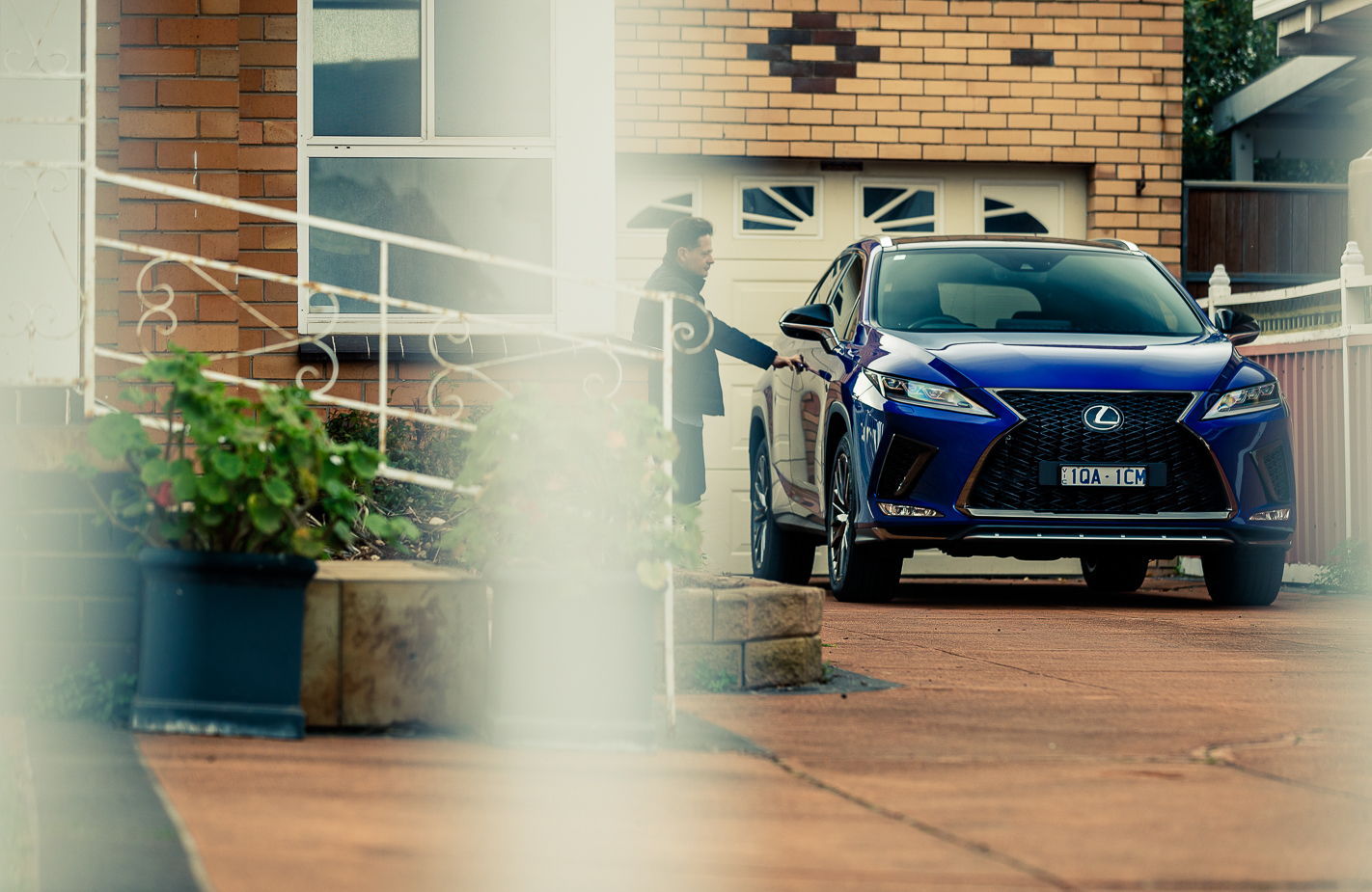
Lexus’s engineers also finessed its styling and driving dynamics, particularly in the areas of ride quality and refinement. The clever adaptive suspension system fitted to F Sport and Sports Luxury grades has also been reworked; Lexus says it is now more harmoniously in tune with the road surface.
All that sounds impressive, but what does it mean and does it make a difference in every day driving? That’s what I’m keen to find out, hence the six-week ownership test we’re putting the RX 300 F Sport through.
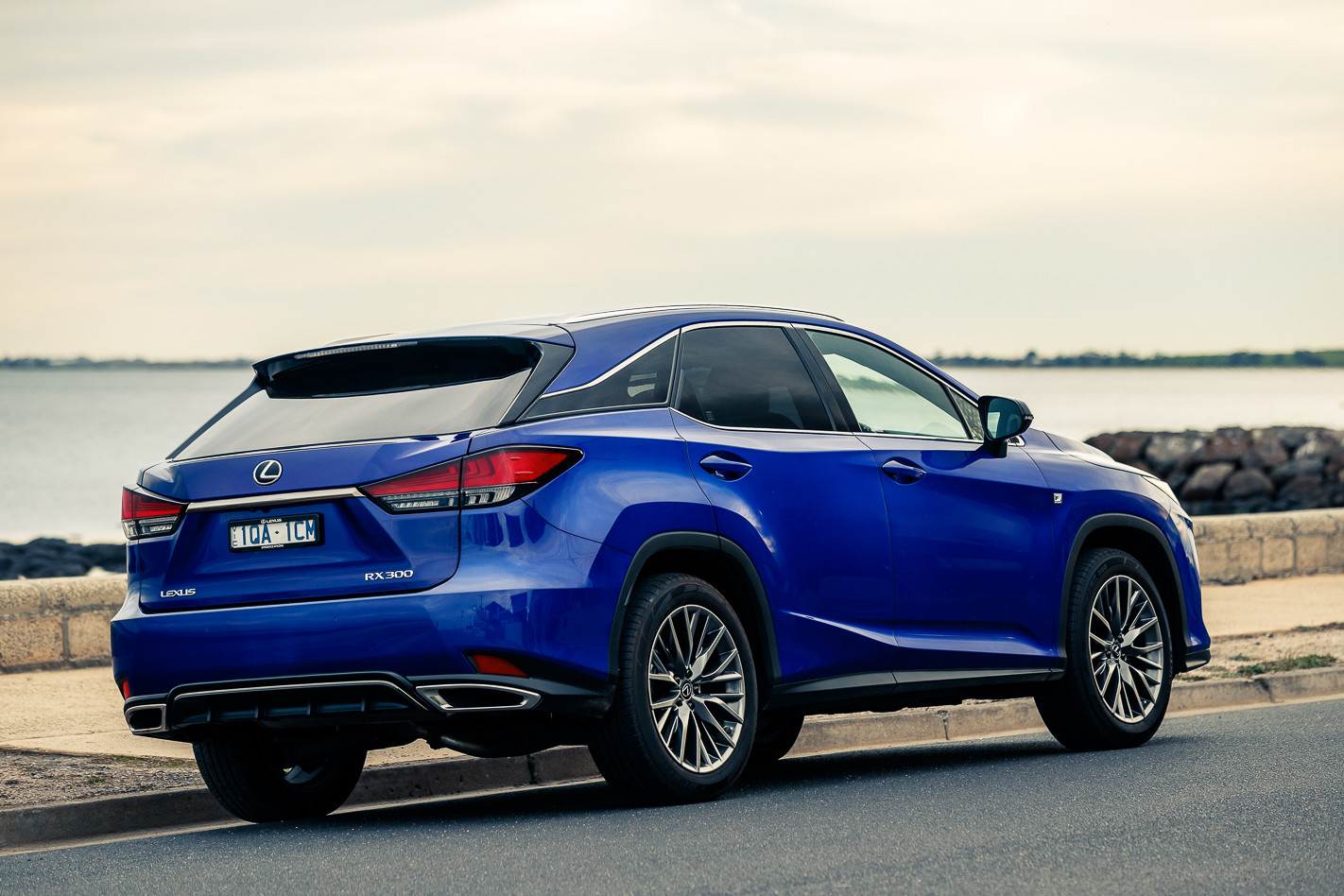
At its core, the RX 300 F Sport which I’m testing here is a five-seat large SUV, and while it has plenty of space inside, it feels more like a mid-sizer to drive which is a good thing. The RX 300 is front-drive only, and sits at the bottom of the RX range below the more powerful RX 350 and even more potent RX 450h, which is a hybrid.
Its price is $71,200 plus on-roads, which puts it just about the top of the Mazda CX-9 range and well below what Lexus sees as its natural rivals, the Mercedes-Benz GLE, Audi Q7 and BMW X5.
The RX 300 F Sport I’m testing is a bit more expensive – $86,800 at the time of writing. It gets head-up display on the windscreen, heated leather seats, Drive Mode Select which allows a driver to tailor suspension tune and engine response, and larger 20-inch alloy wheels.
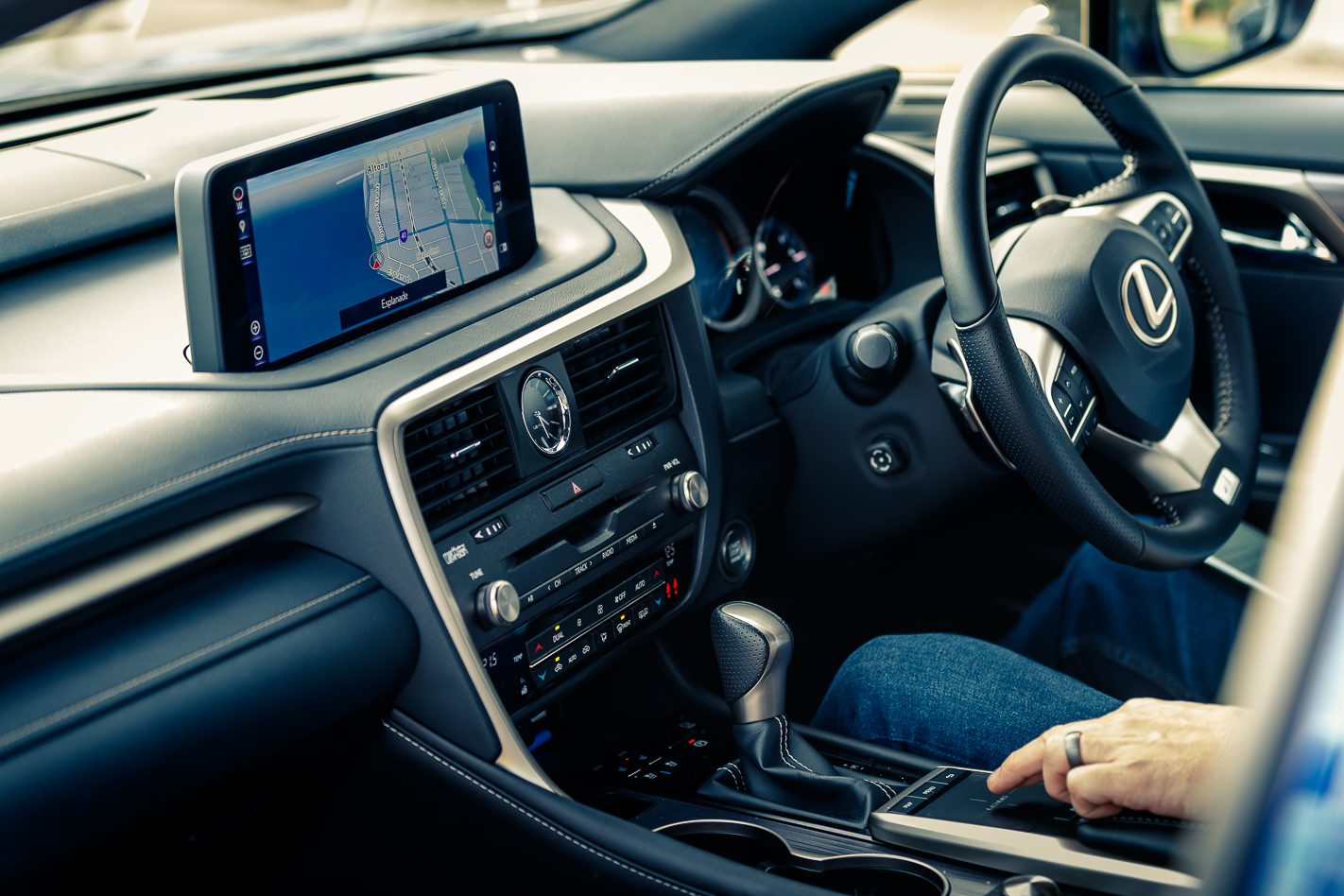
It will be interesting to see how the updated RX 300 fits in with a major upheaval coming my way, and I’m not talking about COVID-19. My wife and I are expecting our first (and hopefully only, but that’s not entirely my call), so the RX will definitely come in for some rough treatment during the weeks ahead.
Life in the midst of the 2020 COVID-19 lockdown is not as mobile as it once was, so actual road testing is limited to the odd trip to Bunnings for home improvement jobs and the grocery store for supplies. There are also semi-regular trips to the hospital for the many appointments that go with ‘expecting’. Still, that’s more than enough to build a first impression of the Lexus RX, and it’s a case of so far so good… with a few caveats.
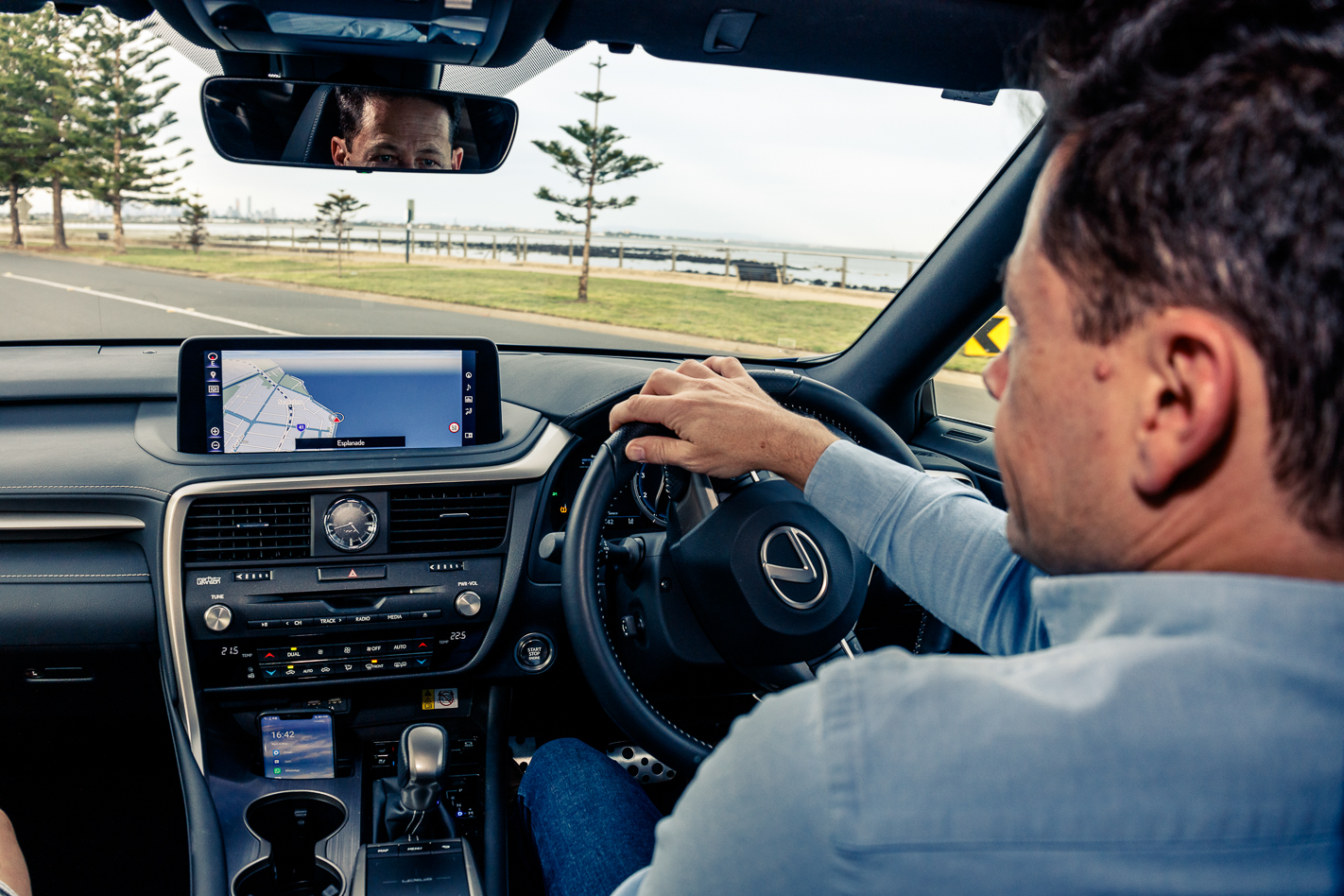
Going into this sixth-week of ownership, my expectations of the Lexus brand are for fuss-free premium mobility with plenty of bells and whistles, and in the first week or so with us, the RX 300 is proving a mixed bag – but all of my issues to date are minor, and easily outweighed by the good.
Firstly, I am now a big fan of seat heaters. Never realised such a small thing could bring such comfort on those cold Autumn mornings.
The standard electric driver’s seat with memory adjust means my wife and I can save our driving settings. I would like the rearview mirror’s position to also adjust automatically, but I haven’t driven a car yet that offers that level of convenience, so the Lexus can’t really be marked down for that. It’d be good to have memory settings on the passenger seat too, since that’s where the other one is when not driving.
While we’re on the seat’s memory function, it seems wrong to me that the seat’s first move when transitioning from the wife’s close-in, high-up driving position to my lower down and therefore further back position is to cramp me closer to the wheel before descending and giving me space.
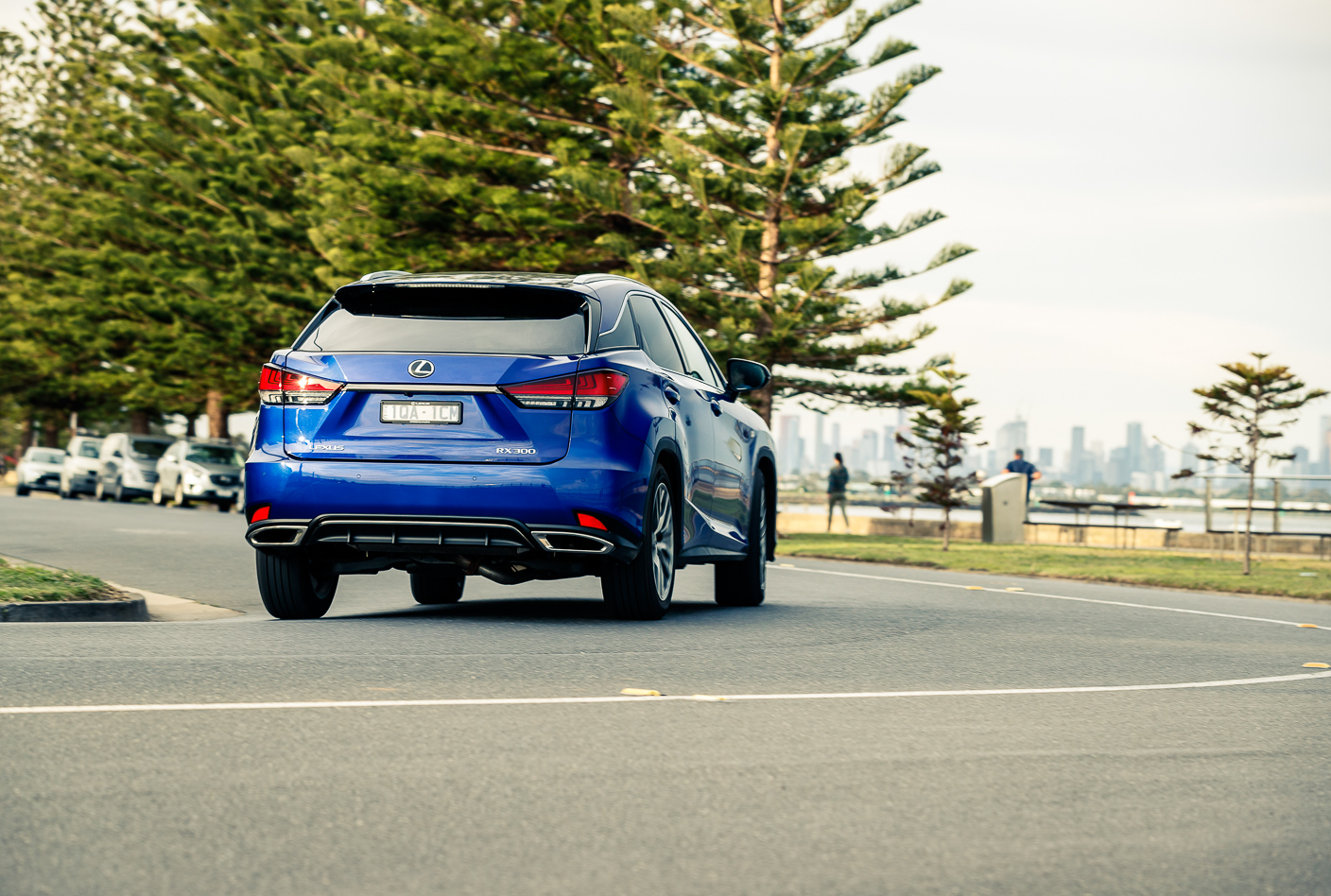
Push the starter button and the Lexus RX 300’s 2.0-litre turbocharged petrol engine fires quietly into life. Select Drive or Reverse and the park brake automatically disengages which is nice. As for how the drivetrain performs, let’s just say it punches harder than its on-paper specs would suggest.
It is quite lively from the get-go, which hasn’t always been a Lexus brand hallmark, has more than enough performance to fulfil expectations, and is relatively economical – we’re averaging 9.5L/100km to date.
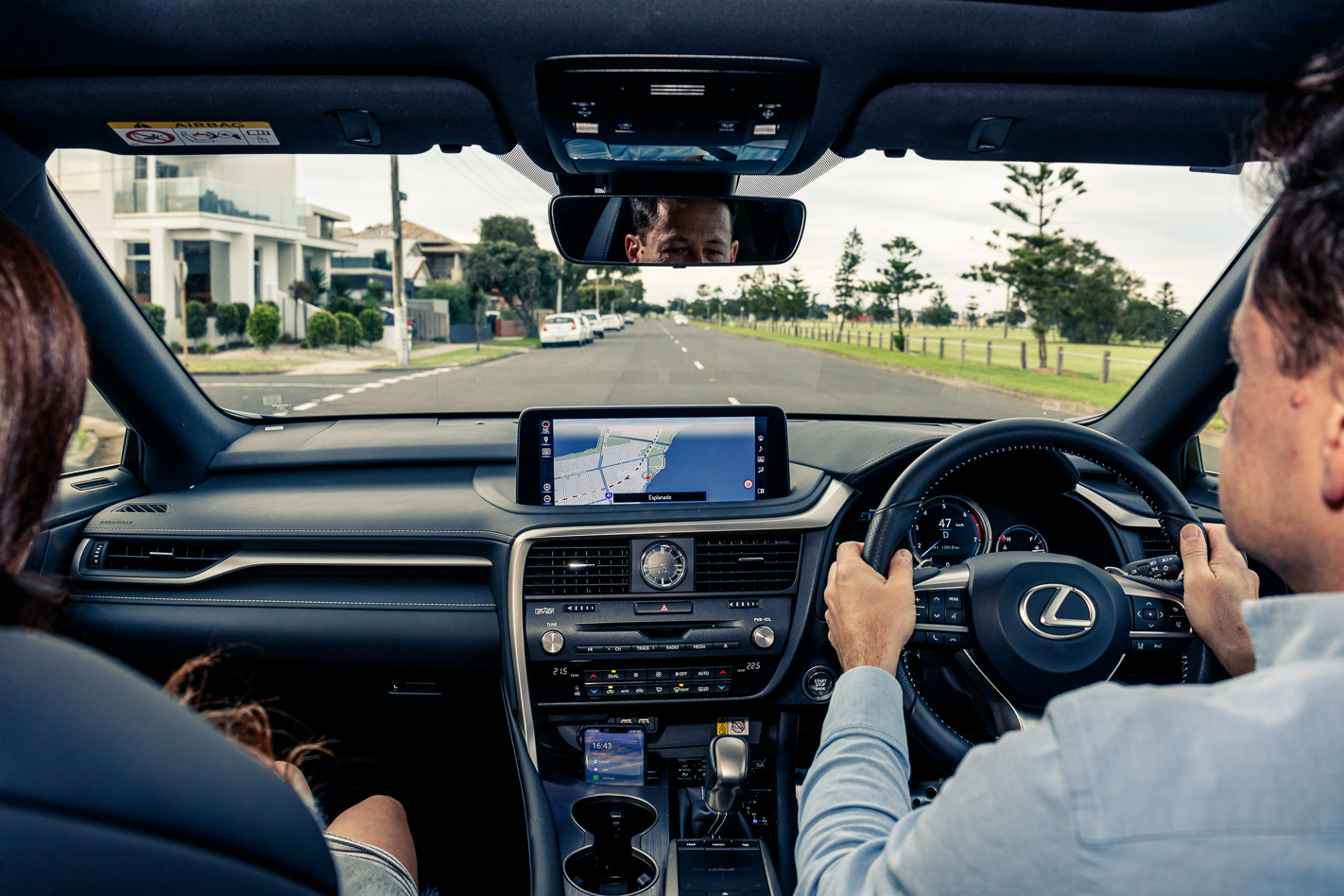
Back in the driver’s seat, the Lexus RX F Sport’s leather-clad cabin strikes a good balance between old-school luxury like the analogue clock and high-tech wizardry like the touchpad and huge 12.3-inch touchscreen. Big front door pockets fit our tall water bottles, and the centre cupholder has a clever adjustable floor to more securely hold tall bottles if the door pockets are full.
As part of the late-2019 update, Lexus added Apple CarPlay and Android Auto to the entire Lexus RX SUV range, which makes it easier to listen to my Spotify playlists and use Waze navigation. The touchscreen however, appears to be out of calibration with my finger, or I’m not doing it right. For instance, there’s a row of menu buttons along the bottom of the screen. Pressing the icon above the word doesn’t work, but pressing the word does. Why?
An alternative to the touchscreen is using the touchpad control on the centre console. My wife likes it just fine, but I find it takes too much concentration to understand where a finger swipe will end up.
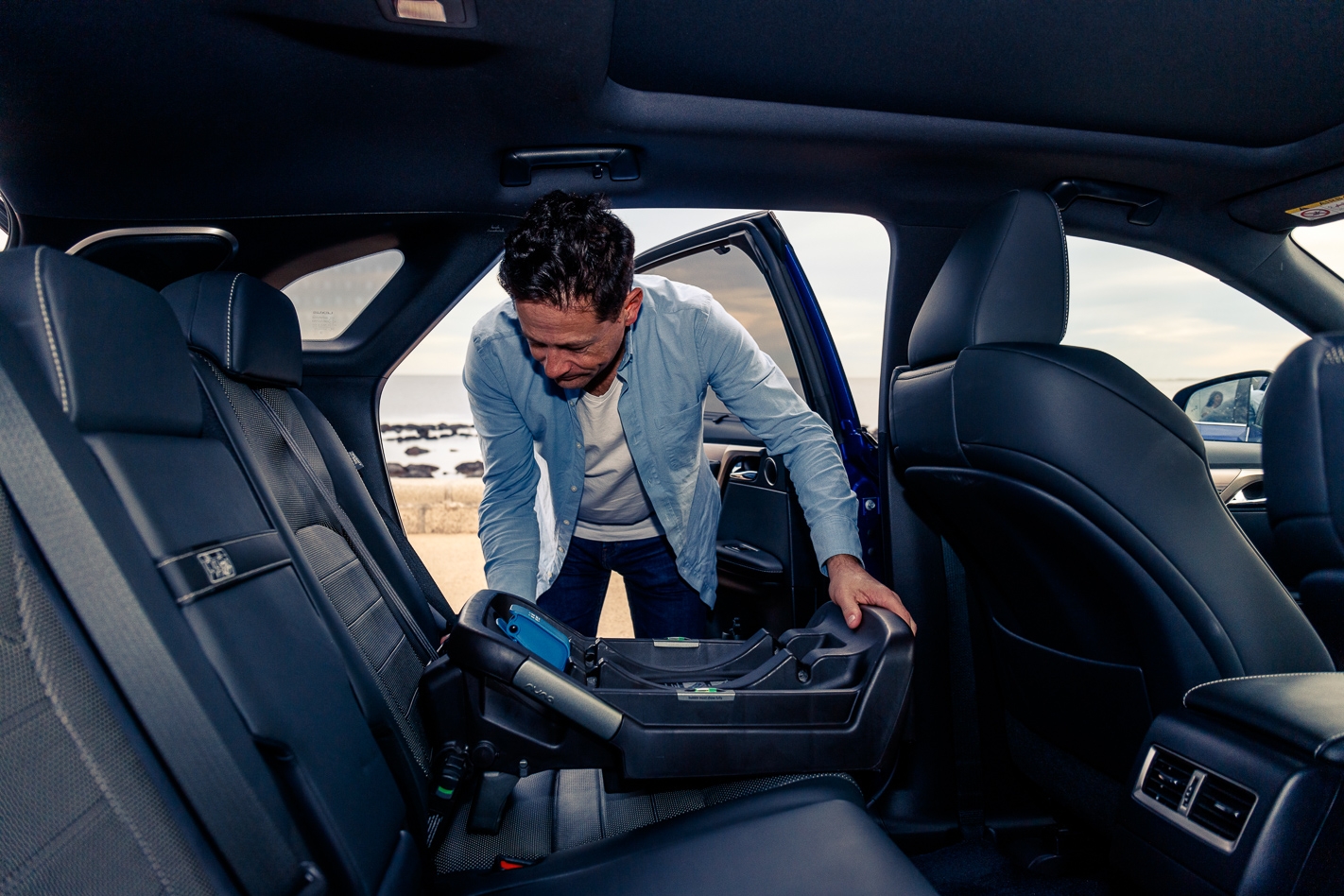
The second row of seats appear spacious enough for adults, and I found them comfortable the one time I rode back there. I’m guessing once Bump becomes Baby Butler, one of the parents will be riding back there a lot more.I’ve heard stories about the challenges of installing baby capsules, and had people warn me how difficult it is. Perhaps they are all pre-2014 reviews, because the ISOFIX system is simple, as I have learned.
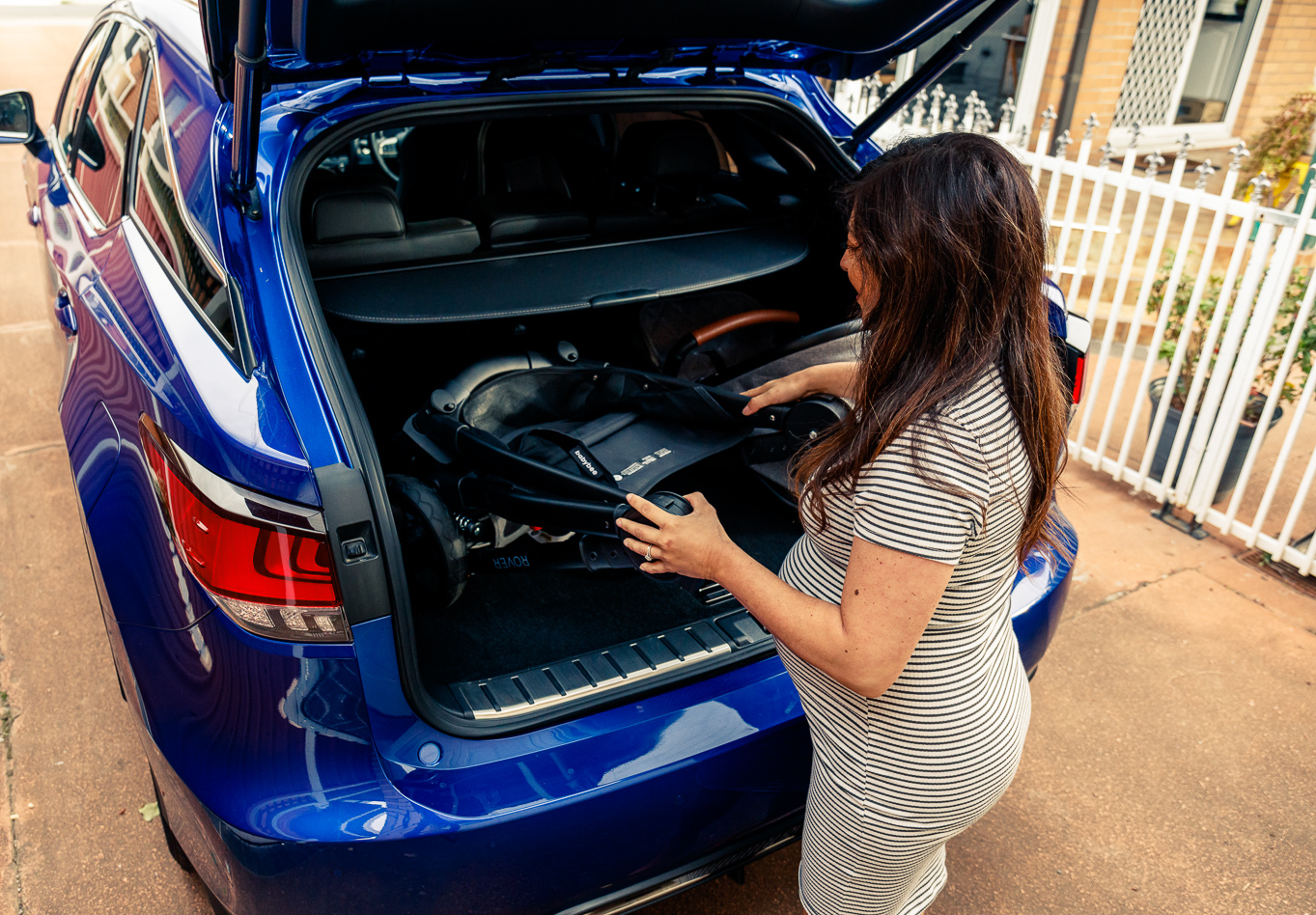
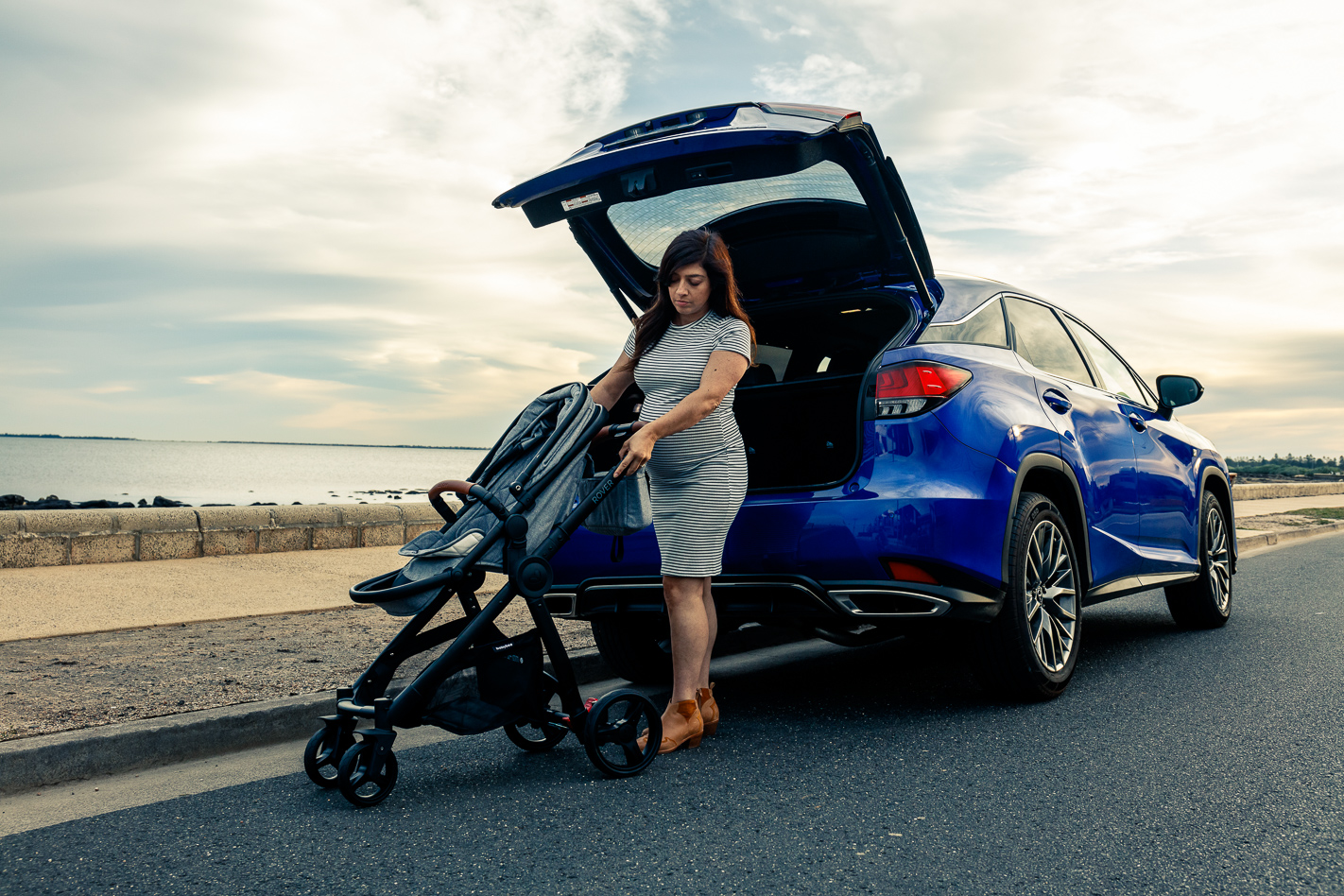
The boot will soon become a semi-permanent home to a pram and the many bags that go everywhere with a newborn. I suspect the boot’s electric opening and closing feature – which can now be activated by pretending to kick the rear bumper – will prove a godsend.
I did have concerns about how my not so tall wife (1.6m or 5ft 3in) will go lifting the pram into the boot. We gave it a test run and the 80cm high loading lip is not a problem for her or our relatively lightweight BabyBee pram.
Speaking of prams, who knew there were so many! And every one purporting to have something new or unique or better than the next. And the prices… That’s not limited to prams, though. Everything to do with babies seems to attract a premium. Guess I will have to get used to that.
That’s enough for now. I’ve just been told we have to go to Baby Bunting now to buy nappies and jumpsuits for D-Day (Delivery Day). That’s still six weeks away, so I don’t understand the urgency. But then, I’m a bloke, so I am resigned to not understanding much for the next six weeks – the next 18 years probably.
Update #2: Familiarity breeds content
June 11, 2020 ODO: 6700 Km driven: 1850km Avg fuel use: 9.7L/100km
Six weeks blurs by when you’re living the Groundhog Day every Aussie is enjoying during this COVID-19 crisis. All those personal events and engagements that we took for granted were great for differentiating one week from the next.
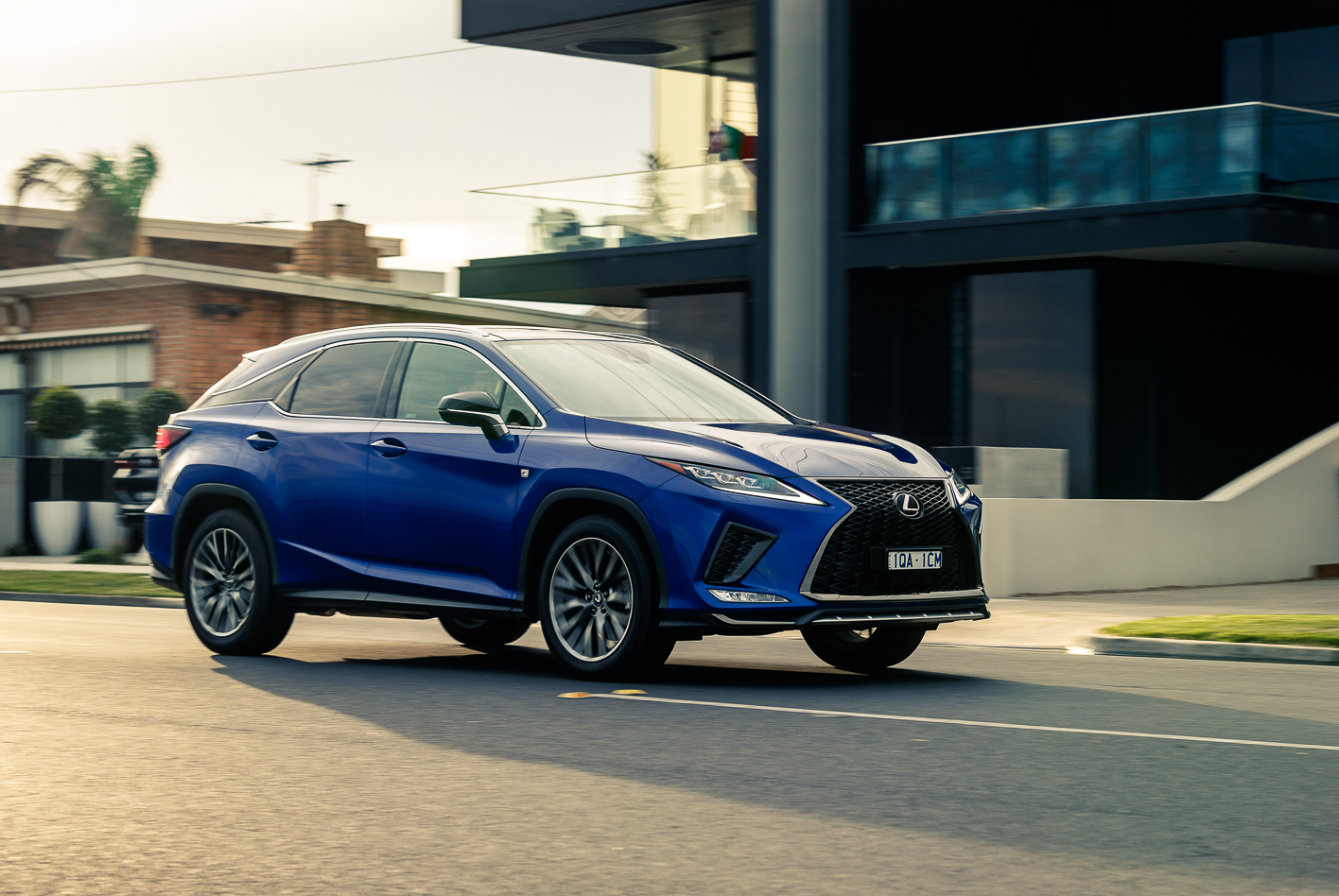
Going to the footy with mates, dinner with friends or family, weekends away with the other half, or even a simple trip to the movies or a friends’ place down the Peninsula… There’s none of that during lockdown.
But as I alluded to above, there is plenty of time for home improvements. And my move into a new house means there’s lots that needs doing.
By last count I’ve made 14 trips to my local Bunnings in the last six weeks, collecting everything from light bulbs and heater vent covers to some new tools to build a workbench. It’s fair to say the Lexus RX 300’s boot has copped a serious workout through it all, and the back seats have been folded quite a few times.
One load that tested its limits, size-wise, was two 2.1m by 0.9m pine boards which would become the workbench top. Heavy buggers, because a workbench needs to be sturdy, and the only way to fit them lengthwise was to fold the rear seats and push the front passenger seat all the way forward. But I got them in, along with 4×4 posts for legs and 4x2s for framing.
All those short runs to the shops and back means the Lexus’s average fuel economy hasn’t changed much from the 9.5L/100km we achieved previously. But still, anything less than 10L/100km for a big SUV can only be seen as good.
My relationship with the RX 300 has mellowed. All those concerns I raised in the first update have now just become part of the process of driving the car. People adapt, and the Lexus’s little foibles weren’t exactly world-breaking, so I’ve got over them – or figured out how to work around them.
As for the RX 300’s safety systems… In the past I’ve had cause to question the calibration of some systems like lane-keeping and AEB sensing. I’ve found the first too crude and the latter too sensitive – sometimes returning false warnings from roadside poles or bus stops shelters and the like.
But those hiccups are now a distant memory because the RX 300 has not done it once. I can’t comment on the AEB’s effectiveness because it has not been called on to intervene once, and I’m not brave enough – or rich enough – to deliberately trigger it by trying to run into something.
Next week we’re swapping into the bigger brother RX 350, which has a much more powerful 3.5-litre V6 petrol engine. I don’t think the RX 300 is lacking for performance at all, but I’m guessing that the V6’s extra power will be noticeable.
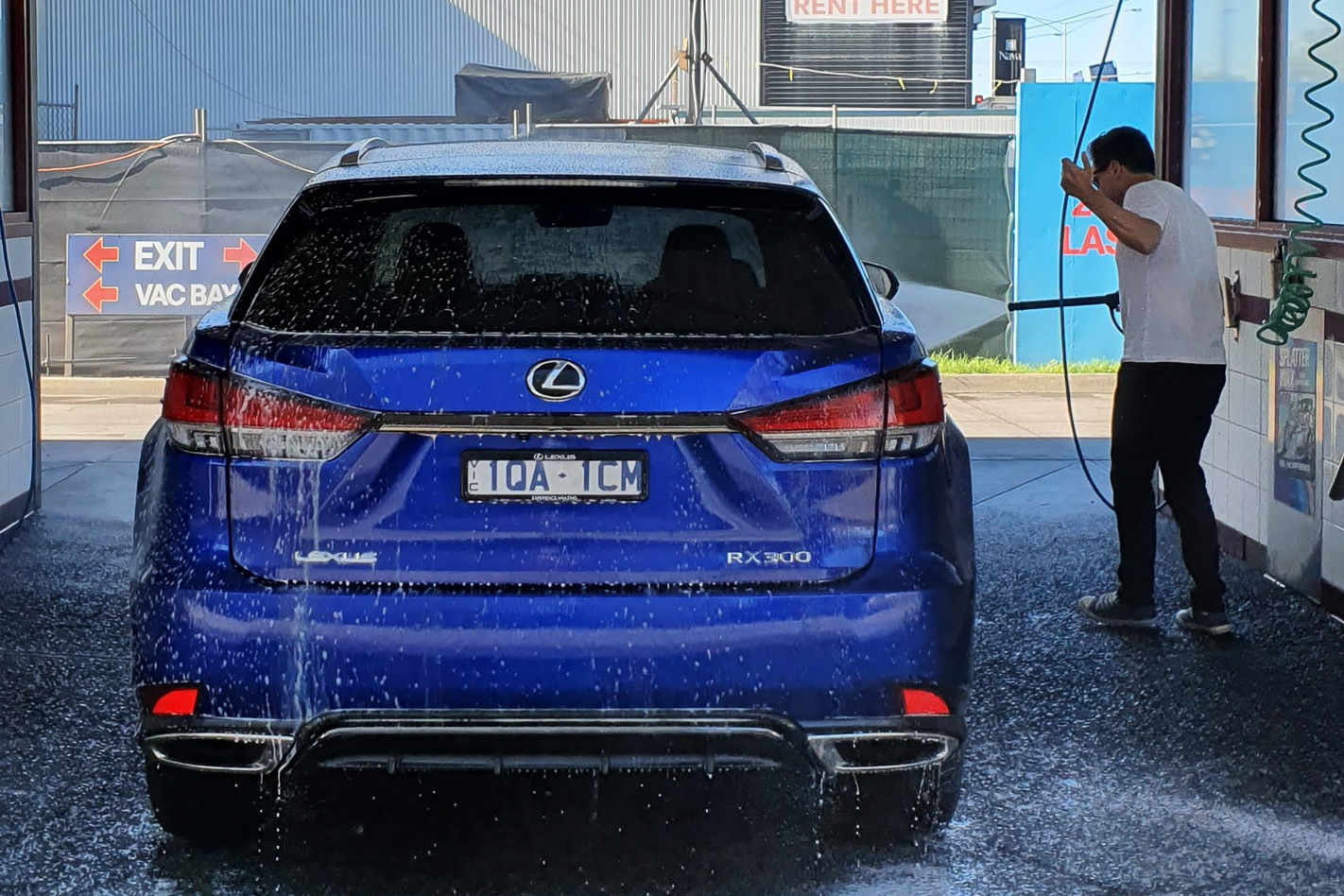
Overall, the RX 300 has been a welcome motoring companion for the last six weeks, and I’d have no reservations in recommending it to friends and family – as long as they can live with the multimedia system’s useability shortcomings. Everything else is very much in keeping with Lexus’s premium brand ethos.
While electric cars and plug-in hybrids continue to battle for recognition and relevance in Australia, you might be surprised to hear there’s a quiet battle being fought and won by the so-called ‘mild hybrid’.
Last year, while sales of 2892 electric and PHEV vehicles were certainly a significant increase over previous years, the registration of more than 30,000 hybrids is a visible chunk of the entire 2019 new car pool.
And a significant share of that legwork was done by Toyota, which offers hybrid versions of almost half its models. And among those, half of all the Corolla small hatchbacks sold in the current generation were the Hybrid.
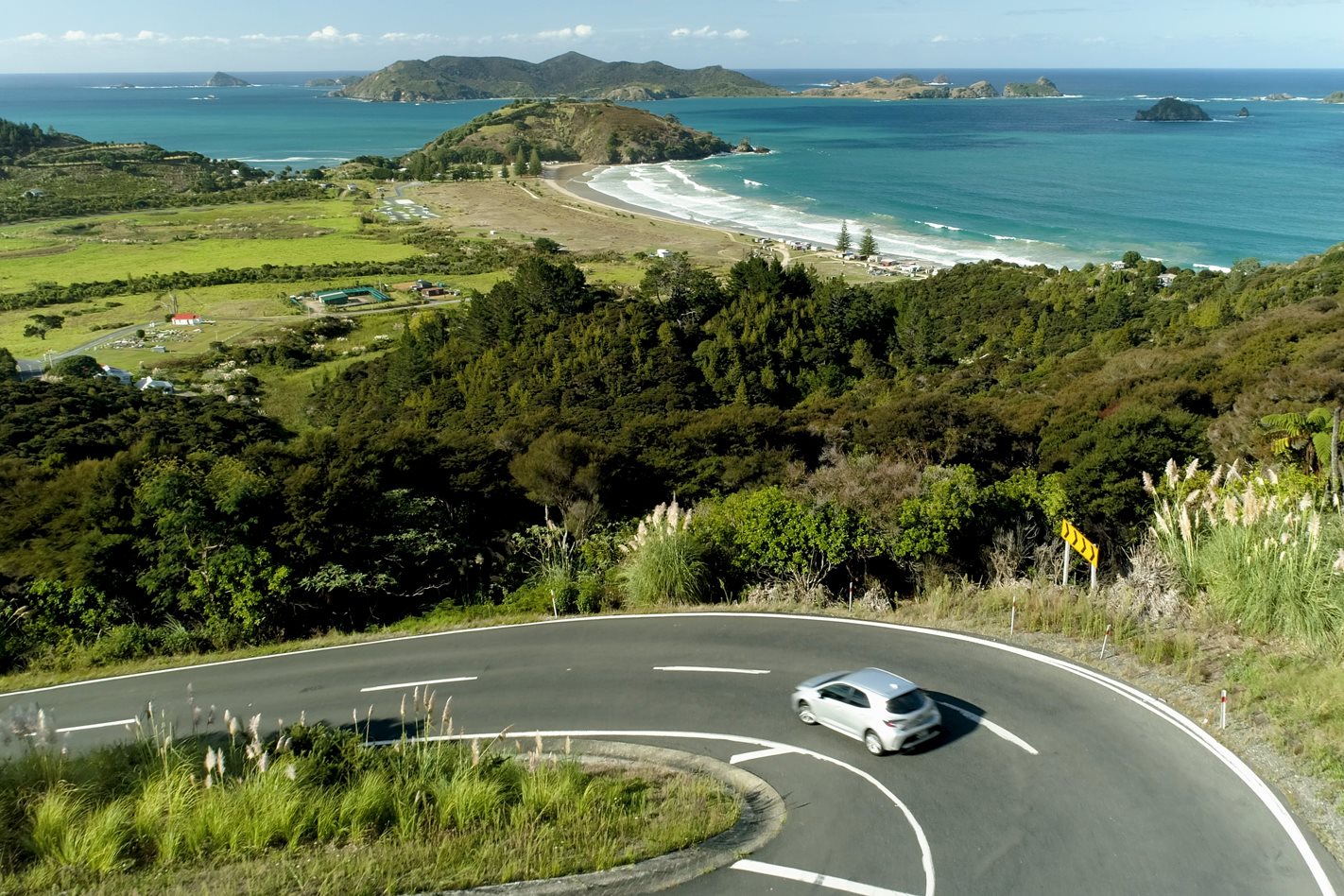
Exactly why customers are quietly warming to Toyota’s venerable Corolla in hybrid form (and all mild hybrids for that matter) was something we simply had to explore.
HOW WE SHOT THE STORY
This story was a fairly straightforward review but with the spectacular scenery of New Zealand’s stunning far north as the backdrop. We wanted to frame the Corolla in one of the stunning natural environments that its frugal powertrain is supposedly helping to preserve.
But it’s not just an aesthetic folly because this part of the world also offers fantastic driving roads, unclogged by traffic and the trappings of modern life. A lot of the time, it felt like the roads had been closed just for us.
A majority of the shots were captured in and around Matauri Bay – about a 50km drive north of the Bay of Islands – where we also concluded the Hyundai Veloster Turbo’s road trip, but with the Corolla, we stayed a little longer.

There’s something magnetic about this beautiful little bay tucked away on the far northeastern shores of the North Island and the peace and stillness of a perfect late summer day was hard to leave.
The holiday destination is mostly occupied by humble cabins and a memorial to Greenpeace’s first Rainbow Warrior ship that was turned into an artificial reef at the end of its life, but there is another curio as you arrive.
Abandoned paradise
Overlooking the beautiful beach, a development of 81 lots were subdivided to create more luxurious accommodation at the bay but the venture went belly-up – and all there is to show for it is a winding ribbon of road that leads to nowhere except stunning views.
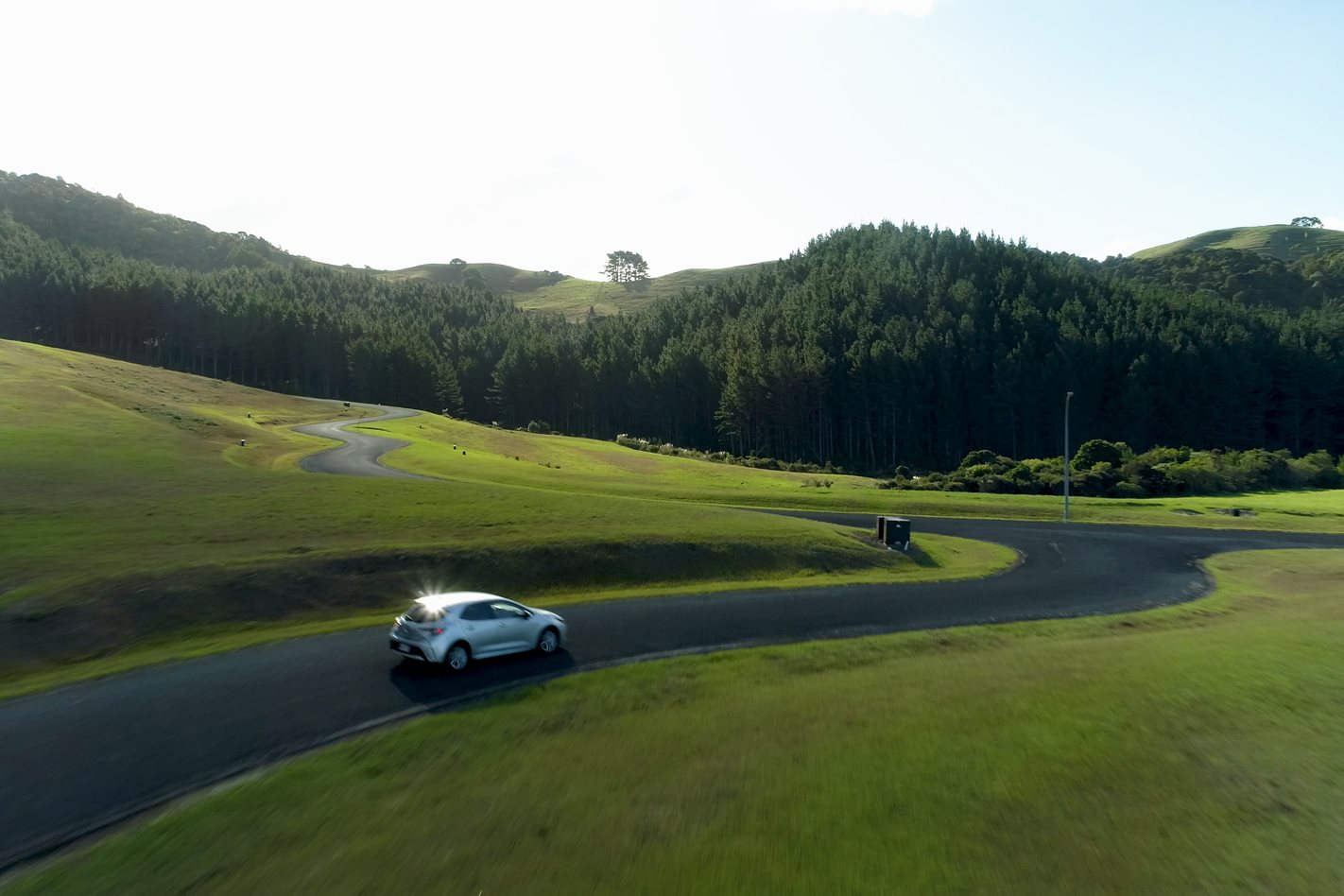
It’s like a deserted racetrack without the concrete bollards and discarded tyres – and it’s perfect for shooting a car feature.
Generally speaking, there were very few people out and about as the tourist season had peaked, but the few locals we encountered were friendly and curious in typical New Zealand style.
The Corolla was even approached, inspected and approved of by a particularly friendly local – replete of owner.

It’s a howling success!
The entire New Zealand trip, during which we shot enough features to fill two episodes of the TV series, was an unforgettable experience, but it was sadly overshadowed by the coronavirus pandemic that was still unfolding at the time.
And it was hard to leave this unspoilt part of the world, which seemed like an oasis cut off from the rest of the world and unaffected. But that’s exactly why this absolute gem is top of the list to go back exploring for fantastic memories and more great car adventures.
A former Cannonball Run record holder believes that the automotive world’s most illegal benchmark will ultimately be broken by autonomous vehicles.
Alex Roy set the first ‘modern’ Cannonball record in 2006, more than 20 years after the final U.S. Express event, crossing America with co-driver David Maher in 31 hours 4 minutes.
His New York to Los Angeles dash was documented in detail in the recently released film Apex: The Secret Race Across America.
In recent months there has been a flurry of Cannonball attempts, culminating in the current record of under 26 hours for the roughly 4507km journey. These most recent runs have been mired in controversy, as they are conducted against the backdrop of an ongoing global pandemic.
Speaking to Wheels, Roy says it’s highly likely that autonomous cars will eventually eclipse any record set by human drivers.
To achieve the most recent sub-26 hour record figure the anonymous team of drivers had to maintain an average speed of 173km/h. Roy is adamant that this will eventually be beaten by the inevitable advancement of driver-assistance technology.
“I think where a lot of these guys are going to trip themselves up in the future is they keep saying there are no rules, but I think in the future, when these records are broken, they are going to be broken in semi-autonomous or autonomous vehicles,” he tells Wheels.
“Those will be able to do a higher speed, and get across quicker than anything that has gone before. It will literally be safer.
“At that point, the people who have the current records, are probably going to say ‘Oh, that’s against the rules!’. Whoever is in that autonomous car is going to say ‘What?! There are no rules!’.
“At that point in time, the state of the art is going to be some guy, probably a safety engineer, who hacks the speed limit on an autonomous car so that it can do 180mph [290km/h] the whole way.
“It’ll be able to do it safer than any human can do it alone, and that will be the future of the Cannonball Run.”
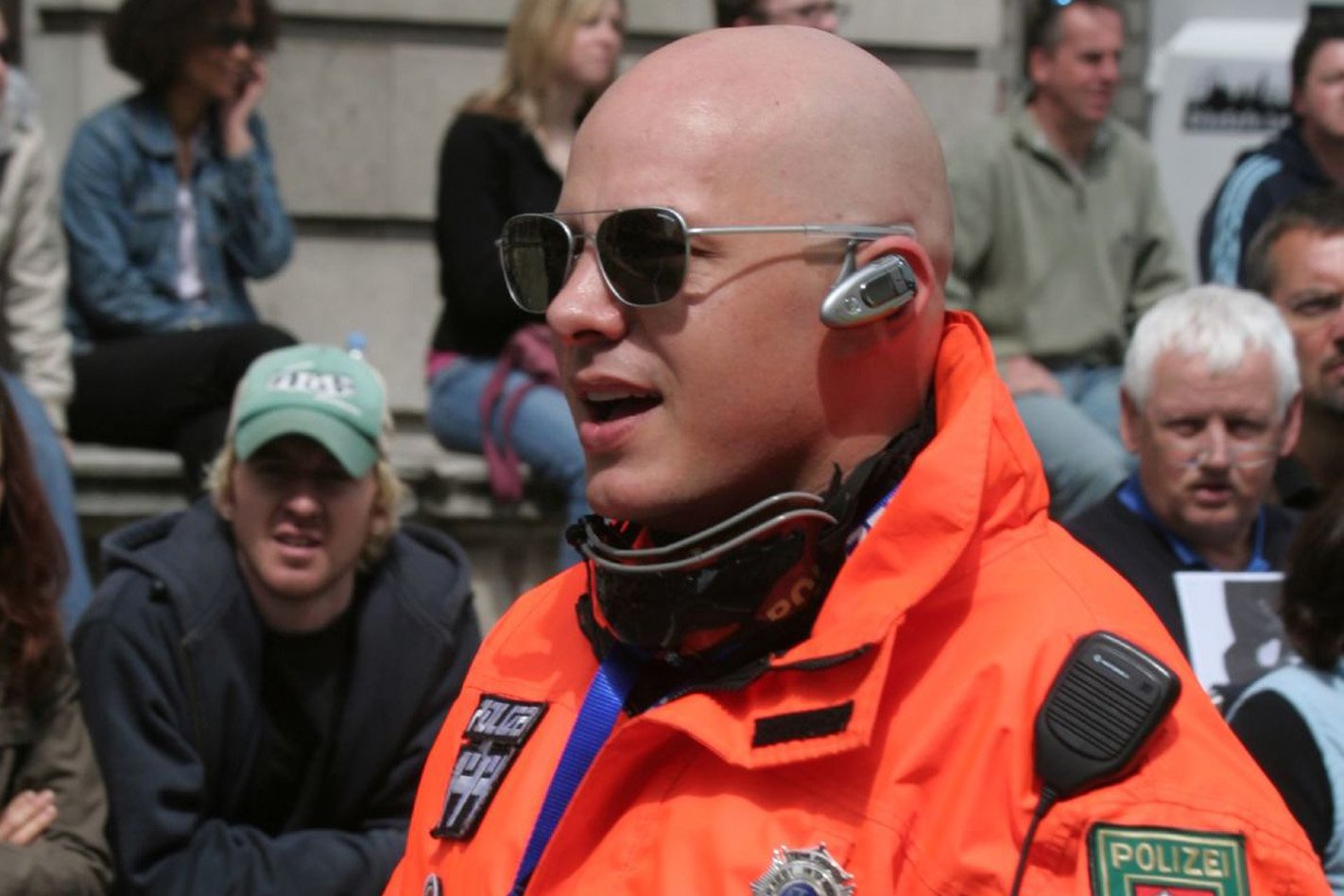
For Roy, this advancement of technology that allows faster and faster cross-continental journeys is part of the appeal of Cannonball Runs. He recalls that future technology use has been a central ethos of coast-to-coast records since the original runs conducted by Erwin G. ‘Cannonball’ Baker.
“When Cannonball Baker first went across, he was hired in 1915 by [vehicle manufacturers] Cadillac, Stutz and Gardner, for the sole purpose of showing that internal combustion polluted less than trains, and that the road network was good enough to drive across country, and that it was safe,” Roy explains.
“And so, he went across, and went across the United States in hundreds of vehicles. This was his job, to set Cannonball records.
“Today, going across safely in an electric vehicle with ADAS and driver assistance, to me that’s the challenge. People will chip away at [the current record] for the next 20 years.
“The science of it, and the art of it is not about driving as fast as you can, but about defeating the algorithms of battery charging, how can you hack the battery cooling system, what can you do to optimise charge times, and the science becomes really serious.
“We are probably very close to the theoretical limit of internal combustion fuel economy whereas the battery technology could double, triple, quadruple in efficiency.
“Then the driver assistance is going to profoundly improve. It’ll be a very long time before an autonomous vehicle does this, but when the driver assistance is capable of working on, say, German highways, it is going to work on American highways too.”
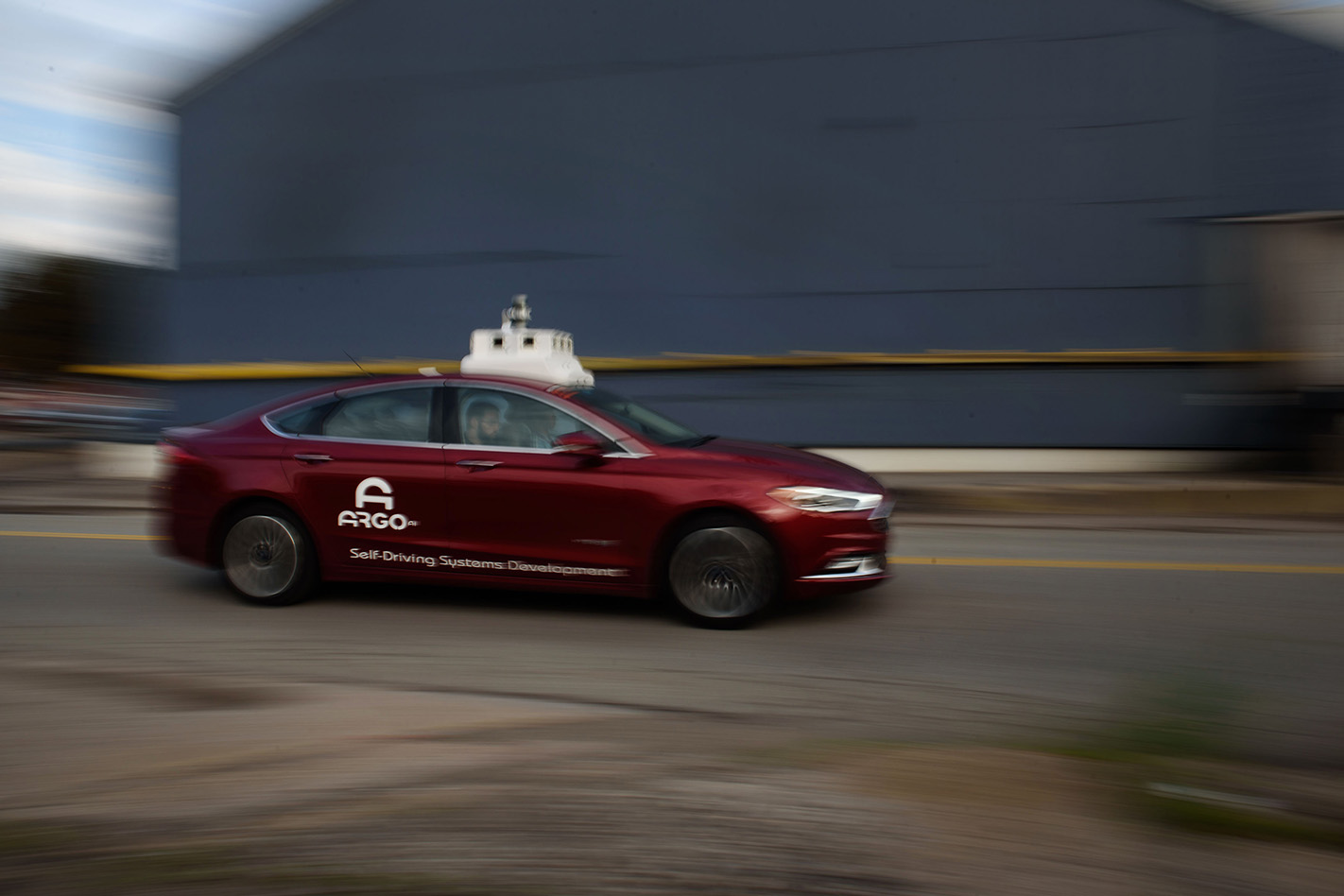
Some 14 years since he became the fastest man to cross America in a car, Roy has mellowed somewhat, now leaving outright Cannonball Run record attempts to the next generation of enthusiasts – instead focusing on more complex challenges.
“I now drive like a baby; I am so cautious. I often don’t use a radar detector because I’m not speeding. I guess I am trying to set a good example – I’m getting older,” he reflects.
“There is always going to be someone younger, faster, that has got something to prove. So, it’s important that when time passes, to grow with it. We have to grow with our age.
“A lot of people are obsessed with asking ‘are you gonna go and break the record again?’. The answer is no.
“That’s unless it’s an electric or autonomous vehicle, because it’s important that we not try and keep racing the same race, whatever it is we are doing. It doesn’t matter what your hobby is, because there will always be someone younger who is hungrier, that’s the nature of life.”
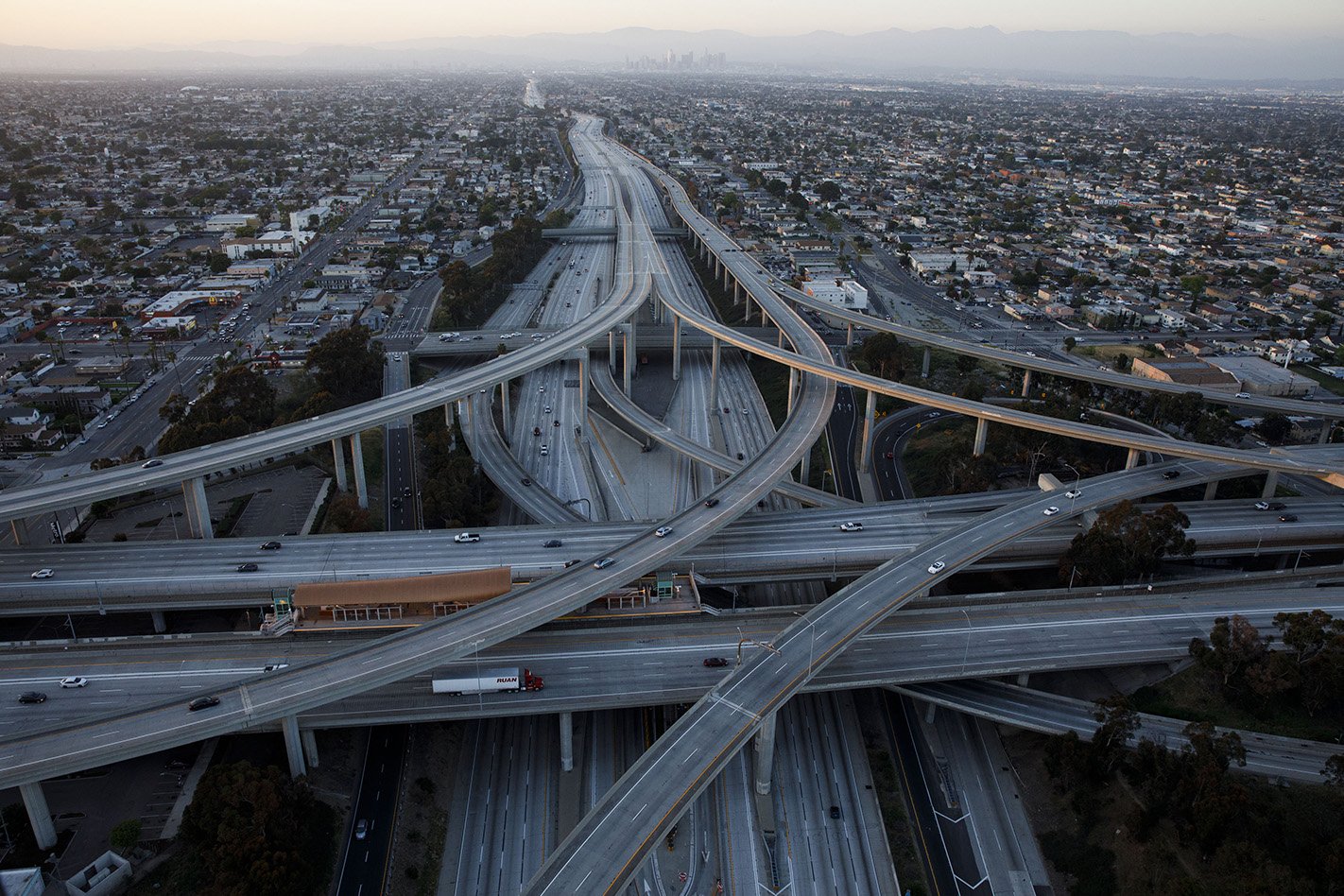
The inevitability of progress, both human and technical, is something Roy has accepted, and is now fascinated to watch happen.
“There are people who are obsessed with going faster and faster in vehicles that use state of the art technology,” he says.
“What we had in our BMW [an E39 M5 used for the 2006 record run], was already at that point seven or eight years out of date, and was superseded by vehicles with active suspensions etcetera.
“Human ingenuity is impossible to stop.”
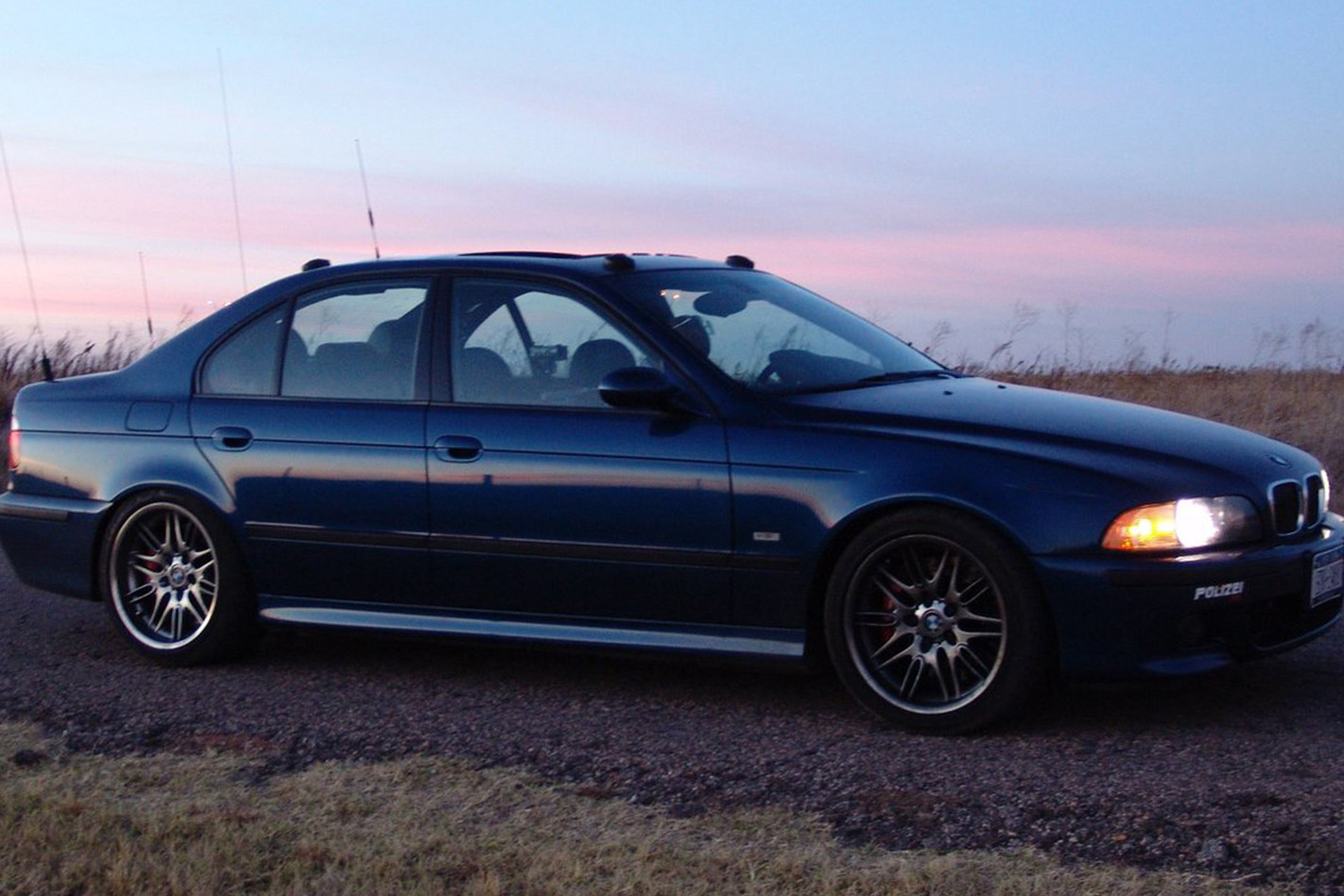
Roy refrained from passing judgement on the most recent record attempts, but with a smirk recalled that even the man behind the original Cannonball Run events in the ‘70s, Brock Yates, disapproved of his modern run.
“When Brock Yates found out what we had done, he was very opposed to it, in 2006,” Roy recalls.
Perhaps, one day the current record holders will take the same view of future autonomous attempts. Regardless, it can be guaranteed that there will continue to be an underground community of renegades dedicated to crossing America in the fastest time possible – whether that be at the wheel themselves or building an algorithm to take control.
As Roy explains, “the challenge isn’t to be the fastest, but to take technology – whatever it is – and see what you can do with it and if you can push a little further.”
