
Aussies love fast cars. No argument. In fact, through the ages we’ve built quite a few of our own – usually with a V8 driving the rear wheels.
As we watch the sun set over one of the most iconic names in the game (we’ll miss you, Holden), we look back at the muscle cars that put Australia on the map.
This isn’t about Euro hotfoots or mad American iron… this is about true-blue Australian muscle car majesty, the best of the best Aussie performance cars from an era that we’ll never see again.
2008 FPV F6
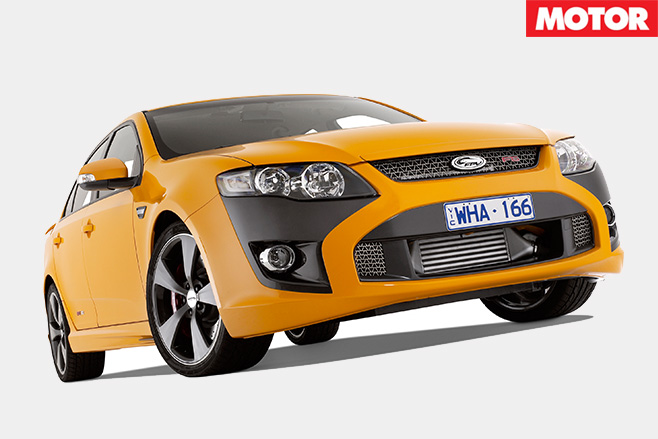
It ran the greatest-ever Australian engine, full stop. FPV’s XR6 Turbo-based F6 model debuted with the BA Mk ll range in late 2004, sporting 270kW and a V8-beating 550Nm. But with the all-new FG Falcon‘s introduction in 2008, the F6’s performance went from ballistic to stratospheric.
The turbocharged six now delivered 310kW and a thumping 565Nm (at just 1950rpm!), giving the FG F6 supercar levels of in-gear stonk. Despite having nothing to do with our most famous race, the F6’s balance and point-to-point capability put the classic Aussie V8 in the shade and proved FPV’s engineering excellence.
1977 Holden Torana A9X
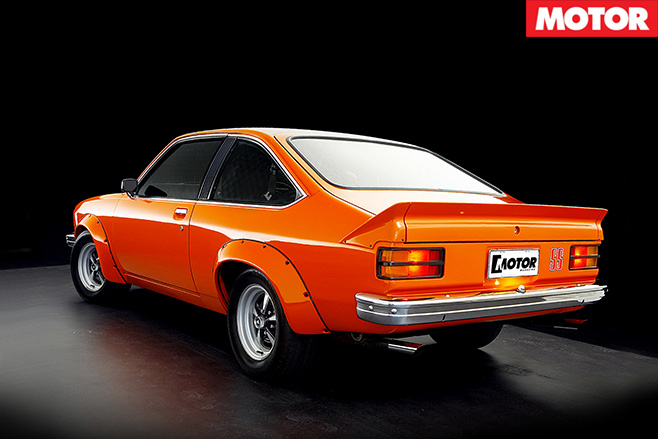
With Brocky behind the wheel, it won Bathurst in 1979 by an unbelievable six laps, and set the lap record on the very last lap cementing both car and driver as all-time racing legends.
The 5.0-litre V8 A9X, based on the LX Torana SS hatch and SL/R sedan, was honed into a super-reliable and capable Bathurst winner by John Shepherd and Brock, and remains the best Torana ever produced. Of 405 made, 305 were sedans, but the record-breaking hatch is the icon.
2017 HSV GTS W1
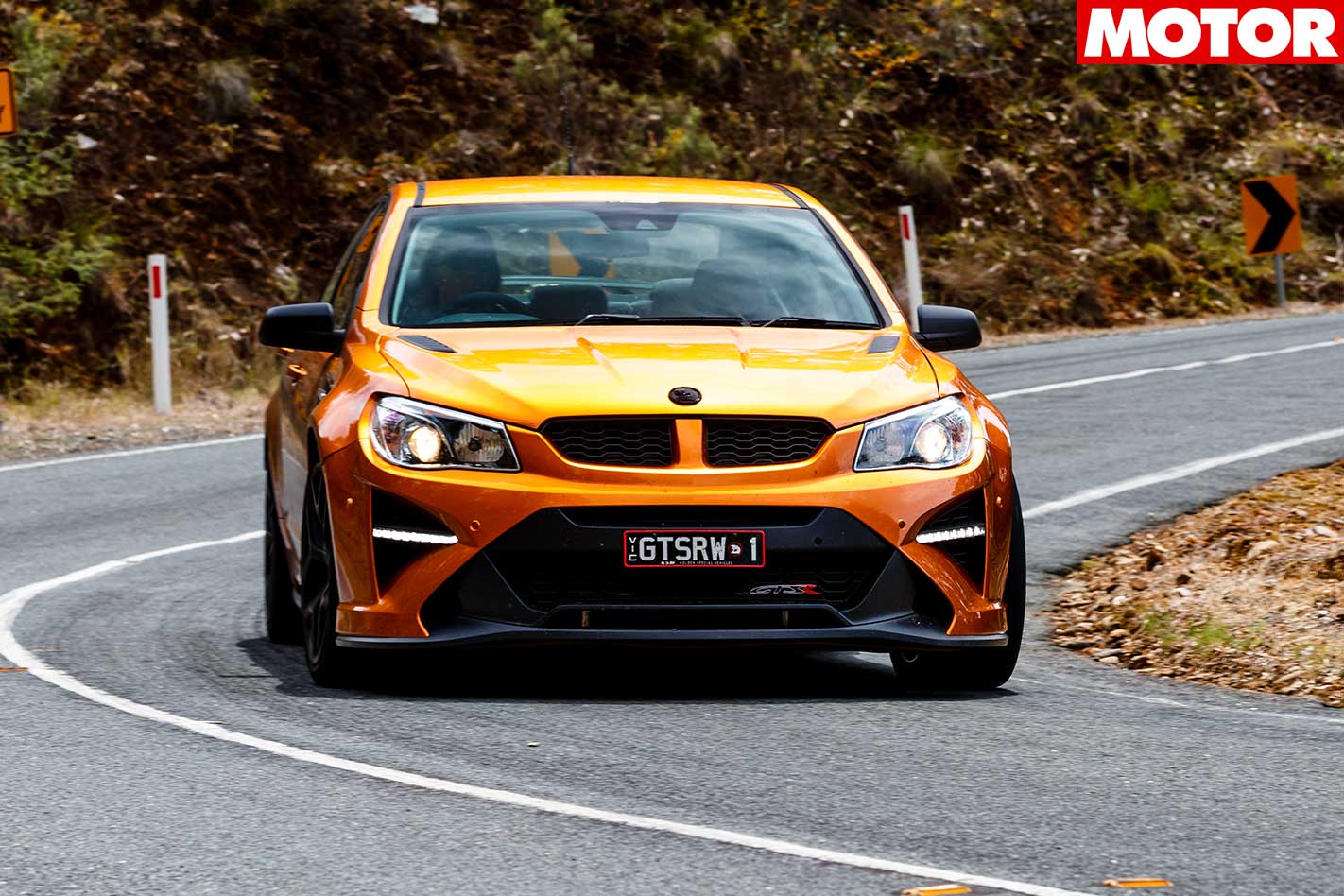
HSV didn’t hold back on its Gen-F series GTS after learning it would be its last Aussie Commodore-based halo model.
We were treated to what might be the best range of Aussie muscle cars available, at a time when even buying a base Commodore SS landed you an absolute winner in its own right.
But the icing on the cake came last, the HSV GTSR W1. A 474kW/815Nm LS9 engine from Chevrolet’s big dog Corvette, race-bred suspension, and a set of R-Spec tyres made the W1 a beast that, unfortunately, will spend plenty of time sitting in sheds.
1985 HDT VK SS Group A
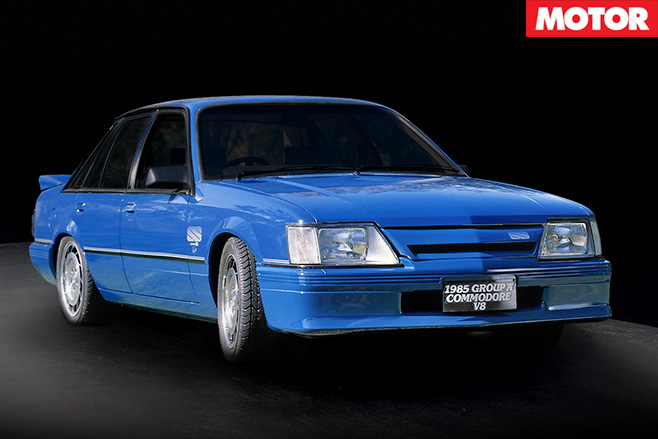
The first Group A Commodore – fondly known as the Blue Meanie – is also the most revered. New racing regulations for 1985 meant Holden and HDT had to produce a road-going VK to comply.
Sporting a Phil Zmood-styled bodykit, Scheel seats and a Momo wheel, the Formula Blue Group A saw the carby Holden V8 de-stroked to 4987cc (for under 5000cc racing) while packing 196kW.
A courageous drive from Brock at Bathurst ’85, Grice’s ’86 win and Kings Cup at Spa in ’87 cemented its pedigree.
1971 Ford XY Falcon GT-HO Phase III
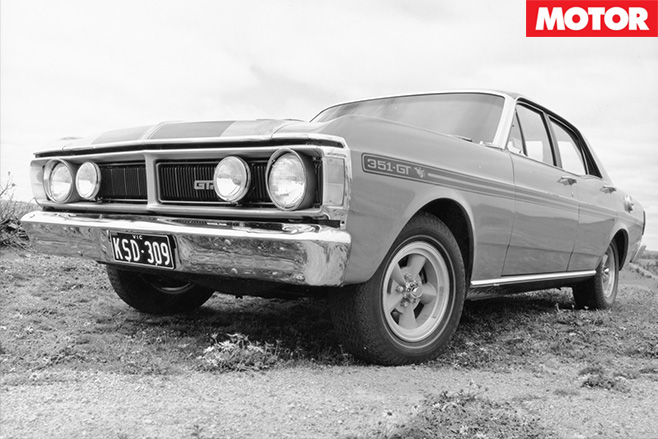
The GT-HO wrote the book on Australian muscle-car performance. With its ‘shaker’ intake atop of the 351 Cleveland poking through the bonnet, the Phase III’s earth-shattering performance saw 0-100km/h in high-6s, a mid-14 quarter, and 227km/h.
It claimed a single Bathurst crown (Allan Moffatt in 1971, cardboard box included) but astounded journalists with its brutal pace. Four decades later, it remains Australia’s most famous muscle car.
2016 Ford FG Falcon Sprint
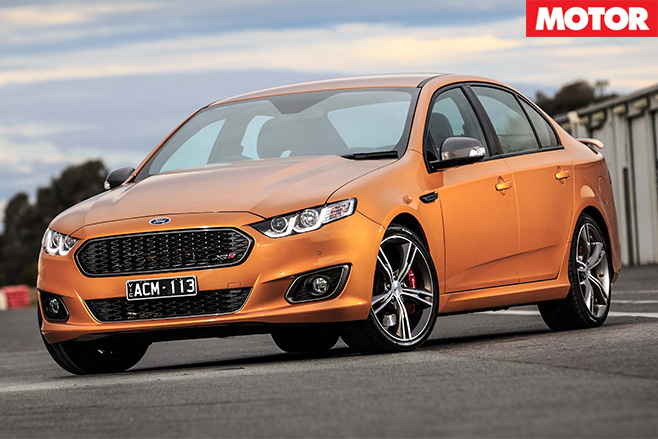
The final Falcon came in two flavours, XR6 Turbo and XR8, and it could be argued that the former was the better performance car. But for Aussies, 345kW and 575Nm from a 5.0-litre ‘Miami’ supercharged V8 is bliss.
Still, the turbocharged 4.0-litre Barra is one of, if not the greatest Aussie-developed engine ever, and that’s why we couldn’t pick just one version of the Sprint to take this place in the list.
1967 Ford XR Falcon GT
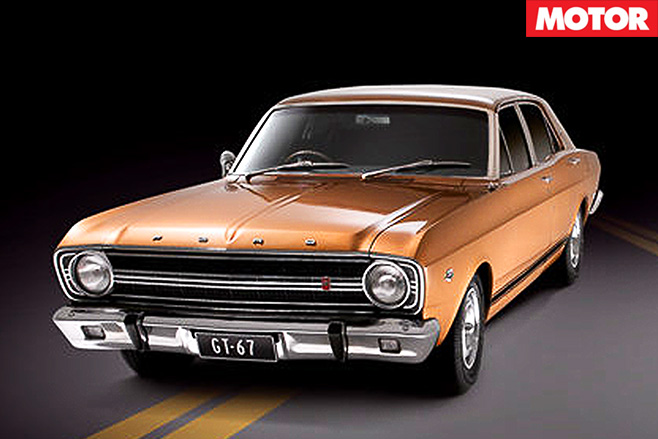
This is the car that created the Aussie muscle car. Invincible at Bathurst ’67, the bronze-only XR GT was proof The Great Race was morphing from gentlemen racing to a manufacturers’ battlefield.
The GT was based on a Fairmont with a police-spec 168kW 289ci V8, four-barrel carb, bigger brakes, retuned suspension and a floor-mounted, all-synchro close-ratio four-speed. And it started a tit-for-tat war with Holden that still rages today.
1988 HSV VL Group A Walkinshaw
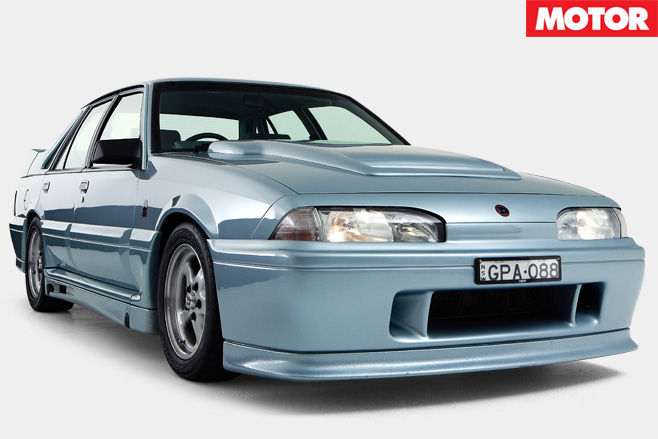
Developed under Tom Walkinshaw, HSV’s UK wind tunnel-tested Group A won Bathurst in 1990, toppling Ford’s dominant Sierra and outlasting Nissan’s new Skyline GT-R.
The Panorama Silver VL ran Holden’s first EFI V8, with a five-speed gearbox and two throttle bodies planted on the engine for 180kW. Many of the outrageous bodykits were removed from brand-new cars, the future collectability of the 750 Walkys unforeseen.
2015 Holden VF II Commodore SS V Motorsport Edition
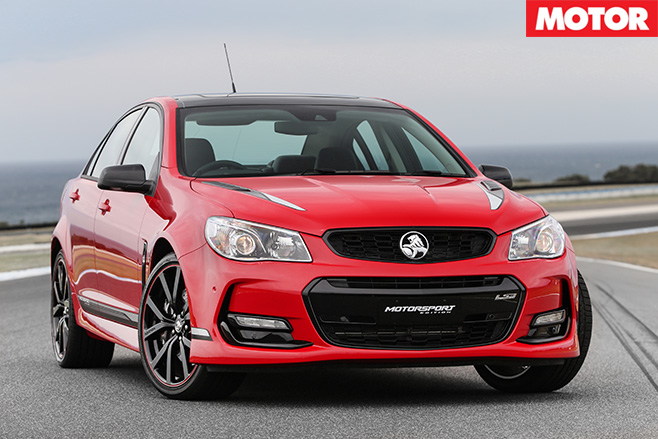
Previous Commodore SS models have worn good and bad traits in equal measure, but in classic timing, the Commodore’s last gasp thrusts the SS closer to perfection than ever before.
By welcoming GM’s LS3 engine, the VFII’s send-off Motorsport Edition boasts an engine to match its finely tuned chassis. Built in limited numbers (1200), it’ll also be the hot collector’s item to keep an eye on in the future.
1969 Holden HT Monaro GTS 350
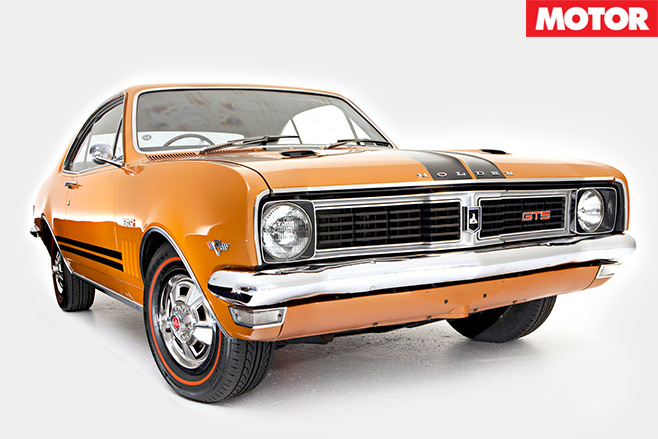
It’s the fastest Monaro in the classic original body: the mighty HT GTS 350. In August 1969, the ’68 Bathurst-winning HK GTS’s fully imported 186kW 327ci V8 (5.3-litre) gave way for a larger, more potent 224kW Chevy 350 (5.7-litre).
The added oomph produced a 15.7sec quarter and top speed of around 209km/h, and the revised suspension with improved brakes made it a better driver’s car than the original HK, and sharper than the HG model that followed it. The HT 350 backed up its credentials by winning Bathurst in ’69, the sole victory for the outstandingly talented Colin Bond.
1972 Holden LJ Torana GTR XU-1
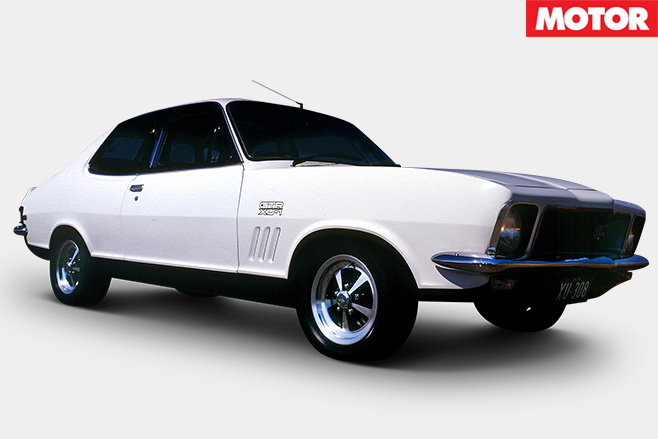
The original 1970 LC Torana GTR XU-1 replaced the Monaro as Holden’s factory racing weapon, and thanks to its small, light, agile package, managed to win several rally titles. But for 1972, the LC’s 3.0-litre six was bored out to 3.3-litres and scored triple Stromberg carbs, creating the 142kW LJ GTR XU-1.
New seats and softened suspension made it a more tolerable road car, but the Bathurst version scored a lightened flywheel, a hot camshaft and a 3.08:1 diff for 220km/h down Conrod Straight and a 15.2sec quarter mile. But the LJ GTR XU-1 is most famous for delivering Peter Brock his very first Bathurst bounty.
2008 HSV W427
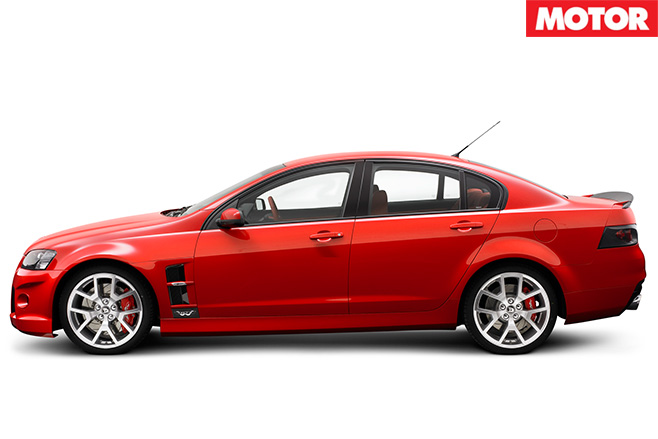
There’s no substitute for cubic inches, and the W427 proved it. The most expensive HSV ever produced carried the largest engine installed into an Aussie car – the 7.0-litre LS7 V8 from the Z06 Corvette – ably assisted by the VE Commodore’s superb chassis.
It was the most ostentatious Holden since Brock’s ill-fated VL Director, and was built to order at a price of $155,500. It was HSV’s king hit, a showpiece of engineering reflecting the passion of its customers, with the 375kW/640Nm package backed by a full factory warranty. Despite a tough economic climate, HSV still flogged 137 of them at the record price.
1972 Chrysler VH Charger E49
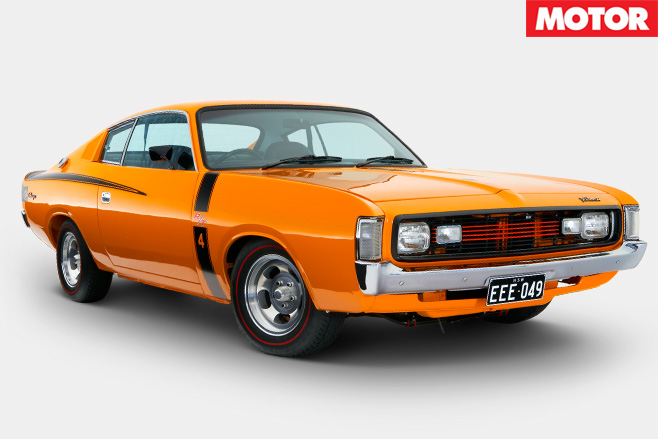
The best car never to win Bathurst? In 1971, Leo Geoghegan’s E38 Charger showed promise but was hampered by its three-speed gearbox. After its second place, the E49 was developed with an extra gear (denoted by the ‘4’ on its guards) among other changes in pursuit of an ultimately elusive Bathurst crown.
Sadly, the extra cog didn’t elevate the Charger that extra step up the podium, but its acceleration went toe-to-toe with the XY GT HO as the 4.3-litre triple Webered six was good for 225kW/440Nm. We clocked an E49 at 211km/h during a 1972 test and it remains as revered as the Phase III.
The Volkswagen Golf GTI TCR has had its pricing and specification confirmed for the Australian market, with the limited edition hot hatch to act as a send-off to the current generation of Golf.
Arriving for Australians in July, the 213kW GTI TCR will be available in a run of 300 units, priced at an RRP of $51,490 before on-road costs.
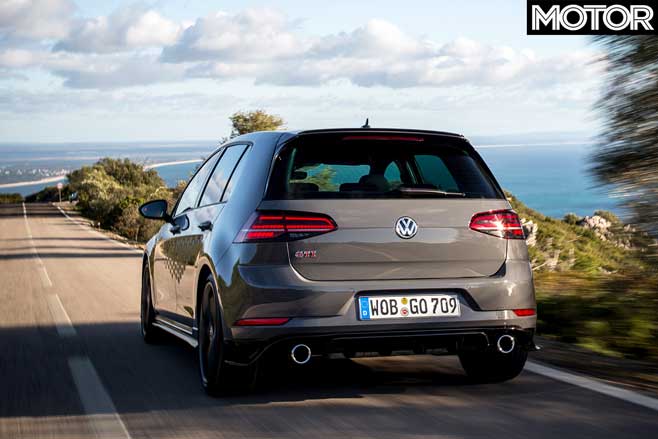
This puts it a few thousand clear of the $46,690 standard GTI, but not quite in the realm of the $55,490 Golf R.
“The GTI TCR succeeds the acclaimed GTI 40 Years as the most powerful production version of the original ‘hot hatch’ model line. While both emulate the 213kW of the Golf R, the 40 Years achieved this power on overboost.
“In the GTI TCR this output is constantly attainable; an appreciable increase over the standard GTI’s 180kW.”
The GTI TCR overall boasts 213kW and 350Nm, with its EA888 engine now hooked up to a 6-speed wet-clutch version of the VW DSG. The GTI TCR is capable of hitting 100km/h in just 5.7 seconds, Volkswagen being keen to point out this is within one second of the AWD Golf R’s claimed 4.8 seconds.
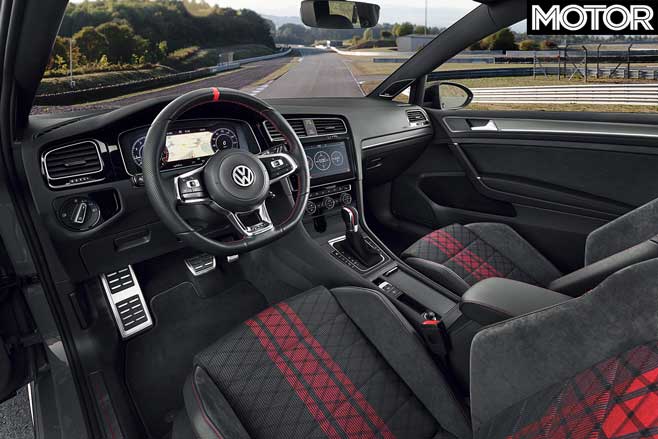
The TCR is also, of course, fitted with a locking differential between the front wheels to handle the power it puts out, as well as a higher performance set of front brakes. Its chassis features a “bespoke” tuning of its adaptive dampers, and the car overall rides 5mm lower and more stiff than the standard GTI.
The TCR will be available in Pure White or Tornado Red, the shades VW says are most closely associated with the Mk7.5 GTI.
The ‘highly specified’ TCR is also only available with five doors. The ‘TCR’ badge comes from Volkswagen’s involvement with the World TCR racing series, which sees front-drivers compete for touring car supremacy using specifications relatively close to the road-going models.
Finding an advantage in motorsport is what keeps racers, team owners, and crew members awake at night.
An improvement of a few seconds in an hour-long race can cost millions of dollars. There are long hours at the workshop, and even longer hours at the track, all in the pursuit of efficiency and speed.
One area where teams can focus on is the pitlane. It’s the place where a race car will be at its slowest during a competition (catastrophic failures and crashes aside), but it is also ripe for gaining an advantage. Some of the biggest races in the world have been won and lost in the pitlane.
In Australia, the crew at Brad Jones Racing are the kings of fast pit stops. In the 2017 Supercars’ Pit Stop Challenge leaderboard they held two of the top four positions (first and fourth), and are undoubtedly one of the fastest crews in pitlane.
So, what’s their secret? Well, one aspect is a tattered old Ford AU Falcon with butchered guards that appear to be held on predominately with masking tape.
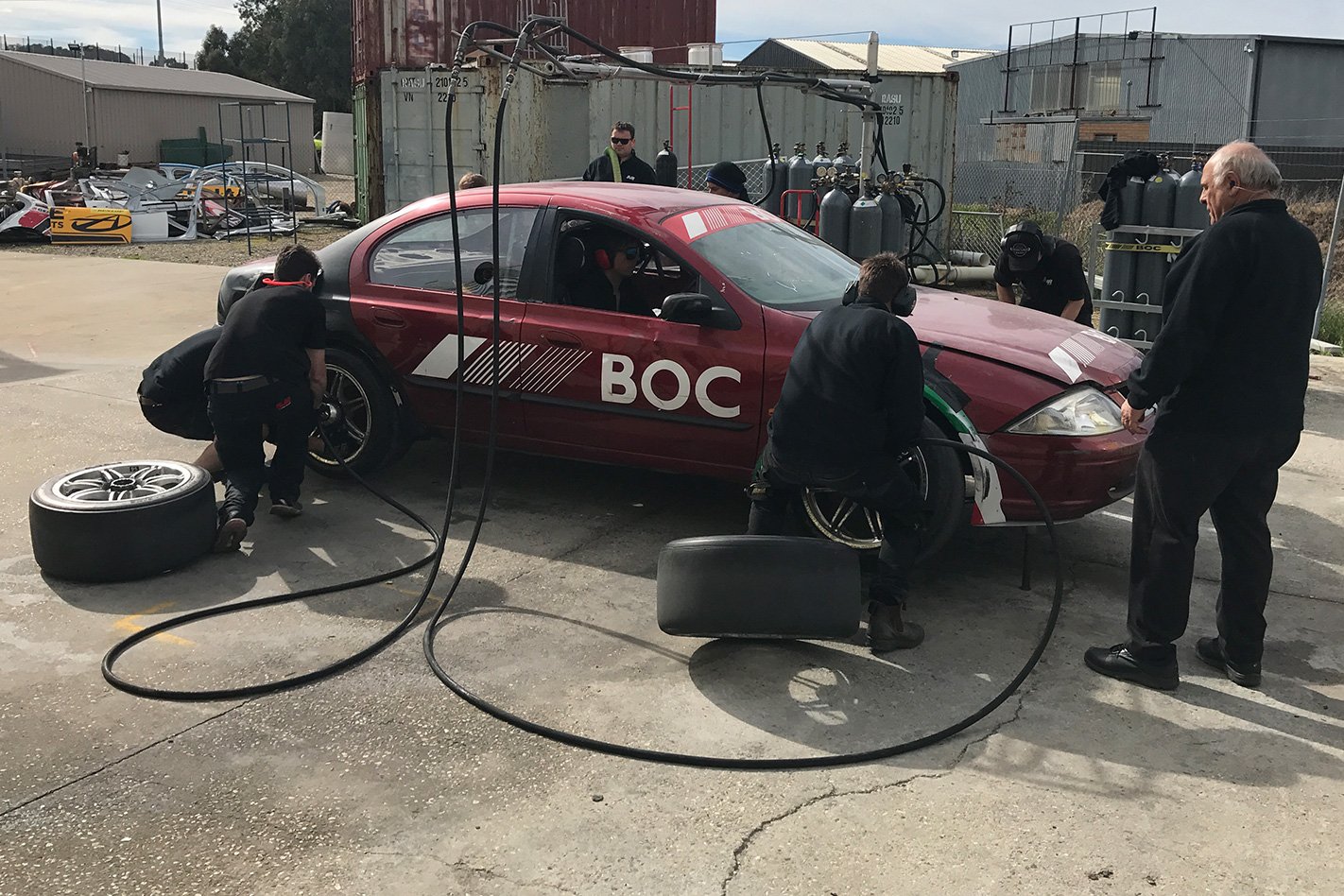
Now, every team in the pitlane has a pit stop practice car, but there are none quite like this one.
Danny Vickers, chief mechanic at Brad Jones Racing, explains the practice car is one of the older members of the team.
“It is just an old six-cylinder AU Falcon that we got a long, long time ago from Ford when we were a Ford team,” he told Wheels.
“There is no real science to it, it’s just something that we have got so that we can practice three days a week.
“It is something that helps so we don’t have to mess about making sure we have got a race car ready to take out the back and push around. It just makes life a lot easier.”
Now, the keen eyed of you would have noticed that this isn’t a regular tatty AU Falcon. The centre-lock racing wheels would be the first indicator of that. But in order to get the most out of practice, the once road-going AU had to be modified to properly reflect the team’s 484kW Holden ZB Commodore Supercar.
“We put air jacks into it, along with running gear, so it is comparable with respective uprights and wheels to what we run now in the Commodore,” Vickers explains.
“It has got the brakes, wheels, and uprights on it that we use in our current-spec cars.
“We have also retro-fitted the spats or guards [from the Commodore], for want of a better word, onto the side of it, so that it is roughly the right guard profile and the right height off the ground.
“It is more comparable with what we have got in our Commodore Supercars. The whole wheel arch is as identical to what we can make it to a V8 Supercar.”
Along with the race-spec suspension and brakes, the Falcon practice car also has the same fuel-filling mechanism of the race car.
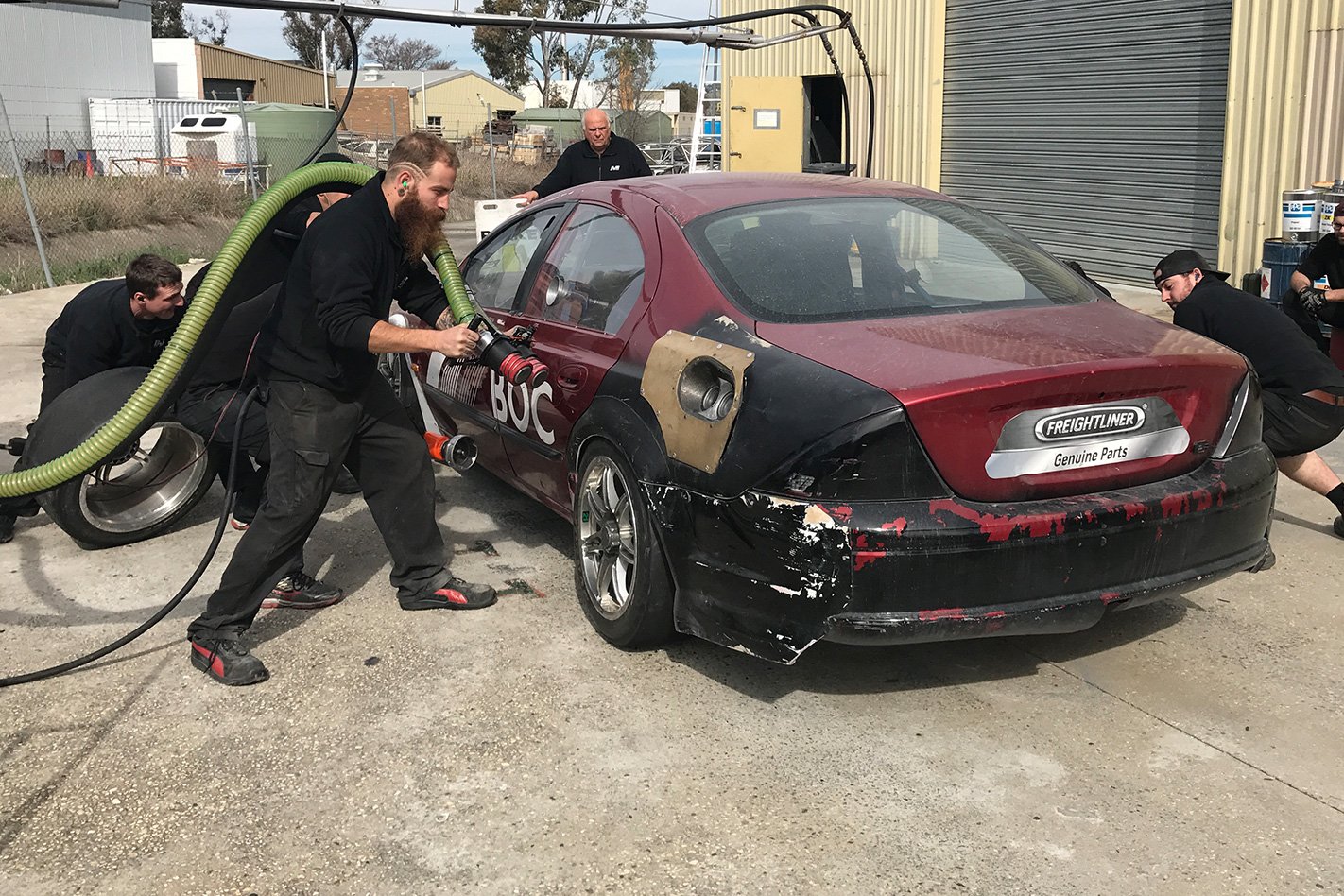
Making sure the eight-man pit crews are prepared for any situation is vital for the team.
“We practice twice a day, three times a week,” Vickers adds.
“Since we have three cars, we need two different pit crews. What we will do is go through a couple of standard stops, which is four tyres and fuel, and we will also stack the wheels like we are in the garage, and then run out as if it’s a mid-race situation.
“We also run through other race-specific simulations. Races can be won or lost in the pitlane, so there is plenty of pressure to get it right, and be prepared.”
Vickers says the team carries “immense pride” in being the fastest pit crew in the Supercars championship.
So, while it may look battered, bruised, and much worse for wear, don’t discount this burgundy AU Falcon’s importance next time BJR adds another trophy to the cabinet.
This article was first published in 2017
Whether you’re on the bus to work or just killing time on the couch, here are some of the best mobile games to keep the thumbs and brains of motoring enthusiasts occupied. Not all of these are strictly about racing, mind you. In fact, some of most compelling gameplay comes from the titles that don’t make you drive at all!
Torque Burnout
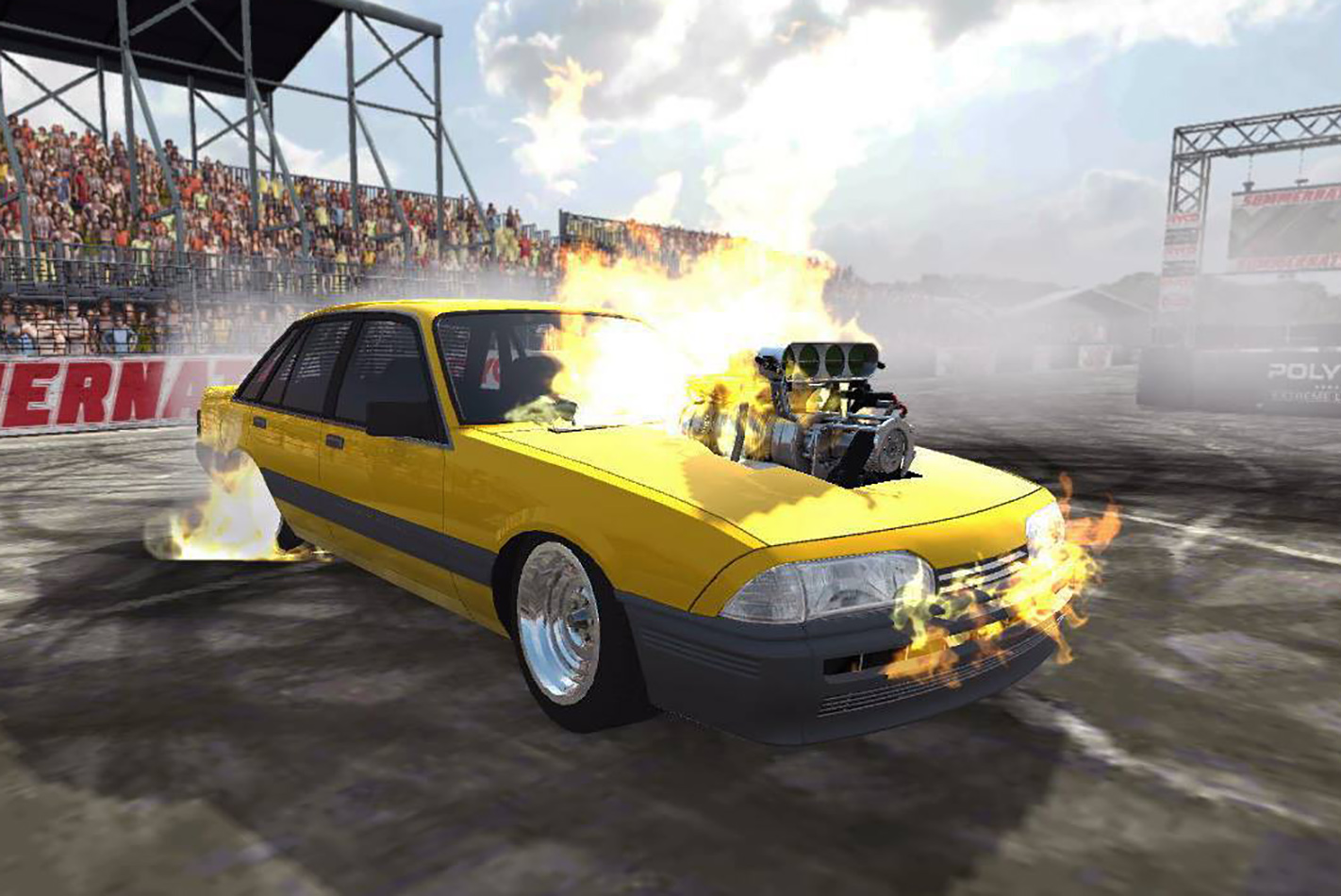
Android and IOS FreeThis one’s a home-brewed fave, and should make any Aussie petrolhead get a little misty-eyed with national pride. Created by Australian developers Grease Monkey Games, Torque Burnout is not about racing, it’s about turning tyres into vapour with as much style as possible and customising some seriously obnoxious burnout cars.
Damage is also modeled – do a big enough burnout and your tyres will pop or your engine will explode… or both! Good wholesome fun.
There’s also a healthy selection of real-life Summernats heroes to play with too, not to mention two blue-collar battlers: the VN Commodore and the legendary AU Falcon. It’s free to play, however note that the VP and AU are an in-app purchase.
Real racing 3
Android and IOS Free
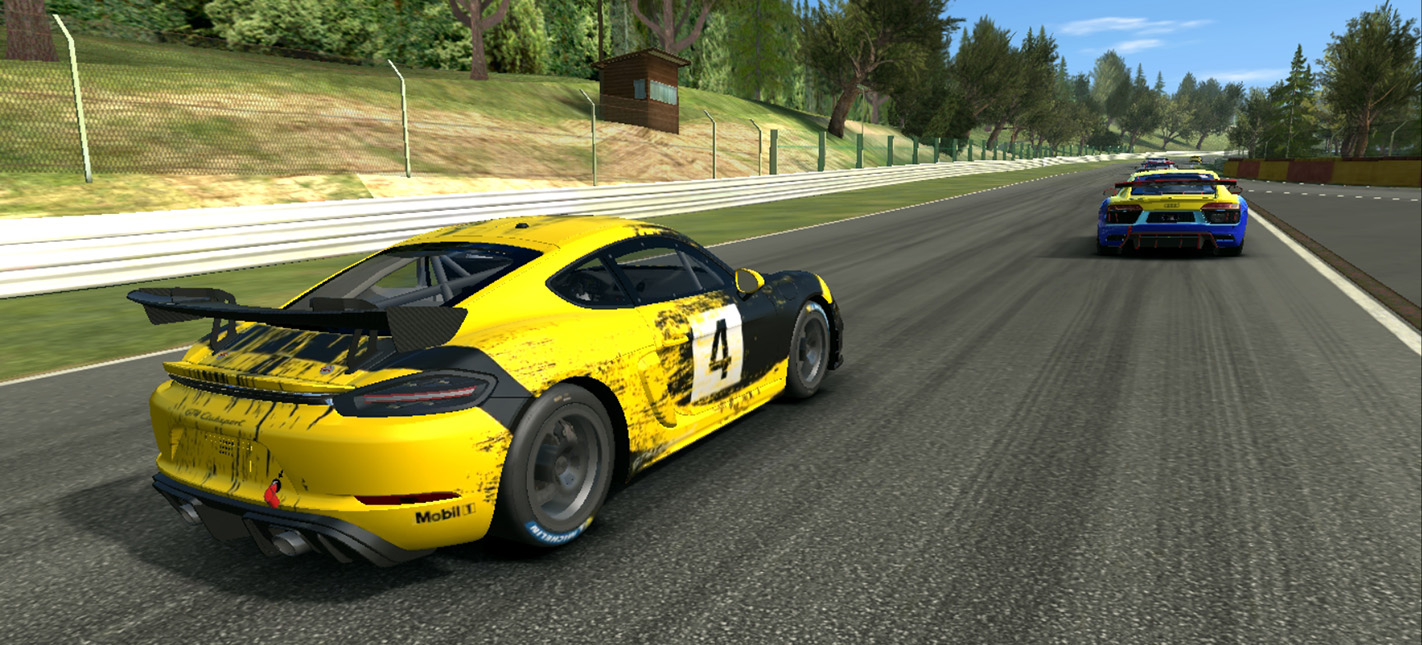
One of the most polished racing games for a mobile device is undoubtedly the latest instalment of the Real Racing series. Produced by the juggernaut that is EA Games (also responsible for Need For Speed Heat), Real Racing 3 boasts crisp, realistic graphics and driving physics that feel faithful to the real thing, and with visual quality that’s at least as good as – if not better – than what the Playstation 2 was capable of. The in-car view is especially impressive, given the amount of detail being rendered.
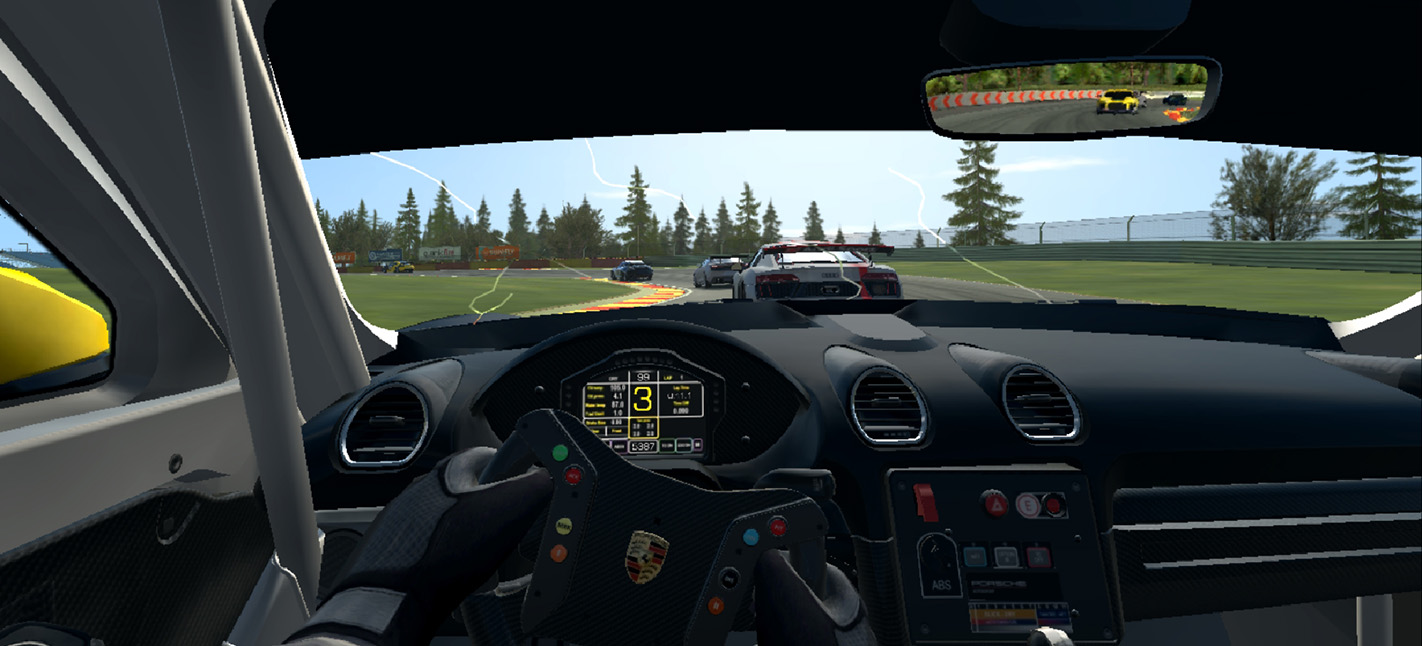
There’s a plethora of different racing disciplines available, from road cars to Formula One, and a huge array of cars to choose from. Being a ‘fremium’ title means it can be a bit of a grind to get the cars and modifications you really want unless you start spending real-world dollars, but for some people spending a few bucks on this high-end phone game will be worth the extra entertainment it’ll bring. That said, it’s entirely possible to have a great time in Real Racing 3 without spending a single cent.
It’s not exactlyForza Motorsport 7, but it’s deeply impressive nevertheless
Burnout Masters
Android and IOS Free
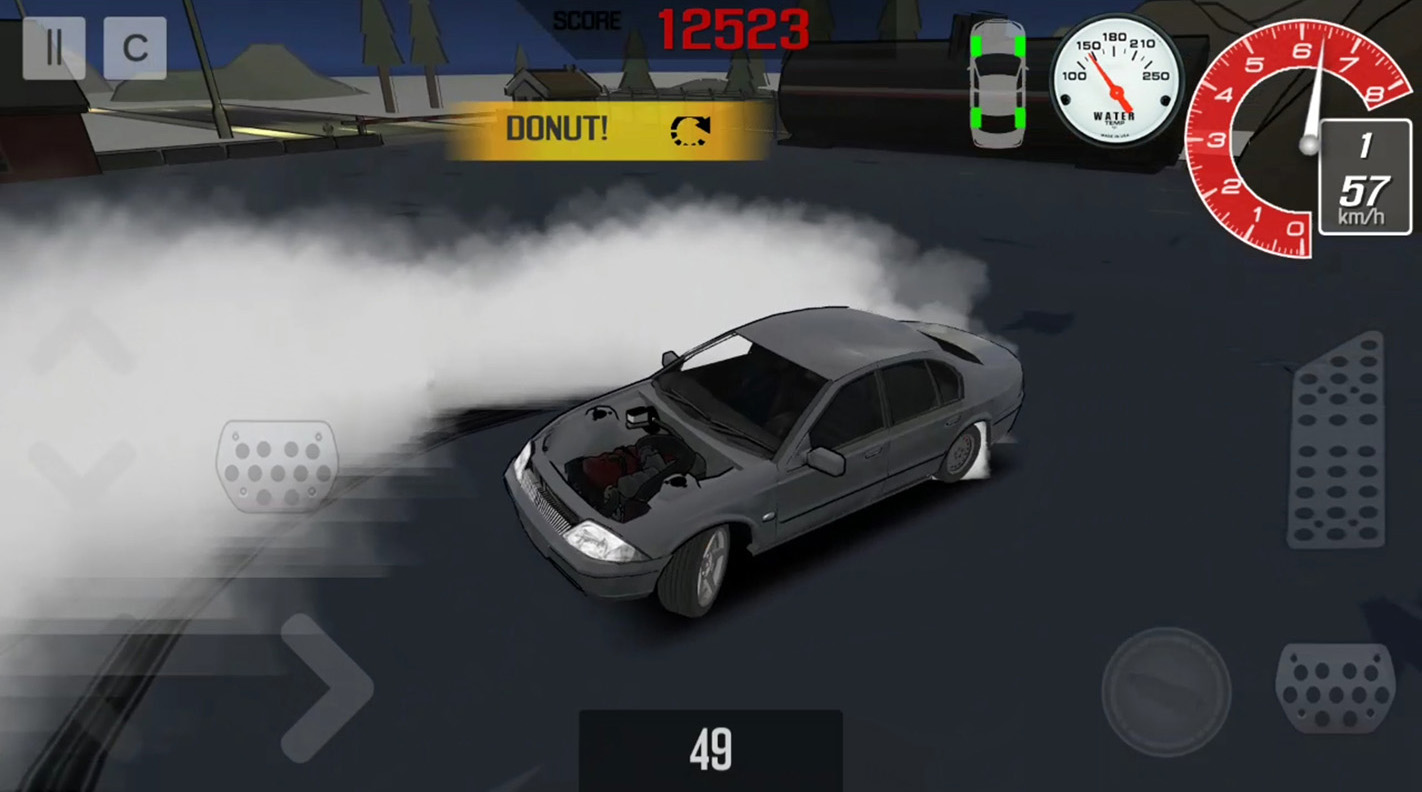
It’s the official game of Summernats! As such you can expect plenty of tyre-frying action as well as officially-sanctioned virtual representations of the Summernats skidpad, presented in a cute cartoony style that might lack the slicker presentation of Torque Burnout, but the gameplay is still fun and addictive. If you’re itching to do a bit of burnout ballet but you can’t be arsed getting off the couch, Burnout Masters is perfect. Read our review of Burnout Masters for the full rundown!
F1 Mobile Racing
Android and IOS Free
With both official F1 licensing and the gaming cred of having Codemasters as its developer, F1 Mobile Racing is one of the most polished mobile racing games available today, with outstanding graphics, authentic sound and all of the big-name drivers, cars, tracks and helmets of the 2019 Formula One season accurately represented. What’s more, it’s completely free to play.
Intriguingly it also allows you to participate in special Grand Prix events while actual F1 race weekends are taking place, which is a neat feature for F1 die-hards, while real-time multiplayer is another fairly unique game mode for a mobile racing game. Note, however, that F1 Mobile Racing only works if you’re connected to the internet, so it’s not really one for those working in remote areas like mining sites, offshore oil rigs, and warships.
There is a ‘VIP membership’ that unlocks some extra upgrade slots for your car, special paint finishes and greater choice of vehicle upgrade boxes, but at a monthly cost of US$5.99 we’re not sure it’s worth it. Just enjoy the vanilla version for free.
Torque Drift
Android and IOS Free
Another one by Grease Monkey Games, Torque Drift delivers huge graphical and vehicle detail for a mobile gaming title, along with faithful recreations of tracks, cars, liveries, and even drift events themselves. Even just browsing the vast menu of branded upgrade parts indicates there’s at least one person in the Grease Monkey office with significant subject matter knowledge.And that makes for a drift game that not only looks authentic, but feels authentic too. It’s great fun throwing your car around and mastering slides, regardless if you’re in a weedy Toyota AE86 or Mad Mike’s RX-7, and the car customisation gives Need For Speed Heat a run for its money too.
Does the phone version not slake your thirst for sideways action? Good news! A full-blown PC version of Torque Drift is coming and slated for release in the middle of this year.
FR Legends
Android Free
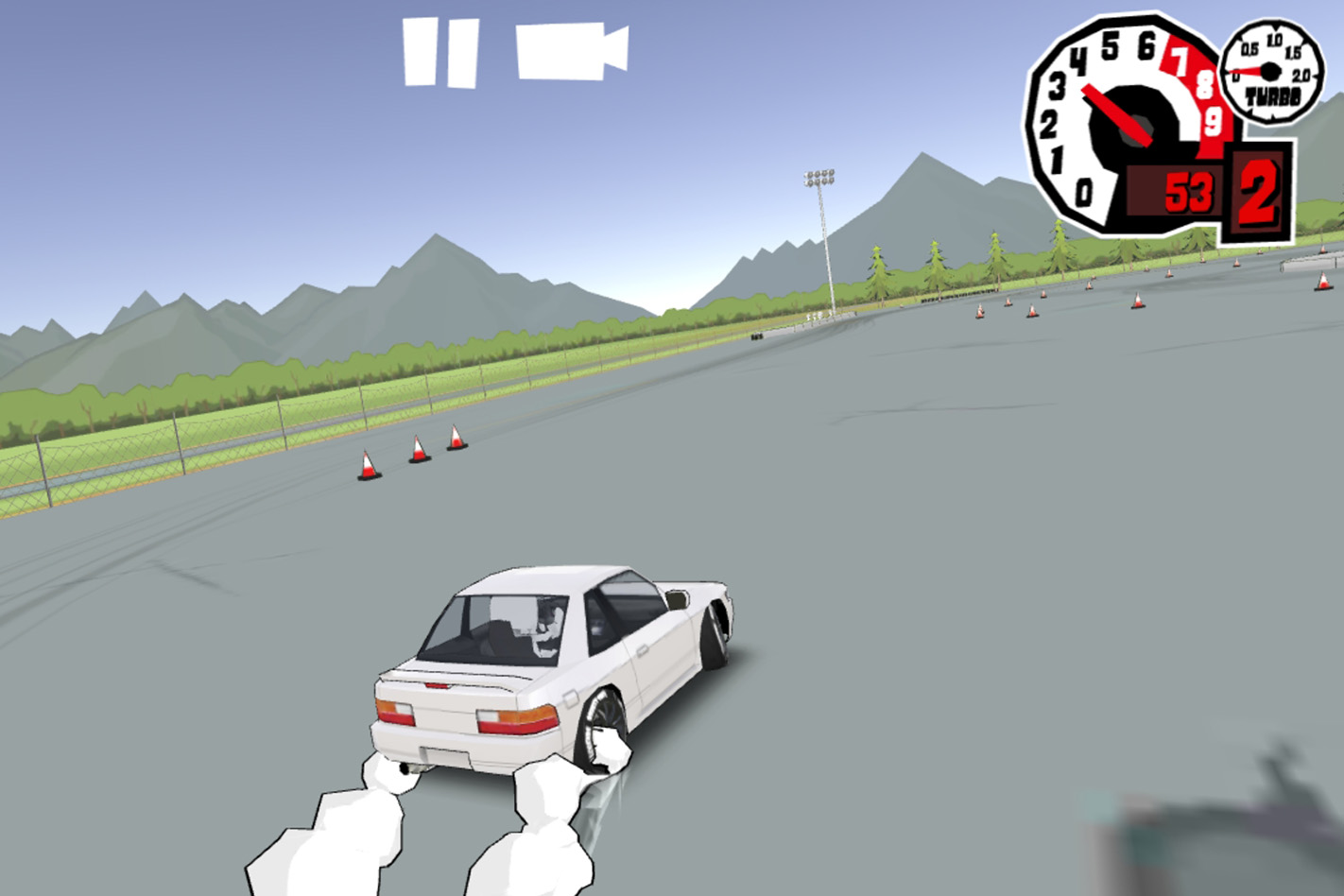
A fun drifting game with clean and cartoony 3D graphics, FR Legends has simplified physics that make getting sideways a cinch – but the real challenge lies in linking corners together and getting close enough to the clipping zones so you can earn enough points to unlock new tracks. Plenty of car customisation options here too, with many cars that drift fans will instantly recognise.
Intersection Controller
Android Free
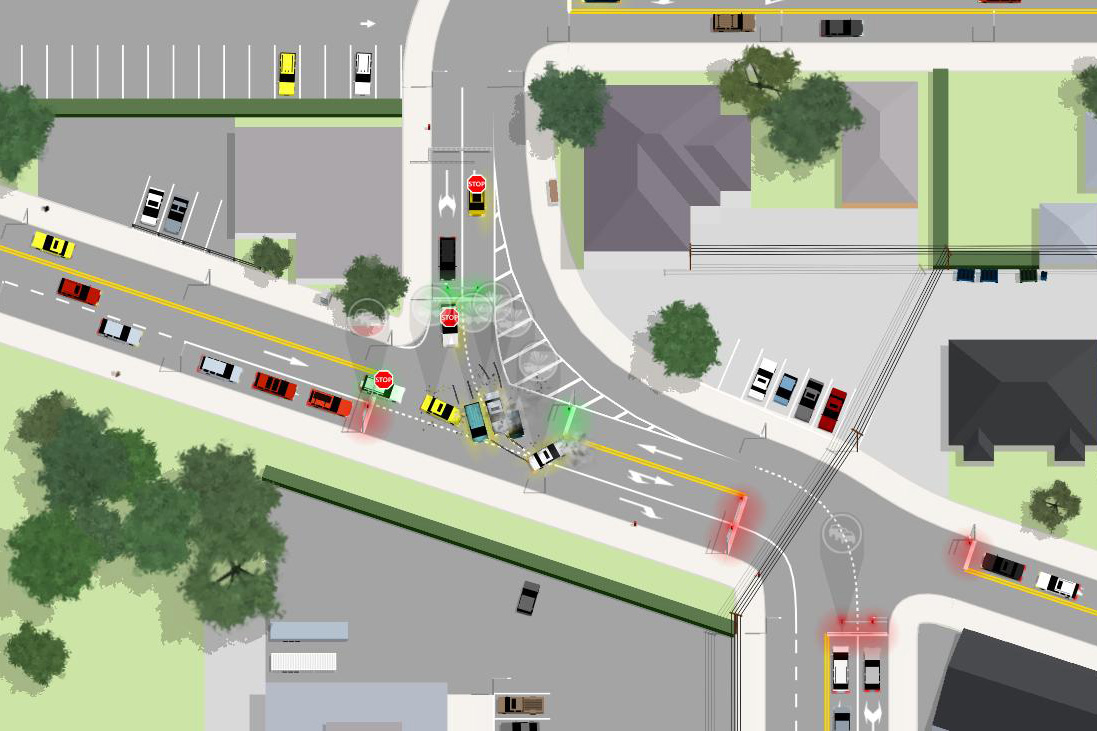
Ever been stooged by the traffic light cycle and wondered what kind of clown programmed that intersection? Well now you can be that clown! Control traffic lights and regulate the flow of traffic to keep cars out of trouble, with the intersection layouts getting progressively more fiendish the further you get into the game. Finished the game? Make your own maps and unleash your inner town planner!
You’ll need quick thumbs though: the drivers in this game are unbelievably stupid, and will happily plow right into the side of other cars regardless of whether they could see them or not.
Asphalt 9 Legends
Android and IOS Free
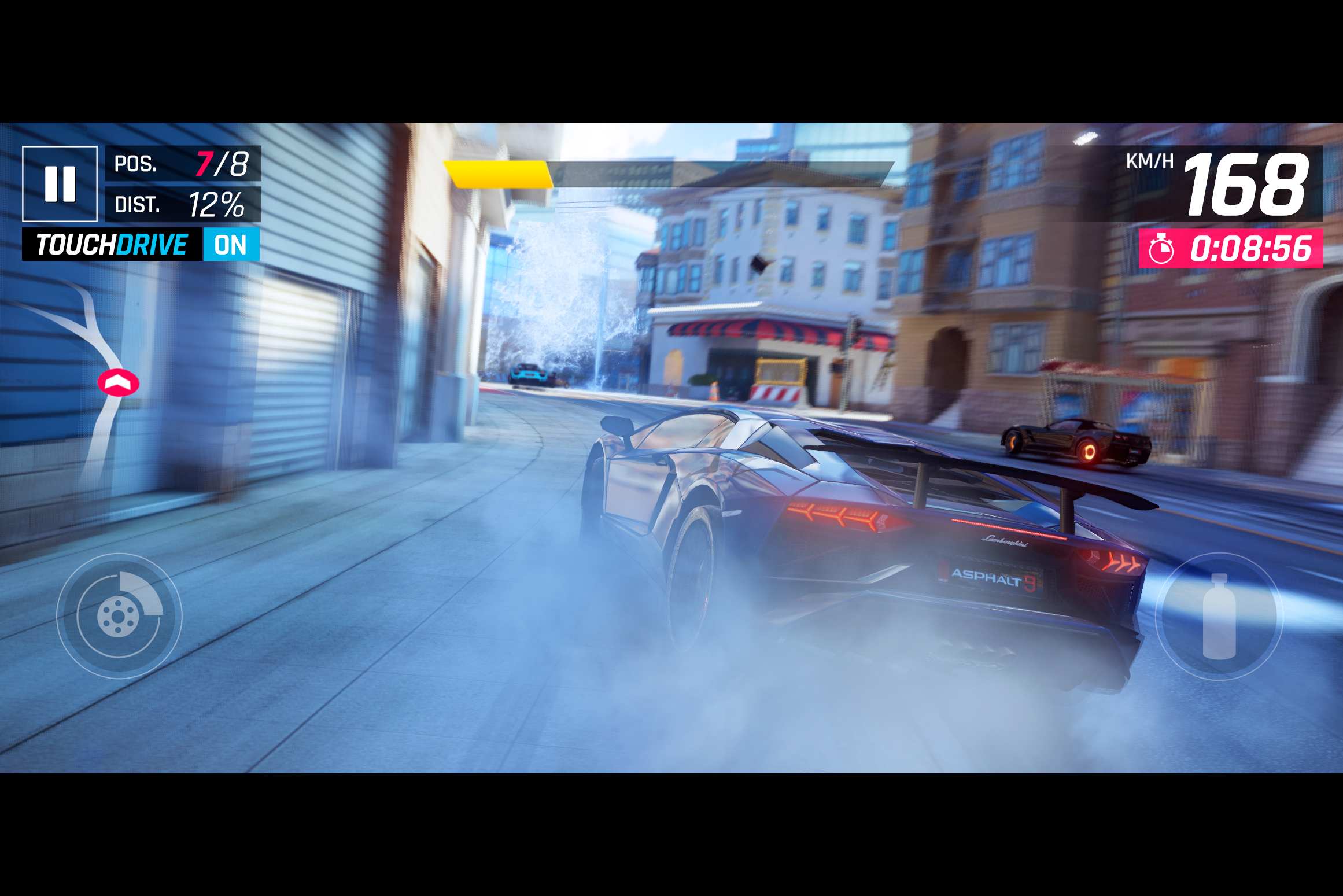
The cars are accurate representations of their real-life equivalents, but the physics is definitely far from simulation-spec. But that’s okay, because this arcade-style driving game is a fun racing experience with gorgeous graphics and plenty of jumps and vehicular combat to keep you entertained.
Pixel Car Racer
Android and IOS Free
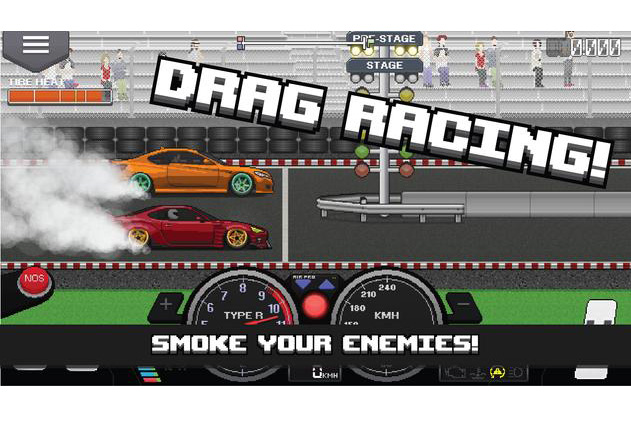
Another straight-line racing game, the main attraction of Pixel Car Racer isn’t so much in winning races, but in customising the performance and appearance of your car. Its retro-inspired visuals are another endearing facet, and while gameplay is simple (it’s a side-scrolling drag racer where your only real steering control is around picking what lane you want to be in) there’s some joy to be had in building a car that’s entirely unique to you.
Poly Bridge
Android and IOS $1.49 (Android), $7.99 (IOS)
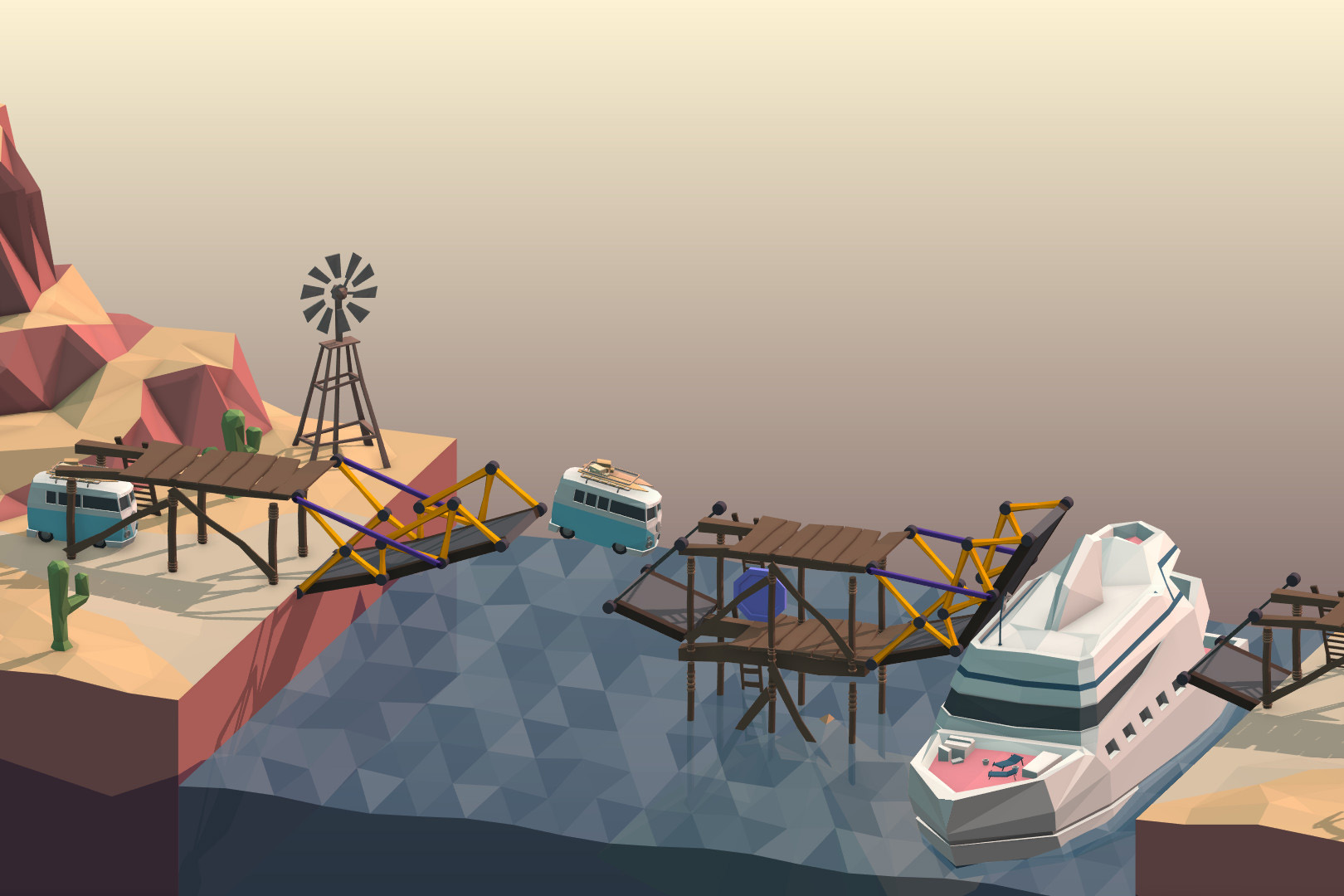
There’s zero driving in this one, however you’ll need to design a bridge capable of supporting a variety of vehicles in order to do well in this one. Essentially a basic physics simulator, this will appeal to budding engineers and those looking for a virtual equivalent to a Meccano playset, and the gameplay gets quite challenging later in the game when articulated drawbridges, heavier vehicles and boats get involved.
No, we have no idea why it’s so incredibly expensive for Apple device owners.
CSR Racing 2
Android and IOS Free
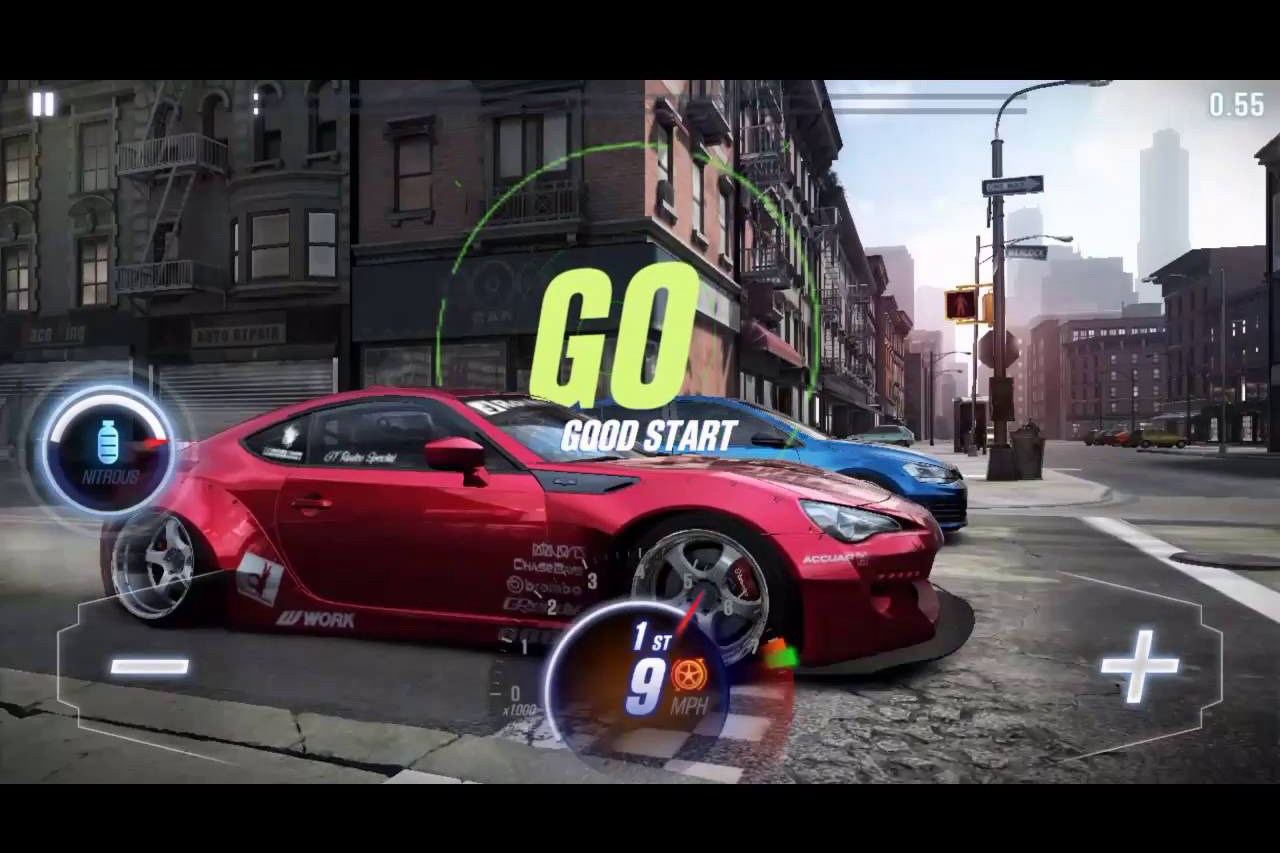
There’s no need to steer in this one, given it’s strictly a drag racing game, but the challenge of perfectly timing your shifts and maximising the performance of your car through tuning and modifications can be surprisingly addictive. Gorgeous graphics too, not to mention a decent spread of sports cars, supercars and hypercars to race with.
Hashiriya Drifter
Android and IOS Free
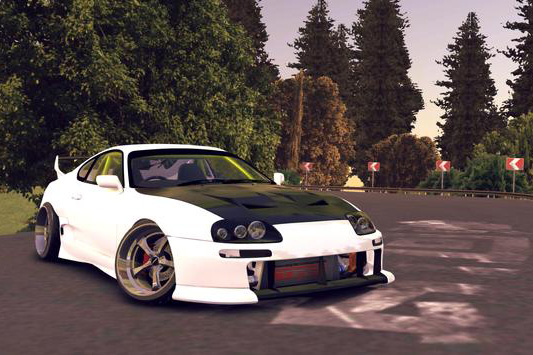
Another drift game, but unlike FR Legends this one puts an emphasis on visual realism and in-depth modification. You can strip individual parts off your cars (according to the developer, around 100 parts for each car are removable), and the tuning options are very extensive. The drifting is fun, but the customisation aspect is also a big drawcard of this one.
Need For Speed Heat Studio
Android and IOS Free
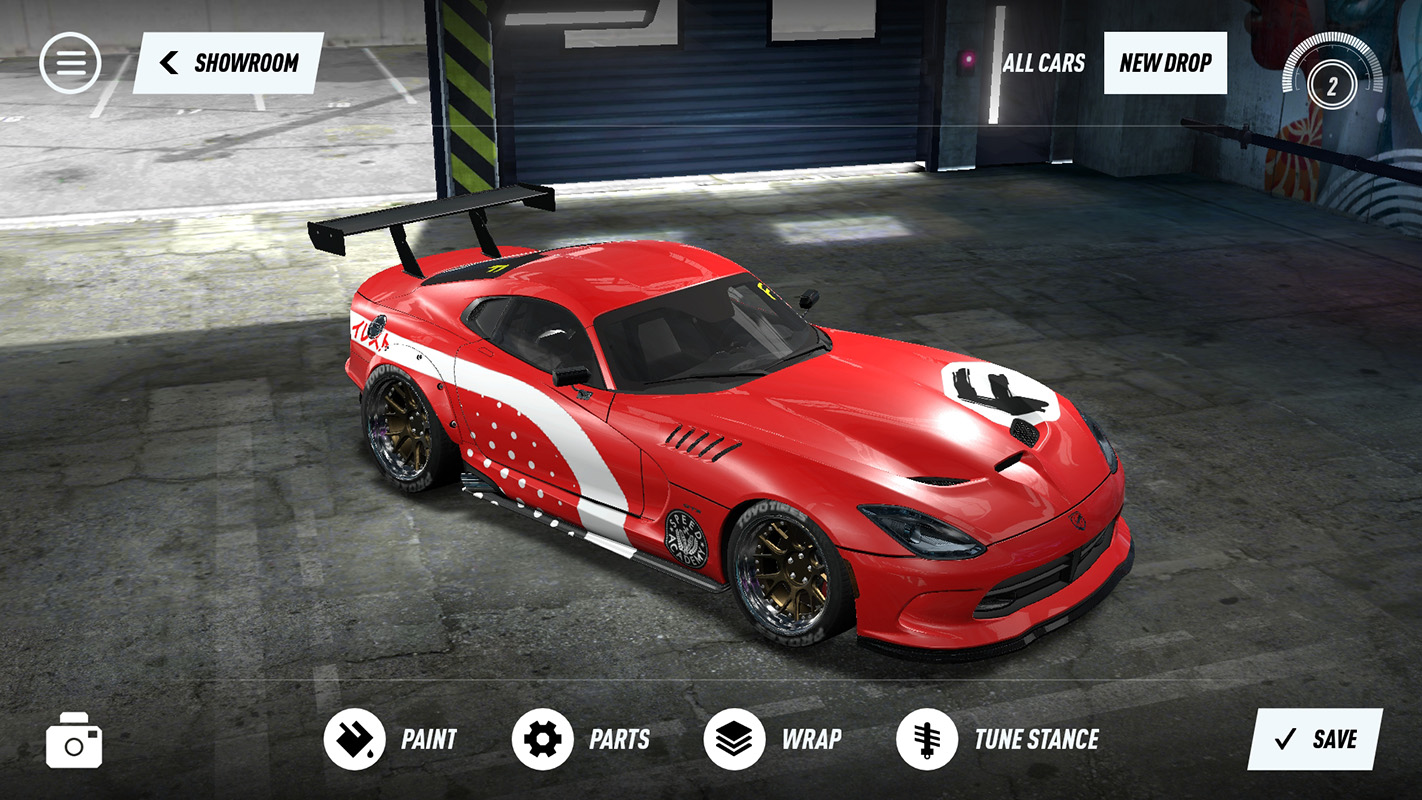
A clever marketing gimmick by EA Games to help prime gamers for the arrival of Need For Speed Heat title (which launched in October last year), Heat Studio allows you to customise the visual appearance of a variety of tasty metal from the classic, tuner, muscle and supercar classes. The array of bodykits, aero parts, wheels, brakes and lights is bewildering at times, and on top of that you can also change your car’s ride height to give it the perfect ‘stance’.
Is that not enough? The custom graphics editor gives you the ability to design your own vinyl wrap for your car to make it properly yours, and when you’re all done you’ll be able to upload your creation from your device to the proper version of NFS Heat so you can actually drive it. There’s no driving involved, but the customisation process is entertaining in itself. Plus, if you end up buying Heat then applying the visual upgrades you designed in your phone onto your in-game car is pretty gratifying.
Farming Simulator 20
Android and IOS $9.49 (Android), $9.99 (IOS)
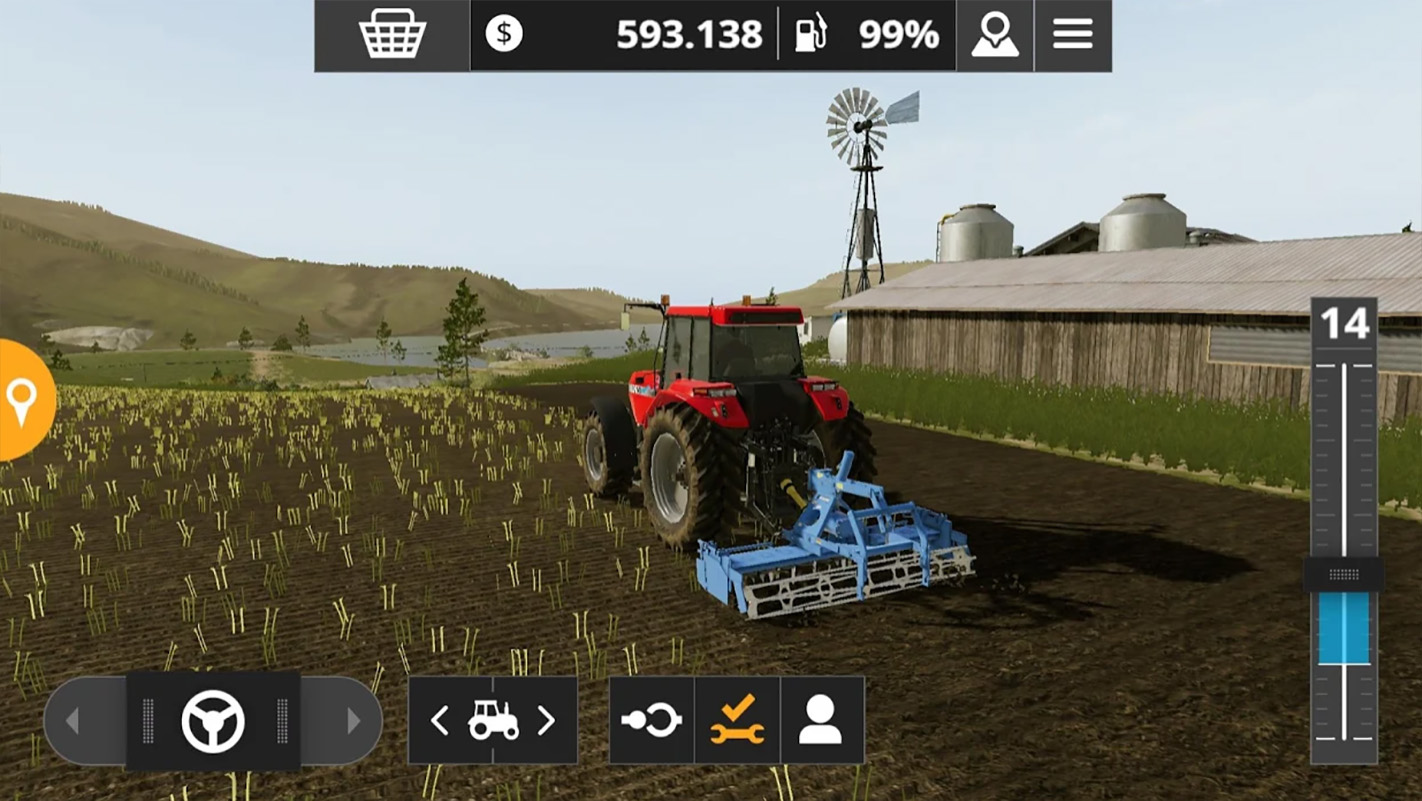
Don’t lie, you’ve always wanted to drive a combine harvester. We feel the same way, and luckily Farming Simulator 20 allows you to plant, cultivate and harvest virtual crops all from the comfort of your bed, lounge, toilet, municipal bus or wherever else you happen to be. It sounds nerdy – and to be honest, it absolutely is – but playing Farming Sim is more akin to pruning a bonsai tree than playing a typical driving game. Driving heavy machinery is just a nice bonus.
Tending to your crops and livestock, earning money, acquiring more farming equipment (you can own up to a whopping 75 tractors, combine harvesters and other farming implements) and buying more paddocks will easily occupy a significant amount of your time though, so be warned. Expensive, but you’ll kill time at a frightening rate.
#Drive
Android and IOS Free
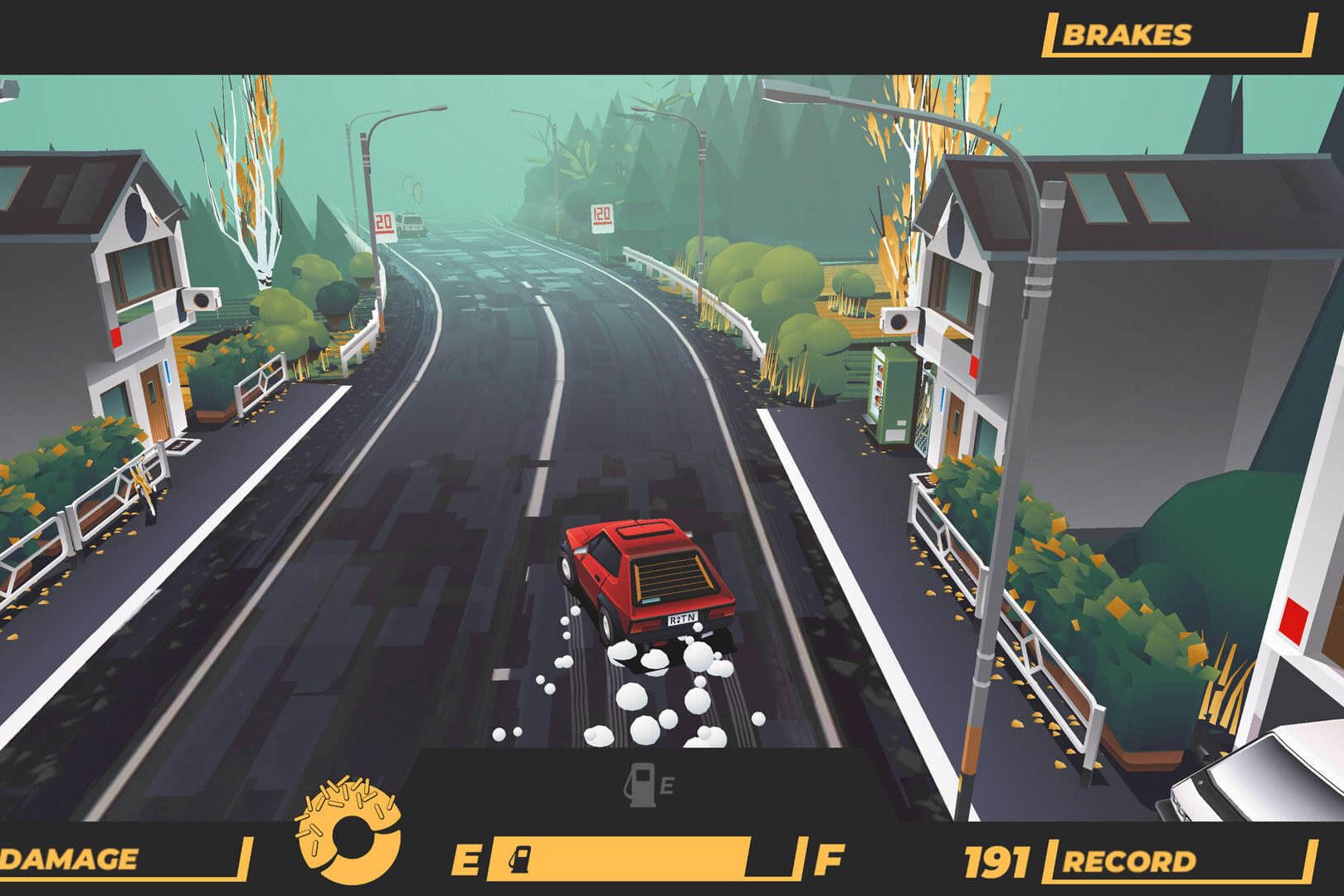
Charming graphics, a number of iconic vehicles (well, non-branded ‘tributes’) from automotive history and three kinds of terrain give #Drive a strong replayability factor, even though the gameplay conforms to the ‘endless runner’ format that has you driving through procedurally-generated scenery non-stop until you crash or run out of fuel.
The music and voiceover can get annoyingly repetitive after a while, but this is still a decent game for when you just have a few minutes to kill.
In an unprecedented move, police forces across the country have announced that they will not conduct static random breath tests for the foreseeable future.
The ban is blamed on the coronavirus pandemic in Australia, which is causing major disruptions to work, education, transport and sporting arrangements throughout the country.
More coronavirus news
- How to minimise COVID-19 exposure in your car
- Industry reels from coronavirus as Elon Musk scoffs
- Australian Grand Prix cancelled after COVID-19 case confirmation
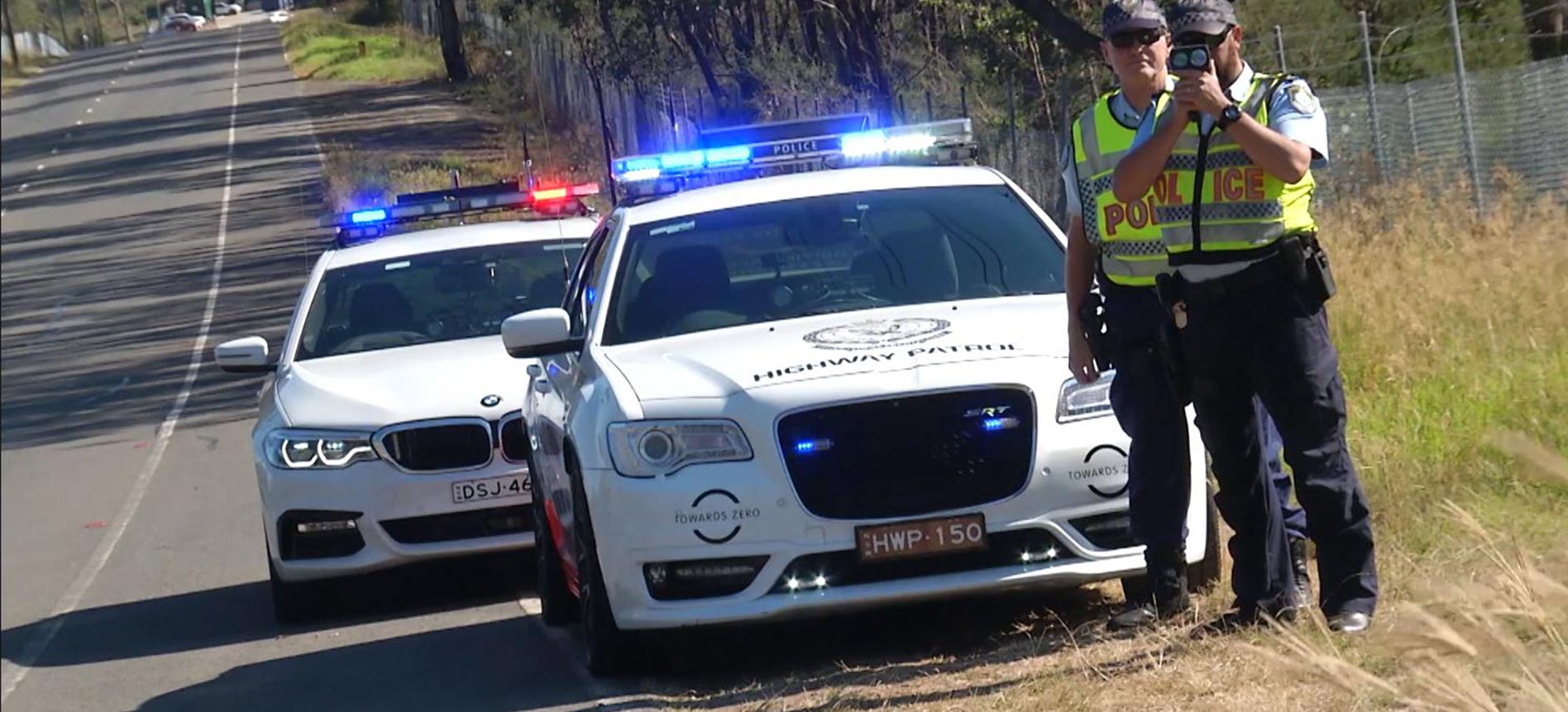
“The Queensland Police Service (QPS) has suspended static (multi-vehicle) roadside breath and drug tests to reduce the risk of COVID-19 transmission,” read a statement from the QPS.
“This approach will take immediate effect and remain in place until further notice. The decision has been made to minimise health risks to QPS officers and the community.”
The QPS says that it will continue to conduct what it calls “mobile” alcohol and drug testing. Though it did not offer an explanation as to the difference, it’s understood that the higher risk associated with static operations – where 50 to 60 motorists per hour can be checked – has led to the ban.
Meanwhile, NSW Police have said its officers have the power to choose whether they participate in static RBT operations or not.
“The NSW Police Force is taking measures to keep our workforce healthy and ready to maintain the highest level of response to the community of NSW”, read a statement.
“The Police Commissioner, in consultation with the Minister for Emergency Services, has determined police officers may decide it is not reasonable to undertake stationary RBT and RDT in the current climate.
“Police officers will therefore use their discretion to determine the viability of conducting stationary RBT and RDT [random drug testing].”
No police service has put an end date on the static random breath test ban. Random breath testing kicked off in 1982 and it is said to be responsible for a 40 per cent drop in road fatalities over the ensuing years.
Police officers contacted by WhichCar maintain that they will still be on the lookout for persons under the influence of alcohol, and every patrol car on the road carries RBT and RDT kits as standard.
WhichCar’s take: why broadcast the message?
What an astonishing announcement by the Police Association tonight. The union for coppers across the country has a duty of care to its members, but police also have a duty of care to the public who they are paid to protect.
Police, like health workers, cleaners and anyone else potentially exposed to the COVD-19 bug needs to be protected as much as possible. But why announce that static random breath testing won’t be carried out in such a grandiose way?
It could have been quietly benched by the country’s largest police forces, with smaller-scale breath testing operations carrying on as before.
And that’s a valid point, too, if you’re thinking of drinking and driving – you can still be picked up by a single patrol car, and your insurance company will walk away from you quick smart if you crash and test positive afterwards.
But as it stands, it’s a pretty dopey way to broadcast the message.
Toyota has announced a special edition of the 86, to be built in limited numbers, which is inspired by the final iteration of the Toyota AE86 Sprinter Trueno.
The new Toyota 86 Black Limited, following the logic of its 1986 namesake, could be a herald of the final days of the current generation of Toyota’s affordable sport coupe.
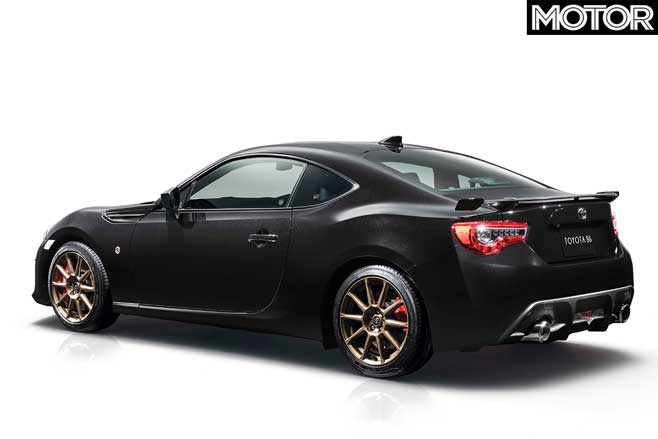
With similar styling cues to the Sprinter Trueno GT Apex “Black Limited”, the new special edition of the 86 is to be a Japanese-only model, with 86 to be built split 50/50 between the two transmission options. The original Apex version was built in a 400-unit run.
As with some of its more high-demand or limited-build models of late, Toyota will run an online lottery with interested customers signing up to be given the opportunity to purchase one of the Black Limited models. Toyota says it will then deliver the cars on Thursday, May 21 this year.
Given the multiple acknowledgements from Toyota though its press announcements that the Black Limited marked the end of the Sprinter Trueno, it would be a logical step to guess the current Toyota 86 might be on its way out – especially given a successor 86 is already in the works.
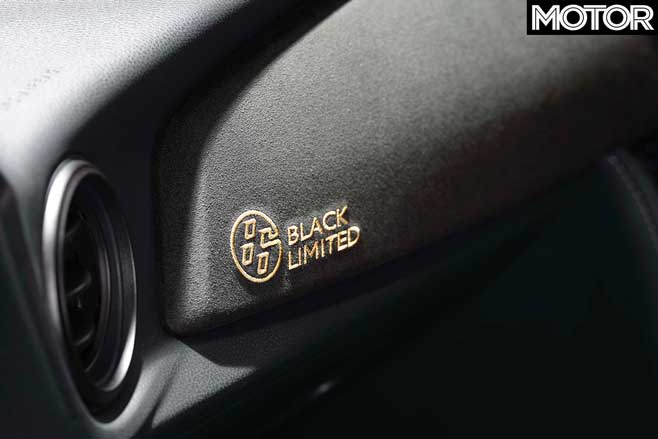
In terms of specification, aside from the plentiful black with contrasting bronze inspired by the original, the Black Limited features a set of 17-inch aluminum wheels (already seen in black on limited edition 86s in the past) painted bronze, with Brembo brakes and Sachs dampers.
Much of the interior trim has also been replaced with black versions of the original parts. Additionally, Toyota says the Black Limited comes with black undercovers beneath the car, which ‘enhance its sporty nature’.
UPDATE, 18/03/20: Subaru Germany has announced a Final Edition of the BRZ, stating that the model marks the end of the ‘pure-bred sports car’s time in production’ and is offering for sale a run of special models with the usual upgrades (Brembo brakes and Sachs dampers). It will offer the car in Crystal Black Silica but allow customers to option WR Blue Pearl for extra cost.
This announcement further solidifies the expectation that the ‘Toybaru 86BRZ’ is on the precipice of ending its current generation in preparation for the next one.
What stands out?
The Hyundai Elantra is a great-driving small sedan, with lots of features for the money, that comes in sedate and more sporty turbocharged versions. Steering is nicely weighted, and a hands-free boot and autonomous emergency braking is available. The turbocharged Sport and Sport Premium are quite quick, and reward driving skill and enthusiasm.
What might bug me?
If you have chosen an Elantra Sport or Sport Turbo, driving at 80km/h on your space-saver spare until you can fix your full-sized flat tyre. (The other Elantras carry a full-sized spare.)
What body styles are there?
Four-door sedan only. (Hyundai sells a similarly sized small hatchback called the i30.)The Elantra is front-wheel drive, and is classed as a small car, lower priced.
What features do all Elantras have?
Cruise control, and a reversing camera.A sound system with Aux and USB inputs, Bluetooth connectivity for phones and audio streaming all controllable from a colour touchscreen.Support for Apple CarPlay and Android Auto, which lets you plug in your smartphone and operate and view apps from the touchscreen.Height and reach adjustment for the steering wheel, from which you can operate the cruise control, and audio system and your phone. Height adjustment for the driver’s seat.Headlights that come on automatically in low light. There are also daytime running lights, which help other road users see you.Power folding exterior mirrors with heating to stop fogging.Hill-start assist, which helps you take off on uphill slopes by controlling the brakes automatically.Either a full-sized spare wheel and tyre, or (in Sport and Sport Premium) a space-saver spare.Six airbags. Anti-lock brakes, and electronic stability control – which helps you control a skid. (For the placement of airbags, and more on Elantra safety systems, please open the Safety section below.)The Elantra is covered by a five-year, unlimited kilometre warranty, and has a capped-price service plan.
Which engine uses least fuel, and why wouldn’t I choose it?
Two engines are available in an Elantra: a 2.0-litre four-cylinder petrol (which powers the less costly Elantras), and a much stronger 1.6-litre turbocharged four-cylinder petrol (which powers the Elantra SR).For fuel use there is not much between them. Both consume 7.2 litres/100km in automatic form on the official test cycle (city and country combined).In the real world, which is the more fuel-efficient will depend a lot on how you drive your Elantra. In comparison testing for Wheels magazine, it was the turbo 1.6 that did better, averaging 7.9 litres/100km (the 2.0-litre averaged 8.5).The turbo 1.6 is an impressively powerful and responsive engine. The more humdrum 2.0-litre is nevertheless a good engine by the standards of popular small cars. (It feels more willing than the 1.8-litre that powered the previous-generation Elantra – and smoother.)The Elantra Go is available with a six-speed manual or six-speed automatic transmission, the Active only comes with an automatic.The 1.6-litre Elantra Sport and Sport Premium offer a six-speed manual or a seven-speed dual-clutch auto.
What key features do I get if I spend more?
The least costly Elantra, the Go, comes with cloth-covered seats, 7.0-inch touchscreen, manually controlled air-conditioning, 15-inch steel wheels, six-speaker audio, the 2.0-litre petrol engine, a manual gearbox, and the features in any i30.You can spend about $2000 for an auto gearbox, in which case you get a conventional auto with its around-town friendliness. You can also get auto-folding powered mirrors as an extra-cost option.Spend more on the Active and you gain a bigger 8.0-inch touchscreen, satellite navigation that doesn’t depend on your phone, eight-speaker premium audio system, digital radio, leather-appointed steering wheel and gear knob, the auto-folding door mirrors, rear parking sensors, and 16-inch alloy wheels that look nicer than steel wheels and don’t need plastic trim.The Go automatic and Active are also available with Hyundai’s SmartSense active safety package as an extra-cost option. Priced around $1700, it adds adaptive cruise control, autonomous emergency braking that works at city and highway speeds, Lane-keeping assist, a driver-attention alert, blind-spot detection, and a rear cross-traffic alert. (For more on these systems, please open the Safety section below.)Spend more for an Elantra Sport and you get SmartSense as part of the price along with the 1.6-litre turbocharged engine, and a more sophisticated multi-link rear suspension design that improves handling.You also get dual-zone climate-control air-conditioning (which will maintain different temperatures for the driver and front passenger), rear air vents, bigger 18-inch alloy wheels with lower-profile Michelin Pilot Sport 4 tyres, LED daytime running lights, extremely bright bi-xenon headlights, rain-sensing wipers, and seats trimmed in a mix of real and fake leather.The Sport also gets push-button start, and smart keyless entry that lets you unlock the car (and drive away) while the key remains in your pocket or bag. Leave the key there and stand near the boot for three seconds, and the boot lid will open – a helpful feature if you have your arms full of shopping or luggage.A range of aesthetic touches inside and out supply a sportier look and feel, and the dual-clutch automatic version also has paddle shifters on the steering wheel for when you want a more manual-like driving engagement.Spending more again for a Sport Premium brings you heated front seats, 10-way power-adjustable driver’s seat, height-adjustable front passenger seat, wireless phone charging pad, front parking sensors, sunroof, and auto-dimming rearview mirror.
Does any upgrade have a down side?
The Sport and Sport Premium have a harder ride than other Elantras because of their firmer multi-link rear suspension and lower profile tyres that provide less cushioning.The Sport and Sport Premium have a smaller temporary spare wheel with recommended top speed of just 80km/h.The sunroof in the Sport Premium causes a slight reduction in headroom, most noticeably for those seated in front.
How comfortable is the Elantra?
Inside, the Elantra shares themes with several other recent Hyundais. For example, control buttons are large and well labelled, making it easy to operate the infotainment system. Menu selector buttons just below the touchscreen are particularly useful.Otherwise, the presentation is very conservative. A prominent grain runs through the dash and door plastics. Silver-look finishes across the dash and on interior door handles are very obviously plastic. A chrome-look strip surrounding the touchscreen is more lustrous.Very tall people will love the excellent fore-aft adjustment available from the driver’s seat. The seat gives decent support in the right places. Vision out is good, too.With this Elantra, Hyundai has focused a lot of attention on refinement. The cabin is very quiet, noise from the engine intruding only when you work the car hard. Over poor-quality B-roads there’s occasional booming from the rear suspension, but you notice that mainly because other sounds are suppressed.The 2.0-litre engine has good punch for suburban driving, and the auto transmission shifts smoothly.The steering has some weight to it but is light enough for easy parking and low-speed manoeuvring. The Elantra rides quite nicely over suburban bumps and comfortably on country roads.The Sport and Sport Premium bring a bit more excitement inside, with huggy sports seats and flat-bottomed steering wheel. And notwithstanding its more handling-oriented brief, its suspension – tuned exhaustively overseas and in Australia – delivers a consistent and acceptably soothing ride. The main thing you might wish for here is a slightly lower driving position, which would stir in some more sporting flavour.
What about safety in a Hyundai Elantra?
Every Elantra has stability control, six airbags, and daytime running lamps. A reversing camera and rear parking sensors help protect anyone who strays behind the car.Auto-on headlights add security around dusk, switching on before you might think you needed them.The airbags are in the usual places: two directly in front of the driver and passenger; one beside each front occupant to protect their bodies from side impacts; and a curtain airbag along each side that protects heads front and rear from side impacts.A very comprehensive “SmartSense” active safety suite aimed at helping you avoid collisions (it’s an extra cost option in the more affordable Go and Active). It comprises adaptive cruise control, autonomous emergency braking, lane-keeping assistance, a driver-attention alert, blind-spot detection (with Lane-change assist), and a rear cross-traffic alert.The adaptive cruise control can reduce your speed automatically to maintain a safe distance from a slower car ahead on the highway, until you can overtake.The autonomous emergency braking uses radar and camera sensors to scan the road ahead of you, and works in two speed-ranges at up to 180km/h. In both ranges, if the system registers a hazard ahead (at city speeds this could be a pedestrian), it will first issue a warning, intervening only if you ignore it. At speeds under 80km/h, it will then apply heavy braking automatically, attempting to stop the car and avoid a collision. At speeds over 80km/h it will apply partial braking, with the aim of reducing your collision speed.The lane keeping assistance looks for signs you are drifting wide of your lane – perhaps from fatigue or distraction. It can gently adjust the steering, to arrest the drift and attract your attention. If you are about to join another lane without indicating, it will sound and flash an alarm.The driver attention alert monitors your steering and braking. If they show signs you are falling asleep, it suggests you take a break.Blind-spot detection uses rear-facing radars to keep tabs on what is happening near your rear corners, alerting you to vehicles that might not show in your mirrors. If you indicate to change lanes into the path of an adjacent car, it will flash an alert in the relevant mirror and sound an alarm. The closely related Lane change assist does the same if a car is approaching quickly from further behind – typically because it is preparing to overtake you.Rear cross-traffic alert uses the same rear-facing sensors when you are reversing, for example from a shopping centre parking space. It sounds a warning if another car is about to cross behind you.The Australasian New Car Assessment Program (ANCAP) rated the Elantra at five stars for safety, its maximum, in May 2016. The five-star rating applies to the Elantra SR Turbo also.
I like driving – will I enjoy this car?
The Elantra Go and Active are more about trouble-free motoring than carving up curves. That said, both are impressively competent on challenging roads, settling well over most bumps and delivering good grip – for a city-focused car.The steering has a nice feel to it, with enough weight and feedback to bring confidence.The 2.0-litre engine happily revs hard, giving you respectable acceleration. Its strength, though, is in more relaxed driving, where it responds well to the accelerator and supplies good urge when you want it.The six-speed conventional automatic is less effective for sporty driving, in so far as it will change to a taller gear as soon as you lift off the accelerator. (Many modern autos will hold the gear you were in.) However, the Elantra will hold gears if you slide the gear selector into manual mode, and trigger the changes yourself.The Sport and Sport Premium swap the other Elantras’ torsion-bar rear suspension for a multi-link set up, and adds retuned front suspension and slightly more direct steering. The result is a warm sedan that loves to be driven hard – and gets better the longer and harder you drive it. Handling feels fluid and progressive, and the car will squat onto its outside rear tyre and fire itself through bends carrying serious speed. The turbocharged engine serves up loads of meaty, accessible grunt.
How is life in the rear seats?
There’s good leg room for those in the back, and only a small lump in the centre of the floor – ensuring good foot space for all.Less impressive is head room: tall people will find their heads graze the roof, which slopes down towards the back of the car. Headrests are adjustable.The centre seat is very narrow: two is the rear-seat limit for adults if you want to be comfortable.The Elantra Elite and SR Turbo supply rear air vents, to circulate air-conditioning directly to rear passengers.
How is it for carrying stuff?
From the outside the boot looks quite small, but pop it and there’s a deep, broad space. It’s relatively short but has room for a couple of big suitcases.There’s a 60/40 split-folding rear seat, allowing long items to protrude into the cabin.The Elantra Elite allows you to open the boot hands-free, part of its smart-key entry system. If you approach the rear of the car while carrying the key (even in a bag), you will hear beeps for three seconds and then the boot will open automatically. It’s great if you’ve got handfuls of shopping, or are carrying something with both hands.The Elite also has an elasticised luggage net that inhibits small items or shopping bags from rolling about.
Where does Hyundai make the Elantra?
All Elantras are produced in South Korea.
What might I miss that similar cars have?
Satellite navigation, which is standard on the Elantra’s sister hatchback, the Hyundai i30, and available on many other small cars. (But you can navigate via a smartphone, using Apple CarPlay or Android Auto.)An efficient electric or hybrid powertrain. While neither is available in an Elantra, they are in the similarly sized and equipped Hyundai Ionic. The Toyota Corolla sedan also has a hybrid version.Among other small sedans you might consider are the Mazda 3, Subaru Impreza, Honda Civic, and Kia Cerato.
Are there plans to update the Elantra soon?
This sixth-generation Elantra went on sale about March 2016 in Active and Elite form, with the SR Turbo arriving about six months later.In late 2018 Hyundai dropped the Elite and SR variants for the 2019 model year and added the new entry-level GO, and Sport and Sport Premium versions. The range received a facelift and gained features already available in the i30 hatchback including SmartSense active safety.Hyundai recently revealed its next-generation Elentra that will go on sale in 2021.
I like this car, but I can’t choose which version. Can you help?
The value pick here is the Elentra Sport. It is a driver’s sedan of real substance, and well worth its price premium if you get out of town a bit and enjoy your time behind the wheel.
The Tohoku earthquake that struck Japan’s east coast in 2011 was the most powerful earthquake ever recorded in Japan. A tsunami devastated the mainland, inundating the Fukushima nuclear reactor and causing huge loss of life.
Amid those headlines, it was perhaps inevitable that the resultant closure of a nondescript factory manufacturing bismaleimide triazine (BT) would be overlooked.
Mitsubishi Gas Chemical manufactures more than half the world’s supply of BT, a resin required for making substrates that connect chips to printed circuit boards. Automotive companies suffered months of delays trying to rebuild the crippled supply chain.
More coronavirus news
- How to minimise COVID-19 exposure in your car
- Industry reels from coronavirus as Elon Musk scoffs
- Australian Grand Prix cancelled after COVID-19 case confirmation
Tesla has been forced to supply some Chinese-built Model 3s with Hardware 2.5 rather than Hardware 3.0, leaving a system 21 times slower without the entire suite of Full Self-Driving capabilities.
Tesla’s Shanghai Gigafactory resumed production on February 10. And customers who received the downgraded hardware were asked to make an appointment at a Tesla Service Centre and wait patiently for a retrofit.
Mercedes-Benz sounded a note of caution in its assessment of coronavirus risks. “Risks for the Daimler Group may not only affect the development of unit sales, but may also lead to significant adverse effects on production, the procurement market and the supply chain,” the Stuttgart-based company said in its annual report.
The largest human containment exercise in history was inevitably going to have effects on the automotive supply chain. Not so well understood is that the non-linear nature of supply chains means a month-long shutdown does not mean a month’s delay in products reaching consumers.
Even the failure of a tier four supplier can shut a production line. However, lessons learned from the Tohoku earthquake resulted in a number of damage-reducing measures to cut disruption risks.
The first was a focus on smarter risk management. Closer partnerships with suppliers, multiple suppliers for the same component and a risk-balanced supply chain with standardisation of processes and operating practices became the norm.
Secondly, there was a realisation that the convergence between automotive and tech industries meant the two branches were often competing for supplier capacity. And tech was often the stronger partner.
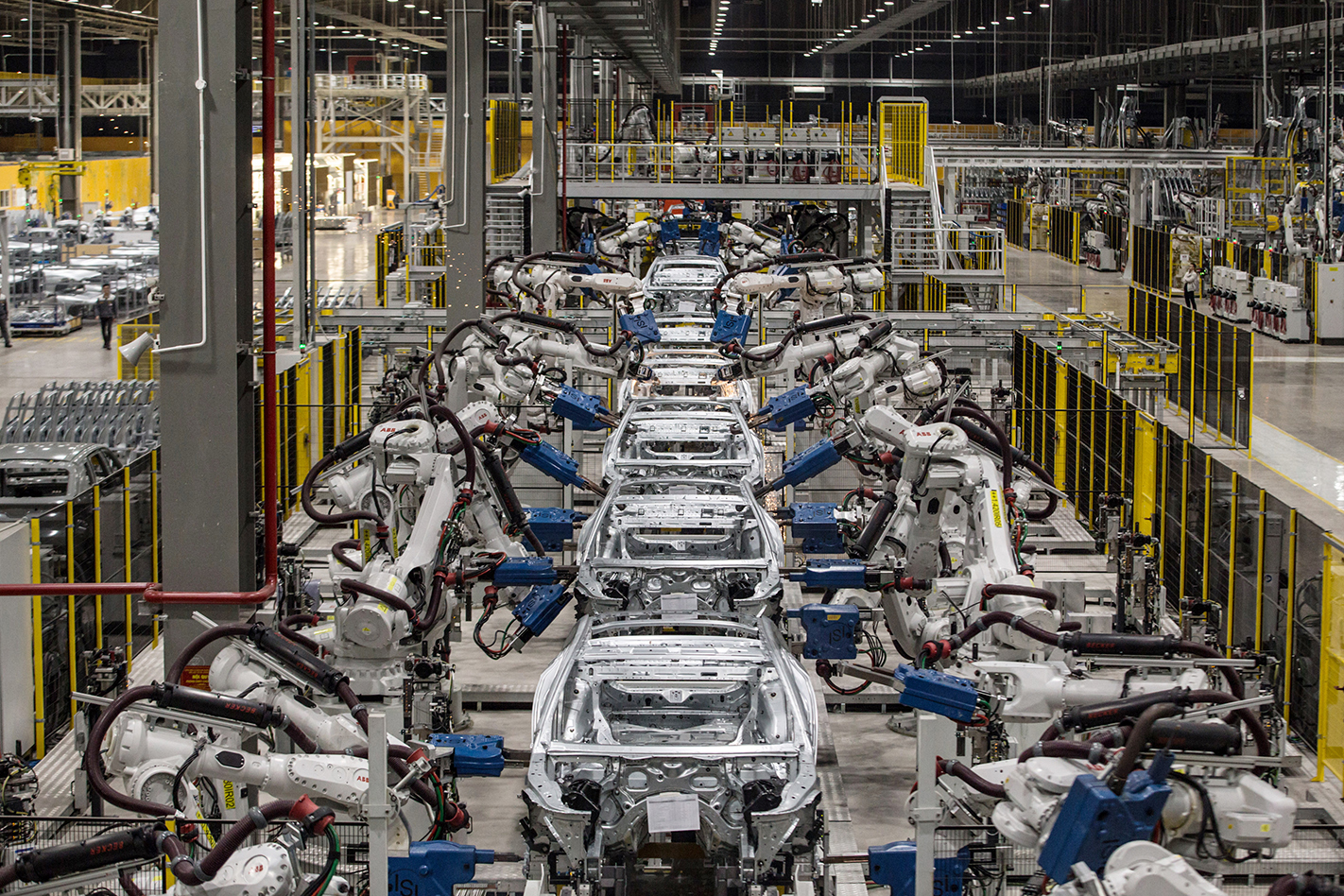
Unfortunately, an integral part of the Japanese car industry’s risk mitigation strategy was to increasingly rely on South Korean and Chinese suppliers.
This is set to result in at least six months of acute supply chain disruption. One unexpected balancing factor was a local collapse in demand. Car sales in China plummeted 80 percent in February as the coronavirus epidemic stopped footfall through dealerships.
Here in Australia, rating agency Moody’s has predicted that new car sales will be down 2.5 percent this year, on the back of a 4.6 percent drop last year. A previous estimate that the sales decline would slow to 0.9 percent was changed due in part to supply chain effects of COVID-19.
Coronavirus is far from the only glitch in the supply network. Mercedes-Benz had to put the brakes on $50 million worth of vehicles late last year after they were found to be harbouring exotic heath snails, while detections of brown marmorated stink bugs in vehicle shipments from south-east Asia remain on the rise.
The switch from the New European Driving Cycle (NEDC) to Worldwide Harmonized Light Vehicle Test Procedure (WLTP) has also had a supply-side knock-on effect since 2018, with many vehicles withdrawn from sale in Australia.
Ironically, it appears to be the Volkswagen Group that is hardest hit by the switch to WLTP, with many Skoda, VW and Audi models being deleted due to a business focus on getting higher-volume models WLTP tested first.
One of the less obvious coronavirus effects is the supply issue around automotive parts for the repair and maintenance industry. It is about to become significantly more expensive, and considerably more difficult, to repair vehicles with new parts.
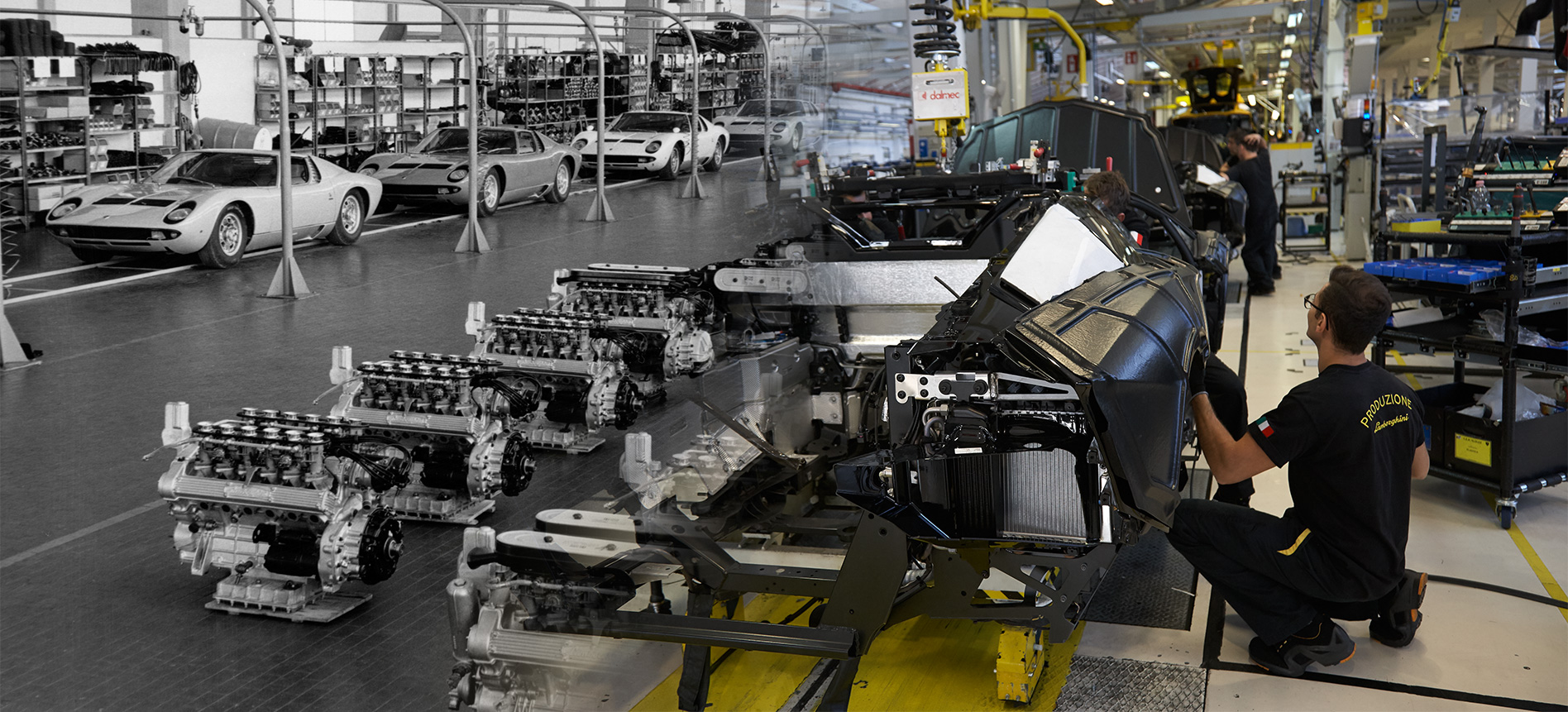
A solution to this looming crisis is to increase the availability and use of recycled original equipment (ROE) parts.
The challenge is in converting the Australian public, insurers, mechanics and suppliers of ROE parts to the potential impacts of this surge in demand, such as avoiding the unwitting sale and installation of spare parts that have been recalled due to faulty manufacture.
“You cannot complete a repair unless you have every part required for that repair, so just one part not being available out of hundreds that can be used in a repair, will affect the total claims cycle,” says Chris Daglis, managing director of All Auto Recalls.
Fortunately, every supply chain challenge serves to reinforce backups for the next bump in the road.
This has started badly. Because I do not think the Jaguar XK beautiful.
This review was originally published in MOTOR’s October 2006 issue
Certainly this view is an orphan among the sentiments being bandied about at its Australian release, and many civilians will be persuaded of the car’s attraction, anyway, because it’s big, bold and a Jag. All true.
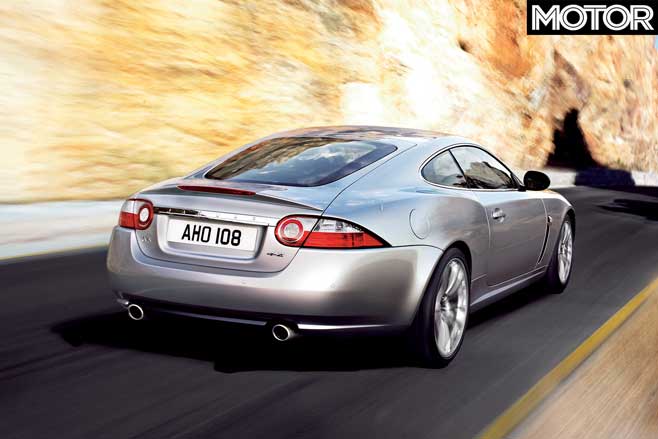
But it’s also a disjointed design that awkwardly recalls the ancient E-Type in its lips, lamps, lumps and tail-gate, none of which play nicely with the slabby and Camaro-creased sides. At best, it is a striking car. But it is not beautiful.
I said as much to designer Ian Callum at its launch in Frankfurt last year and his defense lasted many drinks. It was a robust and entertaining dialogue, but doomed; because both of us knew he was the servant of a master implacably convinced that progress is best achieved by looking back.
Yet the engineers had been free to develop, for the new XK, one of the most advanced automotive platforms ever built. The all-aluminium Coupe and Convertible, despite both being more spacious, claim significant improvements over the previous steel-bodied XK, being, in the closed car, 90kg lighter and 31 per cent stiffer and, in the open-top version of the XK, 140kg and 48 per cent, respectively.
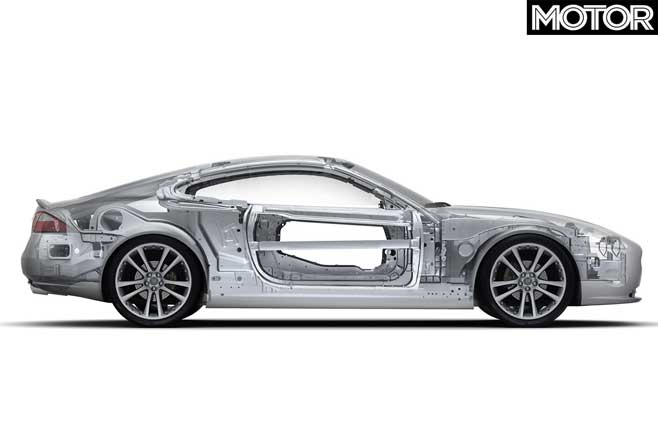
In function at least, then, the new Jaguar commands interest. And claims of it being faster across the board are likewise appealing. So finally exploring both on a journey to Hunter Valley vineyards is a task unworthy of pity and, on first sighting of the leather-swathed loungeroom, unlikely to invoke it.
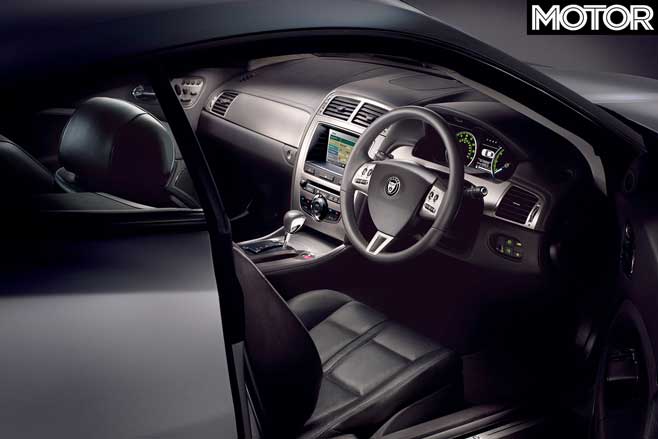
In truth, the interior is a pleasant place to be, if not a revelation. Reflecting the exterior, it’s beautifully built but unexciting, favouring indulgence over innovation with leather in all furnishing packages and lumber in two of the three choices. Still, everything’s there and most of it comprehensible.
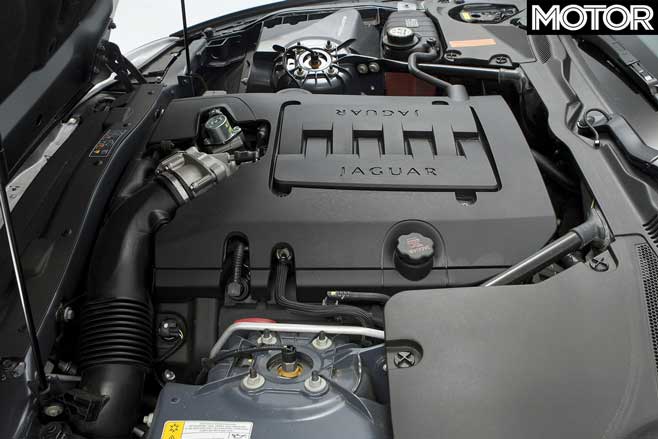
The 4.2-litre V8’s adolescent racket is the sort of retro I can live with. At low range, it’s a cammy snarl, crackling with every touch of throttle. If half-brother Aston’s got the top-end wail award, the Jaguar version – the engines share a bottom end – has serious presence in the bass register… and pulls its weight right up the scale.
Turning the music into mumbo is a six-speed, three-mode autobox that rewards active involvement with amazing response. And they’ve got shot of the J-Gate shifter at last, replacing it with perfectly-sited paddles that just beg driving the brute. One of the more endearing features is the ‘stacking’ of ratio choices: tap down for a lower gear at too high a speed and the ’box will implement the gearshift when reasonable.
And the chassis is every bit as satisfying. The first impression of ride quality is of springing acceptably firm, but, as pace increases, the two-stage CATS (had to be, didn’t it?) damping system is simply outstanding. Adequate compliance absorbs almost any road shock superbly. And this, mark you, on the optional 20-inch wheels. On the standard-issue (and less fragile) 19-inch alloys this car would surely be even better.
Every aspect of handling has received attention in this new XK. The steering, nibbly at low speeds, firms, focuses and weights well as speed rises, and turn-in has been improved both by design and the simple physics involved with mass-loss. The new XK’s raw grip is prodigious.
In the real world, though, the most impressive aspect is that there is no sound or movement untoward. Not even in the convertible; it’s as able as the coupe for all practical purposes.
The concept of cars built by, and for, adults may have been late taking hold at Jaguar, but, in the XK, it is, finally, embraced.
And that, if not yet beautiful, is at least beyond skin deep.
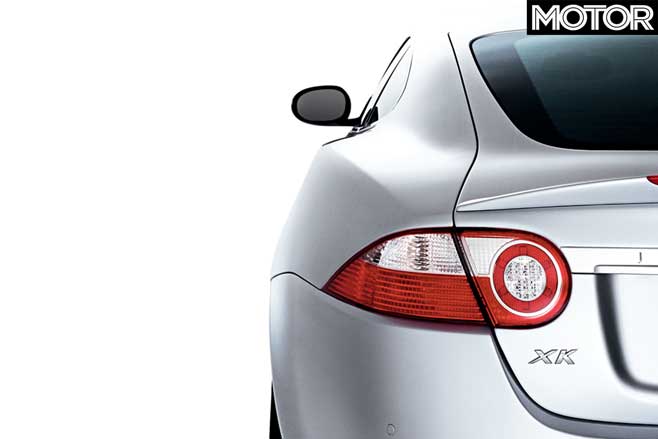
2006 JAGUAR XK SPECS Engine: 4.2-litre, V8 32-valve DOHC Power/Weight: 224kW/1595kg Drive: rear-wheel Price: $199,900
Eccentric Tesla head Elon Musk has downplayed the coronavirus pandemic, telling his staff that they were more likely to die in a car crash than from the virus, which now has spread to more than 142,000 people globally and resulted in more than 3000 deaths.
In a tweet last week, Musk – whose tweeting has gotten him into hot water before – wrote the that the panic around the virus is ‘dumb’, despite governments all around the world taking drastic action to try and smooth out the infection rate from the influenza-like illness.
Musk wrote to the employees of SpaceX, according to US reports, suggesting that the deaths from the virus are occurring in groups that are already susceptible to lung diseases.
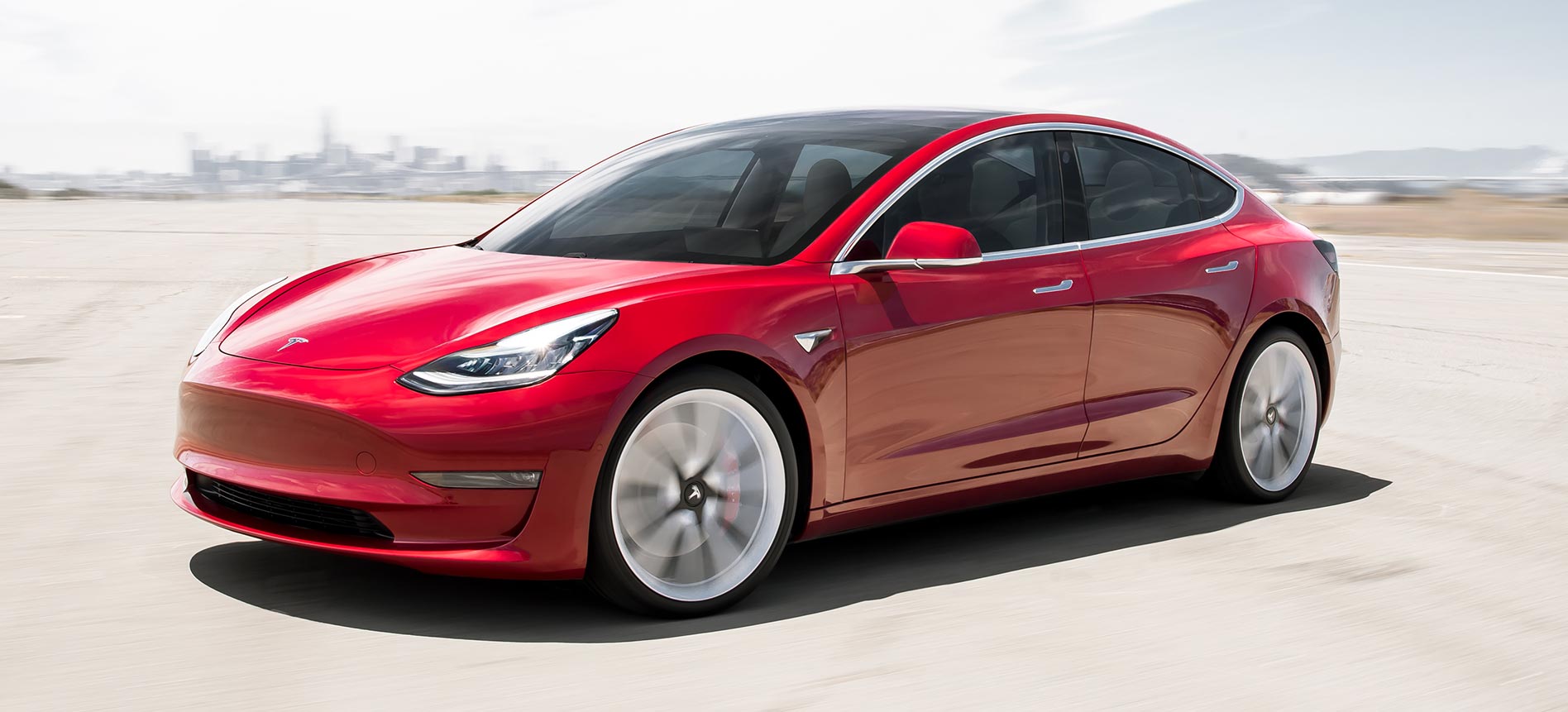
“As a basis for comparison, the risk of death from C19 is *vastly* less than the risk of death from driving your car home,” Musk, whose Teslas are equipped with what the company calls a bioweapon defence mode, wrote to SpaceX employees. “There are about 36 thousand automotive deaths per deaths [sic], as compared to 36 so far this year for C19.”
He also urged employees to take care of themselves and to stay home if they felt ill.
Here in Australia, the coronavirus claimed the Australian Grand Prix over the weekend, while Prime Minister Scott Morrison has imposed self-isolation for all arriving travellers into Australia, threatening fines for non-compliance.
New vehicle launches to local media are also being curtailed, with many industry staff instructed to work from home where possible. International trips will be impacted by the self-isolation requirement upon return.
In the wider car industry, Ferrari and Lamborghini have both shut down their Italian factories with the country in lockdown, while unions and General Motors, Ford and Chrysler have formed a task group in the US to work towards a cleaner work environment for factory workers.
The car companies have also instructed their salaried staff to work from home.
Disruption to large-scale events like car shows and industry conventions is likely to continue after the cancellation of Geneva, with the New York Auto Show shifted to August, while the Detroit show – moved from its usual January date to June – appears to be unaffected.
The Shanghai motor show has also been delayed, while the industry is pondering the fate of the motor show in general.
The damage to the motor racing industry locally and overseas will be immense, too, with the wide-scale cancellation of most forms of motorsport.
