
If you are looking to bring some all-American shock and awe at your next track day, NASCAR racing team Hendrick Motorsports can sort you out with the Track Attack.
According to Hendrick Motorsports, which campaigns Camaro NASCAR racers in the NASCAR Cup Series, The Track Attack is essentially a NASCAR-spec racer that is built for traditional road courses instead of the huge banked ovals the sport usually takes place on.
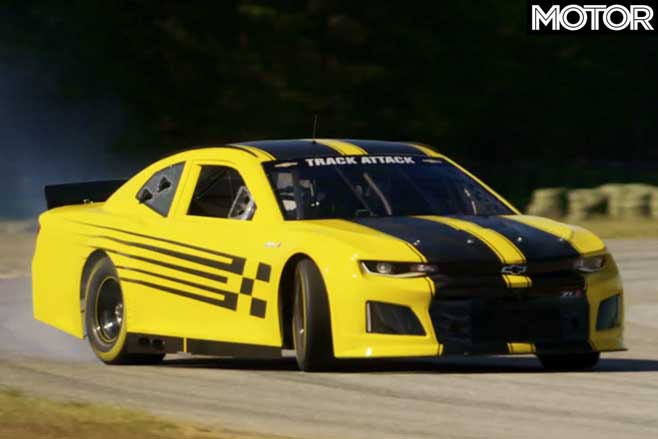
Built from the ground up with a NASCAR Cup Series full tube chassis, the Track Attack features a fully adjustable double wishbone front and trailing arm rear suspension system with adjustable shock absorbers and rear track bar assembly.
The Track Attack’s also features a proprietary NASCAR Cup series 9-inch differential that is specifically built for “left and right-hand road course use”.
As for the rest of the drivetrain, the Track Attack comes with a 468kW+/795Nm+ 7.4-litre LSX ‘454’ V8, which the team describes as its “most refined engine package”.
However, for the more dedicated of track enthusiasts, Hendrick Motorsports can drop in a NASCAR Cup Series spec 5.9-litre carburettor-fed Chevrolet R07 producing over 540kW and 664Nm.
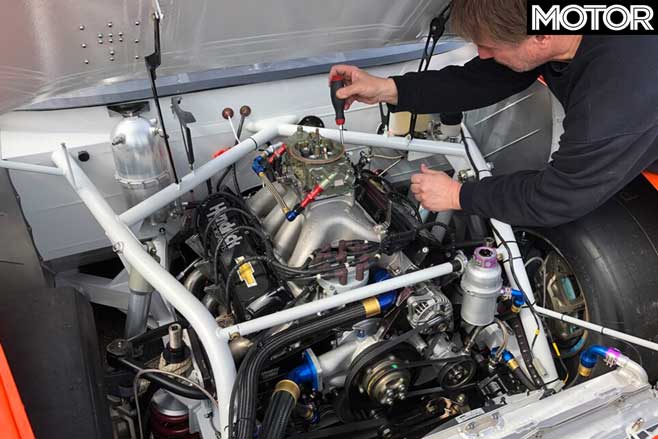
Likewise, the Track Attack can be optioned with either a NASCAR Cup Series spec four-speed H-pattern manual, or a modern five- or six-speed sequential shifter with rev-matching capabilities if fitted to the LSX V8.
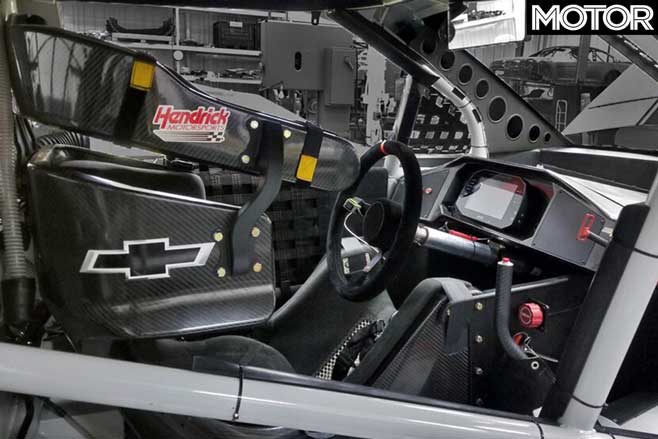
Interior appointments such as the proprietary carbon-fibre “containment seat”, pedal assembly, and cockpit fire suppression system, along with the car’s 68-litre fuel cell, are similar to those used in Hendrick Motorsports’ own race cars.
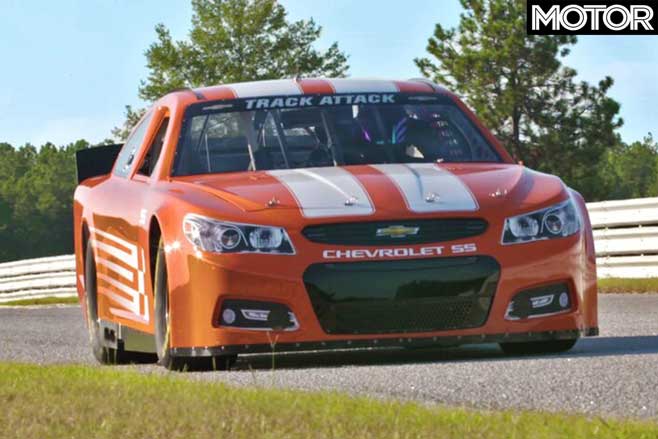
Customers can also choose between two body styles, the Camaro ZL1 NASCAR Cup Series or the championship-winning Chevrolet SS-badged Holden Commodore NASCAR body, and deck it out in a livery of the customers’ choice.
Both body styles are built with the same mix of sheet metal and carbon-kevlar materials used to construct modern NASCAR racers, and fitted with anti-lift off roof and hood flaps.
According to reports, prices for the Track Attack start at USD$125,000 (AUD$180,775), which isn’t all that pricey for what essential is a bona fide race car built by a championship-winning race team.
This shouldn’t be happening. Ahead of me is a Jaguar F-Type SVR convertible. It has a power-to-weight ratio of 246kW/tonne. I’m driving an electric I-Pace SUV, with a comparatively feeble power-to-weight figure of 138kW/tonne. Both are all-wheel drive, both on similar rubber, yet out of every corner, the I-Pace is monstering the sports car, gobbling up metres on it, trying to drive through its quad exhausts such that the collision warning system is a constant accompaniment.
It feels as if everything you thought you knew about performance needs to be reset. If you figured an electric future was one bereft of enjoyment or entertainment for the keen driver, think again.
Targa High Country 2019 will be remembered as the year the mountain bit back. The 10th anniversary running of this event in the Victorian alpine region saw unprecedented unseasonal snowfalls on Mount Buller, the home of the event, and where it wasn’t snow, slush and ice, it was often wet, greasy, foggy or any other combination of nasty. We had a pair of punchy SUVs from Jaguar to compare and contrast: the electric I-Pace and the petrol-powered F-Pace SVR. The combination of drive going to each corner and a reasonably treaded tyre were a boon when the mercury dropped below zero and some of the competition cars were gliding down the hill, using the guardrail like your dad playing Gran Turismo.
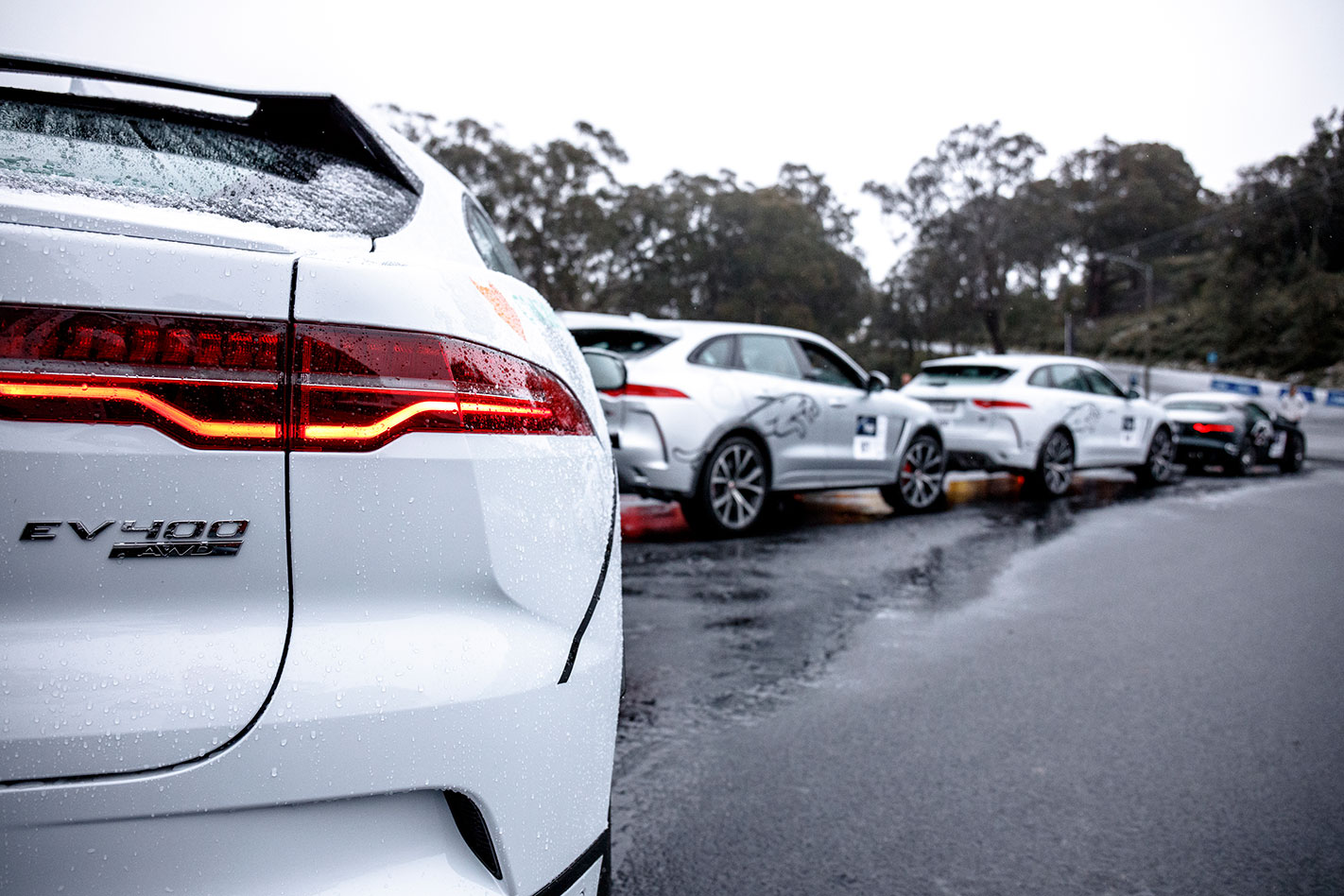
On paper, the F-Pace should be the quicker thing. It packs 405kW/680Nm, does zero to 100km/h in 4.3 seconds and its kerb weight of 1932kg ought to put it at an advantage in all aspects of go, stop and steer. The I-Pace is good for 294kW/696Nm, stops the clock at 4.8 seconds and weighs a chubby 2133kg. Both cars run on a version of Jaguar’s modular D7 chassis, so they’re not as disparate as their initial launch dates might suggest.
F-Pace SVR first. Targa etiquette dictates that the exhaust should be dialled up to a volume redolent of Jimmy Barnes stepping barefoot on a Lego brick, but it’s soon apparent that the level of aggro elsewhere needs to be dialled back a notch. The adaptive dampers are best left in their most comfortable mode, and the engine response in Comfort also gives decent throttle modulation. Switch it into Sport and it’s like turning the loud pedal into a switch – not ideal when you’re tentatively probing for grip on corner exit.
It requires a certain discipline to drive. Brake in a straight line, settle the weight onto the nose, roll gently from brake to throttle, turn in and gently feed gas to the corner exit. Start trail braking or making sharp stabs of throttle and the F-Pace can feel clumsy. It’s got a mighty front end, but it’s possible to quickly overwhelm the brakes with really ambitious corner entries. Keep all of your inputs classically correct and it’s monstrously quick, and the sound of the 5.0-litre supercharged V8 bellowing will have you cracking your window open a touch, precipitation be damned. The only downside is that the engine spikes your adrenaline such that after a prolonged spell behind the wheel, you feel wrung out.
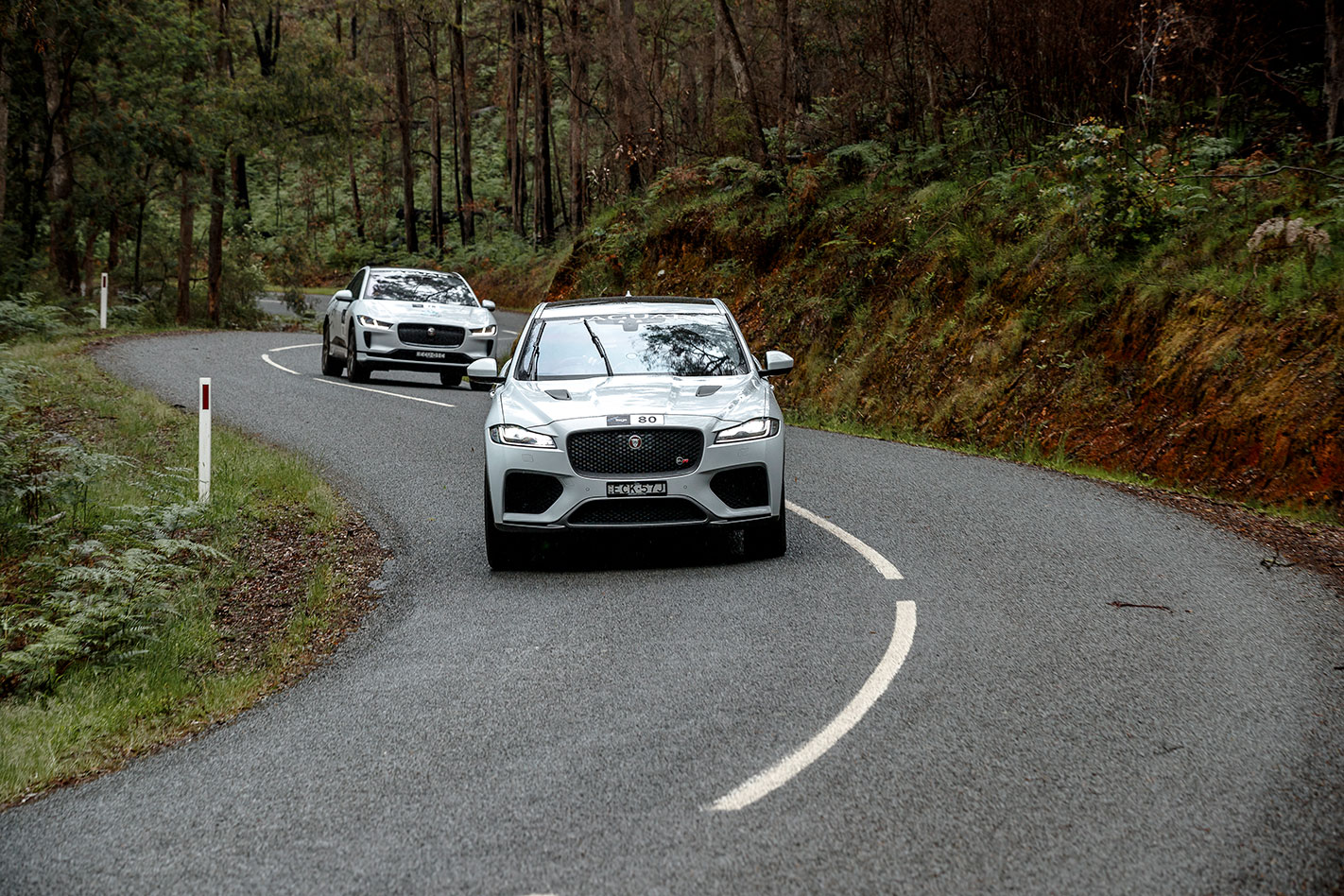
The I-Pace has none of the charismatic soundtrack. The motors will whine gently when the accelerator is floored, but that’s about it. Switching the vehicle into full regenerative braking allows one-pedal operation, prolongs range and saves the friction brakes for when you’re diving downhill into tighter corners. Due to the low centre of gravity, body control is way better than the F-Pace, and you can therefore brake later and deeper into the corner, tucking the nose in to hook into the gutter at apex before jumping on the throttle and sending the vehicle out in a frenzied four-wheel smear up the road. It’s phenomenally rapid in the twisty stuff, without quite having that nauseating level of straight-line punch of a high-performance Tesla.
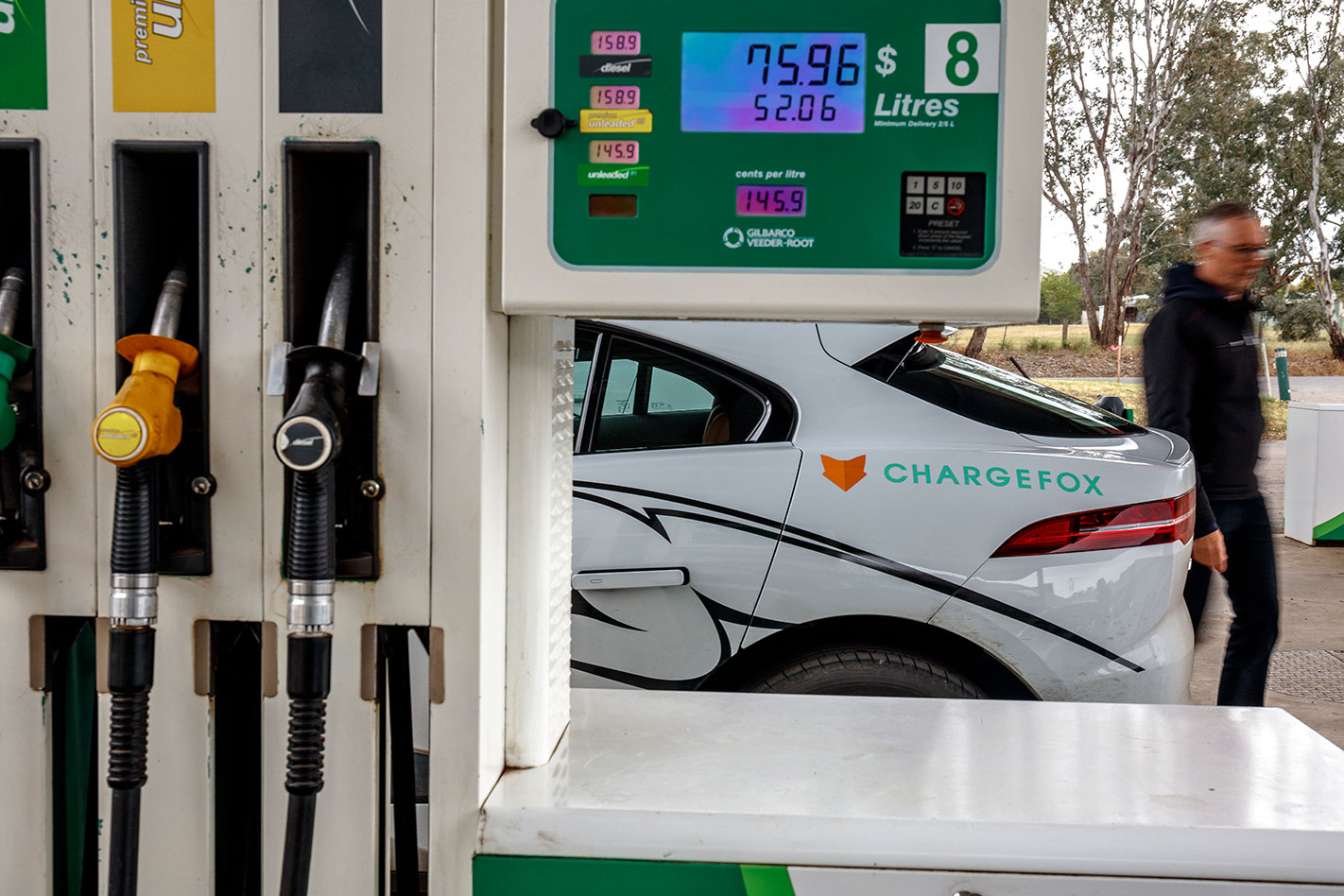
Naturally, driving a 2.2-tonne vehicle in this demented manner exacts a certain price. On the longest, 48km stage of the event – almost the entire length of the tortuous Eildon to Jamieson road – the tyres started feeling a little overwrought about 30km in, and the range, already dented by the cold weather starts, dips sharply. We were able to charge at Buller and at lunch stops in Eildon, courtesy of an arrangement with AGL energy.
While a few percent was knocked off the 90kWh battery pack’s total range, what was less expected was that the cold would extend the charging time on the mountain top. The 10-hour charging time to 80 percent that you’d expect from the 7kW charger available at Buller was blowing out by two or three hours due to the extremity of the conditions. Still, the I-Pace managed the longest days at Buller with some forward planning and no cheating. We’d fully expected Jaguar to have secreted a diesel generator somewhere and were determined to try and photograph it, so you can imagine our disappointment when there was no such sleight of hand.
Given the option of the two cars for a run at Targa’s best stage, I’d take the I-Pace without a shadow of doubt. It’s faster across country, dizzyingly exciting in the way it exits a corner, and its composure on bad roads in terrible conditions is just jaw-dropping. I don’t think I’d have been any quicker in a current 911 GT3 RS.
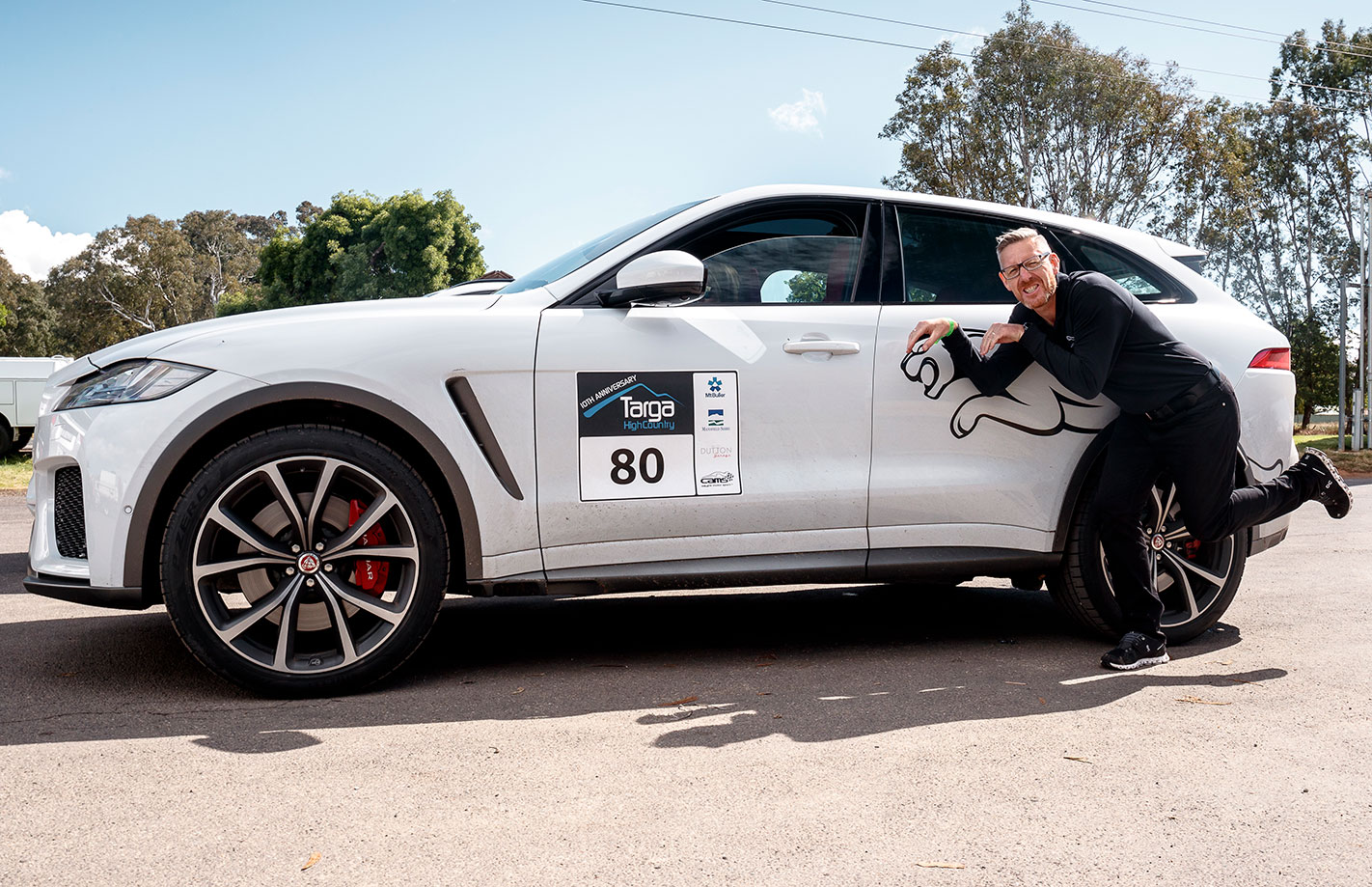
If asked which of the two cars I’d bring to Targa as a private entry, I’d certainly opt for the F-Pace SVR. It rewards the keen driver, and I’ve long believed that a car should be an enabler, an outlet for spontaneity. I don’t want to plan my journeys with military precision, or be denied if using a car now means I won’t be able to use it later. Even if that means queueing in the 100-car line for 98RON at Targa, the F-Pace still makes a more satisfying proposition for the here and now.
The I-Pace might well be the car for tomorrow, but right now, a V8 carries the day.
High Anxiety
Is there a more challenging driver’s road in Australia than the queen stage of Targa High Country, the bitumen ribbon that stretches 57.5km between the outskirts of Eildon and Jamieson? You get 250 corners packed into that distance (one every 230 metres) and the road climbs from 220m above sea level at Eildon to nearly 800m halfway through. Think two and a bit Nordschleifes with big drop-offs, variable surfaces, a lot more vert and no entrance fee. Plus a 100km/h speed limit that you won’t hope to achieve through the majority of those corners.
Specs
Model | Jaguar I-Pace EV400HSE | Jaguar F-Pace SVR |
Propulsion | 2 x AC synchronous motor | 5000cc V8 (90u00b0), dohc, 32v, sc |
Max power | 294kW | 405kW @ 6000-6500rpm |
Max torque | 696Nm | 680Nm @ 2500-5500rpm |
Transmission | Single-speed reduction gear | 8-speed automatic |
L/W/H/WB | 4682/2011/1565/2990mm | 4737/2071/1670/2874mm |
Weight | 2133kg | 1932kg |
0-100km/h | 4.8sec (claimed) | 4.3 seconds (claimed) |
Economy | 21.2kWh/100km | 11.7L/100km |
Price | $140,800 | $140,262 |
On sale | Now | Now |
Genesis has revealed its foray into the SUV realm, the large and luxurious GV80, and it’s due to hit the brand’s boutique-style showrooms in the middle of 2020.
Exact timing and pricing is yet to be confirmed for the Genesis GV80, but the South Korean luxury brand has confirmed that Australia will be offered three engine options. The range kicks off with a 2.5-litre turbocharged four-cylinder petrol, a 3.5-litre twin-turbo V6 petrol that’ll be the performance halo (for now), while a 3.0-litre turbo diesel inline-six rounds out the trio. The latter represents the first engine of its kind in decades to do battle with BMW’s versatile diesel six.
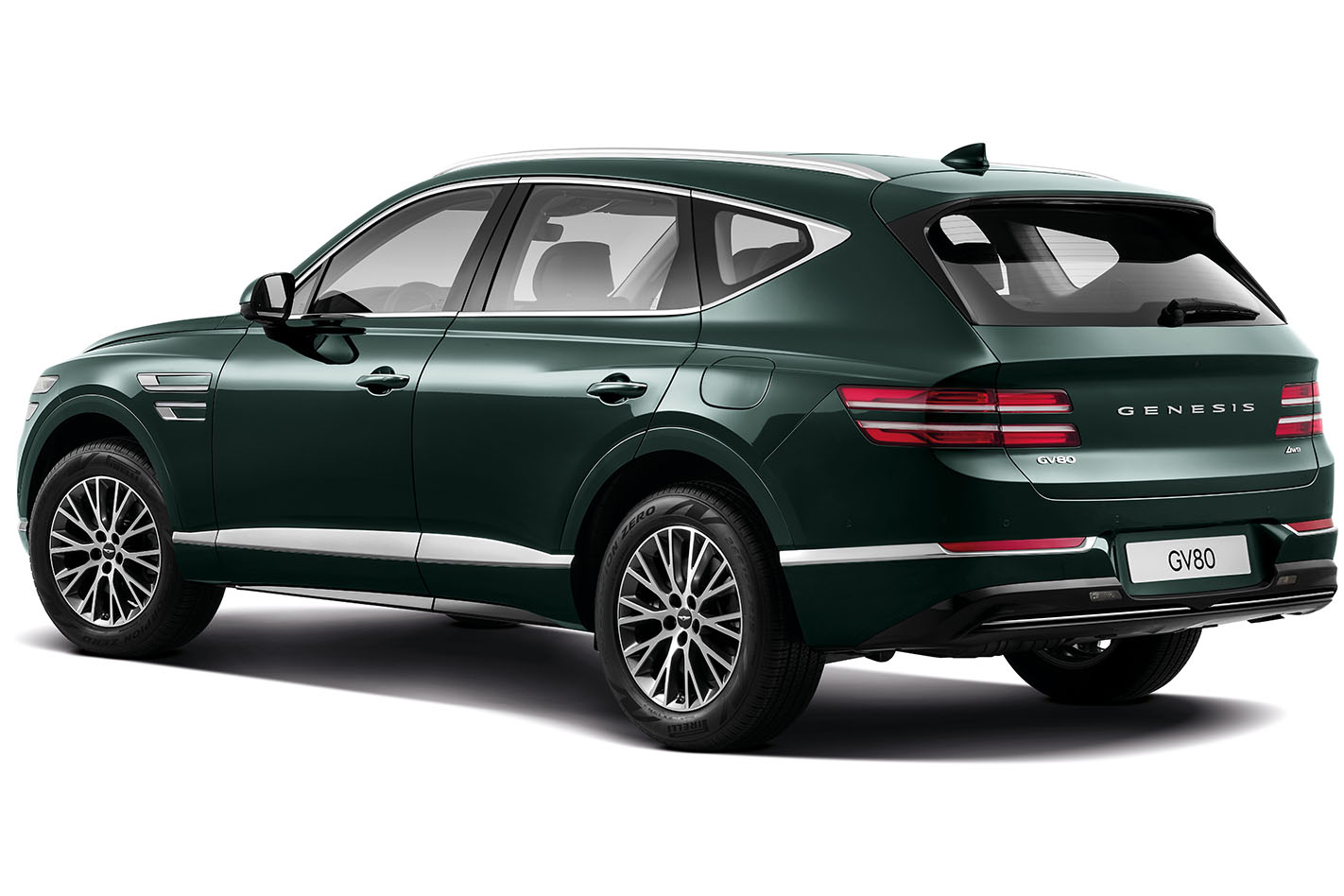
Beyond the confirmed engines, a GV80 variant packing the company’s 5.0-litre V8 may also appear later in the model’s lifecycle – but has yet to be confirmed by the Genesis.
Measuring up with dimensions similar to the BMW X5, the GV80 is hunting a slice of the luxury SUV market and will compete with rivals that include the LexusRX, the German trio of the Mercedes-Benz GLE, BMW X5 and Audi Q7, as well as other Euros such as the Jaguar F-Pace and Volvo XC 90.
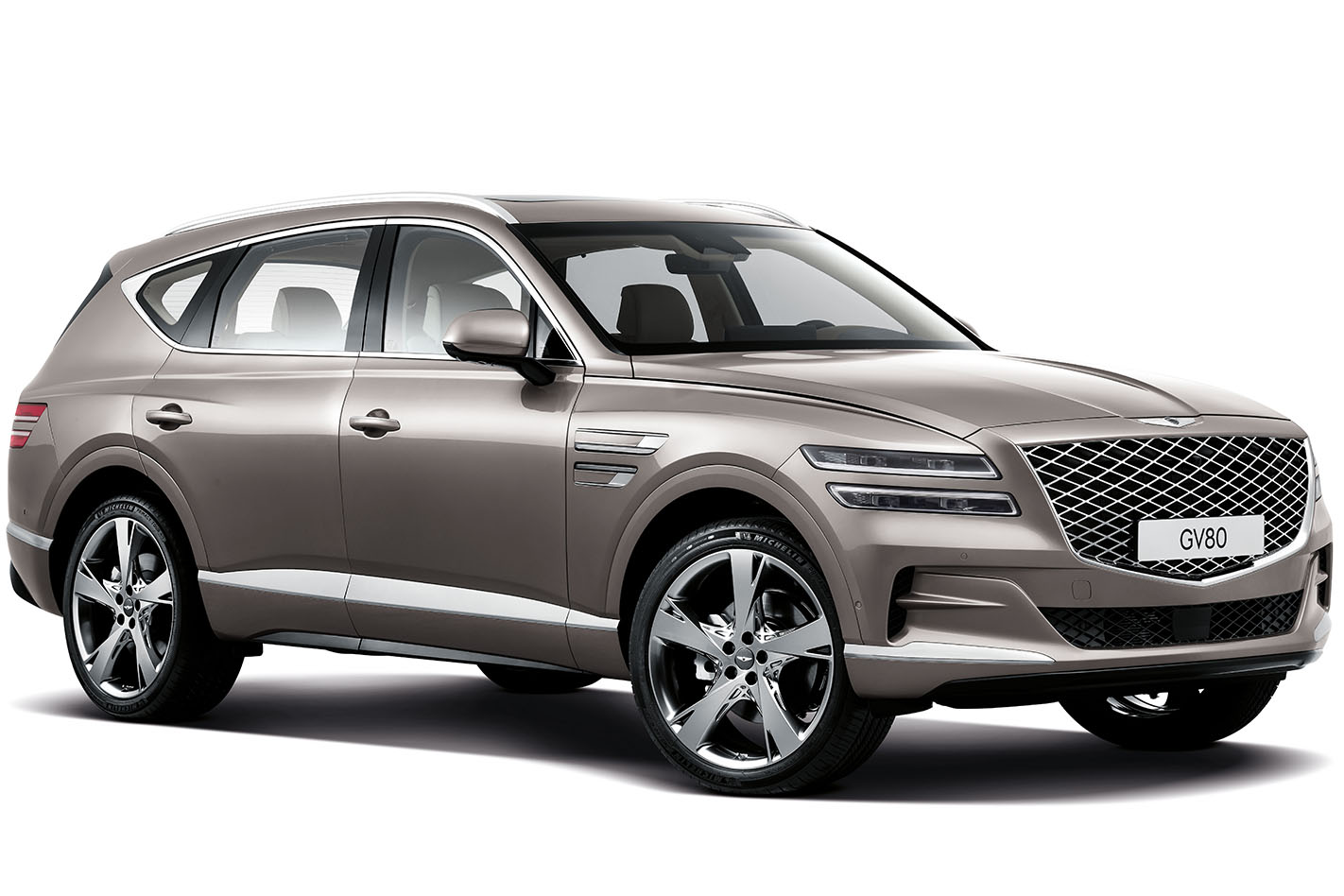
Bolted on the back of each engine is an eight-speed automatic transmission which sends power to all four wheels. The GV80 is also the first model to roll on the new Genesis rear-drive platform, referred to in house as its ‘M3’ architecture. A rear drive power bias has imparted better driving dynamics, says its maker.
An electronically controlled limited slip differential is also standard fitment for the rear axle, allowing better traction on and off the road according to Genesis. It combines with three Multi-Terrain Control driving modes for tackling mud, sand and snow.
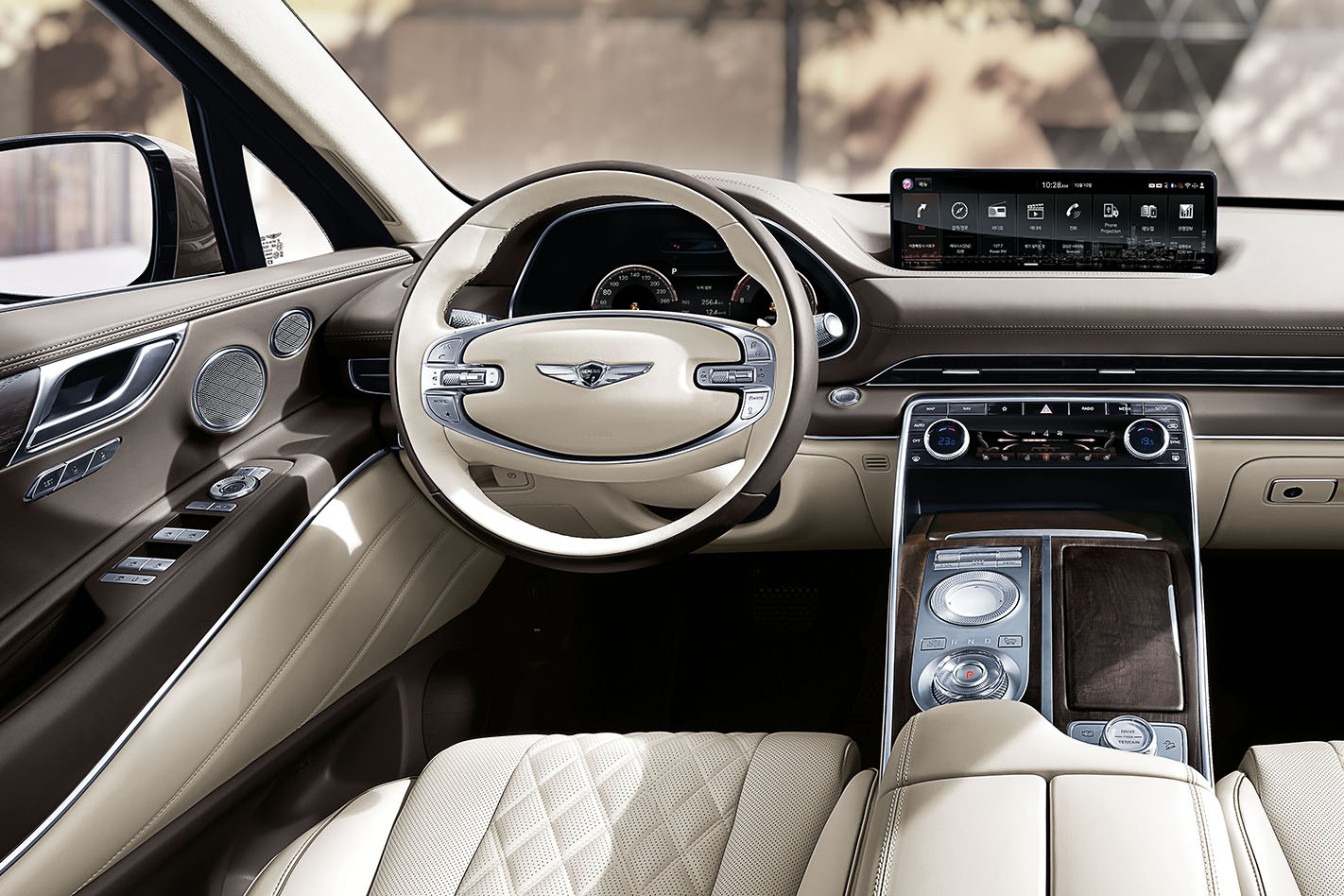
Power figures for the petrol powertrains are yet to be confirmed but the diesel will arrive packing a decent 204kW power punch, along with 588Nm of torque.
Both five and seven-seat GV80 variants will be on offer as well as a variety of customisation options to boost the luxury and styling appeal, although Genesis Australia is expected to introduce the model already equipped with a generous list of features as standard.
On the inside the minimalist but opulent cabin has extensive leather upholstery, a digital instrument cluster, a 14.5-inch central touchscreen and corresponding touchscreen for the climate control with haptic feedback.
The company’s engineers have also developed a new noise cancellation system which uses six microphones placed about the cabin to monitor and actively counter road and wind noise. There’s even a function that plays the voices of front row occupants through the third row speakers so no one needs to shout
A head-up display is standard fare but is supplemented by an augmented navigation system which uses a forward facing camera to display an image on the central screen which has navigation commands graphically overlaid for even easier directions.
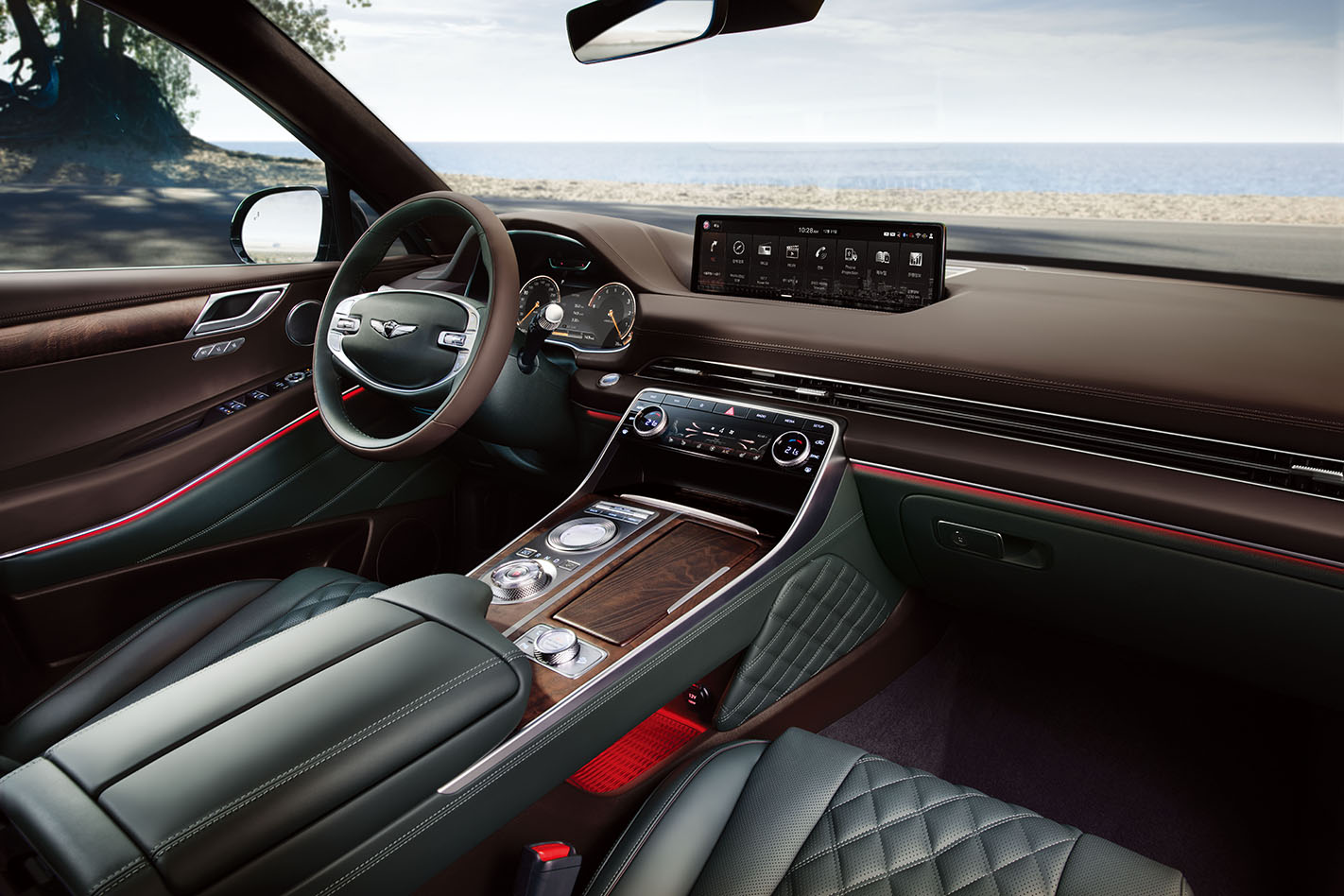
Comfort is enhanced via front seats that feature seven inflatable air pockets that can be used to adjust the seating position, but can also automatically alter pressures to ensure the occupant’s weight is more evenly supported.
And, in addition to the usual flotilla of airbags, including curtain and knee bags, the GV80 has a new central airbag between the front seats which reduces the chance of injuries caused by occupants contacting each other in a collision.
There’s even a cabin air purifier which can remove 99 percent of fine particles from the interior – something many Australian will appreciate given the current national climate.
On the outside, the GV80 is shod with wheels measuring up to 22 inches, headlights are full LED complemented by LED daytime running lights and dynamic indicators, there’s a large split sunroof and a choice of 11 exterior colours – which includes satin metallic finishes – are likely to be on the optional extras list. Customers can choose from five interior colours and seemingly unlimited permutations of wood and other interior materials.
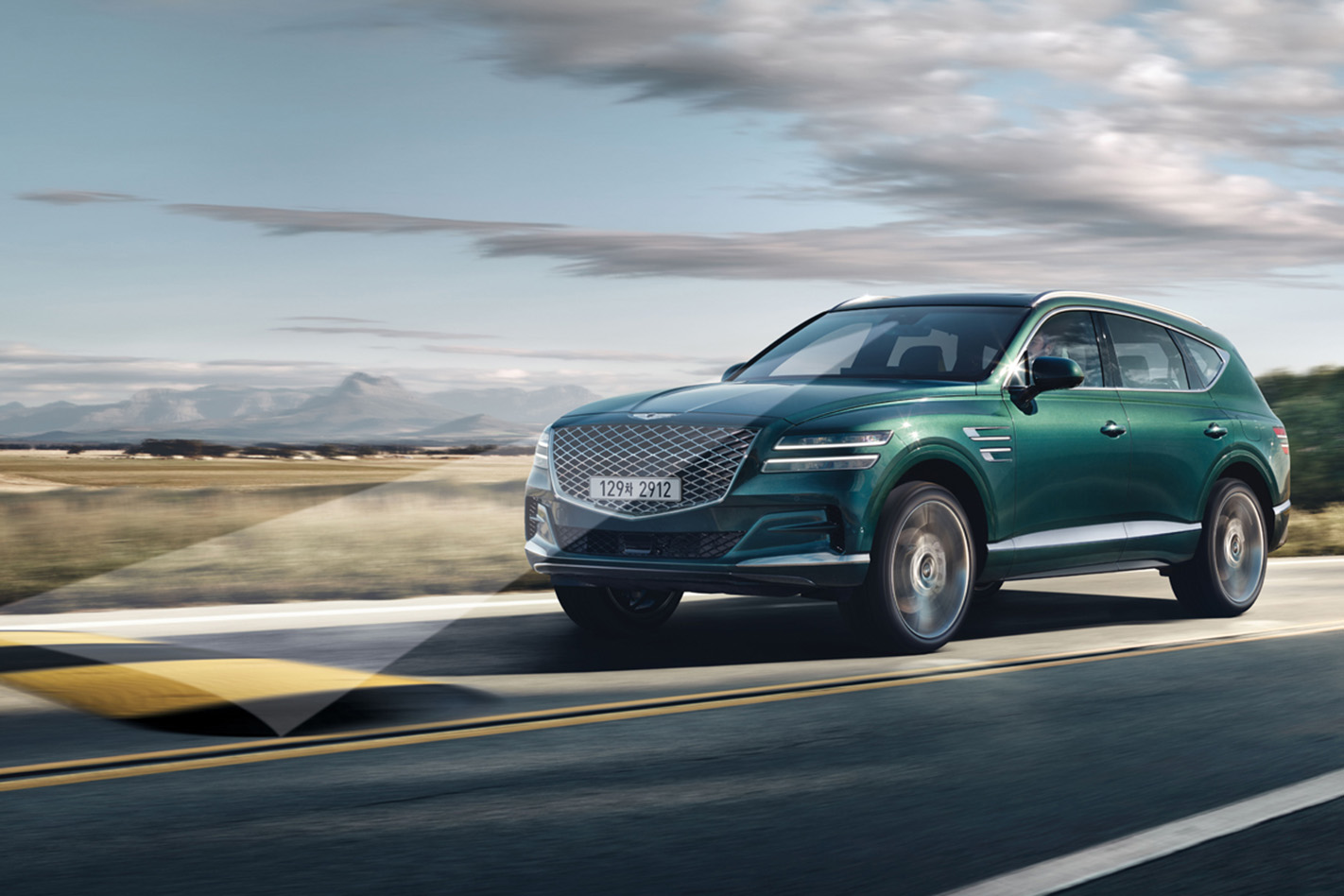
Driver assistance features include adaptive cruise control which will actually slow the car for fixed speed cameras in Korea (Australia is less likely to get this feature), lane keep assist keeps the car centred in its lane, automatic lane changes can be initiated with a flick of the indicator and a driver fatigue warning system actually monitors the driver’s level of attention with a camera.
The GV80 will join the G70 and G80 sedans in local showrooms in the middle of the year. A new smaller SUV will follow the GV80 although is not yet confirmed for Australia. There are currently no plans to introduce the larger G90 limousine that is on sale in South Korea.
Self-driving air taxis may not be so far fetched after all, with yet another major car manufacturer joining the flying car race.
Porsche has revealed its patented images for a fully electric flying car that will be equipped with both vertical take off and landing capabilities (VTOL).
As one of the most powerful brands on the road, this joint venture with aircraft maker Boeing could now see Porsche dominate the air too.
We’ve been teased with the idea of cars that fly themselves for years (link) but now this new marriage could bring us a step closer. Porsche and Boeing have signed a Memorandum of Understanding to explore this space and analyse the market potential of moving people through the air rather than on the ground.
“Porsche is looking to enhance its scope as a sports car manufacturer by becoming a leading brand for premium mobility. In the longer term, this could mean moving into the third dimension of travel,” says Detlev von Platen, Member of the Executive Board for Sales and Marketing at Porsche AG. “We are combining the strengths of two leading global companies to address a potential key market segment of the future.”
Of course, it will come at a cost. It’s no doubt that you’ll have to be rich to own one of these; it is a Porsche after all. But can any man and his dog fly one? The answer is yes.
Unlike a traditional helicopter or airplane, the VTOL is autonomous. Thankfully, this means you don’t need a pilot’s license to own one; however, Porsche will also grant human control if you do have adequate qualifications.
So with Porsche coming on strong(or so it seems) in the aerospace game, which other car brands are challengers in the air taxi space?
Audi subsidiary Italdesign joined forces with Airbus, revealing their concept at the 2017 Geneva motor show, but they announced in October last year that their plans have been suspended.
However, Hyundai, Rolls Royce and Aston Martin (links) are all still in the race to recreate the way we travel – the question is, who will win the airspace race
Here’s hoping that with the combination of expertise, money and resources between these two powerhouses the task at hand could make this dream a reality.
Porsche has confirmed it will bring a cheaper naturally aspirated 718 spec to Australia in the form of the 718 Cayman GTS 4.0 and the 718 Boxster GTS 4.0.
With a de-tuned version of the 4.0-litre flat-six (thus the name) from the Cayman GT4 and Boxster Spyder, the GTS 4.0 models will bridge the gap between the 718 ‘S’ variants and the GT4. According to Porsche Australia’s documents, the GTS 4.0 will replace the 2.5-litre turbo GTS variants.
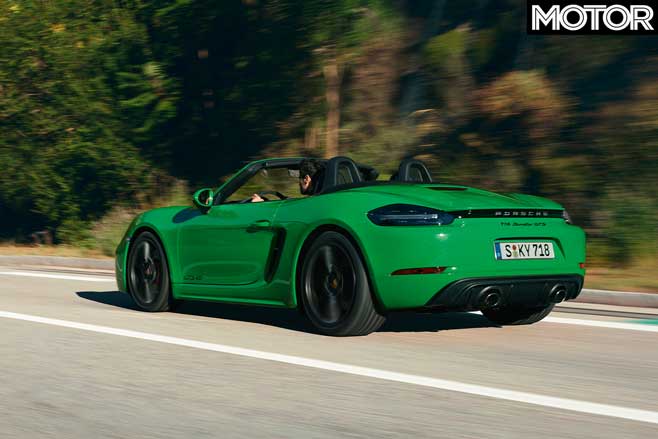
As a step down from the GT4, the GTS will draw 294kW from the 7,800rpm atmo six, rather than the GT4’s 309kW. In turn, the 0-100km/h sprint for the new GTS trails the GT4 by only a tenth, hitting three figures in just 4.5 seconds. Porsche says this is achieved with “the manual six-speed transmission and sports exhaust system,” but makes no mention of a PDK option for now.
Porsche also makes no differentiation between the performance claims between Cayman and Boxster, saying only that the 718 GTS can achieve a top speed of 293km/h.
Porsche Active Suspension Management (PASM) is standard on GTS models, with ride height lowered by 20mm from lower-spec 718 variants, with the option to lower the suspension by only 10mm with PASM sports suspension. Porsche’s torque vectoring, mechanical LSD, the Sport Chrono Pack, and ‘Porsche Active Drivetrain Mounts’ are also standard.
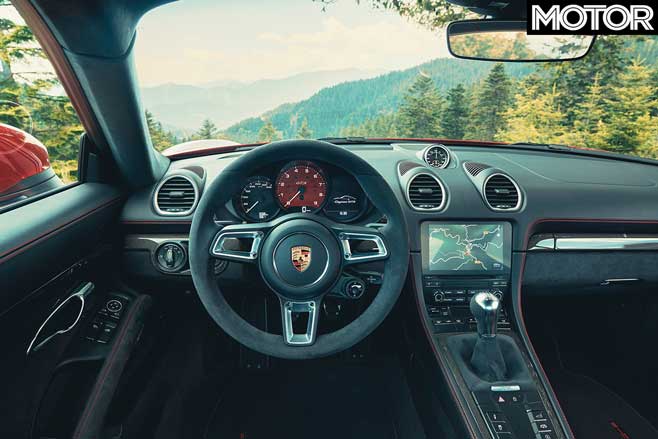
Black 20-inch alloys can hide optional ceramic composite brakes if customers tick the box, though a probable kerb weight around 1400kg shouldn’t require incredibly heavy duty stoppers.
Porsche Australia says the new GTS is available to order now and will arrive in Australia from mid-2020. Cayman GTS 4.0 pricing starts at $172,400, while the Boxster GTS 4.0 begins at $175,200.
With increasing reports that the next Toyota 86 is on its way through the development process, the latest involving turbocharging, now’s as good a time as any to look back at some of the wildest and best versions of the 86.
Some of them are cars we’ve driven here at MOTOR, some are international engine swaps we’ve come to respect or be amazed by, and some are even cars built by Toyota itself.
Without further ado…
Beau Yates’ Toyota 86 drift car
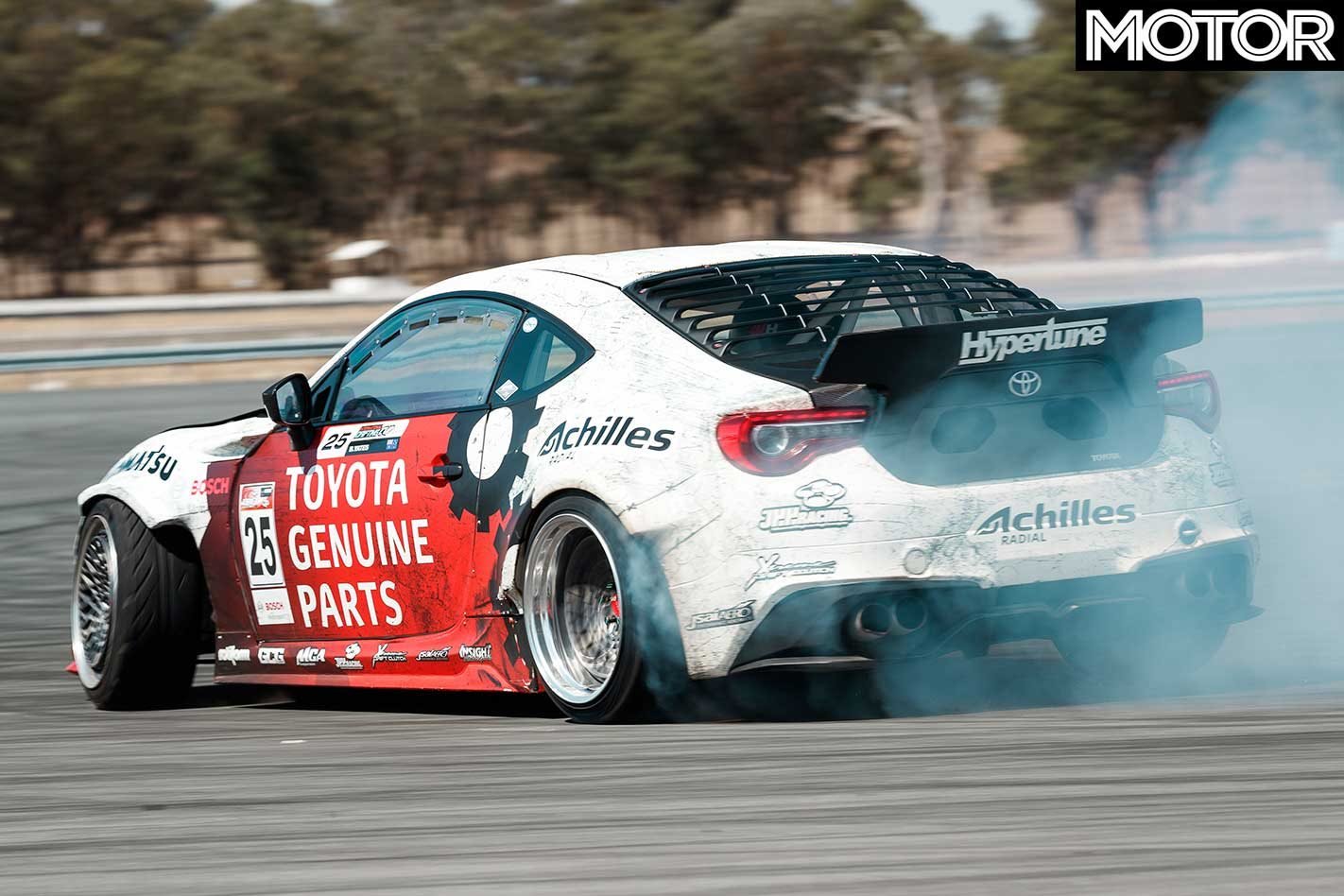
Probably one of the coolest cars to wear a Toyota badge, and the reason for MOTOR Editor DC’s Best Day Ever, the 2JZ-powered sideways beast is Beau Yates’ baby, after his AE86 that is.
If you’ve got somewhere north of $180,000, you might be able to ask – beg – him to have another built for you. Good luck.
Toyota Century V12-swapped 86
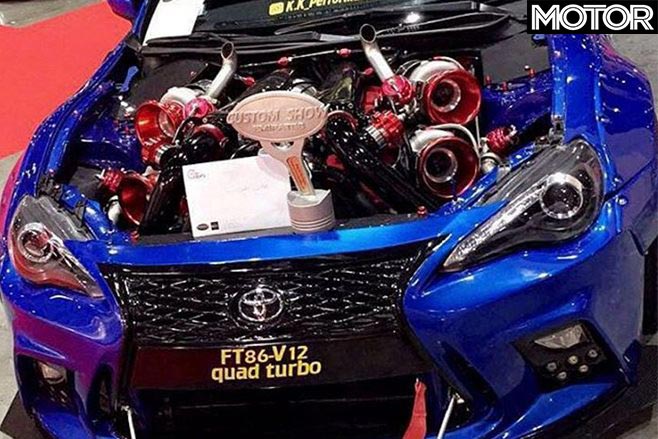
Did you know Toyota has its own V12? There’s only one way to get your hands on it, buy a Toyota Century. There’s only one place you can buy a Toyota Century… Japan. It helps if you’re the Emperor, too.
It turns out the 1GZ-FE, actually fits in the Century’s younger, smaller, sportier sibling. There is also, apparently, space for four turbos. 600kW, anyone?
HKS TRB-03 Toyota 86
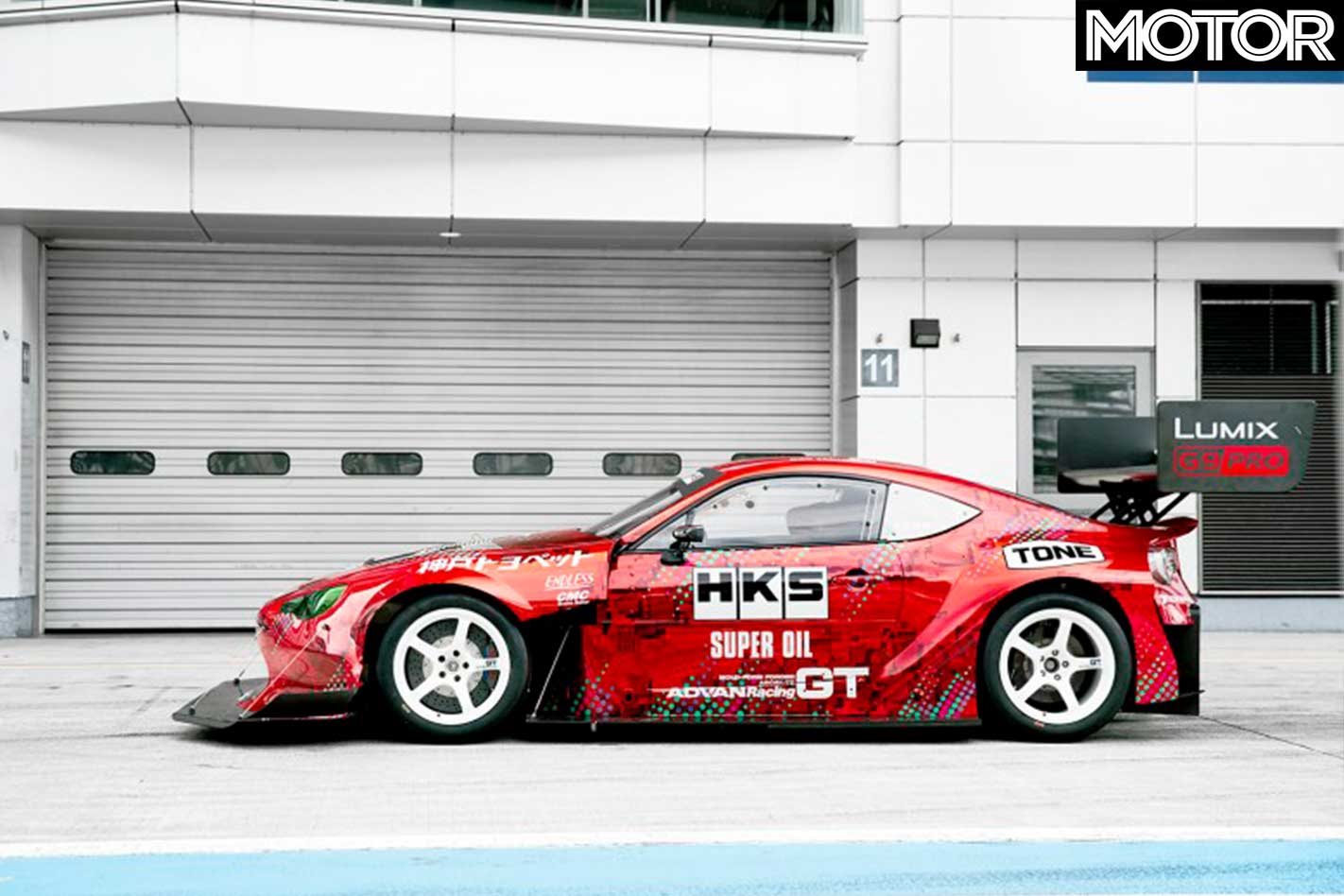
Able to run Japan’s Tsukuba Circuit in less than 50 seconds, HKS’s wild 86 was at Eastern Creek during 2018 WTAC with Nobuteru Taniguchi at the wheel.
It didn’t compete however, as HKS’s setup wasn’t eligible for any of the classes set up at WTAC. It was instead just on track for display.
EKanoo Racing 86
How much of this car is still ‘86’ is up for question, but just watch the video and you’ll see why it’s here.
Much like many fast Toyotas, this 86 is running on 2JZ power.
Toyota GR86X
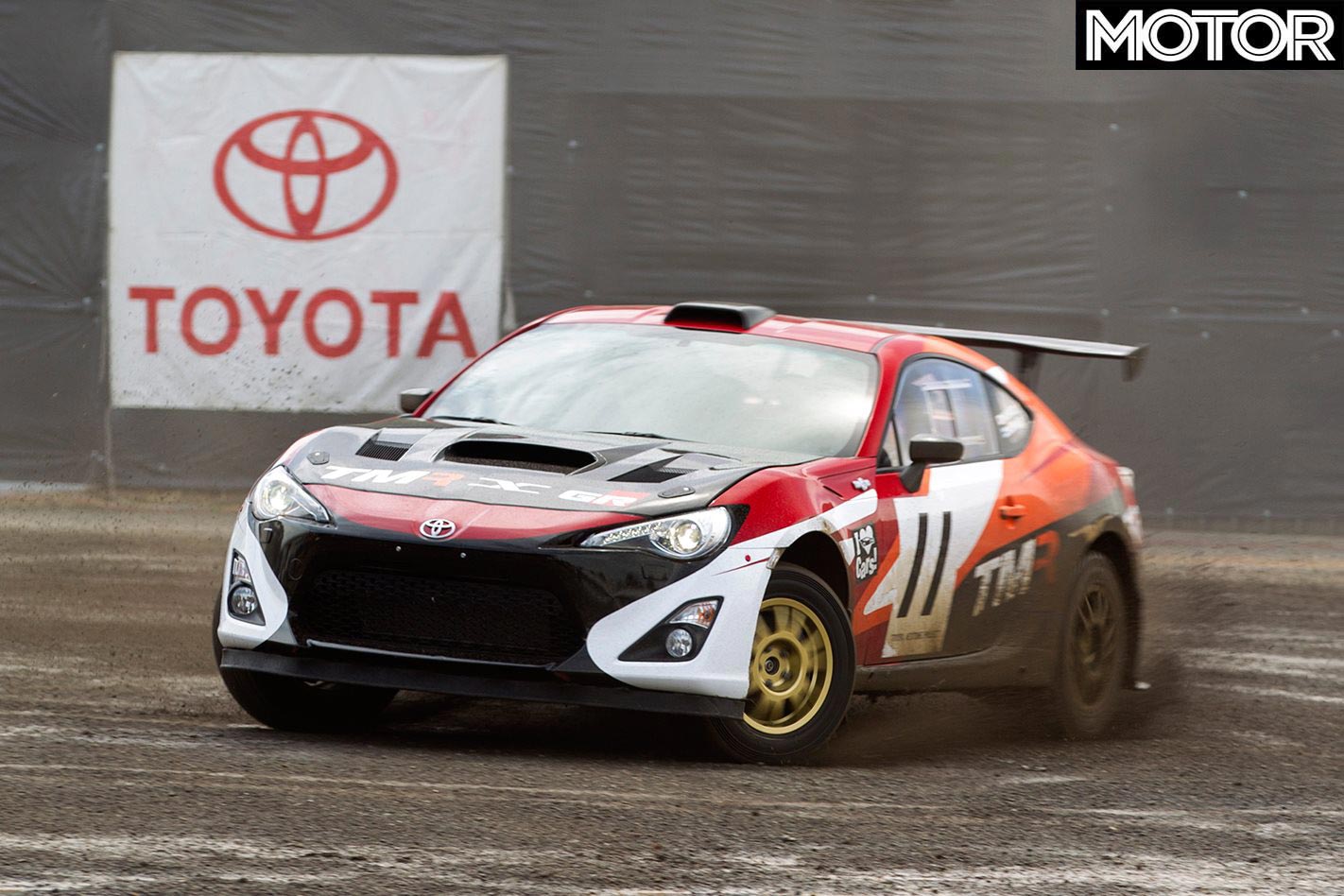
Toyota president Akio Toyoda presented this car in 2014 on a trip to Australia as part of a commitment to returning Toyota to its sporting glory years of the ’80s and ’90s.
Lately, that seems to have been a success.
This car is essentially a Subaru Group N rally car with an 86 body, but was built by Tommi Makinen Racing alongside Gazoo Racing, so it’s Toyota enough for us.
Tunehouse Racing 86/BRZ
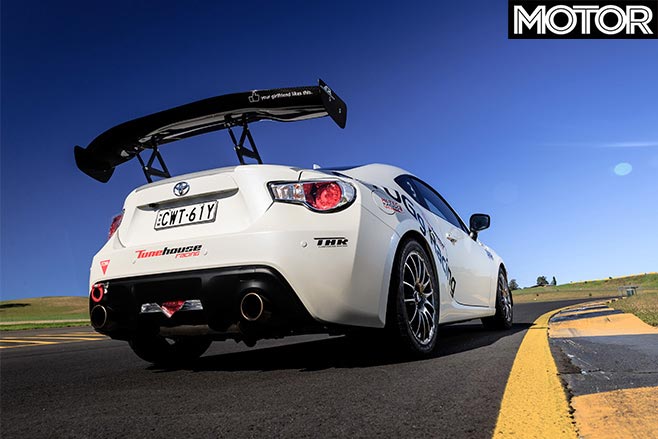
Sydney outfit Tunehouse has had a couple of cracks at making the 86 and its Subie sibling faster, two of which we drove in 2015 – one at Hot Tuner, other a car built for WTAC – and one BRZ we drove in 2018.
All three were turbocharged, with power ranging from 207kW in the BRZ, built for road use to the 300kW WTAC car.
Ryan Tuerck’s Ferrari V8-powered 86
Ryan Tuerck’s Toyota ‘GT4586’ is bestowed with the power of the Prancing Horse, specifically a 4.5-litre V8 from the Ferrari 458.
To make a mid-mounted engine work from the front of a car, it had been turned sideways and had its exhausts routed to the front of the car.
ROH Wheel’s 86
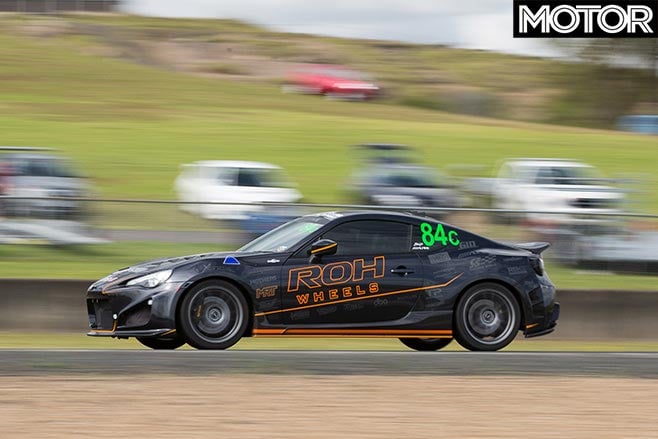
A supercharger and a turbocharger lift power to an impressive 287kW in this twin-charged 86.
We drove it in late 2015 at Sydney Motorsport Park during WTAC, and said then it had “mind-bending power,” leaning into “too much power” for an 86.
R35 GT-R-powered 86
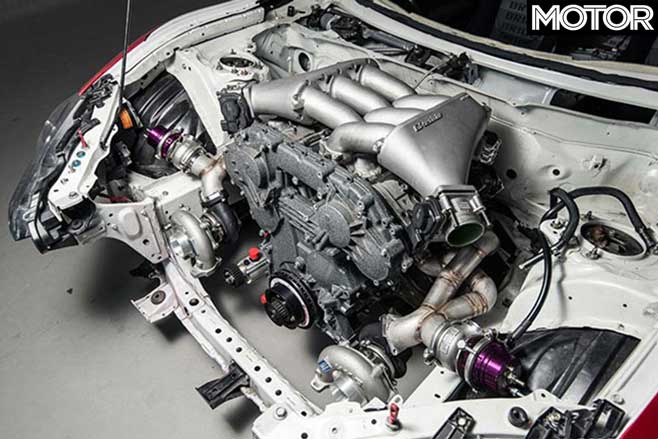
An Australian tuner bestowed one Toyota 86 with a 746kW-tuned twin-turbo V6 from Nissan’s R35 GT-R.
It remained rear-drive, with power delivered through an Albins six-speed sequential to a Mustang’s 8.8-inch rear differential.
Liberty Walk’s 86/BRZ kit
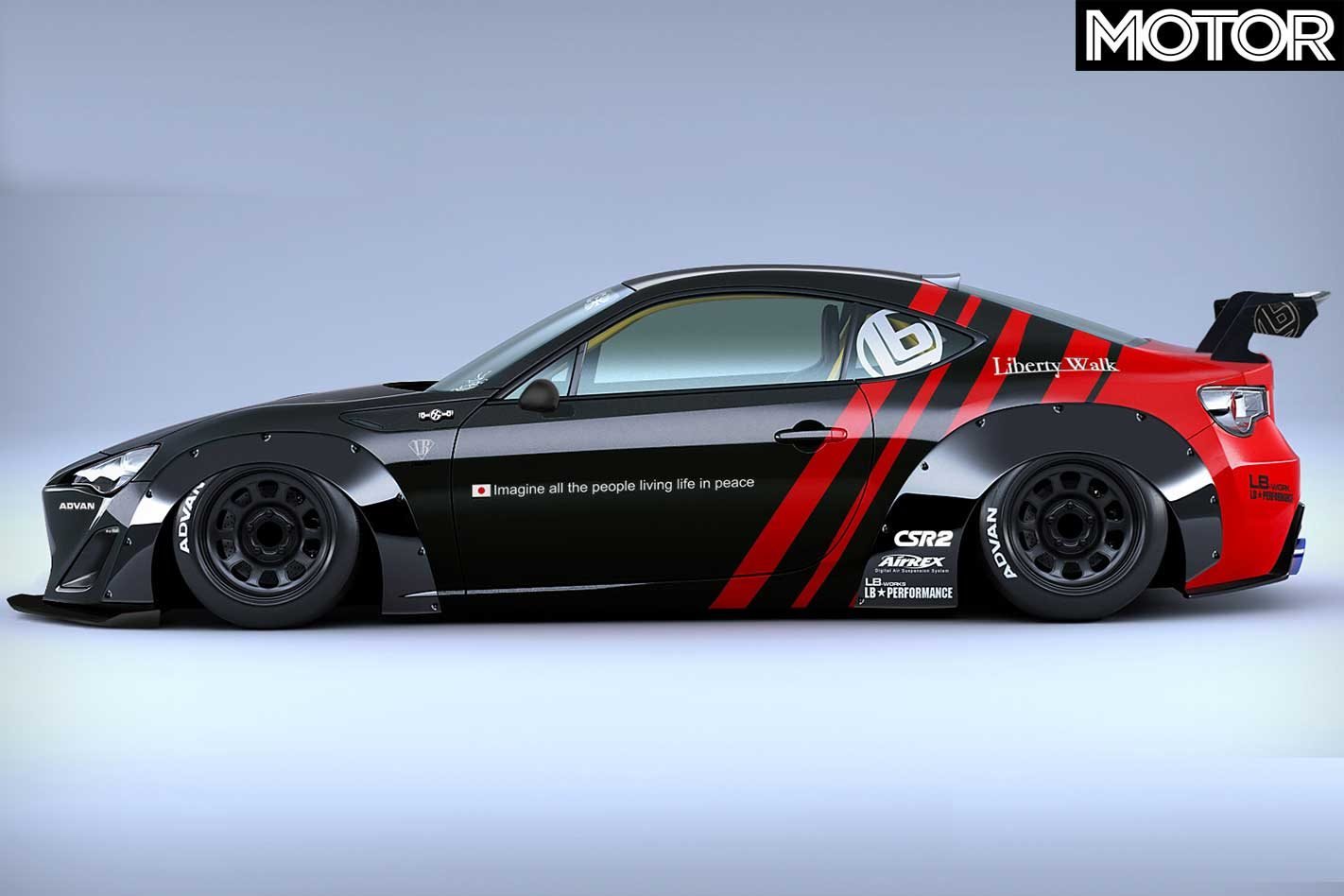
Though this isn’t one specific car, Liberty Walk’s kit is a good way to make any 86 or BRZ look like it’s just rolled off the floor at the Tokyo Auto Salon.
The claim that speed cameras are purely used as ‘revenue raisers’ is well-worn. But that claim is a tad generic, and leaves itself open to misrepresentation.
So we decided to do a little digging, and have listed below all the ways that speeding fine revenue is spent in each state.
Spoiler alert: most of the time it goes toward improving road safety.
With more than a billion dollars in speeding-fine revenue collected each year nationally, it’s a lot of coin going into road safety, which also makes the increasing road toll even more confusing.
Queensland
A report from the Queensland Audit Office released in 2015 states that “the surpluses from the Camera Detected Offence Program (CDOP) are to be used to improve state controlled roads, in road safety education and awareness, and in supporting trauma services.”
The same report defines surplus as any money in excess of the administration costs of running the CDOP. Spending the remaining surplus is dictated by the Transport Operations (Road Use Management) Act 1995.
Figures from the report show that the largest portion of the surplus is spent on improvement to the safety of state-controlled roads, followed by road accident injury rehabilitation programs, road safety education and awareness, and finally digital platform and digital camera technology (read: new speed cameras).
During the 2013-14 financial year, in excess of $60 million was spent on road safety improvements in the state, of the nearly $80 million in surplus revenue.
New South Wales
It was revealed in late 2019 by 7News that the New South Wales government now spends more of its speeding fine revenue on new cameras than it does education or road safety.
Fines collected in NSW amounted to $157 million in 2018-19, all of which were added to the Community Road Safety Fund coffer, which totals $304 million.
Of that pot, $37 million (or 12 percent) was reinvested back into speed camera programs and maintenance.
Funding for a blackspots program was allocated $14 million, school safety had $24 million set aside, and public education and awareness programs were granted $22 million.
The same pot of money is used to fund community education providers such as the Motorcycle and Pedestrian councils (the latter of which Wheels readers should be well aware of). However, how much these groups receive hasn’t yet been revealed as negotiations are ongoing.
The Community Road Safety Fund was established in 2012, following a petition by the NRMA.
NSW Centre for Road Safety defended the funding allocations, with director Bernard Carlon telling 7News “Forty percent of our fatalities are speed related and speed cameras work to reduce that trauma. Speed cameras saved lives.”
In November of 2019 New South Wales roads minister Andrew Constance told reporters fine revenue went back into spreading awareness for speeding.
“Everyone needs to know that fine revenue goes straight into a road safety fund to educate people to not do what they’ve done wrong in the first place,” he said at the time.
Victoria
In the 2018-19 financial year, the fines issued from road safety cameras in Victoria amounted to about $320 million.
New legislation was introduced to parliament in 2018 to guarantee where this money is spent. All the revenue from both speed cameras and on-the-spot fines is put into the Better Roads Victoria Fund, which as the name suggests, is spent on improving the state’s road network.
While this was also done prior to 2018, the new legislation mandated where money is spent, preventing future governments changing course on the previously discretionary spending.
Under the new rules, 33 percent of the fund will be spent on rural roads, 33 percent will be held for outer-urban roads, and the remainder will be dedicated to miscellaneous road improvements, as decided by VicRoads.
According to a Victorian government website, projects the Better Roads Victoria Fund spends money on can include: road restoration, road-surface replacement, improving roundabouts, overtaking lanes, and bridge strengthening. It also claims the cost of road trauma amounts to between $4 and $6 billion per year, including serious injuries and fatalities.
Tasmania
Government officials in Tasmania have previously claimed that speeding-fine revenue is handled similarly to the funds discussed earlier.
It should be noted that Tasmania has the lowest speeding fine revenue tally of any state, adding roughly $1 million per year to its coffers, or about the same amount Victorian’s pay every day.
In 2009 then-Premier of Tasmania, David Bartlett defended new increased speeding fines against claims of revenue raising.
“Every single dollar extra that is earned through these increased penalties will go directly back into road safety measures, and most particularly, enforcement measures for the police,” he said, according to the ABC.
The wording allows wriggle room for simply the increased revenue to be reinvested, instead of the entire fine.
South Australia
Last year South Australia increased speeding fines, some by up to 60 percent, in an effort to plug a hole in the state budget left by an expected $500 million reduction in GST revenue.
The increases in speeding fines are expected to ease damage to the budget by roughly $79 million a year. At the time of the announcement, state treasurer Rob Lucas described speeding fines as ‘voluntary taxation’.
Despite stating that the new fines were intended to help ease the hurt of a budget deficit, a South Australia government website says “all funds collected through fines from speed and red light cameras are returned to road safety through the Community Road Safety Fund.”
In 2014, then Road Safety Minister Tony Piccolo said speeding-fine revenue “has funded a range of key road safety initiatives including infrastructure, education and enforcement programs” as part of the Community Road Safety Fund.
Western Australia
Once again, fines are funnelled into a single-use fund, with Western Australia speeding fine revenue being put into the Road Trauma Trust Account
A Western Australia government site states “The Road Trauma Trust Account (RTTA) receives 100 percent of the revenue resulting from photographic speed and red-light camera fines.” Interestingly, on-the-spot fines are omitted from the statement.
The site continues: “funds are managed by the Road Safety Commission and provided to implement priority road safety projects that address road safety initiatives consistent with the Government’s Towards Zero Road Safety Strategy”
That’s right: there’s now an officially-sanctioned Street Machine Summernats burnout game. Developed for mobile, Burnout Masters also happens to be a great way to kill time when you’re on the train, on the toilet, or just plain procrastinating.
What do you need for Burnout Masters?
A phone that’s a little more advanced than the burner your local pharmaceutical distribution specialist keeps in their pocket. In other words: any ol’ Apple or Android smartphone will do, provided you have at least 75MB of memory for Android or 140MB for Apple.
You’ll need to make sure your operating system is at least iOS 9.0 or above if you’re on an Apple device, or Android 4.0 and above if you’re not part of the iPhone/iPad brigade.
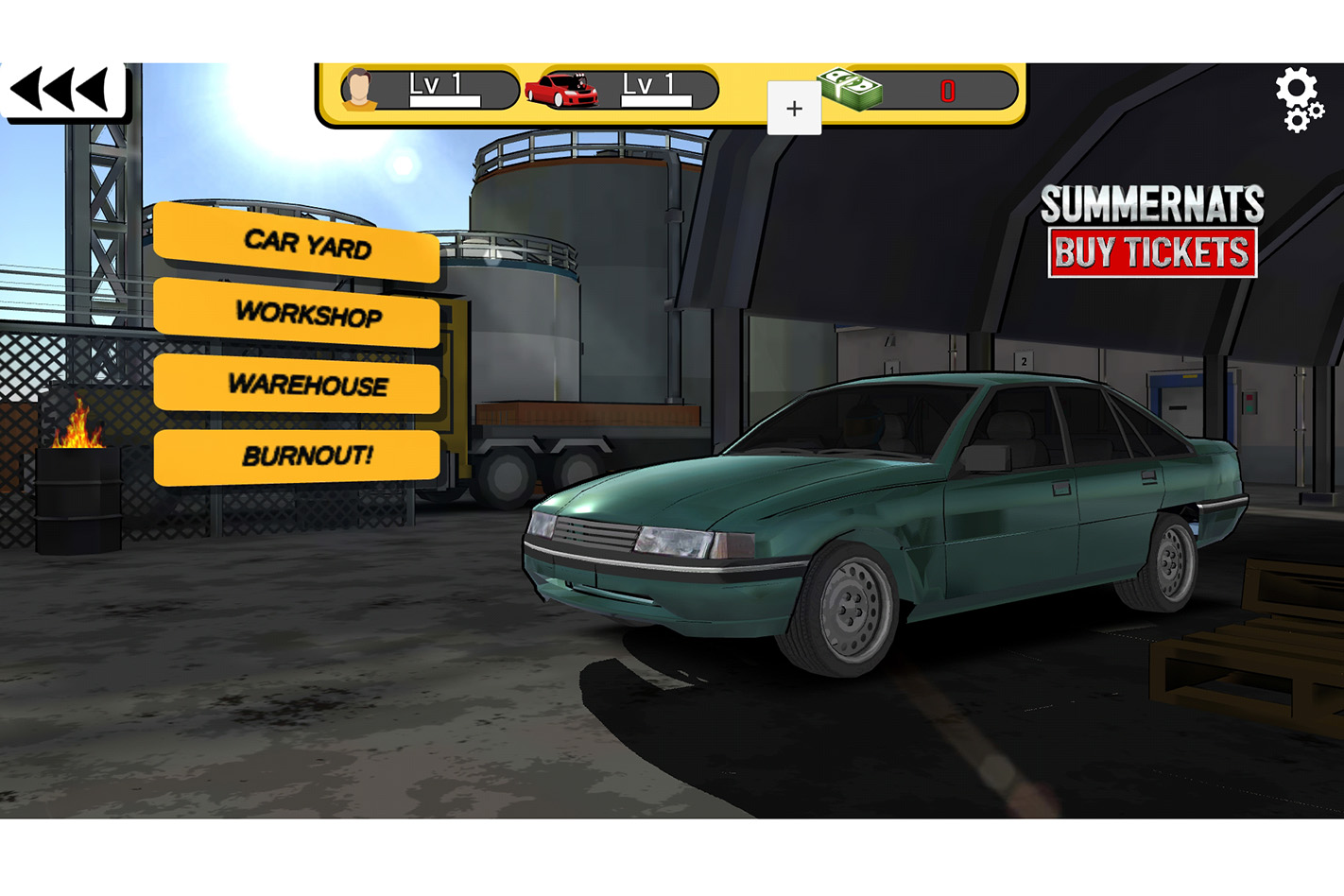
How much does Burnout Masters cost?
Nothing! It’s free to play, but naturally Burnout Masters gives you the option of spending real-world dosh to acquire in-game credits in bulk quantity. And, like most ‘freemium’ games, your ability to progress through the game is significantly slowed down if you choose to grind through the game without putting any money in.
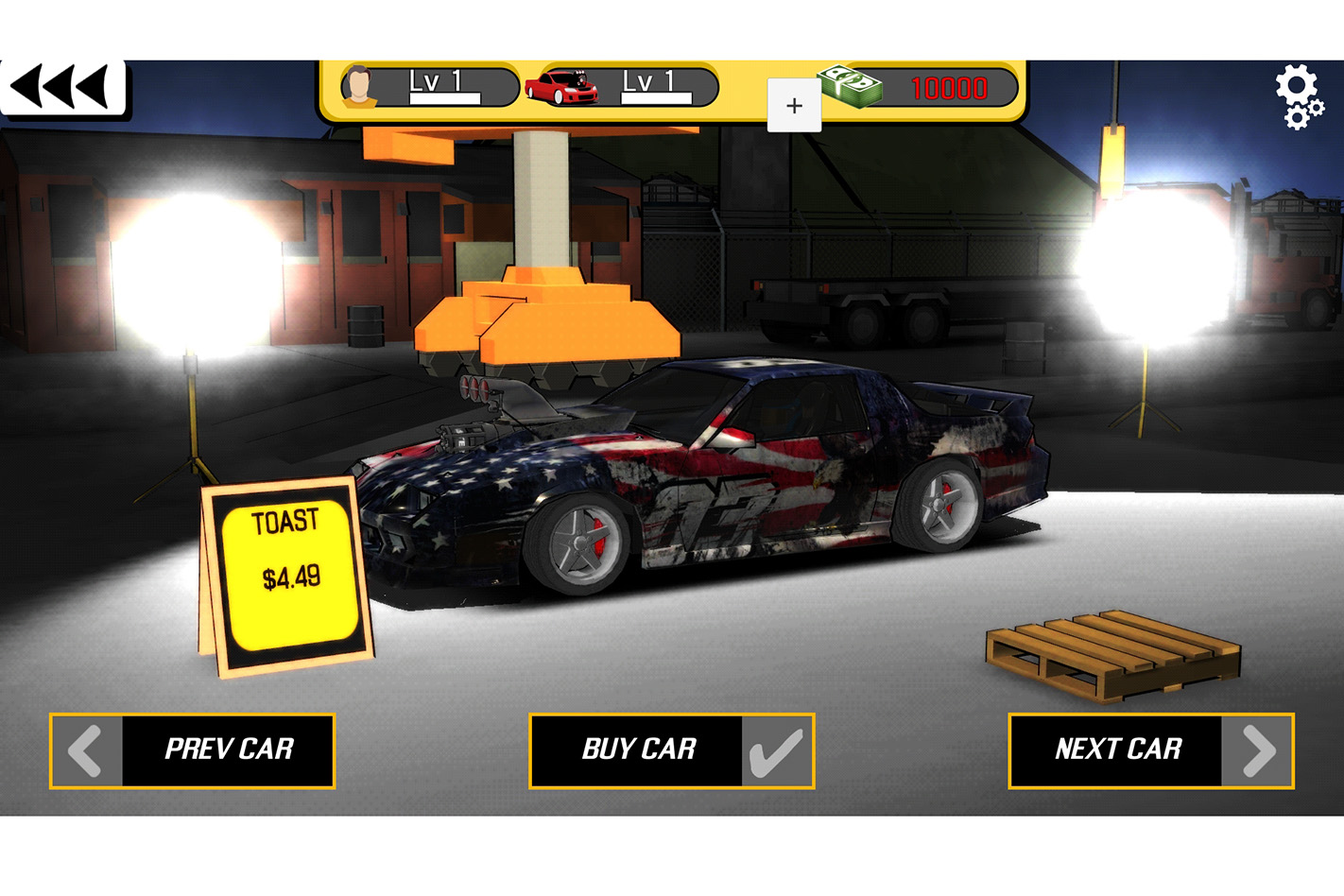
Yep, you can play around with Cleetus McFarland’s Camaro if you spend a little bit of coin.
In-game ads give the developers the ability to make some revenue off wallet-shy gamers, and said gamers can also exploit that by choosing to watch ads in exchange for $500 of in-game money a pop. At the very least, we’d suggest spending the $2.99 fee to unlock the ad-free version of the game. It supports the developers, and eliminates the concentration-breaking and unskippable video ads.
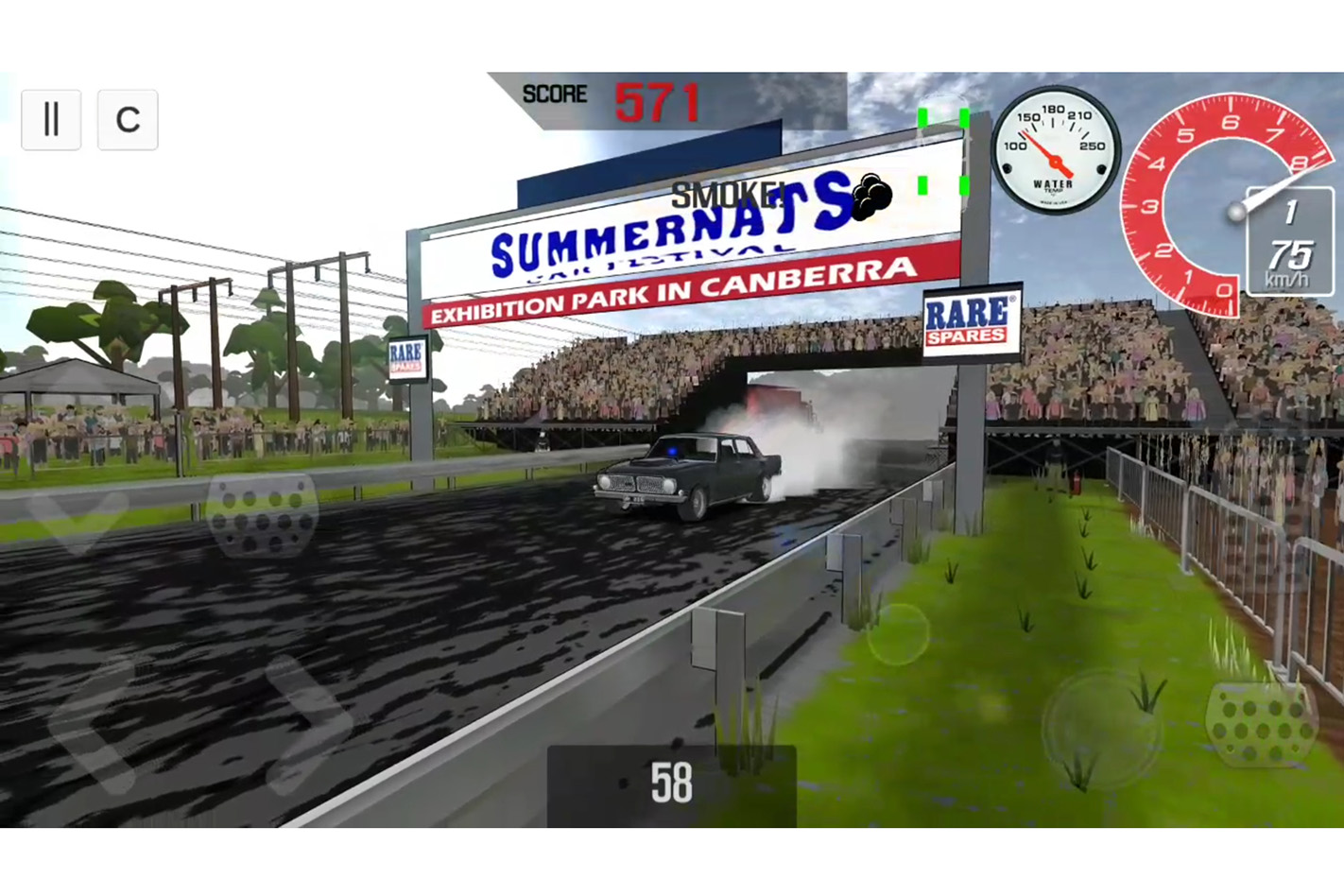
What’s it like to play Burnout Masters?
Make no mistake, this is a pretty simple game with a pretty simple objective: destroy tyres, make smoke, and try not to blow your engine.
And the controls are simple – accelerate, brake and steer via the usual arrangement of on-screen buttons, however to make it a lot easier to stall the trans up or do a static burnout there’s a second brake pedal on the left side of the screen.
A handbrake button sits next to the accelerator and brake on the right. The steering controls can either be digital – full left or full right at the tap of a button – or an analogue slider, but we recommend just sticking with the digital setup – it makes transitioning from left- to right-handed donuts a hell of a lot easier.
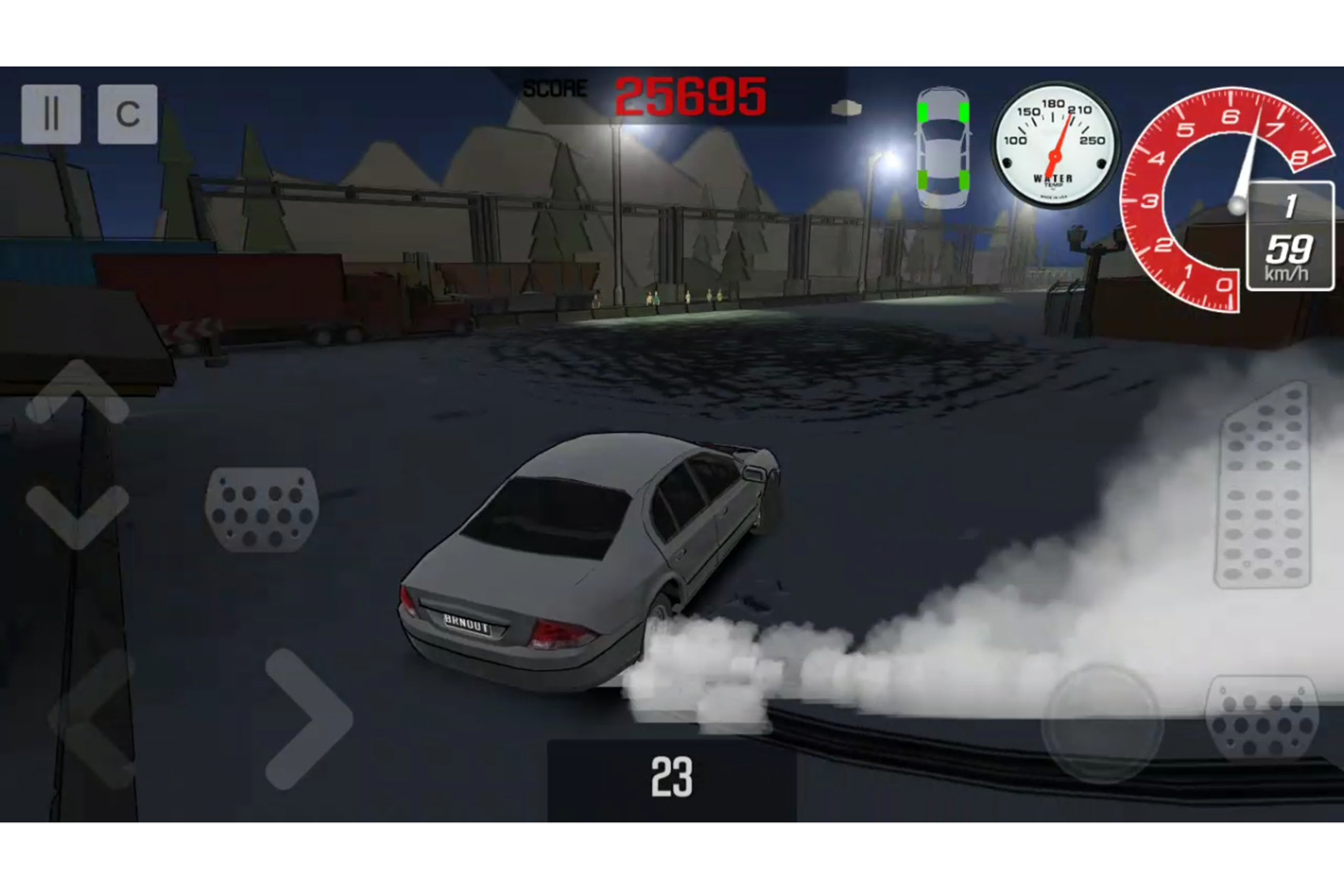
It’s pretty easy to get going, but scoring high enough to get a decent prize payout can take some practice and finesse. We chose the VN Commodore as our starter car (which, naturally, isn’t officially licensed or branded as such, but is clearly recognisable to any self-respecting burnout enthusiast) and its 3.8 litres of Buick V6 ferocity is definitely an impediment to success.
You get 60 seconds to do your thing, and the quantity of smoke, number of donuts, a solid launch, proximity to the wall, popped tyres and the amount of the burnout pad you use all contribute to your score.
Whatever you do, try not to get stuck nose-first against a barrier. Engaging reverse is a shameful act in burnout culture, and besides earning you the righteous anger of the crowd it’ll also cleave 5000 points off your final score every time you do it.
You’ll quickly discover that power is the shortcut to a successful session, as power = popped tyres and the points you gain from exploding your rear bags delivers a massive 5000-point boost to your scorecard. Speed helps too, but unless you’ve got bulk kilowatts at your disposal then shifting up a gear does nothing but make you bog down into a sad and smokeless spin.
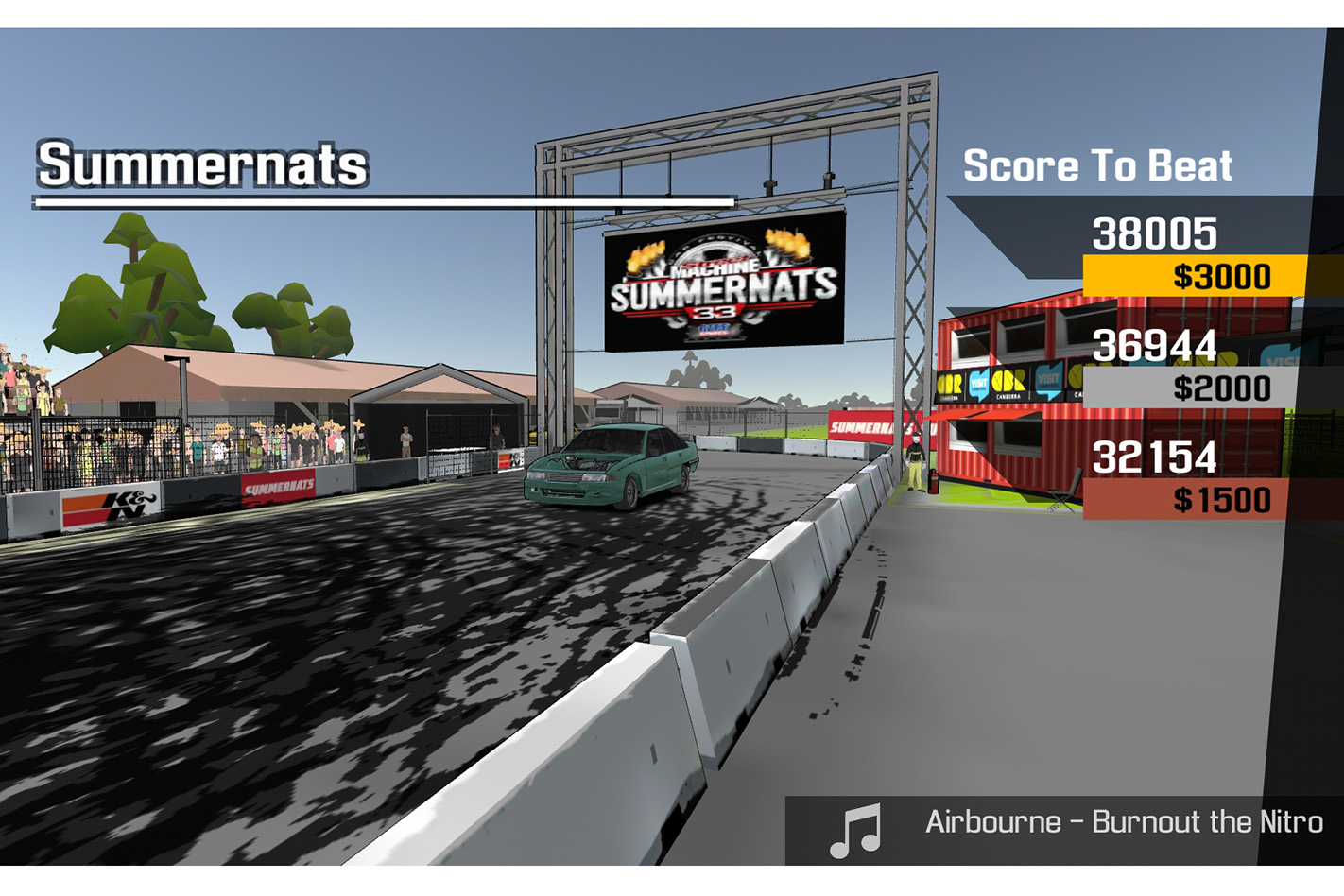
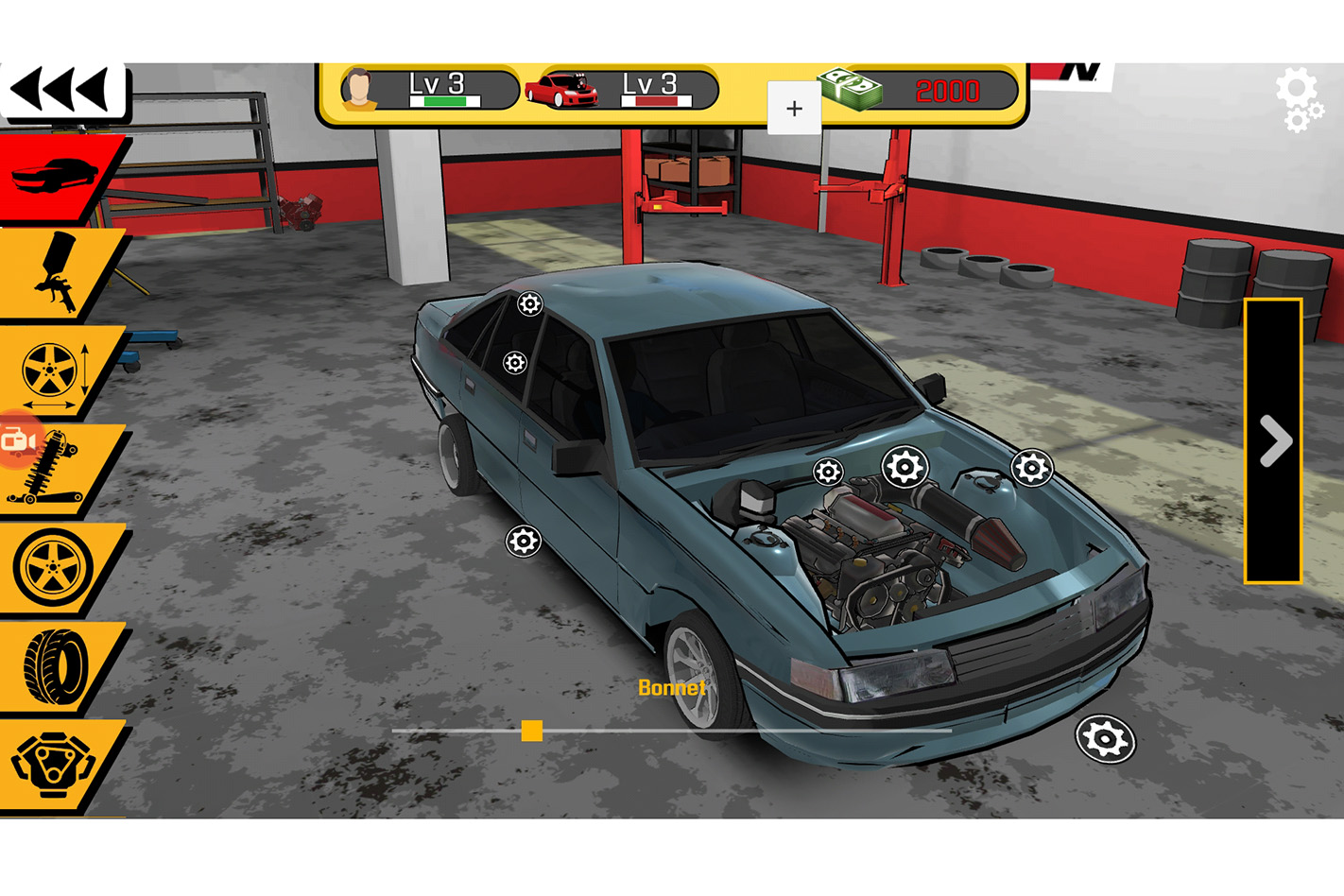
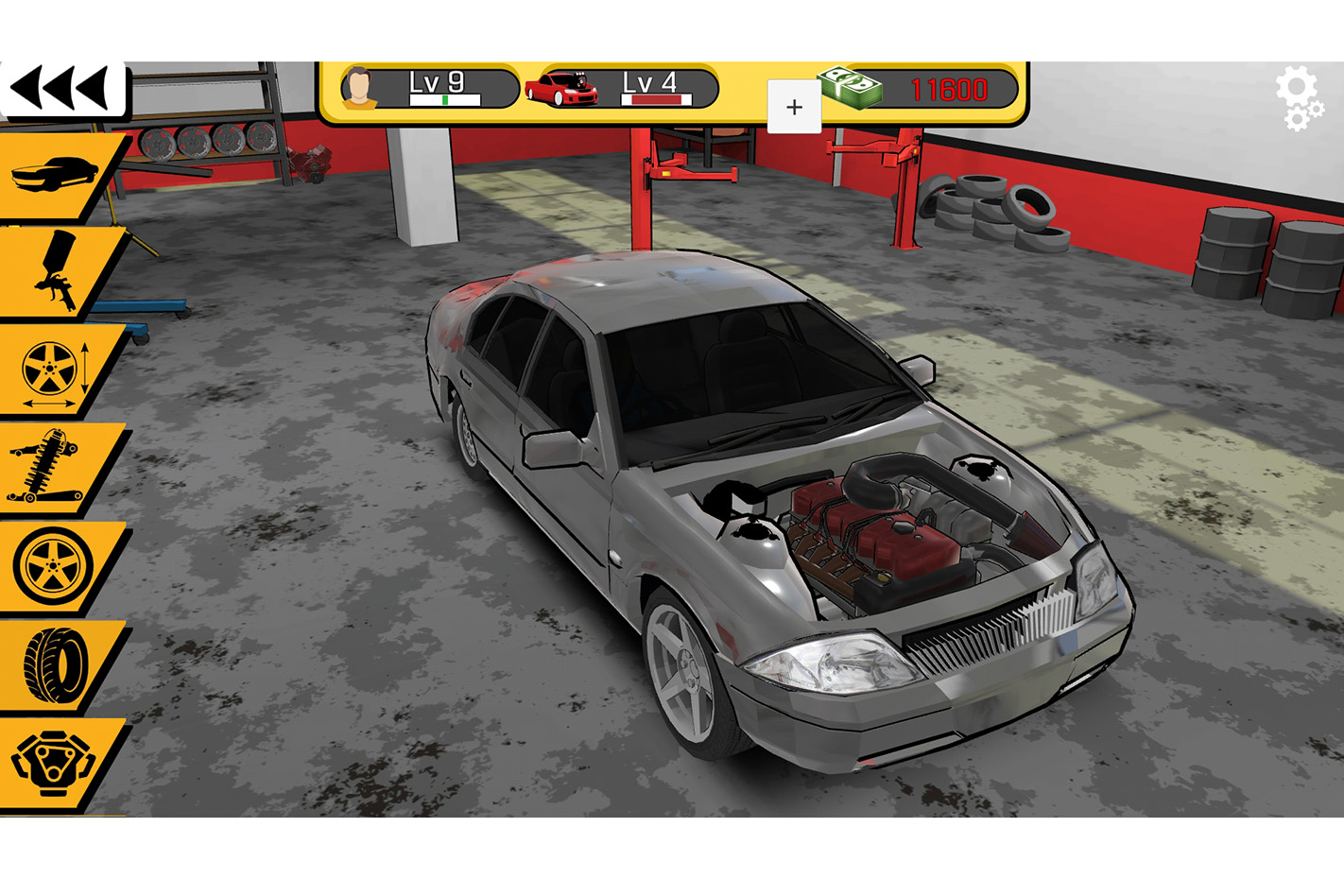
Which takes us handily to the other area of Burnout Masters that delivers plenty of time-wasting joy: car customisation. The VN’s depressing 3.8 can be turfed for any other motor available in-game, which, considering the Holden Gemini and KE50 Toyota Corolla are also playable cars, means you can downgrade to a poxy 1.3 litre 8-valve four-pot or 75hp 1.6 if you really, really want. Ever wondered how the mighty AU Falcon would go with an antique 202 red motor under the bonnet? This game will let you discover the answer… for some reason.
Bodykits, paint colours and wheel designs/sizing can all be fiddled with too, and removing the bonnet costs you nothing – just like real life. The novelty of seeing the 4.0 Intech of your AU vibrating itself to death as you complete your 17th rotation is one that never gets old.
Are there any downsides to Burnout Masters?
No game is perfect, and Burnout Masters is not without shortcomings. The graphics are simple and fairly cartoonish, which can be endearing in a way, but if you’ve sampled the rival Torque Burnout you’ll probably reckon that Burnout Masters doesn’t really try hard enough in this area.
The official Street Machine Summernats burnout sim also doesn’t have a super-sophisticated handling model (not that anyone would ever really mark down a burnout game for inaccurate physics), but again, there are other titles that do it better, and the ‘hitbox’ around certain environmental objects often extends further than the 3D model itself, meaning you’ll sometimes slam into thin air if you try and run too close to the pad boundary.
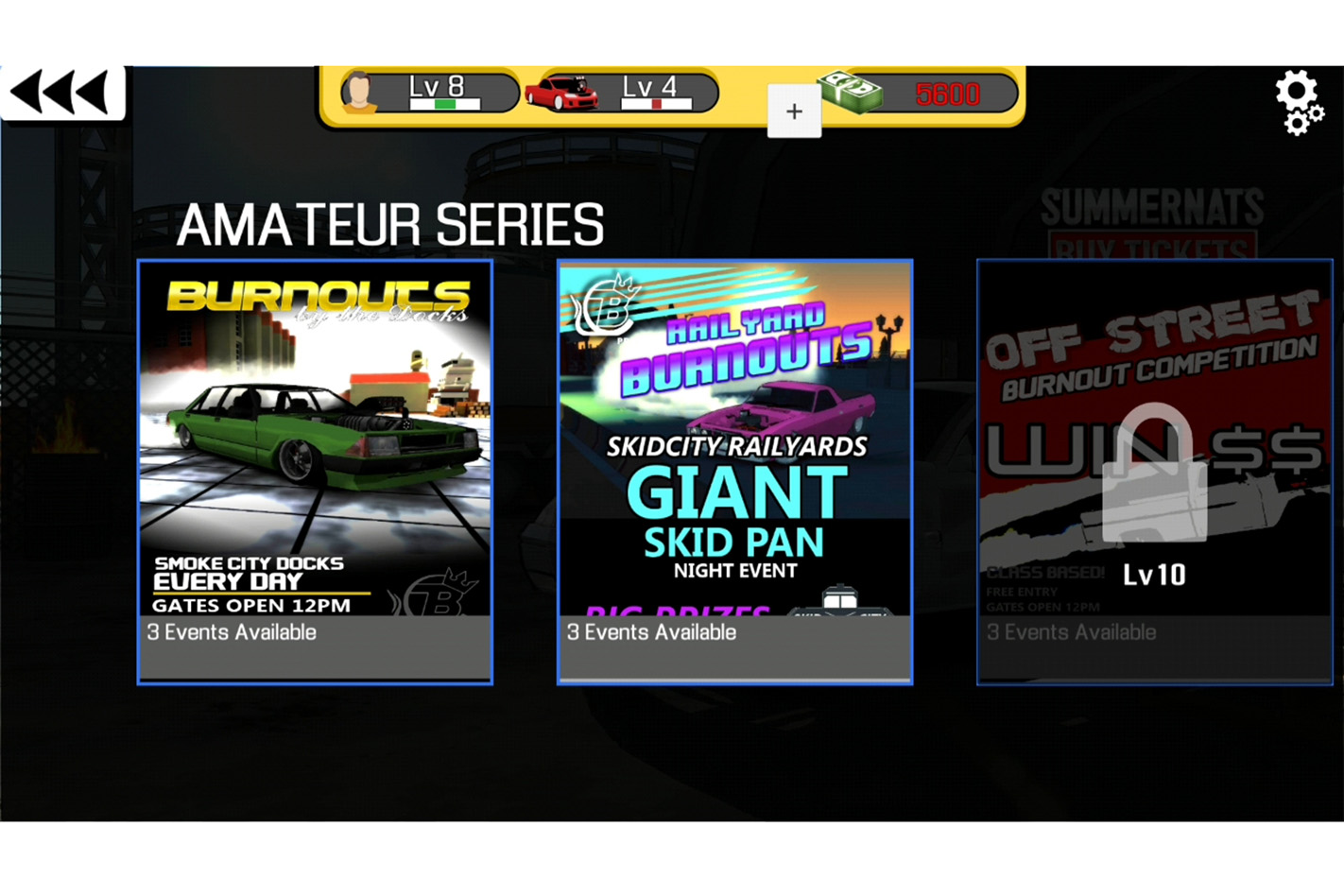
You also can’t do two-tone paint or custom graphics and thus replicate the pensioner-spec burgundy-over-silver scheme of a VN Calais, nor the yellow body and silver bumpers of the iconic VL Commodore BT1. Like we said, the graphics in Burnout Masters are pretty simple. The number of burnout arenas is also quite slim at this point, though several greyed-out events (including Red Centre Nats and Rockynats) suggest developers Roadburn Games will be expanding that in the near future.
Verdict
Burnout Masters doesn’t really do anything terribly different to other burnout games, but the Summernats connection is one that many Australian petrolheads will probably appreciate (you can even buy tickets to Summernats 2021 from the app).
It’s not terribly sophisticated, but sophistication is not something that’s really necessary to have fun when you’re talking about burnouts – whether real or virtual. What is for certain though, is that Burnout Masters is a great time-waster that deserves to be kept on your phone for those occasions when you really want to vaporise some tyres, but you can’t be arsed getting off the couch.
Rating: 3/5
After a decade in production, Bentley is drawing the curtains on its flagship limousine, the Bentley Mulsanne, with a limited-edition model known as the “6.75 Edition by Mulliner”.
With only 30 examples to be built, the “6.75 Edition” is named in tribute to Bentley’s venerable L-Series 6¾-litre (affectionately known as the “Six-and-Three-Quarter”), which was first developed by Rolls-Royce for the 1959 Bentley S2 and Rolls-Royce Silver Cloud II.

Remarkably the engine has been in continuous production – albeit with minor modifications– for just over 60 years, and represents Bentley’s last technical connection to its former luxury compatriot and now rival – Rolls-Royce.
Based on the range-topping Mulsanne Speed, the “6.75 Edition” stands out from its contemporaries with a combination of special gloss black brightwork, dark tint treatment, and chrome fixtures on its exterior.
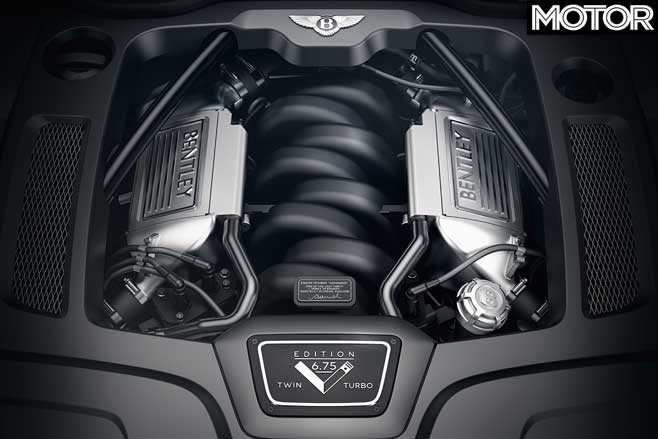
Underneath the bonnet, the V8 engine gets a black engine intake manifold, whereas its engine number plaque is signed by Bentley’s Chairman instead of technician who built it.
Inside, the interior is adorned with “6.75 Edition” motif stitching and badging, with the centre console resplendent in silver veneer trim and commemorative plaque, and finished with neat little details such as the caps of the traditional “organ stop” switches being modelled after the engine oil cap and schematics drawings of the V8 engine feature on the clock face and auxiliary dials.
From an initial form as a 6.2-litre V8 producing 172kW in the 1960s, the L-Series V8 has had a remarkable journey to its monstrous 6.75-litre 395kW/1100Nm Euro 5-compliant form in today’s Mulsanne Speed. But with the spectre of tighter emission regulations hanging in the air, it is becoming clear that the engine’s existence is becoming increasingly untenable.
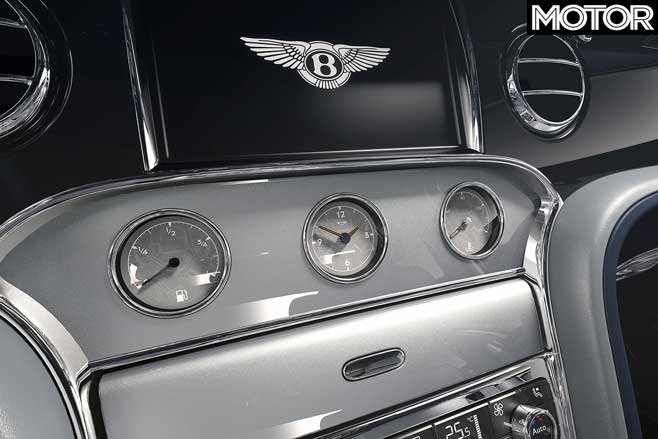
The end of the Bentley’s illustrious V8 engine comes as no surprise as the Bentley leadership had already indicated that the Mulsanne would be its “final home”. Though, what is surprising is that Bentley’s last surviving rear-wheel drive model would be going down with the engine.
With no successor in the works, and Mulsanne production winding up in the middle of this year, Bentley would be passing on the “flagship” mantle to the Flying Spur.
The latest Toyota RAV4 may well have gained rave reviews from many testers worldwide, but it hasn’t earned a tick of approval from Teknikens Värld (World of Technology) a respected Swedish title that broke the original story on how the Mercedes-Benz A-Class failed the moose test.
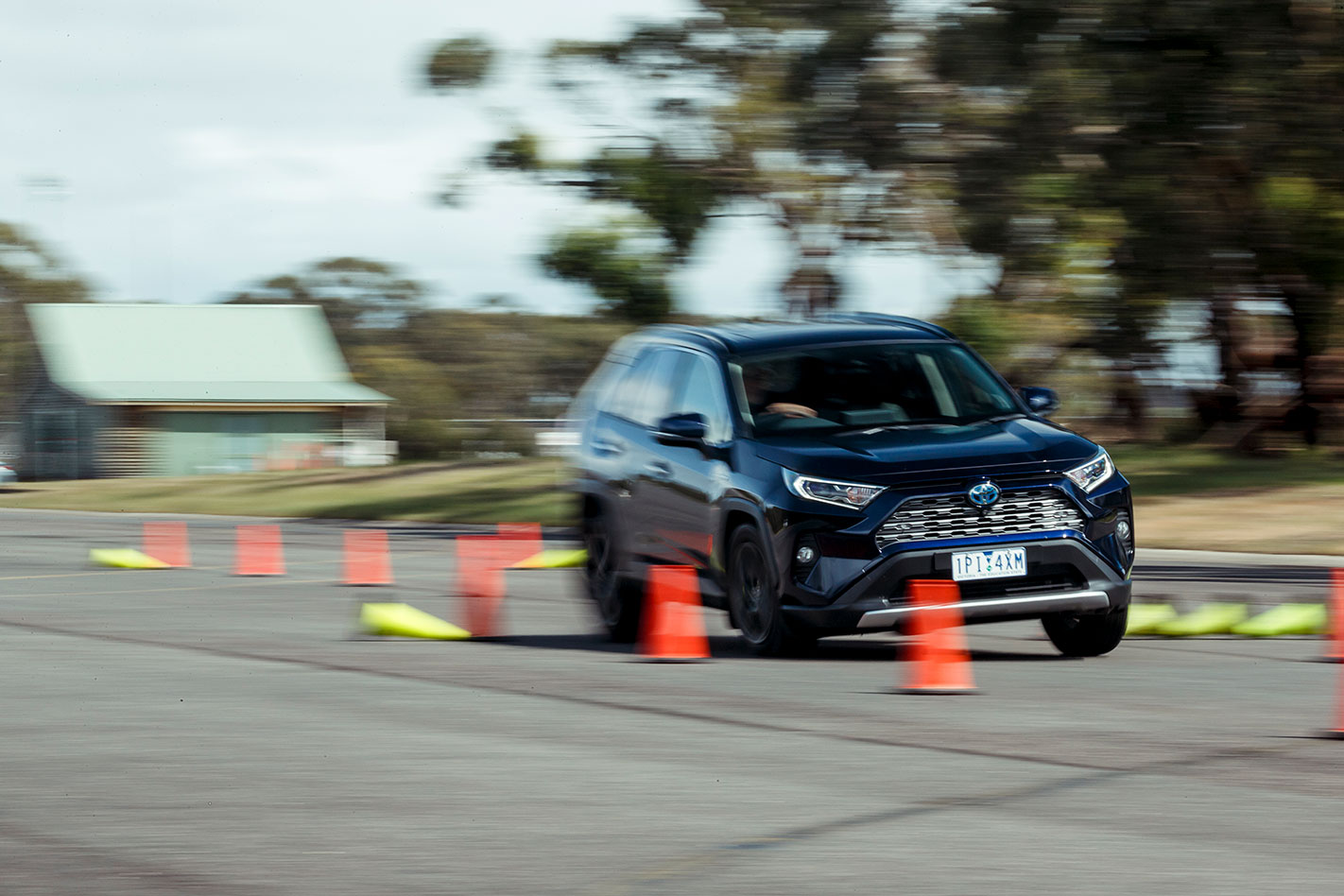
Like the baby Benz, the Toyota SUV’s behaviour through their moose test, a rapid emergency lane change simulation, has generated cause for concern. While the RAV4 remained resolutely dirty side down (unlike the A-Class), its behaviour through the offset maze of cones had vehicle tester Linus Projtz criticising its dynamics.
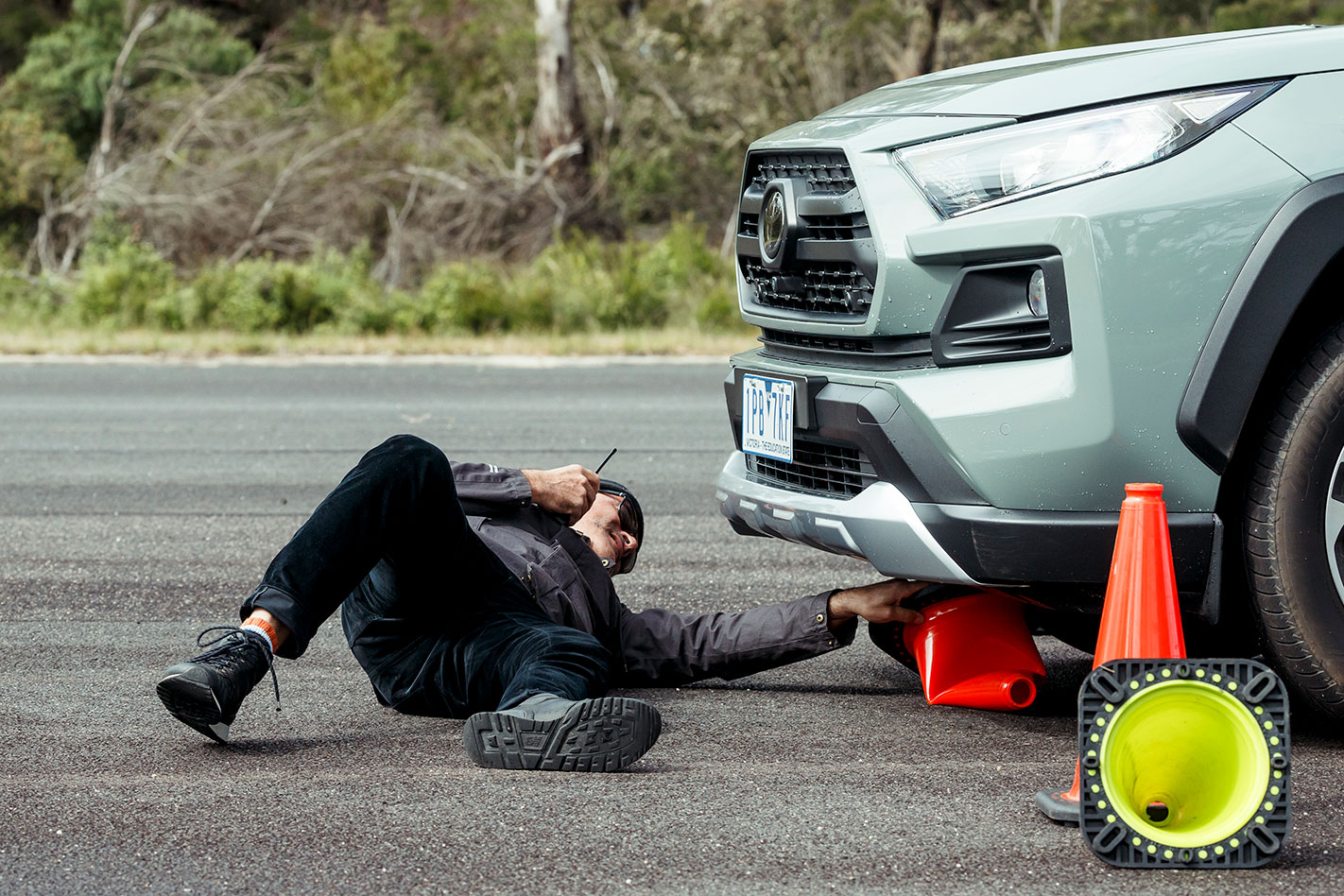
“The fifth generation of Toyota RAV4 performs really bad,” claimed Projtz. “We find an ESP (stability control) system doesn’t limit the car’s movement, there’s a bouncing effect through the test which makes the car really hard to handle and that’s at a speed of about 67, 68km/h,” he said. “Back to the drawing board.”
Wheels tested the RAV4 through a lane change manoeuvre at our latest Car of the Year exercise, tester Byron Mathioudakis criticising the stability control calibration as being “heavy handed”. My notes refer to it as “grabby”. We conducted the exercise at Holden’s Lang Lang facility and GM Holden had recently imposed restrictions on extreme manoeuvres with high-sided vehicles, so we were unable to replicate the speeds at which Teknikens Värld were entering the slalom.
In addition, the Teknikens Värld test dictates that the vehicle is at its maximum permissible weight, with ballast in the boot and five adults on board. In effect, it’s a worst-case scenario, the driver flicking the steering as violently as possible.
Despite the stability control’s zealous interventions, the RAV4 negotiated the lane-change in a way that didn’t diverge radically from what we would expect a softly-sprung SUV to do. In fact, many buyers are attracted to the latest RAV4 exactly because of its benign ride, accepting a trade-off in handling sharpness. We also noted that the RAV4 exhibited significantly less rear-end yaw through the cones than some notably sportier cars on test.
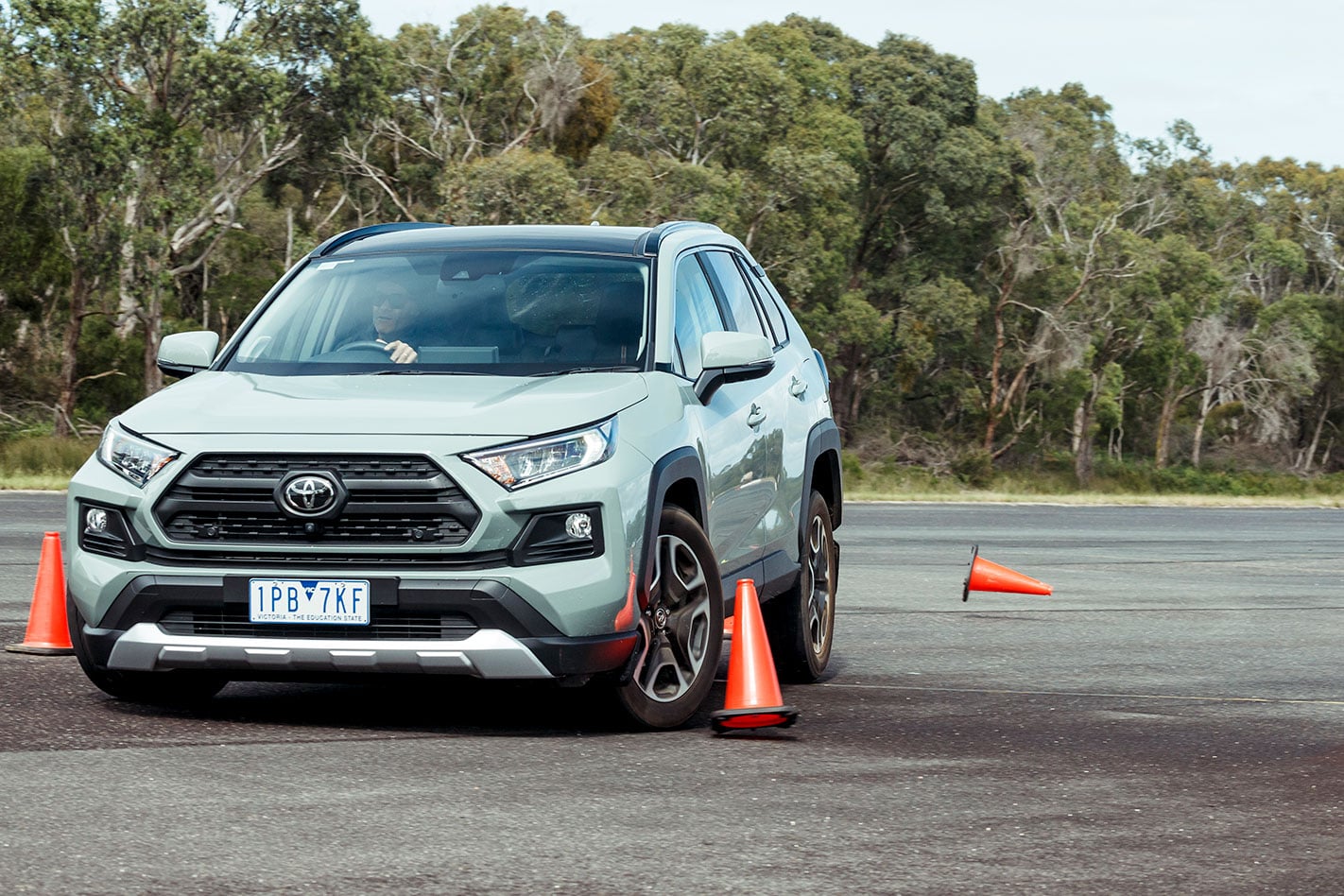
In a worst case scenario, according to the strict test criteria of Teknikens Värld, the RAV4 came up short. That said, we’d expect a firmly sprung sports car with short-stroke suspension to come unstuck when driven at speed over the sort of extreme bumps a RAV4 would easily take in its stride. Nevertheless we agree with the Teknikens Värld team that perhaps Toyota needs to polish its stability control calibration for the latest RAV4. Does that make it a dangerous car in the real world? No. Could it be made better? Certainly.
We contacted Toyota Australia for a comment on the test and they furnished us with the following statement.
“At Toyota, the safety of our customers is our number one priority, and to ensure their security, we apply strict safety tests during the development of all our products. Our internal tests fully meet the global standards for obstacle avoidance, and since 2016, we have updated our processes to also reflect the procedures used by Teknikens Värld. During its development stage, RAV4 successfully passed all internal tests, including the Teknikens Värld elk test.
“After this report we recently re-ran the Teknikens Värld elk test with a similar specification vehicle and achieved the same positive results as before. We are now in contact with Teknikens Värld to further understand the different test results. We give our assurance to all Toyota customers that they can be confident in the safety of their vehicles.”
Watch the video, draw your own conclusion on the RAV4’s behaviour and let us know what you think.
