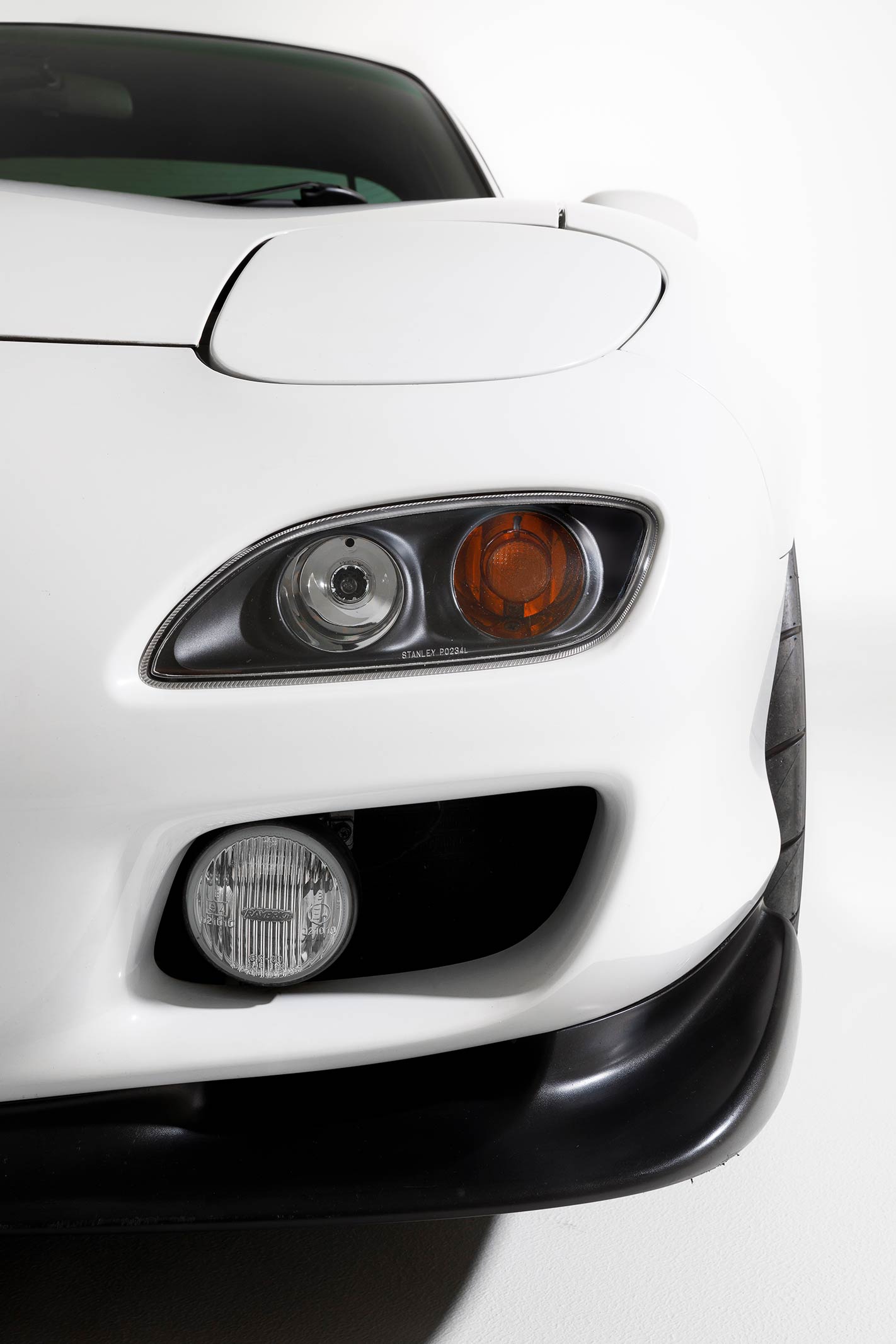
WHAT YOU are looking at here is a chimera; an alien shape that could never be replicated today. The low bonnet and cowl would never pass pedestrian safety legislation now. Those would have to be raised, with fresh air over the top of the engine’s hard points. With it, the seating position would inch up by a commensurate amount and that would require a higher roofline. Because of that, the beltline would have to be elevated to prevent the glasshouse looking gawky. That, in turn, adds sheetmetal between the beltline and wheelarch tops, so the wheels need to get bigger and heavier to maintain proportion. And then you realise there’s no chance of replicating the purity and balance of the beautiful FD RX-7. This moment will never happen again.
It’s hard to know whether this pleases Wu-Huang Chin or not. The Taiwanese designer was part of the Mazda North American design team that won a shoot-out against a home team from Hiroshima. Many aspects of the Japanese proposal would end up recycled into the MX-3, but the American design was something very special.
“I first started working on the third-generation RX-7 in 1988,” says Chin. “Soft, organic aero shapes were the trend of the time. Our goal was to develop a timeless design along the lines of the legendary Ferrari and Jaguar sports/racing cars from the 1960s. We pictured in our minds this car being presented at the Pebble Beach Concours 20 years later. However, we did not want to borrow any heritage from others; instead we looked at the Cosmo Sport, the first- and second-generation RX-7s and tried to continue this Mazda rotary heritage.”
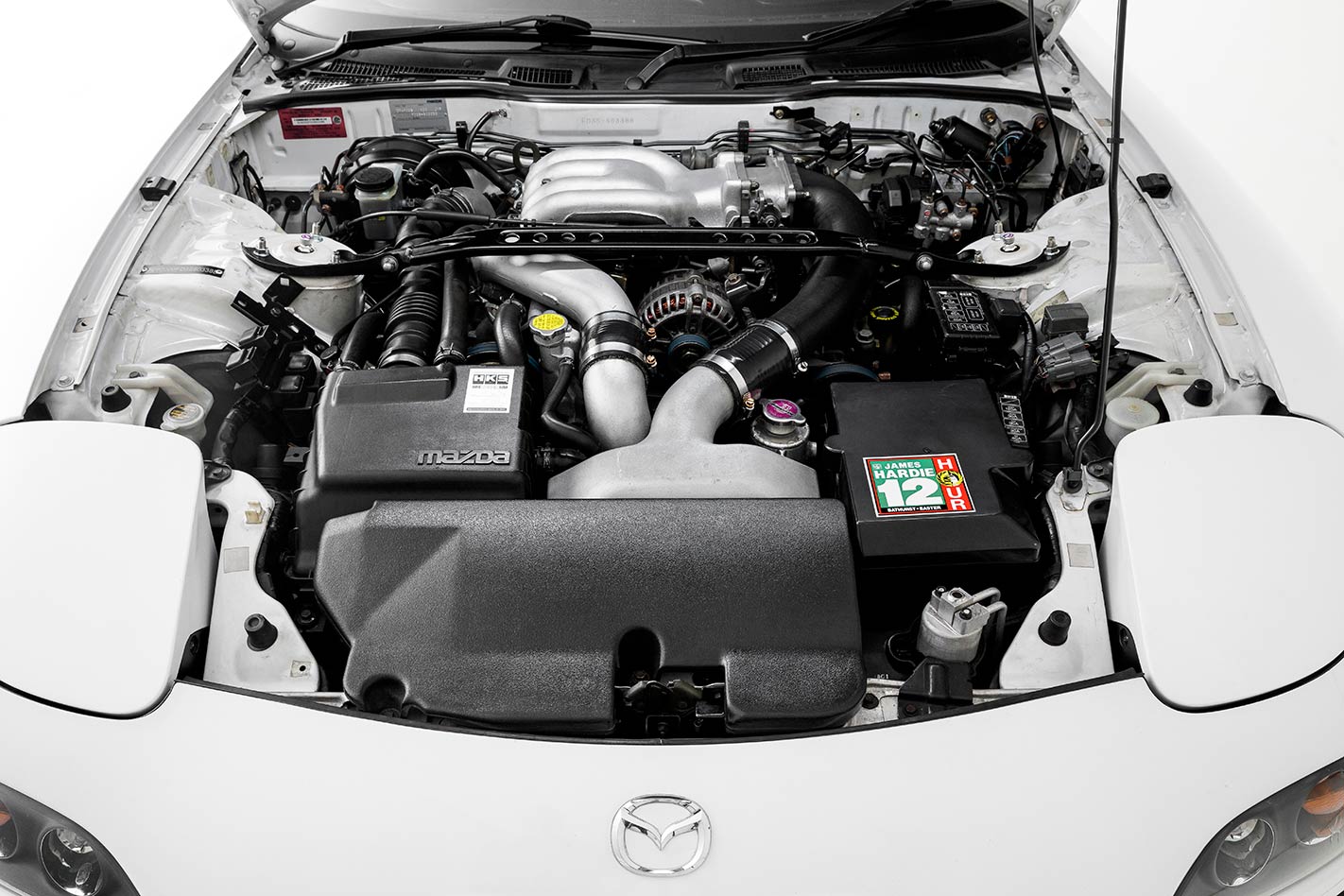
It’s hard to overstate how radical the engineering was here. The FD RX-7 and Cosmo shared a sequentially turbocharged rotary engine, the first production cars after the Porsche 959 to offer this tech. The engine was pushed deep and low into a gaping transmission cone for a surface-skimming centre of gravity. Long before the company’s ‘gram strategy’ on the MX-5, Mazda sought to slice weight out of every RX-7 component. The brake pedal is a tiny aluminium tile, drilled 12 times to further shave weight.
Even the spark plug leads were trimmed to save weight. The dimensions were kept compact; shorter, wider and lower than its predecessor with tighter overhangs and 20 percent better torsional rigidity. For some sort of perspective, the 1230kg Type RZ model is a yawning 311kg lighter than a modern Supra. As far as contemporary benchmarks, the initial power-to-weight ratio was within two percent of the Ferrari 348 and two percent better than the aluminium-bodied, and far more expensive, Honda NSX.
The fundamentals were near perfect. Light weight, a low centre of gravity, fully galvanised body, aluminium double wishbones front and rear, vented disc brakes all round and a clever Power Plant Frame (PPF) that used high-tensile steel to effectively make the engine, gearbox, Torsen differential and rear axle into one unit. An allied benefit of the PPF was additional crush resistance that then permitted the fitment of a larger 76-litre fuel tank without risking it being pierced by the diff housing in the event of an accident. Together, the PPF, the rotary engine and gearbox totalled a mere 374kg.
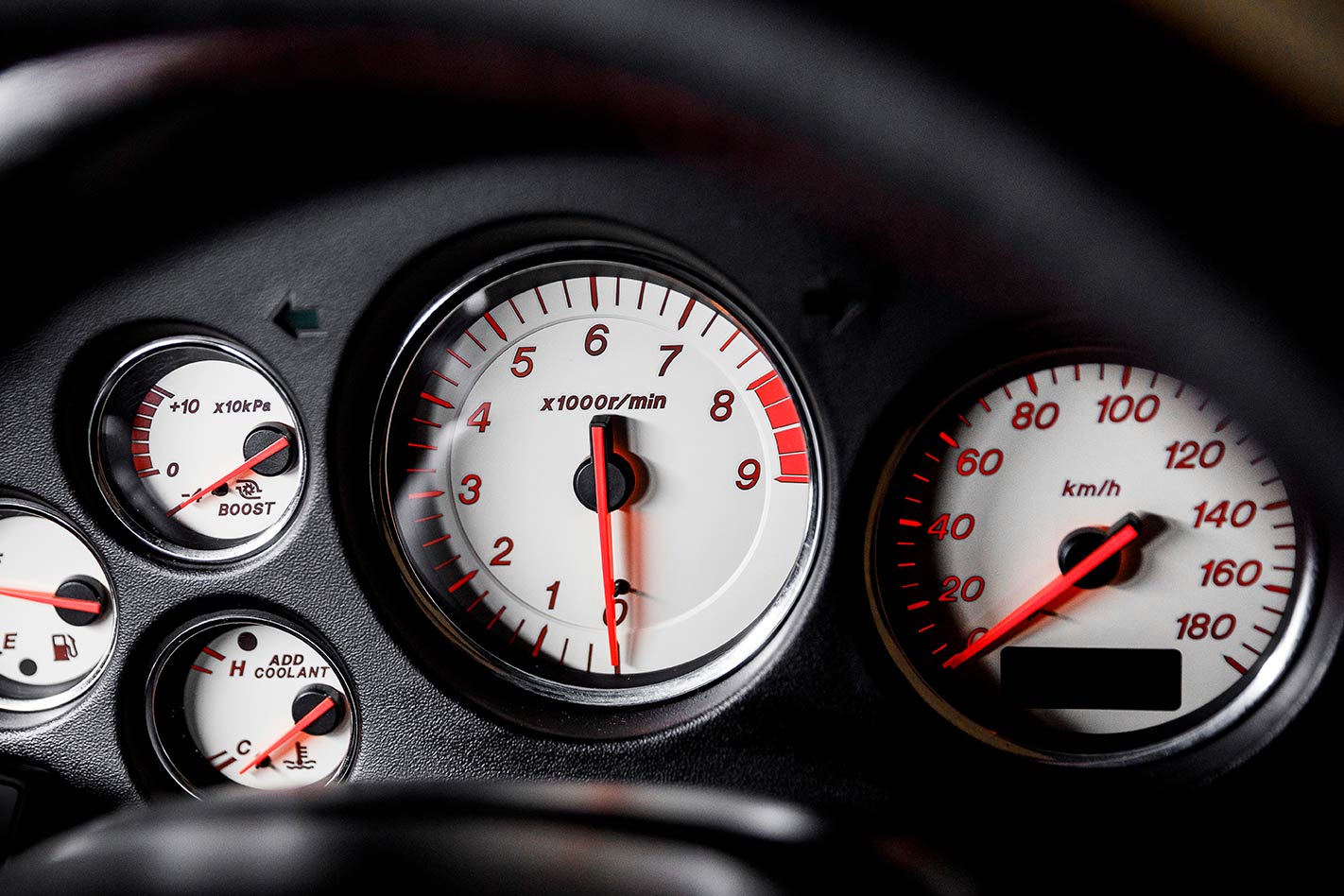
The twin Hitachi HT12 turbo set-up was fiendishly difficult to calibrate. It required 67 vacuum hoses to finally ensure that there was a smooth handover from one to the other, pressure bled off the primary blower pre-spinning the secondary turbocharger to 140,000rpm before chiming in at an engine speed of just over 4000rpm. Stung by accusations of rotary engine unreliability, Mazda punished the 13B-REW engine in testing, running one unit at 8000rpm for six months while another was accelerated from tickover to 7000rpm constantly for three months. Another test involved taking the engine to its heat threshold and switching it off to see if the turbochargers would cremate themselves, over and over again.
The car first launched worldwide in 1992 and there were three sub-generations of the FD. The Series 6 ran from 1992-1995, followed by a lightly modified Series 7 from 1995-1998. The Series 8 was a Japanese- market-only swansong from 1998-2002 but included the desirable Type RZ and Spirit R models. Wheels tested the RX-7 in October 1992, putting it up against the BMW 325i, the Nissan 300ZX and the Subaru SVX, but as far as dynamics were concerned, it was soon apparent that it was a mismatch. As Mike McCarthy said, “For sheer grunt and go, the RX-7 is streets ahead” and he noted that “the RX-7’s chassis dynamics are mind-boggling. Nothing here comes close.”
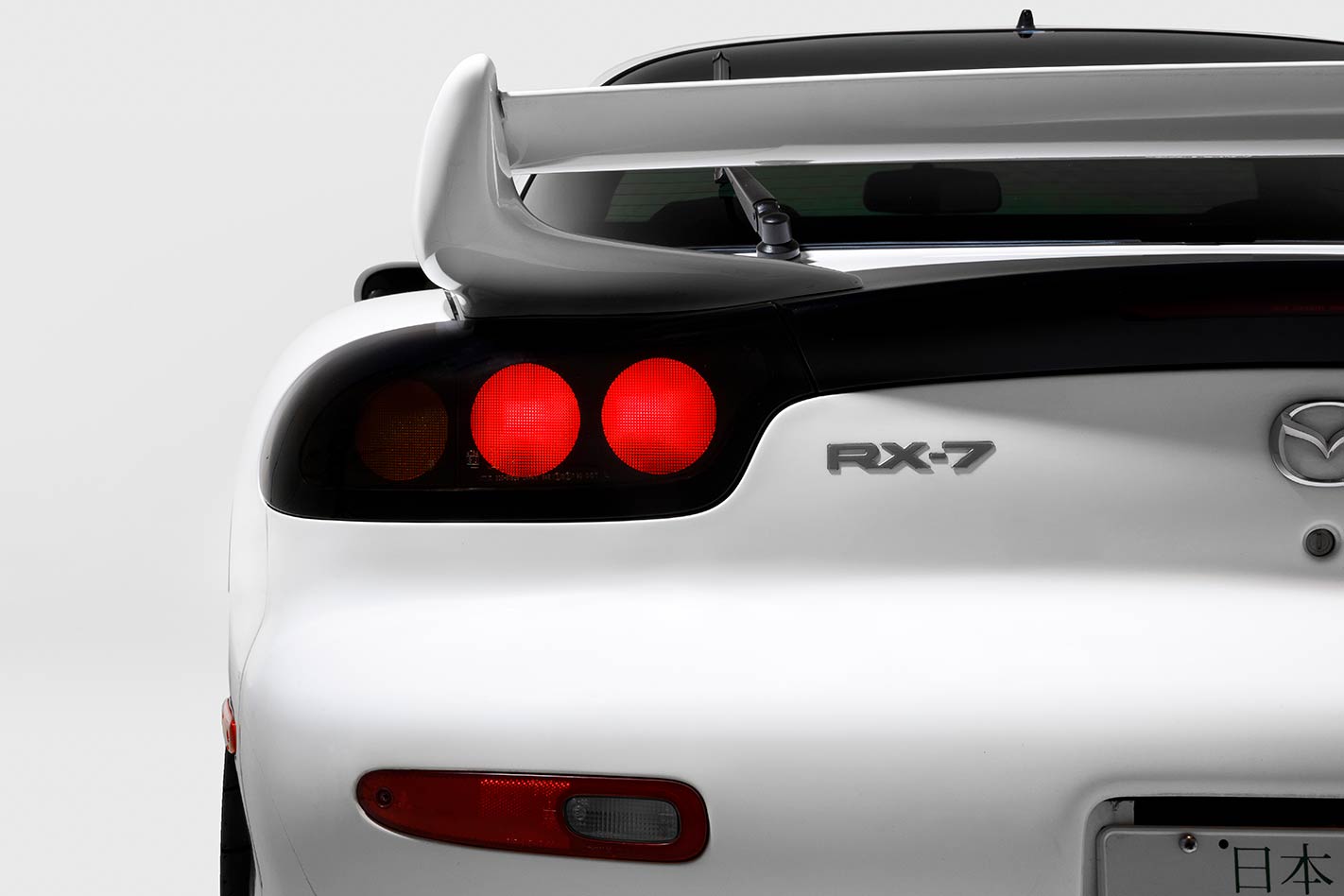
Australia received the very special RX-7 SP in 1995, produced to homologate vehicles for the Australian GT Production Car Series and the Bathurst 12 Hour. Only 35 were built in 204kW/357Nm guise, and for many, this is still the ultimate production FD. Selling here for $99,790, it was around half the price of the $189,450 BMW E36 M3R and $218,000 Porsche 993 Carrera RS Clubsport and was a better road car than both the Germans. With a carbon airbox, a lower diff ratio, Kevlar-shelled Recaros, a huge intercooler with manual spray function, bigger brakes and stickier rubber. That and a 120-litre race-spec fuel tank, a modified nose cone and spoiler, 17-inch wheels, a freer breathing exhaust and a re-flashed ECU. The result was a win at the 1995 Bathurst 12 hour (held at Eastern Creek in that year, with John Bowe and Dick Johnson delivering Mazda victory for the fourth year in succession). The car pictured here is the Japanese market Bathurst R spun off the back of the wins in 2001.
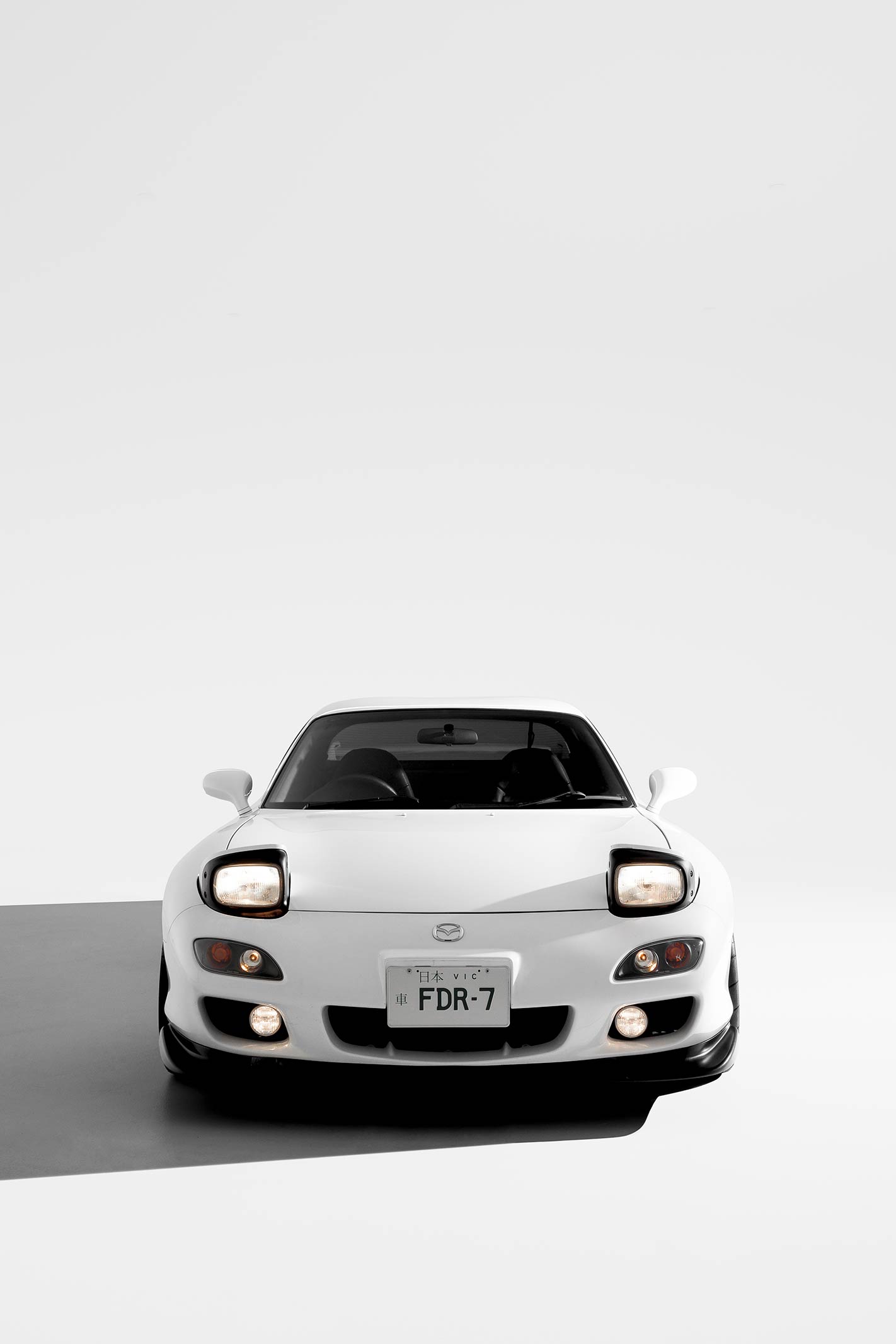
While the likes of the SP, the Spirit R and the Type RZ are easy recommendations, virtually any manual RX-7 is worth seeking out. The Touring X auto is somewhat lame, and later Series 8 imports with automatic gearboxes are down 10-15 horses compared to their manual equivalents. Usually the difficulty is finding a relatively unmolested car. In the FD RX-7’s case, that’s virtually impossible. Most owners understandably freshen the look of their car with new alloy wheel designs, and switching the twin-turbo setup for an easier to manage single turbo installation is a popular conversion. This helps get rid of the so-called rat’s nest of vacuum hoses that can spring almost impossible-to-diagnose leaks.
The engine itself is tougher than the internet horror stories suggest, especially if previous keepers have been diligent with correct-grade non-synthetic oil. The oil needs to burn in a rotary and synthetics don’t do this brilliantly, leaving deposits and varnishes in the combustion chamber that will wear the apex seals. A high-zinc content mineral oil that’s changed every 5000km is the way to go. Getting a specialist to perform a compression test is also key. The factory service manual reckons on 100psi for each chamber, and should you see a result lower than 85psi, you could well be on the road to a rebuild.
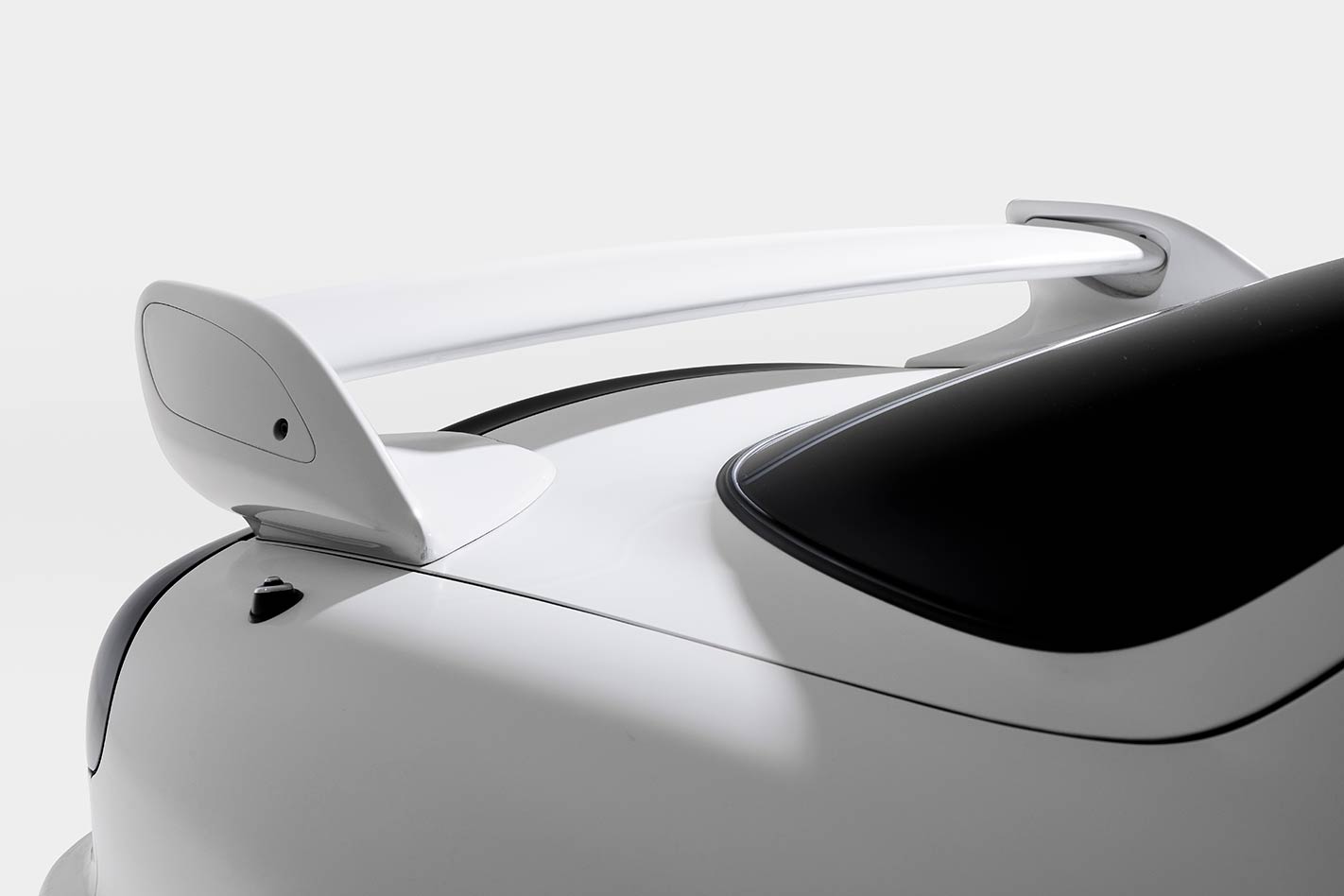
The RX-7 is broadly heat-intolerant, and hot climates can see the rat’s nest and wiring loom become brittle and unreliable. Same goes for the engine mount rubbers. Replacing the fan switch is recommended for Australia, as the fan kicks in at 124° Celsius, which can be too late to prevent the engine sweltering. Replacing it with an FC switch causes the fans to run at medium speed from a lower temperature. Coolant should also be diligently changed as old, acidic coolant will deteriorate the apex seals.
A good secondary health test of the engine is to connect a boost gauge to the intake manifold and have a mate rev the engine slowly and cleanly. Check that the turbocharger isn’t registering more than 10psi until around 4500rpm. From there, charge pressure will momentarily dip to around 8psi as the second turbocharger spools up and then blip back up to a steady 10psi. Cranking up the boost on an FD RX-7 requires a lot of additional and expensive work on cooling. Some have tried going down this route before deciding that it’s easier to fit a small-block V8 than try to get an FD running high boost reliably. Many RX-7 enthusiasts view this as a particular sacrilege.
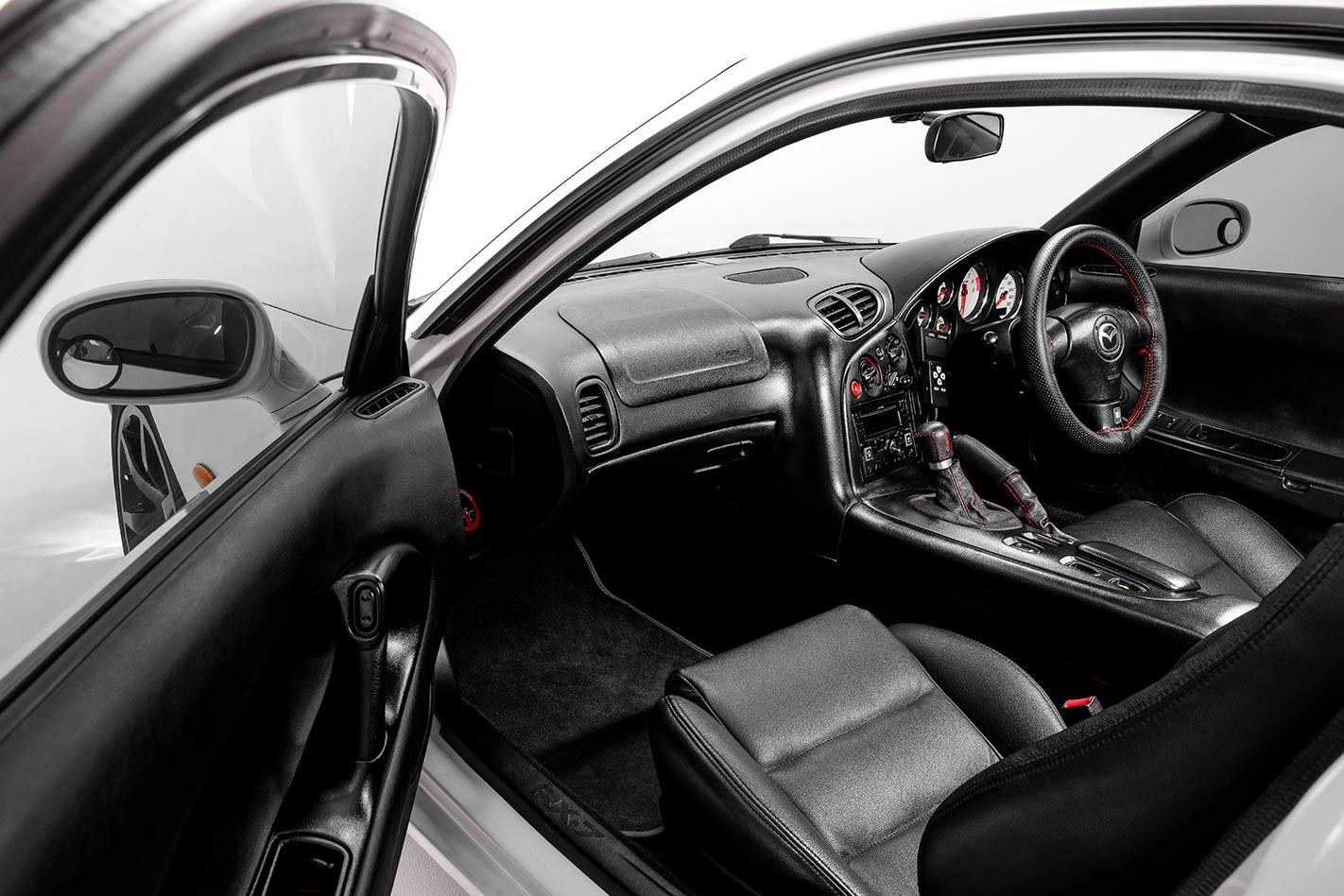
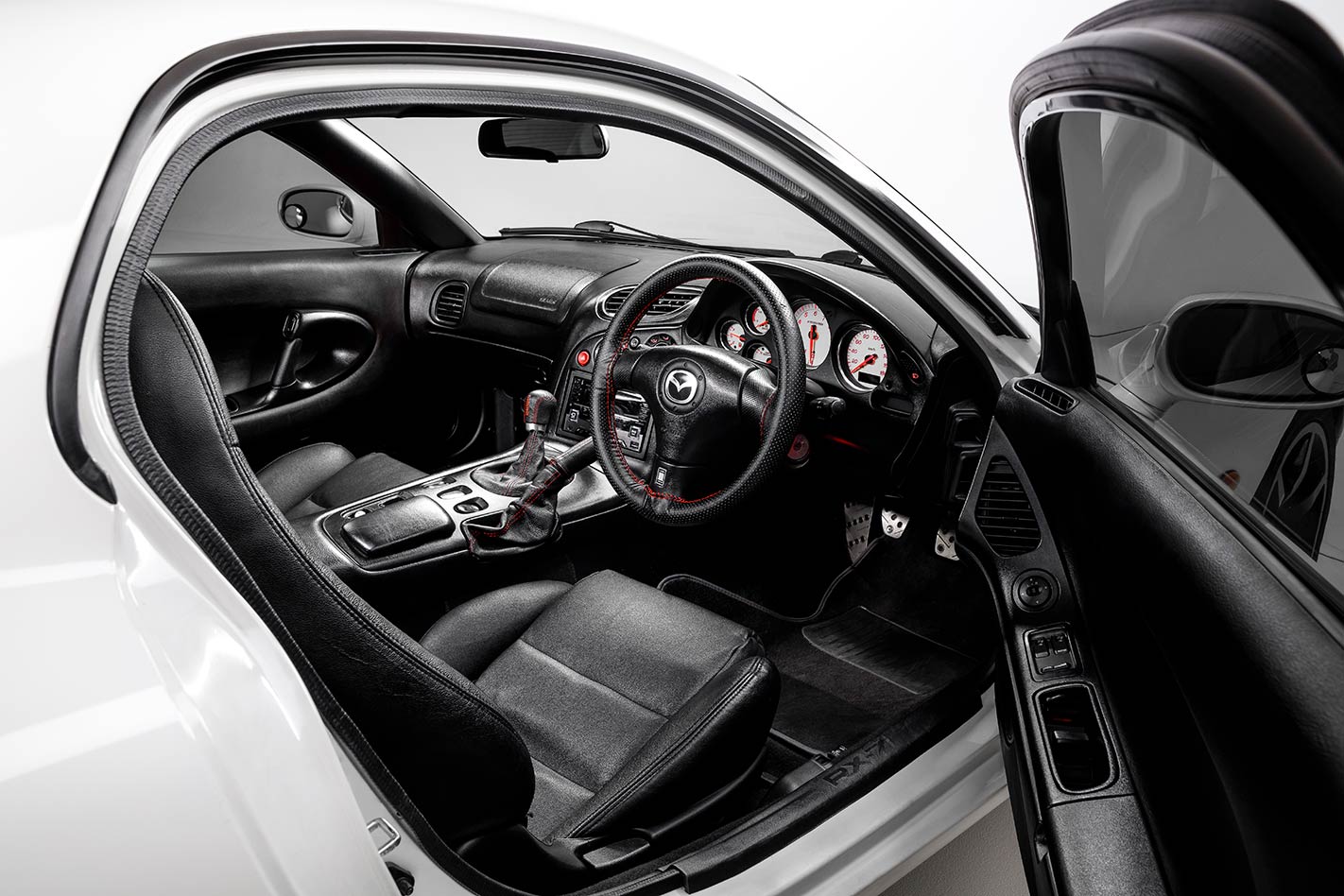
Get a well-sorted car and all of the things that made the RX-7 great back in the day still apply today. There’s a fundamental rightness about the decisions made about the car’s dynamics that haven’t aged at all. The qualities of light weight, a charismatic engine, great steering, adjustable handling and a cleanly designed, driver-focused cabin transcend the quarter of a century since the FD RX-7 debuted.
The years have done nothing to erode the appeal of this, the most sensuous of all the Japanese bubble-era super coupes. The FD represents a specific moment in time, but in this instance one that seems to have perpetually sidestepped the undignified ravages of the ageing process. It’s a jewel-like exotic which represents the last of an exceptional line.
SPECS
Model: Mazda FD RX-7 (’92 Aus spec) Engine: 1308cc twin rotor, twin-turbo Max power: 176kW @ 6500rpm Max torque: 294Nm @ 5000rpm Transmission: 5-speed manual Weight: 1310kg 0-100km/h: 6.5sec (as tested) Price: $73,000 then, from $35,000 now
The wife and I have been putting a humane rat trap out in the backyard night after night, trying to arrest a trouble-making rodent who drives our dog into a barking frenzy. And we could put the neck-breaking trap out, I suppose, but it’s not the rat’s fault that our dog can’t tell the difference between a rat in the lemon tree and a masked intruder carrying a sack labelled “LOOT”.
But we’ve had less luck catching our rat than the Lawyer X royal commission, and now I’ve finally found out why. Because scientists have been teaching rats how to drive.
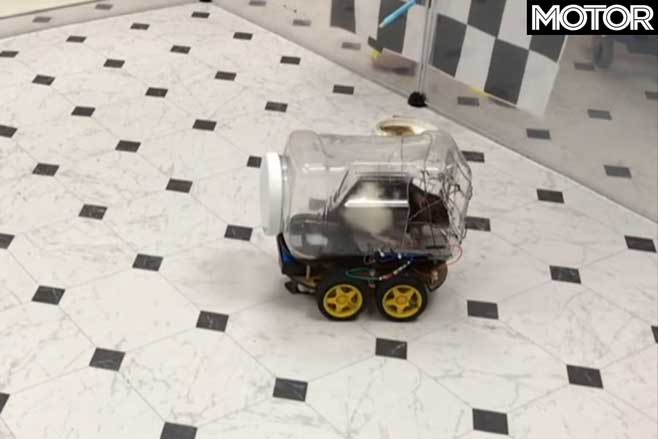
At the University of Richmond (which is a real university in the US, and not a euphemism for a safe injecting room), researchers built a little electric car for rats, called the ROV: the “rodent operated vehicle”. Which is also what I will be calling cars parked across two spaces from now on.
So these scientists build the ROV, then teach the rats to drive it across the lab to get some Froot Loops. Which sort of sums up America for you – they invent a new type of car, then immediately invent a drive-thru for it.
Why should they do such a thing, you ask? Is this the first real step in creating animal chauffeurs, just like I’ve been demanding for years? (Picture yourself swanning about in the back seat while a panda with a peaked cap drives you to work… yeah, now you want it, too.)
Sadly, no – it’s part of a study of stress hormones and environmental conditions or something; I stopped paying attention once they told me “no” on the animal chauffeurs thing. The study did show that the rats who drive themselves to get the Froot Loops are less stressed than the rats who have to walk there, which is actually something I already knew about drive-thrus.

But I’ve been in a sort of a funk since I heard about that experiment. I guess I always prided myself on driving, which I consider one of the pinnacles of human achievement. I didn’t know it was something you could teach a rat to do using Froot Loops.
Right now, hundreds of millions of people are piloting a billion tonnes of speeding metal boxes around the world, and for most of them, the only thing that prevents them from spearing into each other in a global car-wreck apocalypse is that we all agree to do it the same way, on the same side of the road (in any given region), at roughly the same speeds, using the same signals, controlled by little more than green and red lights on sticks.

Say what you want about humanity being doomed by hatred and distrust, but every time you get in your car, you’re betting your life that a thousand strangers will all work together just like you’re expecting.
Road travel is the most successful experiment in social democracy the world has ever seen. The man in the second-hand Camry has the same rights as the man in the Rolls-Royce, and the hundred-strong mob driving north will all stop for the single car driving west when the traffic lights say so. It’s civilisation in motion.
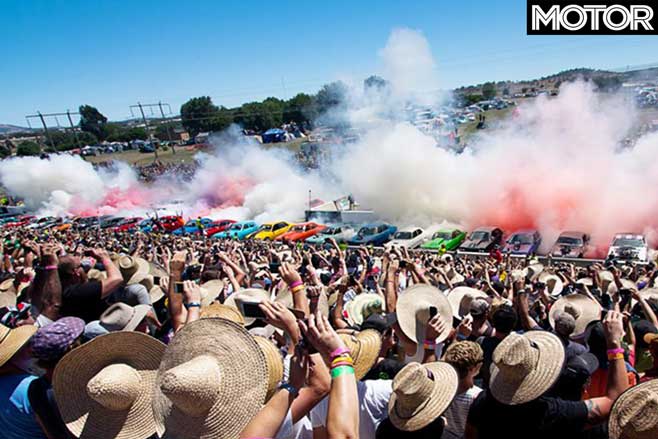
And now we’ve invited rats to the party. Rats fuelled by Froot Loops. I’ve seen the mania Froot Loops can create in a human child; I dread to imagine what happens when an army of rats with sugar highs burst out of their lab driving a flotilla of ROVs, on a mission to take over the Kelloggs factory. It’ll be chaos. It’ll be like Fury Road scaled down to rat size. It’ll be a tiny ratty Summernats, all itty-bitty burn-outs and girl-rats flashing their rows of teats.
Still, if the experiment has taught us one thing, it’s that the solution to traffic stress is more drive-thrus. We don’t need more bus lanes or cross-city tunnels – just a mid-commute bowl of cereal.
That, and that instead of the humane trap in the backyard, maybe I should be using tyre spikes.
A United States used car dealer has posted a listing for a 1998 Toyota Supra for sale at an eye-watering (do tears of laughter count?) USD$499,999, signalling we may have just crossed the line into ‘ridiculous’ where A80 Supra prices are concerned.
For us here in Australia, that half-mil USD translates to approximately $730,000.That’s about enough money to pick up a Bentley Mulsanne Speed, if you’re nice to your dealer.
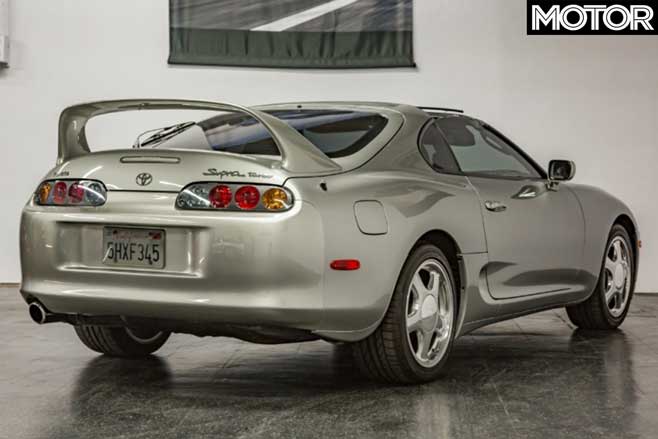
The reason for this sky-high pricing is, according to dealer Iconic Coach, due to the car’s originality and the rarity of its colour. It’s believed only 24 Supra Turbos were painted Quicksilver, and with this being one that’s got its original panels intact with VIN numbers and that same original paint, Iconic Coach saw fit to ask high.
The front lip, lower trim, and valve cover were originally black, but are now colour-matched to the Quicksilver paint.
“This vehicle has had the same owner for the past 15 years, and can be verified by a Carfax report,” its listing says.
“This specific vehicle won best of show in the stock class at the 2003 SILV meet in Las Vegas.”
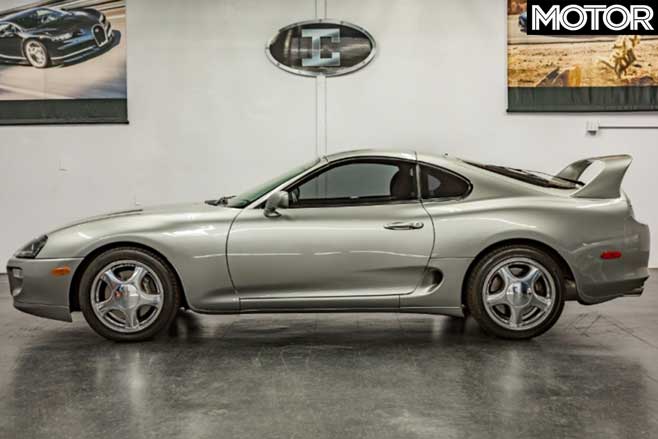
You might expect this to be a particularly low-mileage example given its price. But this Supra has covered 37,257 miles, according to the odo, or 59,947km in metric.
It’s certainly not the highest mileage we’ve seen on a pricey Quicksilver Supra, one went up for sale for USD$69,800 with 110,980 miles showing last year, but you could buy a few of those for the price this one’s hoped to sell at.
For reference, we checked US auction site BringATrailer and found two A80 Supras had sold for six figures this year, both with much lower odometer readings and both in the USD$120,000-$130,000 range.
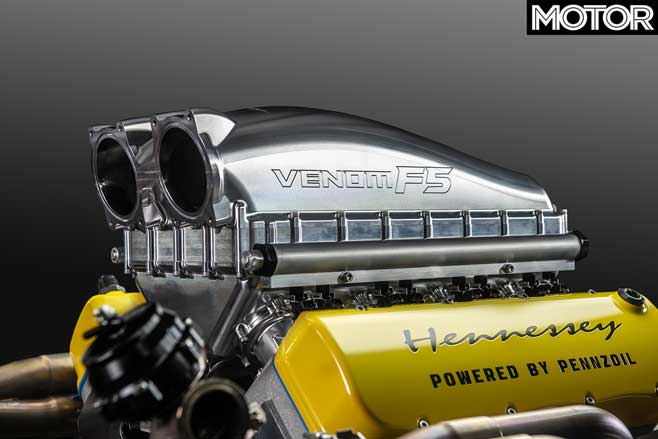
This is an engine built to beat Bugatti. Called ‘Fury’, it is an insanely powerful twin-turbocharged V8 set to power what Hennessey Performance hopes will be the world’s fastest road car.
The Texas-based company is bolting Fury into its incoming Venom F5, an all-new hypercar that company founder John Hennessey originally promised would have more than 1193kW and a power-to-weight ratio of 892kW per tonne.
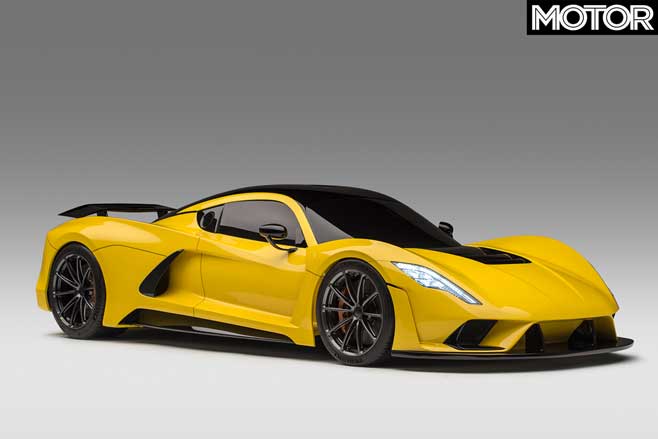
Turns out he was being conservative. During recent certification on an engine dyno, it actually produced a staggering 1355kW at 8000rpm and 1617Nm at 5500rpm.
Hennessey also shared full details on the engine, revealing Fury is based on a General Motors LS V8. Yep, this 1300kW-plus monster is a pushrod. It also explains why Fury has the same 104.8mm cylinder bore as an LS7.
Hennessey’s engineers reduced the piston stroke to 95.25mm, lifting the oversquare ratio to help it rev all the way to an 8200rpm redline.
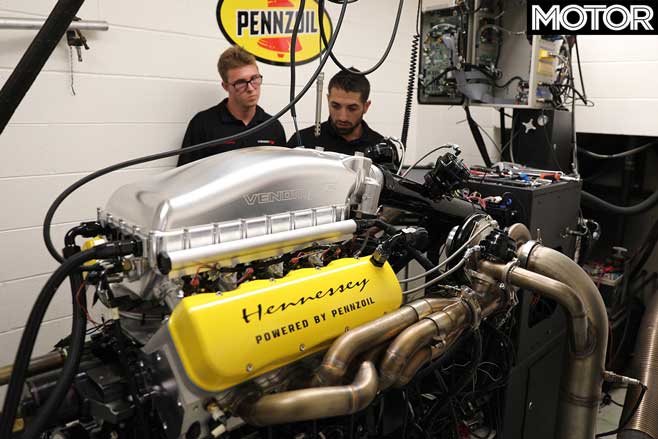
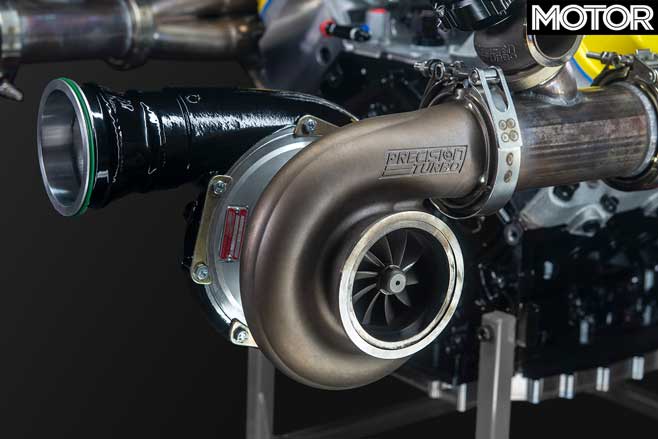
This means a smaller 6.6-litre swept capacity for Fury, but now that it can pump more air through its lungs Hennessey remedies the loss in displacement and any bottom-end torque with a pair of ceramic-coated Precision turbochargers. And these are serious items.
Each cylinder bank feeds one with a 76mm compressor wheel that can supply enough air for a 1000kW engine. Your regular Subaru WRX STI features a 53mm-sized turbocharger compressor wheel.
Precision, an American company, has gone as far as designing a 3D-printed titanium compressor housing for each turbocharger. They pump 23psi worth of air into two throttle bodies bolted to a gleaming billet aluminium intake manifold that sits atop Fury’s vee. That air then pushes down through a water-cooled intercooler sandwiched between the intake chamber and lower runners.
Hennessey has done a lot of work strengthening Fury’s structural foundations for the tremendous torque on offer. Forged and billet steel abounds, with everything labelled ‘extreme duty’. The pistons, connecting rods, rod bolts and engine block are made from the former, while the crankshaft, main caps, pushrods and camshaft are from billet steel. The exhaust valves are made from Inconel, an F1-grade lightweight material, and the dry-sump oil pan is billet aluminium.
After leaving the engine’s output shaft, all that grunt meets a seven-speed single-clutch automatic transmission before going to the rear wheels.
And as for what the Fury’s power curves look like, Hennessey claims it will posses otherworldly punch from low in the rev range, with 1356Nm available from as little as 2000rpm.
As outstanding as these figures are, the F5 will certainly need an edge. Although John Hennessey hoped it would be the first road car to hit 300mph (482.8km/h), Bugatti’s Chiron Super Sport 300+ recently beat him to it. But, as he says, Bugatti did not complete the run in two directions, leaving the official record up for grabs.
Grab your popcorn, this high-speed battle is going to get very interesting.
In Detail
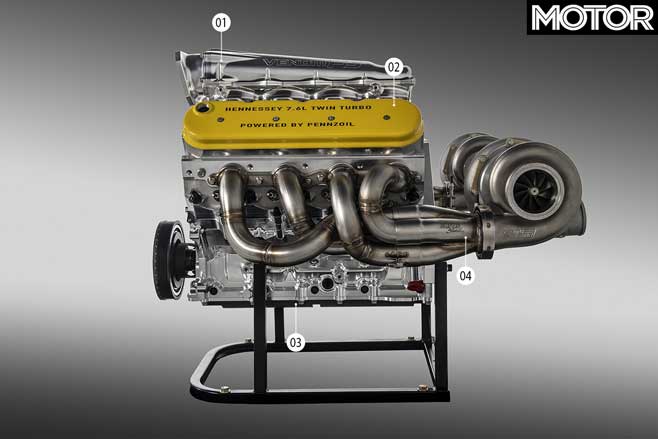
01 – As well as blow-off valves, two 90mm throttle bodies control flow into the intake manifold. Underneath the intercooler lies a second manifold that holds cooled air. It then goes into individual runners before being sprayed by two port-mounted injectors.
02 – Hennessey sets the compression ratio at 10.0:1. Meanwhile, its high-flow cylinder heads use dual valve springs to sustain the extreme load they’ll be under. For further strength, each cylinder main cap features six bolts.
03 – A four-stage dry-sump oiling system is essential for a car of such high performance, keeping fresh 10W60 synthetic motor oil flowing to the right places under high g loads and allowing a lower-mounted engine in the F5’s carbonfibre tub.
04 – The exhaust system has been designed to be as efficient as possible. Long runner tubes collect at a single point before gases, controlled by an external wastegate, dump into 3.0-inch downpipes that eventually meet a 3.5-inch titanium exhaust system.
Eye on the prize
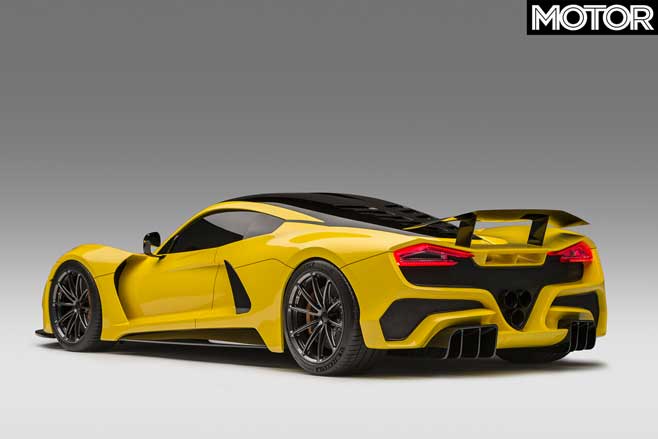
The current record for the world’s fastest production car belongs to the Koenigsegg Agera RS at 277.87mph (446.97km/h) – the average of two runs in both directions. That’s what Hennessey wants to beat with its USD$1.6m F5. The prospects look good.
The F5 makes more grunt than the 1015kW/1370Nm Agera RS and weighs 56kg less at 1338kg. Meanwhile, it shares the same 0.33 drag coefficient. As for tyres, only Michelin has proven 300mph-plus road tyres (on the Bugatti Chiron SS 300), but Hennessey is yet to announce a supplier.
As the birthplace of the automobile, Germany is quite unsurprisingly a country that’s very much car friendly. Like most European countries it’s also well-served by public transport, with an extensive inter-city fast train network and plenty of options for travellers to get by sans auto in bigger cities, but the car is undoubtedly king when it comes to taking in this particular Euro destination.
THE PLACE
If you ask someone to picture ‘Germany’ in their mind, odds are they’re going to visualise a very specific part of the country… and it’s probably going to look an awful lot like Bavaria.
The state of Bavaria occupies the entire south-eastern corner of the country, butting up against the Austrian and Czech borders and being the home of two major cities: Munich and Nuremberg. It’s also one of the more picturesque corners of the country. Compared to the mostly flat and industrial north, the terrain in Bavaria gets quite mountainous to the south where the alps cross over the border, while the countryside is full of pleasant rolling hills, quaint villages and verdant farmland.

Half-timbered medieval houses, cobblestone streets winding through ancient walled towns, gorgeous alpine vistas with snow-frosted peaks and crystal-clear lakes below: these are the kinds of things the region is known for, and to see as much of it as possible in as efficient a way as possible, you need a car.
THE CAR
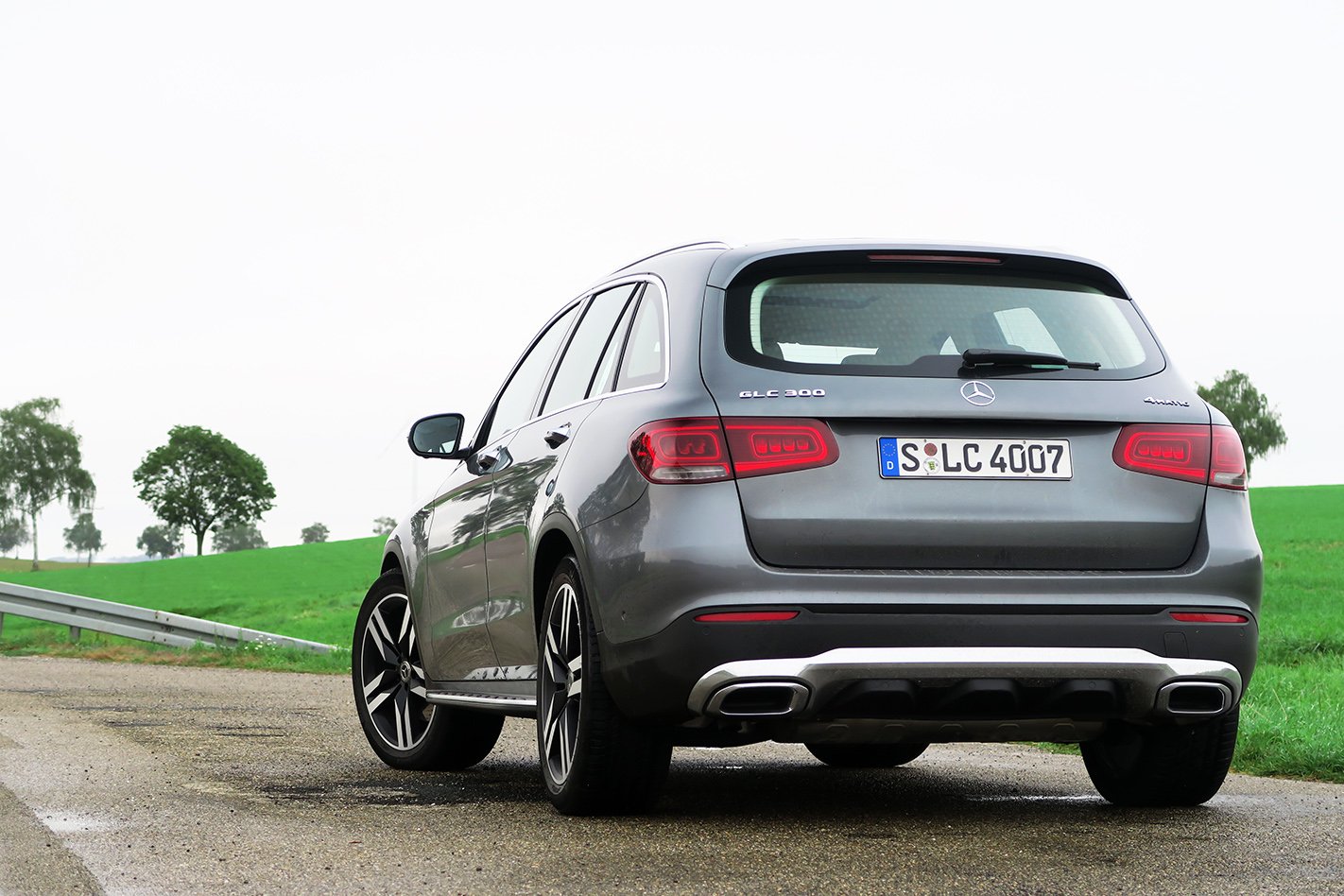
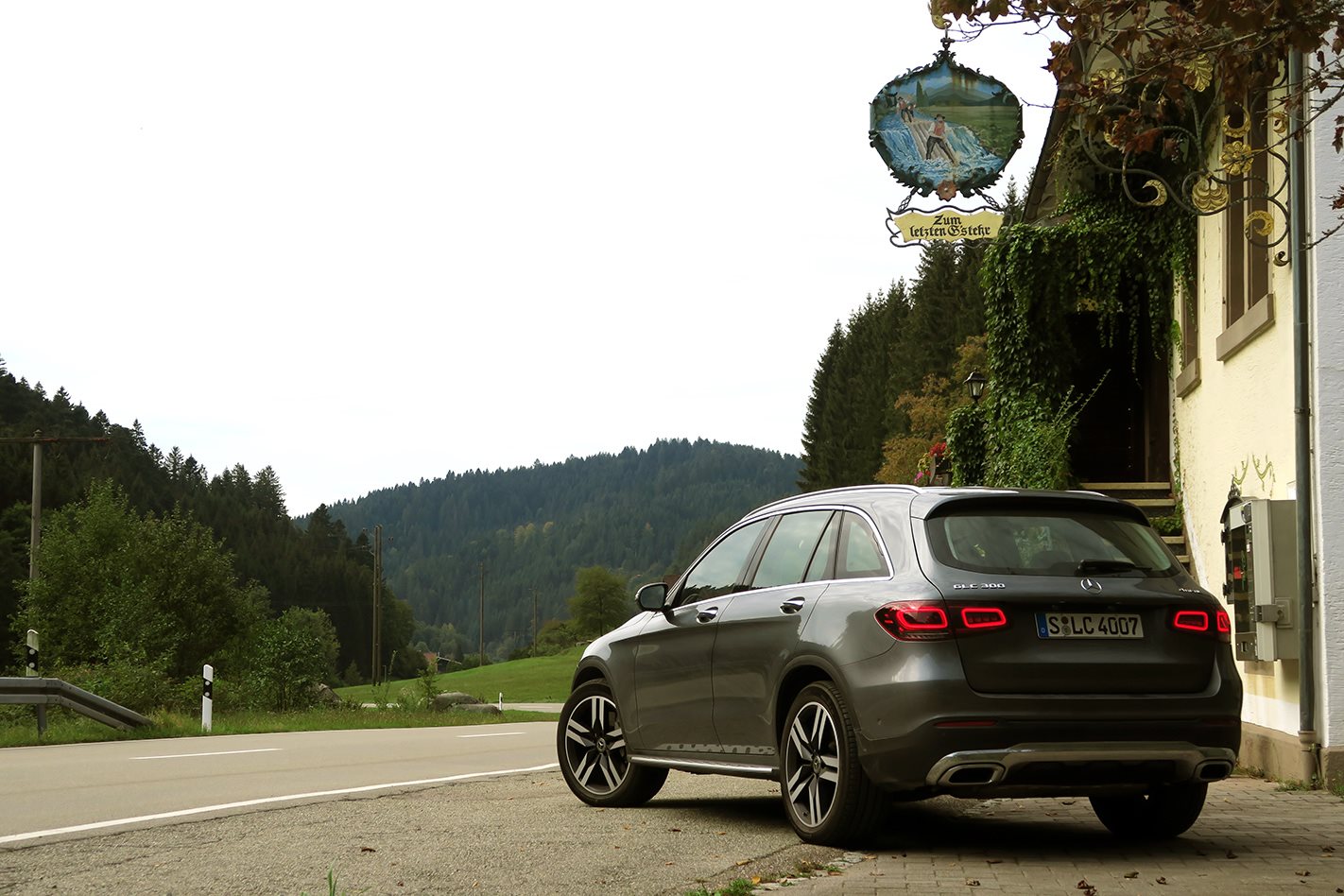
To facilitate this roadtrip, we contacted Mercedes-Benz and organised a six-day loan of their GLC 300 medium SUV. Box-fresh after a major update, it’s one of Benz’s most popular models, and thanks to a practical wagon body, willing 2.0-litre turbo four-cylinder petrol and reasonable ground clearance, one that’s well suited to long-distance touring.
THE JOURNEY
Stuttgart is our springboard for the trip. As home base for Mercedes-Benz and Porsche, it’s one of Germany’s automotive epicentres along with Wolfsburg in the north (Volkswagen) and Munich in the east (BMW). We don’t stick around in Stuttgart though – for travellers, there’s not much to keep us here besides the nearby Mercedes-Benz and Porsche museums.
We hit the road and point the GLC’s nose east. We’ve got 210km between us and our first overnight stay in Nuremberg, and after a quick jaunt through Stuttgart traffic we end up on the autobahn.

Now, contrary to the popular myth, autobahns aren’t some unregulated wonderland where hoons can indulge in their basest desires at will. Outside of the derestricted sections the speed limit can vary from 100 to 120km/h, while construction zones – which are seemingly everywhere – are limited to 80km/h. Don’t be tempted to speed either – the Germans are sticklers for rules, and while they may be more relaxed than the average Victorian highway patrolman, the cops in Germany certainly frown upon speeding.
But… when those five diagonal black lines appear on a speed sign it’s time to turn up the speed. Most traffic settles at a speed between 140-170km/h, which also seems to be the GLC’s ‘happy place’ and a velocity that also doesn’t come with too much of a fuel economy penalty either (a highway average of 8.5L/100km was quite reasonable considering the speed). We managed to extract a maximum of 223km/h from the Benz before traffic got in the way, but even with 190kW and 370Nm outputs it took a hell of a run up to get there.

Even so, do as the locals do and 160km/h+ quickly starts to feel like a relaxed and natural pace. It’s all enabled by the ability of German drivers to keep to the slow lane unless they’re overtaking someone else. If they didn’t, the autobahn network would quickly devolve into a frustrating, chaotic and slow-moving mess.
After around three hours on the road, we pass through Nuremberg’s ancient city walls and enter the medieval core of one of Bavaria’s oldest cities. The accommodation we’ve lined up is special too: housed within the former imperial stables of Nuremberg Castle is, believe it or not, a youth hostel. It’s one of the most affordable places to stay in Nuremberg’s old town, and if you’re able to snag a room facing south it also affords you an excellent view of the rest of this history-rich city.

Downsides? The castle is right at the top of the sizable hill that gives the city its name, and while walking down from the stables to sightsee or grab a meal at any of the excellent eateries in the old town is easy, walking back to those lodgings with a stomach full of bratwurst und bier is not. Even so, it was a great place to stay as budget travellers.
Another issue to consider is street parking. This town is more than a millennia old and most of these streets predate the horseless carriage by many centuries, so besides a fair few tight back streets that can be tricky to navigate in a car there’s also limited on-street parking. Also, like many large German cities the street parking in Nuremberg is restricted depending on time of day, and in high demand by locals. Make sure your parallel parking skills are well-honed if you plan on doing the same as us.

After our overnight stay in Nuremberg, we packed back into the GLC and got on the road, this time backtracking slightly to the west toward Rothenburg ob der Tauber, just over an hour’s drive away.
And if you were impressed by the ‘traditional’ vibe of Nuremberg, prepare to be blown away by Rothenburg. Situated on a hill above the Tauber river (hence its name), Rothenburg ob der Tauber is one of the most quintessentially German towns you can visit, and its compact size makes it easier to experience fully compared to the much larger Nuremberg.
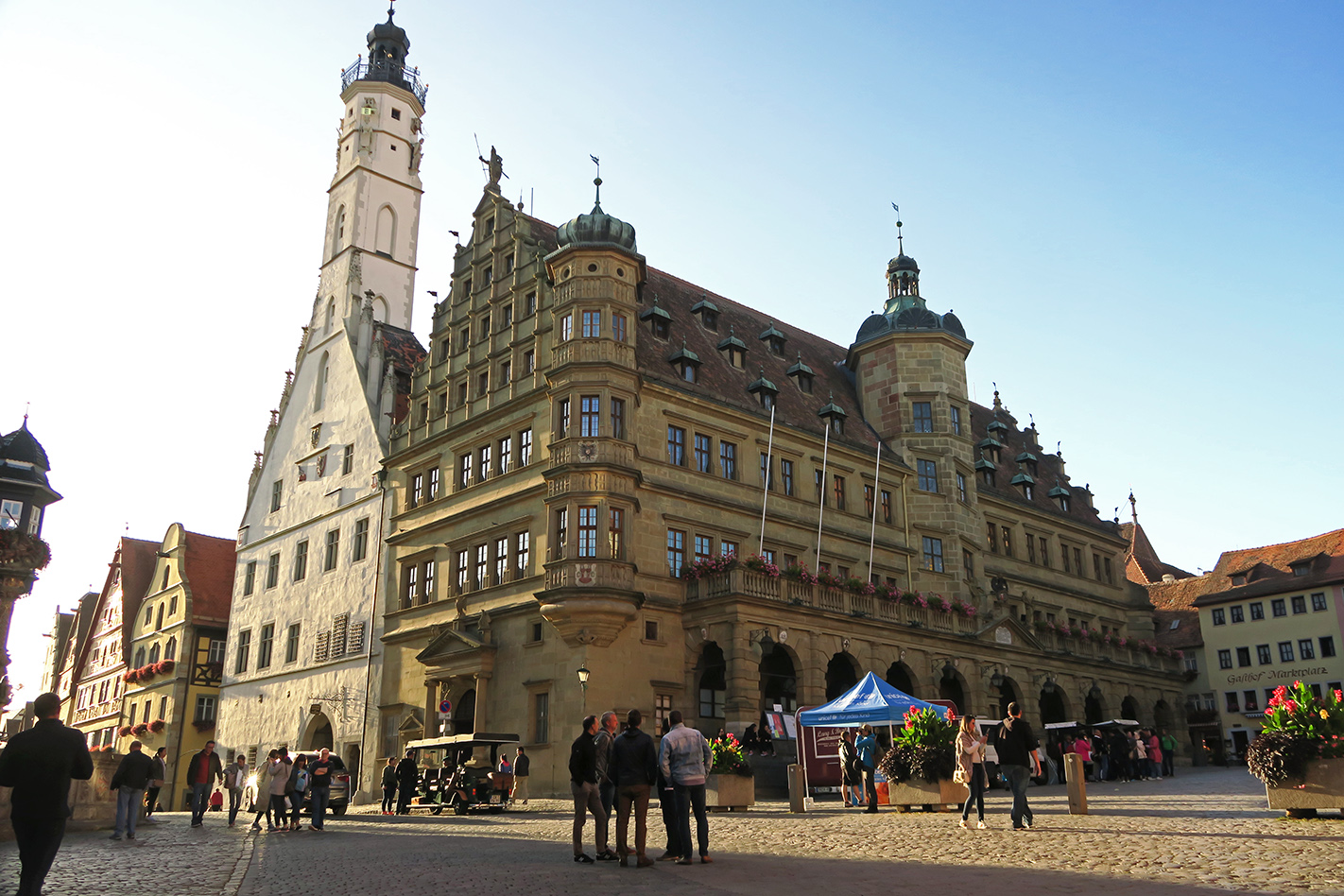
It’s a tourism hotspot, but it still retains a feeling of authenticity. There’s no shortage of places to eat or stay within the old city walls either, and a great number of stores, restaurants and guest houses are clearly family-run businesses. It runs so close to the German stereotype that you’d think it’s all a construct, a Sovereign Hill for German schoolkids, but it’s supremely genuine. Thankfully it survived Allied bombing during the second world war (a period when Hitler fetishized Rothenburg as ‘the most German of German towns’), and has since been restored to a state where it’s a veritable time machine back to 19th-century Germany.

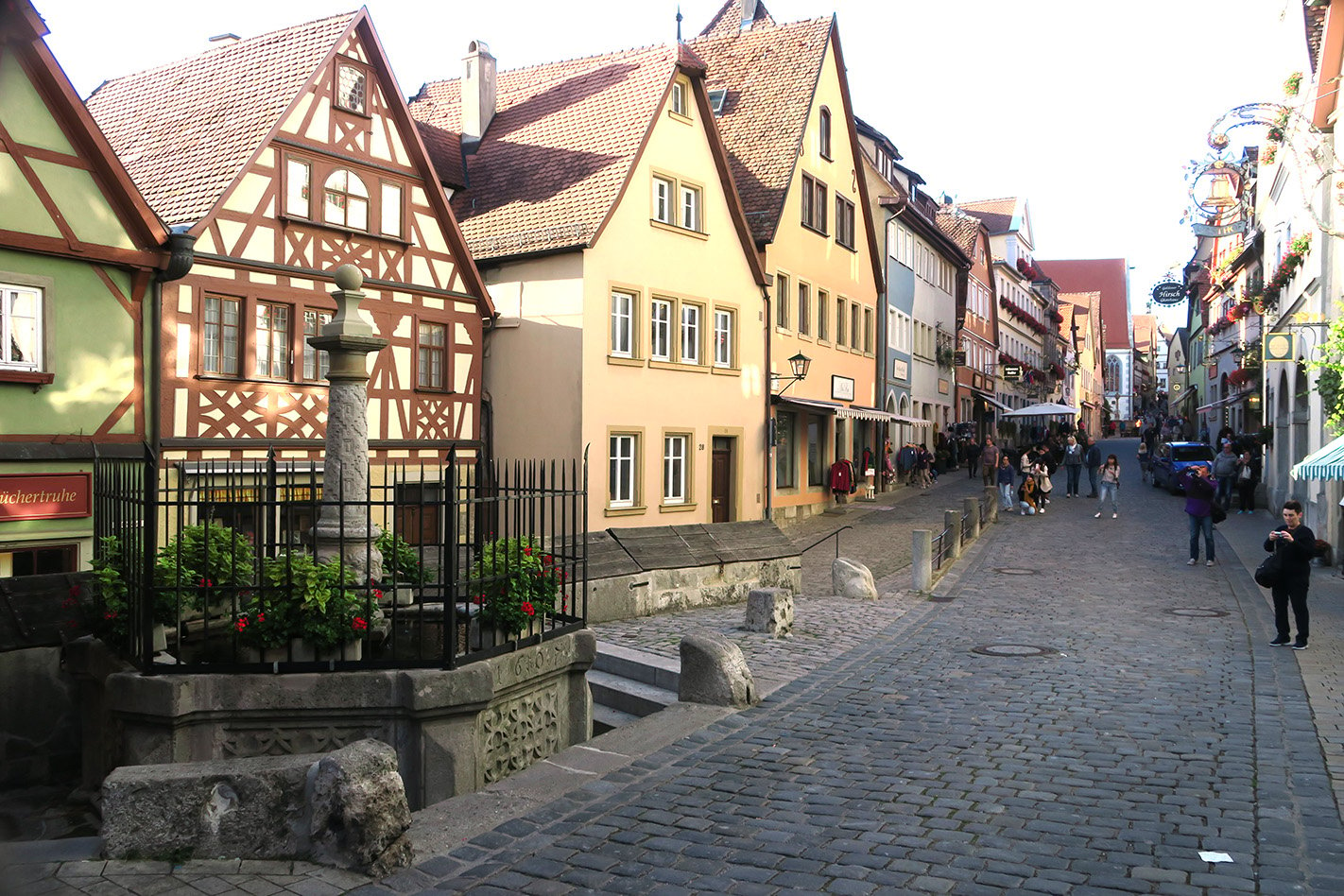
It’s also surprisingly car-friendly. We stayed literally across the road from the Rothenburg’s most famous spot, the cute timber-framed Plönlein and its attendant fountain (above), and bringing the GLC into our guesthouse’s garage was no great challenge – provided you have the patience to deal with the slow-moving, distracted tourists that amble along the streets in Rothenburg’s altstadt. Driving through the medieval gates of this fortress town and into its cobblestoned inner sanctum feels like riding a dirt bike into a church, but it’s still a functioning town with residents who live – and drive – through it on a daily basis.
There were some squeezy moments while navigating some of Rothenburg’s more constricted alleys, but the GLC was able to thread the needle thanks to its 360-degree parking camera and sensors. It also shrugged off the cobble-clad streets, delivering a smooth ride and minimal jostling on roads that were never designed with cars in mind.
After enjoying the charms of Rothenburg, we set forth on a longer drive. This time heading right for the south-east corner of Germany to the Berchtesgaden National Park, a little over 400km away, we’d be stretching the GLC’s legs on the autobahns for most of the journey.
And it’s on these long autobahn stints where you can get a better appreciation for things like handling, steering, noise suppression and ride comfort. The majority of cars these days will handle a 110km/h Australian interstate with no problem, but when the average speed rises to 150-170km/h those aforementioned attributes become a lot more important.

And thankfully, the GLC 300 delivered on most counts. It’s not especially muscle-bound, but it feels rock-solid and stable on these high-speed highways, with low wind and tyre noise adding to its long-distance comfort.
A few detours caused by roadworks saw us travel through the rolling hills of the Bavarian countryside as well, and while the speeds were significantly lower (most country roads are capped at 80km/h outside of towns and villages, which are limited to 50km/h), the scenery you get in exchange makes the slower pace worthwhile.
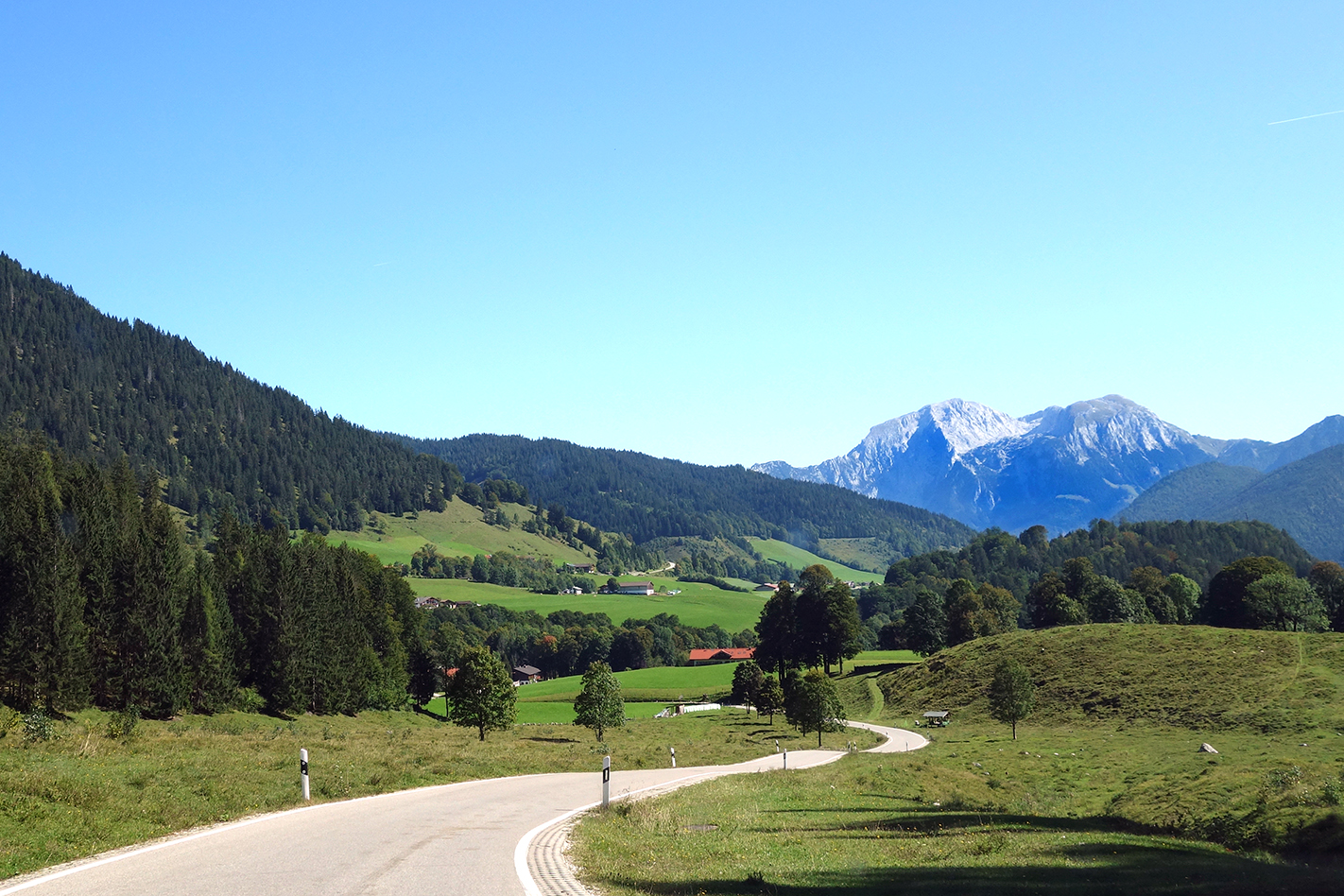
But those countryside vistas are nothing compared to what awaits us. Simply put, Berchtesgaden is absolutely stunning. It’s the most beautiful part of the Bavarian Alps by a long shot, and its crystalline lakes, rocky cliffs and soaring mountains are breathtaking. Spending more than a couple of days here is recommended, and a trip along Königsee, the biggest lake in the area, on one of the many electric boats that ply its waters is a must-do. Hit the trails and check out Obersee too – it may be smaller, but the views are even more amazing.
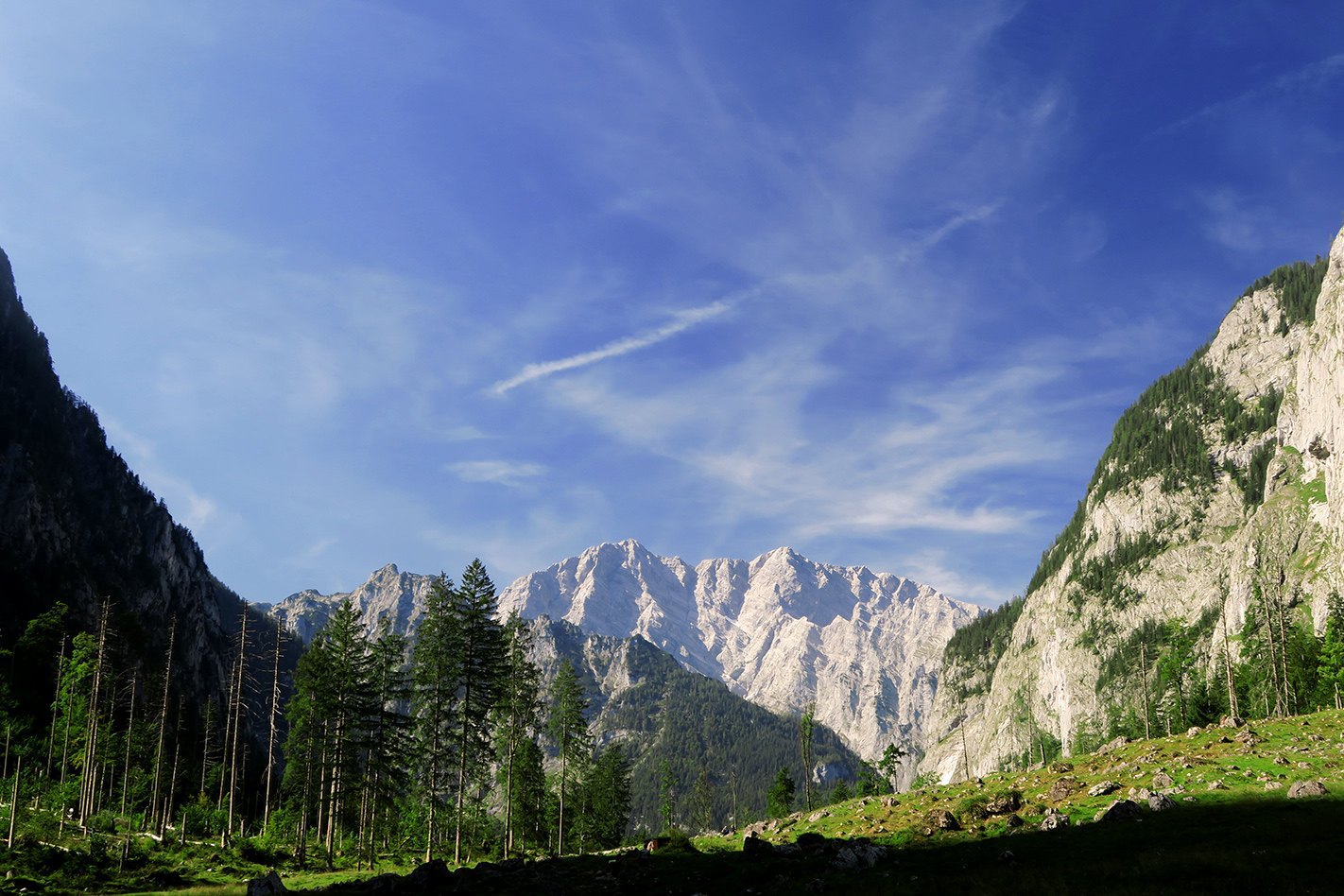
There’s loads to do in this corner of Bavaria, especially if you enjoy hiking, rock climbing, or if visiting in winter, skiiing. Eagle’s Nest, Hitler’s holiday retreat, is nearby as well and is now a restaurant open to the public, while the Salzbergwerk salt mine – the oldest operating salt mine in Germany – does guided tours.
And while it’s possible to see all of these things via public transport, waiting for buses and trains would soak up a significant amount of time. Unlike big cities like Munich, Nuremberg and Berlin, public transport isn’t as frequent in this corner of the country – a car will allow you to fit far more sightseeing into your schedule, while also avoiding the inflexible ‘on rails’ experience of a tour bus.

We had one more stop before we needed to hand the car back to Benz: an overnight stop in the Black Forest region. The Black Forest is at the other side of Germany, nestled against the borders of Switzerland and France, and once again the GLC’s ability to eat up big highway miles came to the fore.
After a 500km journey we arrived at Bad Rippoldsau-Schapbach, in the heart of the Black Forest and an area that so happens to be crisscrossed by flowing mountain roads with little traffic, making them a delight to drive. The GLC 300 maybe isn’t the most sharply-honed variant in the range, but with the transmission in Sport mode it had more than enough dynamic ability to make the most of the roads.

If you like hiking you’ll find even more to love about the Black Forest too, as there’s plenty of nature to appreciate. We only wish we had more time to spend there.
But as far as covering ground was concerned, the car is indeed king. Germany’s rail network is huge and efficient and ideally-suited for inter-city transport, but visiting areas like the Black Forest, Rothenburg and Berchtesgaden would have been a lot tougher if we were reliant on public transport – especially the latter – and would have taken far more time.
There’s also the question of expense. Tickets on the ICE fast train from Stuttgart to Nuremberg cost around AU$80 per person, one-way – and that was one of the shorter legs of our trip. Trains won’t deliver you from hotel door to hotel door, either, and while the cost of unleaded petrol is around $2.30 per litre, hiring a car to do some cross-country touring can still be a far more economical option than taking the train, especially if you have two or more people to move.
In short, some of the best parts of Germany are made far more accessible if you hop into a car. It doesn’t have to be a Mercedes-Benz GLC either, but do yourself a favour and work some self-driven tourism into your itinerary if you’re planning a holiday to Germany.

Germany can really be quite visually stunning – scroll through our gallery at the top of the page to see more of the sights from our German roadtrip
Can you imagine the kind of dizzying excitement a car company’s worker bees must feel when they’re finally given the chance to create a new sports car?
We’re talking about a seriously rare event, after all; in a world now awash with practical SUVs and fuel-sipping hybrids, a car that has no purpose other than to paint a smile on a driver’s face arrives so infrequently they make a forming stalactite look like it’s getting a wriggle on.
So to work on one must be the realisation of a life-long dream; a deserved reward for years, or even decades, spent designing door handles, boot liners or toiling away on the intricacies of a CVT. “Finally!” they’d have to be thinking. “I knew they’d love my HVAC solution!”
Creating one from scratch must surely be the ultimate thrill unless, of course, the car you’re tasked with creating is something to topple the Porsche 911. I’m sure there are a few that would relish the challenge, in the same way some people enjoy jumping out of aeroplanes and swimming with sharks, but for rational-minded engineers surely that’s a task about as desirable as cleaning the workshop dunnies.
You can almost hear the boardroom discussions, can’t you? Board: “Build us a 911 beater.”
Head of R&D: “Are you sure? Why not go cheaper? We can build a Supra rival. Or go bigger! How about our take on the Ferrari 488?”
Board: “Build us a 911 beater.”
Head of R&D: “How do you spell ‘letter of resignation’ again?”
Breaking this news to the project team would be like telling everyone the Christmas ham they just enjoyed was past its use-by date. Squeamish tummies all round.
In truth, anyone can make a car that’s suitably sporty, or ferociously fast, or incredible to look at, or clings to turns with the death-grip of an ousted Prime Minister. But combining all of that in a package that also rides superbly, has a decent boot, a pair of rear seats for small children (or adults with no legs), is unfeasibly comfortable, and offers a model range with enough variety (at last count there were 24 versions) to please the widest selection of enthusiasts, racers, YouTubers and rappers? That’s the 911’s true genius.

The kicker is that, in Australia at least, the bulk of the 911 range exists at a price point that plonks it in rarefied air without many obvious rivals.
That’s not to say it’s untouchable, or that some inspired cars haven’t landed heavy blows. There was a moment when the 997 looked soundly beaten by the Nissan GT-R and the original Audi R8, which both had more snot and presence than the Carrera S.
Nor has it always been this way. Back in the early ’70s, with the 928 in gestation, there was feeling amongst Porsche’s board that the 911 would only last a handful more years. Even Peter Robinson wrote, in these pages, that the 911’s time was up.
But right now the 911 is on a roll. Having just spent the last two days in the 992 Carrera 4S, which was the catalyst for our group test on p90, I can tell you the sheer breadth of that car’s ability, both on road and track, is breathtaking.
It made me realise that the 911’s biggest challenge isn’t going to come from a rival manufacturer, but from the rapid changes sweeping through the industry. Porsche has already future-proofed the 911 for hybridisation, with a full-EV powertrain the next logical step. If ever there was a challenge capable of knocking the 911 from its pedestal, the removal of its spirited, analogue character could be it. So here’s a better idea: leave all that stuff to the Taycan and let the 911 retain the magic that created the legend.
It was always going to be curious to see if a few engineers would ‘kick it’ and try to make some truly legendary performance cars from the downsized turbocharged engines somewhat foisted upon them. And if two cars featured in the December 2019 issue of MOTOR are any measure, it seems that will be the case.
First up, the car featured on the December issue’s cover. The next generation BMW M3/M4, codenamed G80/G82, appears to spurn hybridisation – even in ‘mild’ form, unexpectedly – for a petrol-only straight-six.
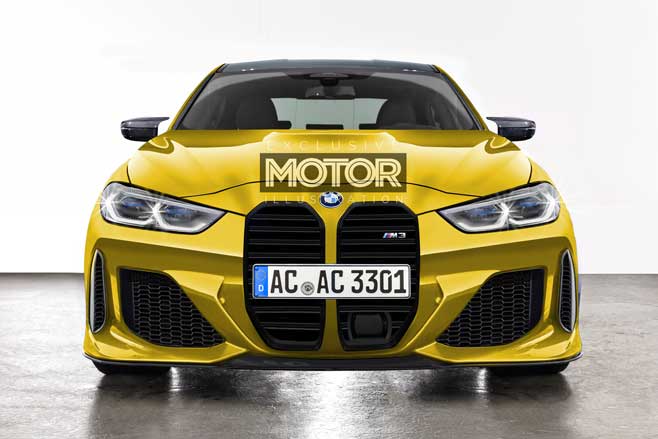
The twin-turbo S58, as the 3.0-litre engine is known, is an all-new development from the Bavarians and while power is expected to reach 375kW in Competition guise, BMW’s M Division boss Markus Flasch is already making noises that the focus has been on creating a more exciting performance car – not just a quicker one.
The fitment of all-wheel drive will see to the latter, but even more important again is that the M3/M4 appears to achieve its emissions goals in ways that don’t require the fitment of a hybrid system. Partly in this car’s case, that’s a new engine with the latest tech and a focus on reducing overall vehicle weight, expected in the next M3/M4’s case to drop by as much as 65kg over the previous model. And at about 1520kg the F80 M3 was hardly tubby. All this should make for a car better at thrilling in every way, not just when you put your foot down.
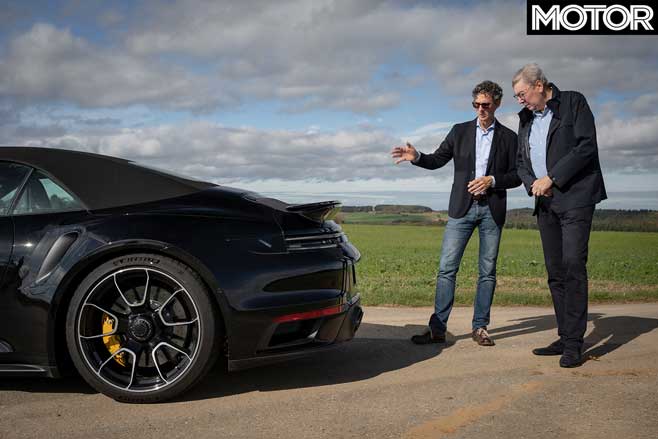
There’s another relevant car to this that we’ve managed to get a ride in, if not a drive, the same December issue – the forthcoming Porsche 992 911 Turbo S. It hasn’t even been revealed yet but in an Aussie exclusive, our man Georg Kacher has experienced it, from the passenger seat, in all its 485kW, 0-100km/h-in-2.7sec twin-turbo glory. Again, this was a car I was fully expecting to be sporting e-Hybrid badges and an electric motor, as has been fate for other Turbo S models in Porsche’s range.
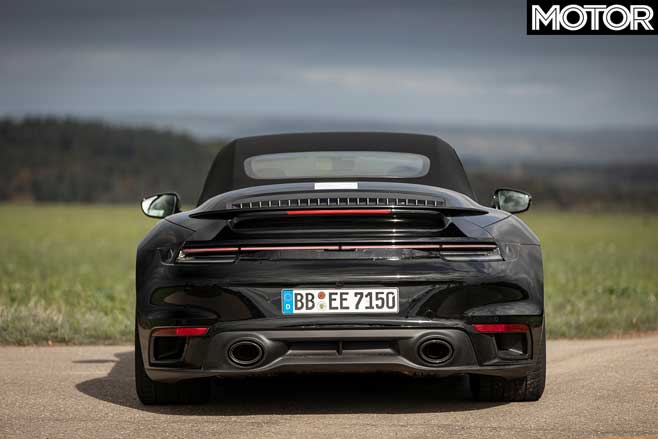
But such is not the case. The new Mr 911, Frank-Steffen Walliser, says hybridisation was not used for the next 911 Turbo S because it adds too much weight, cost and is difficult to package. By inference, Porsche is able to achieve its emissions goals for this car by keeping check of overall vehicle weight – which it has, despite new, heavier hardware – and finding even more efficiency from the internal combustion engine, in the Turbo S’s case an impressive new 3.8-litre flat-six.
It seems the current era of downsized turbocharged engines could be yet to show off its full magic, before hybridisation inevitably creeps in en-masse to bridge us to full electrification.
For many modern turbo performance cars, the focus has already swung from just trying to maximise output, if nothing because many models are reaching the limitations of two-wheel drive. But this has given licence, it seems, to engineers to work instead on improving more qualitative facets such as response, power delivery and noise.
Customers are asking for it, after all. And next to separate efforts to reduce the car’s overall weight, this is very good news. As ever, with time expect to see the approach at the top end of town ‘trickle down’ to the affordable end of the performance market, too.
Back at BMW, the still new-ish boss of M Division has already made himself sound like someone who listens to customer feedback. So if BMW can make a lighter, slightly more powerful, more responsive – better sounding – M3 and M4, the G80/G82 might feel as if BMW wanted to replace the beguiling atmo 4.0-litre V8 with a twin-turbo six all along.
Hyundai has finally confirmed that it will build the compact Santa Cruz ute in the US – but don’t hold your breath for it to come to Australia.
Based on the same platform as the Tucson SUV, the Santa Cruz will be built in Alabama in the United States from 2021, after a $650 million upgrade to Hyundai’s factory there.
First mooted in 2015 as a concept at the Los Angeles motor show (below), the four-door Santa Cruz ute is much smaller than a Toyota HiLux or Ford Ranger, and its unibody construction mimics that of the dearly departed Holden ute.
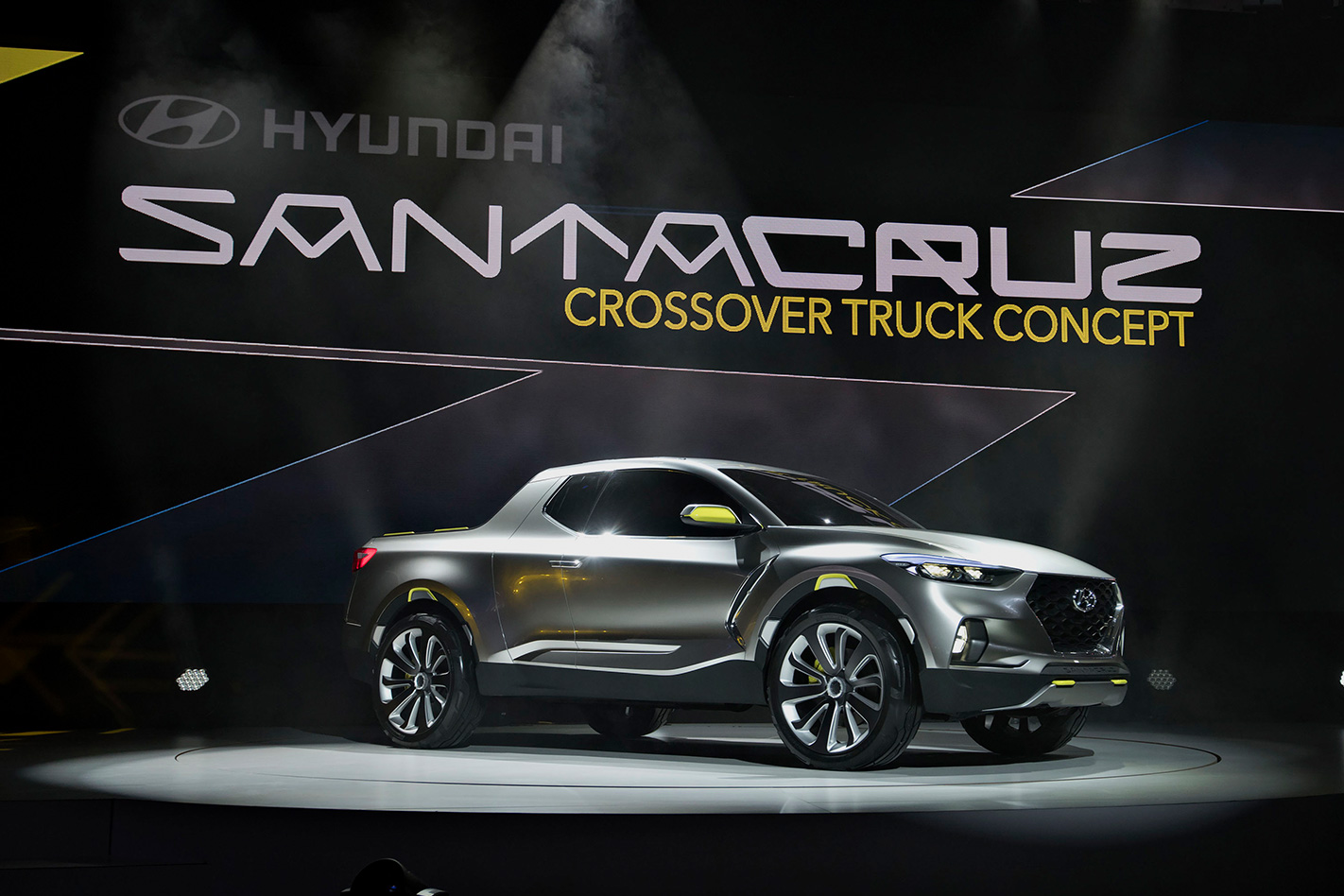
The concept – aimed squarely at buyers under 30 years of age – featured cool details like hidden suicide-style rear doors and an innovative extendable rear tray bed.
However, it’s still unlikely that the Santa Cruz will get the green light for Australia, as Hyundai Australia awaits the arrival of a more commercially-based ute product range.
While local Hyundai sources suggest that the Santa Cruz is still “under study” for Australia, it’s very unlikely – though not impossible – that the US plant would gear up for right-hand-drive for a relatively small production run of cars.
It’s good news for the local area, though; Hyundai plans to add 1000 jobs to the 3300 full- and part-time positions at the Montgomery plant to build the Santa Cruz.
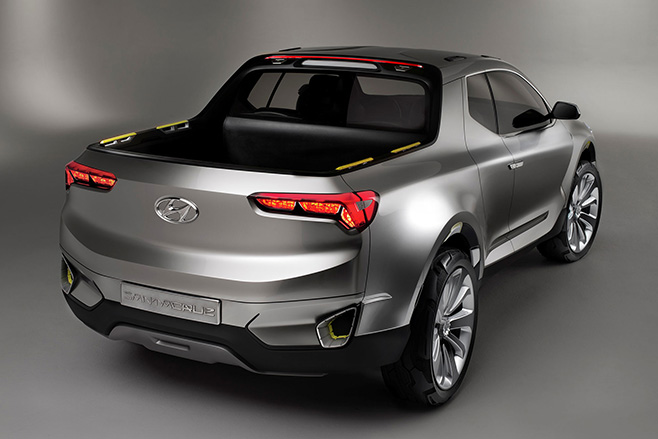
“Bringing the Santa Cruz to Hyundai Motor Manufacturing Alabama demonstrates that Hyundai Motor Company is confident our more than 3,000 team members are ready to build a quality crossover for the U.S. market,” said Byungjin Jin, the president and CEO of the facility.
Hyundai Australia, meanwhile, recently confirmed plans to import a full range of 4×2 and 4×4 utes designed for the local market.
In the face of the success of utes like the HiLux, Ranger, Mitsubishi Triton, Holden Colorado and Isuzu D-MAX, Hyundai is aware that local tastes run more to the traditional rail-based dual-cab product.
“What’s clear to us is that if we’re going to bring a ute out, it had better be a ute,” said new Hyundai Australia CEO John Kett, a long-time stalwart of the automotive industry both here and overseas.
“We’ve got past the first hurdle of what it needs to look like, but it needs to be functional as well. That’s the important part.
“We’re going down that pathway and we’re working towards it. We just have to make sure that when it arrives, it’s a bloody ute.”
Do you think a smaller, more stylish ute would work well in Australia for Hyundai? Let us know below!
Just how far can you take your automotive enthusiasm? How about a coffee table mounted on an F1 tyre? Or a Monopoly set featuring HSV, instead of properties?
Don’t look past November’s collection of cool car-related things if you have spare room in your abode and petrol in your veins.
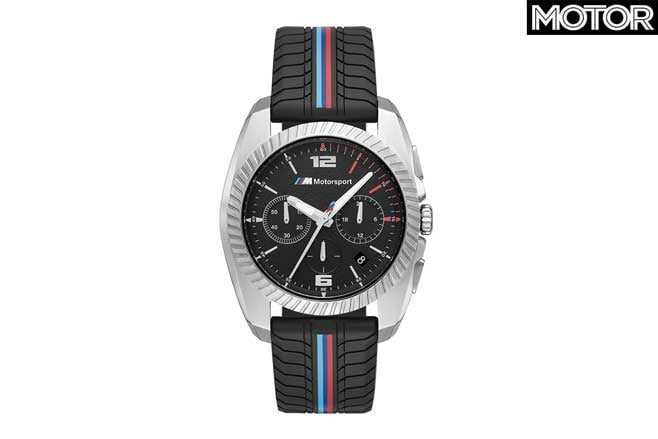
1 – FEATURED “PRODUCT OF THE MONTH”: BMW M wrist watch ($379 from bmw.com.au) From BMW’s latest catalogue comes this chronograph bearing a ‘tyre’ strap. Its Miyota powered 43mm stainless steel case can withstand water pressure of 72psi.
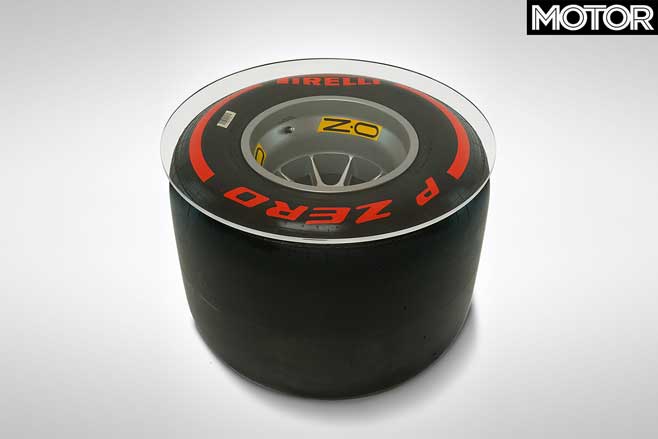
2 – Pirelli F1 Tyre coffee table ($4705 from mementoexclusives.com) Plonk your coffee on a genuine Pirelli P Zero Supersoft F1 tyre. Standing 67cm tall, it comes with an acrylic table so you can also gaze at the 13-inch wheel rim underneath.
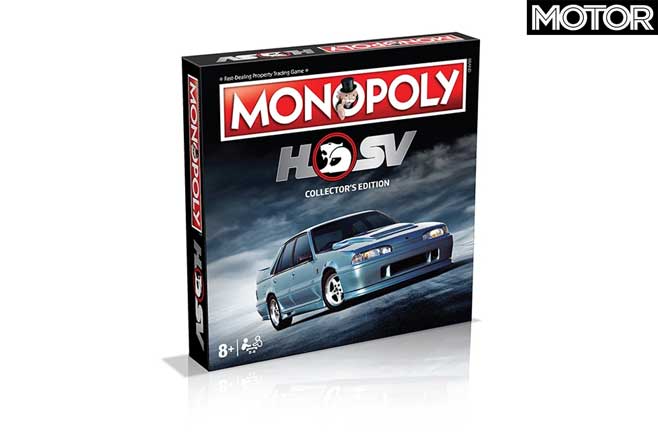
3 – HSV Monopoly set ($70 from shop.hsv.com.au) Your goal in HSV Monopoly is to accrue the best collection of car models, rather than properties, as you hop along the squares with specialised metal pieces like a steering wheel. Good for ages eight and up.
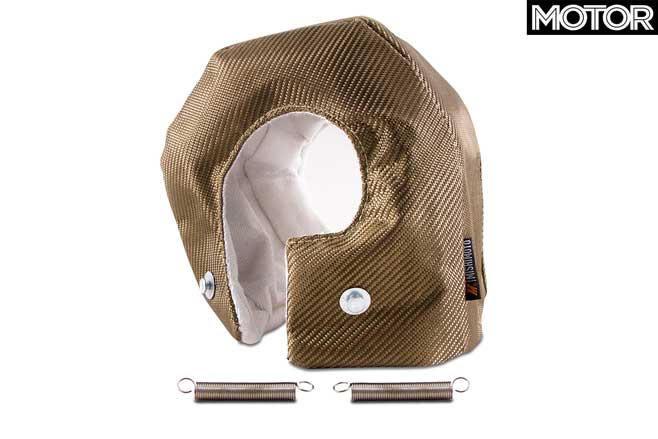
4 – Mishimoto turbo blanket (TBC from mishimoto.com.au) A new addition to the Mishimoto range, designed to reduce engine bay temps in turbocharged vehicles. Volcanic lava rock outer layer and 96 per cent silica inner layer. Available in four sizes.
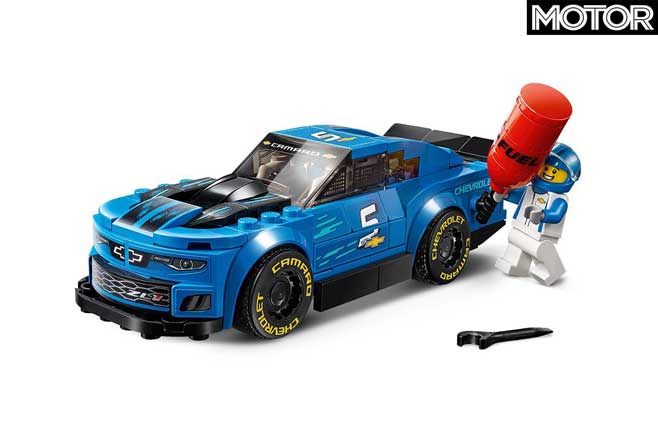
5 – Chevrolet Camaro ZL1 Lego car set ($23 from lego.com/en-au) Build your own Camaro ZL1 NASCAR racer with roll cage, removable windscreen and branded tyres. This 198-piece mini ZL1, spanning 14cm, is good for ages seven and up.
After a whole lot of wheedling with the local press team, the phone call eventually came that there was a McLaren 570GT available and would we like to take delivery? We didn’t need asking twice. We’re a broad church here at Wheels and the Mac would make a punchy counterpoint in Garage to the usual hatches and SUVs.
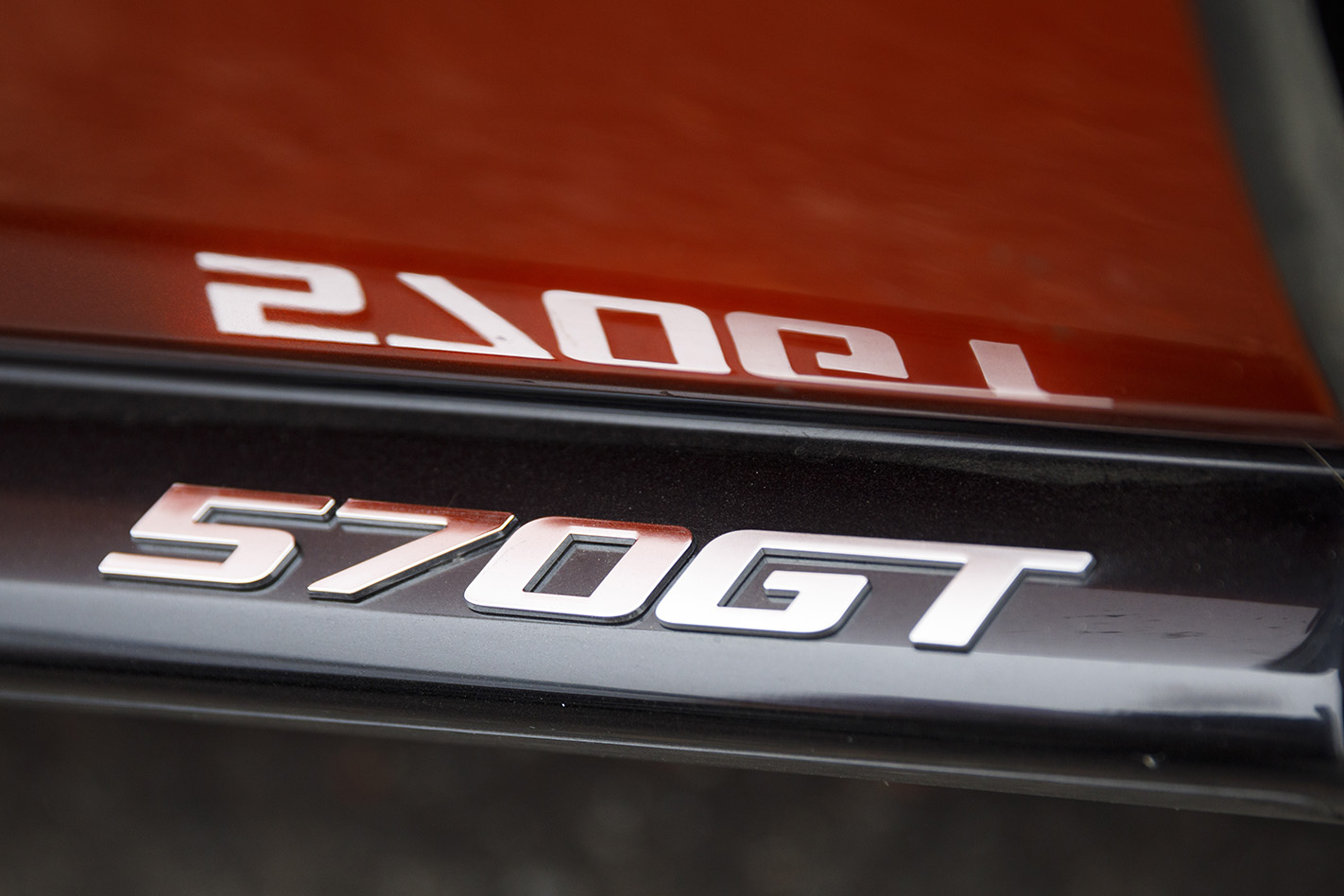
McLaren splits its range into three tiers. At the top is the Ultimate Series – mega money hypercars like the Senna and Speedtail. In the middle is the Super Series, currently populated by the 720S. Its most accessible line is the Sports Series, which includes the 540C, 570S, 600LT and the car it bills as the most practical in that line, the 570GT, effectively a slightly softer 570S with a glazed-in ‘Touring Deck’ behind the seats for additional luggage carrying capacity.
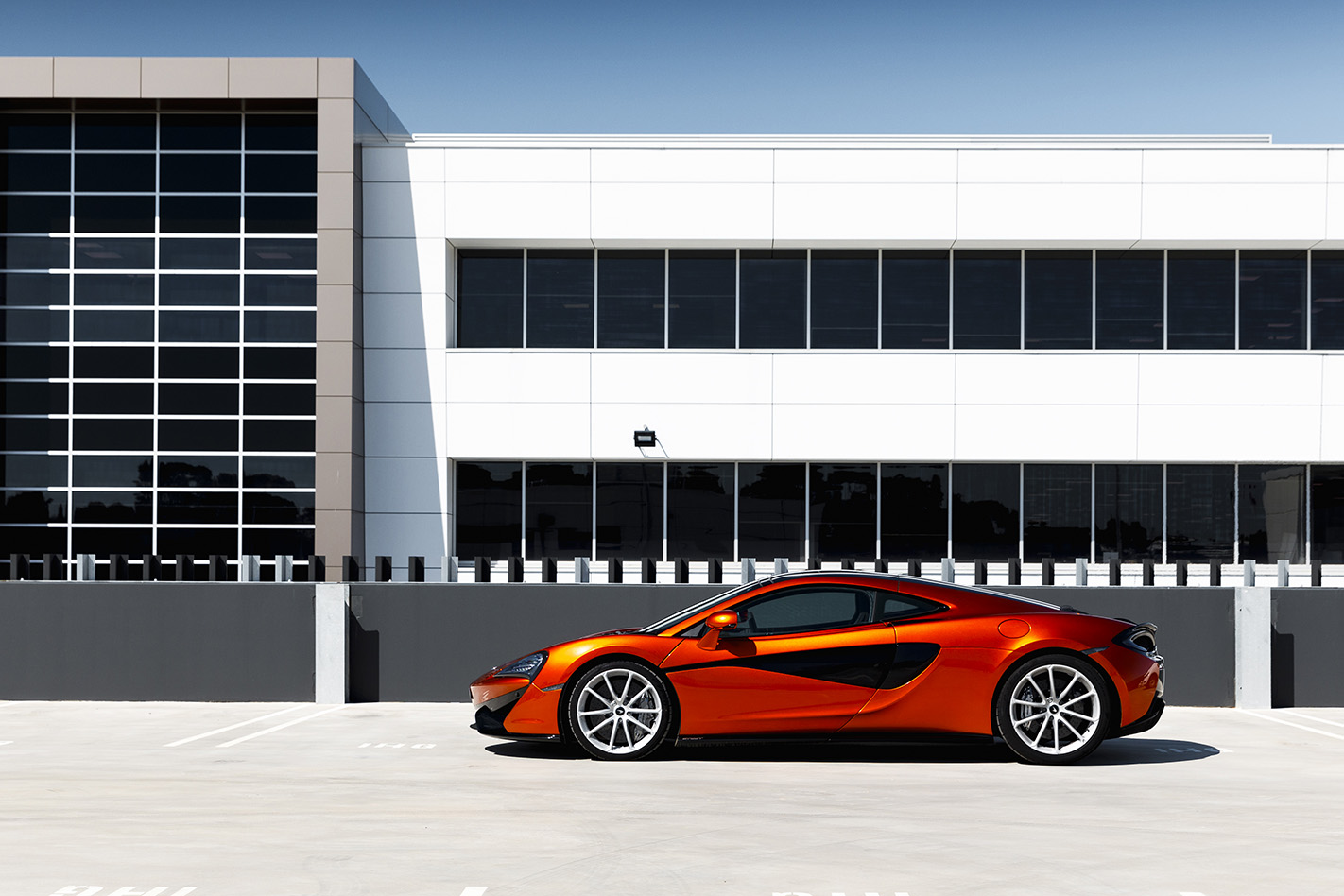
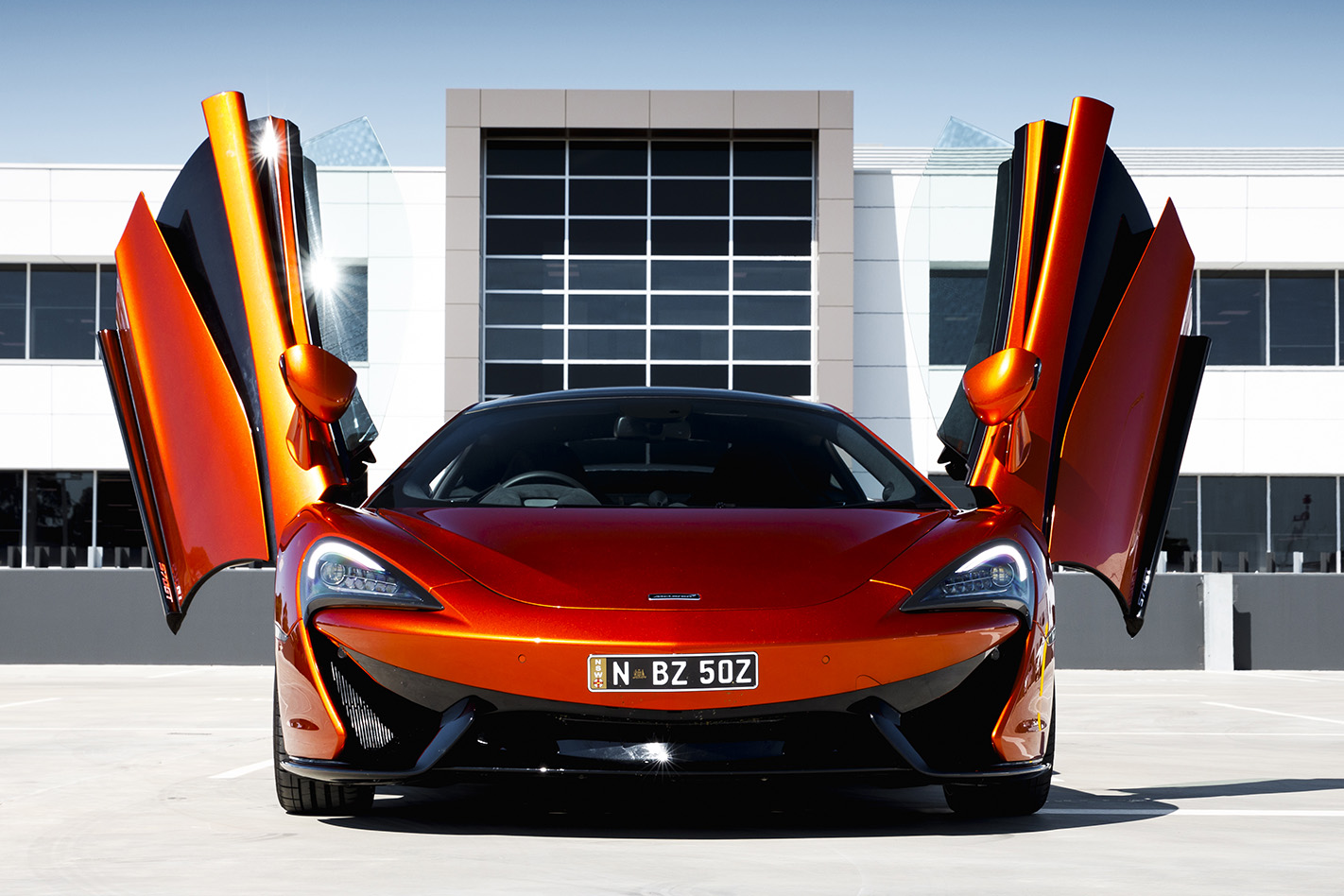
Most 570GTs that I’ve seen have been finished in typically sober colours – dark blues, greens and greys – but our car has been treated to optional Volcano Orange paint and it looks magnificent. And yes, I’ve now heard just about every Holden Commodore ‘Tiger Mica’ jibe possible.
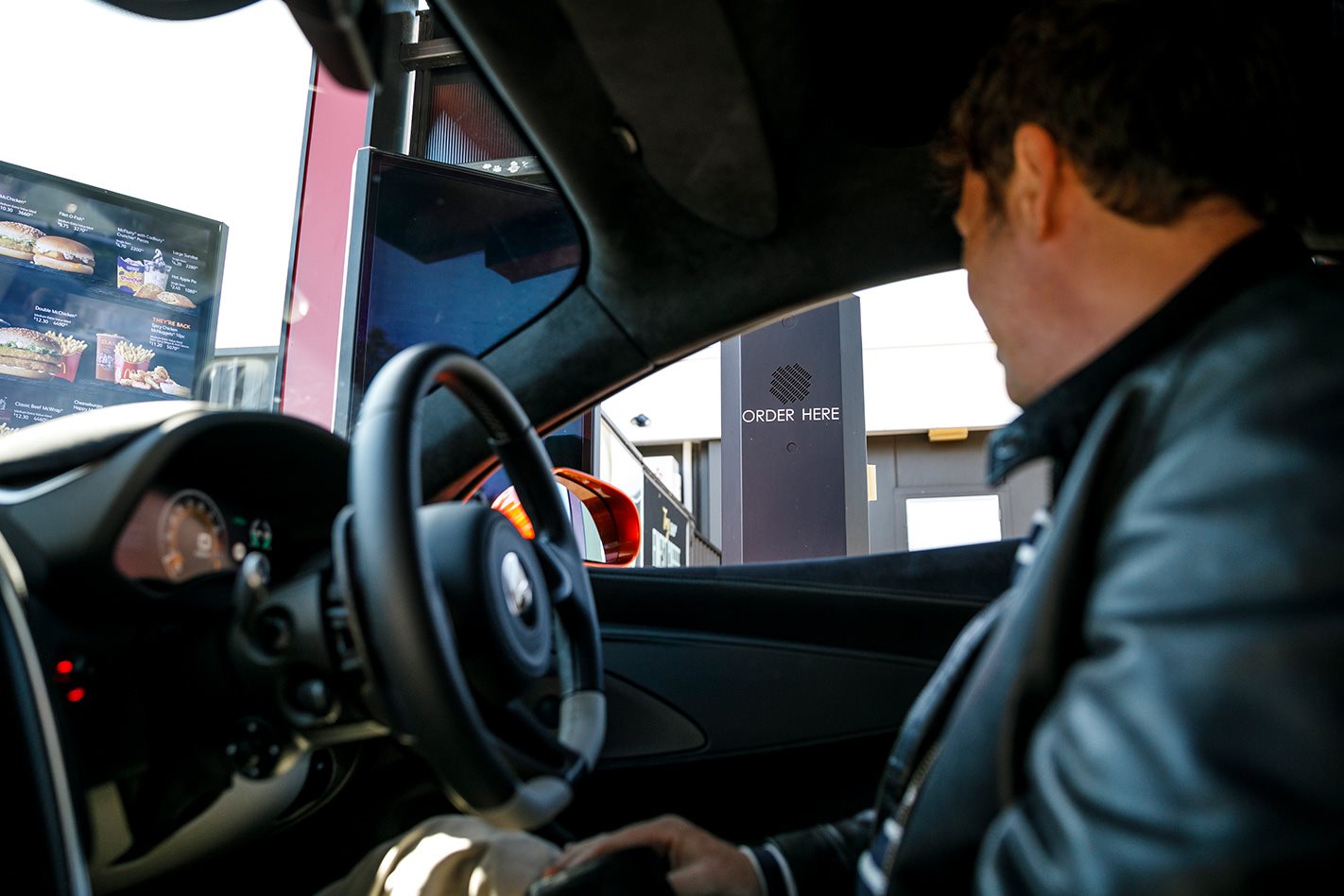
What’s more, it wasn’t a car that had been passed around every outlet in Australia before doing duty as a long termer in its dotage. The odo read 460km and everything about it was absolutely immaculate.
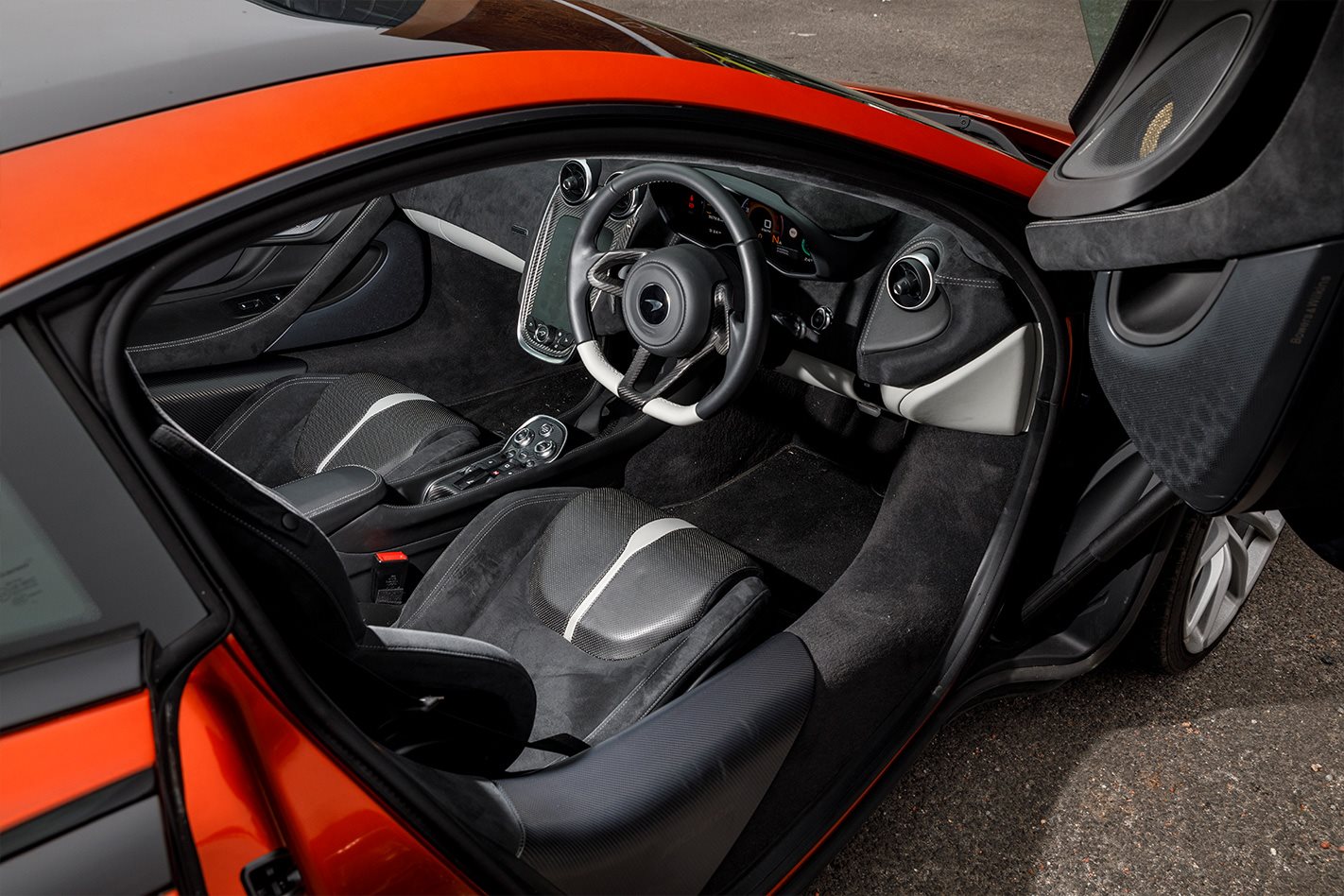
It had the optional front lifter kit fitted, without which the car is virtually unusable in town, a sports exhaust to give it a bit more voice in the upper registers, and a very cool MSO electrochromic glass roof. Tap a touch-sensitive slider above your head and the roof changes from clear to a deep, shady blue. Handy for late Australian summer days.
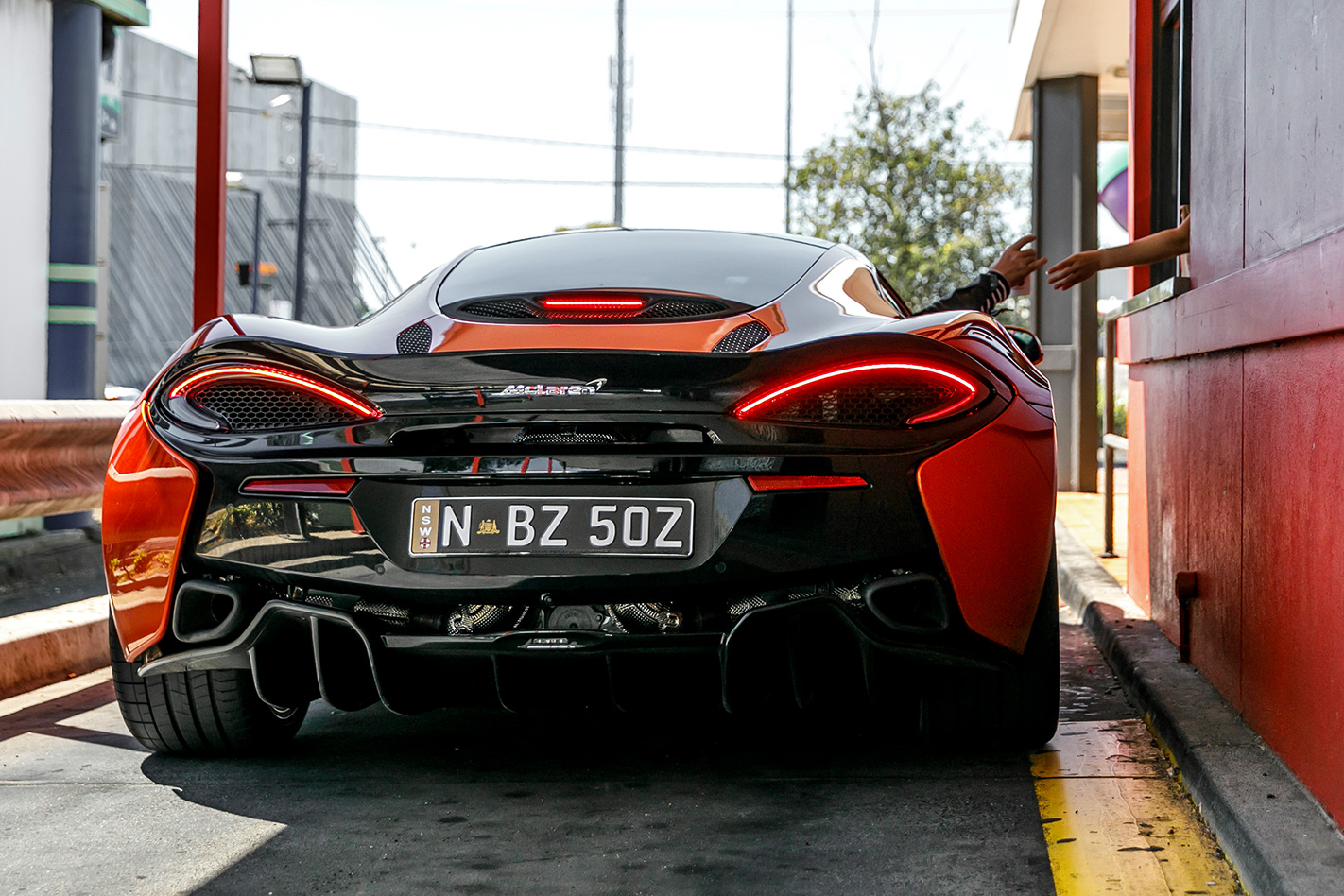
Other options included diamond-cut forged alloys, a Bowers and Wilkins stereo, soft-close doors, a smattering of additional carbonfibre bits and parking sensors and camera. These helped lift the $415,000 list price to a heady $538,845.50. Gulp. Couple that with a stiff insurance excess and I started to see why many supercar owners just roll them out for high days and holidays.
Thing is, in order to properly put to the test McLaren’s claims that the GT was a liveable proposition everyday and that their owners typically used their cars far more frequently than Ferrari and Lamborghini customers, we were going to use it much as we would any other long termer.
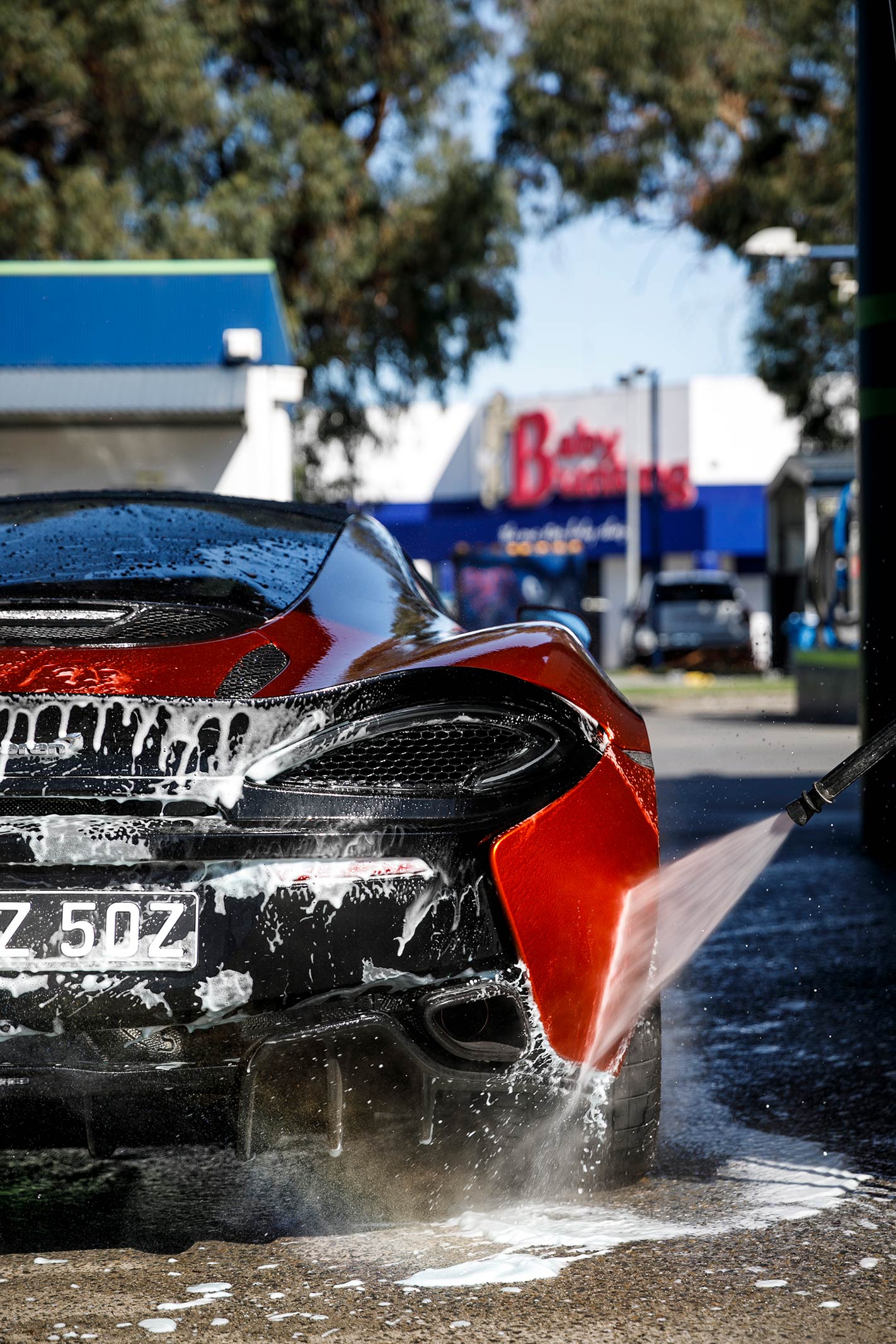
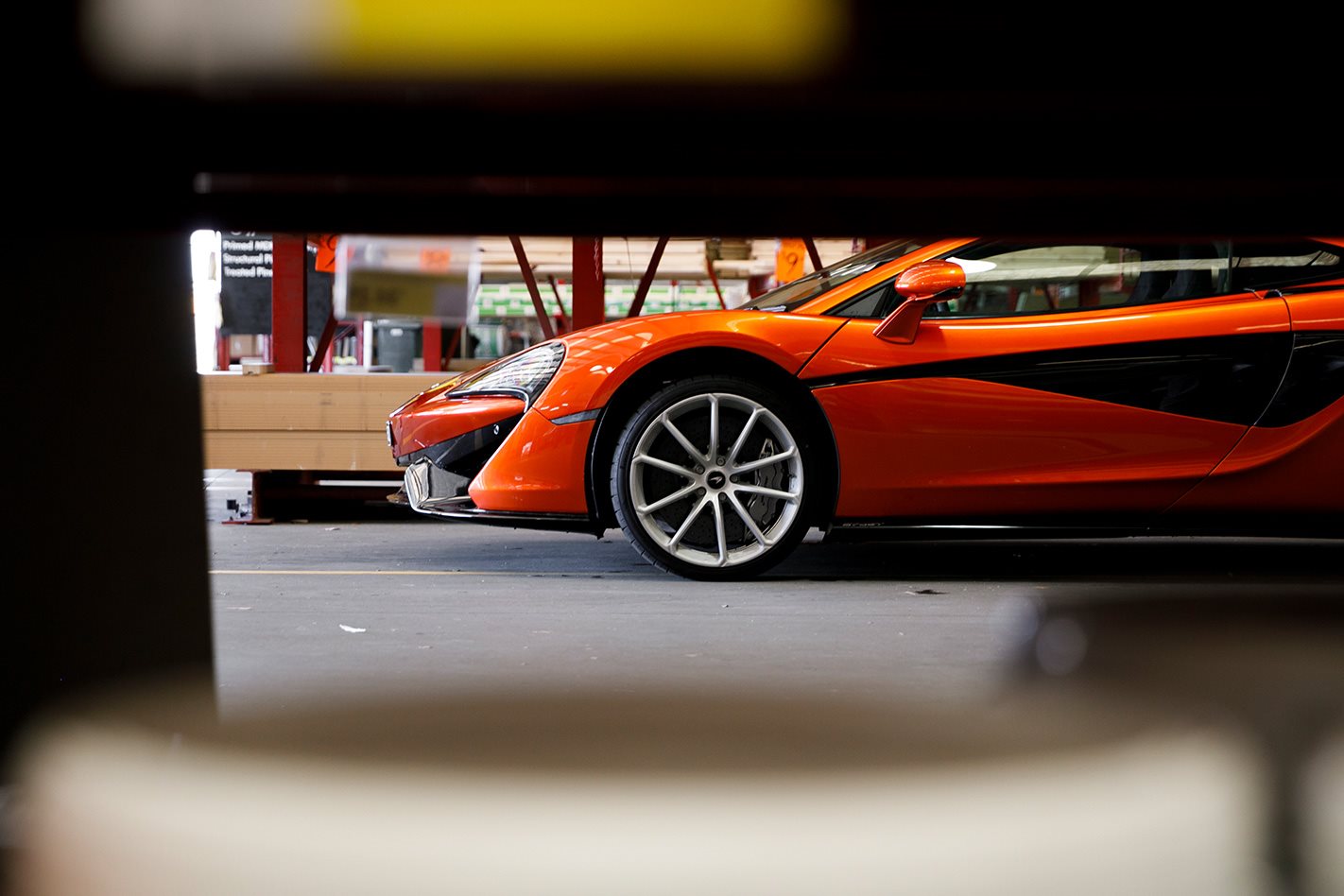
So it’d do the commute in traffic up the Monash Freeway, it’d be used in fair weather and foul and we’d also take it to Bunnings to see what would actually fit into the ‘frunk’ and the Touring Deck.
That raised more than a few eyebrows and gave some people the opportunity to mug it up for Nathan Jacobs’ camera, but also gave us some idea as to the limitations of the 570GT. Squashy bags are your friend in the frunk, which is surprisingly deep, but as soon as you use the Touring Deck, you lose the rear visibility that helps makes the Sports Series such a friendly car to drive.
We’re just getting to know the 570GT. Next month we put it to a sterner test on Wheels’ COTY test route.
Update 2
THIS IS going to sound ridiculous given this 419kW/600Nm weapon from Woking is the fastest long-termer Wheels has ever run, and yet, here, right now, on the first couple of kilometres of our Car of the Year test route, it feels … slow. Actually, that is ridiculous. Slow isn’t the right word. Gentle? Measured? Unhurried?
It’s none of these things, of course. Even allowing for the fact that the 570GT is the ‘soft one’ in McLaren’s entry-level Sports Series range and has the greatest focus on real-world usability (courtesy of softer suspension, slower steering and a useful luggage compartment behind the seats), it is an absolute rocketship. 0-100km/h takes 3.4sec and if you keep it pinned, the quarter mile is dispatched in 11.1sec – a time equal to the mighty McLaren F1.
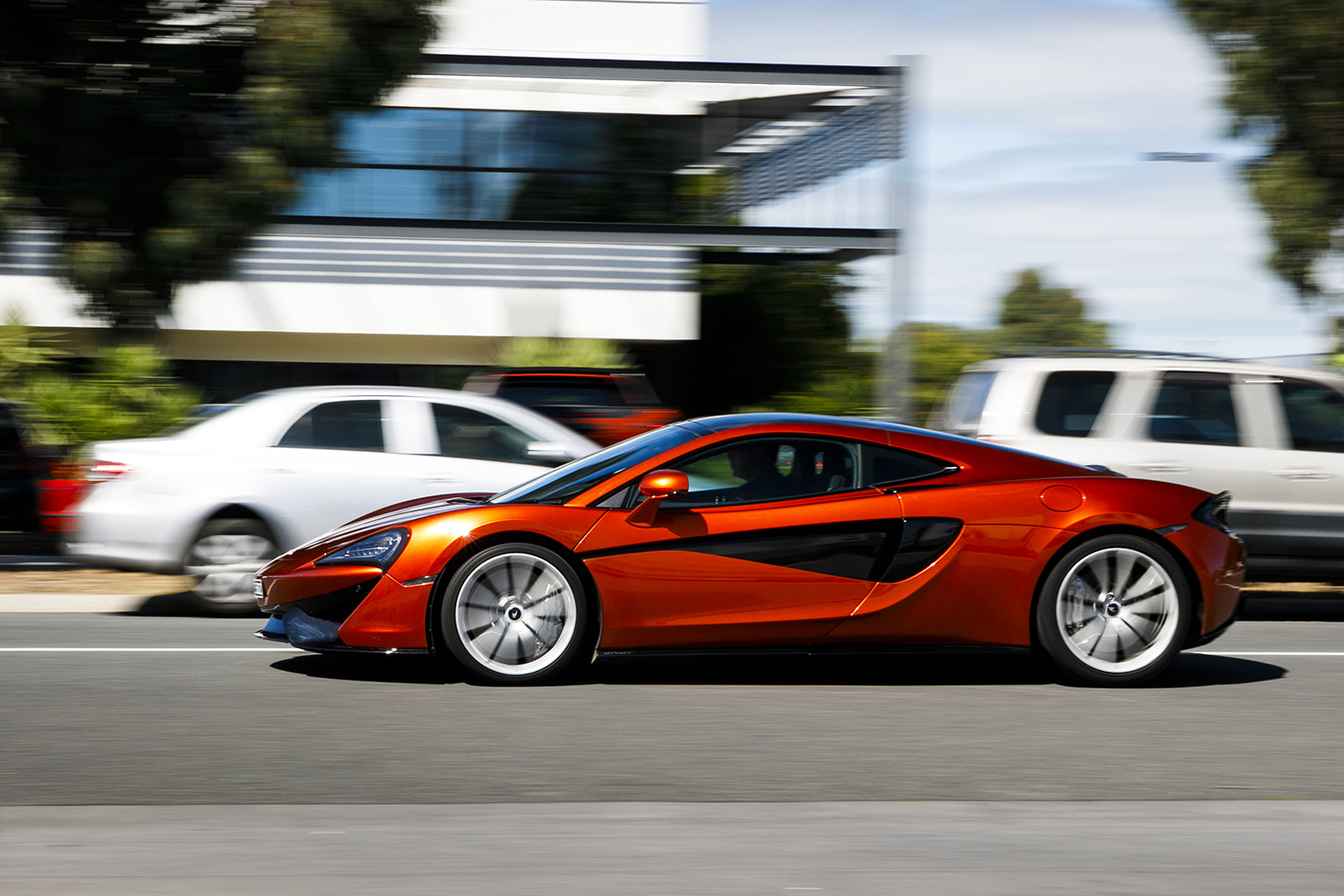
Yet life is all about context, and thanks to a stint in America driving the McLaren 600LT, my context is totally out of whack. Of all the cars to drive before a 570GT, the 600LT is possibly the worst. Where the GT’s pitch is all about bandwidth and being an everyday supercar, the 600LT has a narrower focus – uncompromising performance. It’s a monster. So much so that it really does make our 570GT seem soft in comparison.
I’m aware that this is the epitome of a First World problem (“My last McLaren was more exciting, waaah!”), but stay with me, because it’s interesting on a couple of levels. First up is the issue of price. As the 600LT is positioned as the pinnacle of McLaren’s Sports Series range, you’d expect it to be significantly more expensive. And yet it isn’t. Starting at $496,000, the base 600LT is $42K less expensive (I won’t say ‘cheaper’) than our 570GT, which is carrying some tasty options.
More illuminating, however, is the realisation that even though McLaren’s road car range is vast and sometimes requires a sextant to decode, it shows that Woking’s engineers are capable of giving different models distinctly unique flavours. No mean feat given they’re all built around the same basic recipe: carbon tub, twin-turbo V8, seven-speed dual-clutch transmission.
So where the 600LT is like a deranged rottweiler straining at the lead, the 570GT is more restrained. Throttle calibration in Normal mode verges on docile and requires greater travel than you initially expect to make quick progress. The suspension is more relaxed, the cabin is relatively hush for a supercar, and despite the theatre of the dihedral doors, entry and egress are surprisingly easy.
Don’t dismiss it as a softy, however. While it never feels as feral as the 600LT, our 570GT is ferociously fast. Deceptively fast. On our COTY route, it’s so capable and unflustered that I often see speeds that are 30-40km/h higher than I expect.
That the 570GT is able to coolly and swiftly pick apart our favourite section of tarmac is no real surprise. These are the kind of roads McLarens live for.
A sterner test will surely be to see how it copes with the speedhumps, gutters, tailgating SUVs and steep driveways that we all battle with every day. More on that next month.
Update 3
FROM terra firma to the top of its electrochromatic glass roof, a McLaren 570GT measures a mere 120cm. Everything around you becomes a tall vehicle. You stare up at the rear of a modest Mazda 3 in highway traffic and swear that you’re looking at a hefty CX-5.
That proximity to terra firma is both a blessing and a curse. Your surface-skimming fundament makes the Mac feel impossibly exotic, delivers decent headroom and keeps the centre of gravity good and low. You feel intimately connected to what each corner of the car’s doing at any point through entry, apex and exit.
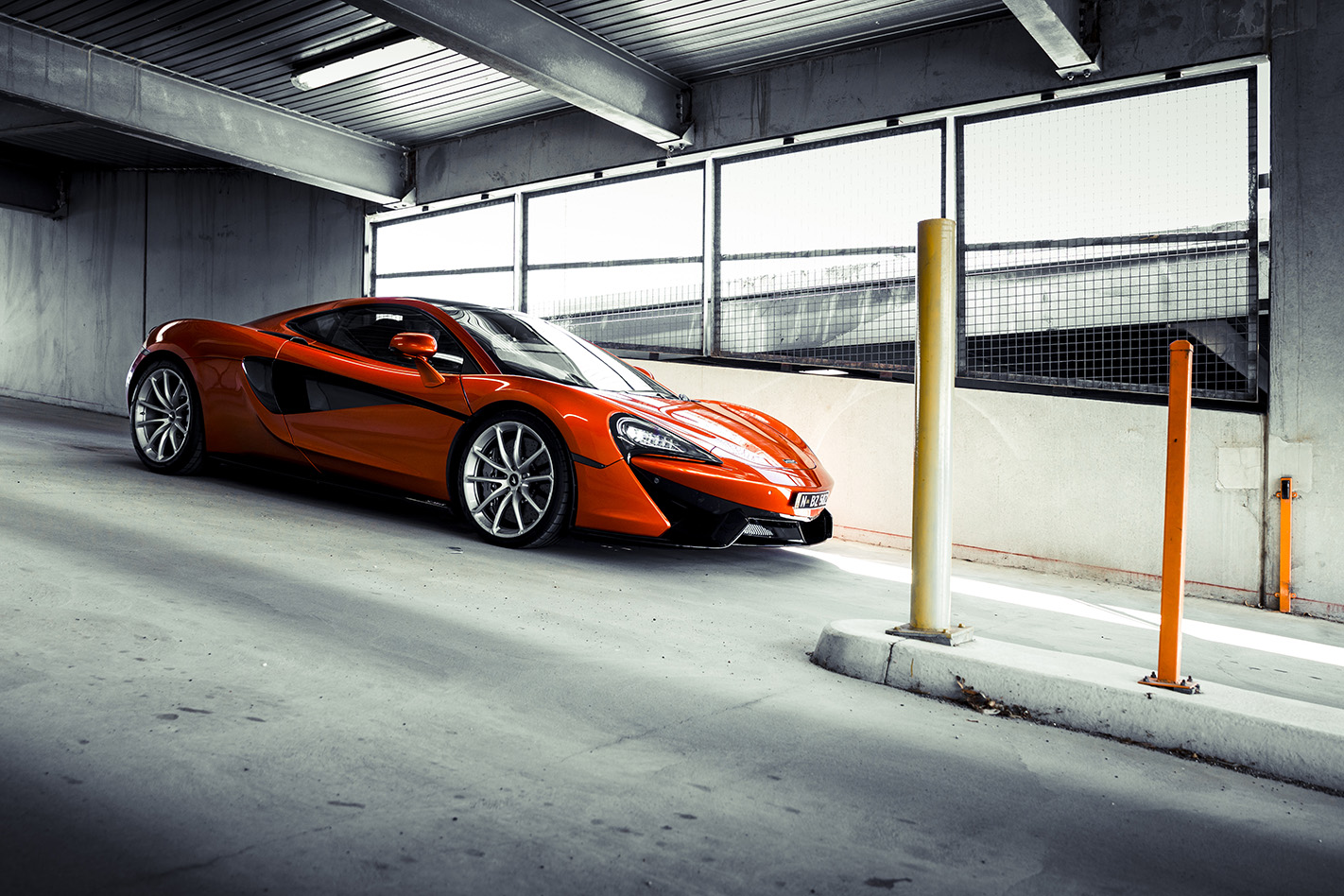
The primary concern for me when I took delivery of the 570GT was whether I’d even be able to get it into my garage. The Enright driveway ascends from the horizontal like the Lhotse Face, and that approach angle had defeated a Porsche 911 GTS I’d previously tried to squirrel away for the night.
McLaren had assured us that the hydraulic lifter kit, which raises the front end by 4cm, would keep the car’s long and low nose off the ground, but the first attempt was aborted when the nose was clearly going to come into contact with the exposed aggregate.
A quick trip to my local Autobarn saw a set of Rough Country rubber recovery tracks come to the rescue, lifting the nose just far enough to get the vehicle up the drive. I’m sure they’ll come in handy for future off-road ineptitude.
Swelled with pride at having kept the front end from scraping the deck, I set off up a back road behind my house for a congratulatory fang, only to hear nose meet bitumen over a virtually non-existent surface imperfection. Somewhat crestfallen, I pulled over to inspect what I thought would be some ugly damage to the front splitter, only to find that I’d just rashered the head off one of the fixings holding it on.
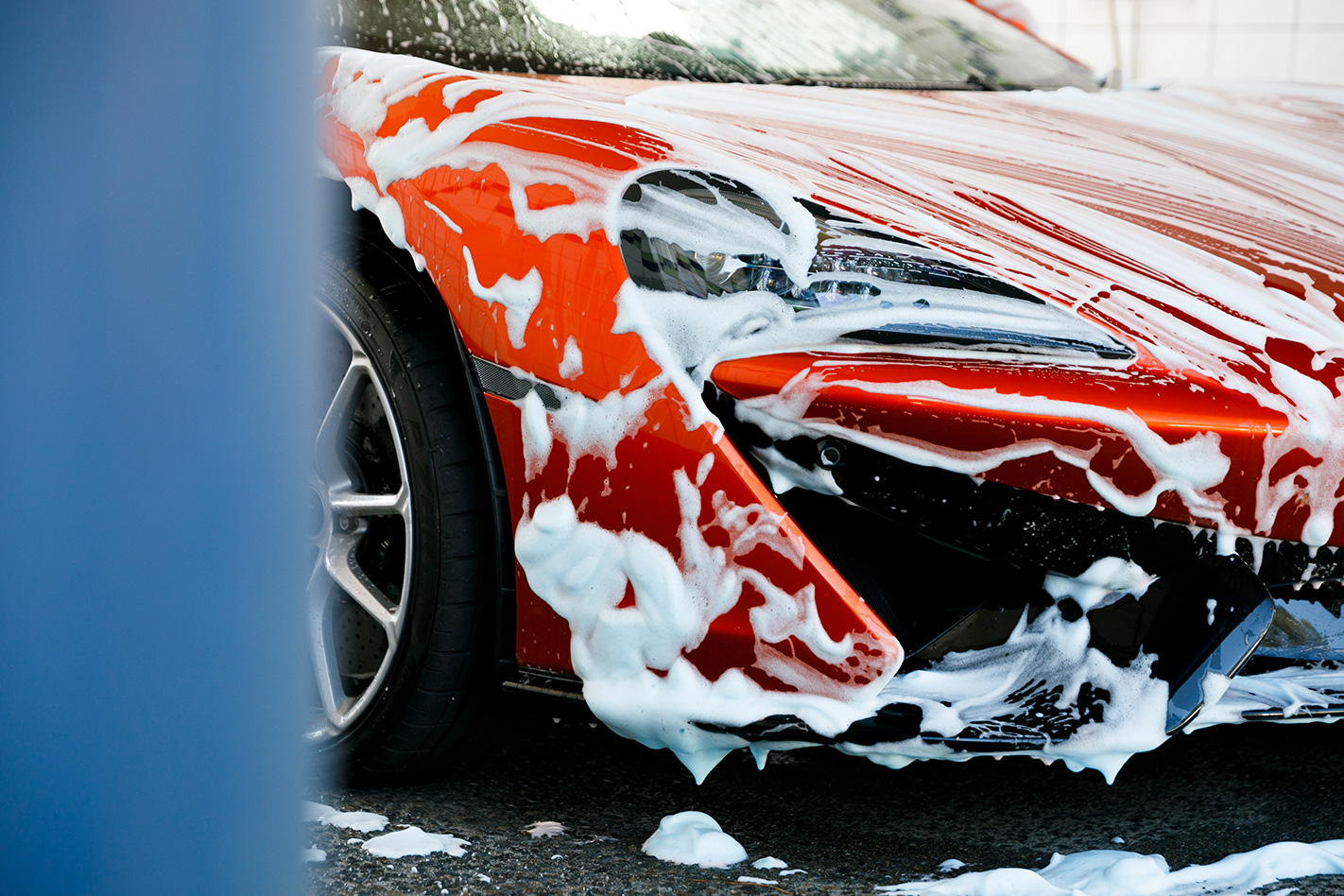
From that point on, I ensured that the 570GT was set to one of its firmer suspension modes on bumpy roads. That might sound like a recipe for churning your breakfast into butter, but even in its most focused mode there’s enough compliance on Aussie B-roads.
While the lifter kit is a must-have fitment for negotiating traffic humps and drop kerbs, pushing the left-hand stalk up to raise the nose – while keeping the steering straight and making sure your speed doesn’t creep too high – can be a bit stressy when going for a hurried nose-raise in town. It takes 10s to lift the front end and 14 to lower it, a job that takes a couple of seconds to do in a 911 GT3. One job for the facelift has to be a simpler method to briskly raise the nose at vehicle speeds up to 100km/h. Otherwise life with the 570GT couldn’t be much better.
Update 4
I DON’T THINK I’m a supercar kind of guy. That might seem an odd admission given that I’ve just enjoyed a long-term tenure with a 570GT, but if I had to summarise my relationship with the McLaren it would probably fall into the ‘complicated’ category. I never once stopped getting a kick out of seeing it in my garage. When my partner wasn’t looking, I’d often leave the door from the garage to the house open a nick, just to catch a glimpse of that sickle-shaped headlight as I walked between my bedroom and the kitchen.
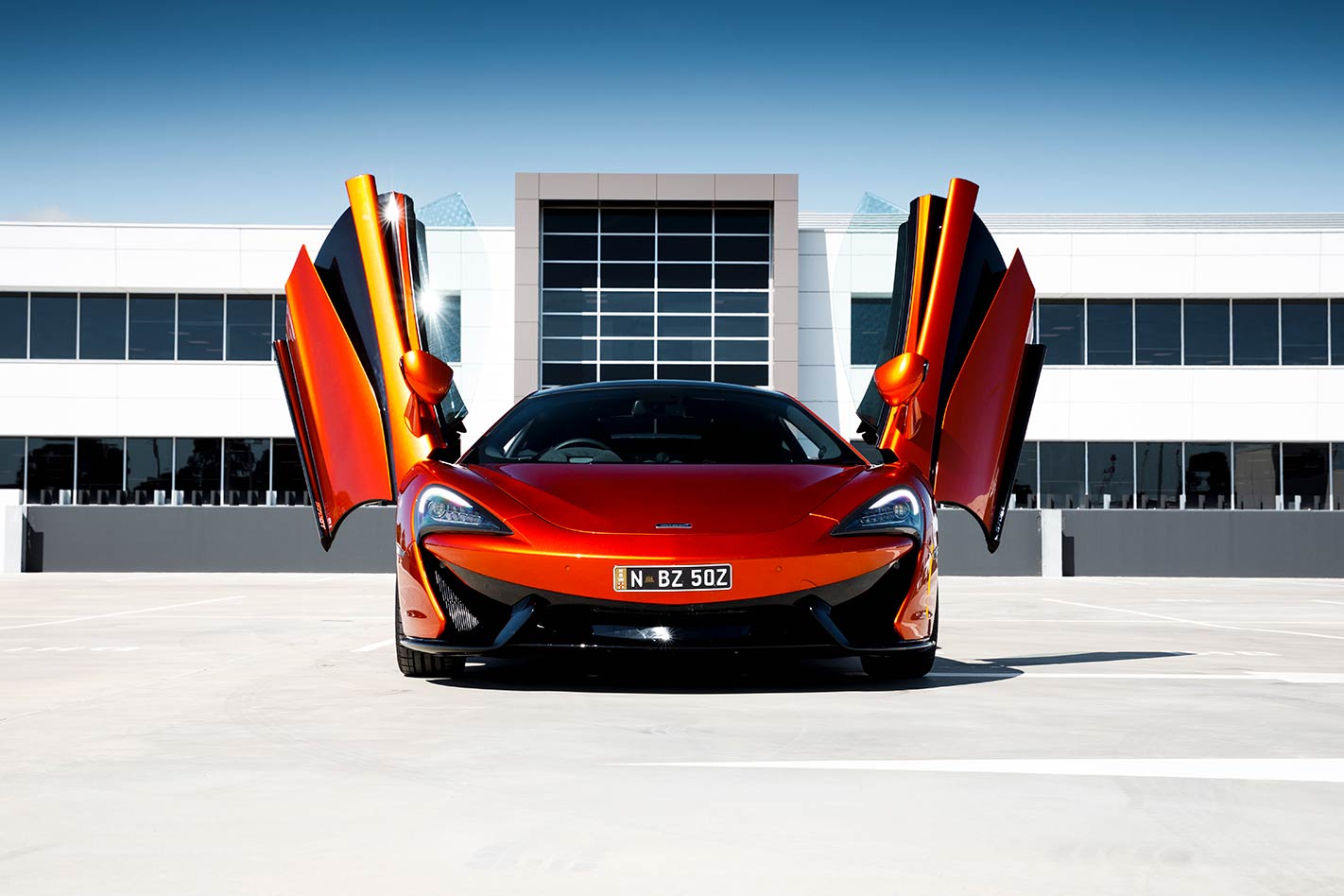
The 570GT was always a riot to drive, too. There’s something extremely life-affirming about waking up and realising that you’re going to be punting a carbon-tubbed missile with 280kW/tonne up some amazing country roads before you start your working day. As our editor, Alex Inwood, noted last month, other people seemed to love the McLaren too. But here’s the thing. I’m not going to pretend that actually running a McLaren 570GT is an entirely stress-free experience.
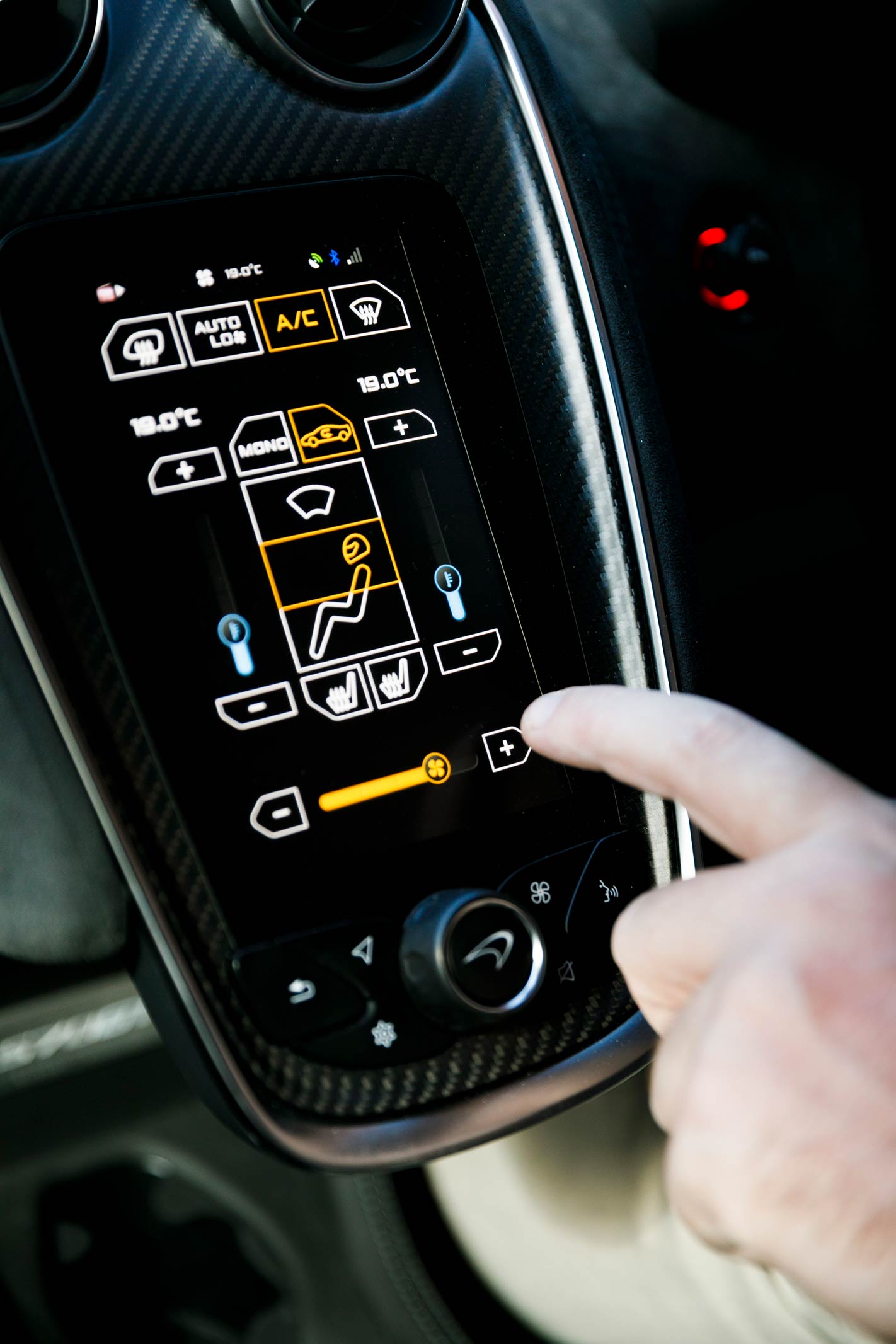
You worry about where to park it when you’re out, you’re always wondering if somebody’s going to dint it, you’re hypersensitive to scraping the nose on bumpy roads, or damaging an alloy in a pothole, or birdlime damaging the paint. You get paranoid about sea salt on wet swim gear going anywhere near anything made of leather, and you sometimes take a couple of trips around the block because you weren’t sure about the car that was behind you as you approached your house. Supercar paranoia. It’s a thing.
Now, none of this is an issue inherent to the McLaren. I’d doubtless be the same if I were in a Lamborghini or a Ferrari, and I’ve realised that the only real way to alleviate this issue is to have so much money that you really don’t care about any of the above. You just pay an insignificant (to you) sum to have someone fix it on your behalf and get on with your life. So, if you can only just scrape your way into supercar ownership, I’d counsel against it.
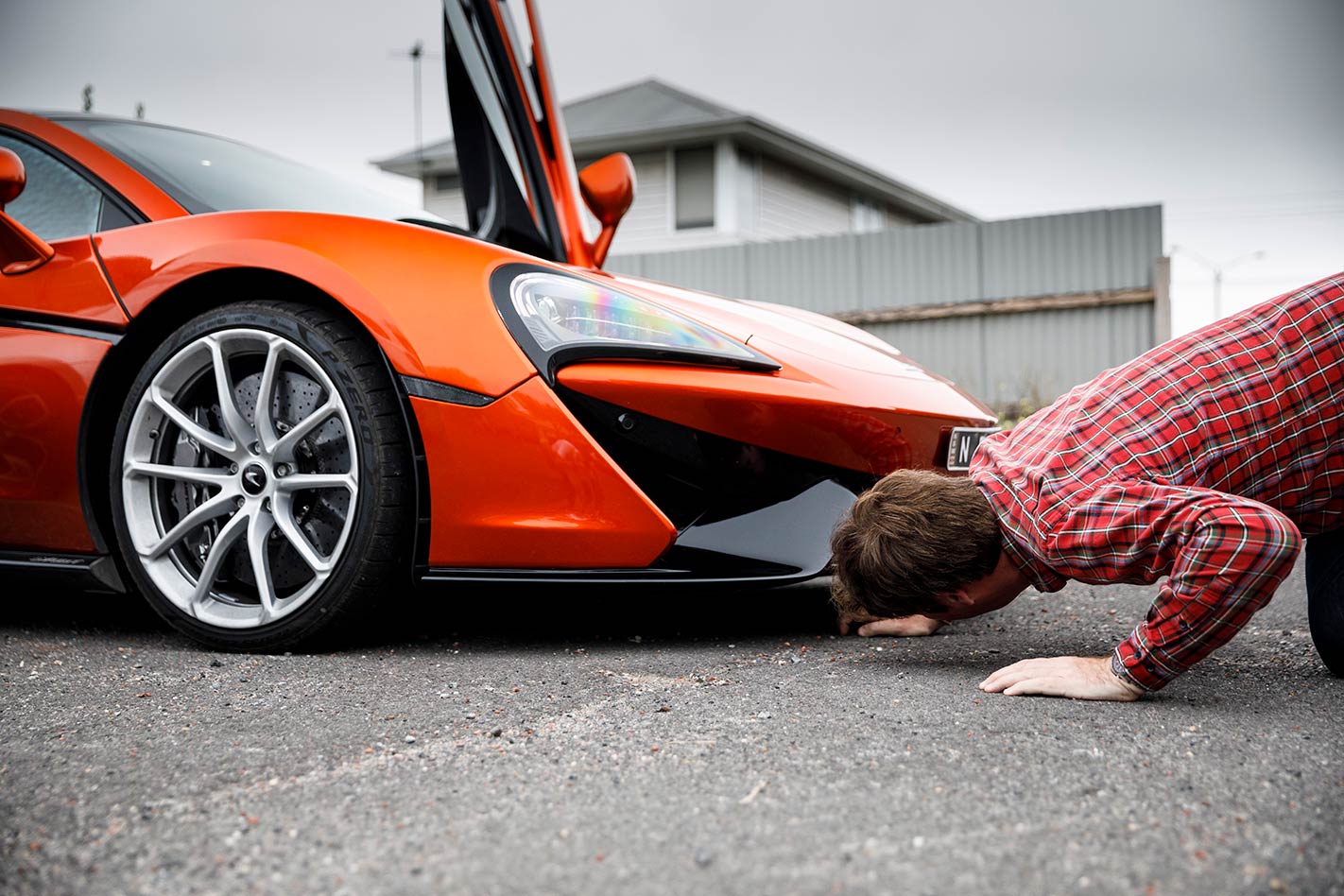
As it stands, a couple of issues would have sent the McLaren back to the shop this month in any case. The first to raise its head was that the sat-nav started behaving in a deeply odd fashion. It’d record the car as moving when it was stationary and then fail to register the car on the satellite network at all on other occasions. The second issue concerned the photochromatic glass roof. This switched itself to dark mode, and no amount of button jabbing or rebooting the car would see it return to full transparency. Neither were major issues, but both were a little annoying.
Nor did they take the shine off those moments when the sun was out, you had no particular place to go and there was nobody watching. Would I be a supercar guy if I had the requisite funds? Let’s just say that the McLaren 570GT delivers quite a convincing argument, and it’s been a wholly memorable experience. Anybody want to crowdfund an impecunious journalist?