
Victoria’s state budget is set to take a giant hit as the system used to collect fines in the state suffers an ongoing failure.
Software used by Fines Victoria to collect infringement for parking, red-light camera and speeding offences is not working. The massive system failure, which is also used to collect court fines, threatens to leave a crater in Victoria’s state budget of almost $330 million.
The story has been broken and reported by The Age, with the newspaper reporting that the failure is resulting in a ‘massive backlog’ of infringement notices that can’t be enforced by the Department of Justice.
Last financial year, Victoria raked in $338 million from speeding infringements alone. That equates to over $900,000 a day, thanks to an extensive camera network that distributed 1.3 million infringement notices in 12 months
Fines from speeding infringements have become a critical part of state budgets around Australia for a number of years, with governments making increasingly large estimates about the amount of money they will add to their coffers through fines.
It is reported that all up a $328 million black hole has been left in the state budget, with the money that the government had budgeted to receive for the 2018-19 financial year reclassified as “doubtful debts”.
Authorities claim that there is no issue, and the system continues to work normally, according to The Age, despite some people not receiving an initial infringement, and then discovering they owed money through late payment notices.
The Age reports that some councils have been left out of pocket to the tune of tens of millions of dollars, and are threatening legal action.
While most of the backlog is for fines, The Age reports that some imprisonment warrants are also included in the system failure.
The issue stems from new software, called VIEW, which was purchased as part of a $103 million contract from British company Civica. The system was built to enforce London’s congestion charge.
It’s reported by The Age that VIEW is described as “absolute chaos” and “death by a thousand clicks” by those working on it.
While technicians are working in both Australia and Britain to fix the issue, it isn’t expected to be back up and running for ‘at least a year’.
Fines Victoria replaced Civil Compliance Victoria in 2017, and was slammed by a Victorian Ombudsman’s inquiry earlier this year.
The agency’s performance was labelled “not good enough”, and Fines Victoria told the Ombudsman that the new system would be fully functional in June of this year.
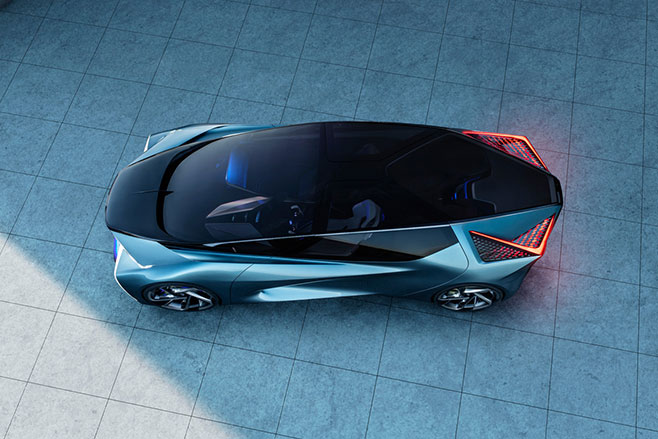
Lexus has revealed its first purely-electric concept car at the Tokyo Motor Show today, a vehicle that not only signals the brand’s intent to finally move into the electric car space, but one that also previews the next generation of technology for the Japanese automaker.
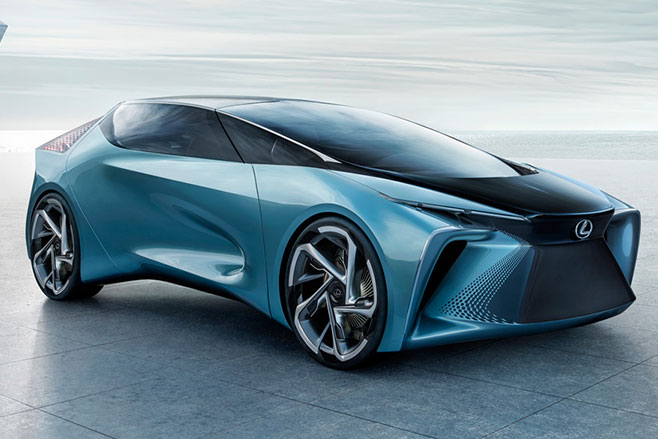
There’s still a spindle grille up front to remind you of the company that made it, but it’s now a graphical device rather than an actual grille. It stretches over the bonnet, merges with the glass roof and then flows over the back onto the rear bumper.
The design study seats four and predictably has autonomous driving features, though a steering wheel and pedals are still prominent parts of the cabin furniture. That’s deliberate, as Lexus wants to emphasise that its vision of electrification won’t be at the expense of driving enjoyment.
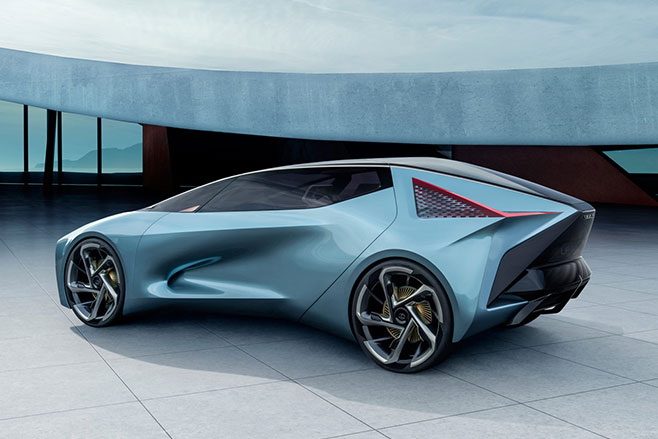
Indeed, the LF30 is claimed to feature something called “Advanced Posture Control”, which merges torque vectoring with other technologies to harmonise the output of the car’s multiple electric motors to enhance acceleration and cornering performance.
According to the Japanese maker, the LF-30 will glide to the 100km/h benchmark from zero in just 3.8 seconds, has a maximum speed of 200km/h and a WLTP range of 500km. Power comes from in-wheel hub motors that total 400kW and a handy 700Nm of torque and are fed by a 110kWh battery that has fast 150kW charging.
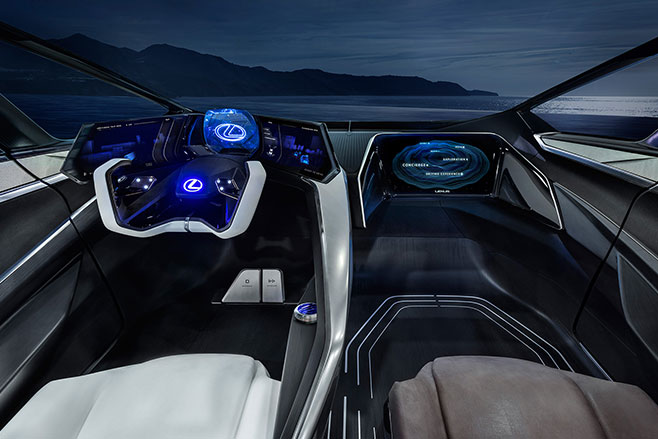
The LF30’s infotainment system also banishes the clumsy controls of present-day Lexuses in favour of an augmented reality interface, with projected controls on glass allowing passengers to take control of on-board functions. And that extends to those in the back seat as well, with the glass roof above them also being part of the infotainment “screen” and interactable. Cool, but we imagine cleaning greasy fingerprints off the inside of your glass will get old pretty quick.
The good news is that though the AR-enhanced infotainment looks to be very much a wildly futuristic concept feature, the development head of the LF30, Takashi Watanabe, says that it does signify Lexus’ intent to add some much-needed sophistication to its in-cabin technology.
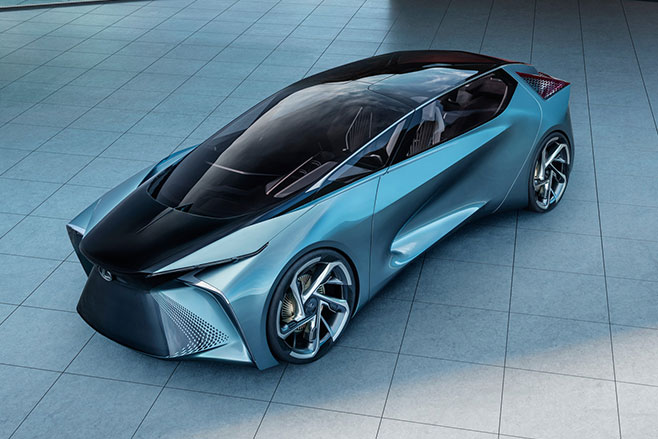
Is it a harbinger of a production car? Not really, but elements of it will likely be found on the company’s first exclusively-electric production car – a vehicle that Watanabe says can be expected in either 2022 or 2023. Electric versions of other existing models will precede it, however, and the first of these will be announced next month.
It feels like only yesterday that we were driving Mazda’s first EV prototype – then disguised as a relatively dour CX-30 – but now we have the real thing.
That’s right, people – after years of sitting on the EV sidelines, Mazda has finally entered the fray with this rather cute-looking coupe SUV. And yes, those really are suicide doors lurking fore of the rear wheels, al la the mighty (and sadly discontinued) RX-8 … but we’re getting ahead of ourselves.
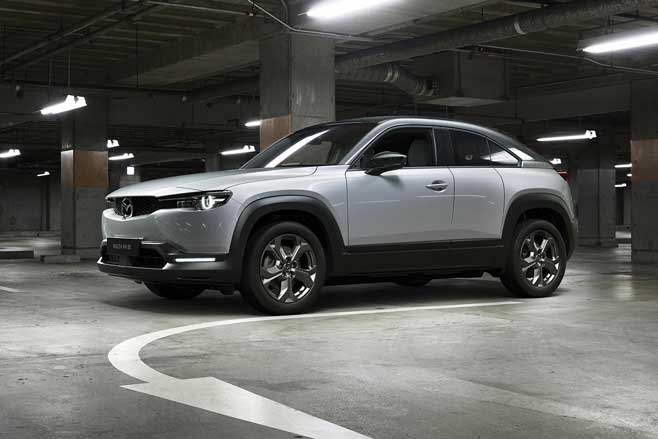
Revealed at the 46th Tokyo motoshow, Mazda’s first EV is called the MX-30. The headlines stand thus: roughly 200km of range, the same platform and dimensions as the excellent new 3 and incoming CX-30, and a strong likelihood that it’ll come to Australia. As for price? Mazda Australia isn’t saying, though expect it to slot somewhere in the $50-60K bracket.
Ah yes, that range. Small, isn’t it? Especially when you consider that a Nissan Leaf, Tesla Model 3, and Hyundai Kona EV, which are likely to be the MX-30’s biggest rivals when it arrives towards the end of 2021, can travel 270, 386 and 415km respectively.
Mazda’s rebuttal is that the large battery packs required to achieve such ranges needs a huge amount of energy to create, recharge and then dispose of, so it has instead opted for a smaller 33.5kWh battery. A single electric motor on the front axle drives the front wheels – Mazda calls its new EV powertrain e-Skyactiv – but there are rumours that a beefier all-wheel-drive version is coming. You can also expect a plug-in hybrid variant and a rotary powered range extender, though Mazda’s remaining tight lipped on these.
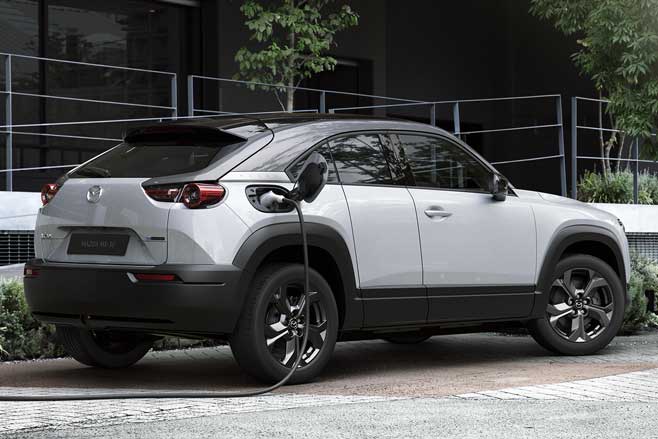
For now, though, outputs are relatively modest at 105kW/265Nm, but don’t dismiss that level of performance at face value. In the acceleration stakes, Mazda insiders say the MX-30 is roughly comparable to a 2.0-litre petrol powered Mazda 3, albeit one armed with instant torque. A zippy city car this promises to be.
Design-wise, the MX-30 builds on the daring exterior language of the new 3, but moves it in a simpler and cleaner direction. The suicide rear doors are a welcome RX-8 throw-back, although also one that promises to boost, not hinder, practicality. Mazda says the front doors open to 82 degrees, while the rears manage 80, meaning access to the rear seat should be fairly simple. Aiding that manoeuvre is a one-touch function for the front pews, which sees them tilt and slide forward automatically.
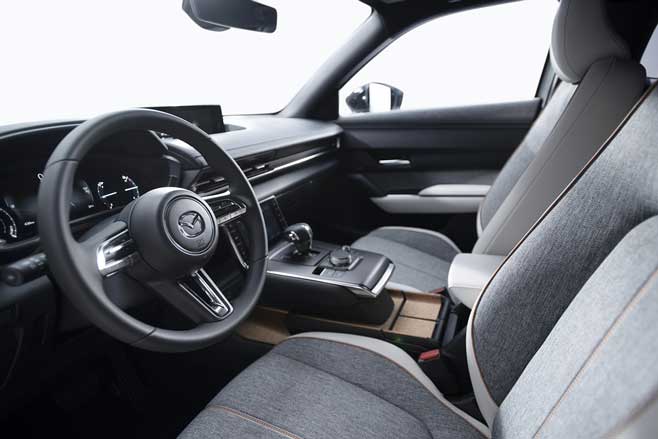
Cabin space is again comparable to the 3 and CX-30 (exact boot dimensions are yet to be confirmed, though Mazda says you can fit four 115cm suitcases side-by-side), and while the three cars share some obvious components (dash design, steering wheel etc), the MX-30’s cabin does offer some new touches.
There’s a new gear shifter design, and an all-new floating centre console that sits below a fresh central ‘touch panel’. This 7.0-inch screen operates the air-conditioning controls, and also greets occupants with a subtly changing graphic that alters depending on the time of day and outside temperature to help get the driver in the mood for driving.
The screen also has buttons on its edge that mirror the major functions so you can still use the system while wearing gloves. Connectivity wise, the cabin is armed with two USB ports, a 12V DC socket, and a 150W AC outlet to charge heftier items like laptops and tablets.
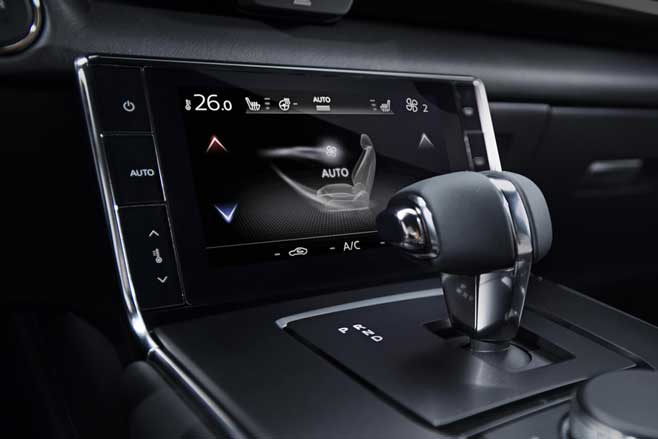
This being a futuristic EV, there’s been a strong emphasis on using cabin materials that are low-impact and sustainable. The door trims, for example, contain a fibrous material made from recycled plastic bottles, while heritage cork (harvested from the bark of trees without felling) is used on the tray of the central console. Anyone else getting BMW i3 vibes here?
As you’d expect of a new flagship variant, the MX-30 is armed with all of Mazda’s chassis and active safety systems, though it does usher in the next generation of G-Vectoring Control. Called e-GVC Plus in the MX-30, the system is tuned specifically for the instant torque capabilities of an EV powertrain. A new cross-traffic alert function has also been added to the autonomous emergency braking function.
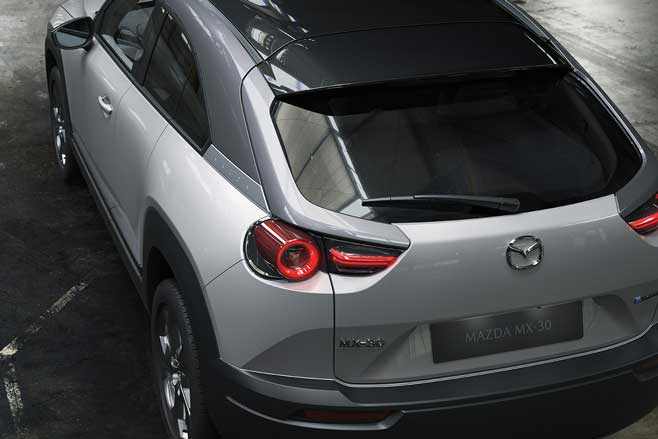
There’s more too, like the fact that Mazda doesn’t believe in heavy regen under braking so you’ll be forced to use the brake pedal like, you know, a normal car. And the potentially worrying point that fake engine sound is piped through the speakers to give passengers a natural sense of movement and speed.
Though the biggest question mark hovers over when we can expect the MX-30 to hit our shores.
“We would like to introduce it and we’re working on the plan to bring it into Oz,” said Mazda Australia’s marketing chief, Alastair Doak. “But we’re not on the official list yet. They’ve prioritised markets where there’s infrastructure and incentives and demand, whereas in Australia EVs remains in their infancy and has a challenge around infrastructure. But as a city EV the MX-30 has potential and we’d like to be part of that of that conversation. I’d say late 2021.”
When the current Mercedes-AMG E63 S took home silver at PCOTY 2018, there was no denying it was as quick of a big four-door sedan as one can have. Big power mated to a traction rich AWD drivetrain, it was a winning combination.
But could you make it even more powerful? What would that look like? German magazine Auto Bild recently tested an AMG E63 S that has been treated to the full Brabus 800 treatment on a 0-3000m run.

As the numerical designation implies, the ‘800’ turns up the power output of the 4-litre biturbo V8 from 612hp (450kW) to 800hp (588kW), and raises torque from 850Nm to a neat 1000Nm.
At PCOTY 2018, the AMG E63 S managed a 0-100km/h time of 3.4sec, and completed the quarter mile in 11.28sec, crossing the line at 203.72km/h.
According to Brabus the ‘800’ tweaked E63 S would be able to spring to 100km/h in 3 seconds flat, but only managed 3.2sec in the test. A marginal advantage compared to the base car, but from then onwards is where the Brabus starts to clock in some impressive figures.
0-200km/h is done in 9.9 seconds and the sedan continues to surge effortlessly to 300km/h, hitting the mark in 24.3sec from launch. At the end of the 3km run, the speedo registers 336.5km/h, all the while leaving the driver unflustered and free to adjust the infotainment system in the lap of luxury.
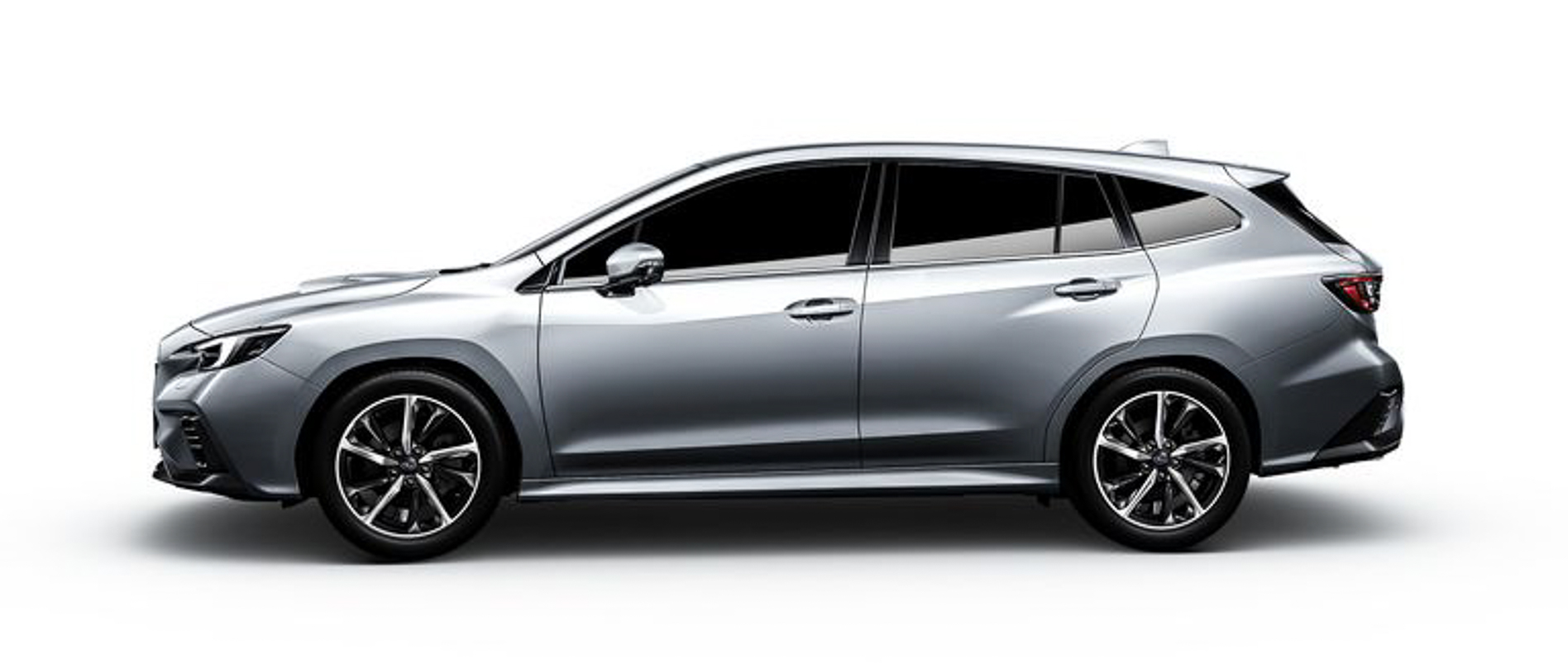
UPDATED – Subaru has snatched the sheet off the prototype version of the second-generation Levorg station wagon at the Tokyo Motor Show.
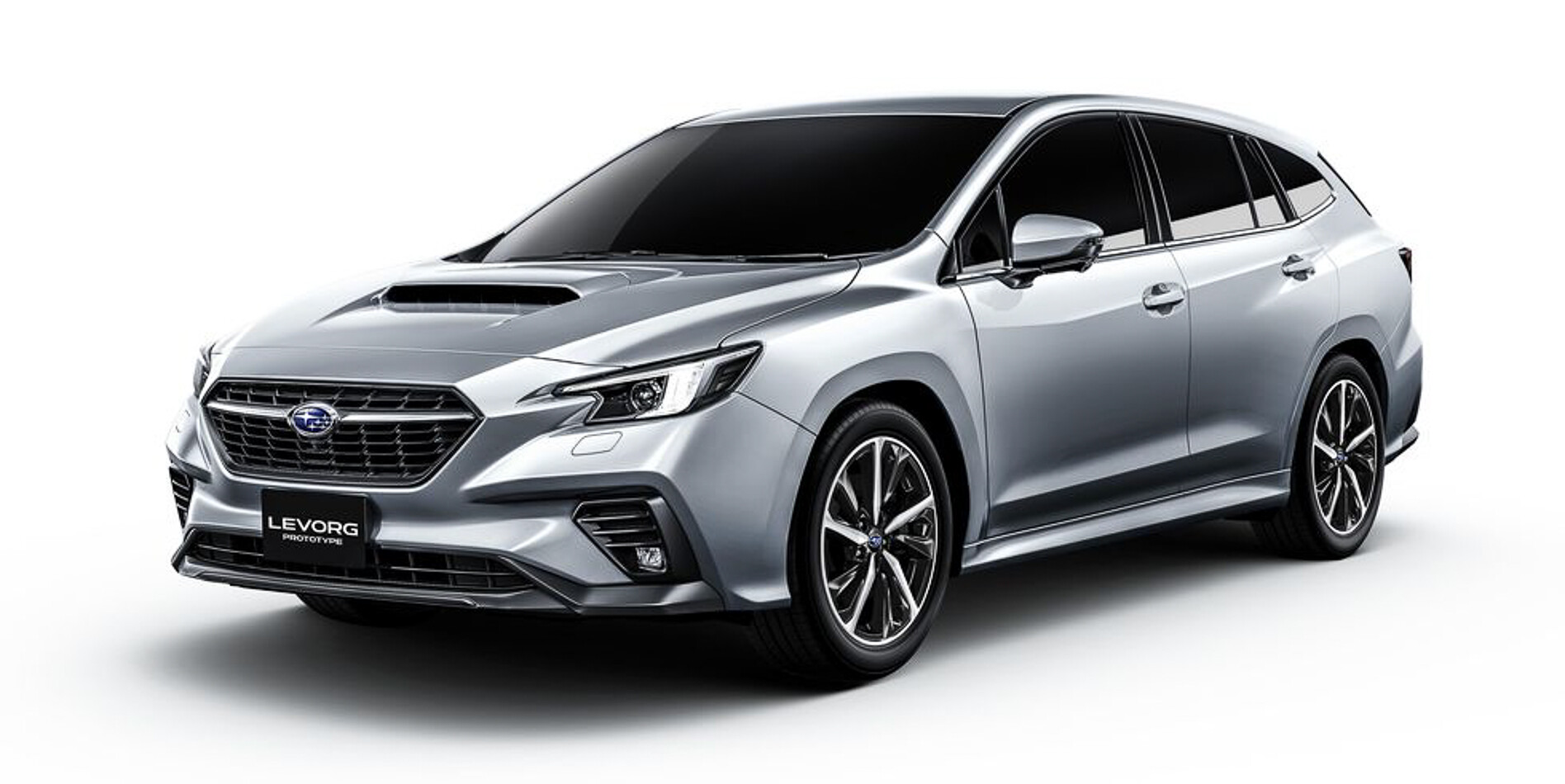
2020 Subaru Levorg prototype
The five-seat, four-door Levorg acts as the de facto wagon for the Impreza range, and it first came to Australia in 2016.
However, it was always a bit of a compromised car, arriving very late in the previous Impreza’s model cycle and suffering from some ill-mannered handling traits as a result.
Based on the shots from the show, this is a very late-stage, production-ready prototype; the basic shape mimics that of the current Levorg, save for some massaging of the front end to suit those gorgeous LED headlights, new bonnet and front guards as well as a more prominent grille.
There’s also a lot more detail down the sides of the car, which follows across to a newly styled rear bumper.
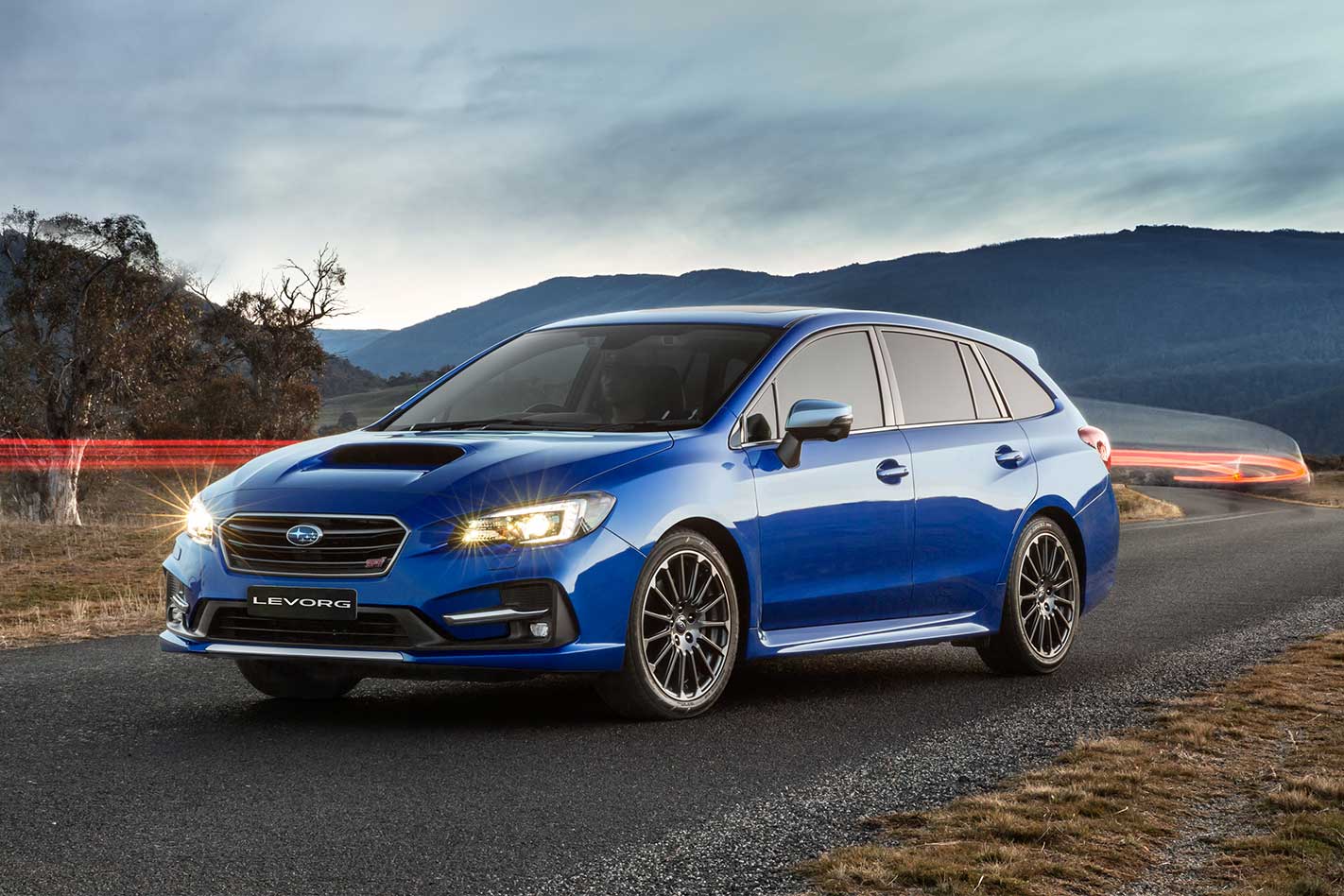
Current Subaru Levorg
What will make the second-generation Levorg a lot better than the first, though, is the adoption of Subaru’s new modular platform, which is already used across the majority of its fleet including the Impreza, XV and Forester.
The billion-dollar platform has already improved the basic handling traits of Subaru’s best sellers and, given that the Levorg has emerged relatively early in the design cycle this time around, the issues that plagued the first-gen car – chiefly, too-short rear suspension towers that led to a harsh, choppy ride quality – will have been avoided.
The inclusion of a bonnet scoop on the Levorg prototype indicates a turbocharged engine is tucked away in there; an all-new 1.8-litre turbocharged four-cylinder boxer engine – where the pistons lay almost flat, rather than sit vertically in the engine block – sits under the bonnet of the prototype, but no power or torque figures were revealed.
It will replace the current Levorg’s 1.6-litre turbocharged engine, given the current car is based on the previous generation Impreza platform.
Inside, expect to see a similar layout to the current Impreza, while Subara’s excellent EyeSight safety system will score another update.
The new Levorg will launch in Japan late in 2020, which means a late 2021 start in Australia.
Subaru also revealed a final-edition WRX STi at the Tokyo Motor Show today.
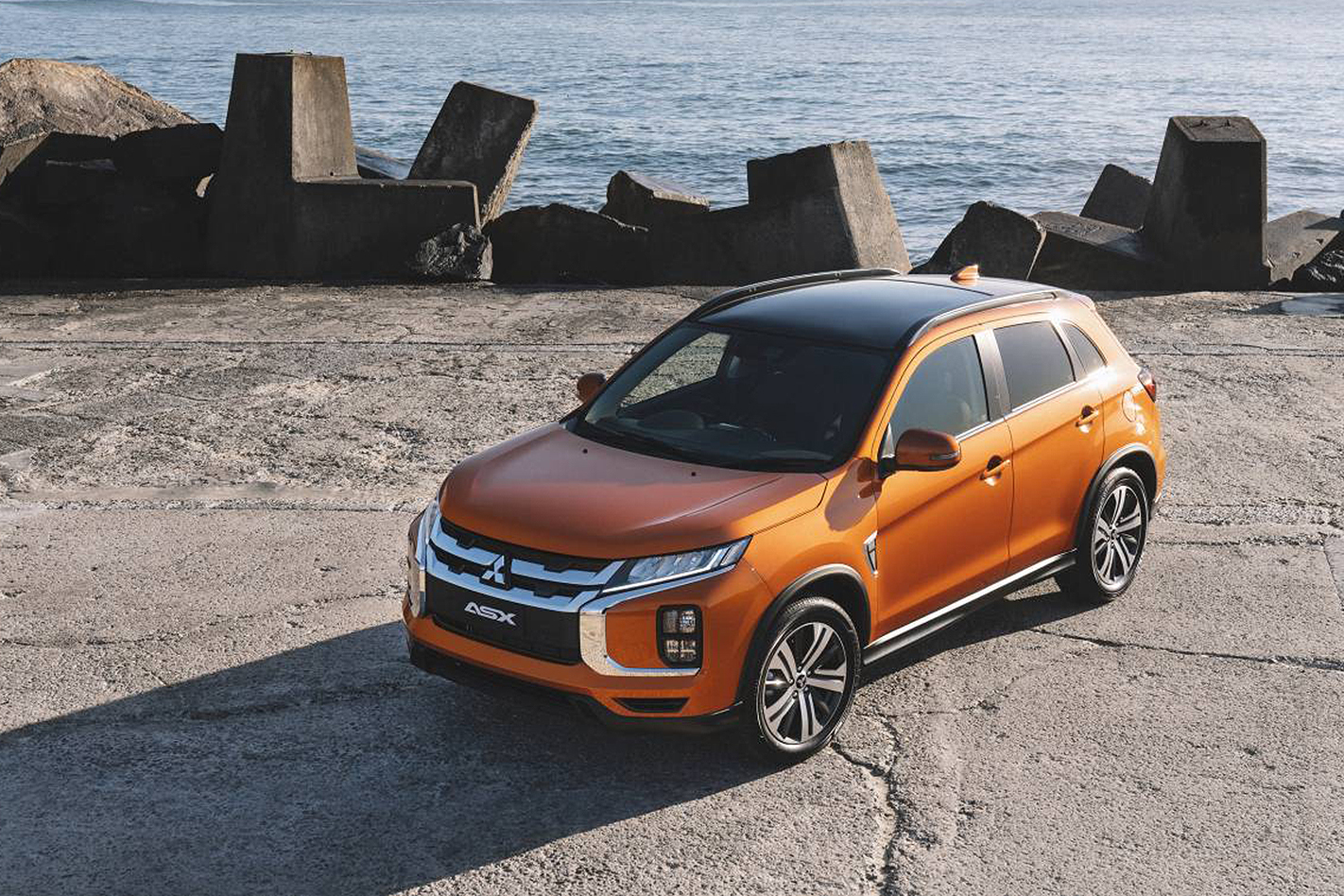
- Australia’s best selling small SUV to get facelift for 2020
- Now available, with new ‘Sport’ variants arriving in December
- New more powerful engine added to the range
The 2020 ASX range will also introduce new ‘sport’ variants called the MR and GSR, which gain more athletic-looking interior and exterior trim.
The higher-spec GSR will come with a rear spoiler, and paddle shifters for more hands on gearing of the new 123kW/222Nm 2.4-litre engine that will also be available in the range-topping Exceed.
Coupled with the standard continuously variable transmission (CVT) the new engine produces 12 percent more power and 13 percent more torque than the 110kW/197Nm 2.0-litre engine carried over from the outgoing model into all but GSR and Exceed variants.
New tech includes a bigger 8.0-inch touchscreen with improved smartphone integration with Apple CarPlay and Android Auto, and digital radio (DAB+). The Exceed also gains a Rockford premium audio system and TomTom navigation that can connect to the internet via your phone for real-time city traffic updates… which kind of sounds a lot like what apps like Google Maps or Wayz already do. Anyway…
The move to a larger screen has also meant a redesign for the centre console and dash array, though the basic layout carries over from the 2019 model.
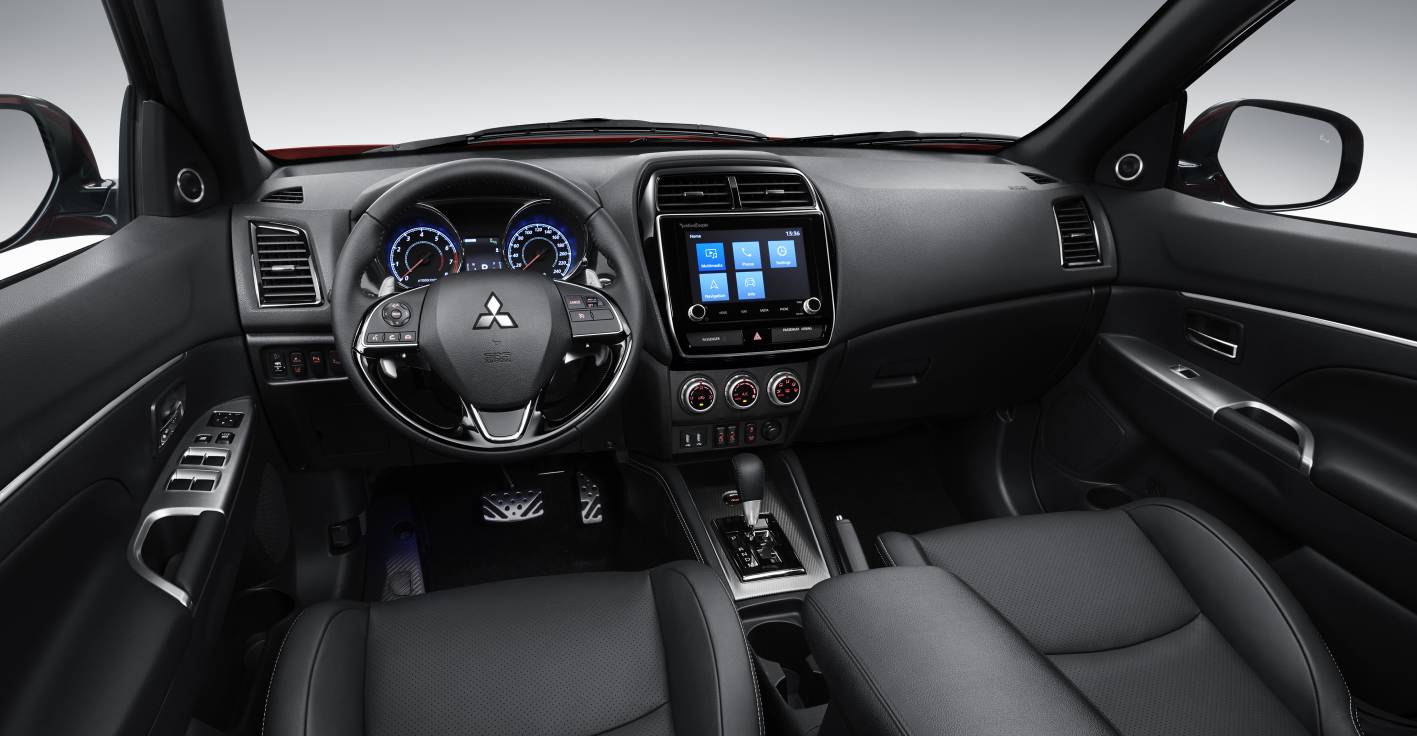
It also claims that the range-topping models will include a TomTom-sourced satellite navigation system that can connect to the internet via your phone for real-time city traffic updates… which kind of sounds a lot like what apps like Google Maps or Wazyz already do. Anyway…
Autonomous emergency braking, which Mitsubishi calls Forward Collision Mitigation (FCM), is now standard across the ASX range rather with the optional ADAS package. The FCM system detects obstructions ahead and issues a visual and audible alert when there is a danger of a collision, automatically applying the brakes to either avoid a collision or reduce the impact.
The auto-dimming electrochromatic rear-view mirror that was part of the ADAS pack is also now standard.
The $2500 ADAS pack is still optional with entry-level ASX ES and brings lane departure warning, auto high beam, reversing sensors, blind spot warning, lane change assist rear cross traffic alert, front fog lamps, rain-sensing wipers, and dusk-sensing headlamps.
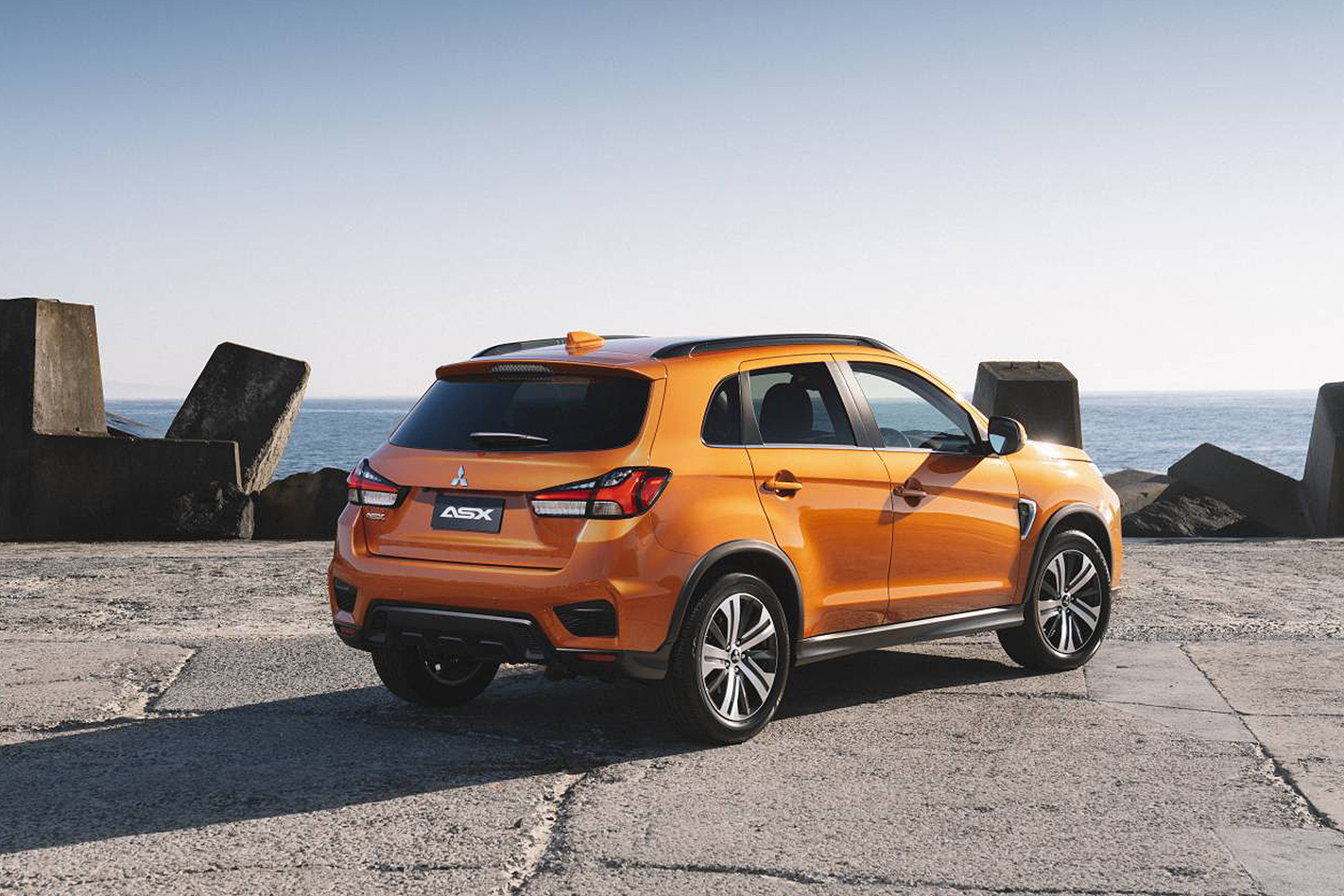
The 2020 reboot brings the ASX’s design language into line with stablemates like the Eclipse Cross and the Pajero Sport. Out back, LED taillights work with conventional turn indicators in the reconfigured tail lamps, while a new rear fascia and bumper design deletes a lot of chrome work and sharpens its visage.
The evergreen Mitsubishi ASX, which launched in 2010, was the clear leader in this year’s small SUV sales race, ahead of newer rivals like Mazda’s CX-3, the Honda HR-V, Subaru’s XV and the Hyundai Kona.
The keys to the popularity of this car are price and size. At the base, the ASX costs less than the majority of its competitors aside from the entry-level CX-3 and Ford’s largely unloved EcoSport, while its luggage space compares well with most rivals.
The 2020 Mitsubishi ASX ES, LS and Exceed are now available in Mitsubishi showrooms. The MR and GSR variants go on sale in December, with pricing for both to be announced closer to launch.
2020 Mitsubishi ASX pricing and features
ASX ES, 2.0-litre manual – $24,990 ASX ES, 2.0-litre auto – $26,740
- 2.0L MPI MIVEC Engine
- 5 speed manual or CVT
- Forward Collision Mitigation (FCM)
- 7 airbags
- Active Stability Control
- Traction control
- Hill start assist
- 18” Alloy wheels
- LED headlamps with integrated Daytime Running Lamps (DRL)
- LED brake, tail and reverse lamps
- Rear spoiler with LED stop lamp
- Leather wrapped steering wheel
- Single zone climate control
- Cruise control
- Door mirrors with electric fold control
- 8” smartphone touchscreen audio
- DAB radio
- Apple CarPlay/Android Auto
- Bluetooth connectivity
- Electrochromatic rear view mirror
- Reverse Camera
- ADAS Pack ($2500)
- ADAS pack
- Smart key and one touch start
- Roof rails
- Privacy glass
- Chrome interior door handles
- Black alloy wheels
- Black door mirrors
- Black grille
- Privacy Glass
- Front Fog lamps
- Leather appointed steering wheel, shift knob & park brake with red stitch
- Aluminium pedals
- Smart key with one touch start
Key specifications over MR
- 2.4L MPI MIVEC engine
- Sports rear spoiler
- Paddle shift
- Micro suede and synthetic leather seating
- Black interior headlining
- 6 speakers
- 2.4L MPI MIVEC engine
- Two tone 18” alloy wheels
- Dark argent radiator grille
- Auto headlamp levelling
- Panoramic roof
- Leather appointed seats
- Heated seats
- Driver 4-way power seat
- TomTom navigation
- Rockford Fosgate Premium audio with 9 speakers
It seems that we can’t get enough of titanic pick-ups from the States. If sales of the RAM 1500 and interest in the Chevrolet Silverado are anything to go by, there’s no such thing as a pick-up that’s too big for the Australia market. All of which makes it an opportunity that other manufacturers are now looking to exploit.
While they might not be quite so endowed with chrome plating and logos featuring steer horns, the Toyota Tundra and the Nissan Titan are nevertheless right up there with the Yank behemoths when it comes to grunt and grip.
The Tundra’s been a stalwart in the US market for two decades now. For the first ten years of its life it was built in Toyota’s Princeton, Indiana plant before production switched to San Antonio in Texas in 2009. Throughout that 20 year period there have really only been two generations. The XK30/XK40 models lasted from 2000-2006 and since 2007 we’ve had ever more developed versions of the XK50 truck.
In its first year on sale, the XK50 Tundra shifted around 196,000 units in the US, nearly putting the San Antonio plant at capacity. Now, it sells around 120,000 units per year, making it the seventh best-selling truck in the States.
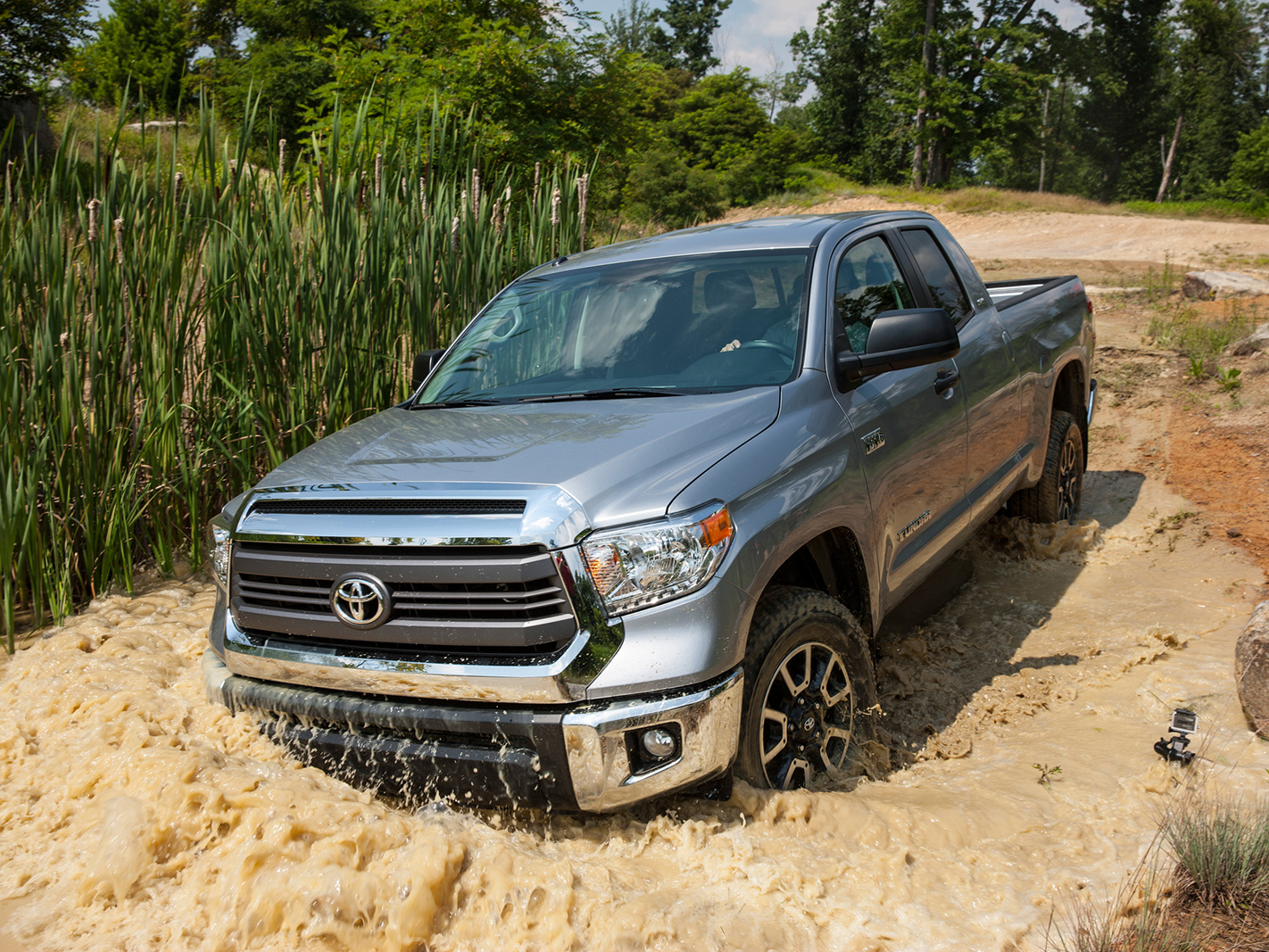
A massive $A573 million investment to upgrade its San Antonio production facility has seen speculation grow that Toyota is set to introduce a right-hand drive export market Tundra.
What’s more a spokesman for Toyota Australia has admitted that vehicle is under study for this market, but where the right-hand drive production is conducted is an issue.
“Our preference would be to get something from the factory,” is the official line.
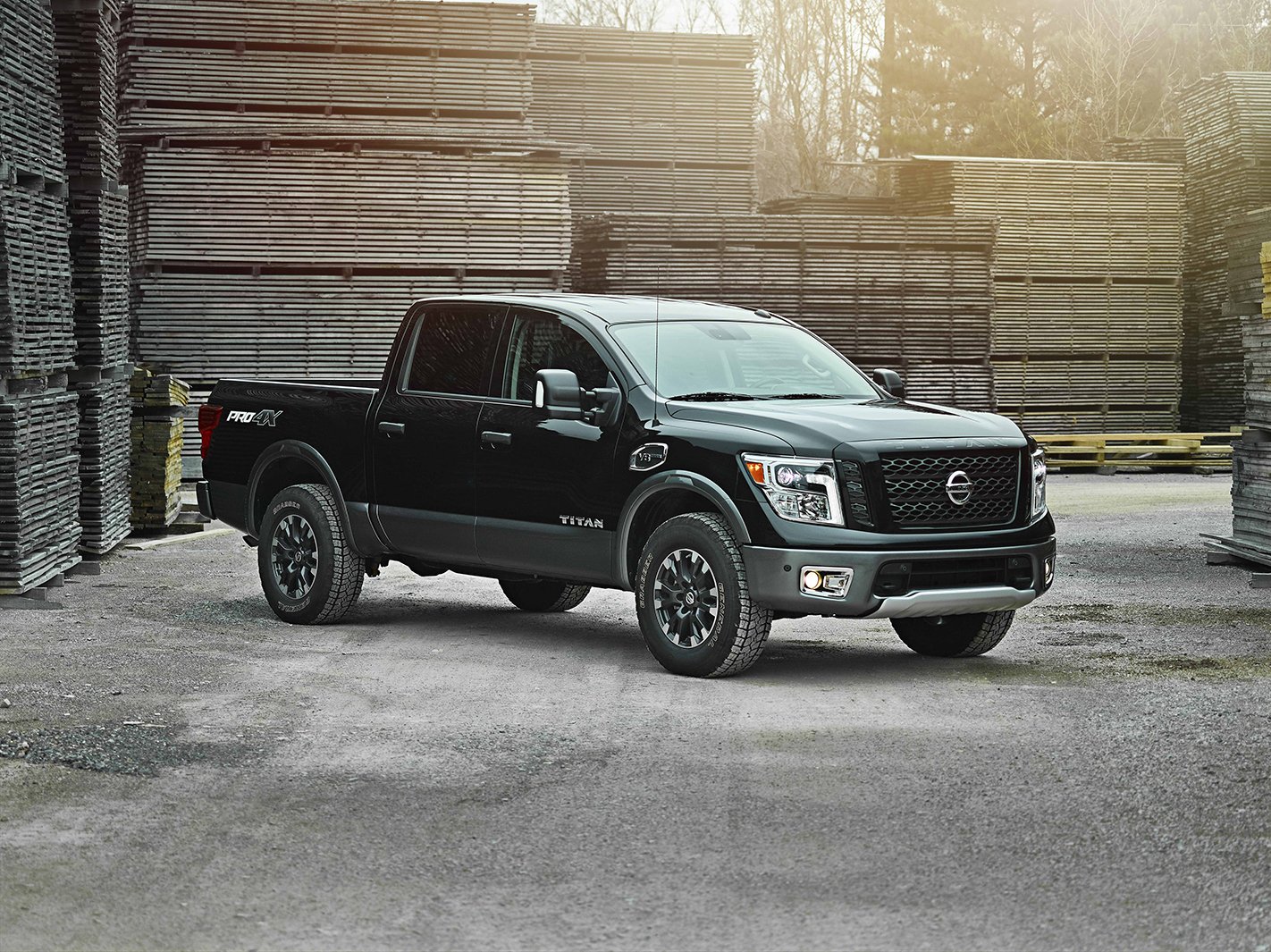
By contrast, the Nissan Titan sells less than half of the Toyota. Like the Tundra, it has been built in two specific generations, the A60 from 2003 through 2015 and the H61 from 2016 to present. A 2020 update is on the way, Nissan reportedly planning to ditch the regular cab models of the Titan from the line at Canton, Mississippi.
Nissan Australia is keen to see the Titan sold here. Nissan Australia MD Stephen Lester is doing his best to get vehicles here as soon as possible.
“There are definitely plans to expand. Even within Navara we’ve seen the development of special versions support the growth of that car, and we’ll see that continue for sure,” Lester said.
“But I also believe a vehicle like Titan would make perfect sense for Australia. We’ve been hard at it with the global team to push for this, and we’ll stay hard at it, because I don’t see that changing anytime soon.”
The Titan is most likely to be re-engineered to right-hand drive here in Australia.
If these two monster trucks are on their way to Australia in right-hand drive form, what can buyers expect?
DIMENSIONS
The Titan is offered in two sizes, Titan and even heftier Titan XD. It’s unlikely that the larger version will be imported, but the ‘little’ one is still a hefty slab of truck.
The Titan Crew Cab version that we’re likely to get is 5794mm long, 2019mm wide and 1930mm high, with a wheelbase of 3551mm.
By contrast, the Tundra CrewMax is a bit larger again at 5809mm long, 2029mm wide, 1925mm high with a wheelbase of 3700mm.
How does that compare with one of our regular dual cabs like the Ford Ranger? They’re a fair bit bigger, but not the 20-25 percent bigger than many imagine. A Titan is 8.2 percent longer, 9.1 percent wider and 0.2 percent higher than a dual cab Ford Ranger. It still makes it a big old unit, but it shouldn’t prove unmanageable on Aussie roads.
TOWING/PAYLOAD
This is where the big trucks exercise a key advantage over our regular dual cabs. The reason why RAMs are flying out of the Clayton plant is because the 1500 can be optioned with a short final drive ratio that gives it a 4500kg towing capacity – although gross vehicle weight restrictions come into play when you’re really teasing at the edge of the towing limits.
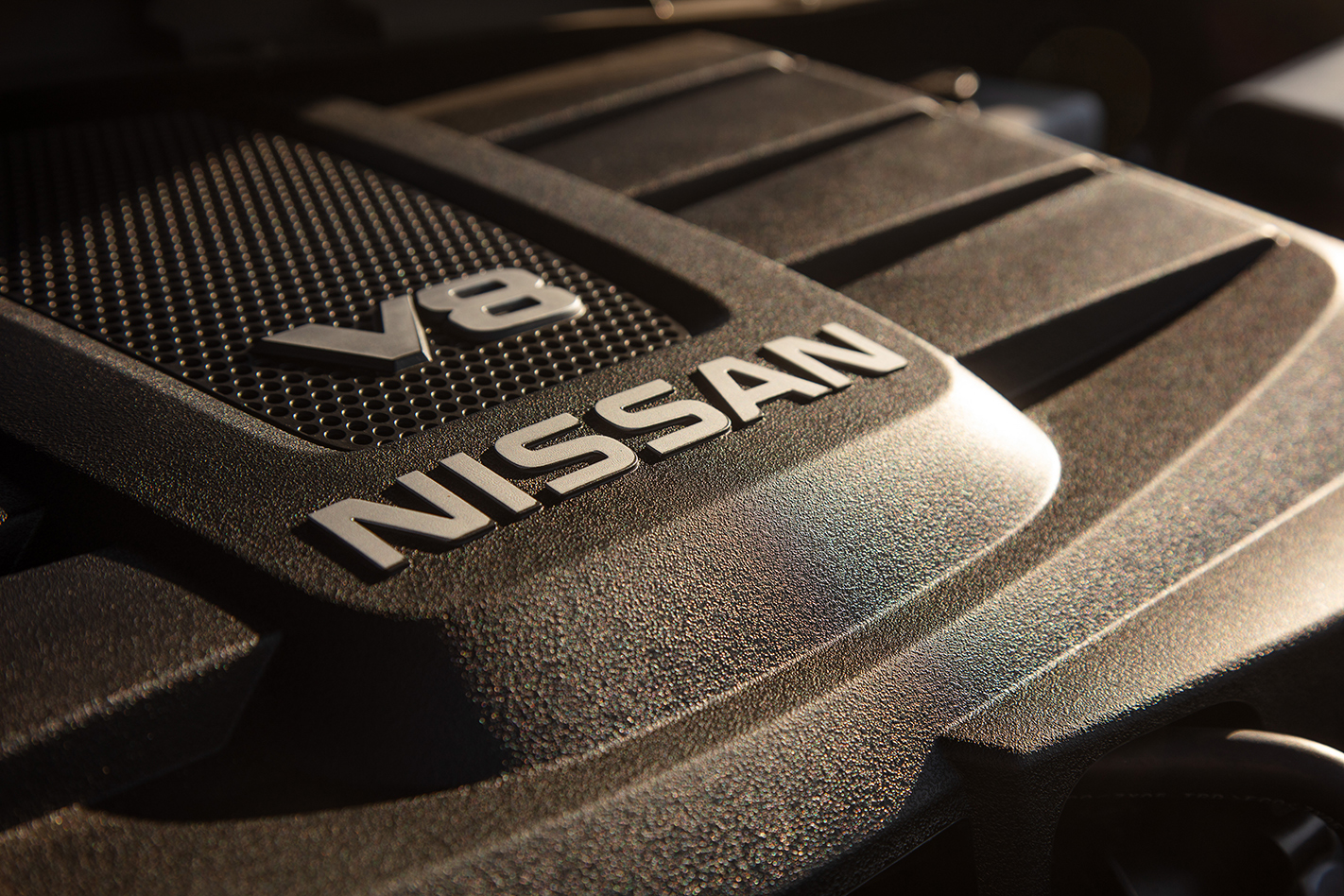
The Nissan Titan Crew Cab with a 5.6-litre petrol V8 has a maximum towing capacity of 4190kg and a maximum payload of 735kg, although obviously not both at the same time.
Go for the Toyota Tundra CrewMax and you get 690kg of payload and 3992kg of towing capacity if you opt for the all-wheel drive version or 735kg of payload and 4264kg of towing capacity with the rear-drive variant.
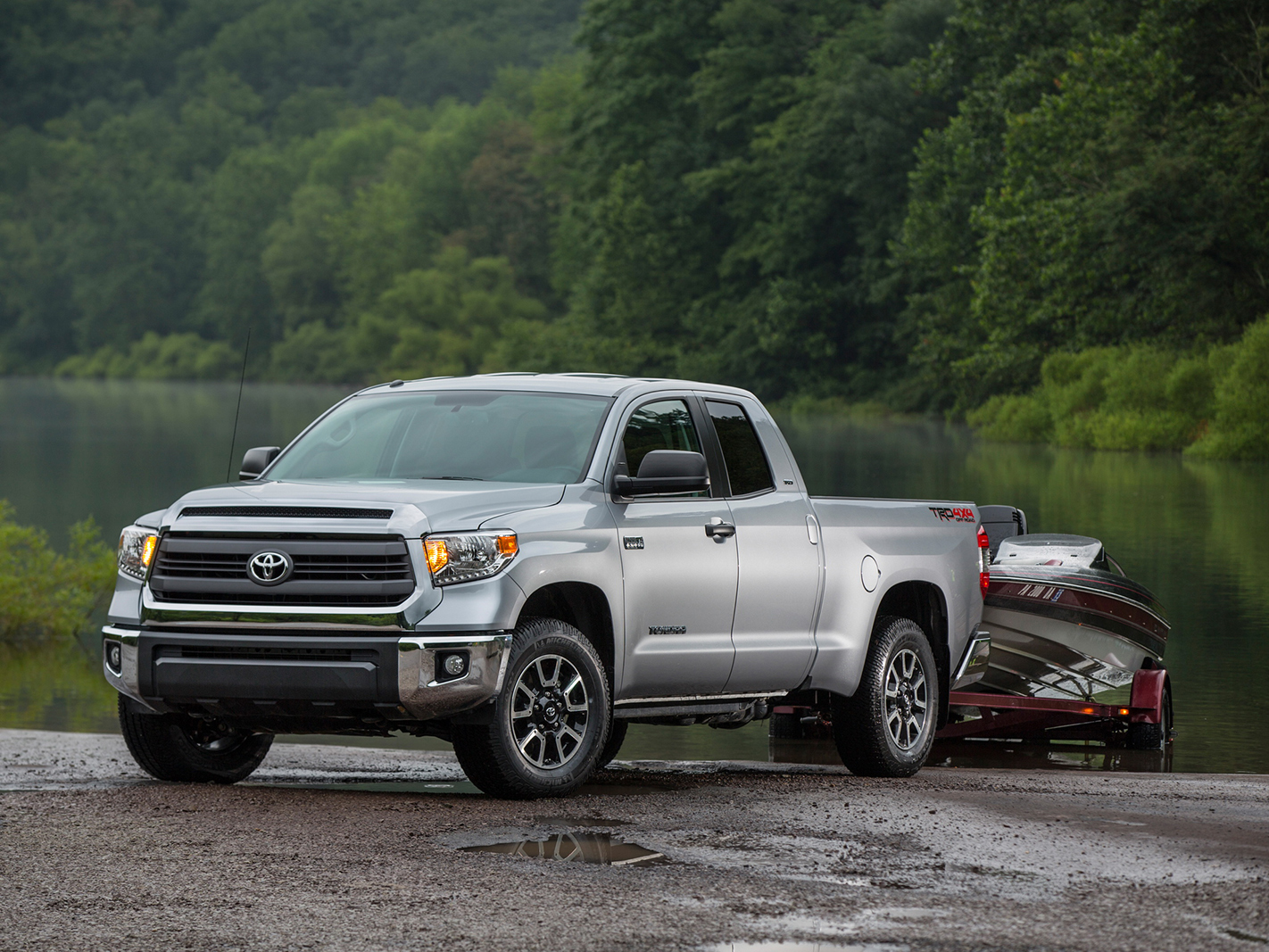
That’s usefully better than the best dual-cabs on the market at the moment. The V6 Mercedes-Benz X350d can lug 3500kg, the same as the most powerful VW Amarok V6. So if you’re getting near the limit of your current ute’s towing ability, the Tundra and – especially – the Titan may well appeal.
Both are offered with either a 6.5 or a 5.5-foot bed.
PERFORMANCE
The current Titan gets a choice of a 5.6-litre V8 petrol engine, generating 290kW at 5800rpm and 534Nm at 4000rpm or a 5.0-litre diesel V8 that produces 231kW and 752Nm, mated to a seven-speed automatic transmission. Word is that the 2020 Titan could get rid of the Cummins-sourced diesel, an engine that seems a natural fit for our market.
Against that, Toyota comes armed with a 5.7-litre aluminium 32-valve petrol V8 good for 280kW at 5600rpm while torque is rated at 544Nm at 3600rpm, so there’s really not a lot to choose between the two. The Toyota unit is smoother and has a modest advantage on torque, whereas the tough Nissan V8 makes 10kW more, but needs a few more revs on the board to do so. The Toyota’s six-speed automatic is down a ratio on the Nissan’s 7-speed unit.
PRICING
Pricing is very much contingent on whether the Tundra and Titan are offered from factory in right-hand drive guise or converted here in Australia. A handful of private importers will already sell you a converted right-hook Titan Platinum Crew Cab and ask $145,000 for the privilege.
In the US, the Titan CrewCab 4×4 starts at USD$39,830 for a typical Californian buyer. That will buy you an S trim, rising to $57,490 for the aforementioned Platinum Crew Cab. Given that Australians like their trucks with all the bells and whistles that would be the spec we’d be likeliest to get.
Go Toyota and a CrewMax 4×4 opens at USD $42,345 in SR5 trim, ranging up to $53,270 for the Tundra Platinum.
VERDICT
There’s no getting away from the fact that the current Toyota Tundra is ancient. The interior design is a long way behind the curve and the infotainment system lacks the CarPlay/Android slickness of the Nissan. The Tundra counters with some great driver assistance systems that the Nissan lacks. The Tundra has earned a solid reputation for reliability in the States, where the Titan has yet to earn those spurs and is often available at a decent dealer discount. Were such discounts available to us, it might well swing a verdict in Nissan’s favour. As it stands, it’s a really close run thing.
Granted, we’ve yet to get the vehicles into the Wheels office for a test drive, but as soon as we can, we will. And in the meantime, tell us which of the two you’d go for or whether you’d rather have a proper ‘chrome on the range’ Yankee truck instead.
WE ALL know that being in a bigger car tends to mean that you’re in a safer car, right?
The Insurance Institute for Highway Safety (IIHS) has crunched the numbers from thousands of cars covering millions of kilometres and come to an unarguable conclusion. The bigger the vehicle you’re in, the lower the number of driver deaths per million registered vehicles.
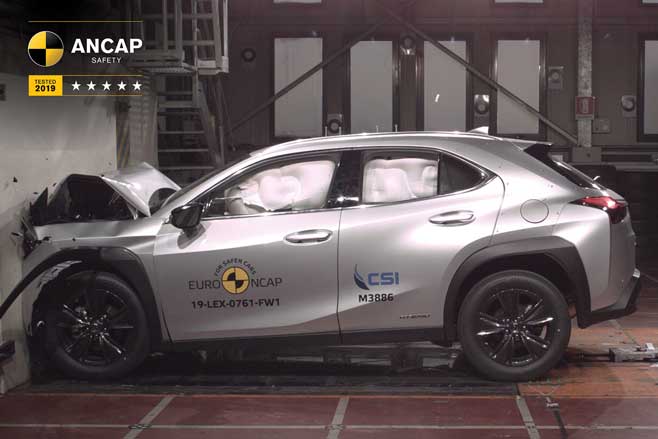
That may well disguise another, more insidious statistic that the new 2020 Euro NCAP crash test is looking to expose.
Some background first. While you may feel invulnerable in your giant Yank pick-up, what about the poor sap in a Suzuki Alto that you obliterate? Unfortunately that news is not so good.
The IIHS found that between 1989 and 1992 SUVs were 132 percent more likely to kill the driver in a passenger car compared to a crash that included another car. For the period between 2013 and 2016 this had fallen significantly to 28 percent, but that was largely due to the growth in popularity of smaller SUVs and crossovers, in effect taking people out of compact cars and sedans.
Large pick-ups have remained the vehicles most likely to kill another driver in a crash, with almost no decrease since 1989.
When the study began a pick-up was 159 percent more likely to kill the driver of a passenger car, while in 2016 the figure stood at 158 percent. The IIHS study concluded by noting that pick-ups remain “disproportionately aggressive toward other vehicles”.
This means that the notion of vehicular ’safety’ can’t just be viewed in isolation, and the Euro NCAP crash test – and indeed its ANCAP equivalent – has been steadily improved to reflect that. It’s worth bearing in mind that the first car to achieve an NCAP five-star rating, the 2001 Renault Laguna would, according to Aled Williams, program manager at NCAP, score “one star at best, and probably zero” today.
In 2009, NCAP introduced pedestrian safety testing, broadening the scope of the test beyond just occupant safety. In 2011 electronic stability control functions were included, putting value on a car’s ability to avoid an accident in the first place. That extended to autonomous emergency braking in 2016.
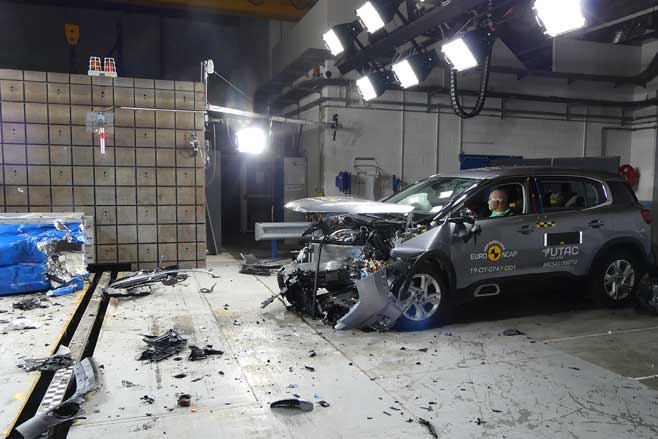
In all that time, the simple frontal offset crash test has remained unchanged since 1997. Next year that’s going to change and it’s changing in a way that will have particular effect on heavier vehicles. Until now, the test has created an unintended consequence where bigger vehicles with more massive frontal areas and crash structures tend to score better.
Next year, Euro NCAP will reward cars that keep their occupants safe, without inflicting undue damage to other road users. In order to achieve this, the offset barrier will be mobile and will record the impact delivered by the cars tested. More kinetic energy imparted to the barrier, the lower the score. In other words, big, heavy trucks are going to be penalised.
It’s hard to assess how that could change buyer behaviour. Would you rather be in a four star vehicle that offered you a better chance of survival at somebody else’s expense or would you rather have a five-star car that improved the survivability of the people of the car you drive it but could compromise your prospects? It’s a fascinating question and one that could well change the shape of the cars we buy as we move into the next decade.
Brabham Automotive has announced David Brabham will lead its return to racing when it competes in the Britcar Endurance Championship’s final round next month.
Will Powell, the company’s first Driver Development Program graduate, joins him in the team’s Goodyear-sponsored BT62 racer and completes the Pro-Am pairing. It’s said he brings previous GT racing experience.

Britcar’s final round will take place at England’s Brand Hatch Indy circuit over two hours on a day-and-night format on November 10. The championship’s Class 1 includes a McLaren 650S GT3, BMW Z4 GT3, Lamborghini Huracan as well as dedicated track machinery like the Saker RAPX and Praga R1T Evo.
The BT62, already known for lap-record shattering performance in stock trim, has been modified to the championship’s GTO class regulations, lowering its potency through a revised ECU tune and extra weight. It’s now claimed to equal a GT3 car’s speed.
Former 24 Hours of Le Mans winner David Brabham has moved from the company’s Managing Director to Sporting Director ahead of the race, a position where he’ll oversee its motorsport and customer racing program.
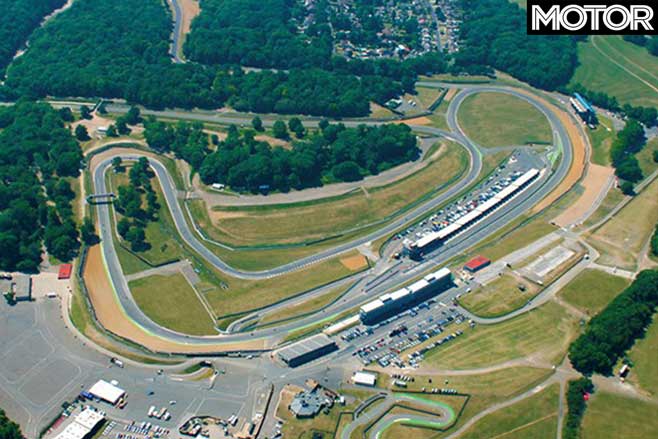
The fact Jack Brabham won at Brands Hatch back in 1966 during his third and final winning F1 World Championship season adds more significance to the debut, especially as the brand begins its journey toward the 24 Hours of Le Mans in 2022.
Brabham Automotive has not confirmed whether it will eventually race in the World Endurance Championship’s GTE or proposed Hypercar class.
The last Brabham to ever race was Damon Hill’s BT60 F1 car at the Hungarian Grand Prix in 1992. That’s 27 years ago. It finished behind Aryton Senna in eleventh, its best result in a season plagued with DNFs.
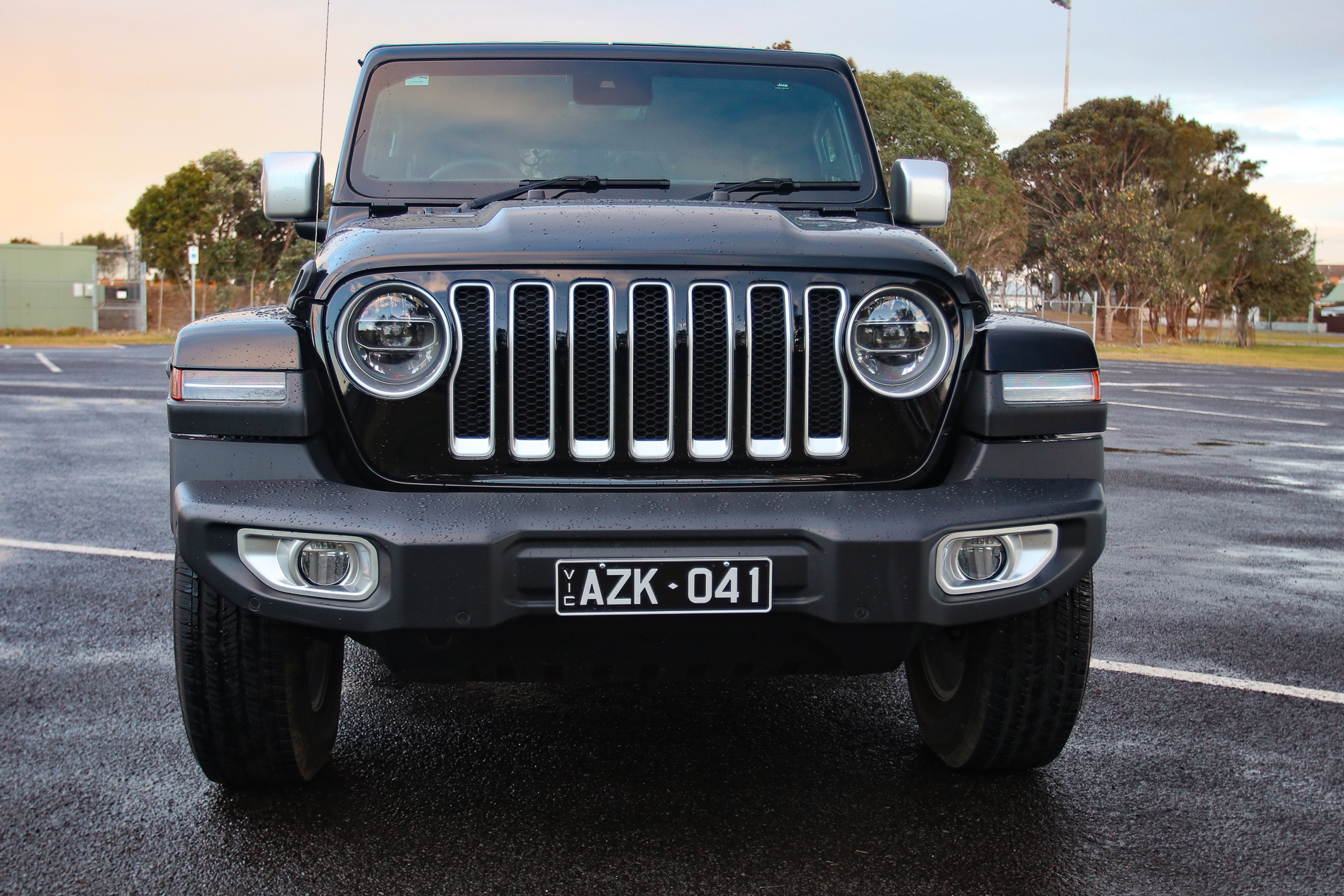
What is the Jeep Wrangler Rubicon?
When it comes to iconic names in the motoring game, ‘Wrangler’ holds a special place in the hearts of those who live to get muddy.
Now in its 33rd official year (the name was coined in 1987, even though it’s spiritually descended from the World War II Willys army vehicle of the same shape, the Wrangler 4×4 is the very essence of the Jeep brand, and as vital to its identity as the 911 is to Porsche.
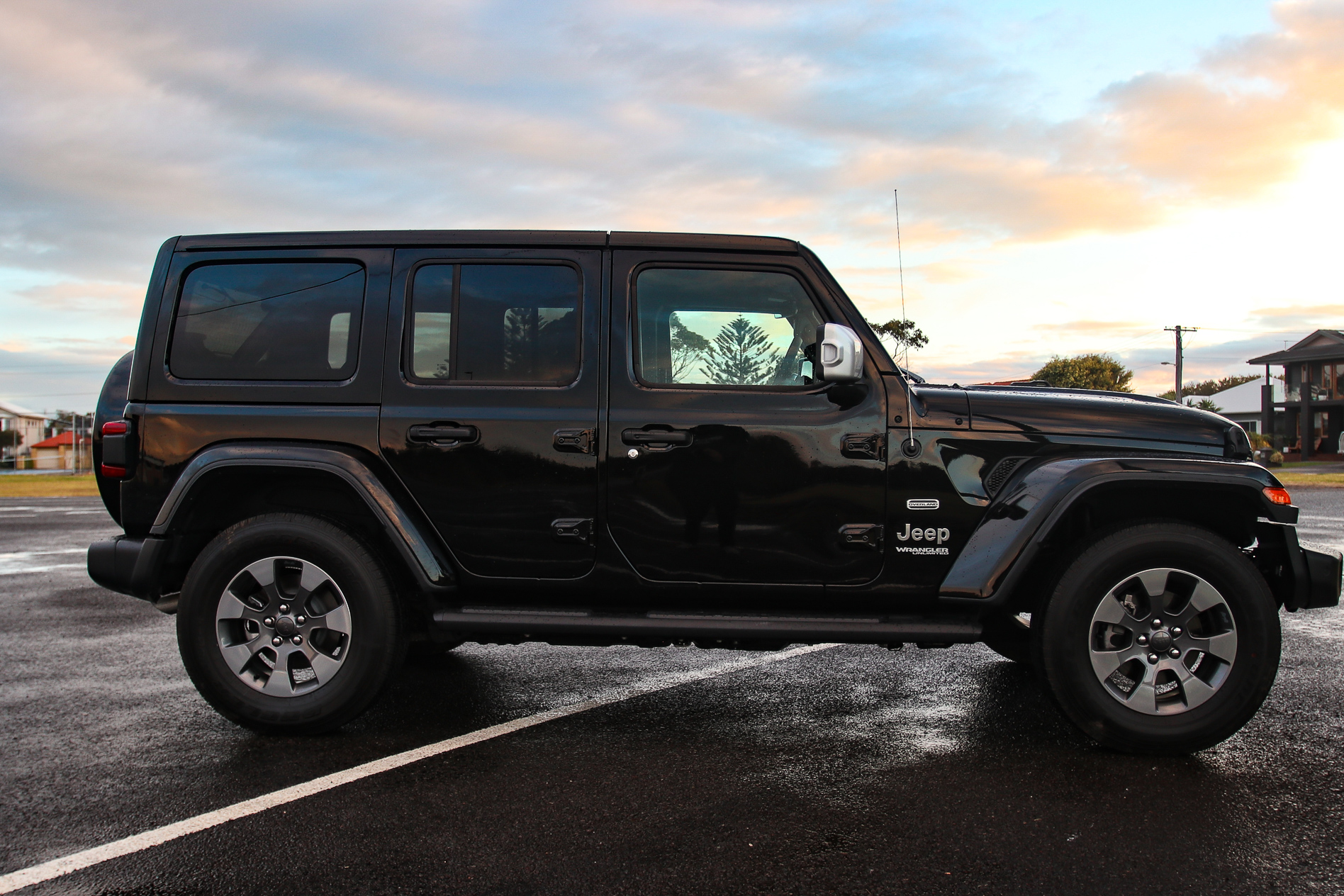
The Overland version, meanwhile, offers up the greatest level of luxury available within the Wrangler line-up.
The gestation of the fourth-generation Wrangler hasn’t been easy, though, with safety bodies in Europe – and subsequently Australia – handing the Wrangler a desultory one-star safety rating for a lack of active safety gear.
We’ll always recommend that you buy a car that’s as safe as it can possibly be, but a low ANCAP score isn’t going to stop people buying into the Jeep legacy.
Its off-road prowess is renowned, but how does it handle the cut and thrust of the urban jungle?
What is the Jeep Wrangler Overland like to drive?
We had a pretty big stint in the Wrangler Overland Unlimited four-door, covering more than 1500km over the course of a few days in around Sydney’s dystopian traffic nightmare.
Of course, the Wrangler isn’t designed exclusively for this kind of work but, much like a mountain bike, it can do double duty away from dirt roads.
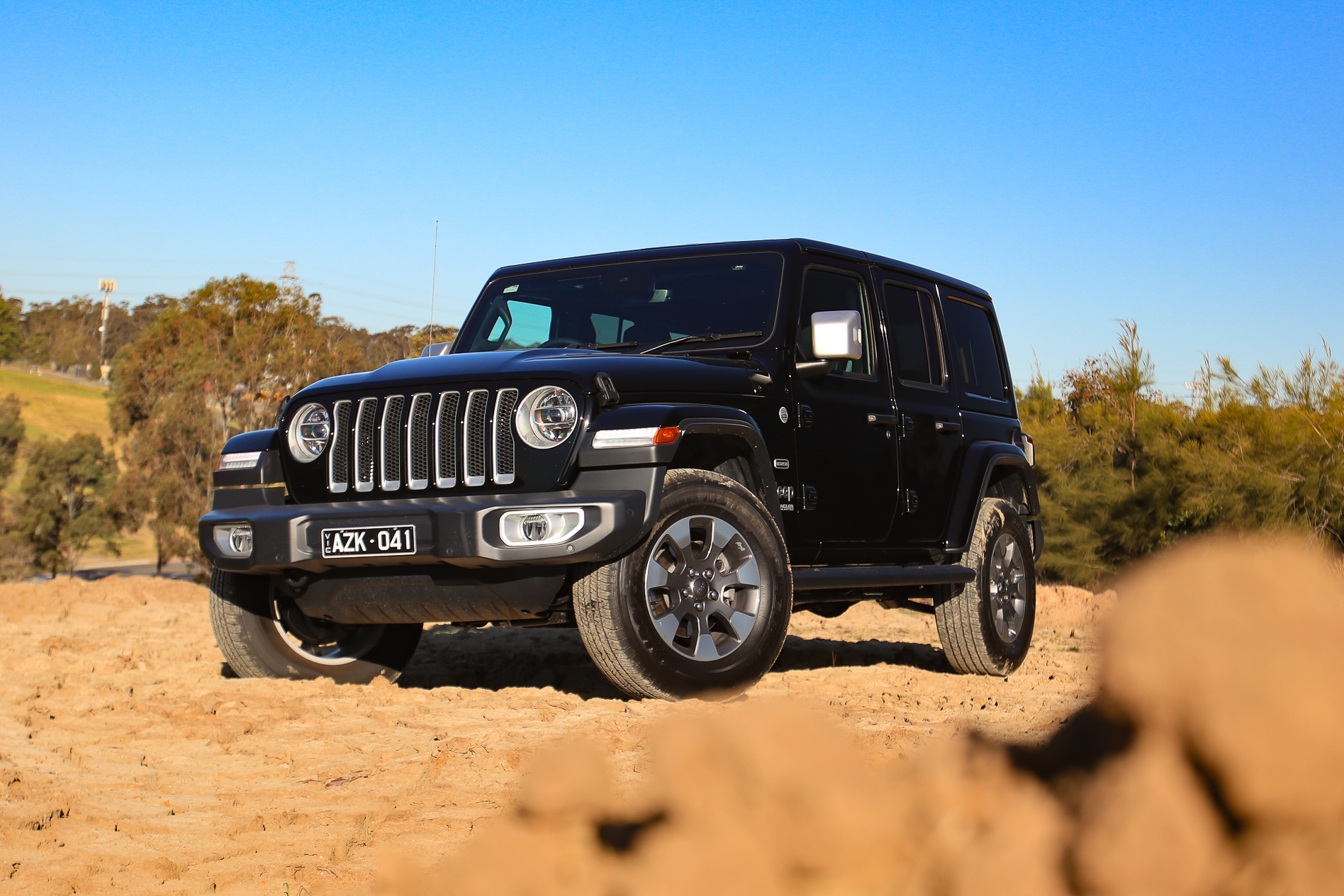
Straight away, though, the new Jeep – known as the JL – doesn’t feel the same as the previous generation JK. Its steering feel is wooden and largely unresponsive, which is a change from the almost civil behaviour of the previous JK.
My default reference for these kinds of cars is – or was – the truly terrible Land Rover Defender, and while it’s nowhere near as awful as that dreadful land yacht, the JL Wrangler feels like a step backwards when it comes to on-road civility.
Part of that feeling comes from the sense that the Wrangler isn’t keen to settle down on the road. Its suspension takes a bit of time to take a set, so you almost have to predict where the car will end up after a lane change.
This is down to the live-axle style suspension which, while providing loads of off-road ability, isn’t as precise as more on-road biased multilink and strut systems.
It pitches under braking, too, meaning that the nose drops noticeably enough for your passengers to question your driving talents – or lack thereof.
The Jeep is tough to manoeuvre in tighter spaces thanks to a higher-than-average turning circle, and the bluff bonnet and restricted rear view can confound vision.
The ageing 3.6-litre Pentastar six-cylinder petrol engine is decent enough but it’s quite thirsty, and the 209kW, 347Nm engine is starting to feel its vintage, with a relatively gruff character underpinning its naturally aspirated performance.
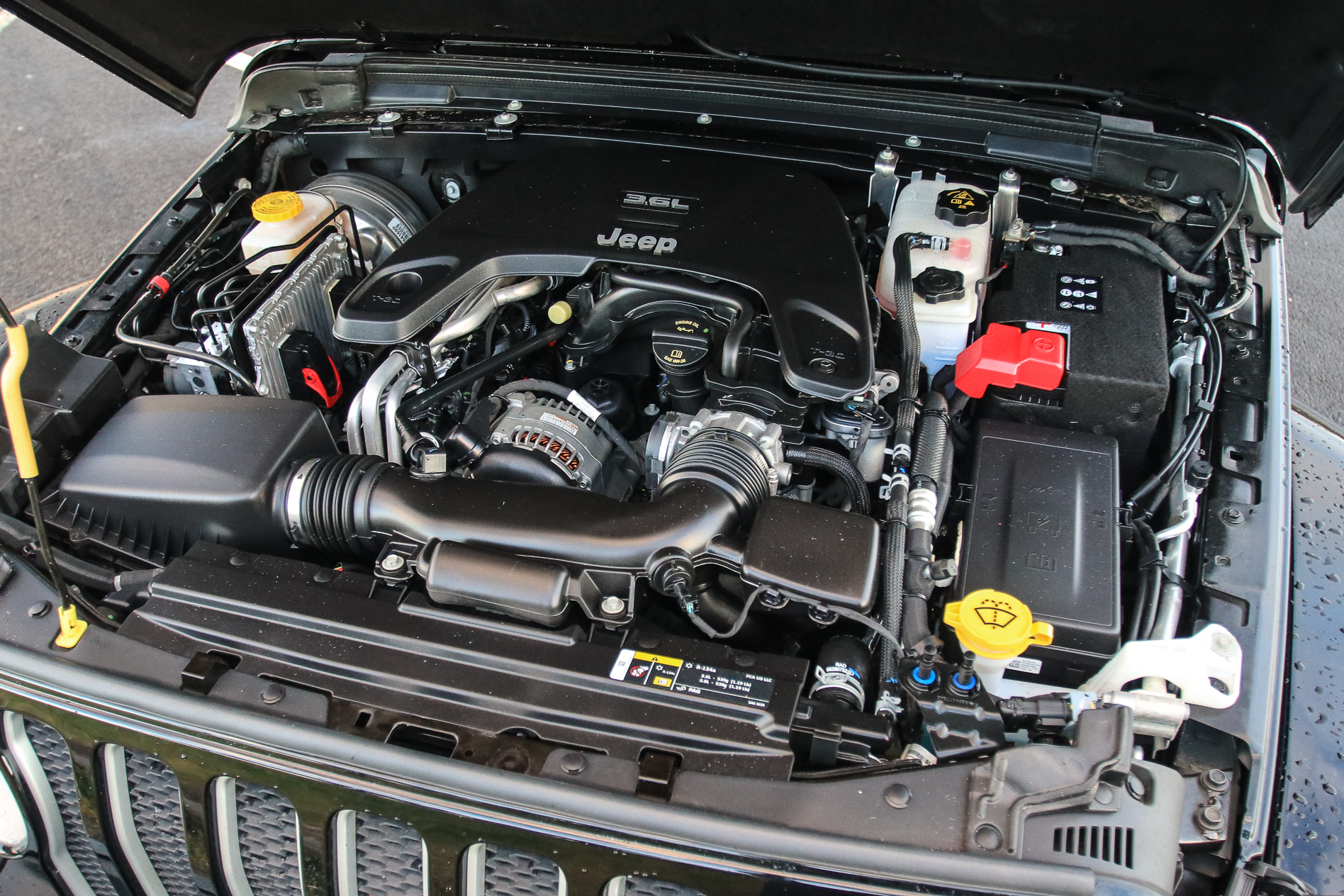
Its 10.3 litres/100km combined fuel economy claim blew out a little over the course of our test, with a figure of 12.4l/100km coming from our 1500km of testing.
What’s the Jeep Wrangler Overland like to live with?
The five-seat, four-door Wrangler is unlike almost any other vehicle, thanks mainly to its Transformer-inspired ability to change into a few different forms.
In standard trim, its’s a large, boxy SUV with decent interior space and cargo-carrying ability, and it’s also pretty high on the novelty scale, thanks to its flat centre console, dash and folding windscreen.
Its basic structure means that the roof panels can be relatively easily popped out, though if it suddenly rains, you’re getting wet – it’s not the work of a moment to reinstall them.
Large Alpine speakers in the pillars add to the party vibe, while a plethora of charging points – including a 230v socket, USB and USB-C charging sockets – and rear air vents add to the creature comforts.
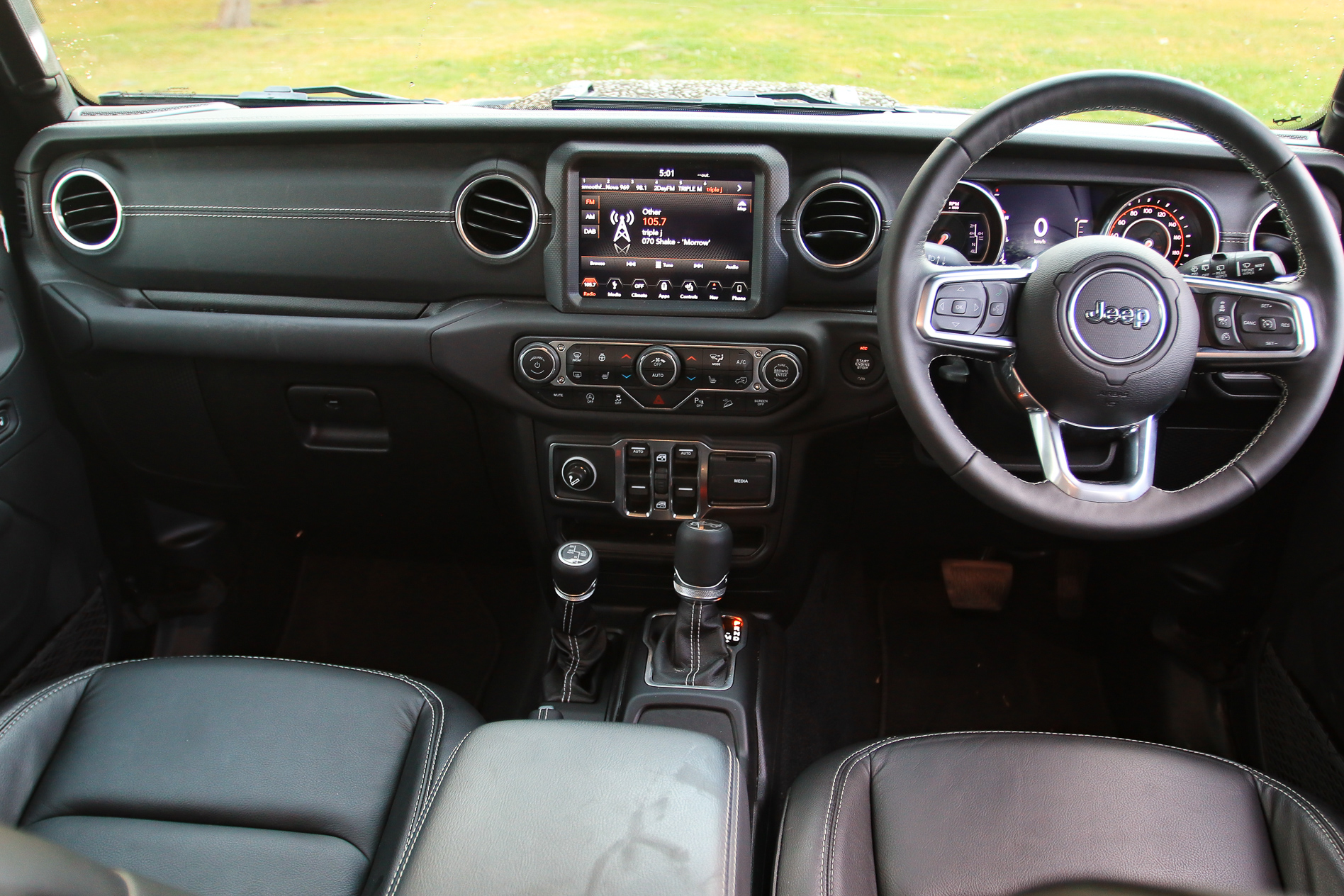
A deep centre console bin mostly makes up for a lack of under-dash storage, but there’s no ability to store bottles in the doors. There are nets on the doors, but they aren’t very big.
Two baby seats can be added via ISOFIX baby seat mounts, while there are three top-tether mounts for the second row of seats.
With the seats up, cargo volume measures out at a very generous 897 litres, expanding to 2050 litres with the seats laid (almost) flat. Our tester came equipped with a $350 alloy rail system in the rear cargo floor, which allows for easier load tethering.
Downsides? The indicator and wiper stalks are mounted a surprisingly long way inboard of the steering wheel, making it a stretch to use them, while the generous headroom can be curtailed by those rollover bars that dominate the interior design.
Wind noise from that bluff nose and windscreen, as well as the large side mirrors, is also quite horrendous.
The window switches on the centre console aren’t ideal for mine, and neither is the lack of a left-side footrest, but the leather interior is a nice touch to deal with kid spills. Carpet in an offroader, though? Not a great idea.
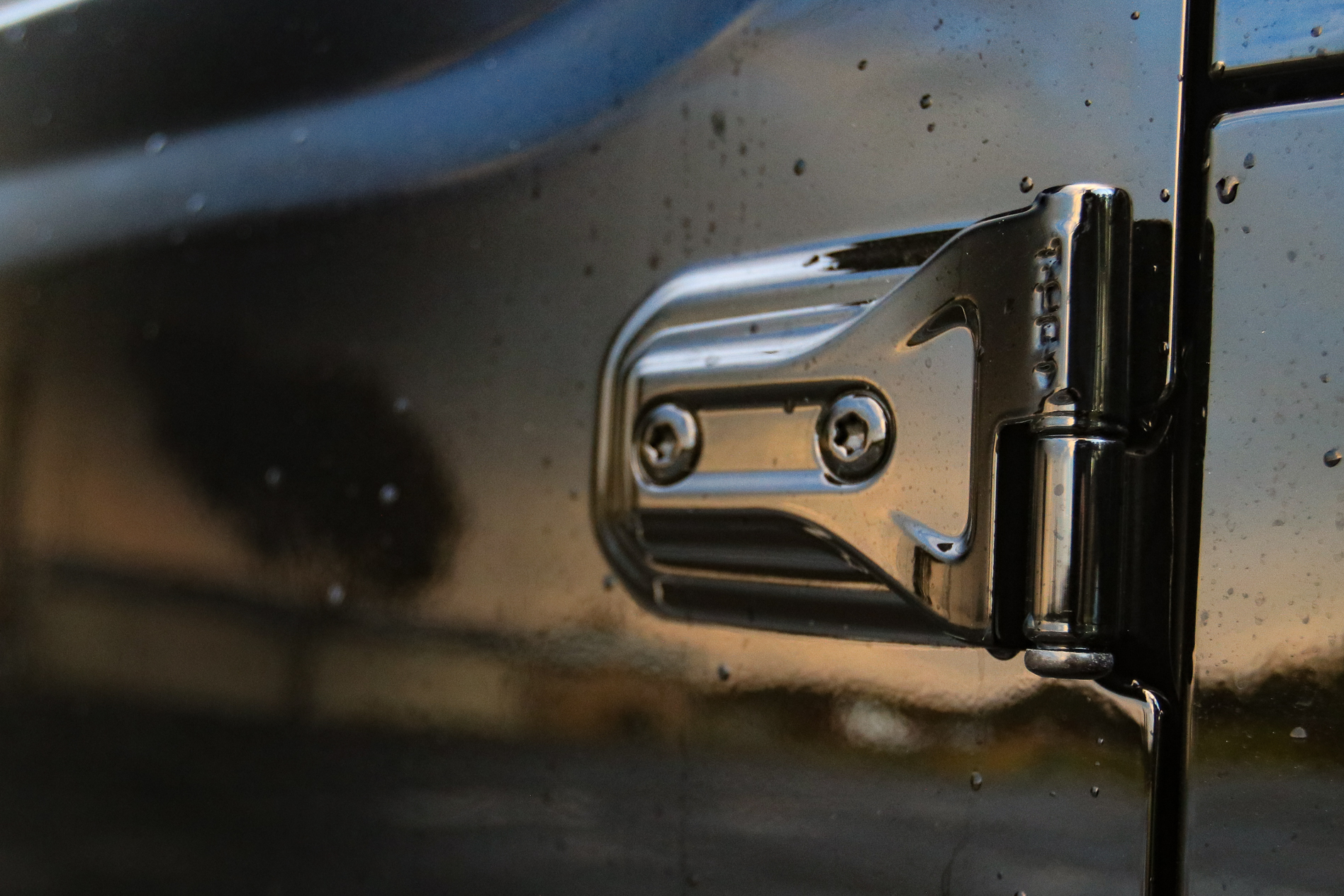
On the upside, exposed bolt heads, satin finish metals and exposed door hinges tie the Jeep to its past to give the Wrangler an industrial vibe that sets it apart from the pack. It’s a great blend of old-school and new-school when it comes to design.
Is it worth the money?
The Wrangler Overland Ultimate sits below the range-topping Rubicon, and in four-door trim it costs $62,950 plus on-road costs.
Spending this much nets a host of equipment, including LED headlights and taillights, 18-inch rims, leather interior, Jeep’s best Uconnect 8.2-inch touchscreen-based multimedia system, colour-coded removable roof panels and safety kit that includes autonomous emergency braking and blind spot monitoring with rear cross-traffic detection.
Mechanically, the Overland gets the top-spec Select-Trac 4×4 system which offers both two-wheel drive and 4×4 high- and low-range drive, along with the 3.6-litre Pentastar V6 petrol engine that’s mated to an eight-speed automatic transmission.
There aren’t too many competitors for the Wrangler, such as it is; 4×4 wagons like the Isuzu MU-X or Mitsubishi Pajero Sport come closest, in that they offer off-road ability and decent on-board space.
However, the Wrangler’s poor safety rating – just one star, thanks to a lack of now-required active safety systems in the main – is a concern, though Jeep will point to the Wrangler’s intended off-road design parameters as a reason it didn’t score as well as it should.
Against other five-seat off-road-capable wagons, the Jeep is expensive, but if your heart is set on living the Wrangler life, price won’t really be a factor.
