
If there already wasn’t something menacing about the razor-sharp angles and insectoid front view of the Honda Civic Type R, imagine that nose coming in hot and fast in your rearview, with blue and red lights flashing… that intimidating vision could now a reality, with the NSW police’s newest hot hatch recruit. Well, sort of.
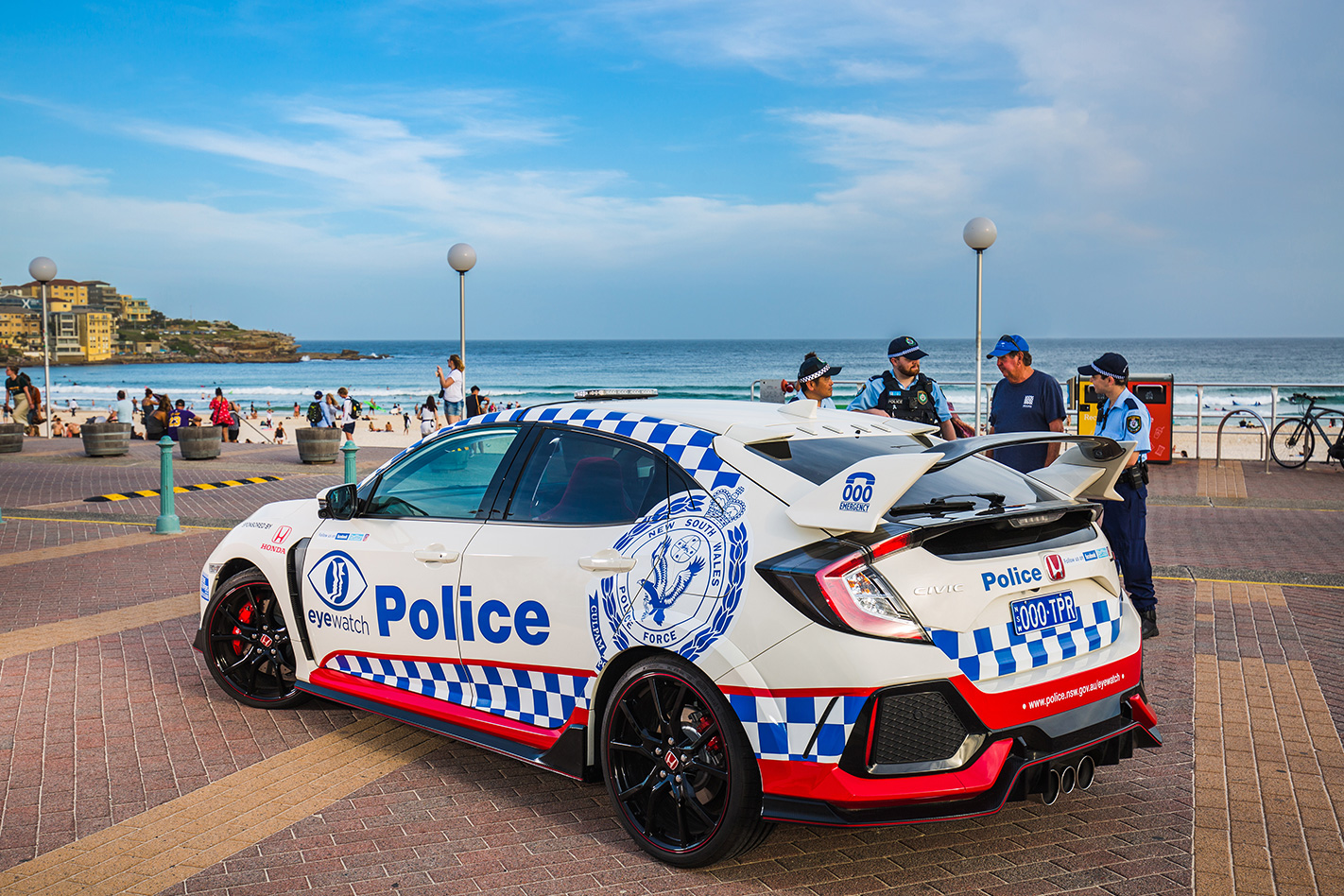
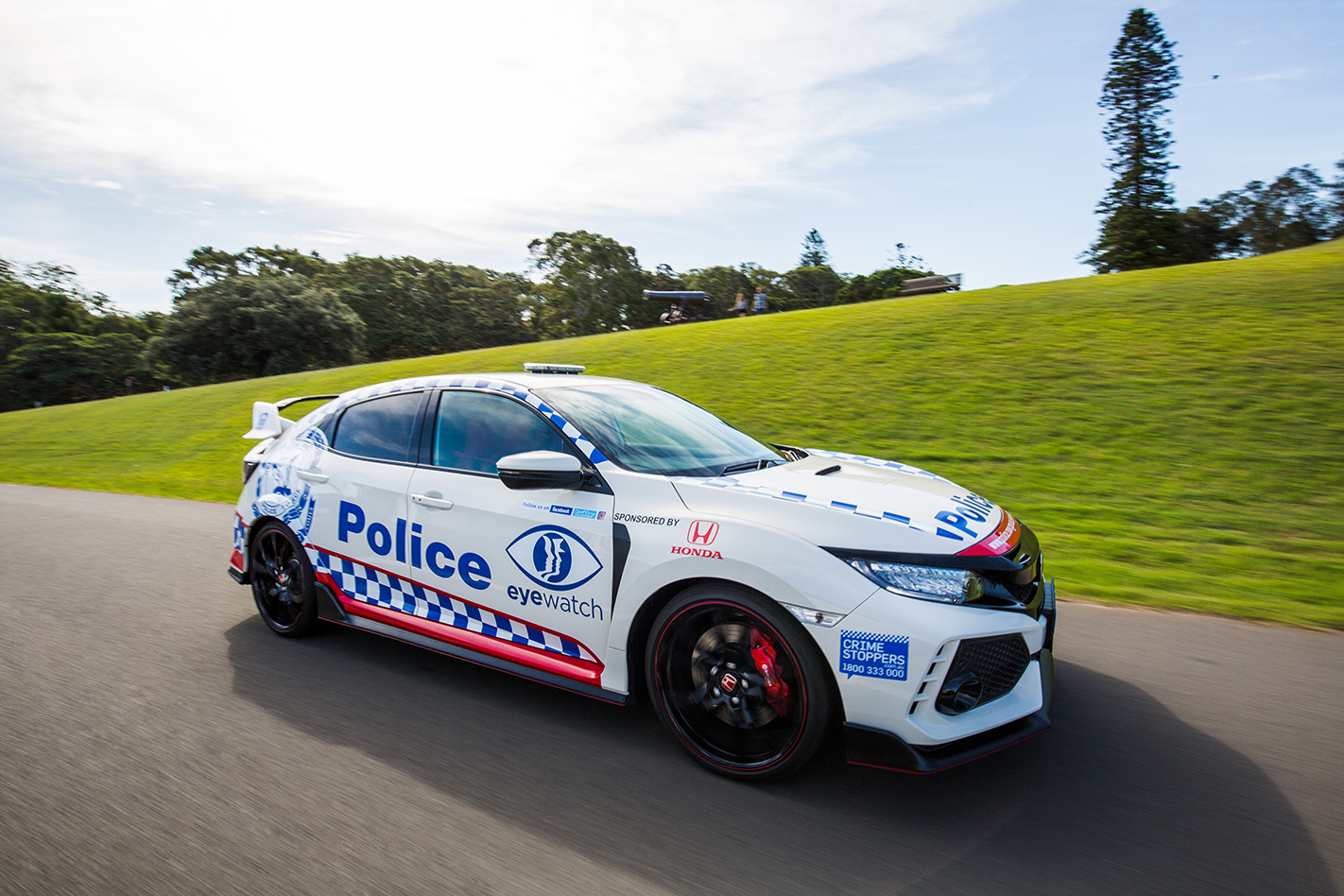
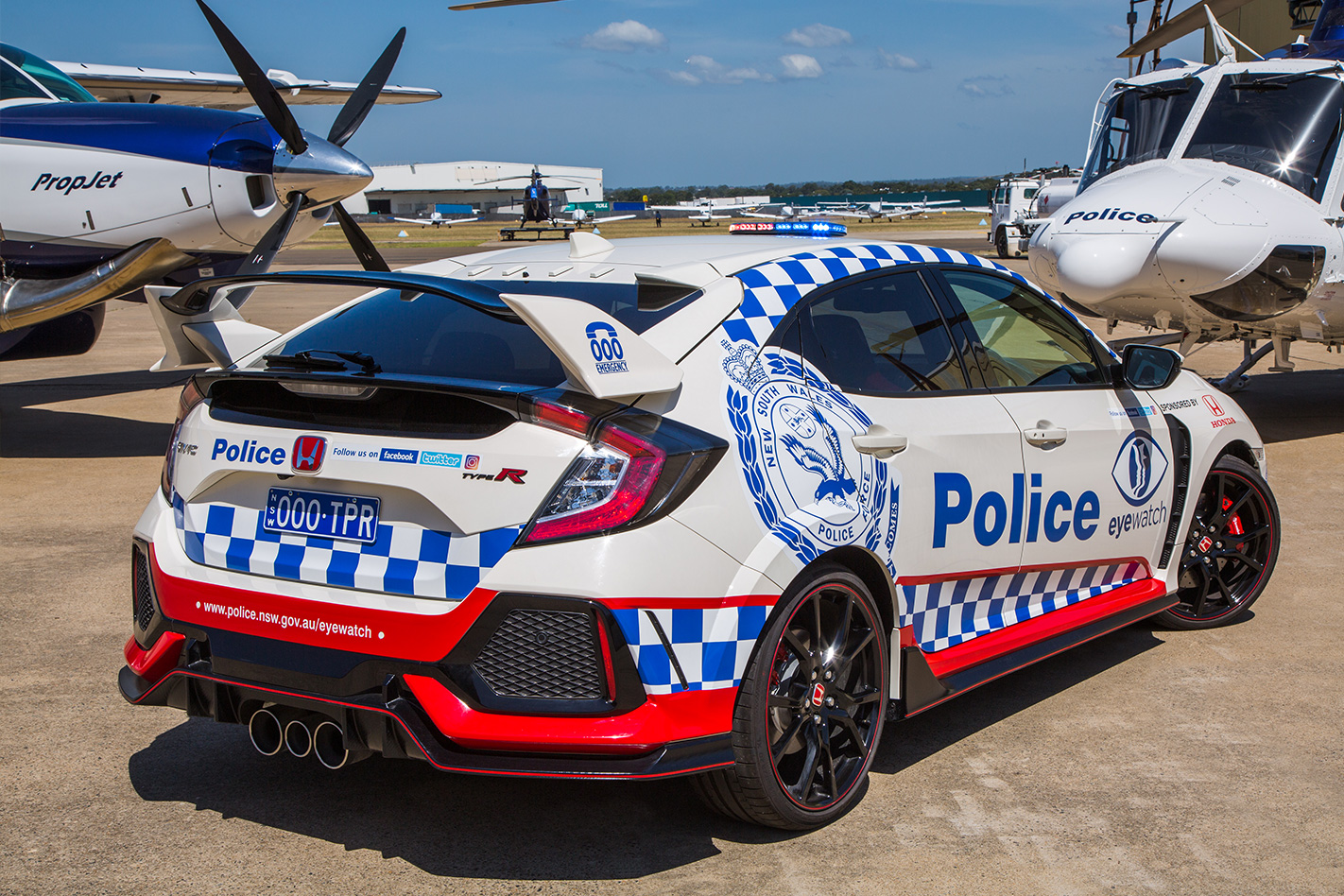
As part of the NSW Police Force’s Eyewatch program, a way for local police to connect with their communities via social median (mostly through Facebook) Honda has announced a 12-month sponsored partnership and handed over the keys to a brand new 228kW beast dressed in blue.
Dressed in Police livery and complete with a personalised numberplate, the new Civic Type R recruit will not be an active police car per se (it is a six-speed manual, after all), but instead used by the force for public initiatives and promotional opportunities, like community events, school visits and everything in-between.
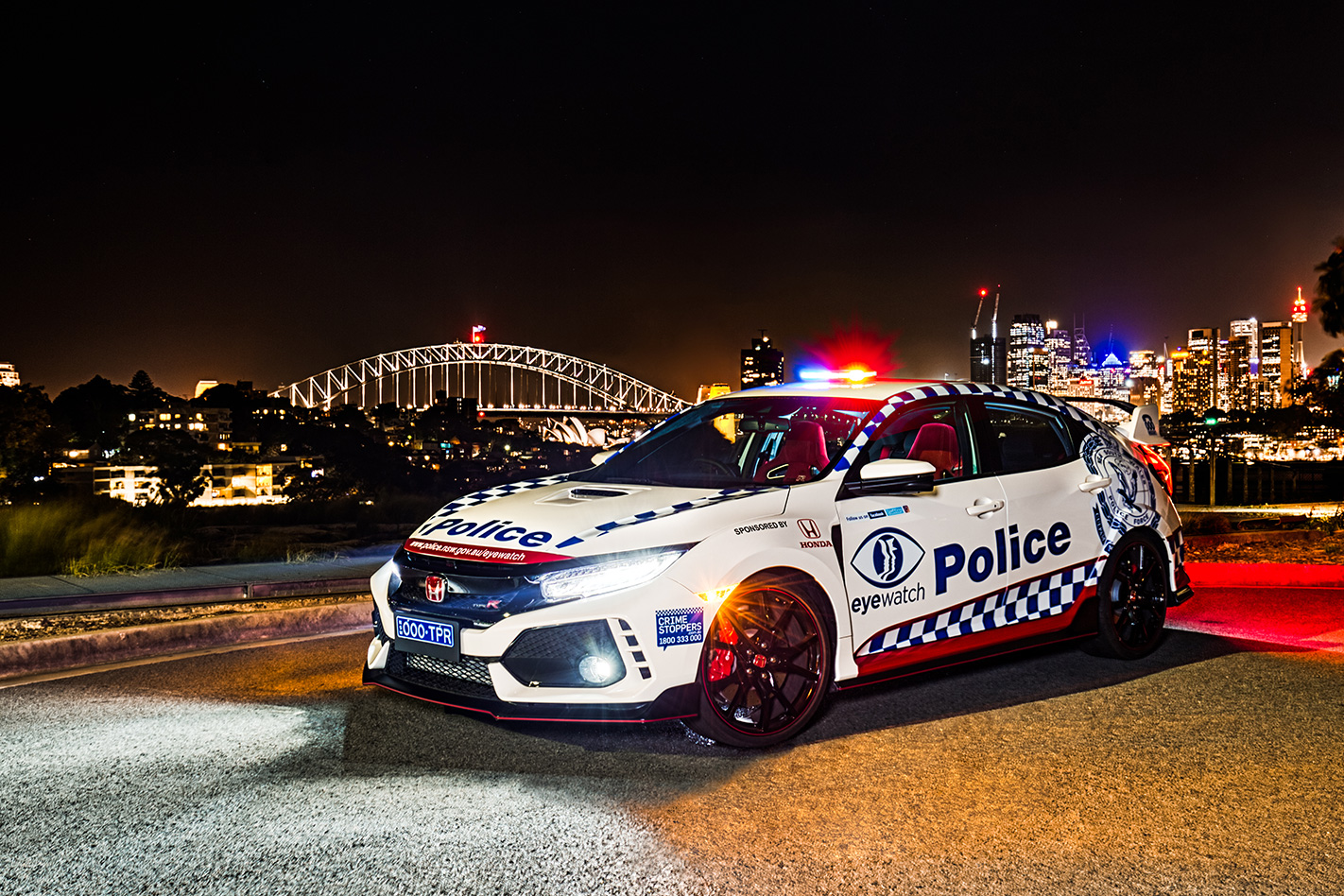
If this story has been shared on WhichCar social media already, no doubt someone will have not read this far down and commented, ‘What’s the point?’ or ‘Waste of taxpayer dollars!” Well, actually, there is a point, and given the car is merely on loan there’s no extra cost to taxpayers. Here’s why the police use these flamboyant cars:
“It is an icebreaker,” says Senior Constable Justin Hireno, one half of the EyeWatch team who gets to drive the Civic around town. “We’ve seen it first-hand how much people want to engage with it. We did a photo shoot with it at Bondi Beach and in Chinatown and you won’t believe how many people want to come up and take photos and talk about it –it’s quite staggering.”
In the past, we’ve seen Australian police forces team up with Mercedes-Benz AMG, McLaren, Porsche, BMW and more on some pretty fierce anti-cop cars, all with the aim of simply acting as a conversation starter and creating a way to normalise conversation between police and citizens.
“Our first official event for the car is a community event and it’s going to be the kind of thing where people come up to us and talk about the car, but also, that conversation can lead into something else,”
This, say the Senior Constables, could start with someone wanting to talk about the car but soon, they are discussing their community or greater concerns that they might not have normally felt comfortable vocalising in a station environment; ultimately breaking down barriers that might exist in some local areas.
Hireno’s partner, Senior Constable Jared Mildenhall agrees.
“It’s so interesting, even when we were at Bondi, we had people just come up to the car and ask if they can have a look or a photo, but then they’ll start talking about their stories, their interactions with police – and some might be positive and some might be negative – but also it allows us not to correct their negative experiences, but offer them an alternate experience that makes them feel comfortable or allows them to walk away with a positive exchange in mind.”
This, say the pair is really essential when it comes to engaging with young people – one of the reasons behind how the Eyewatch program ended up with a Civic.
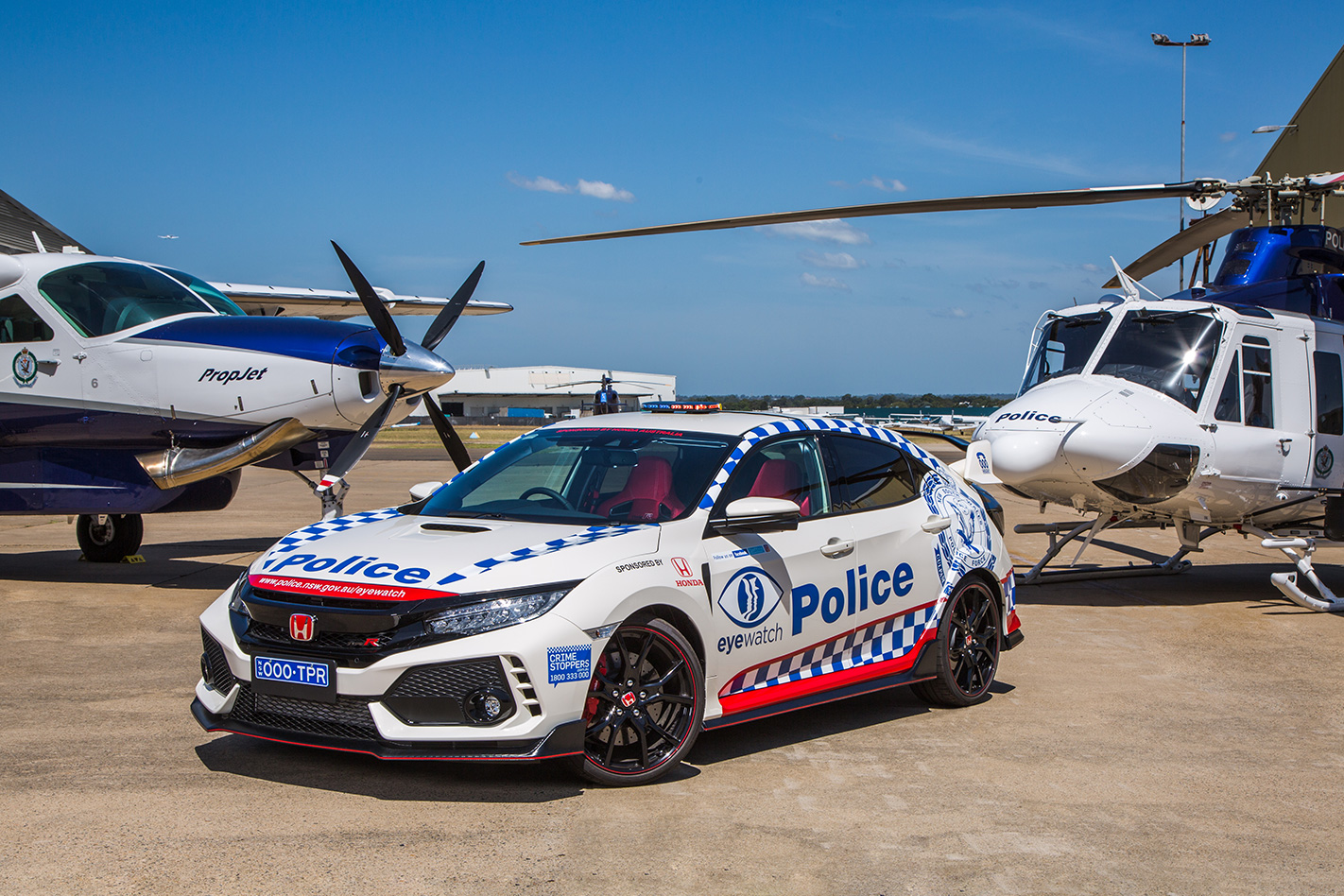
“We wanted to get a sponsored vehicle to help with our duties and we thought of the Honda because as a community engagement vehicle, it is ideally suited to engaging with youth,” says Hireno, “And we are trying to engage more with younger people, talk to them and really, help keep them out of the justice system and give them good experiences with police, things like that. And this particular car, the Civic with its shape and tough looks, is ideal for that.”
The Civic Type R’s first appearance will be this weekend at the Annual Fairfield Police and Community Expo, 16th March at Emerson Reserve in Wetherill Park.
Ford Australia has announced a major model update for its entry-level van, the Transit Custom, making autonomous emergency braking (AEB) standard across the full range and increasing power and torque on all models.
The safety upgrade also includes the addition of lane-keep assist, speed sign recognition, auto headlamps, rain-sensing wipers, active cruise control and blind-spot monitoring with rear cross-traffic alert. If you’ve ever tried reversing a commercial van out of a 60-degree angle park, you’ll no doubt appreciate the usefulness of that last one.
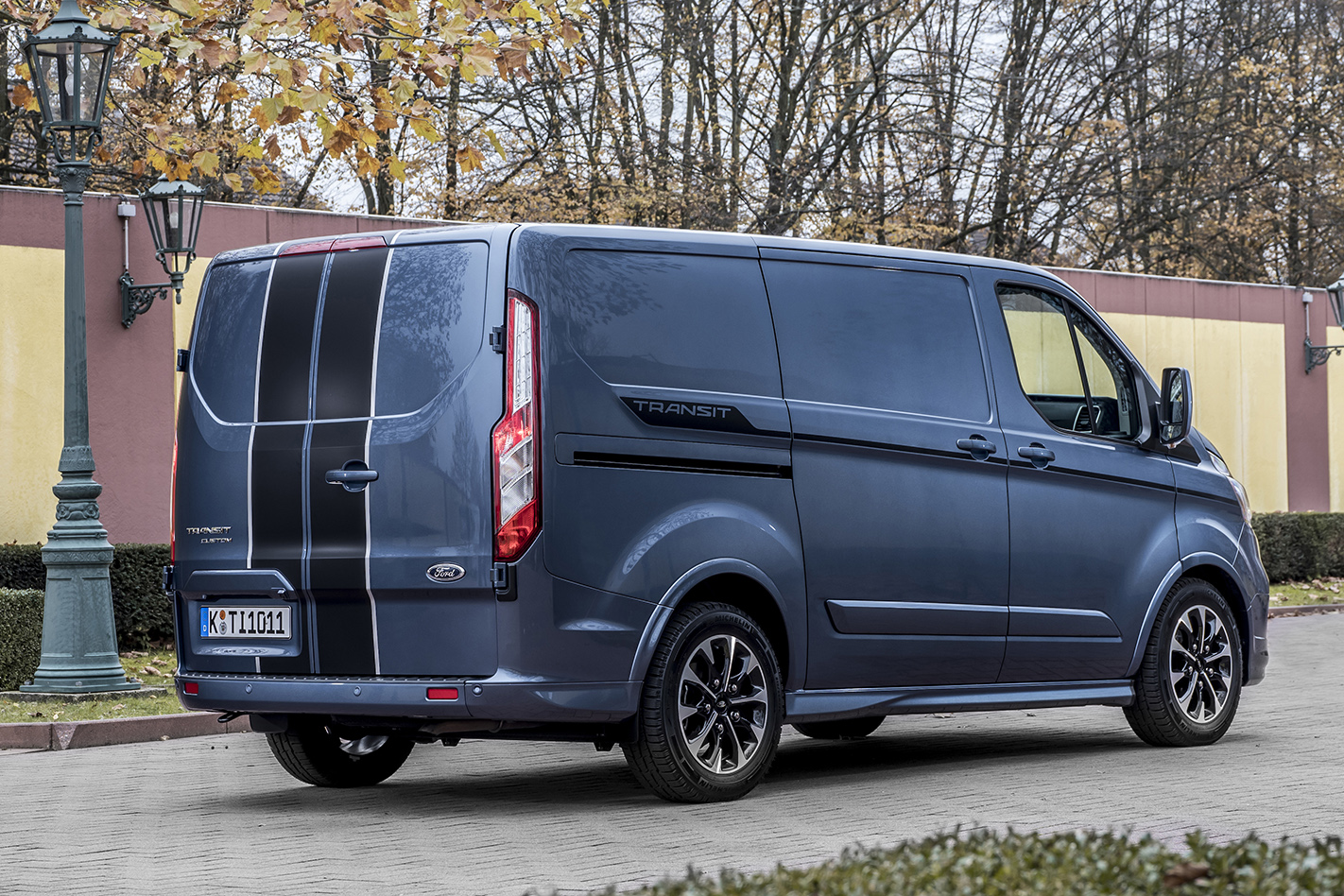
Most drivers will also appreciate the power upgrade, which sees the short-wheelbase (SWB) Ford Transit Custom 340S and long-wheelbase (LWB) Transit Custom 320L deliver 125kW and 390Nm from its 2.0-litre turbo diesel inline four– 30 percent more power than the outgoing model. A six-speed manual and six-speed automatic are available, and power goes exclusively to the front wheels.
Those names are a clue to another big change: an increase in gross vehicle mass to 3400kg for the SWB and 3200kg for the LWB Transit Custom, an effective increase in total payload of 200kg. Gross combination mass (the total weight of the vehicle and a trailer) also rises, meaning six-speed automatic models can tow a more generous 2150kg on a braked trailer – an increase of 350kg.
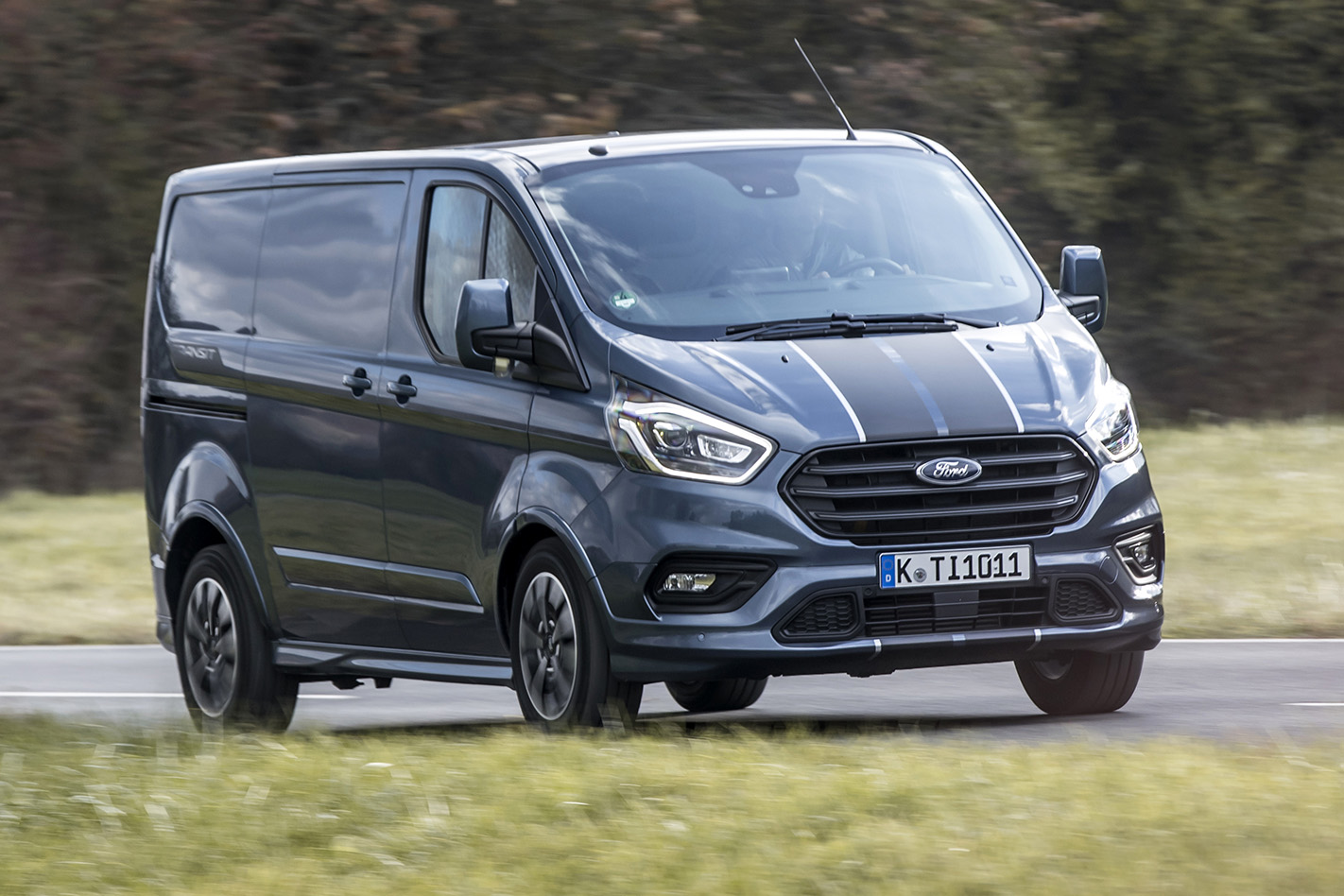
A more powerful engine option also arrives for the 320S Sport Van, boasting 136kW and 405Nm from an uprated version of the regular van’s 2.0-litre powertrain. Exclusively automatic, it also comes with 17-inch alloy wheels, body-coloured exterior plastics, unique front and rear bumpers, bi-xenon headlamps, a 10-way power driver’s seat and partial leather upholstery.
The Transit Custom range has also been bulked up further by the addition of two Double Cab-in Van variants, which add a second row of seats to give a total capacity of six people.
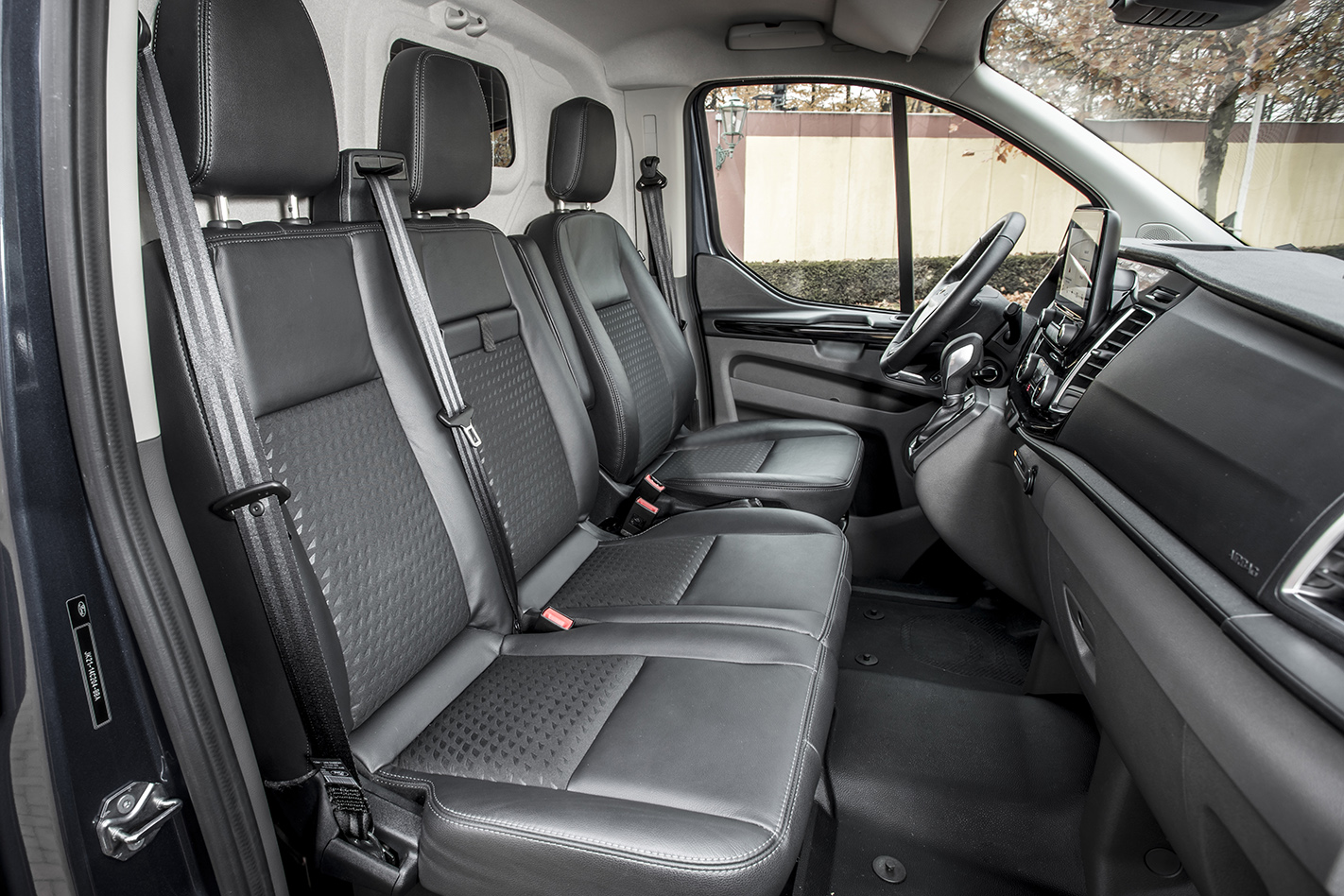
Available only in LWB form with the 125kW engine for the Transit Custom 340L DCiV or in the flashier 136kW Transit Custom DCiV Sport (whose specification mirrors that of the three-seater SWB Sport Van), both are still able to tote up to 4.4 cubic metres of cargo behind the rear seat’s steel bulkhead. Dual rear sliding doors with windows are standard for the DCiV models.
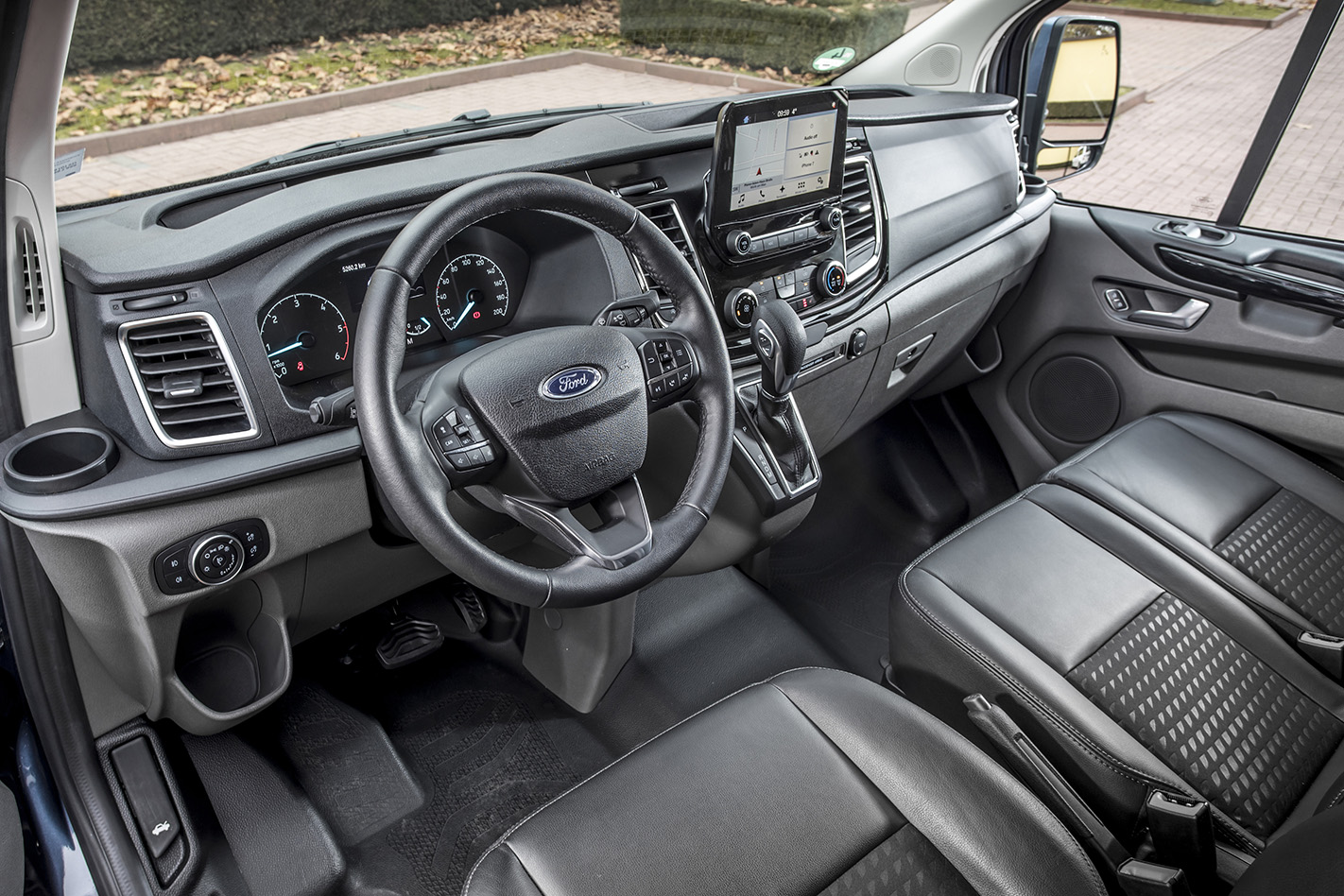
Other equipment highlights for 2019 include a 4.2-inch colour instrument panel, now standard, along with Ford’s MyKey system (which can restrict vehicle functions for certain keys). An 8.0-inch colour touchscreen with Ford’s SYNC3 infotainment software and Android Auto/Apple Carplay is standard, though sat nav is a cost option in all models bar the more powerful 320S Sport Van and 320L DCiV Sport.
PRICING
The addition of new equipment sees a small price rise, with the price of entry now $1200 than before. The 2019 Ford Transit Custom range is available now.
- Ford Transit Custom 340S SWB Van 6MT – $42,190
- Ford Transit Custom 340S SWB Van 6AT – $44,990
- Ford Transit Custom 340L LWB Van 6MT – $44,190
- Ford Transit Custom 340L LWB Van 6AT – $46,990
- Ford Transit Custom 320S SWB Sport Van 136kW 6AT – $48,490
- Ford Transit Custom 340L LWB DCiV 6AT – $49,990
- Ford Transit Custom 320L LWB Sport DCiV 136kW 6AT – $53,490
Despite announcing that it will pull out of the UK and Western European markets, Infiniti has confirmed that it will remain a fixture in Australia. However its withdrawal does come at a cost, with the brand set to lose two of its most affordable models.
Nissan’s luxury sub-brand announced it will leave Western Europe by mid-2020 as part of a restructuring plan that will focus on its largest growth markets: specifically North America and China.
Infiniti Q30
It added the restructuring plan “will have no impact on Infiniti’s ongoing operations in Eastern Europe, Middle East and Asia, which continue to grow”.
An Infiniti Australia spokesman told WhichCar that Australia is part of the company’s Asian operations and remains in the company’s global plans.
More Infiniti news and reviews
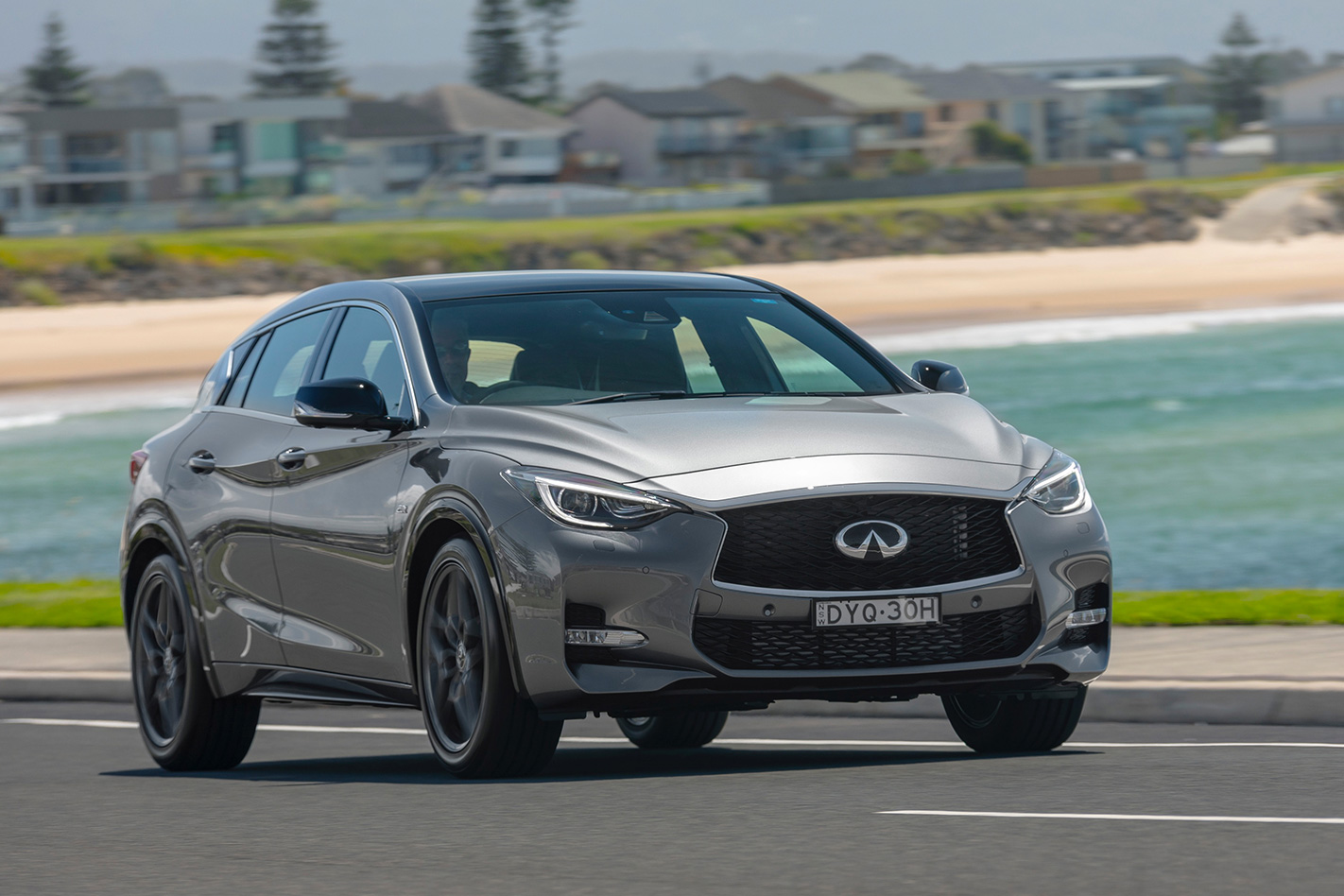
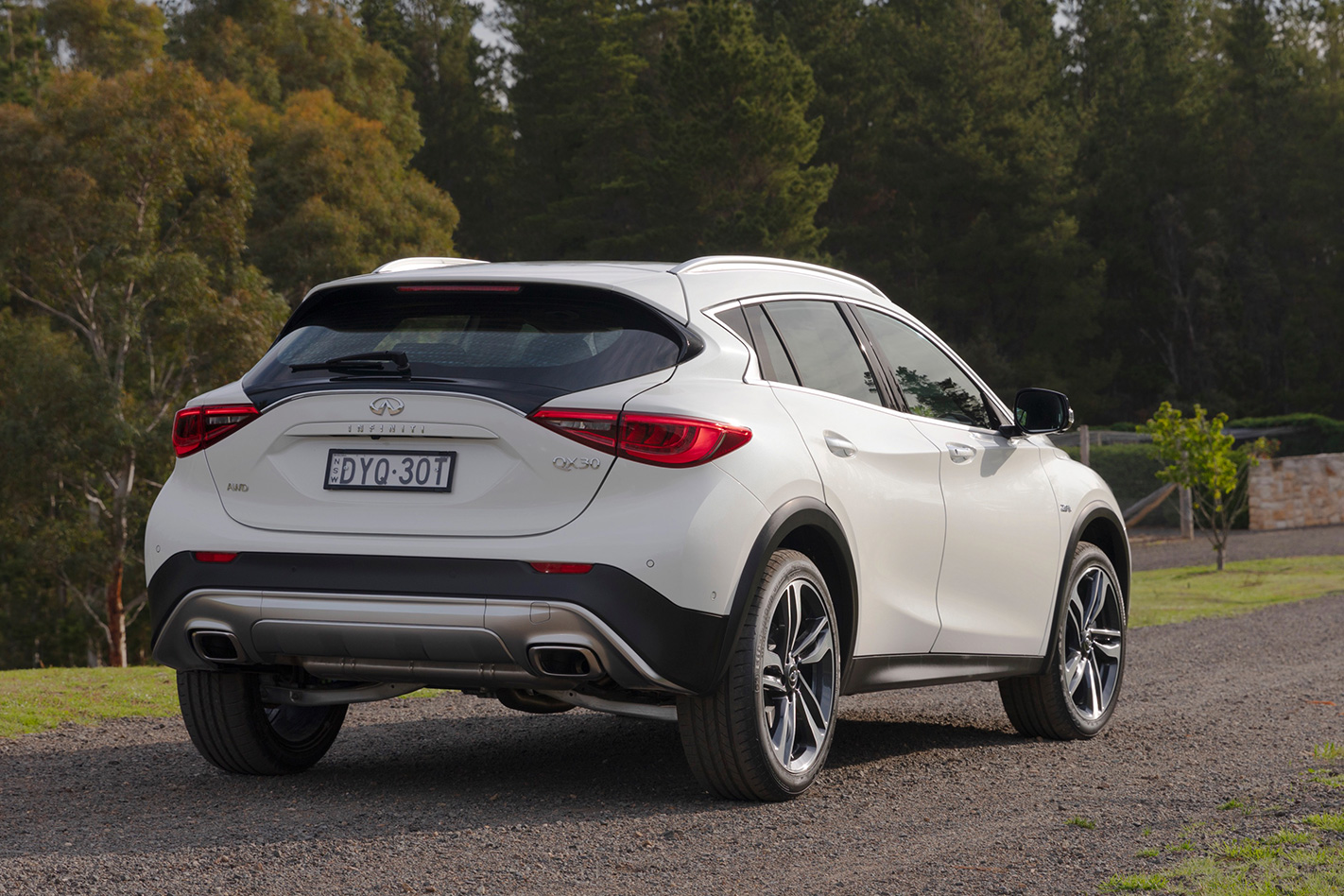
However, the restructuring plan will have some impact on Australia, with the decision to cease production of the UK-built Q30 hatch and QX30 crossover by mid-2019 depriving the company of its two most affordable products.
Infiniti QX30
Built on architecture borrowed from the previous-generation Mercedes-Benz GLA-Class, the Q30 and QX30 accounted for about a quarter of Infiniti’s 649 sales in Australia in 2018. That said, with the impending arrival of the bigger and entirely Infiniti-developed QX50 later this year, Infiniti Australia may be able to maintain sales volume through substitution.
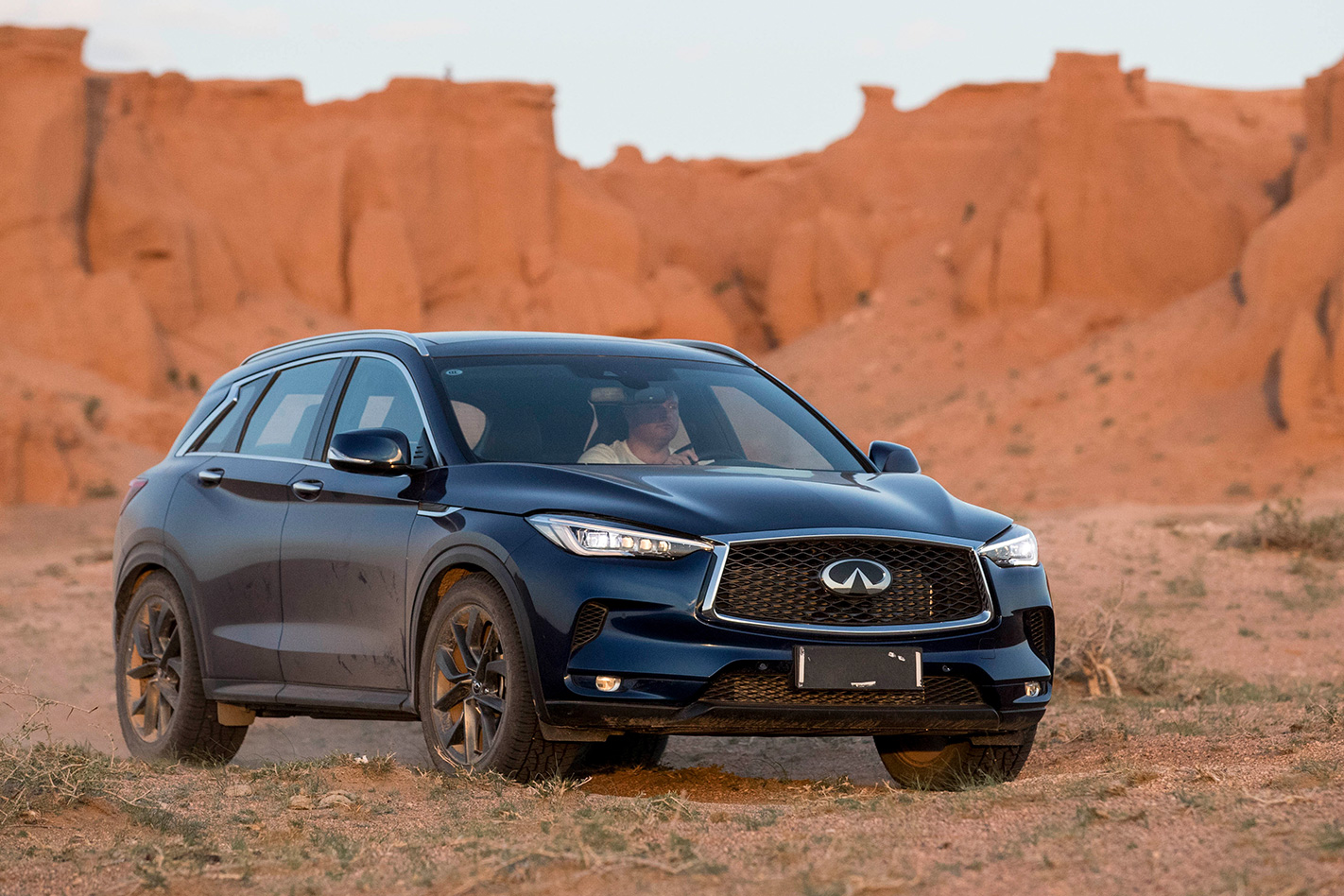
Expected to be the brand’s most commercially-important model, the QX50 will battle the BMW X3, Mercedes-Benz GLC and Volvo XC60 – as well as debut the company’s innovative variable-compression turbo petrol engine.
Infiniti QX50
That engine is a world-first, with Infiniti’s variable compression technology able to combine the power of a 2.0-litre turbocharged petrol engine with turbo-diesel-like torque and efficiency to optimise both power and efficiency, without having to compromise on either.
Local QX50 pricing is yet to be revealed but expect it to start around $68,000. This means Q30 and QX30’s departure will likely make the Q50 sports sedan the gateway model to the Infiniti range here, whose $54,900 starting price is $10,000 more than the base Q30 2.0t Pure.
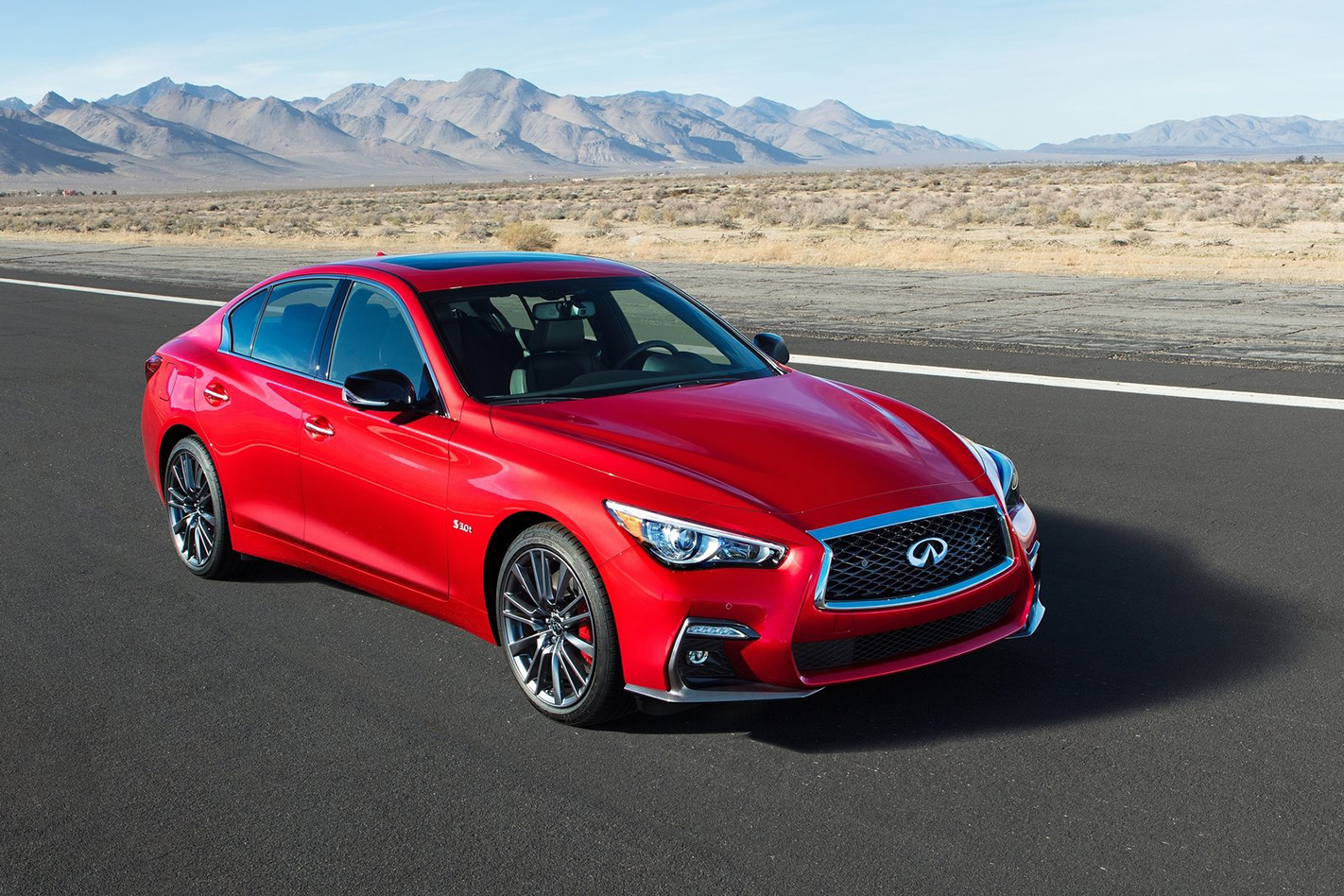
Infiniti Q50
Other models in the Infiniti range include Q60 sports coupe, Q70 luxury sedan, the ageing QX70 large SUV and the gigantic Nissan Patrol-based QX80.
This is the Premcar Holy Grail, the ultimate modern Ford Falcon.
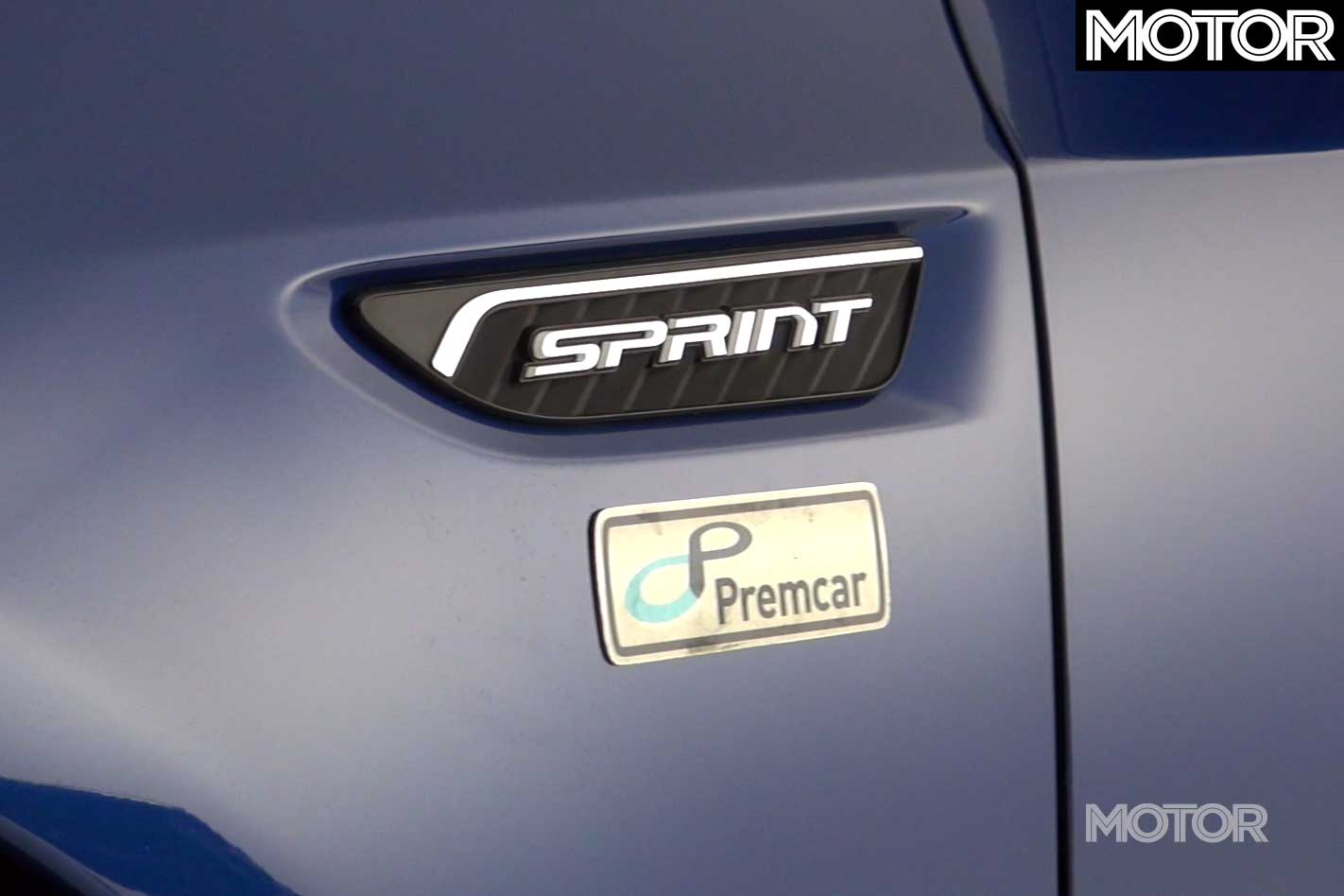
While MOTOR was loaned a test car for a review and magazine feature, Premcar also supplied its hero car, a blue Falcon XR8 Sprint, to us for a studio shoot.

If you’ve got a 483kW Ford Falcon sitting in an empty studio, what else is there to do but grab a camera and introduce the ‘modern-day GT-HO’.
To explain how the Holy Grail came to be, here’s a snippet of the feature written by Newman from the March issue of MOTOR Magazine.
“Thanks to Victorian engineering specialists Premcar, one of the greatest Aussie automotive questions has now been answered: what if Ford had built a modern-day GT-HO?
Who, I hear you ask? Premcar sprang into existence following a management buyout of Prodrive Engineering in 2012.
Prodrive, you may remember, was responsible for a lot of the engineering work on the Ford Performance Vehicles range and had a controlling 51 per cent stake until it sold up.
Simply put, many of the folks Ford tasked with making its fast Falcons have together developed their ultimate version, freed from corporate constraints but using many of the same suppliers. Meet the Falcon Holy Grail…”
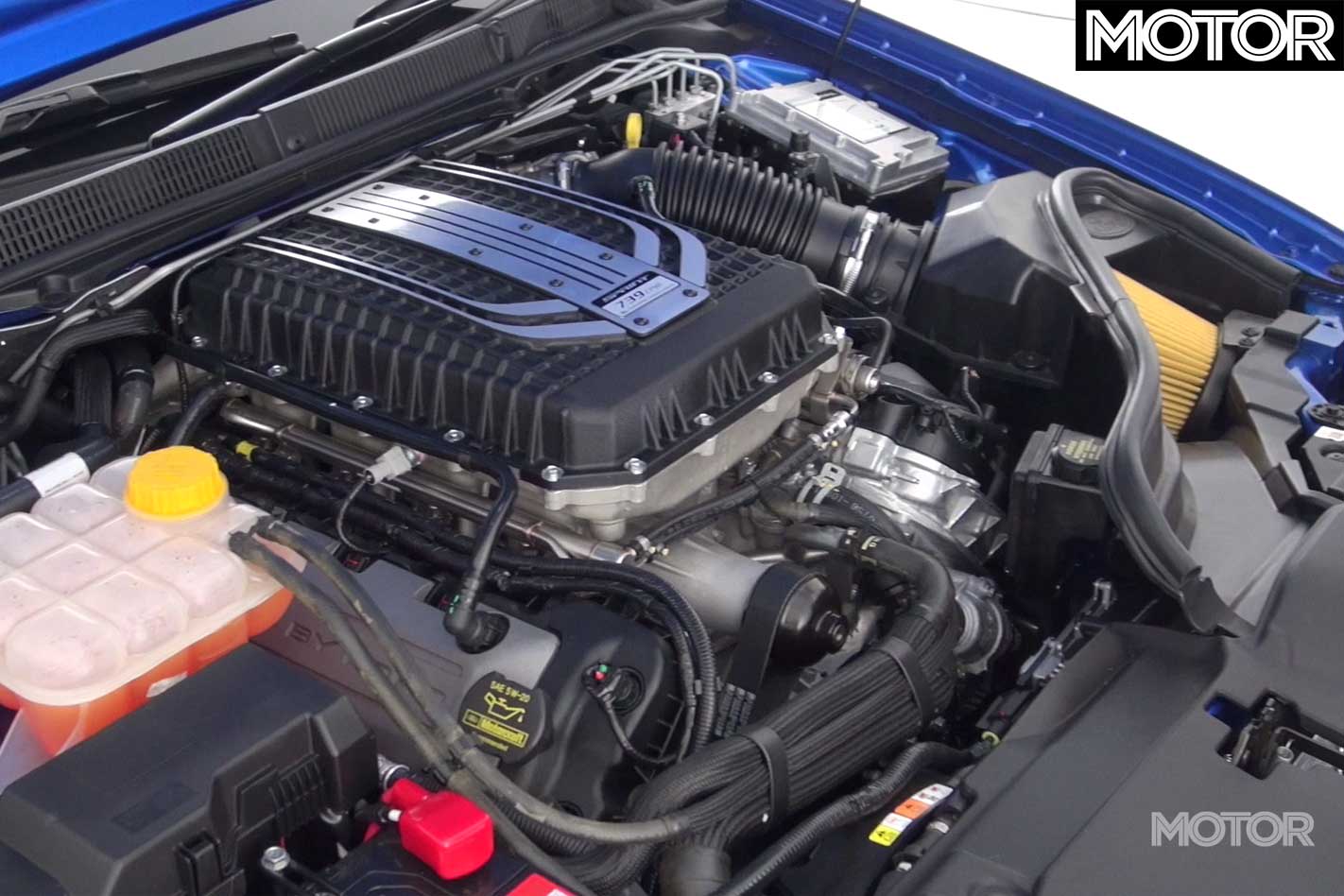
The headline numbers are thus: the Holy Grail has a 483kW/753Nm tune of Ford’s 5.0-litre supercharged V8, named the Miami, which was initially developed by the Premcar team as Prodrive.
It boasts 258kW/tonne, which rivals or bests many of those at the pointy end of the PCOTY 2019 results list.
The engine package costs $24,885, but given it’s as close to a factory upgrade as you’ll ever get, that’s not an unreasonable ask.
MOTOR also performance tested the Holy Grail, and recorded figures at a dragstrip, But if you want to find out the results, you’ll have to pick up the magazine.
Read the full feature on the Premcar Holy Grail in the March 2019 issue of MOTOR Magazine, on sale now.
Everyone is well aware that building a fully functioning self-driving car is difficult.
Some of the biggest, most well-funded companies in the world are investing huge sums of money into solving the problem, and still the issue is unresolved.
However, to put the difficulties each company is facing into perspective, consider this: a man who spent over a decade helping the human race touch the outer reaches of our universe is facing the challenge of his life building a self-driving car.

Dr Maarten Sierhuis, Nissan’s Chief Technology Director at the company’s Silicon Valley research centre is responsible for developing the brand’s artificial intelligence systems and autonomous cars.
With 12 years as a researcher at NASA under his belt, Sierhuis comes to the autonomous car problem from a unique angle.
Speaking to Australian media at the Nissan Futures event in Hong Kong, Sierhuis confirmed that building a fully self-driving car is the biggest challenge of his lengthy career, which included developing autonomous systems to aid astronauts on spacewalks, and it’s the fault of other road users.
“I think [building a self-driving car] is more challenging [than space exploration], because of the number of interactions with humans,” Sierhuis explained.
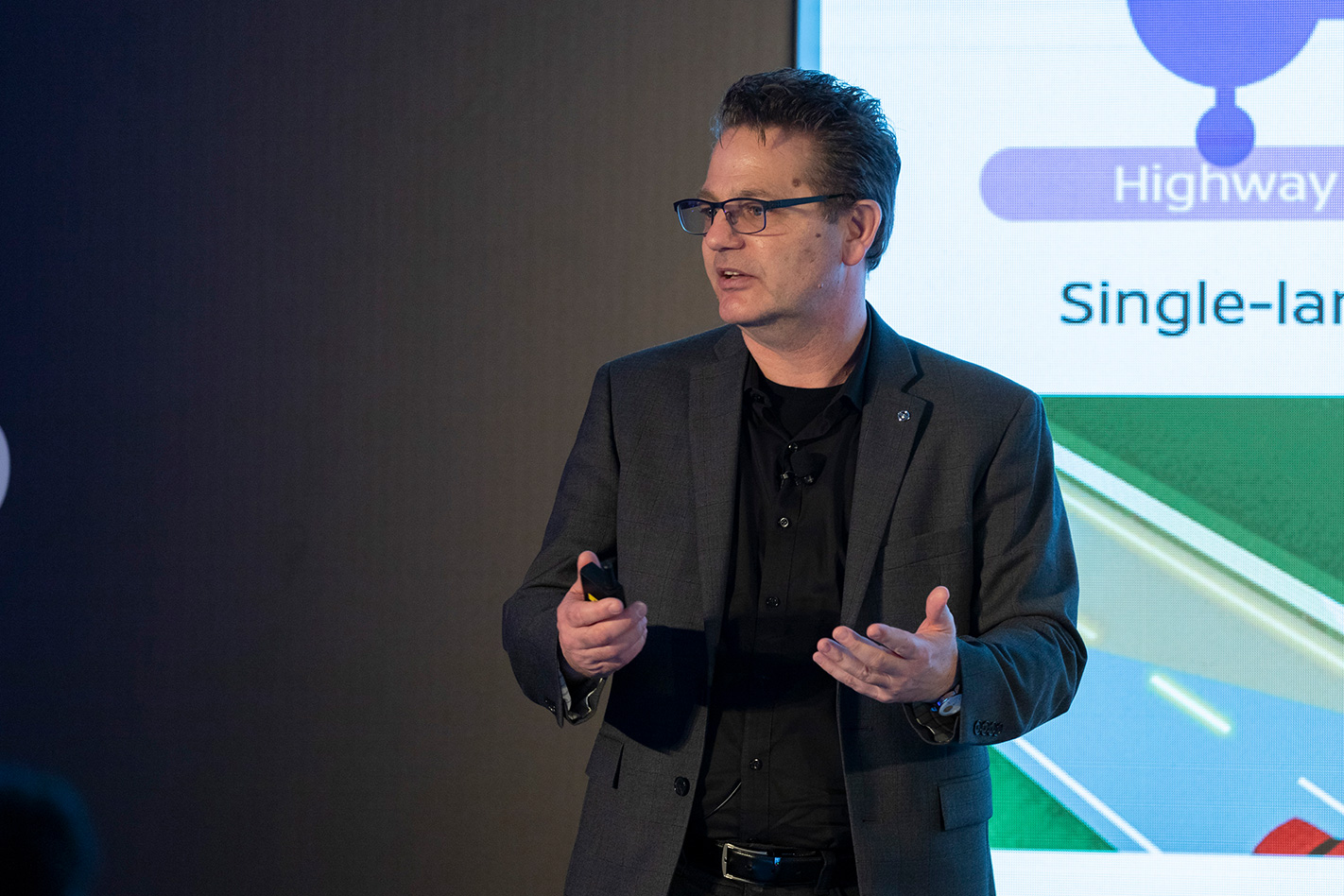
“In space you have just got to avoid the other rocks,” he laughed. “But on earth you have got to avoid a lot of other human beings.
“It is very difficult – the situational awareness, the understanding of the interactions of humans is incredibly complicated.” So there you have it. Negotiating a busy Bunnings parking lot takes more processing power than slingshotting a space probe around two planets to rendezvous with Neptune.
Waymo CEO John Krafcik let slip at the Consumer Electronics Show (CES) earlier this year that truly autonomous Level 5 vehicles which can operate in all conditions with no human input “will never exist”.
This admission from the head of a company which sits on the front lines of the self-driving car battlefront was a shock to many, but not Sierhuis.
The 56-year-old strongly believes that all future autonomous systems will have human oversight as a “non-negotiable”.
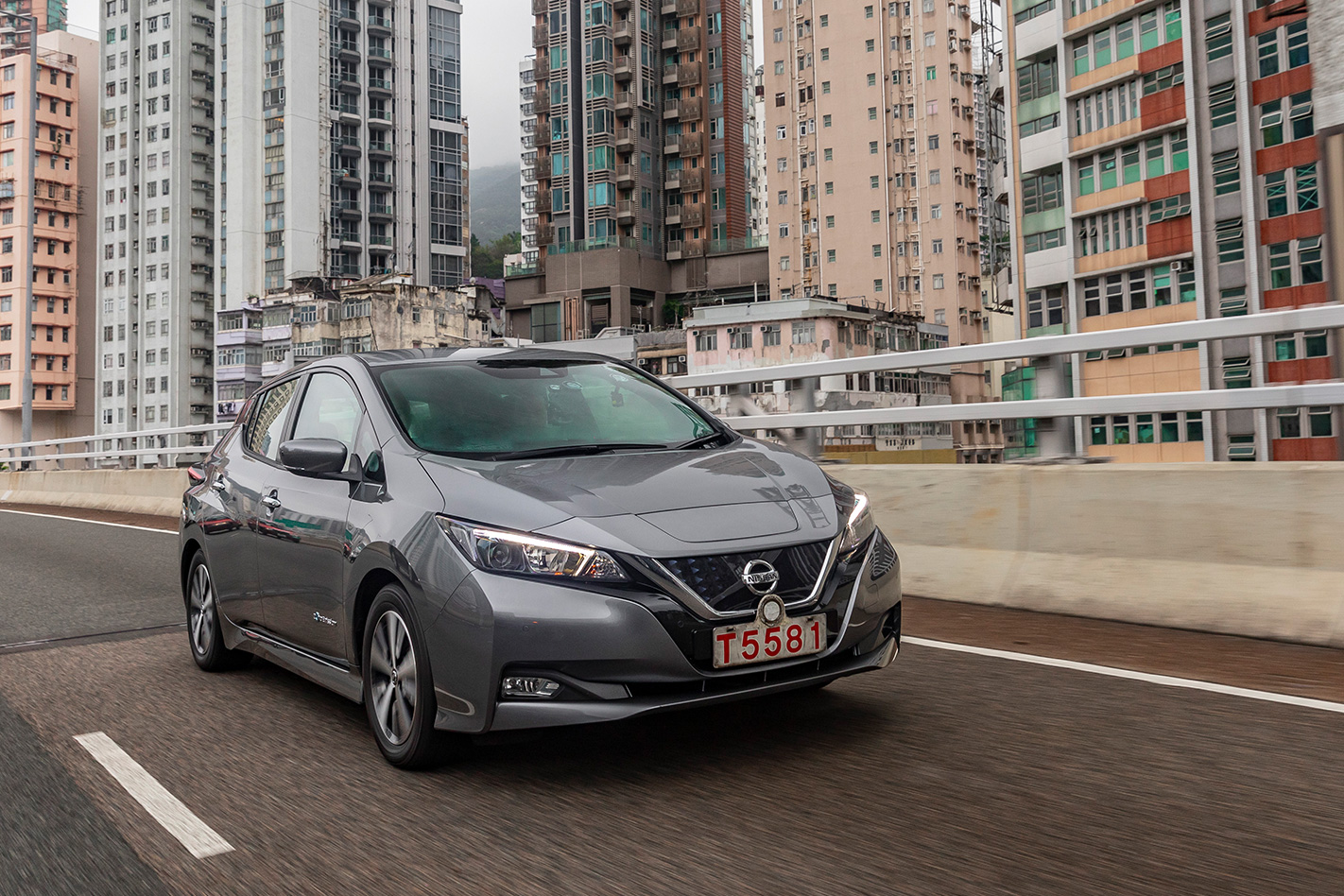
“That’s a personal opinion, but it comes from the background of working at NASA, but it also comes from a background of wanting to be human,” he added.
Nissan’s self-driving products of the future will have a ‘human in the loop’, as Sierhuis puts it, which can override the controls of the car remotely when the autonomous system encounters a situation it is not prepared for.
It’s an ethos that he has brought to Nissan from his time working for America’s space program.

“There are very few people in space,” he said. “But I always say that you can send a spaceship to the end of the universe, but at some point you have to communicate back to the human.”
One thing the Geneva motor show proved to us in spades this year is that the spectrum of supercars is blossoming.
Aston Martin, Pininfarina, Bugatti, Ferrari, GFG Style, Koenigsegg, Lamborghini, Ginetta, Rimac… the list of hyper-capable machinery from some of the world’s most respected, and some of the newest, car makers was somehow able to overshadow the evergreen SUV for breadth. And absolving itself from the supposed death of the supercar as we know it, electrification has also proved it will shine as the saviour of legends.
Beyond the Swiss show’s walls are plans to resurrect fabled nameplates, with some of the most evocative supercars to ever grace a showroom preparing to roam on roads once again.
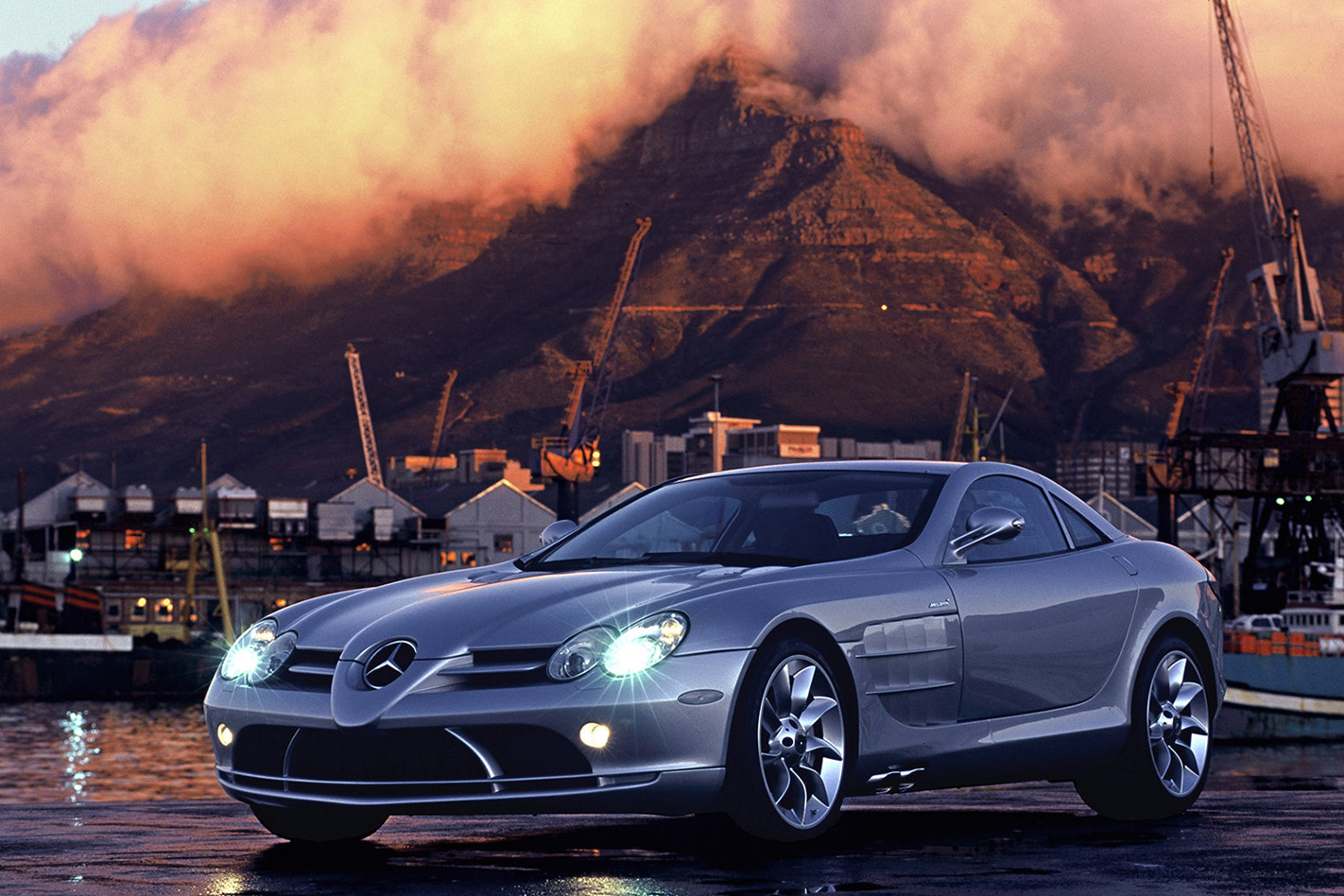
Uncovered this week is that Mercedes-Benz has registered its SLR trademark well ahead of the United States Patent and Trademark Office deadline. Previously a product of the unlikely F1 partnership between the three pointed star and McLaren, the SLR McLaren was a grand tourer of epic performance. In its 2003 debut, the “Sport Leicht Rennsport” (Sport Light Racing) McLaren produced 460kW and 780Nm from a supercharged 5.7-litre V8 engine. It was later wicked up to develop 485kW in the limited Stirling Moss edition.
Ending production in 2010, Benz focused on its new F1 partnership with Brawn GP, and the SLR has since been a respected retiree. But it seems the model may get the green light once more, without involvement from McLaren, and as a milder, more attainable supercar to sit underneath the Project One. The idea of the resurrection comes at a time that the four-year-old Mercedes-AMG GT is approaching renewal and the Affalterbach tuner finishes development of its new ’73 Series’ engine, a hybrid version of the ubiquitous 4.0-litre twin-turbo mill but producing heftier outputs near 600kW and 1000Nm. Hybrid SLR, anyone?
Before McLaren’s involvement, being the responsible party for major changes like relocating the engine back from the bumper 1000mm and 50mm behind the front axle, the British outfit had proved its road car prowess with the stunning McLaren F1. Produced for five years from 1993, the unique three-seater held the record for fastest production road car until 2005. The brainchild of the father of McLaren Cars, Gordon Murray, the F1 was a relative featherweight with devastating power, developed from a BMW-built 6.1-litre V12 engine. To this day, it remains the fastest naturally-aspirated production road car, though that record might be broken, with what could be the only reborn legend to return with a faithful combustion powertrain.
According to Murray, the original formula is one which has not been replicated, and the F1 genius has plans to deliver the first true successor under his new IGM car brand.
“I truly believe nobody has done another McLaren F1 since the F1,” Murray told US publication Road & Track last week at the Geneva motor show, where McLaren unveiled its three-seat Speedtail in the metal.
“And that’s because it was such a single-person focused design, lightweight, [focused] on driver feedback and feel, the V12 sound, the feedback in the steering… and the attention to the detail of the engineering.
“It’s not a criticism that nobody’s done that, but if you’re making 700 LaFerraris, you can’t do that. You have to use production bits. So, I thought it was about time somebody did another McLaren F1,” Murray explained.
“The only place to drive a supercar really is in the middle, particularly on a narrow, windy road. You can place the car so accurately.
“Nowadays, when somebody announces a new supercar and it’s 3300 pounds (1500 kilos), they get applauded, which I find unbelievable. This car [the upcoming IGM] is under 2200 pounds (1000 kilos).”
A carbonfibre monocoque featherweight, Murray’s vision is set to materialise in 2020. But it won’t be the only supercar to come out of Britain in the next few years.
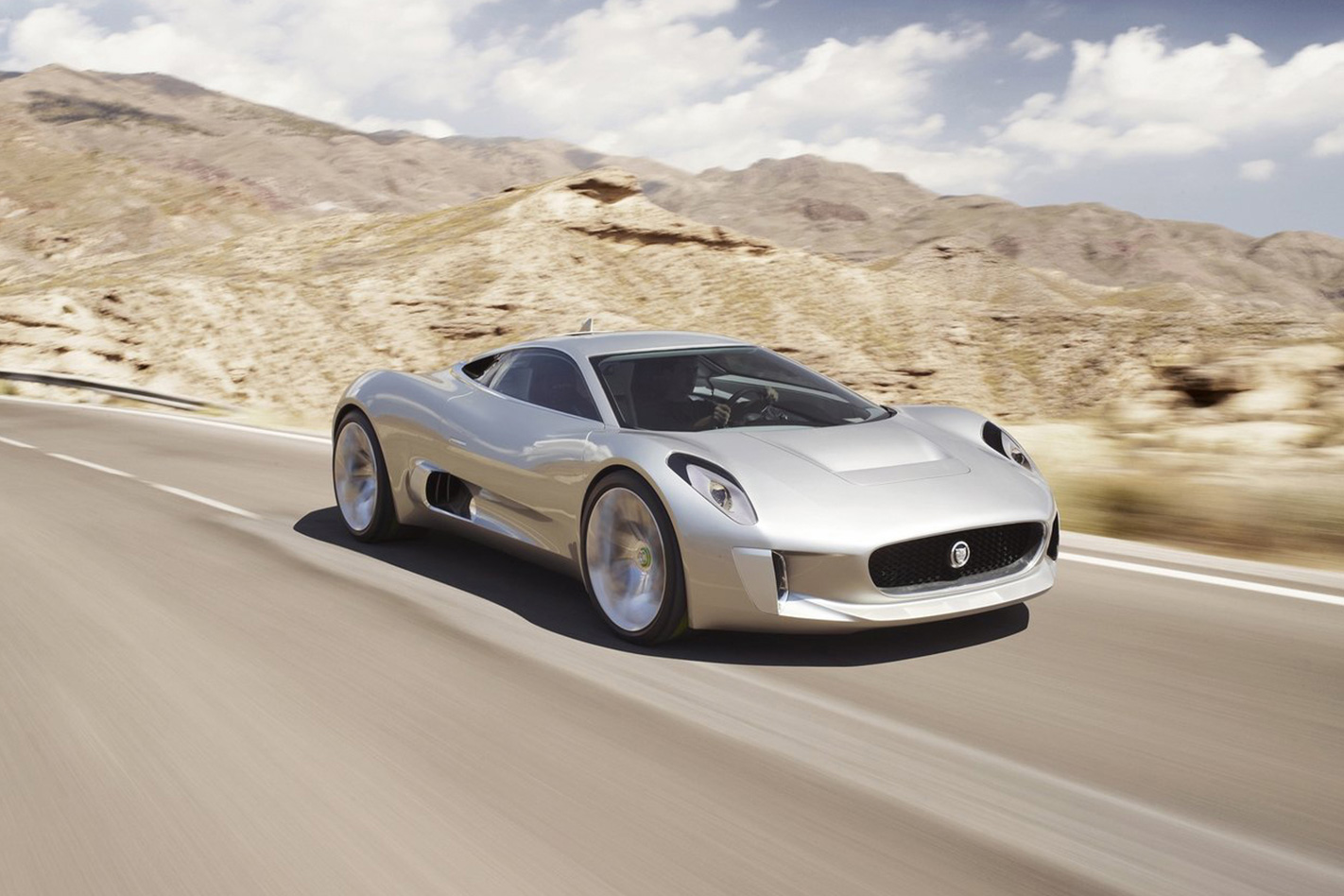
Jaguar is developing a new mid-engine cat, codenamed J-Type, which will be a successor to the early ‘90s XJ220 and is based on the 2010 C-X75 concept. Like the XJ220 – the fastest production car until McLaren unleashed its F1 – the J-Type will use a mid-engine V6, this time augmented by electric-hybrid power to all four wheels.
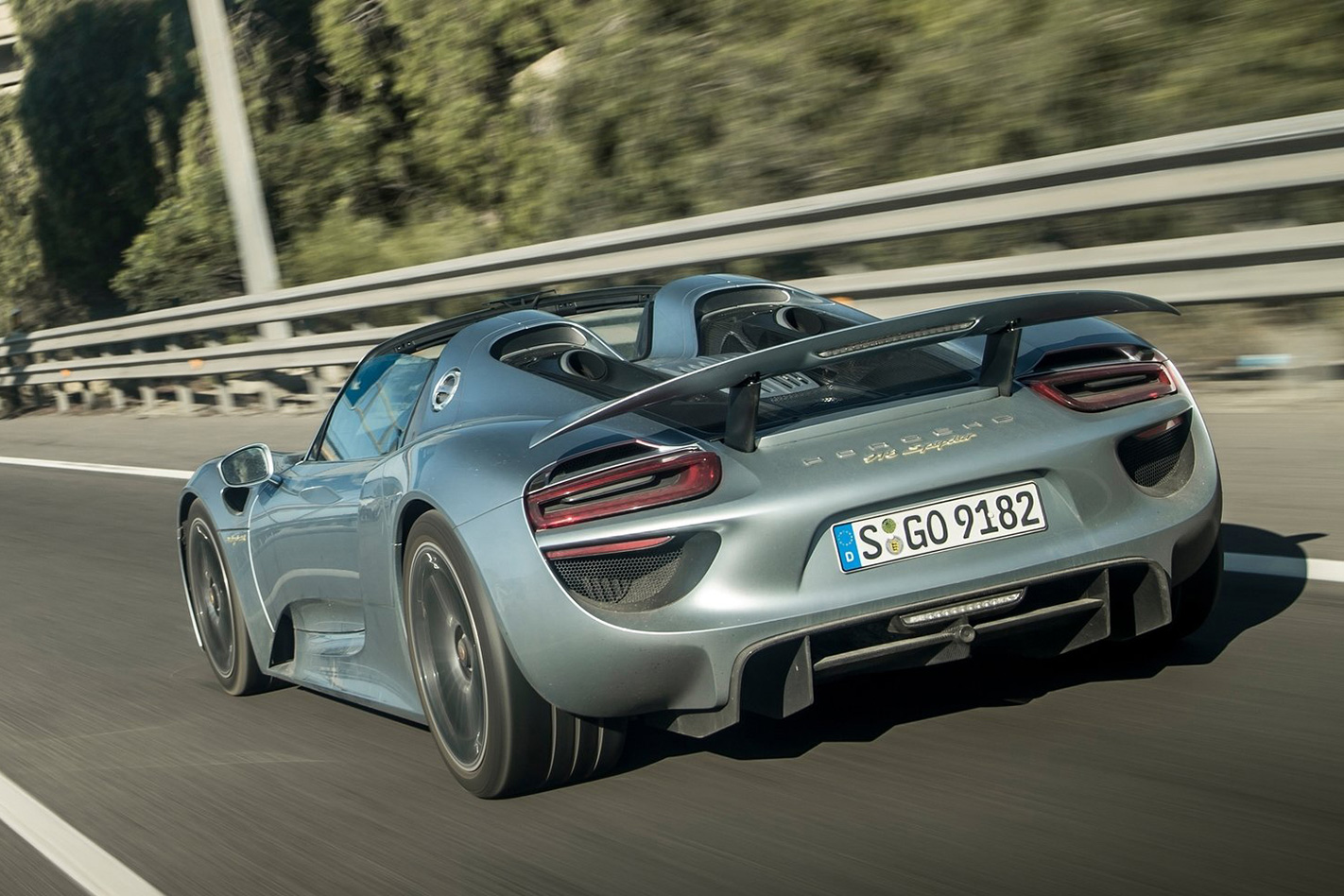
It may even be available as a roadster sometime after its 2022 debut, like the successor to the Porsche 918 Spyder – yet another revival that will arrive at earliest by 2025, at least ten years after the original V8 hybrid stopped production. Confirmed to Wheels at the Swiss show, it will be fully-electric, using solid state batteries that don’t yet exist in a production vehicle.
As we walk down the cherry blossom-lined path of the Japanese, it is a similar progression – the new Toyota Supra excepted – with the rarefied second-generation Honda NSX re-imagined over ten years after the original ceased production and, while dragging its feet to arrive, the next Mazda RX which has an all-new hybrid rotary Skyactiv-R drivetrain in the pipeline.
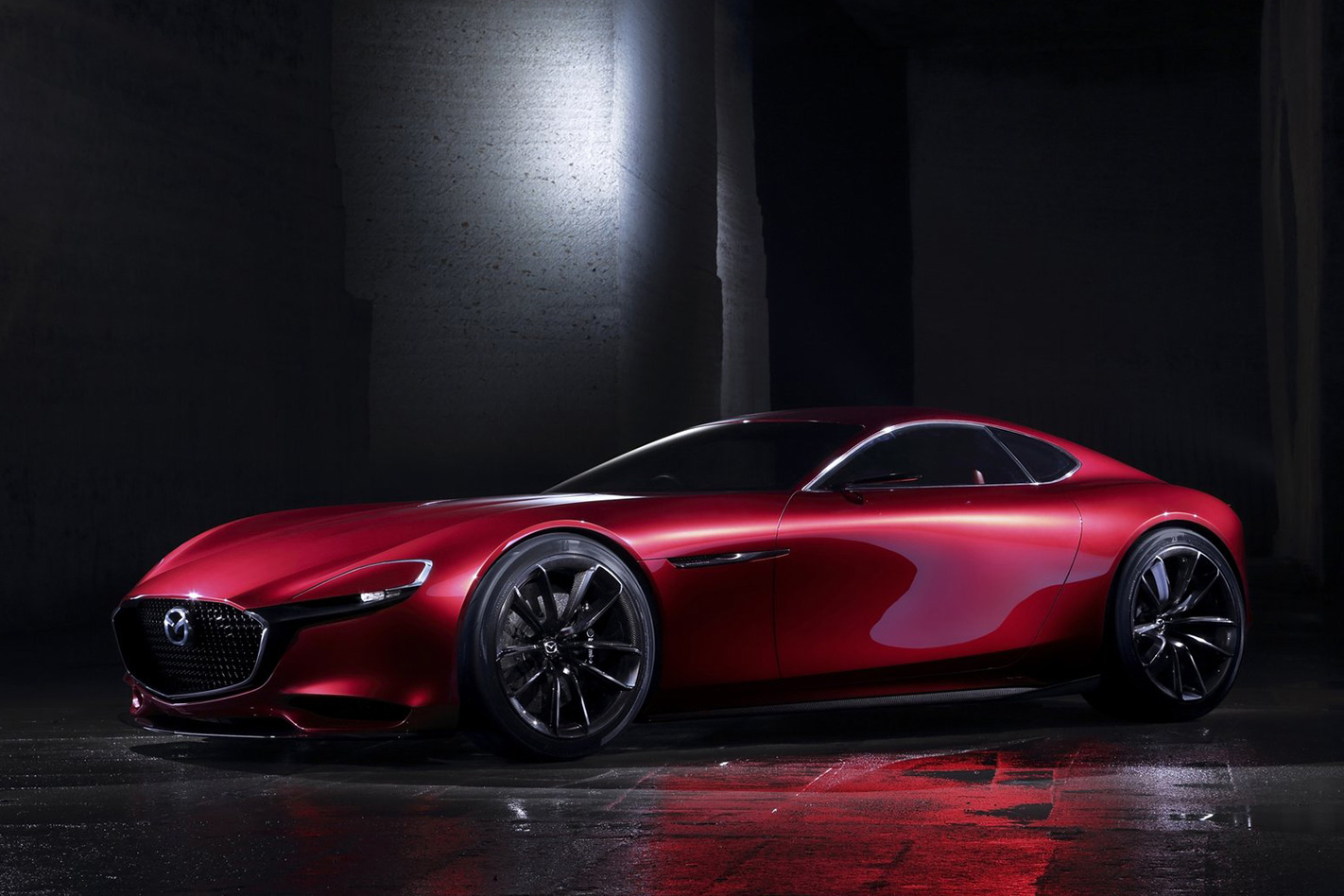
So while we rightly bemoan the dwindling supply of screaming, naturally-aspirated supercars, the bright spark of electricity means we will enjoy a whole new era of legends all over again.
After a long slide in sales numbers, Kia Australia has decided to rid itself of the Kia Optima midsizer – which naturally raises questions about the longevity of the medium car category as a whole.
Australians bought 28,748 medium cars in 2018 compared to 41,068 in 2017, however the segment’s key players have no plans to follow Kia’s lead. Though SUVs are gaining ground dramatically, the industry still has plenty of faith in the humble medium sedan despite the decline in sales.
This includes Toyota, whose Camry continues to dominate the medium category despite a drop in volume since production moved offshore in October 2017.
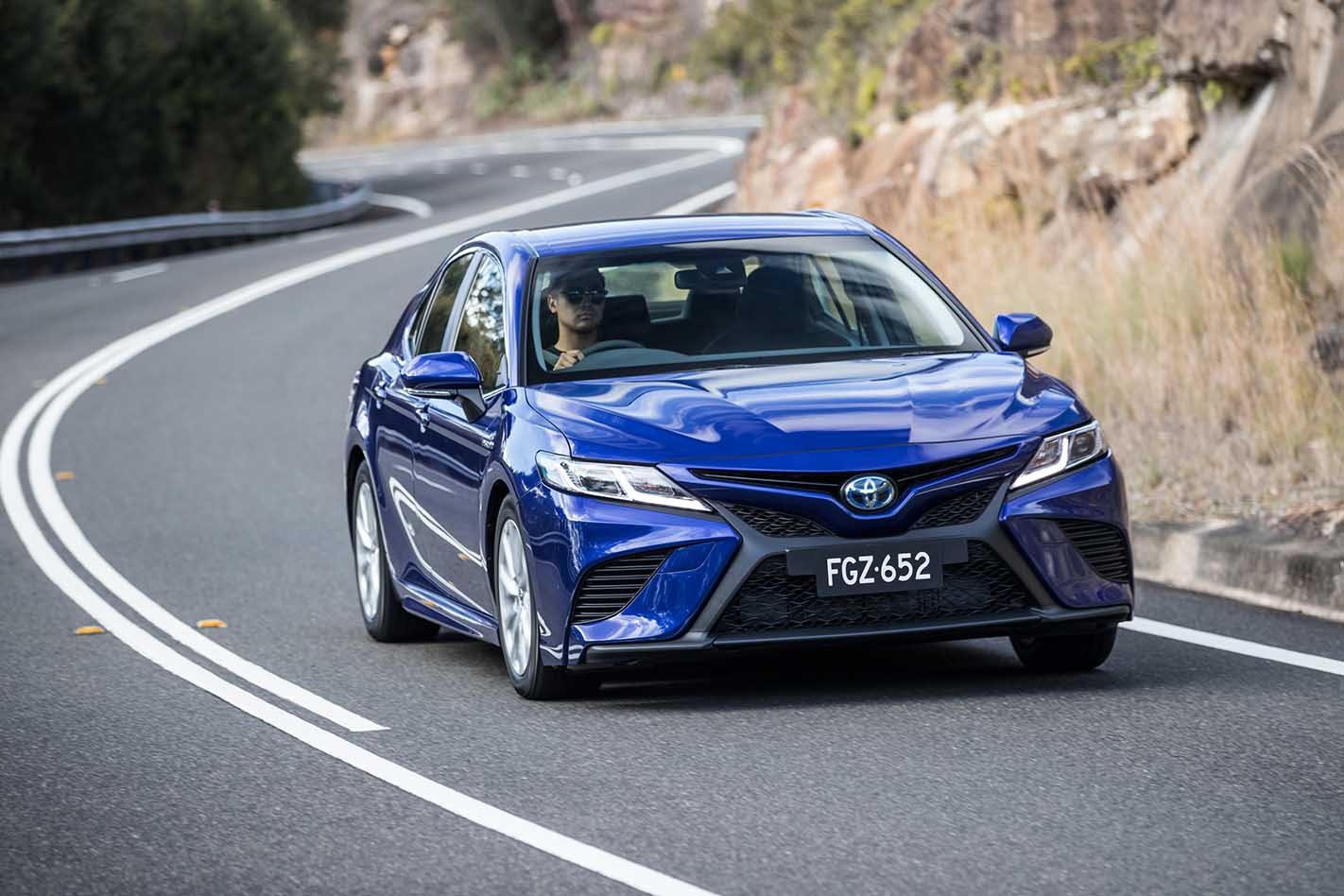
Toyota Australia’s senior product communications officer Orlando Rodriguez said the company is “happy with the performance of the Camry and where it sits”.
“We always knew there was going to be some kind of change post-local manufacturing, but it’s hitting all of our targets,” Rodrigeuz said. “The biggest thing that we’re happy with is how many people are actually taking up the hybrid as their choice of powertrain.”
“We obviously understand that more broadly there is a shift more towards SUVs and other segments, especially smaller SUVs, but that’s a segment that Toyota plays in as well. In a similar way to Corolla, midsize sedans – for now anyway – we still see them as being an important part of the overall mix that Toyota has.”
Toyota sold 15,269 Camrys in 2018 to secure a 53.1 percent market share, but you only have to go down to second place to see just how niche the medium car segment has become.
Plenty of daylight separates the Camry and Mazda 6, whose 3328 sales in 2018 were dwarfed by the Mazda 3 small hatch/sedan and the CX-5 medium SUV, which both outsold the 6 sedan and wagon in just two months.
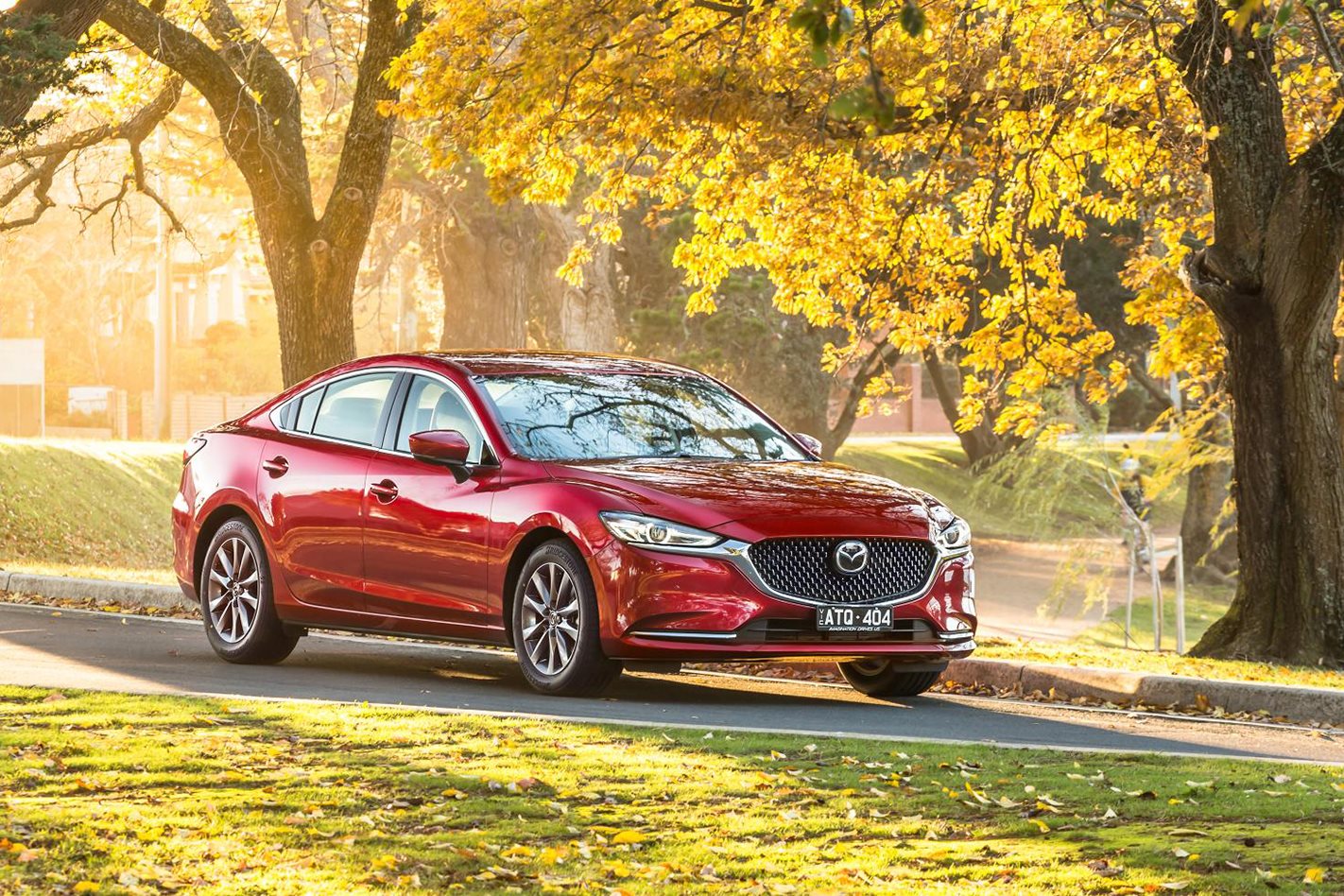
But Mazda Australia senior public relations manager Sonia Singh told WhichCar the company is happy with how the Mazda 6 is selling, particularly since receiving a significant mid-life upgrade in June last year.
While the numbers are relatively low, the good news for Mazda is that a quarter of these were the range-topping Atenza, which received a new 2.5-litre turbocharged petrol engine as part of its first major update last year.
Mazda 6 sedans make up 70 percent of sales compared to the wagon, but the opposite is the case for the Volkswagen Passat.
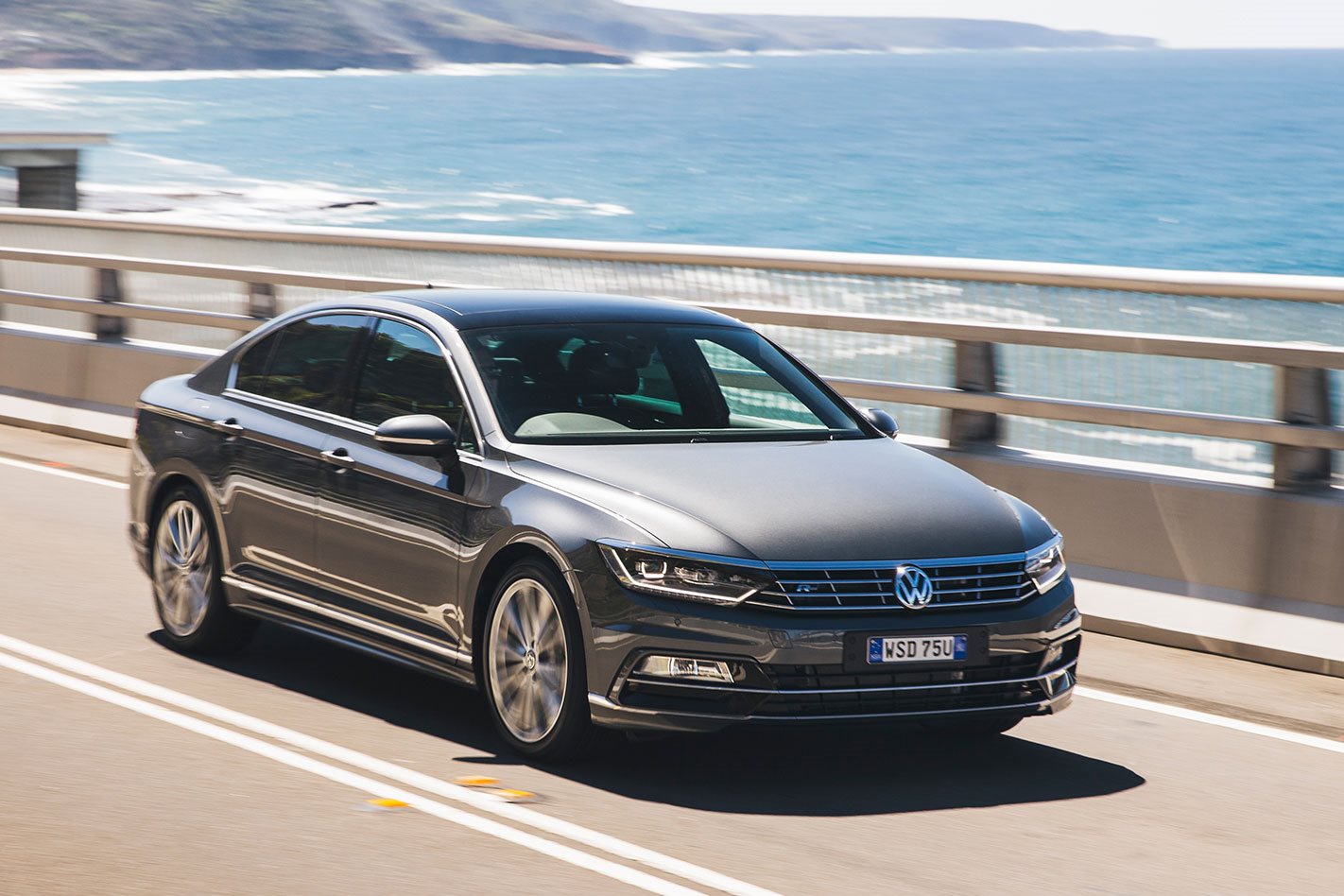
Volkswagen Australia’s general manager of corporate communications Paul Pottinger said the Passat is still a very important model, pointing out that a mid-life update will be arriving toward the end of the year.
“No one is pretending that the market is what it was, but Passat still important to us.”
Pottinger explained the Passat wagon, which made up about 60 percent of its 1804 sales in 2018 and is now part of the Victoria Police fleet, has helped the marque retain buyers who may otherwise have switched to an SUVs.
Hyundai Australia also confirmed it’s sticking with medium cars, with the surprisingly attractive next-generation 2020 Sonata due here second half of this year. That’s despite the current model sitting seventh, behind the Subaru Liberty and Skoda Octavia, to claim just 3.6 percent of the segment last year with 1024 sales.
Even Honda Australia remains committed to the segment with an all-new Accord arriving in the second half of the year, despite just 179 sales in 2018. The company is expected to take a different strategy to the current-generation model, with more details to be announced soon.
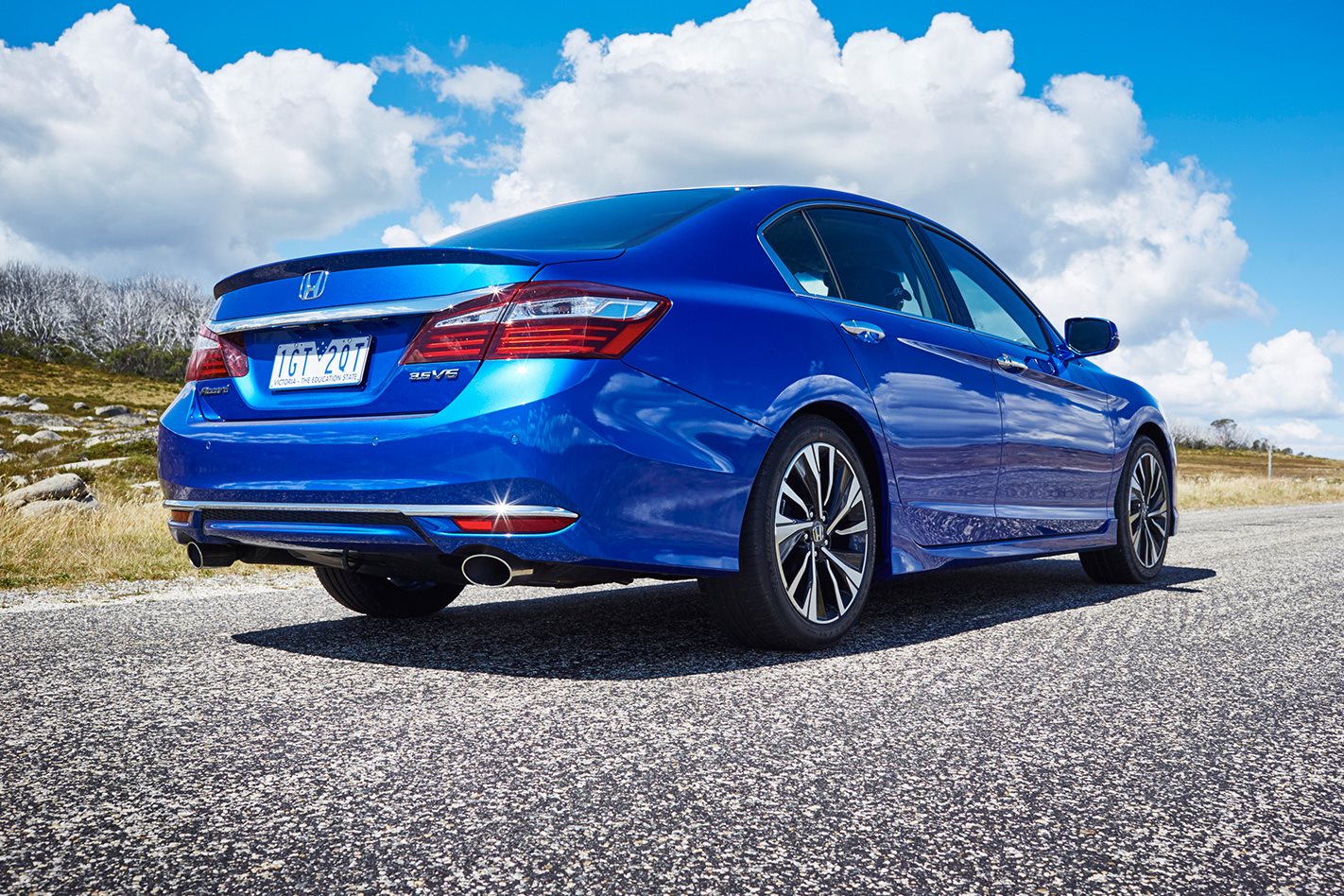
Meanwhile, the 2019 Ford Mondeo is set to arrive in the next few months, featuring a subtle facelift, new powertrains and the latest driver assistance tech.
For its part Kia Australia says a variety of factors had led to the demise of the Optima, which will remain in the local line-up until November.
Kia Australia PR chief Kevin Hepworth conceded the Optima never quite resonated with the Australian public, with the nameplate introduced at a time before the Korean brand gained salesroom traction.
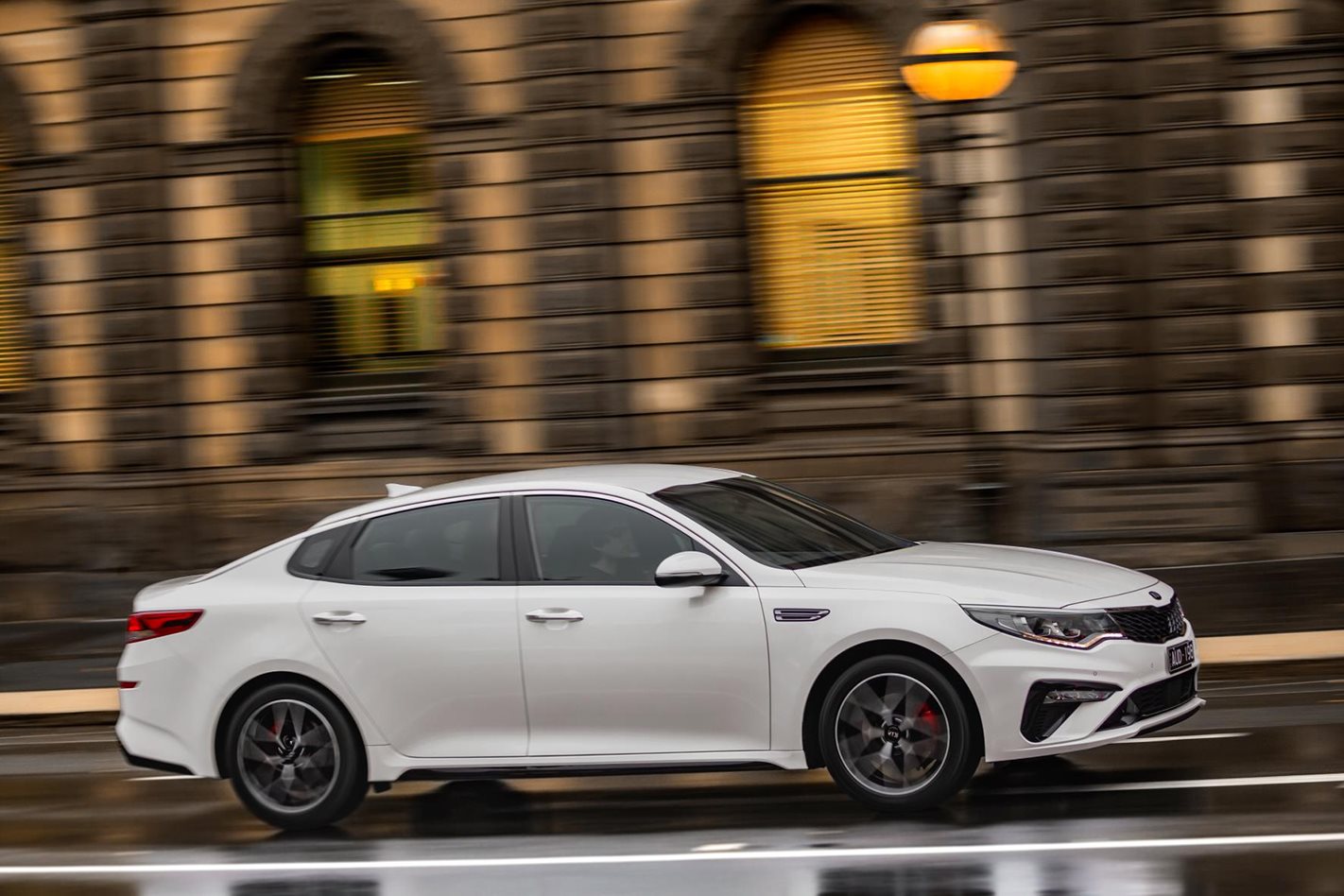
He said while growing SUV sales have certainly had an impact, there were other factors including buyers overlooking it in showrooms in favour of the larger and more emotionally-appealing Stinger sports sedan, while the growth of the new Cerato small sedan put pressure on Optima sales from the other direction.
The Kia Optima range was progressively trimmed to just two variants – the 2.4-litre petrol Si and 2.0-litre turbo petrol GT – but Hepworth denies that more choices, including a diesel option, would have improved its fortunes, instead saying more variants bring complexity and reduced the company’s ability to provide value.
So, while the Optima heads for the gallows it appears the rest of the medium segment enjoys a stay of execution. Changing tastes mean they’ll arguably never enjoy the popularity they once had, but for the bulk of players in the shrinking segment there are still plenty of reasons to stick with sedans.
Since the reveal of the 2019 Toyota GR Supra, one question has been a constant: when is someone going to put a 2JZ engine in one?
It was inevitable, but now someone’s done it. And that someone is drifting champion Daigo Saito.
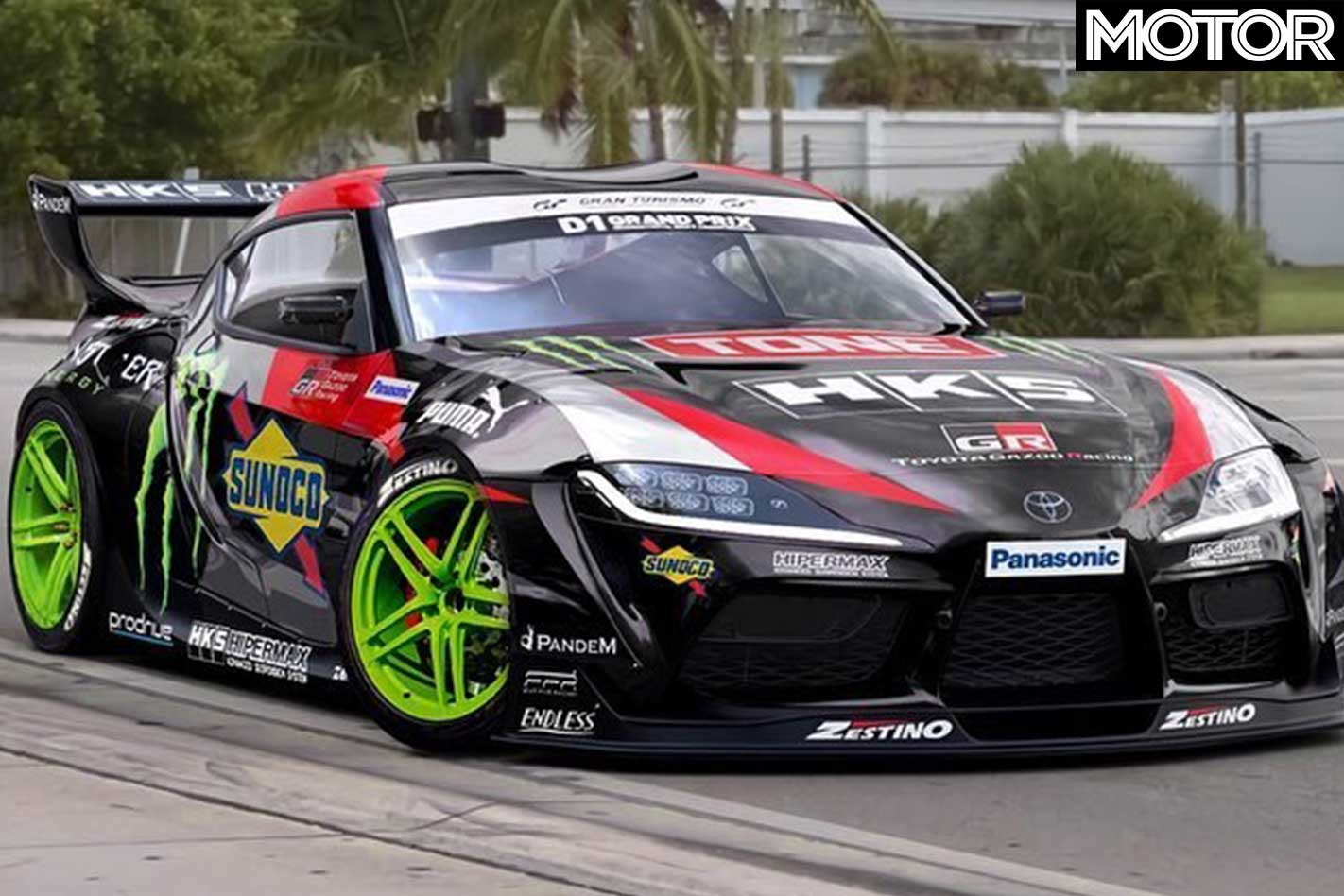
If the name sounds familiar, but you don’t really follow competitive drifting, it might be because you’ve seen some of his previous cars – the most famous of which is arguably his Monster Energy Lamborghini Murciélago.
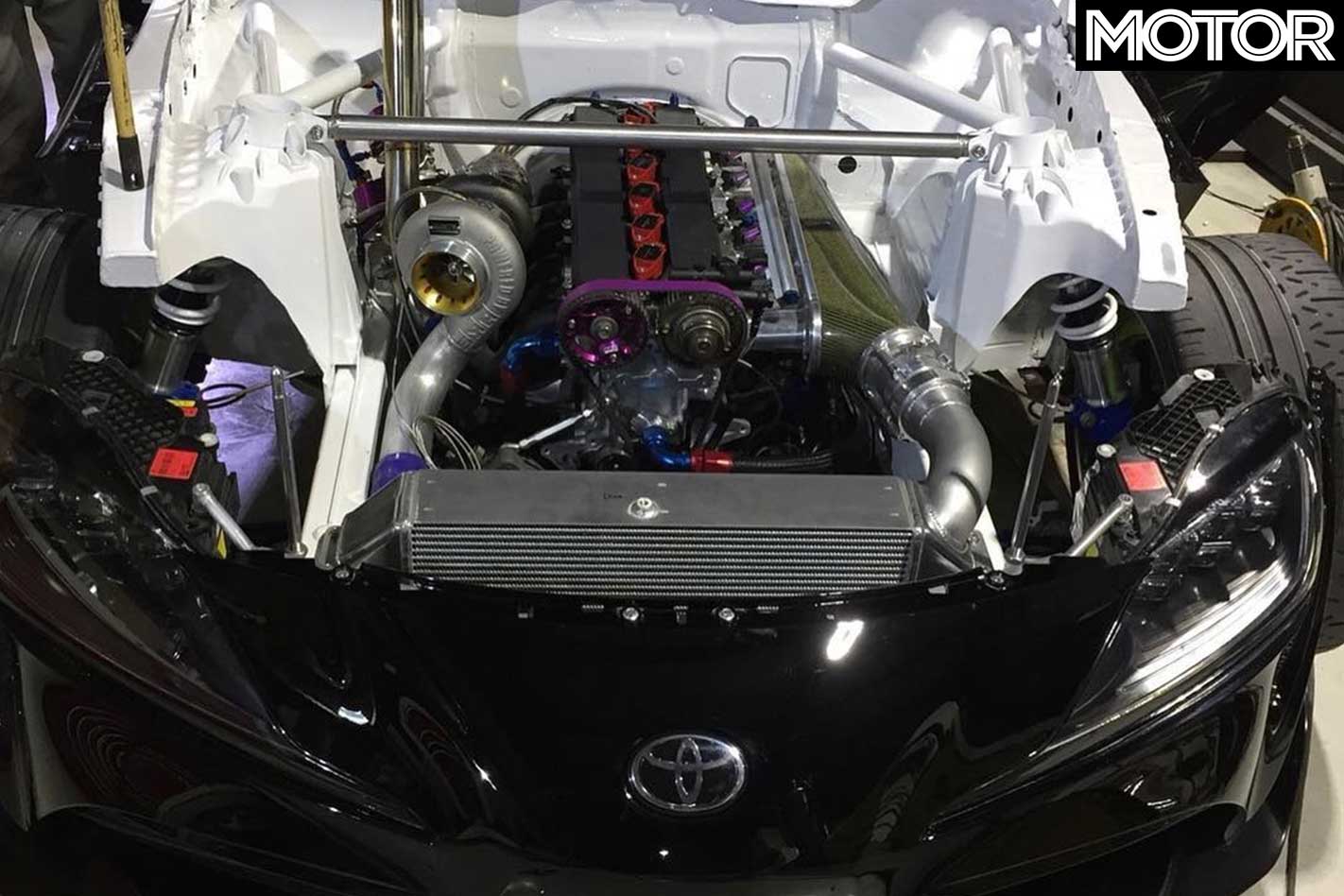
Now, teaming up with HKS, Saito has almost finalised the build for his Mk.V Toyota Supra, with the iconic straight-six engine from the Mk.IV Supra residing in its snout.
Posted to Instagram last night, and detailed in a Japanaes-language press release, the car features a Monster Energy livery, with HKS branding, and plenty of body modifications.
A video of the car sans-livery was posted to Saito’s Instagram account yesterday, as was a video of the car in action. Unfortunately, the latter was taken down before this story published.
https://www.instagram.com/p/BuufGWRAoRE/?utm_source=ig_embed&utm_medium=loading
The turbocharged 3.5-litre Toyota six running in Saito’s new Supra is putting out a figure just shy of 600kW, with the development of the car having been undertaken in only 42 days.
Though the press release seen by MOTOR features quotes from Saito regarding the build, it was translated into English. As such, the following is a paraphrased quote from Daigo Saito:
“I’m happy to have turned the new Supra into a drift car for the first time. Building a new car is always enjoyable, but this feels like a return to my initial goal.
“Since the wheelbase is short and the body is compact, it’s able to run sharper with more aggressive driving, but able to be controlled easily.”
The HKS Toyota A90 Supra will debut with Saito driving at the D1GP All Star Shoot-out on March 23 and 24 in Tokyo.
We’re an inclusive bunch here at Wheels, celebrating cars in all shapes and sizes. Well, almost all.
No matter how hard I try to be accepting of the things, I’m really struggling with SUV Coupes.
You know the ones – high riding trucks with a gently raked rear window – that deliver the dynamic compromises of an SUV with the packaging shortcomings of a fastback. They’re like a perfect storm of ineptitude.
Porsche is entering the fray with an all-new Cayenne Coupe, which depresses me greatly but Zuffenhausen seems like a reluctant follower.
BMW usually gets the blame for kicking this whole genre off with its lumbering X6, development of which kicked off in 2003. It was styled by Pierre Leclerq who also did the Mini Countryman, if you’re looking for a face to stick to your dartboard.
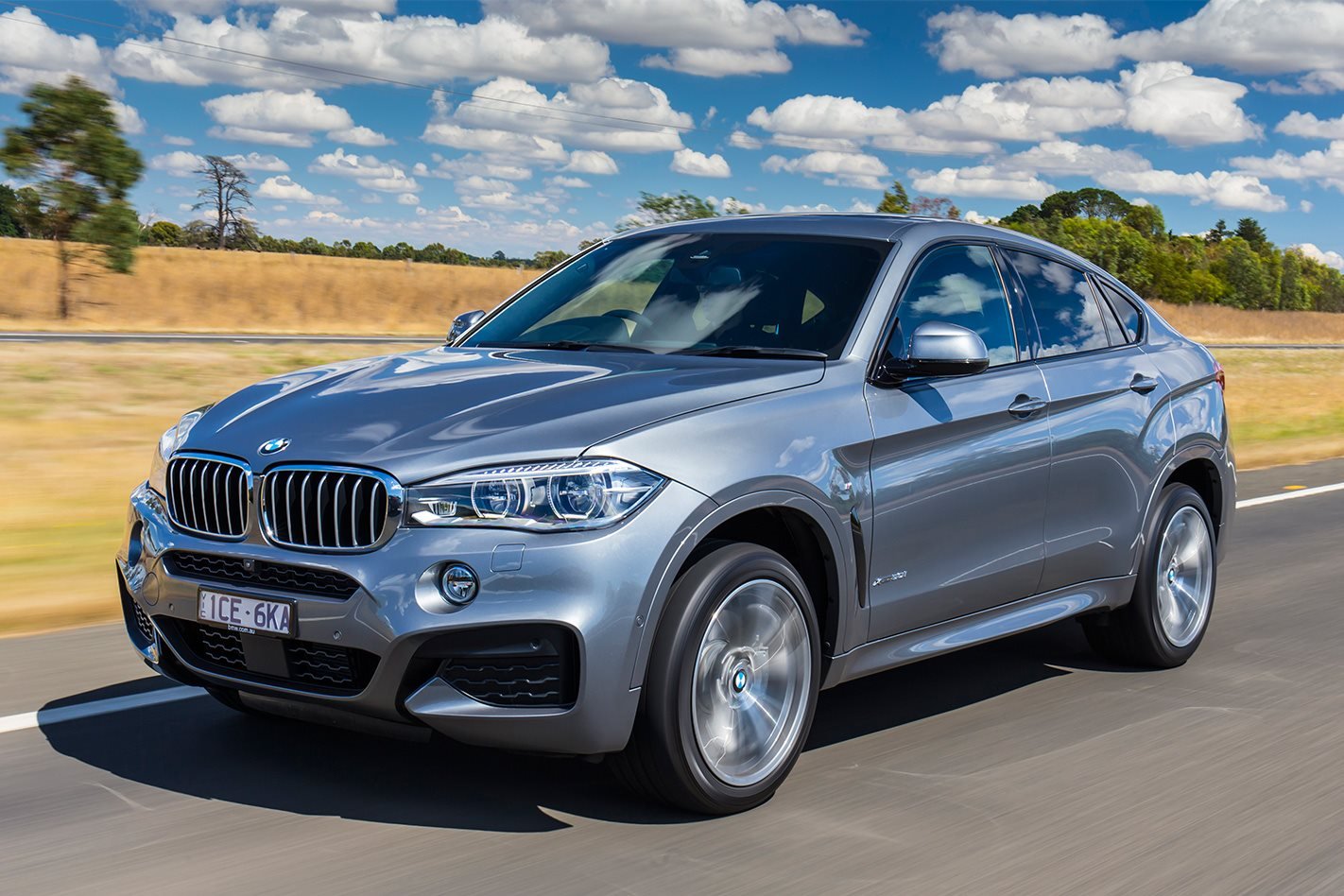
Leclerq, incidentally, has bounced from BMW to Great Wall to Kia and then Citroen in the intervening years, so maybe the X6’s legacy will haunt him forever. Or perhaps we should look out for a new Grand Picasso that looks as if its rear end has subsided due to wet rot.
I don’t think poor old Pierre should completely carry the can for kicking off this trend so I’m pointing the finger squarely at Lexus and its first-gen RX300, which debuted in 1998. Of course, you could dig back further and nominate the 1981 AMC Eagle SX/4, but that’s not really a butchered SUV.
Back to 1998. Yes, BMW already had a perfectly good SUV in the shape of the X5, which made the X6 introduction appear comparatively egregious, but look at an early Lexus RX in the context of what was to come and tell me that it’s not an SUV Coupe. And should therefore be summarily cubed in a compactor.
Perhaps my impression of these cars is tainted by the people who tend to drive them. When the X6 was launched, an acquaintance immediately bought one. Allow me to paint a picture of this person. He would go snowboarding to European resorts each winter, equipped with the latest and greatest gear. He couldn’t snowboard. At all. He’d stand all day at the base of the lifts cultivating his salt and pepper stubble, peering uphill as if he was waiting for his mates to finally catch up with him. He’d be sneaking the odd sideways glance to see who was looking at him and sharing stories about the gnar he’d just schralped with anyone who’d listen. The X6 was perfect for the two-dimensional, feebly fantasist him, but do you want to be this guy?
The thing that muddies the waters is the fact that some of the latest crop of these cars are annoyingly good. The Mercedes-AMG GLC63 is a riot. But buy the proper SUV version instead. The same goes for the Mercedes GLE, the BMW X4, the Audi Q8 and so on. Those manufacturers who bring cars to market without a full SUV equivalent, like Jaguar with its I-Pace or Lamborghini’s Urus, aren’t entirely without culpability. Others? Well, the silhouette of Mitsubishi’s Eclipse Cross isn’t among the most pressing of its faults and if we could track down Aussie owners of the Infiniti QX70, we’d probably have something to say to both of them. Yet strangely many colleagues have no such disdain for the Toyota CH-R.
Then there’s the issue of where do you draw the line with these things. What rear window angle becomes unacceptable? Is the Porsche Macan one of ‘em? How about a Tesla Model X? SUV Coupes are malignantly tainting the vehicular gene pool to the extent that we’re now seeing hatchbacks like the Hyundai I30 Fastback N getting in on the gig.
Upon reflection, one can only assume that the reason people buy these cars is to sit up high, look intimidating and signal to other road users that they otherwise don’t need a big vehicle at all which, by any rational assessment, is not a winning combo of motivations.
The SUV Coupe needs to join celtic band tattoos, Snapchat doggy filters, eating Tide pods and dabbing as fundamentally bad ideas that were briefly a fad. Come on. It’s time.
Excuse the tautology, but it was deja vu all over again. At the 1999 Sydney Motor Show, when the cloth was lifted from Holden’s ‘Coupe’ concept it was an instant star of screen, print and public. Holden lapped up the admiration as much as the public did at the prospect − and then realisation − of its production.
This feature was originally published in MOTOR’s December 2002 issue
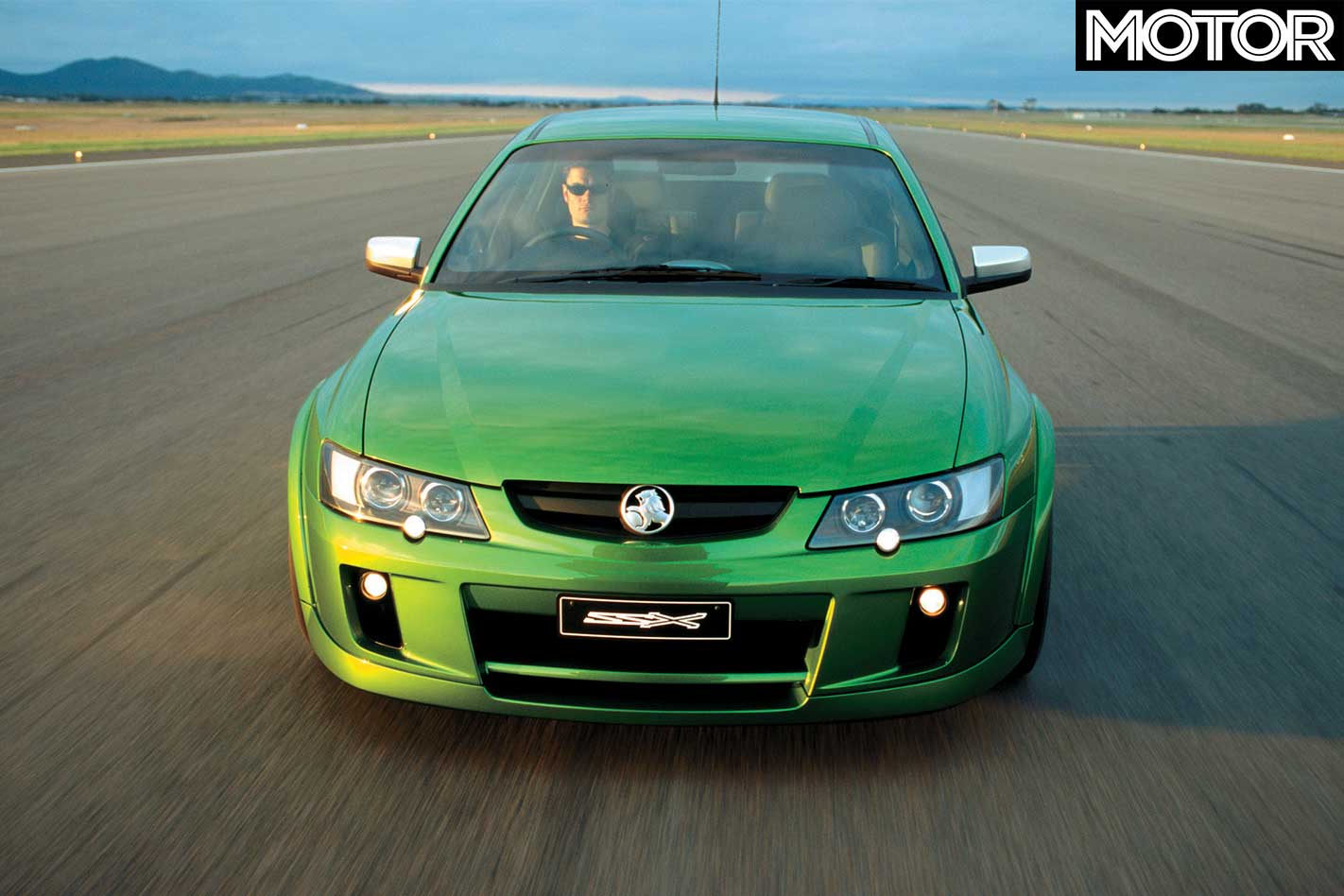
Three years later, Monaro is on the streets and Holden drops another bomb, so to speak. While much less a secret than the Coupe, Holden’s SSX ‘hatchback’ design concept was, arguably (and again) the star of the 2002 Sydney Motor show.
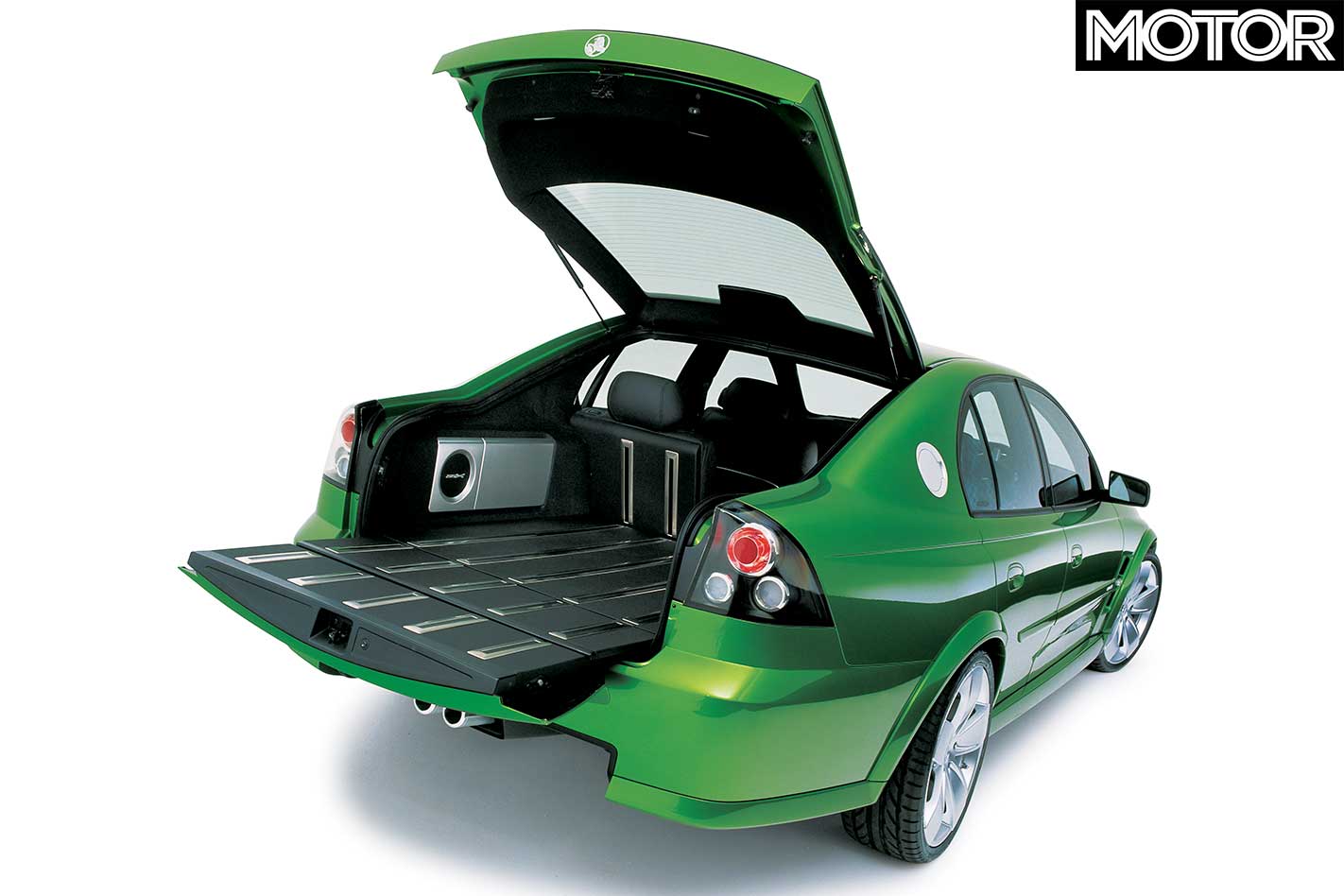
But whereas the Monaro was, as cynics may have suggested, simply a two-door Commodore, the SSX (SS + Crossover) is much more: as Holden offers, it’s a sports hatch body encasing Gen III V8-powered all-wheel drive running gear. To quote Holden Chairman Peter Hanenberger’s official line: “it heralds a family of low ride-height, inspirational all-wheel drive niche vehicles”.
So why the all-in-one concept? Well, as the near-by Mitsubishi stand proved, with relatively few viewers of the AWD Magna, marvels of mechanics does not a talked-about car make. The SSX’s hatchback body got ’em in but it was the all-wheel drive that blew ’em away.
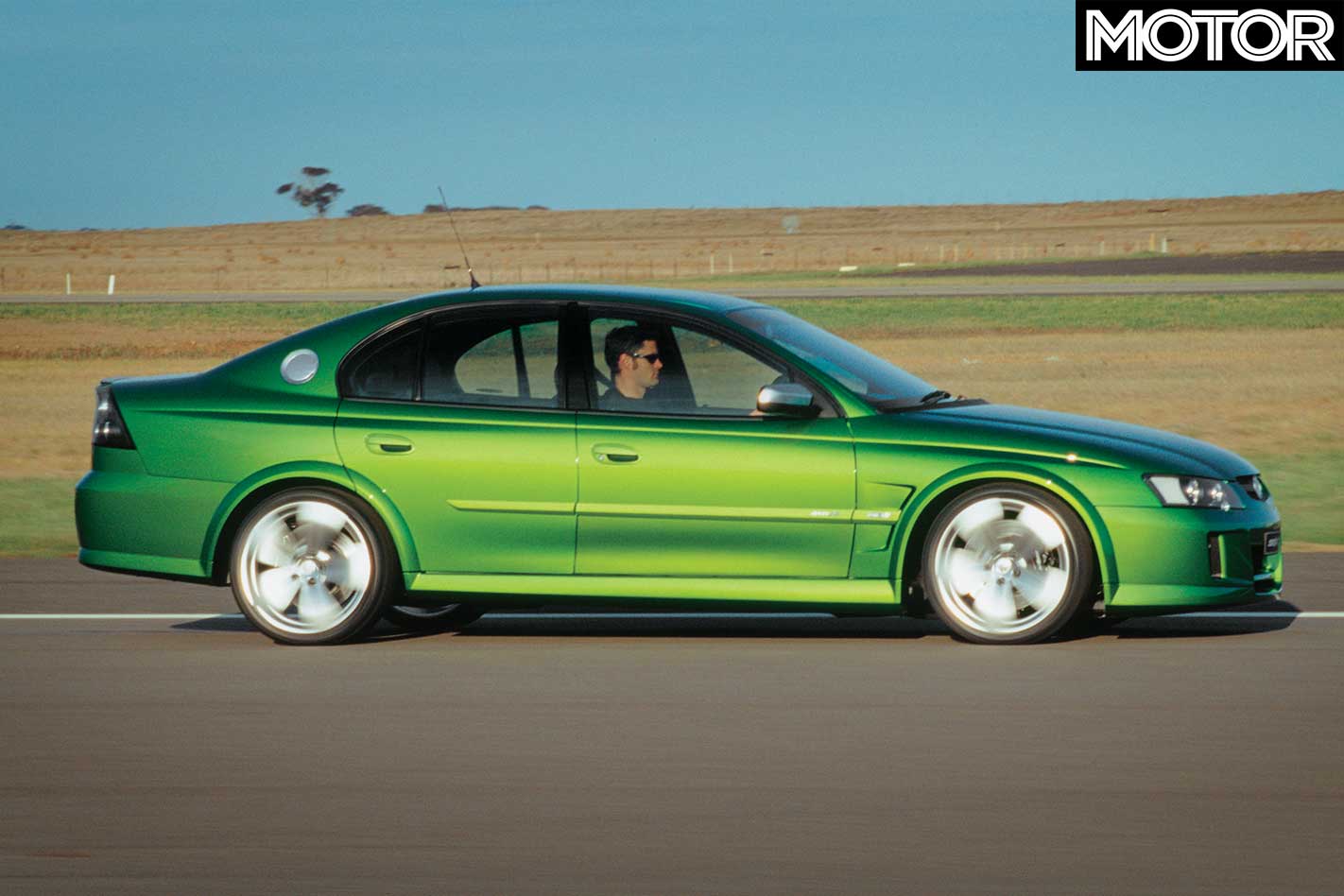
So why build it? The idea was about showing what could be done. Head of Design of the Monaro and the SSX, Mike Simcoe doesn’t like wasting his time on cars: “Concept cars are nice to do, but I like to think everything we do has the feasibility of going into production. And the SSX was built with this in mind.”
The all-wheel drive running gear was first seen in the Cross8 concept and, in wagon form, it’s heading into production next year. Holden simply wanted to prove that its platforms, and drivetrains are multi-use enough to allow for a number of variants: wagons, hatches, even convertibles.
Naturally the SSX, like the Monaro, is being used as a meter for public interest. Simcoe says if Holden were to give the green light to SSX, it could be turned into a reality in the same time as Monaro: 24 months. Which is tricky timing, because that lands it with barely one production year before the new VE platform in 2006.
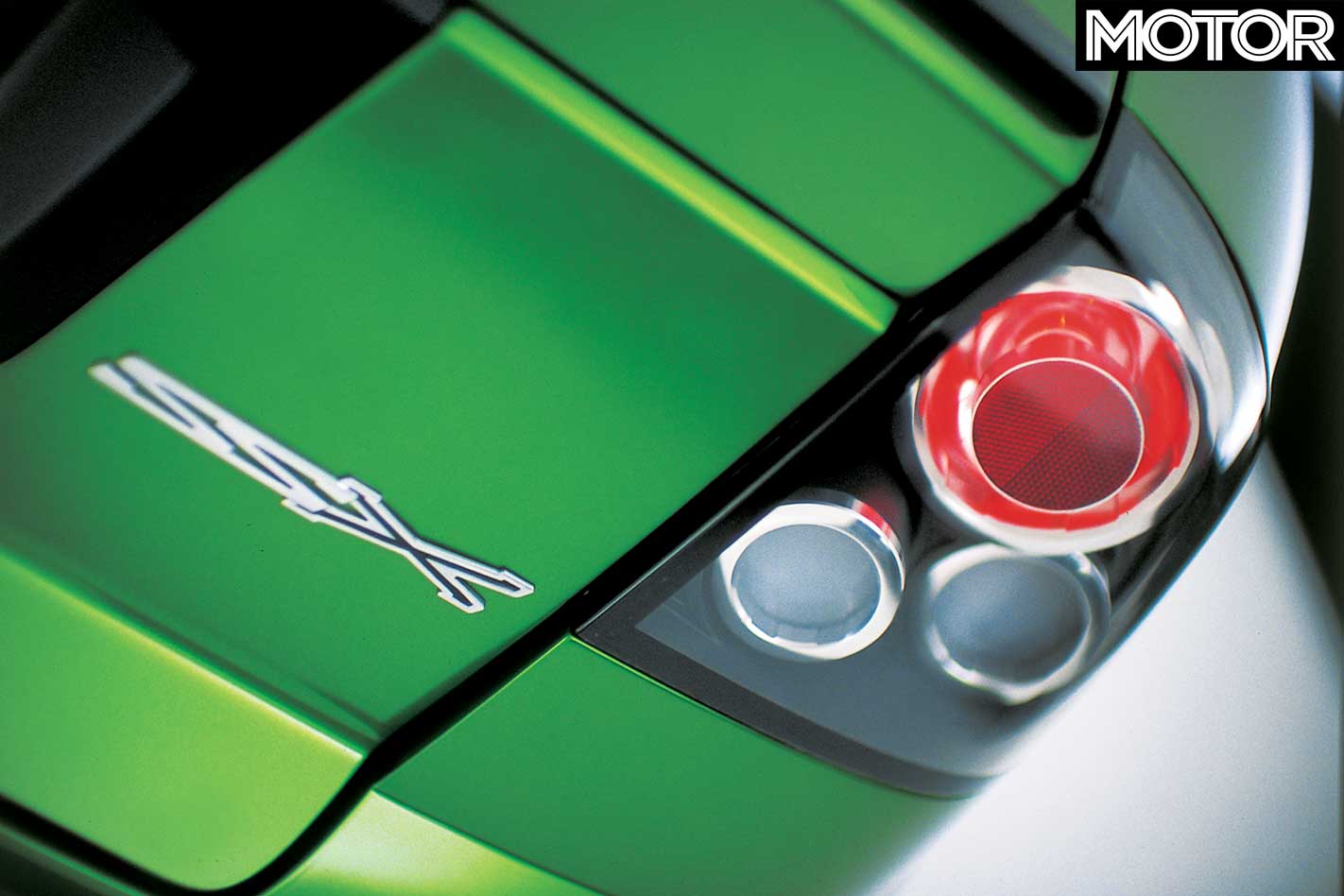
As radical as it looks, the SSX isn’t as far removed from the Commodore sedan as it may appear. The underbody has its minor alterations (a slightly forward mounted fuel tank, specific front lower control arms and struts to accommodate the front diff and driveshafts) but the all-wheel drive Holden running gear was accommodated very neatly.
Using ‘bits and pieces’ from different areas of GM to assemble the drivetrain (including the Gen III 5.7-litre V8), the SSX’s four-speed automatic gearbox takes drive from its rear output shaft to a transfer case.
While drive to the rear continues conventionally through a two-piece tailshaft, a secondary driveshaft runs from the transfer case forward along the passenger side of the gearbox to the front diff housing and constant velocity joints. Simcoe added that the front and rear undertrays not only aid aerodynamically, “but they keep prying eyes from what we don’t want people to see yet [the diffs]”.
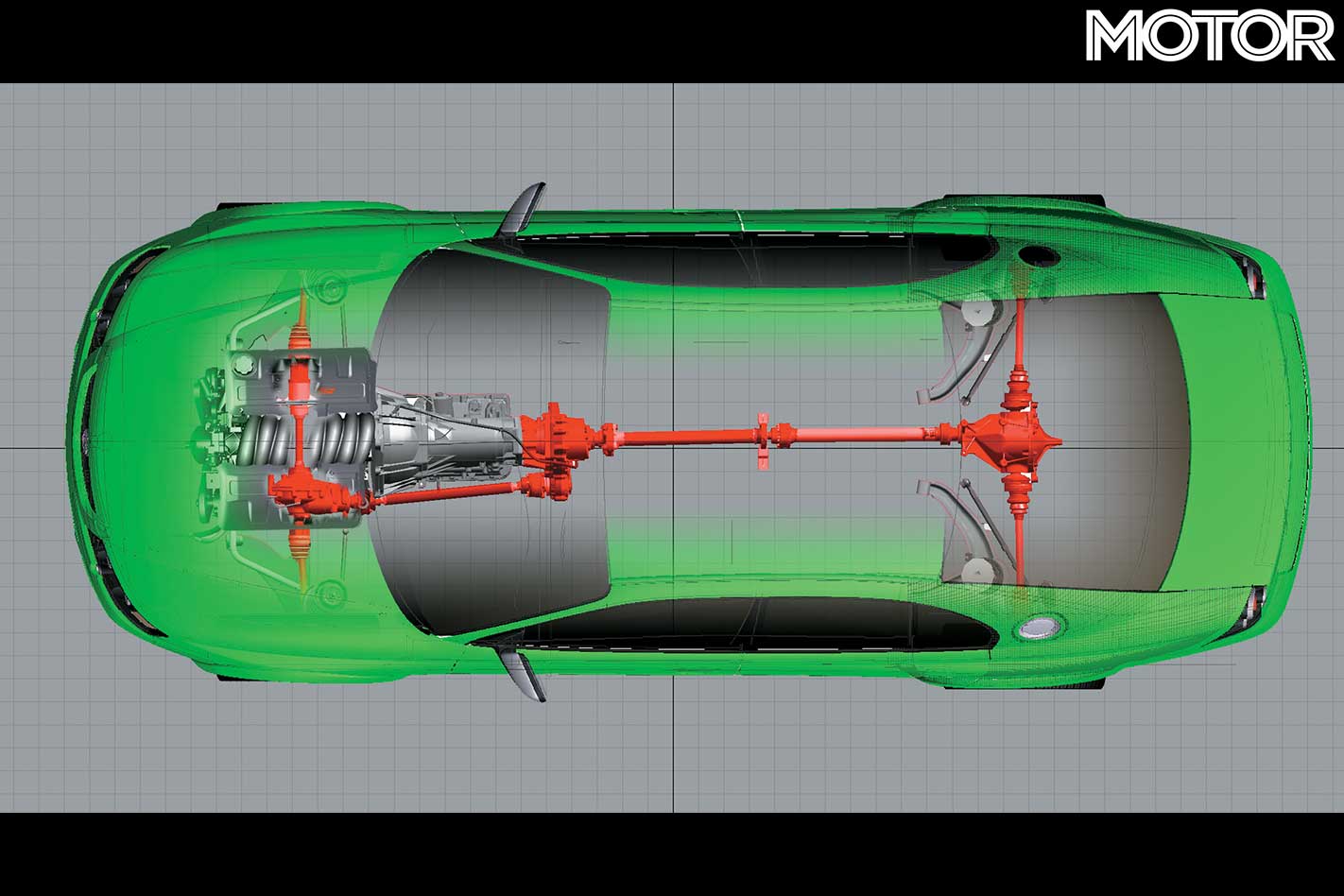
The consequence of this running gear, chosen ‘for simplicity’ says Simcoe, is a wider track. The all-wheel drive bulges the front and rear tracks by 54 mm and 93 mm respectively, while the body itself is 94 mm wider than a VY SS. Which is partly the reason for the different offset of the super light cast magnesium 19-inch alloys. Simcoe added: “But the footprint is still the same.”
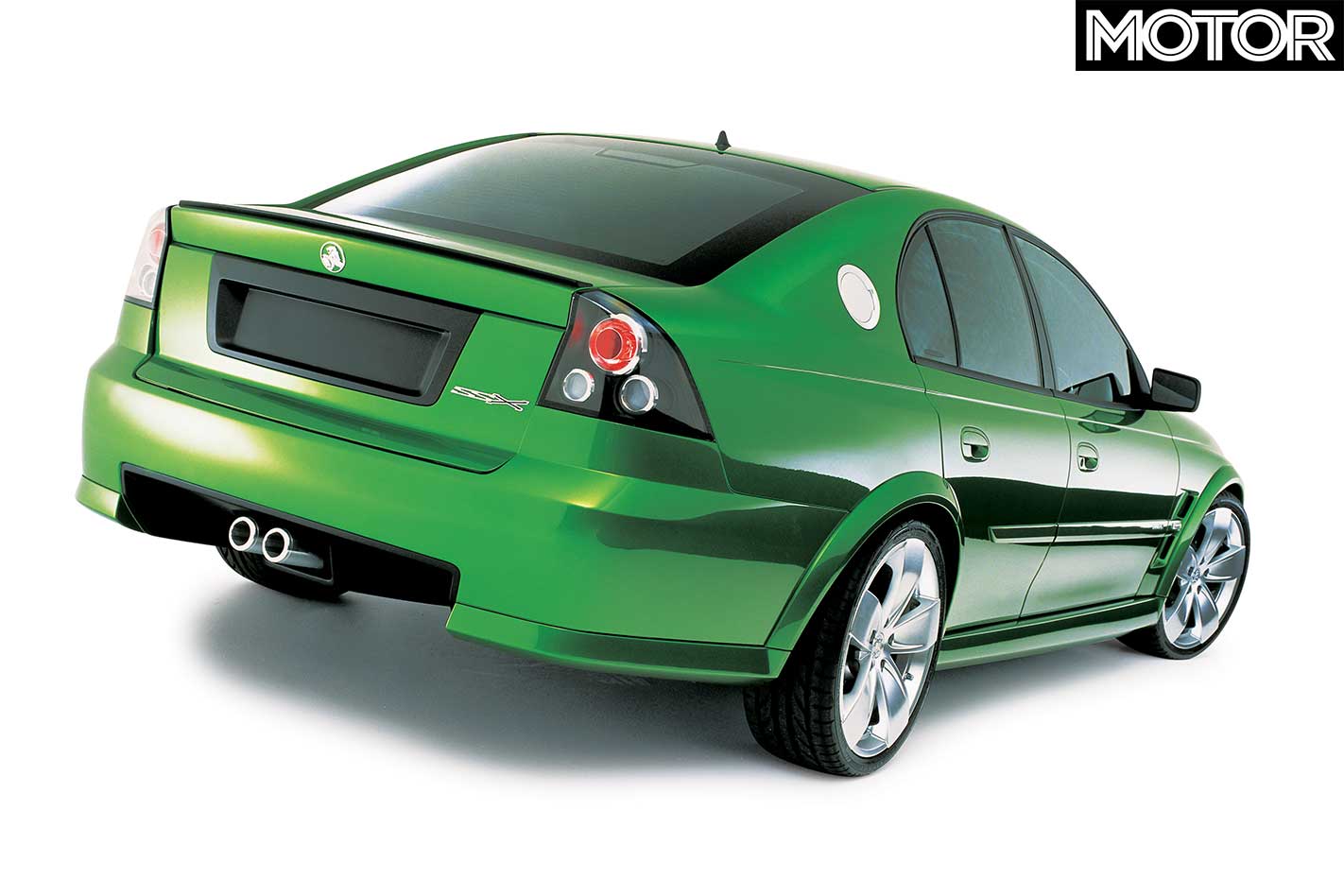
The guards however, are not and it’s the extensions front and rear that give the SSX its visual muscle. “We sell image as well,” tells Simcoe, justifying its super low ride and menacing appearance. Even the Holden colour, Hot House Green was tweaked; the SSX’s ‘Kryptonite’ paint is a heavily manipulated, hand-sprayed version with tinted top coat to give it more punch.
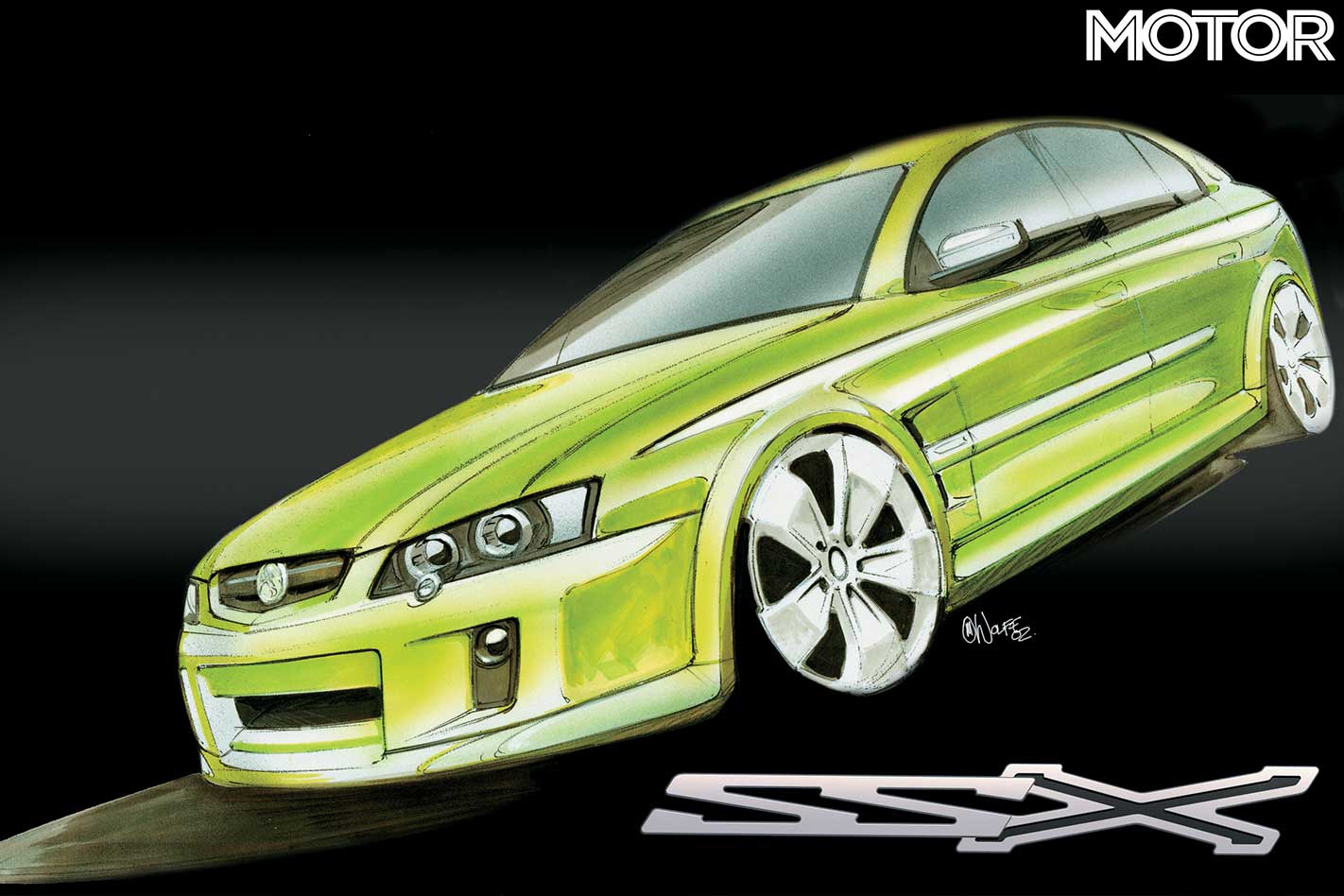
Bodywise, the only panel SSX shares with the standard VY Commodore is the bonnet. The front bumper is deeper and more ducted, with projector beams, a lower lip and an exclusive grille. With their wheel arch extensions the guards are wider but accented with trailing gills on the front. They are details which, while good for making an impact, can be cut to reduce production costs.
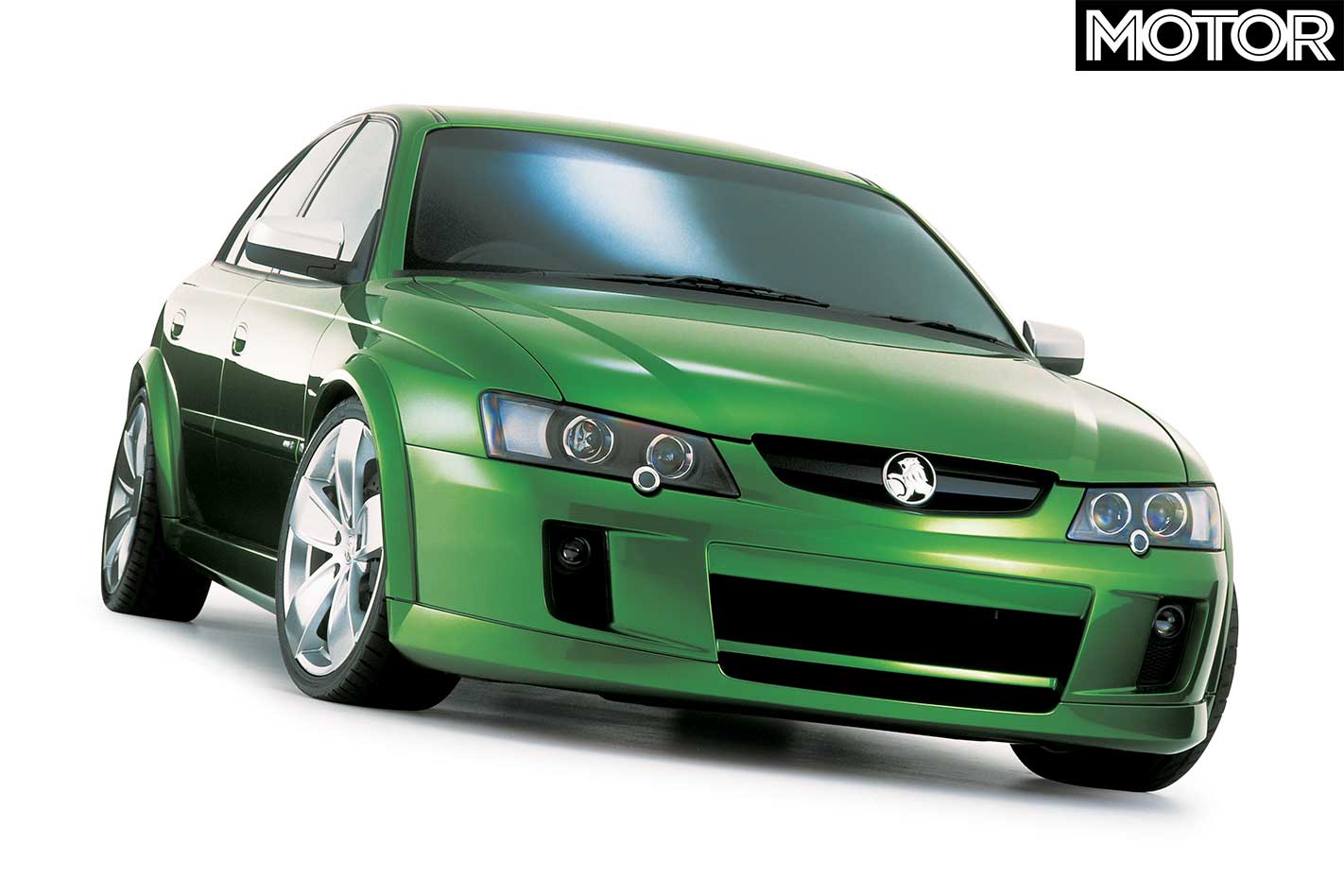
With the obvious new rear sheetmetal, there’s also a subtle black spoiler and exclusive LED tail lamps. The functional fuel filler cap is also something Simcoe believes could follow through to a final version. Naturally though, expect some shared panels with the Commodore and some cost minimisation for production.
Over 14 months from design to modelling and build, SSX had around 80 people involved including senior exterior designer Max Wolff, interior designer Warwick Leach and colour and trim designer Kirsty Lindsay. So unlike the Coupe, many more inside Holden knew of the project.
“All the new panels [for SSX] were pressed from steel,” says Simcoe. “We wouldn’t have been able to do that by keeping it a secret. But it’s fully engineered as a driver.”
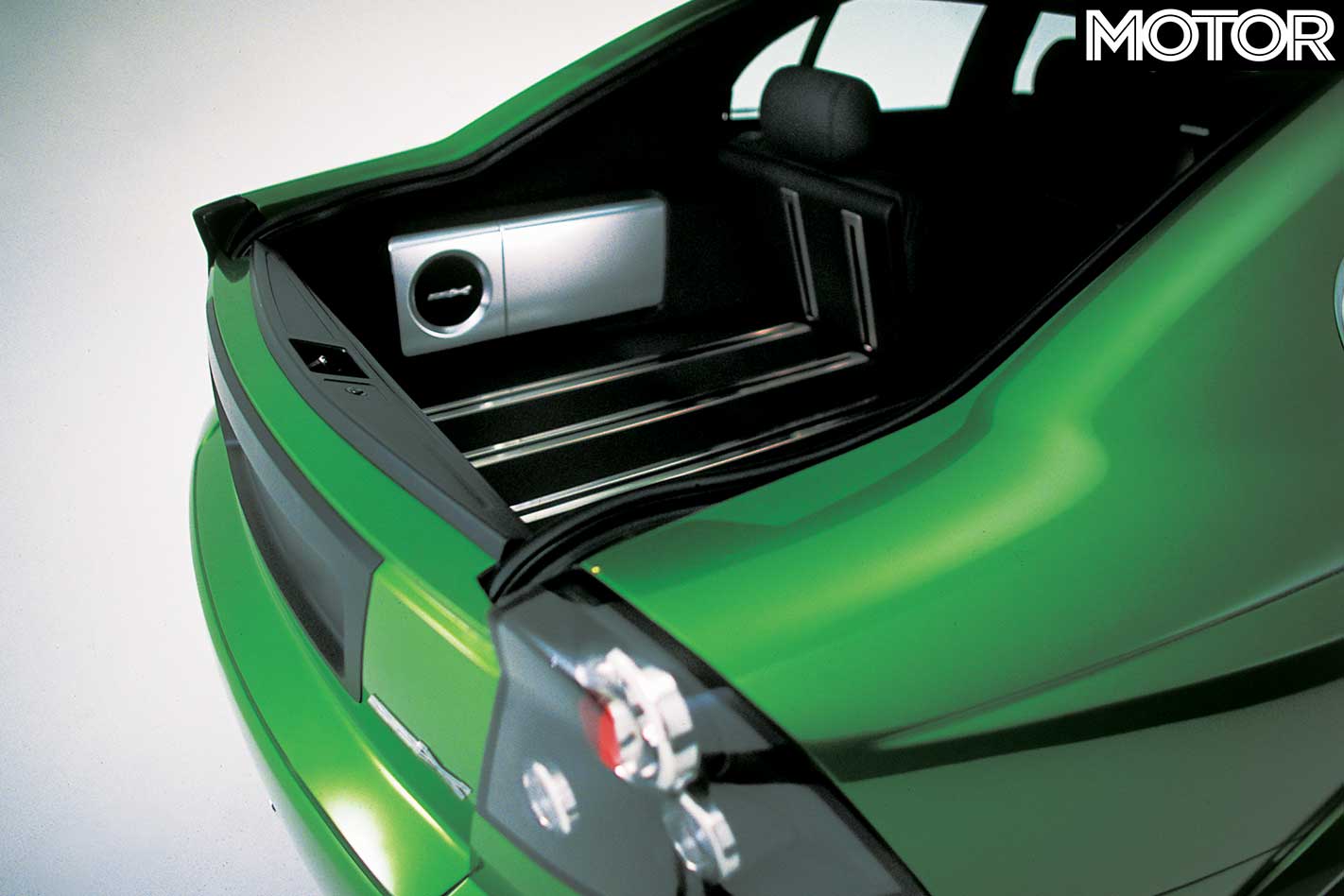
That means computer-designed pressed steel panels with reinforced C-pillars, and internal structuring designed to simplify a shift to production, even revised rear seat mountings. The hatch is also a feature in that it not only features the tilt-up function, but also the fold-down lip with its stainless steel wear strips, which allows for a flat loading area.
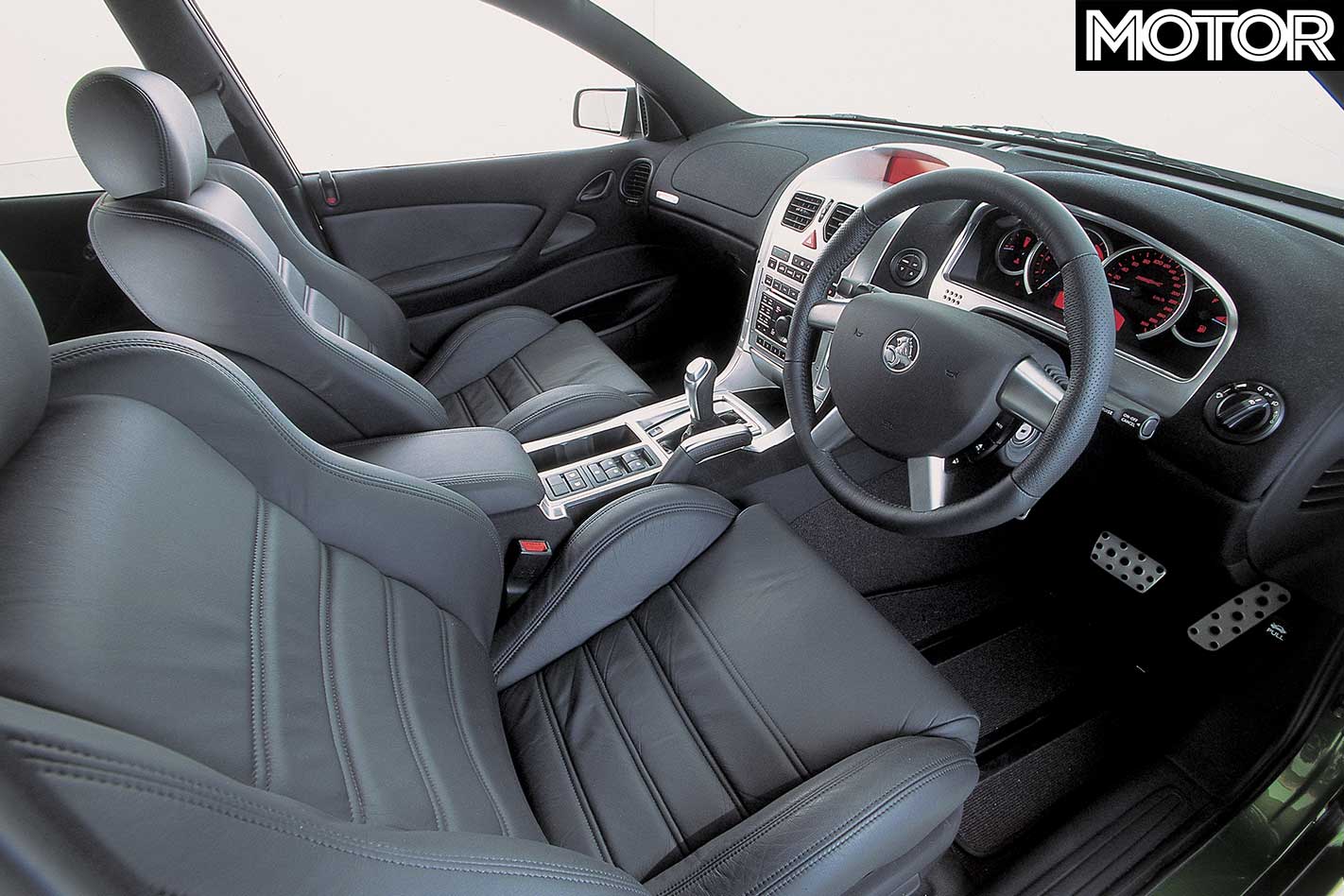
SSX is a specialist four seater, with a centre console that runs into the rear, splitting the seats with a storage bin. The red lit gauges and multi function display are also exclusive to the SSX, along with the silver console trim and black leather seats.
It all made the final deadline with about a week to spare: just enough time to get the SSX out to Avalon Airport for some actual driving and the filming of its own promotional video, which ran throughout the Sydney show.
Being a showcase for performance, there’s the obvious question of its relation to the HSV brand. Holden’s Marketing Director John Elsworth suggested he wouldn’t be surprised if HSV were to use, even debut, the drivetrain combination, at least for a feeling of exclusivity. For now though, if feedback from the Sydney Motor Show is a guide, it shouldn’t be too surprising to see a production version of SSX.
“So far, all the reports and feedback we’ve had has been fantastic,” told Elsworth. “I don’t think you’d get another ‘Coupe’, but we do scour the media and use the public response in terms of letters or dealer inquiries to gauge potential for production.”
With a factory that’s already running at capacity to meet demand, just how could SSX be accommodated? Elsworth: “We’re ramping up production and with vehicles like the Cross8 and the all-wheel drive wagon next year, so we’ll be ready.”
Naturally with the export success of the Monaro, there is consideration for exportation of the hatchback body and/or the all-wheel drive, but typically Holden’s official line is to concentrate on development focusing on the local market first.
For now though, SSX will be returning home for a few of the engineers and development team to drive and experience the all-wheel drive hatch, then it’s onto a tour of shows, dealers and being put out amongst the public to gain feedback and opinion. And as the Coupe has proven, we know how persuasive that can be.
FAST FACTS 2002 Holden SSX AWD V8
BODY: 4-door hatchback DRIVE: all-wheel ENGINE: 5.7-litre pushrod 16-valve Gen III V8 POWER: 235kW @ 5200 rpm TORQUE: 465Nm @ 4400 rpm COMPRESSION: 10.0:1 BORE/STROKE: 99.0mm x 92.0mm WEIGHT: 1750kg (approx.) POWER-TO-WEIGHT: 134kW/tonne TRANSMISSION: four-speed automatic SUSPENSION: MacPherson struts, coil springs, anti-roll bar (f); semi-trailing arms, coil springs, anti-roll bar (r) L/W/h: 4965/1936/1450mm WHEELBASE: 2788mm TRACK: 1623mm (f); 1680mm (r) BRAKES: 382mm cross-drilled discs, four-piston calipers (f); 330mm cross-drilled discs, four-piston calipers (r) WHEELS: 19 x 8-inch (f & r), magnesium TYRES: Bridgestone Potenza S-03, 245/35 ZR19 (f & r) FUEL: 75 litres, ULP PRICE: wouldn’t we like to know
Max Power – Holden’s latest design guru’s star
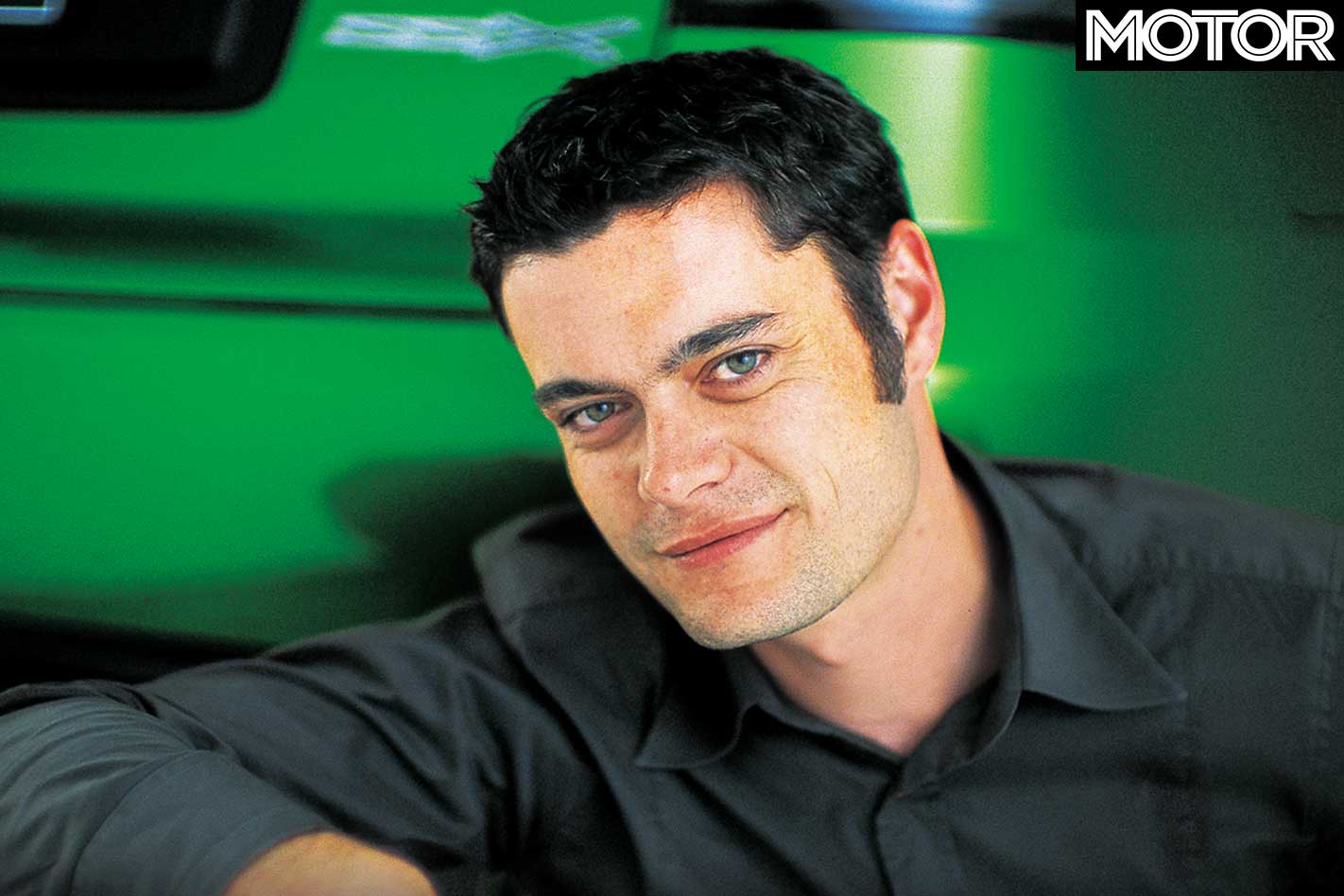
Max Wolff is, in the tradition of all fresh-faced design talent, highly possessive and protective of the SSX. It is, after all, his baby. Externally, at least.
If the SSX gets moved, he moves it. If it needs polishing, Max-approved detailers go to work. It’d be no surprise if the 30-year-old personally mixed the paint with his index finger. He has the sideburns – a design prerequisite in the Simcoe era – and wears his shirts long-tail.
And Max has known his boss for a long time. As an 18-year-old, Wolff dropped in for their first chat.
He wandered off for a while after that (picking fruit, working in factories and pouring beers), before ending up in a design consultancy. That lead to Monash Uni, then a stint at the Millard design house. He returned every couple of years for another dose of Simcoe’s trademark selfless advice and amiability.
His mentor tipped him off about an upcoming Holden gig and, on May, 1998, Wolff was on the payroll. In the deep end, too, doing the VY with Peter Hughes. When Hughes moved across to do the YGM1 concept, he was on his own.
The SSX, then, was a bit of a relief, allowing for a further exploration of VY ideas. He’s proud of its detailing, with things like the hexagonal mesh inserts, the rear lamps and the reversal of the exhaust tips for the instrument cluster among his favourite highlights. And he even finished it in time to do the HRT 427C.
All Paw – What is hidden underneath that body
The all-wheel drive running gear in the SSX, and as used in the Cross8, is set for production in the wagon next year. While the exact specifics of the running gear are vague, there’s a mysteriously similar GM system used in the USA. The Cadillac SRX, running a Northstar V8, uses a three (open) differential layout with a 50/50 torque split.
While we’re not suggesting it’s the same system, there are some logical reasons that Holden would use at least some of the parts for SSX. The Cadillac’s centre differential is a lightweight aluminium casting, which transfers power coaxially along the principle powertrain centreline, and powers to the front via a chain drive offset on the passenger side.
Naturally, with the need to be on the opposite side for Australia, this is one area of difference. With a 3.23:1 final drive, the front diff housing rigidly attaches to the engine’s oil pan with an intermediate shaft passing through the pan and supported by a bearing on the driver’s side.
This design has flexibility in its plunger movement (the expansion and contraction of the required ideal driveshaft length as the suspension moves). This allows for the low and high ride-height versions.
Instead of using LSDs, the Caddy system uses StabiliTrak, a form of traction control. When one wheel spins excessively, it applies braking force to that wheel so drive is sent to the others. It can vary the amount of allowed wheelspin for aggressive driving or on slippery surfaces like gravel. And it’s switchable. There are, though, already indications that the all-wheel drive Commodores will use a torque-sensing LSD.
