
IT’S NOT often that you get unfettered access to a brand new Supercar, much less one that’s caused the sort of stir generated by Ford’s new Mustang. Nonetheless, Bruce Newton has leveraged his formidable industry contacts book to bring you the goods on the controversial coupe that looks set to illuminate Supercars, for better or for worse.
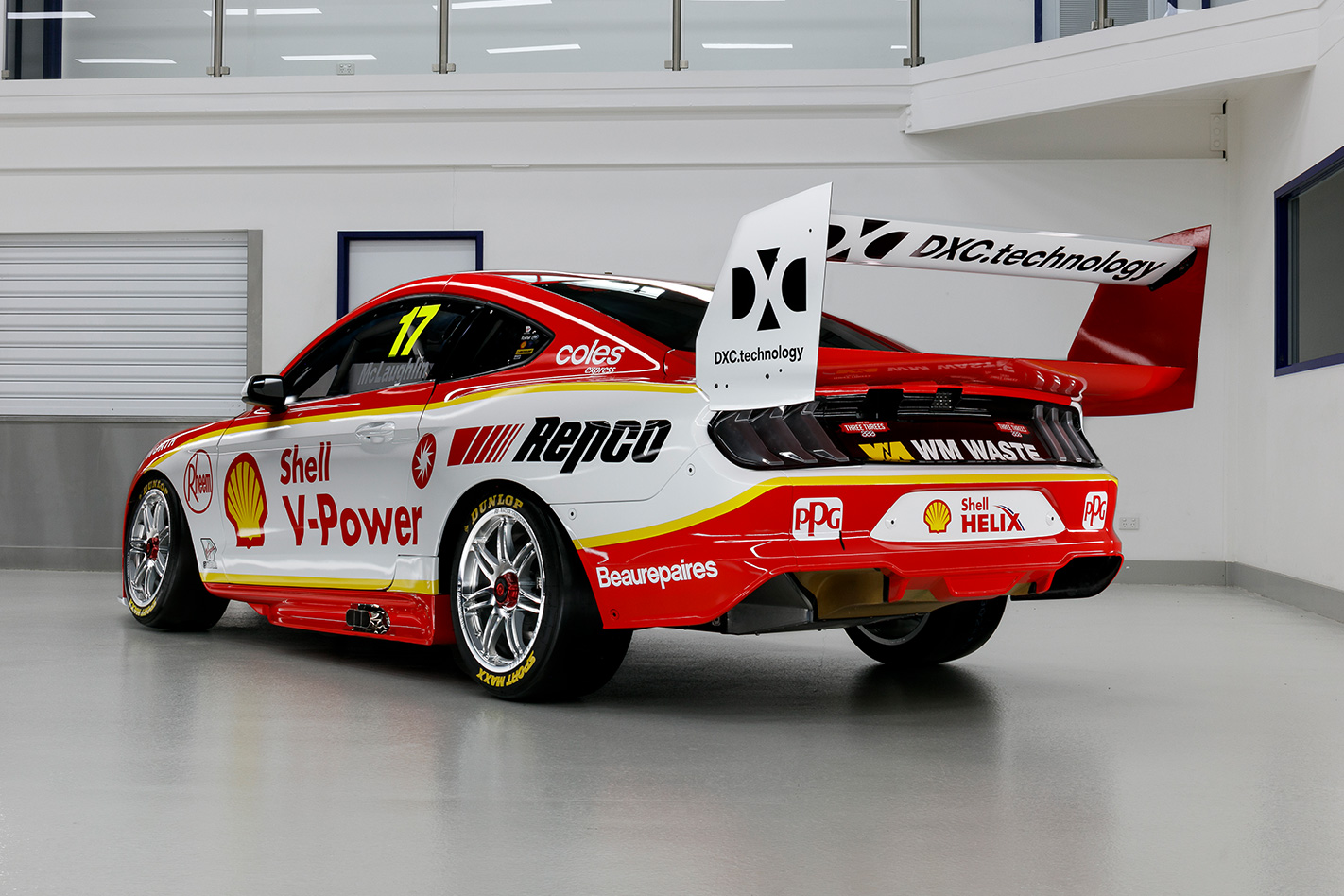
As well as the detailed technical background to the car, our man Newton gets access to the brains trust behind the project, DJR Team Penske competition director Ludo Lacroix and MD Ryan Story. He also gets to witness some shakedown laps at Queensland Raceway from Scott McLaughlin and Fabian Coulthard and gets firsthand access to the data from the team’s testing at Phillip Island. Without issuing too much in the way of spoilers, this thing is seriously rapid.
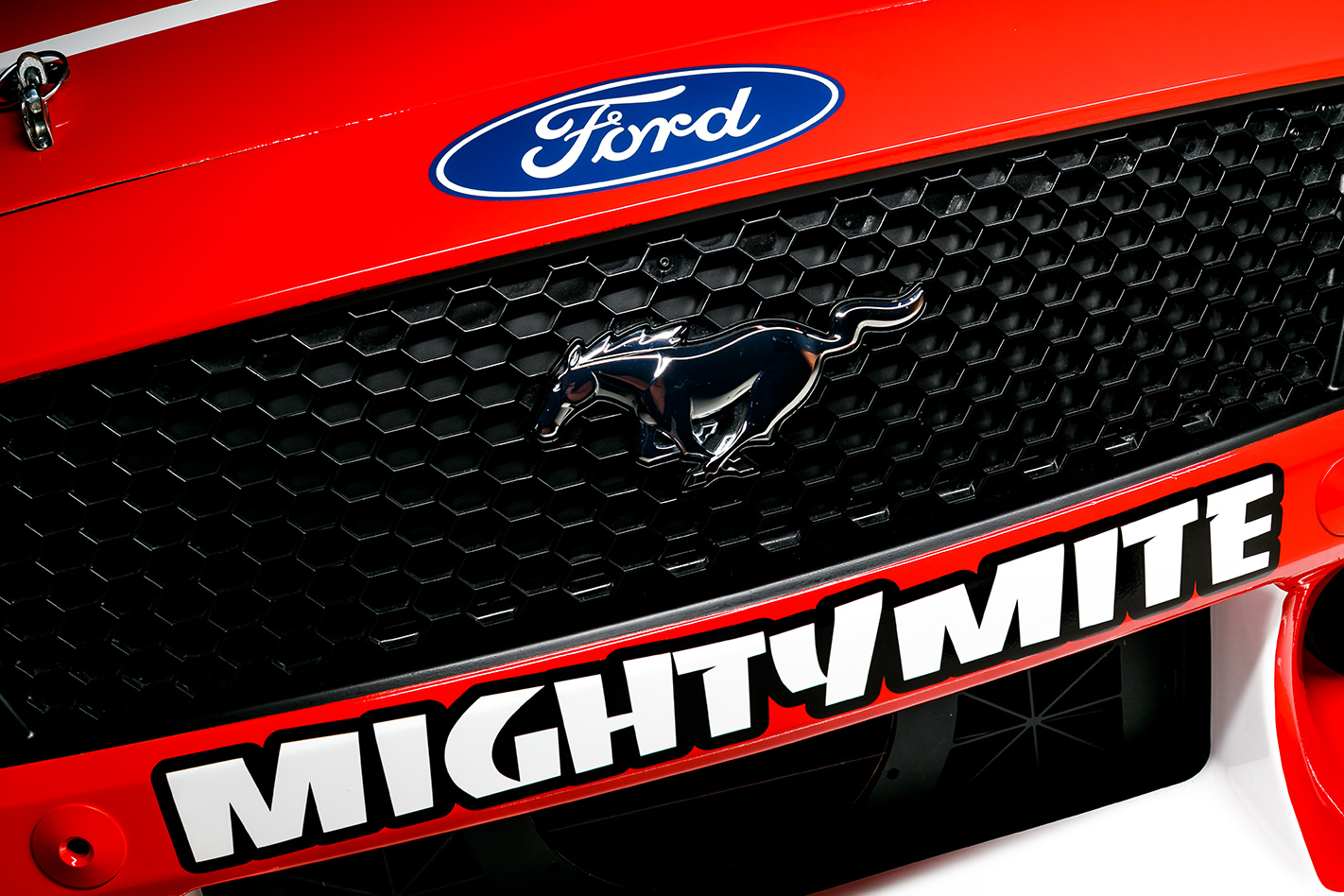
There’s the full backstory on how the project was skilfully shepherded through a labyrinth of bureaucracy on both sides of the Pacific, why the car looks the way it does, who’s responsible for those unusual proportions and a discussion on the aero gains the team have established in a notoriously buttoned-down formula.
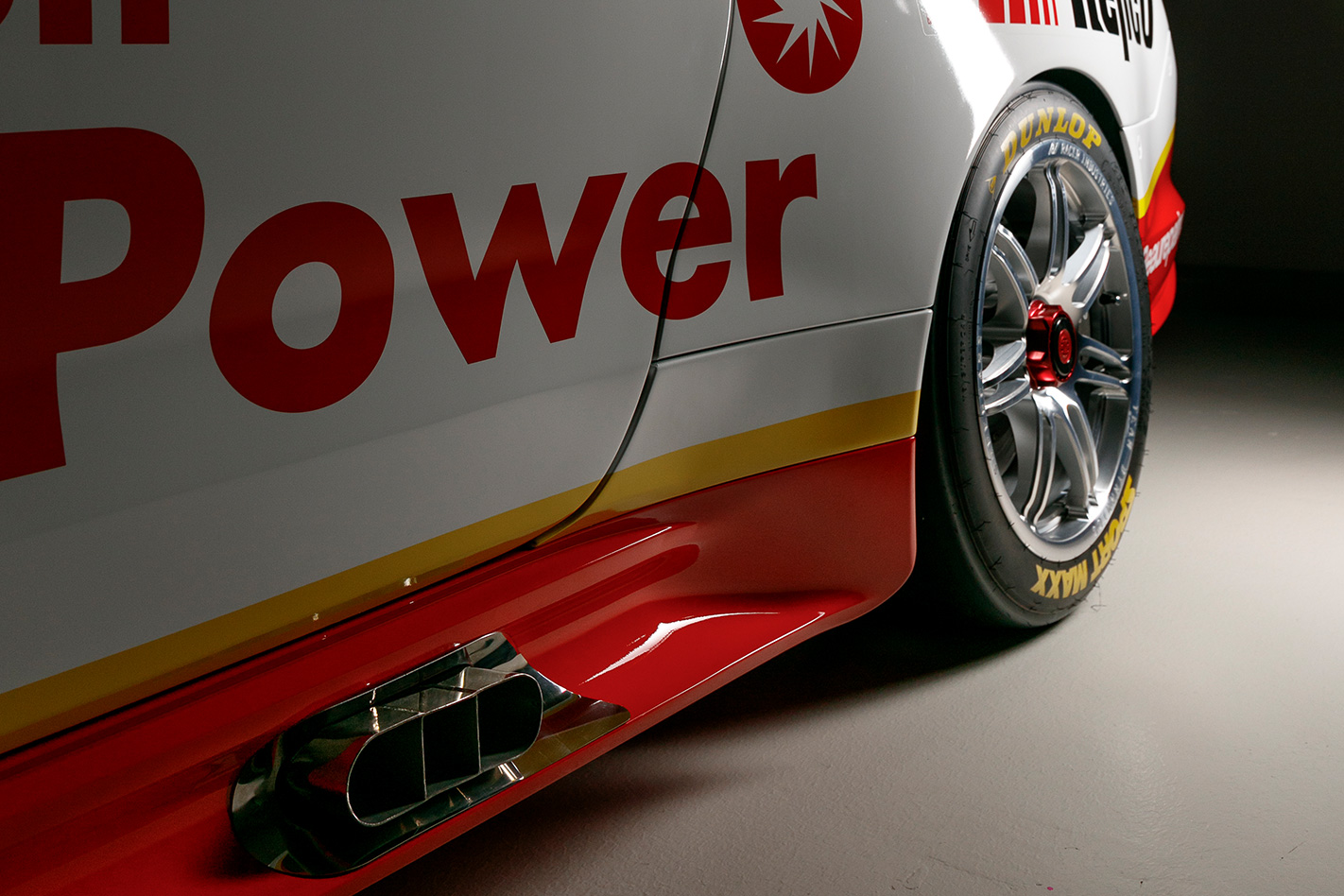
In addition to that, there’s page after page of beautiful photography as Ellen Dewar pokes her Canon 35mm right into the Mustang’s mechanicals, creating wall art for Supercars superfans. You’ll need to wait until February 28th before you can get your hands on the March edition of Wheels, but until then, click on the gallery up top for a sneak peek at some of the highlights from the shoot.
Motoring journalists are often asked to help others with buying cars. Heck, this tester even writes several articles about the sharpest depreciation declines, the cleverest used-car bargains – but when it comes time for yours truly to buy a third car, I’m utterly stuck.
At this point I expect to hear tiny violins playing a sweet sound of (no) sympathy, but choice is a bastard. Having the privilege of driving most new cars in the market has left me with too many to choose from, more questions than answers, and FOMO – or, fear of missing out.
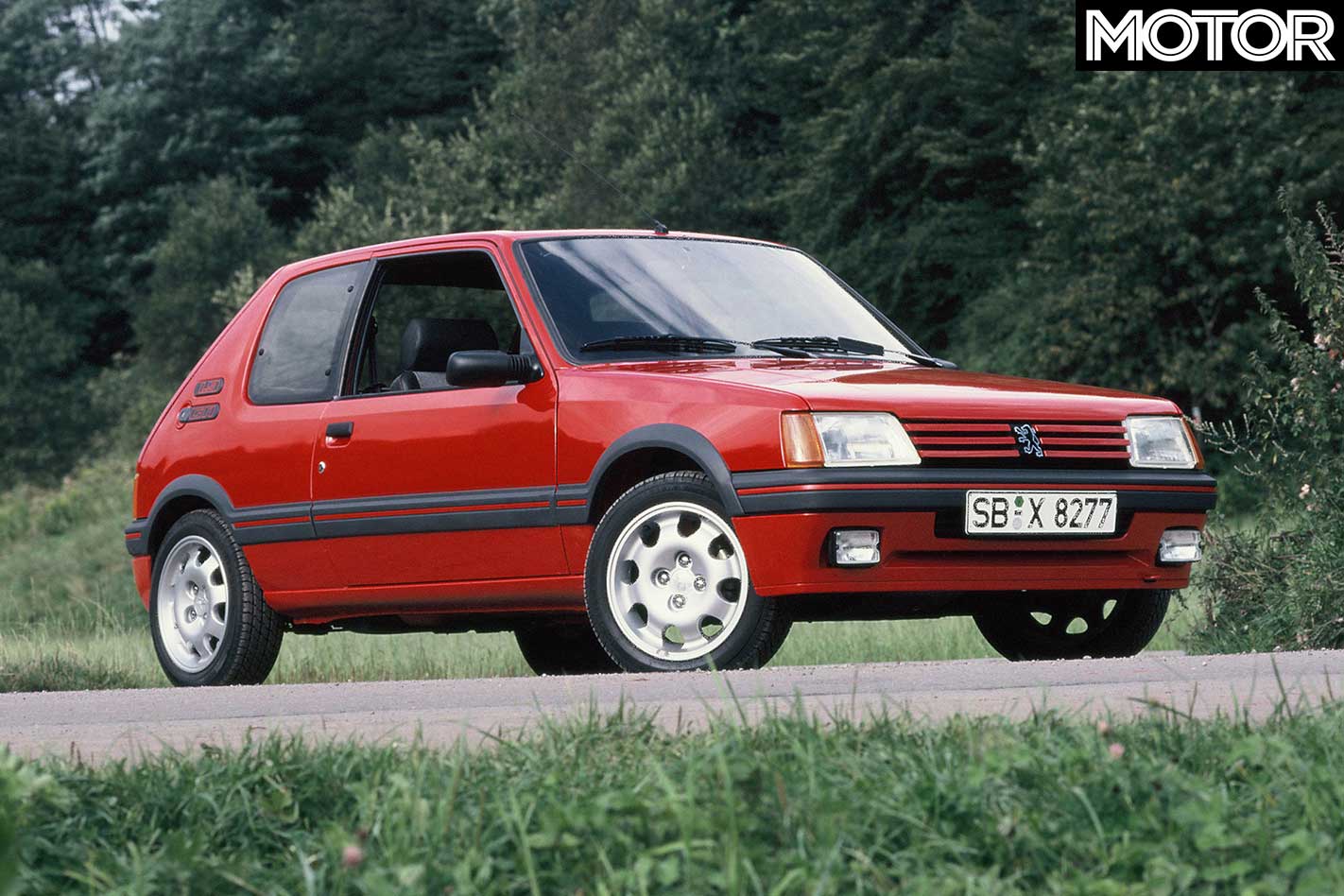
Let me explain. I’m attempting to build something of a dream garage on a budget. Already in the shed is a 1989 Peugeot 205 GTI, which has featured in MOTOR before and which was bought a decade ago for $4500. I consider it more classic car than hot hatch in the grand scheme of dream garages – up there with a BMW 2002 Tii, Lancia Delta Integrale, Mitsubishi Lancer Evo Tommi Makkinnen and 993-gen 911 in my fuller, fictitious garage.
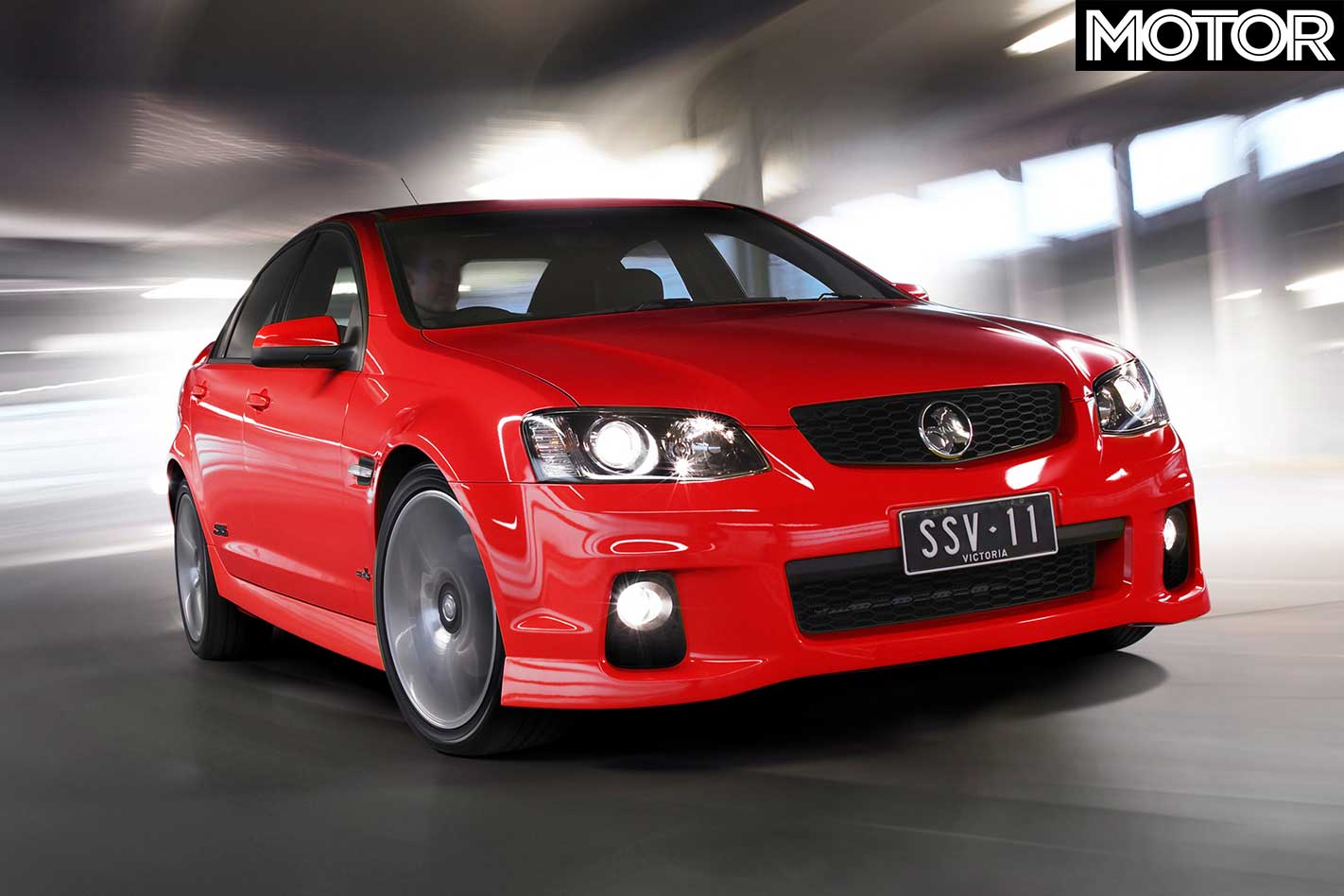
Next to it is a 2010 Holden VE Commodore SS manual, bought for $15,500 with 90,000km and in one-owner country-car condition, but with an OEM-suspension refresh since purchase. I love my two-car $20K garage of disparate abilities; both were easy decisions.
Ah, the third though. Number three is tough, because it has to be both a ‘daily’ and also complementary to the others to round out the trio. The Pug’s too old, the VE drinks 22 litres per 100 kilometres around town and it loses every single rockstar-park pursuit in the city.
To make matters worse, every time someone asks me for car help, I immediately ask them what is their price range. Yet here, it depends on the car. I’m a car enthusiast, so getting it right is more important than whether I play sensible, buy cheap and throw cashola into the mortgage; or else dip into the latter part a bit harder and pay more for something.
Depending on the decision, it could be a $15-to-65K budget, essentially. So take this as the most authentic piece of motor-journo advice; one where hand is (might) be going in pocket.
And let’s set parameters. The 205 is 30-years-old, the VE is a decade old. So I’d like something newer. No SUV and no automatic transmission. If I were to keep both, ideally, seats and space aren’t really a problem. The SS is a fine country tourer and weekender, as happy hunting Hunter Valley curves as it is filled up with friends going there and carting cartons back. So perhaps a sports coupe, a roadster, or a newer hot hatch is the go?
Another option is to trade the VE in for a VFII Redline or Motorsport edition, only I’d then need another car to do daily duties as it sits there gathering dust; and is that smart?
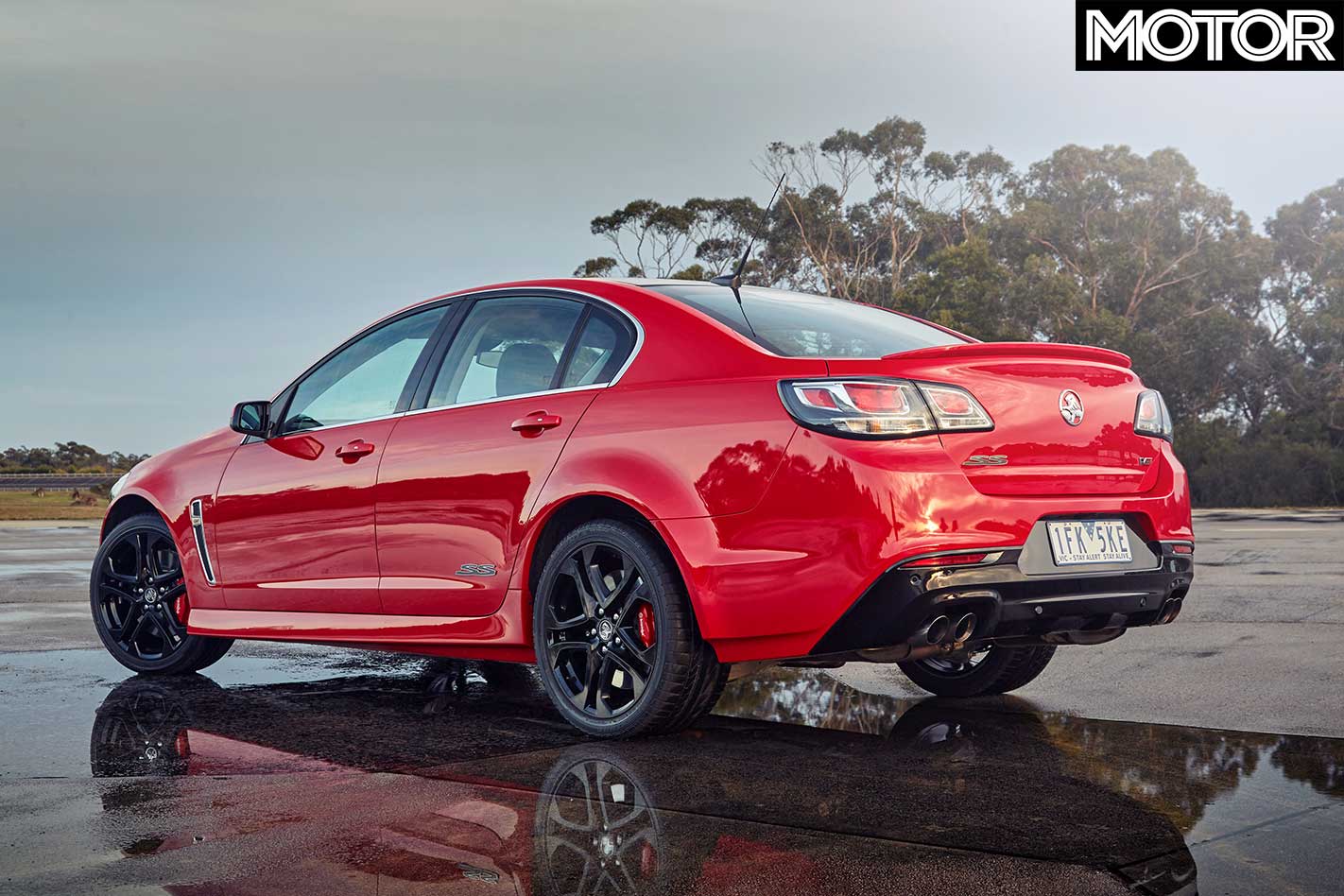
Perhaps I go on the auto equivalent of a Friday night bender and wave goodbye to Commo ownership – ideally I don’t want to do this, as they’re bloody good cars and an end of an era – then tumble the cash back in to buy a proper sports coupe.
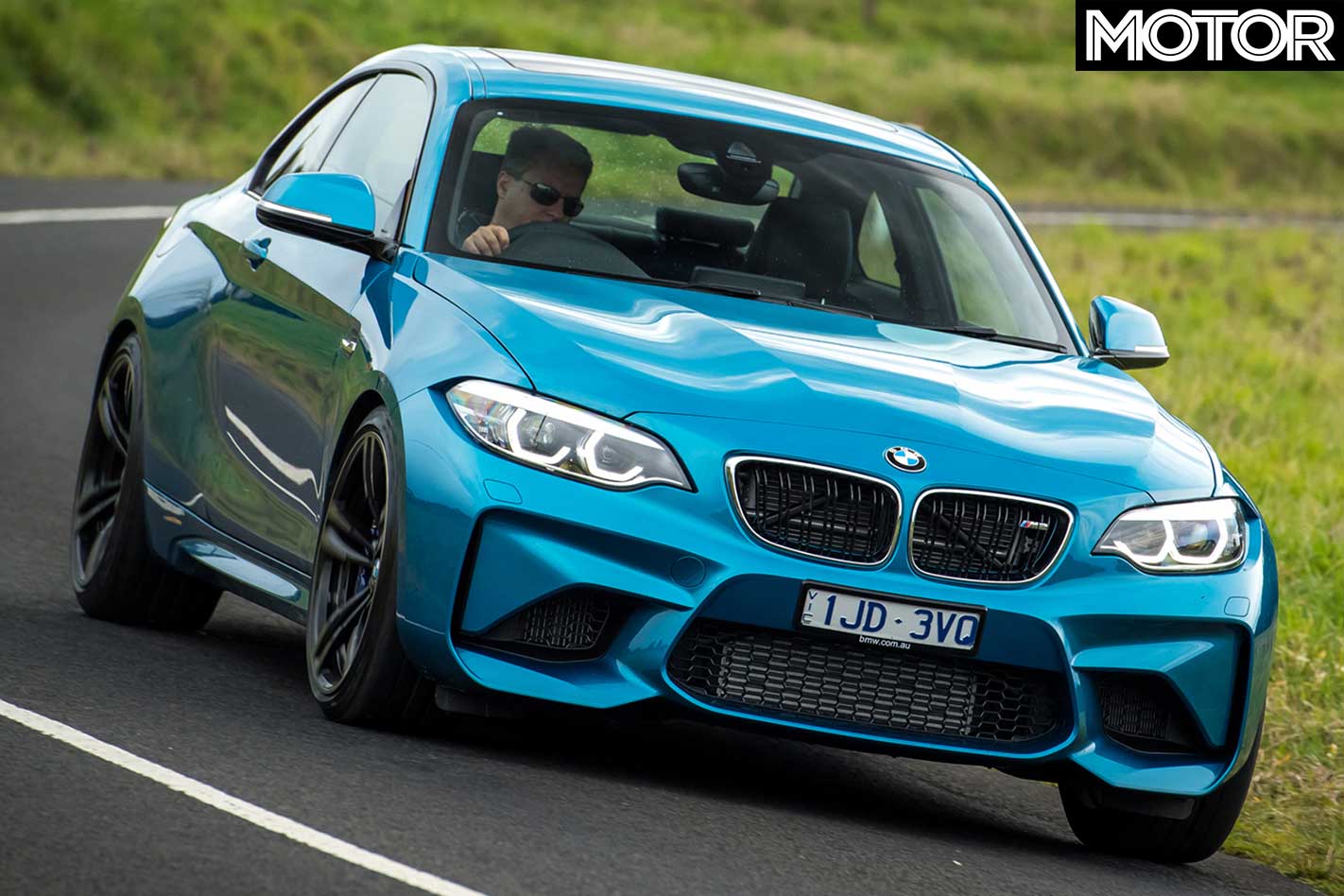
That could be a BMW M2 Pure manual or Porsche 981 Boxster, both of which now retail for around $65K. Maybe the latter is preferable, but it needs a locking diff option, adaptive suspension and sports exhaust to really shine, and few people ticked such boxes; while even fewer ticked a manual.
The now two-year-old Bimmer comes brilliant straight out of the box, and with around 30,000km on the clock is basically new for about $30K – or a third – less than its new price.
It could be the bargain of the century, only I can’t really afford 205, SS and M2, as delicious a garage as that would be.
So in an attempt to keep the former two, my ‘short’ list of new-ish used-car manuals are as follows: Ford Fiesta ST, Peugeot 208 GTi 30th Anniversary, Honda CR-Z, Mazda ND MX-5 2.0L, new-gen Suzuki Swift Sport, Toyota 86 GT Performance Pack, Renault Megane RS275, Audi S3 sedan (rare as manual!), Volkswagen Polo GTI or Golf GTI Original, and – at a stretch – a Honda Civic Type-R. If anyone presented me with list I’d call them crazy, yet here we are.
Choice is a bastard. What do you think? More in the next instalment…
The up-coming Shannons Melbourne Summer Classic Auction will showcase some quintessential classic cars so we’re highlighting the best of the lot.
The auction will begin on Monday February 18 at 7pm with viewings to take place on the Saturday and Sunday beforehand.
1996 Holden VSII Commodore ‘BT1’ ‘HSV Enhanced’
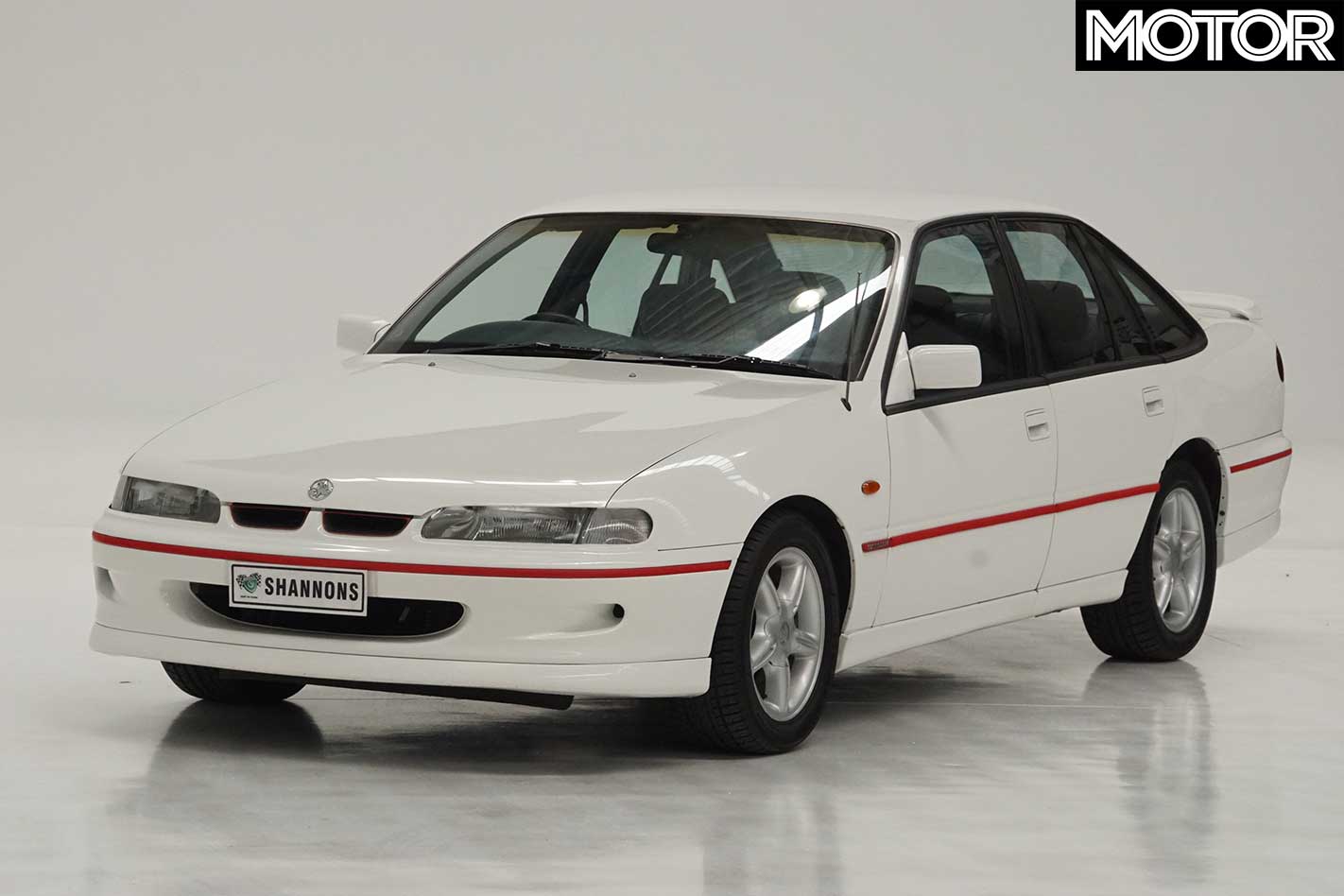
This is quite a unique vehicle to be featured at auction. The BT1 was an Aussie sleeper, originally built for exclusive use by the Queensland Police Service, but this one was never put to work.
To create the undercover cop car guise, Holden kept the original bodywork from a base model Commodore and dropped an HSV enhanced 185kW, 5.0-litre V8 into the engine bay. This example rocks a SLR5000 package which includes sporty yet subtle side skirts and a body spoiler kit.
Shannons has estimated its value between $12,000 and $18,000, but all it takes is to Holden collectors to show up to raise the price dramatically.
1981 Porsche 911SC
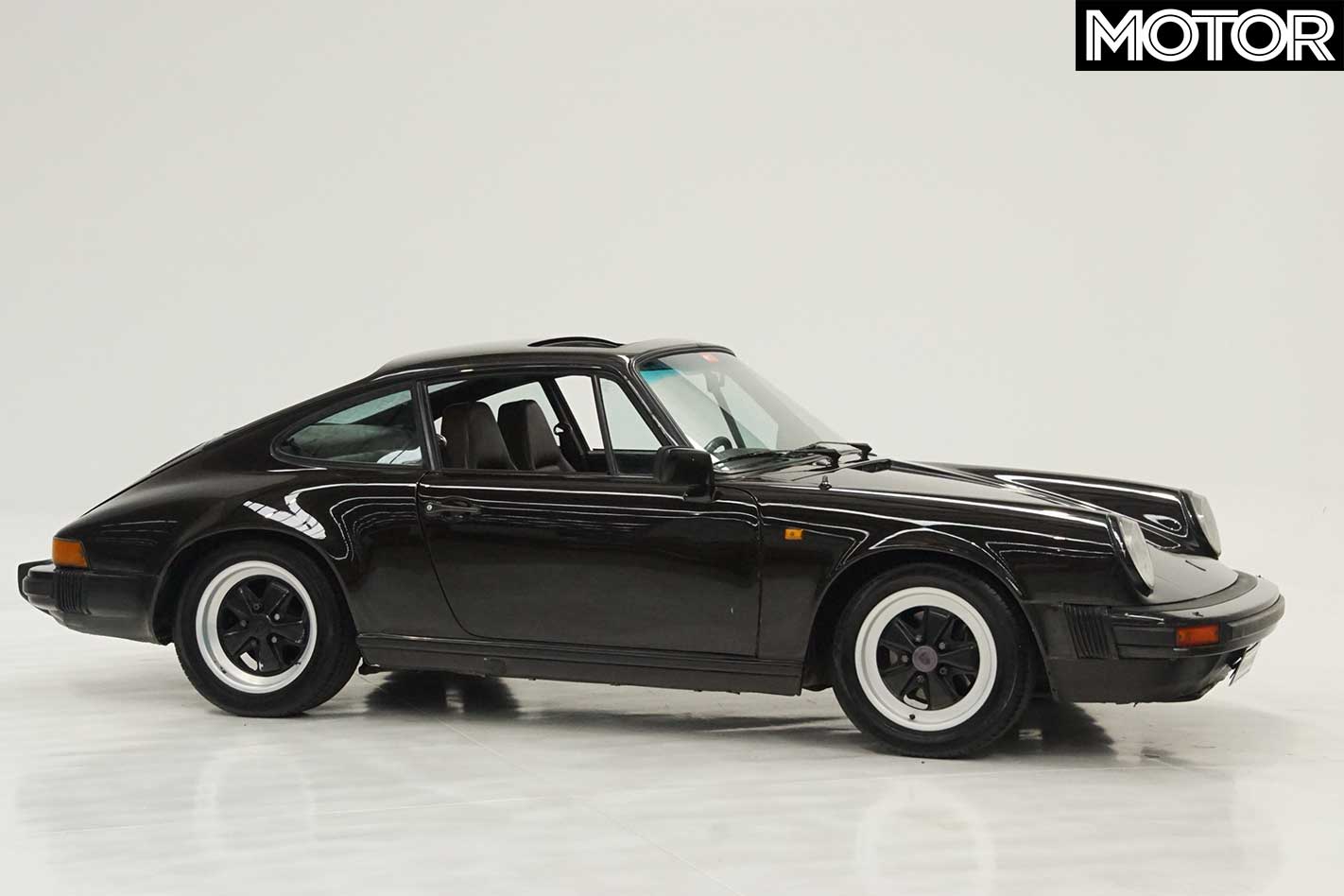
A classic of the ‘80s sports car era, the 911SC (Super C) is an essential for any Porsche collector. The 1981 model featured a 3.0-litre, 152kW/238Nm naturally-aspirated flat-six. While this version is not as spotless as others in the Shannon’s collection, it does feature a neat sunroof and brown leather seats.
It is a relative bargain (to other 911 values) with an estimate sale price of $45,000 to $55,000.
1988 Holden VL Commodore Berlina ‘Turbo’
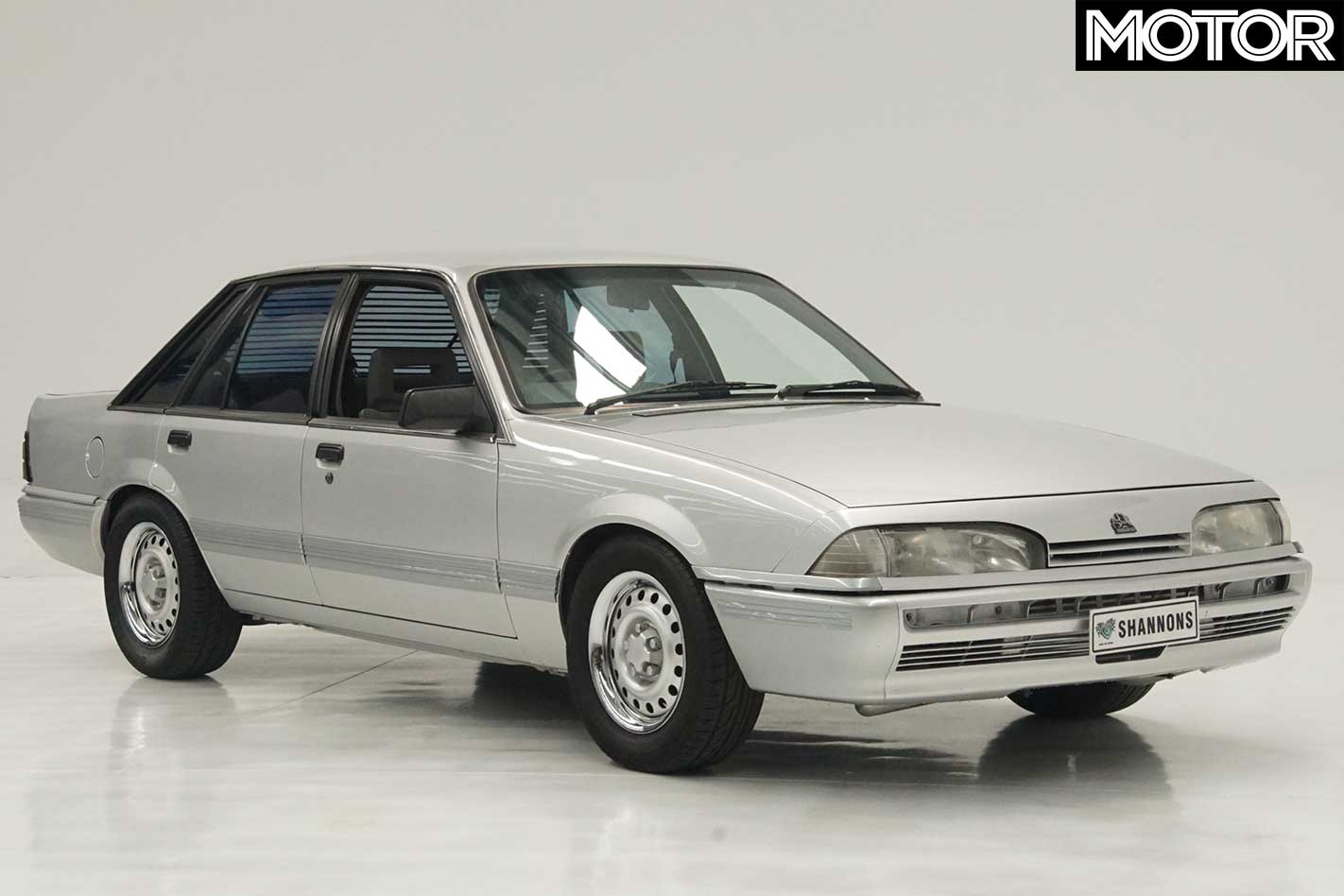
Holden made a significant number of VLs back in the day: 151,801 to be exact. The engine of choice for non-V8s of this generation was the famous Nissan RB30 straight-six with a turbo bolted on the side, like this example. The motor made 150kW/296Nm.
Although having had four owners since new, this VL has been cared for surprisingly well, unlike some other examples. It is coated in an Asteroid Silver paint job and sports 15-inch police pursuit wheels. For the very low estimated price of $18,000 to $24,000, this car could be a steal.
2009 HSV W427
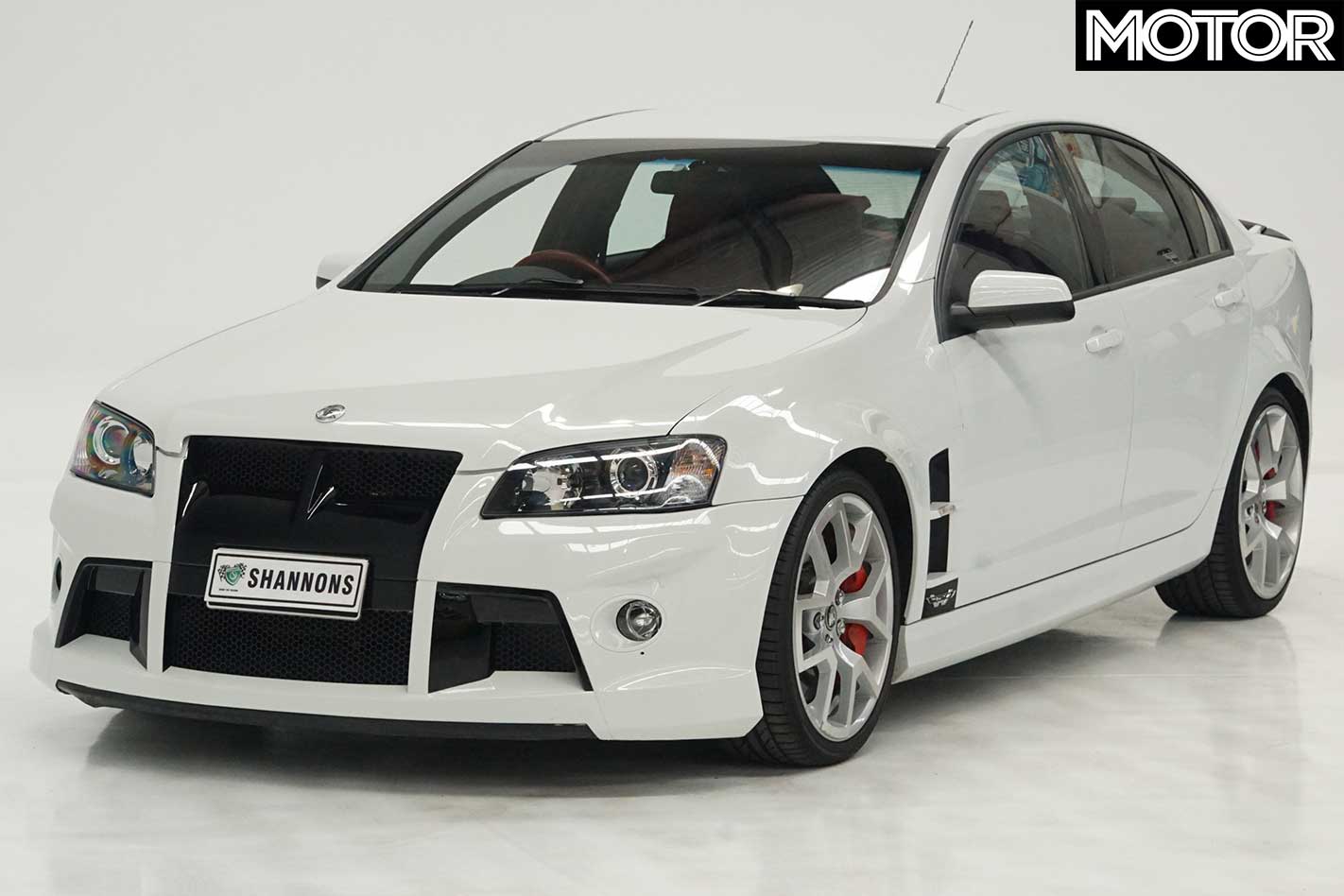
One of the all-time great HSVs and at one point the most powerful production HSV ever, the E Series W427 produced a tyre-shredding 375kW/640Nm from a 7.0–litre V8.
It guzzled fuel like a young kid goes through cordial and weighed over 1800kg but the W427 turned heads wherever it went. Only the most recent generation GTS-R W1 has bested this beast to the top of the podium. This one is estimated to sell at around $80,000 to $90,000 but could definitely go for much higher.
1980 Alfa Romeo GTV 2.0
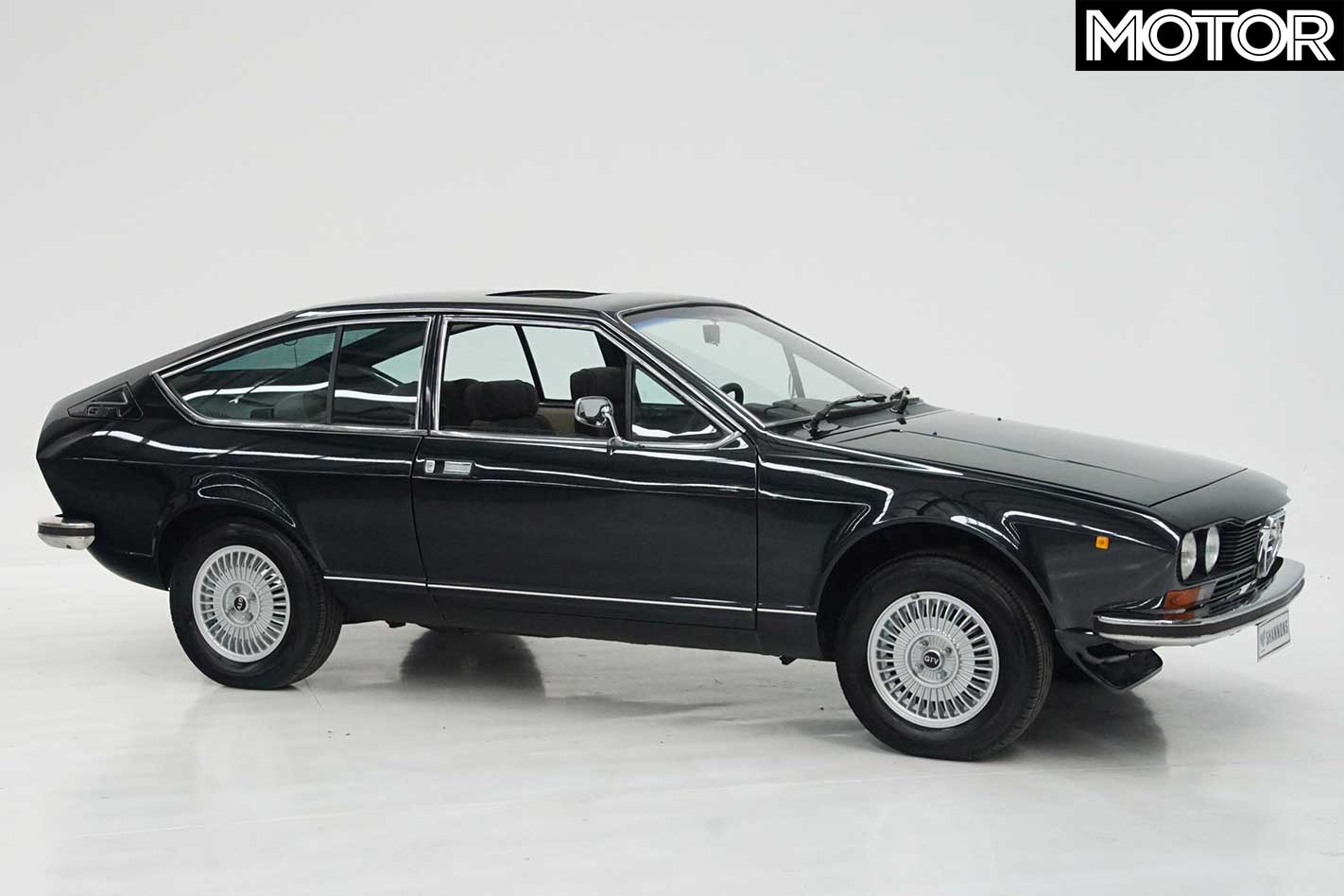
The Alfa Romeo GTV 2.0 was regarded as a stylish car for Italian automotive connoisseurs when it was first released and remains respected today. This example is not the super-cool GTV6 but instead a 2.0-litre four cylinder which, when new, made 96kW and 178Nm.
A current-gen 2019 Corolla Ascent Sport may very well be faster to 100km/h but doesn’t quite contain the same levels of suave and Italian finesse. Despite having done around 70,000km, this one will set you back between $5000 and $8000 according to Shannons, which is a complete bargain even when considering its condition.
2001 Mercedes-Benz SLK32 AMG
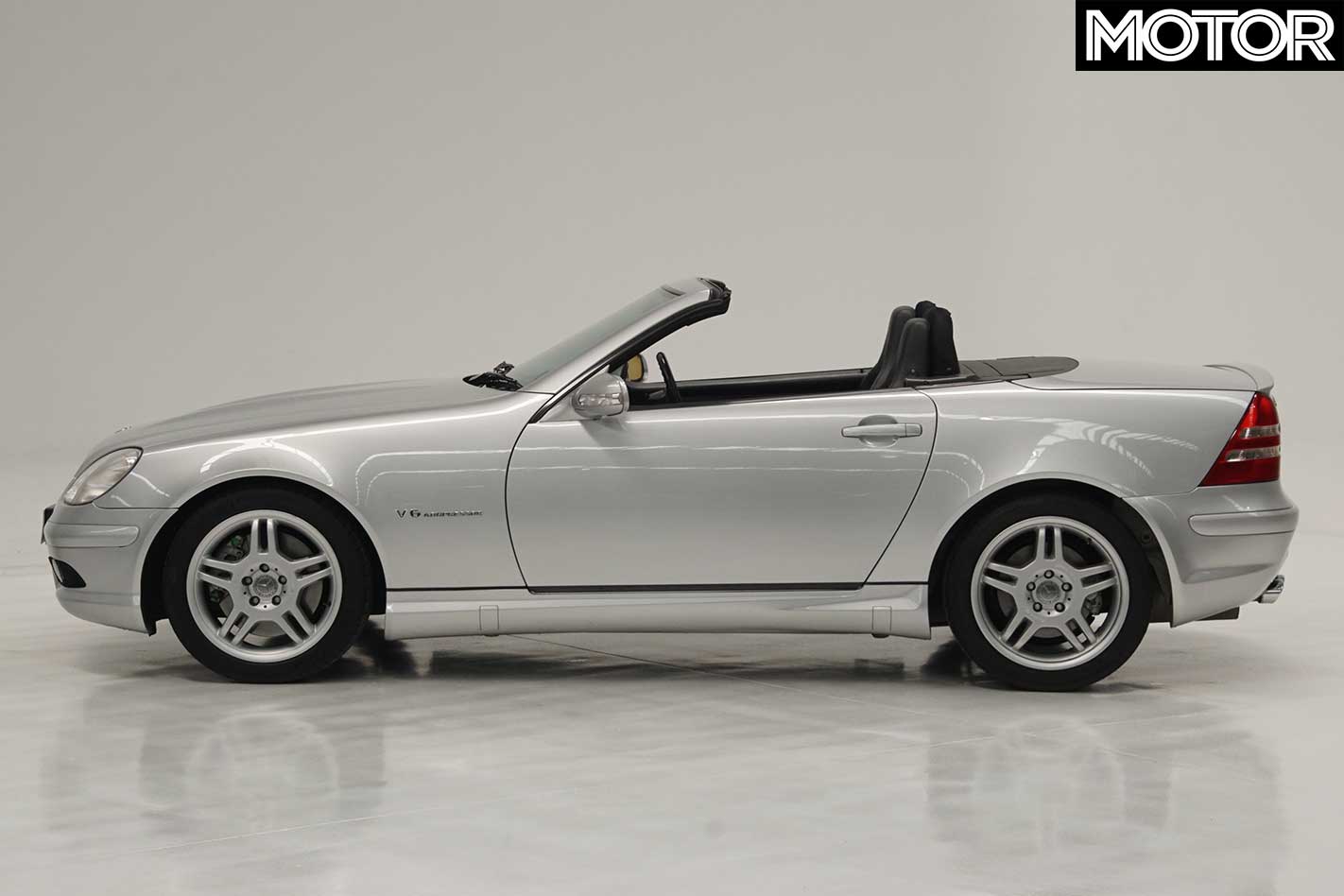
Although most Merc fans know more about the SLK55 AMG, the earlier SLK32 was a ripper of a car in its own right, featuring a 3.2-litre supercharged V6 with 260kW/450Nm. The engine housed twin air intakes which only bettered the already glorious six-cylinder engine note.
Shannons says only 28 examples of this car were sold in Australia so this particular example at auction is one rare car. It is in great condition and currently has just over 100,000kms on the odometer. It is listed with Shannons at the $20,000 to $25,000 mark.
1969 Holden HT Monaro GTS 350
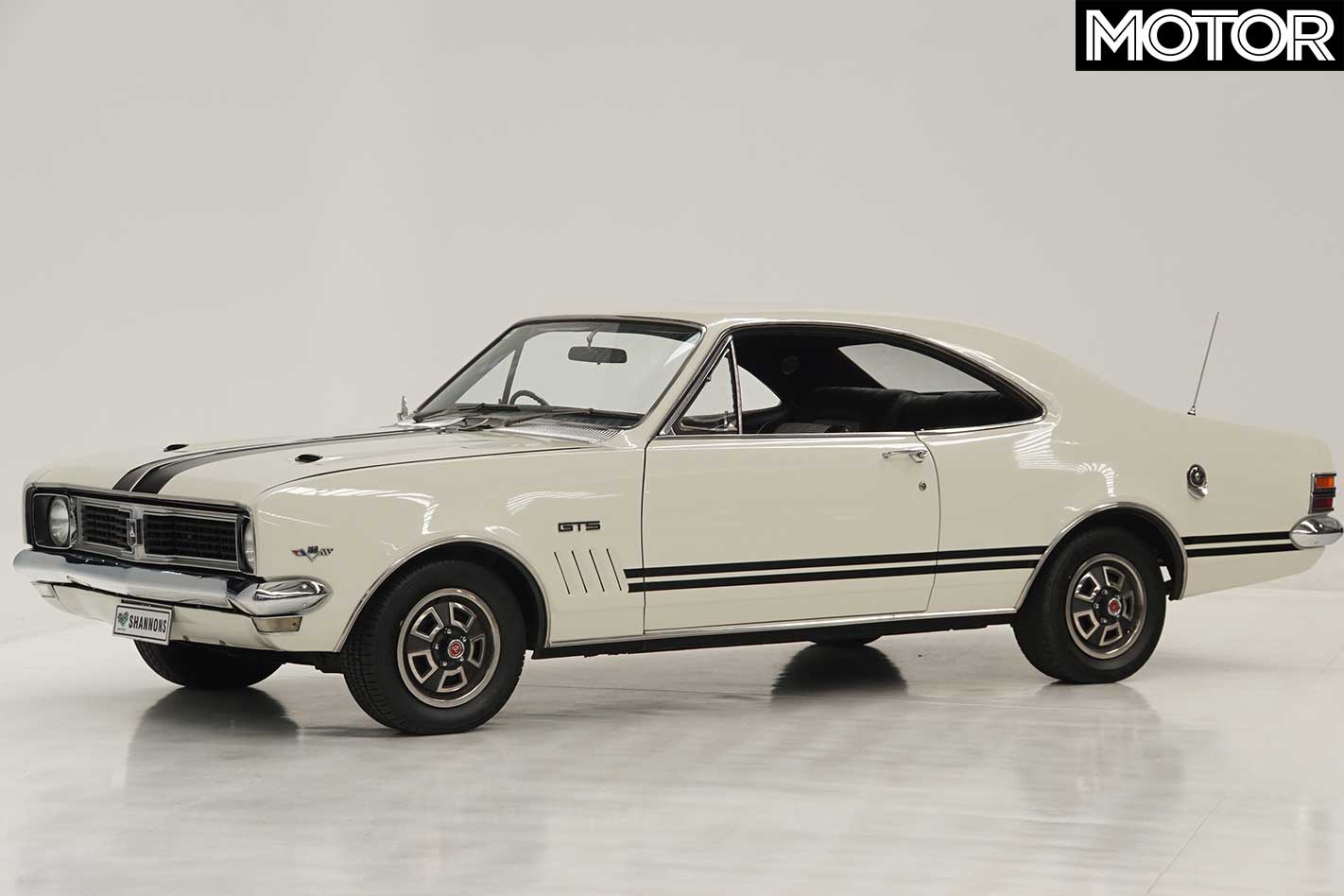
One of the great Australian coupes, the HT Monaro GTS 350 would have been a perfect Mad Max car to give those strange biker baddies something to run from. The GTS 350 had a 5.7-litre Chevy V8 which made 224kW (a lot for the time).
This example has had just two owners in the past 48 years and been meticulously looked after. It features a two-speed automatic transmission and non-standard quad exhaust tips. For this reason it has been listed with an estimated value of $160,000 to $180,000.
1985 Mazda RX-7 Series 3
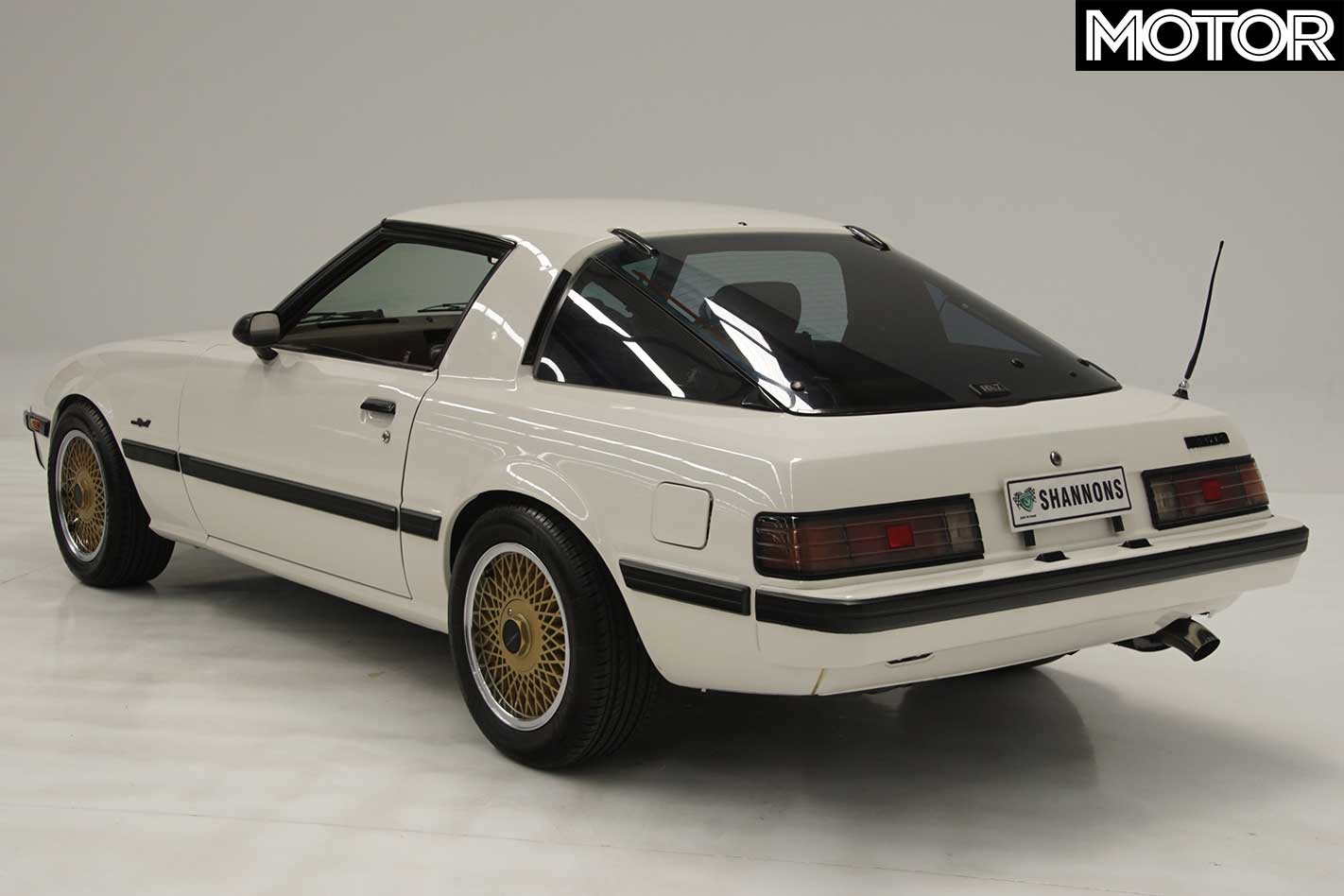
There are few exhaust sounds in history as iconic as the Wankel rotary engine found in the Mazda RX cars. The RX7’s original FB shape (like this example) is definitely not the most favoured shape in the model’s history but, nonetheless, it’s a little Japanese pocket rocket.
This model contains the 12A 1.2-litre rotary engine with a modest 120kW/226Nm. Not super fast by today’s standards but still a great car to own either as a weekender or a track toy – a very affordable performance coupe priced between $15,000 and $20,000 by Shannons.
1990 Toyota MR2 ‘Targa’
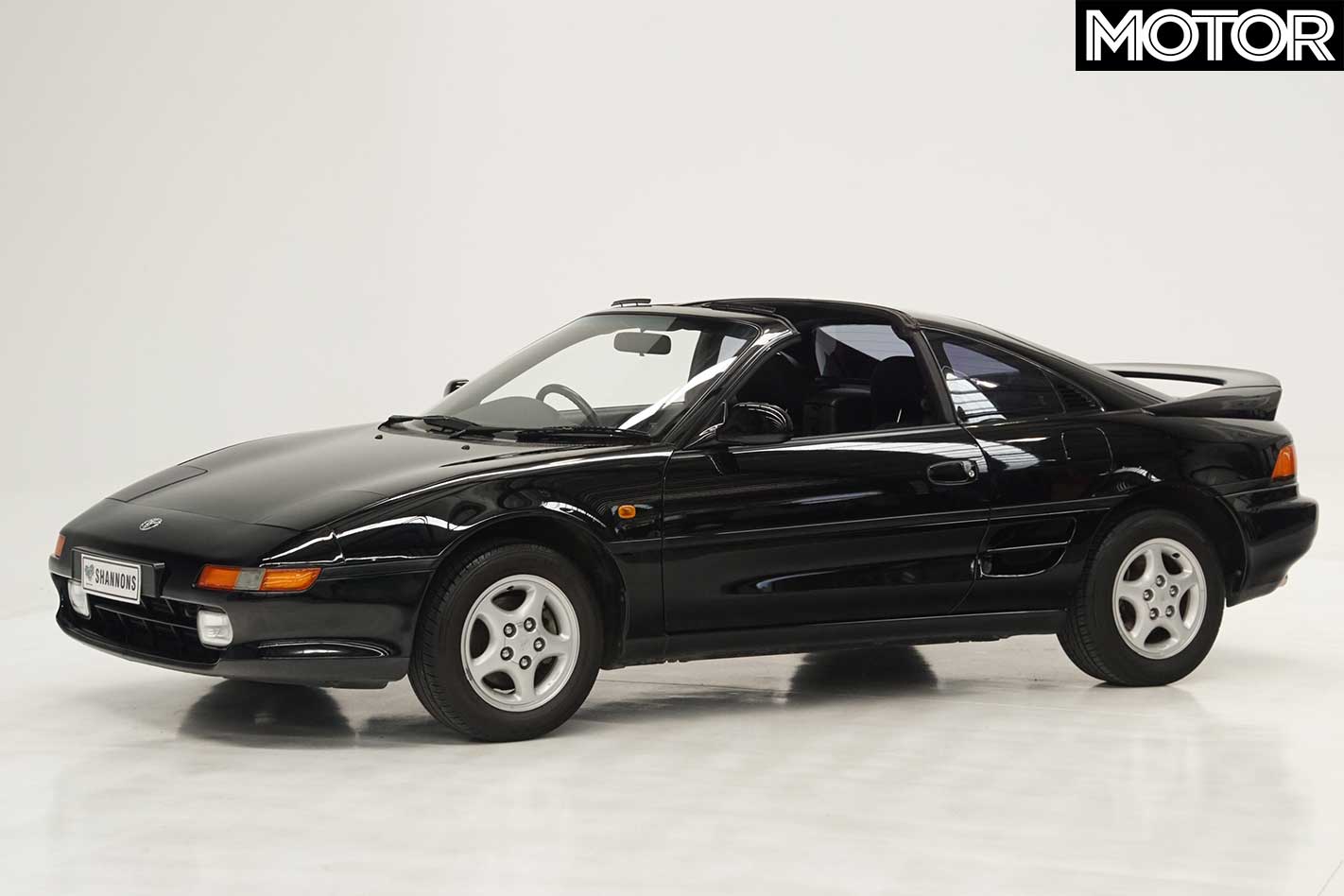
The MR2 is Toyota’s only production car to date which has featured a mid-engine layout. This second-generation W20 model featured a 2.0-litre, naturally aspirated twin cam four pot producing a reasonable 123kW/191Nm. A turbocharged version was also offered but unfortunately this Shannons example is N/A.
This black MR2 to be sold by Shannons has the classic Targa-style removable roof and has travelled just 55,000km. It has had one owner from new. Estimated between $12,000 and $16,000, it’s certainly an affordable sports car!
1985 BMW M635CSi
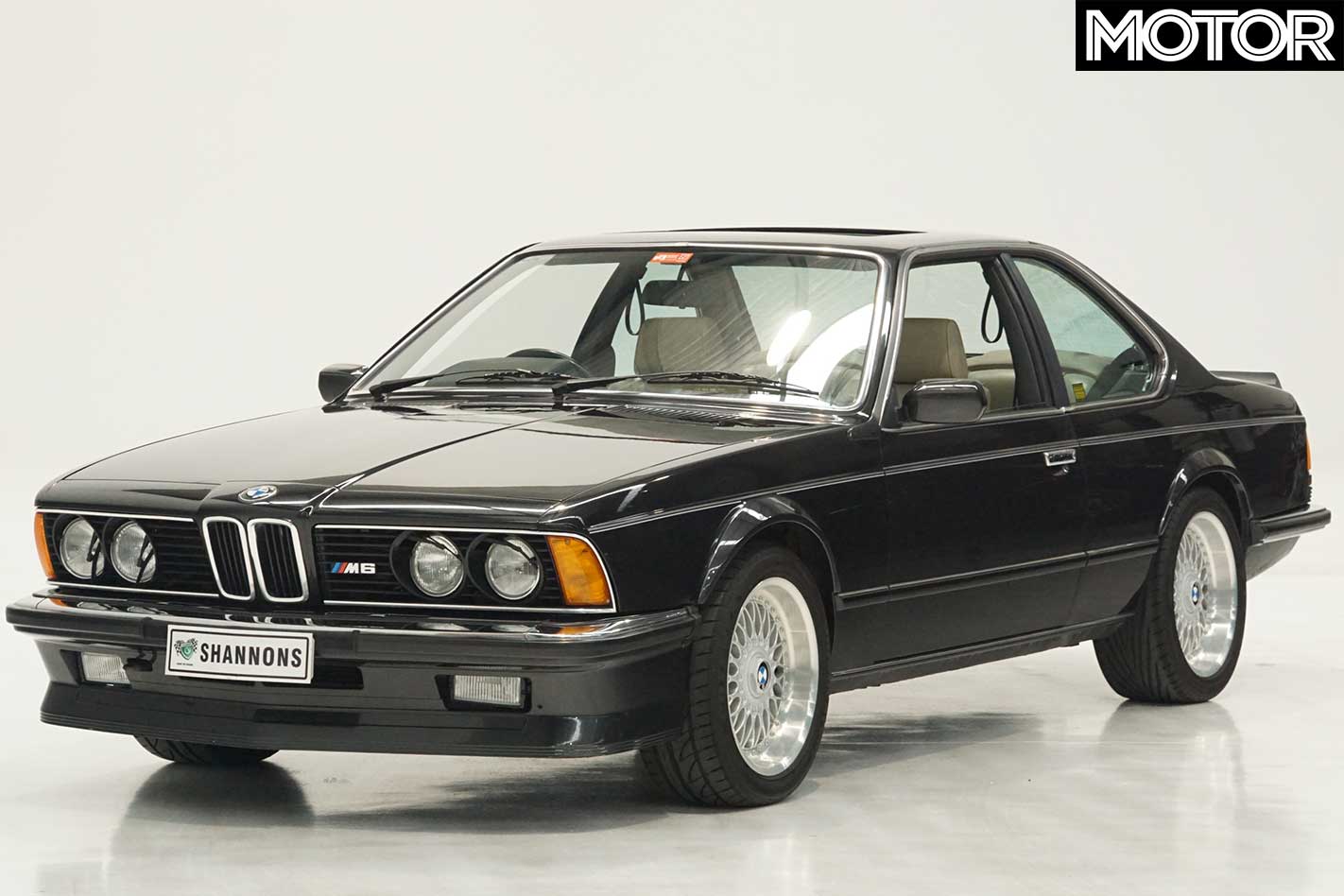
If elegance is your thing, the M635CSi is the car for you. The M635CSi featured a 210kW/340Nm, DOHC straight-six engine. Only 4088 of these were made, making the CSi a definitive collector’s piece.
The car has Bosch fuel injection, a ZF limited-slip differential and a five-speed manual. The estimated price of this example ($70,000 to $80,000) is reasonable considering its rare stature.
The Ferrari 812 Superfast has recorded a 7:27 hot lap with German publication Sport Auto’s test driver Christian Gebhardt at the helm.
Gebhardt is shown wrestling the button-laden wheel as the 812 takes him for a ride around the Nürburgring like a Great Dane pulls its owner down the footpath. It has so much power and grunt that the wrestling is completely understandable.
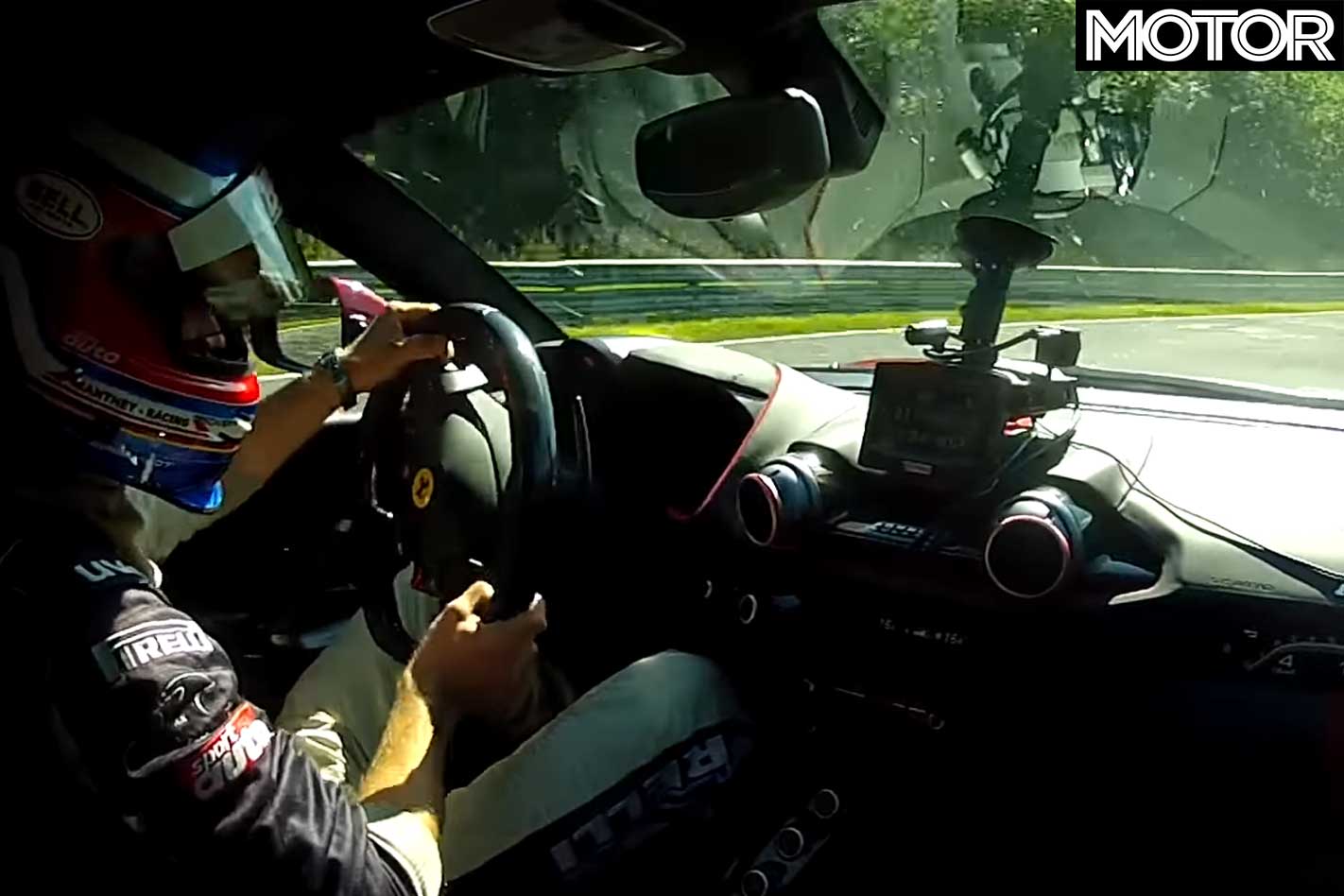
This is, of course, not the natural habitat for a grand tourer such as the 812, but sets a pretty darn good time regardless. The hot lap comes closest to the 7:22.85 time made by the Lexus LFA Nurburgring Package in June 2011.
Driver Christian Gebhardt is a German racing car driver who recently won the 2018 Nürburgring 24 hour race in the SP8T class in a Mercedes-AMG GT4.
The pair, along with two other co-drivers, won the SP8T (ranked just below the race-leading SP9 division) class in 127 laps.
To help power the mighty 812 Superfast up to mind-warping speeds is a 588kW/718Nm naturally aspirated 6.5-litre V12 motor which is positioned in a front-mid-engine configuration. It revs to 8900rpm and makes peak power at 8500rpm.
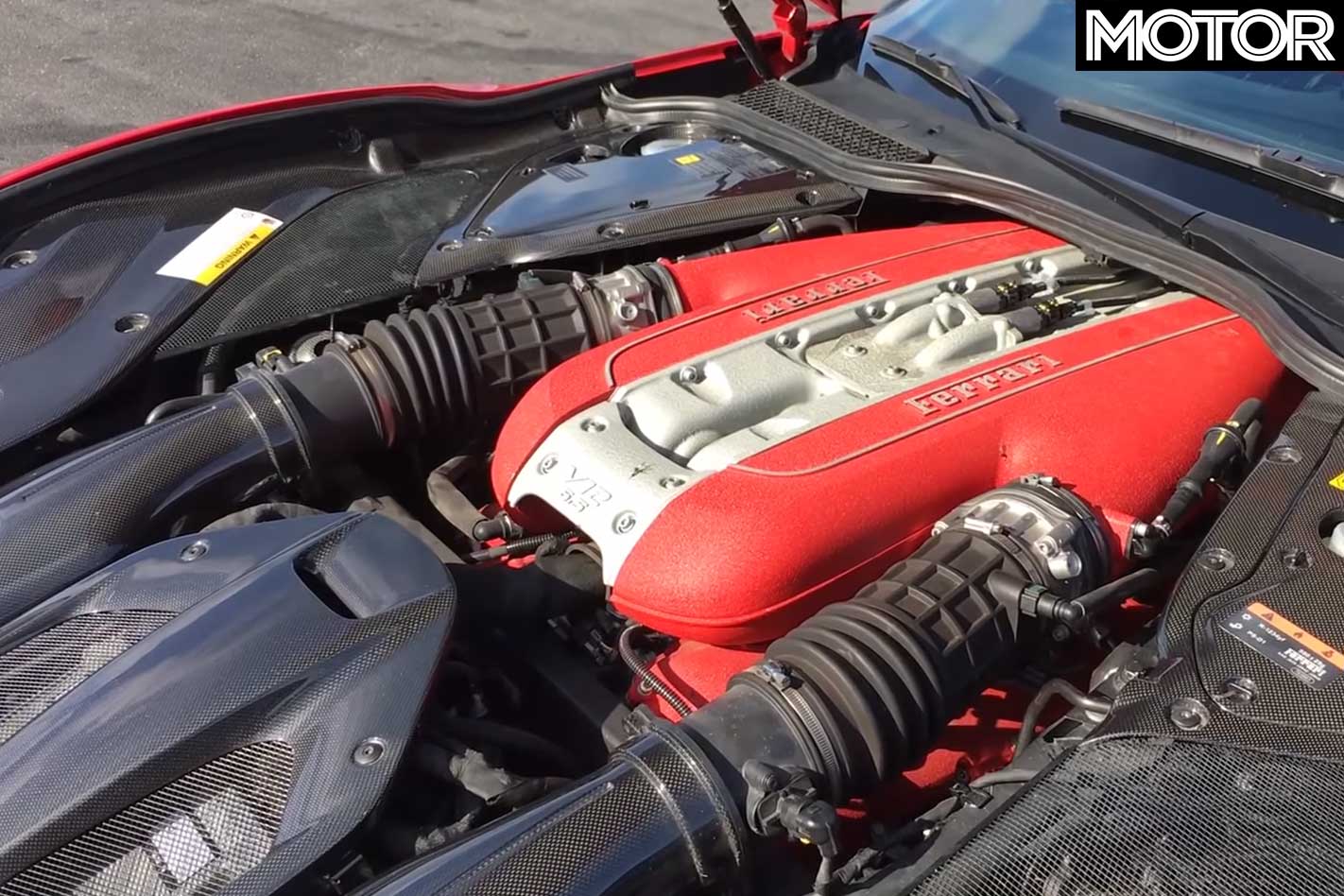
Driving the rear wheels only is a seven-speed dual-clutch gearbox with an electronic differential. The on-board computer system features version 5.0 of Ferrari’s Side Slip Control which allows varying angles of slip when oversteer is initiated. So, in simple terms, drift mode.
Its dry weight is 1525kg, which isn’t the lightest amount in the world but with a stonking big engine up front it certainly tries to make up for it.
Unfortunately, the car has been sold out completely for five years starting 2017. There might be quite the wait, then, for one to be on your driveway.
In this week’s WCW review, Scott returns from a bush bash in a Ford Ranger Raptor and reveals if the mighty dual-cab ute deserves to be a part of Ford’s Performance division.
Joining him in the studio, Dan and Andy discuss the week’s news highlights including the possibility that Holden is about to be taken over by British-owned importer Inchcape. Then the trio investigate the disappearance of nearly 300 luxury cars in Papua New Guinea.
Later, Dan finally gets his way and is allowed to talk about engines following the announcement that Jaguar Land Rover will introduce a new turbocharged, supercharged and hybridised straight six in 2020.
Finally, Andy explains why many of his colleagues have stopped talking to him and it might have a lot to do with the car he gets to call his own for the next five weeks.
If you’re on the run or in the car, you can find the WhichCar Weekly podcast on iTunes or Podbean and you can follow the WhichCar team on Facebook, Twitter or Instagram – @whichcarau.
Join us each week as we bring you up to speed on all the hottest car news.
Listened to the show? Help us out:
- Leave a note in the comment section below.
- Leave a review on Apple Podcasts/iTunes
- Subscribe to our podcast
Set to roll out under the lights at the Geneva Palexpo on March 5, Honda’s production version of its show-stopping Urban EV Concept already boasts a hefty dose of retro-cool styling on the outside, and a sneak-peek of its dashboard shows it’s got plenty of visual wow factor in the inside too.
Continuing the retro themes set by the exterior designers, Honda’s first full-production EV also pays a faithful homage to the first-generation Honda Civic through its clean and minimalist dashboard. Like that pivotal Civic, the electric Honda flaunts a cabin-spanning ‘shelf’ that’s interrupted only by the steering column.
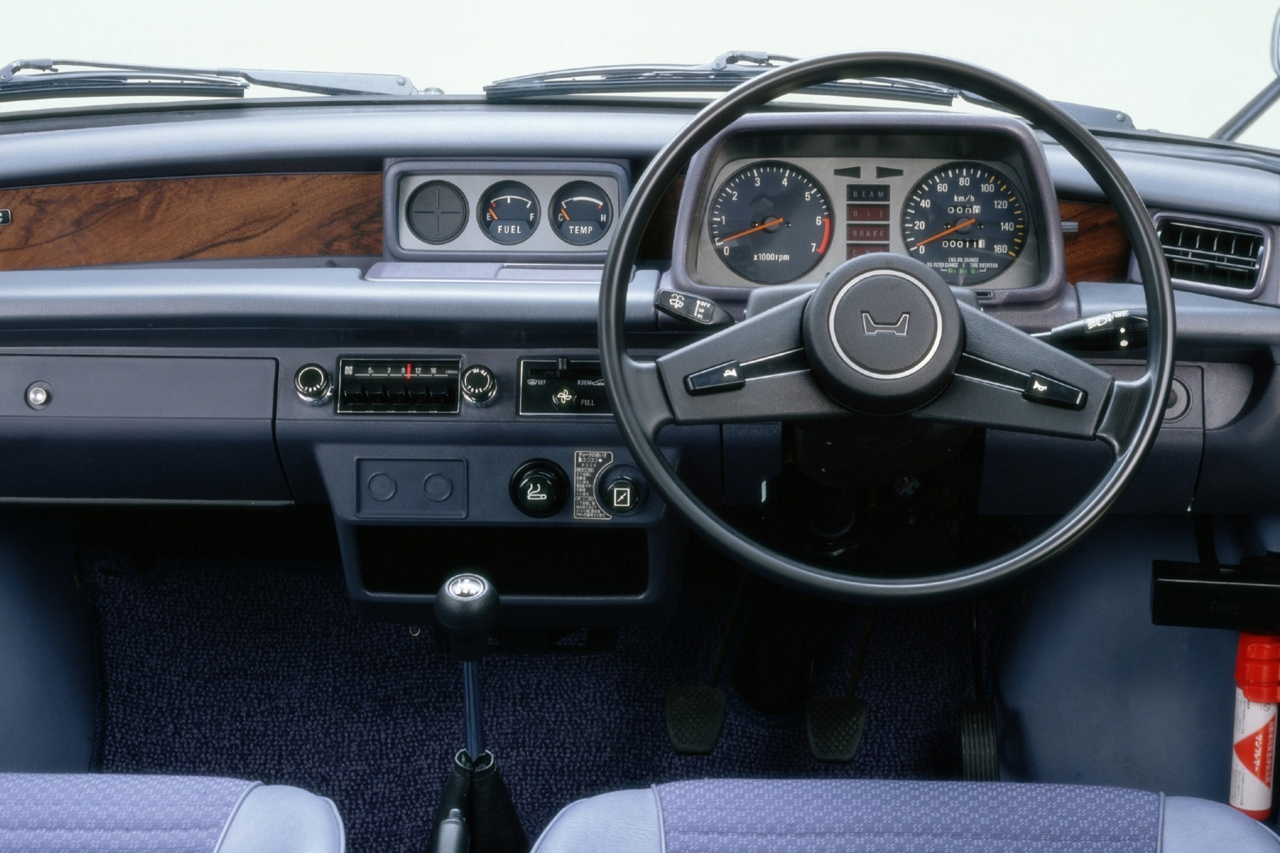
The new design harks back to the 1970s Honda Civic’s timber dash veneer.
That shelf is also trimmed in a tasteful wood finish (though we’re not sure if it’s real or faux), another throwback to the 1970s Civic’s timber dash veneer that brought some warmth to its otherwise no-nonsense Japanese furnishings. It achieves the same effect here, balancing the oh-so-Japanese minimalism of the dashboard’s form with a natural finish.
However, the triple-screen array that forms the wall of that shelf is anything but retro. The instrument panel is a single electronic display ahead of the driver, while two panoramic screens are butted together to form an ultra-wide infotainment interface that, in this sole teaser image, shows a range of information and options related to its electric powertrain.
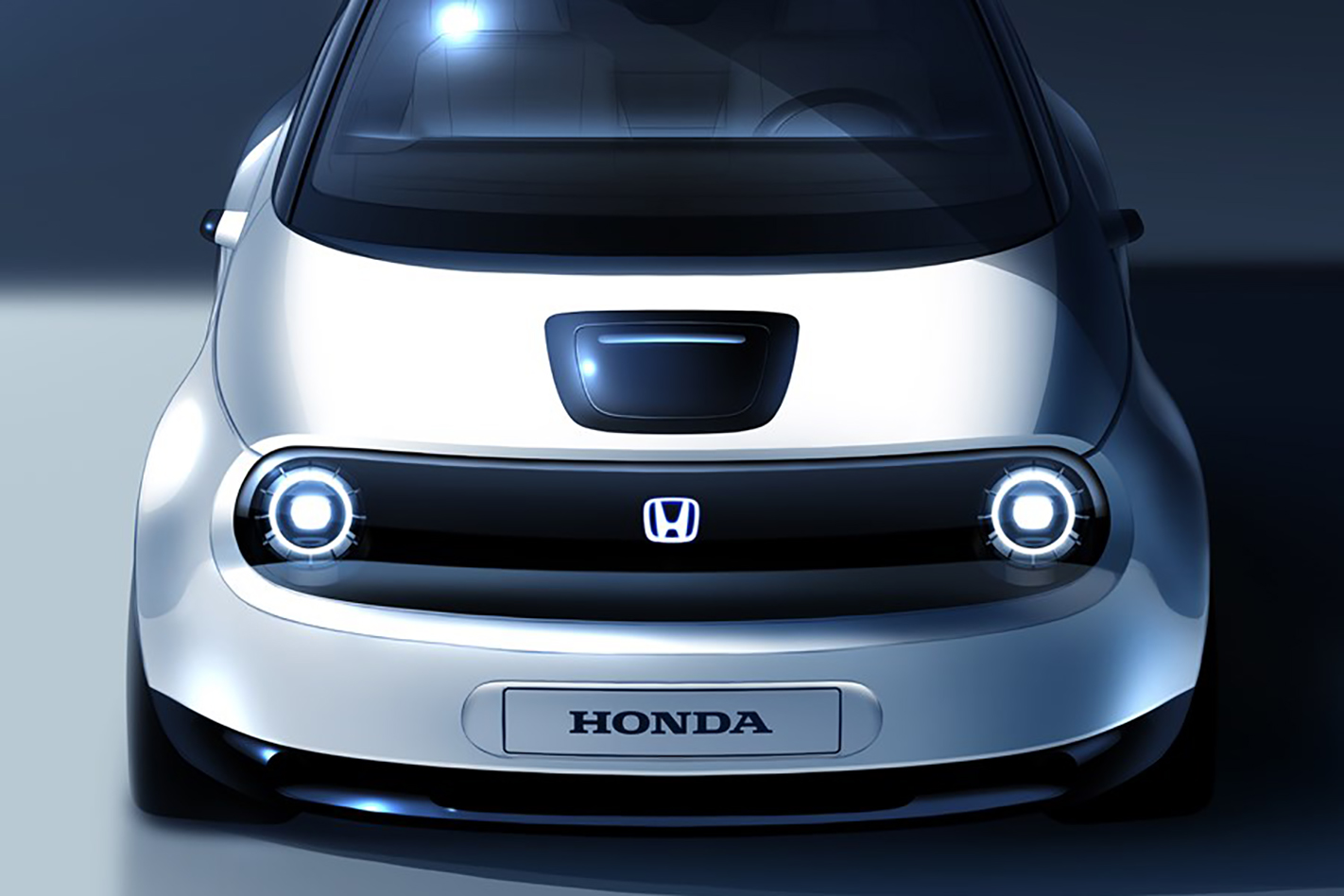
There are other clues about the car too. For one, the charging status screen shows the vehicle’s silhouette quite clearly, displaying cutlines that confirm a five-door bodystyle and rear door dimensions that indicate the back seats aren’t really intended for regular usage. At least not by adults. Also, did you wonder what that black lump on the bonnet seen in the last teaser image (above) was for? Turns out it’s a lid for the car’s charging port.
Another thing: this won’t be some bare-bones city hatch either. Buttons found throughout this image confirm that Honda’s EV will be available with radar cruise control, a heated steering wheel, climate control, heated front seats, a personal assistant feature in its infotainment, a top-down camera view function and voice-operated commands.
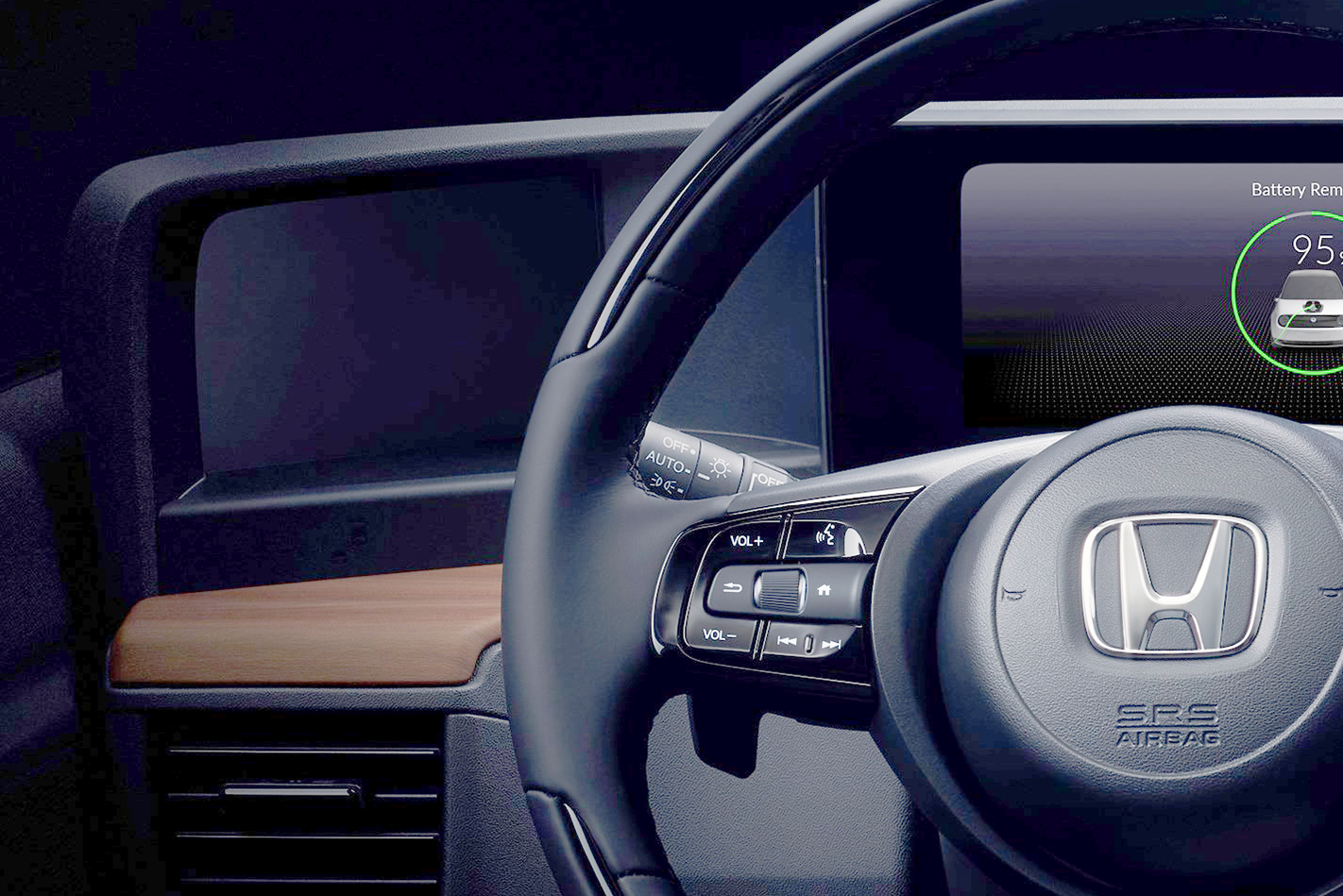
What we can’t quite see is how Honda will display the video feed from the car’s side-view cameras. The concept featured a pair of door-mounted screens, however our zoom-and-enhanced section of the teaser (above) suggest those monitors have migrated onto the dashboard, beneath the A-pillars.
It’s a bit of concept car cool-factor for the electric Honda, but it’s surprisingly not a ground-breaking one: the new Lexus ES has already beaten it to market with its own set of door-mirror-replacing side cameras.
The Honda EV will receive its full reveal at the Geneva Motor Show on March 5, where we will likely learn crucial details about its range, charging time and, most importantly, how much it will sell for in Europe. It’s also set to go on sale in Japan later this year, however whether it ever reaches Australia remains to be seen.
Hundreds of cars have been ‘claimed through unlawful means’ in Papua New Guinea after being loaned to officials for use during the 2018 Asia-Pacific Economic Cooperation summit.
Primarily missing are various vehicles like Landcruisers, Fords, Mazdas, and Pajeros, PNG’s Superintendent Dennis Corcoran told Reuters, but dozens of Maserati Quattroportes and even a handful of Bentleys were also among the loan cars.
The nation’s government was criticised for its use of the expensive vehicles during the summit, with a rise in polio and tuberculosis, and low funding for healthcare causing protests according to a Guardian report.
Images of the fleet of Maseratis added fuel to the proverbial fire, but Superintendent Corcoran says those cars have been returned.
“There are 284 vehicles … that were issued to personnel to use during APEC that haven’t been returned as yet,” Corcoran told Reuters.
“All 40 of the Maseratis and the three Bentleys are in top condition and locked away in the old wharf shed down on the main wharf.”
A PNG police spokesperson added that many of the unreturned vehicles are being used by public servants who haven’t returned them, or are sitting in various government lots, but that nine cars have been specifically stolen.
As for those still in the possession of government officials, Corcoran said in a statement that they must be returned to avoid prosecution.
“The state assets especially vehicles purchased by government agencies and authorised for certain purposes have been claimed by certain individuals through unlawful means.”
A list of each car’s specific assignment should allow each car to be found relatively easily, Corcoran believes, despite the sheer number of vehicles to be recovered.
The seventh-generation Volkswagen Golf GTI isn’t long for this world, but you wouldn’t know it.
As has historically been the case for VW’s sporty Golf, what it lacks in ultimate athleticism compared to newer rivals it gains in having an extraordinarily broad breadth of ability while still having more than enough dynamic talent to tackle a tricky road at speed.
These include an uprated 2.0-litre turbo four producing 180kW/370Nm, which necessitates the fitment of the stronger 7-speed dual-clutch transmission. To control the extra there’s an electronically-controlled mechanical limited-slip diff and larger brakes from the Golf R.
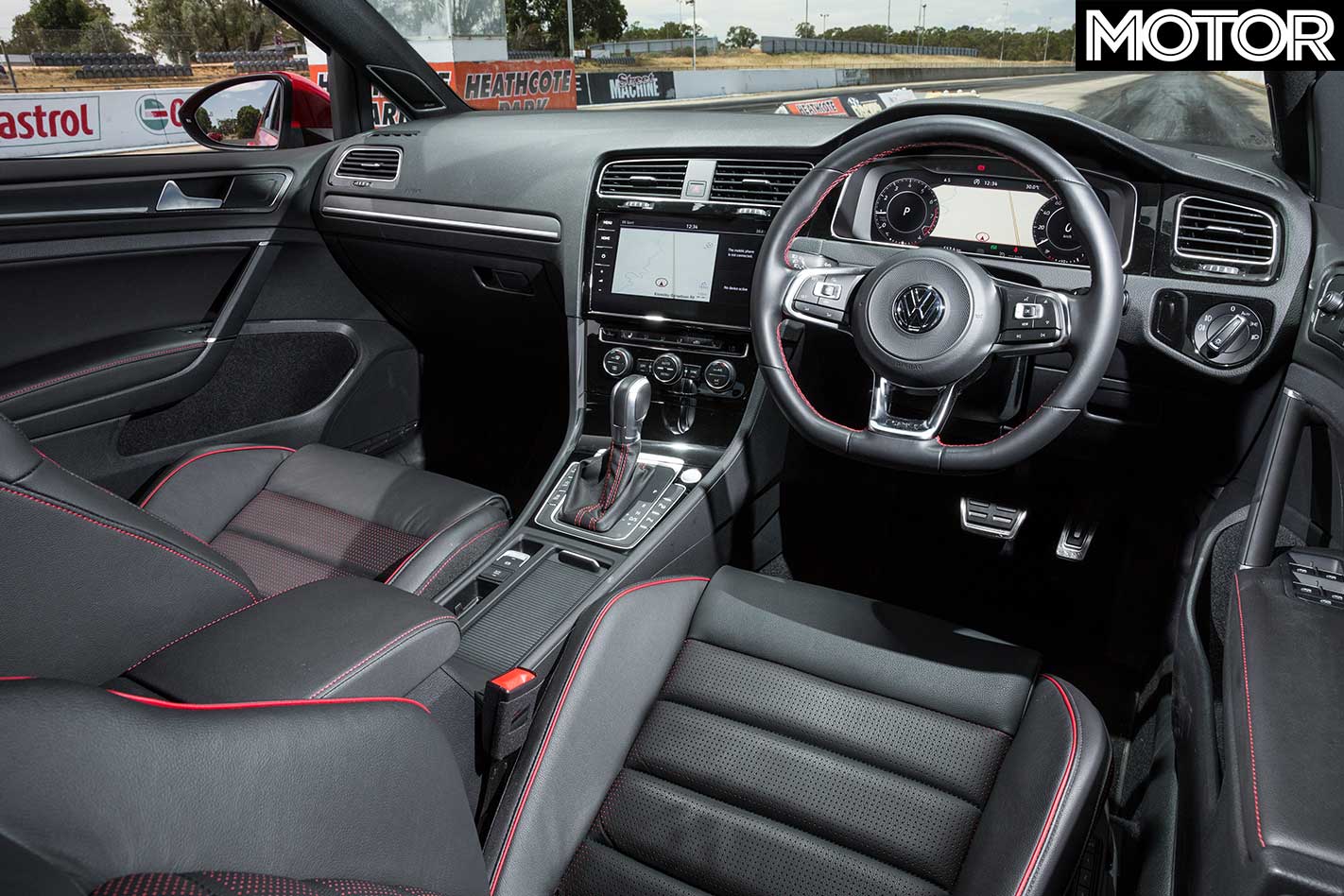
Eighteen-inch wheels remain standard managed by adaptive dampers while 19s are optional. LED headlights with auto high beam are also standard as is the fancy digital instrument display and every active safety aid you can imagine, including adaptive cruise control, adaptive lane assist, blind spot monitor with rear traffic alert and auto emergency braking.
Just two option packages are offered, both fitted to our test car, a $2300 Sound & Style package consisting of 19-inch wheels, a larger 9.2-inch infotainment screen (8.0-inch standard), gesture and voice control and a 400W premium audio system, while the $3900 Luxury package adds leather upholstery, heated electric front seats and a sunroof.
All this lifts the basic $45,490 ask to $51,690. The added extras are tinsel and we’d stick with the basic car, partly because 18-inch wheels are the pick for better ride quality and forgoing the heated, electrically adjustable leather seats gives you the cool Clark cloth upholstery.
On the road the Golf GTI immediately feels right. All the controls feel exactly as you’d expect them to. It’s utterly undemanding to drive daily, the extra performance of the GTI requiring no compromises, bar the occasional impact feeding through to the occupants, particularly from the rear.
Despite its adaptive dampers, the Golf GTI’s suspension setup does force some compromises. It’s not as comfortable as the Honda Civic Type R, yet it doesn’t have the body control of its sharper rivals when the pace picks up.
It’s a very entertaining drive, with accurate steering, strong brakes and a pleasing level of adjustability in the chassis. It can be driven very hard with confidence, only slightly dropping the ball when you try and extract the last ounce of performance.
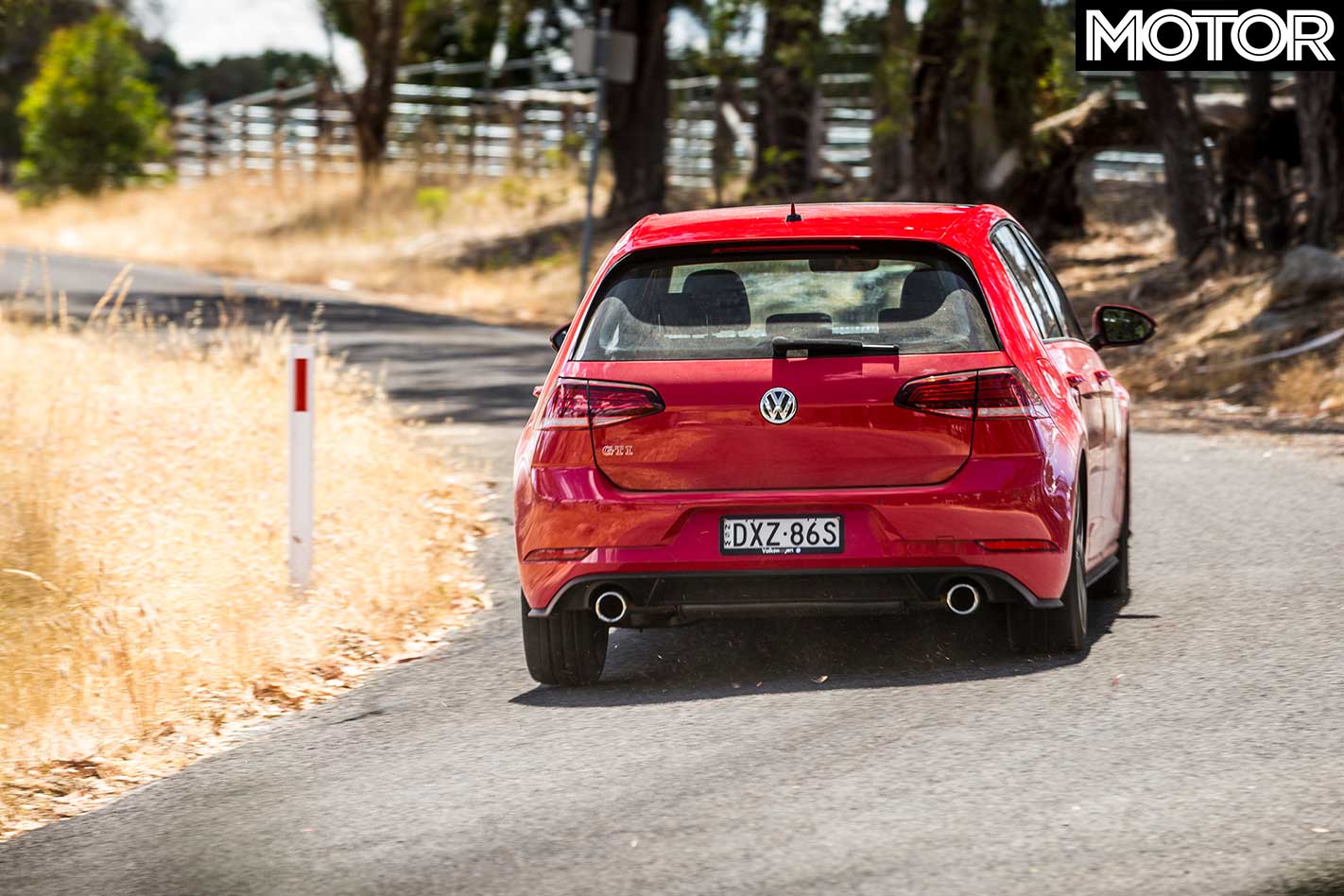
When heavily loaded in a fast corner, any attempt to change the trajectory can result in a bit of a ‘moment’ and the activation of the ESP whereas the likes of the Civic Type R or Megane RS would shrug off such movement.
The flipside of this is the Golf’s limits are more accessible and as a driver you feel like you’re able to get more out of the car at saner speeds than its grippier rivals. The clever diff helps pull it out of corners but arguably the biggest step forward has been the inclusion of a proper ESC Off mode, previously restricted just to the Golf R and Golf GTI 40 Years.
Previous GTIs have been hamstrung by constant intervention from the overly conservative ESC and traction control, but how its true talents can shine through. Anyone who occasionally ventures on track will have a much more enjoyable experience in the MY19 GTI. It’s not outrageously quick in a straight line, but the engine is smooth and powerful with a cultured growl.
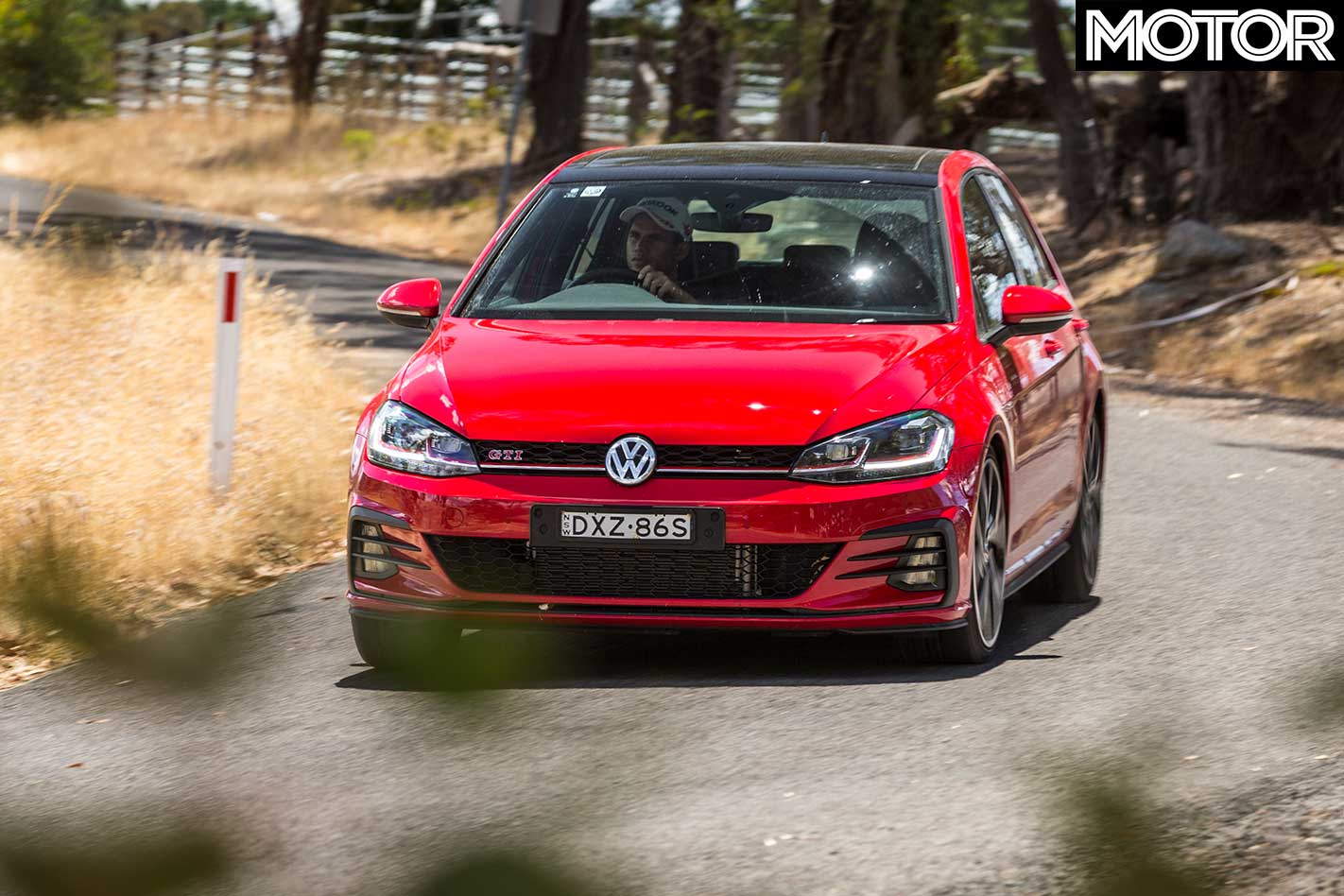
The GTI has never been the outright leader in hot hatch dynamics and the latest versions of its rivals only increase that gap. However, it still makes a strong case for itself by doing everything so well. It’s more comfortable than a Megane, classier than a Civic Type R and more premium than an i30 N.
About the only car that has an even broader spread of talents is its Golf R big brother, but whether that’s worth the extra dosh is another question entirely.
2019 VOLKSWAGEN GOLF GTI SPECS Engine: 1984cc inline-4cyl, DOHC, 16v, turbo Power: 180kW @ 5000-6200rpm Torque: 370Nm @ 1600-4300rpm Weight: 1377kg 0-100km/h: 6.5sec (tested) Price: $45,490 ($51,690 as tested)
Rating: 4 out of 5 stars
INTRODUCTION
Few utes have been as hyped or as anticipated as the first effort from Mercedes-Benz, which arrived in Australia in 2018. Known as the Mercedes-Benz X-Class, the X250d four-cylinder powered version arrived last year, and has just been joined by the six-cylinder X350d.
Designed in partnership with Nissan, the X-Class uses the same underpinnings as the Navara in terms of chassis components, but Mercedes-Benz claims that’s where the similarities stop.
Where the two brands have definitely diverged is price, with the X350d starting at $73,270 before on-road costs for the Progressive, and topping out at $79,415 in Power form. Is any dual-cab ute worth eighty grand out of the box? Let’s find out.
VALUE
The Mercedes-Benz X350d is not what you call cheap. At all. In Power trim, the X350d costs an eye-watering $79,415… and that’s before on-road costs!
This makes the upgrade from the equivalent four-cylinder powered X-Class a nearly $15,000 spend. Whew.
It easily vaults into first place on the list of Australia’s Most Expensive Utes, above the $74,990 Ford Ranger Raptor and the X350d Progressive at $73,270. The Volkswagen Amarok V6 580 chimes in at $71,990.
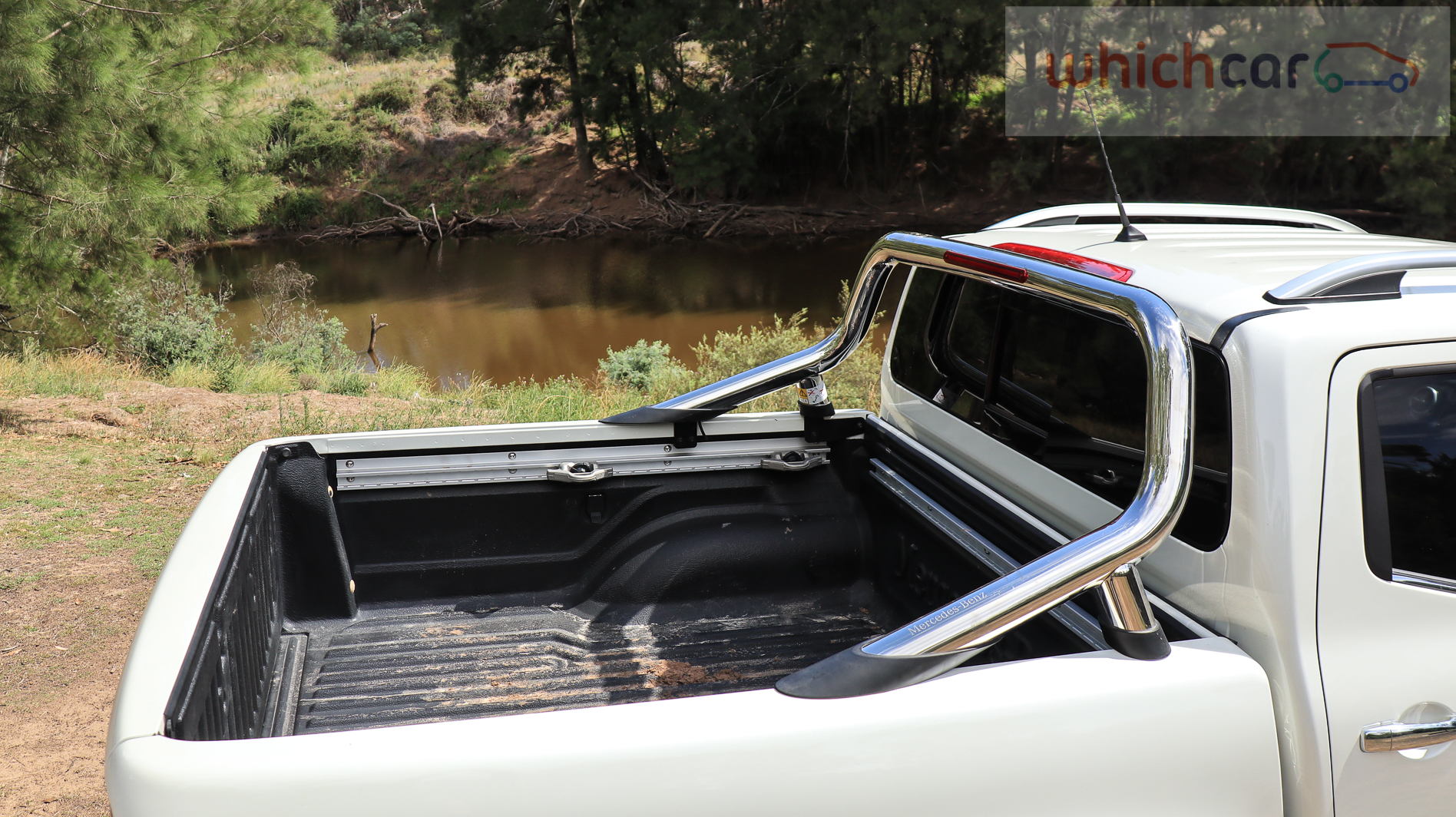
And then you have to figure in the optional extras. With the $1990 Privacy Pack (tinted glass, rear glass hatch, roof rails and side steps), towbar kit ($2063), tray liner ($899), leather seats ($1750) black leather seats, metallic paint ($950) and a sports bar for the rear tray ($1551), you’re looking at more than $88,000 for a dual-cab ute.
Or, to put it another way, that’s two Nissan Navara SL dual-cab utes for the price of one X350d.
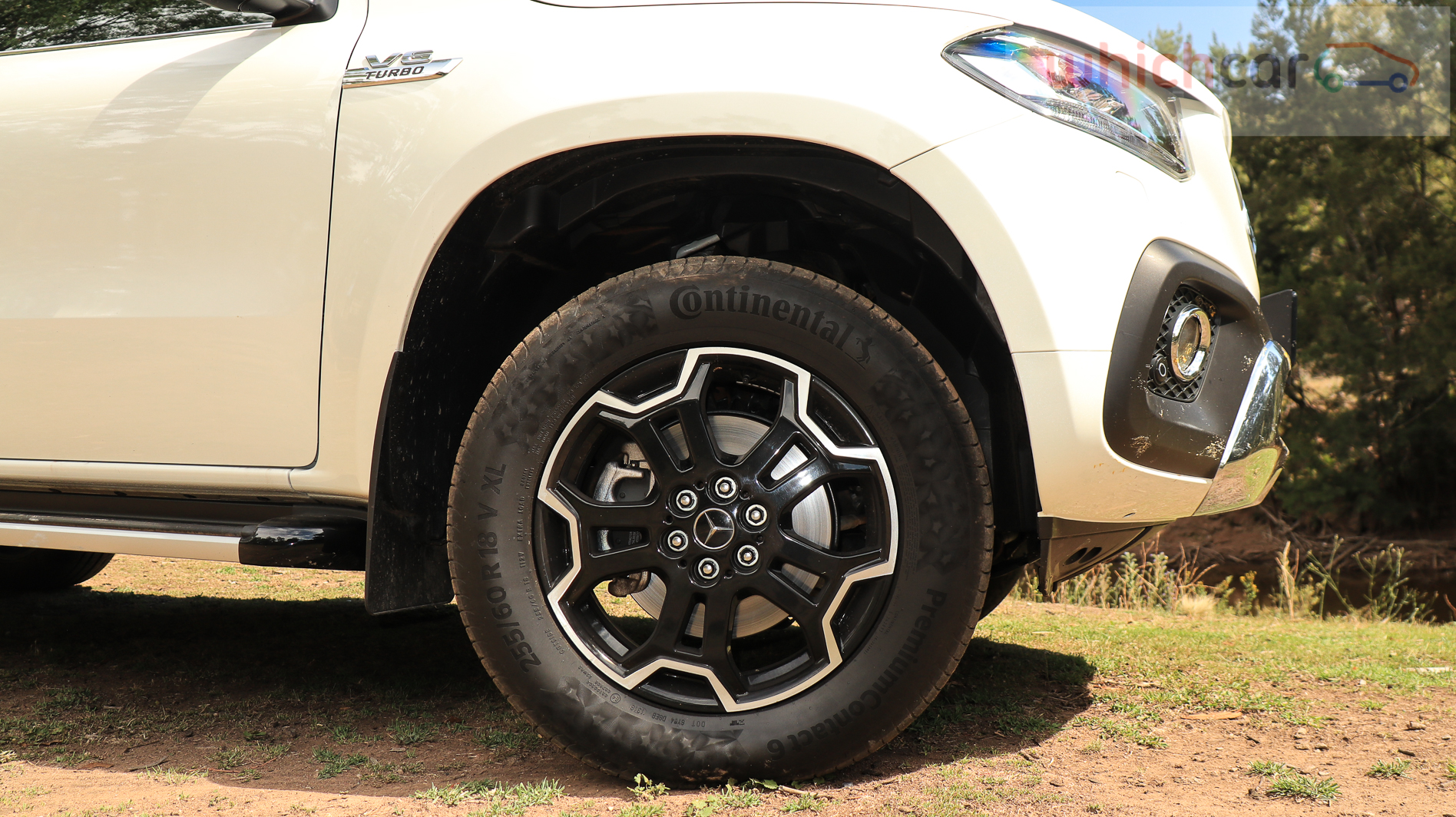
Below: our tester was fitted with an optional 18-inch rim and Continental tyre combo
STANDARD FEATURES
Along with that 3.0-litre turbocharged diesel engine and seven-speed auto gearbox, you get a full-time 4×4 system with a locking rear diff and permanent 60/40 rear/front drive split, 19-inch rims and coil springs front and rear.
Inside, expect a faux leather interior, leather-wrapped steering wheel, keyless entry, dual-zone air conditioning, a small multimedia screen with jog wheel/handwriting control, rear vents and rubber flooring. There’s also a 360-degree camera, which also displays a dedicated rear view to help when reversing up to trailers.
What you don’t get includes heated front seats, a sports bar for the rear tray, a rear tub liner, a reach-adjustable steering wheel, a towbar or Apple CarPlay/Android Auto. In an $80k truck.
SIZE
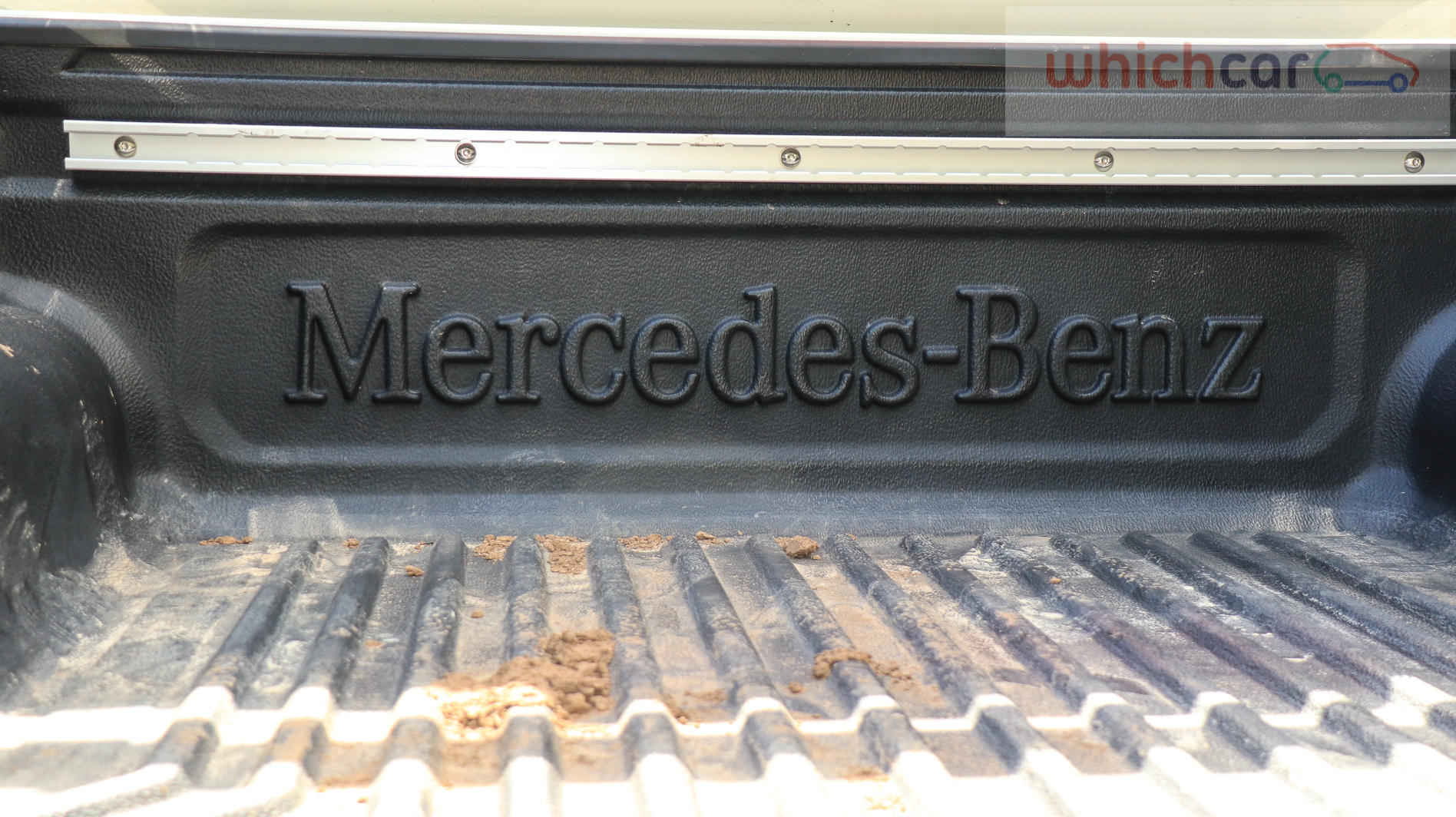
In terms of its size, the X350d’s dimensions are line ball with that of its close relative, the Navara. The tub measures 11215mm between the wheel arches and 1587mm long, while the payload is 1010kg.
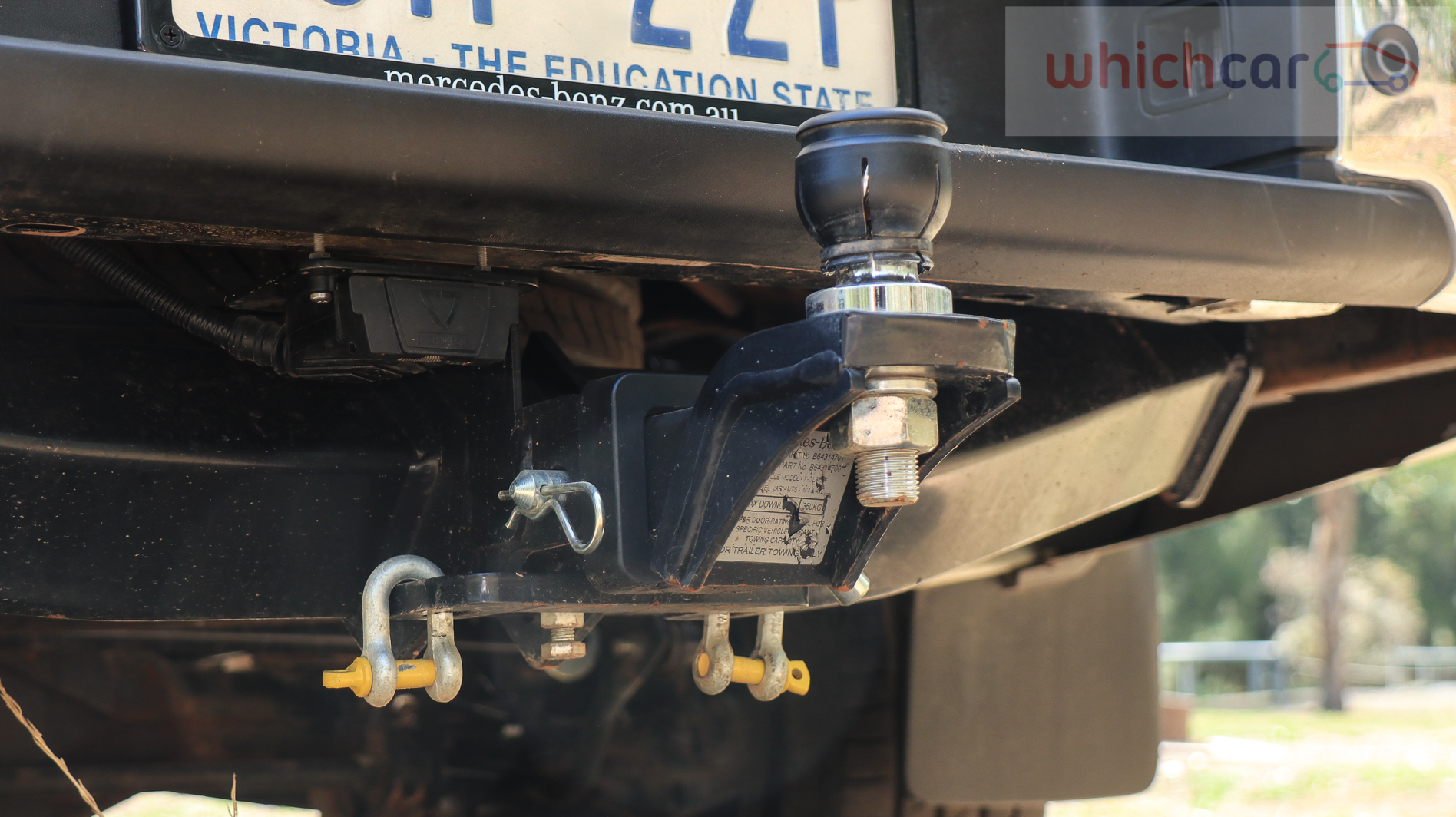
It’s rated to tow 3500kg of braked trailer against its curb weight of 2190kg.
The Merc sits on a wider track than the Navara, and is closer in size to a Ranger when it comes to its overall length of 5340mm, which is just 22mm shy of the Ford.
SAFETY
It’s a perfect five-star ANCAP rating for the X350d, which has seven airbags (including full-length curtain bags), AEB, lane-keep assist and parking sensors.
The 360-degree camera makes trailer hitching a breeze, and trailer sway control helps here, too. There are parking sensors front and rear, as well.
WARRANTY AND RUNNING COSTS
This is where the Merc falls down a little compared to the majority of its competitors. Its three-year warranty now seems paltry against the likes of VW and Ford. A 200,000km limit, while better than 100,000km, is also below par in this era of unlimited-kilometre offerings.
A 12,000km/12-month service interval is recommended, while $1950 buys you a three-year service package if you service your Merc through an authorised dealer.
COMFORT
Honestly, the X350d left this reviewer pretty underwhelmed. The interior treatment feels a bit rushed, with a large swathe of alloy sheeting pressed onto the dash merely for a semblance of contrast.
The sea of cheap, hard plastic below it that runs the width of the dash is almost unforgivable at this price point, too.
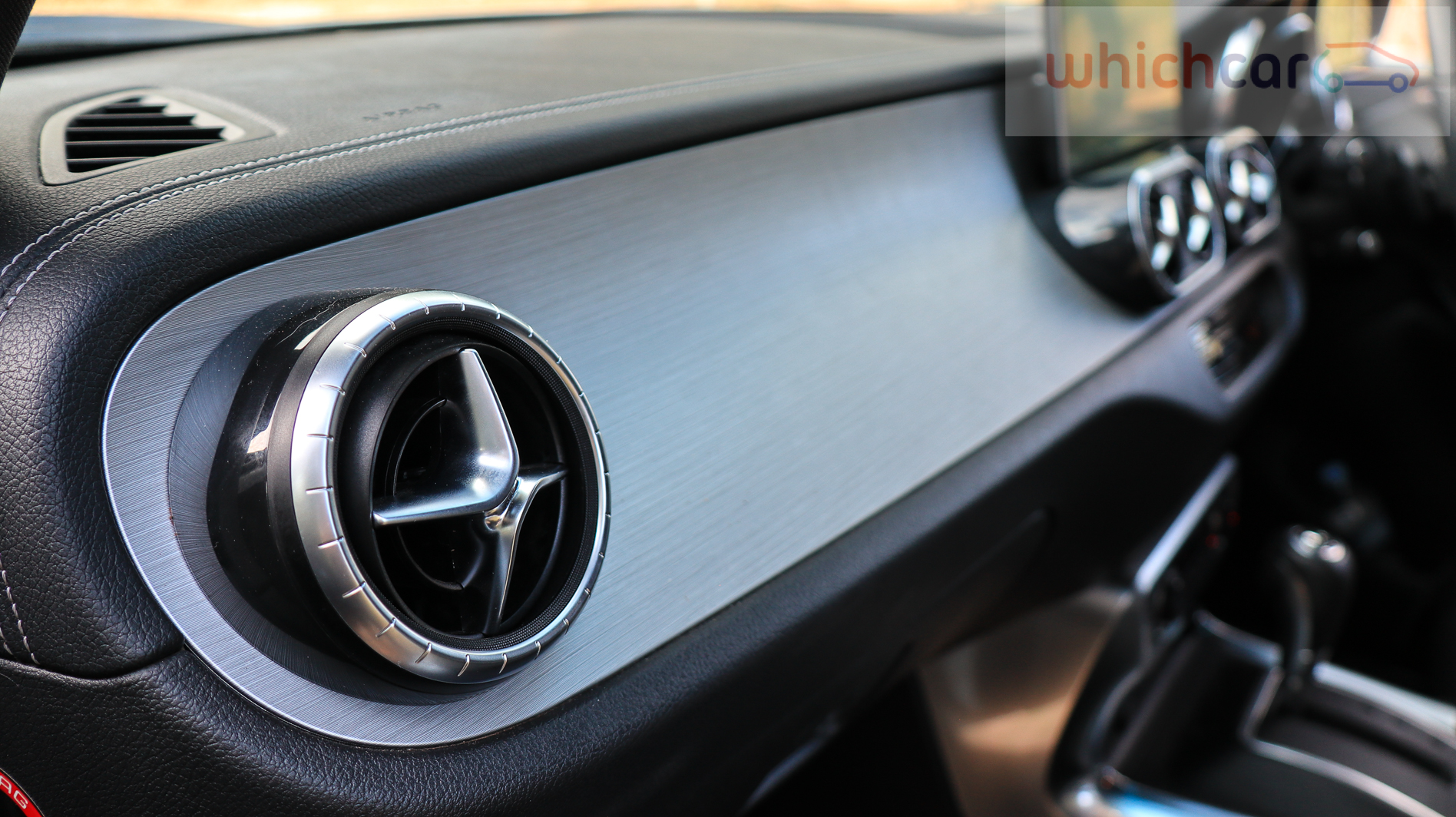
There are hints of Merc in the radial air vents and the small multimedia screen that sits proud of the dash, but underneath that, the button array is straight from Nissan central casting. If you have a C-Class, you would barely recognise that the X-Class was conceived in Stuttgart.
It does use Merc’s jog-wheel multimedia interface, but even that highlights more hard, plain, cheap-looking plastics around the shifter.
What makes this all a bit odd is that Mercedes has history and form when it comes to building properly burly off-roaders that look the part; look at the G-Professional series, for a start, which looks like it’ll survive the apocalypse that comes after the apocalypse.
The seats are decently sized, though the front seat bases are a little short.
More startling, however, is the lack of seat heaters, which at this price point is almost shocking in its omission. The lack of reach adjust on the steering wheel, too, is an annoying eye-opener.
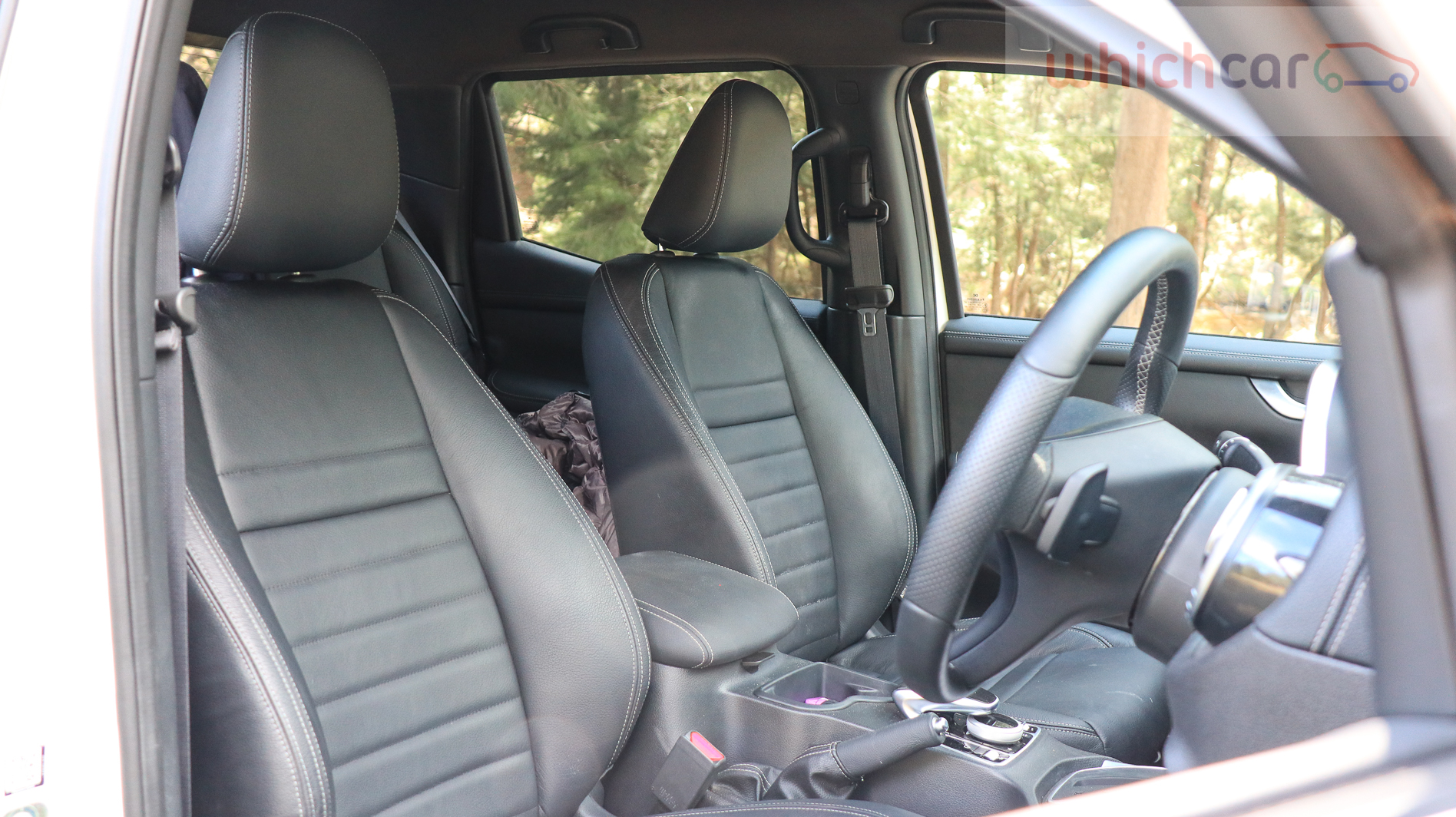
There’s padding for elbows on each side, which is a nice addition, but there is a frustrating lack of storage space in and around the cabin.
There are vents for rear passengers as well as a 12v charging port, and there’s a pair of ISOFIX baby seat mounts, but really, there is little in the way of upmarket features that you might expect of an $80,000 Mercedes. The lack of Apple CarPlay and Android Auto, too, is quite astonishing.
ON THE ROAD
Our colleagues over at 4×4 Australia have done a fine job testing the Mercedes-Benz X350d off-road, so we concentrated on how the X-Class drives on the road. And it’s not a great news story, unfortunately.
On paper, the front wishbone/rear multilink coil-sprung set-up, along with more chassis rigidity from extra rail braces and a bit more width across the vehicle should equate to a better package than the Navara upon which it’s based – and which took Nissan a solid three tries to get somewhere near right.
Dynamically, though, the steering is less than ideal. There’s little feel, and inches of play off centre, making it hard to get a read when adding lock on the road.
Compare it to something like a Holden Colorado or Amarok, and it’s not even in the same suburb, let alone ball park.
Its unladen ride quality is surprisingly firm, too, which is a surprise given the suspension configuration. I don’t yet have a view on where most X-Classes will see out their days, but a few big bags of rose potting mix or Irish wolfhound kibble wouldn’t go astray in the tray.
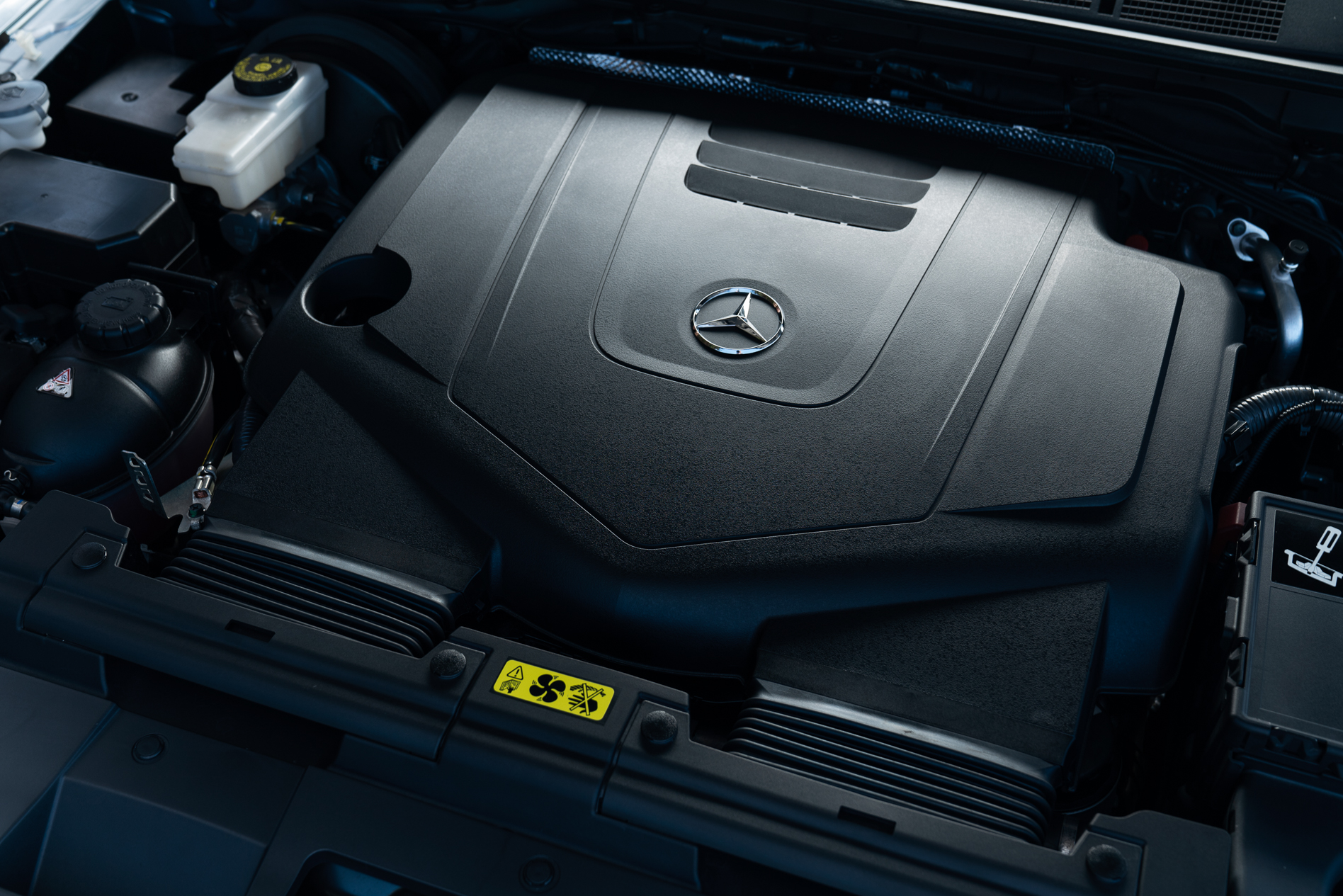
The 3.0-litre V6 turbo diesel – which makes a creamy 190kW and 550Nm – has great depths, though its ultimate performance is blunted by that two tonne-plus mass. It matches well with the seven-speed auto and wafts, rather than thrusts, the X350d up the road.
It’s all over just past half-throttle, though, so it seems more humane to stroke the X-Class along rather than trying to batter it into submission.
Against a combined fuel economy claim of 8.8L/100km, we saw a dash-indicated figure of 9.2L/100km over 200km.
Its real strength is noise isolation – the X350d cabin is serenely quiet, and easily the best amongst all of the dual-cab class. Even wind noise from the huge wing mirrors is impressively muted.
VERDICT
On balance, the X350d can be viewed in a few ways; as a legitimate effort to broach the upmarket dual-cab ute segment that’s not gone quite right on the first go; an example of initial market concept and final product reality not meeting in the middle; or as a cynical effort to tap into a profitable market sector in a minimal timeframe without much outlay.
I think it’s a combination of the first two; the X350d doesn’t, for me, truly represent Merc’s luxury tenant with its interior presentation, even given its usage envelope as an off-roader. Its overall performance, too, lags behind that of competitors ten or more grand cheaper than it.
And perhaps Merc customers are voting with their feet – Merc’s website is already offering $5000 worth of accessories as an incentive for X-Class V6 buyers, barely a month after the model hit the showrooms.
The X350d feels a bit like it’s built around a badge and an engine, but overall doesn’t feel like it’s worth the high price of entry, especially considering the strengths of some of its key competitors.
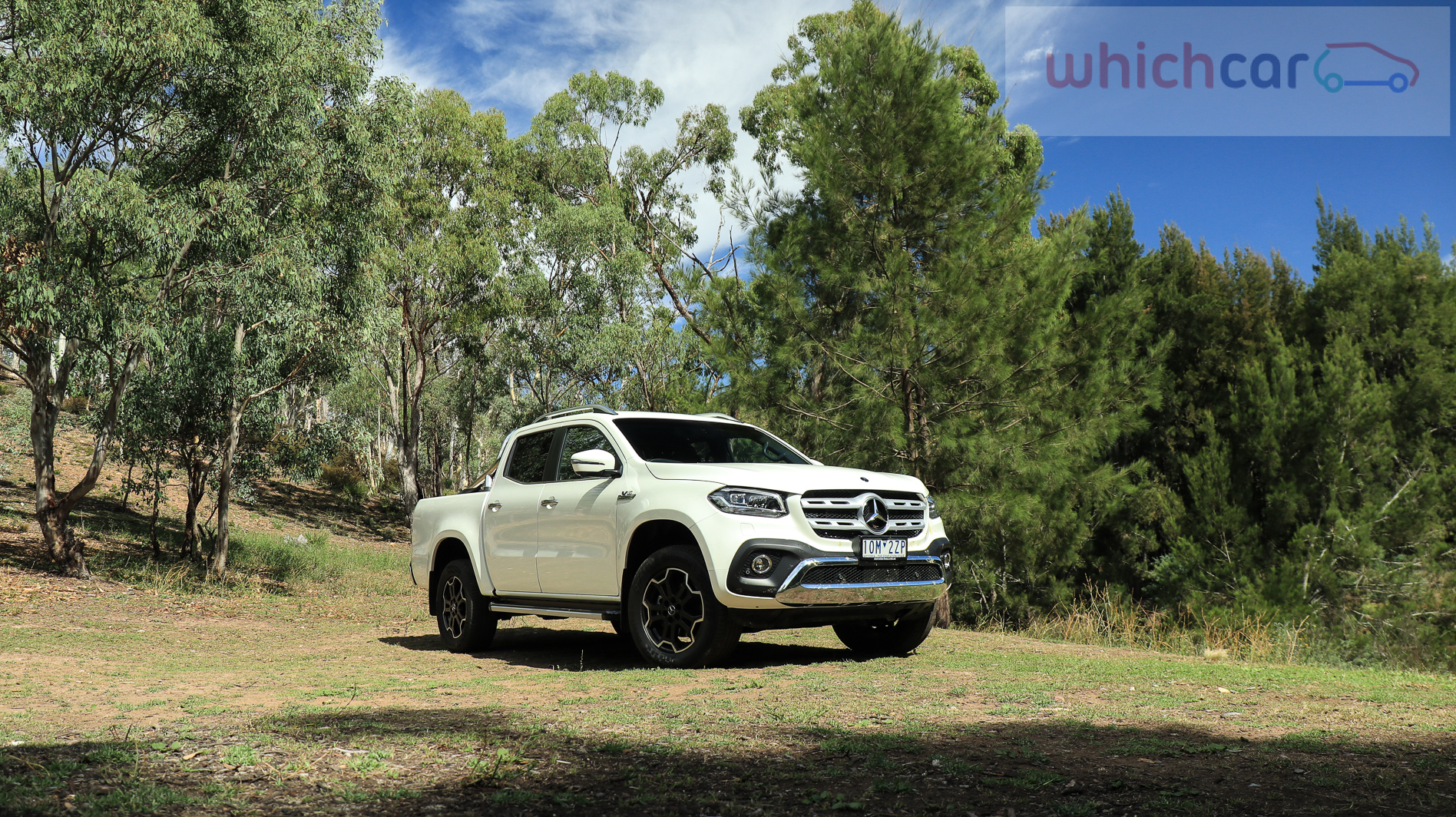
Model: Mercedes-Benz X350d Power Engine: 2987cc V6, dohc, 24v, turbo-diesel Max power: 190kW @ 3400rpm Max torque: 550Nm @ 1400-3200rpm Transmission: 7-speed automatic Weight: 2190kg Fuel economy: 8.8L/100km Price: $79,415 On sale: now
- Ford builds lane-keeping bed
- It joins the company’s noise reducing kennel
This has obvious implications to sleep quality for the person being pushed, while the retaliatory elbow to the guts does nothing for the bed hog’s slumber.
As a result, bed-hogging, along with snoring, results in a one-in-four of people in a relationship saying they sleep better alone.
However, sleeping in separate beds – a phenomenon now so popular it has a name: “sleep divorces” – isn’t a satisfactory option for many couples.
So Ford’s European engineering team has developed the “Lane Keeping Bed” that applies advanced driver assistance technology to ensure that even the most selfish space invader stays firmly ‘in their lane’ through the night.
Lane keeping assist, which Ford calls Lane-Keeping Aid, monitors the road markings ahead and actively supports the driver to safely guide the vehicle back into the correct lane by “nudging” the steering wheel in the correct direction; this complements other camera-based systems that help drivers avoid inadvertently straying out of their lane.
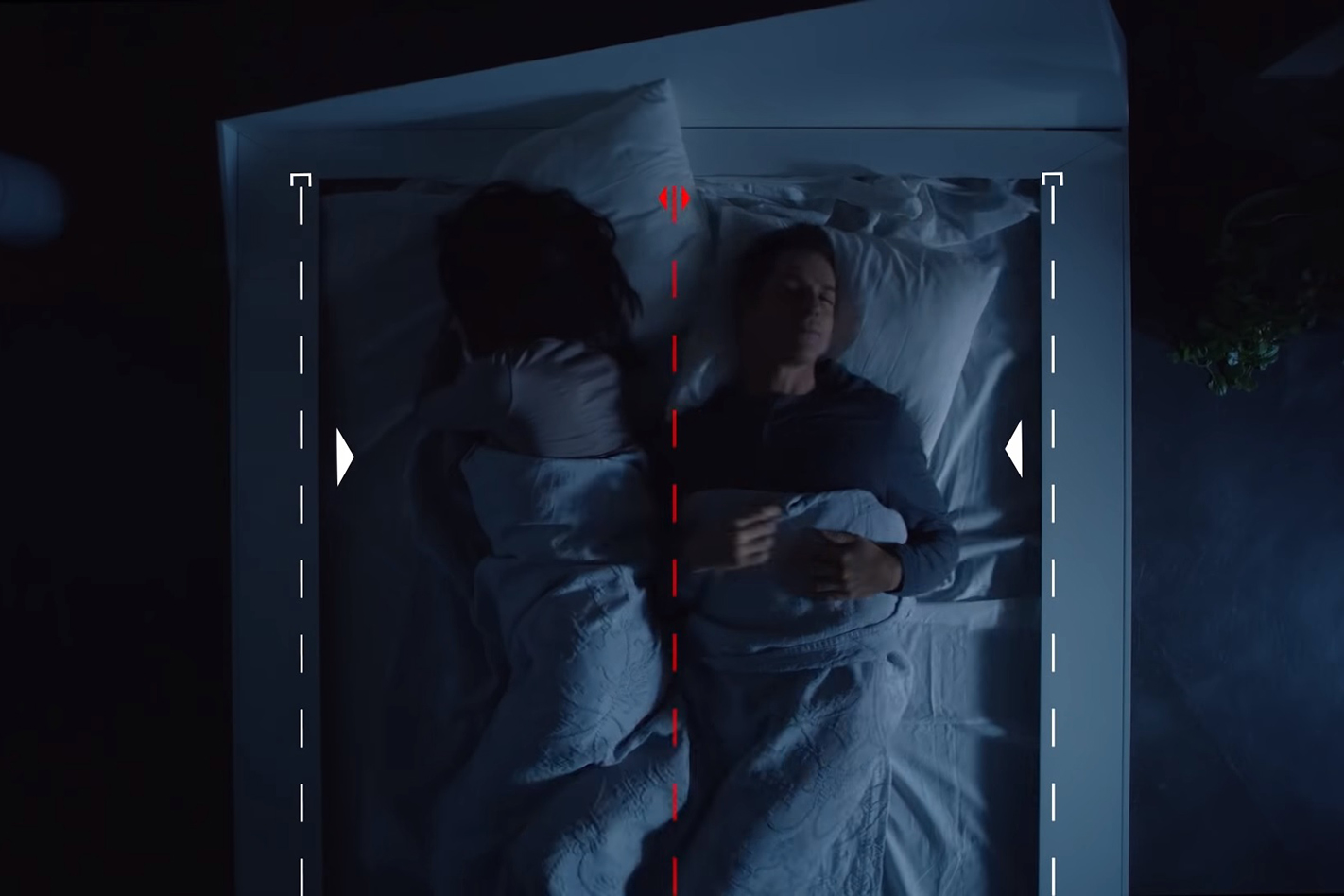
In the bedroom, the technology uses pressure sensors to identify when someone has strayed from their side of the bed and gently returns them to where they should be with the help of an integrated conveyor belt.
The prototype Lane-Keeping Bed is part of a series of Ford Interventions that apply automotive expertise to tackle every day – or in this case, every night – problems.
These include the Noise-Cancelling Dog Kennel, that uses active noise cancellation tech found in vehicles such as the Ford Endura to protect dogs from the distressing sounds associated with fireworks and thunderstorms. Gives new meaning to being in the doghouse, doesn’t it?
Now, if Ford can add noise cancelling technology to the Lane-Keeping Bed to also drown out snoring…
