
Range Rover’s Velar family has gained a new member, with the addition of the top-spec Range Rover Velar SVAutobiography Dynamic Edition.
The SVAutobiography is now the most powerful member of the Velar range, with a 405kW version of Jaguar Land Rover’s snarling supercharged 5.0-litre V8.
A hefty 680Nm torque figure assists in the sprint to 100km/h, coming in at a claimed 4.5 seconds. This puts it on par with the Range Rover Sport SVR for acceleration to the tonne. Land Rover says it’ll head on to a top speed of 274km/h.
In conjunction with more engine power comes the need for more braking power, so Land Rover upgraded the brakes to those from the SV department, hidden behind 21-inch wheels as standard.
Its eight-speed automatic gearbox has been recalibrated for the new performance outputs, as have the dampers, active differential, steering, and anti-roll bars.
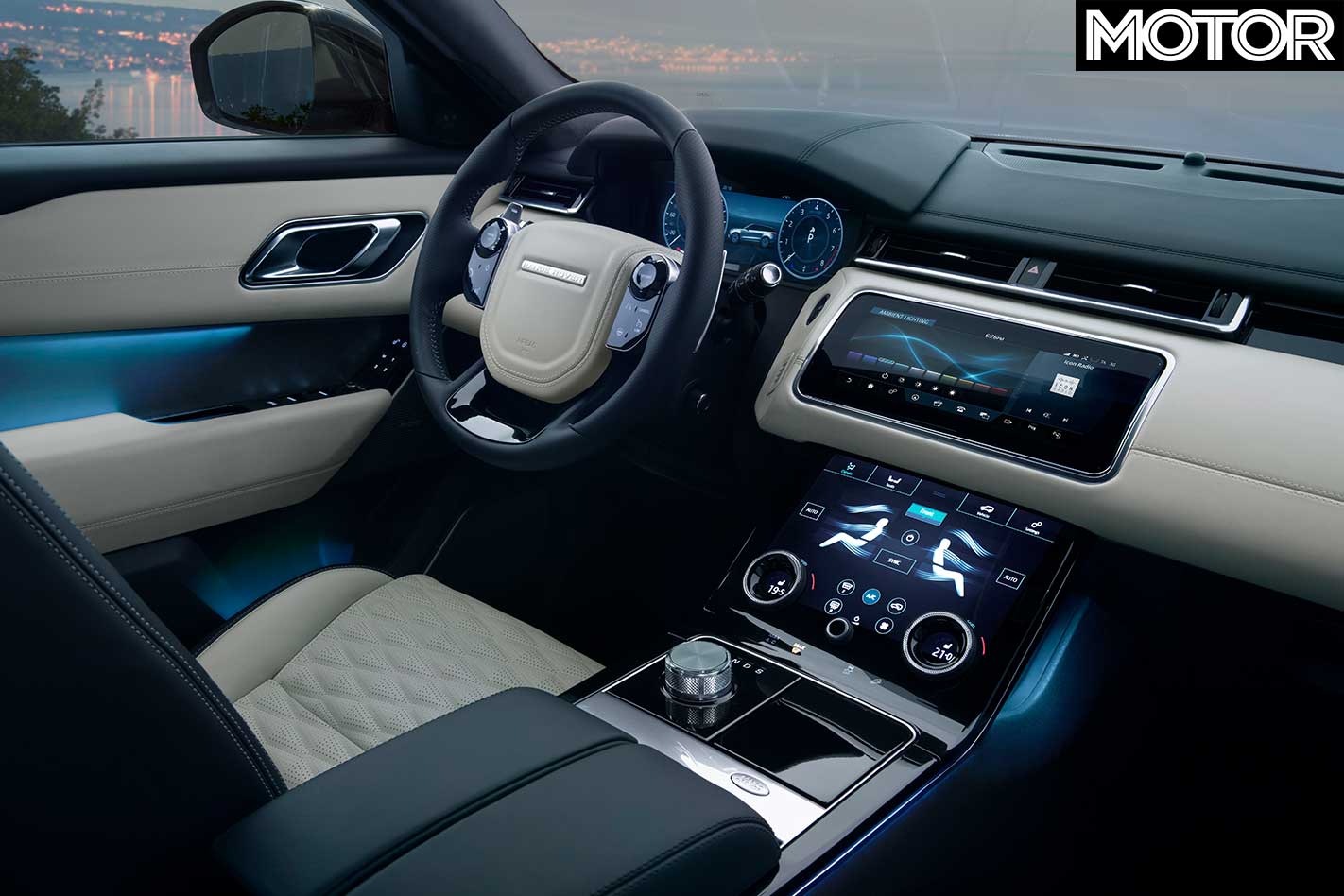
Jaguar Land Rover SVO managing director Michael van der Sande says the Velar SVAutobiography aims to retain the established Range Rover level of luxury while creating a more dynamic drive.
“Developing the Range Rover Velar SVAutobiography Dynamic Edition is the kind of task Special Vehicle Operations was made for,” van der Sande says.
“The challenge here was to increase performance without compromising the composure, capability and refinement inherent in Range Rover Velar.
“We’ve done this and, in the process, created an SUV that strikes a brilliant balance between go-anywhere practicality, dynamic performance and relaxing comfort – it truly is an SUV for any occasion.”
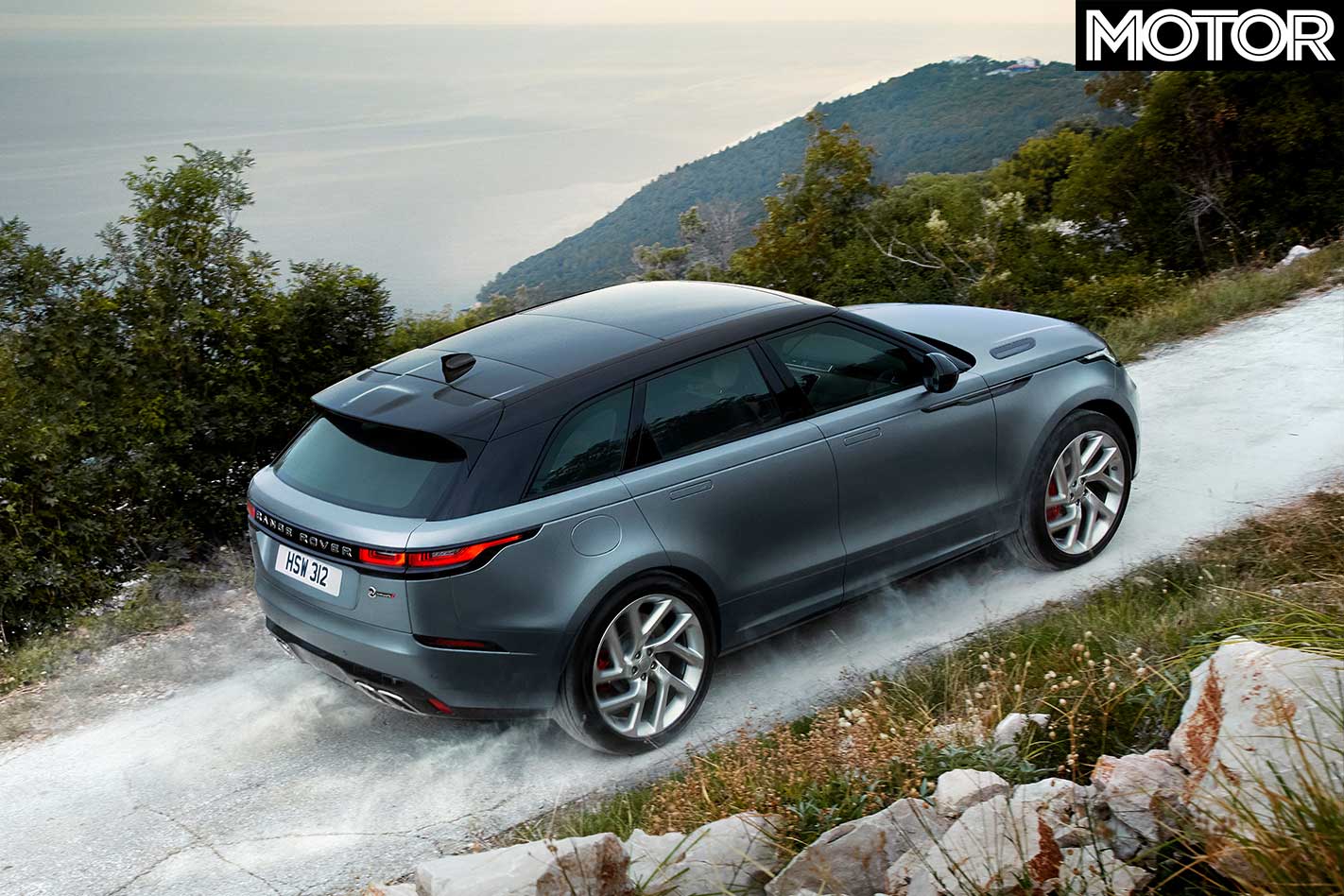
The Range Rover Velar SVAutobiography Dynamic Edition will be available in Australia from $175,322 before on-road costs.
Last year’s slow-down in new vehicles sales have continued into 2019, with January registrations down 7.5 per cent compared to the same time last year, according to the Federal Chamber of Automotive Industry’s (FCAI) VFACTs figures released today.
A total of 81,994 vehicles were sold in January – down from 88,551 a year ago – with that number bringing mixed results for manufacturers.
Sales were down across all segments, with passenger cars, SUVs and light commercial registrations dropping by 12 per cent, 5.1 per cent and 5.8 per cent respectively.
Tony Weber, CEO of the FCAI, attributed the results to lower levels of consumer confidence.
“The current economic environment is a challenging one, with an imminent federal election, a declining real estate market and tighter lending practices,” he said.
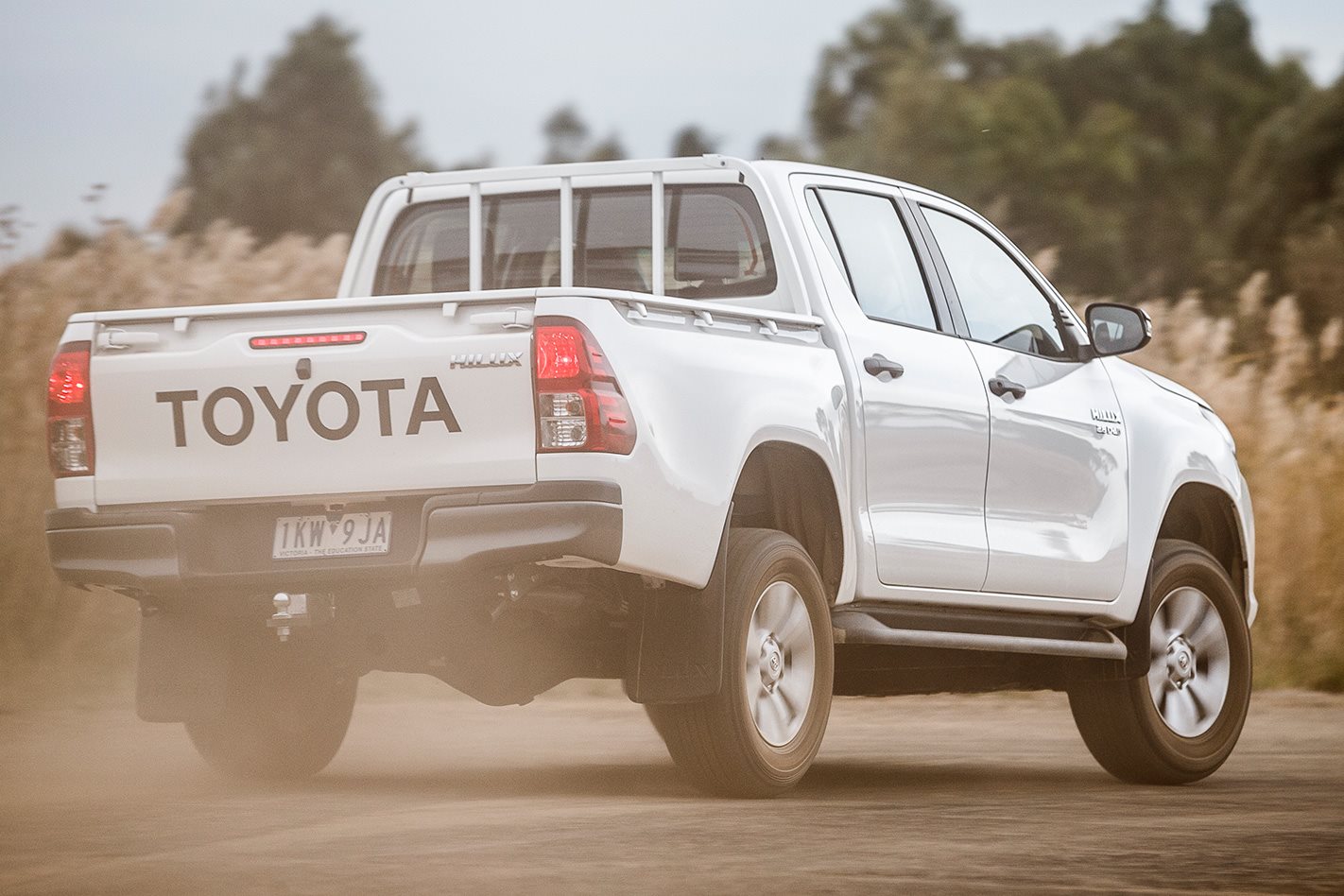
No one seems to have told Toyota, though, with the Japanese motoring giant’s Australian arm selling 15,961 vehicles last month to claim a 19.5 market share.
That’s about 1.0 per cent above its average despite Toyota Corolla sales falling by 12.9 per cent compared to January last year when the previous model was still on sale.
The new Corolla managed 2417 sales last month, which despite being 106 more than December, saw it drop to fourth place, behind the Toyota Hilux (3951) and the Mazda 3 (2831).
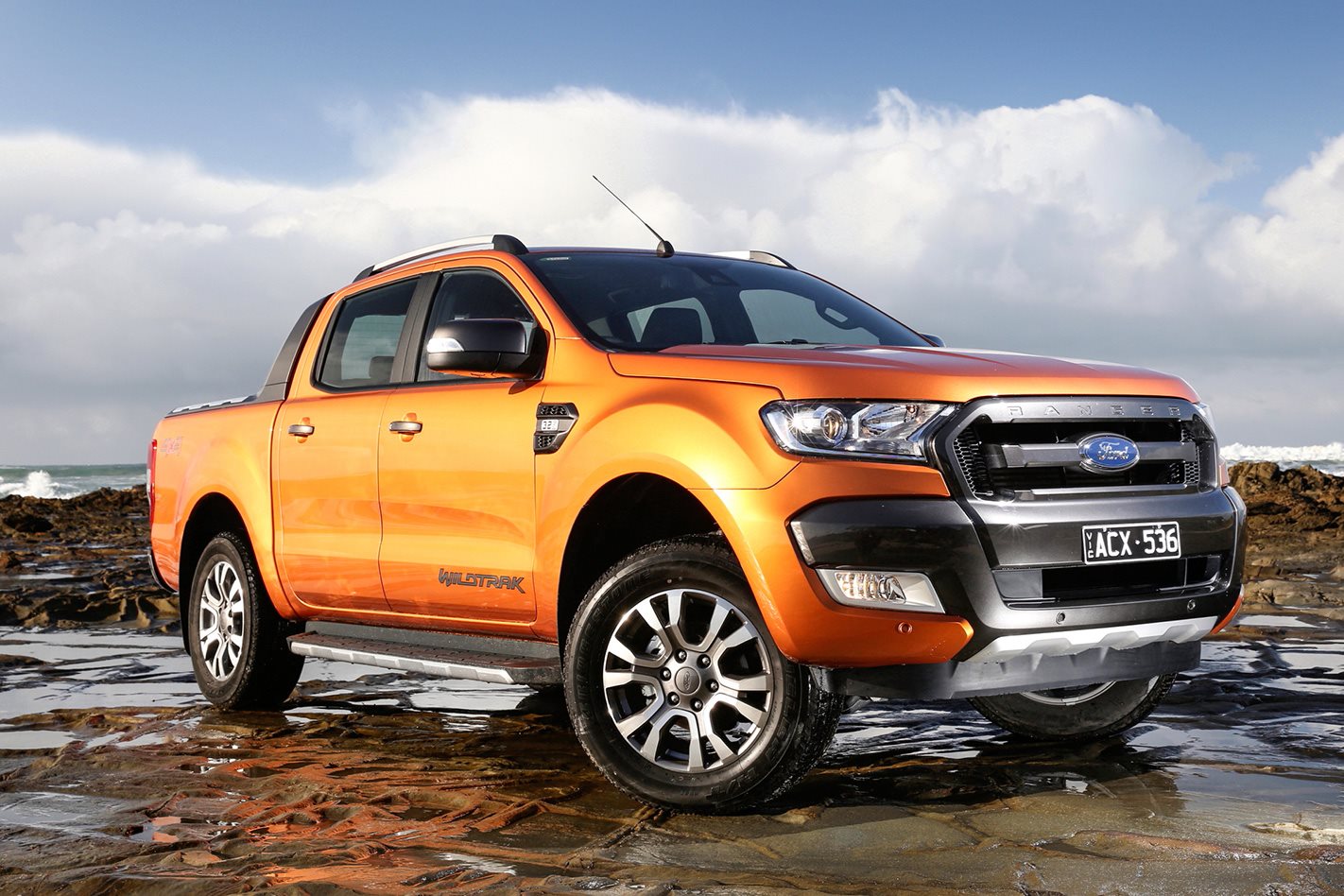
The Ford Ranger (2564) managed to stay in the top three, despite a significant 21.3 per cent drop compared to the same time last year, and 801 fewer sales than December.
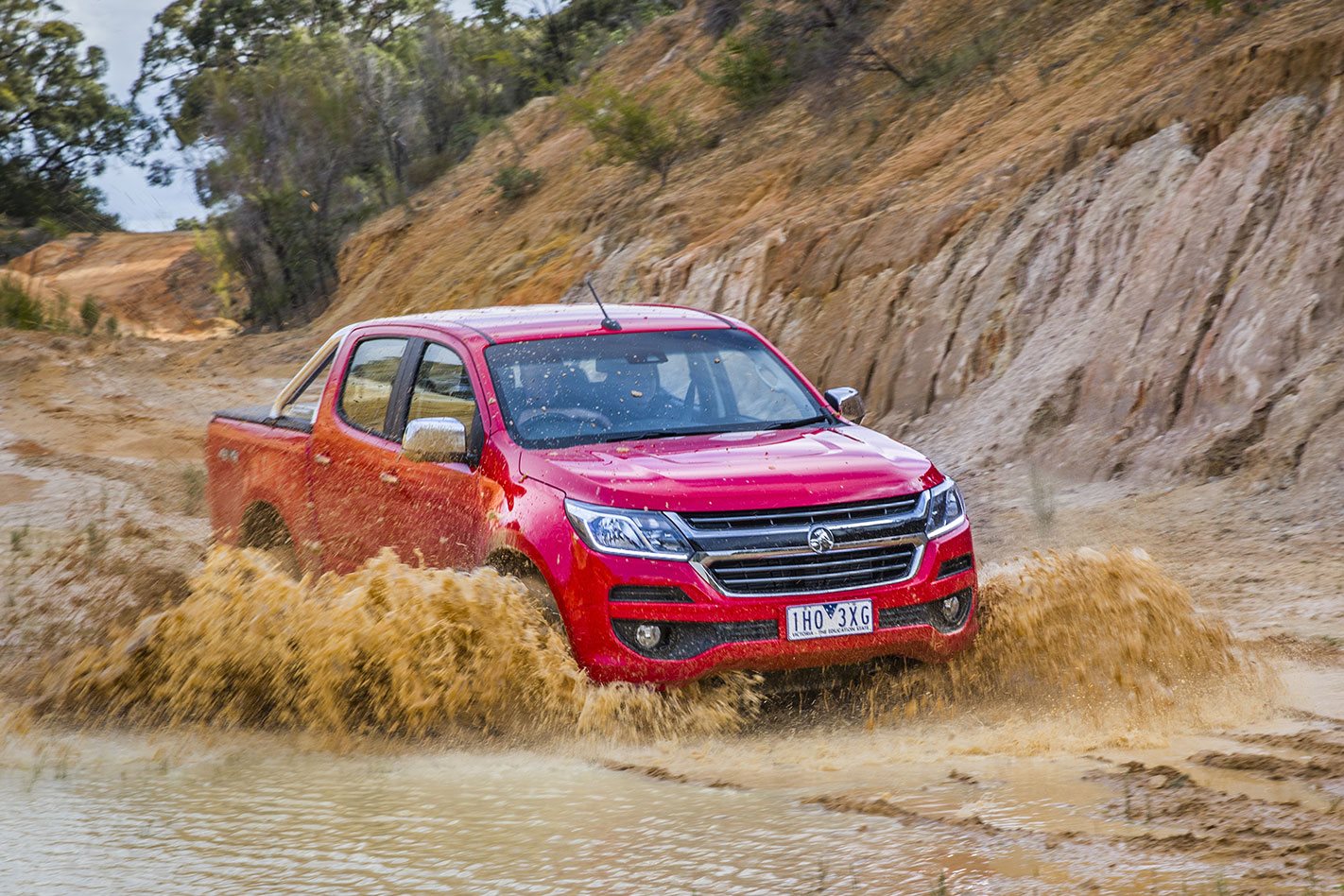
It’s not too difficult to see where that 21 per cent went, with the Mitsubishi Triton and Holden Colorado sales up by 10.7 and 11.1 per cent respectively.
The Mazda 3’s second spot came despite an 11.6 per cent slump in sales compared to January last year. Numbers were well up on December (where it finished fourth with 2285 sales), thanks mostly to run-out sales in the lead up to the all-new model arriving in May.
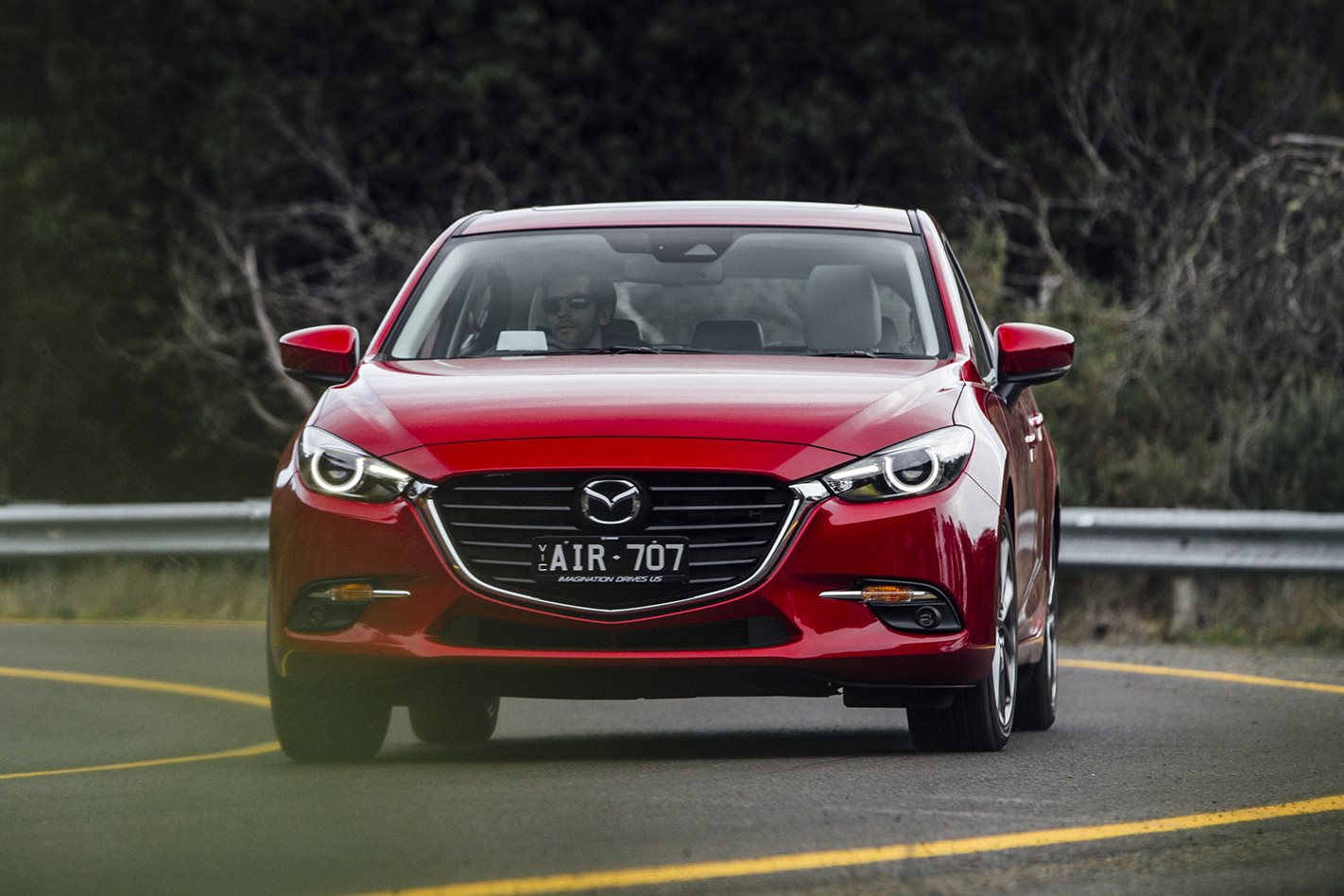
Mazda’s January market share jumped slightly from 11.6 percent from 11.4 percent last year, thanks too to strong Mazda CX-5 sales (2347) that were up 9.1 percent.
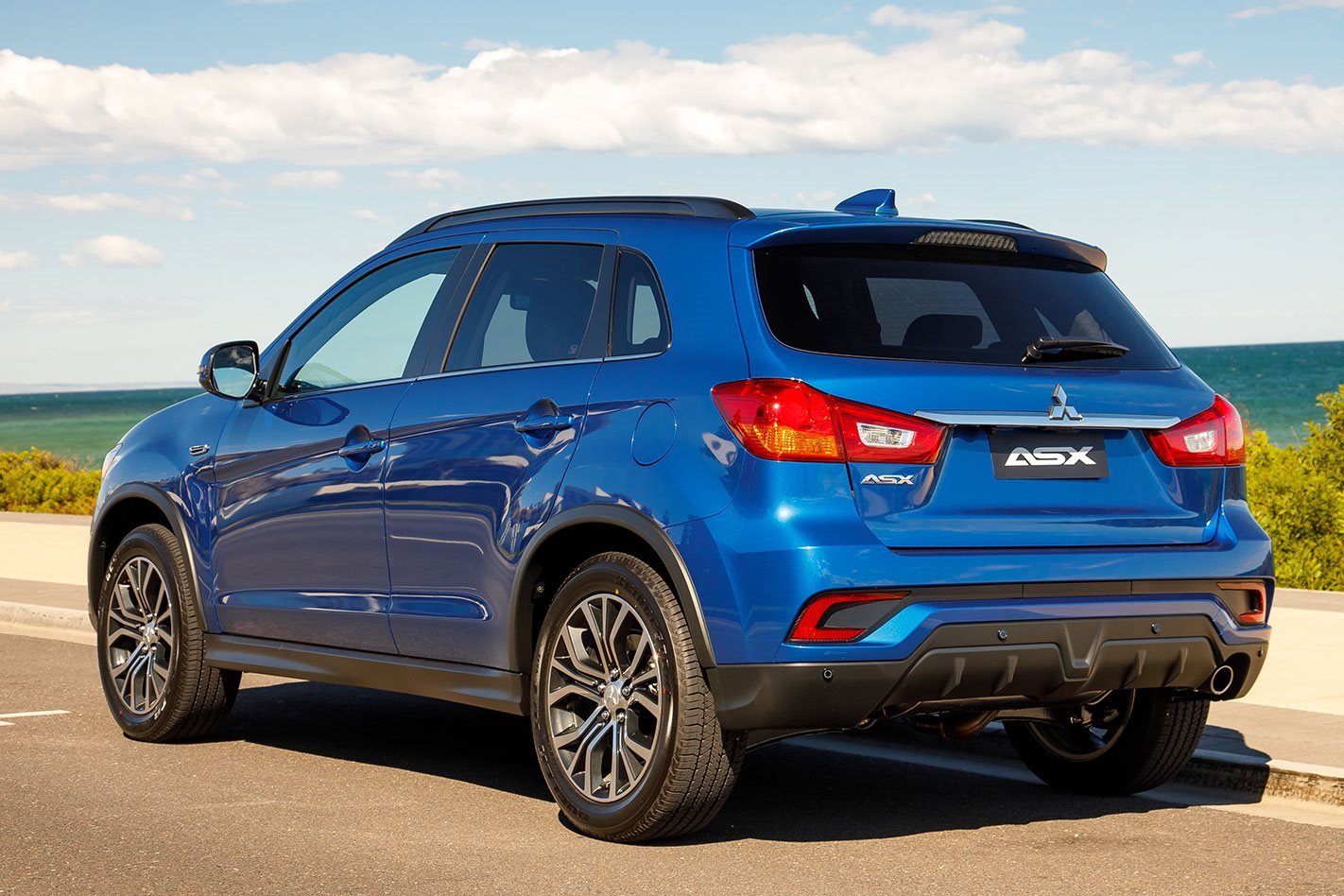
If January was anything to go by, 2019 looks like being another great year for Mitsubishi, which sold 6669 vehicles to overtake Hyundai (6205) to be the third biggest selling brand, thanks to the Triton’s continued success and a spike in Mitsubishi ASX movements.
The ageing small-SUV’s sales rollercoaster reached another apex with its 1818 registration representing a massive 108.5 per cent jump from last January.
Kia also had a good month, pinching fifth place from Ford and increasing its market share from 5.1 per cent to 5.4 per cent.
Ford’s market share dropped from 6.4 per cent to 5.5 per cent year-on-year, but managed to see off Holden despite the drop in Ranger sales, which still represent more than half the brand’s trade here.
The New Year period saw the introduction of new-generation Ford Focus, and Ford Endura large SUV, which should give the Blue Oval a boost in coming months.
Holden, which still had VF Commodores rolling out of showrooms a year ago, finished January in seventh position with 4167 sales – down 1552, or 27.1 per cent from January 2018 – giving it a 5.1 per cent market share thanks largely to the Colorado.
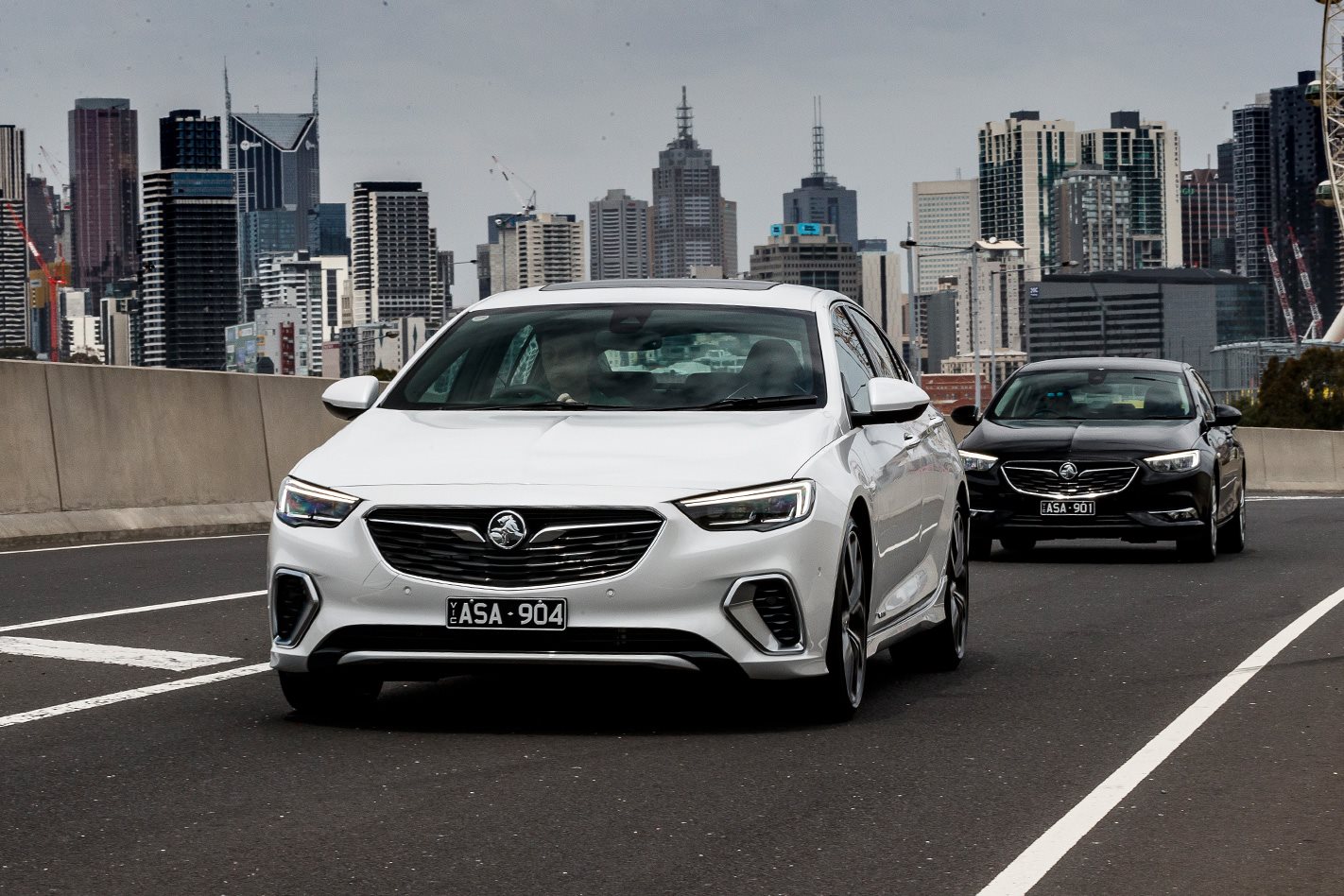
Almost a year since its launch the ZB Commodore managed 403 sales in January, less than half the 871 VF models sold last year.
Holden Acadia sales (272) are yet to take off, while Holden Trax and Holden Equinox remain well below their segment pars with 280 and 331 sales respectively.
The Holden Astra range performed strongly, though, with 1071 sales, up from 813 last January.
Honda (4042), Nissan (3803) and Volkswagen (3617) continued to hold up the top 10, with Subaru again knocking on the door at 11th spot.
Top-10 manufacturers, January 2019 | ||
| Volume 15,961 | Share 19.5% |
| 9490 | 11.6% u00a0 |
| 6669 | 8.1% |
| 6205 | 7.6% |
| 4651 | 5.7% |
| 4421 | 5.4% |
| 4167 | 5.1% |
| 4042 | 4.9% |
| 3803 | 4.6% |
| 3617 | 4.4% |
Top-20 vehicles, January 2019u00a0 | ||
u00a0
| Volume 3951 | |
| 2831 | |
| 2564 | |
| 2417 | |
| 2347 | |
| 1891 | |
| 1818 | |
| 1800 | |
| 1697 | |
| 1544 | |
| 1519 | |
| 1442 | |
| 1426 | |
| 1350 | |
| 1314 | |
| 1308 | |
| 1237 | |
| 1231 | |
| 1147 | |
| 1116 | |
Sales by segment, January 2019 | |
Passenger | 28,050 |
SUV | 35,940 |
Light Commercial | 15,809 |
Heavy Commercial | 2195 |
A bold proposal from the Australian Automotive Association (AAA) suggests that the federal government’s fuel excise tax should be abolished in favour of a user-pays system that, in part, is designed to future-proof revenues against electric vehicles.
This could push fuel prices to all-time lows… but there’s a catch.
Currently, a fuel excise of 41.2c per litre contributes to a $12.4 billion windfall each year from Australian motorists, according to the AAA’s chief executive, Michael Bradley.
“As revenue raising goes, fuel excise must be Treasury’s golden child,” he says. “It’s unavoidable for most of Australia’s 16 million motorists and invisible to all. Federal law dictates your next fuel receipt will detail the GST you’ve paid, but you won’t see fuel excise’s far greater contribution.
“A hard conversation is due.”
As well, the body also targets vehicle tariffs and the Luxury Car Tax in its policy platform, pushing for the final five per cent tariff figure on cars like Peugeot, Renault and Land Rover, as well as some vehicles within the model ranges of Mercedes-Benz and Volkswagen, to be abolished.
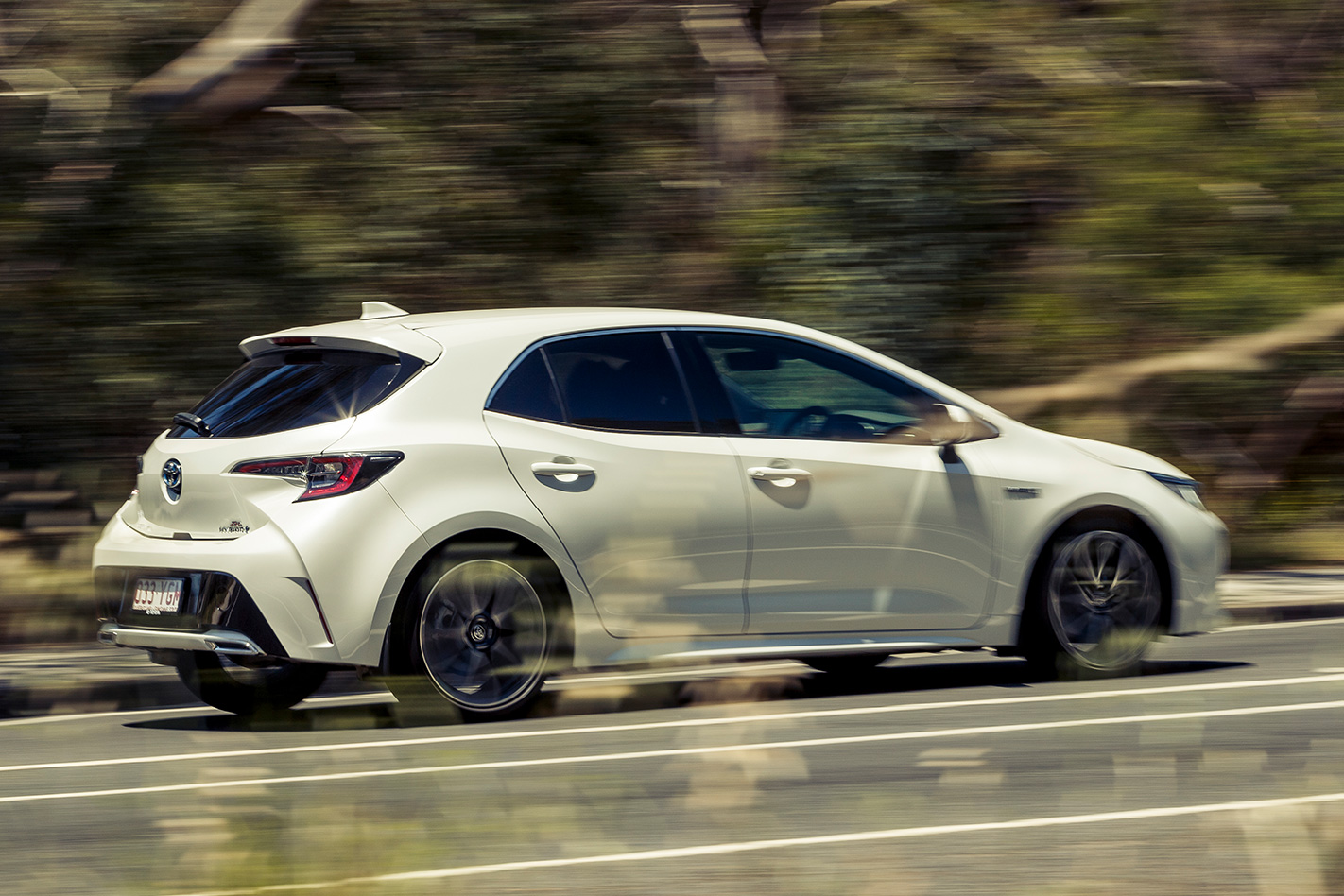
Approximately 140,000 private vehicle sales were subject to the tariff in 2017 – though some 800,000 – including top sellers like the Toyota HiLux and Corolla (below), the Ford Ranger and Mazda 3 – were not.
The AAA has issued a policy platform encouraging the current government to consider a new transport ‘white paper’ that examines more thoroughly the issues affecting road users today.
Amongst a raft of proposals is one to eliminate the fuel excise and replace it with a road user-pays system.
“Under the existing fuel excise system, drivers of older or larger vehicles that use more fuel pay more per kilometre to use the same stretch of road as drivers of newer, smaller, more fuel-efficient vehicles,” reads the paper.
“Meanwhile, as technology changes, ultra-low fuel consumption/non-internal combustion engine vehicles can use the road network at no cost, as they are outside the fuel excise system.”
The AAA acknowledges, though, that the current low rates of EV take-up – around 100 ‘pure’ EVs were sold in 2018, against an industry total of 1.1 million – will mean that any such proposal should be rolled out over a number of years.
Luxury Car Tax
Along with the tariff issue, the AAA is also calling upon the government to abolish the Luxury Car Tax (LCT), which has been in place since the introduction of the GST in 1999. However, the tax, which has been modified to give more fuel-efficient cars a tax break, is part of a wider discussion around the establishment of free trade deals with Europe.
“Transport investment is good economics, but we can’t simply invest on an ad hoc basis,” said Mr Bradley. “The development and management of our national transport system are today fragmented and unfocused and until we rectify this, consumers will continue to face longer commutes, higher costs, and a less safe network.”
The biggest issue of all for all of this, of course, is the current state of federal politics. With a federal election due in the next couple of months, the AAA will potentially need to engage with a different group of politicians to move forward.
WhichCar understands, though, that members of the federal opposition are already proactively engaging with automotive companies around issues like charging network implementation and EV purchasing for public service fleets.
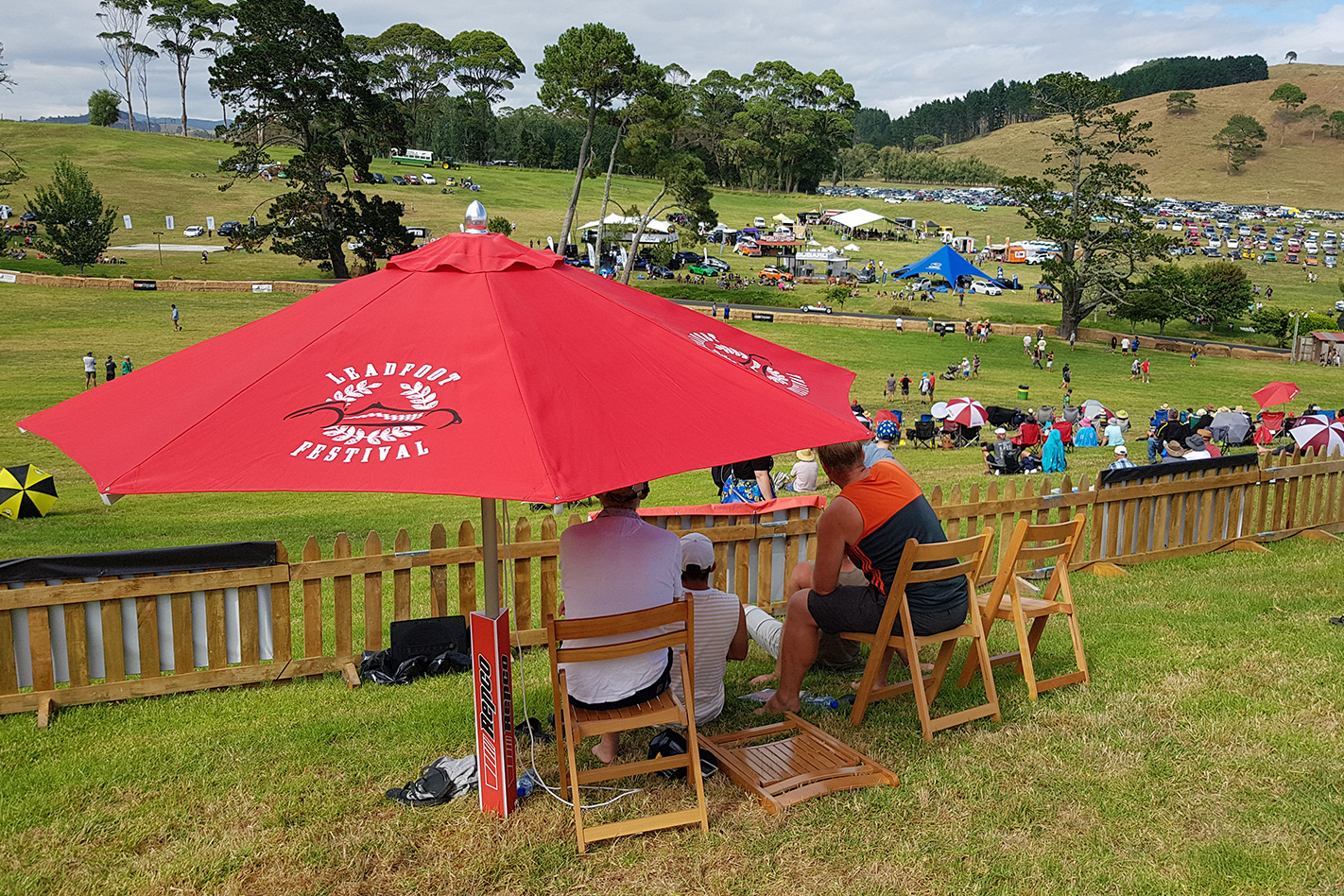
THE LEADFOOT FESTIVAL has to be a genuine bucket lister for petrolheads. Think of it as the Goodwood of the South, a race up one man’s driveway and a garden party that’s packed with mouthwatering metal. The man in question is Rod Millen, Kiwi rallying legend and still the fastest man up the gravel Pikes Peak course. His Leadfoot Ranch is on the east coast of the Coromandel Peninsula in New Zealand’s north island and it knocks the Festival of Speed’s track for six.
“I wanted to incorporate elements of the Pikes Peak climb into the track,” explains Millen. “Some friends of mine told me that there was a much more direct way to build the driveway, but I sent it straight over the steepest part of my land with a bunch of switchbacks,” he twinkles.
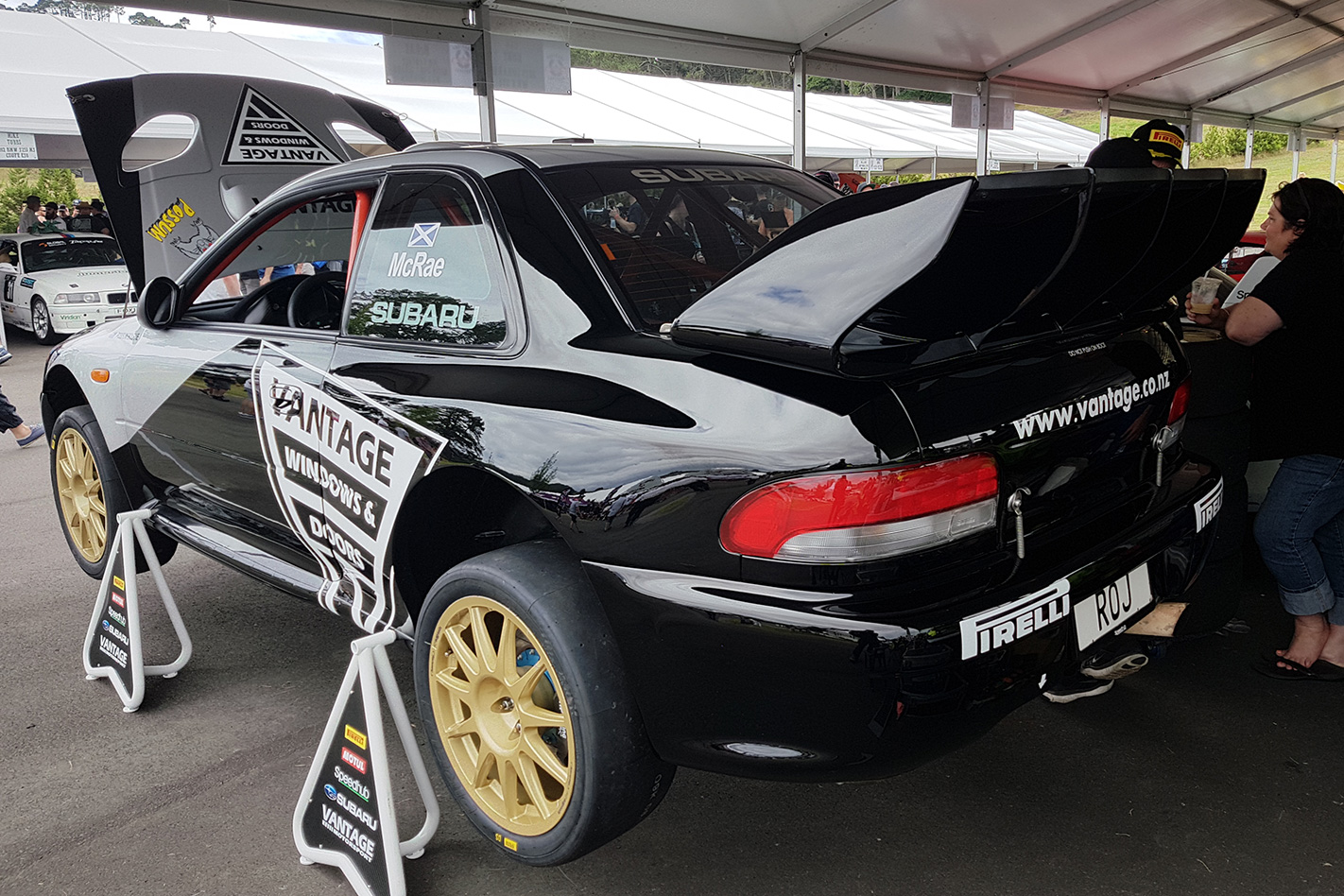
Millen’s still a fiendish pedaller, even at 68 years old. Piloting the 1994 Toyota Celica Pikes Peak special, he looked odds-on to contest the win with Alister McRae, whose ex-Possum Bourne Impreza has been the class of the field for the past two years.
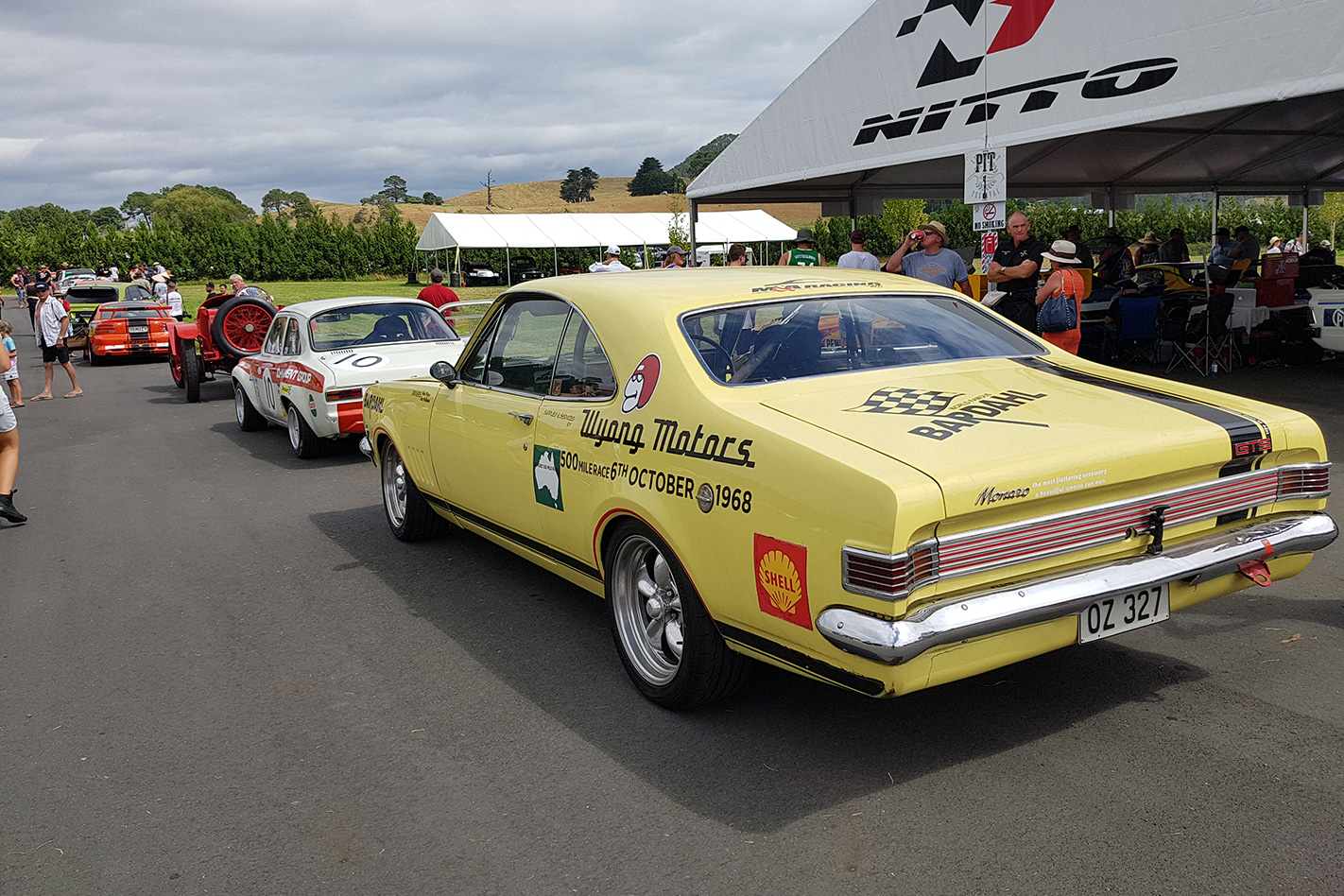
That was until a missed gearchange dropped Millen from the podium places, the 1.6km course biting back and seeing McRae claim his third win on the bounce with a course record 47.99s. This was followed by Rotorua’s Sloan Cox in his Mitsubishi Evo VIII and Pikes Peak hero Paul Dallenbach rounded out the podium in his claiming third in his crazily bewinged 2000 Wells Coyote PD01 open wheeler.
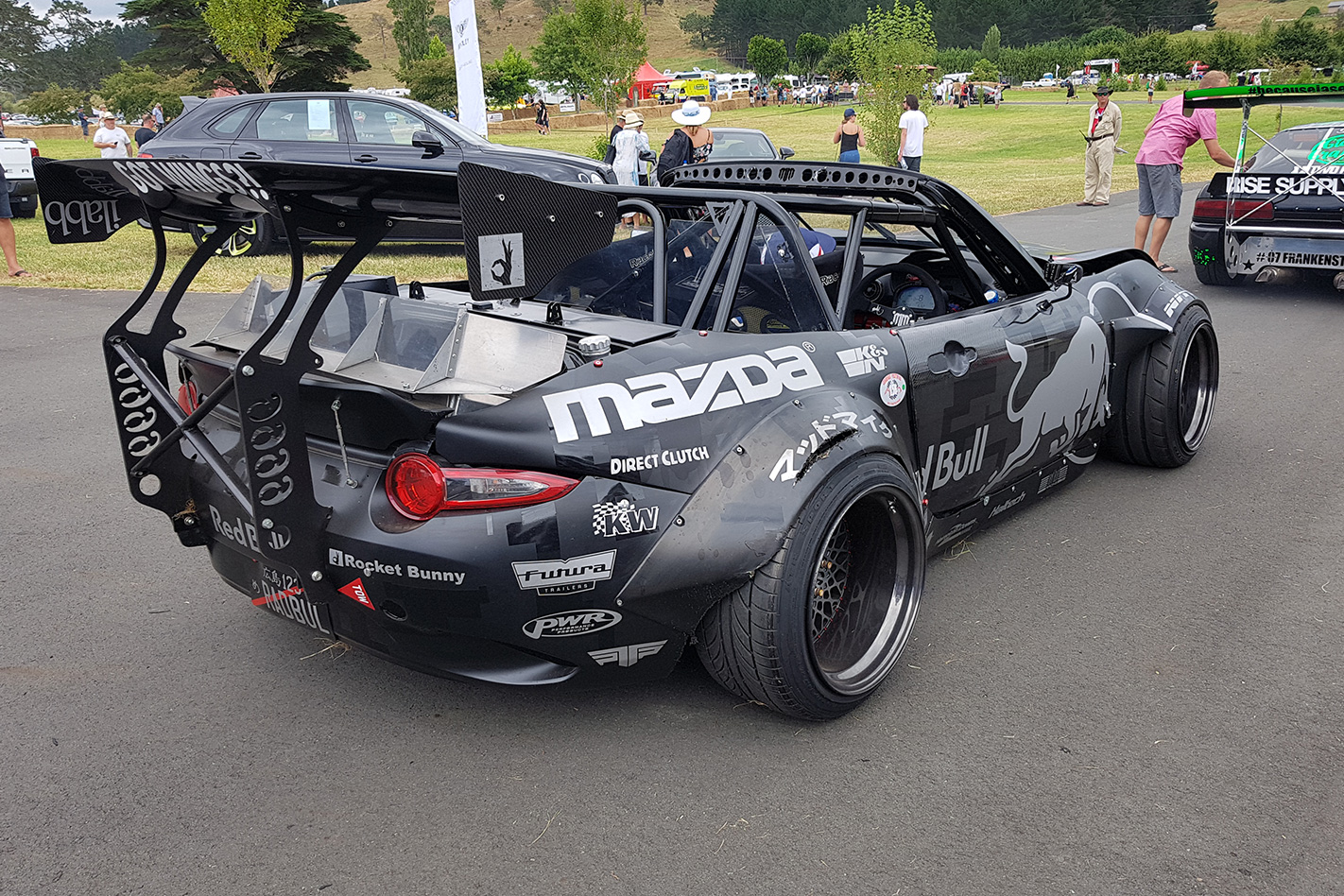
Unlike Goodwood’s Festival of Speed track, the course has been designed by a sharp motorsport brain. We take to the track to point out some of its highlights as the event wraps up for this year. Ask any British motoring journalist how they feel about Goodwood and they’ll tell you that as good as it is today, it was better and more informal 20 years ago. Going to Leadfoot is like taking a ride in Doc Brown’s Delorean back to when you could easily chat to the drivers, pore over their race cars and get close to the action. Click through the gallery up top to see more and look for the full feature in Wheels magazine.
Click on the image gallery at the top to see more photos of Leadfoot Festival
The video owners have disabled playbacks on other websites, to view the footage click this link!
While most of the attention at the end of the Bathurst 12 Hour was focused on Matt Campbell in his Porsche 911 GT3-R and his relentless march to a well-earned victory, the last four laps also saw another battle taking place.
Supercars driver Shane Van Gisbergen and Raffaele Marciello were locked in a cat-and-mouse chase for the third step on the podium.
With only those four laps to go, SVG was clearly trying hard to make a move on Marciello, but the 24-year-old Italian had other ideas.
For four laps, Van Gisbergen pushes Marciello constantly but finds little opportunity to pass as the former Ferrari Academy driver makes his car as wide as possible.
By the end of the few laps – and the end of the half-day race – there were only a couple of tenths in it. Marciello finished with 12:02.00 between he and his co-drivers, while SVG (joined by Jamie Whincup and Craig Lowndes) finished with 12:02.20 on the clock.
Afterwards, Van Gisbergen was seen collapsed beside his car, which Speedcafe later reported was simply due to a cramp.
“To get the performance I had to use two feet pushing as hard as I could as something was just not been right with the brakes all weekend,” he told Speedcafe.
“I just started cramping. Just the brake pressure, just the cramp in my legs. I’ve never, ever driven a car where the brakes are that bad. So It was tough.
“I just tried to stretch my legs out. I was cooking as well, just my legs.”
In front of Marciello taking second place was Jake Dennis, driving the Aston Martin Vantage V12 GT3.
IF YOU’VE ever seen the word Luftgekühlt mentioned in relation to Porsches on the internet, you’ll know that the wildly popular Californian show is about celebrating Zuffenhausen’s back catalogue of classic hits.

Meaning “aircooled” in German, the Luftgekühlt show-turned-festival strictly limits entrants to those that use air to cool the engine rather than water. Despite its huge popularity and expansion overseas, we’ve been yet to see a similar event in Australia – that is, until Hangar Banger arrived.
Hangar Banger is a little more liberal in what’s allowed into the show, but the get together is strictly-Porsche and aims for a similar informal vibe, in surroundings that are equally as intriguing as the cars.

Started in 2018 by Porsche Forum Australia, the inaugural event was held as a final send off to a member’s World War 2 hangar in Geelong, due to be demolished the following week.
From a not-inconsequential group of 60 cars brought down for Hangar Banger 1, the event’s second running stepped it up a notch, securing an old dairy factory outside Colac, with over 300 of Porsche’s finest on display.

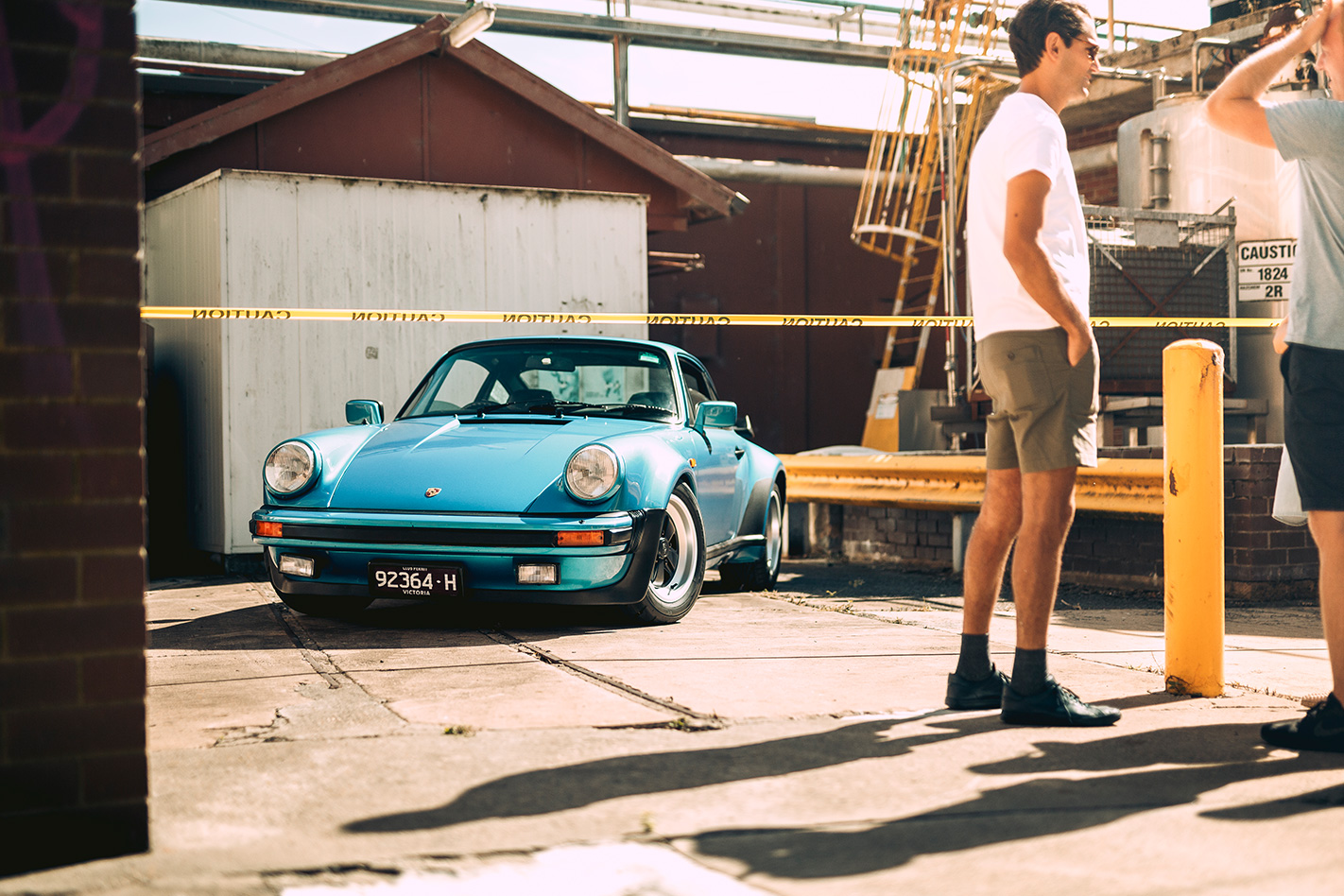
Some of Australia’s best Porsches managed to make it down to the middle-of-nowhere factory, with two 964 Turbos, a Ruf BTR slantnose, a multi-million dollar 356A Carrera GT and even some of Porsche’s current crop like the 991 GT2 RS were in attendance.
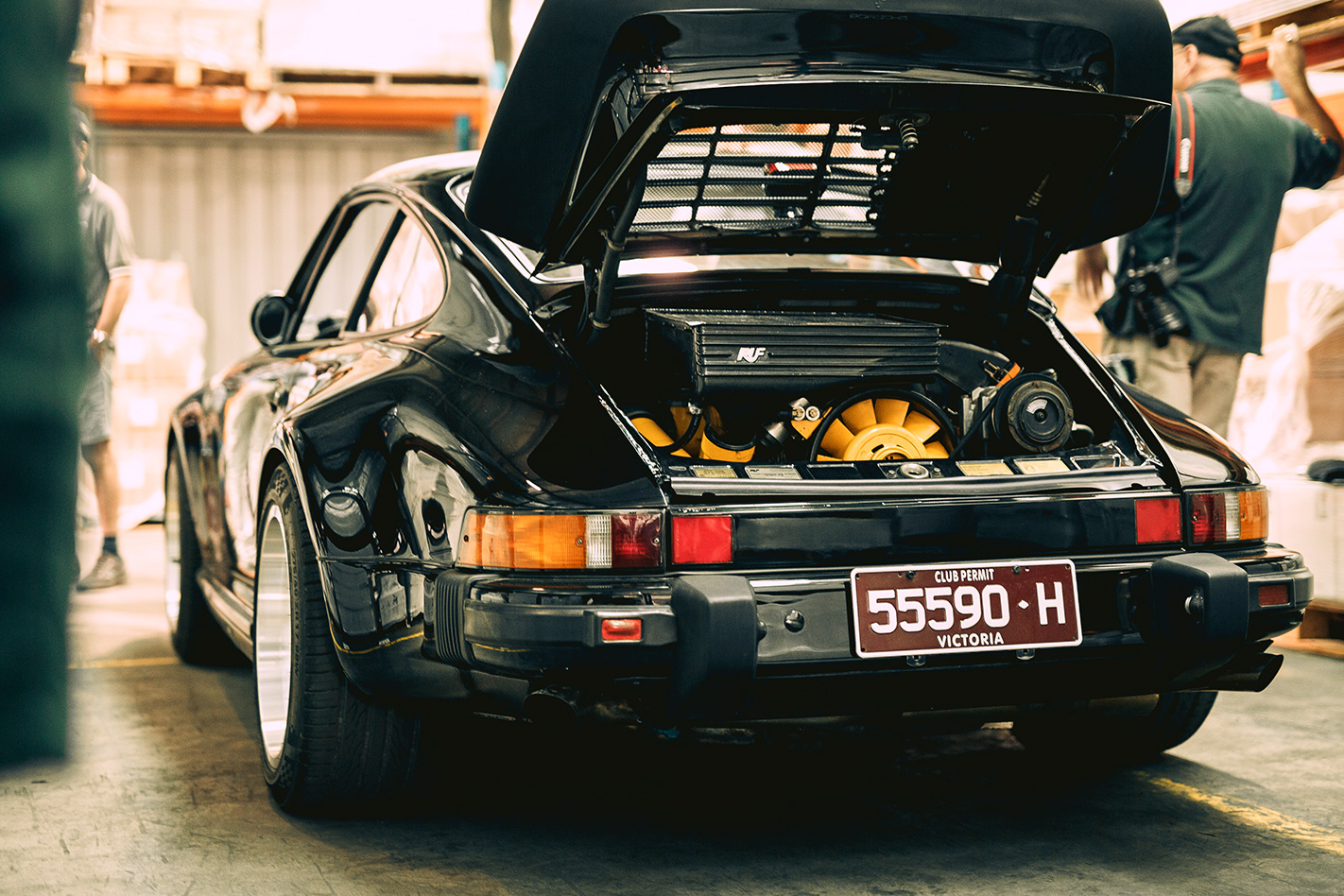
Every single model of P-car was represented – well, at least sports car-wise – in the ten-plus buildings that made up the disused facility. Around every corner was something unique, the layout acting like a labyrinth to be explored at leisure in order to see some of the rare Porsches it was hiding.
We have a full rundown coming to Overrun in the March edition of Wheels magazine, but for now, browse the gallery above to see a sneak peek at what we saw.
If you thought the Mk3 Ford Focus RS was already powerful enough to challenge the mightiest hot hatches, you wouldn’t be wrong. However, one tuning house has gone above and beyond to make Ford’s pocket rocket even faster.
UK Ford tuning firm Mountune has announced it will make its most powerful flash tunes ever for the current generation Focus RS, the m400R and m400X.
The software modification to the already bonkers Focus RS will lift its stock outputs of 257kW/ 447Nm (with 470Nm on overboost) to a tarmac-ripping 294kW/ 560Nm. While you might think current engine bolt-ons will be changed, this power increase is purely created through the manipulation of the engine’s factory ECU.
However, Mountune does recommend that owners modify their engines with uprated conrods and forged pistons first before installing m400R and m400X tunes.
Although the m400X engine map will be the primary tune for everyday use, Mountune will also include three other modes including the OEM map, a fuel-economy map and a valet mode (to make sure it isn’t thrashed while out of your hands).
The m400R tune, on the other hand, also utilises the same handset design and additional map modes as the m400X but further boasts significant bolt-on engine enhancements.
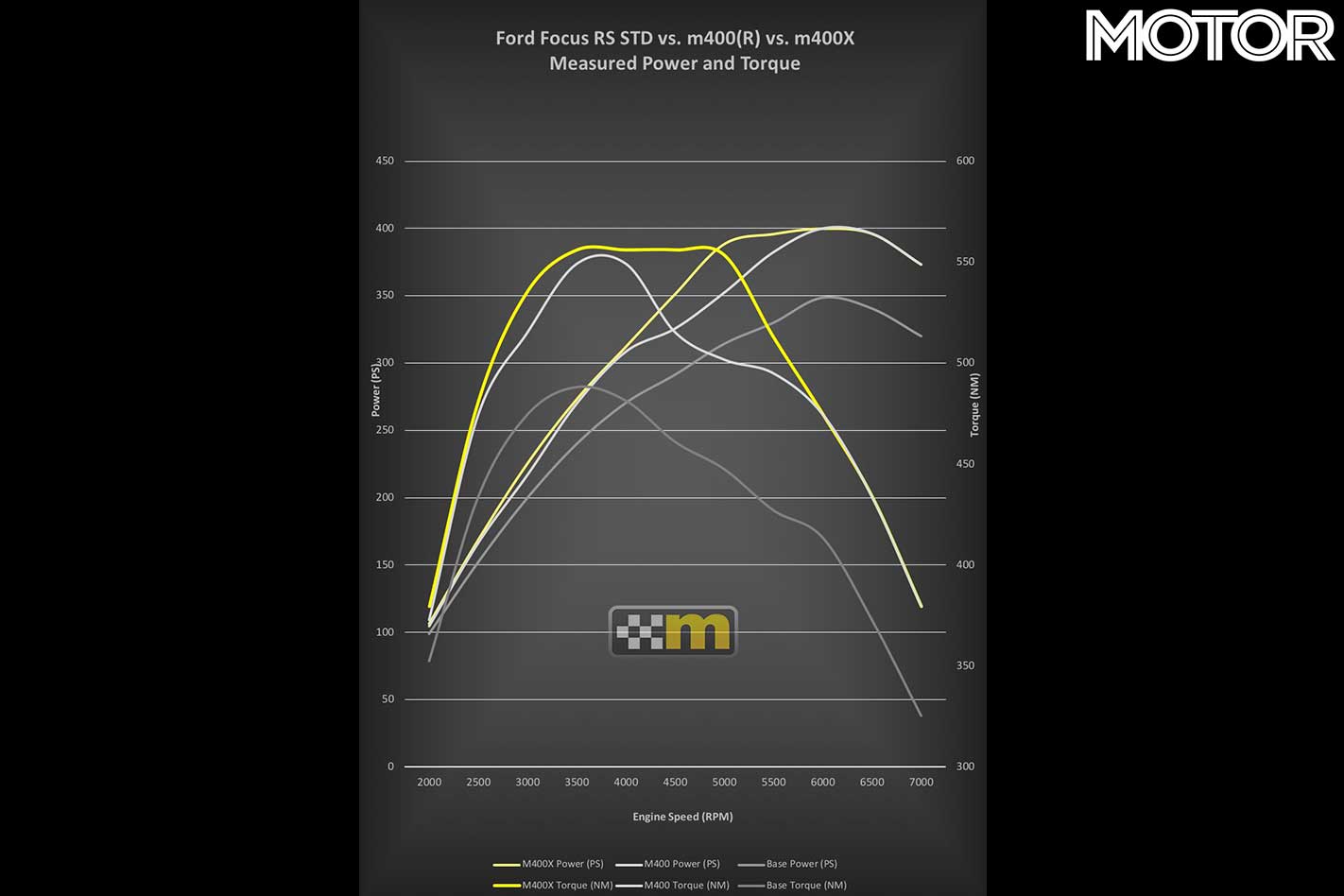
The m400R package includes a cat-back exhaust system, high flow intake kit, a three-inch downpipe and 200-cell catalytic converter as well as a high performance alloy intercooler. The handset and bolt-on parts come to a whopping £3,296.97 or close to AUD$6000. To compare with the company’s m400X tune (which does without bolt-ons), the m400R is in a completely different ballpark when it comes to spending your hard-earned cash.
Mountune isn’t the first to release high-power tunes for European hot hatches. Another UK company, Dreamscience, which also specialises in hot Fords, has already released a Stratagem IMAP flash tune for the Mk3 which lifts outputs to the identical figures of Mountune’s version.
Mountune is currently selling the m400X tune for £495 (AUD$895), which is the more expensive option in comparison to Dreamscience’s tune which is listed now at £445 (approx. AUD$800) on the company’s website.
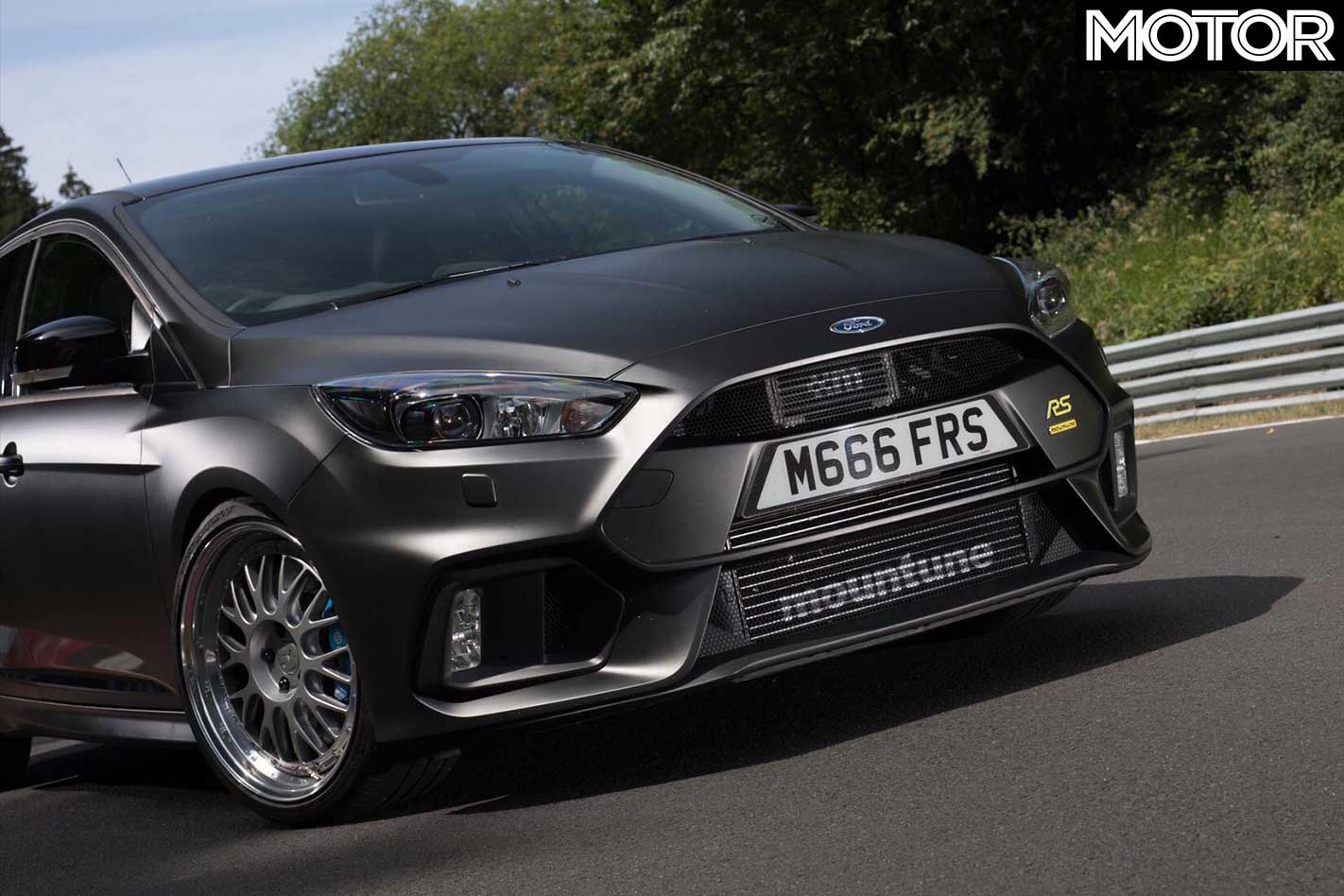
The map has come at a good time considering Ford Europe has ceased production of the Mk3 Focus RS and will not offer special editions of the car with higher specific power outputs. The company has made way for the new RS which is rumoured to arrive in 2021.
Currently, Mountune does not have an operating retailer in Australia but its go-fast bits can be ordered and shipped from the UK.
The Ford Mustang Supercar racer has been officially launched today by Ford Australia, Shell V-Power Racing, and Tickford Racing.
After a ‘soft launch’ last year with the camo-covered car being announced to the public, this marks the first time we’ve seen the Mustang Supercar as it’s to race though 2019 and beyond.
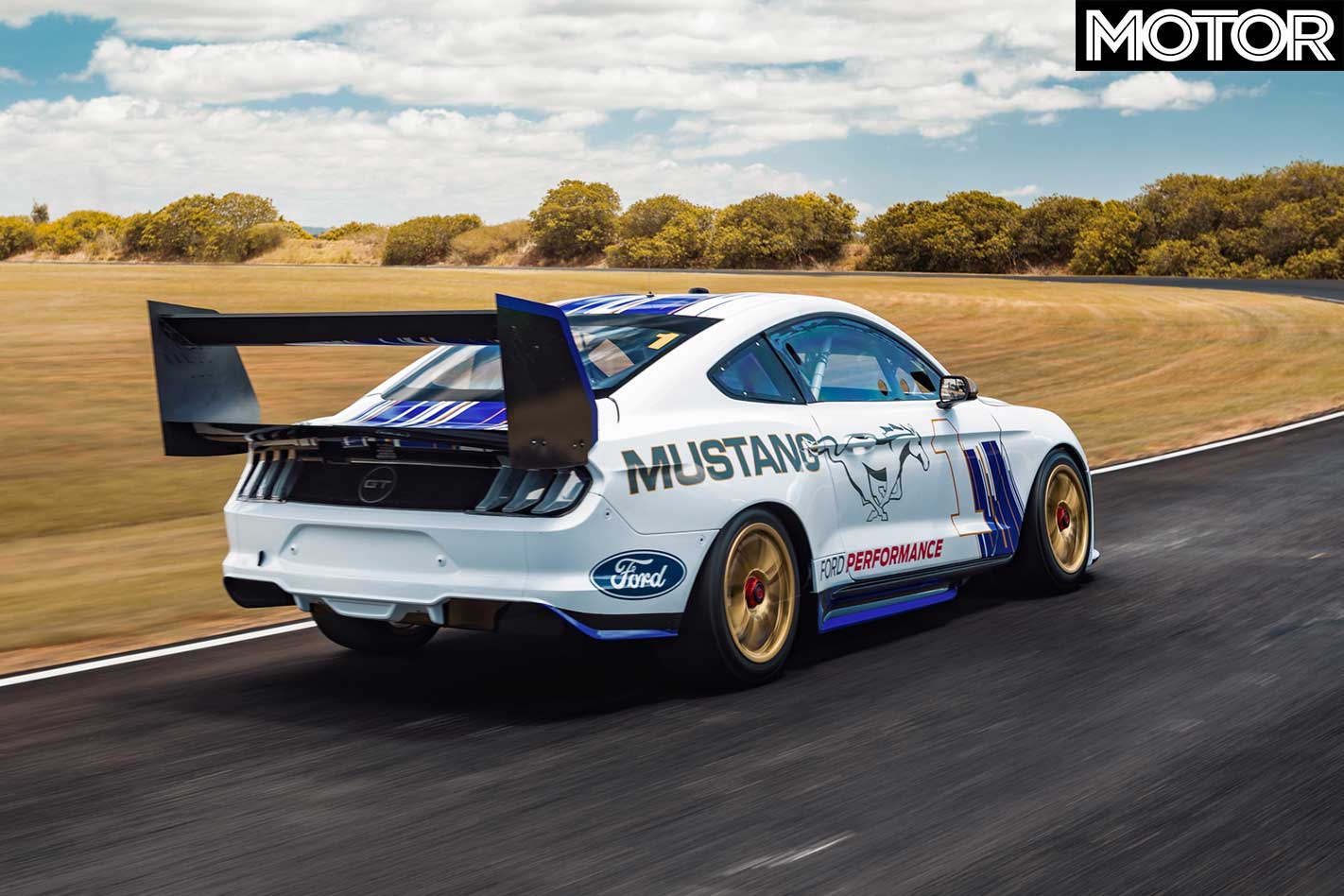
Supercars CEO Sean Seamer has called it the beginning of the next era of Supercars – an era in which many expect the Camaro to become the Mustang’s rival.
“For Supercars, the Mustang ushers in a new era,” Seamer says.
“It’s a product that you see readily on the road, it’s been super successful for Ford globally and here in Australia, and it gives the opportunity to reach younger and older generations with a fantastic looking race car.”

While public opinion of the camo car had been mixed, with its proportions changed from that of the road car to fit the Supercars requirements, Shell V-Power Racing team principal Ryan Story says the car now looks as it’s supposed to.
“Today is when we show the fans what the Mustang Supercar really looks like, ready for the 2019 Virgin Australia Supercars Championship,” says Story.
“This project wouldn’t have been possible without the support of Ford Australia, the Ford Asia Pacific Design studio, and the pivotal involvement of Ford Performance in the United States.”
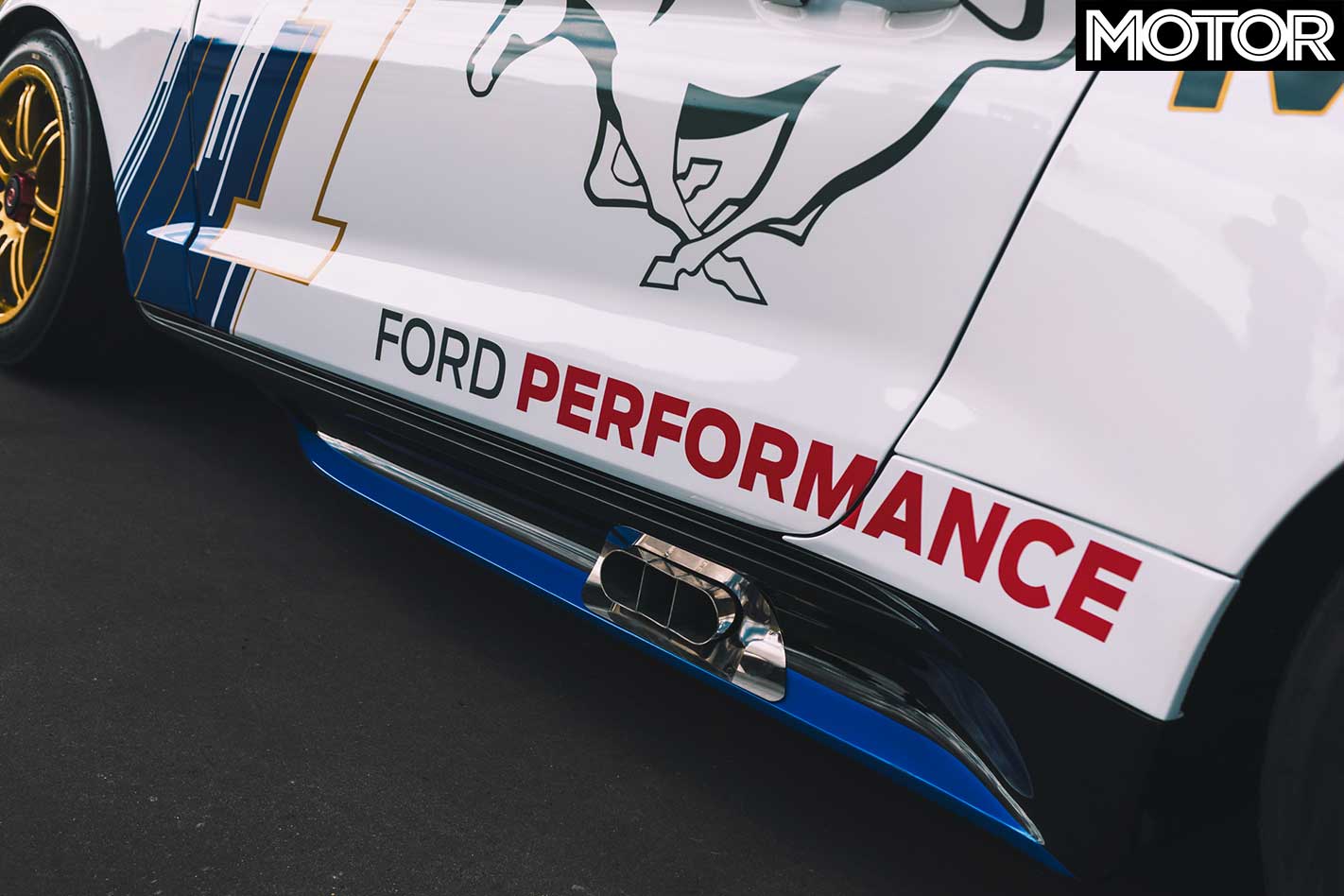
Ford Performance motorsports supervisor Brian Novak says the development undertaken in the US is tried and tested, and couldn’t have happened without a significant amount of Australian involvement.
“I’m really proud of the team in North America, and I’m really proud of the team down in Australia,” says Novak.
“We use the same processes to develop the Supercar that we do the NASCAR Mustang, that we do the Mustang GT4, that we do the NHRA Funny Car Mustang.
“That development has been proven out through other programs – the Ford GT at Le Mans for example – and we then transfer that back, that knowledge, back to the road car.”
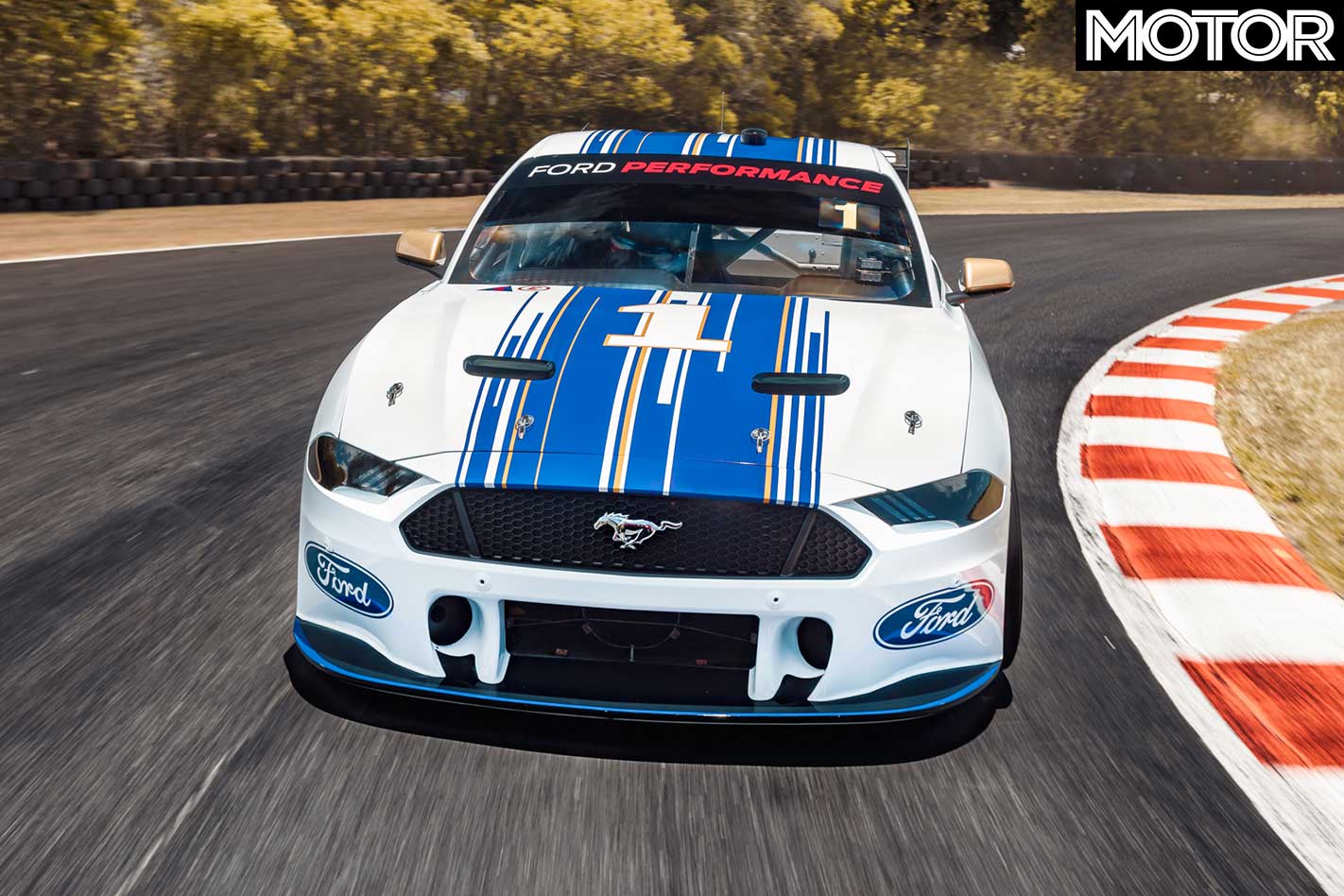
Six Mustangs will take to the grid in 2019, fielded by Shell/DJR Team Penske, Tickford, and Phil Munday’s 23Red racing team.
2018 Supercars champion Scott McLaughlin will take to the track on the Mustang’s race debut during the Adelaide 500 at the end of February, with the number 17 adorning the car as a nod to DJR Team Penske part-owner Dick Johnson.
In my eyes, the new Mustang is one of the best Supercars we’ve ever seen,” says Johnson.
“It’s a great honour, from my point of view, that Scotty has decided to run the number 17. He could have chosen the number one, but he chose 17, and that makes me very proud.”
The first track appearance for the Mustang Supercar will be at the February 14 Phillip Island Supercars test ahead of the first round of 2019 in Adelaide.
Volkswagen looks set to keep it Golf GTI hybrid-free for the Mk 8 generation, with reports from Europe saying the original decision to go electrified was reversed by VW’s boss.
UK outlet Autocar reports that VW’s current chair Herbert Diess decided to reverse the call made by VW’s former head to add hybrid into the mix for the next generation of VW Golf GTI, expected to arrive next year.
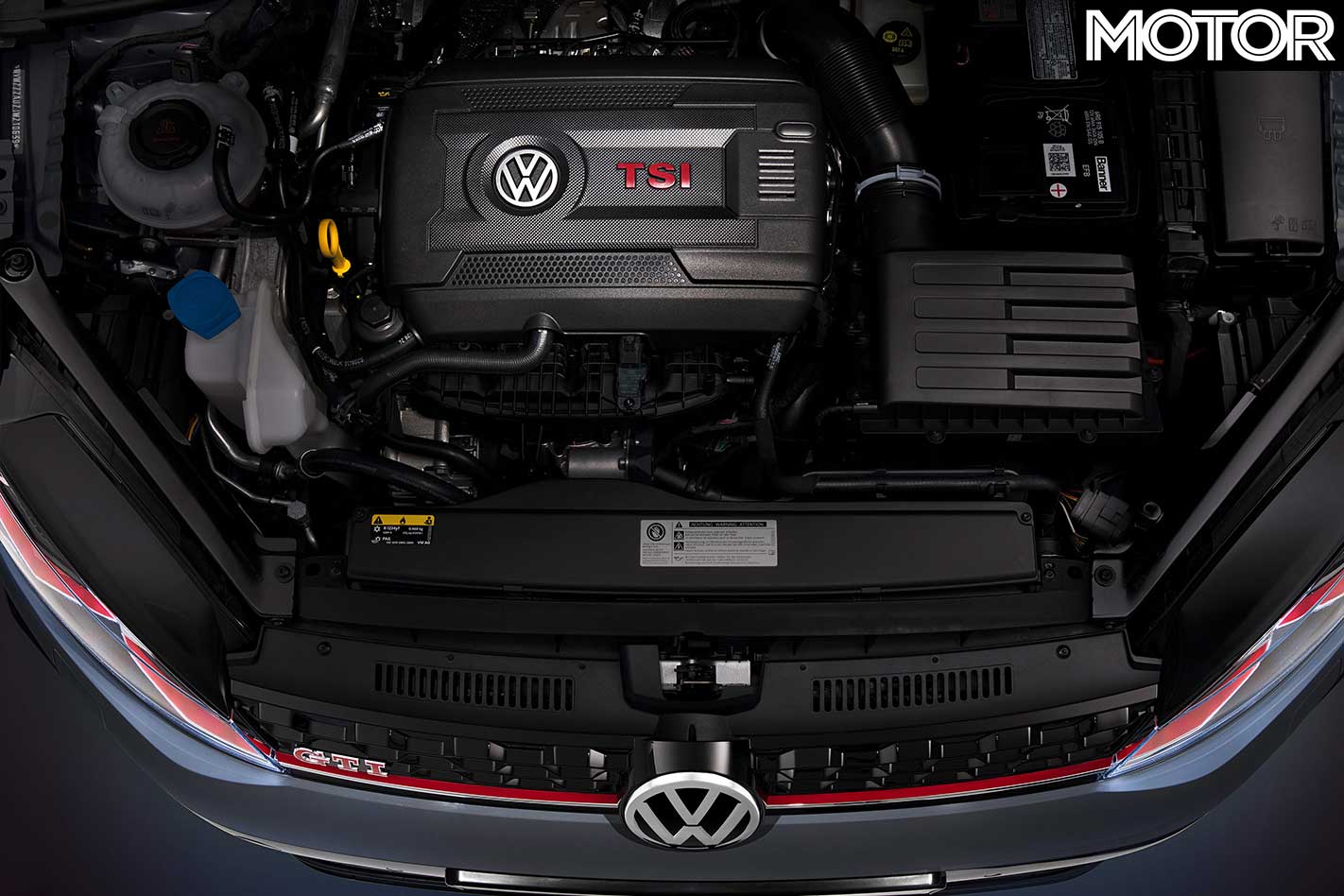
The mild-hybrid that was expected would have still been based on the 2.0-litre turbo EA888 engine, but now that engine will live on in a form similar to its Mk7/Mk7.5 iteration.
Additionally, it’s expected Volkswagen will include the TCR badge in the next generation GTI, with the base model producing around 185kW, and a GTI TCR with around 213kW. Sound familiar?
This would represent only a small bump in power of the current base model, and the TCR would essentially use the engine slated for the Mk7 special TCR edition, with similar outputs to the all-wheel drive Golf R.

Autocar also reports that as well as the decision to remain hybrid-free, VW engineers have said steering has been a focus when developing the 2020 Mk8 GTI, with a further evolution of the VW Group MQB platform underlying the new car.
MOTOR’s sister title Wheels has covered an expected 224kW output from some spec levels of the next-gen GTI, based on reports from German publication Auto Bild.
Though this doesn’t necessarily line up with expectations for Autocar’s reports on the Mk8 TCR, it could signal a third level of GTI.
ADMIT IT. If pressed, you’d struggle to describe the plot of Bullitt. We all know the car chase, but the rest of 1968’s fifth-highest grossing movie is, to most of us, a pretty hazy construct. If ever a movie was distorted by one sequence, Bullitt is it. Movie buffs will laud it as tautly written, spare and thrilling, drawing on influences from Japanese and French arthouse classics, yet it’s been seized on by petrolheads like us, who often find this cop procedural’s pace slow, the character development non-existent and the dialogue tedious.
But there, an hour and five in is 10 minutes and 53 seconds of cinematic gold that spawned the car we’re rolling in today. This is the third iteration of the Mustang Bullitt special edition, but this 50th birthday movie tribute is the first official import to Australia.
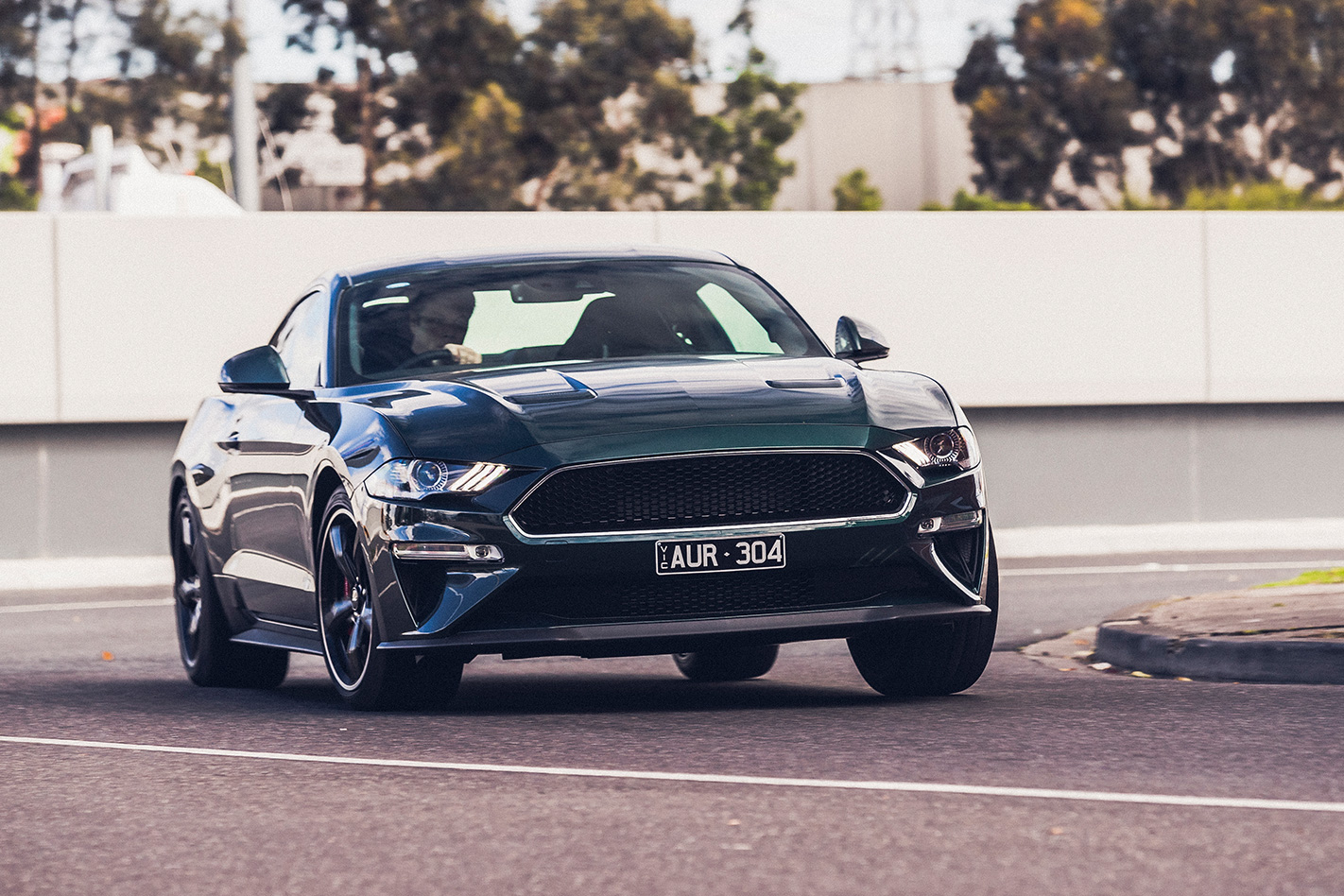
Initial orders suggest that we’re taking it to our hearts much as we did the original ’68 movie. Aussies contributed a fair slug of the movie’s $42.3m box office take, and nowhere was the Bullitt buzz stronger than at the almost 300 drive-in movie theatres dotted around the country. The ’60s were Australia’s drive-in heyday, when 20-acre plots of land on the outskirts of towns were cheap and plentiful.
The very first site opened in 1954 in Burwood, Victoria.
George Griffith Jnr, a manager for Hoyts, realised after a visit to the States that Australia possessed the four key ingredients to make drive-ins work: the English mother tongue, plentiful land, good weather and high car ownership. Unable to sell the concept to his employer, Griffith formed a syndicate and opened the Skyline in a natural amphitheatre in the Gardener Creek valley, the screen elevated on the other side of the creek to the field, removing the need to mount it on a tower. With its lake, steak house and illuminated kids playground, it opened on February 17th 1954, screening The Conquest Of Everest to a select preview audience. From that point on, the venue drew huge crowds, Hoyts soon swallowing its pride and buying out Griffith and his partners.
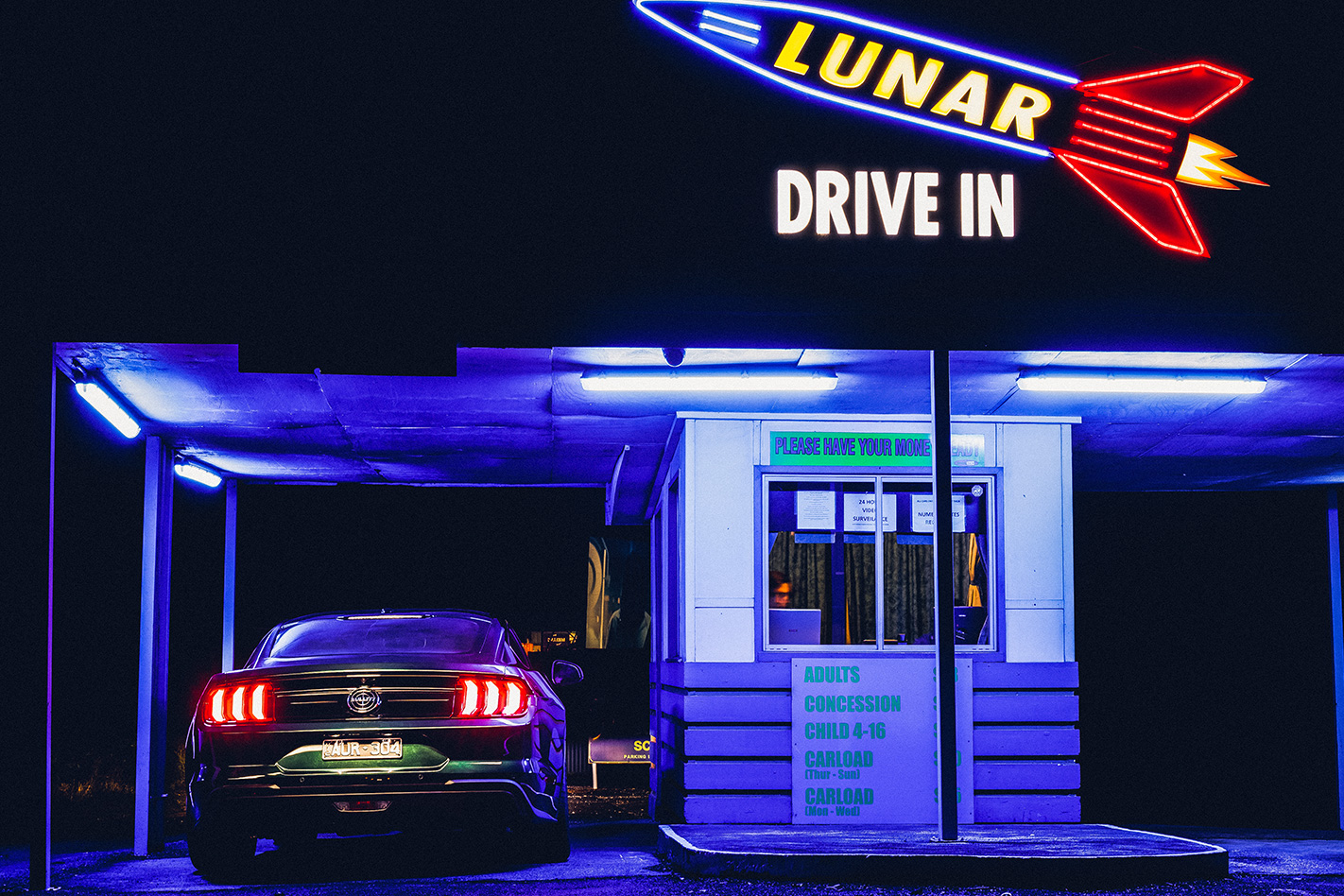
Bullitt was screened in drive-ins with a Warner Bros distribution deal, which includes the one we’re at, the Lunar Dandenong. Sadly it’s one of just three drive-ins still surviving in Victoria. The Lunar’s story is that of Jim Houlahan, who was commissioned to build a copy of the Skyline Burwood; the Maribyrnong Sunset becoming Melbourne’s second drive-in. A consortium of Dandenong business owners then wanted in on the drive-in craze and Jim’s next job was to take advantage of local Holden, Standard and Chrysler plants and create a drive-in on a 25-acre site. With a four-lane entrance and space for over 600 cars, this site opened in May 1956.
It closed in 1984, knocked out by a one-two of rising land values and the development of the VCR. Second-run movies and revival showings had long been the bread and butter of the drive in, affording families an inexpensive night out, but the prospect of an even cheaper night in proved seductive. Faced with declining profits, most drive-in owners succumbed to the advances of developers looking for suburban shopping centre sites. From these regional centres grew the multiplex cinema, a major factor in capping the drive-in revival.
There are only 20 permanent drive-ins left in Australia. I’m surprised to see that the clientele at Dandenong, which reopened in 2002, is predominantly hipster twentysomethings, rather than boomers sucking on the teat of dewy-eyed nostalgia, and business through the gates at the Lunar has grown 10 percent year on year for the past eight years. One thing hasn’t changed, though. A fair proportion still come to drive-ins because they love movies and love cars, and the Bullitt ’Stang receives its fair share of Instagram papping.
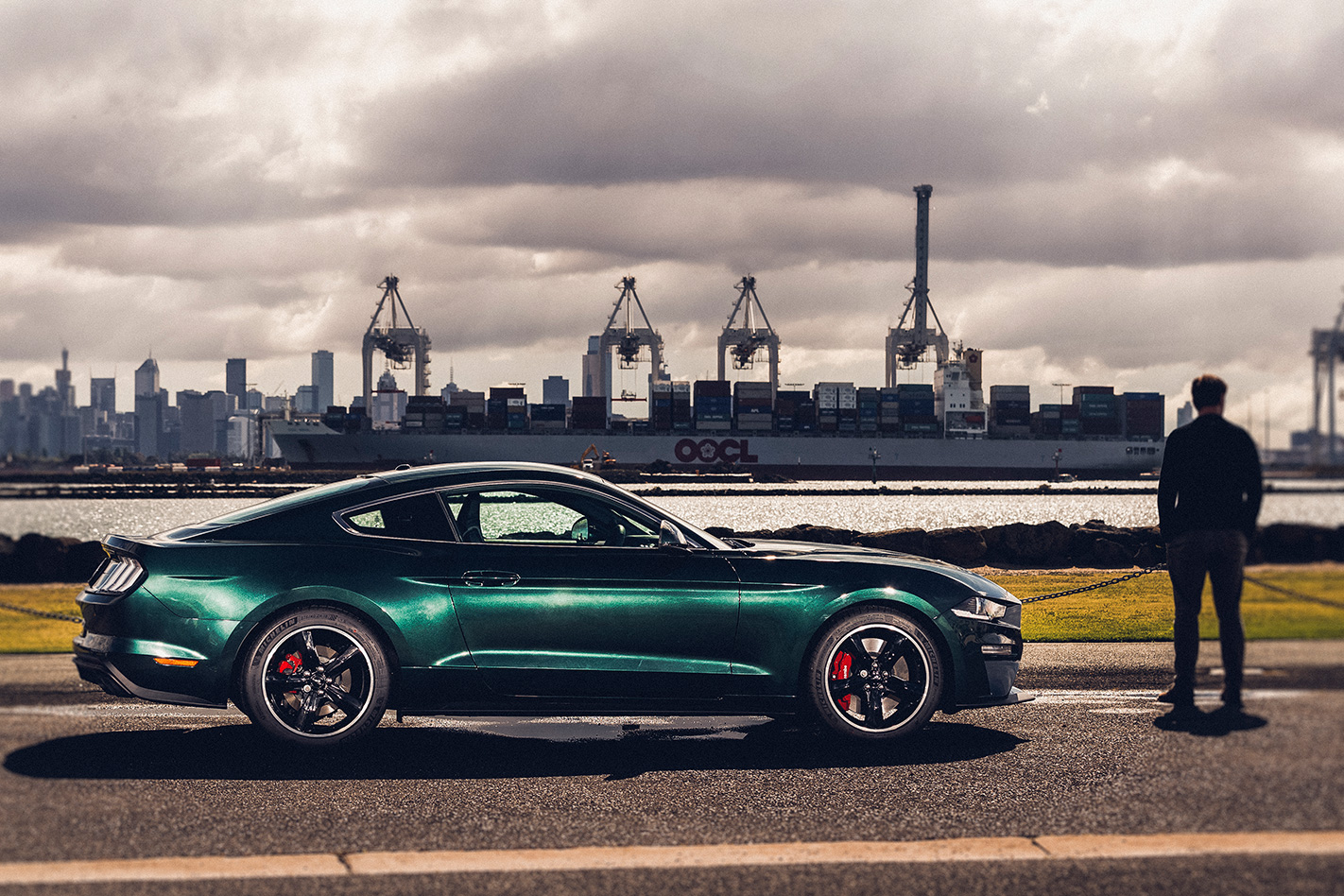
This is an easy car to be a bit cynical about. Were you of a more jaded bent, you’d probably think this was a dead horse not so much flogged as minced, but there’s a big-hearted enthusiasm to the Bullitt Mustang that’s impossible not to love. The aesthetic is spot-on, Ford only choosing to import to Australia in authentic Dark Highland Green, leaving the cloth-eared Shadow Black for the US market. With extra chrome, the deletion of the front grille pony and some low-key aluminium Torq-Thrust wheels, the Bullitt Mustang has to be one of the few cars that could be cosmetically improved by the addition of a few strategically positioned scuffs and dents.
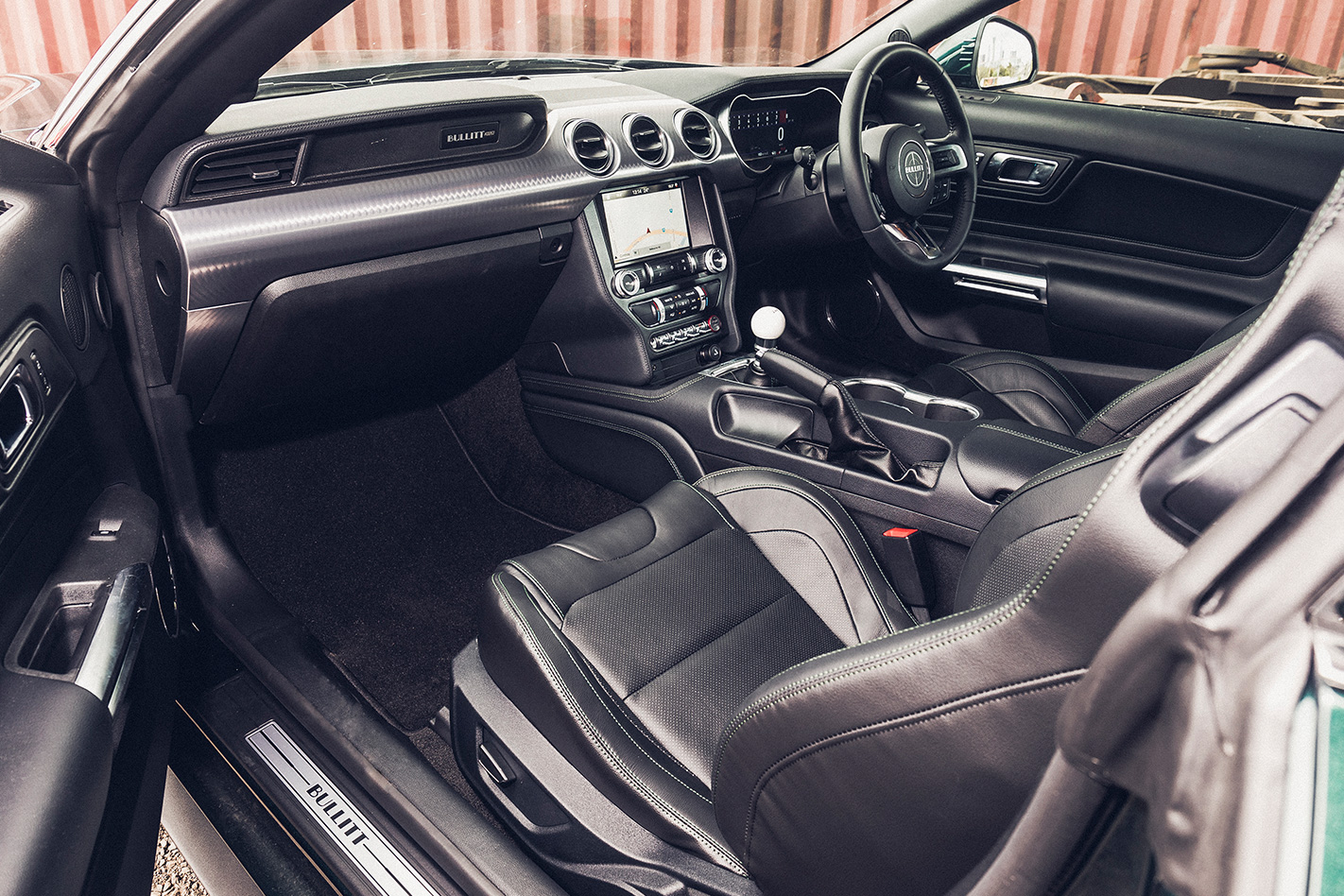
The gunsight graphic in the centre of the decklid is the only gauche touch, and I’d be looking to source an Ecoboost’s pony badge instead for understated cool. The cabin still feels authentically blue-collar despite the leather Recaros and milled aluminium inlays. Poke around and you’ll spot some ropey plastics and parts-bin light switches and, if you’re tall, the rear view mirror offers an excellent opportunity to inspect the rear bench squab. At $73,688, the Bullitt is $10,698 pricier than the GT Fastback manual on which it’s based, but given that only 700 are coming, it’s reasonable value. Ford has even managed to squeeze a few extra ponies from beneath the bonnet; peak outputs climbing to 345kW and 556Nm courtesy of an open air induction and Shelby Mustang GT350 intake manifold with 87mm throttle body, a Ford Racing air filter and a custom powertrain control module to make that little lot play nice.
Our schedule means that we need to sneak out of the drive-in a little early and there’s no really subtle way to do it. The retuned performance exhaust has little of the introvert about it, rippling sodas in cupholders like the big boy from Jurassic Park. However much fun it is to watch movies about cars, it always pales a little when you have the keys to the real deal. Maybe disc brakes and decent tyres contributed just as much to the death of the drive-in as video-cassette top-loaders and dodgy developers.
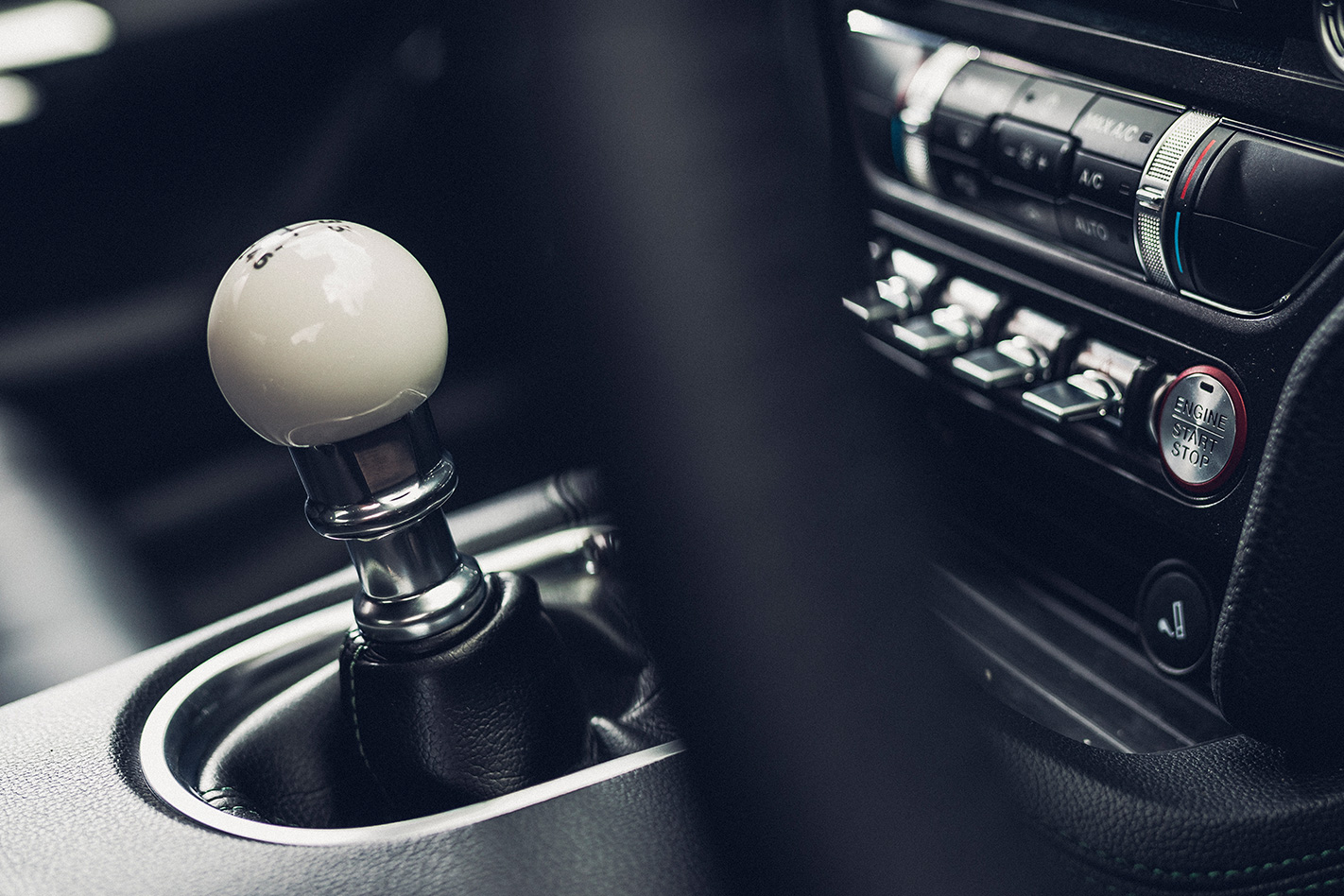
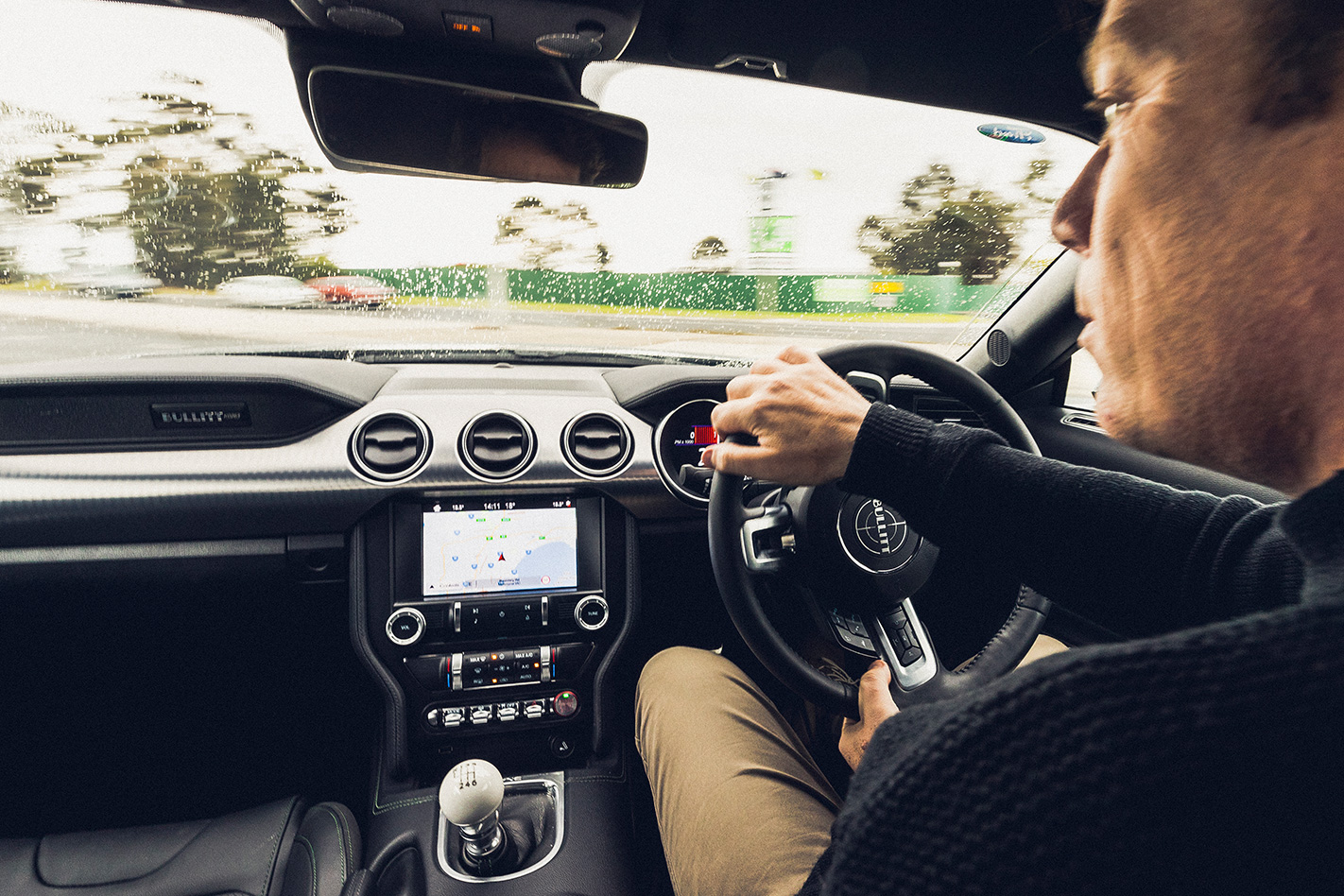
The cue ball gearknob in this Bullitt edition might be a throwback, but it’s absolutely key to the fun factor of this car. We’d driven to pick up the Ford in a manual Porsche 911 GT3 and, after a few kilometres, I’m wondering whether the Mustang actually has the sweeter transmission. In fact, I’m not wondering at all. I’m certain of it. It’s a more fluid action, one that you’ll palm around the gate just for the fun of feeling the deft springing, the seductive slip of the detents and the raucous rev-matching. The sensors for the latter are such that you can give the ball the sneakiest little double-tap to contact the next gear and you’ll get two enormous gales of revs, a cheat to emulate McQueen’s deft double-declutching. Of course, should you want to do the footwork yourself, you can switch the electronic help off and enjoy the near-perfect pedal placement.
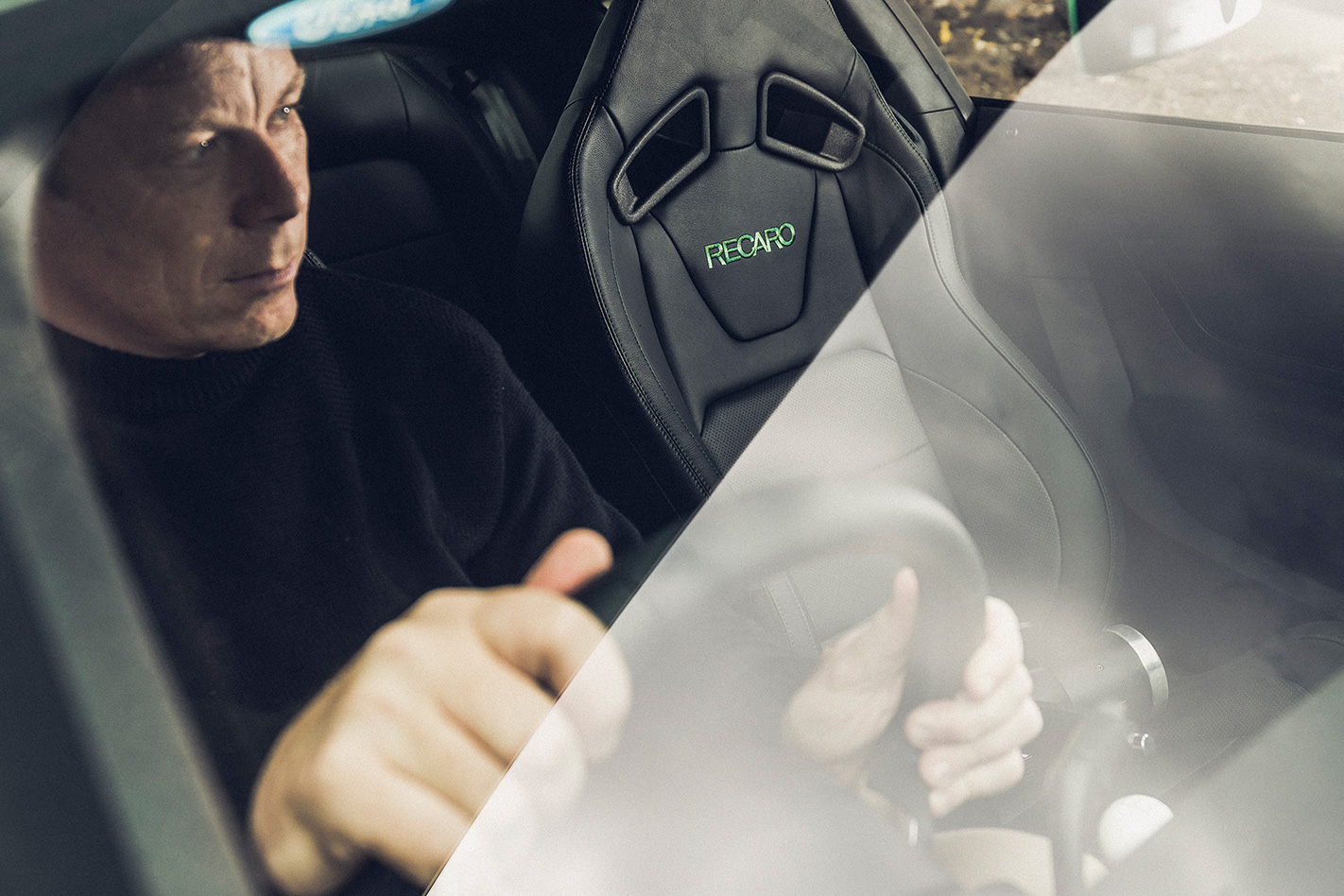
Much has been made of McQueen’s contribution to the stunt driving in Bullitt, and while he was undoubtedly a handy steerer, most of the truly high- speed stuff was taken care of by stuntman Bud Ekins, who had previously doubled for McQueen for the climax of The Great Escape, where he jumped a Triumph 650 painted up as a side-valve Wehrmacht BMW over a four-metre barbed-wire fence. Ekins was always adamant that McQueen could have performed the jump himself and that he was also more than capable of the high-speed driving requirements for Bullitt.
10,000,000th Mustang to be built
Channel your inner Bud and you’ll find that this generation Bullitt Mustang likes being slid lazily around with the stability control nixed, but I’m not sure if I’d feel entirely comfortable flinging it sideways at the 120km/h-plus speeds Ekins managed in the movie. There’s a certain pitchiness to the suspension and a low-down gutsiness to the V8, the tweaked cam phasing giving the Bullitt an agreeably lumpy idle. It has the aura of an unreconstructed muscle car and so it proves, the Mustang feeling rock star up to about seven or eight-tenths, after which it can be bullied into behaviours a little less resolved. It would undoubtedly lack the ride height to tackle the jumps on San Francisco’s Taylor Street without divesting itself of most of its anterior plastics.
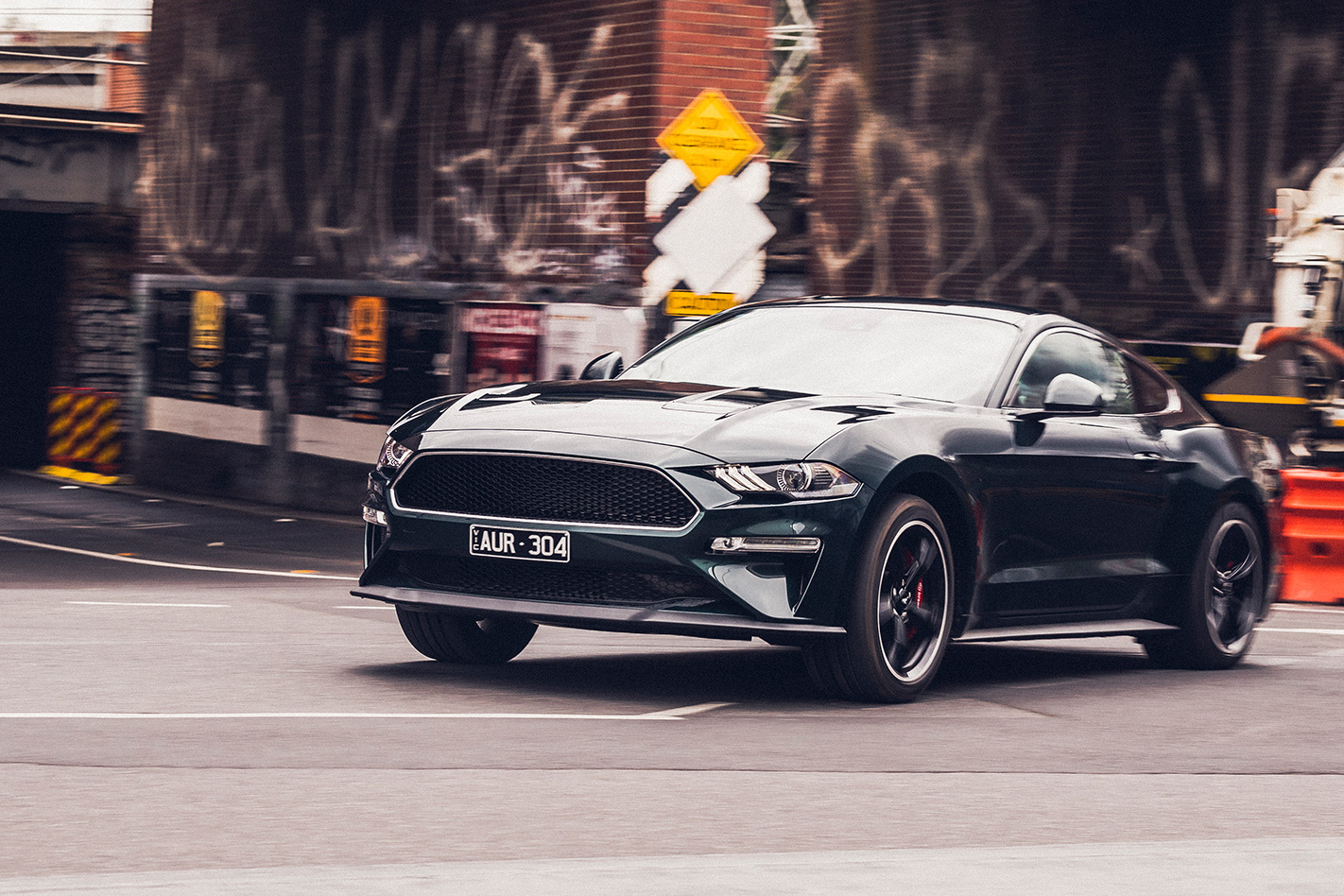
Unlike Bullitt’s impossibly schizophrenic location sequences around the Bay Area, our route is far more coherent: down from the northern end of Melbourne, home of the Village Drive-In at Coburg, to the Mornington Peninsula where the Dromana Drive-In is located, before looping back up to the Lunar at Dandenong. The Bullitt Mustang makes a fantastic urban sports car. It looks and sounds great, performs exceptionally at modest speeds, the instant torque will make the tyres chirrup and squeal at will and the ride on the adaptive suspension isn’t half bad. What’s more, the optional 1000-watt Bang & Olufsen stereo and bucket-sized cupholders are about perfect for the drive-in. Some will always prefer a bit of Netflix and chill but there’s room for a more retro experience. Your mileage may vary. Or, as Detective Frank Bullitt once noted, “You work your side of the street and I’ll work mine.”
Click through the gallery at the top of this story for more images of the 2019 Ford Mustang Bullitt by Ellen Dewar.
