
THERE was no Golden Age of Cars. Think about that for a moment. Cars have never peaked and then become worse. Every successive generation of cars – taken in the round – has been better than their forebears. Faster, safer, better equipped, more comfortable, more economical, cleaner, cheaper in real terms and, yes, more fun. The gradual draw down on the internal combustion engine isn’t about to reverse that trend either.
That’s not to say we don’t love a few reciprocating oily bits. From a personal perspective, my favourite moment on the job last year wasn’t even spent in a car. It was sitting by the roadside listening to editor Inwood pedalling a 911 GT3 up a set of forested hairpins in the Grampians, savouring the volume dial cranking up a crescendo of atmo six butting up against its 9000rpm redline. Nothing’s going to replace that experience.
But if you’d told me ten years ago that the plumber next door would be driving a seven-seat SUV which was quieter than a Rolls-Royce, cheaper to fuel than a Corolla but which could also leave a V12 Lamborghini in its wake, I’d have laughed in your face. And been gloriously, spectacularly wrong. Vehicles like his Tesla Model X P100D are but the vanguard of the EV era. The fascinating thing is that they’re the utterly hopeless early adopter stuff that, in another decade, will appear almost comically dated. They’re the Sinclair ZX Spectrums, the Panasonic brick phones, the Myspace equivalents.
Mary Barra, CEO of General Motors, understands this better than most. “I have no doubt that the automotive industry will change more in the next five to 10 years than it has in the last 50,” she said in 2016.
The pace of change is indeed dizzying. Since we published our first Future Issue this time last year, we’ve seen the ‘legacy manufacturers’ respond to Tesla. We’ve driven the Jaguar I-Pace, the Mercedes-Benz EQC and the Audi E-Tron. We’ve sampled the Tesla Model 3 in Australia. Hyundai has brought the Ioniq to market, offering hybrid, plug-in hybrid and fully electric variants, all for less than $50K. An entry-level Mercedes A200 now features system architecture way in advance of last year’s flagship S-Class. Australia’s still a long way behind the eight-ball, but ultra-fast high-capacity chargers are starting to be rolled out across the nation.
Cars like the Porsche Taycan point to a different future, but one where the attributes we value as drivers – namely performance, handling, feedback, speed and excitement – burn brighter than ever. Fire up YouTube and put yourself in-car with Romain Dumas as he demolishes the Pikes Peak record in Volkswagen’s amazing I.D. R racer, registering the first sub-8 minute time. It makes Ari Vatanen’s iconic Climb Dance video in the Peugeot 405 T16, long the gold standard of in-car footage from The Race to the Clouds, look comically quaint.
There’s also a serene place for being able to let cars pilot themselves. But as long as there are deserted roads that twist through forests and people like us to savour them, manufacturers will build cars to exploit them. And they’ll do it better than ever before. So strap yourself in. This is just getting good.
I’ve never been nervous about driving other people’s expensive cars. I’ve (usually) signed a piece of paper giving me permission to do so, I’ve driven a few of them before and not scratched them, and it’s part of my day job. Besides… they’re just cars.
And for the most part, I’ve handed them back in much the same condition as I borrowed them in. There was the time that Aston Martin accidentally gave me a DB9 that was a customer car, not a demonstrator, and it may have copped a few (lot of) paint chips. Or that Mercedes-AMG C63 that lost a rear tyre. And a few ABS wires. And a fuel filler neck. Long story.
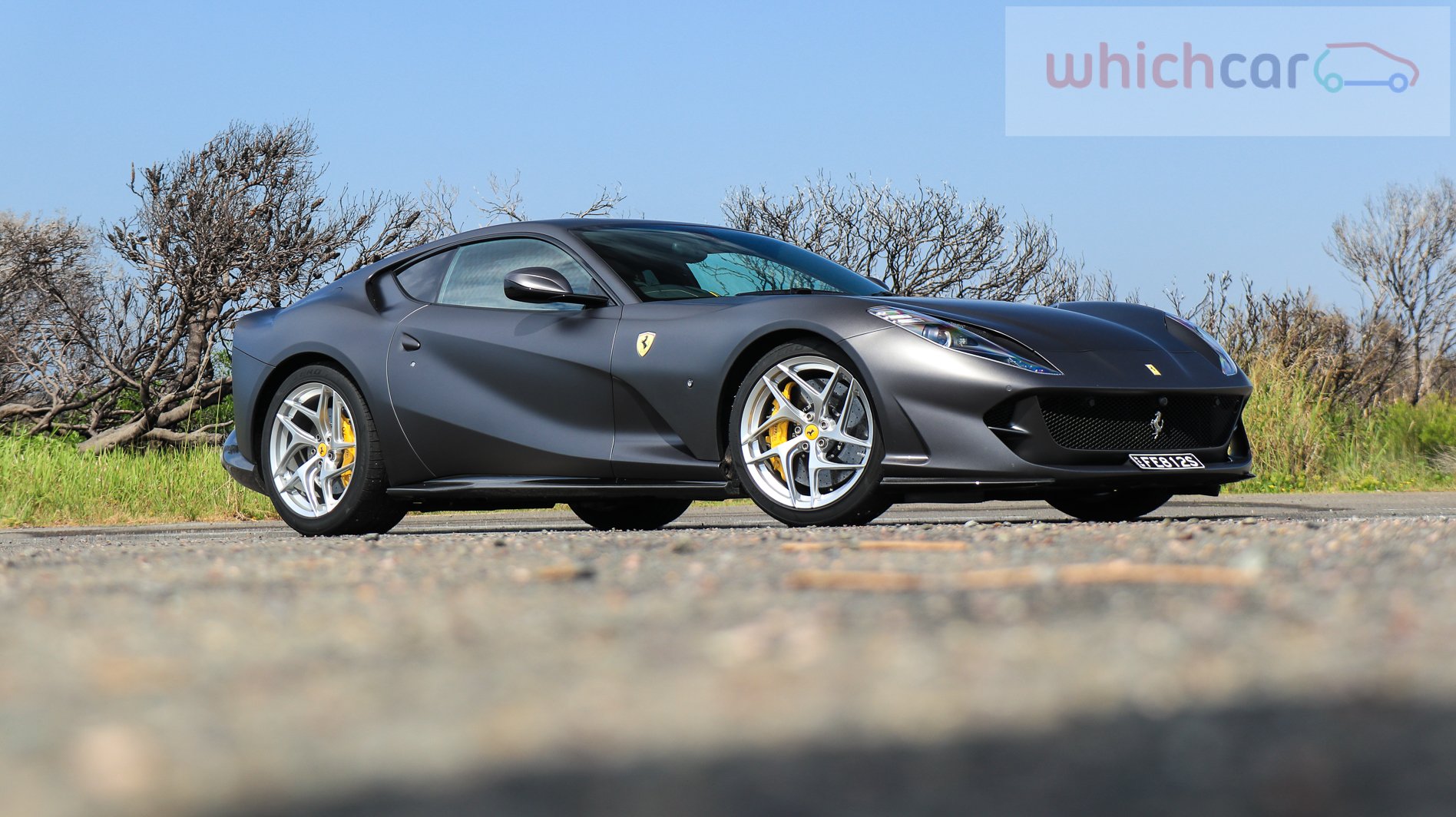
I have to admit, though, that when I saw the final recommended retail ticket for Ferrari Australia’s 812 Superfast demonstrator, it gave me pause. Serious pause. “Is this right?” I asked myself. “Can a car cost this much?”
“This much” turns about to be $795,123. And that’s before stamp duty. And delivery. And registration. I imagine floor mats are extra, as well. Wow.
It instantly created a few logistical issues; one does not simply park an $800,000 Ferrari in a public parking station, for example, which is the only option at the office at present.
There was also the matter of a couple of restrictions; I only had 500km of range, and I couldn’t drive it on track. Which, when presented with something that has the ability to hit the speed limit of most states in 2.9 seconds and a top speed that rivals a Space X rocket, is a bit of a downer.
“Maybe I shouldn’t even bother,” I opined to a colleague. “Get the %^$# over yourself, you sook,” she replied. ‘It’s a Ferrari 812 Superfast.”
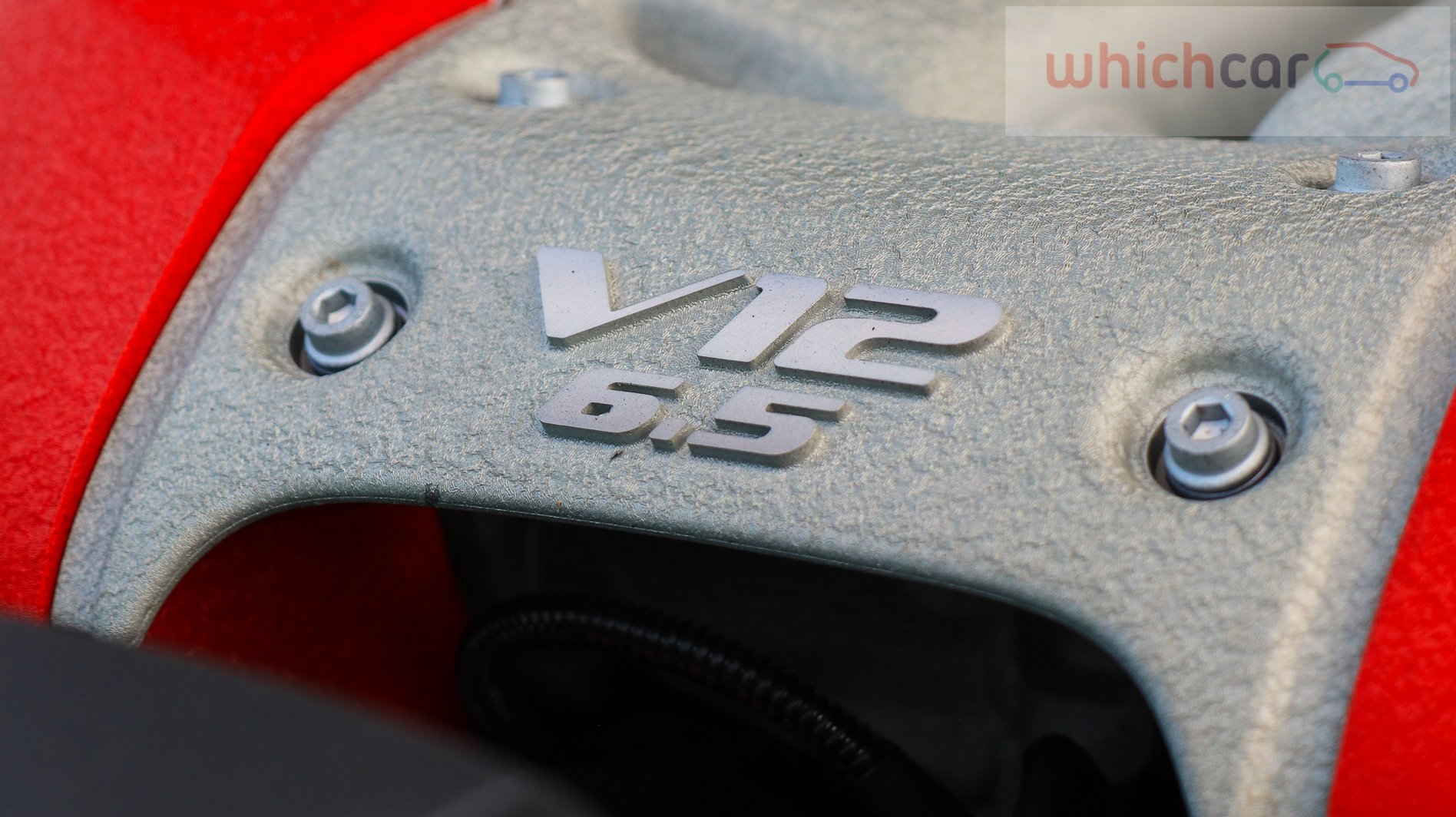
And it is a special car in a number of ways, quite aside from the telephone number price ticket. For one, its 6.5-litre V12 longitudinal engine is, according to Ferrari, the best it’s ever made. Its providence is unquestioned, its output of 588kW is otherworldly, and it’ll no doubt bookend more than 60 years of naturally aspirated V12s for the Italian company.
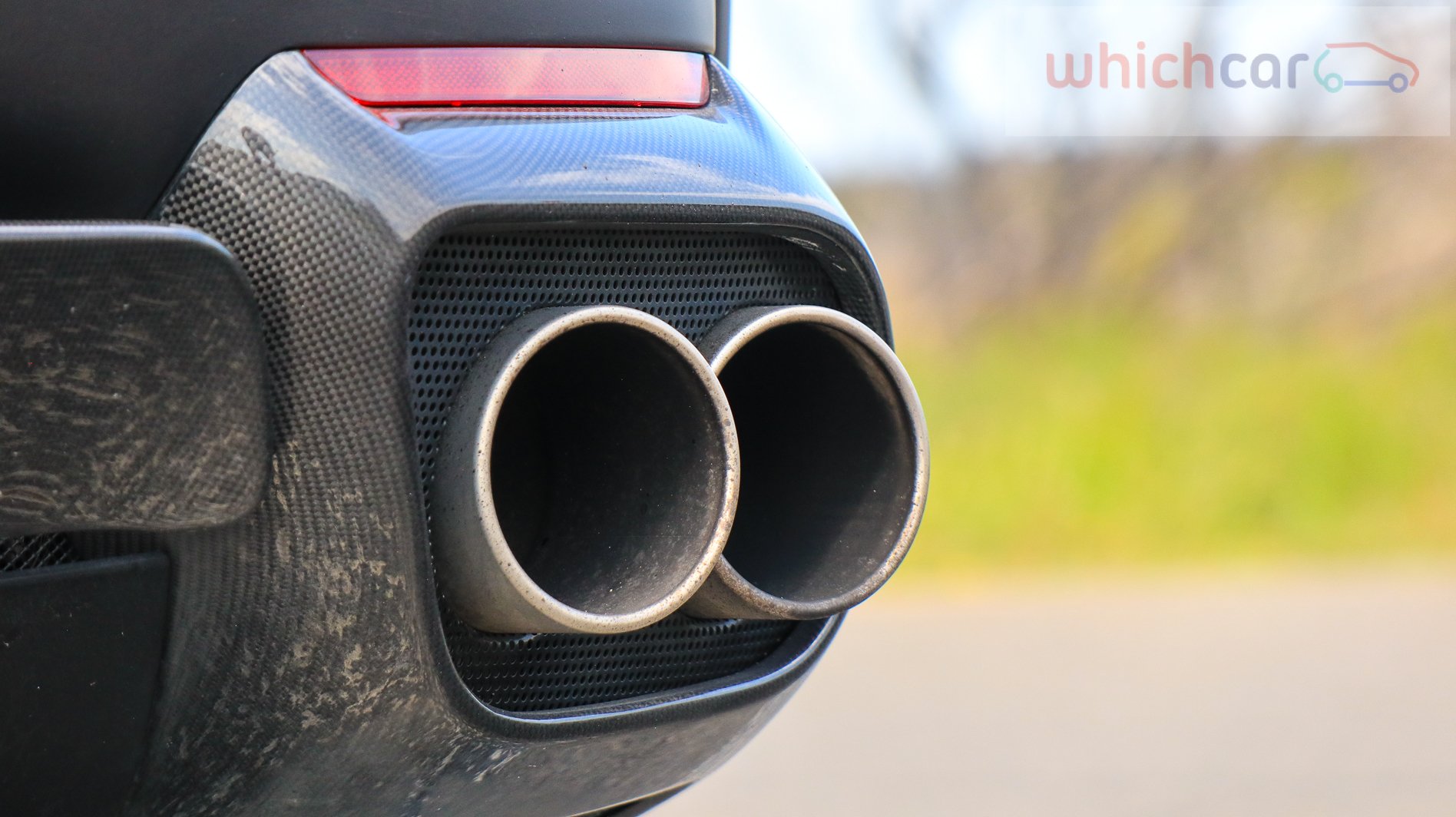
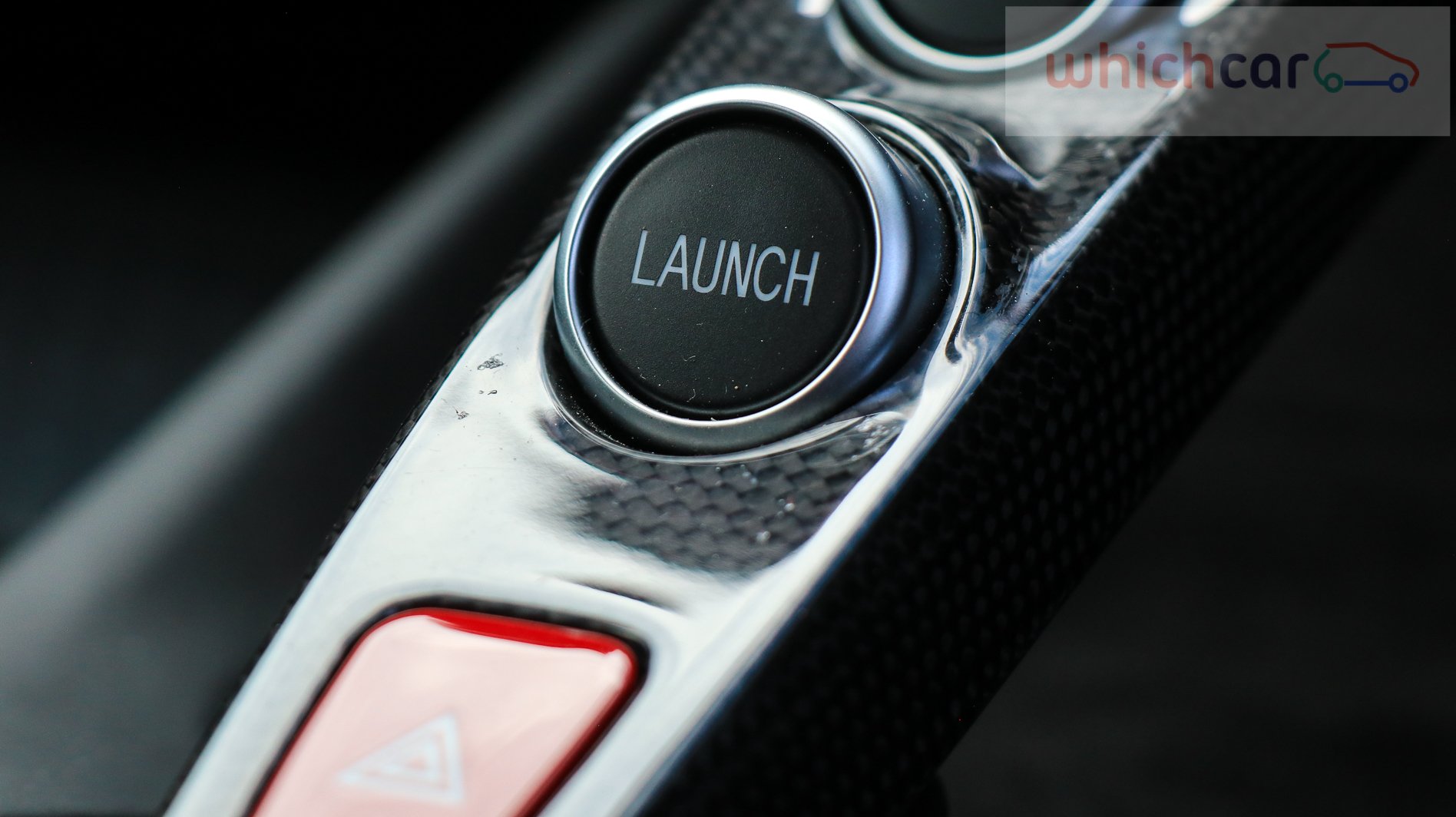
It’ll spin up to an inconceivable 8900rpm, punch out a straight line of 700-plus Newton-metres of thrust, and it’ll sound like… well, nothing else on the planet. Combine that with a seven-speed dual-clutch gearbox with shift speeds that makes lightning look tardy, aerodynamics done by the Ferrari F1 department and suspension that uses every trick in the book to keep the 812 pointing in the right way… my colleague is right. I have to drive this thing.
If I can turn out of the damn dealership… afternoon Sydney peak is in full effect, and people aren’t keen on giving space to a tosser in an expensive car. The 812, to its credit, is docile and manageable despite its performance pedigree, but a long, low-slung snout is giving me credit card jitters already.
Out in the flow, and I have my eye on everything and everyone. I’ve never driven more conservatively, ever. Every taxi is a potential carbon cracker, every P-plater a source of expensive angst.
Finally, I’m out of traffic, and I drop into a favoured stretch of road… only to come across lines of holiday traffic. That’s another reason that incredible cars are such an incredible pain in the arse – there are next to no places to exploit their moonshot limits. I trundle unhappily behind a parade of RAV4s and i30s for tens of kilometres, before the road briefly opens up, and…
Oh my good giddy aunt.
The 812, let off the leash, feels as if it transforms around me into a Star Wars-esque pod racer. Its ability to lunge unchecked at the horizon is simply unparalleled. Its raw, unbridled, furious pace is beyond shocking, and it’s absolutely impossible not to punctuate the moment with a long, loud drawn-out cuss word.
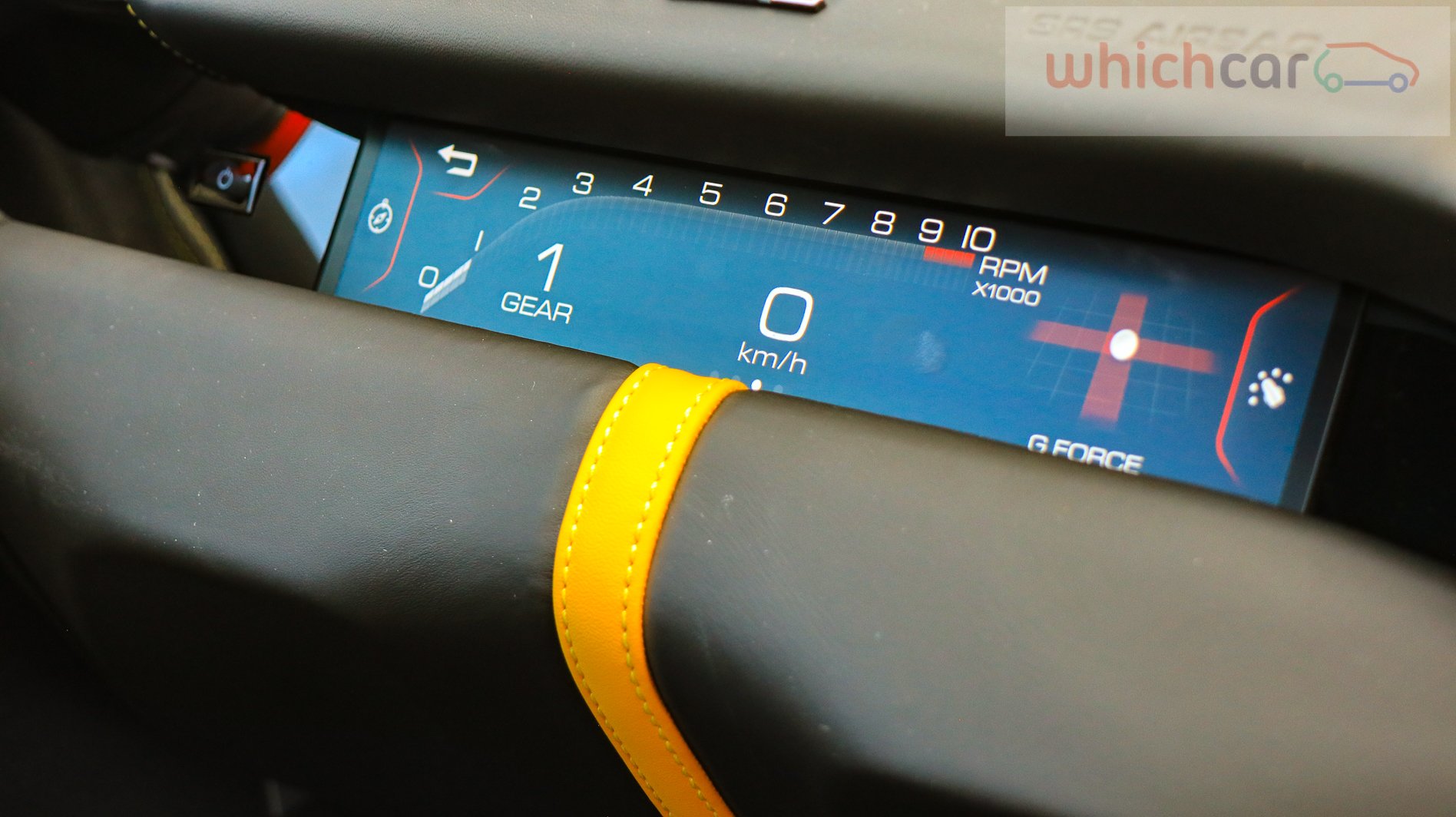
I’m snatching at gears as the shift lights on the dash start to light up, before I realise there’s MORE revs underfoot before the redline is reached. If I wind this thing out, I’ll be doing about 2000km/h, surely.
Its ability to hold course through bends, too, is unnervingly accurate – in fact, the steering may be a little too direct for some, and a subtle, steady hand will get the most from this telepathically accurate GT.
The way it tracks over the ground, especially with the Bumpy Road button pressed (a Michael Schumacher invention, I’m told), is truly impressive, and while its suite of electronic trickery – which includes all-wheel-steering and torque vectoring – is obviously working overtime, it isn’t rude enough to let you know that you, without its help, would have already crashed 14 times.
It’s truly a matter of recalibrating your senses to stay with the 812, such is its unflagging, sparkling, outrageous pace. It’s a lot of everything, this car – but underlying every blistering apex attack is the nagging knowledge of just how much this car costs… and how much it would cost to fix it. I nearly have a heart attack when I come millimetres away from brushing the underside of the front bar on a parking block… imagine if I rashed one of its $10,000-a-set rims.
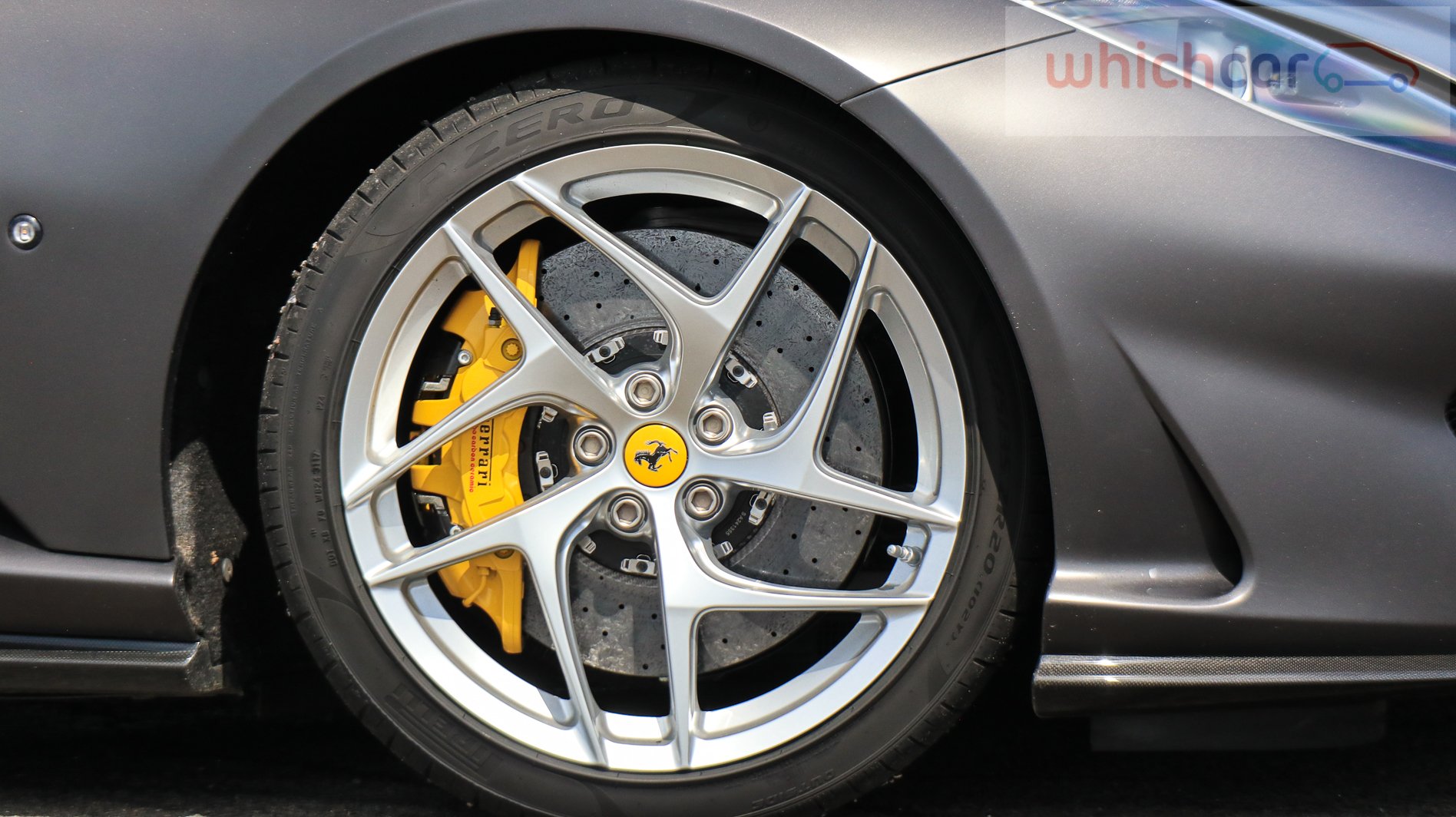
My fun is over, and I trundle back to the city to hand back the car. I pop the steering wheel manetto in the lowest Sport mode, hit ‘auto’ on the gearbox and even engage the cruise control, and I’m finally able to take in some of the details of this frankly amazing rig.
Sure, a lot of the amazing is a result of frenetic option box-ticking – that passenger screen, for example, is $9500, and that carbon fibre strut that holds the gearshifter buttons is more than $6000 – but all told, this is a pretty special experience.
“How did you go?” asks the singularly unconcerned Ferrari attendant when I drop the keys back. I’m a little lost for words, to be honest. “Ah, really good,” I manage. And it was. It really was. Singularly unobtainable and entirely impractical, of course, but the 812 Superfast is, in a manner of extreme understatement, really good.
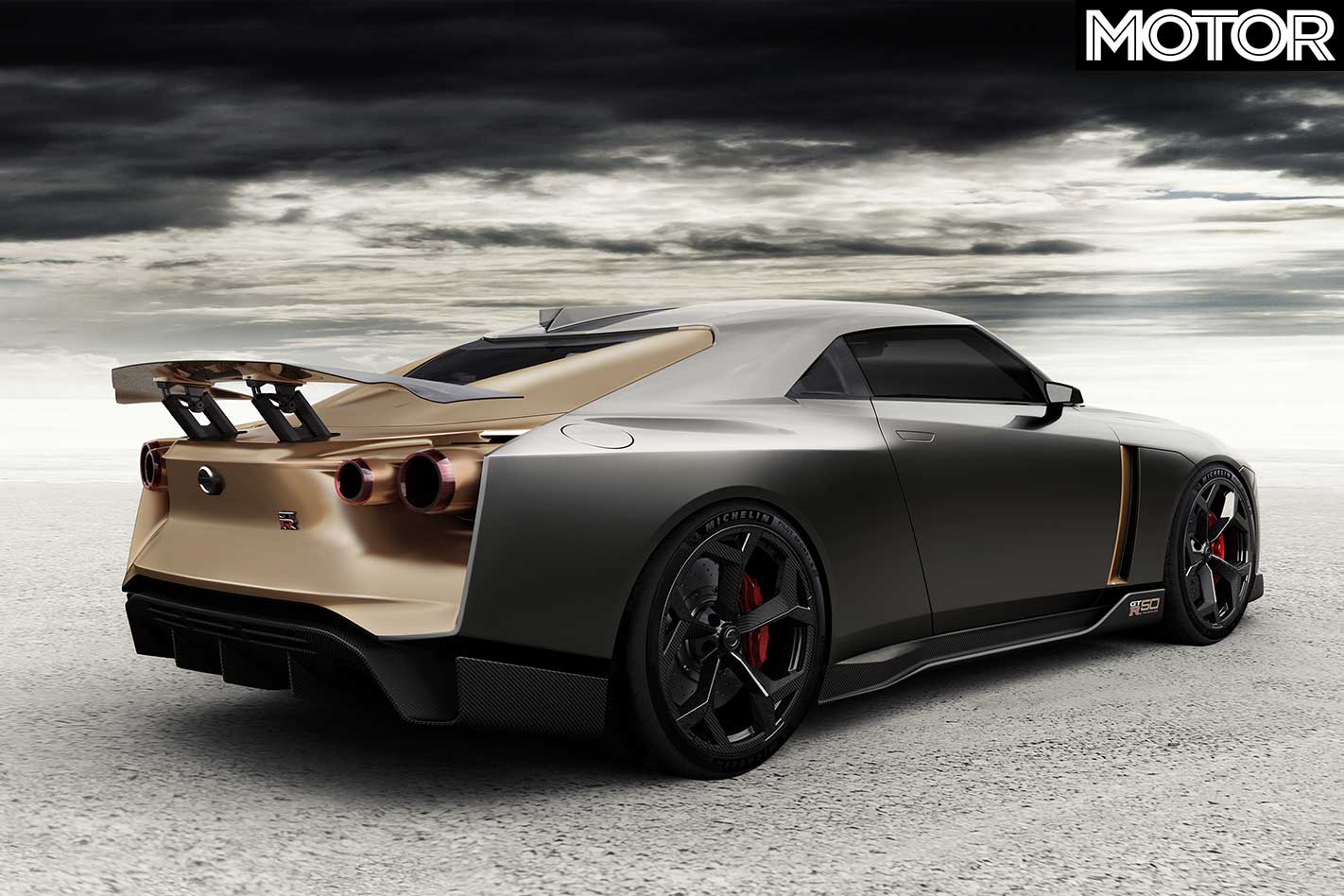
Imagination is an unintended thread throughout the January 2019 issue of MOTOR. The car on the cover itself, the wild Nissan GT-R50, is a product of the Italian imagination (meaning it’s come from the same place as ravioli), a product of passion and lust.
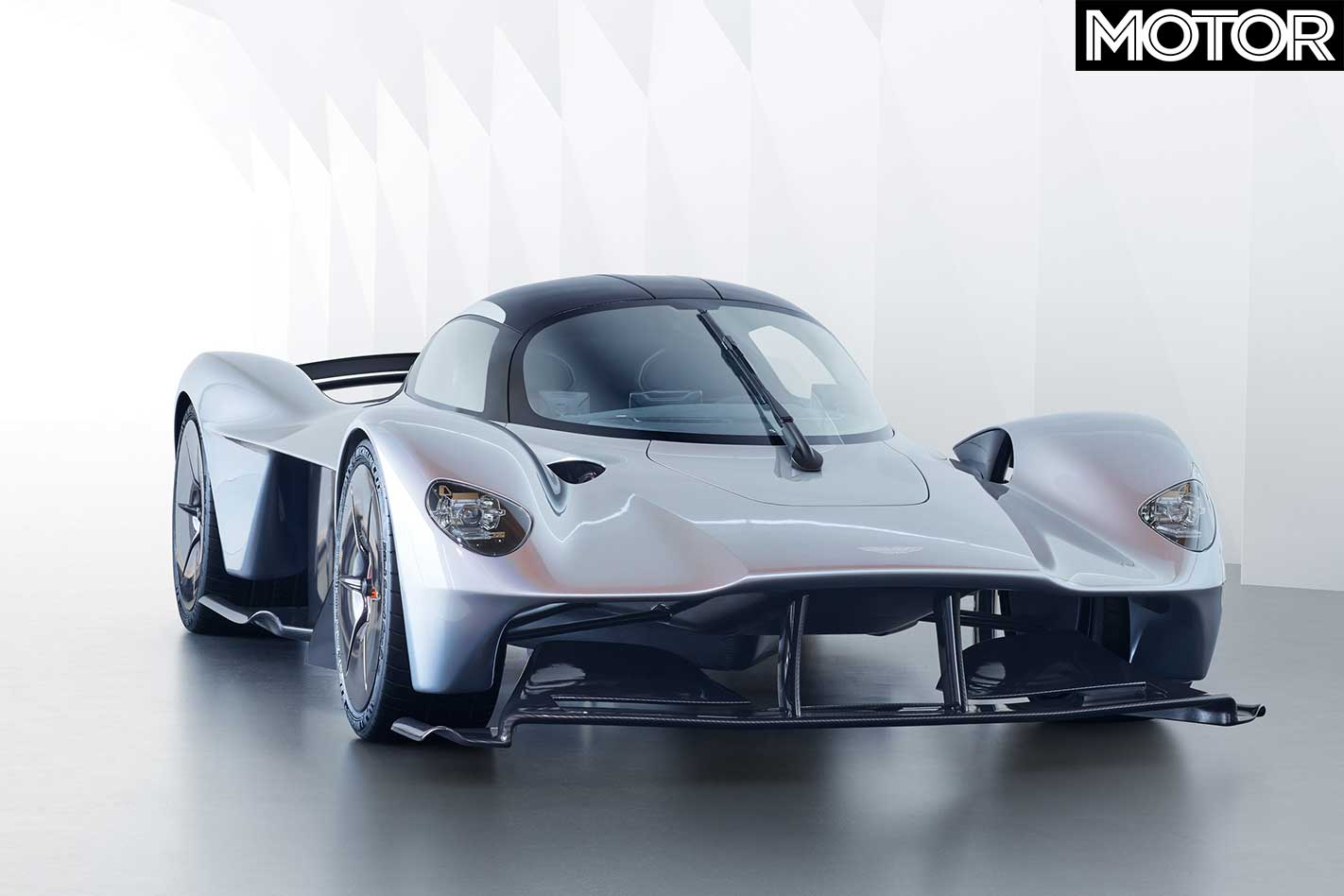
But the car that has stirred up my own imagination this month is the Aston Martin Valkyrie. Now, if I’m really honest, I don’t care much for cars like this that cost insane quantities of money, exist in tiny volumes and are destined to sit in the corner of the hangar of some obscenely wealthy individual, beside a similarly half-seized Lamborghini Reventon and/or Bugatti Veyron L’Or Blanc.
However, early signs are that the Valkyrie will transcend the irrelevance created by exclusivity and price and genuinely capture the imagination of car lovers in a way a car frankly hasn’t in way too long.
I’m aware that we knew all this. We knew it was being designed by Adrian Newey, who has penned 10 F1 world championship-winning cars. We knew it was to get a Cosworth-engineered 6.5-litre V12 producing around 735kW via 11,000rpm (11,000rpm!) without a turbocharger in sight. But up until recently these were just claims.
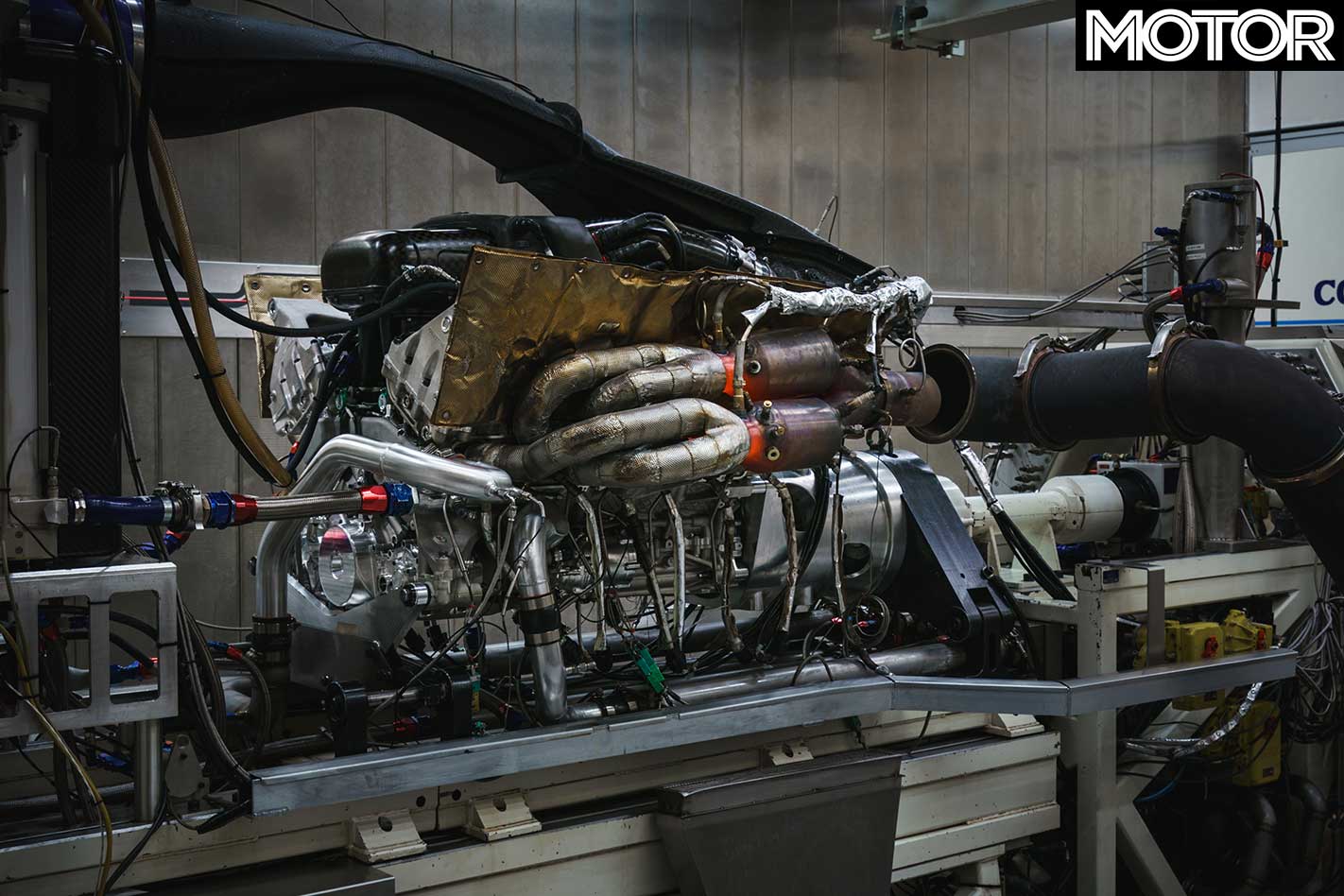
The engine, at least, is now a reality – and the engineering that’s gone into it is captivating. Never mind Aston Martin has commissioned a naturally aspirated engine for its 2019 hypercar, this is not just a giant lump of very fast spinning V12.
As well as getting as close to a 200kg weight target as possible, the V12 must be very cleverly packaged to huddle inside Newey’s unapologetically aero-focused Valkyrie design – and to top it off, it’s an entirely stressed member linking tub to rear wheels, having to withstand torsional forces never before seen in a sports car.
Also, they want it to last 100,000km.
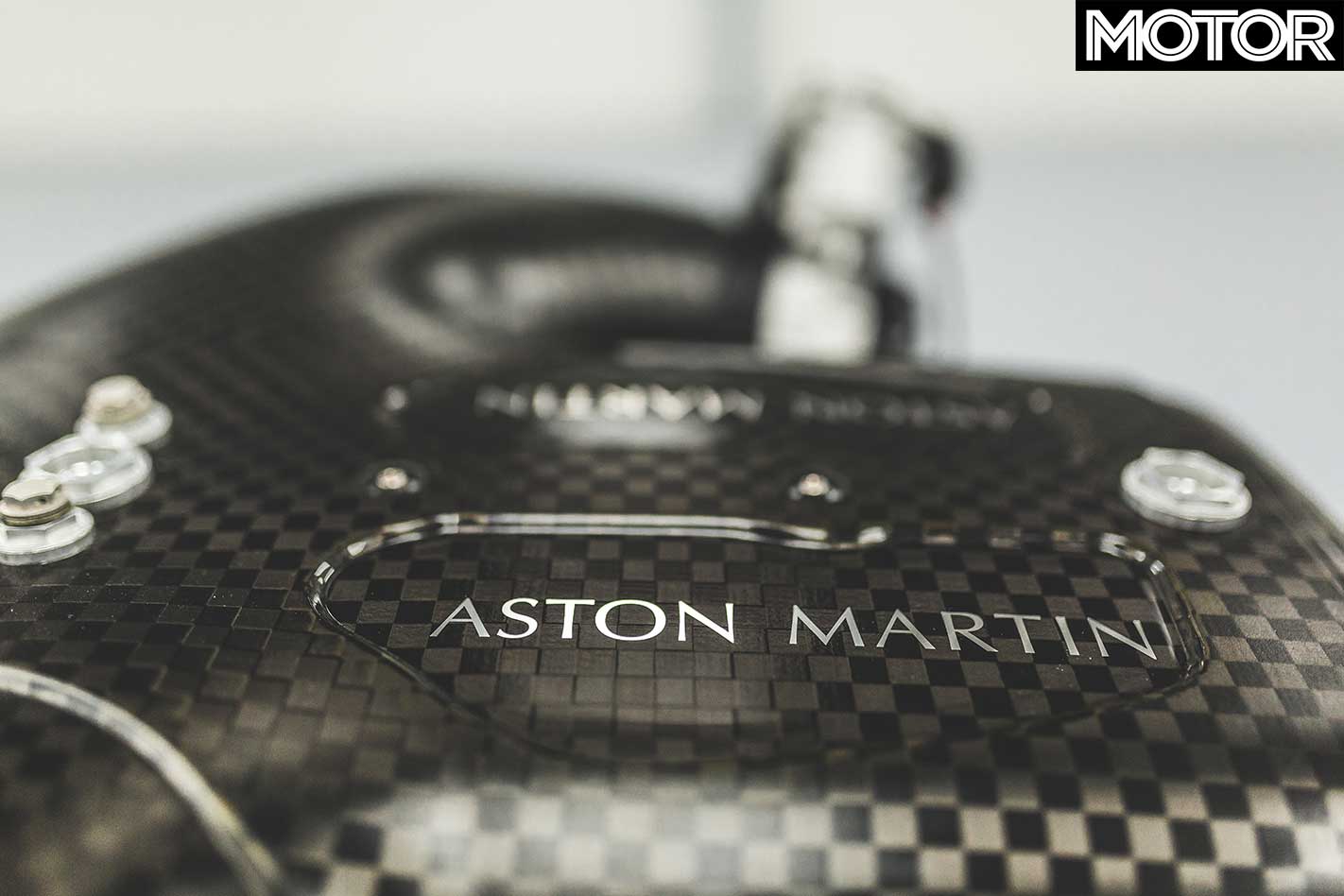
In the February 2019 issue we’ll delve deeper into this incredible engine and the engineering involved, but obviously from the outset it’s fascinating stuff. What really gets me, though, is the carbon-fibre intake plenum. The story goes that Cosworth coated the prototype with a gloss lacquer – Newey saw it and asked why. They said it looks cool.
He asked how much it weighed; 80g was the response. The weight gain was not worth it, he deemed, so he asked it be offered as an option. Personally, I love an unwavering obedience to a philosophy such as this and the purity it produces.
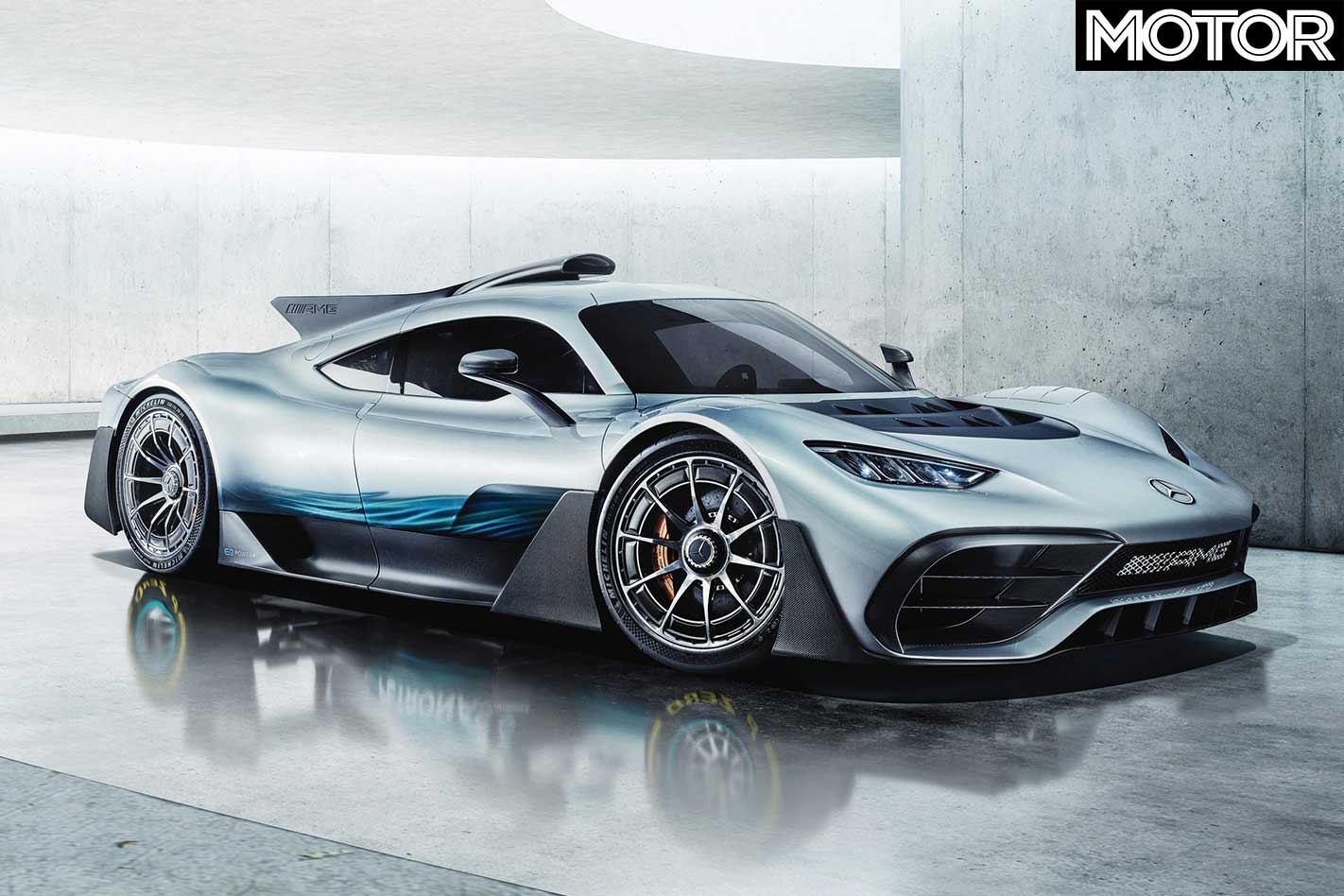
The Valkyrie isn’t the only mind-bending feat of imagination coming our way next year – there’s also the Mercedes-AMG One. A road car with an F1 engine, and another machine that has me wanting to read articles and watch videos the second they’re available, not caring for a moment about the fact I’ll never own one, much less drive one, unless I’m the luckiest motoring hack you’ve ever known.
To my mind, a liberal dose of imagination – in the engineering and styling departments – is compulsory stuff if you want to jack the price up by a factor of 10. That’s not to call into question cars like the Nissan GT-R50, or perhaps even something like Porsche’s GT2 RS-based 935; I’m glad they exist at all. But creative styling and engineering is what gets people hooked on cars – and the Valkyrie alone may suck in a new generation yet.
Ever been stuck behind a caravan? This clever vid from Ford of Europe will either make you laugh or trigger a dark, primal urge to kick something very hard.
Looking for a way to promote the Ford Ranger’s new-to-the-UK 2.0-litre twin-turbo four-cylinder diesel powertrain, Ford of Europe grabbed 15 caravans (as you do) and jury-rigged them in one single, continuous line of traffic-restricting hell.
The resulting video would no doubt upset SOMEONE if Ford Australia tried to screen in here, but hey! YouTube!
At more than 100m in length, the road train of vans is a real thing, and it weighs an estimated 20 tonnes. Not bad when you consider the towing capacity of the twin-turbo Ranger is 3500kg…
The stunt is designed to showcase the ability of the twin-turbo 2.0-litre/ten-speed auto’s driveline over the 3.2-litre five-cylinder diesel engine which, while still in use in markets around the world, is in line to be phased out in the next couple of years.
Locally, it’s offered in the Ford Ranger Raptor as standard, and in the Ranger XLT and Wildtrak and Everest Trend (option) and Everest Titanium (standard).
The smaller capacity engine makes 156kW and 500Nm, which is 10kW and 30Nm stronger than the five-potter.
As well, the UK is adopting two single-turbo versions of the 2.0-litre diesel to replace the ageing 2.2-litre four-cylinder oiler that’s still used here in 4×2 versions of the Australian Ranger.
Based on the same block as the twin-turbo, a 95W/340Nm entry-level 2.0-litre will be complemented by a 125kW/420Nm version.
Will we see more 2.0-litre Rangers in Australia? We say yes.
WHEELS is entering a new era, having undergone its first redesign in 13 years.
While we like to think the outgoing design held up pretty well (it is older than the Holden VE Commodore after all), it was time to give Wheels a bit of overdue t.l.c. for the modern era.
To celebrate the change, we’ve charged our hardworking Art Director, Felipe Ubilla, with choosing his five favourite Wheels covers from the entire back catalogue.
While we expected the crayon-wielder to pick exclusively his own work, which has won multiple awards, he dived headlong into the archives to highlight some ripper design work from yesteryear.
Click through the gallery above to enjoy his top five, and head to our Instagram (@wheelsaustralia) to see a few wildcards that missed the cut.
This feature was originally published in MOTOR’s May 2005 issue
The Field
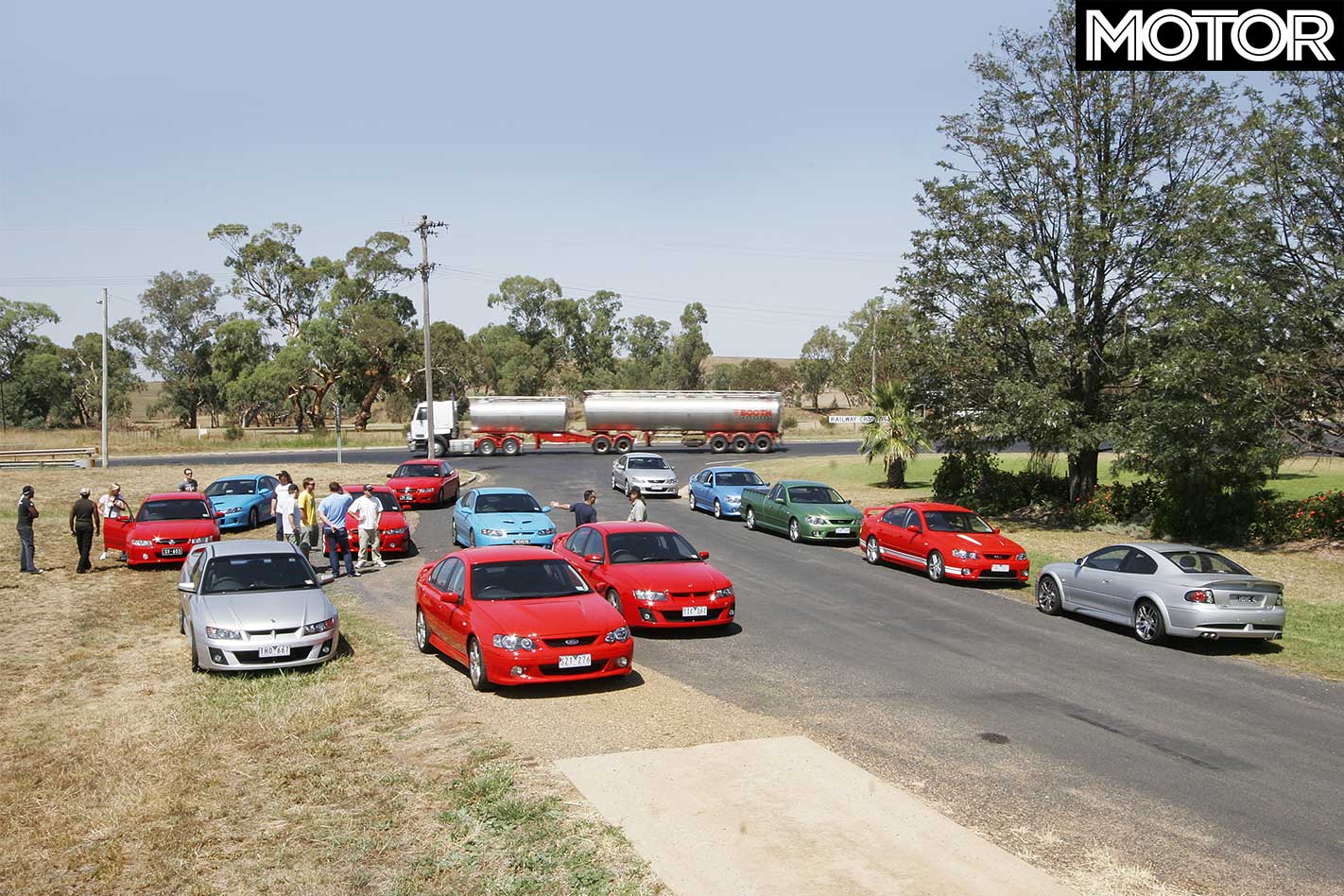
It’s been nearly two years since our last All Aussie shootout (July 2003) – won by Ford’s Falcon XR6 Turbo. Since then, both Holden/HSV and Ford/FPV camps have been busy upgrading models with new engines, gearboxes, suspension tweaks and minor styling changes. Or in the case of HSV with the all-wheel drive Coupe4, adding brand new models to the line up.
The 13 starters for 2005 divide into five categories. It kicks off with the sub-$40k sixes: Holden’s SV6 and Ford’s nat-atmo XR6. Essentially entry-level sporties, the sixes may be light on outright bang, but they’re not too heavy on bucks either.
The next class is the biggy with five cars: from the $44k Commodore SV8 to the $61k Holden Monaro CV8. If that sounds like a big spread of price, this category is grouped more on power output – from the 240kW XR6T to the 260kW CV8 and XR8.
Cat Three is an all-auto, all HSV coupe affair with both the GTO Coupe and the all-paw $90k Coupe4, the most expensive in the field. Cat Four and we’re into the big boys with HSV’s 6.0-litre 297kW ClubSport playing the 290kW Falcon GT from FPV. Our final class pitches FPV’s Pursuit against the Maloo in a battle of B&S ball tearers.
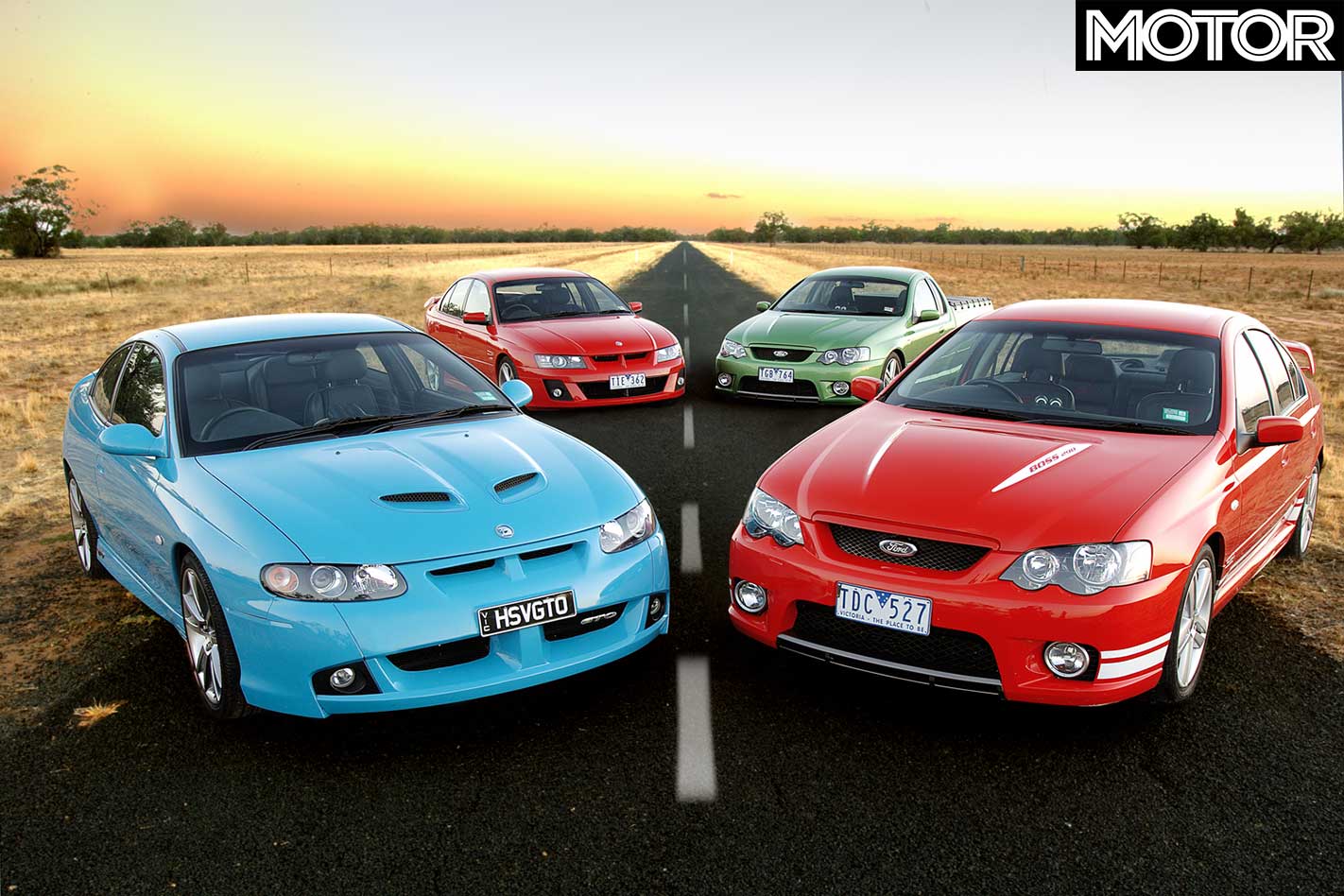
The obvious question for anyone paying attention is, “where’s the Typhoon and Tornado?” We tried, but at the time of testing FPV’s engineers were still about two months away from declaring it fit for sale (see news for more details). Rest assured, though, once the Typhoon is a goer, we’ll put it through its paces and find out just where it sits with this crowd.
That’s a mix of four Holdens, three Fords, two FPVs and four HSVs – and before Blue Oval fans fire up about the balance of numbers, remember Ford or FPV do not make a coupe, which accounts for the discrepancy.
Included in the 13 car field are seven different engines in nine differing states of tune: two capacities of aspirated and turbo sixes, V8s ranging in capacity from 5.4-litre, 5.7-litre to 6.0-litres, and (apart from the GTO Coupe and Coupe4) all manual gearboxes.
The Players
Category 1
Holden Commodore SV6 vs Ford Falcon XR6
Category 2
Holden Commodore SS vs Monaro CV8 vs Commodore SV8 vs Ford Falcon XR6 Turbo vs Falcon XR8
Category 3
HSV GTO Coupe vs HSV Coupe4
Category 4
HSV Clubsport vs FPV Falcon GT
Category 5
HSV Maloo R8 vs FPV Pursuit
WINNER
HSV Clubsport takes the crown!
Behind the scenes
From the bright lights to the back o’ Bourke, Cockburn captures the mood
The Plan
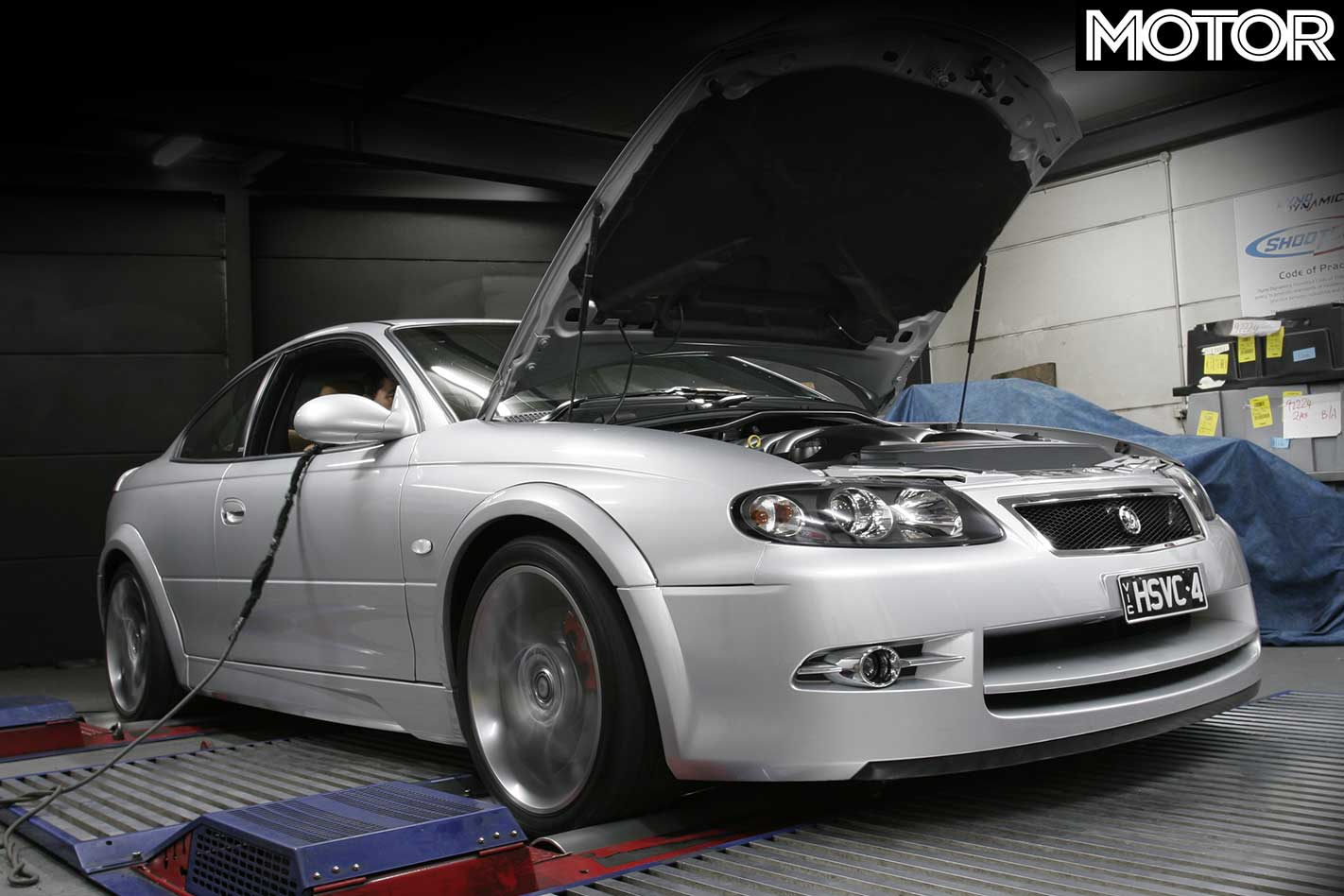
After a hard data day of dyno testing, acceleration sprints and Eastern Creek lap times and top speeds, the $700,000 group will head west from Sydney on a 2000km round trip to the back of Bourke in temperatures peaking in the high 40s.
For base-line number comparos, we also tested an automatic Holden Commodore Acclaim and Ford Falcon XT on the dyno and at Eastern Creek.
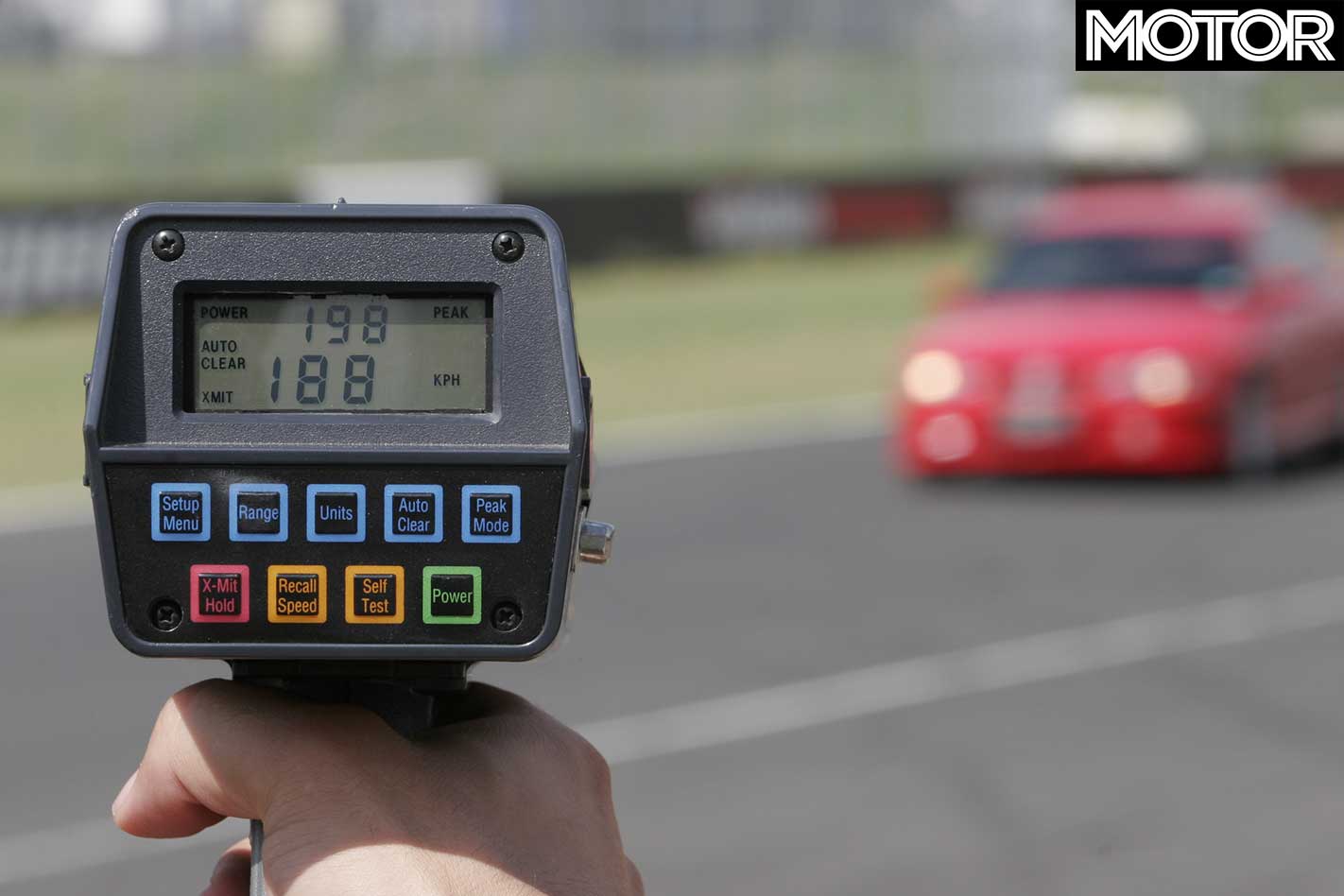
The judging process uses a mixture of Bang For Your Bucks-style categories, PCOTY scoring and good old fashioned road testing. Each car is assessed on Performance, Dynamics, Driveability and Value for a score from each judge out of 40. This total score will determine each category winner, before a single vote is cast for one of the five class winners by each judge for the overall winner.
The judges themselves include MOTOR staffers Jesse Taylor and Dean Evans, Melbourne-based road test guru David Morley, columnist and anarchist Paul Cockburn, plus reader and Lucky Bastard George Lafrenais. Over the next three days and 35-pages, we find Australia’s best and baddest muscle car.
NO CAR company vying for global sales supremacy can, it seems, avoid a tumultuous crisis. For Toyota it was unintended acceleration; for Volkswagen, dieselgate. And when Carlos Ghosn was arrested at Tokyo’s Haneda airport on November 19, shares in the Renault-Nissan-Mitsubishi Alliance slumped by seven percent; in 2017 it had recorded 10.6m sales to become the world’s largest carmaker.
Ghosn, chairman of the three companies – and CEO of Renault – is accused of underreporting his pay by around 5bn yen over five years from 2011, and has been sacked by the Japanese companies. He remains on Renault’s board as Wheels goes to press, temporarily replaced by deputy CEO and Ghosn ally Thierry Bollore.
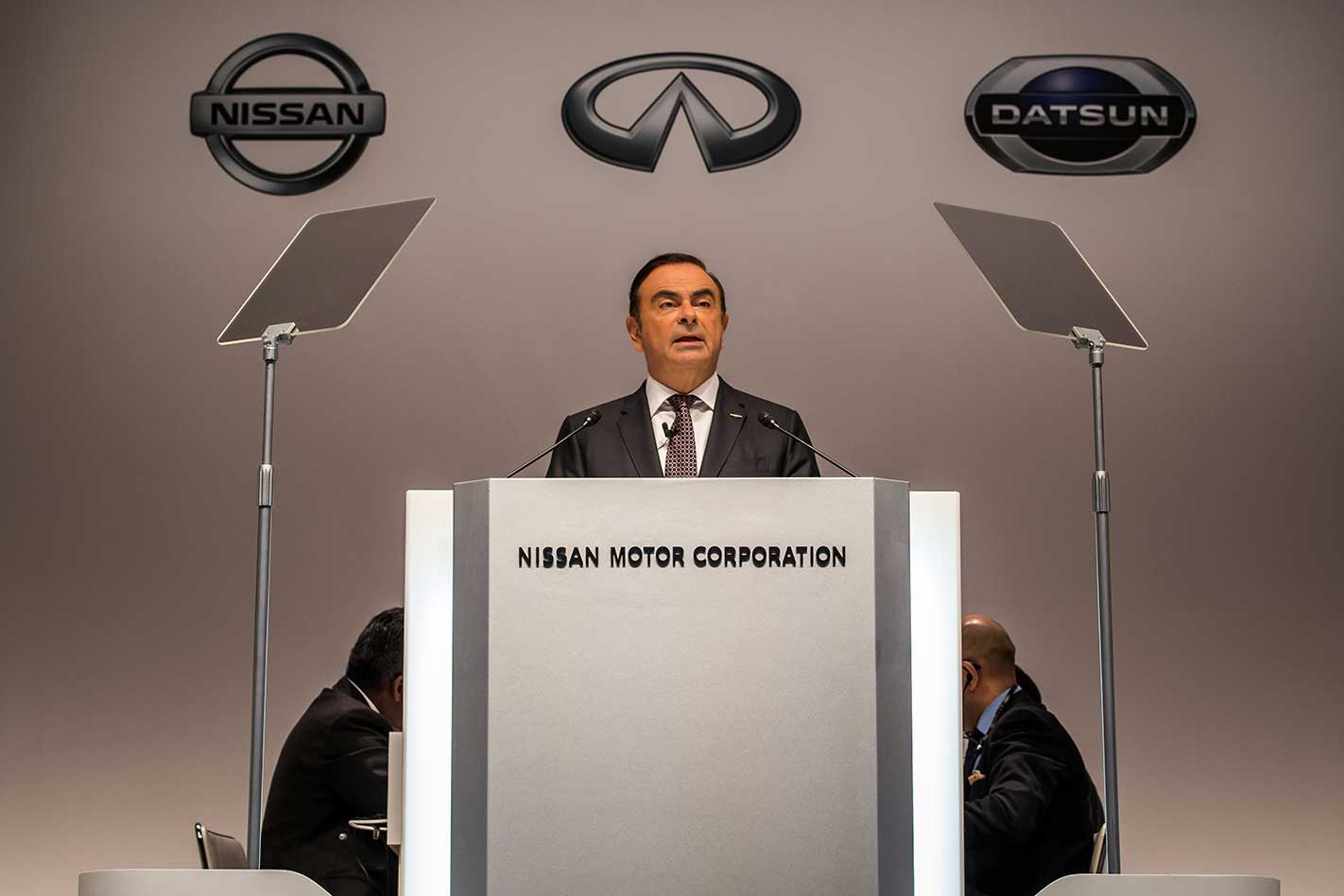
Understanding the alliance’s complex structure is key to assessing its likely future, as well as the politics that possibly influenced Ghosn’s arrest.
In 1999, Renault executive vice president Ghosn helped saved Nissan from bankruptcy, making him a popular figure in Japan. But the lifeline came at a cost for Nissan’s autonomy: Renault today owns a controlling 43 percent of Nissan, itself 15 percent owned by the French government. Nissan, meanwhile, holds a non-controlling 15 percent share of Renault. Nissan took a 34 percent stake in Mitsubishi in 2016.
The alliance’s regional sales are complementary – Nissan is strong in the US and Japan; Renault in Europe, Latin America and Russia; Mitsubishi in the Asia-Pacific – but Nissan accounts for the majority of sales. Stoking resentment at Nissan, Ghosn was eyeing closer co-operation, potentially giving Renault full control.
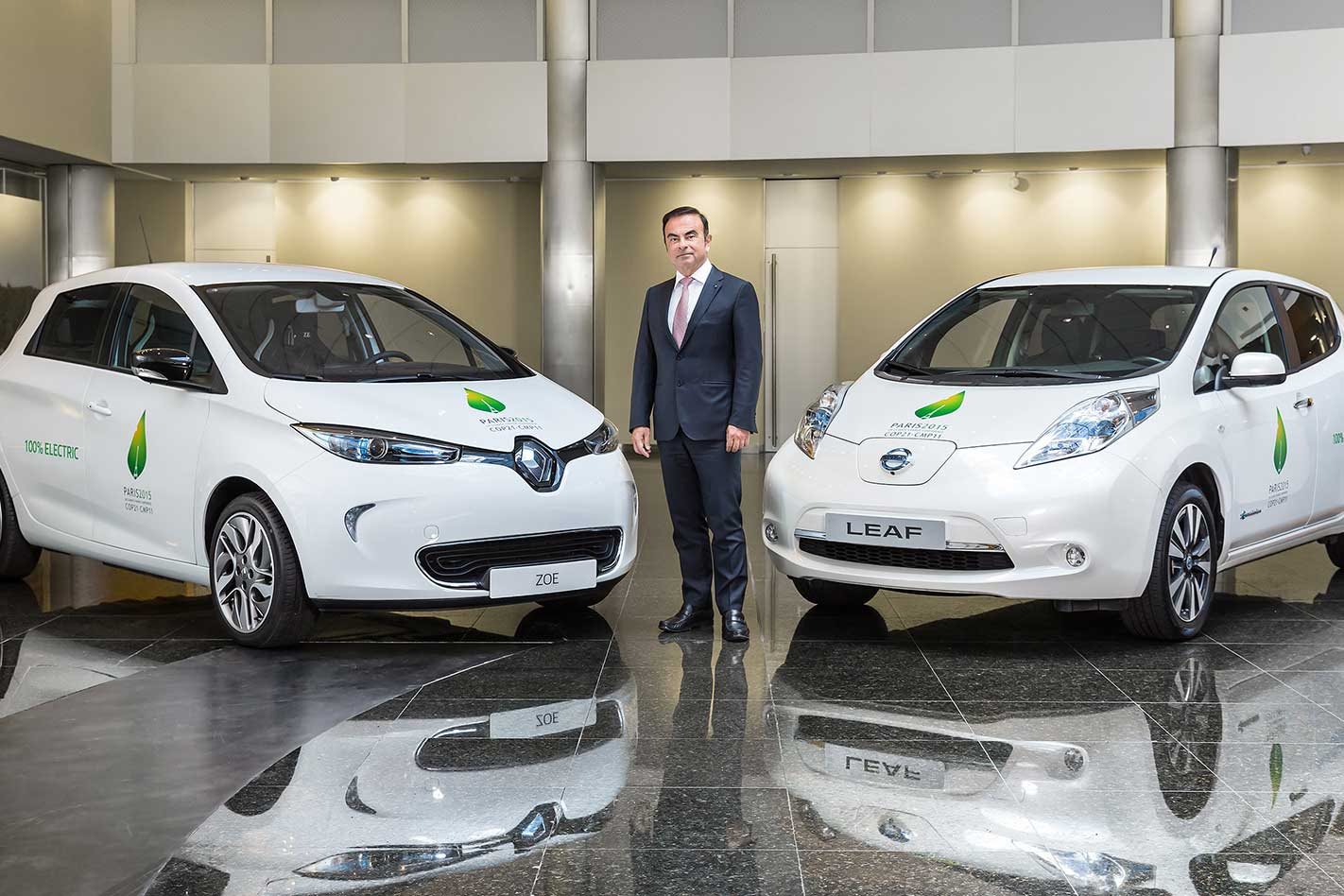
Speculation suggests the charges against Ghosn might have been brought in part to end his reign and swing power back towards Nissan. Nissan CEO Hiroto Saikawa attacked Ghosn’s “concentrated power” at a press conference soon after. “Perhaps most interesting,” points out Jim Saker, automotive management expert at Loughborough University in the UK, “is Renault’s request to be supplied with the evidence against Ghosn – they were obviously unaware of what was going on.” Official Renault statements refer to ‘evidence seemingly gathered’ by Nissan and the authorities.
Ghosn’s forced exit from Nissan and Mitsubishi clears the way for management reform, but also threatens the alliance’s smooth operation. Shared purchasing, production facilities and platforms have brought economies of scale, with joint savings up 14 percent last year to US$6.5bn, and targets of $10bn for 2022. Co-operation also sees the alliance lead in the profitable SUV segment (with 12 percent of the global market) and trail only Tesla in EVs (14 percent).
But vehicle integration remains relatively modest – of approximately 55 Nissans and 40 Renaults produced globally, only eight share the jointly developed Common Module Family platform.
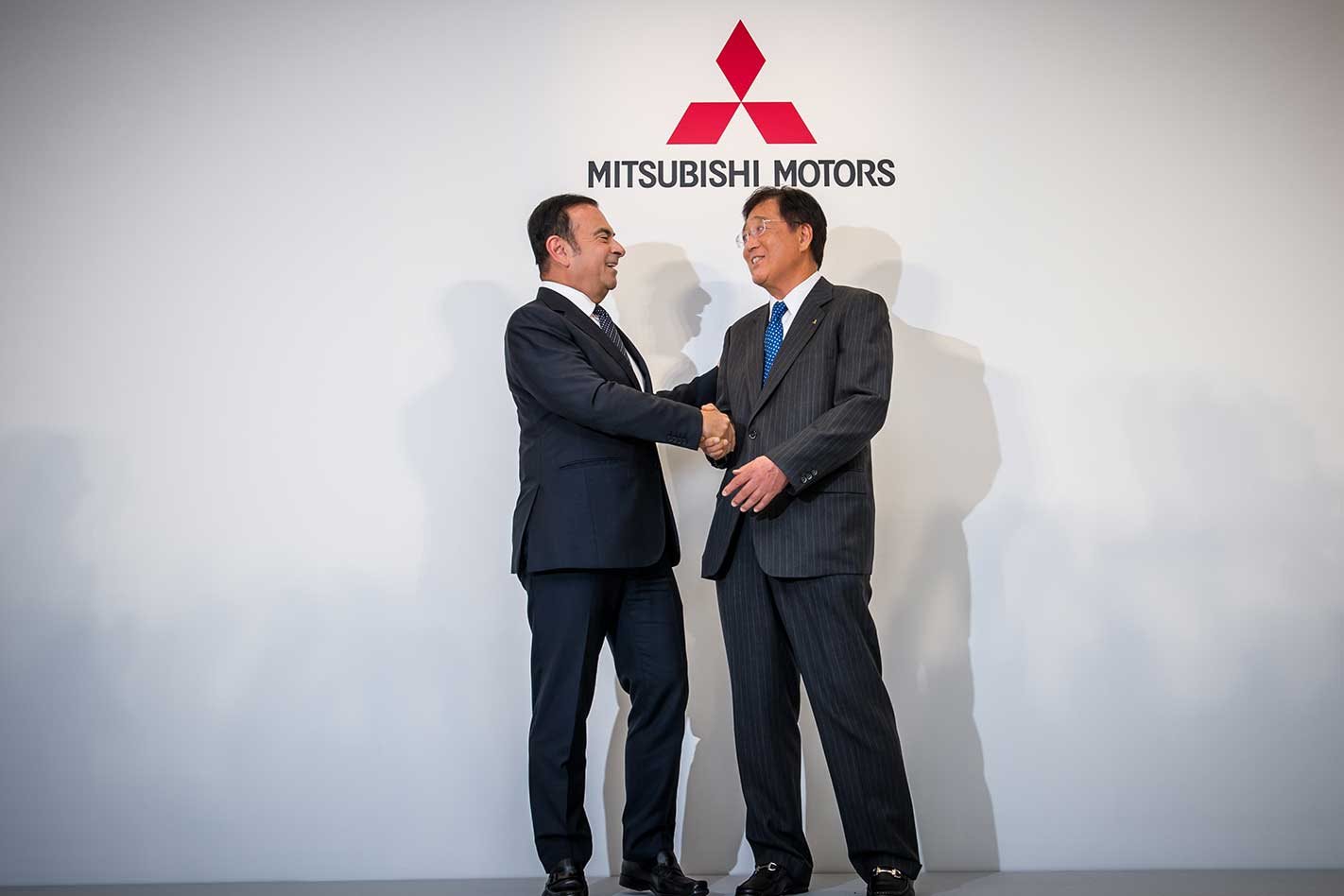
Given the vast R&D investment required to meet tightening emissions standards, and the continuing shift towards electrification, connectivity and autonomy, it would seem logical to at least maintain the level of co-operation across the alliance.
A Nissan statement clarified that: ‘the long-standing Alliance partnership with Renault remains unchanged, and the mission is to minimize the potential impact … on the day-to-day co-operation.’
Decentralising power away from one individual would give Nissan the greater autonomy it craves, yet finding a replacement for Ghosn is not a task to be taken lightly.
Regardless of whether Ghosn remains at Renault, his arrest could cause deep ructions between Renault and Nissan management. If that happens, keeping the alliance on track as the world’s biggest carmaker could prove the biggest challenge yet.
More on Renault-Nissan-Mitsubishi’s former supremo Carlos Ghosn from Wheels:
– Carlos Ghosn: Legacy of “Le Cost Killer” – Carlos Ghosn: “Consumers don’t want to buy electric vehicles” – Nissan swoops on Mitsubishi in $3bn takeover bid
The hugely aspirational Lamborghini Huracan has been treated to its first significant update since the model launched in 2014 and, unlike some more mainstream vehicles that make do with a new grille and a lick of paint, the 2019 Evo is a very different animal.
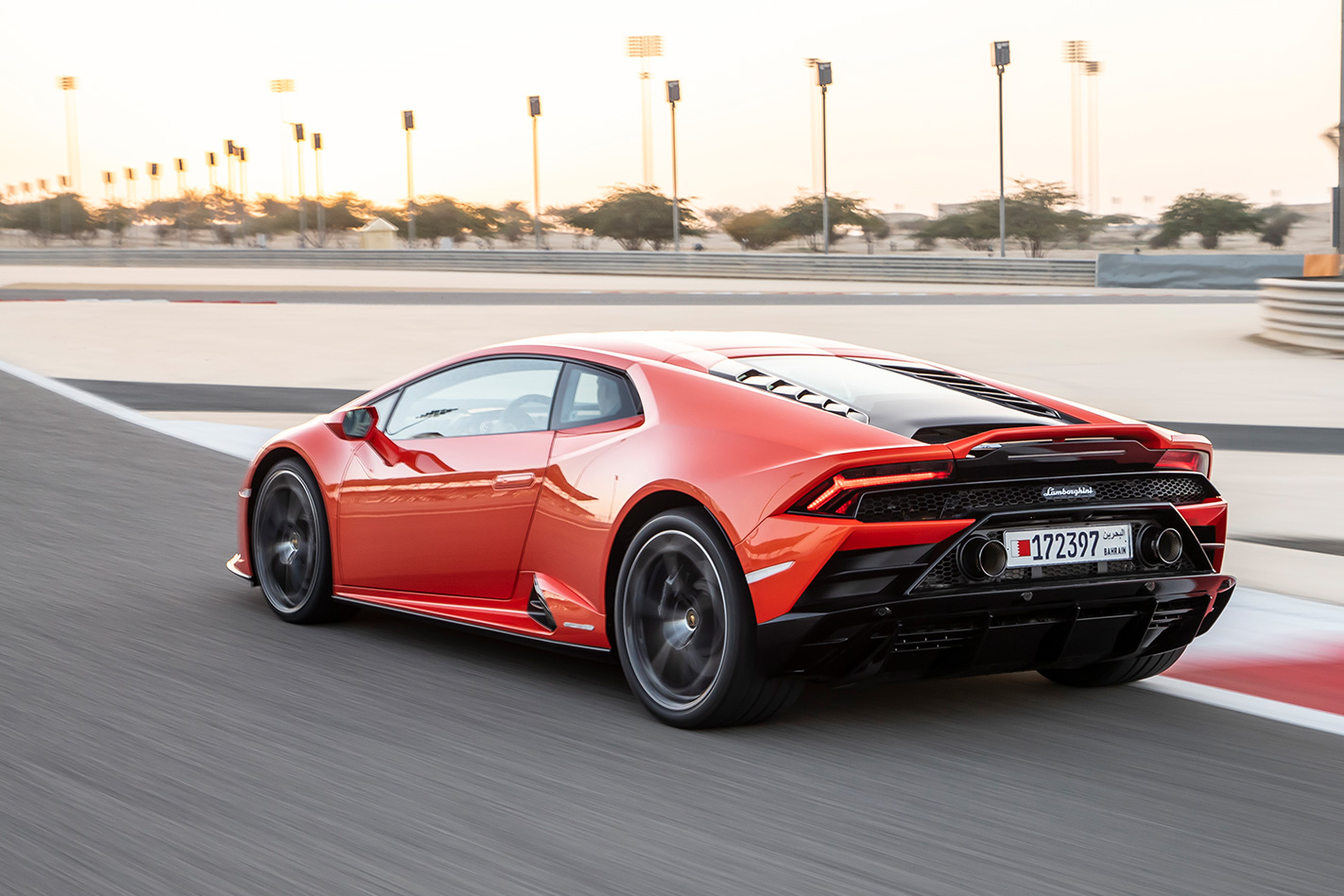
Here are our six favourite features Lamborghini has introduced with the newest Huracan.
Pics or it didn’t happen Available as an option, the Evo can be equipped with a new dual-camera telemetry system which is incorporated into a new 8.4-inch touchscreen. When blasting around your favourite circuit, the on-board cameras capture the view from the front of the car and inside the cabin too.
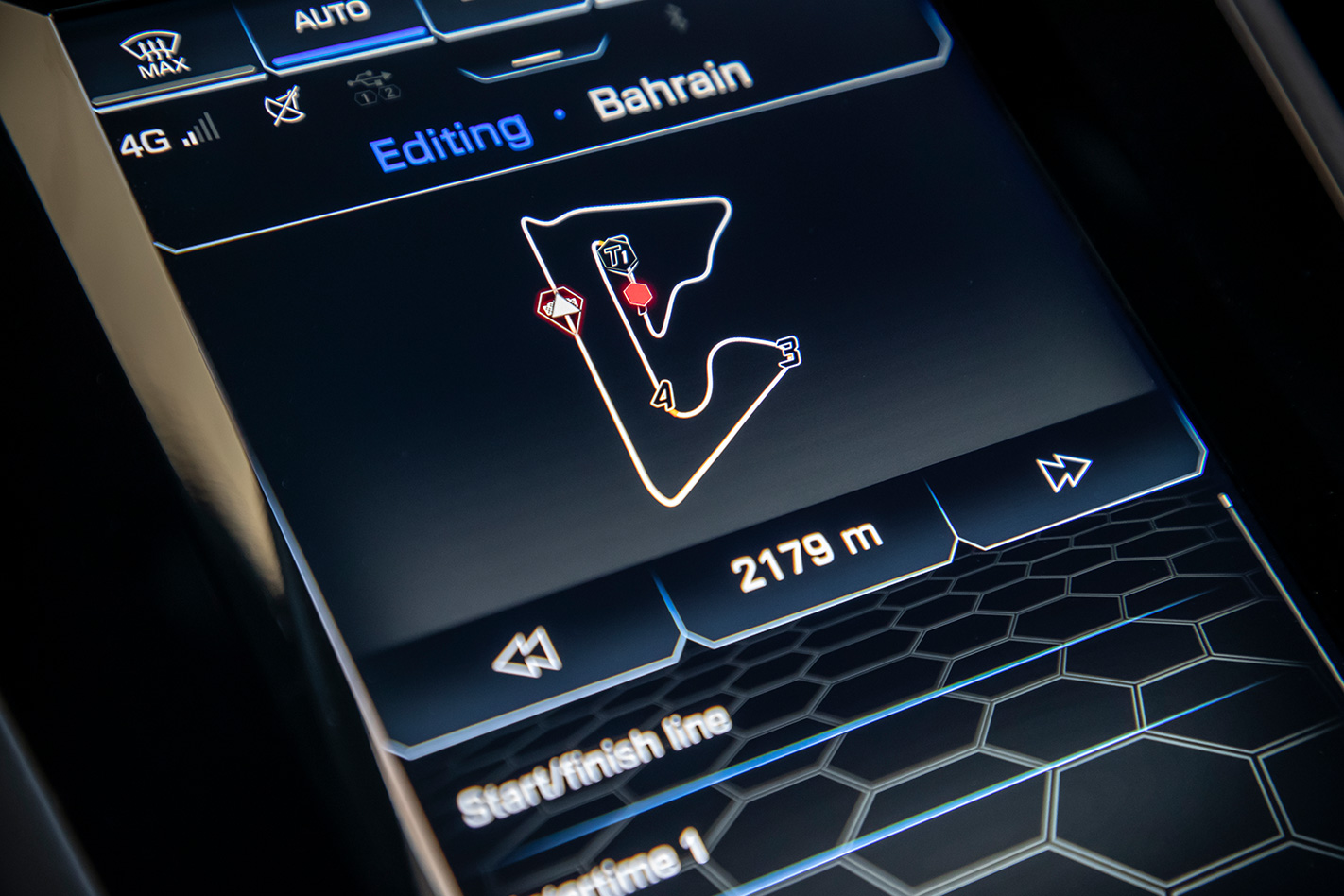
The footage is complemented by a GPS map of your progress along with lap times, maximum speed points and even G-force readings. So there will be no questioning your PB or heroic powerslides.
Pinch and swipe Gone are a number of switches and knobs with many information and entertainment functions consolidated into the new portrait-oriented screen. The result is a cleaner dash layout, simpler cabin design, and operation similar to a smartphone.
Finding your way around the various menus is like using a smartphone, says Lamborghini.

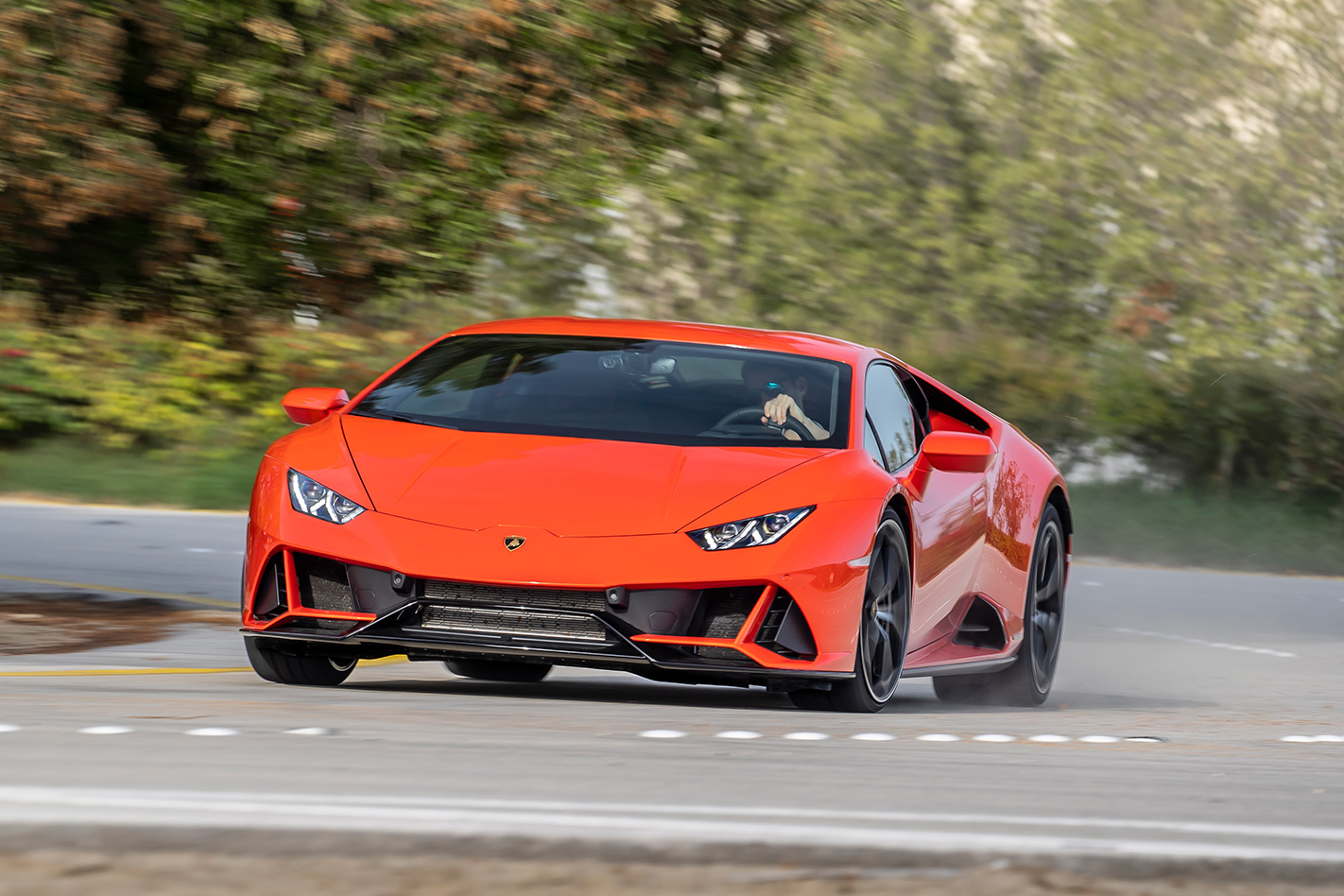
Nose job Unlike some mainstream models, the Huracan has a massive nose cone which enabled Lamborghini’s designers to significantly restyle the front end without having to touch expensive sheet metal. As a result, there’s 16 percent more cooling airflow and company’s trademark Upsilon has been incorporated.
For the record, we also think it’s the most handsome Huracan conk to date.
Slippery tail And it’s the same story with the back end. A massive diffuser has dramatically improved underbody airflow in conjunction with new deflectors. Its boot spoiler now has a slot that helps increase downforce and rear-end stability, as well as drawing hot air out of the engine bay using the venturi effect.
The new Huracan doesn’t generate quite as much downforce as the Performante, but it is the most aerodynamic since the model was introduced.
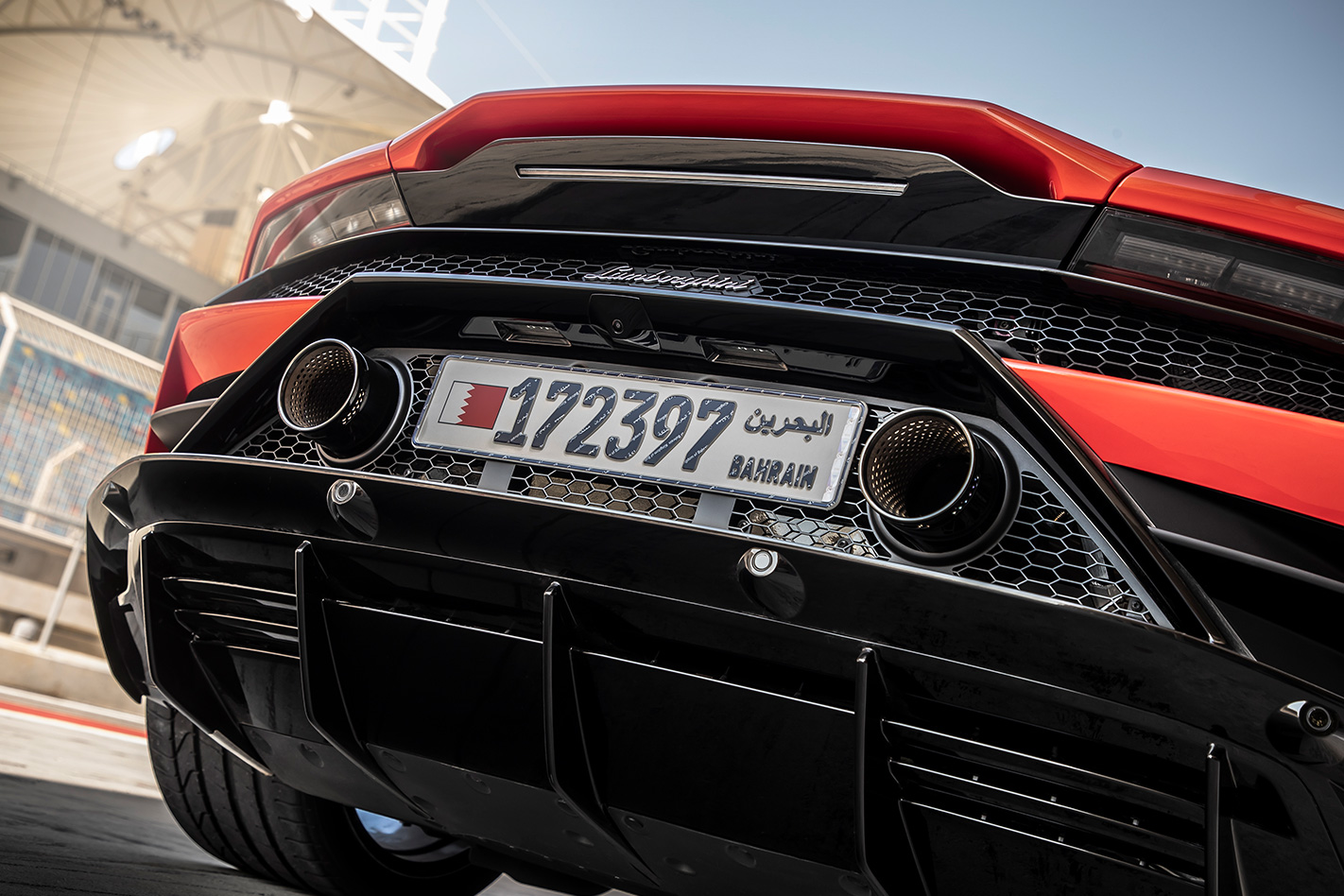
Higher volume Unlike the first Huracans, the Evo has adopted a high-exit dual exhaust that was introduced by the Performante. With shorter pipes from the engine and more compact silencers, the Evo is not just louder with the bi-modal valves opened, it’ll actually shoot blue flames under hard acceleration.
Get really close and you’ll even see the catalytic converters glowing white hot.
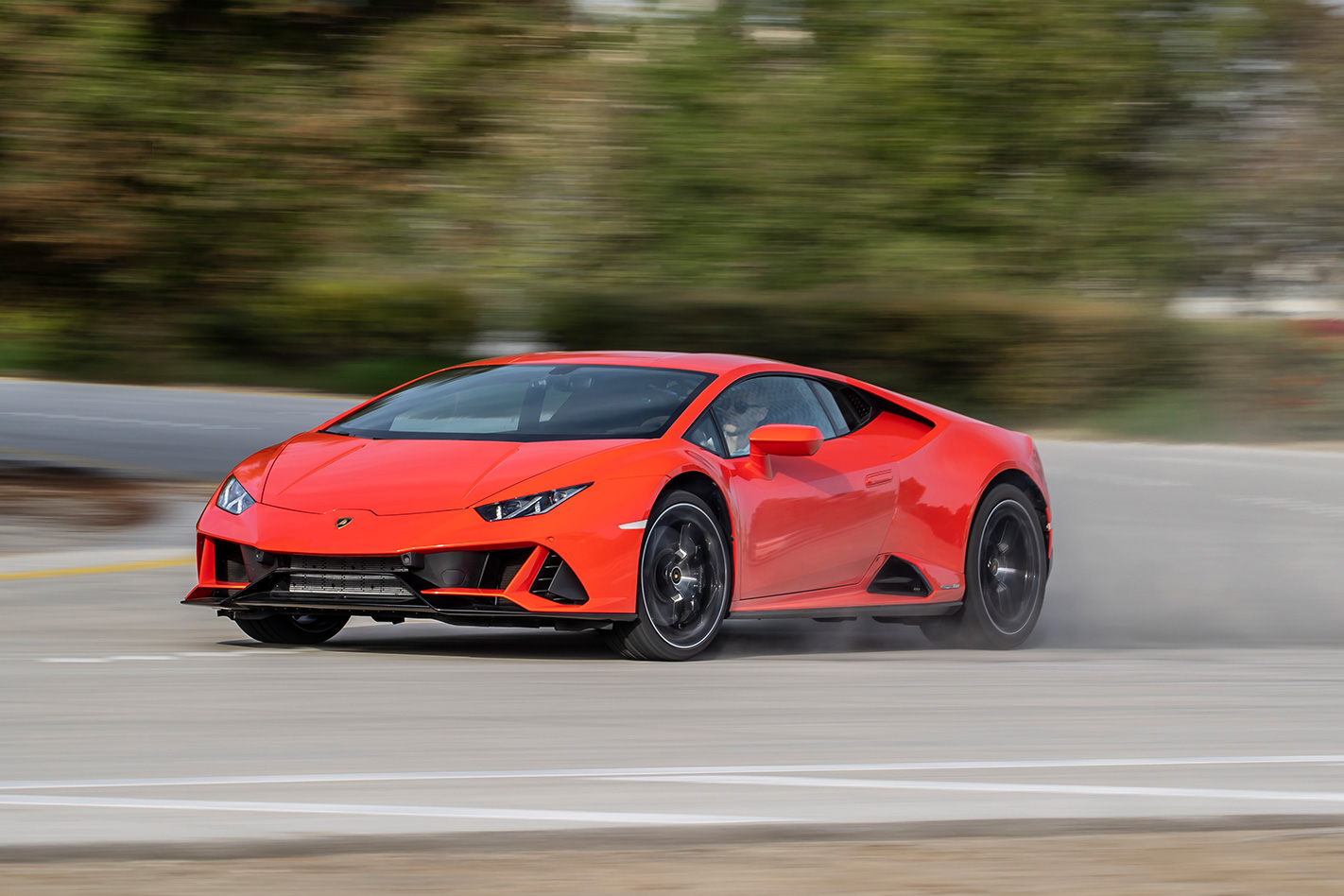
All for one Pinched from the Huracan’s Aventador SVJ big sister, rear-wheel steering is now available for the first time. A low speeds, the rear wheels turn in the opposite direction to the front axle for greater maneuverability – as if its wheelbase has been shortened. At higher speed, the rear wheels steer in the same direction which allows the car to almost crab for a far more stable reaction.
It’s all overseen by a new LDVI central processor that masters the dynamic systems with predictive technology to anticipate your every need. We’ll settle for not spinning.
View the entire Lamborghini range
When it comes to the cars stocked in celebrity garages, there are always going to be favourites. The Lamborghini Aventador and Bugatti Veyron are almost always up there, as is the blacked-out Range Rover. But looking back on 2018, what were the cars that were most loved by the A-list? From G-Wagen fans to the ever-growing list of Rolls Royce owners, here are seven of the most popular cars loved by celebrities (and one that became a celebrity in its own right).
Rolls Royce Phantom

50 Cent owns one, Conor McGregor owns one, as does Lady Gaga, Kim Kardashian, Queen Latifah, Lil’ Kim and David Beckham. And if not a Phantom, it seems almost every other celebrity – particularly those in the hip-hop and reality TV worlds, own a Ghost or a Wraith instead. In the past few years, Rolls has become the badge to flash when it comes to LA star status.
Lexus LC500
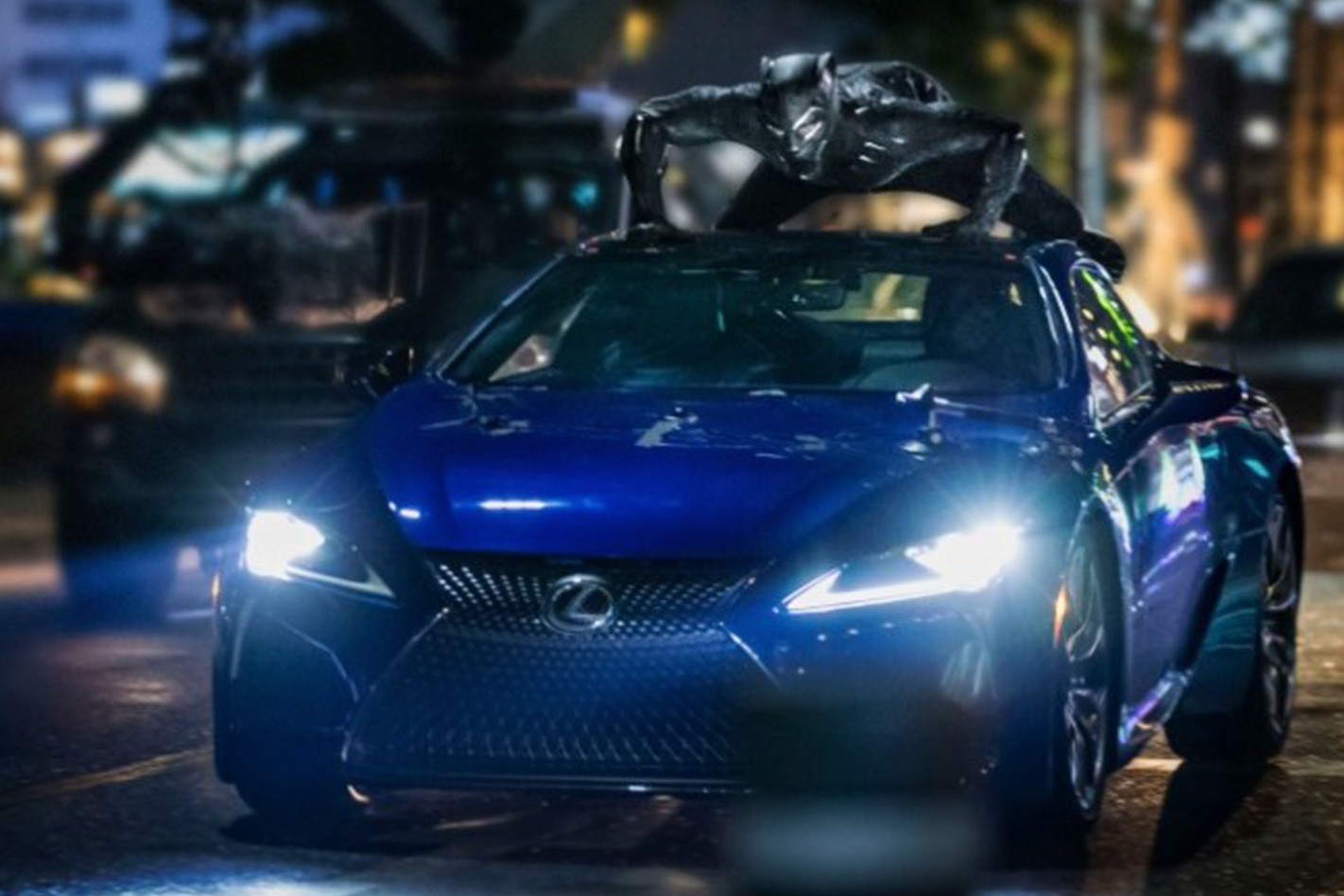
Is Marvel the new Bond? The franchise has formed a habit of showing off cool cars. Last year, it was the Audi A8 supercoupe in Spider-Man: Homecoming. This year, it was all about the Lexus LC500. OK, we’re cheating a bit here, but this V8 coupe earned star status (yes, much like the WRX of Baby Driver) when it raced across our screens in Black Panther, driven by the King of Wakanda, T’Challa (Chadwick Boseman) himself.
Nissan Leaf
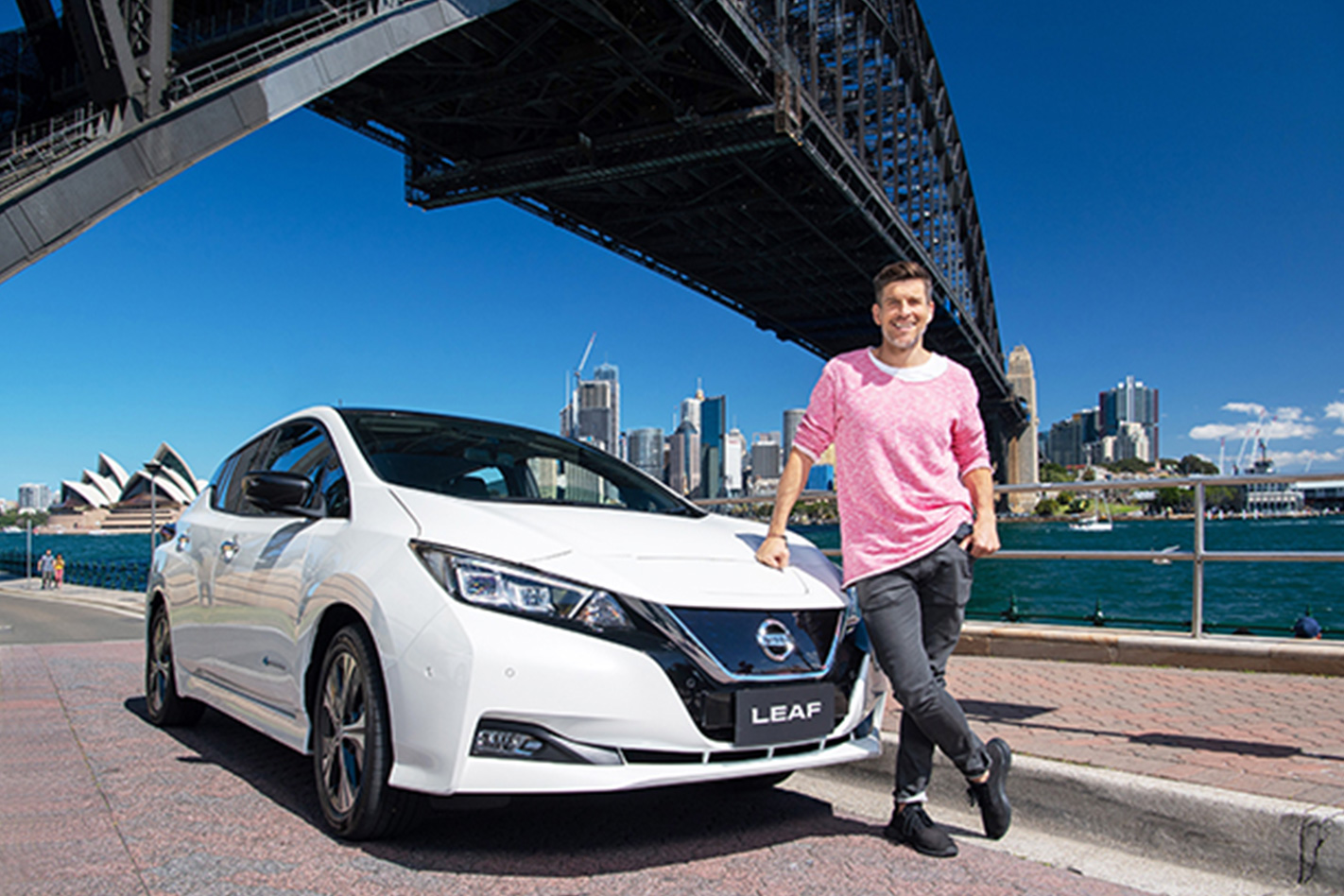
It might surprise you that Ryan Reynolds is a 2012 Nissan Leaf owner, but did you know that The Bachelor presenter Osher Günsberg is also a huge Nissan Leaf fan? With the impending arrival of the next generation, this cult-status EV might pick up even more famous fans.
Porsche Taycan
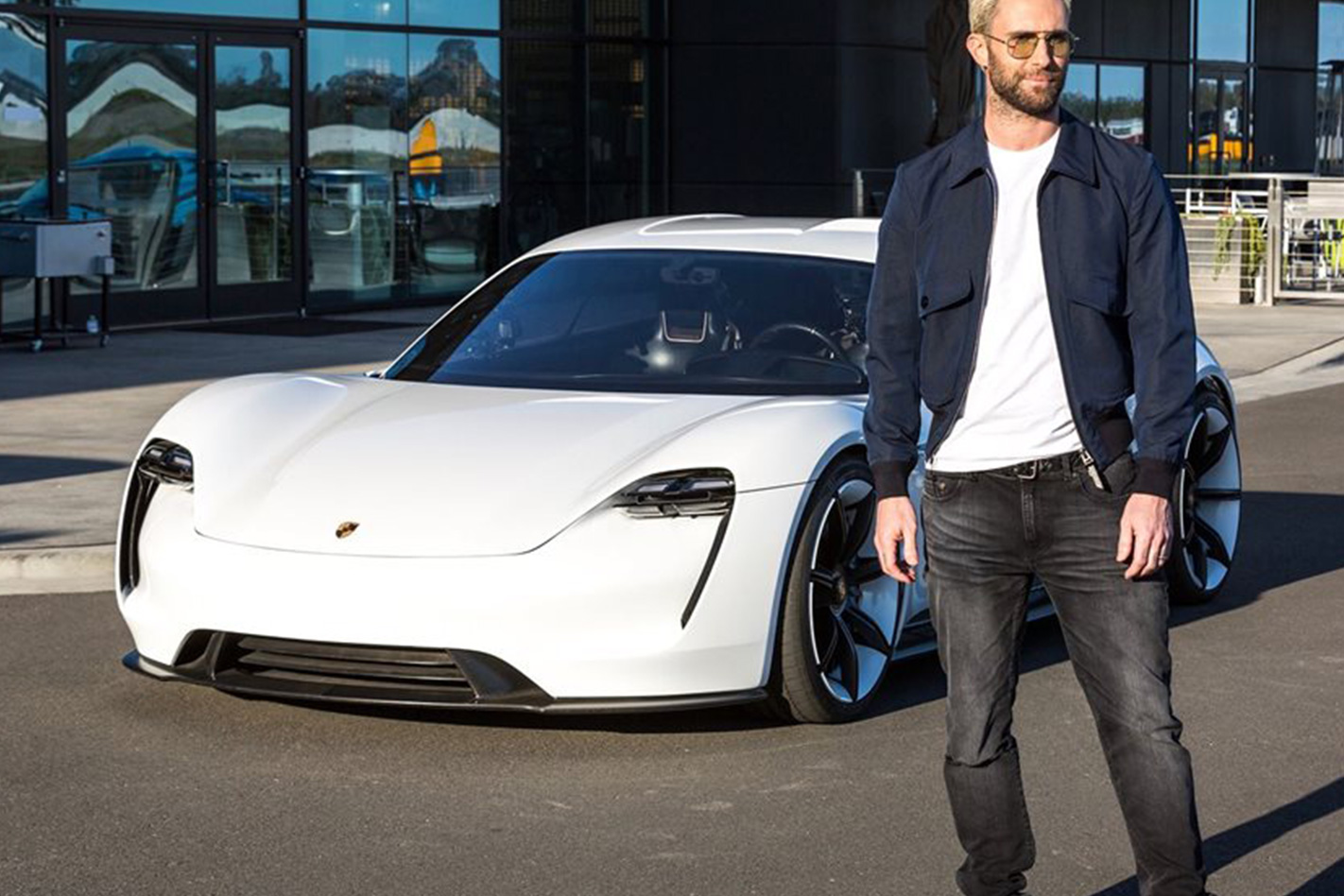
Though it’s not even here yet, the Taycan has already garnered a bit of star love. Maroon 5 frontman, Adam Levine, who is a feverous Porsche fan and 1958 356A Speedster owner, took it for a spin, much to his delight and, of course, it goes without saying that Porsche ambassador Mark Webber gave the all-electric sports sedan his tick of approval earlier this year.
Audi E-tron
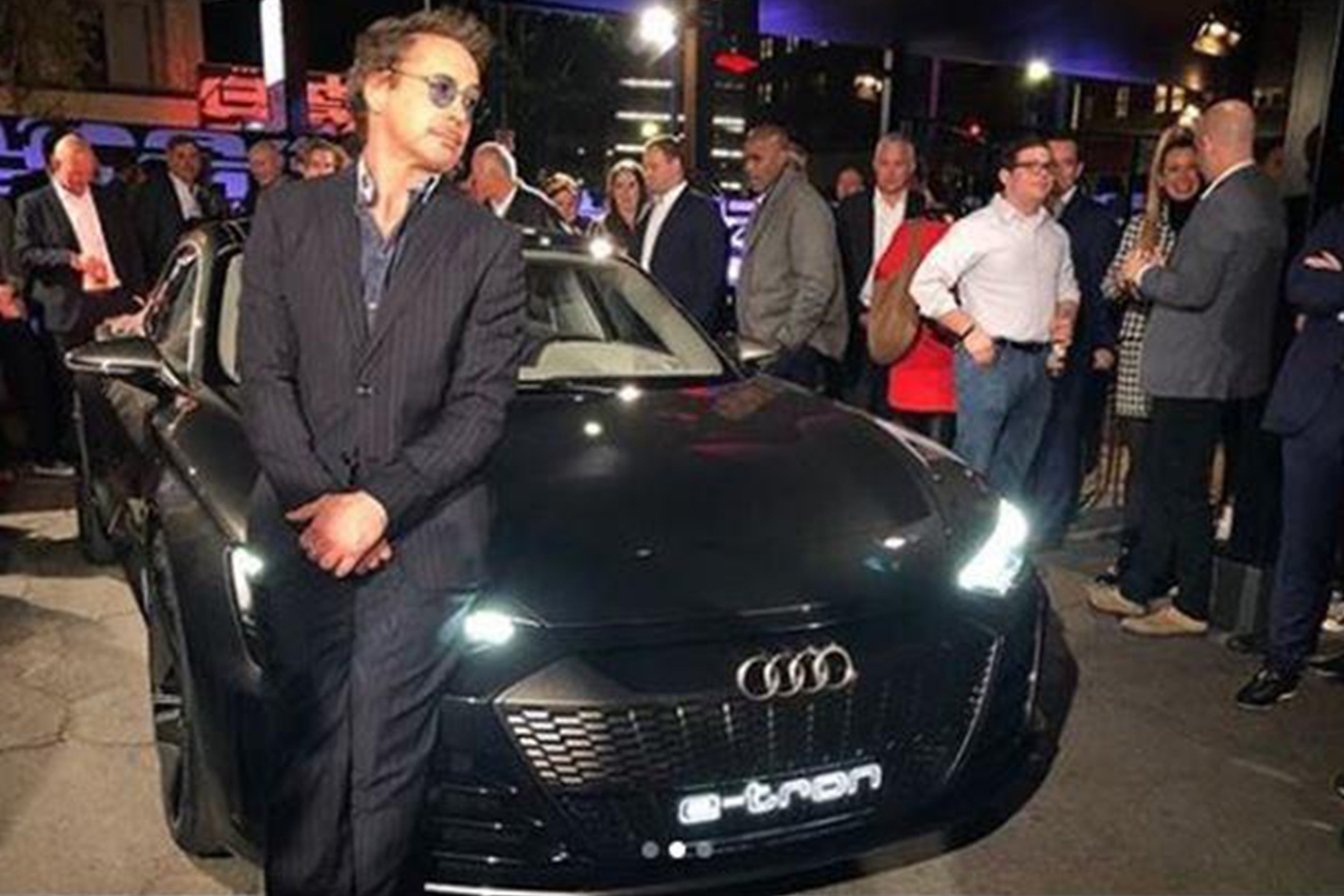
Once again, thanks to a partnership, the new Audi e-tron GT is set to appear on the big screen in the 2019 Marvel film Avengers: Endgame. However, Iron Man star Robert Downey Jr. also recently drove the performance EV and seemed genuinely excited by it. Downey Jr. already has a garage packed with impressive cars, including an Audi R8, Nissan GT-R, 1967 Corvette Stingray and a Bentley Continental GT, so it would come as no surprise that he’d want to add a high-performance EV to the list.
Mercedes-Benz G-Class
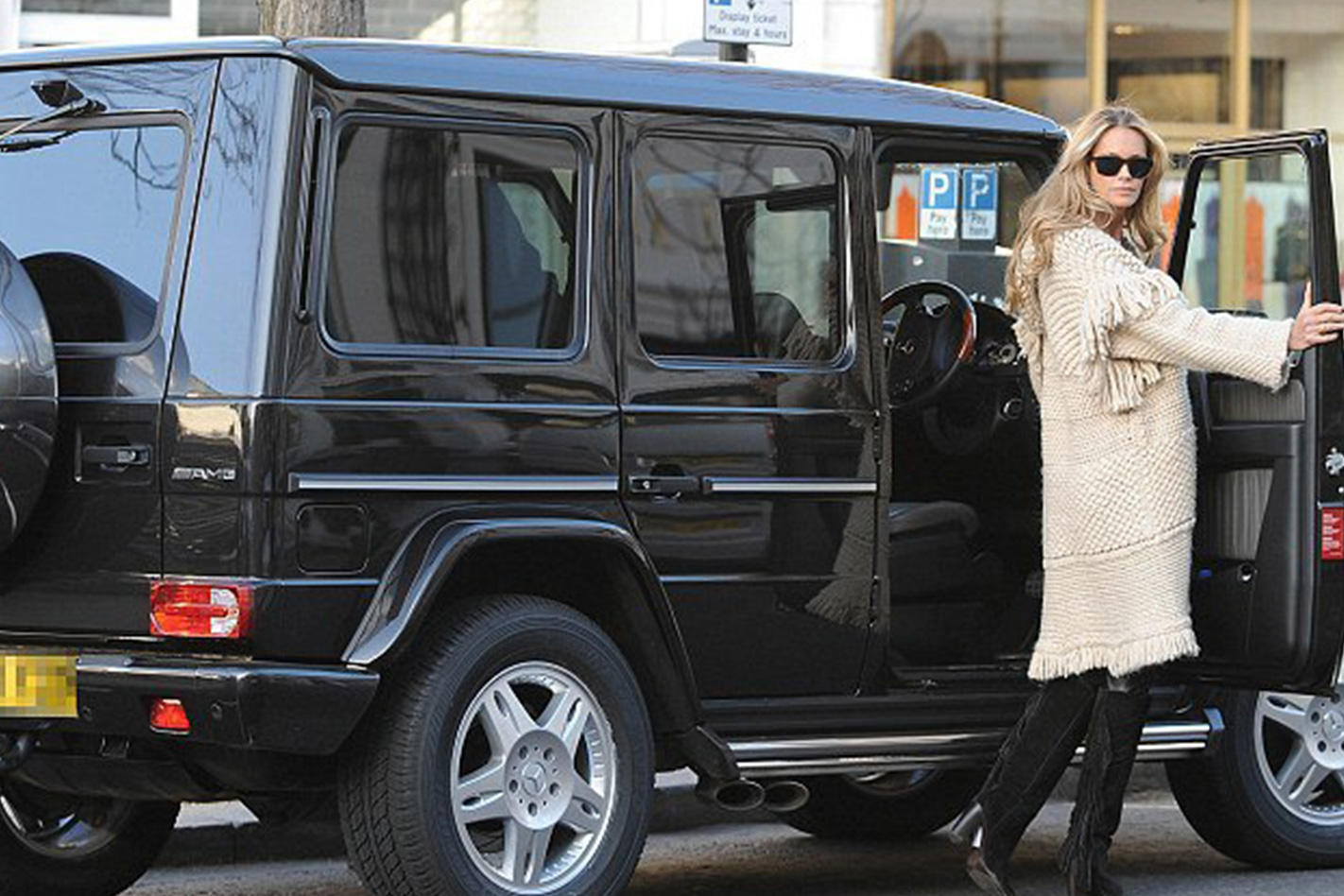
Speaking of Robert Downey Jr., he also owns one of the highly covetable Mercedes-Benz G-Class SUVs, joining an increasing list of celebrity owners. Who else is packing a G-Wagen? Sylvester Stallone, Britney Spears, Kim Kardashian, Kylie Jenner, Elle Macpherson, Bradley Cooper and the equivalent of an entire team of NBA players.
Tesla Model S
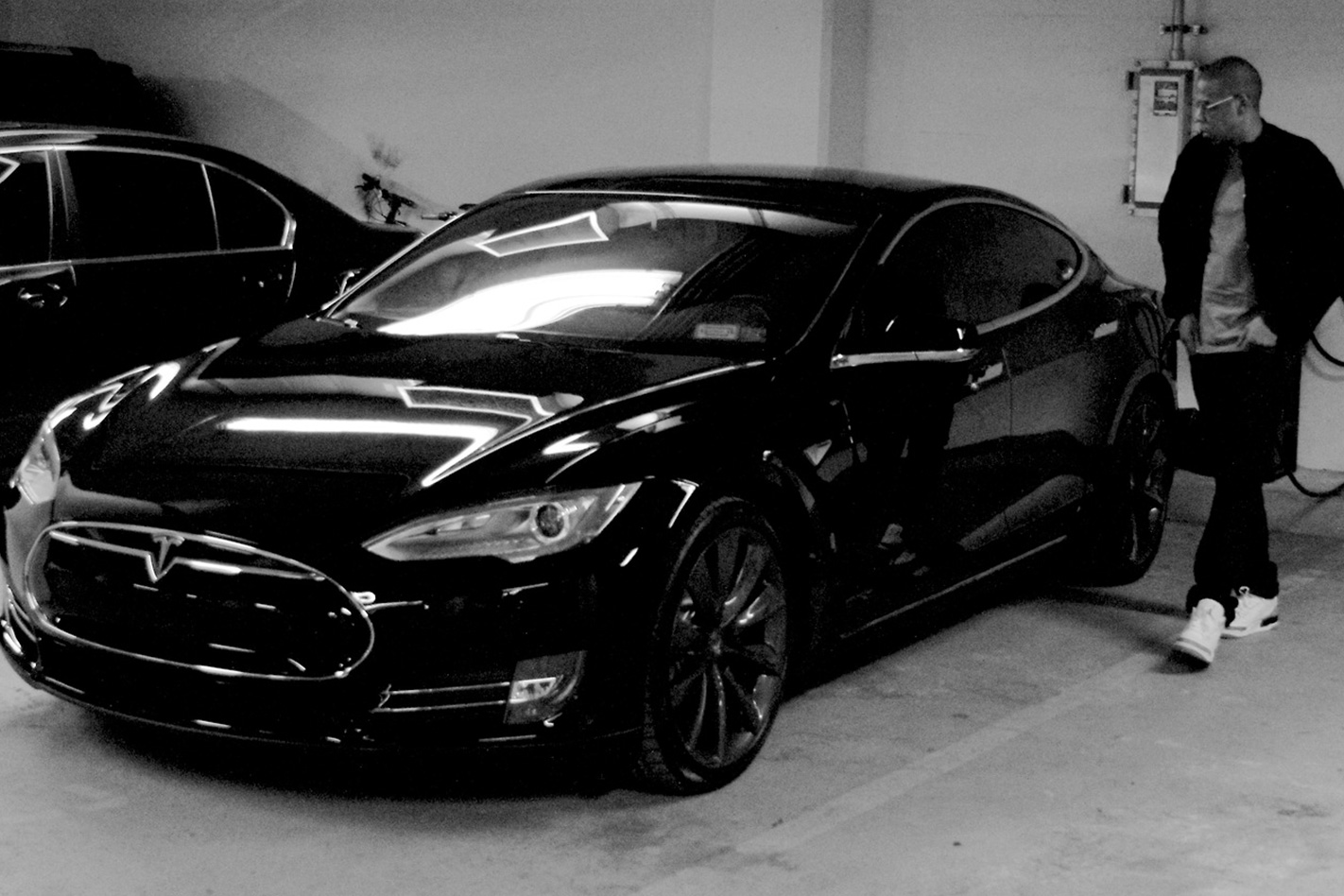
Another hot car among celebrities, especially in eco-conscious California, is the Tesla Model S which might just be in more famous garages than any other car. Some of the most famous Model S owners include Cameron Diaz, Zooey Deschanel, Kanye West, Stephen Colbert, Will Smith, Demi Moore, Ben Affleck, Steven Spielberg, Morgan Freeman, Will.I.Am, Mark Ruffalo, Metallica singer James Hetfield, Jay Z and Beyoncé, Oprah, Tony Hawk and many more.
The fall of former Renault/Nissan/Mitsubishi Alliance chief Carlos Ghosn is complete. The Lebanese-born Brazilian businessman has been forced to resign from his last role within the group, that of chief executive officer of Renault, as he awaits trial in a Japanese jail on various financial charges.
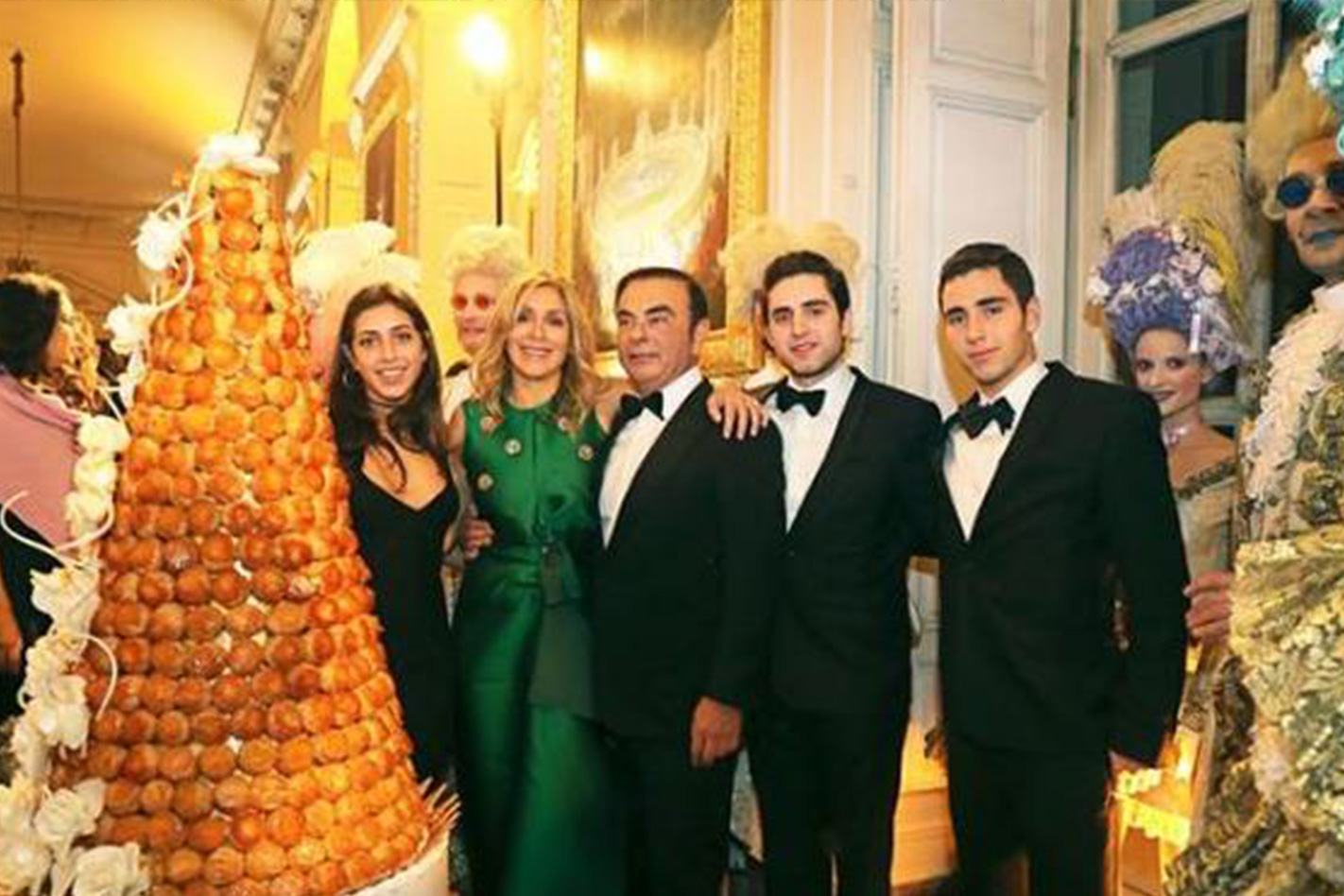
Ghosn, centre, with his family in Paris
Ghosn, 64, resigned as chairman and CEO of the French carmaker on Wednesday, French Finance Minister Bruno Le Maire told Bloomberg.
Ghosn was then officially replaced as chairman by Michelin chief Jean-Dominique Senard, and as CEO by Thierry Bollore, who has been filling in on an interim basis.
Senard, whose tenure at Michelin was drawing to a close, will work across both roles until May, and has asked for a reduced salary until then. In a strange irony, Ghosn started his automotive career at the French tyre maker.
Despite his career being abruptly ended by Nissan, Ghosn is widely credited with saving the Japanese carmaker, slashing jobs and closing factories to save it from bankruptcy in the early part of the century.
He was in the midst of doing something similar with Mitsubishi, but his plans to bring cost savings and shared development costs across all three makers were not finalised and may see Mitsubishi strike troubled times as the wider industry contracts.
Ghosn stands accused of under-reporting his personal income to Japanese authorities to the tune of tens of millions of dollars, while more recently, charges that Ghosn transferred personal stock losses to Nissan have also been added.
He has been jail since November, and may well stay there until his trial starts in the middle of this year. If convicted, Ghosn could be incarcerated for more than ten years. It is a far cry from his former life where he maintained lavish homes and apartments in Paris, Beirut and Rio de Janeiro.
