
Holden’s new boss has only been in the job for four hours, his first day scheduled to be a whirlwind of dealer meetings and internal briefings.
But right now, the 64-year-old is fronting the press, our recorders thrust towards his chin, the dance of hard questions, honest answers and deflected responses about to begin. You’d forgive him for feeling apprehensive. Overwhelmed. Afraid, even. After all, there’s no escaping the reality of the situation he’s willingly walked into, or the magnitude of the (impossible?) task ahead of him.
As disastrous years go, Holden’s has been a doozy. In March it recorded its worst monthly sales figure since the company’s inception in 1948, a stinging result only made worse by its July number, which at 3927, was even lower. Falls from grace don’t get much more spectacular. Holden’s market share now sits at 5.3 percent, half of what it was just five years ago, and a shadow of the glory days in the early 2000s when it lounged at 21 percent.
Even more sobering is the fact that of Holden’s entire product portfolio, only Colorado and Commodore are within the top five of their competitor set. “Surely that’s proof that Australia has fallen out of love with Holden,” argues the media scrum.
Holden’s attempt to radically redefine the brand has only compounded the problem. Strange advertising campaigns, mediocre product short on showroom appeal, and the lack of a successful long-term strategy has meant the Lion Brand hasn’t only failed in its desperate bid to reach a new, younger customer, but alienated a large portion of its loyal fan base. Buttner’s appointment is the first piece of good news in a long while; a decision that, finally, no one can take a shot at. Holden’s own PR team seems stunned, saying, eyes wide, “Wow, we got Buttner!”
That’s a lot of pressure to place on one person, though Buttner’s track record is impressive. A former MD and 30-year veteran of Toyota (he actually retired in December 2017), Buttner is an Aussie who has risen through the ranks of Australia’s most successful car brand. He knows what’s it’s like to be number one and brings a reputation for being supremely organised, hard working and diligent. He’s no stranger to pressure either, having worked with top-level Japanese execs on the shuttering of Toyota’s Aussie manufacturing facilities all the while under intense media scrutiny.
Holden presents an altogether different challenge, however. It isn’t a company that requires managing on the way down but one in dire need of a firm, charismatic hand to push it back up. It needs a leader willing to blue with Detroit, to argue for better product, and to galvanise, and possibly rationalise, Holden’s 200-strong dealer network. Interestingly, other importers with similar market share such as Kia, Honda and Volkswagen have 134, 107 and 105 dealers respectively.
Buttner has given himself 60 days (likely 30 by the time you read this), to visit Holden’s dealers and stakeholders before he implements his plan to arrest the slide. Throughout our interview he remains unflappable, slowly and systematically outlining his desire to unify the company, to create a clear strategic direction built around Equinox and Acadia, and to reconnect with Holden’s fan base while simultaneously appealing to new customers.
He also speaks openly of his own passion for Holden (a bond fostered by his Holden-buying father) and his conviction that the brand still holds a strong connection to Australians.
I think he’s right. It may have lost its way slightly but to many people, including me, Holden still feels like Australia’s own. We want it to succeed. To turn the corner, to once again create great cars that suit our roads and tastes.
After years of turmoil, Buttner’s arrival provides the first glimmer of belief that it can.
Mercedes-Benz’s X-Class is the first vehicle from a luxury automaker to push into the increasingly popular dual-cab utility segment, and though there’s a the three-pointed star on the front, Benz’s ute is designed to be a work-ready device rather than something you’d drive to the opera.
Based on the Nissan Navara but more than just a lazy re-skin, the X250d Power we’ve got here is an upper-spec version of the four-cylinder X-Class range that provides a little more luxe while retaining plenty of tradie appeal. Scroll through the gallery above to learn more.
AUSTRALIA’S insatiable appetite for SUVs is continuing to smash traditional buyer trends with sales of BMW’s high-performance high-riders threatening to knock more orthodox versions into touch, and even some equivalent passenger M models.
In 2017, 55 percent of BMW’s sales were represented by SUVs, mirroring the larger general Australian market trend in which SUVs overtook passenger sales at about the middle of last year, but as Aussies demand ever more potent vehicles, hot SUVs are set to become king in the BMW ranks.
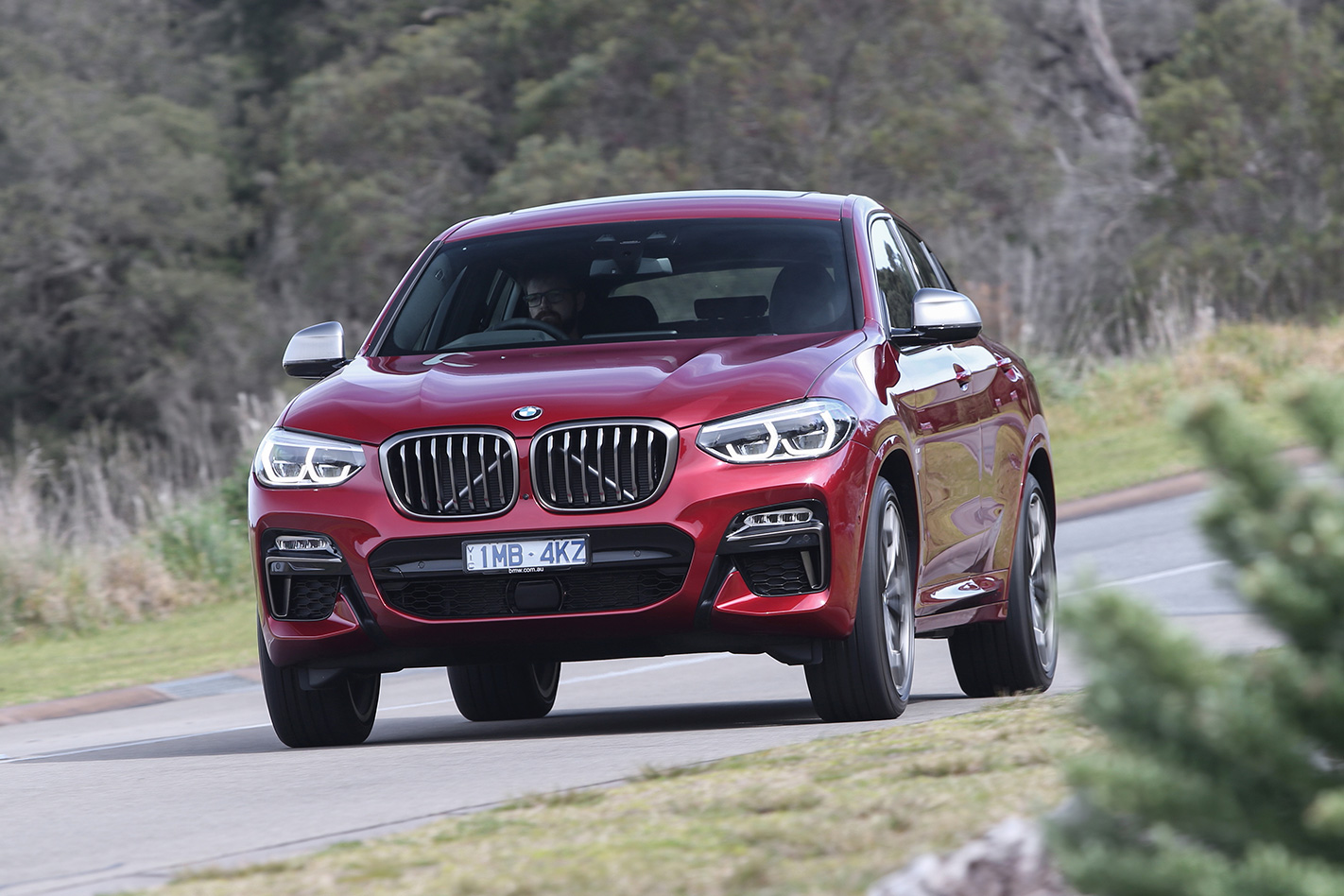
For now, the universally popular M2 small coupe remains the top-selling M-model for BMW, but a deluge of M Performance and M-powered SUVs and ‘SACs’ could be about to redress that balance.
Speaking to Wheels, BMW Australia head of product and market planning Brendan Michel said the recently introduced X3 M40i had already attracted a significant audience and was encroaching on the model’s traditional volume variant.
“We’ve only had three months of sales but initial estimates are telling us that X3 M40i is going to go very, very well,” he said. “It’s around 20 to 25 percent of our mix of X3, which is quite high for the top variant.
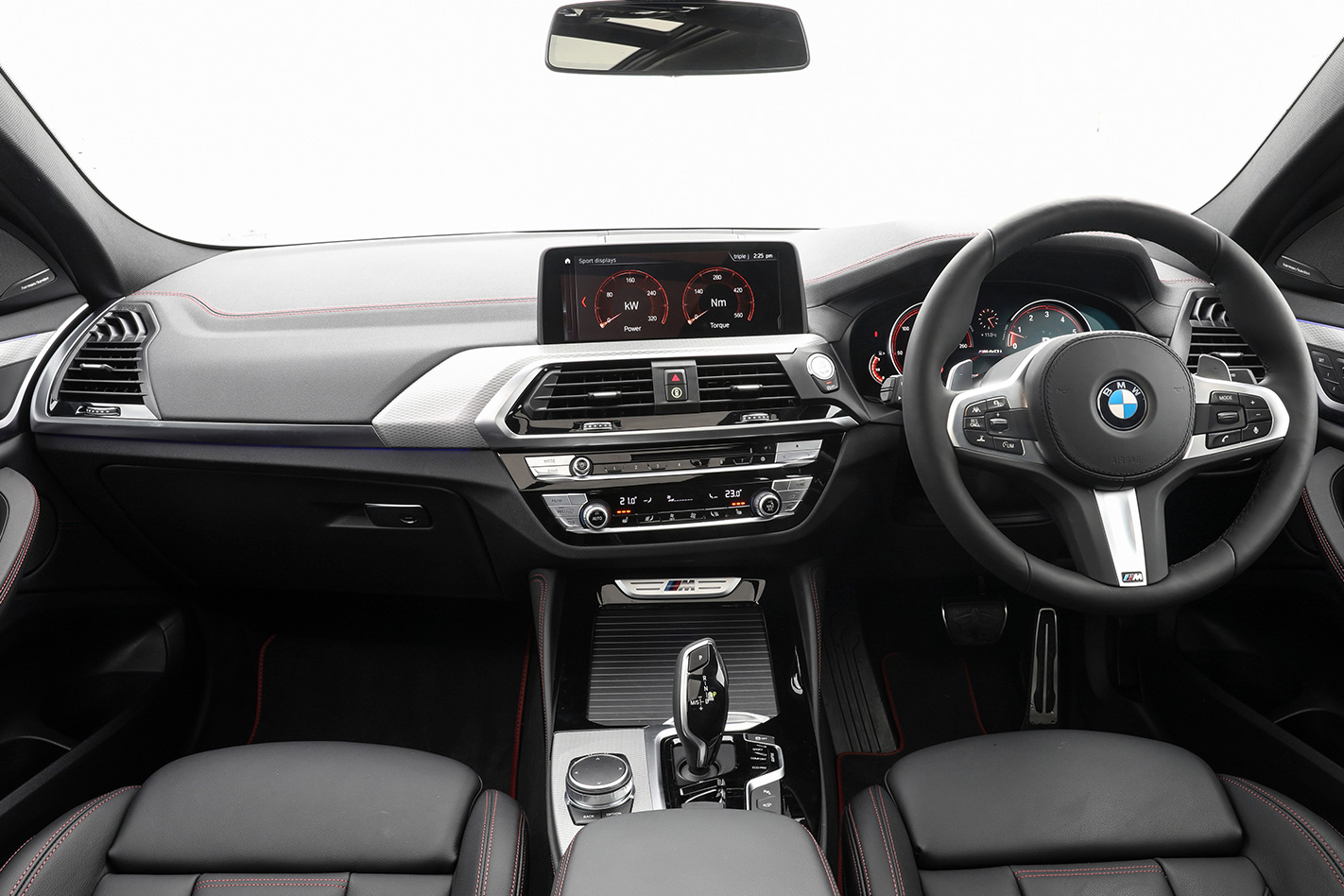
“Still our volume is the 20d as it always has been for the X3, but the M40i is not far off it.”
And that hi-po SUV momentum is only set to continue for the German car maker, with an equivalent version of the coupe-profiled X4 ‘SAC’ now on sale, adding a more style-focused option into the M-Performance mix.
“Going by that, we would have similar expectations for X4 (M40i) as well.”
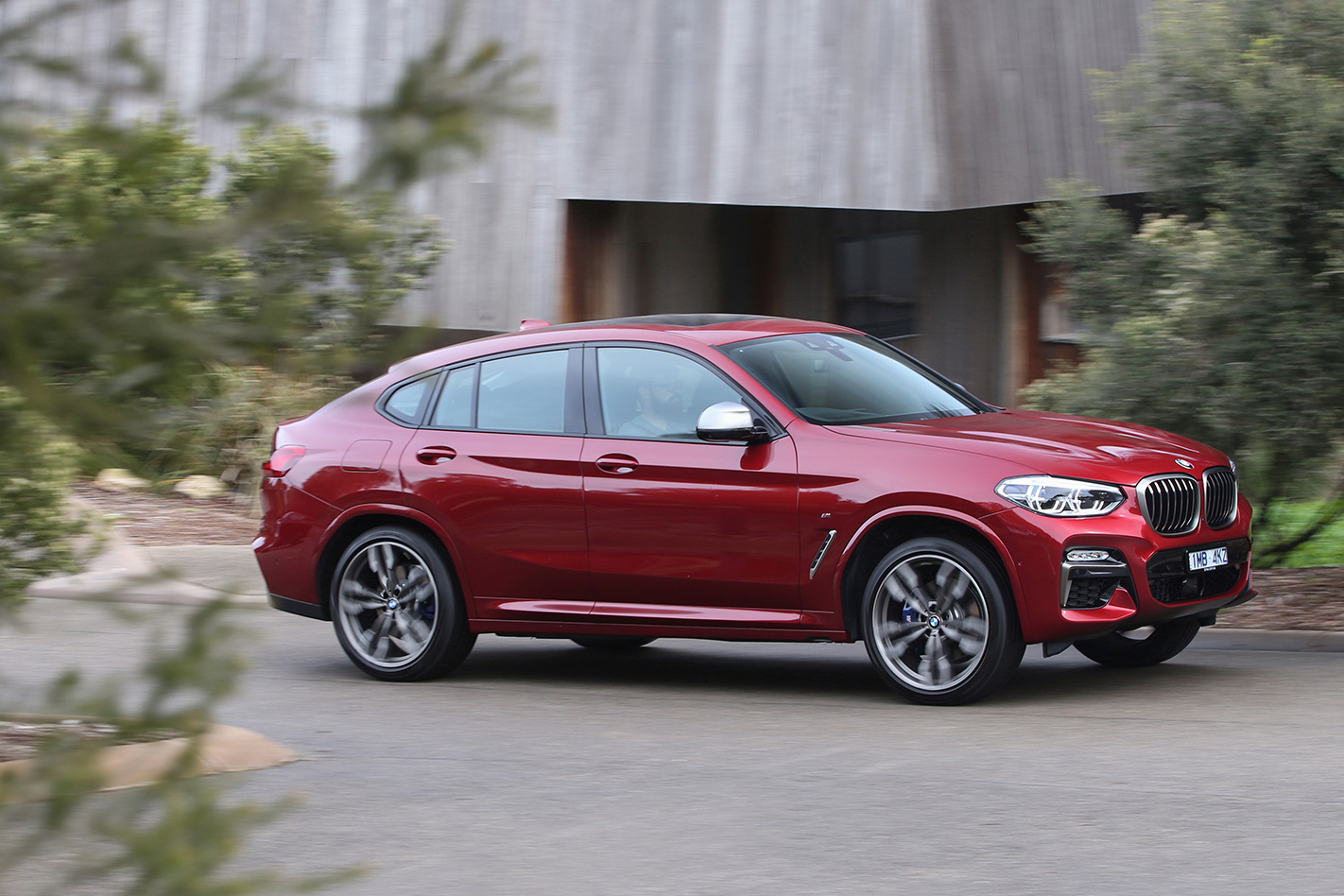
The company will deliver yet another double hammer blow to the hot mid-sized SUV segment in 2019, when a full-fat X3 M and X4 M will join the thoroughbred M-powered family for the first time.
“It’s good timing to do the M Performance models first and then come out with a big bang next year with the full blown M variants. I’d say it’s never too late to join the party.”
Full technical details for the high-riding twins are still a while away and the jury is out on whether the newcomers can take the title as BMW’s most popular M-car. As yet unconfirmed pricing will be a major factor and the X3 M and X4 M are likely to retail north of $110,000 but the SUV boom could negate the price premium between it and the sub $100,000 M2 Coupe.
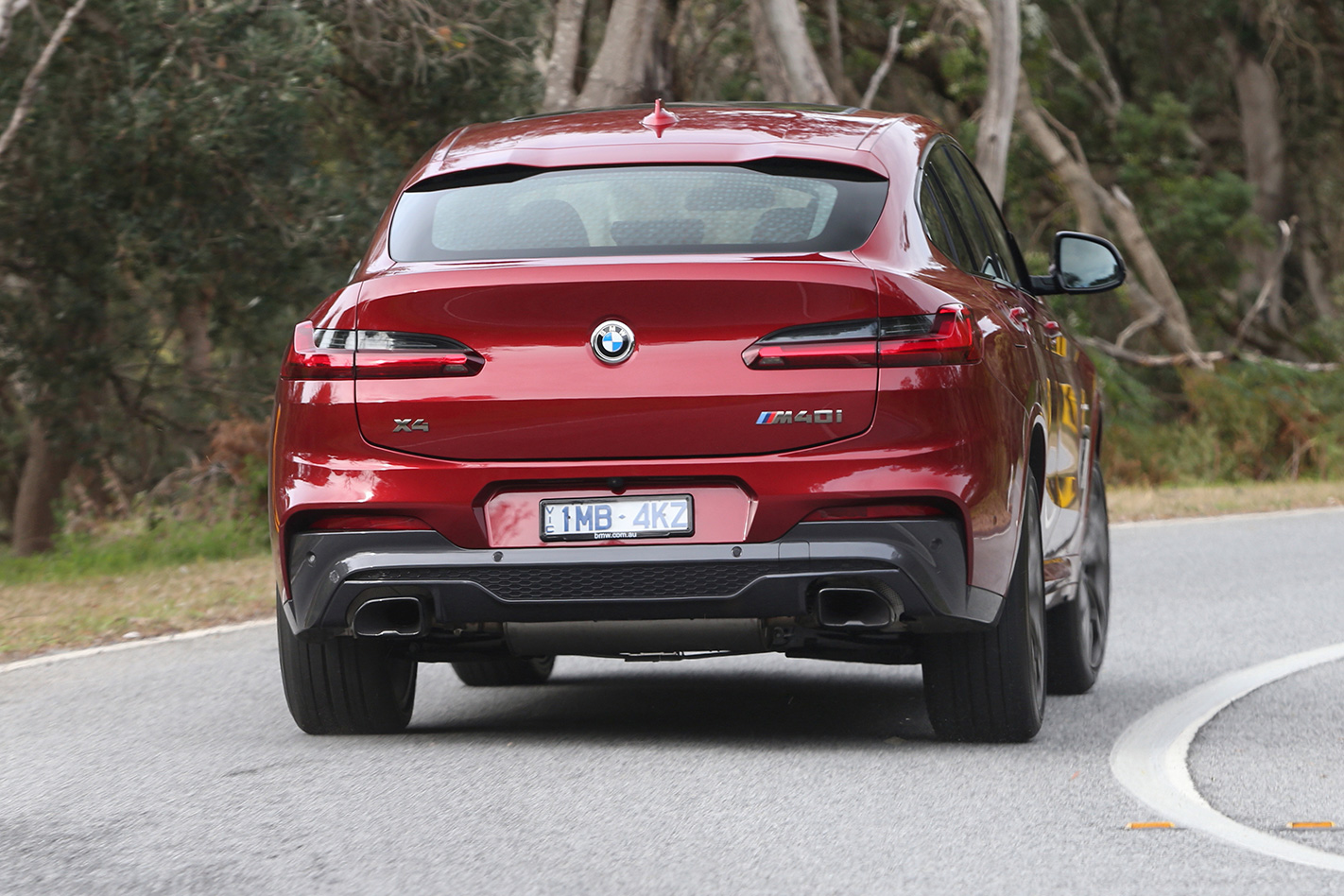
“It probably won’t have that price point that the M2 carries at the moment but the way the shift [in sales] from passenger to SUV, you would assume X3 and X4 M will do very well,” said Michel.
A BMW landscape where an M-powered SUV is the top seller may be a while away yet, but it seems the car maker is deliberately turning the tide, with new crossover models heralding the latest M-power technology, not the traditional sedan and coupe pioneers.
BMW has confirmed that a new M-Power engine will make its debut in the X3 M and X4 M, which would likely filter into a new-generation M2 or M3 model.
“The technological highlight of the BMW X3 M and the BMW X4 M is a newly developed straight six-cylinder engine with M TwinPower Turbo technology and high-revving characteristics,” confirmed BMW last week.
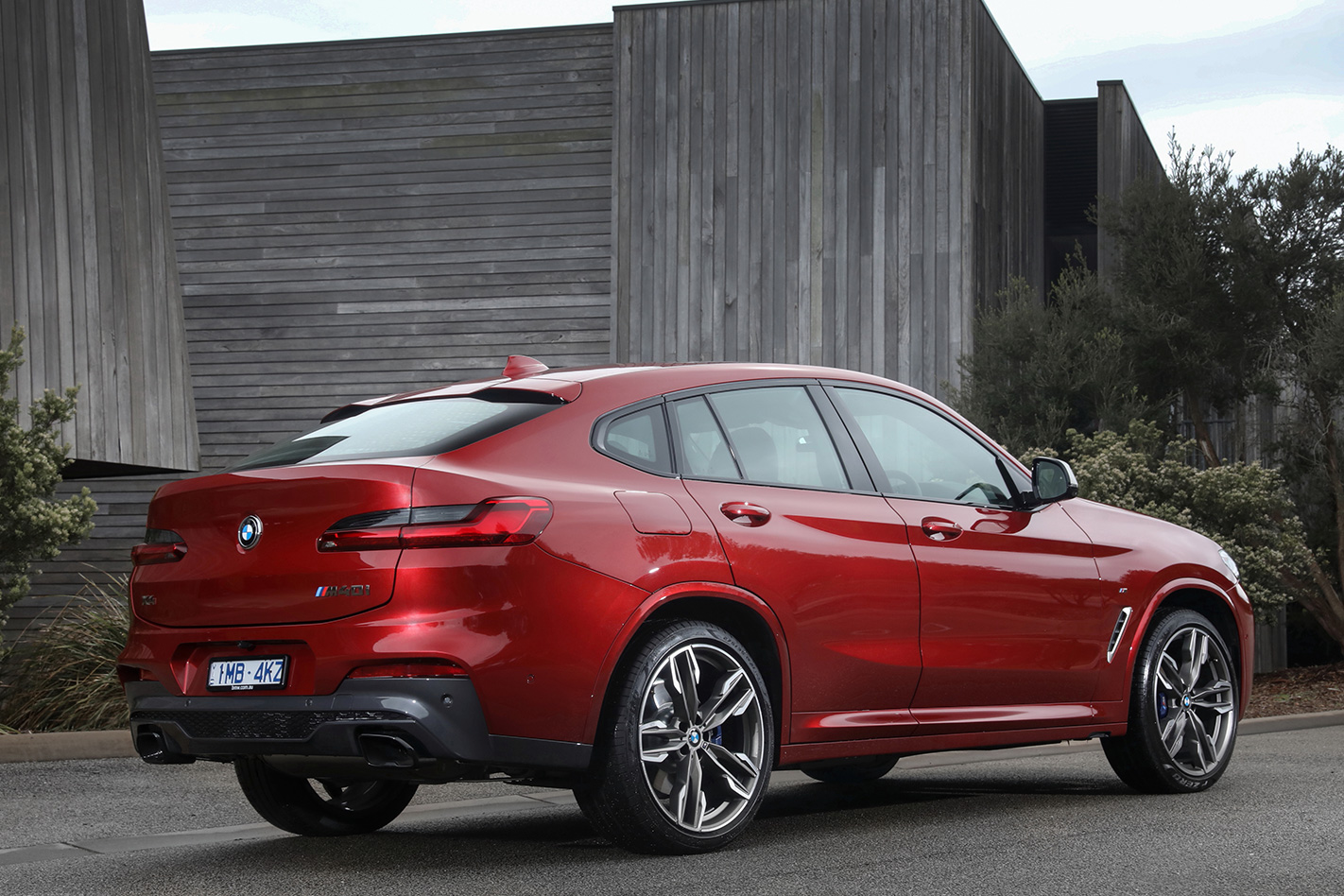
Adding to the muscular SUV battalion, a new X5 M and X6 M pair will succeed the current models, and a freshly revealed X2 M35i will introduce a baby offering with adult performance.
Ultimately, the customer will decide if the most powerful BMW SUVs will overtake garden varieties or passenger equivalents, but with total SUV sales predicted to top 60 percent this year for the brand, it appears to be a matter if not if, but when.
Subaru in Japan has made some alterations to the Subaru BRZ, something Toyota has done regularly with the equivalent 86.
The primary changes to the car, according to a translated Japanese press release, are additions to the rear wheel arches in the form of altered fins, as well as changes to the suspension.
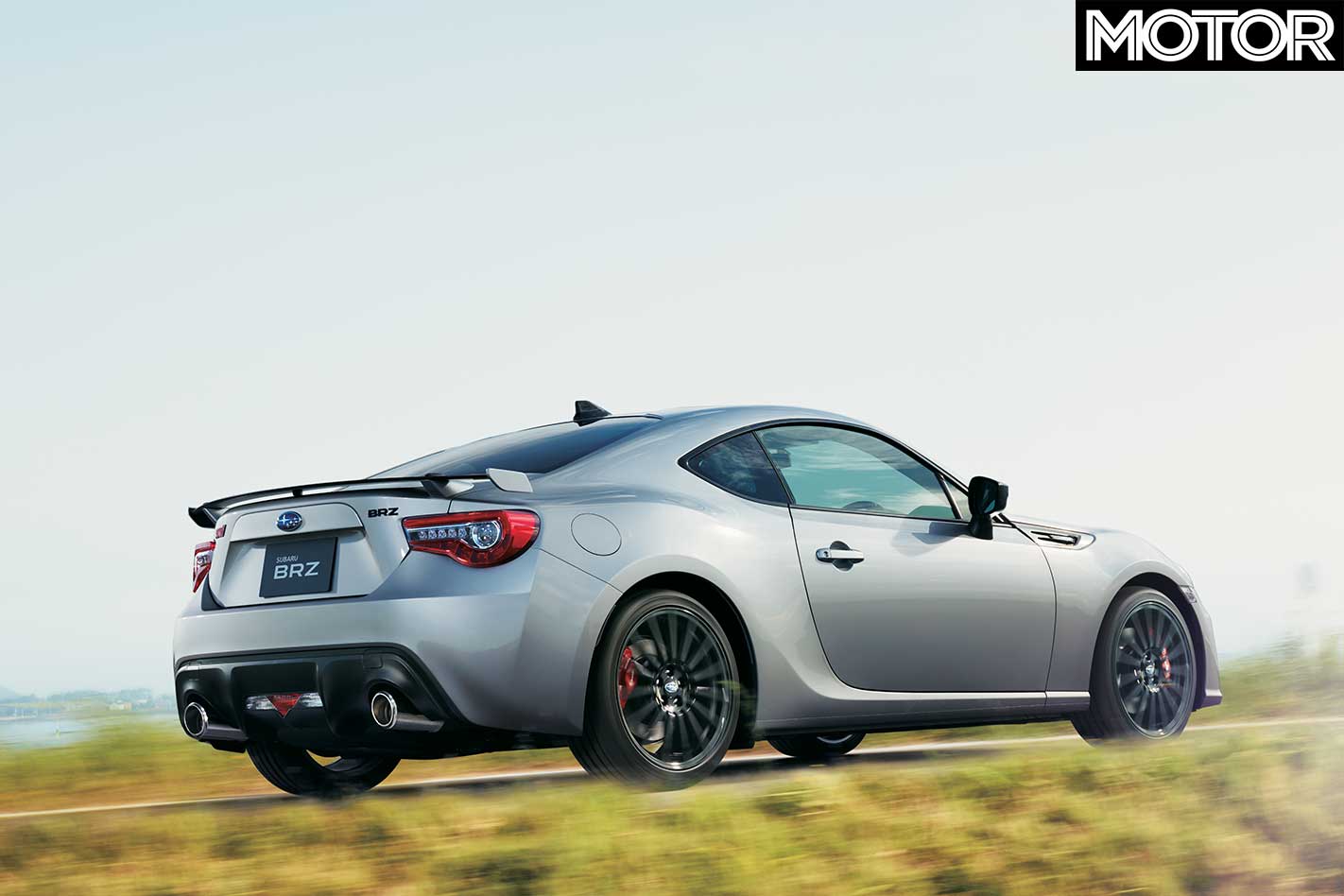
The changes to suspension amount to a re-tune to improve handling and ‘groundability’, according to the translation. We assume this means the update will keep the BRZ more settled on the road.
At the same time, Subaru in the US has released a special ‘grey’ edition which amounts to a styling alteration through gloss black alloys, mirrors, and a grey paint job similar to that of the updated Japanese car pictured.
The changes made for Japan suggest the Australian BRZ is due to receive the minor update, though some aspects of it aren’t relevant to our market.
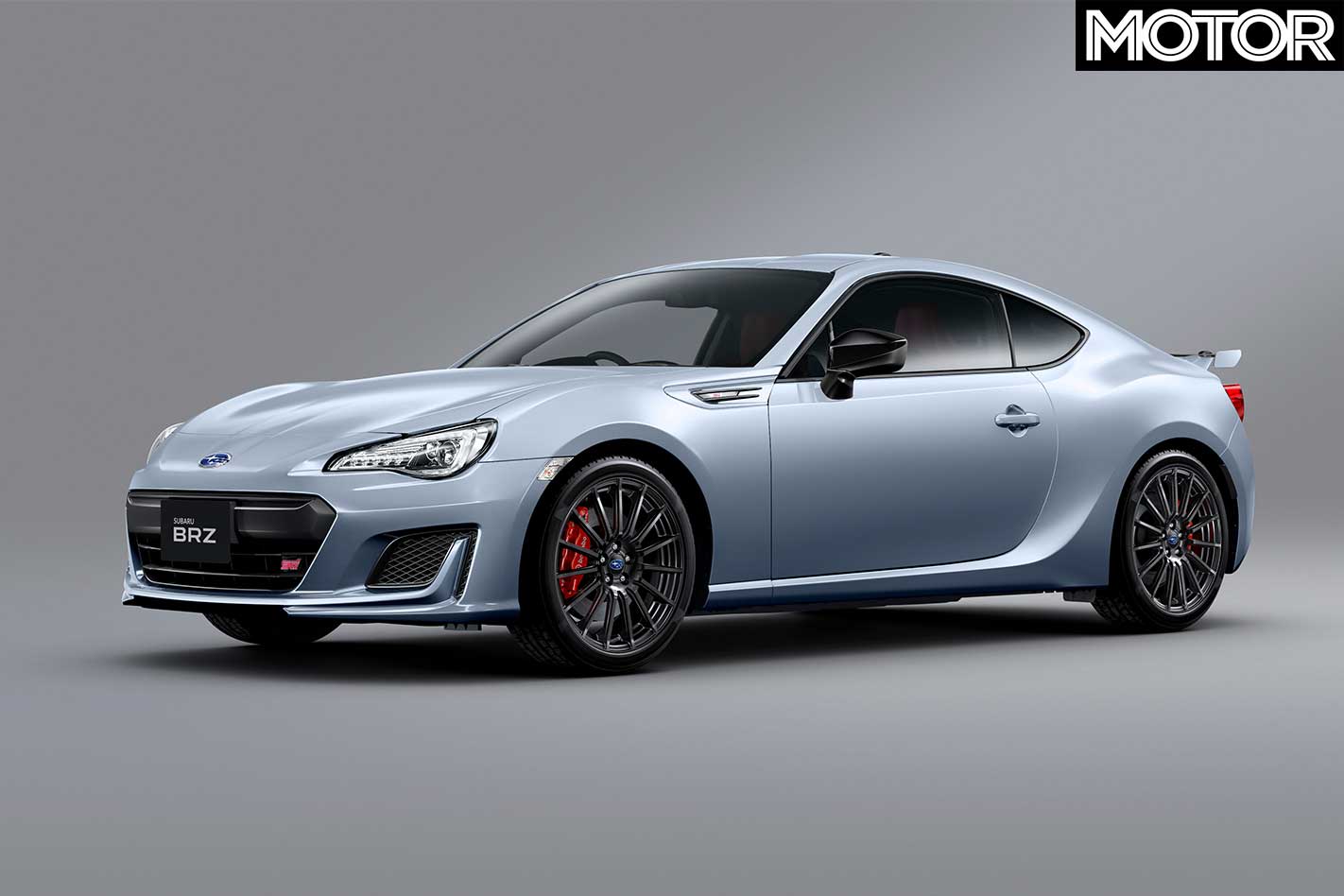
Subaru sells an ‘RA-Racing’ version of the BRZ in Japan, which includes a roll cage and track belts, both of which are being improved for the 2019 model.
If you’re looking for more power or forced induction, however, no word from Subaru has been heard on whether an updated power output is imminent. This means the boxer four remains a 152kW/212Nm deal, with straight-line performance likely unaffected by the update.
MOTOR will keep an ear to the ground for the official word from Subaru Australia.
When I ask David Praschl whether he’d like to take back the front-drive record at the Nürburgring Nordschleife from Honda, he flashes that typical race car driver smile. It’s as a good as a yes.
But it also hides a smugness I’ve seen so often on car company employees when they know something they want to tell you, though perhaps can’t.
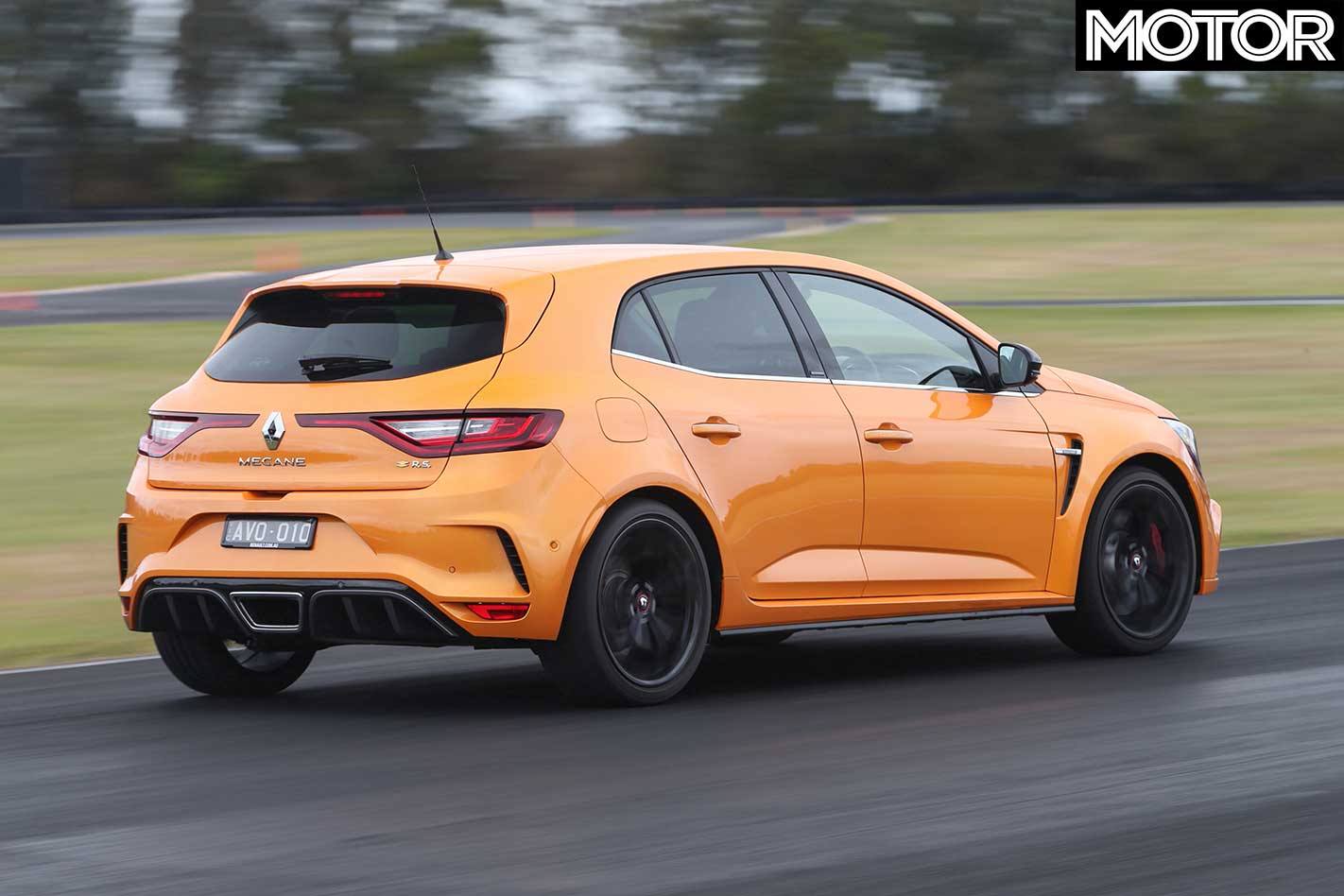
Would the car Renault use to claim the record be a crazed stripped out manual-only special revealed in future? Or the already known coming-in-2019 Trophy? That much he’s not willing to reveal. That’s fair since he’s travelled here to Norwell Motorplex circuit halfway between Brisbane and the Gold Coast for the car he’s worked so hard on.
With it clear I wouldn’t find out much else, I instead ask him to demonstrate how well he knows the Megane RS 280 on the track behind us. It’s no 20.8km ‘Green Hell’, but Norwell’s tight, technical nature and flowing corners is a fun little playground perfectly suited to a compact performance car. And he knows how to thread such things along such roads, he’s raced both Citroens and Peugeots before.
He joined Renault Sport in 2007, and worked on cars like the Clio RS220 Trophy and RS16 Concept car, which he was “saddened” to learn wouldn’t make it to production like we all predicted. Out on track, his familiarity with both car and circuit is surprising, except the right-hand drive seating position presents a challenge on a shift or two.

It’s clear he knows where the car’s limits are as he’s instantly stepping over them. But it’s the Megane’s rear-end stability he’s keen to show off. Having revealed the 4Control, or rear wheel steering system, was one of the car’s biggest development challenges, Praschl tugs at the wheel coming into the back straight’s braking zone, pulling the car left and right.
English challenges our communication, but he’s upturned hands at the car’s rock solid stability show he’s proud that it delivers. I agree. He presses on, pushing along in our Cup equipped car, revealing its balanced, yet playful, nature.
I ask to hop out and leave him to it, with a camera rolling, to give you a couple laps with the man who knows this new Megane RS 280 best. Enjoy.
A car’s vehicle identification number, or VIN, is a unique identifying code that all cars are required to have. For all the millions of cars that have been built around the world, no two cars have the same VIN.
All cars built after a 1981 have a VIN made up of 17 characters (digits and capital letters) that reveal information such as the model and variant of the car, its manufacturer, engine size and where it was made. VINs on older cars can vary from 11 to 17 characters, with the shorter ones providing less detailed information.
What is the VIN used for?
You will need to provide your car’s VIN when dealing with things such as car insurance, registration, warranties, vehicle recalls, parts and servicing. It’s also handy when looking to buy a car to find out its history, including if it’s ever been stolen, written off, or subject to bad debt. It can even reveal if your car has been resprayed a different colour.
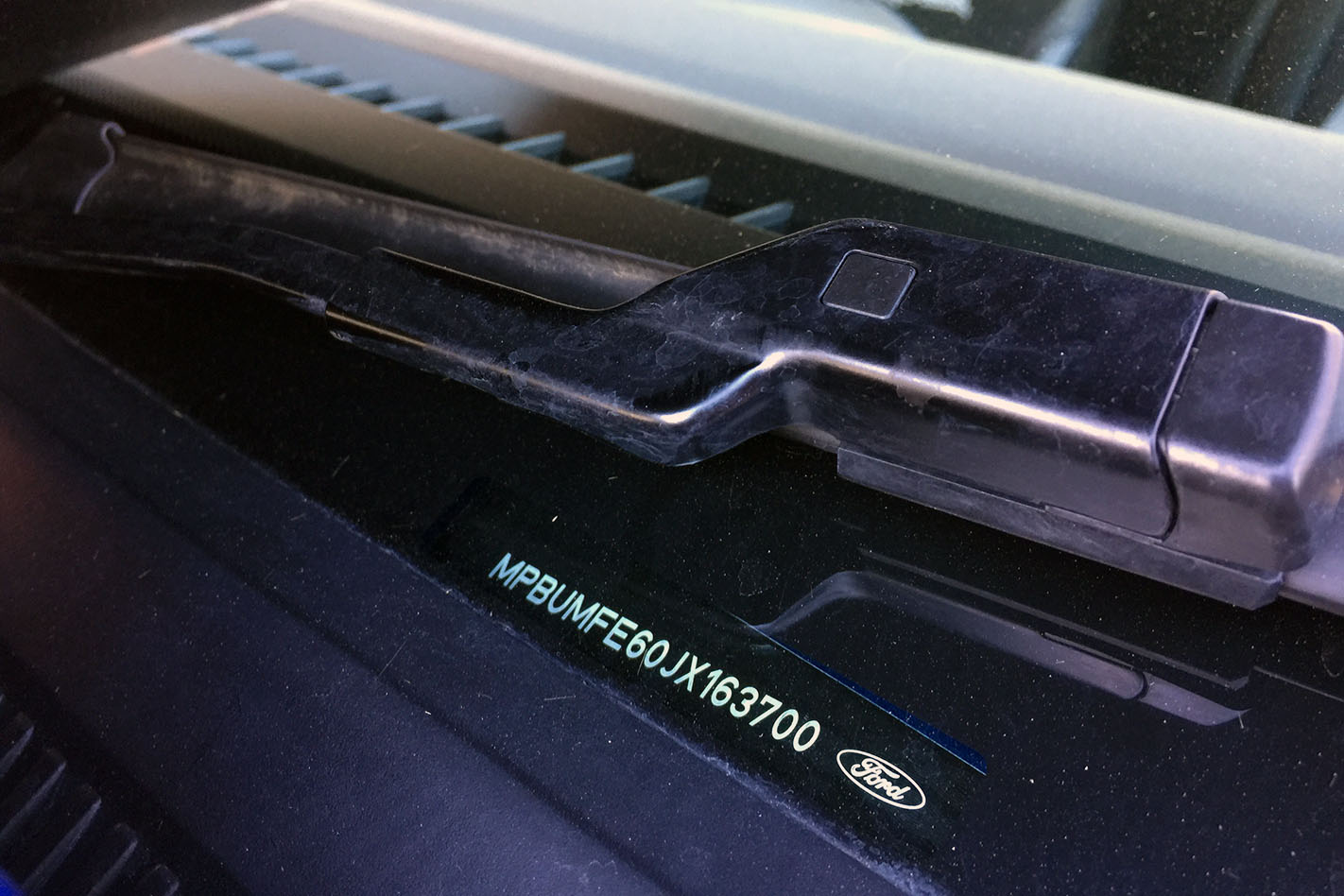
How to find your VIN
The location of the VIN can vary between cars.
Most new cars display it at the corner of dashboard on the front passenger side of the vehicle (driver’s side in left-hand-drive countries) so it can be easily viewed though the windscreen – you may have to lift the windscreen wiper arm to see it.
Other cars have the VIN stamped or etched on a plate on the side of the front passenger side door, or in the door frame.
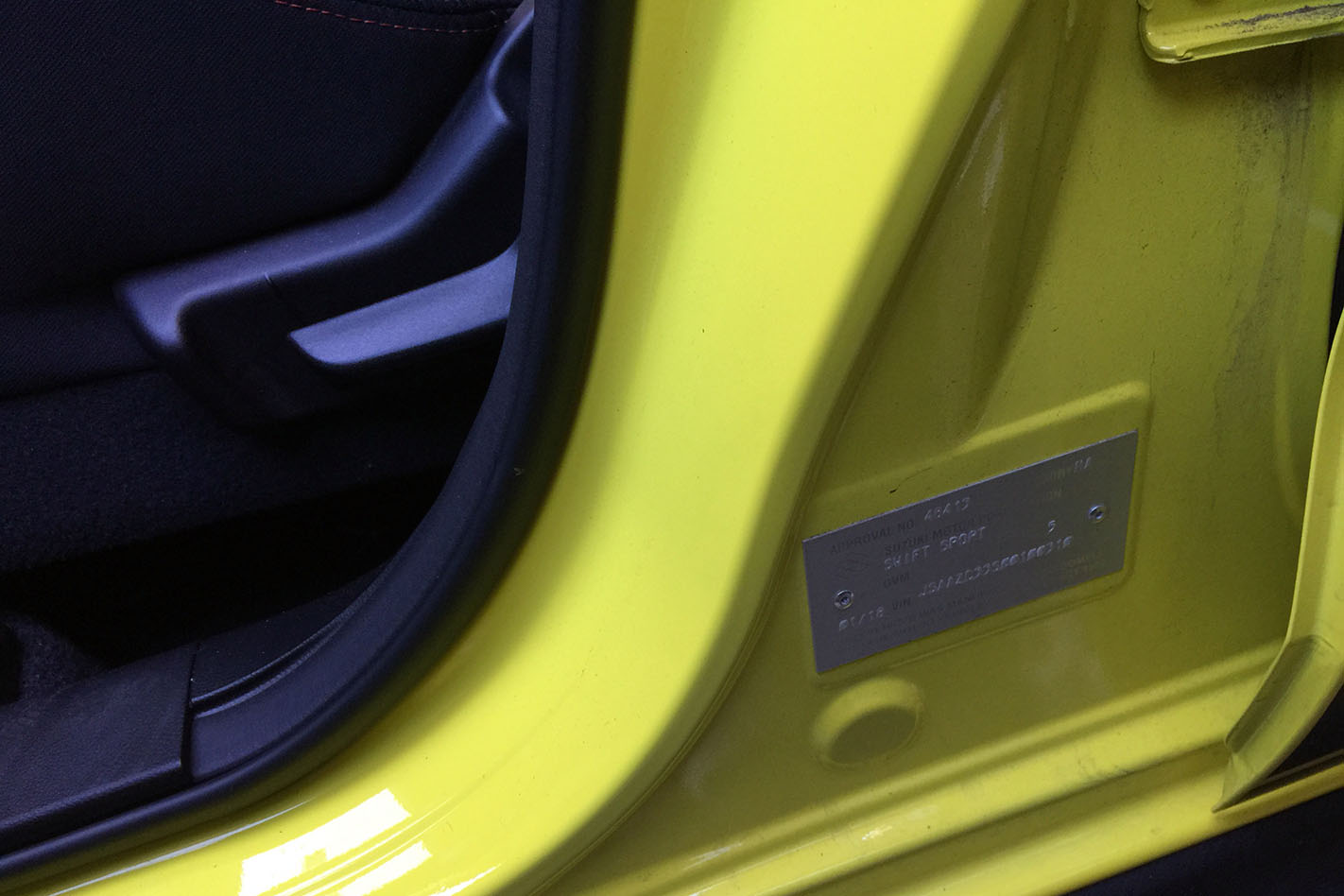
Alternatively you may find it on a plate located in the engine bay, either on the firewall or the strut above the radiator.
Another place is in the boot, below the spare tyre.
Your VIN is also recorded on your vehicle registration and insurance documents.
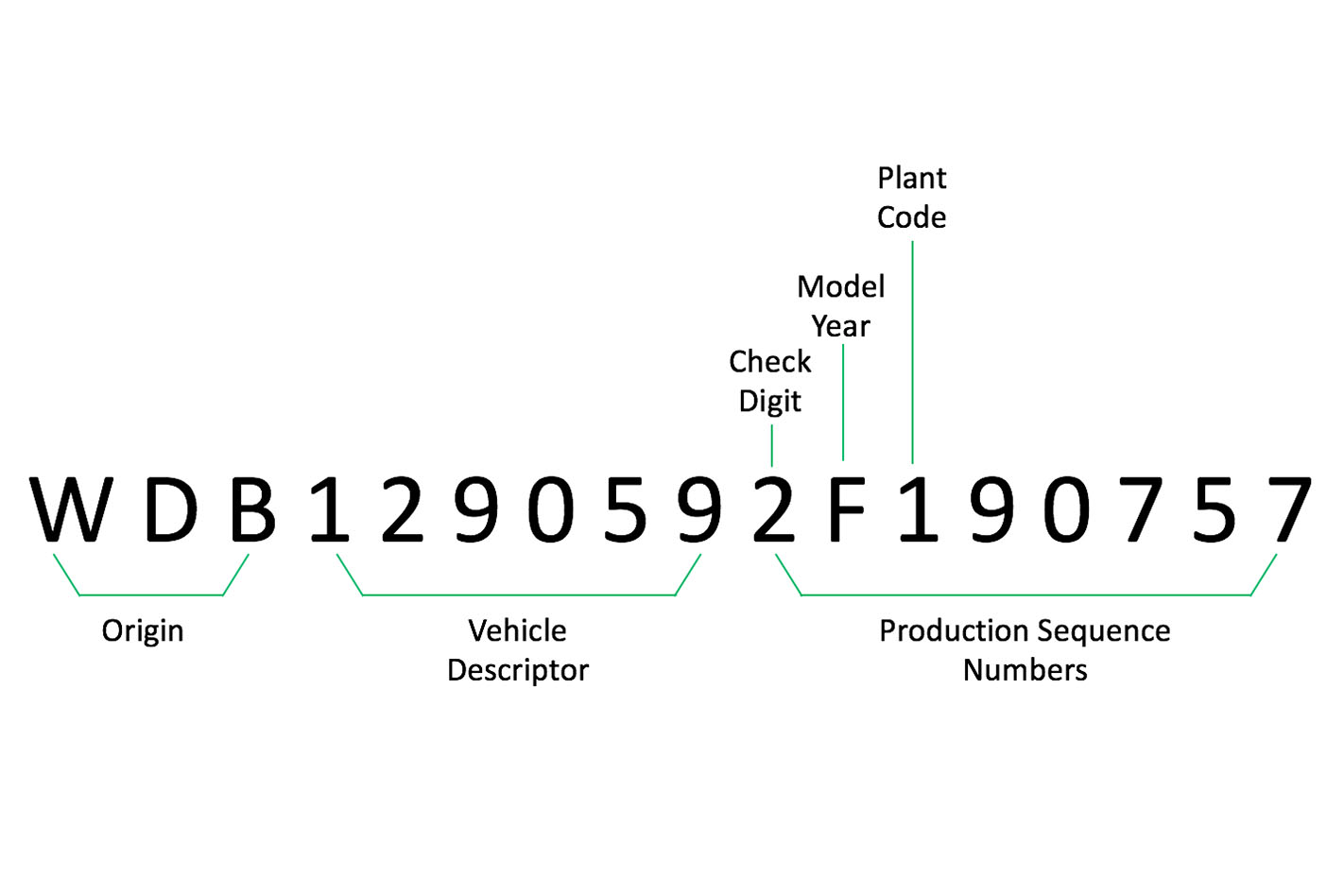
VIN characters explained
The picture above shows what a VIN looks like. The first three characters of the VIN generally reveal the origin of your car
W – Country where it was made D – Manufacturer B – Vehicle model
Characters 4-8 [129059] refer to the type of car such as body style, variant, engine type, transmission, colour etc. The numbers themselves don’t make sense on their own, but they correspond to an alphanumeric coded system used by the manufacturer.
The ninth character [2] is called a check digit that is a security code that identifies the VIN as being genuine.
The next character [F] reveals the actual plant where the car was manufactured. The rest of the sequence is the car’s production or serial number.
One thing you won’t see on a VIN on newer cars is the letters I, O and Q as they can be easily confused with each other or the number 0.
Remember, while you may have to quote or enter your VIN from time to time, you won’t actually need to know what the characters mean.
The new BMW Z4 M40i roadster could turn out to be a little more potent than we originally hoped.
An exclusive look at the car granted to German publication Sport Auto has resulted in some Nürburgring track testing (with test driver Christian Gebhardt at the wheel), and a lap time faster than that of the original BMW M2.
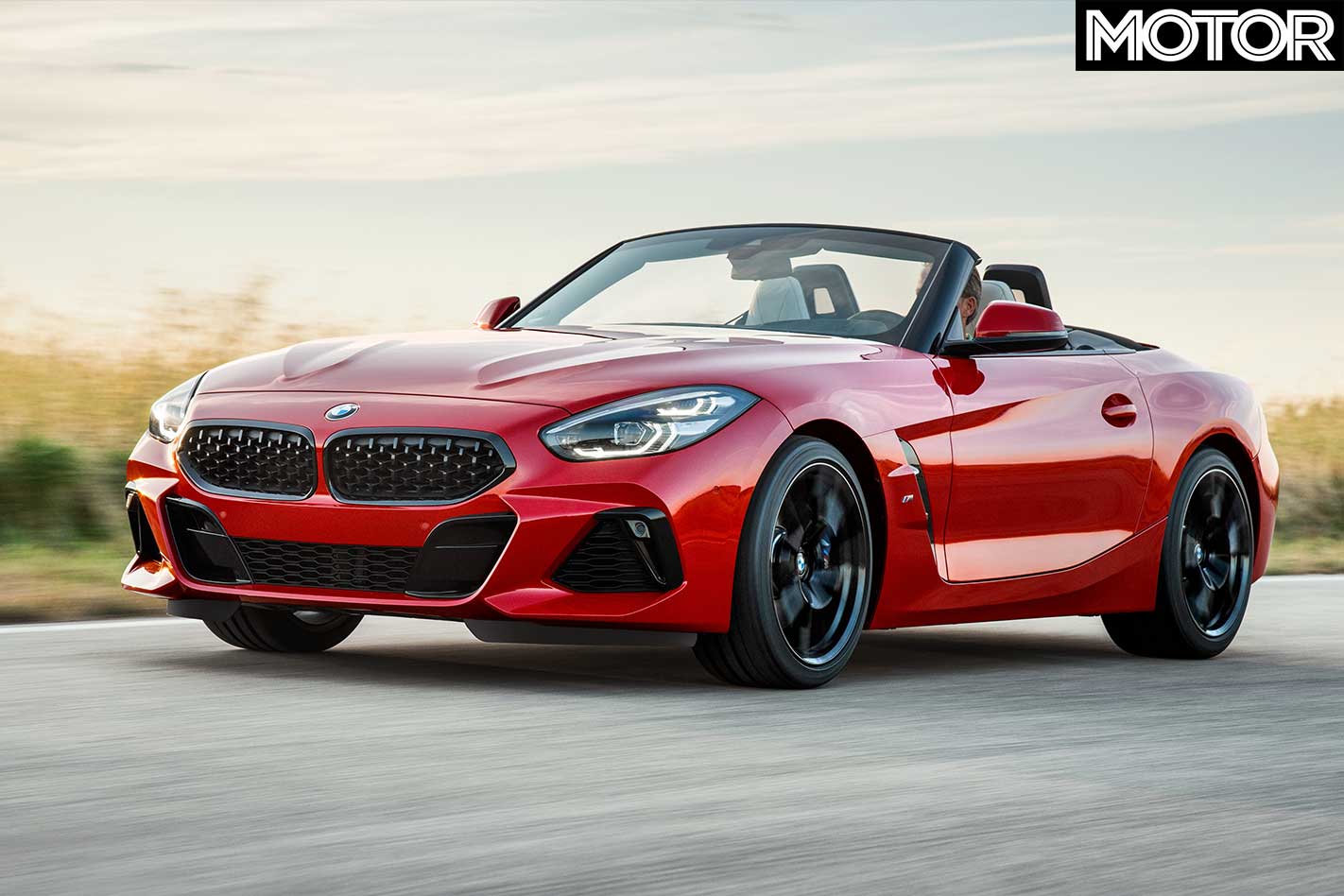
With an impressive 7 minutes and 55.41 seconds under its belt, the time is about three seconds quicker than the time a BMW factory effort achieved with the BMW M2 when it was launched.
The BMW Z4 M40i, which was officially unveiled at Pebble Beach recently, boasts 250kW from BMW’s turbo inline six, isn’t as powerful as the 272kW/500Nm M2 which set the 7:58 lap time.
While neither car runs a lap that could be considered mind-blowing, it’s impressive to compare the two, especially given the Z4 isn’t a fully-fledged M car, and even the M2 isn’t a high-speed track-killer, rather a nimble corner hunter.
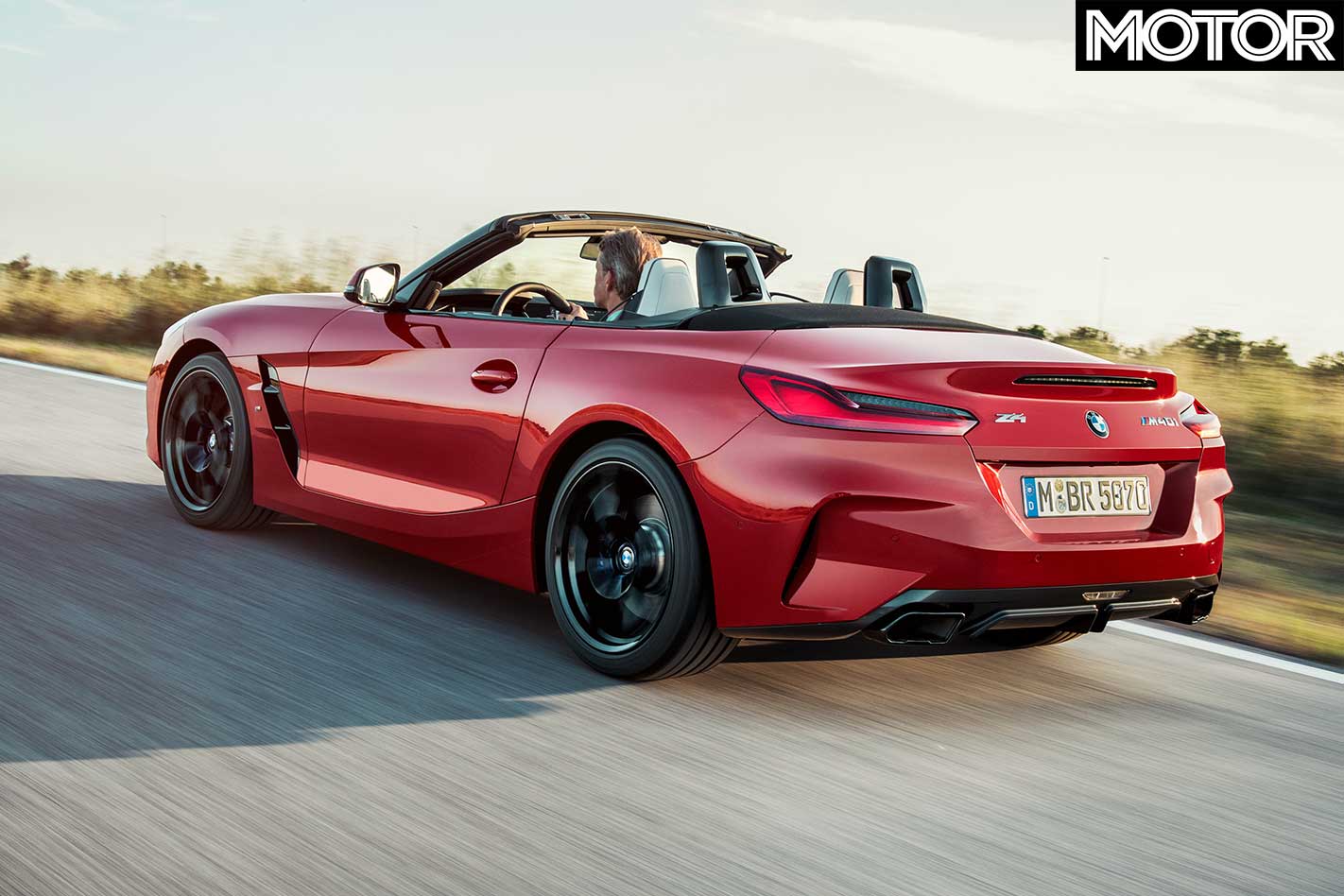
The new Z4 is claimed to have a perfectly balanced 50:50 weight distribution, though BMW supplies no weight figure (yet) for the roadster. Its Toyota Supra cousin, which is still yet to be completely revealed to the public ‘undisguised’, is expected to weigh just under 1500kg.
BMW claims the Z4 M40i will hit 100km/h from a standstill in just 4.6 seconds, which puts it on par with the likes of the similarly powerful M140i and M240i, both using the same 3.0-litre donk with 500Nm, a figure we wouldn’t be surprised to see attributed to the Z4 M40i.
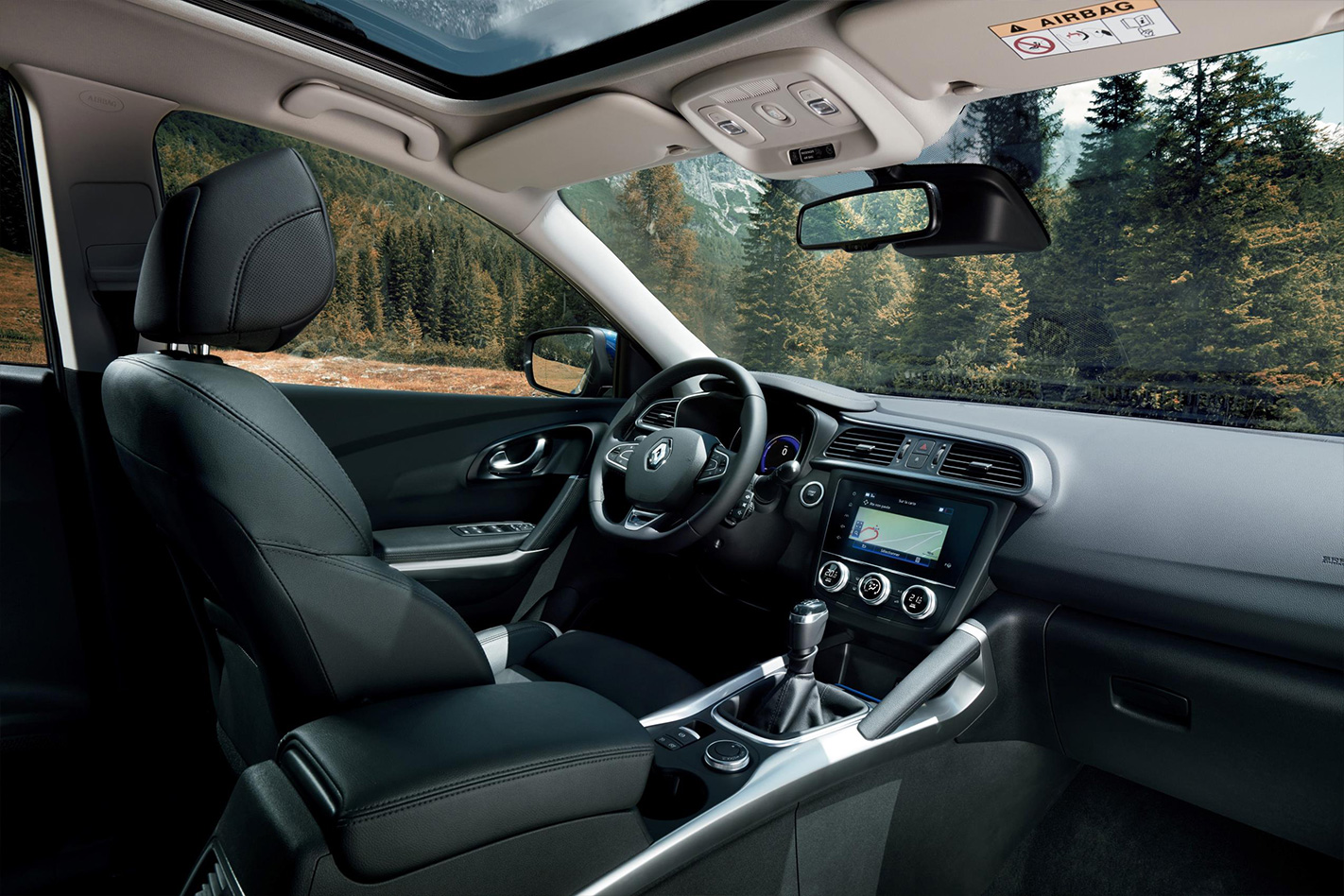
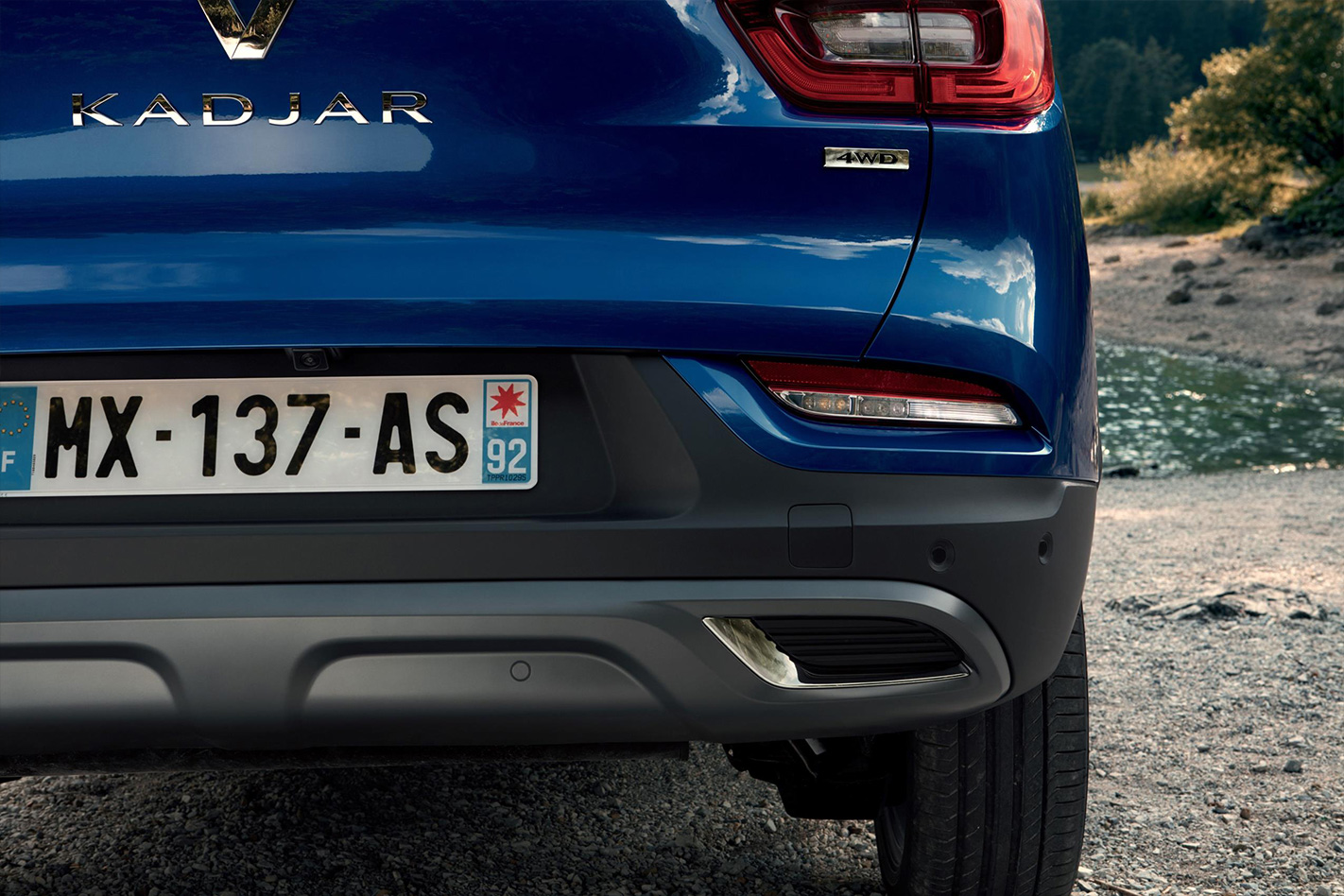
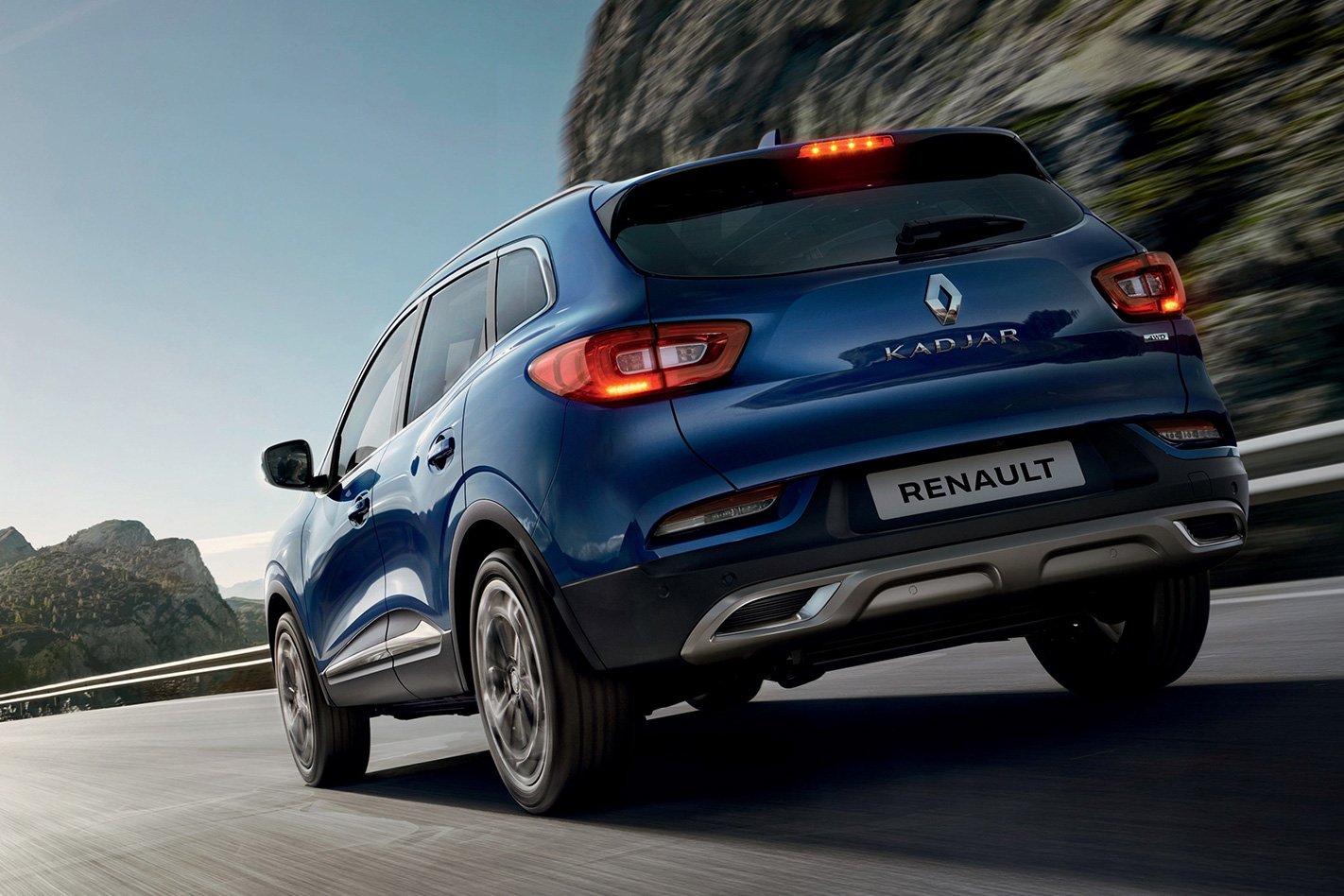
Renault Australia has confirmed it will introduce the Renault Kadjar mid-sized SUV to the local market next year, and has its eyes set on another all-new model.
Built in Spain, the Kadjar shares underpinnings with Nissan Qashqai but Renault insists it’s more than just a rebadge, bringing its own distinctive styling and bespoke interior fit and finish.
It’s also powered by different engines to the 2.0-litre petrol found in the local Qashqai range, including a 1.8-litre turbo-diesel and a punchy 1.3-litre four-cylinder turbo petrol developed in conjunction with Mercedes-Benz.
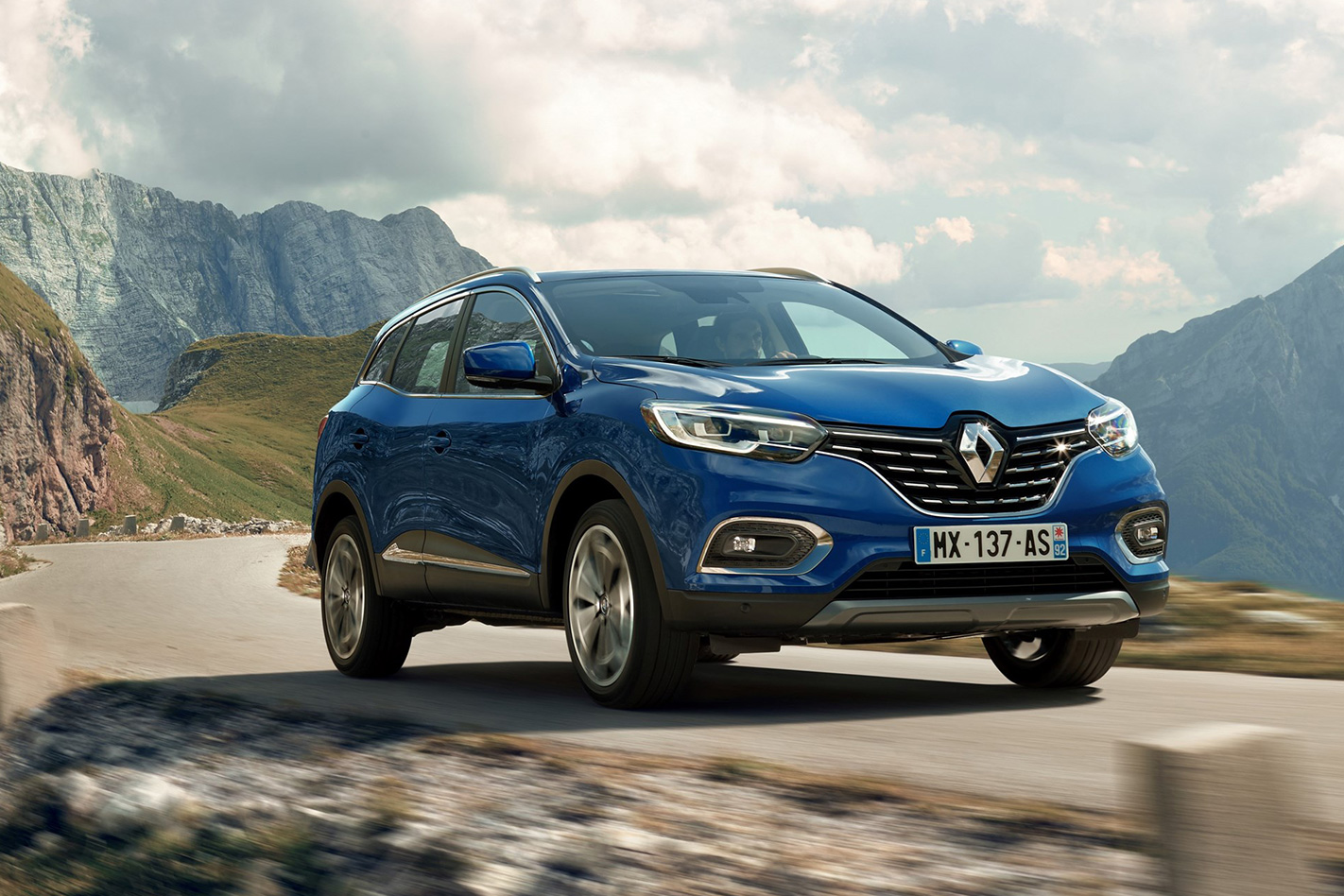
Managing director Andrew Moore told WhichCar the Aussie bound Kadjars are likely to arrive with just the 1.3-litre petrol, which he believes will be a good selling point along with its European styling.
“I want to push more turbo because Renault is really good with that with the torquey engines more fun to drive. Based on all the numbers (the 1.3-litre turbo petrol) is a terrific powerplant for here in that car.”
Moore said the 1.8-diesel won’t be considered for the Australian Kadjar range, with his preference being a simple line-up with a single, front-wheel-drive-only powertrain across different spec grades.
Due to arrive here in the second half of 2019, the Kadjar is an important model for Renault Australia, which has been unable to plug the size gap between the Capture crossover and the Nissan X-Trail based Koleos.
Moore admits the void is costing the company valuable sales here.
“A customer will come in that might want a to buy a Koleos, but if they feel the Koleos is too big they don’t consider a Captur, it’s too small, and vice versa, so we don’t get any rub off between our SUVs.
“We’re constantly pushing Koleos and if it’s not the car that meets the customer’s requirements it’s difficult for us to retain that customer. So that creates a significant opportunity for Kadjar in the line-up.”
Even so, Moore believes the Koleos will remain Renault Australia’s top-selling Renault, with 2200 sales so far this year representing almost a third of Renault’s 7000 total sales.
Renault Australia will finalise Kadjar pricing closer to launch, but Moore said it will compete with arch rivals including its Qashqai cousin and the Honda HR-V, Kia Sportage and Hyundai Tucson, with active safety such as autonomous emergency braking likely to be standard.
Moore also revealed he’s keen to bring the new Arkana coupe-crossover, which was revealed last month primarily for the Russian market, but also looks destined for right-hand-drive countries including Japan.
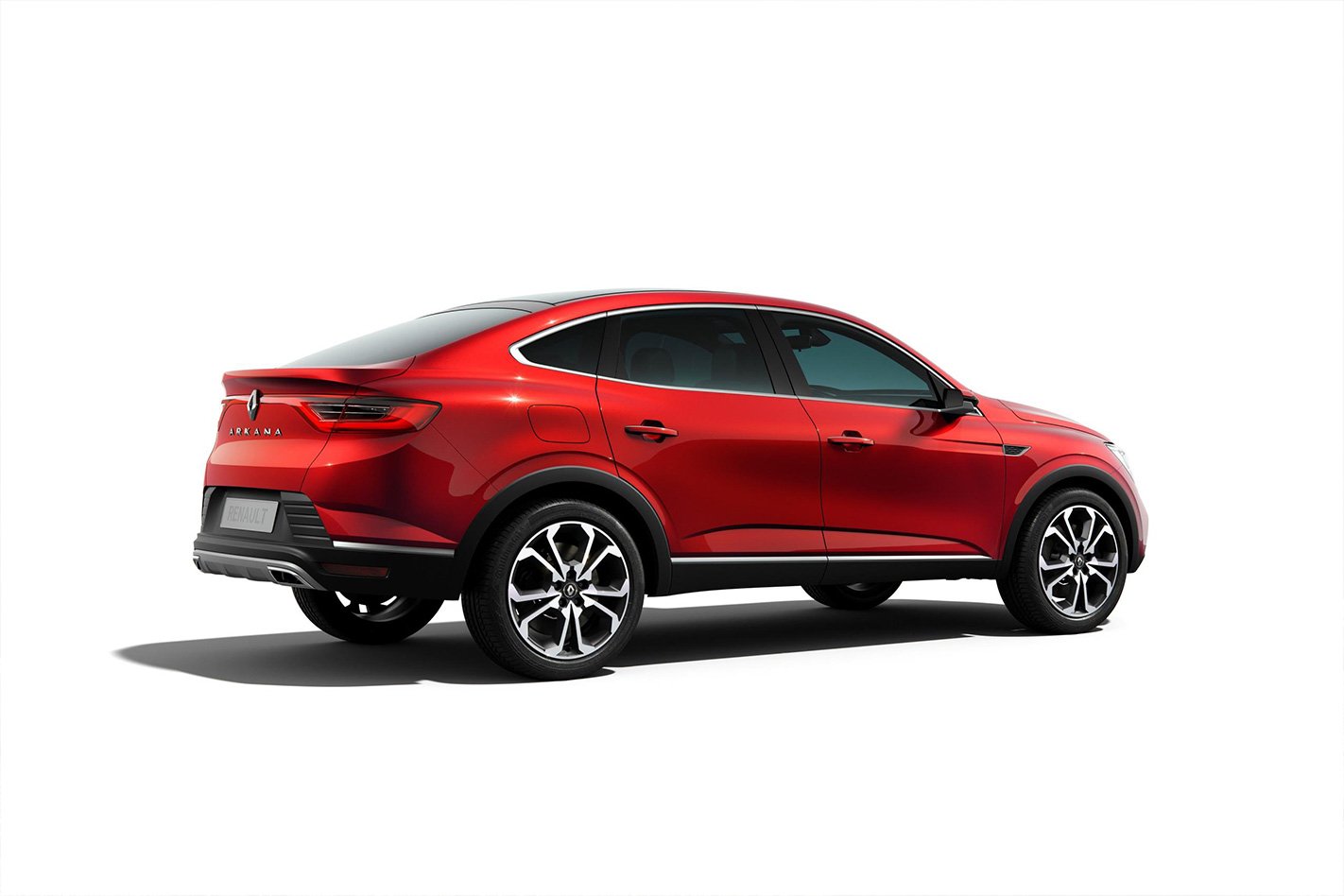
“We’re proposing some significant volume for Arkana, it would be one of our four top-selling models.
“I feel really positive about that car. It looks great, we want to make it good value, and it’s a segment breaker.
“If you look at competitors it’s hard to compare because all the big crossover type cars like the (BMW) X4 and X6 are so much more expensive.”
A NEW push is underway within Victorian politics for the Hume Highway’s speed limit to be raised to 140km/h in certain sections.
Tim Quilty, a Liberal Democrats councillor for Wodonga who plans to run for a seat in the Upper House of Victoria’s state parliament at the upcoming election in November, has called for the speed limit on the Hume Highway to be lifted from 110km/h to 140km/h.
“It’s too slow, anyone who drives that road on a regular basis knows it’s a good road,” he told 3AW radio host Neil Mitchell.
“It’s just a way of raising revenue.
“Most of us do know how to drive, not everyone has to drive at 140km/h it is a two lane road.
“You get there quicker, fatigue is less, accidents would be reduced. The number one of cause of accidents on that road, I believe, is fatigue.”
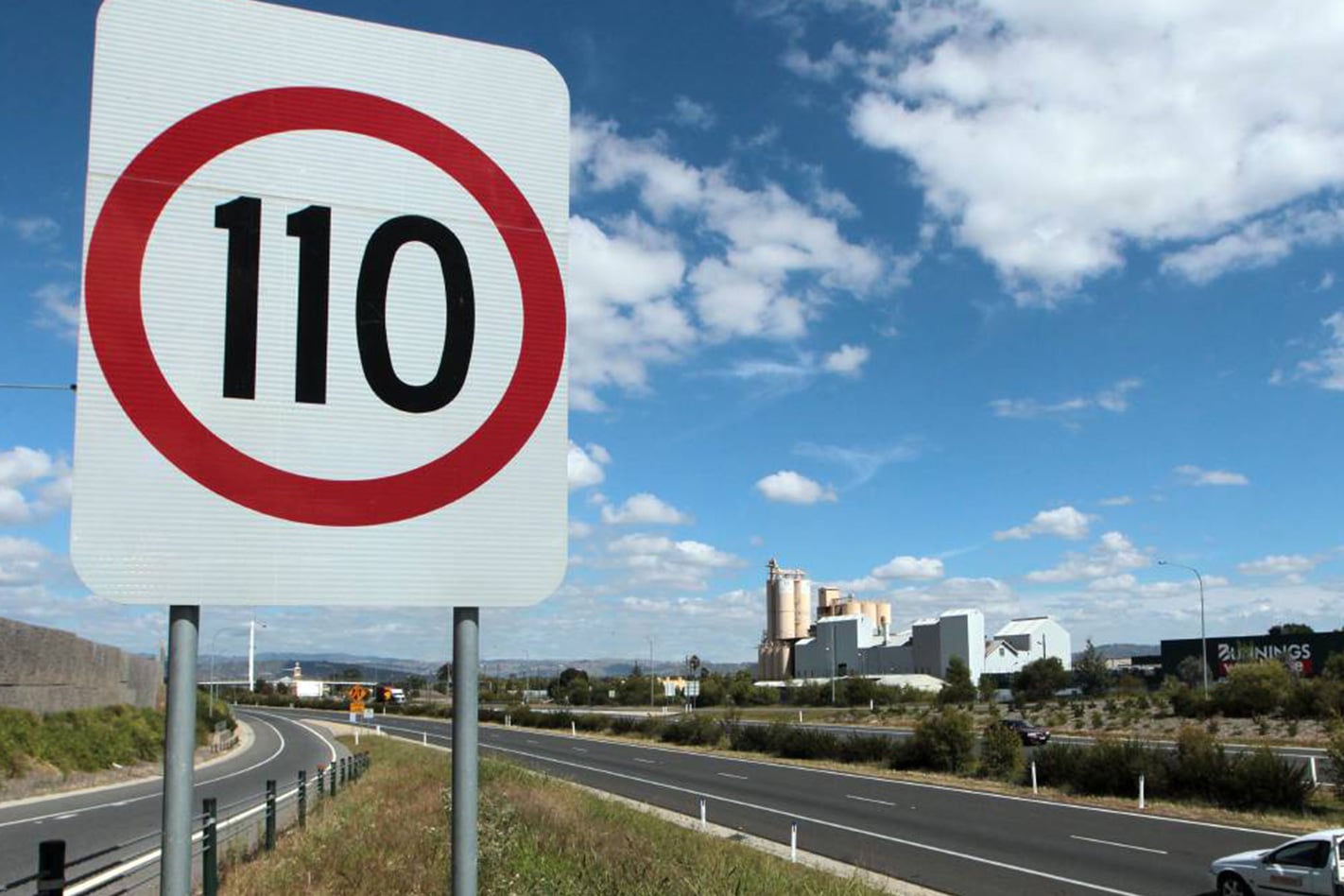
When probed if the 30km/h increase would present too much of a challenge for some drivers, Cr Quilty said the change could be implemented incrementally.
“Maybe we can ratchet it up 10km/h this year, and 10km/h the next,” he said. “Or increase one side first, and then monitor the differences.”
Cr Quilty admitted to not having fully developed his proposal when speaking on air, but said he would lobby the issue if elected to parliament.
Increasing speeds on Australia’s highways and motorways to “sensible limits” has long been a party policy for the Liberal Democrats, which is led by Federal Senator David Leyonhjelm.
The latest call for an increase of speed limits on the Hume follows a Victorian MPs 2016 push to implement a 130km/h speed limit.
Liberal MP for Benambra, Bill Tilley, challenged road-safety experts, calling for an inquiry into raising speed limits from 110km/h to 130km/h on the Hume Highway, and 100km/h to 110km/h on the Princes Highway between Geelong and Melbourne.
Victorian Police are likely to push back against Cr Quilty’s proposal, with the state backing a strong ‘Speed Kills’ safety message for several decades, in conjunction with the state-funded Traffic Accident Commission (TAC). Police in both NSW and Victoria have used aggressive tactics such as the myth of aerial speed enforcement to prevent drivers from exceeding posted speed limits in rural areas.
A survey released by the TAC earlier in the year revealed Victorian residents have become less accepting of the government’s ‘low tolerance’ approach to speed enforcement, with an increased number of people believing that driving 5km/h over the posted speed limit should be allowed. A third of respondents to the survey believed driving at 105km/h in a 100km/h zone is acceptable – an increase from 24 percent in 2013.
Wheels has supported an increase of speed limits to 130km/h on the Hume Highway since we drove from Melbourne to Sydney at 20km/h above the posted limit in 2013. Victorian police branded the exercise a “high-risk stunt”.
If successful, Cr Quilty’s proposal would transform the Hume Highway into the fastest highway in Australia, with the Northern Territory’s Stuart Highway currently limited to 130km/h following years of on-and-off open limits.
The 140km/h limit wouldn’t match a new highway in Abu Dhabi, which was given a 160km/h speed limit earlier this year.
A federal government-funded road safety inquiry has been released this week, refreshingly removing the finger of blame from motorists for the rising road toll, while slamming authorities for investment, accountability and implementation “failure”.
The report declared that there was a lack of investment in road infrastructure compared with the annual road trauma bill and what motorists pay in fuel excise, that governments focused too much on fatality over injury rates, and that speed limits were inconsistent.
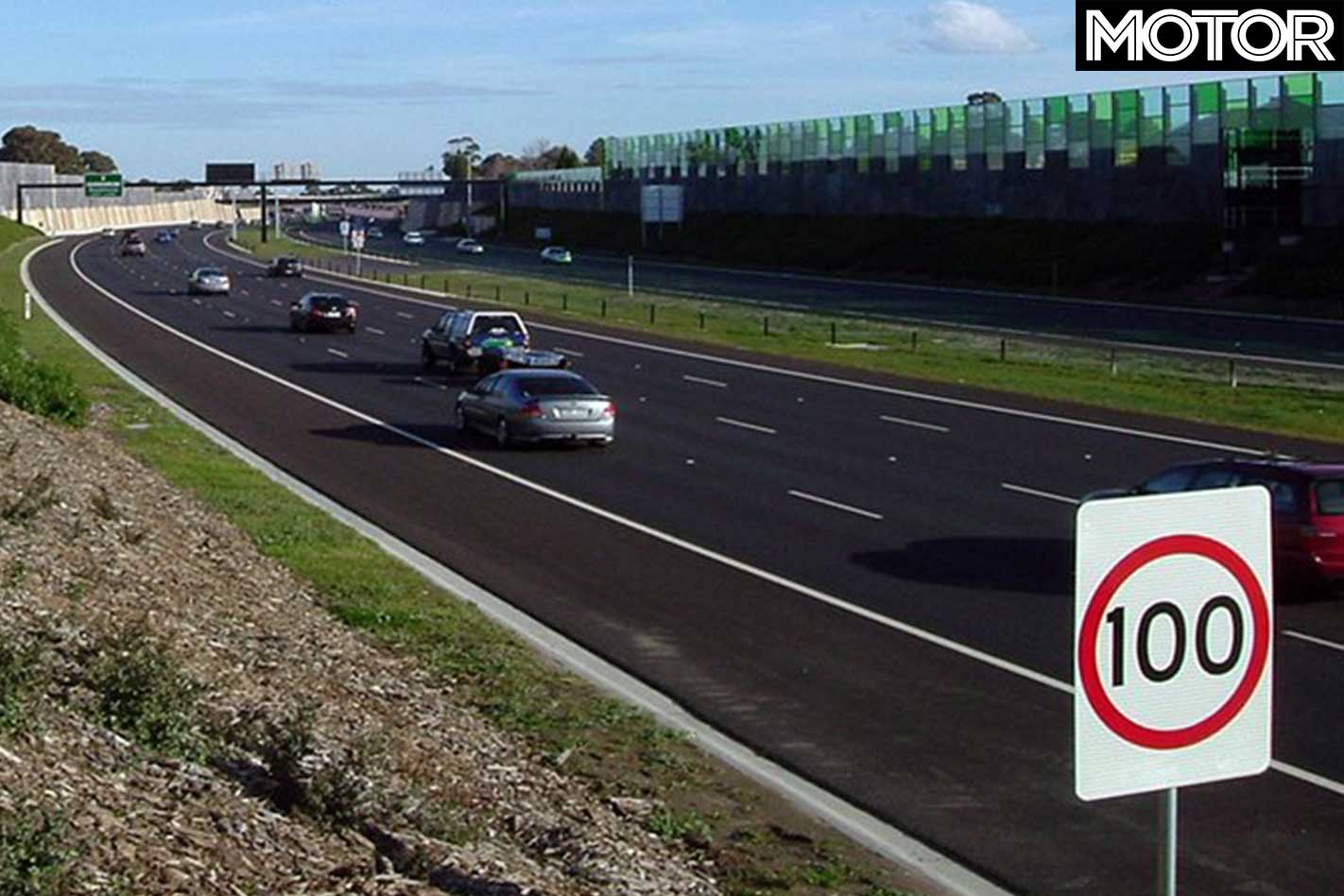
Motorists shouldn’t get too excited, though, because the inquiry fails to look at speeds safely travelled in Europe, for example, arguing that 70km/h rural and 30km/h urban speed limits are road safety ‘solutions’. But it otherwise doesn’t hold back.
“The past decade represents an implementation failure,” the inquiry reports.
“Poorly defined and resourced actions, ill-defined accountability and an inability to report on progress in a meaningful way has been the background headline behind the implementation failure.
“Frequently, there is still an overarching view that road users are entirely to blame. While we can train, educate and enforce road users to make less errors and take less risks, the fact that the system is not well suited to human operation in the first place means that crashes will continue to occur.
“Even though there are 5-star cars on the road, their ability to protect people is easily diminished if the infrastructure is deficient.”
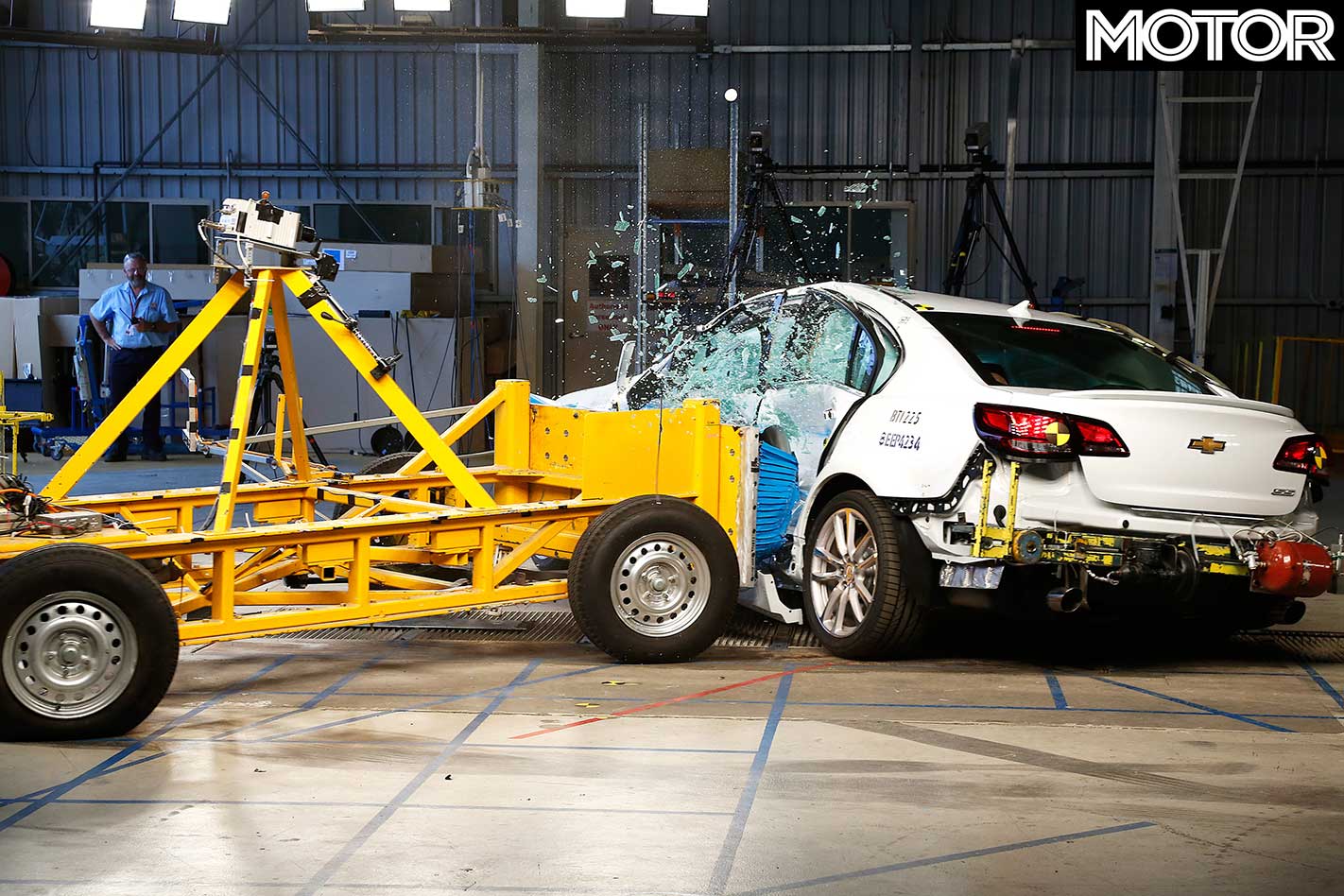
The national road toll has climbed from 1150 deaths in 2014 to 1293 in 2016 and 1225 in 2017, but the inquiry argues that there is too much of a reliance on fatalities and not nearly enough on crashes and injuries that burden lives, the economy and the health care system.
“Serious injury reporting has been an embarrassment for the nation for several decades,” it claims.
“There is an over-reliance on fatality data because there is insufficient of inconsistent injury data. There is not a good national estimate of the burden of road-related trauma on the health care system.”
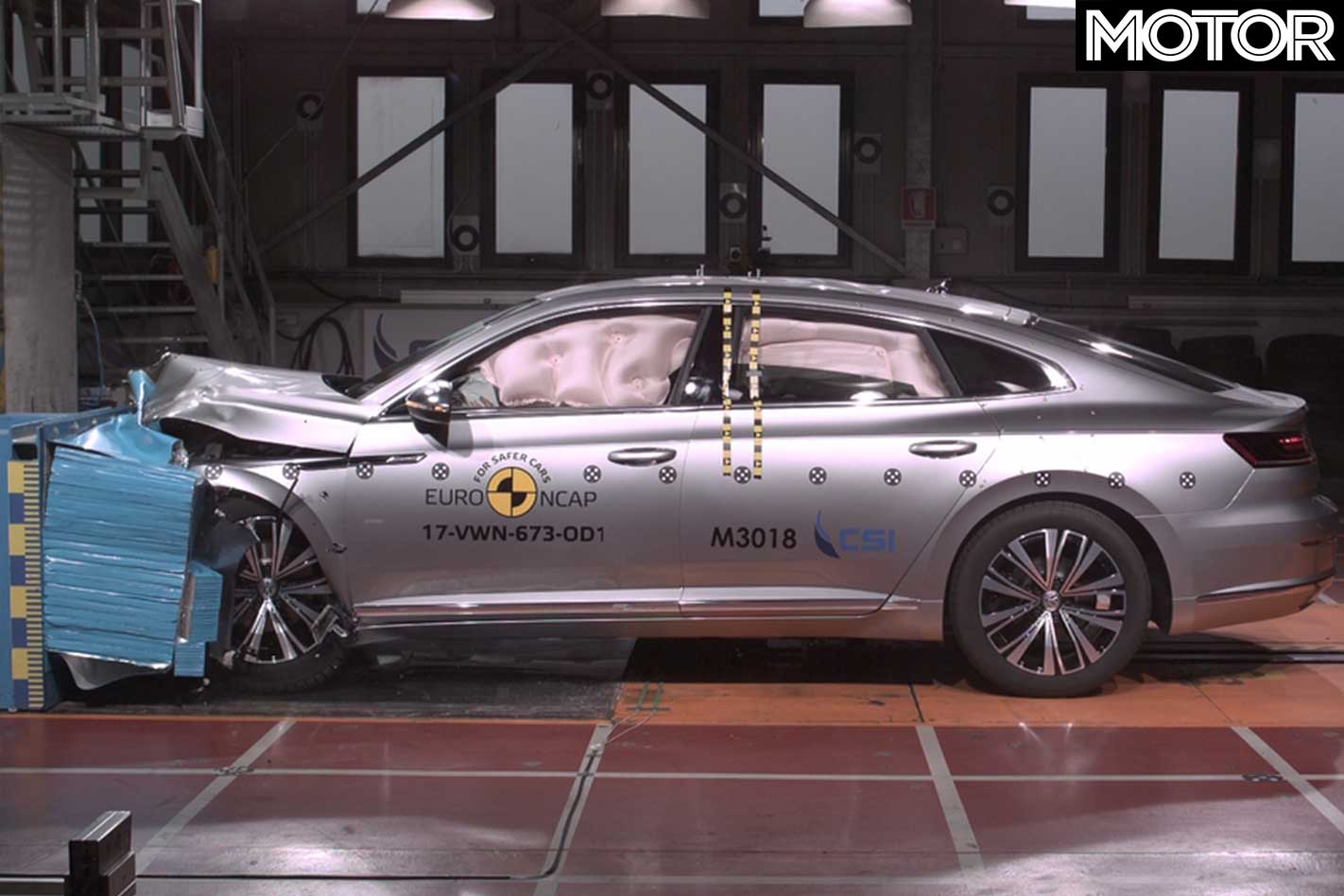
From June 2015 to June 2015, 8283 severely injured people were admitted to Australia’s 26 major trauma centres – a staggering 46 per cent of those caused by road trauma.
The report – which calls for zero fatalities in CBD areas by 2030 and nil nationwide by 2050 – calls for a federal cabinet minister dedicated to road safety, as well as a $3 billion per year road safety budget. It argues that this is 10 per cent of annual road trauma estimates and a quarter of the $12.6bn paid in fuel excises in 2018-19.
Currently, it argues that funding is insufficient, roads are built and operated with inherent safety issues, there is a “mass of evidence supporting speed management continues to be overwhelmed by opposing issues” and there is an emphasis on extracting better road user performance from a system “not well designed for human operation.”
“It is unsurprising therefore that we are not observing a significant downwards shift in road trauma trends,” the inquiry declares.
Yet it otherwise then defaults to less-speed-is-better approach, while barely addressing how improved driver training could assist, or the impact of lower speed limits on fatigue issues.
“Improving road user competence and awareness through education, enforcement and technology has been and remains a key factor in reducing crashes,” is all it contributed.
It does, however, want to “revise” the luxury car tax to make premium vehicles with safer, expensive technology more affordable, but argues that while “safer vehicles deliver incremental benefits over the long term … it takes about 20 years to achieve fleet turnover.”
The inquiry also did concede that Bruce Highway upgrades in 2010 saw the speed limit rise from 100km/h to 110km/h while death and injury was reduced by 82 per cent. But ultimately it called for 70km/h to 80km/h limits on rural roads, and 30km/h around town.
“Eliminating harm through speed management is not all about reducing travel speeds [and] the relationship between travel speeds and road design and infrastructure is an important one,” it said.
“Australia would reduce fatal and serious injuries by more than 30 per cent by improving road infrastructure to achieve more than 75 per cent of travel on ‘3 star’ or better roads.
“A regional backroad with no shoulders, narrow profile, and no lane markings, and a high-volume, multi-lane highway with protective barriers share the same 100km/h limit. Maintaining the current speed setting on this road type is unacceptable.
“Many local streets – which are often used by pedestrians and cyclists – have limits of 50km/h, a limit well in excess of the bio-mechanical tolerances of pedestrians and cyclists of around 30km/h.”
It also went over the old ground, referencing that “the enforcement pressure must be maintained” and car manufacturers should introduce speed management devices.
It argued that actively ‘limiting’ Intelligent Speed Adaption (ISA) would reduce injuries by 26.4 per cent while ‘advisory’ ISA – such as speed sign recognition and adaptive cruise control – reducing injury crashes by 7.7 per cent.
Meanwhile, Germany and safe autobahns still remain seemingly in another galaxy.
