
Named for Albert Divo, a Bugatti racer from the 1920s, the Bugatti Divo is not expected to initiate a revival of 1980s new wave music (sorry, Devo fans).
It is, however, expected to be lighter and more manoeuvrable than its Chiron sibling, as Bugatti is teasing the Divo to be agile rather than just ‘fast’.
In the latest instalments (or snippets) of information, Bugatti has hinted at the tail light design, engine note, and given us a look at part of the side of the Divo.
Set to cost €5 million (AUD$7,885,000) – if you can really put a set price on a Bugatti – and with only 40 to be built, the Divo is set to be one of the most exclusive hypercars built.
Bugatti President Stephan Winkelmann says the Divo is built on a different philosophy to the other models produced by the firm.
“Happiness is not around the corner. It is the corner. The Divo is made for corners,” says Winkelmann.
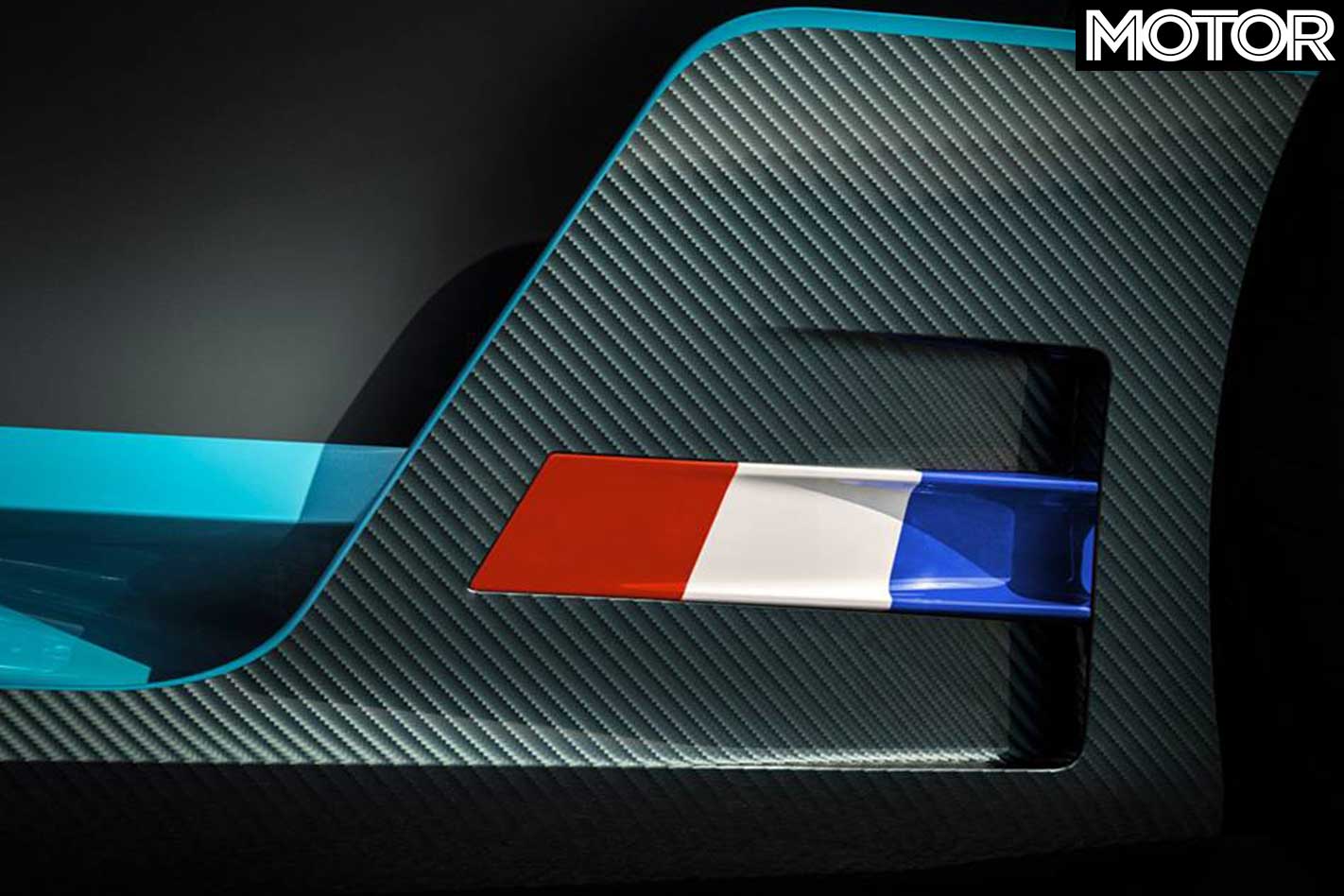
This change of pace for the Chiron-based hypercar comes from its namesake, the man who drove a Bugatti to victory in both the 1928 and 1929 Targa Florio races. The Florio was a mountain race for nimble cars, rather than a show of brute power.
Albert Divo’s name will be given to a car with those same principles in mind.
“With the Divo, we want to thrill people throughout the world,” Winkelmann continues.
“With this project, the Bugatti team has an opportunity to interpret the brand DNA in terms of agile, nimble handling in a significantly more performance-oriented way.”
The Bugatti Divo will debut on August 24 at The Quail in California.
GERMANY’S infamous Nurburgring Nordschleife is irresistible to high-performance vehicle manufacturers, luring them with the prospect of record-breaking times that inject PR opioids straight to its marketing vein of their big-budget marketing department.
However, the art of achieving, and subsequently claiming, a new Nurburgring production-car lap record has become almost controversial in and of itself, with internet experts – and sometimes even other car manufacturers – quick to claim balderdash on attempts.
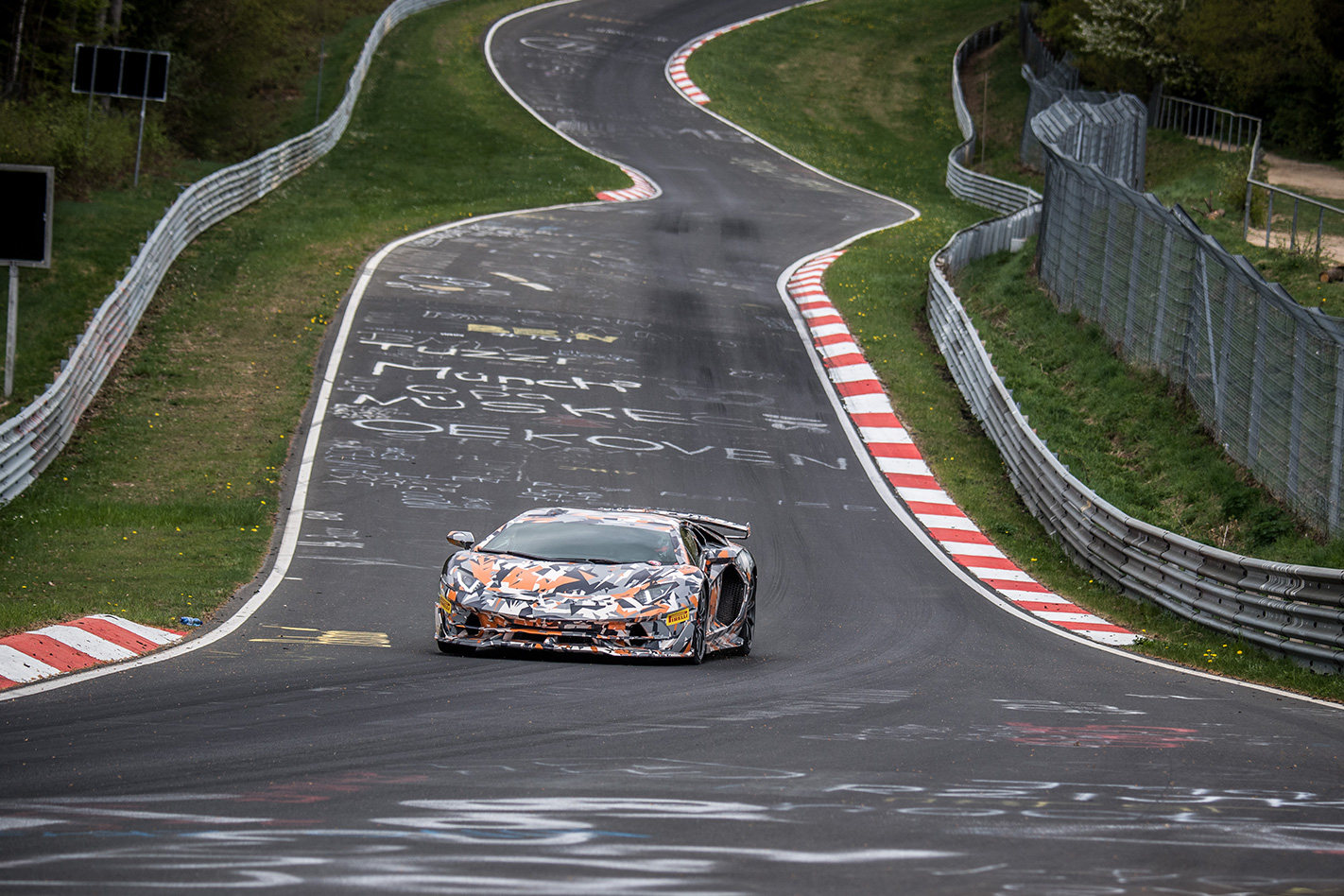
While some take umbrage to race seats and roll cages being fitted to cars during record attempts, they’re necessary because of the colossal speeds now being achieved with road-legal equipment on one of the most dangerous circuits in the world. If something goes wrong at those velocities, safety should be paramount.
However, some manufacturers are pushing the grey area of special engine and suspension tunes and super-sticky R-Spec rubber that have seen the Nurburgring has become a wild west, ripe for disputes over legitimacy, with no official governing body to adjudicate matters.
Here are some of our favourite rivalries and controversies surrounding Nordschliefe bragging rights from over the years:
Porsche vs The World
Porsche features heavily in this story, not because its many ‘Ring records have been subject to controversy, but because of its propensity call out other car companies if it suspects foul play.
The men and women of Stuttgart clearly take their Nurburgring records seriously, and don’t take it lying down when another manufacturer beats them on home turf.
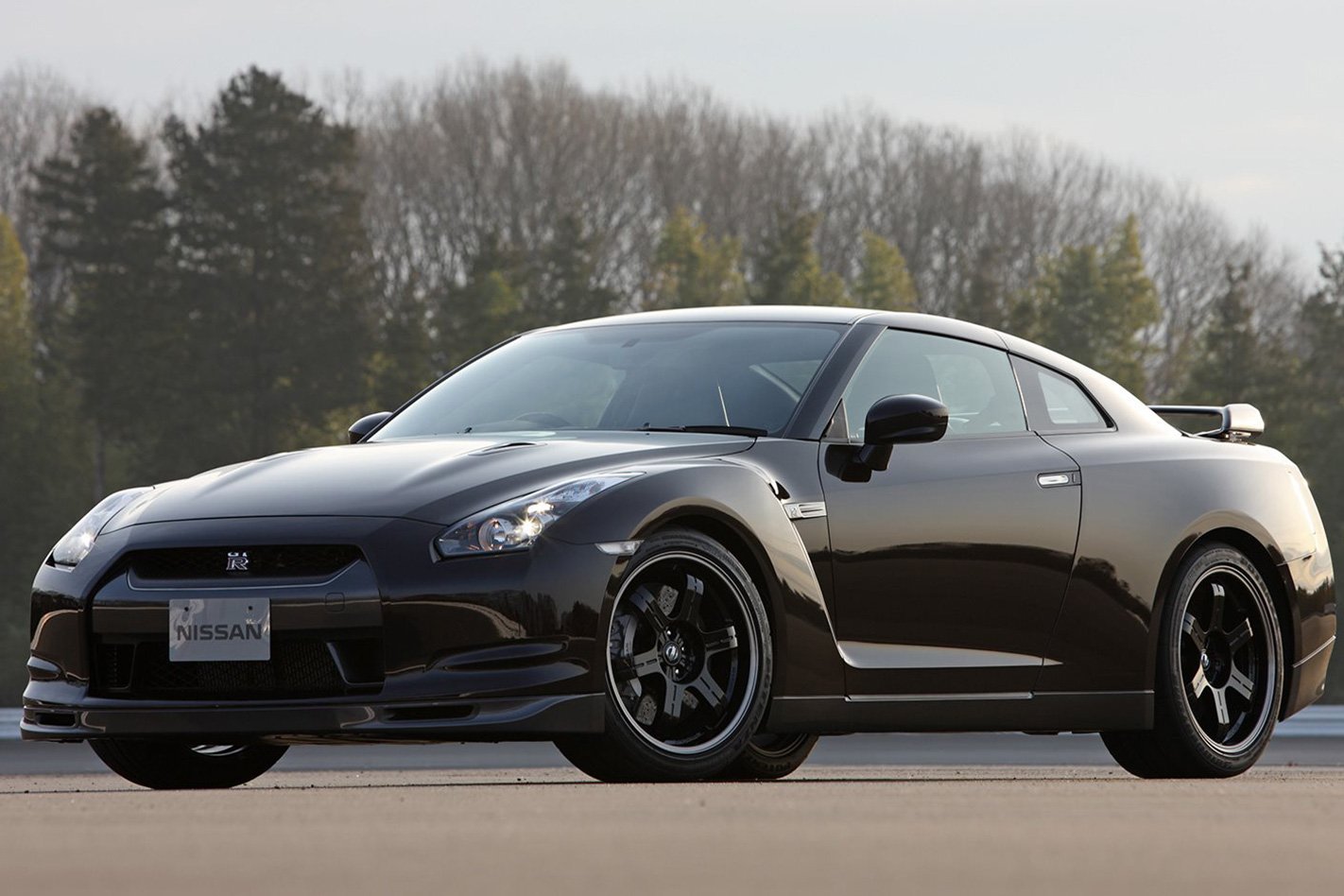
Nissan caught Porsche’s ire when in 2008 it claimed the R35 GT-R had bested the 911 GT2 with a 7:29 lap.
Porsche engineers and suits thought it inconceivable that a Datsun which cost half the price of its GT2 and Turbo heroes could shame it on the Green Hell’s 20.6-kilometre circuit. So they set out to independently test Nissan’s claim, going as far as buying a US-spec 2008 GT-R, and benchmarking it against both the Turbo and GT2.
Porsche claims it was unable to get anywhere near ex-Formula One driver Toshio Suzuki’s mid-seven minute lap, with its own test driver managing a best time of 7:54 – significantly slower than the Turbo’s 7:38 and GT2’s 7:34.
This led the German carmaker accused Nissan of using special tyres, and non-production engine and suspension settings on its record attempt.
Then in 2013, Porsche put McLaren in its place, when the pair where releasing the 918 and P1 hybrid hypercars respectively.
Then McLaren boss Ron Dennis boldly claimed the P1 would complete a sub-seven minute lap at the ‘Ring, which until then had only ever been achieved by barely-legal Radicals (more on that later).
Following months of speculation, with rumours of a mid-six minute lap by the P1, Porsche beat the Brits to the punch, revealing the 918 completed a 6:57 lap, with a full video to prove it.
It was a coup for Stuttgart, with the 918 less powerful and heavier than its ‘Holy Trinity’ rivals the P1 and Ferrari LaFerrari.
Despite returning to the ‘Ring with the P1, and continuing to claim a sub-seven minute lap had been achieved, McLaren never officially revealed the final time.
Final score: Porsche 1, McLaren 0.
Lamborghini’s botched video surgery
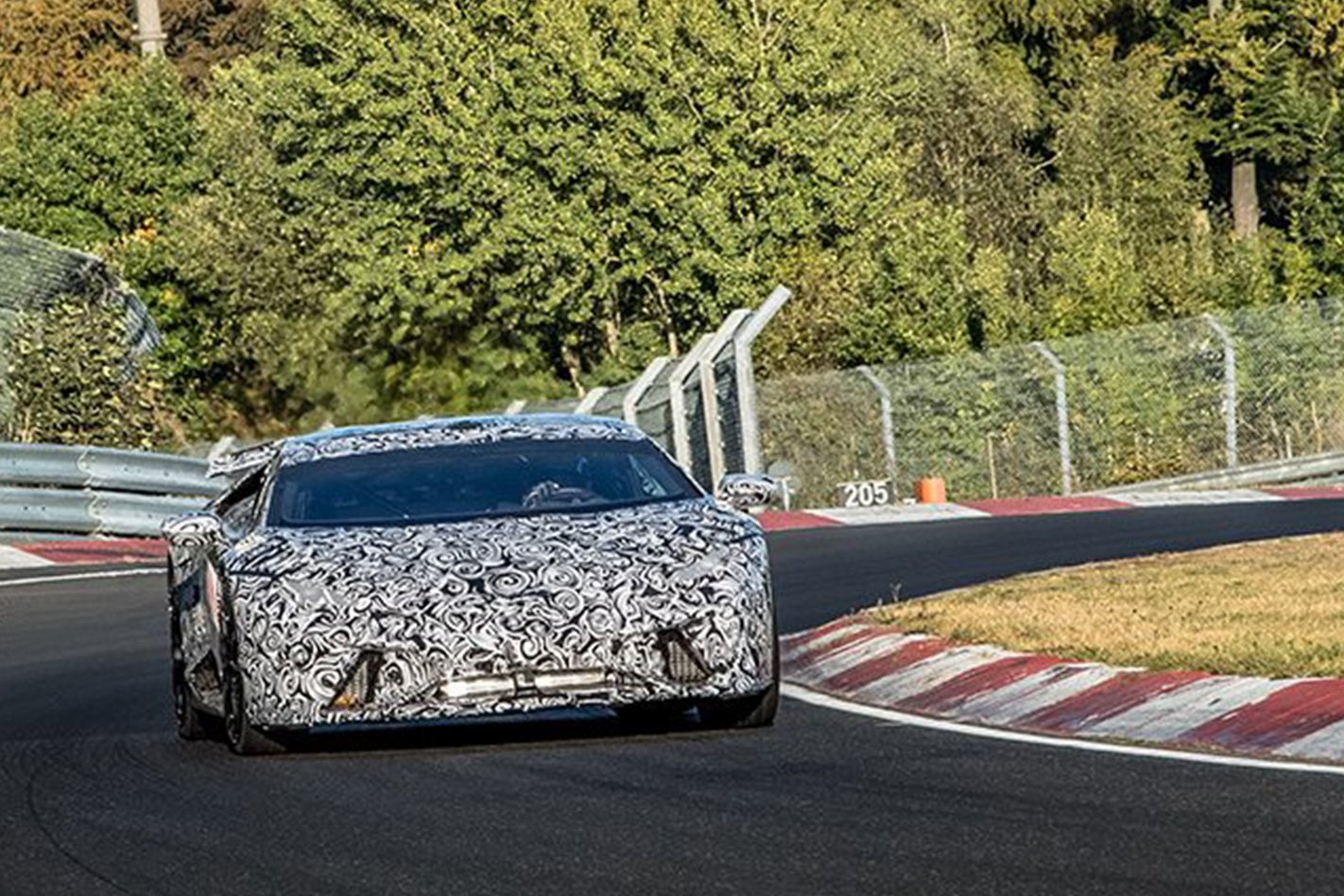
The most recent ‘Ring controversy occurred when Lamborghini released video of its Huracan Performante’s outright production record-breaking lap.
Early in 2017, the Raging Bull claimed the Performante had snatched the Nurburgring record from Porsche’s 918 hypercar, with a time of 6:52.0. However, doubts emerged almost immediately after the time was announced.
As is now traditional with Nurburgring lap records, Lamborghini released an accompanying video of the lap, and that’s where the hubbub began.
Internet sleuths quickly claimed video trickery to speed up the footage, pointing to discrepancies in speed displayed by the on-screen visuals, and vehicles instrument cluster. Others claimed footage had been sped up by a frame-per-second to shave valuable tenths off the laptime.
Eventually, the internet mob go so loud that Lamborghini was forced to release actual GPS data from the record lap in order to silence critics – something no other manufacturer has been forced to do before.
Wary of a similar lynch mob arising with its most recent claim, Lamborghini stated the new outright record recently set by the Aventador SVJ was independently verified by representatives from Remak.
Nissan gives Godzilla a tune-up.
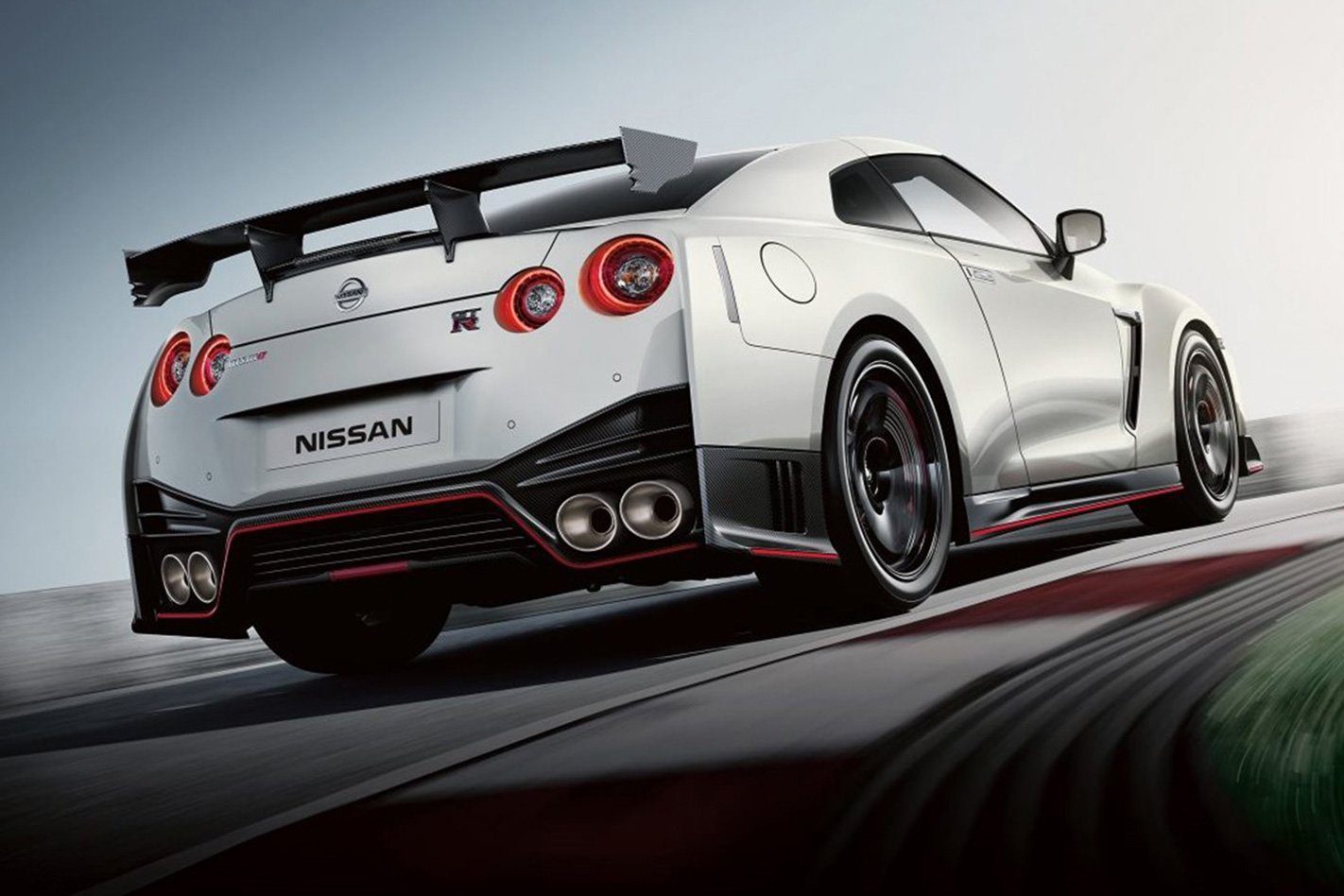
The 2008 GT-R laptime wasn’t the last time Nissan courted controversy at the ‘Ring. In 2013 the Japanese carmaker claimed its GT-R NISMO had become the ‘fastest volume production car’ at the Green Hell, with a 7:08 lap – 11 seconds slower than the low-volume Porsche 918 hypercar.
At the time, Nissan claimed the time was completed with a car fitted with ‘track options’, insinuating that customers would be able to purchase a similarly-specced vehicle. But that wasn’t the case, with Nissan engineers later confessing the NISMO had been specifically tuned for the track, with unique engine and suspension settings.
The GT-R NISMO’s claim to fame of being the fastest ‘volume production car’ also highlights another controversial aspect of Nurburgring records, with manufacturers adding caveats and qualifiers in order to generate new records.
Volvo’s humble brag
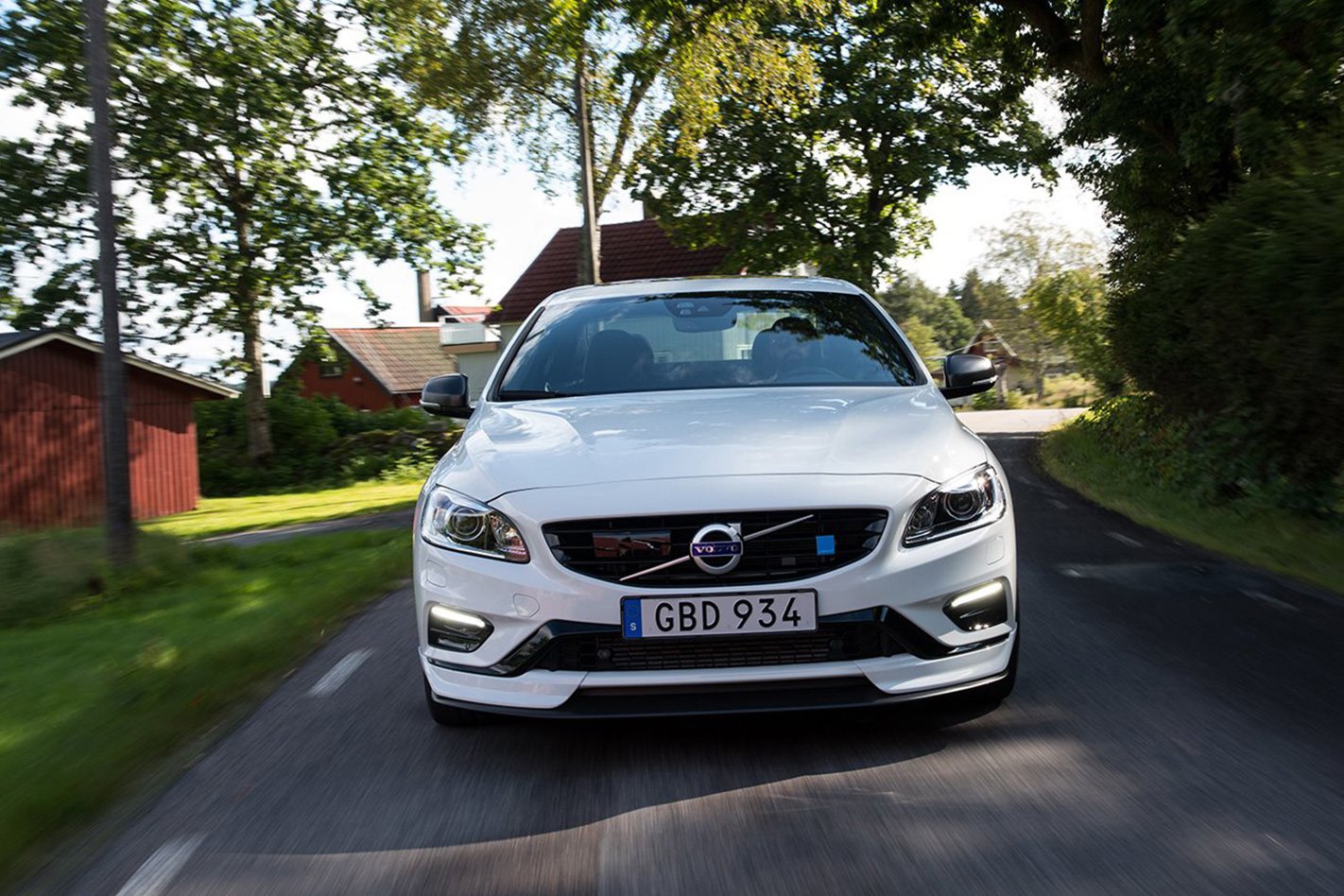
While most Nurburgring records are enthusiastically proclaimed with hubris-filled press releases, and flashy videos, Volvo took a completely different tack in 2017.
The Swedish manufacturer didn’t reveal its S60 Polestar was the fastest “road-legal four-door car” on the Nordschleife until after its 7:51.11 lap had been thoroughly trounced by the Alfa Romeo Giulia QV by 19 seconds.
It took a full year for Volvo’s record to come to light, with the company stating “being Swedish we didn’t want to shout about the record.”
With most ‘Ring records a cynical exercise in easy PR, it was certainly refreshing to see a manufacturer refrain from grandiose boasting, even if it had every right to a bit of chest-beating.
Unknown electric Chinese gate crashers rubber up
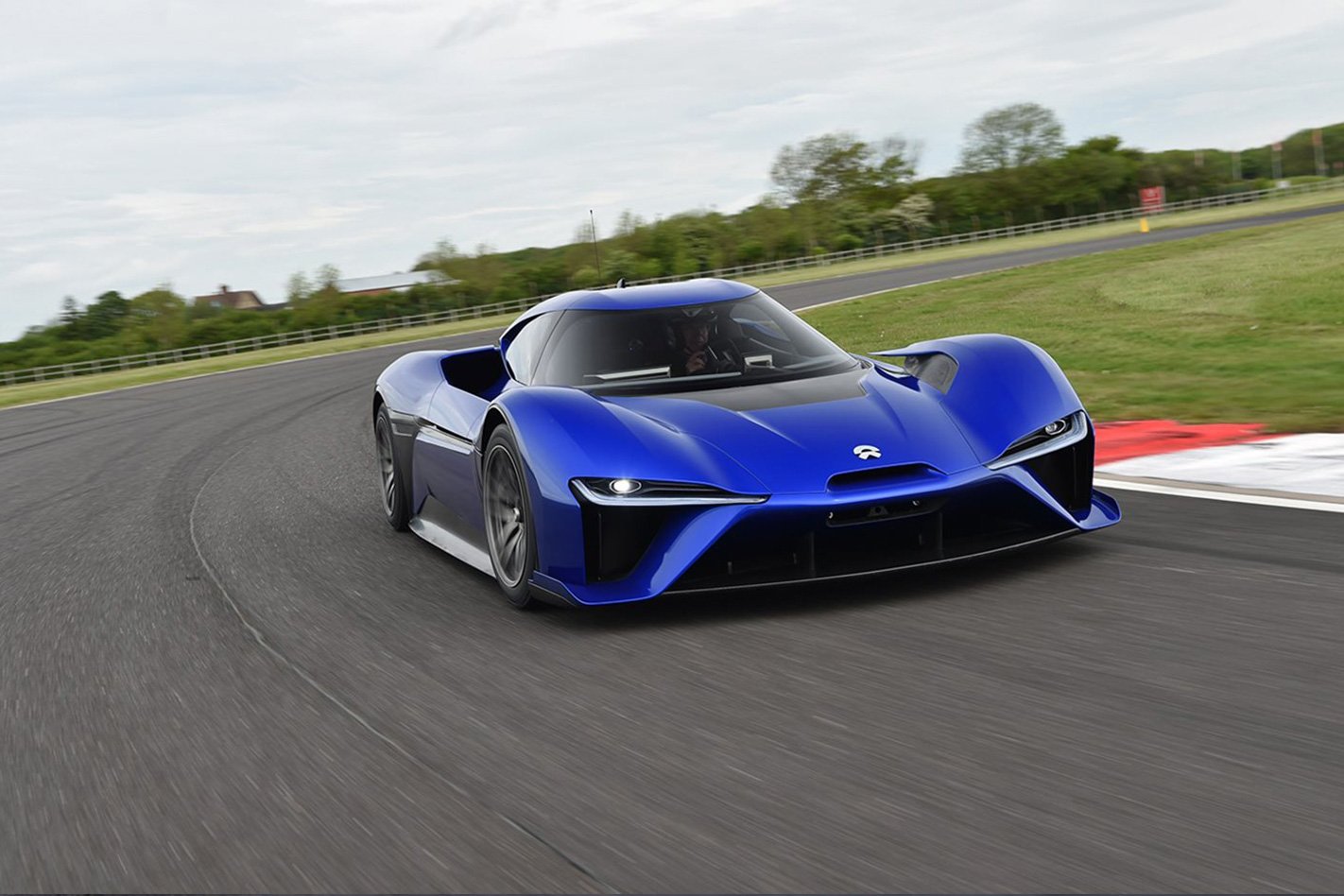
NIO was a relatively unknown Chinese vehicle manufacturer when it broke onto the scene with the EP9 all-electric hypercar. But it quickly earned a name for itself, with a seemingly endless stream of lap records achieved around the world.
Last year, it claimed to have completed a scintillating 6:45.9 lap around the Green Hell, which would have been a record for the fastest road-legal car, usurping combustion-powered vehicles entirely.
However, NIO has proven to have a penchant for fitting its EP9 with slick tyres during public appearances, such as the Goodwood Festival of Speed.
It remains unclear if the EP9 was wearing grooved rubber boots during its sub-seven minute lap, though Car magazine did report that the time was set with “bespoke tyres designed specifically for the record attempt”, casting a shadow over the entire achievement.
The Radical definition of ‘street legal’
One of the most confusing aspects of Nurburgring records is the murky area between ‘road-legal’ and ‘production-car’ records.
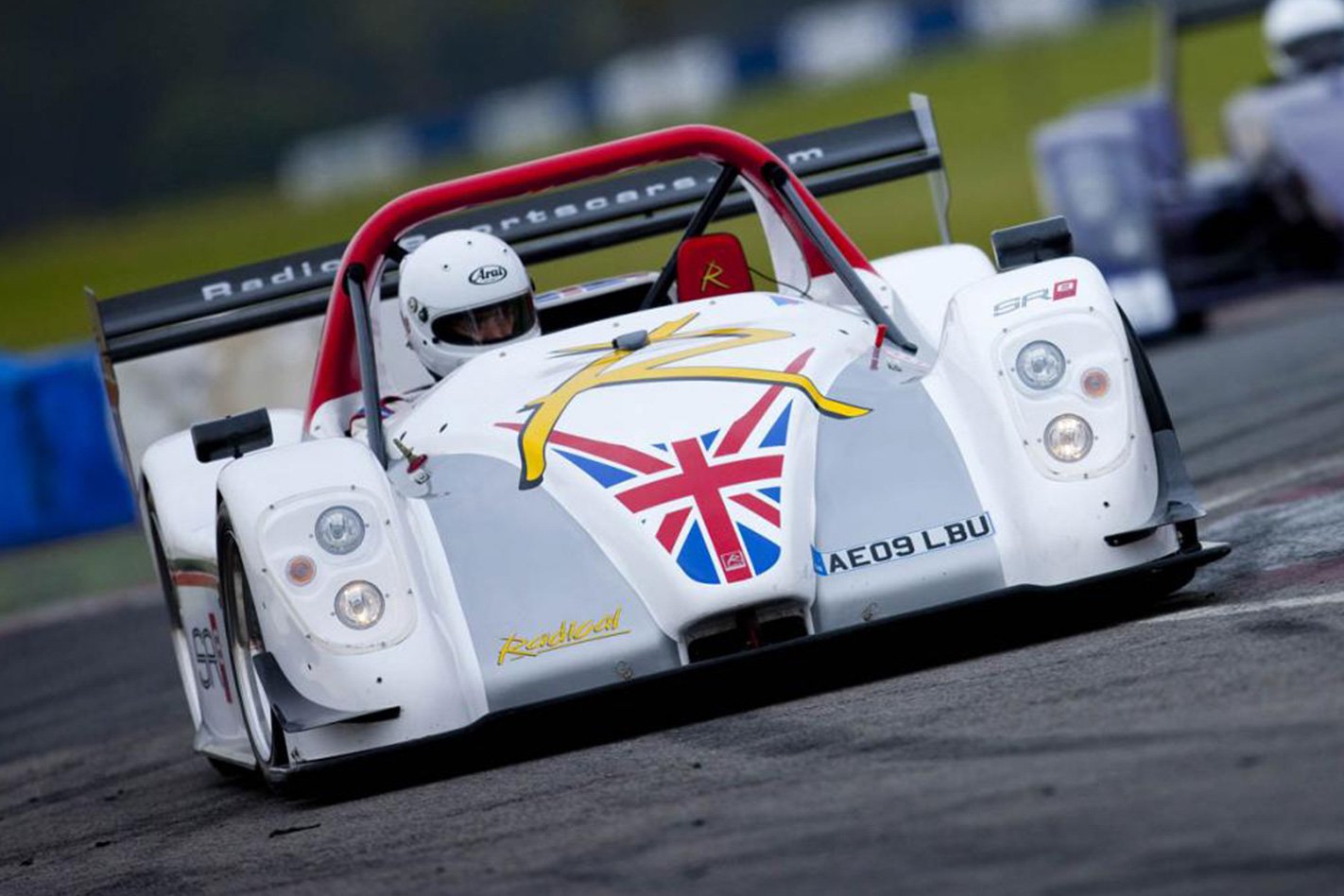
For nearly a decade, the ‘road-legal’ Radical SR8 LM was the fastest thing with numberplates at the Nordschliefe after Michael Vergers set a 6:48.28 time in 2009.
However, the Radical is only registerable in the UK after modifications make it eligible for British Single Vehicle Approval. The McLaren P1 LM (a modified version of the track-only P1 GTR) falls into a similar bracket.
Similarly, cars such as the 918 have had their title as the fastest production car challenged, due to limited production numbers.
Until a governing body steps in to become the arbiter of the ‘Ring, Nordschleife lap records will remain a controversial and tricky business.
Land Rover’s most affordable model, the Discovery Sport, looks set to gain a plug-in hybrid (PHEV) powertrain when the next generation arrives in 2020, giving the British marque a like-for-like rival to the XC40 T5 Twin Engine PHEV that’s due around the same time.
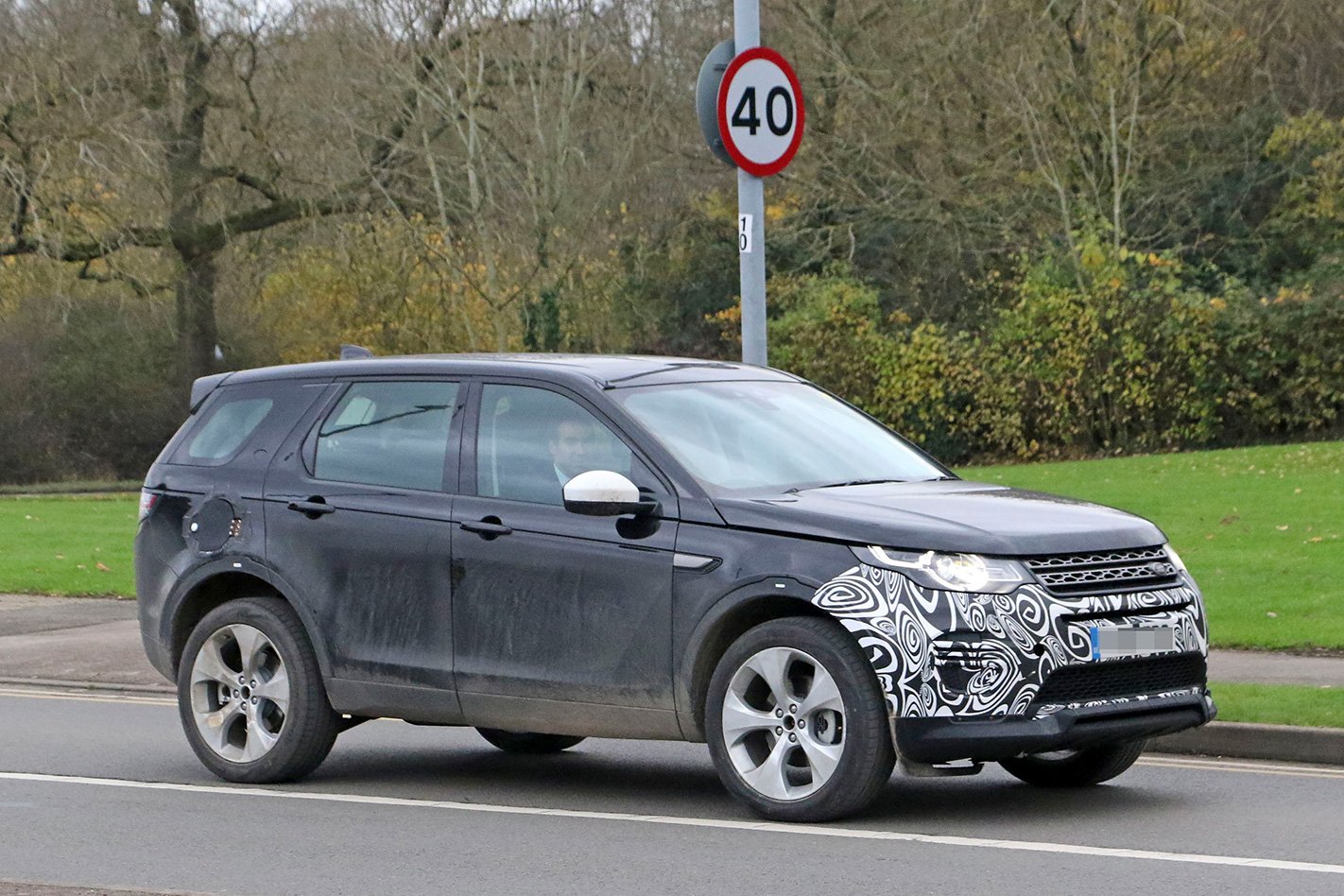
And besides the addition of a battery-powered low-emissions variant, the current Disco Sport’s D8 platform will be ditched in favour of Jaguar Land Rover’s Premium Transverse Architecture (PTA), bringing a tauter chassis that should improve handling and ride comfort. The bigger chassis will also accommodate a broader boot and provide the space required to fit a lithium-ion battery pack under the floor.
Naturally, styling will also see a significant step change at the same time, though there’s currently no solid indication of precisely how it will look at this early stage.
Details about the 2020 Discovery Sport’s 300-volt hybrid powertrain are still thin on the ground, but, as UK outlet Autocar reports, it’s expected to incorporate a new three-cylinder Ingenium engine coupled to an electric motor/transmission.
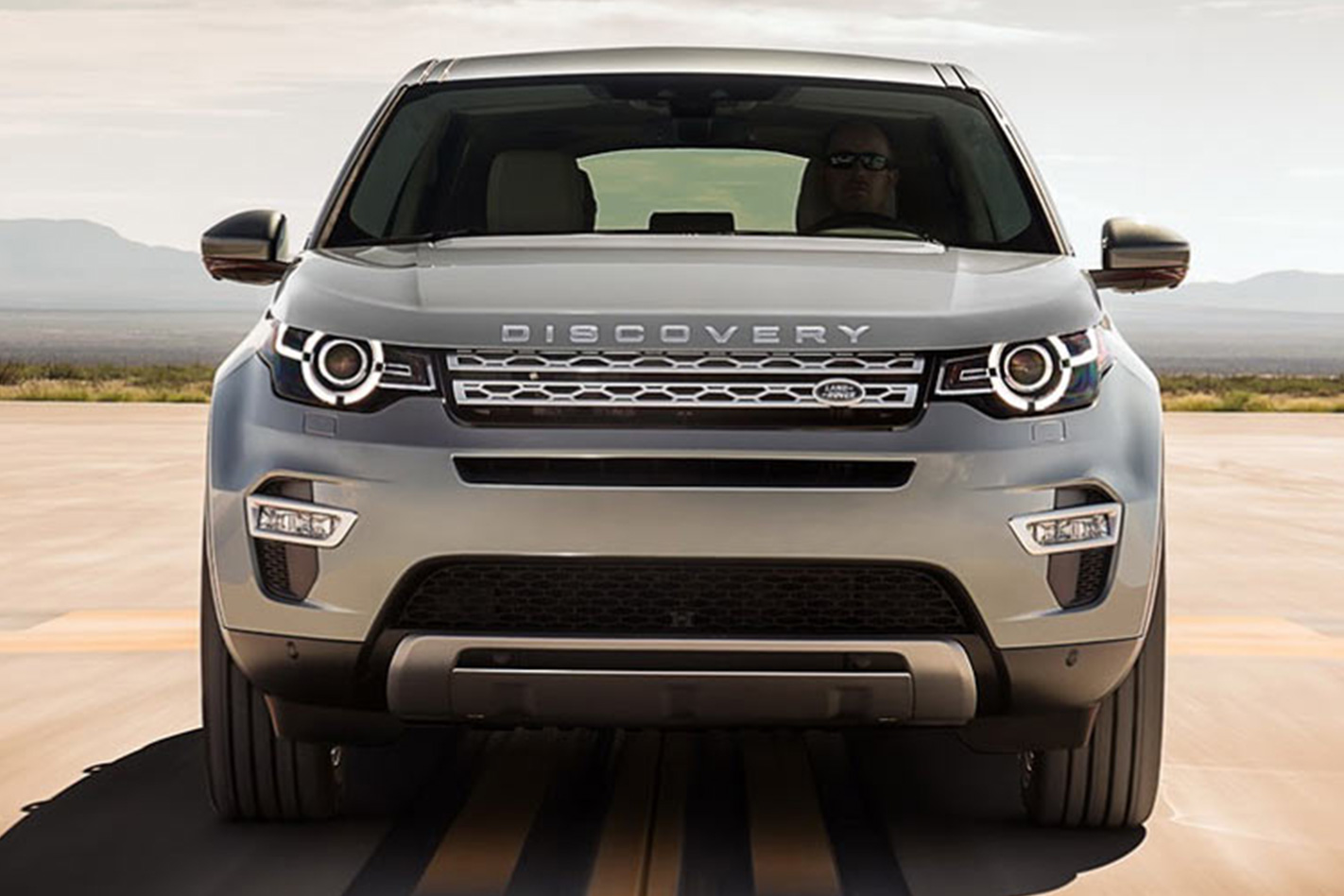
As well as the range-topping PHEV variant, it’s understood Land Rover is planning at least one mild hybrid version, to help bring the Discovery Sport range into line with tough new 2020 European emissions standards.
Meanwhile, the conventionally-powered four-cylinder turbo versions will also become more efficient, with new transmissions and revised engine mount designs to improve throttle response by 40 percent. Drag will also be reduced, which should also mitigate wind noise as well as lower fuel consumption.
The 2020 Discovery Sport is also expected to receive a significant interior makeover to give it a more premium feel. Expect influence from the bigger Discovery, and perhaps even some trickle-down from partner brand Range Rover .
The Discovery Sport PHEV will add to a growing stable of electrified Jaguar Land Rover models, which already includes the Range Rover, Range Rover Sport and all-electric Jaguar I-Pace.
The crew behind the development of the Miami V8 has now realised its ultimate potential.
A new intercooler package – dubbed the GT Holy Grail – unleashes 483kW at 6800rpm and 753Nm from 4500-5200rpm from Ford’s 5.0-litre supercharged V8, the upgrades applicable to any Miami-equipped Falcon. Just 100 kits will be offered; pricing is yet to be announced but will be in the ballpark of $25,000.
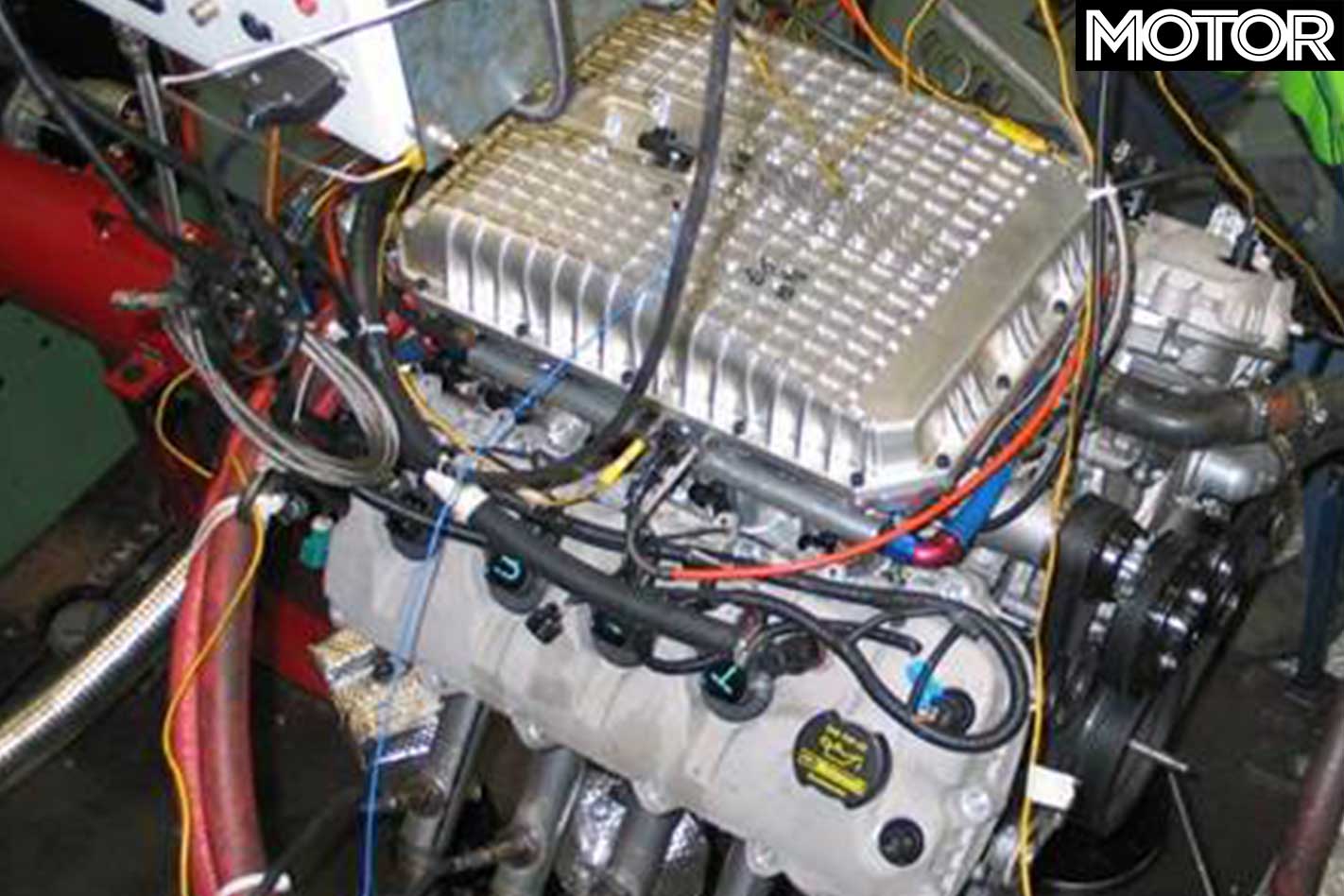
While many boast of OEM levels of drivability and reliability, Premcar’s position as the original developer of the engine gives its claims far more credence that most. Premcar morphed out of Prodrive Engineering following a management buyout in 2014.
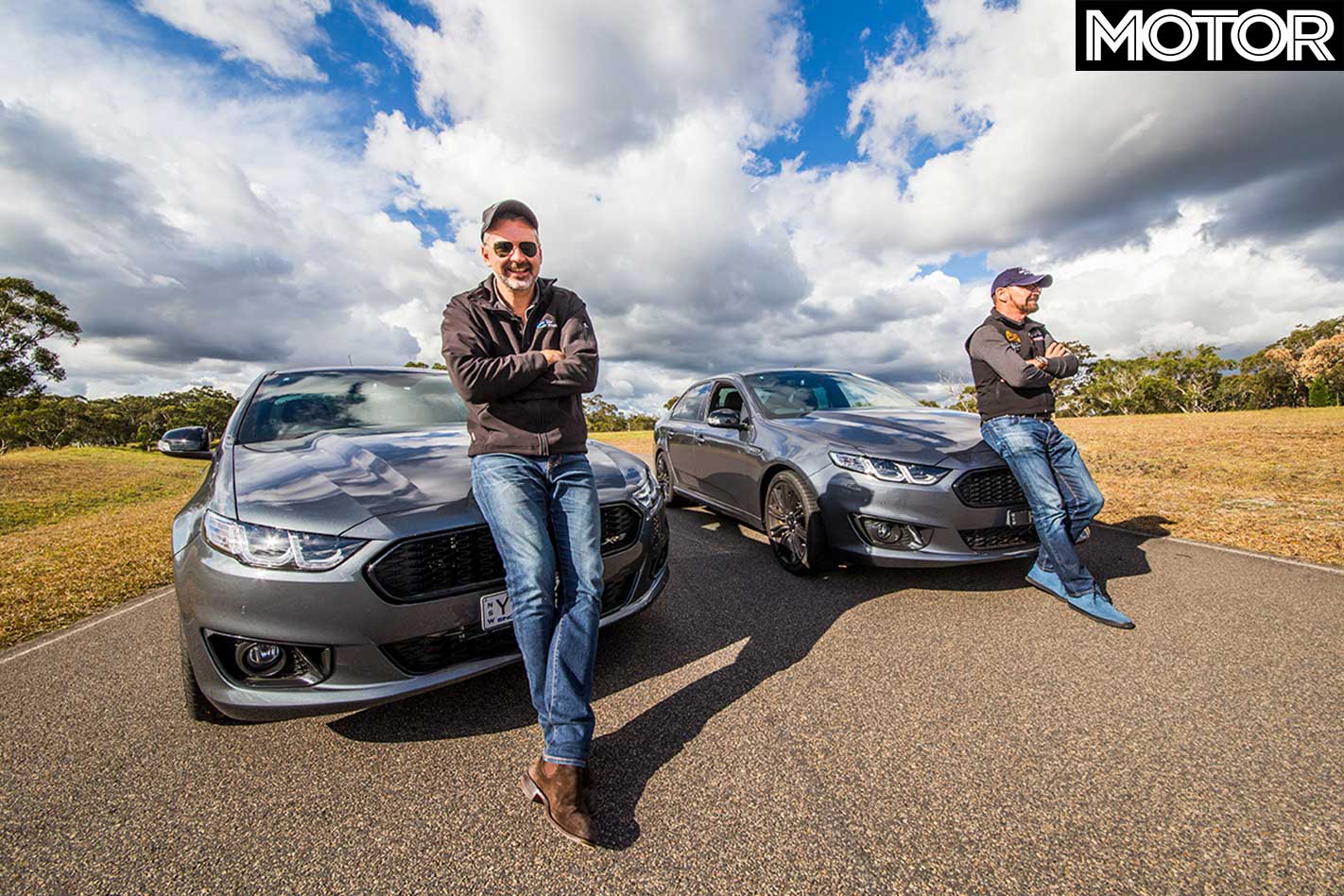
Premier’s Engineering Director, Bernie Quinn, told MOTOR: “This has been a while in the making. We went down [the intercooling] path when we were developing the Miami engine originally; I always had it in my head that we were going to do it at some stage.”
Indeed, the program manager for the XR Sprint program, Justin Capicchiano, explained on MOTOR’s Performance Car Podcast that intercooling the V8 was considered for the XR8 Sprint before development funds were allocated elsewhere.
Intercooling is the key that unlocks consistent bulk power from the Miami engine. “It’s about having cool enough combustion,” explains Quinn, “which allows you to have more boost and more advanced spark timing to get more power and torque. We haven’t just pushed the boost up, we’ve done a lot of work on optimising cam timing to get the most power and torque out of it, whilst maintaining the original engine’s durability and driveability.”
A number of intercooled prototypes have been built over the years, but following the recent development of a pair of Sprint-based prototypes, “We made the decision to invest in tooling for all the parts. We’re doing it in the same way as we’ve done any OEM program.
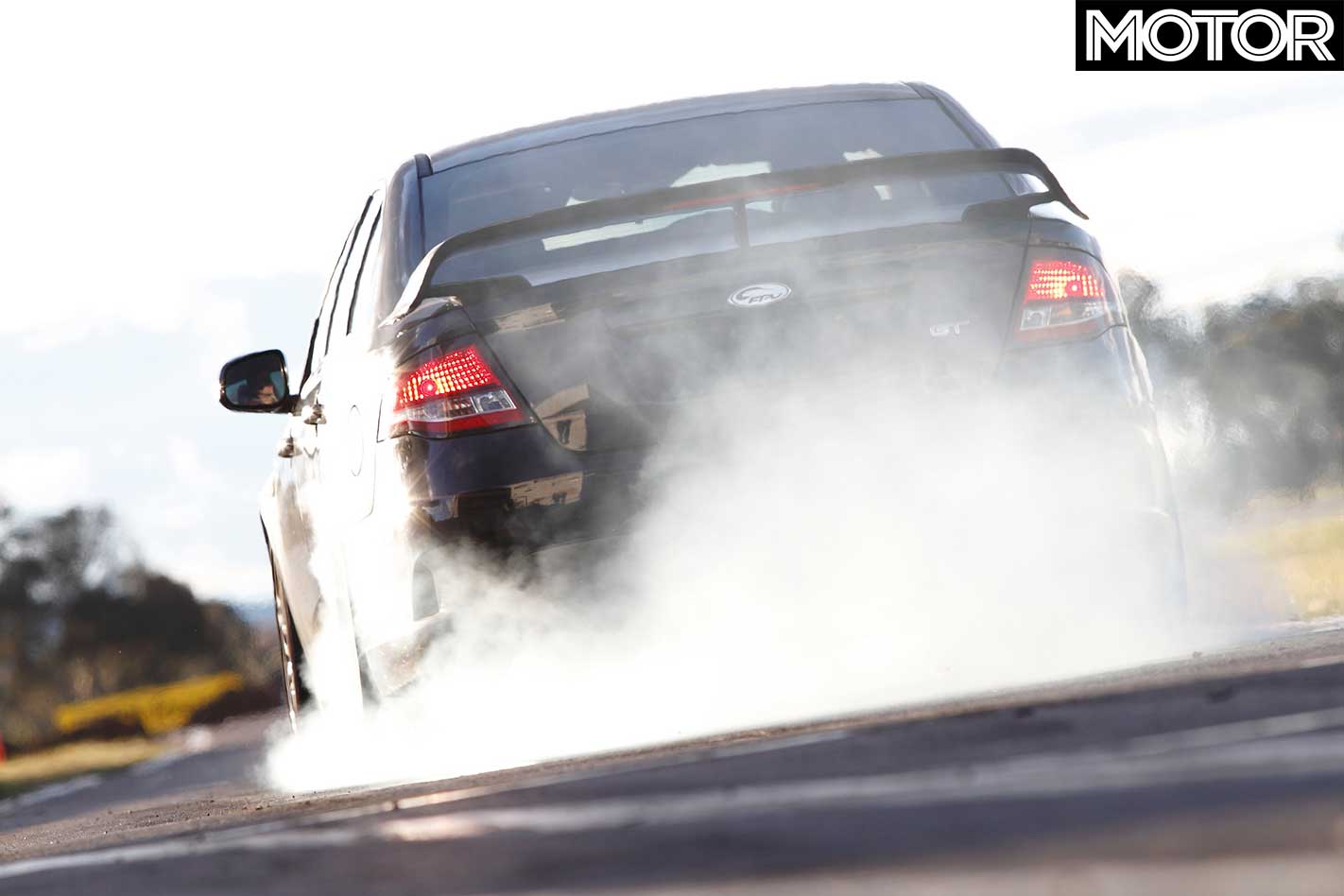
“For example, we’re re-casting the lower intake manifold with all the water galleries, we’re retooling the whole intercooler, [we’re] using OEM-quality pumps, radiators and heat exchangers, using the same suppliers basically that we used for the original development program. And of course our guys have the background with the cal (calibration), because we always did the calibration for the FPV stuff and Ford stuff.”
The package has been subjected to the same stress tests as a regular OEM engine, including a 100-hour full power dyno test, shaker rig vibration and hot/cold environment testing. Factory driveline protection is retained and gear-specific boost and torque maps are included in the calibration.
Premcar recommends that cars fitted with its engine upgrade also use Shockworks upgraded suspension package and good quality tyres, such as Michelin Pilot Super Sports.
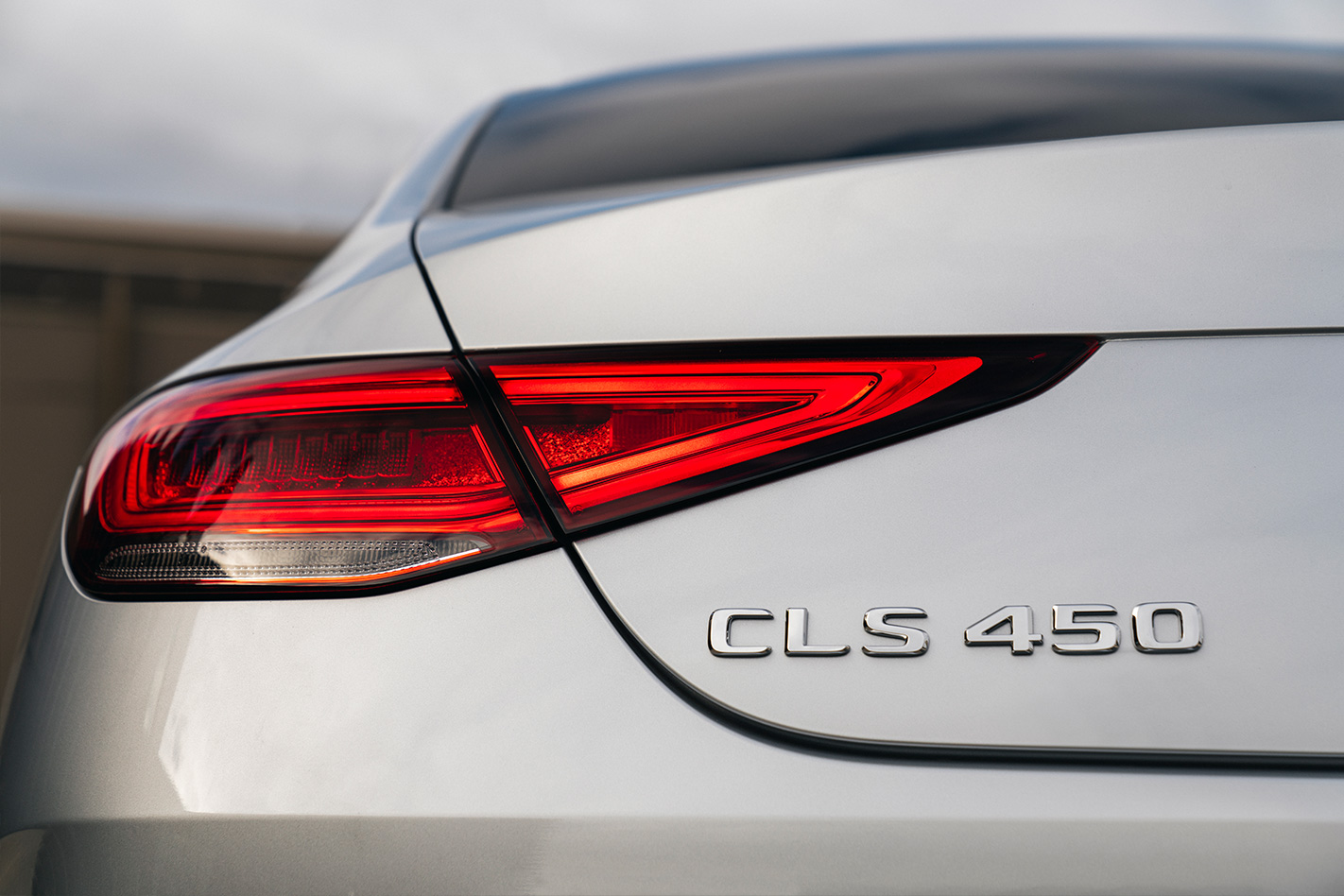
The latest generation of Mercedes-Benz’s stylish CLS range has officially arrived in Australia, with three powertrains and a line-up spanning a price bracket that starts at $136,900 and stretches all the way to $179,529.
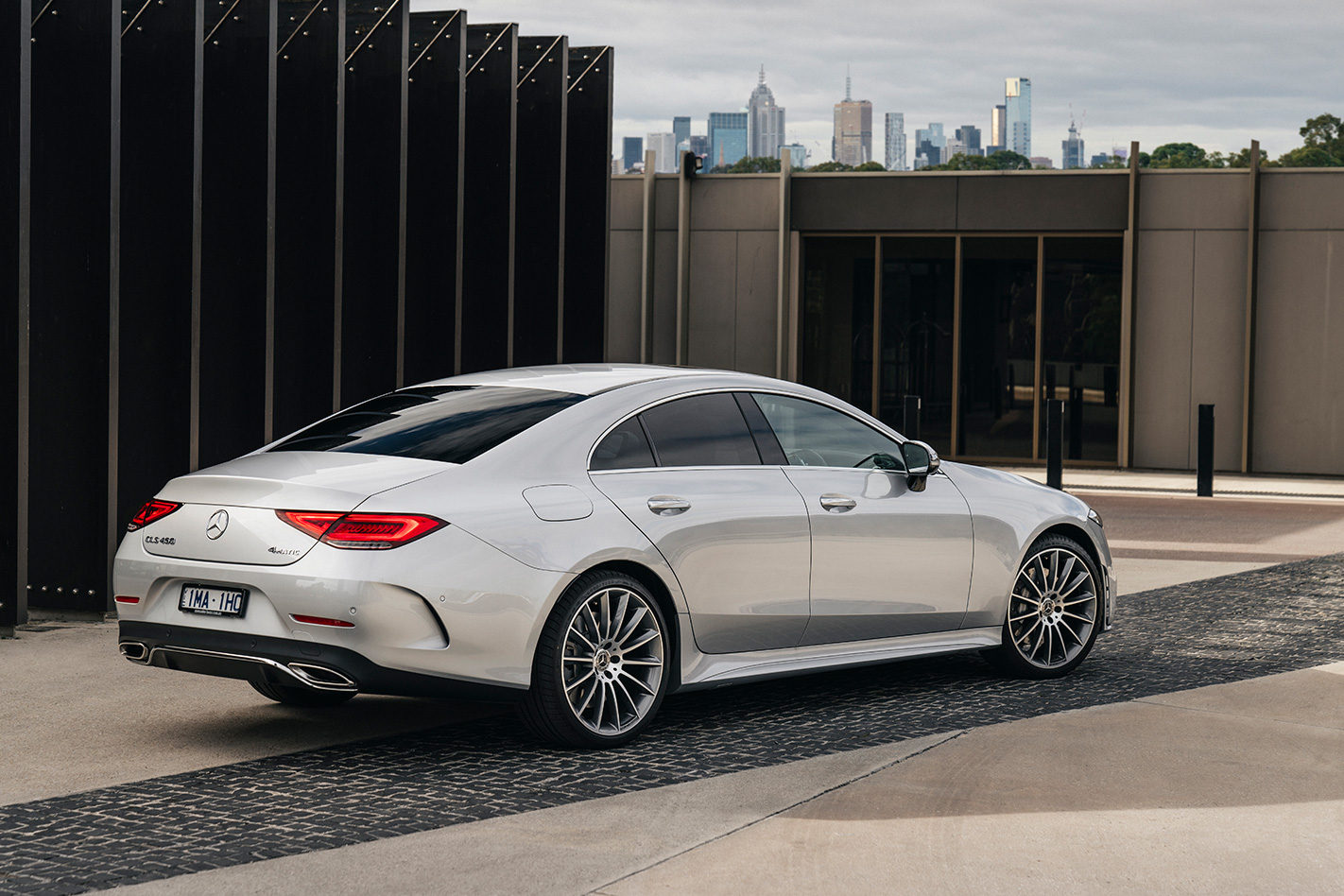
The CLS 450 spearheads the range, and sits right in the middle of the four-cylinder CLS 350 and high-performance Mercedes-AMG CLS 53 with a price of $155,529. Powered by Benz’s all-new petrol 3.0-litre turbo inline six, an engine format not seen in a Mercedes since the 1990s, the CLS 450 is the first model in Australia to feature this powerplant in Australia.
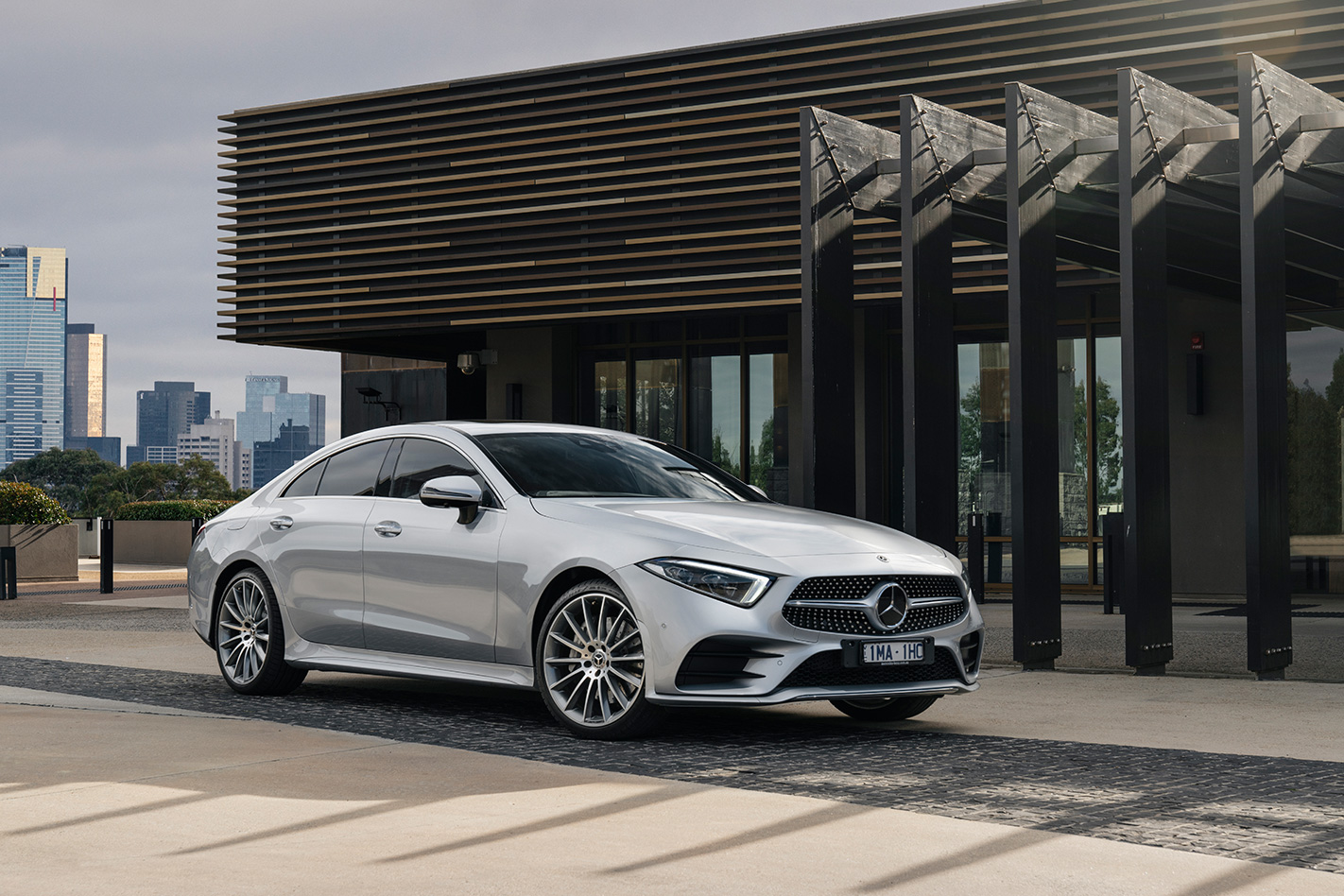
All models will roll on 20-inch alloy wheels, with air suspension linking wheels to chassis. As Benz’s flagship four-door coupe – the CLA being its junior sibling – the new CLS already stands out from the crowd visually. Frameless door glass and a cut-down roof profile already bring a sleek and sporty aura to its appearance, but Australian-delivered models benefit further through the standard fitment of an AMG bodykit.
All three cars feature 48-volt mild hybrid technology and internal combustion engines from the German marque’s family of recently launched turbocharged inline four- and six-cylinder powerplants.
The CLS 450 extracts 270kW and 500Nm from its 3.0-litre straight six, while a larger turbocharger brings 320kW/520Nm in the CLS 53. Powering the base CLS 350 is a 2.0-litre four-cylinder with 220kW/400Nm outputs.
The new engines also feature a 48-volt electrical system that adds an electric starter/generator, dubbed EQ Boost, to assist the petrol engine. The electric motor nudges on-demand performance for short bursts – by 10kW/150Nm for the four-cylinder units, and by 16kW/250Nm for the sixes. A mild hybrid system only, it doesn’t deliver drive unless the petrol engine is already running.
The CLS 53 uses a conventional exhaust-driven turbocharger but goes a step further by adding an extra electrically-driven compressor to enhance low-rpm boost, helping to improve fuel economy and acceleration figures. The 1905kg AMG model will hit 100km/h in 4.5sec, though the CLS 450 isn’t too far behind with a 4.8-second 0-100km/h sprint.
Local fuel consumption figures have yet to be announced for the 350 and 53, but the 450 burns an average of 8.7L/100km on the combined cycle.
A nine-speed automatic transmission is standard on all Australian CLS models, while six-cylinder variants feature all-wheel drive by default. The CLS 350 takes drive to the rear only. Self-levelling air suspension is standard in all Australian-delivered CLS models, with the CLS 53 featuring AMG-tuned settings for all of its ride modes. AMG has made further changes under the skin of the CLS 53 including special suspension geometry and beefed-up hardware to improve its cornering performance.
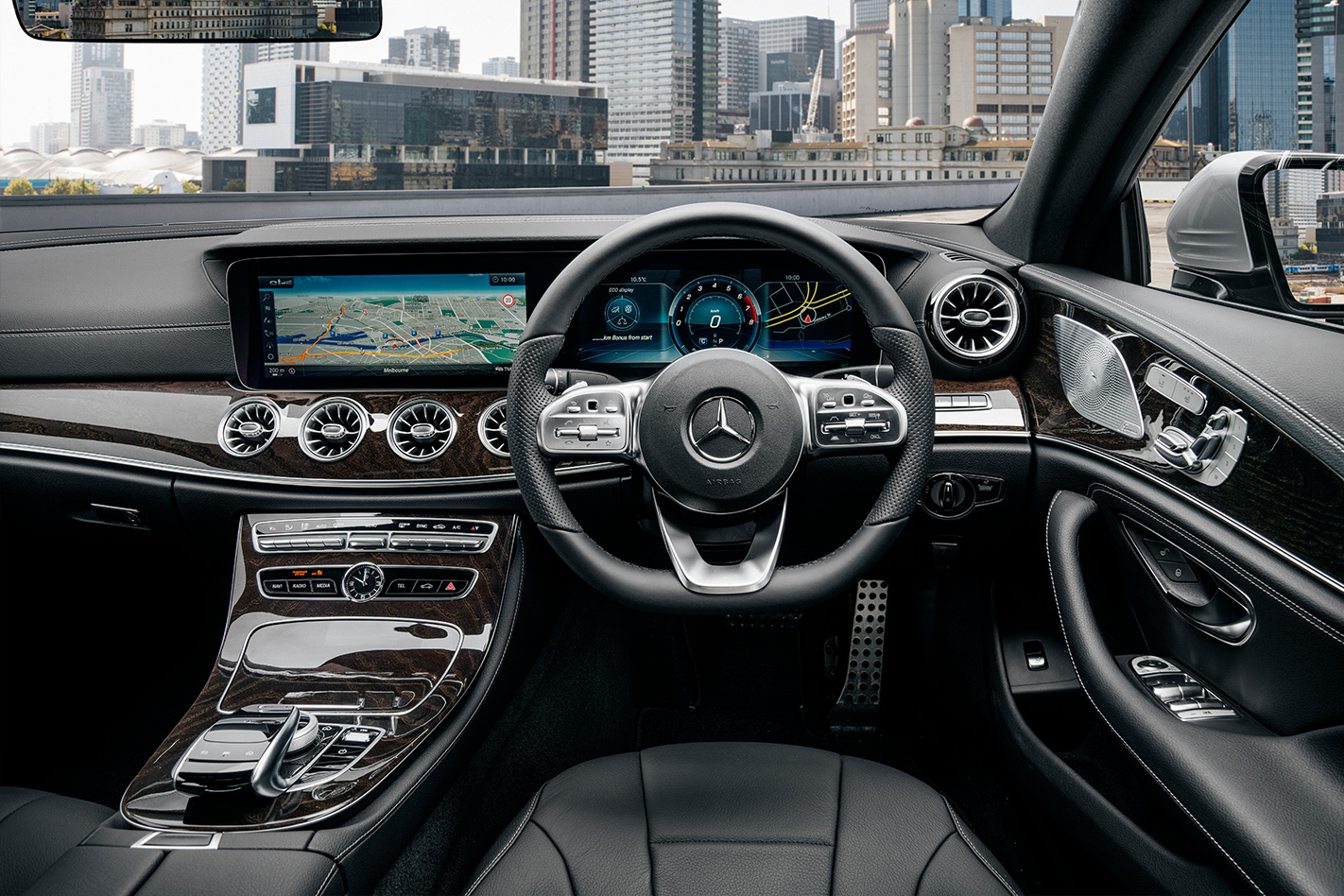
All models in the CLS-Class family come standard with a fat list of standard equipment, with digital radio, leather upholstery, a head-up display, heated front seats, doual-zone climate control, keyless entry and ignition, LED headlamps and a 360-degree camera system.
Benz’s panoramic ‘Comand Online’ infotainment screen sits alongside another 12.3-inch high-res display that carries the instrument panel, a look echoed by other large Benzes like the E-Class and S-Class. Controlled by the company’s familiar rotary dial and touchpad combo down on the centre console, the system is the central interface for the car’s 13-speaker Burmester audio system, climate control and integrated sat-nav. Android Auto and Apple CarPlay smartphone mirroring is included as standard.
Stepping up into the CLS 450 adds power ‘soft close’ doors and a sports exhaust to the equipment list, plus a larger fuel tank (80 litres versus the 350’s 66 litres), anti-theft alarm, air ioniser and fragrance dispenser, plus what Mercedes calls “Energizing Comfort control” – a series of in-car exercise programs to help reduce fatigue on long drives.
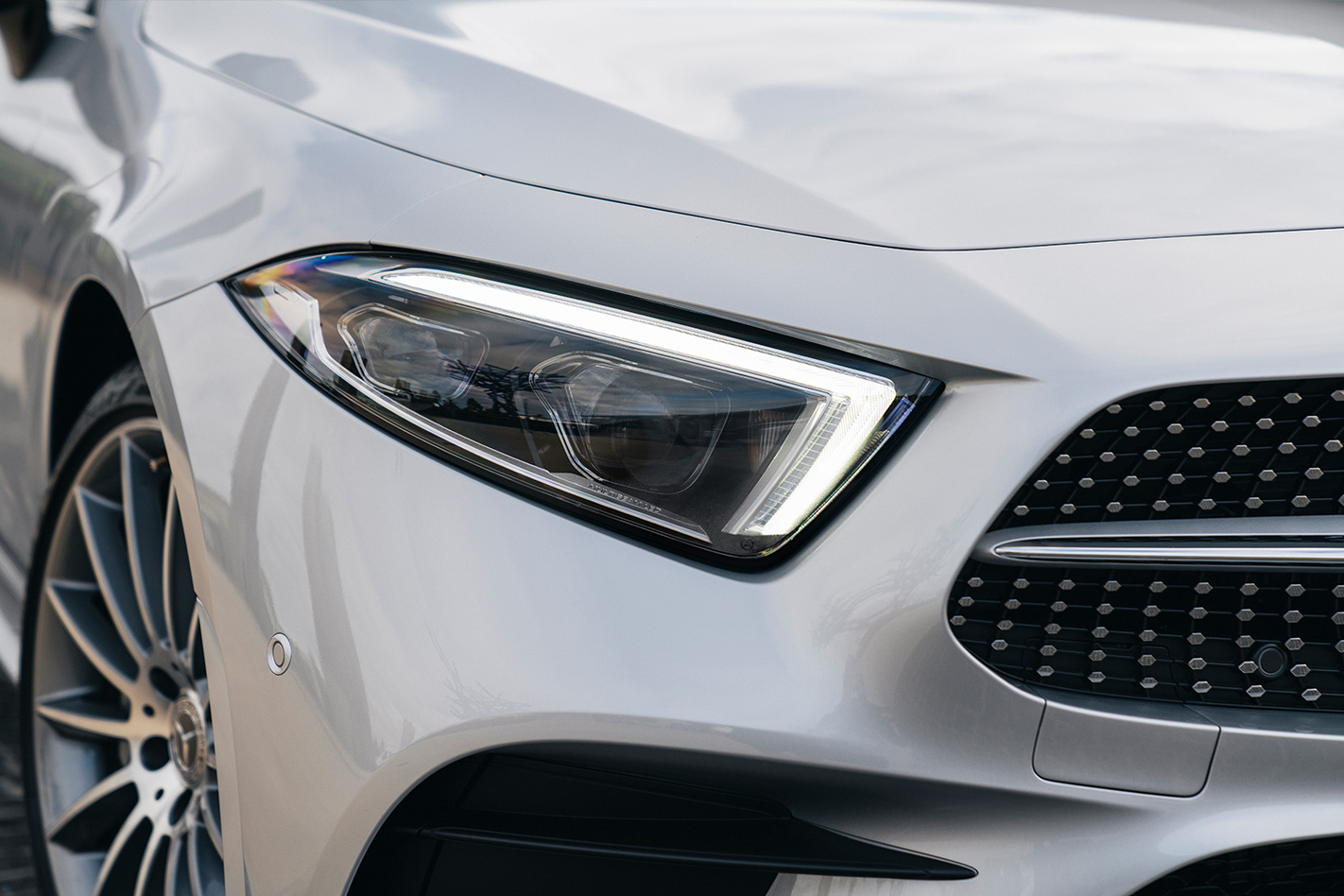
The CLS53 gets a unique AMG wheel design and will be visually distinctive via a twin-blade radiator grille that is specific to the ‘53’ range. Wireless smartphone charging and seats with active bolsters that inflate during hard cornering are also standard, while said seats come clothed in high-grade Nappa leather.
On all models a three-seat rear bench means the CLS is now a five-seater for the first time, rather than limiting the space to four. Boot space is 520 litres, which can be expanded by folding the 40/20/40 split seat-back.
A special Edition 1 launch package will be available for the first year of sale. Copper is the theme, with numerous interior highlights including contrasting copper stitching on black leather upholstery across the seats, console, dashboard and door panels, and copper piping on the floor mats. Edition 1 badging and an exclusive IWC analogue clock round out the cabin changes. Outside, a unique diamond grille with matte chrome pins and chrome inserts with a copper-coloured shimmer will set it apart.
PRICING
The CLS 450 has arrived in Australia, with the CLS 350 and CLS53 set to arrive later in the year.
- Mercedes-Benz CLS 350 – $136,900
- Mercedes-Benz CLS 450 – $155,529
- Mercedes-AMG CLS53 – $179,529
One of only 25 examples of the ballistic Mercedes-Benz AMG CLK GTR is set to go under the hammer in the upcoming RM Sotheby’s Monterey auction.
Now two-decades-old, the GTR is essentially a Le Mans race car modified for road use, one of several in its class born of the FIA’s GT1 regulations.
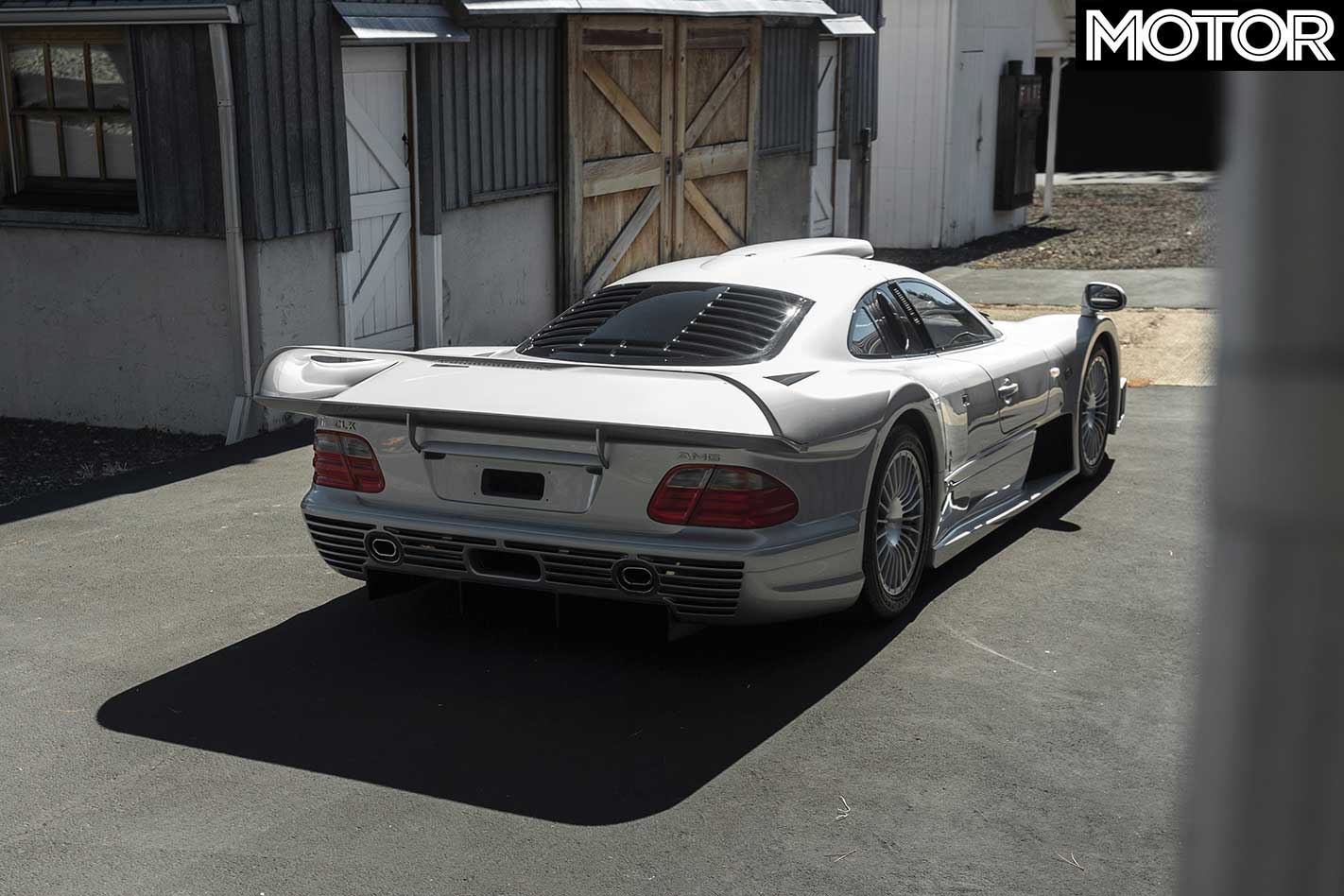
While cars like the McLaren F1 went from being road cars to race cars, the CLK GTR did things the other way around.
Everything from its 6.9-litre V12 to its aero was initially meant for racing dominance, rather than for sharing roads with Camrys and diesel utes.
Its roadworthiness doesn’t necessarily mean it’s spent much time hunting apexes on the blacktop though and this car is no different, having only travelled 1440km at the time it was photographed for the auction.
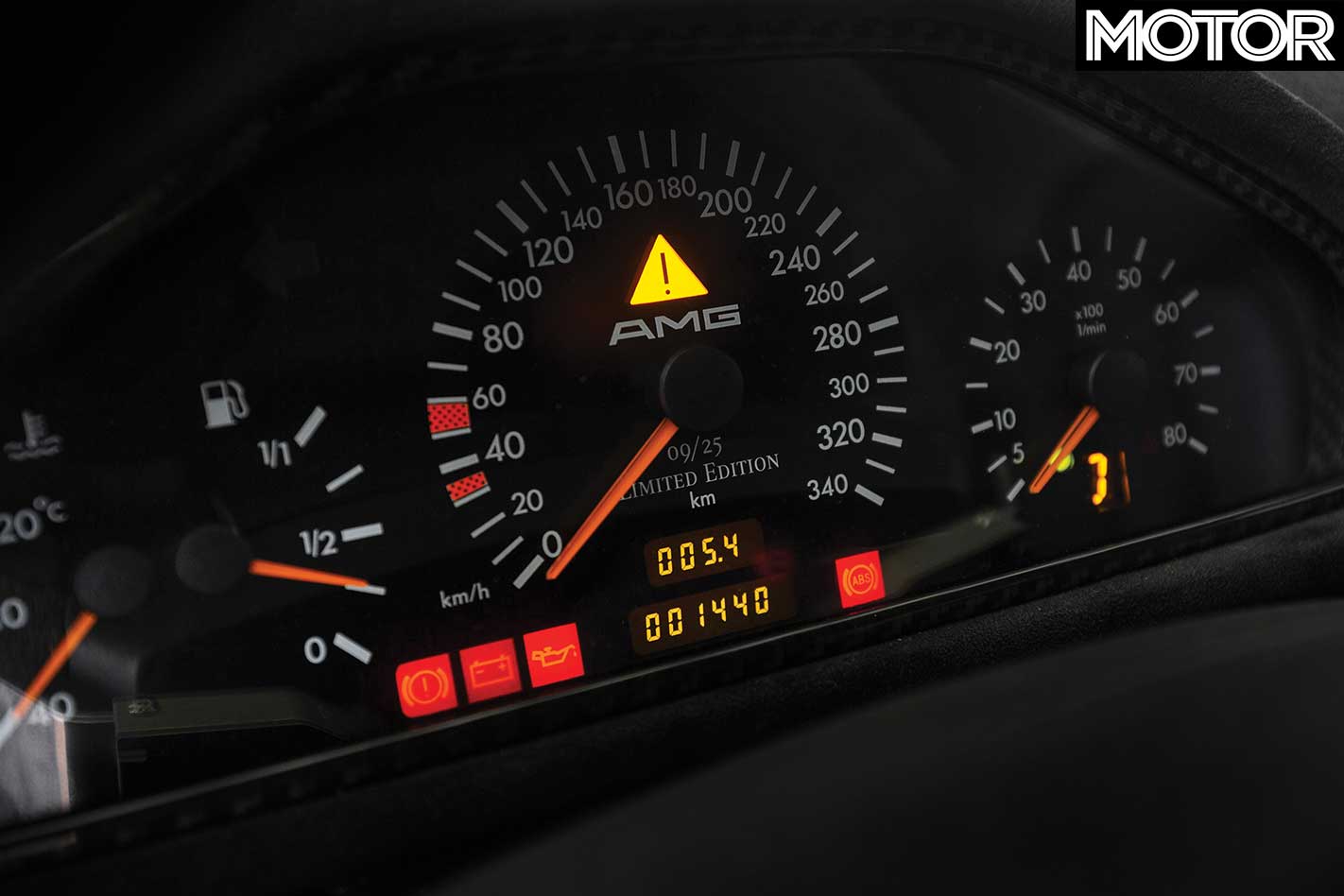
Probably due to this (in part at least) comes its guiding range of USD$4,250,000 to $5,250,000 (which converts to between AUD$5,746,000 and $7,098,000) as estimated by RM Sotheby’s.
For that money you get about a tonne of German metal and carbon fibre, with a powerplant worth upwards of 450kW and 775Nm and a 6-speed sequential ‘box.
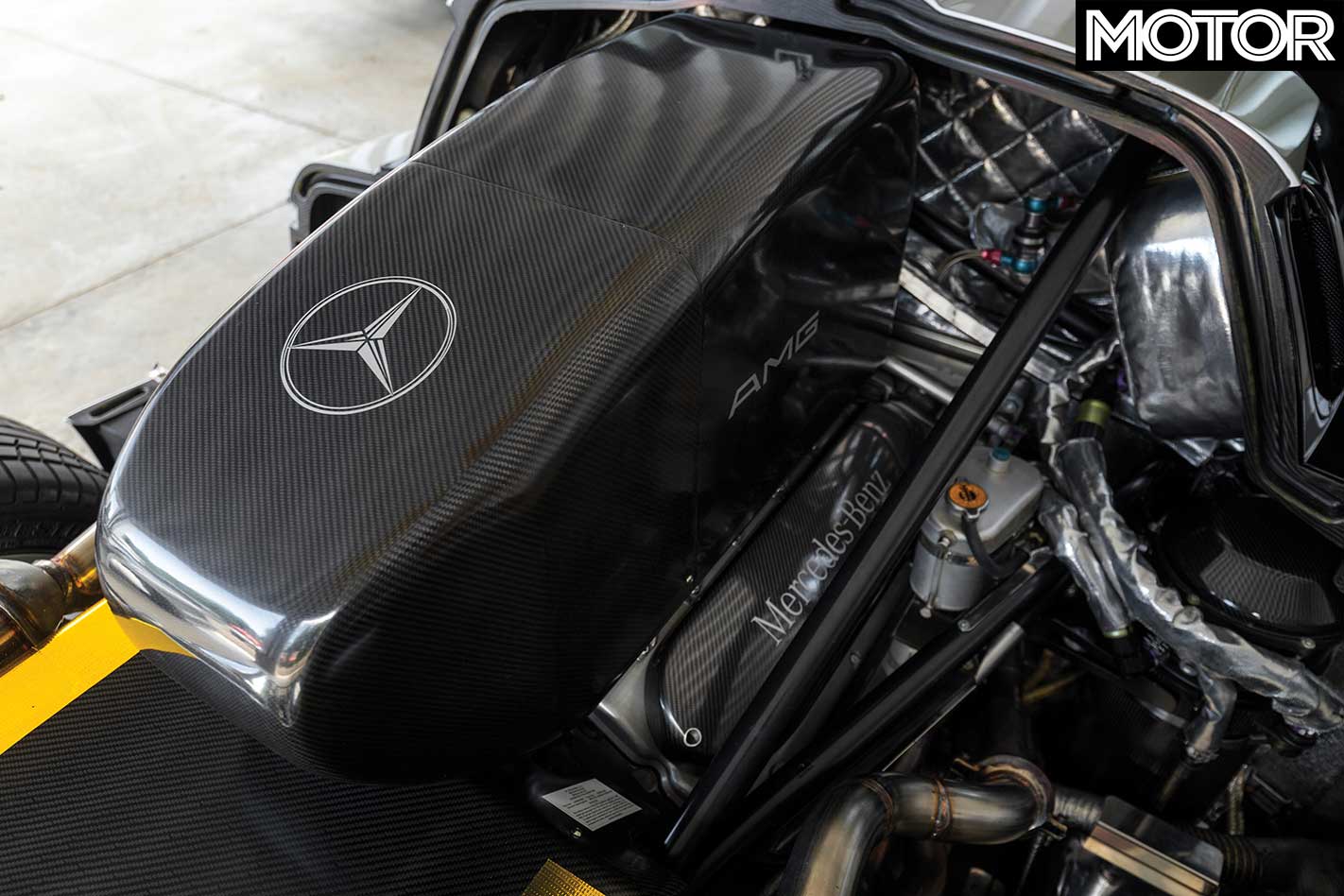
The good news is you’ve got about four weeks to get that loan approved or sell the house/other cars/family to fund a purchase. Even then, bidders need to be pre-approved by RM Sotheby’s, and internet bidding is off the cards for this lot.
As one of only 20 examples with a roof, it’s a safe bet you won’t lose money on this investment… unless you want to enjoy driving it, that is.
It’s more than a little ironic that thanks to AMG, a vehicle intended primarily to carry children now makes a noise apparently specifically designed to frighten them.
There’s nothing pretty about the sound that escapes from the Mercedes-AMG GLC63‘s quad tailpipes; it’s dirty, industrial, more Metallica than Mozart, but we suspect that’s exactly how most buyers will want it.
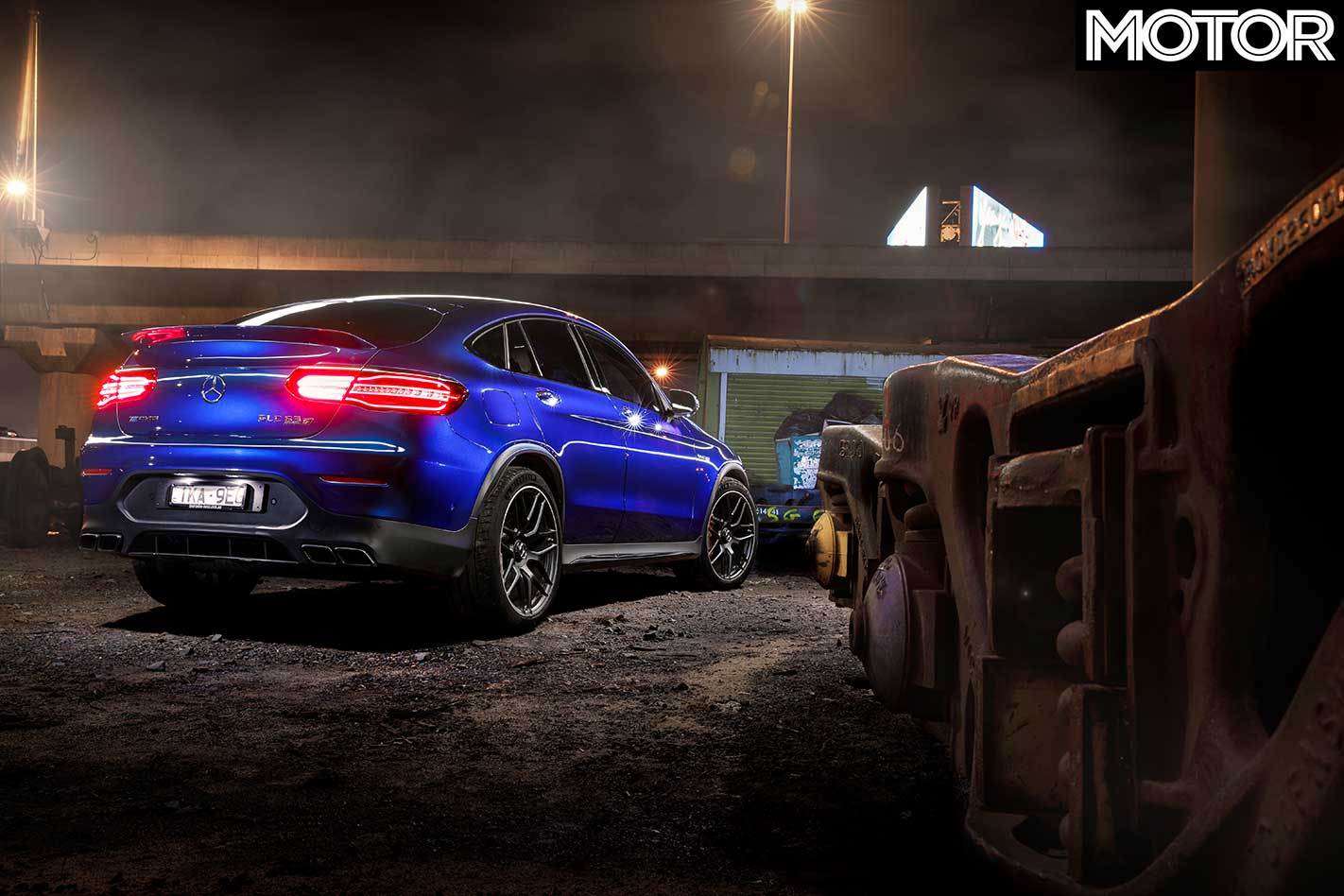
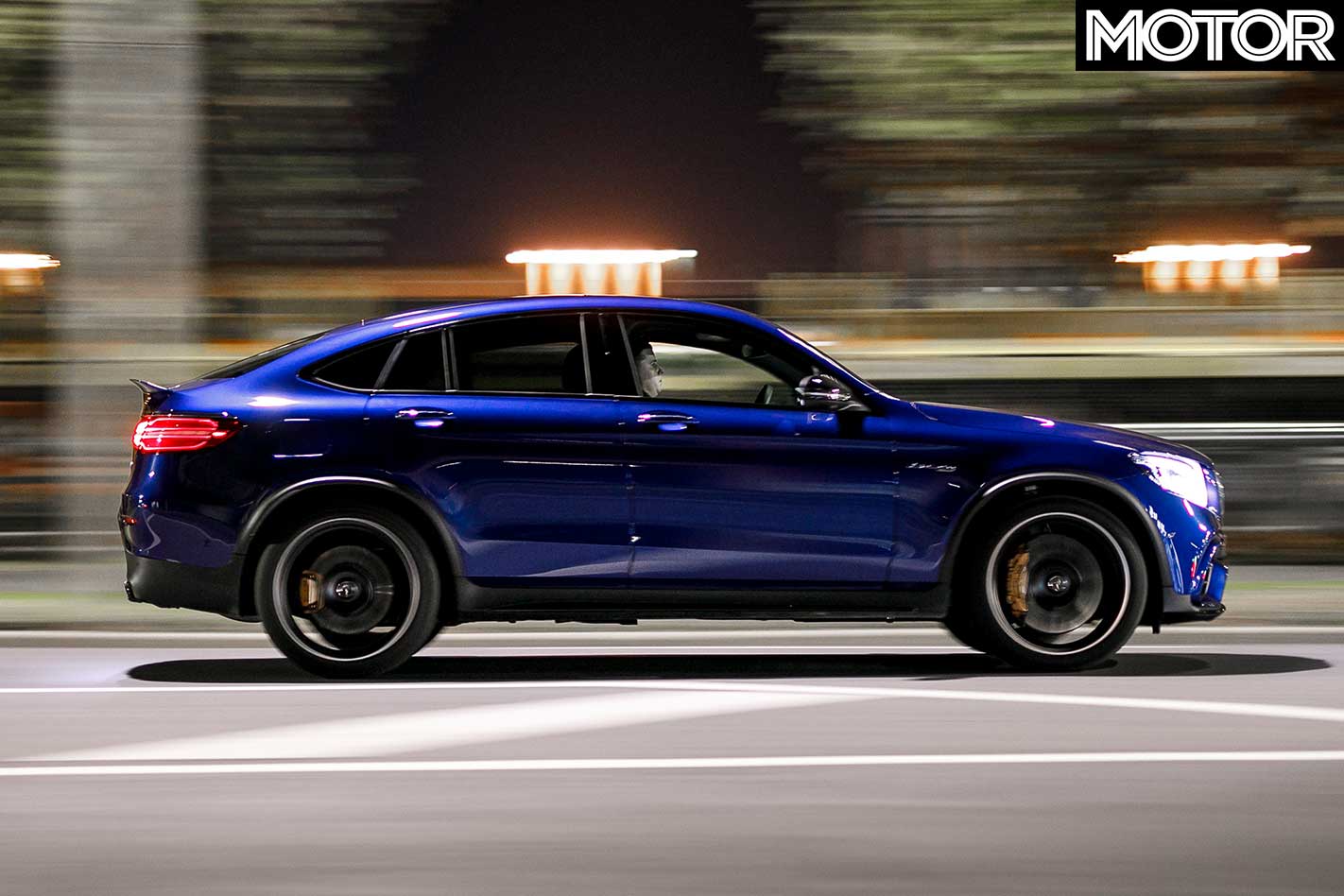
Performance SUVs are so hot right now, with mid-sizers particularly popular due to hitting the sweet spot between having the sought-after status and elevated driving position without the feeling of driving a city bus. The GLC43 is AMG’s biggest seller locally so far in 2018, fighting it out with the Audi SQ5, Jaguar F-Pace 35t, Porsche Macan GTS and forth coming BMW X3 M40i.
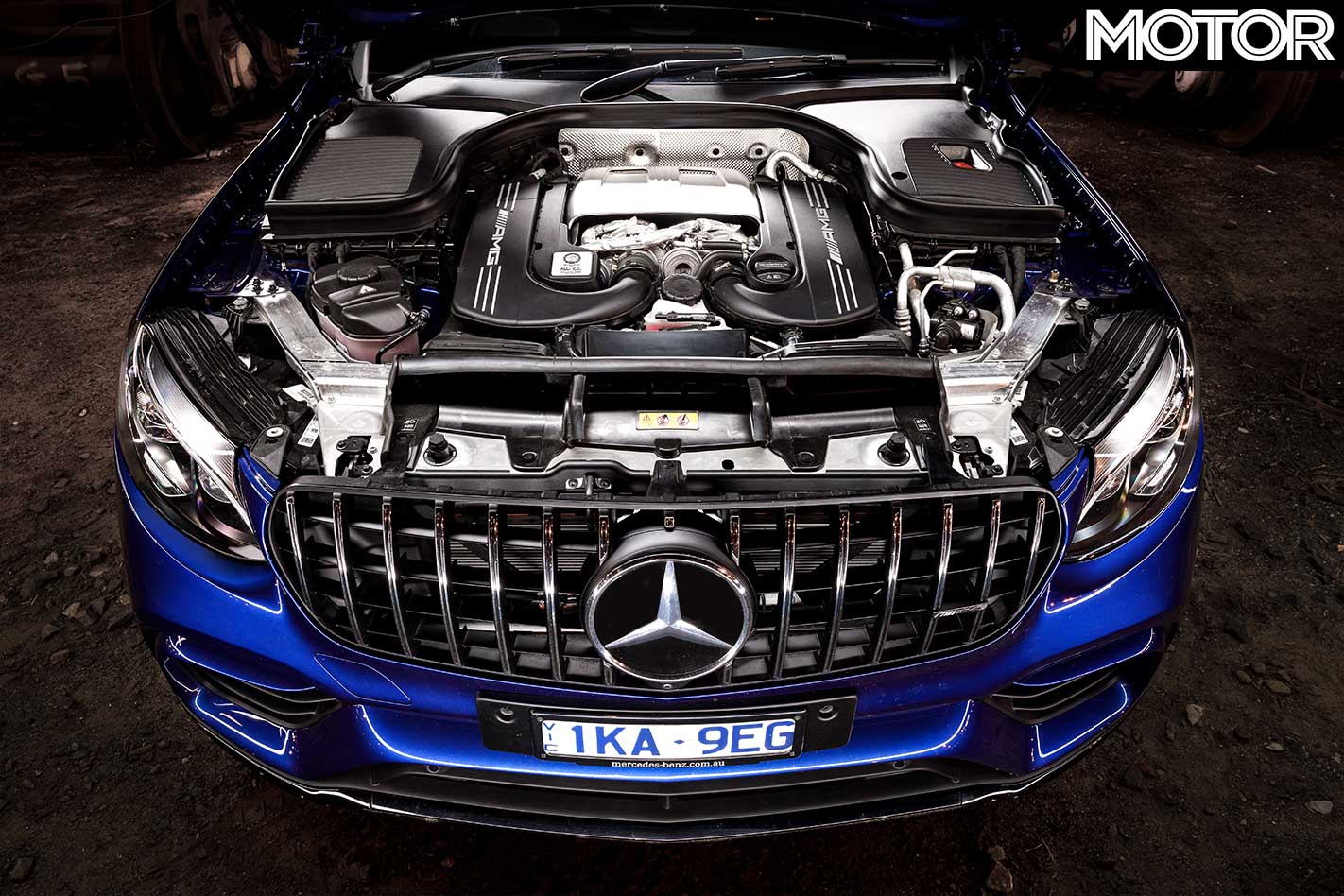
In classic AMG style, it’s now uppped the ante by squeezing the biggest possible engine between the GLC’s front strut towers; in this case, the 4.0-litre twin-turbo V8 from the C63. As with its sedan sibling, the GLC63 is offered locally only in 375kW/700Nm ‘S’ guise.
Connected to the latest nine-speed wet-clutch automatic and all-wheel drive, the result is a claimed 3.8sec from 0-100km/h and an electronically limited top speed of 270km/h.
As you might gather from those figures, the performance is ferocious. The GLC63 uses AMG’s new launch control, which replaces the old ‘pull these paddles then this paddle’ procedure with a simple ‘squeeze brake, floor throttle, release brake’ dance.
To be honest, I kind of miss the old rigmarole; it always felt like you were doing something special and possibly a bit illicit by RACE START, like firing missiles from a submarine, but the new process is much simpler.
The system dials up just over 3000rpm, the engine straining and stuttering against a temporary limiter like a racehorse that’s eager to leave the gates. Lift your left foot and it explodes forward with such ferocity that the floor mat in the passenger footwell curls backwards, possibly into the foetal position.
Unbelievably, the GLC struggles to match its claims due to excessive wheelspin; on Heathcote’s slippery unprepped start line even giant Michelin Pilot Sport 4S tyres (265/40 front; 295/35 rear) are unable to contain the enormous grunt, slight corrective lock is required to keep Merc’s monster mid-sizer pointing straight on the wilder launches. It’s an impressive spectacle, but not quick, more than four seconds consistently ticking by before 100km/h is reached.
The quickest figures of 3.92sec to 100km/h and a 12.05sec 400m sprint come by lifting from the brake as the revs are still building. On a grippier surface there’s no doubt the GLC would hit its claims; it’s tempting to continue experimenting with different launch rpms to find that elusive tenth but RACE START is a fairly brutal process and, let’s face it, 3.92sec isn’t too shabby.
What’s particularly impressive is the GLC63’s consistency; in eight of its nine runs it records a trap speed between 189.2-190.0km/h – no heat soak issues whatsoever.
For most buyers the review can end here: the GLC63 sounds great and is tremendously quick in a straight line. Throw in a premium interior, practical load space (550L of luggage space in the wagon, 500L in the Coupe) and all-important badge appeal and it’s job done. The vast majority of these cars will never do anything more stressful than school and shopping runs, burbling through some of Australia’s more affluent suburbs.
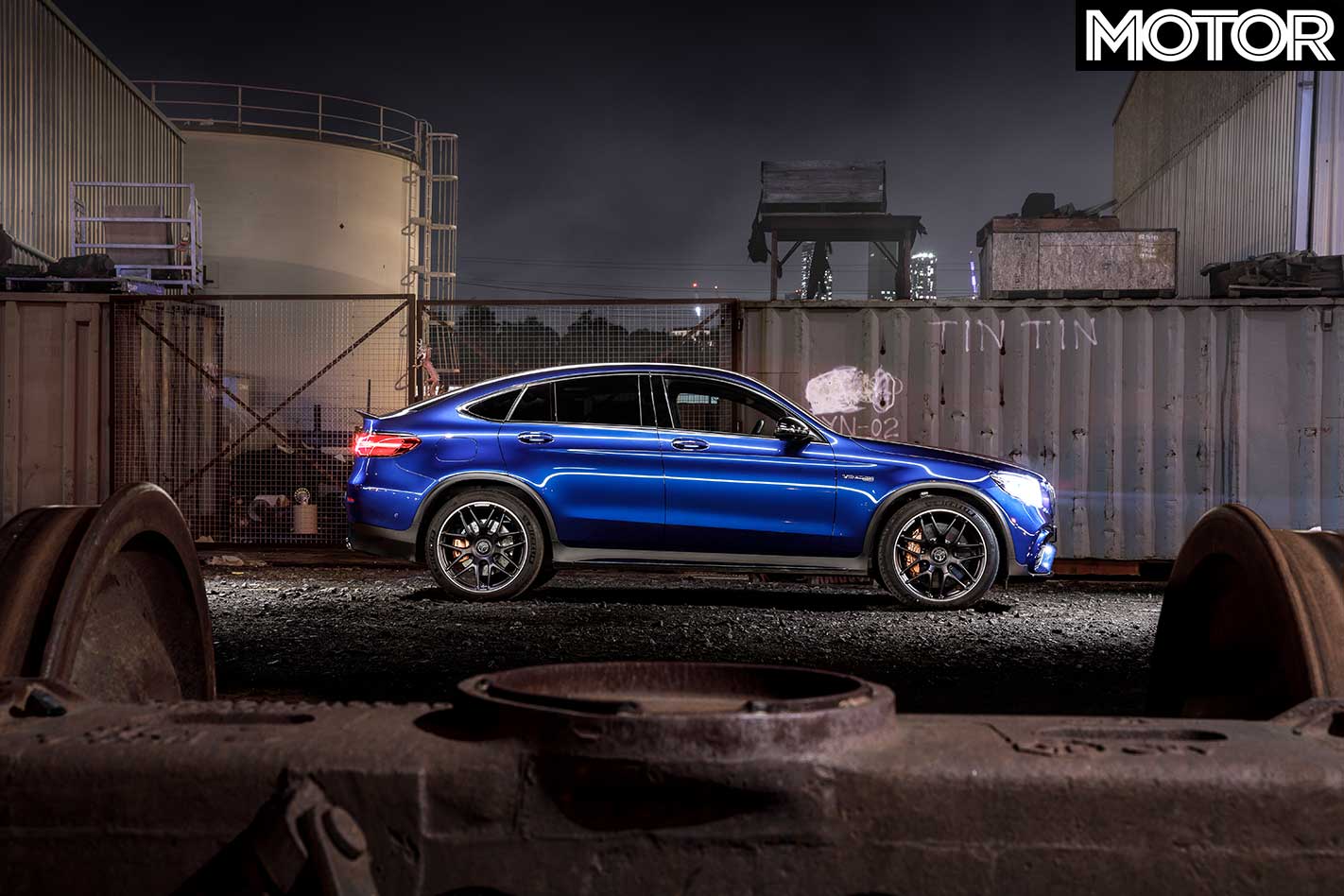
However, should anyone stray into the woods one day, well, they’re in for a big surprise, for the GLC63 is more entertaining in the bends than it has any right to be.
Don’t expect miracles. This is still a heavy car (more than two tonnes with fuel and driver) with a high centre of gravity and sticking a twin-turbo V8 in it hasn’t suddenly transformed it into a Cayman or even an A45.
Nonetheless, hitherto the very best performance SUVs have managed to drive about as well as a mid-level hot hatch – think Volkswagen Golf R – with most failing to even achieve that, but the GLC63 is the first we’ve driven (locally, at least) with the potential to transcend that analogy.
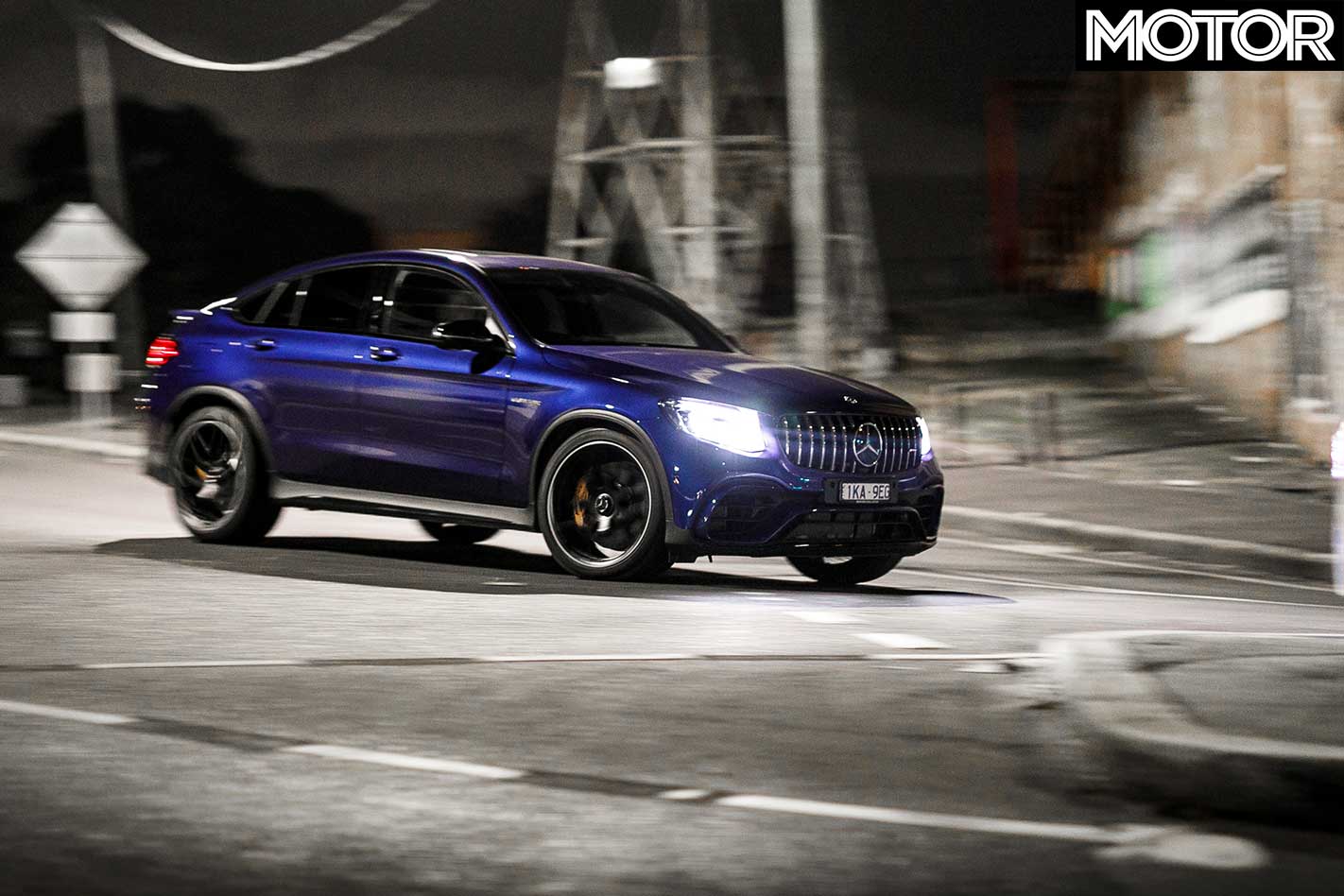
Sending drive through the front wheels has corrupted the steering slightly compared to, say, a C63 sedan, however it’s well weighted and the front end responds keenly. It resists understeer remarkably well – those super-wide high performance front tyres earn their keep – and displays excellent balance for something so large.
Key to its ability, though, is the use of the E63‘s constantly variable 4MATIC+ all-wheel drive. Rear-driven under most circumstances, power can be apportioned between the axles as the situation demands, while the rear electronically controlled limited-slip differential can also shift power left or right. The upshot is the ability to control cornering attitude with the throttle.
Whereas a tradition Haldex-based system, like that found in the A45 or RS3, requires patience on corner exit to prevent the front running wide under power, in the GLC63 gentle understeer can be neutralised with more power.
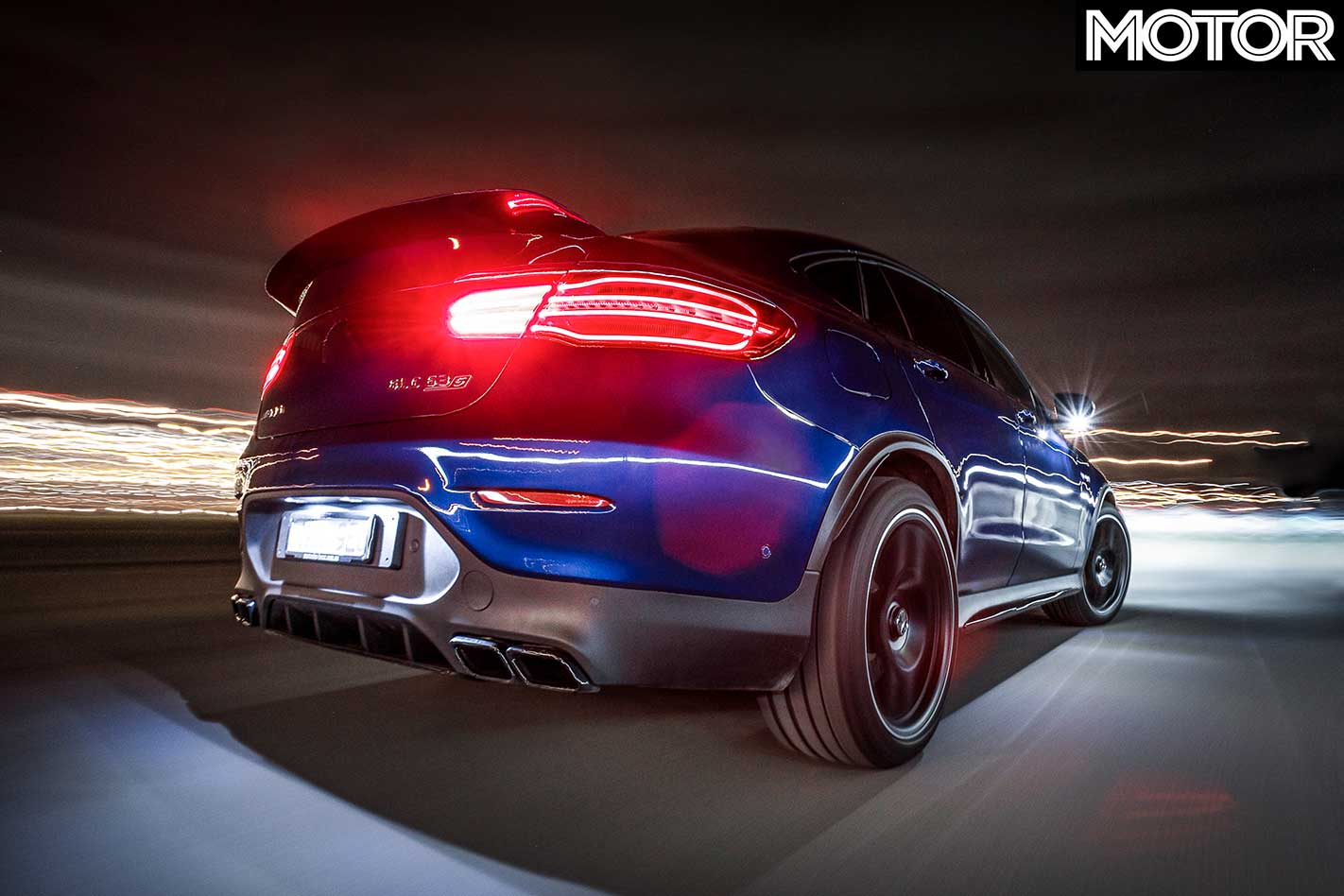
Provoke it and it’ll power oversteer like an Audi R8 before shuffling the drive forward to pull everything straight; it’s not ballet, as there’s a lot of momentum involved, but this unlikely adjustability makes the GLC63, dare I say it, fun. The nine-speed MCT auto also works well when left in drive, more often than not decisively picking the correct gear for the corner.
It’s probably not as dynamically polished as a Porsche Macan Turbo – a back-to-back test is really required – but then the Porsche doesn’t sound like a grizzly bear with a stomach ache. Nor can it match the AMG’s in-gear punch. On an open, flowing road the GLC’s weight is less of an issue and the way it covers ground is staggering.
Thankfully, this dynamic prowess isn’t accompanied by a skateboard ride. On a typical country road it’s busy, but whether it’s due to a softer suspension tune or the fact you’re further removed from the road occupants are isolated from the worst bumps and lumps. It’s certainly more comfortable than the equivalent C63 S wagon and the rear seat is better, too, with more leg support and greater room.
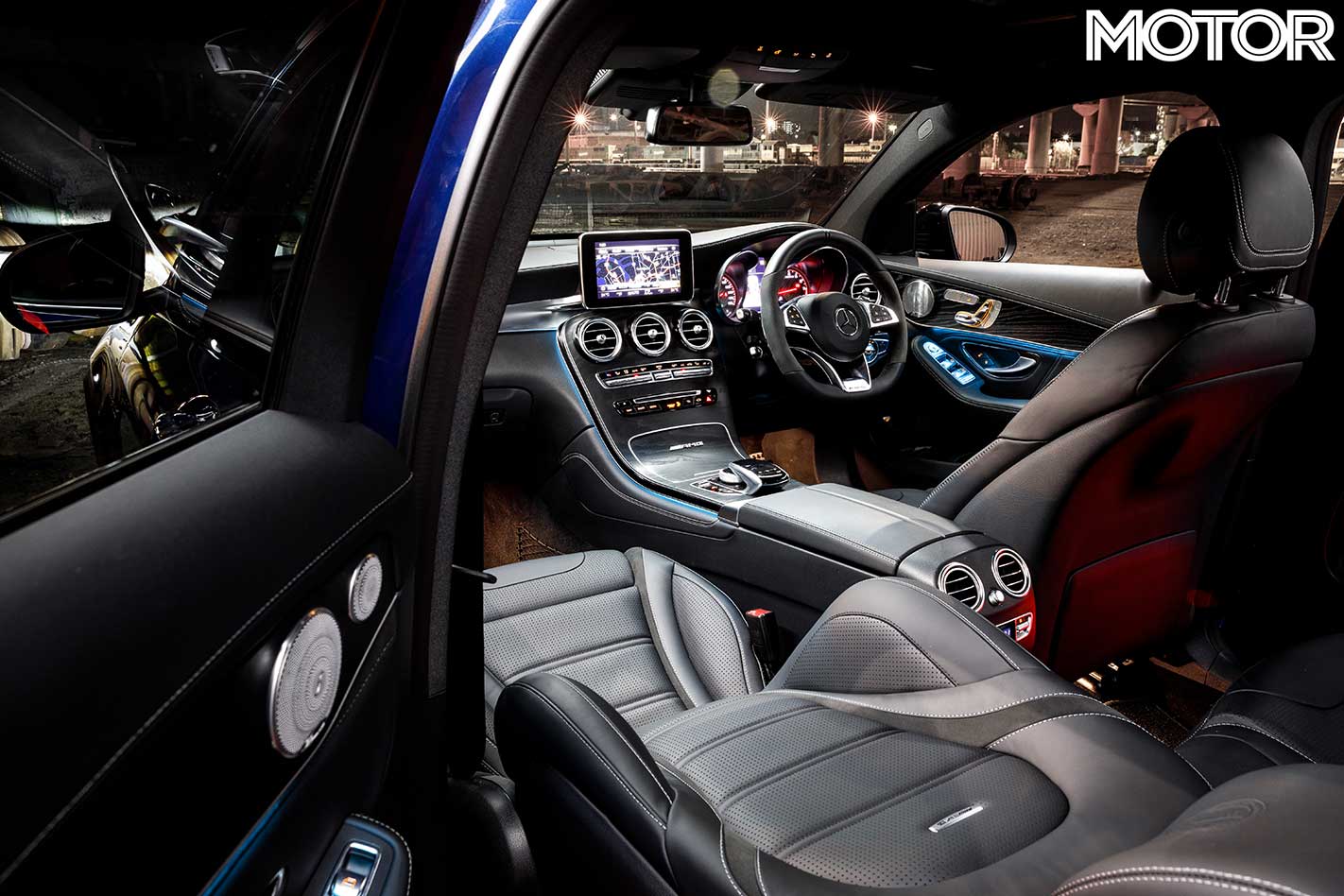
At $164,900 for the wagon and $171,900 for the Coupe, the GLC63 is expensive when you consider a Macan Turbo is $133,500 similarly powerful Jaguar F-Pace SVR will be $140,020.
That said, the options lists on both those cars tend to be expensive, whereas Mercedes has loaded local GLCs to the hilt, including Nappa leather trim, AMG performance steering wheel and seats, digital TV, Panamericana grille, rear diffuser and splitter, performance exhaust, 21-inch wheels and the blacked-out AMG Night Package.
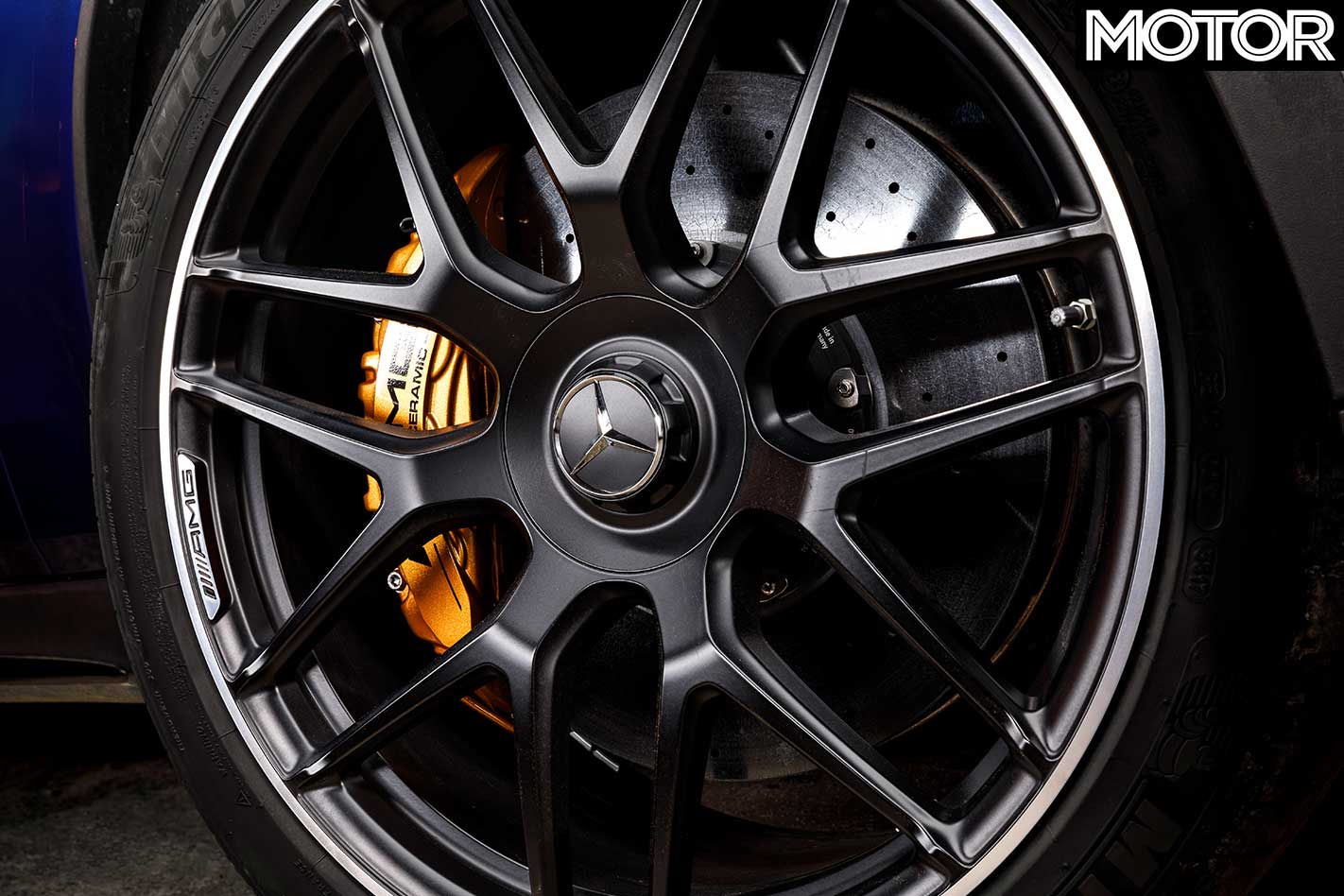
Options are limited to three different wheels (titanium grey $1200; black forged $1700), carbon packs for the interior ($1490) and exterior ($4500) and carbon-ceramic brakes ($7500). Our test car had the latter and they are worth considering, partly because the stopper work extremely hard on a twisty road and partly because gold calipers look extremely cool.
The Mercedes-AMG GLC63 S is a surprise packet; it’s the closest we’ve come to sampling a truly engaging SUV. Given it’s solely focused on on-road performance, perhaps that’s not surprising, and whether it is good enough to best the likes of the new supercharged V8 Jaguar and ‘Ring record-setting Alfa Romeo Stelvio Q remains to be seen.
What’s certain is that based on this new AMG, the comparison test will be more entertaining that perhaps we initially expected. Everyone at MOTOR would still take a C63 S Estate every day of the week, however, for many buyers the GLC63’s greater comfort, rear space and all-weather performance ability will be the clincher.
Simply put, whether you want to transport your children or frighten them, AMG’s new SUV has you covered.
The Strip
| Performance times | |
| 0-100km/h | 3.92sec |
| 0-150km/h | 7.58sec |
| 0-200km/h | 13.63sec |
| 0-400m | 12.05sec @ 189.6km/h |
| 80-120km/h (Drive) | 2.27sec |
| 100-0km/h | 35.45m |
| Speed in gears | |
| 1st | 56km/h @ 7000rpm |
| 2nd | 92km/h @ 7000rpm |
| 3rd | 133km/h @ 7000rpm |
| 4th | 182km/h @ 7000rpm |
| 5th | 247km/h @ 7000rpm |
| 6th | 270km/h @ 6330rpm* |
| 7th | 270km/h @ 5450rpm* |
| 8th | 270km/h @ 4550rpm* |
| 9th | 270km/h @ 3800rpm* |
Heathcote Dragway, 13˚C, dry Driver: Scott Newman *Manufacturer’s claim
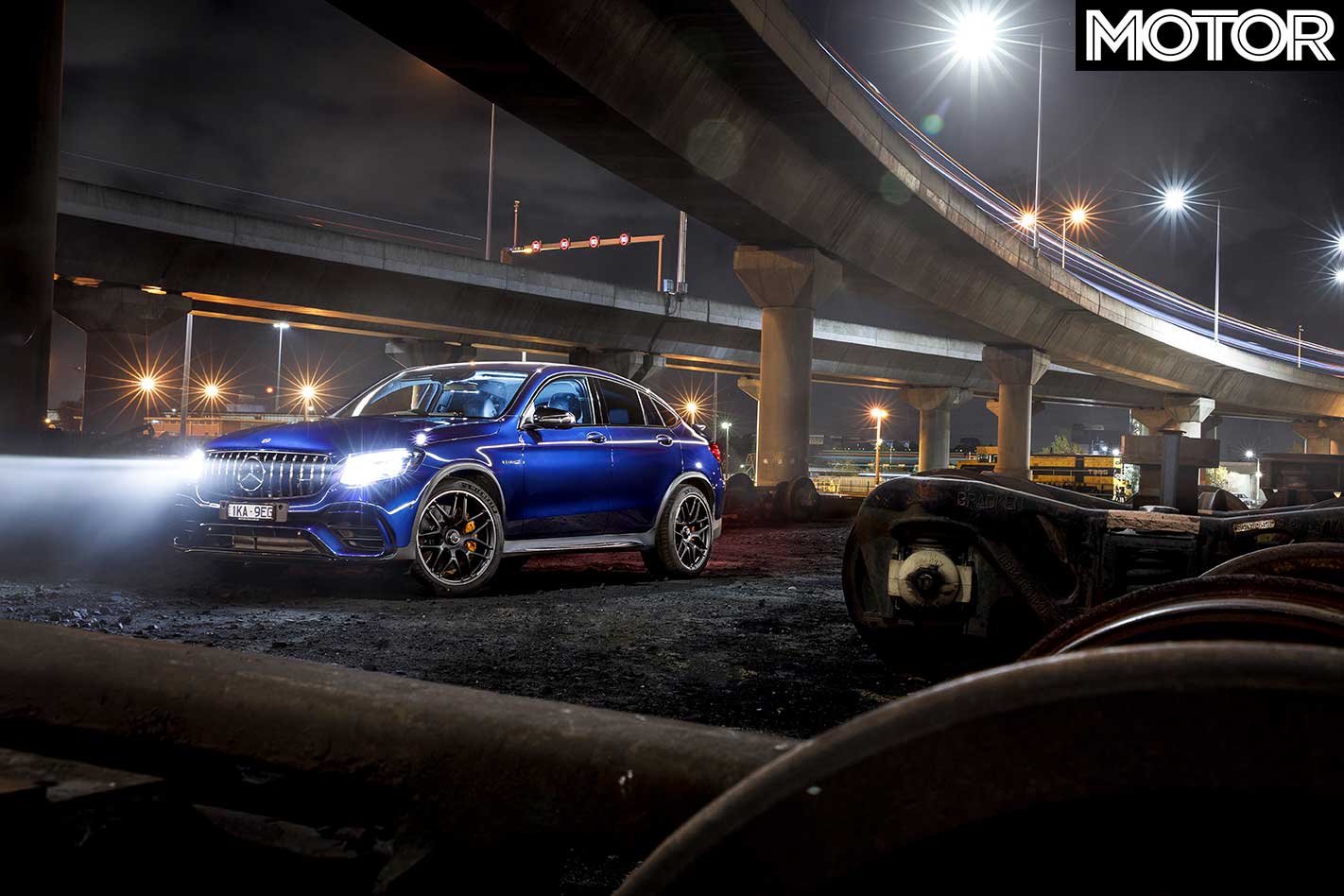
FAST FACTS 2018 Mercedes-AMG GLC63 S Coupe
BODY: 5-door, 5-seat hatch DRIVE: all-wheel ENGINE: 3982cc V8, DOHC, 32v, twin-turbo POWER: 375kW @ 5500-6250rpm TORQUE: 700Nm @ 1750-4500rpm BORE/STROKE: 83.0mm x 92.0mm COMPRESSION RATIO: 10.5:1 WEIGHT: 1945kg POWER-TO-WEIGHT: 193kW/tonne TRANSMISSION: 9-speed wet-clutch auto SUSPENSION: multi-links, air springs, anti-roll bar (f/r) L/W/H: 4745/1930/1585mm WHEELBASE: 2873mm STEERING: electrically-assisted rack-and-pinion BRAKES: 402mm ventilated/drilled carbon-cermaic discs, 6-piston calipers (f); 360mm ventilated/drilled discs, single-piston calipers (r) WHEELS: 21.0 x 9.5-inch (f); 21 x 10-inch (r) TYRES: Michelin Pilot Sport 4S; 265/40 ZR21 (f); 295/35 ZR21 (r) PRICE: $164,900 (wagon); $171,900 (coupe)
LIKE: Performance; surprisingly engaging; standard kit DISLIKE: Pricey; thirsty; slight loss of steering precision
RATING: 4 out of 5 stars
DANIEL RICCIARDO finished the Hungarian Grand Prix in fourth place after carving his way through the field, and surviving contact on the penultimate lap.
While the Honey Badger finished just off the rostrum, it was points leader Lewis Hamilton who controlled the race from pole to claim victory.
The Aussie was forced to start the grand prix from the sixth row after falling foul of yellow flags in a wet qualifying session, falling as low as 16th during the early laps of the race.
Ricciardo’s reputation as the best braker on the grid shone through, with the Red Bull Racing driver putting on an overtaking clinic at a track often rated as the second-hardest to pass on behind Monaco.
All of the hard work almost came undone when Ricciardo attempted to pass Mercedes-AMG’s Valtteri Bottas for fourth place during the dying laps.
Bottas understeered into the side of Ricciardo’s car at the first turn, sending carbonfibre flying into the air.
Ricciardo was able to secure the place with a brave late-braking move on the final lap of the race.
The Finnish driver was nursing an injured car after clashing with second-place finisher Sebastian Vettel just a handful of laps prior.
Mercedes-AMG’s duo of Hamilton and Bottas were running in first and second for the final portion of the race, after a bungled pit-stop dropped Vettel into third – the German had been running in second for most of the race until that point.
Despite having fresher, and softer, tyres, Vettel struggled to pass Bottas for 25 laps. When the Ferrari driver finally made his move at turn two, the Bottas misjudged his braking, clattering the rear of Vettel’s car.
The collision elevated Vettel into second place, and Kimi Raikkonen to third, with Bottas finishing the race in fifth.
Early in the race Red Bull Racing fans had their hopes pinned to Max Verstappen, who was running in fifth, until his Renault engine gave up the ghost, prompting a fluffy of expletives from the young Dutch driver.
Pierre Gasly finished sixth, while Kevin Magnussen, Fernando Alonso, Carlos Sainz, and Romain Grosjean rounded out the top 10. Kiwi Brendon Hartley was 11th.
Hamilton’s win was set up nicely on Saturday, when he secured pole position with a brave lap in a soaking qualifying session.
Mercedes-AMG locked out the front row for Sunday, despite the Ferrari duo (who started third and fourth), being considered the race favourites following the three practice sessions.
It was a weekend to forget for Force India, with the 13th- and 14th-place finishes of Esteban Ocon and Sergio Perez overshadowed by news the team was going into administration following money woes.
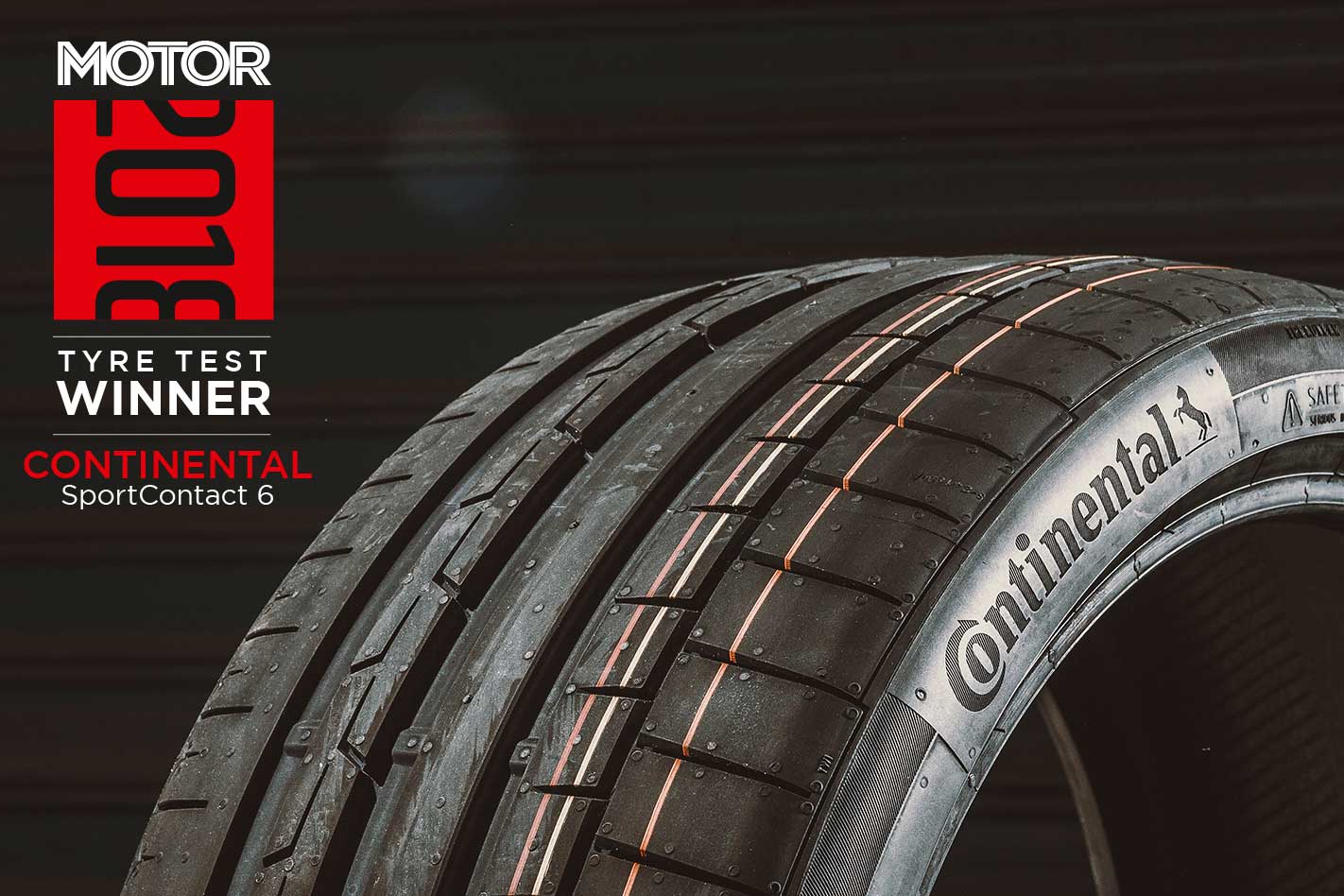
So how has MOTOR’s 2018 Tyre Test panned out? Like previous years we’ve decided our champion as simply as possible. Each tyre’s placing contributes towards a total score. The tyre with the lowest score wins.
It was a two-horse race between Continental and Dunlop until the wet tests exposed a chink in the latter’s armour, but there’s been plenty else happening down the order. The Kumho, Pirelli, and Falken’s collective scores were closer bunched; however, they specialised at different things.
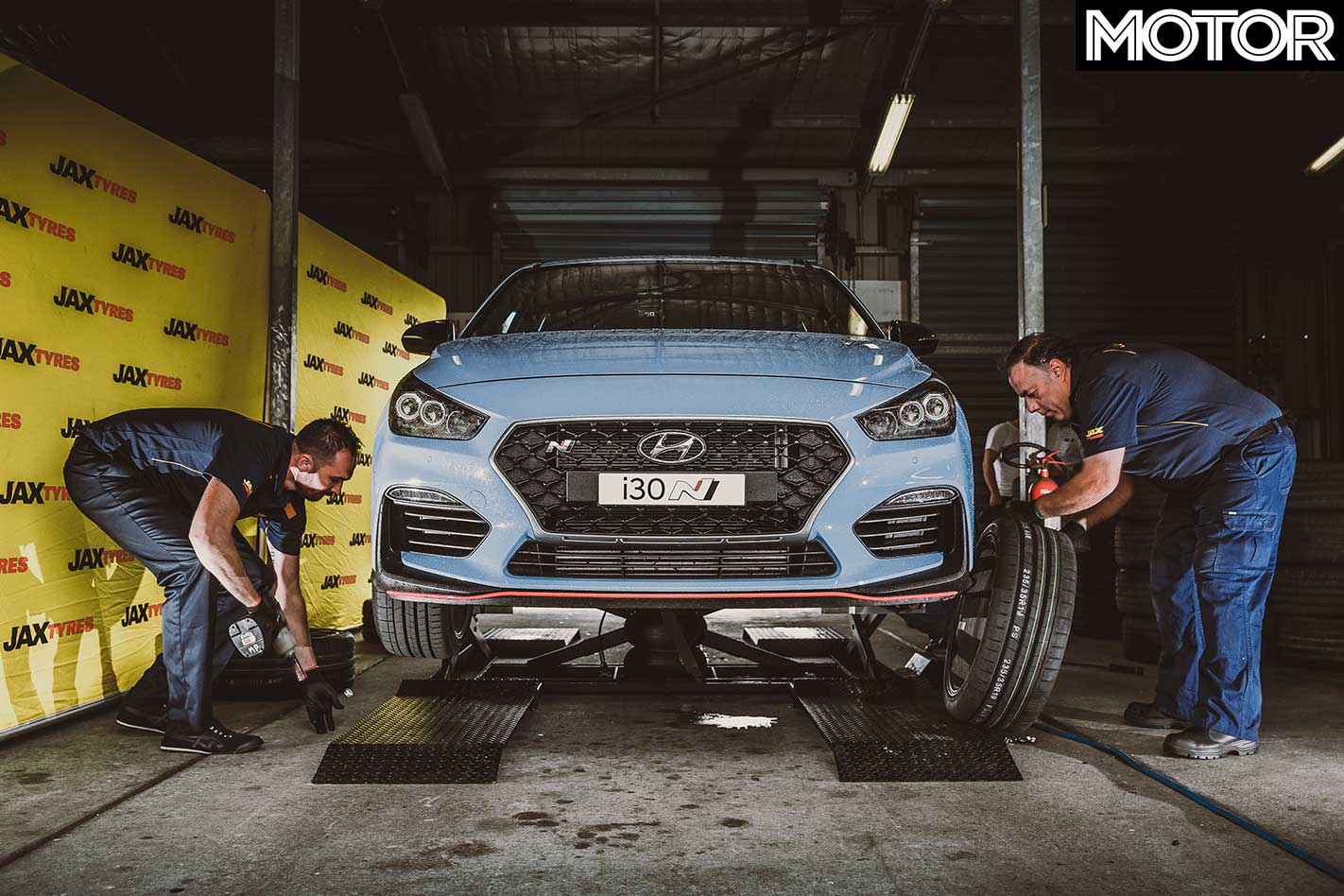
If you want consistency, though, then pick the Pirelli P Zero. Luffy said early on, “it does everything you want it to,” and while it didn’t top any discipline, its four fourths highlight that.
Goodyear’s Eagle F1 started strong in the slalom, but seems to have developed hydrophobia compared to predecessors. The old Eagle F1 Asymmetric 2 once dominated the wet weather tests.
Even so, the gap between the Goodyear and the HiFly is the order’s largest, suggesting from here on you’re trading performance for price. The only highlight in the bottom five was the Achilles’ motorkhana run, where it placed ahead of the Goodyear and Falken.
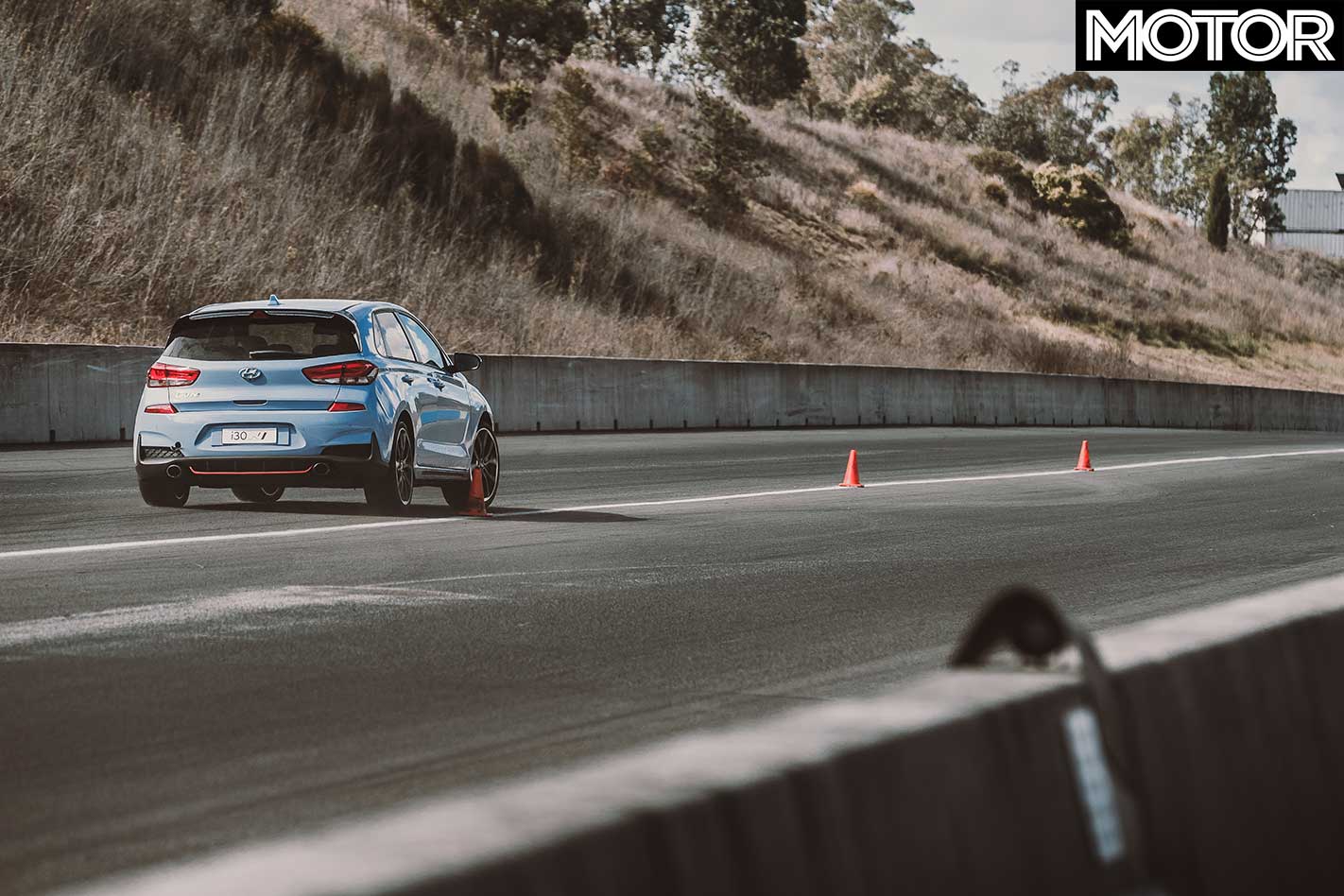
On equal placing to the Achilles is the Nitto. It didn’t excel anywhere. Like the Laufenn it’s claimed to prioritise comfort and noise levels over outright performance, but that’s a bit like bringing a pea-shooter to a gun-fight.
Joining it in last place is the Nexen N’Fera SU1. It didn’t flounder in the wet, but its dry results shows it’s no performance king. That title goes to the Continental SportContact 6.
MOTOR Tyre Test 2018 Results
| u00a0 | Final Ranking | Slalom | Dry Braking | Motorkhana | Wet Braking | Wet Lateral G | Overall Points | Price |
| 1st | Continental SportContact 6 | 2 | 1 | 2 | 1 | 1 | 7 | $369 |
| 2nd | Dunlop Sportmaxx RT | 1 | 2 | 1 | 5 | 3 | 12 | $316 |
| 3rd | Kumho Ecsta PS91 | 6 | 3 | 3 | 2 | 5 | 19 | $290 |
| 4th | Pirelli P Zero | 5 | 4 | 4 | 4 | 4 | 21 | $361 |
| 5th | Falken Azenis FK510 | 4 | 6 | 7 | 3 | 2 | 22 | $289 |
| 6th | Goodyear Eagle F1 Asymmetric 3 | 3 | 5 | 6 | 9 | 6 | 29 | $418 |
| 7th | HiFly HF805 Challenger DSRT | 11 | 9 | 9 | 6 | 7 | 42 | $134 |
| =8th | Nitto Invo | 10 | 7 | 10 | 8 | 9 | 44 | $304 |
| =8th | Achilles ATR Sport 2 | 7 | 11 | 5 | 11 | 10 | 44 | $134 |
| =10th | Laufenn S Fit EQ | 8 | 8 | 8 | 10 | 11 | 45 | $213 |
| =10th | Nexen Nu2019Fera SU1 | 9 | 10 | 11 | 7 | 8 | 45 | $195 |
As far back as I can remember, the EVO has always been a razor-sharp, hard-edged beast that could shake your eyeballs loose on the wrong stretch of road.
This review was originally published in MOTOR’s March 2004 issue
Sure, it’s a great piece of kit on a race track, but the first sign of a pothole and the suspension ran for cover. Some of them have been considerably harder than others, of course, most notably the particularly brutal EVO VI.
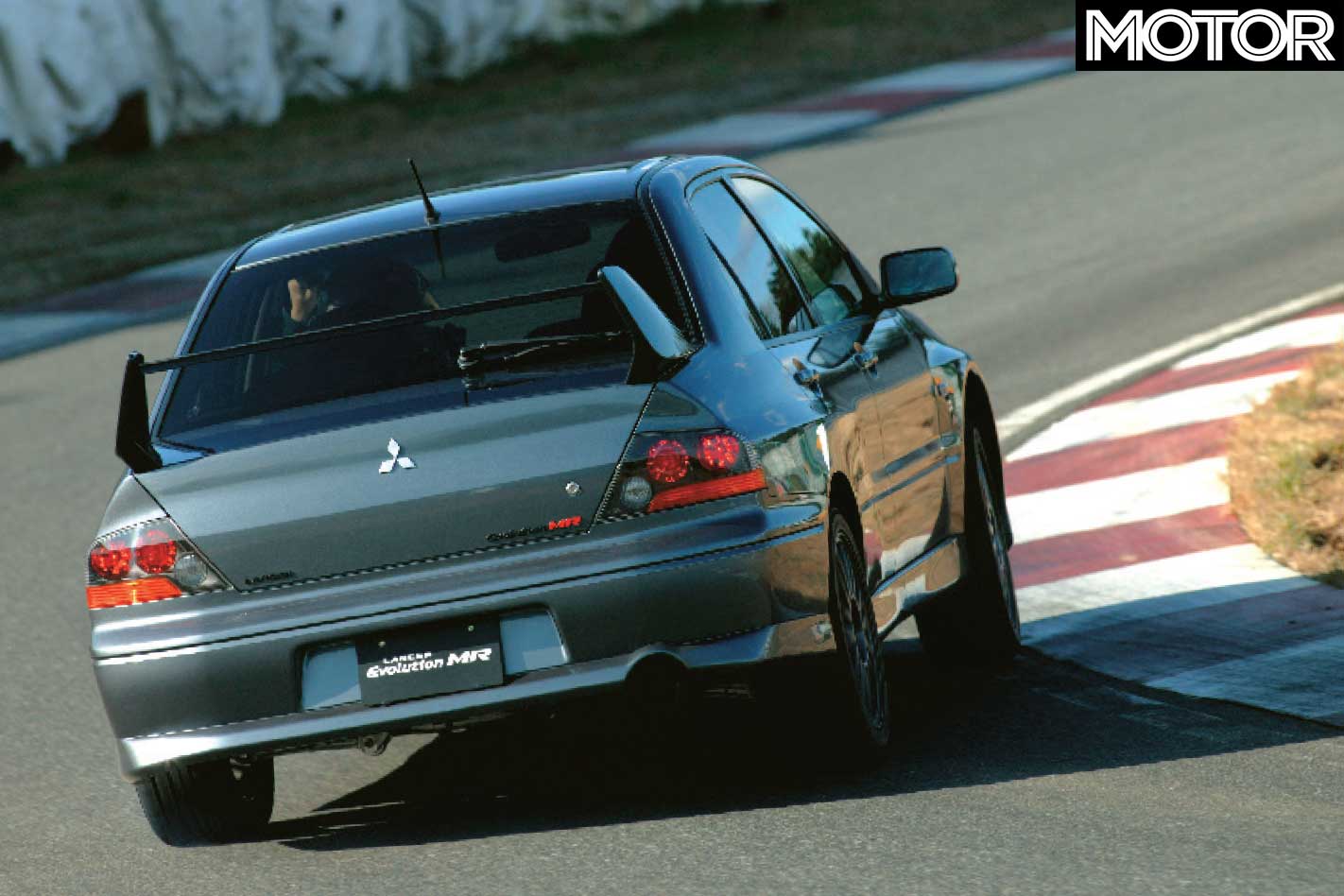
On the surface, the MR looks pretty much identical to the current EVO VIII apart from a revised front spoiler and some lightweight BBS wheels.
Underneath that macho body, however, the EVO has been modified to the extent that you could almost call it an EVO IX. Except that Mitsubishi’s already got EVO IX pencilled in for something else…
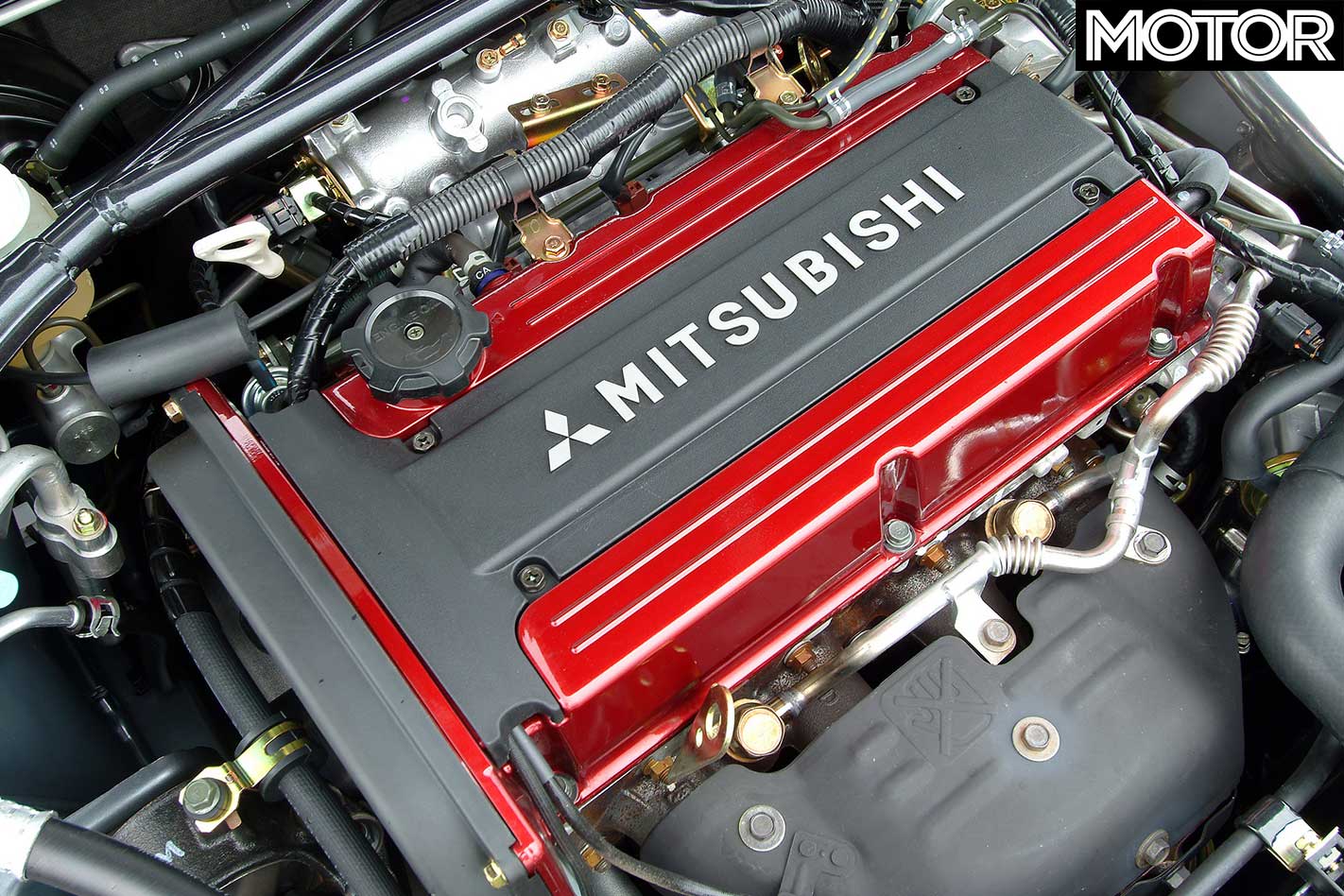
In reply to the market’s request for meatier mid-range and top-end torque, engineers tinkered with turbine and camshaft geometry to boost torque from 392Nm to 400Nm at 3500rpm. The upgrade in torque is welcome as the tacho spins hungrily all the way up to the 7000rpm redline, with huge gushes of grunt on line anywhere above 5000.
Maximum power remains unchanged at 206kW at 6500rpm, or so they say. EVOs have commonly had significantly more power than Mitsubishi has claimed (especially on Japanese-spec fuel), and very few EVO VIs ever left the shop without 225kW or so lurking next to the gearbox.
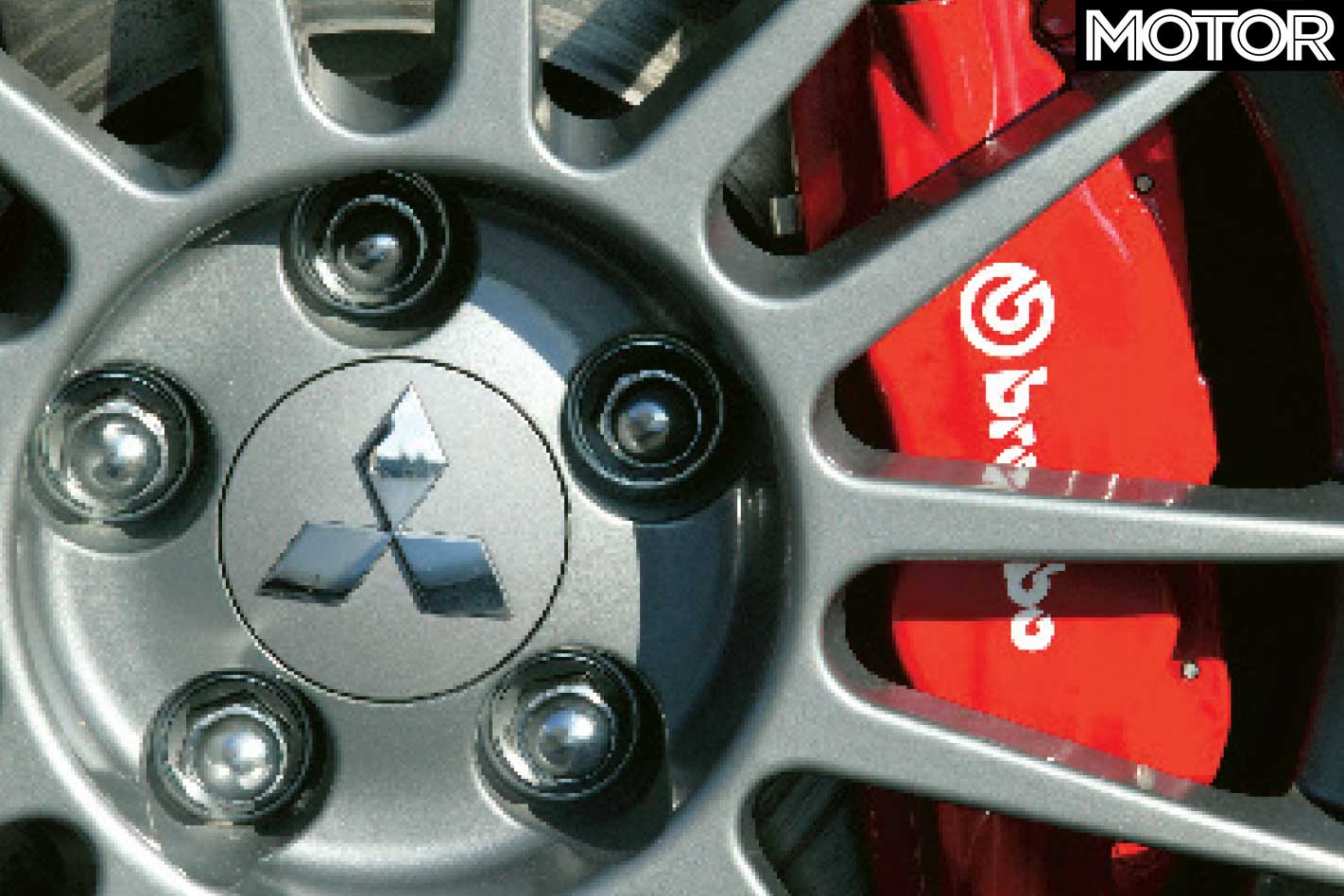
Other modifications to the MR include the incorporation of an aluminium roof and lighter BBS rims which give the combined benefits of a 20kg weight reduction and a lowering of the car’s centre of gravity.
But by far the most crucial revision to the MR is the employment of Bilstein dampers on all four corners. First impressions? If you closed your eyes on a public road, you’d think you were driving a far more luxurious car, a sedan that actually absorbed some of the road’s imperfections!
Certainly not an EVO. Instead of the loud crack and tail-induced pitch over sharp bumps, the thing now cruises along with a fair bit of compliance. It’s even quieter.
On a track, the results are even more startling. At a circuit 200km north of Tokyo, we had a brief chance to put this pre-production prototype through its paces. The bump and rebound capacity of the Bilsteins is phenomenal and just what the doctor ordered.
Hit an apex-lurking ripple strip at speed and the shock absorbers will compress once, expand once and then level out instantly with no bump steer and minimal body roll. Besides feeling a fair bit better, it also provides improved levels of grip, especially at the front, and quicker exits.
Akihiko Nakaya, well known racer for the Puma Evolution Racing Team in Japan’s Super Endurance Series, and probably the fastest EVO driver in Japan, hints at just how good this car is: “I reckon the modifications make the MR not only a better car to drive on normal roads, but also faster around a race track.”
Time constraints meant lap times could not be taken on the day, but initial impressions very much concur with Nakaya’s comments on the car.
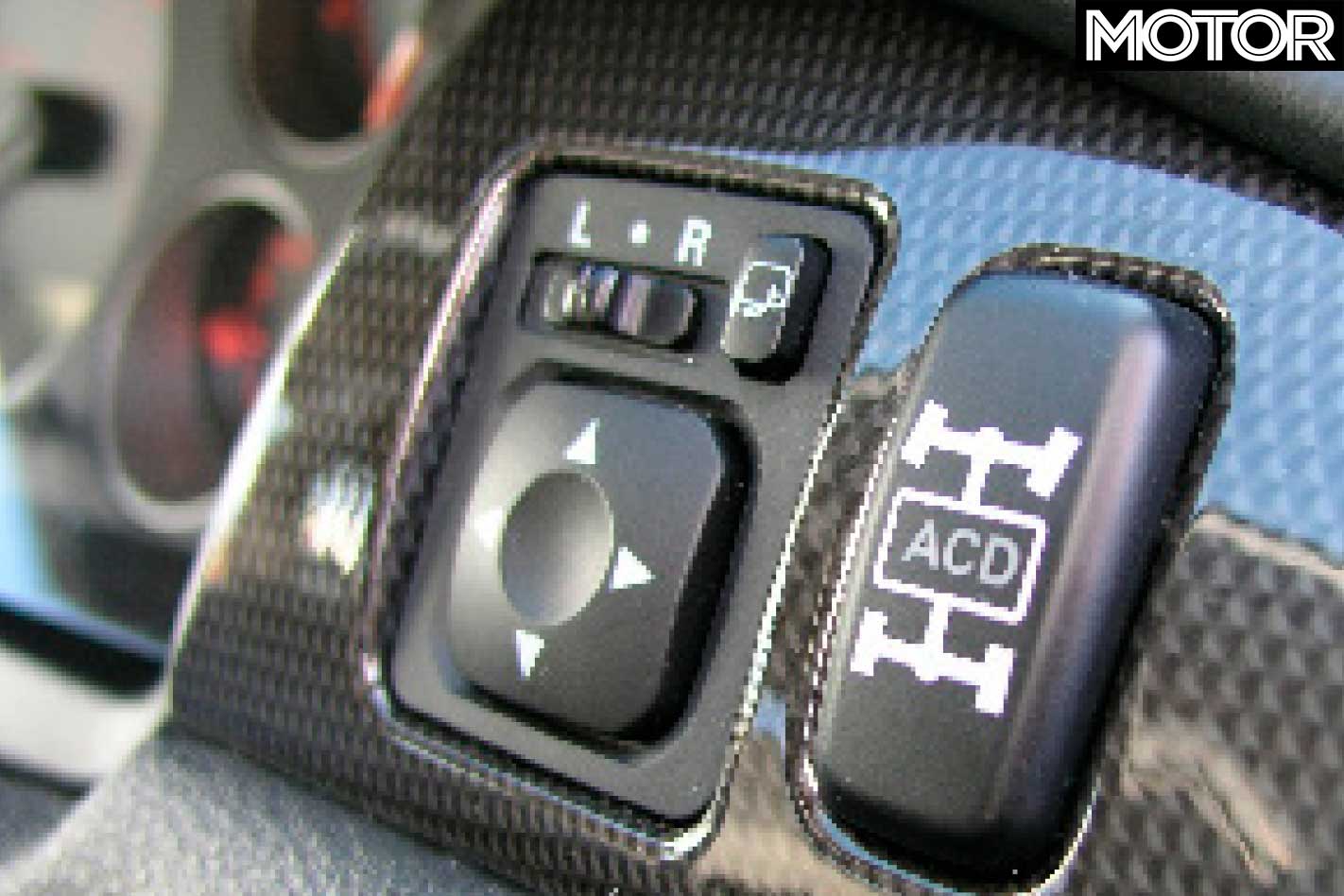
To further improve cornering performance, Mitsubishi has also modified the all-wheel drive system, active centre diff, yaw control and ABS unit. The MR’s AYC has been specially tuned to now cut in even when engaging the ABS under heavy braking in corners, thus improving cornering grip and speed.
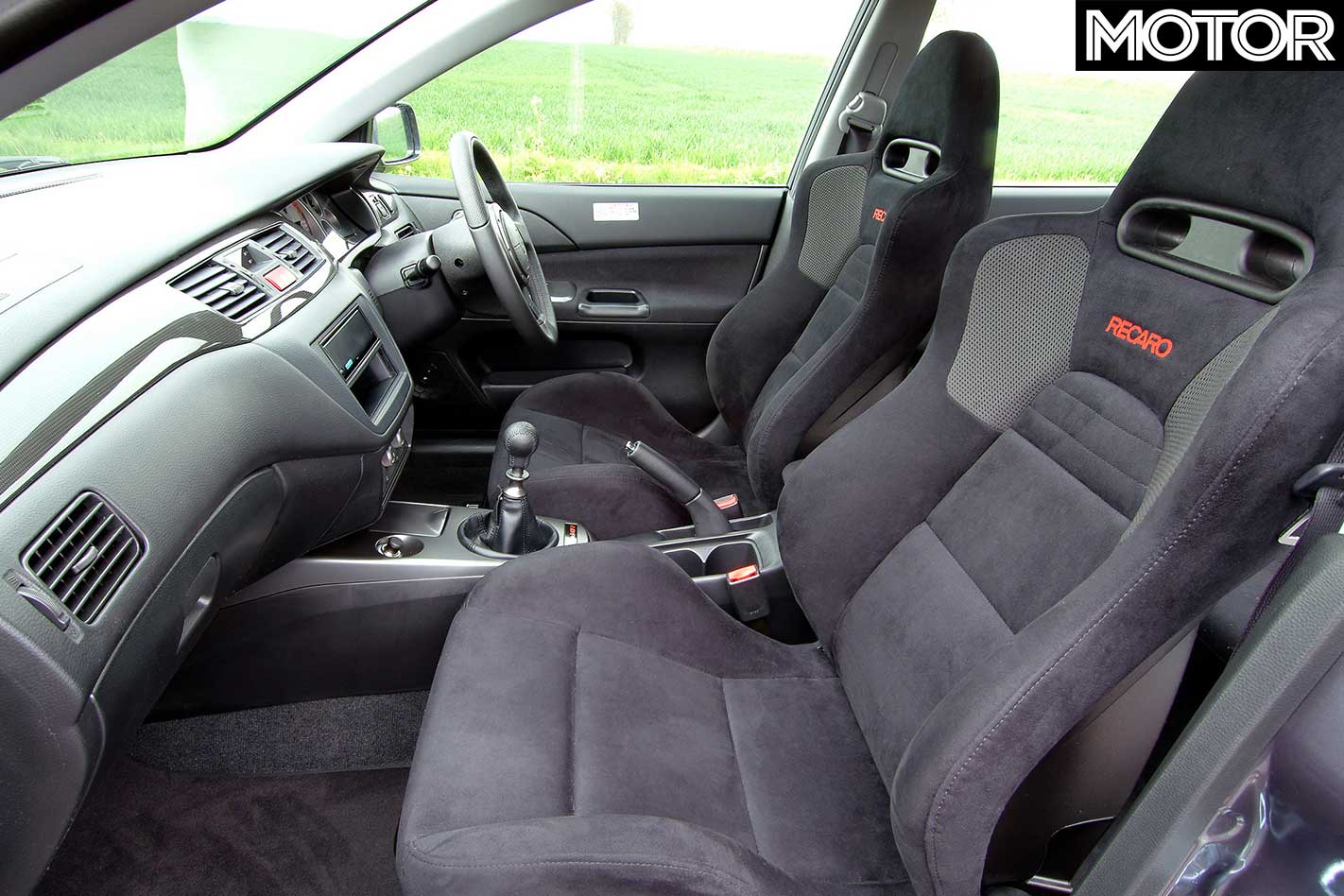
Inside, luxury levels have been raised slightly with a carbon fibre-style dash finish and leather-bound gearknob, special MR logo on the console behind the gearstick and a contoured Momo wheel. Put the whole package together and you’ve got one mighty fine example of the ultimate track machine. Only this time you can drive it to work, too.
FAST FACTS 2004 Mitsubishi Lancer Evolution VIII MR Engine: 2.0-litre DOHC 16-valve inline four, turbo Power: 206kW Weight: 1430kg Drive: all-wheel Price: N/A
