
An internal investigation at Nissan has uncovered falsified data from vehicle exhaust emissions tests at many of its Japanese plants.
The manufacturer claimed that emissions and fuel economy tests had “deviated from the prescribed testing environment” but wouldn’t disclose how many cars had been affected, adding that final reports had been “based on altered measurement values”.
Nissan stated that it had re-verified “reliable log data” and confirmed that all vehicles except the GT-R sports car conformed to Japanese standards for emissions and fuel economy.
While it is still unclear as to why the GT-R has yet to get the all-clear from Nissan, the company has promised a “full and comprehensive investigation” into the issue which was discovered during what it describes as “comprehensive compliance checks”.
These reviews stemmed from a previous rule infraction where it was demonstrated that Nissan had, in September 2017, used unauthorised technicians to undertake final inspection checks on domestic market cars, prompting a lengthy recall of cars from the previous three years.
Wheels contacted Nissan’s local importers for clarification on how this could have affected Australian customers. A company spokesperson confirmed that ”we are still working to clarify if there is any impact outside of Japan”.
It probably hasn’t escaped your attention, but track-only hypercars have become a bit of a thing.
Should you have a million dollars or two tucked down the back of the sofa, you could put that to good use by sourcing a Brabham BT62, a Ferrari FXX K, an Aston Martin Vulcan, or a McLaren P1 GTR.
Get even more niche and you can track down any number of limited-run unobtainium exotics that can never and will never wear number plates. Or you could just demolish the lot of them with a three-seater F1 car, like this Arrows AX3.
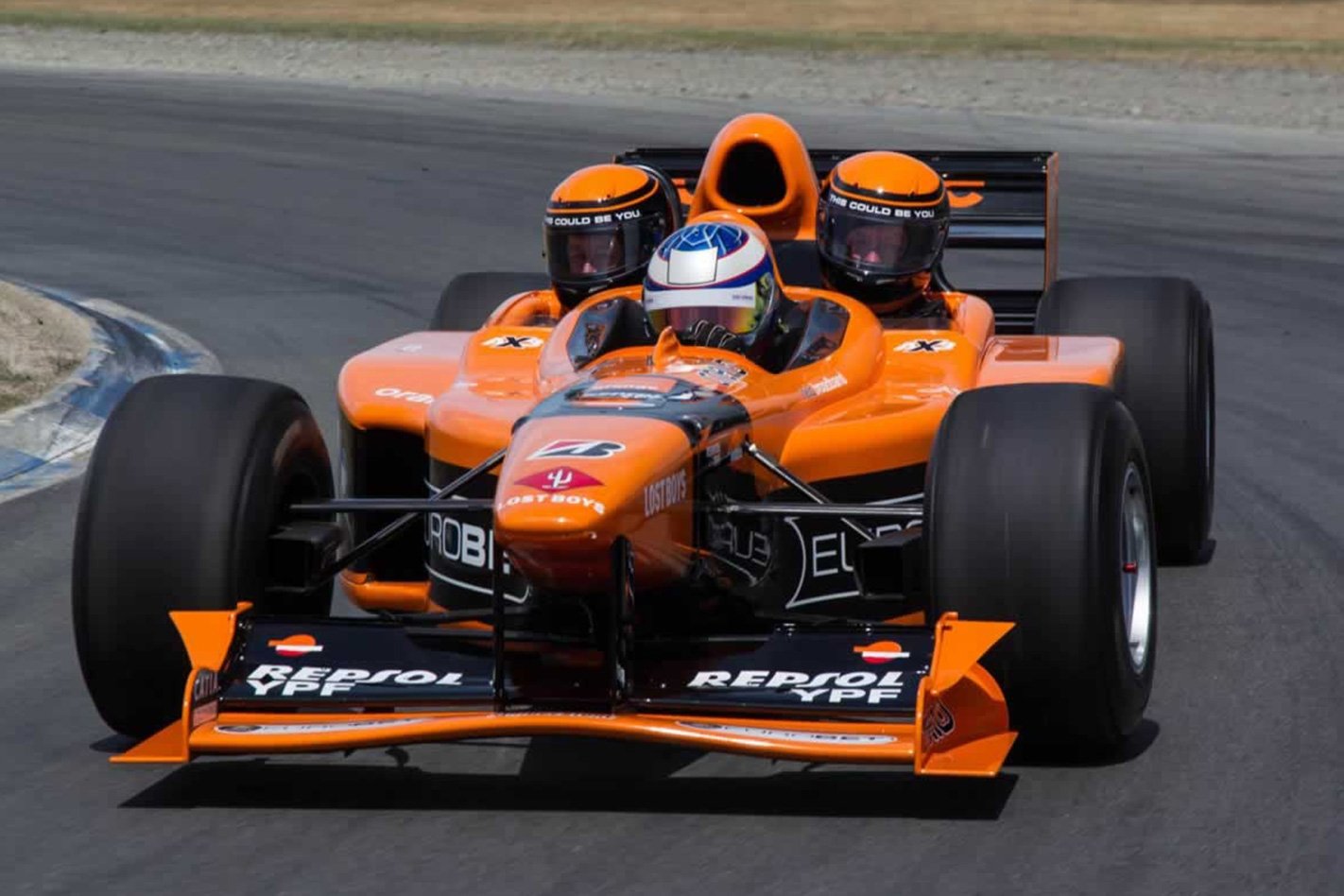
Racecars Direct is just selling a pair of these 2001 model year Arrows V10s which will run you a bargain €595,000 for the duo, or roughly what a brand-spankers Lamborghini Aventador S would cost you in Australia.
The cars were built by the Arrows F1 team back in 2001 for demonstration and promotional events, supporting their driver line up of Jos ‘The Boss’ Verstappen and Enrico ‘Not The Boss’ Bernoldi.
Don’t let the fact that the team finished the 2001 season with just one point, scored by Verstappen at the Austrian Grand Prix, lull you into thinking the car is a bit of a slug. The three-seater cars don’t get the 3.0-litre Asiatech V10 units that powered Jos to that glorious sixth place, instead being fitted with Hart V10s of 1998/1999 vintage that are nevertheless good for 537kW.

Being a normally-aspirated V10, it’ll rev to 15,000 rpm at which point your ears will be bleeding and you’ll be staggering around like a shellshocked sapper from the Somme. With the current aero and gearing package, top speed is pegged at 330km/h.
The passenger compartment doesn’t look the last word in luxury, positioning the passengers just behind and outboard of the driver with that V10 right behind your head. Should you blow your V10 engine to smithereens in your first enthusiastic downchange for a hairpin, it’s good to know that the price also includes a zero mile unit as a spare. Come to think of it, we’d probably find a way to lever that one into the front of a Toyota 86.
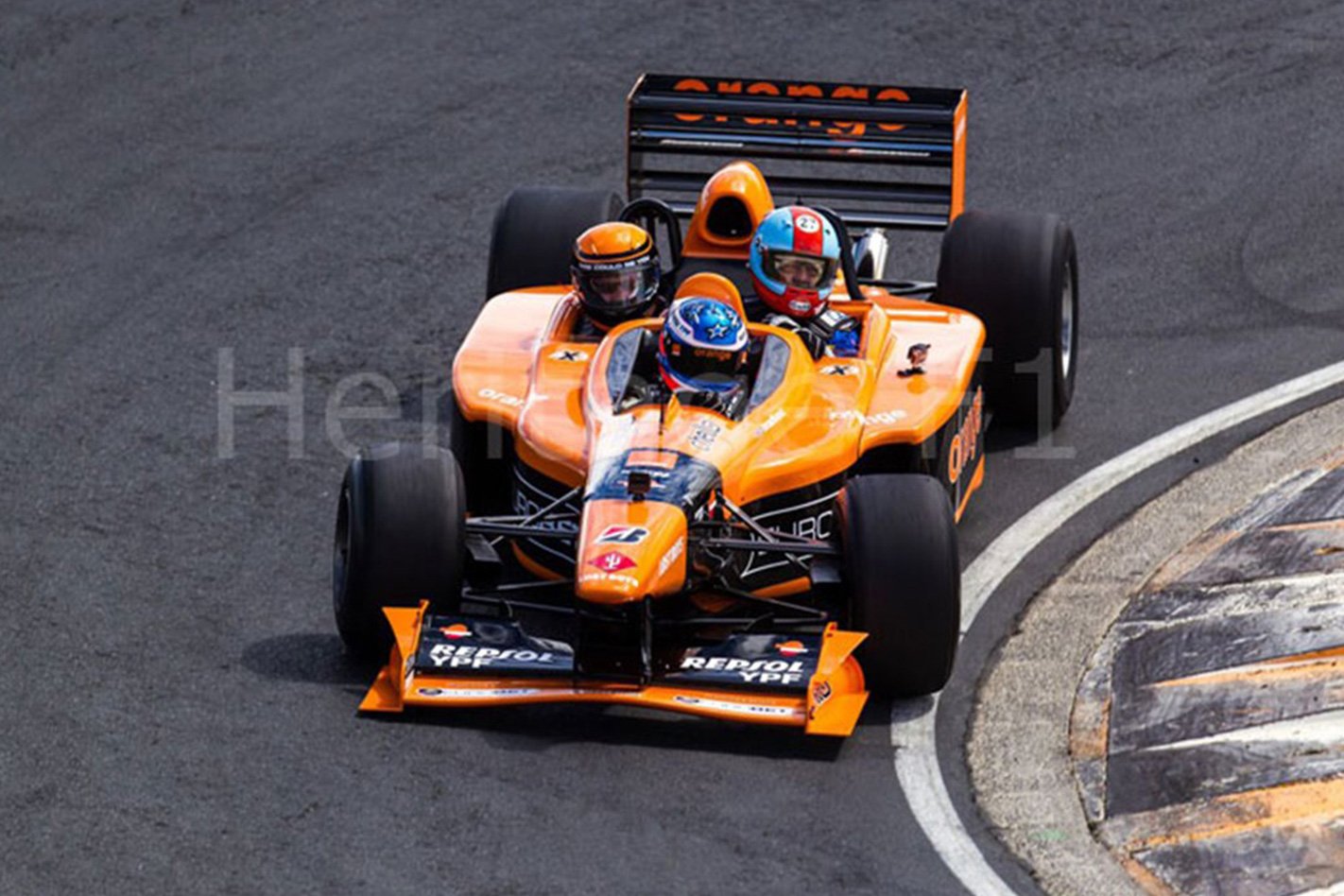
Also thrown in are a set of custom exhaust silencers (for tracks with noise limits), as well a collection of spares and specialist tools. The engines fitted to the two cars have less than 180 miles on them and have been recently rebuilt. What are you waiting for? The outright lap record at The Bend is there for the taking.
Holden is putting its money where its mouth is, literally.
The company is offering Aussie customers a $500 gift card if they test-drive a Holden product, but end up buying a rival’s car.
It’s part of a new promotion called the “Test Drive Challenge”, which encourages private customers to try a Holden for themselves.
For example, if a private buyer is in the market for a dual-cab ute, and test-drives a Holden Colorado, but ends up buying a Ford Ranger or Toyota Hilux, Holden is offering them a $500 gift card by August 31.
To claim the rebate, the customer must fill out a form at Holden.com.au.
“It’s a bold move but one we do with confidence,” Kristian Aquilina, Holden’s Marketing Director, said of the challenge.
“We know this is the best range of cars we’ve offered and in terms of safety, technology, customer service, value and that famous Holden driving spirit, we can’t be beaten.
“Holden is evolving, no question. The new vehicle line-up is fantastic and we challenge new car buyers to experience how good they are and form their own opinion. We’re so confident in them, we’re willing to put $500 down if they go on to buy something else.”
In order to be eligible for the $500 the customer must buy a vehicle from the same vehicle class as the Holden they test-drove.
It’s been a mere four years since Mercedes-Benz revealed the GLC and GLE ranges of SUVs, and Stuttgart is now in the final phases of bringing us updated versions of its most popular midsized all-paw haulers.
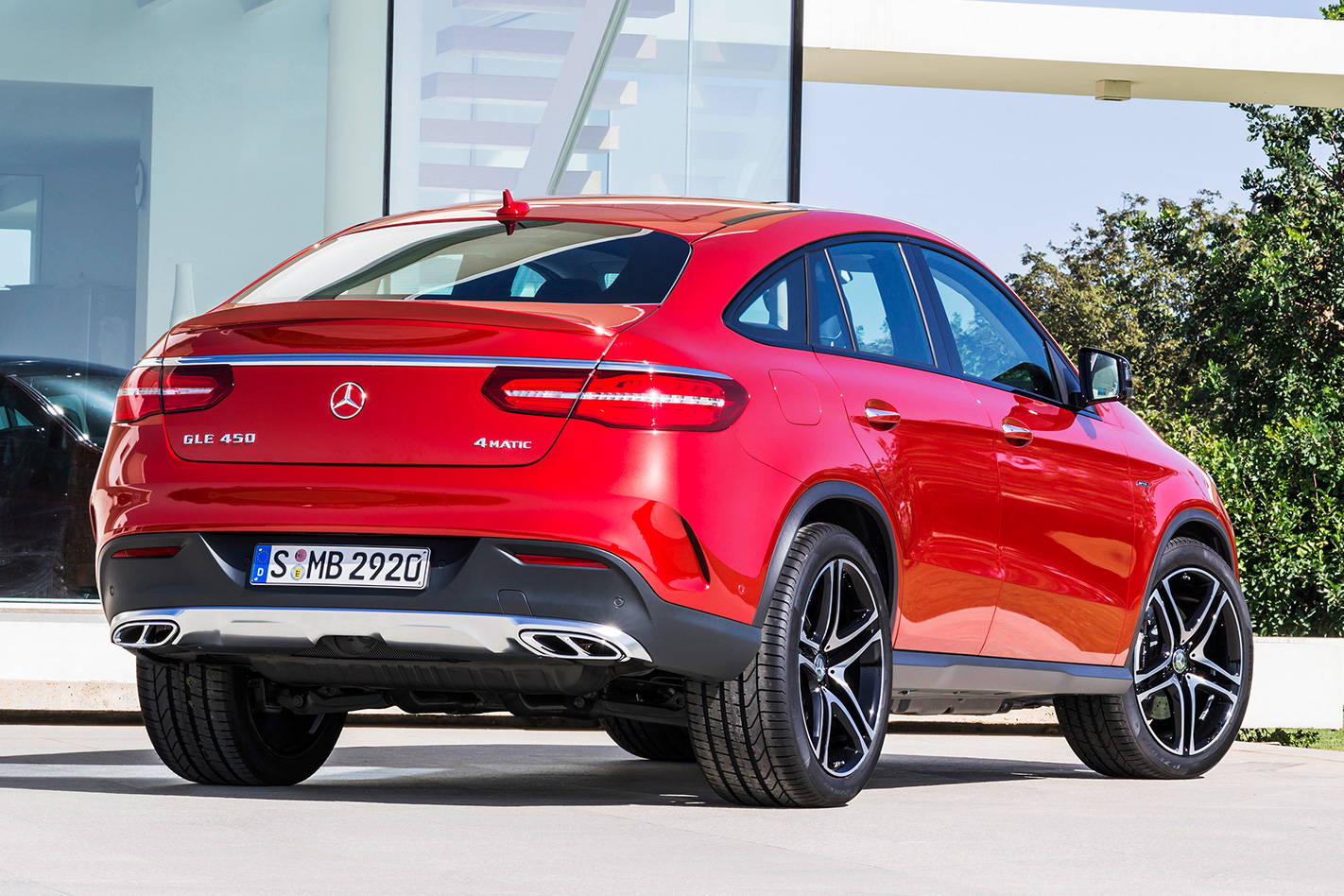
And it’s not just the usual midlife facelift of grille, lights and upholstery. In the case of the GLE, Benz is going a good deal further. The reason? The GLE might seem a mere three years old, but it’s worth remembering that it was effectively a facelift of the W166 M-Class, launched way back in 2011. Back in 2015, Mercedes also introduced the GLE Coupe alongside the wagon, offering a sharp-suited alternative to BMW’s X6.
The new W167 version of the GLE has been spied testing in the US and will ride on Mercedes’ Modular High Architecture (MHA) platform for SUVs, this chassis set to underpin the forthcoming GLC and GLS utility vehicles. The mechanical options shouldn’t come as any great surprise, with the volume models being powered by Mercedes’ latest inline four and six cylinder engines, although it remains to be seen whether the GLE 63 version will carry over the twin-turbo 4.0-litre V8 or migrate to a hybrid version of the M256 inline six. Both diesel and plug-in hybrid options are being developed although there’s no indication at present whether these will be offered in Australia. Expect a nine-speed automatic and all-wheel drive to be the default drivetrain configuration.
The cabin has come in for a rethink. Mercedes recently released sketches of the new GLE’s fascia and it hinges around the MBUX infotainment system with twin 12.3-inch digital displays integrated into one wide sweep across the dash. Benz’s interior design boss, Hartmut Sinkwitz, claimed that this provided a cleaner look, as opposed to the separate clocks and freestanding display screen seen in recent models.
“We wanted to integrate the panel more seamlessly. It provides a greater feeling of sturdiness,” said Sinkwitz. The infotainment functions are supported by a new multi-function steering wheel with no fewer than 18 controls, including a pair of touch-sensitive pads on the wheel’s spokes, as well as a bigger touchpad on the centre console that replaces the COMAND-era rotary dial.
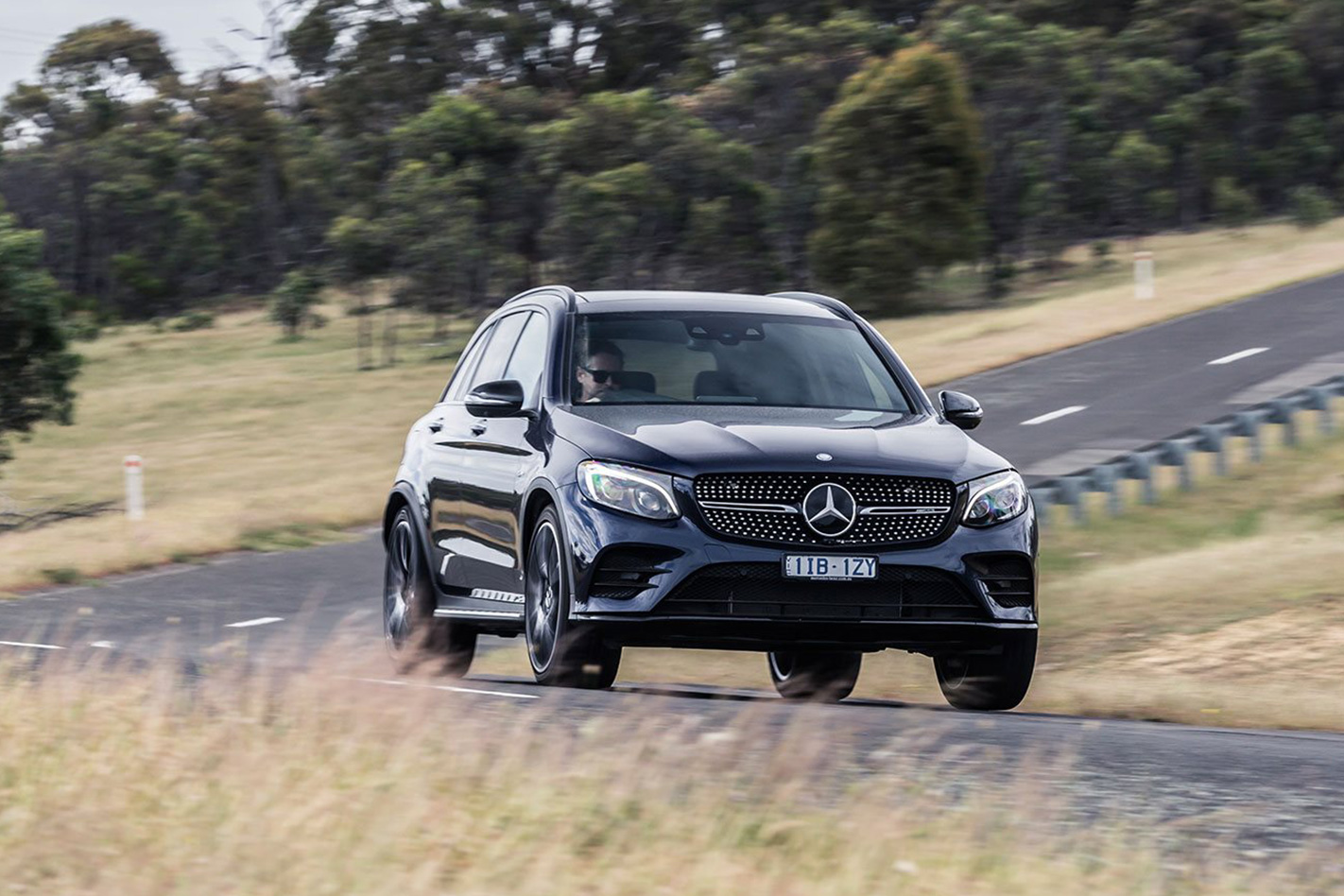
We’ll get to learn more about the GLE at the Paris motor show at the start of October, with deliveries set to arrive in Australia in Q2 2019. The reason we know so much about what the GLE’s control systems are going to look like? Well, we’ve seen them in the forthcoming GLC facelift. That will largely focus on delivering a cosmetic refresh, with a revised grille, lights and bumpers, but the cabin also includes the touch pad and a 10.25-inch free-standing central screen.
If you’ve laid down the coin for Kia’s new Stinger GT, you’re probably a pretty progressive, forward-thinking type. If you’re one of the five per cent of Stinger GT buyers who’s bought one in the company’s signature Sunshine Yellow, you’re probably somewhere fairly high on the extrovert curve. Unfortunately, we’ve got a bit of bad news…
Kia Australia has told MOTOR that there’s been a problem with the paint mix on the Sunshine Yellow hue, and it’s actually stopped selling the Stinger in that colour until it can be fixed. You can see for yourself if you check out the build-your-own Stinger page on Kia’s website.
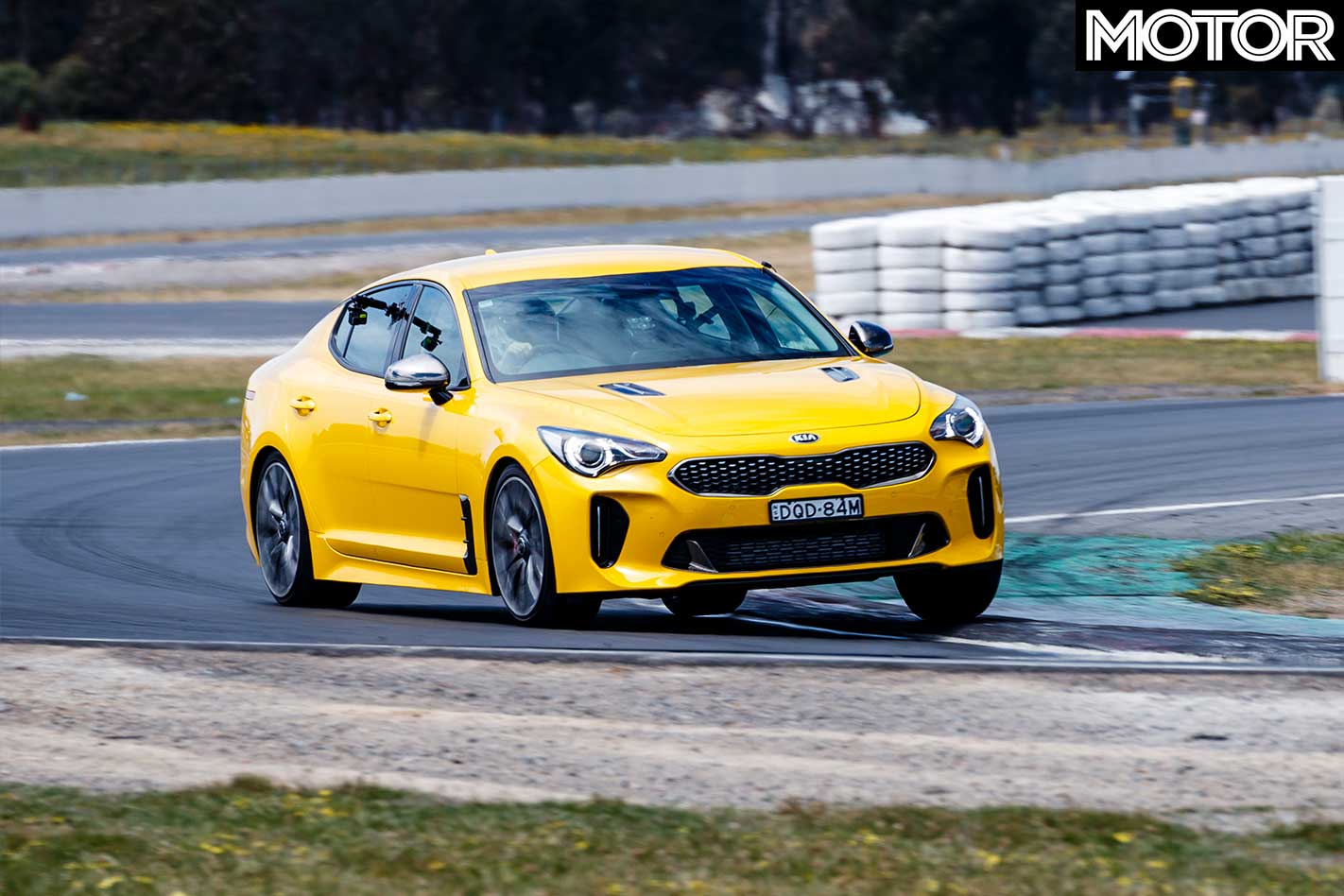
Kia officials were loath to throw anyone under a bus at this early stage, but it appears that it’s a global issue, and its being looked at very carefully by Kia’s research and development team.
However, it appears that the problem has been traced back to the supplier of the paint to Korea’s Ulsan manufacturing plant, where all Stingers are made.
“In essence, the supplier of the paint has had some technical issues,” our informant admitted. “The issue is around the paint’s adherence to primer – it’s causing the paint to easily chip off. All other colours have been tested and they’re okay.”
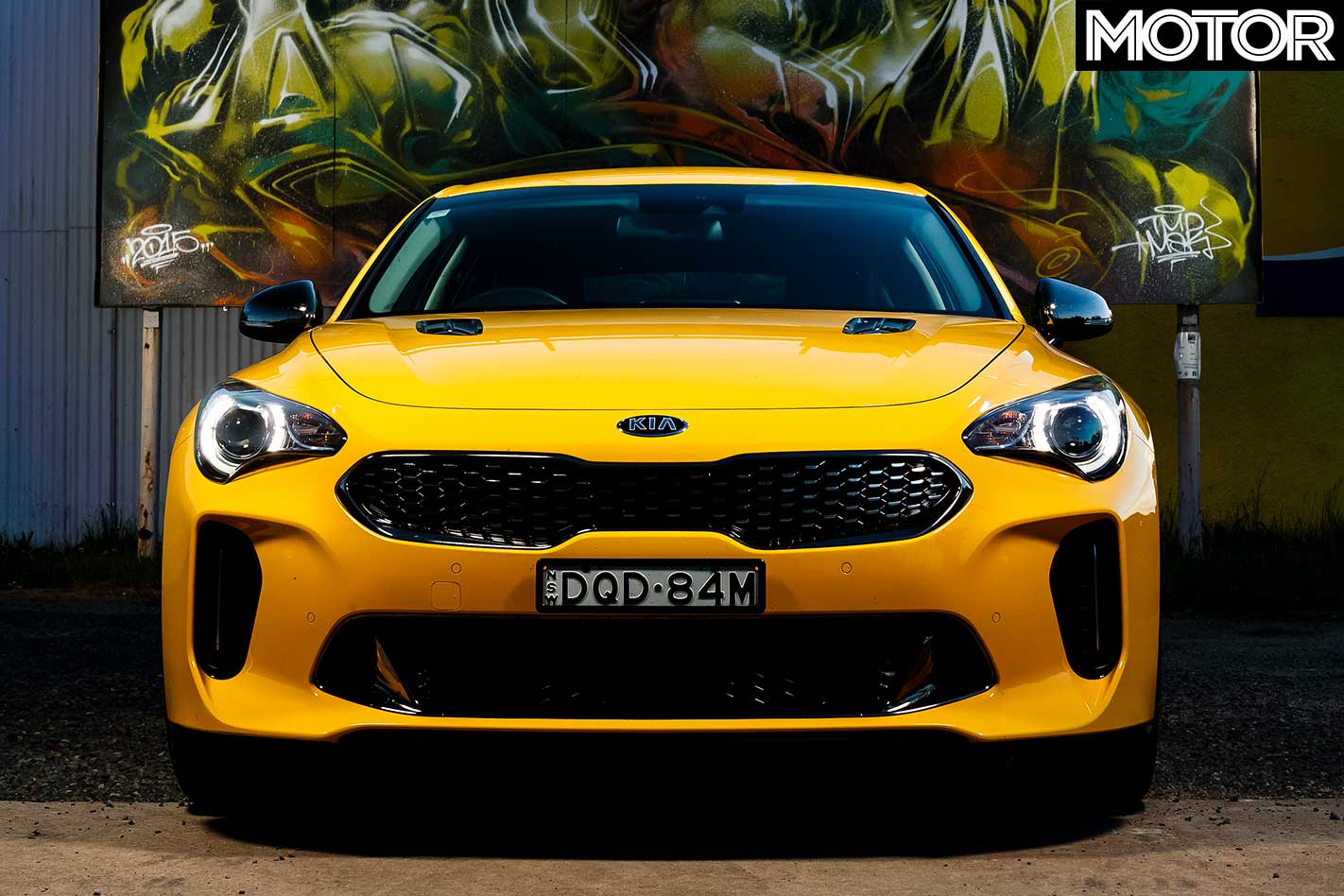
Kia Australia’s product planning manager Roland Rivero says that the company will look after people who have bought the yellow Stingers.
“We don’t want our customers disadvantaged,” he told MOTOR. “That’s a key element. If they want us to buy their car back or repaint it, we can.”
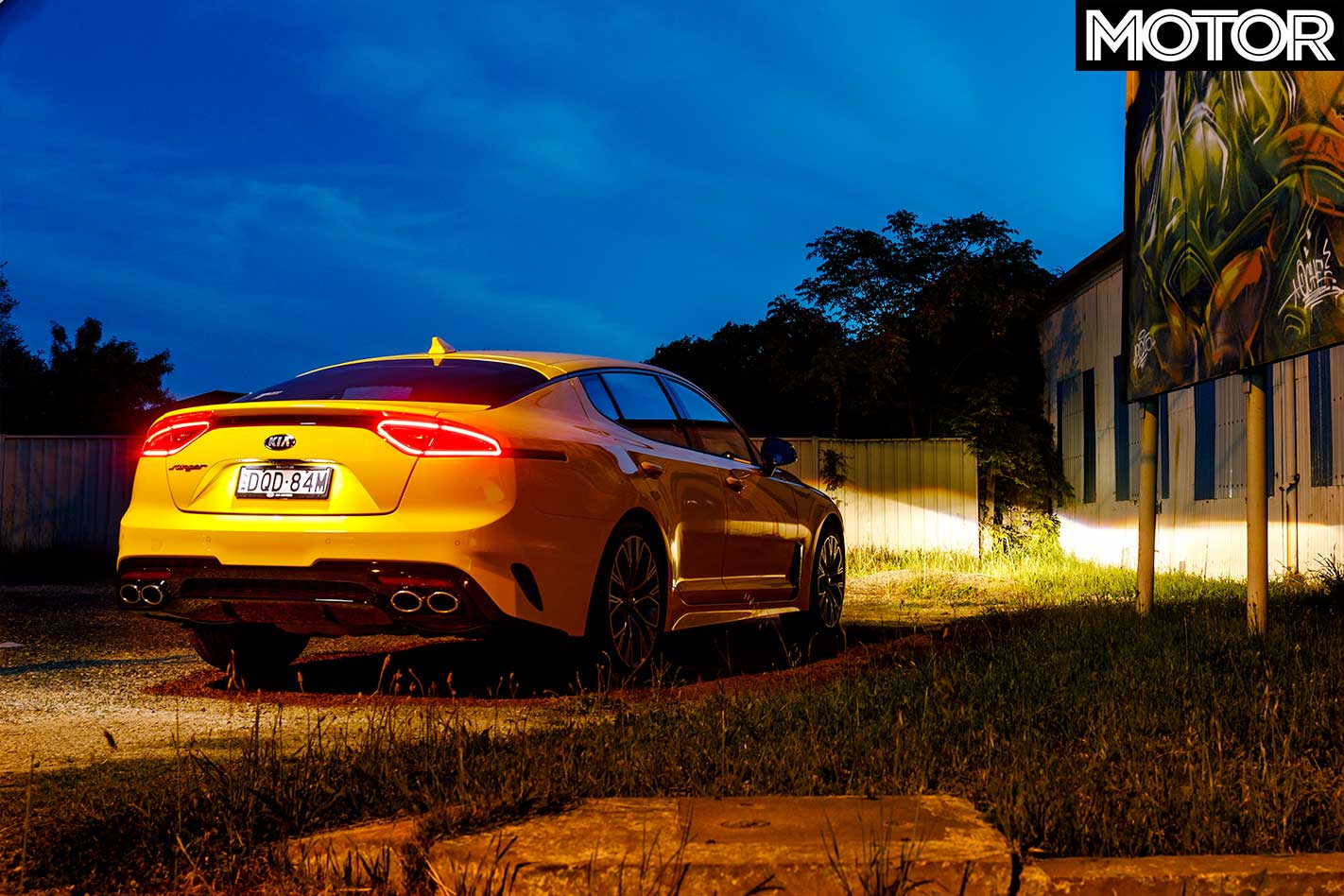
He emphasised that it’s not a recall, though. “Recalls only relate to safety-related items and the like,” he said.
Out of interest – and a source of vague disappointment for us – the number one colour for the Stinger is currently Pearl White.
Despite what a lot of us think, we’re not actually perfect drivers. Often situations will arise which we have no prior experience with on the road, simply because we’ve never had the chance to encounter it in a safe environment.
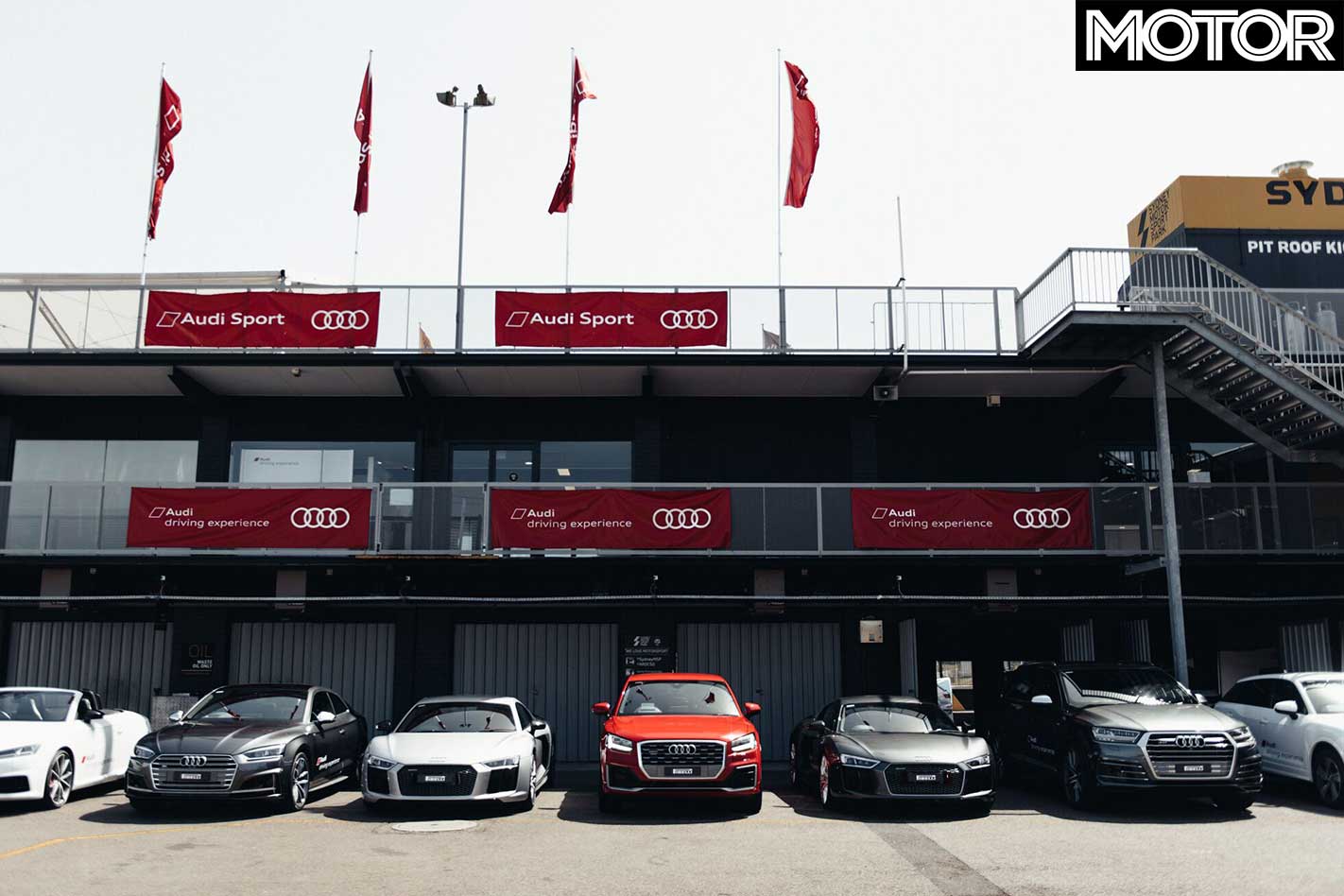
And that is why car makers like Audi host programs like this, the Audi Driving Experience. As MOTOR’s ‘greenest’ member, it made sense for me to head off to Sydney Motorsport Park (though it’s held elsewhere around the nation) to be the guinea pig tasked with trying out Audi’s half track-day, half driver training session program.
This is the entry (called ‘Advanced’ confusingly) level of training, which takes one day and costs $999.
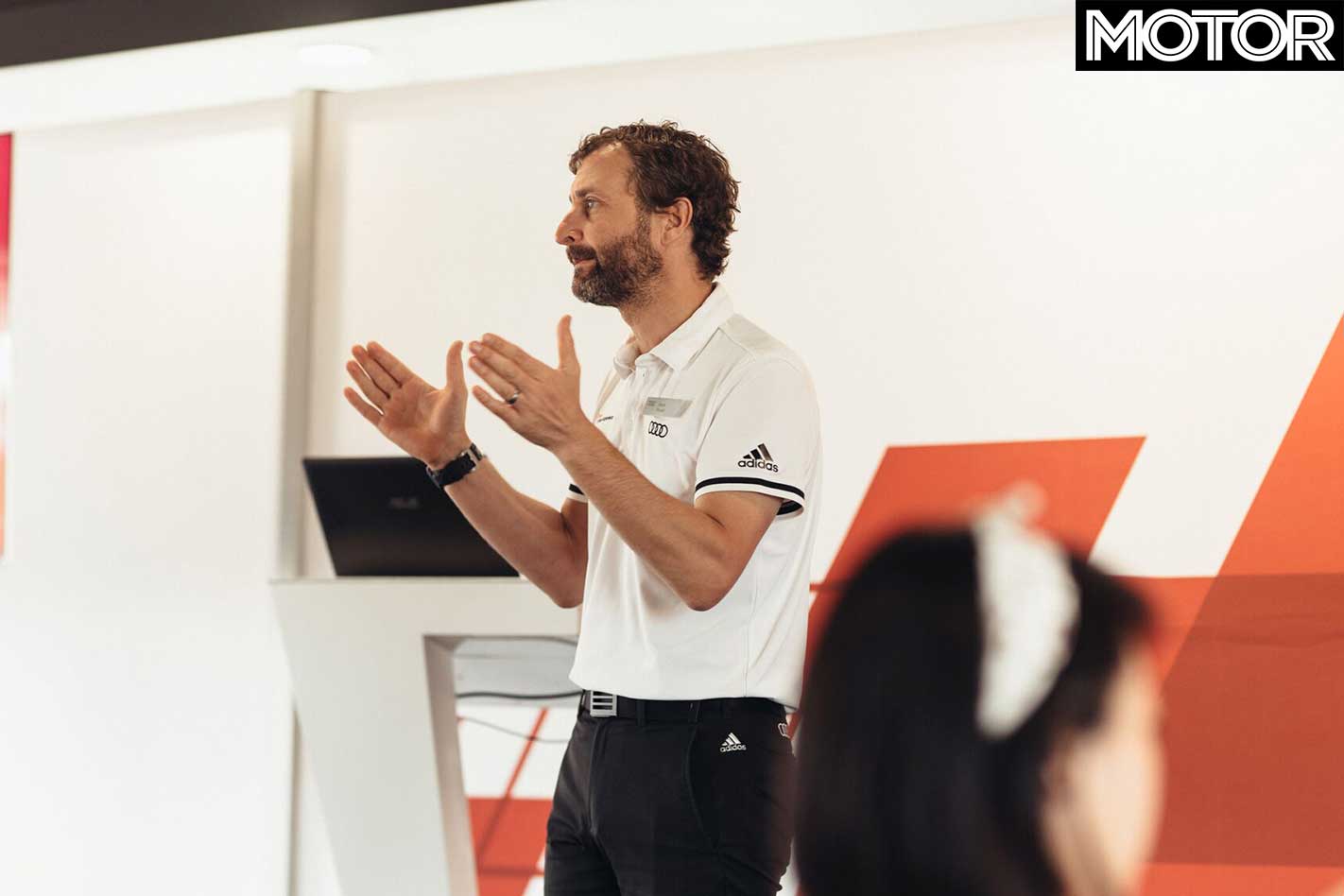
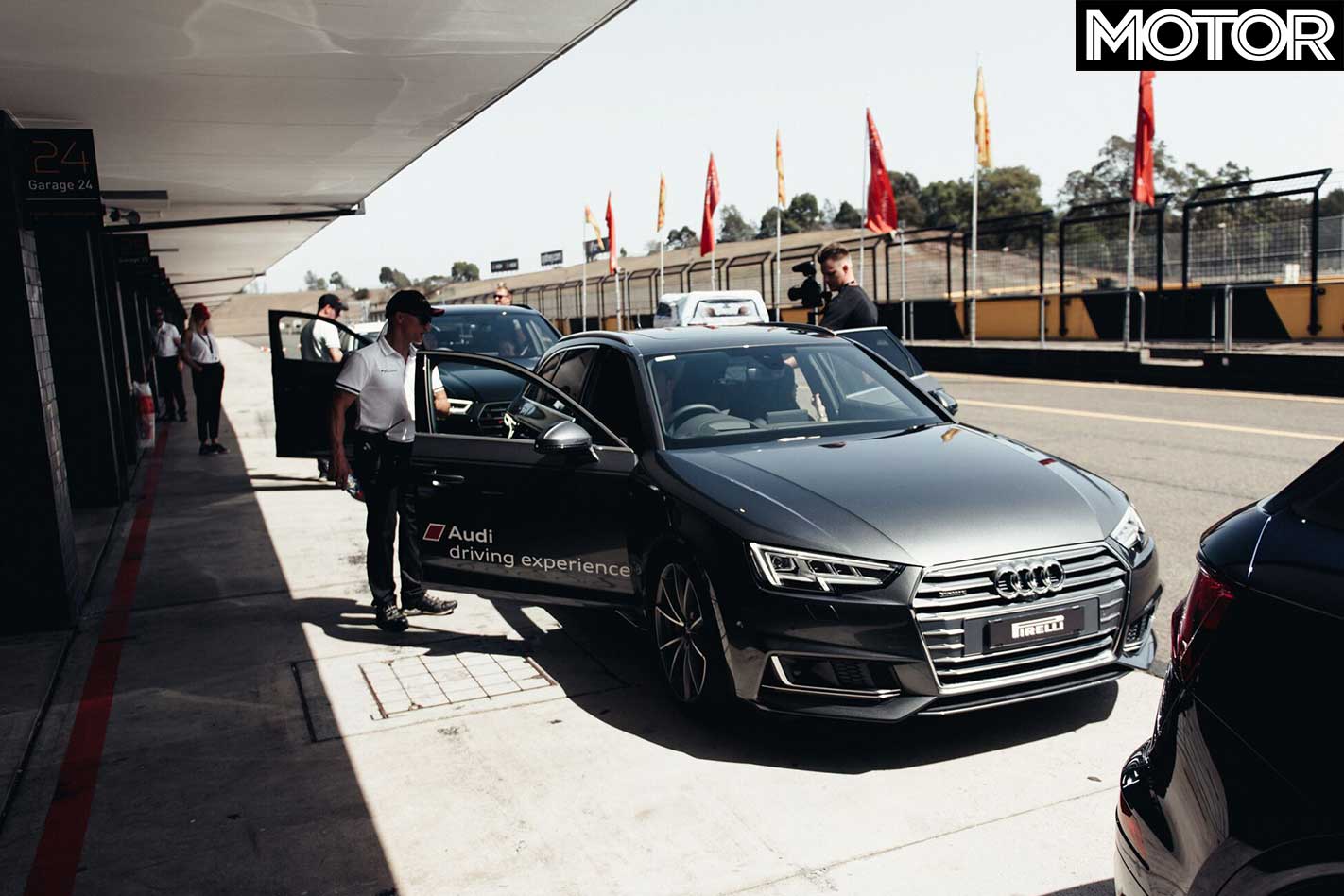
Upon my arrival I was greeted by the man running the show, Steve Pizzati (yes, the Top Gear Australia guy), and introduced to the driver trainers. Luke Youlden, Dean Canto, and Steven Johnson make up some of the regular crew, though a number of other professional racers rotate through the program to lend their skills.
Many of the 16 attendees were, unlike myself, Audi owners, though a few were just interesting in honing their skills and utilising an impressive range of cars to do so.
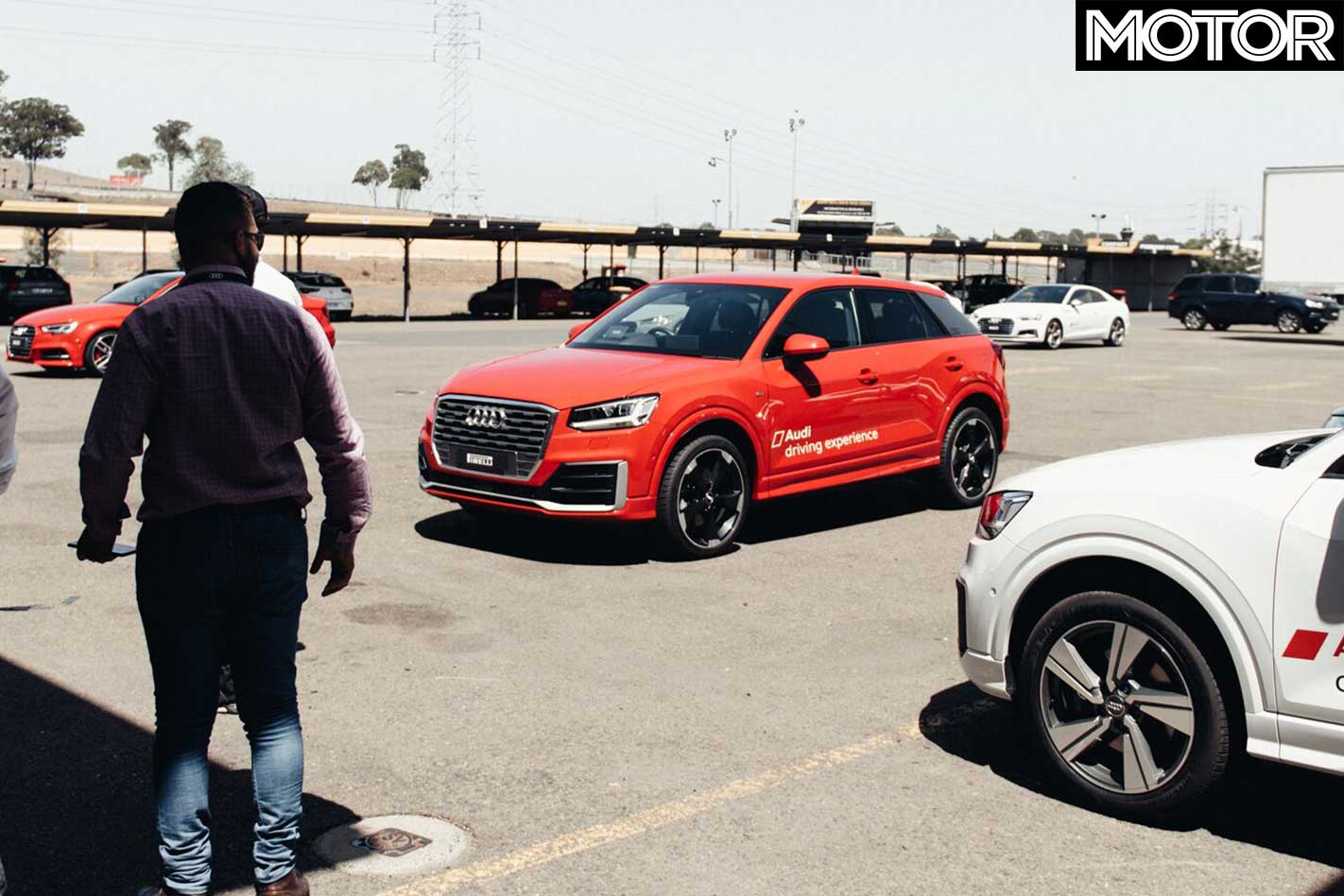
After a quick run-through of the day, we were off to try our hand at a slalom, with Canto directing and Youlden on cone duty. The Audi Q2 TDI and S5 Coupe were our vehicles for this exercise, and it was soon clear why. Driving the Q2 through a slalom at speed proved a useful insight into how well an AWD system can keep even a small SUV in control, but the step up in capability when we jumped in the S5 was astounding.
Just 10 minutes later, and Dean Canto was telling me to drive a TT S onto a wet skidpan with no traction control and turn full lock to the left, just to see what happens. He then told me once ‘it’ does happen (‘it’ turned out to be not a lot once the fronts are sideways) to reel back about half a turn until traction comes back.
It might sound obvious to a lot of us, but when your front wheels are at full lock, they’ve actually tilted and have less contact with the road. Bringing them back a little fixes that, giving you more grip and actually turning the car harder. And it’s this kind of stuff that Pizzati reckons we should be learning before we’re handed a licence.
He asked us after the morning’s activities if any of us actually got up to highway speeds during our driving test. Mostly ‘no’, including from him.
“I didn’t go any faster than 50km/h during my test,” he said. “The first thing I did after that was hit 100km/h on the highway.”
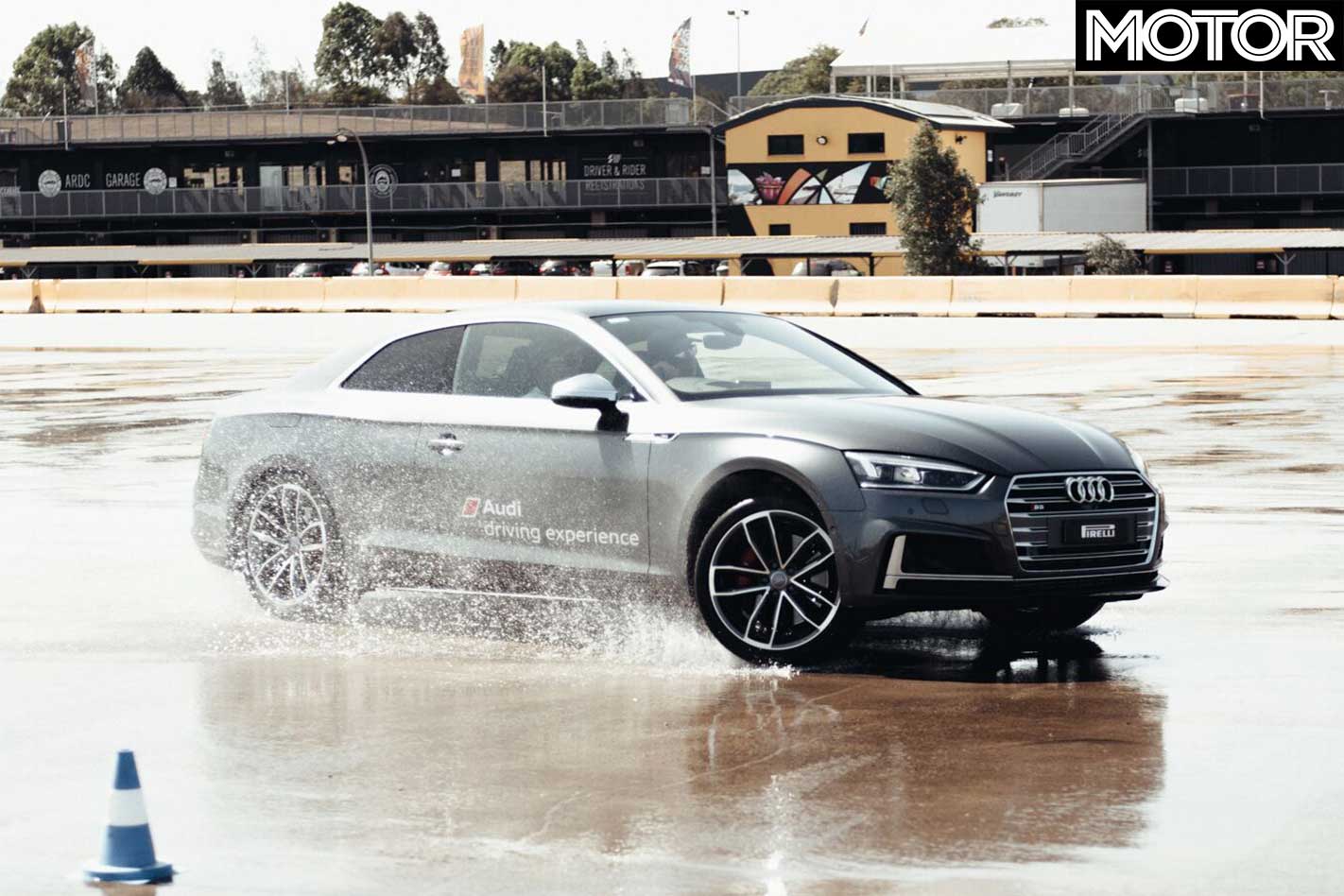
This is why the attendees that day found so much value in trying things like the slalom and wet skidpan exercises, as well as hitting 110km/h and stomping on the brakes in a 2270kg SQ7, or letting the electronics take over when you induce an emergency reaction from the car. It’s stuff a lot of people have never done before, and wouldn’t know how to handle in an emergency otherwise.
But as you’d expect, the afternoon tilted the scales further towards the ‘fun’ side of things, and we were being timed through wet motorkhana courses in TT S Roadsters, and following race drivers around SMP in the likes of the Audi SQ5, A4 Avant, S5, and the (frankly excellent) TT RS.
Riding along watching as the racers lapped the track literally single-handed (the other was holding a radio to instruct the cars behind) was also massively impressive. It was visual proof that motorsport experience absolutely makes you a better driver.
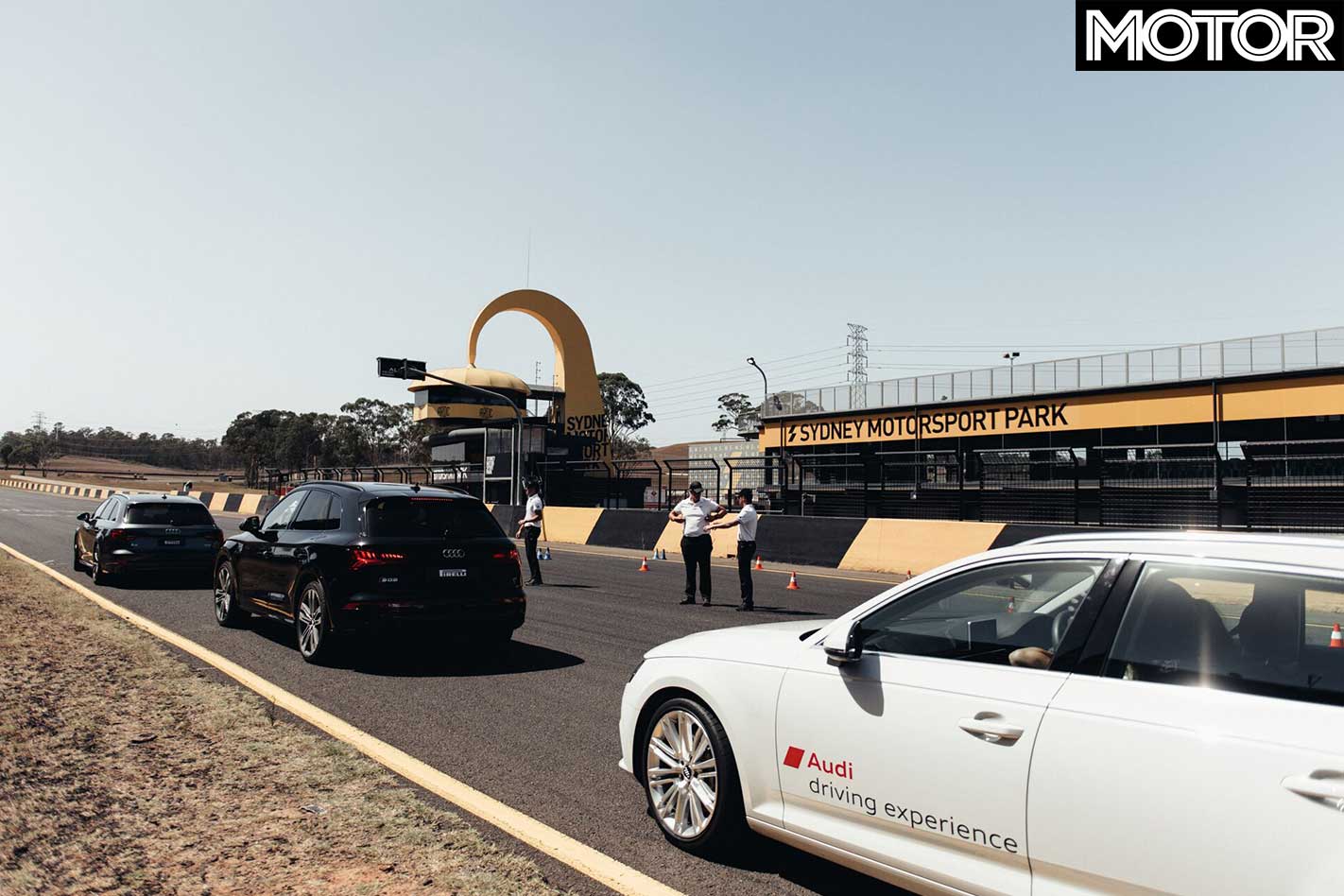
Swapping out of the passenger seat of an RS4 and into the TT RS to try my hand at a ‘hot’ lap of Sydney Motorsport Park was the culmination of my day, during which I topped 200km/h before I had to stop watching the speedo. And guess what? I didn’t die. In fact, I was almost a little bit ‘zen’.
Steve Pizzati spoke with me at the end of the day about why he’s so passionate when it comes to driver training.
“With driving, because we all think we’re better than we really are, everyone wants to skip past the ‘basics’ and go straight to the race car-level of our program.
“That’s just going to be ‘Mickey Mouse’ for me because I’m an eleven-out-of-ten driver. We spend a lot of time trying to convince people otherwise, and they inevitably come back to us and say ‘you were right’.”
“From our side, as long as you have fun that’s the most important thing. If you don’t enjoy yourself, you’re not likely to do it again. If you loved it you’re just going to keep coming back.
“Then we can slip in the lesson along the way like the cake with the medicine in it. That’s the way we try to approach it.”
Those who think the first (Advanced) level of the program is something to be skipped over are just plain wrong. Unless you’re a professional racing driver (and even then, maybe) there’s so much value in the course. Even at $1000.
Stay tuned next month, as I’m set to take on the next level of Audi’s Driving Experience programs –Sport. This consists of RS and R8 models… and we’re doing it at Phillip Island.
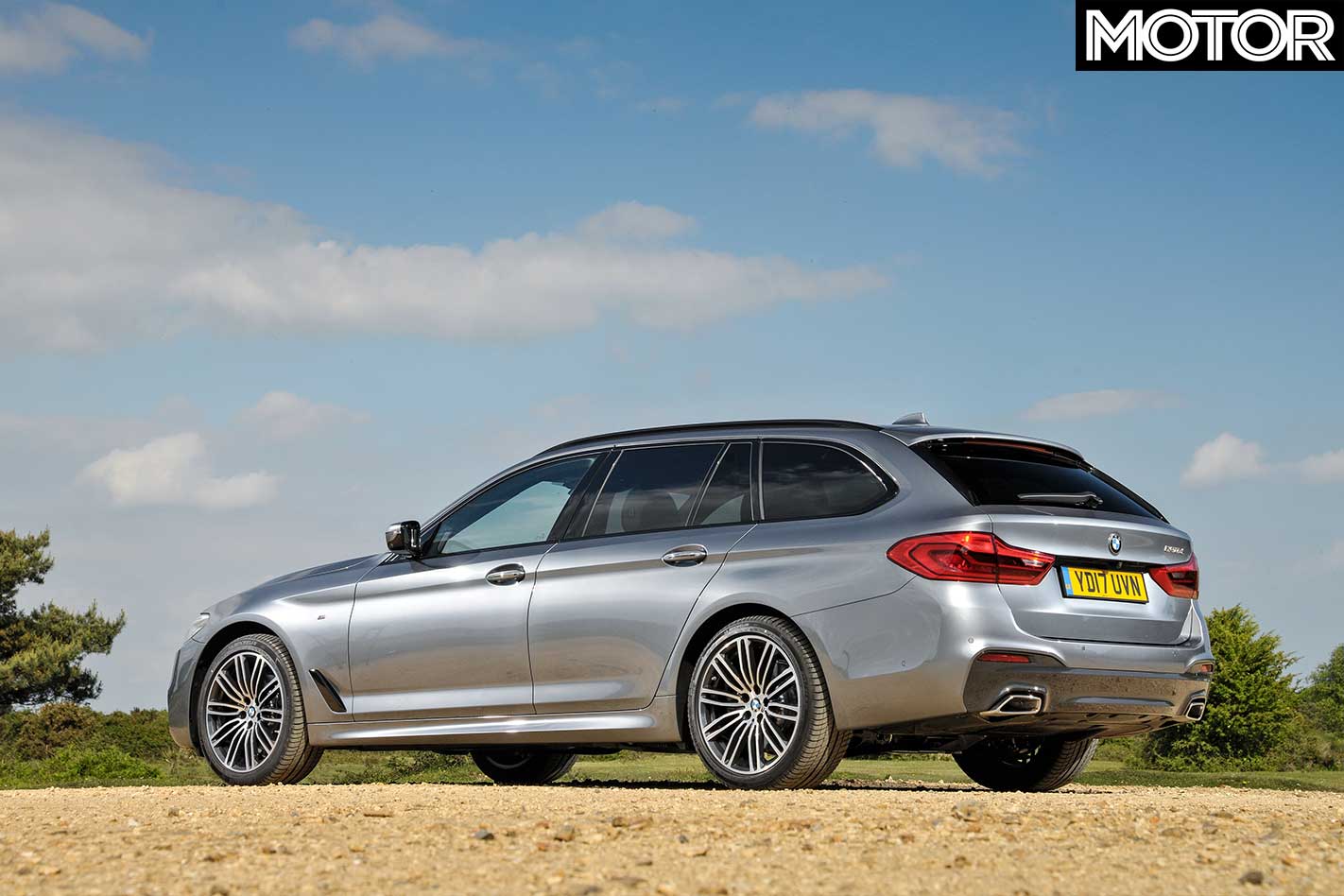
Want a BMW 5 Series wagon with a straight six under the hood? Too bad, you can’t have one. Not here in Oz, anyway.
The largest engine you can get in a 5’er Touring now is the 2.0-litre turbo four, which will probably disappointing to hear. Don’t fret, however, because if you get the chance to drive one, you’ll be pleasantly surprised by what the 530i can offer dynamically.
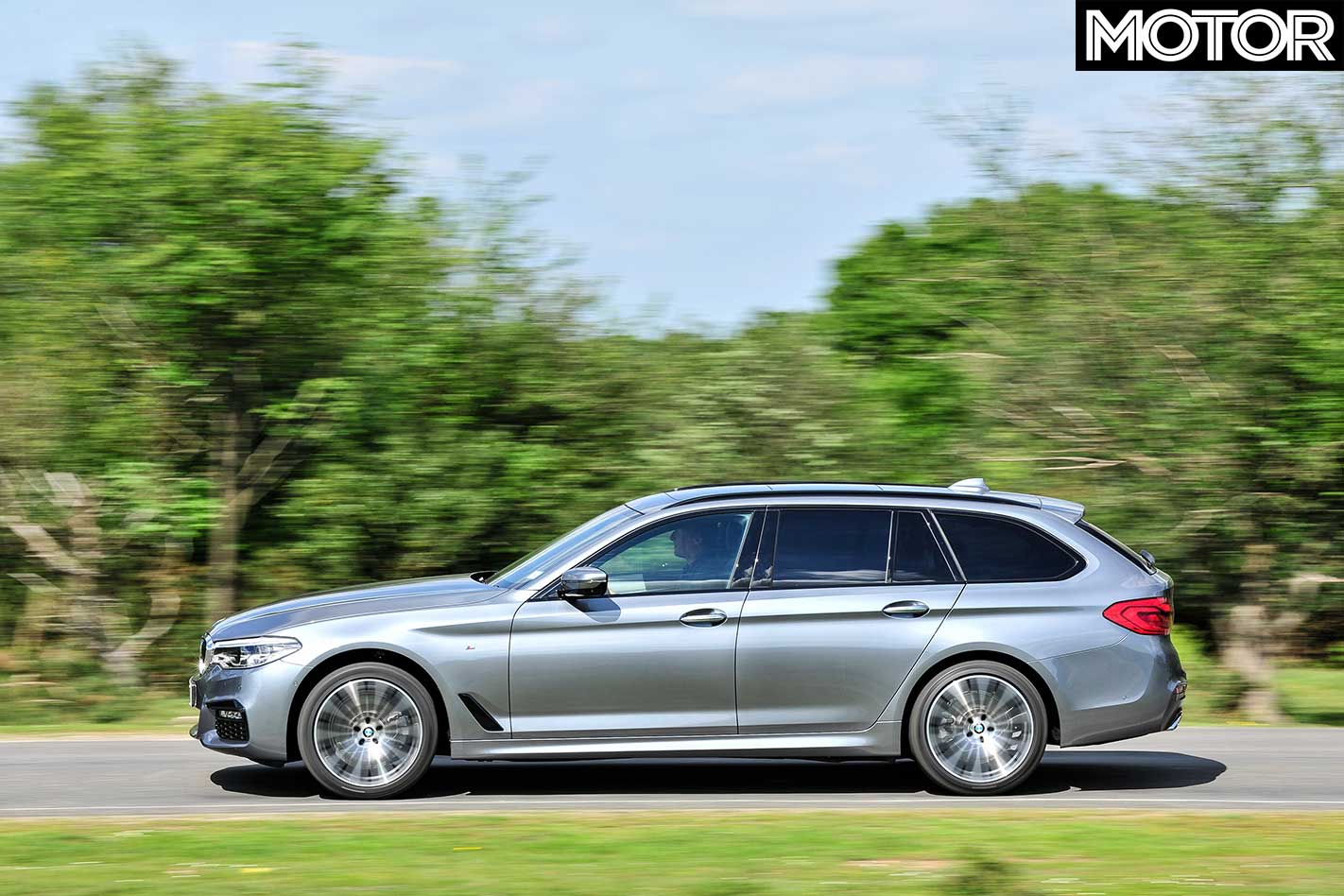
The smooth 8-speed auto will let you take full control with the paddles, no self-shifting or denying (reasonable) requests.
The wagon’s 0-100km/h sits at a claimed 6.5 seconds, but once it’s off the 530i’s ability to hold its own on a twisty bit of the black stuff could make us forgive its lack of outright pace. Being rear-driven (xDrive isn’t an option), the front feels nimble and the steering light given it’s not a sports car. Essentially, the chassis is balanced and holds the 1640kg bulk well when pushed.
Of the very few luxury wagons available, the 530i strikes arguably the best balance of comfort and capability for drivers, where other wagons are heavier and higher – such as the crossovers from Audi, Merc, and Volvo.
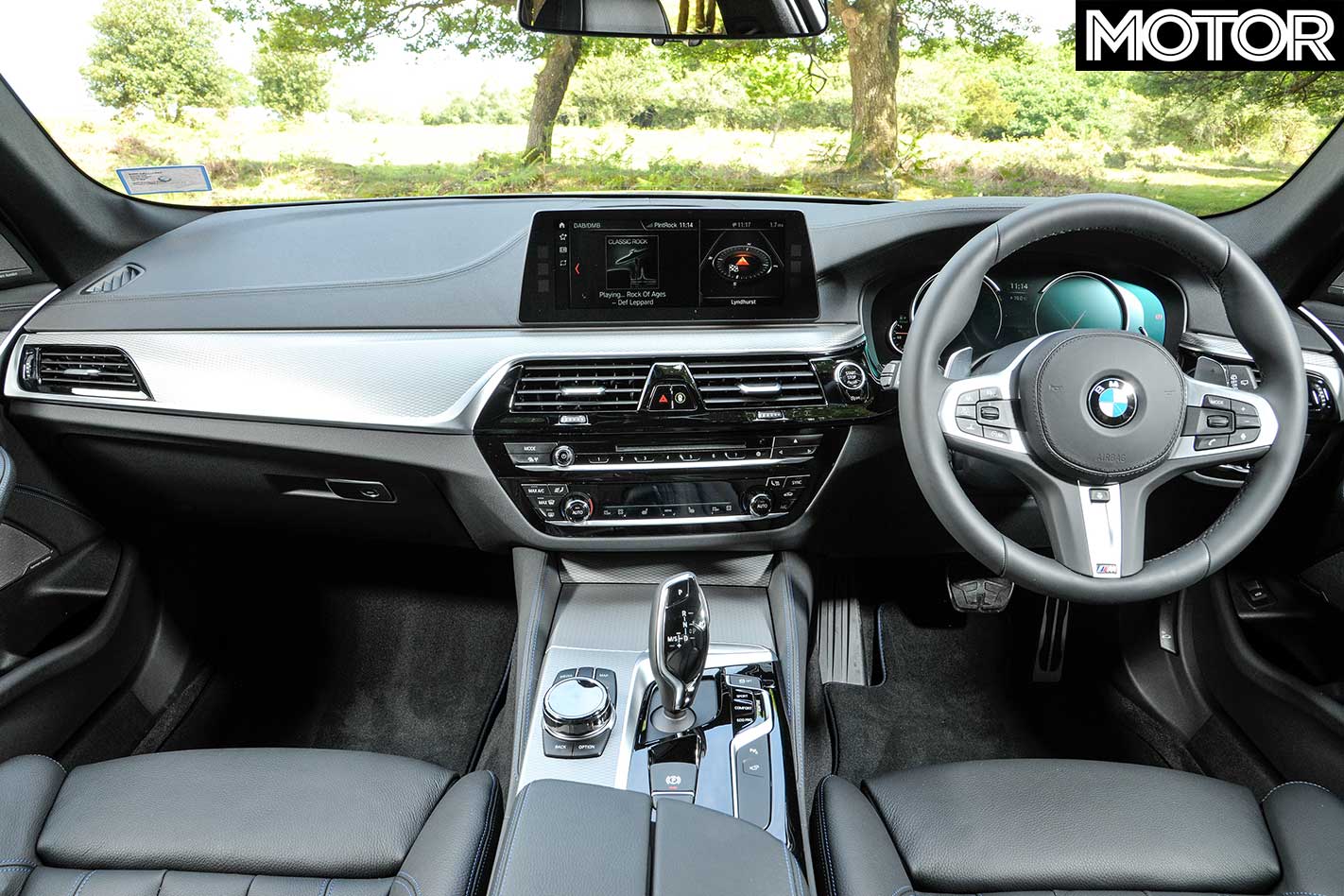
Inside, the 530i continues to impress. Ergonomically the driving position and controls surrounding it (especially for the excellent iDrive system) are spot-on, and the design is visually pleasing, if a little conservative.
Its Harman Kardon sound system is also a big plus, sometimes necessary to drown the noise generated by harsh Aussie roads – a complaint for the government rather than for BMW.
The only thing holding the 5’er wagon back from being an excellent buy is the price, a rather important aspect for most. At $115,500, BMW is asking a lot for a car powered by a four-cylinder engine, even if it is lovely to drive.
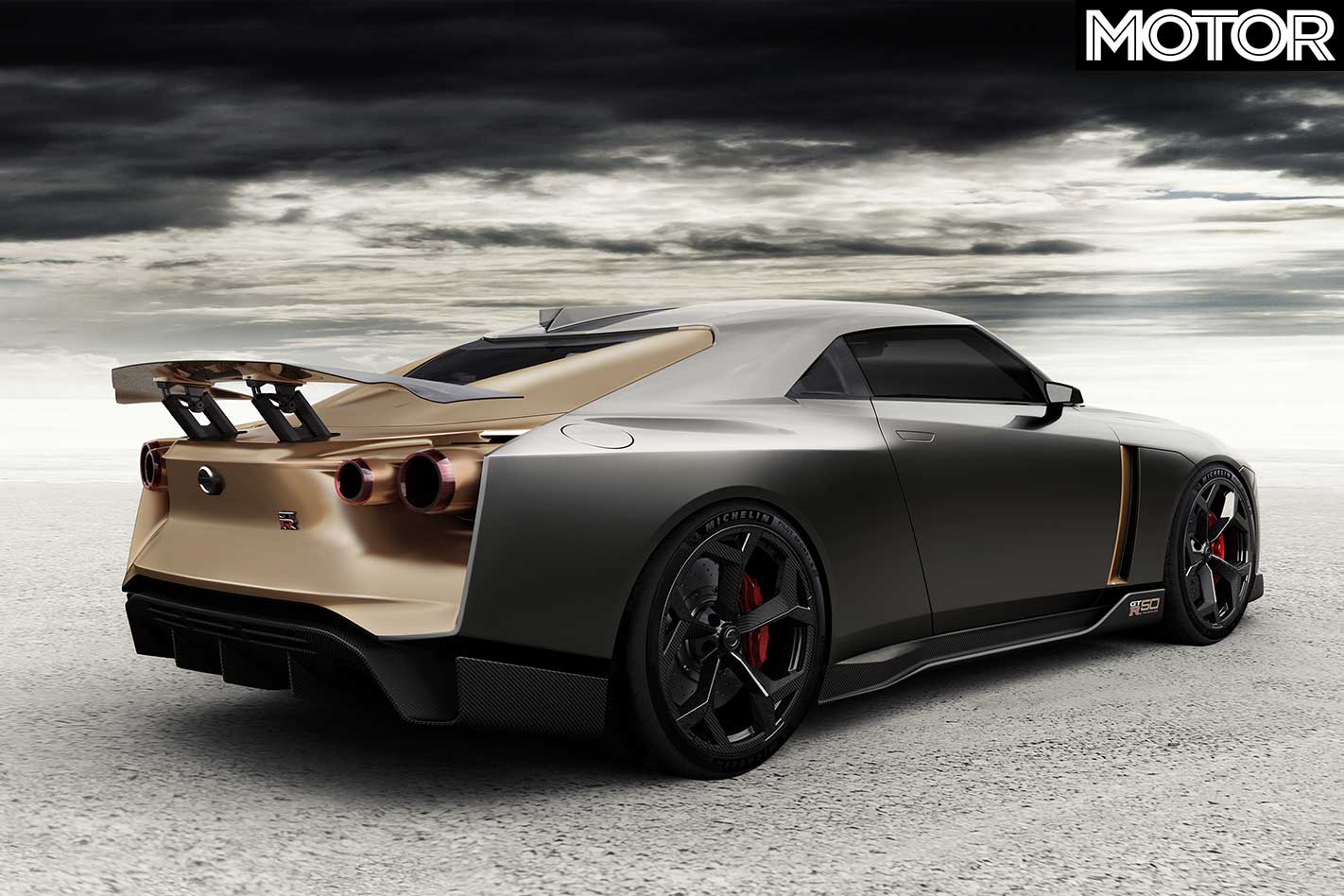
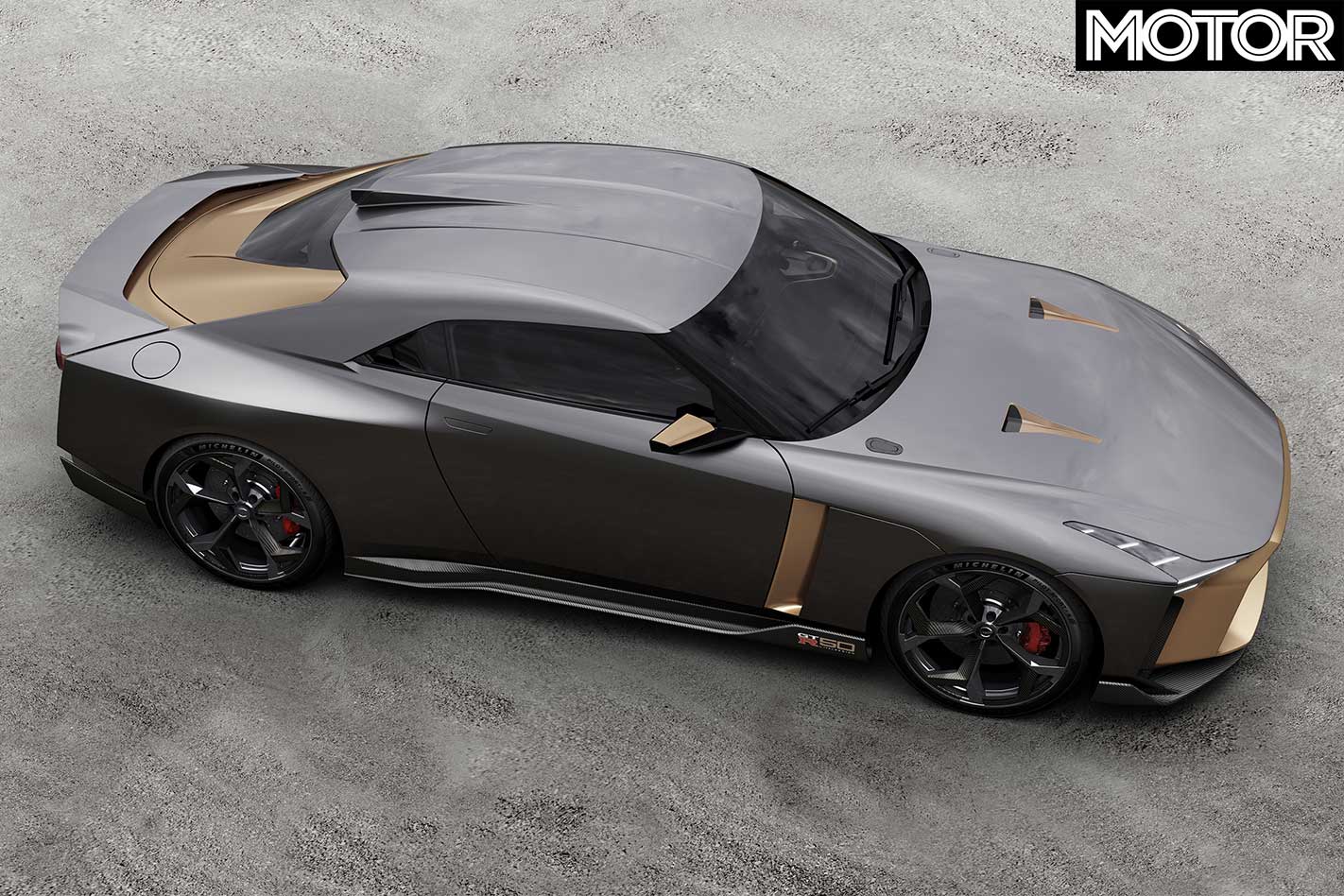
Nissan has revealed more information about the Nissan GT-R50 by Italdesign which is set to debut at the 2018 Goodwood Festival of Speed.
With an estimated starting price of €900,000 (directly converted to AUD$1.4m), the GT-R50 will be specially tailored to each buyer, with ‘European-style sensibility’ combining with the power and capability of one of Japan’s fastest cars.
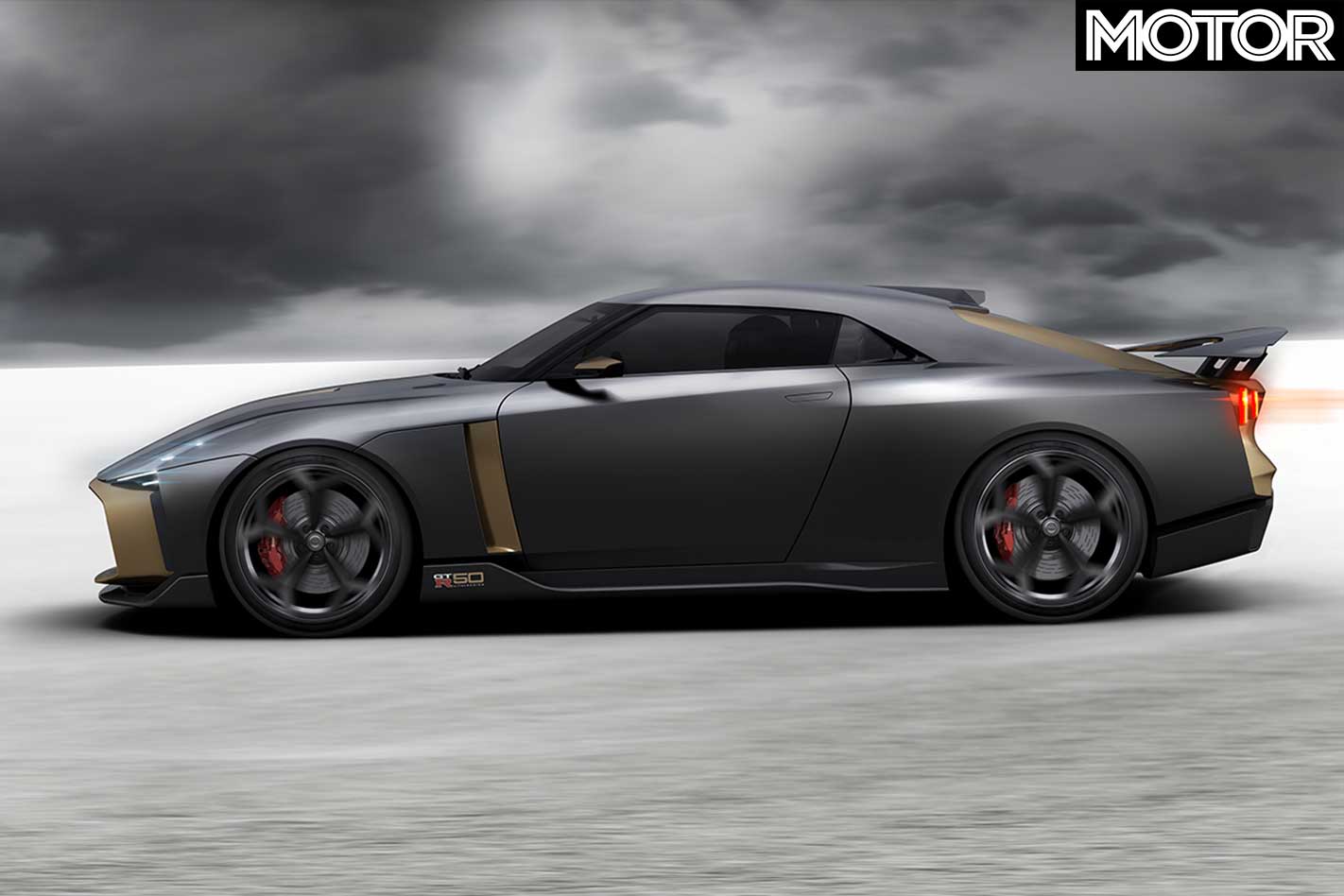
With an extra 88kW produced from the 3.8-litre twin-turbo V6 over the GT-R Nismo, the now-529kW/780Nm GT-R receives upgrades throughout the chassis – such as revised Bilstein suspension – and drivetrain to cope with the extra power, and altered design.
Brembo brakes are also equipped, and a ‘large adjustable rear wing’ should provide extra downforce to improve handling.
Joerg Astalosch, CEO of Italdesign-Giugiaro, says the limited run of cars will only find their way into the garages of 50 people, meaning there’s a chance they’re all already allocated.
“At Italdesign, we have a long history of making our customers’ dreams come true. By joining forces now with our partners at Nissan, we brought a true GT-R fantasy to life,” says Astalosch.
“Together, we have the target that soon this ‘monster’ of a vehicle will change the lives of 50 very select enthusiasts. Their wait will soon be over.”
While Italdesign developed and built the prototype car, Nissan says the exterior design actually originated in its Nissan Design Europe and Nissan Design America departments.
It says the colours on the prototype car (pictured) are called Liquid Kinetic Grey and Energetic Sigma Gold, while the interior features black Alcantara, black Italian leather, and gold accents throughout.
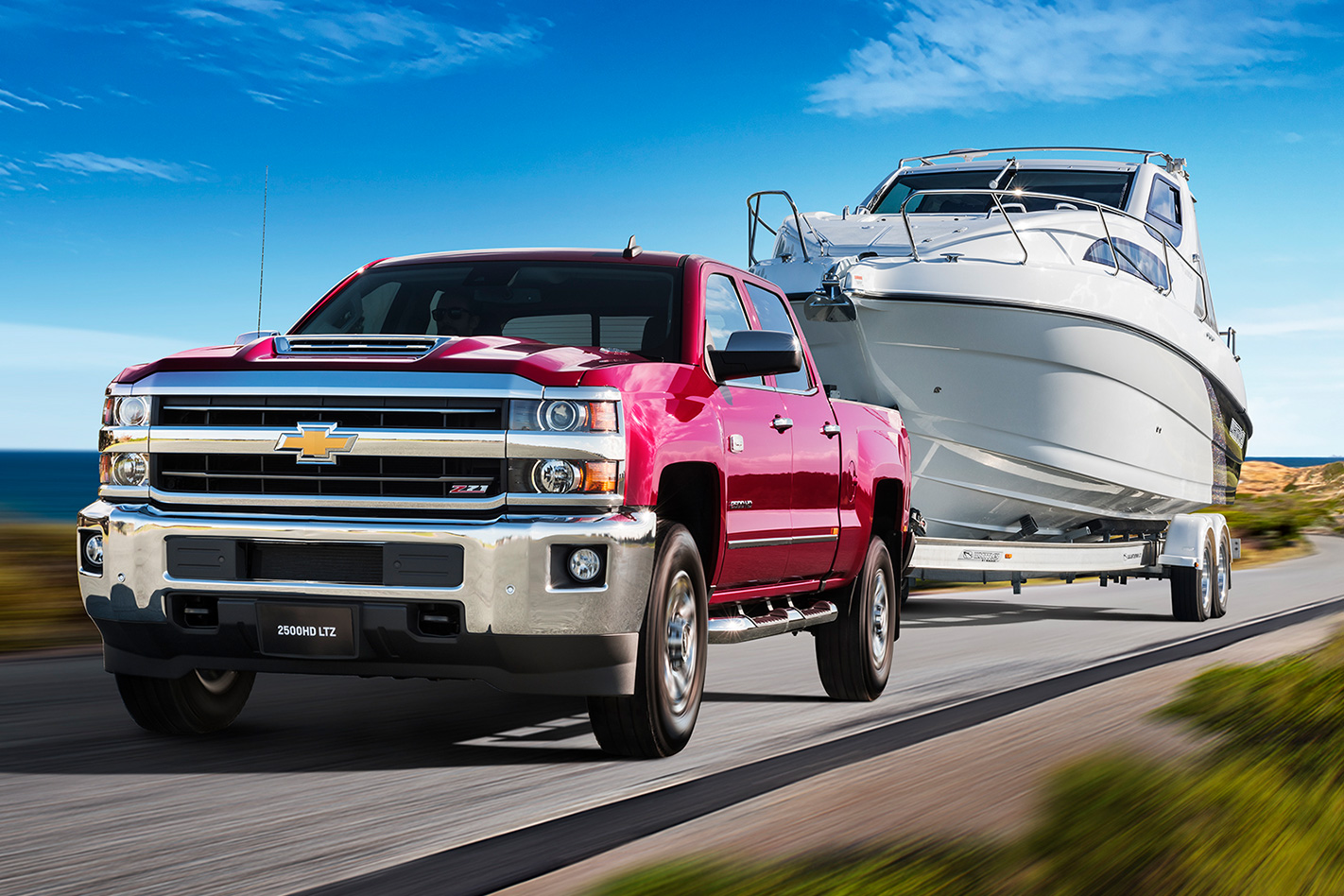
YANK TRUCKS: they’re overpowered and over here. Big, brash, and seemingly capable of hauling Uluru from the Northern Territory to Melbourne if they put their mind to it, full-size American trucks are now being offered to Australians in increasing numbers.
A segment that was once the domain of niche conversion shops now has the legitimacy of two major players, with Holden Special Vehicles and American Special Vehicles, the former a wholly owned subsidiary of the Walkinshaw Automotive Group and the latter contracting services from WAG, offering products from Chevrolet and RAM respectively.
However, despite the growing supply it’s unlikely you’ll be being the really big utes on the road in large numbers. The reality is that in Australia, the most literal giants of the automotive world will be a niche player.
Unlike the booming market for smaller trade utes like the Toyota Hilux and Ford Ranger, which has grown 75 percent in 10 years, peaking at 207,217 sales in 2017, the big ute segment remains comparatively diminutive. The only official sale figures in the segment come thanks to RAM, the biggest player at the moment, which according to VFACTS sold 398 2500 and 3500 Laramies last year. HSV hopes to sell around 700 Silverados annually.
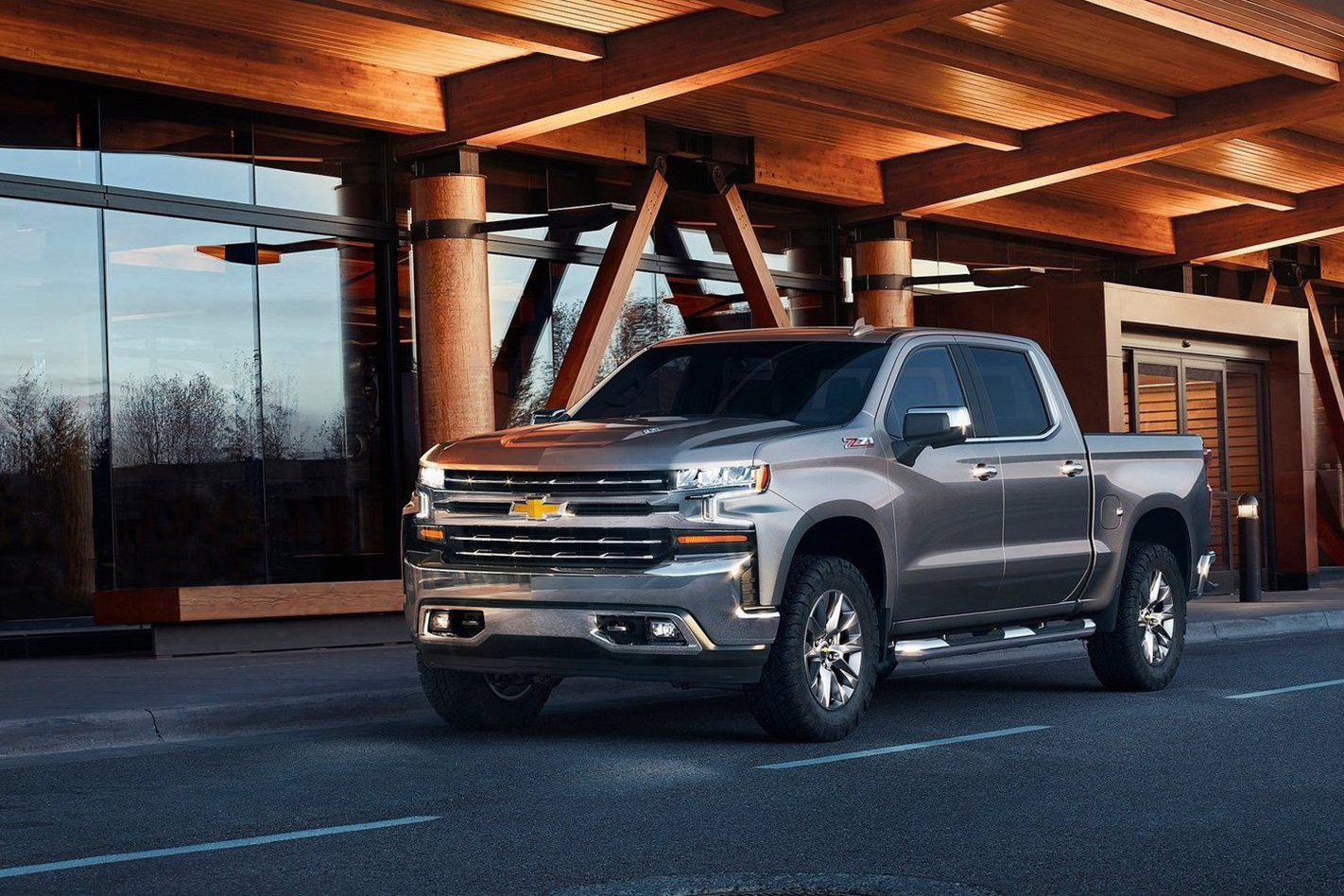
Further limiting sales volumes is the fact that the majority of original equipment manufacturers (OEMs) that create big trucks (Ford, Toyota, Nissan, RAM, Chevrolet, and GMC) maintain it’s unfeasible to produce them in right-hand drive due to the small size of potential export markets. Beyond Australia, only South Africa, the UK and Japan would, at first glance, seem viable, with an industry source telling Wheels that research indicates that collective sales numbers would not be enough to justify RHD development costs. South Africa has punitive tariff barriers, Japan a regulationary aversion to large vehicles and the UK’s sky-high fuel prices tend to deter such discretionary purchases.
Still, HSV sees potential growth in Australia. Alongside American Special Vehicles, HSV is the closest thing to an OE manufacturer currently operating in the local large truck market, with managing director Tim Jackson telling Wheels: “There is growth to be had, I don’t think it is massive exponential growth, but as the quality of the product [improves] and people get familiar with the product and its background, there will be a growth.
“I think the main driver in the growing interest is the towing capability of these trucks and their comfort and features which typically in these niche markets are high on customer demands.”

It’s easy to see the appeal for those with large towing needs. A Chevrolet Silverado being converted and sold by HSV has a towing capacity of almost six tonnes, while the RAM 1500/3500 Dual Cabs sold locally by ASV, is capable of towing almost seven tonnes, while also carrying its maximum payload of 913kg. The RAM Crew Cabs are also offered with tubs up to eight feet long, or a monster 244cm; around 60cm longer than a typical Aussie dual-cab ute. By way of comparison, Ford’s Ranger dual-cab maxes out at 3500kg when towing.
Pricing is also a limiting factor for the popularity of large trucks in Australia, with buyers often paying in excess of $100,000 to add one to their garage. Powered by a 6.6-litre Duramax turbo-diesel V8 engine which pumps out 1234Nm, the Silverado range begins at $114,990, and tops out at $147,990 for the flagship 3500 LTZ.
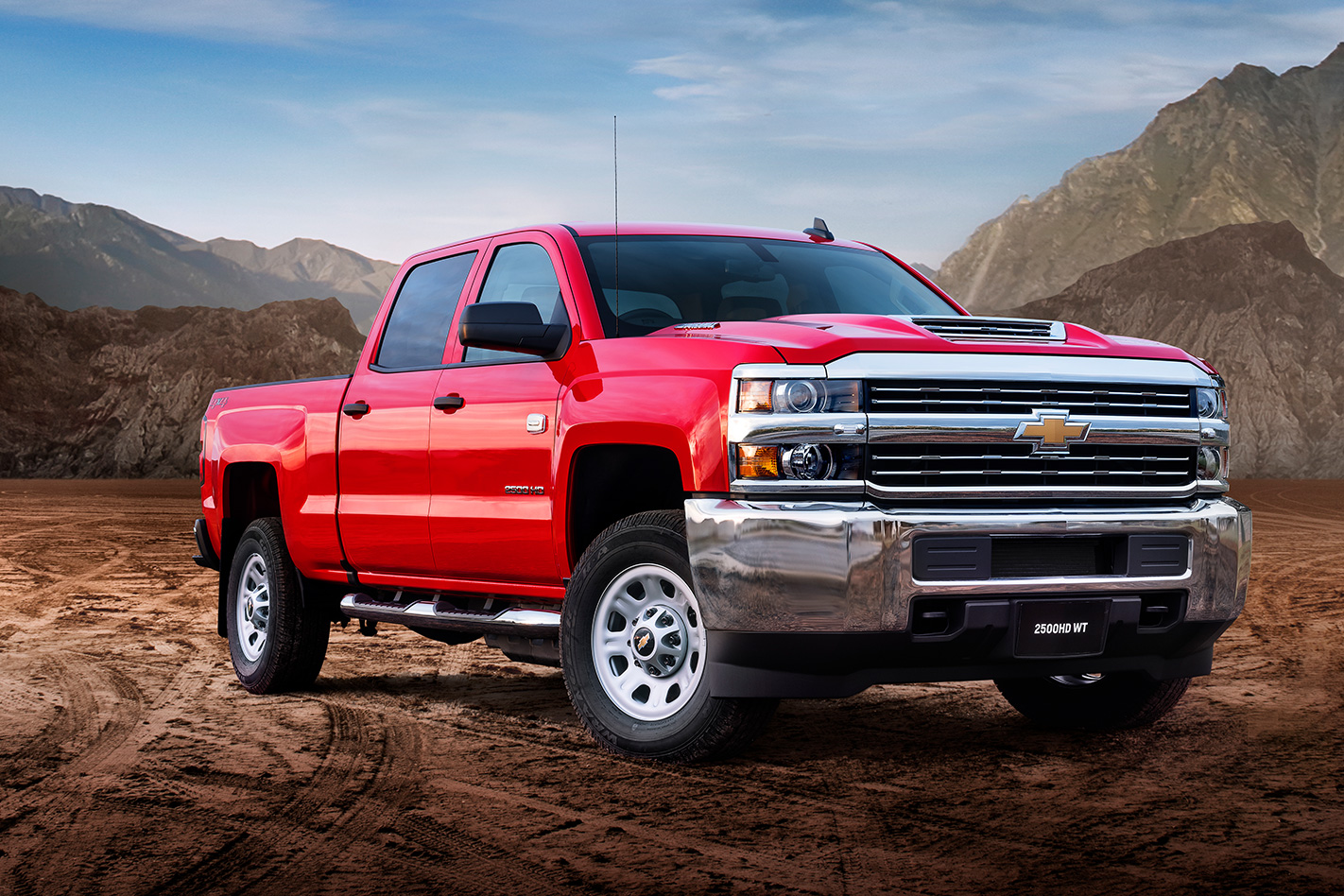
Jackson says while there is room for US trucks to become more popular Down Under, there are challenges that come with their sheer size. A Ford Ranger has an overall length, width, and height of 5426mm / 1860mm / 1821mm respectively, while a Silverado 2500 measures in at over a metre longer, 20cm wider, and a metre and a half taller – this creates many physical limitations in an urban environment where most dual-cabs feel already bloated.
HSV’s business model for the Silverado is focused on small numbers compared to its previous repertoire of Commodore-based products.
“In terms of what we need to recover from our capital investment from each vehicle, it is higher than you will typically see on a GTS-R or W1 type of program. We are reasonably conservative, so we are looking at a range between 500 and 700 [units per year]. Selling within that range is fine by us.”
Jackson added that the current volume in the market means HSV’s “business model makes more sense than a large OEM doing it themselves.”
Wheels understands that Ford Australia wants to sell F-150 locally, but can’t because of the limited size of the market and the cost of converting the vehicles to right-hand drive.
A source within Ford Australia told Wheels that even if it could sell more F-150s than it currently does Rangers (around 5000 a month), the business model still doesn’t add up to bring the large pick-up Down Under.
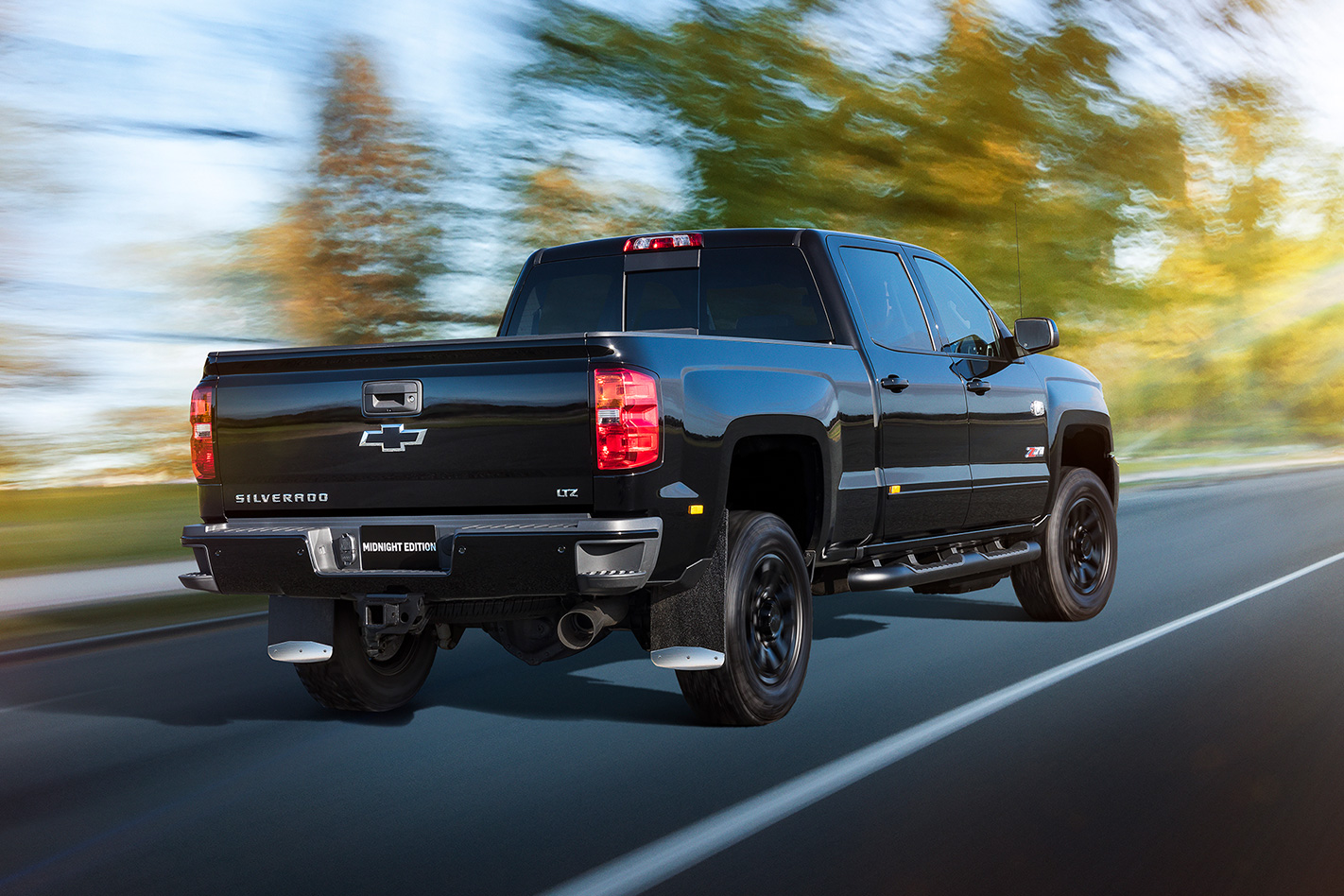
It’s unlikely, therefore, that this trickle of huge American trucks will become a flood anytime soon. ASV’s recent addition of the smaller RAM 1500 will add significant volume (it hopes to sell 4500 by 2020), but for the biggest class of ute, sales will continue to be small for the foreseeable future.
The final units of the Koenigsegg Agera have been completed at the Ängelholm Koenigsegg factory, and have been given some rather bold names: Thor and Väder.
The cars, called Agera ‘FE’ for Final Edition, represent the last of the Agera RS model which holds some records pertaining to being rather quick.
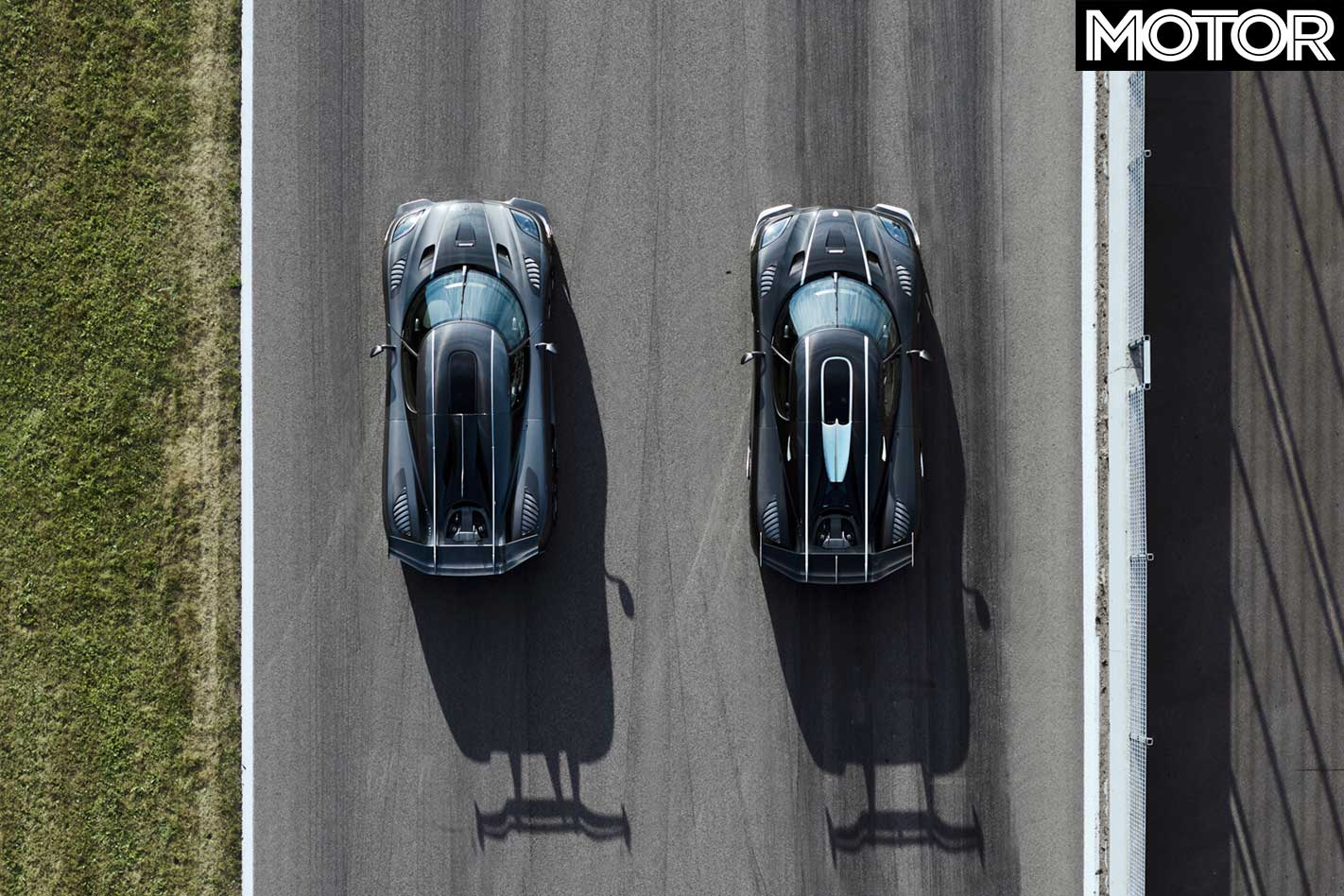
“The Final Edition designation is, in effect, a series within a series,” says Koenigsegg.
“The cars form part of the three-car Agera Final series first announced in March 2016.
“They have been named as ‘Final Edition’ cars by their owners with the consent of Koenigsegg Automotive.
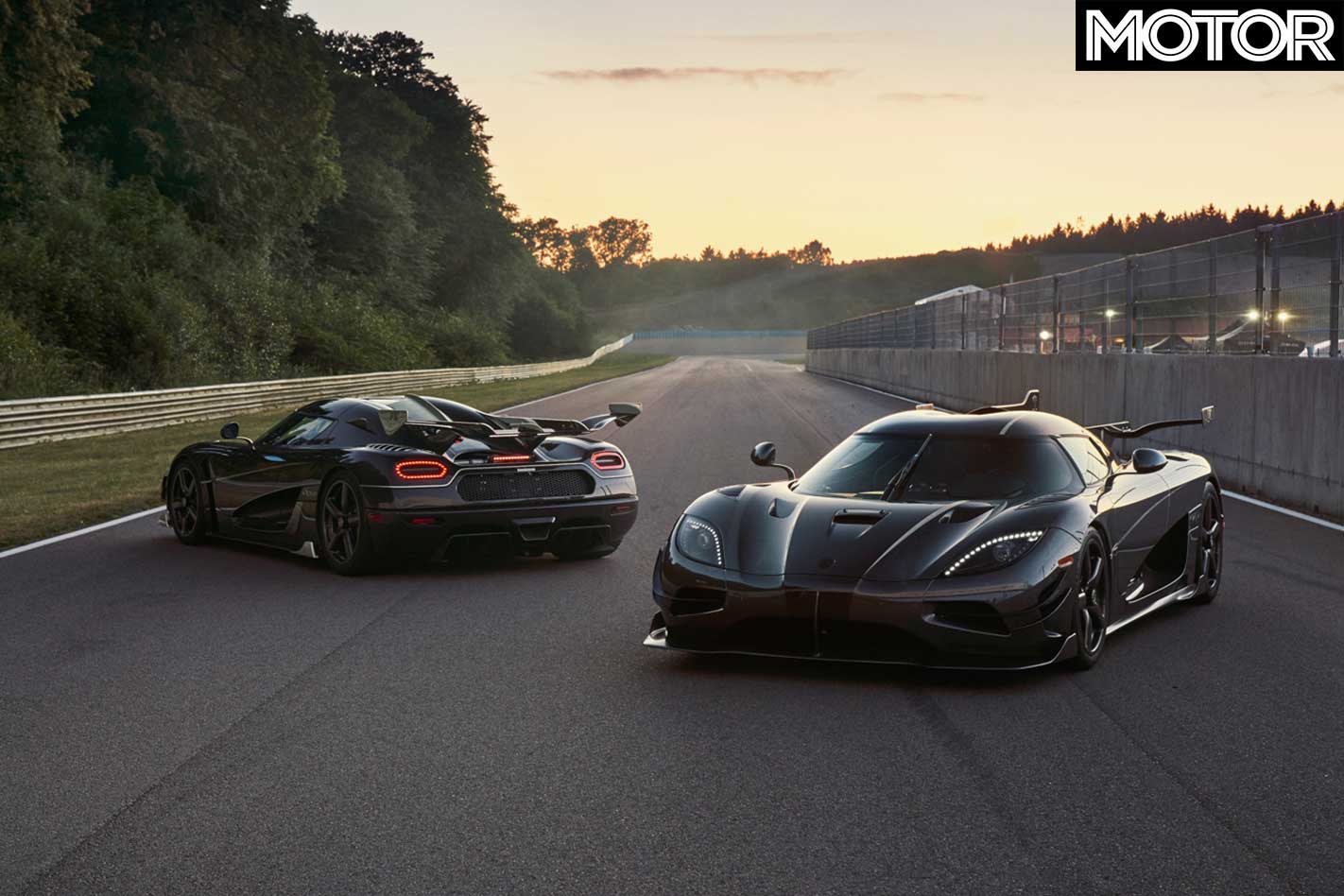
“The Agera Final series is based on the Agera RS but with all options available to owners at no additional cost, including the development of bespoke aerodynamic solutions.”
Those aero changes extend to the LeMans-style central fin on Thor, which assists high-speed stability (more necessary here than on your neighbour’s Subaru BRZ), while the body is finished in striking two-tone clear carbon with diamond-flake in certain areas of the body.
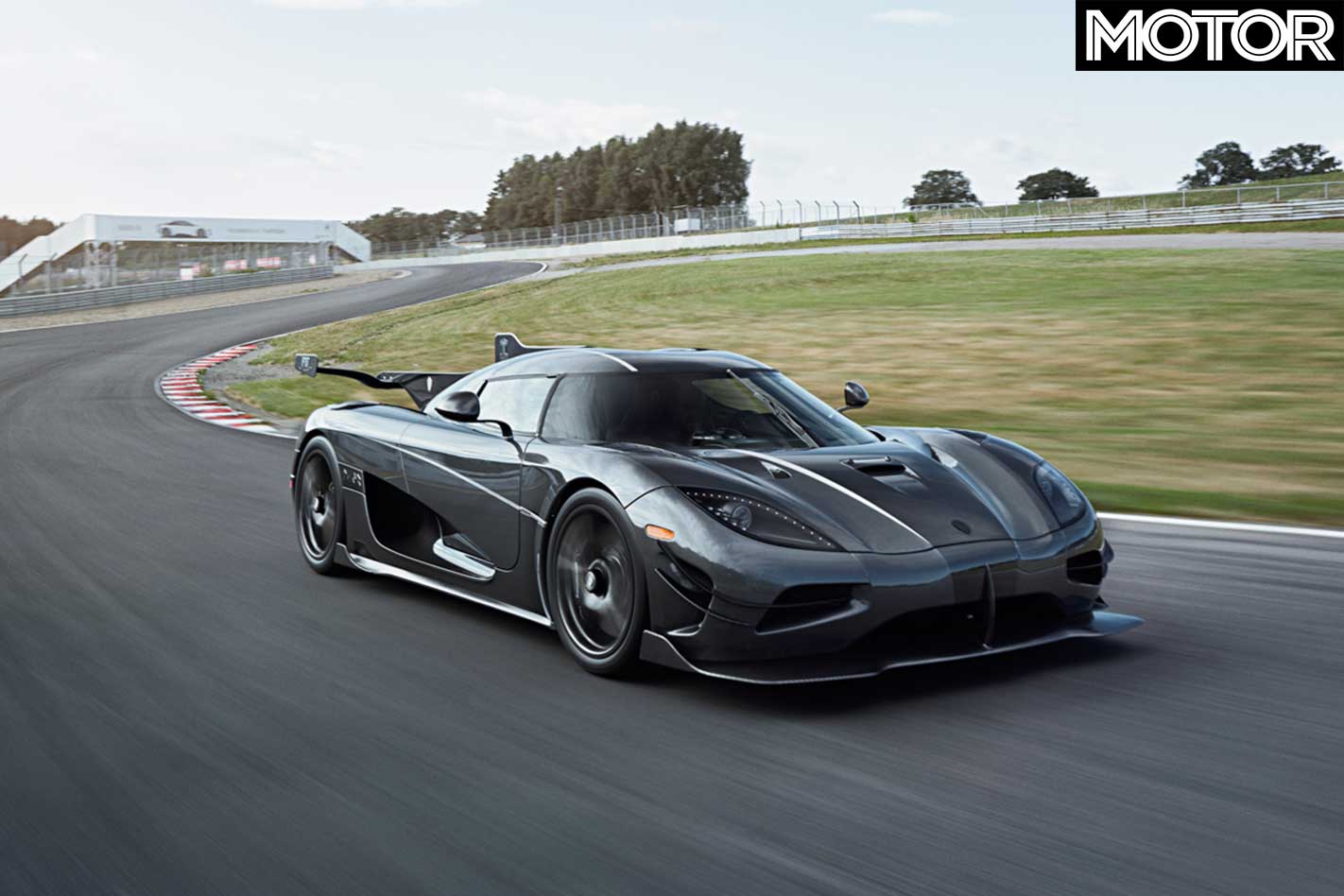
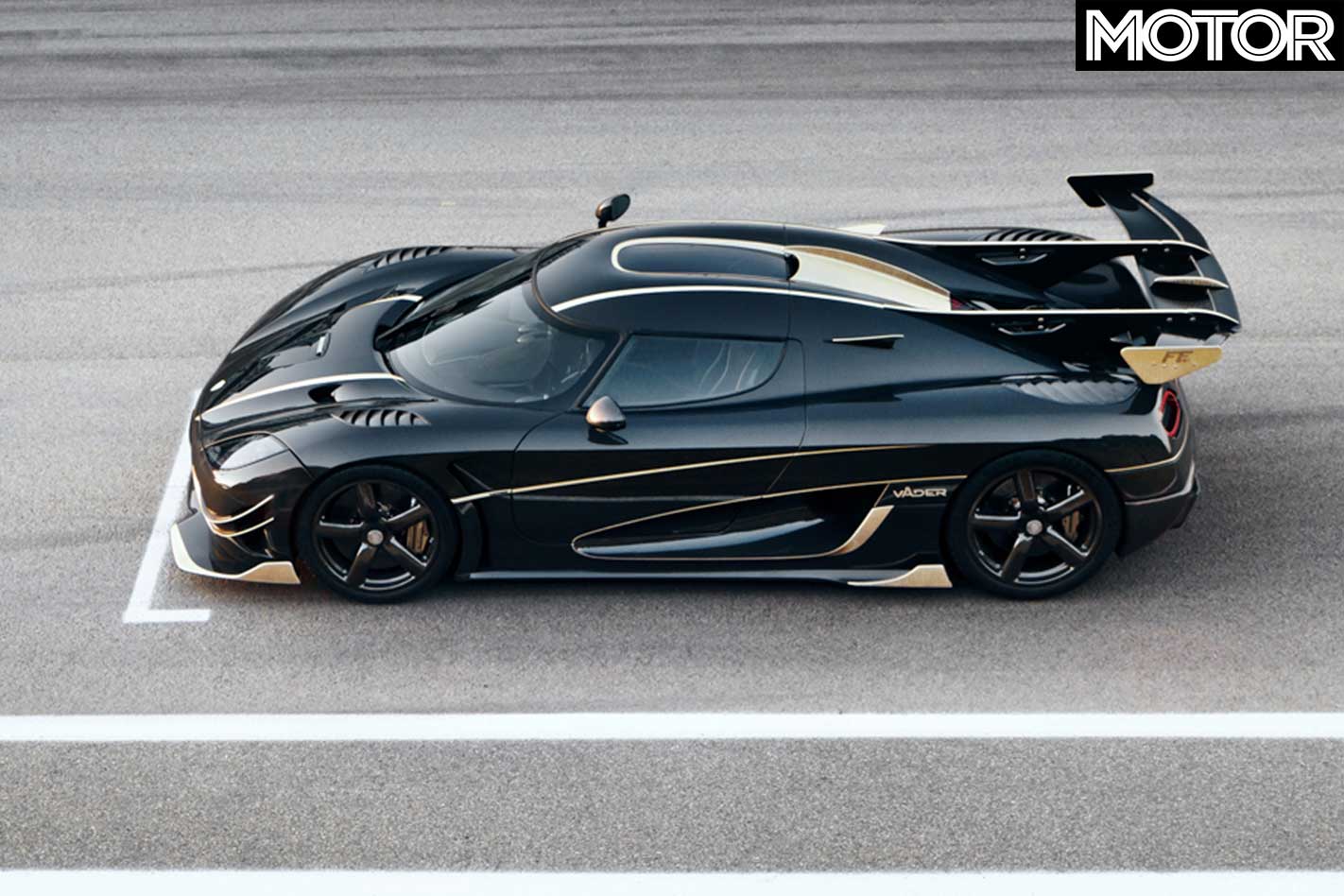
Väder, however, is finished in clear carbon with diamond flake aside from winglets and highlights finished in white gold leaf. Its spoilers differs from Thor where its support strakes feature cutaways that reveal the supporting mechanisms for its active wing.
Oh, and while the Thor/mythology connection is obvious, it turns out ‘Väder’ is the Swedish word for ‘weather’, meaning the Sith Lord probably isn’t getting a shout-out here.
Both cars feature the 1MW (1000kW) upgraded version of the twin turbo 5.0-litre V8, which allows a standard (if there is such a thing) Agera RS to hit reach speeds north of 455km/h.
Koenigsegg says the two cars were driven by their owners for the first time over the weekend at an event in the south of Germany. Their next stop is the 2018 Goodwood Festival of Speed, while its replacement is set to be revealed at the 2019 Geneva Motor Show.
