
Meet Cadillac’s first twin-turbo V8. It’s bad news for GM haters, too, for this new high performance bent-eight is packed with all the technology under the sun.
In a break from tradition, this new V8 features dual overhead camshafts, four valves per cylinder and two turbochargers, as well as stop-start and cylinder deactivation for improved efficiency.
It’s smaller, too, both in capacity at ‘just’ 4.2 litres and also in size thanks to the turbos being mounted in the vee, following the lead of Audi, AMG and BMW. One thing that isn’t small, however, is the grunt it produces, developing 373kW/750Nm in its lesser tune, which swells to an impressive 410kW/850Nm in its ultimate guise.
It’s the new flagship engine for Cadillac’s flagship car, the S-Class-sized CT6, the higher-powered tune propelling the sporty V-Sport variant.
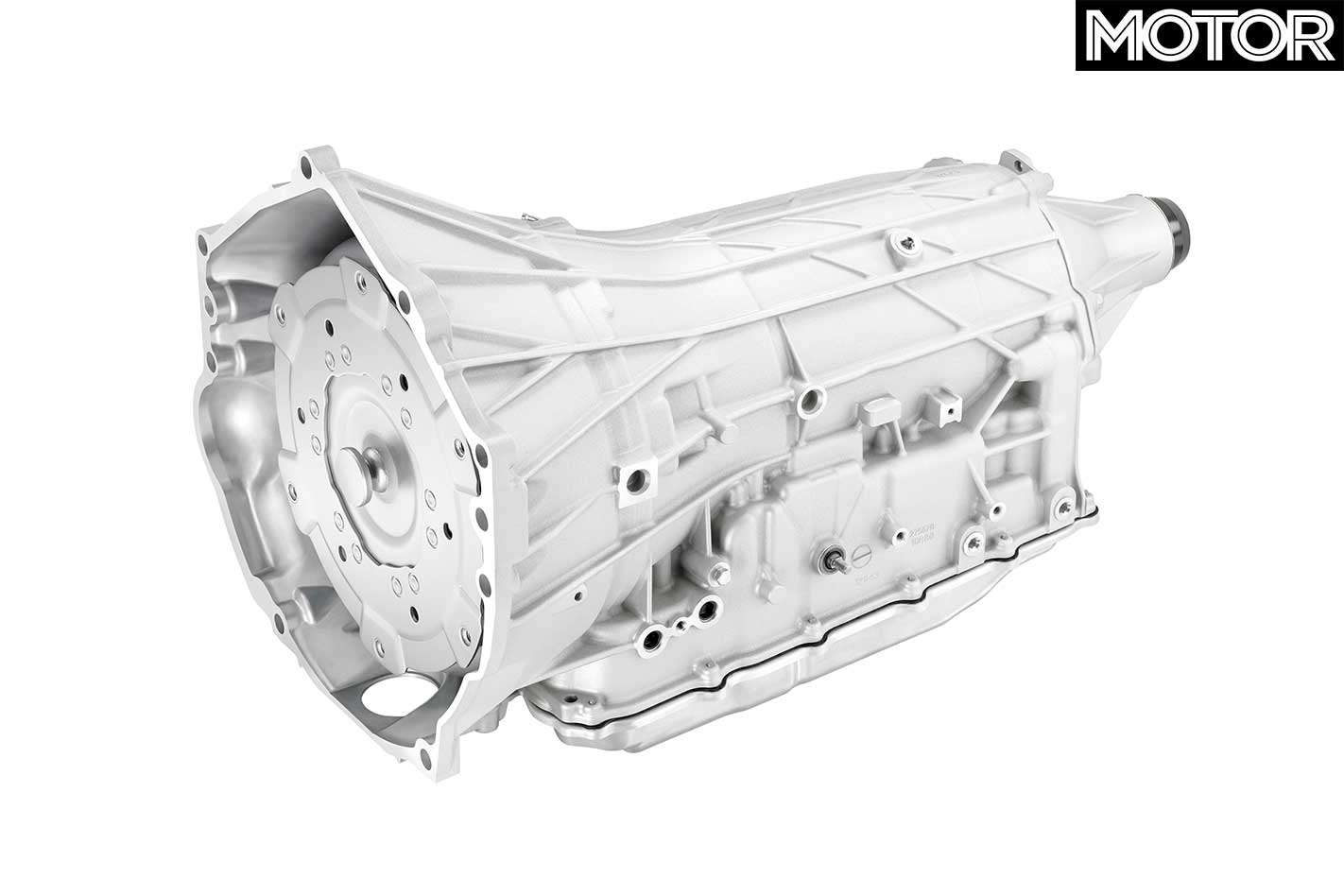
Power is sent to all four wheels via a new 10-speed automatic, which carries a different code to that found in the brand new Camaro. Christened the Hydramatic 10L90, the new automatic offers a gear for every occasion, everything from a 4.696:1 first all the way to 0:636:1 10th for quick acceleration and highway cruising economy.
Dare we speculate that the compact dimensions and power potential of this new V8 – which, annoyingly, doesn’t yet have an engine code – would make it an ideal candidate for the forthcoming mid-engined C8 Corvette? A car that might very well reach Australian showrooms.
In the meantime, here’s an in-depth look at what makes this new GM powerhouse tick.
Sixteen Caddy Facts
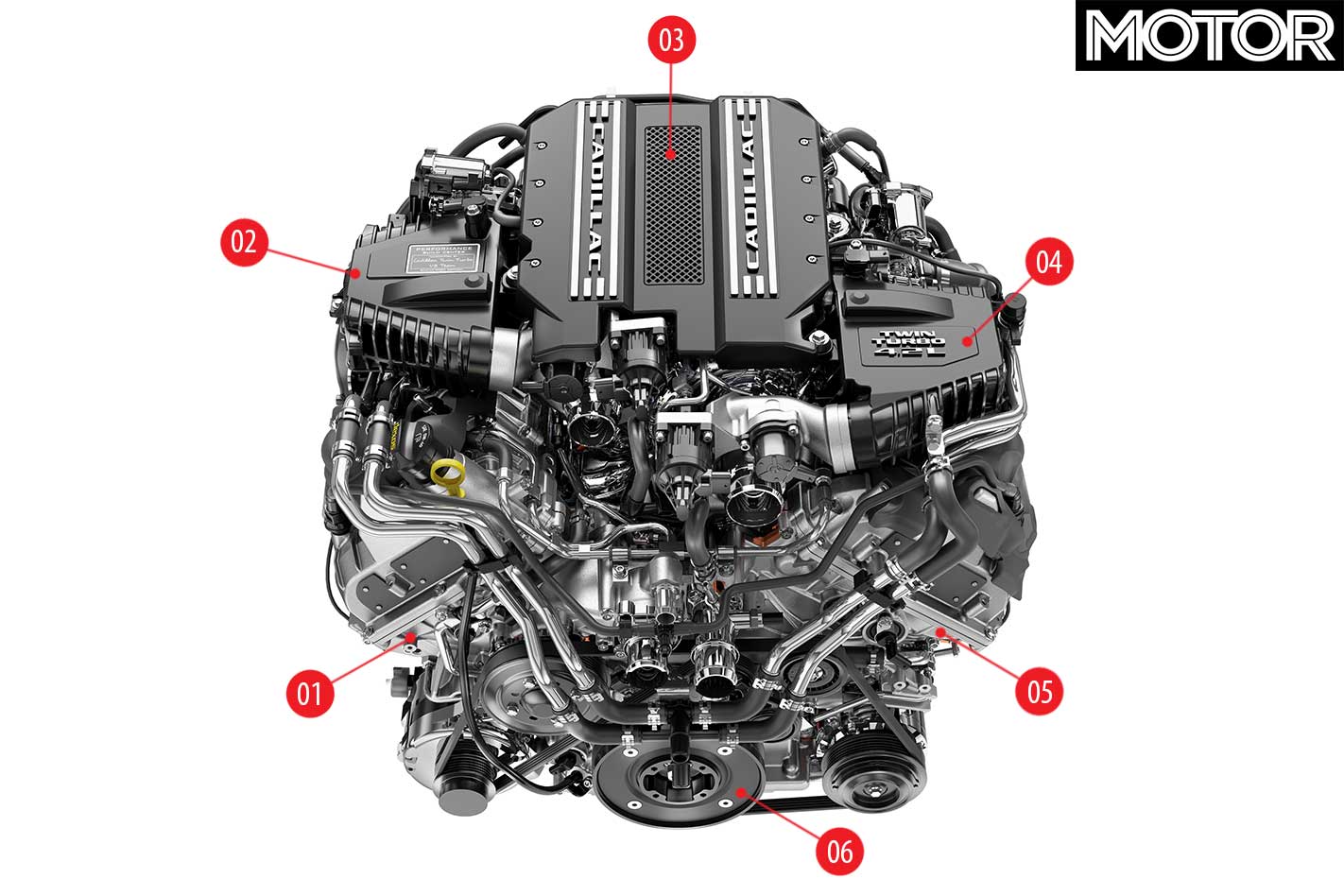
1 – An 86mm bore and 90.2mm stroke results in a cubic capacity of 4192cc. Its undersquare layout reduces the size of the pistons, aiding engine response.
2 – Two tunes are available: the regular CT6 develops 373kW from 5000-5200rpm and 750Nm from 2600-4600rpm while the more powerful CT6 V-Sport makes 410kW at 5700rpm and 850Nm from 3200-4000rpm.
3 – The turbochargers are mounted in the vee of the engine, shortening the inlet tract to reduce spool time and improve packaging.
4 – Each turbocharger is a twin-scroll unit with an electronically-controlled wastegate and is integrated into the exhaust manifold.
5 – Firing order is 1-5-4-3-6-8-7-2, or 1-4-6-7 with cylinder deactivation engaged.
6 – Crankshaft is forged steel, as are the conrods. Block is sand-cast aluminium with four oil jets to cool the pistons.
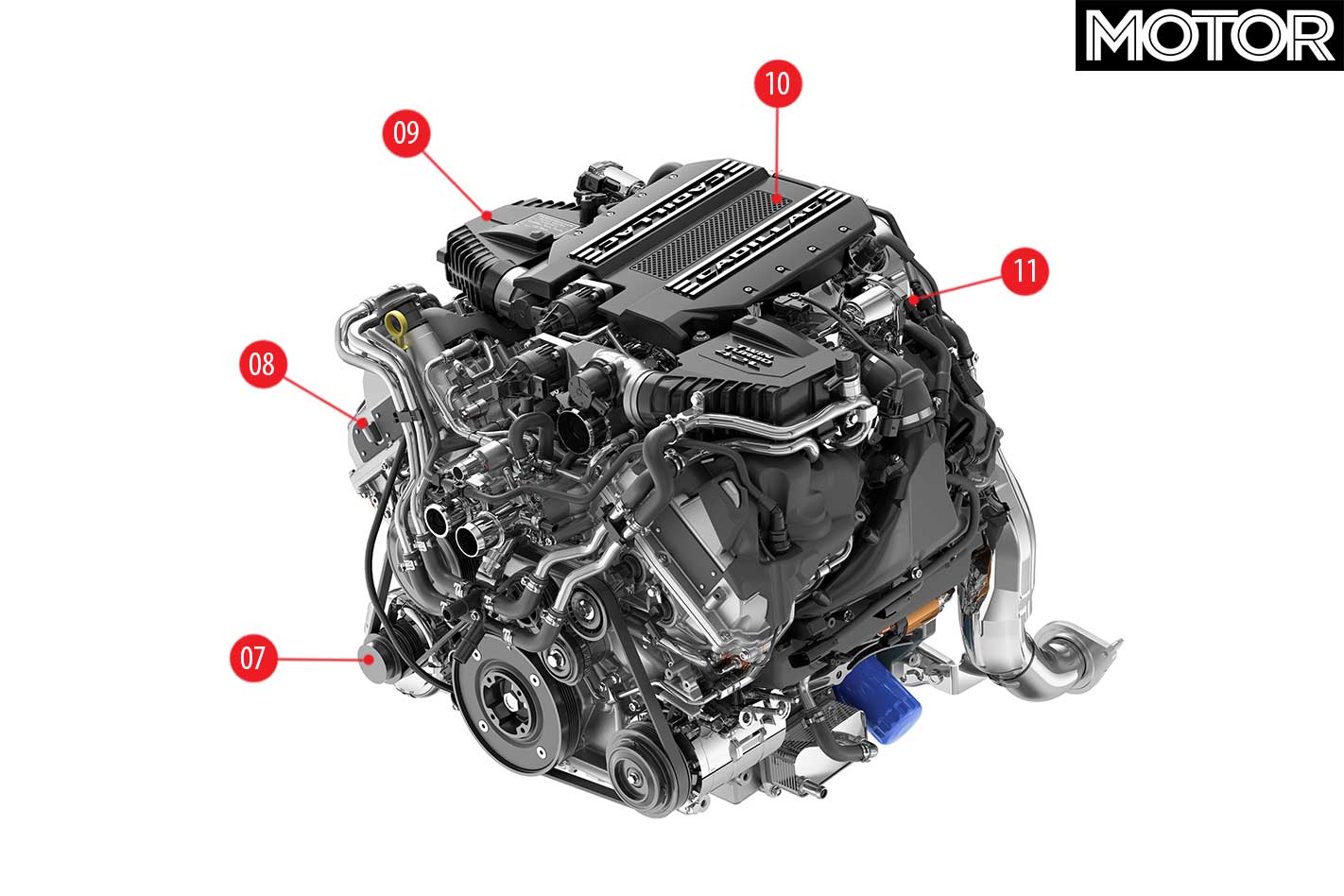
7 – In order to improve efficiency, the engine features cylinder deactivation and stop-start, but uses an auxiliary battery to operate power accessories when the engine is stopped.
8 – Direct fuel injection allows a high 9.8:1 compression ratio to be used due to the cooling effect of the fuel vaporising in the combustion chamber.
9- Water-to-air intercoolers lower intake temperature by more than 75˚C increasing air density.
10 – Unlike almost every GM V8 ever made the new 4.2 uses dual overhead camshafts with four valves per cylinder.
11 – Electronic wastegates allow precise boost control to a maximum of 1.38bar (20psi).
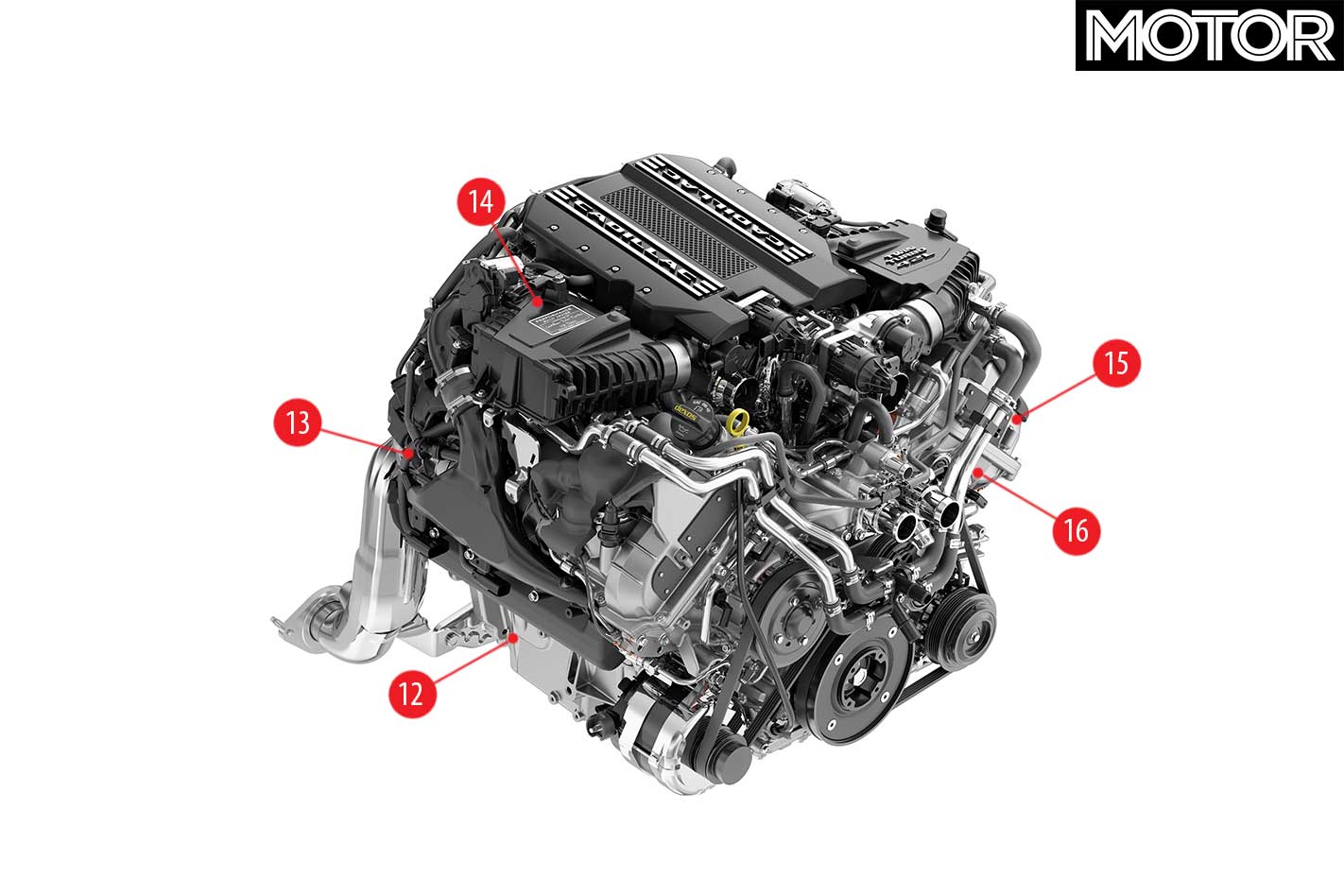
12 – Power is sent through a 10-speed automatic. The three tallest gears are overdriven allowing for a theoretical 400km/h top speed, were it not for wind resistance!
13 – Each cylinder bank has its own fuel pump, which supplies fuel at 350bar (5075psi).
14 – Cadillac’s new engine will be built at GM’s Performance Build Centre in Bowling Green, Kentucky.
15 – Sodium-filled valves help dissipate heat. Intake valves are 36mm and exhaust valves 29mm.
16 – Pistons are hypereutectic (pressure cast with a higher silicon content to lessen thermal expansion) and coated with polymer to reduce friction.
YOU wouldn’t guess from the outside facade, but Maranello Motorsport in Richmond, Victoria is one of the leading Ferrari garages in the world.
The unassuming two-storey brick storefront’s exterior, nestled between an overpass and the East Richmond train station, hides some of the rarest road and race cars to roll out of Maranello in Italy.
The business, owned and run by managing director Mark Coffey, has been operating in Australia for 25 years, and in that time has become something of a pseudo-factory race team and local workshop.
If you have a Ferrari road car, or an itch to race a Ferrari, Maranello Motorsport is the place you need to go.
Wheels was recently invited inside its walls to get up close and personal with a pair of very special Ferraris.
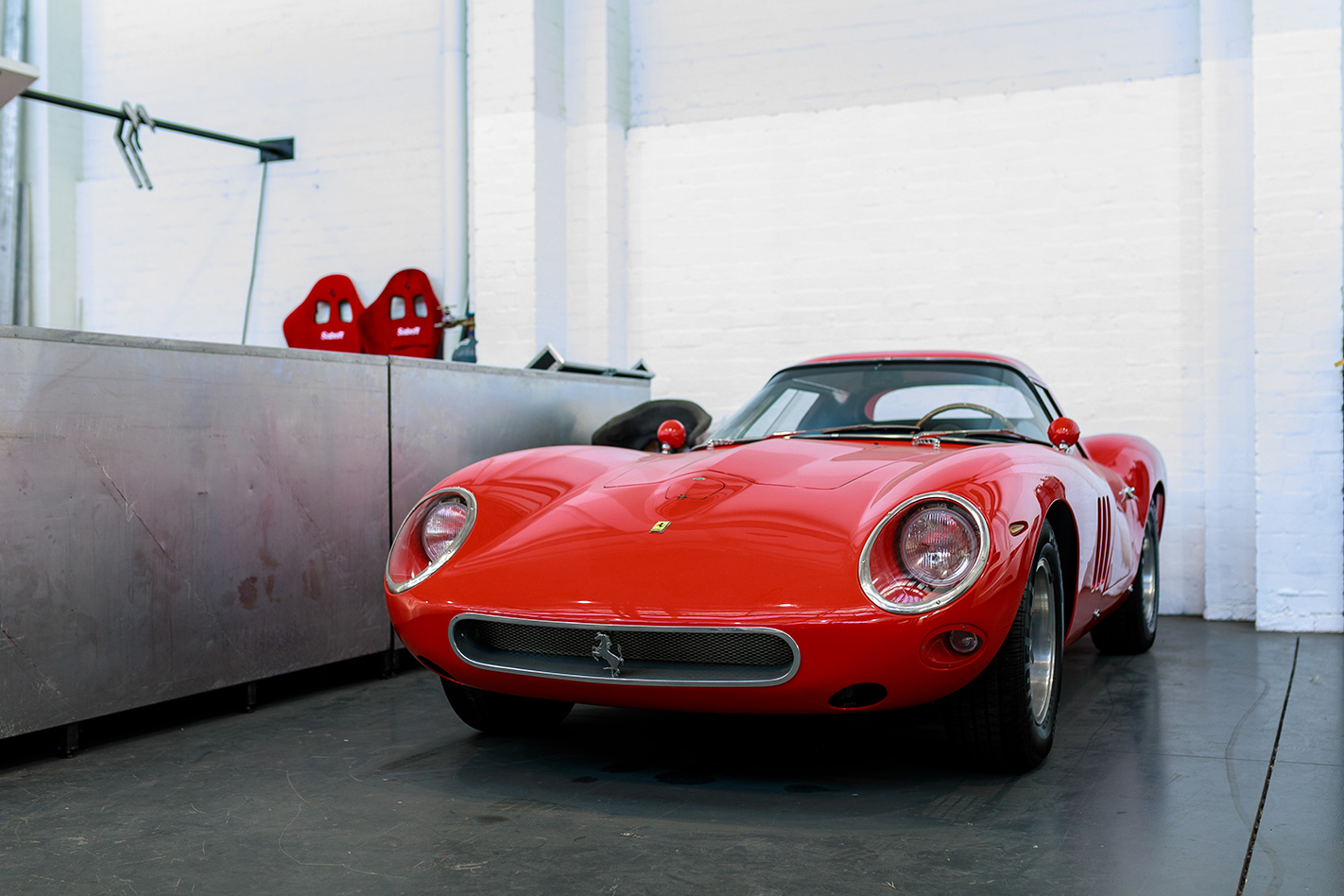
In any other garage, a stripped-down 488 GT3 race car and a pristine 250 GTO Series 2 re-creation would take up the entirety of your attention, but not at Maranello Motorsport.
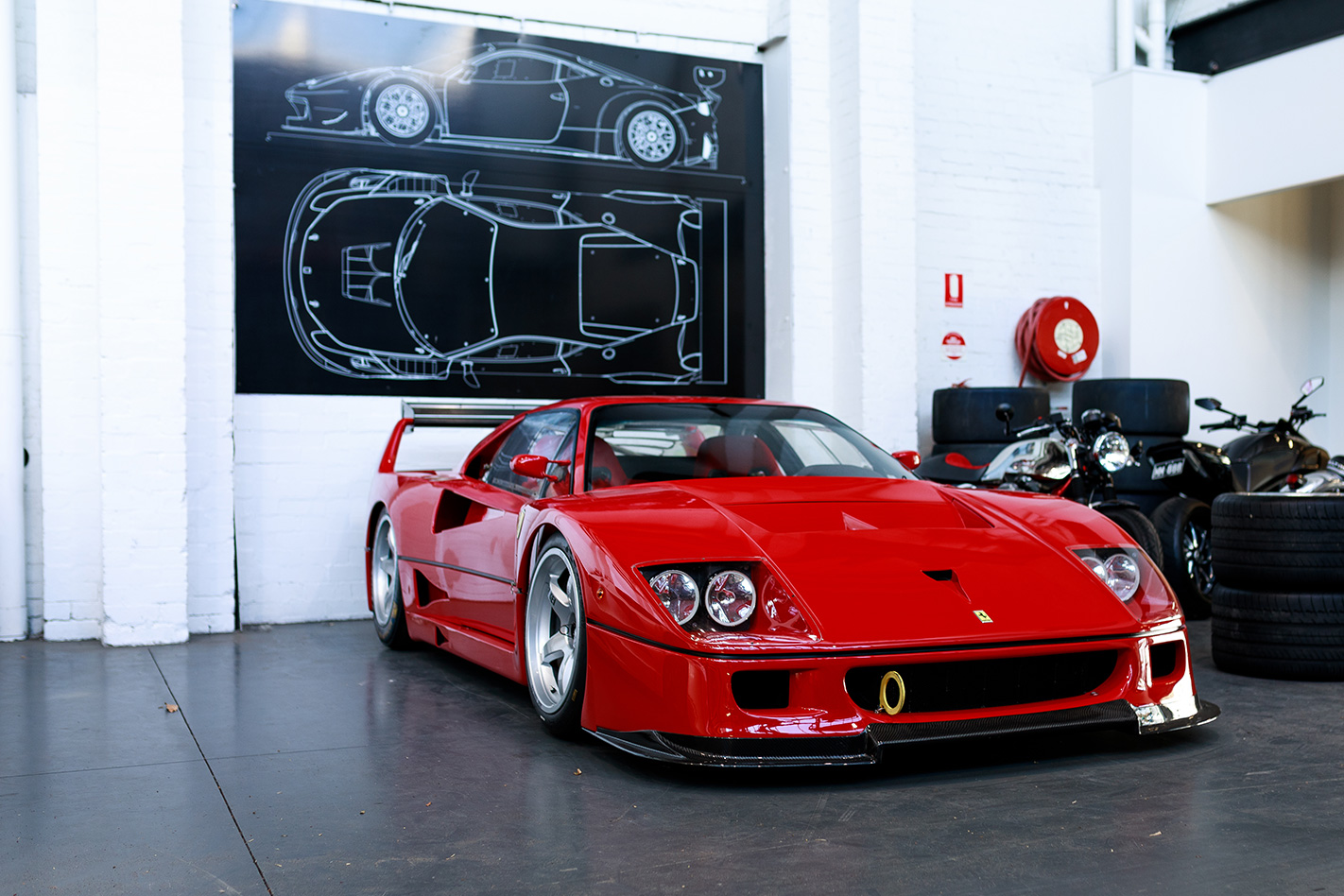
The purpose of our visit was to witness in person an FXX (one of just two in Australia), and a F40 GTE (only seven were built worldwide).
These two models are some of the most extreme track-only weapons to come from Maranello’s rolling hills in Italy, and speak to the kind of business Coffey has established.
When it comes to Ferraris, Maranello Motorsport’s bonafides are unmatched in Australia. The race team has scored two Bathurst 12 Hour victories (and is the custodian of one of the first 488 GT3 cars to ever be built), and a well-earned reputation for the immaculate servicing and restoration of road cars and racers.
It might be easy to miss at first, but next time you’re in Richmond, pop by Maranello Motorsport, have a peek through the Burnley Street factory’s windows, and you might just spot some of the rarest metal in the world.
FORMER Volkswagen Group global chief Martin Winterkorn is facing charges in the US that he defrauded the government, cheated buyers and violated the Clean Air Act, papers filed in the Michigan District Court reveal.
The fresh Dieselgate charges come after Volkswagen last year admitted in court to bringing diesel-engined cars into the US using false paperwork that claimed the vehicles met with strict emissions standards. In that court case, six of VW’s US-based employees were charged. The company has since said it will pay a $US4.3 billion fine and has also agreed to another $US1.5 billion settlement to cover environmental claims against the company.
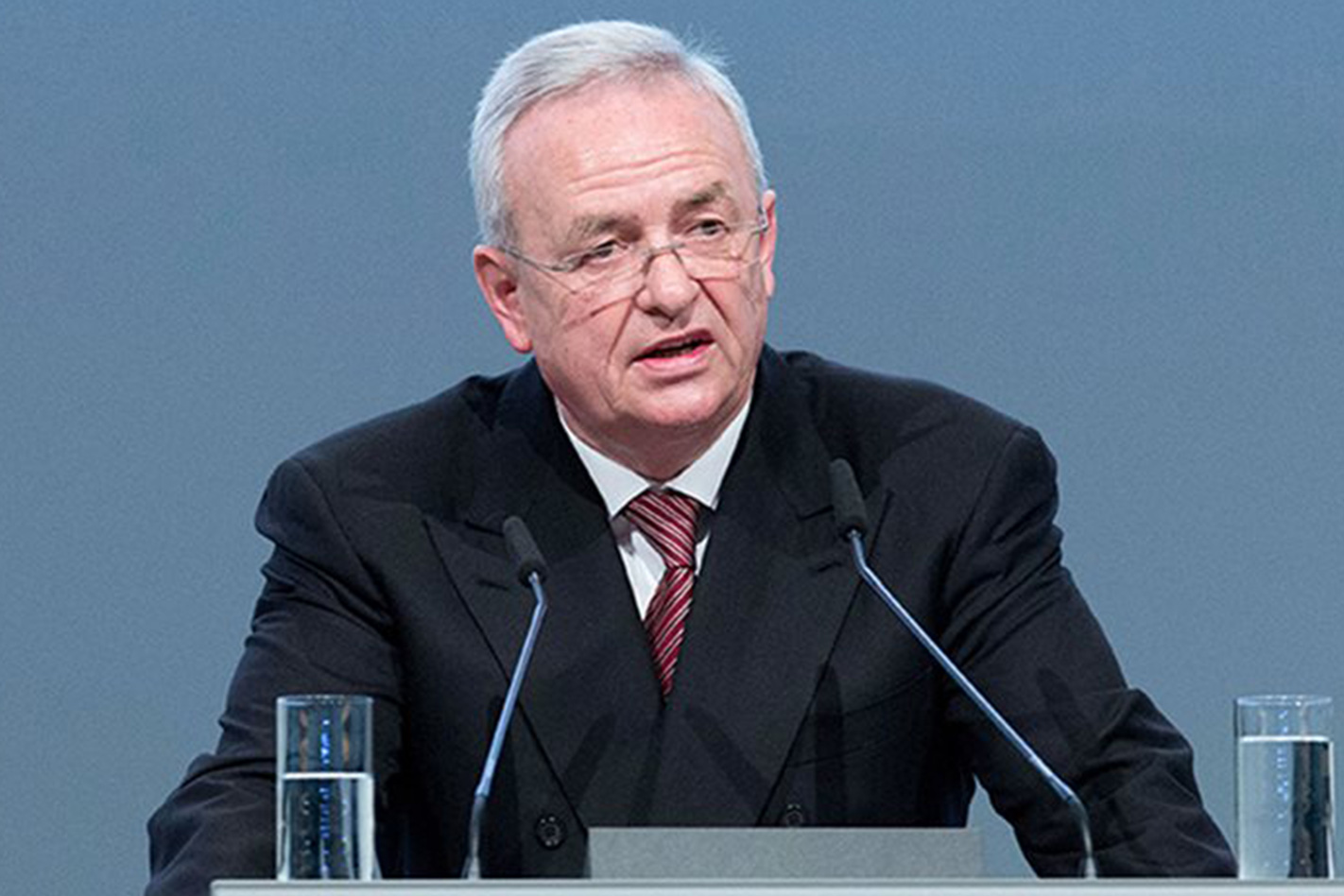
“The indictment unsealed today alleges that Volkswagen’s scheme to cheat its legal requirements went all the way to the top of the company,” the freshly sworn-in US Attorney General, Jeff Sessions, said. “These are serious allegations, and we will prosecute this case to the fullest extent of the law.”
Winterkorn fell on his sword days after the Dieselgate scandal broke in 2015, and as VW’s shares plunged more than 30 percent as the extent of the cheating scandal became more evident. However, the US charges are believed to be related to a meeting between Winterkorn and US-based VW executives where a decision was made to not alter the way up to 11 million cars performed when tested for emissions – the so-called defeat device that could recognise if the vehicle was being emissions-tested, and switch the engine to a special low-emissions mode.
Winterkorn will be the highest-ranking VW official to face charges over the Dieselgate scandal.
Australia’s consumer watchdog has taken VW’s local distribution arm, and the local division of luxury brand Audi, to court claiming they had breached consumer law by including the defeat device in almost 100,000 cars sold here.
Volkswagen Group Australia has denied it has done anything illegal here, claiming the vehicles’ emissions ratings were certified in Europe before they were sent here, and it had not broken any Australian laws.
Volkswagen is also facing separate class actions from disgruntled Australian owners.
WHAT IS IT?
The third-generation of Kia’s eight-seater has become Australia’s biggest-selling people mover, thanks to sharp looks, equipment levels and affordable pricing that have made it popular with fleet, rental and private buyers alike. This mid-life update aims to keep it ahead of the pack in terms of driveability, cabin quality, comfort and value.
WHY ARE WE TESTING IT?
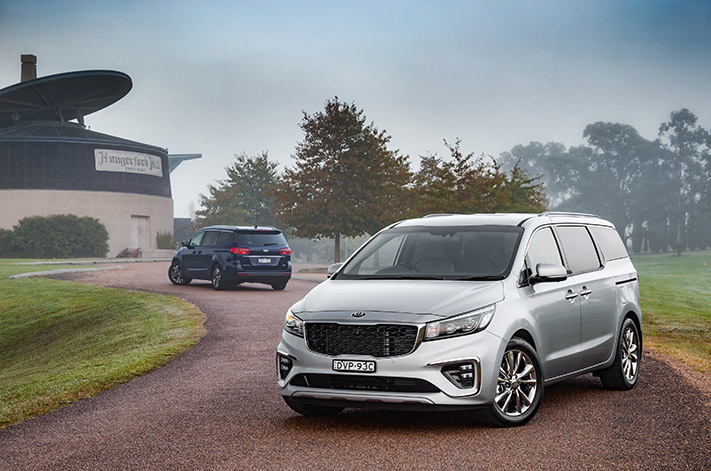
Kia Australia has tuned the Carnival’s refinement for local conditions, by tweaking its suspension and steering, while performance has been improved via the addition of a new eight-speed automatic transmission. The winding roads in the New South Wales Hunter Valley wine region, where such vehicles are often employed to shuttle imbibers between cellar doors, provided an excellent opportunity to see if Kia’s engineering had been successful.
MAIN RIVALS
Honda Odyssey, Hyundai iMax, LDV G10, Mercedes-Benz Valente, Toyota Tarago, Volkswagen Caravelle, Volkswagen Multivan and any seven-seat SUV.
THE WHEELS VERDICT
The Kia Carnival is now an even more compelling large-SUV alternative with a refreshed look and a refined driving experience thanks to the new eight-speed shifter and tweaked suspension. While the under-bonnet improvements of this mid-life upgrade might not necessarily resonate with the average buyer, the sharp-looking cabin and the inclusion of auto braking, adaptive cruise control, eight-speed transmission and fully loaded infotainment should bolster its appeal for private and corporate buyers.
PLUS: Noticeable handling and powertrain improvements, long list of standard features including auto braking, adaptive cruise control, plush interior, roomy third row, seven-year warranty MINUS: Spongy hydraulic steering, bumpy ride for third row passengers
THE WHEELS REVIEW
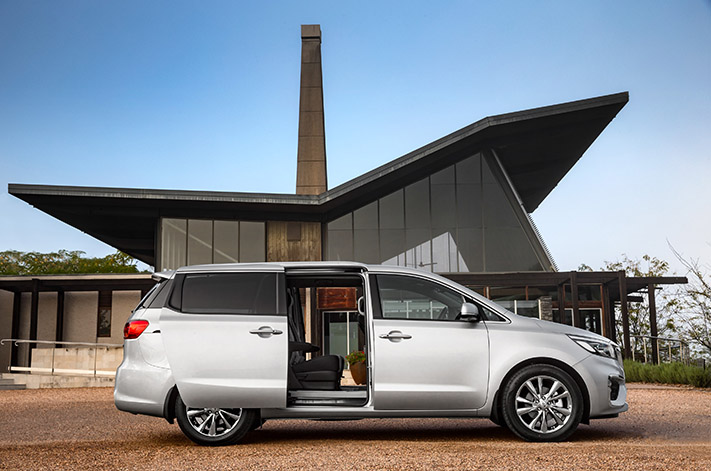
While it doesn’t top any cool lists, anecdotal evidence shows that this motoring scribe isn’t alone in harbouring a quiet admiration for the Kia Carnival. The third-generation of Kia’s eight-seat breeder bus was designed to suit the US market, which for this type of vehicle is a good thing. It’s plush, even with the entry-level cloth seats, and its sleek exterior wouldn’t look out of place in a presidential motorcade.
This mid-life update addresses some of Carnival’s few flaws, such as the diesel’s truck-like din and not-so-refined handling outside of its urban comfort zone despite its Australian tuning program, which included local-specific dampers and thicker anti-roll bars.
The fundamental suspension architecture of front MacPherson struts and multi-link rear bars remains, but has been further tweaked by tightening the damping and spring rates, which has improved the handling without overly compromising the plush ride.
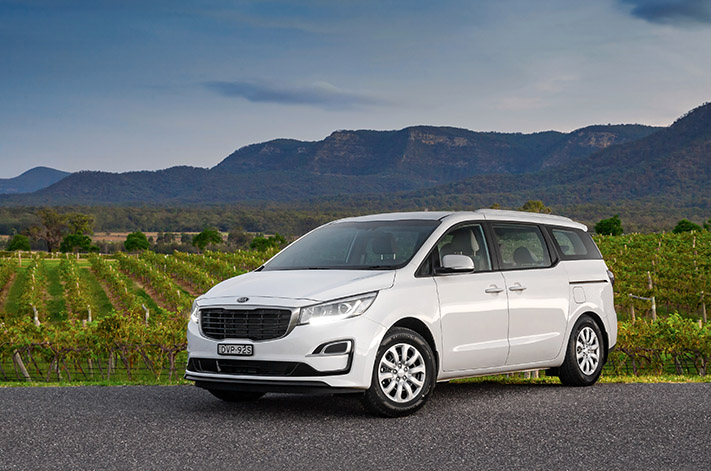
Despite its two-tonne heft, body roll feels car-like on bendy roads and body control is well controlled laterally so that even those sitting almost five-metres back in the third row weren’t flung from side to side. The ride down back can still be jarring, thanks to the seats being directly above the rear axle, though that does improve with heavier loads.
The hydraulic steering, which Aussie Carnivals have because the right-hand conversion couldn’t accommodate the electric steering, has also been tweaked with a new pump and tighter torsion bar spring. The results aren’t a night and day change though – steering is light and precise through low and high-speed bends, but the tiller still feels a little slack and disconnected from the front wheels.
A more noticeable improvement is the new eight-speed automatic transmission, which replaces the six-speed auto coupled to both the 3.3-litre V6 petrol and 2.2-litre turbo-diesel four. This is the same unit that debuted in the Kia Stinger and was a key feature of the Sorento’s mid-life update. The extra gears result in quicker and smoother shifts with each engine. Pedal response is vastly improved at low and high speeds, particularly with the V6, which previously required you to almost stomp on the pedal in a quest for meaningful torque.
As well as inspiring confidence when overtaking, the new transmission seamlessly kept up with the autonomous throttle and brake responses of the active cruise control that’s now standard across the Carnival range. Driving from Cessnock to Sydney Airport, the V6 petrol felt smooth and had no trouble negotiating the M1’s steep inclines.
Kia claims the new transmission slightly aids fuel economy, with the thirsty V6 now rated at 10.8L/100km combined, a small but useful improvement from its prior 11.6L/100km figure. Our relaxed drive from Cessnock averaged about 8.7km/100km which was bang on its extra-urban rating, though traffic was surprisingly light even at the airport end. Place some bums in all eight seats and drive around town and consumption will be well into the mid-teens.
The diesel’s fuel economy only goes down from 7.8L/100km to 7.7L/100km, which is reasonably frugal for a two-tonne bus and is the reason why the oil burners are the biggest sellers among private buyers. With the eight-speed auto, it’s zippier than the petrol and feels much more refined than before, with the lower revs at highway speeds vastly reducing diesel clatter.
Engine noise has also been reduced with NVH improvements, achieved by adding thicker soundproofing material to the wheel arches and around the engine bay, while new under-floor panels and thicker carpeting better isolate the cabin from road and wind noise. Wind noise has also been reduced by repositioning the windscreen wipers. The result was a very relaxed drive with tyre roar only noticeable on coarser surfaces.
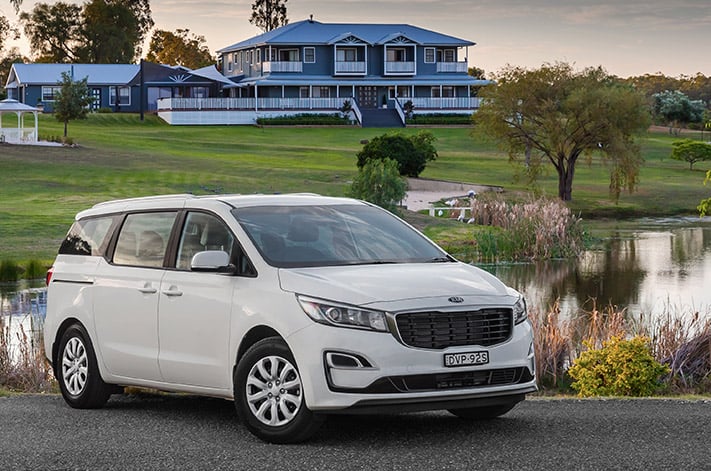
Another of Kia’s objectives for the Carnival facelift has been to bolster its showroom appeal. To that end, it gets a restyled nose and bumper as well as a sleeker headlight configuration, giving it a closer family resemblance to the Sorento. The range-topping Platinum also gains LED headlamps and “ice cube” fog-lights on upper-spec variants.
The silhouette has changed, too, with the restyled bumpers marginally trimming the front and rear overhangs, giving the Carnival a bolder stance enhanced by newly designed alloy wheels.
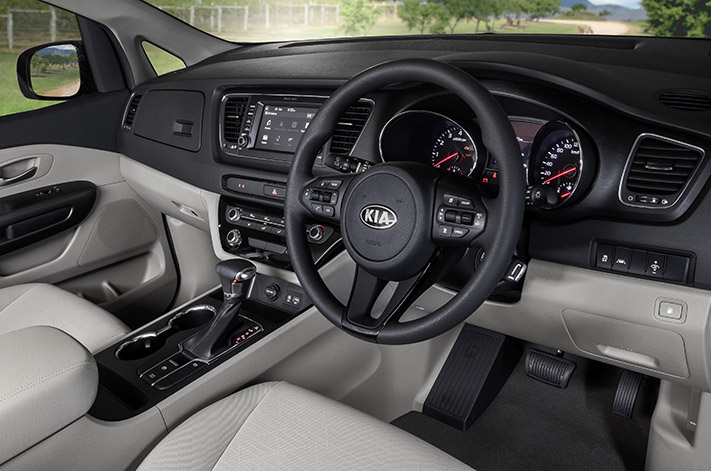
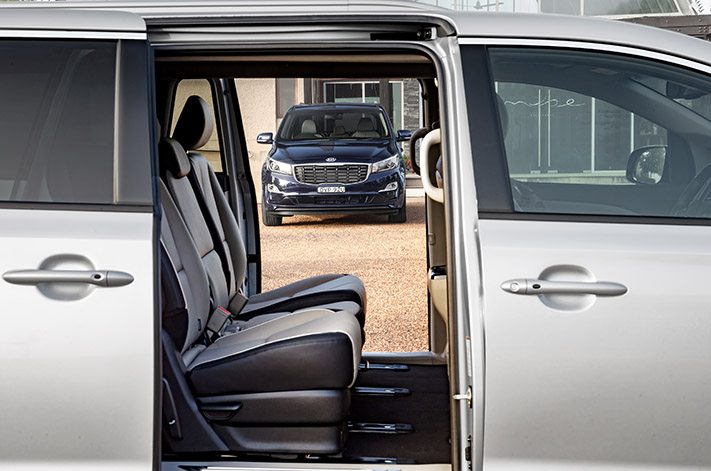
The airy interior has also been refreshed with updated instrument graphics and a less cluttered centre console featuring a sunglasses bin. An electric parking brake is now standard in all variants, further freeing up cabin space. The Carnival also shares the latest infotainment system with Sorento, which includes Apple CarPlay and Android Auto, with satellite navigation in all but the entry-level S variant that’s popular with rental car firms.
That said, S doesn’t stand for Spartan. The S and Si aren’t lacking for standard kit, both cars getting automatic emergency braking at city and highway speeds, lane departure warning and active cruise control that were previously exclusive to the upper-spec models. The range-topping Platinum adds blind-Spot detection, lane change assist, high beam assist, and rear cross-traffic alert.
For all the improvements, the Carnival’s entry-level price goes up by just $1000, with the leather-trimmed SLi and Platinum variants, which account for most private sales, jumping by $3000 and $2000 respectively. That sees prices ranging from $42,490 ($500 less than Sorento) to $62,790, which still makes the Carnival a value prospect against similarly equipped rivals, while continuing to make it a viable, and roomier, alternative to popular seven-seat SUVs.
SPECS
Model: 2018 Kia Carnival S Engine: 3342cc V6, DOHC, CVVT Max power: 206kW @ 6000rpm Max torque: 336Nm @ 5200rpm Transmission: eight-speed automatic Weight: 2146kg 0-100km/h: N/A Economy: 10.8L/100km Price: $42,490 On sale: May 2018
New car sales in Australia dropped slightly during April after a record March, however year-to-date sales are still 3.3 percent ahead of 2017.
According to VFACTs figures released today, total sales for the month of April hit 82,930, with strong SUV sales continuing to be the primary driver – the high-riding segment accounting for 43.6 per cent of overall April numbers.
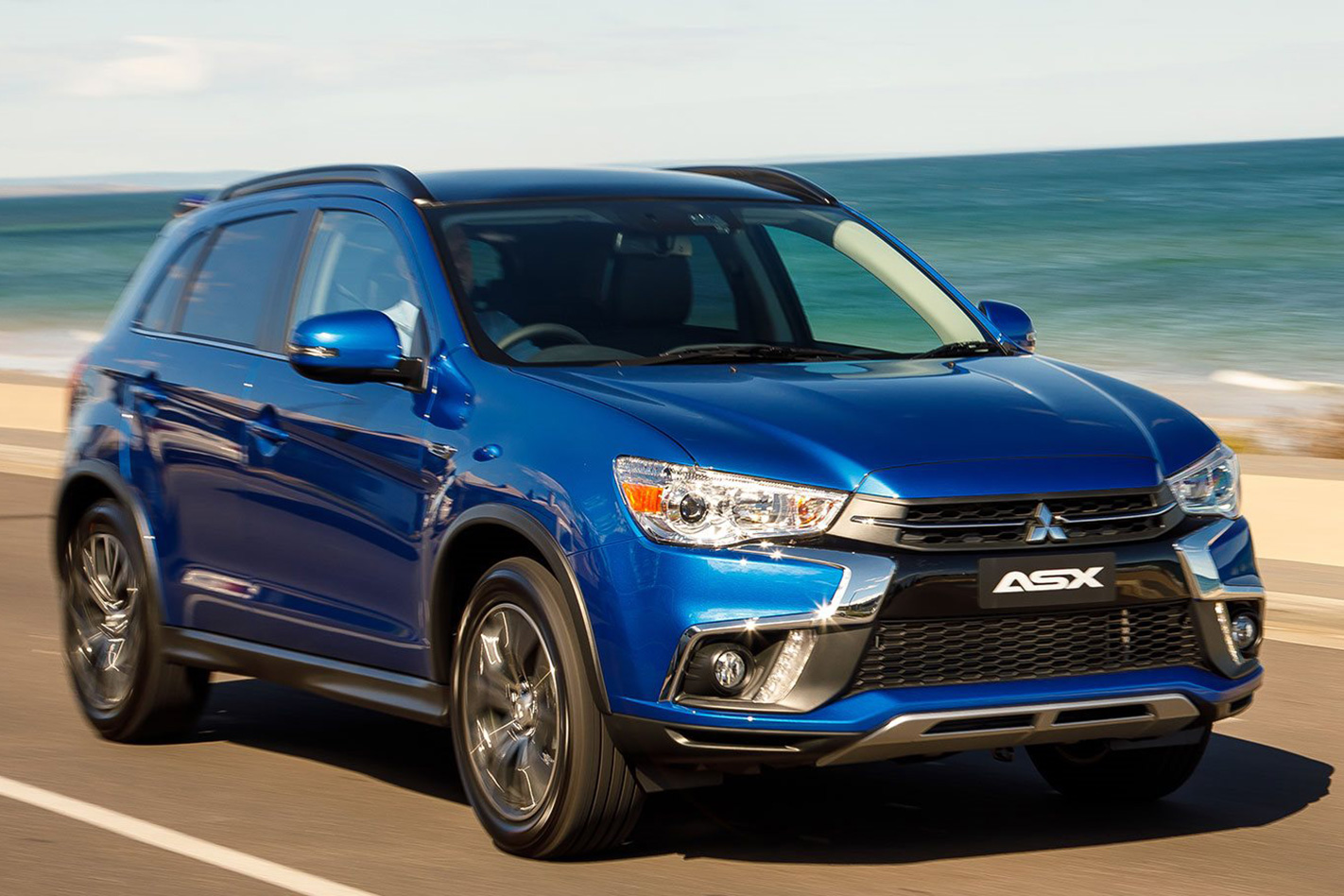
Once again it’s the small-SUV segment that’s the strongest-growing individual category, up 33.3 percent and led by the Mitsubishi ASX (1706 sales).
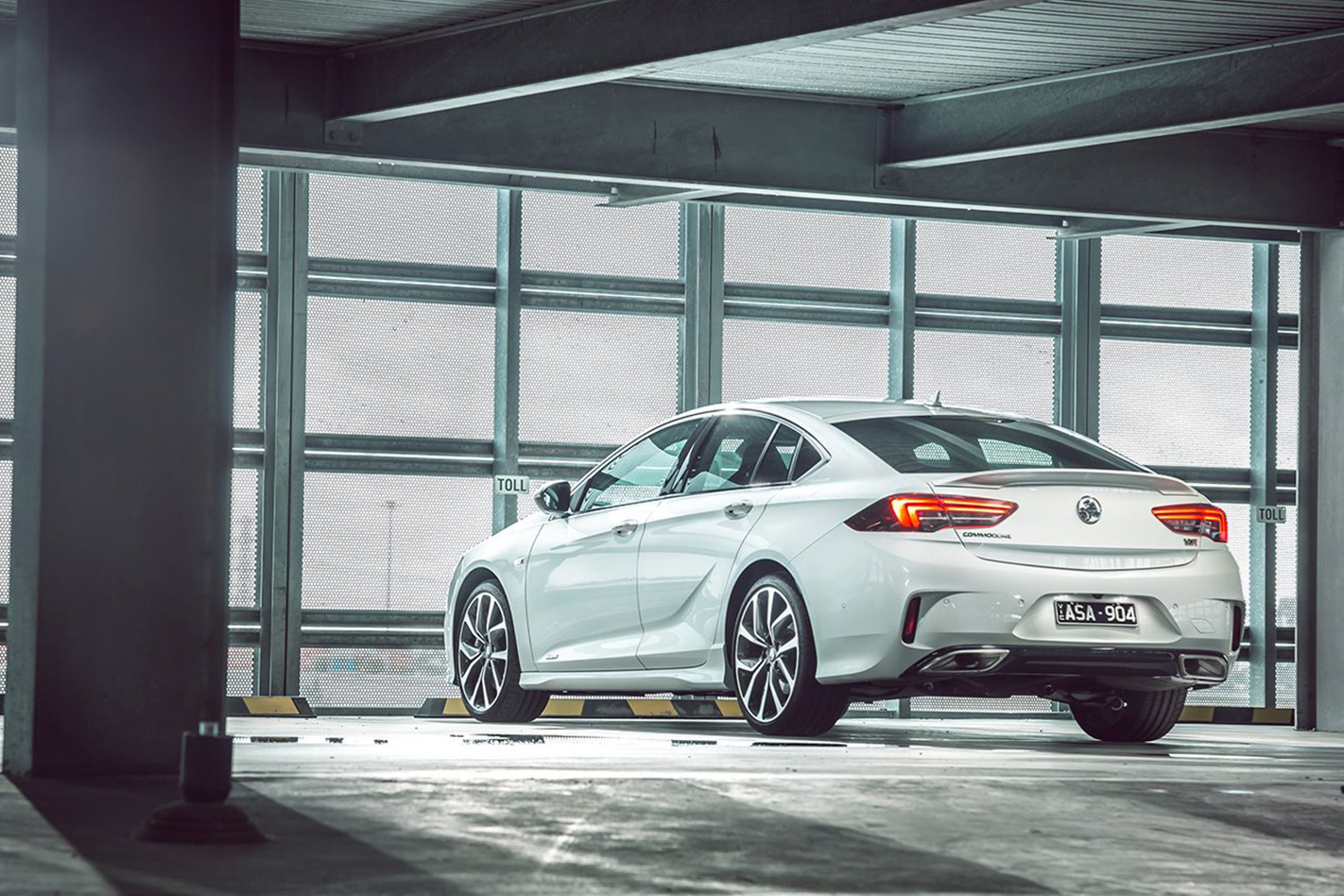
Passenger cars made up 33.2 per cent of overall sales, with the big news being the relatively lacklustre numbers achieved by the new Holden Commodore, which at 471 sales is well below the 1441 VF Commodores sold in April last year.
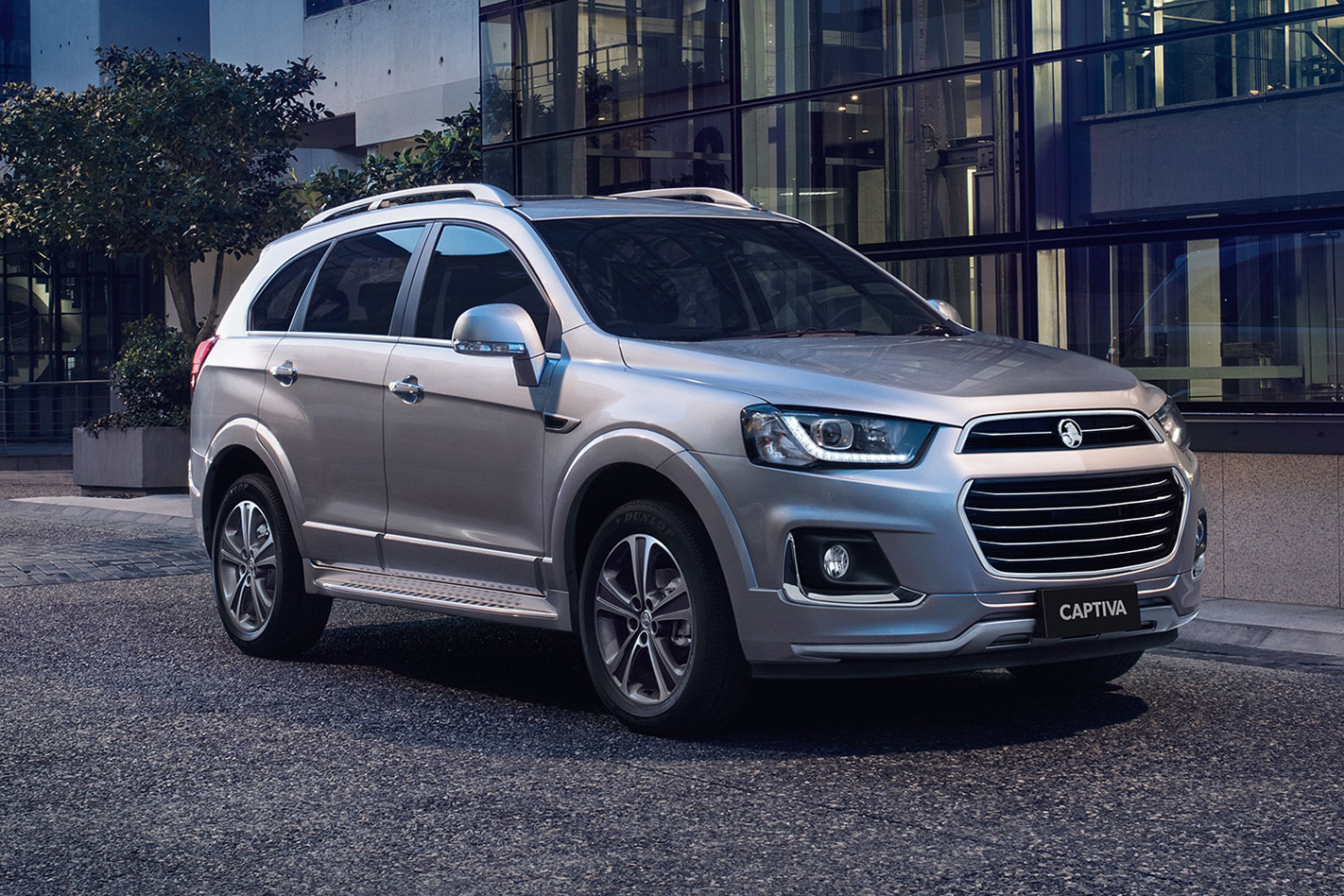
On a positive note for Holden, it nevertheless improved its standing in the top 10 brands for April, rising to number six from its lowest-ever 10th placing in March. While the Commodore waned, the Astra (497), outgoing Captiva (521) and the Captiva’s replacement, the Equinox (506) provided the additional volume to compensate.
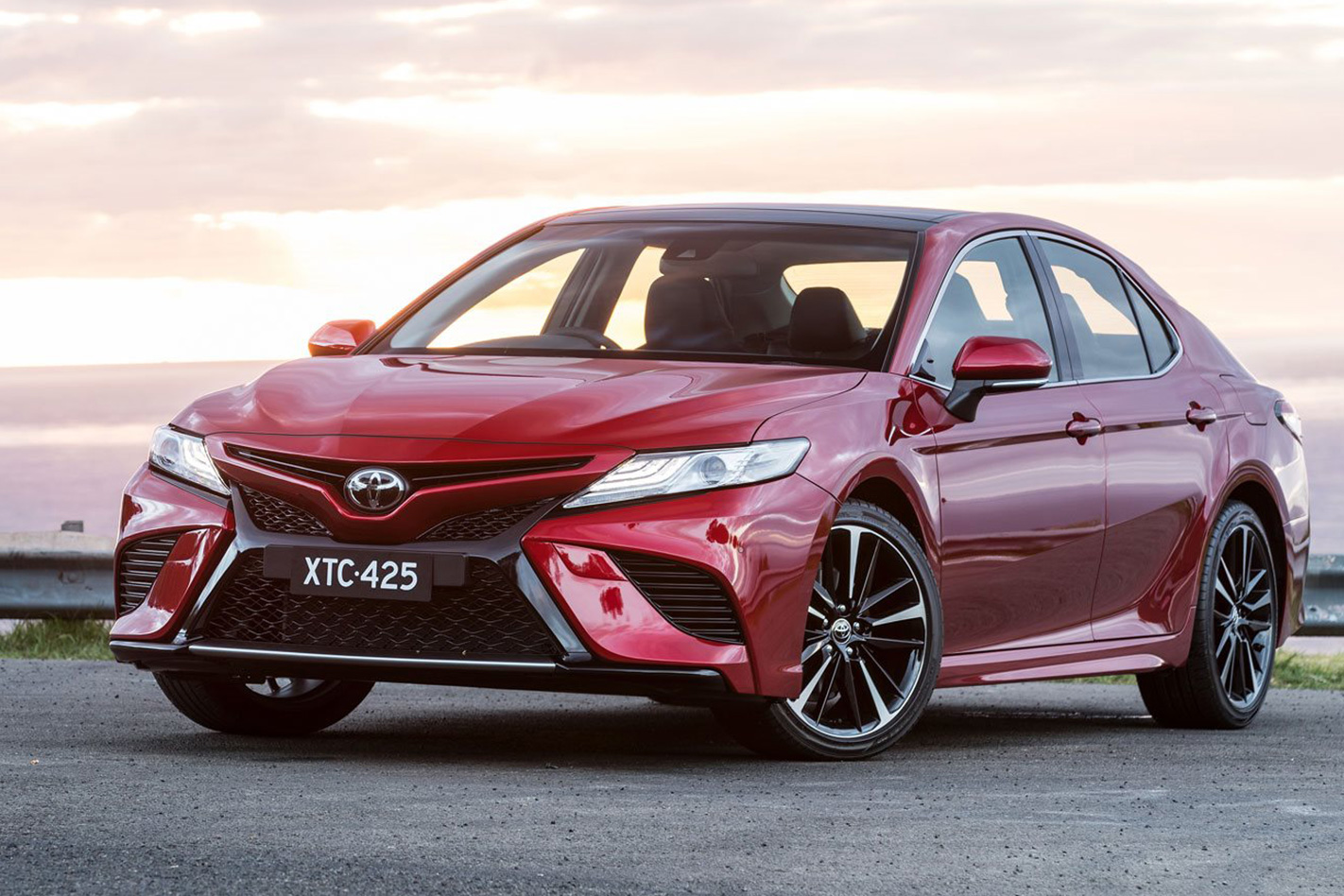
Toyota was again the nation’s best-selling brand, with its 16,647 April sales representing 20.1 percent share of the new-car market. Helping secure its grip on top spot were Australia’s highest-selling vehicle, the Hilux (3596), the second-placed Corolla (2979) and the 10th-placed Prado (1699).
Mazda sales were down by 2000 units compared to March, but the Japanese brand still retained second place with 7723 sales in April, for a 9.3 percent share, followed by Hyundai (7132) which claimed 8.6 percent of overall market share.
Mitsubishi (5508) dropped to fourth from its surprise third placing in March (which was largely due to an influx of vehicles being shipped and registered before the end of the Japanese financial year).
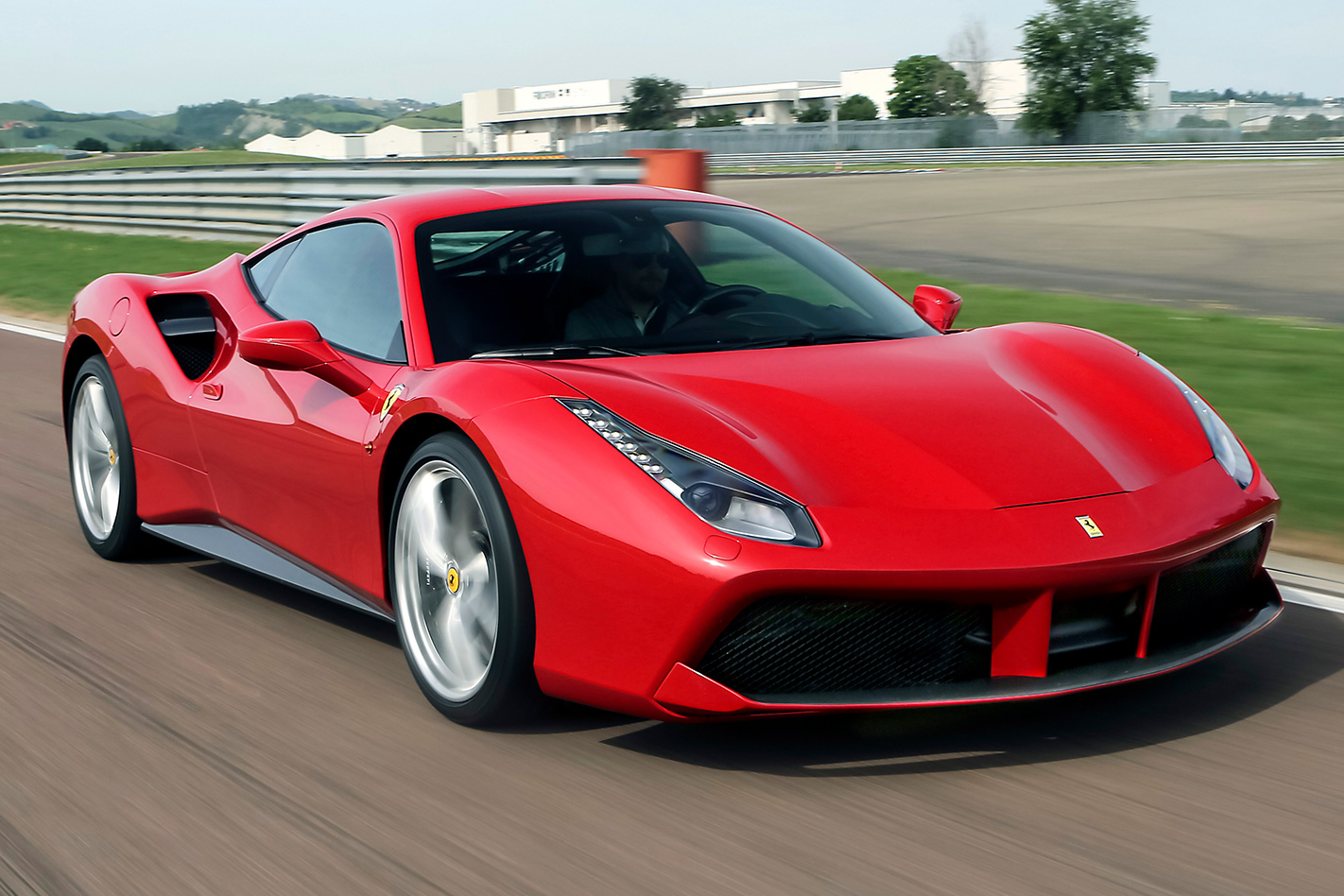
At the other end of the market, Ferrari secured another 21 sales in April, taking the number of Prancing Horse sports cars sold this year to 81 – almost 40 percent more compared with the same time last year.
Top-10 car manufacturers
1Toyota16,64720.1% 2 Mazda 7723 9.3% 3 Hyundai 7132 8.6% 4 Mitsubishi 5508 6.6% 5 Ford 4822 5.8% 6 Holden 4576 5.5% 7 Kia 4502 5.4% 8 Volkswagen 3918 4.7% 9 Nissan 3028 3.7% 10 Honda 3017 3.6%
TOP 20 SELLERS IN APRIL
1Toyota Hilux 3596 2 Toyota Corolla 2979 3 Ford Ranger 2796 4 Mazda 3 2261 5 Hyundai i30 1903 6 Hyundai Tucson 1816 7 Mazda CX-5 1725 8 Mitsubishi ASX 1706 9 Toyota Prado 1699 10 Holden Colorado 1491 11 Toyota RAV4 1444 12 Volkswagen Golf 1371 13 Mitsubishi Triton 1334 14 Kia Cerato 1322 15 Mazda CX-3 1172 16 Hyundai Accent 1160 17 Isuzu Ute D-Max 1156 18 Subaru XV 1139 19 Toyota Camry 1114 20 Nissan X-Trail 1103
Top-4 micro cars
1Kia Picanto 384 2 Fiat 500/Abarth 595 62 3 Holden Spark 44 4 Mitsubishi Mirage 41
Top-5 light cars
1Hyundai Accent 1160 2 Mazda 2 791 3 Toyota Yaris 665 4 Kia Rio 554 5 Suzuki Swift 525
Top-5 small cars
1Toyota Corolla2979 2 Mazda 3 2261 3 Hyundai i30 1903 4 Volkswagen Golf 1326 5 Kia Cerato 1322
Top-5 medium cars
1Toyota Camry 1114 2 Mercedes-Benz C-Class 494 3 BMW 3 Series 256 4 Ford Mondeo 208 5 Mercedes-Benz CLA-Class 206
Top-5 large cars
1Holden Commodore (ZB/VF) 587 2 Kia Stinger 184 3 Mercedes-Benz E-Class 101 4 Skoda Superb 62 5 BMW 5 Series 52
Top-5 Small SUVs
1Mitsubishi ASX1706 2 Mazda CX-3 1172 3 Subaru XV 1139 4 Hyundai Kona 918 5 Honda HR-V 789
Top-5 Medium SUVs
1Hyundai Tucson1816 2 Mazda CX-5 1725 3 Toyota RAV4 1444 4 Nissan X-Trail 1103 5 Mitsubishi Outlander 1003
Top-5 large/upper large SUVs
1Toyota Prado1699 2 Toyota LandCruiser 200 1262 3 Toyota Kluger 1063 4 Subaru Outback 862 5 Isuzu MU-X 557
Top-5 people movers
- Kia Carnival479
- LDV G10 Wagon88
- Honda Odyssey81
- Volkswagen Multivan81
- Toyota Tarago53
1Ford Mustang 381 2 Merc-Benz C-Class coupe/conv 137 3 BMW 2 Series coupe/conv 124 4 Mazda MX-5 84 5 Toyota 86 77
Top-5 4×4 trade utes
1Toyota HiLux2659 2 Ford Ranger 2347 3 Holden Colorado 1300 4 Mitsubishi Triton 1055 5 Isuzu D-Max 809
To pave the way for its all-new JL-series Jeep Wrangler, Fiat-Chrysler’s local office has announced two final special editions to help see the JK Wrangler out the door. And when it comes to pumping up the most iconic model offered by one of the most quintessentially American automotive brands, what could be more fist-pumpingly American than Eagles and Freedom?

The Jeep Wrangler Golden Eagle and Jeep Wrangler Freedom Edition are specced-up specials that both slot in between the Wrangler Sport and Wrangler Overland grades. Besides trading heavily on American stereotypes, both come fitted with a range of value-adding enhancements to sweeten the pot for 4×4 shoppers.
You’ll be able to pick the Golden Eagle apart from garden-variety Wranglers by its enormous bird-shaped bonnet decal. Caw! Based on the entry-grade Wrangler Sport, the Golden Eagle also adds a body colour three-piece hard top or ‘Premium Tan” soft top, a blacked-out seven-slot grille, bronze paint on its 18-inch alloys, grille slats and headlamp rings, rock rails, body-coloured fenders and tinted rear glass.
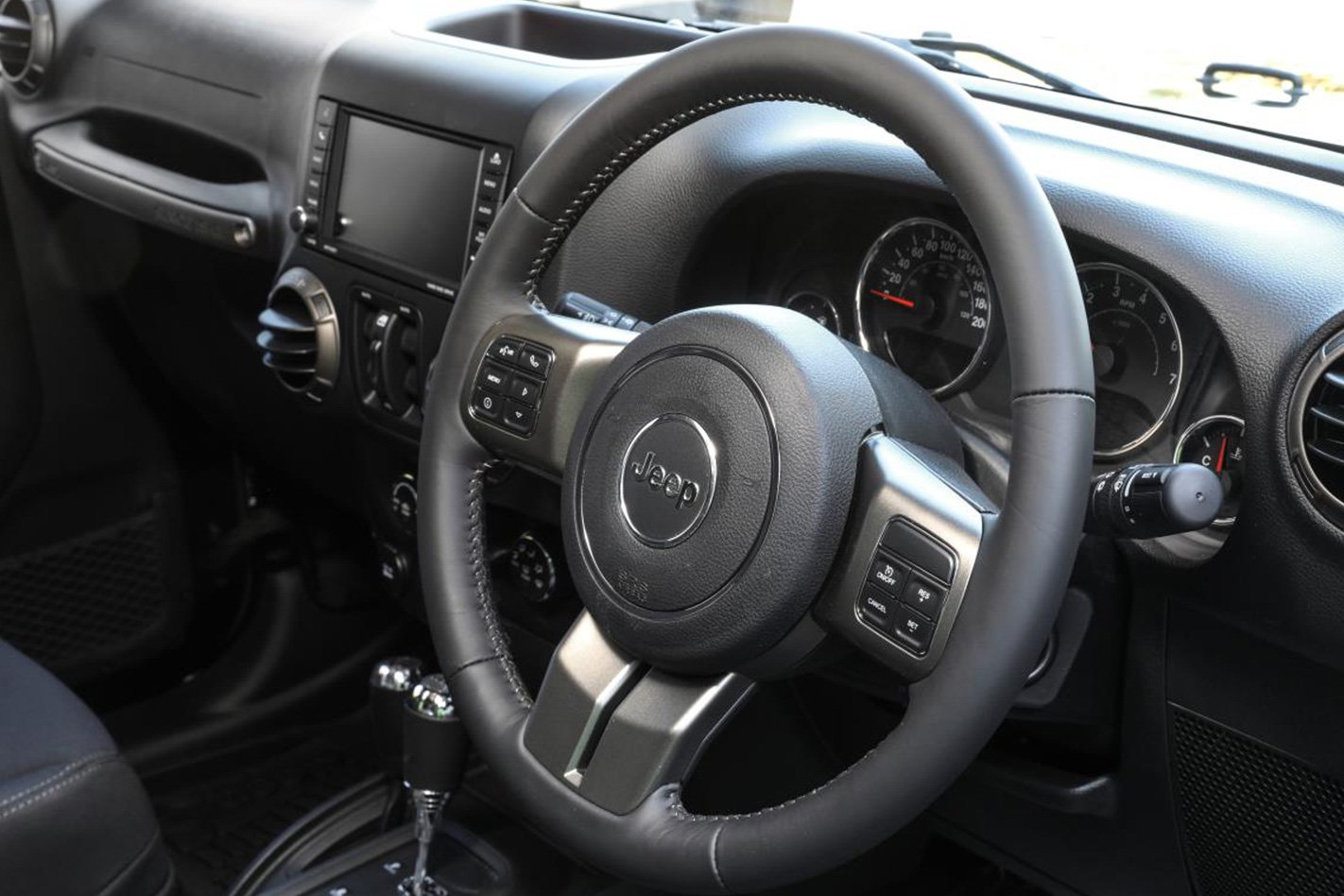
On the inside, Golden Eagles feature a 6.5-inch colour touchscreen audio headunit, Alpine speakers, bronze accent stitching on door cards and centre console, cloth seats with Golden Eagle embroidery, and contrast-painting grab handles, steering wheel bezels and air vents. The Wrangler Golden Eagle can be had in either two-door or four-door form, and with either a six-speed manual or five-speed automatic.
It’s strictly a petrol-only model, however, and is powered by Jeep’s 209kW/347Nm Pentastar 3.6-litre V6. Only 120 Golden Eagles will be brought into the country.
The Wrangler Freedom Edition is a homage to Jeep’s genesis in world war 2, with “Freedom Star” decals on the bonnet and rear quarters emulating the look of the US Army’s WW2-vintage ground transports. Meanwhile an “Oscar Mike” graphic references military phonetic shorthand for the phrase “on the move”.
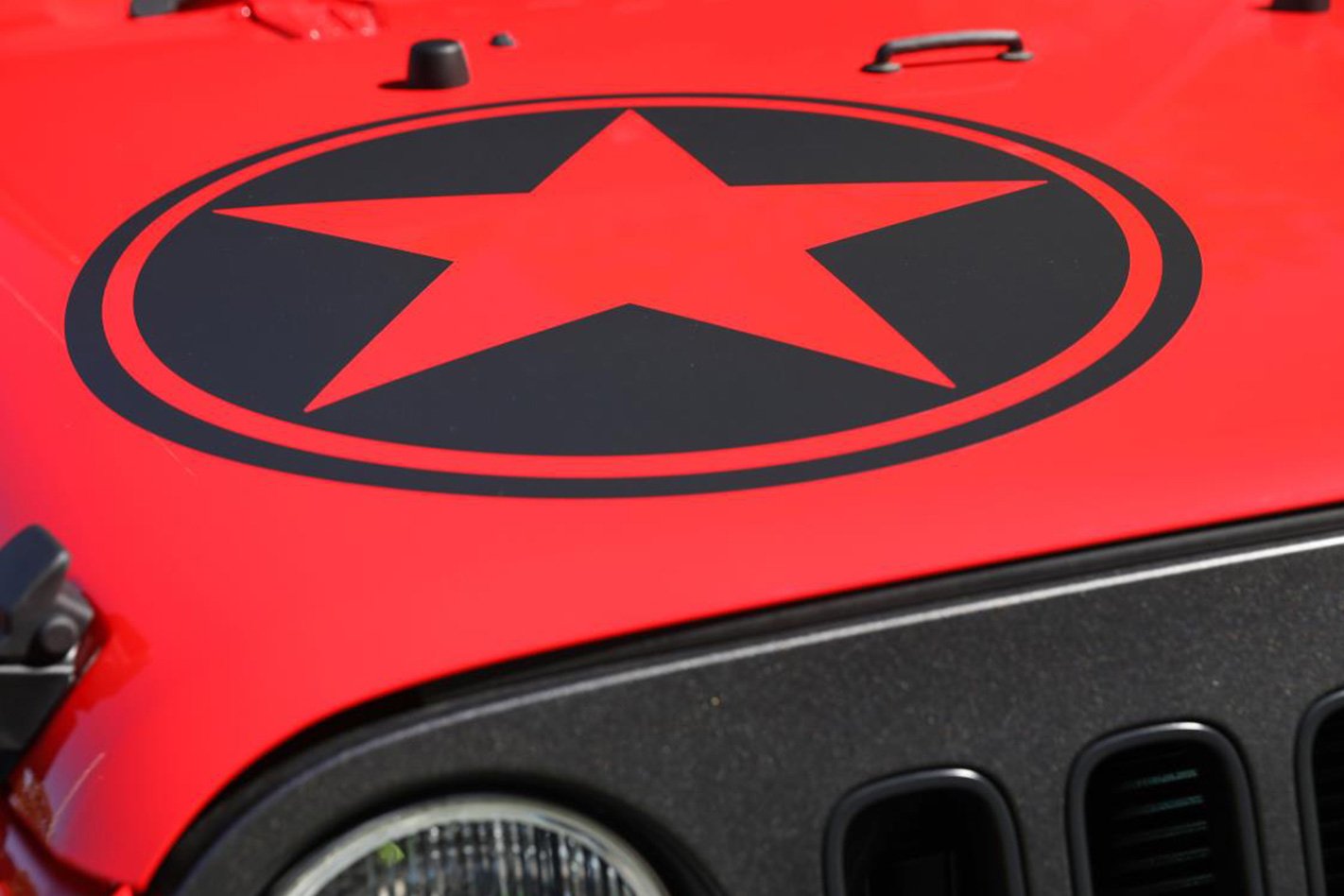
Also based on the Wrangler Sport, the Freedom Edition has 18-inch alloys and seven-slot grille painted in satin black, with body coloured fenders, rock rails, a black soft top, leather-accented upholstery, grey painted interior accents, all-weather slush mats and satin chrome trim on the steering wheel.
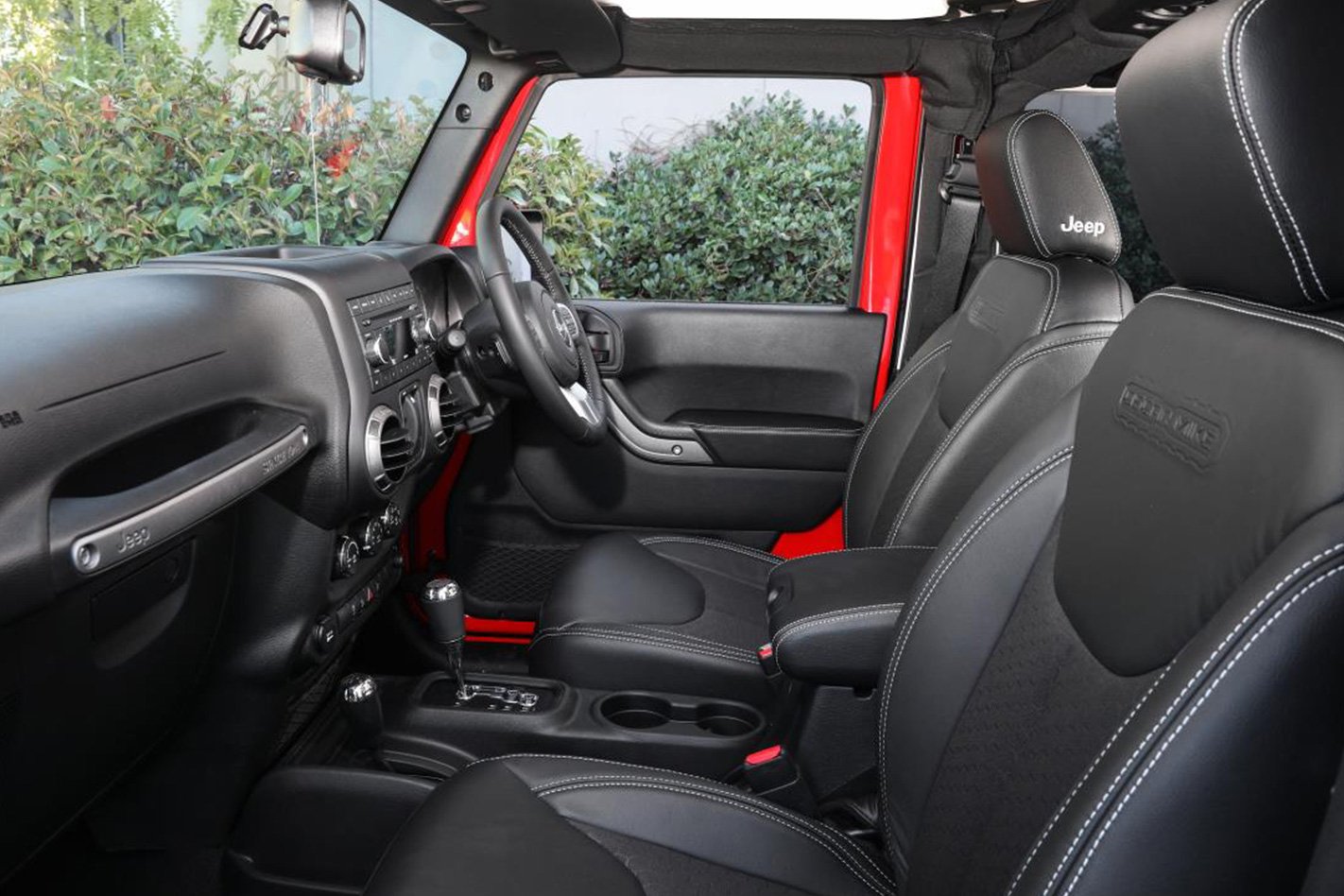
Only 150 will be available in Australia, and while the Freedom Edition can be had in either two-door or four-door flavour, it’s only available with the 3.6-litre petrol V6 and a five-speed automatic.
PRICING
- Jeep Wrangler Golden Eagle two-door 3.6L manual – $42,990
- Jeep Wrangler Golden Eagle two-door 3.6L auto – $44,990
- Jeep Wrangler Golden Eagle four-door 3.6L manual – $47,490
- Jeep Wrangler Golden Eagle four-door 3.6L auto – $49,490
- Jeep Wrangler Freedom Edition two-door 3.6L auto – $43,990
- Jeep Wrangler Freedom Edition four-door 3.6L auto – $48,290
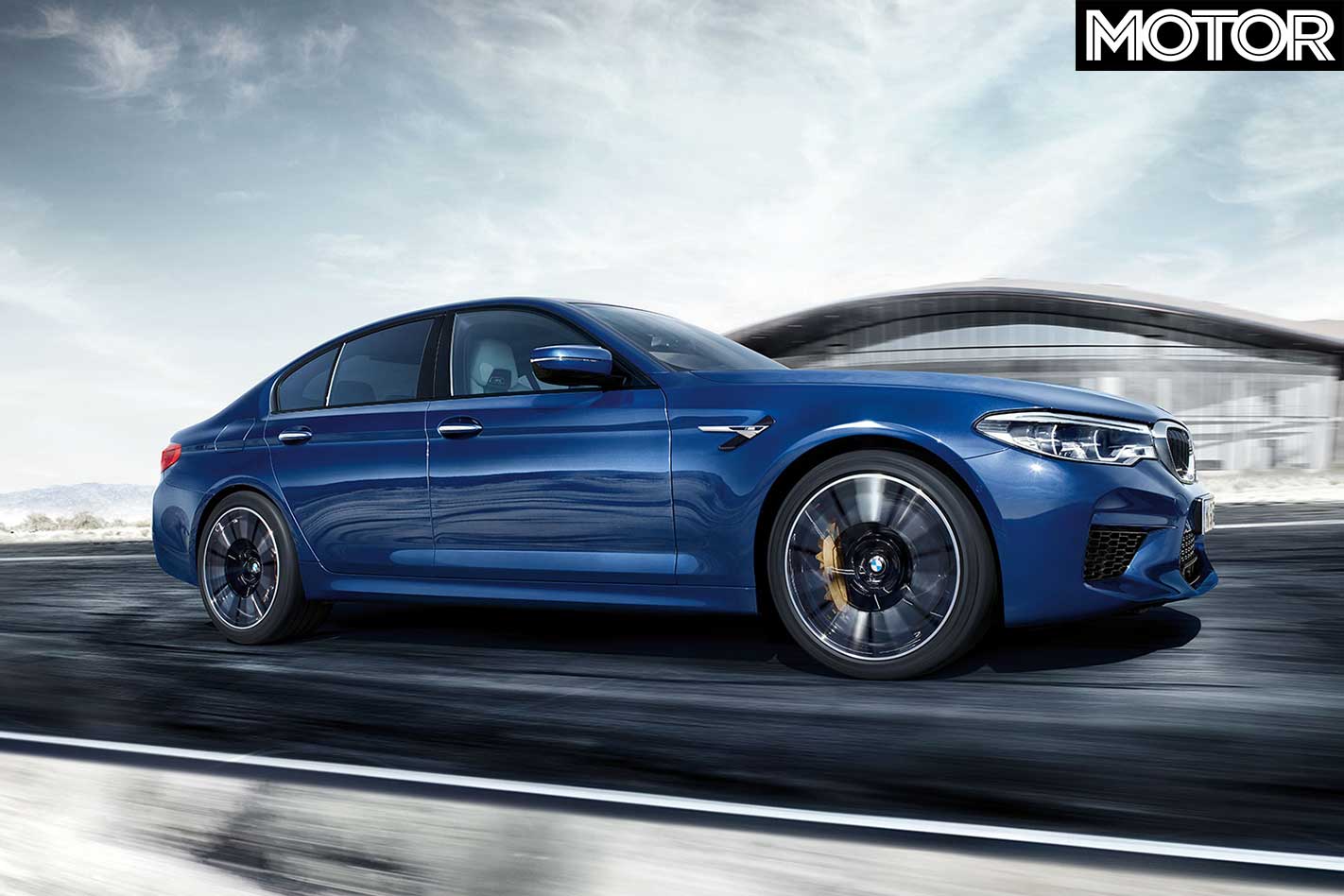
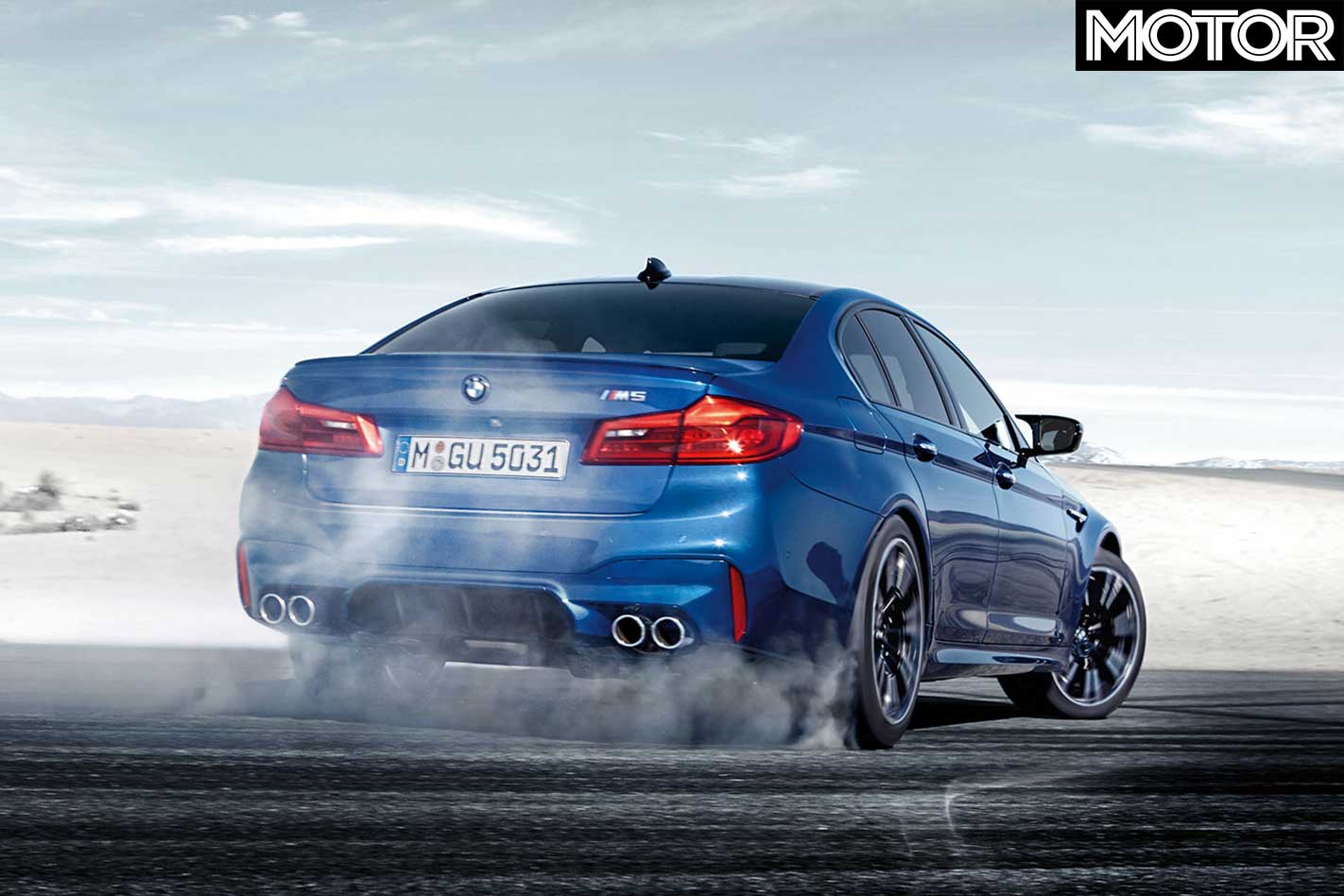
A post by an Australian user on the Bimmerpost forum has leaked specifications and pricing for the next BMW M5 Competition.
In an additional twist of luck, BMW’s German website appears to confirm the specifications.
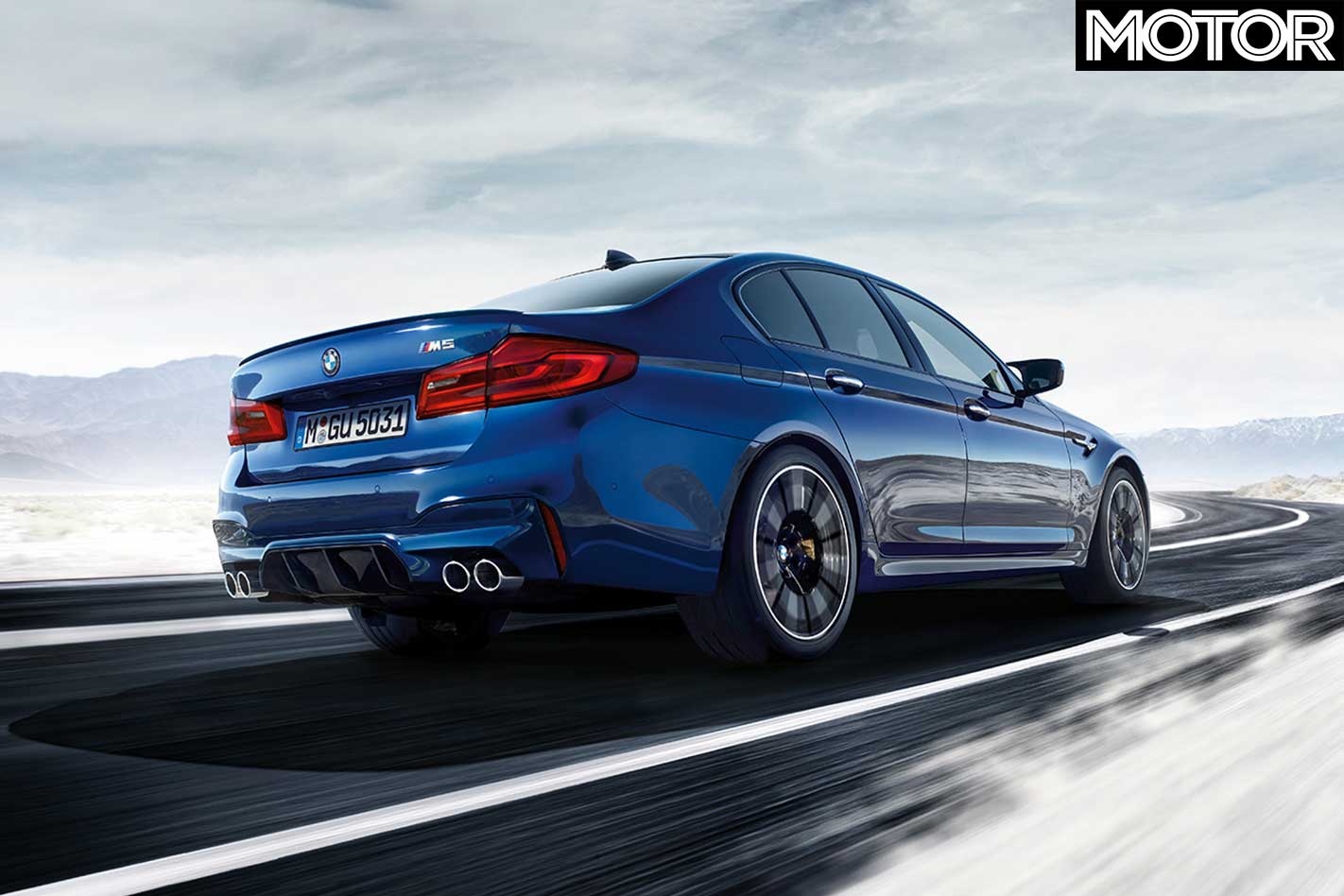
The forum user says they have one on order and received details from a dealer for the more focused M5, which will feature a power increase of 19kW for its twin-turbo V8 and shave a tenth from its 0-100km/h sprint.
The 460kW sedan will also hit 200km/h in just 10.8 seconds according to the user, another stat backed up by the BMW Germany website.
Its exhaust is set to be replaced with a louder, more aggressive M Sport version, and suspension will be lower and firmer, naturally.
The price this user was given is “to the dollar” at $229,000 in Australia before on-road costs, which they rightly point out is a very similar price compared to the previous generation’s $230,615.
Additionally, the post said a BMW insider revealed the official date for the unveiling of the BMW M5 is to be May 8, next Tuesday at time of writing.
This is now the second time this year the details for one of BMW’s Competition models have leaked ahead of the official reveal, with BMW’s Australian website having accidentally published a page dedicated to the M2 Competition a few days early.
Given that, it’s safe to expect a big announcement from BMW early next week.
MOTOR contacted BMW Australia for comment, and while a spokesperson said the BMW M5 Competition is currently in development, the local arm can’t confirm an announcement date or arrival yet.
Stay tuned.
AUSTRALIA’S new-car market came tantalisingly close to posting another record April last month, its 82,930 total falling just 206 sales shy of the benchmark.
The result was only 0.2 percent lower than the same month last year, which still leaves the 2018 tally 3.3 percent, or two cars shy of 12,000, ahead of last year’s record pace.
After last month’s disastrous result for the brand, all eyes turn to Holden. The good bit is the Red Lion (4576) has improved its standings in the top 10 brands, rising to number six after falling to the bottom rung of March’s results. But it’s even more woe for the Holden Commodore, with 116 of the 587 total attributed to dwindling stocks of the locally built VFII, not the new German one. Do the numbers, and ZB mustered only 471 buyers, meaning it fell behind Astra (497), old stock of the Captiva (521) and the Captiva’s replacement, the Equinox (506) for the month.
If you need a measure of how much Holden must be hurting, Toyota sold 1038 of its now fully imported Camrys – the number is bolstered to 1114 once the legacy Aussie-made stock is added in.
Toyota was again the nation’s best-selling brand, cornering 16,647 sales for a 20.1 percent share of the new-car market. Helping it were Australia’s biggest-selling vehicle, the Hilux (3596), the second-placed Corolla (2979), the 10th-placed Prado (1699).
Mazda (7723 sales, 9.3 percent share) placed second with the fourth-placed 3 (2261) and eighth-placed CX-5 (1725) helping its fortunes. Hyundai (7132, 8.6%) finished April third, the i30 (1903) and Tucson (1816) blocking out sixth and seventh spots respectively. Mitsubishi (5508, 6.6%) claimed fourth spot as its ASX (1706) claimed ninth spot in the top 10, while Ford (4822, 5.8%) rounded out the top five, its Ranger (2796) claiming third spot on the bestseller’s list.
All of the market’s heat came from SUVs, which finished the month with 36,159 sales – 4791 sales ahead of where they finished in the same month last year. Passenger cars (27,553) and light commercial vehicles (16,087) both went backwards.
Even though it claimed two in every five sales in the sports cars costing less than $80,000 segment, the Ford Mustang (381) hit the lowest sales number it has seen since May last year. The only reason it did so relatively well is because the whole segment struggled, falling to just 809 units. What’s the matter, aren’t we rewarding ourselves anymore?
Ninth-placed Honda struggled. Even though it had improved on April last year, month on month the Japanese carmaker had one to forget, sliding more than 2500 sales to 3017. Every single model – the Accord, City, Civic, CR-V, HR-V, Jazz and Odyssey – was comprehensively kicked in the guts.
A similar sentiment must have been hanging around the Adelaide-based boardroom at Mitsubishi (5508), where month-on-month sales slid around 3300 units. Leading the fall were the Pajero Sport (323) and its regular strong-selling staple, the Triton (1055).
With just 3028 sales for the month, Nissan’s struggles were headlined by sharp falls for the Qashqai (625) and X-Trail (1103), neither of which pulled a top 10 effort this time around.
Subaru’s “do” became a “doh!” as a small month-on-month fall in buyers across all but the Liberty accumulated just 4017 sales for the brand, more than 1000 off the pace. But it did do better than in April last year.
Land Rover (733) likewise struggled to lure buyers. Only its luxury-laden Range Rover (25) posted positive sales, causing it to fall well off the pace of fellow regular top 20 bottom-dweller Lexus (830).
Special mention goes to Ferrari, which notched up another 21 sales in April. Its total for the first four months of the year now stands at 81, meaning its numbers have swelled by almost 40 percent compared with the same time last year. Where’s the Bollinger?
TOP 20 SELLERS IN APRIL
RANKVEHICLE APR ’18 APR ’17
1. Toyota Hilux 3596 3430 2. Toyota Corolla 2979 2555 3. Ford Ranger 2796 3120 4. Mazda 3 2261 2313 5. Hyundai i30 1903 1979 6. Hyundai Tucson 1816 1530 7. Mazda CX-5 1725 2166 8. Mitsubishi ASX 1706 1451 9. Toyota Prado 1699 1301 10. Holden Colorado 1491 1824 11. Toyota RAV4 1444 1389 12. Volkswagen Golf 1371 1199 13. Mitsubishi Triton 1334 1384 14. Kia Cerato 1322 1490 15. Mazda CX-3 1172 1195 16. Hyundai Accent 1160 1186 17. Isuzu Ute D-Max 1156 1246 18. Subaru XV 1139 411 19. Toyota Camry 1114 1885 20. Nissan X-Trail 1103 730
TOP 10 BRANDS IN APRIL
RANKBRAND APR ’18 SHARE (%)
1 Toyota 16,647 20.1 2 Mazda 7723 9.3 3 Hyundai 7132 8.6 4 Mitsubishi 5508 6.6 5 Ford 4822 5.8 6 Holden 4576 5.5 7 Kia 4502 5.4 8 Volkswagen 3918 4.7 9 Nissan 3028 3.7 10 Honda 3017 3.6
The May 2018 issue of MOTOR is now on sale!
You can buy a copy at retailers around Australia and digitally at Zinio. Or you can subscribe and save yourself some cash.
Or, if you want to give us feedback and see behind the scenes, you can follow us on Facebook, Twitter, and Instagram.
This is the second issue of the new-look MOTOR, and we’ve tweaked and improved what has already been a very popular change. For example, the cover is now a gorgeous matte finish.
So, read on to find out what you’ll get with your issue of MOTOR in May!
THE NEXT FORD FOCUS RS!
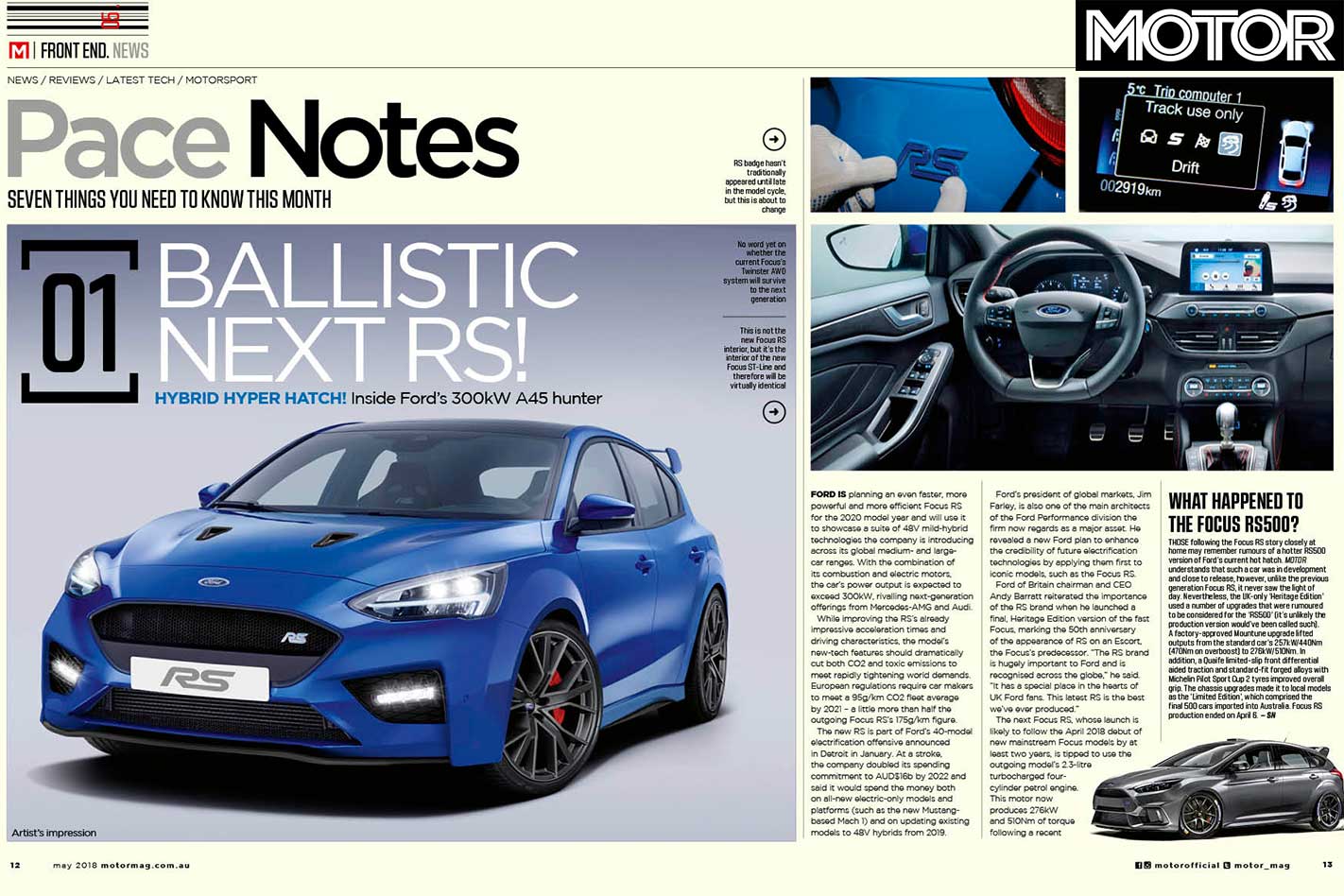
How does 300kW sound to get your hot hatch going? The next AMG A45 has something to watch out for.
MCLAREN 720S IN OZ
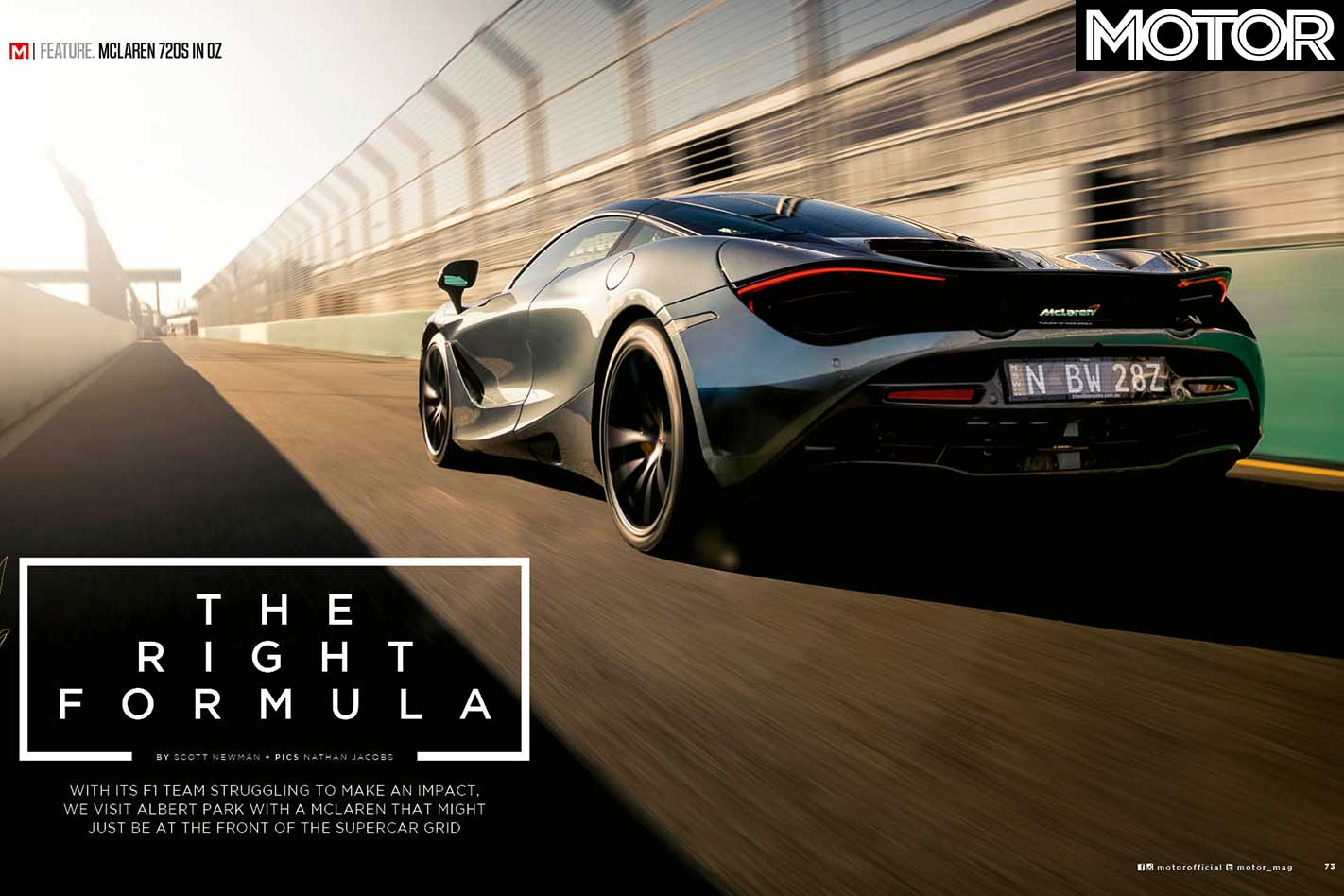
A shoot at Albert Park and then into the mountains for the 530kW big Mac.
FERRARI 488 PISTA – DRIVEN
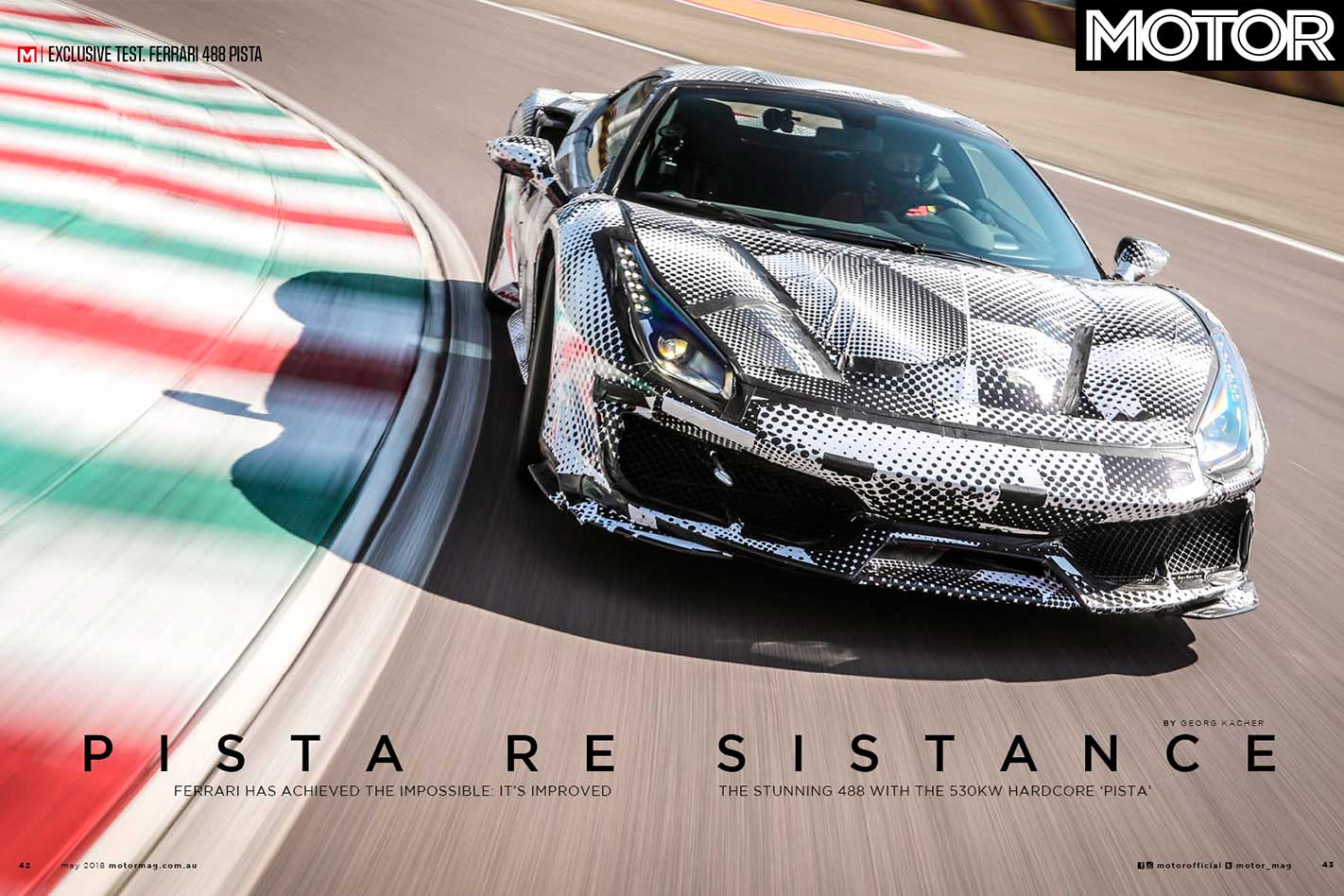
Rain fails to dampen the sheer brilliance of Ferrari’s latest hardcore sports car.
SUBARU BRZ TS VS TOYOTA 86 PERFORMANCE PACK VS MAZDA MX-5 RF LIMITED
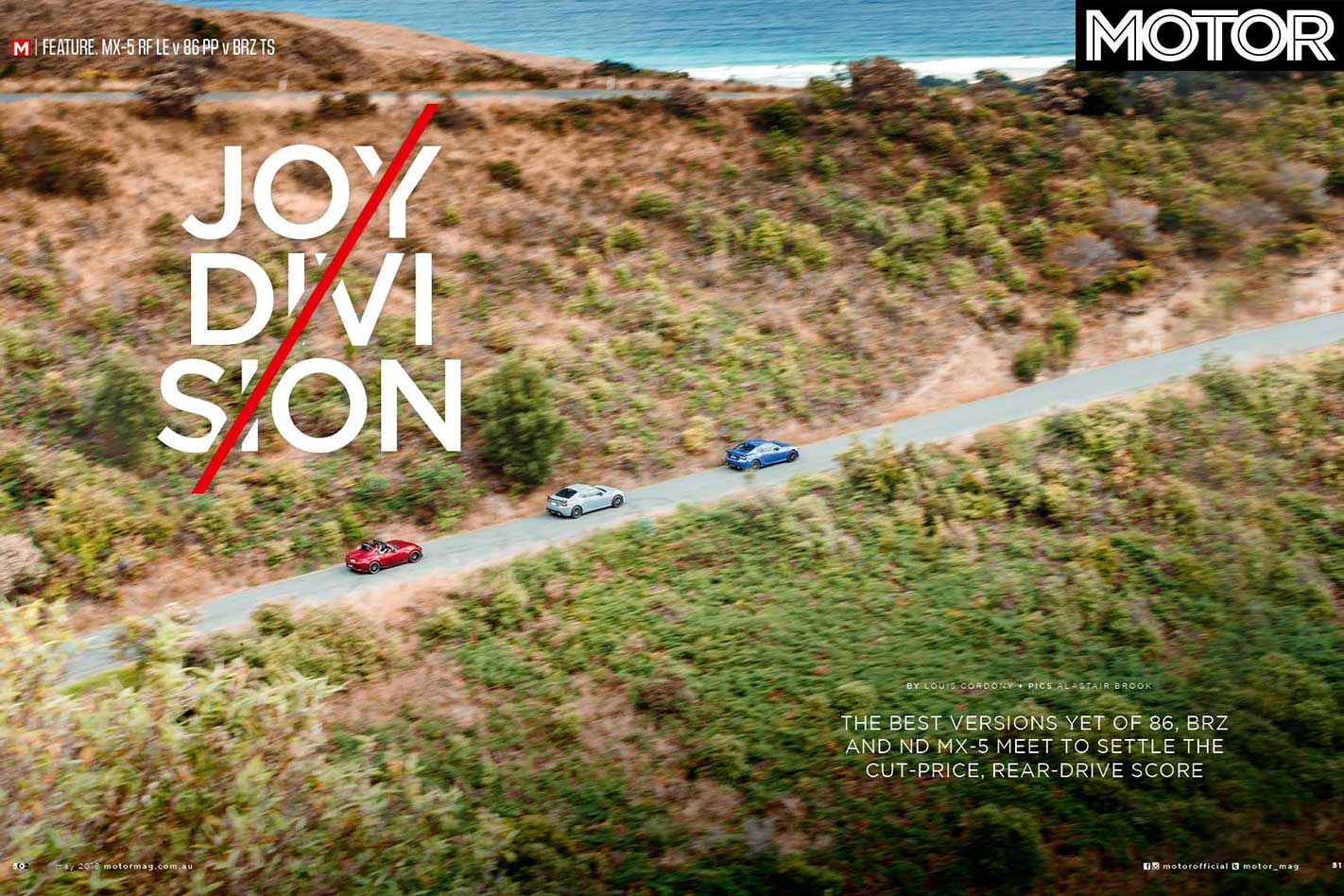
It’s a battle of the factory-tweaked rear-drivers where the fun factor comes first.
LANCIA’S GROUP B MONSTERS
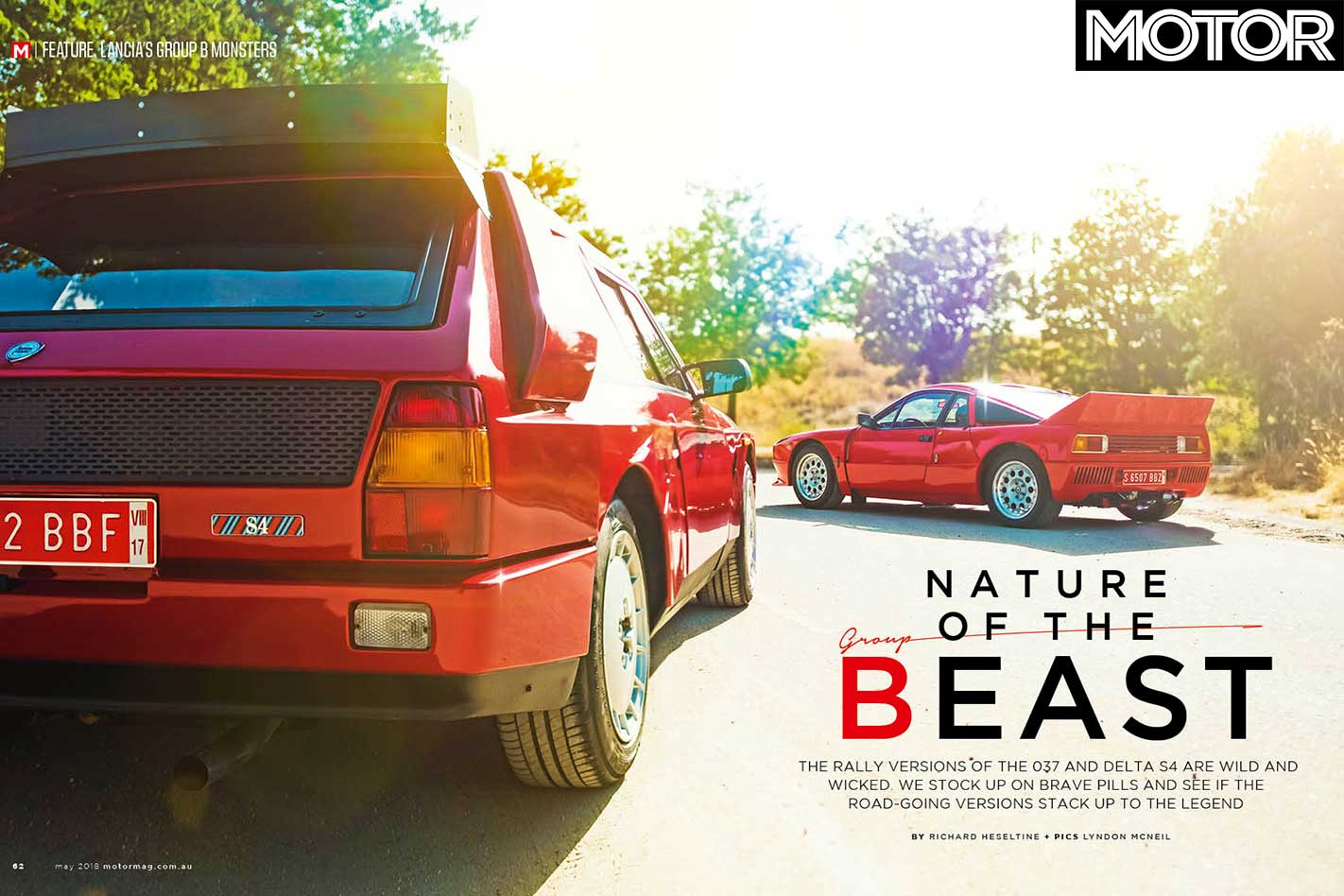
Under the skin of the Lancia 037 Rallye and Delta S4, two of Group B rallying wildest creations.
HOLDEN COMMODORE VXR VS KIA STINGER GT
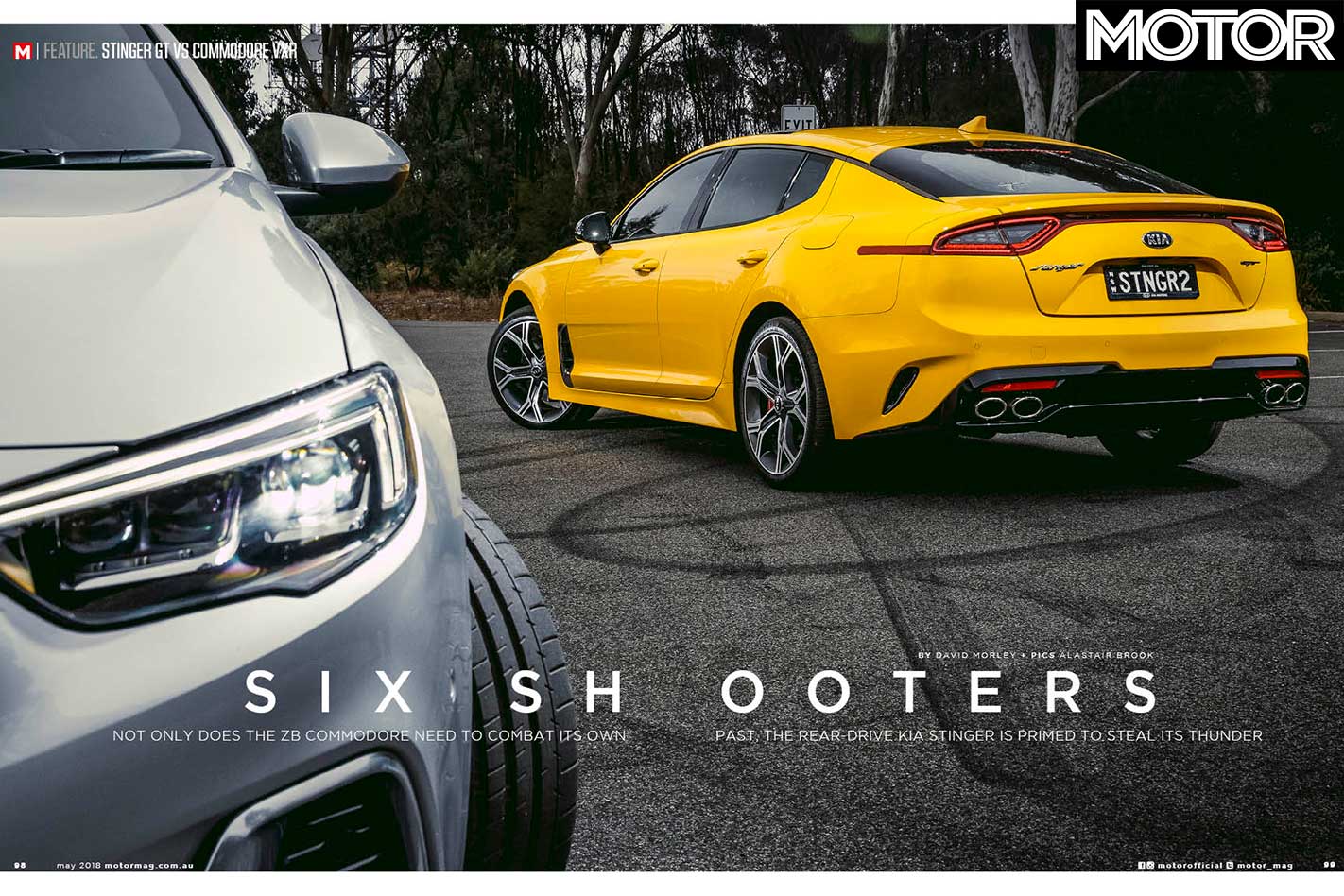
BMW E36 M3 BUYER’S GUIDE
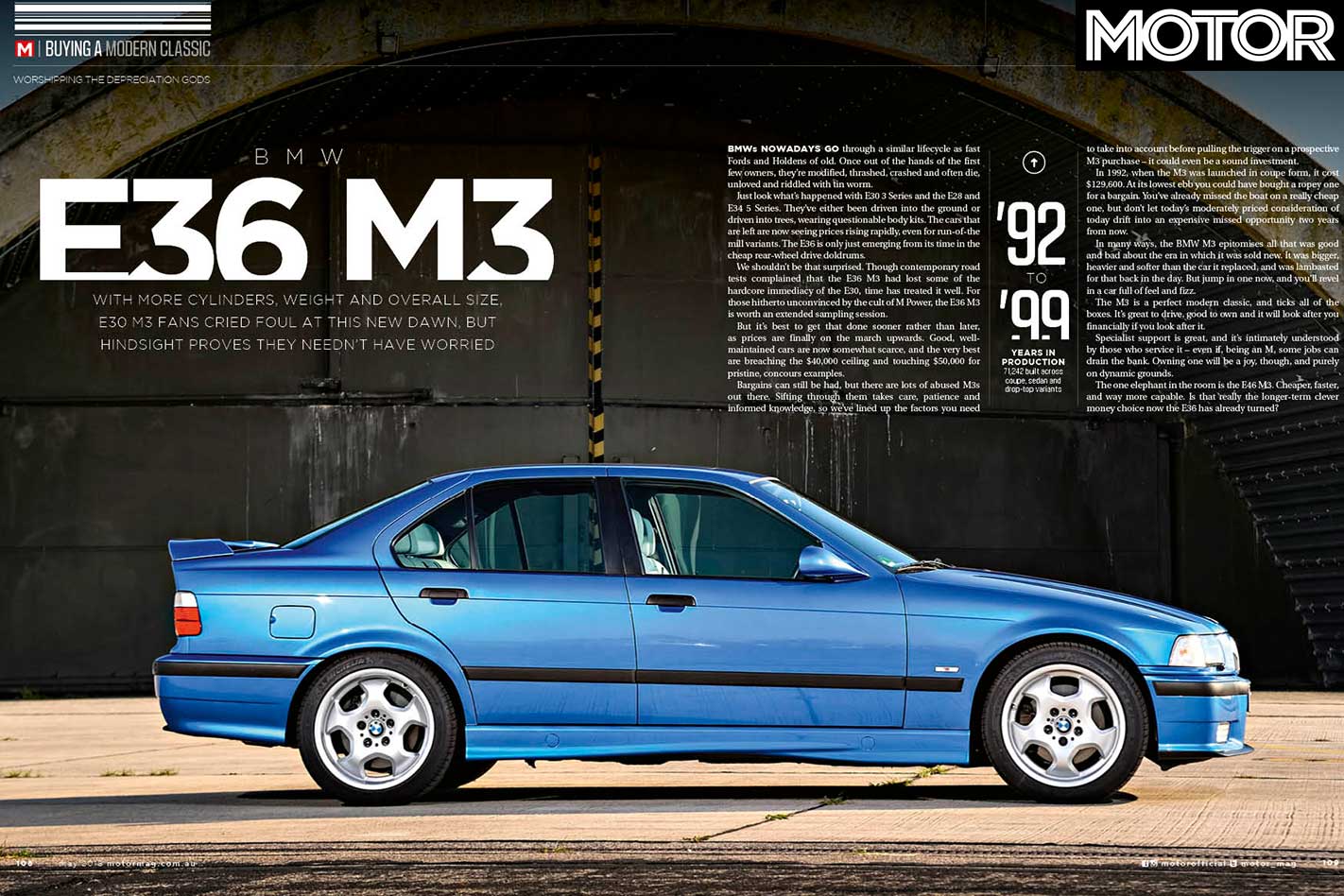
All you need to know about buying this underrated modern classic.
FIRST FANGS
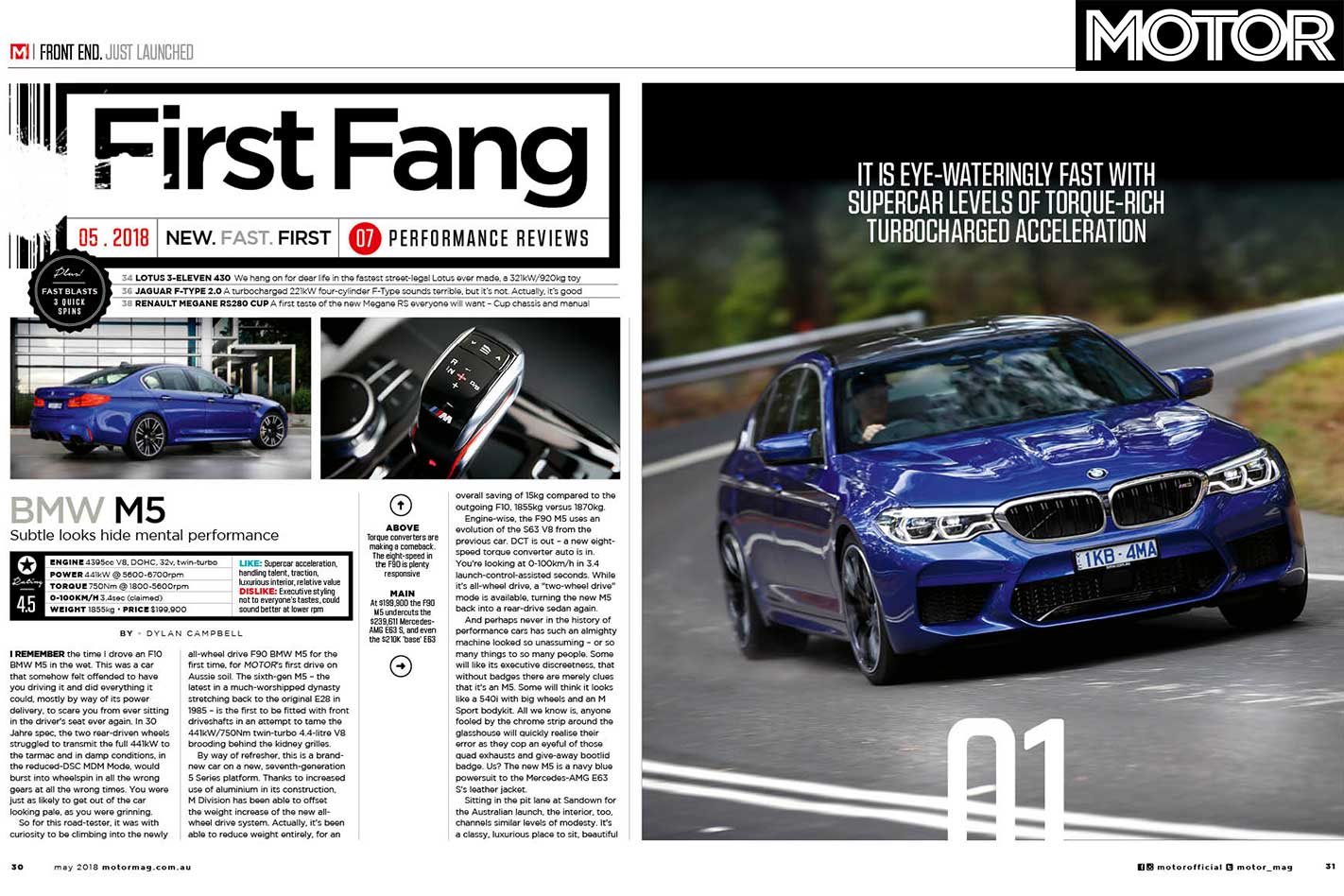
We sink our teeth into BMW’s new M5, plus get wild with the baddest Lotus 3-Eleven ever.
OUR GARAGE
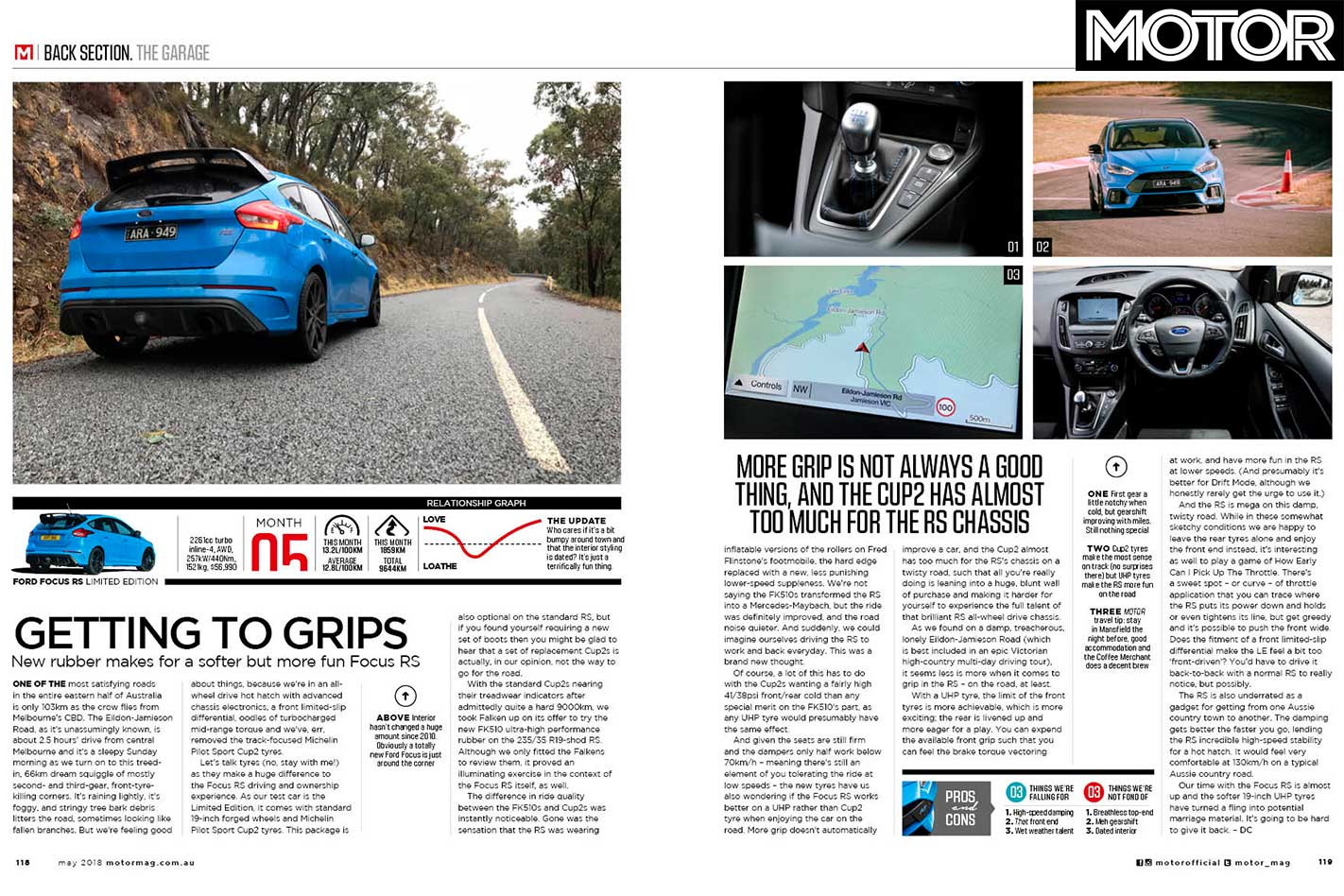
We get to grips with a new set of rubber for the Focus RS, and take our Infiniti for a calmer cruise.
TECH TALK – SUPERCAR WEIGHT SAVING
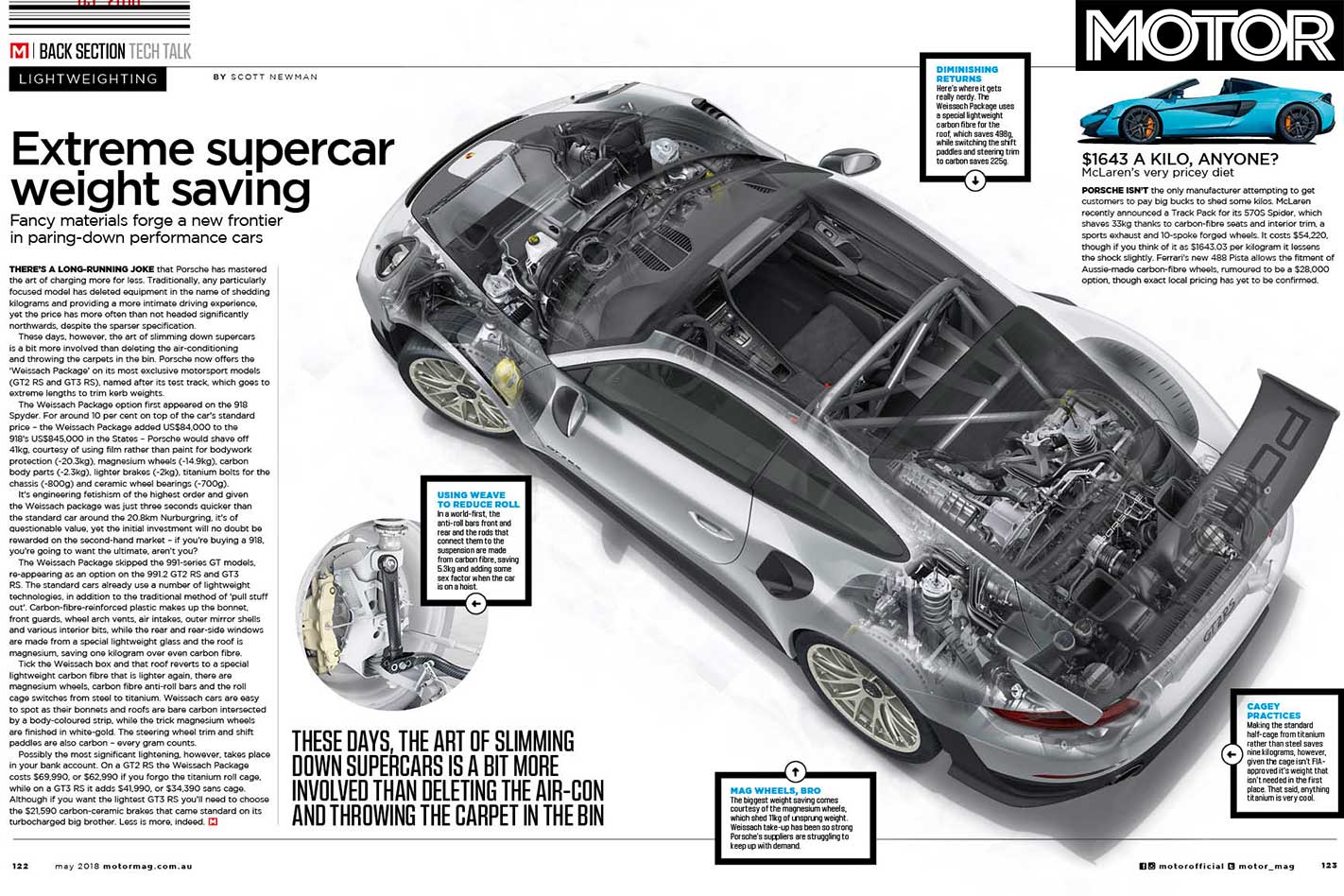
Why do companies charge more to make cars lighter? Let’s find out.
COOL KIT
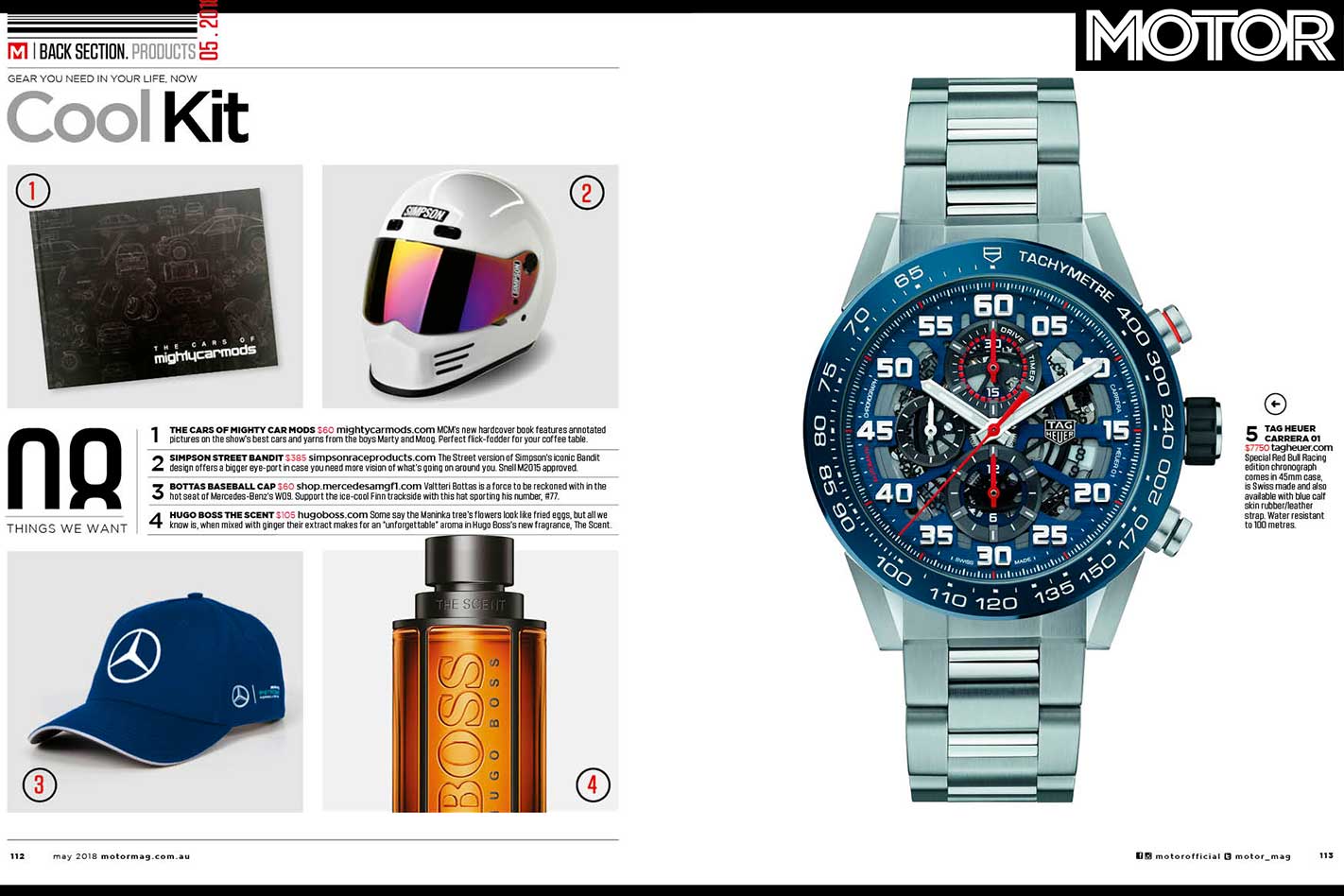
We sort through all the things we want to buy this month, and give you the details on our favourites.
AND MORE
Another packed issue of MOTOR means there’s more to it than we can tell you here, so go pick one up and see what we mean!
In order to breathe fresh life into the GLC-Class midsize SUV line-up and tempt more customers into the fold, Mercedes-Benz has announced a more affordable entry level model, the GLC200.
Priced at $61,990, the 135kW/300Nm variant sends drive to the rear wheels only – other GLCs are all-wheel drive – via a nine-speed automatic gearbox.
It replaces the $67,500 GLC220d diesel at the base of the range, responding to buyer behaviour that signals a gradual shift away from diesel engines. It looks good value as well, the price pitched at just $90 above the C-Class sedan with the same engine and gearbox combo.
It’s unlikely that you’ll feel shortchanged when it comes to standard equipment either, the GLC200 netting kit like 19-inch alloy wheels, a 360-degree parking camera, LED headlights, a powered tailgate, keyless ignition, integrated sat nav on the 7.0-inch display, touchpad control, black ash fascia inserts and MB-Tex fabric upholstery.
This being Benz, there’s also a long list of standard safety equipment including forward collision warning, autonomous emergency braking, Attention Assist, nine airbags and blind spot monitoring. That’s on top of Pre-Safe, Mercedes’ system for predicting and reducing the effects of vehicle accidents.
Supply of the old GLC220d dries up next month, which will leave a short hiatus before the GLC200 arrives in September.
