
IT MUST be tough to be the quiet achiever, otherwise Peugeot wouldn’t be trying so hard to get people to notice its 308 GTi 270.
A couple years back it dropped the less powerful and grippy 250 horsepower variant to focus solely on its halo steed. We didn’t mind, because a recent spin in the newly updated 270 reveals how much of a force it is on the road.
Big brakes with floating discs retard speed at an alarming rate and its Michelin Super Sports hold on to roads with claw-like tenacity. That teeny-weeny turbo inline-four belies its 1.6-litre capacity and pulls as if the car weighs a feather. And at 1176kg, it might as well be.
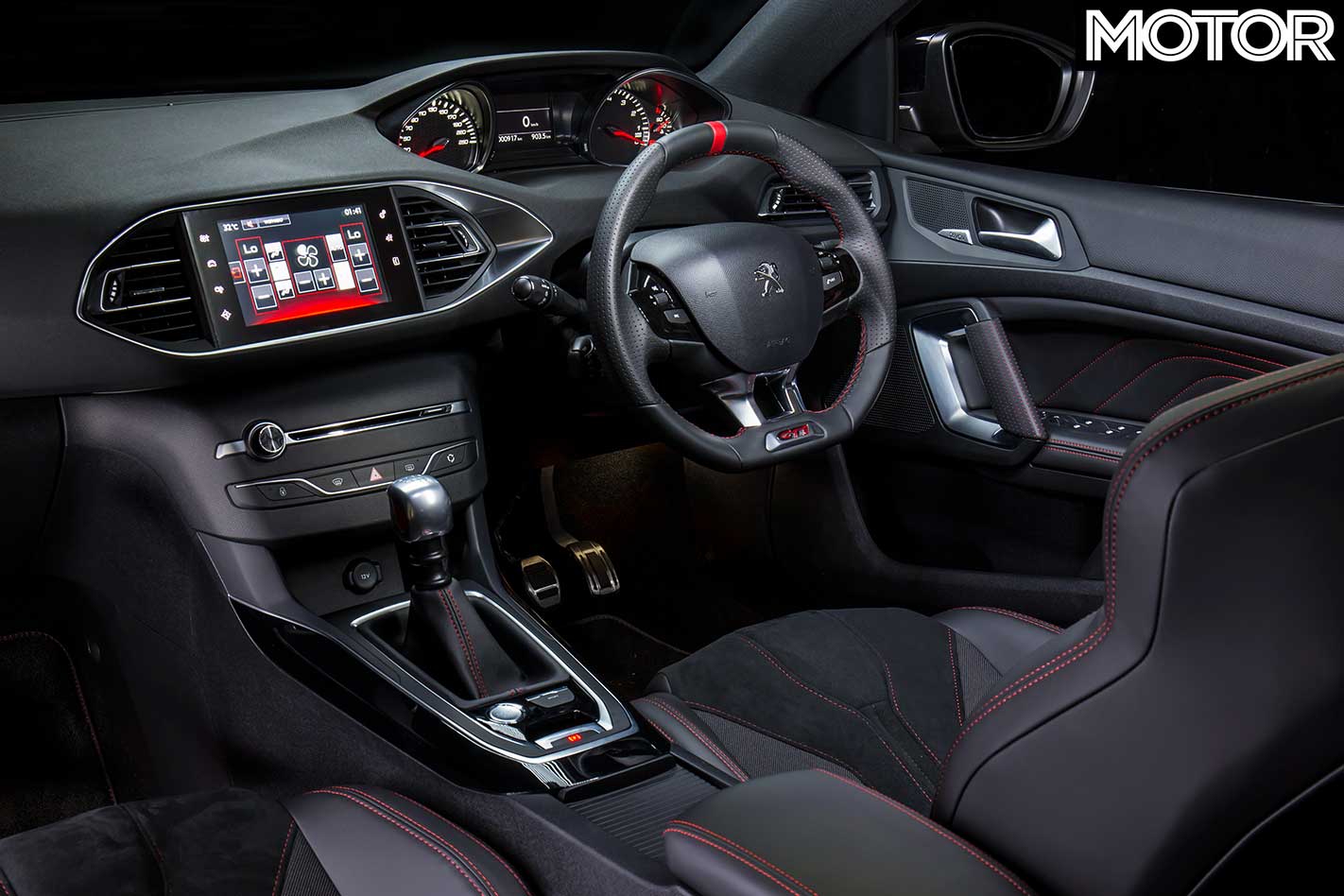
Yes, there are typical French quirks like its ridiculous augmented engine sound and the low steering wheel position. But that shouldn’t distract you from its hushed cabin with Volkswagen-rivalling finish and build quality.
To get more people interested, Peugeot has just slashed its RRP by $4000, driving it down to $45,990. It’s also updated its front and rear LED lights, along with bumper designs, and embellished its infotainment with phone-friendly Apple CarPlay tech.
Anyone in the market for a Golf GTI should drive the GTi, it stands as a proper hot-hatch with a premium feel and a pinch of French flair that might be all difference.
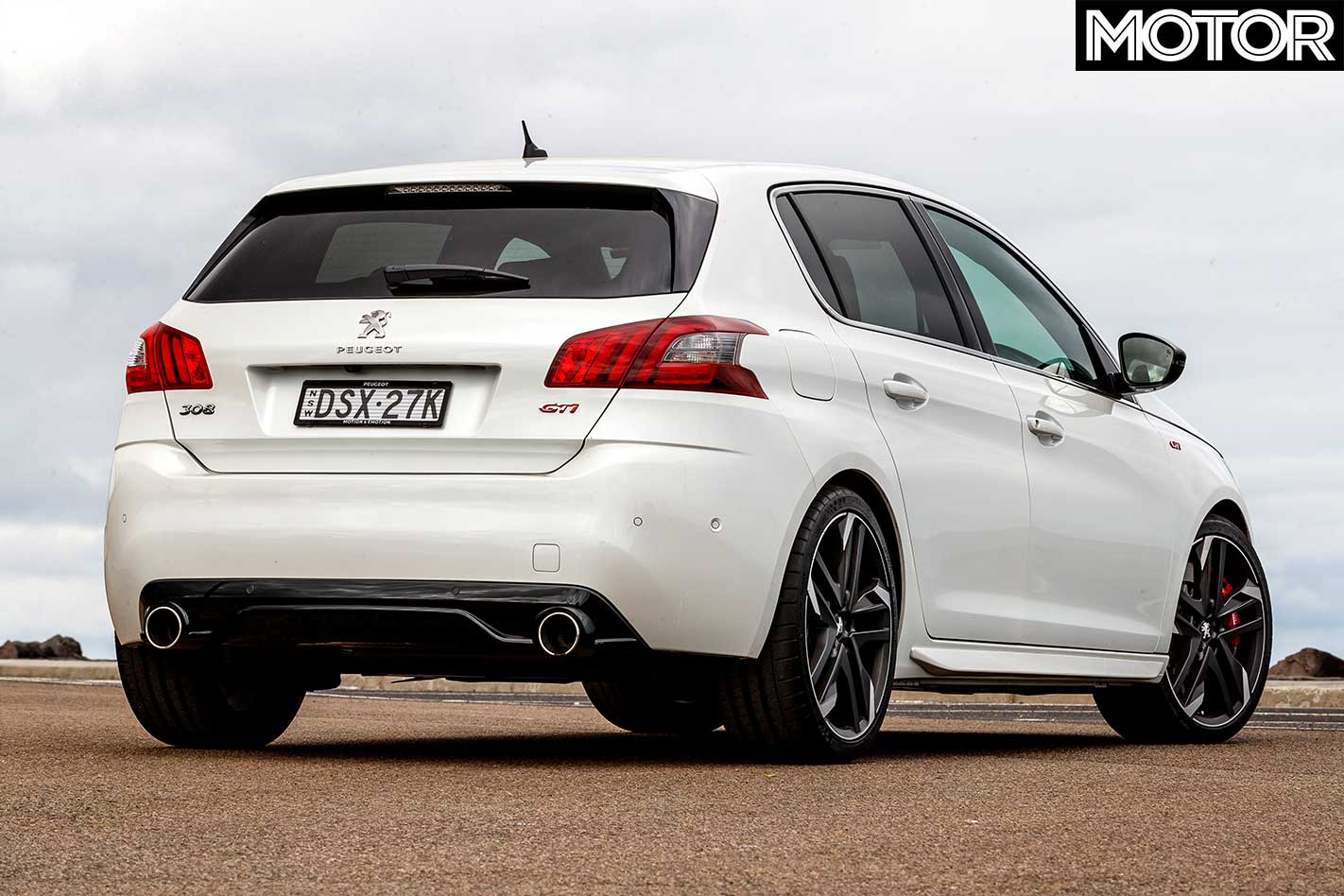
2018 PEUGEOT 308 GTI 270 SPECS:
Engine: 1598cc inline-4, DOHC, 16v, turbo Power: 200kW @ 6000rpm Torque: 330Nm @ 1900rpm Drive: front-wheel Weight: 1178kg Price: $46,990
THERE IS JUST ONE thing in life that carries greater financial risk than buying an Italian car – buying an old Italian car.
With a taste for fast pasta, then, and this firmly in mind, the answer of which to choose – a showroom-fresh Alfa Romeo Giulia Quadrifoglio or a Ferrari Berlinetta from 25 years earlier – might seem obvious.
Well, sure, it’d be logical to reason that the new Alfa has a warranty, as well as pace and ability, safety and efficiency to shade a superseded supercar… for some. We’d instead get a bit hot under the gold chain knowing that for new-car money you could have a proper, mid-engined exotic.
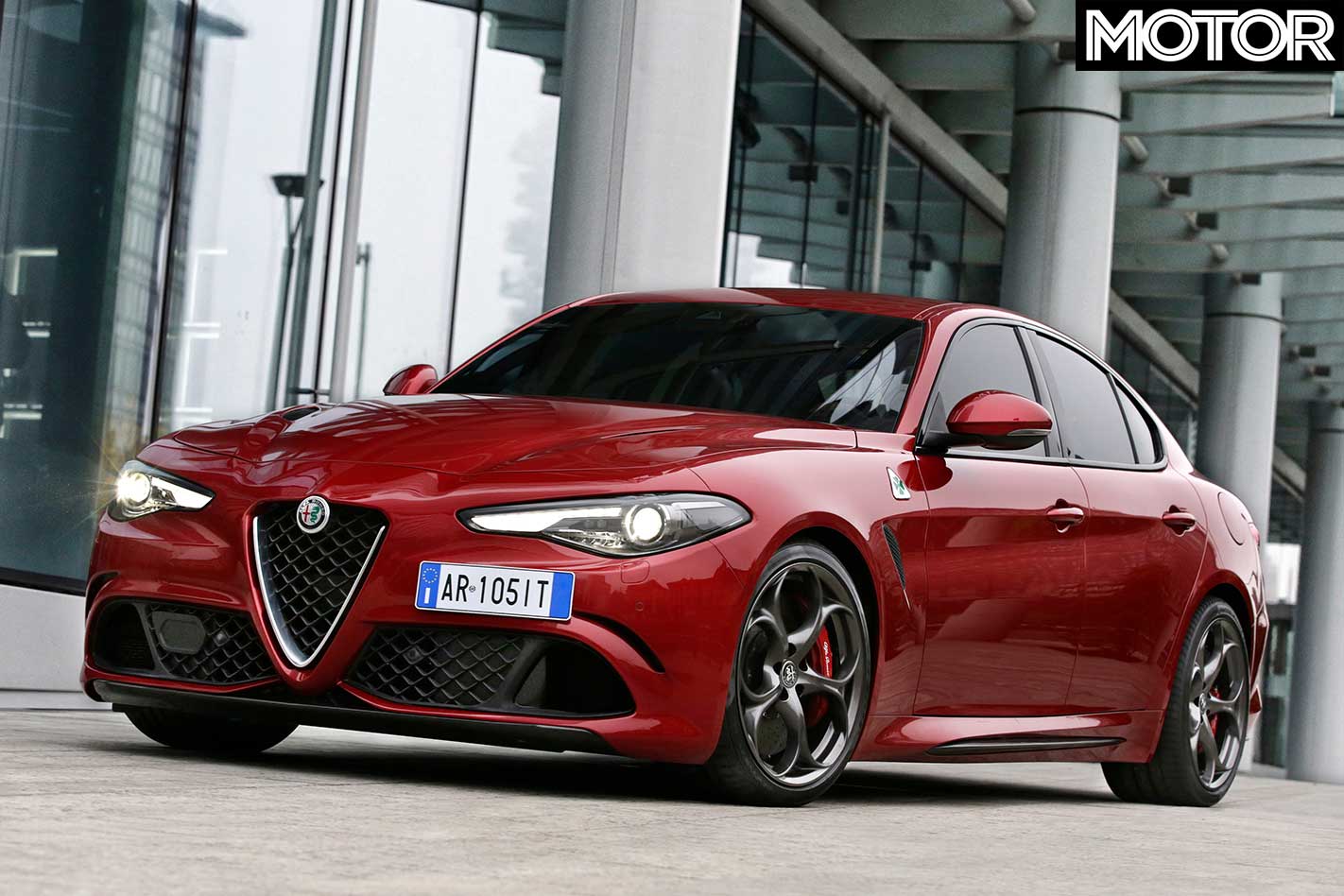
But, really, the purchase decision could come down to a whole range of factors. Are you comfortable with the fact the $160K needed to put the 348 in your garage is the mere tip of the iceberg in terms of cost of ownership? But, perhaps it’s more important that driving brings a sense of occasion, greater even than that in Alfa’s M3-bashing, 375kW, twin-turbo return-to-form.
Shift your gaze again to the last Prancing Pony to bear Enzo’s influence – a machine of 224kW, 3.4-litre V8 and enough open shift-gated goodness to satisfy the deepest of ’90s poster-car cravings.
However, in the end, it could also come down to pure practicality – you need a backseat – but we know you’re better than that.
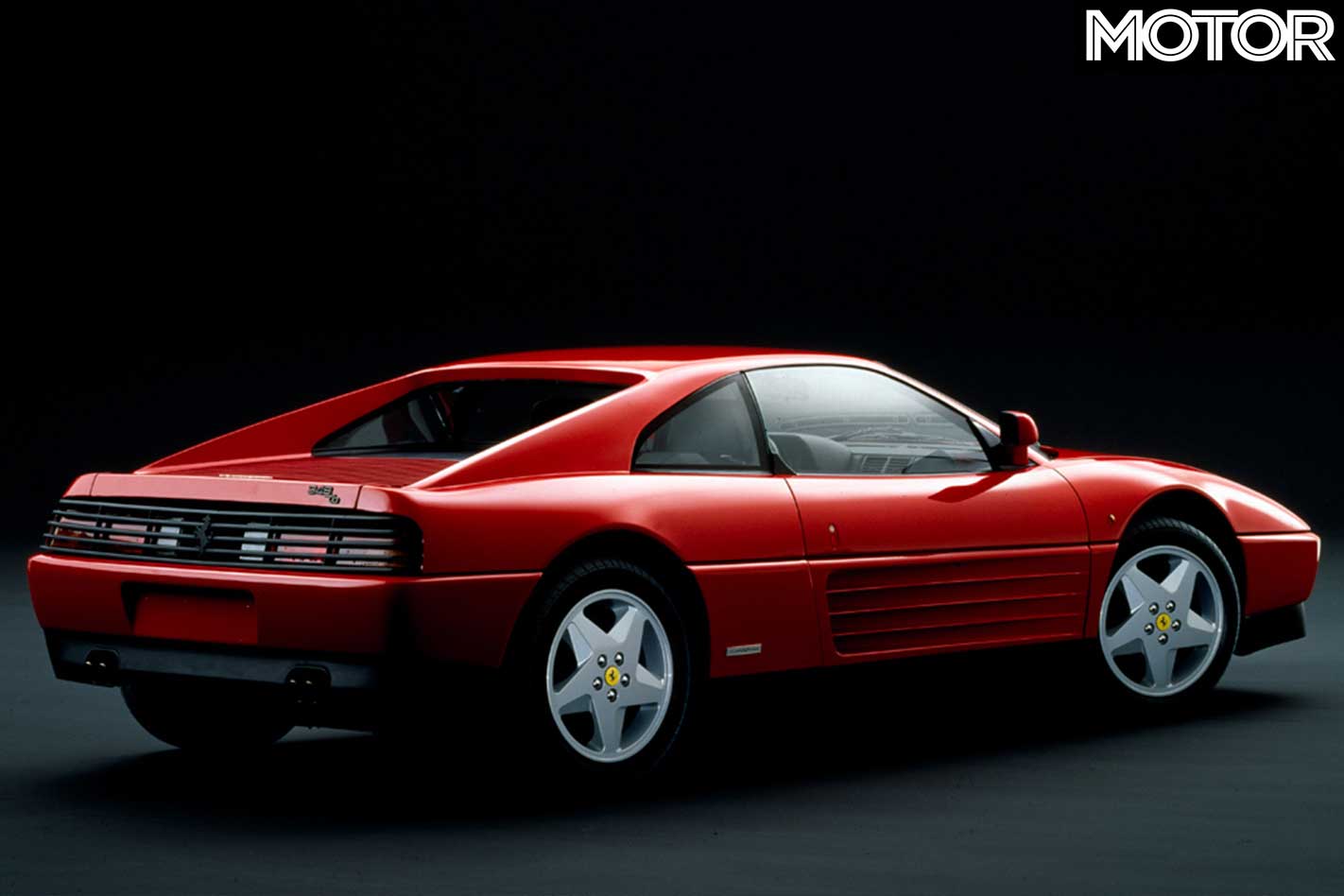
A weekend toy will always pull rank. In the final reckoning, it’s the way classic values are bolting that makes up our mind. The 348’s projected growth might even offset the next oil change. This old Horse is a leap worth taking.
| u00a0 | 2018 Alfa Romeo Giulia QV | 1993 Ferrari 348 |
| ENGINE | 2891cc V6, DOHC, 24v, twin-turbo | 3405cc V8, DOHC, 32v |
| POWER | 375kW @ 6500rpm | 224kW @ 7200rpm |
| TORQUE | 600Nm @ 2500rpm | 323Nm @ 42100rpm |
| WEIGHT | 1597kg | 1390kg |
| 0-100KM/H | 3.9sec (claimed) | 5.6sec (claimed) |
| PRICE | $143,900 | $159,990 (used) |
Classies Watch
Modern classic tempters we found on tradeuniquecars.com.au
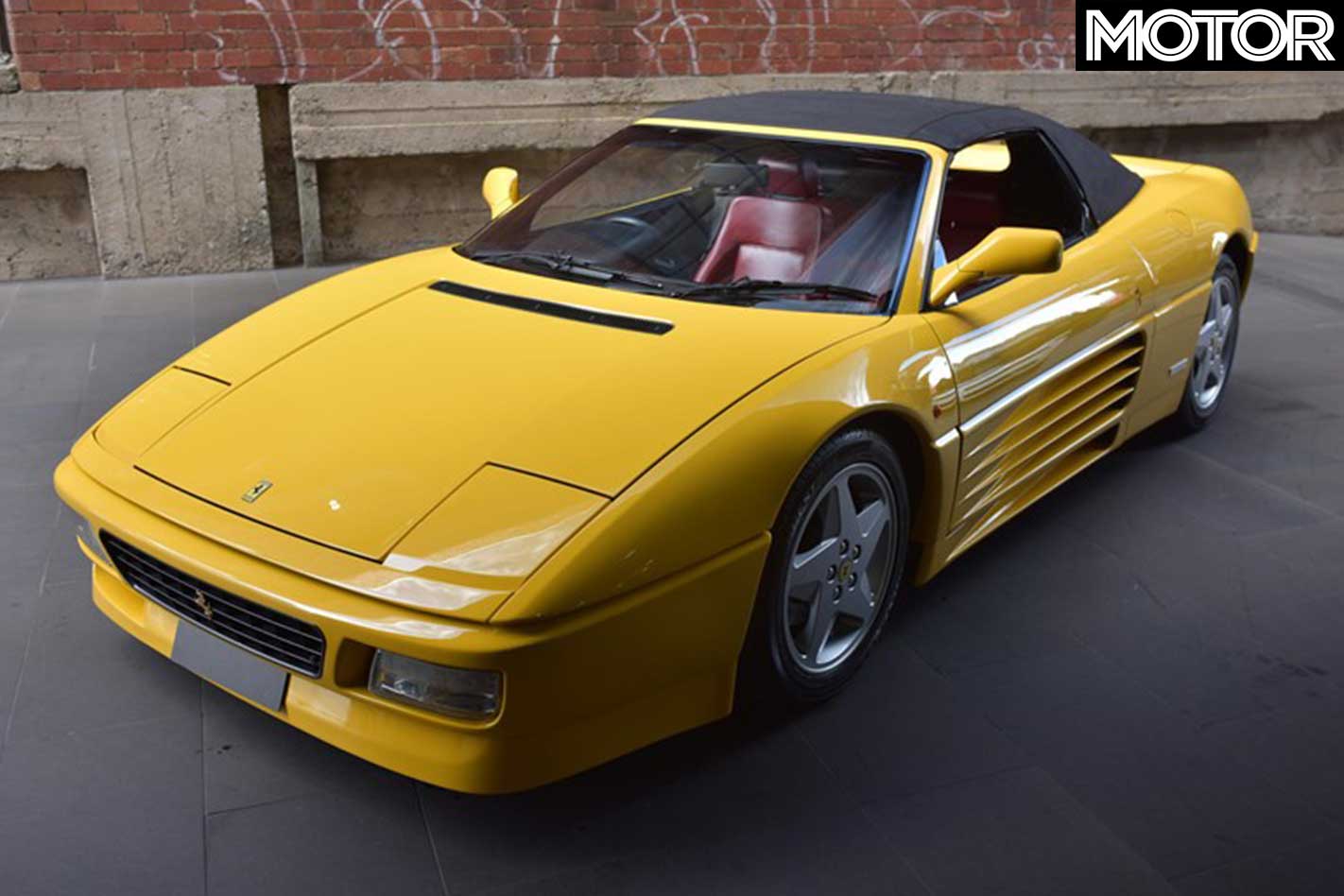
1994 Ferrari 348 TS – $159,990 3.4L V8, 224kW/323Nm, 37,700km, Melbourne, Vic The ‘ts’ means it has a fabric targa top. This example is one of only 68 RHD cars in a rare colour combination.
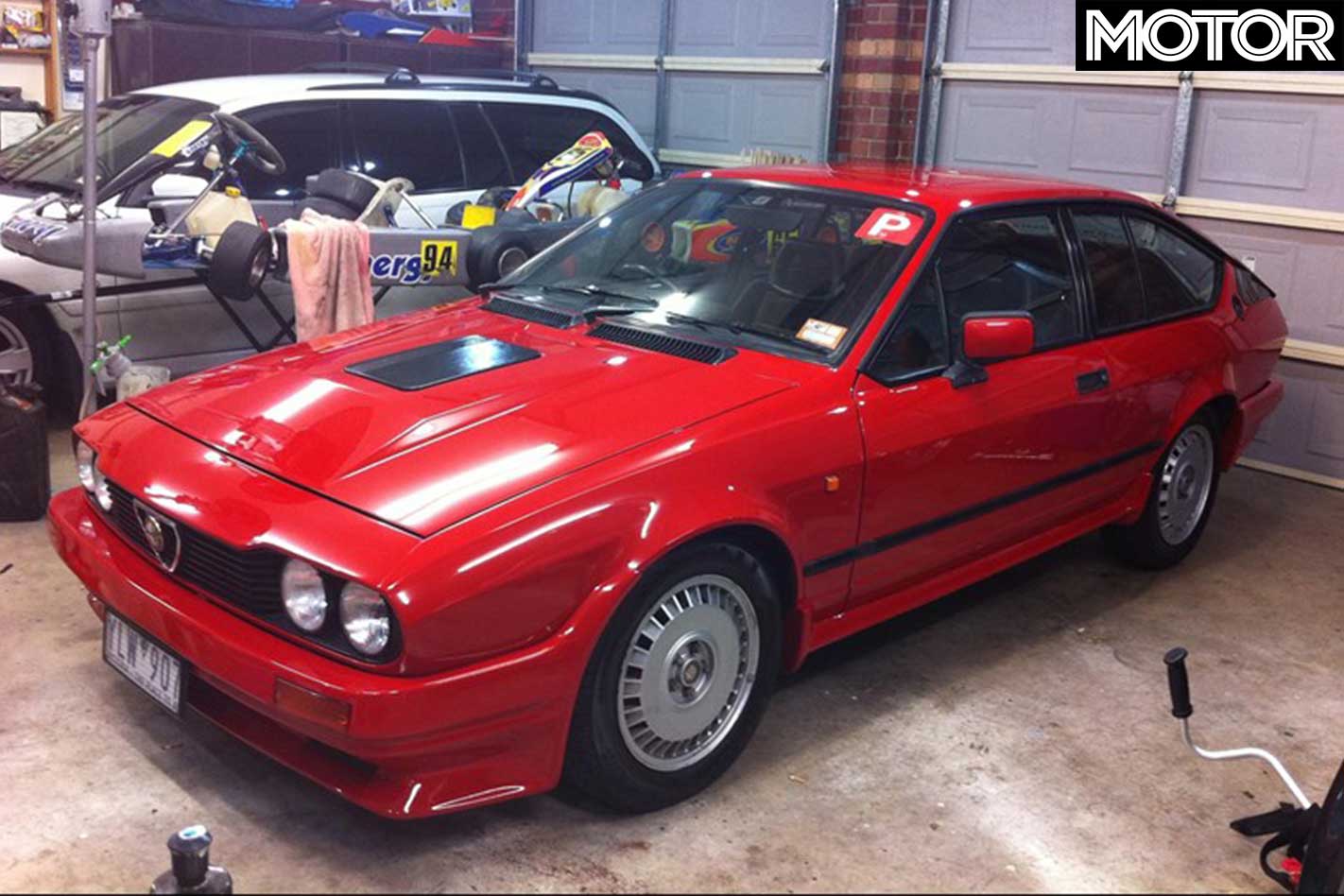
1983 Alfa Romeo Alfetta GTV6 – $20,250 2.5L V6, 118kW/213Nm, 80,000km, Sunbury, Vic Real, red-blooded Italian on a budget complete with musical V6 and transaxle.
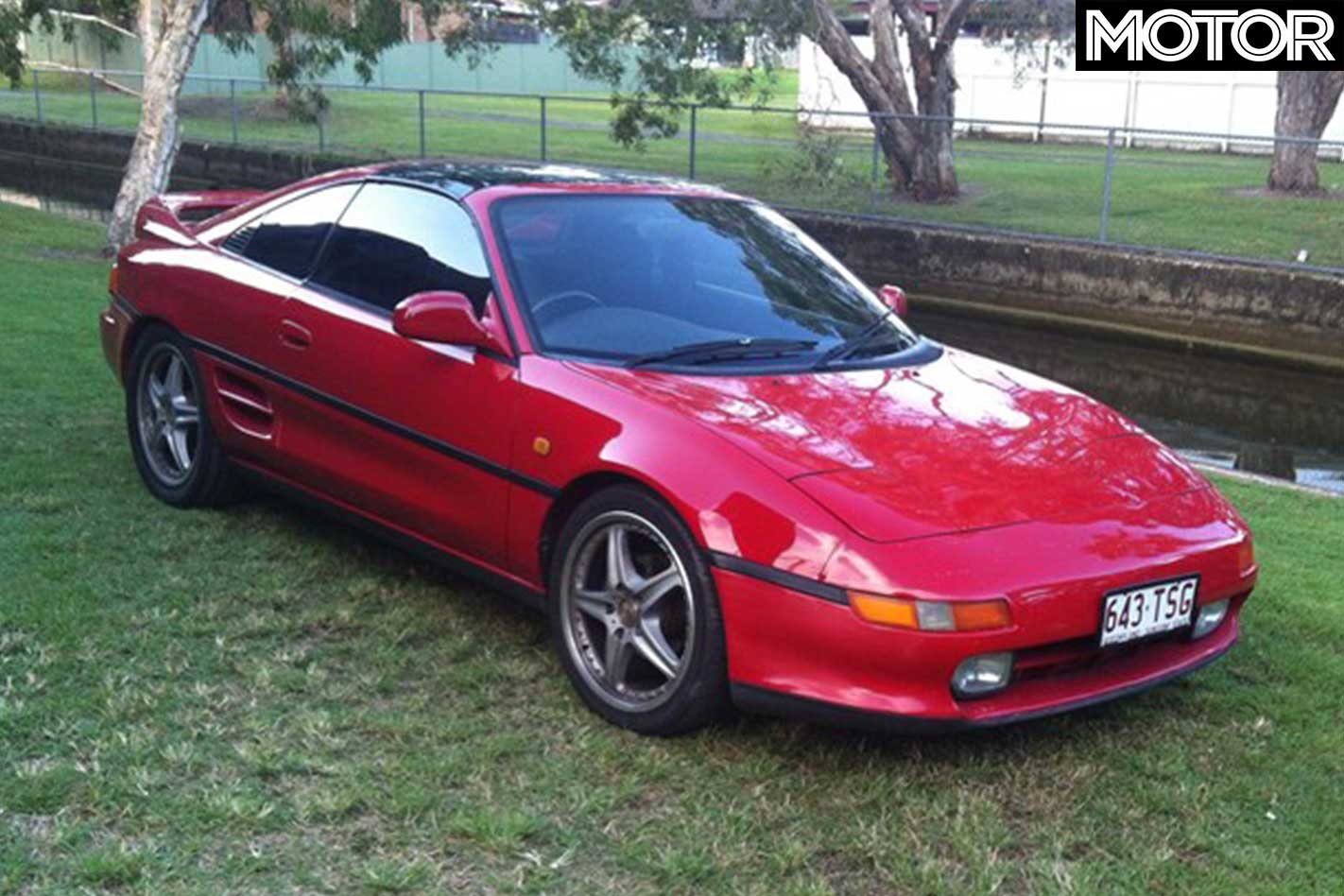
1990 Toyota MR2 – $8999 2.0L 4cyl, 115kW/186Nm, 267,324km, Surfers Paradise, QLD Mid-engined fun that won’t send you broke. She’s done a few kays.
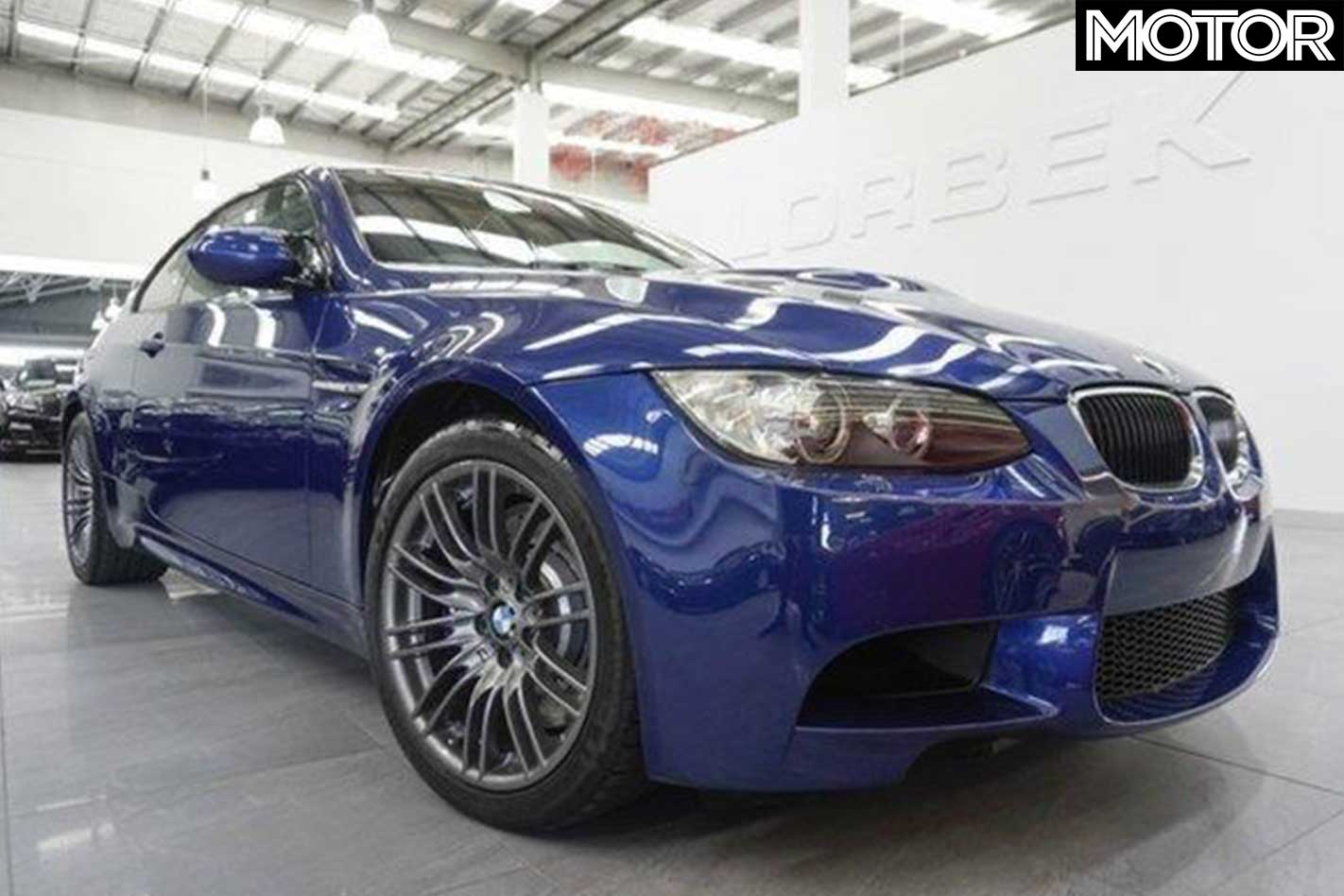
2013 BMW M3 coupe – $69,990 4.0L V8, 309kW/400Nm, 97,366km, Port Melbourne, Vic We reckon the E92 is the M3 high water mark, and they’re still good buying.
IF YOU weren’t looking for it, Porsche’s 911 GT3 Touring is pretty hard to pick from the comparatively commonplace Carrera. There’s no huge rear wing, no race emigre roll cage and no carbonfibre on the dashboard.
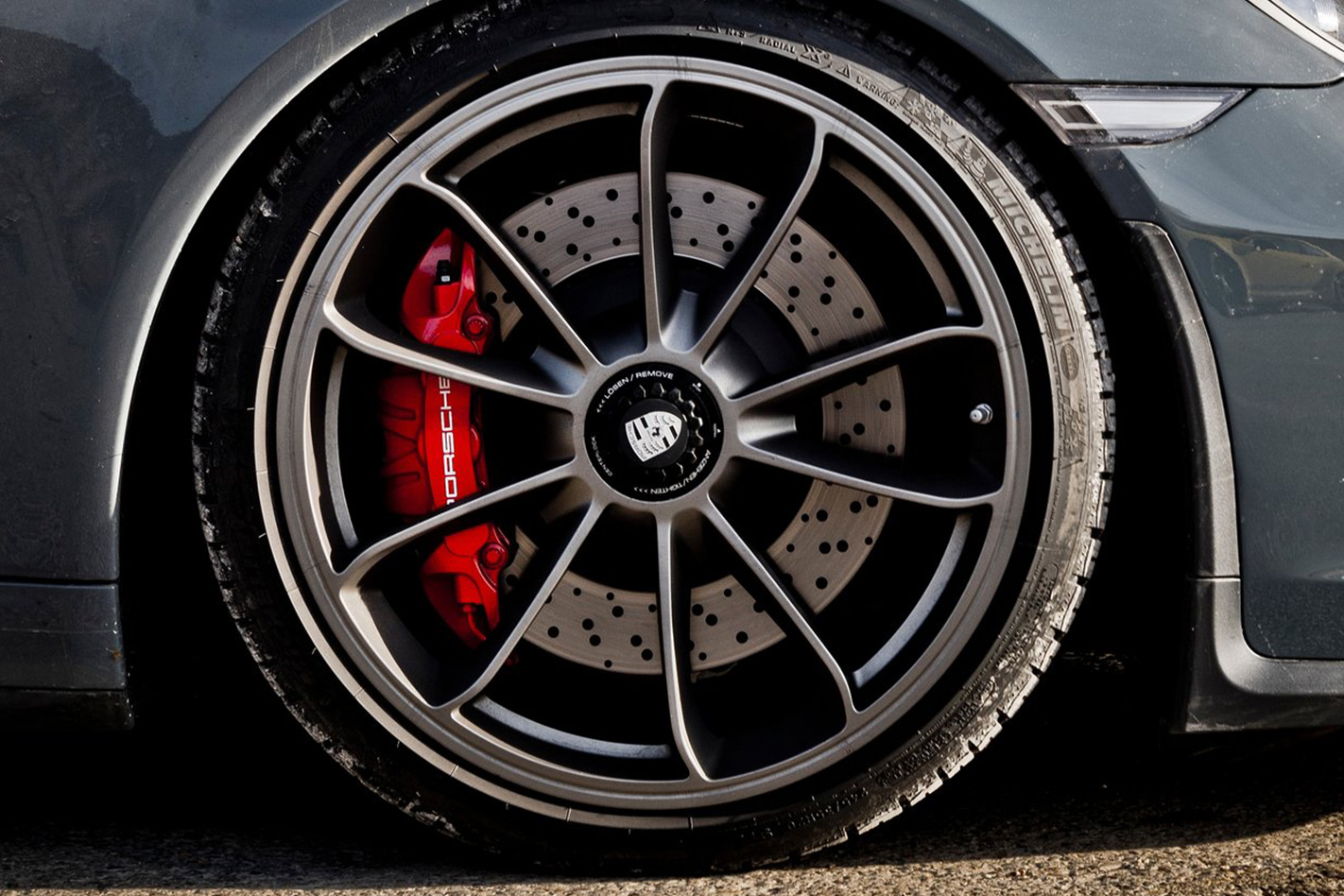
Our test car, finished in black with low-key chrome window accents looks purposeful but here on German roads, it blends in quite discreetly. Of course, those in the know will clock its centre-lock alloys, its broad hips and its GT3-specific front and rear valances. That and the tiny badge that sits on the mesh engine cover.
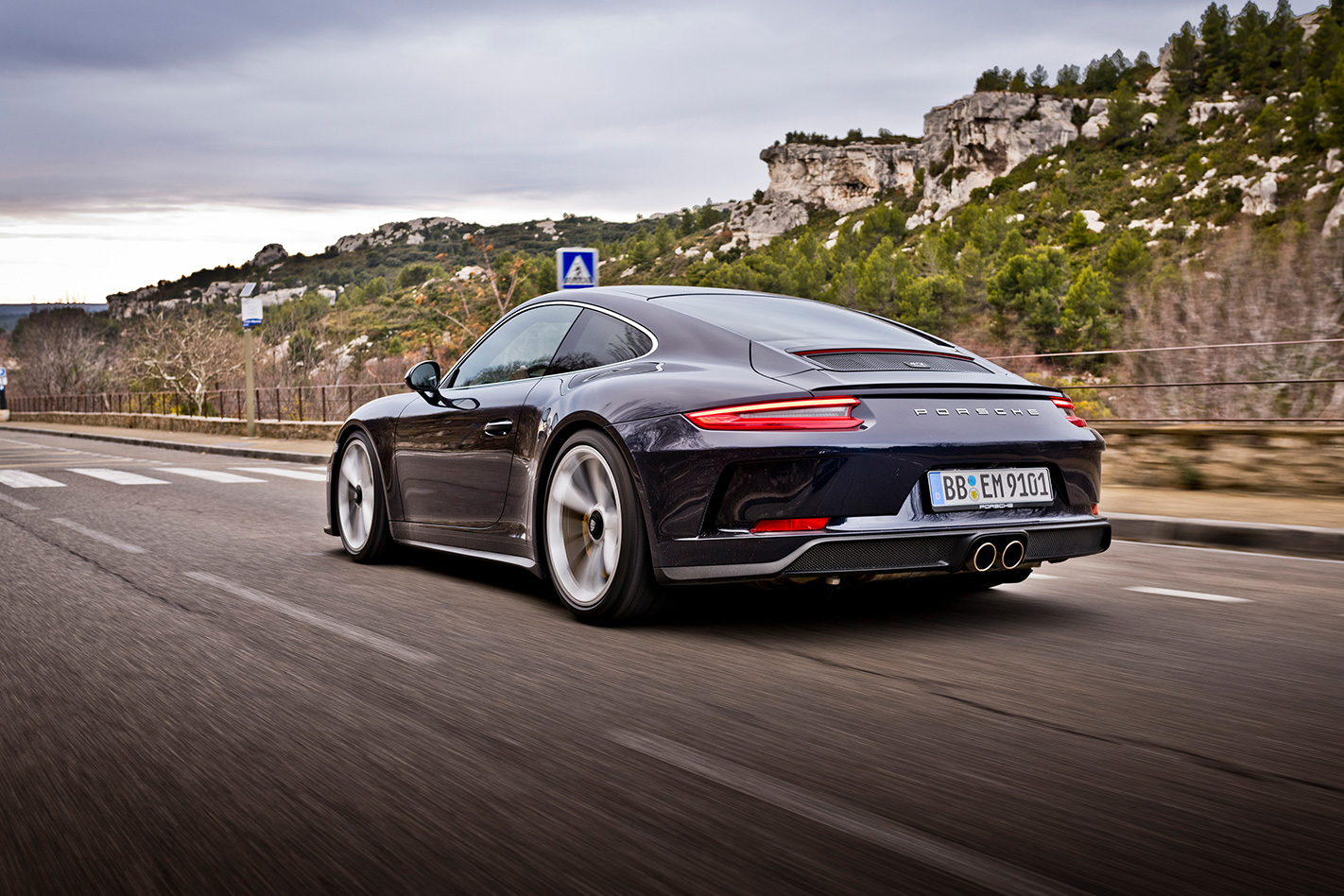
Cast a glimpse over your shoulder after parking it and clock the stance. It’s a full 44mm wider at the wheel arches and an additional 25mm lower than a stock Carrera.
So who represents the market for stealthy 911s? A couple of years ago, Porsche introduced the limited-run Porsche 911 R, reintroducing the manual gearbox that the GT3 had ditched and offering a low-key look. Speculators went berserk and anyone who was lucky enough to get their hands on one of the 991-unit production run of 911 Rs was able to flip their car for a $600K mark-up.
Porsche takes a dim view of this sort of thing and it’s unlikely that anybody who scalped a quick profit on a 911R would be accepted onto the waiting list for other premium models where demand outstrips supply, like the latest GT2 RS for example.
Porsche belatedly realised that there was a healthy desire for those who wanted the pace and ability of a 911 GT3 but had perhaps grown out of the circuit racer styling. And, possibly to put a dent in 911R residuals, it announced the 911 GT3 Touring at the Frankfurt Show in September.
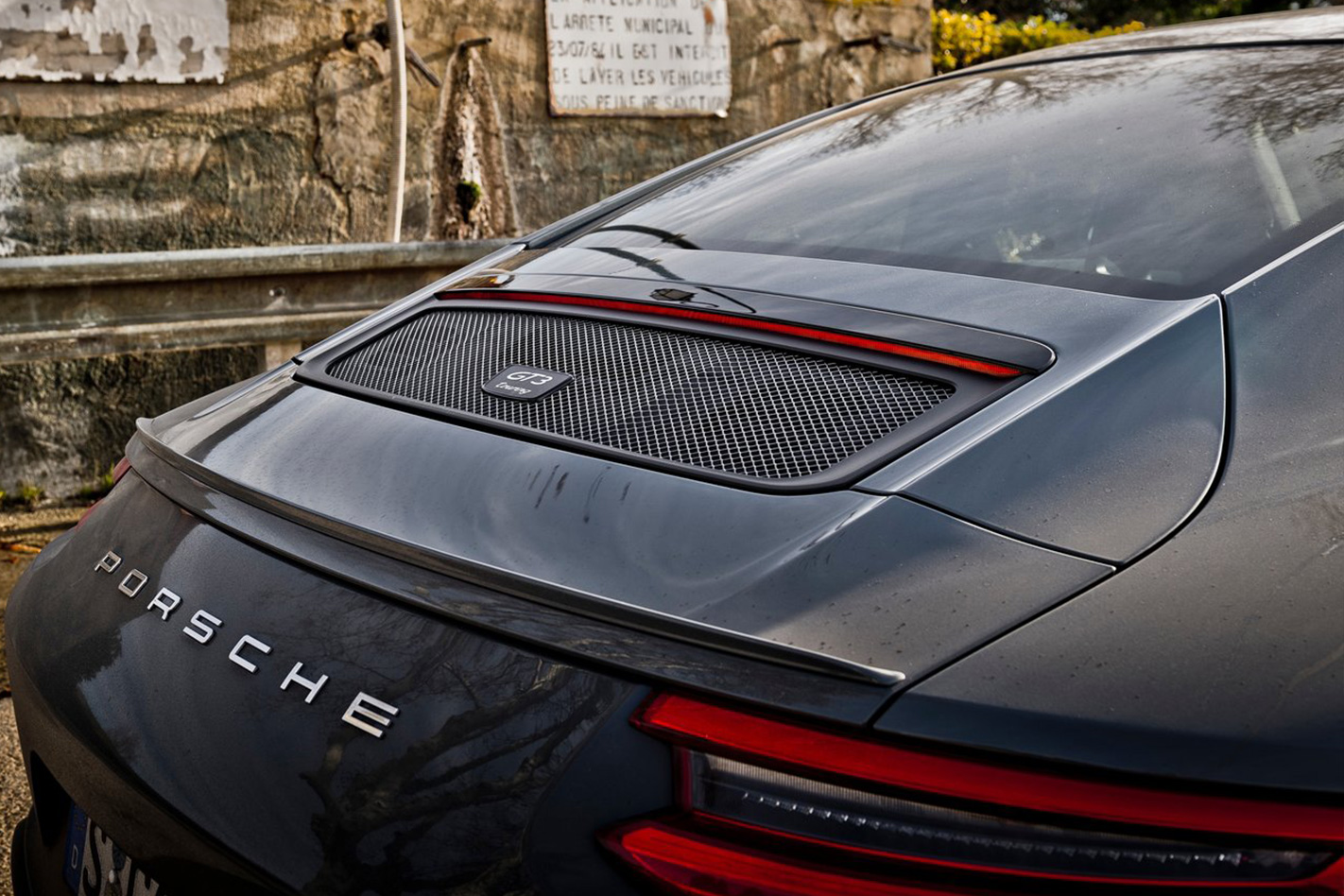
Offered solely with a six-speed manual transmission that sends power to the rear wheels, the GT3 Touring features the same 4.0-litre flat-six engine producing 368kW and 460Nm as the GT3. It’s capable of demolishing the sprint to 100km/h in 3.9 seconds if you’ve got nimble hands and feet. Top speed is a fairly academic 316km/h. Like the ‘regular’ GT3, the Touring gets a torque-vectoring limited-slip diff’ and the same suspension settings. In other words, it hasn’t gone soft in any way whatsoever.
We’ve had a fair bit of seat time in a PDK version of the GT3, so this manual version requires a bit of readjustment. You can’t just mash the throttle and let the gearbox figure out how close you come to the 9000rpm redline. In fact, you need to be pretty precise with the clutch and stick, right at the moment when the car’s engine has started lunging for the redline, shrieking like a dementor and requiring some serious attention merely to keep it going in a vague approximation of straight ahead. In other words, it’s intense. There’s a lot going on and it’s something you need to ease your way into.
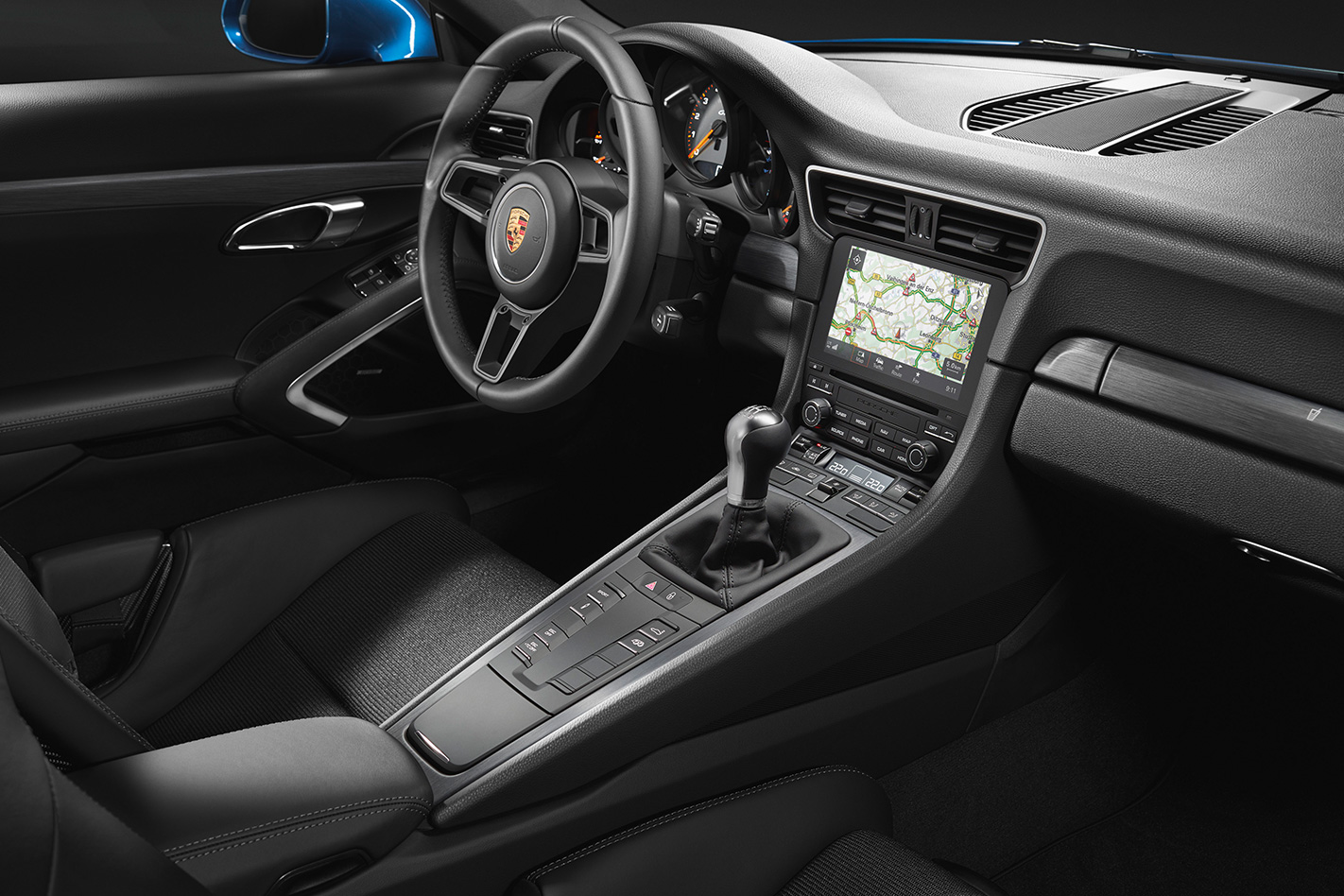
Is that a good thing? That’s a tough one to answer and it’ll depend on your take. If you prefer sheer capability and effectiveness, maybe not. If, on the other hand, you enjoy the tactile delights of being able to operate the car perfectly with such a monster torrent of data requiring handling by the processor between your lugholes then go for it. The only shame is that the Touring pack is only available with a manual ‘box, which spikes the guns of the 911R effectively, but the PDK would arguably suit this car’s Touring image better.
The engine feels as mighty as you’d expect, but what’s more surprising is its flexibility. It’ll pull in fourth from near crawling speeds to hugely illegal velocities cleanly and without hesitation, and, when you’re not exploring the upper reaches of the rev range, it’s only the firmness of the suspension that occasionally reminds you that you’re in a GT3 and not something a little more benign.
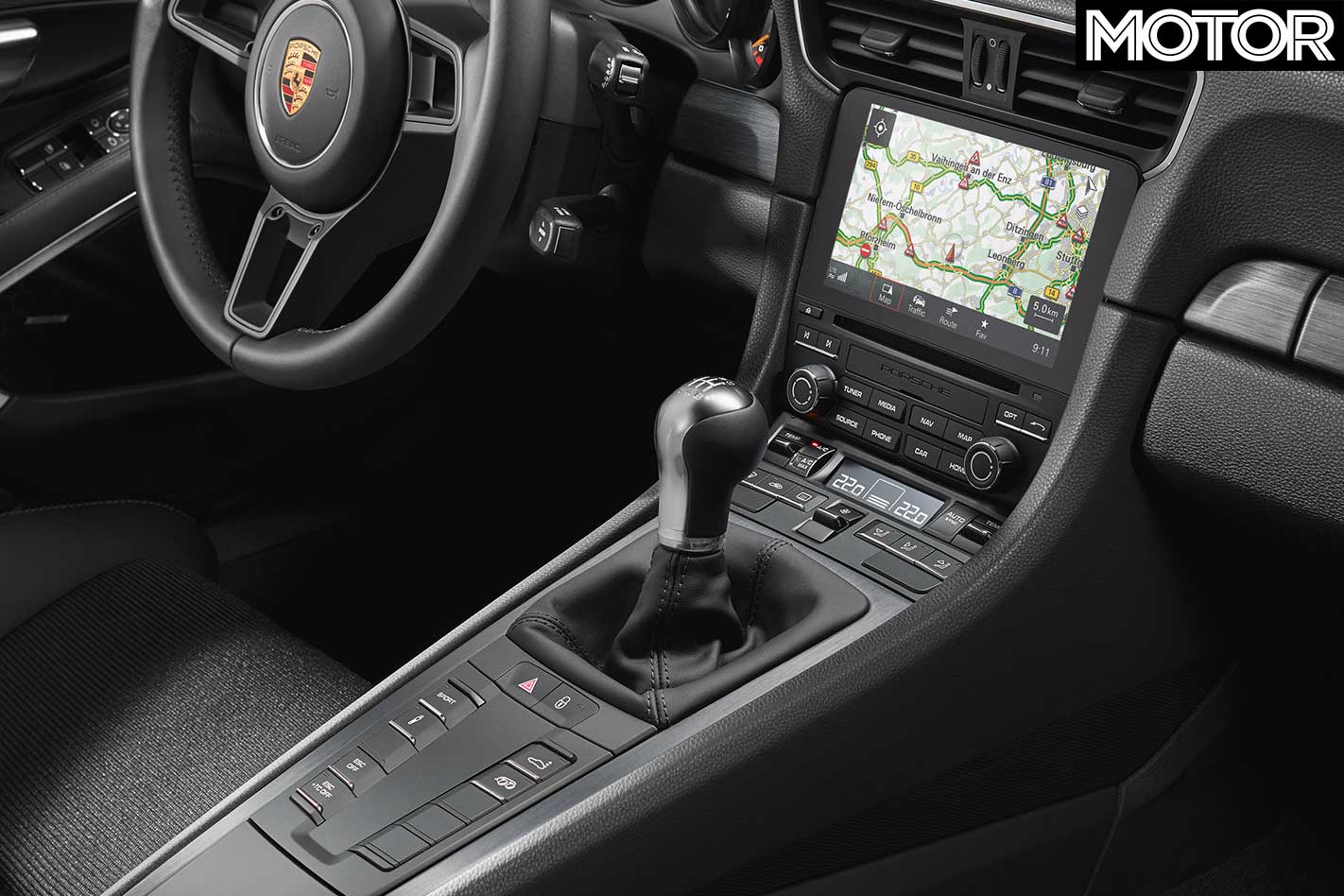
Should you prefer to let the car do the heel and toeing for you, just prod the Sport button and it’ll perform perfect rev-matching on downshifts. But if you’ve gone to the trouble of choosing this model, I’m guessing you’re going to prefer doing the pedalwork yourself. As with any 991-generation 911, the pedal positioning and weighting is near-perfect and the relationship of the control weights of gearshift and steering is also excellent.
It feels at this point that I should point out some of the car’s shortcomings, but so minimal are they in the context of its achievements that it feels like the most churlish nitpicking.
A manual handbrake would complement the analogue feel to the controls better than the electronic parking brake. The fact that the car has no rear seats also runs counter to its Touring remit although, for the most part, the seats would only ever be used for bags and jackets. The final thing is a personal gripe and it’s the overly racy seats in the test car. Yes, they’re beautiful, fixed carbonfibre-shelled buckets but they strike the wrong tone. This car ought to have supportive but comfortable leather chairs as a point of differentiation.
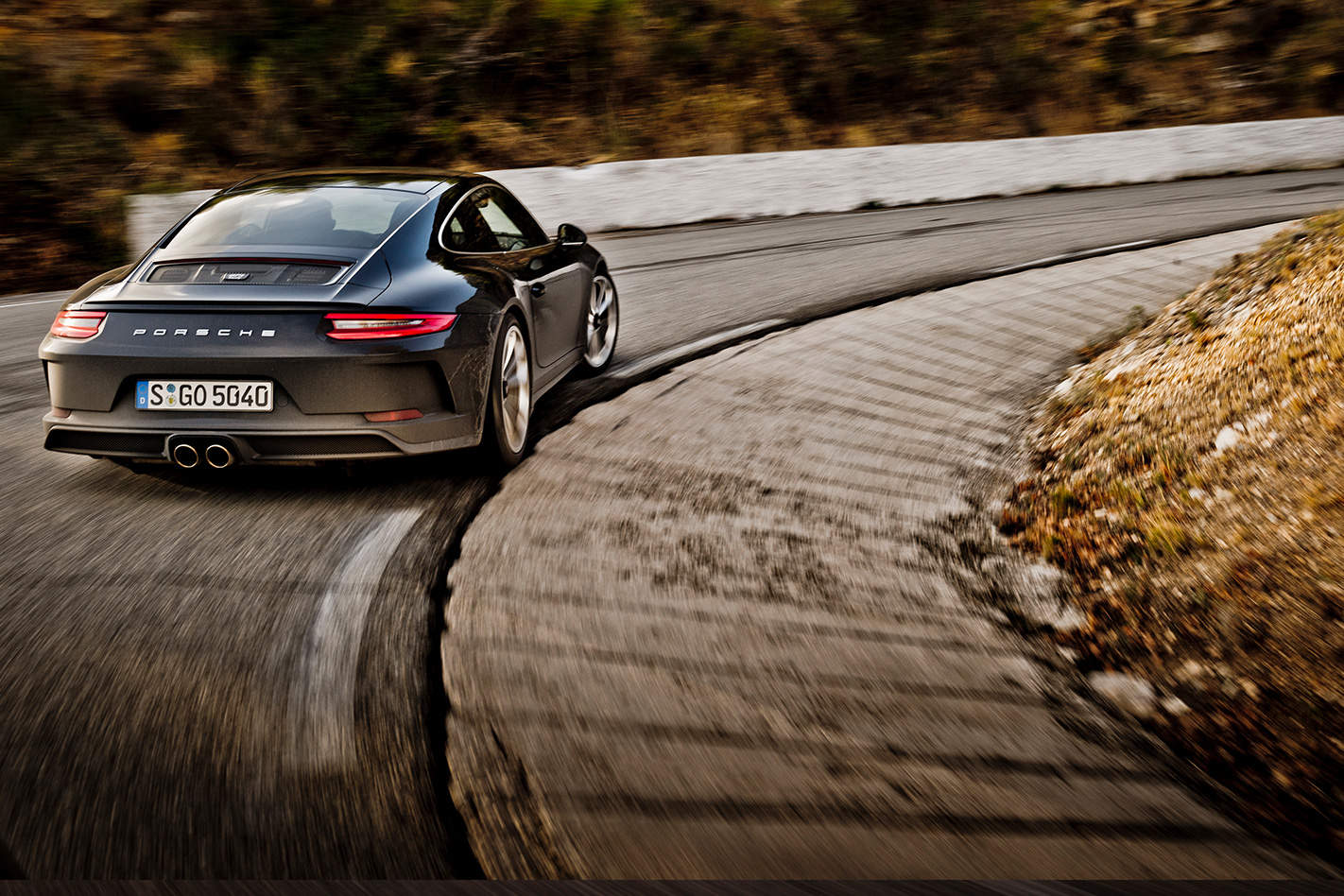
So that’s it. The Touring pack offers a different flavour to the GT3, a sports car as near to perfect as anything I’ve driven. I’m not sure it brings quite enough of its own personality, but it’s a fantastic addition to the Porsche range. If you’ve got to the age where you don’t need to shout about your achievements, you’re going to adore this one. Six stars out of five.
SPECS Model: Porsche 911 GT3 Touring (991.2) Engine: 3996cc flat-six, dohc, 24v Max power: 368kW @ 8250rpm Max torque: 460Nm @ 6000rpm Transmission: 6-speed manual Weight: 1413kg 0-100km/h: 3.9 sec Economy: 13.3L/100km Price: $326,800 On sale: Now
VOLKSWAGEN has revealed three new engines relying on internal combustion technology that will power future generations of its products.
The first of them will make their debut next year, under the bonnet of the eighth-generation Volkswagen Golf. It will feature a 48-volt system, similar to that rolled out at other German brands including Audi and Mercedes-Benz.
“One of the most important, new drive systems is a 48V mild hybrid,” Volkswagen said in a release announcing more details of the engine.
“Volkswagen will initially launch this variant on the market for the next Golf generation. With the new 48V technology, Volkswagen aims to make hybrid drives affordable to an extremely large clientele.”
VW said the drive systems drastically reduced fuel use and emissions while offering “extra dynamism and comfort with an electric boost function and exceptional drive performance”.
“Volkswagen will gradually extend the electrification of conventional drives to the entire fleet. The next Golf represents the starting point in this worldwide electric campaign,” it said.
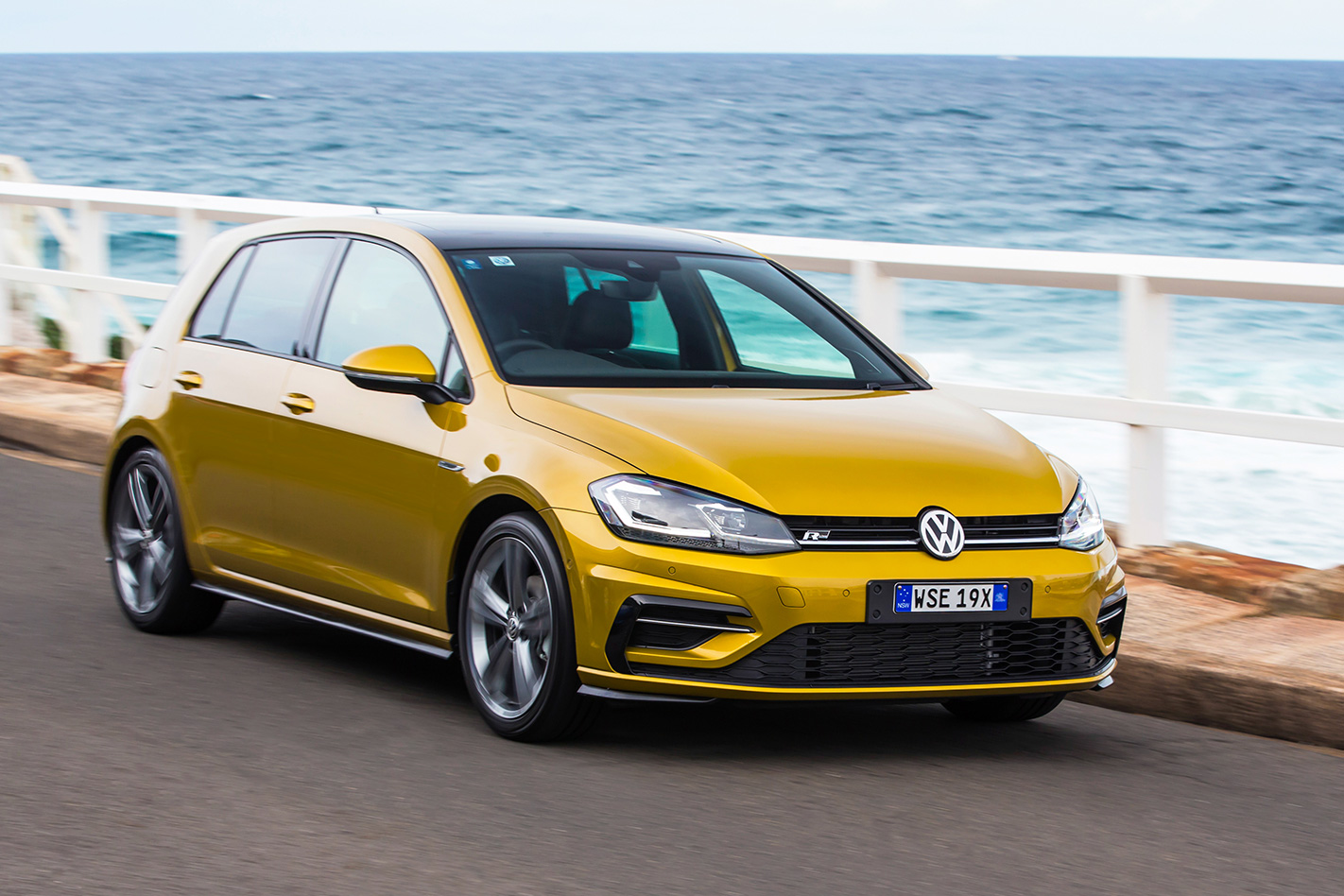
The Mk8 Golf, which jumps to Volkswagen’s new MQB architecture, isn’t expected on sale in Australia until next year. The 48V mild hybrid also makes it possible to “sail” with the petrol engine completely switched off, saving up to 0.3L/100km, VW said.
“In addition, this mild hybrid provides a significant increase in dynamics and comfort due to the electric boost when starting up.”
Like a conventional hybrid system, the Golf will recharge the 48V system while decelerating.
Volkswagen also unveiled a more thermally-efficient diesel drivetrain that includes a mild hybrid system, a first for the brand. However, unlike the petrol hybrid, the “EA288 Evo” 2.0-litre four-cylinder engine is believed to use 12 rather than 48 volts.
“In conjunction with a lithium-ion battery, the mild hybrid system reduces fuel consumption and increases comfort,” VW said.” In general, what sets the new TDI engines apart is their extremely low emissions in all driving cycles. It goes without saying that they meet current and future emission stipulations for [emissions standards] certification.”
VW said the hybrid diesel will initially be used in Audi-branded products with a longitudinally installed drivetrain before being rolled out to other products inside the Volkswagen Group stable.
The third engine unveiled at the Vienna Motor Symposium is a 96kW dual-fuel 1.5-litre variable vane turbo unit that runs on natural gas or petrol, and using a more fuel-efficient Miller cycle tune.
Natural gas is gaining popularity in Germany, driving the transport fuel’s development.
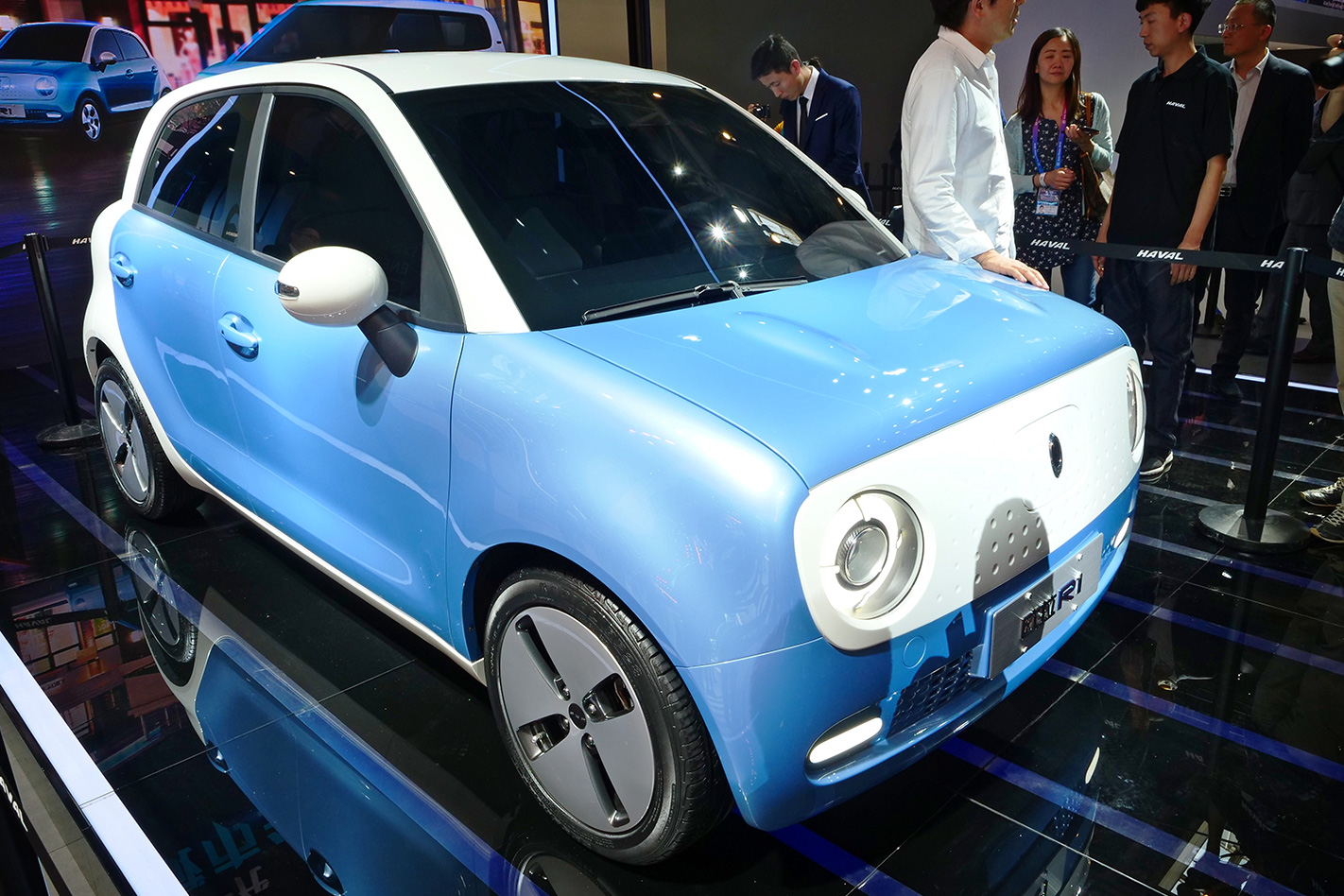
Haval and its sister brands have launched a new model assault on the China Auto Show 2018 with seven fresh vehicles rolling out on stage in Beijing.
However, while none of the cars will be making an appearance in Australia, the fleet does herald more metal Down Under, the Chinese carmaker says.
Since the Great Wall-owned SUV brand took on the unique Australian market in 2015, it has failed to garner the interest that a new range of SUVs would appear to warrant in our crossover-hungry market, but the company is touting a fresh volley at the end of the decade.
With left-hand drive-only production, the new H6 mid-sized SUV and F5 more coupe-profiled high-rider show cars that rolled out in Beijing will not be offered alongside the current Australian range but, speaking in Beijing, Great Wall Motor group chief executive and executive director Feng Ying Wang said right-hand-drive markets, including Australia, were a significant focus for the company.
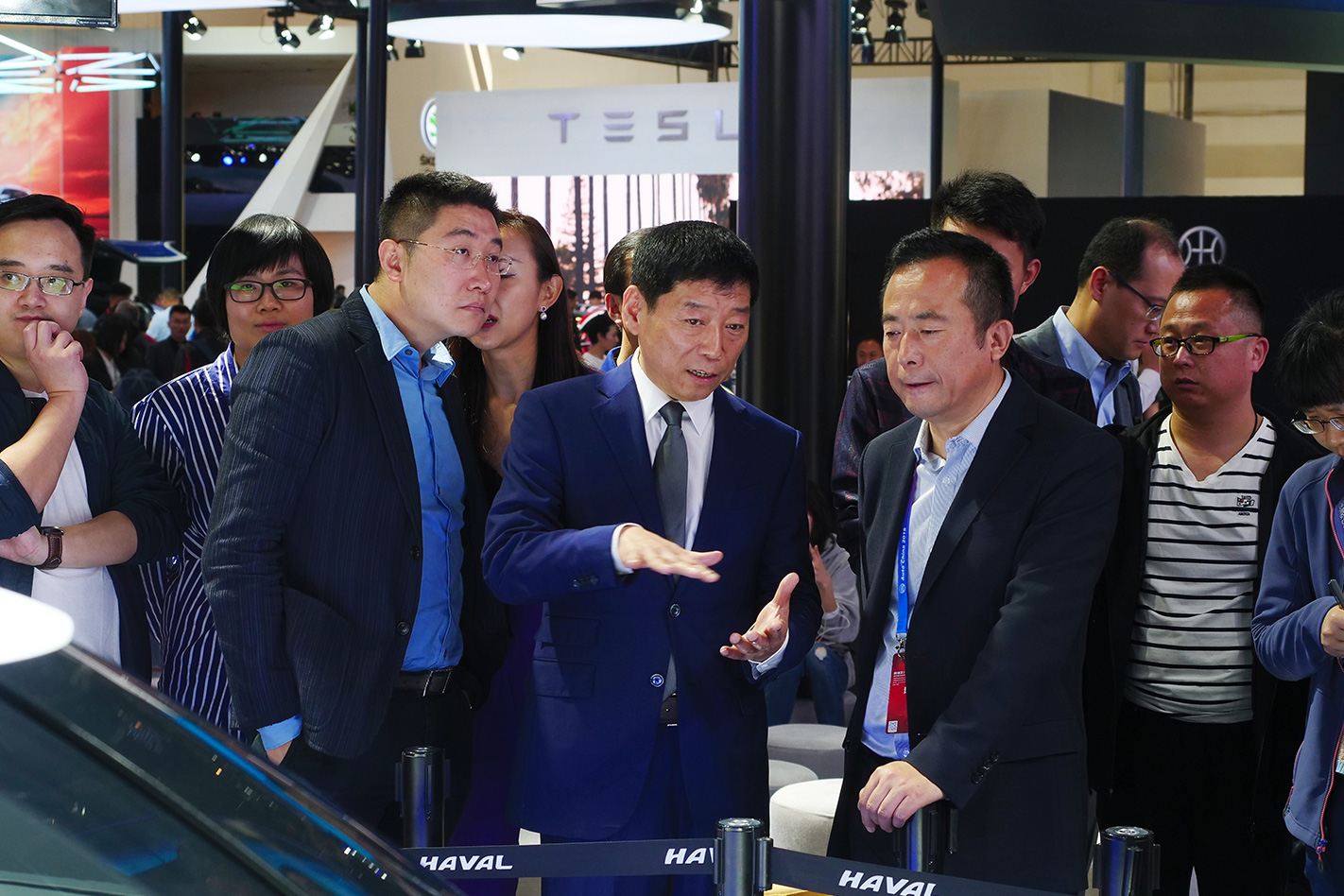
“We have dedicated teams that are developing this in R&D for right hand drive models,” she said. “The real competitive products we will put into the Australian market from 2019.”
An exact date is yet to be confirmed for any Australian debut, but product planning vice-president Sam Chen said Haval would take a significant step up with three new models rolling on a new platform.
“If you want to fast forward to some of our future product, we’re excited to say our next-generation product will have a bigger change than we currently have up to now,” he said. “It will be a new platform and these will be a lot more competitive next-generation products.
“We are looking at our product strategy overall so we have to consider both left- and right-hand (drive) but we do promise that we will have at least two or three models for these markets. The key thing is that we want to have a product presence in each of the key segments (small, midsize and large).
“(The Australian range) is beyond these models here, so it will be the next generation.”
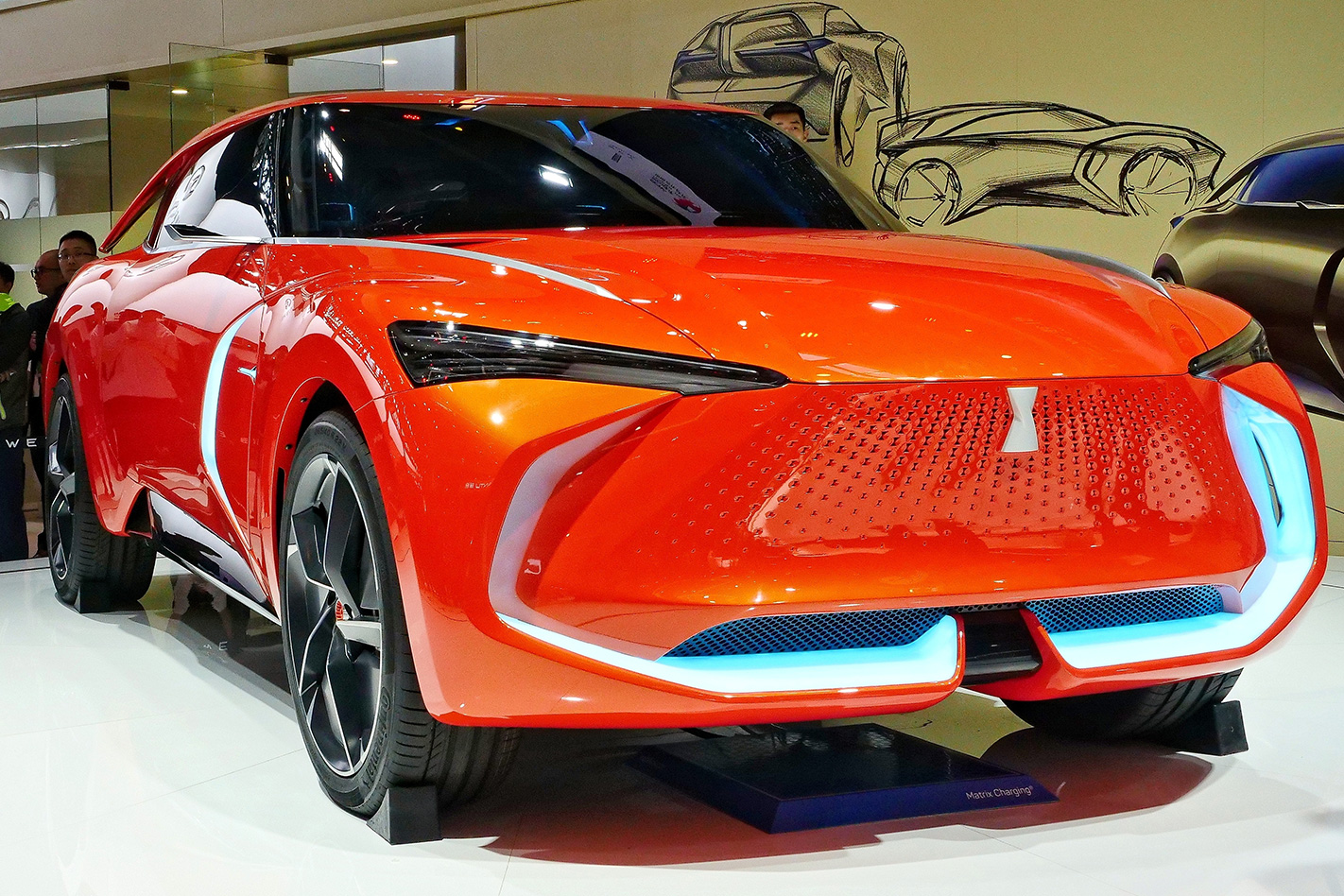
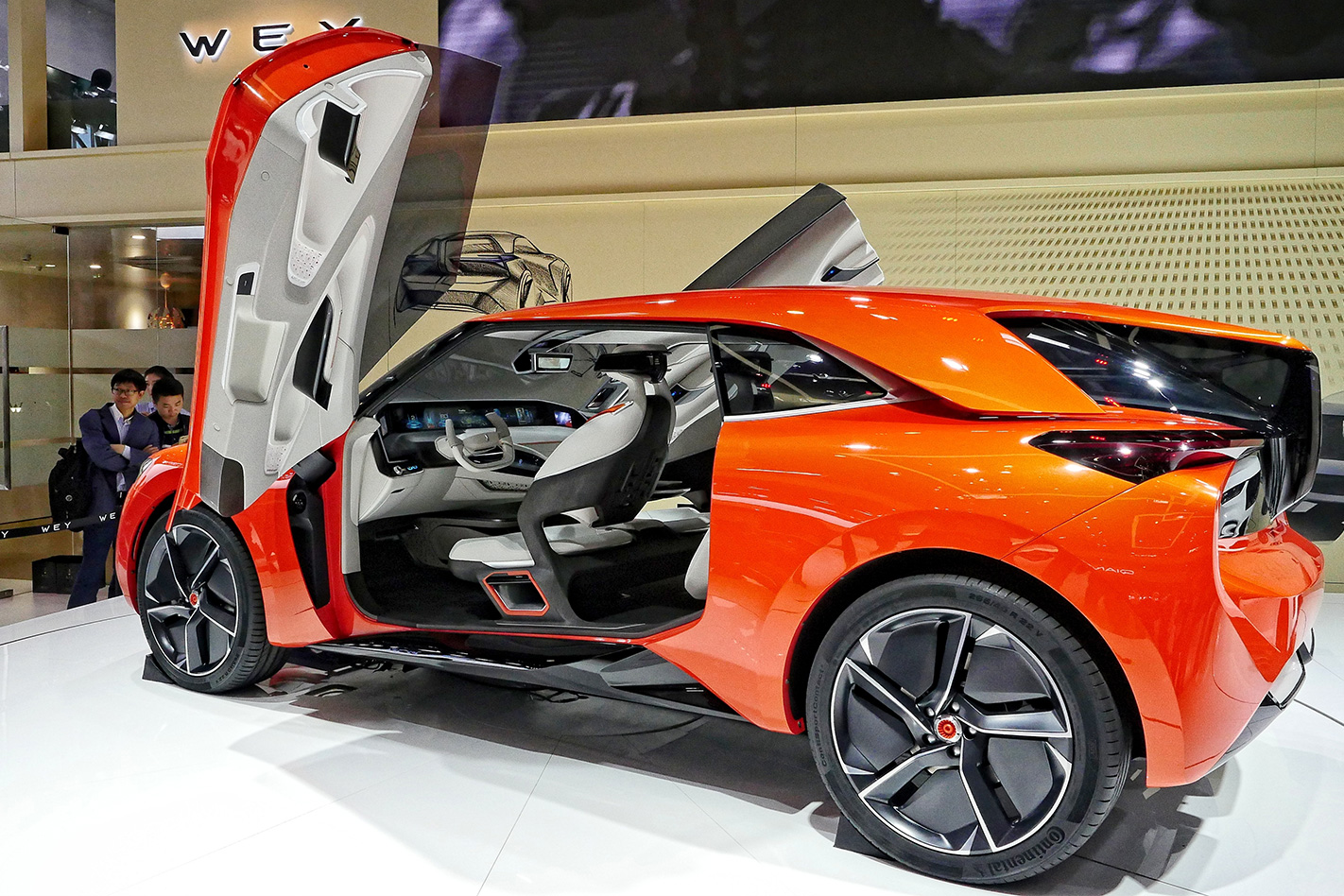
Over on the stage of Haval’s more premium brand, Wey, the carmaker presented a radical concept dubbed simply the X, alongside a pumped-up, high-performance RS7 SUV which, would appear to be a good match for the Australian market.
The Wey brand is yet to be confirmed for introduction locally but Wang said the company was considering Australia. “We are also positively exploring possibilities to sell the Wey products in the Australian market,” she said. “The first step is to get the popularity of Haval in Australian markets.”
Less likely is the introduction of Great Wall’s all-new Ora sub-brand, which made its debut in Beijing. It was created to cater for a specific corner of the Chinese market with a range of electric-only compact and sub-compact vehicles.
For the Australian Haval line-up, the incoming trio of models is likely to mimic the current range available in Australia including a new H2 compact SUV, a model to take care of the middle of the range with a new H6, H8 or perhaps F5, while the top end of the range will likely have a fresh version of the current range-capping H9.
In addition to the SUV line-up, Chen confirmed parent Great Wall would be upping its game with a new ‘pick-up’ that will surpass the company’s current no-frills fit, finish and refinement.
“This new pick-up we are working on, it will have very much an SUV type of interior space. It’s not so much the old style typical truck feel any more. You’re driving a pick-up but it feels like an SUV interior. That’s something we’re definitely moving more towards,” he said.
If the new, more refined Great Wall is offered in Australia, price-sensitive ute buyers will have another option in the budget end of the range creating a new rival for the Chinese-made Foton Tunland and India-sourced Tata Xenon for example.
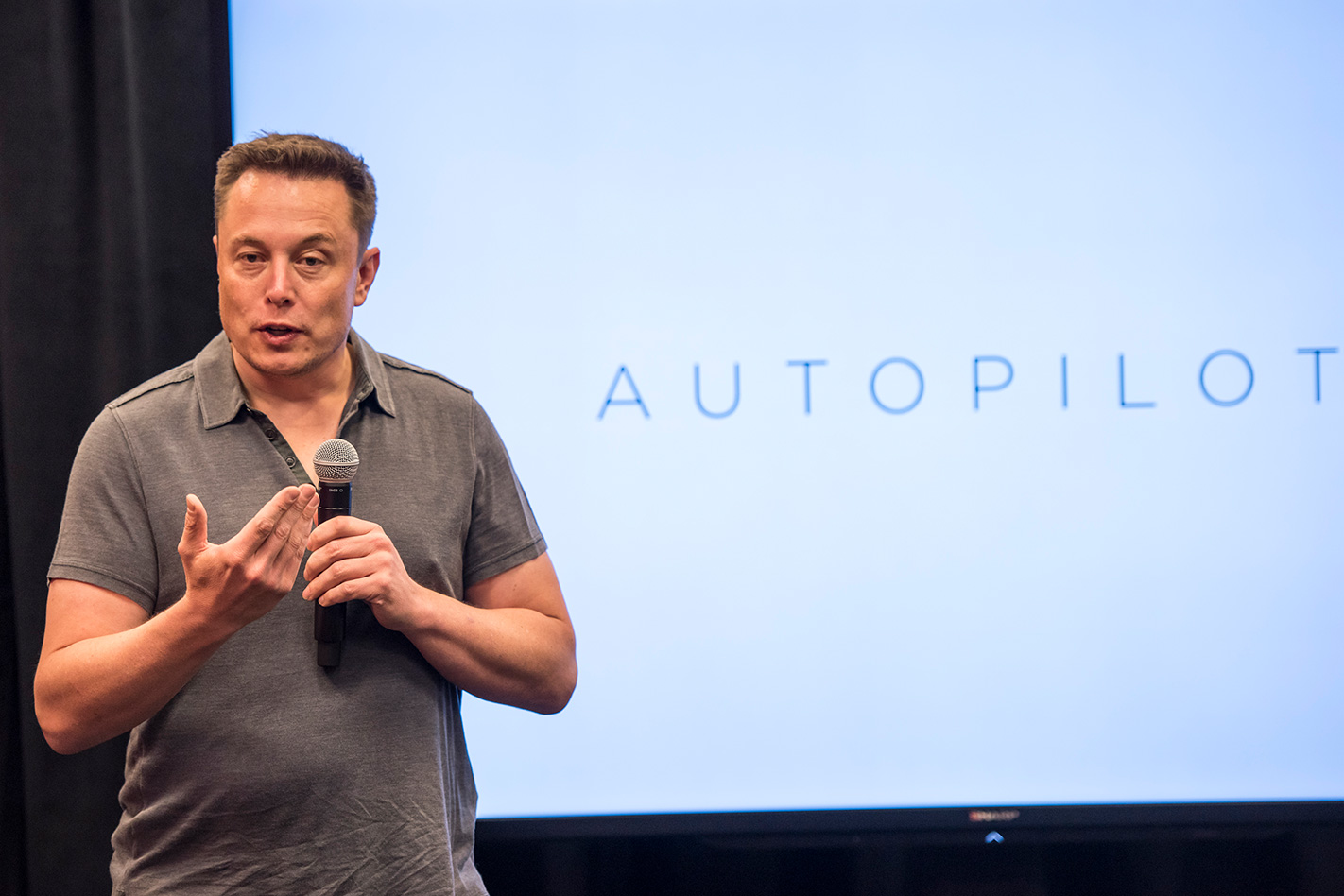
TESLA may have just launched a car into space, but it appears to have burnt more of its staff in the process, including potentially its founder, Elon Musk.
Media reports say Jim Keller, the head of Tesla’s Autopilot self-driving feature, has just left the company. Meanwhile, Tesla chief executive Elon Musk is facing being ousted as the chairman of the company’s board.
Keller, who has headed up Tesla’s Autopilot hardware program since 2016, is leaving the Californian car maker for Intel – a company that has its own interests in self-driving cars via a tie-in between its newly acquired Mobileye and Google’s Waymo. Keller joined Tesla from Apple, where he played a major role in the development of the A4 and A5 processers that power most of the tech company’s phones.
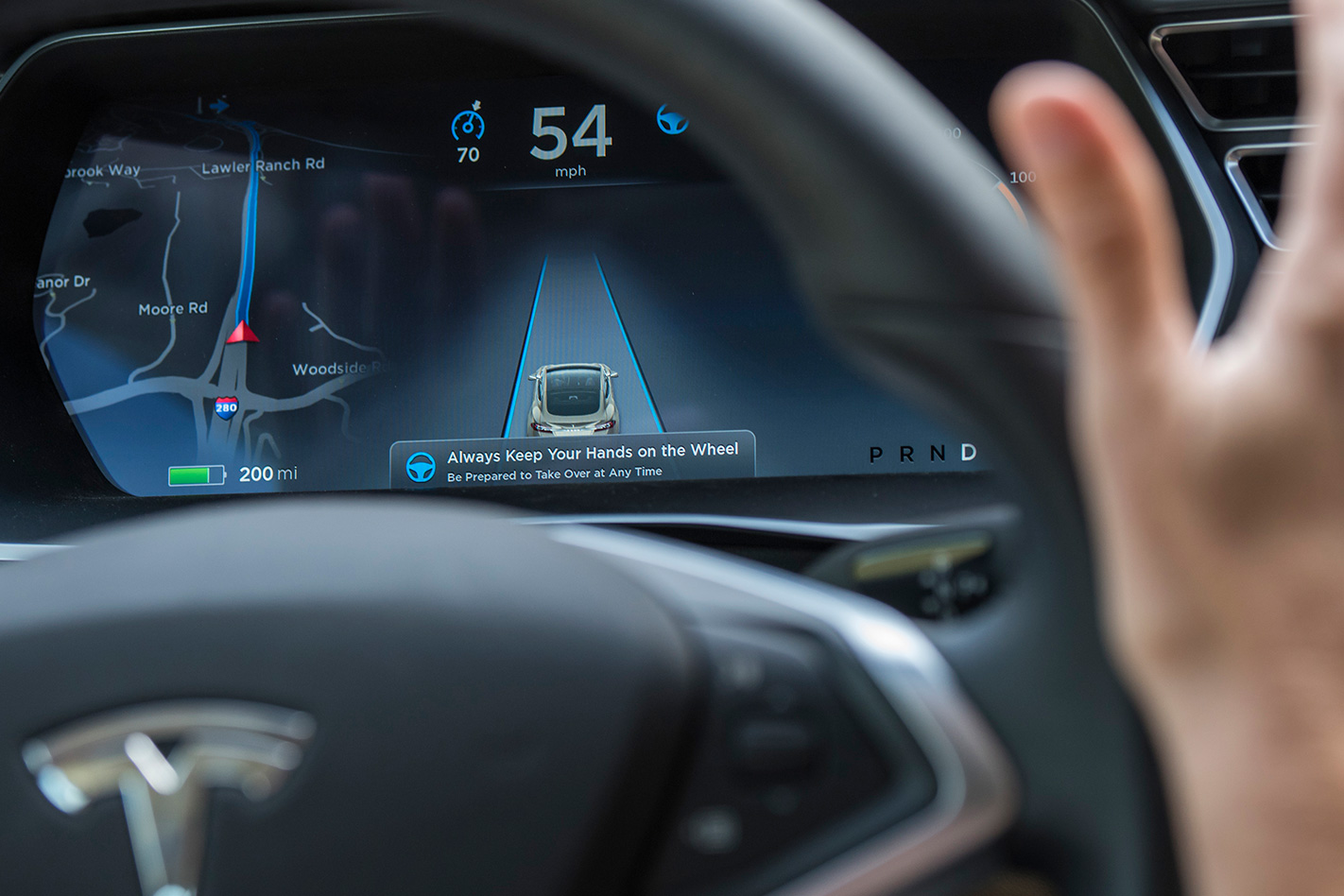
Pete Bannon, who has worked at Tesla for the past two years and also previously worked at Apple, will replace Keller as the head of the Autopilot program.
Keller’s tenure at the head of Tesla’s Autopilot system oversaw a tumultuous time for the company, with a number of high-profile, hands-free crashes in the US and China chipping away at the semi-autonomous system’s reputation. He’s not alone in making the call to move on, either; Tesla’s top sales executive and chief financial officer have also recently elected to walk out the door.
Meanwhile, Tesla chief Elon Musk finds himself in hot water following a proposal to remove him from his position as the chairman of the electric carmaker’s board.
Musk has been the chairman of Tesla’s board since 2004. However, shareholders will be asked to vote in June on whether the eccentric billionaire should retain his position.
The vote is technically about changing company policy – specifically if Tesla should limit the chairman’s position to only independent directors. Even if the vote passes and Musk is removed as chairman, he will remain as Tesla’s chief executive.
It’s a policy which isn’t unusual in Europe. According to The Financial Times, in 2012, almost half of S&P500 companies had appointed independent chairmen – although half of those were former CEOs.
Bloomberg reports the proposal comes from Jing Zhao, a Californian shareholder who believes Tesla should mirror what he dubs a “prevailing practice” in other markets.
Tesla’s board has pushed back on the idea, saying: “The board believes that the company’s success to date would not have been possible if the board was led by another director lacking Elon Musk’s day-to-day exposure to the company’s business.
“In light of the significant future opportunities for growth and the careful execution needed in order for the company to achieve it, the board believes that the company is still best served by Mr Musk continuing to serve as chairman.”
Most companies that have a combined chief executive and chairman, including Tesla, also have an independent lead director. Tesla also has seven independent directors on its board, including Musk’s brother, Kimbal, and media mogul James Murdoch, the son of News Corp chief Rupert Murdoch
A NUMBER of Welsh roads will have had their speed limits cut as part of a $A36 million bid to improve the region’s air quality.
The move is part of the Welsh Government’s ₤20 million Air Quality Fund, a package of measures introduced last week to improve air quality that aims to help local governments comply with nitrogen dioxide emissions targets.
Five heavily congested main roads that carry up to 70,000 cars a day will have their speeds temporarily capped at 50mph (80km/h) over the next two months to reduce NO2 levels along sections where the levels of the respiratory irritant, at more than 40 micrograms per cubic metre of air, are “currently above legal limits”.
“The measures are expected to deliver immediate improvements to air quality at the key locations, with 50mph speed limits expected to reduce emissions by up to 18 percent,” the Welsh government said. Dual-lane roads and freeways in Britain generally have a 70mph (about 110km/h) speed limit.
Not everyone is happy about the move. Motoring lobby group, the RAC Foundation, was quite critical. “Drivers are becoming increasingly used to a patchwork approach to speed limit setting whether that be in the interests of cutting congestion, improving safety or reducing air pollution,” RAC Foundation director Steve Gooding said. “Ironically there will be stretches of road where drivers actually struggle to reach anything like 50mph and if there’s one thing worse for air quality than vehicles hurtling along at high speed, its where they sit nose to tail in jams.”
The foundation said councils looking to improve air quality could use other measures, such as stopping or restricting most polluting vehicles from entering clean air zones, rather than capping speeds.
The Welsh move follows a similar bid in 2014 to cut speeds on two of Britain’s major arterial roads, the M1 and M3 motorways, which had reached capacity in terms of traffic flow. Under that proposal, the reduced speed limits would only have been temporary, as more strict vehicle emissions standards coming into force from that year were expected to help reduce pollution levels along both routes. Other options were listed as using NO2-absorbing paint, concrete and bitumen
According to the Welsh Government, the rollout of more strict vehicle emissions standards on their own would reduce the roadside NO2 levels to below legal limits by 2021. However, it has decided to “bring forward the projected compliance date”.
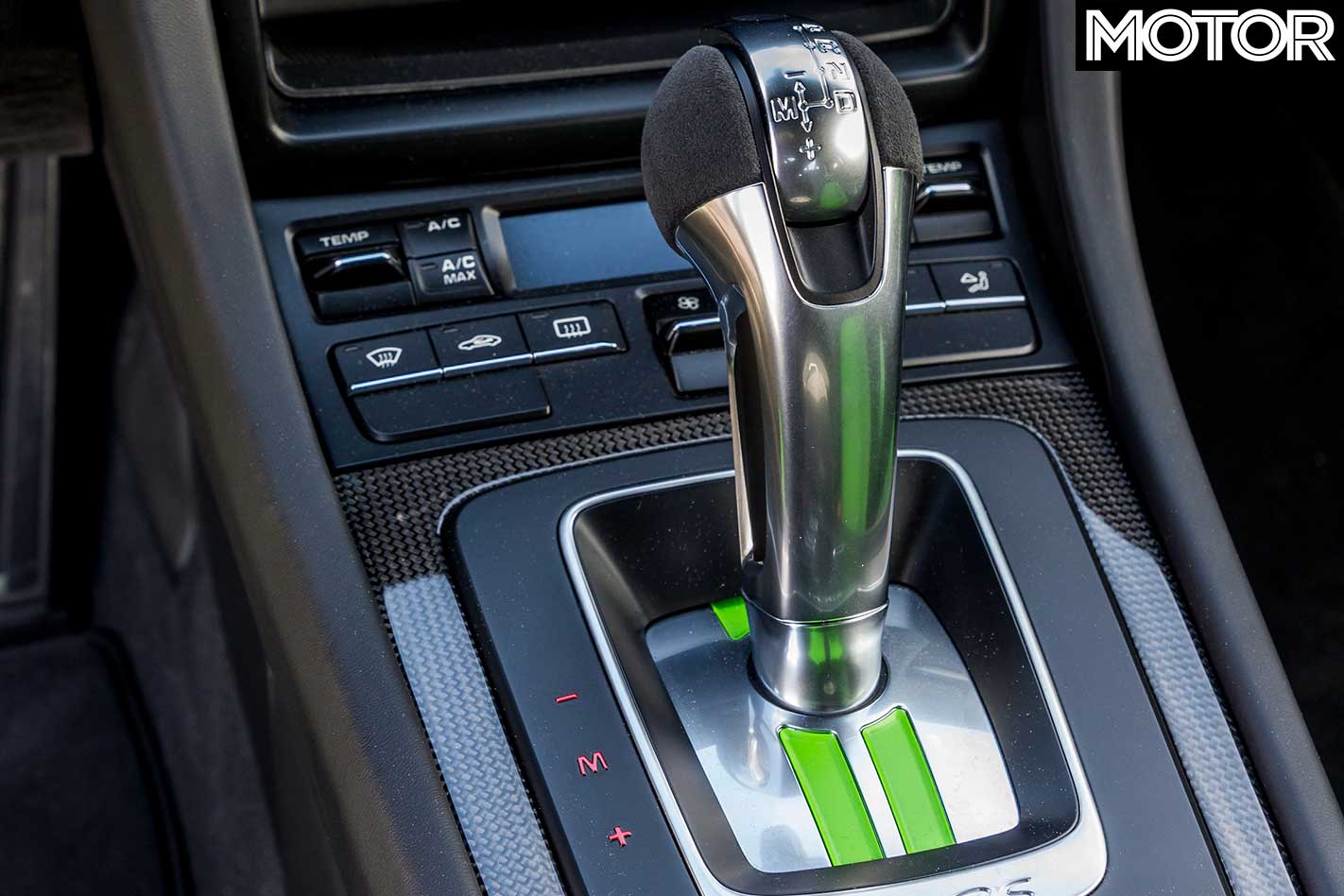
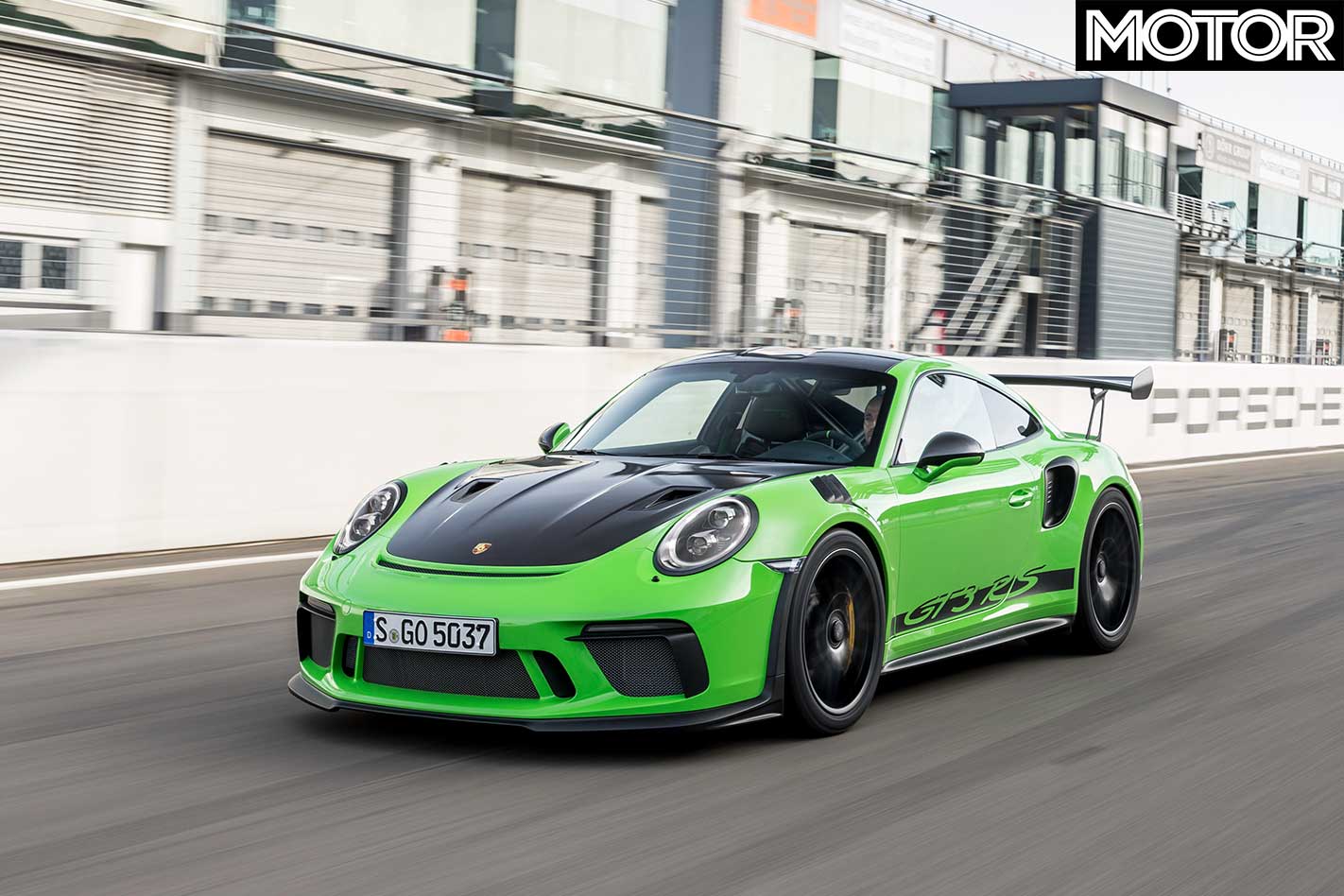
Mark Webber is so relaxed fanging the fastest naturally aspirated Porsche of all time, on a racetrack, that he leaves the PDK shifter in automatic mode.
As you ride onboard Porsche’s new 991.2 911 GT3 RS for a lap of the Nurburgring GP circuit, if you watch carefully he’s not using the paddles and it’s a surprise at all he doesn’t yawn as he races down the straights at up to 240km/h.
Of course, in his duties as a Porsche ambassador, Webber is plenty familiar with cars like the new GT3 RS and it’s one vehicle you can leave in full auto mode no matter how hard you’re driving, such is the intuitiveness of its gearchanges in max-attack mode.
Interestingly, the Aussie F1 legend takes a very different line around the circuit than the Porsche instructors who were chaperoning journalists at the GT3 RS’s international press launch. For all his precision and calmness behind the wheel, there’s no denying this is the quickest way around the track in the new race-bred Porsche.
Webber, who won nine grands prix and finished on the F1 podium 42 times, is driving a Weissach Package-equipped GT3 RS which features exotic weight-saving materials such as titanium exhaust tips, magnesium wheels, carbon-fibre swaybars and droplinks and special carbon-fibre reinforced plastic.
EXCLUSIVE The man behind the spellbinding new 4.0-litre, 9000rpm flat-six in the 991.2 911 GT3 has hinted that the ultimate naturally aspirated Porsche road car could still be yet to come.
With rumours of the next generation GT3 going turbocharged, some Porsche enthusiasts could be forgiven for worrying that the 383kW/470Nm unit in the latest 991.2 GT3 RS is as potent as atmo Porsche engines will ever get.
But speaking to MOTOR at the launch of the new GT3 RS, Thomas Mader, Project Manager GT Road Car Engines, said the latest iteration of the 4.0-litre atmo engine will not be the last. “I don’t think so,” he told MOTOR. “We’re working on that with our team, we’re looking at power, driveability, we’re looking towards the future … Developing is going on, so we will see.”
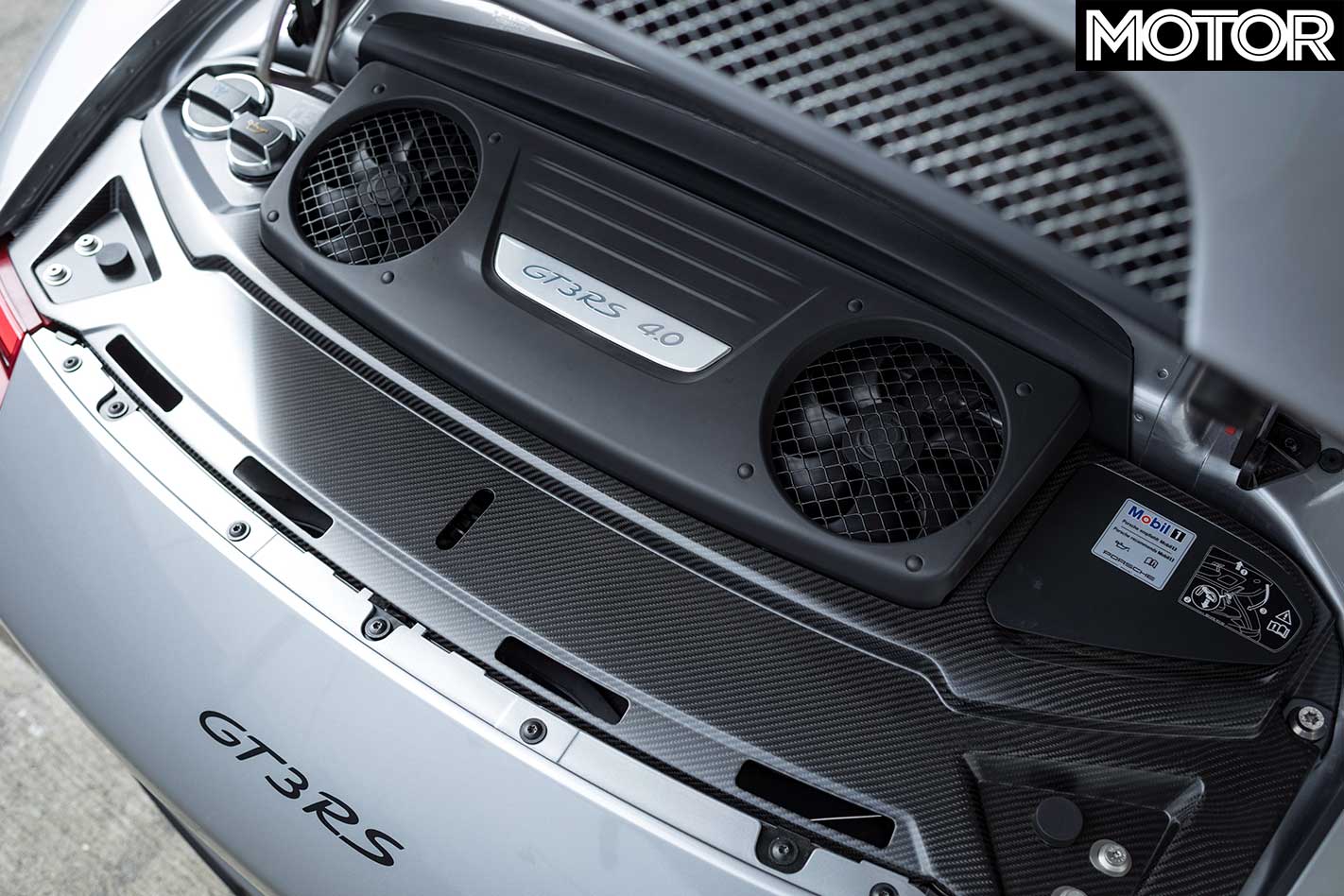
Instead, he said more revs were a possibility for the road. The 4.0-litre GT3 engine is almost identical to that of the RSR, GT3 Cup and R racers, save for different airboxes, air filters and exhaust systems. The race engines also do away with the variable intake system of the road cars. The version of the 4.0-litre in the 991.2 RSR revs to 9500rpm.
“This is also a point for development,” revealed Mader. “We will look at the things we have on racetrack to put it in the street car, that’s our job. The point is, this makes sense, because you want to have power, driveability.”
Mader stressed that any such execution would require a rethink of the rest of the car. “For [the new GT3 RS], [9000rpm] is matched perfect to the whole system. Now I have to speak to my colleagues and we will have a car, and we will have 9500 revs, and matched to that all to the gearbox, then we will work on that technical side, which should be possible … but [although] we have that engine for the racetrack, the lifetime aspect for road car is different.”
Mader was mum when asked about reports of the next generation ‘992’ GT3 going turbocharged, instead saying that “there will be a future” for natural aspiration and that more gains are available in making naturally aspirated engines more fuel efficient.
“I would work on precise internal combustion,” he said, in describing how to make an atmo engine more fuel efficient. “It must be very precise with timing, the amount of fuel you put in the engine, then you have very low emissions engine. Then you have the exhaust cleaning systems.”
The 4.0-litre naturally aspirated unit in the new GT3 could go down as one of the greatest engines of all time, combining a 13.3:1 compression ratio and screaming 9000rpm redline for 383kW and 470Nm in the new RS, its 15kW/10Nm hike over the ‘base’ GT3 owing only to the ram air effect of the Turbo widebody inlets and more aggressive variable cam timing.
Mader also said it was “technically possible” to mate the Getrag six-speed manual transmission in the 991.2 GT3 to the higher output engine of the GT3 RS.
Watch this space.
A FORMER head of Ford’s Australian vehicle development team has heaped praise on the Australia-based research and development centre, saying it is increasingly being enlisted to help out with major projects.
Trevor Worthington, now heading up Ford’s development team in China as the product development vice-president for Ford Motor Company Asia Pacific, said the local outfit’s versatility and world-class engineers were increasingly being enlisted for major projects in the Asia-Pacific region. Worthington credited the Australian engineers with an ability to rapidly and efficiently switch between significantly different projects.
“One of the best things about that team and Australian engineers – whether they are working for Ford or not – is that Australian engineers are very adaptable,”he said. “They’re a team of people that could one day be working on a small car then the next day a truck.”
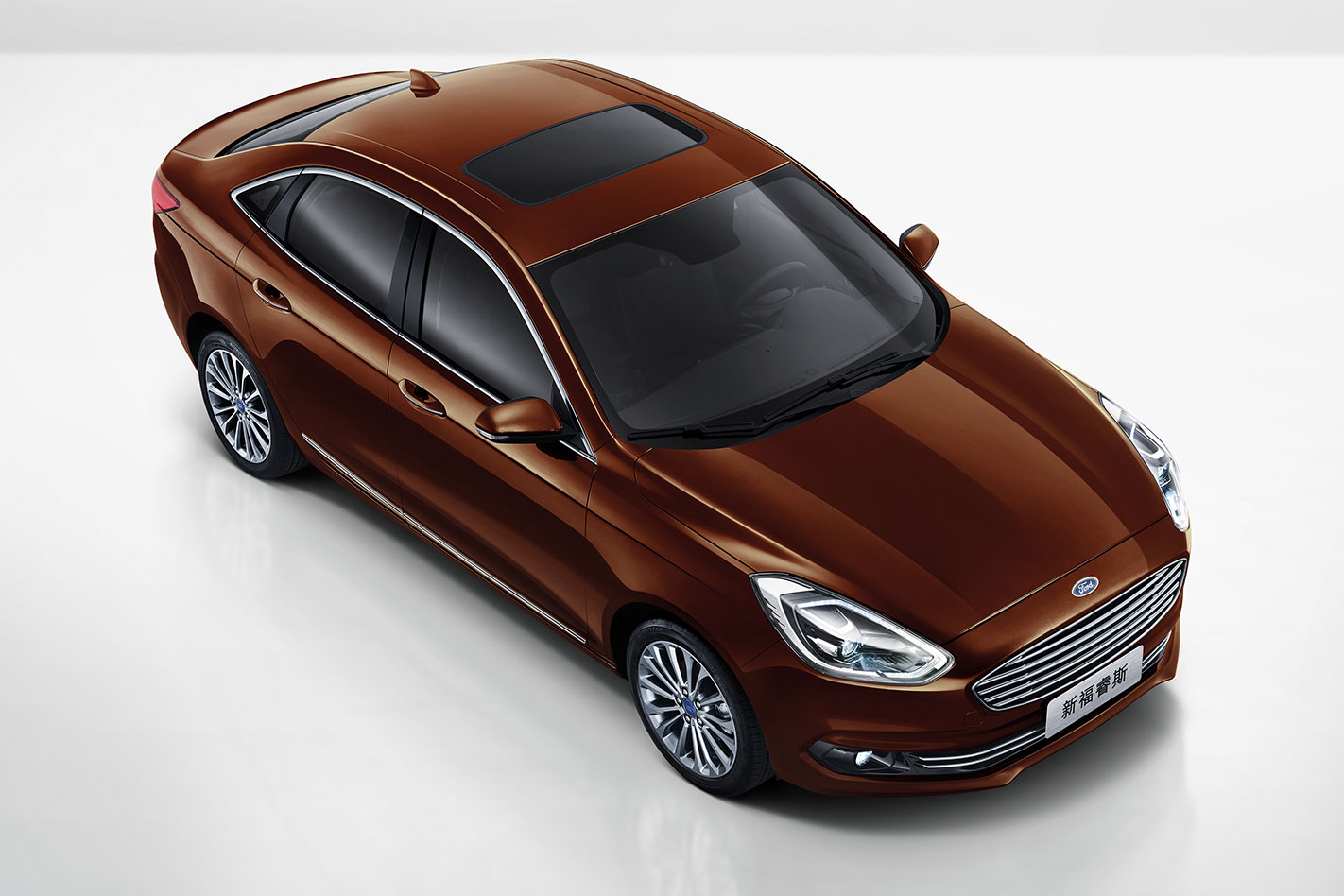
And while locally designed and built vehicles are now a fading memory, Worthington said the expertise gained from home-grown cars was being fed into the next generation of models built overseas.
“There’s no doubt that as the Falcon and Territory business wound down …there was a level of expertise that was developed on those products that we were then able to employ onto Ranger to make Ranger the great global product of 180 markets that it is today,” he said.
Worthington compared the ‘universality’of Australian engineers to the resourcefulness and ingenuity of Australian farmers and businesses. “Farmers in Australia don’t have a lot of money but they’ve got to be able to fix stuff. Businesses in Australia might not have a lot of money but they’ve got to get the job done,” he said. “I’m not going to go for the premium solution, I’m going to find the solution that works. And that is a very good model for delivering value product development and value products in global markets.”
Last year, just shy of 29 million cars were sold in China, with demand making a viable case for Chinese market-only models. However, Australia’s unique requirements often meant some vehicles developed for the Chinese market did not make the cut for an introduction here. “The problem with Australia is that it’s right-hand drive and it’s a diesel market, and China is a left-hand drive petrol market,” Worthington said. “The regulations are different and the government rules are different.”
