
THE latest-generation Lexus ES midsize luxury sedan will offer only a hybrid drivetrain when it appears in Australia late this year.
The seventh generation of Lexus’ rival to the Audi A6, BMW 5 Series, Infiniti Q50, Mercedes-Benz E-Class and Jaguar XF has dumped the 3.5-litre V6 option from the generation it will replace to only offer the 2.5-litre petrol-electric drivetrain-equipped ES 300h.
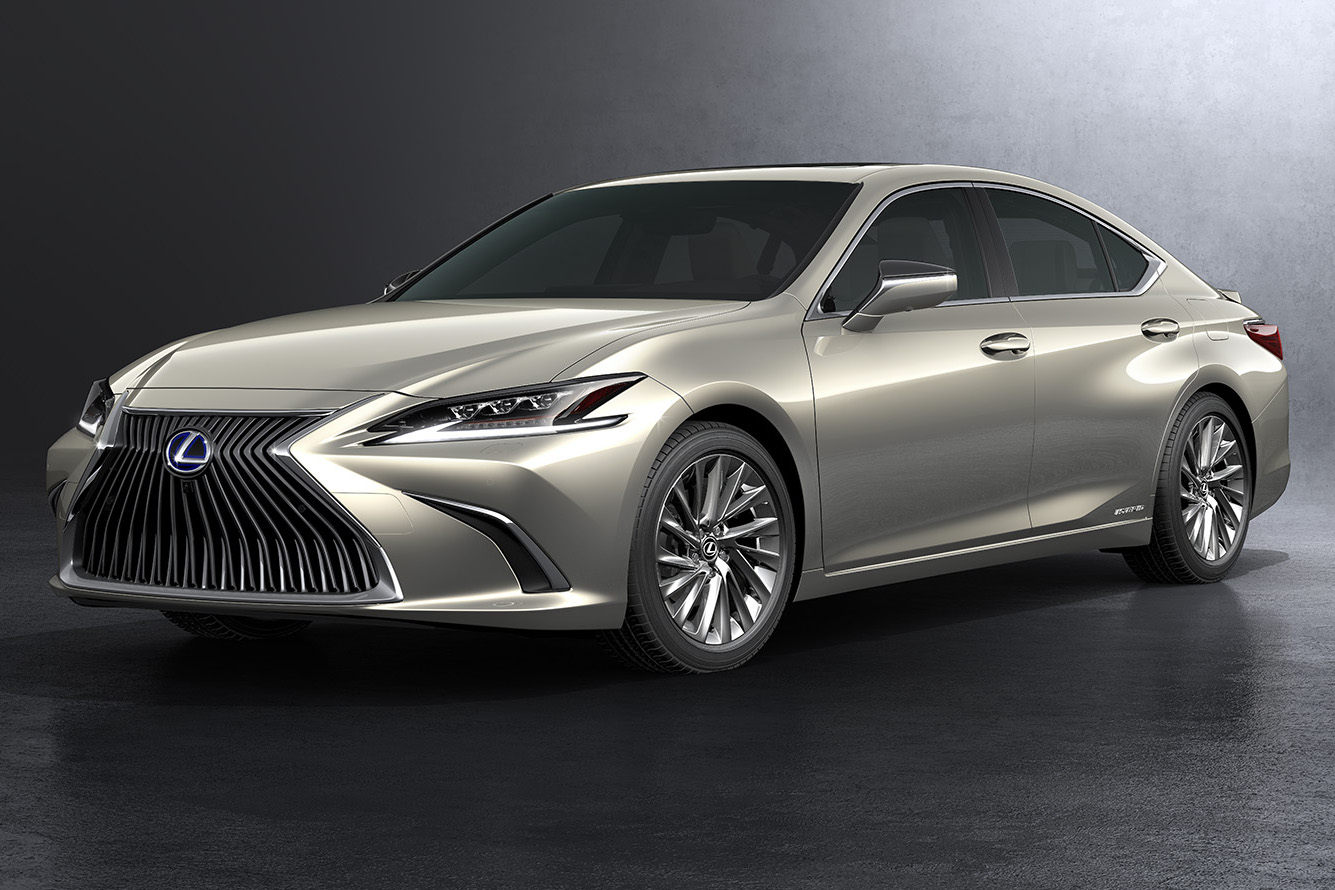
The front-drive chassis uses more high-strength steel to reduce weight, while the redesigned multilink rear suspension, rack-mounted power steering and a body-stiffening V-brace behind the rear seat all point to enhanced dynamics. The centre of gravity drops, too, via a lower bonnet adding to both the ES’s low and wide profile.
Lexus Australia chief executive Scott Thompson said offering a hybrid as the sole powertrain aligned with the brand’s aim to “recast the traditional image of the ES into one that is new and unexpected”. “In Australia, hybrid accounts for 30 percent of Lexus sales, so offering the latest generation ES solely with an advanced self-charging hybrid system represents another significant milestone towards greater electrification of our line-up,” Thompson said.
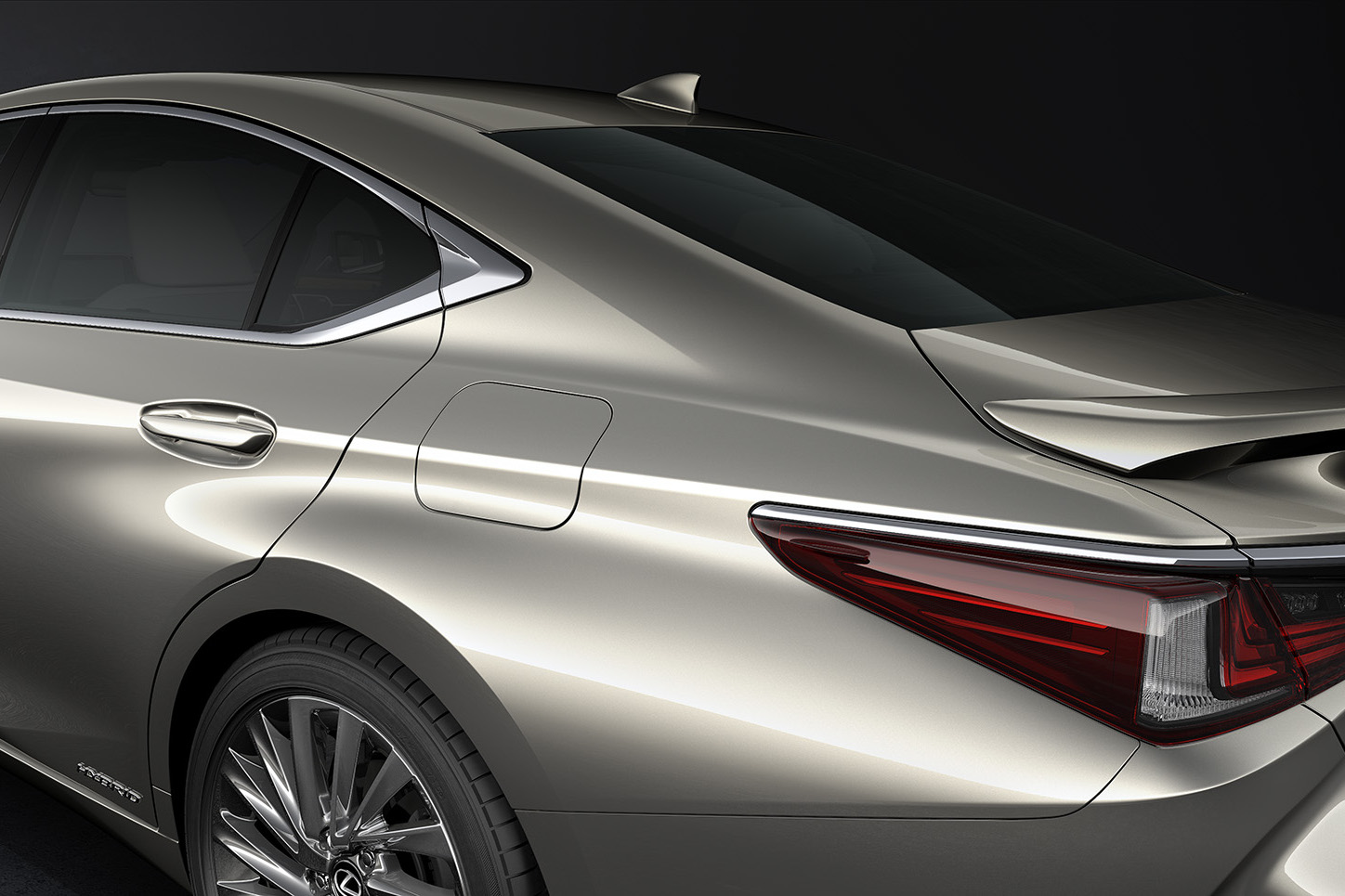
The new-generation hybrid ES still doesn’t have a power plug allowing owners to fully charge the on-board battery, and the battery technology used is the more bulky and heavier nickel-hydrogen one that can’t store as much energy as a more expensive, lighter and smaller lithium-ion one, but can carry more charge cycles. That said, the “new” old-school battery is smaller than the one used in the old ES hybrid, and is now contained underneath the rear seat instead of robbing the boot of space.
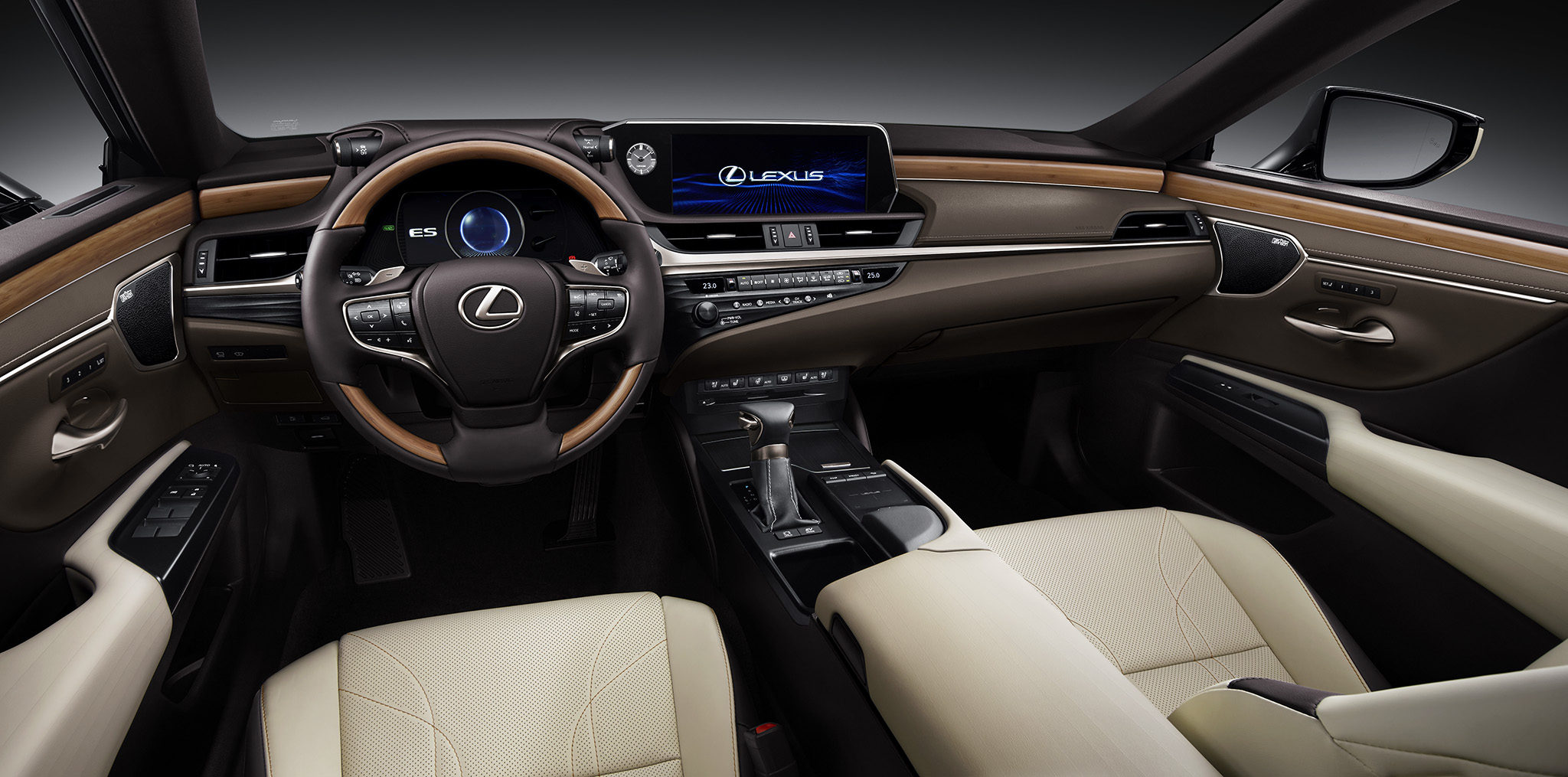
Inside, the ES will feature soft-touch surfaces, some of which will look hand-crafted, while changes made to the steering wheel angle and pedal brake angle and location help with a more natural driving position, Lexus says. Rear-seat passengers benefit from more legroom than before, with a lower hip point helps to yield headroom.
The ES300h will be offered in Australia in both Luxury and Sports Luxury grades. Pricing and local specifications will be revealed closer to the new Lexus’s launch.
An American company has launched the world’s first mass market child seat with an integrated airbag safety system.
Airbag technology has featured in new cars for decades and saved countless lives, and will now be used to protect some of the most vulnerable passengers on our roads.
The Maxi-Cosi AxissFix Air – as it is called – features inflatable ‘pillows’, similar to those found in modern vehicles, built into the belt and shoulder structure of the seat, which deploy in the event of a sudden impact.
The system is designed to protect children who are big enough to travel in the seat when mounted in a forward-facing direction, though the revolutionary seat can also be placed backwards for smaller children.
The innovative system works by limiting the range of injury-inducing head movement children are often exposed to in car accidents. The integrated airbags inflate in front of the child’s chest and face to contain the head and significantly reduce the forces on the neck and spine.
It works without being connected to the car’s electronic systems in the way that traditional airbags are. Instead, sensors are placed in-line with the seat’s ISOFIX connectors.
The sensors detect a collision within 15 milliseconds, and send a signal to the airbags, which inflate with cold air around the chest of the child to soften the impact.
Just 80 milliseconds after the crash is detected, the child’s head is kept in check by the airbags. The system then deflates immediately afterwards.
Maxi-Cosi currently sells a range of child seats in Australia, but the AxissFix Air isn’t one of them yet. The unit is sold in the United States for just under A$1000.
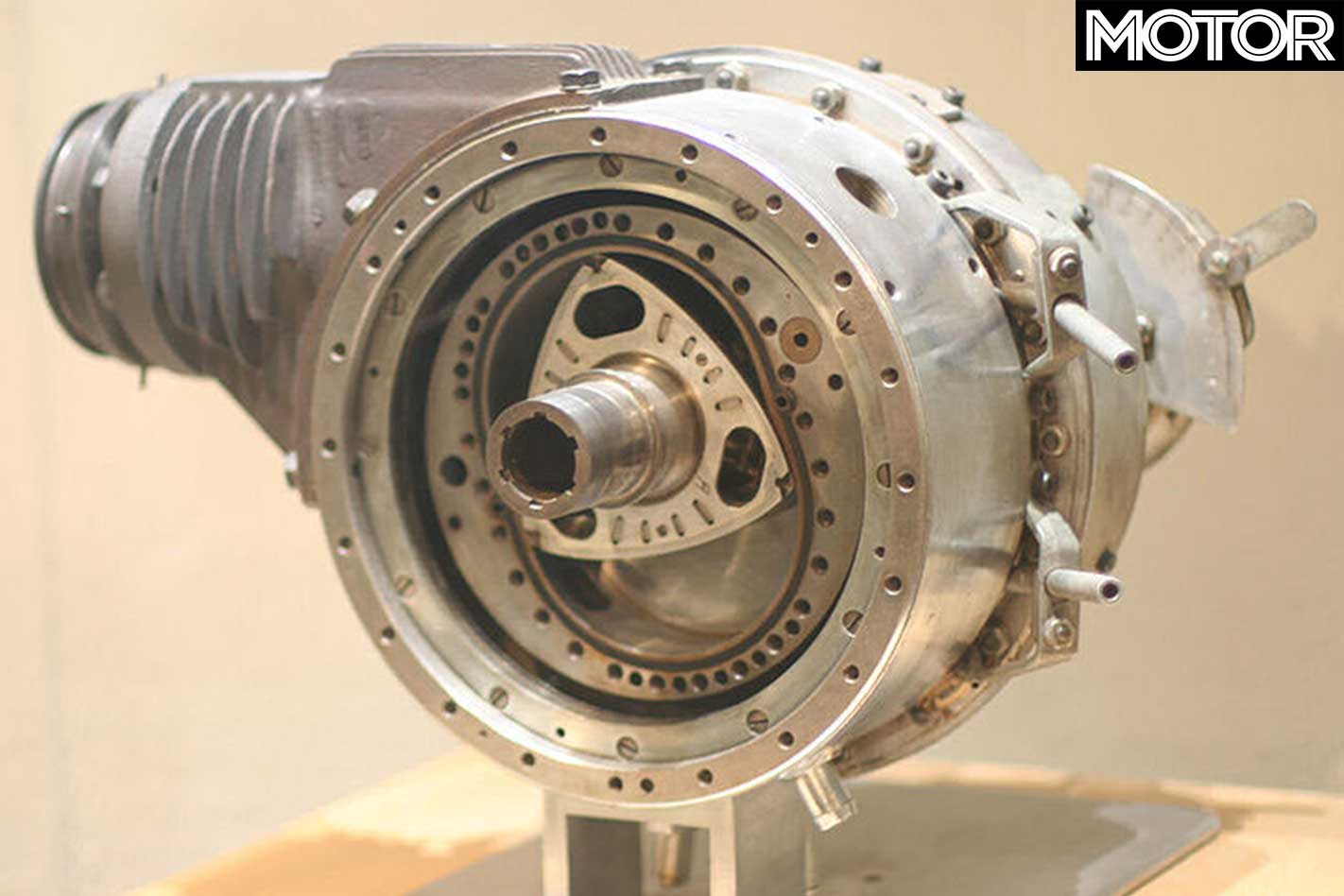
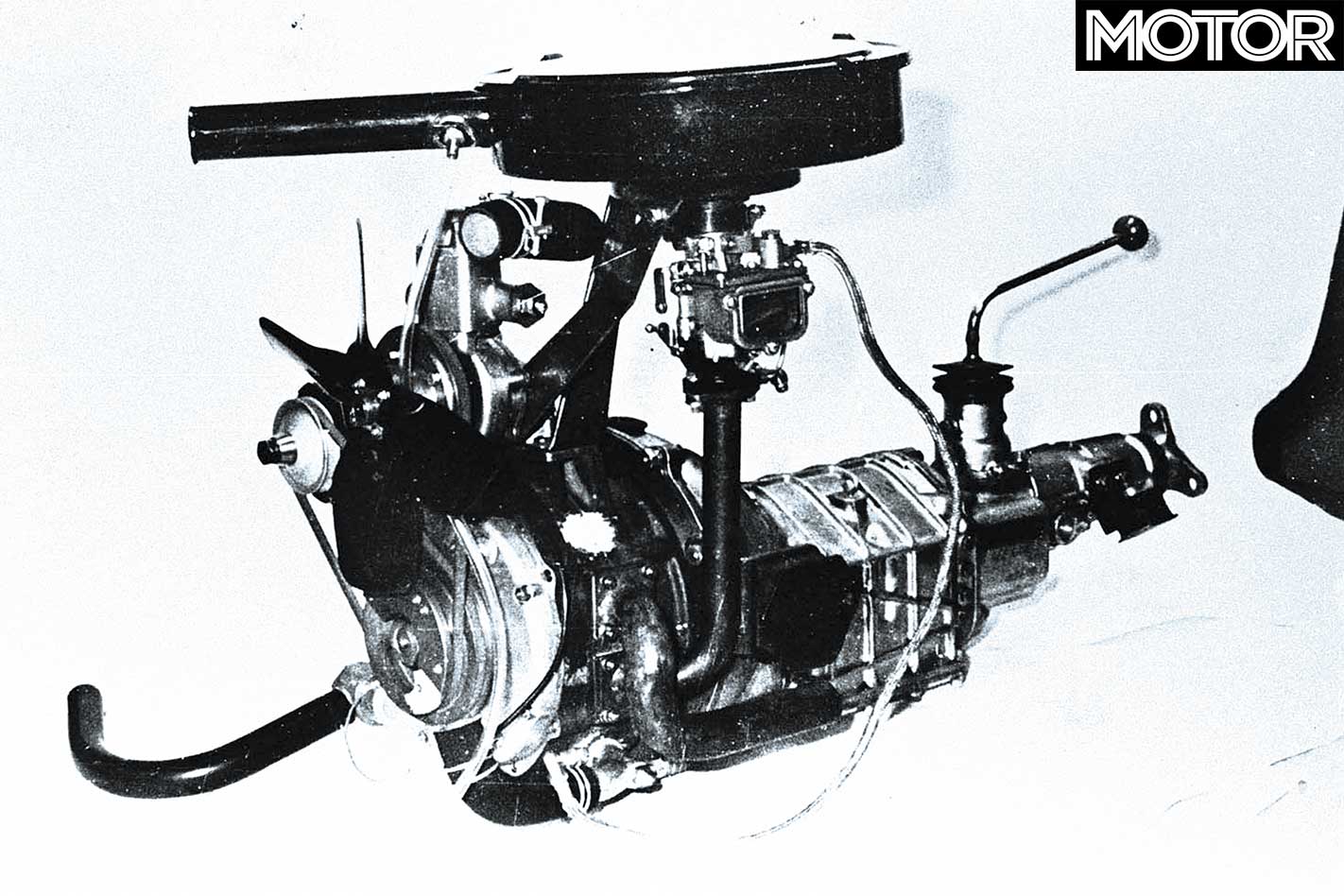
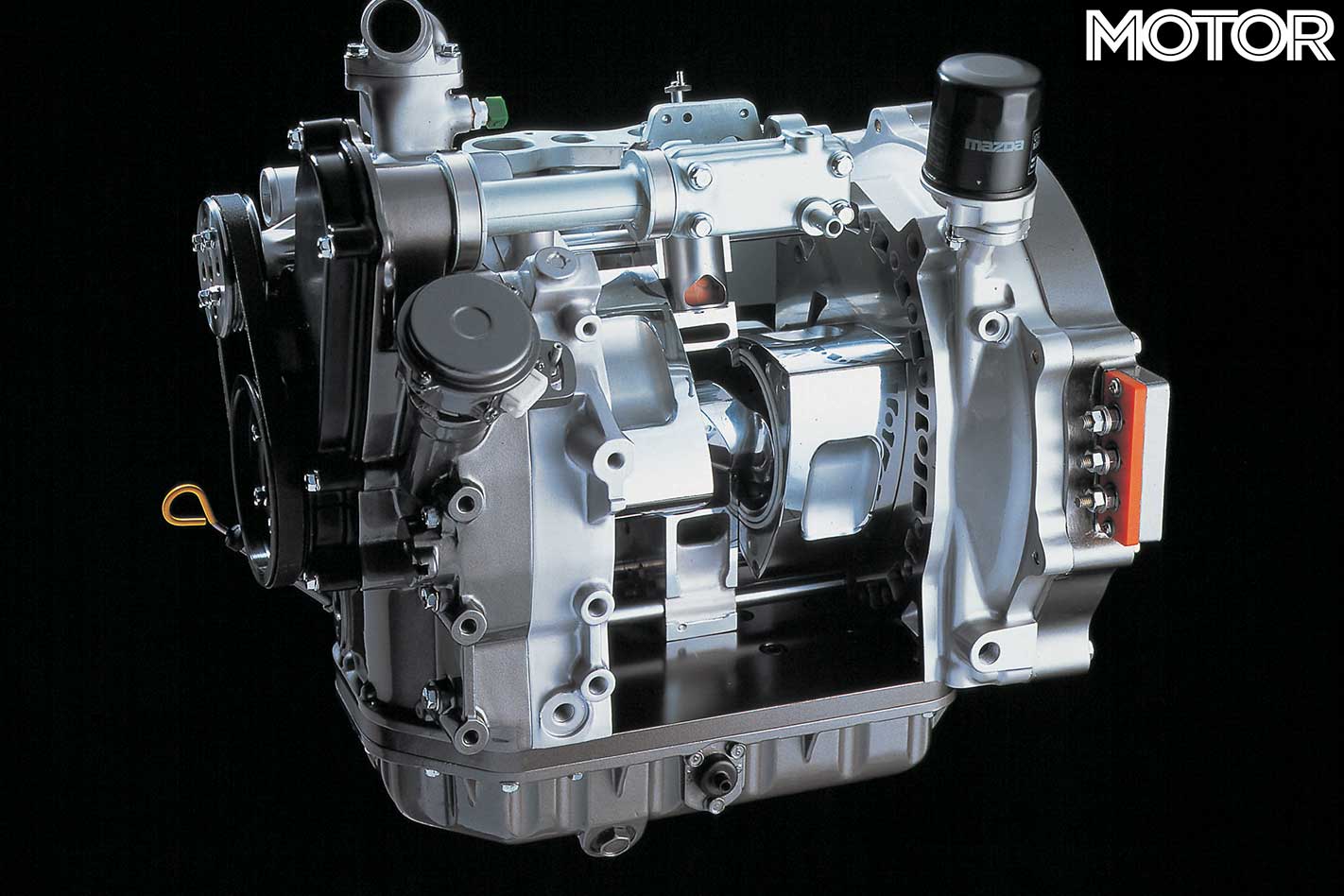
It’s unconventional, daftly simplistic and its disciples are fanatical. But after four decades in Australia, the spinning, screaming ‘Wankel’ rotary engine has carved its own niche courtesy of its only remaining supporter, Mazda.
This feature was first published in MOTOR magazine’s February 2009 issue.
It has become a genuine performance and racing icon thanks to victory at Daytona, Le Mans and the Bathurst 12-hour, but in hindsight, it’s hard to believe the rotary has survived.
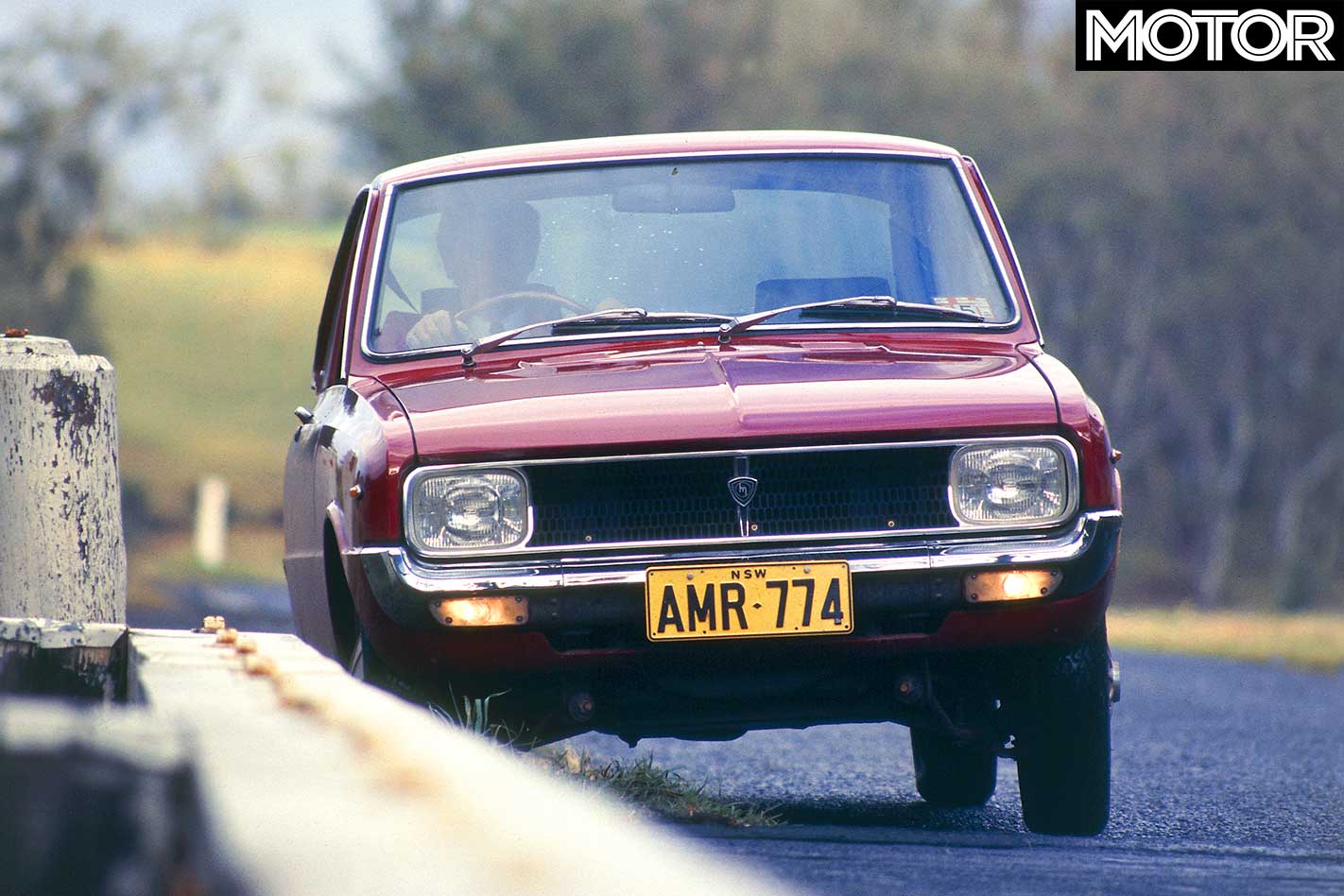
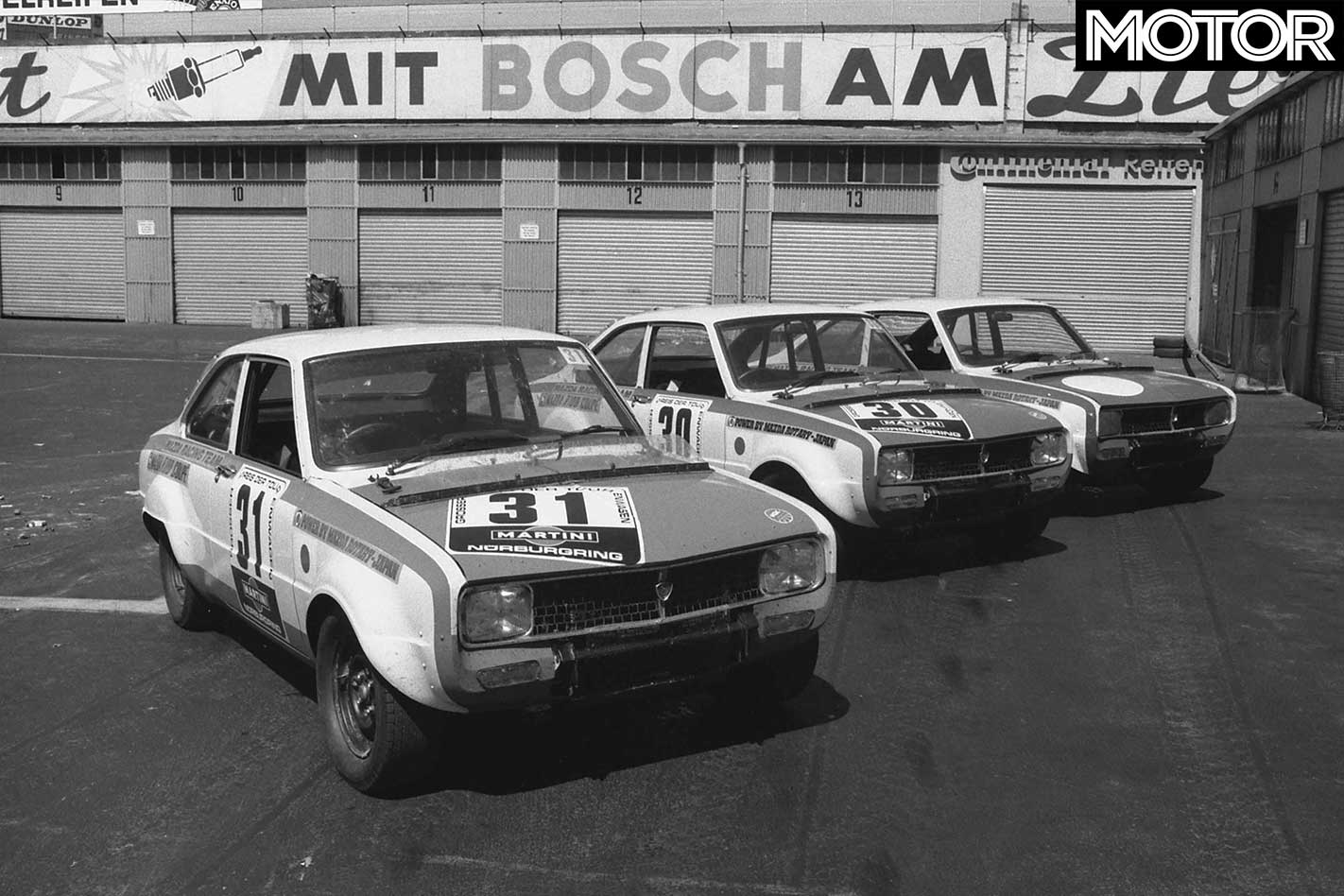
The R100 became the first ‘ordinary’ Mazda to feature a range-topping rotary variant, but while its engine and its performance both far exceeded expectation, its primitive chassis and narrow-track stance undermined its engine’s racetrack potential. The Cosmo had already proven the rotary’s suitability to racing – it finished fourth in the 1968 Nürburgring 84-hour endurance race – but the R100 wasn’t the right car to cement that reputation.
At the time, Mazda openly suggested that the rotary would one day render the piston engine redundant. So, in opposition to the Cosmo coupe’s purist sporting focus, it set about installing the engine across its entire mainstream range.
Next recipient was the medium-sized Capella RE (RX-2 overseas), which joined the R100 in 1970, and proved a far more sophisticated and suitable poster-child for rotary power. In December ’70, Modern MOTOR described it as “one of the most exciting cars to come our way in many years”, and pointed out that “the Wankel rotary engine is no longer a gimmick.”
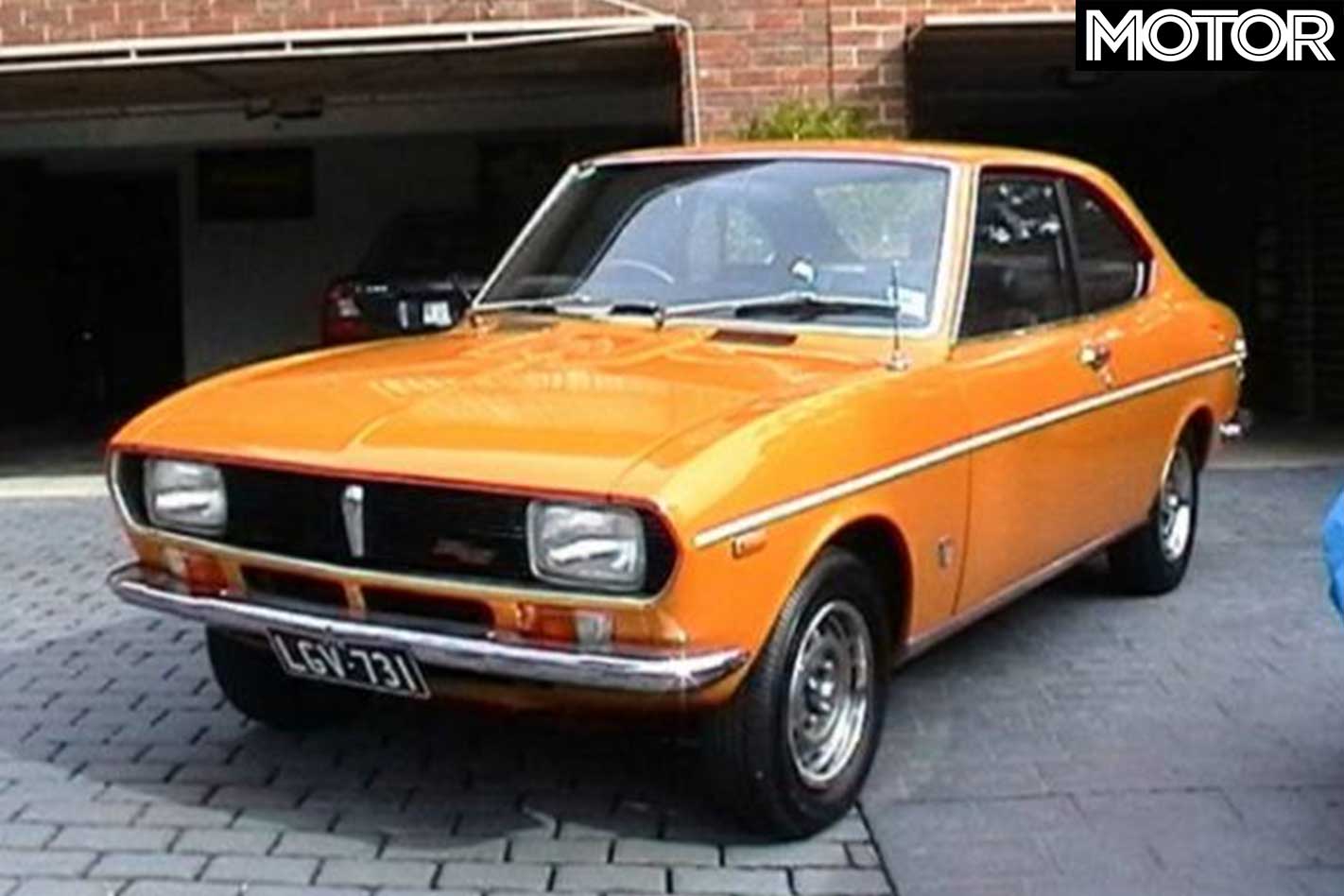
The sentiment of the day was that the Wankel design must’ve surely been “the first serious line of writing on the wall for the conventional piston engine.” Or so people thought…
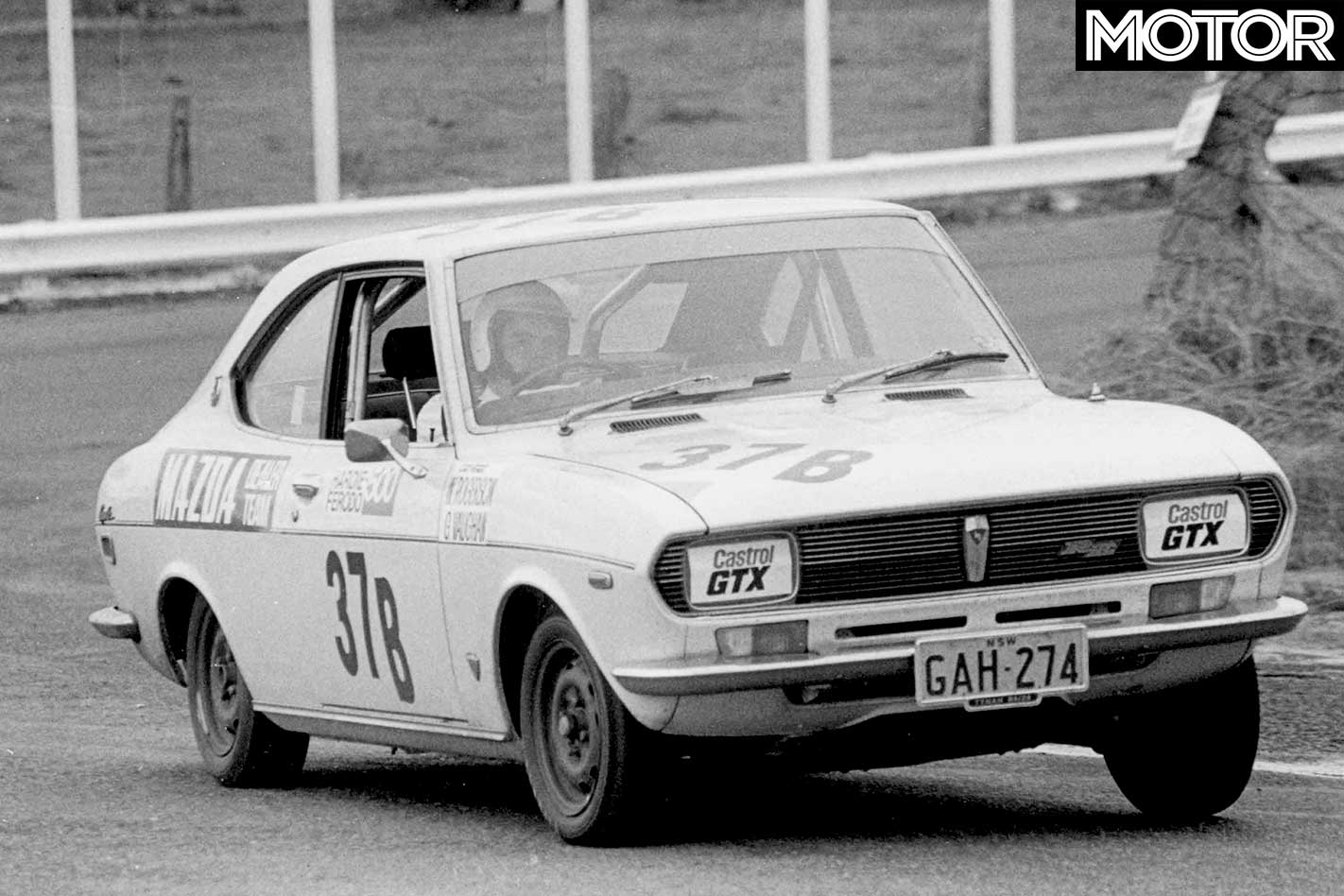
Nowhere was the rotary versus piston argument more volatile than on the racetrack. Wayne Rogerson raced a Capella RE at Bathurst in the early ’70s, winning his class in 1973, and still campaigns a rotary in historic racing.
“It was an effective little car and quick down the straights,” he explains. “We were doing 130mph [209km/h] down Conrod.”
The R100’s effective replacement came in the form of the RX-3 in February ’72. It was a serious challenger to the Escort Twin Cam and Torana GTR, and was offered in both four-speed manual and three-speed auto forms, sedan and coupe. And it sold alongside the Capella RE, initially using the same 82kW/135Nm 10A as the R100 (but with a new housing and honeycomb exhaust ports to improve emissions), giving Mazda its widest range of rotary models to date.
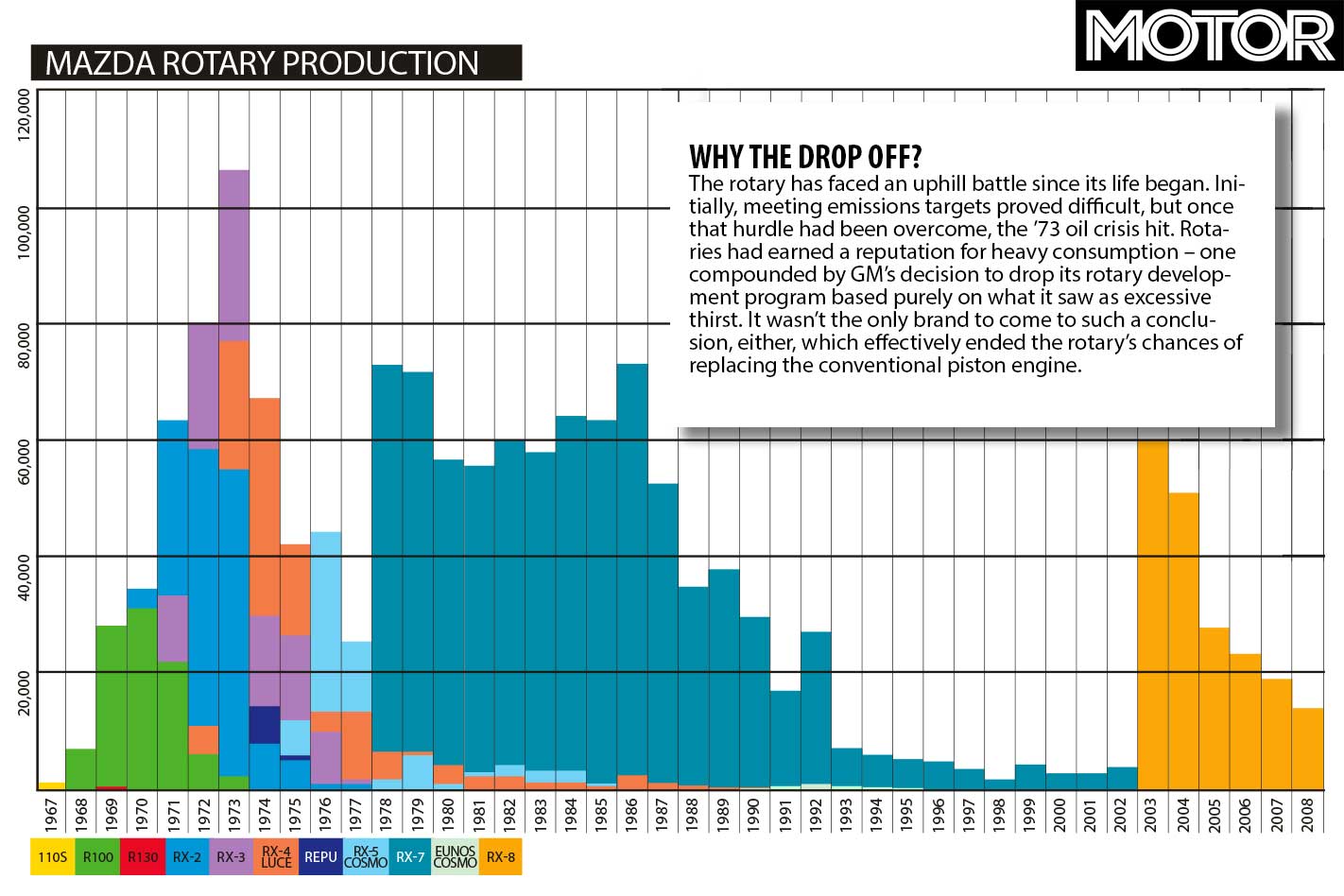
The RX-3’s introduction greatly boosted rotary sales, which by 1972 represented one-third of Mazda’s total engine production. The following year, Mazda built more than 100,000 rotaries, setting a record that still stands to this day, and Mazda Australia played its part – flogging an unbeaten 6218 rotary vehicles here. But from late-’73, the first oil crisis saw fuel prices skyrocket, and the relatively thirsty rotary took a big hit.
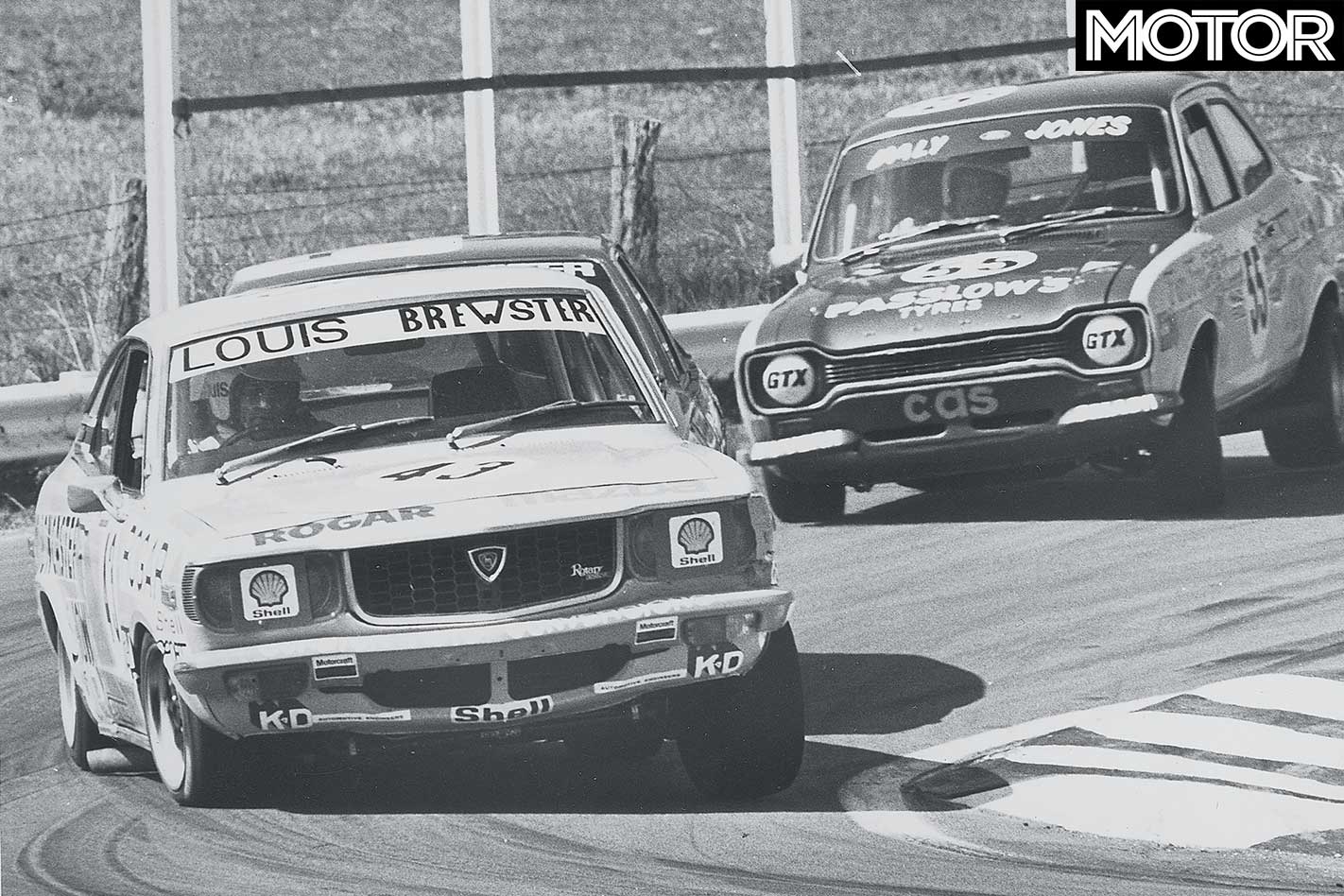
“[The RX-3] was a fairly well-balanced car and you could get all the performance options on it, like limited-slip diffs, a close-ratio gearbox and so on,” said Holland, who was also a Mazda dealer in Sydney. “We just thought that you run what you sell. The main Mazda sellers were the smaller cars, and we sold a lot of Capellas. People who wanted real performance would buy the rotaries.”
Holland’s RX-3 race car was stock, apart from the carburettor and some exhaust mods. “There was no porting modification,” Holland recalls. “CAMS wouldn’t let us use bridge-porting or change the RX-3’s induction. Peter Williamson was allowed to run a twin-cam Celica that was never actually sold here, but we weren’t allowed to port!
“Racing-wise, [the RX-3] was terrific, ’cause you could rev them all day. And we could use power and revs. It still had pace up top … it didn’t drop off like the Capri V6.”
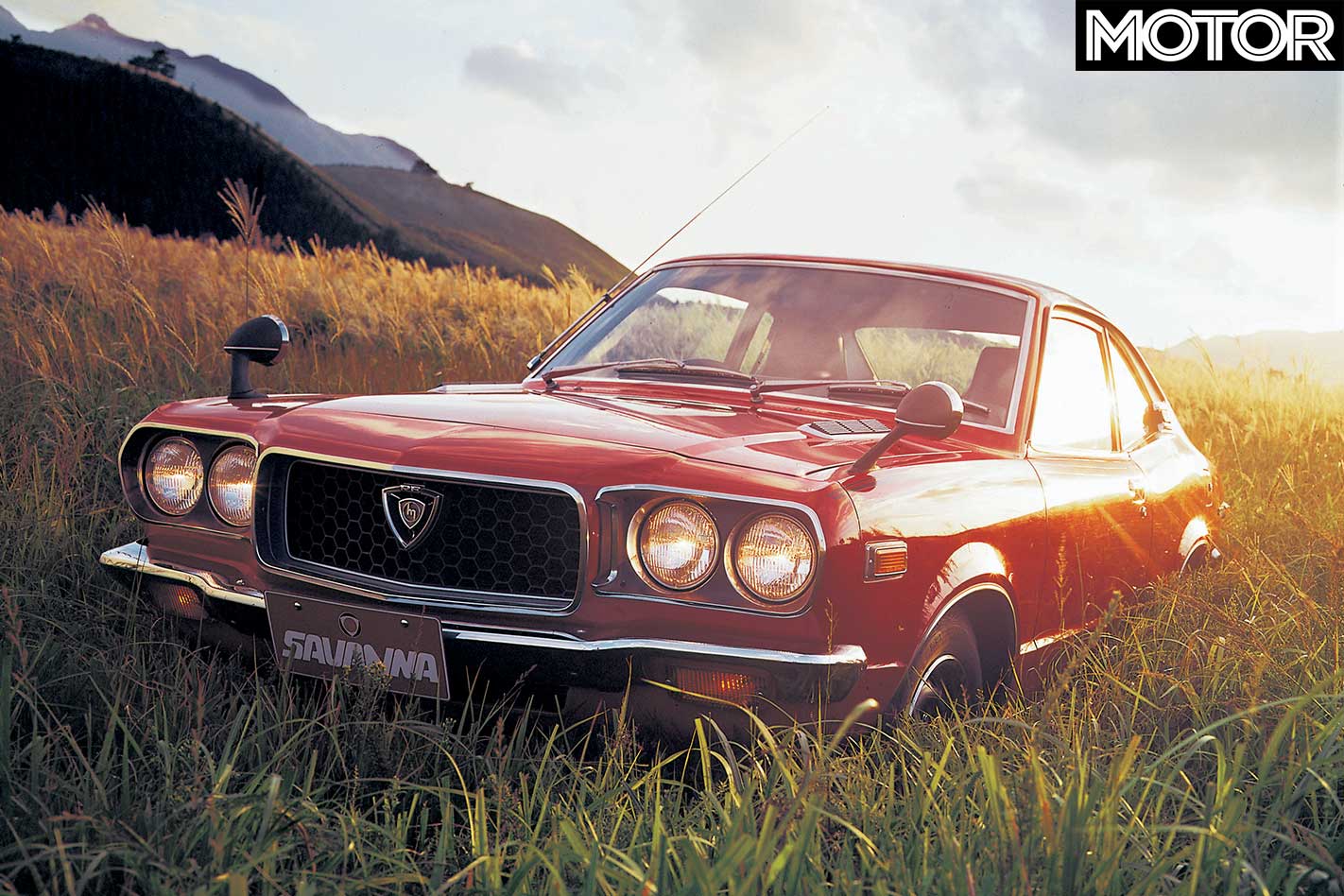
The RX-4 was actually the first car − not just rotary − to meet the stringent new US and Japanese emissions laws, but the RX-5 had no claim to fame whatsoever, other than being fat and useless. In January ’77 we wrote: “In the company’s handout literature it states the rotary is here to stay and will eventually supersede all other methods of automotive power. That statement is just too grand and sweeping.” And so it proved.
While pollution laws could be met, the 1973 and 1979 oil crises had a profound effect – shrinking Holden’s Kingswood-replacement, allowing smaller fours to eat into the local brand’s market share, and forcing a paradigm shift in the rotary engine’s status. Its reputation for relatively high fuel consumption saw General Motors abort its aspirations for the engine’s widespread introduction, and Mazda’s rotary sales nose-dive.
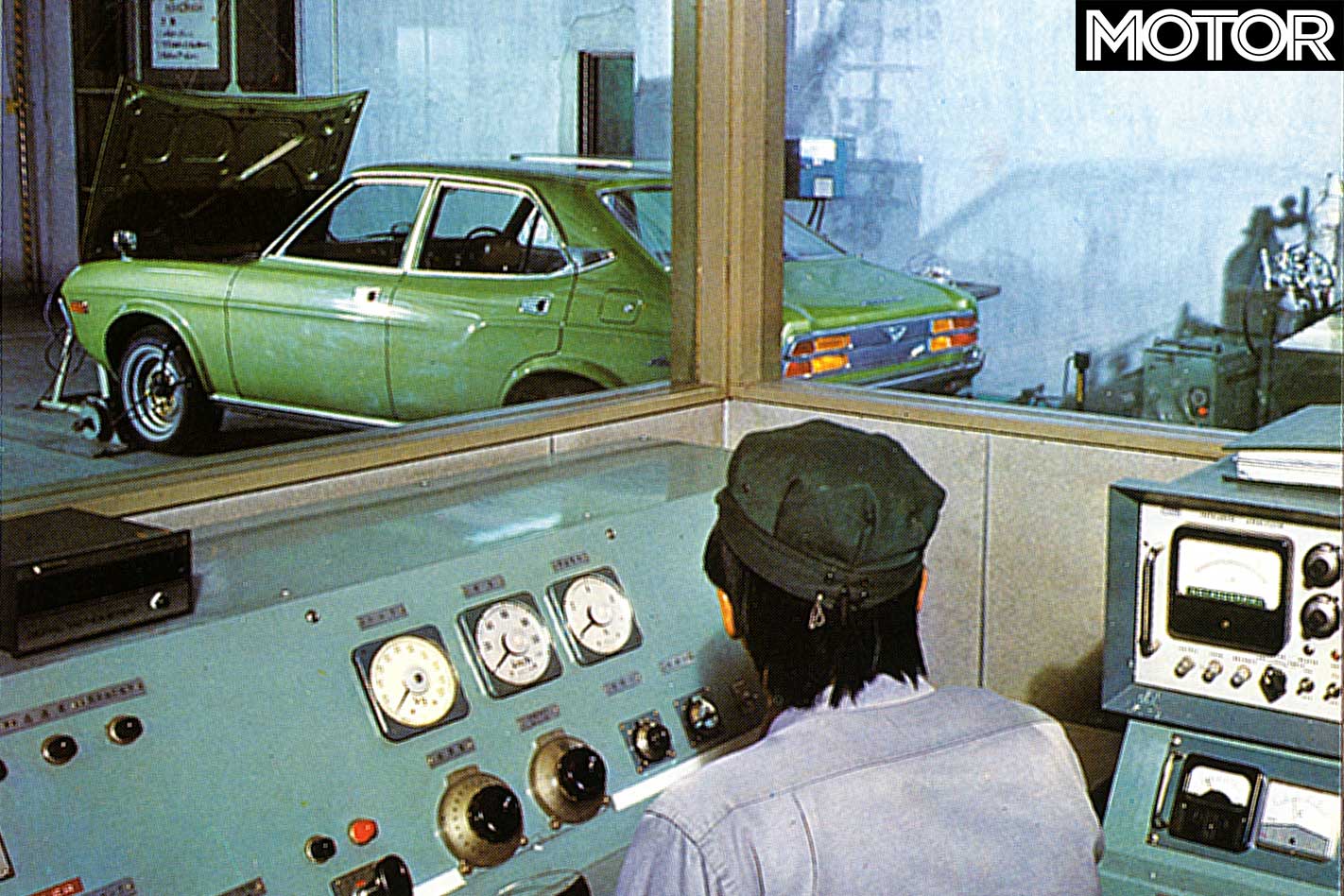
While rotary-powered variants continued in the flagship Cosmo/Luce (929) line-up in Japan, the Japanese baulked at building a rotary-engined 323. The engine’s high-revving, constant-torque character lent itself to a dedicated sports-car application, not another basic small car. Enter the RX-7.
The Series I RX-7 arrived here in 1979, establishing itself as a serious performance device from the get-go, and demonstrating Mazda’s belief in the rotary, seemingly against all odds at the time. Engineer Takao Kijima, instrumental in every RX-7 and the iconic MX-5, studied the Porsche 924 to deliver a car that offered close to 50:50 weight distribution – achieved by locating the 12A in a front-mid position behind the axle line.
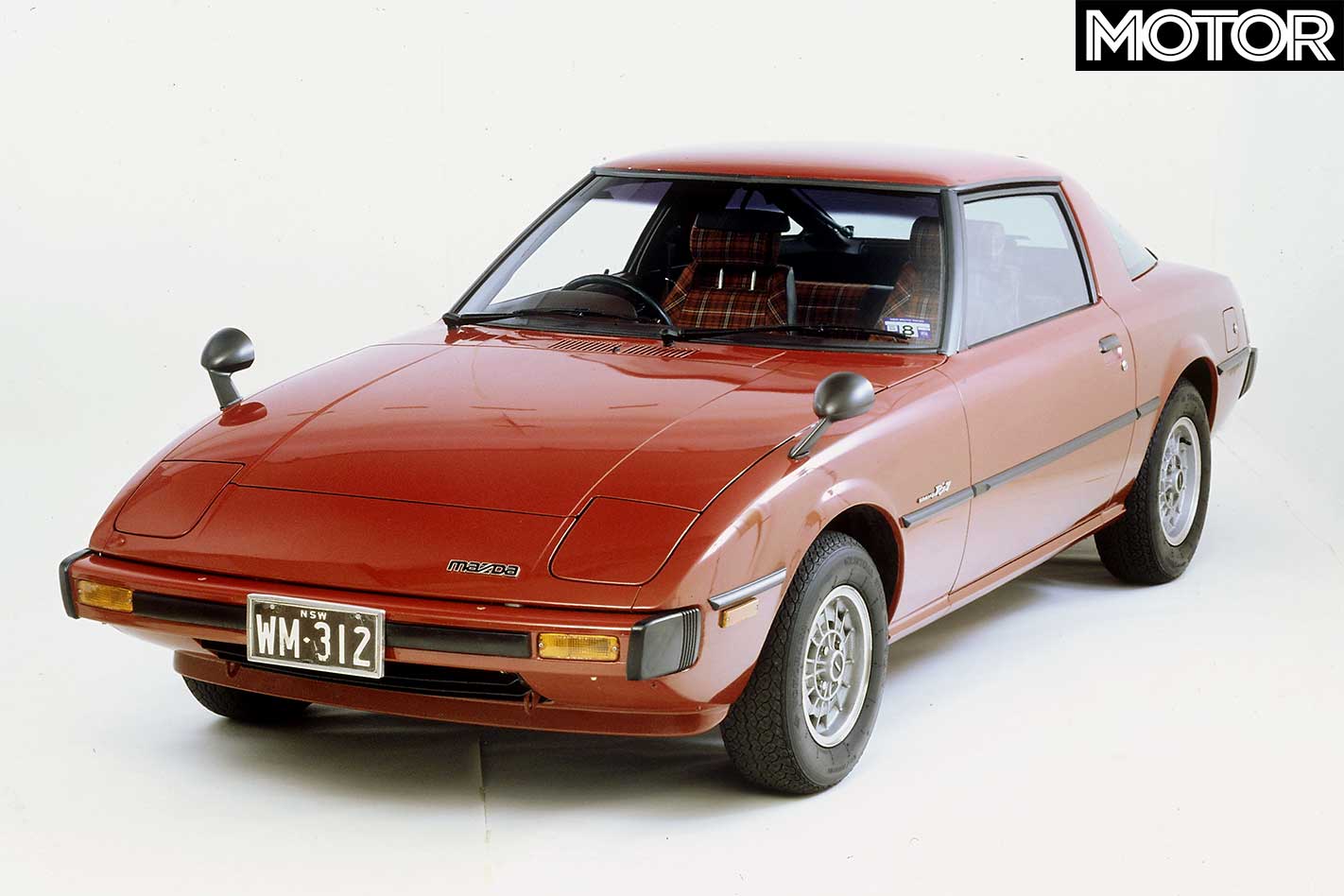
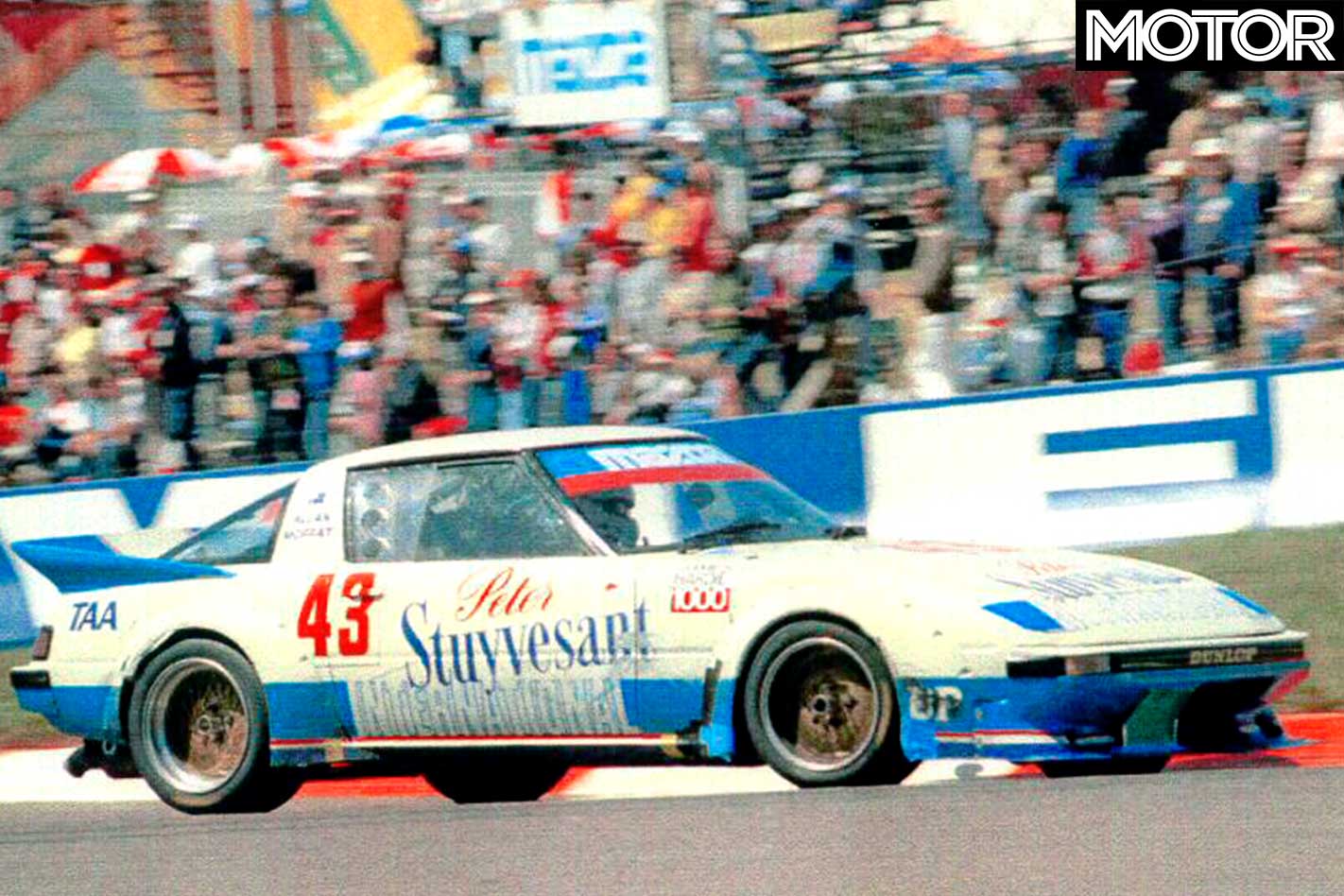
Racer Allan Moffat saw the RX-7 as his ticket to winning touring-car races − particularly Bathurst − after Ford pulled its funding from the iconic driver. But getting the car CAMS-approved with peripheral ports proved a nightmare.
How to police the rotary was one hurdle for CAMS; with no valves or camshafts, the 12A required no complex parts to produce more power, so induction modifications became the bone of contention.
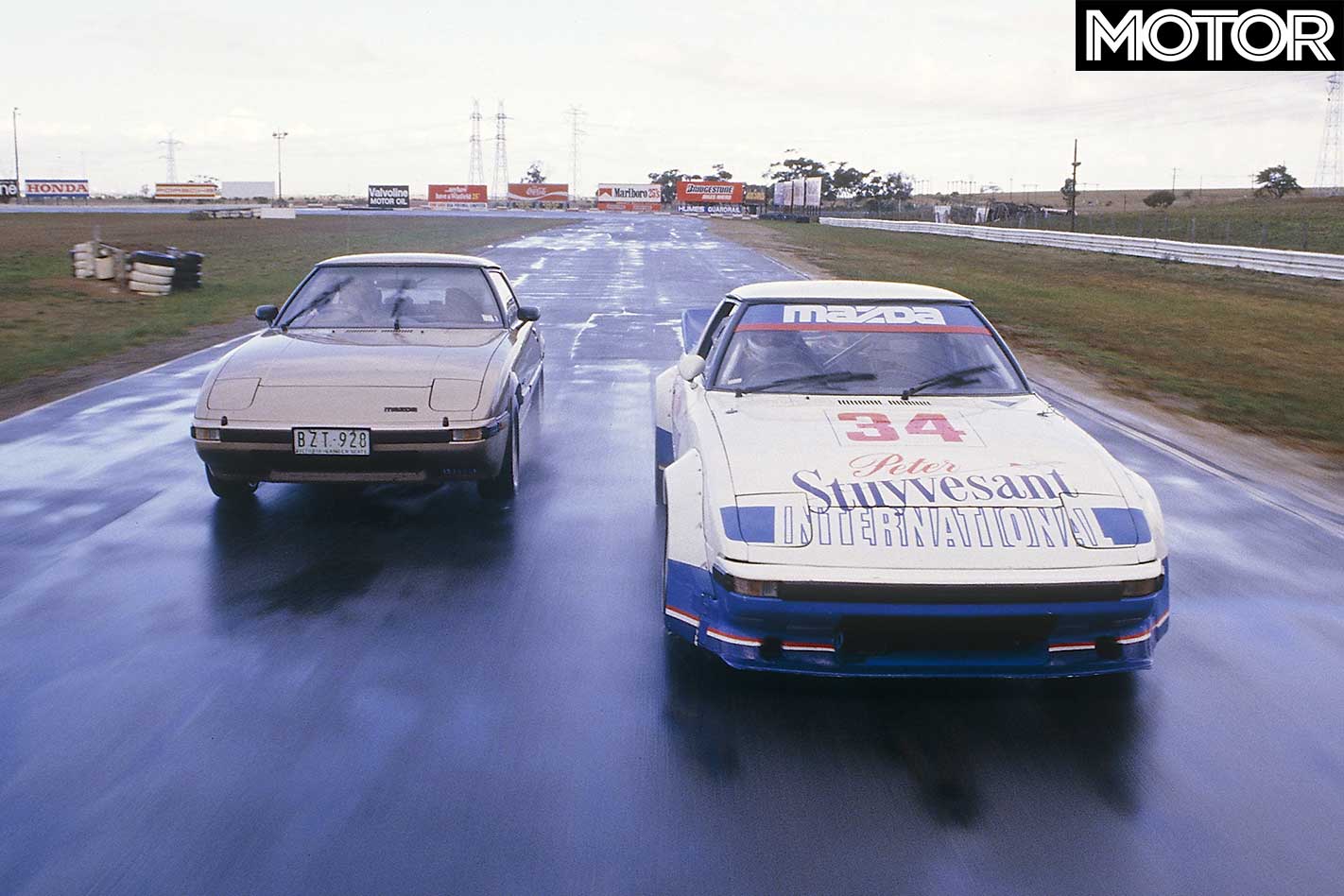
“It was just magnificent; the pace of a rotary with a peripheral-port (over a bridge-port) is like driving a 1980 Commodore compared with today’s V8 Supercar. There were improvements in everything – power, torque, response – providing phenomenal pace.”
Opposition to Moffat’s campaign was heady, until Allan Horsley, the manager of Moffat’s Mazda team, invited anyone to have a steer of the race car to see that the peripheral-ported 12A-engined RX-7 was indeed fair competition, and would not overrun the sport.
At a time when local drivers were going broke with hefty V8 bills, Moffat saw the Mazda as a reliable, cost-effective alternative – so much so that he believed Australian motor racing needed the Mazda. On debut, Moffat’s Mazda was three seconds off the pace, but he managed to win the ’81 Australian Endurance Championship only months later.
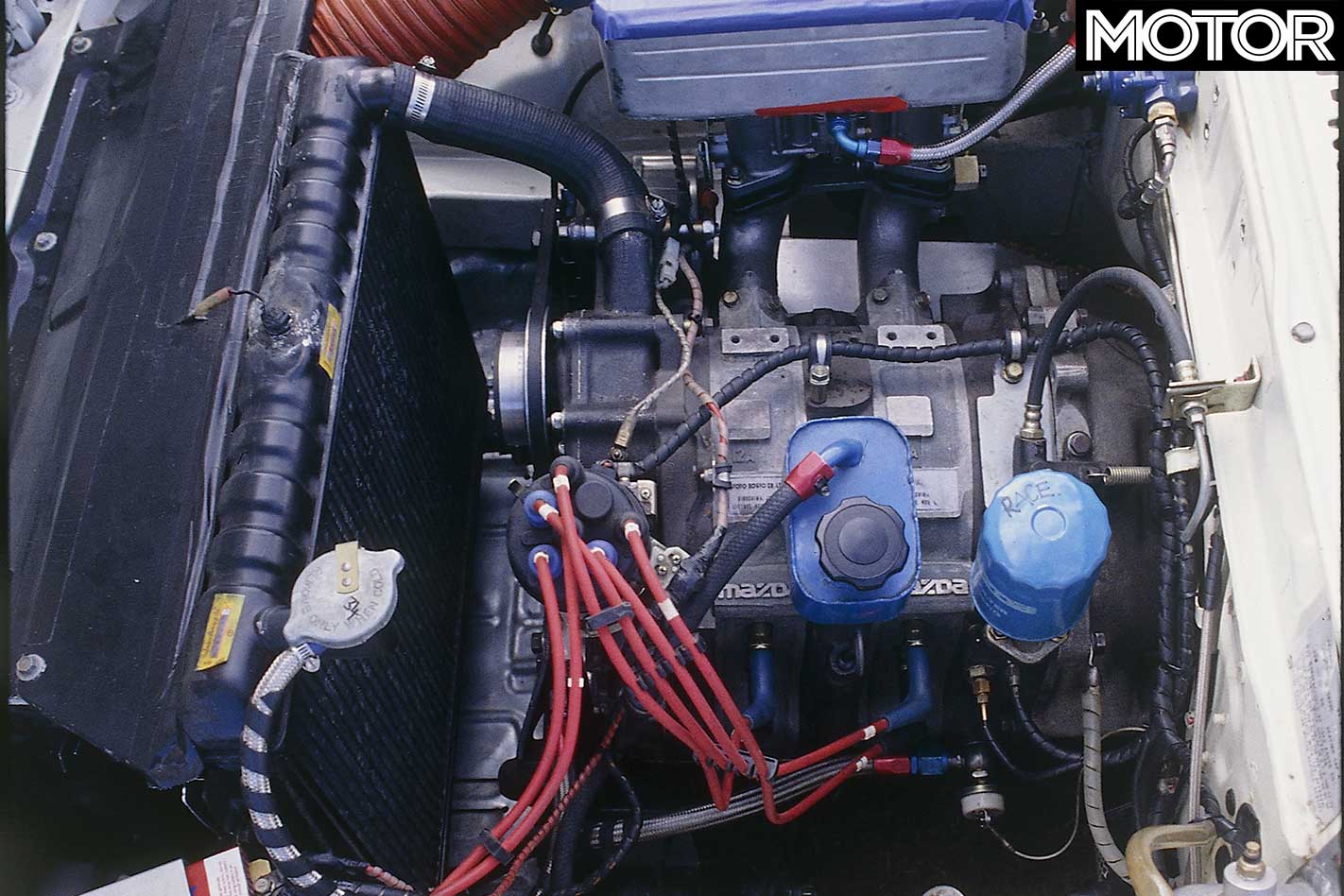
“The first real demonstration of its prowess came at the Sandown 400,” Moffat laughs. “We went the whole distance on one set of tyres. This showed how ideally balanced the car was. After our first stop there were sniggers along pit lane. People thought we’d forgotten to change tyres.”
By mid-’82, it was almost a forgone conclusion that the Moffat RX-7 would score pole at each round. At Lakeside in Queensland, Brock broke the lap record, but Moffat went out and clocked a lap 1.1sec better…
Moffat’s efforts placed the original RX-7 and the rotary firmly on the map in enthusiast’s minds. And it was the spark the engine needed.
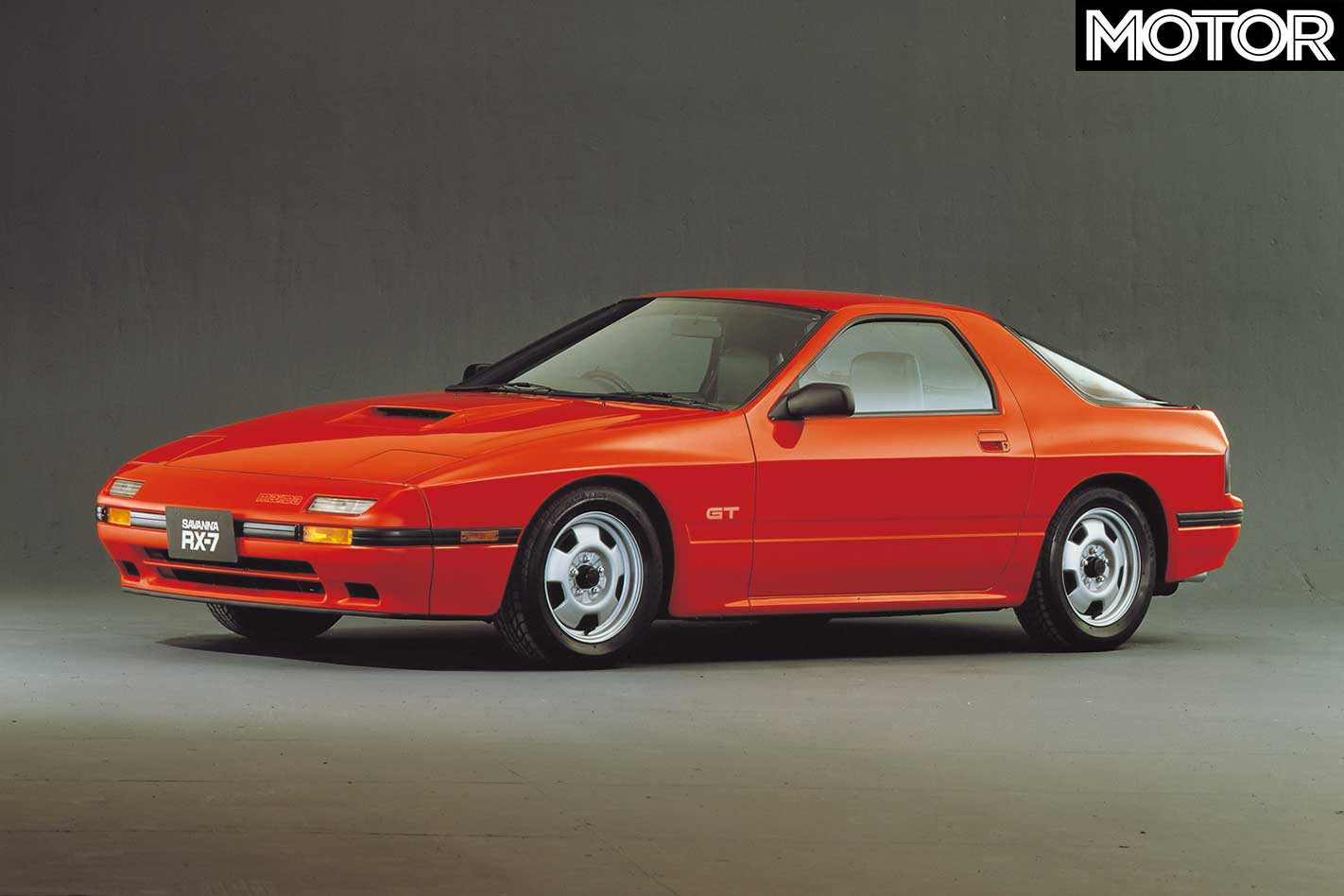
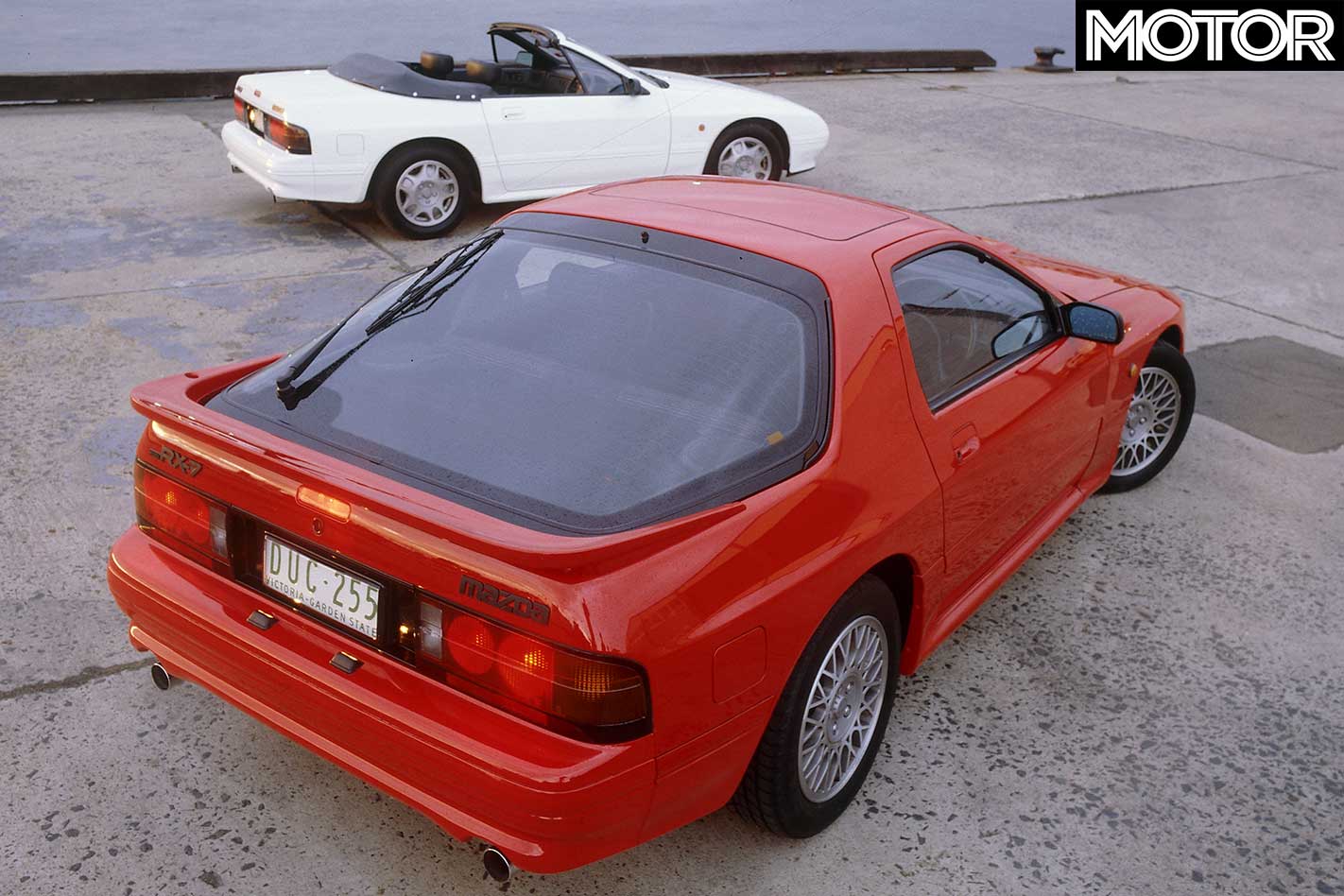
The second-generation RX-7 (Series IV/V) was far more high-tech and re-introduced the 13B to Australia, but it lacked the race heritage of the original (and subsequent) generations. No dedicated Group A model meant no image-builders racing around circuits. But as a road car, it brought one very serious blow – a turbo version of the injected 13B.
Mazda had offered a turbo RX-7 (a 12A) in the first generation, but only domestically. With the second-gen, the boosted RX-7 was finally given a passport. The ’86 RX-7 Turbo knocked out 133kW/247Nm and sprinted to 100km/h in 7.8sec and down the standing quarter in under 16 – making it a quick car for the unleaded era. And the 146kW/265Nm Series V Turbo (1989) went a step further, nailing 0-100 in under seven seconds and the quarter in high-14s.
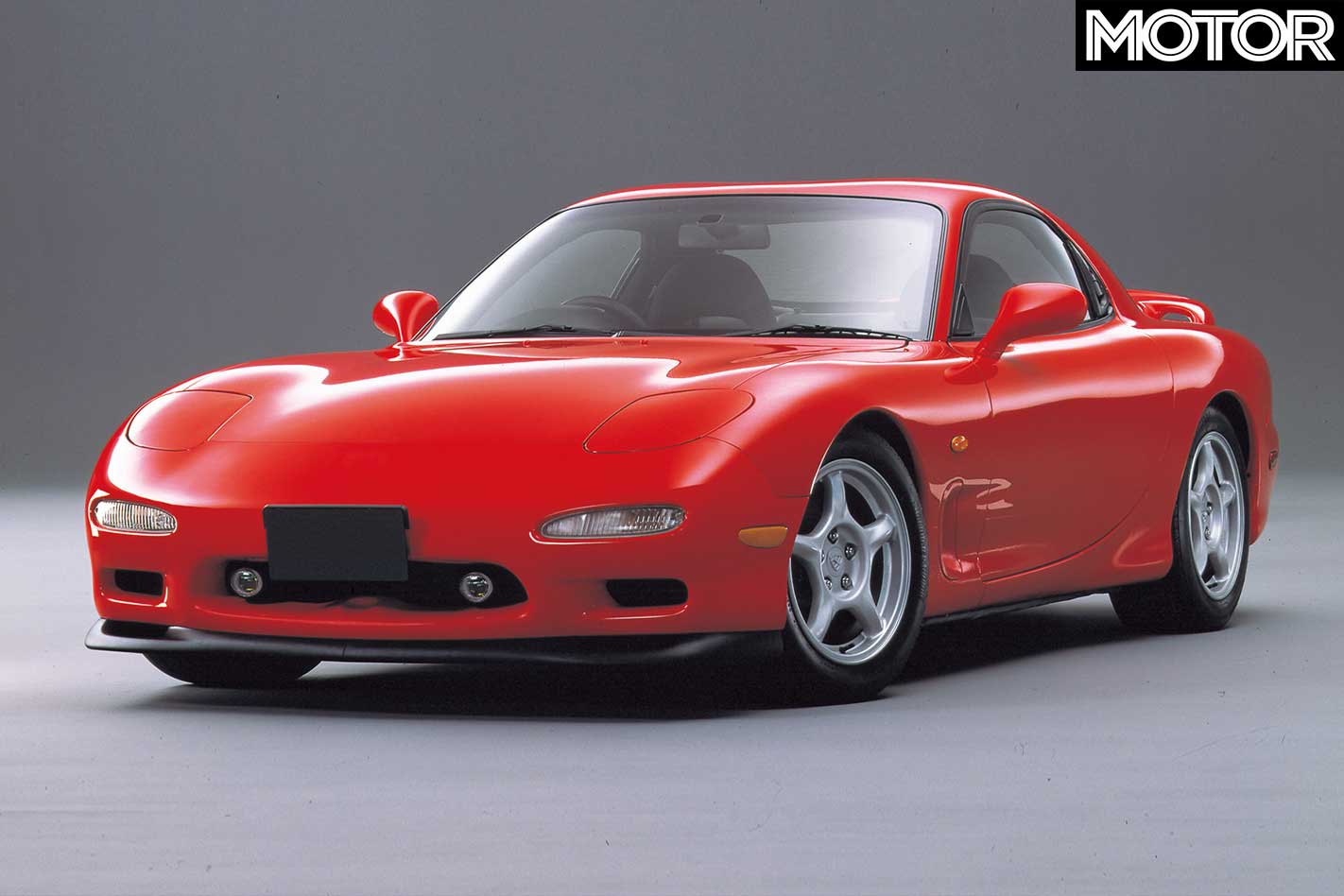
But it’s the third-generation RX-7 that became Mazda’s rotary rock star. Its 13B produced 176kW at 6500rpm and 294Nm at 5000rpm thanks to twin sequential turbos that eliminated low-rev lag, and extensive use of aluminium resulted in a car that weighed just 1290kg – some 80kg lighter than Honda’s all-aluminium NSX. It was also shorter, lower, wider, and had less overhang then the second-generation RX-7.
“This is a car you can balance on the throttle beautifully,” we said in June ’95. “Its chassis is great and it’s nicely weighted. Sharp rack-and-pinion steering, 50:50 weight distribution, wider track and lower centre-of-gravity all contribute to delightfully sporty dynamics.”
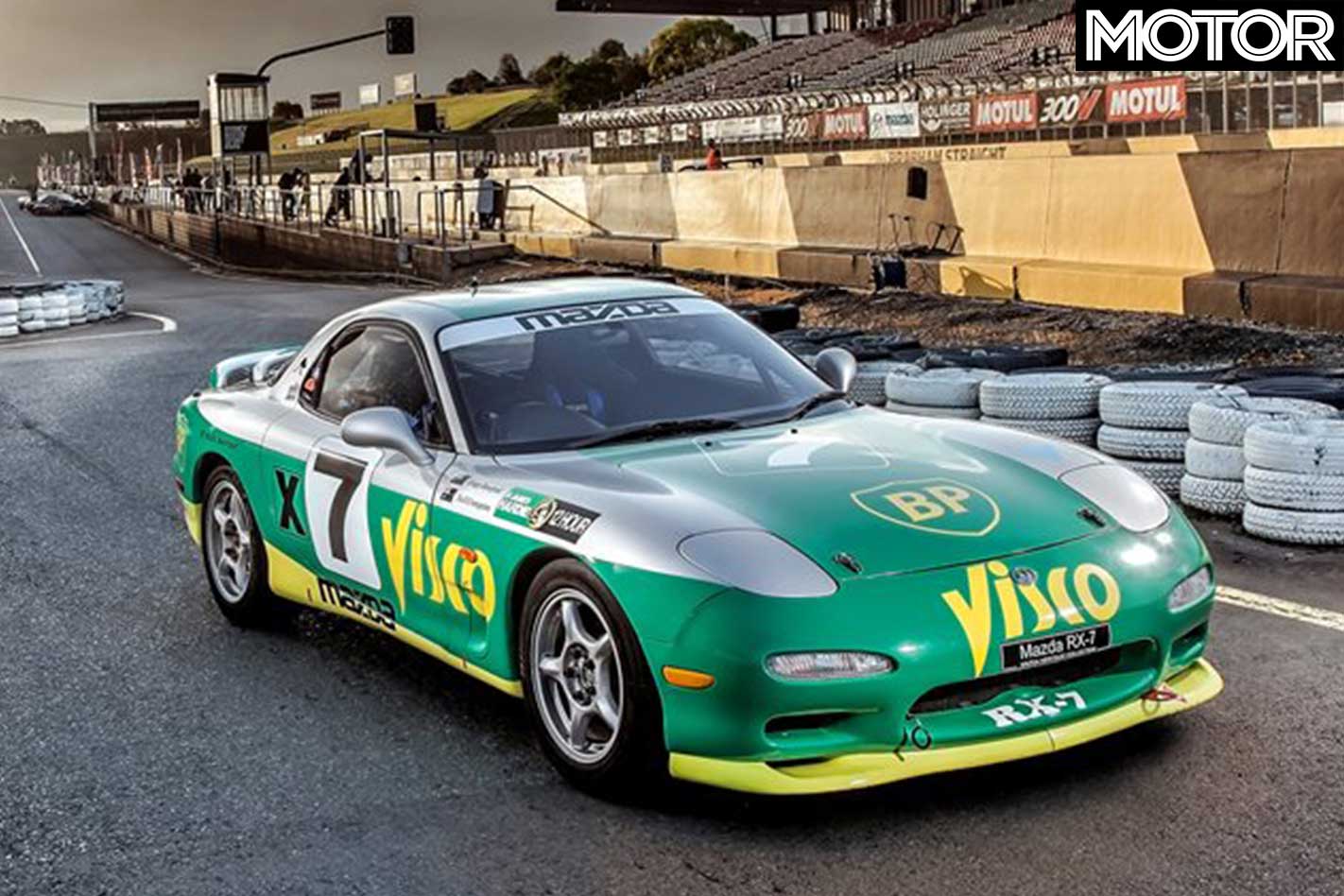
While it was the most expensive RX-7 ever offered ($99,750), its BMW M3R and 911 RS CS rivals were $190K and $218K respectively. Today, the legendary SP commands a resale value of more than double that of a regular RX-7, and it still holds the lap record for production cars at Mount Panorama more then a decade on.
In June ’95, we wrote that the 204kW SP “picks up the ball where the standard RX-7 drops it and, in the right hands, will undoubtedly score racetrack goals.” And it did, with Dick Johnson/John Bowe winning the final 12-hour (at Eastern Creek in 1995) at Porsche’s expense.
Biggest change to the RX-8’s 13B ‘Renesis’ was the repositioning of the exhaust ports, though weight was reduced by 11 percent over the RX-7’s 13B-REW. And it won the International Engine of the Year award in ’03 and ’04, beating the likes of BMW, Audi, Mercedes-Benz and Subaru.
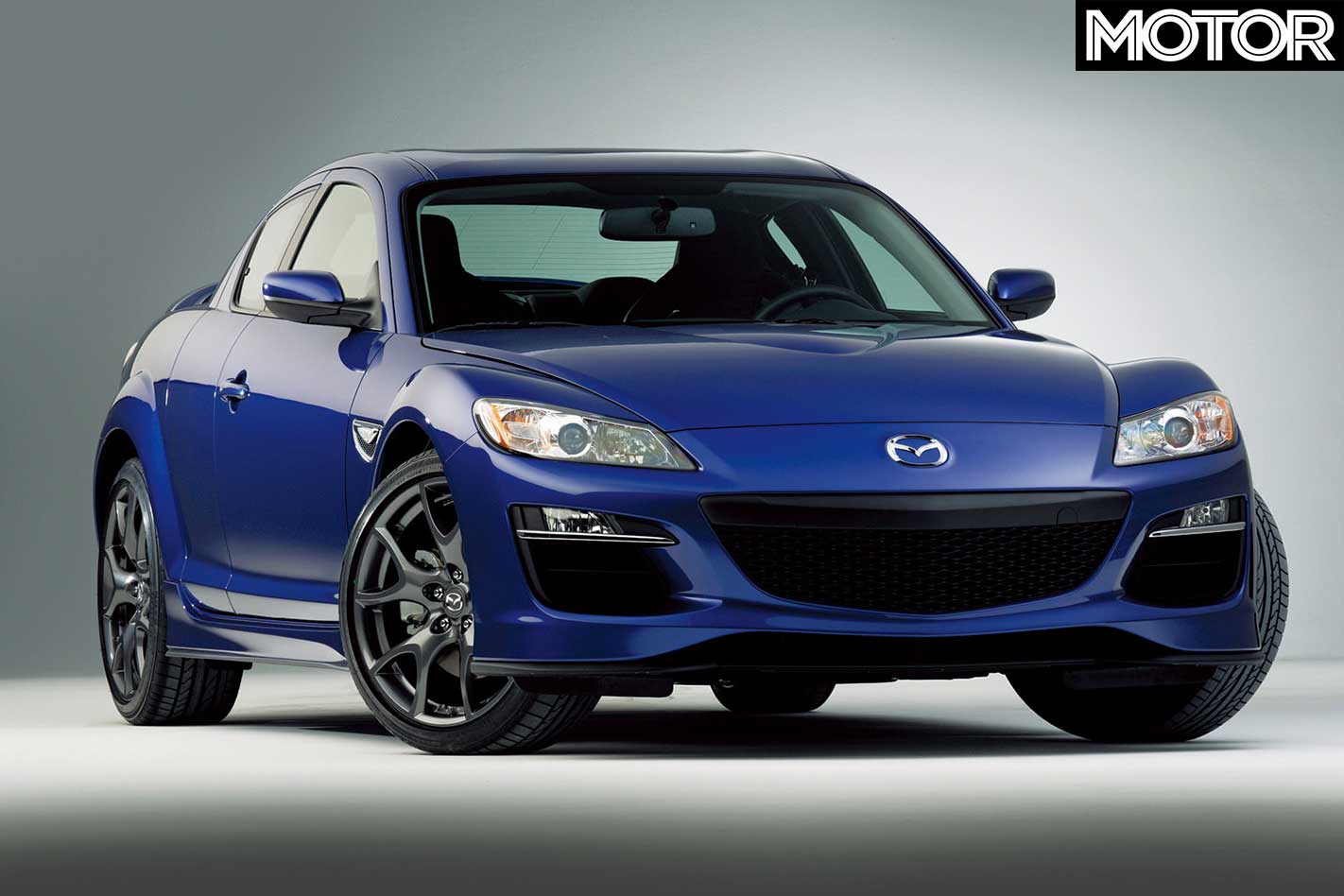
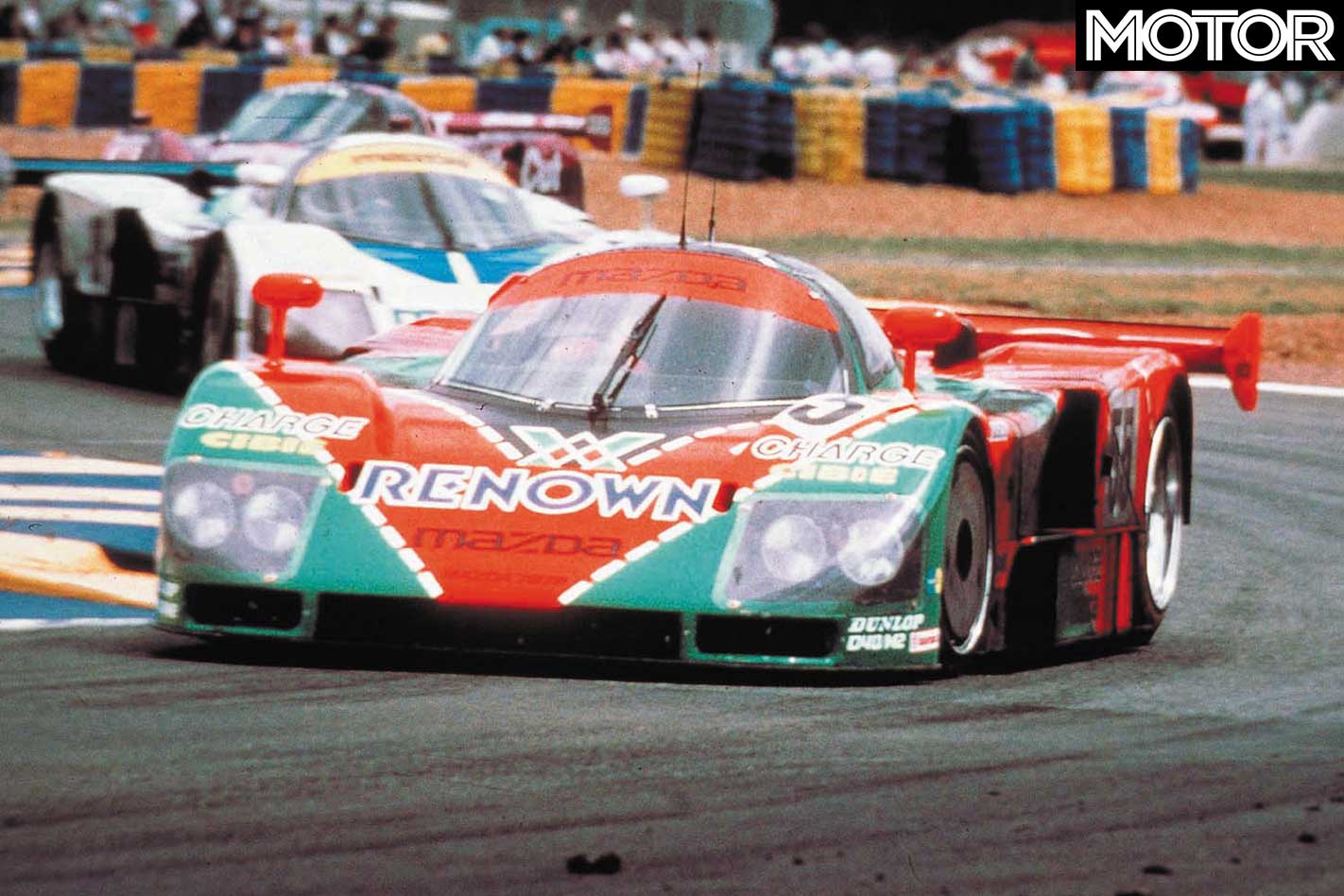
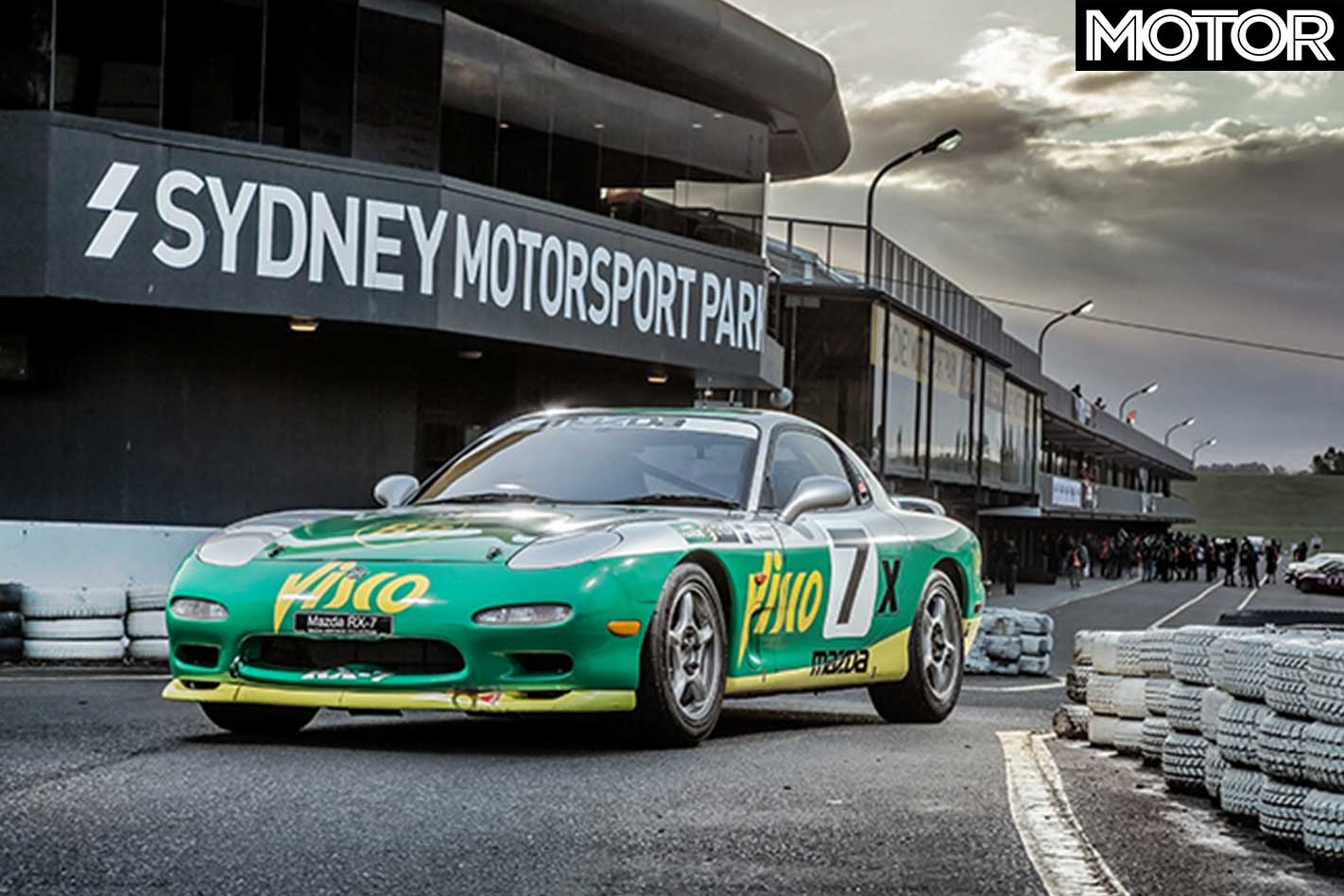
The RX-7’s racetrack success, and even the Cosmo’s, proved the rotary’s speed and durability, and with wins at Daytona, Spa and Le Mans, its reputation remains solid. Mazda’s refusal to abandon an engine that has won such a cult following, despite its detractors, deserves praise.
But maybe the best is still yet to come for the rotary engine. Bring on next decade and the 16X.
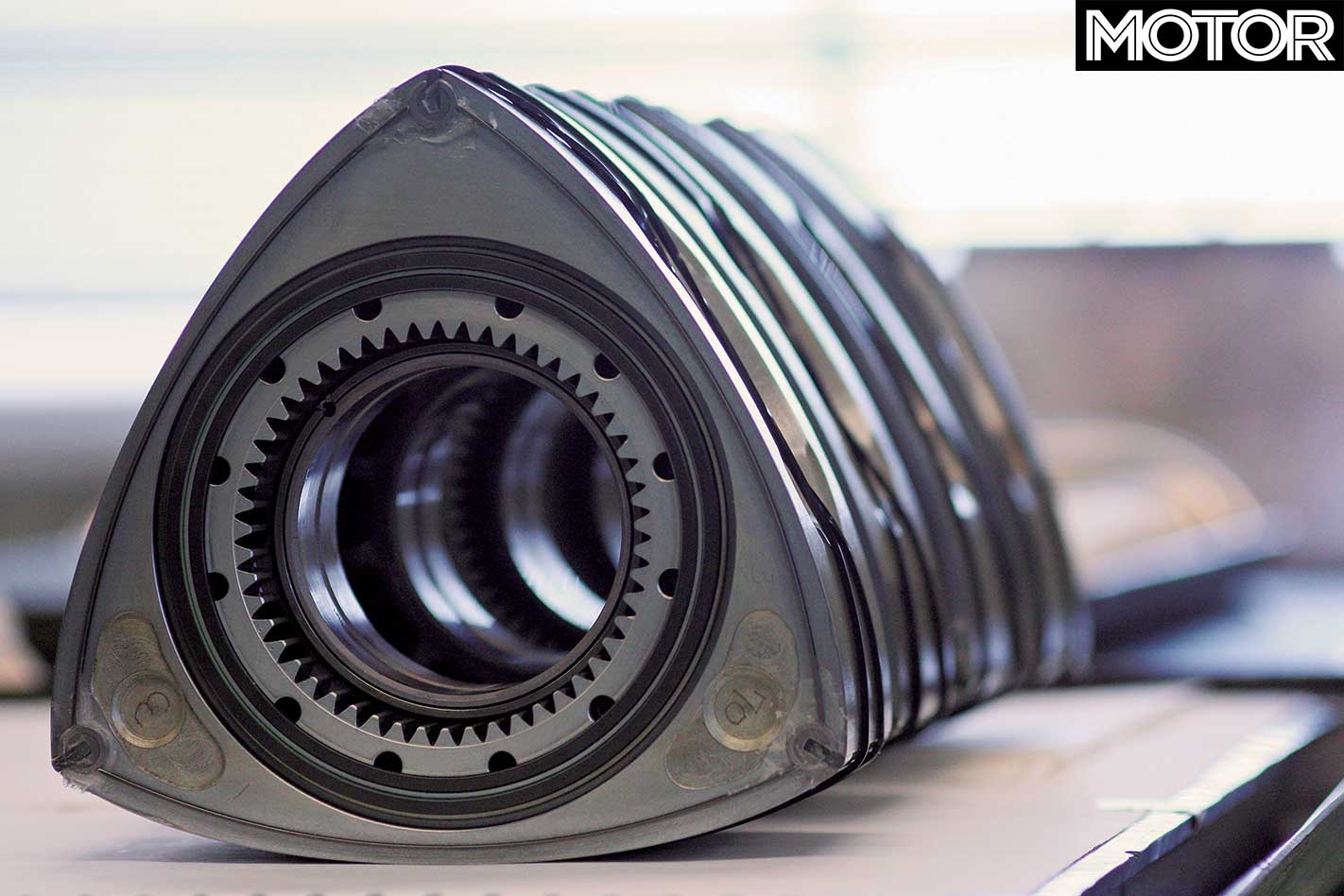
The Future
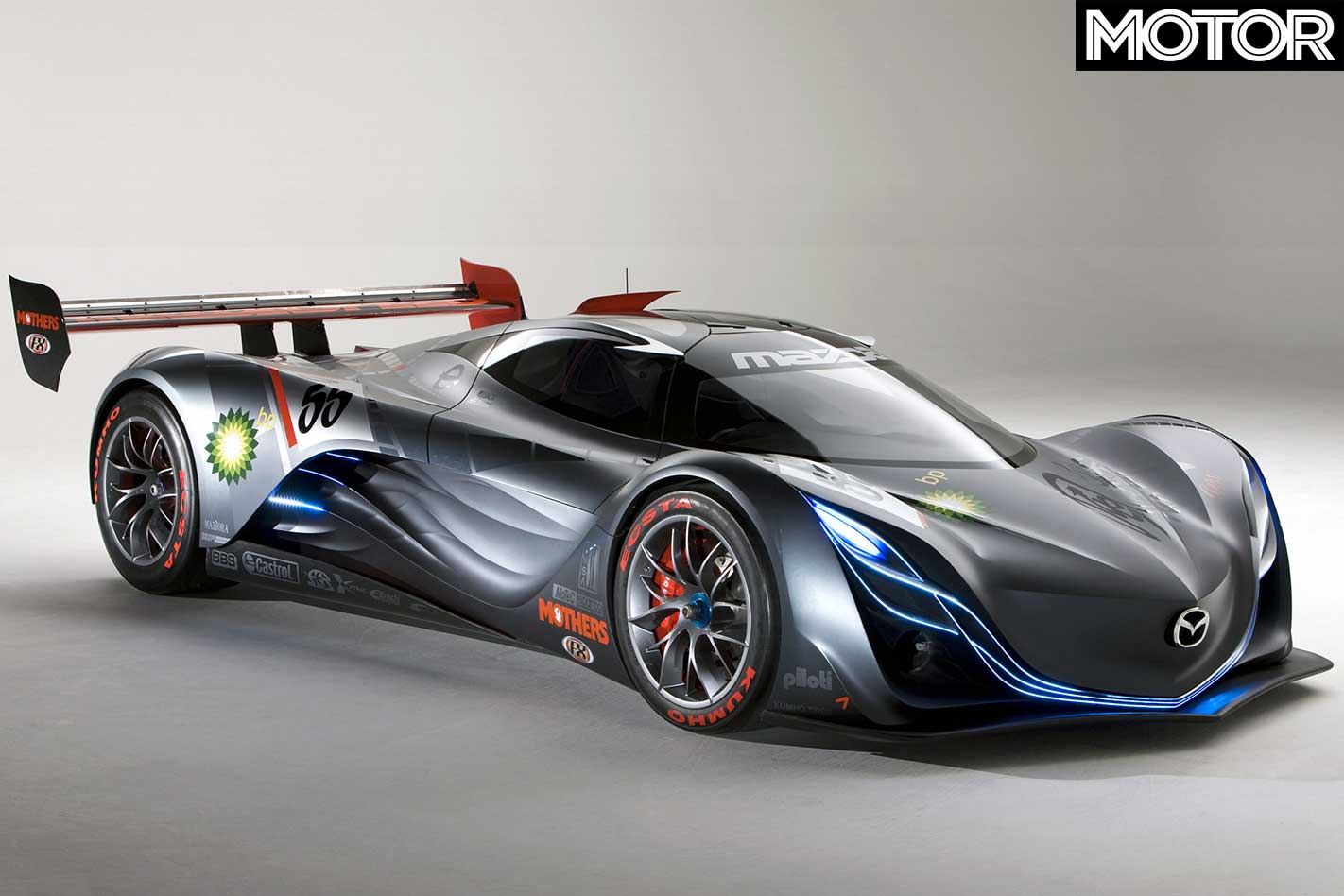
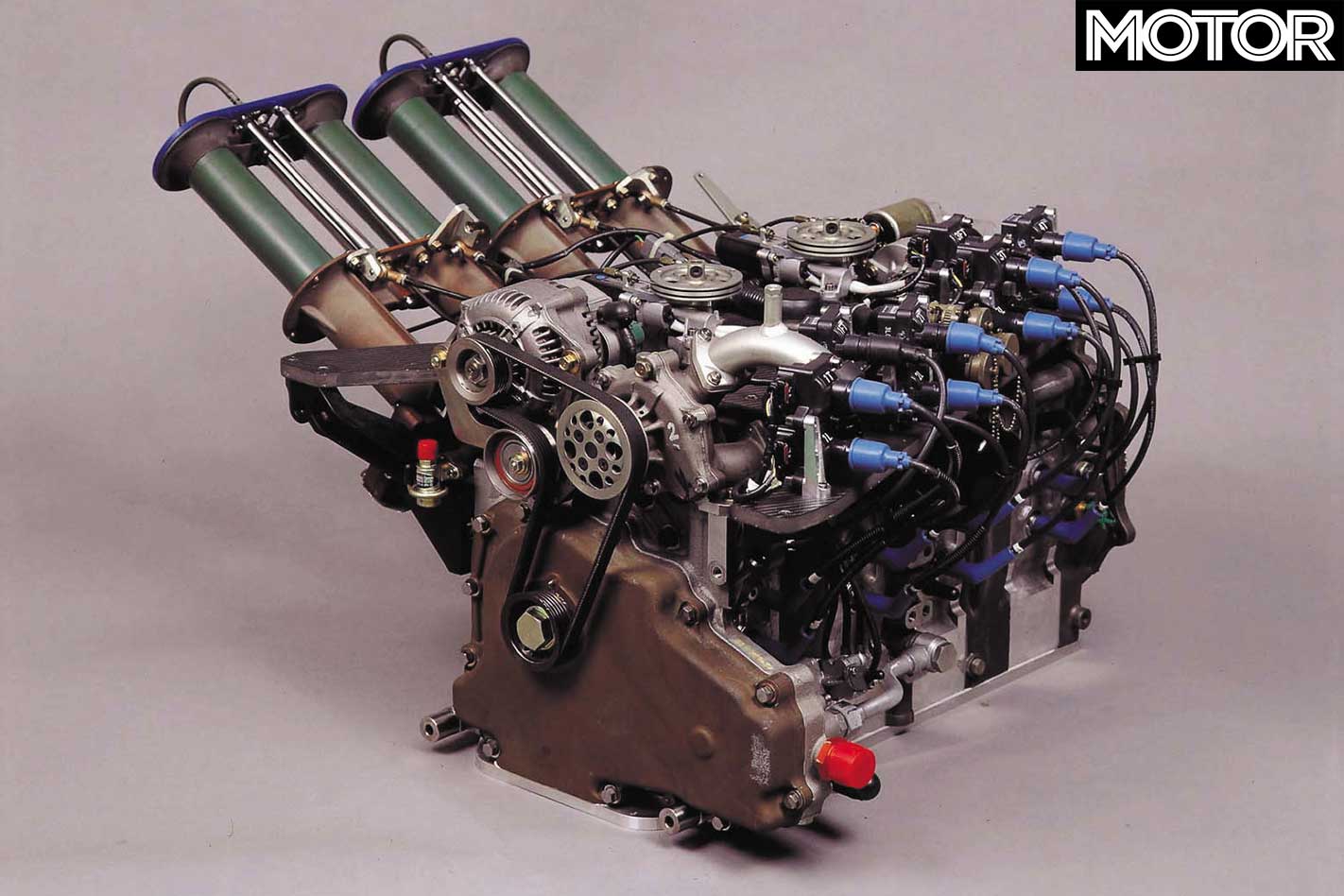
The 16X – Mazda’s latest concept rotary – builds on the advantages of the RX-8’s 13B Renesis.
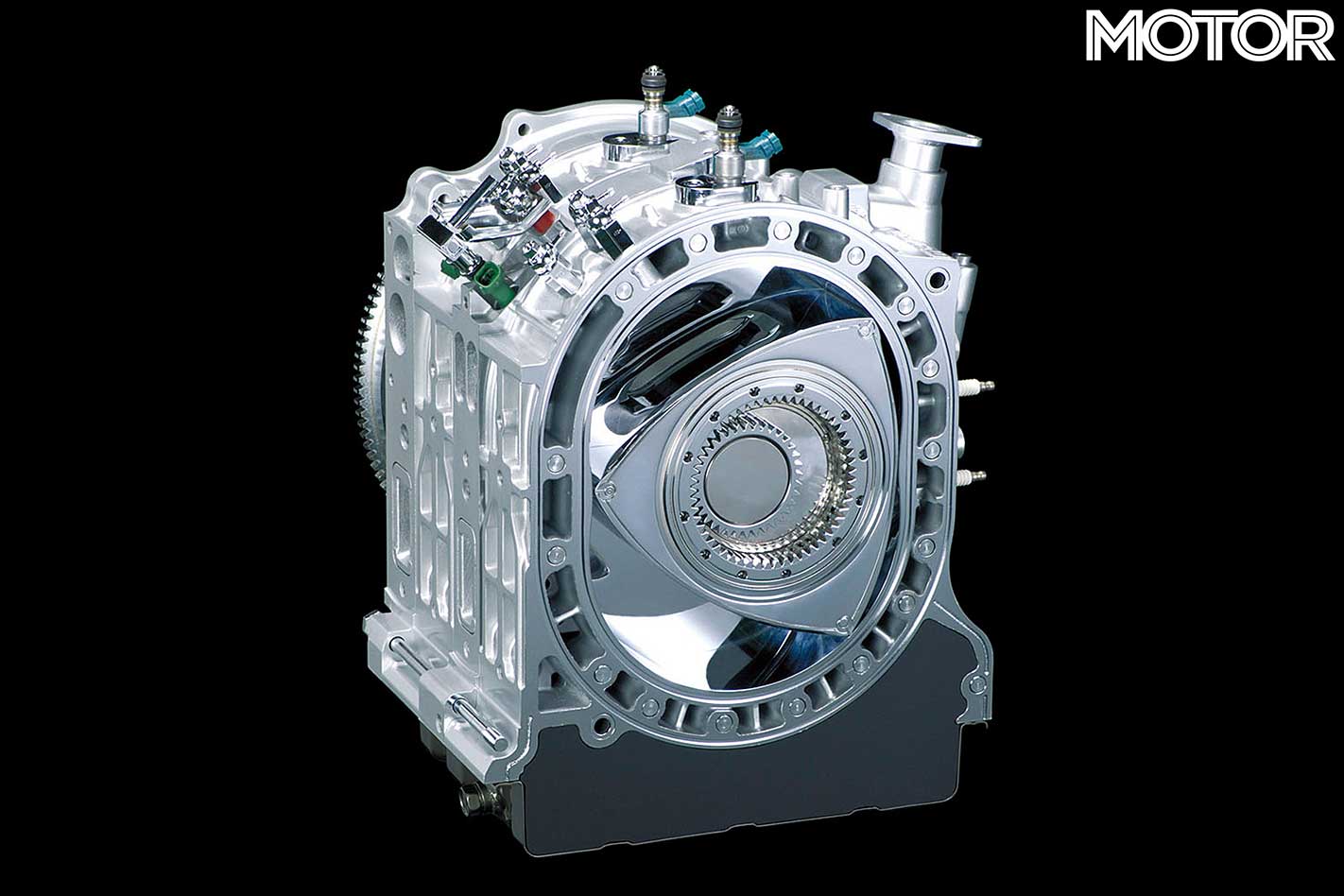
The 13B configuration has been around since the ’70s, so the 16X represents a major step towards assuring the rotary’s future.
Q&A: Allan Moffat
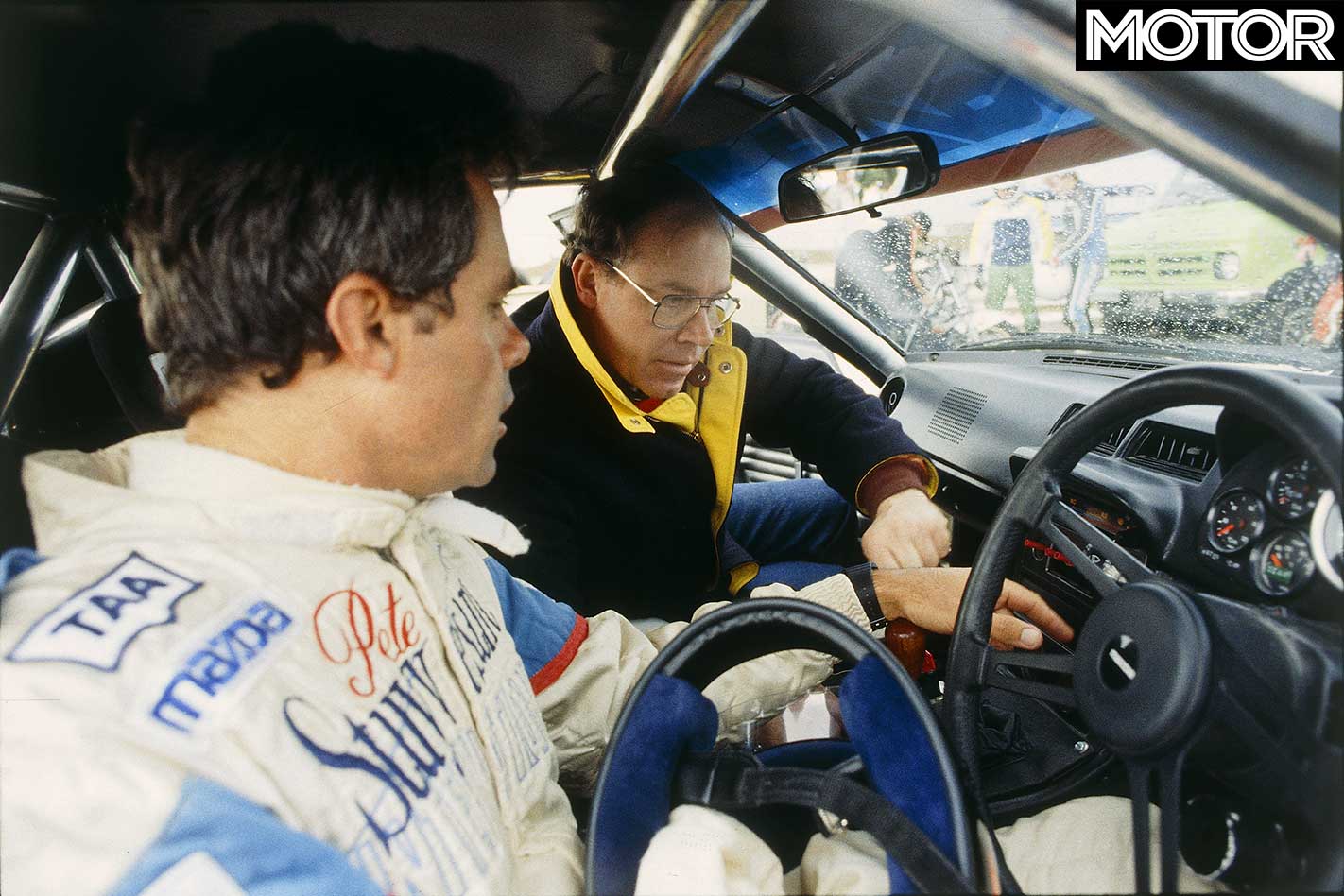
D: What made you think it’d be a competitive race car? AM: “The thing that impressed me most was that they [the test team] never lifted the bonnet. I was paranoid about keeping the engine going. I did maybe 40 or 50 laps and I said I was concerned about the engine, but the team let me do as many laps as I wanted. This really got my attention.”
D: What hurdles did you face for homologation? AM: “The biggest dilemma was why would I be interested in running a little thing with what was effectively two cylinders. What was the catch? Where were the other six cylinders? Allan Horsley said he’d fly the car from Seattle and offer anyone in the V8 fraternity to drive it. That was a pretty big thing. When it was approved, at the last minute, just to make sure, the Japanese homologated weight of 930kg was upped to 950kg. That 20kg was a noose around our neck the entire time we raced it.”
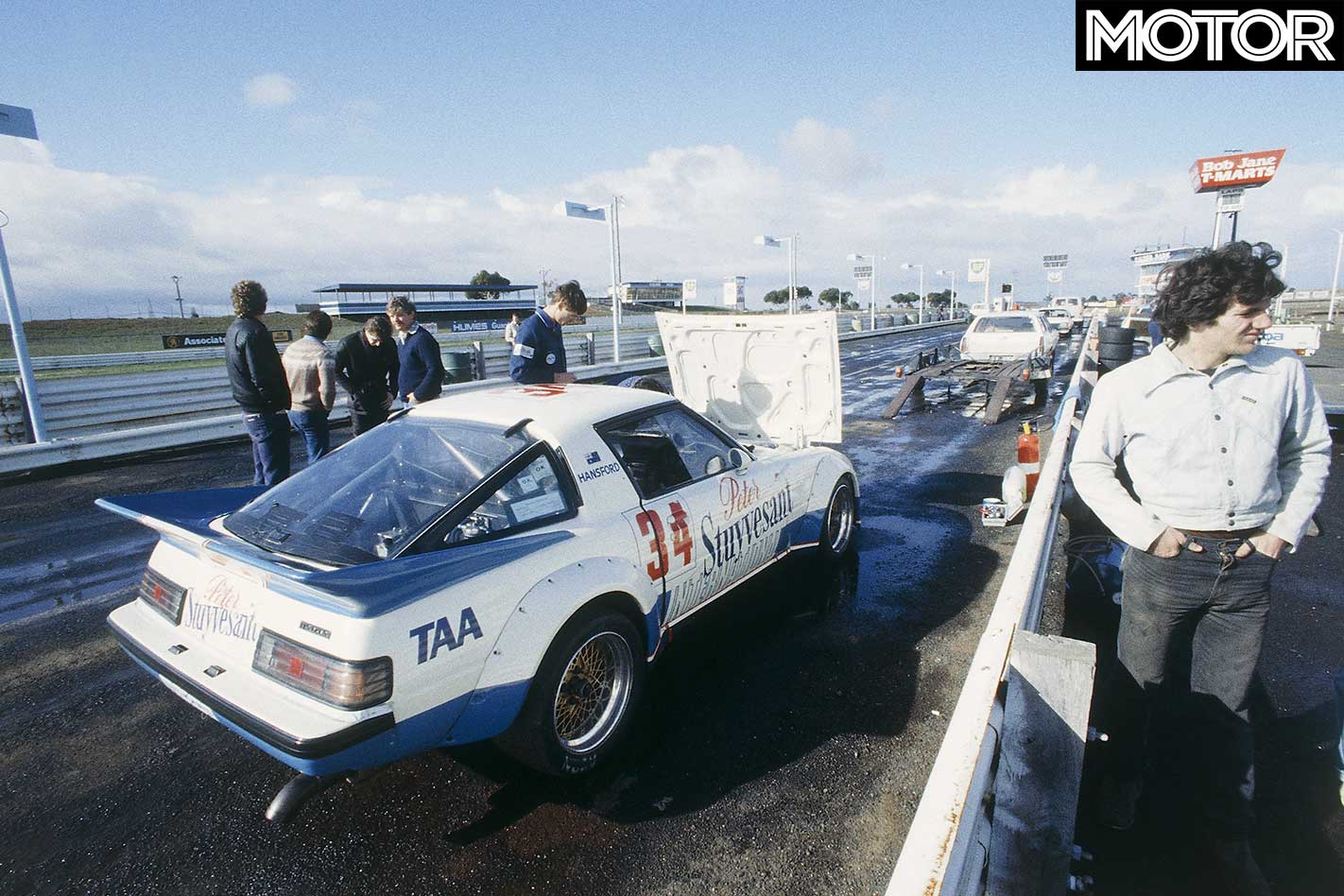
D: And without that extra weight? AM: “Well, as our swansong, we took the car to Daytona for the 24-hour in 1985. We took the 20kg out of the car, of course. There were 14 US teams there and I put the car on pole position. Gregg Hansford and Kevin Bartlett were there and said to me, “What did you do to it!?” and all I said was, “Funny what 20kg can do”. Whoever it was at CAMS that knew what that 20kg would do, I must thank them…”
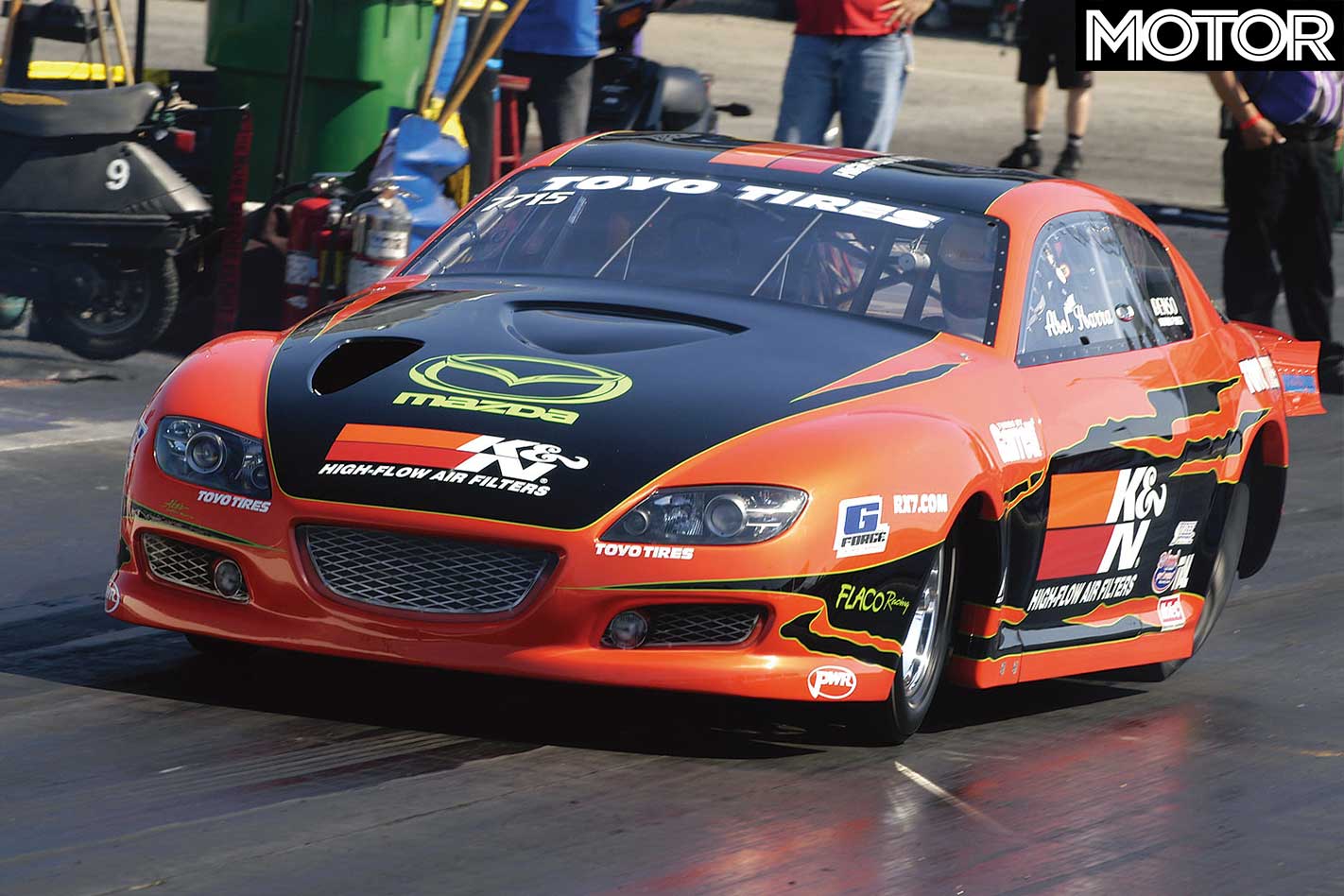
Top Five – Mazda’s Rotary Racers
Q&A: Allan Horsley
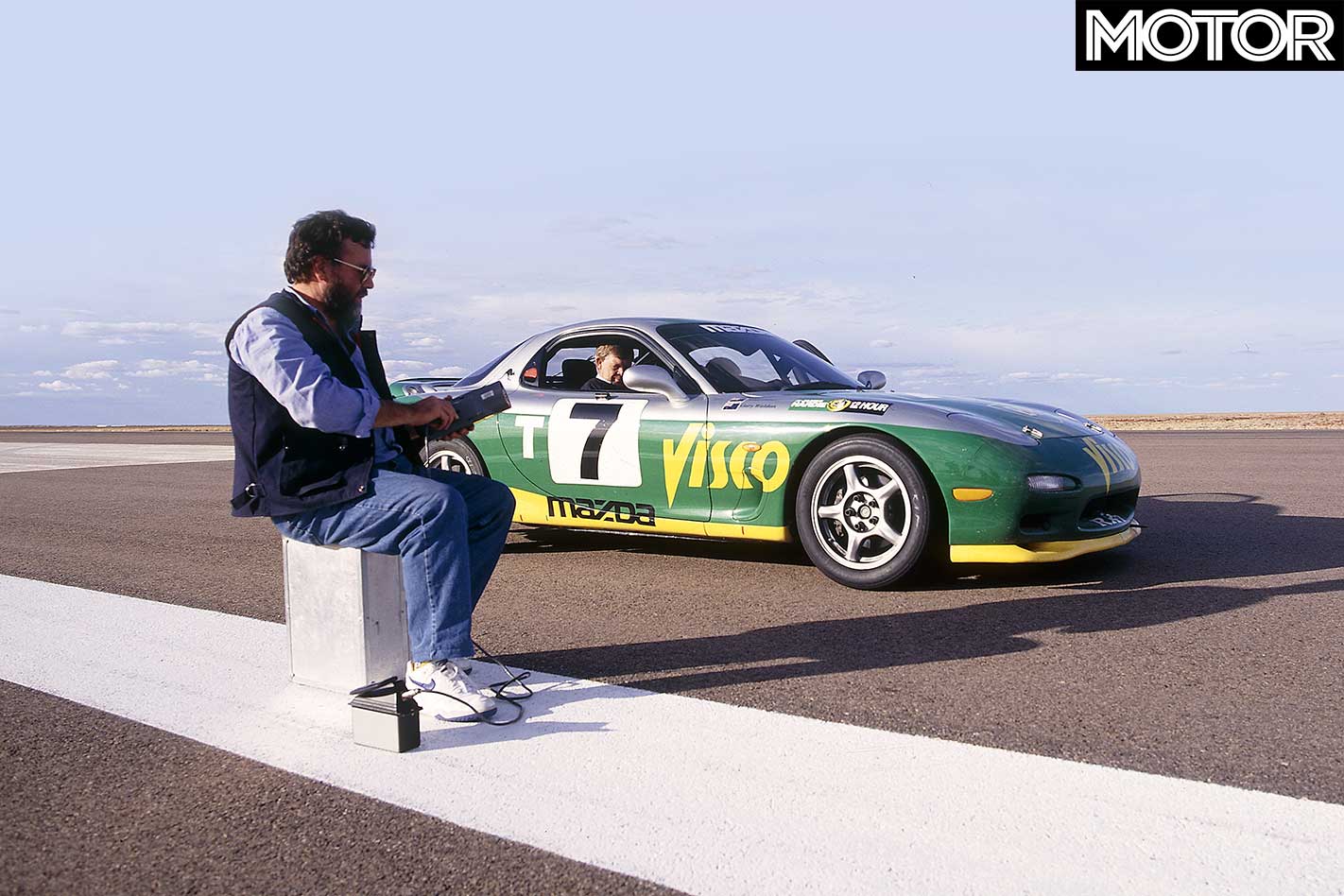
D: What were the original RX-7’s strengths and weaknesses? AH: “We could set a lap time in it and just repeat it continuously. A lack of horsepower and torque were the real problems; a full tank of fuel would really punish the car.”
D: Fast foward a number of years, and you must be immensely proud of your Bathurst 12-hour success, particularly the locally developed RX-7 SP model? AH: “Well yes, I am. We developed the SP in such a short period. We heard the [Porsche] Clubsport and the BMW [M3R] were coming and thought that we weren’t going to win with the standard RX-7. So we started work on the SP. There were something like 180 changes, all made in the workshop at Kingsgrove. We had a great team put them together and we were incredibly lucky.
D: So what about a new RX-7? AH: “I’d love to see one…”
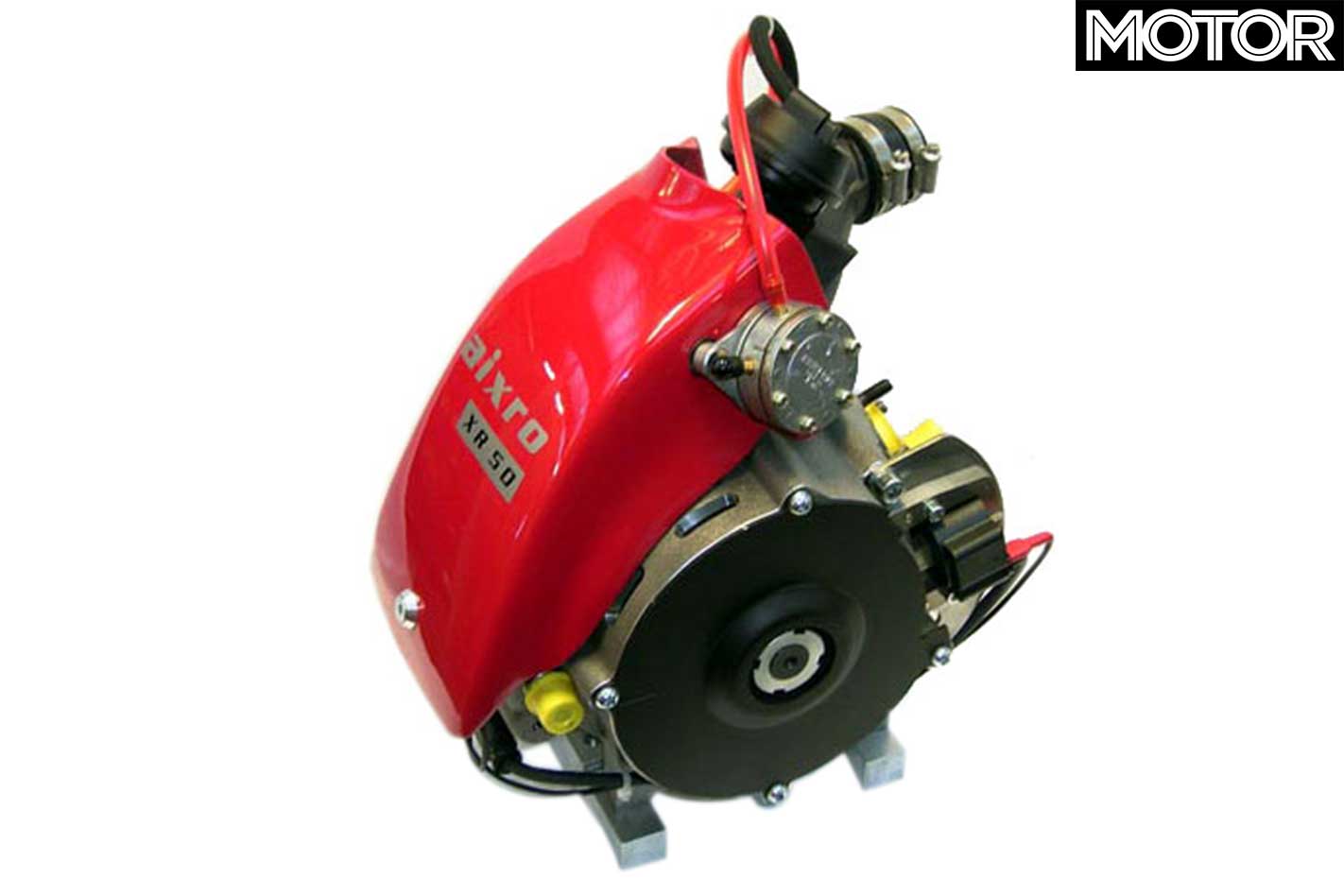
Other Rotary Engines
IT’S NO SECRET that the imported ZB represents the biggest departure for Commodore in the nameplate’s 40-year career. But there was a whole lot more going on behind the scenes. Here we take a look at the backstory that Holden didn’t include in its press material, and debunk the myth about the twin-turbo V6.
The new Commodore was to have been built in Australia
Way back when the VF Commodore was unveiled in early 2013, then-Holden chairman Mike Devereux dropped the bombshell that the next-generation version was already on the drawing board and slated for local production from late-2016. That was just 10 months before General Motors announced it would pull the plug on Aussie manufacturing.
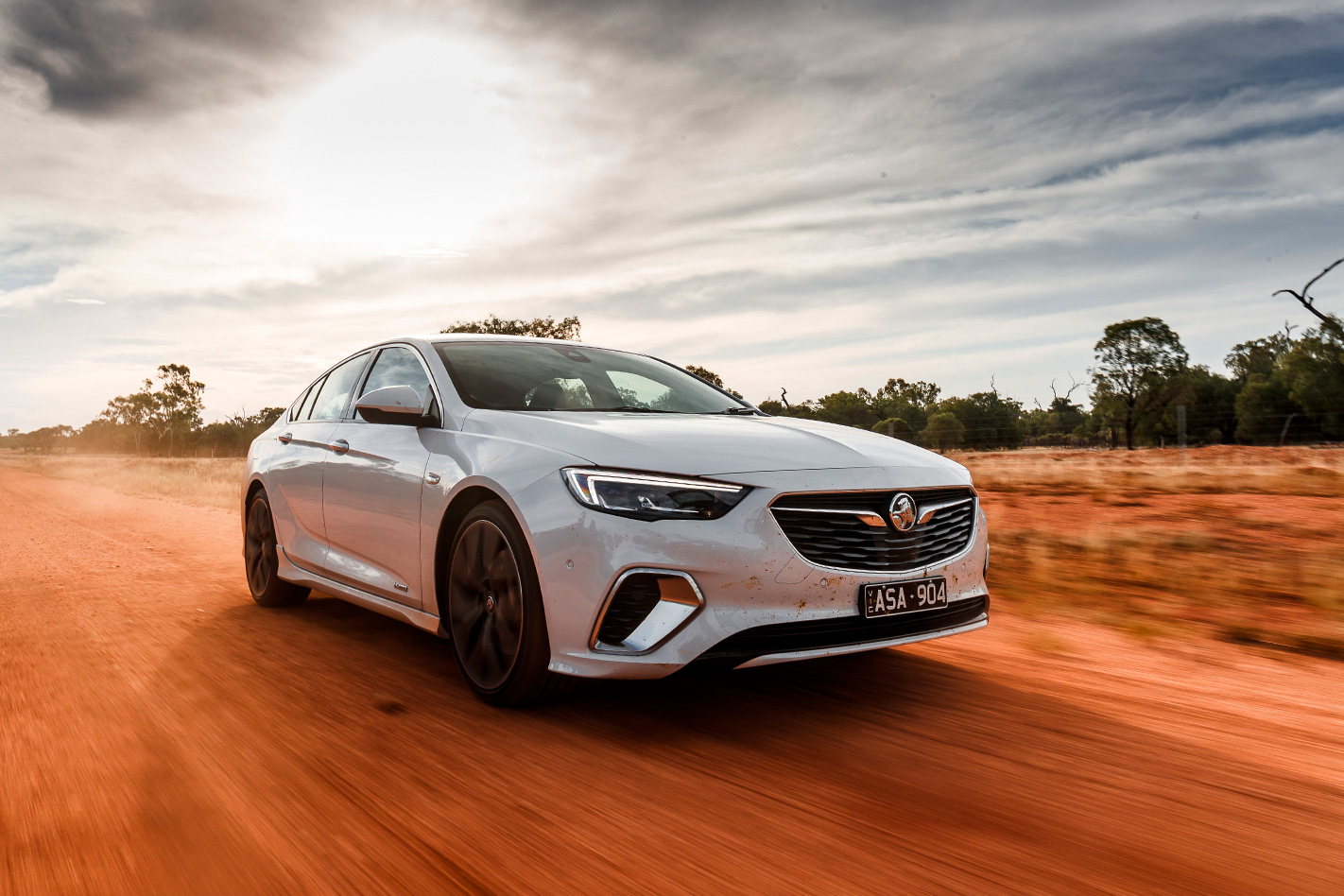
The ZB Commodore may have looked very different to the car we see today
While the Insignia’s transverse-engine FWD/AWD E2 global architecture was indeed going to underpin the proposed Aussie-made Commodore, we’ve learned that Holden was working towards a stretched version offering a longer wheelbase and, most likely, unique sheetmetal to give it greater local flavour.
This raises questions about the export potential for the stillborn locally built large car, especially as we now understand that Holden had been working on design proposals for the US-market Impala (Chevrolet’s full-sized sedan) back in the VE Commodore days of the latter-2000s, as an adjunct to the work that Fishermans Bend was carrying out on the reborn Chevy Camaro. Whether that Impala was to be based on the VE’s Zeta rear-drive architecture, like the Camaro, is unknown.
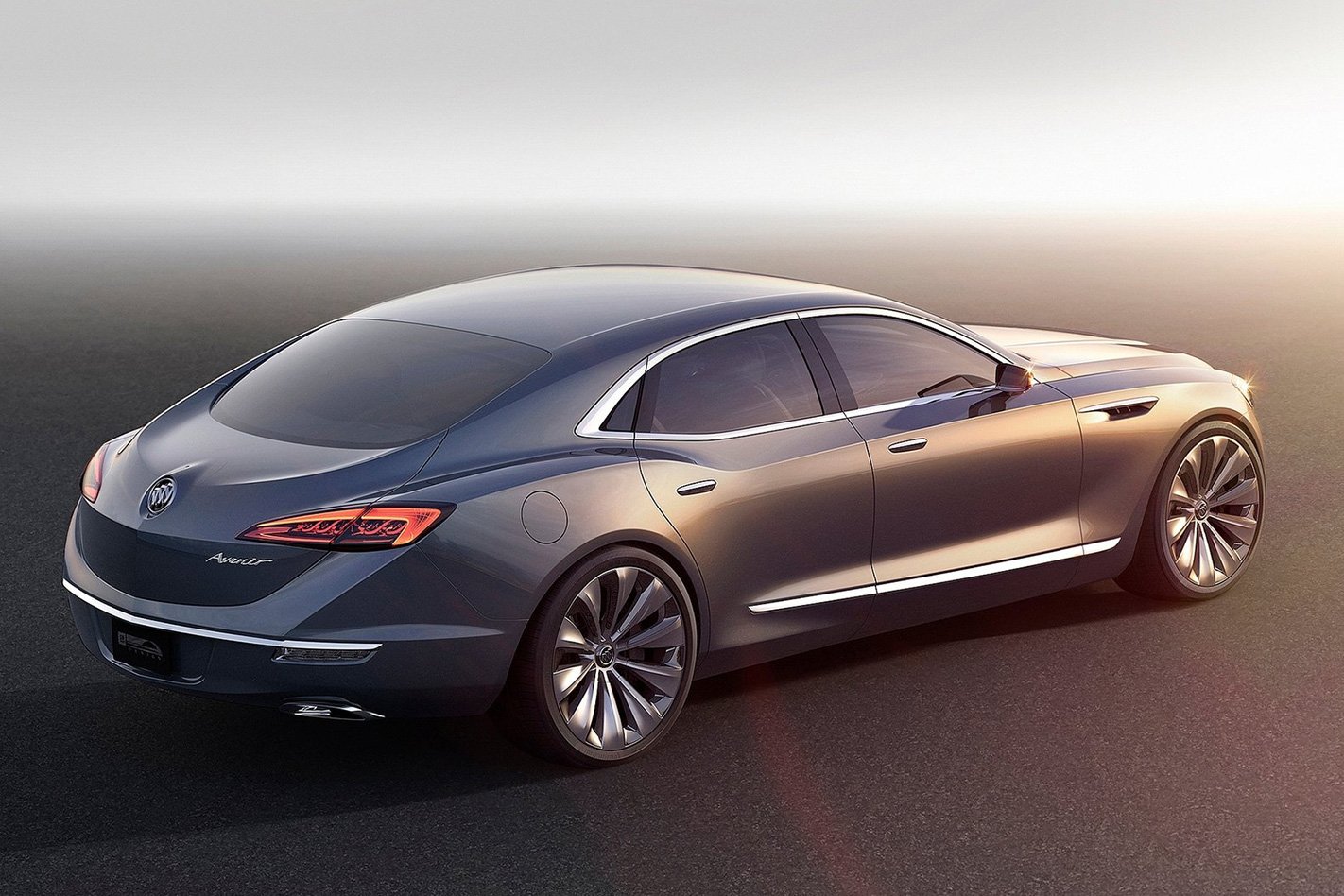
A Kia Stinger style twin-turbo V6 was considered
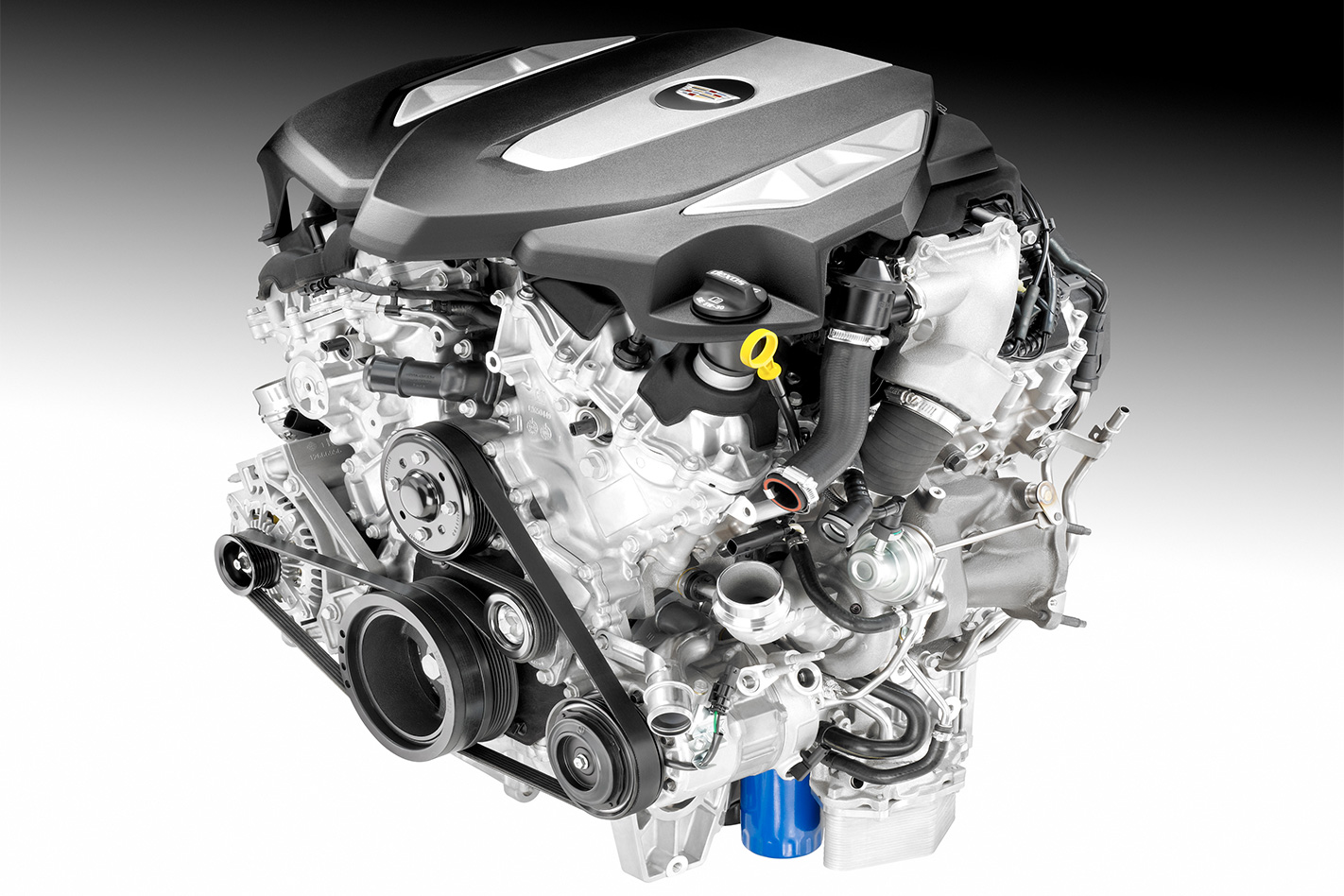
Originally, Opel never intended on building the latest Insignia in V6 guise, but Holden – with support from Buick for its North American-market Regal – persuaded the Germans to pencil the program in. Problem was, budgets were very tight. “It was bad enough losing the V8 and rear-drive,” one insider confided to Wheels. “There was no way the Commodore was going to lose the V6 as well!” One Holden engineer revealed that several alternatives to the naturally aspirated 3.6-litre HFV6 were mooted for the ZB, with the advanced 3.0-litre twin-turbo from the Cadillac CT6 said to be at the top of the wish list.
The ZB only has six years to run
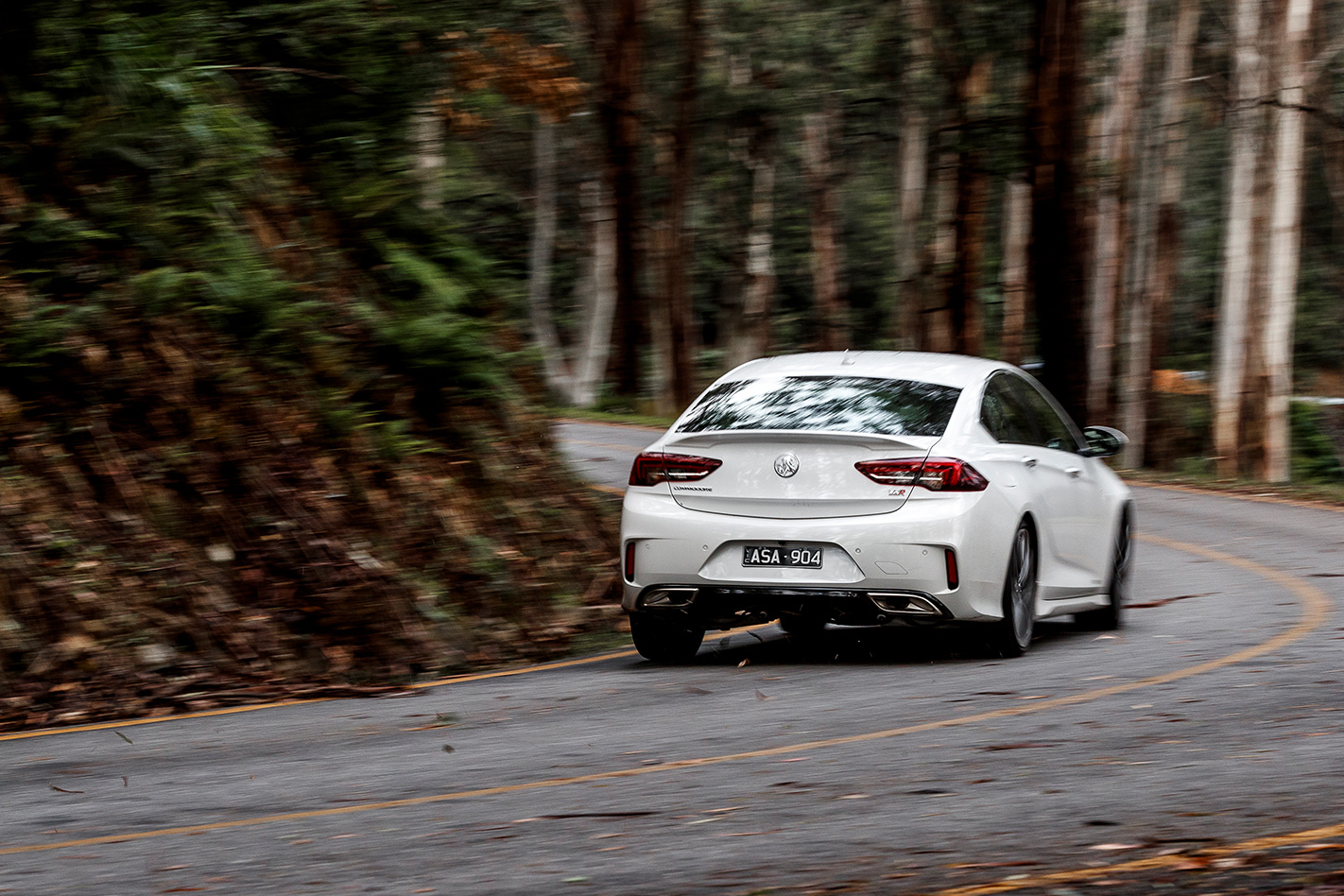
This will likely end up being the shortest-lived Commodore in history when compared to the four previous generations that spanned between nine and 12 years each.
Will the 2024 Commodore be the next-gen Chevy Malibu?
It’s too early to know the answer, but there is little doubt Holden is already in early product planning talks with its Chevrolet and Buick cousins on what their next mid-to-large family car will be.
Why the Subaru Outback-baiting Tourer is a petrol V6 only
Holden says the new Tourer represents the ZB’s biggest chance at luring non-Commodore customers to the brand, with its raised ride height and crossover styling. All of which makes the lack of four-cylinder petrol or diesel versions all the more perplexing.
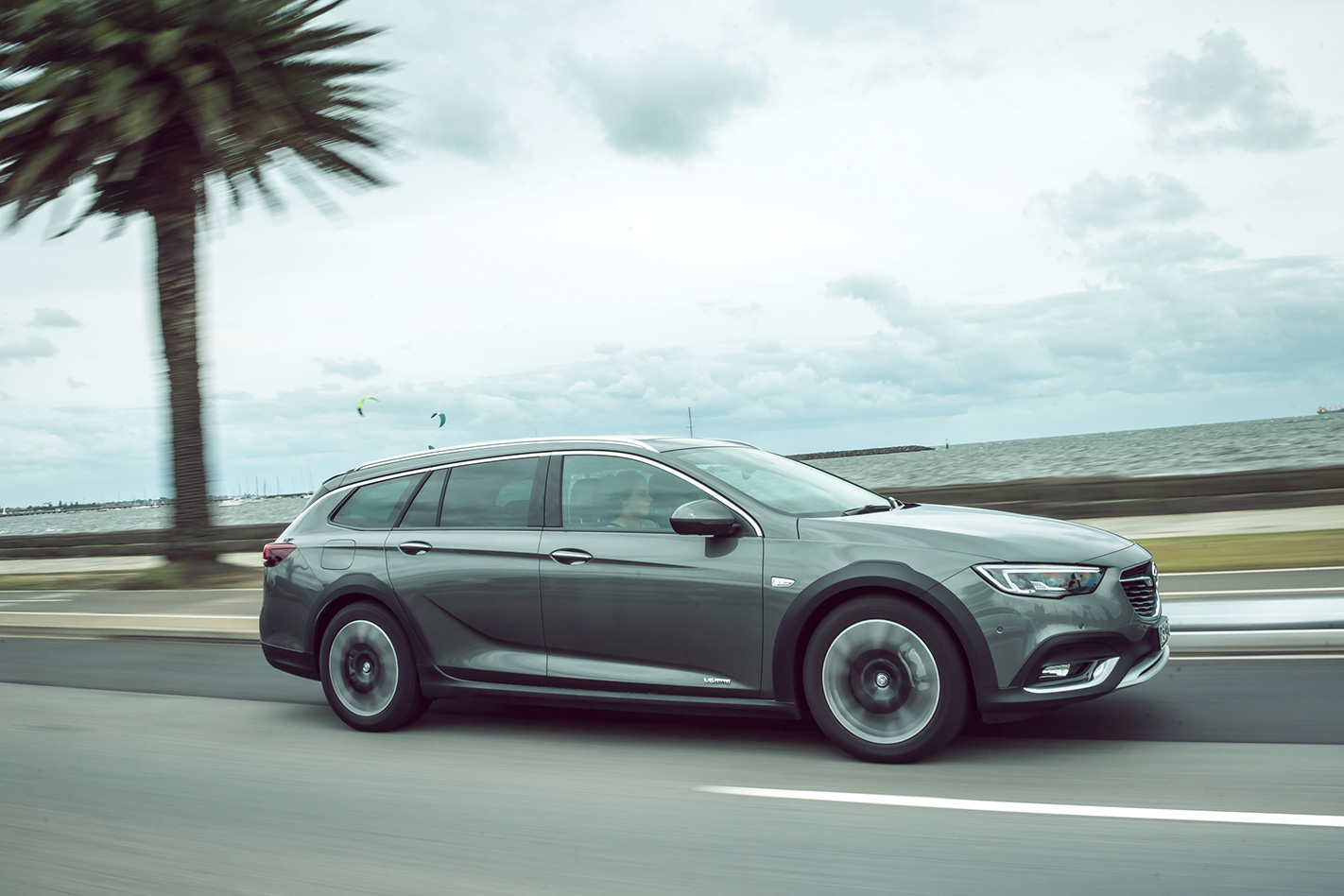
The 2.0-litre engines may come later if the Tourer’s current V6 AWD combo proves successful. Ironically, Holden was here before with the failed VY/VZ Commodore-based Adventra wagon of 2003 to 2006, which flopped partly because it was initially V8-only at a time when oil prices were on a steep rise. We fear the same may derail the ZB’s greatest chance at winning conquest sales.
Calling Alois Ruf Jnr a tuner among those in the know is like describing Pininfarina as a bloke who likes to doodle cars.
This feature was first published in MOTOR’s February 2009 issue.
The man is held as a deity thanks to 25 years of creating such legends as the infamous ‘Yellowbird’ – Ruf’s original 911-based CTR model. Its heroic stats read 350kW/553Nm and 4.0sec to 100km/h some 22 years ago, and it even starred in its own now-legendary video, Fazination.
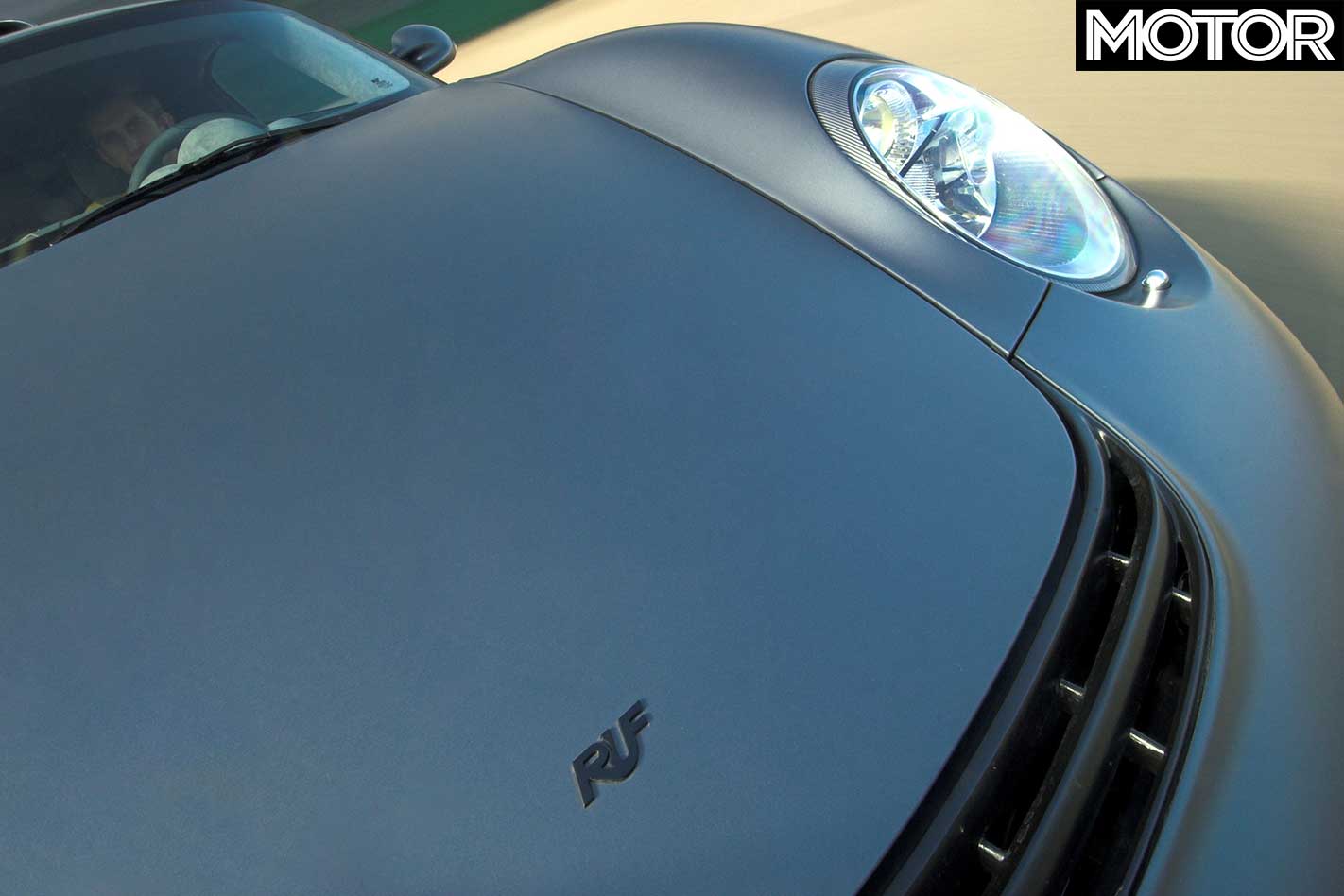
But until now, all Alois Ruf’s headlining creations have been so closely based on the 911 that only the cognoscenti could tell them apart. He had to move to the next level. And the result is his own inimitable supercar. It’s called the CTR 3 – one-part 20th-anniversary homage to the Yellowbird, another-part Ruf futurist vision in metal – and it’s here to greet us at Ruf’s Pfaffenhausen, Germany, headquarters.
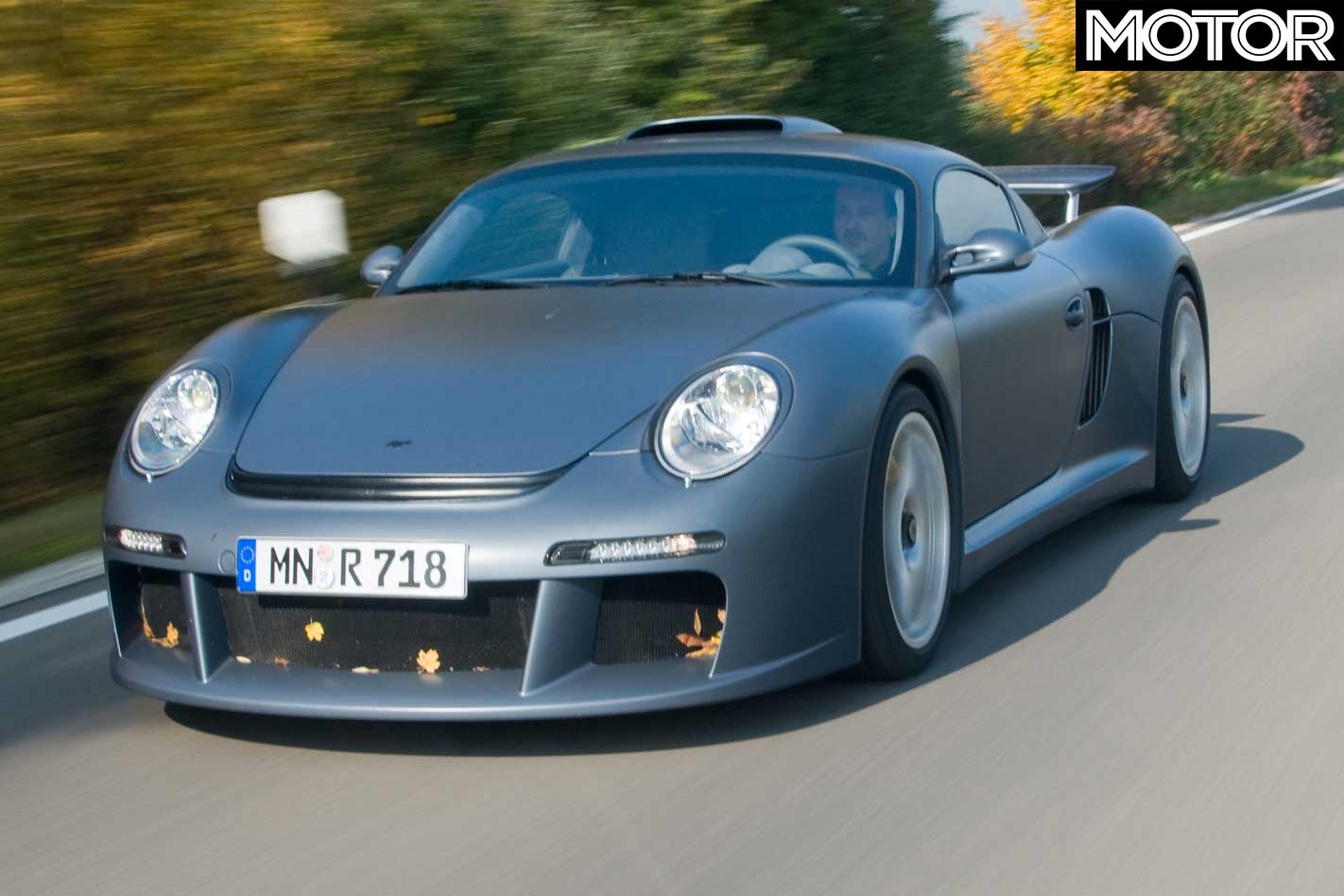
The sunny weather helps, but its satin-sheen body finish is a wonder to behold. And it isn’t some cheap plastic stick-on wrap material that many tuners have turned to. Instead, it’s a painstaking paint finish that requires layer upon layer and costs hundreds of euros per litre. It’s a sign of just how much of a departure the CTR 3 is from 911 convention.
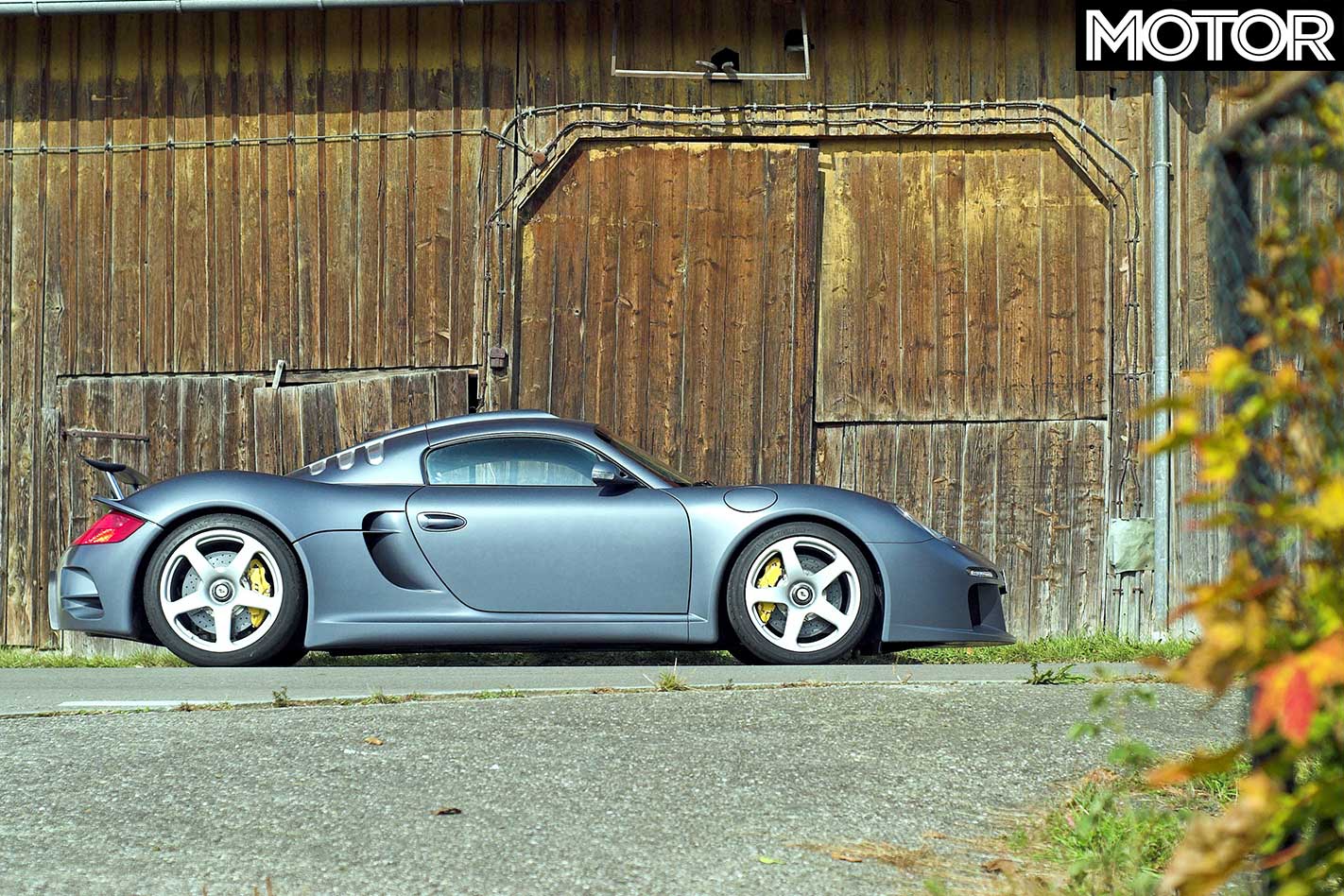
The obvious comparison is with Porsche’s own Carrera GT, but Ruf has blown away Stuttgart’s crown jewel for pure rolling theatre. Maybe from the rear three-quarter it has the slightest hint of flattened Cayman, but that would be a harsh judgement.
Dissect the shape, though, and the silhouette of a Porsche 911 Turbo’s front end, albeit dressed with Ruf’s own expensive carbonfibre front bar, becomes apparent.
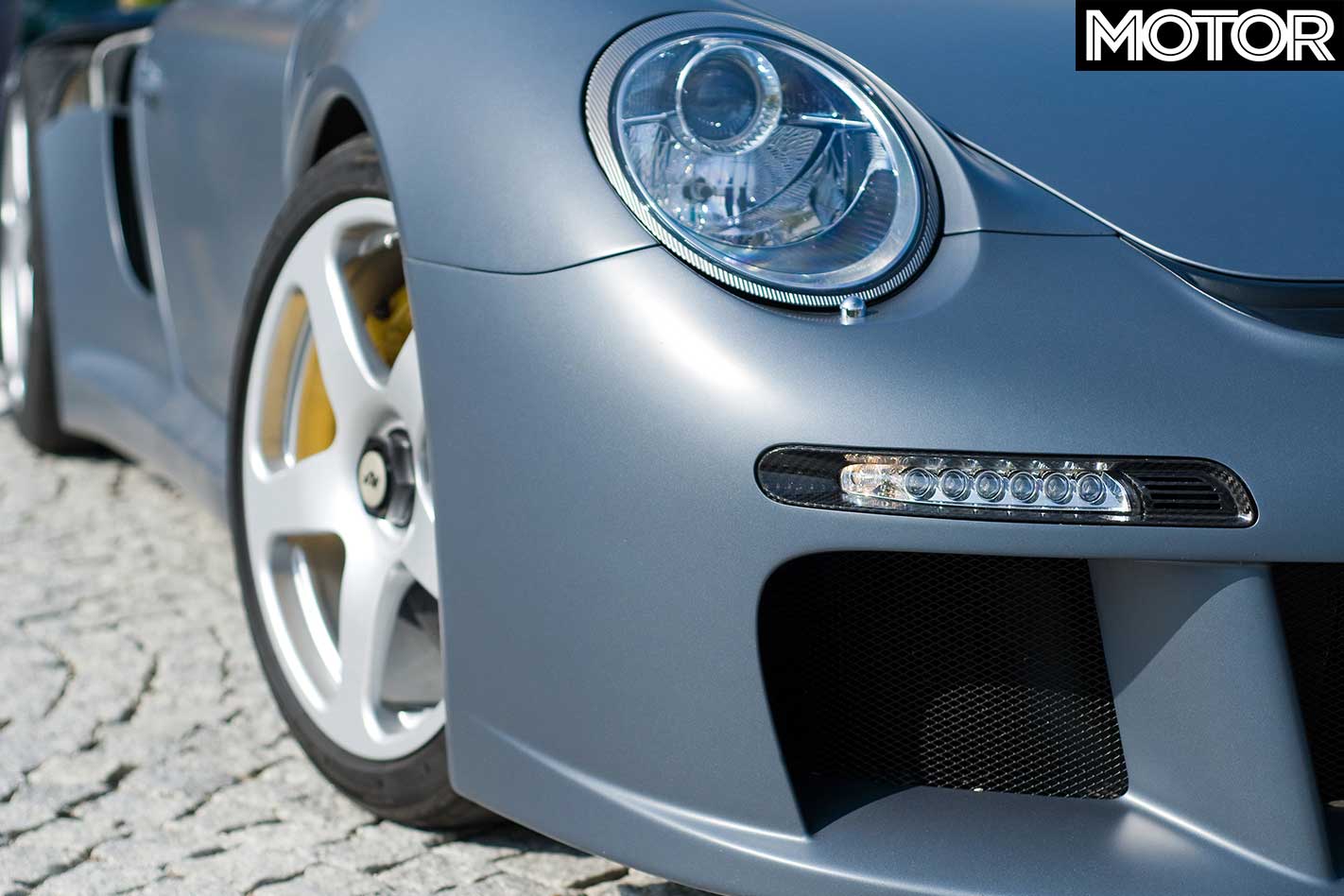
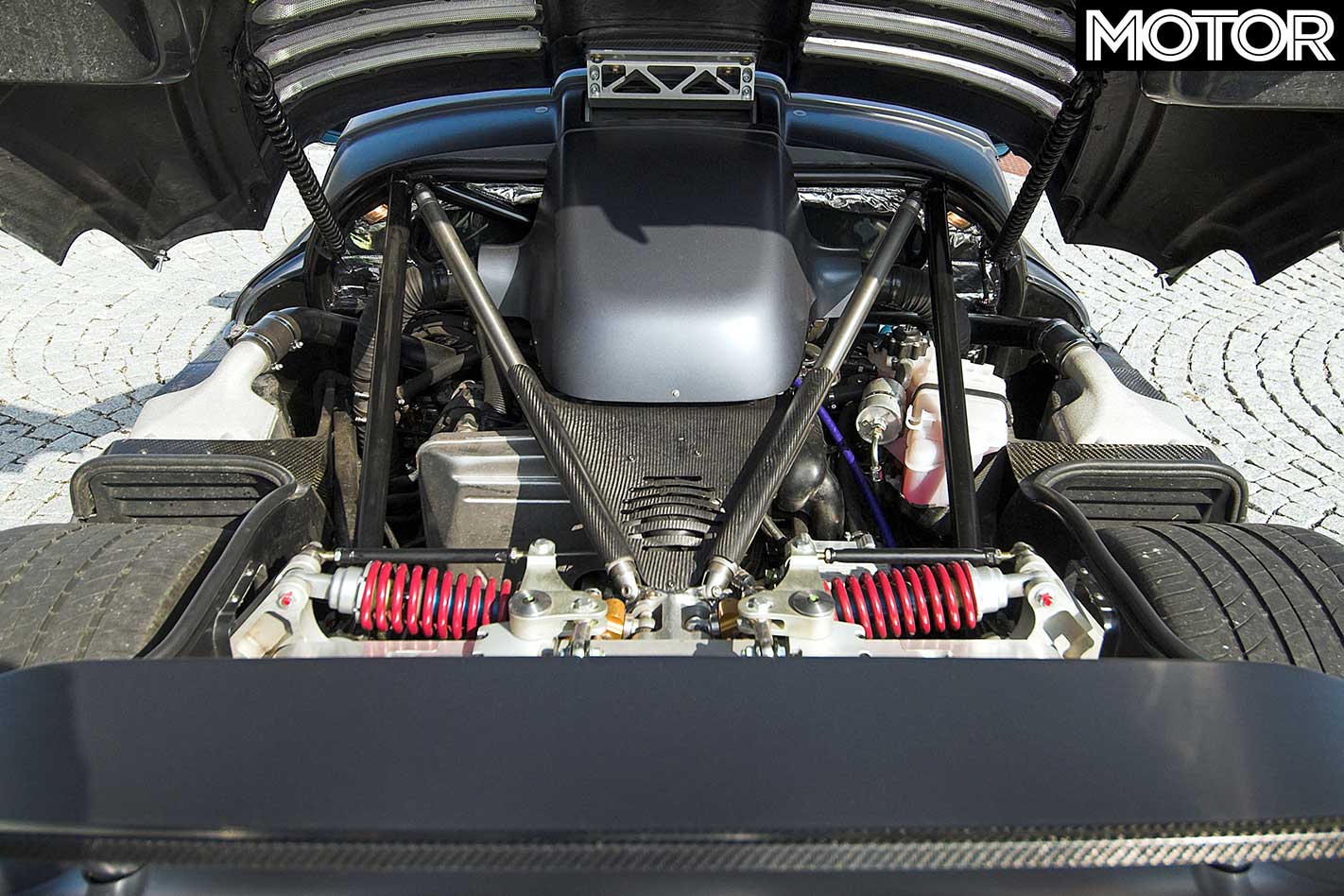
Such a clean-sheet approach affords design flexibility. And the big one is that the boxer engine is mid-mounted, forward of the purpose-built six-speed sequential gearbox, and not rear-mounted, ala 911 tradition.
That swooping back-end and monstrous airbox offer little in the way of rearward visibility, so Ruf includes a reversing camera. But with 515kW (at 7600rpm) and 890Nm (at 4000rpm) on tap from a 3746cc twin-turbo boxer six, you won’t spend much time looking behind you. That view-robbing rear wing is also integral to an aero package that helps keep Ruf’s golden child sucked to the deck at 375km/h.
It takes a firm pull of the alloy shifter for the sequential gearbox to bang through the upshifts, but keep the throttle mashed to the carpet and all hell cuts loose once it hits its four-grand, full-boosting peak-torque, hurtling the meagre 1470kg coupe way into the distance. In fact, monster acceleration is almost too easy to extract. Lord, is this car fast.
There’s none of that tuneful romance you’ll hear from Italian supercars, but the whooshing and wheezing of turbos and wastegates channelling 1.2bar of boost through the boxer’s plumbing adds plenty of ceremony, good vibes and sonic delight. With plenty of volume, too.
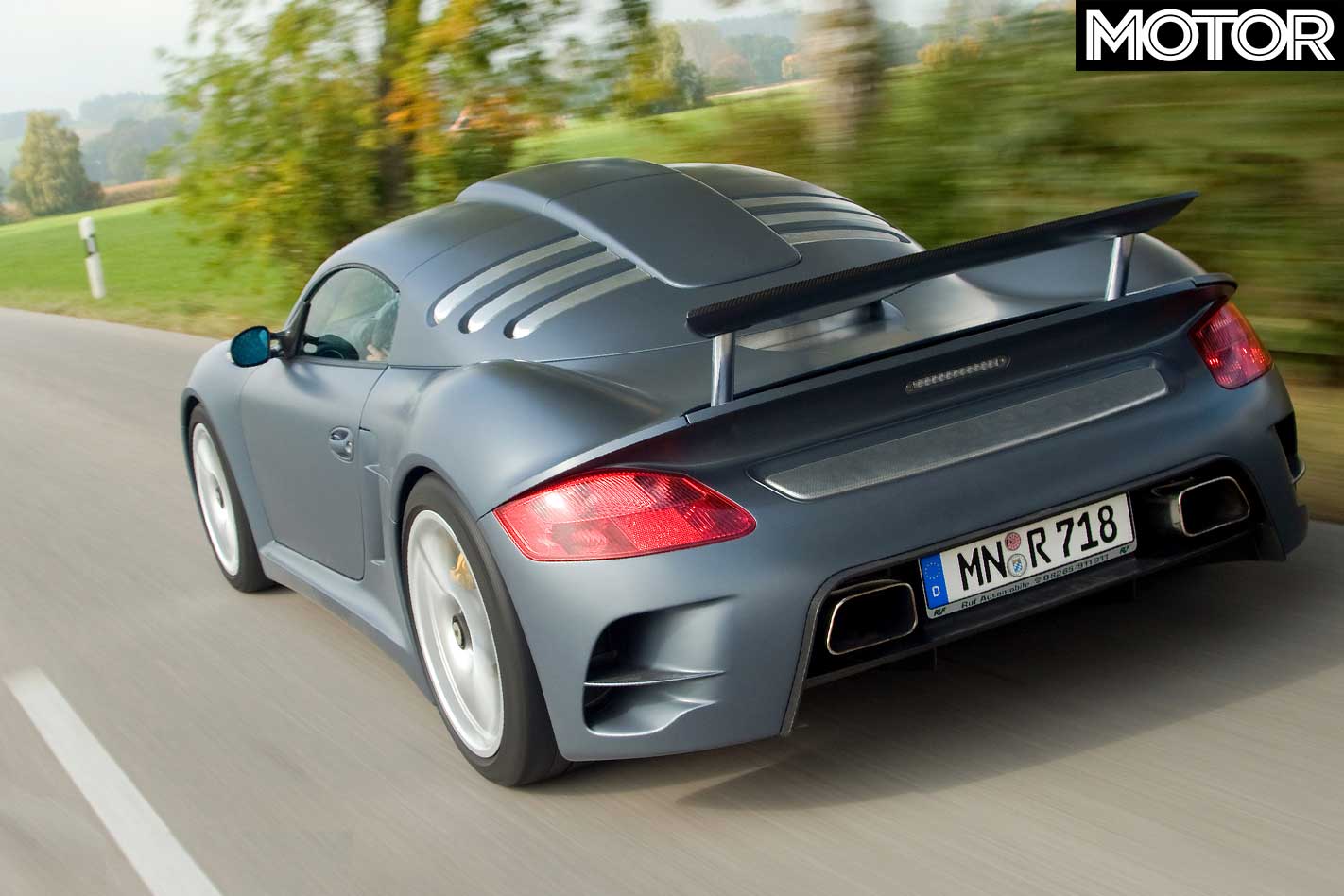
The on-road experience is nothing like playing with fire, but nor does the CTR 3 cop being manhandled. There’s a lightness and keenness to the chassis in corners, and despite a natural degree of understeer (tuned in for fat-wallet/low-skilled customers), it doesn’t take a big spark of enthusiam to set alight its immense potential.
Balance is exceptional, although it only really knuckles down and starts bending lateral physics with increasing road speed (and the resultant downforce). Despite this, steering remains eager and crisp even in tight, slow-speed stuff.
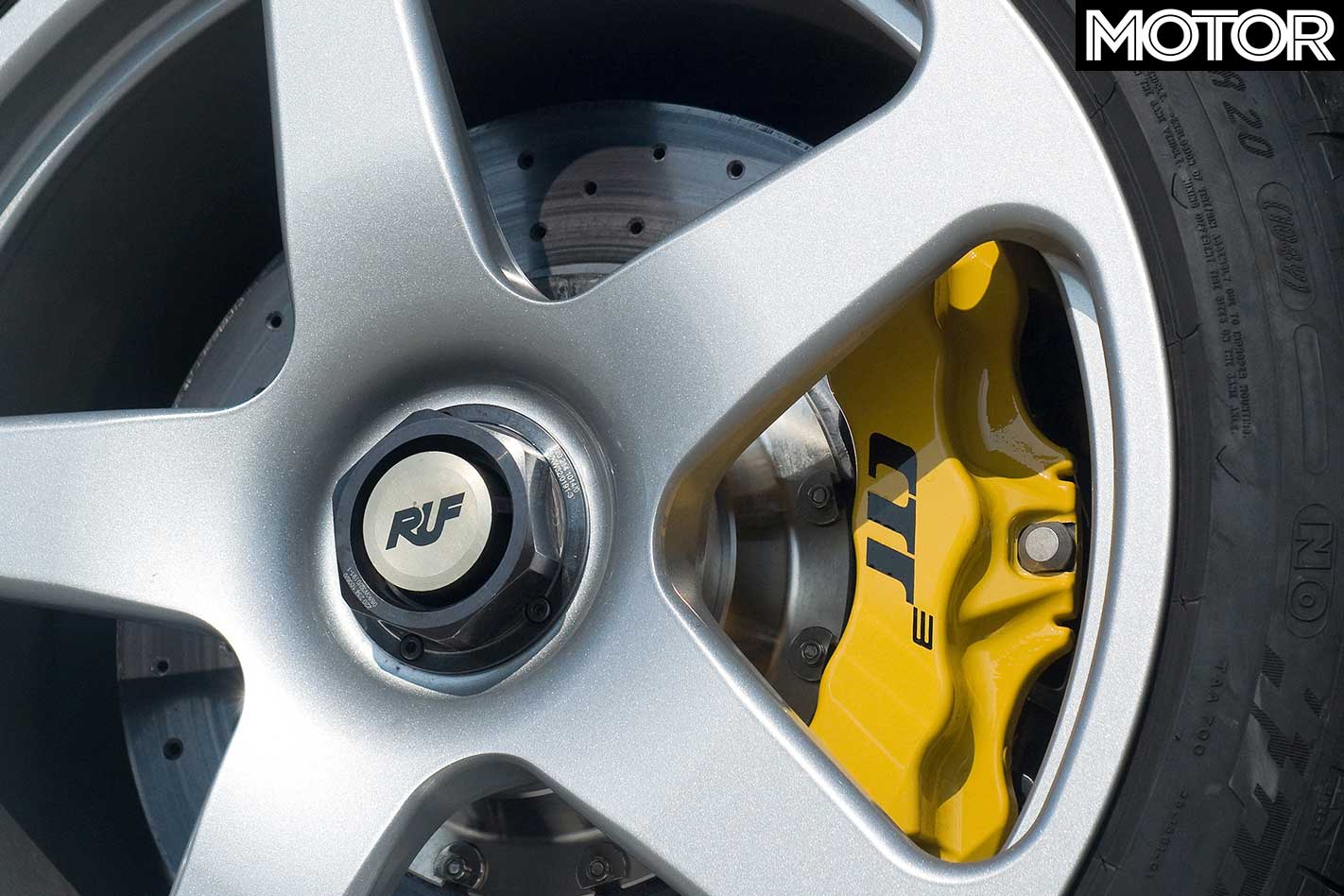
For finish levels, comfort and ergonomics, the CTR 3’s interior matches any hypercar. It doesn’t have those imperfections and flaws so often accepted in niche manufacturing as so-called ‘character’. The only real swipe is that it’s so Porsche-like inside and out that many won’t appreciate how uniquely Ruf this car is.

There are faster cars. There are more beautiful cars. But this could just be the most complete hypercar on the market right now. Unfortunately, it’s doubtful that any of the 50 examples to be built – at the equivalent of $AU825,000 – will likely find their way to Australia, though. Bugger.
Ruf Trade
RUF AUTO began trading in 1939 by Alois Ruf, but it wasn’t until his death, in 1974, that his son, Alois Jnr, turned the company into a Porsche-tuning powerhouse.
Ten years later, an all-paw 993-based CTR 2 with 388kW/685Nm followed. Today, Ruf has factory outlets in seven countries.
FAST FACTS RUF CTR 3
BODY: 2-door, 2-seat coupe DRIVE: rear-wheel ENGINE: 3746cc flat 6, DOHC, 24v, twin turbo aluminium head & block POWER: 515kW @ 7600rpm TORQUE: 890Nm @ 4000rpm COMPRESSION RATIO: 9.4:1 BORE X STROKE: 102.0 x 76.4mm WEIGHT: 1470kg POWER-to-WEIGHT: 350kW/tonne 0-100KM/H: 3.2sec (claimed) TOP SPEED: 375km/h (claimed) TRANSMISSION: six-speed sequential manual SUSPENSION: struts, locating links, anti-roll bar (f); multi-links, horizontal fixed coil-over dampers, pushrods, anti-roll bar (r) L/W/H: 4445/1944/1200mm WHEELBASE: 2625mm FUEL: 98 octane/70 litres BRAKES: 380mm carbon-ceramic ventilated/drilled discs, six-piston calipers (f); 380mm carbon-ceramic ventilated/drilled discs, six-piston calipers (r); ABS STEERING: power rack and pinion WHEELS: 19 x 8.5-inch (f); 20 x 12.5-inch (r), alloy TYRES: Michelin Pilot Sport; 265/35ZR19 (f); 335/30ZR20 (r) PRICE: $825,000 (estimated)
RATING: 9 out of 10 stars LIKE: Head-smashing performance and exclusivity, race-car looks DISLIKE: Having everyone call it a “Porsche” (’cos it kinda is…)
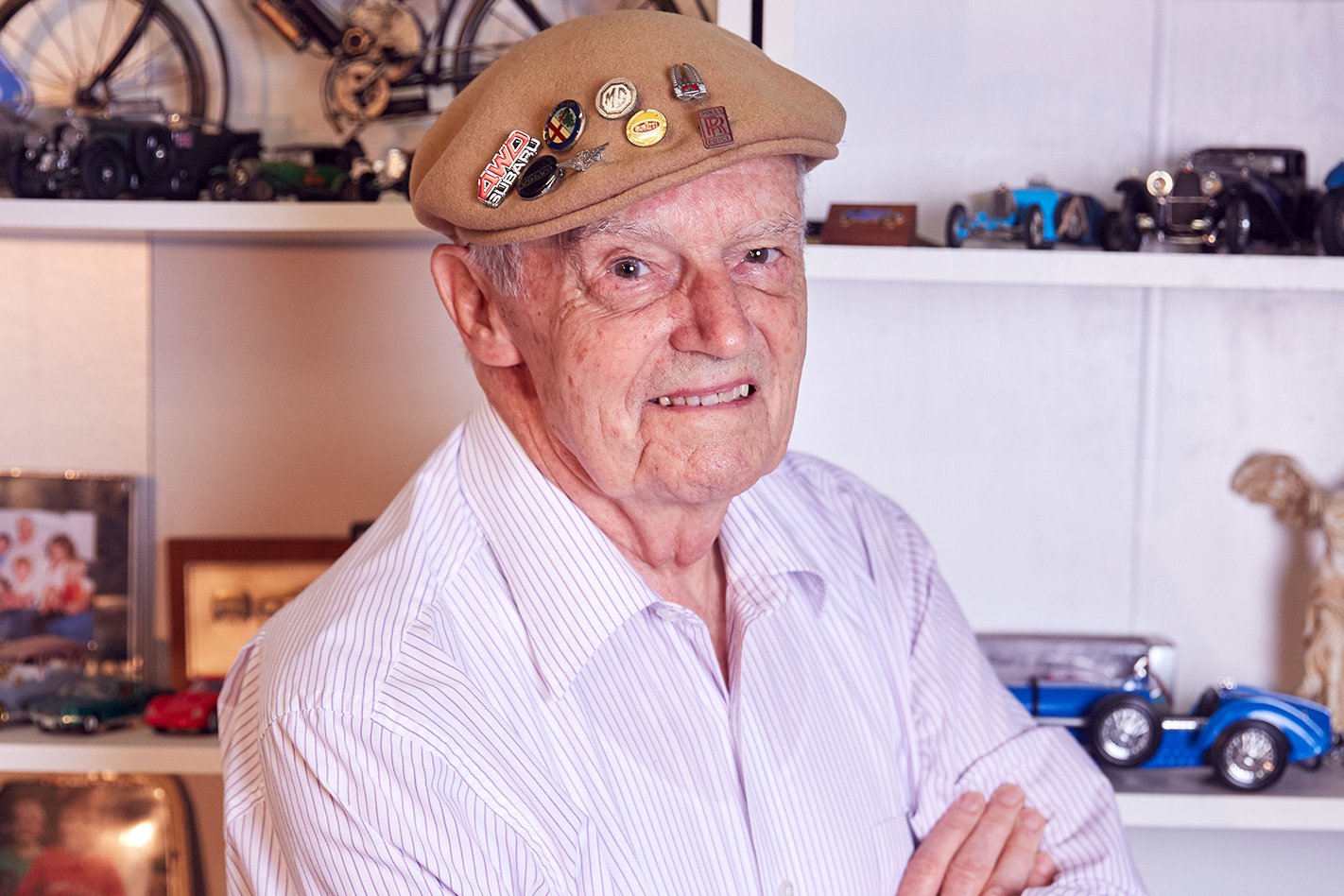
On Australia Day 2018, an Australian motoring journalist was officially recognised – and for once, not just in a speed-camera photo. Pedr Davis, 88, was awarded the Order of Australia Medal for services to journalism and the automotive industry, in a career whose Australian chapter began with Wheels shortly after our maiden year of 1953.
Davis was born in London in 1929. His father was a general newspaper journalist, and young Pedr showed a flair for writing, selling short fiction pieces to the local newspaper from age 16.
Obsessed with cars and motorcycles, he secured an engineering apprenticeship at the Austin Motor Company. “Austin employed 42,000 people at the time, but I knew nothing about big corporations. Early on I thought, ‘Well, gee whiz, I ought to meet the managing director, let him know I’m aboard.’ So I went and banged on the door …”
While still an apprentice, Pedr was sent with a team testing cars in East Africa. Between writing engineering reports, he started filing weekly stories for The Motor magazine. “I got what seemed an enormous amount of money for writing this stuff. I was earning about £12 a week for a full-time engineering job,” Davis says, “but I found I could write an article in half a day and get £12 or £15 for it.”
Another Austin assignment in 1953 sent Davis to Sydney where, at a party, he met Wheels founding editor, Athol Yeomans. Chatting about new-fangled automatic transmissions, Yeomans tagged Davis to write a technical column. Davis was also soon writing for the opposition, Modern Motor, under the noms de plume Peter Llewellyn and Brian Austin.
Also on that first Sydney visit, Davis met Dolores, for whom he would return permanently from England in 1956. They married in January 1958.
Davis’ journalism expanded into book authoring and then publishing (Marque Publishing). Regular ABC TV appearances made him the face of motoring. He began syndicating his motoring columns, building up to a network of 120 newspapers.
Concurrently, Davis established the automotive statistics business that’s today known as VFacts. “Larke-Hoskins, a major distributor, wanted analysis of how many vehicles their opposition were selling, and in particular against their dealers in different areas … They said how it should be done and named a figure. I said I could do it for that money if I were free to sell the same information to other dealers and distributors.”
That business, Automotive Surveys, grew to employ 43 people. But pressure to relocate to Melbourne from Sydney prompted its sale to Melbourne-based ADAPS.
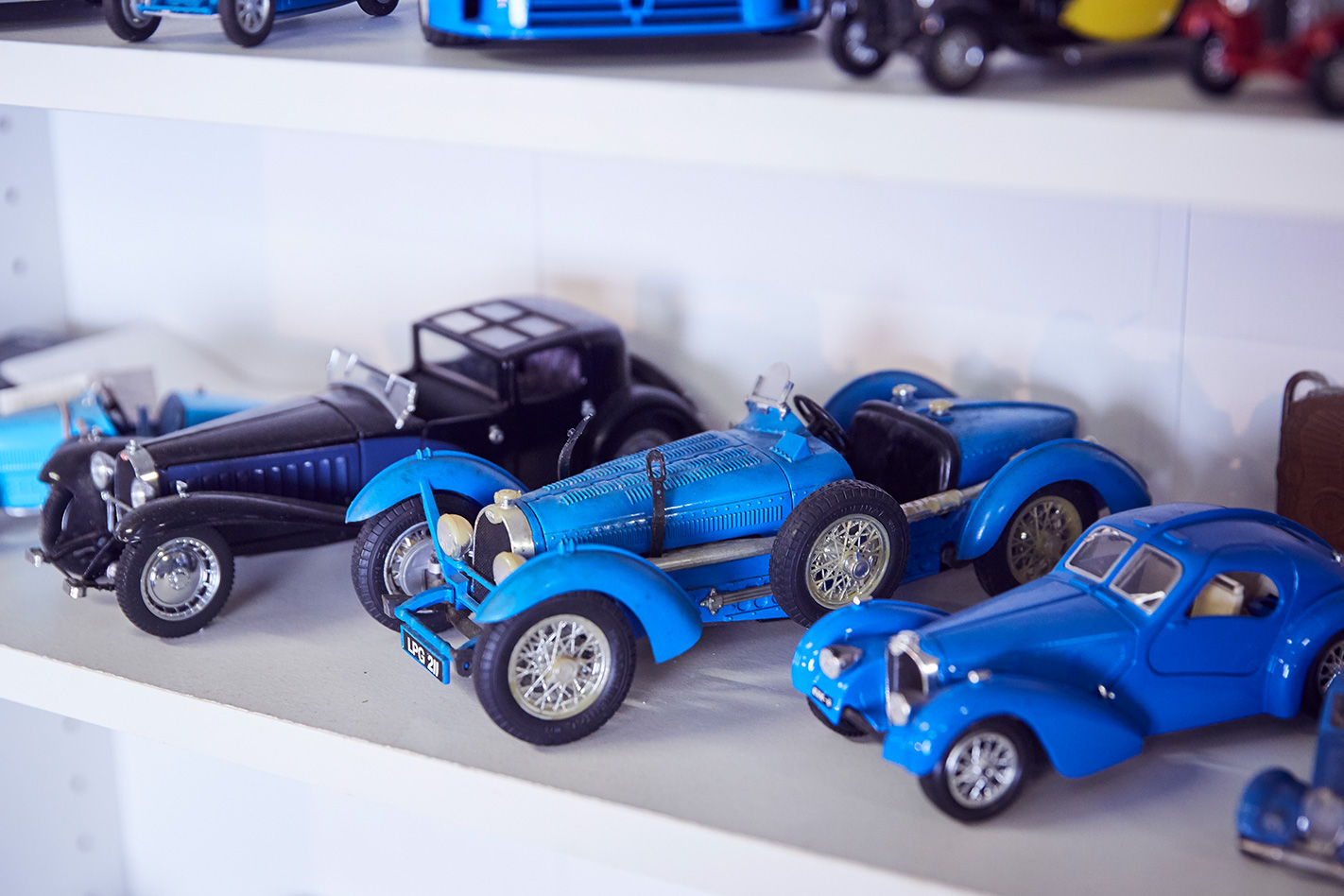
And how does he feel about that OAM? “It came as a big surprise. I know people who got awards and rightly so because they did altruistic things. I don’t think I ever did anything like that – I was just earning my living. It seems to me quite surprising to receive an award for earning your living. But there you are, I did.”
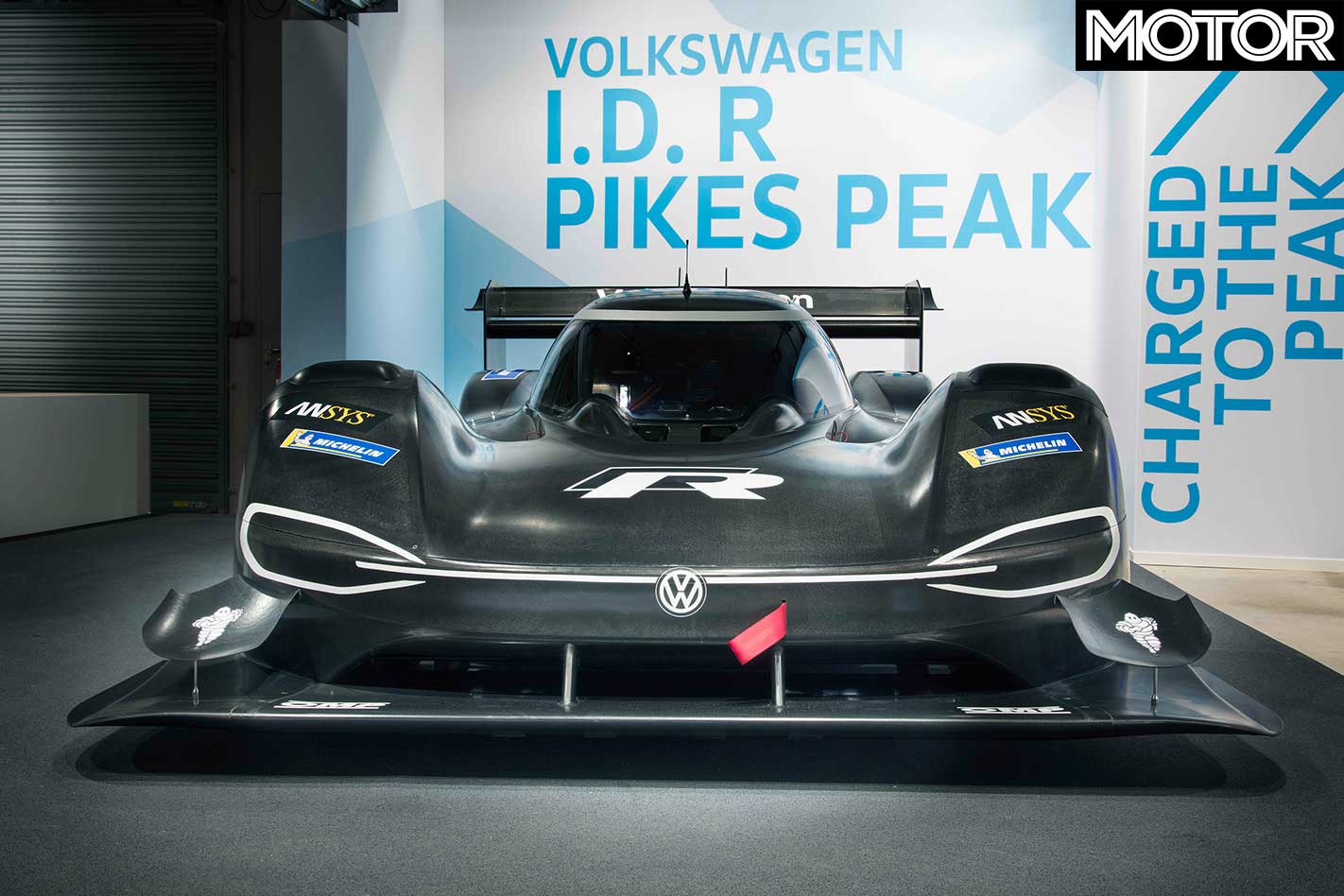
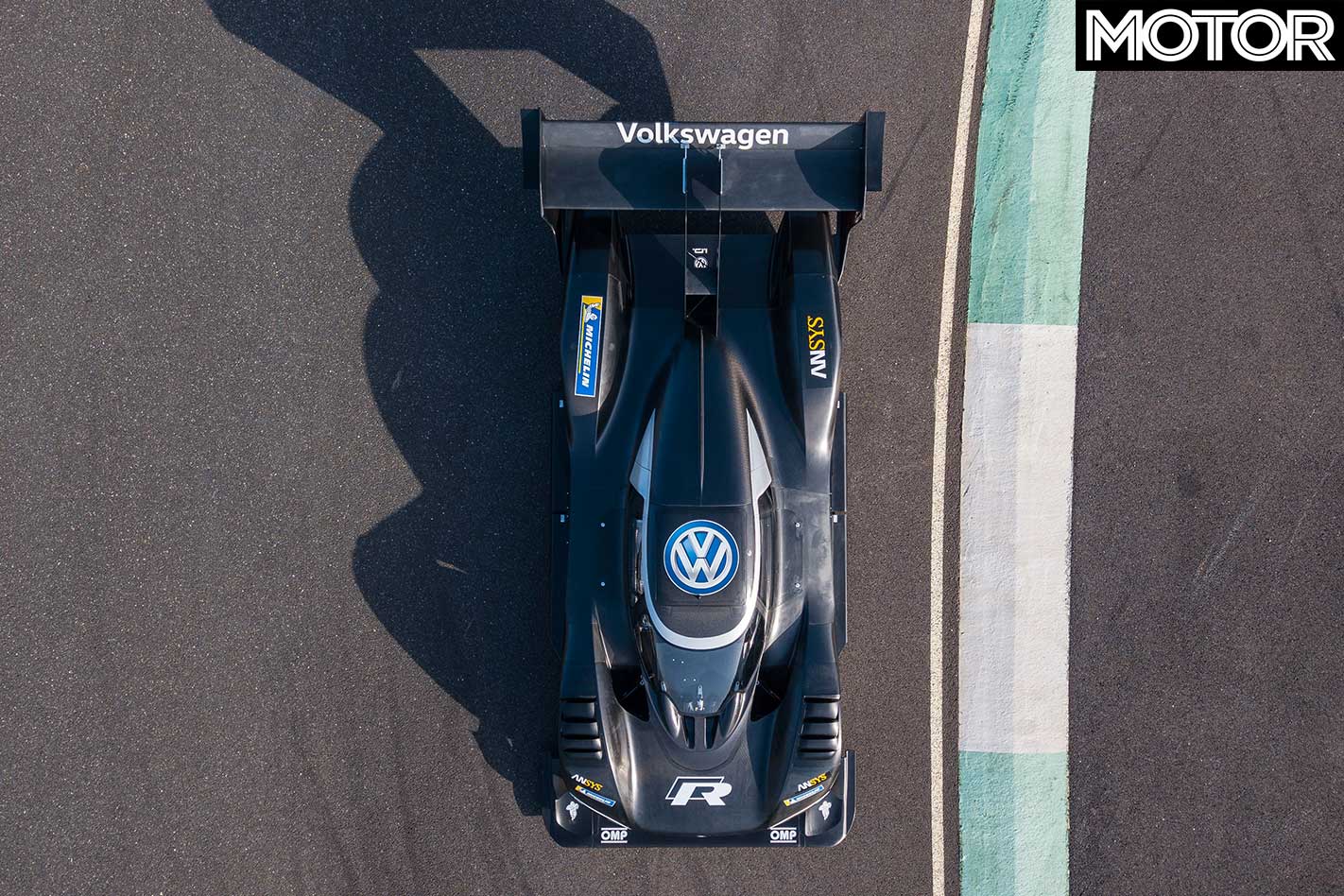
Volkswagen has finally pulled the covers off its electric Pikes Peak assailant, the aptly named VW ID R Pikes Peak.
With 500kW of power from two electric engines, 650Nm of instant torque, less than 1100kg to carry, and all-wheel drive at its disposal, the ID R is capable of an astonishingly quick 2.25 second sprint to 100km/h.
After plenty of teasing and hinting on social media, we also now know what it looks like. A Prius this is not.
“The cooperation within the group really helped us, particularly given the tight schedule.
“For example, we received support from the Volkswagen battery plant in Braunschweig and worked together with the technical development department in Wolfsburg.”
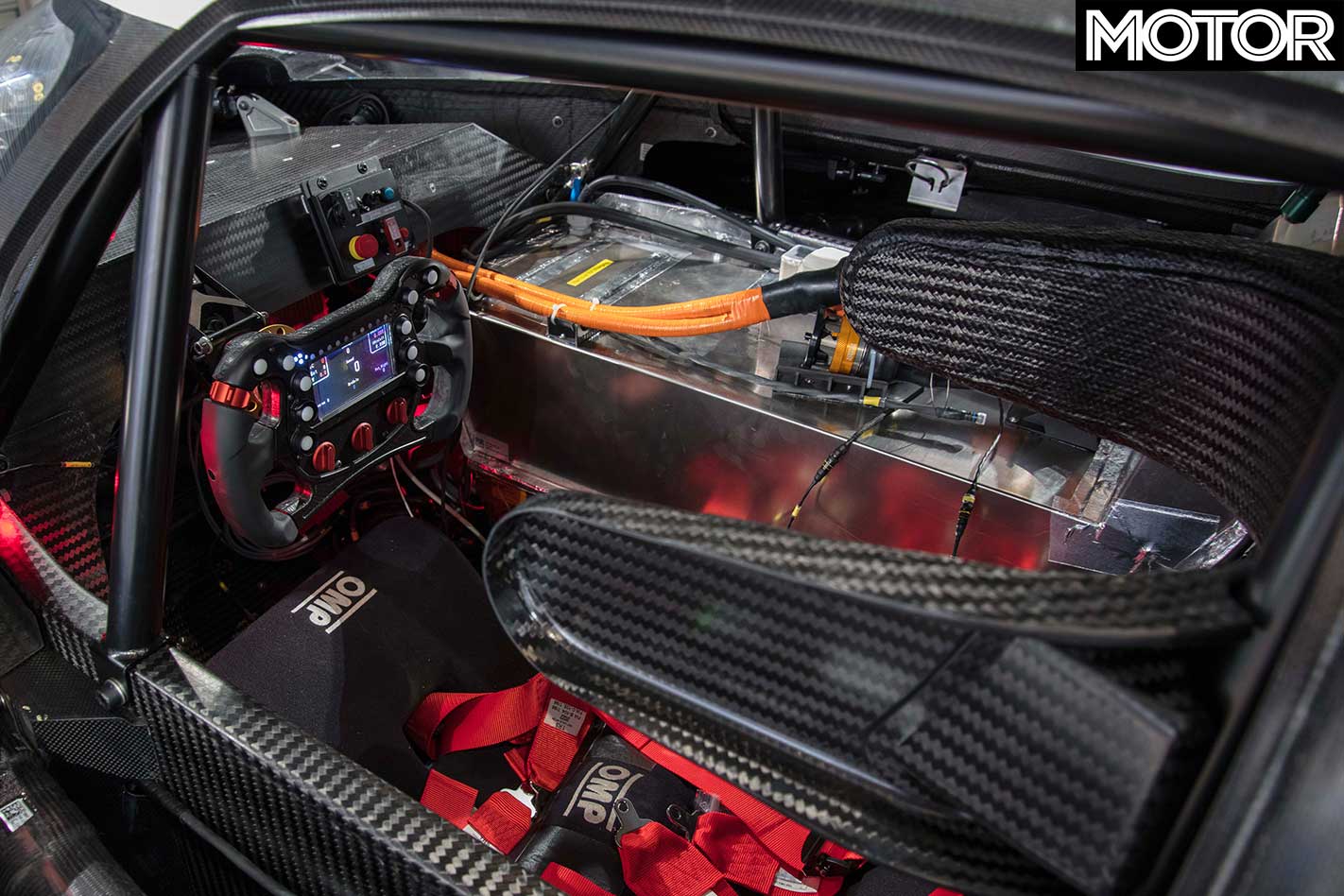
“Roughly 20 percent of the electric energy required is generated during the 20-kilometre drive. The key here is energy recovery,” Volkswagen says.
“When braking, the electric engines, which in this case operate as generators, convert some of the braking energy into electricity and feed this into the battery.”
Driving the car at the Peak will be Romain Dumas, Porsche factory driver and defending Pikes Peak champ.
The much anticipated event will take place soon, on June 24 this year.
One of Australia’s great drivers, on one of Australia’s greatest tracks, and a historic F1 car being driven close to the limit – if not at it.
What more could you want in an onboard video? Oh yeah, some telemetry and a lap timer.
Friend of MOTOR Magazine John Bowe actually has his own YouTube channel, and on it he posts some pretty binge-worthy videos.
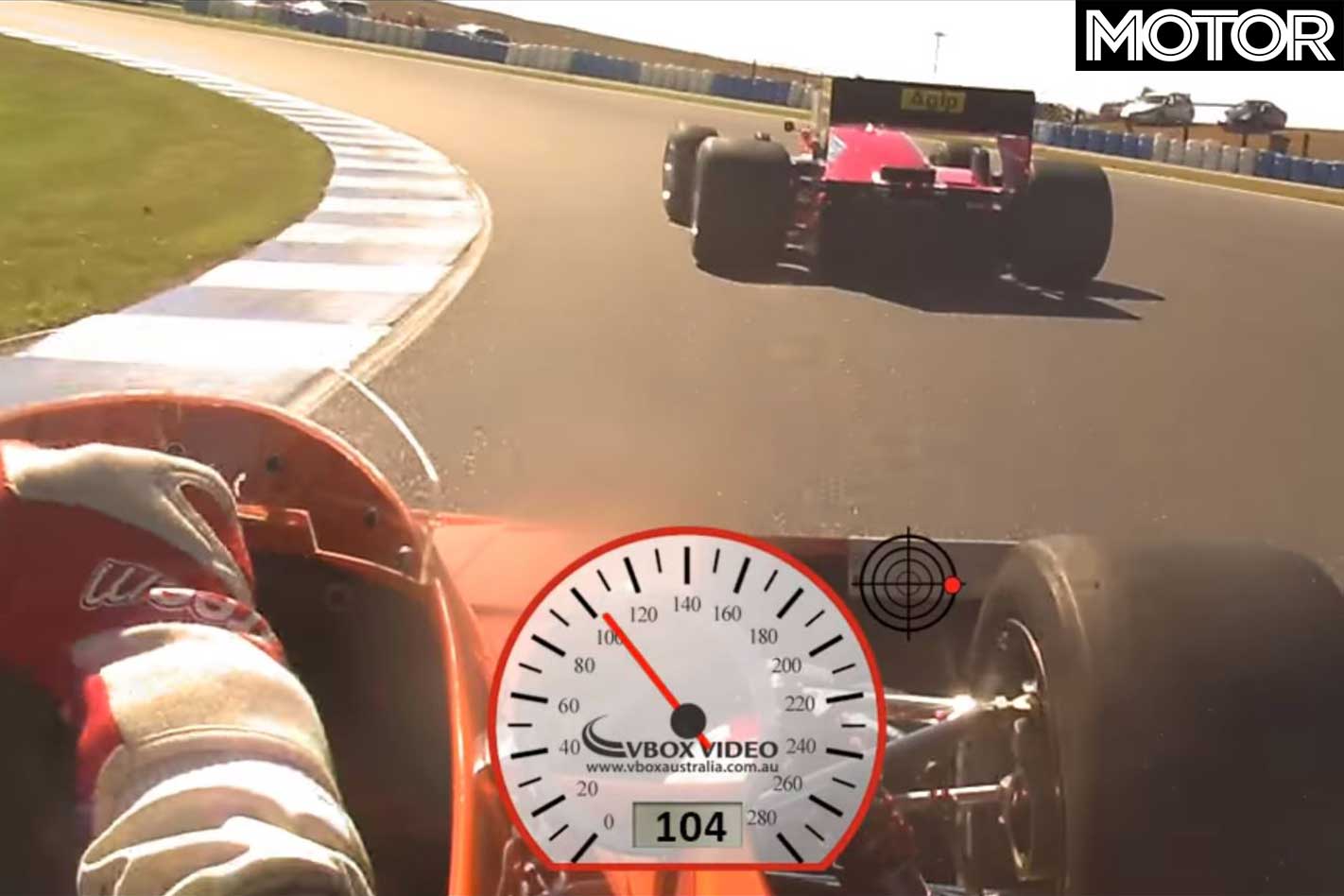
In just eight minutes, JB hassles a Ferrari 156, a car more than a decade younger than his own, and in the middle of the video sets a truly impressive lap time.
According to the Vbox telemetry, John Bowe laps PI in just 1:28.91. If you’re not sure what to think of that, here’s some context.
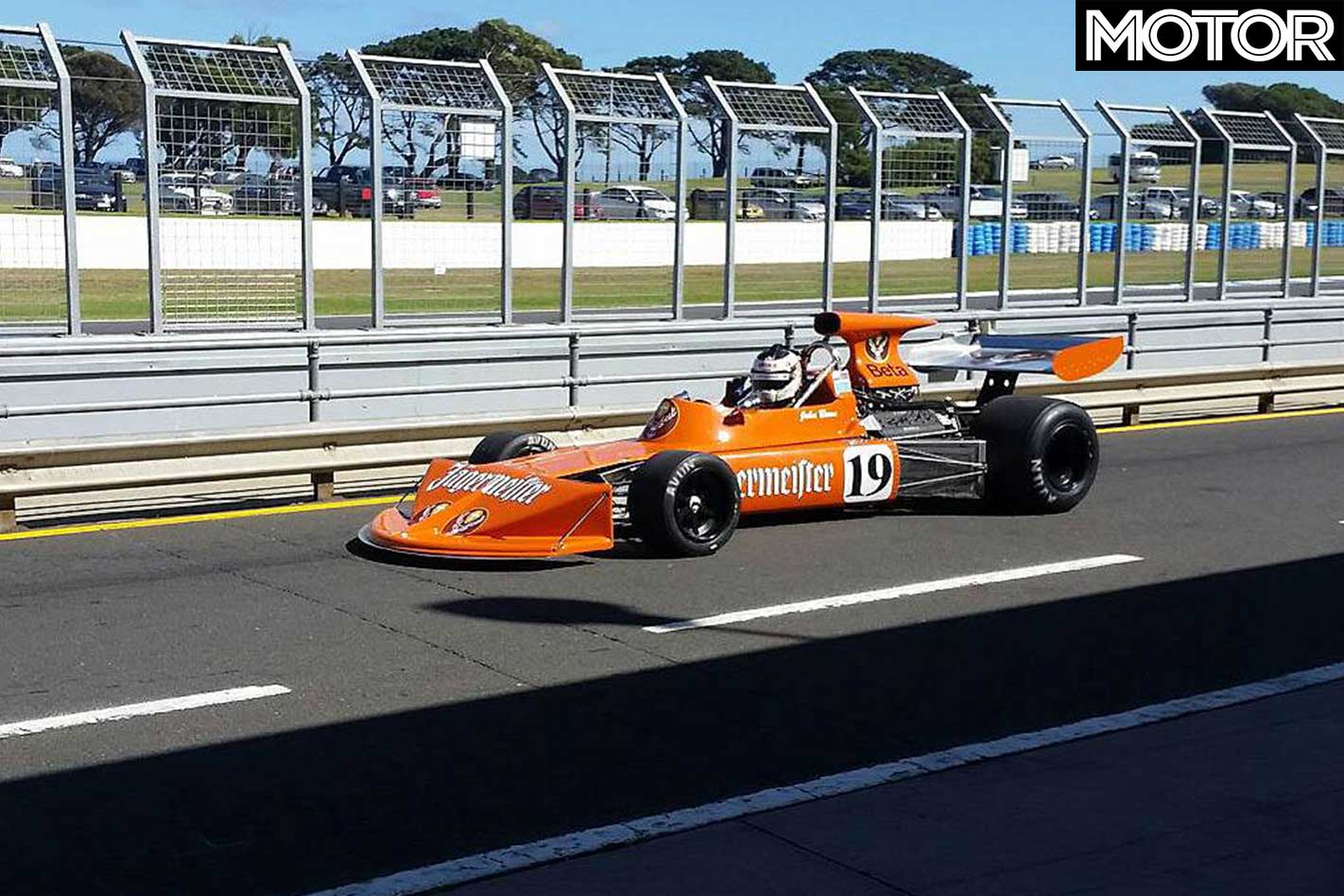
John Bowe’s name appears twice on the list, once in this car (but with a 1.29.35 lap set in 2014), and once for a lap from 2000 in a 1980s Veskanda – a healthy 1.28.98.
More recent cars have also come close to Bowe’s lap. Scott McLaughlin ran a 1.31.13 in a Porsche GT3 race car in 2015, and Garth Tander beat it in 2016 with a 1.28.78, run in an Audi R8 LMS.
The outright record for the circuit is a few full seconds quicker, by Simon Wills in a Reynard 94D Formula Holden race car.
But even then, given the awe-inspiring noise of the March hitting 271km/h before braking at end of the main straight, do the other times even matter?
If you haven’t already watched the clip, do it now. You’ll thank us after.
LAMBORGHINI has confirmed it will keep its high-powered naturally aspirated engines alive, all thanks to hybrid technology.
The sports car maker’s chief executive, Stefano Domenicali, said electric battery technology had not yet advanced far enough for a fully silent raging bull, but the technology would help the brand retain its atmo V10 and V12 combustion engines for at least another generation.
Replacements for the Aventador and Huracan supercars are expected in 2020 and 2022 respectively, with the next-gen models expected to add plug-in hybrid technology that will allow them to travel under electric power alone for short distances.
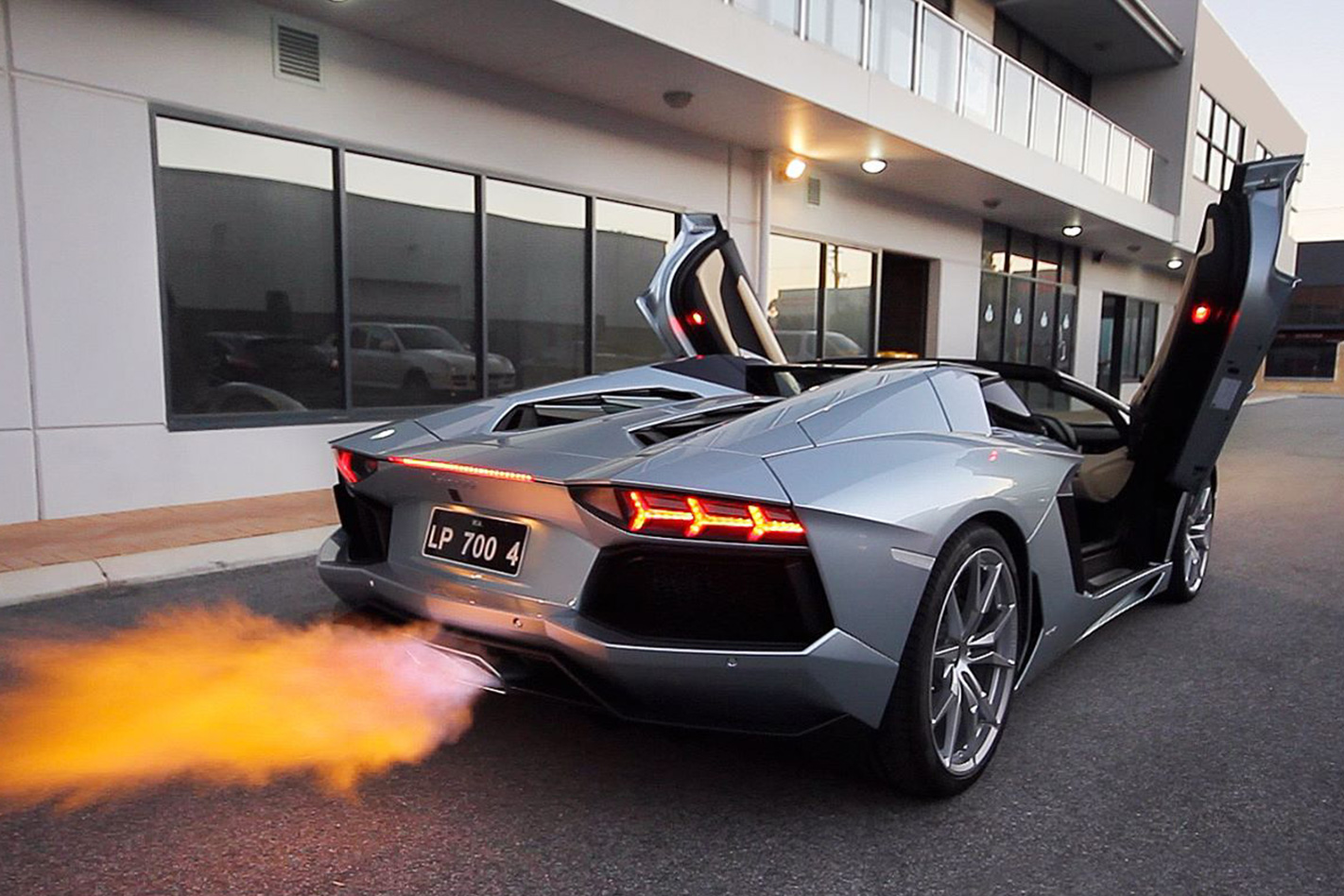
Lamborghini also won’t cave to the pressure of tightening emissions regulations and introduce turbochargers to their supercar line-up – instead committing to naturally aspirated cars for the foreseeable future. “As long as I’m technical director, our super sports cars will not have a turbocharged engine,” Maurizio Reggiani, Lamborghini’s chief technical officer, said. “It’s about emotion. If you don’t have emotion, then you have nothing.”
While enthusiasts will be glad to hear Lamborghini’s screaming atmo engines are here to stay, some may be disheartened to learn that the heavy batteries will also add potentially performance-sapping weight to next-gen models. “The big questions are packaging and weight,” Reggiani said. However, cars such as Porsche’s S-E Hybrid Panamera are proof that adding electrons to the equation can yield seriously impressive performance.
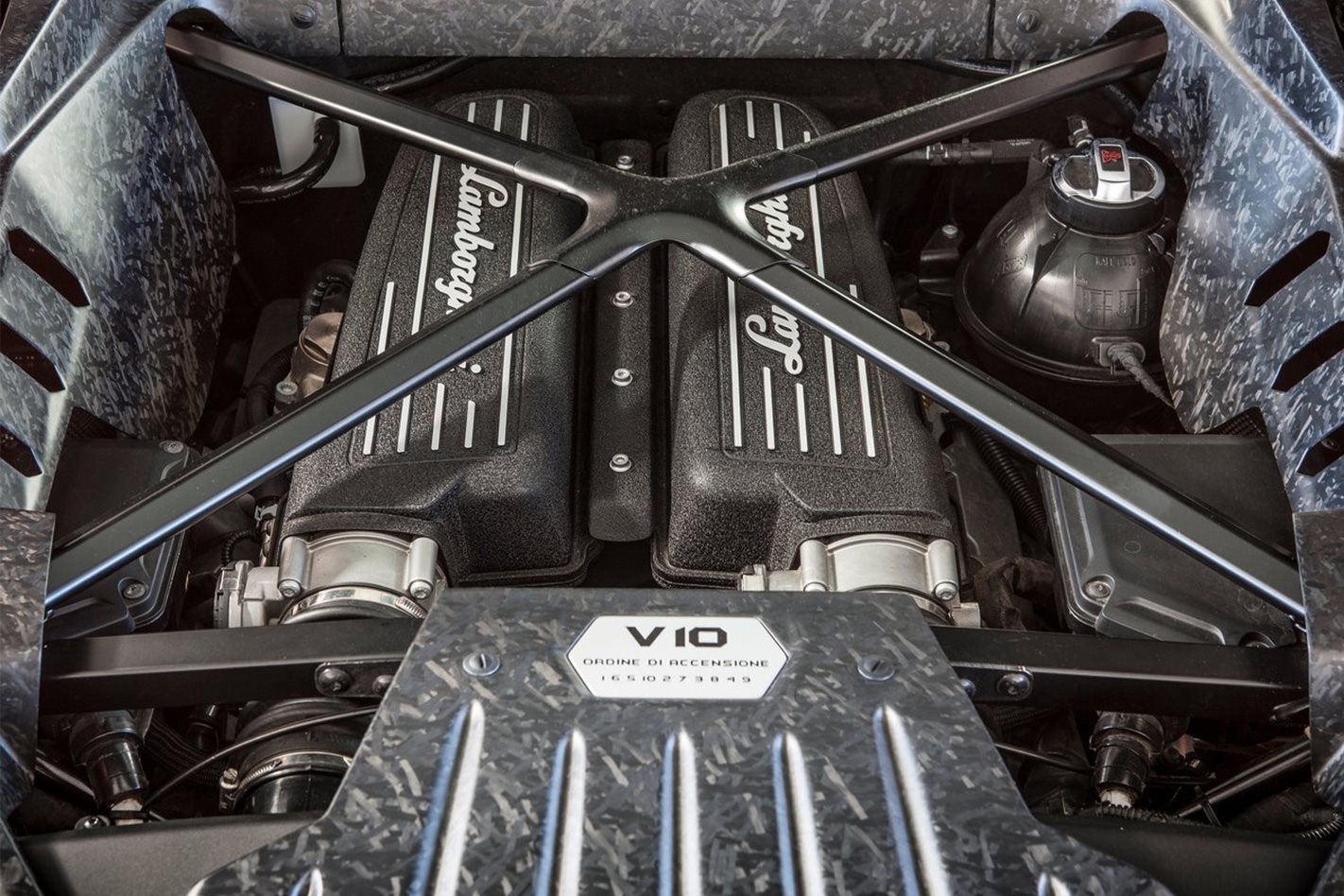
Lamborghini’s latest product and first SUV, the Urus, is powered by a twin-turbo V8 and is likely the first in line for a hybrid powertrain. It seems the low-slung supercars are safe… for now
SELF-BRAKING systems designed to protect pedestrians if they mistakenly cross in front of a moving car are a bit crap at providing the same level of protection to cyclists, research has shown.
A Loughborough University study looked at a number of collisions involving pedestrians and cyclists in the UK and determined that while autonomous emergency braking systems worked well while people were on foot, they were much less successful if people were on two wheels.
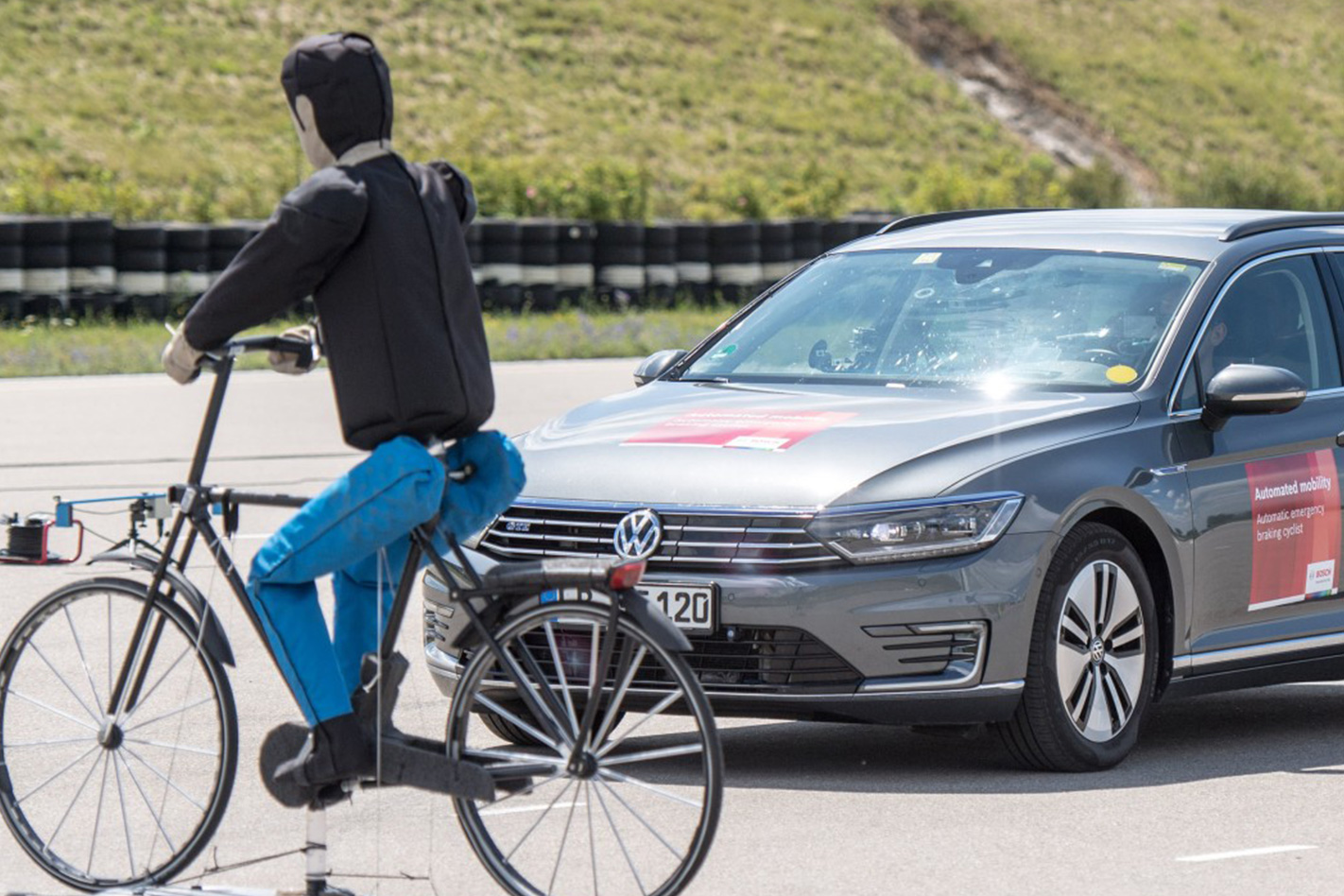
The researchers focussed on the three-second period before the crash. It determined that in most instances the cyclist was only slightly closer to the car than the pedestrian just before the impact – 42 metres for those on two wheels compared with 50m for those on foot – suggesting the distance the car was away from the point of impact didn’t really matter.
What did, though, was put down to the narrow angle in which the AEB sensors were scanning the road ahead, which was fine for detecting foot traffic, but a bit crap at spotting a faster-moving cyclist on a collision course.
“The implication of the results is that AEB systems for cyclists require almost complete 180-degree side-to-side vision but do not need a longer distance range than for pedestrians,” it found.
The number of cyclists killed on Australian roads in the 12-month period to the end of March stands at 43, more than double the previous year’s number. A study published in the Medical Journal of Australia late last year found cyclists were also suffering an alarming rise in serious injury resulting from car crashes, explained in part by a higher number of two-wheeled traffic taking to city streets.
