
THE Volkswagen Polo will become a rolling boom box, with the German premium carmaker revealing a special “Beats” version of its smallest hatchback that will join its showrooms from August.
The new volume player – excuse our pun – takes a standard $19,490 85TSI Comfortline and adds the second generation of VW’s Active Info driver display, a customisable 10.25-inch digital dashboard. The Volkswagen Polo Beats then replaces the default six-speaker audio set-up with a 300-watt system, exterior stripes and badges, bespoke interior highlights and heap of gear – as well as $3000 to the price tag.
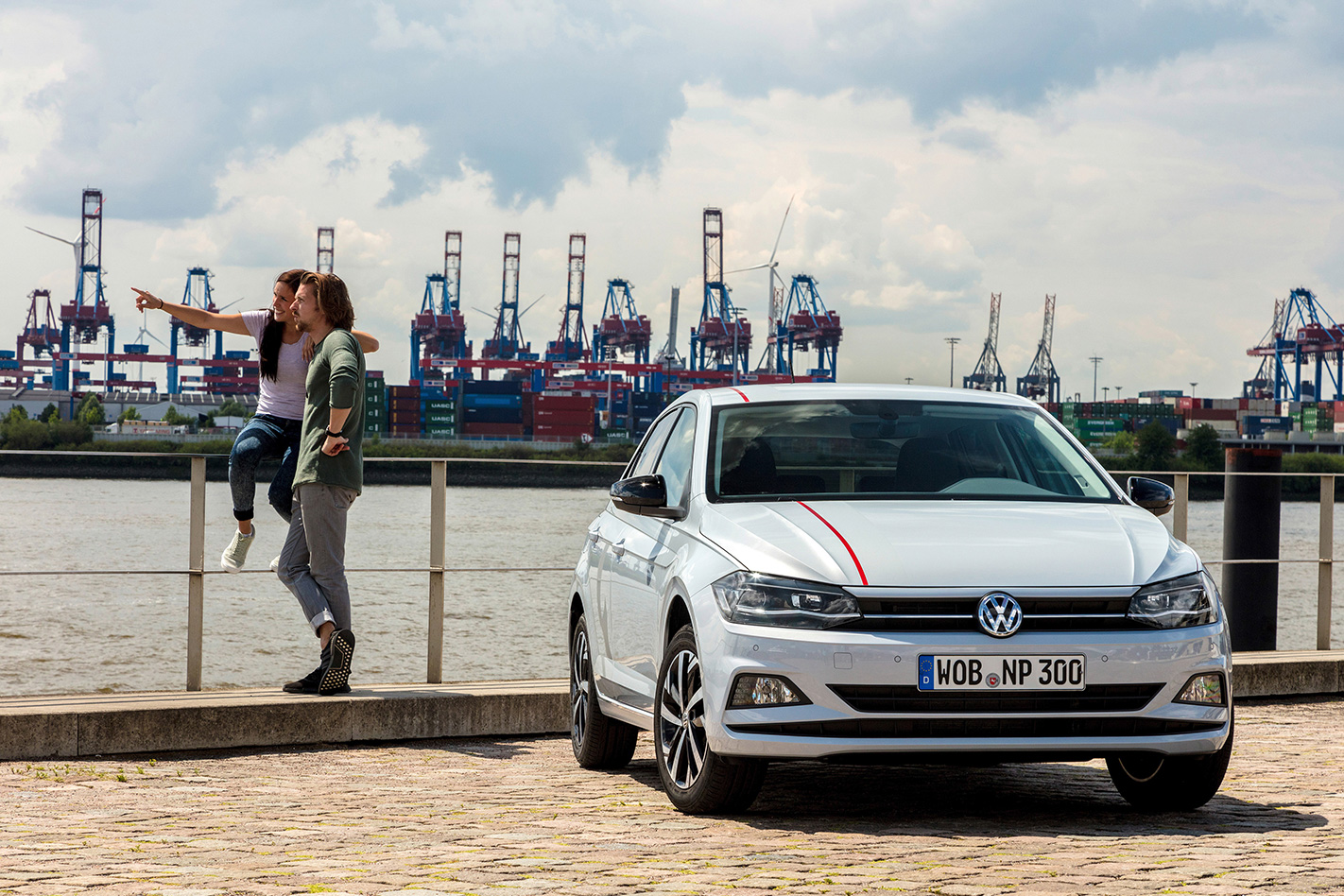
The return of the Beat-branded Polo follows a similar campaign last year for the previous-generation city hatchback. That package was so popular that Volkswagen said it “rapidly sold out” after its introduction.
The Beats name comes from a tie-in with Beats Electronics, the former music-streaming company founded by musician Dr Dre and producer Jimmy Iovine that found its real forte was in making and selling Bluetooth wireless headphones.
“This sound system, exclusively designed for Volkswagen to provide reverberating but crystalline sound, is but one feature of the successor to the Polo 5 beats, which rapidly sold out on introduction last year,” Volkswagen said.

The Beats special edition comes with a choice of three colours; a no-cost red or a $500 optional white/silver metallic or pearl black finish, all featuring the narrow stripe over the driver’s side.
Other features of the Volkswagen Polo Beats over and above the 85TSI Comfortline include:
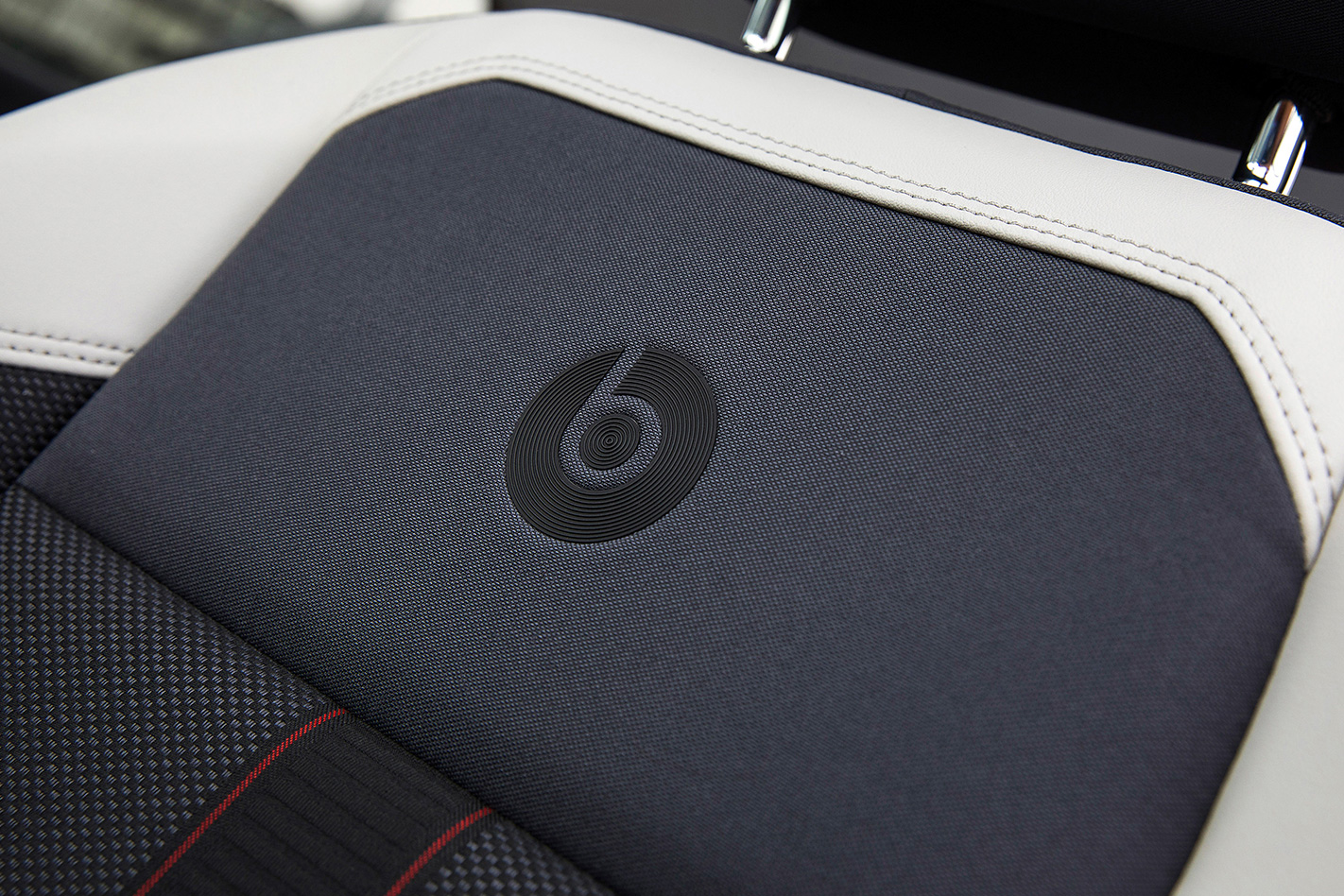
- A Beats emblem on the B-pillar
- Beats decals on the roof and bonnet
- 16-inch Torsby alloy wheels replacing the standard 15s
- Black-capped wing mirrors rather than body-coloured
- Front fog lights
- Wireless phone charging
- Matte velvet red decorative inserts to dashboard, console and door
- Comfort sport front seats
- Beats door sill inserts
Standard safety features on the 85TSI Comfortline include low-speed automatic emergency braking that will also stop for pedestrians, driver fatigue detection, a tyre pressure indicator and a reversing camera.
The special run of Volkswagen Polo Beats variants will follow in the wake of the Volkswagen Polo Launch Edition, a limited-run version of the new sixth-generation hatchback that launched in Australia last month.
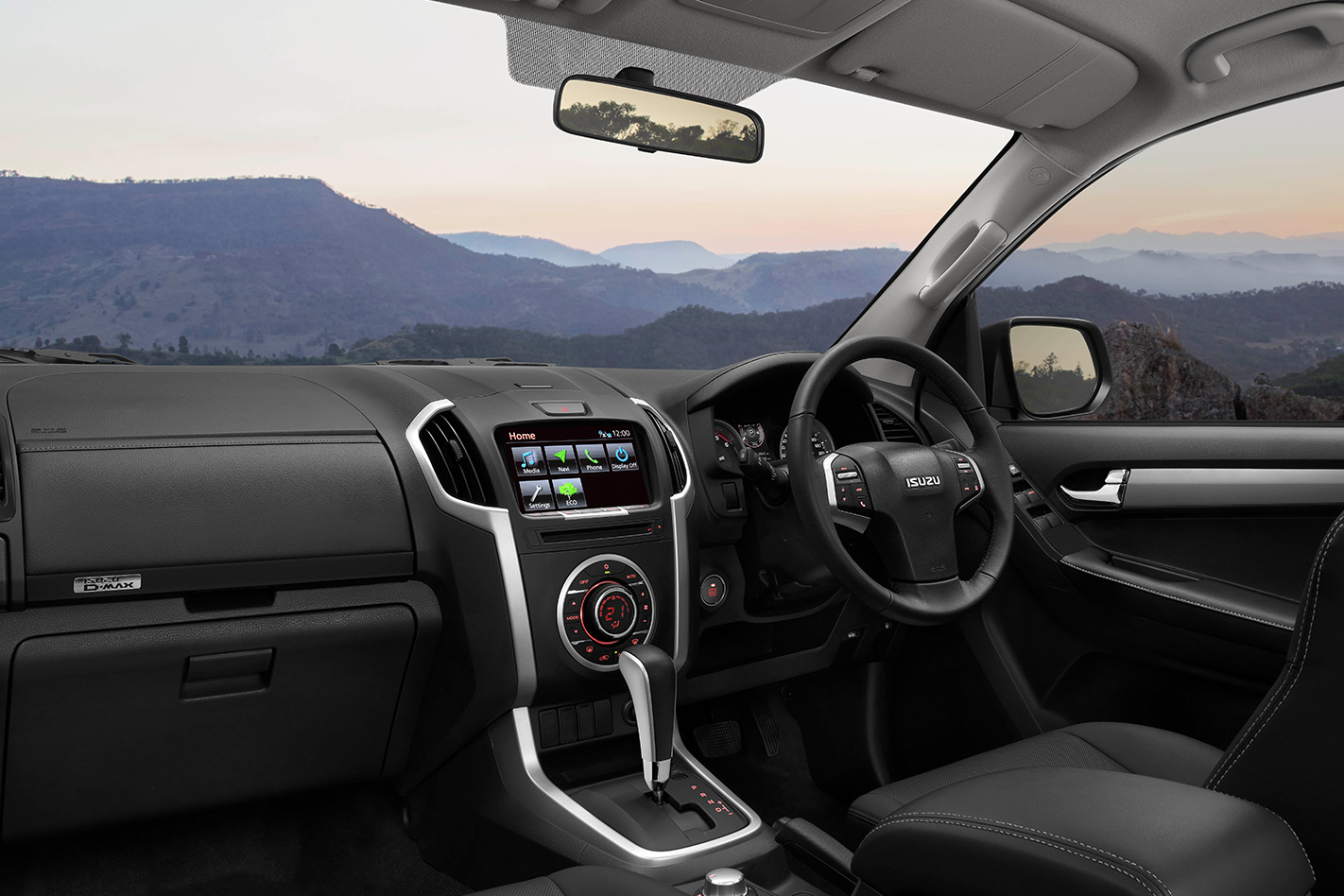
Isuzu has updated its range of D-Max dual-cab utes for MY18 with interior tweaks and revised suspension while retaining competitive pricing.
D-Max is one of just two model offerings from the Japanese manufacturer, and is available in both 4×2 and 4×4 variants, with three different dual-cab trim levels.
The LS-U 4×2 is the cheapest offering, at $44,100, while the flagship LS-T can be bought for $46,900 in two-wheel-drive trim.
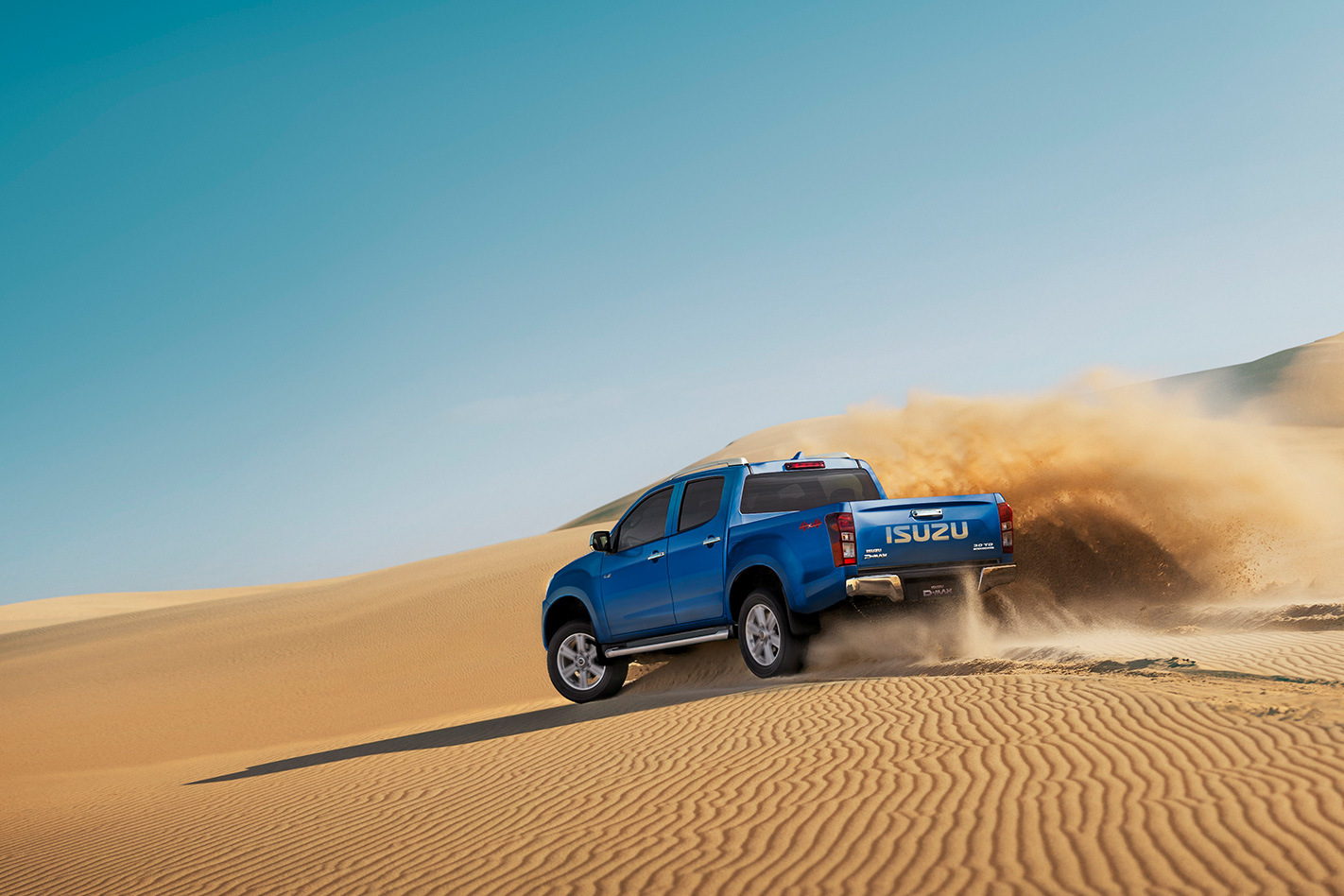
The LS-U in 4×4 configuration is sold with either a manual gearbox ($46,600) or with an automatic ($48,700), while the LS-T 4×4 is only sold with a self-shifting unit for $54,700.
A mid-range variant dubbed LS-M is available in 4×4 only, and can be had with either a six-speed manual ($46,900) or six-speed automatic ($49,000) gearbox.
All variants are powered by the same 3.0-litre four-cylinder turbocharged diesel, making 130kW at 3600rpm, and 430Nm at 2000rpm.
The D-Max drinks diesel fuel at a claimed rate of 7.7L/100km in all spec levels, and is fitted with a 76 litre fuel tank.
Each 4×4 model is fitted with a control system called Terrain Command that can shift between two-wheel- and four-wheel-drive on the fly, at up to 100km/h. Low-range gears are also available for off-roading.
Isuzu offers a five-year/130,000km warranty as standard, accompanied by five years of roadside assistance, and capped price servicing.
The D-Max’s big claim to fame is its class-leading 3500kg braked towing capacity, while the rear suspension set-up has been changed from a five-leaf to three-leaf spring for better ride comfort.
All variants have a full-size spare wheel, and three child-seat tethers – the latter is an increasingly important factor as dual-cabs become more popular with families.
The update doesn’t add any new safety tech such as automatic emergency braking, but the D-Max is fitted with ABS, ESC, traction control, emergency brake assist, trailer sway control, hill start assist, hill descent control, reversing camera, and six airbags as standard.
Interior tweaks are reserved for the LS-T, which gains leather accented seats and an electrically adjustable drivers’ seat.
Two new colours have been added to the range for the LS-T.
GENERAL Motors’ Korean carmaking operations have locked in their future after last-minute talks between the company and unions brokered an agreement ensuring the survival of the business.
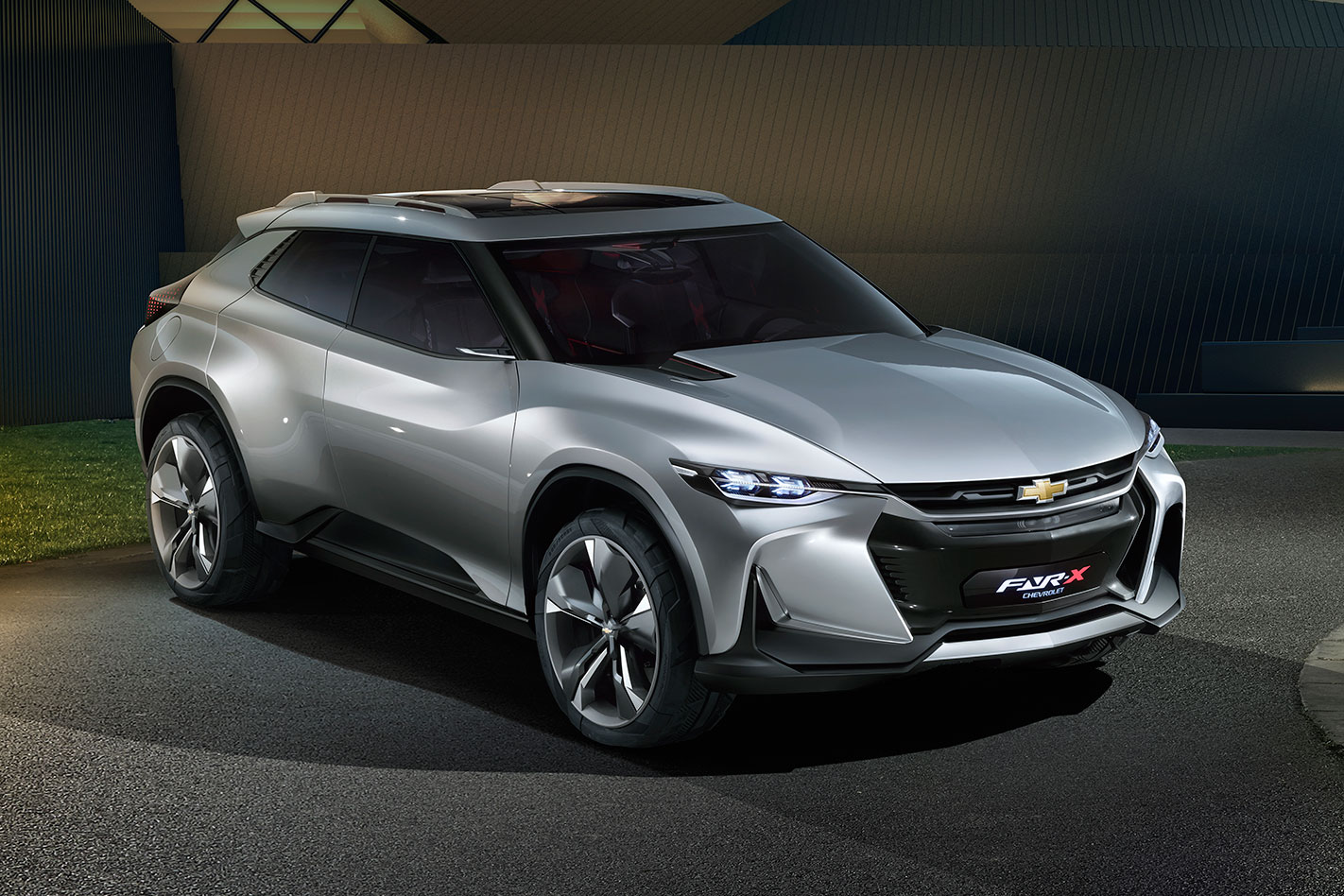
As part of the deal, GM Korea will build a new small SUV for export markets, potentially including Australia.
The carmaker announced in March that it would close South Korea’s Gunsan manufacturing plant by the end of May. “The Gunsan facility has been increasingly underutilised, running at about 20 percent of capacity over the past three years, making continued operations unsustainable,” GM said in a statement. “This announcement occurs after a careful review of the company’s operations, which have sustained significant losses for the past several years.”
GM Korea exports many more cars than it sells. In March, it sold 6272 vehicles domestically, while 34,988 were sent to other markets, including Australia. Of the 15,021 Korean imports arriving in Australia last month, at least 1115 of them wore Holden badges – the actual number is slightly higher as Holden does not split sales of the Polish-built Astra hatch and the Astra-badged, Korean-made Chevrolet Cruze sedan. That acounts for at least one in every five of Holden’s sales for the month.
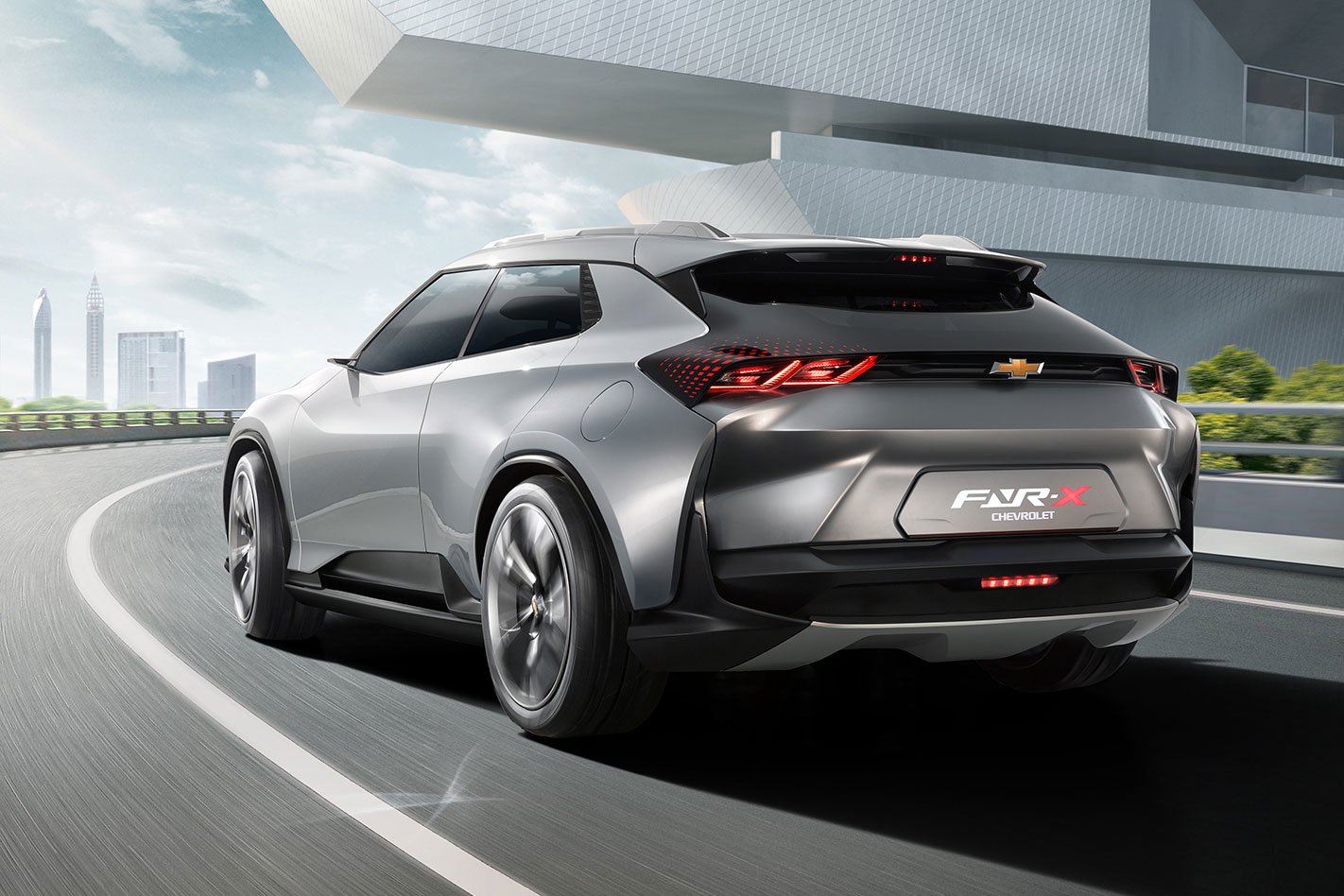
Chevrolet is at the Shanghai Motor Show, which starts tomorrow.
Cast your eye over the timeless lines of the F-Type and, despite some nips and tucks, it’s remarkably unchanged from Ian Callum’s catwalk-esque original. But this one is not like the others.
Boisterous, blown bent sixes and eights are nowhere to be seen. In yet another incarnation of the svelte coupe, Jaguar has bowed to economic and fuel-consumption pressures by offering a four-cylinder turbo. Blimey. The F-Type is akin to an automotive chameleon, one that can adapt its form and persona to suit the age of rampant downsizing.
Yet, all the right ingredients are still present; it’s still a rear-wheel drive coupe/convertible. The elongated bonnet flows into a leather-clad cabin that puts the driver over the rear axle. It’s a classic formula.
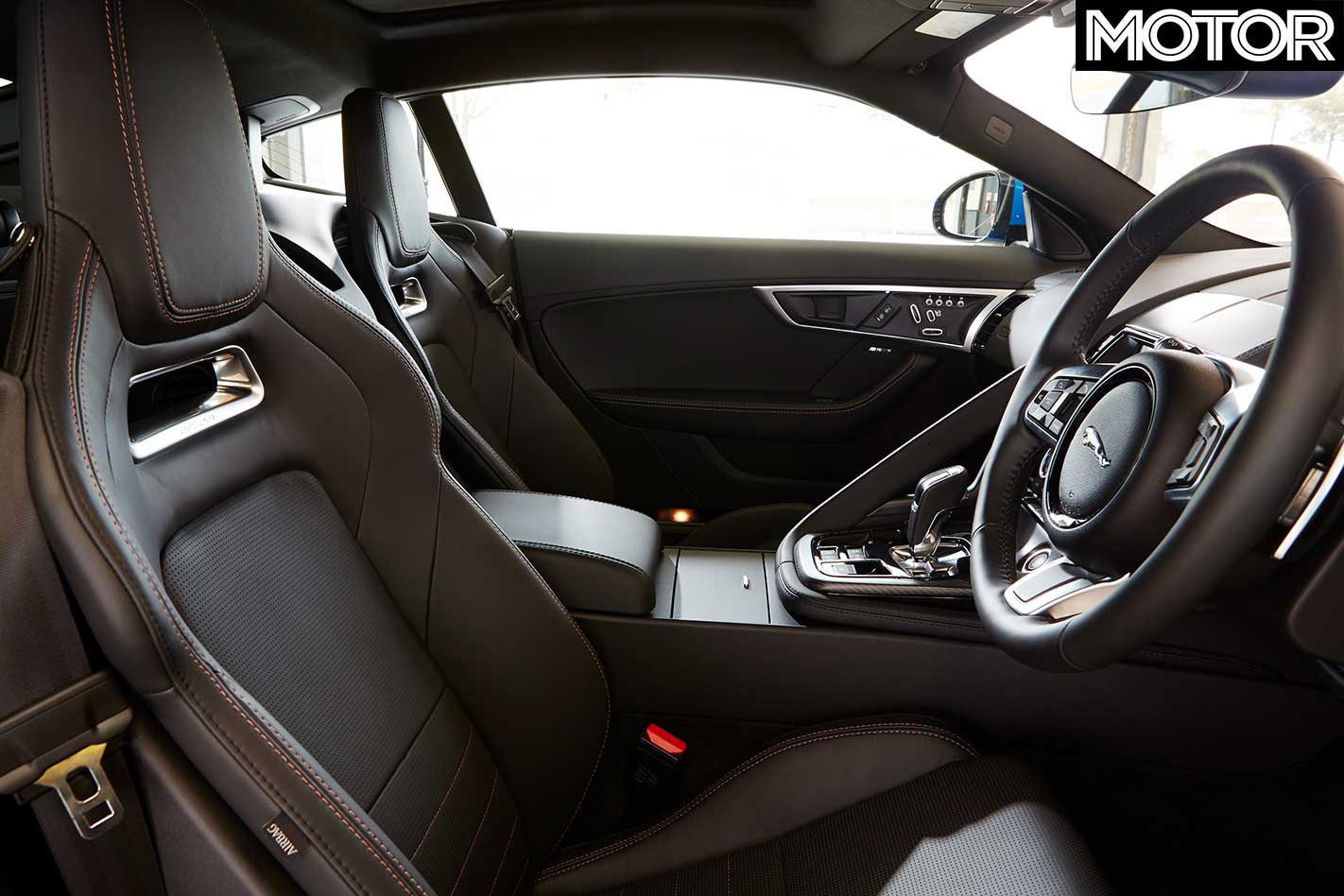
Add in the fact that the four-pot version has shed 52kg, bringing the alloy-bodied F-Type’s kerb weight down to 1525kg, and everything starts to align in terms of performance. It’s a case of needing to experience it before judgement.
The reality is that while the four-cylinder F-Type loses some straight-line prowess to its burlier siblings – the 0-100km/h time comes in at 5.7sec – it gains a lithe dynamic character all of its own. Where the 2.0-litre F-Type really starts to make sense is on a twisty road.
While the straight-line figures only just account for some front-wheel drive hot hatches, the way the 2.0-litre Jag covers ground out on the open road is rewarding – it’s deceptively quick. The extra weight has largely been taken out from over the front axle, which affords sharp turn-in matched with handling that feels energetic and malleable.
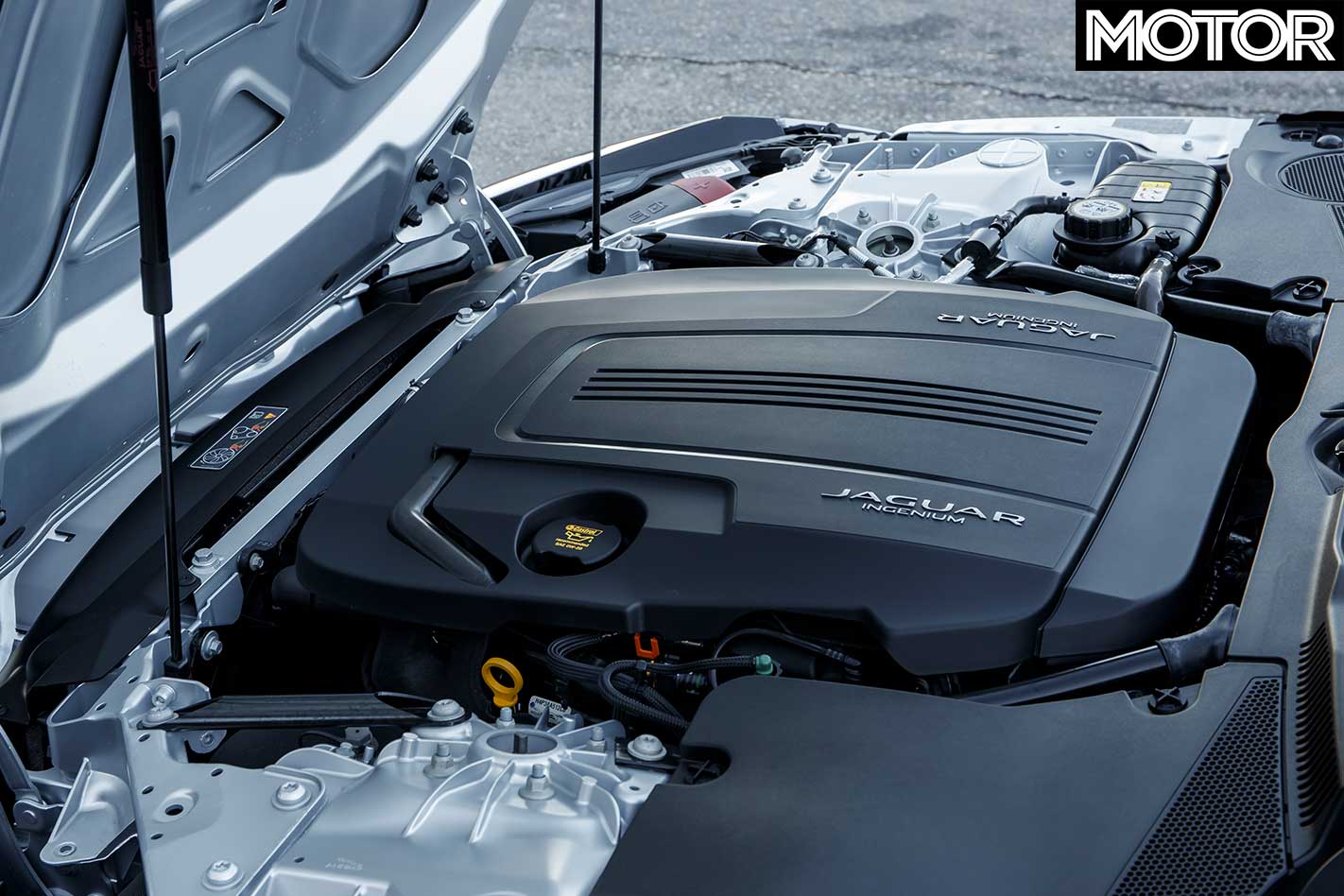
The eight-speed ZF automatic is a willing accomplice. And thanks to the robust mid-range torque of the Ingenium engine, you can hold higher gears as there’s little point searching for the higher reaches of the rev range.
Unlike the rest of the R-Dynamic range, you can’t dissect the Dynamic mode and there’s also no adaptive dampers. Although the ride quality is decent, it can get fussy over imperfections and there’s some noticeable rebound at the rear through some mid-corner undulations.
While the only real drawbacks of the convertible are slight scuttle shake and an even smaller boot, the drop-top does allow you to access the pleasing acoustics of the four-pot. It’s no howling six or eight, but the sound emitted from the single, central exhaust is enticing. So is the gravely induction noise and playful overrun.
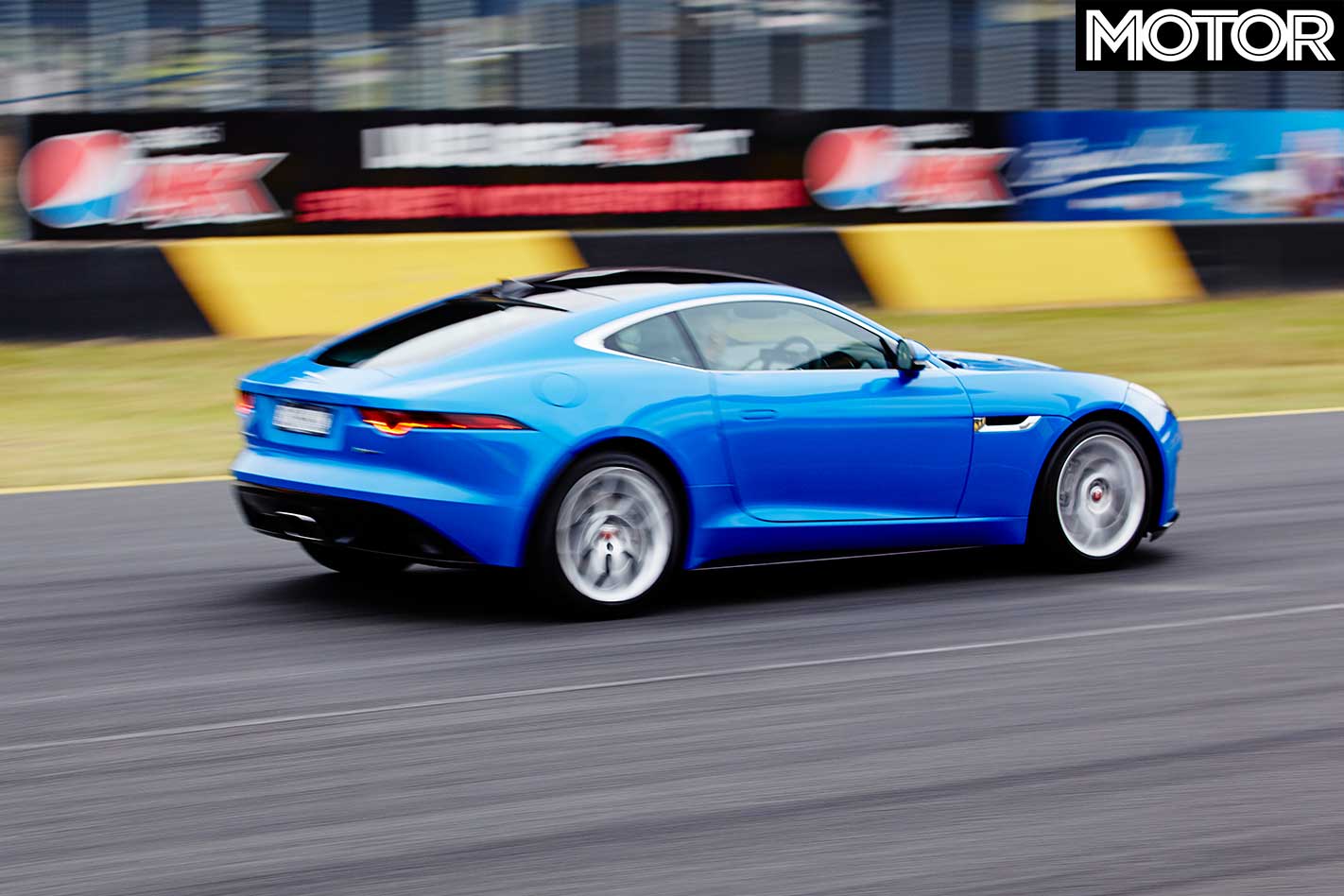
Starting at $114,812 for the R-Dynamic coupe ($133,512 for the drop-top), the coupe’s as-tested price comes in at an eye-watering $150,002. That figure puts it into the company of some serious performance metal, rivals with pace to burn and a more focused demeanour. At this price a lot of the options should be standard. It’s inexcusable to ask $1060 for a rear-view camera on a $100K-plus car.
Despite that, the bare bones of what makes this Jag desirable remain – even with a few missing cylinders. The F-Type exists as an object of aesthetic affection and aspiration; a design triumph that rewards with its simplicity. And yet, the base four-cylinder surprises with a level of dynamic aptitude that contradicts its beauty-pageant exterior to offer genuine substance. It has a purpose beyond fulfilling an economic or fuel-consumption quotient.
Downsizing has never looked and felt so good.
Rating: 3.5 out of 5 stars Like: Surprising dynamic talent; endearing personality; benefits from drop in weight Dislike: As-tested price is verging on hilarity; needs more standard kit; four-pot’s image
Stay with us on this one, because we’re aware that the Volkswagen Beetle isn’t the usual MOTOR fare.
This one, however, is essentially a re-designed, re-engineered modern take on the most popular car in the world.
Consider, for example that Beetles usually had engines ranging from 1.1-litres to around 1.6-litres, putting out painfully low amounts of power. Then, 45kW would have been optimistic at the larger end of the engine range.
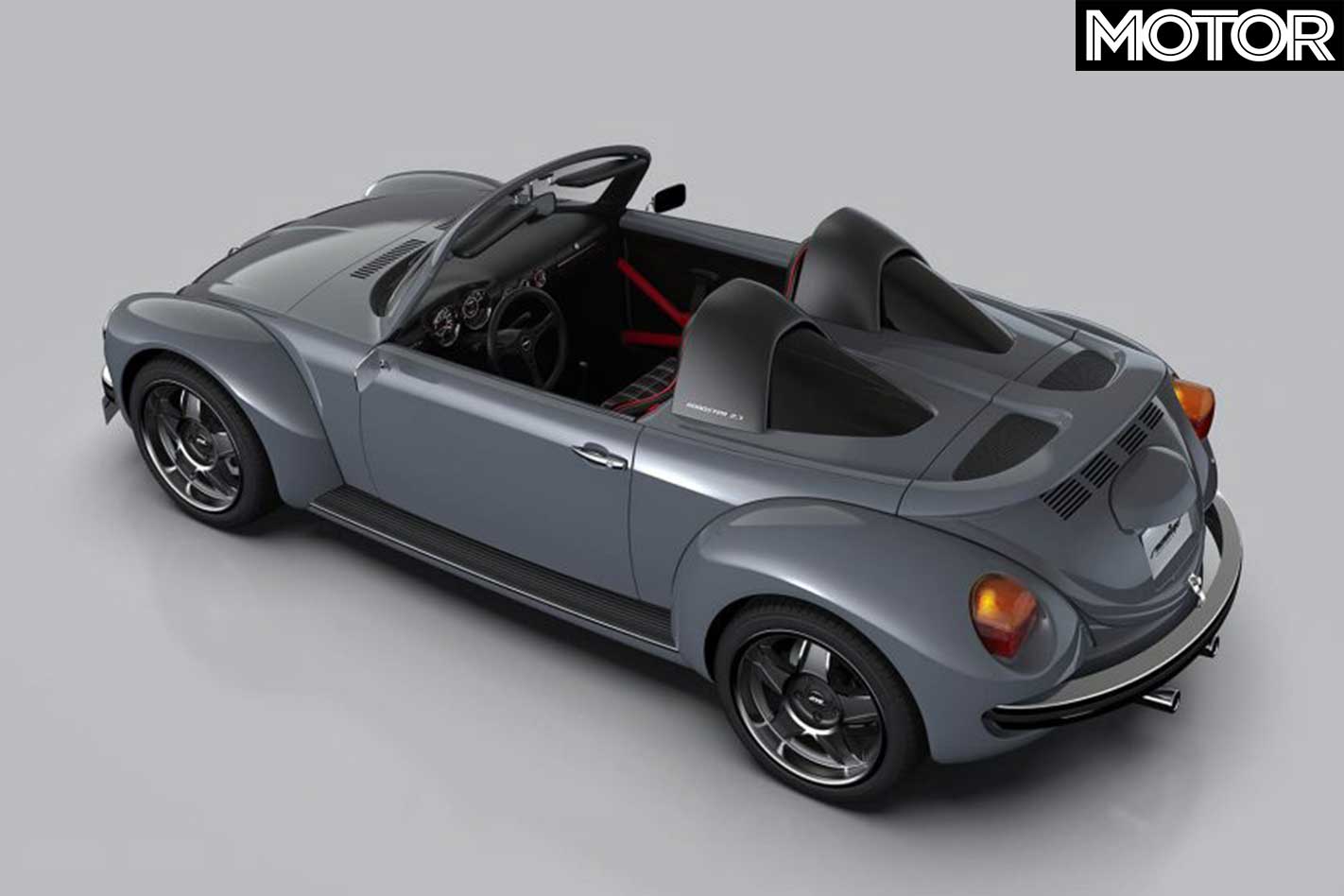
Memminger usually builds classic cabrios in the traditional sense, but this modernised version speaks to us in the world of faster cars. Or at least cars that can hit 100km/h in under 15 seconds.
It’s built on a steel tube frame, and is built to drive like a modern car – despite its obviously retro styling.
Its designer even says in the below video (which is in German, by the way, a language this journalist has a limited grasp on) that the idea was to work with an iconic design, but interpret it in a modern fashion.
It’s got no roof at all, and the two seats are followed by proper roadster roll-bars, which flow down to a rear that looks certainly Beetle from behind, though with the addition of a quasi-wing.
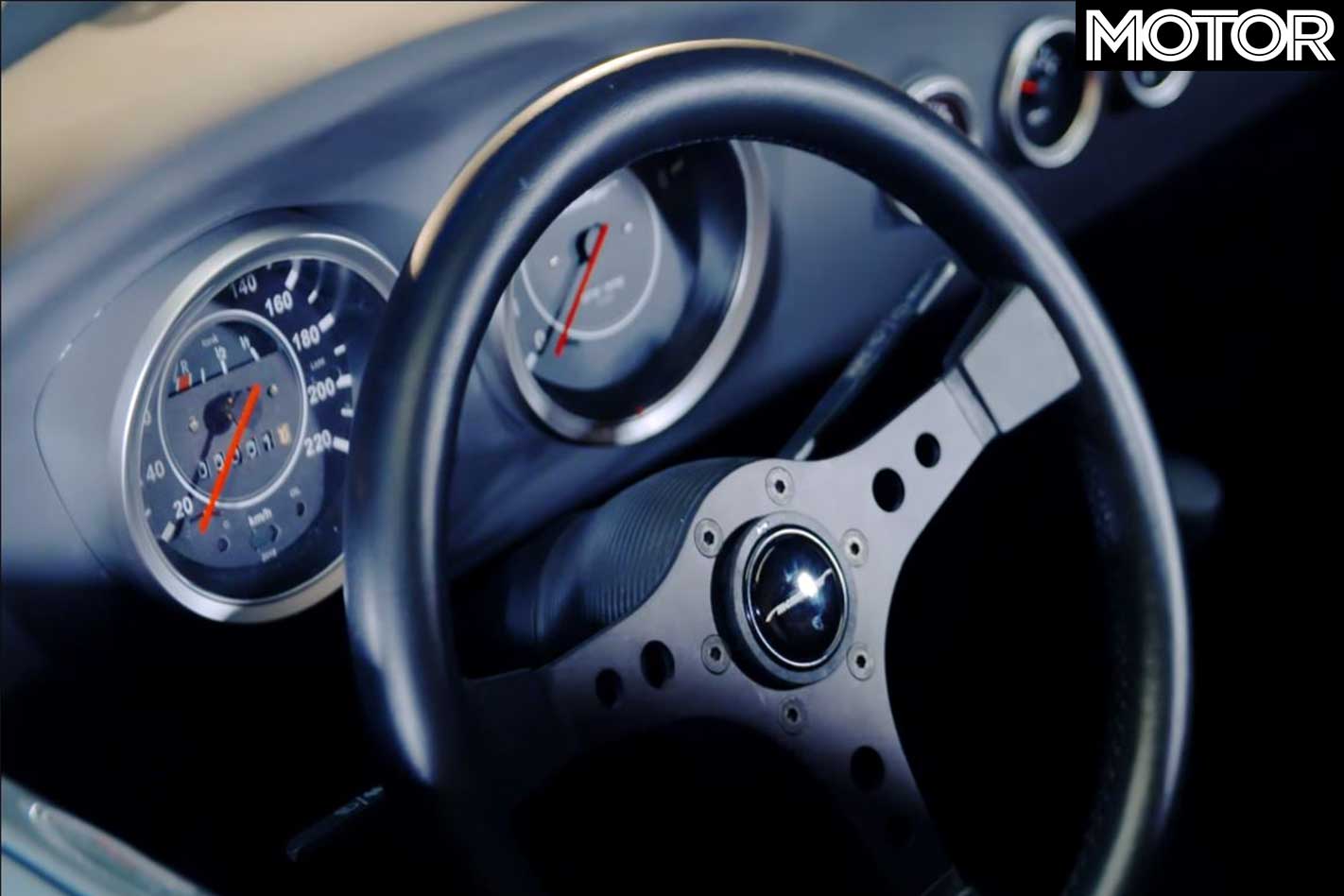
Its lights, wheels, and interior are the most modernised visual aspects of the car, though the dash its still analogue and very, very simple.
The biggest question we have is ‘can we drive one?’, though we fear the answer is a firm no, given it’s unlikely many will actually be built.
HOLDEN has killed off its Spark micro hatch, quietly dropping the Korean-made car from its local line-up earlier this year.
The loss of the Spark, a 2017 Wheels Car of the Year contender, comes in the wake of poor sales in the segment, and follows Ford’s decision to stop marketing almost all versions of the Fiesta in Australia once the new one arrives on global markets.
The move is likely to give the micro car segment’s biggest seller, the Kia Picanto, an even larger slice of sales. In March, the Picanto accounted for 484 sales, giving it a 73 percent share of the segment. In contrast, the Spark managed 67 sales, a single sale ahead of the more premium-priced Fiat 500, accounting for only a 10 percent share. The Mitsubishi Mirage, which attracted 50 sales in the segment, is the only other micro-car on sale.
The sales figures show that only 313 Sparks were sold in the first quarter of 2018.
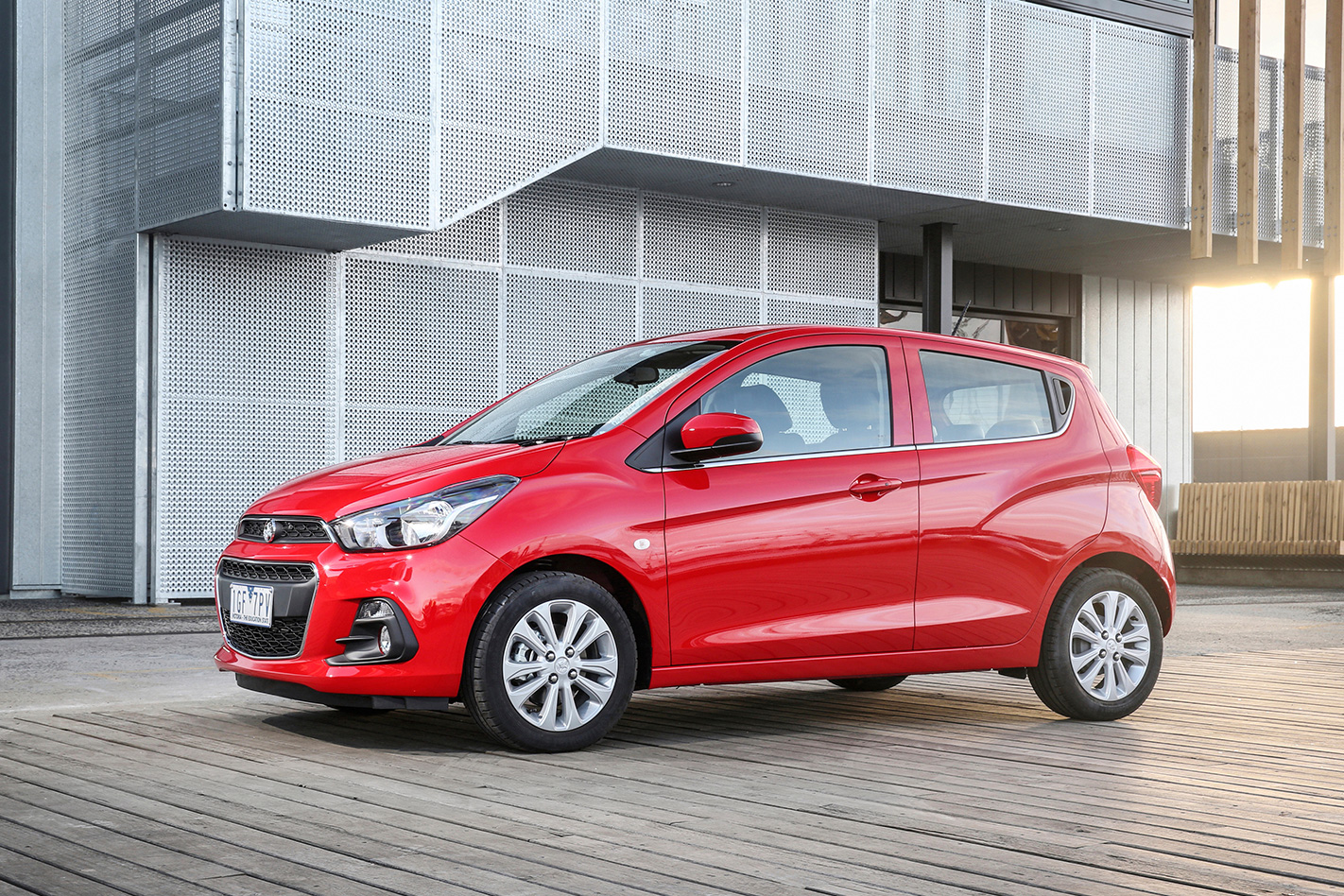
The three-variant Spark range started with the $13,990 LS, fitted with a five-speed manual gearbox. Stepping up to a CVT cost $15,690. The flagship LT wore a sticker price of $18,990 and was available only with a CVT.
The Spark was powered by a 1.4-litre naturally aspirated four-cylinder engine producing 73kW and 124Nm.
Holden introduced the Spark in 2016, with 2017 its only full year on the market where it sold 1227 units.
The brand will continue to sell the Barina and Astra hatch in Australia.
Despite winning a small car comparison in 2016 against the Kia Picanto and the Suzuki Celerio, the Holden Spark was knocked out in the first round of the 2017 Wheels Car of the Year awards, despite its ability to put a smile on many of the judges’ faces. Counting hard against it was the higher cost the further up the Spark range a buyer went.
The next Shannons auction should be a treat for anyone looking for a fast Bimmer.
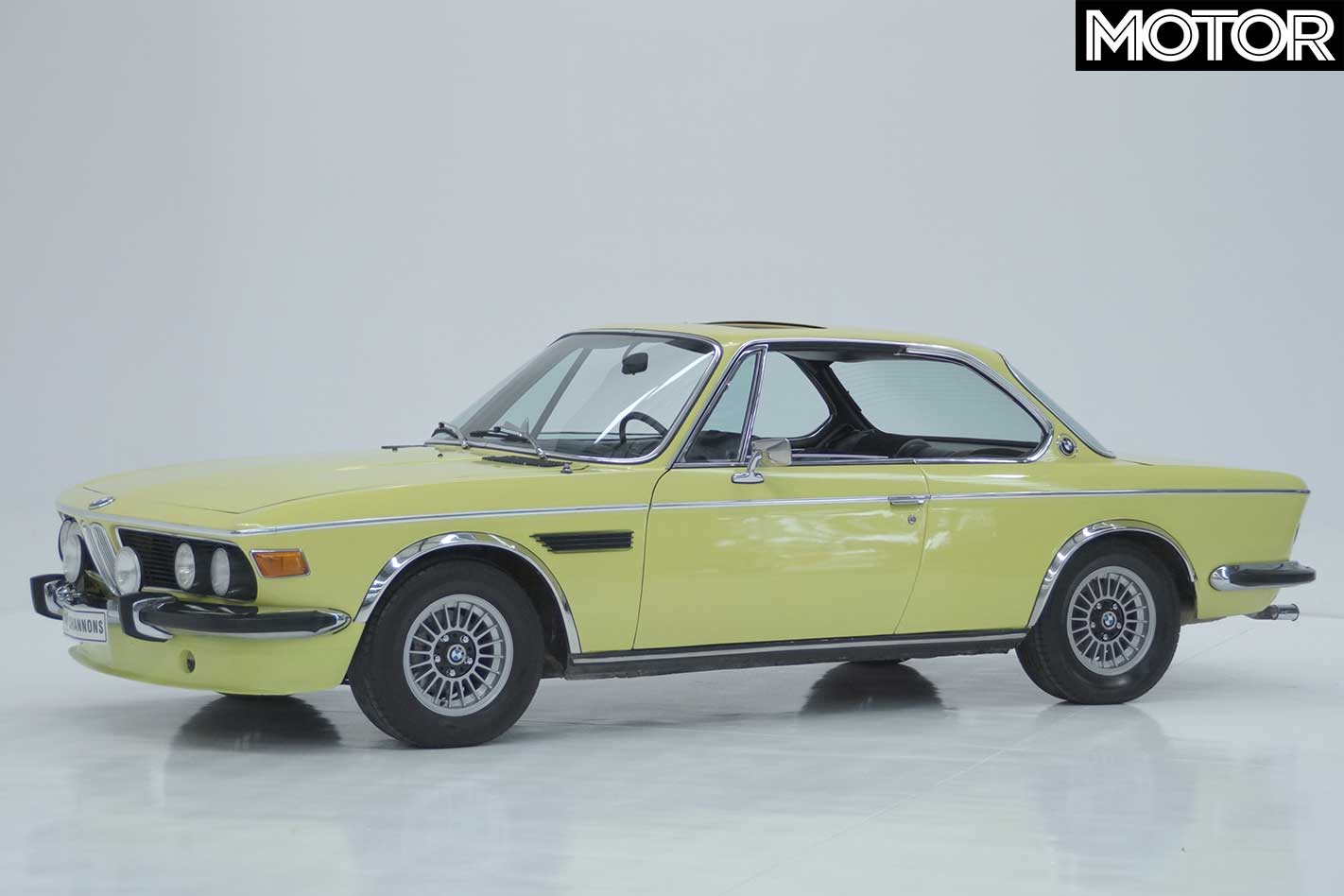
With a 2000 BMW E39 M5, a 1996 BMW E36 M3, a 1986 BMW 635CSi, and a very rare 1972 BMW E9 3.0 CSL up for grabs.
The biggest belter of the group, the M5, and the spritely M3 are the picks as far as a performance-for-price equation goes, but a classic enthusiast will see the appeal of owning one of BMW’s earlier ‘Shark-noses’.
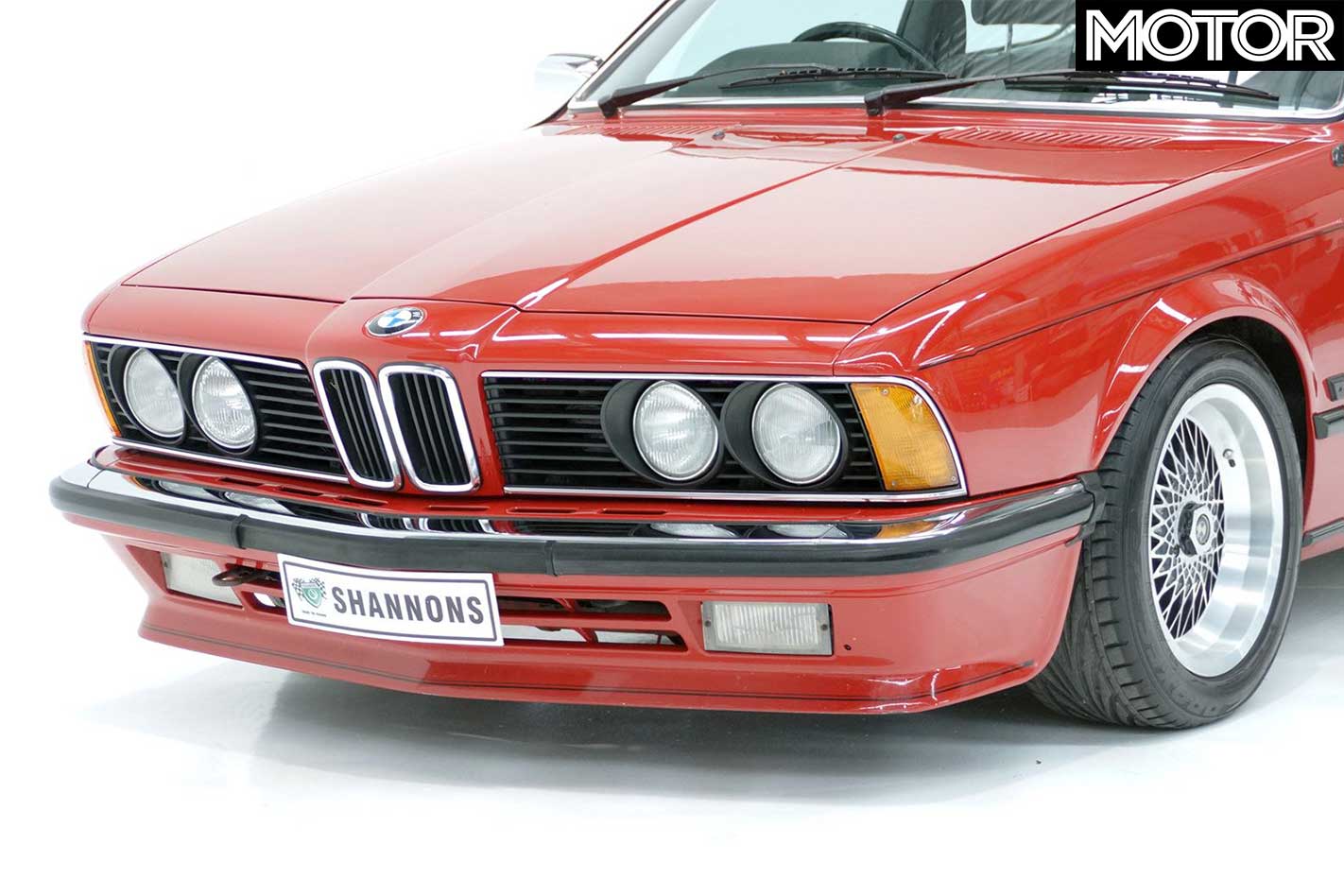
Starting with the M5, which Shannons estimates will sell for between $25,000 and $30K:
“This M5 was delivered new to Queensland in January 2000, then onto a second owner also in Queensland, before going to New South Wales in 2010.
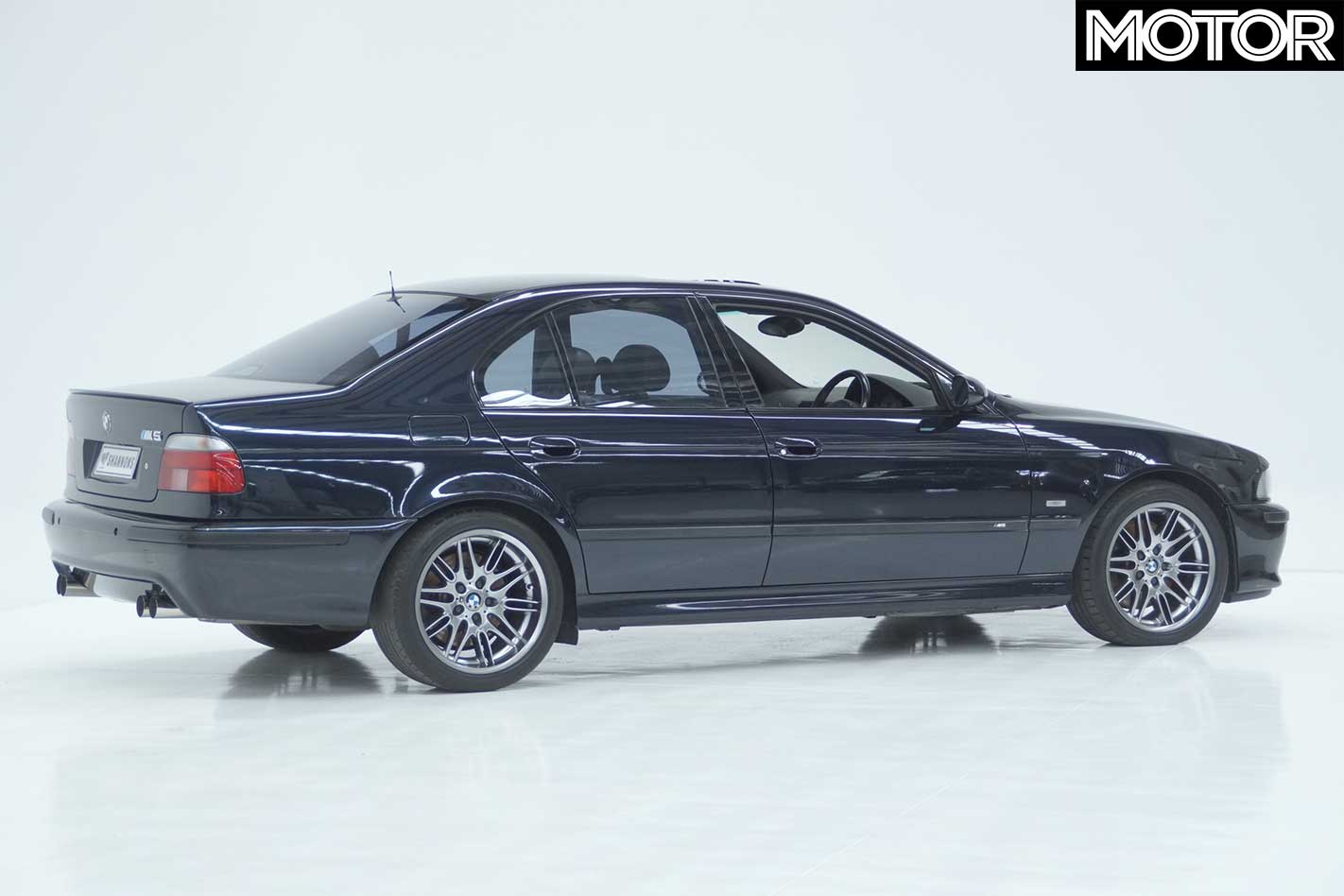
Having totalled 241,531km in its lifetime, it seems to be in very well cared for condition. Even $30K seems reasonable for a manual 294kW/500Nm V8 sleeper.
Next, the M3 will probably excite a younger enthusiast than the other cars in this mix, and its $18,000 – $24,000 guiding range is conducive to that.
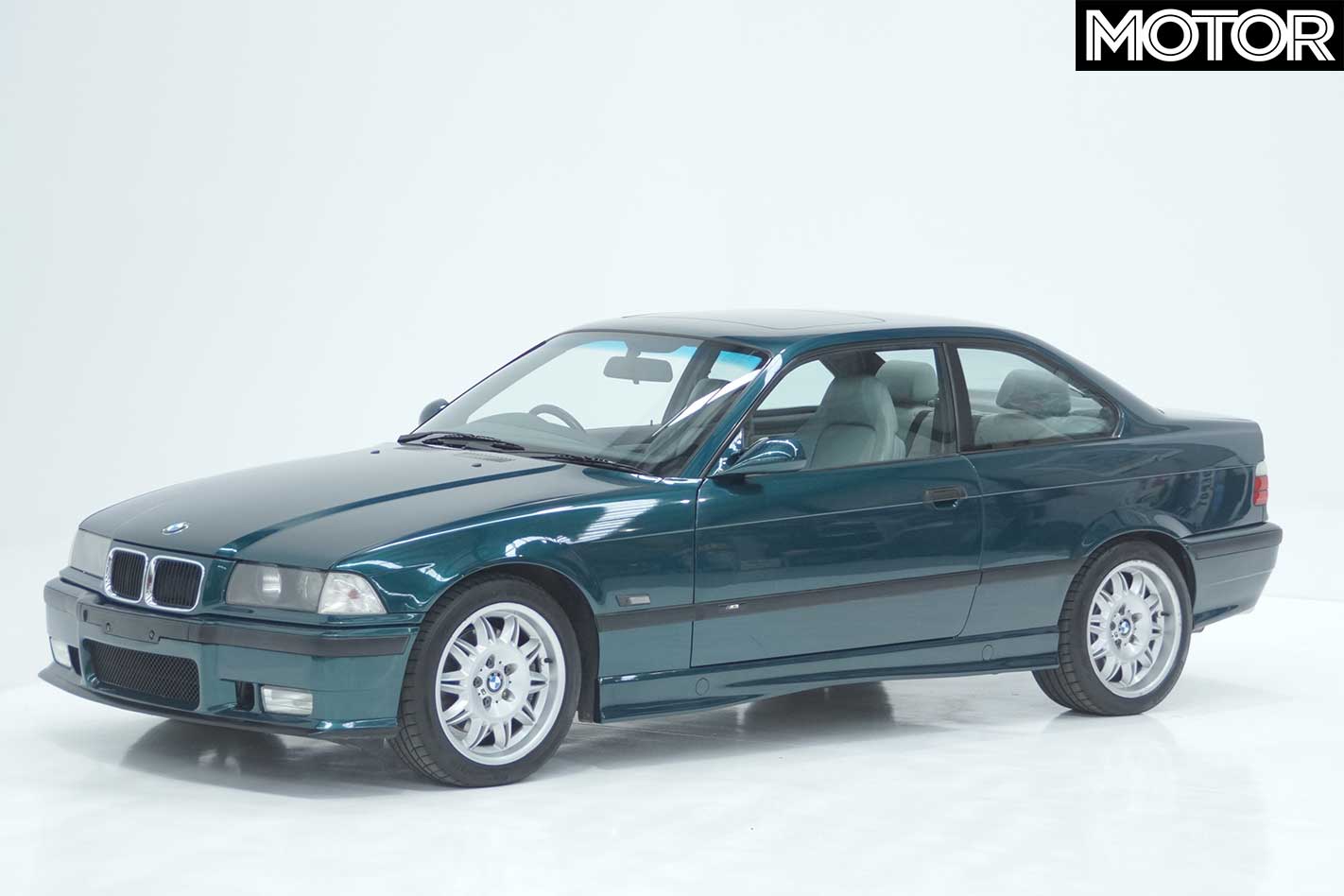
The 3.2-litre straight six is good for 236kW/350Nm, and will sound excellent given its been granted an aftermarket sports exhaust.
The elders of this auction are still worth a look for keen drivers. While the E9 3.0 CSL is one of the more expensive cars at this auction (Shannons estimates between $80,000 and $100,000), it’s somewhat the spiritual ancestor to the M3, and a very rare thing in Oz.
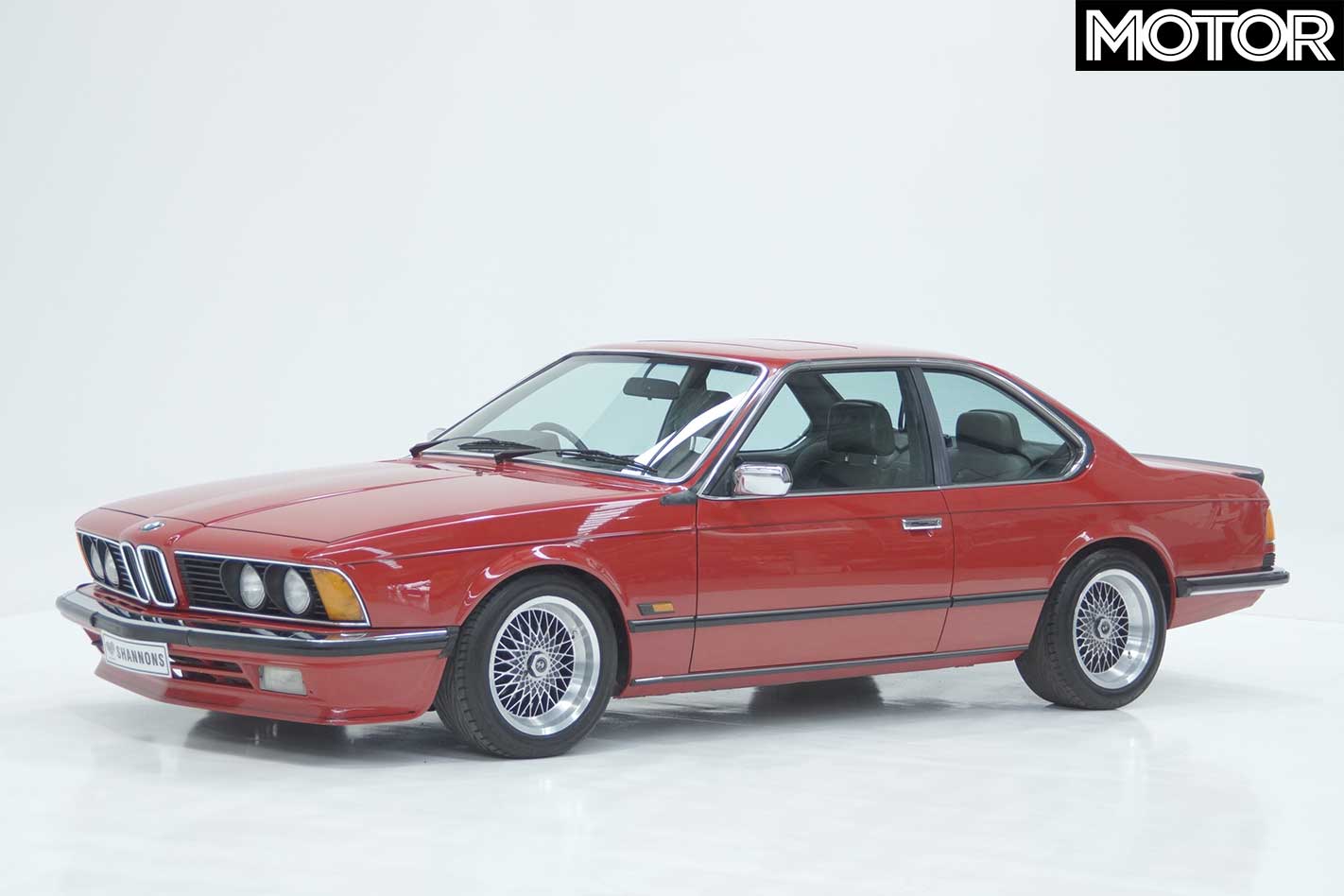
Lastly, a more ‘grand touring’ proposition is the E24, a 6 Series just shy of being a proper M Car.
With a 5-speed manual and a 3.5-litre straight-six, the 635CSi is a delight to hear in the higher end of the rev range, and with only 226,906km showing, it represents a decent investment given its $25,000-$35,000 estimate range.
The auction will take place on April 30 at Shannons’ Heatherton premises, though the weekend prior (28-29th April) it’s open for viewing.
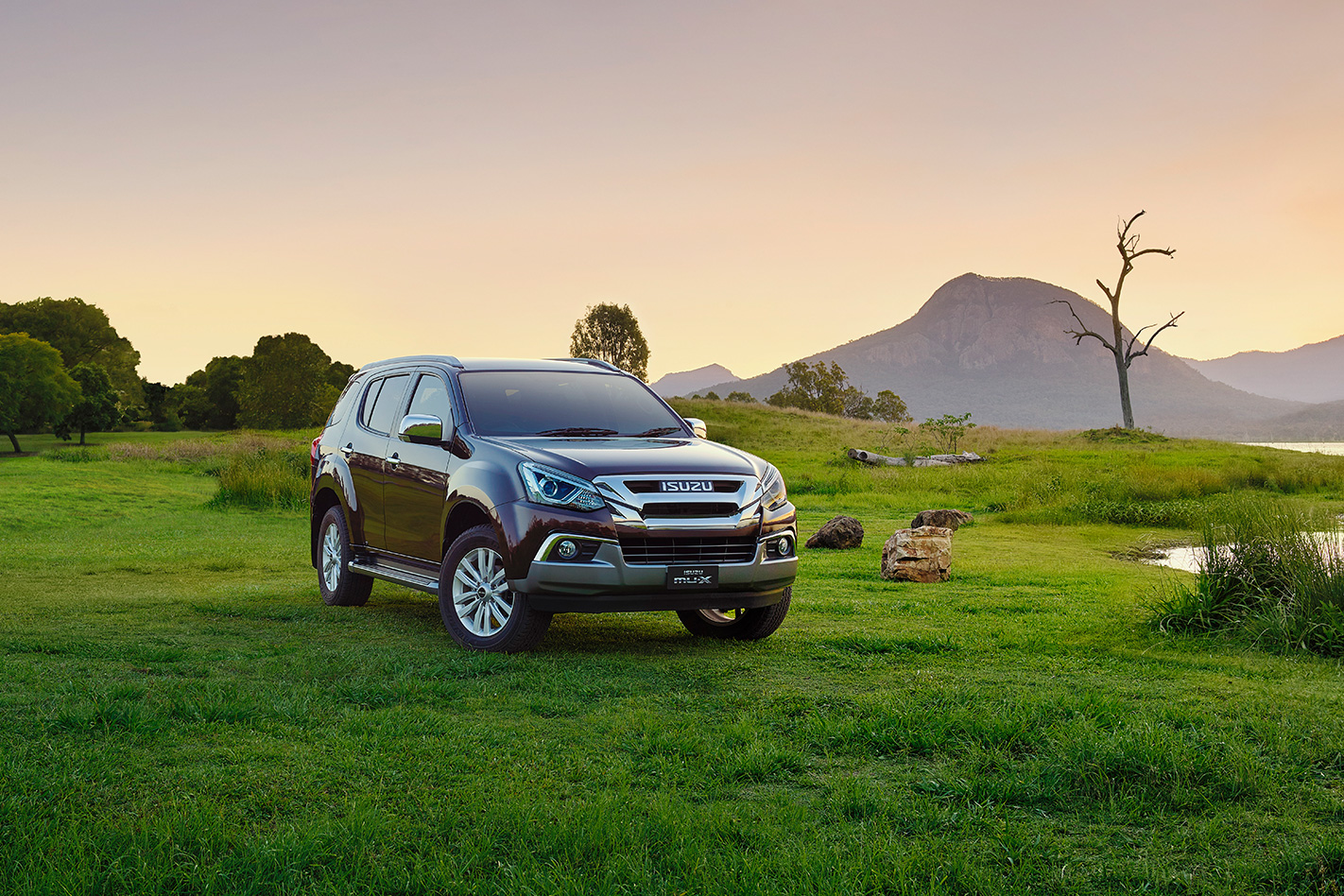
THE 2018 Isuzu MU-X adds minor interior comforts to please suburban adventure-philes, while staying true to its go-anywhere, tow-anything DNA.
WHAT IS IT?
The MU-X is Isuzu’s large SUV. It shares its drivetrain and platform underpinnings with the D-Max ute, though MU-X is aimed squarely at the adventurous family unit.
WHY WE’RE TESTING IT
MAIN RIVALS
Ford Everest, Toyota Fortuner, Holden Trailblazer, Toyota LandCruiser, Mitsubishi Pajero
THE WHEELS VERDICT
Isuzu’s minor 2018 MU-X update successfully increases cabin appeal, though it doesn’t do enough to drastically move it up the pecking order compared to rivals. However, the large SUV retains its alluring pricing, competent drivetrain, impressive off-road and towing capabilities, and family focused interior design.
PLUS: Towing ability, off-road prowess, family friendly interior features MINUS: Lacks outright grunt of rivals, active safety absent, ageing infotainment, truck-like ride
THE WHEELS REVIEW
ISUZU’S second model after the popular D-Max ute has been updated for 2018, but there is a baby elephant in the room. While its tray-back sibling receives a significant and much-needed suspension change for 2018, the MU-X has been treated to, well, not much really.
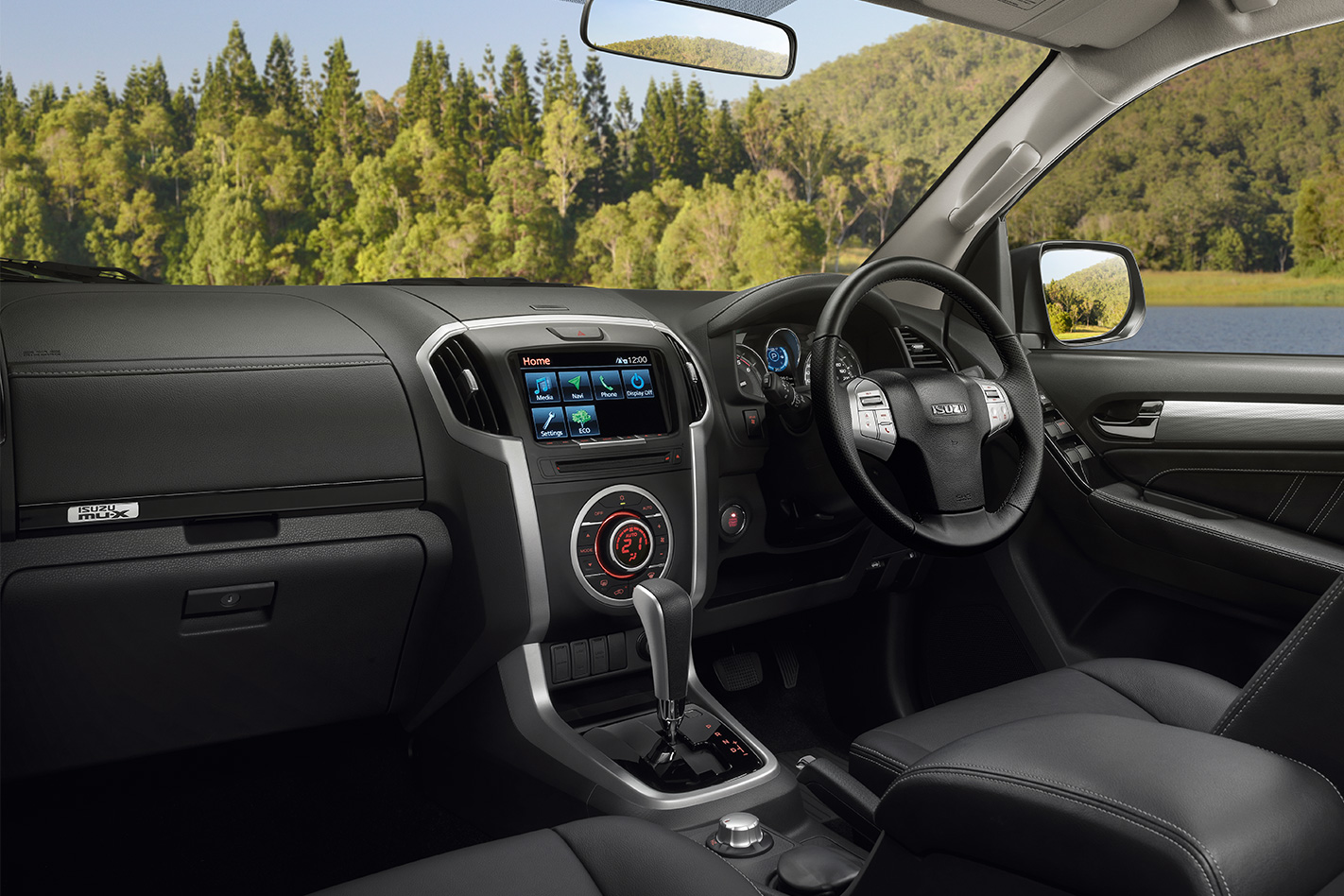
The MU-X receives no mechanical updates, no exterior tweaks (save two new colour choices), and only minor interior enhancements, including a greater use of soft-touch plastics and more attractive and comfortable perforated leather upholstery throughout. There are now dual USB ports in the first and second rows, while the flagship LS-T gains a DVD player and screen for rear occupants.
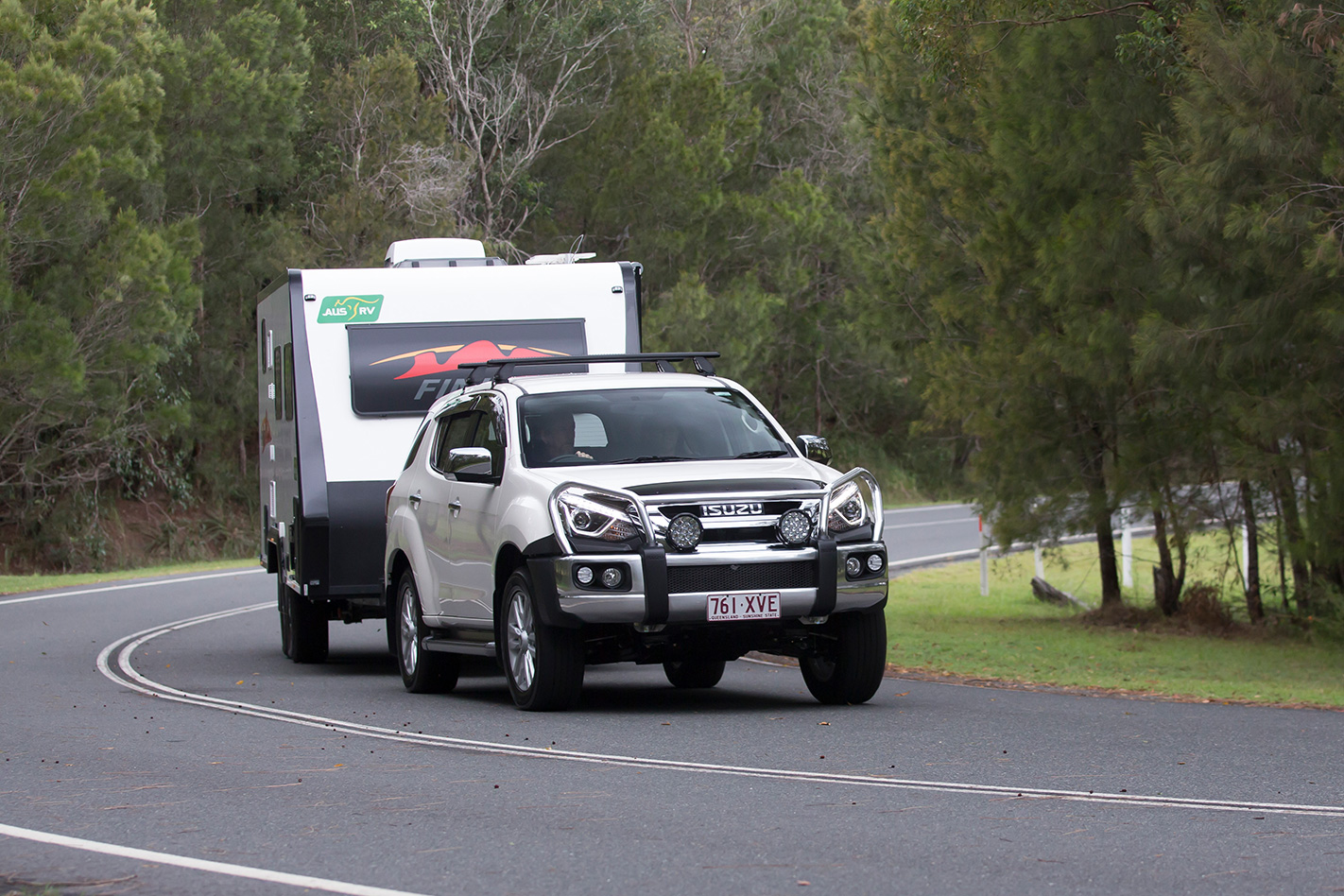
Each MU-X trim grade (LS-M, LS-U, and LS-T) is available in either 4×4 or 4×2 configuration, and all are equipped with third row seating for a total of seven. The third row is roomy as well, with enough space for an adult on a short trip.
The oiler comes from Isuzu’s commercial truck range, has 130kW and 430Nm on tap, and is a large part of the MU-X’s effectiveness. It lacks bragging rights in terms of outright grunt compared to rivals, but is by no means inadequate. A six-speed automatic transmission is available in all models. A six-speed manual is also offered for LS-M and mid-spec LS-U trim levels in 4×4 configuration.
Peak torque is available from 2000rpm and that low down strength makes the MU-X a capable tow vehicle, which we tested on an undulating road course with a 1900kg caravan hitched to the back. Ample twist from the engine means the auto ‘box doesn’t hunt excessively under acceleration for shorter ratios, and keeps the engine feeling under-stressed. Trailer sway control, added with the 2018 update, offers further peace of mind when towing.
MU-X rides on different suspension to its ute sibling, with coils at the rear replacing the D-Max’s leaf springs. This affords the SUV a ride that’s better suited to carrying passengers than hauling a big payload. It isn’t quite as refined or comfortable as SUVs built on a uni-body chassis, but it does well to support the car’s weight and remain composed on the road while still being tough enough to sustain that mega towing capacity.
The cabin offers decent legroom and ample storage, though a lack of active safety features in the MY18 update is disappointing, especially for such a family focused car. Similarly, the omission of smartphone mirroring in the form of Apple CarPlay and Android Auto ages the MU-X’s digital skillset compared to rivals. This segment is not immune to increasing consumer demand for high-tech safety and infotainment.
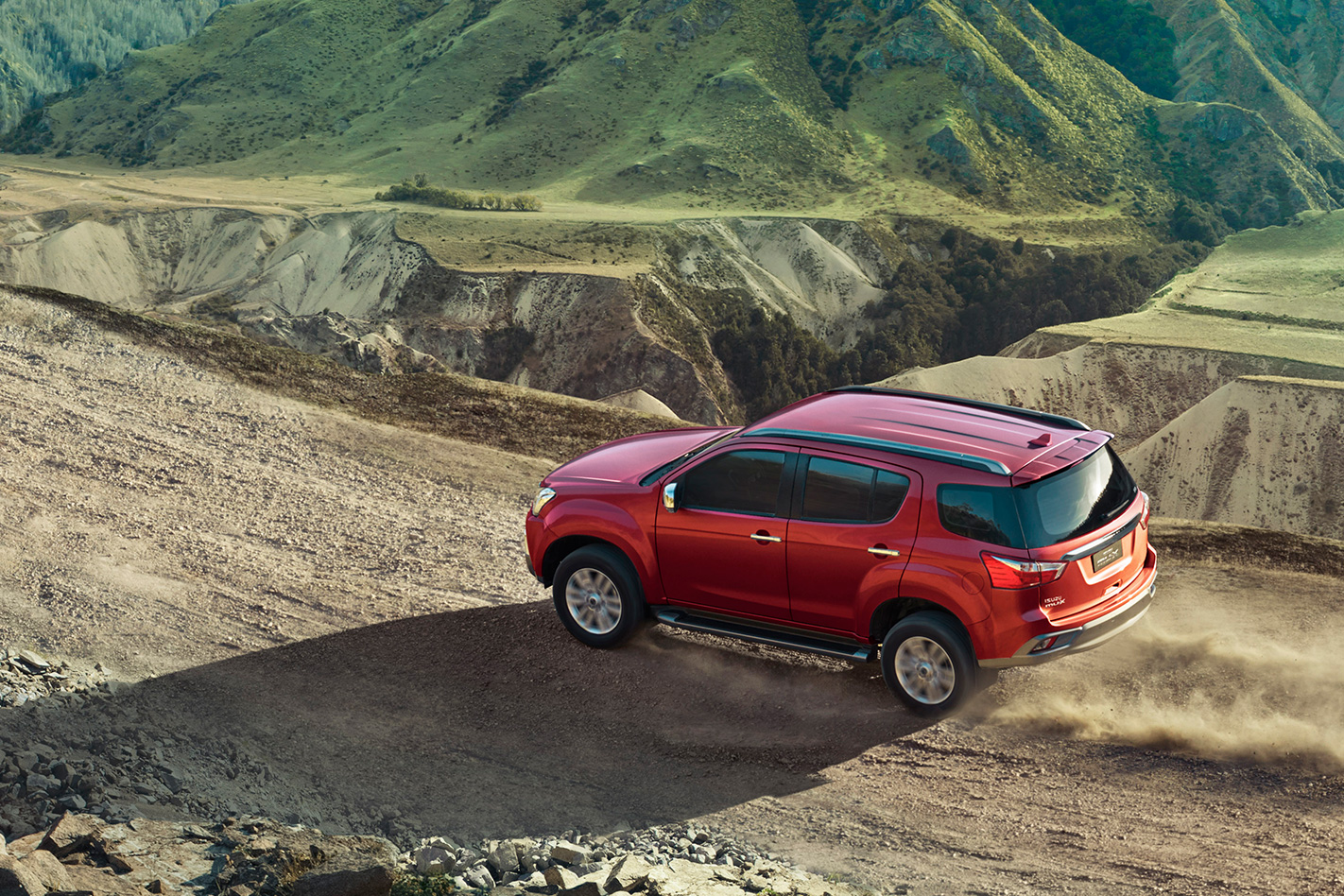
SPECS Model: 2018 Isuzu MU-X LS-T 4×4 Engine: 2999cc four-cylinder, dohc, 16v, turbo-diesel Max power: 130kW @ 3600rpm Max torque: 430Nm @ 2000rpm Transmission: Six-speed automatic Weight: 2157kg 0-100km/h: 11.0sec (estimated) Fuel economy: 7.9L/100km Price: $56,200
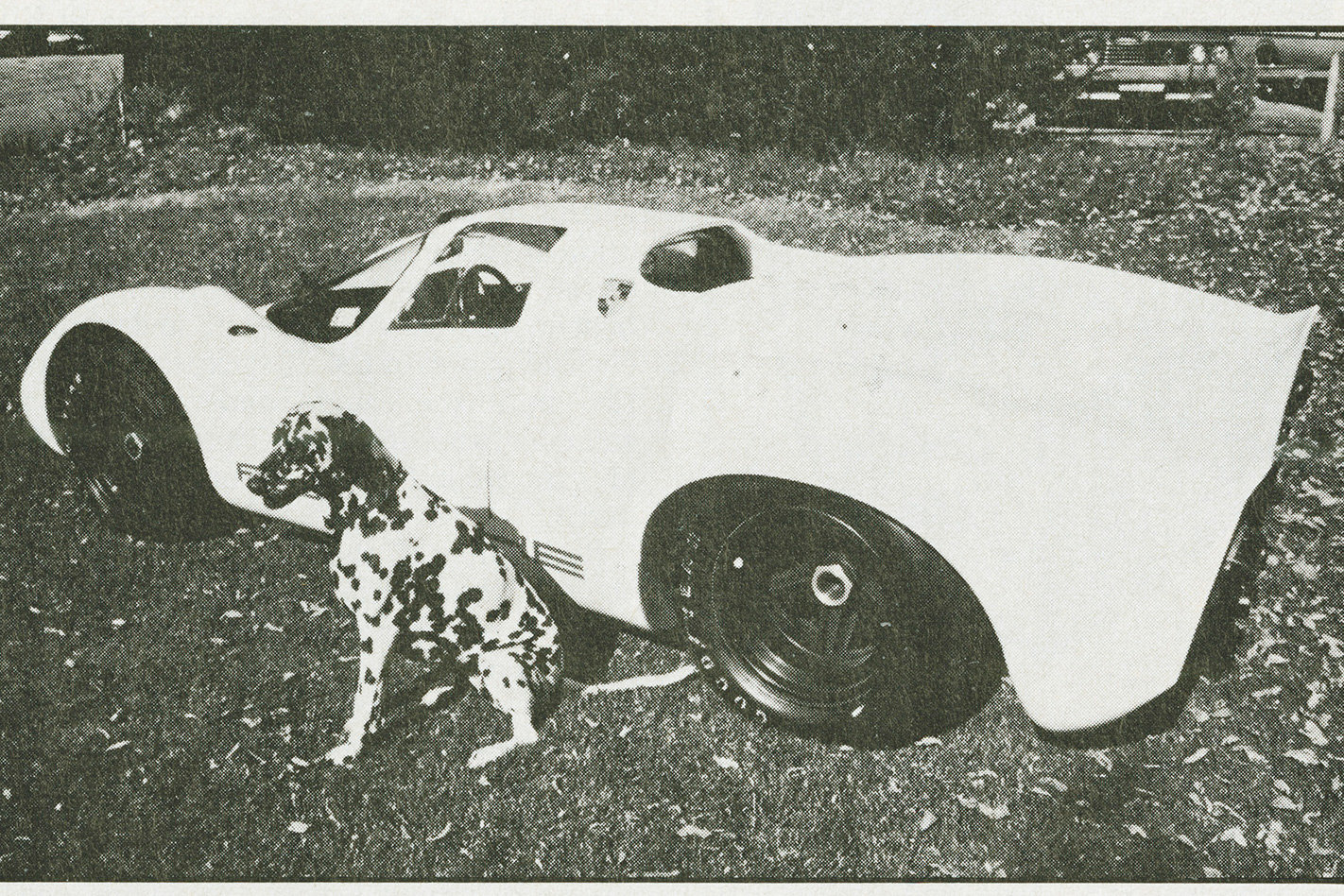
Alan Hamilton’s road-registered Porsche 908 is one of Australia’s most exciting cars – a potent racing machine with a registration label affixed to its steeply-raked windscreen.
David McKay drove the car through Melbourne’s streets and around Sandown Park and came away impressed… hugely impressed.
Road Racer was first published in the June 1980 issue of Wheels Magazine, Australia’s most experienced and most trusted car magazine since 1953.
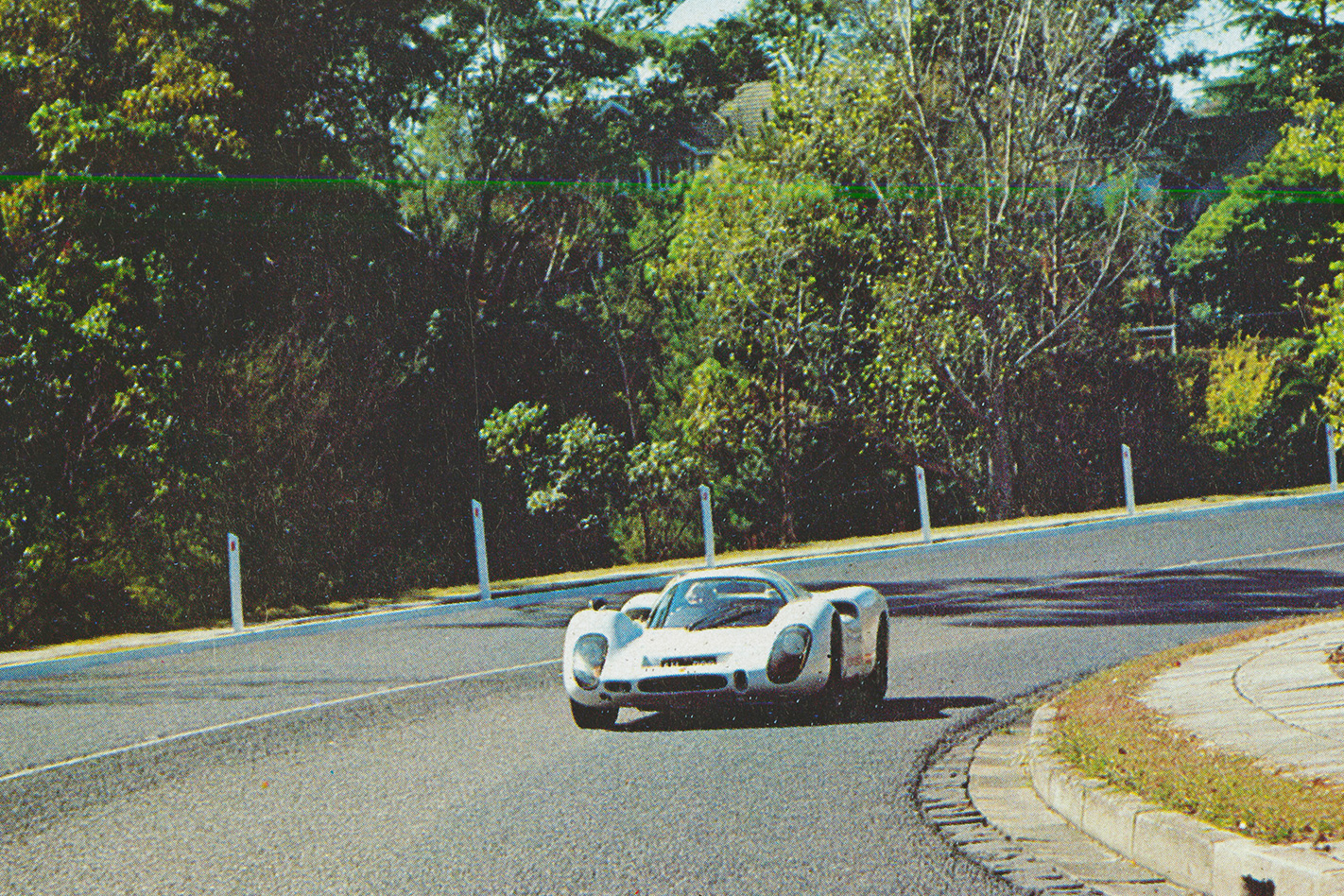
Chris Gribble of Wheels was going to ride with me and even a quick peer into the cockpit told me he was going to be very uncomfortable. Chassis number 0019 was an out-and-out racer with no frills. To the average motorist the Escort’s interior was lush in the extreme by comparison. There was no pretence at “finish” inside or out but the message was clear: this was built for a purpose – to run faster and longer than its rivals.
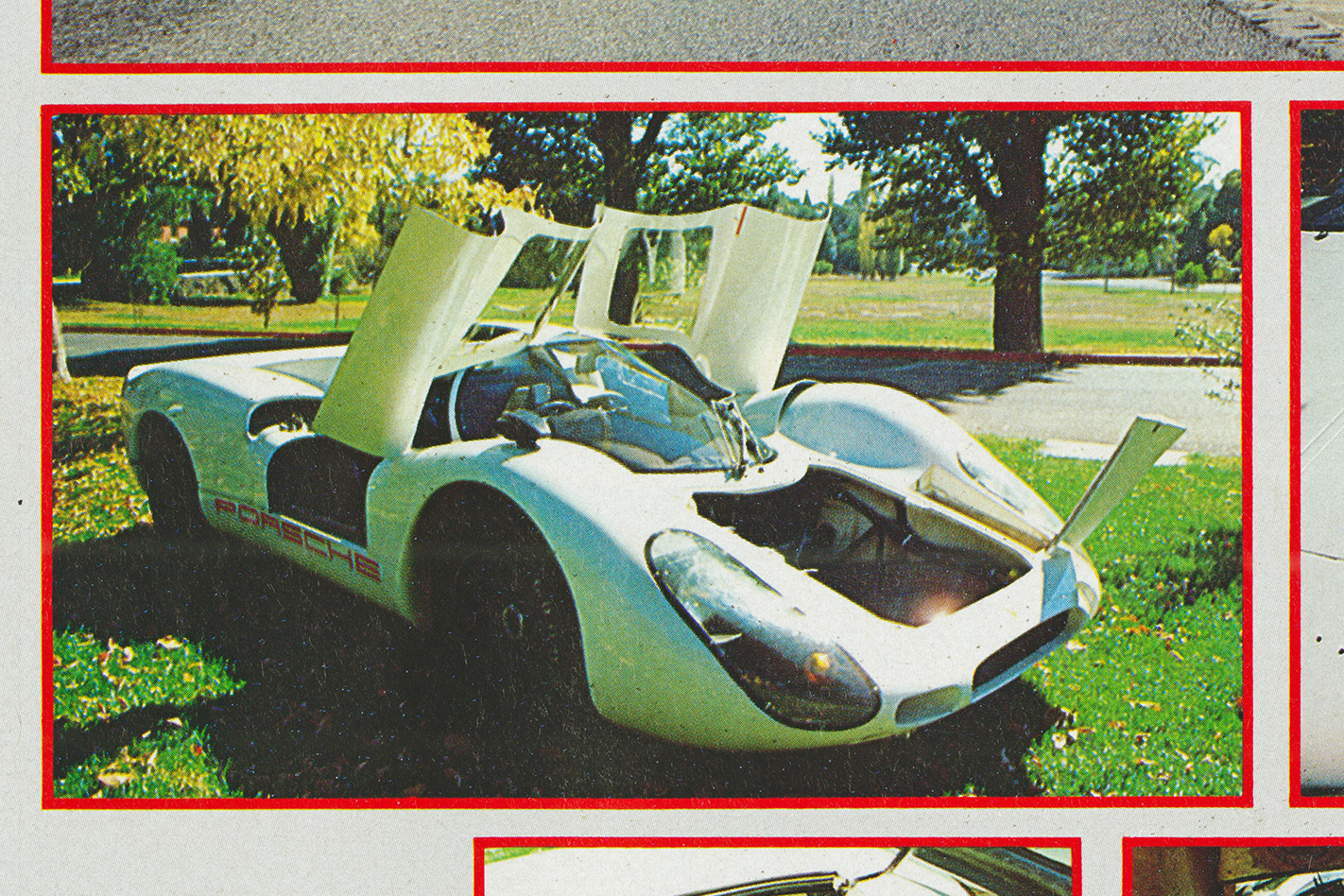
The roof line was lower than the Escort’s waist and had I not had experience in inserting myself into tiny cockpits before I would have probably slipped a disc trying. The doors swing up and forward and open to a push on a button. The sill is wide for the driving position is near enough to central and the seat made of fibreglass (as indeed is the whole body) had a skin of cloth and looked uncompromising. In fact it proved remarkably comfortable.
Hamilton had the seat well back to accommodate his larger frame and he quickly found a pillow to jack me closer to the small black padded three-spoked wheel. I was adopting the attitude first made famous by that great Scot Clark and the Lotus 25, lying down to do the work. It was going to be very hot in such cramped quarters and under the big sloping screen. When raced, these cars carried ice up front and iced water was pumped through the drivers’ suits at a flick of a switch next to the starter key.
This combated fatigue in long races and was not bad thinking 12 years ago! Ventilation was minimal at low speed; the forced air was insufficient to keep the flaps open in the side windows and the only air came by way of the sliding panel in the rear window – along with the inspiring whine of the four chain-driven camshafts.
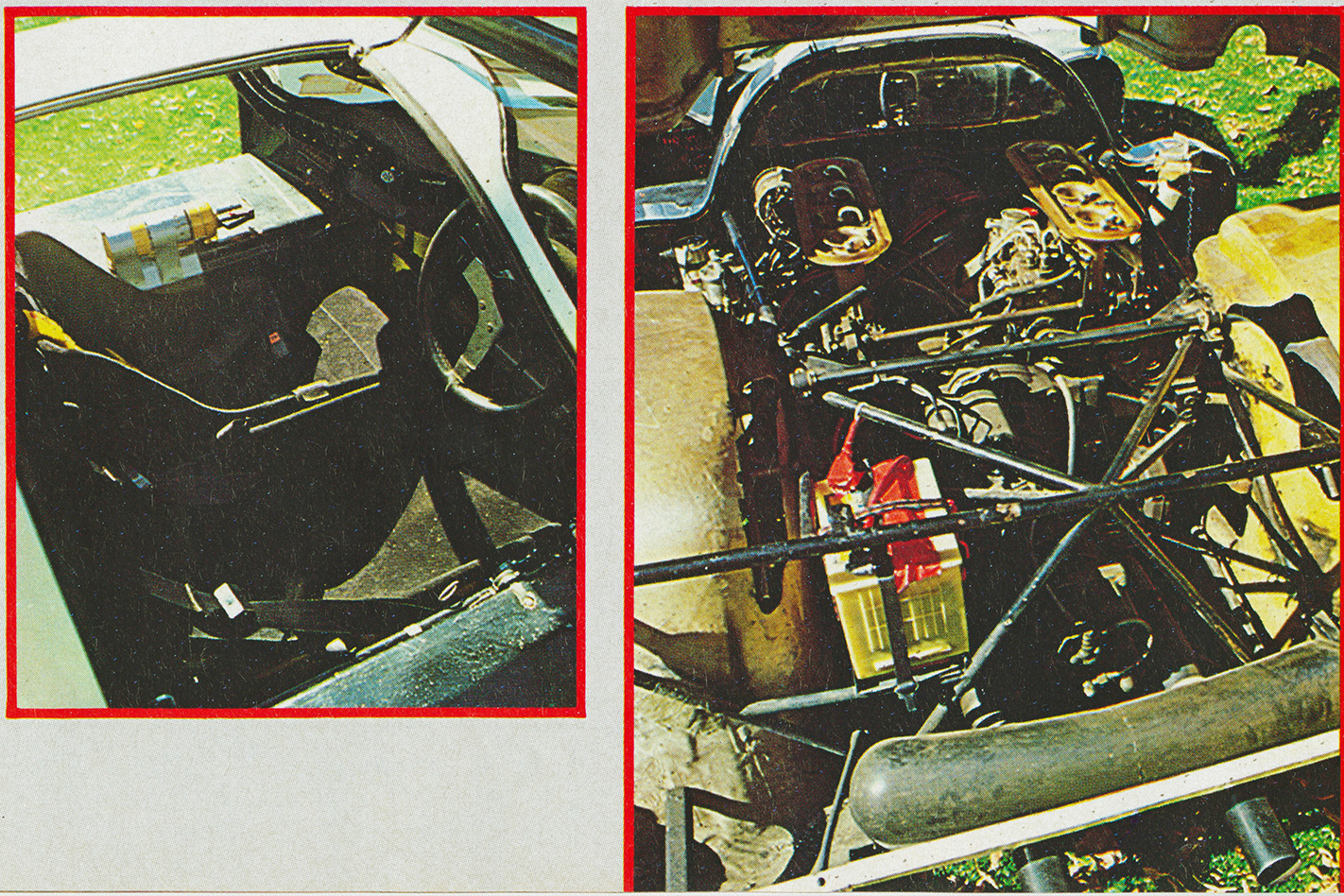
The tits and bits are labelled in German and from left to right are: petrol pump, two ignition switches which look after the dual ignition distributor, a horn, a washer/wiper press-and-turn knob, light switch, the starter key and the aforementioned suit cooling switch and warning light carefully blacked over to allow no more than a pinprick of red light showing.
Cowled ahead of the wheel are the vital clocks and warnings. Centre is the tacho (in this case a 906 counter redlined at 7800, whereas the 908 uses 8400), oil temperature which normally runs at 80 degrees is to the left and oil pressure to the right and indicates around 7kg/cm at racing speeds. Clustered around the top of these clocks are·two warning lights for the front and rear pads, one for fuel level, one for the alternator and one for oil pressure. This latter light comes on at anything under 4kg/cm and so glows at idle and in traffic.
The pedals are well spaced and easy to operate, with a big left foot rest, and while the clutch is heavy by ordinary car standards it is no problem to dip once mobile. Naturally, the multi plates resent any fairy footing at traffic lights and prefer decisive movement and enough revs.
Hamilton gave me the cockpit drill, Chris folded himself alongside me somehow, we scraped over the gutter and off into Melbourne’s Sunday morning traffic, snarled by some extensive road works. Driving a car which has to be worth the price of a good home unit is a responsibility at any time but when it belongs to someone else and everyone seems intent on bearing down on you, all you can do is relax and enjoy it as the actress said to the bishop.
Vision through the rear 180 degrees is not good. The interior mirror was mainly filled by Chris and I am never very happy about wing mirrors even if adjusted carefully. So one has to use the trafficators diligently (ahead of the wheel on a short stalk to the left) and rely on a sudden burst of acceleration if you intend changing lanes. Once we got to Dandenong Road and the traffic was moving relatively briskly, the 908 was happy enough in fourth slot. This kept the revs under 3000 and avoided the spitting and banging that heralded the coming on song over 3500.
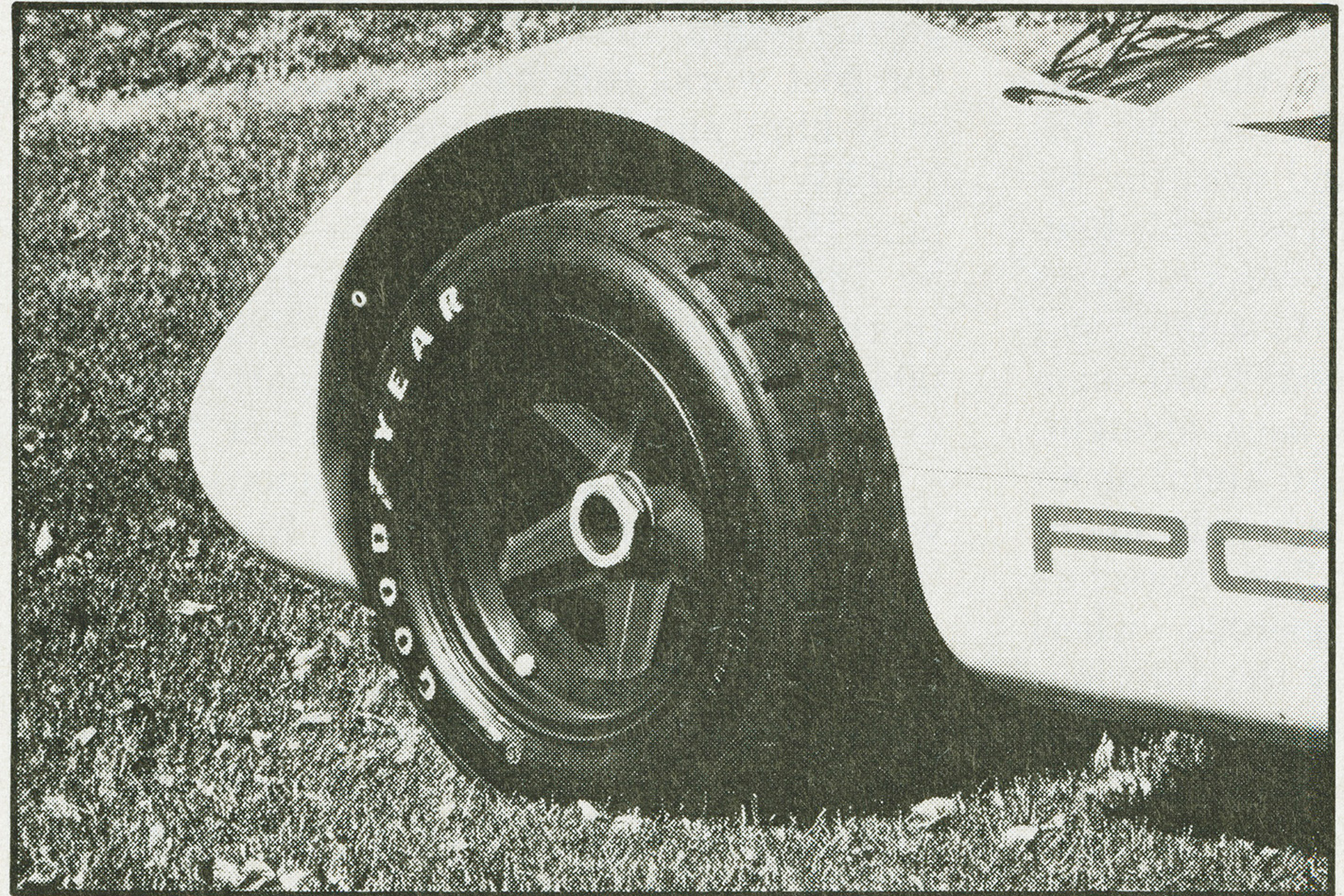
The car was shod with Goodyear wets, 25 by 15 fronts and 27 by 15 rears on 9 and 12½ inch rims. For pottering, the pressures were 23/28 and I thought the ride over indifferent bitumen better than expected. The only fault was a tendency to pull right under brakes and obviously a calliper was sticking for I never had to use the parking brake on any gentle slope. This parking brake operates with the foot brake in the same manner as those foot-operated fly-off types so loved by American car makers. The small T-bar control hides ahead of the wheel to the right.
Naturally, the car caused a deal of interest in the Sandown-bound traffic. Unlike some rare cars, there was no doubt as to its make; “Porsche” in the factory red lettering ran along both sides and across the tail while the famous shield was carried on the nose and aft of the doors.
If I were using such a car more than infrequently I would be tempted to fit a Ferrari roof periscope-type rear vision mirror and have 360-degree vision. The view ahead is superb: the two front wings channel the landscape in towards you and the road slips by underneath as though on a roller.
I was able to trundle around the track at Sandown courtesy of Bill Patterson who has sole rights at race meetings and with the approval of the Clerk of the Course, John Redpath, and stewards. The tow wagons were busy clearing up after the sports sedans, so I was perhaps wisely constrained. I did manage one quick burst up the back straight, cutting off at 6000 in fifth (210 km/h) about midway (The factory recommends above 6000 when used seriously!). The Porsche’s supple suspension with generous wheel movement was unperturbed by the notorious undulations of this part of the circuit.
It is only when you are able to enjoy the raw animal-like exhilaration of a true racing car that the time and money swallowed up in owning such a car are forgotten. It is a pity that real enthusiasts cannot line up one day and be given a quick ride in the passenger seat alongside Hamilton. Words can never adequately express the total satisfaction of feeling a fine factory racer becoming part of you as your right foot and two hands dictate the fine path between perfection and mediocrity.
Chris had asked me earlier would I like to own the 908 and I had said no for I know that I would be tempted to race it seriously and that would be foolhardy. But I did say later that I would rather own the 908 than any of the supercars of today. Regrettably, once you have driven out-and-out-racers the most exotic and glamorous road cars become a poor second best. So it might be better not to spoil the enthusiast’s dream by letting him sample a taste of pure magic. Being a passenger is not the same as driving, whatever the car.
Chris and I drove back into Melbourne through the evening, content to allow the car to potter and concerned about returning it in good condition. I had noticed a small crack on the left front wing and feared someone might have leaned on the thin skin of fibreglass. Actually it had been inflicted at the Melbourne Motor Show when a small child was perched there for a photographer father.
The sinking sun was dead ahead at one point and there are no visors in race cars. One red-faced moment was near the St Kilda end of Dandenong Road. I stalled when taking off from the lights and there was no sign of life from the battery! I fancy we had inadvertently flicked the suit-cooling switch getting out of the car at the circuit and drained the juice. It meant a push start and Chris, with his arms full of briefcase and helmet, had to struggle out and apply one Gribble power to the 908 across the intersection until she caught and fired and then scramble back in again. Thankfully, the line of cars behind was patient and well mannered.
Back safely at the works, I thought about the car while Chris set off to ring Hamilton that we were home. I think the outstanding memory was one of efficiency; the car had made it an easy day. Some racers are cranky but this little German was so purposeful about everything.
I saw the last race of the Sunoco·917/30 with Donohue at the wheel at Riverside in October, 1973. He practised over four seconds faster than the second fastest car, won as he liked and retired on the spot. Hamilton says he should have 857 kW on tap but doubts whether it can be road registered. Now that should be worth waiting for, Mr Editor!
WIDE EYES AND SMILES
By Chris Gribble
AT FIRST there is bewilderment. Then smiles, broad smiles. For some reason I’m still uncertain about, this mean, beautiful and purposeful racing Porsche brings joy to the strangest mix of people. Children smile, people who drive HR Holdens smile, even old people smile. “Young girls are blasé, though when you appreciate that they will rarely deem to even notice a car, a cool look is almost the same as a smile.
I know all this because I looked and learned from my foetal position in the passenger seat of Alan Hamilton’s road-registered Porsche 908 while David McKay conducted us to Sandown Park one Sunday morning in April. I watched as people looked down on us from their family sedans as we slid below their normal level of perception.
I watched as adult pedestrians momentarily forgot what was troubling them and smiled as we drove past. And I watched as young children shrieked their delight and boys on pushbikes did double-takes, smiled, craned to find just what this UFO was, then dropped their shoulders under the weight of their dreams. The seriousness behind the glassy eyes of teenaged boys on pushbikes still haunts me.
I can attest to all of the above. In the claustrophobia of the tiny cabin, with the urgency of the pops and crackles pouring into your ears through the small Perspex slide window and, importantly, someone else driving, you can afford to look and listen. If you can understand, there is even a great deal of enjoyment in looking and listening. There is no question of smugness or exhibitionism – though they are both bountifully there if you want them to be. In my position as observer I put more value on the fact that I could look straight into the eyes of the people; by association, the object of their fascination.
Because David was driving, I could take more notice of drivers who pulled alongside us in traffic, tore ahead, then dropped back behind us to view the Porsche from all angles. I could also more easily take stock of our observations and the mental images which are conjured with the help of the wide eyes and smiles. I distinctly remember looking at a Solo service station sign and thinking : “Yes, that’s the 908, so low”.
The very fact that the car is so low can cause problems you don’t appreciate in a sedan. The 908 was crotch-height to me, which translates to below the waist line of most cars. And drivers generally look straight ahead, not down. In the 908 you are obscured behind cars and vulnerable to people who are waiting impatiently to turn into your road from the left. In some close traffic situations you feel very vulnerable.
The stalling incident in Dandenong Road was illuminating in a way, in that none of our fellow traffic captives complained. We had stalled at the lights in the far right lane – a lane in which we were travelling because we were waiting to turn right a few streets on – and I had struggled out and given the car a push. Yet there wasn’t a horn sounded or a word spoken in anger. I suspect the people were too awe-struck to remember their traffic tempers. Maybe I’m selling Melbourne drivers short. Though I suspect I was right the first time.
Even from the passenger seat, I could appreciate that the 908 was not an easy car to drive. Melbourne traffic is the antithesis of the car’s intended function. At 6000 rpm, on a racing circuit and with a big heart the 908 would be a smooth and efficient car. On a city road, surrounded by looming cars and compelled to stay under 3500 rpm, it is an irritable and uncomfortable machine you tend to tolerate in traffic because it is unique, obviously potent and charismatic. I can speak highly of David McKay’s composure and sympatico with the car.
Perhaps the most memorable aspect of reactions to the Porsche 908 was that it literally staggered the people who knew exactly what it was. David and I could have arrived at Sandown Park in a flying saucer and been no less noticeable.
NOTES ON 908 NUMBER 0019
THIS CAR came from the research and development wing of Porsche at Weissach. Built in 1968, it was the last steel-framed chassis. The 908/2 cars had alloy frames and there had been some experimental 910 and 907 models with alloy frames earlier. The Porsche book lists the 908 coupes at 660kg but Hamilton’s car weighed in at 630 at registration. Wheelbase is 2300mm, length 4020, front track 1462, rear track 454. (The 908/2 spyders were developed at the end of 1968 and were 100kg lighter but suffered a higher drag penalty.
The four hubs and the front stubs were of titanium. Because the 908/2 models were the first all alloy frame models as a series, an air valve was fitted to the frame to pressurise the tubes and check for any cracks. Porsche continues this practice today.
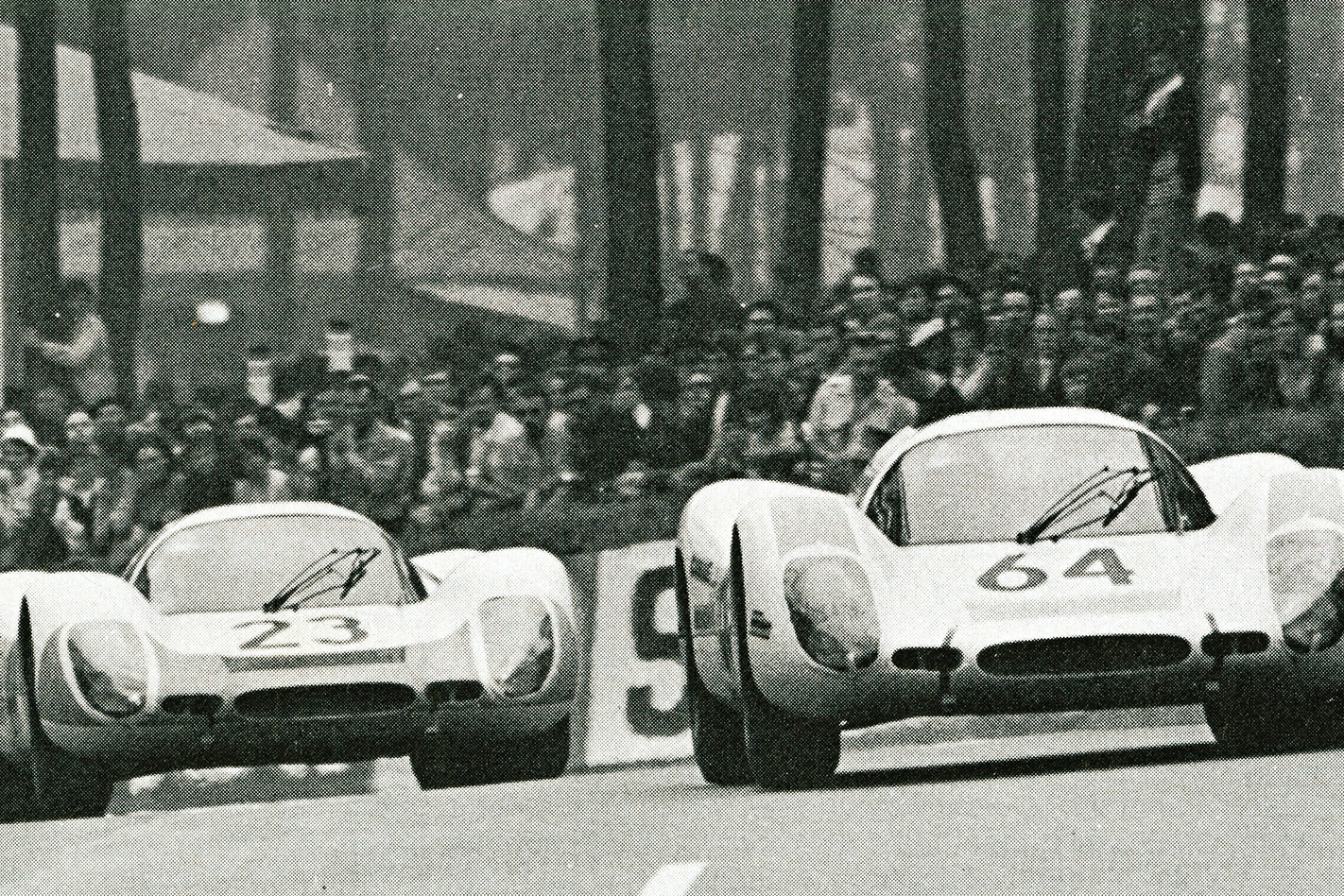
Work was started in July, 1967, on the new three-litre eight-cylinder engine (908) and it was to drop into a 907 modified chassis, the 907 itself having been derived from the 910. The first 908 (001) was a short tail version and virtually a 907, including the 907 13-inch wheels. The first appearance was at the April, 1968, Le Mans trials. The first full 908 K (short tail) with 15-inch wheels raced at the Nurburgring that year. At Le Mans 1969 the long-tailed 908s, weighing 700 kg, were reaching 320 km/h.
By the end of 1969 the 917s had matured sufficiently for the factory to race them and the 908s were sold off to private owners. The most successful of these was Reinhold Jost, who continued to campaign 908s in various guises and only as recently as March 16, this year, started from pole in the Brands Hatch Six Hours and led in his 908/3 2.1 turbo (335 kW) from the Siegfried Brunn three-litre 908/3 and would have won comfortably but for a gear linkage breakage. Brunn incidentally has made contact with Hamilton and offered him 140,000 dms for 0019. Who says gold is the best buy!
The factory developed the 908/3 for specialised races such as the Targa Florio and the 1000kms at the Nurburgring, circuits where the bigger, more powerful 917s might not be the answer. These 908/3s used 13-inch wheels and weighed only 545 kg with oil. The complete body weighed a mere 12 kg. The 908 engine took four months from drawing to assembly and gave 310/320 first time up. For the first race at Monza the engine developed 335bhp and this was to reach 370 in final tune.
The whole engine weighed 178kg. Bore and stroke were 85 and 66 mm, giving 2997 cm. The four camshafts were chain driven and the valves were sodium filled. Compression was 10.4:1 and torque was 294Nm at 6600rpm. The original transmission for the 908 weighed in at 25kg and this was considered excessive! Ultimately, a new box (type 916) with five speeds (not six) was developed with pump-operated jet lubrication. Engine vibration was cured by using a flat crankshaft.
Yeah, we know it’s not a ‘new’ video, but we don’t care.
This clip popped up on our feeds not long ago and we felt like it was a good excuse for you to join us in watching a run of pre-production cars hitting the crest at the Nürburgring’s Flugplatz and getting some air.
But first, some background. Located only 4km-or-so into the Nordschleife circuit, Flugplatz is about halfway between the tree-lined ‘Hocheichen’ section, and the infamously tricky ‘Fuchsröhre’, or fox hole.
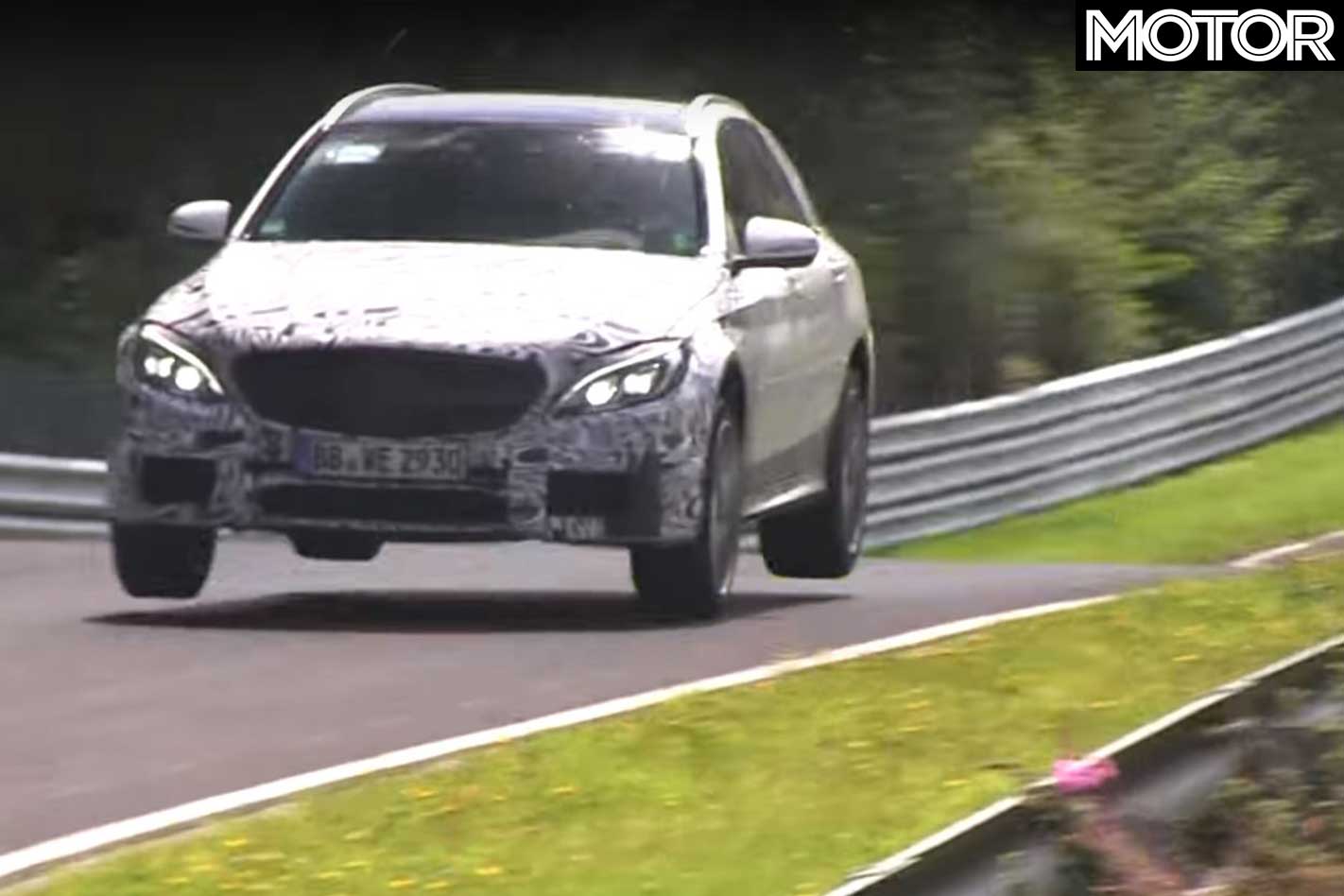
Upcoming supercars spotted at the Nürburgring
But the stretch of tarmac is actually so-called because there used to be a small airstrip not far from the track.
Historically, racers have risked serious injury at Flugplatz, which has seen the likes of Chris Irwin and Manfred Winkelhock crash or flip at the rise.
Irwin somewhat infamously flipped a Ford P68 prototype during the Nürburgring 1000 of 1968, and ended his career after only a year of racing.
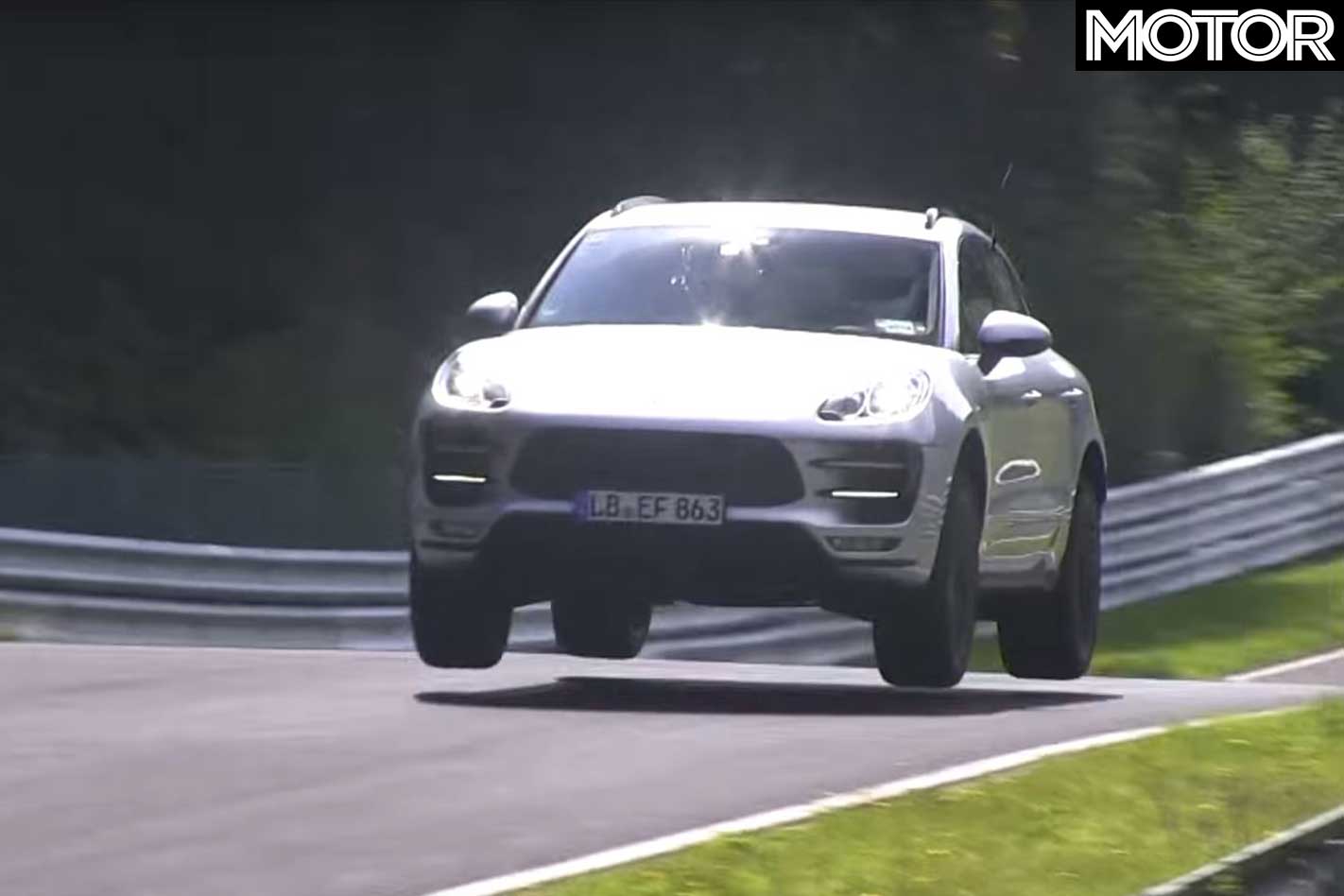
However, as the video will attest, heavier and more ‘grounded’ modern road cars will find it easier to handle a little leap over the rise – even a handful of SUVs make an appearance at this particular test day.
Rather than list off every car present, we’ll just tell you to keep an eye (and ear) out for the GT350. It doesn’t get particularly high, but it sounds so good.

