
A small running update in 2017 did a little to lift the HR-V’s stock, but how does the otherwise unchanged, yet popular, HR-V really stack up?
WHAT IS IT?
The Honda HR-V is the Japanese brand’s compact SUV that’s available in four different front-wheel-drive only model grades starting at $24,990 for the VTi, up to $34,340 for the VTi-L ADAS.
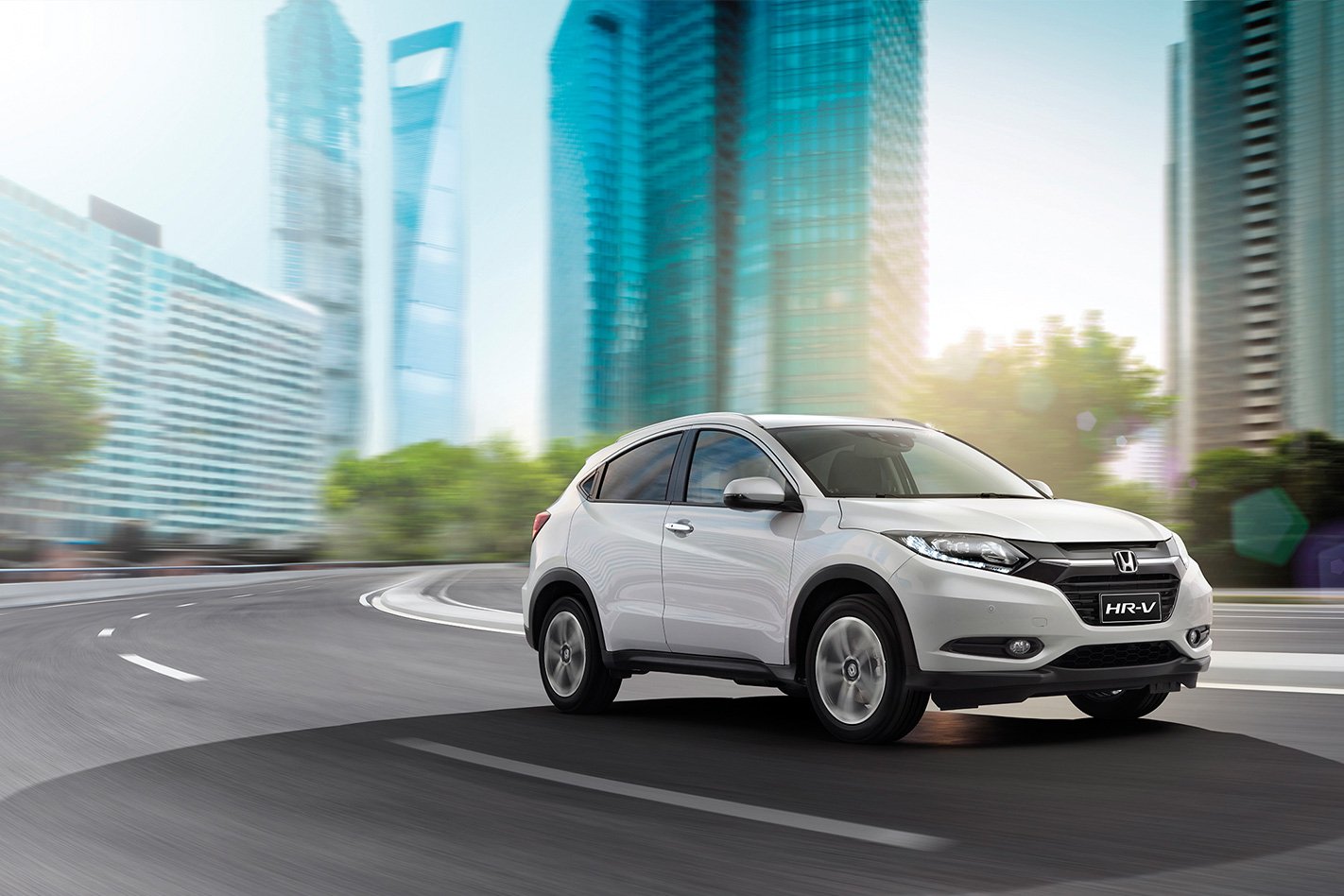
The Honda HR-V received a small running change in mid-2017, and though it’s essentially still the same car that quickly rose to become the Japanese brand’s biggest-selling model – until the Civic small sedan and CR-V came along – the segment it competes in is one of the most hotly contested on the Australian market, so plenty of people are looking at it.
MAIN RIVALS
Ford EcoSport; Holden Trax; Hyundai Kona; Jeep Compass; Mazda CX-3; Mitsubishi ASX; Mitsubishi Eclipse Cross; Nissan Qashqai; Subaru XV
THE WHEELS VERDICT
There’s elements of the Honda HR-V that still resonate with buyers today, and that’s reflected in part by its strong showing on the compact SUV sales charts. But the game is moving on, and the Honda risks not keeping up with it.
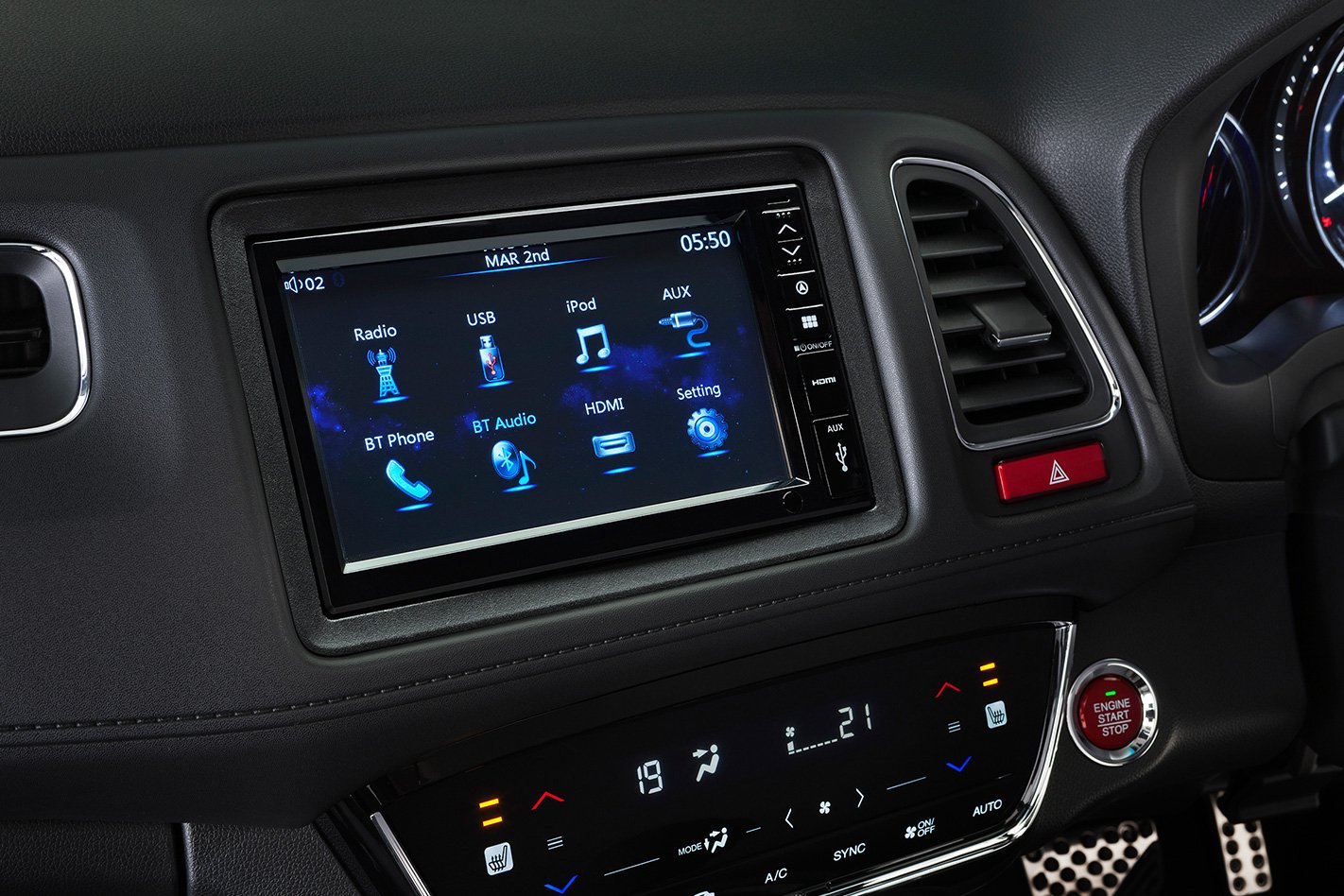
MINUS: Road noise; dated interior; CVT seems to only chase power or economy; city safety limited to top model only; pricey
THE WHEELS REVIEW
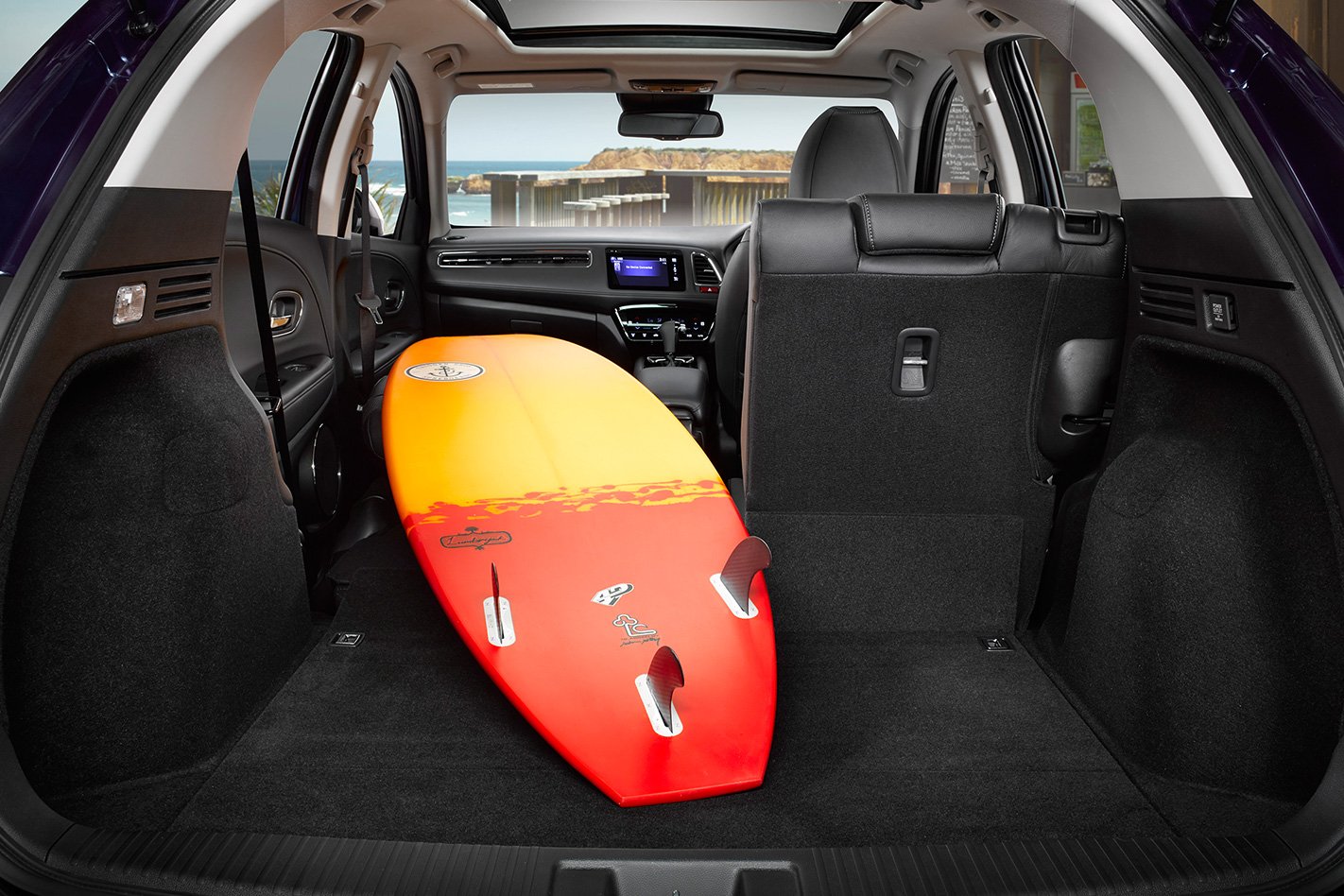
HONDA’S compact SUV was launched on the Australian market in early 2015 with a fair bit of applause. Fresh looking, decent to drive, and generously equipped, it was well worth the effort for potential buyers to head into Honda showrooms and kick tyres.
It’s that package that helped the compact Honda HR-V rise to the rank of third best-seller in its segment behind the Mazda CX-3 and the Mitsubishi ASX. Inside Honda’s showroom, the HR-V is also the third best-seller for the brand, behind the slightly larger CR-V and the recently introduced, sharper looking Civic small hatch and sedan range.
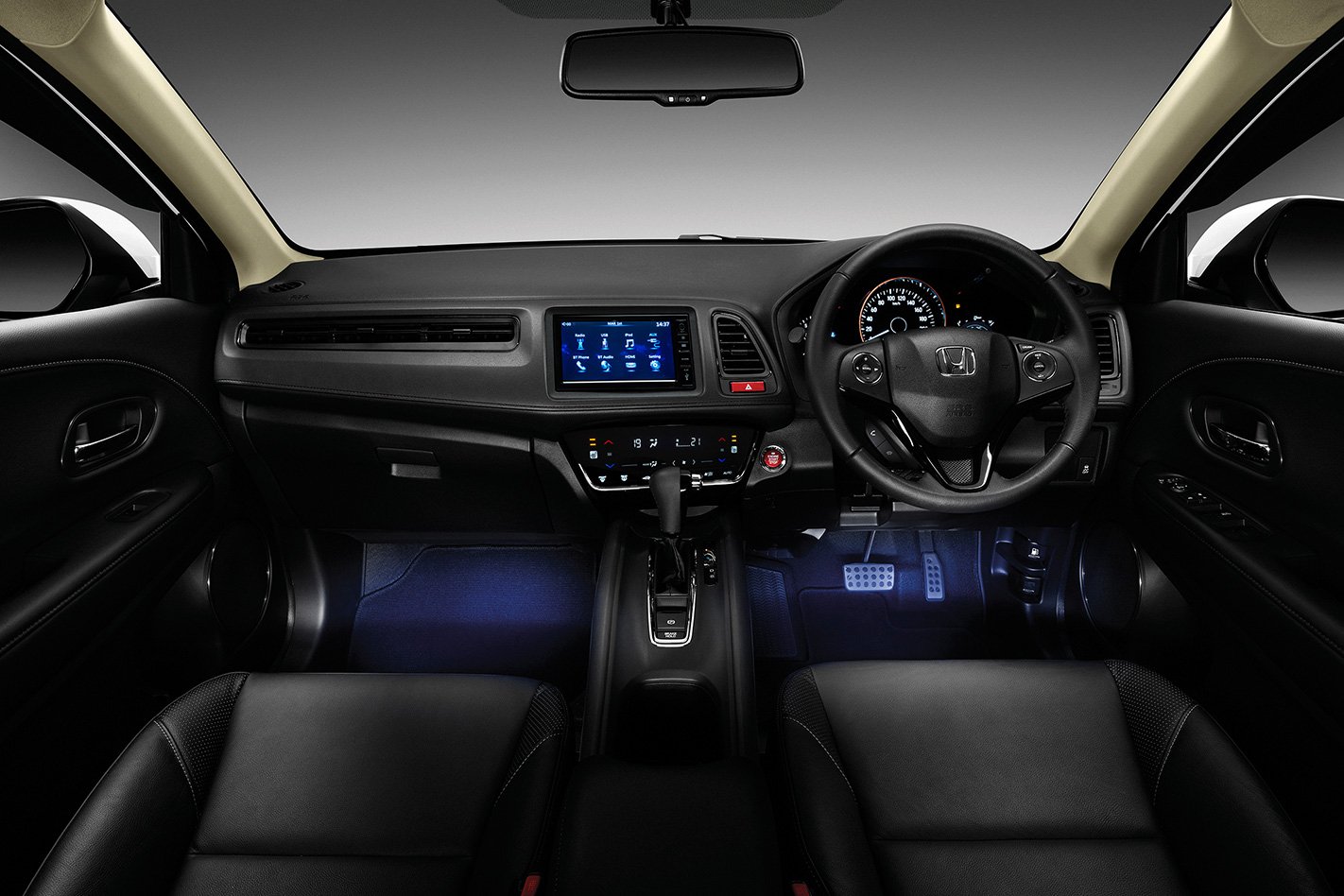
Standard satellite navigation, featuring a 7.0-inch colour touchscreen with kludgy, simple graphics, was the only change made to all model grades in mid-2017. Otherwise, the $33,340 VTi-L gains you steering wheel-mounted paddle shifters, chrome-look front door handles (the rears are recessed into the trailing edge of the doors), retracting wing mirrors, a huge, properly-screened sunroof, touch-controlled dual-zone climate control, one-touch powered windows that drop or close at a long press of the remote key fob, tinted rear windows, a self-dimming rear-view mirror, LED reading lights, eight-way electrically adjusting driver’s seat, heated front seats, comfy leather seat trim, alloy pedal covers, and front and rear parking sensors over the $5350 cheaper VTi-S.
What the VTi-L still doesn’t get as standard, though, is the automatic city braking, lane departure warning and automatic high-beam assist system that’s essentially a $1000 option available only to the top-spec HR-V – you’re effectively locked out from adding it to any of the cheaper versions. It’s a stand-out omission when you consider low-speed automatic city braking is included in the entry-level Mazda CX-3 Maxx’s $20,490 price-tag – likely one of the reasons it is more popular with buyers.
The HR-V range retains its Honda Civic-sourced 1.8-litre four-cylinder engine mated with a CVT, and sending drive only to the front wheels. The auto works hard to tap the best performance or fuel economy out of the engine, and not a balance of the two, at times feeling like a two-speeder as it hunts in the high revs for torque – there’s a noticeable low-down hole in how well the HR-V builds speed – or low revs for eking out the extra mileage. On test, we saw an average fuel use of 7.2L/100km with mainly highway driving versus an official 6.9L/100km – the HR-V’s 50-litre fuel tank is quite small, so in hard city driving you’ll be ducking into the servo a fair bit.
The Honda’s biggest test for buyers, though, is how it stacks up against its competition. In VTi-L spec, it’s priced against the Mazda CX-3 sTouring, which gains all-wheel drive, better LED headlights, larger 18-inch wheels (although this will potentially make the ride rougher and noisier than the Honda’s), better fuel economy from a bigger 2.0-litre engine with an idle-stop function, and that city-smart safety pack … although you’ll sit on cloth seats and grip a vinyl, not leather, steering wheel.
Ultimately, though, the Honda HR-V we’re driving today is little different to the one that launched here in 2015, which is a bit disappointing given how far the game has moved on, particularly in terms of rolling out AEB to more models. With new entrants such as the style-driven Hyundai Kona, the suddenly attractive Jeep Compass and the value-driven Mitsubishi Eclipse Cross, refreshed models such as the (still borderline, but improved) Ford EcoSport, and value-driven stalwarts such as the Mitsubishi ASX (which also limits city braking to its higher-priced models) all vying for buyers’ interests, firmly standing your ground in the face of change isn’t going to help.
SPECS Model: Honda HR-V VTi-L Engine: 1799cc 4-cyl, sohc, 16v Max power: 105kW @ 6500rpm Max torque: 172Nm @4300rpm Transmission: CVT, FWD Weight: 1382kg 0-100km/h: 10.2sec (estimated) Fuel economy: 6.9L/100km Price: $33,340 On sale: Now
A FERRARI 488 GTB with mismatched body panels and accelerating hard at the Fiorano test track in Maranello isn’t unusual.
Doing so completely silently though, is something new. And it was captured on camera.
YouTube channel PurePerformance uploaded a short video of a 488 GTB on March 28. It shows what appears to be a 488 GTB accelerating slowly from a standstill – in complete silence. No burble of fuel being exploded in a combustion engine can be heard over the rustling wind.
It’s likely the car captured in the video is part of the development program working on a hybrid powertrain to be introduced by Ferrari in the coming years.
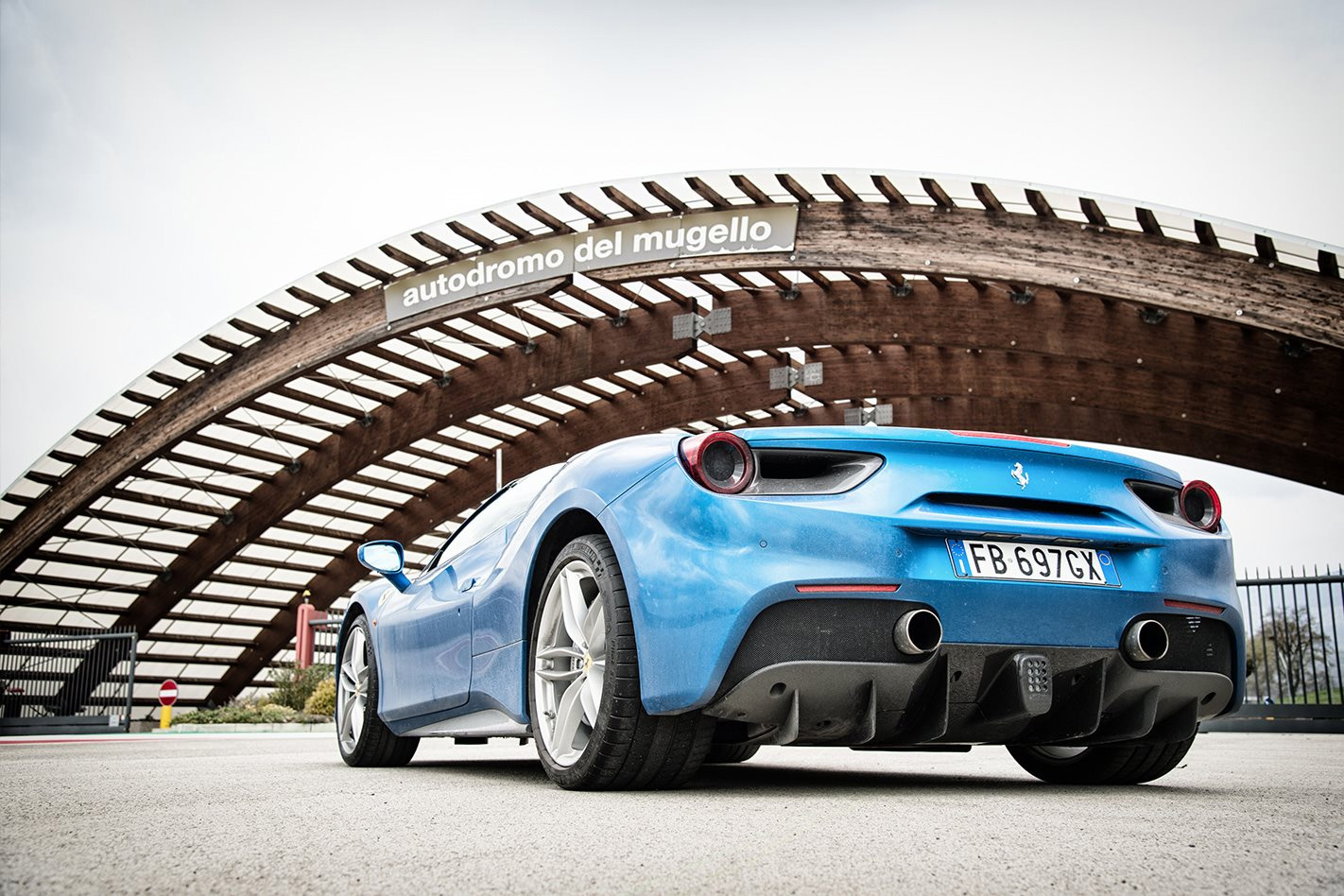
It may not look like it, but the mid-engined 488 GTB-based prototype is also likely to be a test mule for Ferrari’s first SUV, due to be released in late 2019. The SUV that Ferrari stubbornly refers to as an “FUV” – it stands for “Ferrari Utility Vehicle” – will be powered with a variation of the twin-turbo V8 found in both the 488 and Portofino models, but mated with an electric motor and battery.
It’s unclear if the hybrid will be a plug-in electric vehicle (PHEV) like that used in the 2018 Wheels Car of the Year-winning Volvo XC60 T8, or a series hybrid like that found in the Toyota Prius that can travel short distances under electric power alone.
In the meantime, we can wait for the silent stallion, coming soon to a road near you.
On April 2, 1988, Subaru Tecnica International was born.
Then known as STi, though it recently capitalised the ‘i’, the performance division of Subaru was preparing its boxer-powered Subaru Legacy RS RA to kick off a legacy of its own.
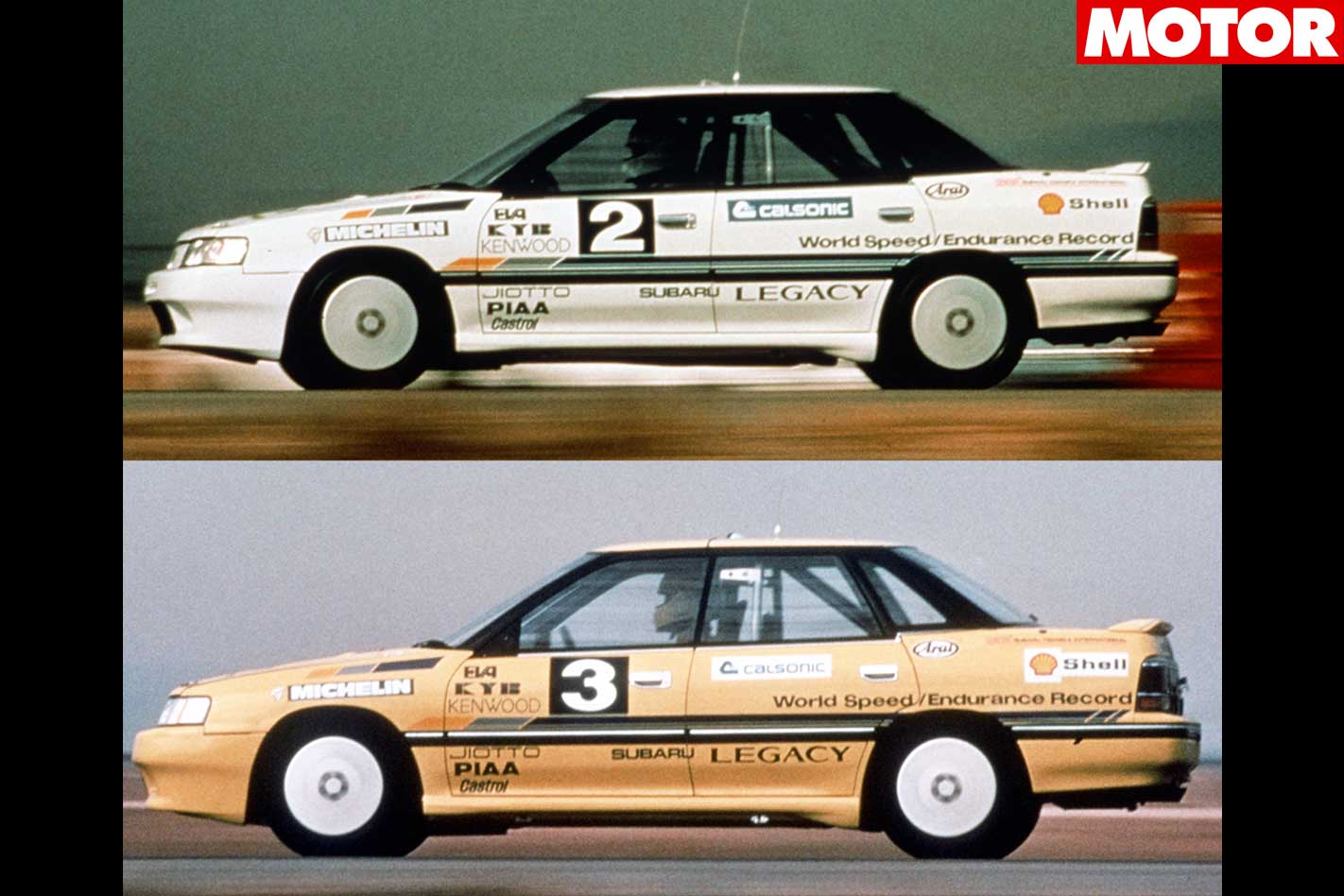
In January of 1989, the Legacy RS RA set a new FIA World Speed Endurance Record for 100,000km. It drove for 20 days on track in Arizona, setting an average speed of 222km/h.
The WRX became a road-going racer, and dominated the gravel in rally car guise.
So much so, that Subaru won manufacturers’ titles in 1995, 1996, and 1997, making Subaru the first Japanese company to win it for three consecutive years.

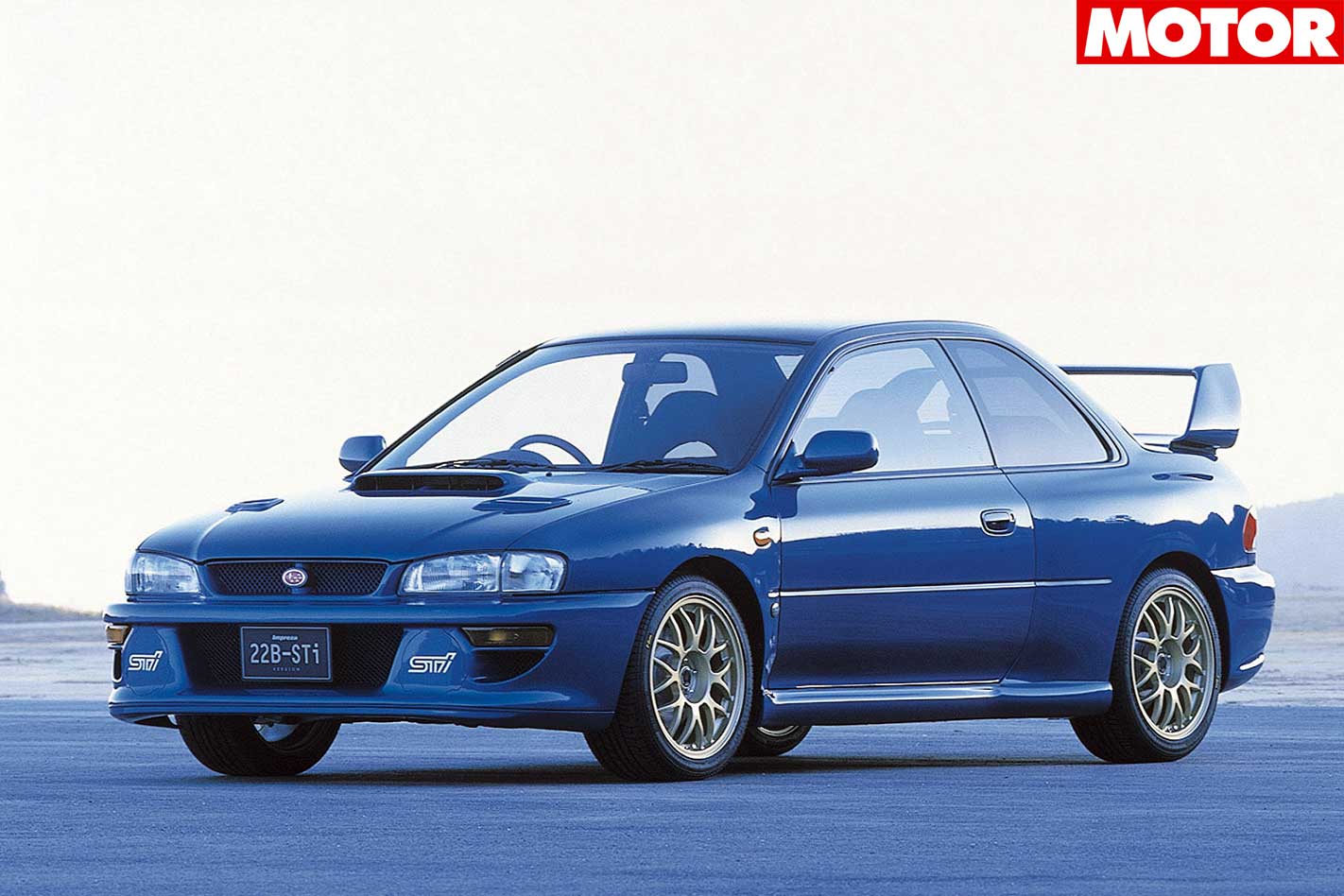
Perhaps the best known specific example of racing technology making it into a road-going Subaru was the WRX STi 22B.
Up until 2008, Subaru was a force to be reckoned with in rally, with the legacy of cars like the 22B and… well, the Legacy, pushing it along.
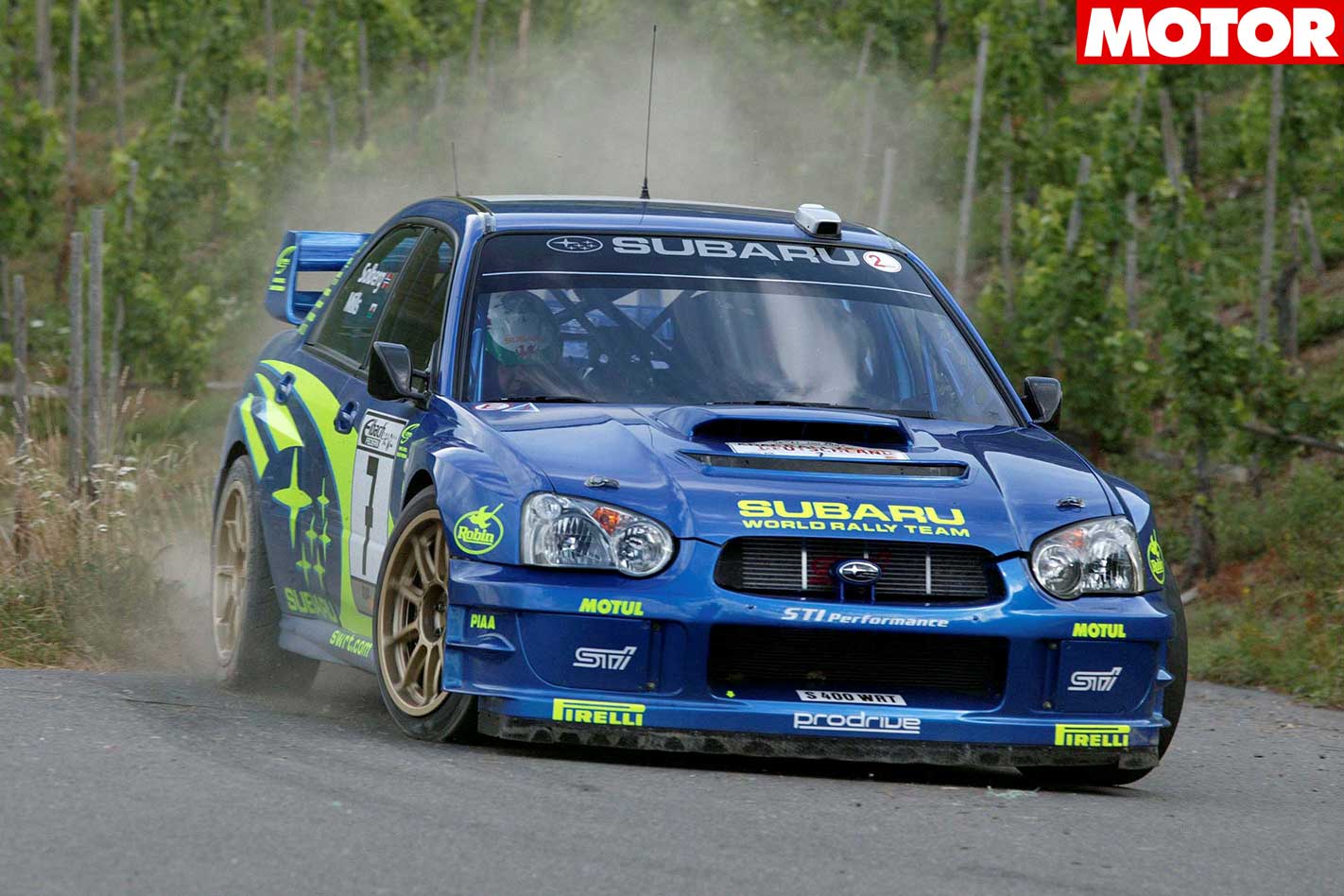
Even though it was on the decline, having not taken a manufacturer’s title since 1997, or a driver’s championship win since Petter Solberg’s 2003 victory, Subaru still had a presence.
Still, there’s always the next WRX – or whatever the Subaru Viziv STI Concept turns into – to keep us hanging on.
The Mazda MX-5 has been updated for 2018 with a series of tweaks to improve ride, noise levels and safety for selected variants, resulting in a price bump across the range.
Most the changes are under the skin, and include retuning the rear suspension of the Roadster variants, based on knowledge gleaned from the MX-5 RF hardtop’s development program.
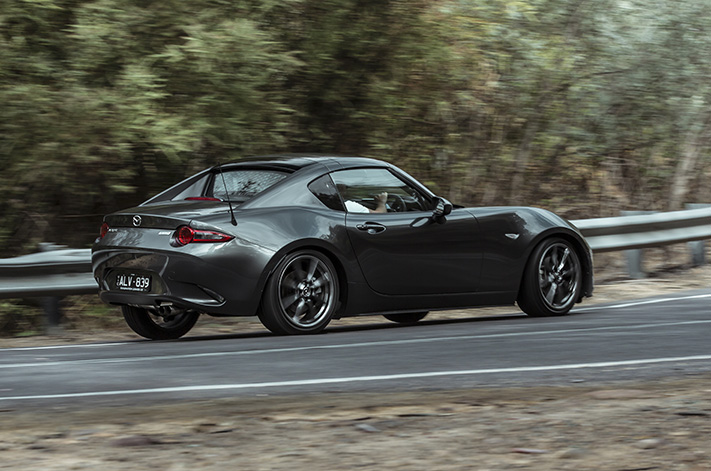
This comprised lowering the rear suspension’s upper link bushes, and lengthening the rear bump-stops so that they’ll be reached earlier.
The soft-top will also be a little quieter to drive via a series of NVH (noise, vibration and harshness) improvements. Mazda’s boffins applied extra sound insulation across the centre transmission tunnel, while noise-absorbing material was added to the soft-top top. Meanwhile holes and gaps around the tunnel reinforcements were reduced, and vibration-damping and noise-absorbing materials were added to the rear wheel housings.
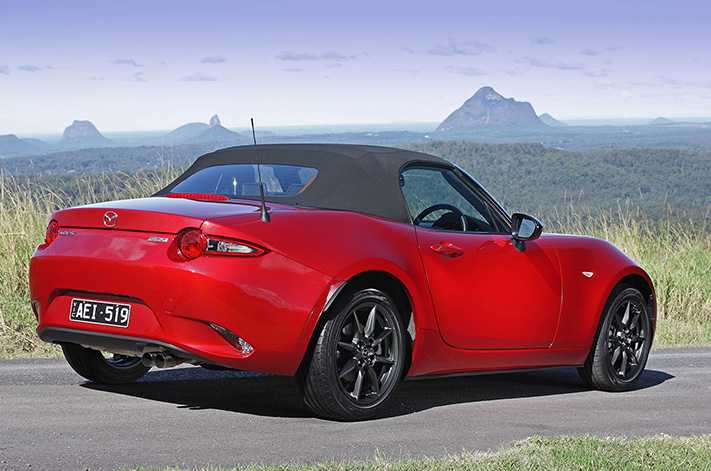
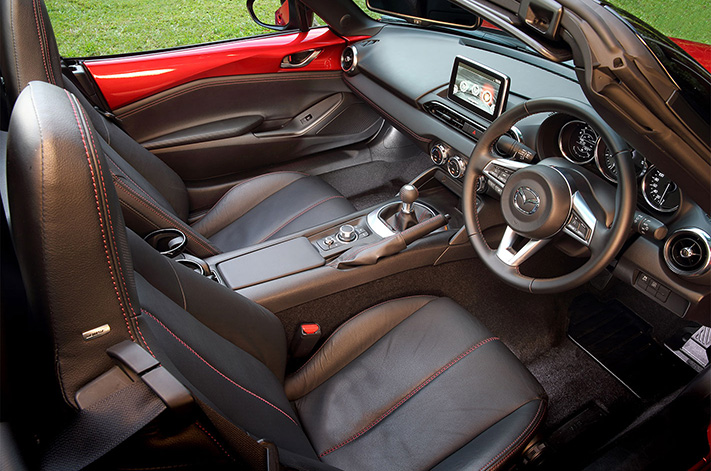
While the interior becomes quieter, Mazda has accentuated the engine’s throaty sound.
Safety enhancements are confined to the pricier GT variants, and include lane-departure warning and adaptive LED headlights. For some reason a reversing camera, which would be pretty handy with the roof up, continues to avoid the standard features list.
The update doesn’t include any aesthetic design changes, however there are extra paint options including the candy-apple-like Soul Red Crystal Metallic, which has proven very popular on Mazda’s SUV models. The Roadster models also gain Machine Grey Metallic, while the 1.5-litre Roadster GT’s 16-inch alloys can come with bright aluminium finish.
The enhancements see the entry-level pricing go up by just $100, while the GT models, which benefit from the extra safety tech, jump by around $1350.
The updated Mazda MX-5 is on sale now.
2018 Mazda MX-5 pricing
- MX-5 1.5L Roadster, manual – $33,440
- MX-5 1.5L Roadster, auto – $35,440
- MX-5 1.5L Roadster GT, manual – $39,660
- MX-5 1.5L Roadster GT auto – $41,660
- MX-5 2.0L Roadster, manual – $34,950
- MX-5 2.0L Roadster, auto – $36,950
- MX-5 2.0L Roadster GT, manual – $41,210
- MX-5 2.0L Roadster GT, auto – $43,210
- MX-5 2.0L RF, manual – $38,650
- MX-5 2.0L RF, auto – $40,650
- MX-5 2.0L RF GT, manual – $45,210
- MX-5 2.0L RF GT, auto – $47,210
- MX-5 2.0L RF GT Black Roof, manual – $46,210
- MX-5 2.0L RF GT Black Roof, auto – $48,210
- MX-5 2.0L RF Limited Edition, manual – $52,210
We knew the Honda Civic Type R’s engine could make big power.
Powertrain engineers told MOTOR at the vehicle’s launch that the Type R’s F20C unit uses a monoscroll turbocharger for that very reason.
We just didn’t know how much more than the stock 228kW and 400Nm we would see until now.
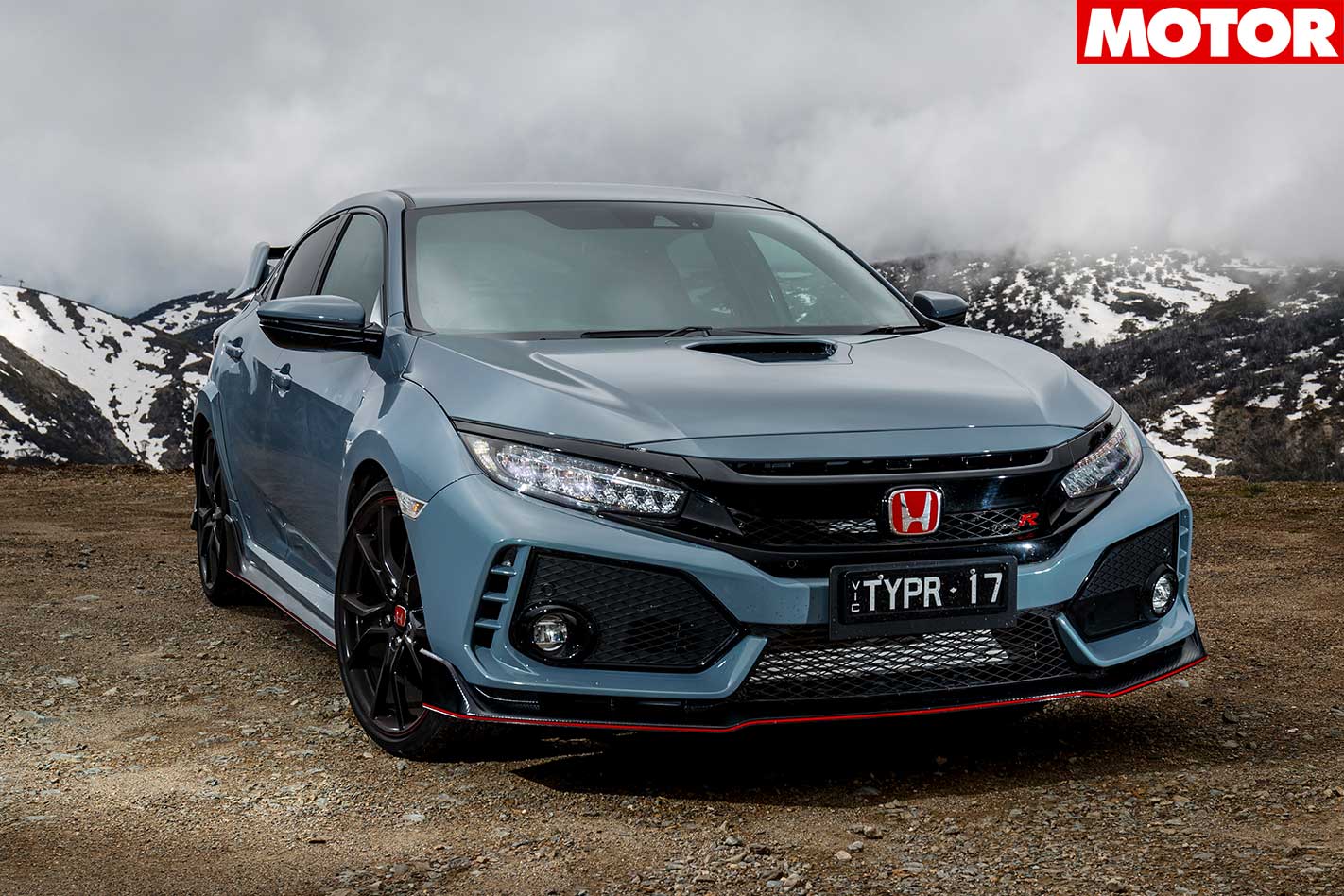
It claims its newly announced ECU tune for the FK8 Civic Type R, called FlashPro, has unlocked as much as 43kW and 107Nm.
The upgrade flashes the car’s stock ECU with tuning software preloaded with different maps. The above figures are from its ethanol-fuel map that relies on a 25 per cent ethanol mix.

In other tests, American 93 octane boosted outputs by 35kW and 97Nm, while 91 octane equalled another 24kW and 53Nm.
We should point out that Hondata claims the tune is for off-road use only and that the tune is only available to North American owners.
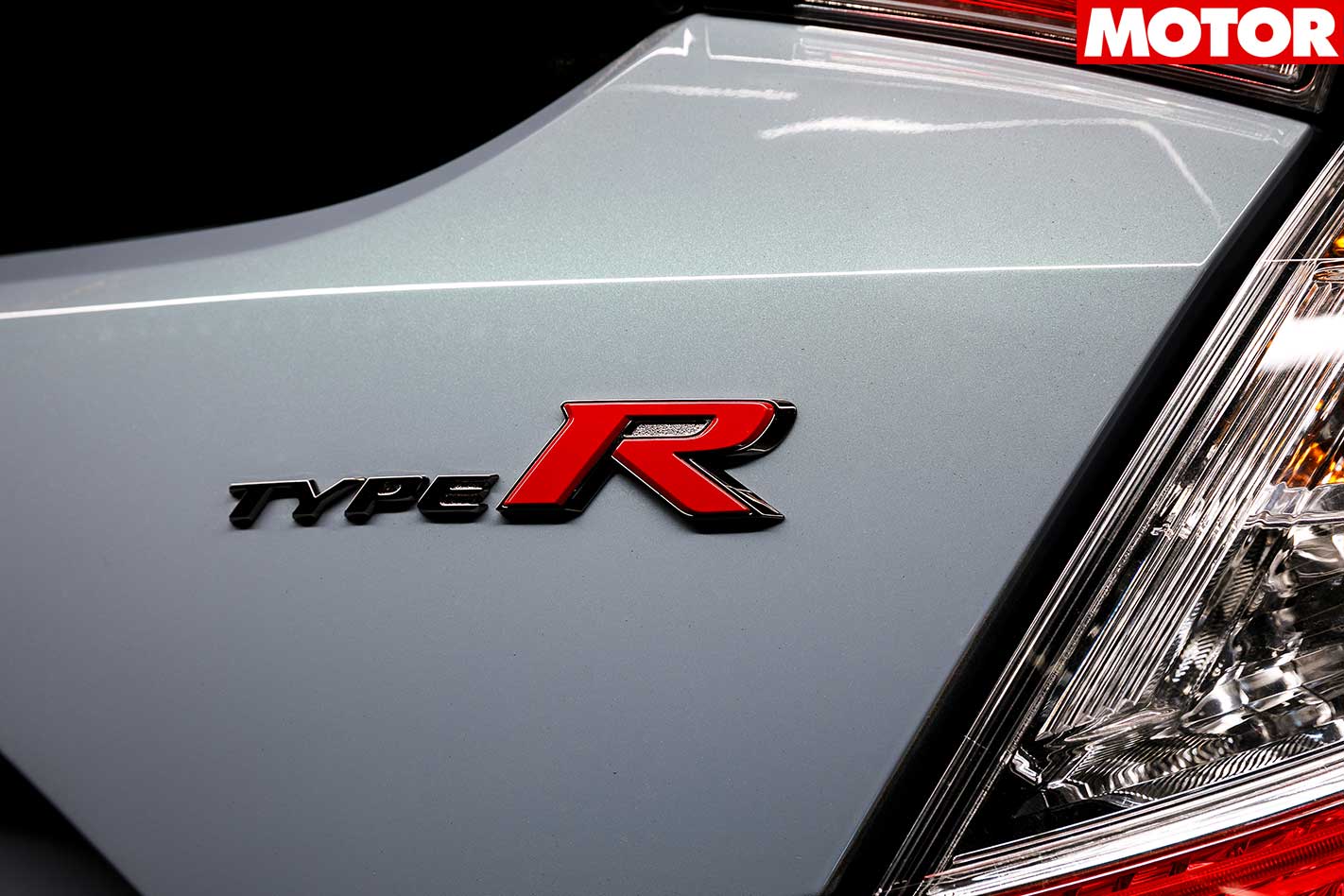
The tune is available for US$695 (AU$905) to Stateside Civic Type R owners, who must remove and send their car’s ECU to Hondata’s headquarters in California.
ECUs must also be jail-broken, which Hondata charges for US$250 (AU$325).
The gains translate to US$21 per kilowatt and US$8 cost per newton metre on that E25 tune.
While that might be dear for something ultimately not legal on roads, or available here, it does turn the Civic Type R into a 278kW and 507Nm hot hatch without any modification (except the below).
And that’s very good news.
IT’S a good time to be in the market for a fast hatchback, but rumblings from Hyundai suggest shoppers in the hot hatch segment may have even more performance bargains to look forward to.
Having just launched its potent Hyundai i30 N last week with an attention-grabbing $39,990 price tag, there’s already the suggestion that the Korean company’s i30 N performance halo could drop even further in price. With Oz-market i30 Ns being sold in a single high-grade specification that’s equivalent to a flagship Performance Pack model overseas, Hyundai Australia says there’s still scope to bring the i30 N’s lower-output version here as a price leader.
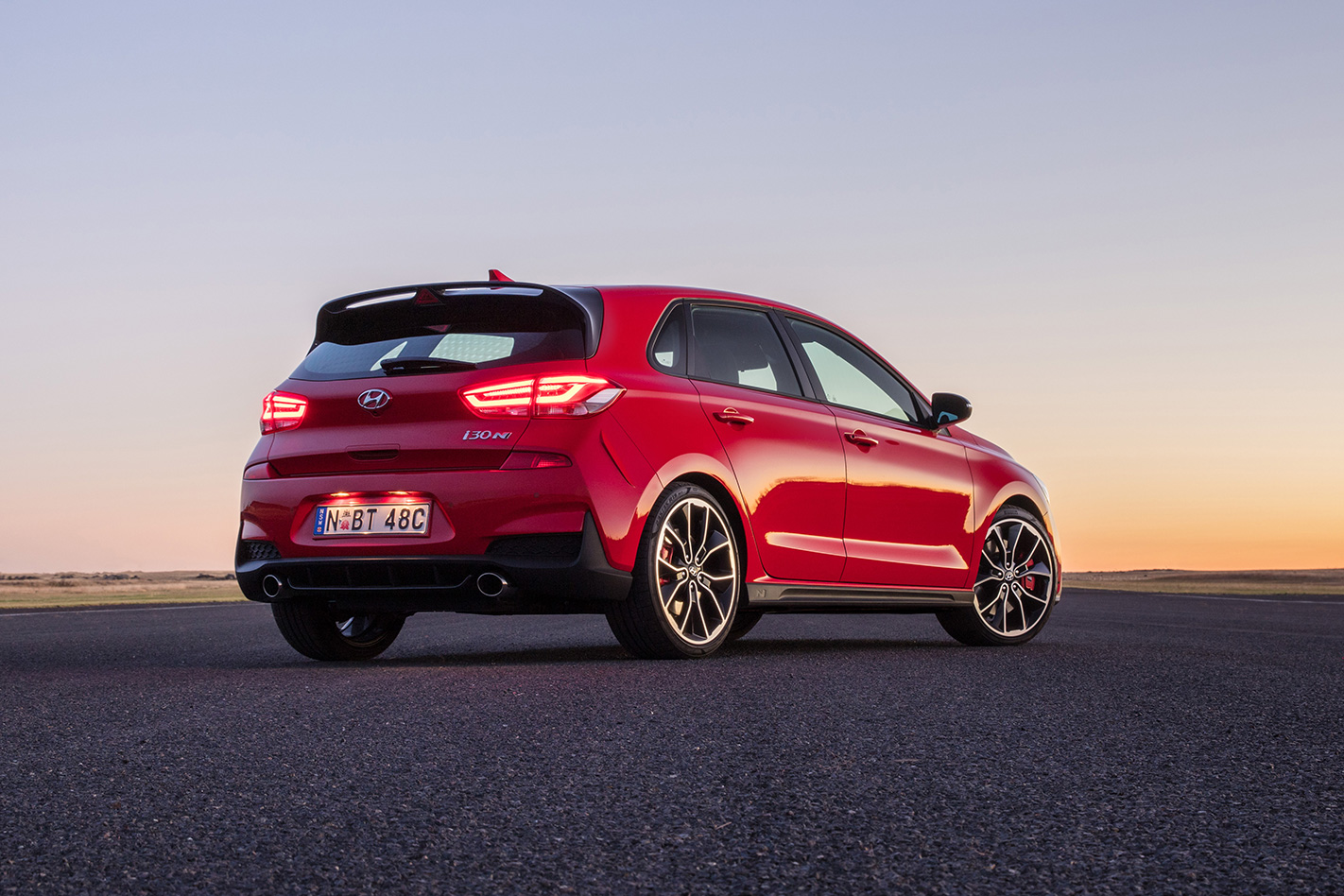
“In terms of the spec value that’s in the car, the difference between the two in power, brakes, differential, wheels and tyres, there’s probably somewhere around $3000-3500 in value between them,” Tuitahi explained.
“If we were to bring in the standard variant, we’d need to keep that in mind and think about how we could do that effectively.”
But when the only C-segment rivals that are cheaper are the $39,240 Subaru WRX, the $38,990 Ford Focus ST and the $37,490 Volkswagen Golf GTI Original, the i30 N doesn’t have to shed many dollars from its sticker to undercut them. If Hyundai passes on the full spec-adjusted savings to customers, punters could pick up an i30 N for just $36,490.
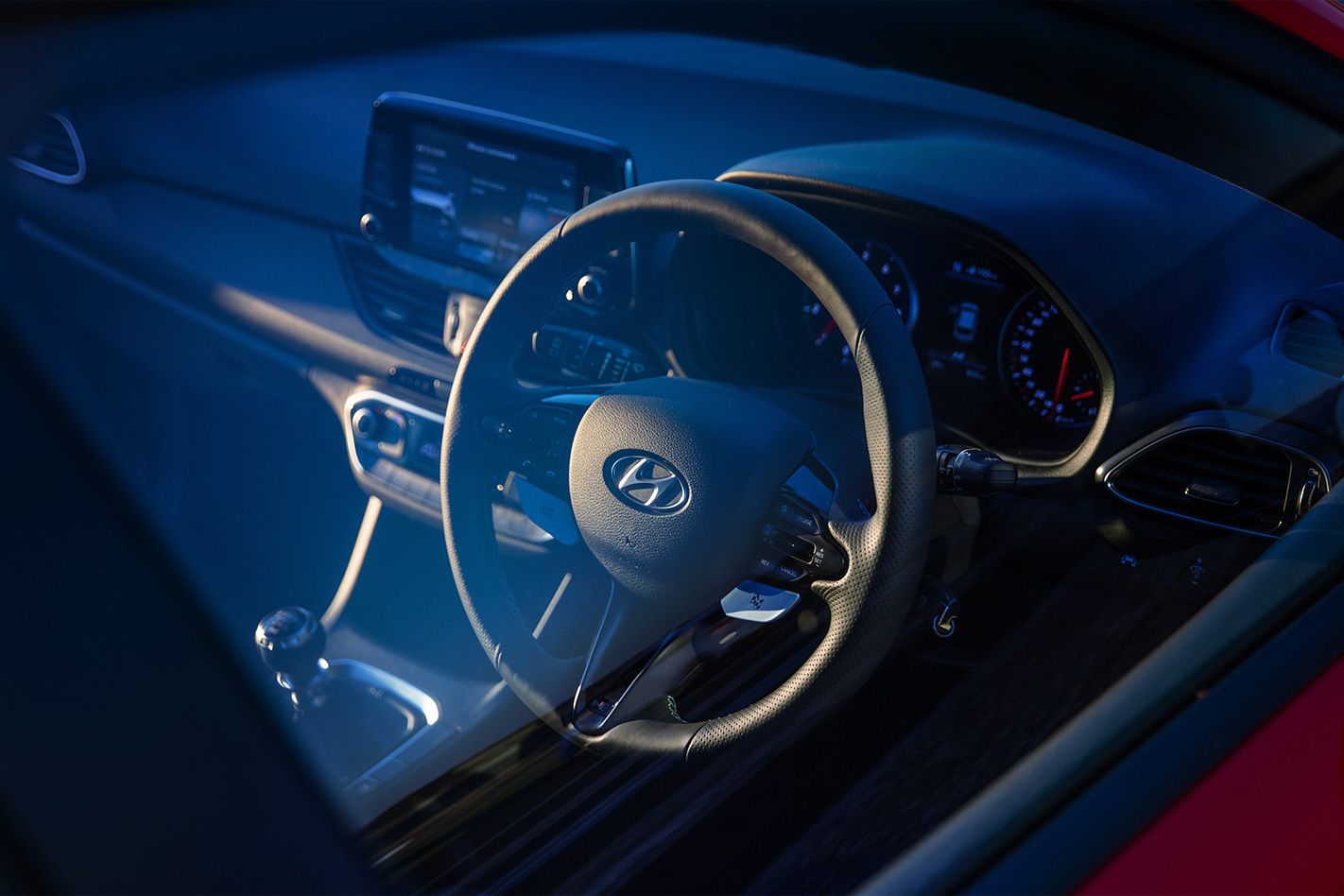
But Volkswagen may have the bottom end of the C-segment hot hatch market covered for a little while longer, as Hyundai Australia is in no great hurry to introduce a bargain i30 N just yet.
For now the company is content to keep the spotlight firmly fixed on the high-spec i30 N that has just launched. That said, the arrival of an eight-speed dual-clutch automatic option for the i30 N – slated for late 2019 – was flagged as a milestone that might also coincide with the arrival of a cheaper i30 N.
“We definitely wanted to make sure that the launch of the i30 N was a statement of intent,” said Tuitahi.
FORD has released a video teaser of its upcoming Focus small car, showing what’s believed to be a ST version of the fourth-generation hatchback.
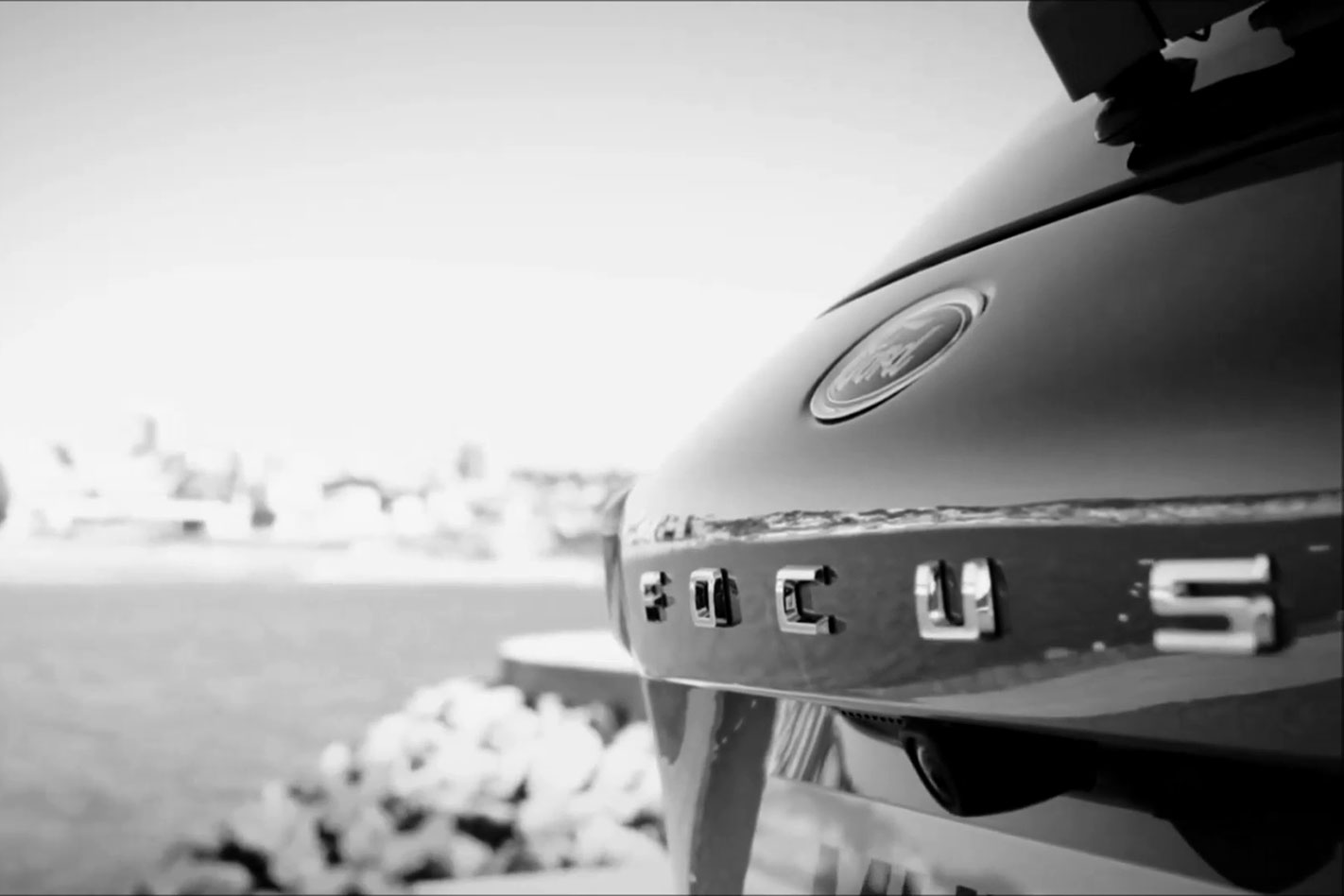
The short video, which also flags that the European division of the US-based car maker plans to fully reveal the Focus on April 10 – just six days away – indicates the Focus will gain a more edgy grille, sticky Michelin rubber, and projector headlights wrapped around a signature LED daytime running light. Down the rear, the word “Focus” is spaced out along the back of the hatch looking very similar to how Volvo used to display its brand name to give its products a more premium feel.
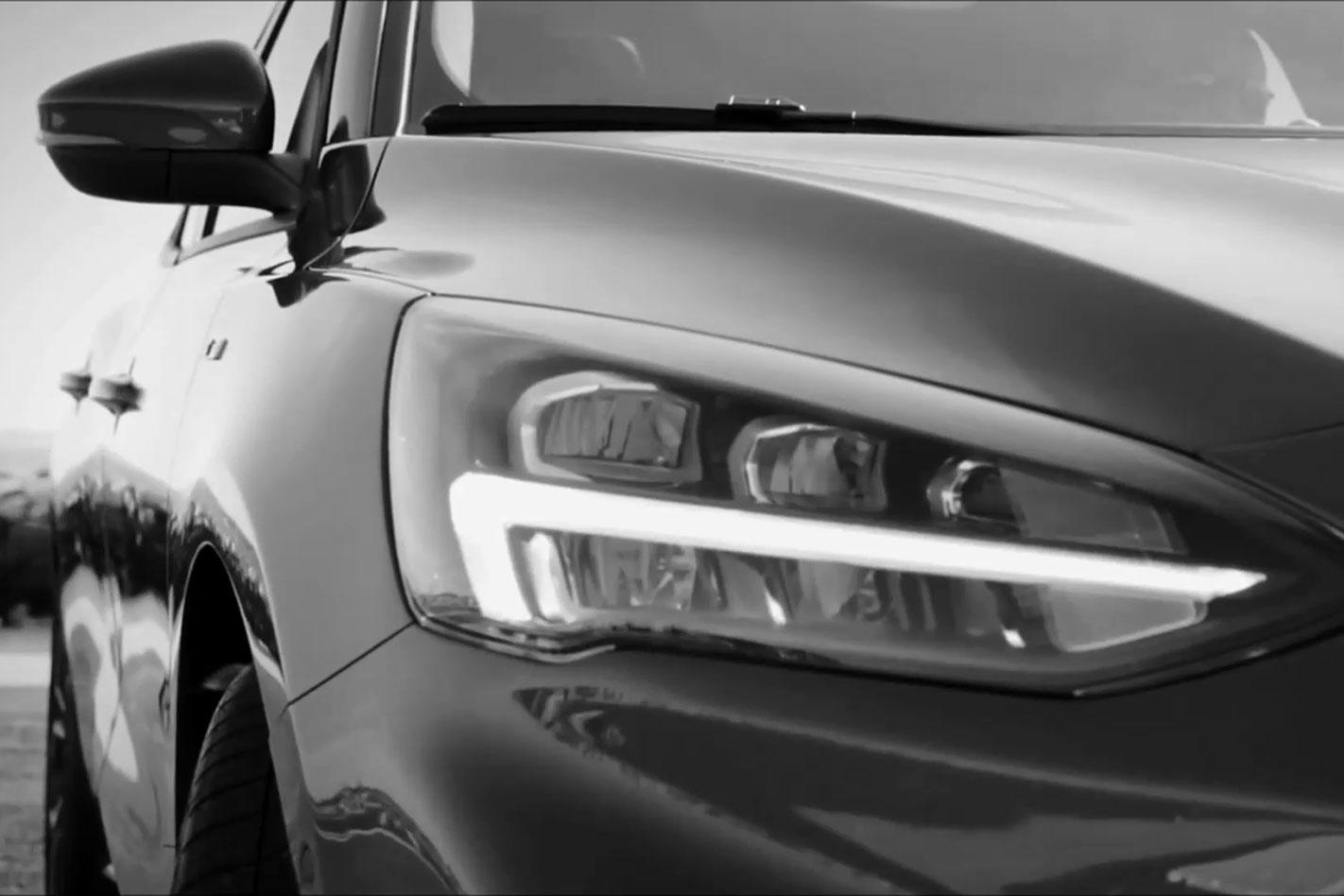
Little is known about the next-generation Focus ahead of its official reveal, which surprisingly skipped the recent Geneva motor show for what appears to be a more low-key debut. It’s likely to stick with its front-wheel-drive architecture built off the car maker’s all-new C-segment architecture, with all-wheel-drive – and therefore a more hardcore RS version – not yet confirmed.
What’s also not known is Ford Australia’s plan for the Focus, which is expected to go on sale in Europe late this year ahead of an Aussie arrival potentially sometime in early 2019. The US version of the Focus will be sourced from China, while European versions will be sourced from Europe. Australia’s traditional source of the cooking versions of the Focus – Thailand – will switch off with the generational jump, leaving a big question mark over where our version of the small hatch, sedan, wagon and SUV range will come from.
Ever had one of those phone calls when you wanted to climb down the line and give the other person a hug? I have.
On the other end on this particular occasion is my mate Tim Kulhanek. Tim happens to be Compliance Manager for Tasmanian car dealer Buckby Motors and he’s just asked if I’d like to drive in the first round of the 2018 Tasmanian Rally Series – if he’d rung and told me I’d won lotto I wouldn’t be any happier.
Buckby Motors has long been a supporter of Tasmanian motorsport, primarily tarmac rallying, its Subaru WRX STI winning Targa Tasmania’s GT4 class in 2016 with Steve Glenney at the wheel.
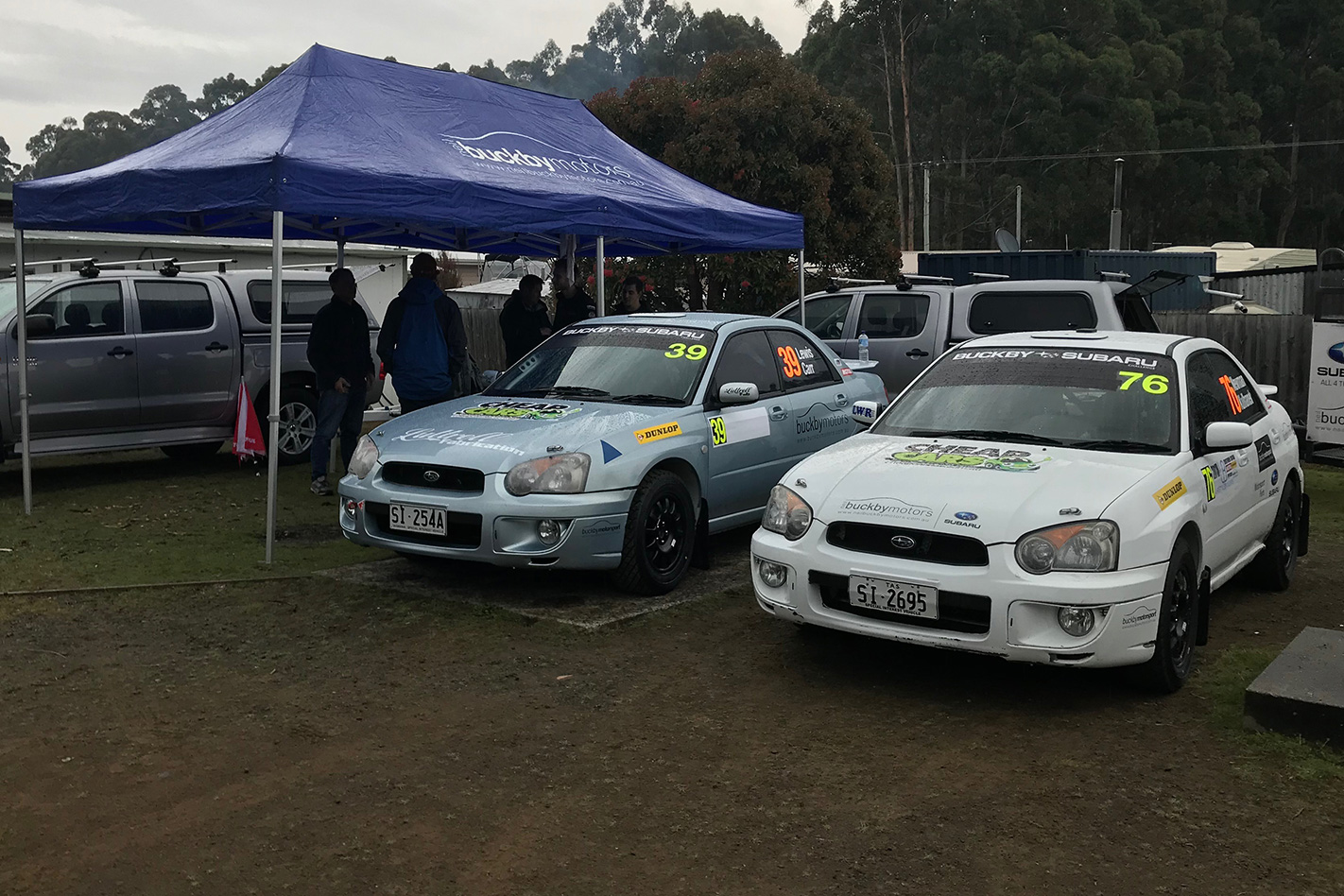
The humble Impreza RS has prior form in the Australian forests, Subaru itself running a one-make series in 2004 and 2005, helping launch the careers of drivers like Glenney and Eli Evans. With just 112kW/223Nm in standard form, the RS is no rocketship but a handful of choice modifications ensure it’s up to the task of tackling the rough stuff.
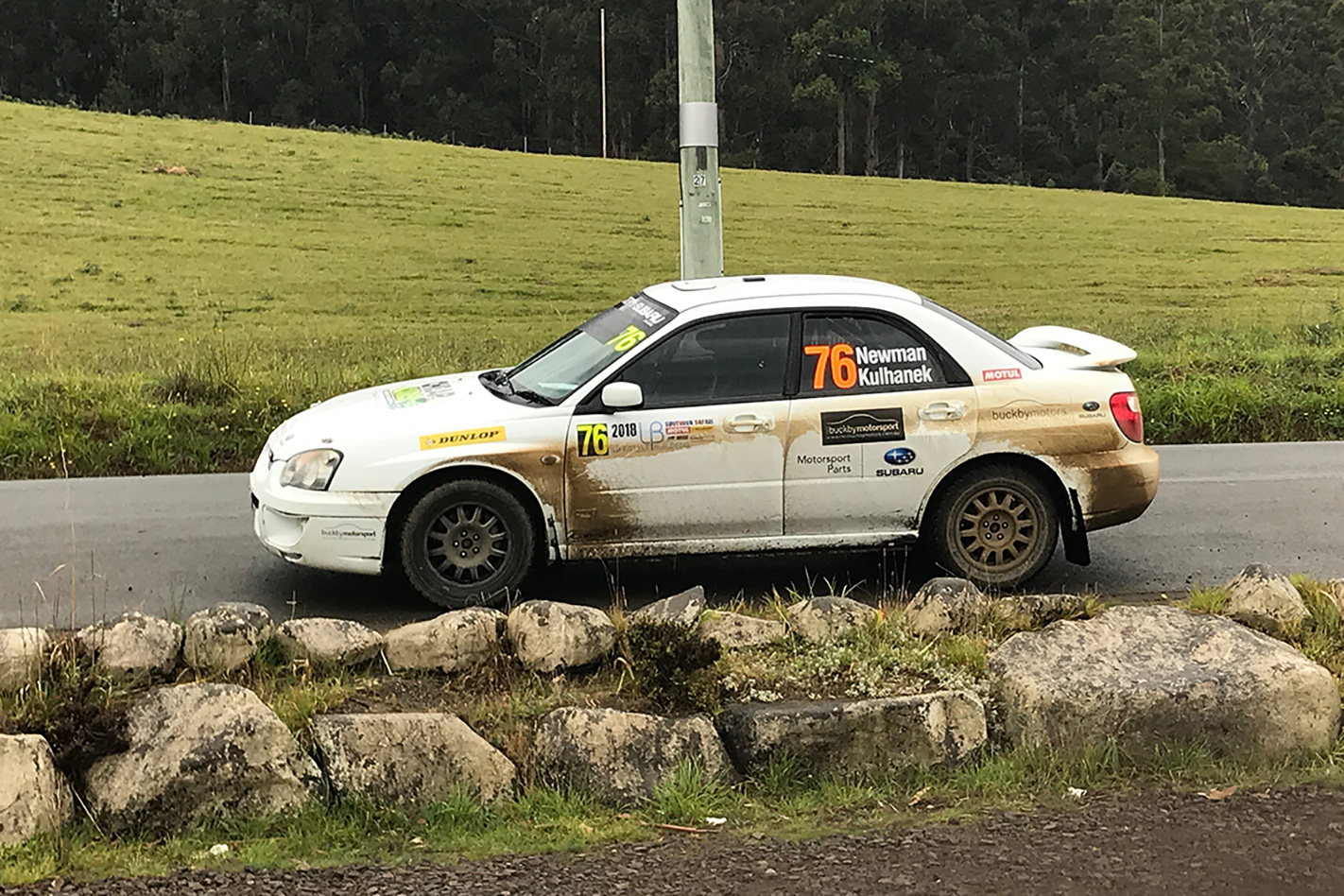
The first round of the Tasmanian Rally Series is the Southern Safari, held in the forests surrounding the small town of Southport, around 90mins south of Hobart. As a pace-noted event, before I’m allowed to get acquainted with my steed Tim and I are permitted to do two passes of each stage to write and check the notes.
As I’ve only ever made pace notes once, to save time and hassle we purchase notes created by Glenney and his regular co-driver Bernie Webb. Tim – who has graciously agreed to co-drive, probably to ensure I don’t break his boss’s car – and I use the two passes to get an idea of the conditions and add a couple of extra cautionary notes to avoid rocks that could damage the car.
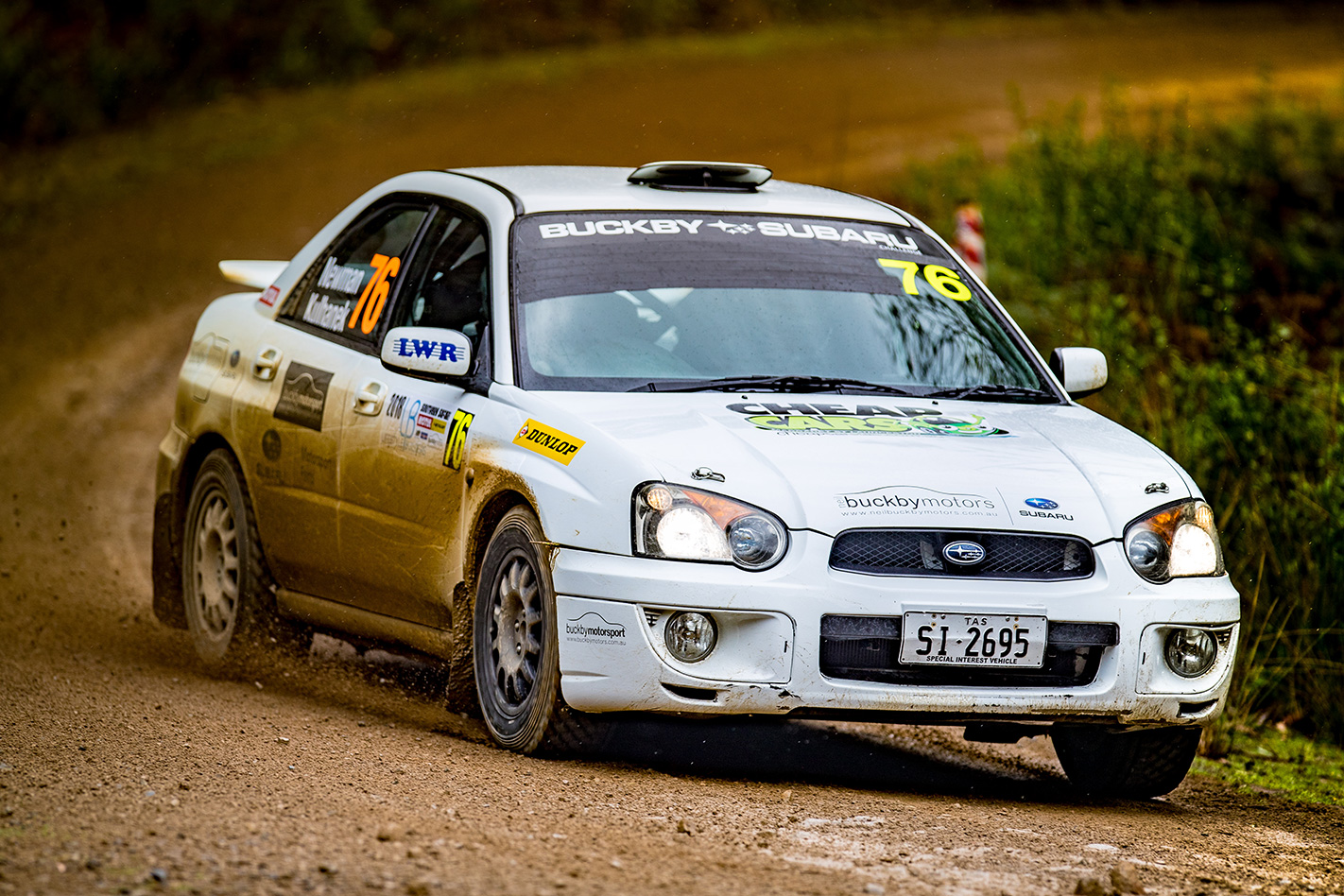
In stark contrast to the beautiful sunshine of 24 hours ago, rally day dawns wet. It’s easy to find my Impreza, it’s the one with my name written on the side. Bar moving the seat one notch forward, it feels ready to go.
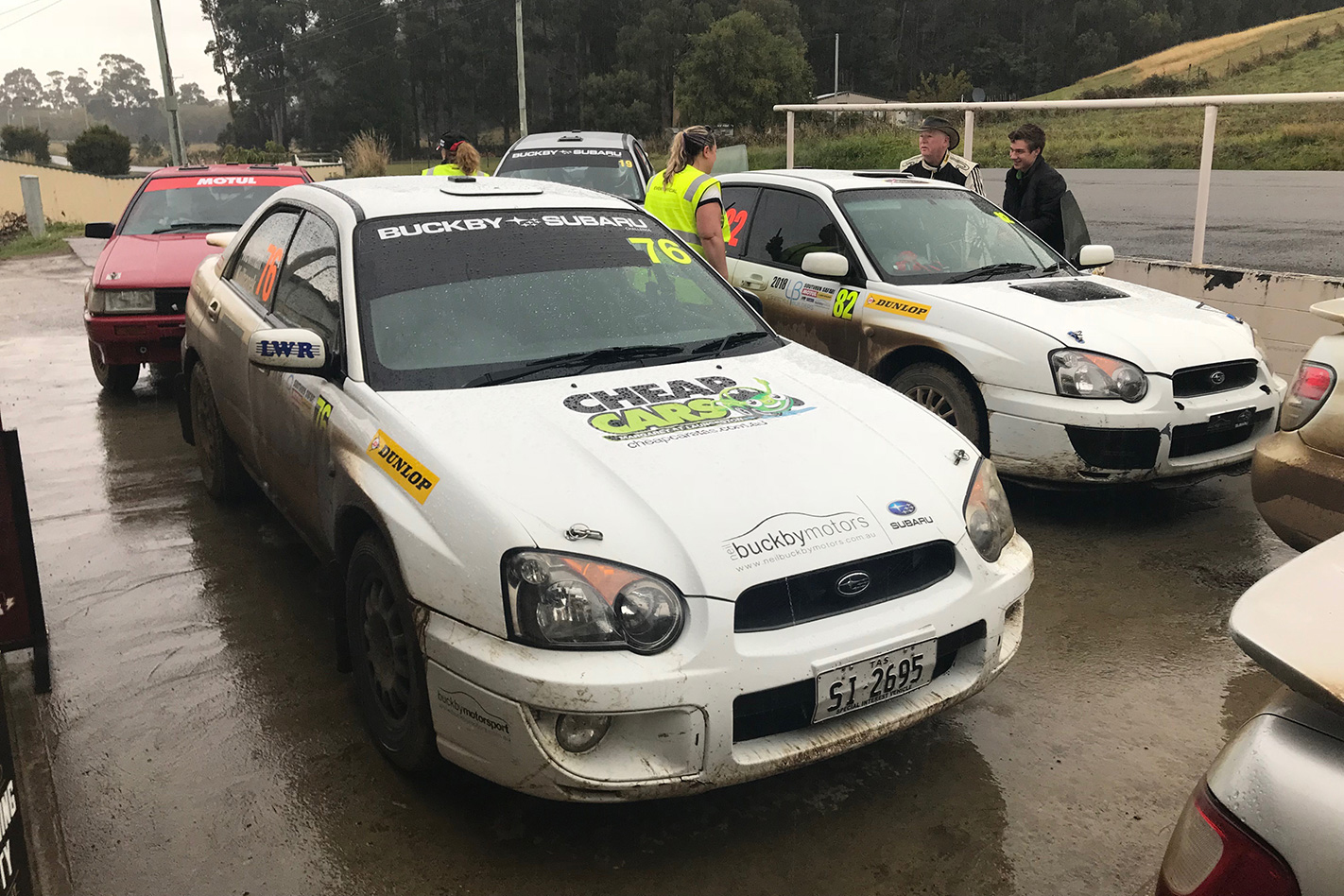
But we’re not, as Tim and I currently can’t communicate. My helmet and the car’s intercom use different systems and for a while it looks as though our effort will be derailed until a fellow co-driver produces the required connector – thanks again Bec!
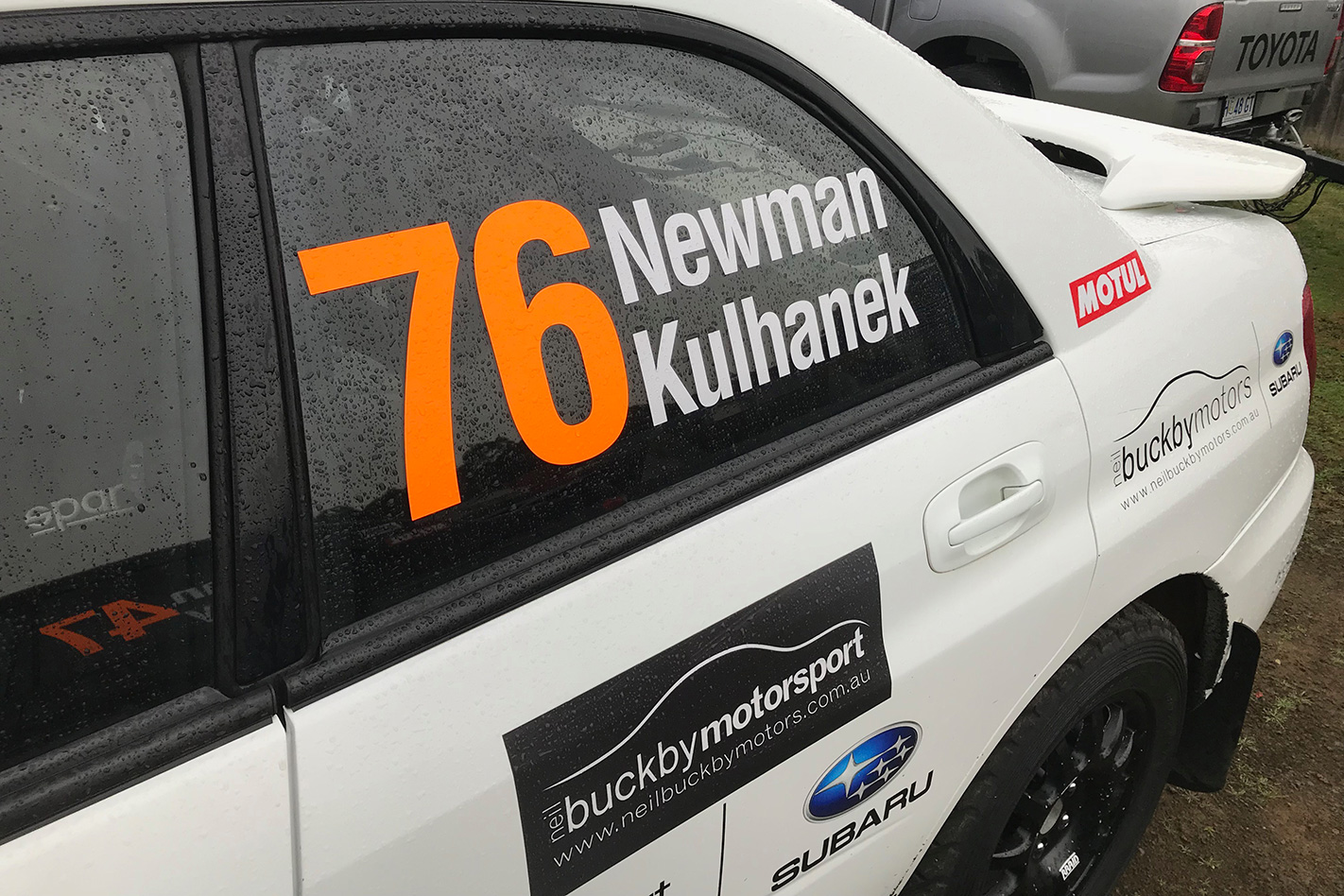
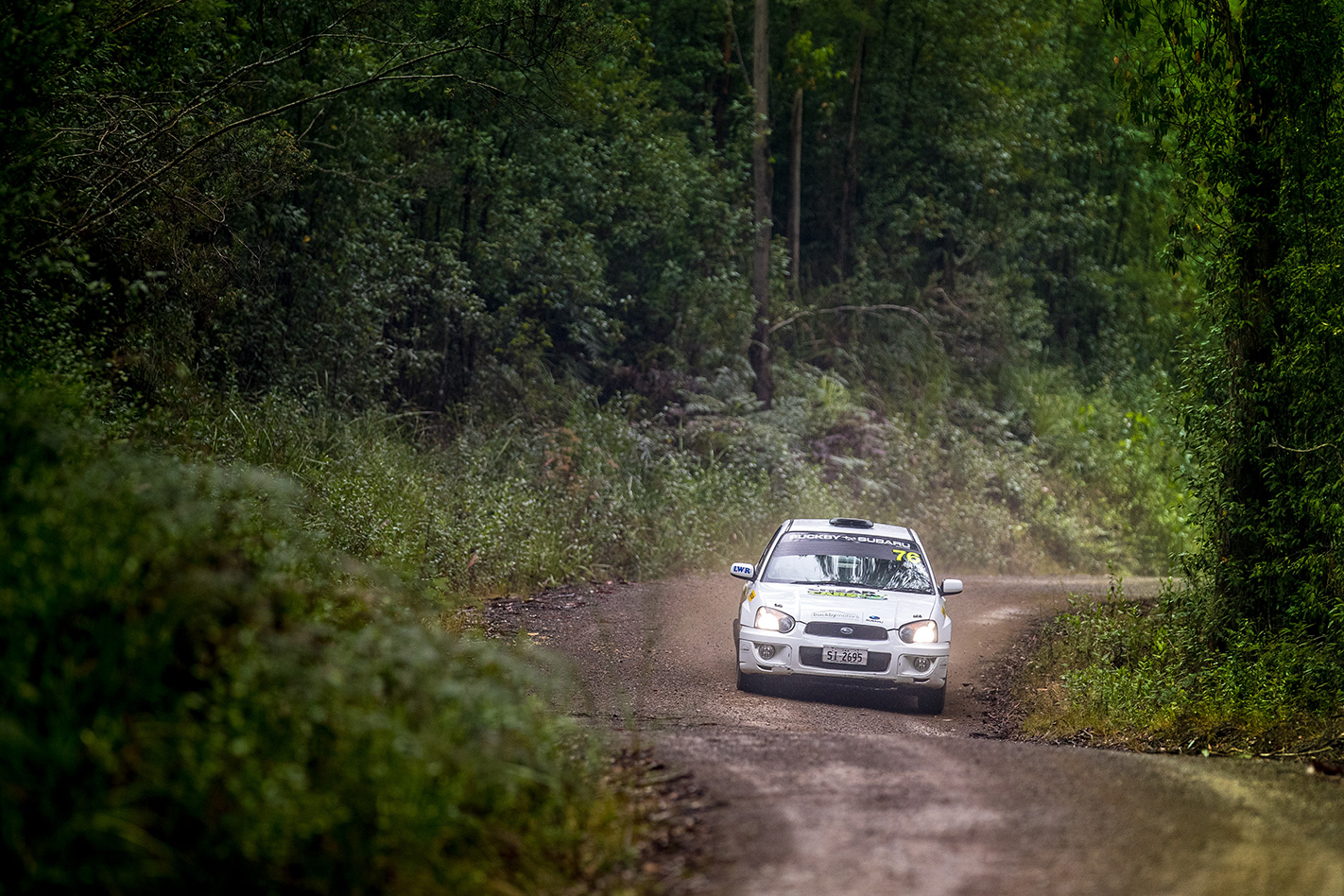
Annoyingly, the first stage is possibly the trickiest of the whole rally, with the first few kilometres covered by wet leaf mulch – not the grippiest surface around. Thankfully, the good thing about driving is you can go as fast or slow as you like and caution is definitely the aim of the game.
A fellow journo once told me “no one remembers who won, but everyone remembers who crashed” and it’s advice I’ve heeded ever since. No matter what, this car has to finish in the same condition it started.
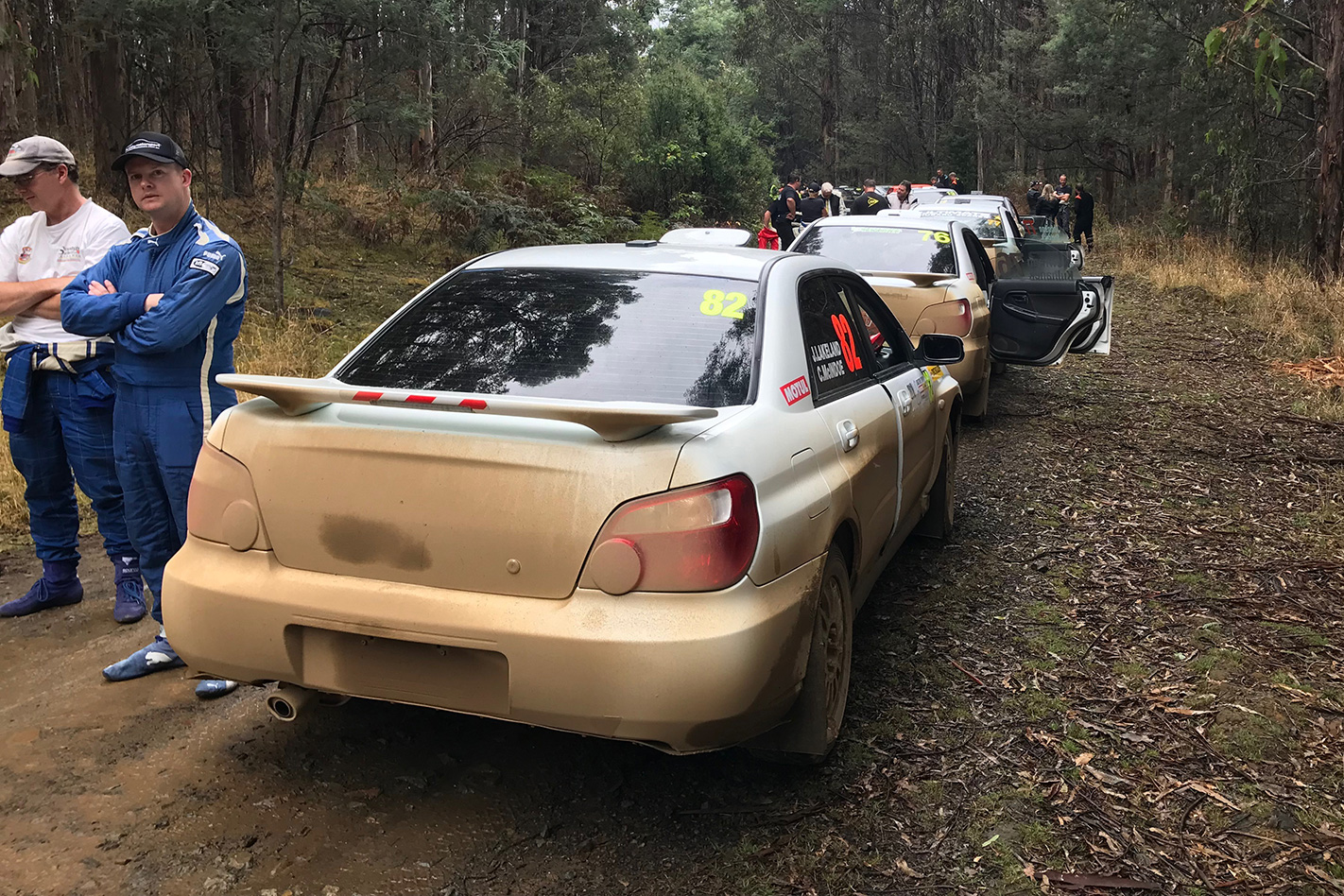
There’s no time for nostalgia as trees whistle past the windows, but thanks to a cautious approach the biggest problem we encounter during SS1 is me grabbing the regular handbrake instead of the hydraulic one at a hairpin left.
As confidence builds over the morning stages the Impreza reveals more of its personality. It’s incredibly forgiving, happy to understeer or oversteer but only if you want it to. The ‘correct’ way to drive it is to slide the rear-end on corner entry and exit with all four wheels pointing straight and scrabbling at the road but that approach requires a level of commitment that needs to be built up to.
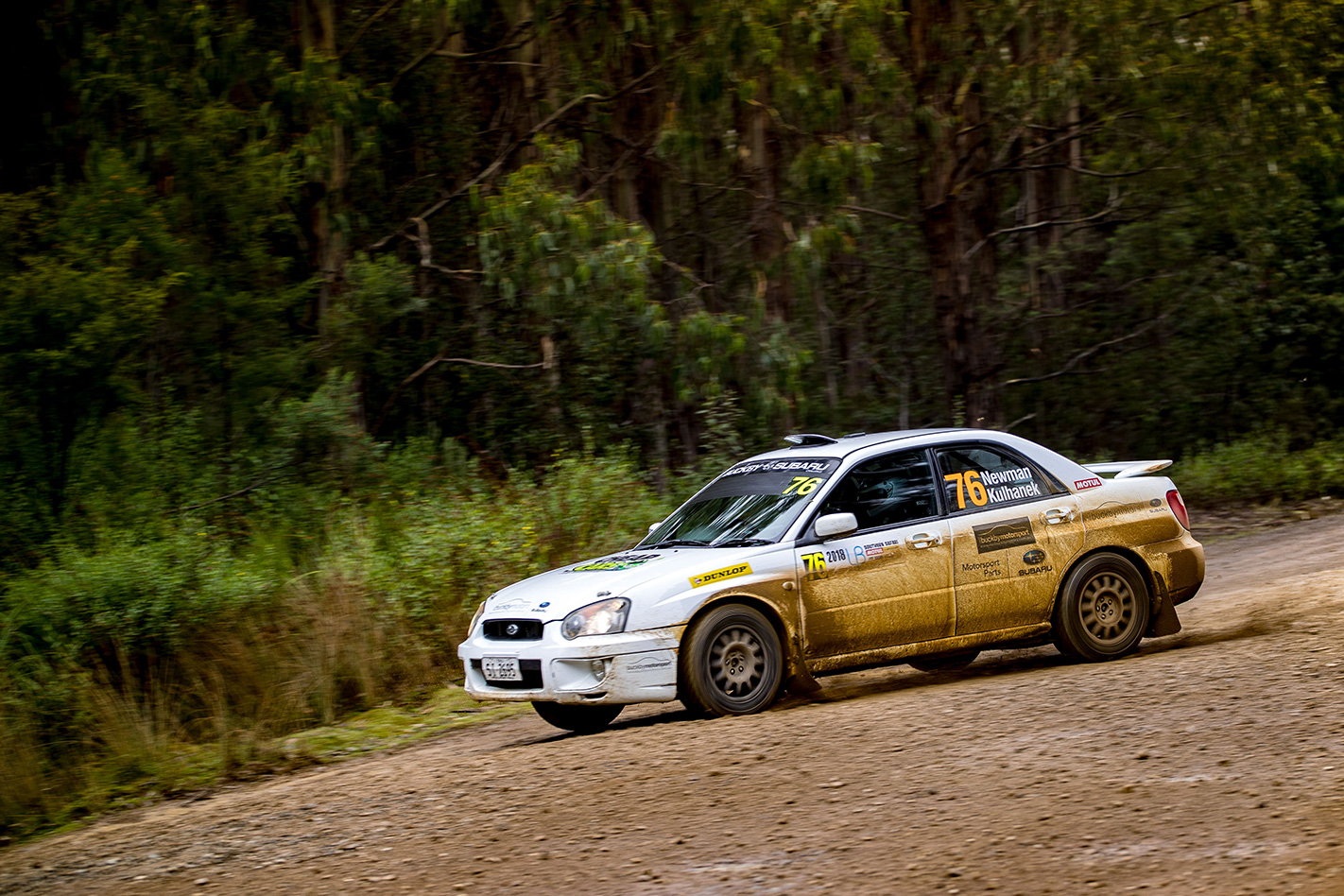
At service the Impreza RS needs nothing more than fuel, the crew likewise. The afternoon stages are a repeat of the morning’s, except run in the reverse direction. It’s a neat trick that allows the same number of marshals to be used while offering a completely new challenge to competitors.
A good lunch has clearly worked wonders, as the first afternoon stage is our best result in the whole rally. We drop 11 seconds in 10.45km to the fastest RS, almost halving the gap compared to this morning’s run over the same stretch of road (albeit in the opposite direction).
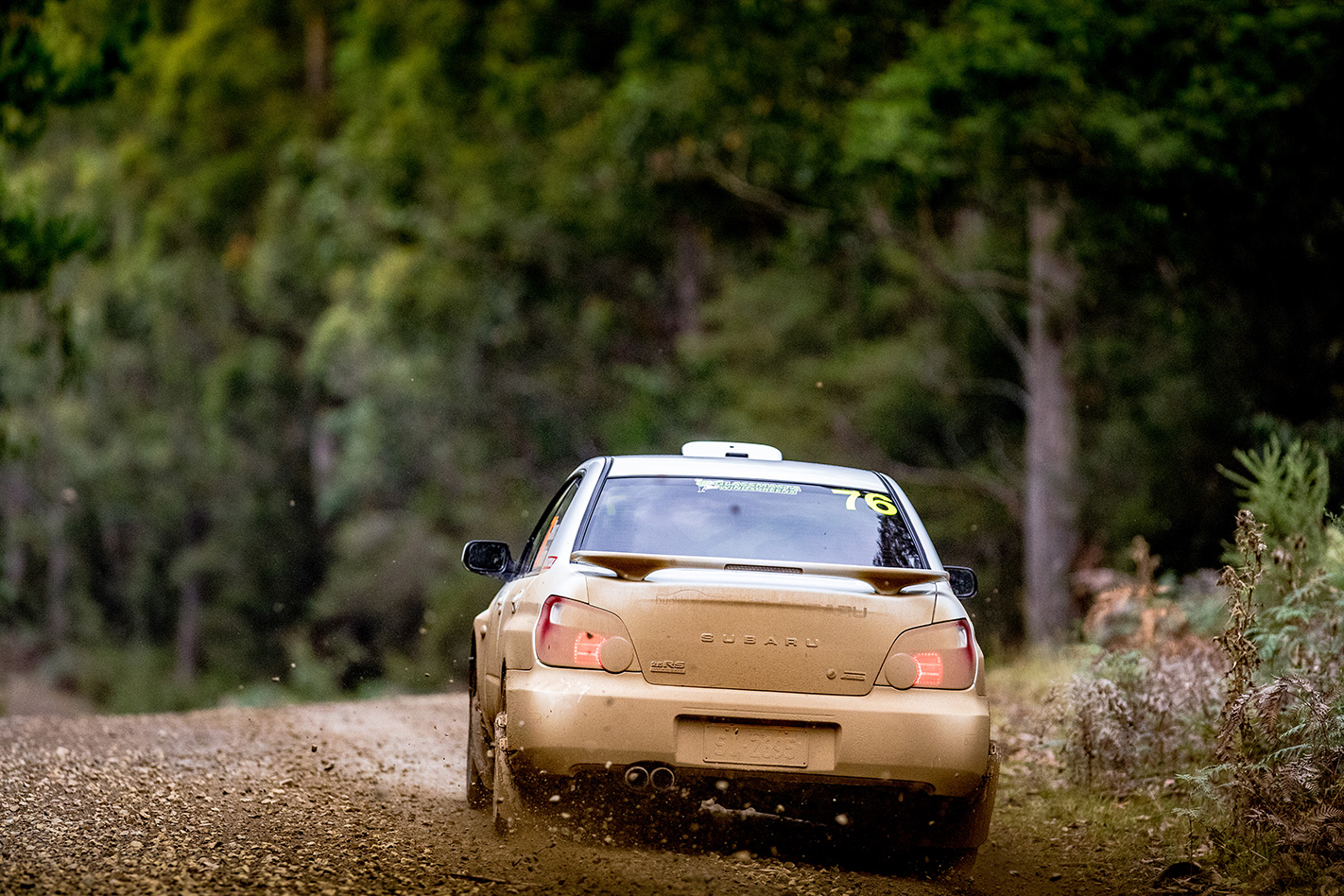
However, as mentioned, I’m not aware of this at the time and continue to just drive at a comfortable pace. I know from bitter upside-down experience that it’s when confidence builds that you’re most likely to make a mistake by biting off more than you can chew.
One thing not in the notes is the small fowl that runs across our path in SS6, thankfully quickly enough to avoid lifting the throttle; it joins the wallaby spotted this morning on our ‘wildlife sightings’ list – maybe that’s why it’s called the Southern Safari?
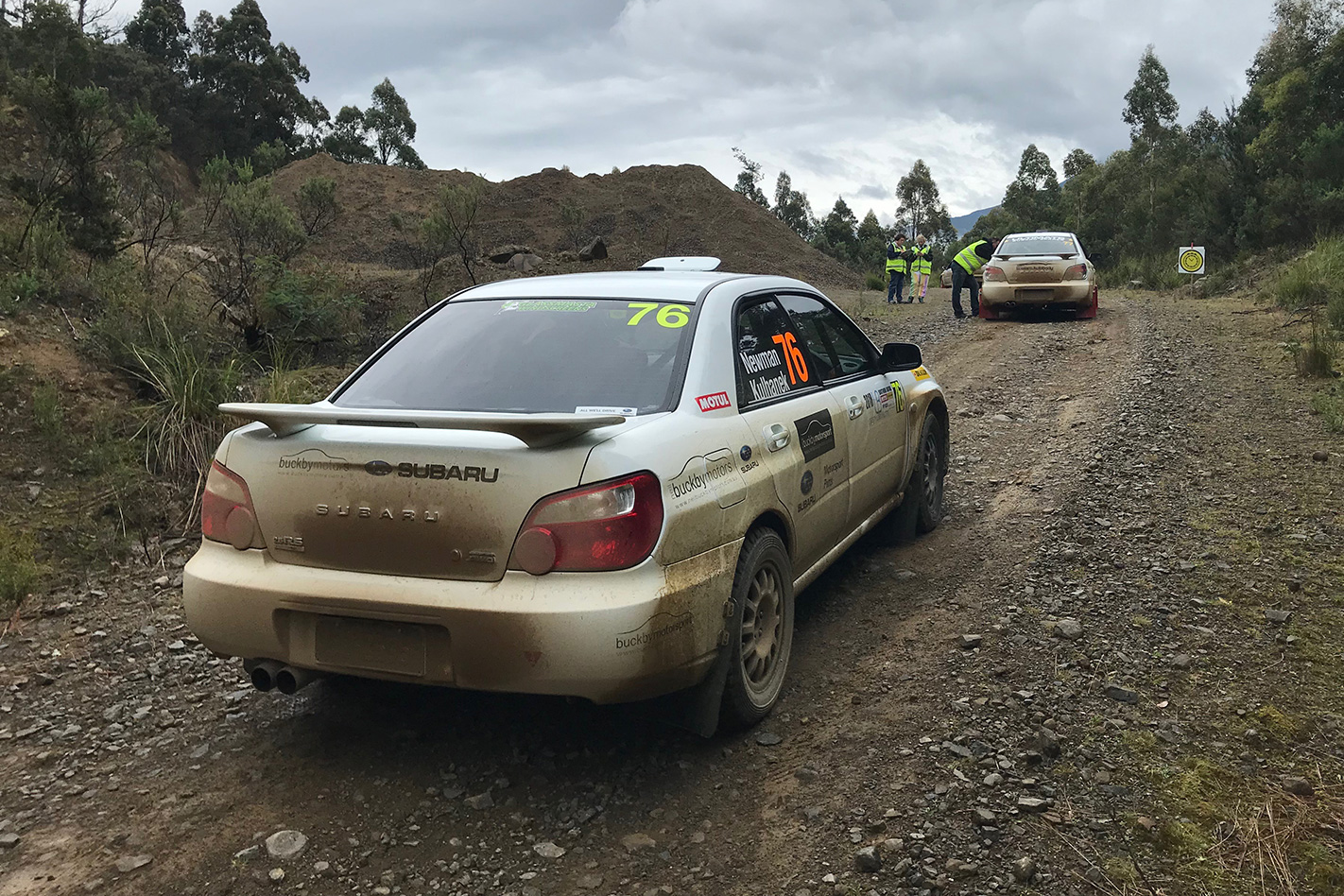
Just two stages remain, but stage 10 is a biggie, consisting of two other stages combined to make a 22.66km epic. That mightn’t sound that far, but it’ll require 100 per cent concentration for more than 14 minutes when every crew is starting to feel the effects of fatigue.
And screaming is the right word, as an exhaust leak has the RS’s atmo 2.5 barking and backfiring like McRae’s Group A WRX. We’re 36.5sec slower than Ben Newman through the stage, which is a lot, however he’s produced the drive of his life to snatch second-place outright, the winning GC8 WRX STI of Bodie Reading thrashing everyone by more than five-and-a-half minutes.
With one final leap through the air our Impreza RS crosses the finish line and Tim and I retain our perfect 100 per cent finishing record in a rally car – six from six. We weren’t the fastest, but it’s doubtful anyone had more fun.
A check of the final results reveals the names of Newman/Kulhanek as third in the RS Challenge and a surprising fifth outright, thanks in no small part to a number of competitors remodelling their rally cars against parts of the Tasmanian scenery.
Nevertheless, it’s also a testament to the car. Safe enough to learn in, yet fast enough to trouble the podium in experienced hands, the Impreza RS is a fantastic entry point into the sport of rallying. It’s not exactly cheap – no motorsport is – but our car needs nothing more than a wash and perhaps a new exhaust gasket to be ready for the next round. Parts are inexpensive, too.
A 2004 Ferrari Enzo is currently waiting for its next owner, patiently, in a Melbourne dealership.
It’s only travelled 4046km in its 14 years, and is finished in rare Grigio Titanio silver rather than the traditional Rosso Corsa (racing red).
But the price is… well, are you sitting down?
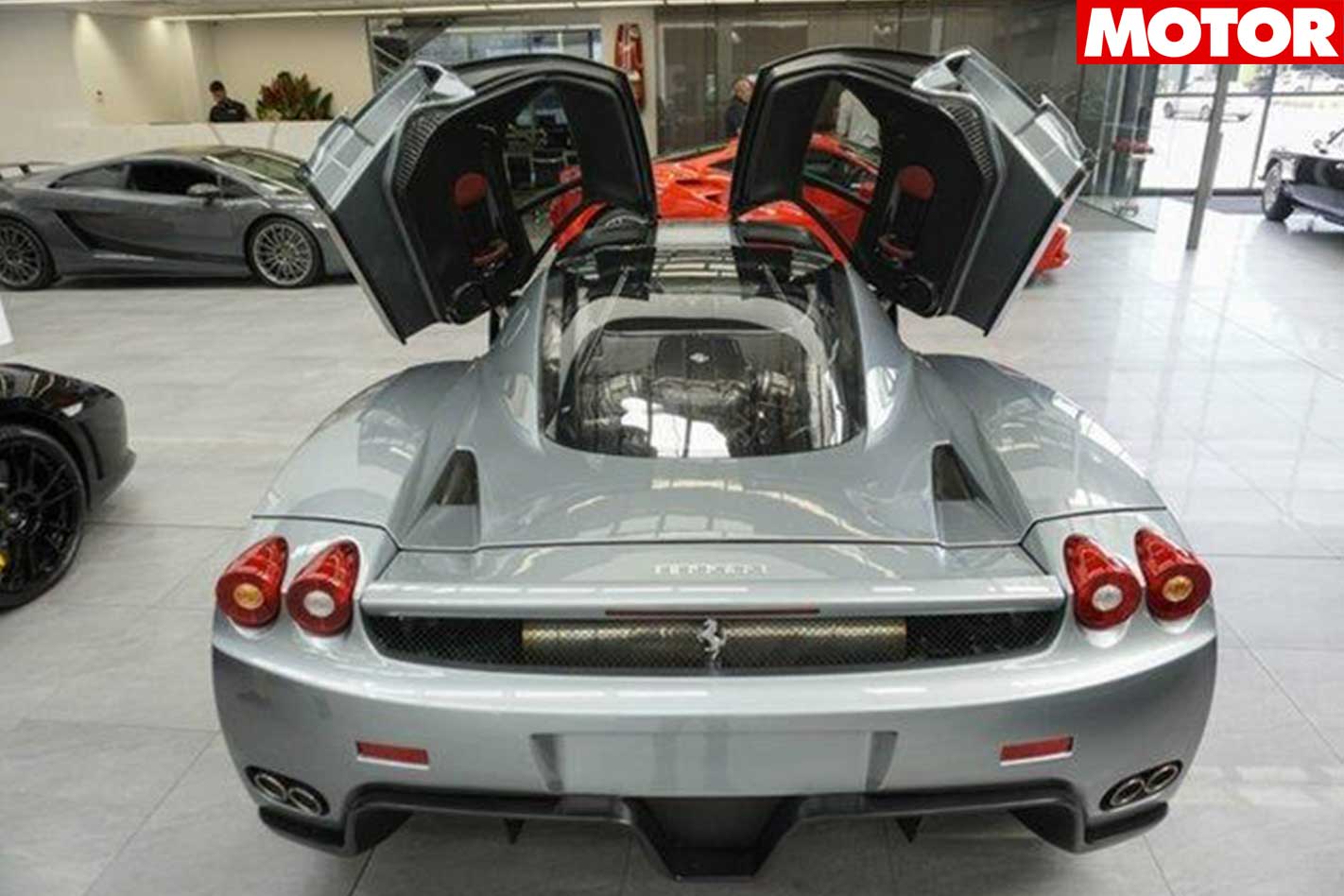
If it sells at that price, it’ll be one of the most expensive Ferrari Enzos sold recently.
Lorbek Luxury Cars, the dealership with the keys, says it comes with all of the original books, full factory cover set, and a Ferrari authenticity certificate.
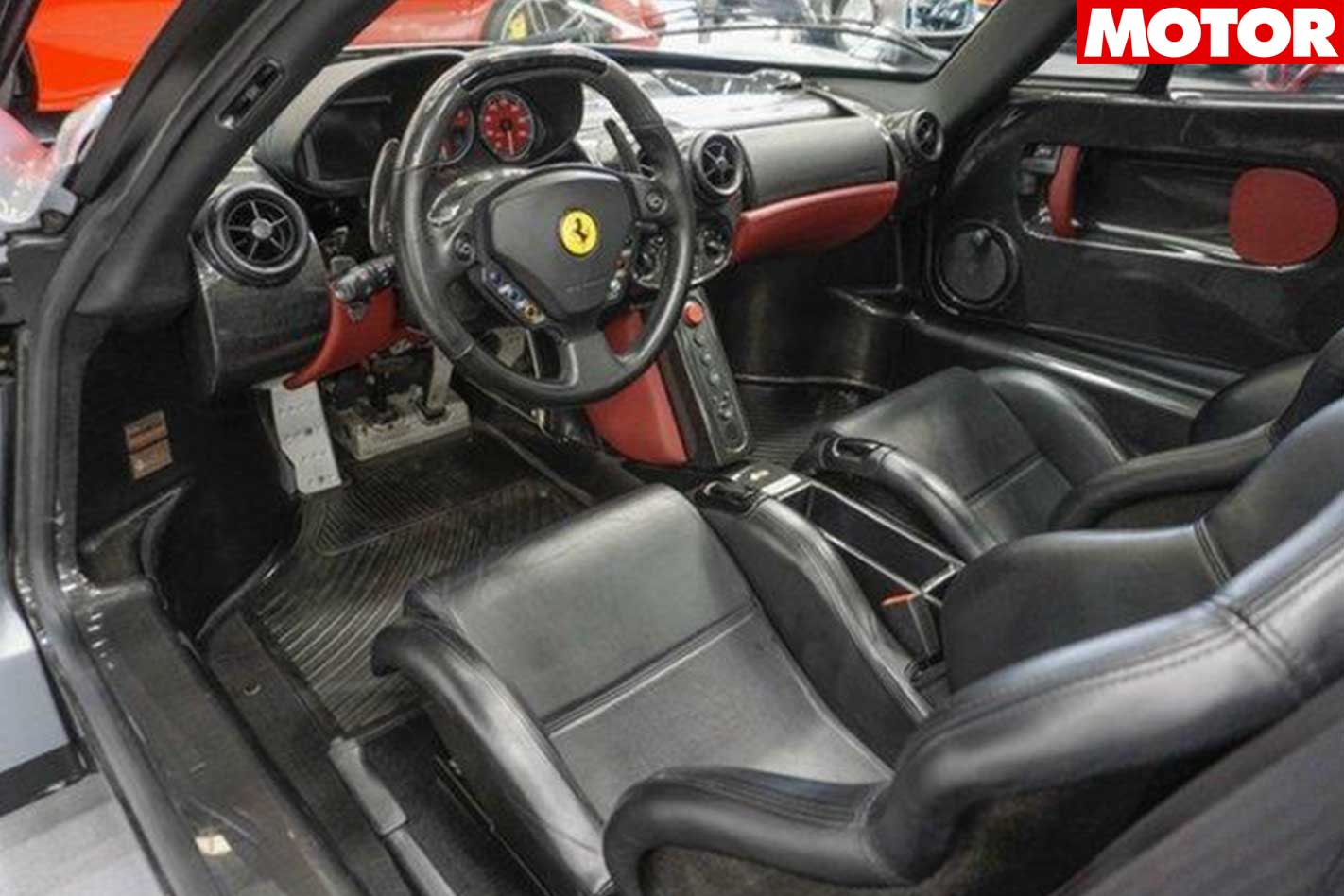
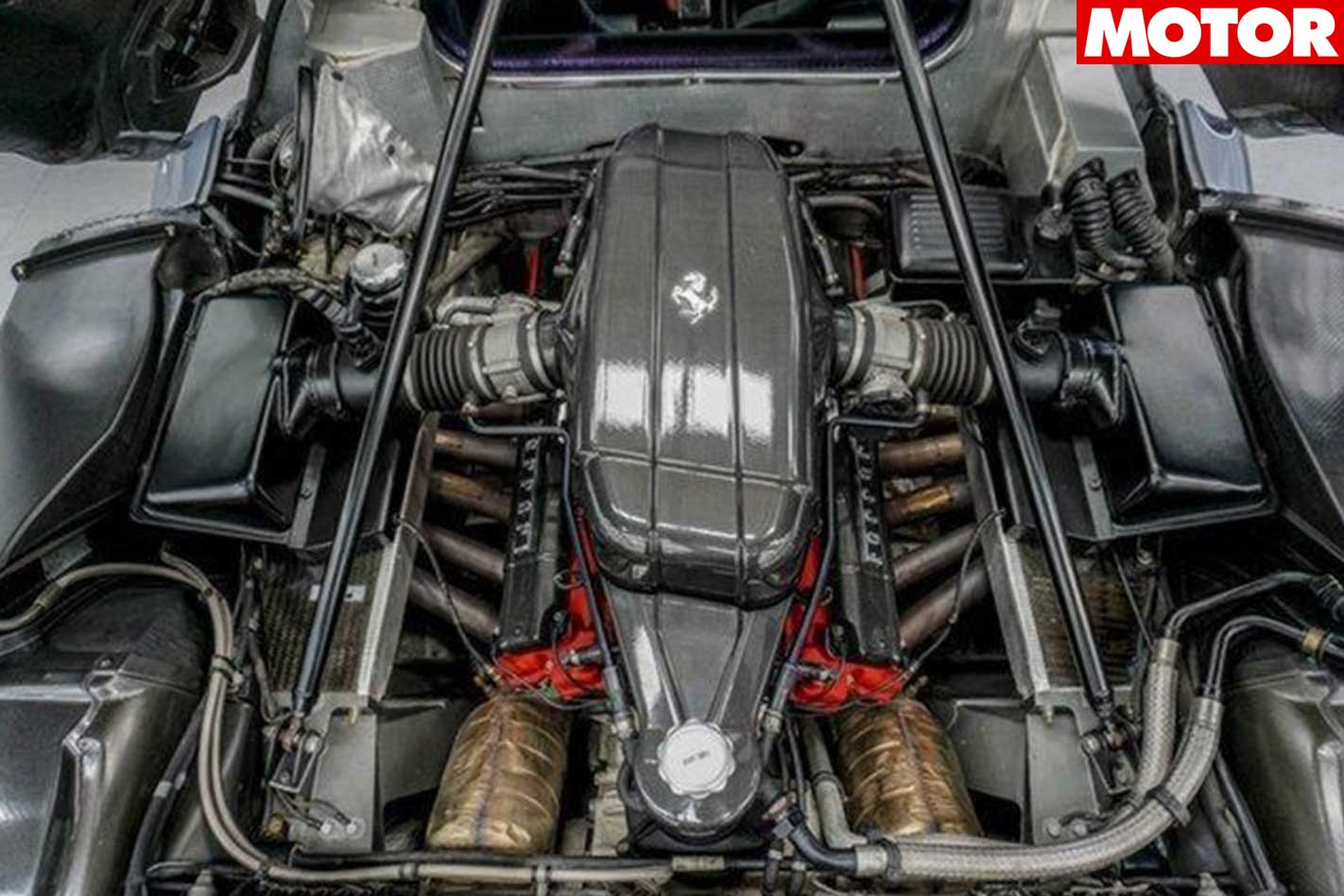
The 6.0-litre atmo V12 does, however, produce 485kW and 657Nm, allowing a 0-100km/h sprint of 3.65 seconds, and a top speed of 350km/h.
But when it comes to this car, the price is the biggest hurdle. Knowing how much one is worth is already tough, but as a rarity in Australia, it’s even harder.
It being left-hook also means driving it on the road is a no-no, for now.
Overseas, last year was a hit-and-miss year for the model.
The most expensive one a quick search turned up was a 2004 model, shifted by RM Sotheby’s at AUD$4,218,814. It’s black, had 22,800km showing when it sold, and boasted “two owners from new.”
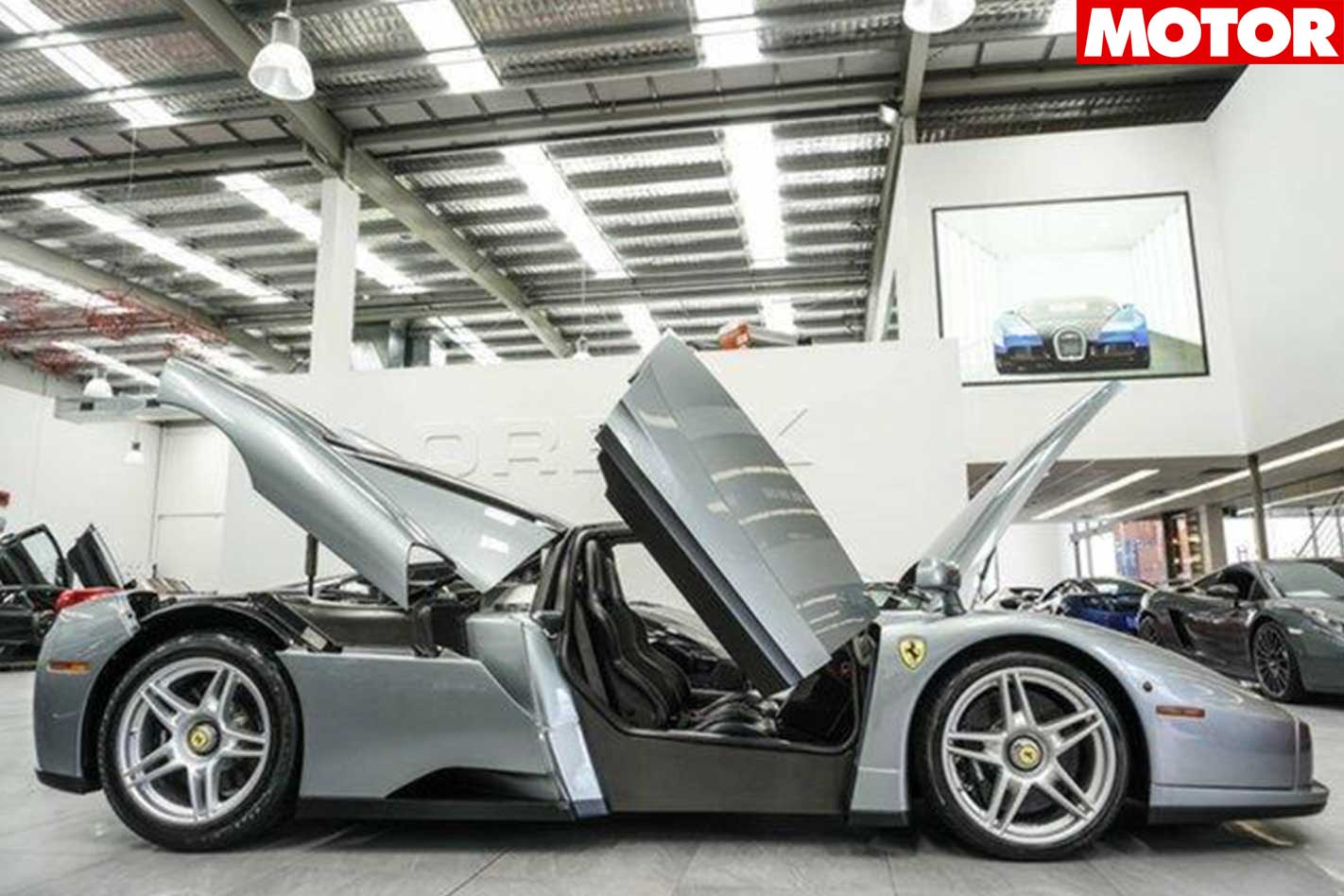
So what’s the one sitting for sale in Melbourne really worth? Check out the listing and have a guess, because we might never find out.
HYUNDAI has revealed that 52 special customers chasing the potent Hyundai i30 N performance hatch will receive their cars early for reaching into their wallets before anyone else.
The high-performance hatchback is officially due on sale from mid to late May, when the first of the official shipments of cars booked for Australian production arrive out of South Korea.
However, Hyundai said 52 customers who jumped in on the i30 N early could expect their versions of the 202kW/353Nm turbocharged 2.0-litre firebrand to arrive as early as within two weeks – their reward for being the fastest to stump up their deposit on the $39,900 hot hatch.
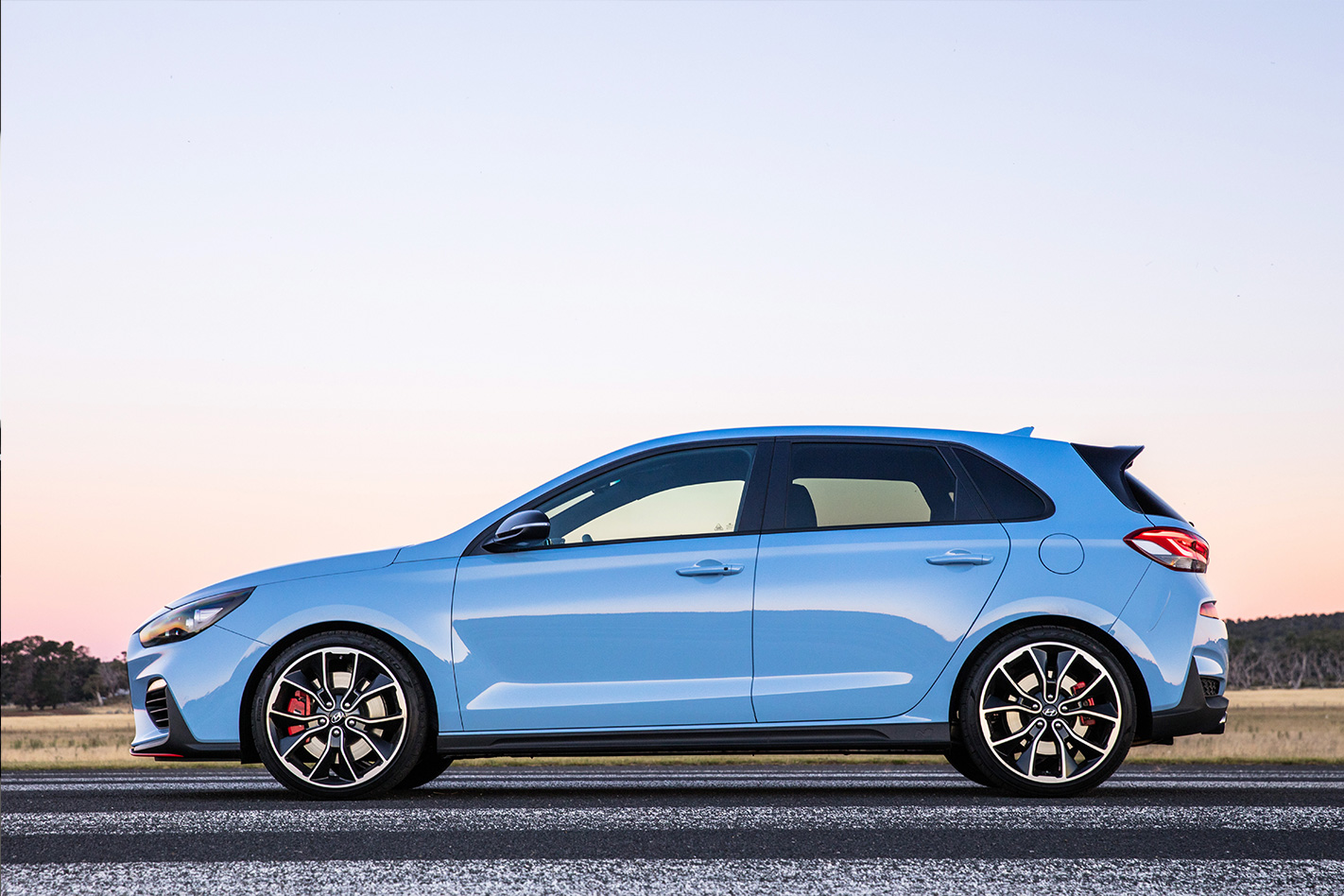
“That was sort of under the radar, a low-key marketing campaign to people who had expressed interest in the car, through our website, so there was no incentive really for anyone to put down a deposit other than to gain an early car,” he said. “So 52 deposits for the car was pretty good given there was no real push behind it – they’ll be getting their cars soon.”
Of interest, though, will be how many of those buyers will be jumping out of hot hatches from other brands, such as the Volkswagen Golf GTI and R, the Ford Focus RS and the Subaru WRX STi, to have a taste of the Hyundai.
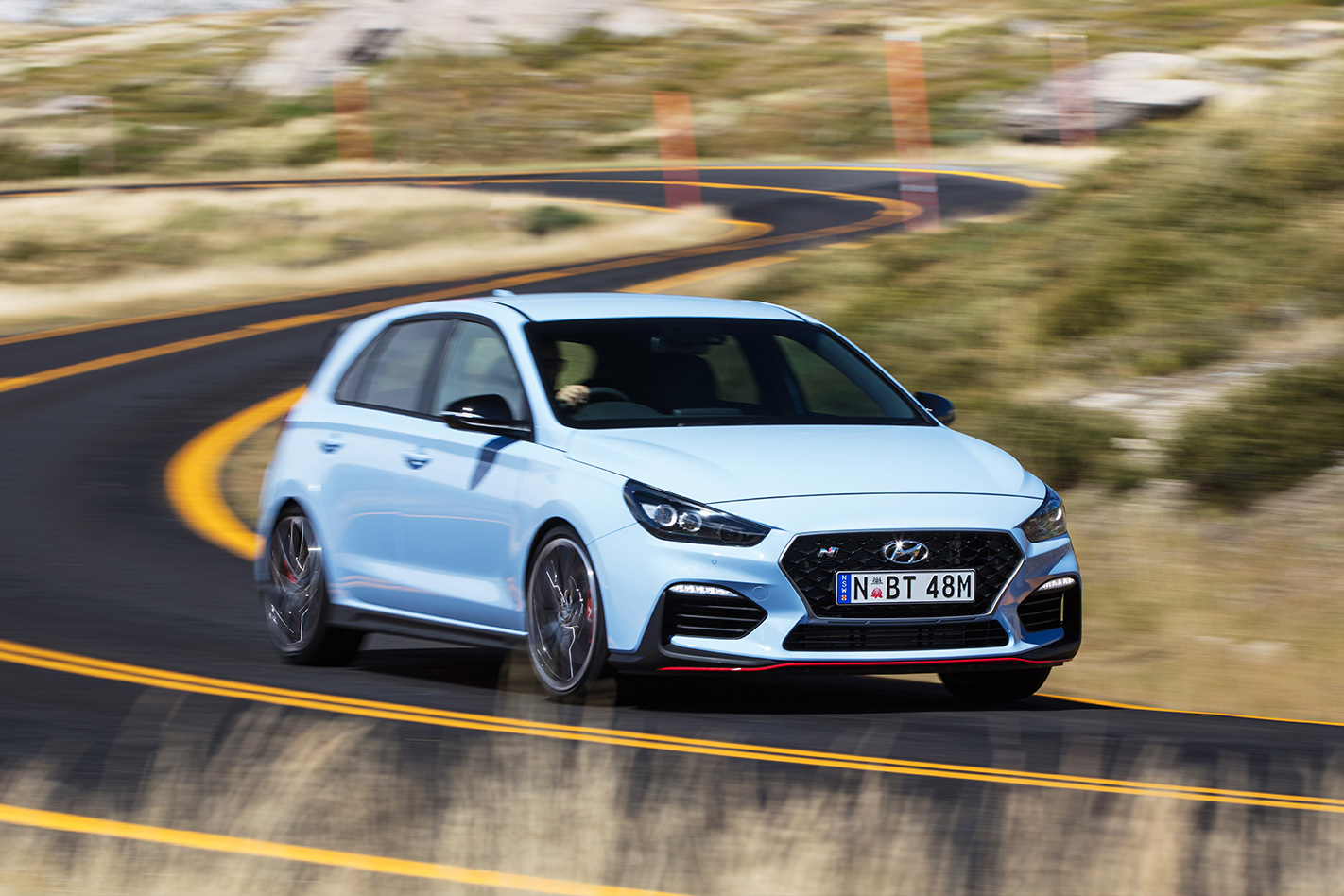
“It seems that people get the car and understand what the car is capable of already, and they’ve read a lot about it already,” he said. “We will certainly analyse it [the sales data] as we start selling them properly, but it will be interesting to see how many conquest sales we have – we assume it will be pretty close to 100 percent conquests, we think.
“Unless you’ve owned a hot hatch you probably won’t be diving into one of these cars,” he said.
